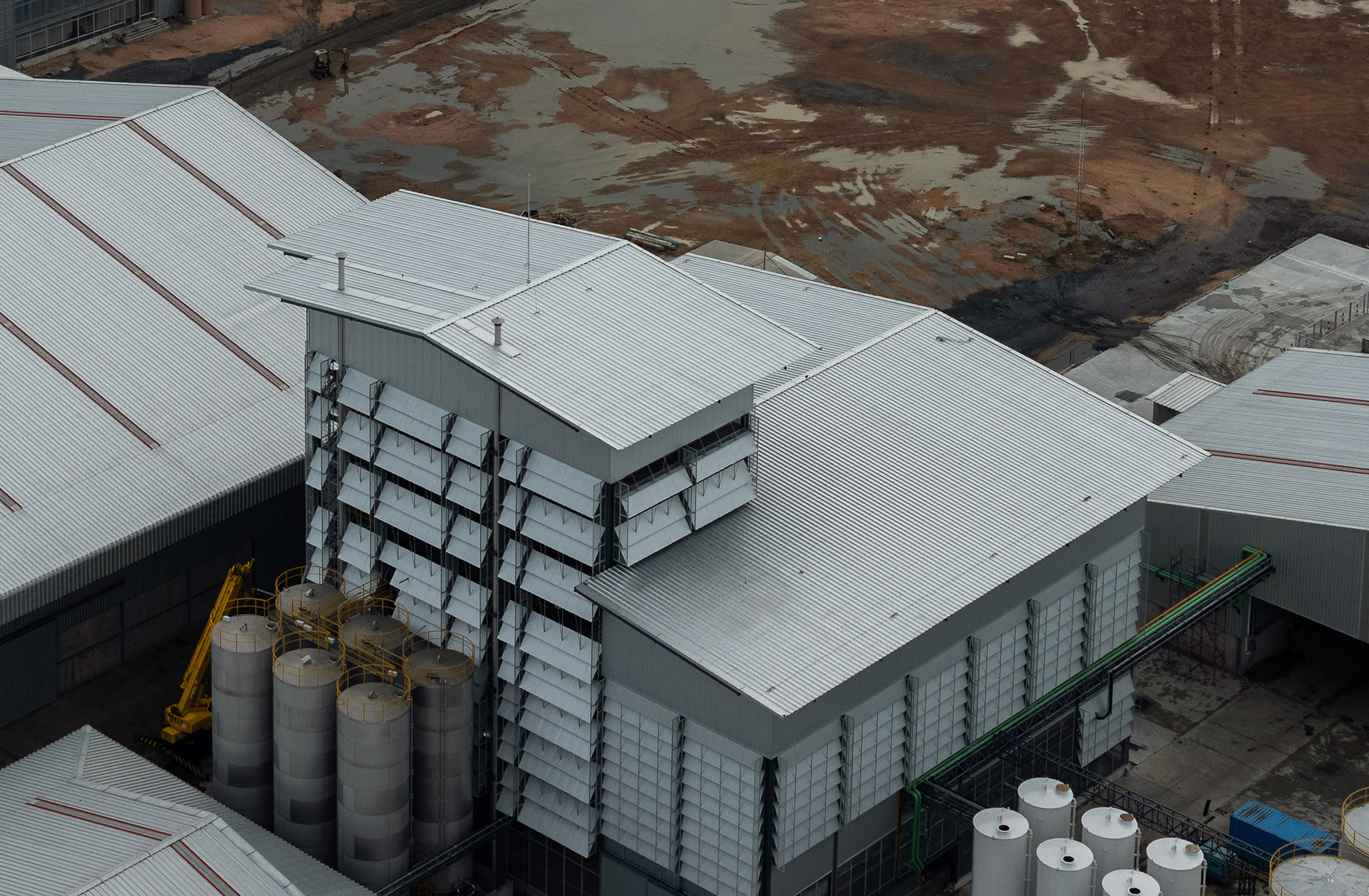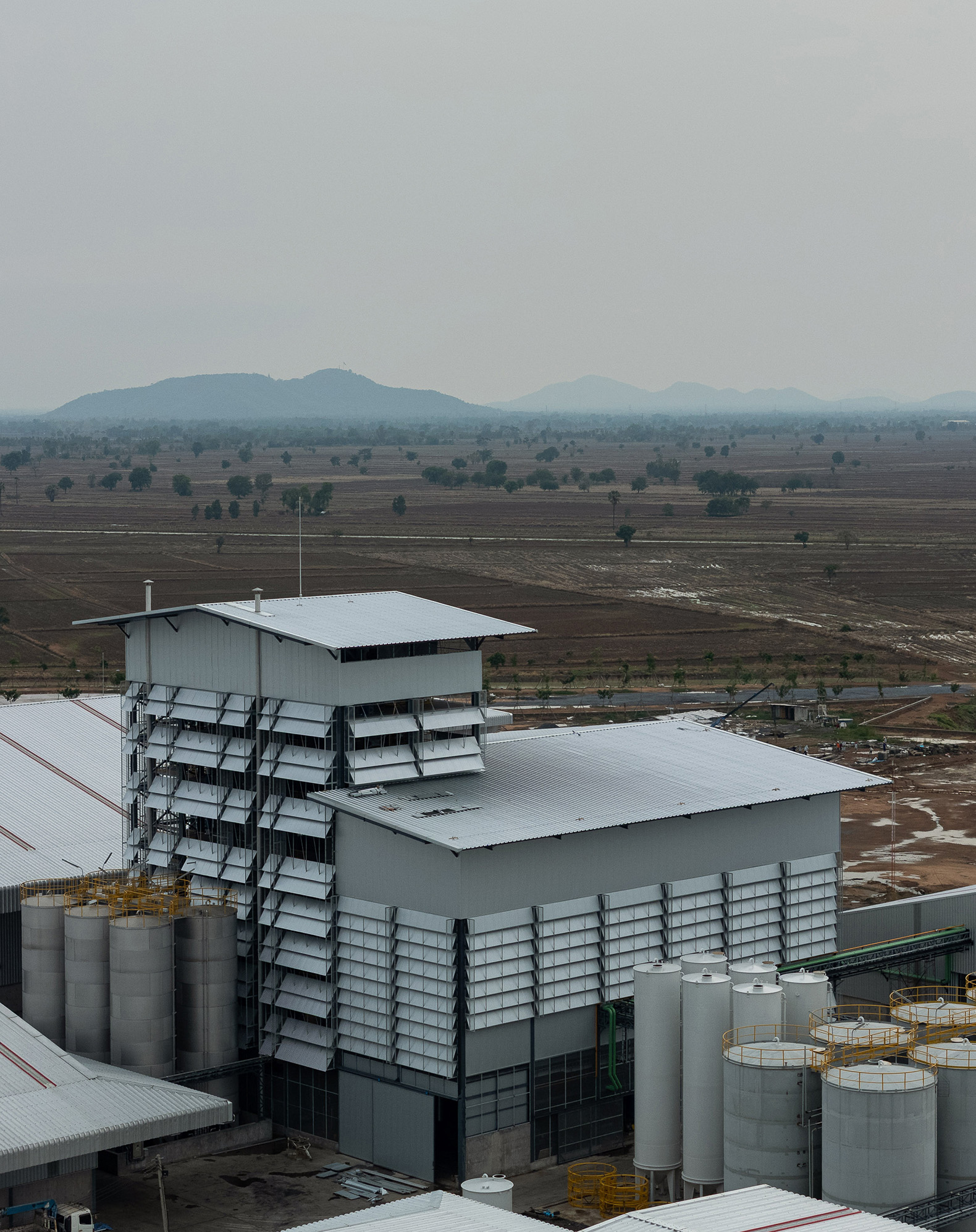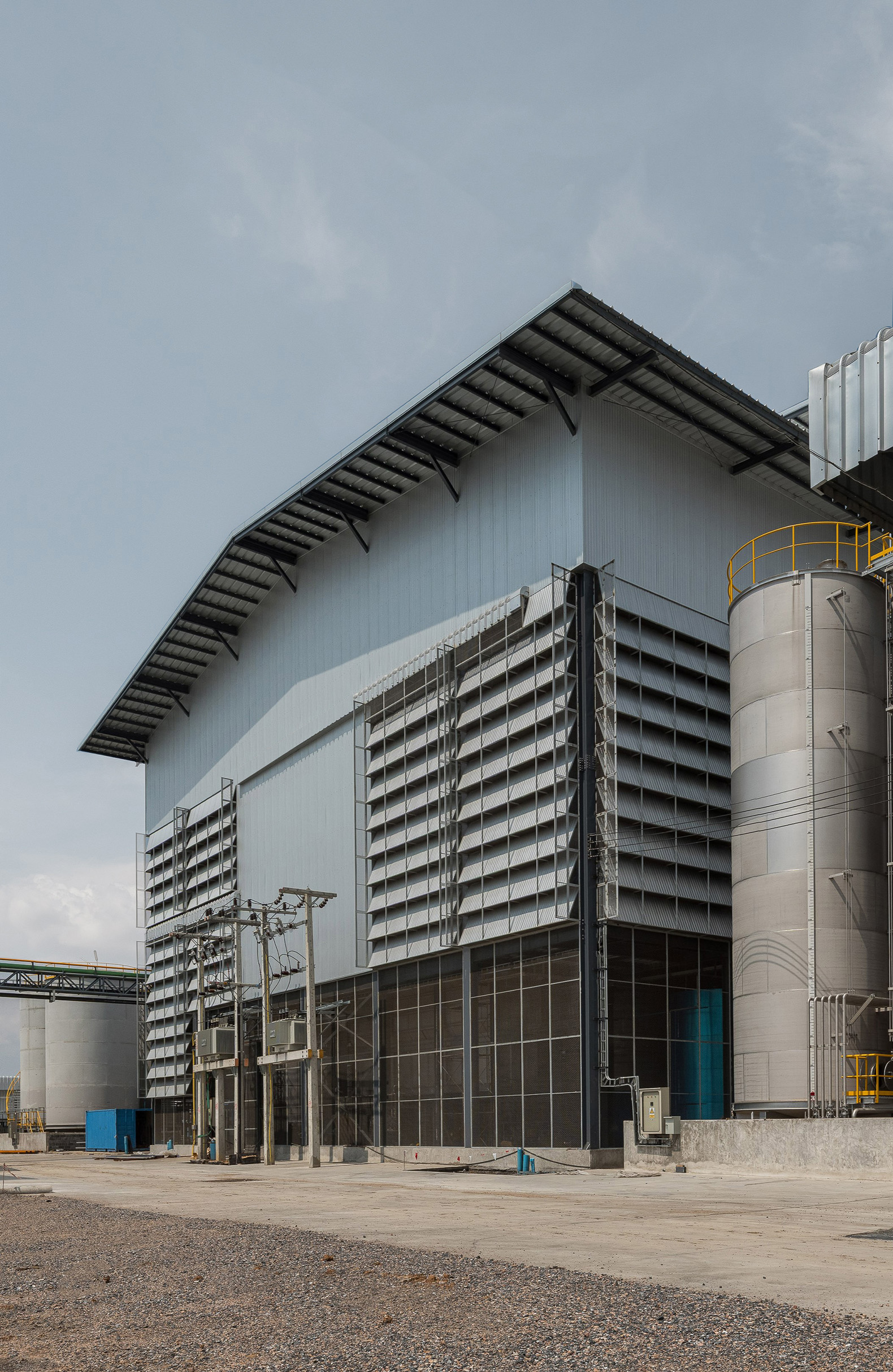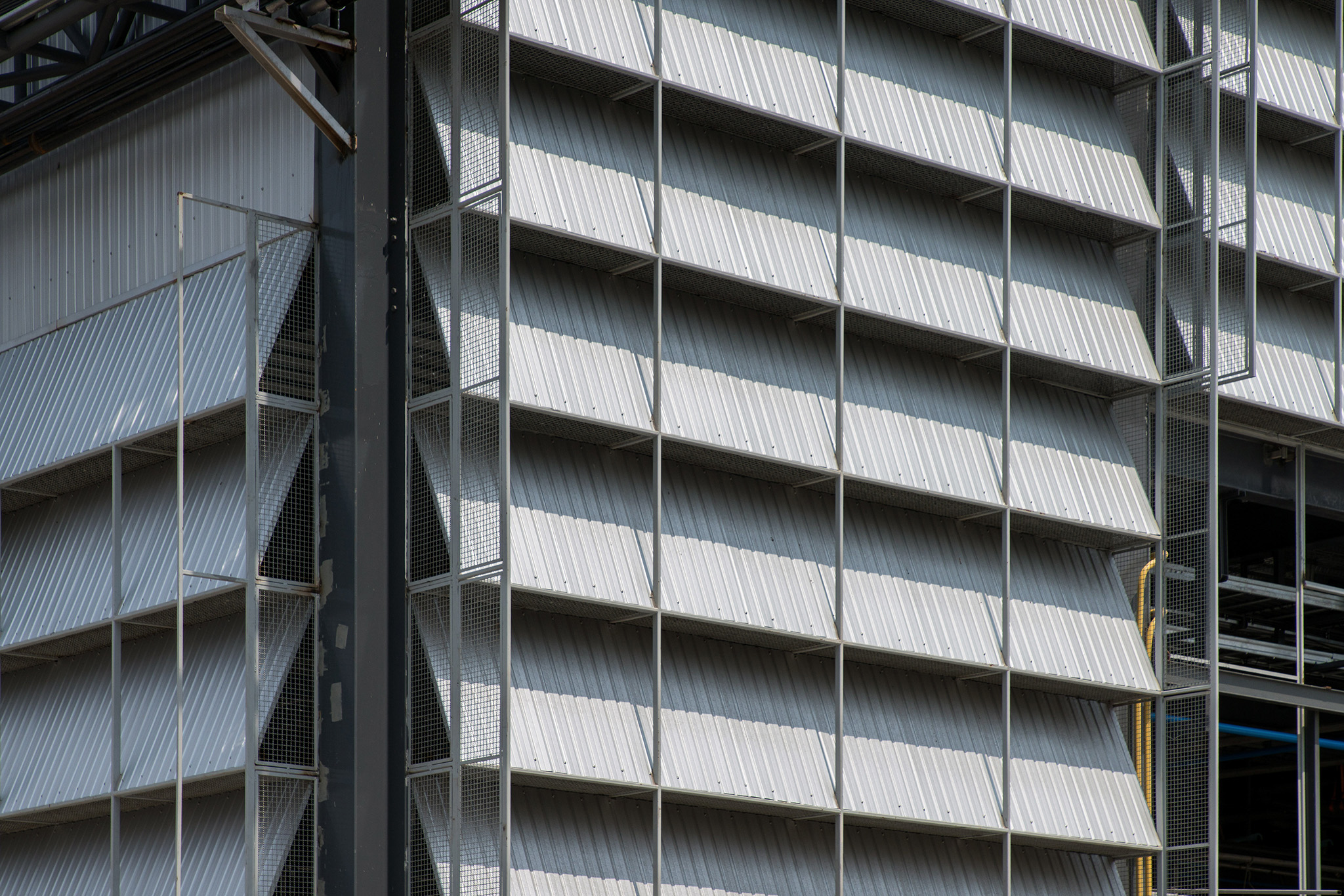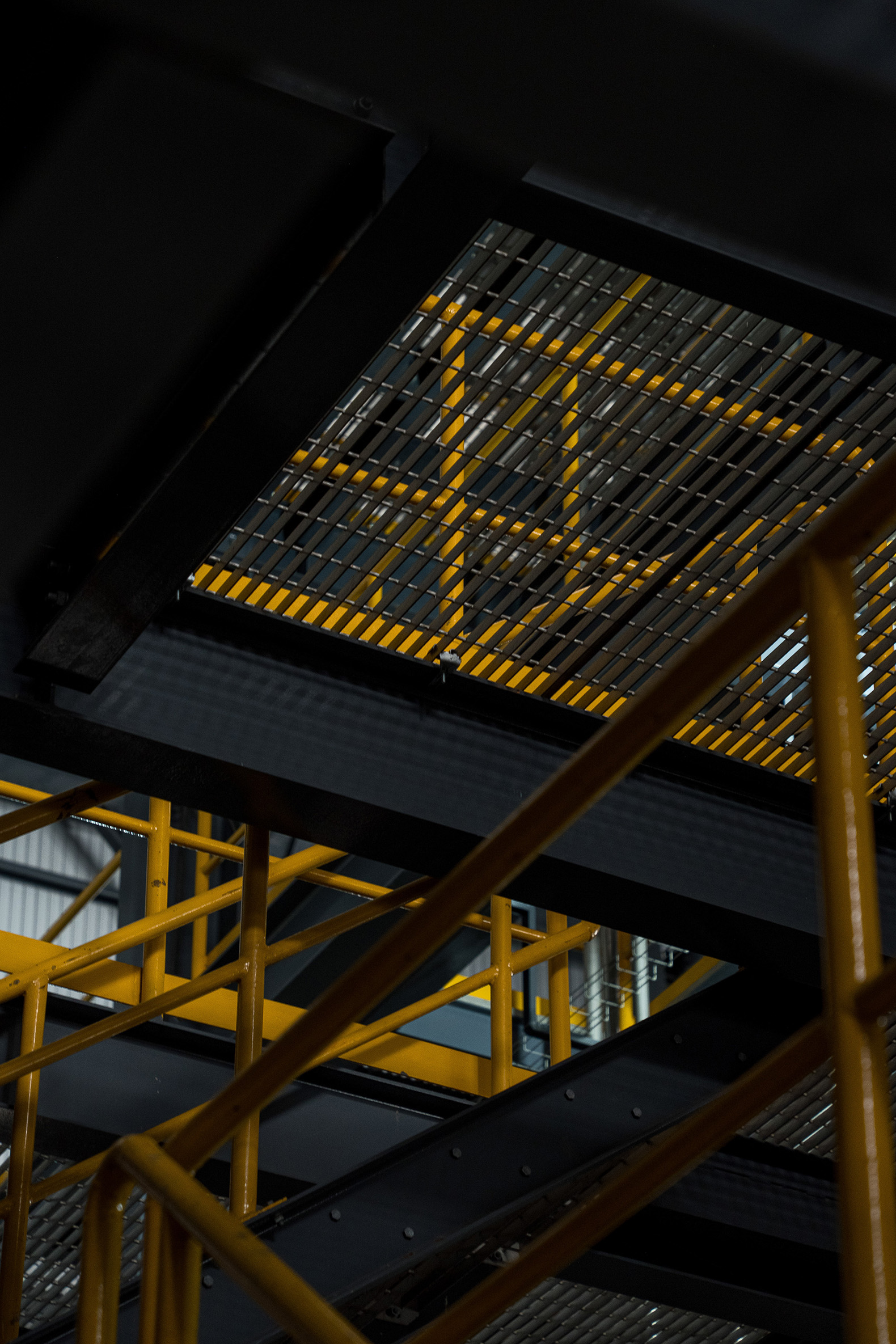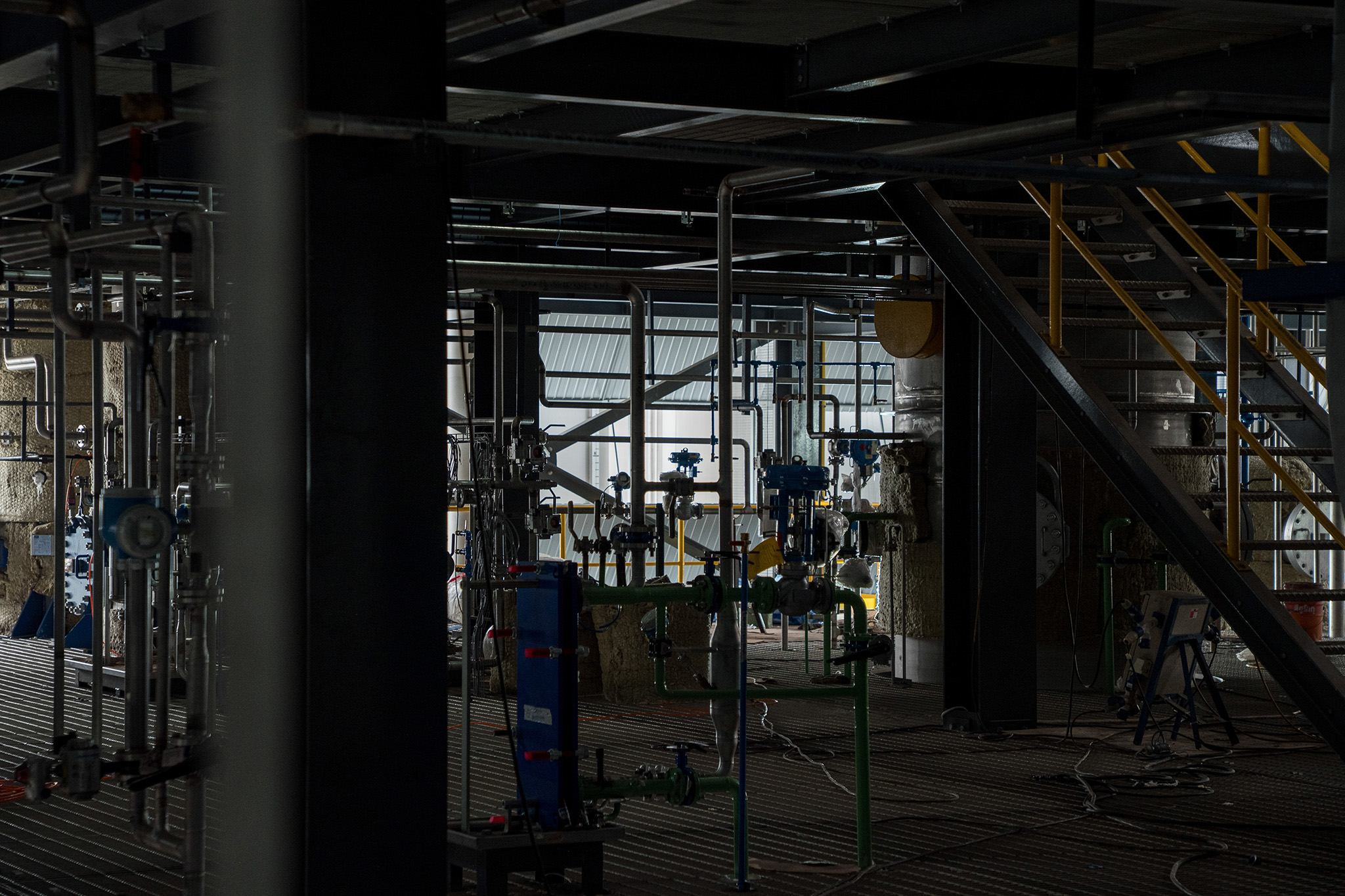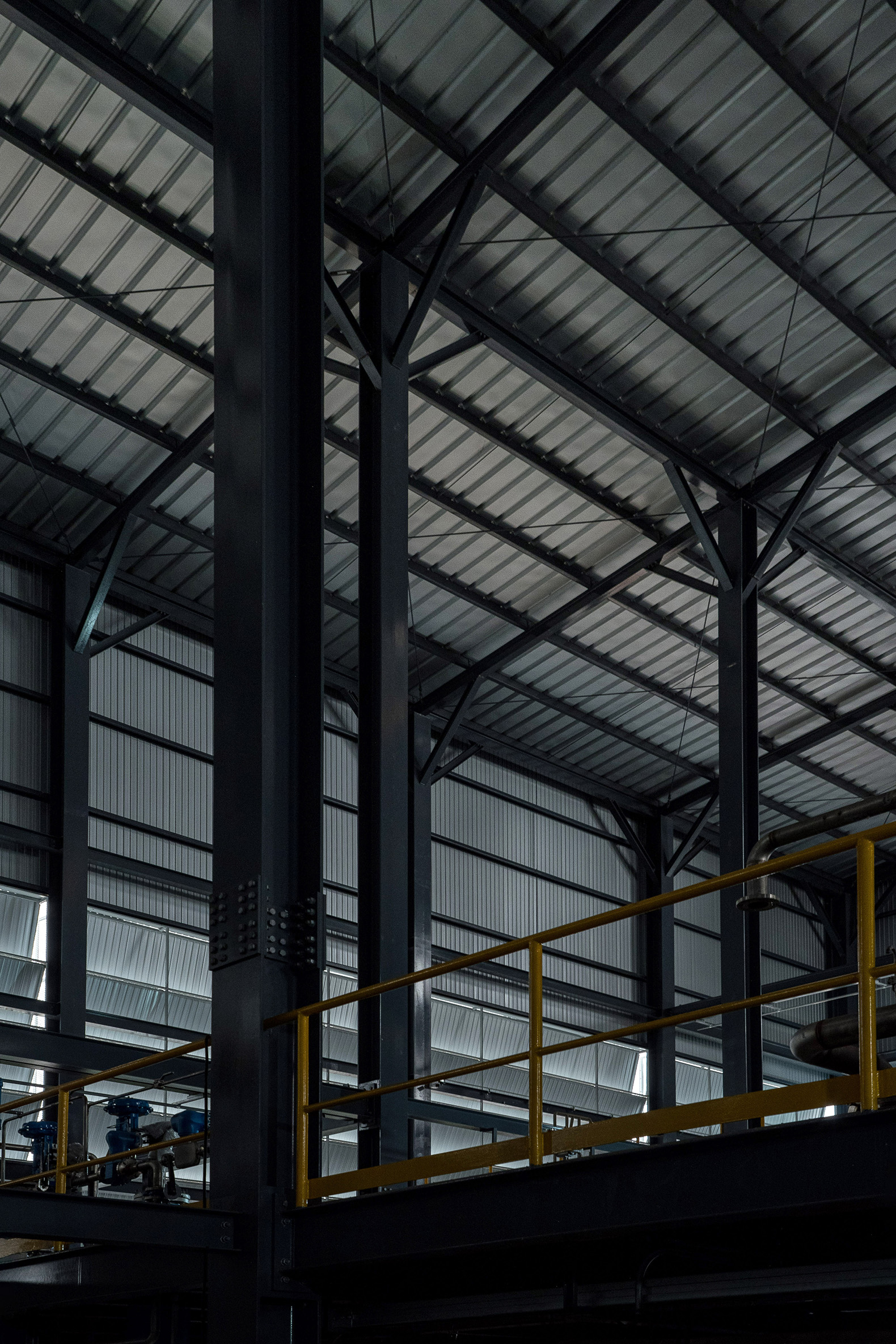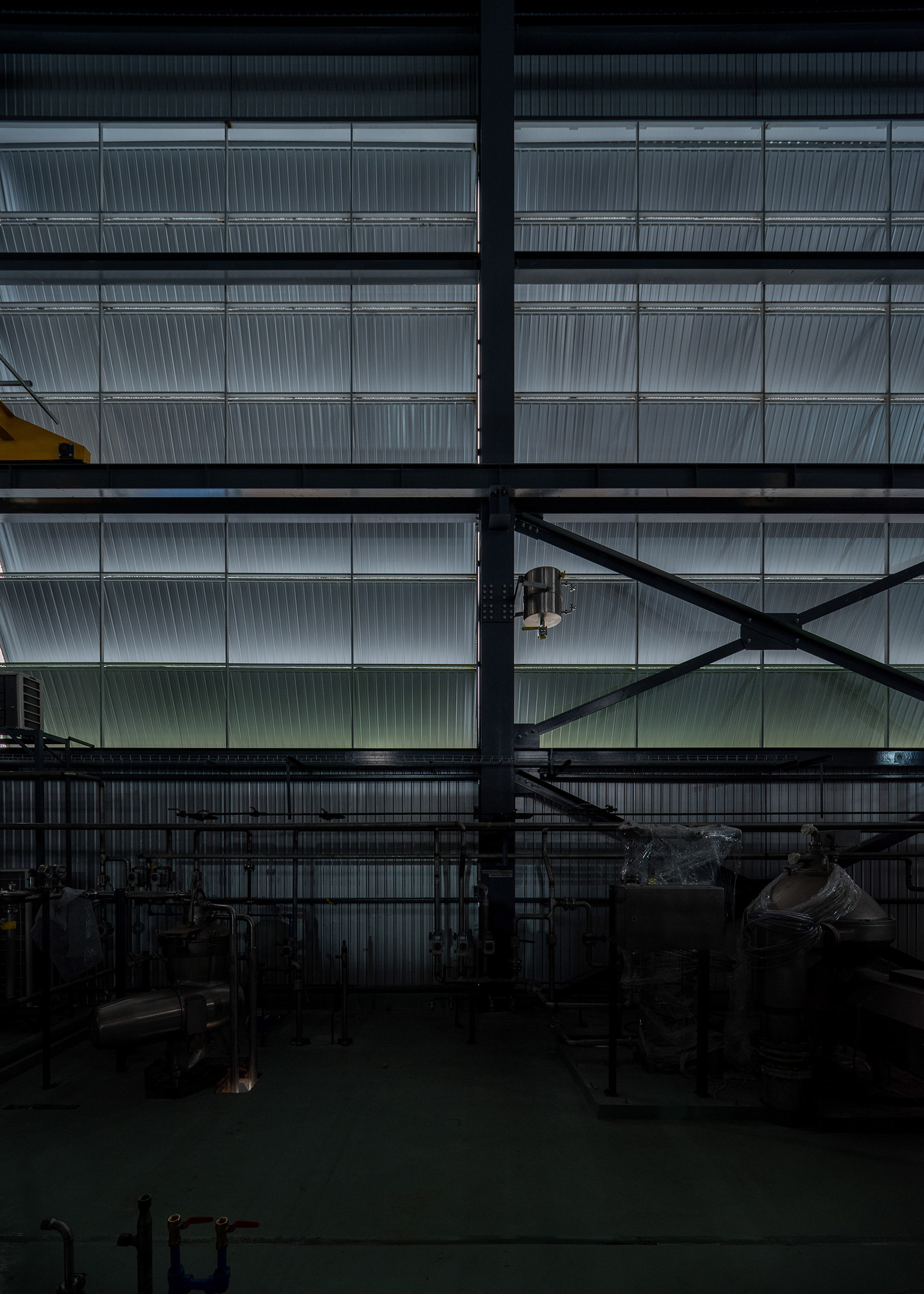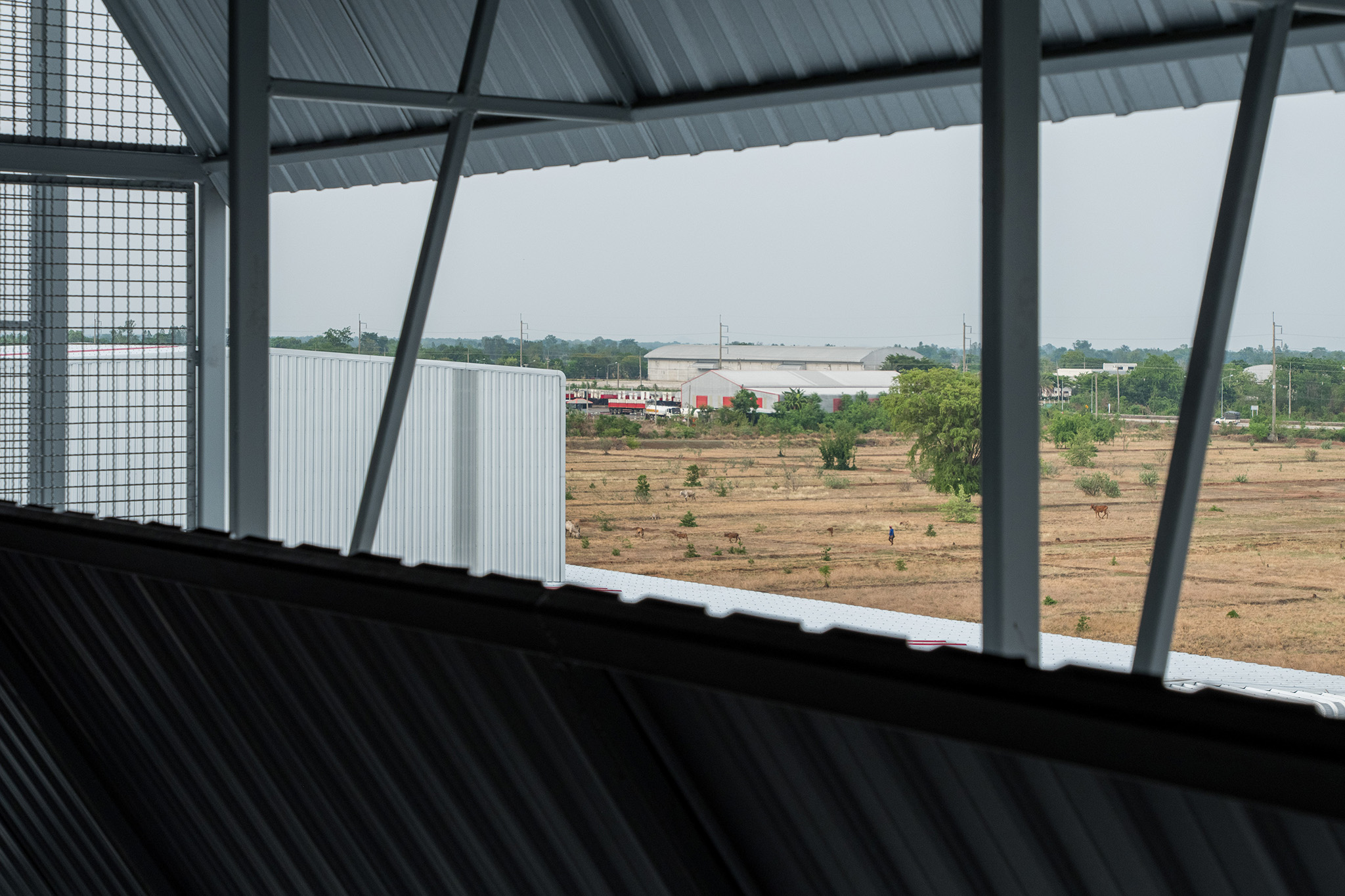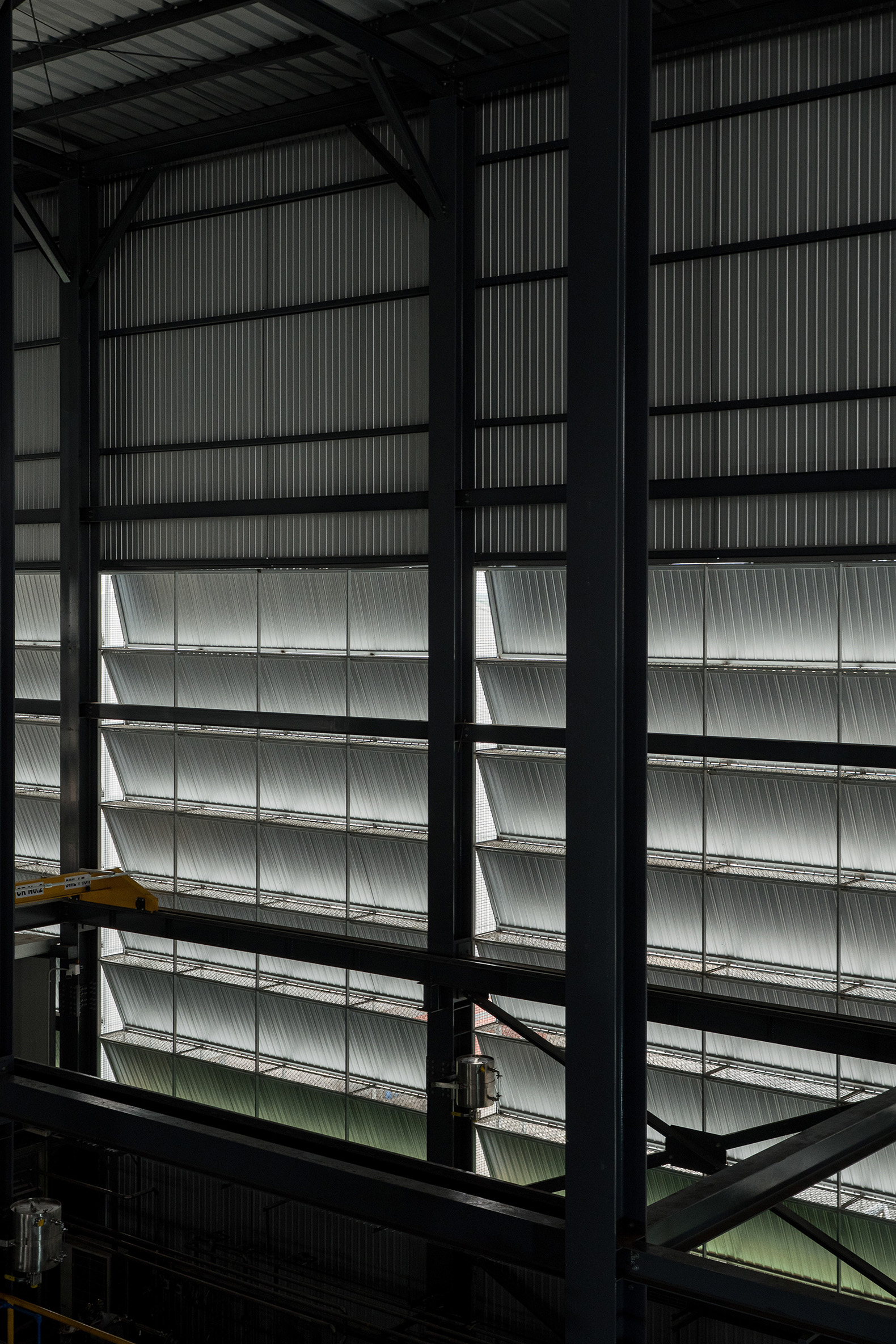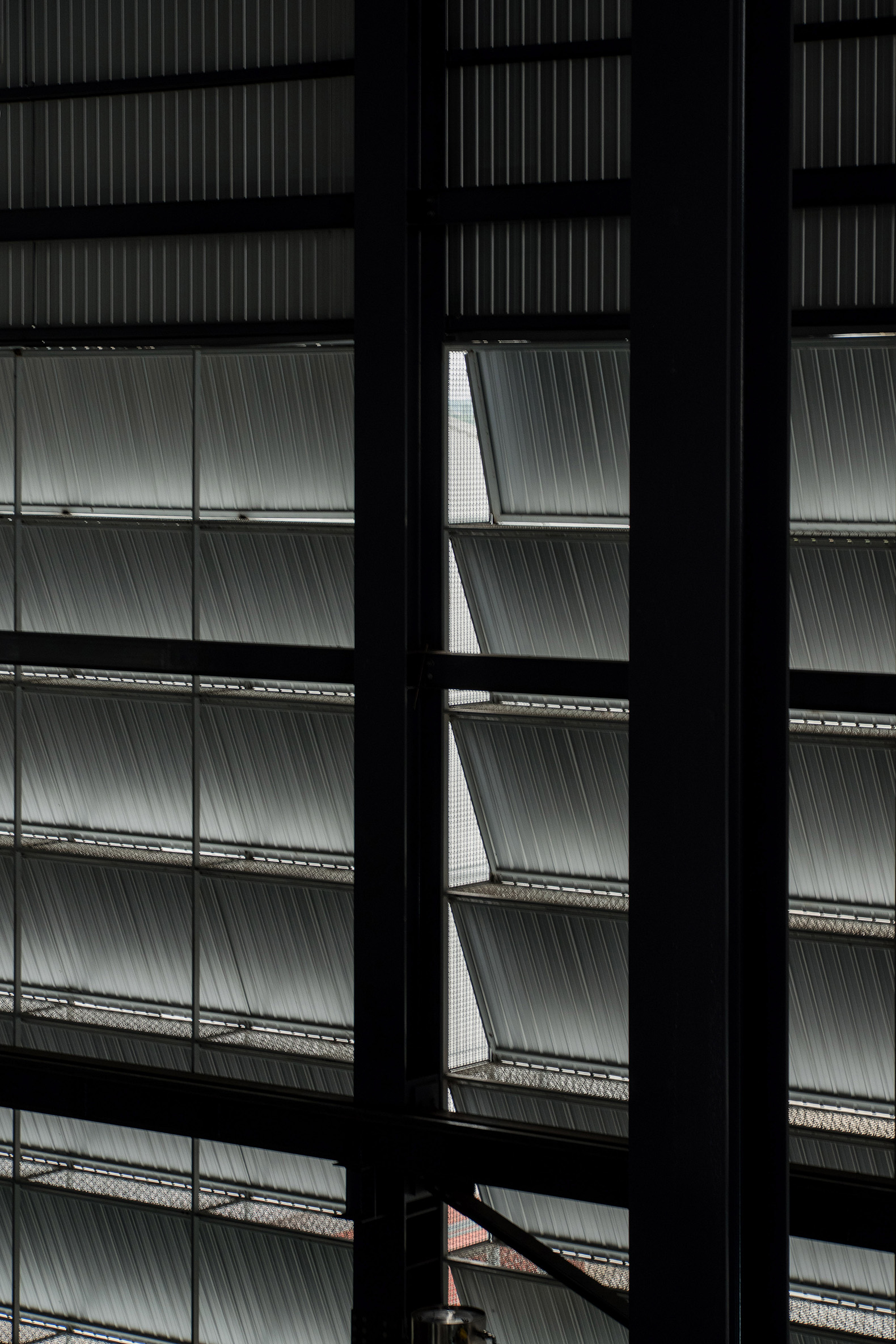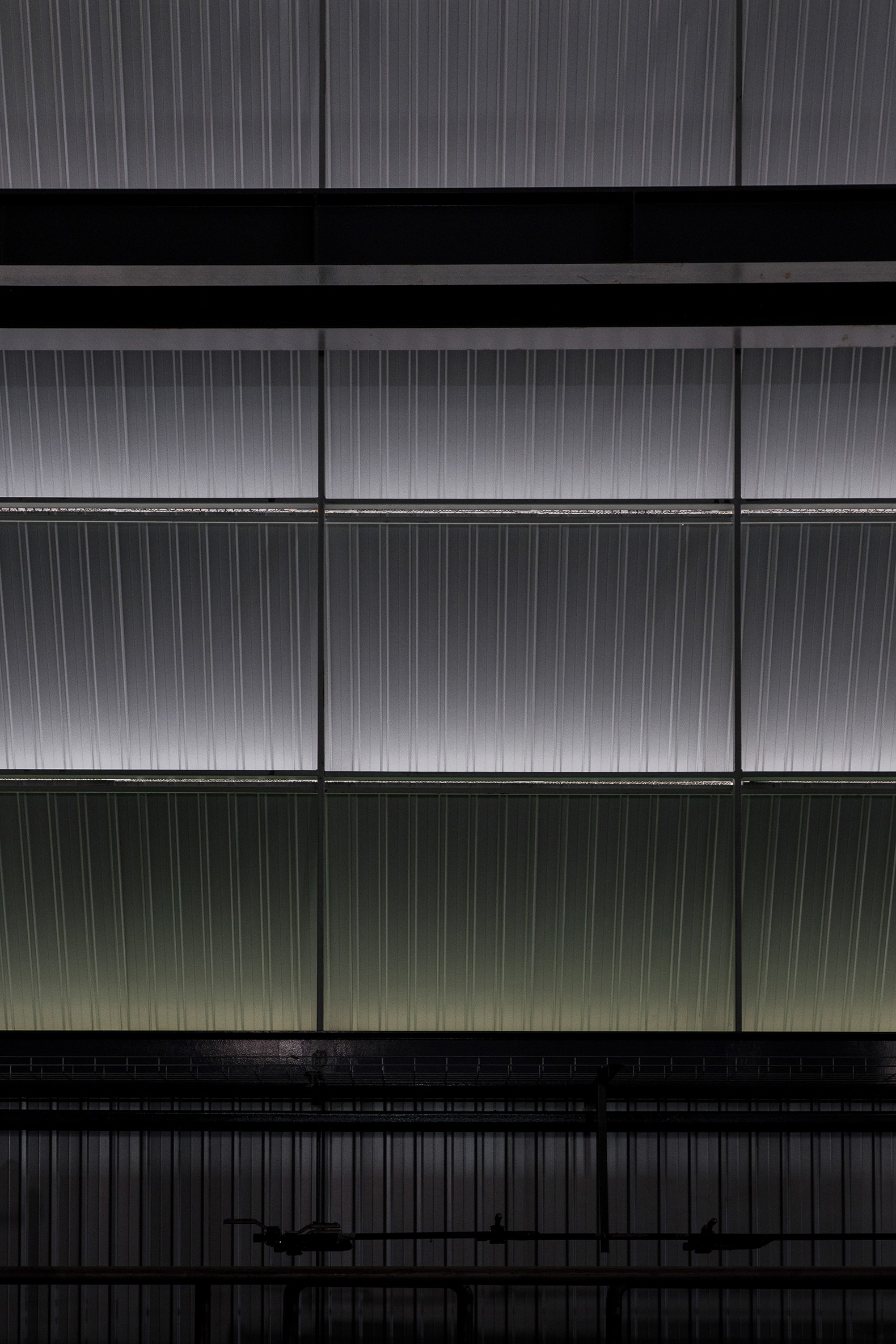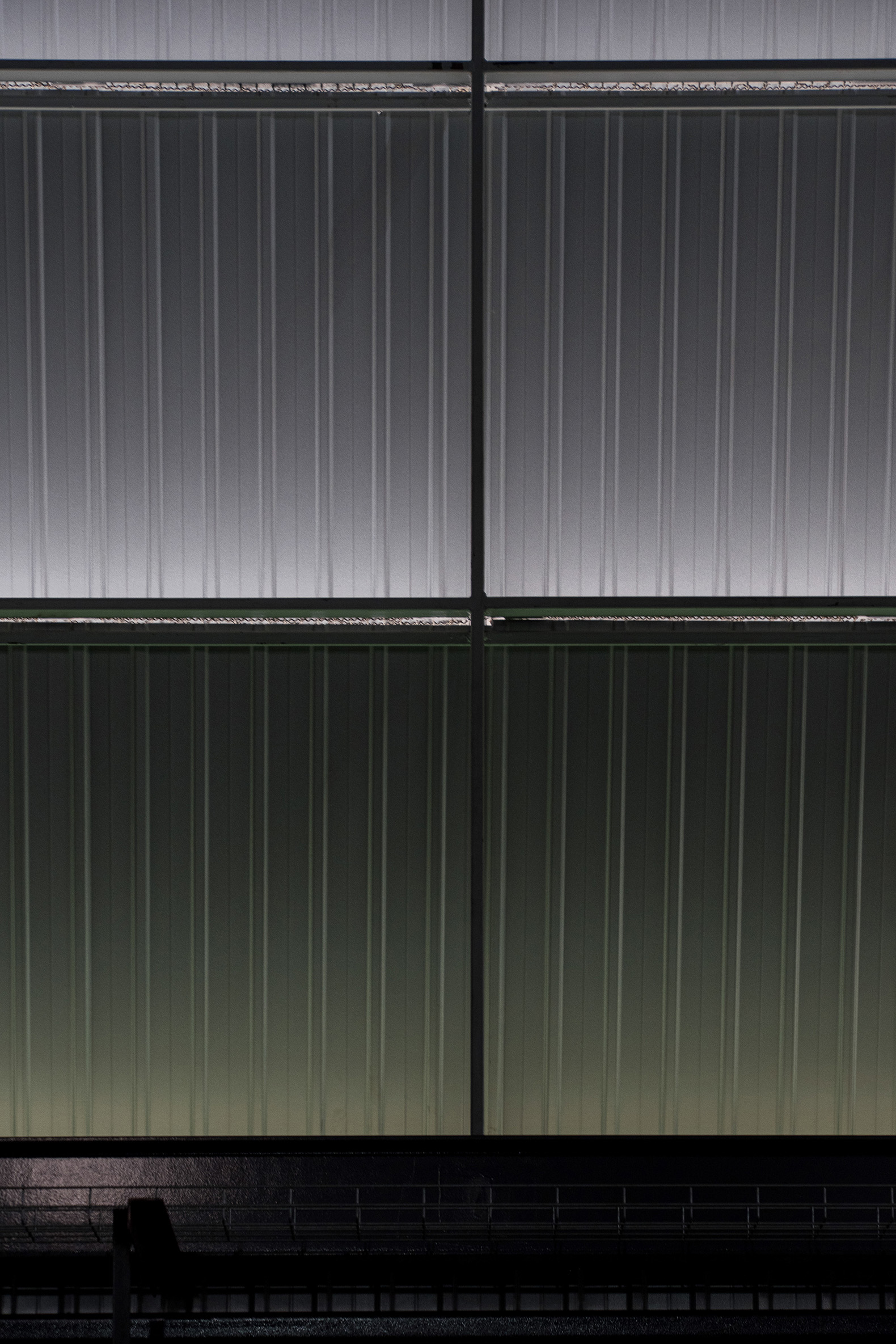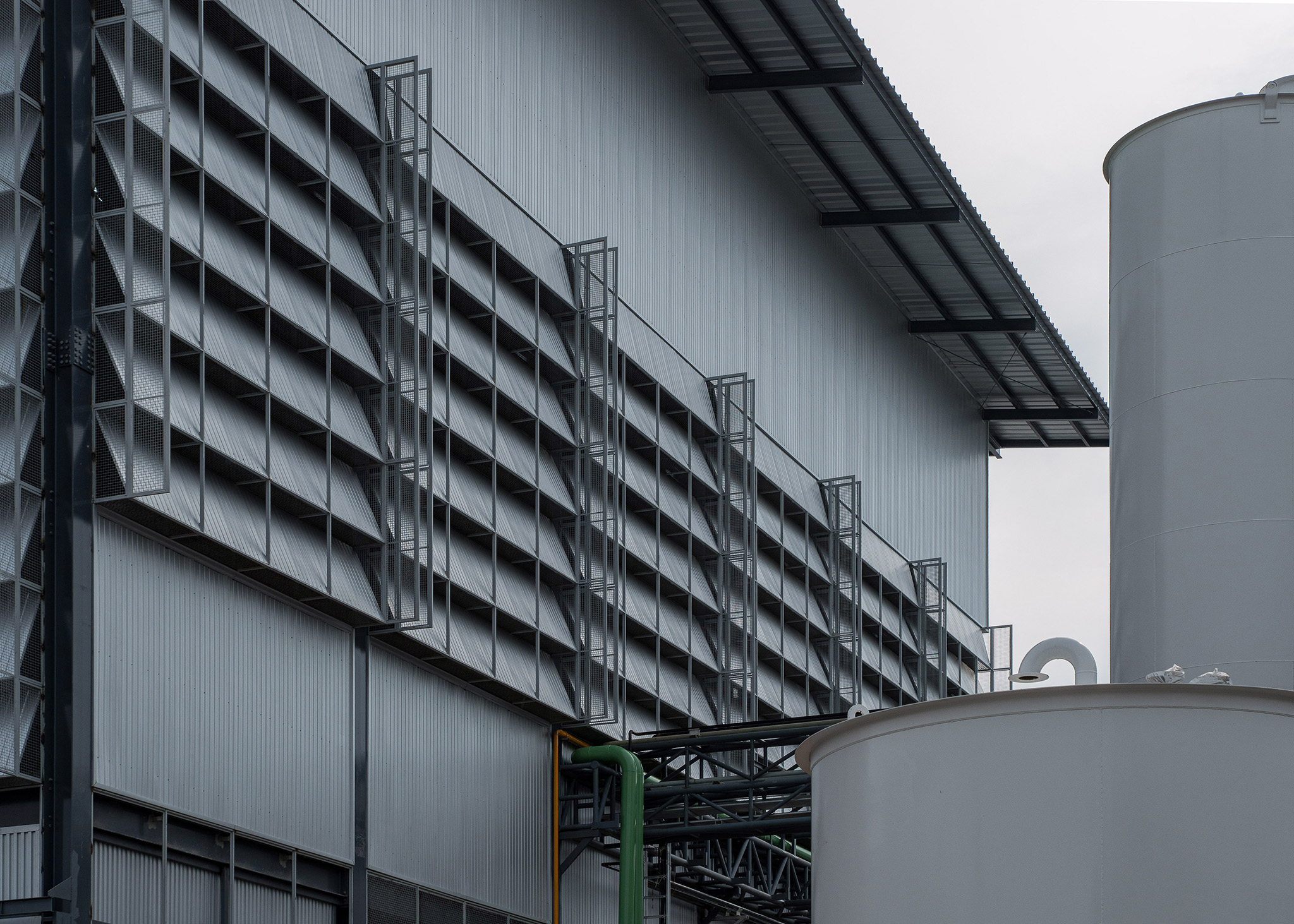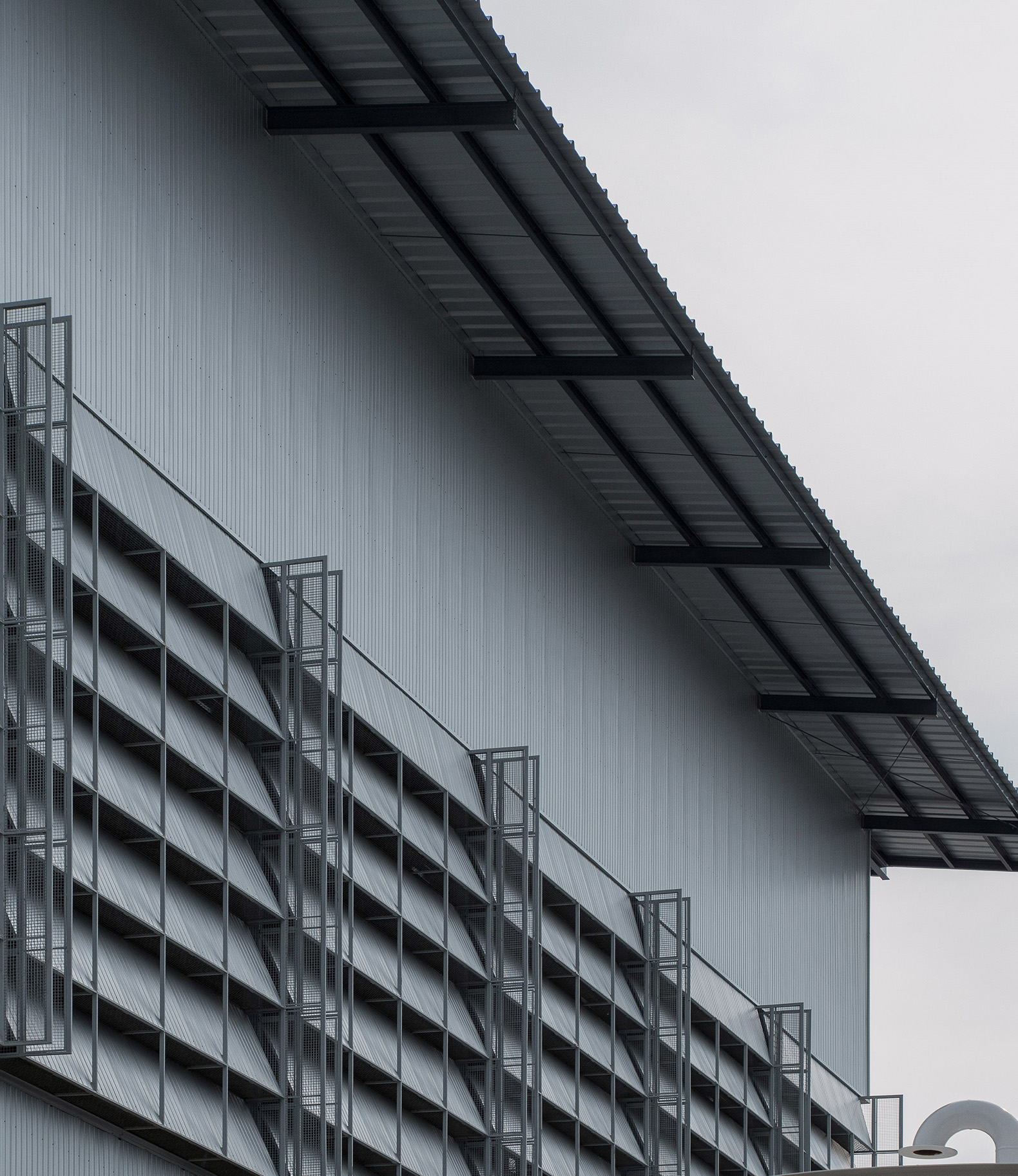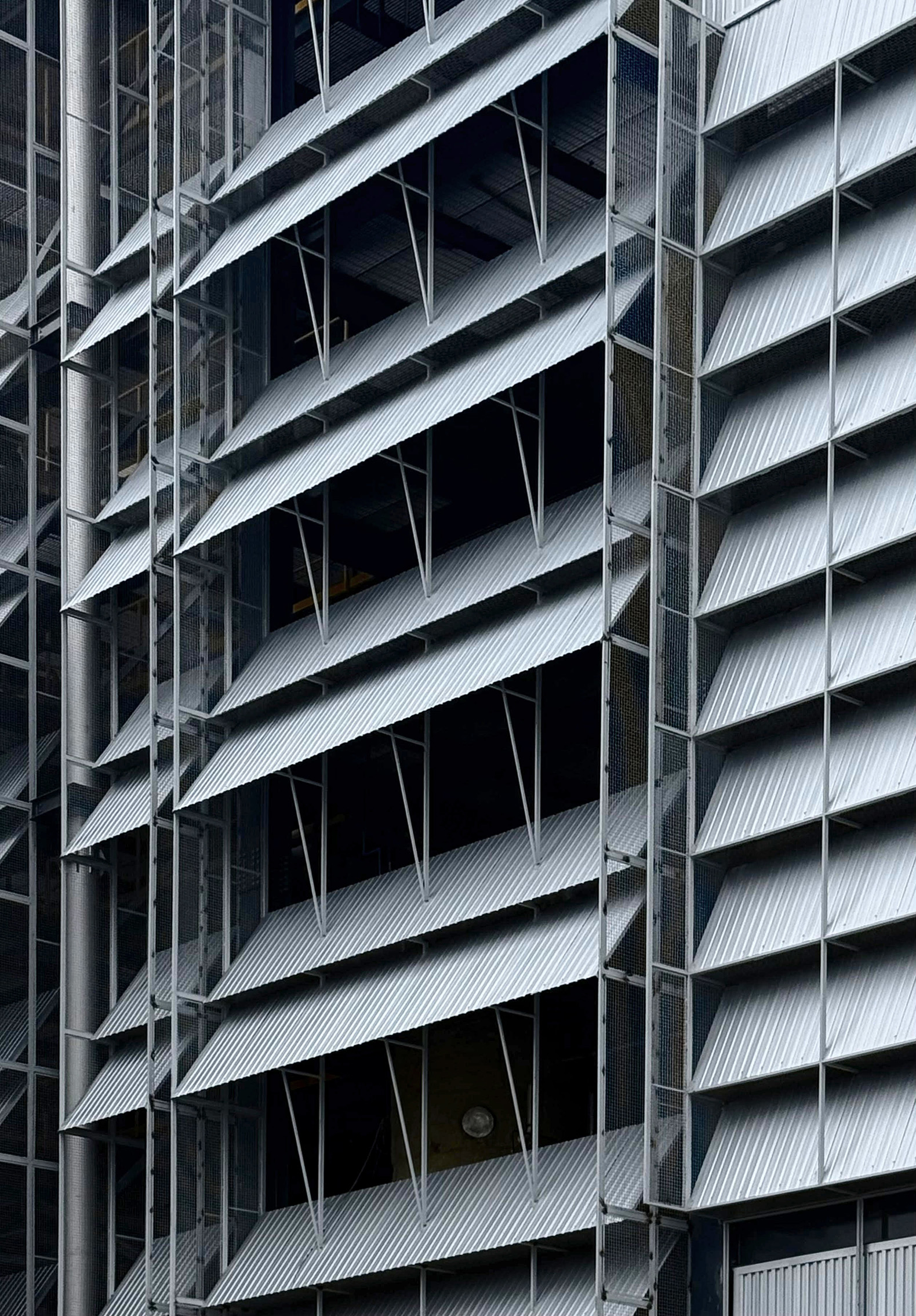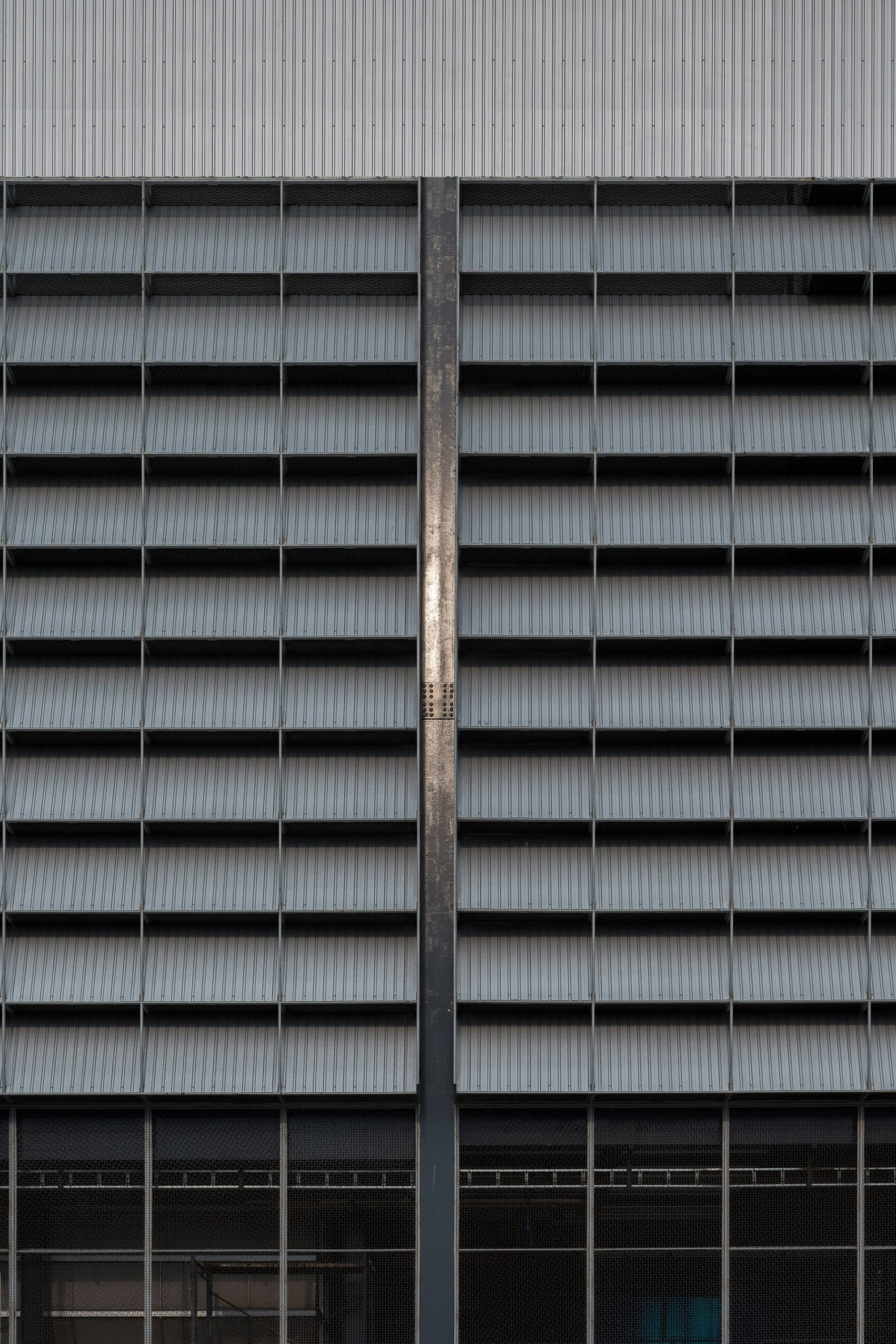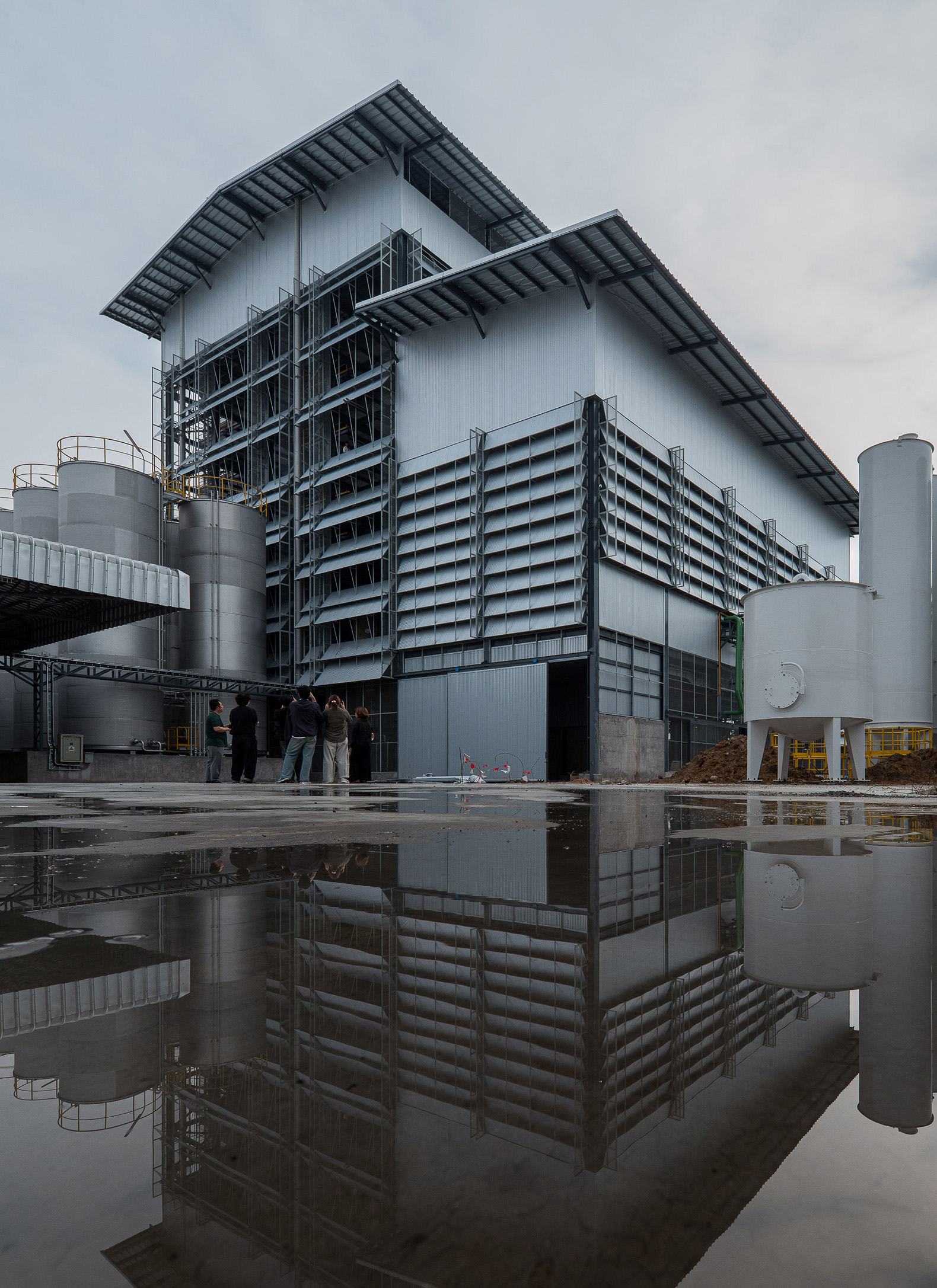
For the LPP Rice Bran Oil Refinery, PHTAA Living Design goes beyond the idea of constructing factories as closed and opaque buildings, allowing natural ventilation and filtered light to create a more comfortable environment for workers through the use of common materials and simple construction systems.
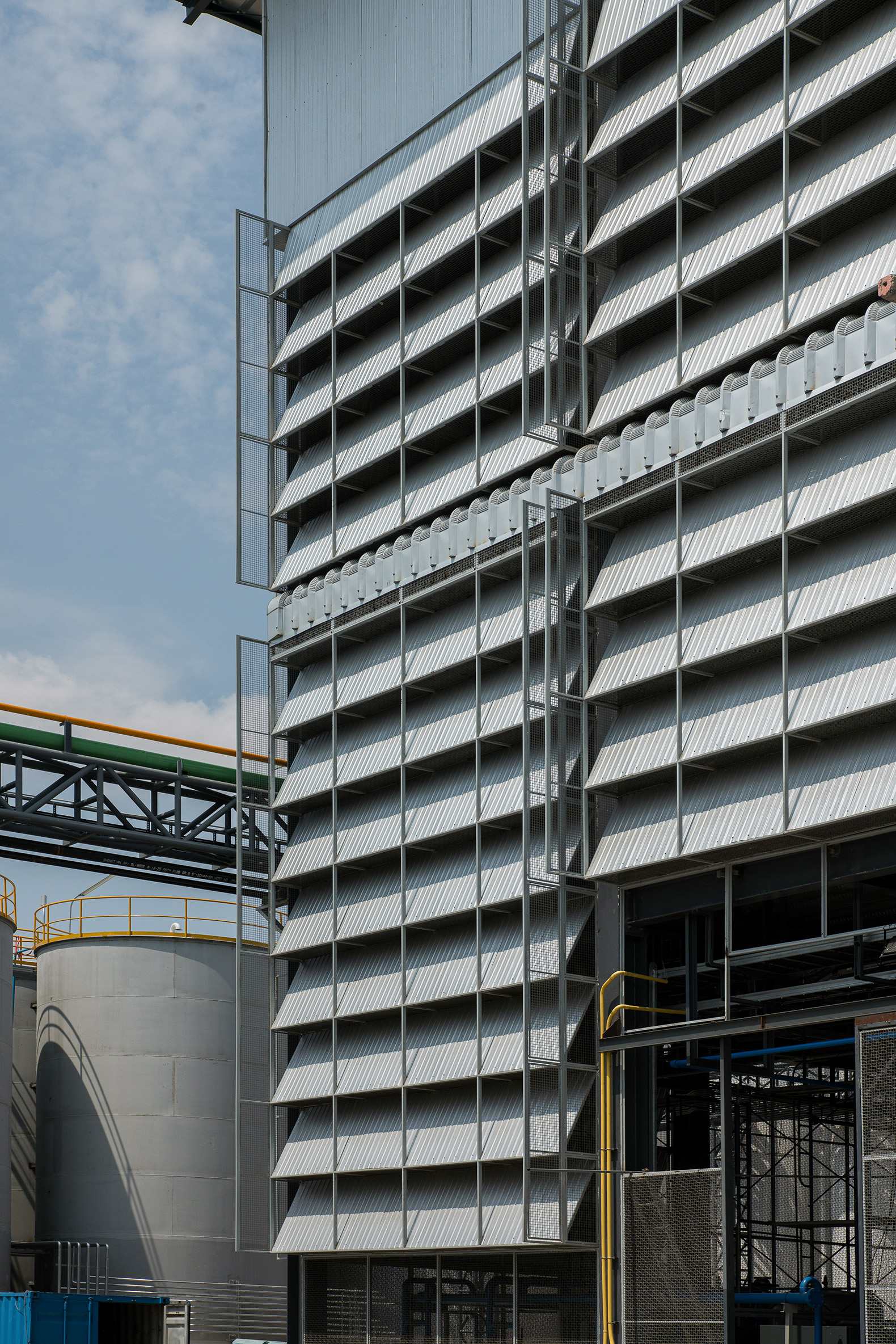
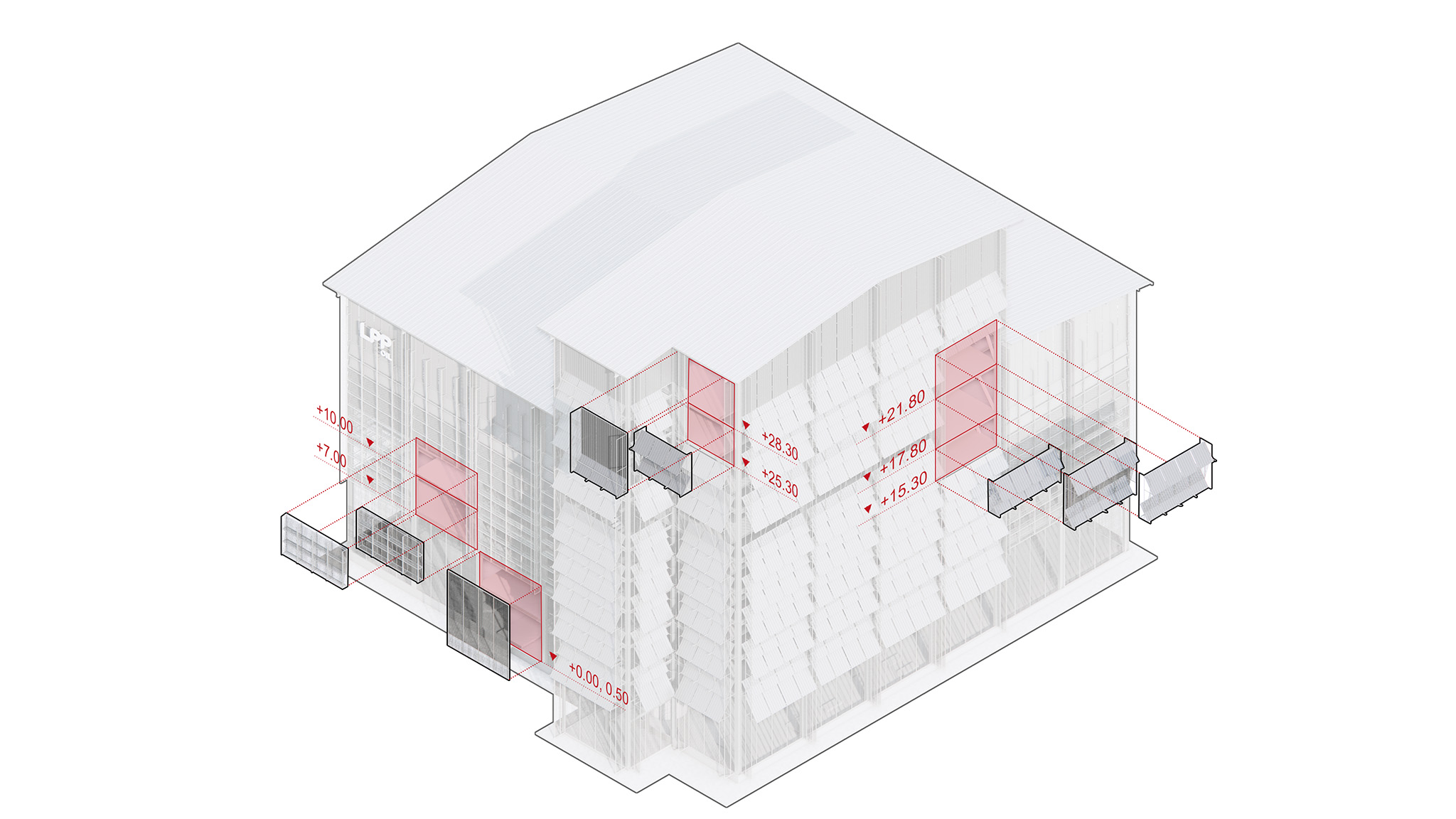
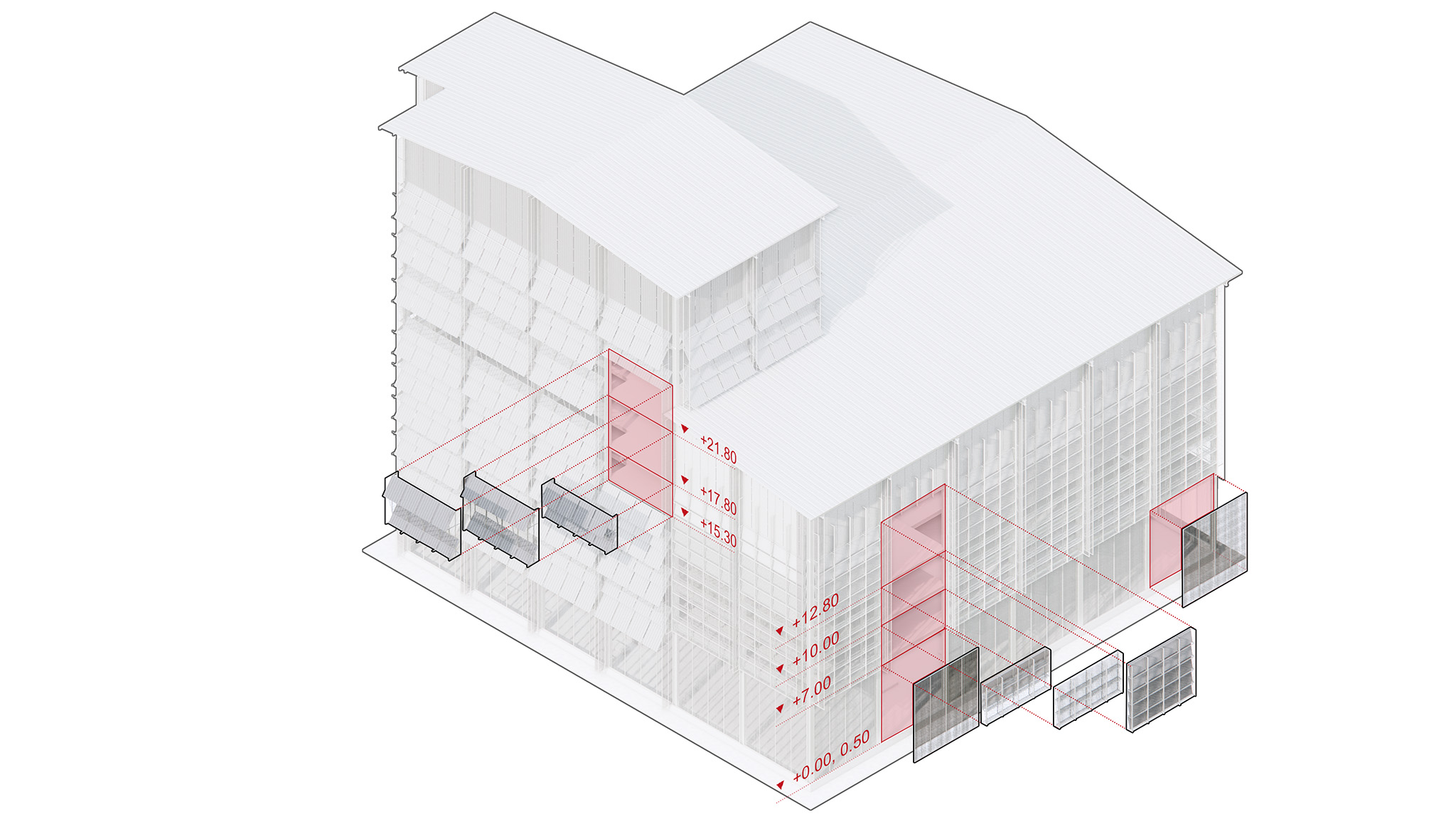
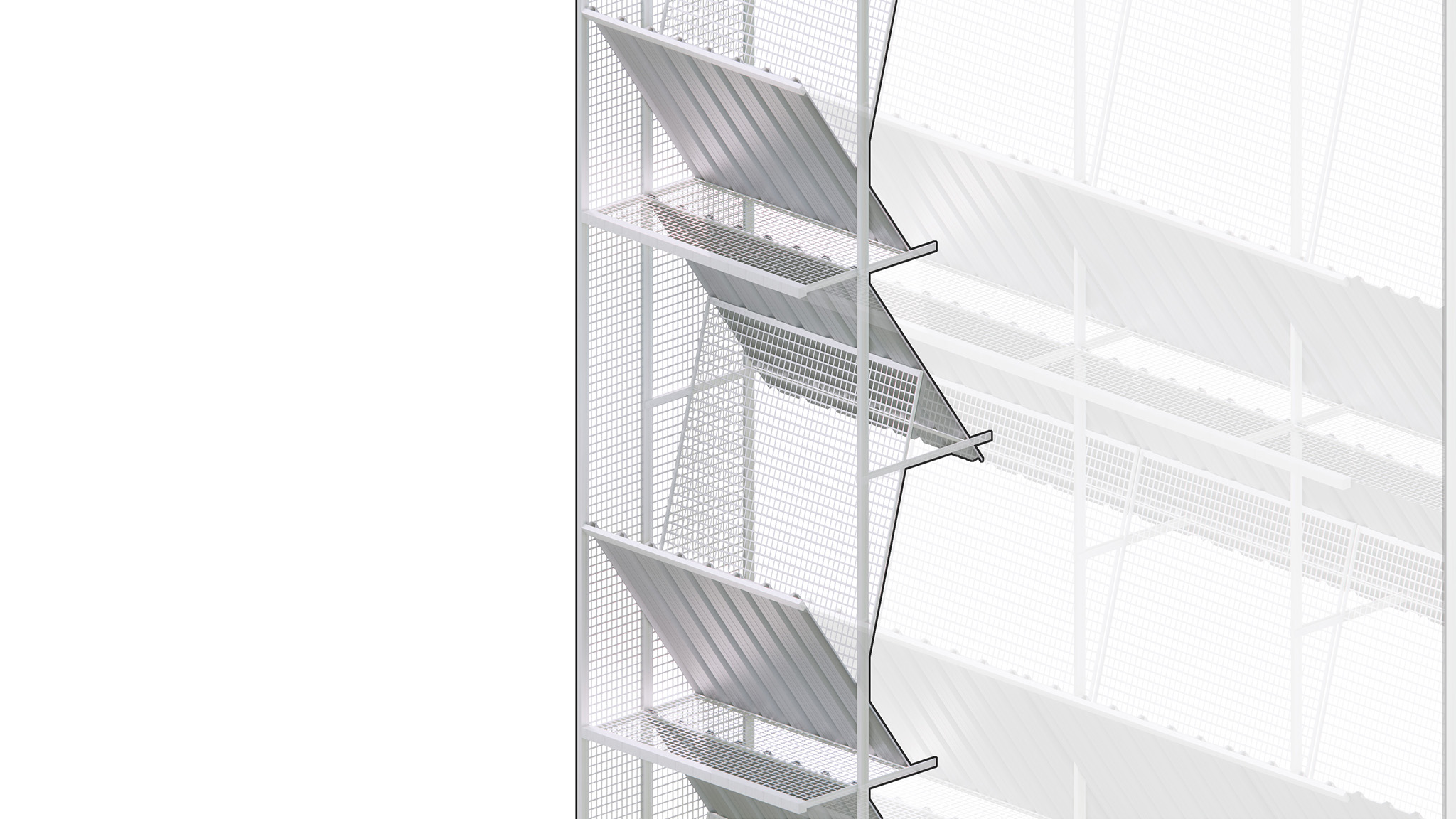
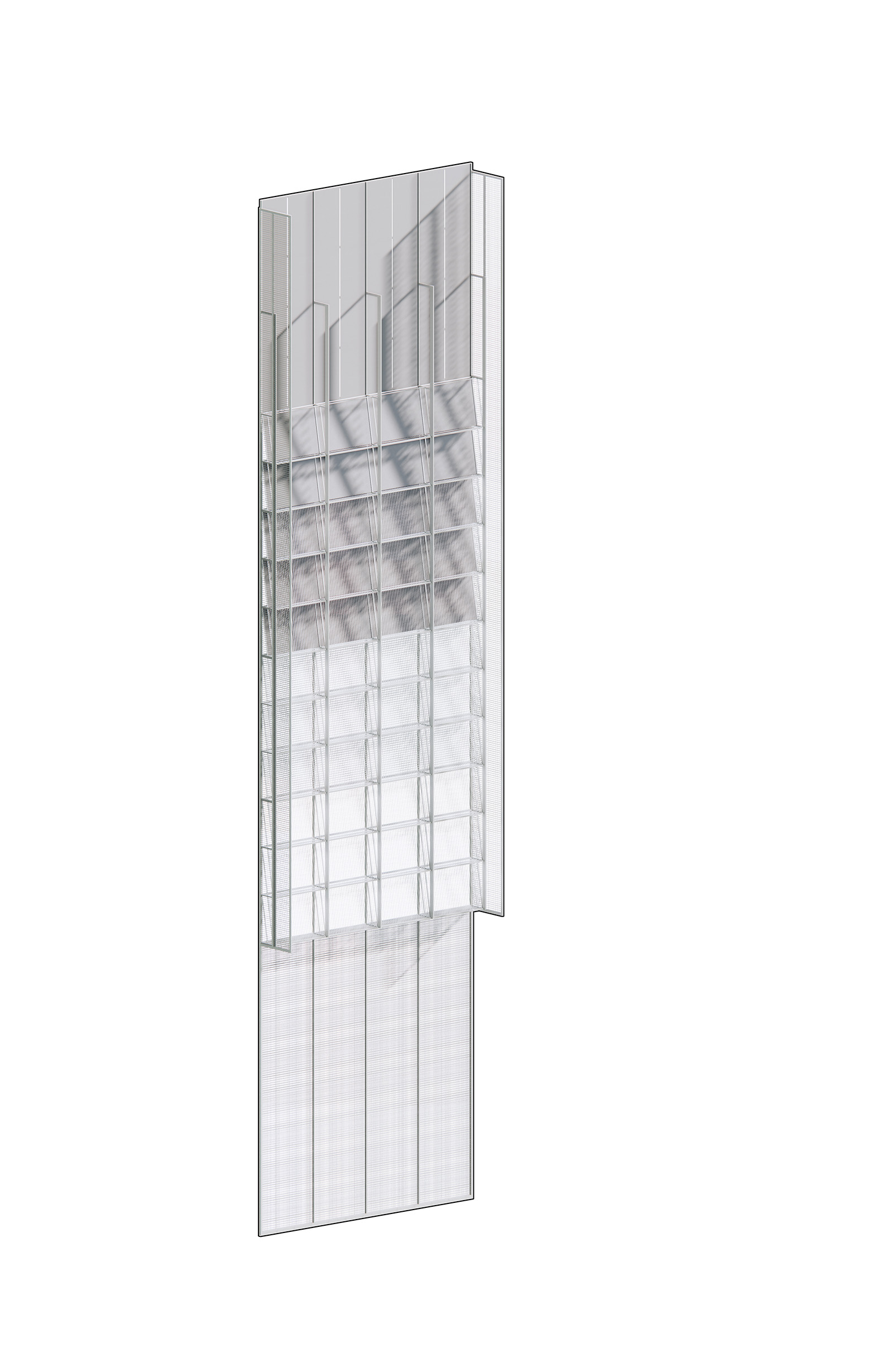
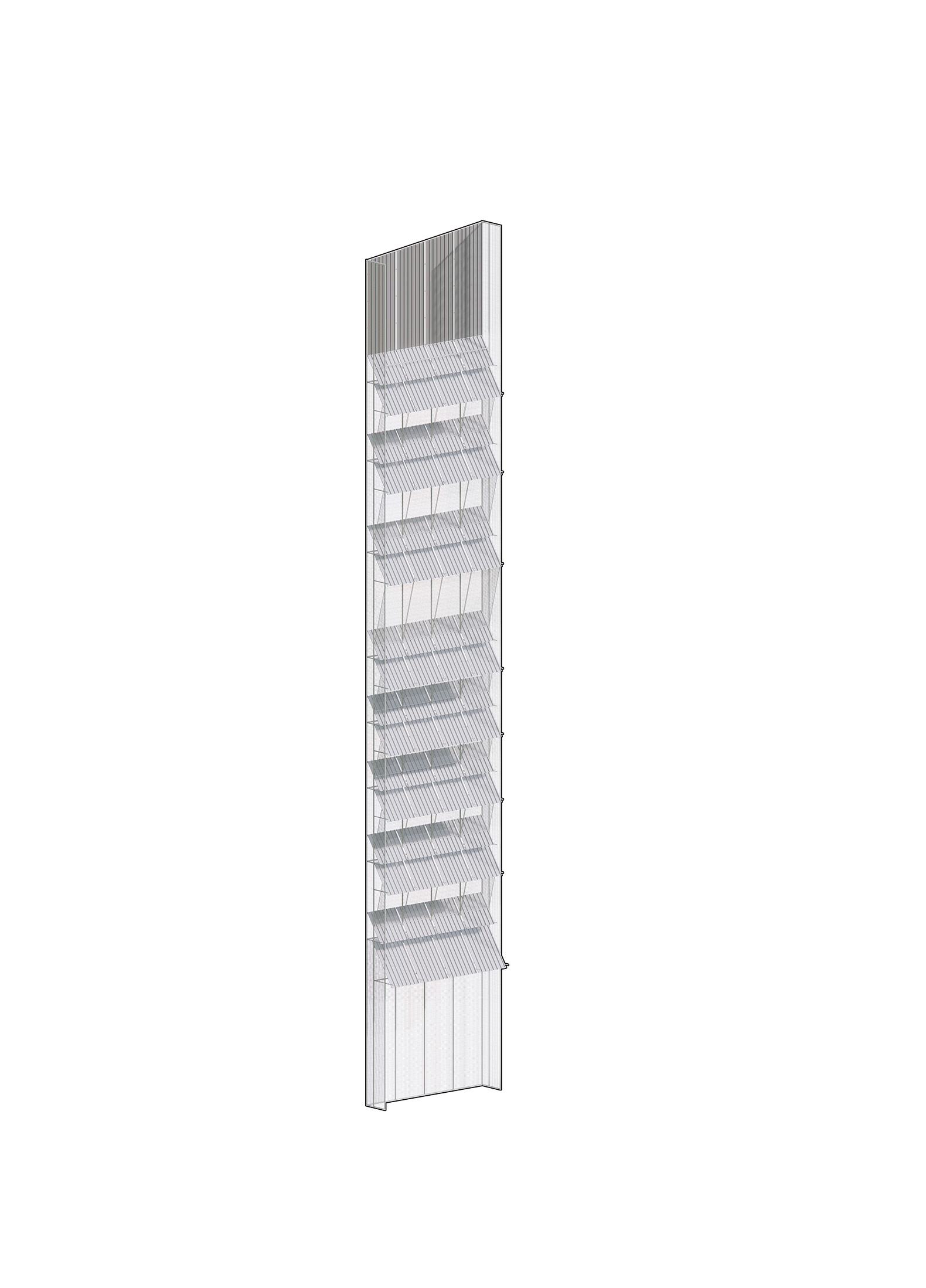
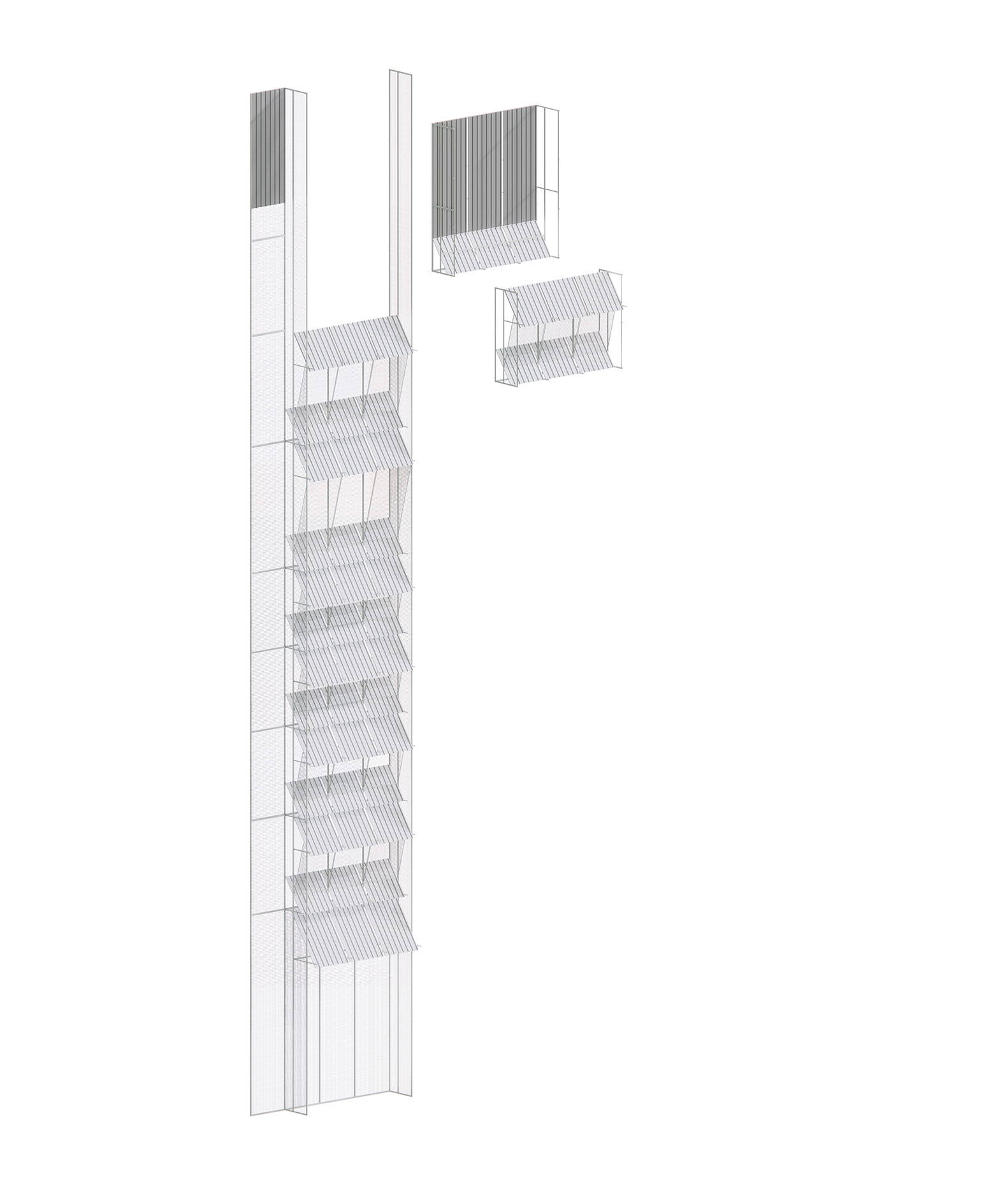
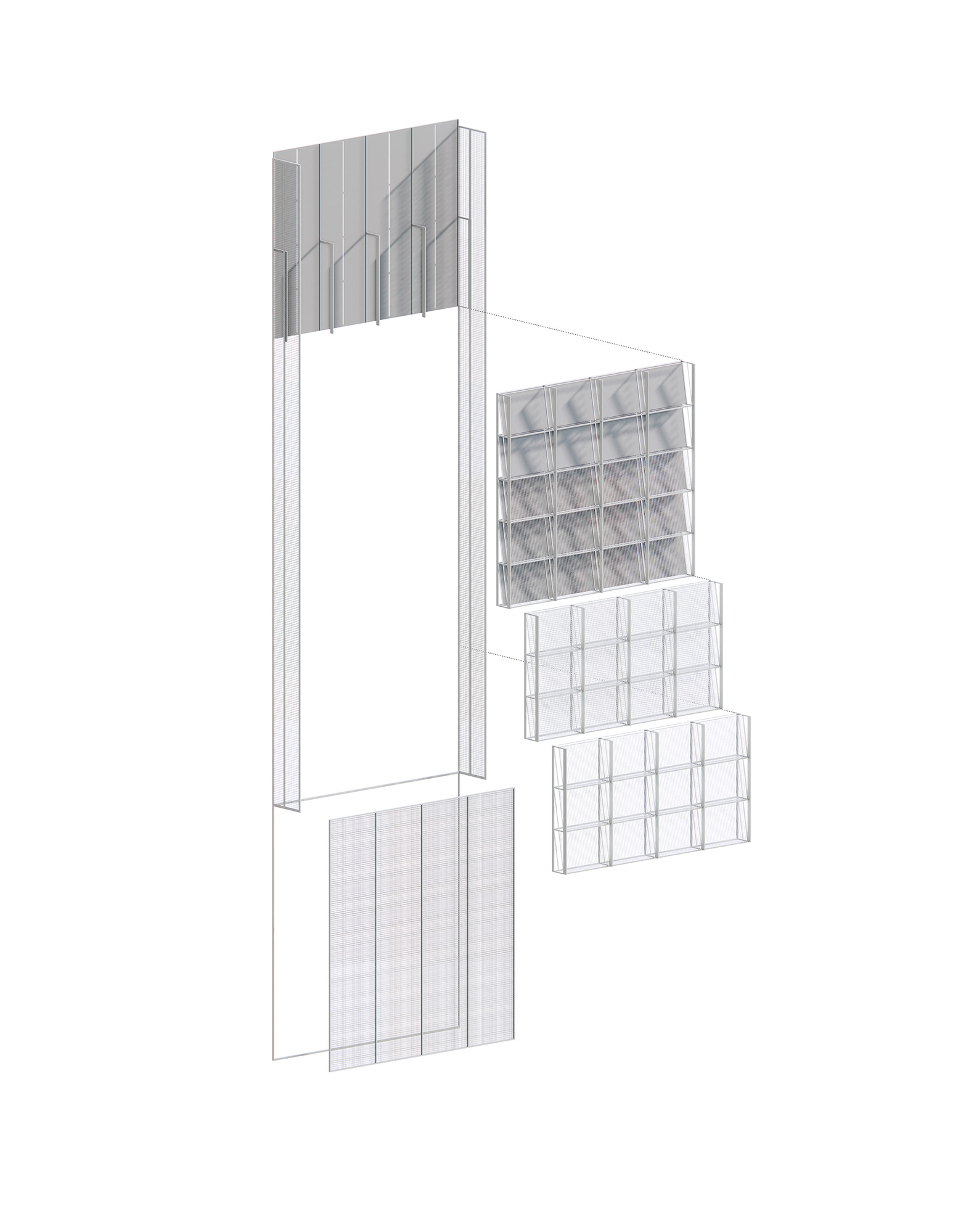
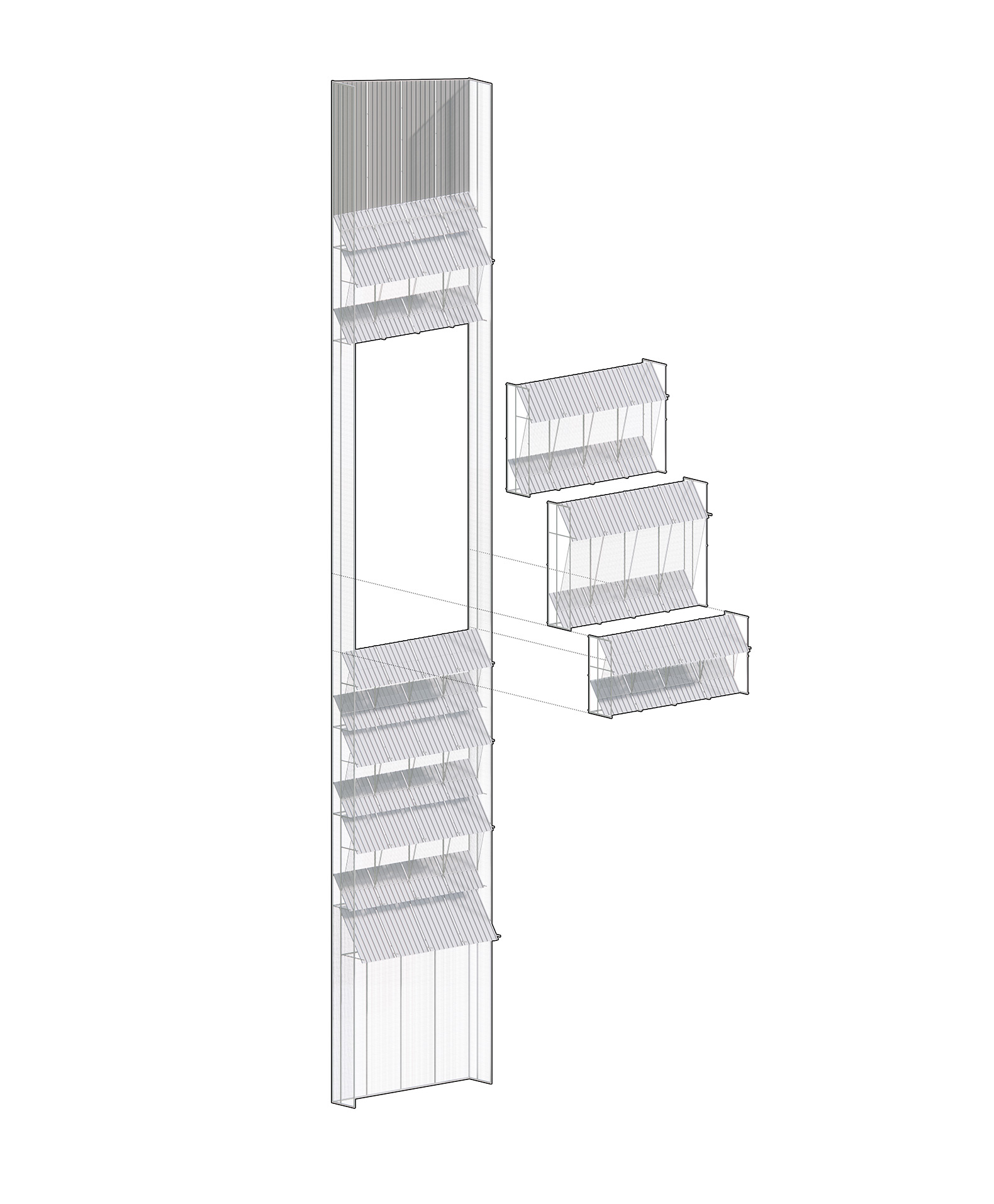
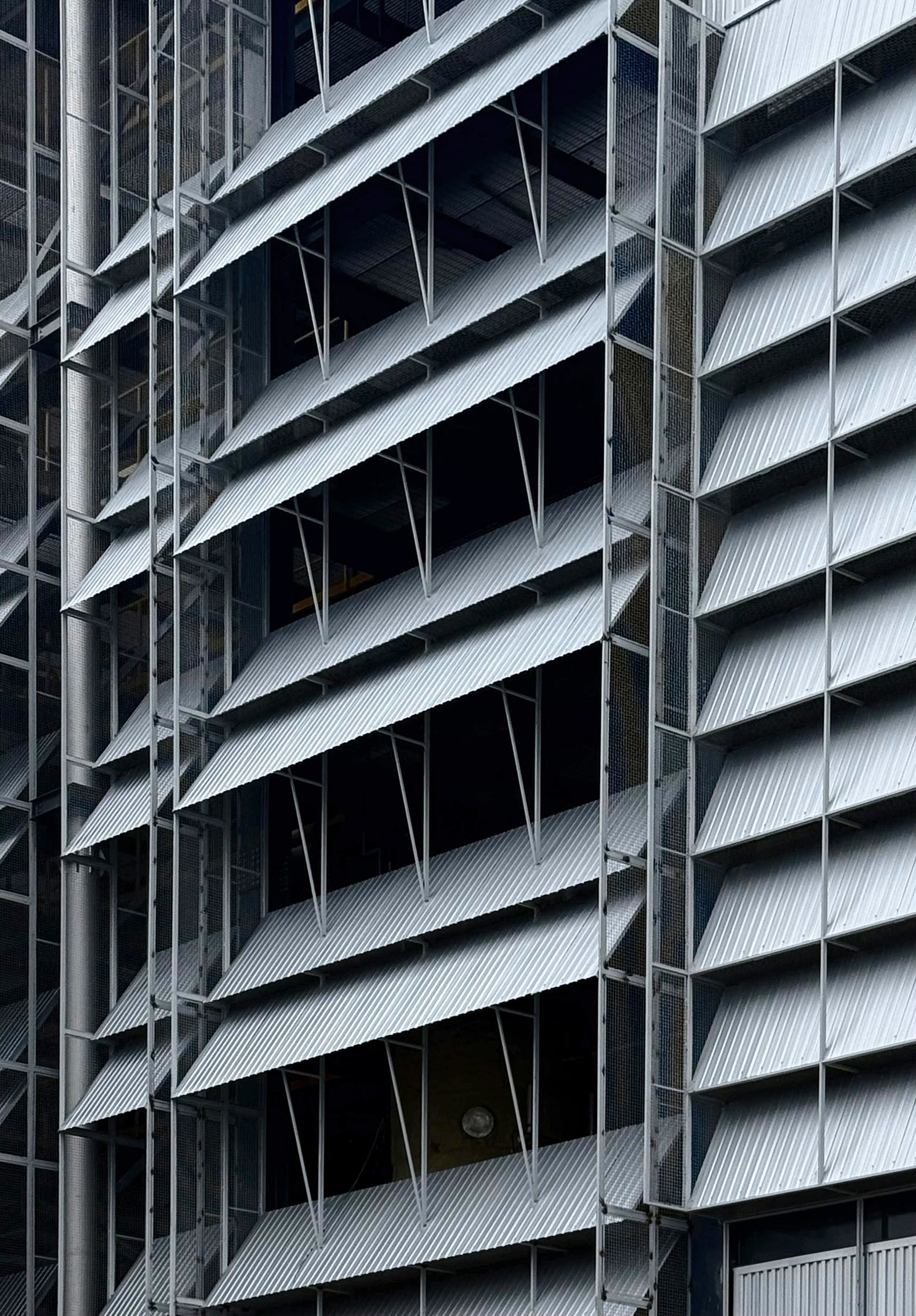
The building envelope aims to prevent birds from entering the production areas, protect the building from rain and wind, reduce solar heat gain, and maintain natural airflow through corrugated metal sheets, perforated steel, and overlapping steel structures, spaces, and details.
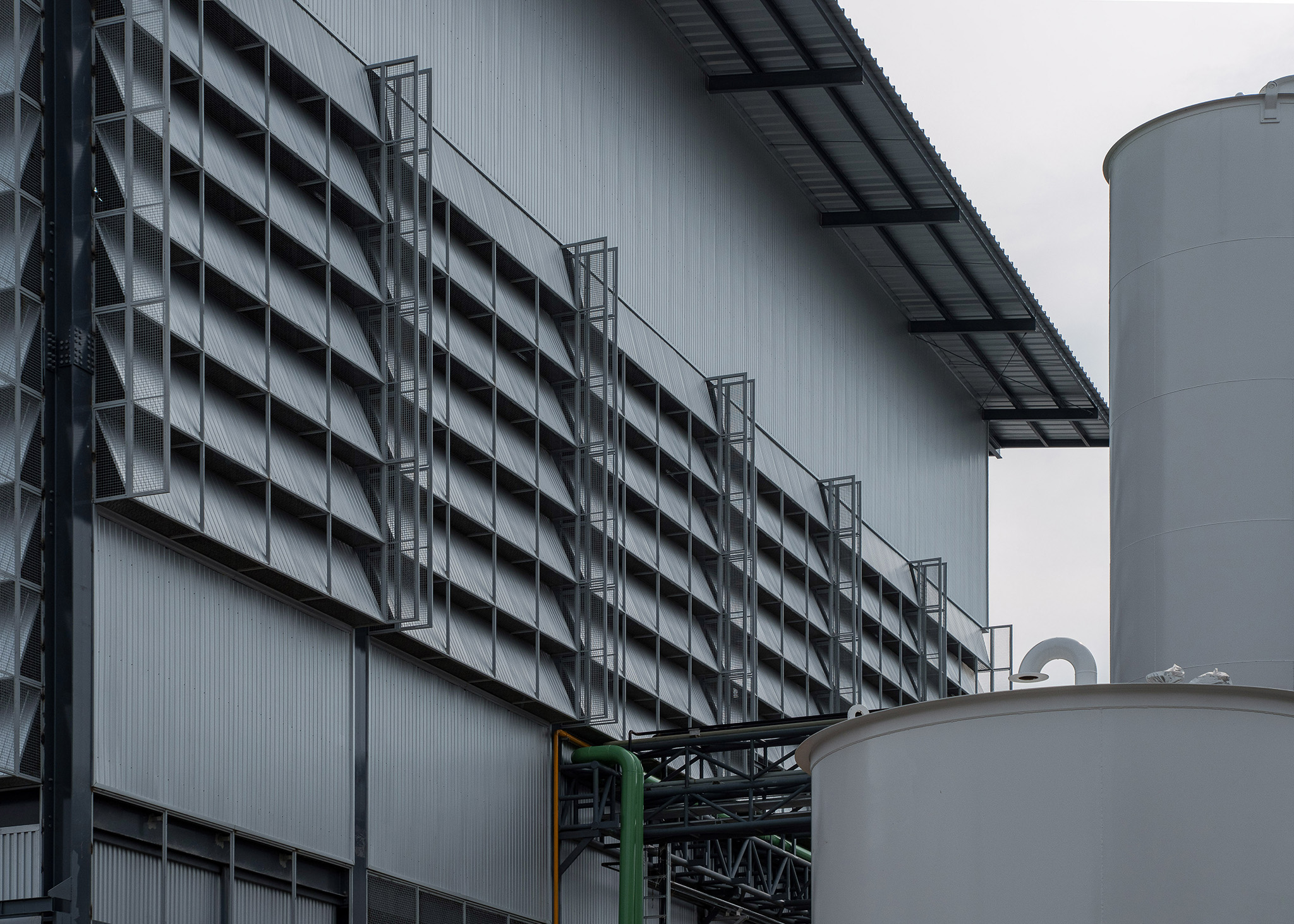
LPP Rice Bran Oil Refinery by PHTAA. Photograph by Kukkong Thirathomrongkiat.
Project description by PHTAA Living Design
This project explores how ordinary materials and simple construction systems can be carefully reassembled to create a high-performing industrial building. Rather than introducing sophisticated technologies, the design begins with understanding the site's actual condition strong winds, heavy rain, intense sunlight, natural ventilation, and the persistent presence of birds in an open agricultural landscape. These environmental challenges became the starting point for shaping the building envelope.
The architectural expression emerges from performance rather than decoration. Corrugated metal sheets, perforated steel, and steel structures are layered, spaced, and detailed to perform multiple functions simultaneously, preventing birds from entering the production areas, shielding the building from wind-driven rain, reducing solar heat gain, and maintaining natural airflow.
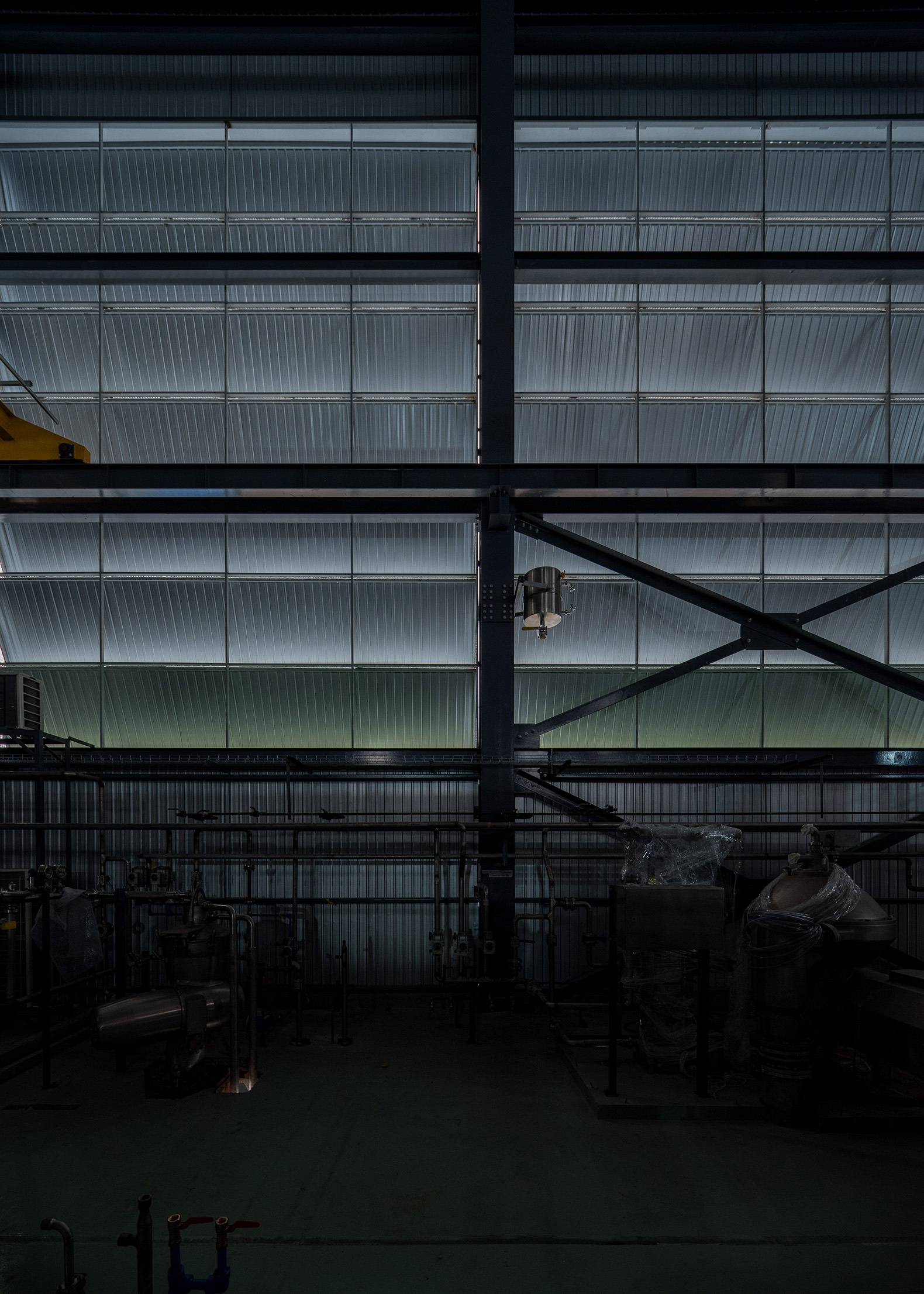
Rather than treating factories as enclosed, opaque buildings, we believe industrial architecture can provide a healthier working environment while still meeting technical requirements. By allowing filtered daylight, natural ventilation, and indirect light into the production spaces without excessive heat, glare, or unwanted birds entering the building the architecture creates a more comfortable atmosphere for the people who spend long hours working inside. For us, improving environmental performance is not only about protecting the production process, but also about enhancing the everyday quality of life for those who use the building.