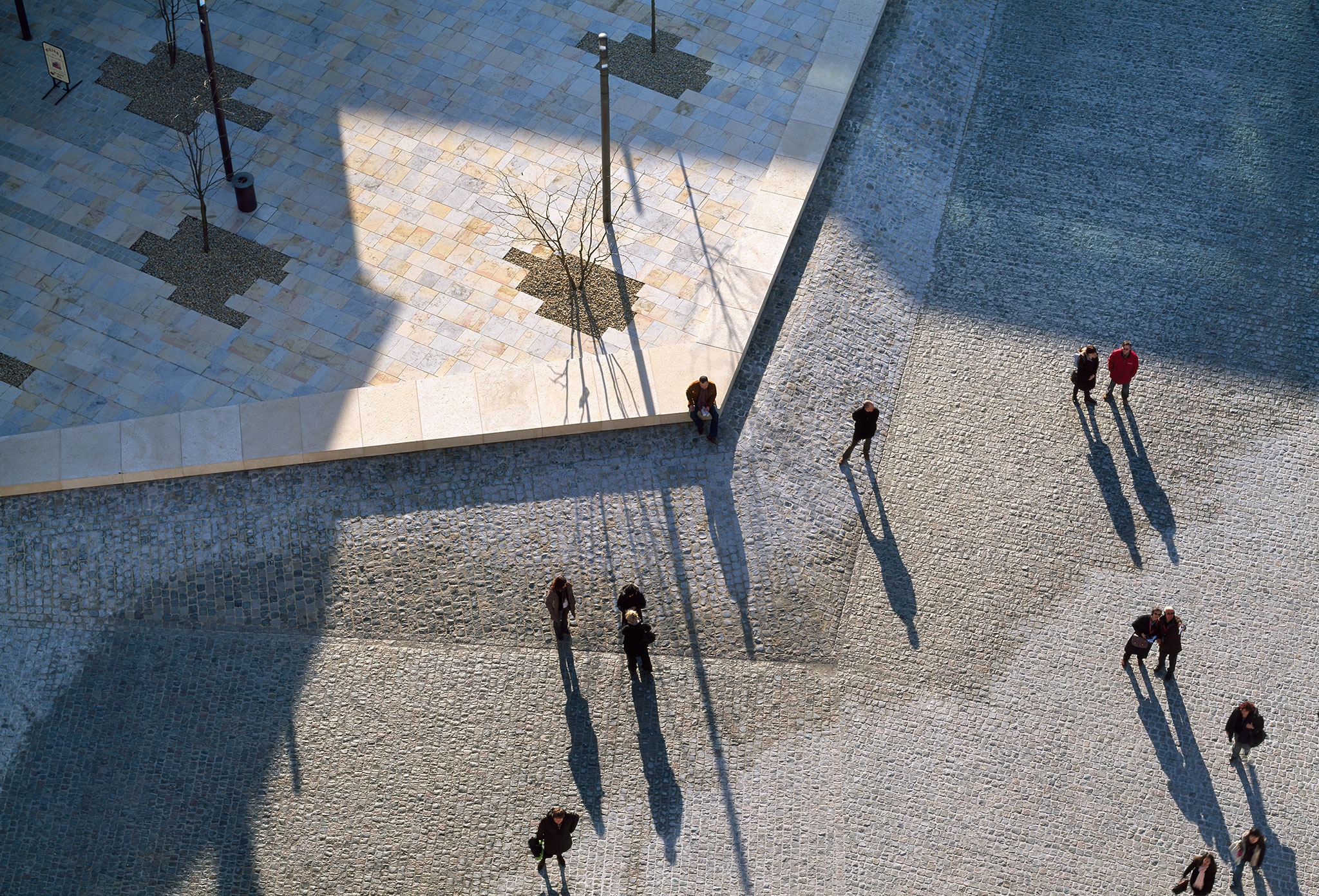
The redesign of the surroundings of Reims Cathedral, carried out by José Ignacio Linazasoro almost two decades ago, was an urban intervention set within one of France’s most significant heritage sites. Reims, a city closely linked to the country’s political and religious history, finds in its Gothic Cathedral of Notre-Dame one of its foremost urban and monumental symbols.

The project addresses the public space immediately adjacent to the building, within an area charged with historical memory and subject to a strong representative demand due to the striking presence of the cathedral’s façade.

José Ignacio Linazasoro has received the CSCAE Gold Medal for Architecture this year.

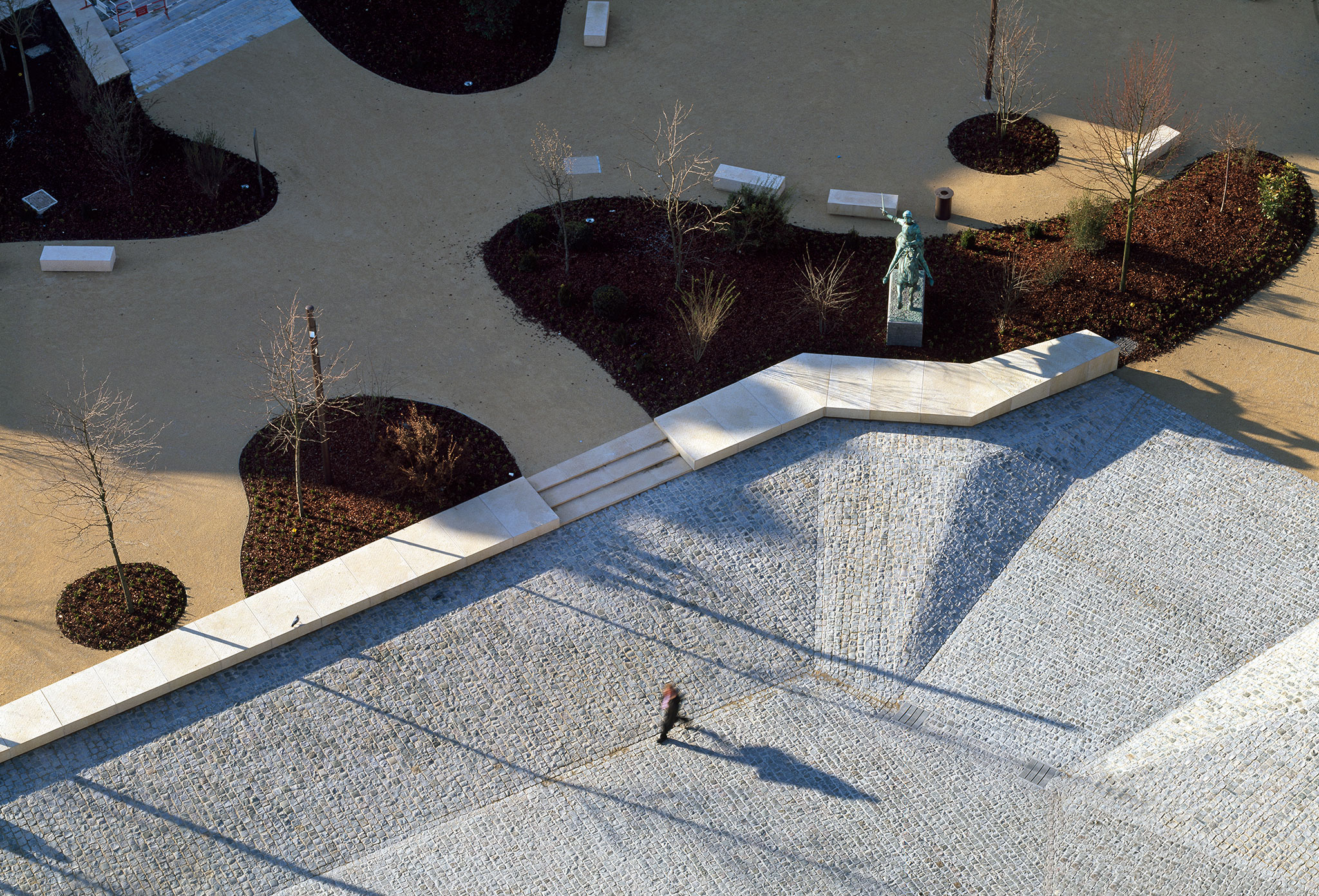
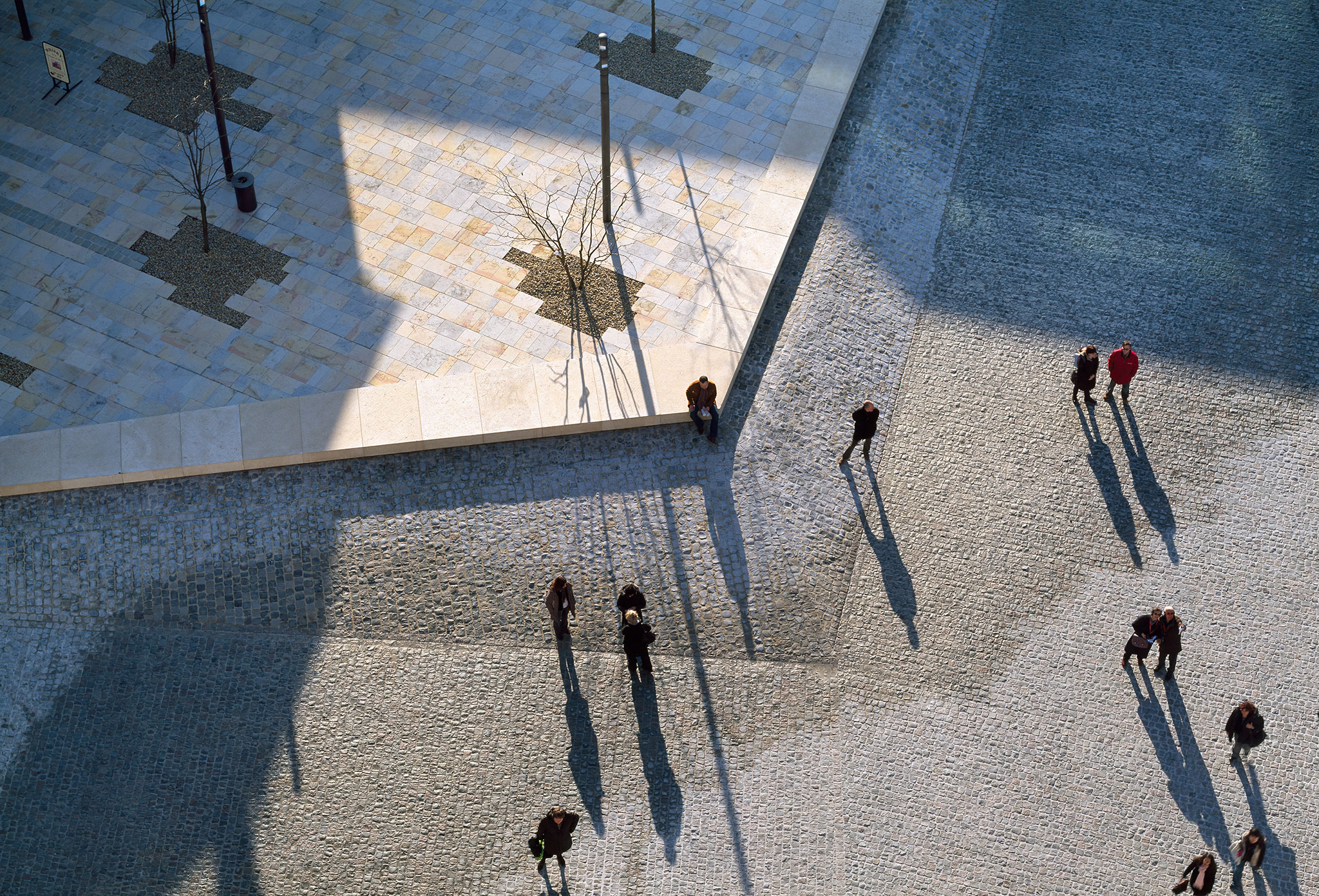
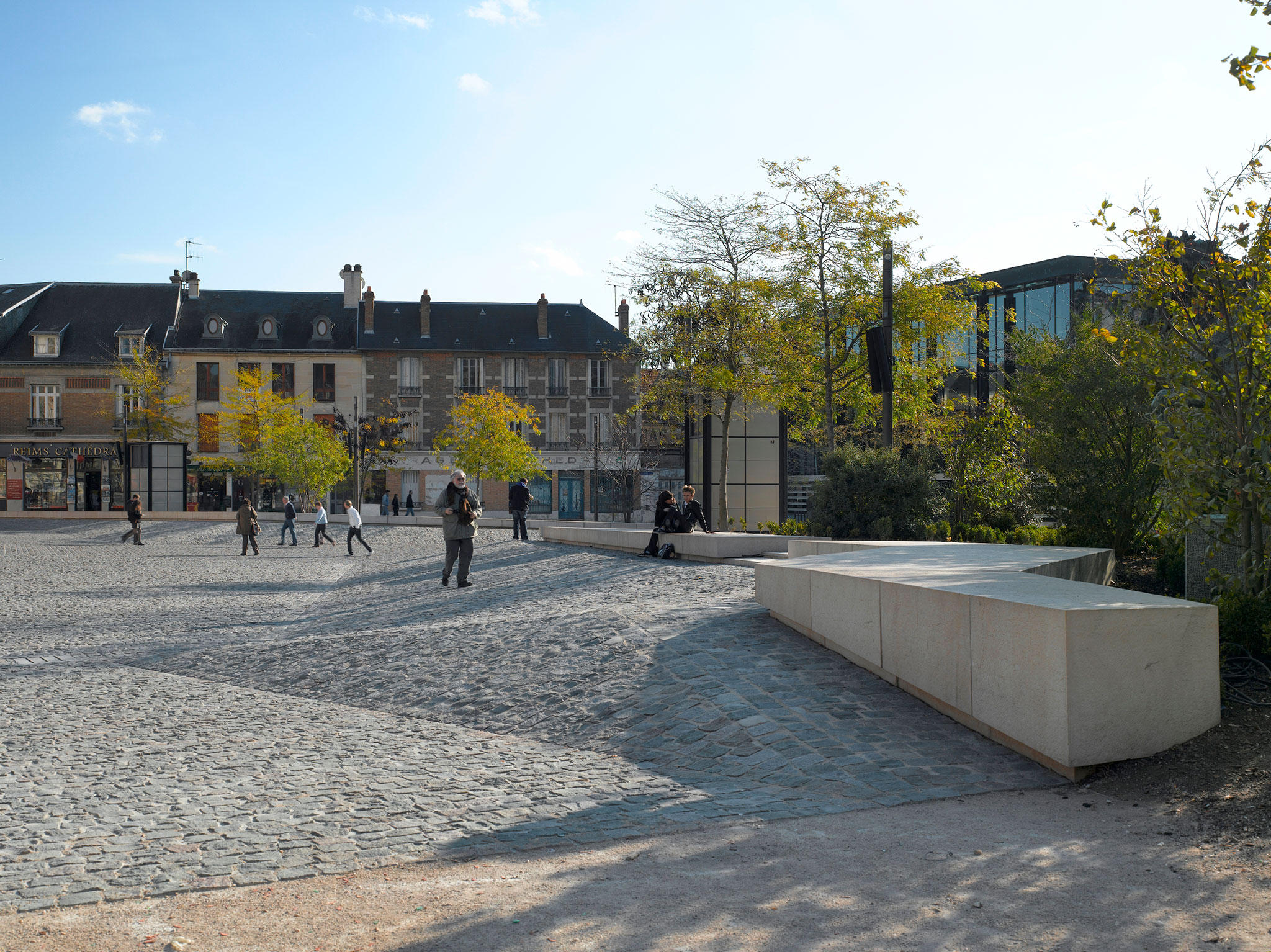
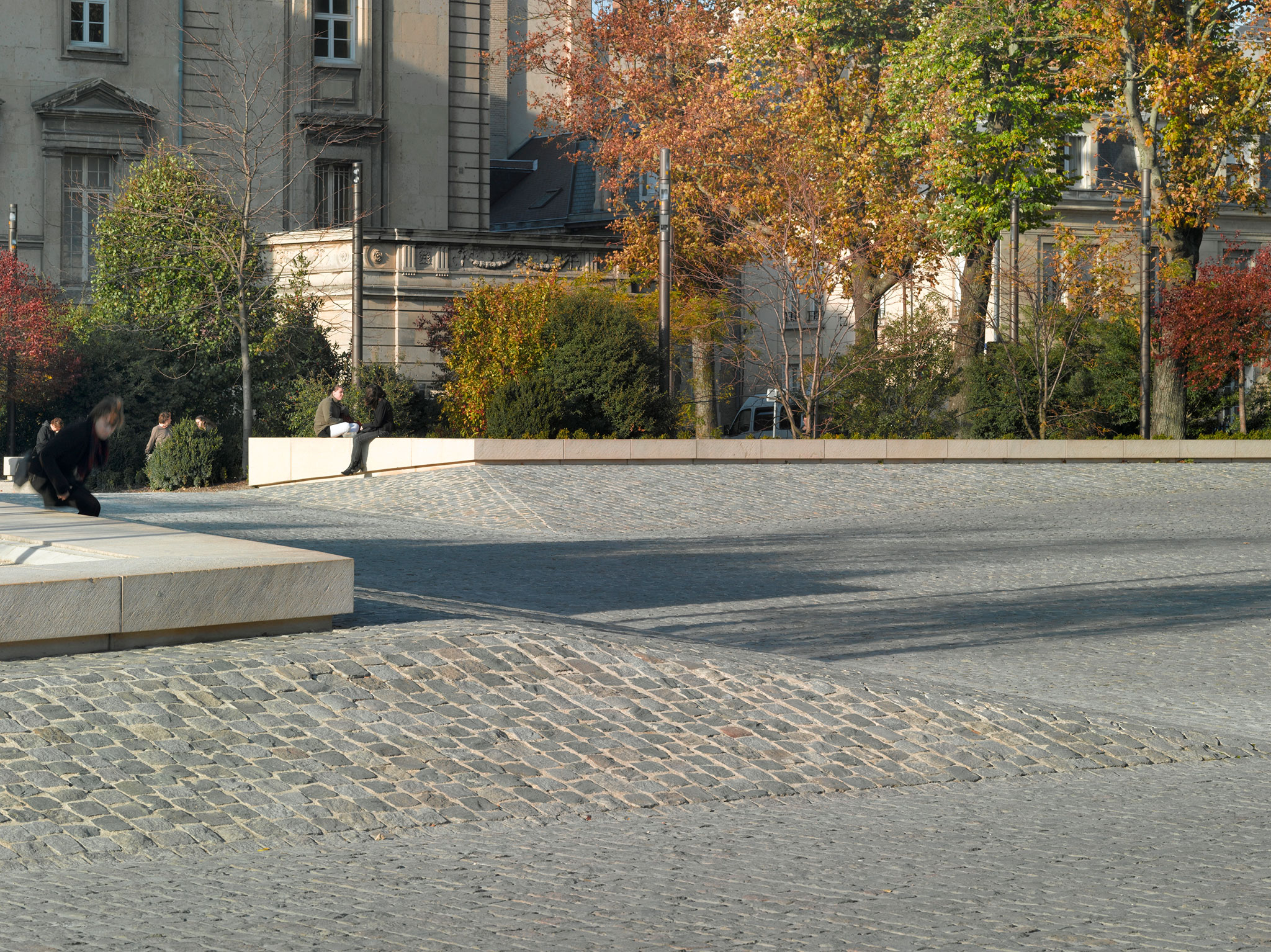
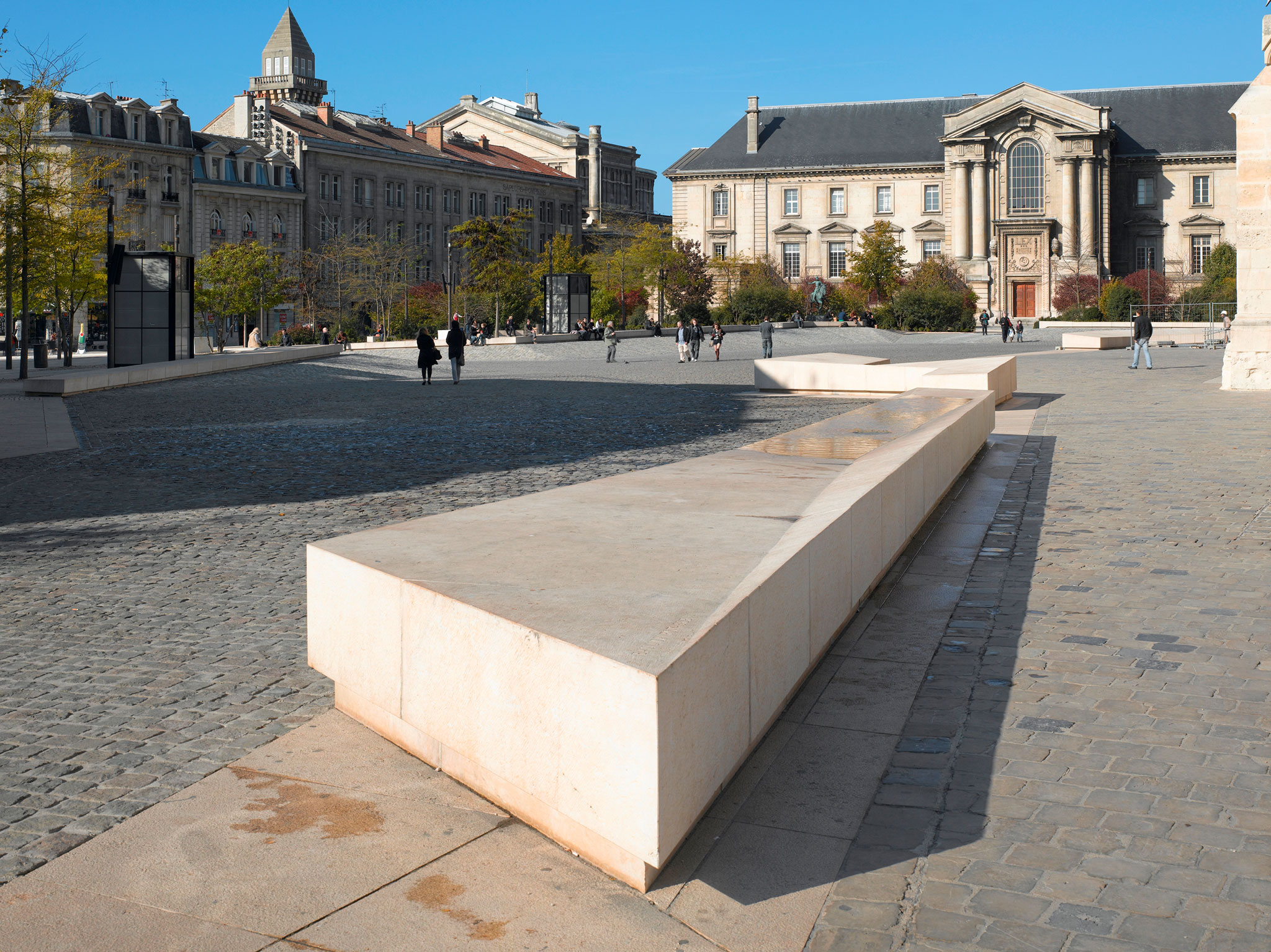
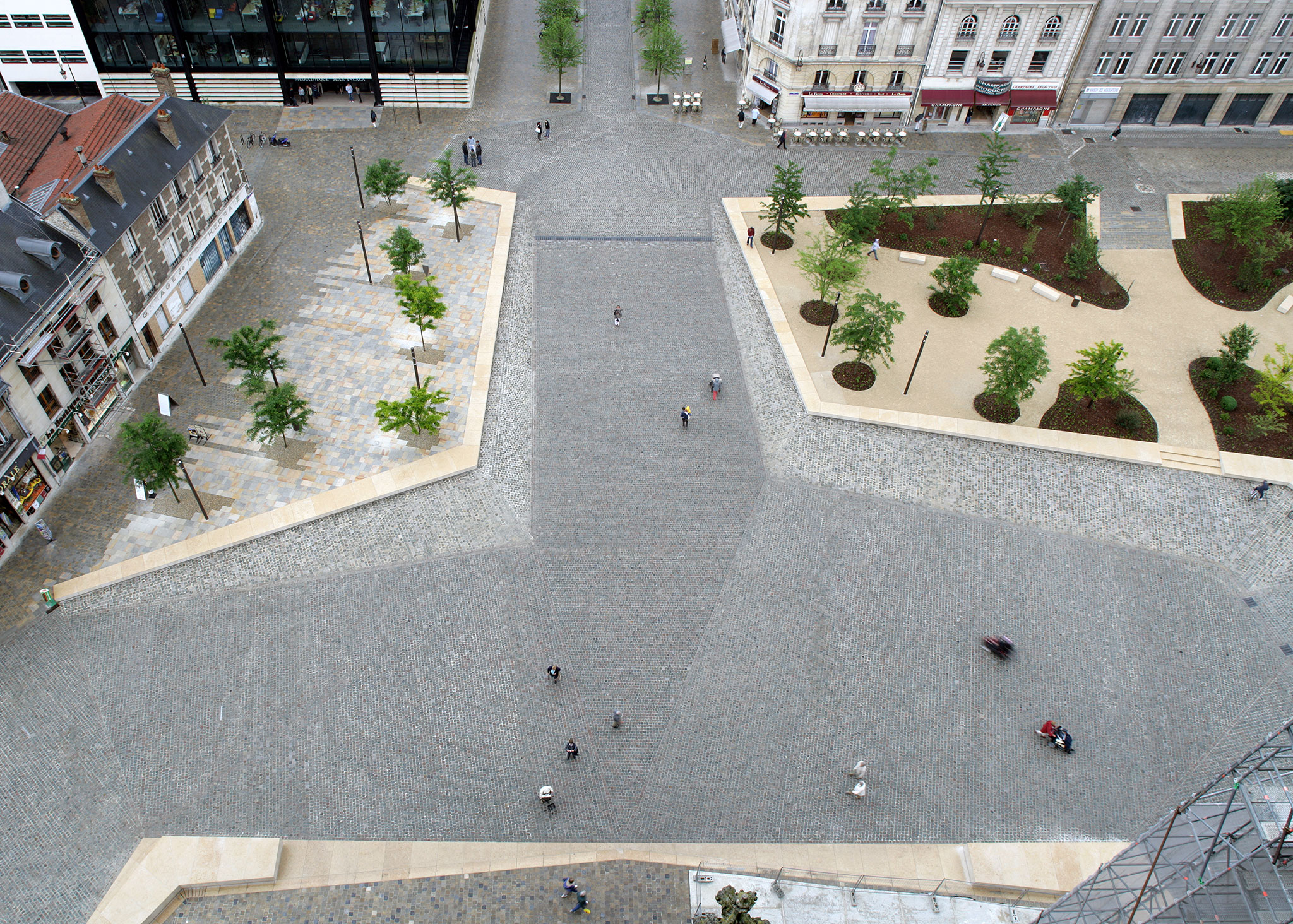
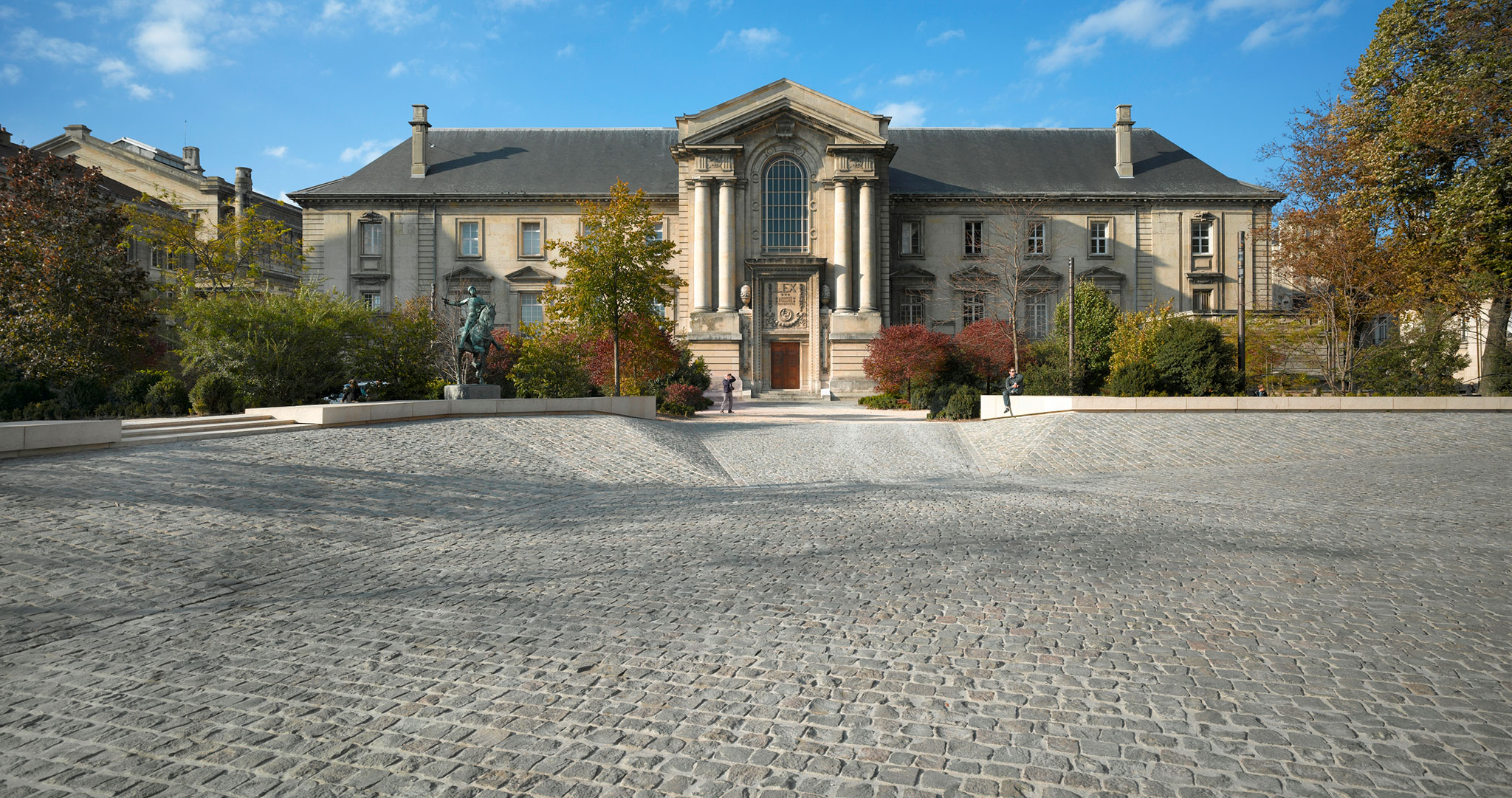
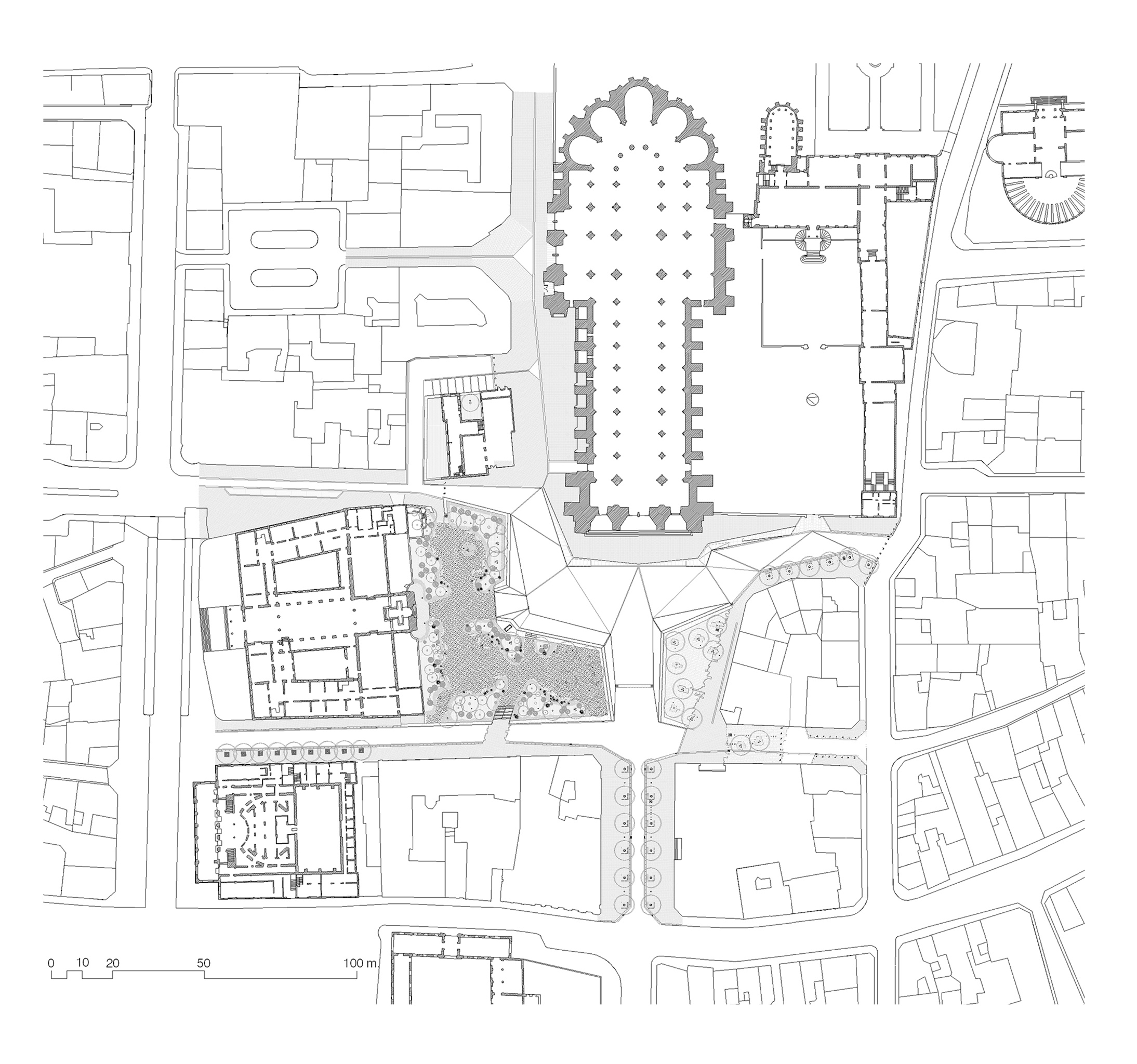
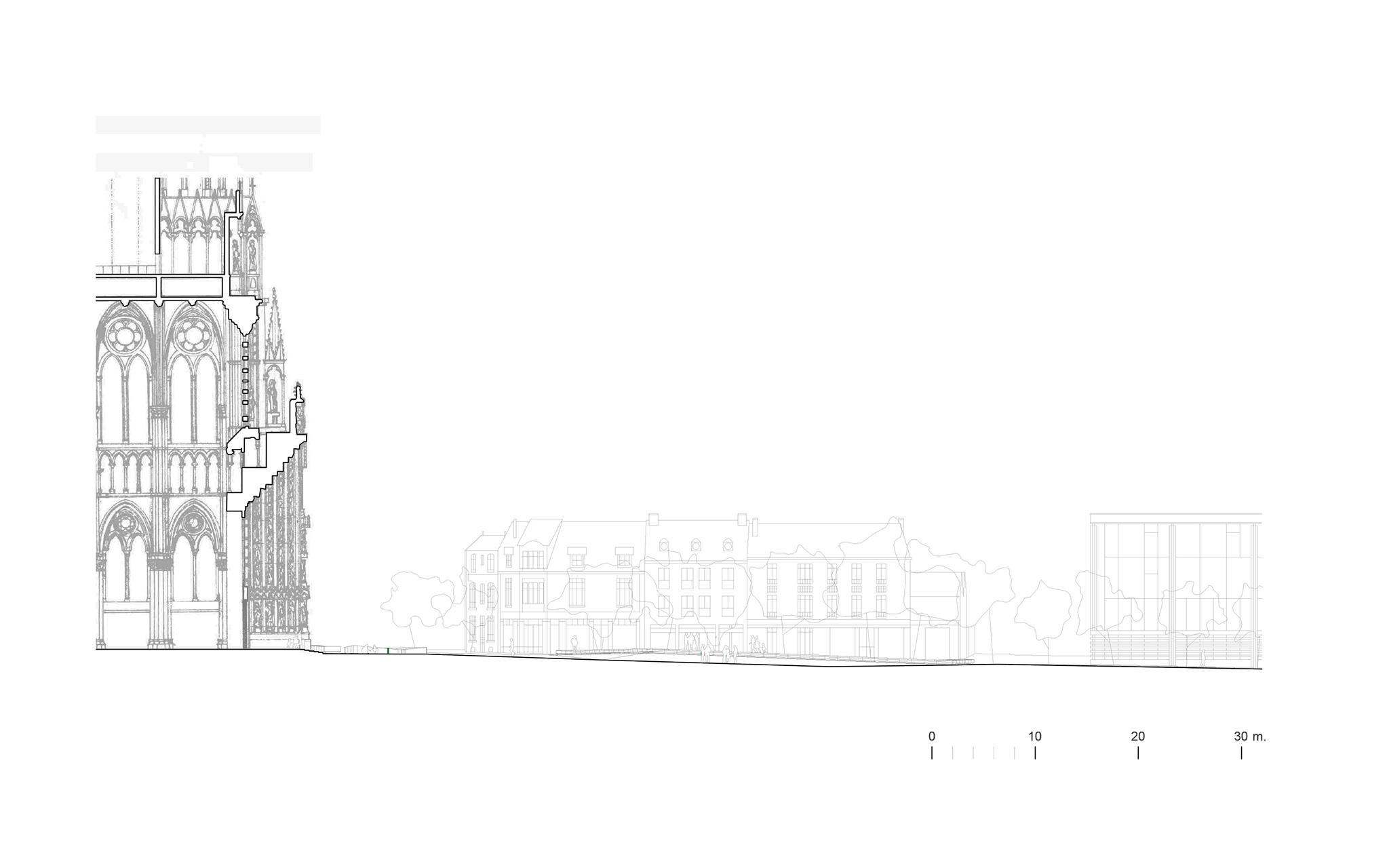
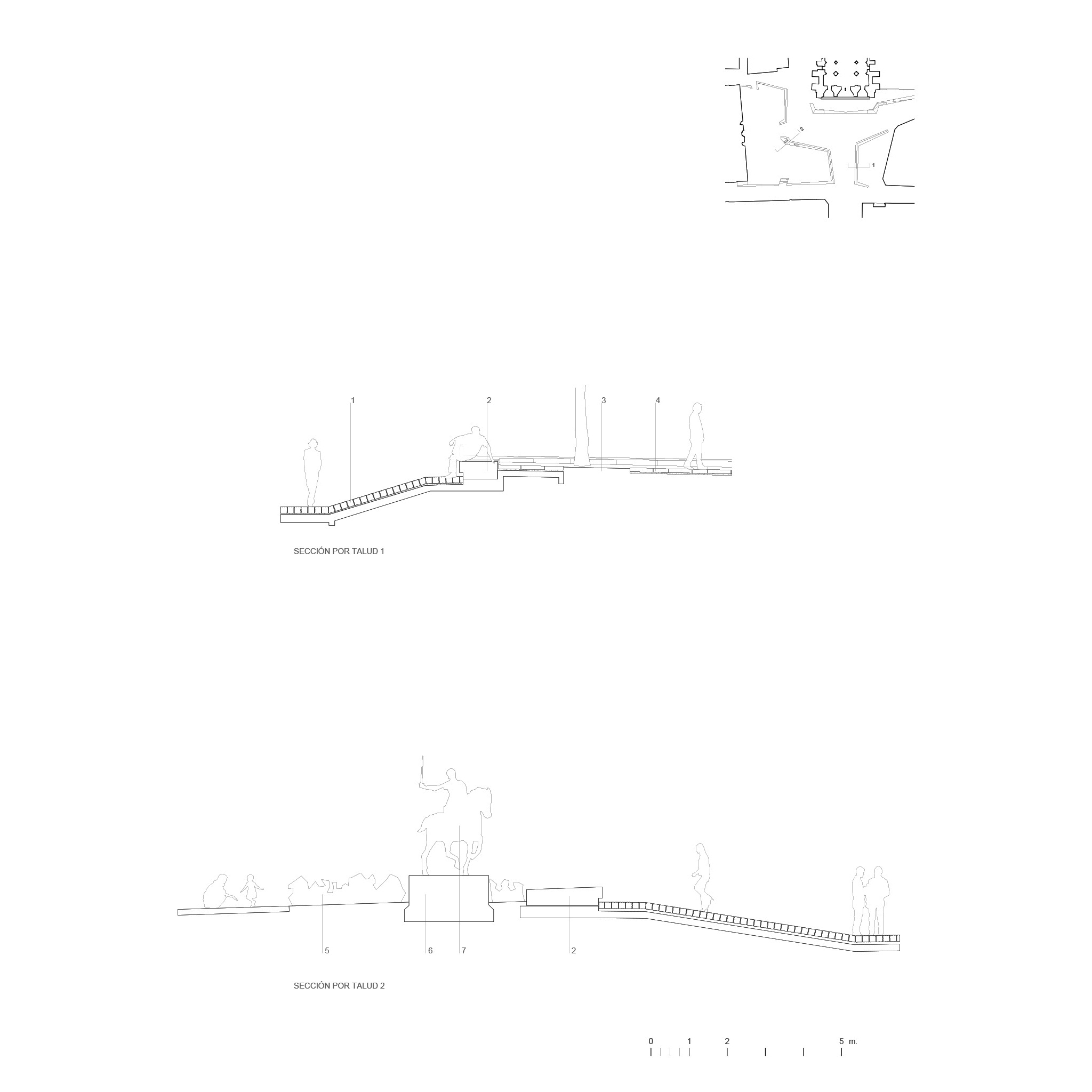
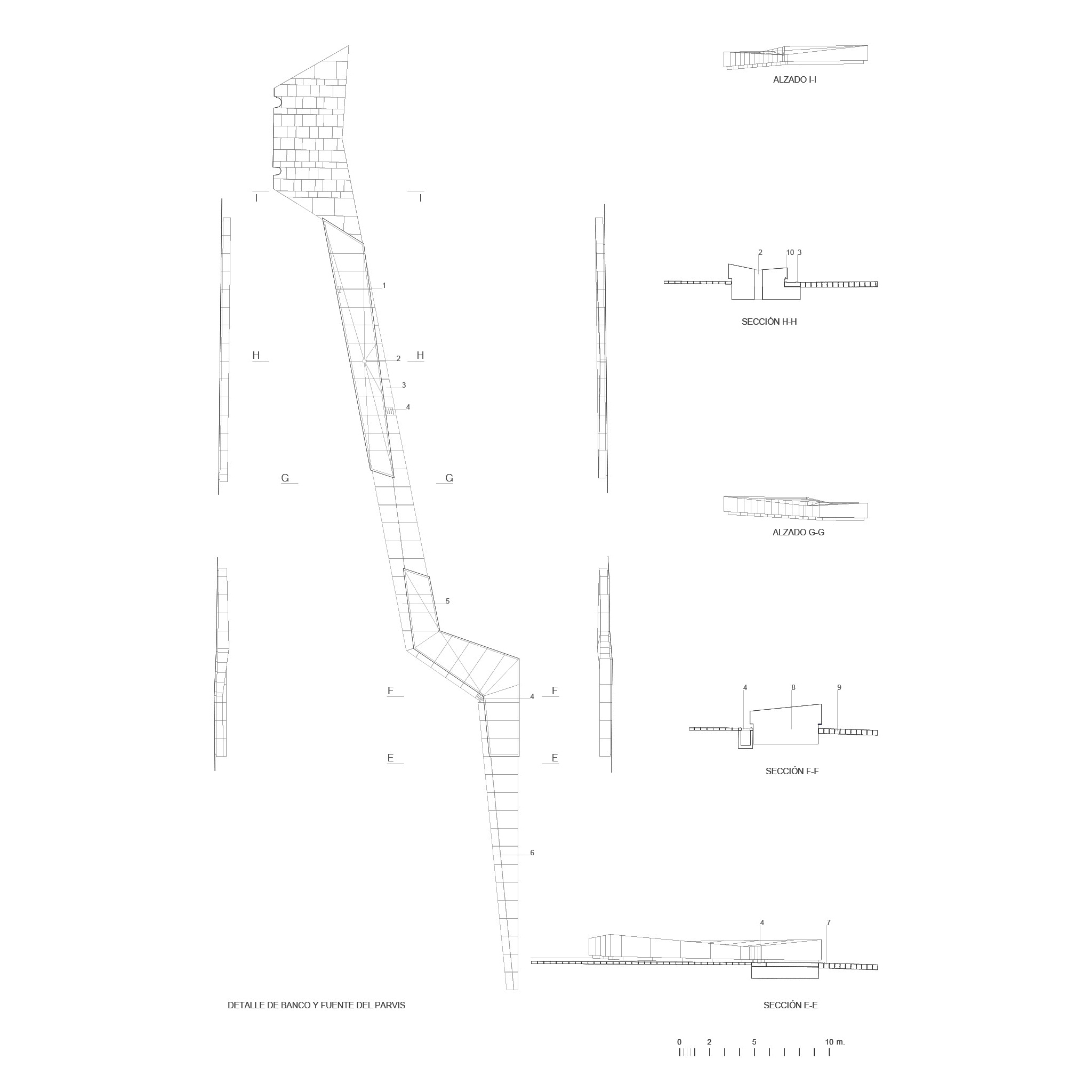
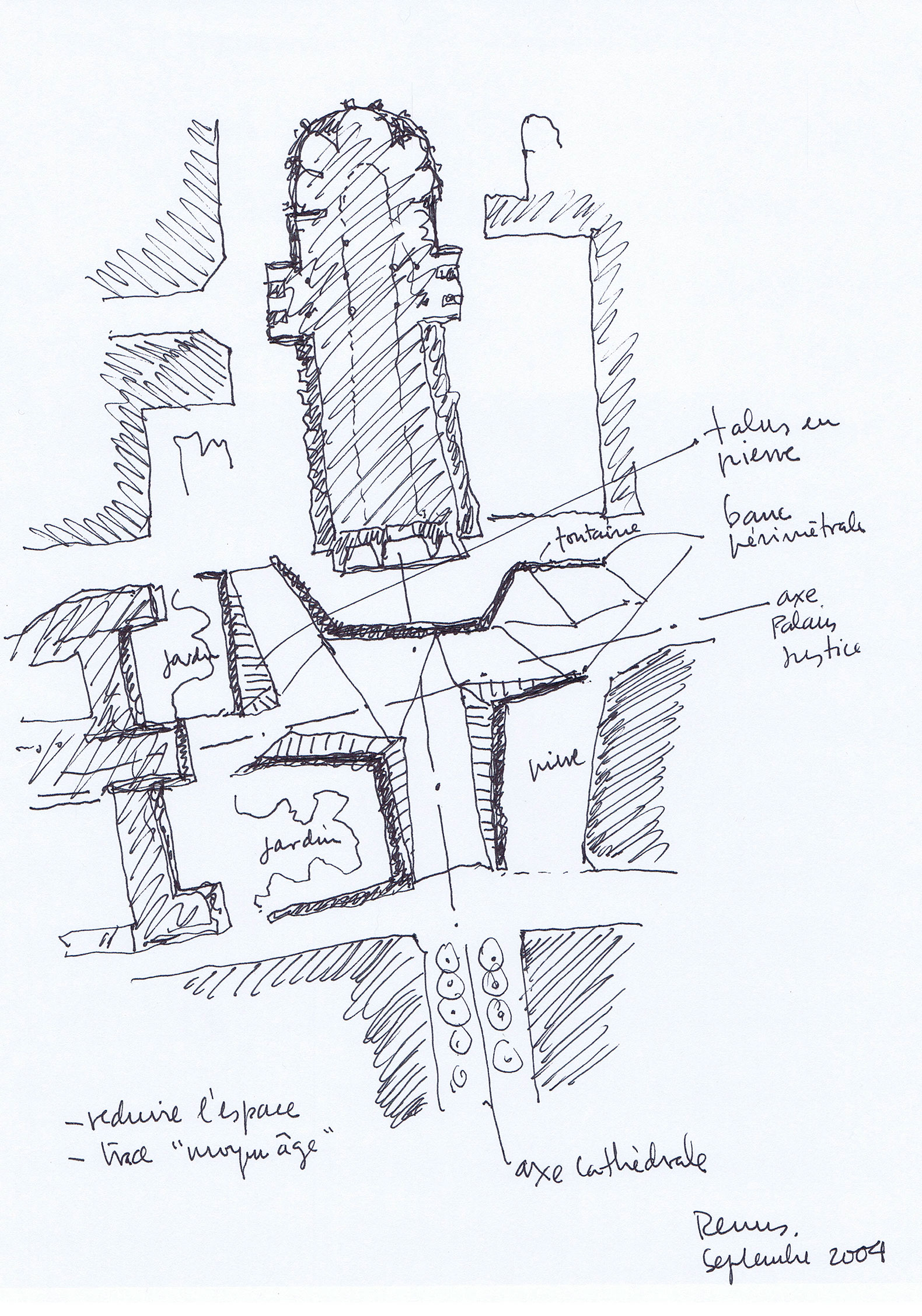
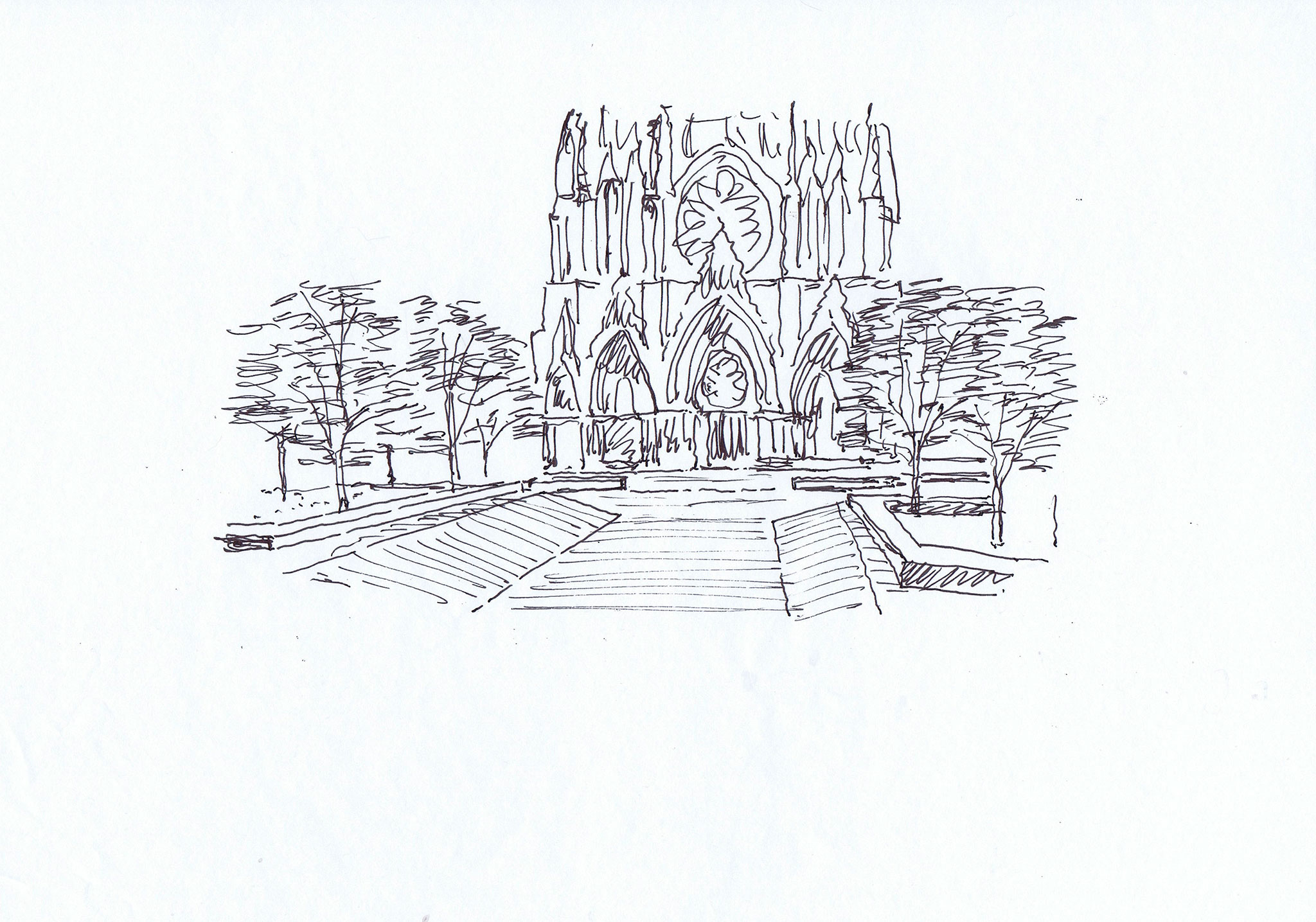
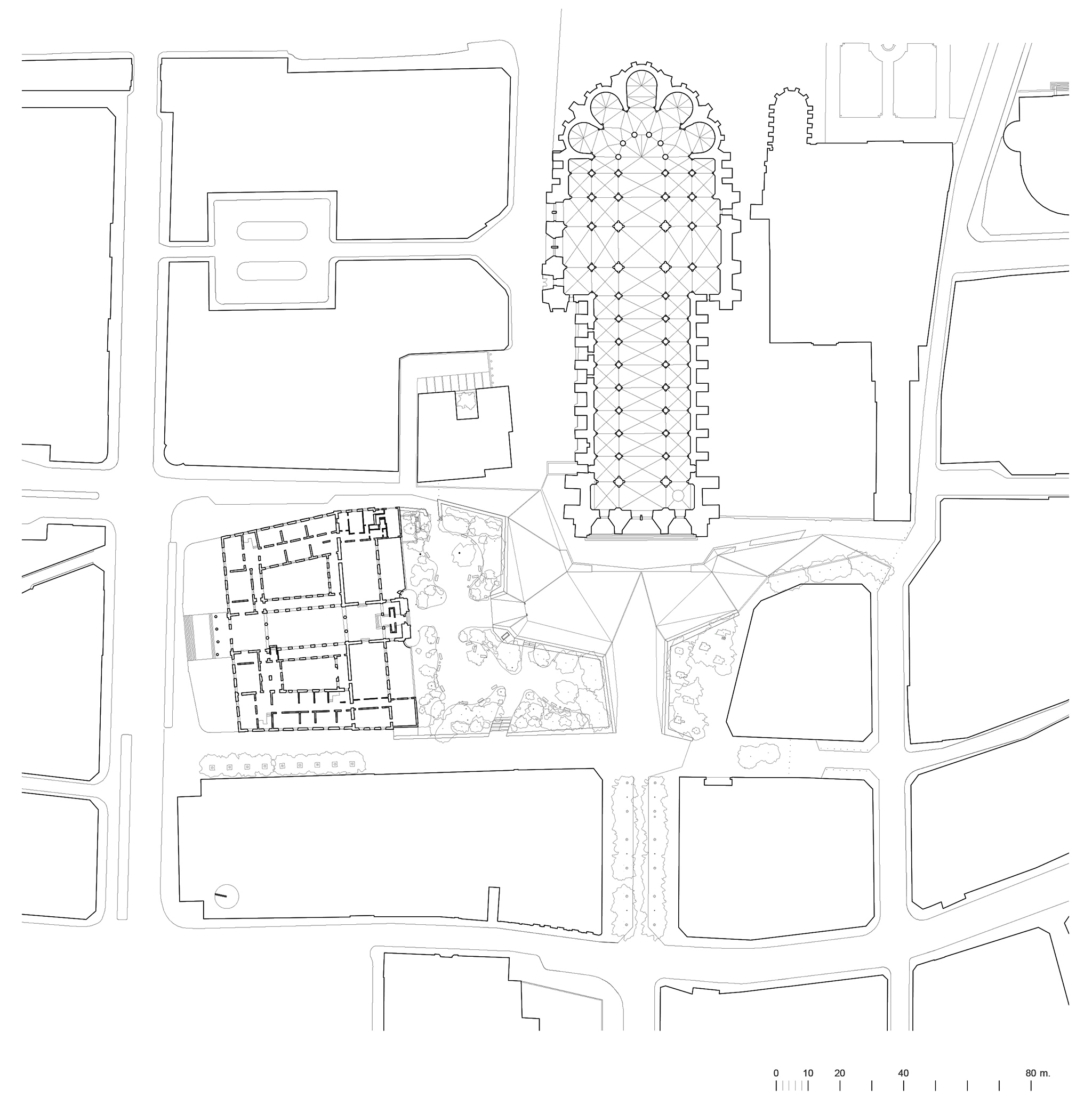
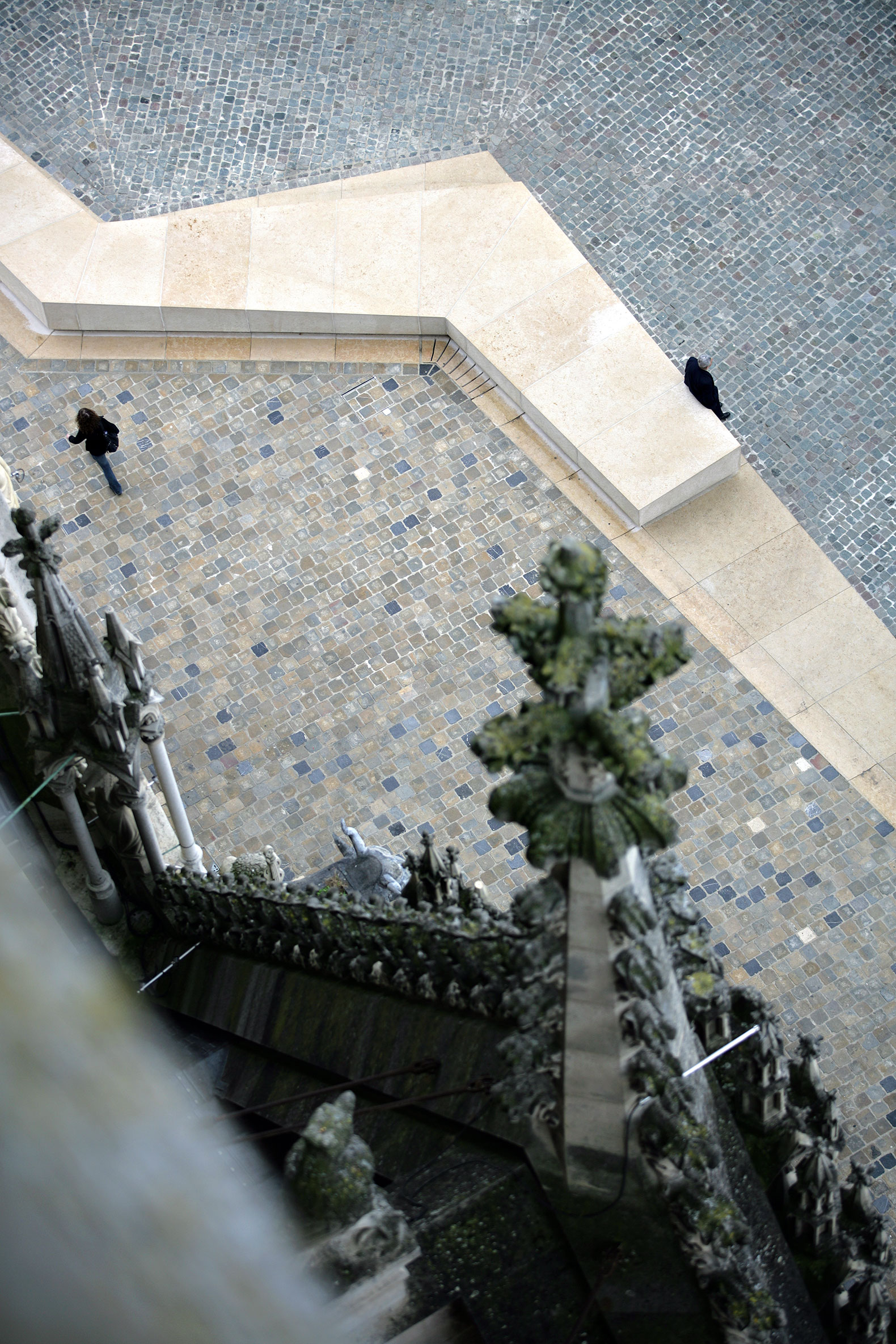
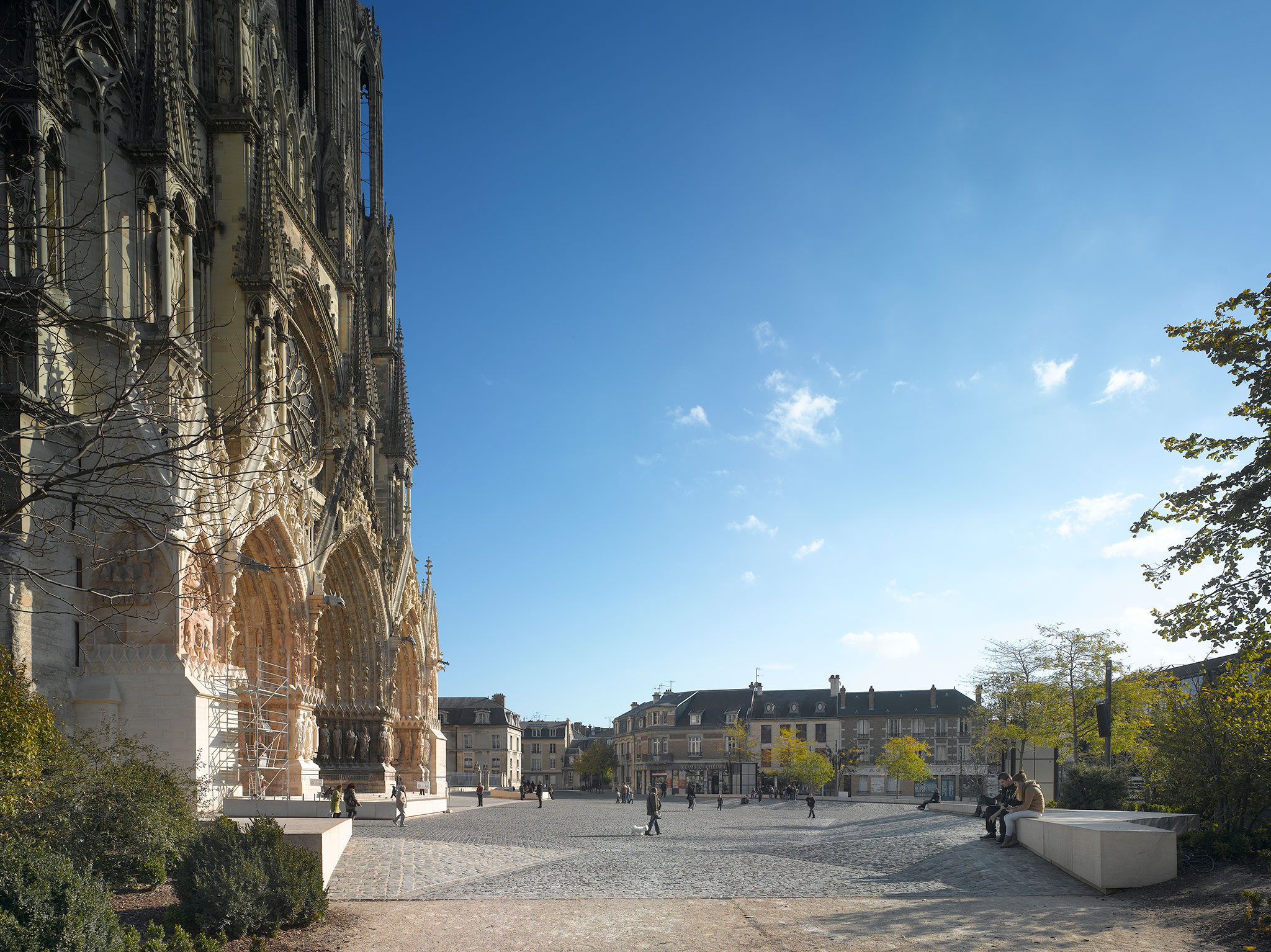
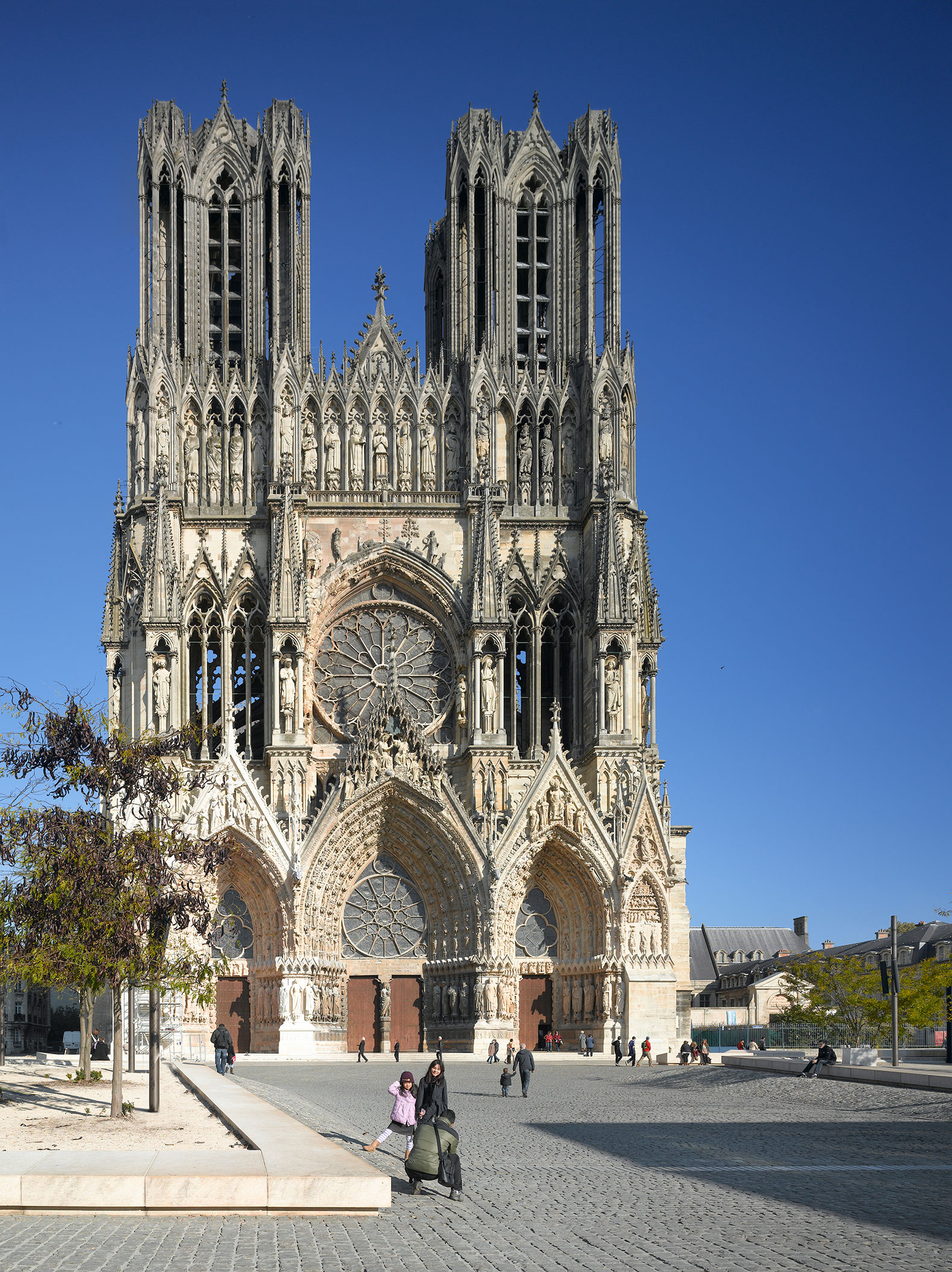
José Ignacio Linazasoro proposes a solution based on the construction of a sequence of differentiated spaces, in which the approach to the cathedral unfolds gradually. Platforms, subtle changes in level, bands of paving, rows of trees, benches and stone edges organize the parvis —the open access space in front of the cathedral’s main façade— and visually break down its vastness. The project adopts a restrained, almost background presence, allowing the cathedral to remain the focus of urban attention, while the new ordering of the ground guides visitors, encourages lingering, and restores a more complex reading of the site, closer to the historical density of the former urban traces.

The intervention can be understood as an operation that recomposes the relationship between monument and city. The space in front of the cathedral had been altered by successive urban transformations, road openings and episodes of destruction that changed its original scale and weakened the continuity between the urban fabric and the religious building. In response to this overly open condition, the project seeks to recover a closer and more inhabitable scale, one capable of accompanying the monumentality of the cathedral without turning the place into an abstract or merely scenographic esplanade.
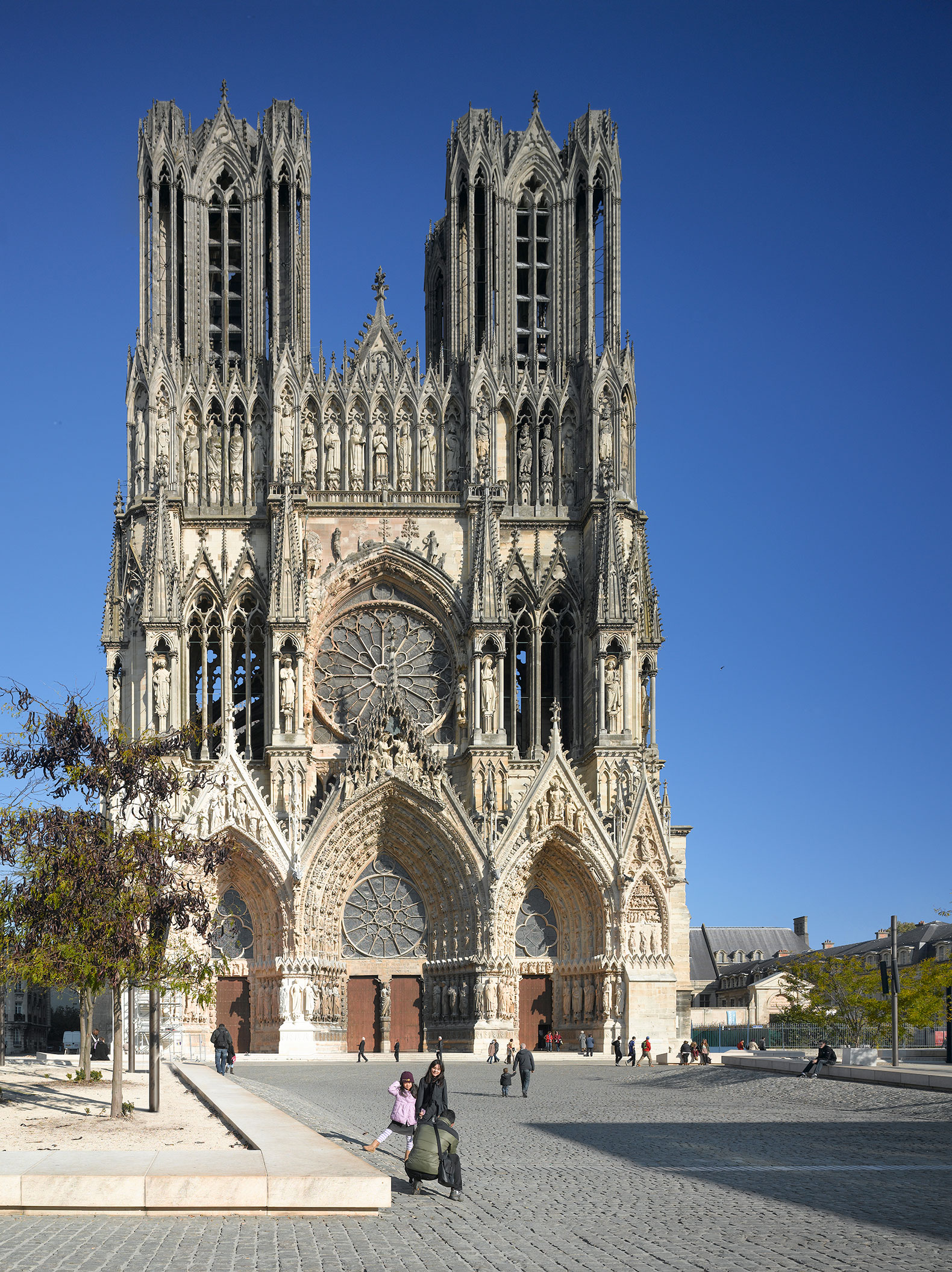
Entorno de la Catedral de Reims por José Ignacio Linazasoro. Fotografía por Roland Halbe

Reims Cathedral Environment by José Ignacio Linazasoro. Photograph by Roland Halbe.

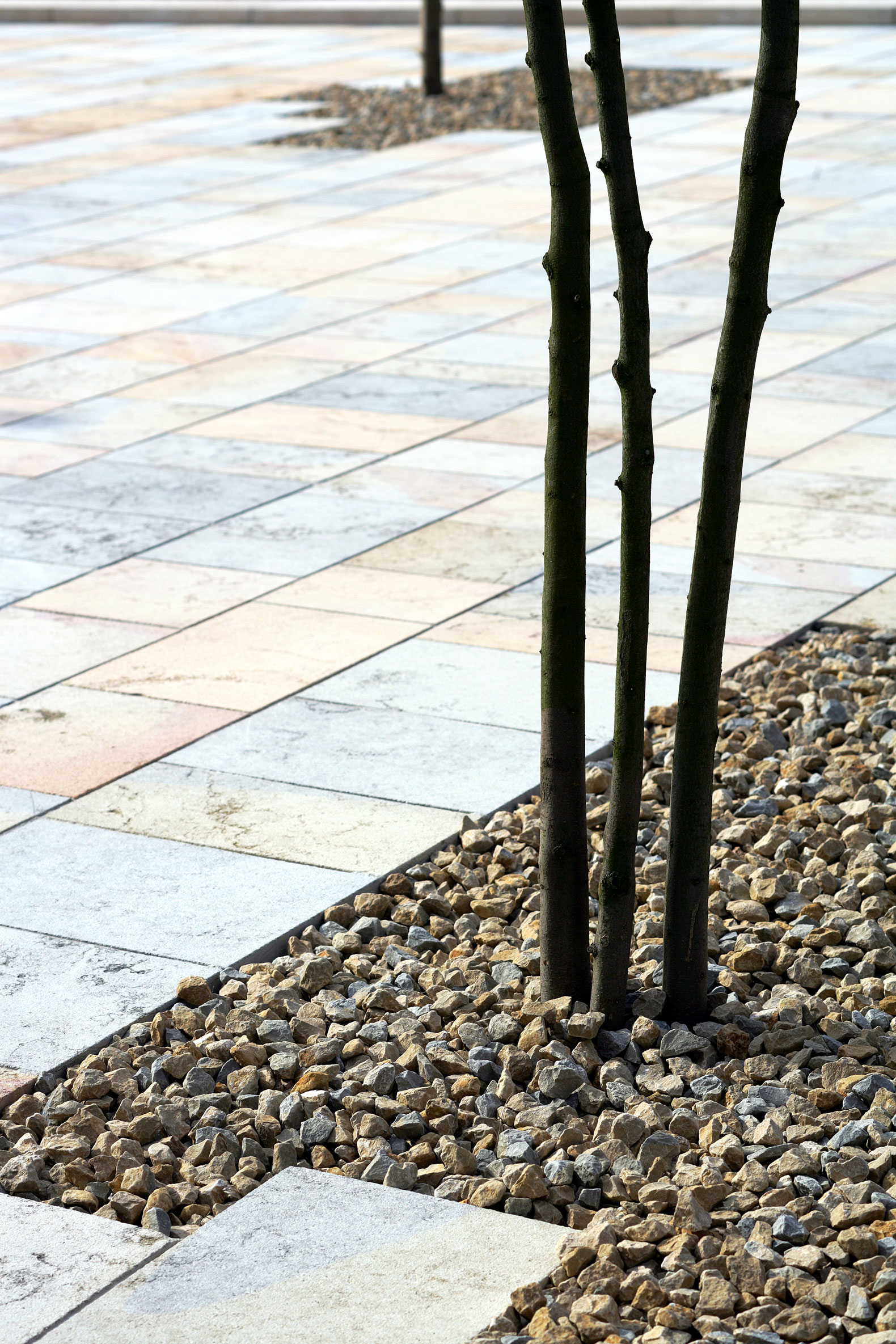
Stone is used in various forms as the principal material for paving, benches, edges and retaining elements, combining different pieces and textures to distinguish areas of movement, rest and approach to the monument. Slabs, setts, granite and limestone provide durability, sobriety and a tone compatible with the monumental setting. Together with lighting and urban furniture, these elements shape a serene, enduring public space that respects the historic character of Reims Cathedral.
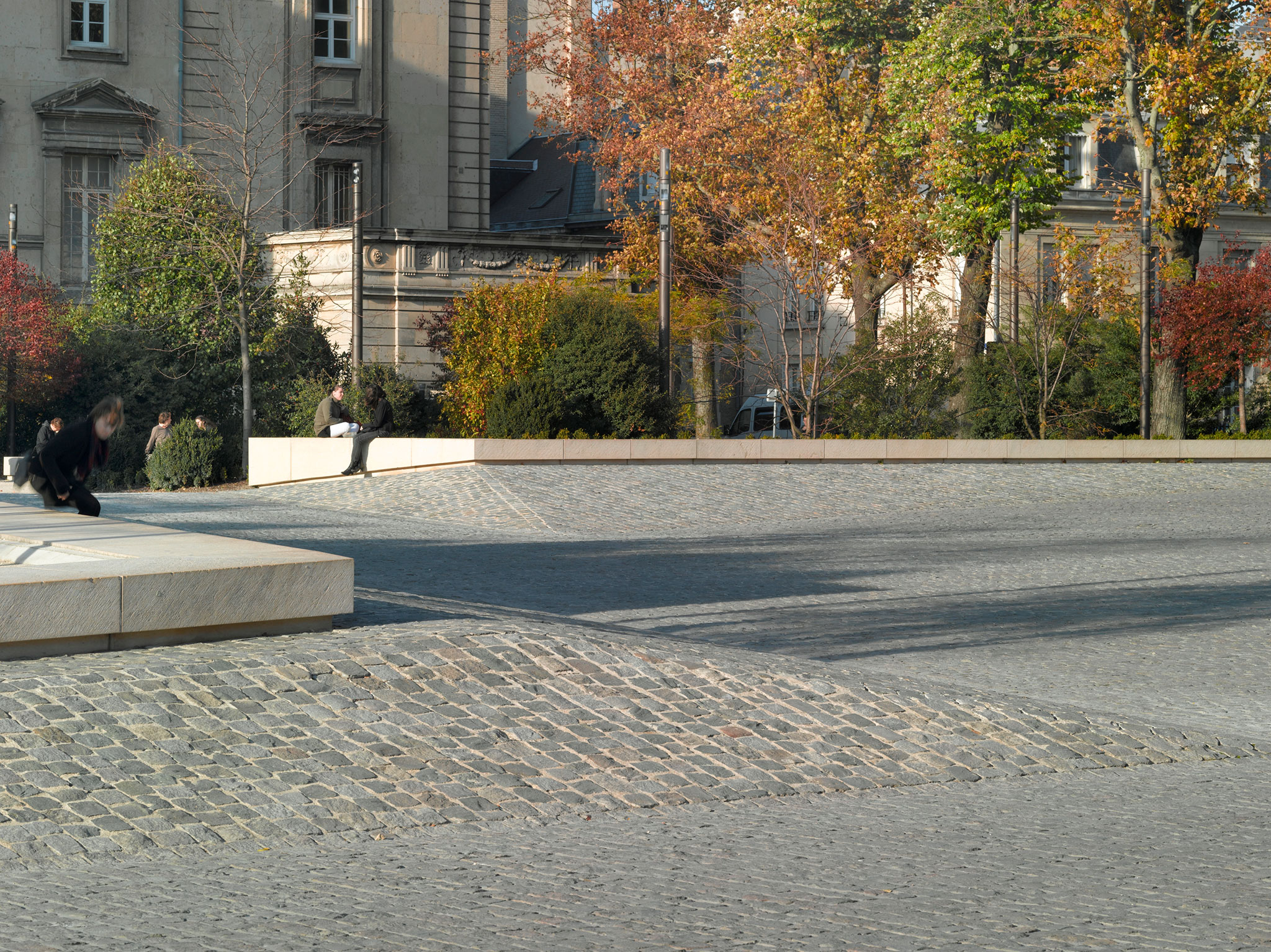
Reims Cathedral Environment by José Ignacio Linazasoro. Photograph by Roland Halbe.

Reims Cathedral Environment by José Ignacio Linazasoro. Photograph by Roland Halbe.

Project description by José Ignacio Linazasoro

This project has been developed in two distinct phases. The first corresponds to the 1992 Competition, an Ideas Competition, which already defined the principles that would be developed in the 2003 Competition. 

This 2003 Competition included the execution of the first phase, namely, the Plaza in front of the Cathedral. The problem stems from the initial interventions following the Revolution, which aimed to isolate the Cathedral from the surrounding buildings, ostensibly to highlight its monumentality, but which produced the opposite effect due to the resulting loss of scale. This tendency intensified after the bombings of 1918, which led to the virtual disappearance of the medieval urban fabric and the consequent isolation of the cathedral. 

Entorno de la Catedral de Reims por José Ignacio Linazasoro. Fotografía por Roland Halbe.
Reims Cathedral Environment by José Ignacio Linazasoro. Photograph by Roland Halbe.

The project aims to restore the lost scale of the building in relation to its immediate surroundings, without reconstructing the pre-existing residential area. Therefore, the intention is to transform the public space through platforms, changes in level, sculptural elements, and landscaping.
More information

Label
Architects
Text
+ + copy Created with Sketch.
- + copy Created with Sketch.
Label
Project team
Text

Ricardo Sánchez González, Hugo Sebastián de Erice, Philippe Zulaica, Diego López.

+ + copy Created with Sketch.
- + copy Created with Sketch.
Label
Collaborators
Text

Engineering / bureau d’études.- OTH EST, IOSIS bureau d’études.
Lighting.- Emeric Thiénot.
Landscape Design.- Jean-Marie Amelin, landscape architect.
Preventive Archaeology.- Preventive archaeological excavation by Inrap; the project manager was the City of Reims. Stéphane Sindonino was the lead scientist, and Aminte Thomann was the anthropologist.

+ + copy Created with Sketch.
- + copy Created with Sketch.
Label
Client
Text

Mairie de Reims / Reims Town Hall.

+ + copy Created with Sketch.
- + copy Created with Sketch.
Label
Builder
Text

Eurovia, Reims.

+ + copy Created with Sketch.
- + copy Created with Sketch.
Label
Area / dimensions
Text

11.300 m².

+ + copy Created with Sketch.
- + copy Created with Sketch.
Label
Dates
Text

First ideas competition in 1992, won by Linazasoro, but not implemented.
Competition - 2003. 1st prize.
Completed - 2008.

+ + copy Created with Sketch.
- + copy Created with Sketch.
Label
Location
Text

Place du Cardinal-Luçon. 51100 - Reims, France.

+ + copy Created with Sketch.
- + copy Created with Sketch.
Label
Photography
Text

R. Halbe, Nicolas Waltefaugle.

+ + copy Created with Sketch.
- + copy Created with Sketch.

Linazasoro&Sánchez Arquitectura. In July 2011, José Ignacio Linazasoro Rodríguez and Ricardo Sánchez González started the society Linazasoro&Sánchez Arquitectura SLP, based in Madrid. Since October 2011, they have worked together as Professors at the School of Architecture of Madrid.

José Ignacio Linazasoro Rodríguez was born in 1947 in San Sebastián. Linazasoro studied at the Schools of Architecture of Pamplona and Barcelona. He qualified as an architect at the School of Architecture of Barcelona in 1972 and obtained his PhD there in 1980.

Throughout his long professional career, he has combined independent architectural practice — with works widely recognised both in Spain and abroad — with teaching, the dissemination of architectural thought and participation in exhibitions. He taught at the School of Architecture of San Sebastián (1977–82), and later became Professor of Architectural Projects at the Schools of Architecture of Valladolid (1982–88) and Madrid, where he has held a chair since 1988.

Linazasoro has also been invited as a visiting professor to several schools of architecture, including Pamplona, Venice, Milan, Cesena, Bari, Lima and Lausanne. In addition, he has delivered lectures on his work in Italy, France, the United Kingdom, Sweden, Prague, Budapest, Mexico City, Puerto Rico and the United States. Since 1987, he has been a corresponding member of Architecture at the Real Academia de Bellas Artes de San Fernando. He lives in Madrid.

His work began to be published in the 1970s following the Hondarribia Ikastola project, designed in collaboration with Miguel Garay. During the 1980s, he completed notable works such as the reconstruction of the Church of Santa Cruz in Medina de Rioseco. In the 1990s, his project for the Central Library of the UNED received numerous awards and publications.

At the beginning of the twenty-first century, he designed the Church of San Lorenzo in Valdemaqueda (Madrid) and the Escuelas Pías University Centre in Madrid, one of his most widely published and awarded works. Later, he designed the Cathedral Square in Reims and the Congress Centre in Troyes (France). In 2011, he began collaborating with the architect Ricardo Sánchez, with whom he has completed projects including the Segovia University Campus (2011) and the remodelling of Puerta del Sol in Madrid (2023).

He has received numerous national and international awards for his work, including the COAM Award, the Moreno Mansilla Award, the COACYLE Award, the Iberfad Award, the International Brick Award, the Piranesi Prix de Rome, the Gutiérrez Soto Award and the Honorary Membership of the College of Architects of Cádiz, among others.

Author of theoretical texts such as La memoria del orden, Linazasoro has also published monographs on his work in Spain, France and Italy.

Ricardo Sánchez González was born in 1978 in Madrid (Spain). Sánchez is an architect from the School of Architecture of  Madrid, 2003 and a Professor at the  School of Architecture of Madrid since 2011. He lives in Madrid.

Read more
Published on: July 5, 2026
Cite:
metalocus, JOSÉ JUAN BARBA
"Memory and representation. Reims Cathedral Environment by José Ignacio Linazasoro" METALOCUS. Accessed
<https://www.metalocus.es/en/news/memory-and-representation-reims-cathedral-environment-jose-ignacio-linazasoro> ISSN 1139-6415
Loading content ...
Loading content ...
Loading content ...
Loading content ...
Loading content ...
Loading content ...
Loading content ...
Loading content ...
Loading content ...
Loading content ...
Loading content ...
Loading content ...
Loading content ...
Loading content ...
Loading content ...
Loading content ...
Loading content ...
Loading content ...
Loading content ...
Loading content ...
Loading content ...
Loading content ...
Loading content ...
Loading content ...
Loading content ...
Loading content ...
Loading content ...
Loading content ...
Loading content ...
Loading content ...
Loading content ...
Loading content ...
Loading content ...
Loading content ...
Loading content ...
Loading content ...
Loading content ...
Loading content ...
Loading content ...
Loading content ...
Loading content ...
Loading content ...
Loading content ...
Loading content ...
Loading content ...
Loading content ...
Loading content ...
Loading content ...
Loading content ...
Loading content ...
Loading content ...
Loading content ...
Loading content ...
Loading content ...