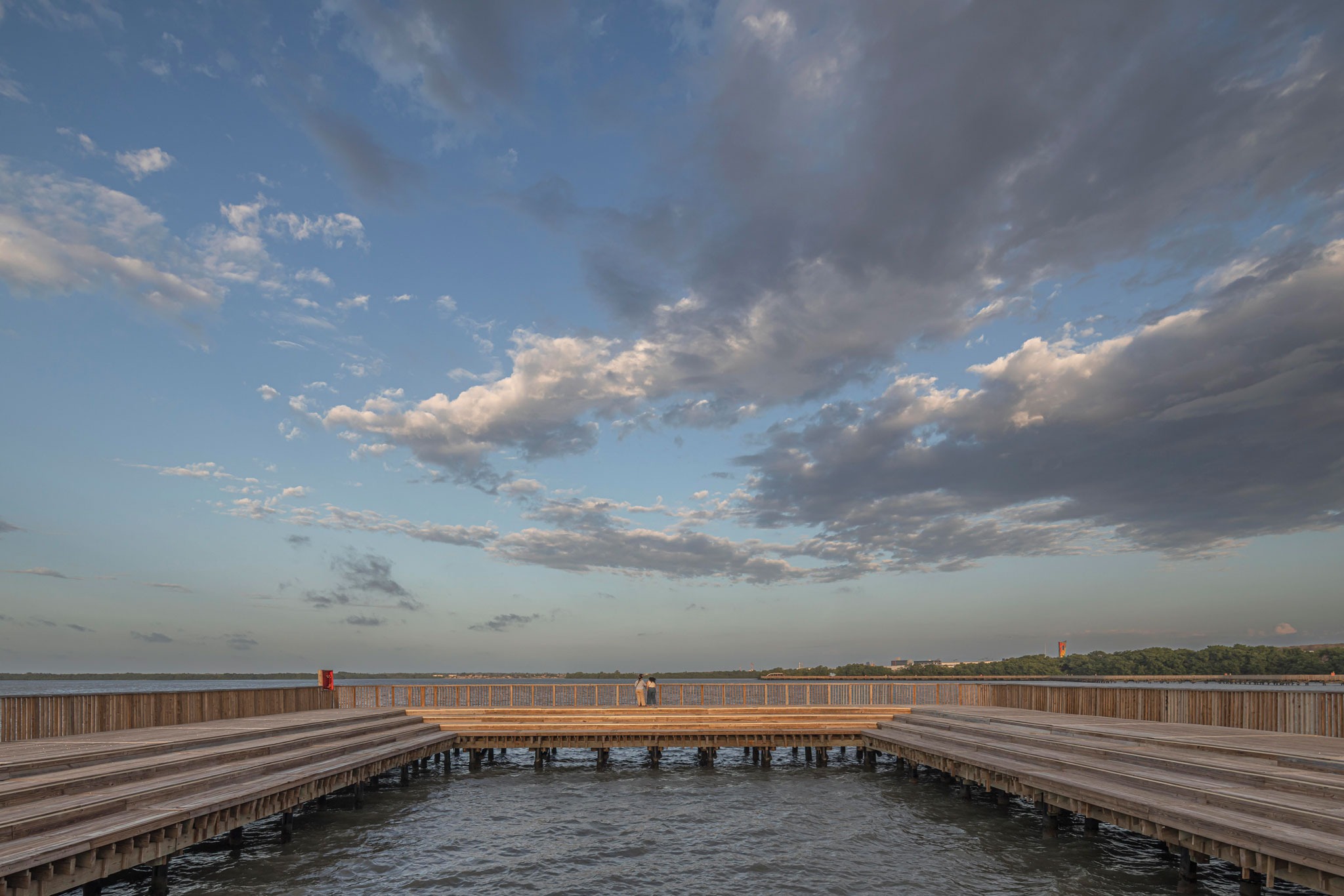
Colombian architecture practices DEB Architecture + El Equipo Mazzanti were commissioned to design this environmental and urban regeneration project on Colombia’s Caribbean coast: the Ciénaga de Mallorquín Ecopark, located in a strategic setting where the Atlantic Ocean meets the Magdalena River.

DEB Architecture and El Equipo Mazzanti frequently collaborate on high-impact urban, social and environmental projects, combining territorial research, architecture and urban regeneration strategies to develop context-sensitive interventions rooted in cultural and ecological values.

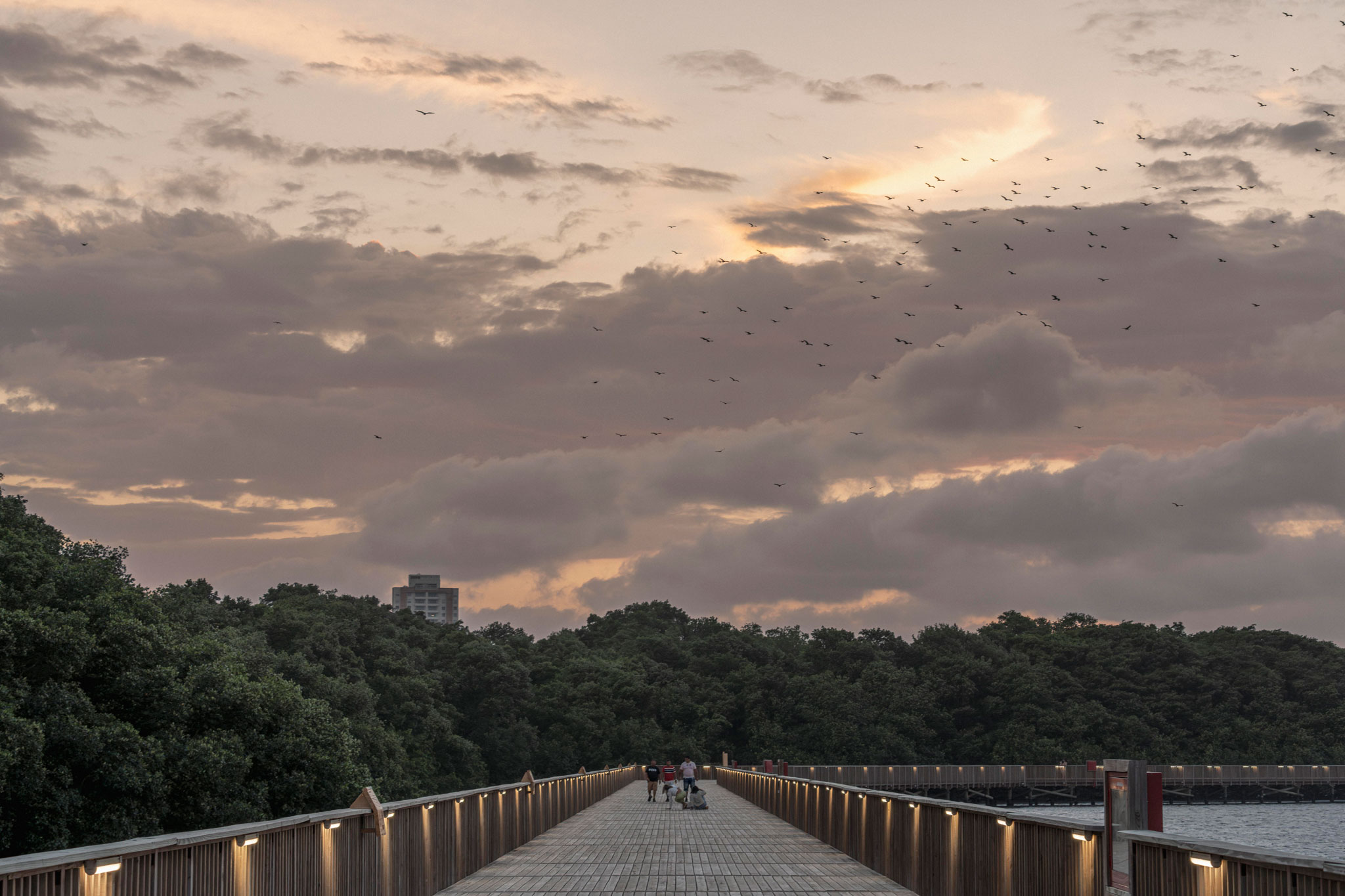
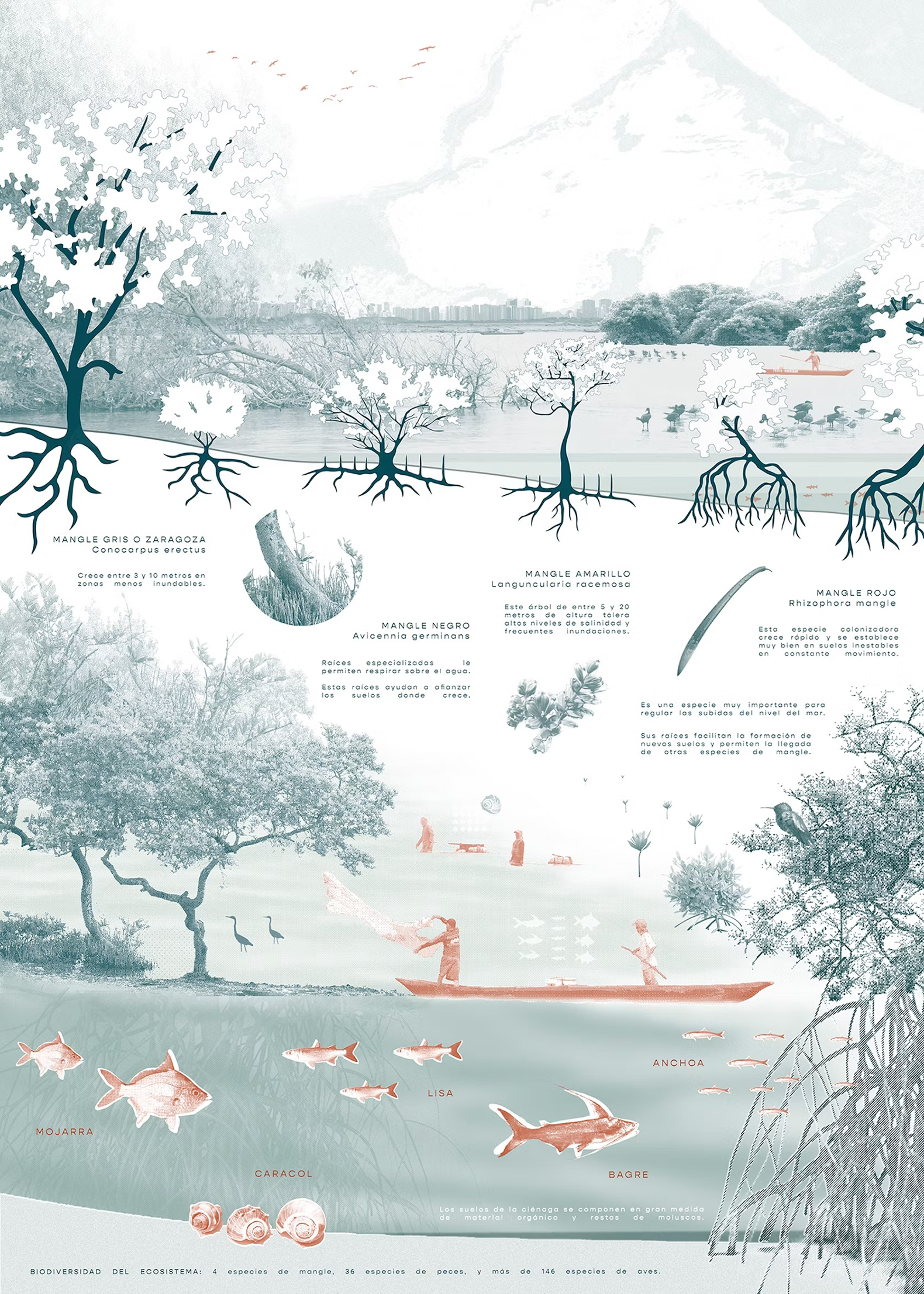
The proposal by DEB Architecture + El Equipo Mazzanti engages with one of the region’s most biodiverse lagoon systems, a complex network of mangroves that provides habitat for more than 200 bird species.

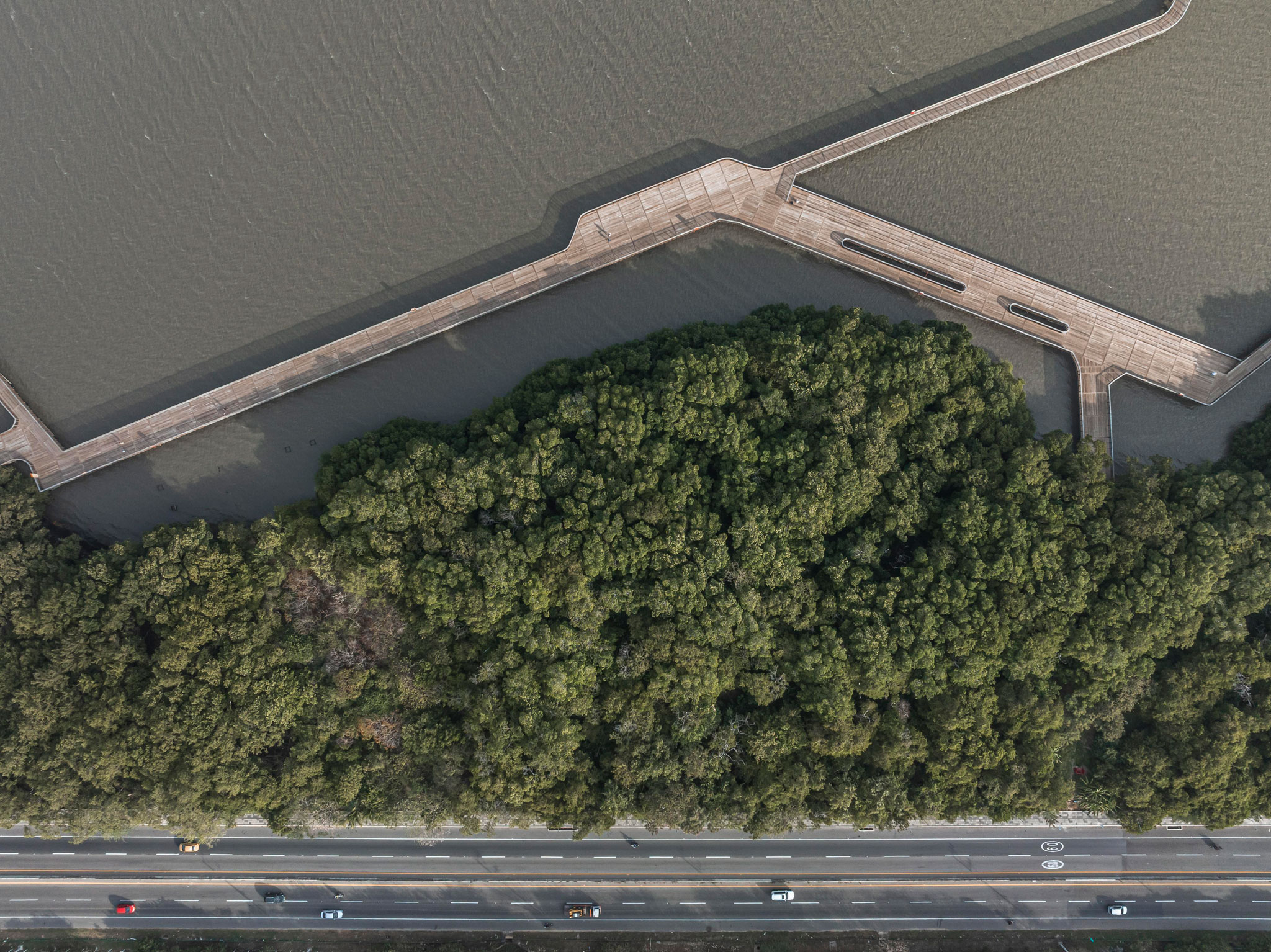
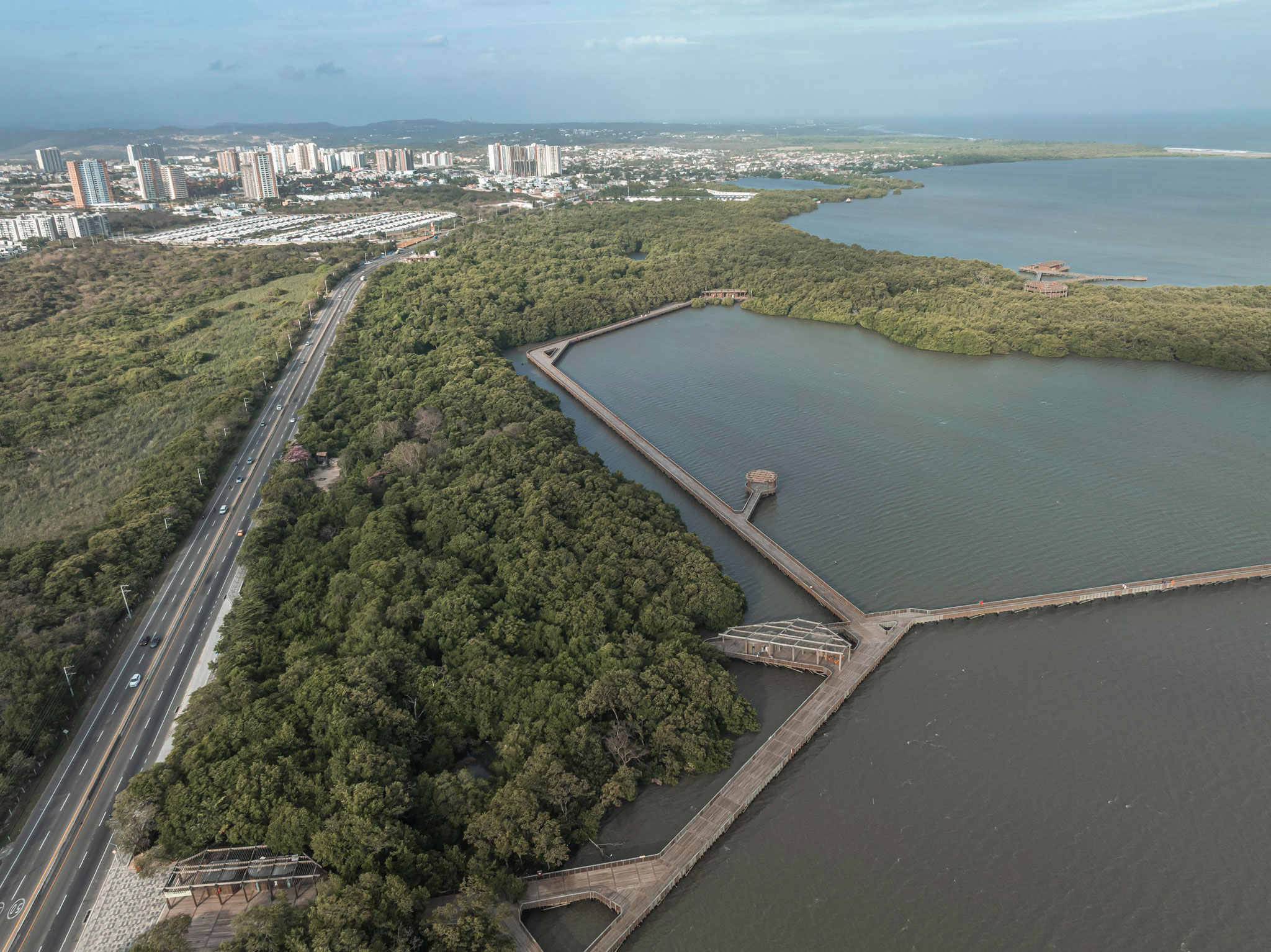
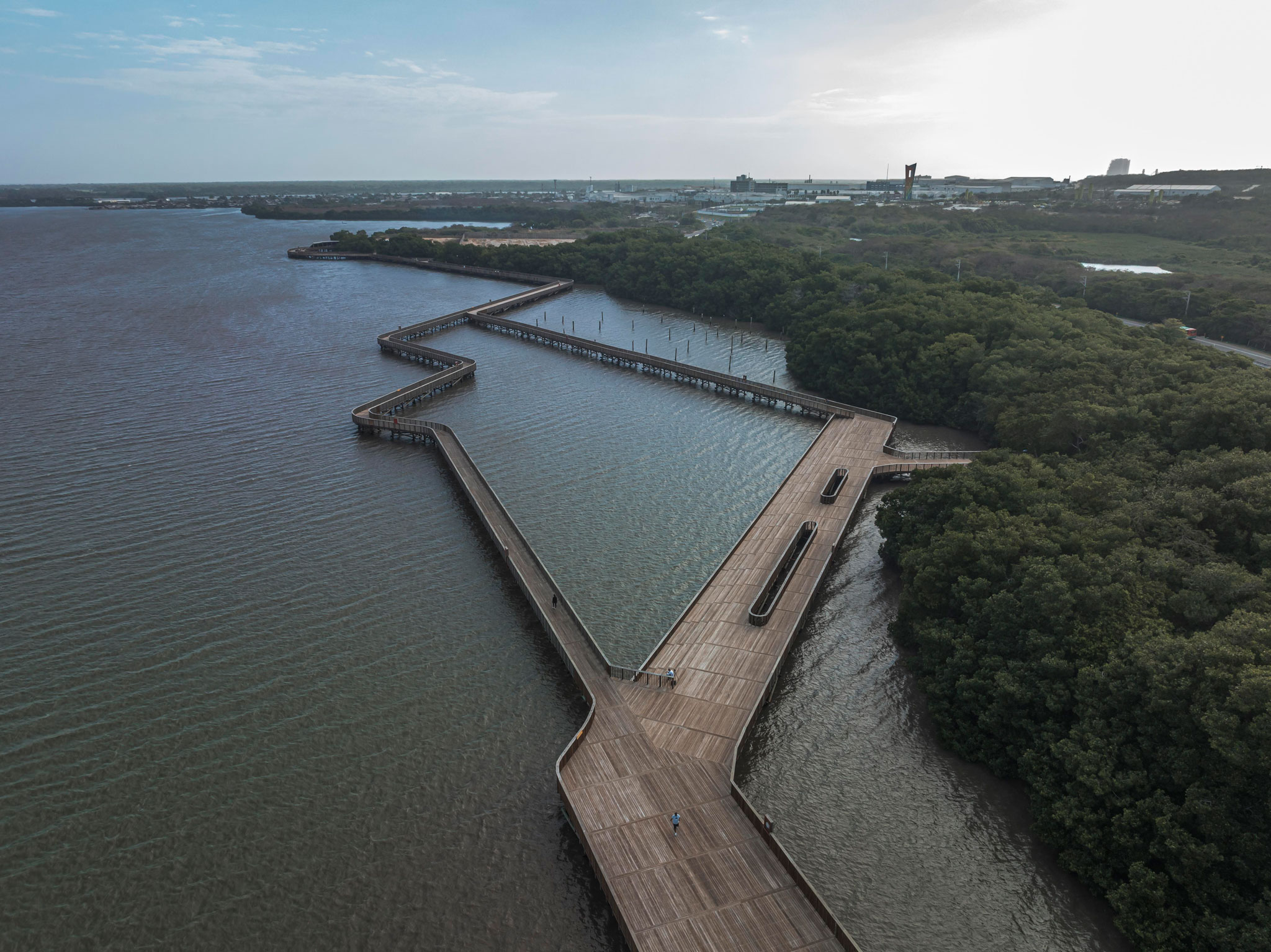
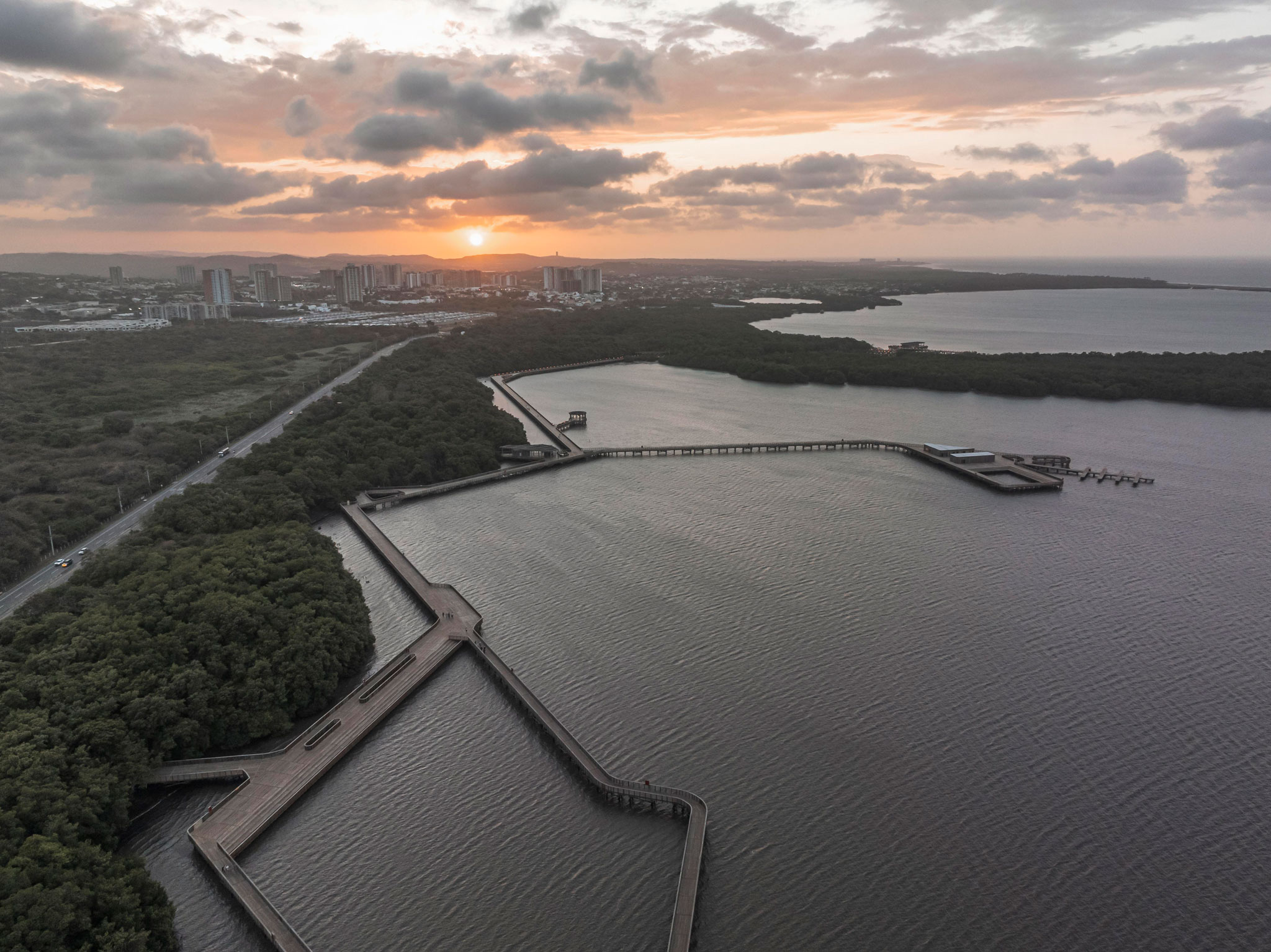
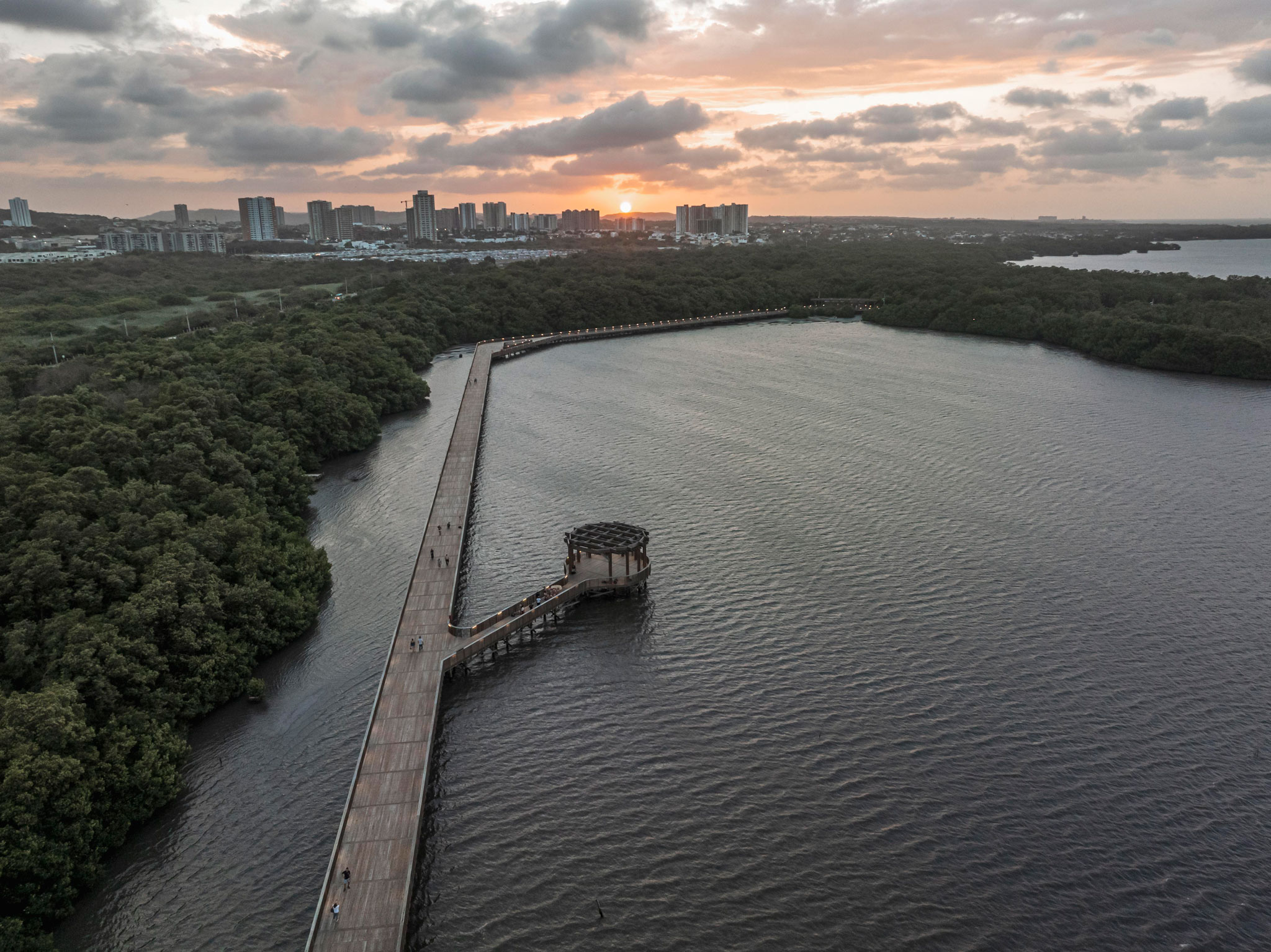
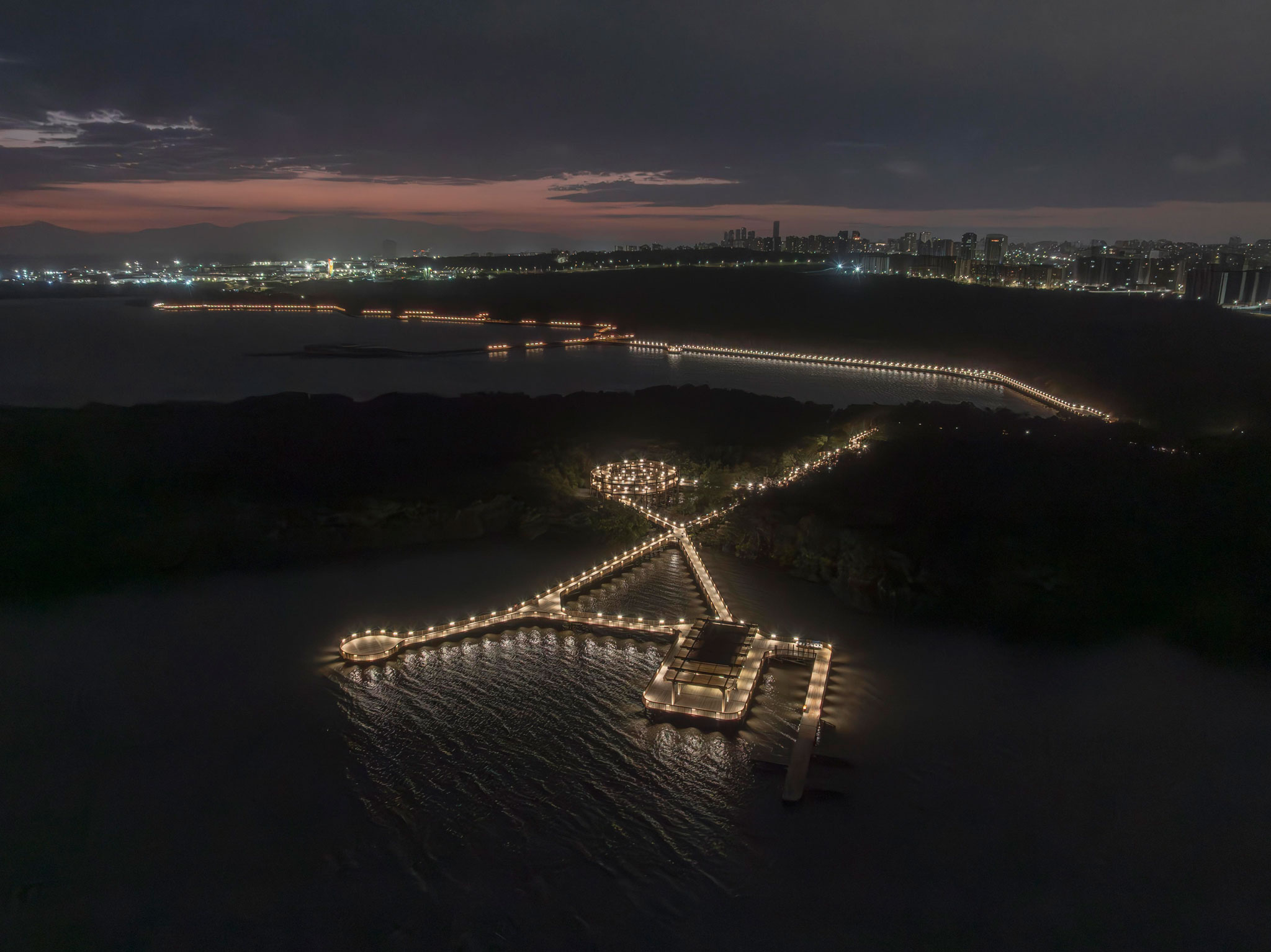
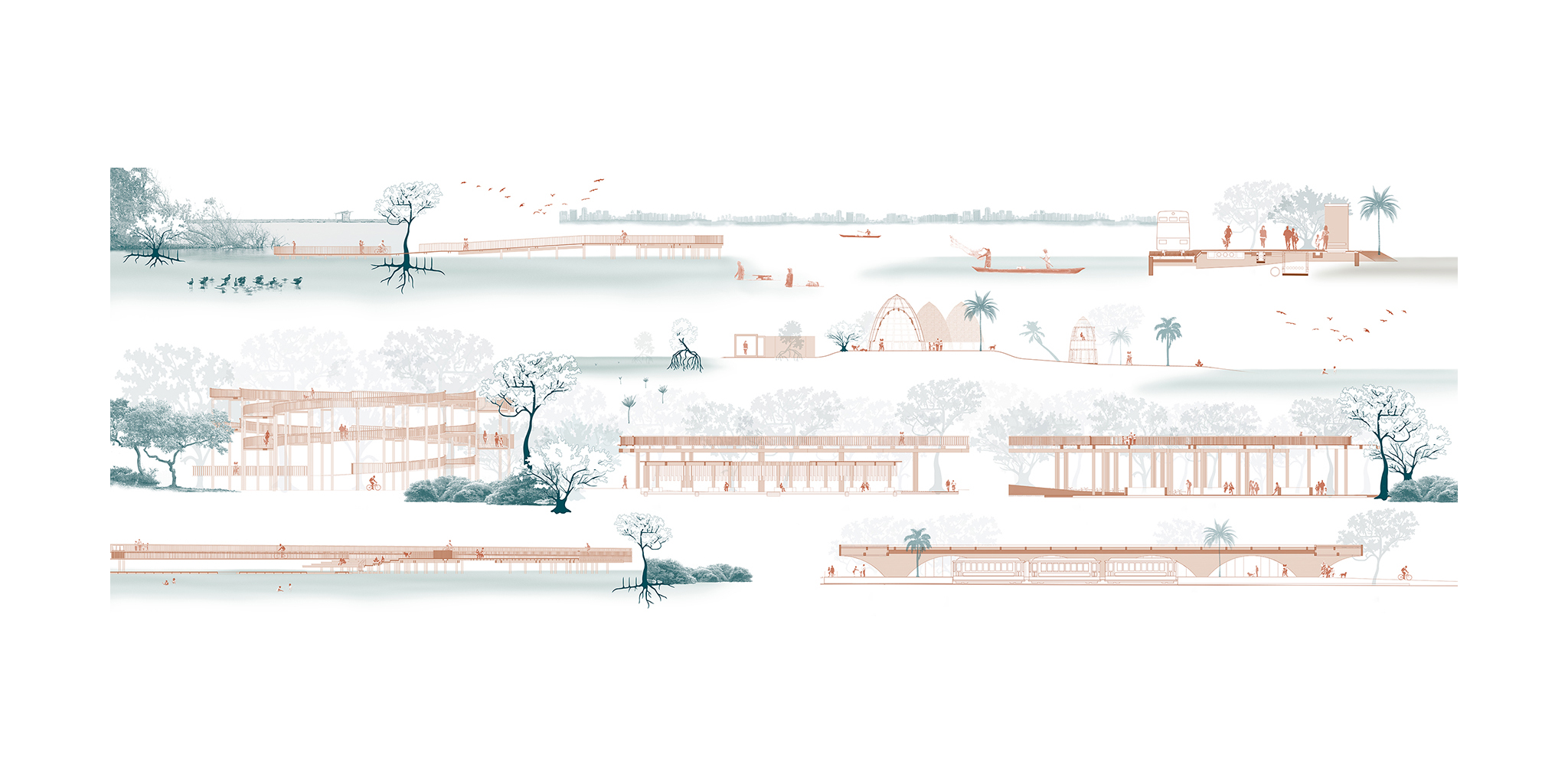
The intervention seeks to establish a transitional space that encourages dialogue between natural and urban dynamics. Through a system of pathways and public spaces, it creates an active boundary between the wetland ecosystem and Barranquilla's urban expansion.
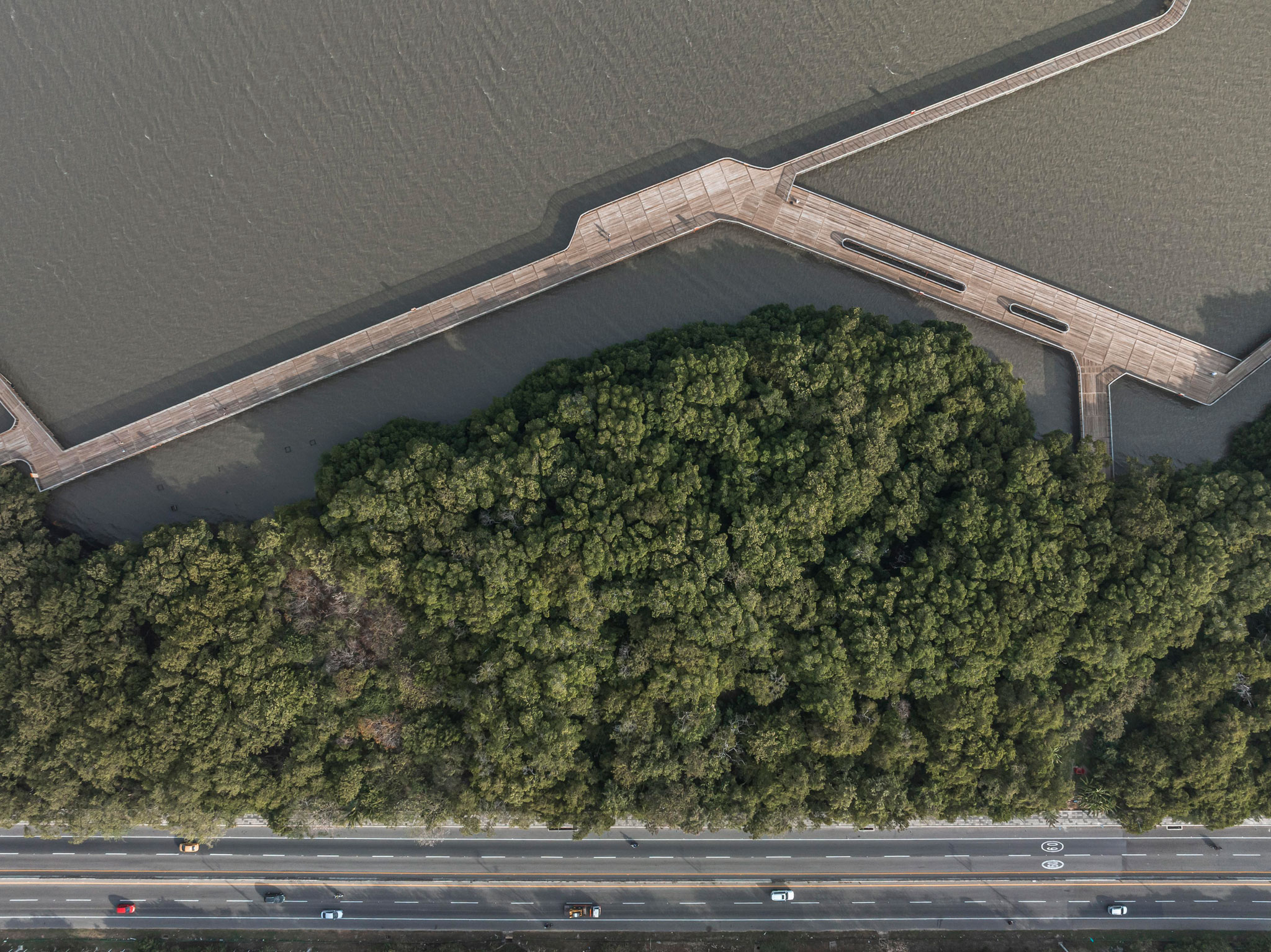
Ciénaga de Mallorquín Ecopark by DEB Architecture + El Equipo Mazzanti. Fotografía por Alejandro Arango

Ciénaga de Mallorquín Ecopark by DEB Architecture + El Equipo Mazzanti. Photograph by Alejandro Arango.

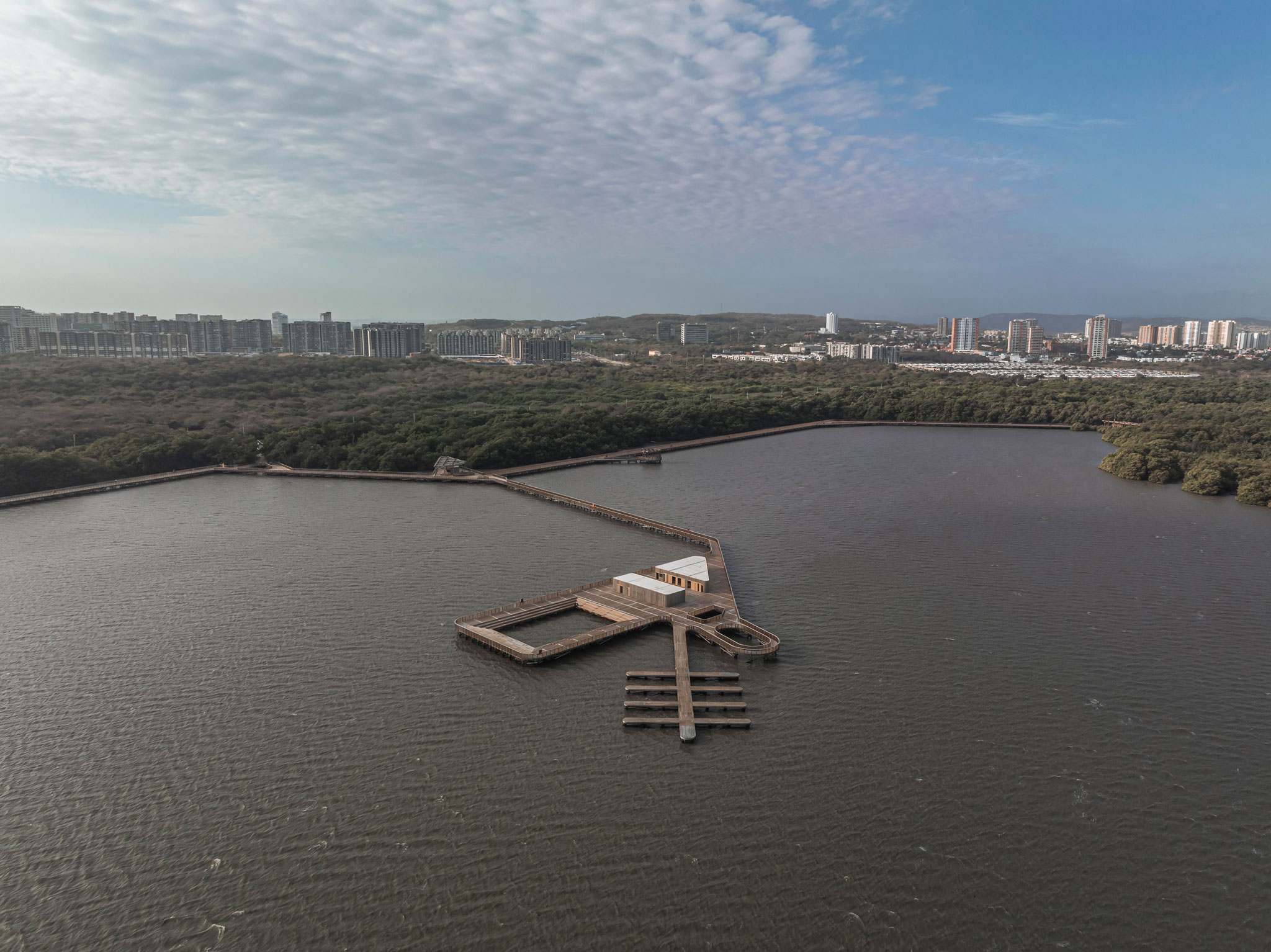
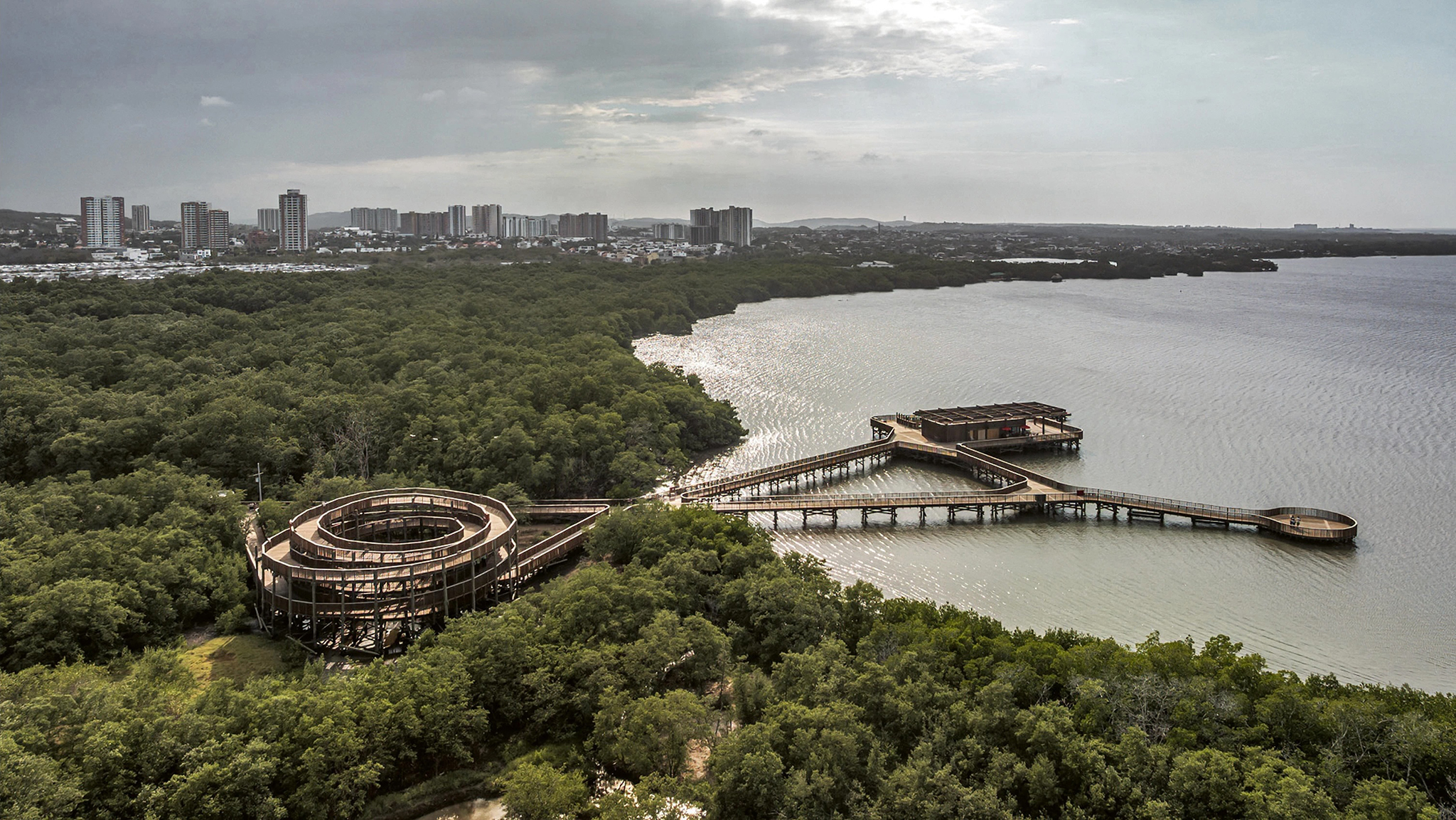
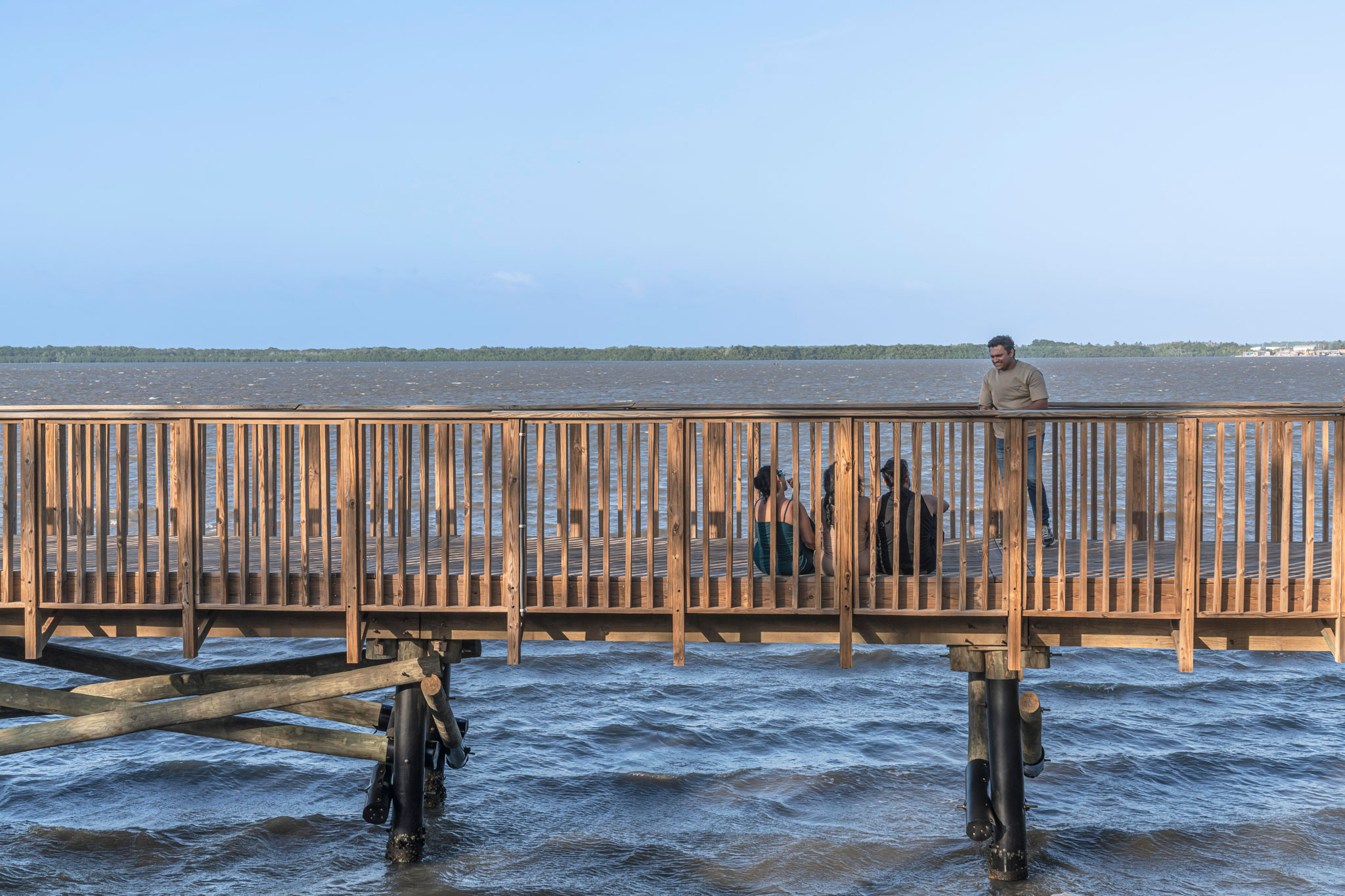
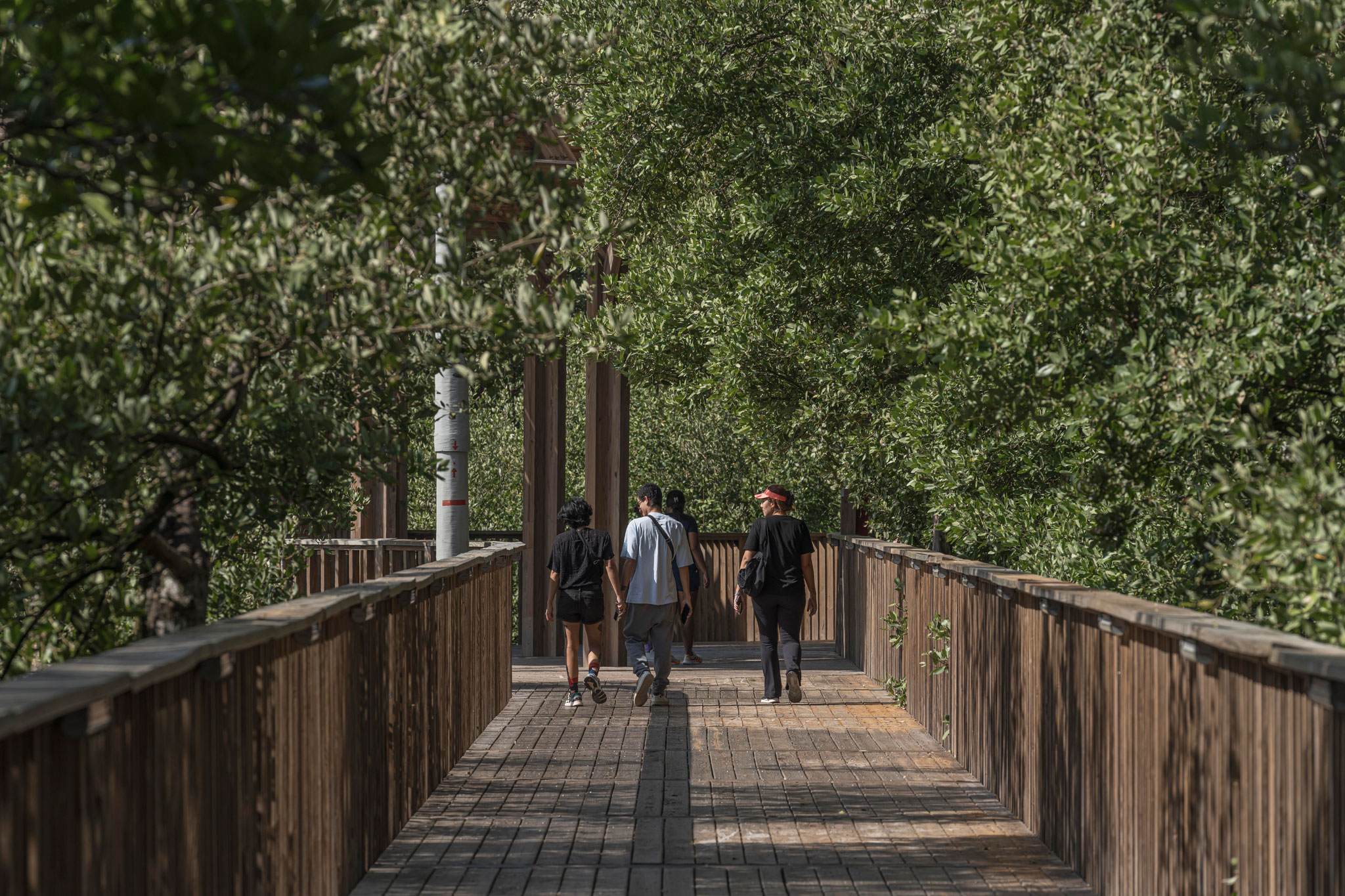
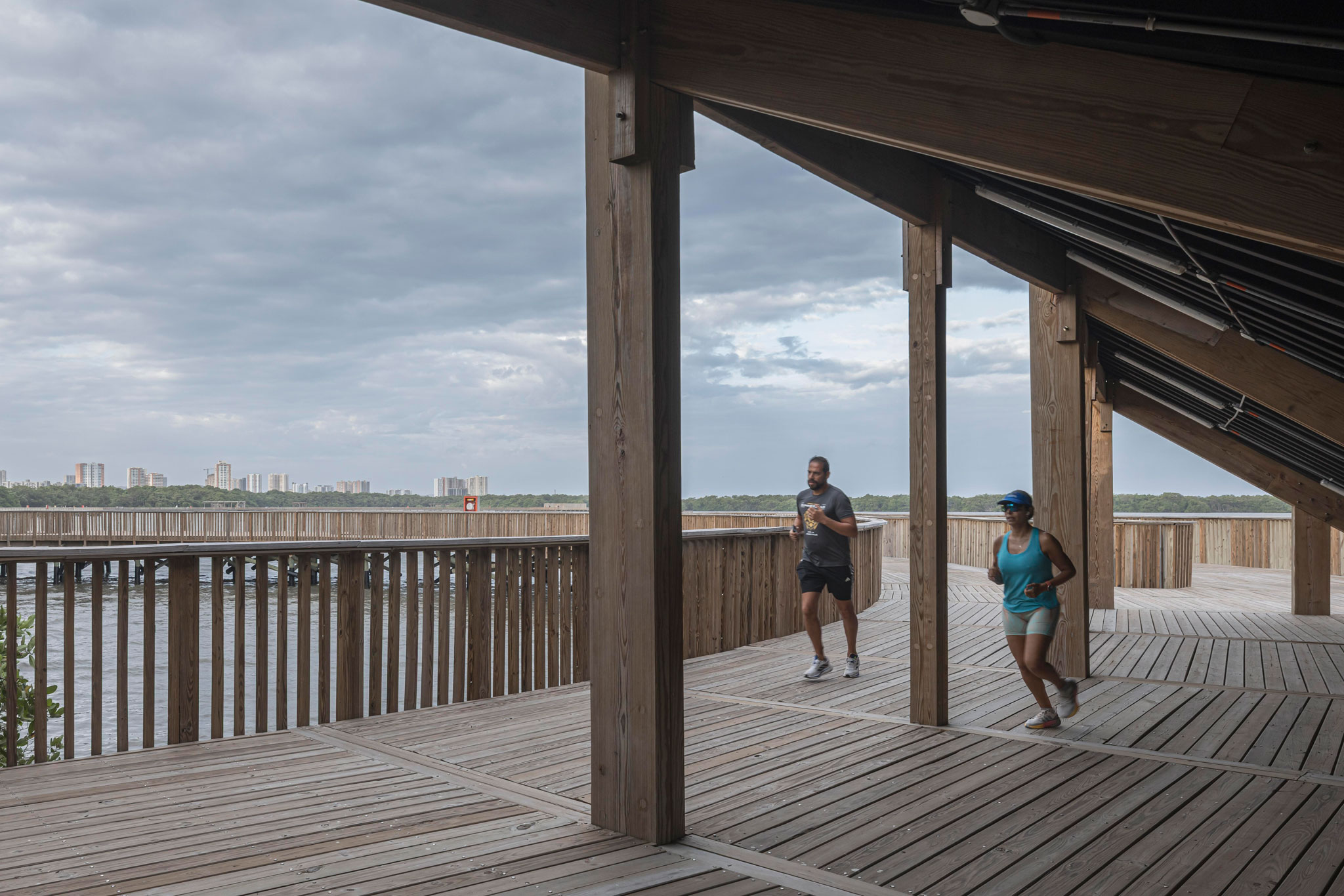
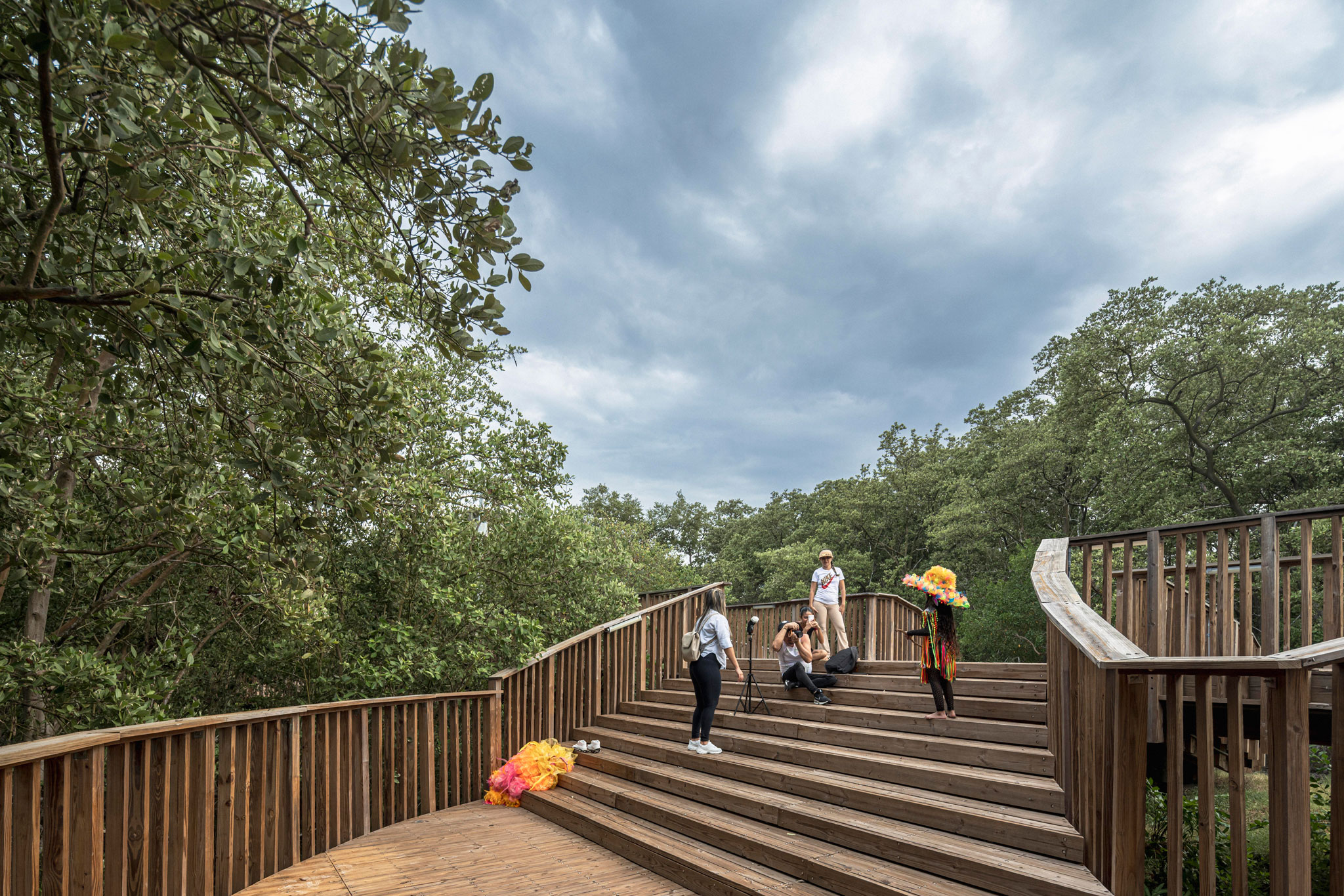
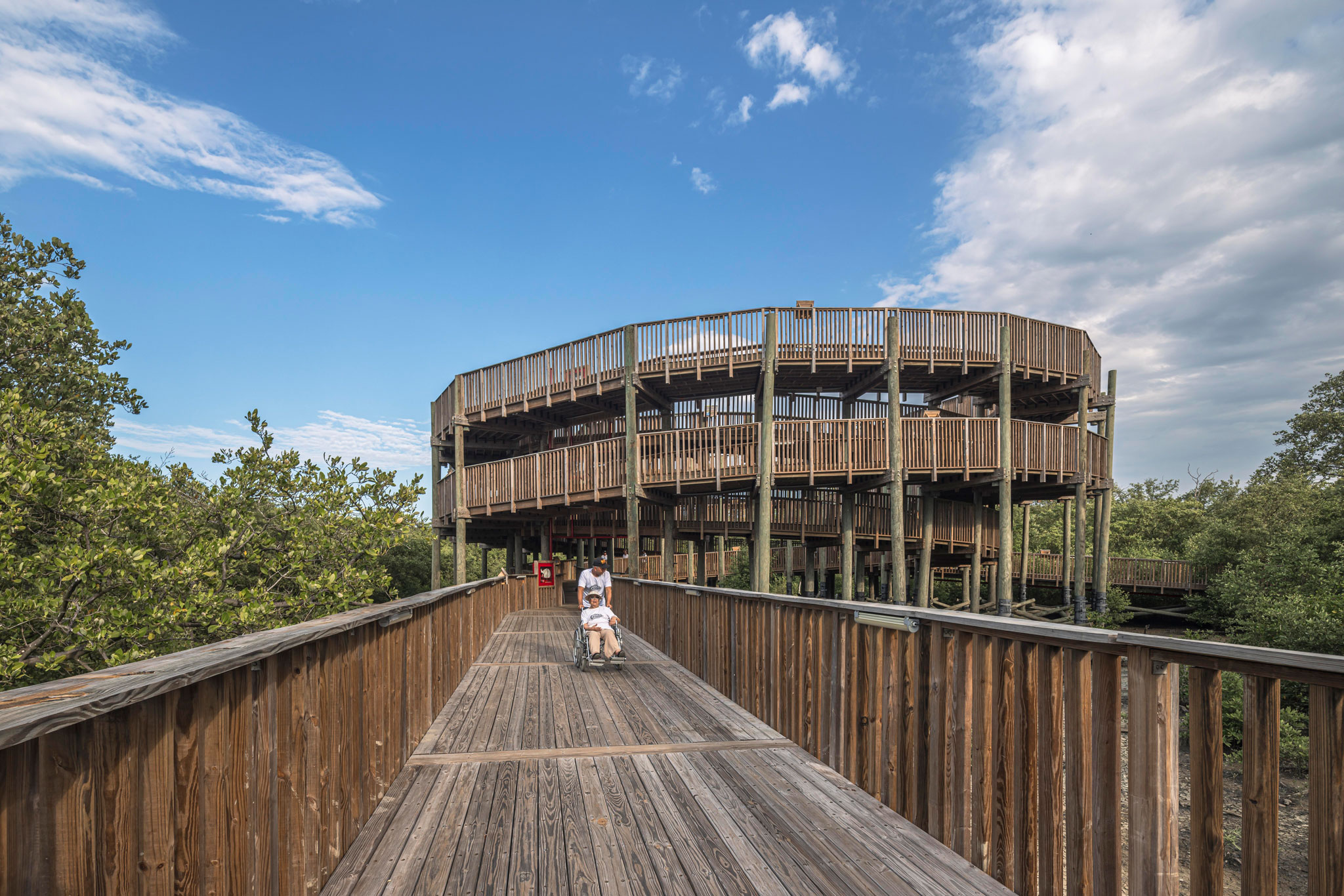
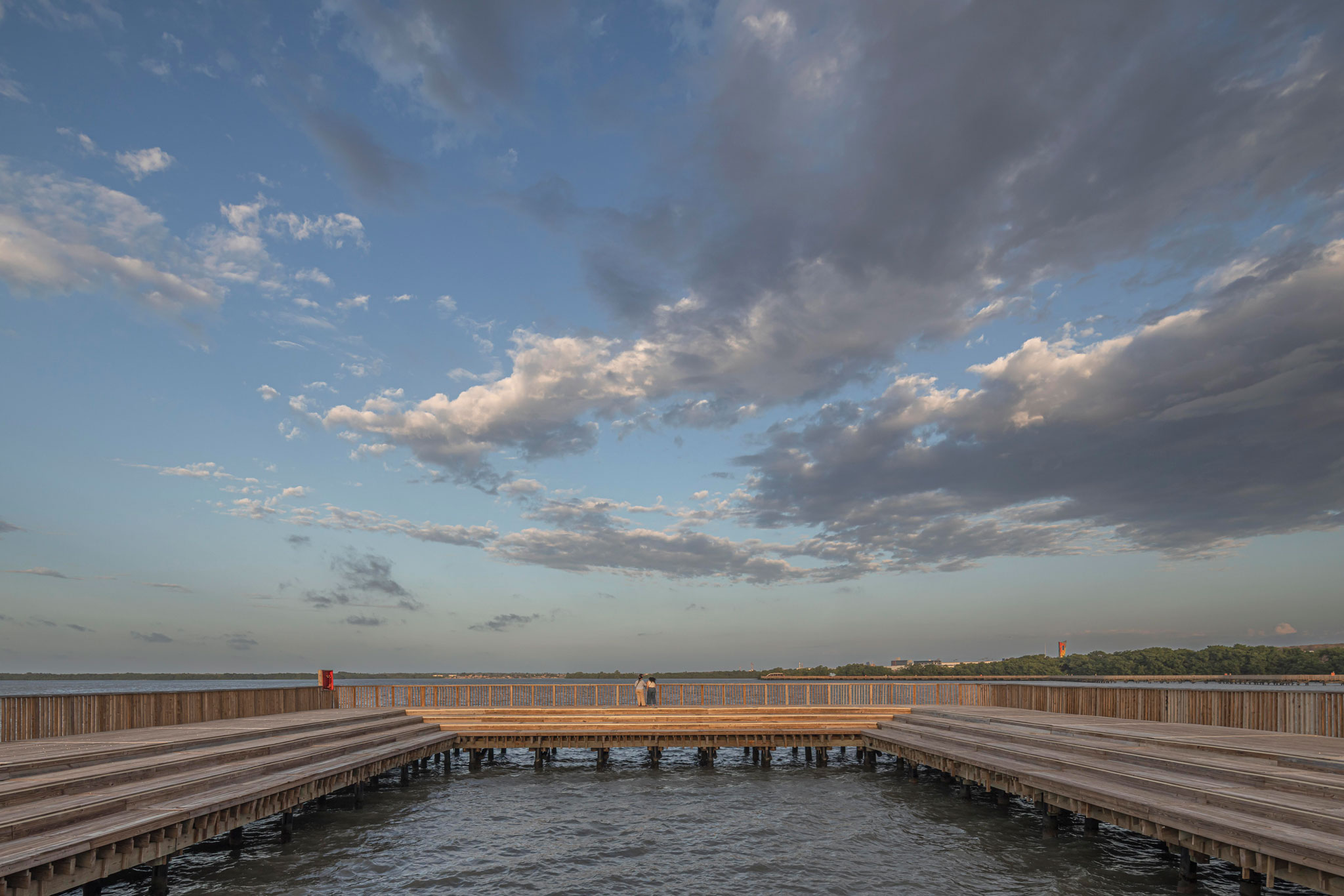
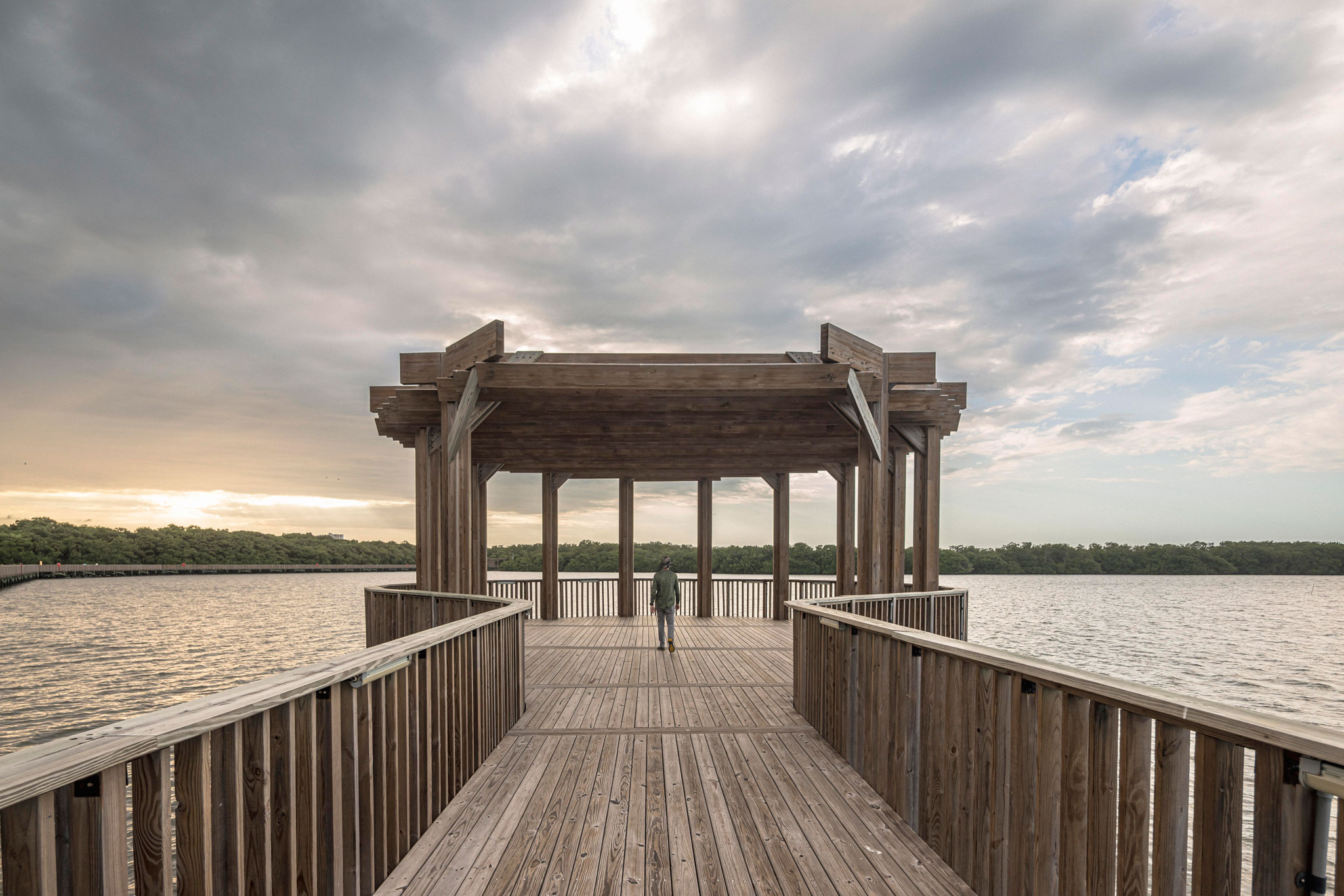
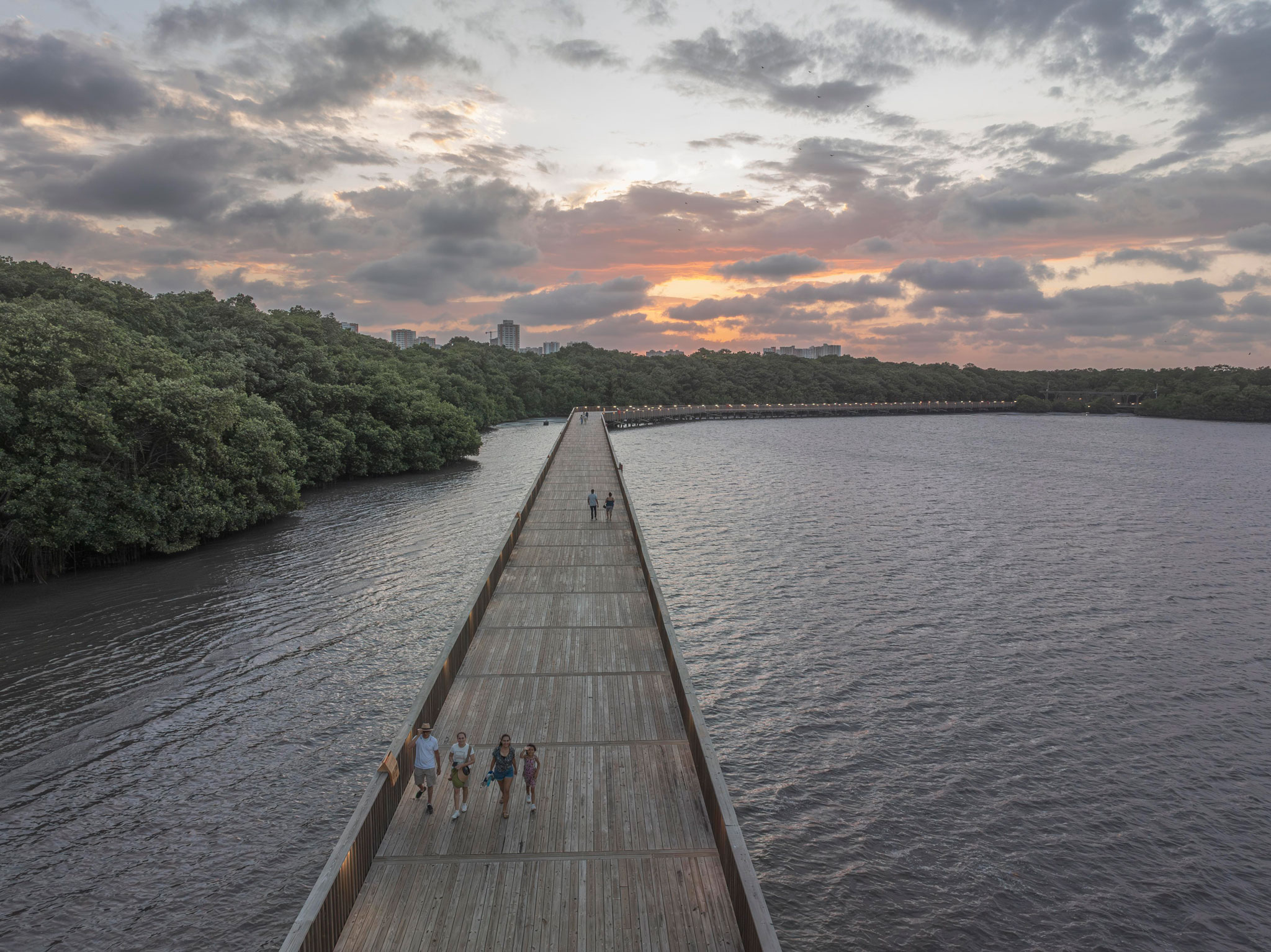
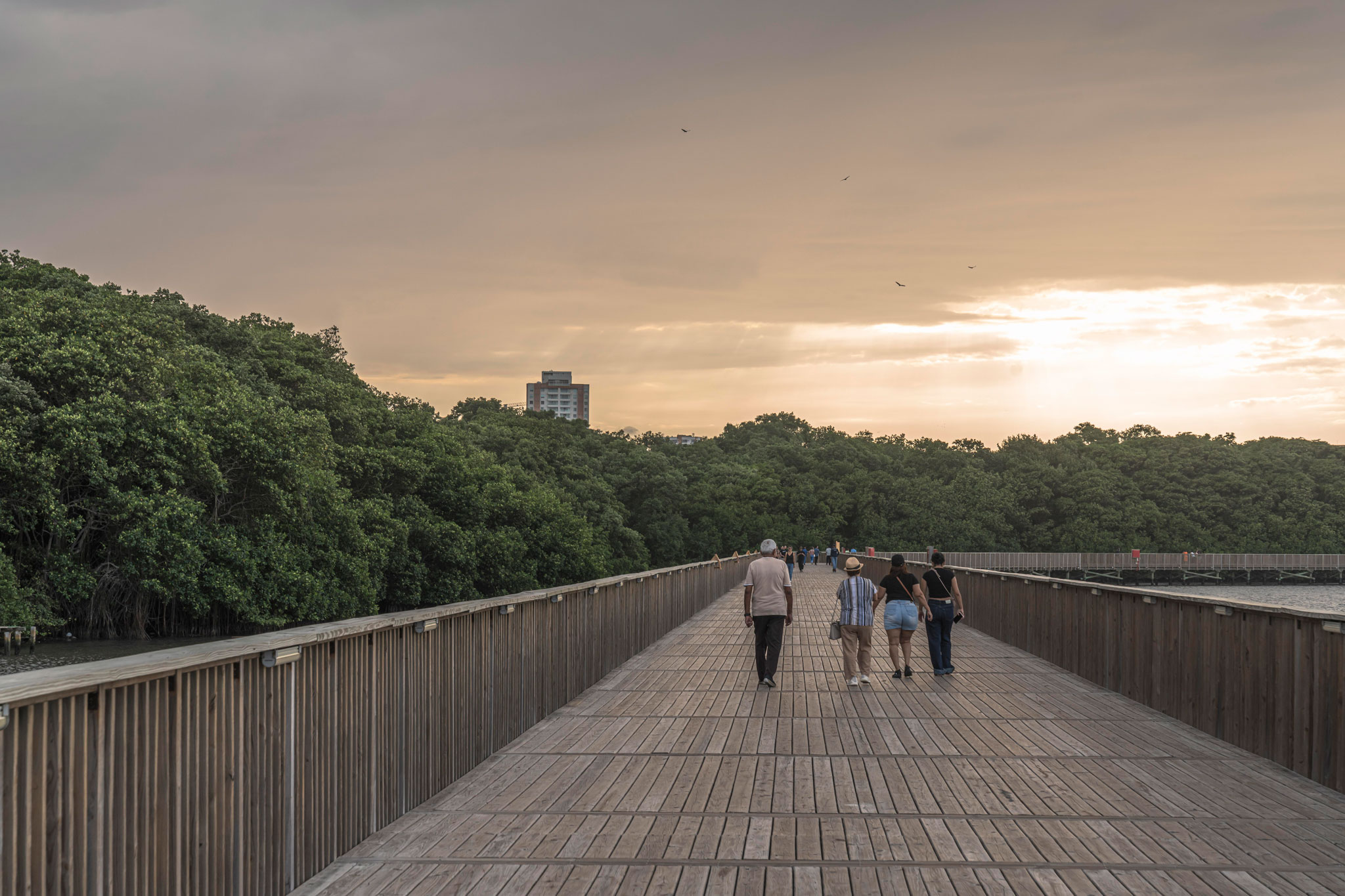
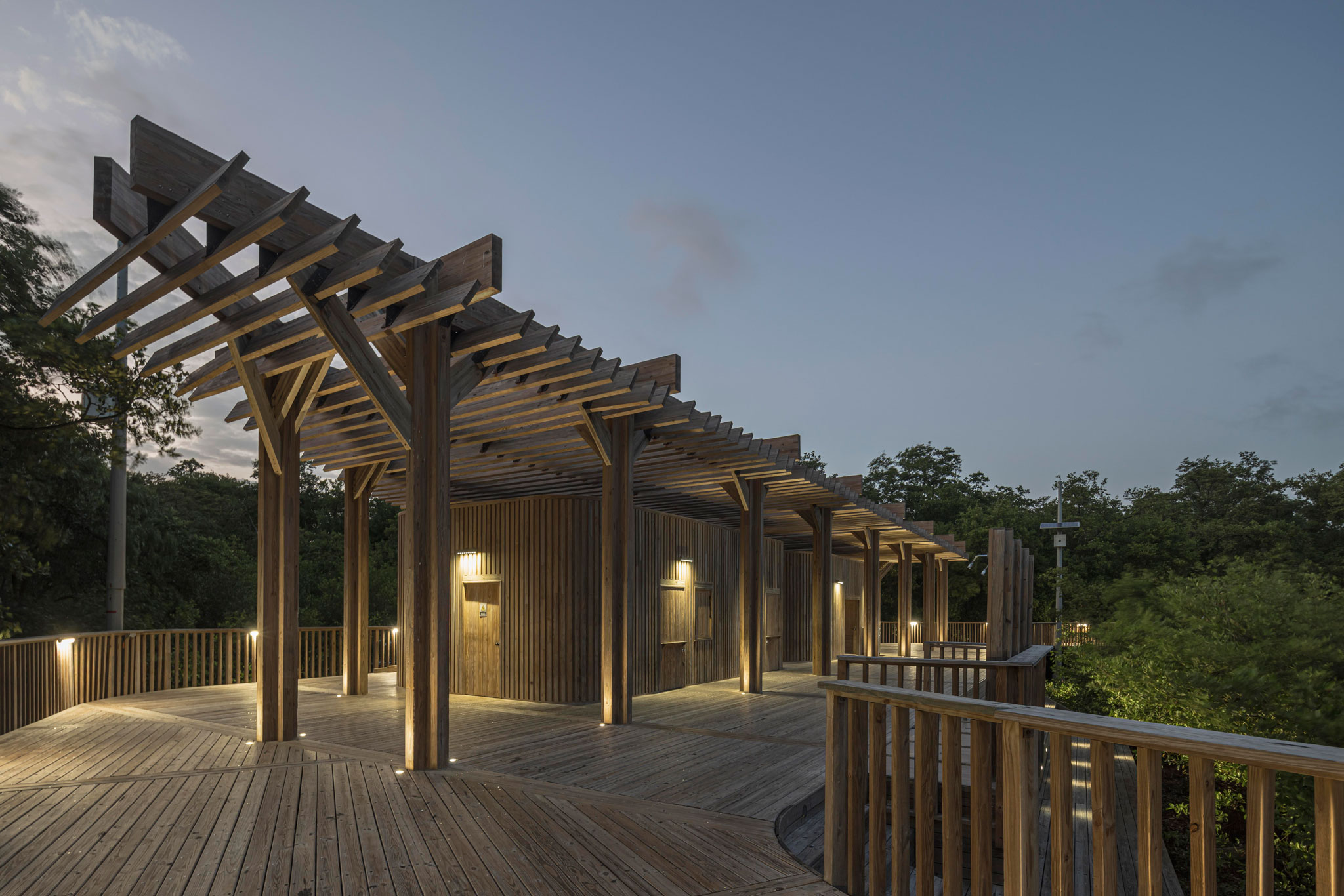
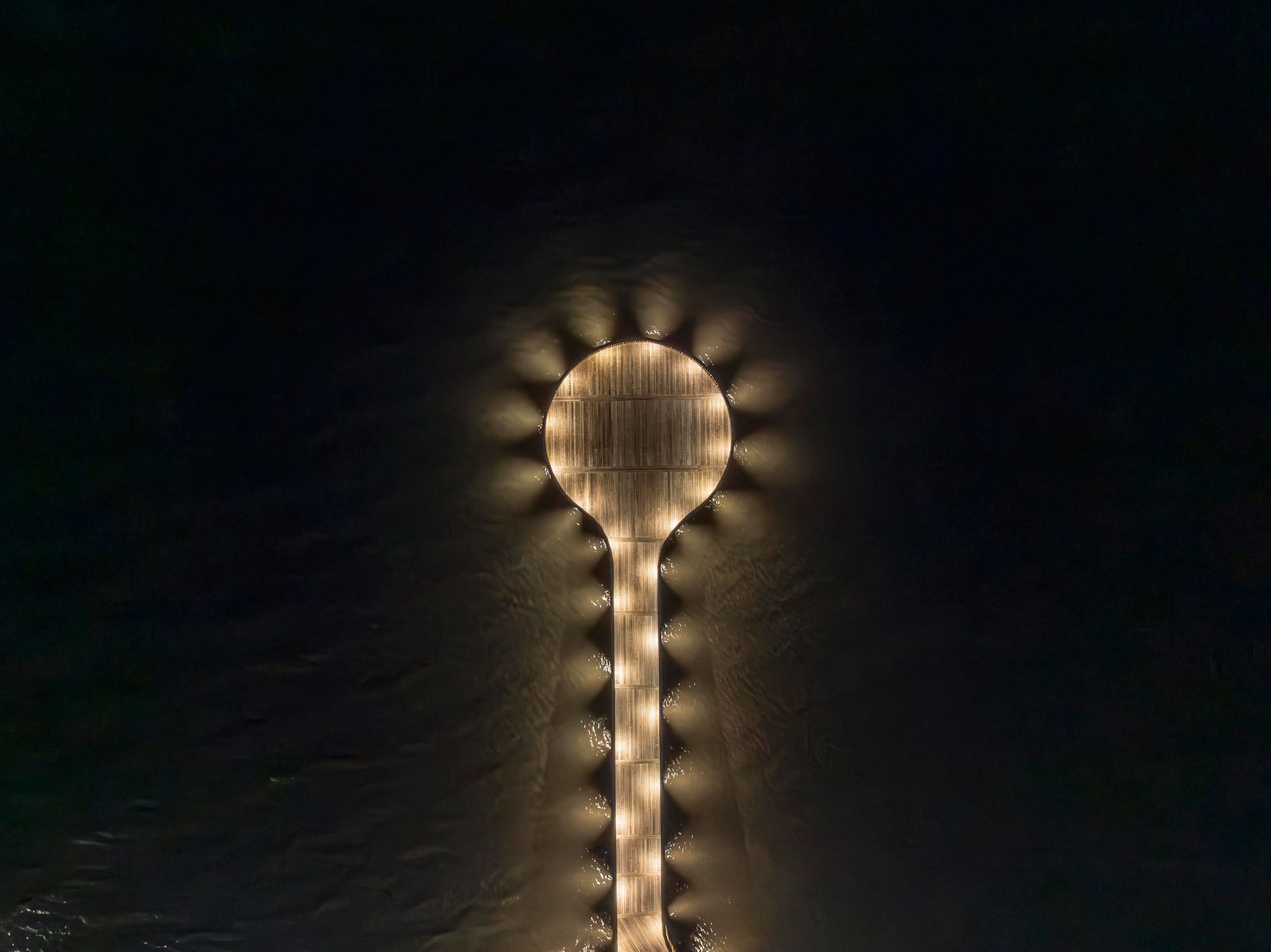
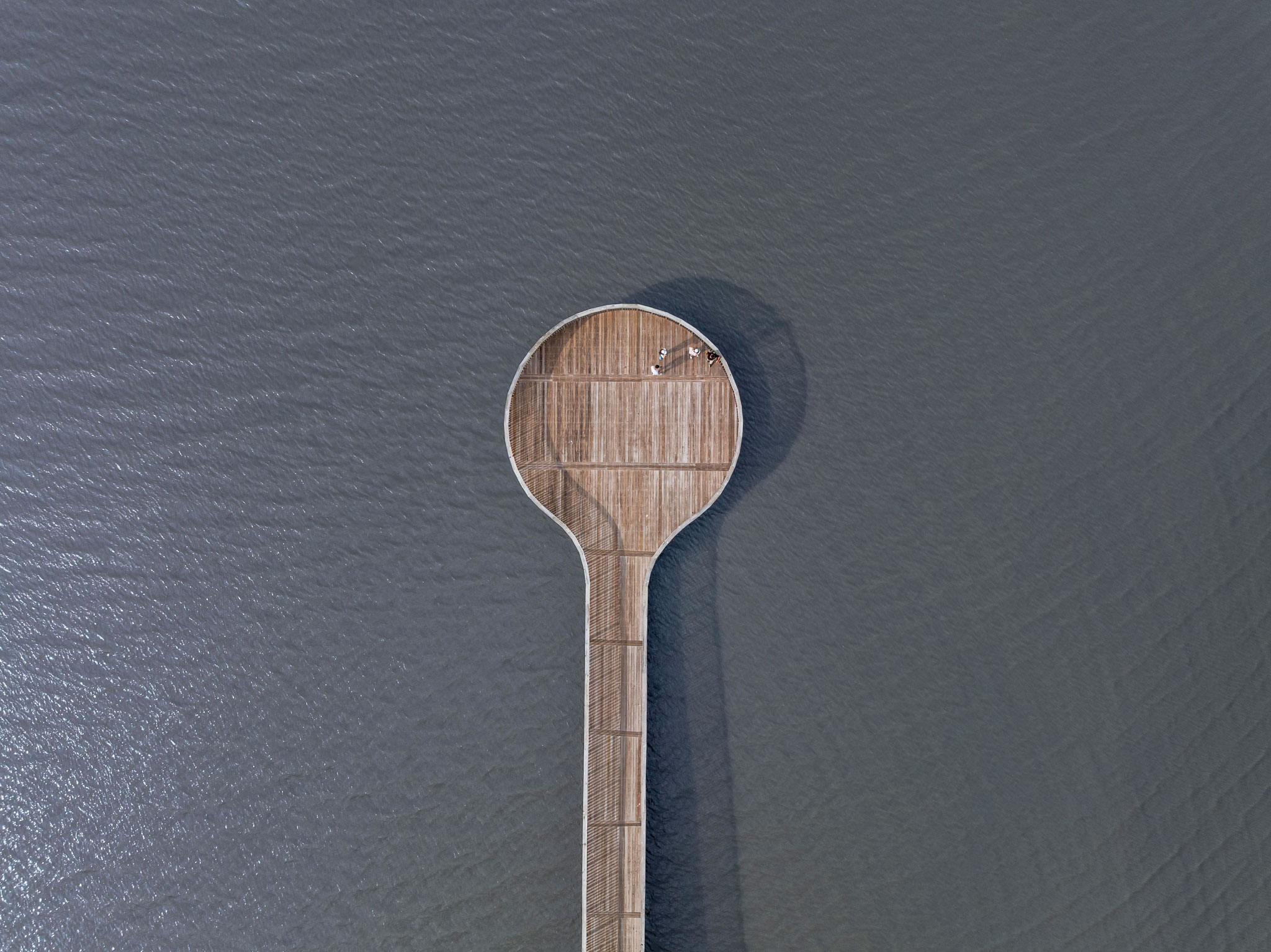
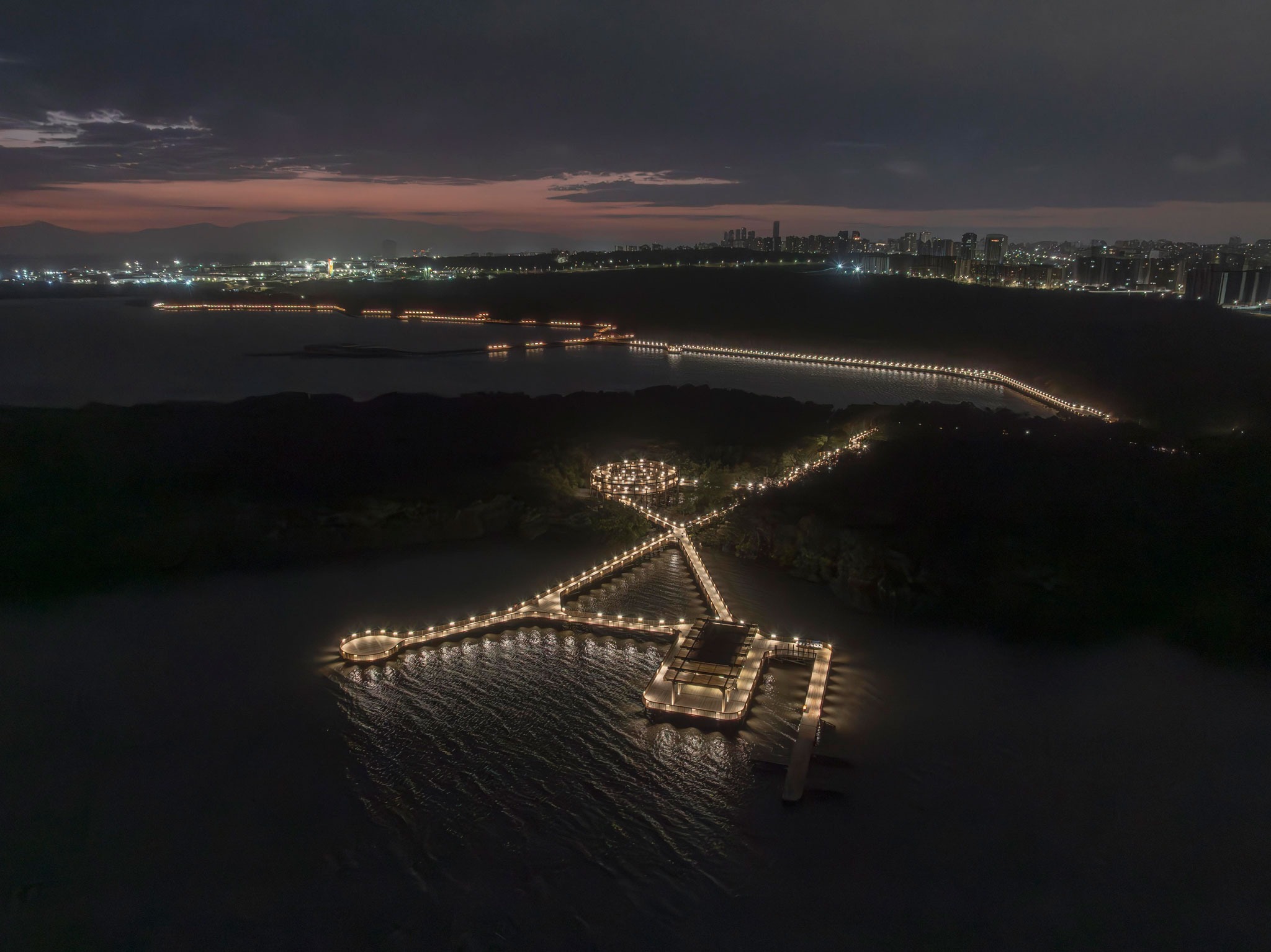
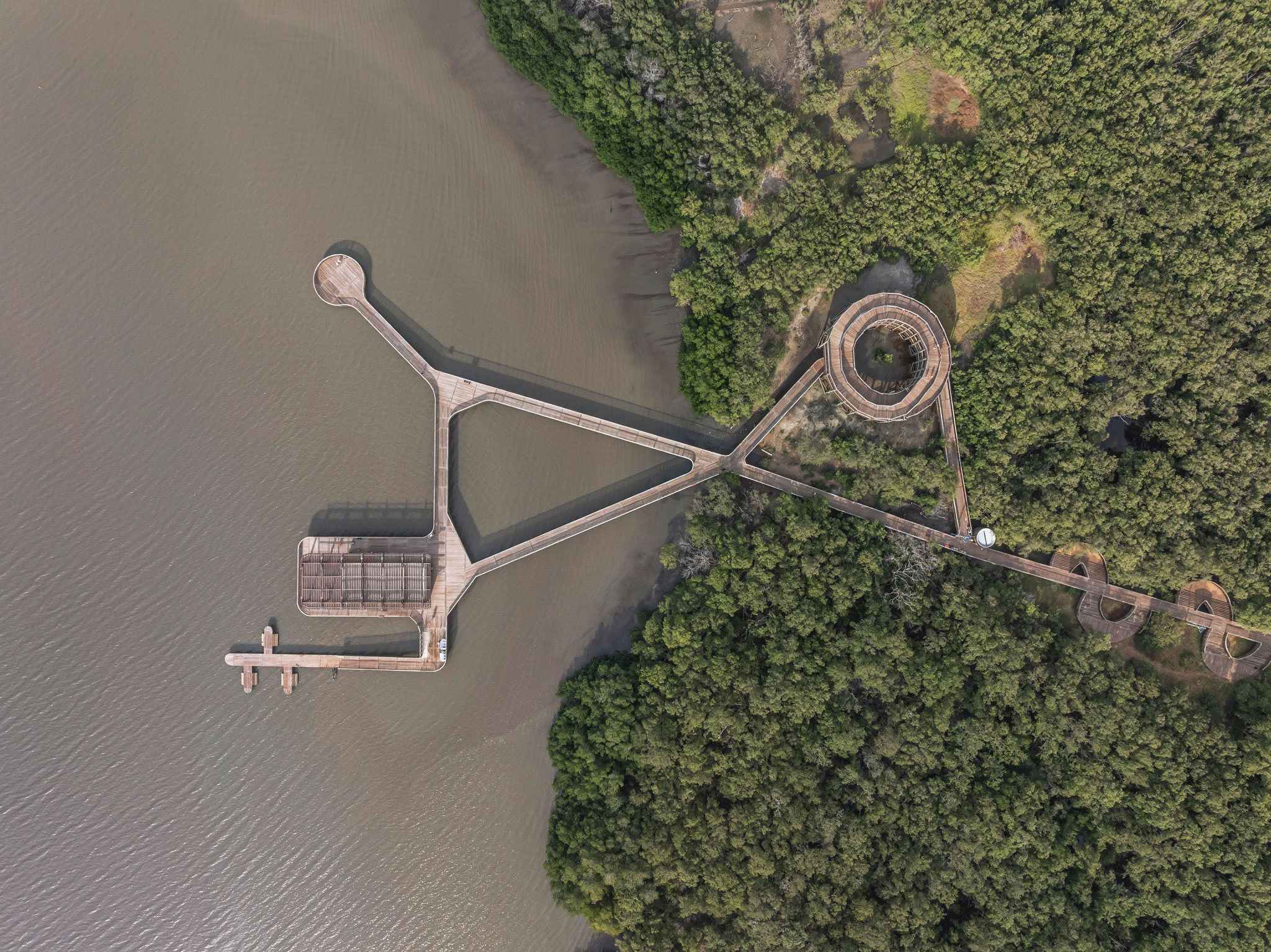
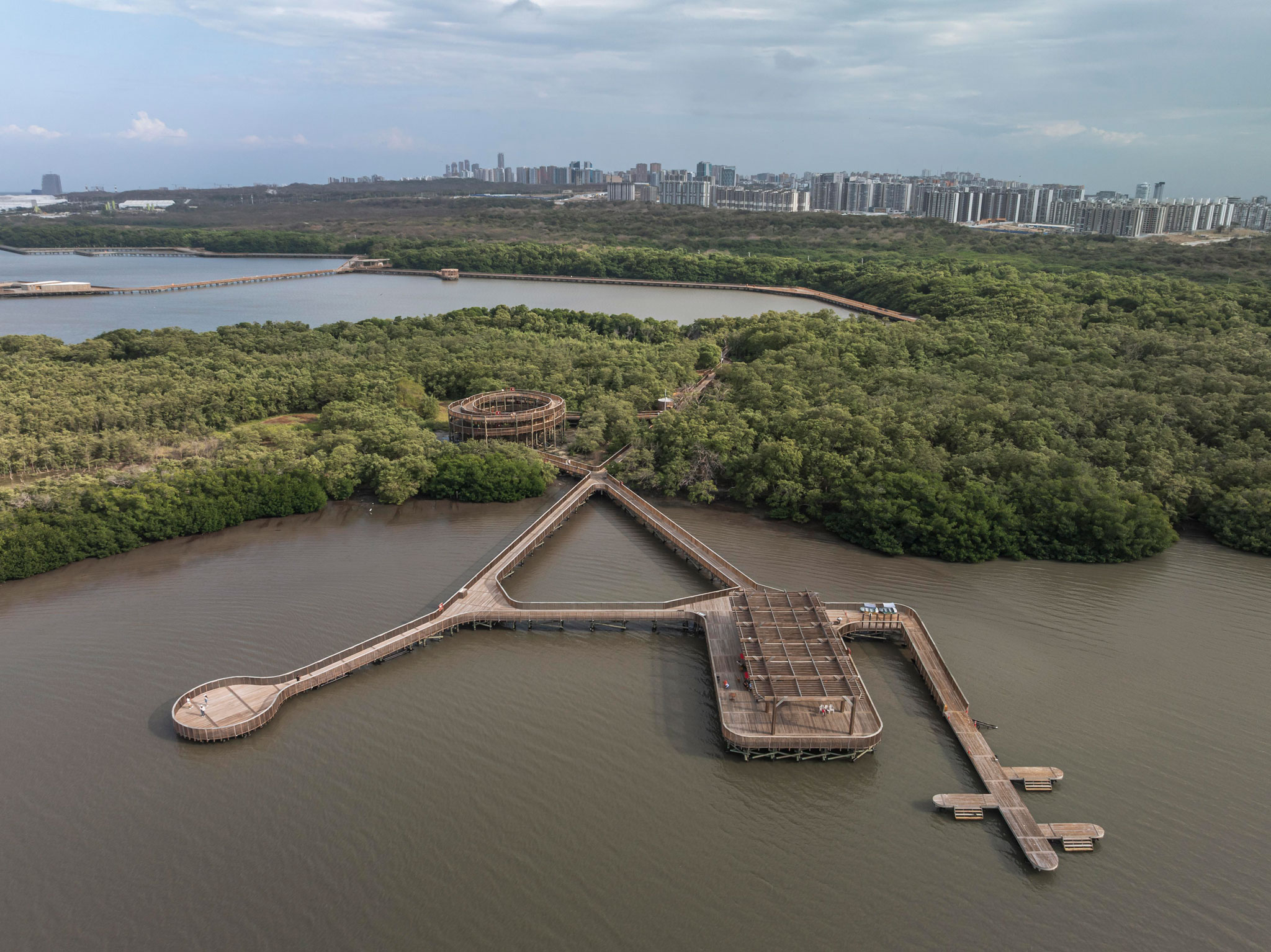
Given the ecopark’s sensitive natural environment, the intervention minimises its impact on the site through elevated walkways, observation platforms and rest areas that allow for controlled access while accommodating recreational and educational activities alongside existing practices, such as artisanal fishing, without disrupting natural processes.

The project acts as a transitional layer between the city and the wetland. This active edge rests lightly on the landscape and weaves through it, forming a barrier that prevents further urban encroachment into the mangrove ecosystem while supporting the regeneration of one of the area’s most important natural environments: the Ciénaga de Mallorquín.
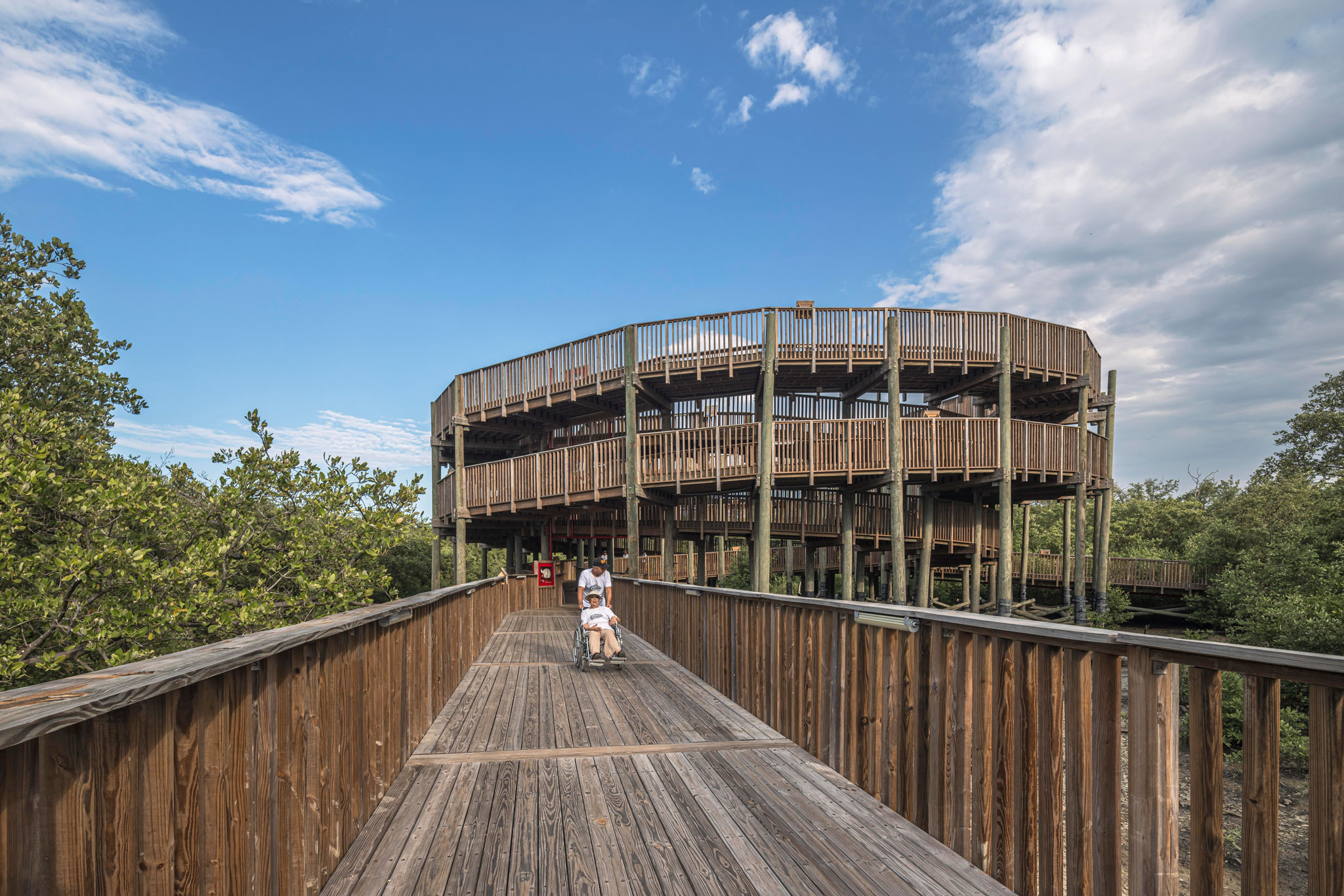
Ciénaga de Mallorquín Ecopark by DEB Architecture + El Equipo Mazzanti. Photograph by Alejandro Arango.  Ecoparque Ciénaga de Mallorquín por DEB Architecture + El Equipo Mazzanti. Fotografía por Alejandro Arango.

Ciénaga de Mallorquín Ecopark by DEB Architecture + El Equipo Mazzanti. Photograph by Alejandro Arango.

Project description by DEB Architecture + El Equipo Mazzanti

The Ecoparque Ciénaga de Mallorquín is part of contemporary processes of environmental regeneration and urban edge reconfiguration in coastal contexts. Located in Barranquilla, Colombia, the project addresses the historical relationship between the city and one of its most significant ecosystems: the Ciénaga de Mallorquín, a lagoon system located at the meeting point between the Atlantic Ocean and the Magdalena River. This geographical condition has defined not only the ecological richness of the site but also the urban and cultural development of the city.

Over the past century, large-scale interventions such as the construction of Bocas de Ceniza significantly transformed the territory’s morphology, altering hydrological flows and affecting the ecological balance of the wetland. As a result, the lagoon experienced processes of degradation, pollution, and progressive isolation from urban life. However, the ecosystem has demonstrated remarkable resilience, evidenced by the persistence of its biodiversity, including more than 200 resident and migratory bird species, as well as extensive mangrove areas.

Ecoparque Ciénaga de Mallorquín por DEB Architecture + El Equipo Mazzanti. Fotografía por Alejandro Arango.
Ciénaga de Mallorquín Ecopark by DEB Architecture + El Equipo Mazzanti. Photograph by Alejandro Arango.

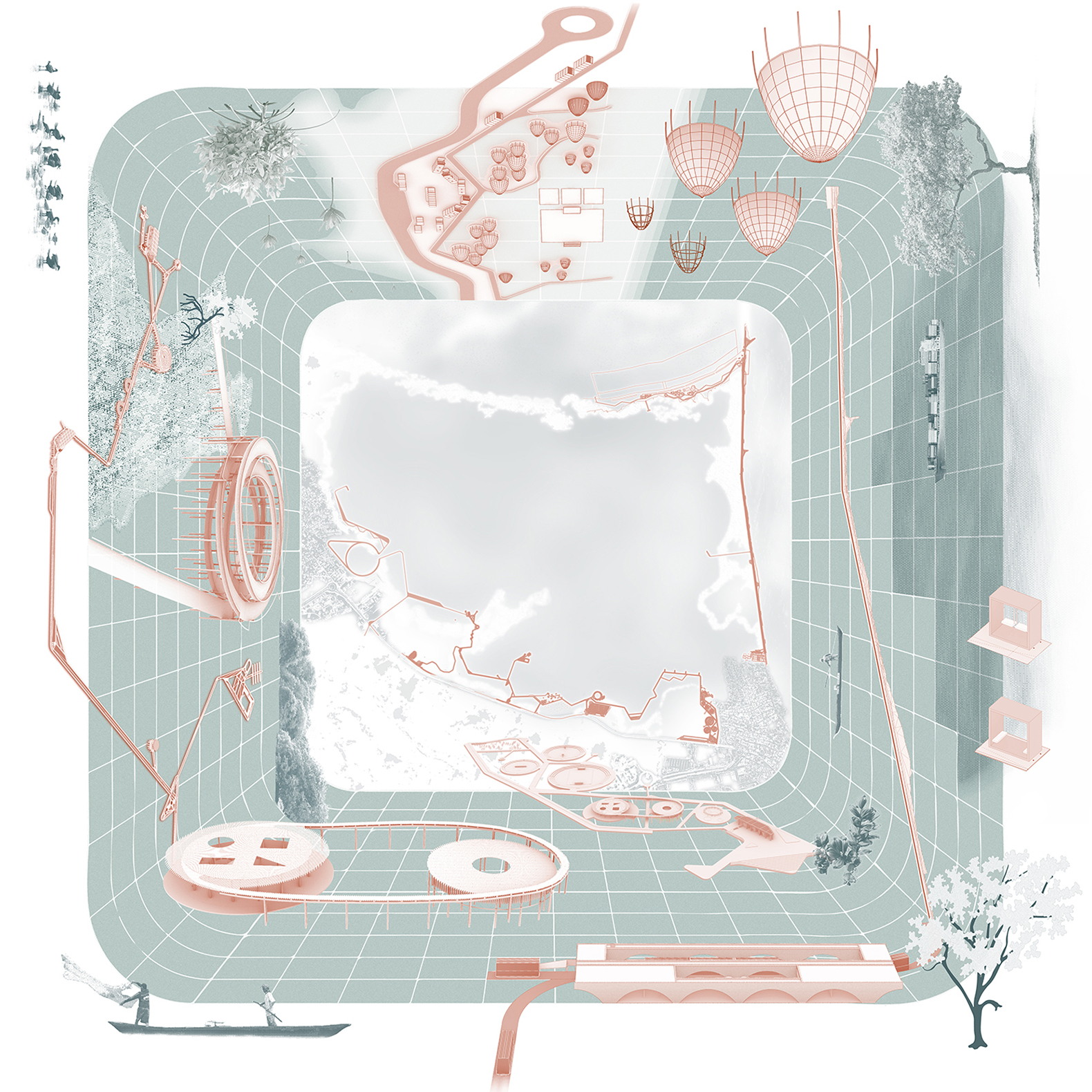
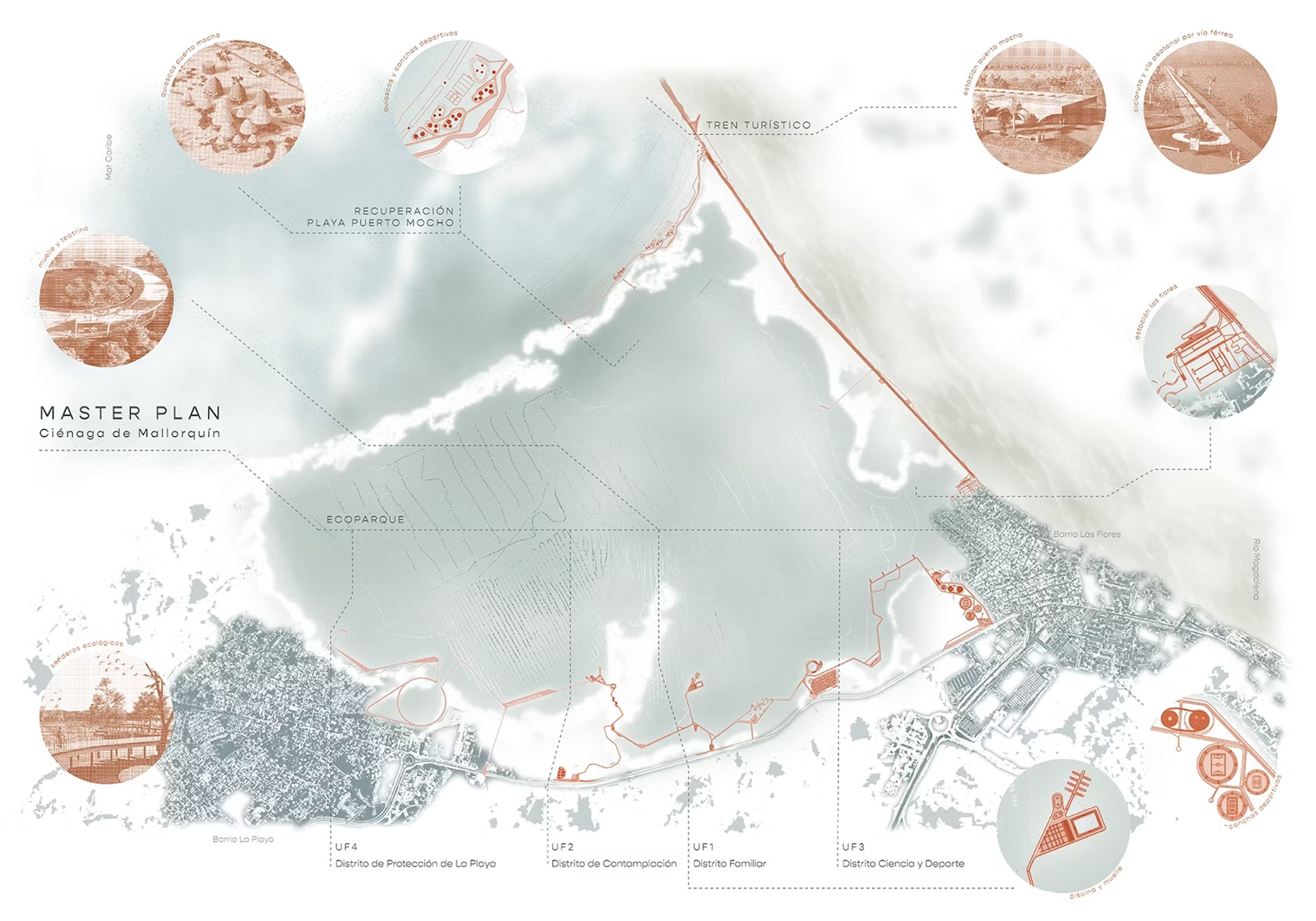
In this context, the ecopark is conceived as a territorial infrastructure that does not seek to impose a new form on the landscape, but rather to establish a system of mediation between urban and natural dynamics. The project is materialized through a network of pathways, platforms, and open spaces that configure a “living edge”: an active strip that regulates the relationship between urban expansion and the ecosystem, acting simultaneously as a protective barrier and an access threshold.

Far from being a rigid boundary, this interface adapts to the changing conditions of the territory, acknowledging the dynamic nature of the wetland. Elevated walkways allow movement through the landscape without interfering with hydrological and biological cycles, while observation platforms enable contemplation and learning. In this way, the ecopark transforms the mangrove into a space of knowledge, where scientific, educational, and cultural practices converge.
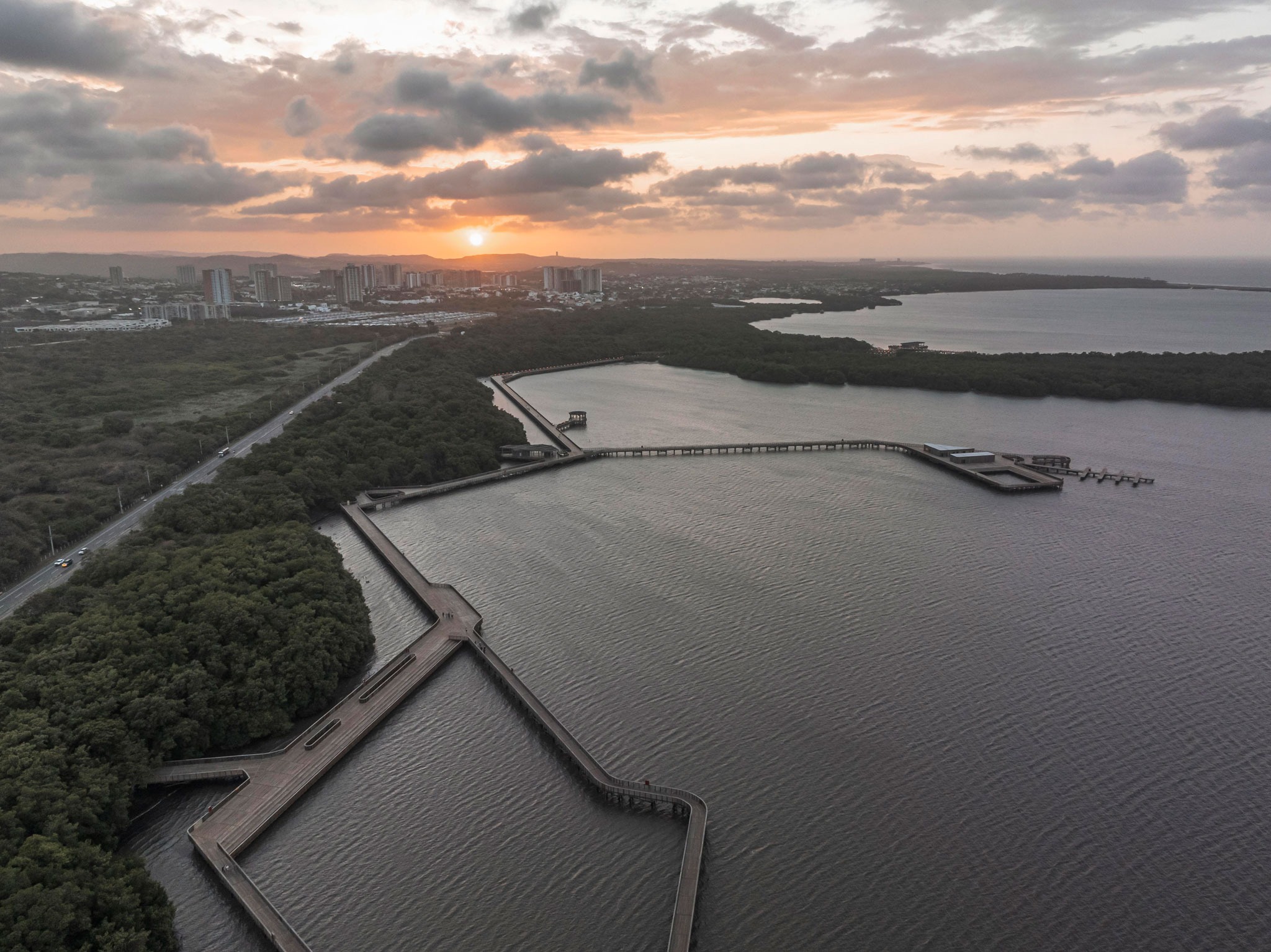
Ciénaga de Mallorquín Ecopark by DEB Architecture + El Equipo Mazzanti. Photograph by Alejandro Arango.

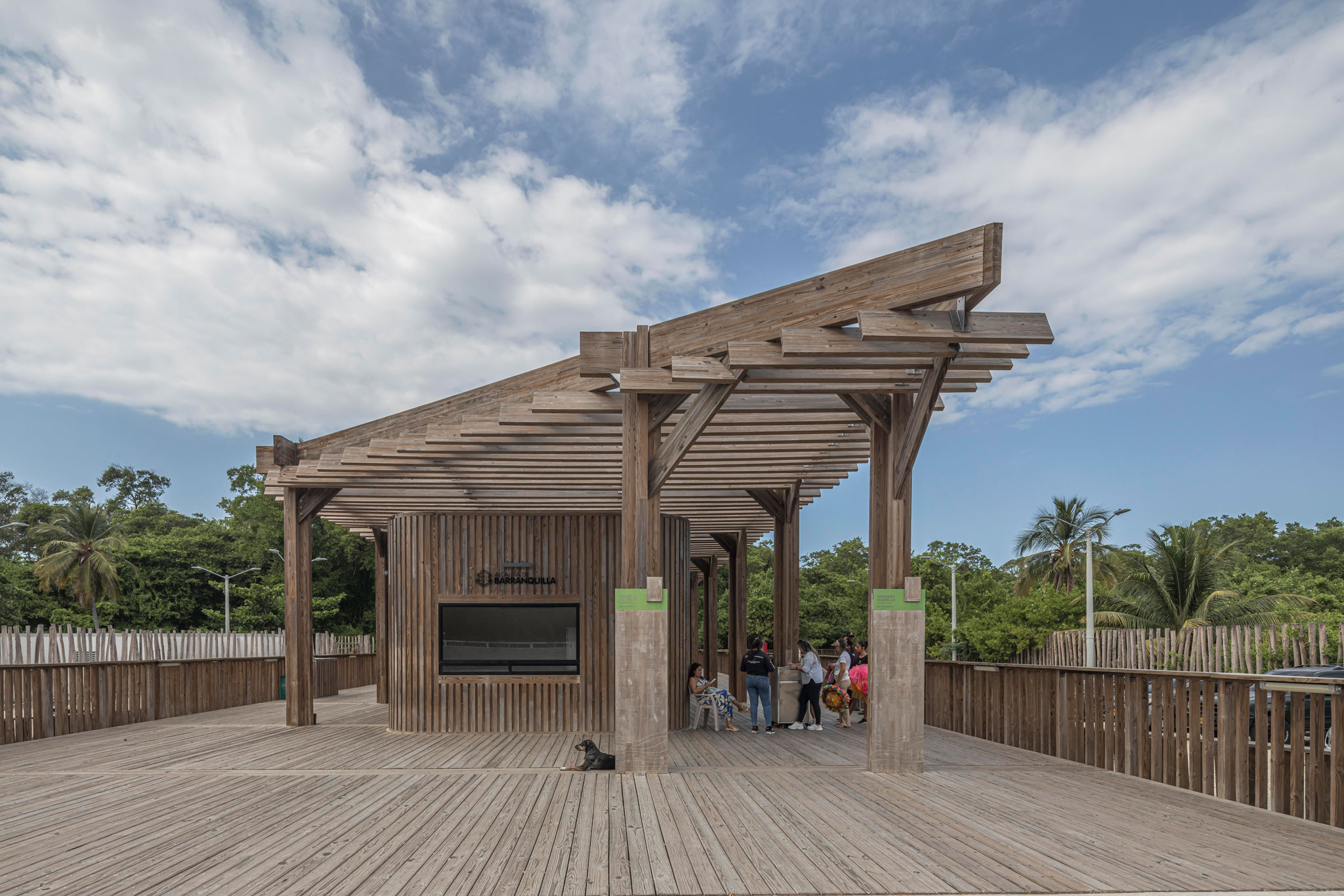
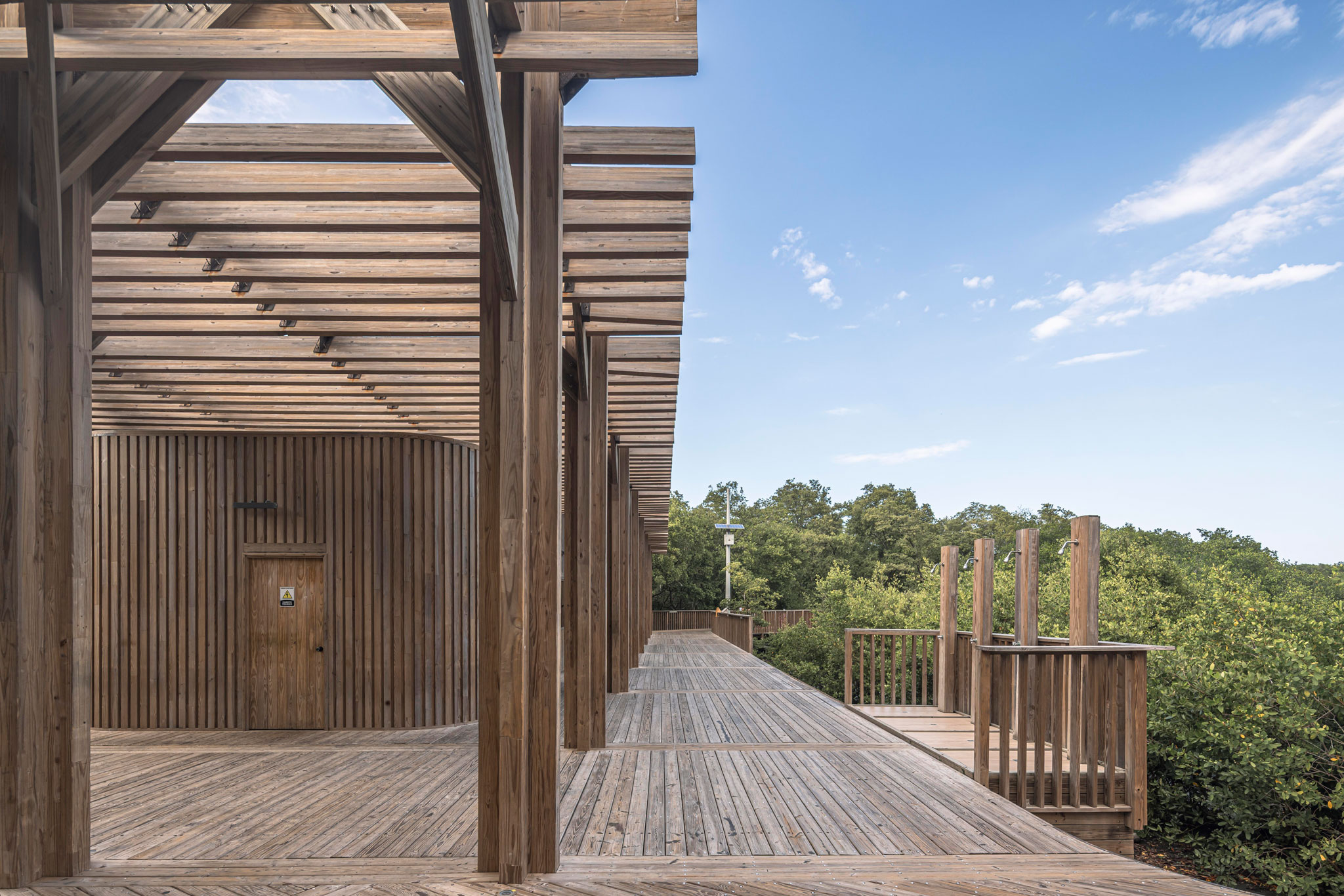
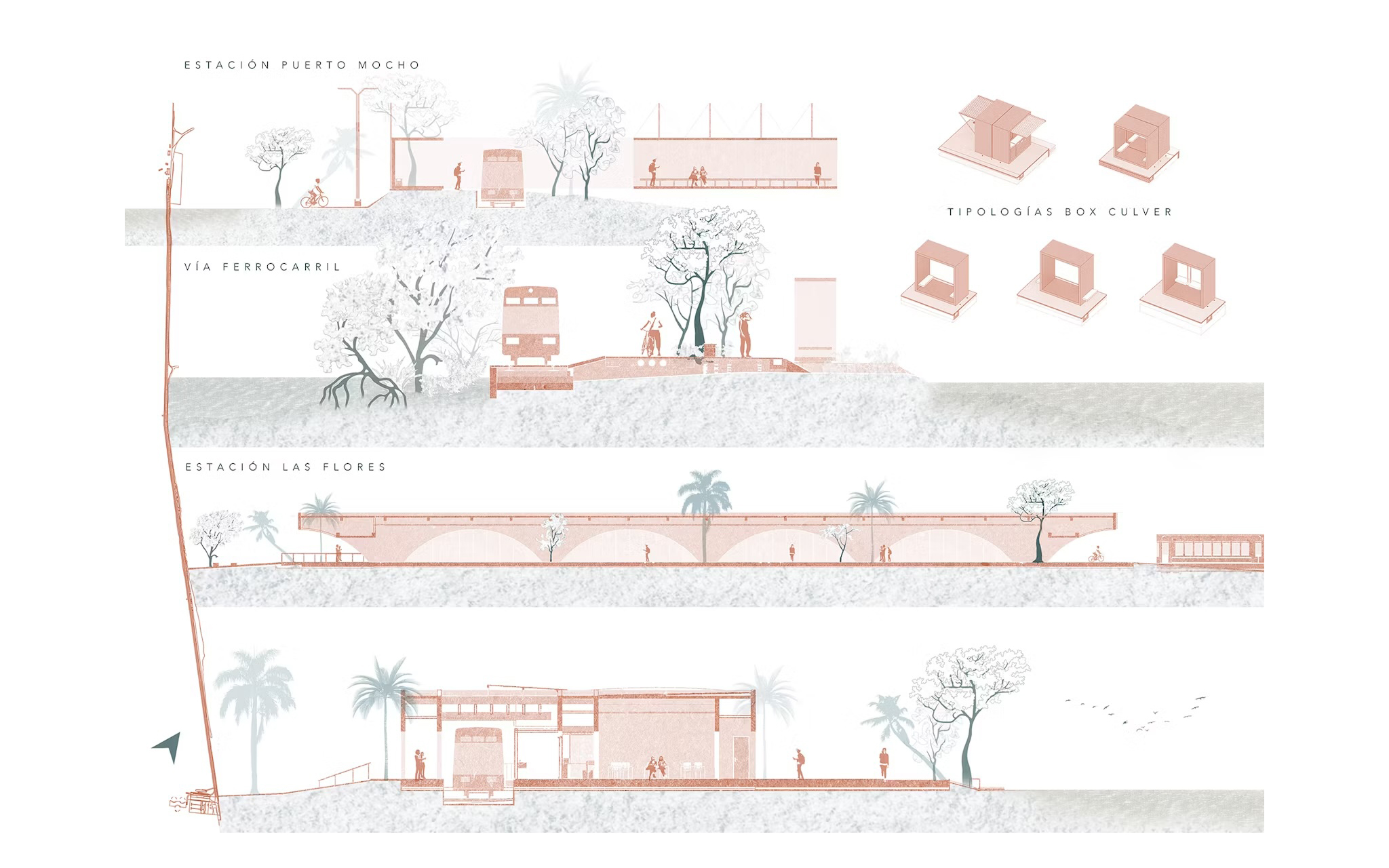
The program is structured through districts that organize different forms of use and appropriation. The current development focuses on two main built areas: the Contemplation District, oriented toward ecosystem observation and environmental education, and the Family District, conceived as a space for gathering and recreation. Both districts activate the park and generate a direct relationship between the community and the landscape without compromising the ecological integrity of the site.

The ecopark also recognizes and integrates existing practices such as artisanal fishing, embedding them within its spatial and programmatic logic. Transitions between city and nature are resolved through the continuity of public space and vegetation strategies, gradually extending urban systems into the landscape.
Ecoparque Ciénaga de Mallorquín por DEB Architecture + El Equipo Mazzanti. Fotografía por Alejandro Arango
Ciénaga de Mallorquín Ecopark by DEB Architecture + El Equipo Mazzanti. Photograph by Alejandro Arango.

More than an architectural object, the Ecoparque Ciénaga de Mallorquín is an open, flexible system in constant transformation. Its goal is not only to restore a degraded ecosystem, but also to propose a new way of relating the city to its natural environment, based on balance, respect, and coexistence.

By understanding landscape as living infrastructure and public space as an active mediator between urban and ecological systems, the project establishes a replicable intervention model for vulnerable coastal territories. Its approach demonstrates how architecture, urbanism, and ecology can work together to regenerate strategic ecosystems while creating new opportunities for encounter, education, and civic appropriation.
More information

Label
Architects
Text

DEB Architecture + El Equipo Mazzanti. Project Director.- Francisco Ricardo Marino.

+ + copy Created with Sketch.
- + copy Created with Sketch.
Label
Project team
Text

Luis Guillermo Barrera, Jorge Robledo Manco, Natalia Gamez, Jose Daniel Rosado, Juan Sebastian Perez.

+ + copy Created with Sketch.
- + copy Created with Sketch.
Label
Collaborators
Text

Topography and Bathymetry.- SINTH Ingeniería.
Structural Engineering.- Estructuras Sostenibles.
HVAC Design.- Ing. José Solano Pérez Design and HVAC Consulting.
Electrical Design.- RPB.
Telecommunications Design.- AP Ingeniería.
Hydrosanitary Design.- SINTH Ingeniería.
Traffic Study.- M Ingeniería y Planeación.
Environmental Impact Assessment (EIA).- PIMAS.
Life Safety.- AGR Road 
Geometry.- M Ingeniería y Planeación.
Cost Estimation.- MB Ingeniería Vial.
Bioclimatic Study.- Oleb Arquitectura Bioclimática & Sostenibilidad.

+ + copy Created with Sketch.
- + copy Created with Sketch.
Label
Client
Text

Puerta de Oro Barranquilla.
President and Project Structurer.- Ricardo Vives.

+ + copy Created with Sketch.
- + copy Created with Sketch.
Label
Area
Text

61,834 m².

+ + copy Created with Sketch.
- + copy Created with Sketch.
Label
Dates
Text

2022.

+ + copy Created with Sketch.
- + copy Created with Sketch.
Label
Location
Text

25M3+5V, Riomar, Barranquilla, Atlántico, Colombia.

+ + copy Created with Sketch.
- + copy Created with Sketch.
Label
Photography
+ + copy Created with Sketch.
- + copy Created with Sketch.

Giancarlo Mazzanti (1963, Barranquilla, Colombia) is a Colombian architect and the director of El Equipo de Mazzanti. He graduated in Architecture from Pontificia Universidad Javeriana in Bogotá in 1987 and later completed postgraduate studies in History and Theory of Architecture and Industrial Design at the University of Florence, Italy. In 1995, he established his architecture practice in Bogotá, which today operates as El Equipo de Mazzanti.

He has taught at Pontificia Universidad Javeriana, Universidad de los Andes and Universidad Jorge Tadeo Lozano in Bogotá, and has also taught or lectured at institutions including Princeton University, Harvard Graduate School of Design, the University of Pennsylvania and Columbia University’s GSAPP.

Mazzanti’s work is especially recognized for exploring architecture as an instrument of social transformation. His public projects—schools, libraries, sports facilities and civic spaces—often use adaptable structures and collective spaces to encourage interaction and community life. Among his best-known works are Parque Biblioteca España and León de Greiff Library Park in Medellín, as well as several educational projects in Bogotá and Cartagena. His work is represented in the collection of the Museum of Modern Art in New York.

His awards include the XX Colombian Architecture Biennial prize for Urban Development and Landscape in 2006, the Best Work of Architecture award at the VI Ibero-American Biennial of Architecture and Urbanism in 2008, and First Prize in Architectural Design at the 2008 Pan-American Architecture Biennial.

Read more

D.E.B. Architecture is a Colombian practice based in Barranquilla, founded in 2017 by Francisco Ricardo Marino, with Catherine Jessurum Fama joining as a partner in 2018. Marino graduated in Architecture from the Pontificia Universidad Javeriana in Bogotá in 2010, while Jessurum studied Architecture at Universidad de los Andes, also in Bogotá.

DEB Architecture is a multidisciplinary practice spanning architecture, urban design, landscape, and interiors, from objects and furniture to large-scale urban projects. Its work explores the relationship between memory, culture, technology, and context, developing flexible design strategies rooted in Barranquilla and the Colombian Caribbean.

Francisco Ricardo Marino is an architect trained at the Pontificia Universidad Javeriana and leads DEB’s architecture practice. After graduating in 2010, he joined El Equipo Mazzanti, where he worked on public projects with a strong social dimension. He later worked as an architectural inspector for KEO International Consultants on the new Doha airport in Qatar. In 2013, he returned to Colombia and became Project Director at INSAR, contributing to major educational facilities across Atlántico, Bolívar, and Córdoba. In 2017, he founded DEB to rethink local building typologies and construction methods through contemporary design processes and community-based co-creation.

Catherine Jessurum Fama is an architect trained at Universidad de los Andes and leads DEB’s interior design practice. In 2011, she founded Estudio Paralelo, focused on residential, commercial, and interior projects, and in 2015 co-founded Gres, a homeware brand exploring materials and artisanal techniques. After returning to her native Barranquilla, she joined Marino as a partner in 2018, consolidating DEB’s interior design practice. Her work explores materiality, texture, furniture, and sensory experience, using interior design to shape atmosphere, well-being, and new ways of inhabiting space.

Read more
Published on: August 8, 2026
Cite:
metalocus, SARA GENT
"Inhabit nature. Ciénaga de Mallorquín Ecopark by DEB Architecture + El Equipo Mazzanti" METALOCUS. Accessed
<https://www.metalocus.es/en/news/inhabit-nature-cienaga-de-mallorquin-ecopark-deb-architecture-el-equipo-mazzanti> ISSN 1139-6415
Loading content ...
Loading content ...
Loading content ...
Loading content ...
Loading content ...
Loading content ...
Loading content ...
Loading content ...
Loading content ...
Loading content ...
Loading content ...
Loading content ...
Loading content ...
Loading content ...
Loading content ...
Loading content ...
Loading content ...
Loading content ...
Loading content ...
Loading content ...
Loading content ...
Loading content ...
Loading content ...
Loading content ...
Loading content ...
Loading content ...
Loading content ...
Loading content ...
Loading content ...
Loading content ...
Loading content ...
Loading content ...
Loading content ...
Loading content ...
Loading content ...
Loading content ...
Loading content ...
Loading content ...
Loading content ...
Loading content ...
Loading content ...
Loading content ...
Loading content ...
Loading content ...
Loading content ...
Loading content ...
Loading content ...
Loading content ...
Loading content ...
Loading content ...
Loading content ...
Loading content ...
Loading content ...
Loading content ...