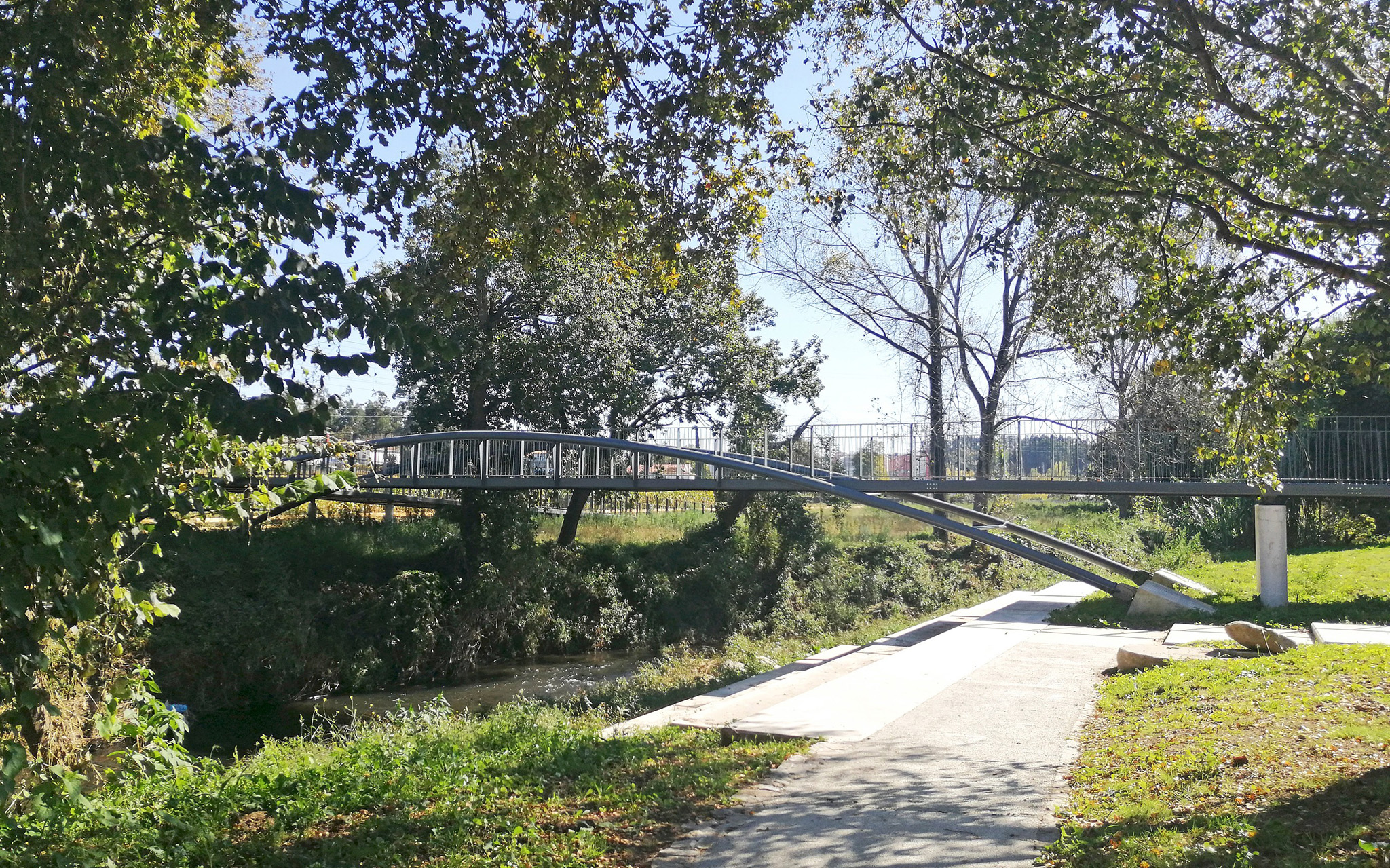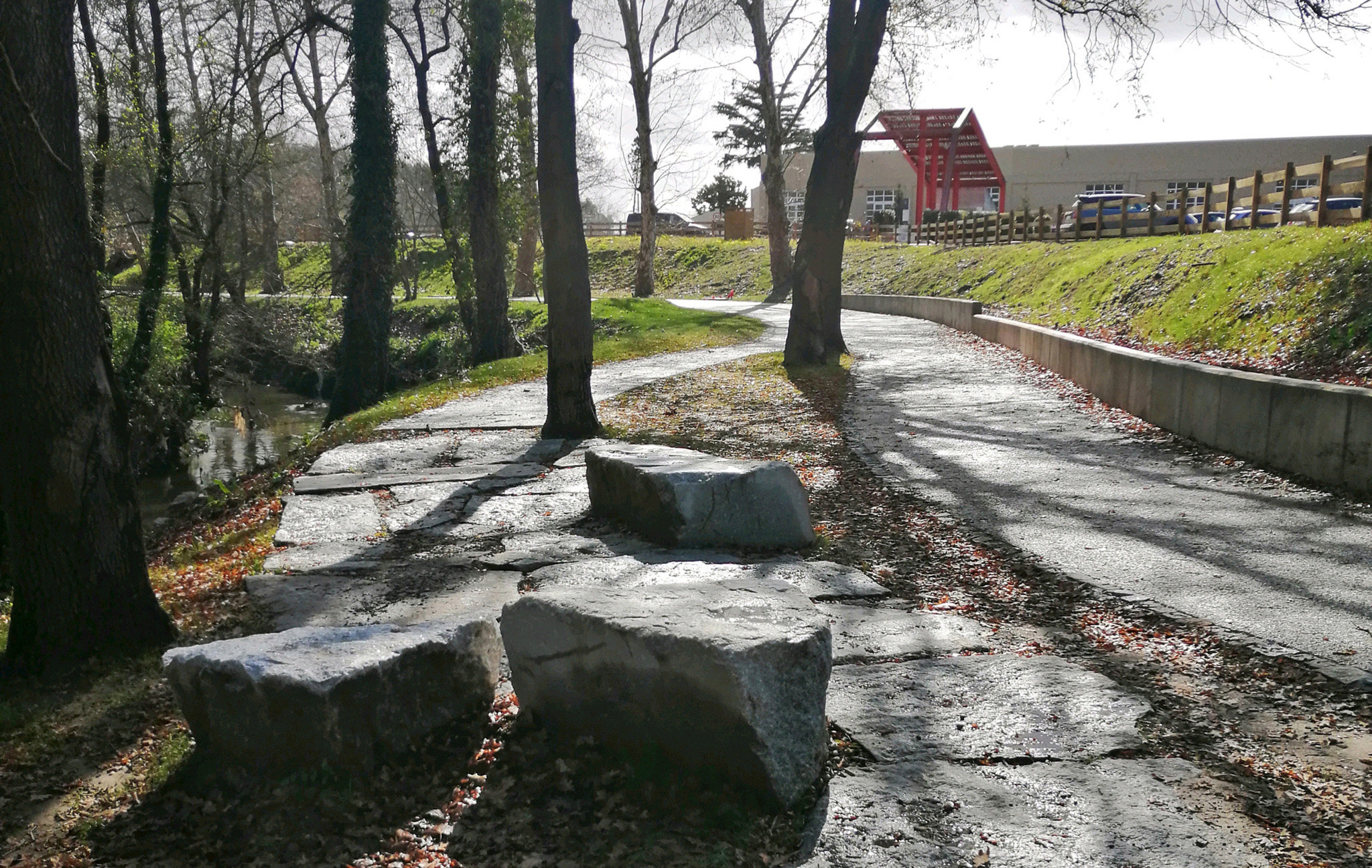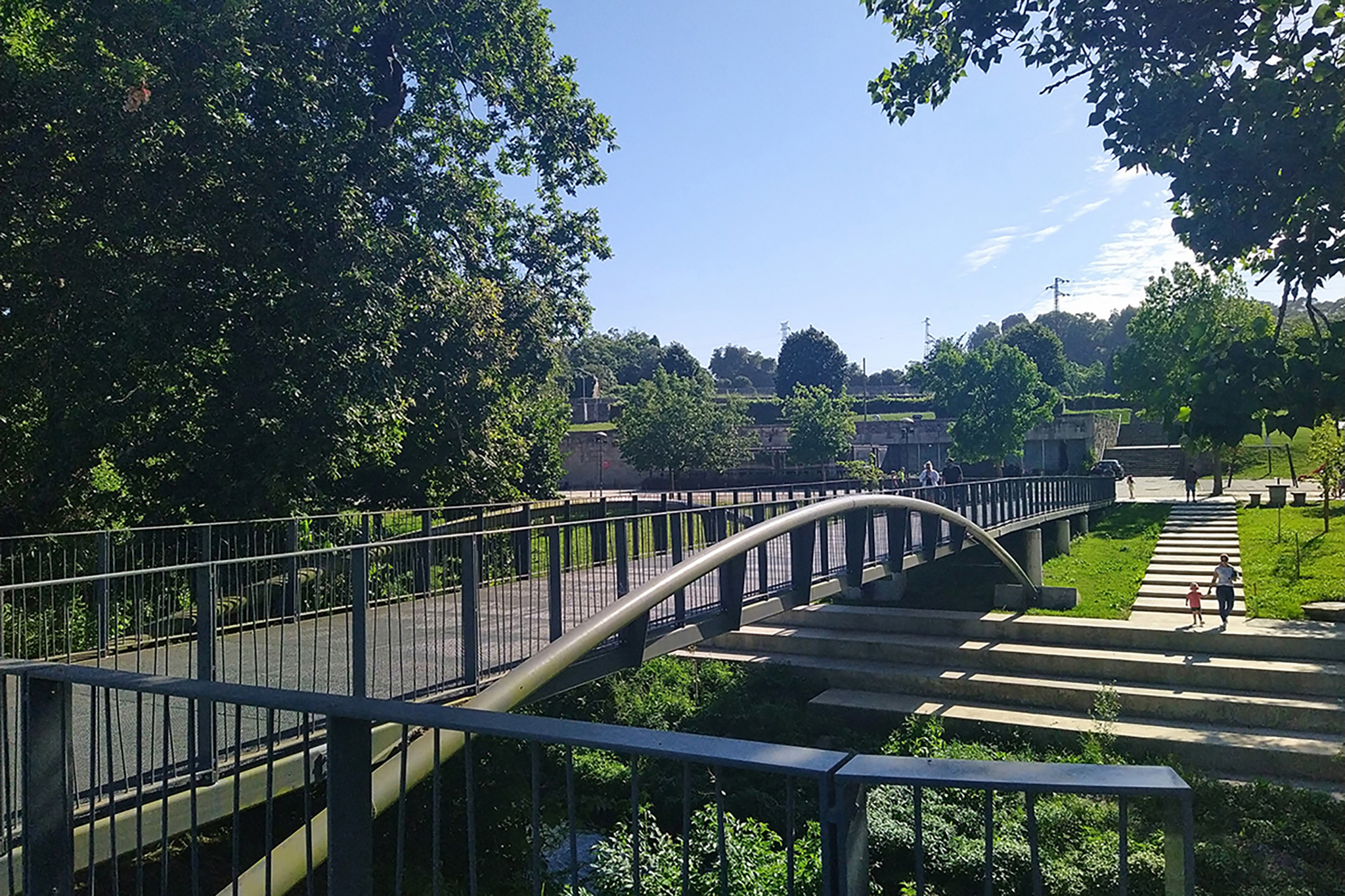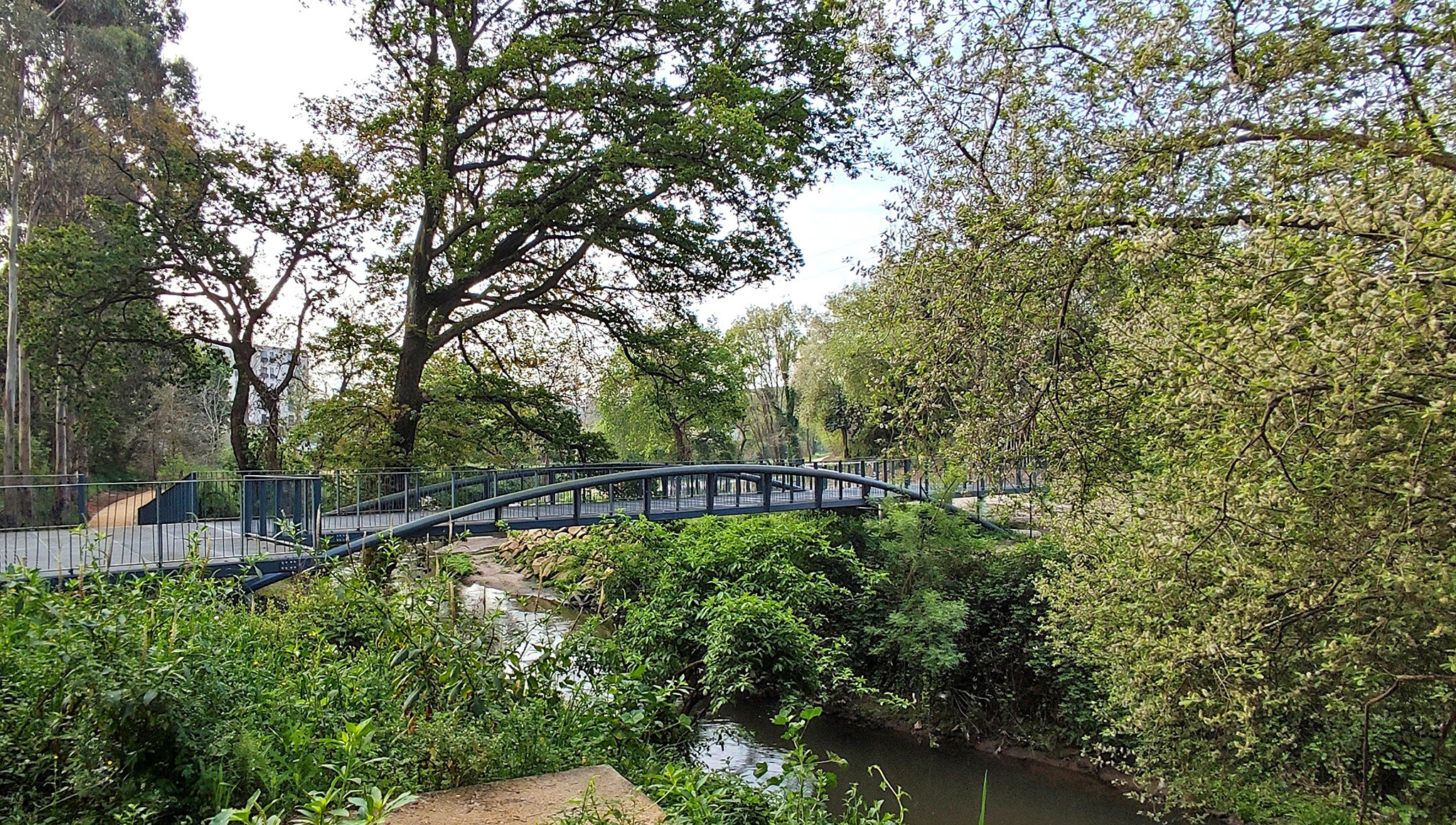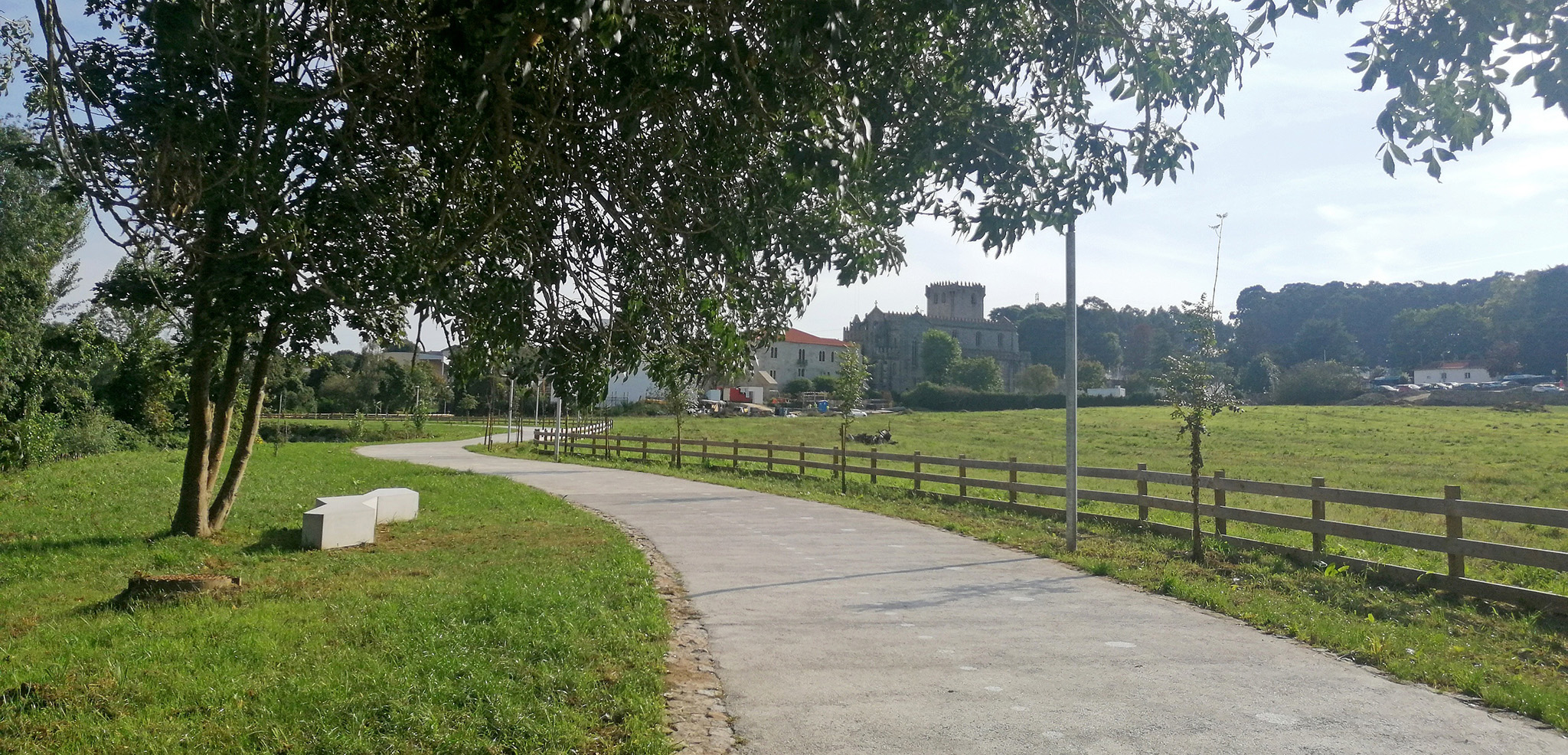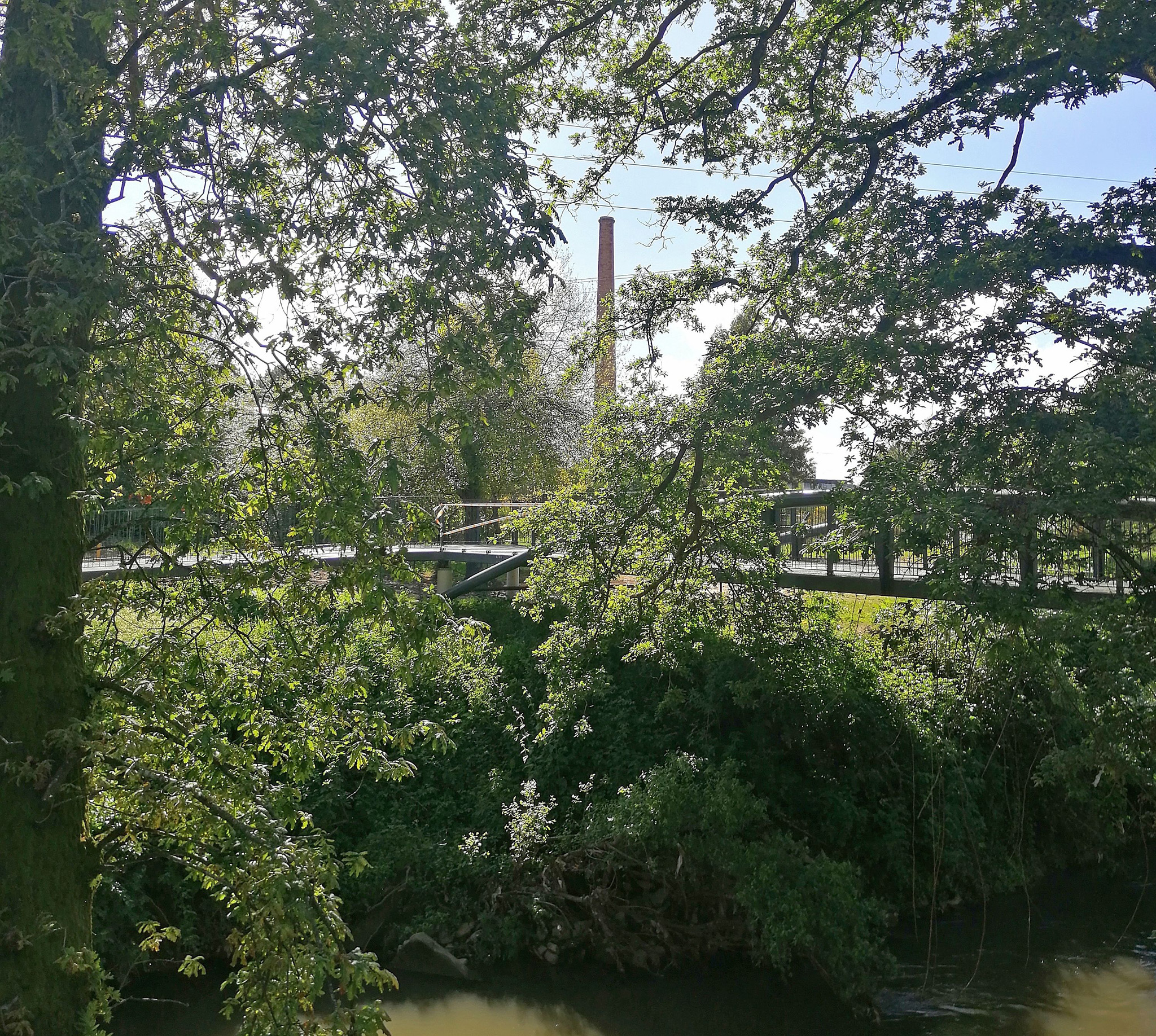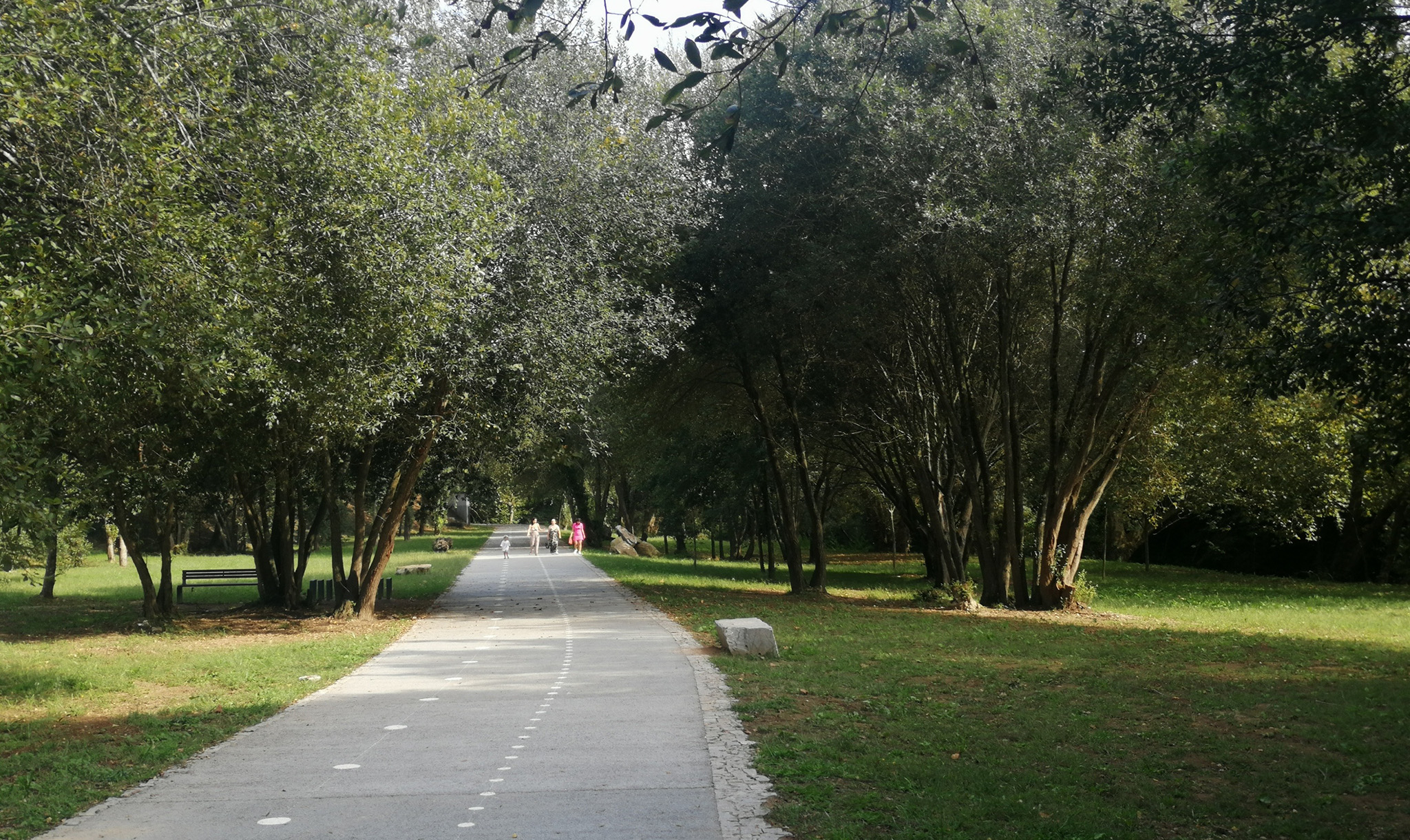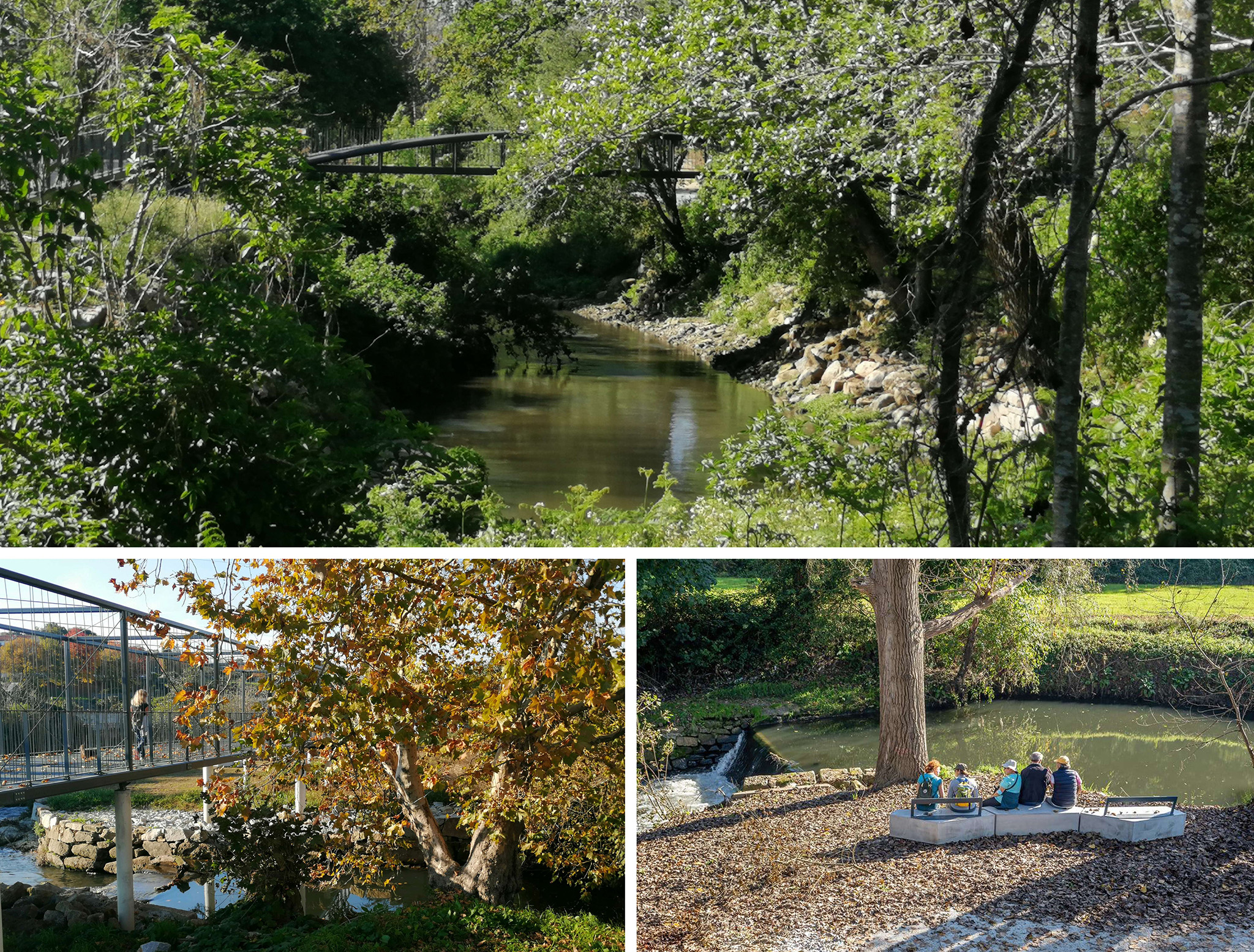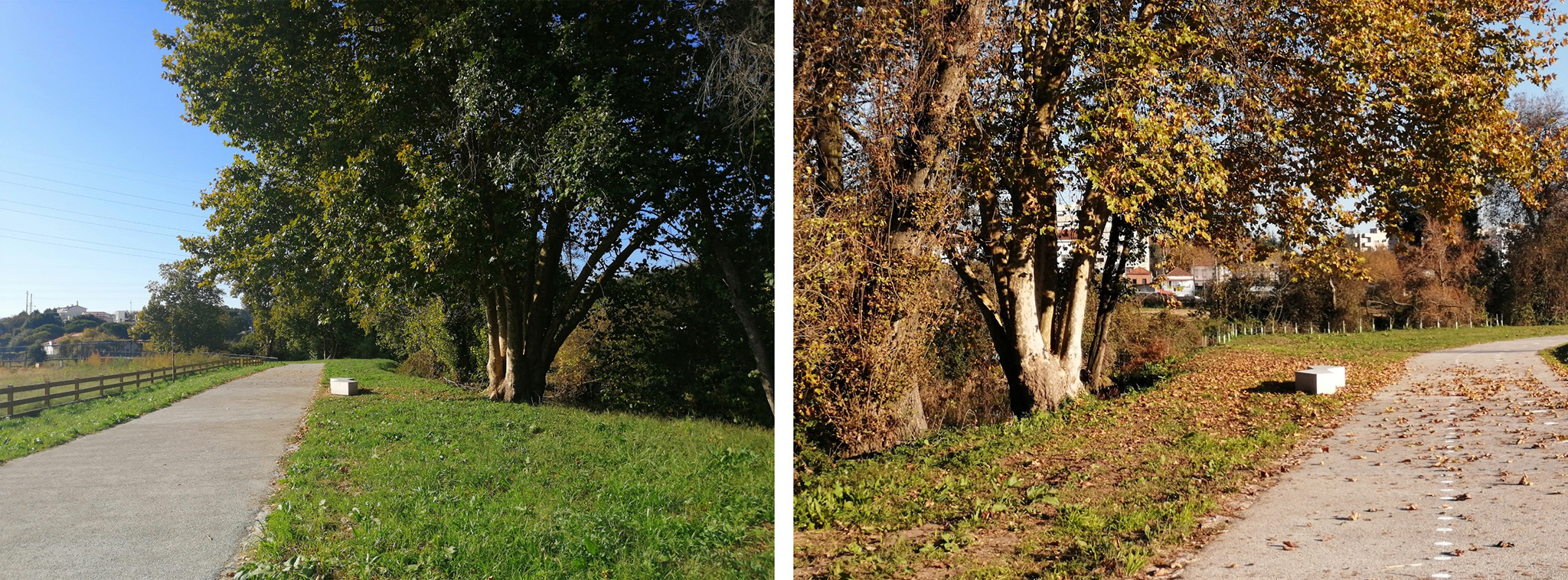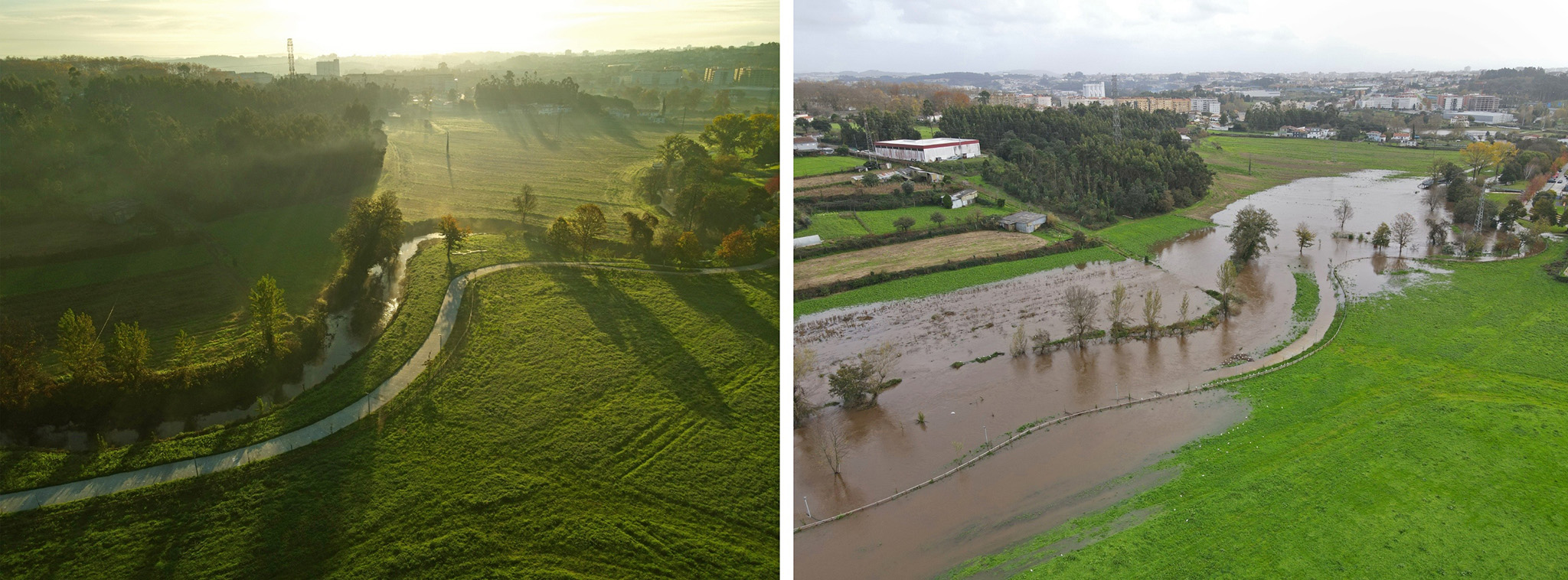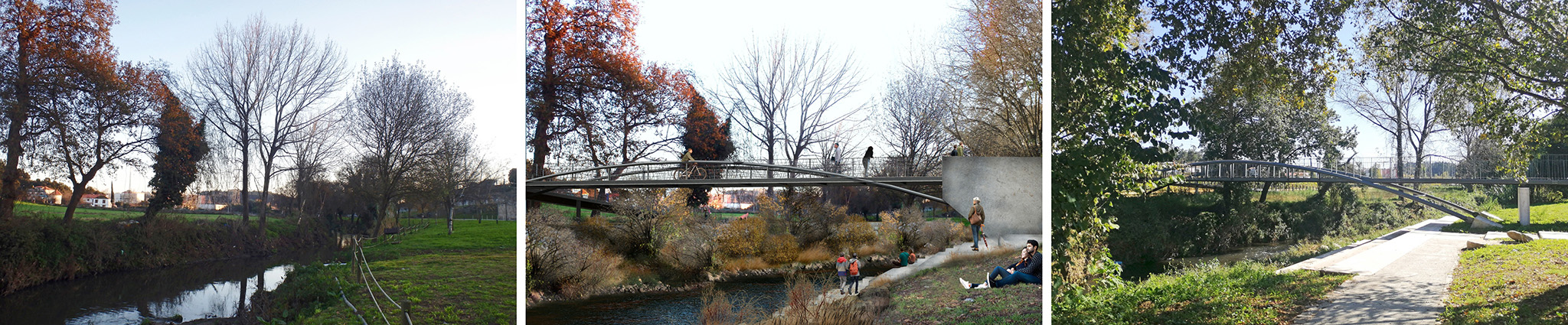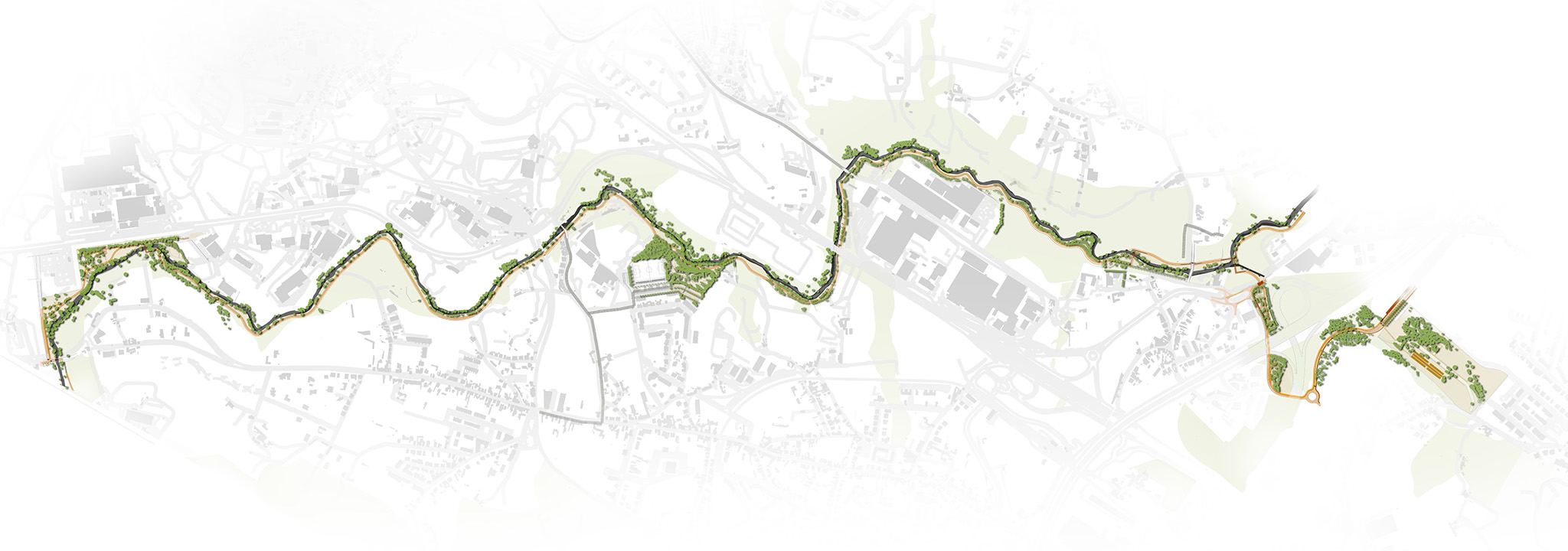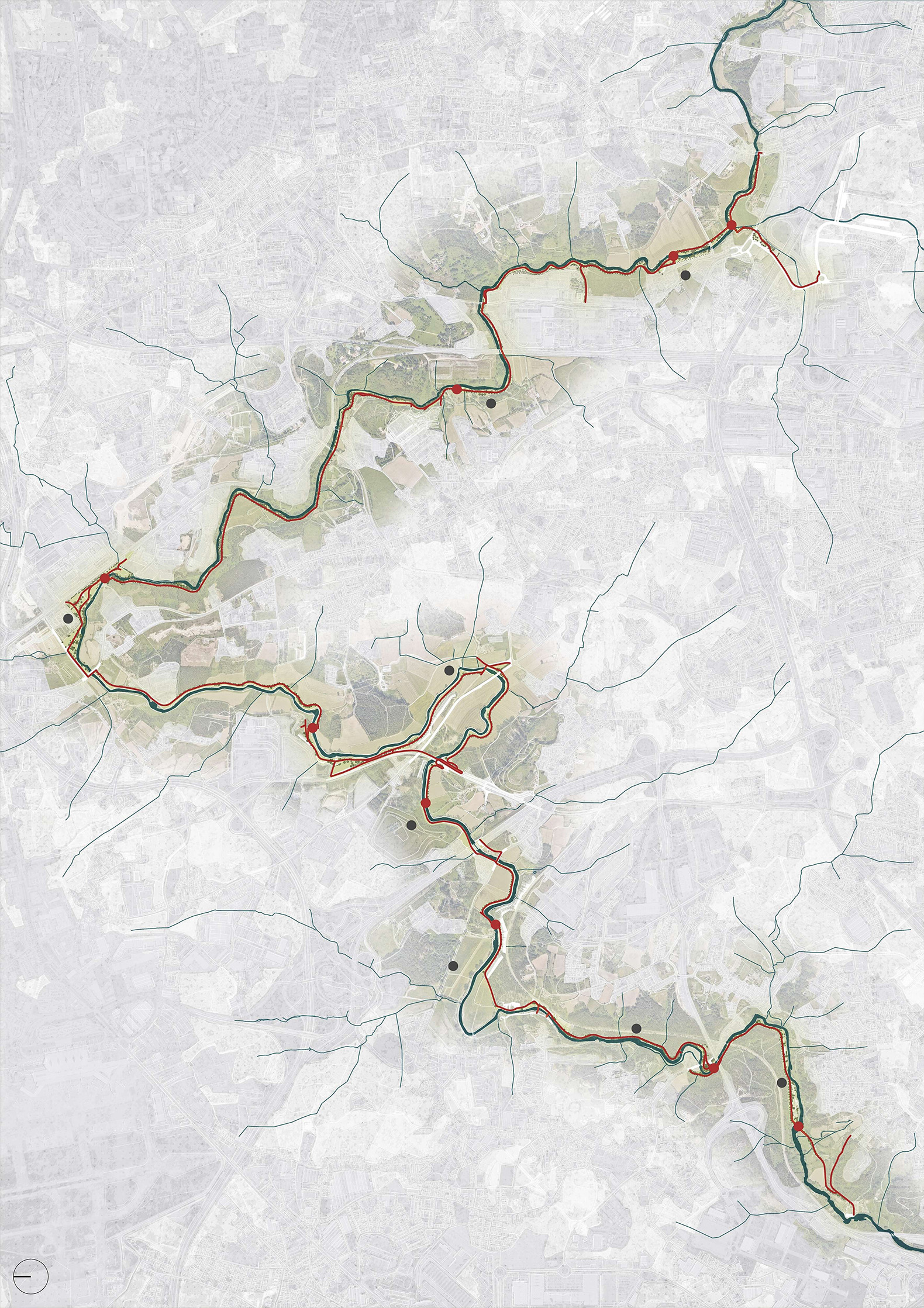
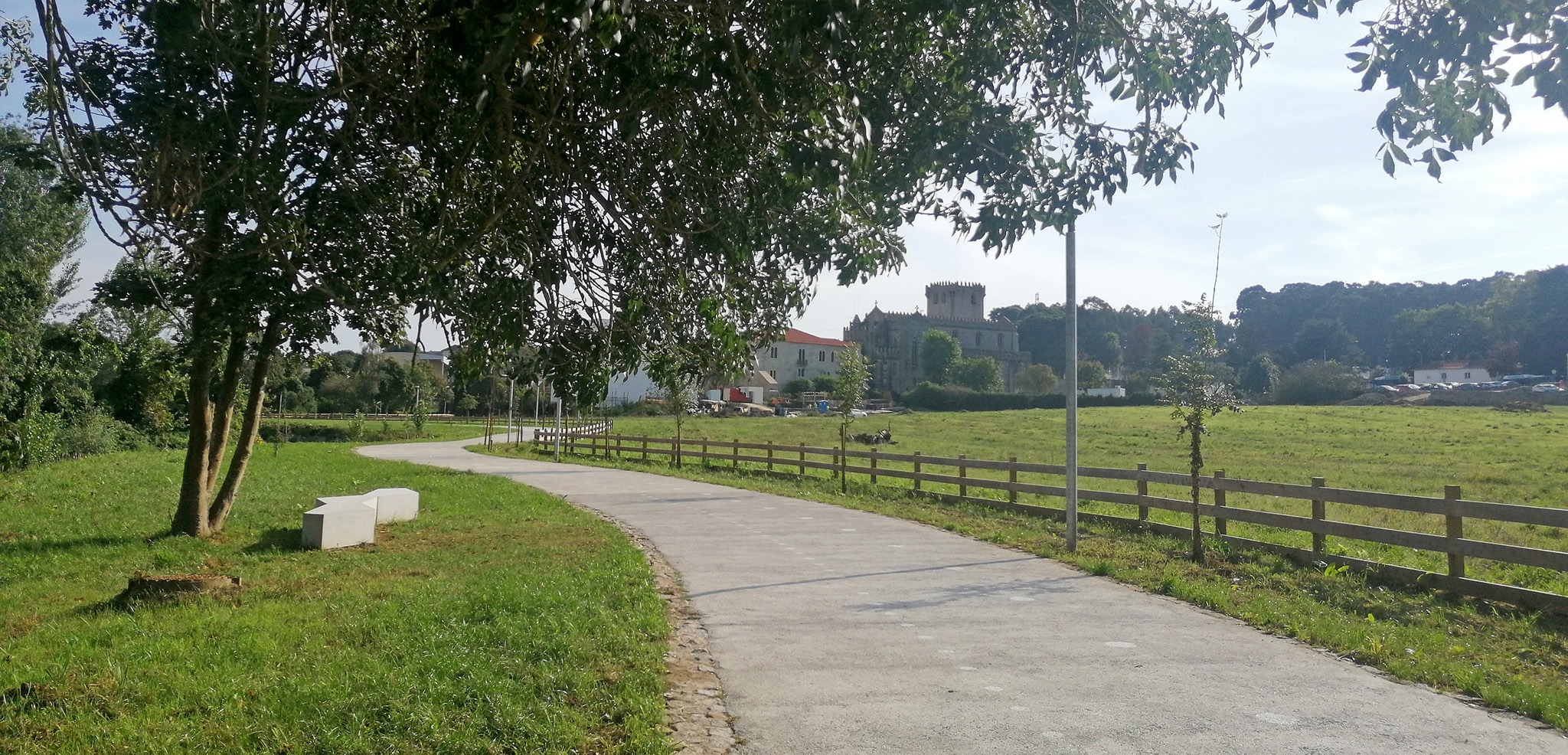
For the Leça Green Corridor, Laura Roldão has proposed a pedestrian and cycling route, incorporating new footbridges that turn the river into a shortcut and improve connections between the different settlements and public transport.
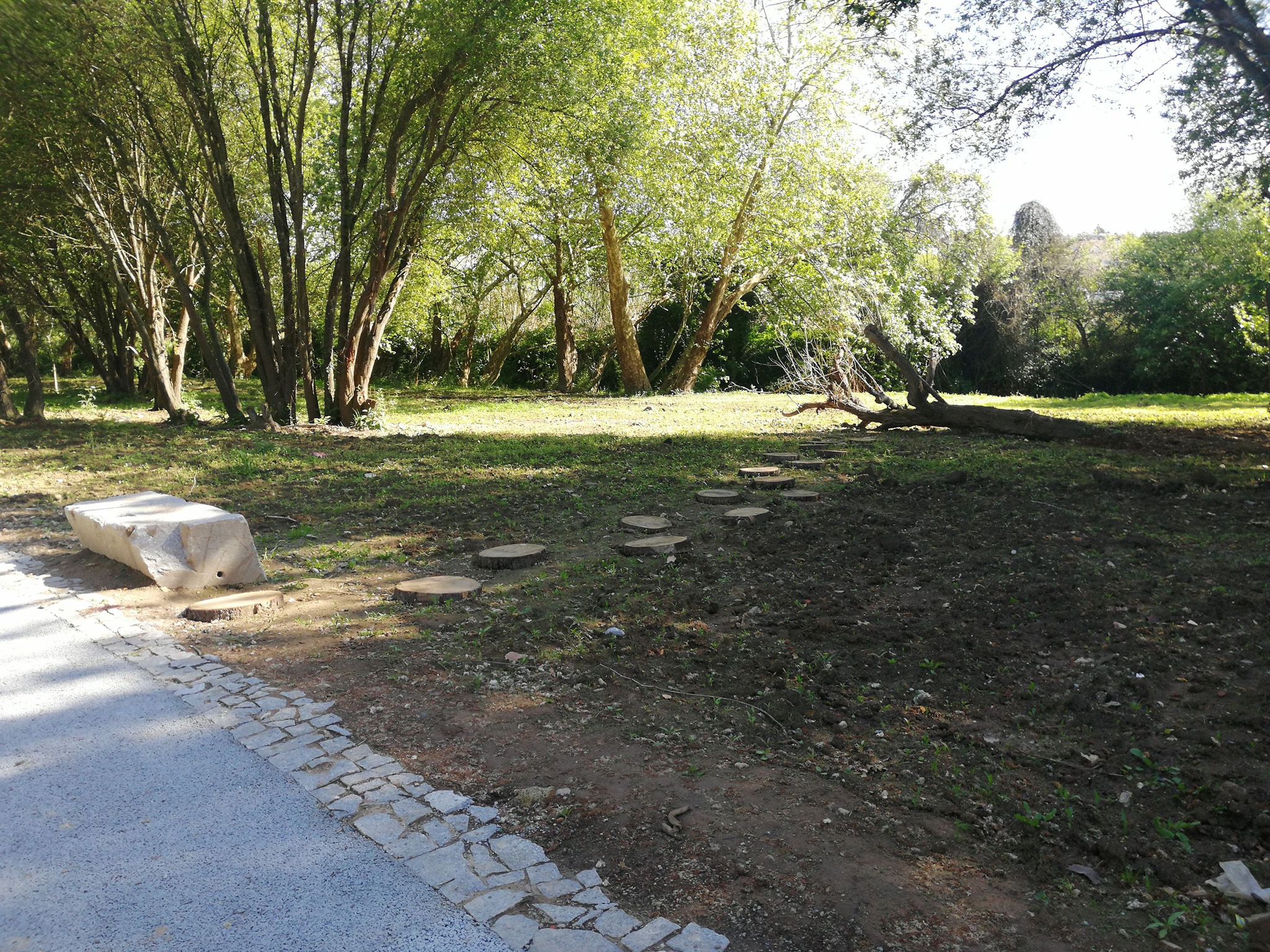
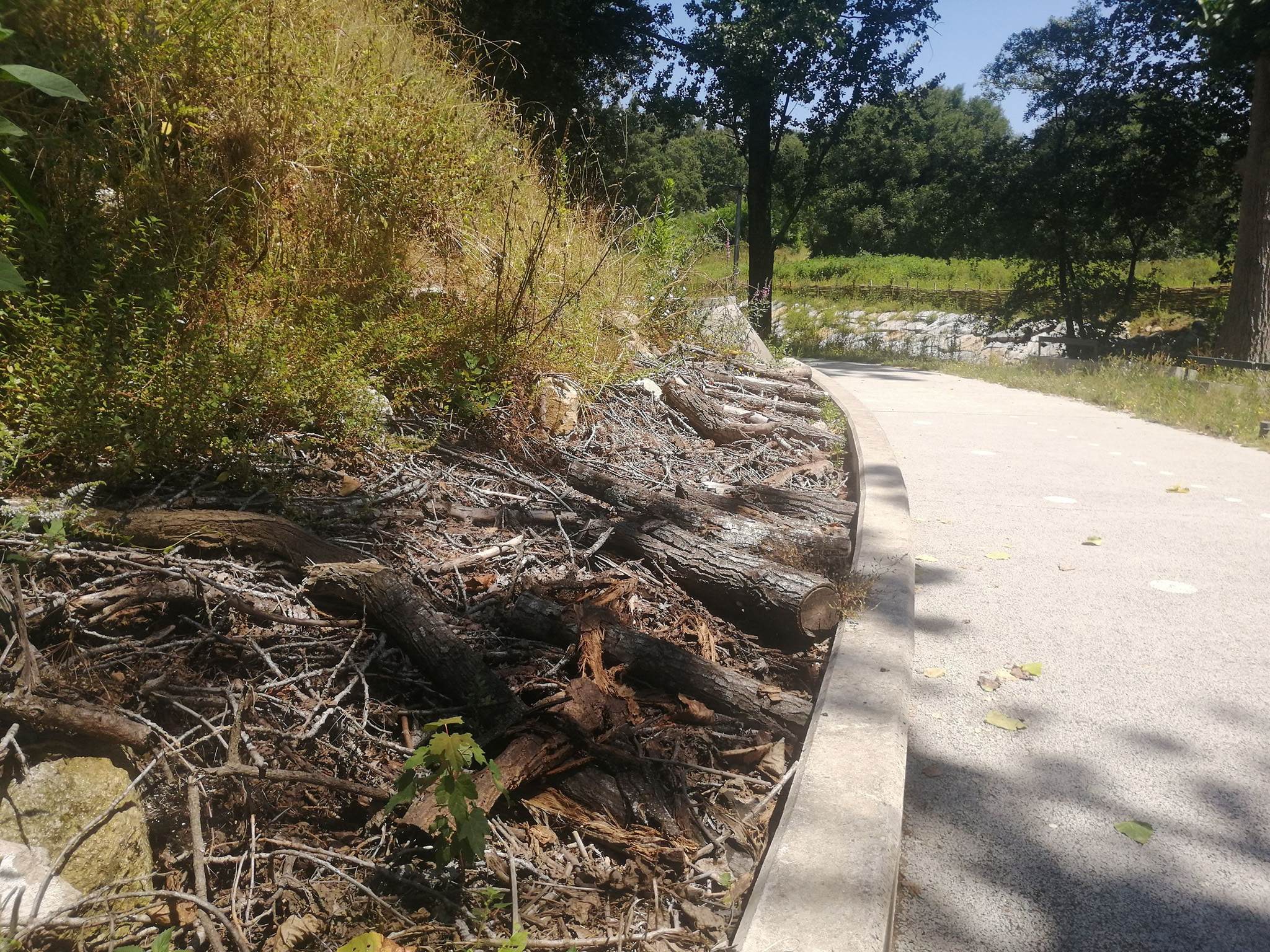
Phytoremediation strategies have been used to improve the quality of the water and soil, while the riverbanks have been restored to prevent landslides. The intervention is complemented by native vegetation, contributing to the recovery of the river ecosystem.
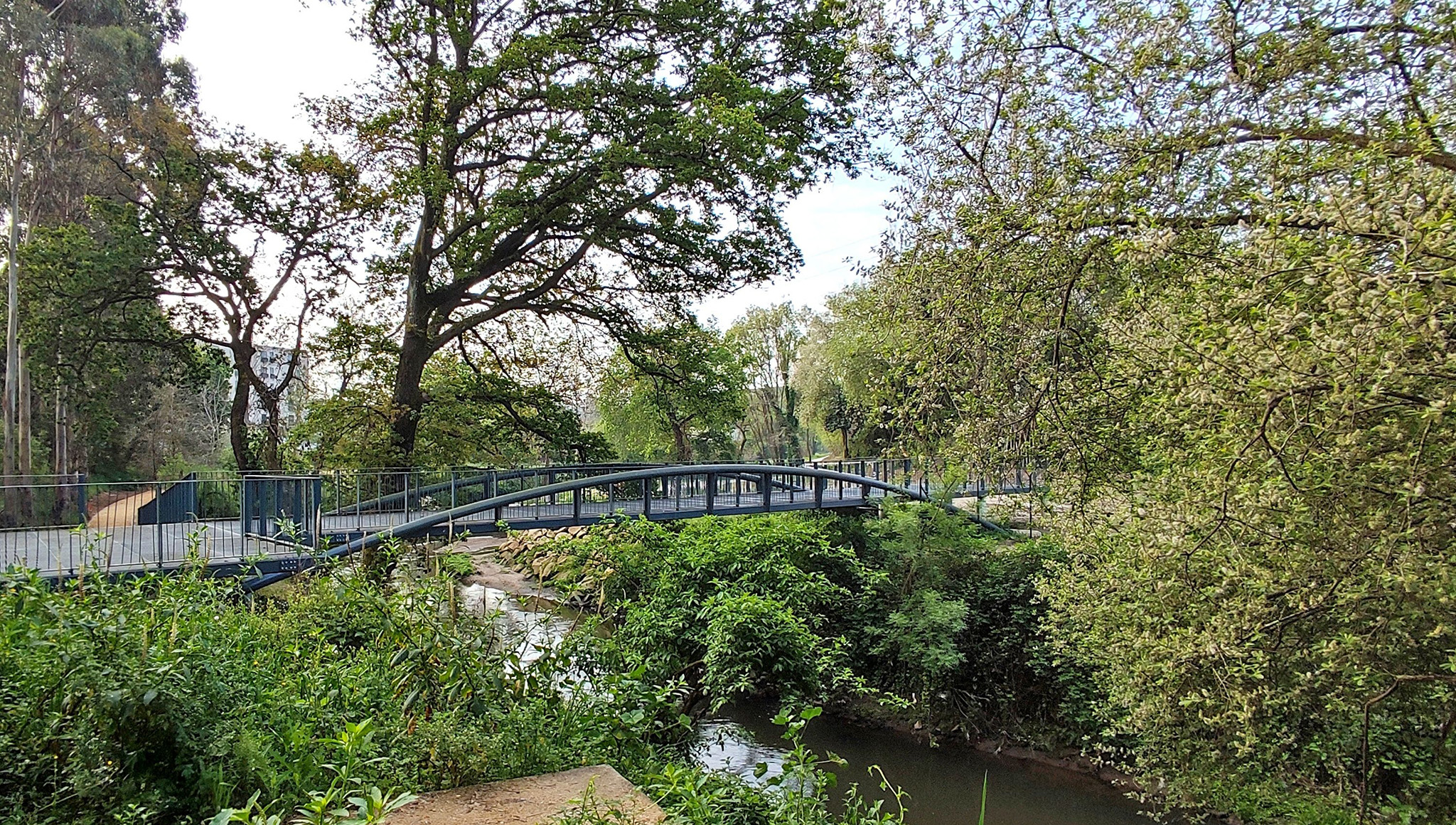
Leça Green Corridor by Laura Roldão. Photograph courtesy of CCCB.
Project description by Laura Roldão
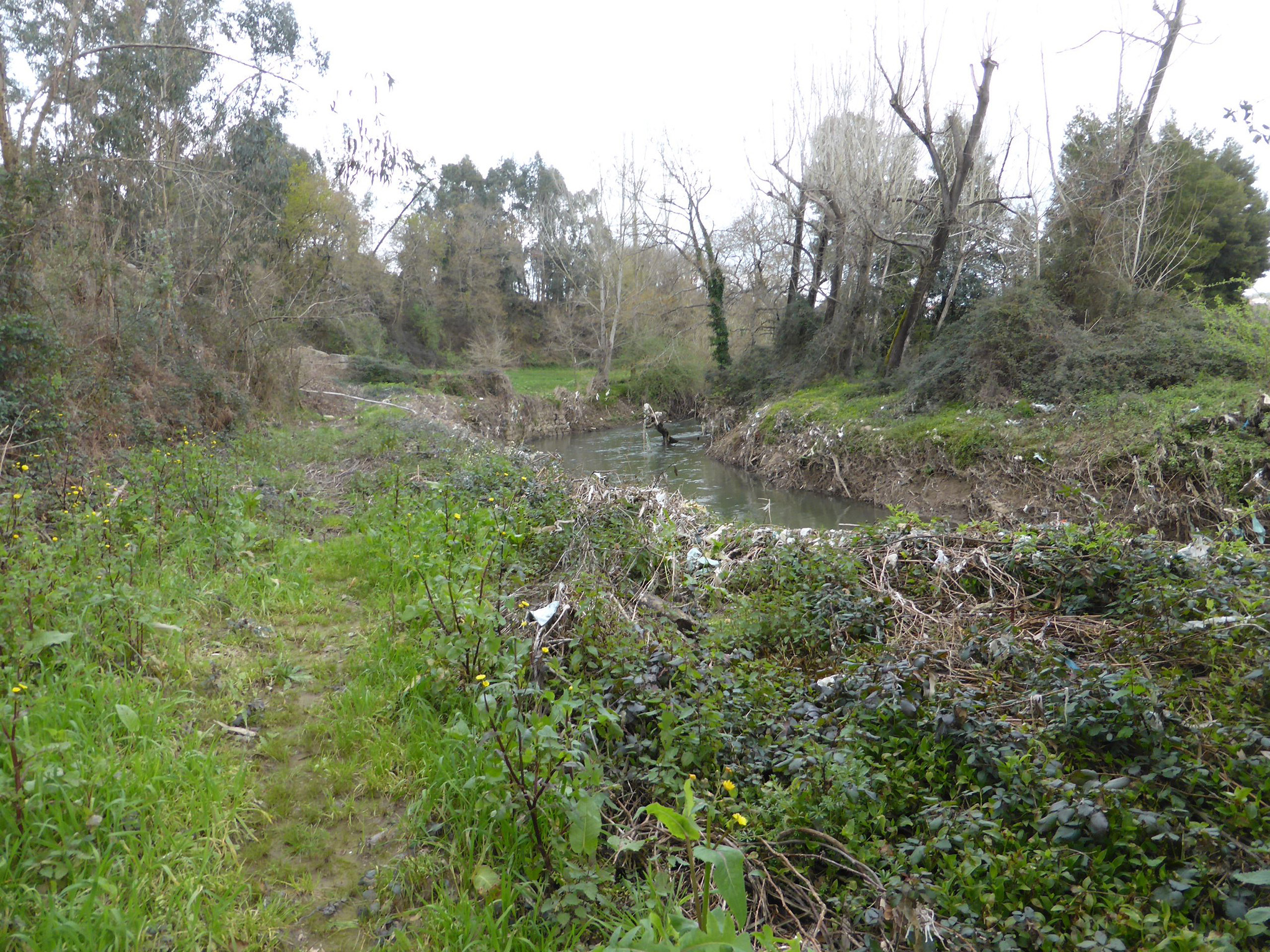
The Leça River Green Corridor in Matosinhos extends 48 kilometres and recovers a very degraded environment consisting of a mixture of industries, main roads, cultivated fields, and residential zones. When cleaning up the area, the project treated water and soil with plants (phytoremediation) and rebuilt the riverbanks using local vegetation to prevent landslides during floods.
Mobility is another of the project’s key points. A four-metre-wide path has been built for pedestrians and cyclists and new footbridges have been added. The river has thus become a convenient shortcut connecting the zone’s villages with public transport.
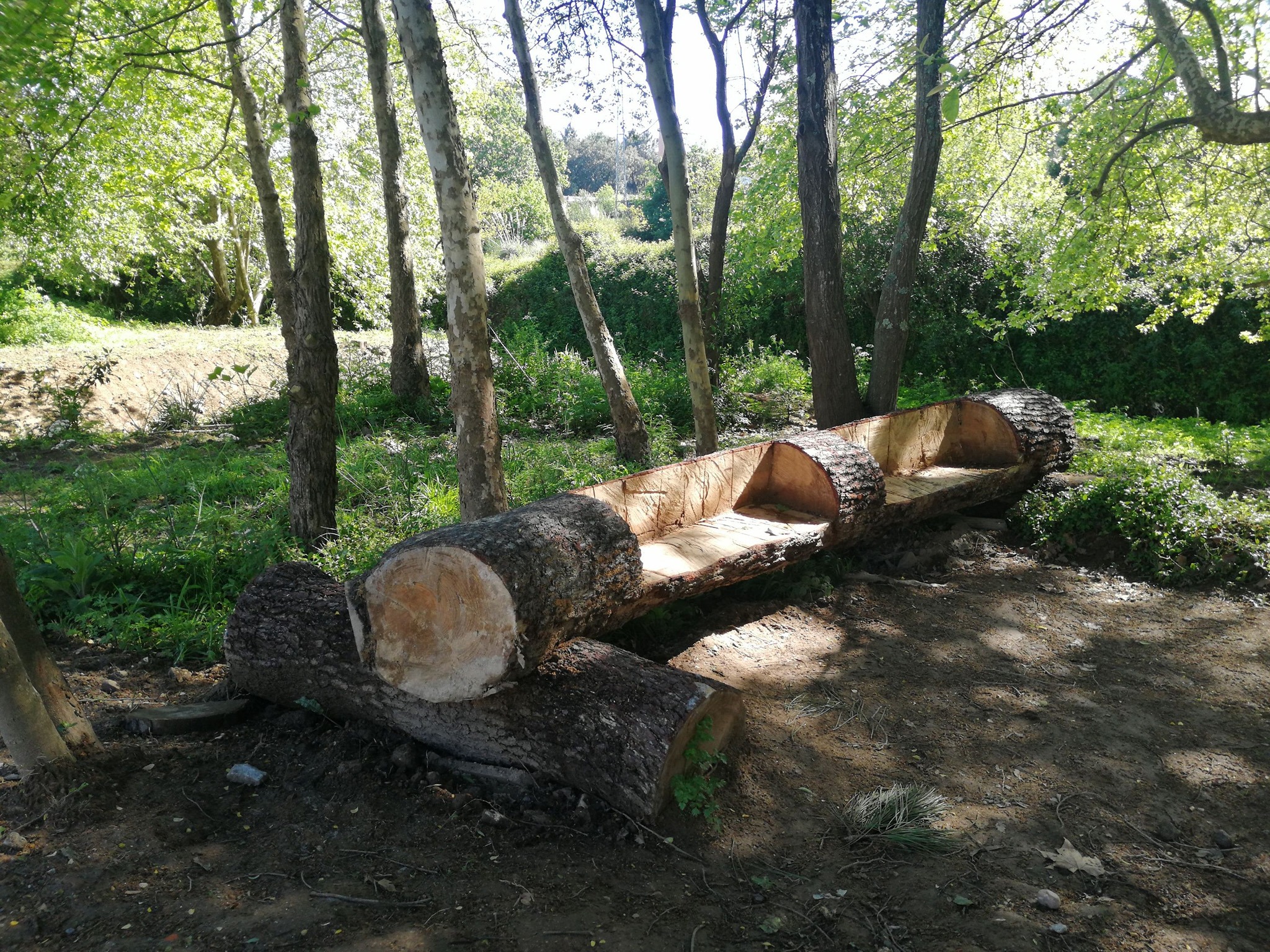
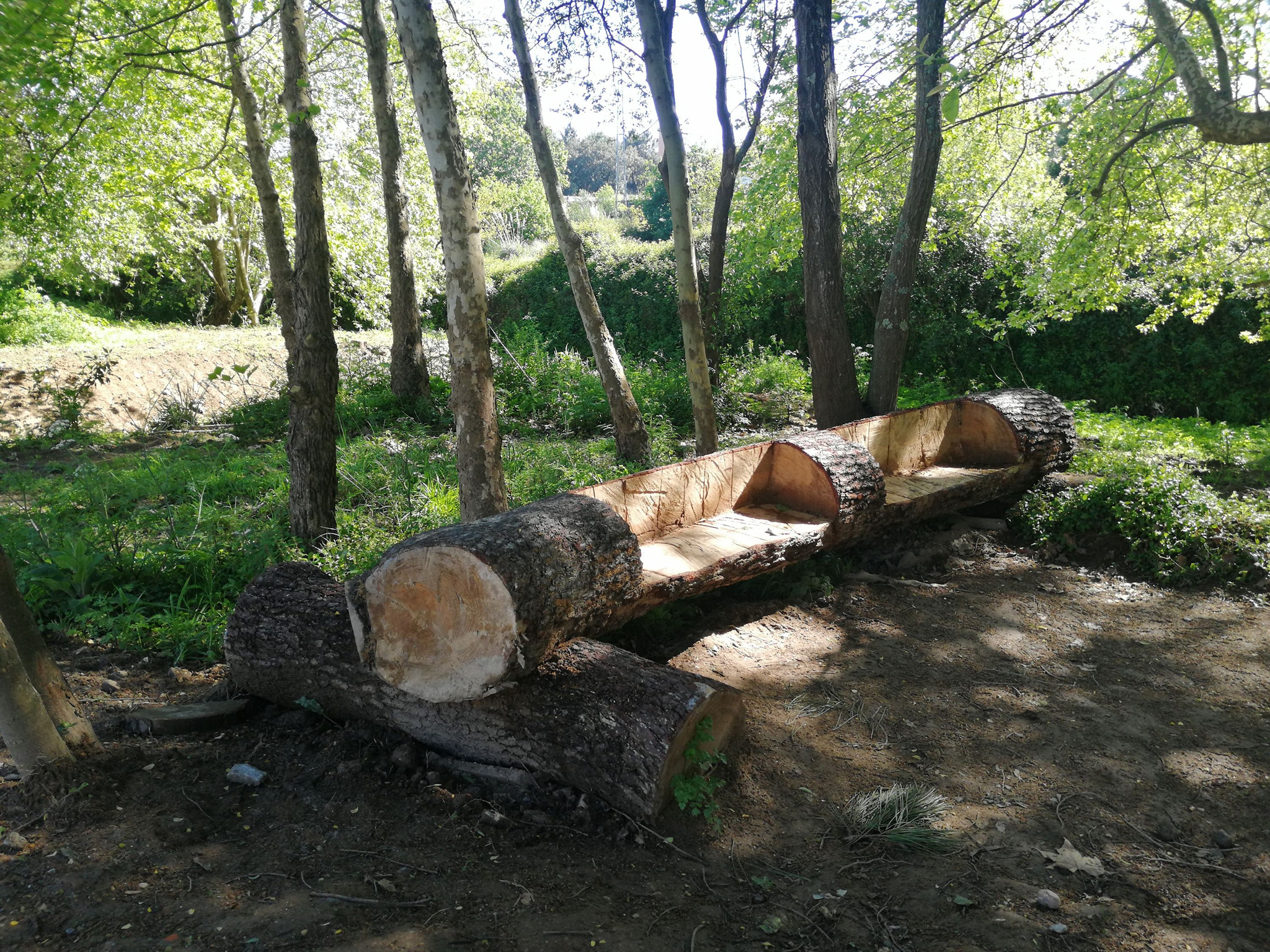
Since its opening, the corridor has taken on new life. Many local people use it from Monday to Friday when going to or taking a break from work while, at weekends, it becomes a gathering place for sports, walking, and family picnics. It also hosts school activities, guided tours, and volunteer initiatives of planting trees and cleaning the river so that people can once enjoy what was once a completely rundown space.