Curated by architect Fernando Marzá and art and design historian Neus Moyano, the exhibition is not limited to a single venue but extends across three different facilities: the Casa Groga Civic Center and the Montbau Multipurpose Hall—both in the Horta-Guinardó district—and the Nou Barris district headquarters.
The fight for mobility, at Casa Groga
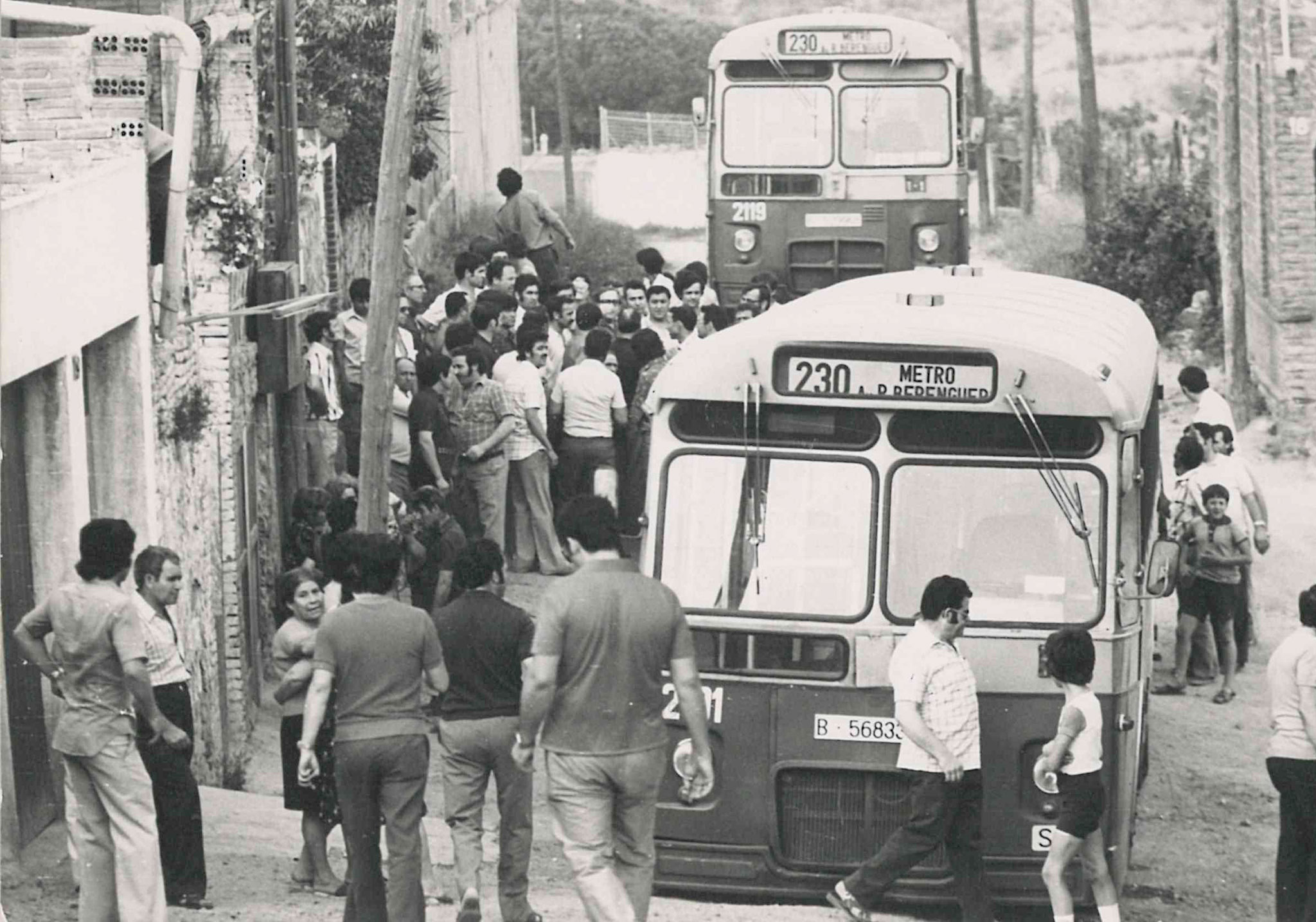
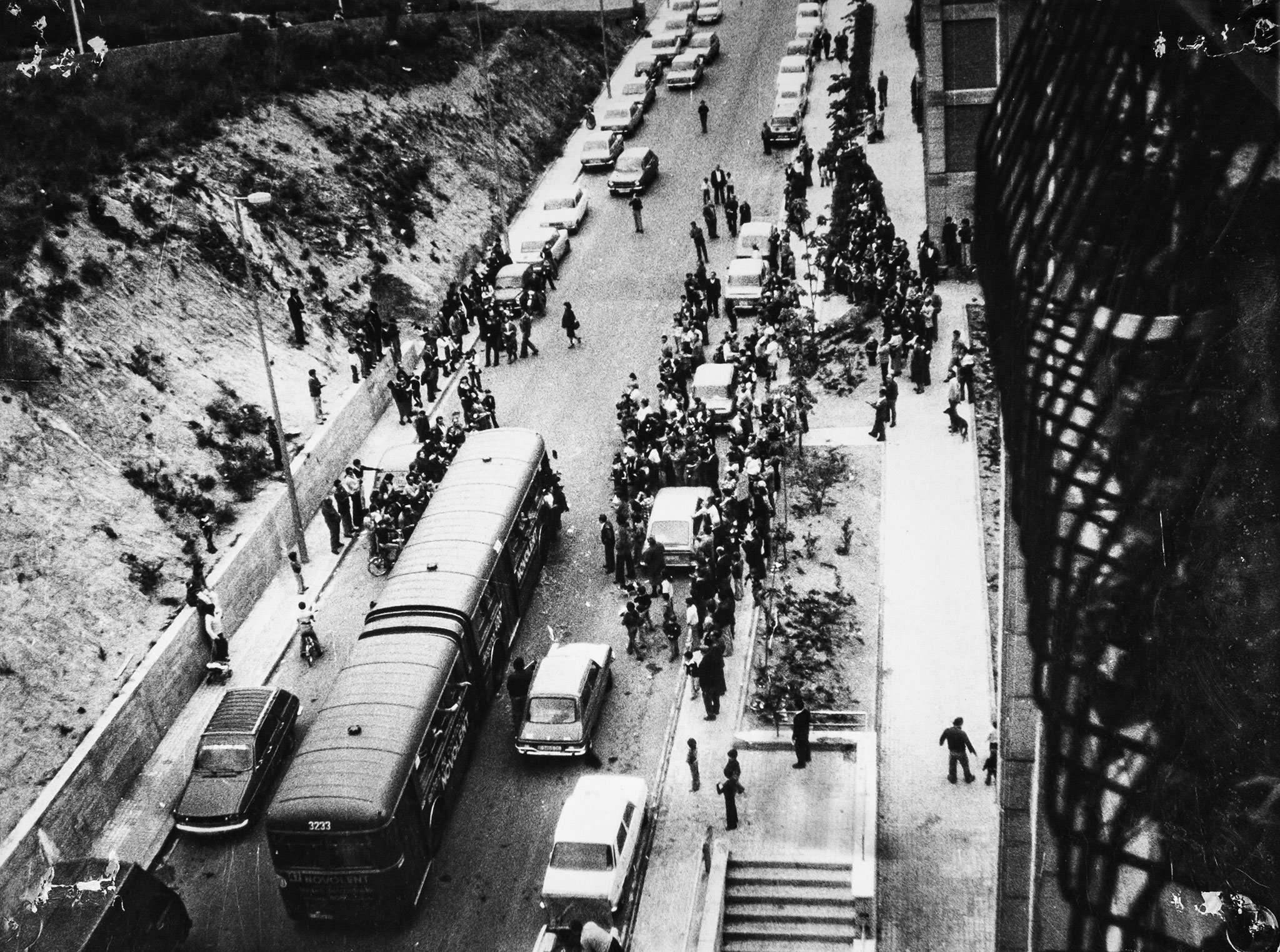
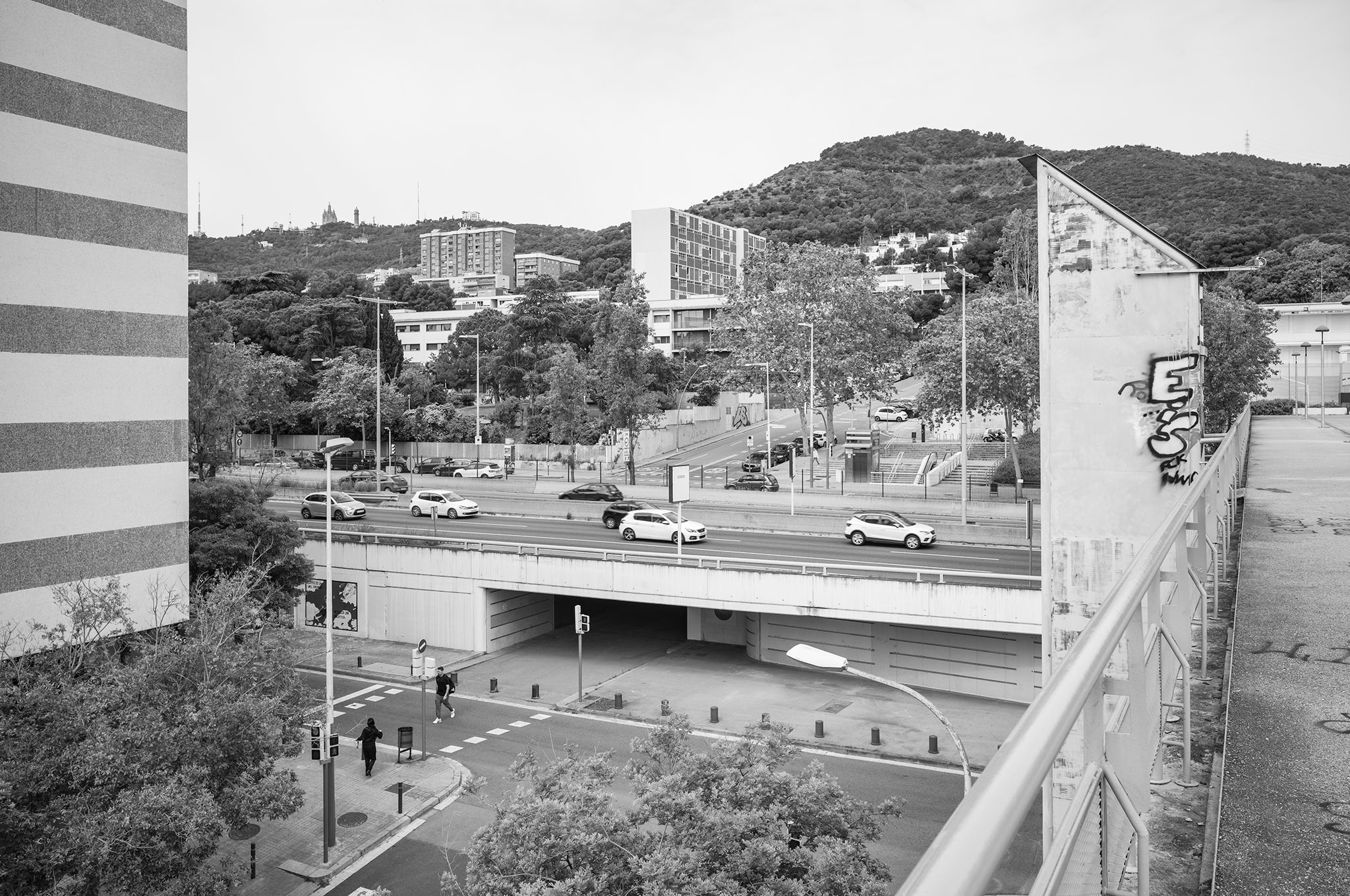
This section of the exhibition documents decades of campaigning to bring bus and metro services to the neighborhoods of Sant Genís, Montbau, Roquetes, Trinitat Vella, and Torre Baró. It also highlights ongoing demands, such as the need to cover the ring road that separates Montbau and Sant Genís from Vall d’Hebron Park.
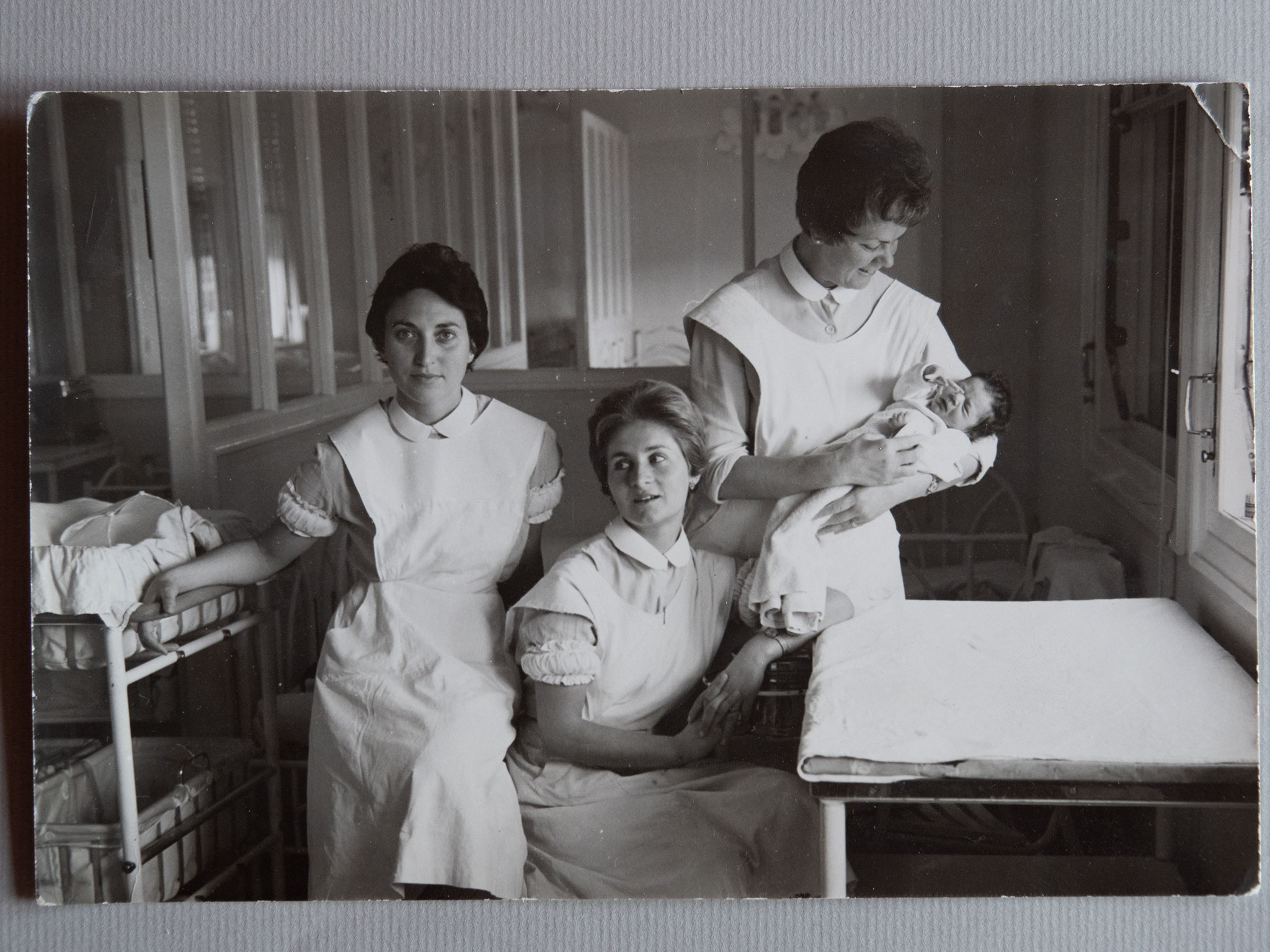
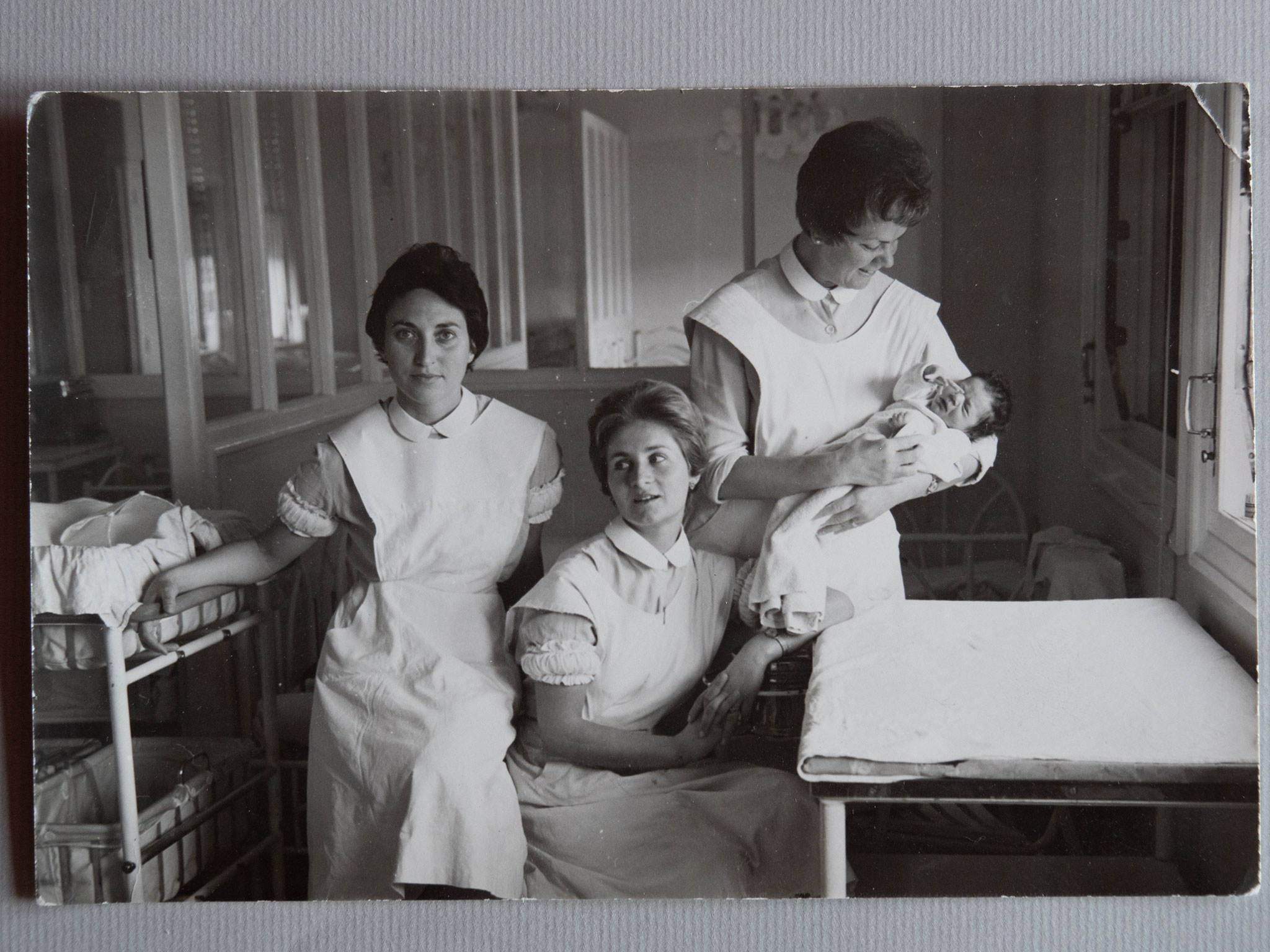
Nurses from the maternity ward of the Residencia Francisco Franco—now Vall d’Hebron Hospital—1960. Photograph by Guillermo Moyano. Private collection.
Re-examining heritage, at the Montbau Multipurpose Hall
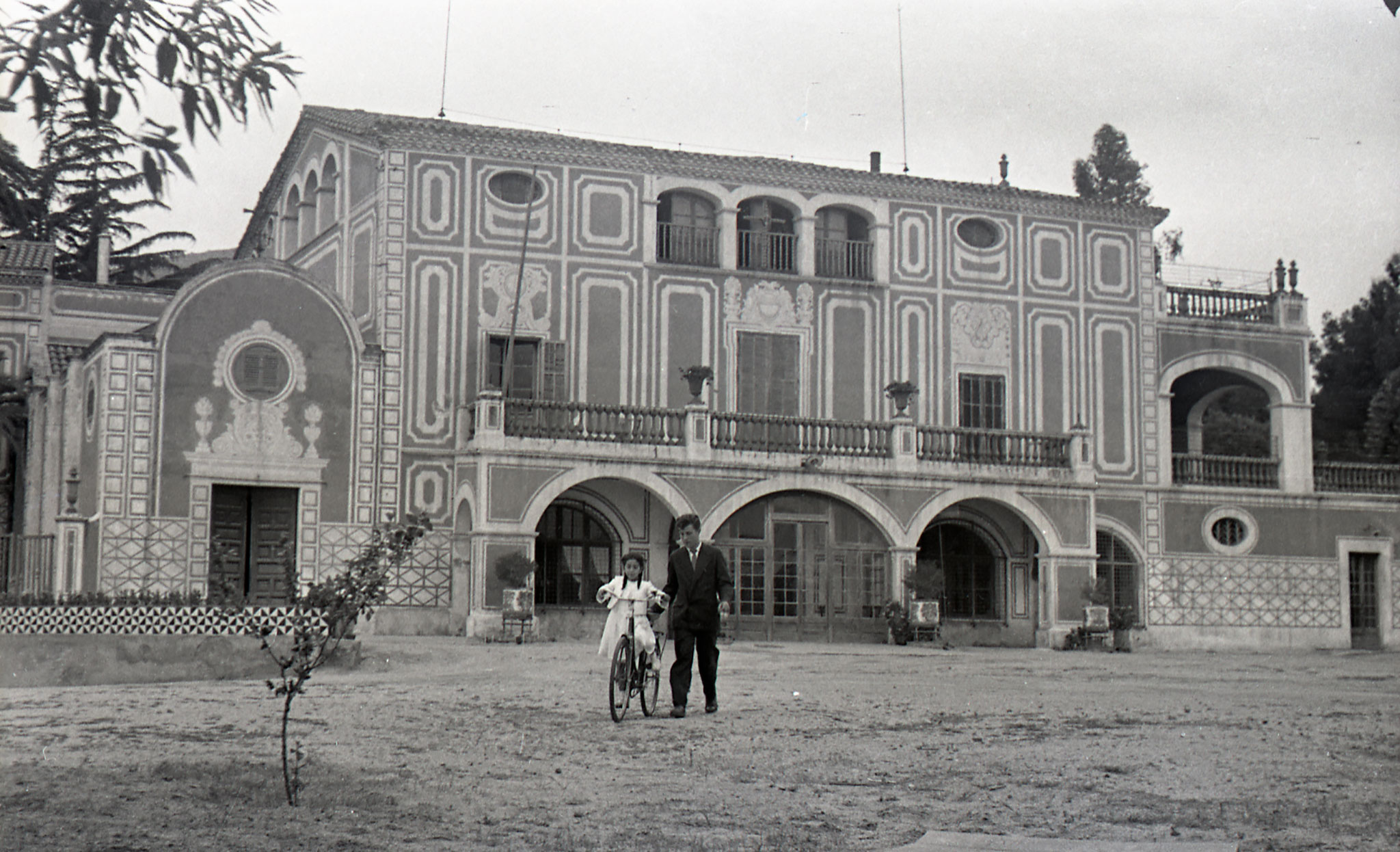
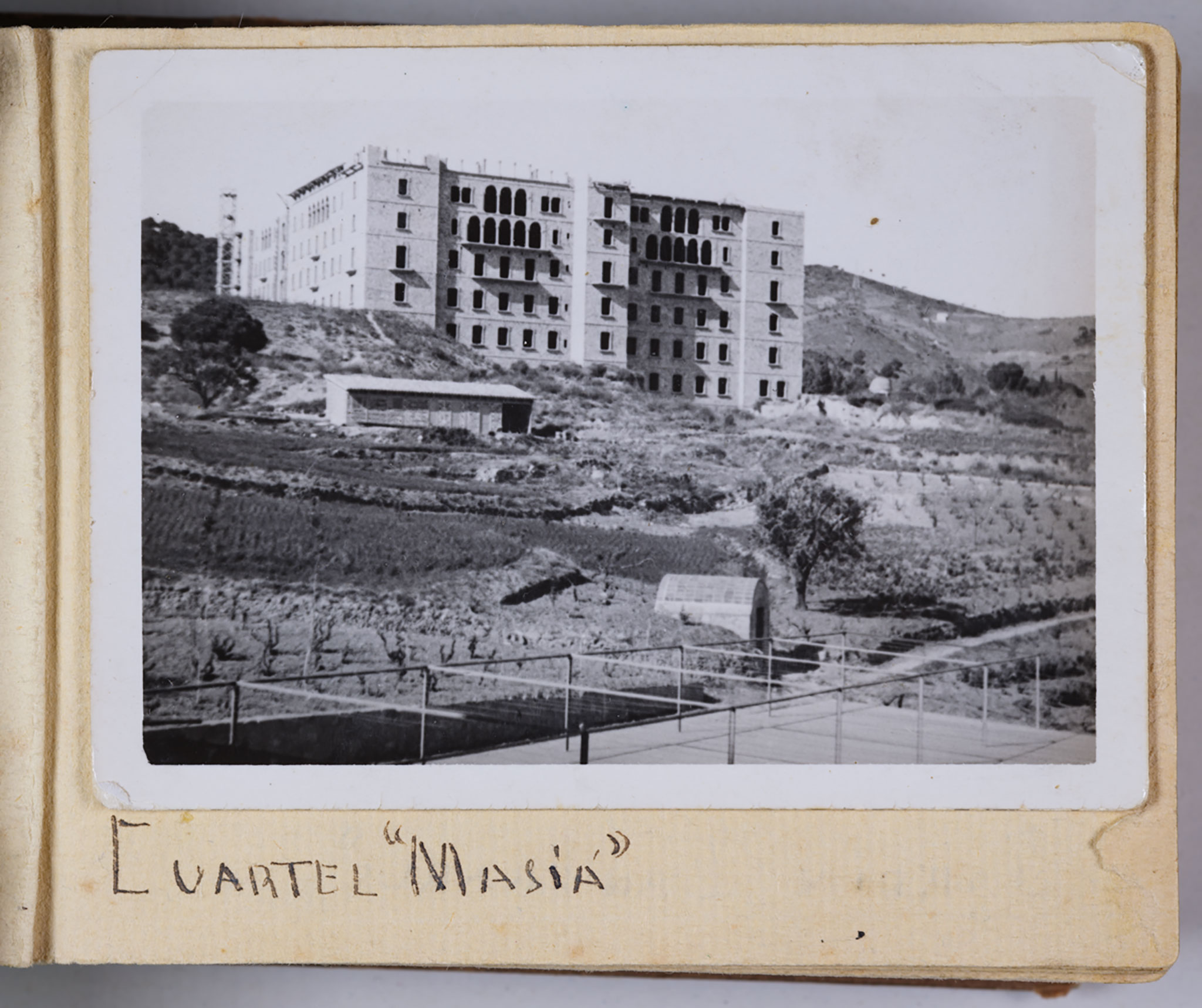
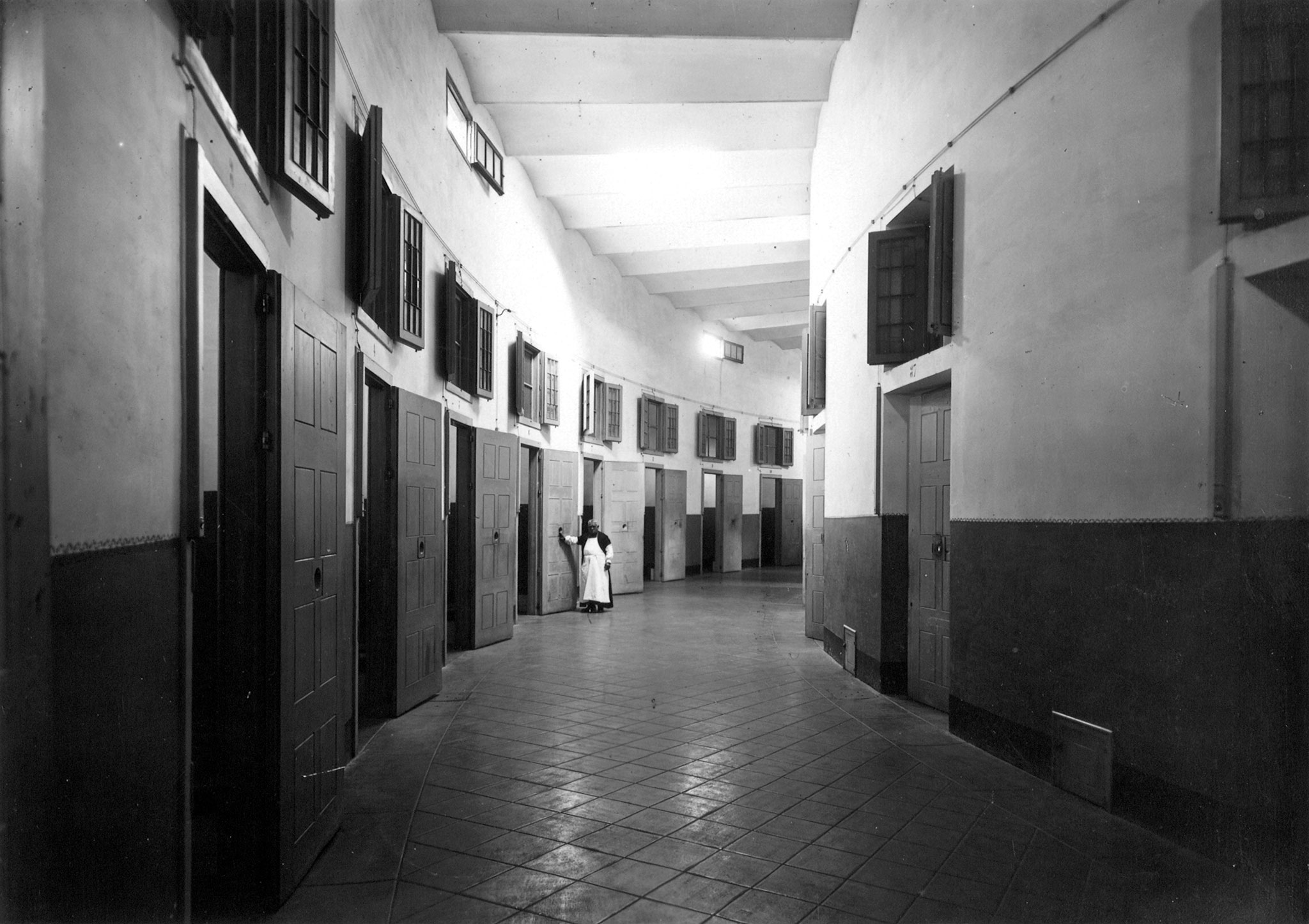
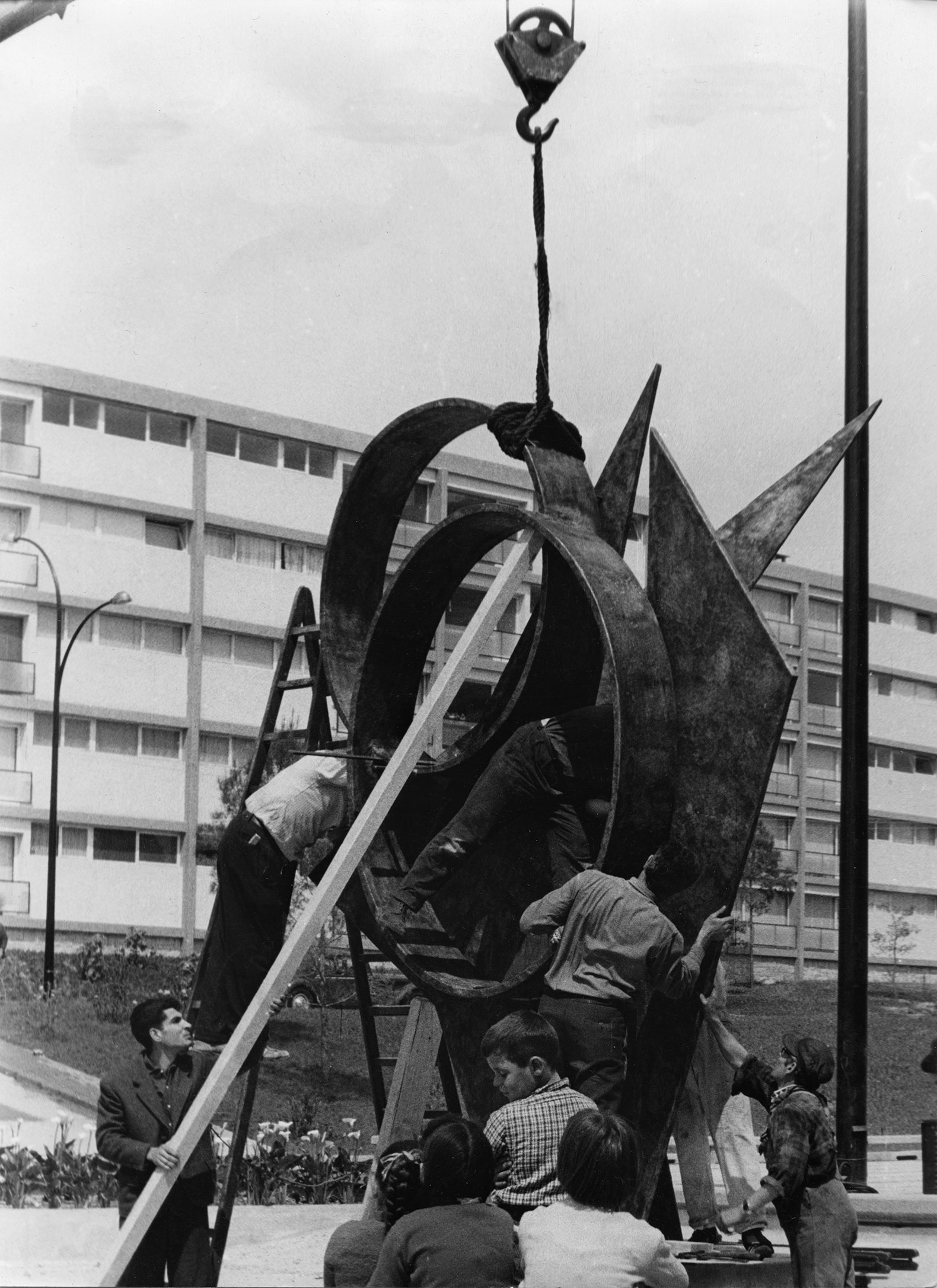
This section reflects on cultural heritage. It documents lost heritage, gives a voice to marginalized groups, and proposes new interpretations regarding the use of other heritage sites. It also champions the role of contemporary heritage in art and architecture.
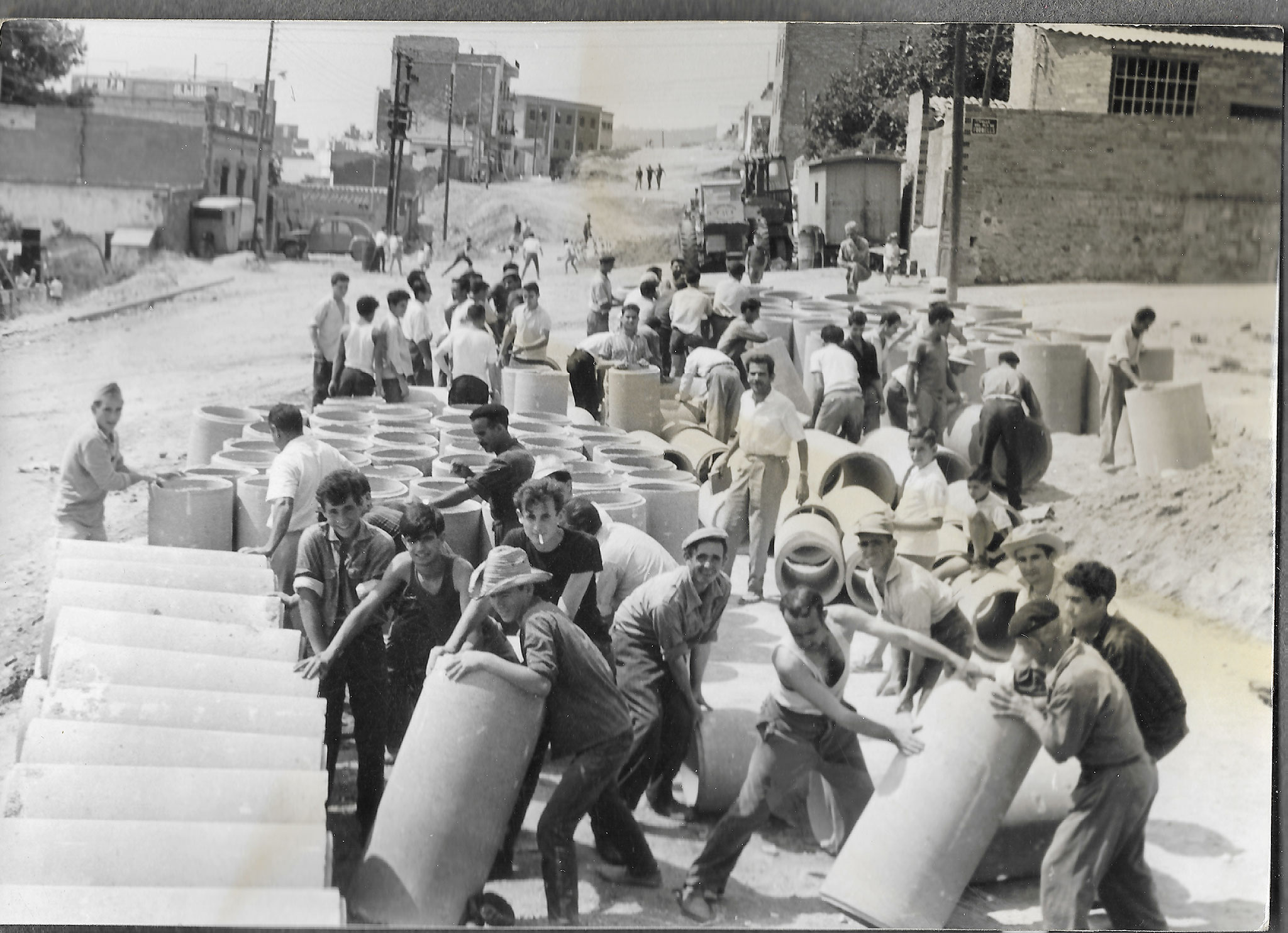
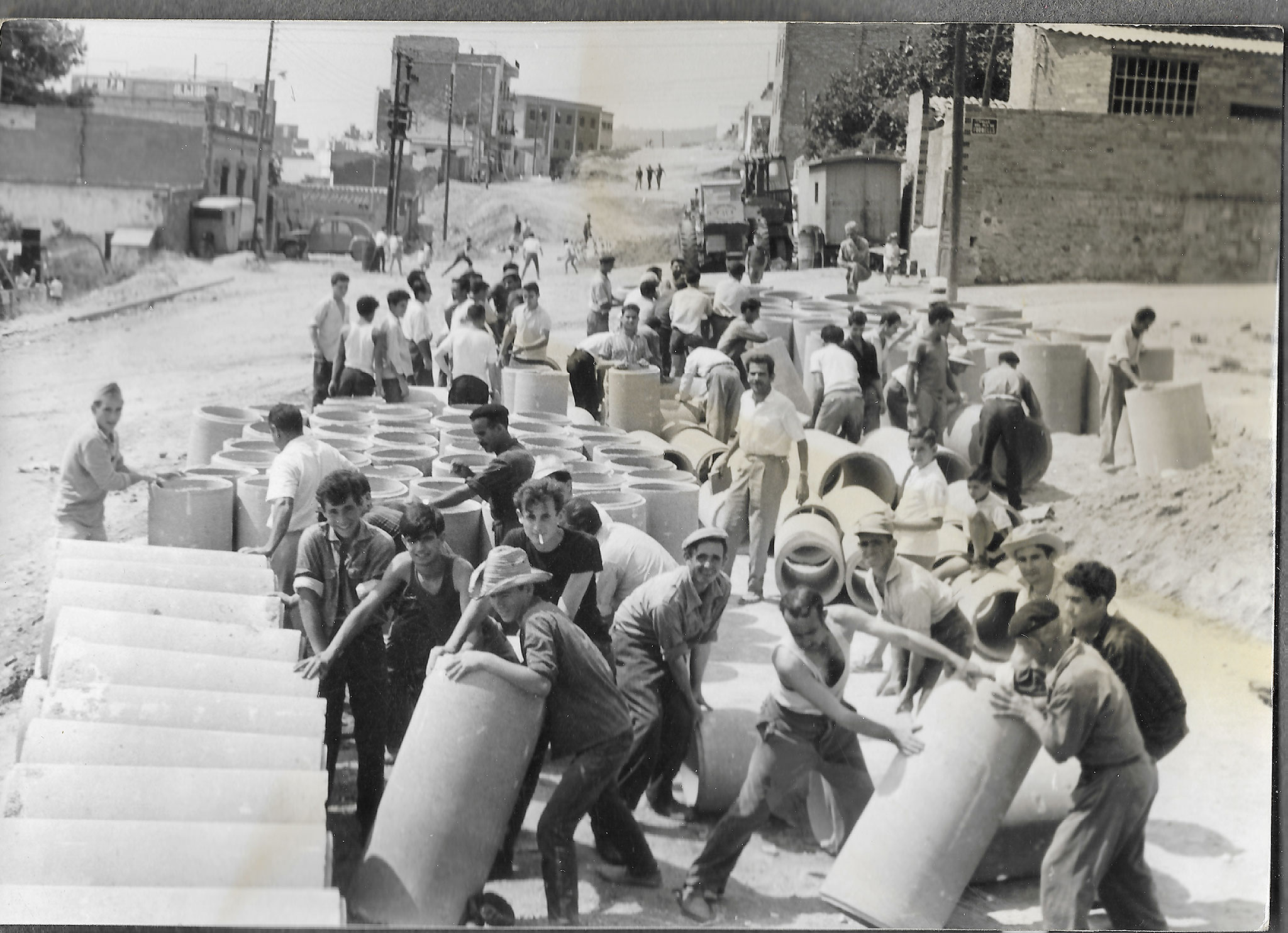
Developing the neighborhood on a Sunday in Roquetes, 1960s. Photograph by Carles Cardoner. Roquetes-Nou Barris Historical Archive.
Housing, health, and education, at the Nou Barris district headquarters
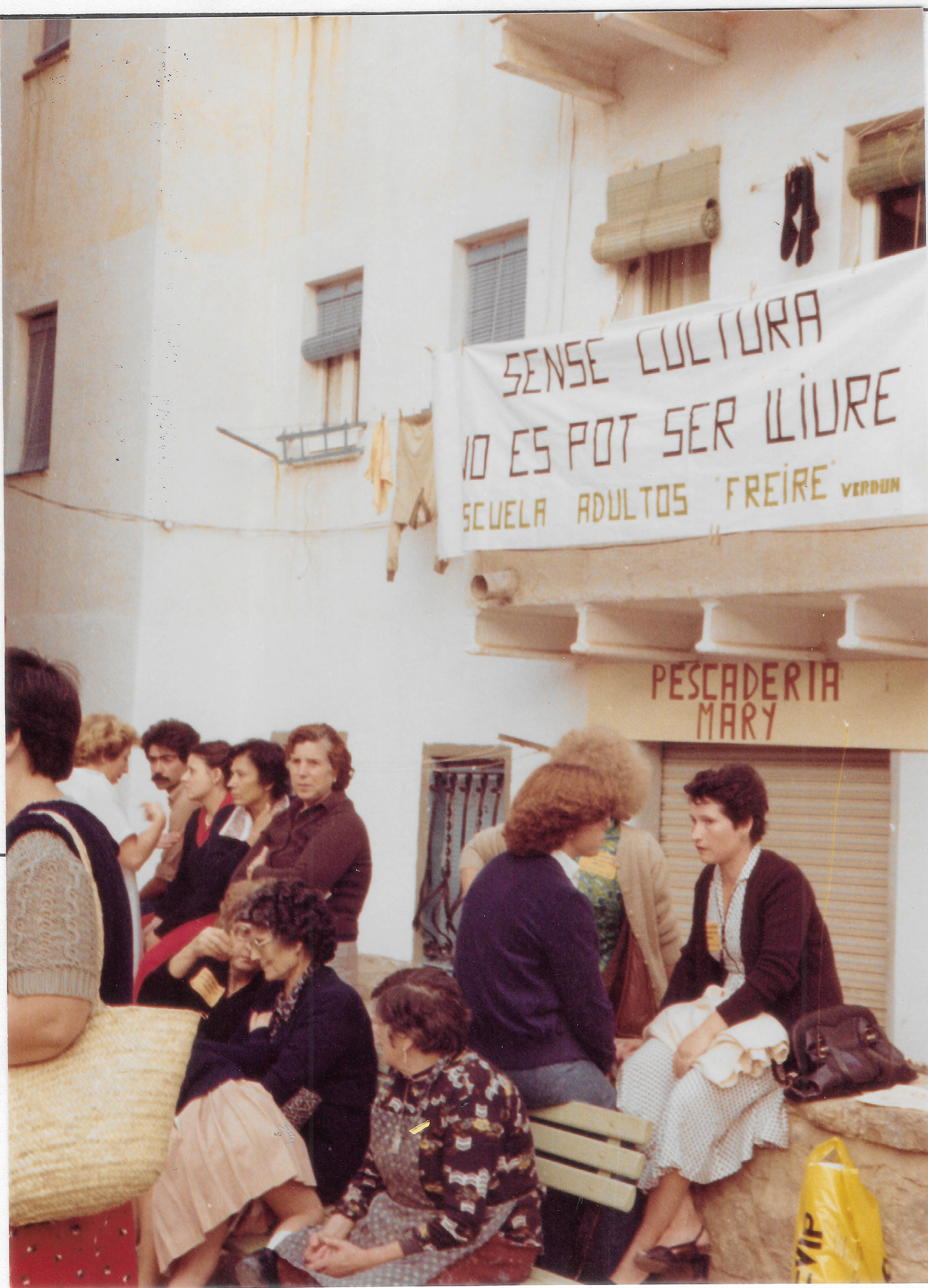
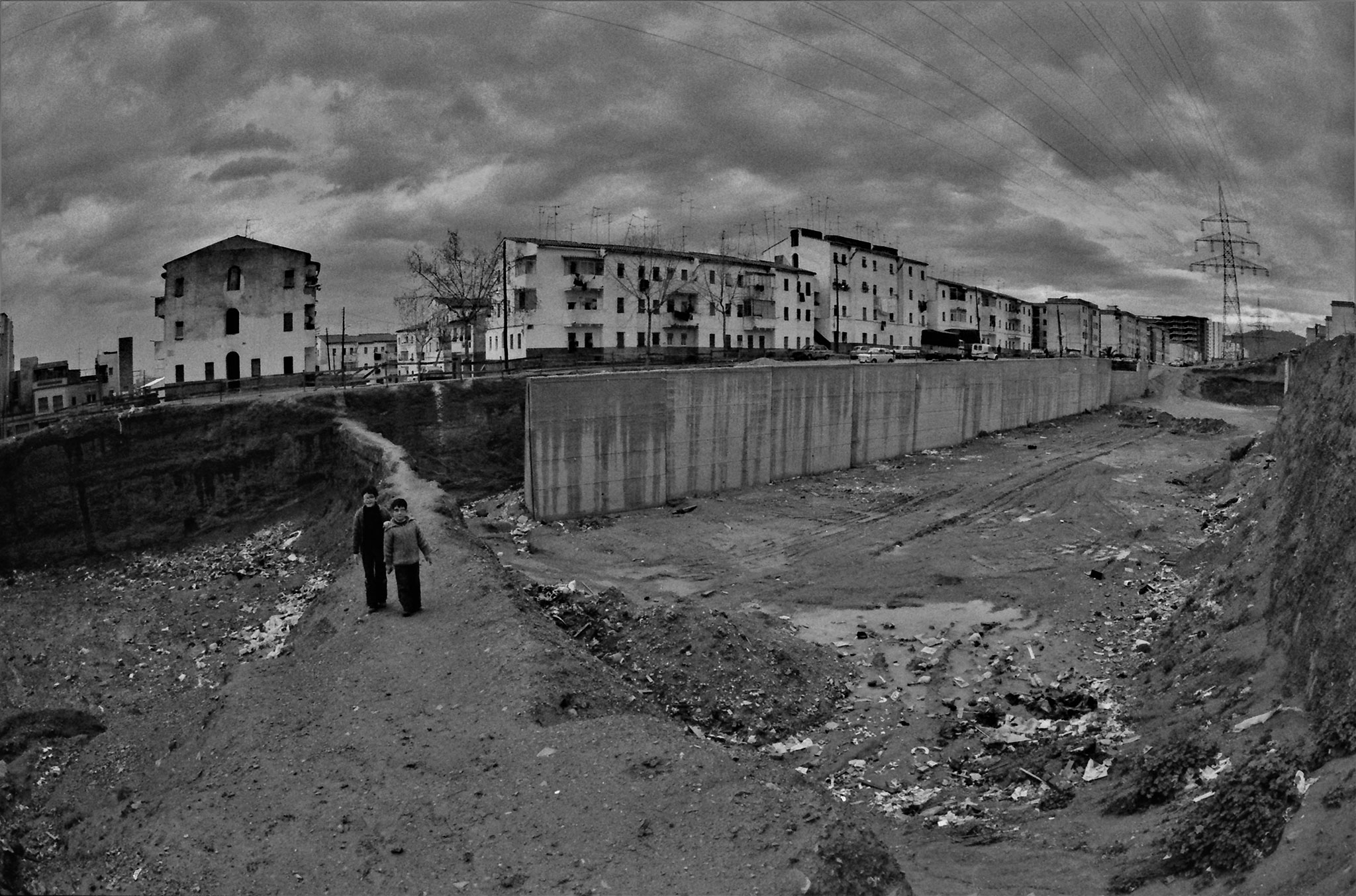
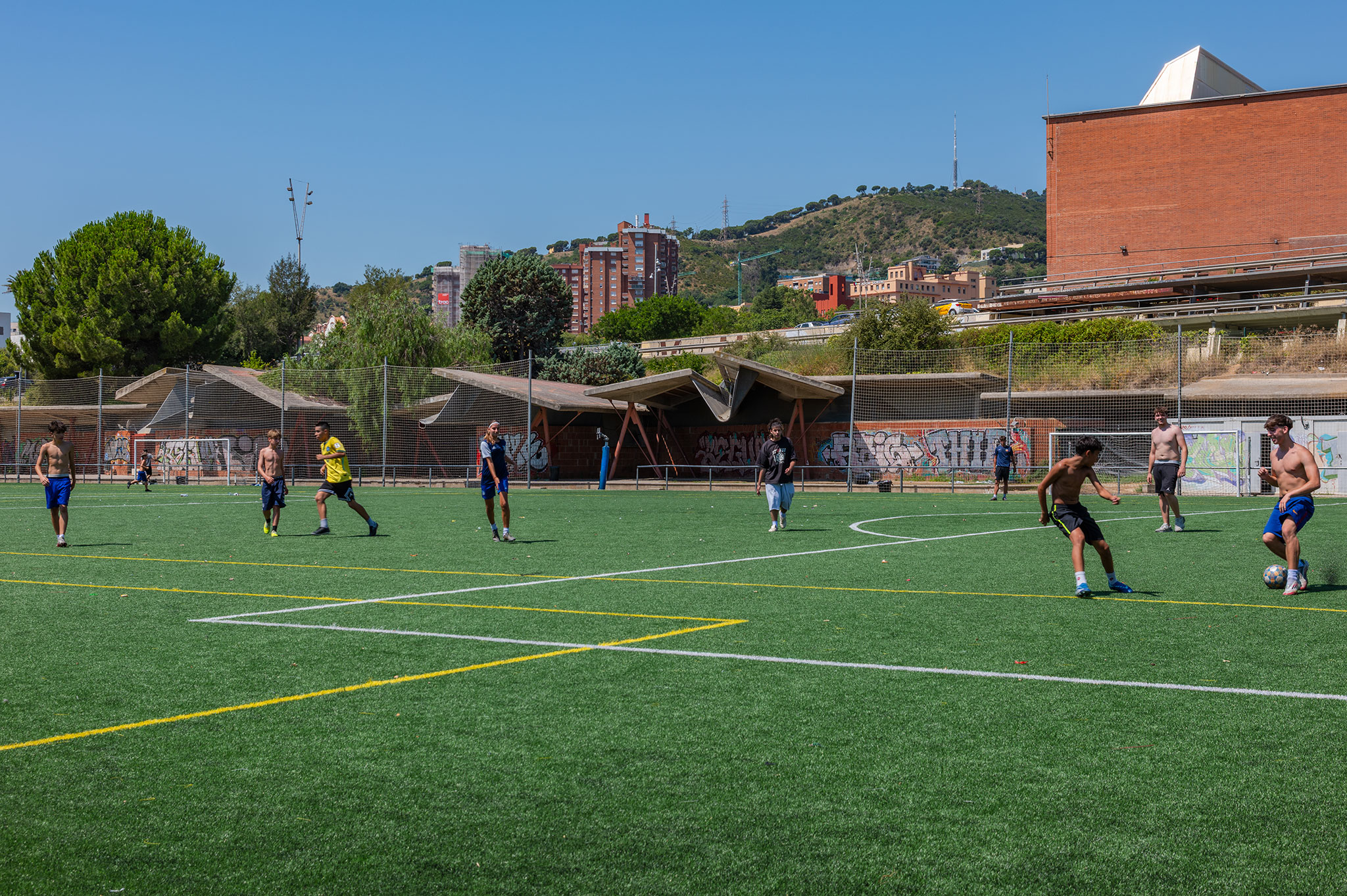
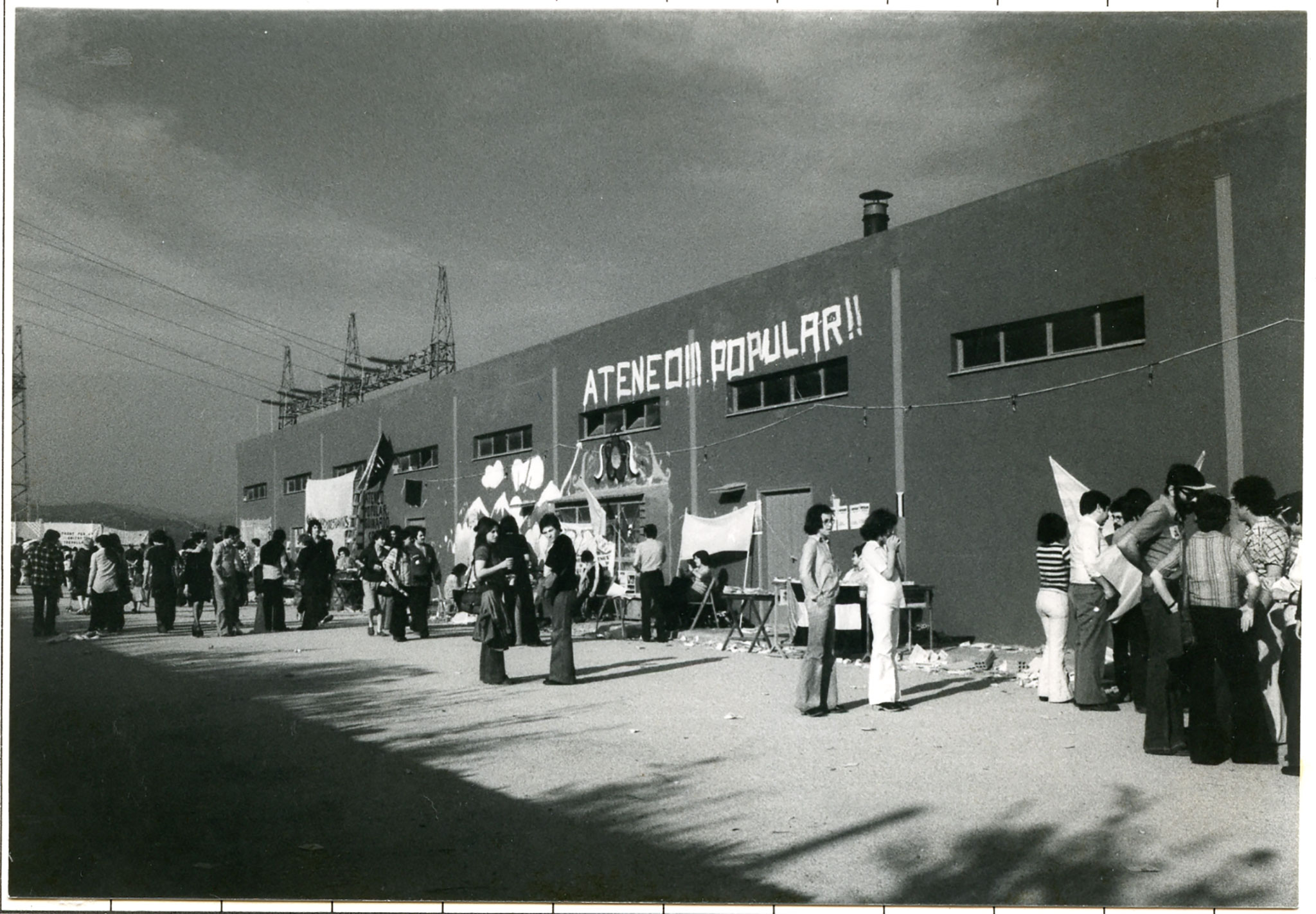
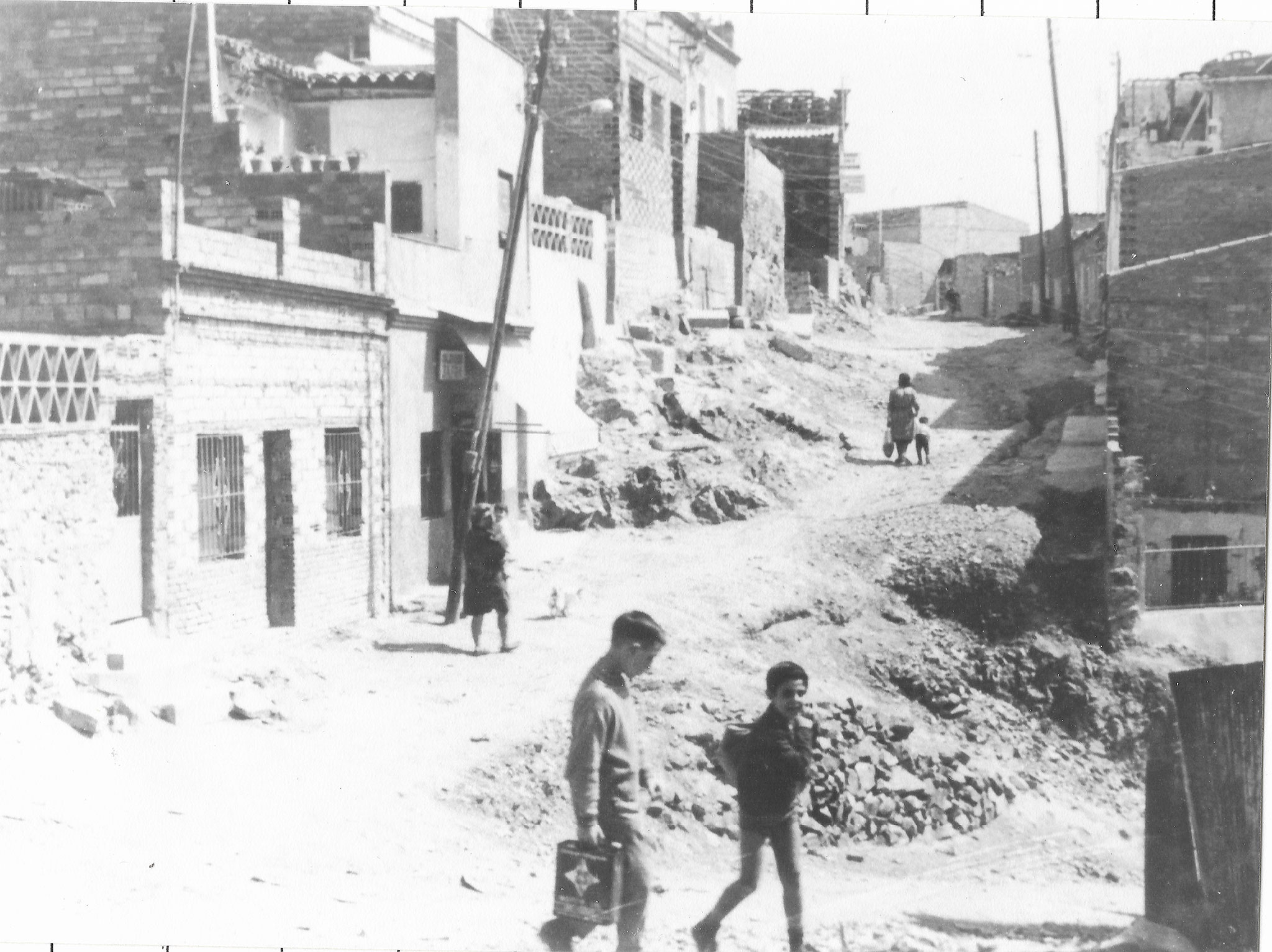
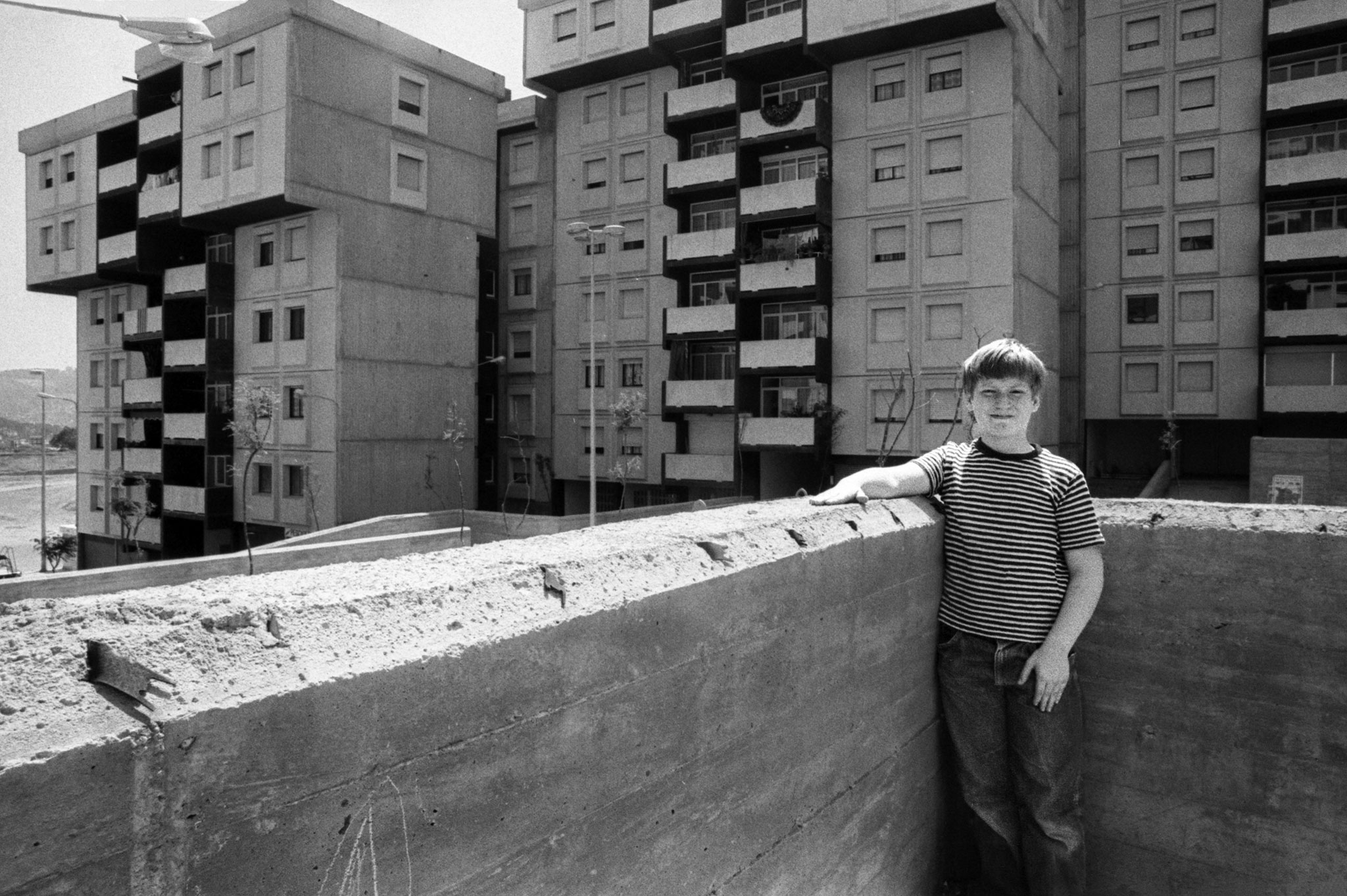
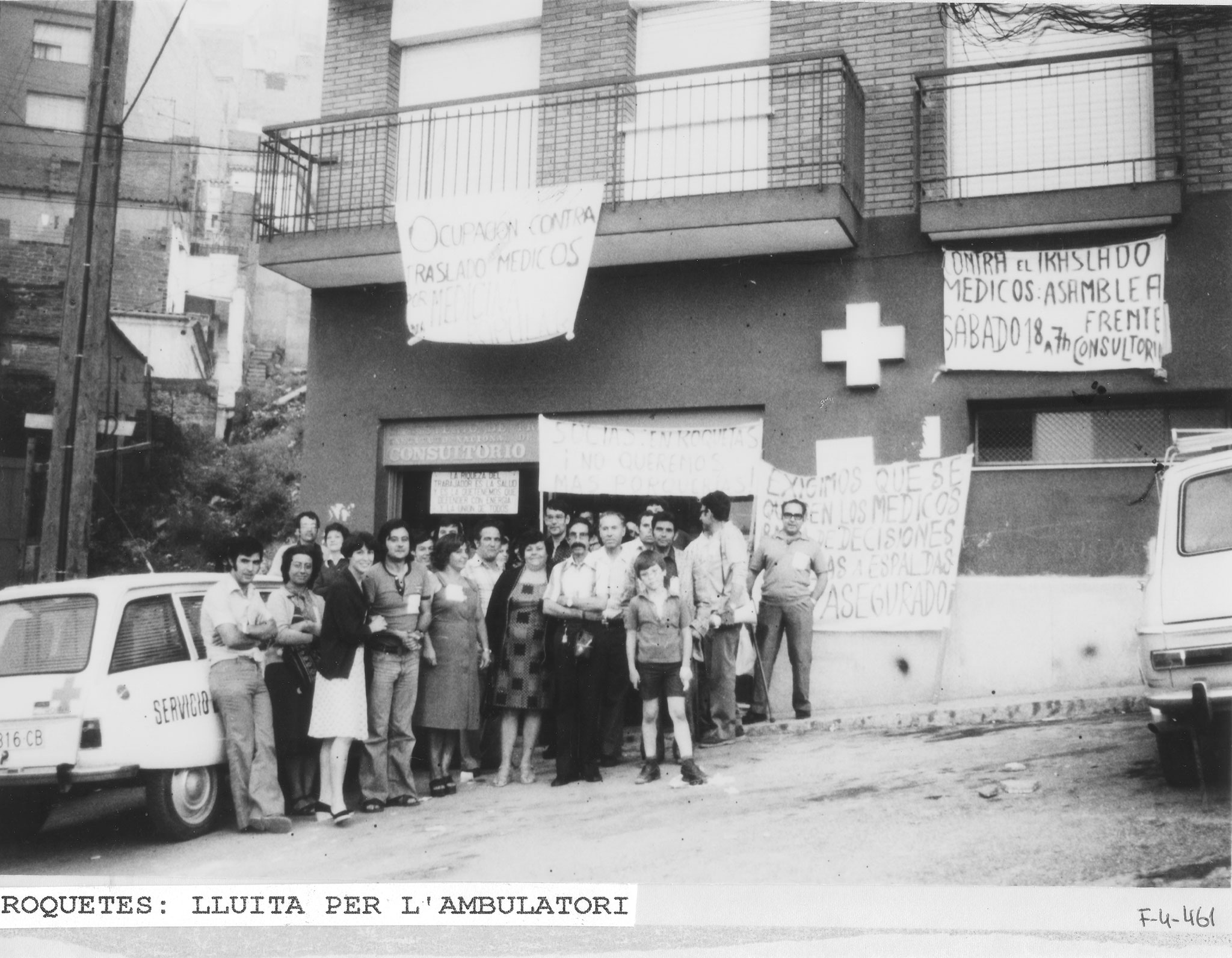
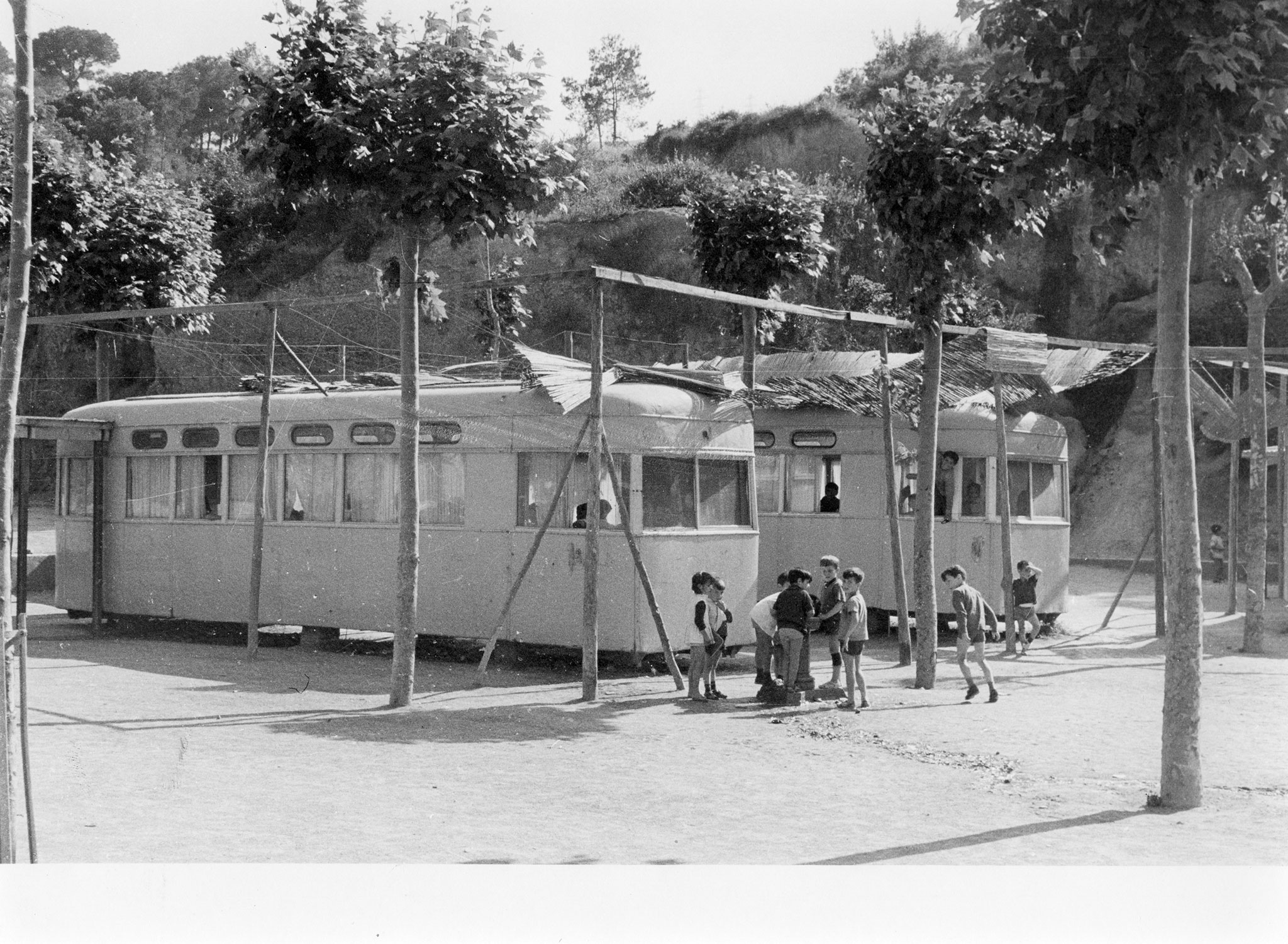
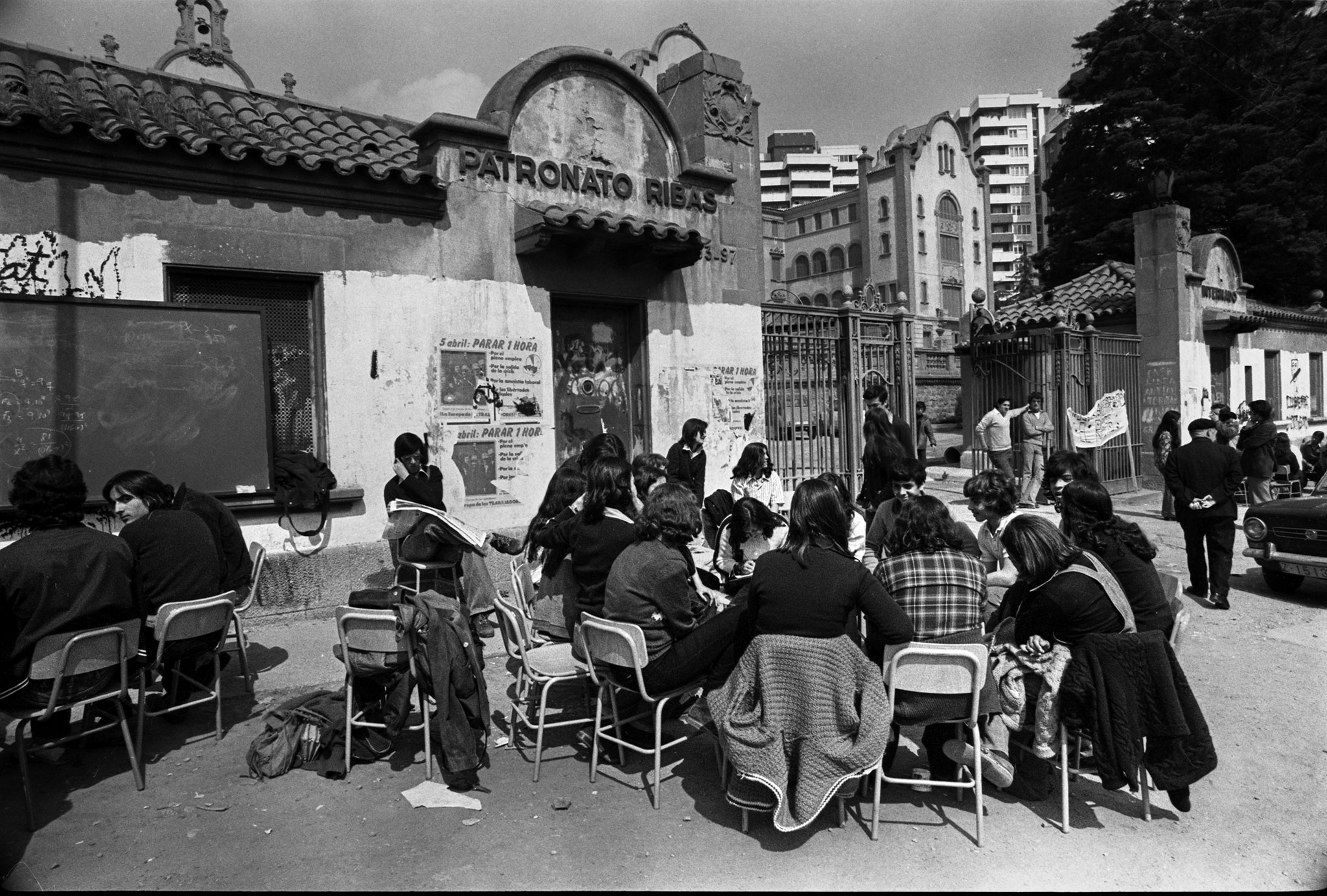
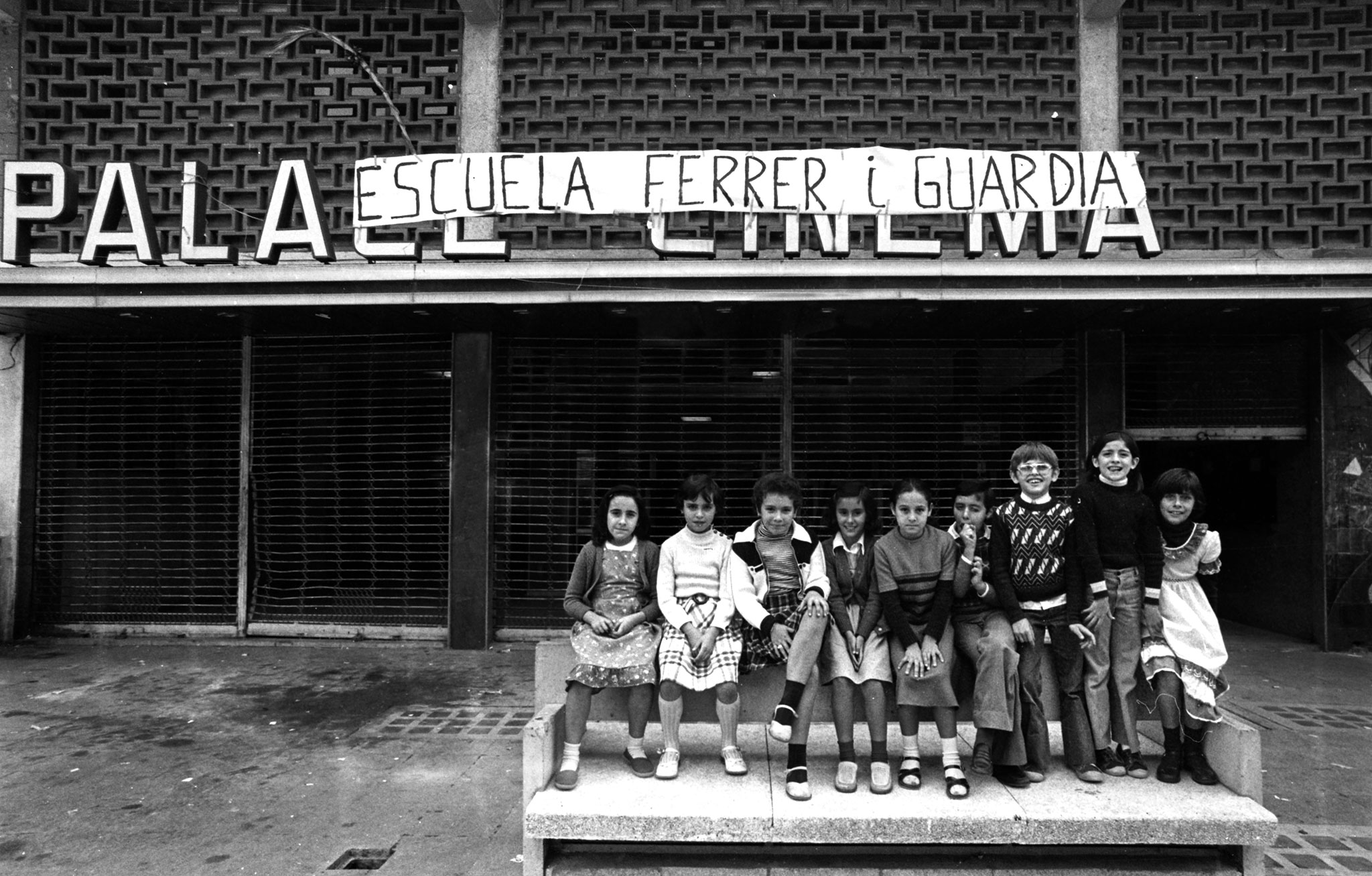
The exhibition concludes by documenting the ongoing struggle for decent, high-quality housing and infrastructure. It highlights the significance of protests held during the final years of the Franco regime—actions that succeeded in revitalizing public spaces as well as neighborhood facilities and services.
This final section delves into issues affecting these neighborhoods that remain unresolved to this day, such as the shortage of primary care centers and the questionable quality of educational facilities.