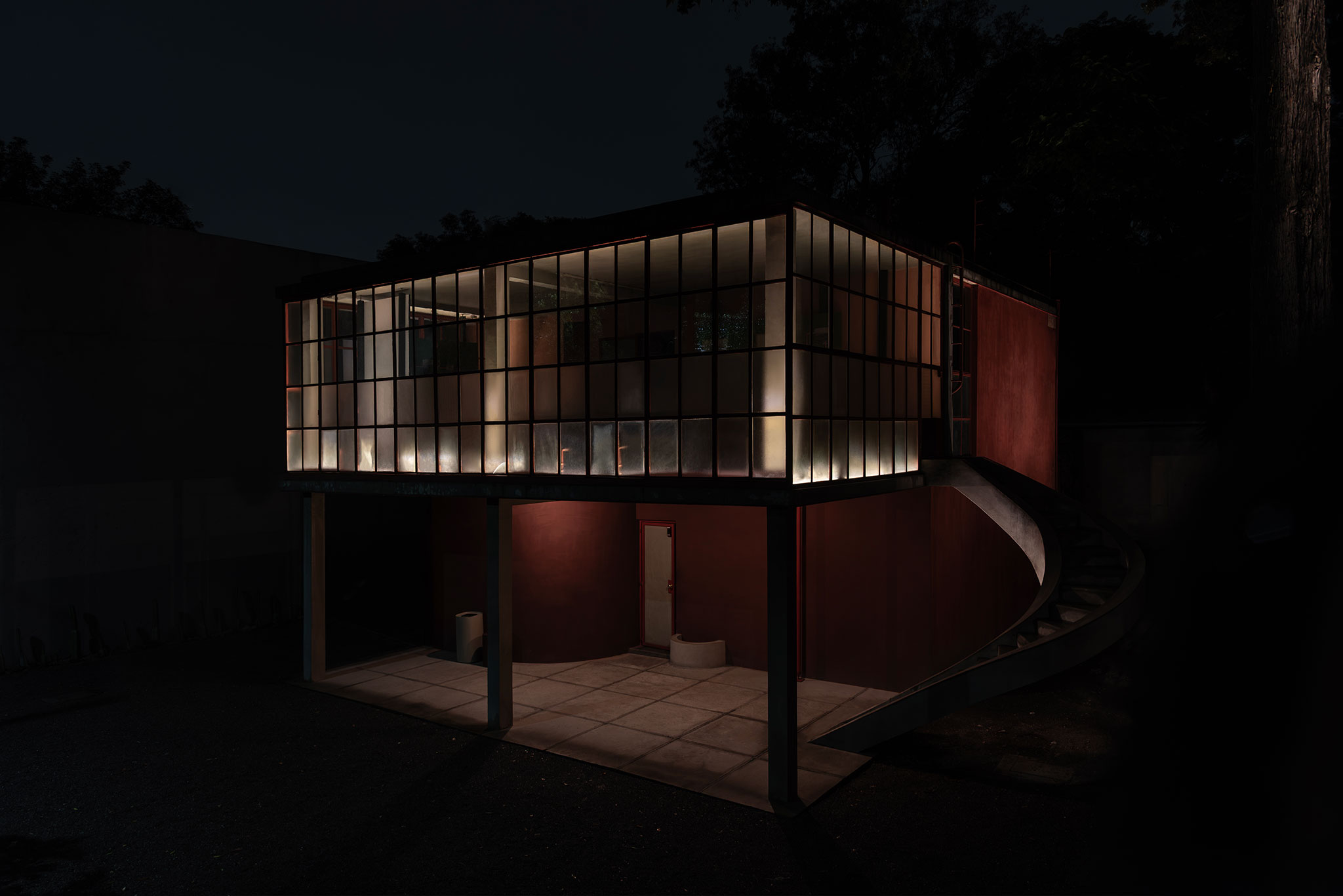
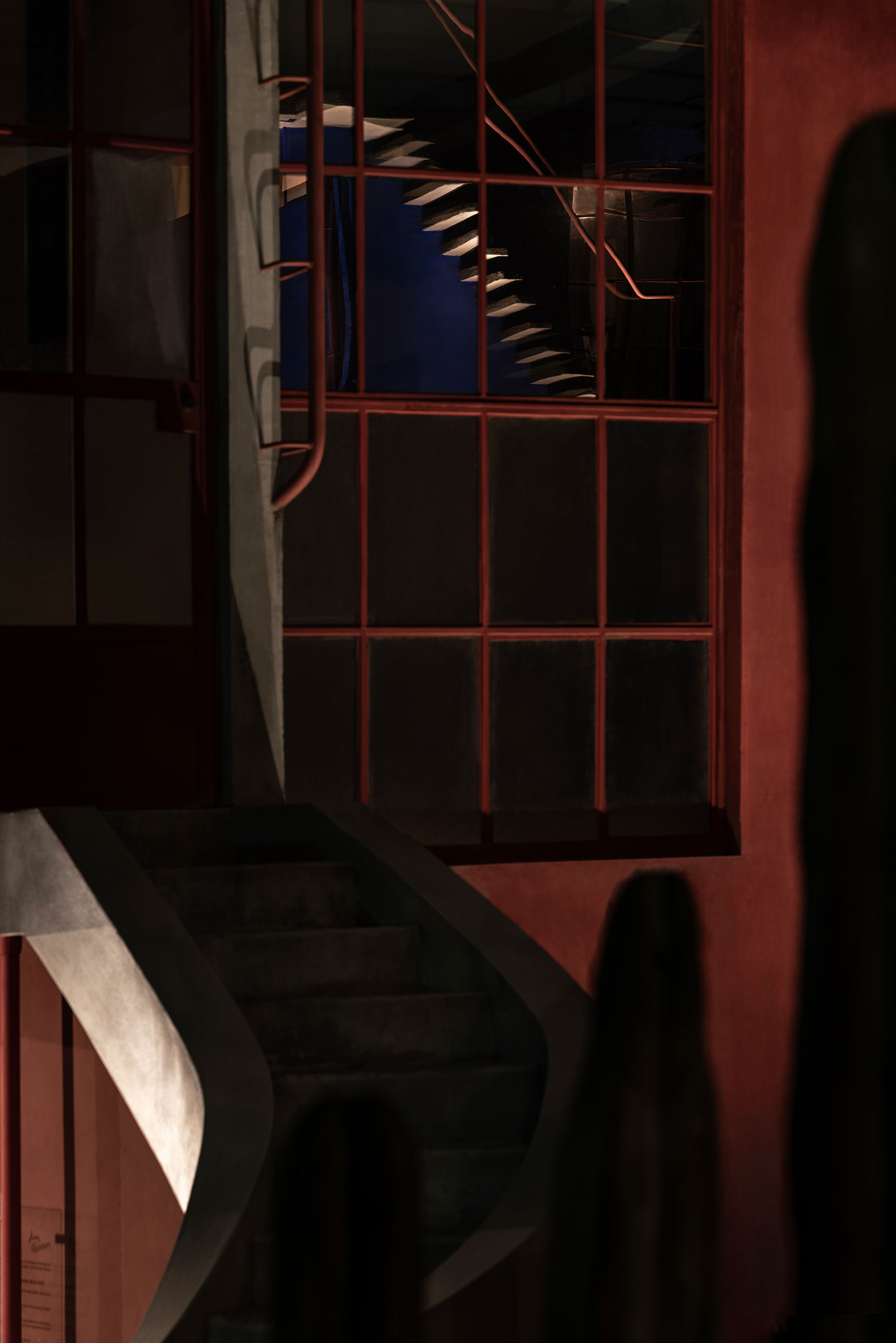
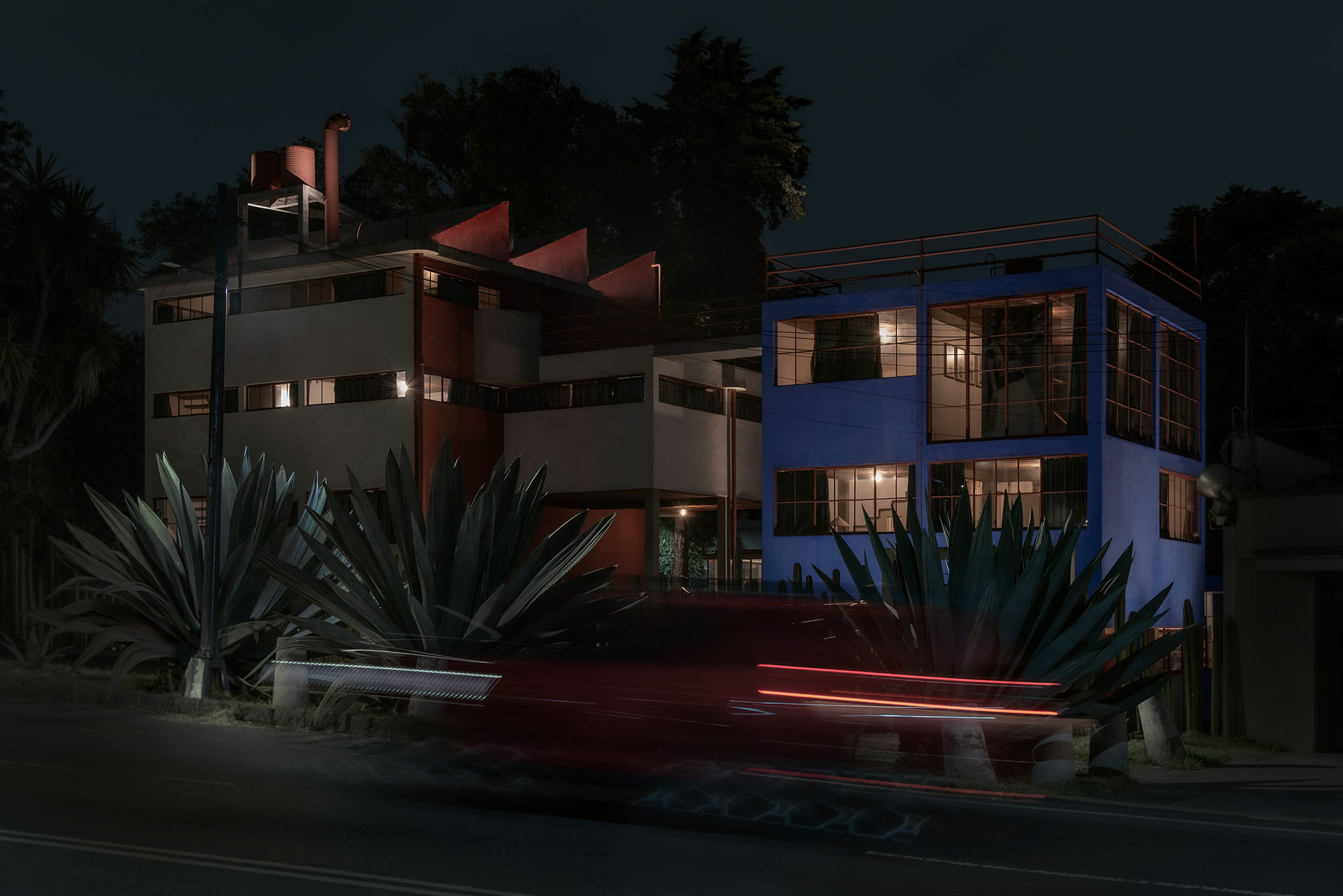
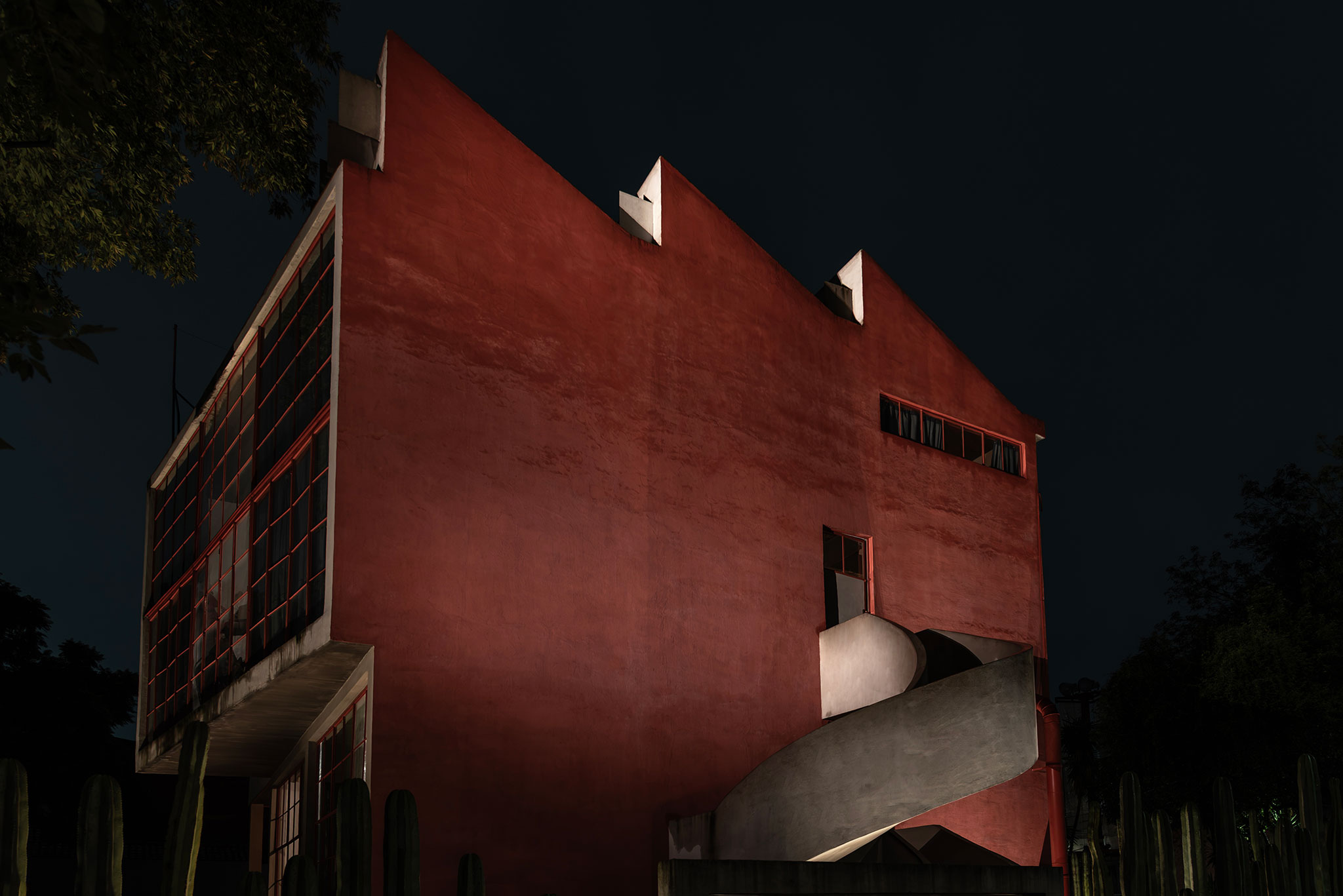
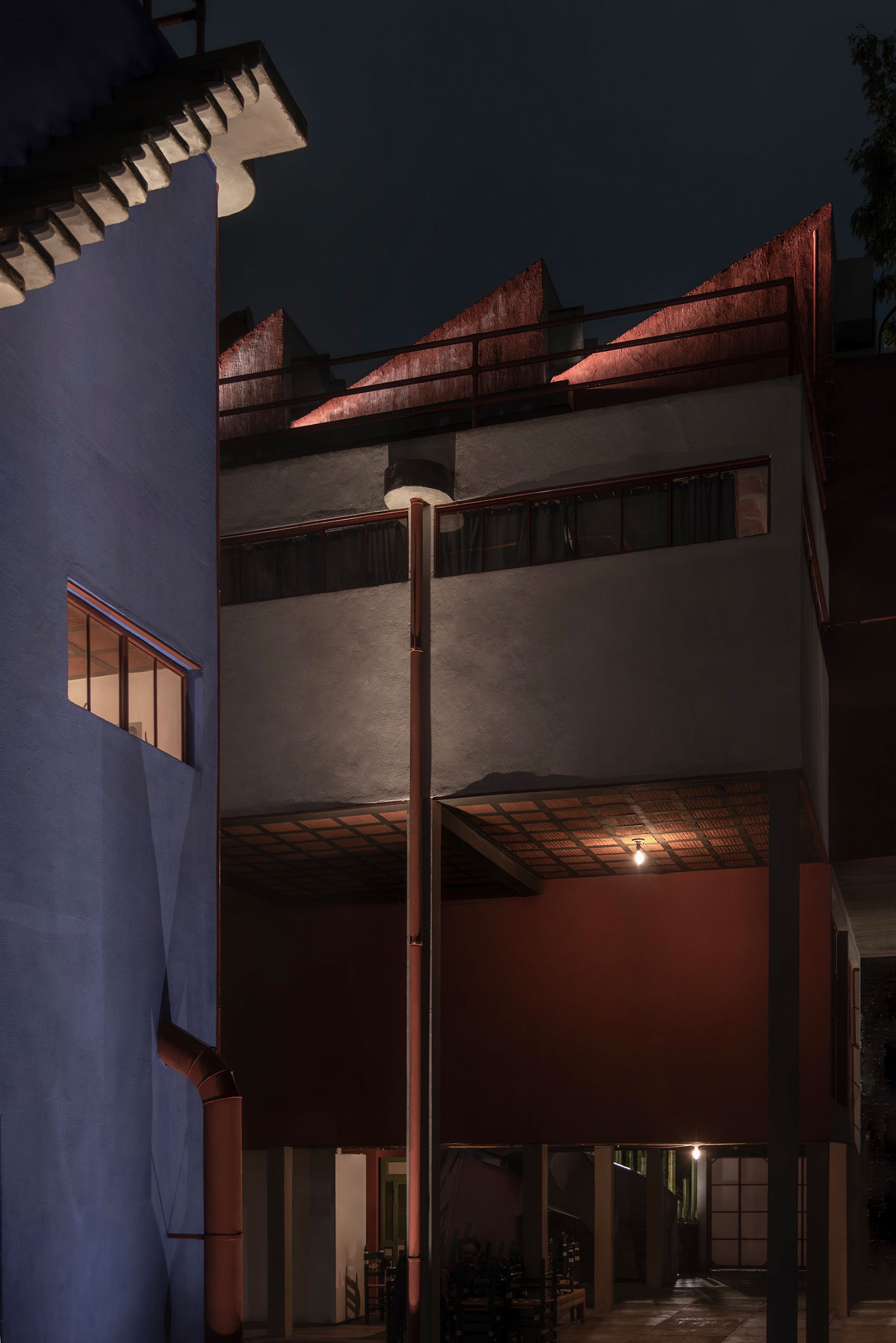
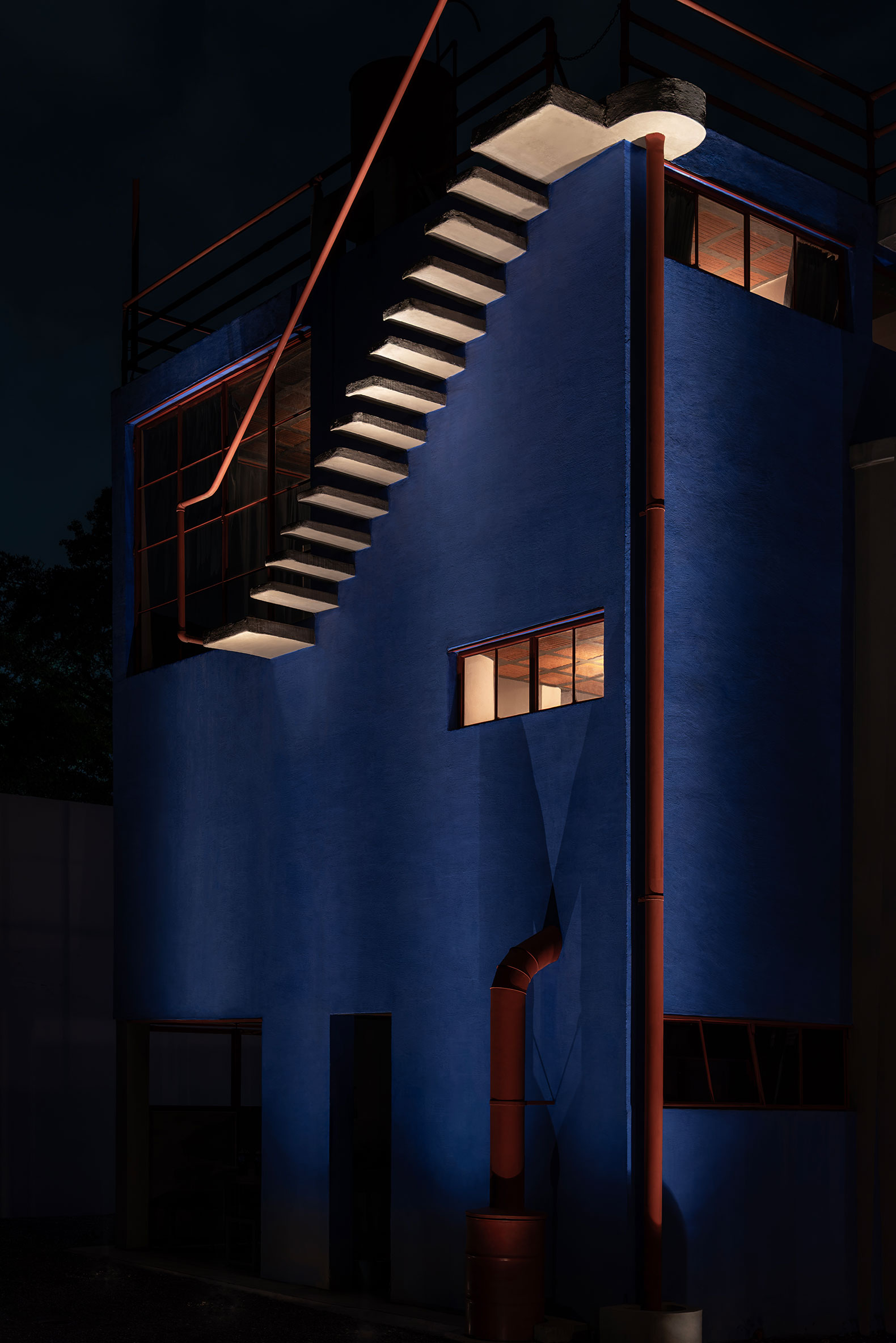
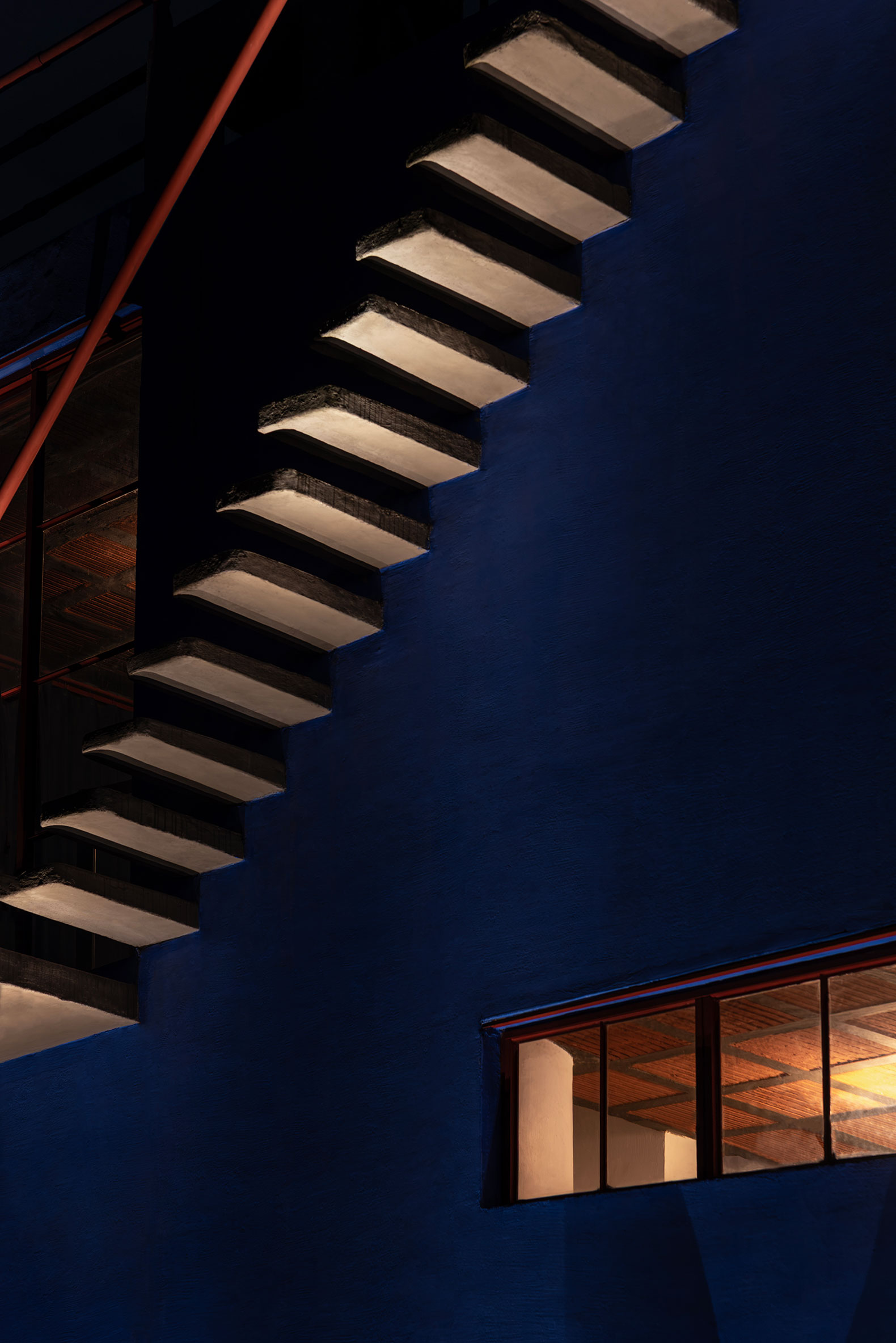
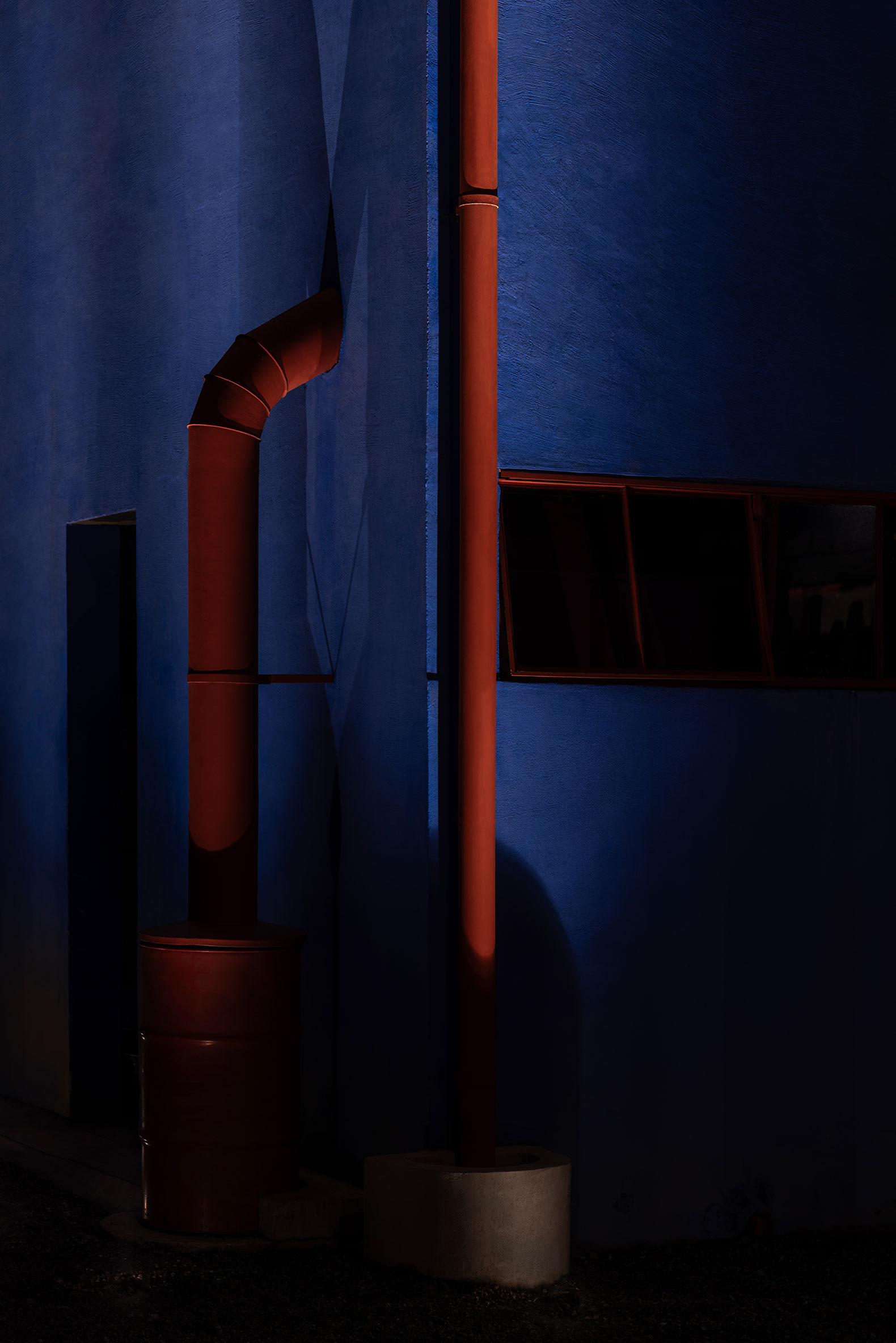
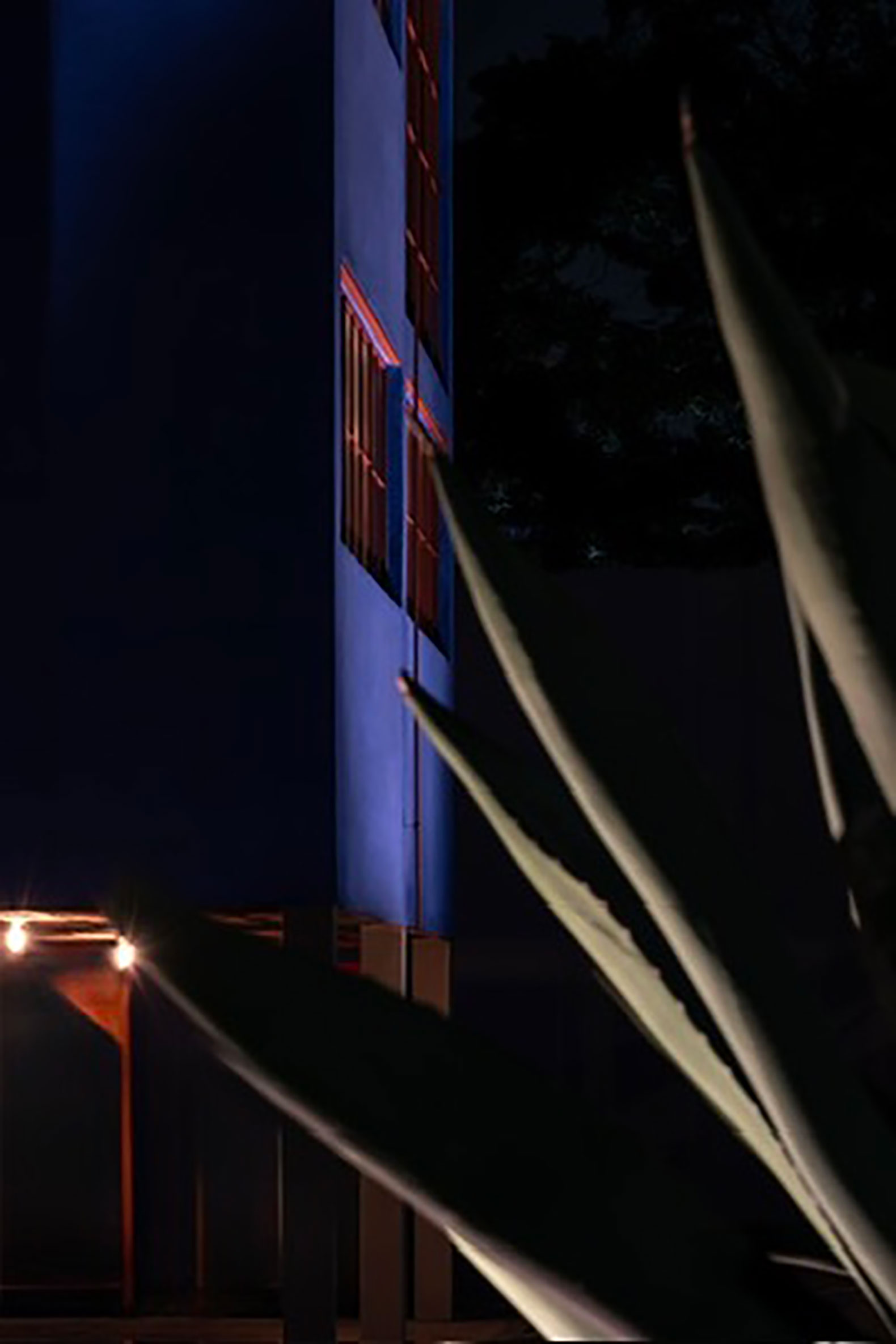
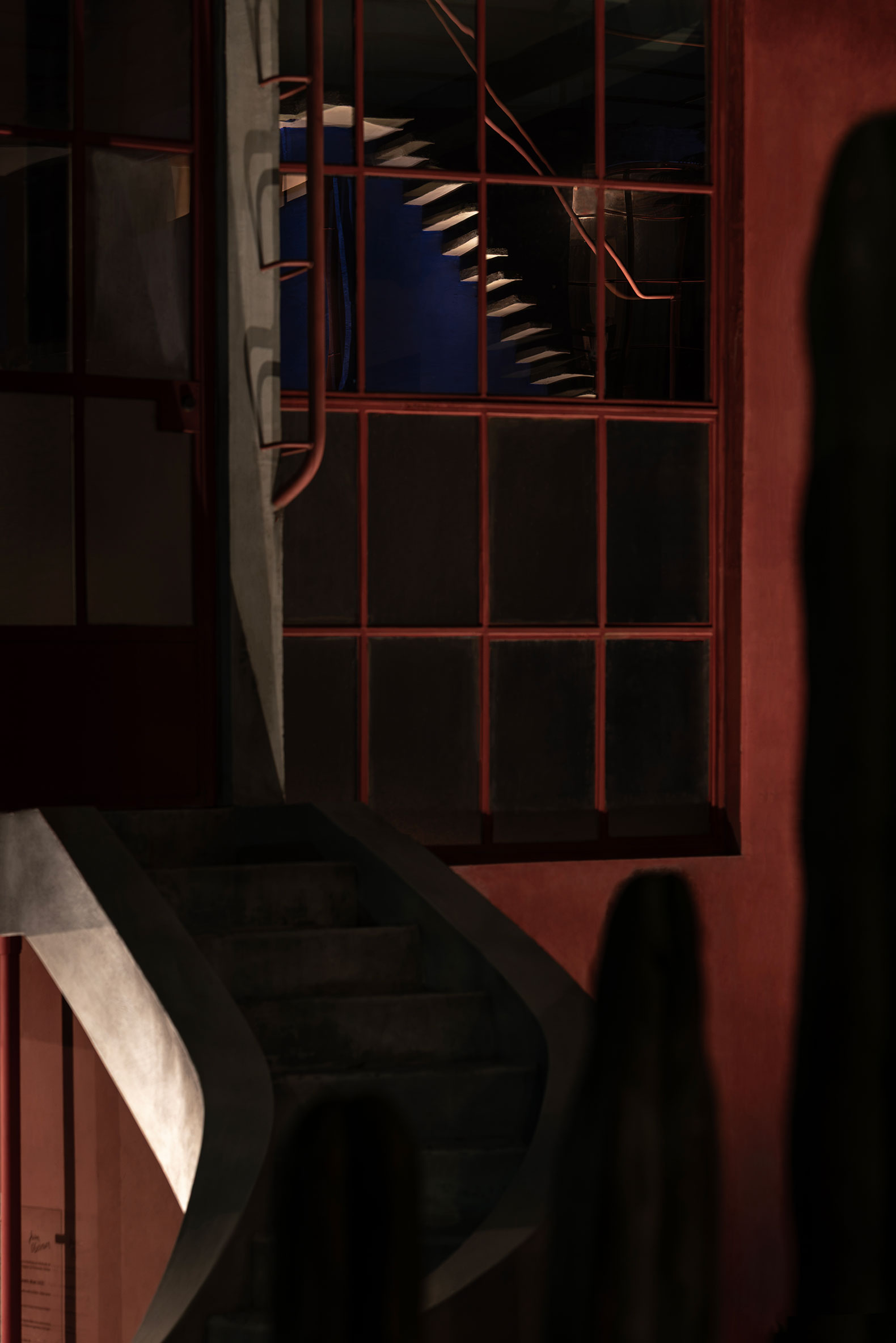
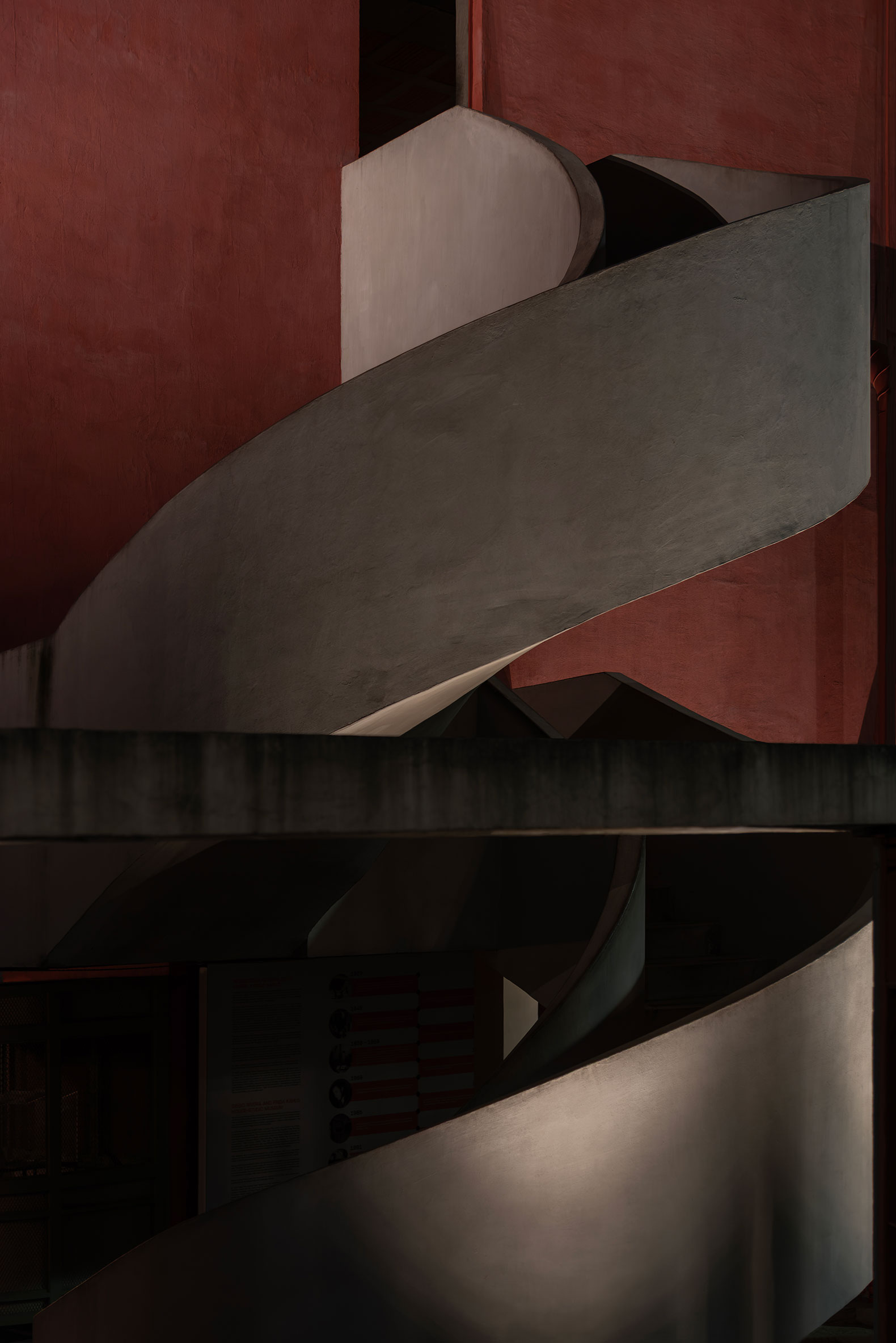
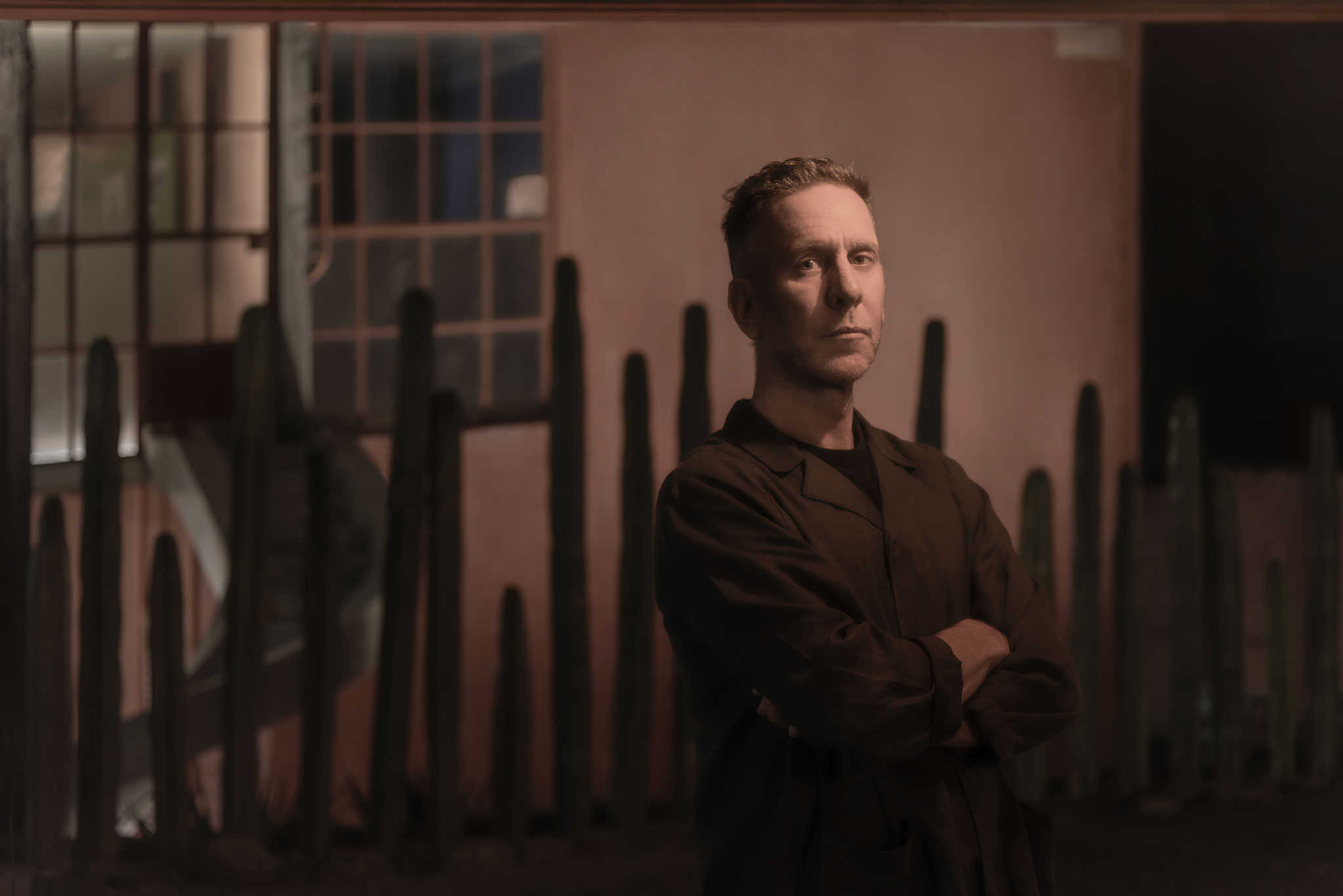
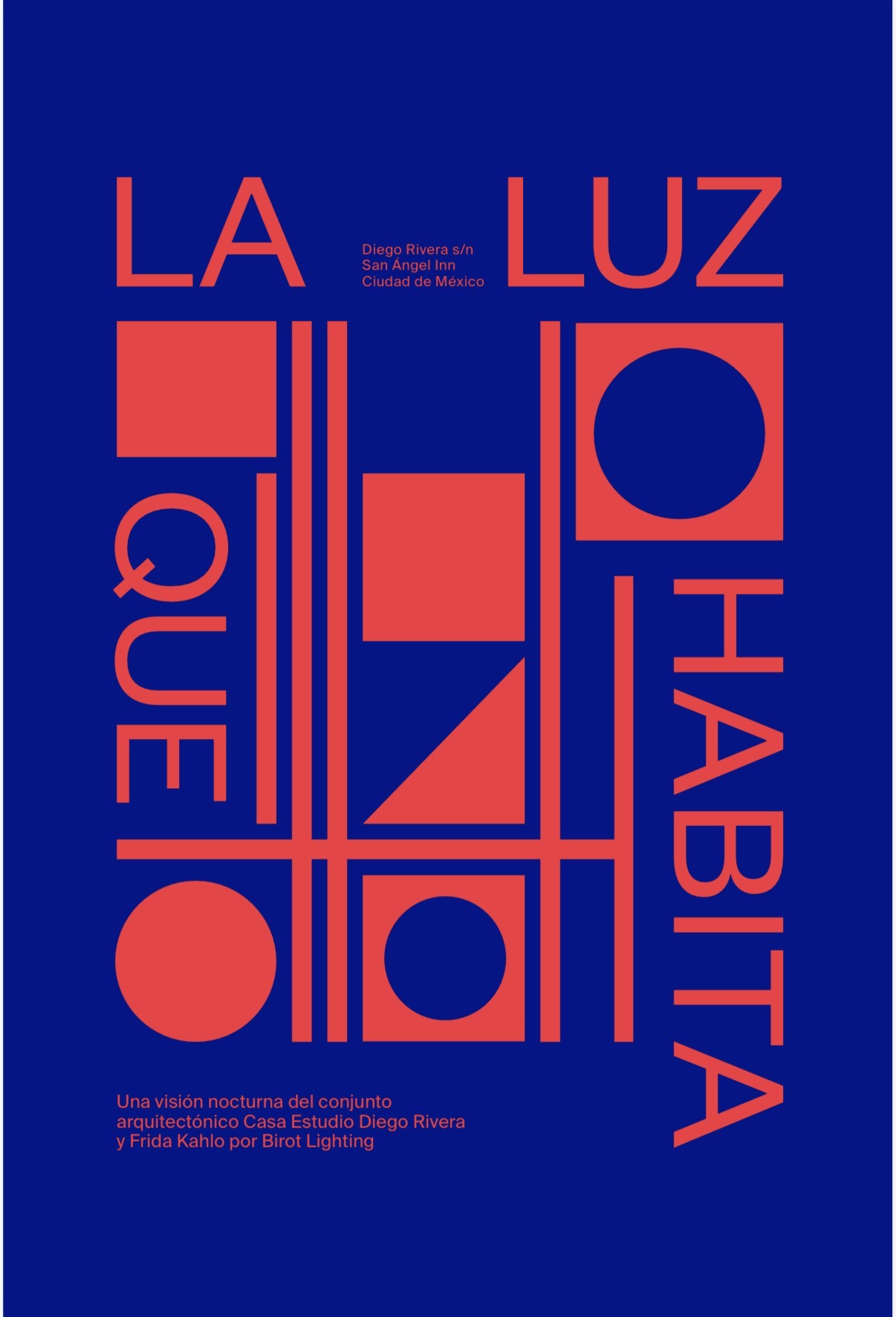
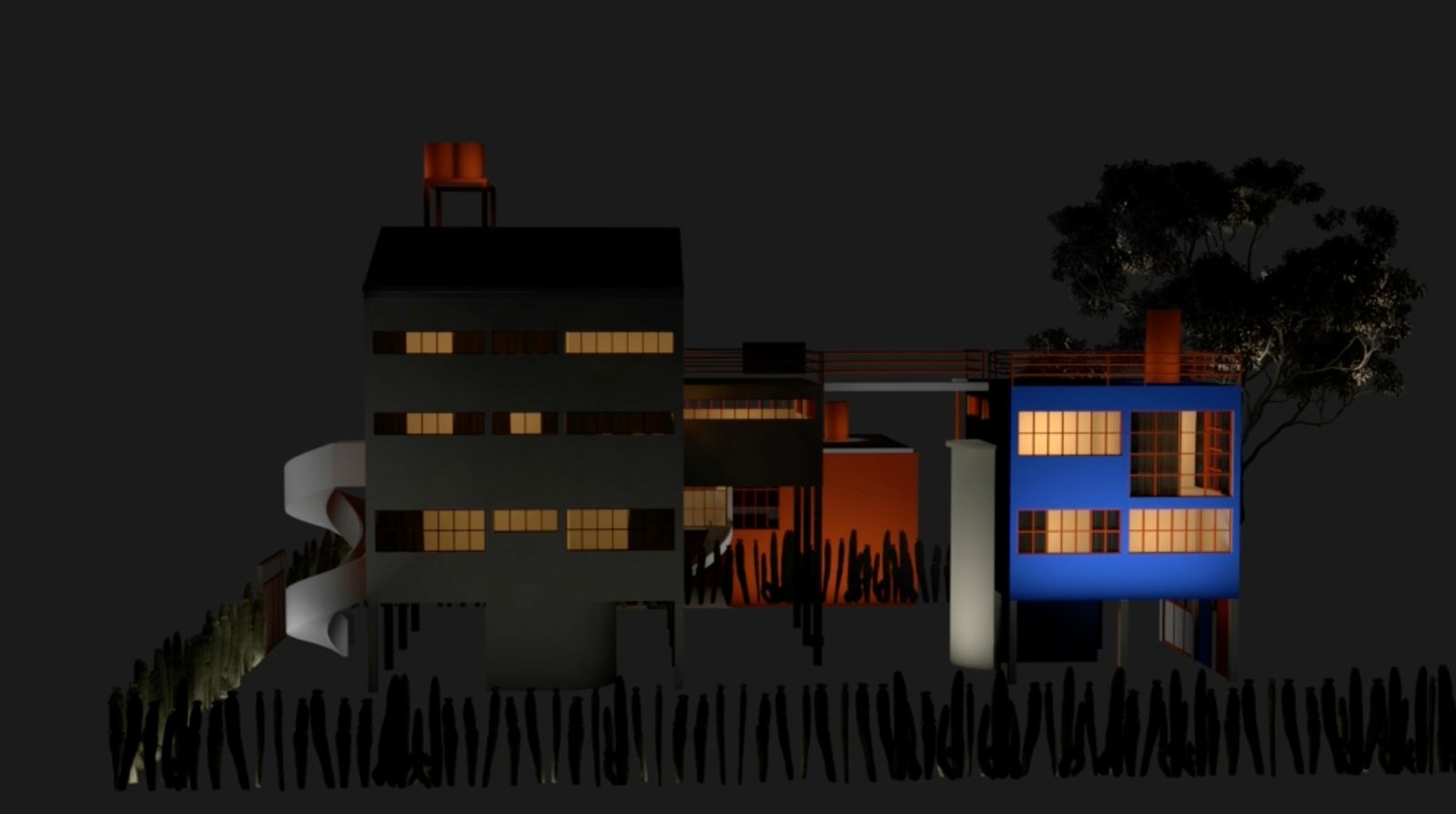
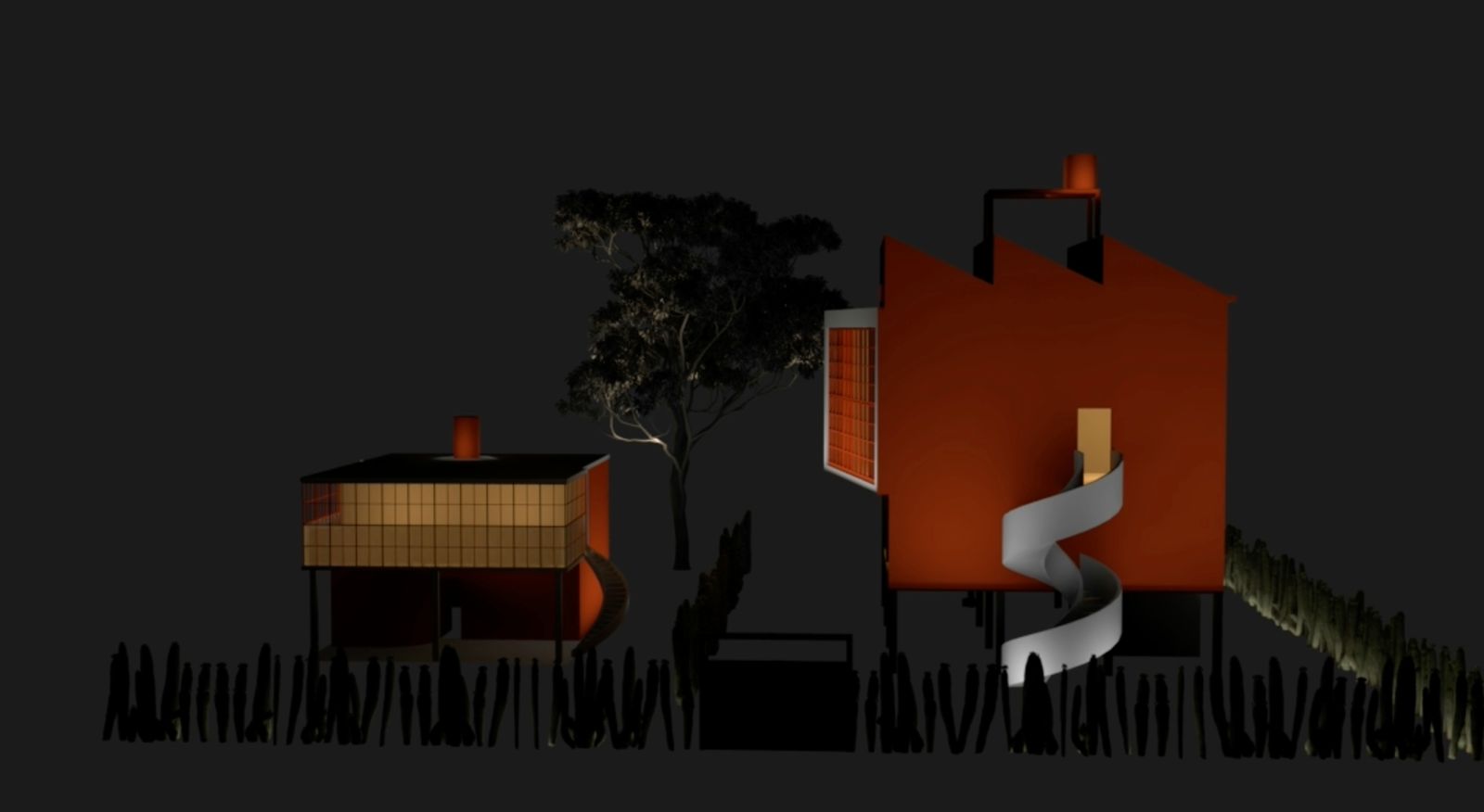
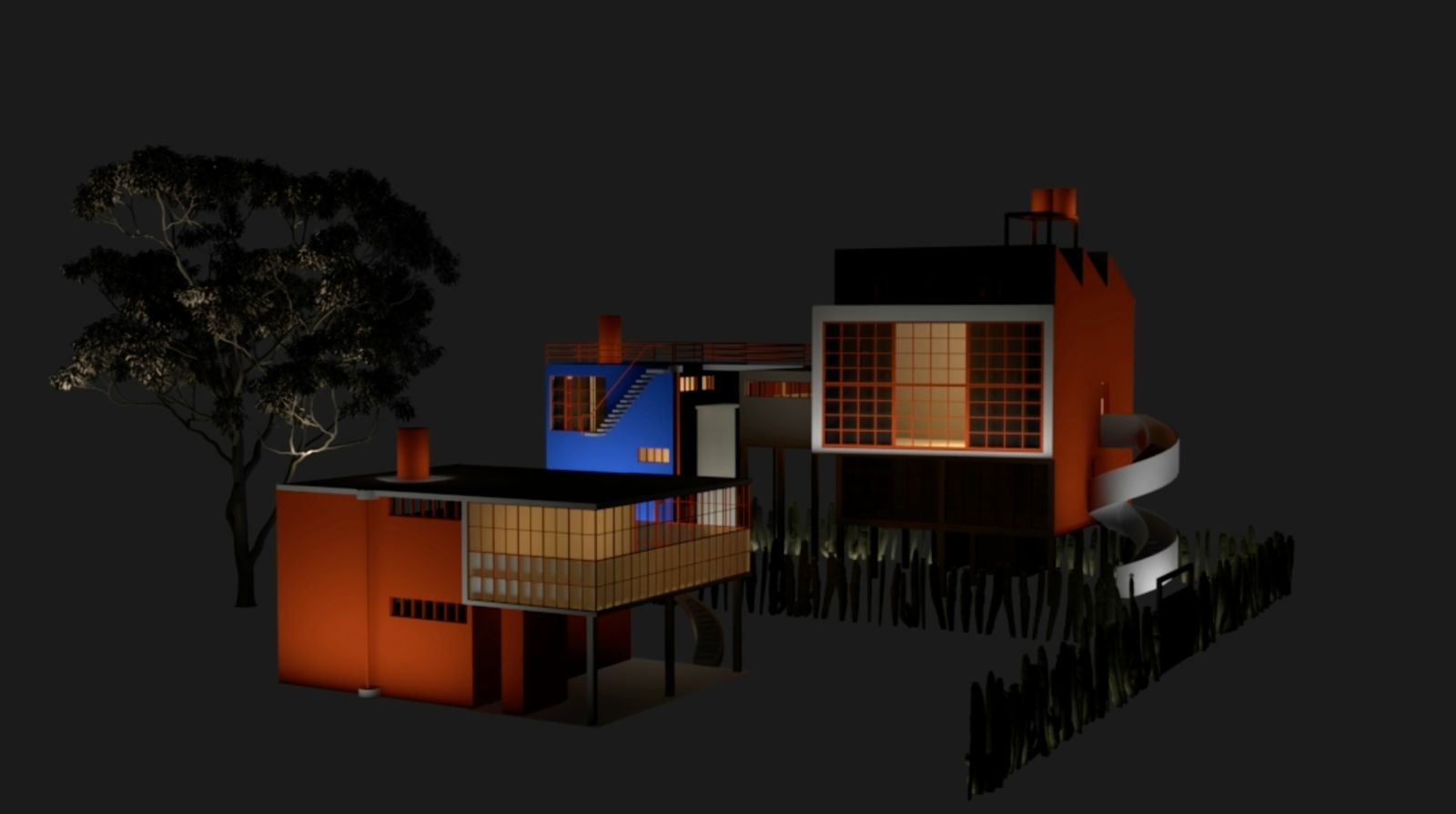
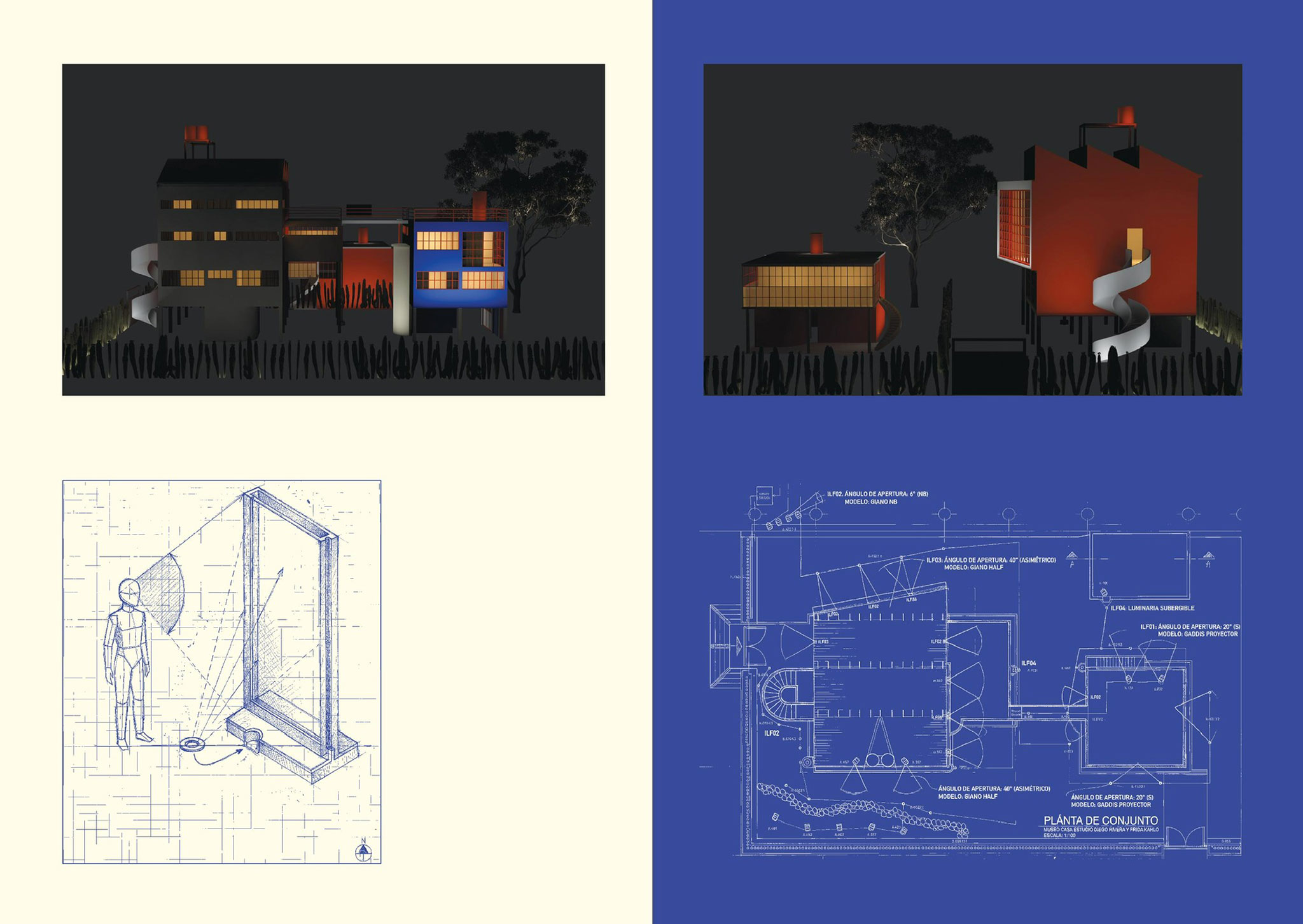
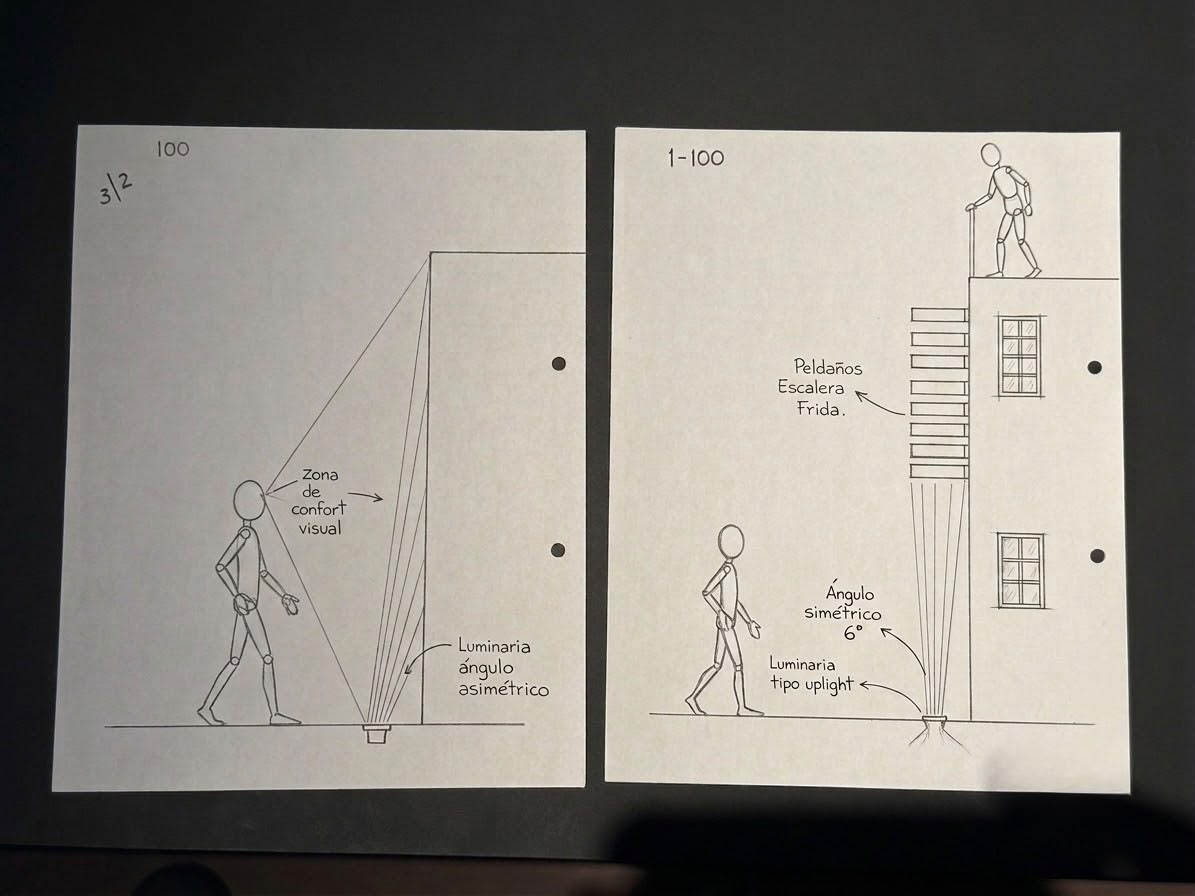
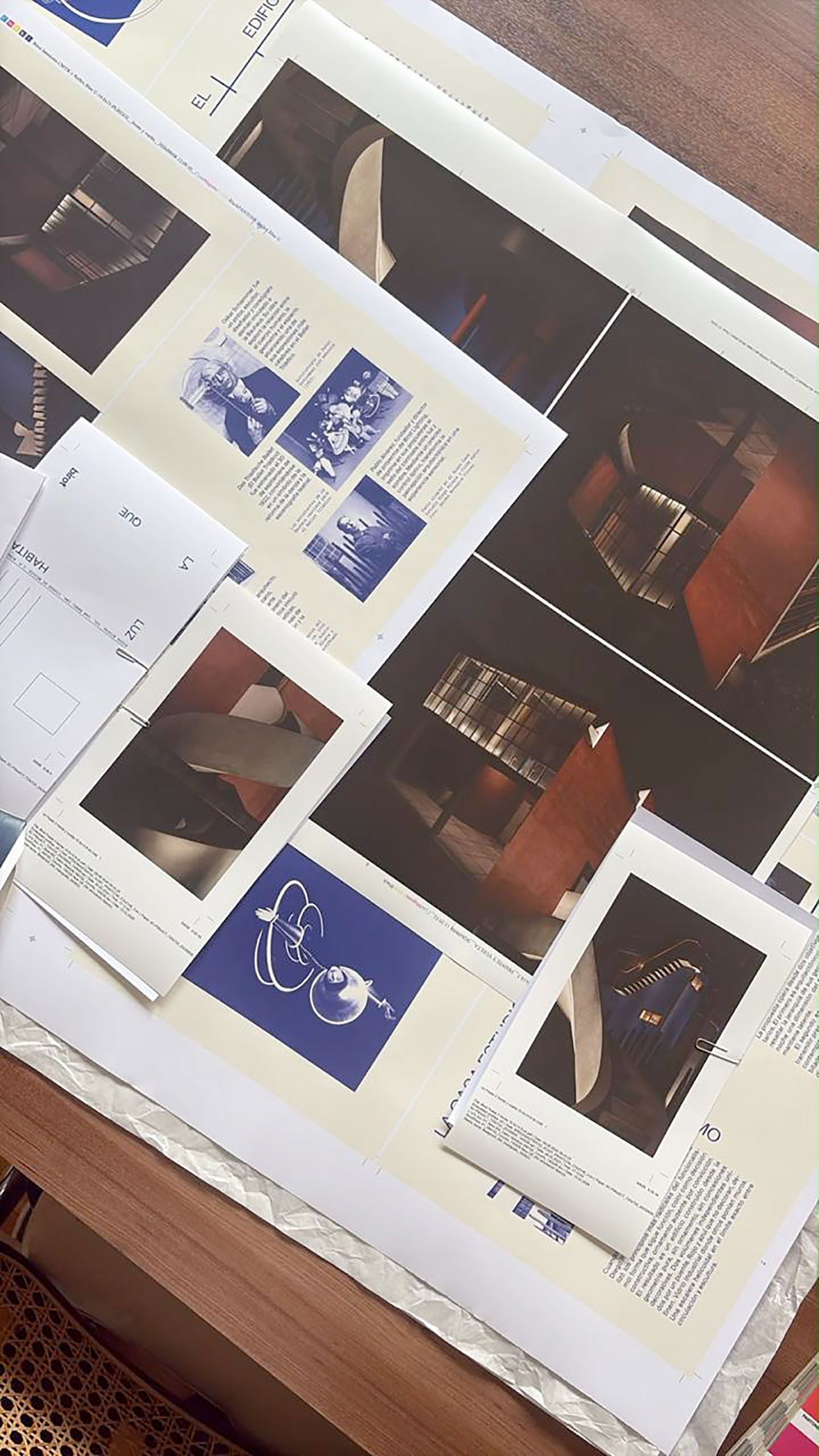
From October 5 to 9 and on Sunday, October 11, 2026, the "Nighttime Itinerary" will take place, launching a lighting installation created by Birot Lighting at the Diego Rivera and Frida Kahlo House-Studio Museum. This experience uses light to reveal new ways of viewing, traversing, and inhabiting one of the seminal spaces of modern Mexican architecture.

Through this installation, the public will be able to walk through the courtyards at night—for the first time in nearly a century—and view the illuminated Modern architecture, marking a milestone for the site. Following this launch, the museum will extend its opening hours on the second Wednesday of each month, allowing visitors to experience the lighting installation.

The Government of Mexico’s Secretariat of Culture and the National Institute of Fine Arts and Literature (INBAL)—through the Diego Rivera and Frida Kahlo House-Studio Museum (MCEDRFK) and in collaboration with Birot Lighting—present "La luz que habita" (The Light That Inhabits). This lighting intervention will envelop the Diego Rivera and Frida Kahlo house-studios, as well as the O’Gorman House, in light. The inaugural event will take place on October 5, 2026, at 6:00 PM.

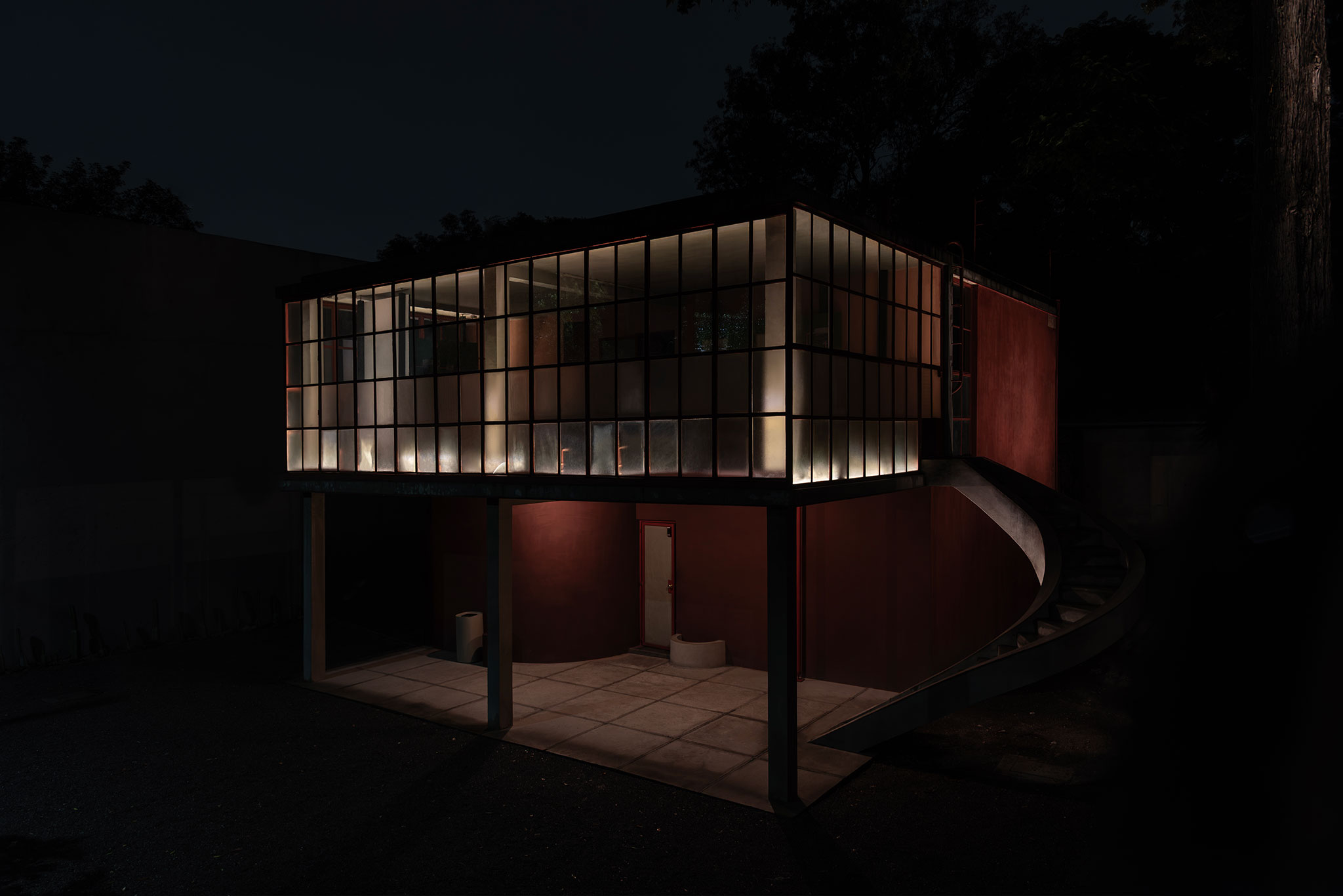
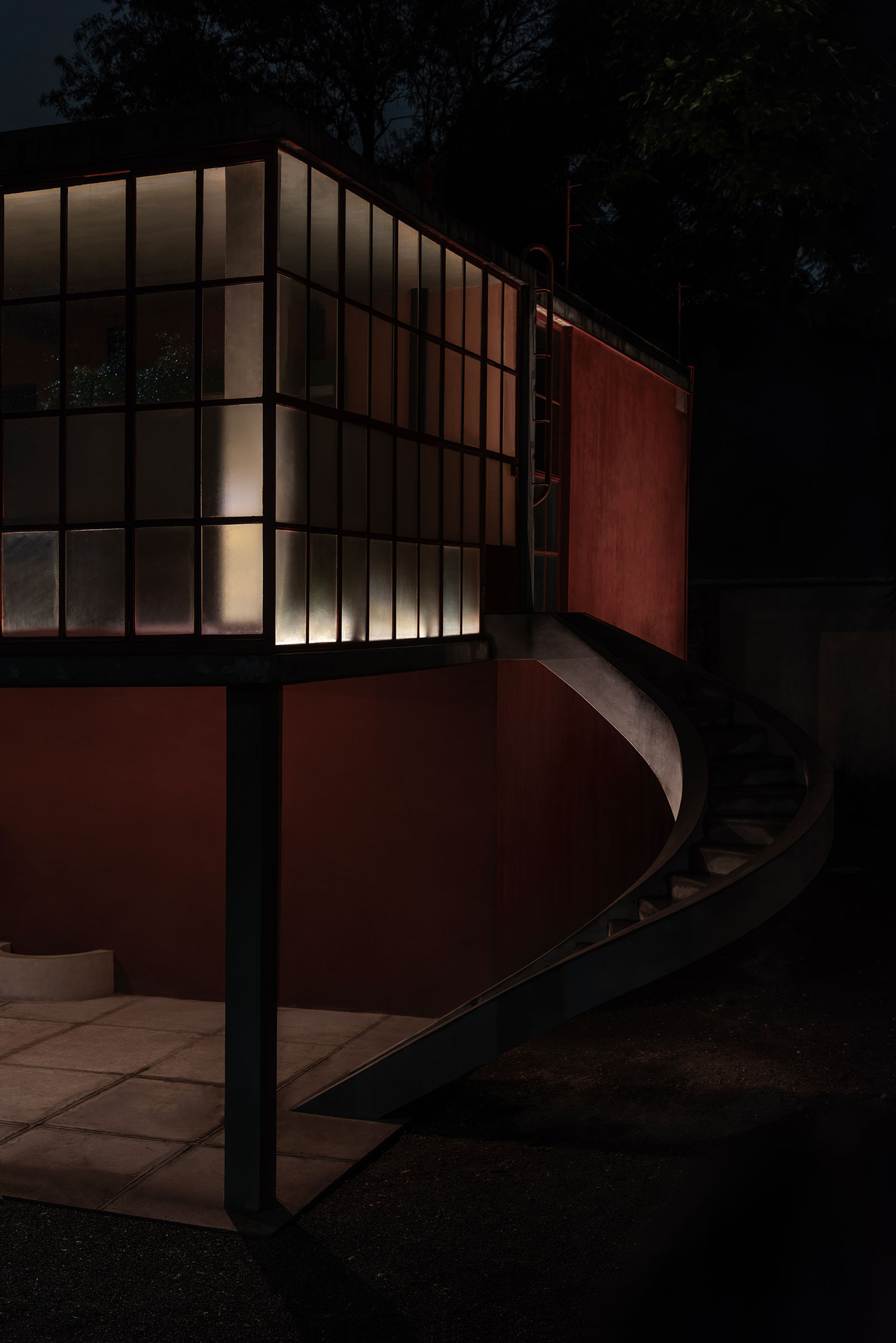
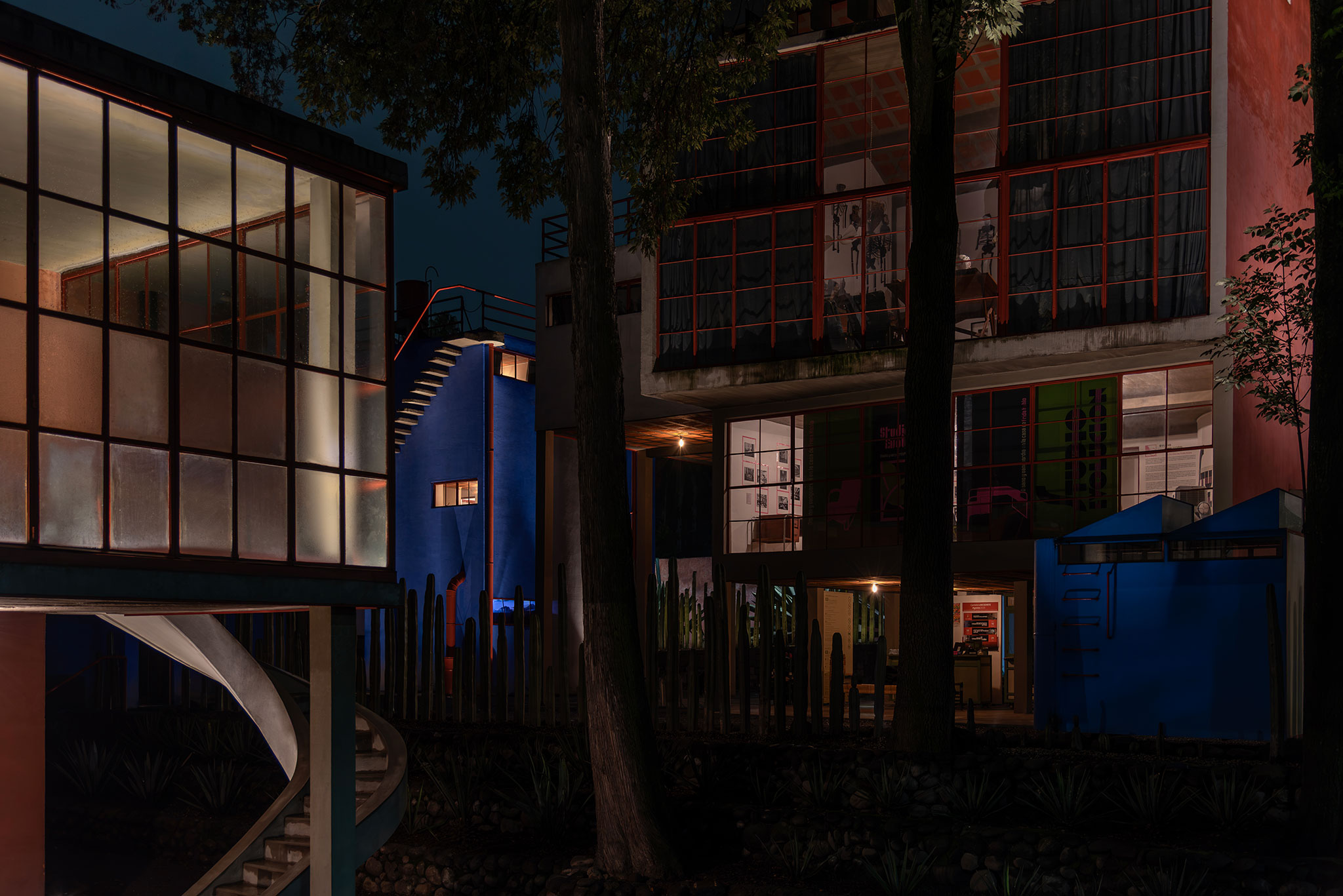
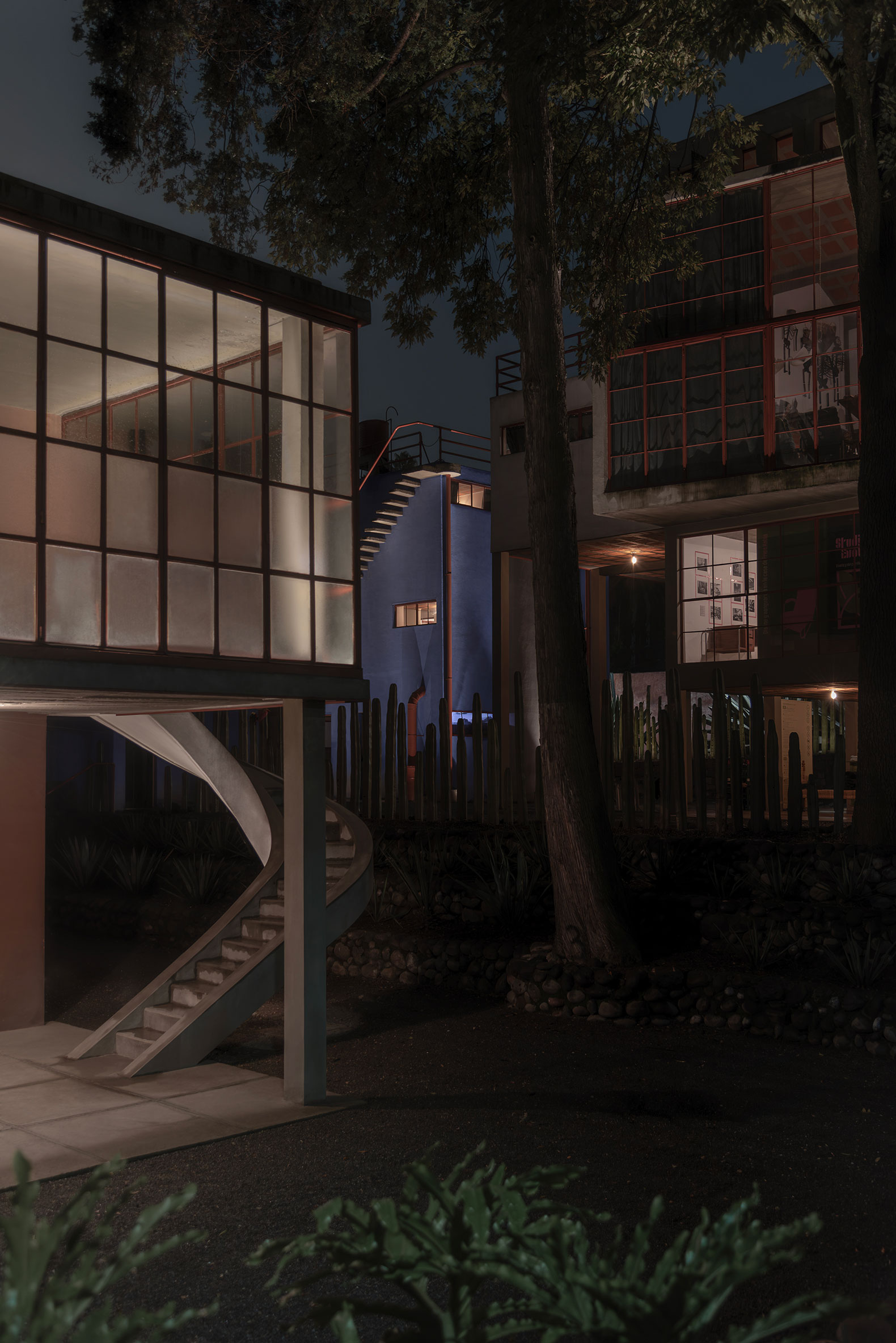
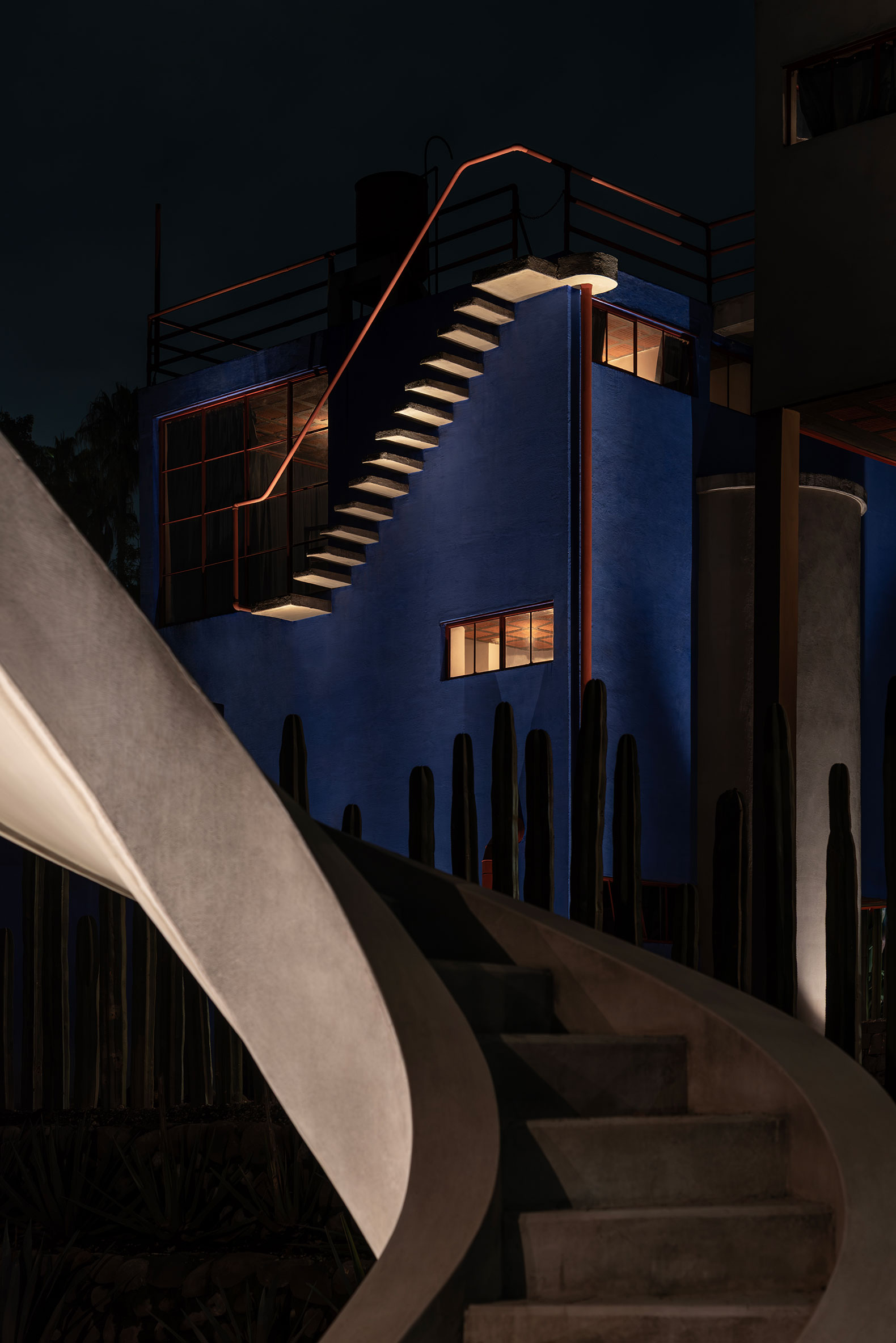
The proposal is conceived not as an attempt to transform the architecture, but rather to activate a latent dimension within it, allowing us to approach Juan O’Gorman’s architecture through light. Thus, by day, the museum can be viewed as heritage, architecture, and a historical document; by night, another dimension emerges: that of a home once inhabited, traversed, and transformed by those who lived and worked there.

A night view of the Diego Rivera and Frida Kahlo House-Studio Museum. Photograph by Jacobo Monsalve.

A night view of the Diego Rivera and Frida Kahlo House-Studio Museum. Photograph by Jacobo Monsalve.

"We approached the House-Studio with absolute respect for its functionalist language. The technical project was designed to reconfigure the perception of space at night while disappearing completely during the day. It is a dialogue between contemporary technology and the heritage of 1931."

Pablo Alvarez, Project Director at Birot Lighting.

Over the course of six nights—from October 5 to 9 and on Sunday, October 11, between 6:00 PM and 9:00 PM—the "Nighttime Itinerary" will take place. For the first time since the house was built, the public will be able to tour the Diego Rivera and Frida Kahlo House-Studio Museum at night. This marks the beginning of a new series of events that allow the houses to be viewed from a different perspective—through light—revealing their geometries, transparencies, and spaces in a unique way after dark, without altering their essence. Starting in November 2026, on the second Wednesday of every month, the public will be able to visit the MCEDRFK during extended hours and participate in various activities designed to guide them through the space and allow them to experience “La luz que habita” (The Light That Dwells Within).

A night view of the Diego Rivera and Frida Kahlo House-Studio Museum. Photograph by Jacobo Monsalve.

A night view of the Diego Rivera and Frida Kahlo House-Studio Museum. Photograph by Jacobo Monsalve.

The inauguration of “La luz que habita” coincides with the 40th anniversary of the MCEDRFK and the 80th anniversary of INBAL. It reaffirms the museum’s commitment to its identity as a house museum—a space that allows visitors to connect with its former inhabitants through the traces of their presence. Through these interpretations, the museum strengthens its conservation and outreach efforts while contributing to the care and preservation of a national artistic heritage that remains alive in the memories and experiences of its visitors.

More information

Label
Exhibition
Text

"The Light Within".

+ + copy Created with Sketch.
- + copy Created with Sketch.
Label
Architects
+ + copy Created with Sketch.
- + copy Created with Sketch.
Label
Curators
Text

Birot Lighting.- Pablo Álvarez.

+ + copy Created with Sketch.
- + copy Created with Sketch.
Label
Developer
Text

La Secretaría de Cultura del Gobierno de México y el Instituto Nacional de Bellas Artes y Literatura (INBAL).

+ + copy Created with Sketch.
- + copy Created with Sketch.
Label
Dates
Text

From October 5 to 9 and Sunday, October 11, 2026.

+ + copy Created with Sketch.
- + copy Created with Sketch.
Label
Location
Text

Diego Rivera and Frida Kahlo House-Studio Museum, located at Altavista and Diego Rivera s/n, San Ángel Inn, Álvaro Obregón, Mexico City.

+ + copy Created with Sketch.
- + copy Created with Sketch.
Label
Photography
+ + copy Created with Sketch.
- + copy Created with Sketch.

Juan O'Gorman (Santa Catarina, Coyoacan, Mexico City, Mexico, 6 July 1905 - Mexico City, Mexico, 18 January 1982) was a prominent Mexican painter and architect, and the brother of historian Edmundo O'Gorman. He was the son of Cecil Crawford O'Gorman—an Irish mining engineer and self-taught painter—and Encarnación O'Gorman Moreno.

At the age of twenty, he studied architecture at the National School of Architecture—located at the time on the second floor of the Academy of San Carlos—which is now the Faculty of Architecture at the National Autonomous University of Mexico (UNAM). Additionally, he developed his skills as a painter outside the rigid confines of academicism, drawing inspiration from figures such as José María Velasco, Gerardo Murillo (Dr. Atl), Frida Kahlo, and Diego Rivera.

He became a distinguished architect under the influence of Le Corbusier and helped introduce functionalist architecture to Mexico. In a later phase of his career, the influence of Frank Lloyd Wright and his organic architecture became evident. Throughout his career, he taught at the National Polytechnic Institute, where he established the architectural engineering degree program.

As an architect, he worked on major projects such as the new Bank of Mexico building and designed and built twenty-six primary schools in Mexico City. In the early 1950s, he built his own home in the Jardines del Pedregal de San Ángel neighborhood—a true work of art that was, regrettably, later demolished by sculptor Helen Escobedo to make way for the Fermatta Music Academy. Also in the San Ángel area, O'Gorman designed and built the Diego Rivera and Frida Kahlo House-Studio Museum for the two artists between 1931 and 1932.

His most globally celebrated work—renowned for its creativity, construction technique, and sheer scale—consists of the four-thousand-square-meter murals covering the four facades of the Central Library building at UNAM's University City, created in collaboration with Gustavo Saavedra and Juan Martínez. These murals are mosaics created from millions of colored stones sourced from various locations across the country. The north side depicts the pre-Hispanic past; the south, the colonial era; the east wall, the contemporary world; and the west wall, the university and modern-day Mexico.

As a painter, he is noted for works in public spaces that captured historical episodes and various events in a distinctive style—such as the murals at the National Museum of History (Chapultepec Castle), at Mexico City International Airport (*The Conquest of the Air by Man*), and the mural *Credit Transforms Mexico*, which was recently relocated to the HSBC Tower. O'Gorman also produced easel paintings. He became a member of the Academy of Arts in 1971 and won the National Prize for Fine Arts in 1972.

Read more

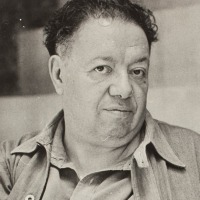
Diego Rivera (Guanajuato, Mexico, December 8, 1886–Mexico City, November 24, 1957). Diego María de la Concepción Juan Nepomuceno Estanislao de la Rivera y Barrientos Acosta y Rodríguez was a Mexican painter and muralist, and one of the central figures of twentieth-century Mexican art. Together with José Clemente Orozco and David Alfaro Siqueiros, he became one of the leading representatives of the muralist movement that emerged in the aftermath of the Mexican Revolution.

Rivera began his artistic training in 1897 at the National School of Fine Arts in Mexico, the former Academy of San Carlos, where he studied under teachers including the landscape painter José María Velasco. In 1907, he travelled to Europe on a scholarship. After an initial period in Spain, he spent much of the following years in Paris, becoming involved in the European avant-garde and developing, particularly between 1913 and 1917, an important body of Cubist work in contact with artists such as Pablo Picasso and Juan Gris.

Between 1920 and 1921, Rivera travelled through Italy with support from the Mexican government to study Renaissance mural painting and fresco techniques. In July 1921, he returned permanently to Mexico, coinciding with the cultural programme promoted by José Vasconcelos after the Revolution. His first major mural commission was Creation (1922–1923), painted in the amphitheatre of the National Preparatory School. Shortly afterwards, he began the extensive fresco cycle for the Ministry of Public Education, carried out between 1923 and 1928, followed by the murals at the National School of Agriculture in Chapingo and the major cycles at the National Palace.

Rivera understood mural painting as a public medium through which history could be constructed and transmitted. His compositions brought together references to the pre-Hispanic past, the conquest, the Mexican Revolution, rural and working-class life, industrialisation, and contemporary political and social conflict. His work combined the fresco tradition with the experience of the European avant-garde, developing a monumental form of narration conceived in direct relation to architecture and public space.

His international recognition grew rapidly. In December 1931, the Museum of Modern Art in New York devoted its second major monographic exhibition to Rivera, following the one dedicated to Henri Matisse. Since his architectural frescoes could not be moved, Rivera produced a series of “portable murals” on independent panels specifically for the museum. The exhibition attracted a large audience and consolidated his presence in the United States.

Between 1932 and 1933, commissioned by Edsel Ford, Rivera produced the Detroit Industry cycle for the Detroit Institute of Arts, covering the four walls of the museum’s central courtyard with a complex representation of modern industry, labour, machinery, science, and contemporary society. Rivera later regarded the ensemble as one of his most important works.

In 1933, he was commissioned to paint Man at the Crossroads for the RCA Building at Rockefeller Center in New York. The inclusion of a portrait of Lenin led to a dispute with the patrons: Nelson Rockefeller requested its removal, and Rivera refused. The artist was dismissed from the project in May 1933, and the mural was destroyed in February 1934. That same year, Rivera produced a new version of the composition at the Palace of Fine Arts in Mexico City, entitled Man, Controller of the Universe.

His relationship with the United States continued with works such as Pan American Unity, produced in San Francisco in 1940 for the Golden Gate International Exposition. The monumental fresco, composed of ten panels, explores the integration of Indigenous cultures and Mexico’s artistic tradition with North American technology and industrial culture, a key theme in Rivera’s mature work.

Alongside his artistic production, Rivera assembled an extensive collection of pre-Hispanic art and objects. During the 1940s, together with architect and painter Juan O’Gorman, he began developing the Anahuacalli Museum on the volcanic landscape of San Pablo Tepetlapa, in southern Mexico City. The building was conceived to house his collection and as a project integrating art, architecture, landscape, and pre-Hispanic culture.

Throughout his life, Rivera maintained an intense political activity linked to communism, although his relationship with the Mexican Communist Party went through successive periods of rupture and reconciliation. He joined the party in 1922; in 1937 he played an important role in the efforts that enabled Leon Trotsky to obtain asylum in Mexico; and, after years of estrangement, he was readmitted to the Mexican Communist Party in 1954.

Among his later works were the murals for the National Institute of Cardiology, further cycles at the National Palace, Dream of a Sunday Afternoon in Alameda Central (1947), the paintings for the Cárcamo del Río Lerma in Chapultepec Park (1951), and those produced for the Hospital de la Raza. Diego Rivera died on November 24, 1957, in his studio in San Ángel, Mexico City. His work transformed mural painting into one of the principal forms of cultural, historical, and political representation in twentieth-century Mexico and exerted a decisive influence on the international development of modern public art.

Read more

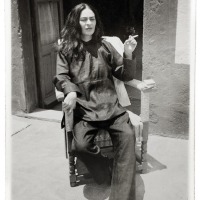
Frida Kahlo (Coyoacán, Mexico City, July 6, 1907–Coyoacán, Mexico City, July 13, 1954). Magdalena Carmen Frida Kahlo Calderón, born Magdalena Carmen Frida Kahlo Calderón, was a Mexican painter whose work developed one of the most distinctive explorations of identity, the body, and Mexican culture in twentieth-century art. Although her career was closely connected to Diego Rivera and to the artistic environment that emerged after the Mexican Revolution, her painting maintained an independent position, far removed from the monumental scale and predominantly public character of muralism.

The daughter of photographer Guillermo Kahlo and Matilde Calderón, she grew up in the Casa Azul in Coyoacán, later converted into the Frida Kahlo Museum. Photography was deeply present in her family environment and played a constant role in the construction of her own image. The photographic archive she preserved throughout her life, also addressed by METALOCUS on the occasion of the exhibition Frida Kahlo – Her Photos, includes works by figures such as Tina Modotti, Edward Weston, Man Ray, Brassaï, Lola and Manuel Álvarez Bravo, and Nickolas Muray.

At the age of six, she contracted polio, which affected her right leg. She later studied at the National Preparatory School in Mexico City. On September 17, 1925, at the age of eighteen, she suffered a serious accident when the bus in which she was travelling collided with a streetcar. The numerous injuries and the prolonged period of immobility that followed had a profound impact on her life, and during her convalescence she began to paint systematically.

From then on, the body became one of the main territories of investigation in her work. Kahlo repeatedly turned to self-portraiture to address identity, illness, physical pain, sexuality, frustrated motherhood, and her relationship with the social and political environment. However, her painting cannot be reduced to autobiographical transcription. Her images incorporate elements from Mexican ex-votos, colonial portraiture, popular traditions, pre-Hispanic art, and modern visual culture, articulated through a deeply personal iconography.

By the end of the 1920s, she had entered the artistic and political circles that included, among others, Tina Modotti and Diego Rivera. Kahlo and Rivera married on August 21, 1929. During the following years, they lived in different places in Mexico and the United States, coinciding with Rivera’s major mural commissions in San Francisco, Detroit, and New York. They divorced in 1939 and remarried in San Francisco on December 8, 1940.

Her stays in the United States were also decisive for Kahlo’s independent career. While Rivera was producing his large mural cycles, she continued working on small- and medium-scale paintings that differed radically from muralism’s monumentality. Works such as Henry Ford Hospital (1932), My Birth (1932), and My Dress Hangs There (1933) combined personal experience with a critical view of American society and industrialisation.

Her international recognition consolidated during the second half of the 1930s. In 1938 André Breton visited Mexico, encountered her work, and attempted to place it within Surrealism. That same year, Julien Levy organised Kahlo’s first solo exhibition in New York. In 1939 she travelled to Paris at Breton’s invitation and participated in the exhibition Mexique, organised with Marcel Duchamp’s collaboration at Galerie Renou et Colle. In that context, the French state acquired The Frame (1938), now held by the Centre Pompidou. Kahlo, however, repeatedly rejected the idea that her painting should be understood as a representation of dreams, insisting instead that she painted her own reality.

Mexican identity occupies a central position within that pictorial reality. Kahlo incorporated plants, animals, domestic objects, traditional clothing, and references to Indigenous cultures and popular art into her work. This visual construction also extended to her public presence: traditional dress, pre-Hispanic jewellery, and the deliberate construction of her photographic portraits formed part of a visual identity inseparable from her painting.

Among her best-known works are The Two Fridas (1939), Self-Portrait with Cropped Hair (1940), The Broken Column (1944), and The Wounded Deer (1946). In these works, self-portraiture ceased to function simply as physical representation and became an instrument through which she explored questions of gender, cultural identity, politics, and bodily experience.

Her political commitment was equally constant. Kahlo was closely linked to Mexican communism and actively participated in the left-wing political circles of her time. Together with Rivera, she was involved in the efforts that enabled Leon Trotsky to settle in Mexico in 1937; Trotsky and Natalia Sedova initially lived at the Casa Azul. Her political militancy remained present until the final years of her life.

During the 1940s, Kahlo gained an increasing presence in international institutions and exhibitions and also developed a teaching activity. Her deteriorating physical condition required numerous operations and long periods of hospitalisation, although she continued painting and participating in Mexican artistic life.

In 1953, Lola Álvarez Bravo organised at her Galería de Arte Contemporáneo in Mexico City the only solo exhibition of Kahlo’s work held in Mexico during the artist’s lifetime. Her health was already extremely poor, but Kahlo attended the opening lying in a bed.

Frida Kahlo died on July 13, 1954, at the Casa Azul in Coyoacán, a few days after her forty-seventh birthday. The house opened as a museum in 1958, preserving a fundamental part of her works, objects, documents, and domestic spaces.

In the decades following her death, appreciation of her work grew until she became one of the central figures of twentieth-century art. Beyond the extraordinary popular circulation of her image, her historical significance lies in the development of a highly individual pictorial language in which body, identity, Mexican culture, biographical experience, and politics are integrated without being subordinated to any of the artistic movements with which she was associated.

Read more
Published on: October 3, 2026
Cite:
metalocus, MARÍA MÍNGUEZ
"The Light Within. A Nighttime View of the Diego Rivera and Frida Kahlo House-Studio Museum" METALOCUS. Accessed
<https://www.metalocus.es/en/news/light-within-nighttime-view-diego-rivera-and-frida-kahlo-house-studio-museum> ISSN 1139-6415
Loading content ...
Loading content ...
Loading content ...
Loading content ...
Loading content ...
Loading content ...
Loading content ...
Loading content ...
Loading content ...
Loading content ...
Loading content ...
Loading content ...
Loading content ...
Loading content ...
Loading content ...
Loading content ...
Loading content ...
Loading content ...
Loading content ...
Loading content ...
Loading content ...
Loading content ...
Loading content ...
Loading content ...
Loading content ...
Loading content ...
Loading content ...
Loading content ...
Loading content ...
Loading content ...
Loading content ...
Loading content ...
Loading content ...
Loading content ...
Loading content ...
Loading content ...
Loading content ...
Loading content ...
Loading content ...
Loading content ...
Loading content ...
Loading content ...
Loading content ...
Loading content ...
Loading content ...
Loading content ...
Loading content ...
Loading content ...
Loading content ...
Loading content ...
Loading content ...
Loading content ...
Loading content ...
Loading content ...