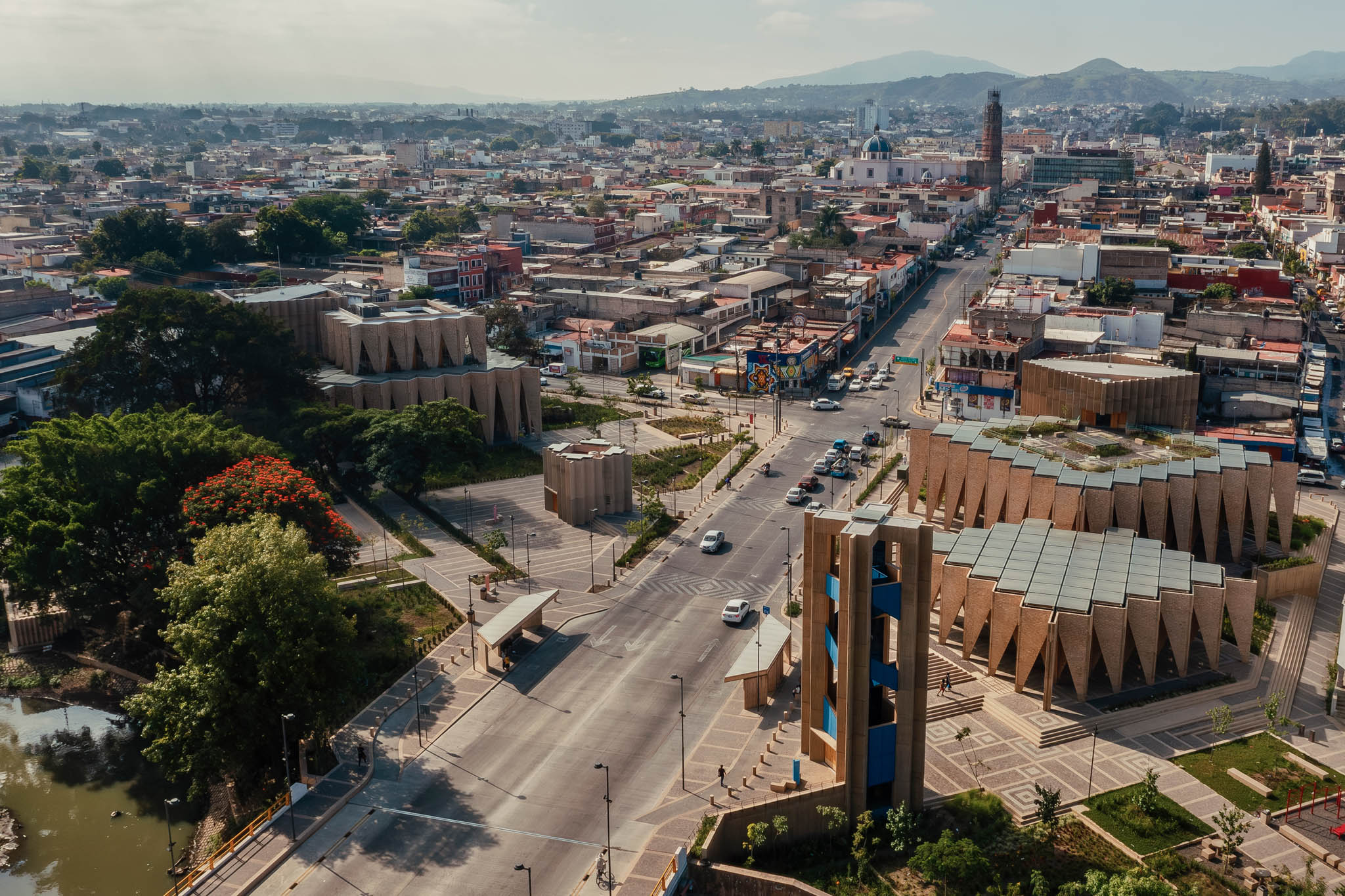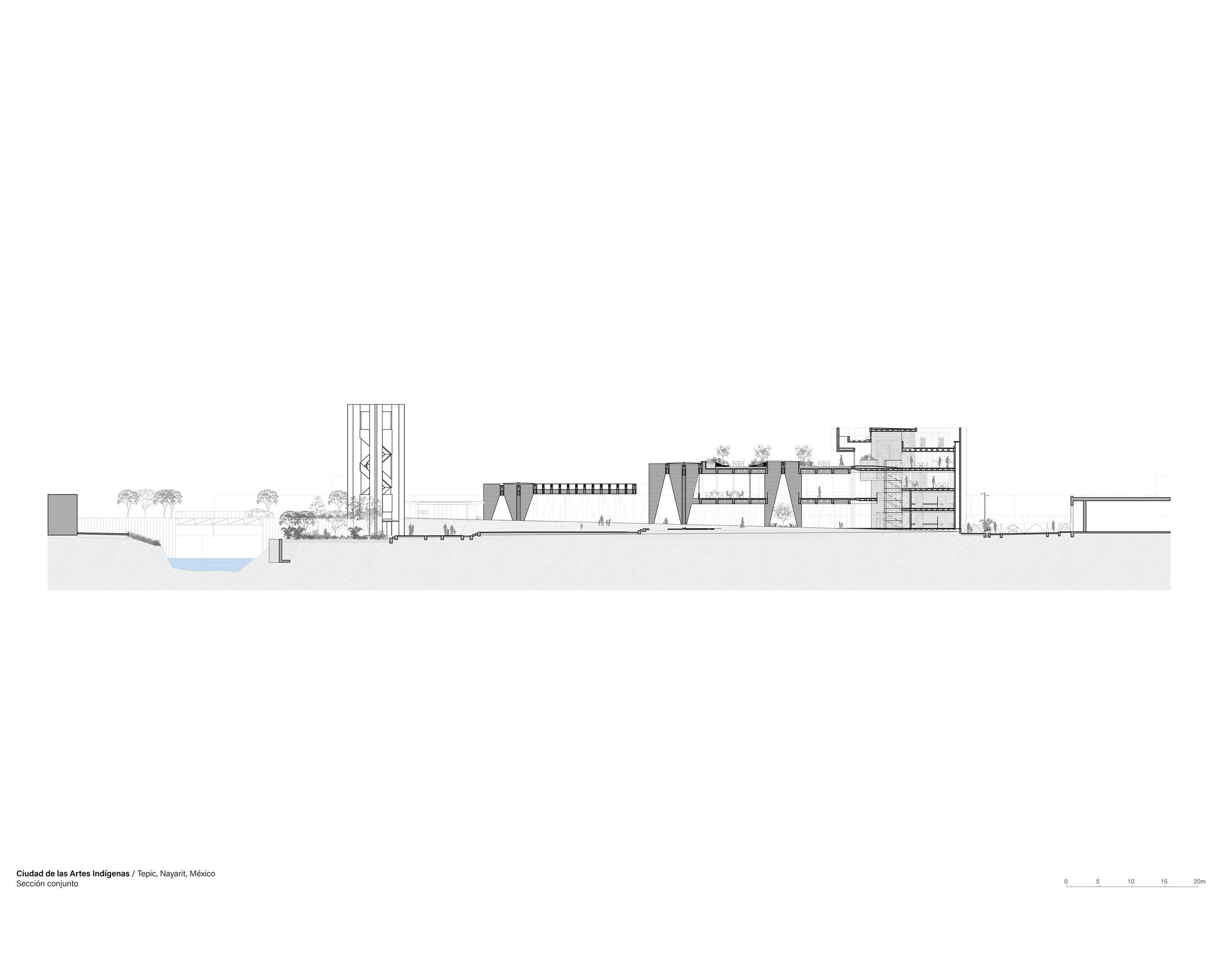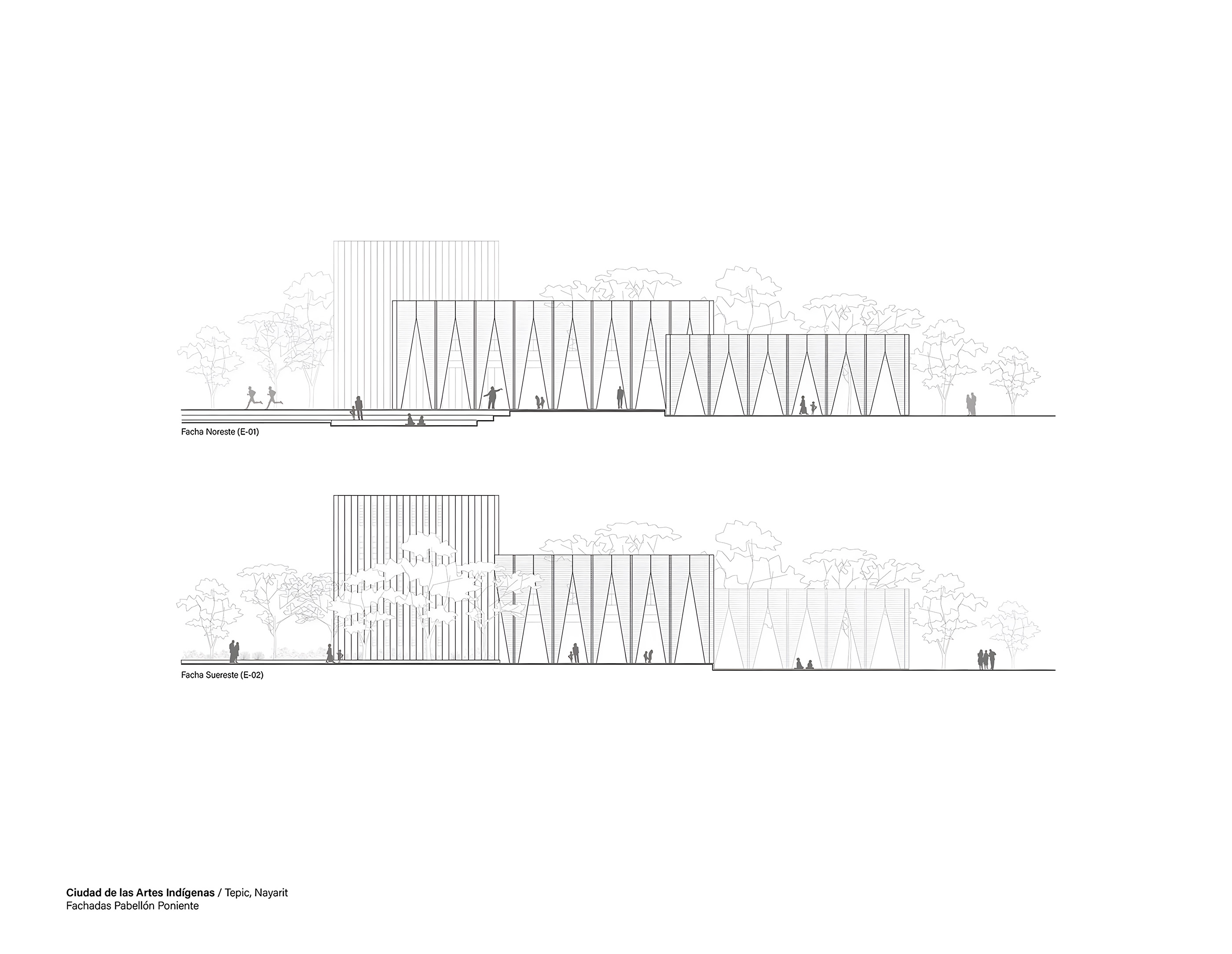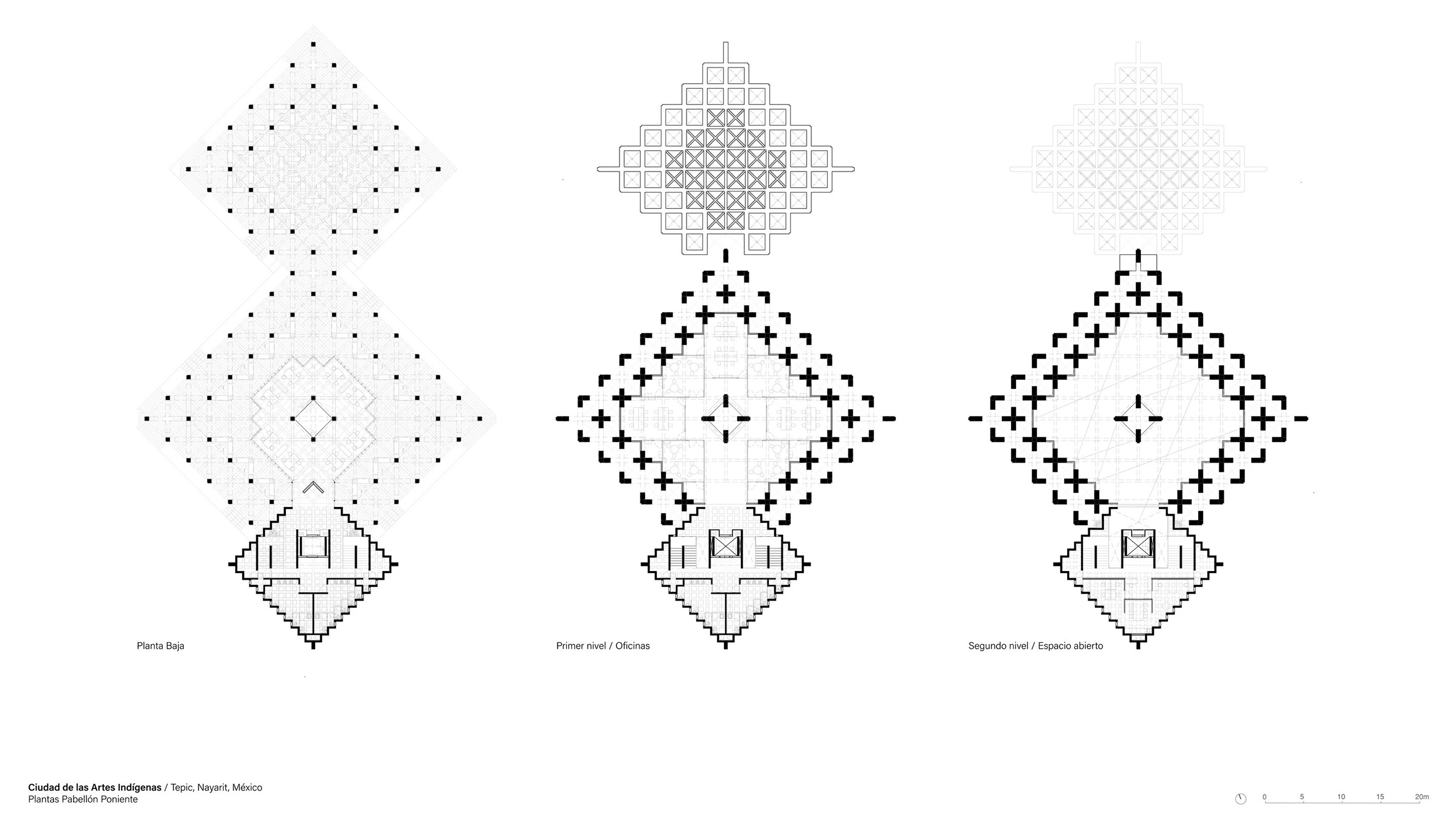
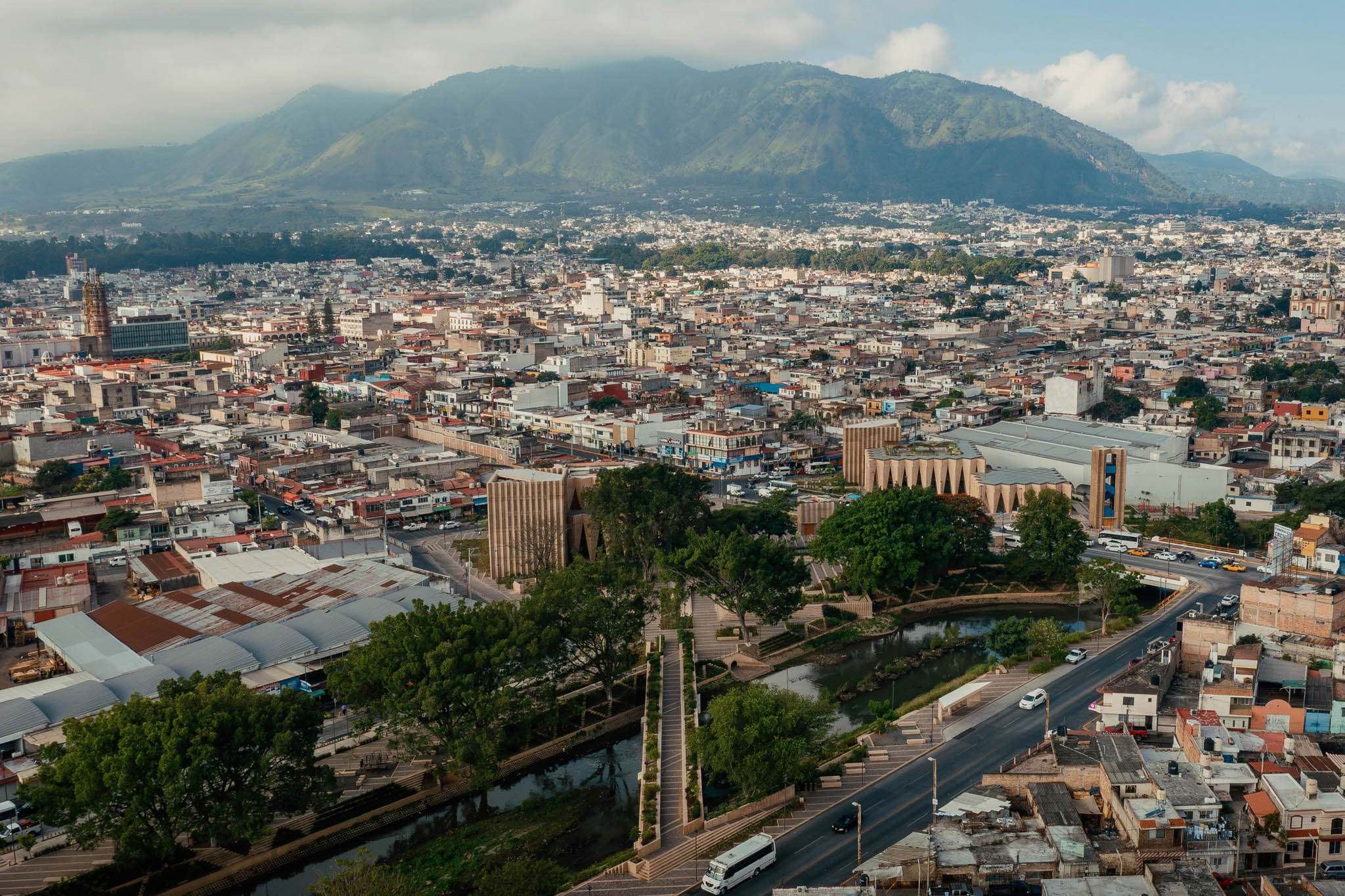
Mexican architecture studio MMX was commissioned to develop the urban regeneration project Ciudad de las Artes Indígenas (CAI), a cultural and urban initiative located where the Mololoa River meets major transport routes in Tepic, Nayarit, Mexico.

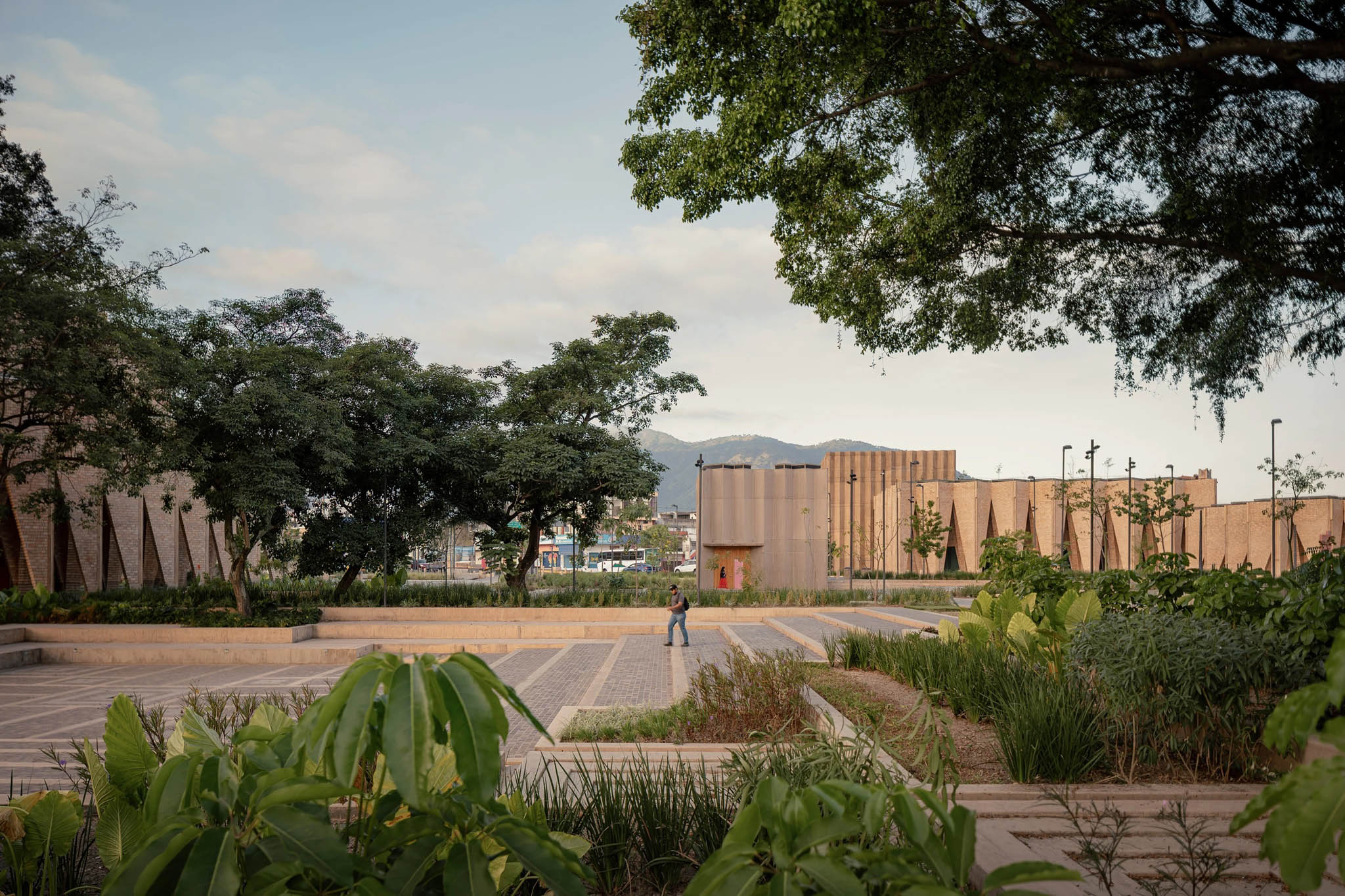
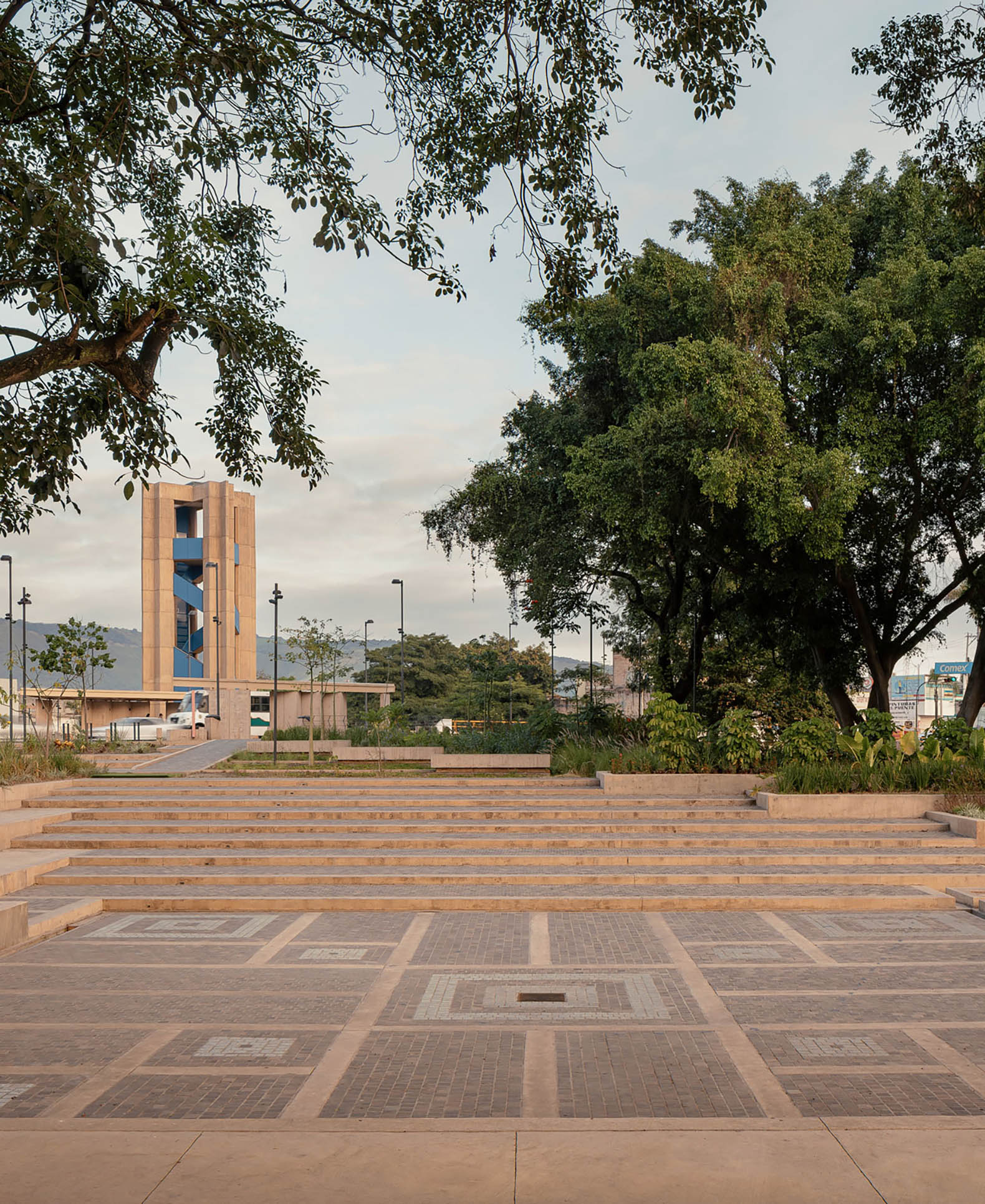
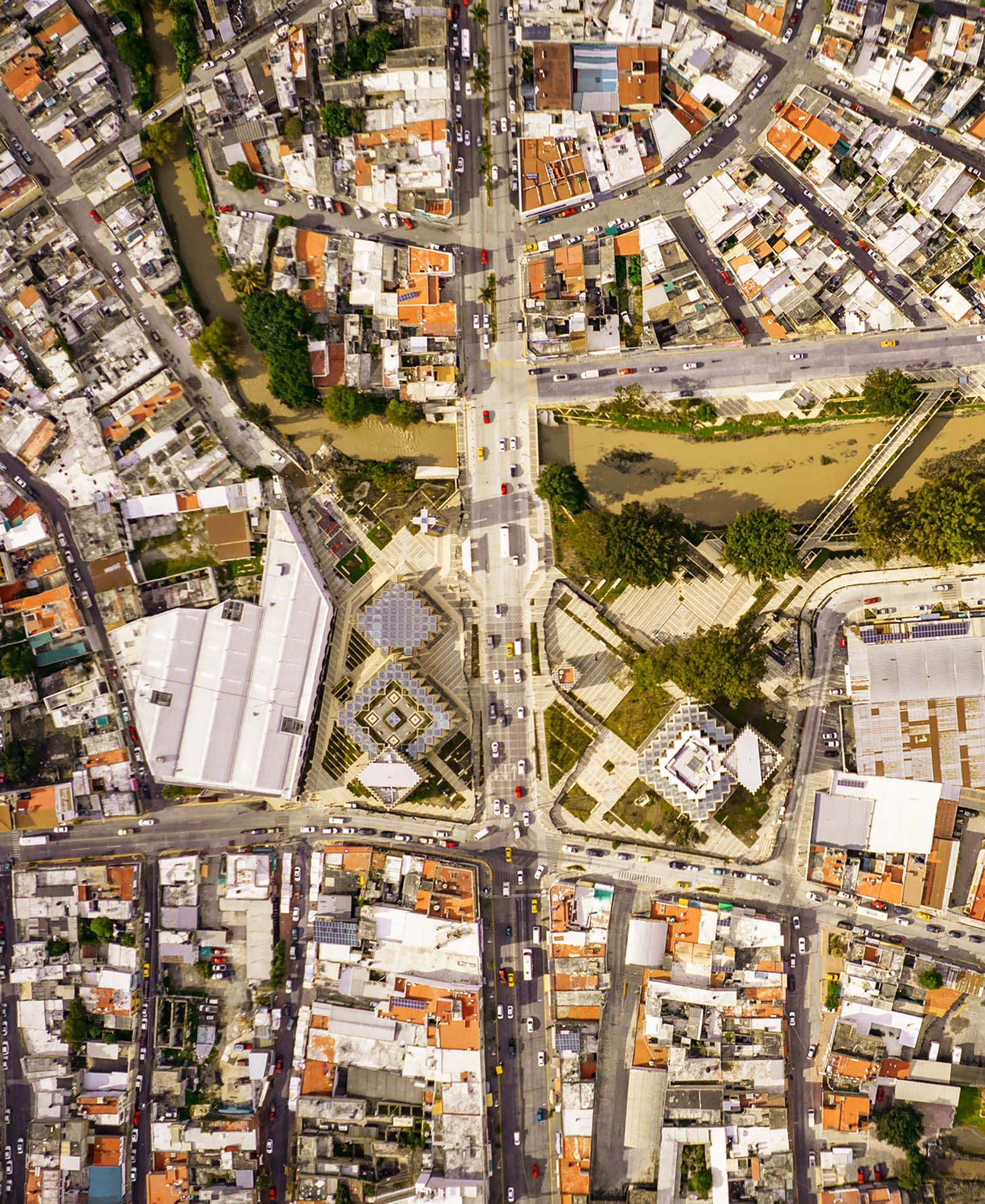
The City of Indigenous Arts is more than a collection of buildings; it is a comprehensive project that brings together history, culture, architecture, landscape and public space for the local community. The intervention transforms a site previously disconnected from the urban fabric into a place for people to come together.

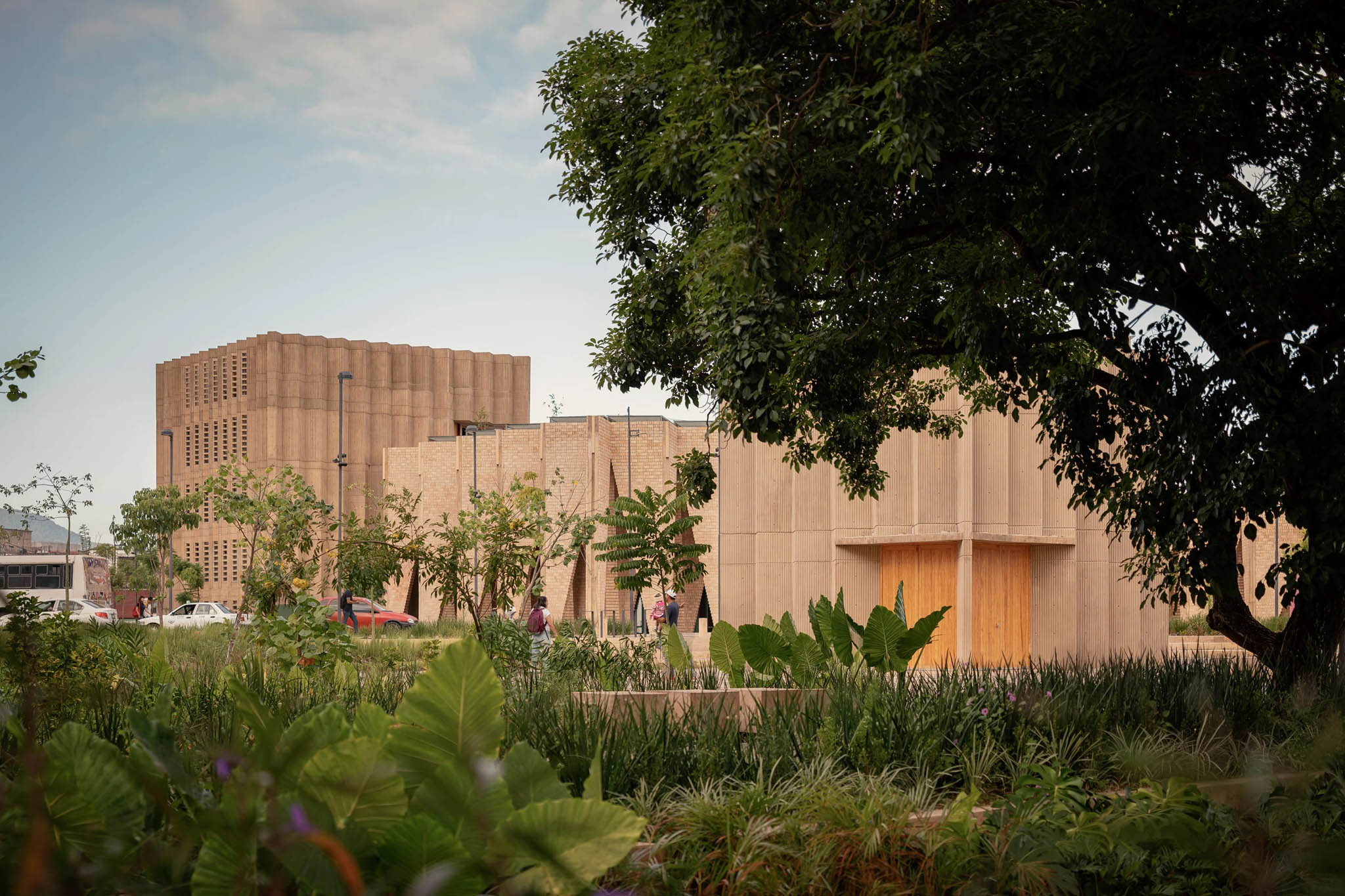
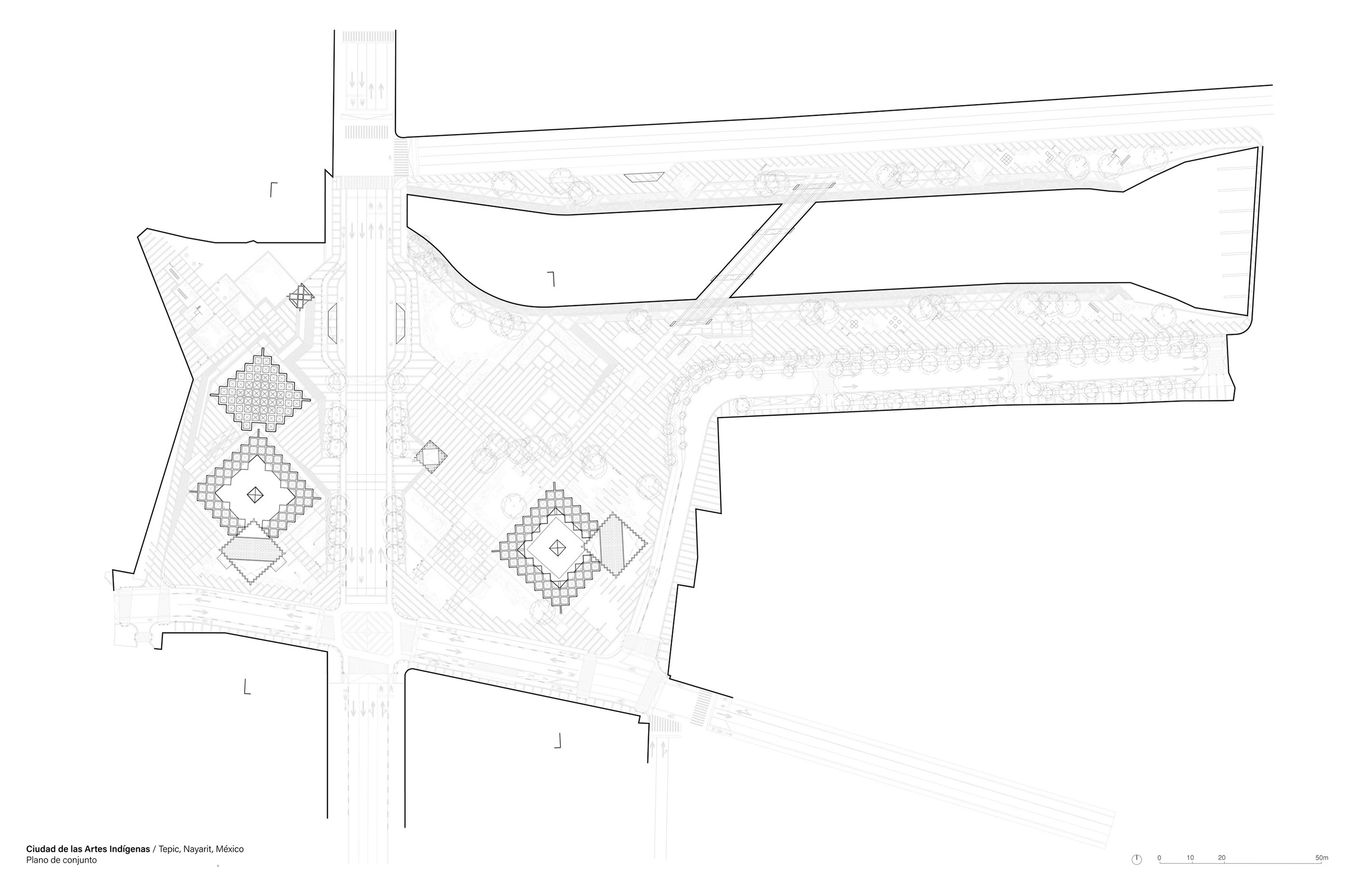
MMX's proposal comprises four buildings and extensive public spaces. The intervention revitalises an abandoned site and pays tribute to the cultural heritage of Indigenous communities through a participatory approach to the project that places particular emphasis on the work of local artisans.

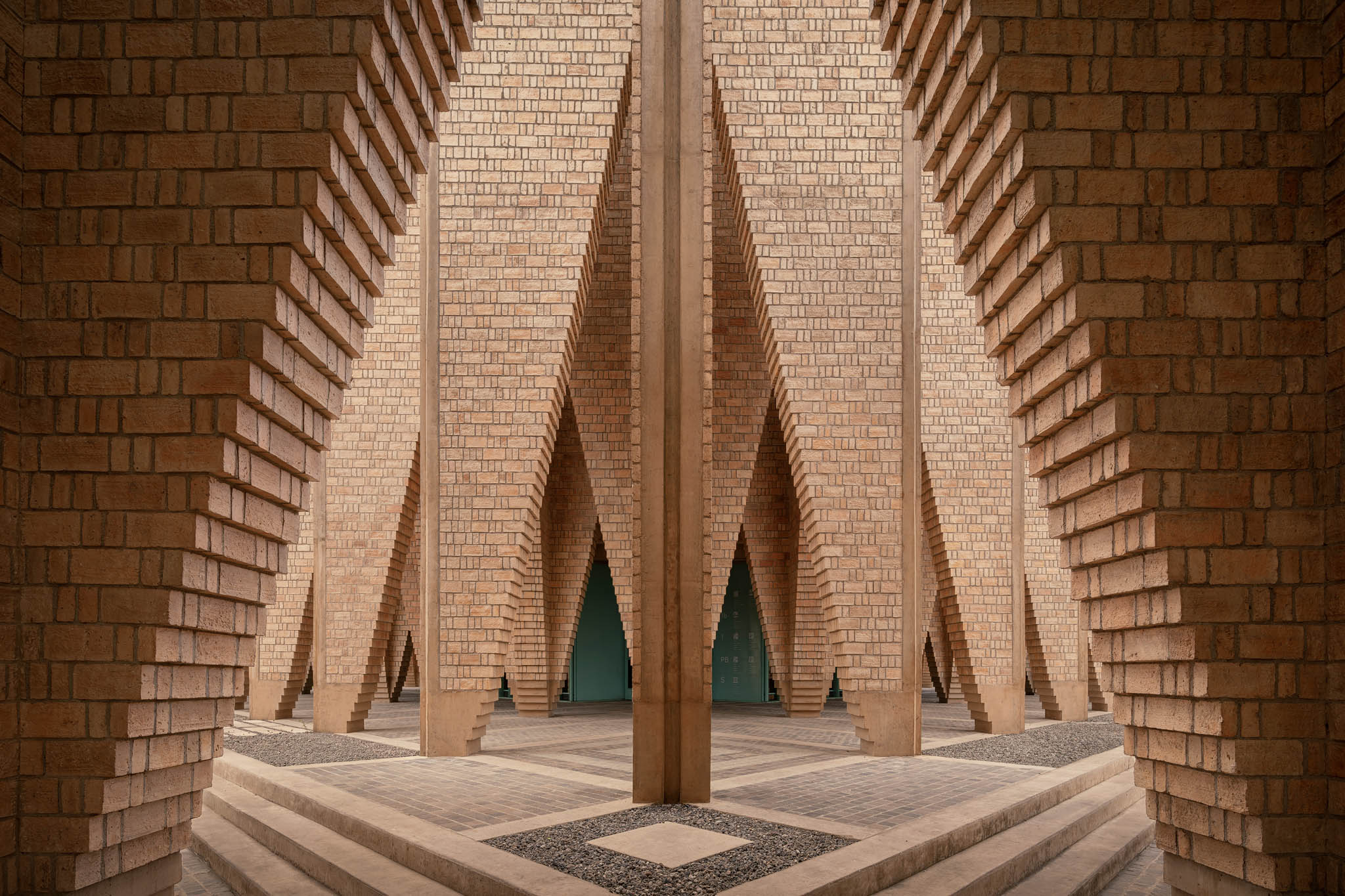
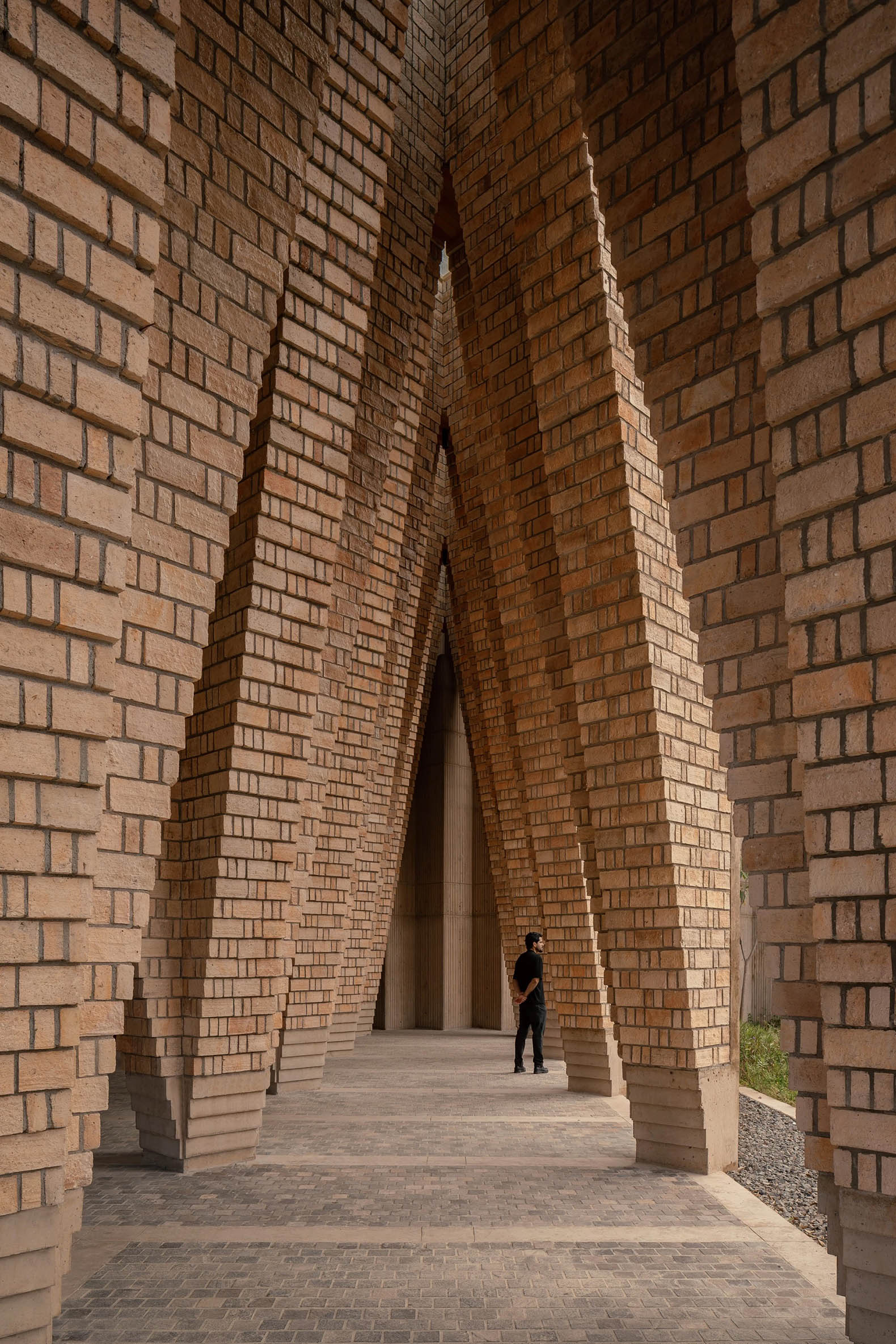
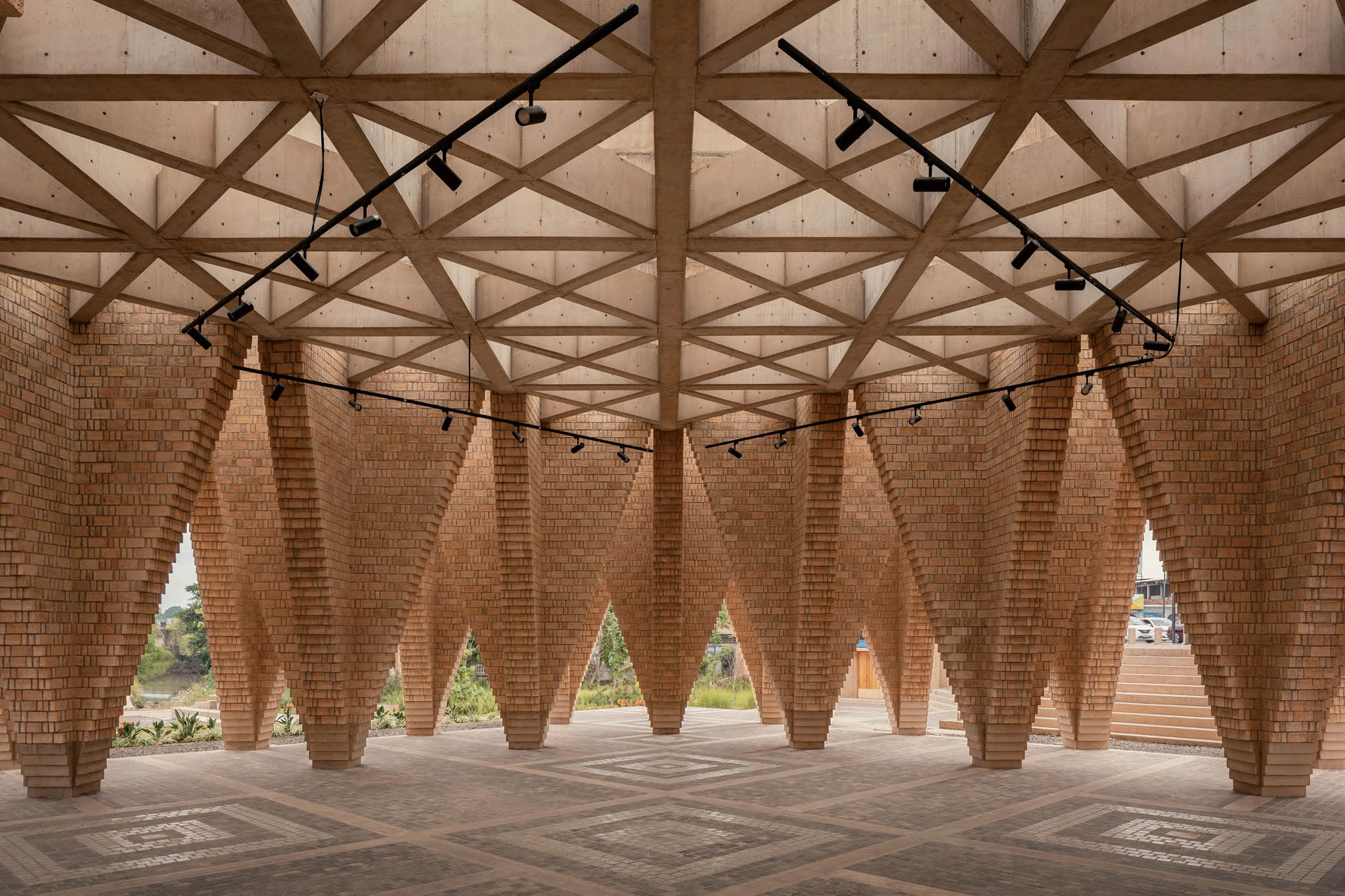
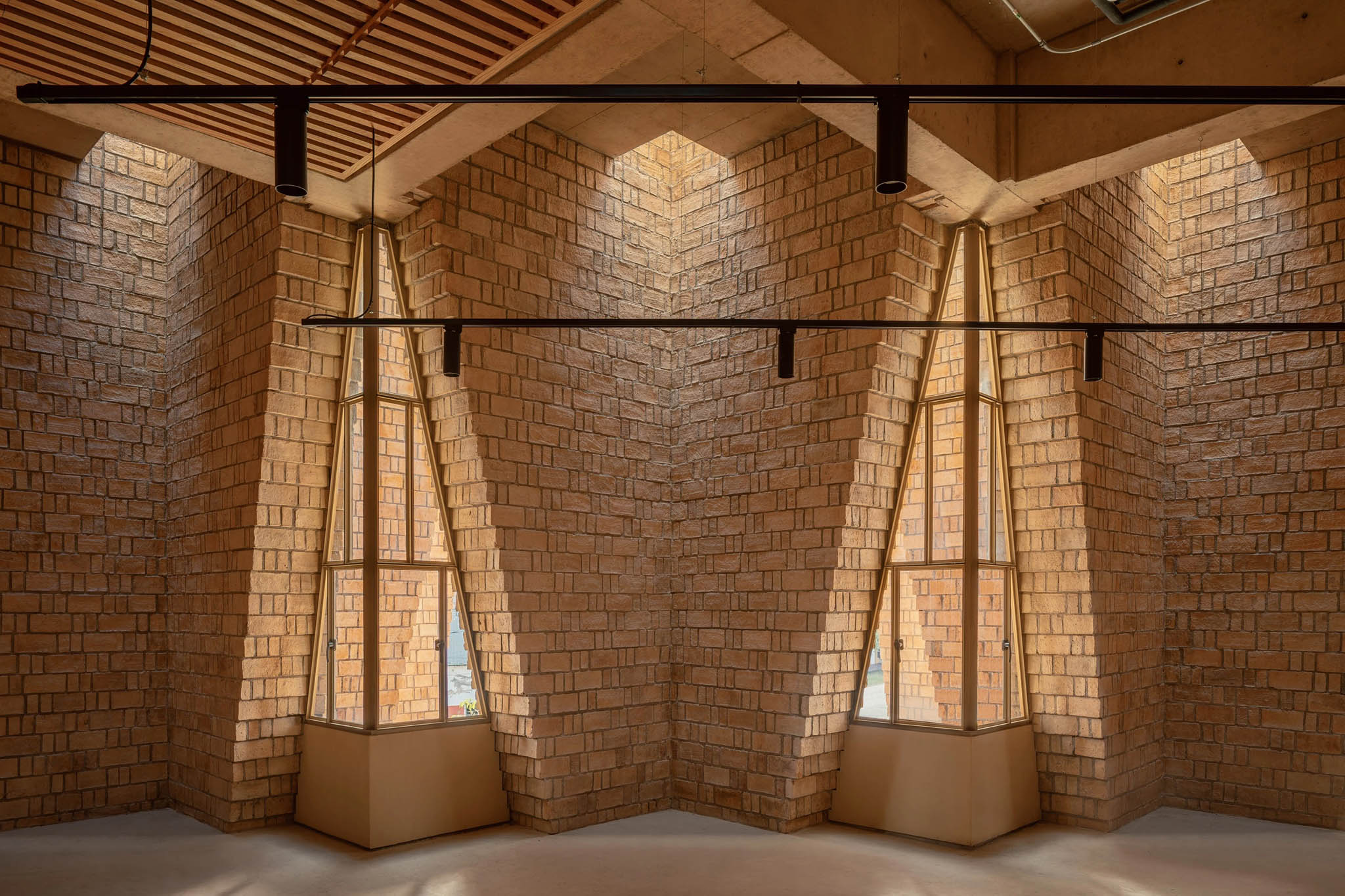
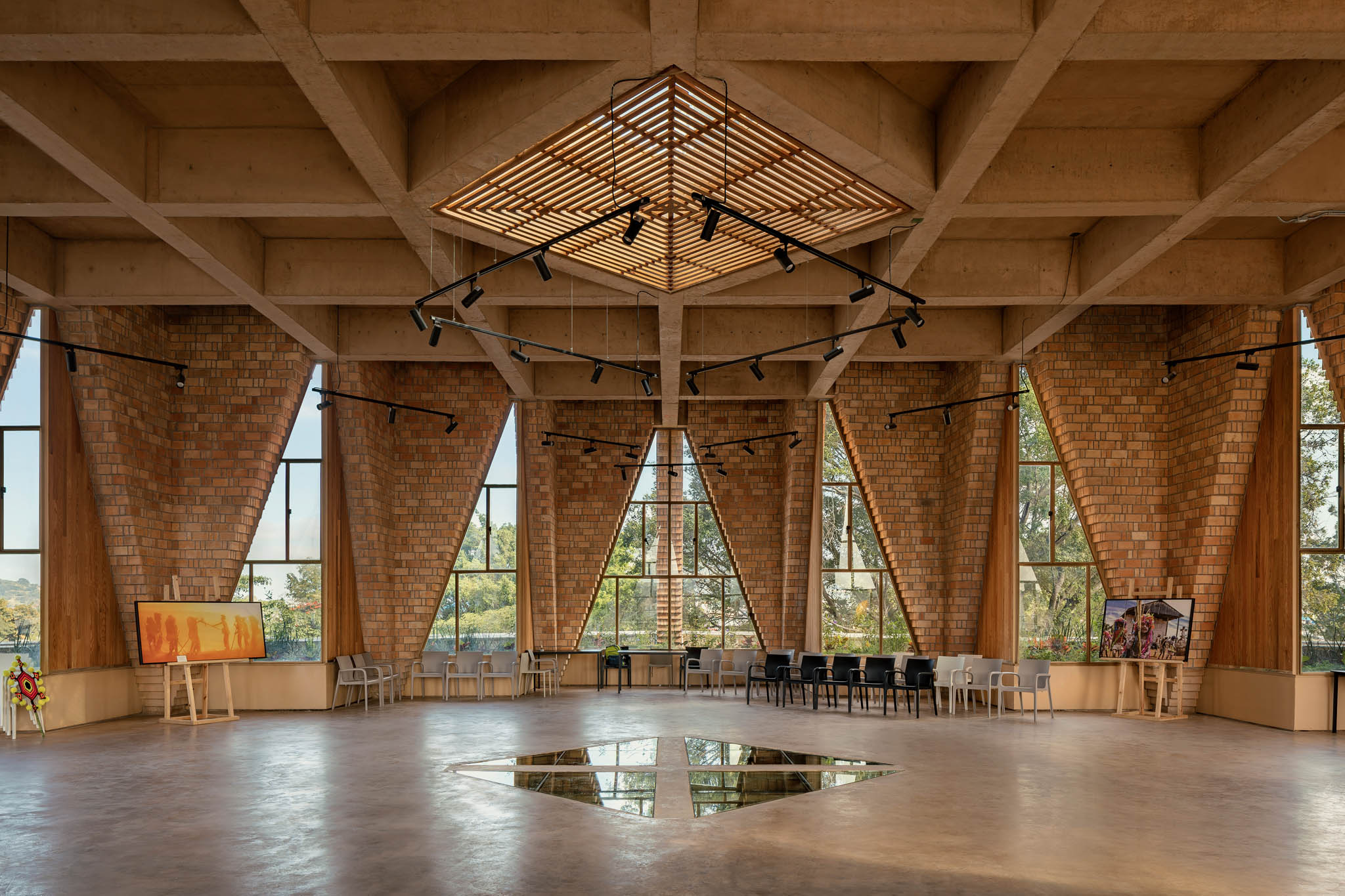
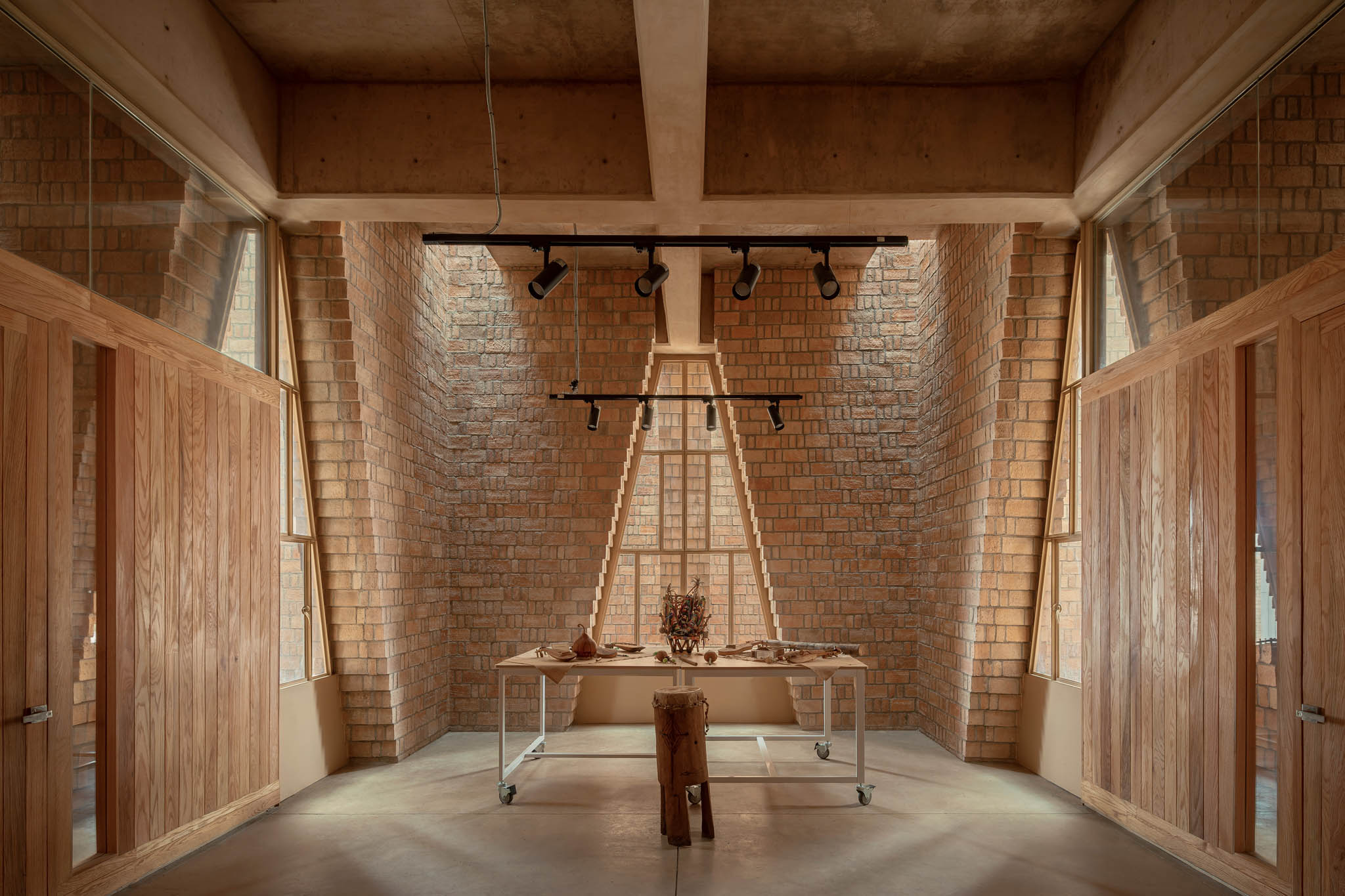
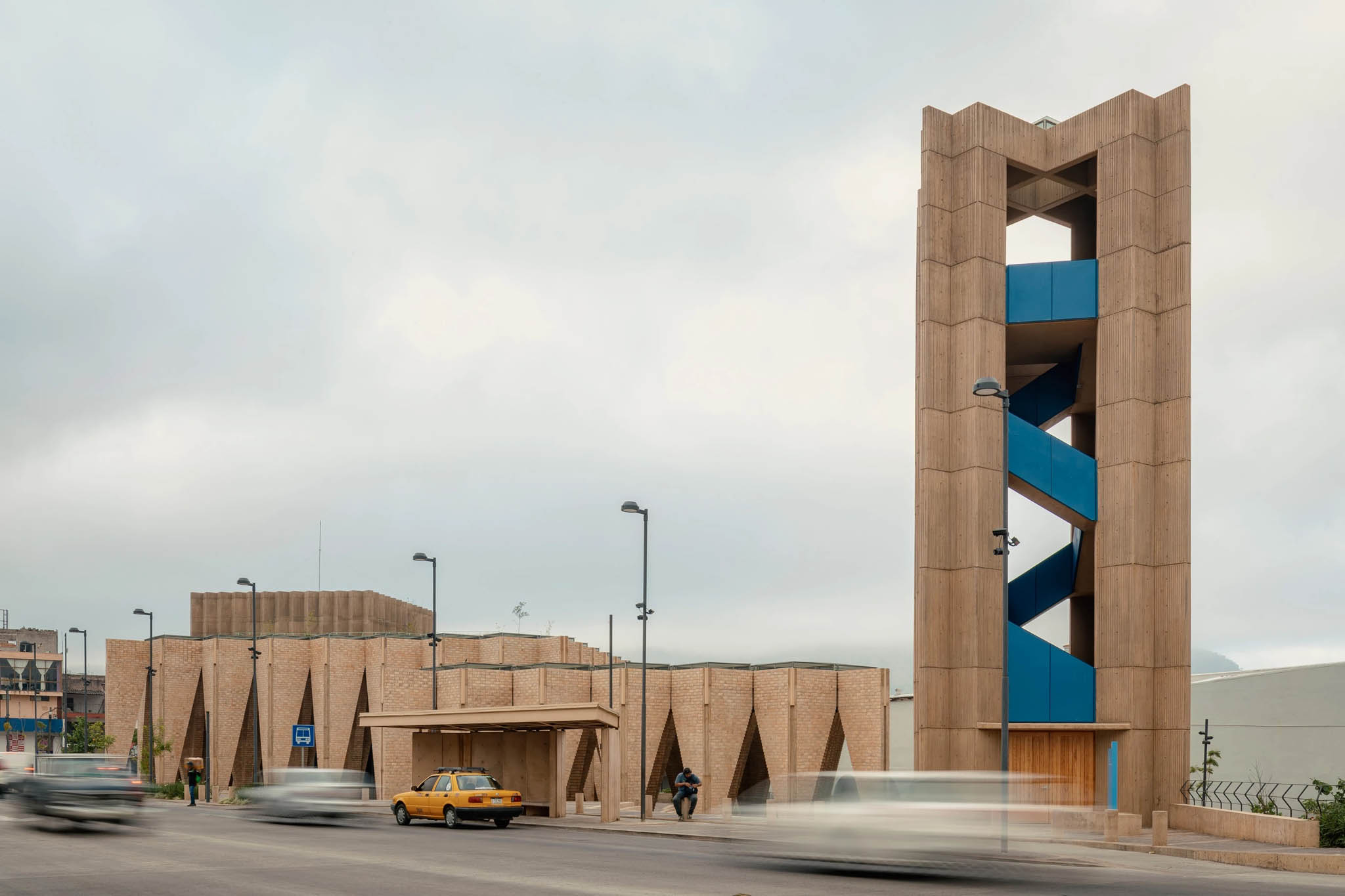
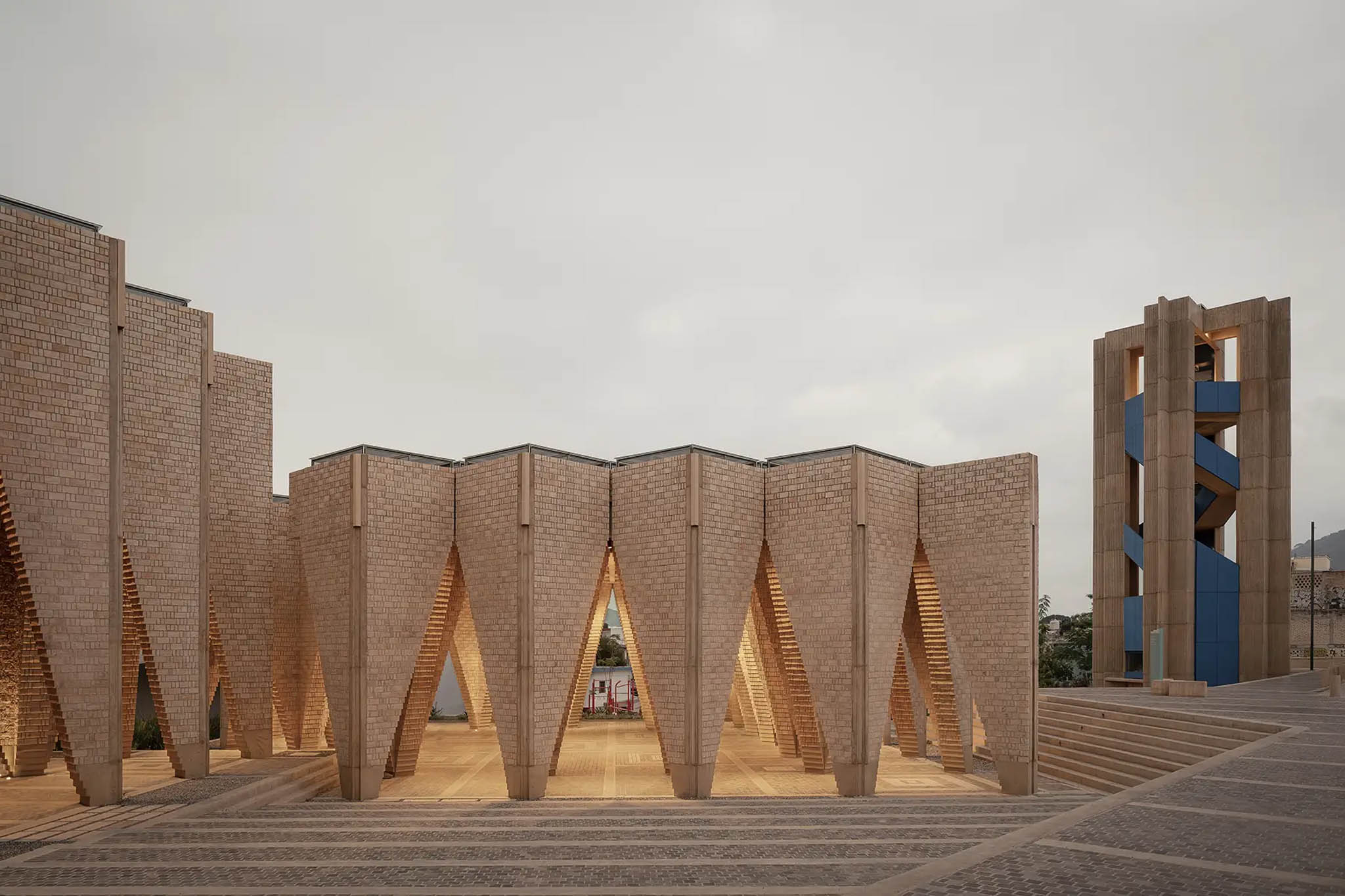
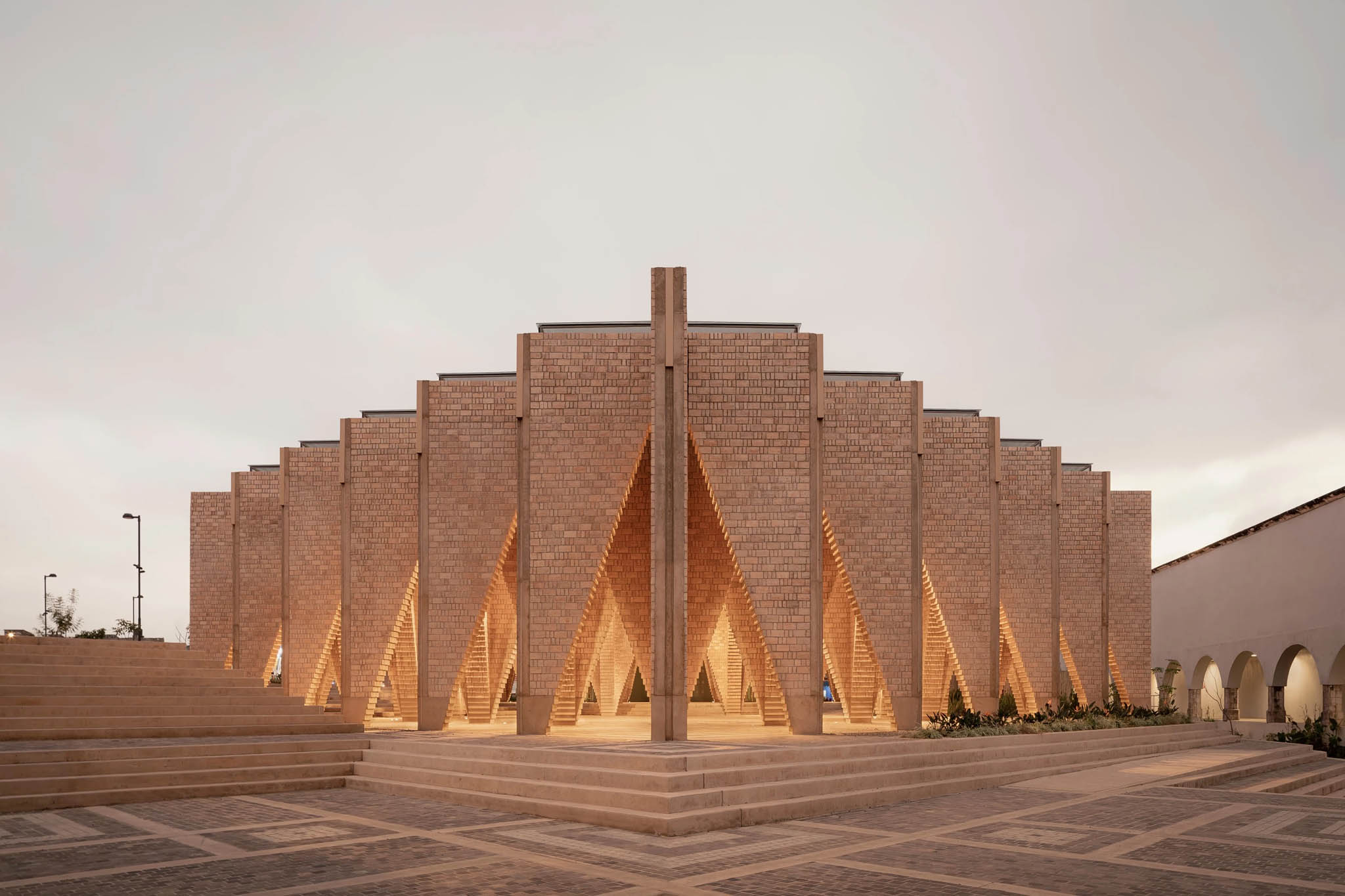
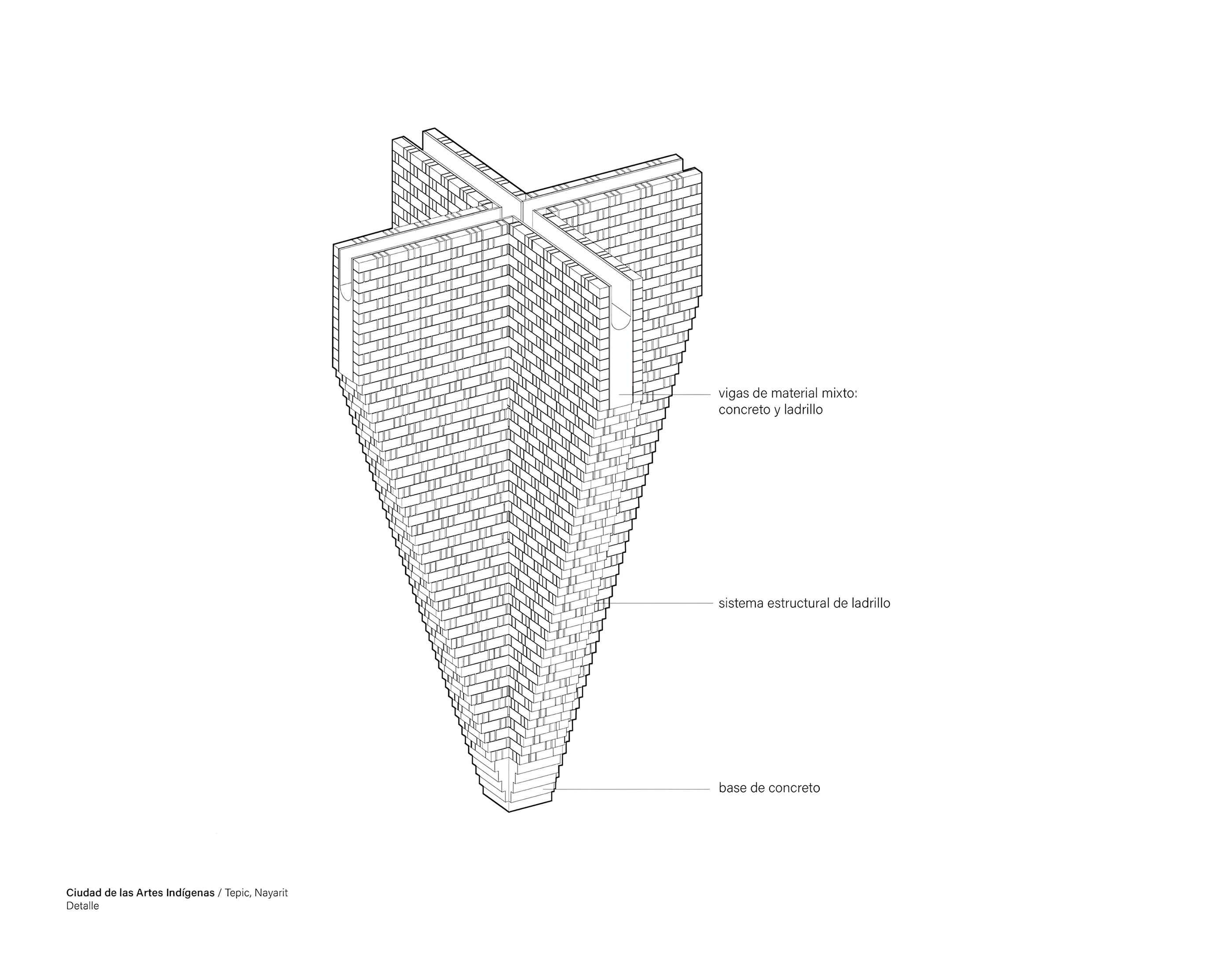
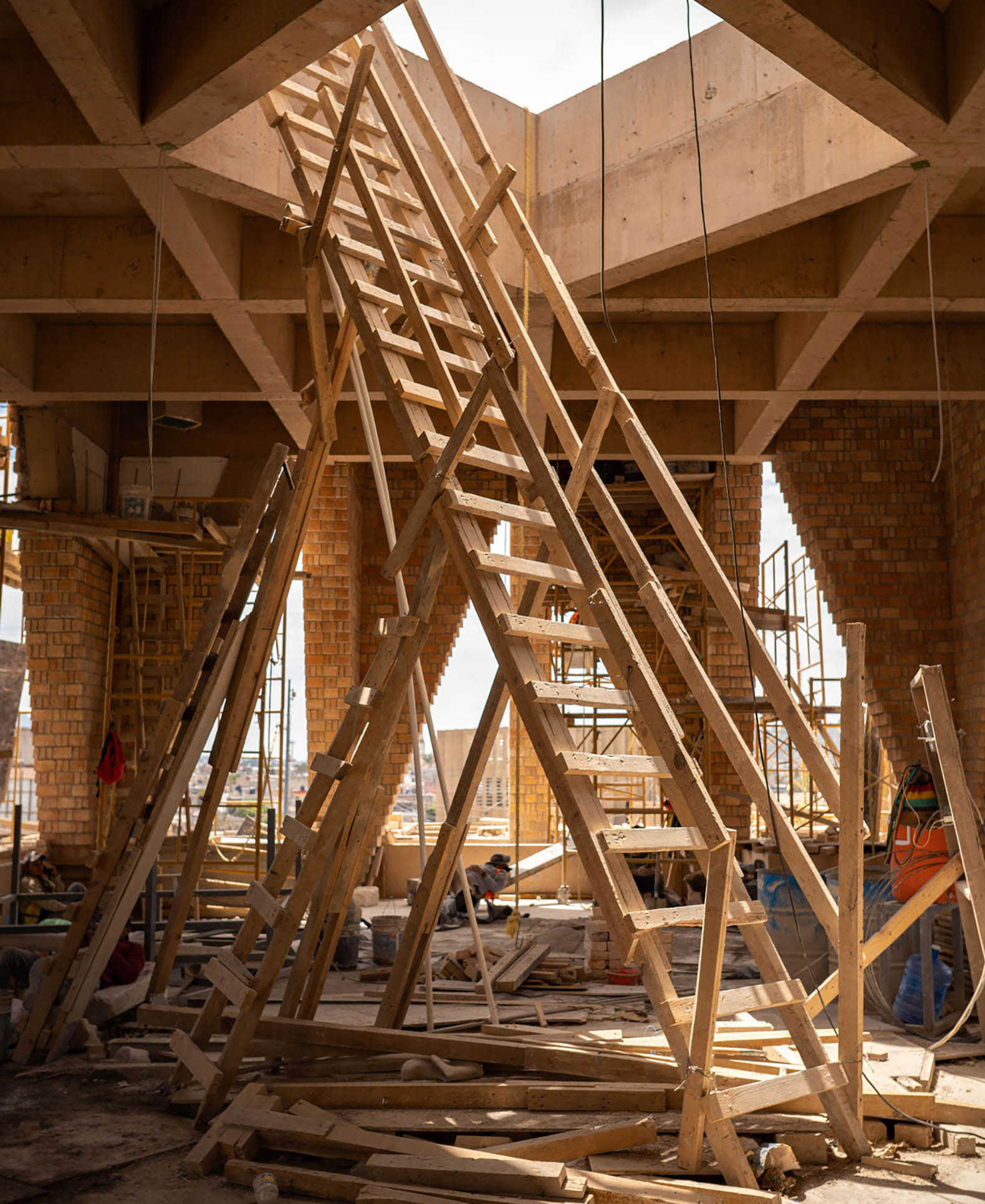
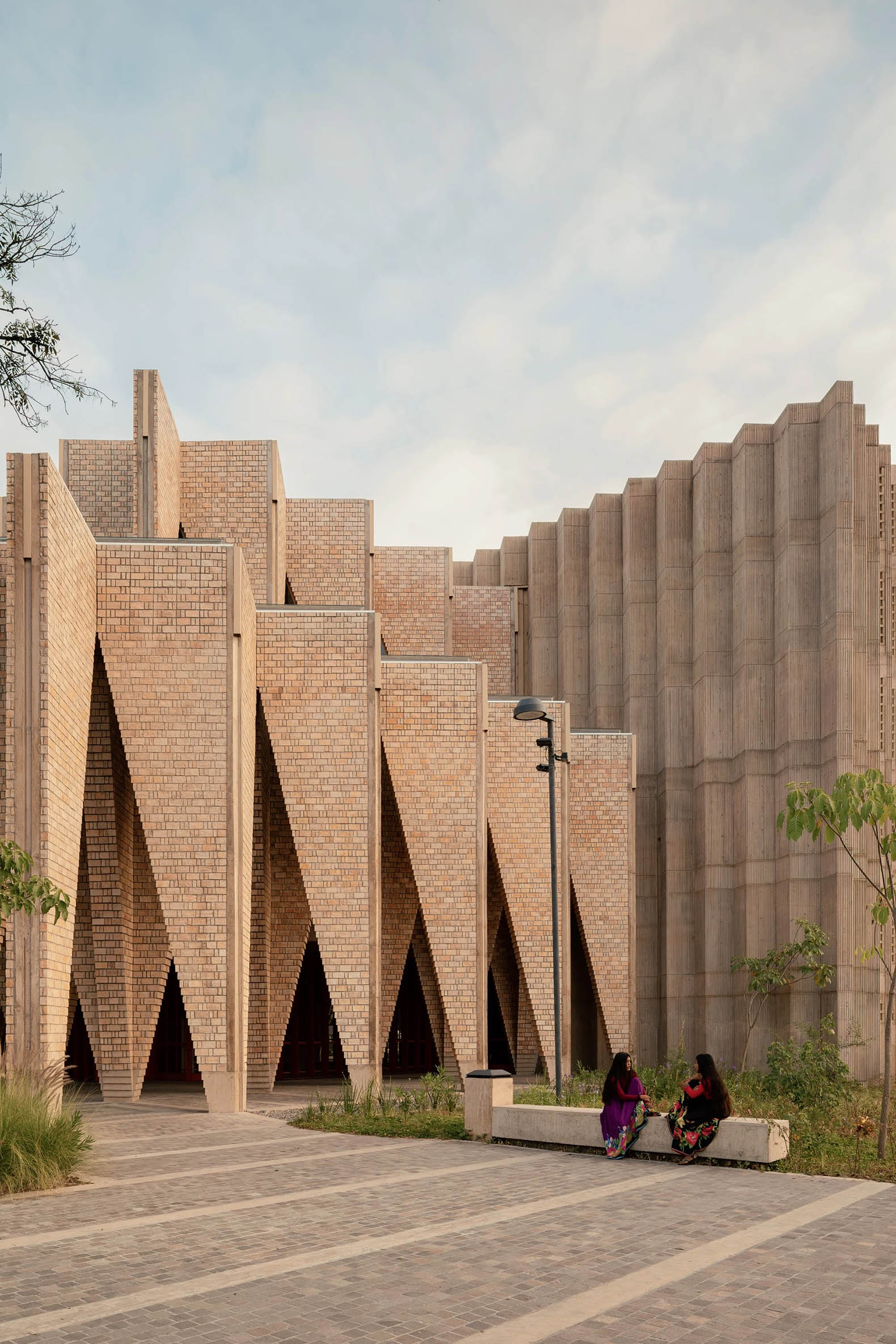
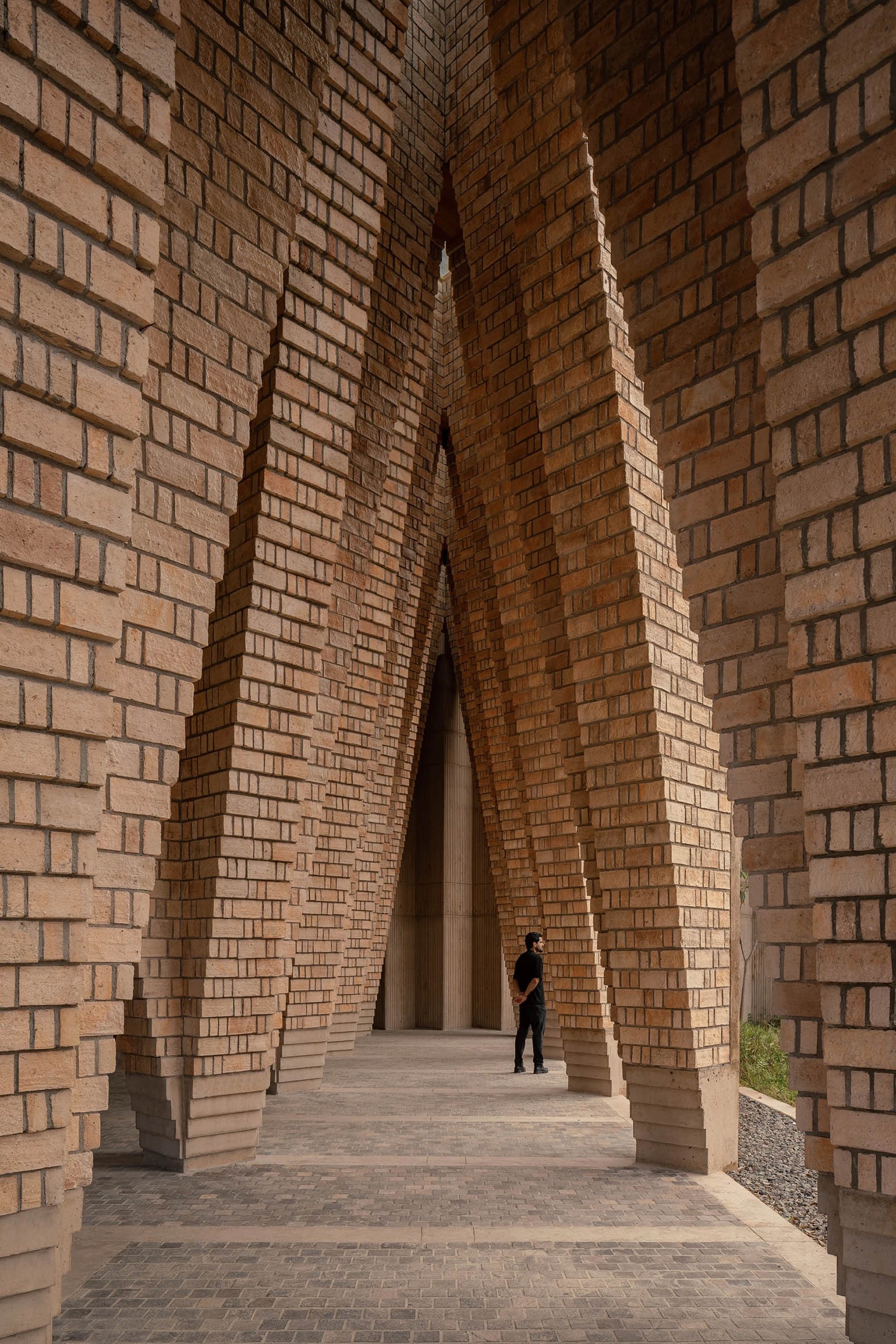
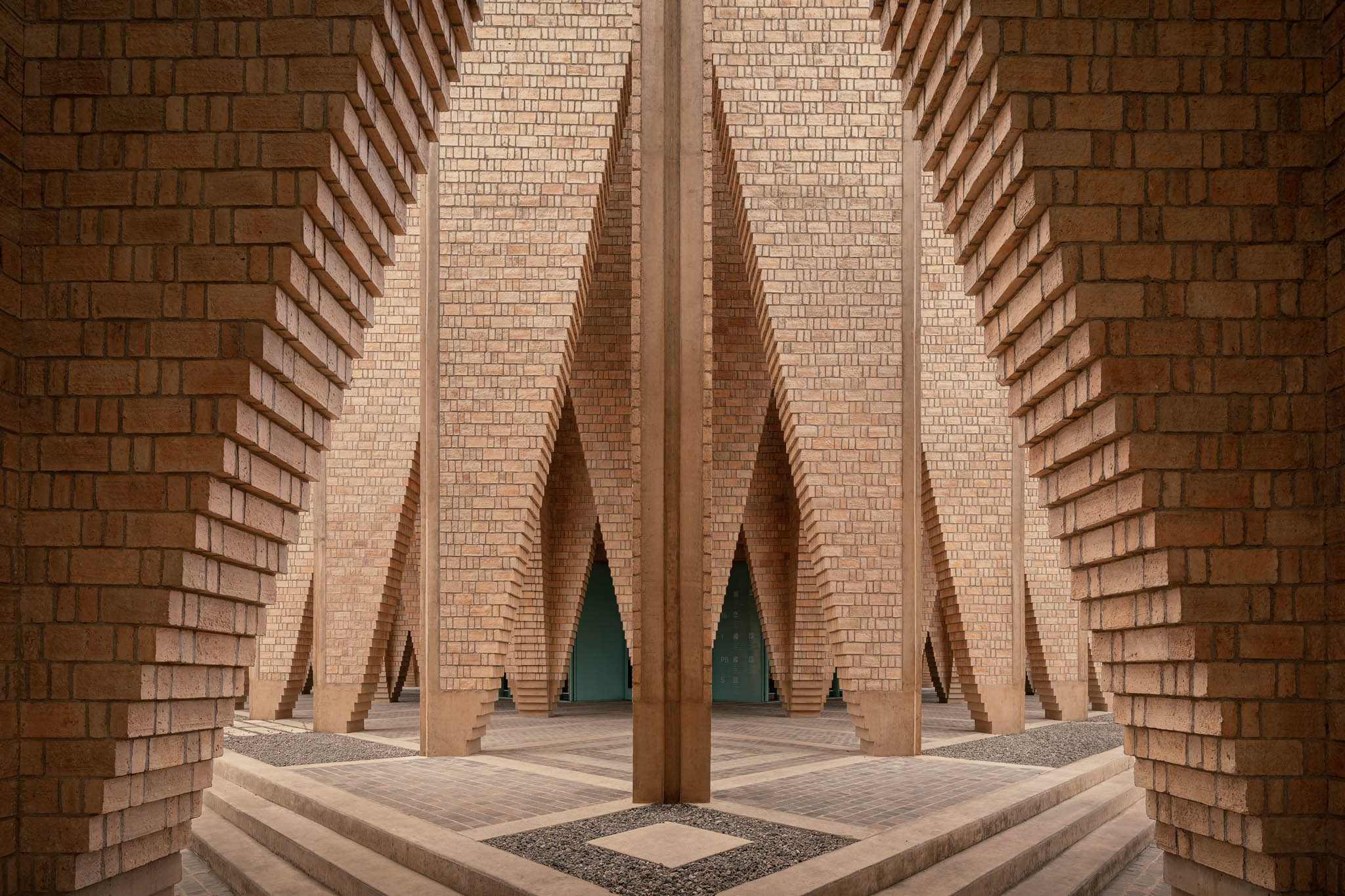
Brick was chosen as the main building material, alongside locally sourced materials and traditional, low-maintenance construction techniques. The versatility of brick allows a seemingly complex structure to be resolved through simple construction methods. The interiors create a warm and welcoming atmosphere for a programme of workshops, exhibitions and artistic activities.
City of Indigenous Arts by MMX. Photograph by César Béjar

City of Indigenous Arts by MMX. Photograph by César Béjar.

Project description by MMX

In the heart of Tepic (capital city of the State of Nayarit), where the Mololoa River and one of the city’s main roads converge, stands the “City for Indigenous Arts” (CAI for its acronym in Spanish). The complex materialises the multicultural identity of the region through architecture, landscape, mobility, and urban interventions.

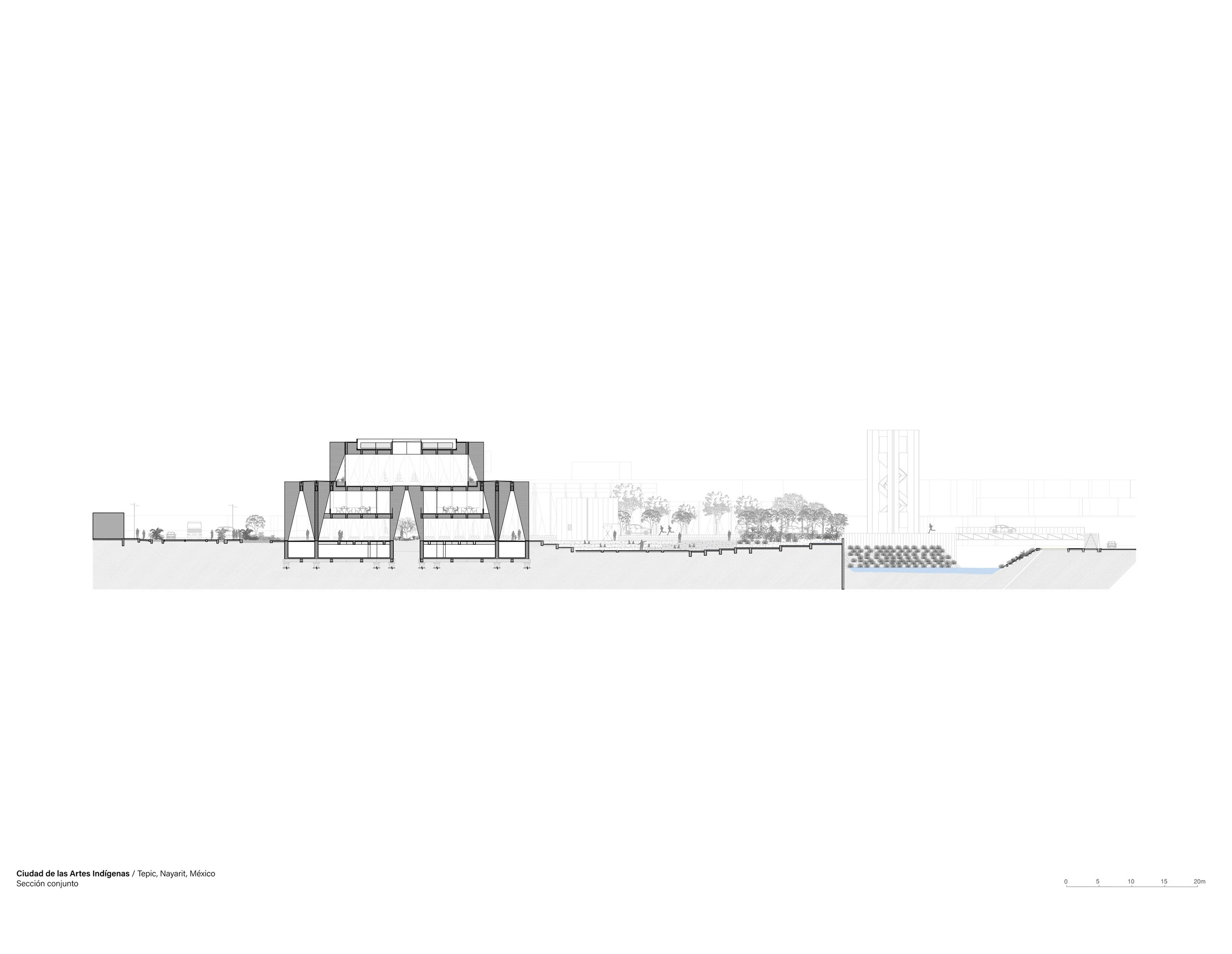
Composed by 4 buildings, open spaces, and the intervention for the Mololoa River, the CAI gives place to gatherings, commerce, exhibition, and teaching of handicraft production techniques, while generates open areas for resting and leisure with new paving, lighting, urban furniture and extensive complementary vegetation.

Ciudad de las Artes Indígenas por MMX. Fotografía por César Béjar.
City of Indigenous Arts by MMX. Photograph by César Béjar.

More than a mere group of buildings, the CAI is an integral city project. At different scales, it contributes to urban life, inclusivity, and to preserve, share and value the work and expressions of the territory’s original dwellers and people. The complex aims to be a place where cultures of the region can be appreciated and shared, while recovering a city space that used to be neglected and fragmented.

To intervene in the site and restructure the public space, we resorted to the inspiring geometric understanding of patterns and traces of the original communities. The reinterpretation of these motifs and geometries allowed us to define the forms and spaces that would put the artisans and their work at the center.
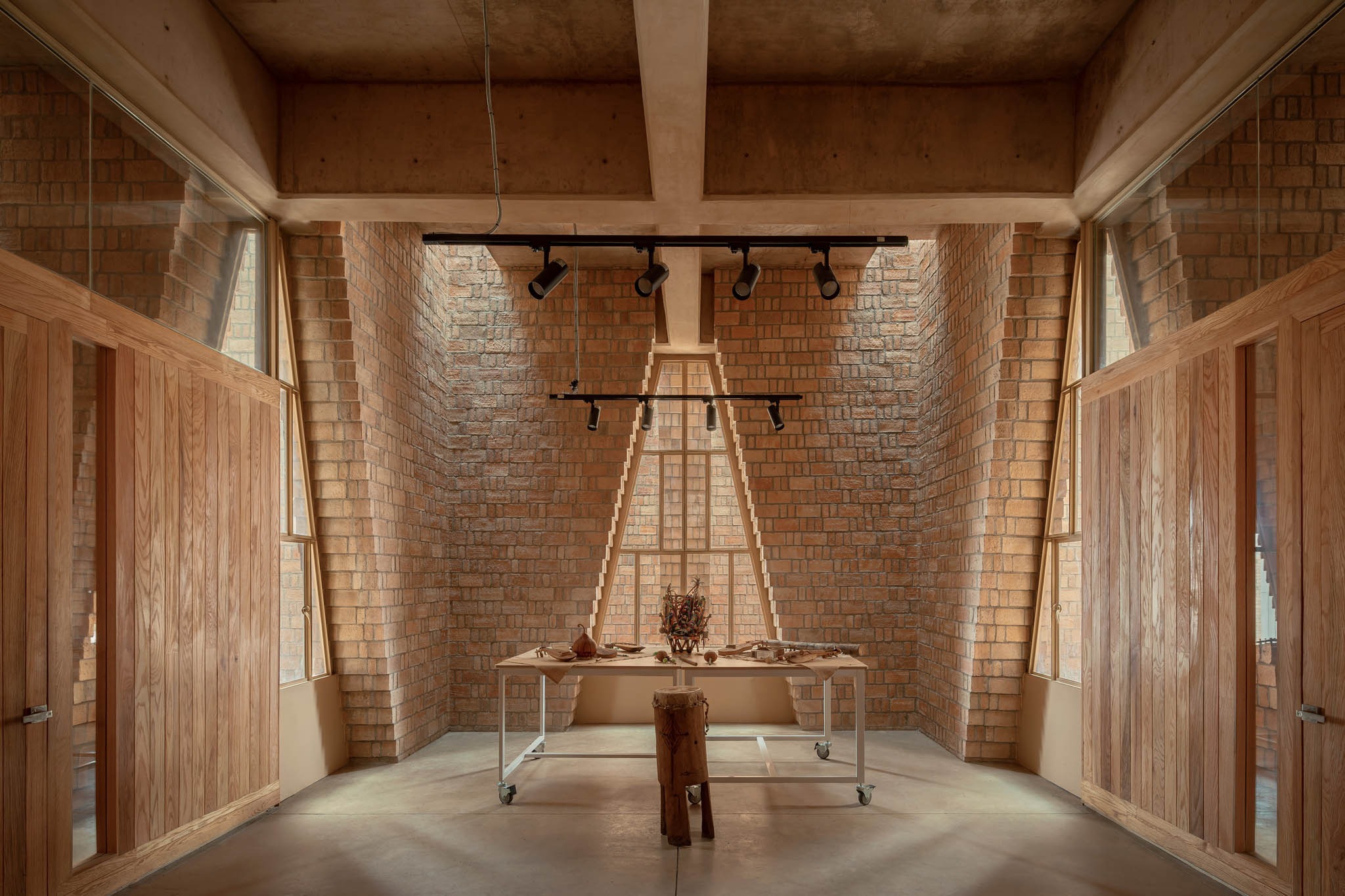
City of Indigenous Arts by MMX. Photograph by César Béjar.

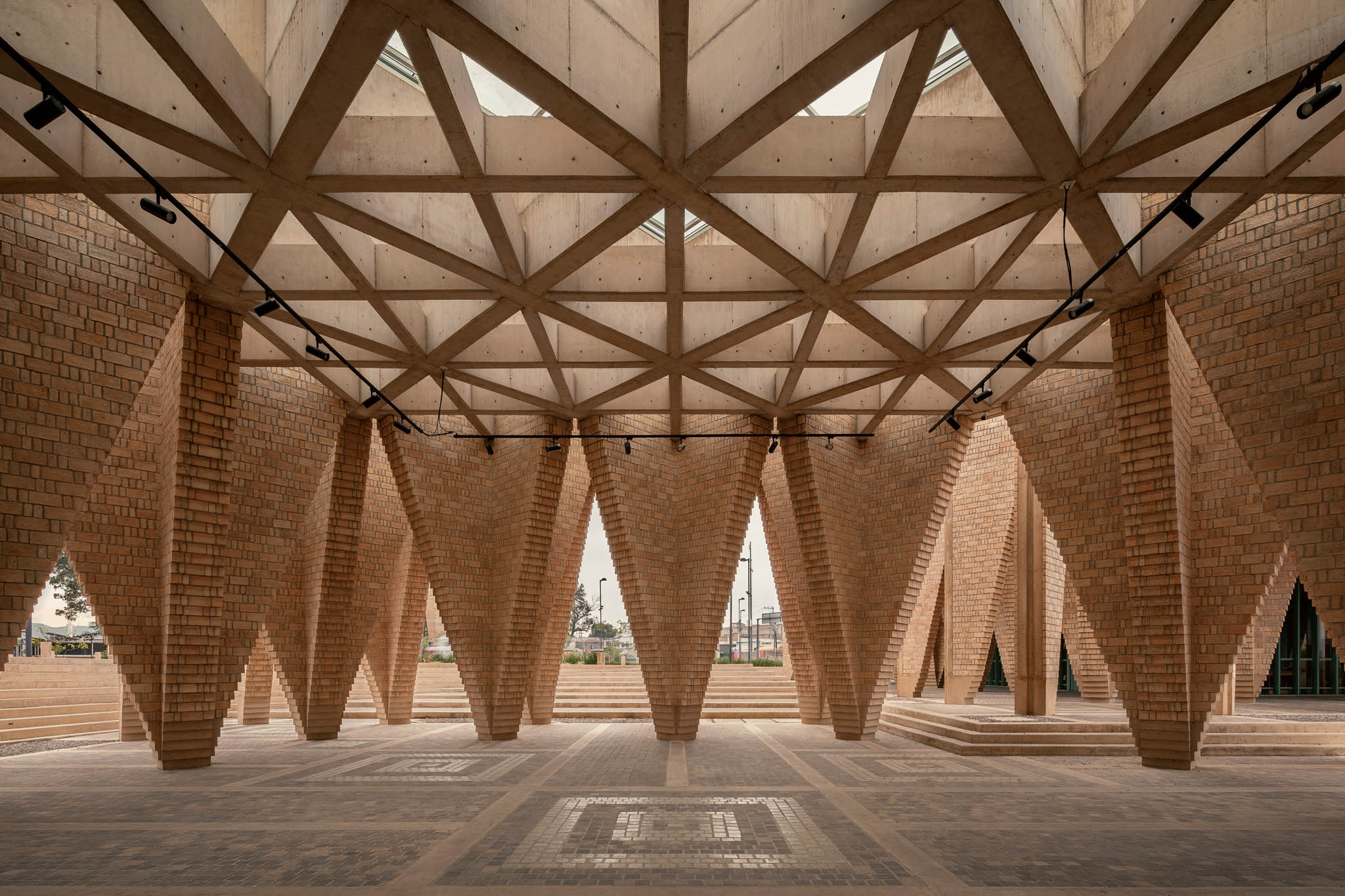
Brick allowed us to connect geometrically with these motifs, as well as materially with the region. As a unit, brick let us face the design and construction of what seemed to be an intricate system, but is in fact the informed repetition of a simple action.

The project for the City of the Indigenous Arts takes brick to an urban scale, structuring a public space from the basic unit out. The craftsmanship of the building echoes the activities that take place inside and around the complex. 
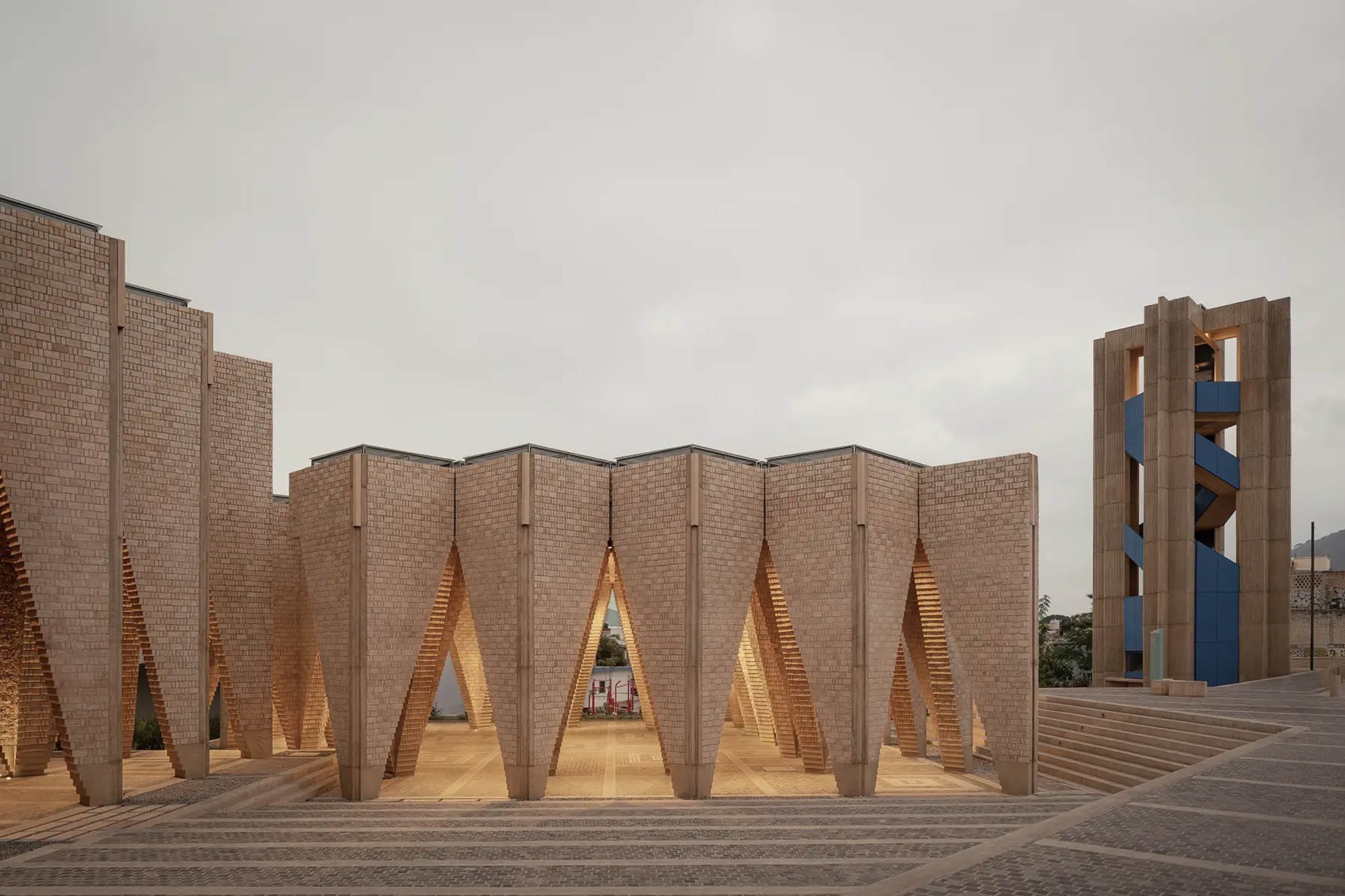
City of Indigenous Arts by MMX. Photograph by César Béjar.

The versatility of the brick allows for the creation of warm, welcoming, and dignified atmospheres for workshops, exhibitions, and artistic activities, while on the exterior, its durability enables extensive use and low maintenance. The earthly origin and qualities of the material, its energetic performance, the multiple possibilities for arrangement, and the efficiency of the brick for structural work are some of the reasons why we chose to work with it and what drives the complex’s unique geometry, composition and expression.

The brickwork for the City of Indigenous Arts is a testament and tribute to craftsmanship that transforms what used to be a detached site from the urban grid into a community gathering place.
More information

Label
Architects
Text

Estudio MMX (Jorge Arvizu Soto, Ignacio del Río Francos, Emmanuel Ramírez Ruiz y Diego Ricalde Recchia).

+ + copy Created with Sketch.
- + copy Created with Sketch.
Label
Project team
Text

Valeria Fernández Segura, Mely Adriana Morfín Ramírez, Eduardo Pesado, Santiago Levi, Manuel Ramírez Martínez, Gabriel González Pérez y Francisco Javier Martínez Sánchez.

+ + copy Created with Sketch.
- + copy Created with Sketch.
Label
Collaborators
Text

Project.- Mariel Collard and Eréndira Tranquilino.
Structural Engineering.- SACMAG.
Building Services Engineering.- IDEM.
Hydrology.- IDEM.
Landscape Architecture.- PAAR Taller.
Lighting Design.- In Light We Trust.
Signage Design.- María Marín de Buen and Humberto Moreno.

+ + copy Created with Sketch.
- + copy Created with Sketch.
Label
Client
Text

Secretaría de Desarrollo Agrario, Territorial y Urbano (SEDATU), Gobierno de México.

+ + copy Created with Sketch.
- + copy Created with Sketch.
Label
Builder
Text

Inmobiliaria y Desarrollos Constructivos Zenith, S. A. 
Brick masonry.- El Puente.

+ + copy Created with Sketch.
- + copy Created with Sketch.
Label
Area
Text

Intervention Area.- 32,321 m².
Built Area.- 10,167.10 m².

+ + copy Created with Sketch.
- + copy Created with Sketch.
Label
Dates
Text

Design.- 2022–2023.
Construction.- Began in February 2023. 
Officially completed.- In August 2024.

+ + copy Created with Sketch.
- + copy Created with Sketch.
Label
Location
Text

Avenida México Norte, Centro, Tepic, Nayarit, Mexico.

+ + copy Created with Sketch.
- + copy Created with Sketch.
Label
Budget
Text

178,934,675.66 Mexican pesos, corresponding to the construction contract for the CAI.

+ + copy Created with Sketch.
- + copy Created with Sketch.
Label
Photography
+ + copy Created with Sketch.
- + copy Created with Sketch.

Estudio MMX is an architecture and urban design studio founded in Mexico City in 2010 by Jorge Arvizu, Ignacio del Río, Emmanuel Ramírez, and Diego Ricalde. Working through a collaborative approach, the studio undertakes projects at different scales, from installations and pavilions to buildings, public spaces, and urban interventions, with particular attention to the physical, social, economic, and cultural conditions of each site.

The studio has received several national and international distinctions, including the Architectural League Prize for Young Architects + Designers (2012), Architectural Record's Design Vanguard 2012, the CEMEX Award, and a Highly Commended distinction in The Architectural Review's Emerging Architecture Awards. Its work has also been featured at the Latin American Architecture Biennial in Pamplona and presented at international institutions and exhibitions, including Storefront for Art and Architecture in New York and the Venice Architecture Biennale.

Jorge Arvizu (1975) studied architecture at Universidad Iberoamericana, where he also earned a master's degree in Civil Engineering and Construction Management. Before founding Estudio MMX, he worked at TEN Arquitectos and Alberto Kalach's architecture studio, and collaborated with Óscar Hagerman on the construction of schools and shelters in rural communities. He has taught architectural design and construction at Universidad Iberoamericana.

Ignacio del Río (1978) graduated in architecture from the National Autonomous University of Mexico (UNAM). He developed his professional career in Mexico and Spain, working with Alberto Kalach's studio, Central de Arquitectura, and Molestina Architekten. His experience focuses on architectural project development, construction documentation, and team coordination. He was awarded a Young Creators grant by Mexico's National Fund for Culture and the Arts (FONCA).

Emmanuel Ramírez (1978) graduated in architecture from UNAM and earned a master's degree in Architecture from The Bartlett School of Architecture at University College London (UCL). He has worked with Alberto Kalach's studio, Skidmore, Owings & Merrill (SOM), and David Chipperfield Architects. His professional interests encompass architecture, urban design, and territorial planning. He has taught at Universidad Iberoamericana and the University of Texas at Arlington.

Diego Ricalde (1978) graduated in architecture from UNAM and earned a master's degree in Architecture and Urbanism from the Architectural Association School of Architecture in London. He has worked professionally in Mexico, Switzerland, and Italy, developing a particular interest in architecture, urbanism, and computational approaches to architectural design. He has taught architecture and urbanism at Universidad Iberoamericana and has received distinctions including a Young Creators grant from FONCA and the Silver Medal at the Mexican Architecture Biennial.

Read more
Published on: November 15, 2026
Cite:
metalocus, SARA GENT
"Indigenous culture and identity. City of Indigenous Arts by MMX" METALOCUS. Accessed
<https://www.metalocus.es/en/news/indigenous-culture-and-identity-city-indigenous-arts-mmx> ISSN 1139-6415
Loading content ...
Loading content ...
Loading content ...
Loading content ...
Loading content ...
Loading content ...
Loading content ...
Loading content ...
Loading content ...
Loading content ...
Loading content ...
Loading content ...
Loading content ...
Loading content ...
Loading content ...
Loading content ...
Loading content ...
Loading content ...
Loading content ...
Loading content ...
Loading content ...
Loading content ...
Loading content ...
Loading content ...
Loading content ...
Loading content ...
Loading content ...
Loading content ...
Loading content ...
Loading content ...
Loading content ...
Loading content ...
Loading content ...
Loading content ...
Loading content ...
Loading content ...
Loading content ...
Loading content ...
Loading content ...
Loading content ...
Loading content ...
Loading content ...
Loading content ...
Loading content ...
Loading content ...
Loading content ...
Loading content ...
Loading content ...
Loading content ...
Loading content ...
Loading content ...
Loading content ...
Loading content ...
Loading content ...