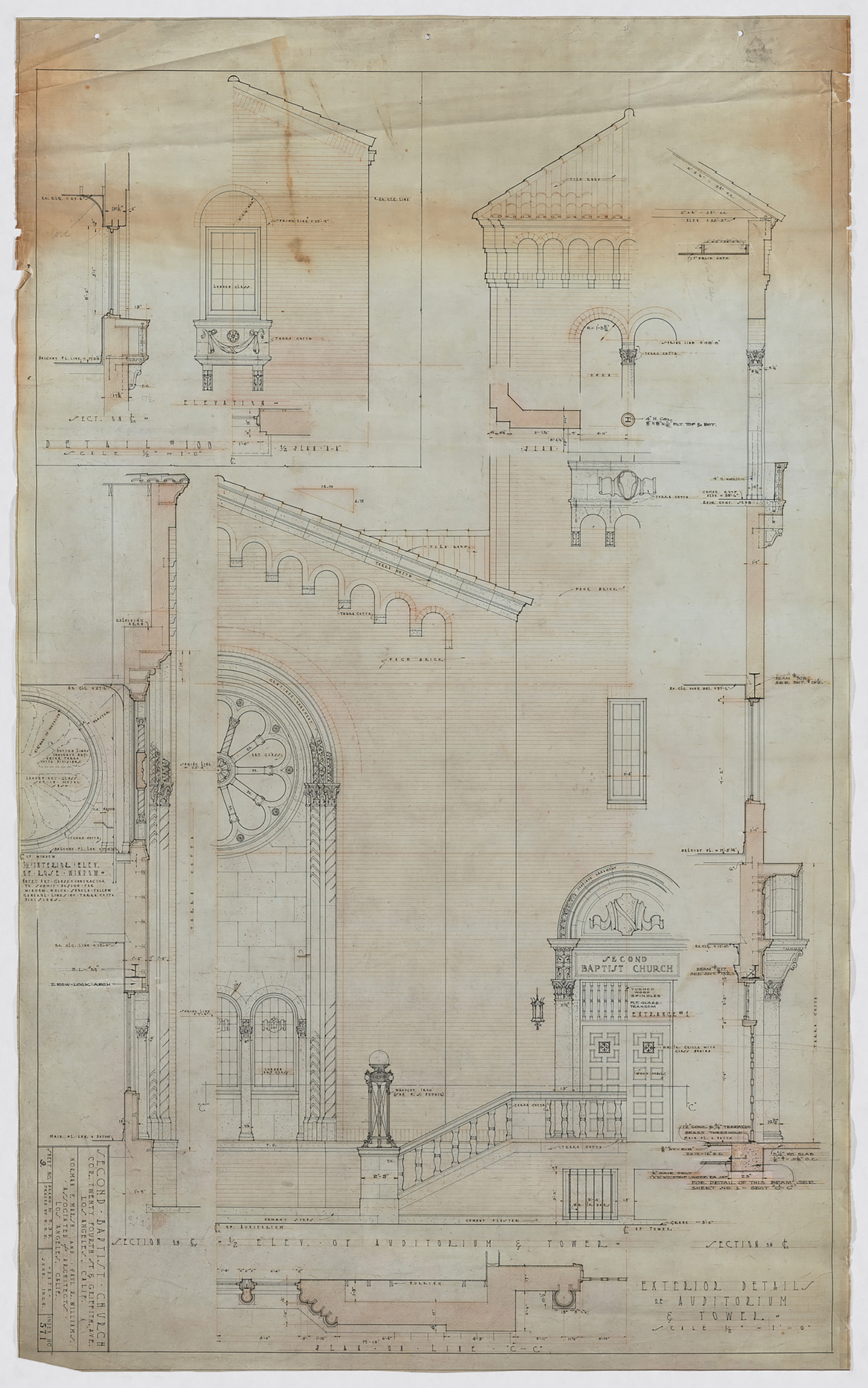
The Getty Center in Los Angeles presents "Paul R. Williams: Architecture Beyond Racial Barriers," an exhibition highlighting the exceptional career of Paul R. Williams (1894–1980), the first African American architect licensed to practice in the western United States.

Orphaned at the age of four, Williams went on to become one of America's most prominent architects, designing homes for renowned figures such as Frank Sinatra, Lucy and Desi Arnaz, and Bill "Bojangles" Robinson. Throughout his career, he developed a remarkable body of work that challenged conventional notions of who could practice architecture and what the profession could represent.

Curated by LeRonn P. Brooks, Maristella Casciato, Gary Riichirō Fox, and Alex Jones, the exhibition dedicated to Paul R. Williams will be on view at the Getty Center from December 15, 2026, to March 14, 2027. The exhibition focuses primarily on his work for the African American community and analyzes the impact of his architecture within a context marked by systems of racial exclusion.

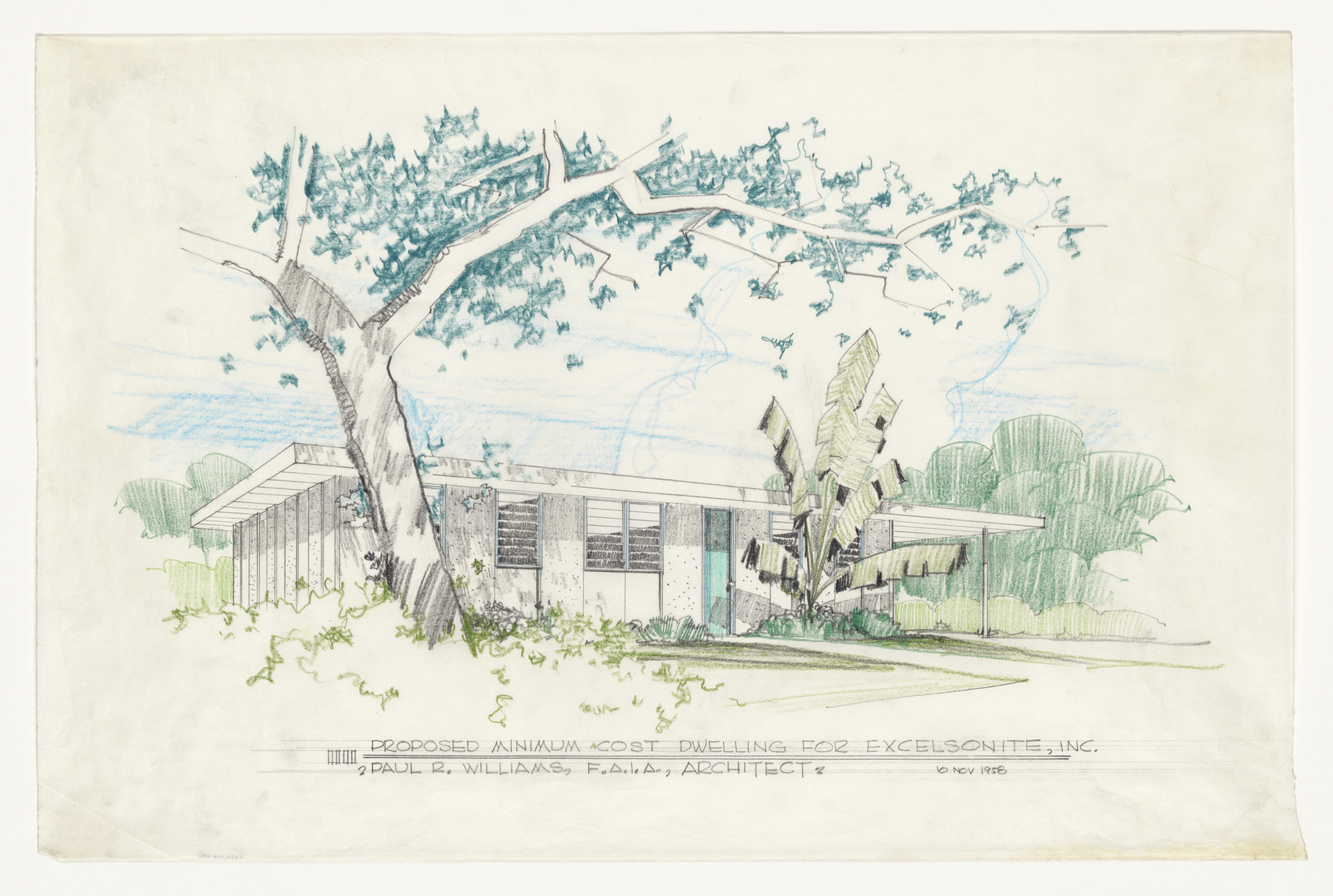
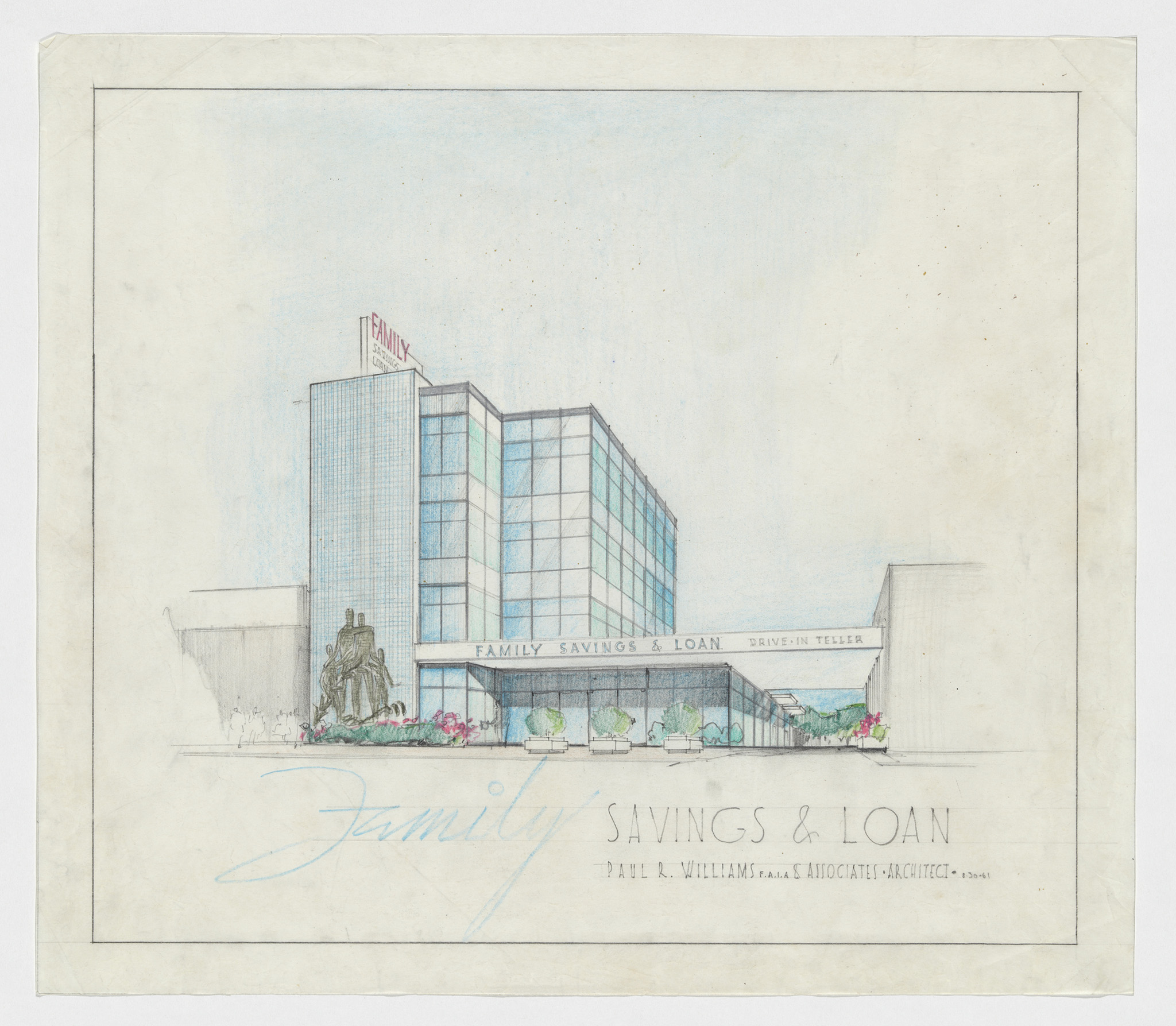
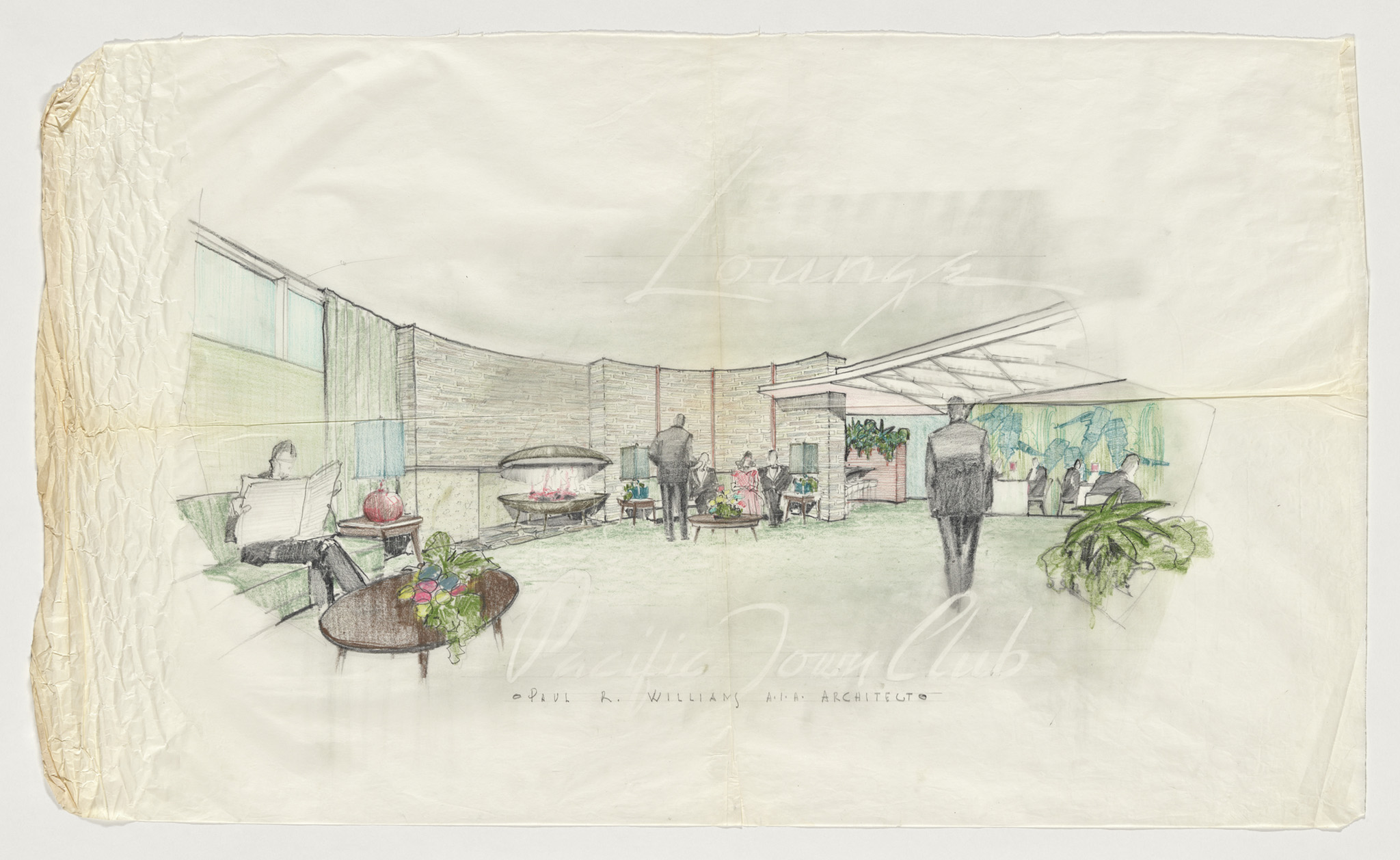
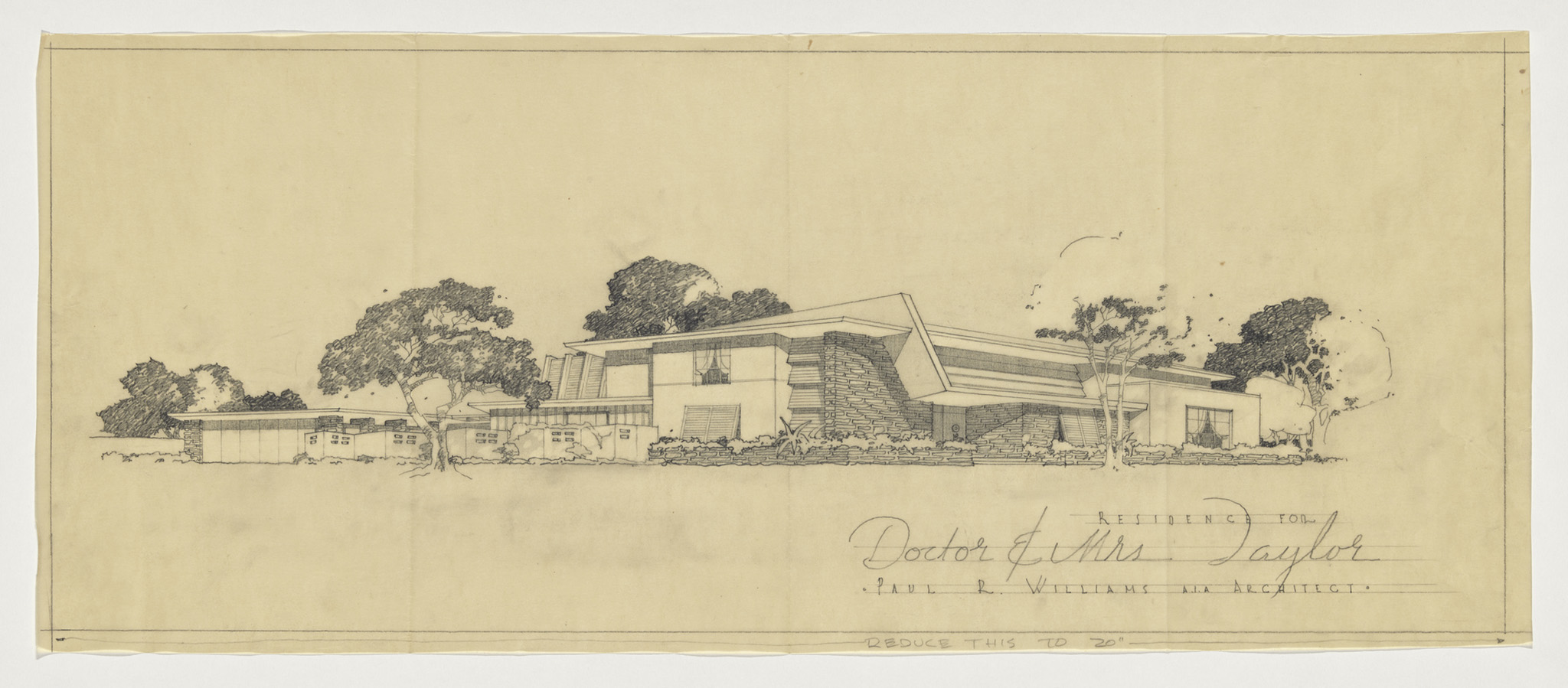
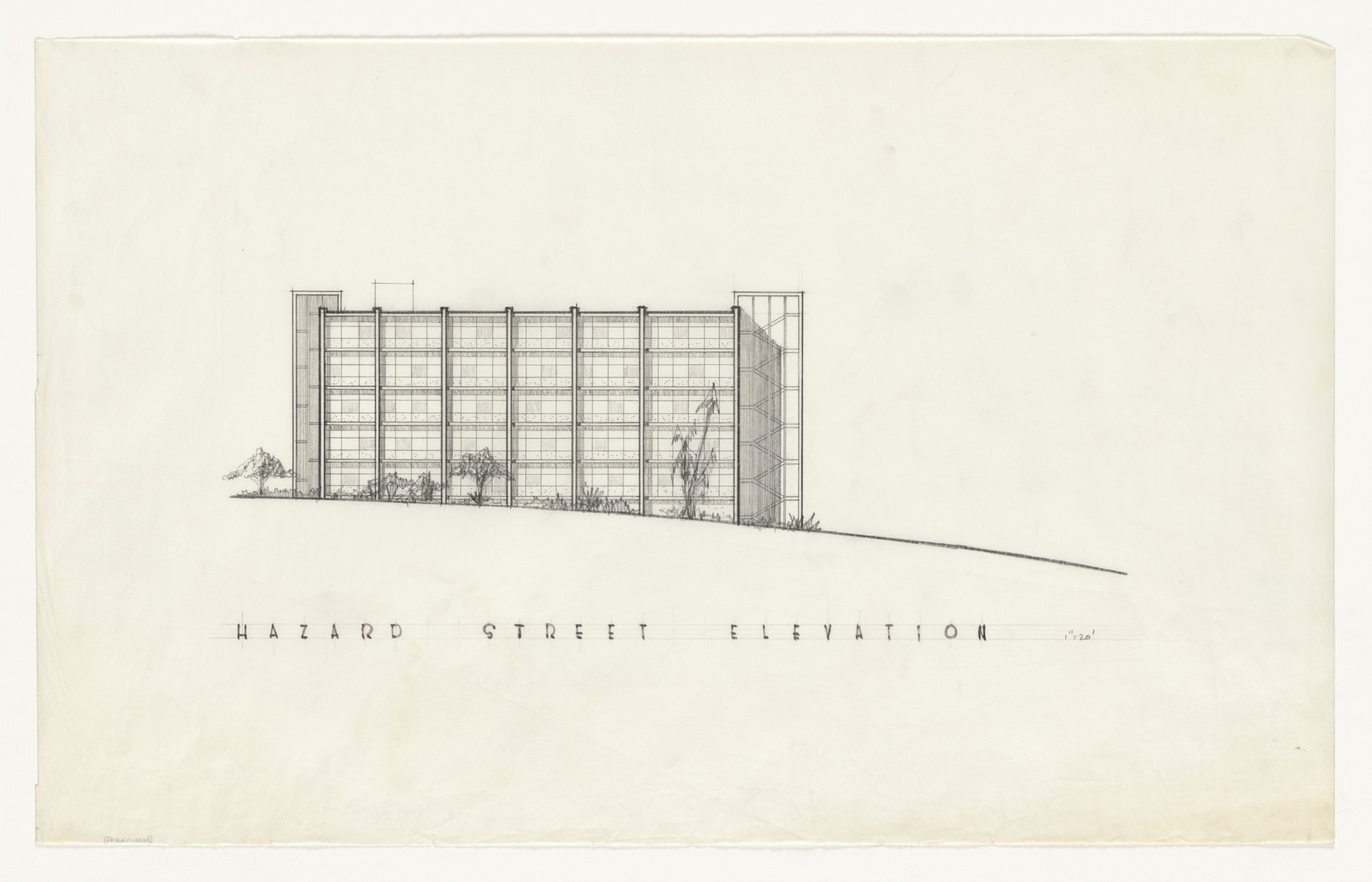
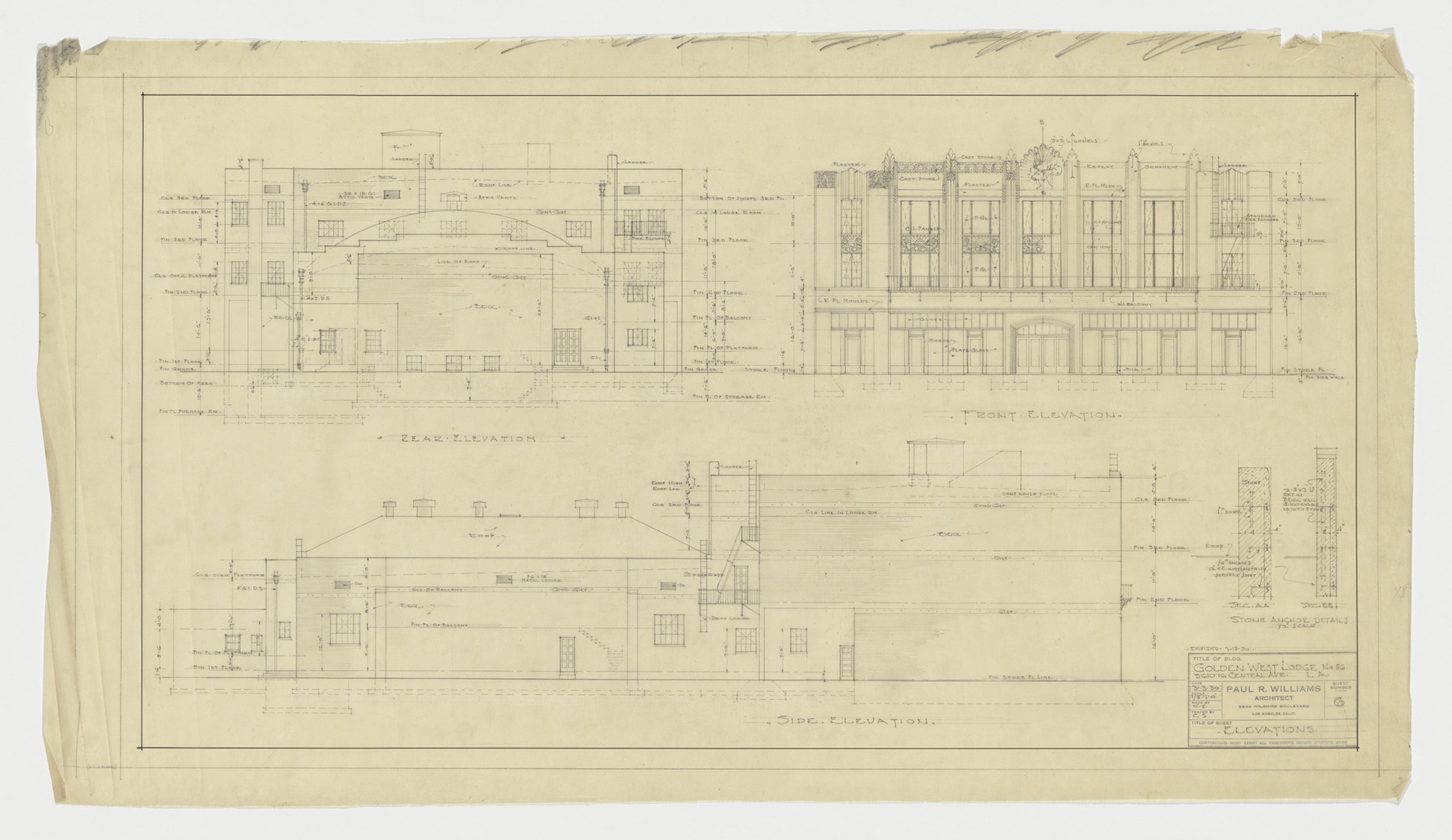
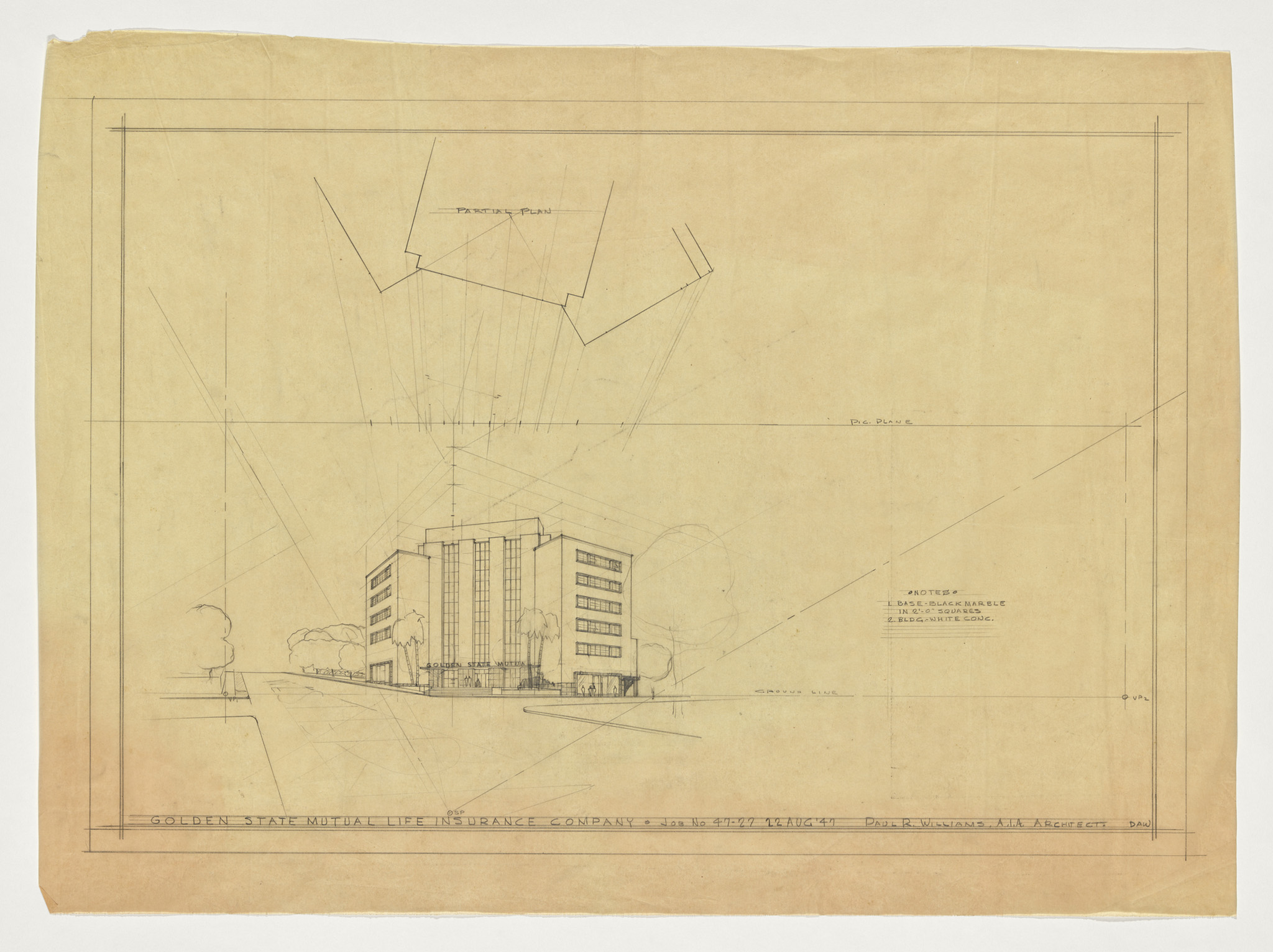
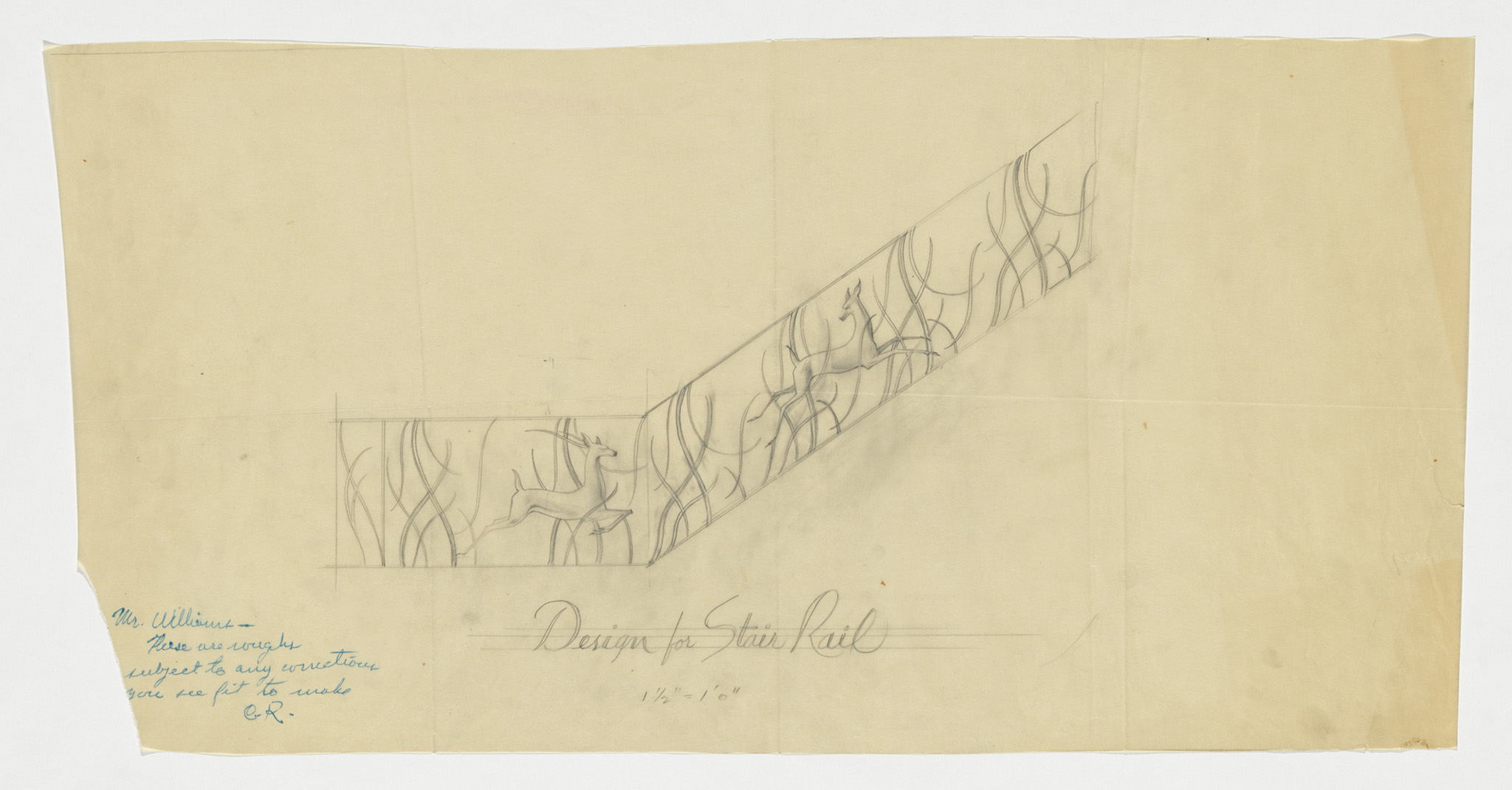
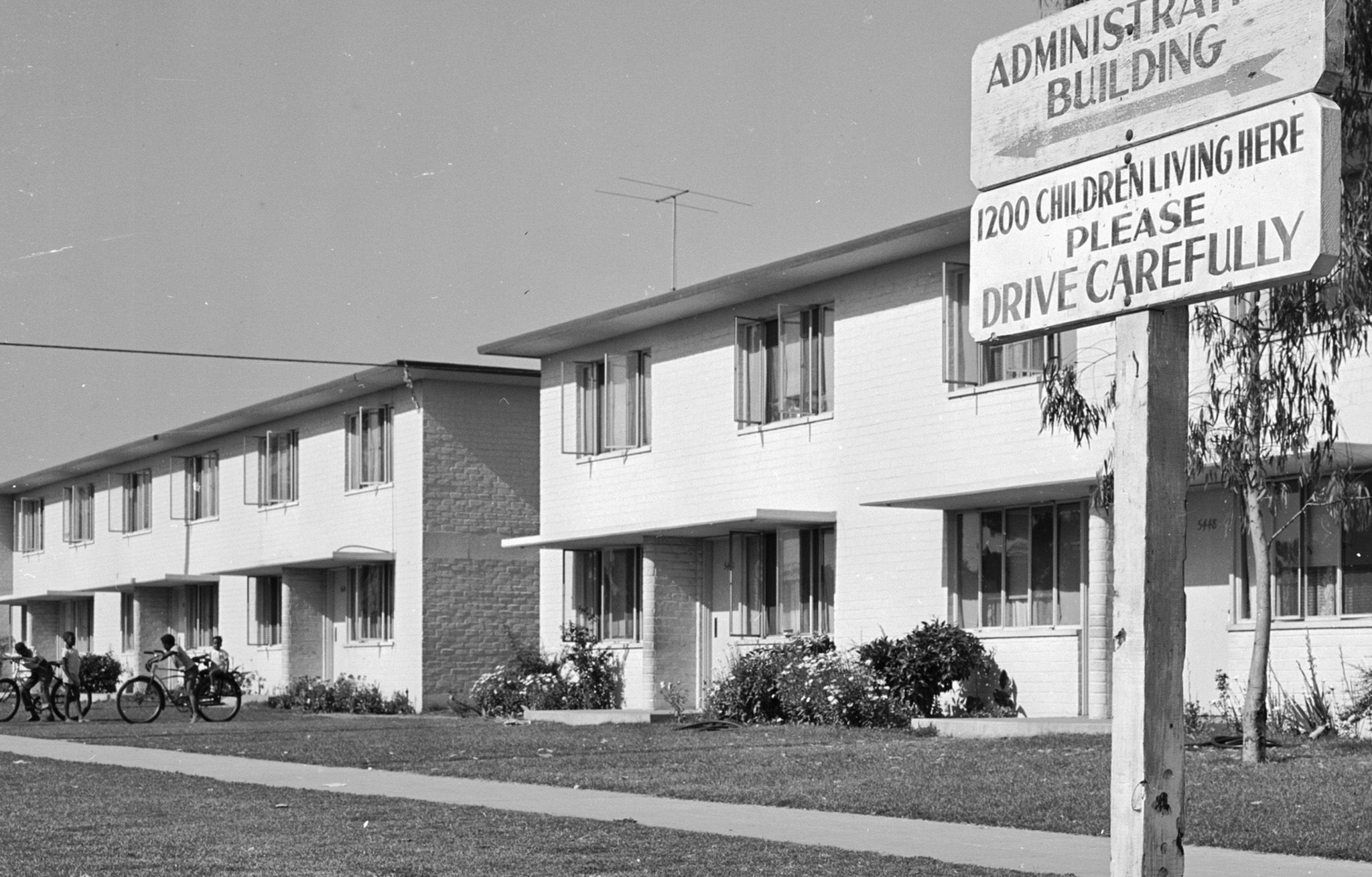
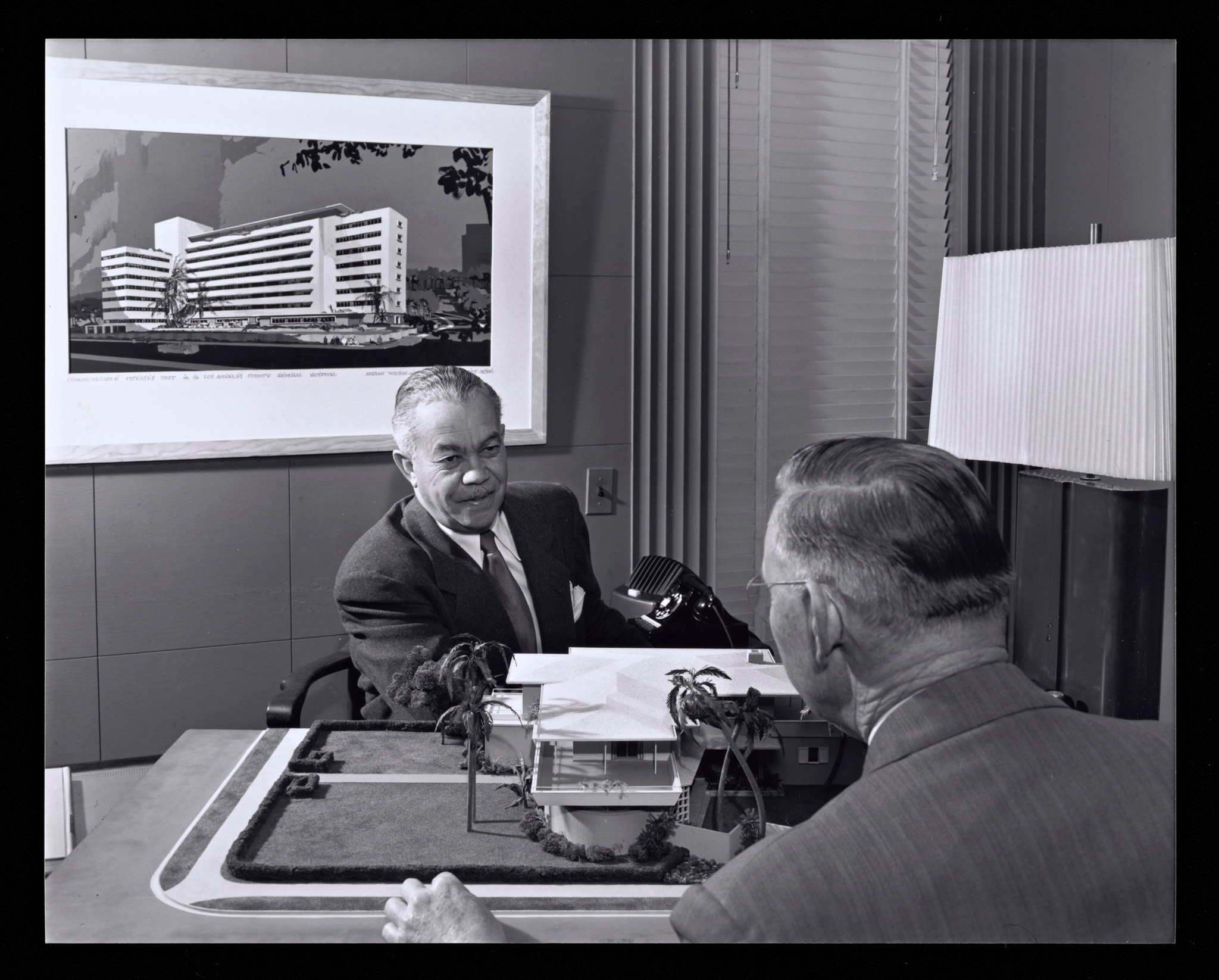
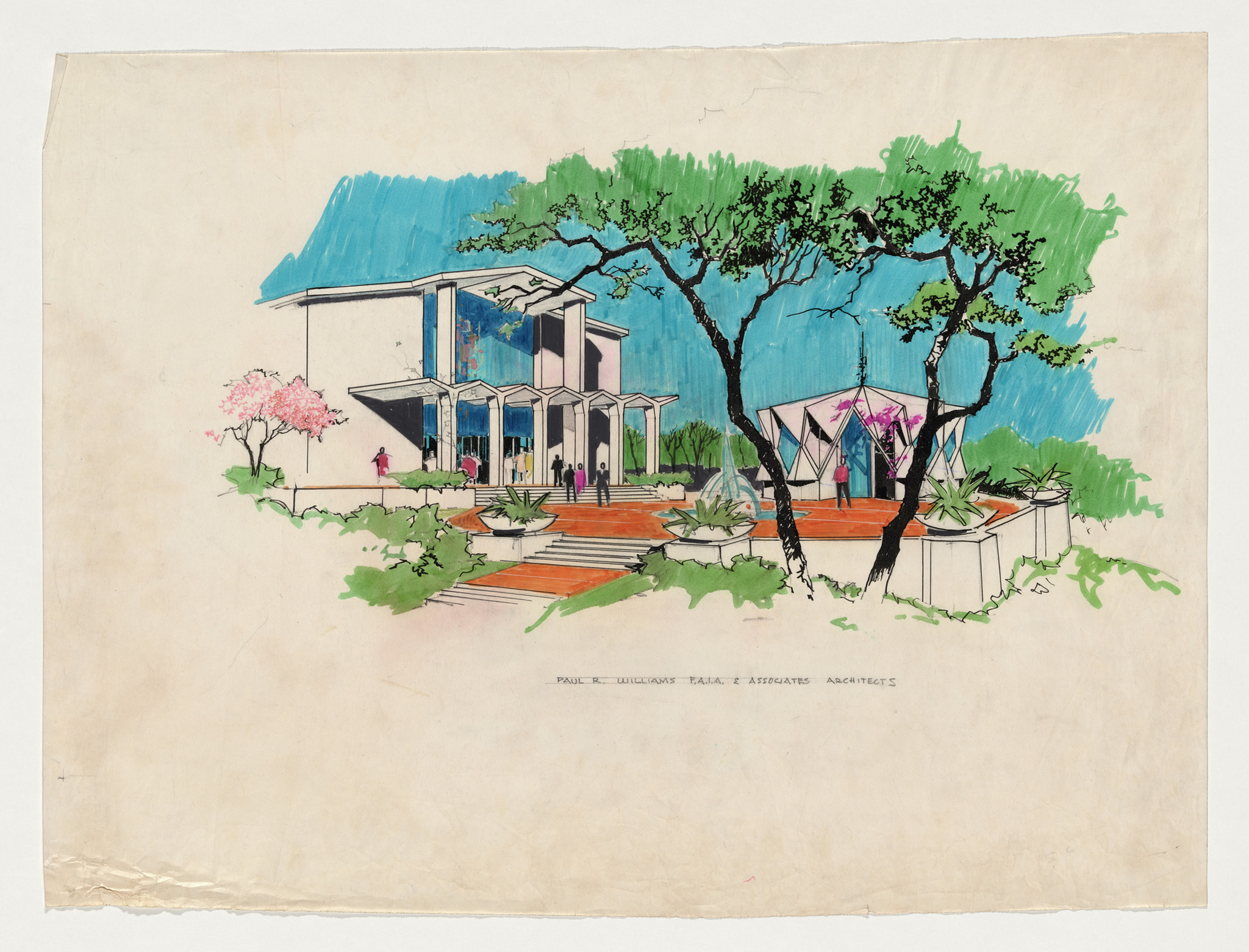
Through drawings, photographs, and archival materials, the exhibition traces Williams' professional development, from his early training to his establishment as one of the country's most renowned architects. While he achieved international acclaim for his luxury homes for Hollywood celebrities and prominent clients, he also dedicated a significant portion of his practice to developing housing for Black families and collaborating with African American developers to expand access to quality, affordable housing.
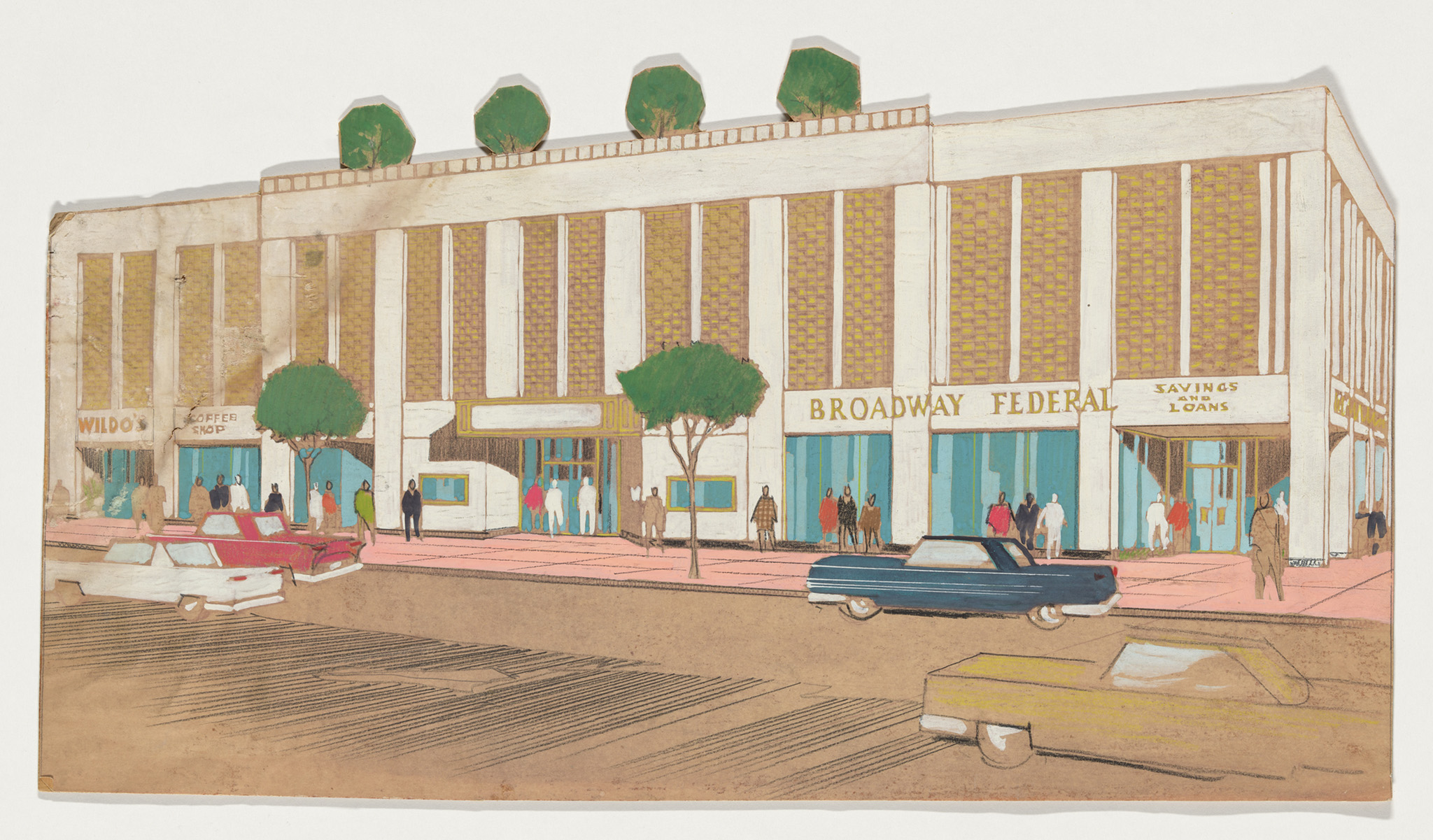
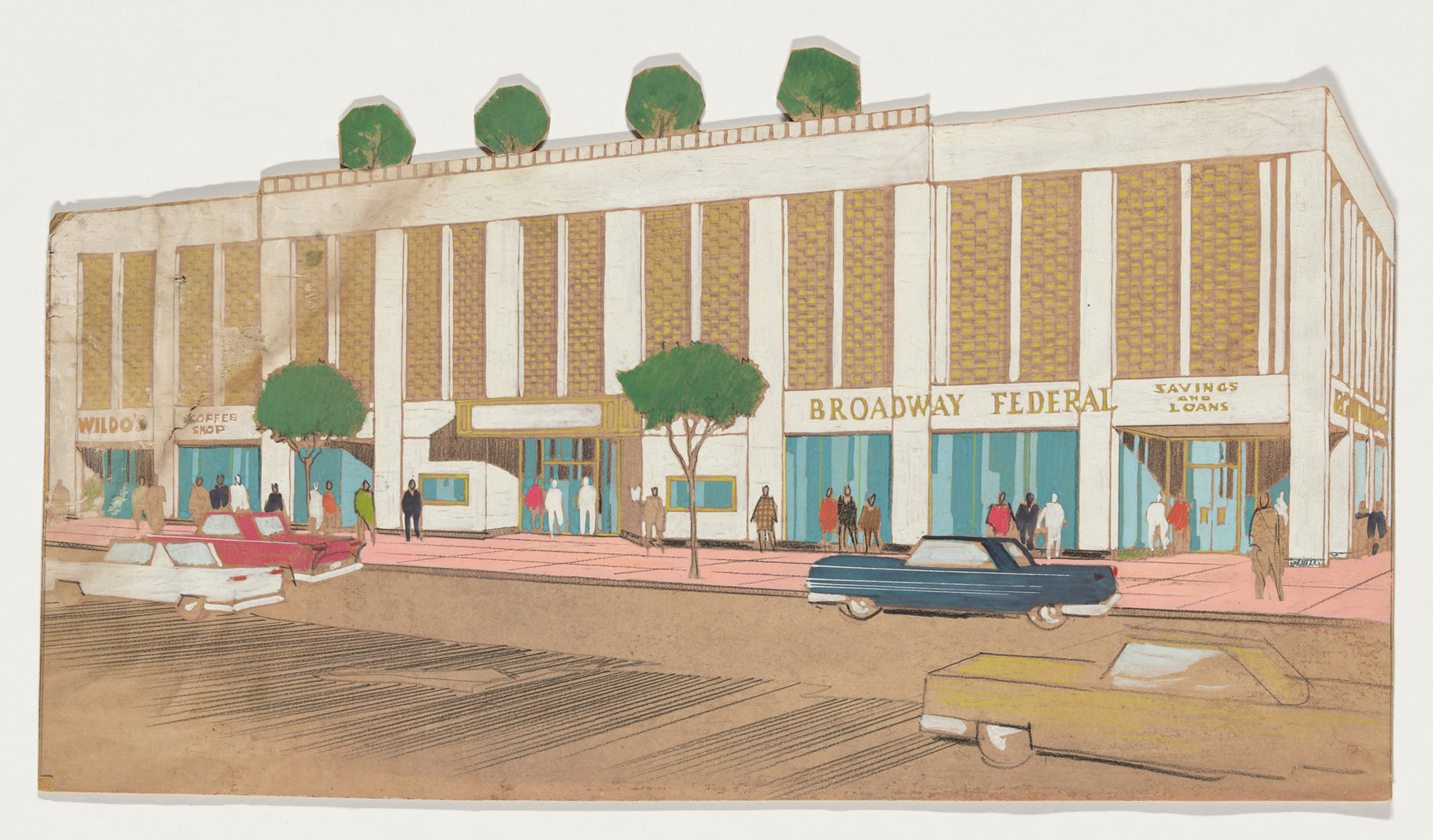
Broadway Federal Savings and Loans (perspective rendering Cutout), ca. 1954, by Paul R. Williams, (American, 1894–1980), mixed media on paper. Jointly owned by the Getty Research Institute and the University of Southern California School of Architecture, 2020.M.6. Courtesy of Della M. Williams Trust Dated December 15, 1988.

Broadway Federal Savings and Loans (perspective rendering Cutout), ca. 1954, by Paul R. Williams, (American, 1894–1980), mixed media on paper. Jointly owned by the Getty Research Institute and the University of Southern California School of Architecture, 2020.M.6. Courtesy of Della M. Williams Trust Dated December 15, 1988.

One of the exhibition's main focuses is the preservation of Williams' extraordinary archive. For years it was believed to have been destroyed in a fire, but the family managed to preserve it before it was acquired by the Getty Research Institute and the USC School of Architecture.

From this collaboration, the Getty developed an extensive process of conservation, stabilization, and cataloging of thousands of architectural drawings and documents that allow the reconstruction of his professional practice. The exhibition also addresses current efforts to preserve his built legacy. Historic buildings such as the 28th Street YMCA, the Second Baptist Church, the former Angelus Funeral Home, and his own residence have undergone significant restoration processes, in some cases using the original drawings preserved in the archive.
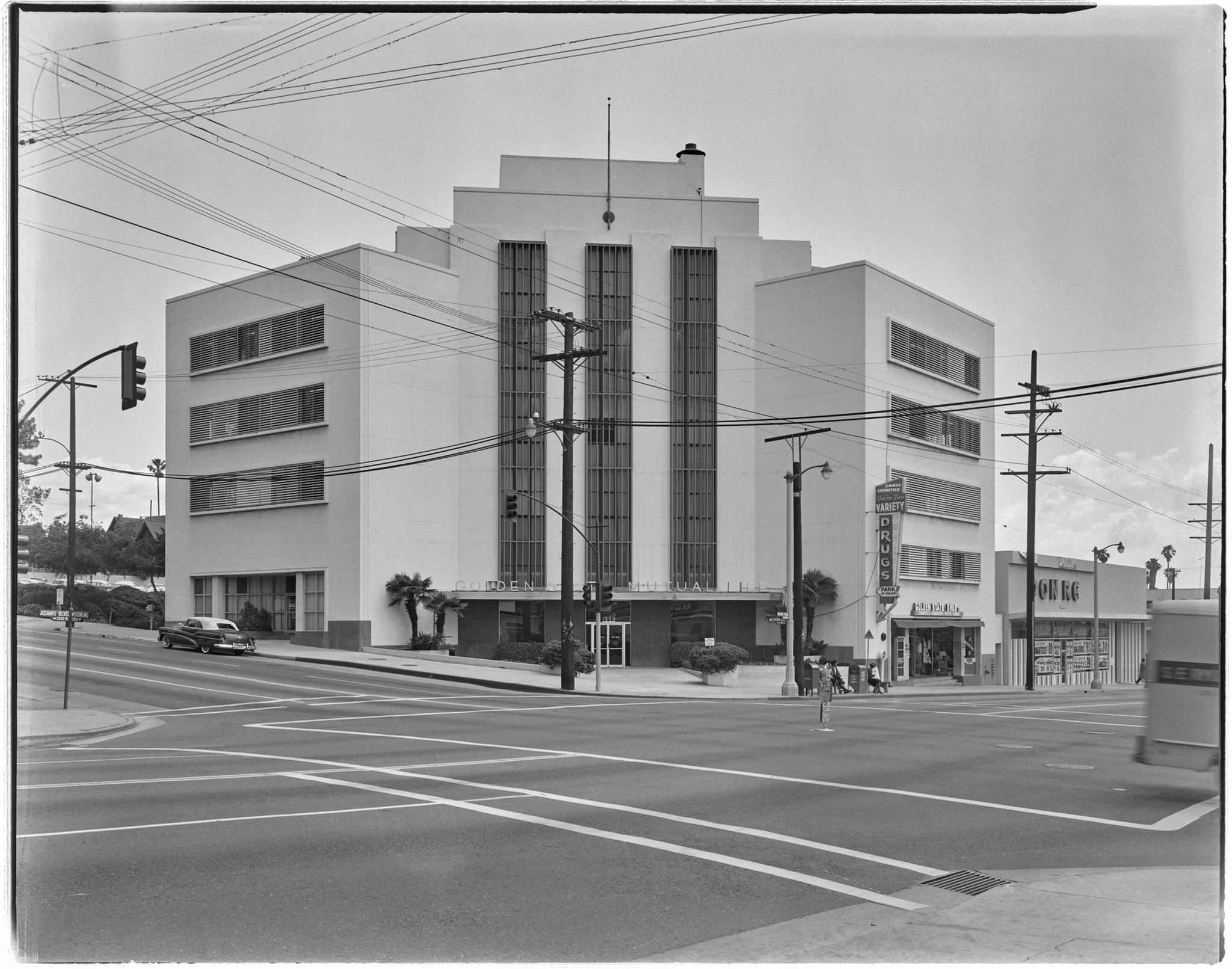
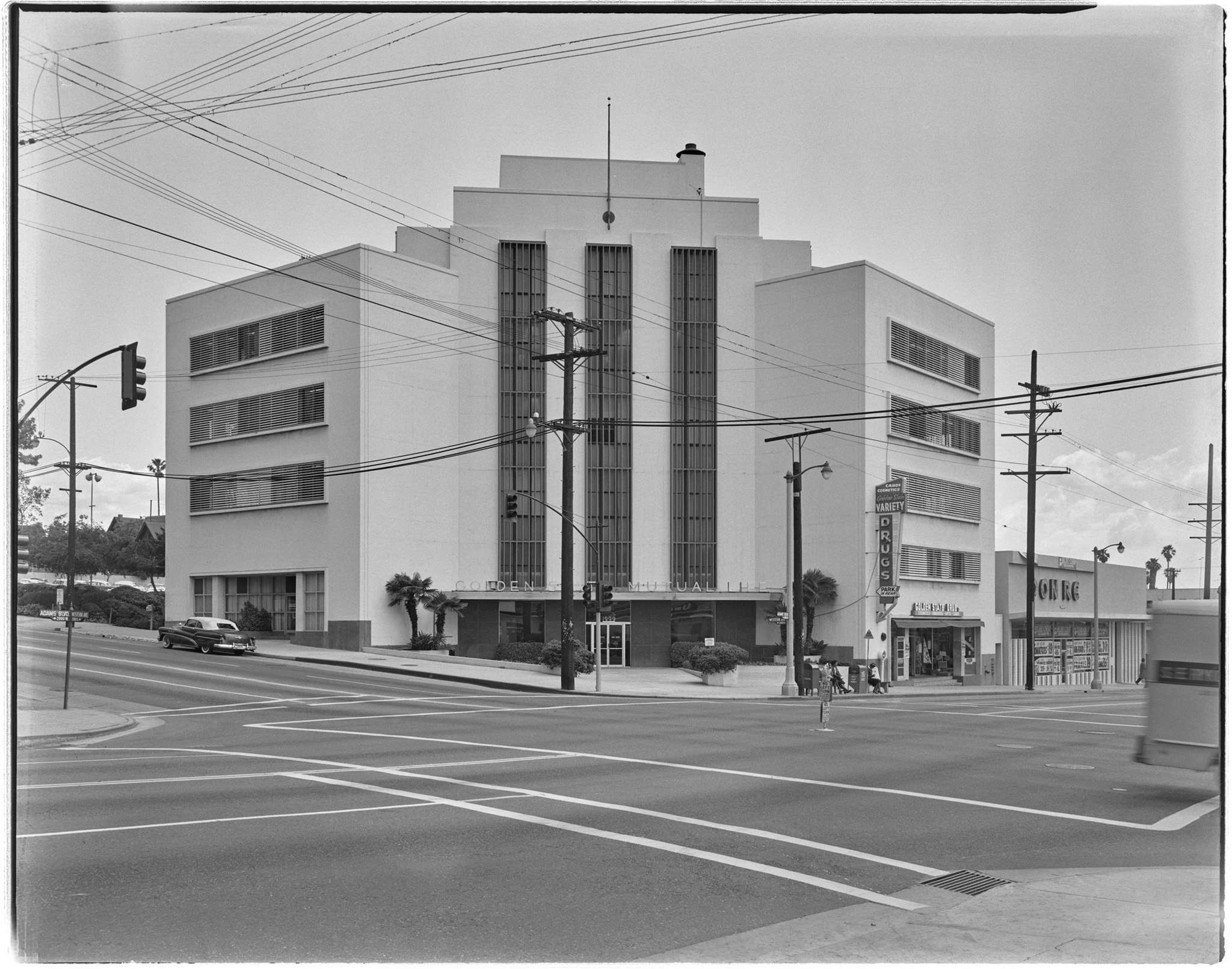
Golden State Mutual Life Insurance Company, ca. 1950, by Harry Drinkwater, (American, 1919–2014), silver gelatin negative. Getty Research Institute, Los Angeles (2011.R.23). Courtesy of Harry Drinkwater.

Golden State Mutual Life Insurance Company, ca. 1950, by Harry Drinkwater, (American, 1919–2014), silver gelatin negative. Getty Research Institute, Los Angeles (2011.R.23). Courtesy of Harry Drinkwater.

The exhibition traces the career of one of the most influential architects of the 20th century and is part of a broader program coordinated by the Getty, the Los Angeles County Museum of Art, and the USC Fisher Museum, which will present various exhibitions dedicated to Williams between 2026 and 2027. As a complement, Getty Publications will publish *I Am an Architect: Paul R. Williams and His Archive*, the first research book based on his archive and featuring essays by the curators of the three institutions.
More information

Label
Exhibition
Text

"Paul R. Williams: Architecture Across the Color Line". 

+ + copy Created with Sketch.
- + copy Created with Sketch.
Label
Curators
Text

Curator, African American Art History Initiative.- LeRonn P. Brooks.
Senior Curator.- Maristella Casciato.
Assistant Curator.- Gary Riichirō Fox.
Curatorial Assistant, at the Getty Research Institute.- Alex Jones.

+ + copy Created with Sketch.
- + copy Created with Sketch.
Label
Dates
Text

December 15, 2026 – March 14, 2027.

+ + copy Created with Sketch.
- + copy Created with Sketch.
Label
Location
Text

Getty Center. Drive 1200, 90049 Los Angeles, United States.

+ + copy Created with Sketch.
- + copy Created with Sketch.
Label
Photography
Text

Courtesy of the Getty Research Institute.

+ + copy Created with Sketch.
- + copy Created with Sketch.

Paul Revere Williams (Los Angeles, California, February 18, 1894–January 23, 1980) was an American architect whose extensive career played a significant role in shaping the architecture and urban landscape of Los Angeles throughout much of the twentieth century. The first Black architect licensed to practice west of the Mississippi River, he developed a career spanning almost six decades in a context marked by racial segregation and severe restrictions imposed on African Americans.

Orphaned at the age of four, Williams studied architecture at Los Angeles Polytechnic High School, graduating in 1912. He continued his education at the University of Southern California (USC), the Los Angeles School of Art and Design, and the Los Angeles Atelier of the Beaux-Arts Institute of Design. At the same time, he gained professional experience working with architects and landscape designers including Wilbur D. Cook Jr., Reginald D. Johnson, Arthur F. Kelly, and John C. Austin. In 1921, he obtained his architecture license in California and soon afterwards established his own practice.

In 1923, Williams became the first African American architect admitted to the American Institute of Architects (AIA), and in 1957 the first Black architect elected to its College of Fellows. His practice encompassed more than 3,000 projects, ranging from private houses and residential developments to religious, cultural, commercial, institutional, and civic buildings.

Although widely known for houses designed for figures such as Frank Sinatra, Lucille Ball, and Desi Arnaz, Williams was equally engaged with Los Angeles’s Black community. Among his significant works are the Second Baptist Church (1924), the 28th Street YMCA (1926), the Golden State Mutual Life Insurance Building (1949), several additions and alterations to the Beverly Hills Hotel, and numerous housing projects. He also participated, alongside other architects, in the development of Los Angeles International Airport (LAX).

Williams retired in 1973. In 2017, he was posthumously awarded the AIA Gold Medal, the institute’s highest individual honor. His archive, jointly acquired in 2020 by the Getty Research Institute and the USC School of Architecture, has enabled a renewed assessment of a body of work that crossed the racial, social, and economic boundaries of twentieth-century American architecture.

Read more
Published on: September 13, 2026
Cite:
metalocus, AGUSTINA BERTA
""Paul R. Williams: Architecture Across the Color Line" at the Getty Center " METALOCUS. Accessed
<https://www.metalocus.es/en/news/paul-r-williams-architecture-across-color-line-getty-center> ISSN 1139-6415
Loading content ...
Loading content ...
Loading content ...
Loading content ...
Loading content ...
Loading content ...
Loading content ...
Loading content ...
Loading content ...
Loading content ...
Loading content ...
Loading content ...
Loading content ...
Loading content ...
Loading content ...
Loading content ...
Loading content ...
Loading content ...
Loading content ...
Loading content ...
Loading content ...
Loading content ...
Loading content ...
Loading content ...
Loading content ...
Loading content ...
Loading content ...
Loading content ...
Loading content ...
Loading content ...
Loading content ...
Loading content ...
Loading content ...
Loading content ...
Loading content ...
Loading content ...
Loading content ...
Loading content ...
Loading content ...
Loading content ...
Loading content ...
Loading content ...
Loading content ...
Loading content ...
Loading content ...
Loading content ...
Loading content ...
Loading content ...
Loading content ...
Loading content ...
Loading content ...
Loading content ...
Loading content ...
Loading content ...