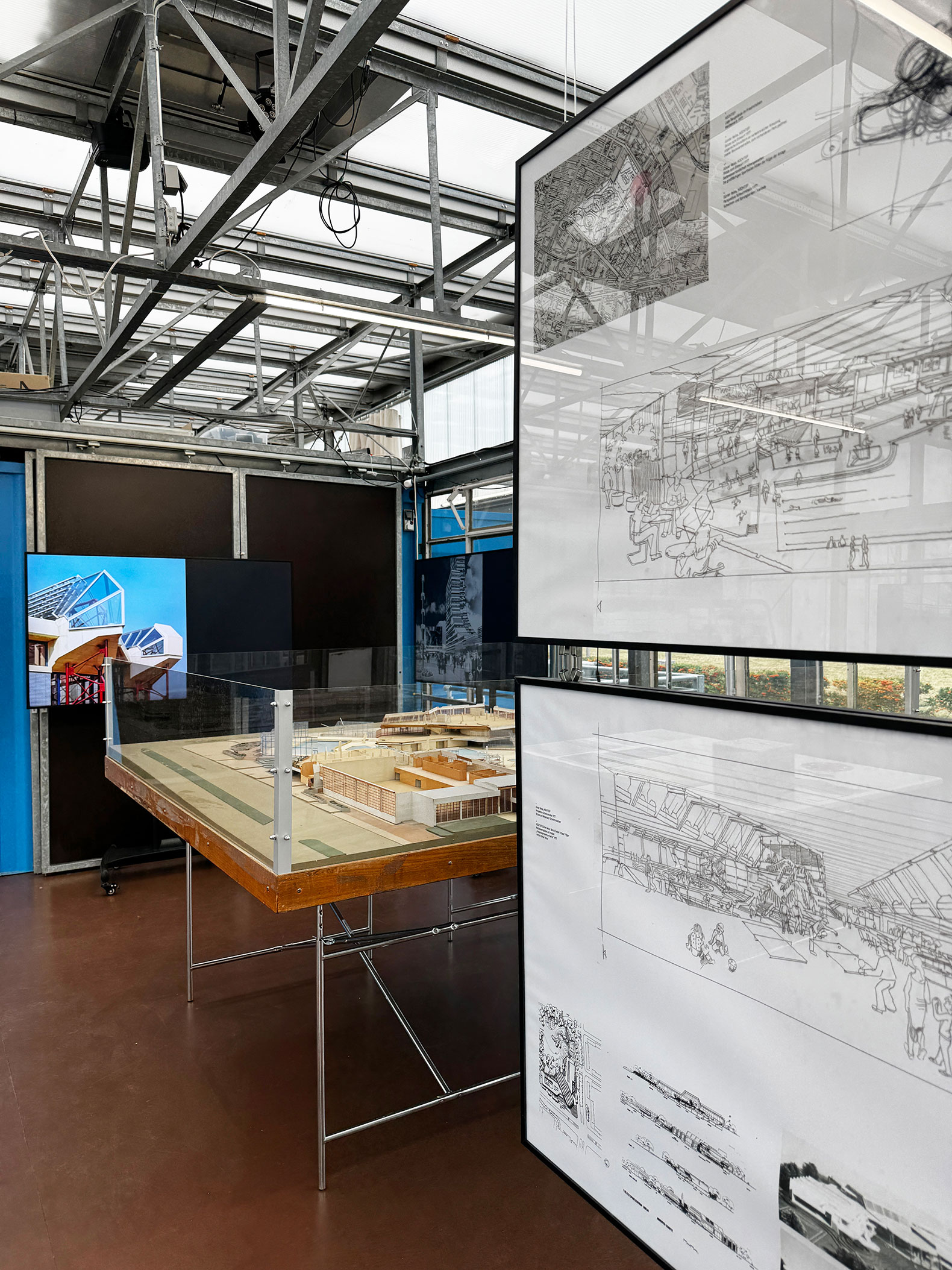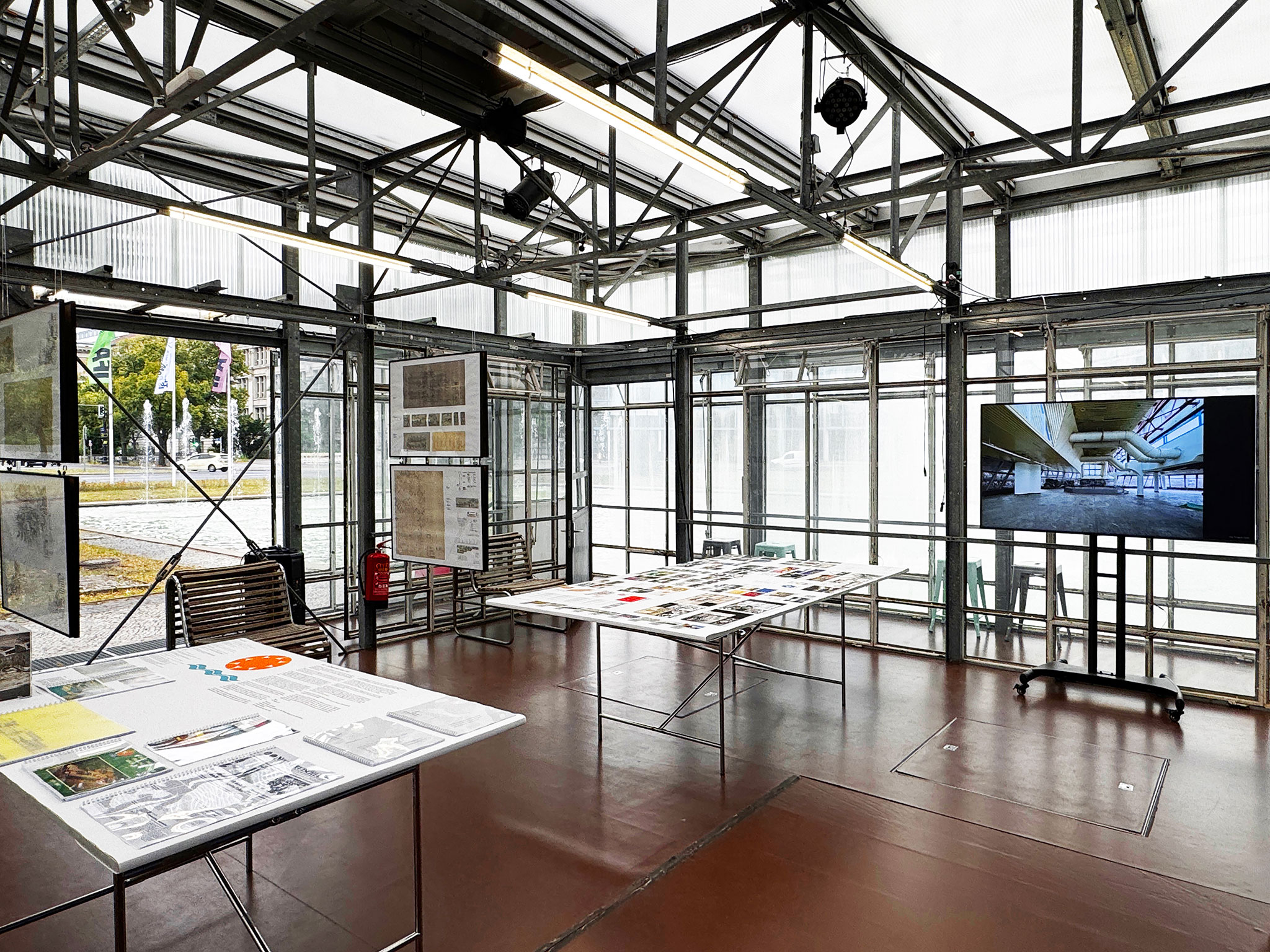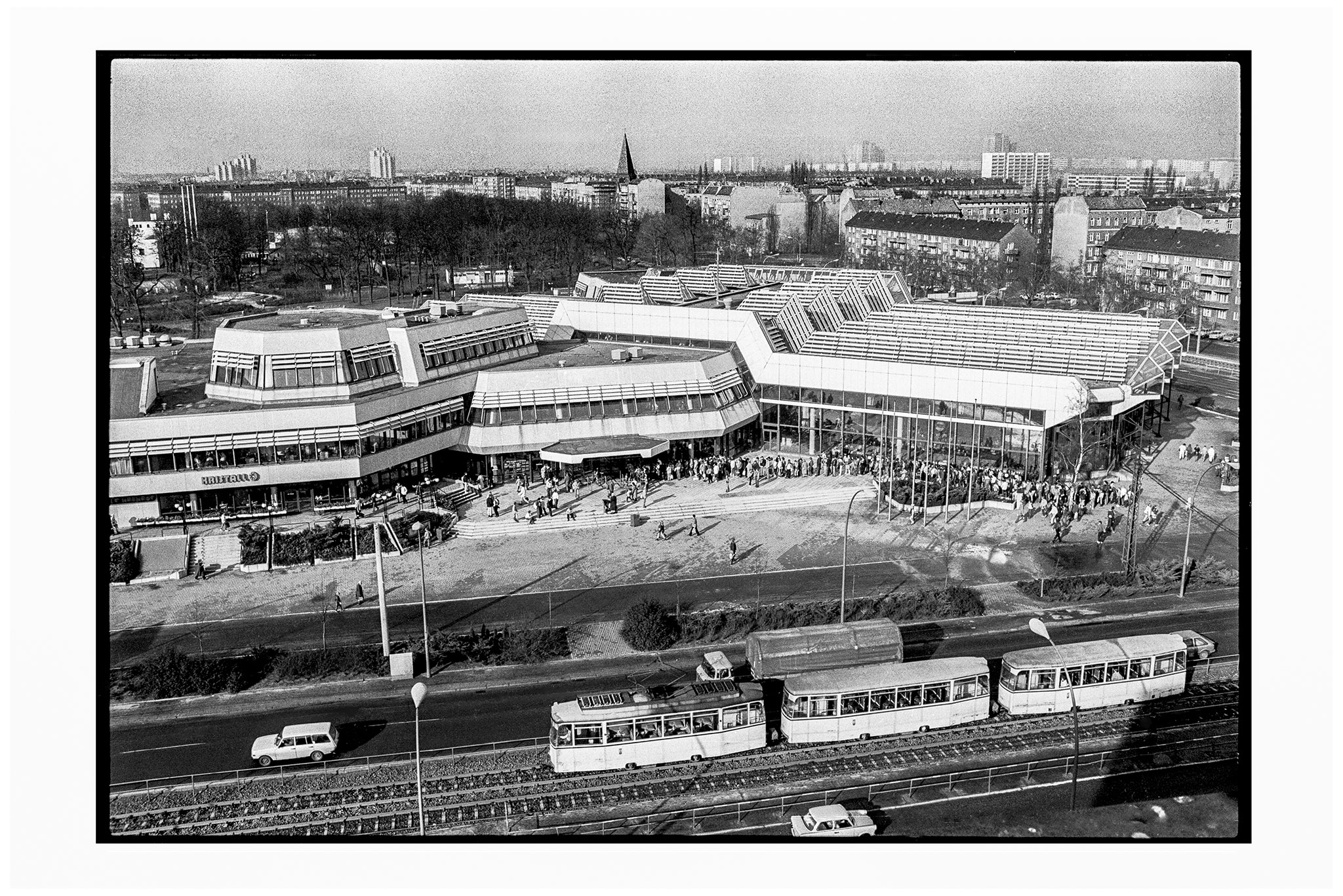
The exhibition "SEZ – The Im/Possibility of an Island," curated by Kay Fingerle and Ludwig Heimbach, focuses on the Berlin Sports and Leisure Centre (SEZ)—designed in West Berlin by HOCHTIEF AG under the direction of architect Günter Reiss and under imminent threat of demolition—and the complex, controversial history of its creation during the Cold War.

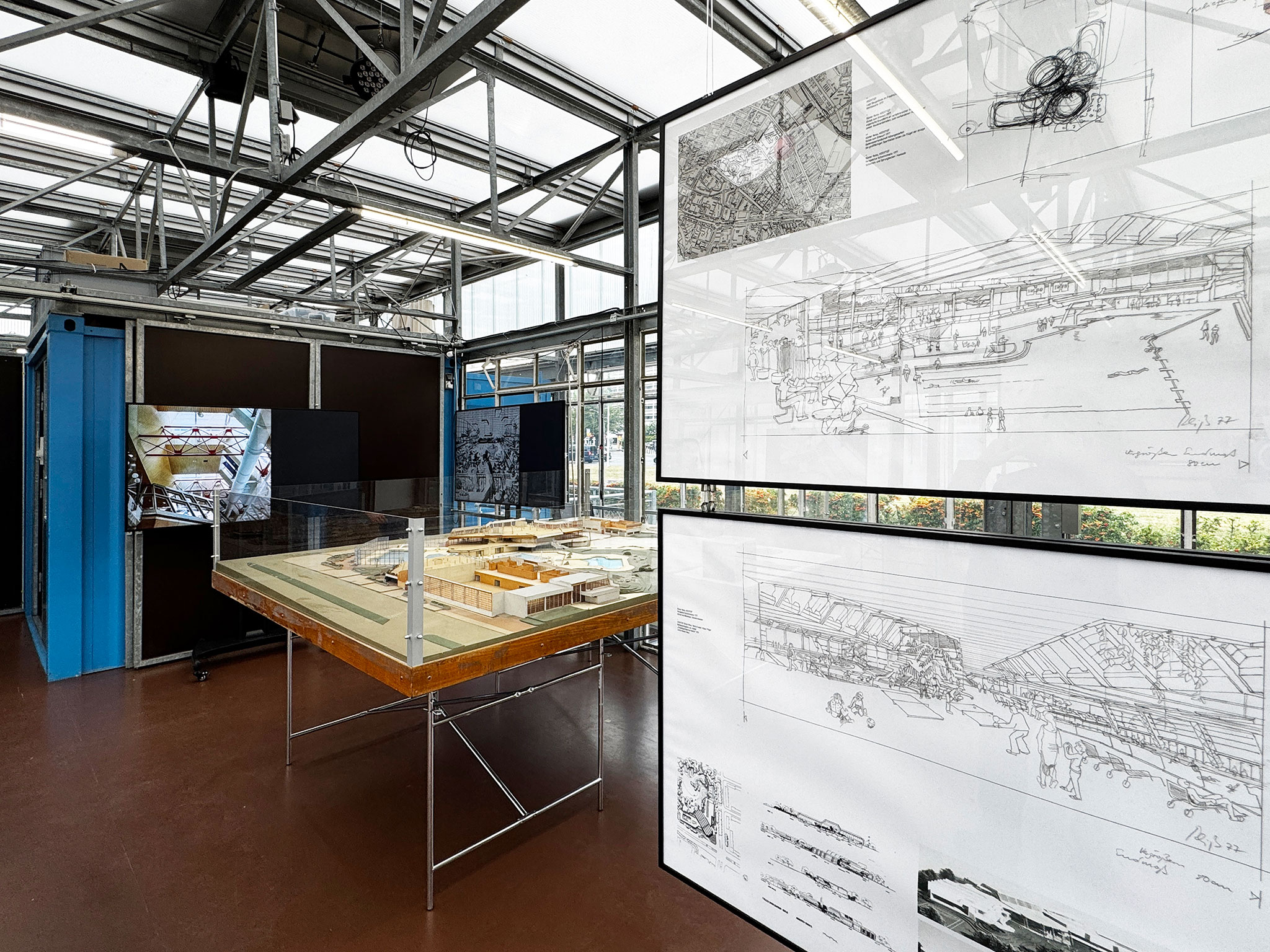
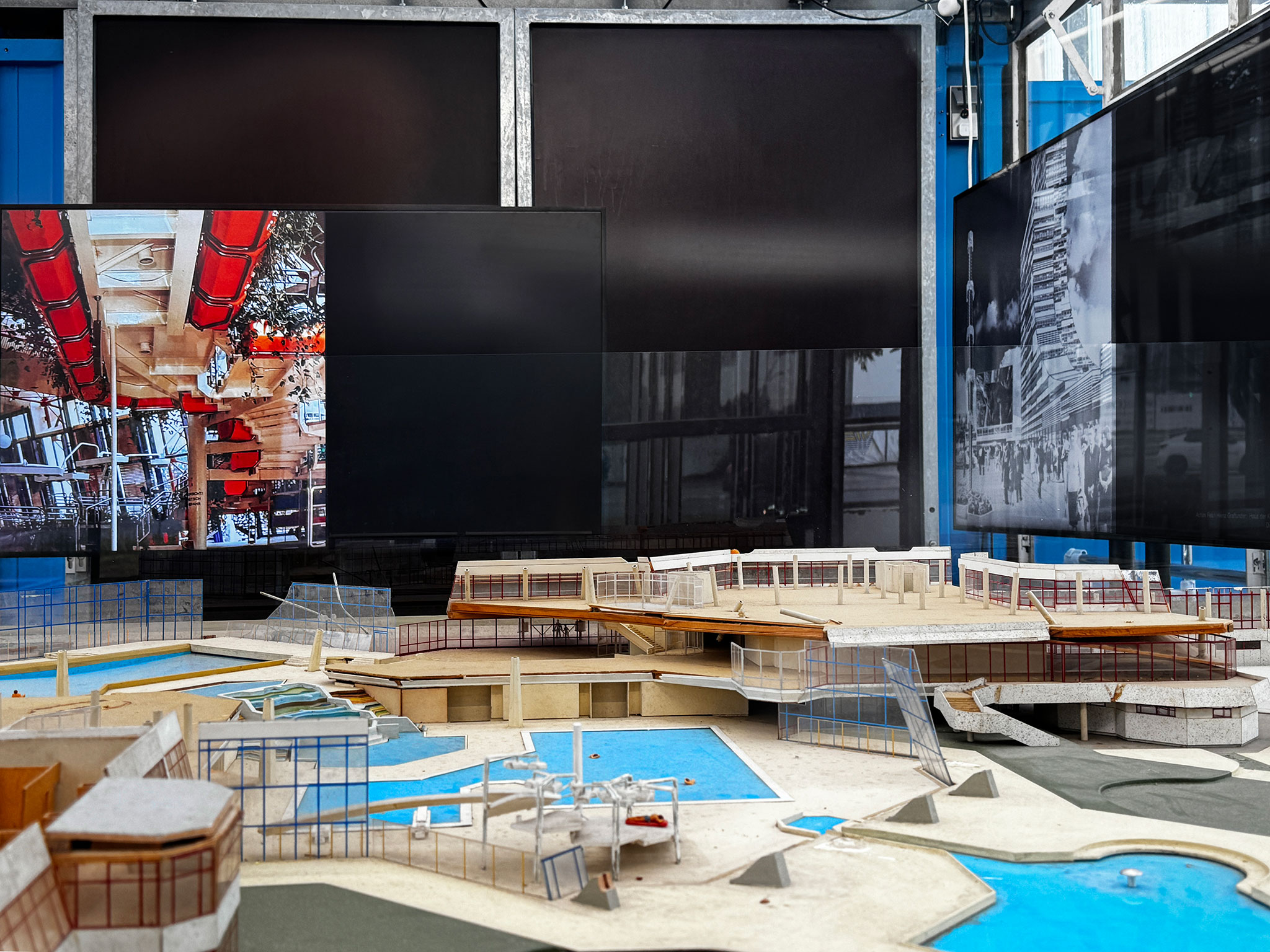
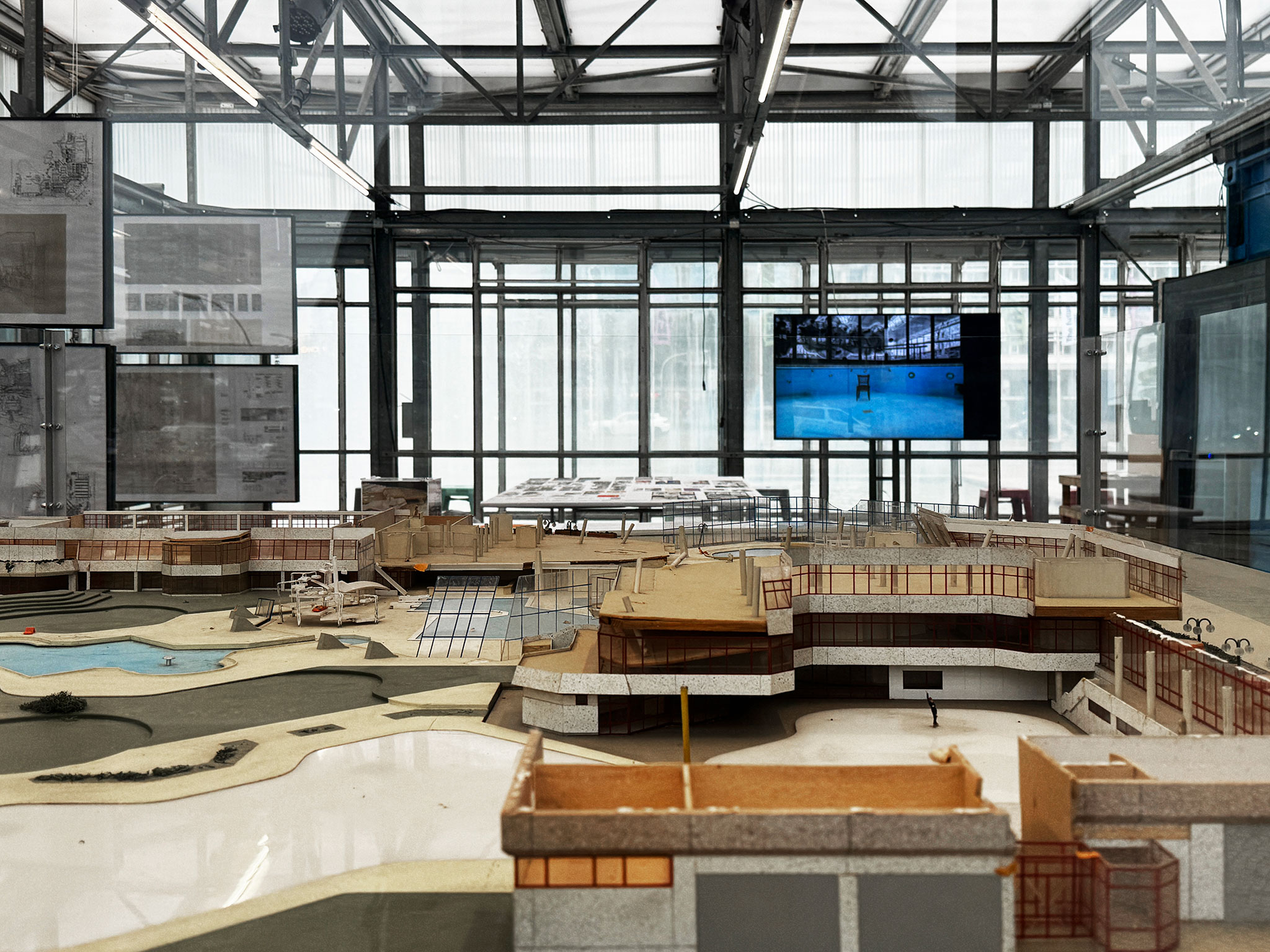
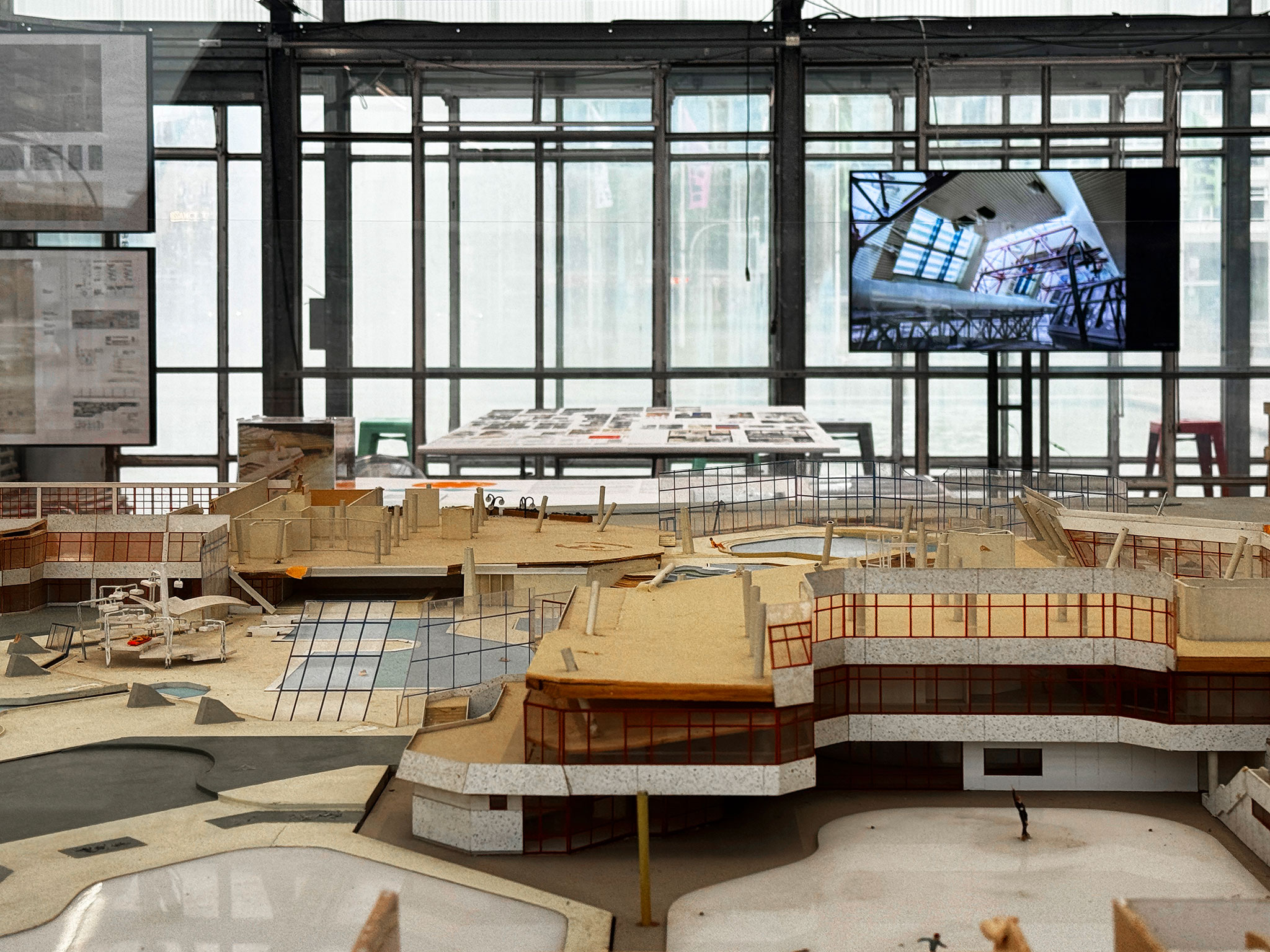
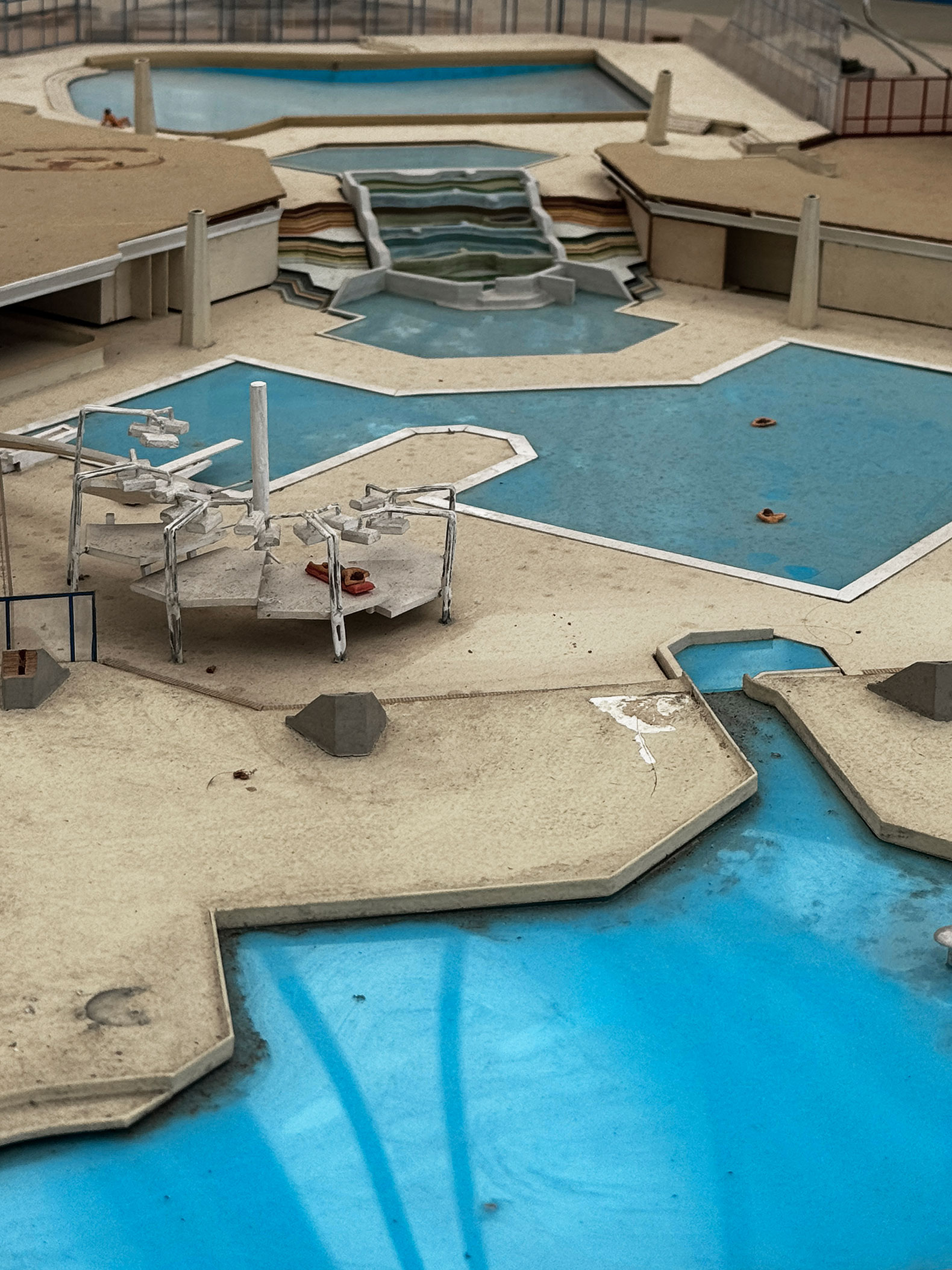
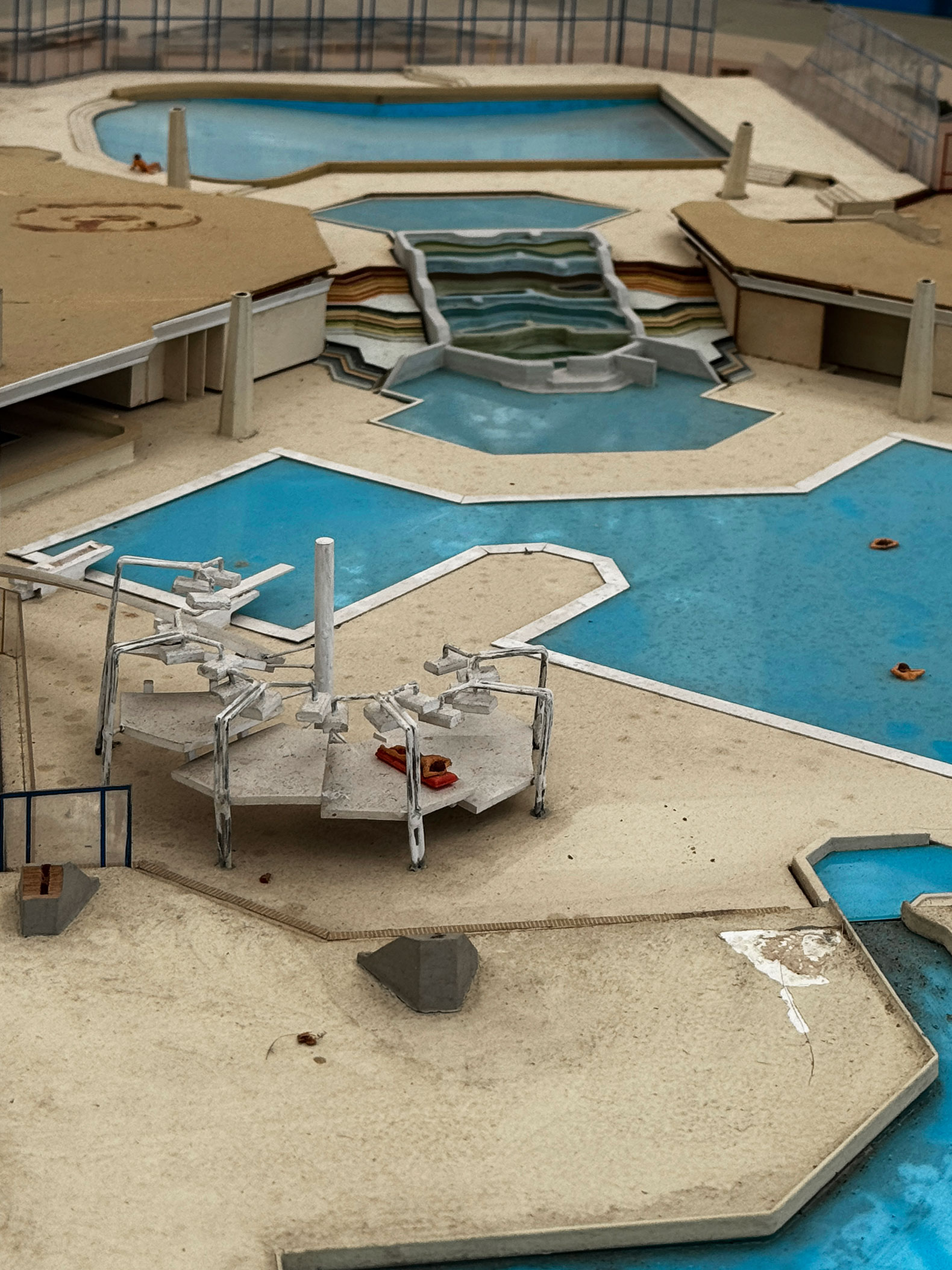
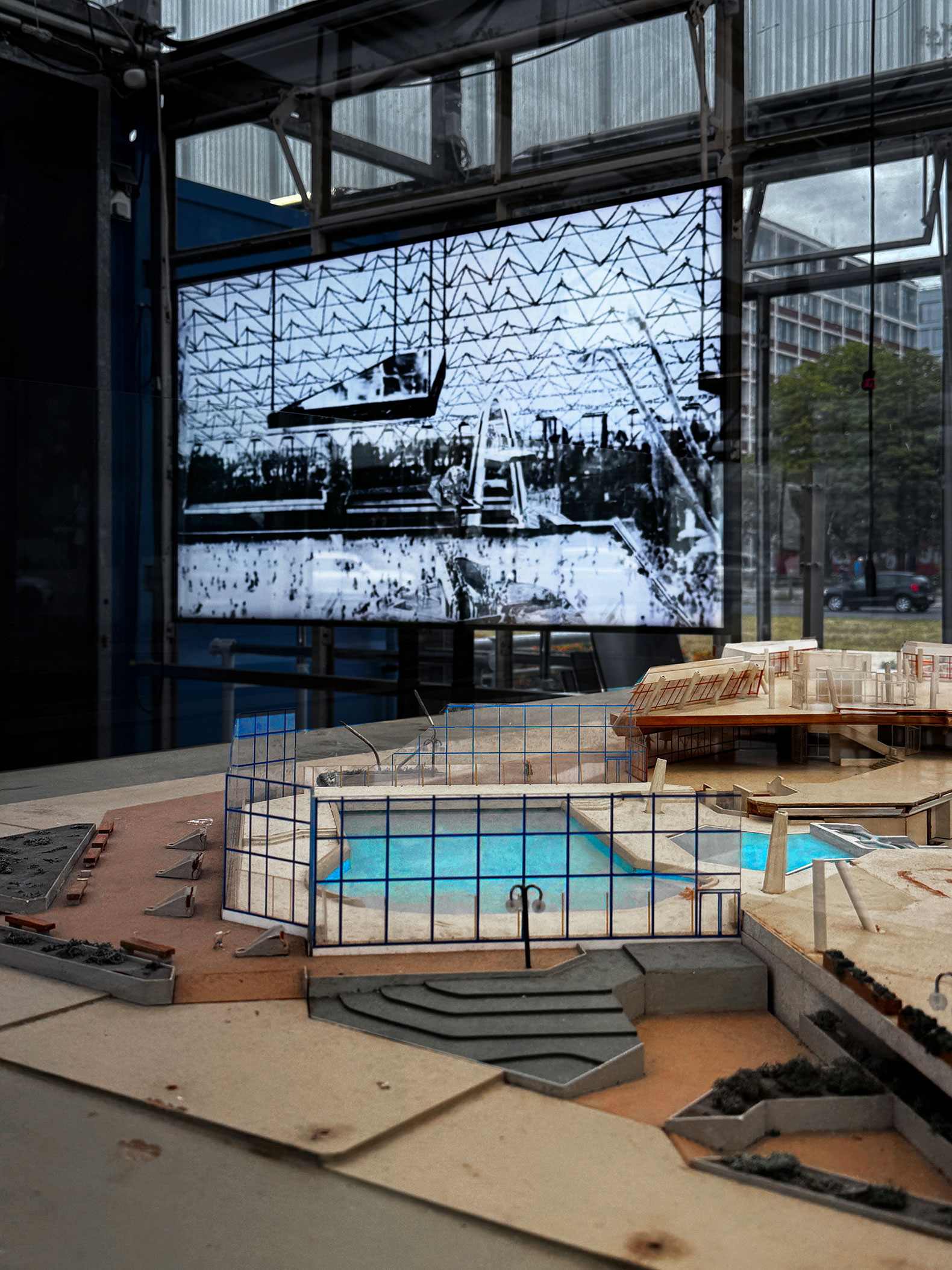
The exhibition presents numerous documents from the time of its construction alongside the original architectural model; the latter shows signs of deterioration, mirroring the condition of the actual building. Its current state of abandonment sparks a broad debate regarding public spaces and the need to preserve heritage in order to safeguard and perpetuate cultural identity.

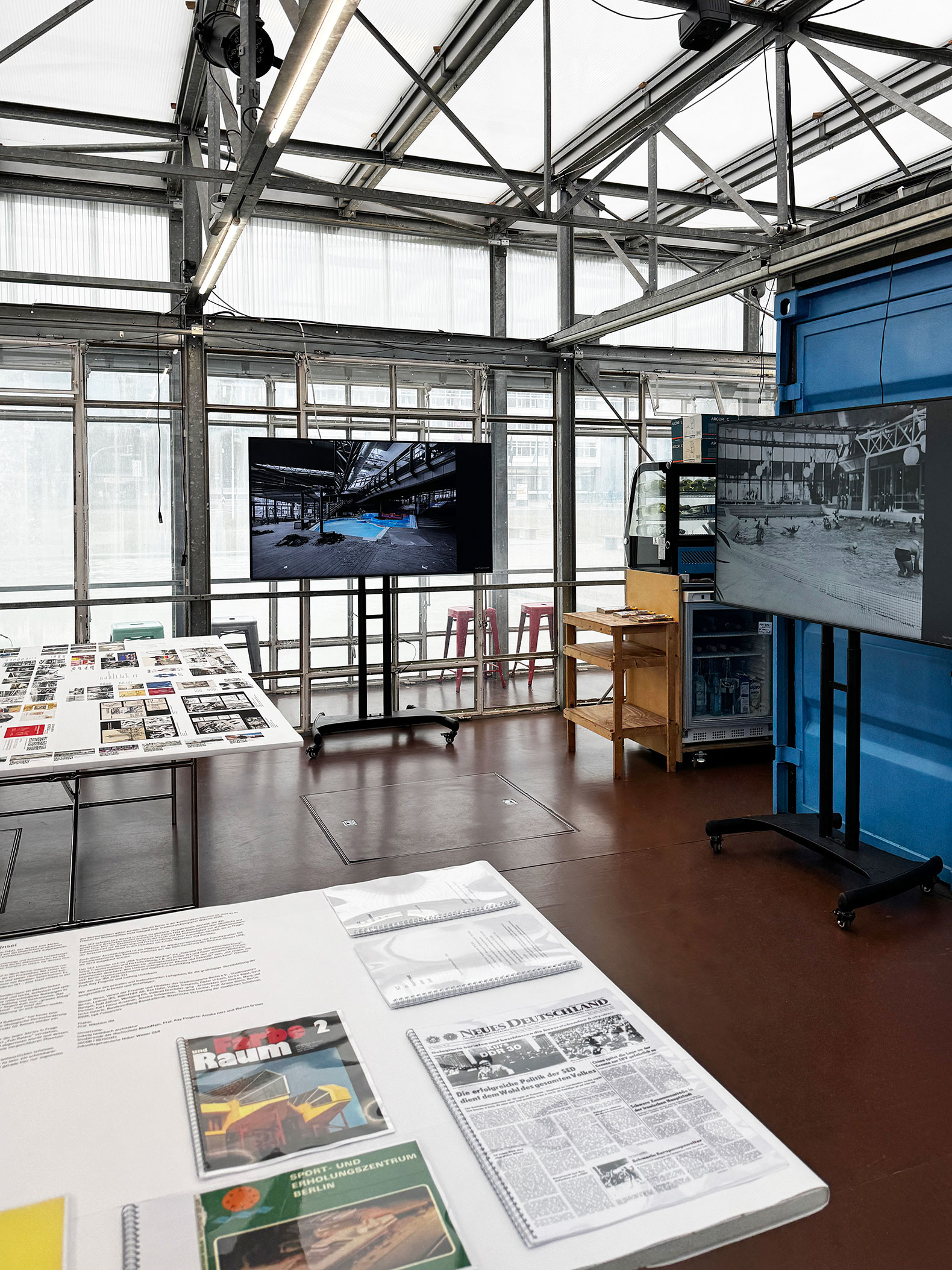
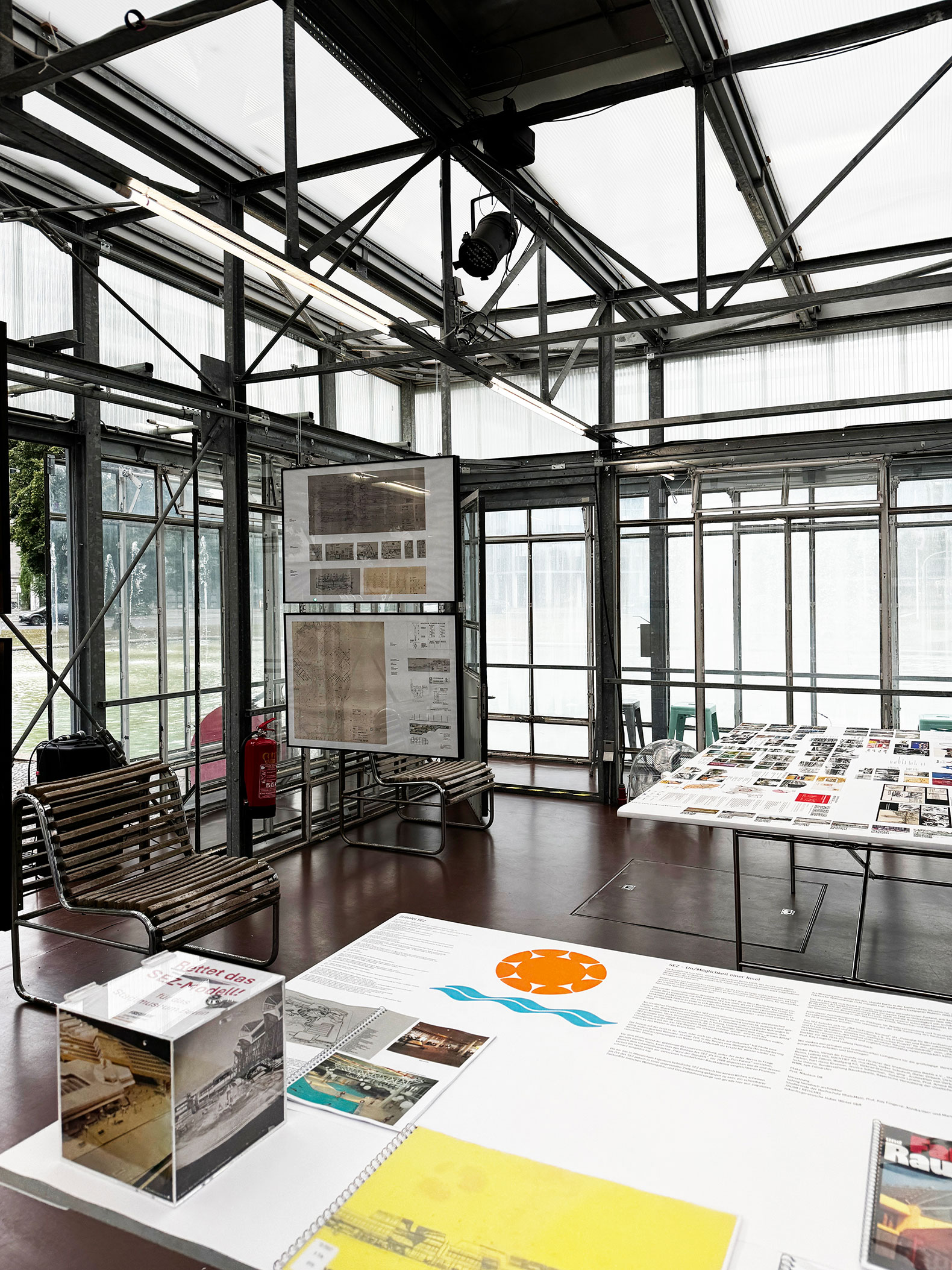
"SEZ – The Im/Possibility of an Island" seeks to shed light on this debate through a comprehensive analysis of the building's architecture, the circumstances of its creation, and the surrounding social tensions, utilizing a curated selection of materials and a dedicated reading room.

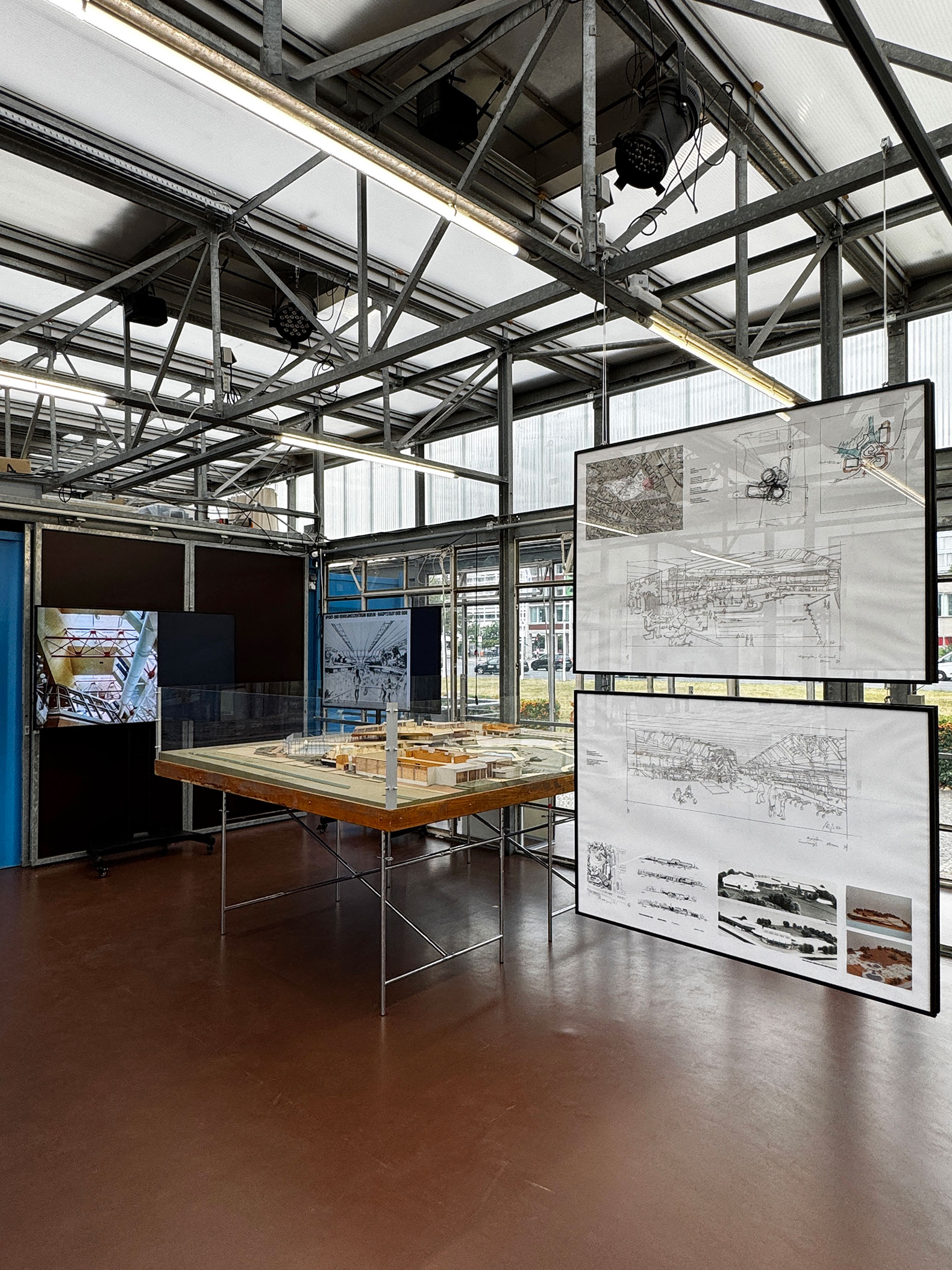
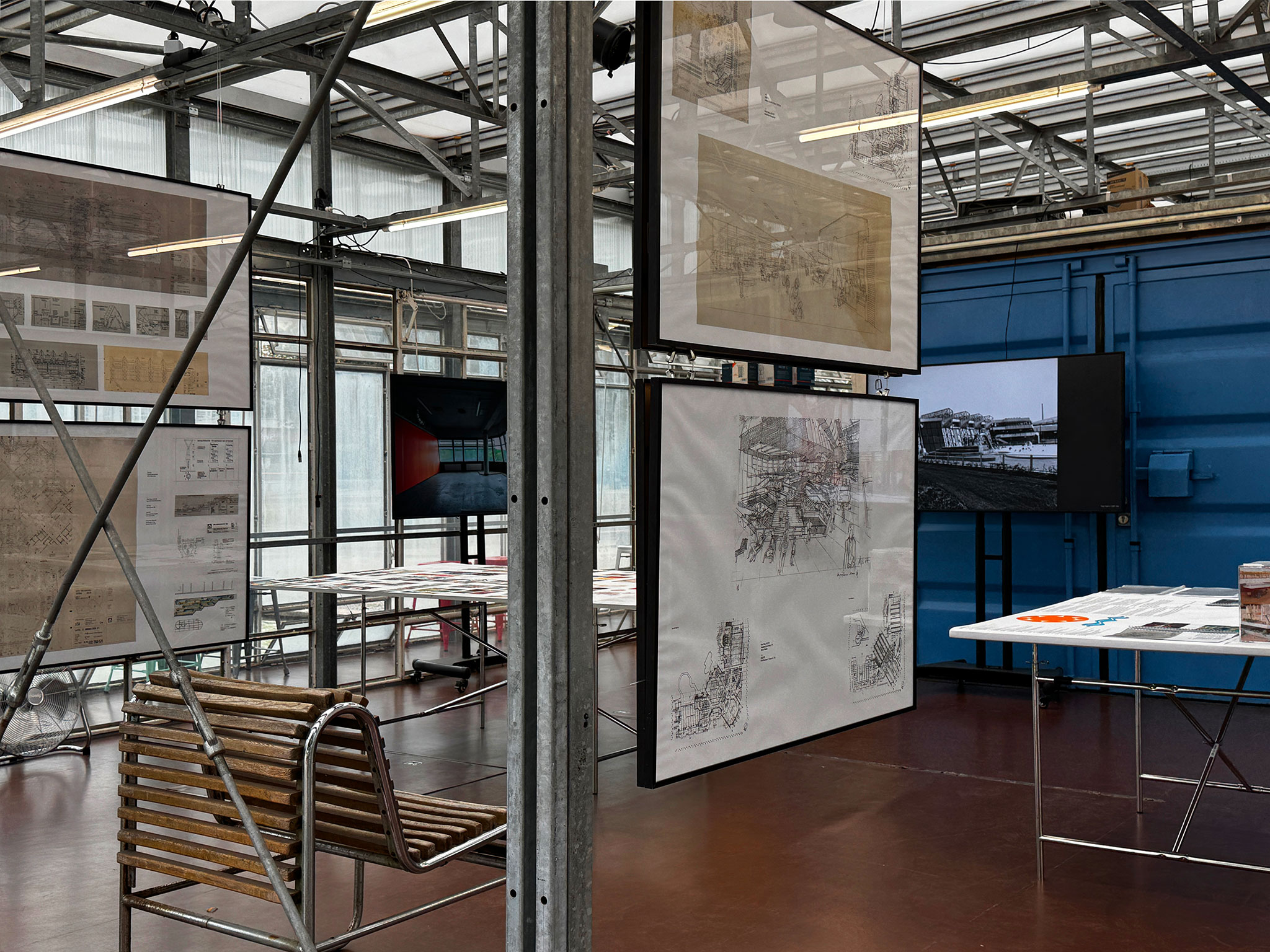
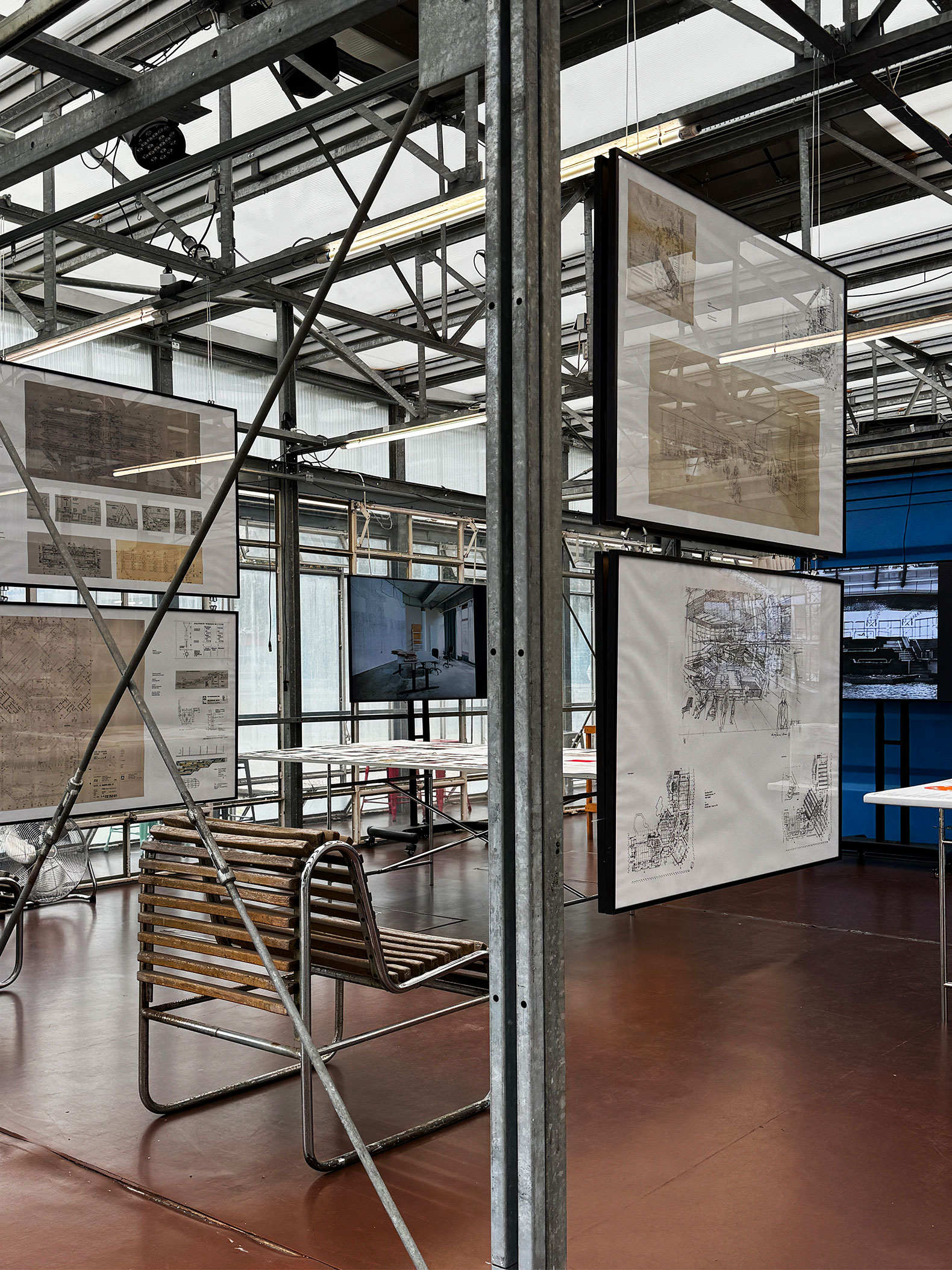
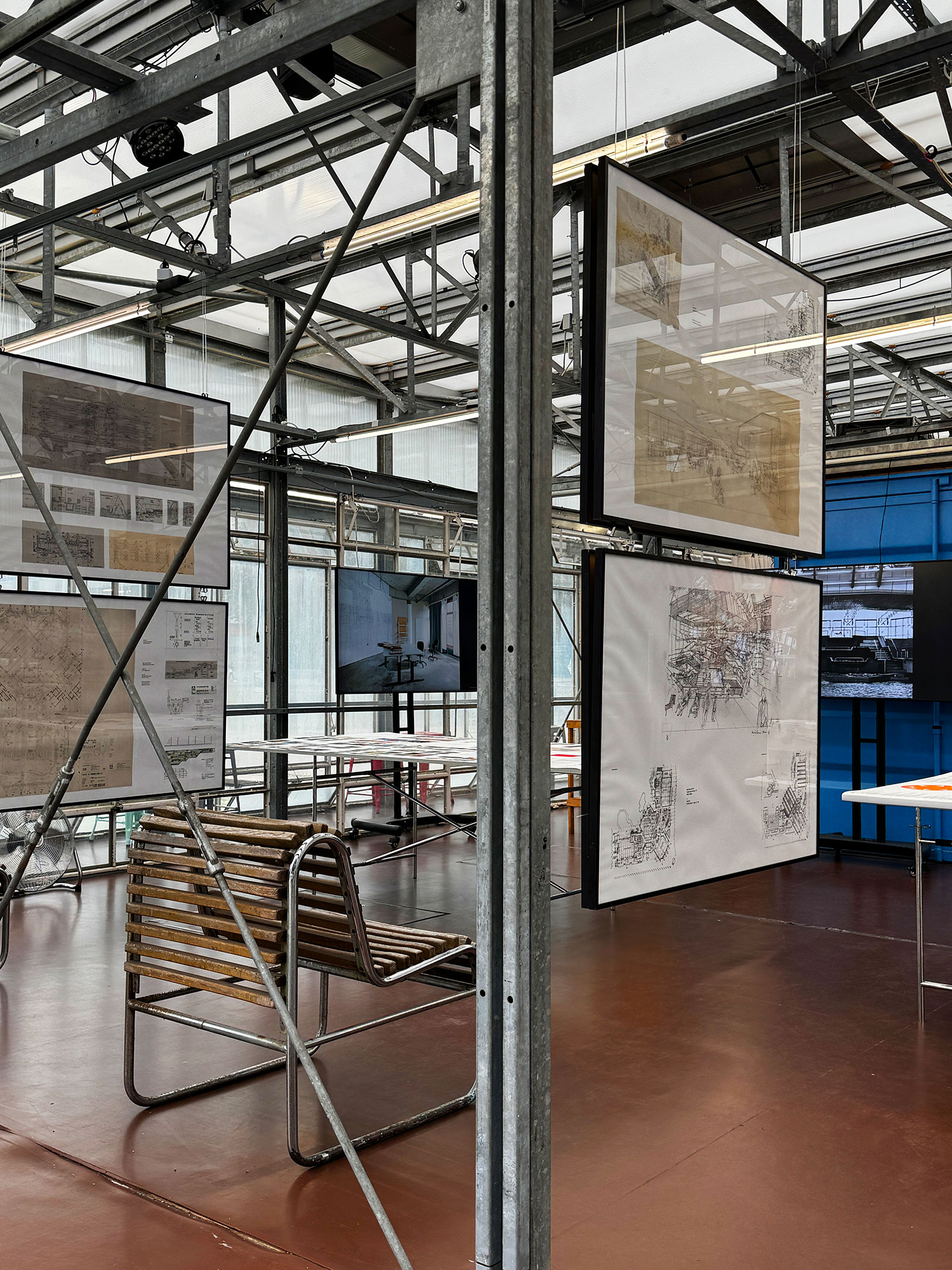
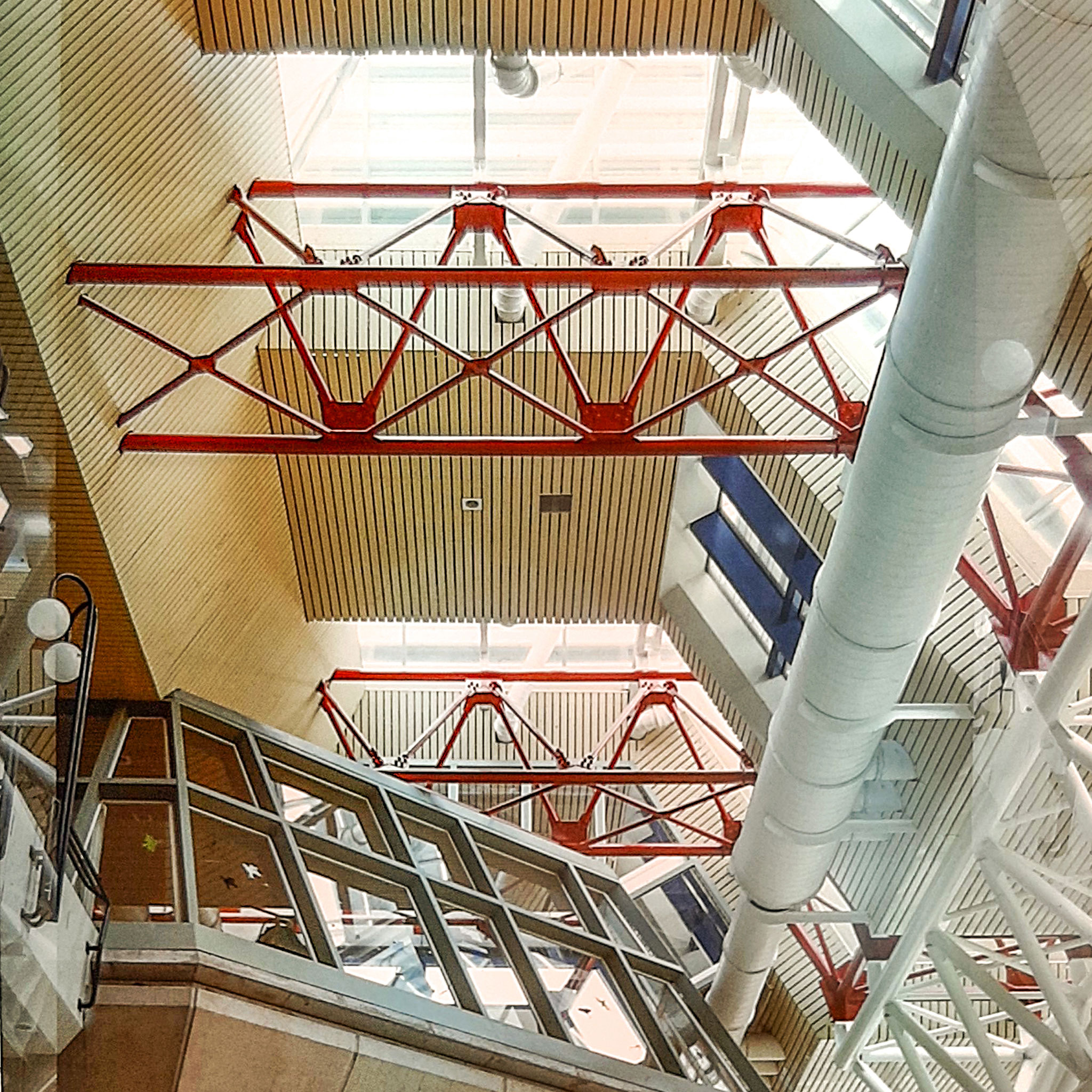
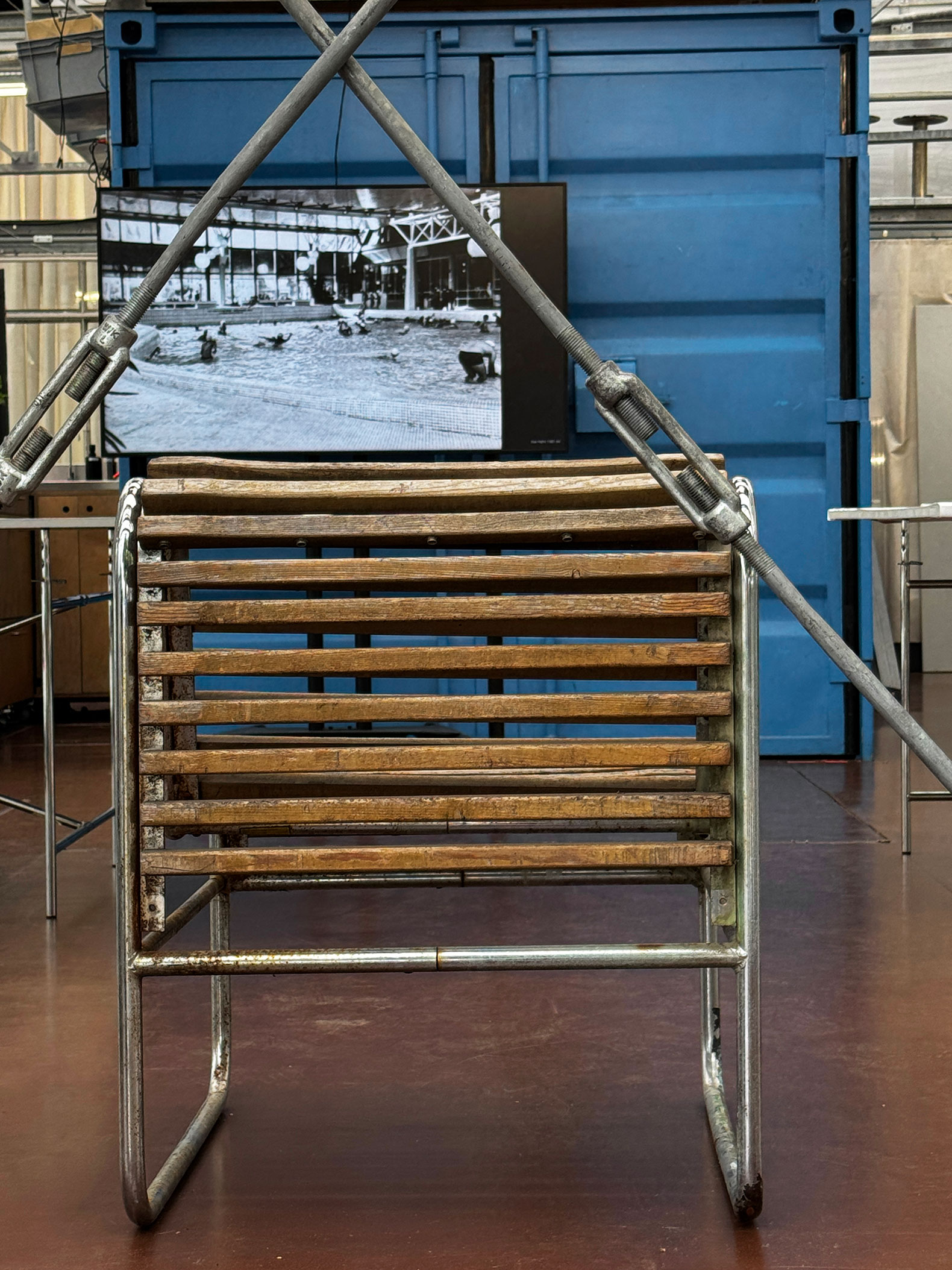
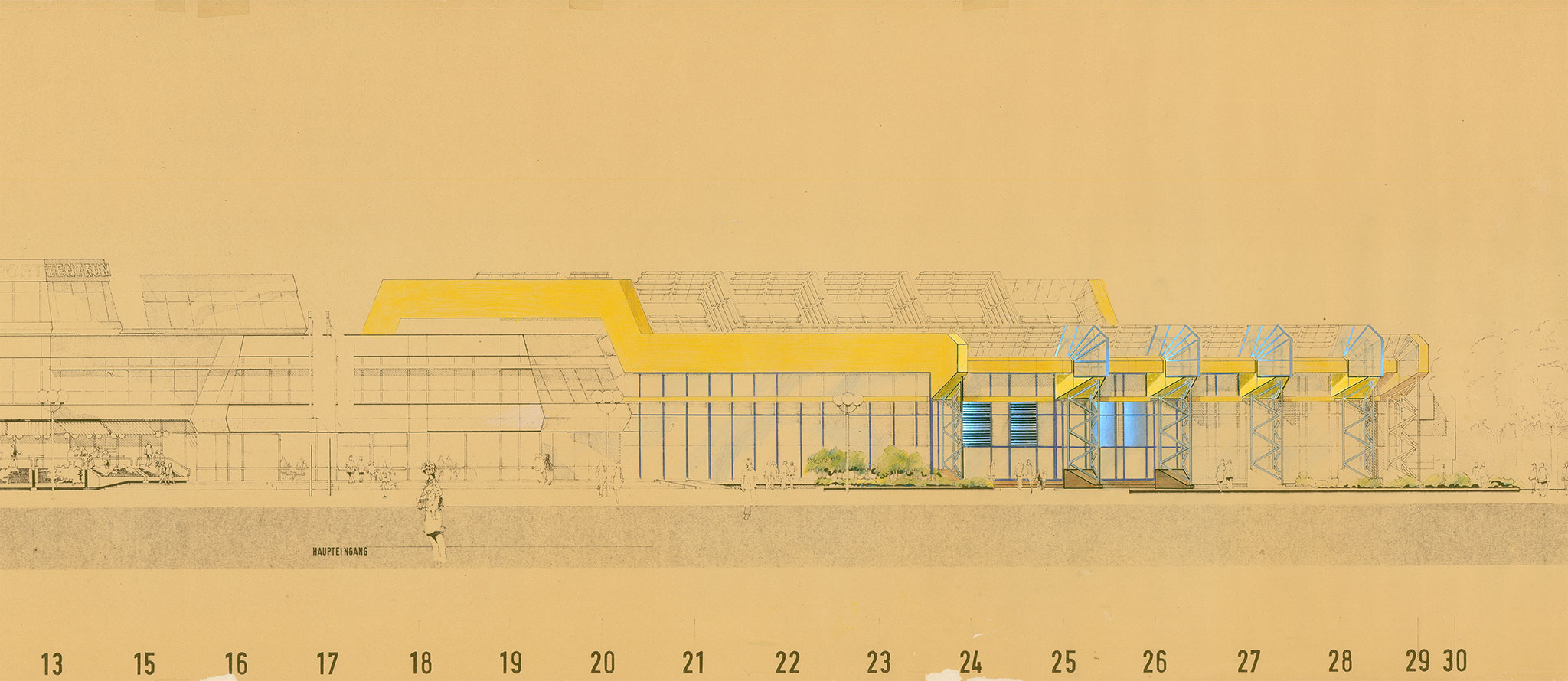
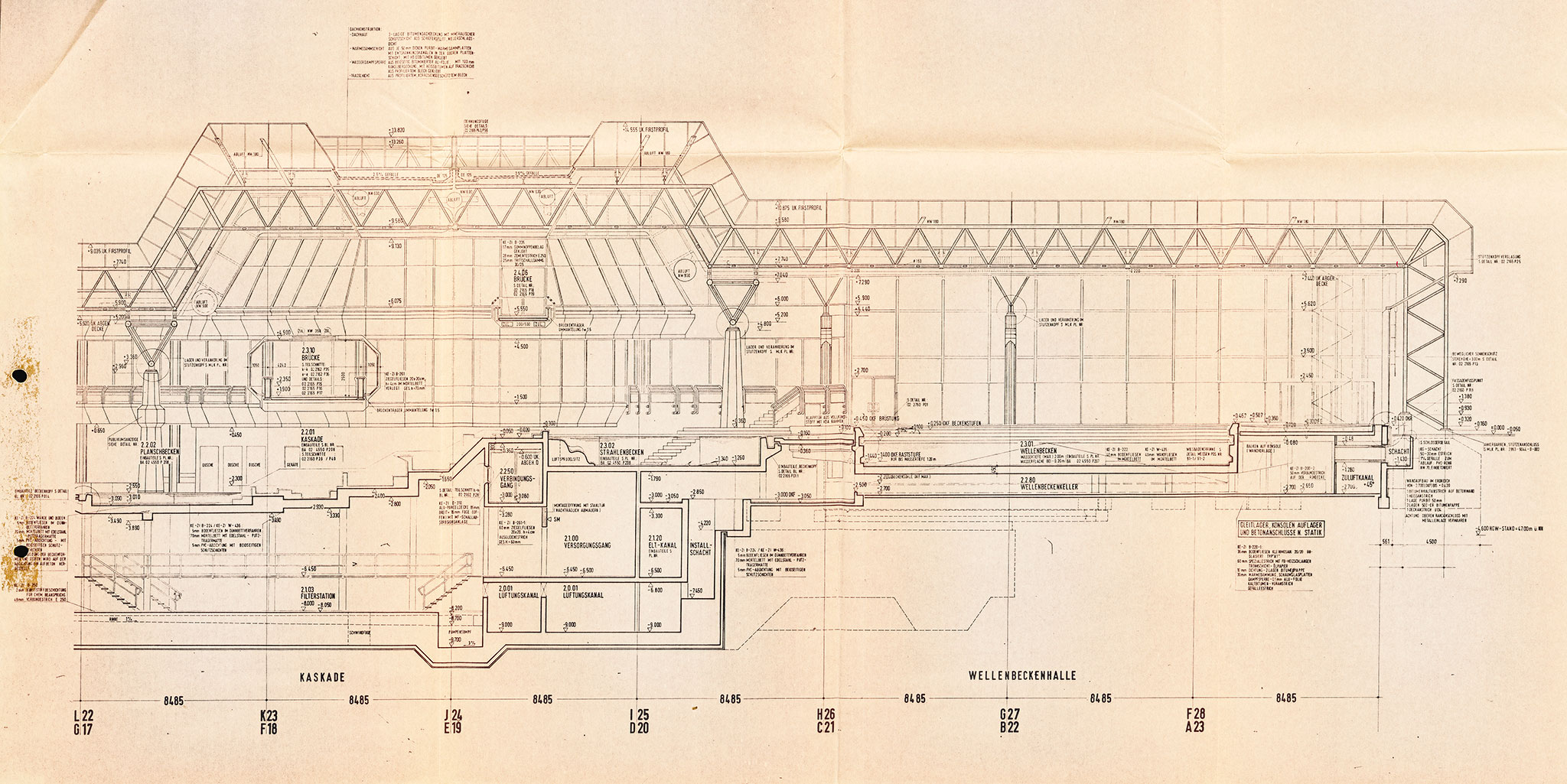
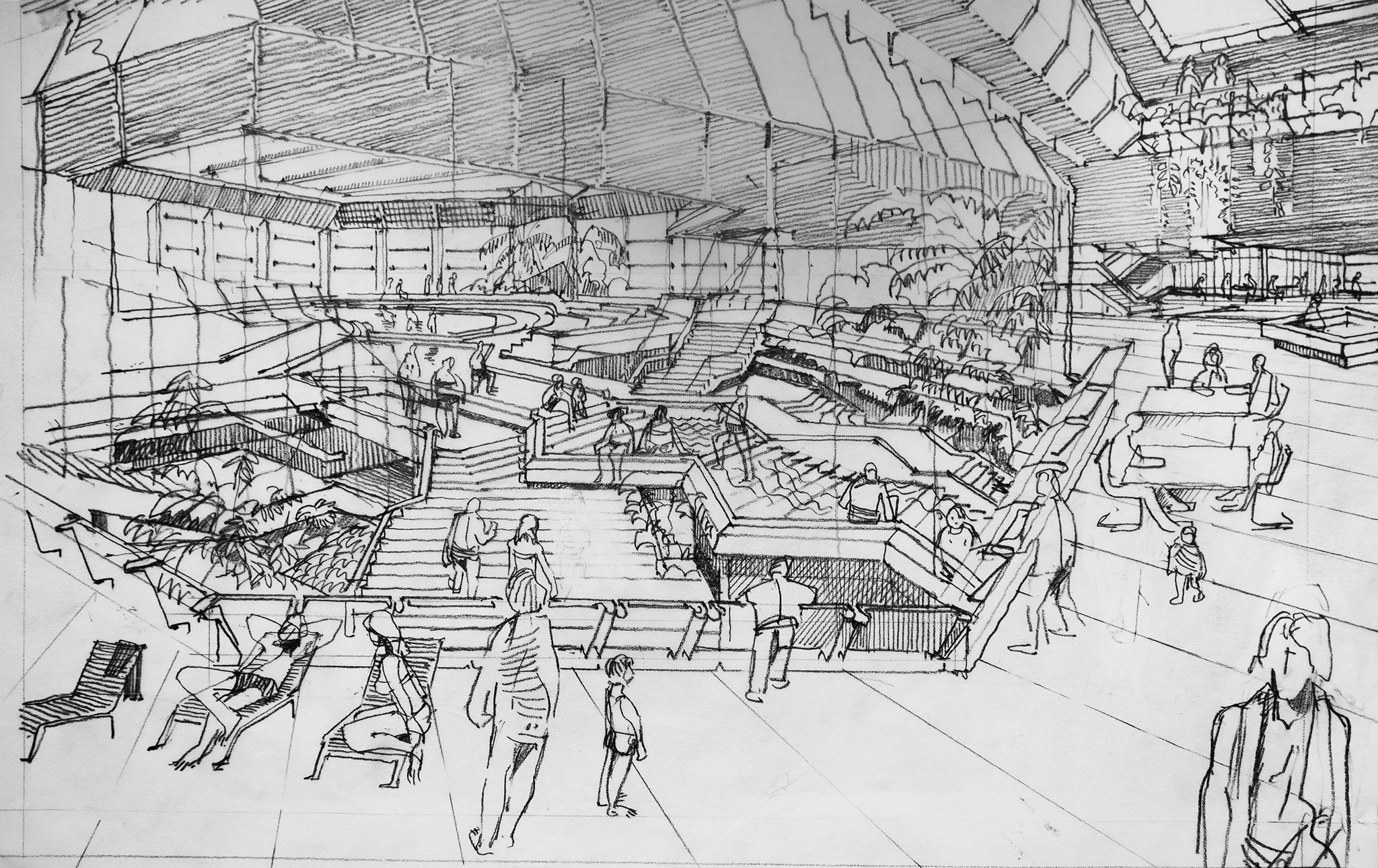
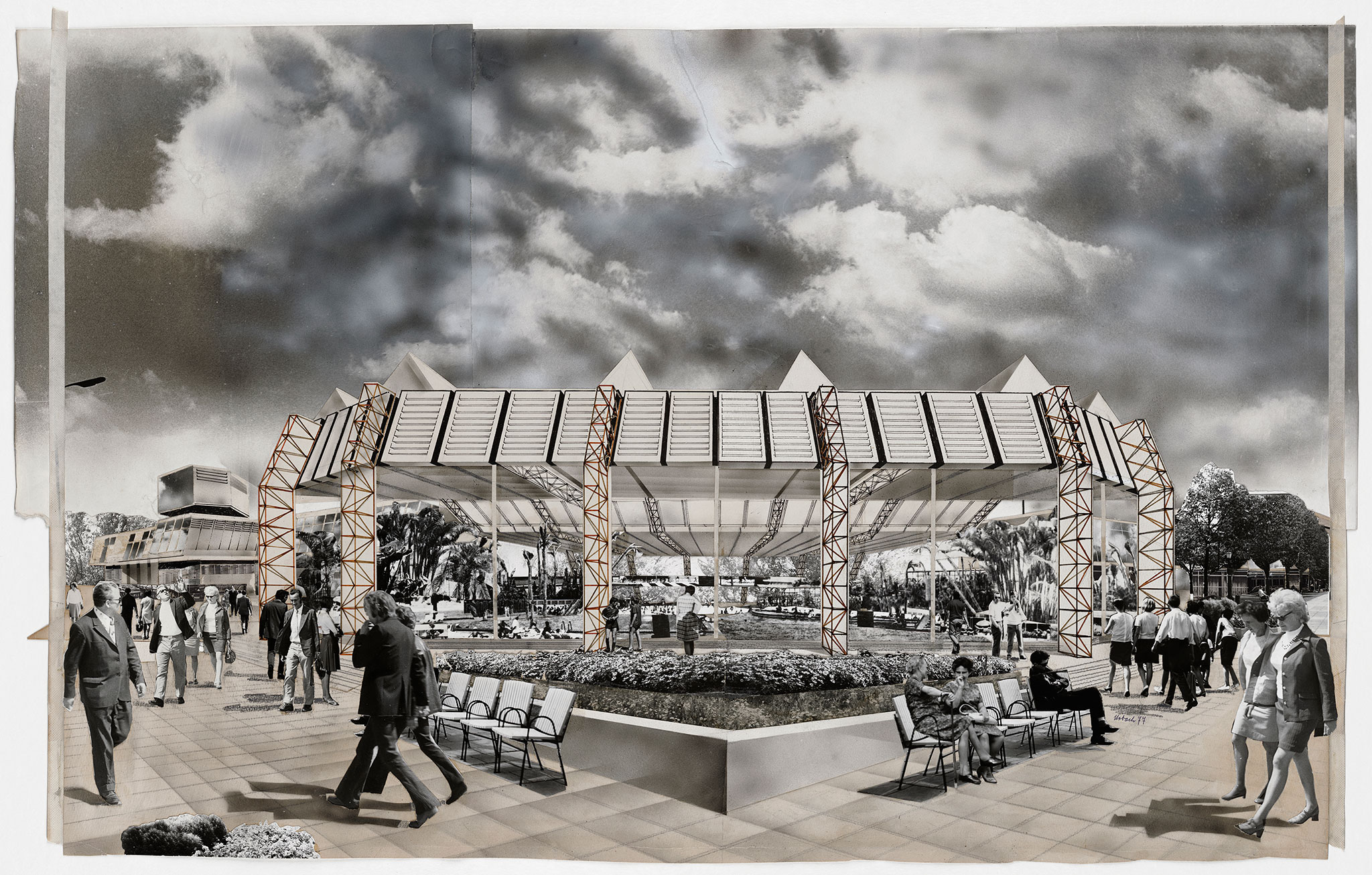
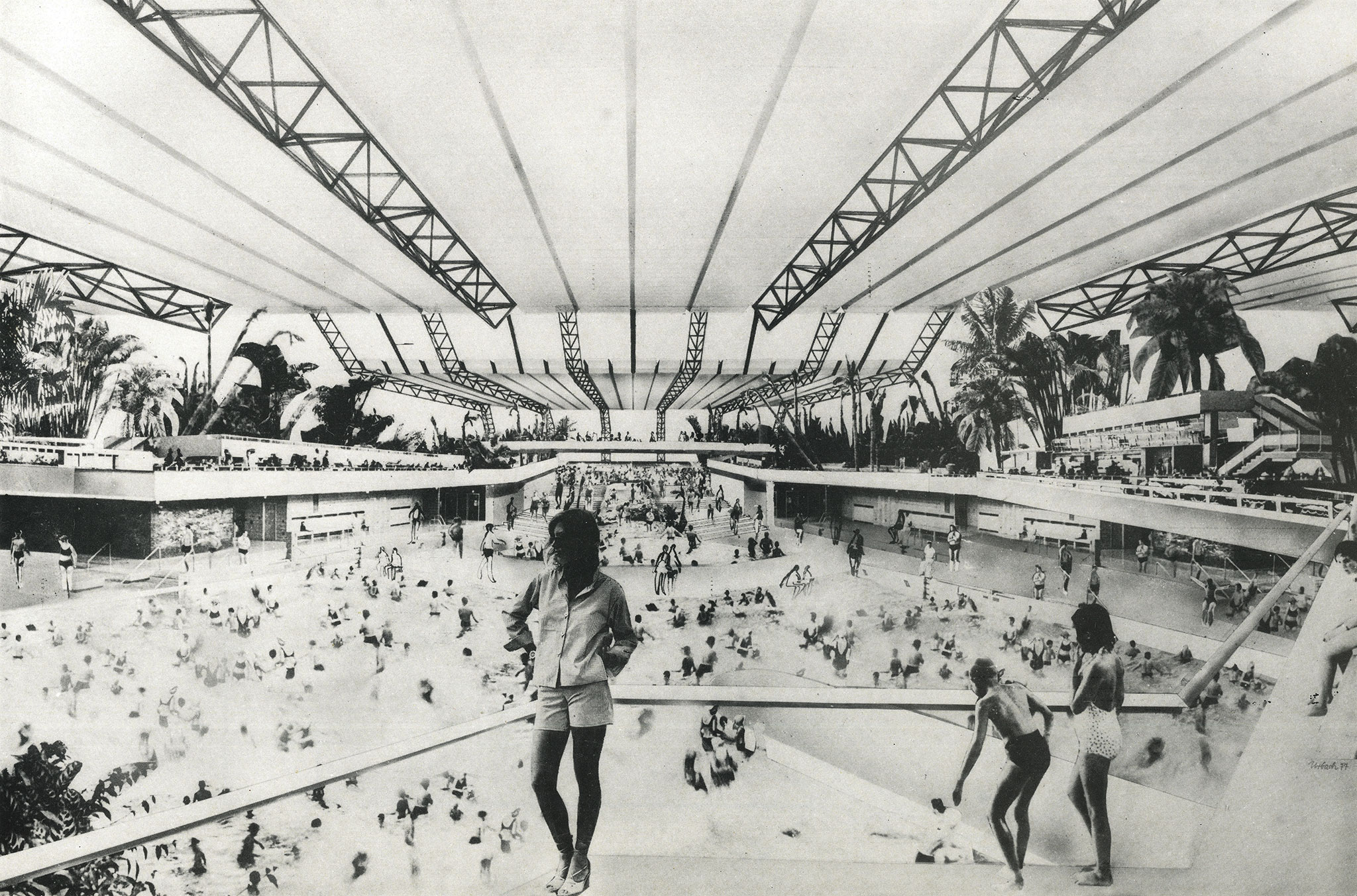
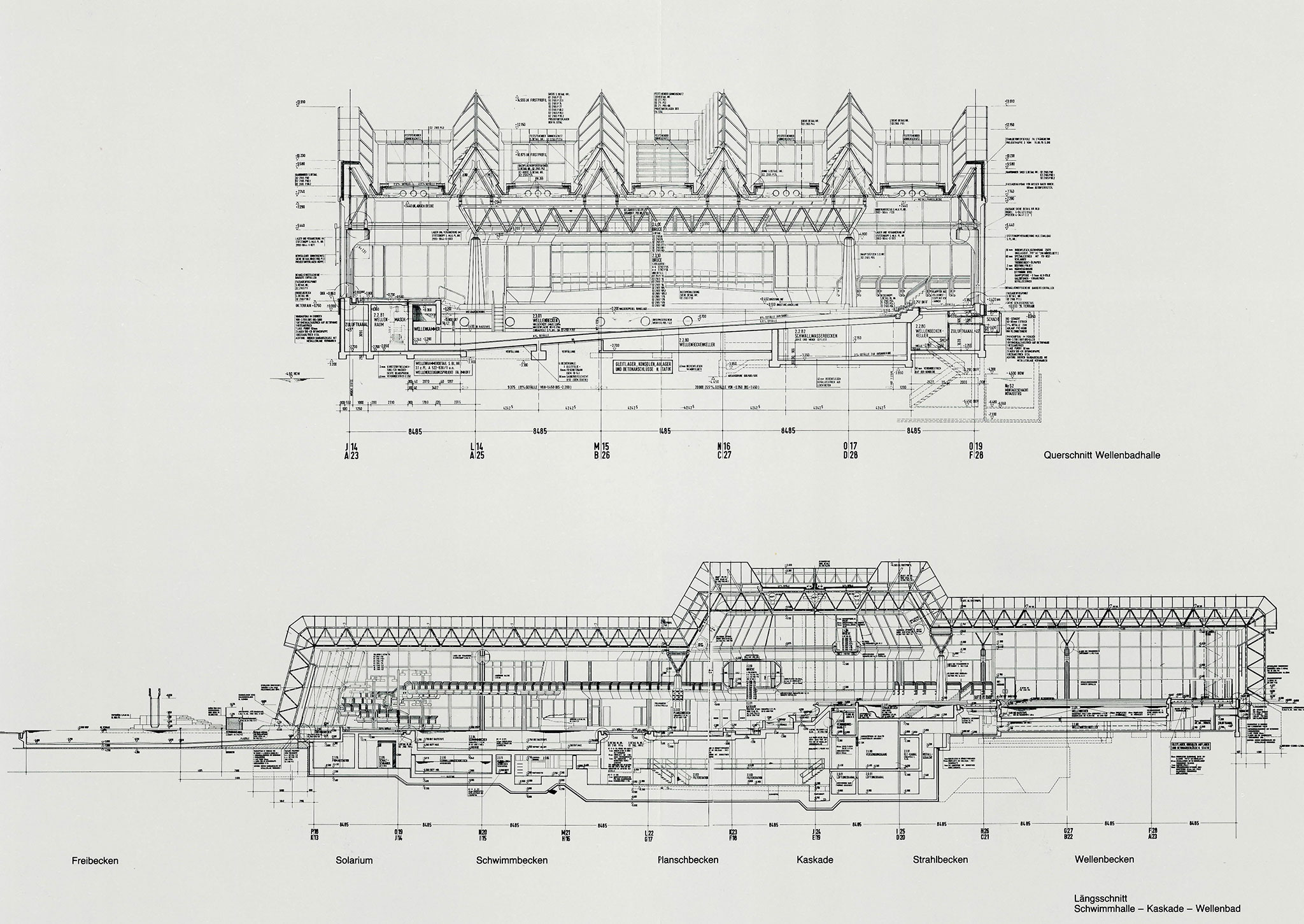
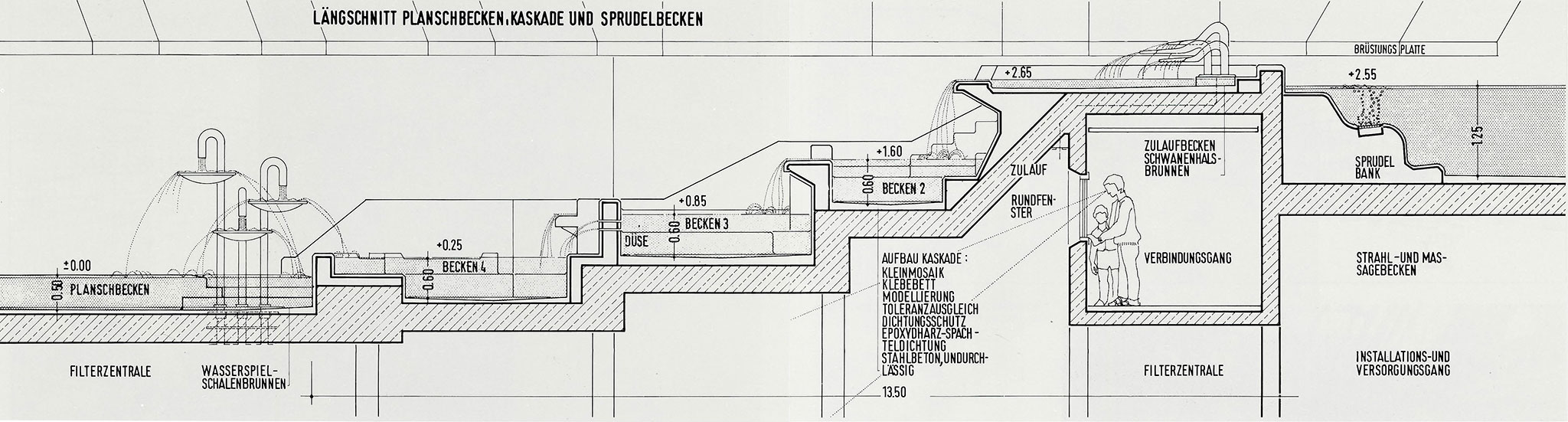
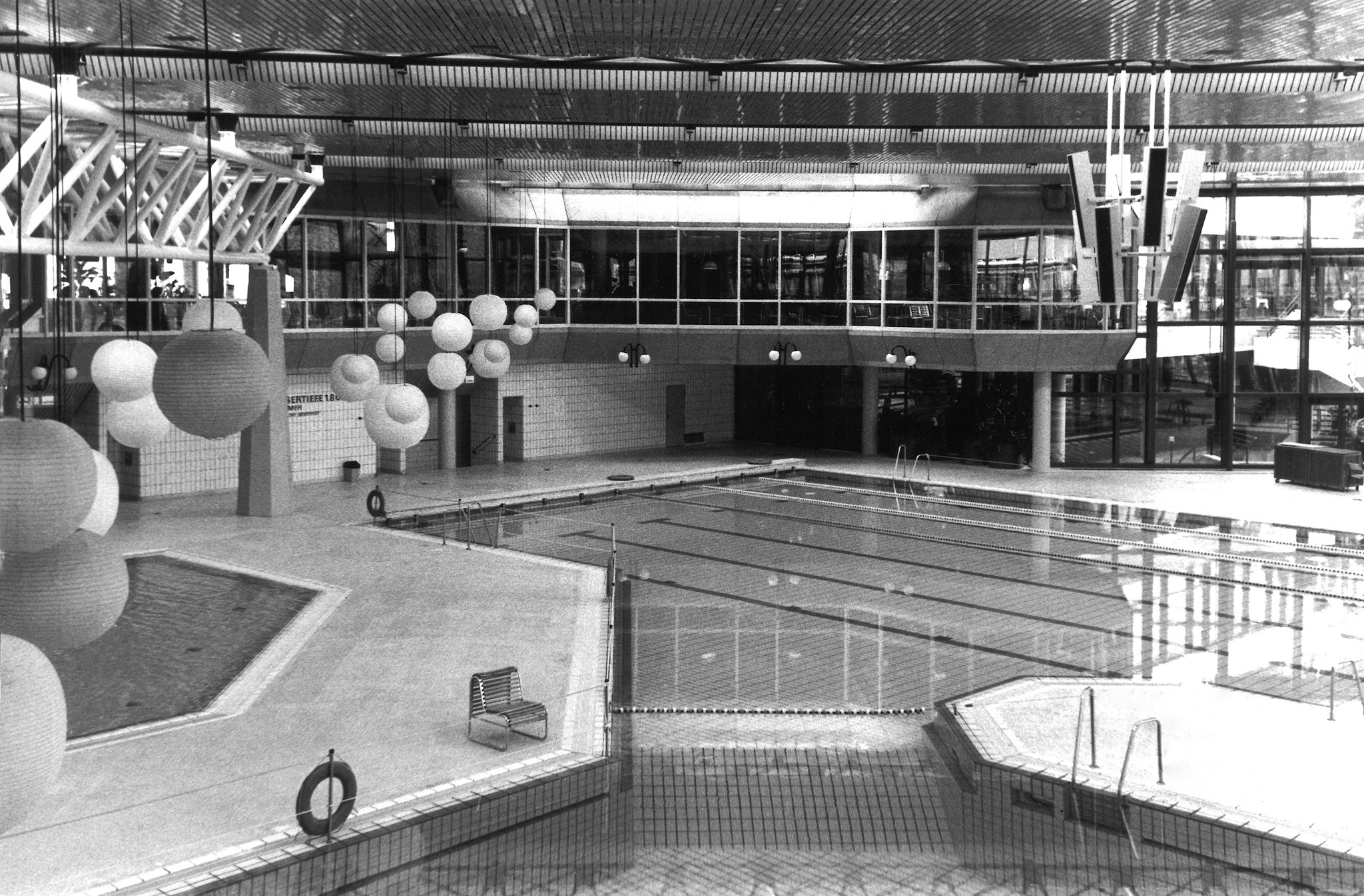
Through numerous loans, the exhibition pays tribute to the building as an architectural achievement; using original plans, surveys, sketches, and photographs, it reveals the SEZ’s spatial and structural logic, illustrating how its load-bearing structure and floor plan created flexible possibilities.
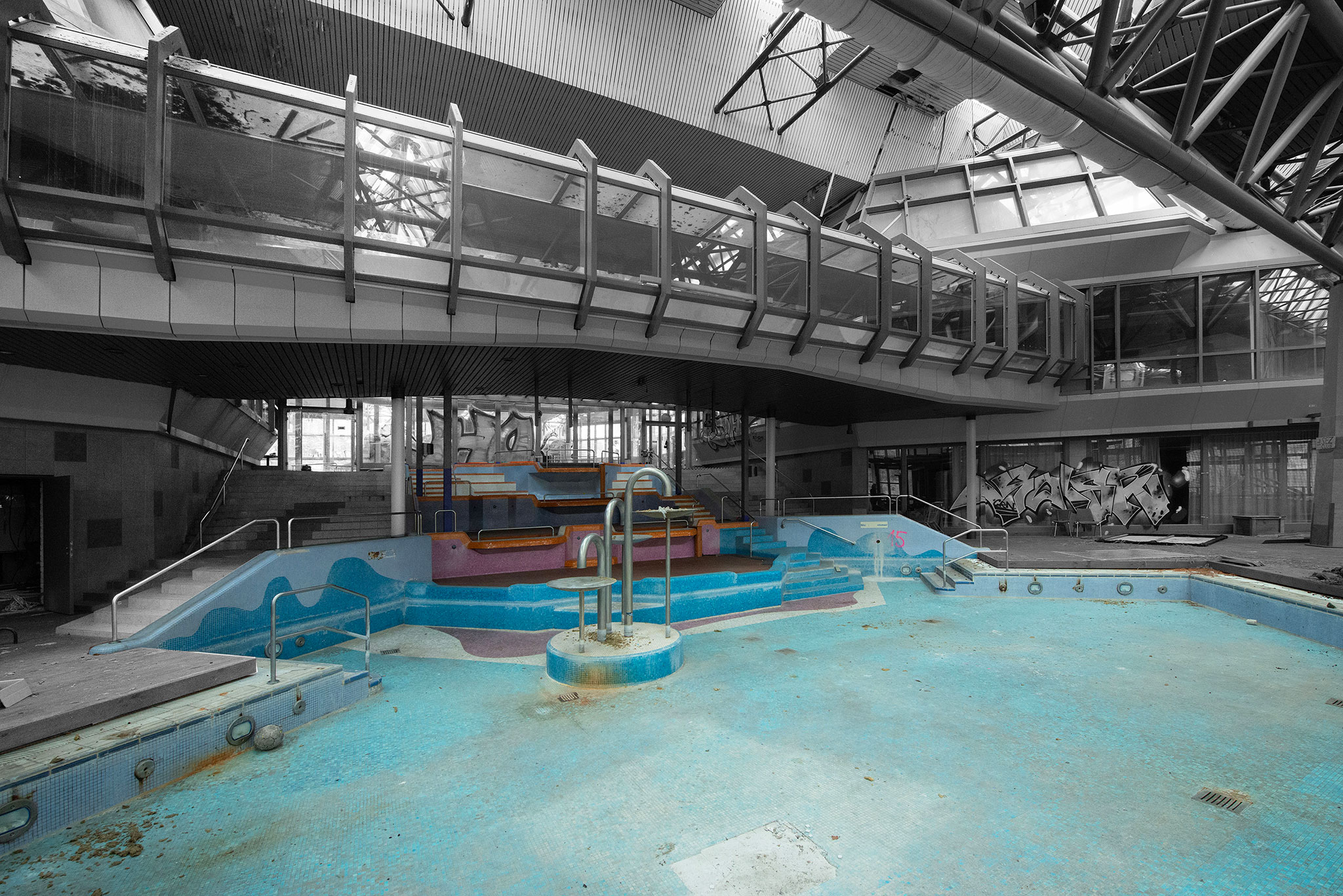
Kay Fingerle 2026. Exhibition "SEZ – The Im/Possibility of an Island".

Kay Fingerle 2026. Exhibition "SEZ – The Im/Possibility of an Island".

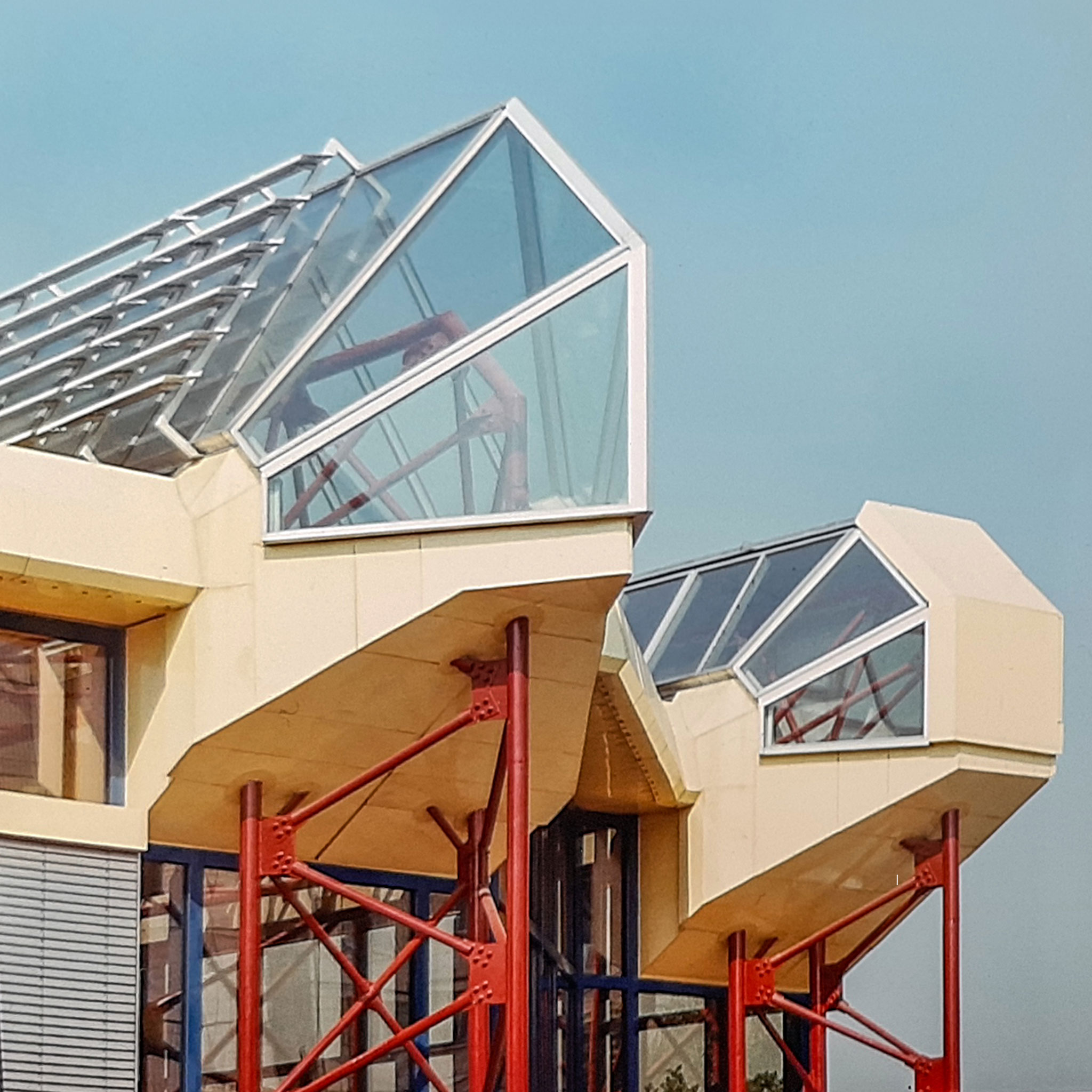
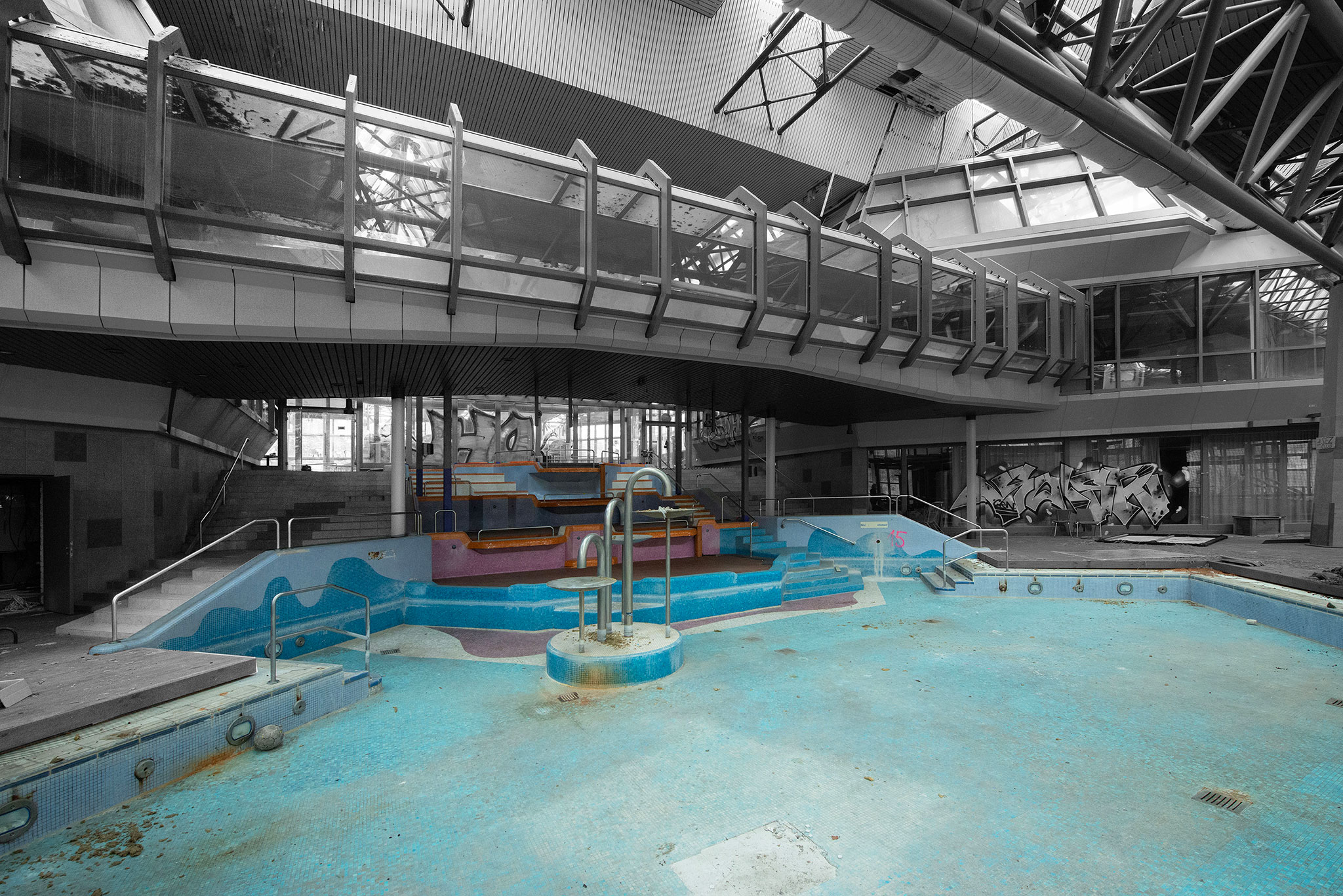
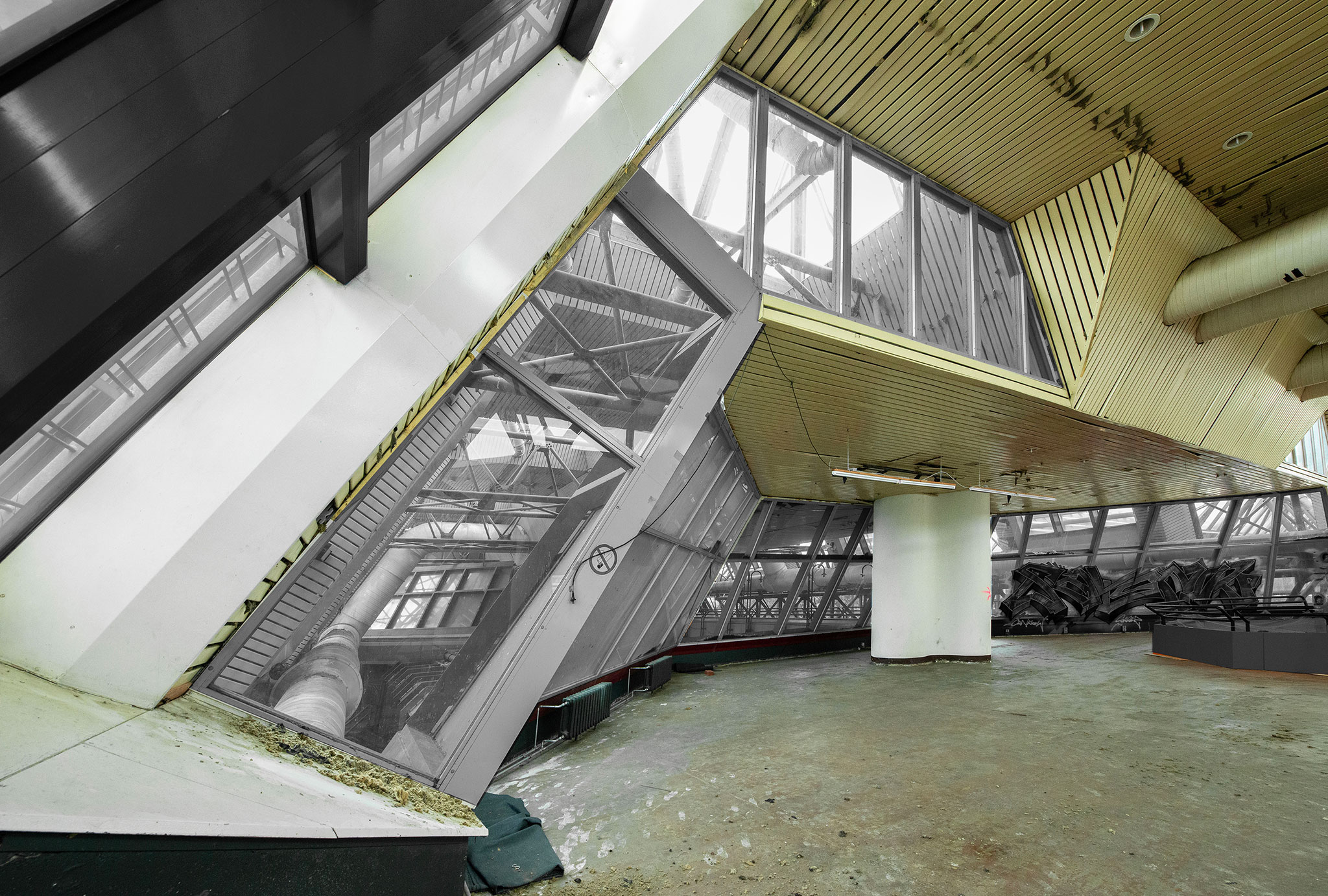
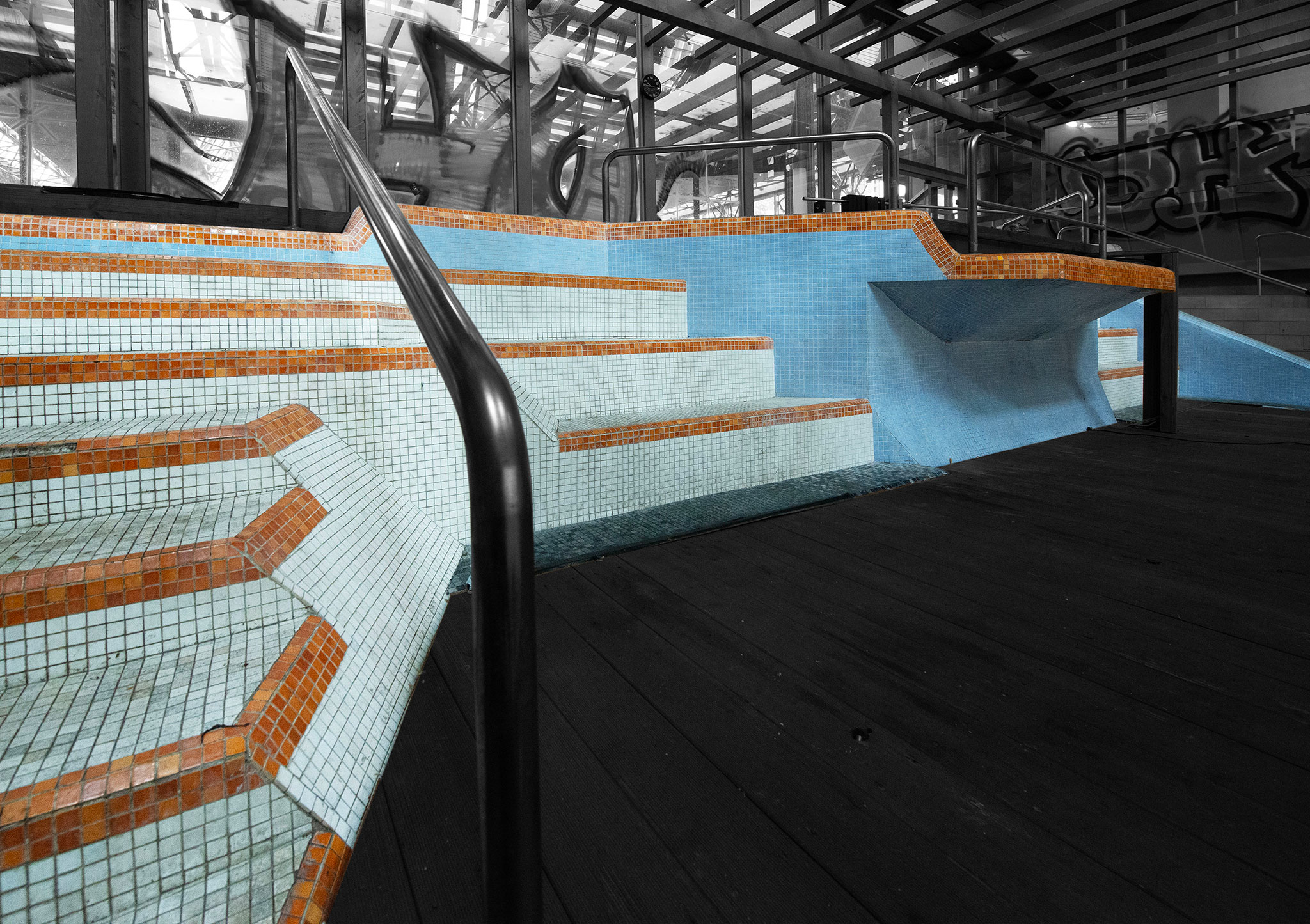
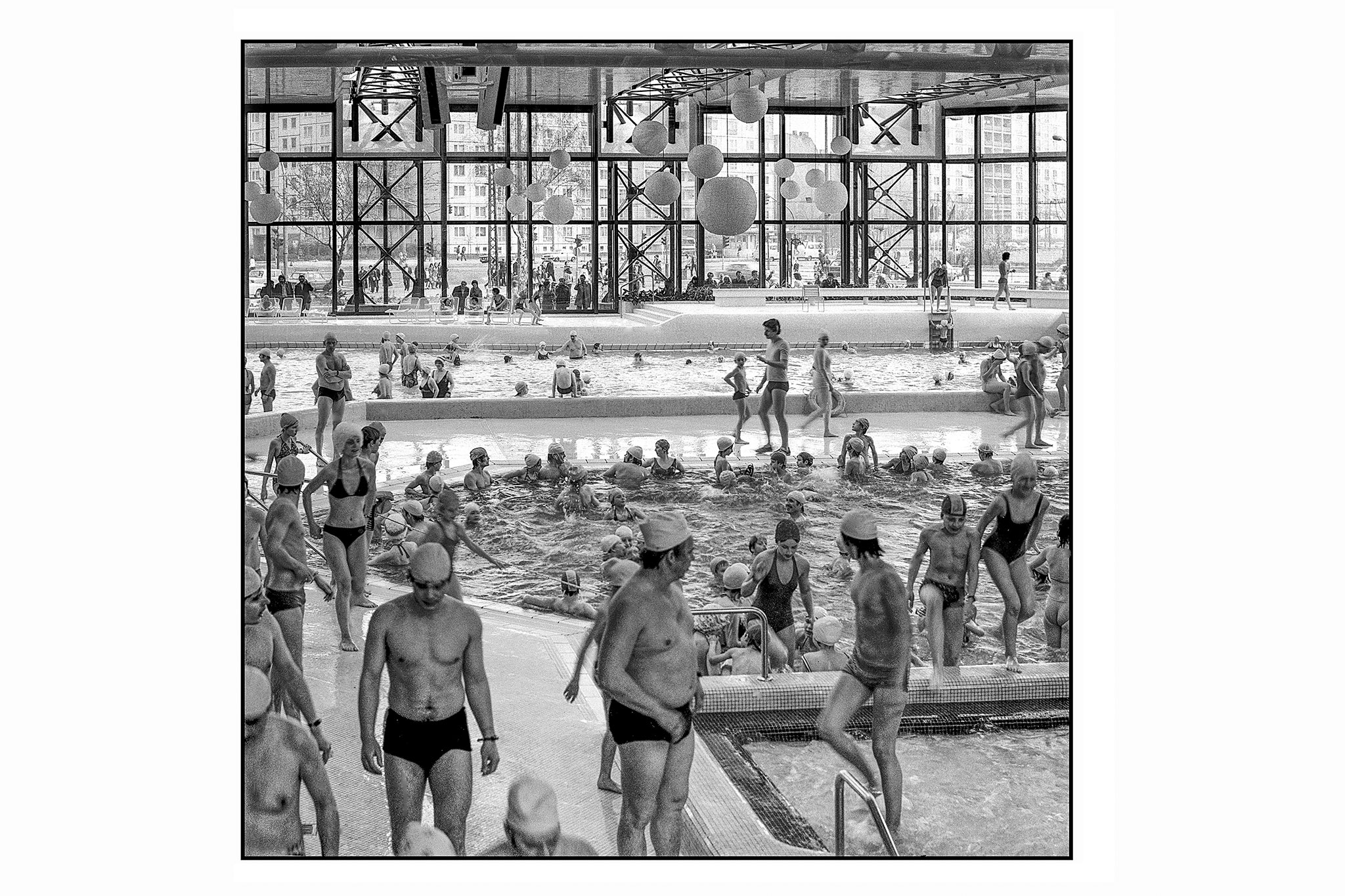
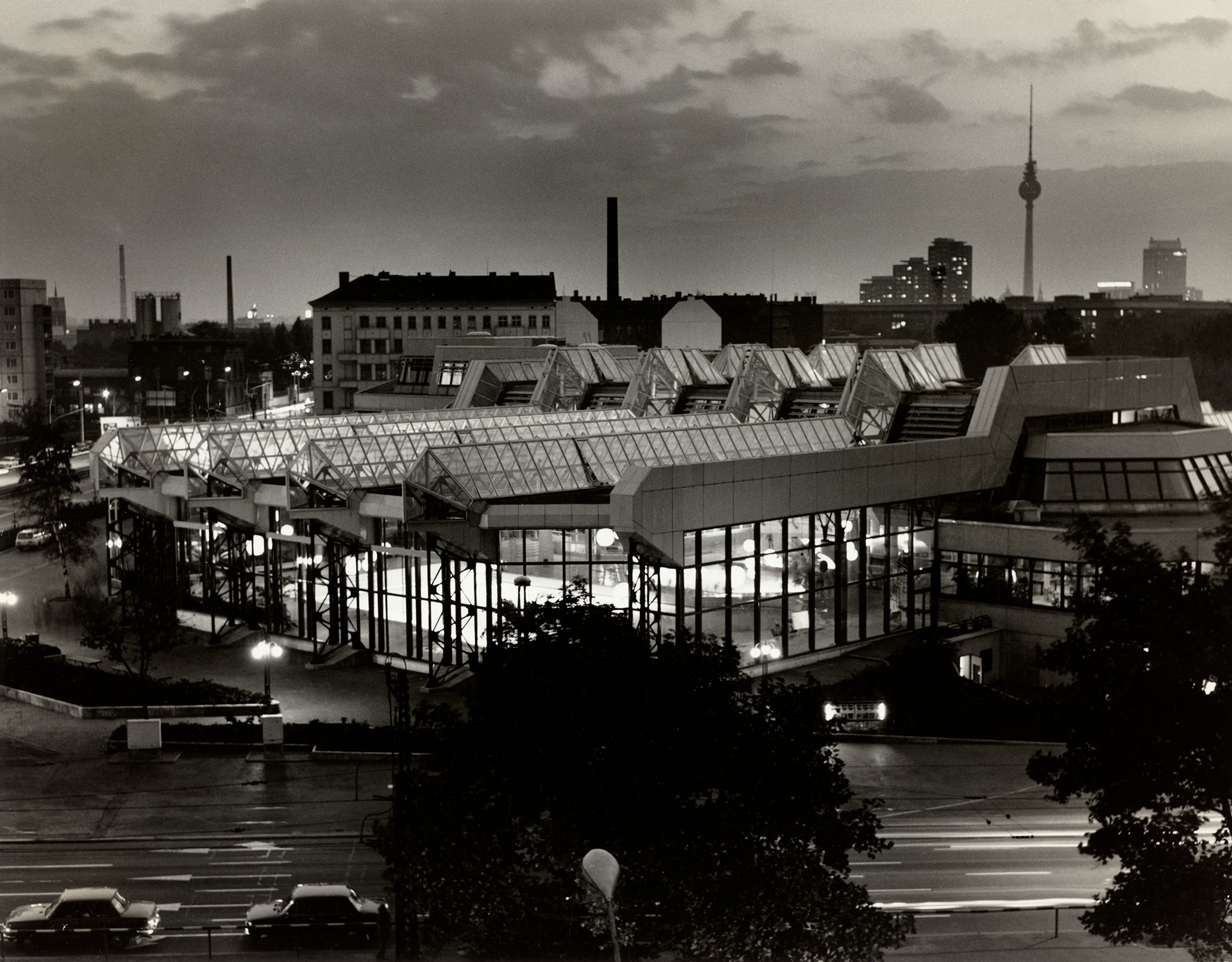
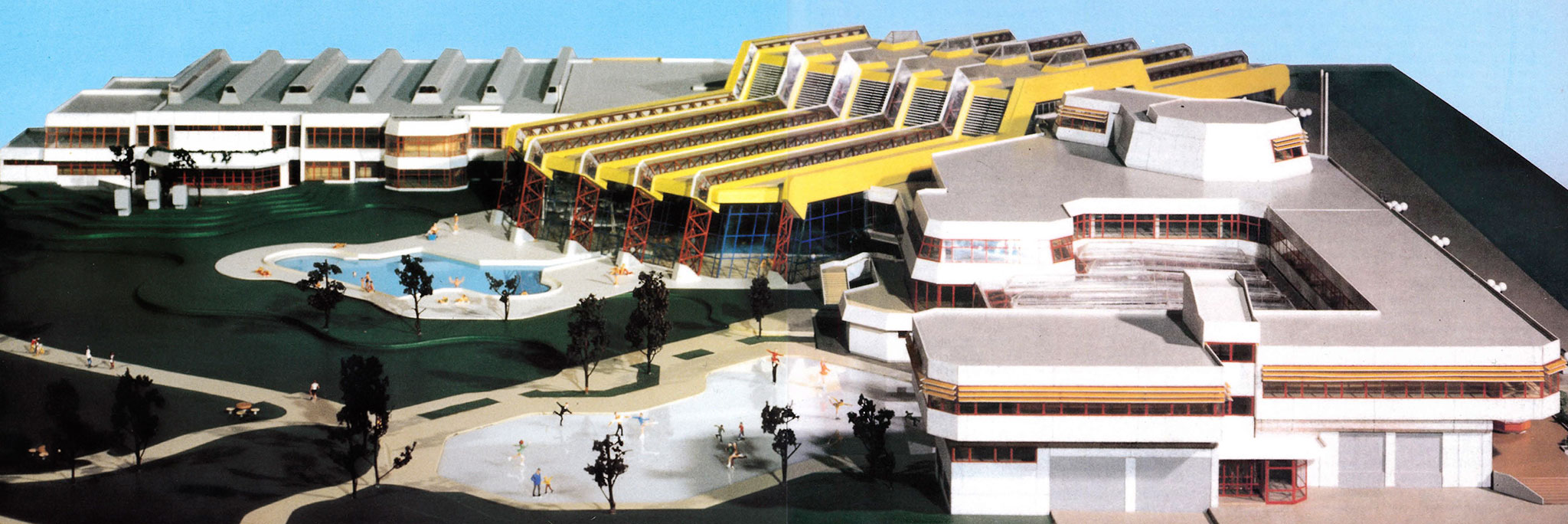
Opened in 1981, the building was more than a mere recreational facility; with its tiered pool area, multi-level roofs, and spatial logic, it constituted an autonomous cosmos. Entering the building was akin to embarking on a journey to another place—an island in the midst of the city—with its own climate, its own perception of time, and its own rules.

The SEZ was a unique, staged space within a dictatorial system: a place that seemed simultaneously isolated and public, monumental yet light, technical yet playful, controlled yet leisure-oriented. It combined various functions—sports, health, recreation, entertainment, and dining—within a single complex, creating its own universe of experiences that stood out strikingly against the conventional urban landscape and served as a colorful counterpoint to the "gray everyday life" of East Berlin.
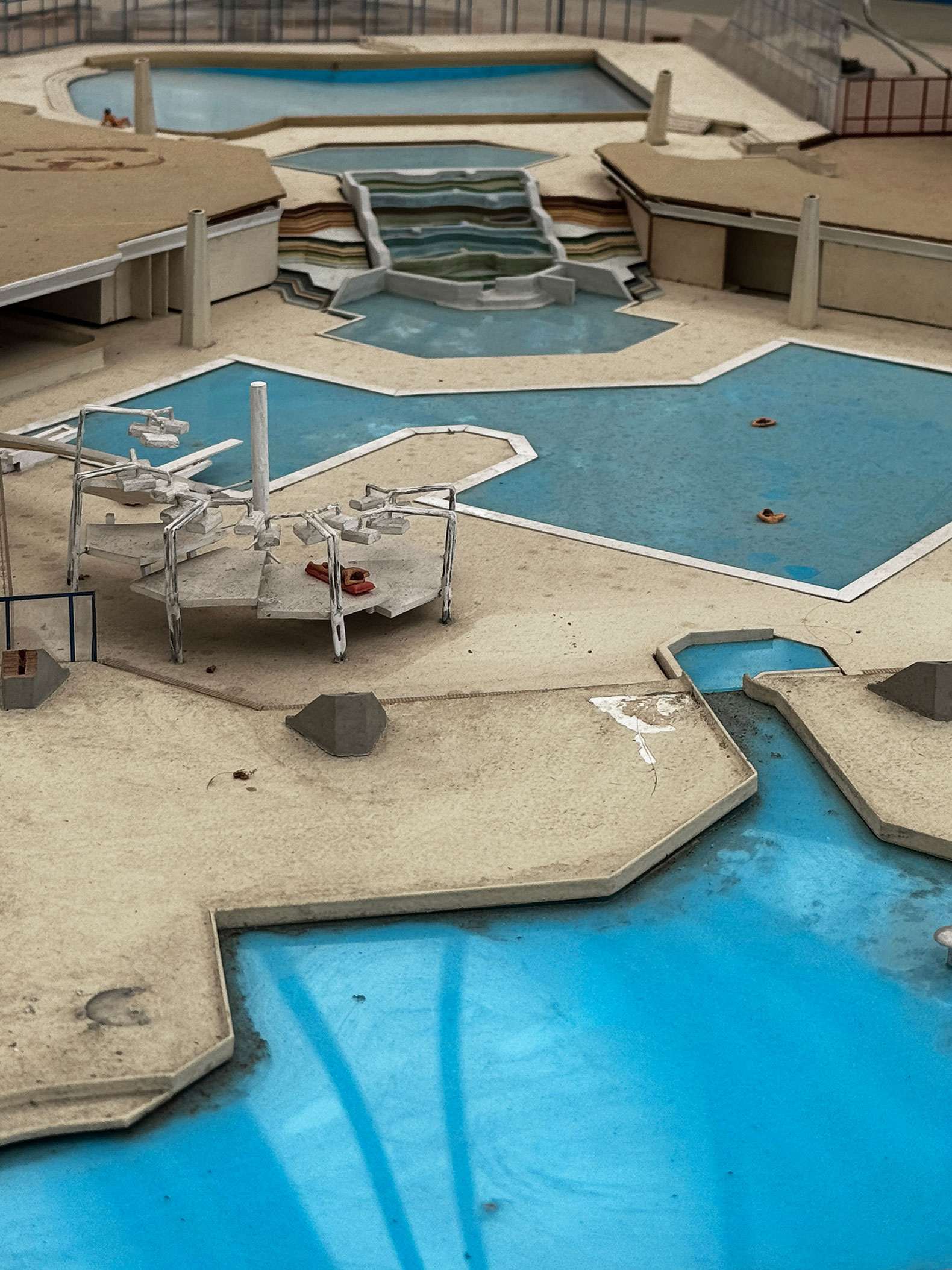
SEZ Model. Exhibition "SEZ – The Im/Possibility of an Island".

SEZ Model. Exhibition "SEZ – The Im/Possibility of an Island".

At a time when travel poses an environmental challenge, the staging of nature and landscape for recreational purposes—as an alternative to travel—has taken on renewed relevance. Today, we face the impossibility of sustaining mass tourism as we have known it.

The exhibition examine the architectural and spatial qualities of the SEZ regarding its potential for transformation, offering a possible model for the sensitive expansion of existing neighborhoods and the adaptive reuse of underutilized spaces and buildings, thereby addressing the need to conserve resources.
More information

Label
Exhibition
Text

"SEZ – The Im/Possibility of an Island".

+ + copy Created with Sketch.
- + copy Created with Sketch.
Label
Curators
+ + copy Created with Sketch.
- + copy Created with Sketch.
Label
Collaborators
Text

Günter Reiss, Verein der Freunde und Förderer des Stadtmuseums Berlin e.V. , Stadtmuseum Berlin, Leibniz IRS, HOCHTIEF AG, Ilse Hahn, Volker Schutsch, Dieter Urbach, Ulrich Wüst, Gerd Danigel, Rolf Zöllner, Wolfgang Kil, Volkrad Drechsler, gmp · Architekten von Gerkan, Marg und Partner, Karl-Heinz Kraemer, Jessica Schweitzer, Susanne Lorenz, Prof. Ariane Röntz, Berlinische Galerie, Bundesstiftung Bauakademie, Bayerische Verwaltung der staatlichen Schlösser, WBM, bpk-Fotoarchiv.
Execution.- Students at RheinMain University of Applied Sciences (Prof. Kay Fingerle: Annika Herr and Marlen Breuer), JACOB I REISCHEL, ludwig heimbach architektur, zukunftsgeraeusche Huber Winter GbR.

+ + copy Created with Sketch.
- + copy Created with Sketch.
Label
Dates
Text

From August 28 to September 20, 2026.

+ + copy Created with Sketch.
- + copy Created with Sketch.
Label
Location
Text

Deutscher Werkbund Berlin, Ernst-Reuter-Platz, Mittelinsel, 10587 Berlin, Germany.

+ + copy Created with Sketch.
- + copy Created with Sketch.
Label
Photography
Text

Kay Fingerle, Ludwig Heimbach, Günter Reiss Archive, Berlinische Galerie, bpk, Volker Schutsch.

+ + copy Created with Sketch.
- + copy Created with Sketch.
Ludwig Heimbach (1971) is an architect and founder of Ludwig Heimbach Architektur dwb BDA, an architecture practice based in Cologne, Germany. He lives and works between Cologne and Berlin. He studied architecture at Technische Universität Berlin (TU Berlin) and the University of Applied Arts Vienna, where he joined Professor Wolf D. Prix’s master class.

His practice approaches architecture as an «instrument for accelerating and decelerating between the city and the bed», exploring spatial communication across scales, from the urban realm to furniture, as well as the thresholds and filters that mediate between them. His work has been presented at venues including the German Pavilion at the 12th Venice Architecture Biennale, the Deutsches Architektur Zentrum (DAZ) in Berlin, the Haus der Architektur in Graz, and the Kyoto Art Center.

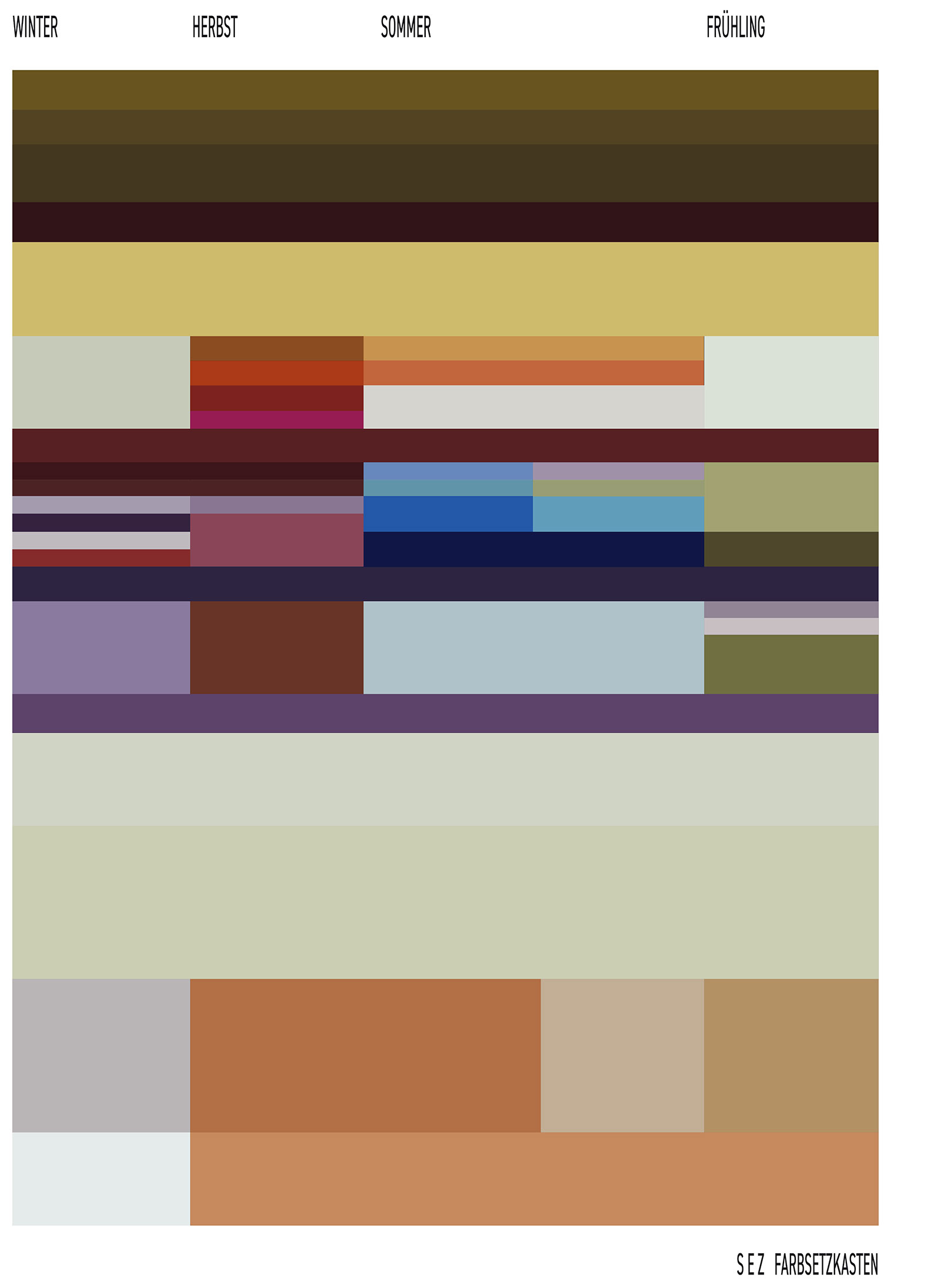
Colour and chromatic sequences play an important role in his work, serving as tools for shaping interfaces with users. In this field, Heimbach has also developed a number of colour collections for the building materials industry, including for Eternit.

He became a member of the Deutscher Werkbund (dwb) in 2008, the Bund Deutscher Architekten (BDA) in 2009, and the Architectural Design Association of Nippon (ADAN) in 2017. In 2016, he was a resident at the Goethe-Institut’s Villa Kamogawa in Kyoto.

Alongside his architectural practice, Heimbach has taught at a number of institutions, including the Münster School of Architecture, Hochschule Mainz, the Peter Behrens School of Arts in Düsseldorf, Universität der Künste Berlin, Kyoto City University of the Arts, ETH Zürich, and KU Leuven. Since 2018, he has served on the board of the BDA Galerie Berlin.

In 2020, he initiated and curated the exhibition «Mäusebunker & Hygieneinstitut: Versuchsanordnung Berlin», first presented at the BDA Galerie Berlin and later, in 2021, in Venice during the 17th Venice Architecture Biennale. In 2025, he edited the book Mäusebunker und Hygieneinstitut. Eine Berliner Versuchsanordnung, devoted to these two examples of Berlin Brutalism.

Read more
Published on: October 4, 2026
Cite:
metalocus, ELVIRA PARÍS FERNÁNDEZ
"Debate, safeguard, transform: "SEZ – The Im/Possibility of an Island"" METALOCUS. Accessed
<https://www.metalocus.es/en/news/debate-safeguard-transform-sez-impossibility-island> ISSN 1139-6415
Loading content ...
Loading content ...
Loading content ...
Loading content ...
Loading content ...
Loading content ...
Loading content ...
Loading content ...
Loading content ...
Loading content ...
Loading content ...
Loading content ...
Loading content ...
Loading content ...
Loading content ...
Loading content ...
Loading content ...
Loading content ...
Loading content ...
Loading content ...
Loading content ...
Loading content ...
Loading content ...
Loading content ...
Loading content ...
Loading content ...
Loading content ...
Loading content ...
Loading content ...
Loading content ...
Loading content ...
Loading content ...
Loading content ...
Loading content ...
Loading content ...
Loading content ...
Loading content ...
Loading content ...
Loading content ...
Loading content ...
Loading content ...
Loading content ...
Loading content ...
Loading content ...
Loading content ...
Loading content ...
Loading content ...
Loading content ...
Loading content ...
Loading content ...
Loading content ...
Loading content ...
Loading content ...
Loading content ...