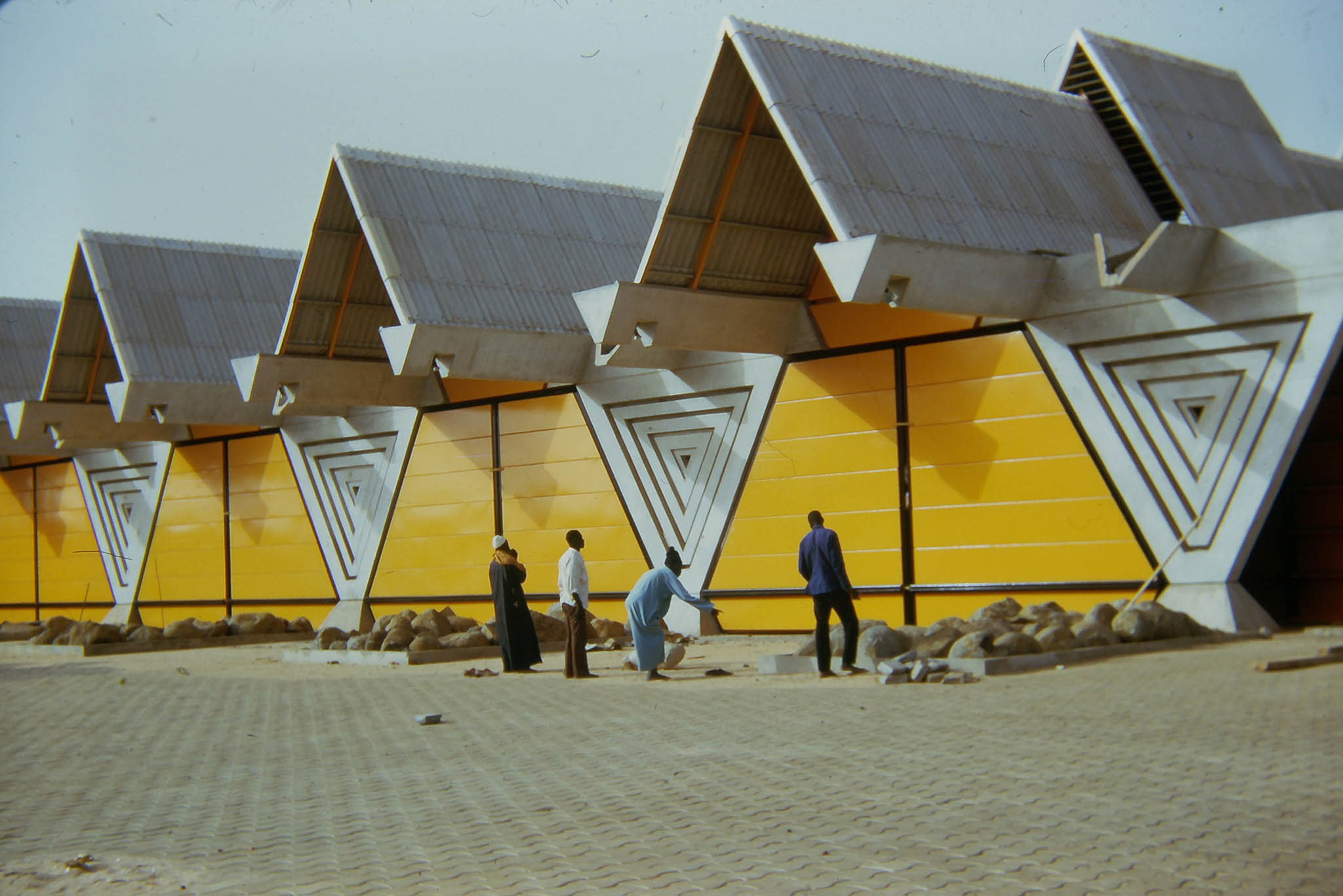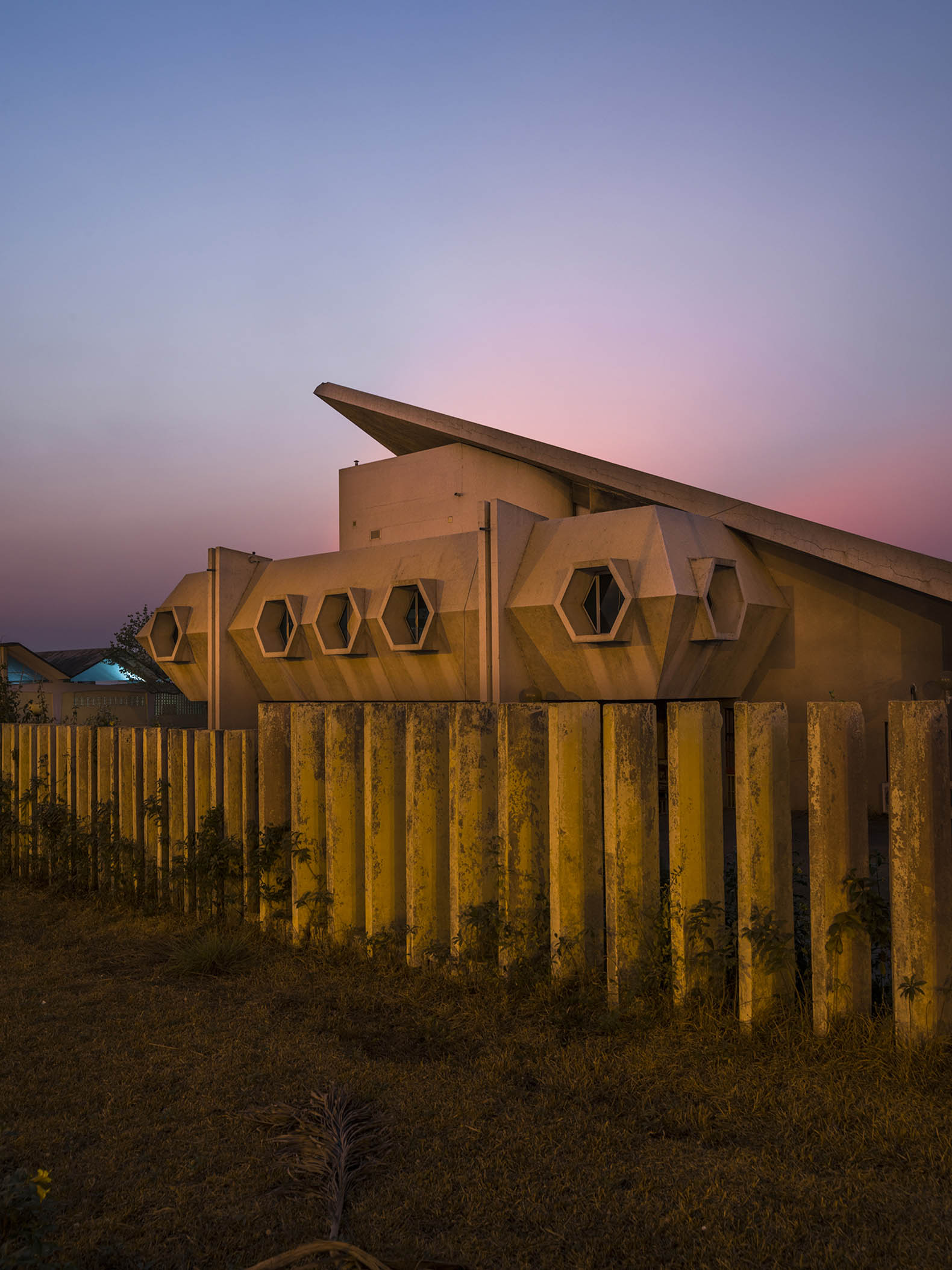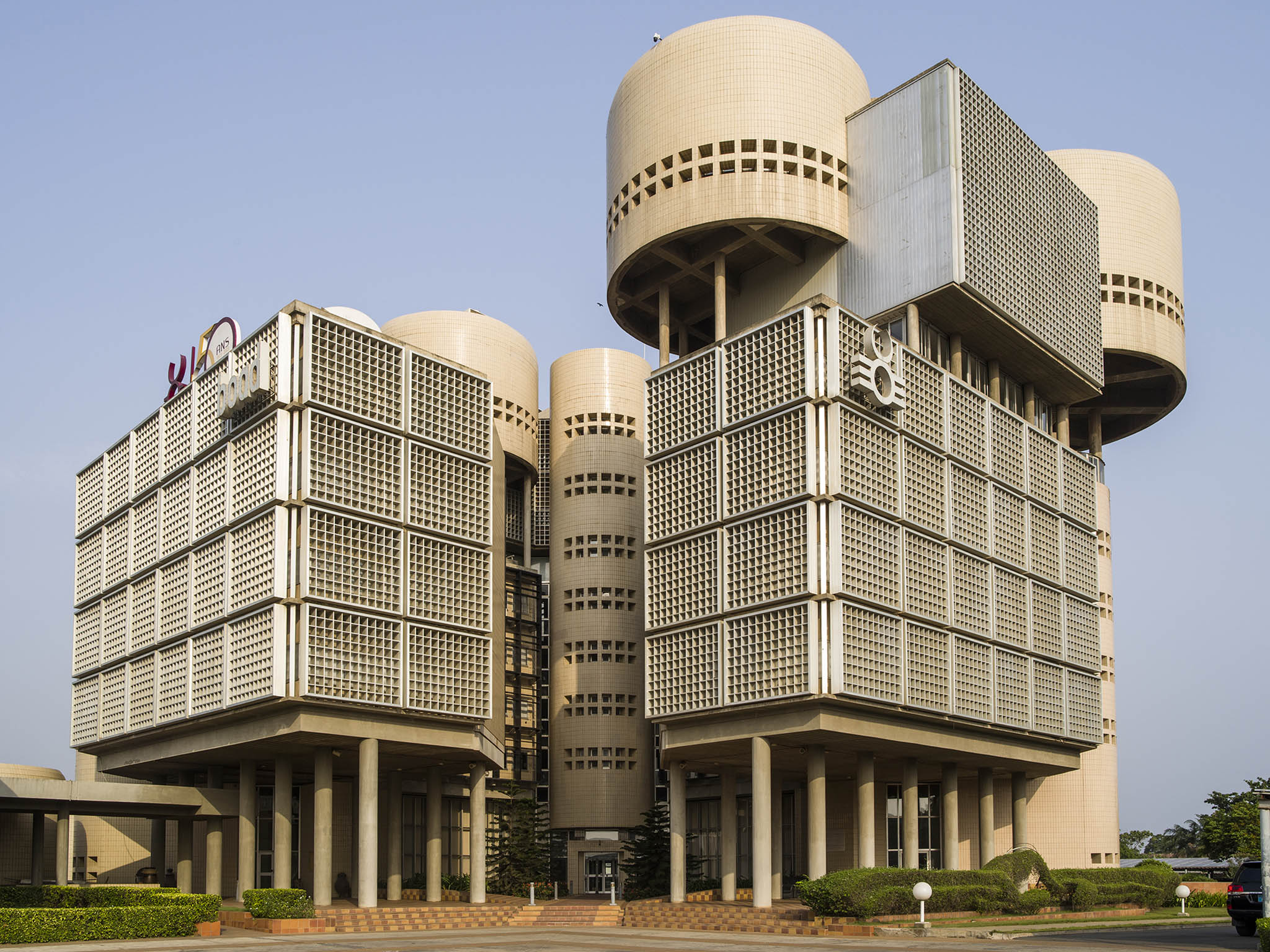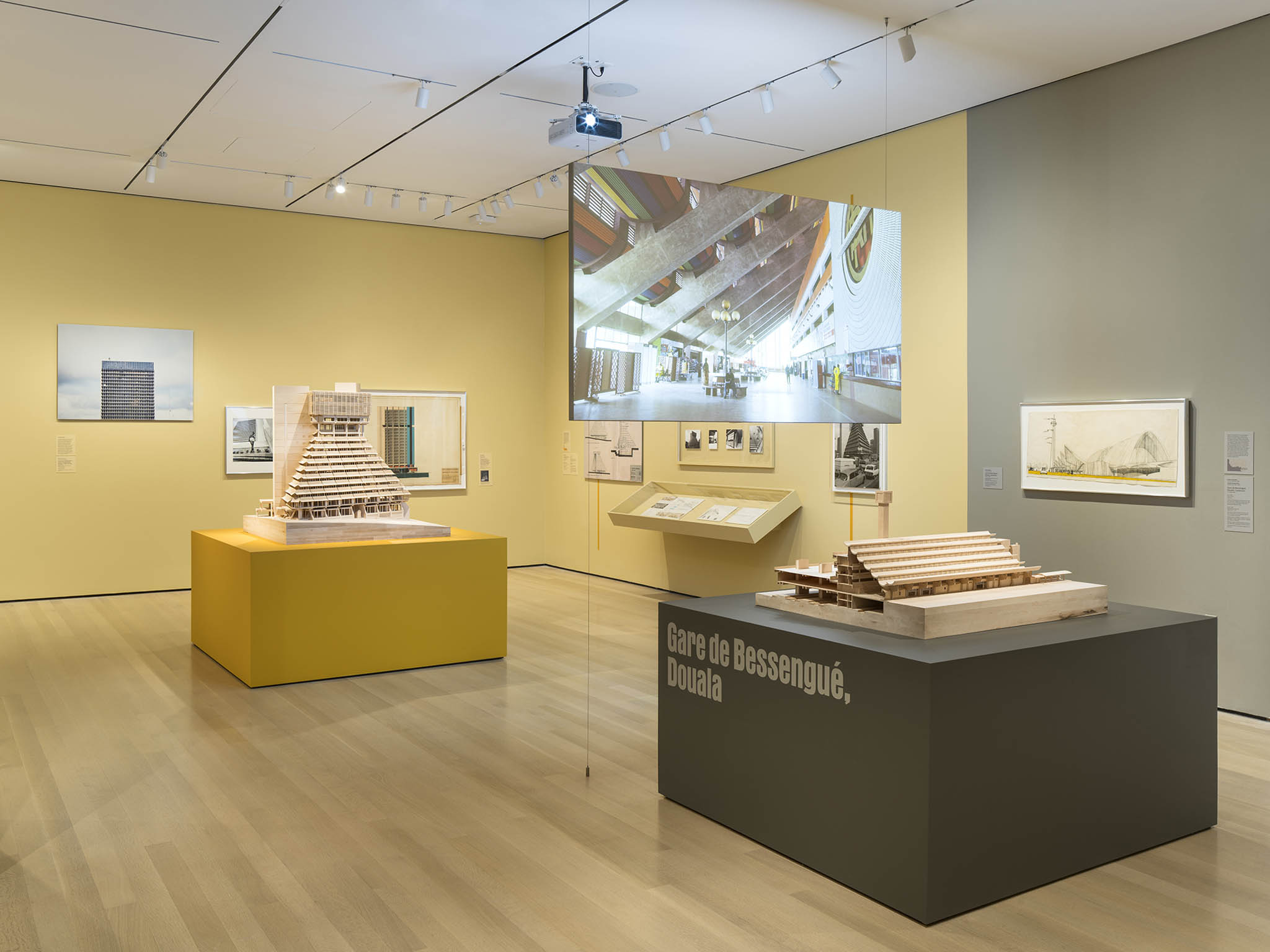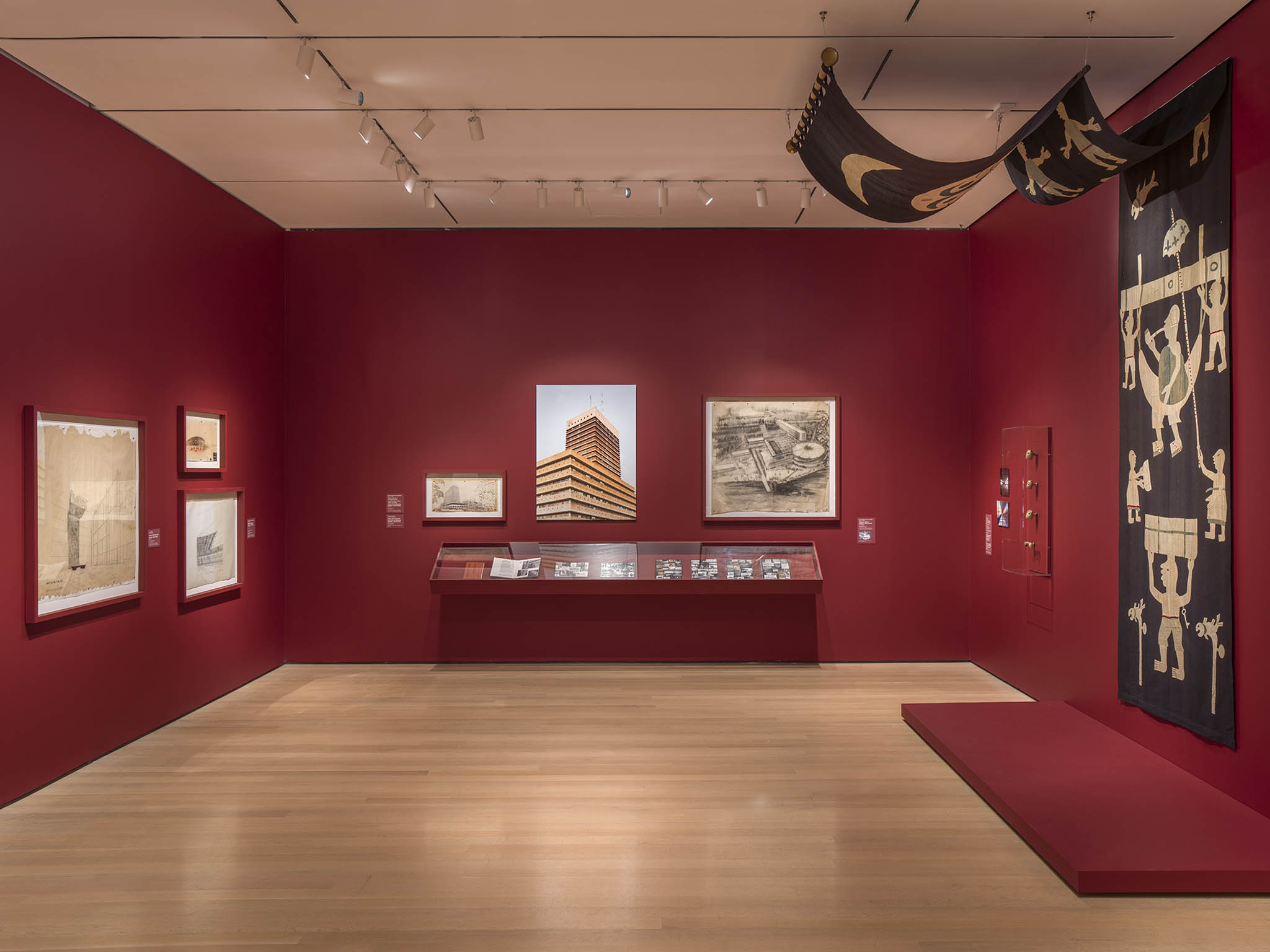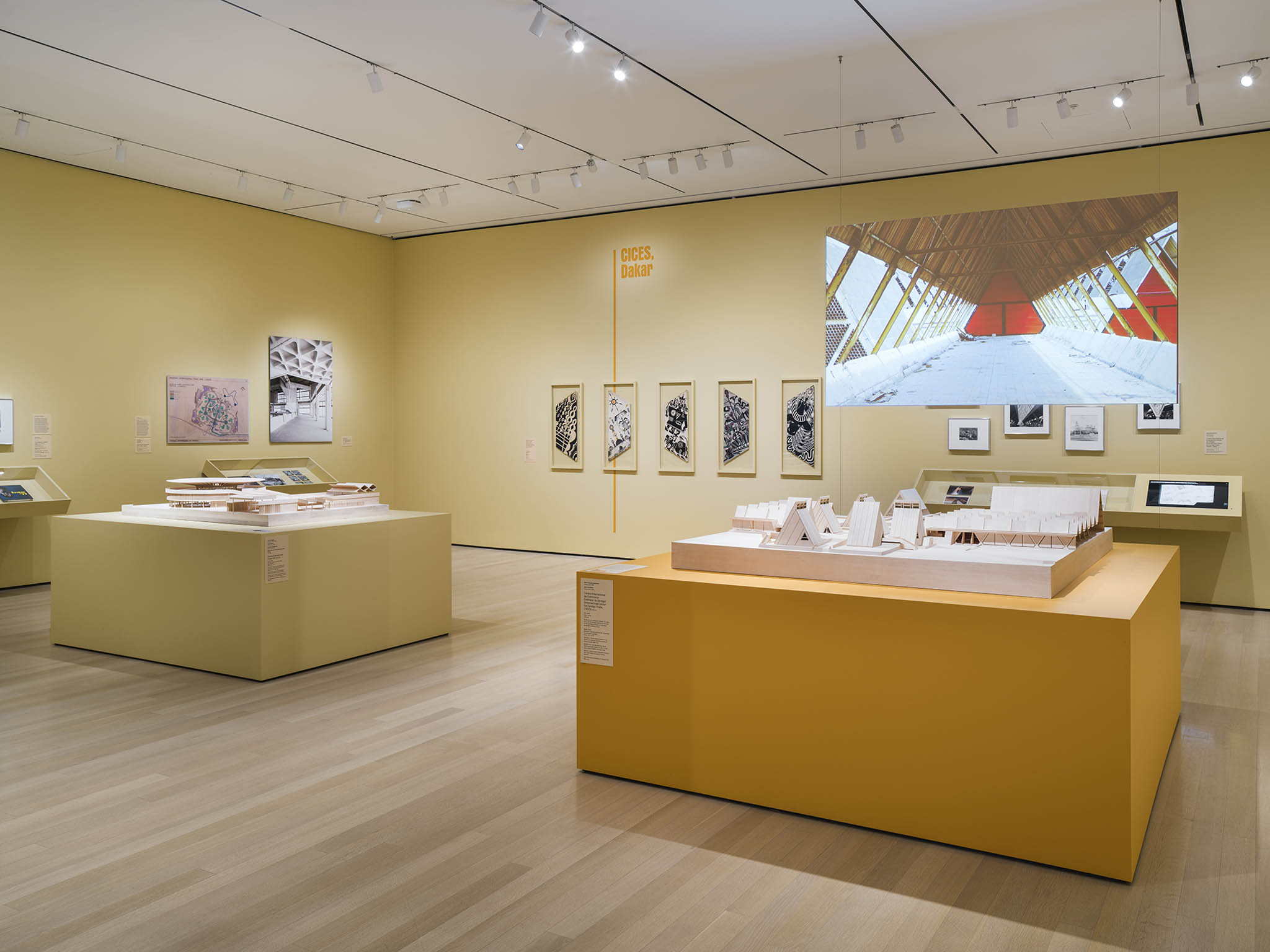
The emerging architectural identities of the period were closely connected to the political ideals of Pan-Africanism and Africanization advanced by new governments and their leaders. Bringing together material from Benin, Cameroon, Côte d’Ivoire, Ghana, Nigeria, Senegal, and Togo, the exhibition is structured around key projects that introduce themes including cityscapes, education, and housing, while giving particular attention to the contributions of the first generation of trained African architects. Architects of Liberation is organized by Martino Stierli, The Philip Johnson Chief Curator of Architecture and Design, and Ikem Stanley Okoye, guest curator and associate professor at the University of Delaware, with Mallory Cohen, curatorial associate in the Department of Architecture and Design.
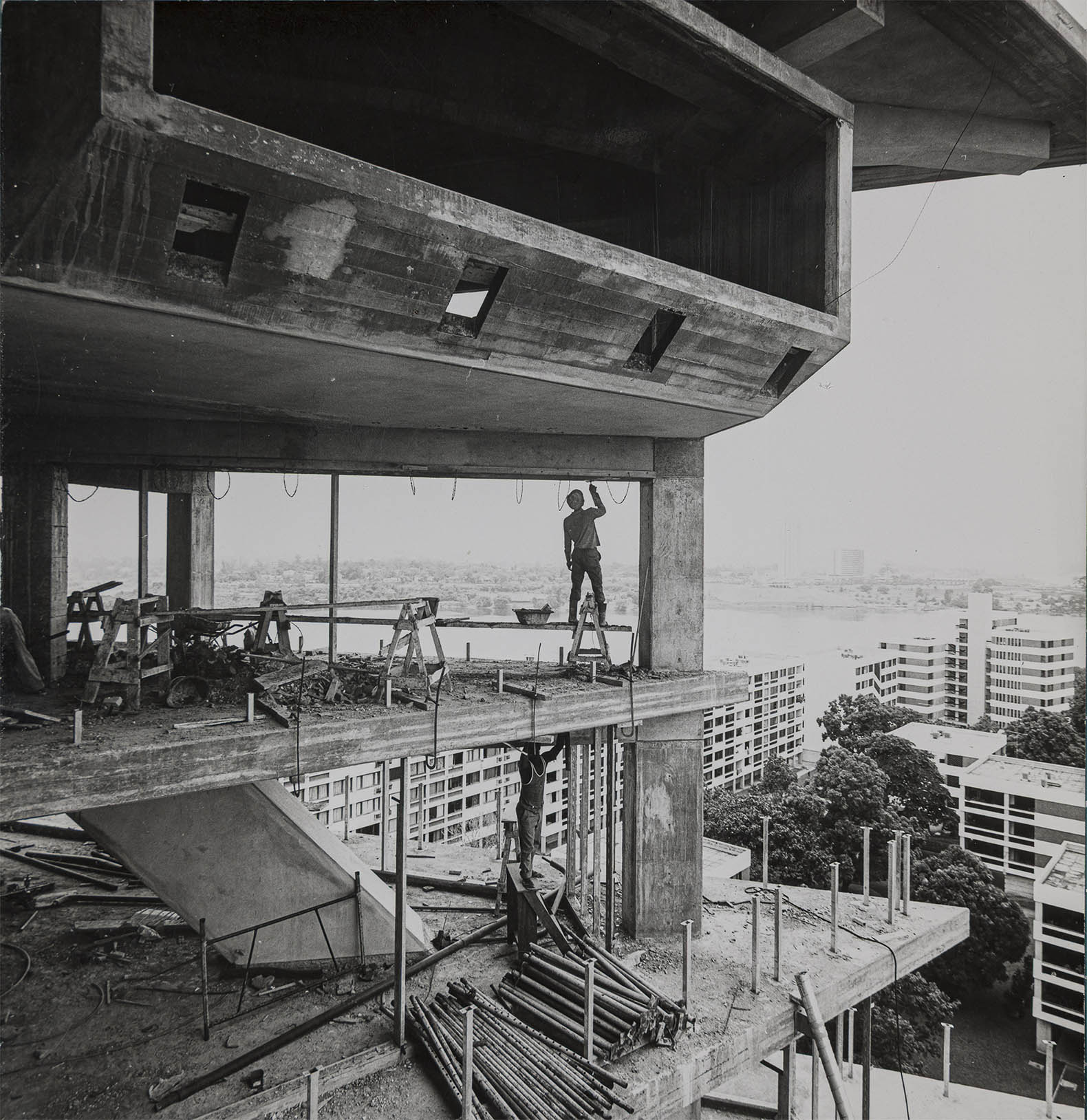
Architects of Liberation brings together approximately 450 objects, including architectural drawings, models, and archival photographs, drawn from more than 50 lenders in 17 countries. Developed over four years of extensive research in the region, the exhibition presents a substantial amount of material that has never before been shown publicly. Many of the architects featured have also received little or no previous attention in exhibitions or scholarly publications. The presentation is complemented by original and newly commissioned architectural models, alongside new films and commissioned photographic works.
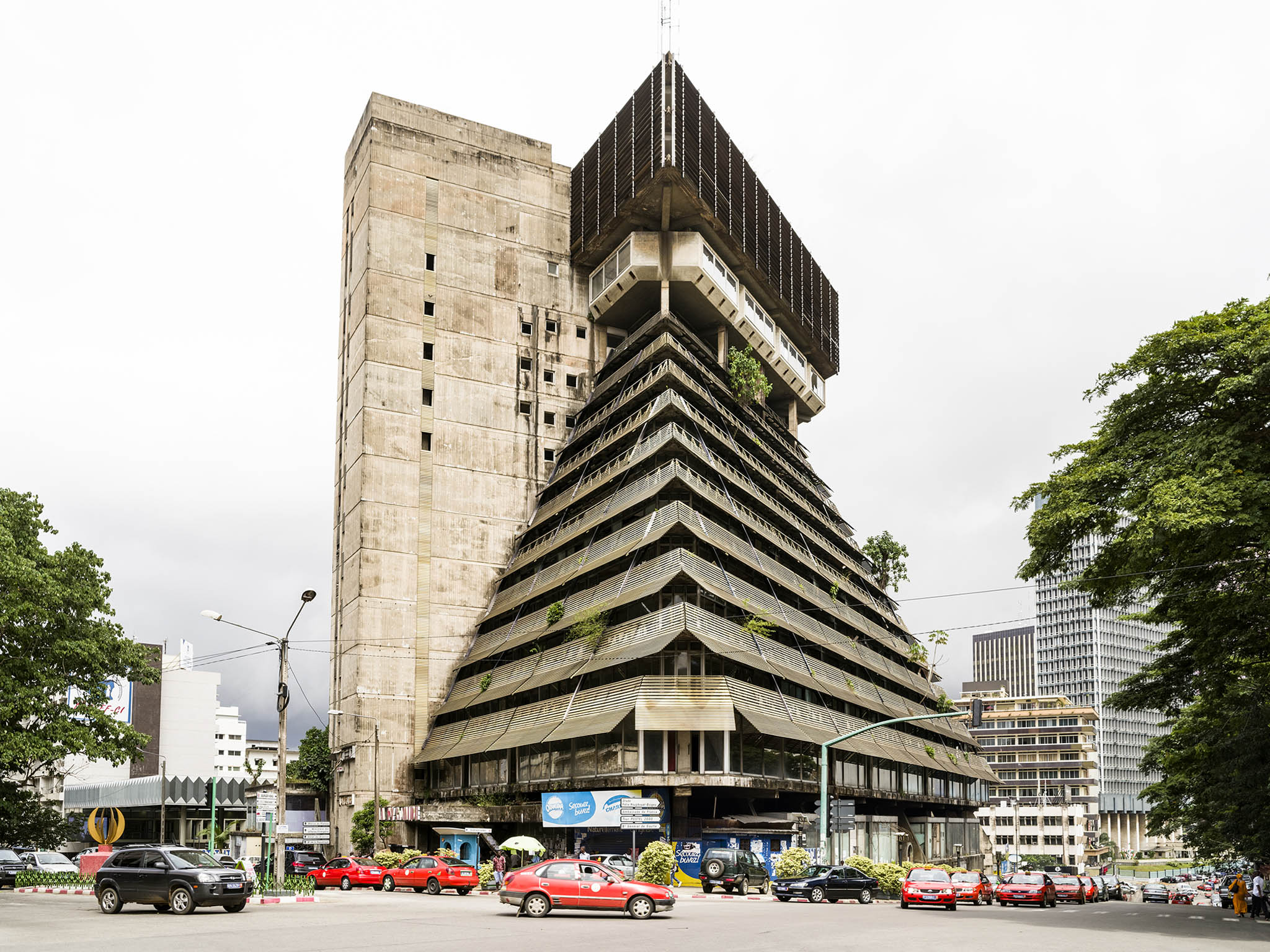
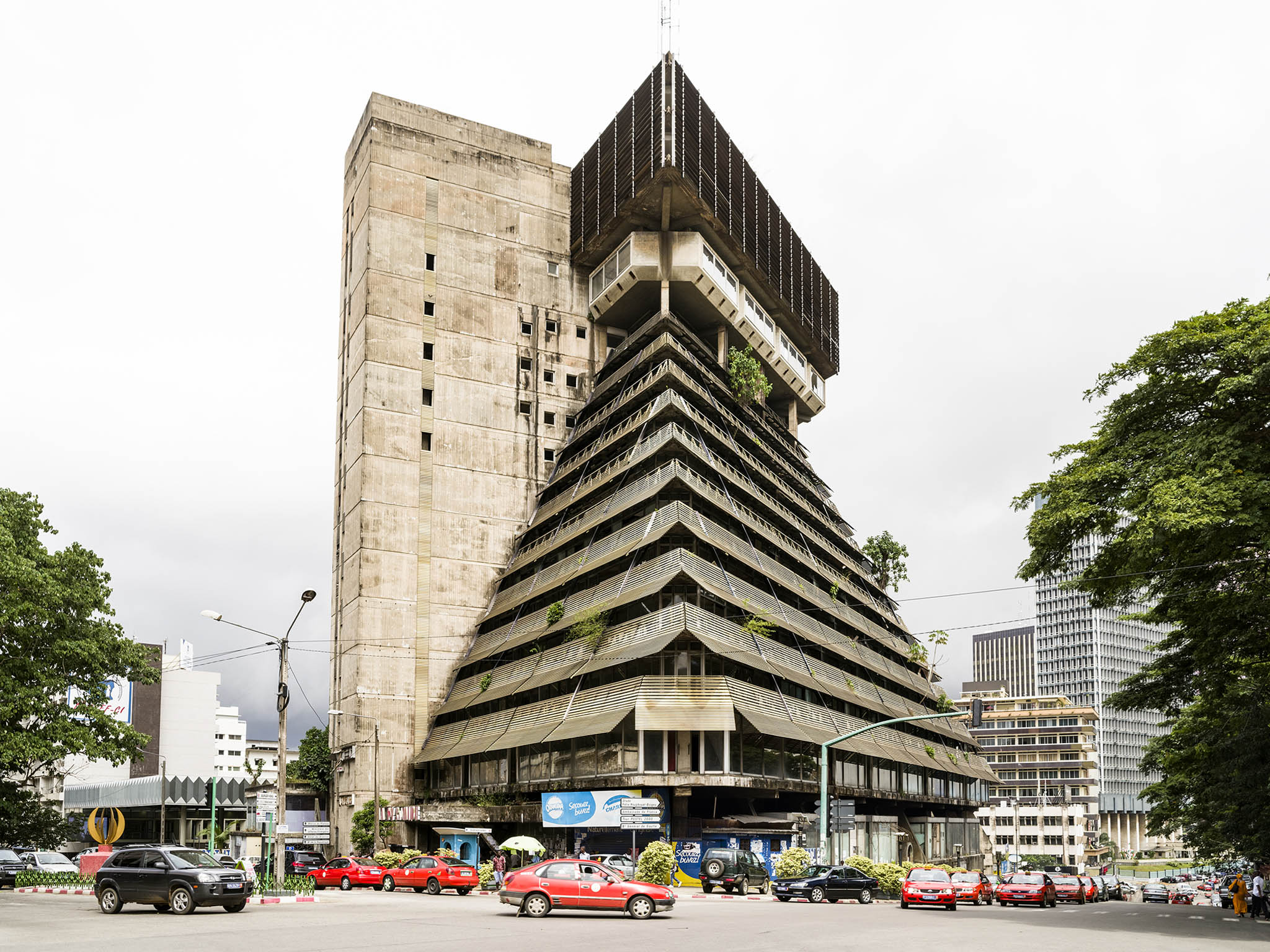
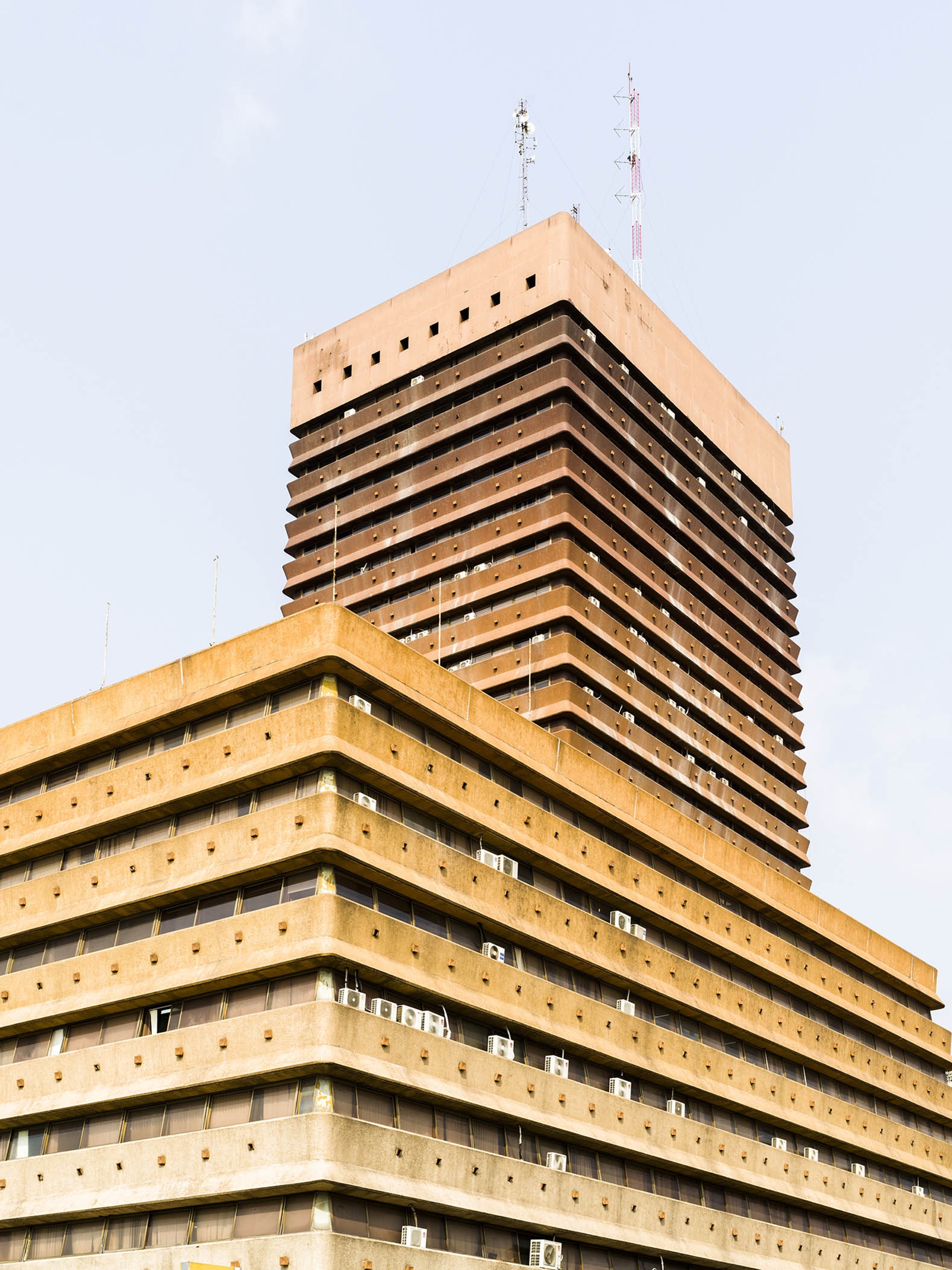
La Pyramide, Abidjan, Côte d’Ivoire. 1968–73. Rinaldo Olivieri (1931–1998). 2025. Photograph by François-Xavier Gbré.
“I am thrilled to present Architects of Liberation to our audiences after an intense multiyear research period. Our exhibition will shed light on a crucial, under-examined period of African history at mid-century, providing a new perspective on the continent. The stunning works of architecture produced during the independence period are testaments to an extraordinary moment of design innovation and optimism.”
Martino Stierli, The Philip Johnson Chief Curator of Architecture and Design.
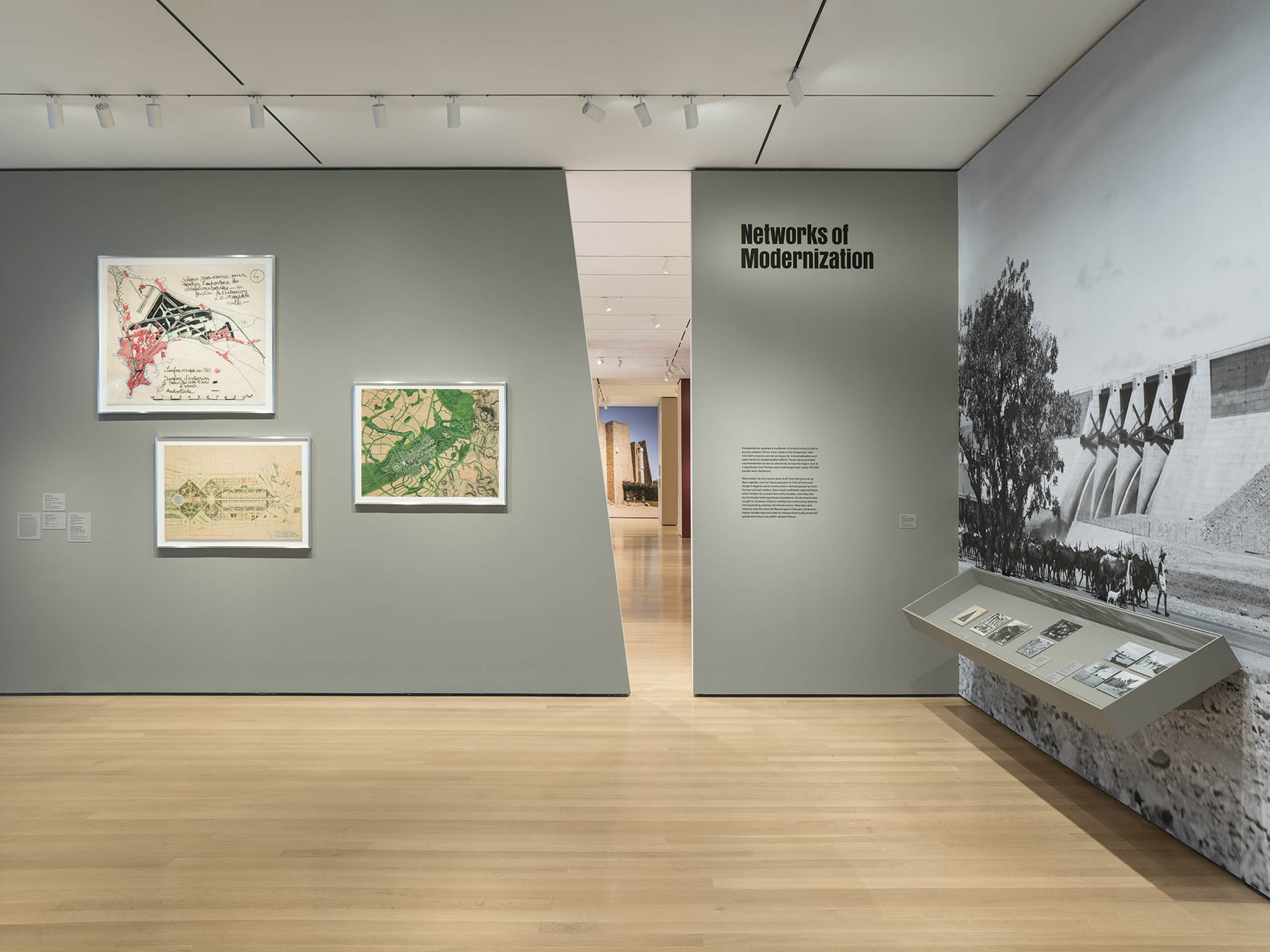
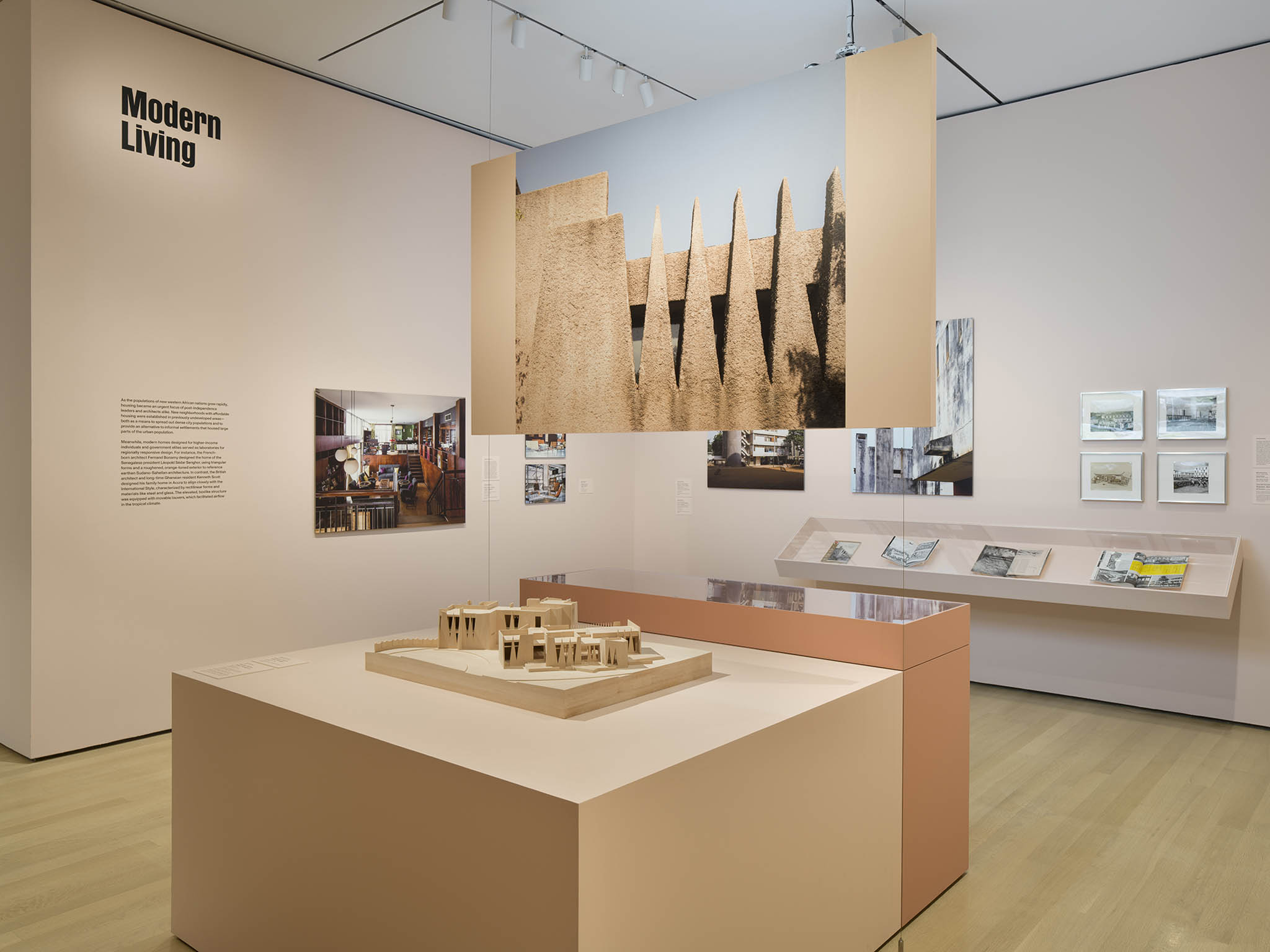
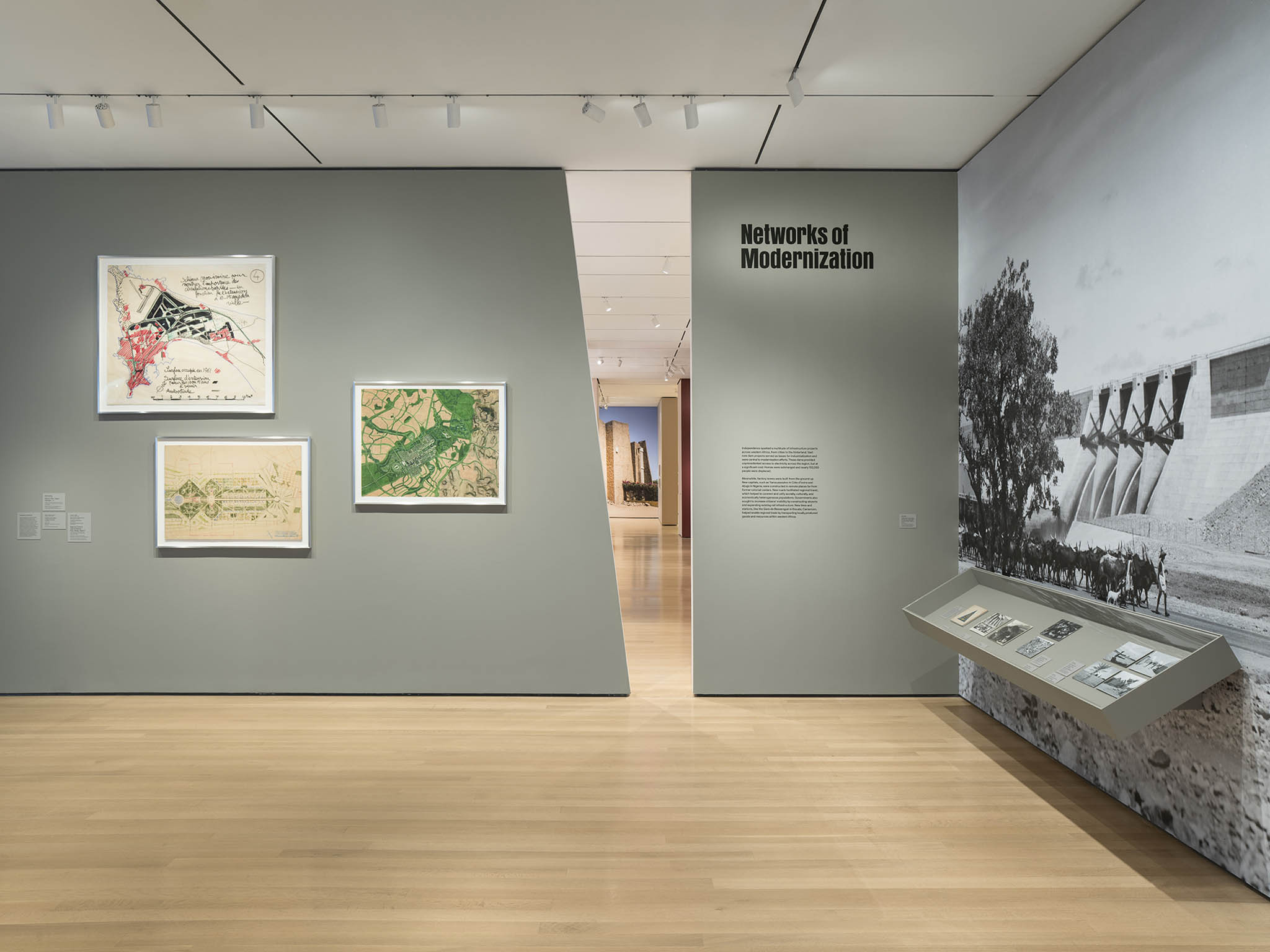
Installation view, Architects of Liberation: Modernism in Western Africa, on view at The MoMA, New York, July 5, 2026 - January 2, 2027. Photo by Martin Parsekian / The MMoMA, New York.
The African independence movements reached a defining moment in 1960, the “Year of Africa,” when 17 countries across the continent achieved political independence from colonial rule. As these new nation-states took shape, they confronted fundamental questions alongside a broader cultural renewal in art, music, dance, and literature. In the exhibition, the term “western Africa” is used broadly to refer to the coastal area extending from Senegal to the eastern edge of the Gulf of Guinea. By examining concerns shared across the countries included, Architects of Liberation traces an architectural language associated with self-determination, showing how the idiom of modernism was adopted, adapted, or reworked in response to particular cultural, political, economic, and climatic conditions.