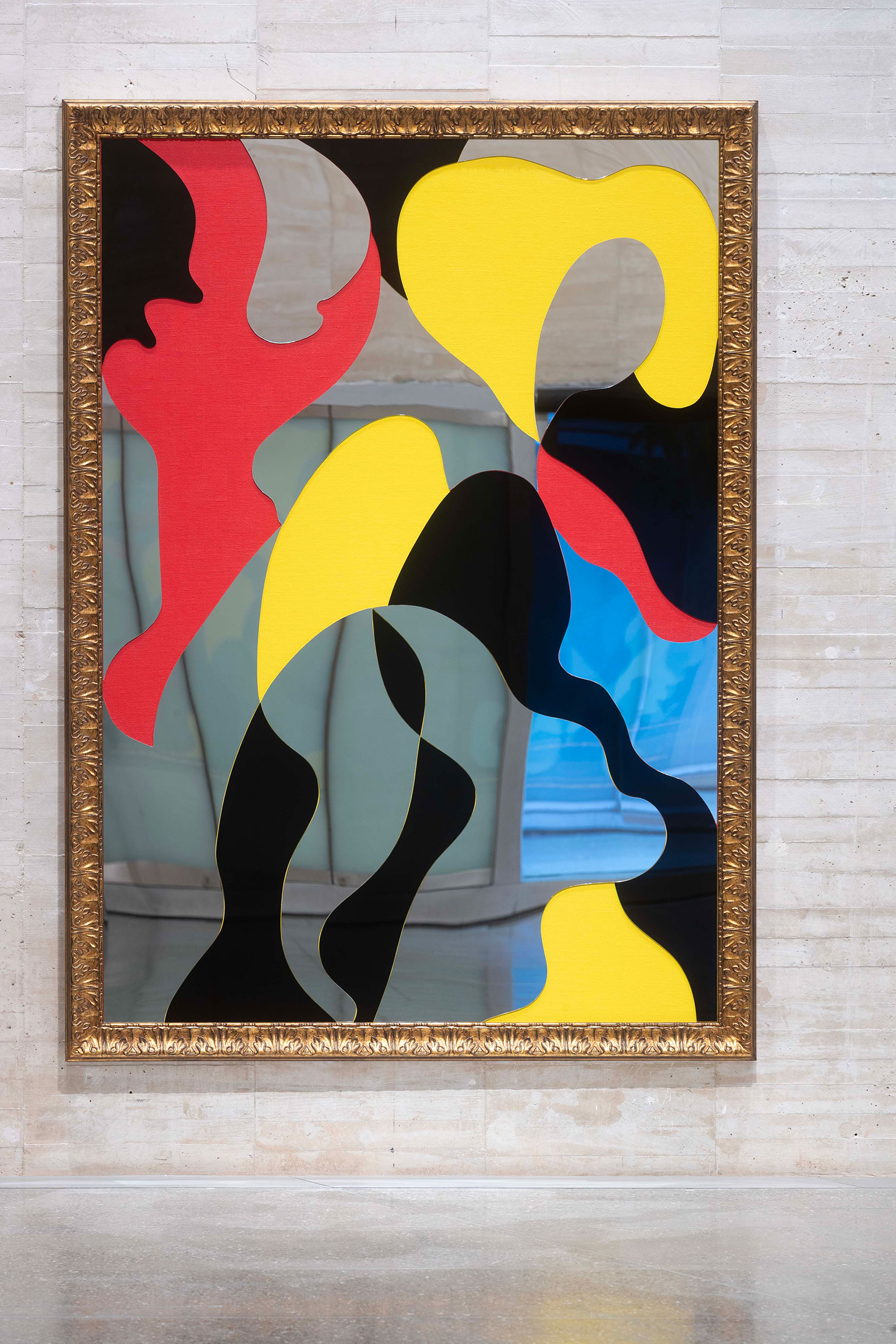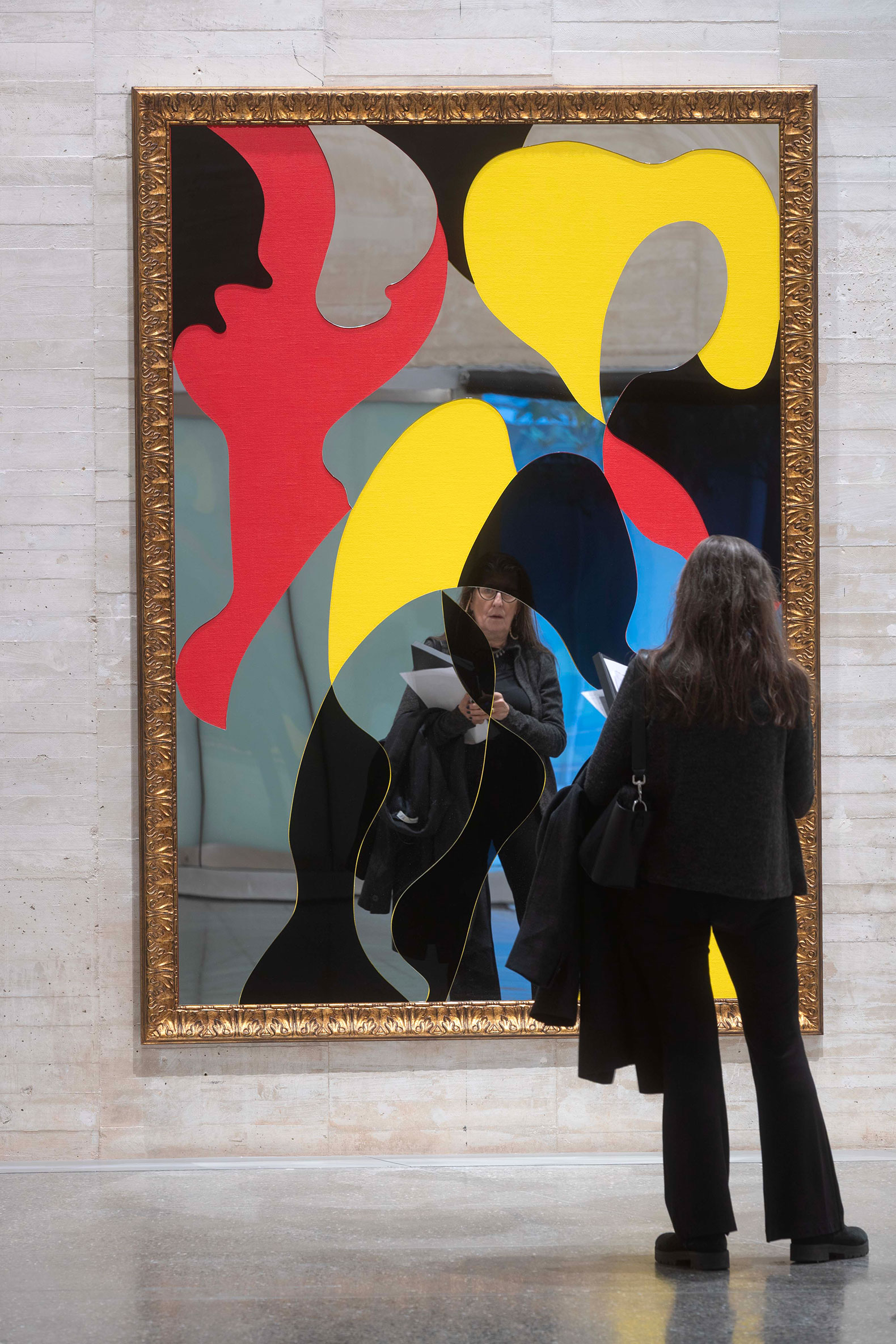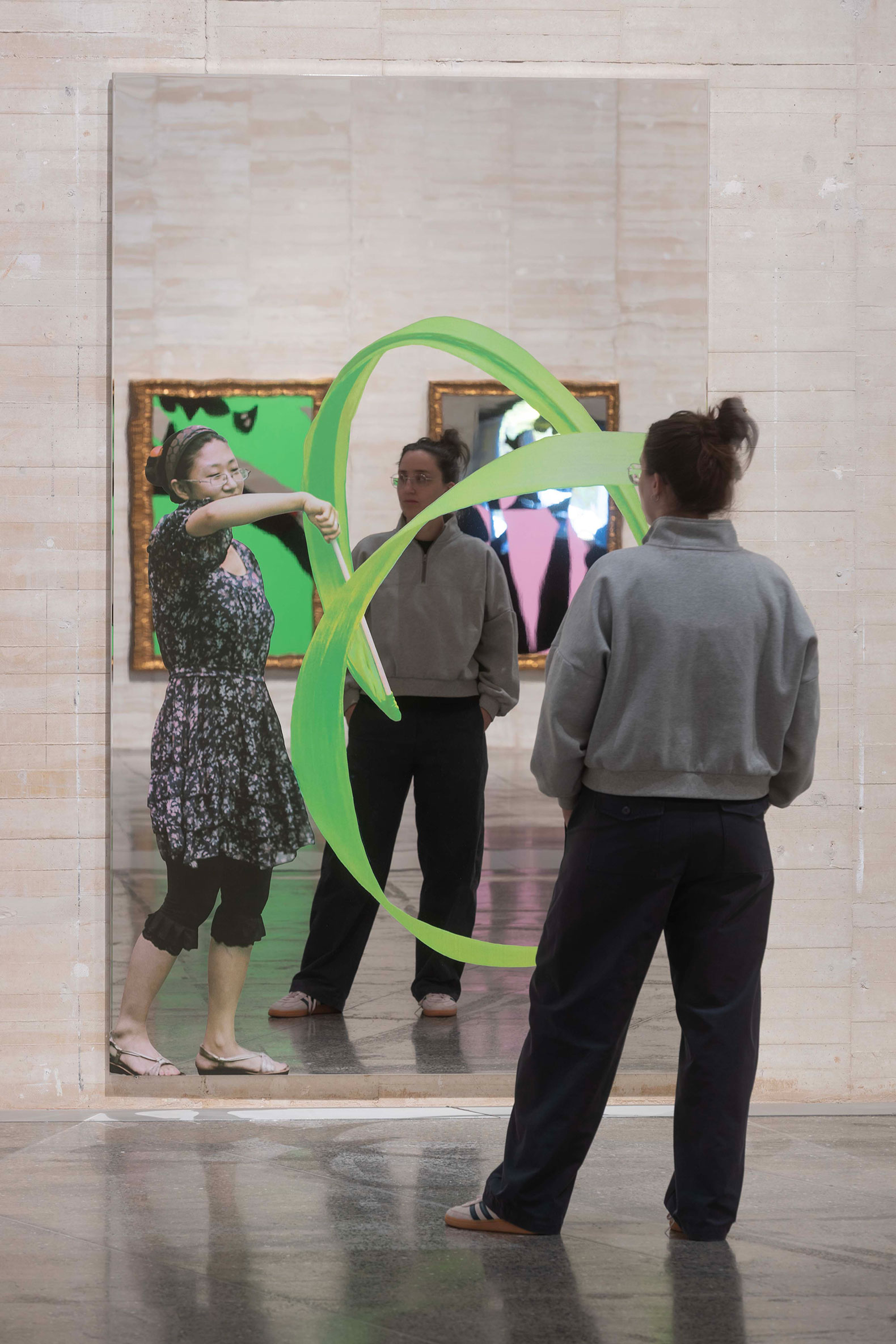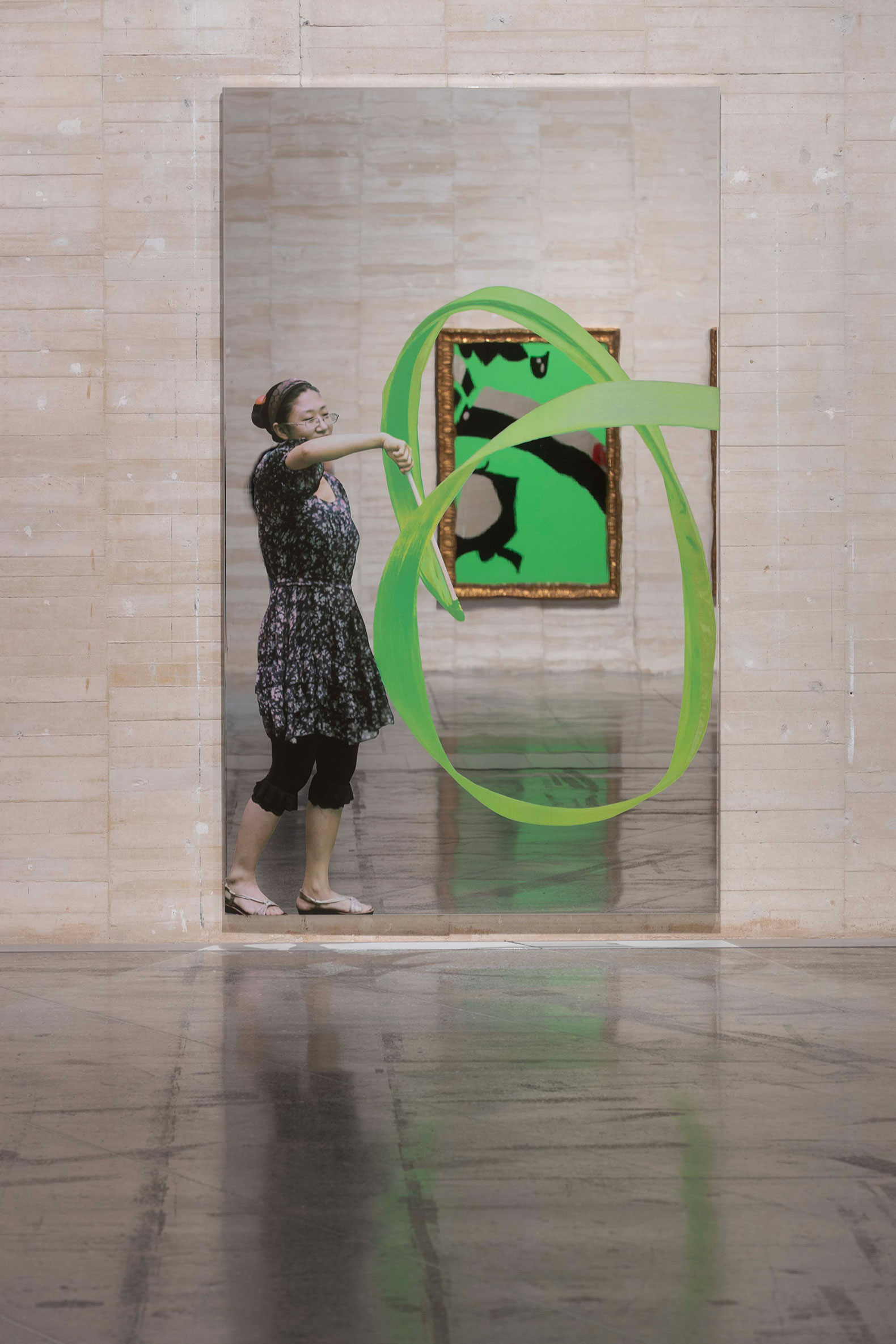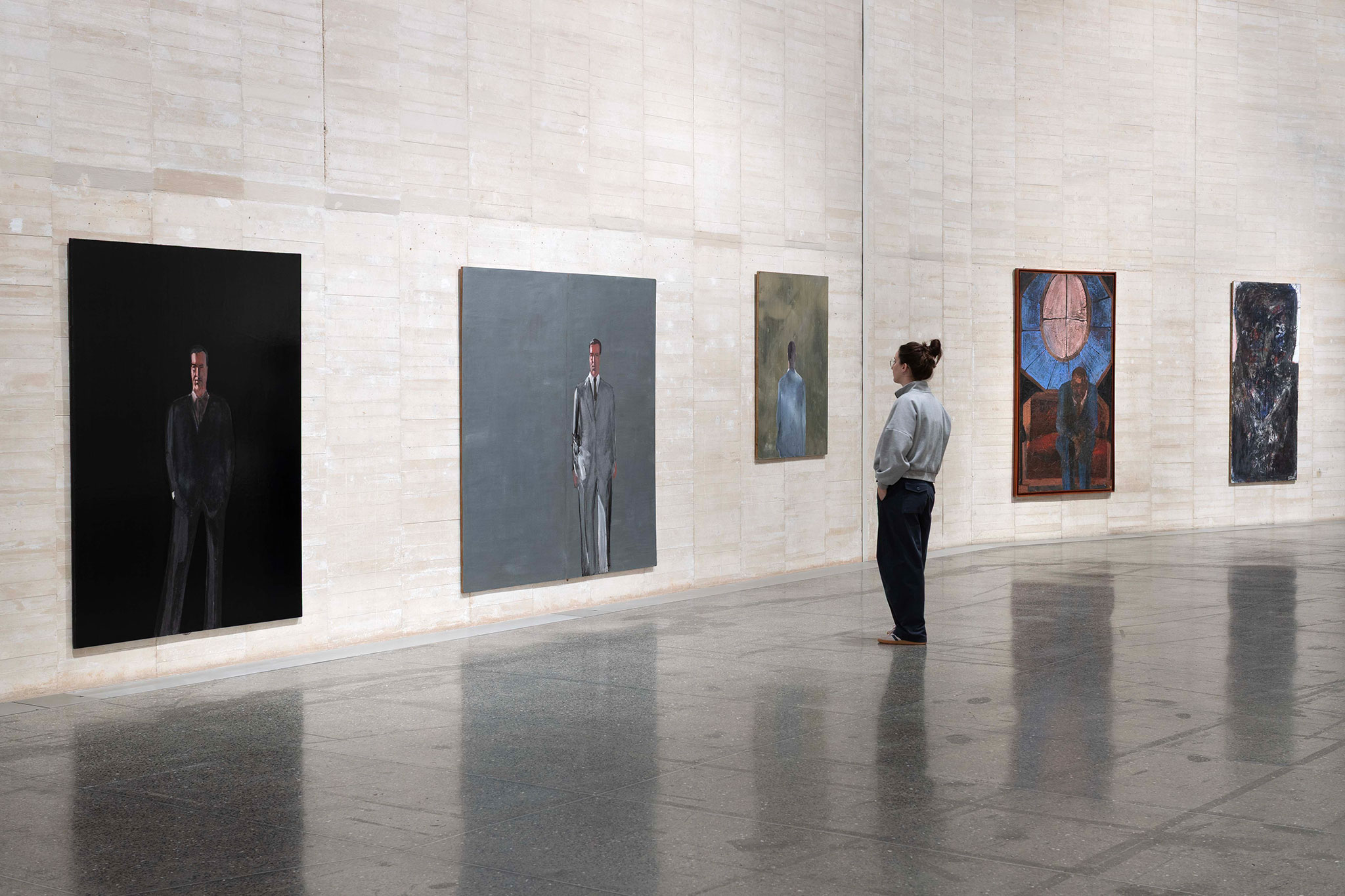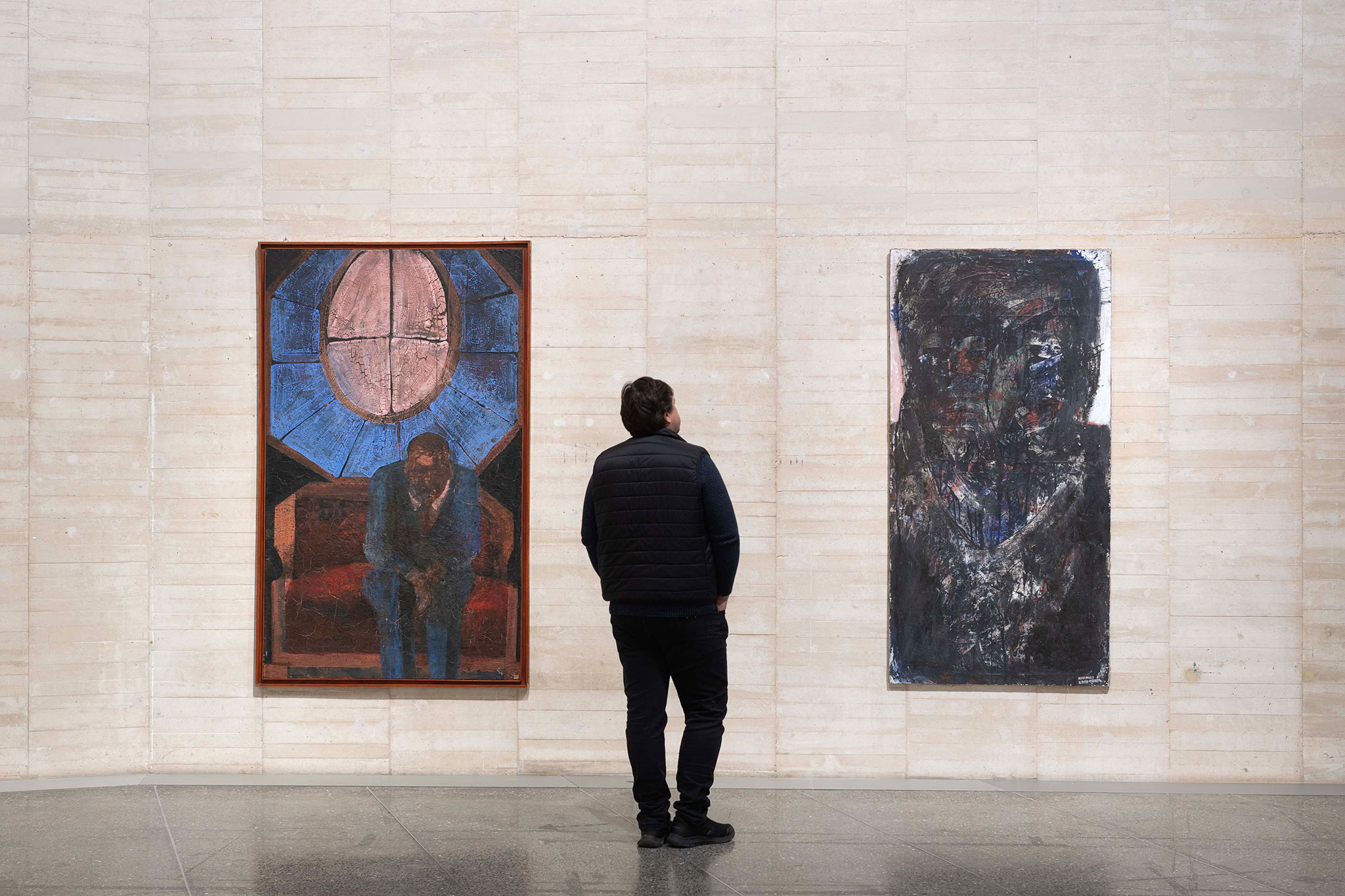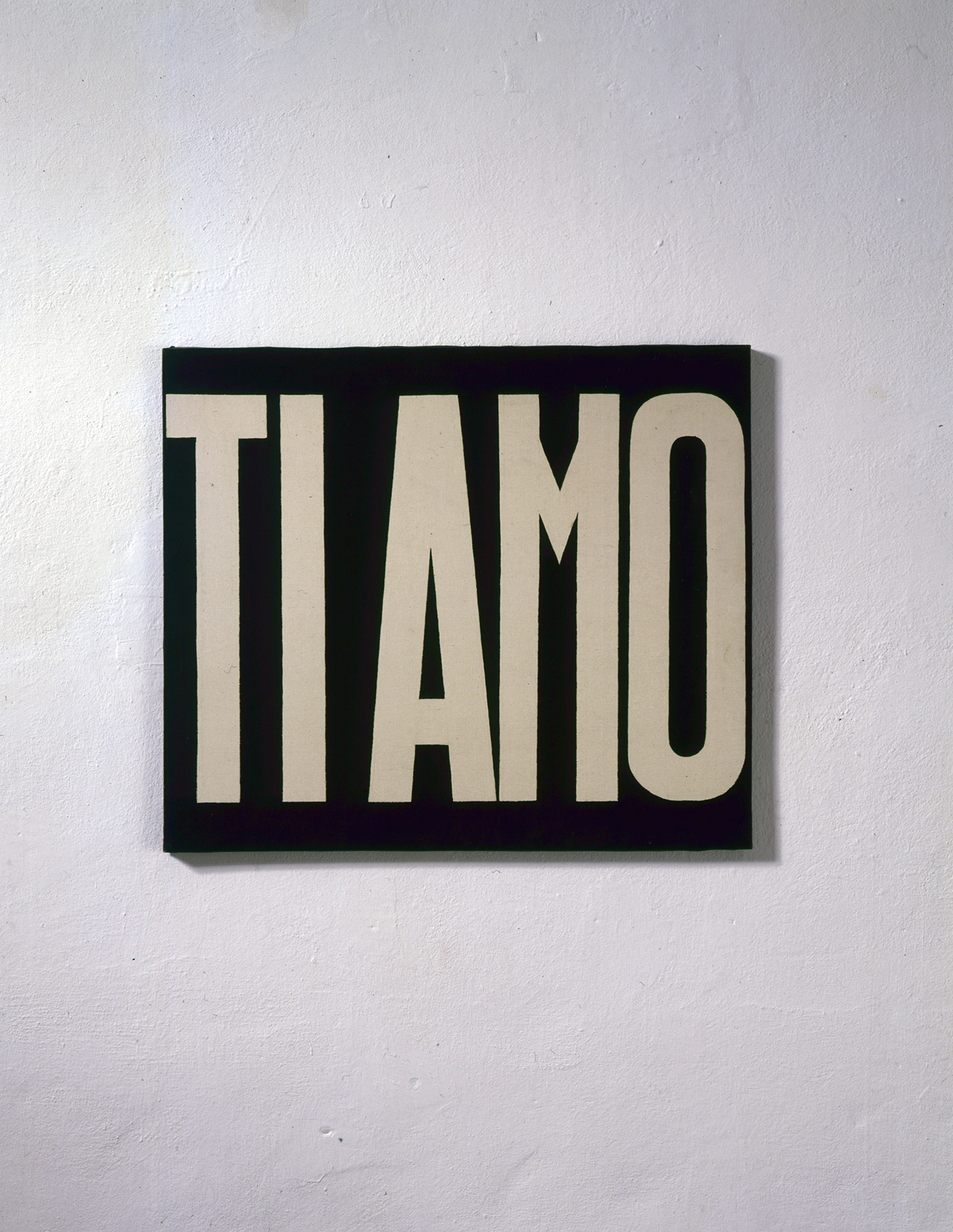
Since yesterday, November 7, the Museum of Contemporary Art of Castile and León (MUSAC) presents an exhibition spanning eight decades of artistic production by Michelangelo Pistoletto (Biella, Italy, 1933), one of the leading figures of the Arte Povera movement and a key figure in understanding the development of contemporary art in the second half of the 20th century.

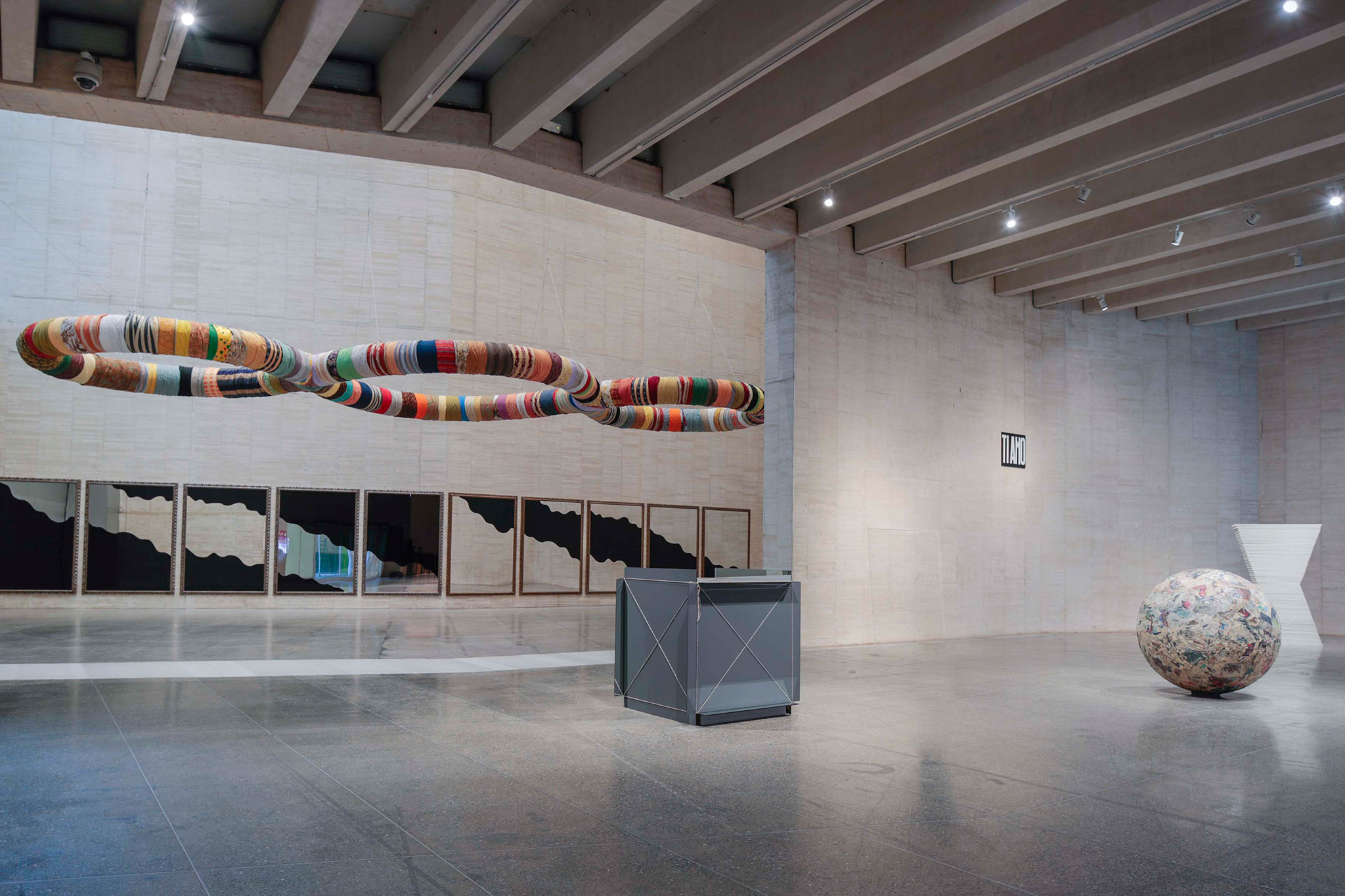
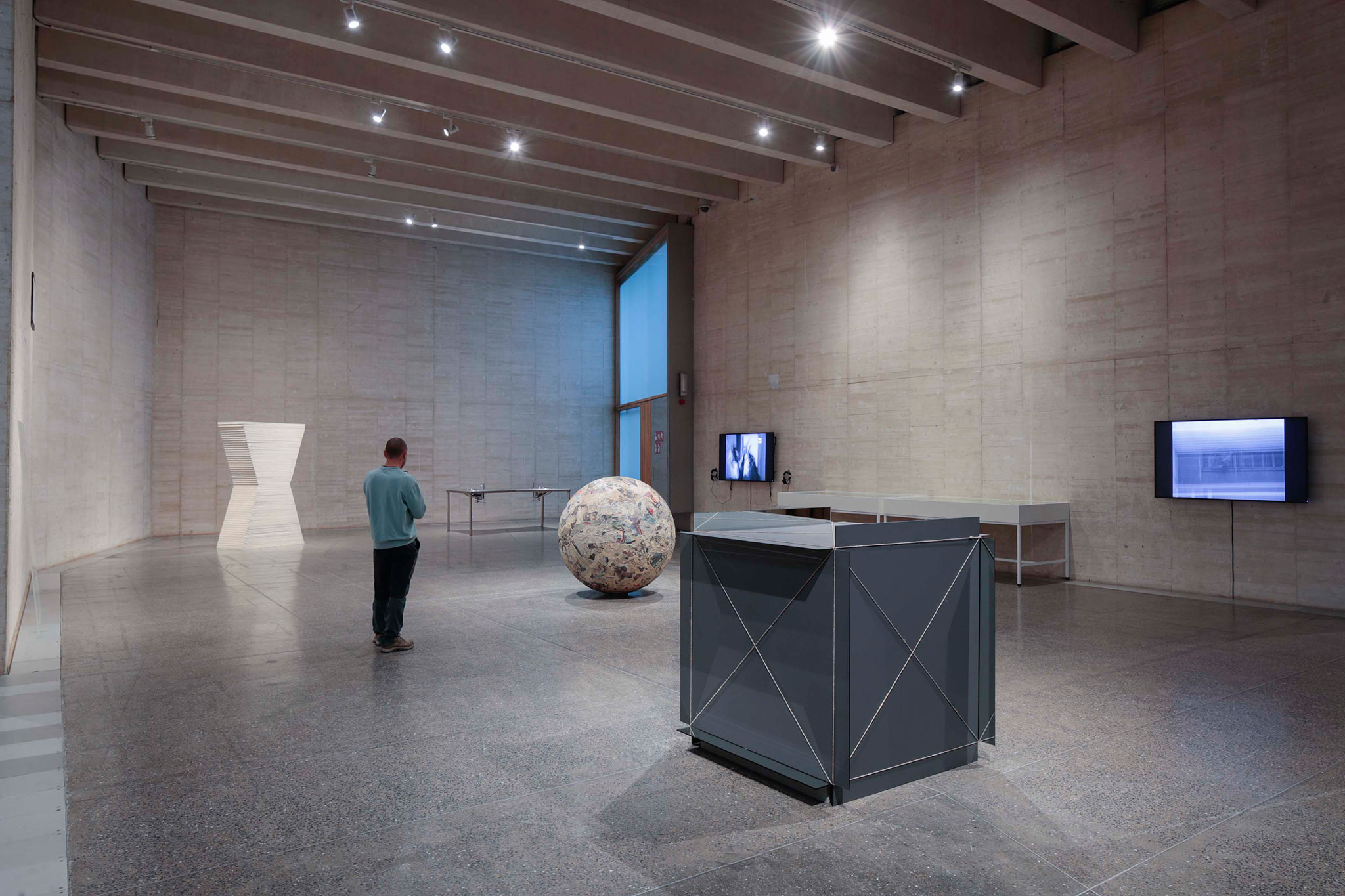
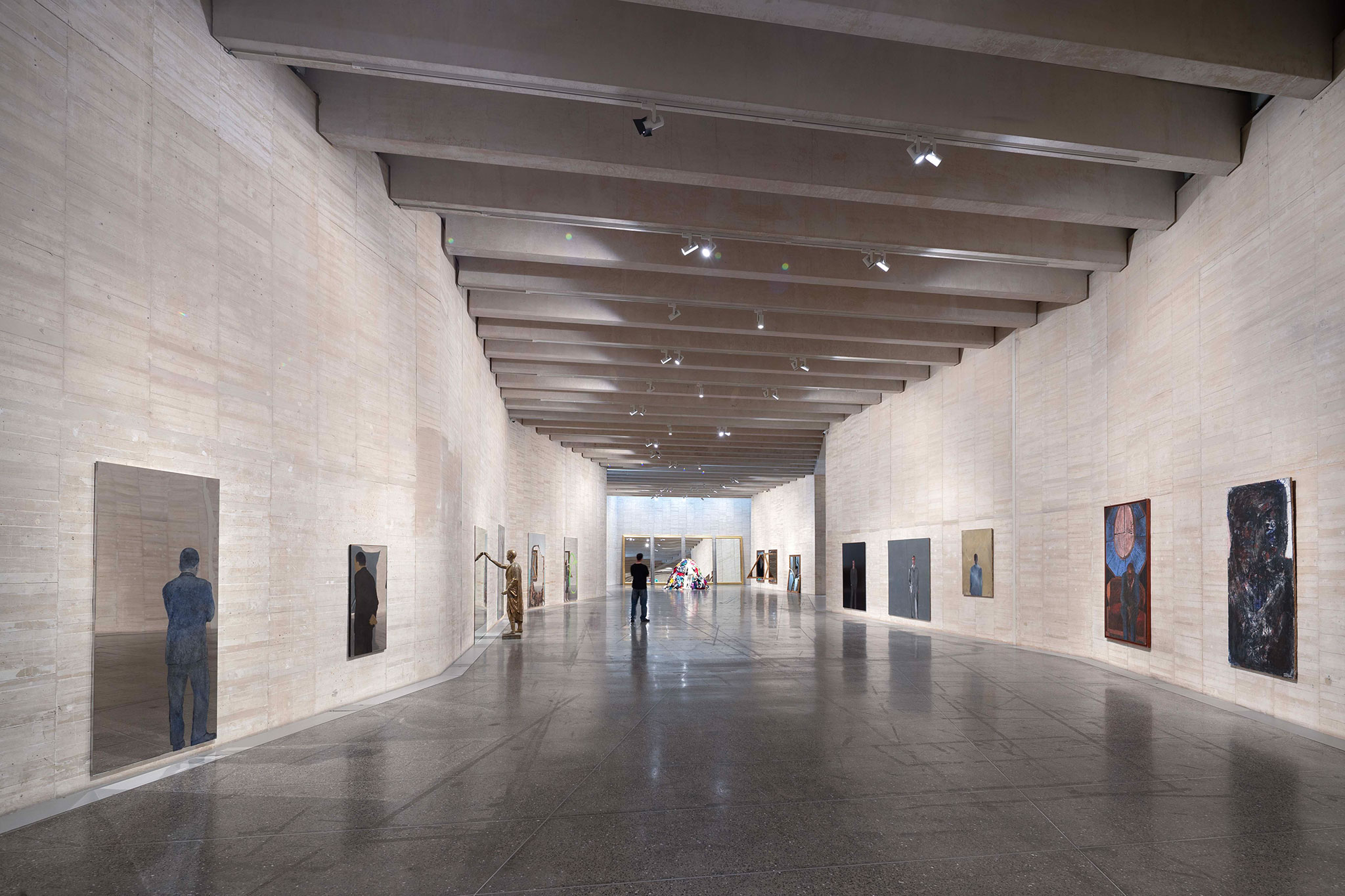
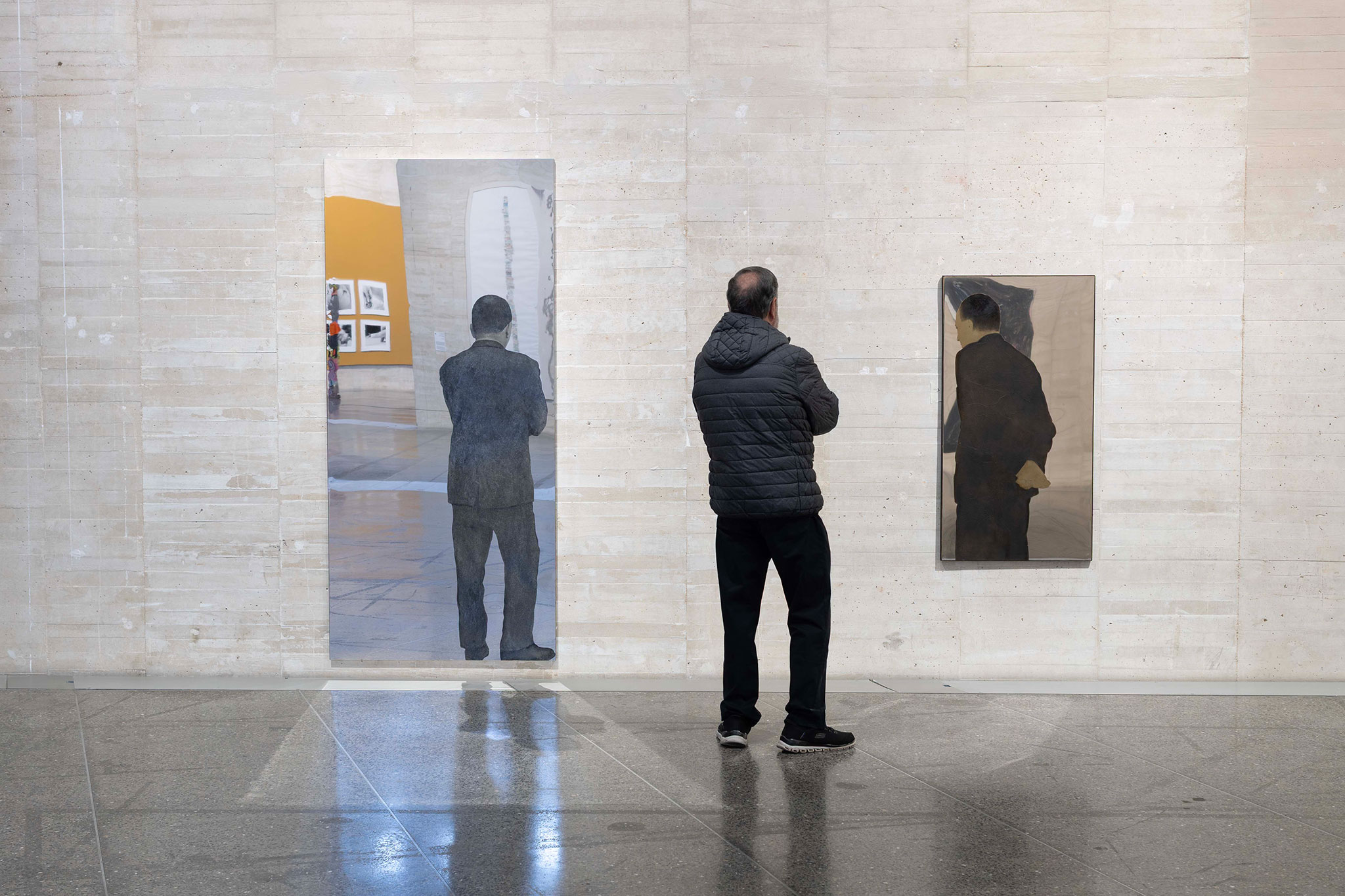
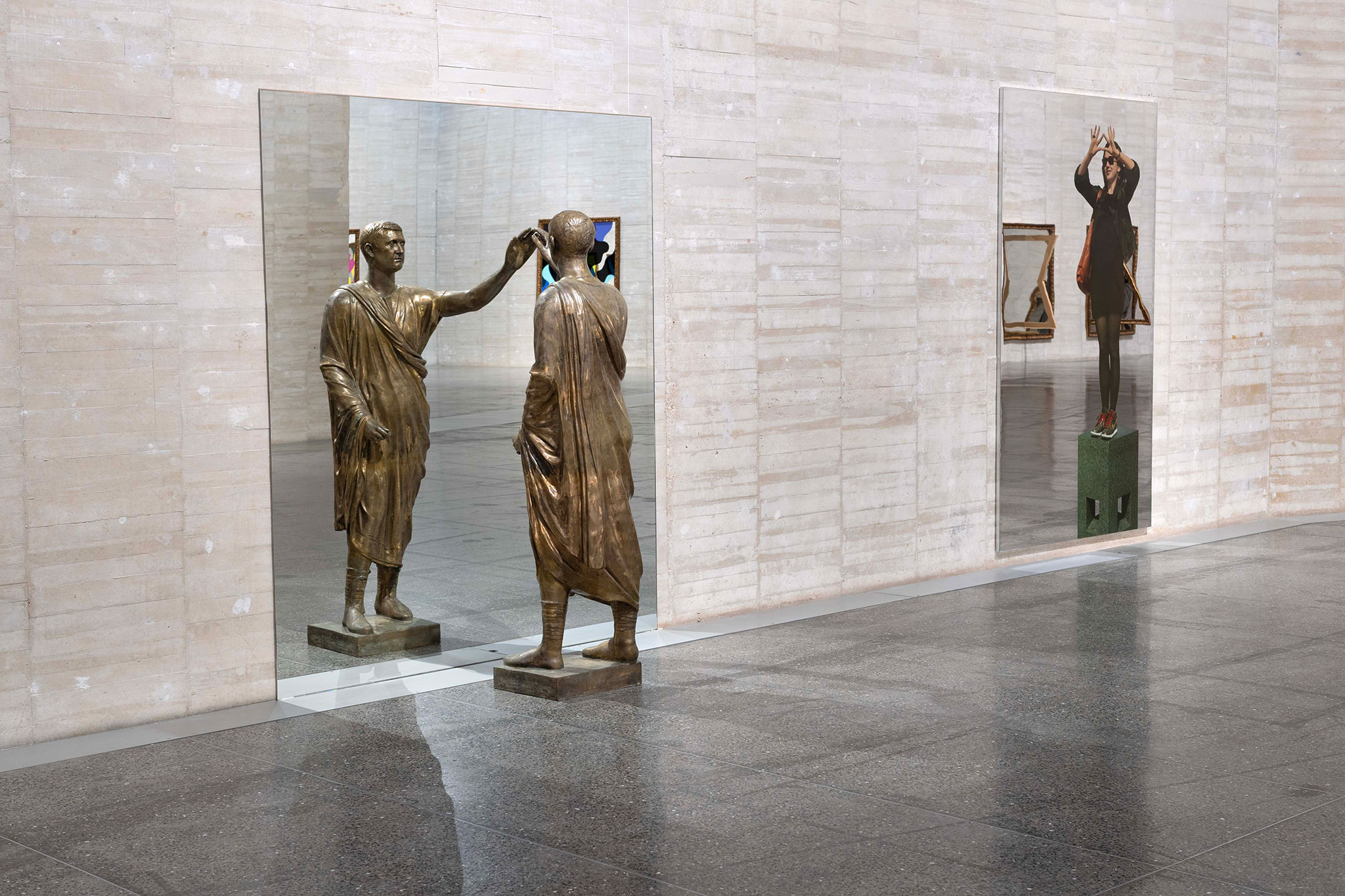
The exhibition at MUSAC is his most extensive show in Spain in the past quarter-century, bringing together around fifty works across more than 2,000 m². The exhibition features paintings, installations, sculptures, performances, and video works, as well as his renowned Quadri specchianti (Mirror Paintings), in a journey spanning from 1957 to 2025.

The exhibition will remain open until May 23, 2027, offering visitors the opportunity to explore in depth the series Michelangelo Pistoletto has developed around the theme of the mirror, a concept that forms the foundation of his artistic research and the central focus of the exhibition.

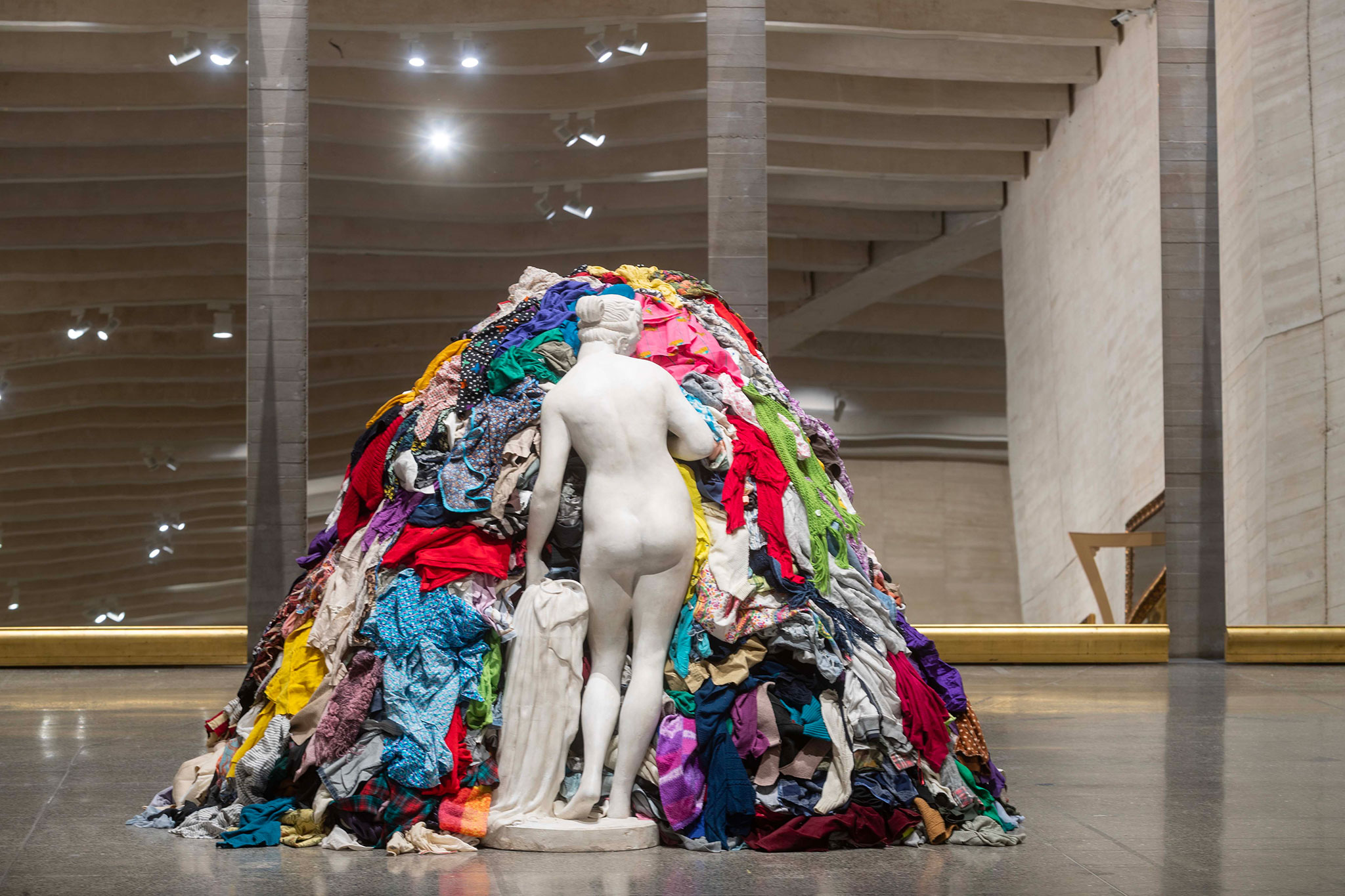
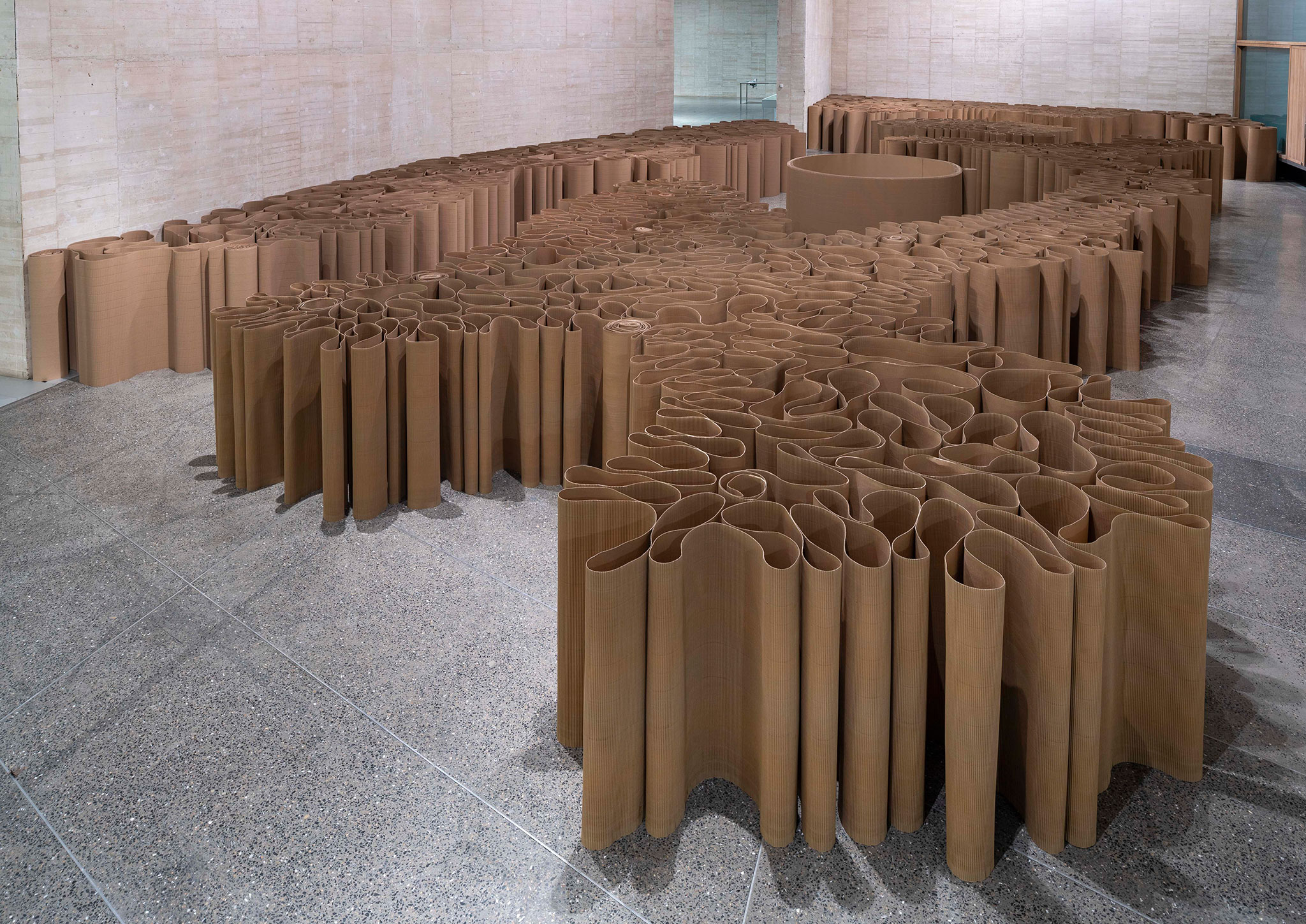
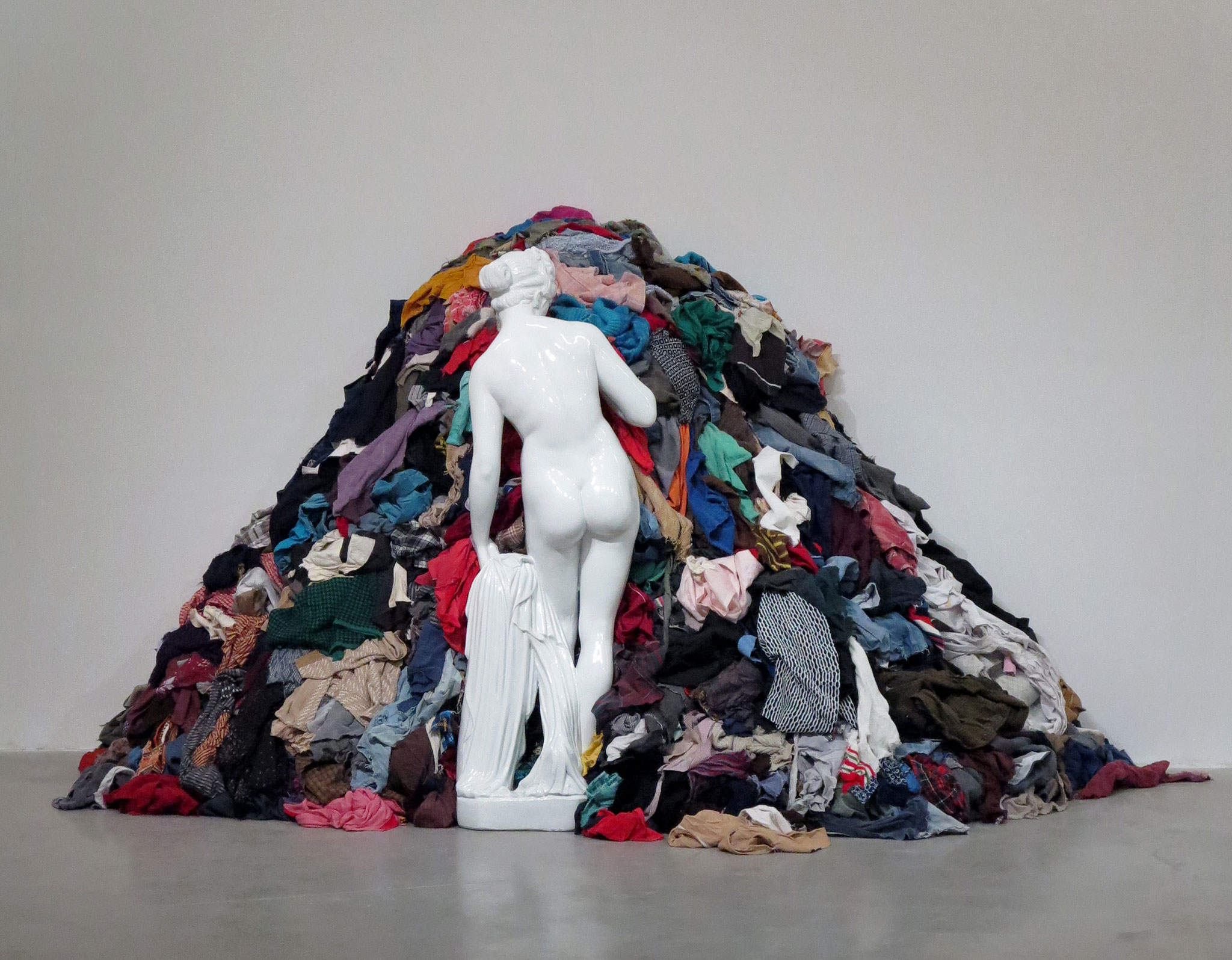
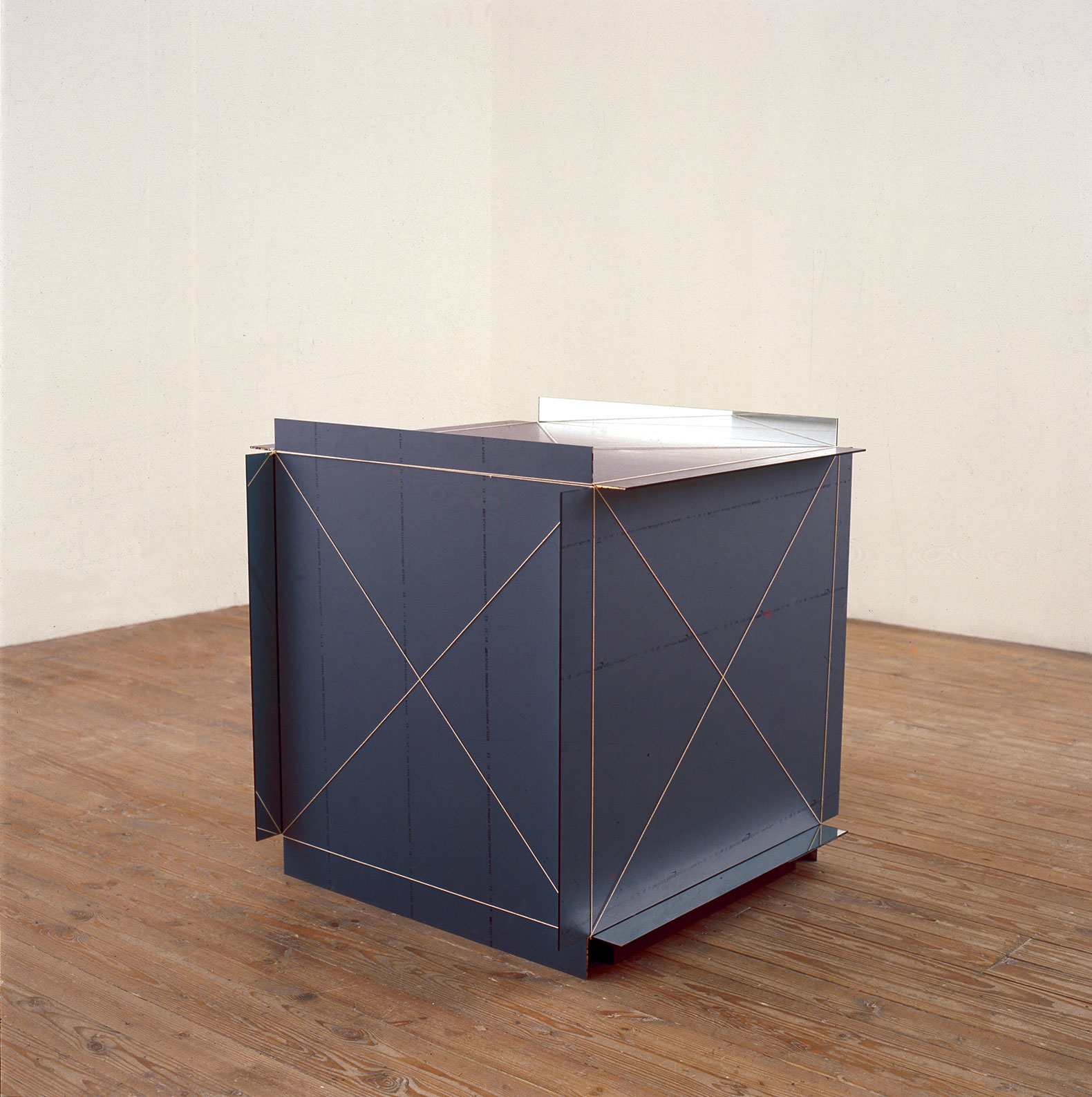
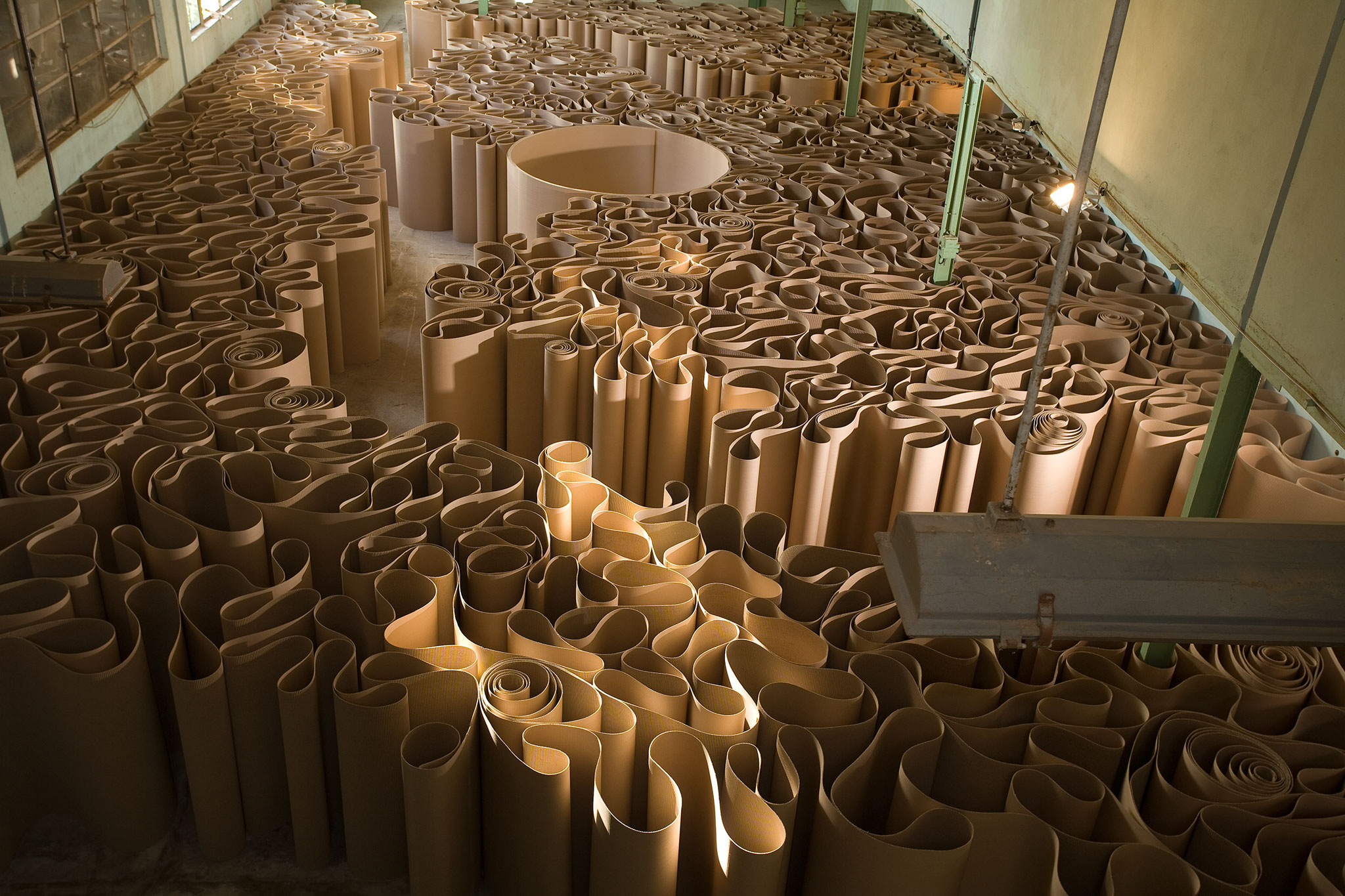
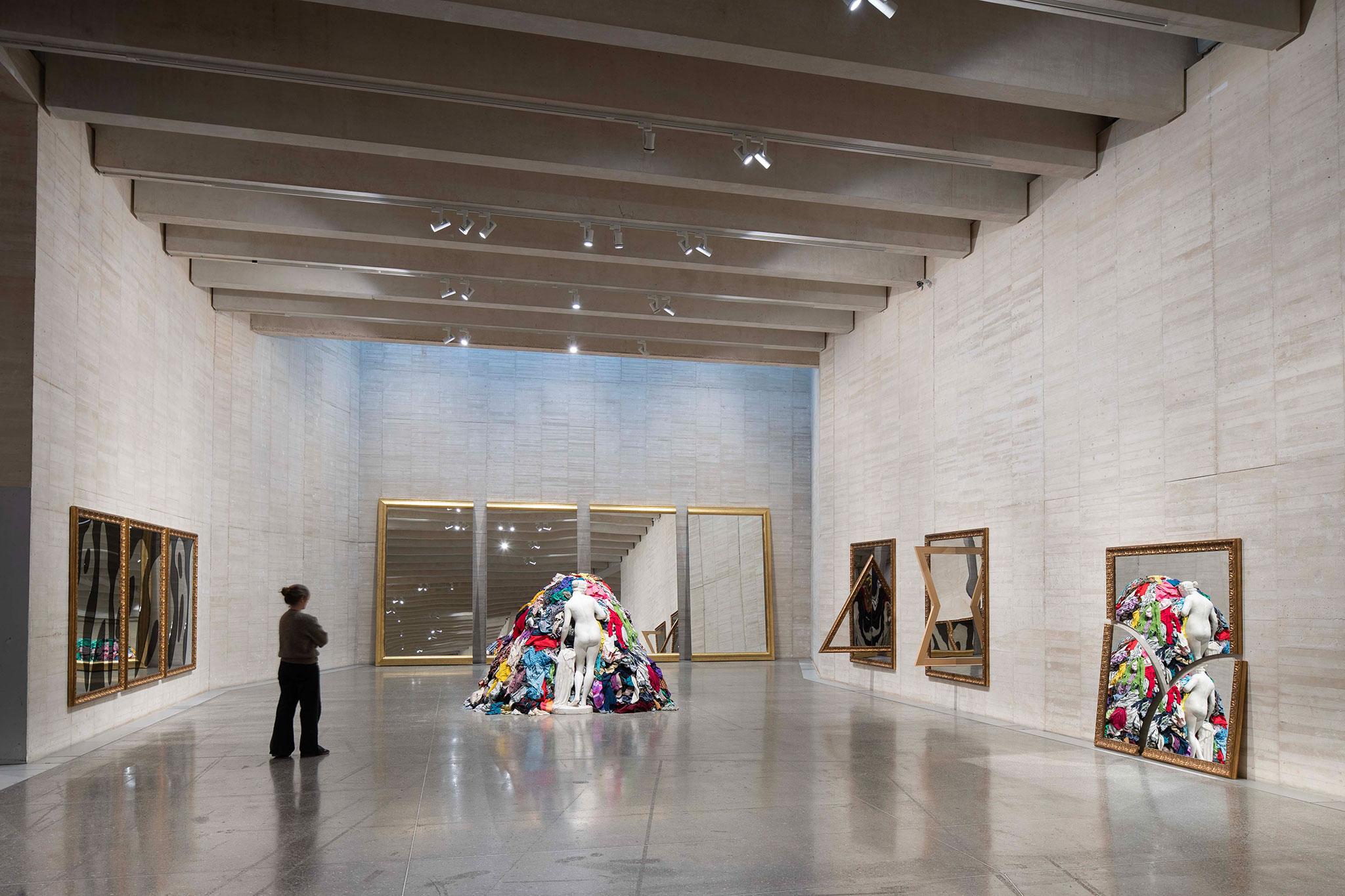
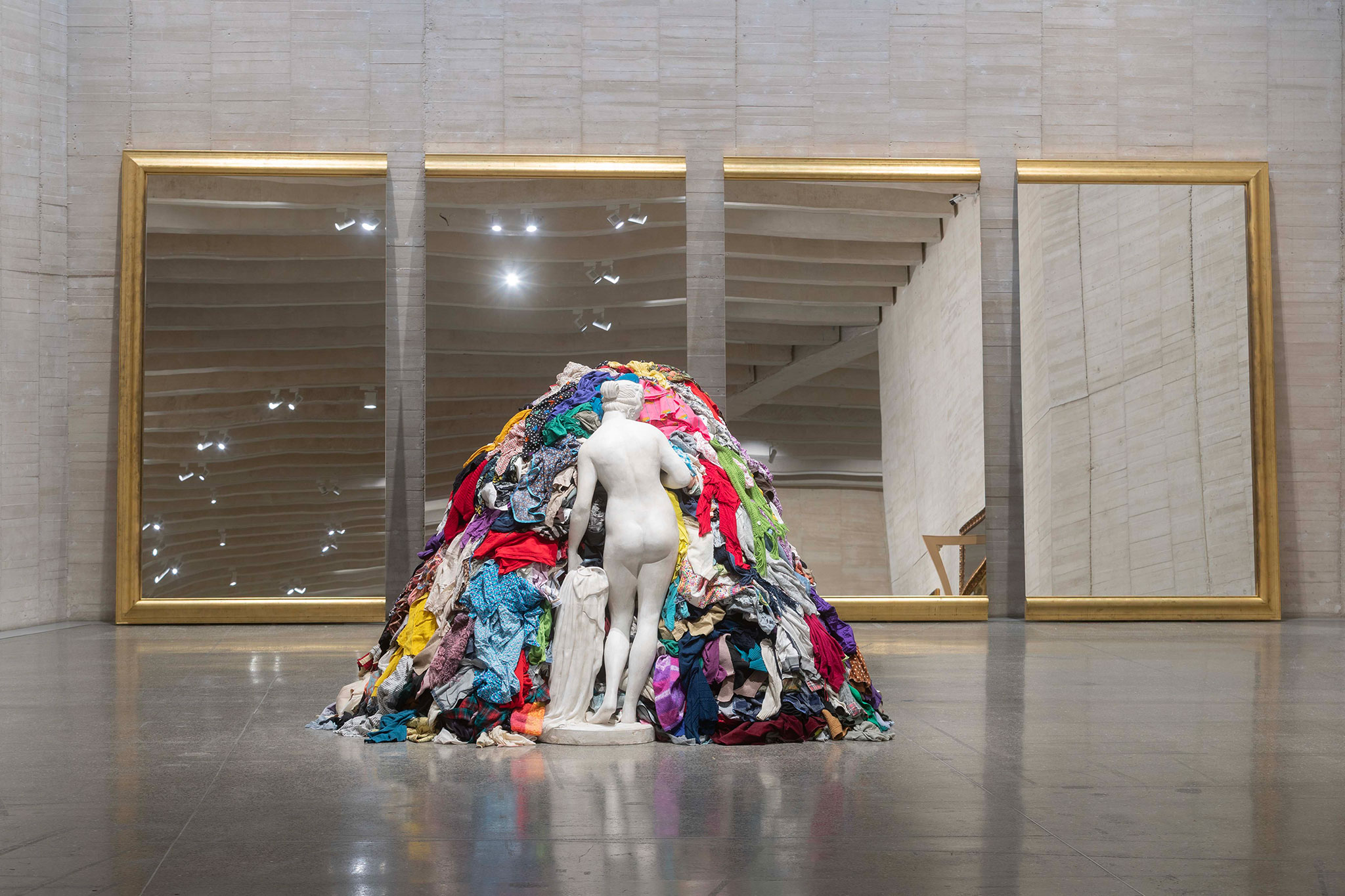
The exhibition on the artistic output of Michelangelo Pistoletto offers an exhaustive analysis of the Italian artist's creative universe, allowing the viewer to engage with the themes that have shaped his work over more than eight decades. This approach allows us to explore his pieces within a broader context. Examples include "Oggetti in meno" (Minus Objects) (1965–1966), in which he addresses three-dimensionality and the object in a way that complements his mirror works; the "Arte Povera" movement’s seminal piece, "Venere degli stracci" (Venus of the Rags) (1967); and the installation "Labirinto" (Labyrinth) (1968), where the public participates by tracing the path of this impossible route.

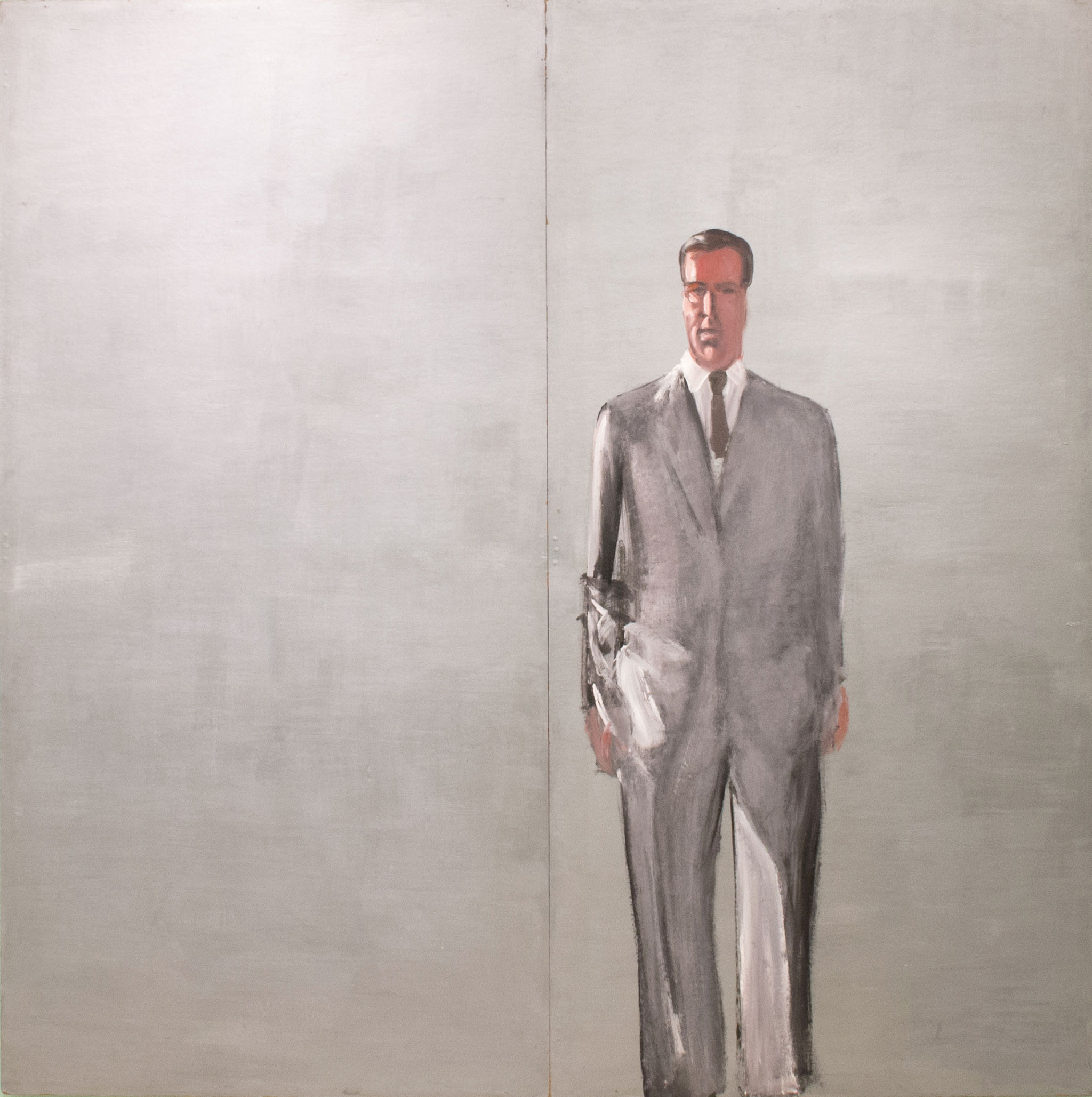
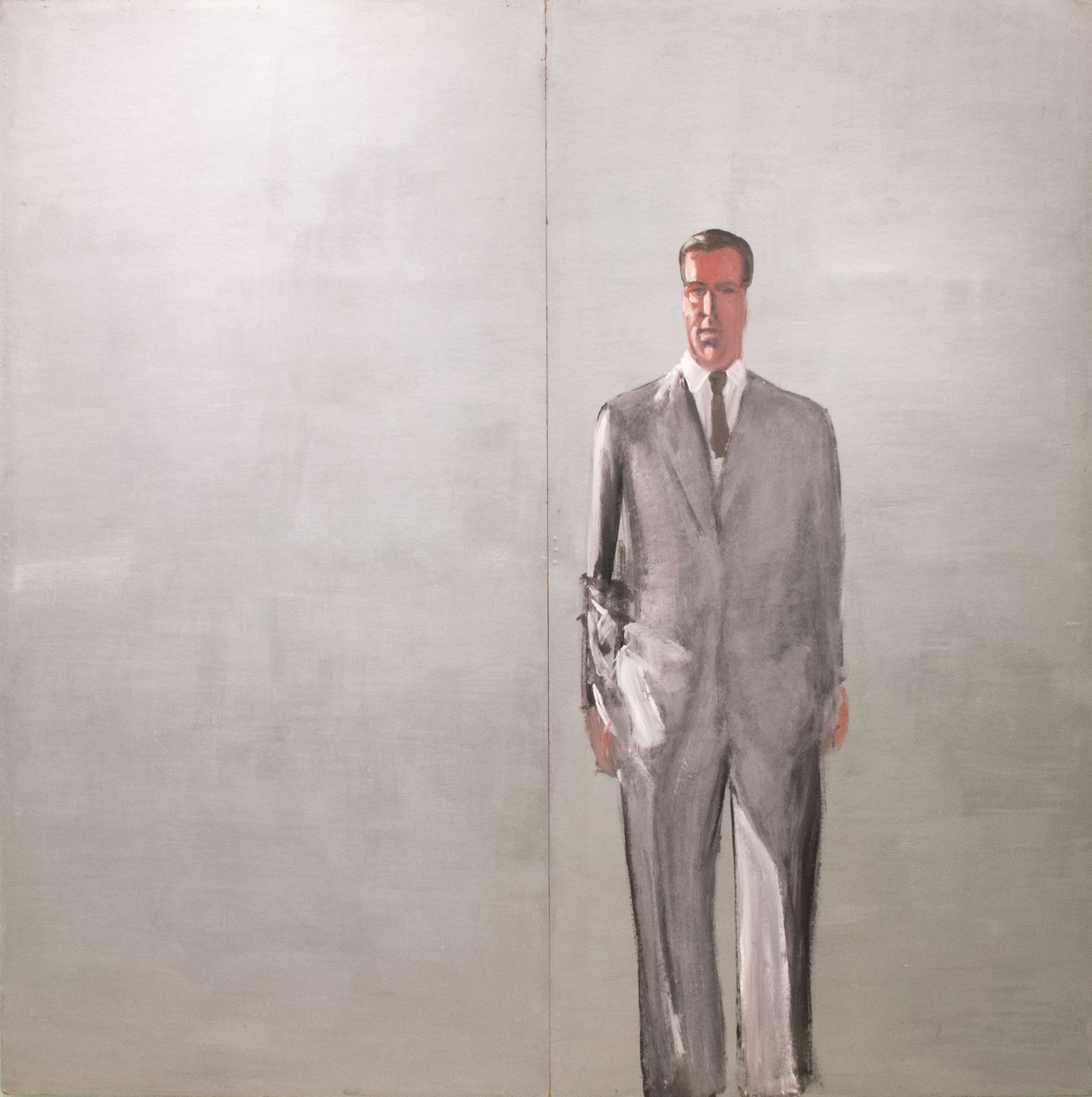
Silve Self-portrait, 1960. Acrylic, oil and silver on canvas. Photograph by Alessandro Lacirasella.
Silve Self-portrait, 1960. Acrylic, oil and silver on canvas. Photograph by Alessandro Lacirasella. 

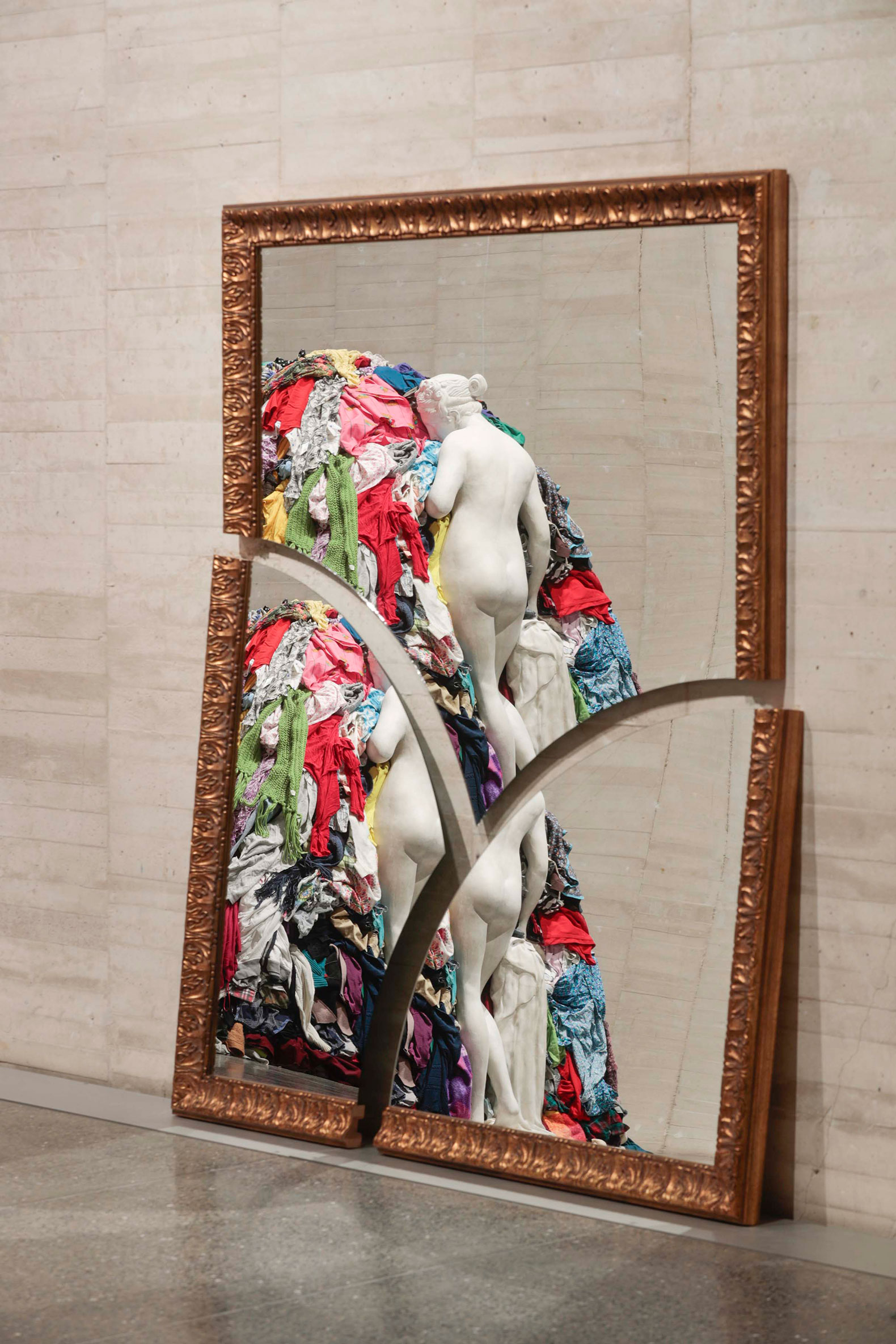
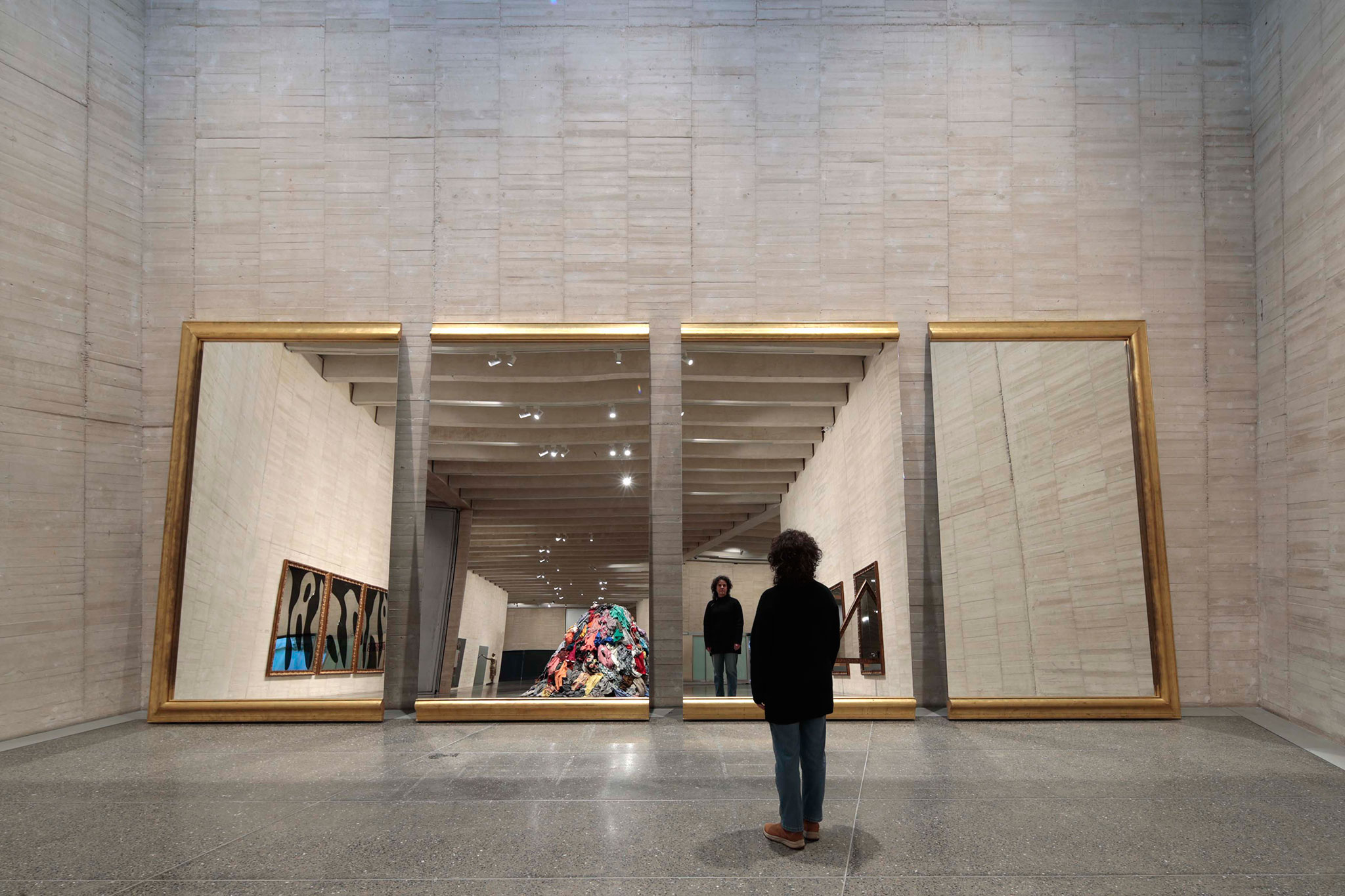
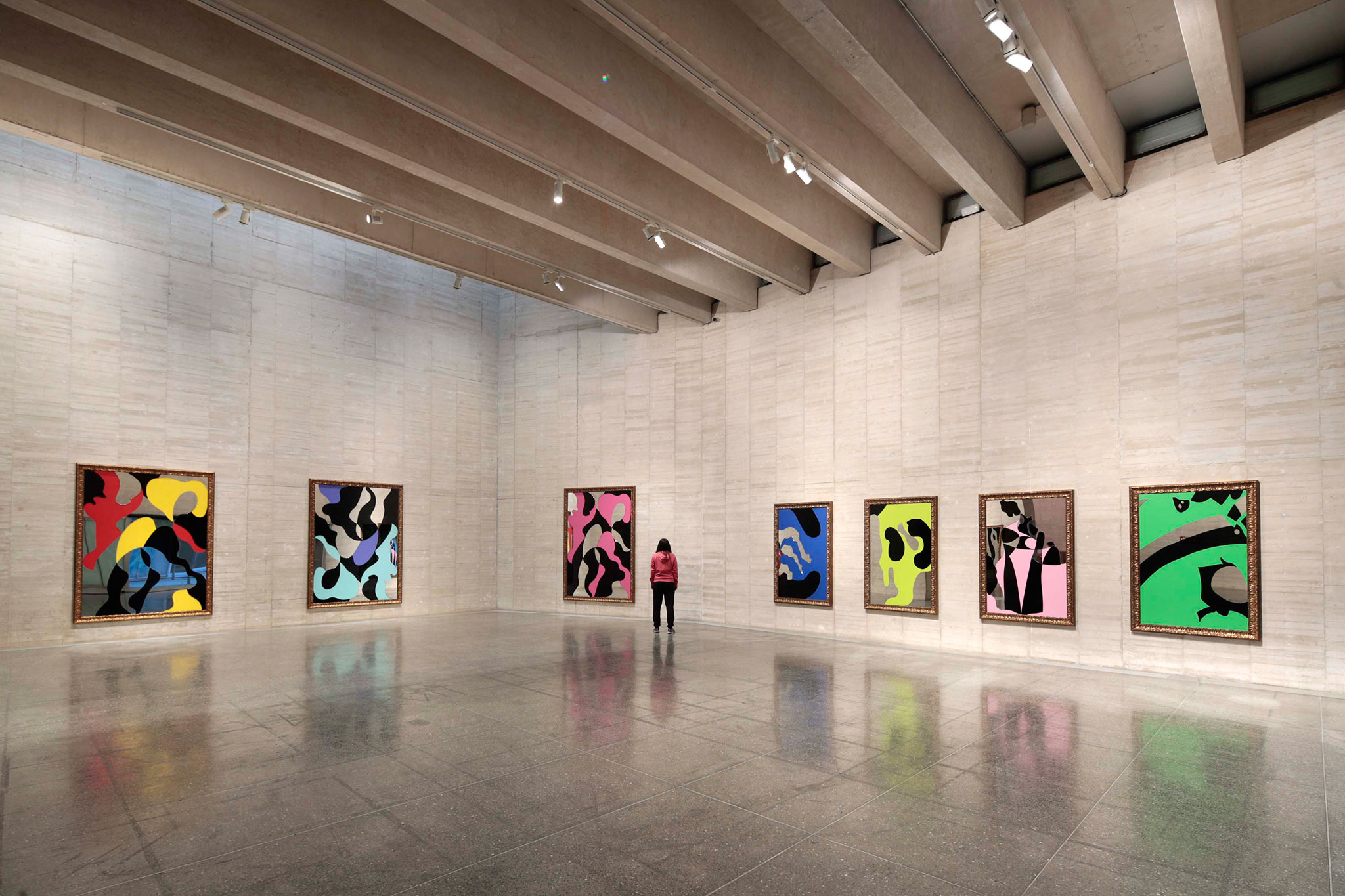
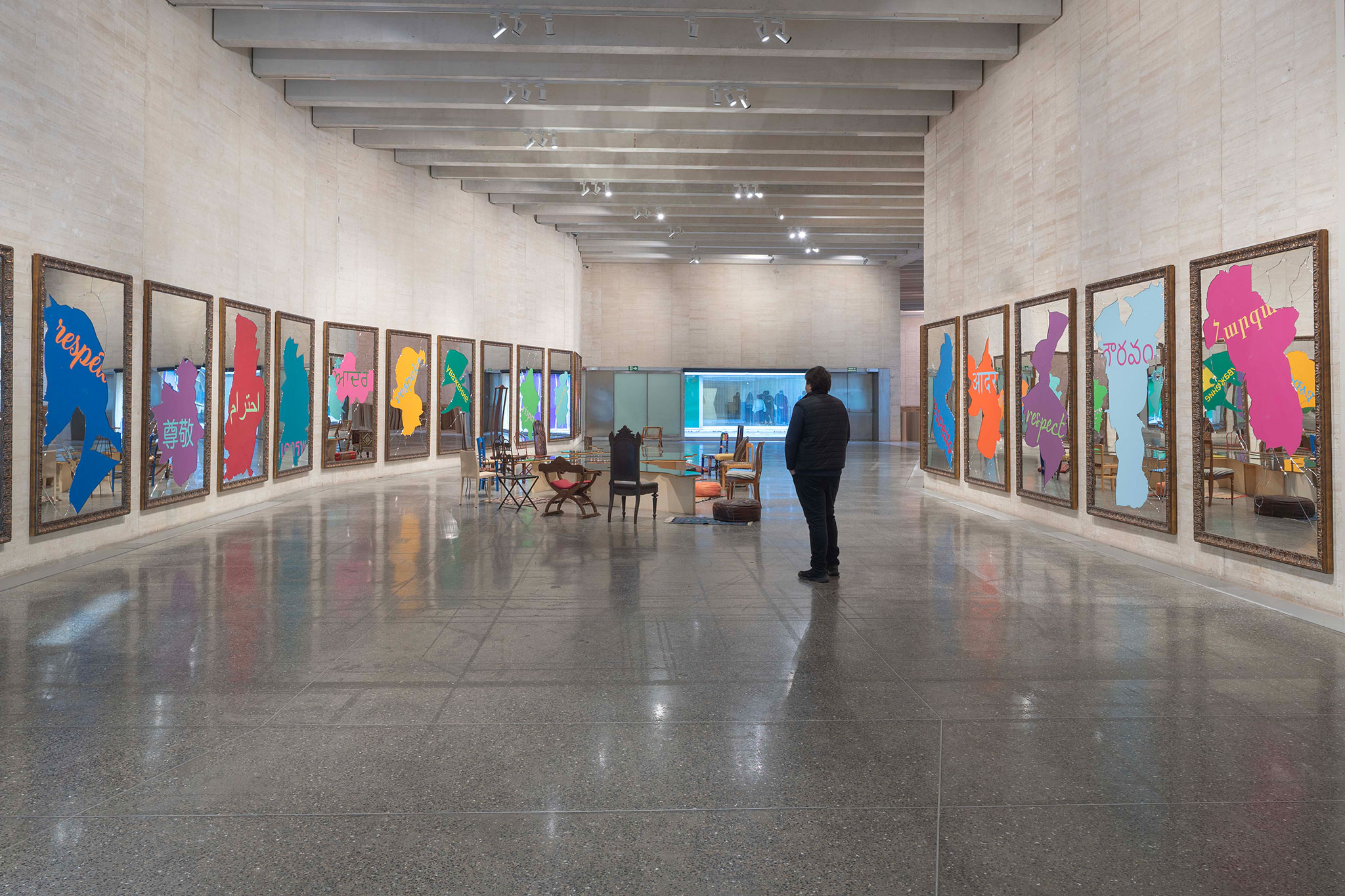
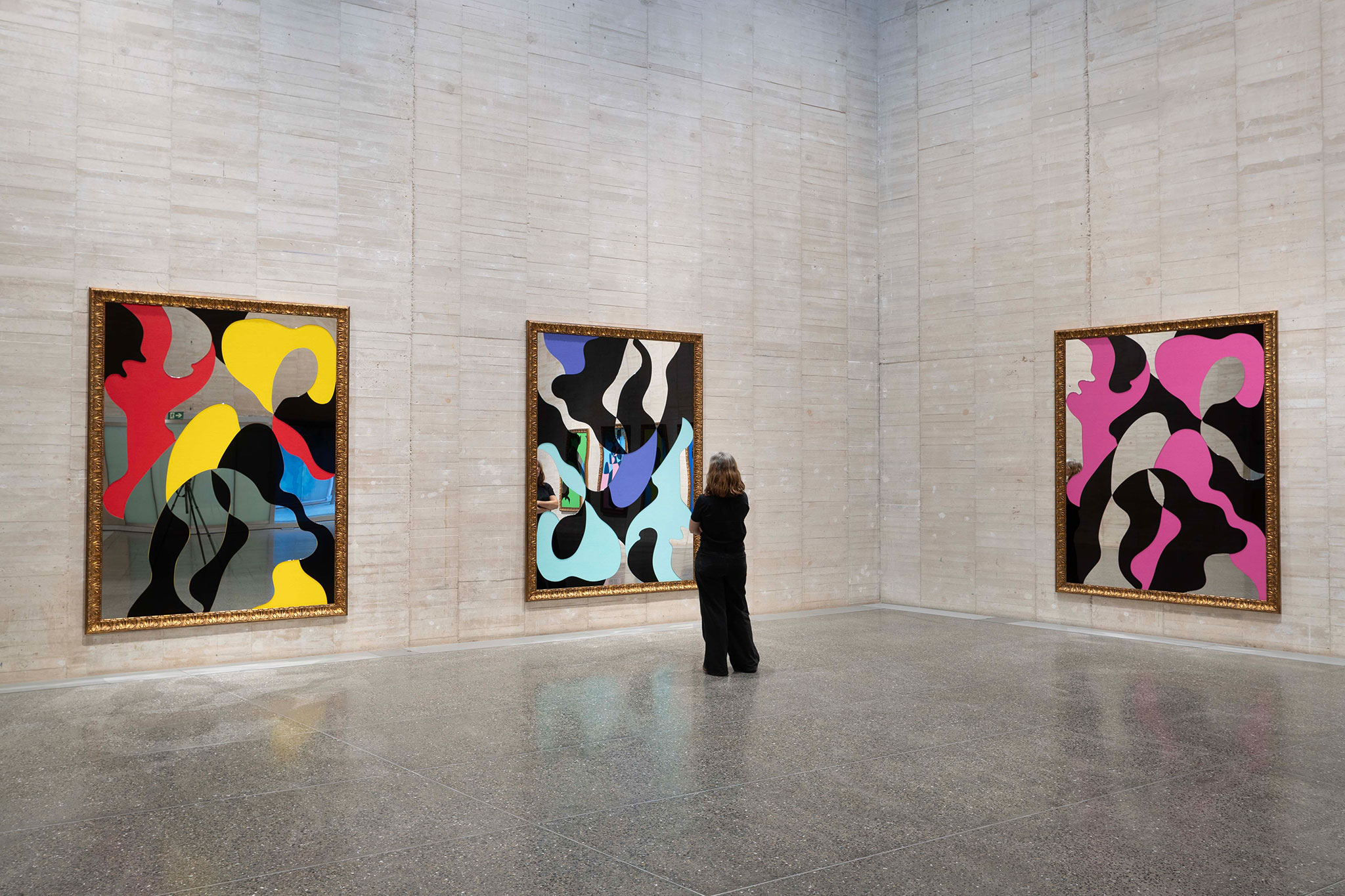
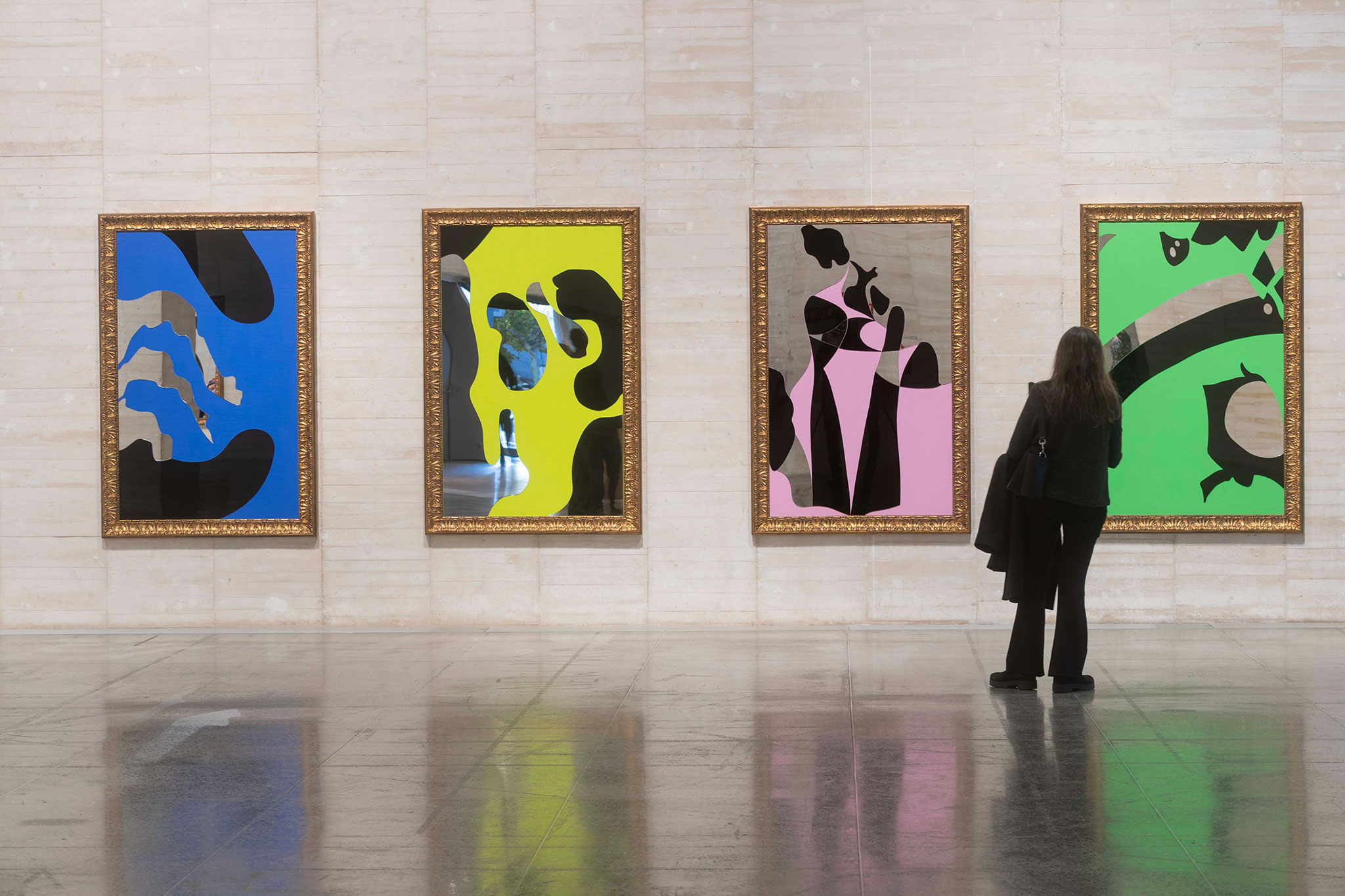
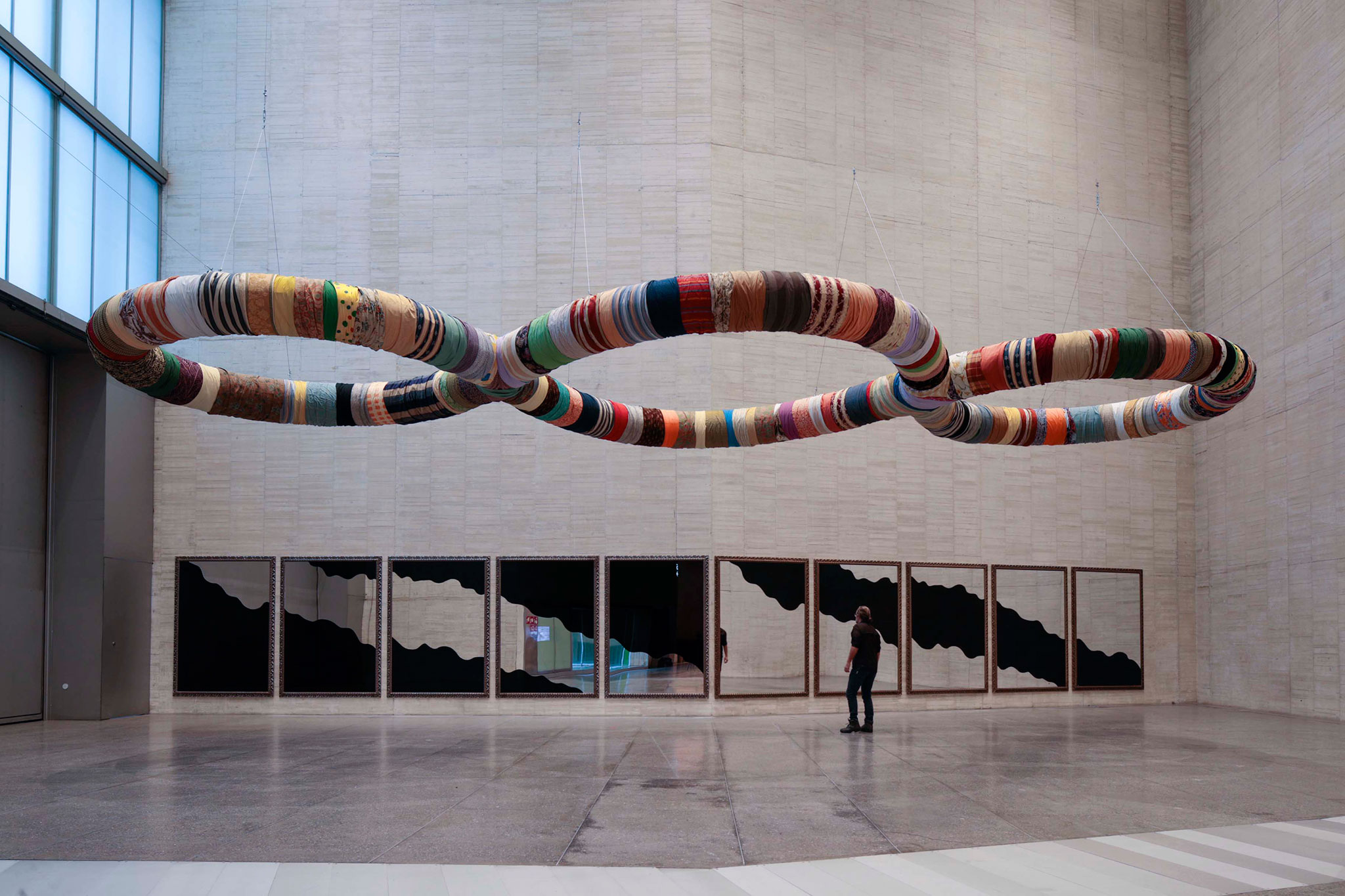
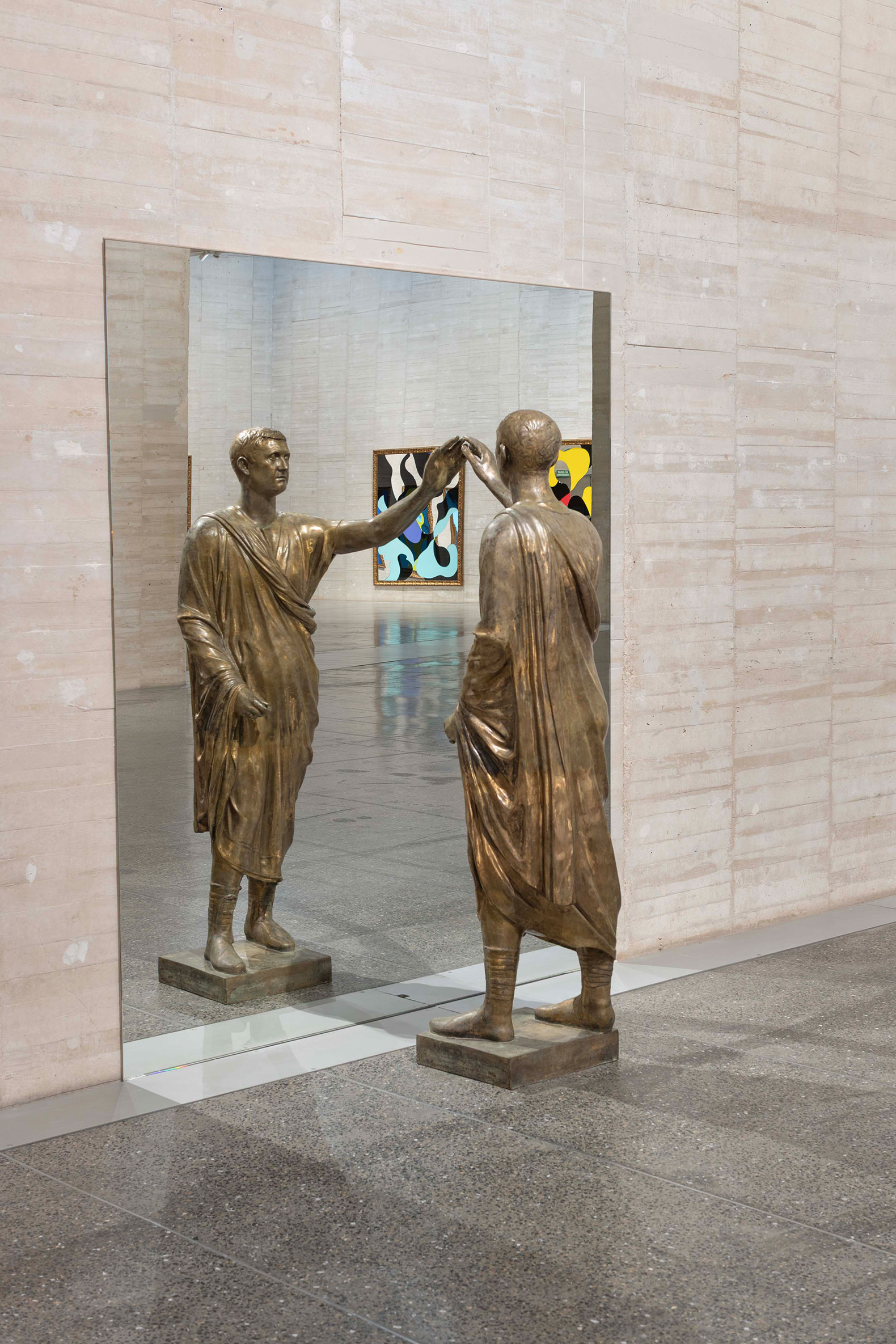
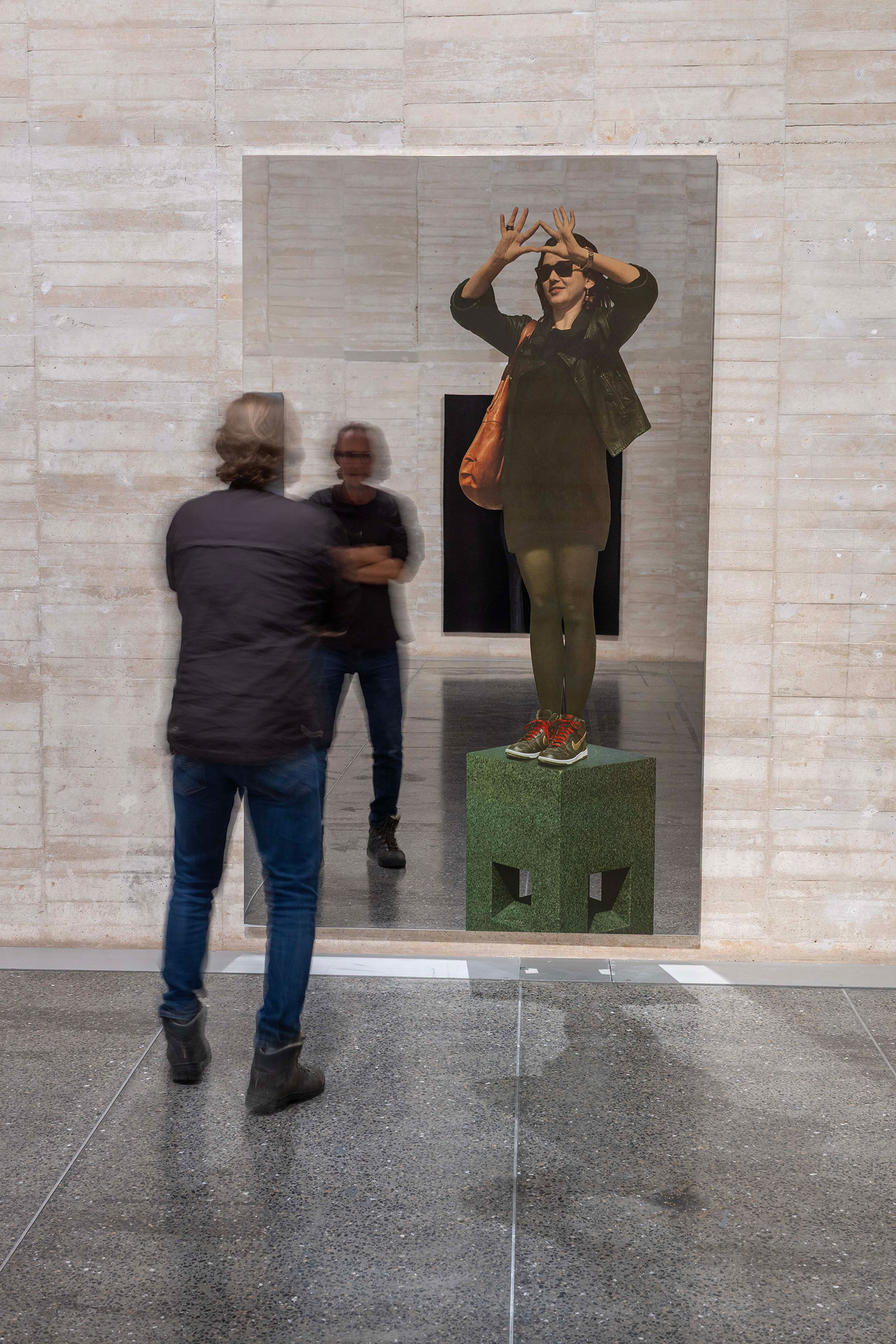
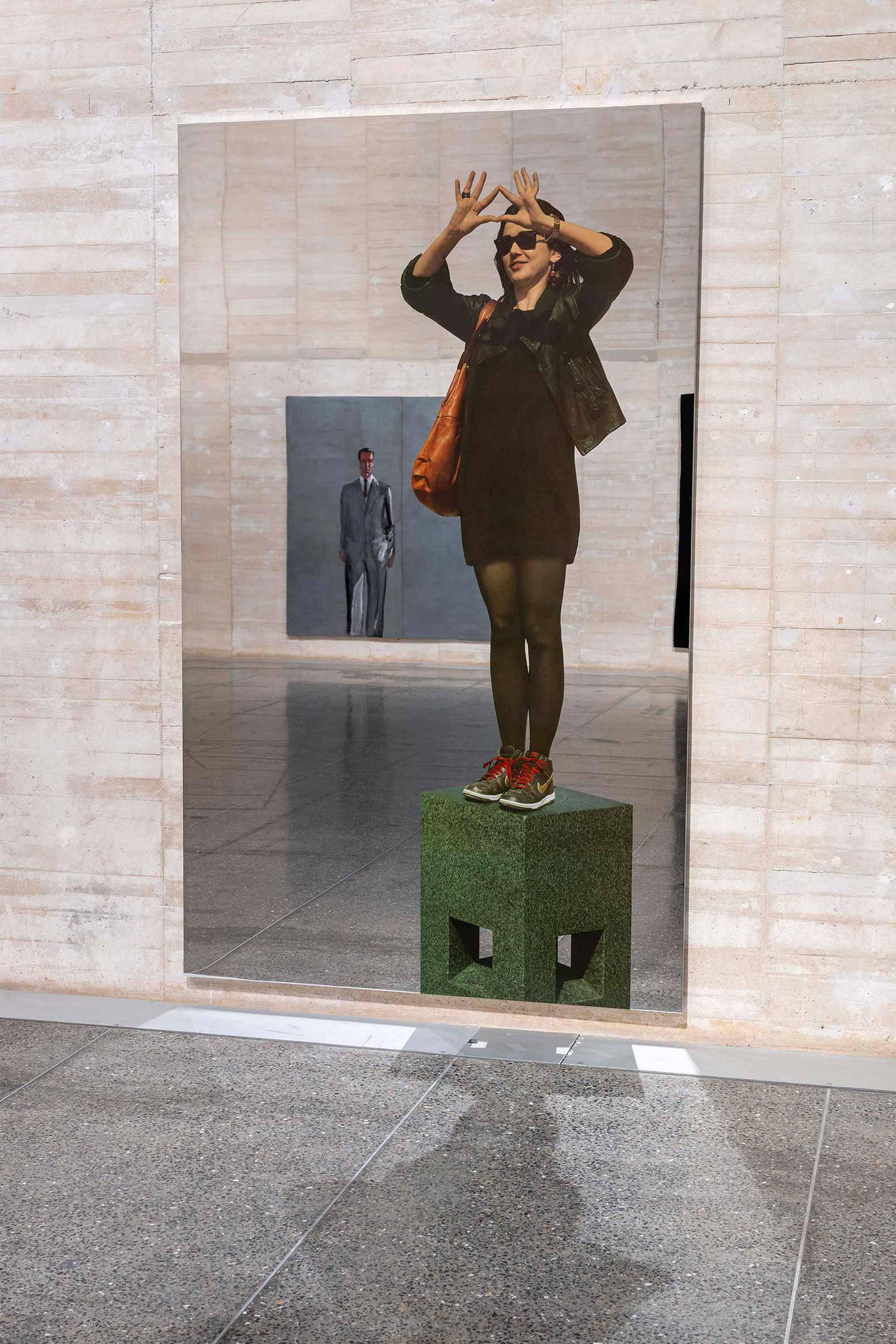
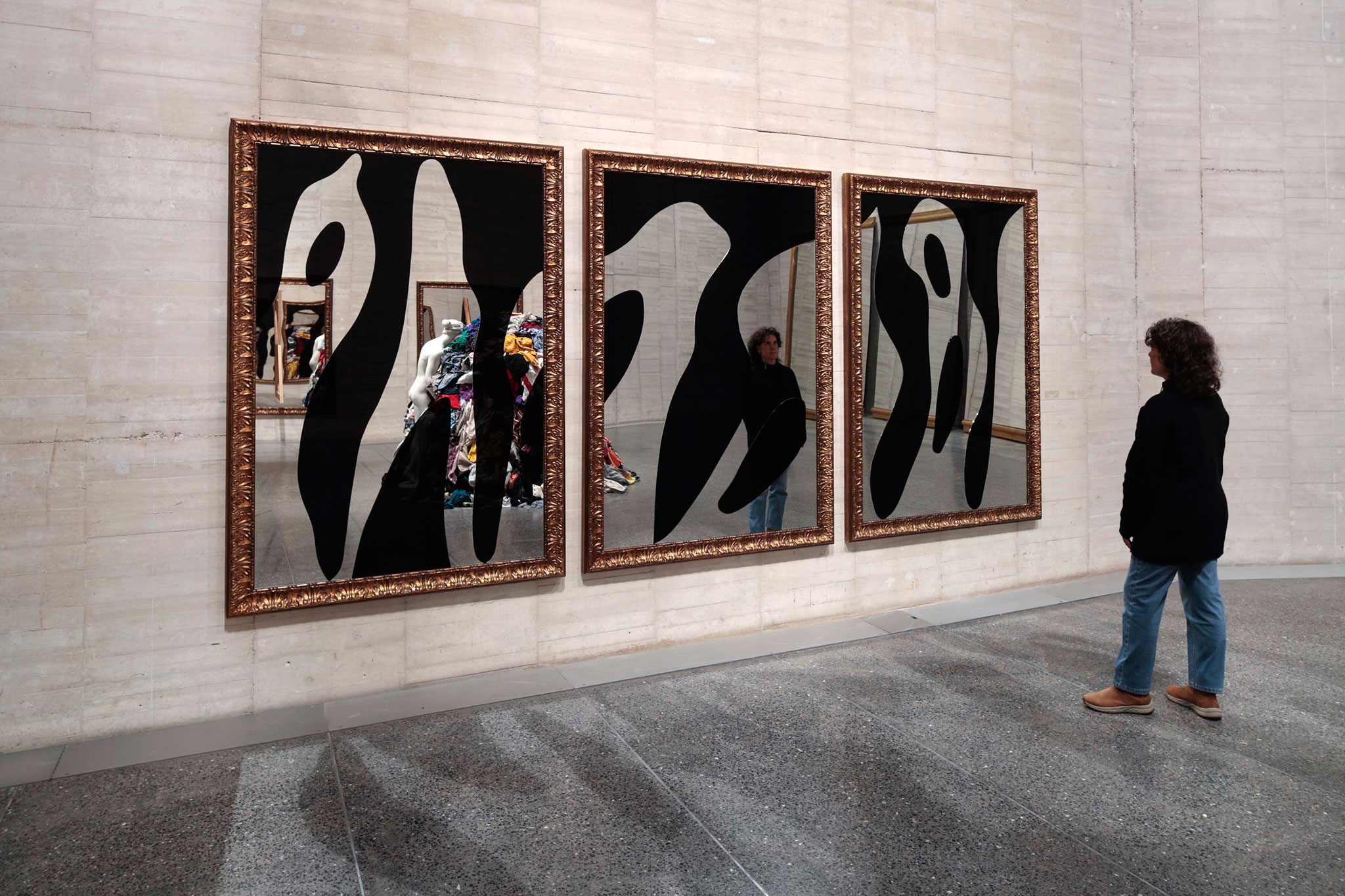
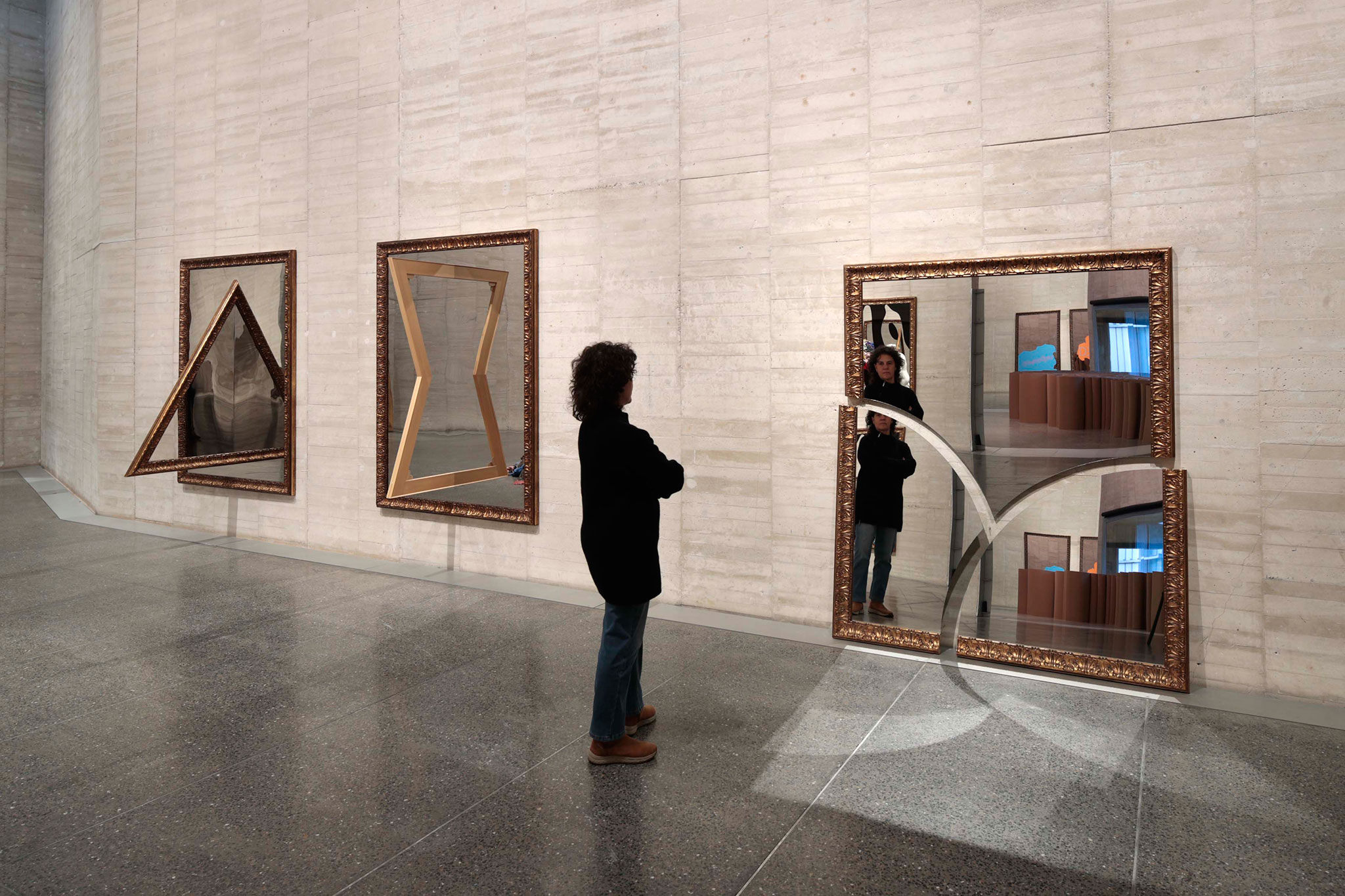
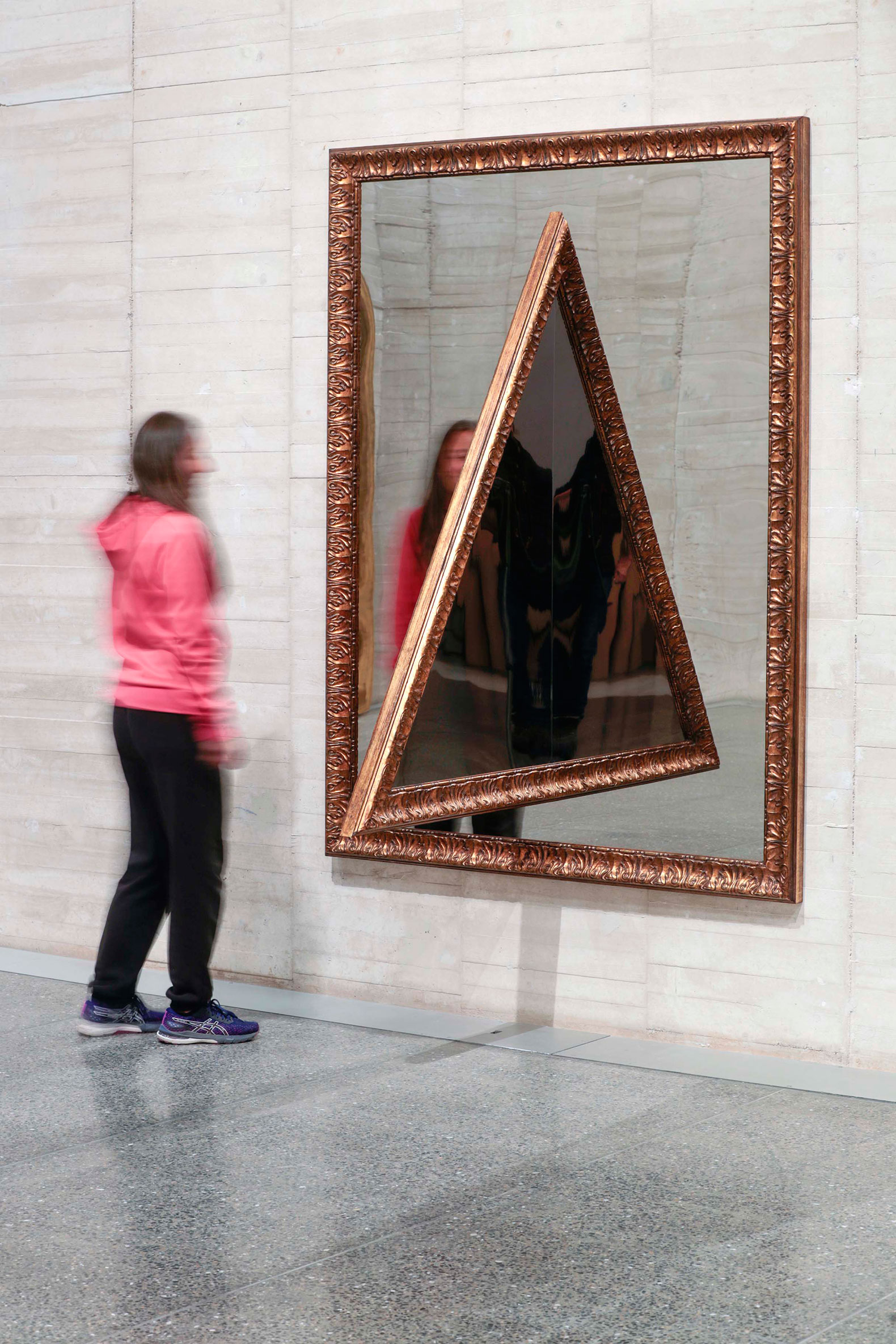
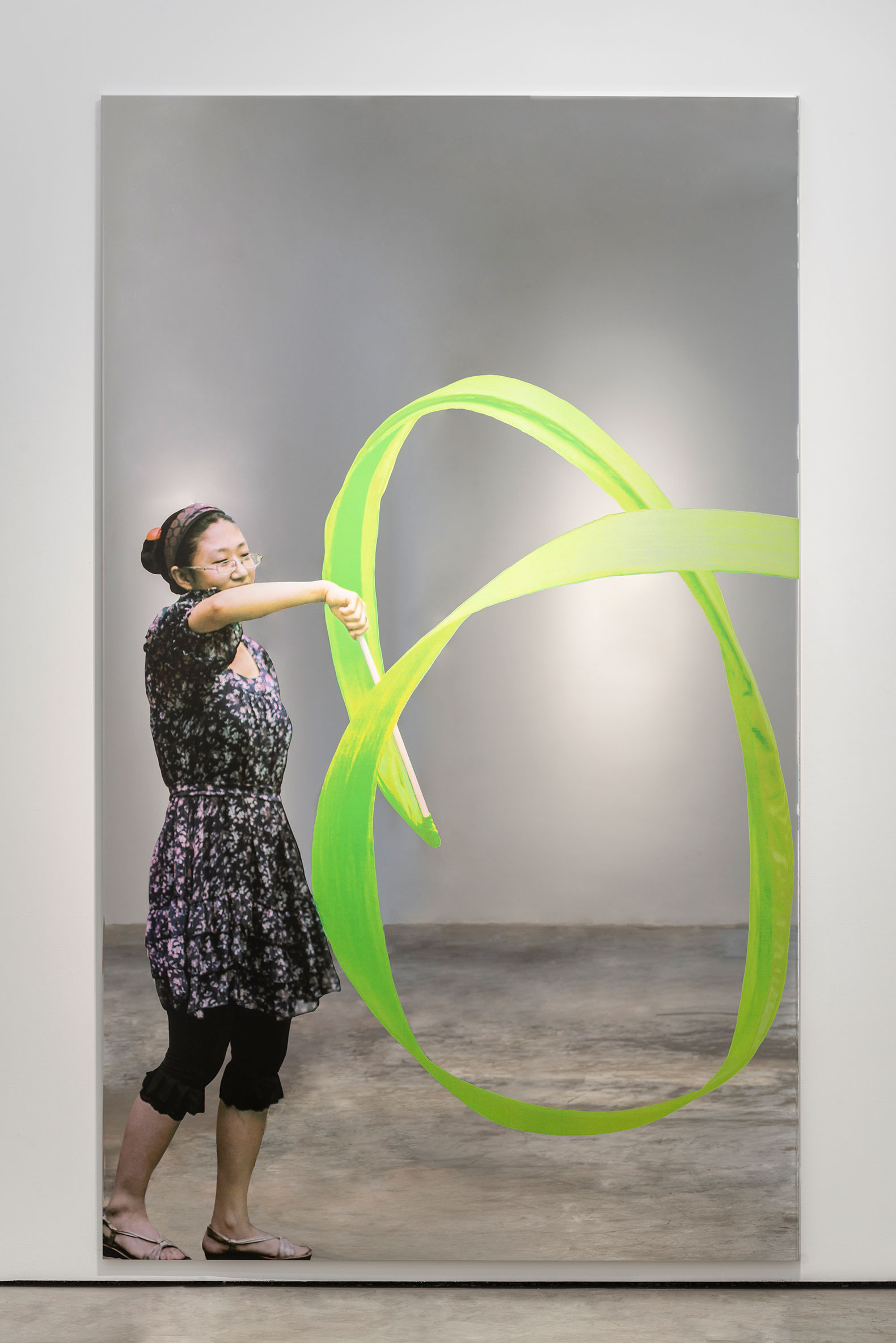
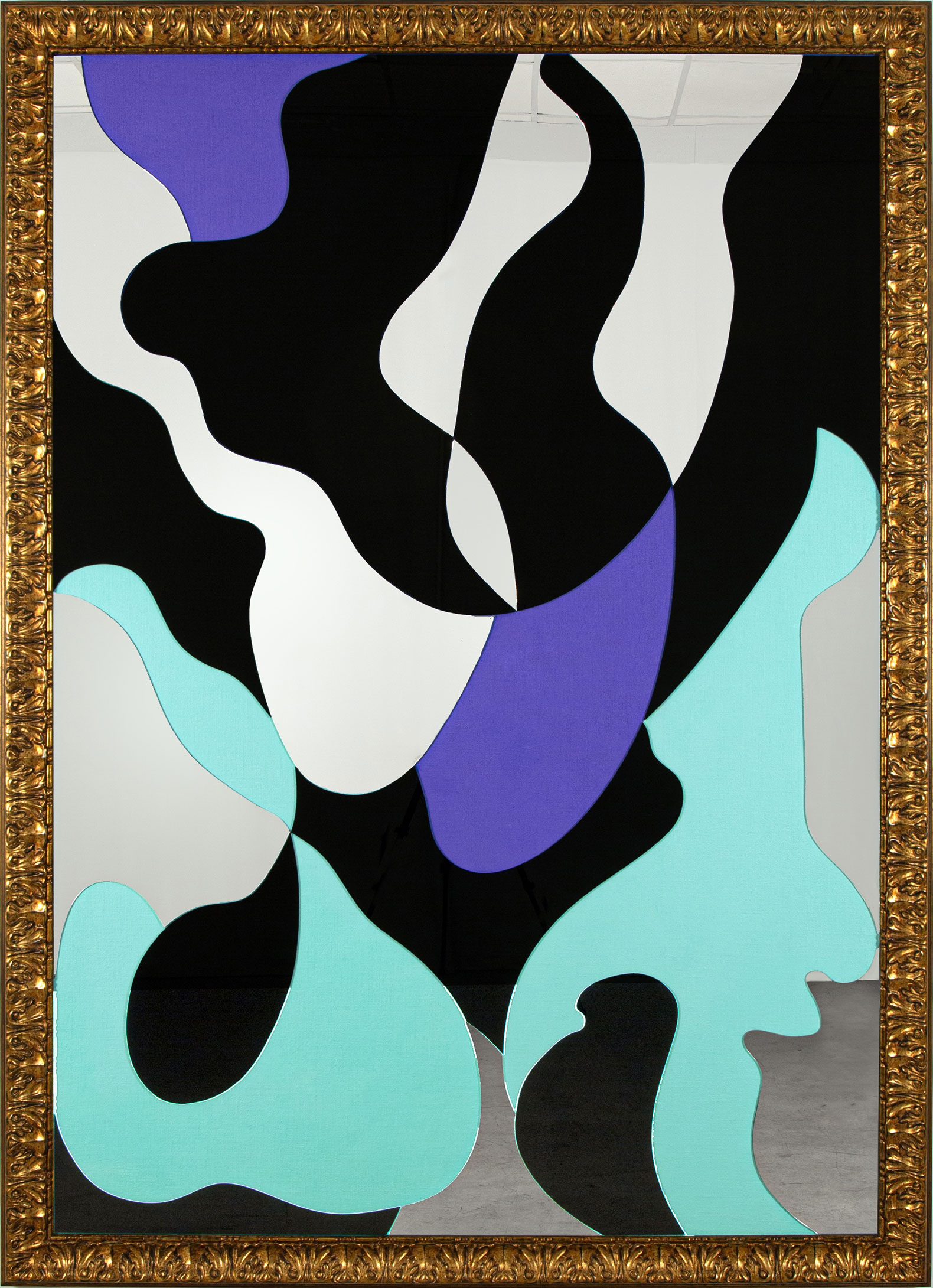
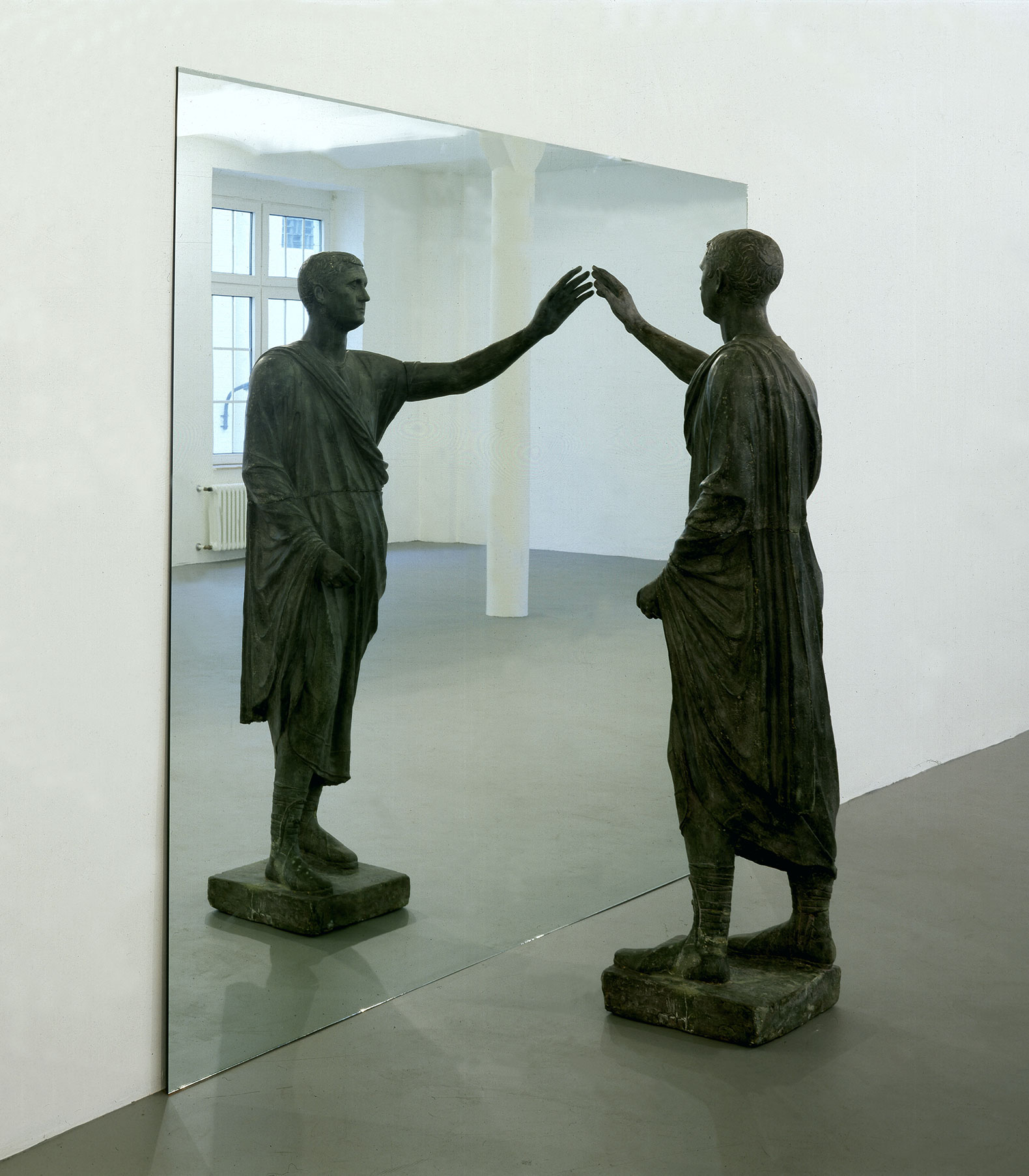
"The Quadri specchianti" (Mirror Paintings) —which the artist began creating in the early 1960s— are works made of polished stainless steel that interact with the exhibition space by reflecting it; simultaneously, they allow the viewer to recreate the artwork in real time through their own reflection. Pistoletto thus proposes an open perspective that inverts the Renaissance perspective—a concept already superseded by 20th-century avant-garde movements. In 1964, as part of his "Plexiglas" exhibition at the Gian Enzo Sperone gallery in Turin, Pistoletto wrote: "…Paintings are always hung on walls, but mirrors are also placed on those same walls. I believe that the first truly figurative experience a human being has is recognizing themselves in their own reflected image in the mirror—which is the fiction most faithful to reality." 

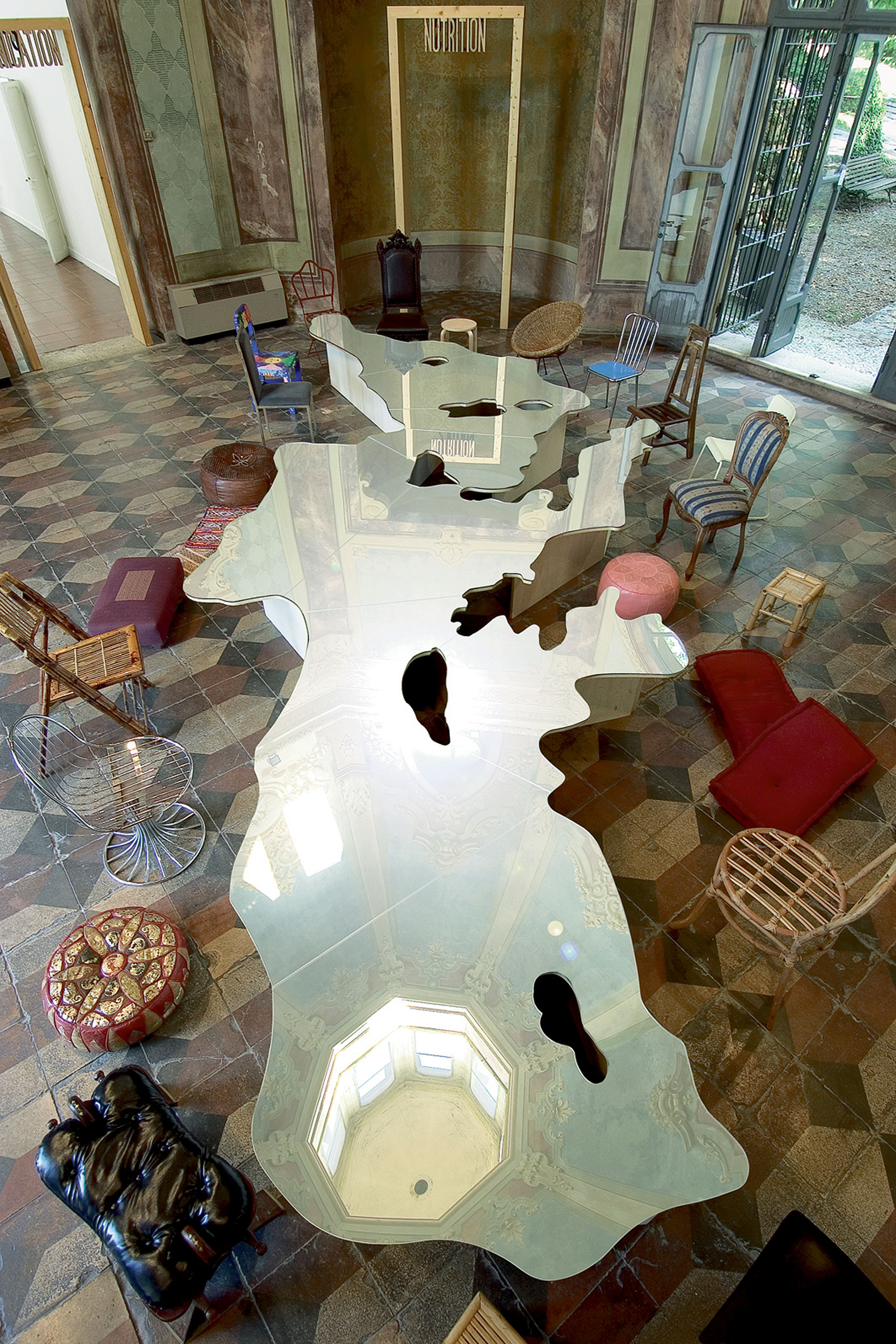
At MUSAC, visitors will be able to see works such as "Architettura dello specchio" (1990) and series like "Division and Multiplication of the Mirror" or "Colour and Light", offering the chance to experience a journey through time within a single 700-square-meter space.
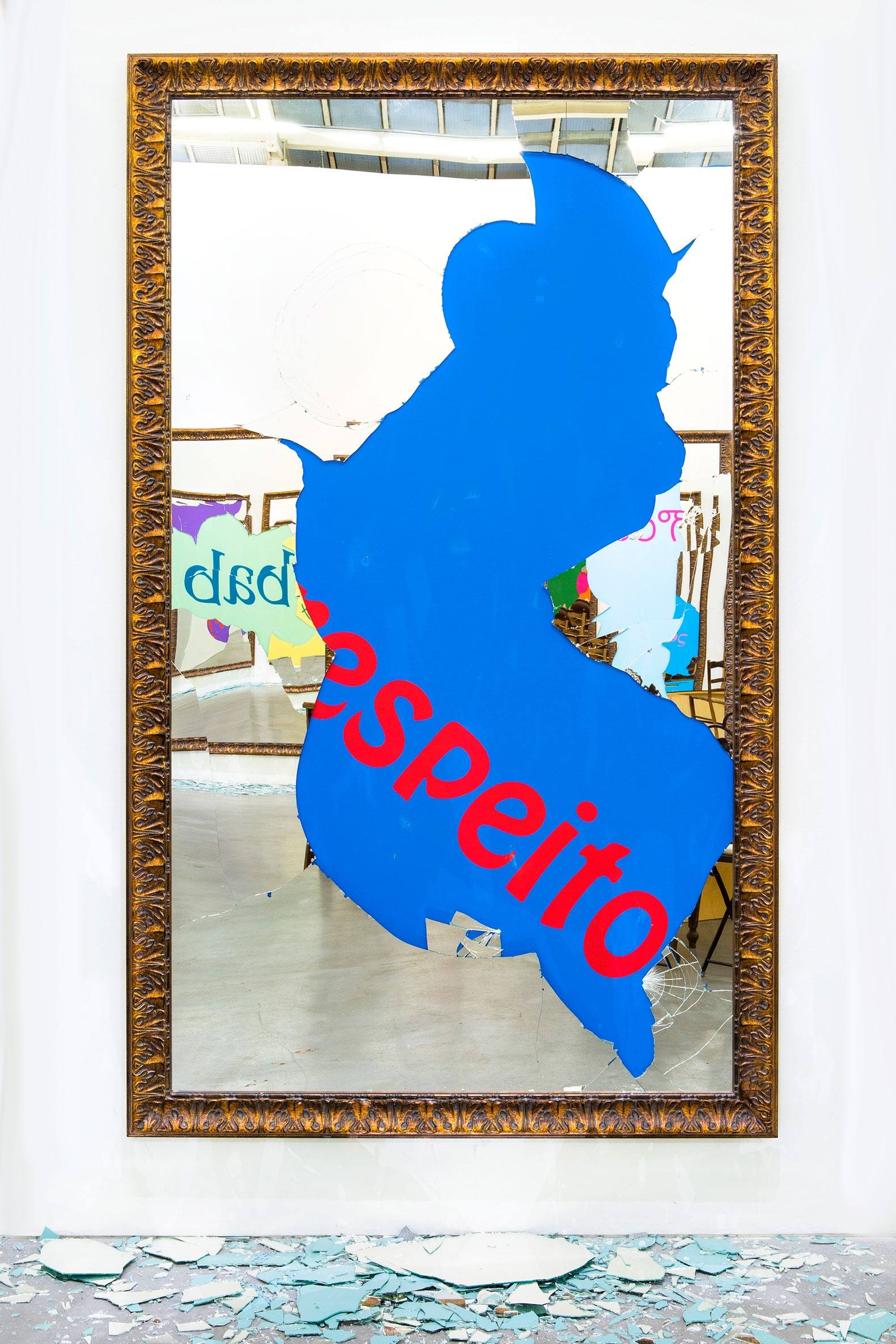
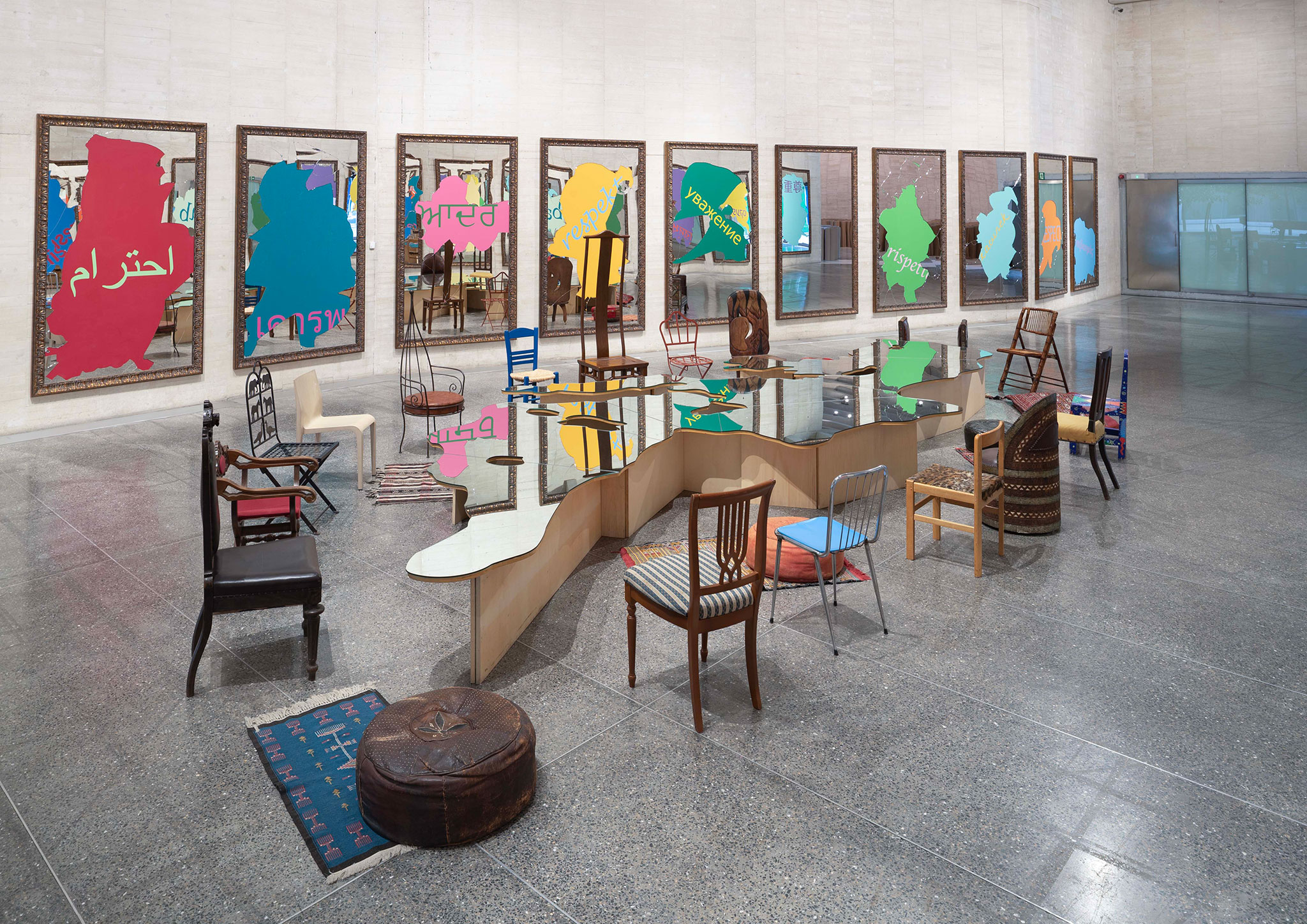
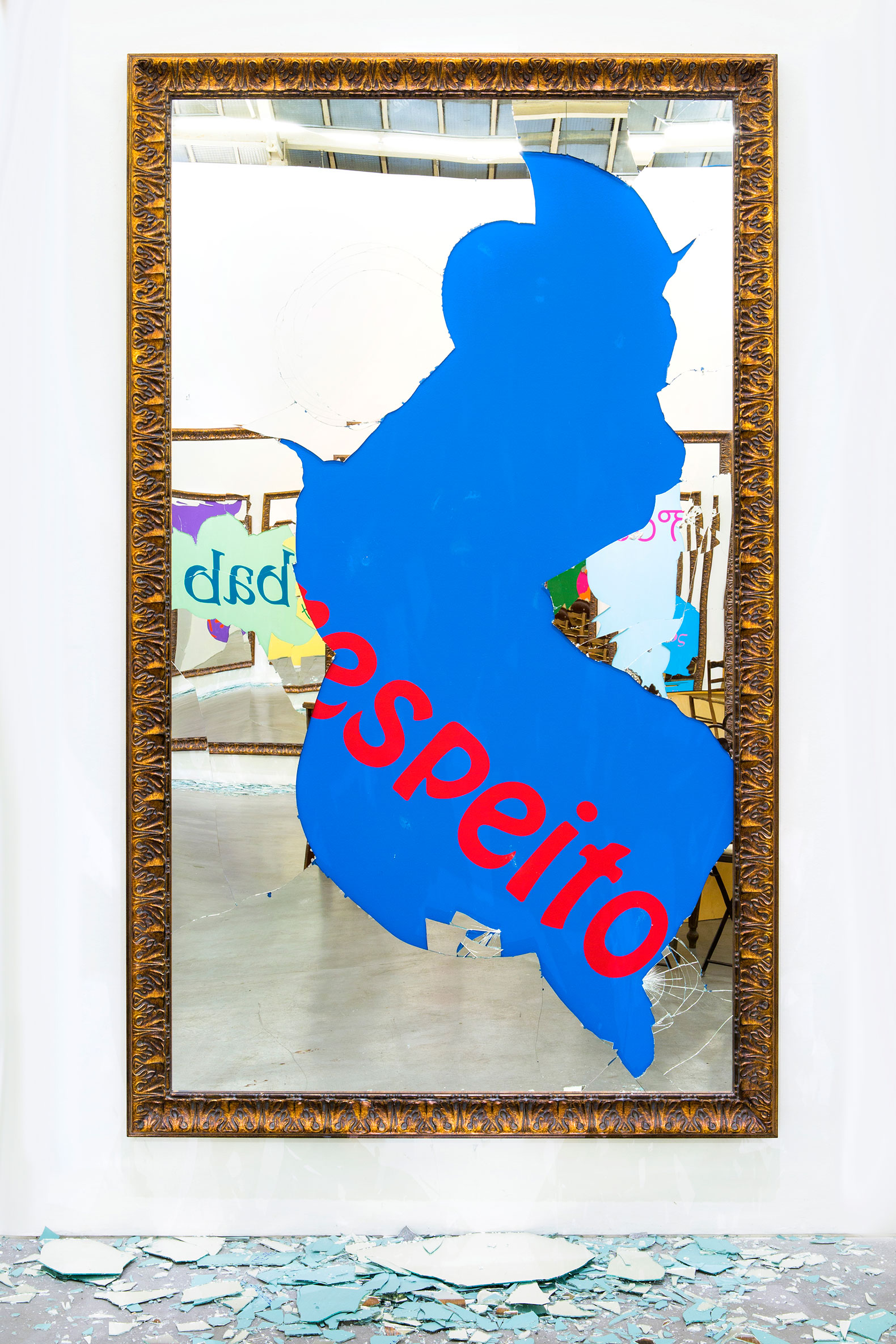
Respect, 2016. 24 mirrors with stretcher and wooden frame. Courtesy of Galleria Continua.

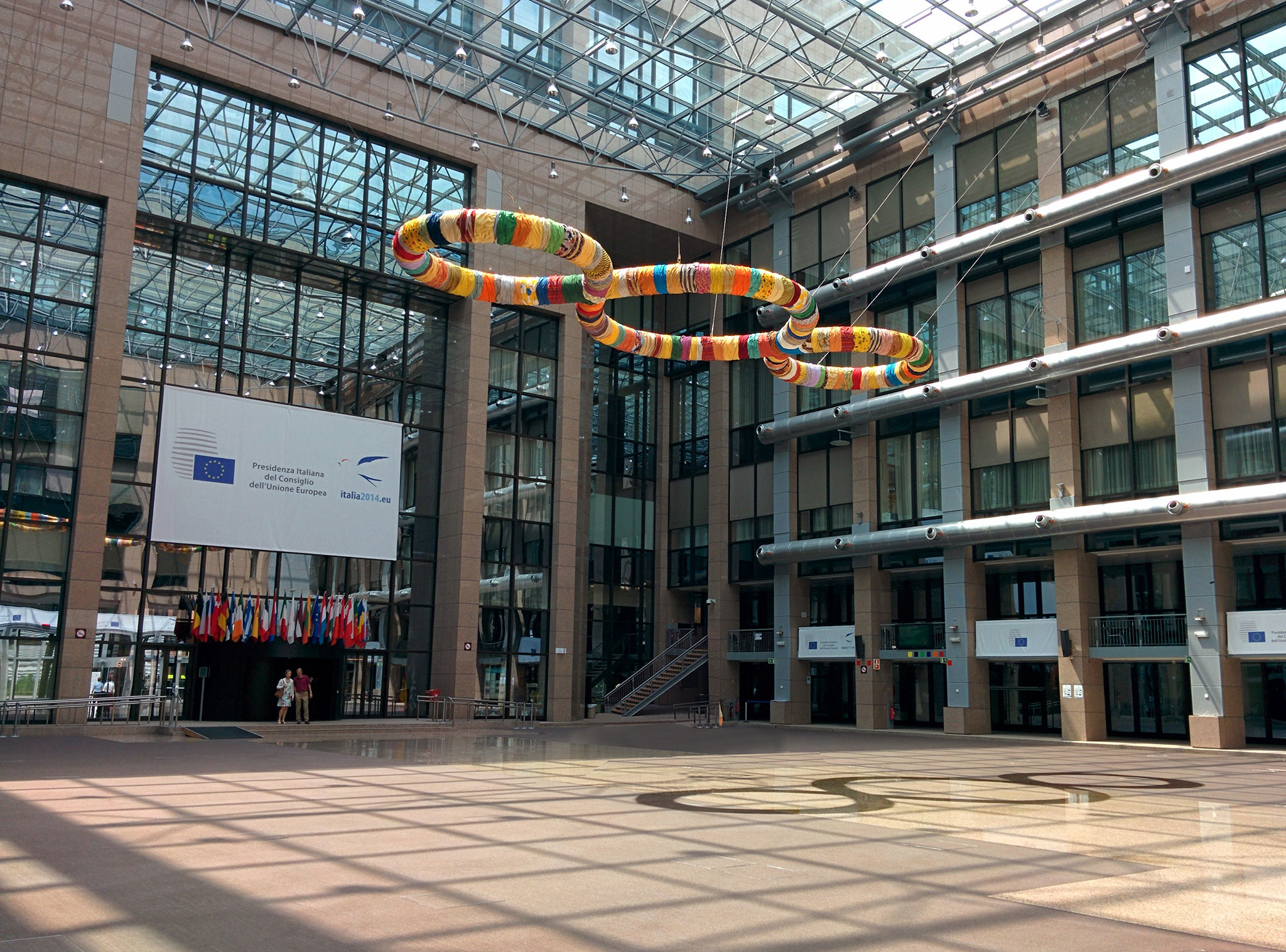
The exhibition traces the full trajectory of Pistoletto’s career, ranging from early works driven by an interest in self-portraiture—such as "Autoritratto argento" (1960) and documentation of his first public performances—to pieces like the sculpture "Terzo Paradiso" (2014). Suspended from the museum ceiling, this sculpture is part of the project for which the artist penned his "Terzo Paradiso" manifesto in 2003. For the artist, it represents "…a balanced connection between artifice and nature, and the generative matrix of a new humanity." 
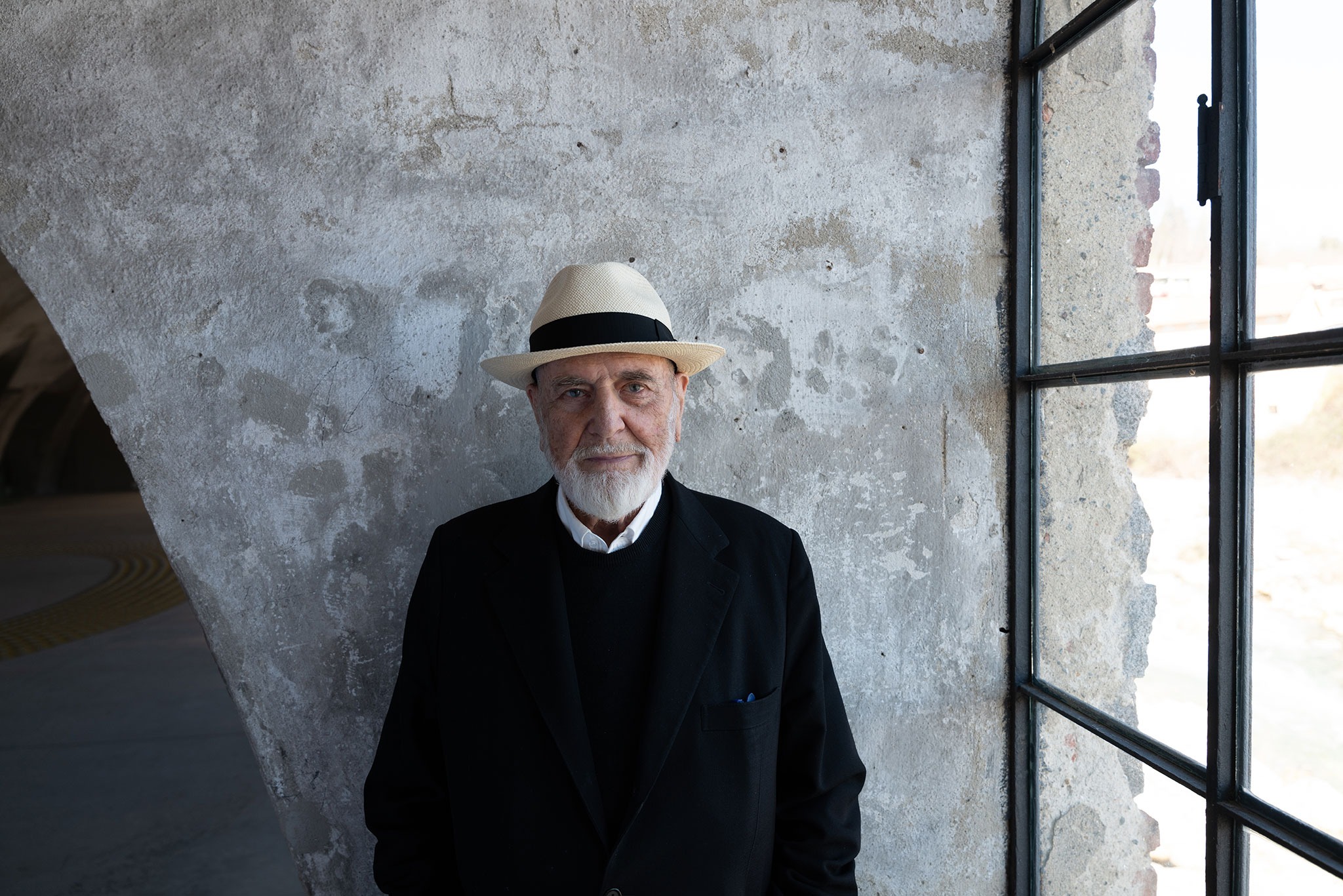
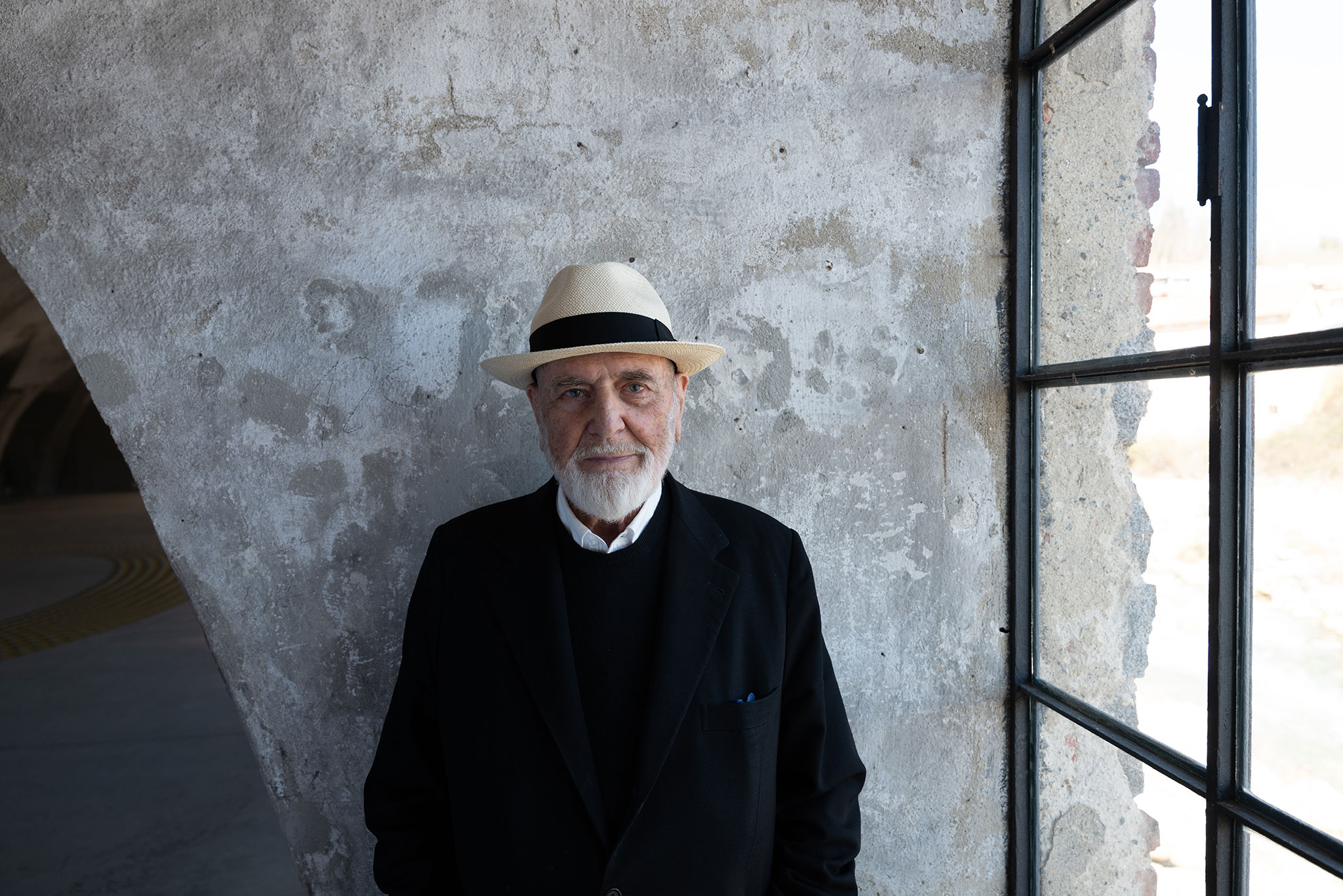
Portrait of Michelangelo Pistoletto. Photograph by Alessandro Sartori.

The exhibition concludes with his most recent digital works, such as "Mirror of Eternity" (2025), a participatory piece that employs artificial intelligence to generate a portrait of the visitor.

By the end of the visit, the viewer will have engaged with themes such as perception, time, identity, the relationship between artwork, artist, and viewer, and the capacity of art to bring about cultural and social change.
More information

Label
Artist
+ + copy Created with Sketch.
- + copy Created with Sketch.
Label
Curators
Text

Álvaro Rodríguez Fominaya.

+ + copy Created with Sketch.
- + copy Created with Sketch.
Label
Promotor
Text

MUSAC (Museo de Arte Contemporáneo de Castilla y León).

+ + copy Created with Sketch.
- + copy Created with Sketch.
Label
Dates
Text

November 7th, 2026 – May 23rd, 2027.

+ + copy Created with Sketch.
- + copy Created with Sketch.
Label
Schedules
Text

Open Tuesday to Sunday from 11:00 to 14:00 and 17:00 to 20:00.
Closed on Mondays.

+ + copy Created with Sketch.
- + copy Created with Sketch.
Label
Location
Text

MUSAC, rooms 3-6. Avenida Reyes Leoneses, 24. 24008 - León, Spain.

+ + copy Created with Sketch.
- + copy Created with Sketch.
Label
Photography
Text

Paolo Pellion, Alessandro Lacirasella, Lorenzo Fiaschi, Oak Taylor-Smith, Alessandro Sartori.

+ + copy Created with Sketch.
- + copy Created with Sketch.

Michelangelo Pistoletto (born Biella, Italia, June 23th,1933) is an Italian painter, action and object artist, and art theorist. Pistoletto is acknowledged as one of the main representatives of the Italian Arte Povera. His work mainly deals with the subject matter of reflection and the unification of art and everyday life in terms of a Gesamtkunstwerk.

Pistoletto studied art while apprenticing at his father’s restoration workshop, and in 1960, mounted his first solo show of figurative paintings and portraits at the Galleria Galatea in Turin. He rose to international prominence with his sculpture series Minus Objects (1966), which includes a set of columns and a two-dimensional table and chairs. The work, along with a series of mirror paintings, was awarded first prize in the São Paulo Biennale. Growing increasingly reclusive over time, Pistoletto withdrew his work from the Venice Biennale in 1968 due to the student riots. He has had solo exhibitions in institutions around the world, notably including the Tate Modern in London and the Guggenheim Museum in New York. He lives in Turin, Italy.
In 2003, he received the Golden Lion for Lifetime Achievement at the Venice Biennale. In 2004, the University of Turin awarded him an honorary degree in Political Science. On that occasion, the artist announced what has become the most recent phase of his work: the "Third Paradise." In 2007, in Jerusalem, he was awarded the Wolf Prize in the Arts "for his constantly creative career as an artist, educator, and activist, whose restless intelligence has created visionary art forms that contribute to a new understanding of the world." In 2010, he wrote the essay "The Third Paradise," published in Italian, English, French, and German.

In 2012, he began promoting "Rebirth-day"—the first global day of rebirth—which is celebrated annually on December 21st with initiatives worldwide. In 2013, the Louvre Museum in Paris hosted his solo exhibition "Michelangelo Pistoletto, année un – le paradis sur terre." That same year, he received the Praemium Imperiale for painting in Tokyo. In May 2015, he received an honorary degree from the University of the Arts in Havana, Cuba. That same year, he created a large-scale work titled "Rebirth," located in the park of the Palace of Nations in Geneva, the UN headquarters.

In 2017, a text written by Michelangelo Pistoletto titled "Omnitheism and Demopraxy: Manifesto for a Regeneration of Society" was published. In 2021, the Universario—an exhibition space where the artist presents his most recent research—was inaugurated at Cittadellarte, and in December 2022, his latest book, "La formula della creazione", was published; in it, he traces the key stages and evolution of his entire artistic career and theoretical reflection. He lives in Turin, Italy.

Read more
Published on: November 8, 2026
Cite:
metalocus, MARÍA MÍNGUEZ
"Michelangelo Pistoletto’s eight decades of artistic production, by MUSAC" METALOCUS. Accessed
<https://www.metalocus.es/en/news/michelangelo-pistolettos-eight-decades-artistic-production-musac> ISSN 1139-6415
Loading content ...
Loading content ...
Loading content ...
Loading content ...
Loading content ...
Loading content ...
Loading content ...
Loading content ...
Loading content ...
Loading content ...
Loading content ...
Loading content ...
Loading content ...
Loading content ...
Loading content ...
Loading content ...
Loading content ...
Loading content ...
Loading content ...
Loading content ...
Loading content ...
Loading content ...
Loading content ...
Loading content ...
Loading content ...
Loading content ...
Loading content ...
Loading content ...
Loading content ...
Loading content ...
Loading content ...
Loading content ...
Loading content ...
Loading content ...
Loading content ...
Loading content ...
Loading content ...
Loading content ...
Loading content ...
Loading content ...
Loading content ...
Loading content ...
Loading content ...
Loading content ...
Loading content ...
Loading content ...
Loading content ...
Loading content ...
Loading content ...
Loading content ...
Loading content ...
Loading content ...
Loading content ...
Loading content ...