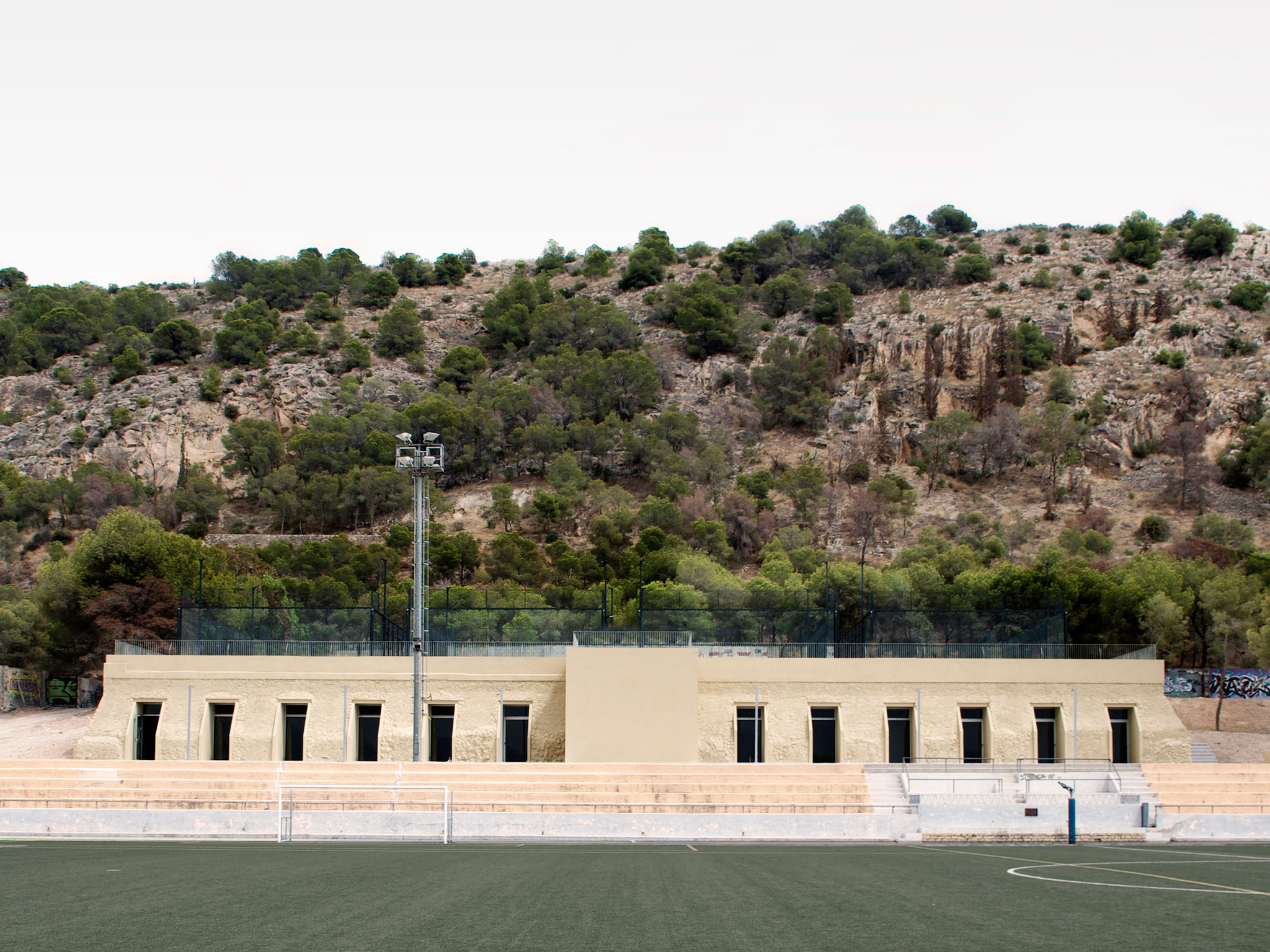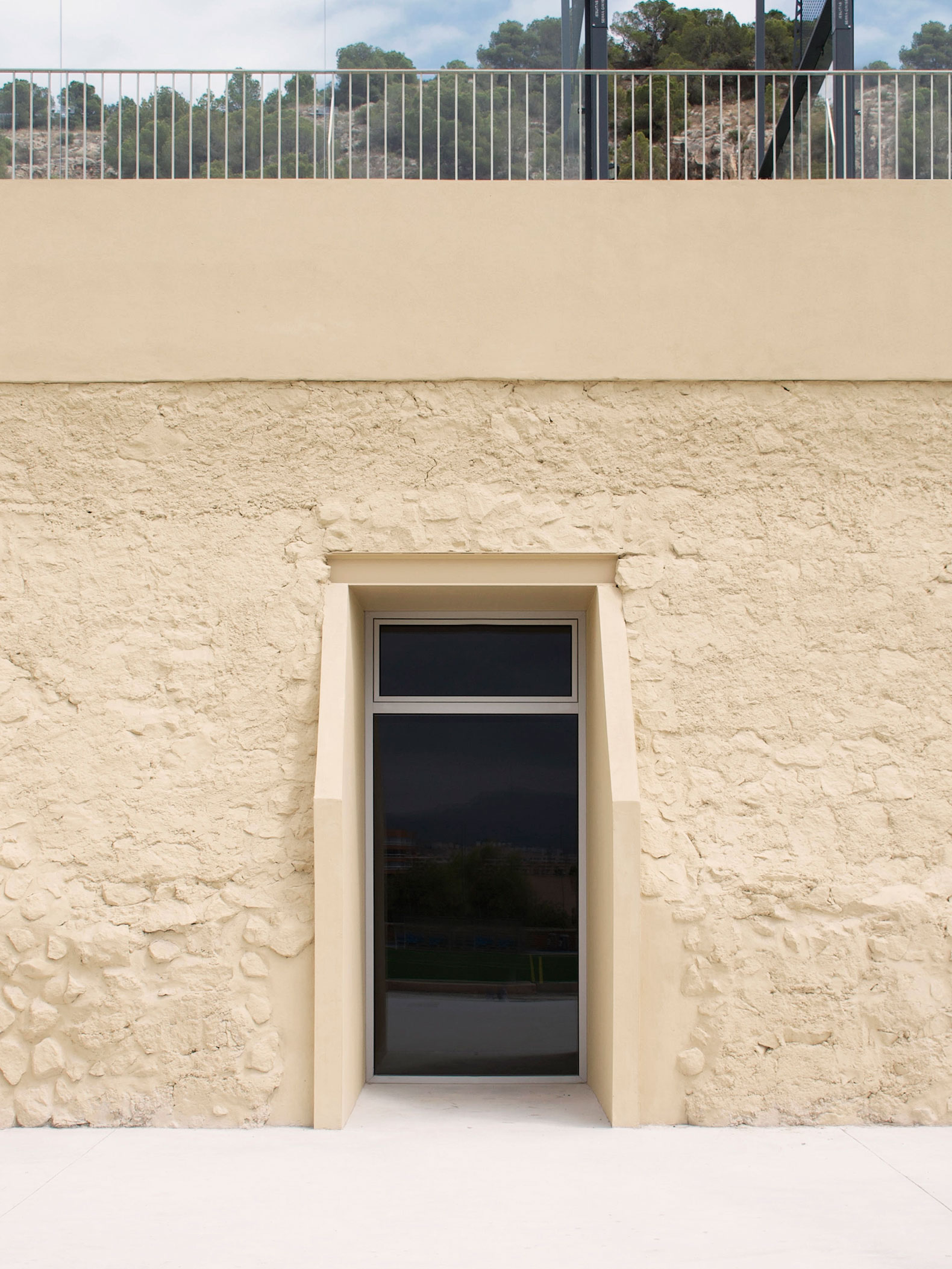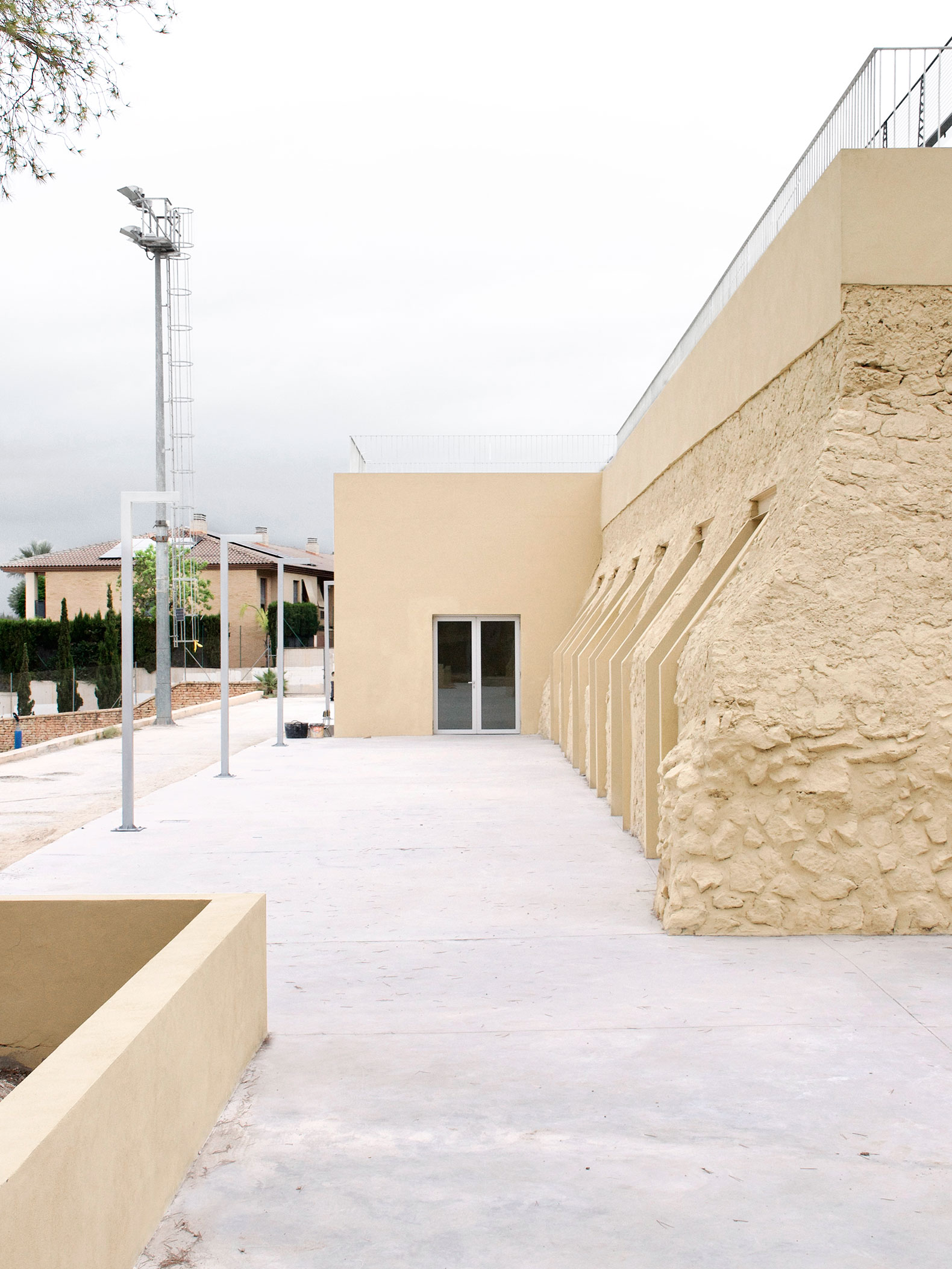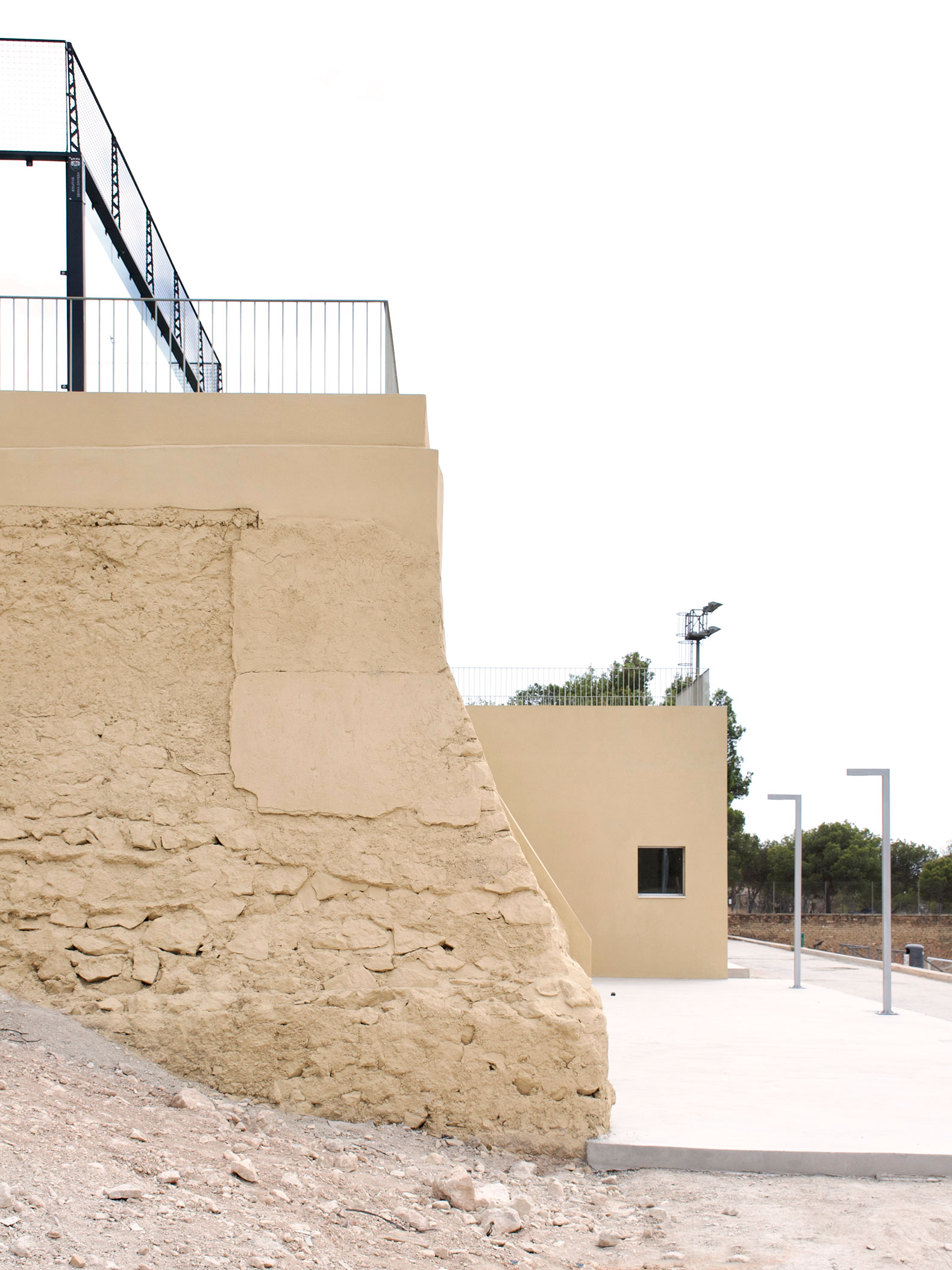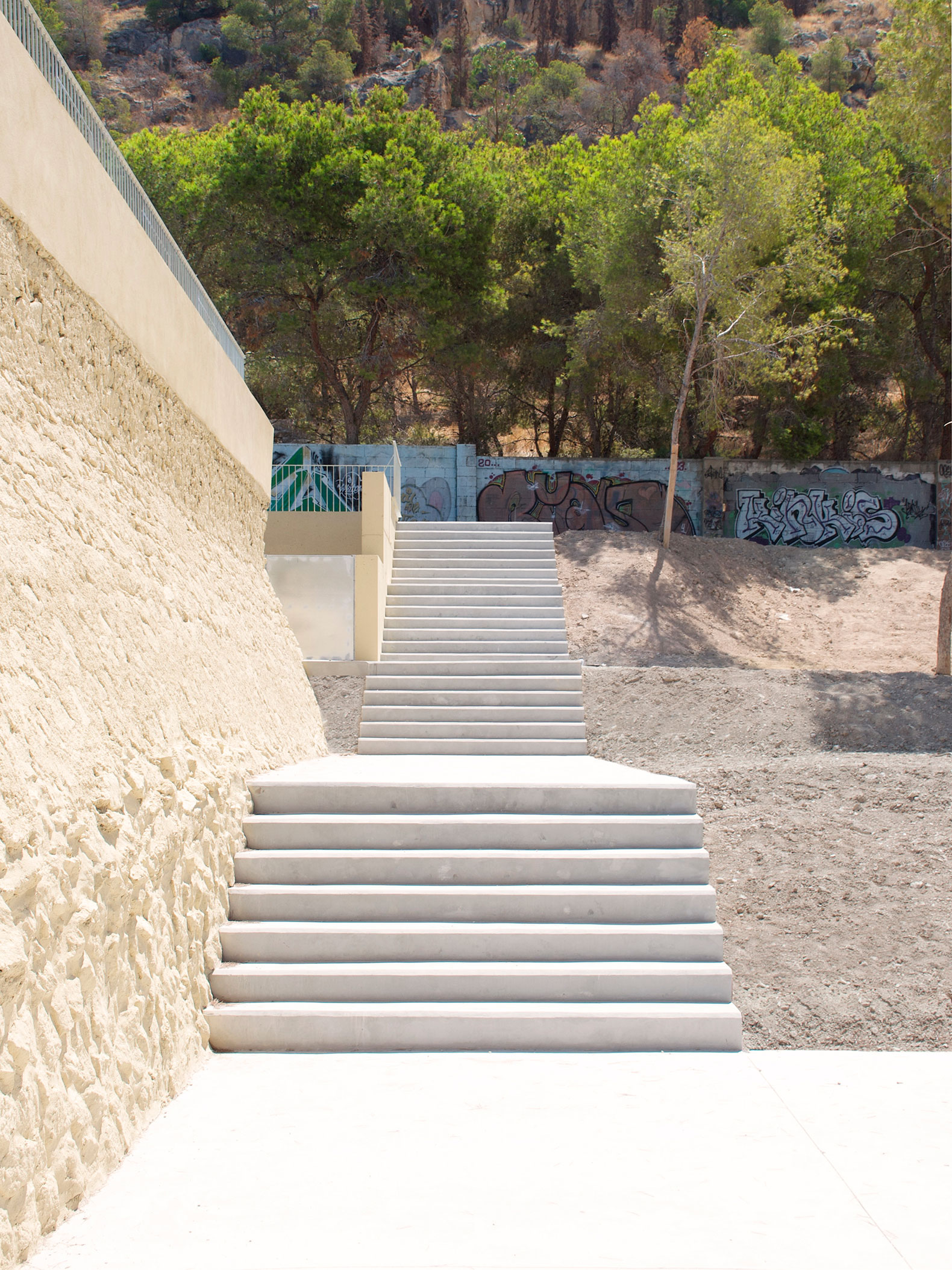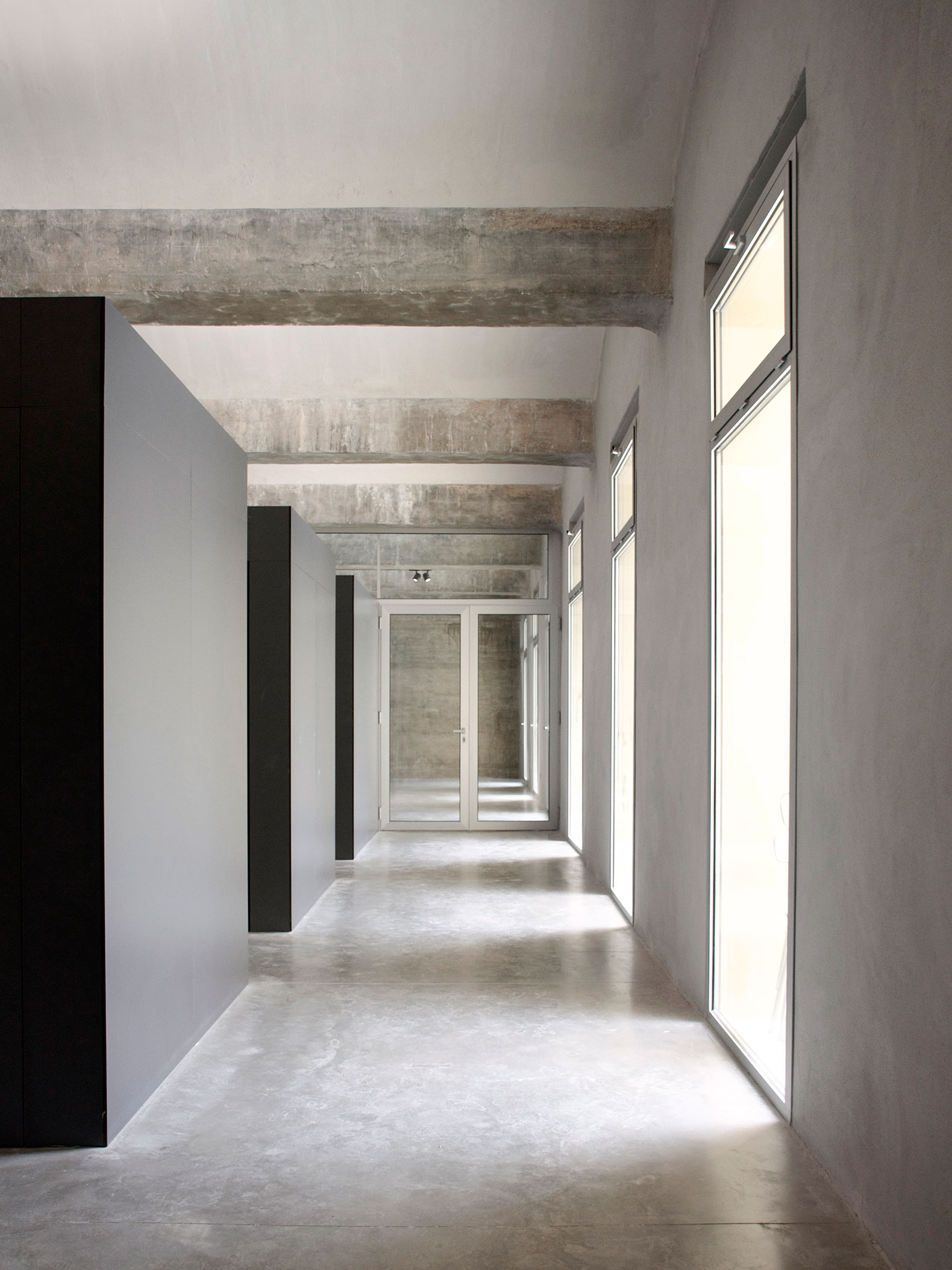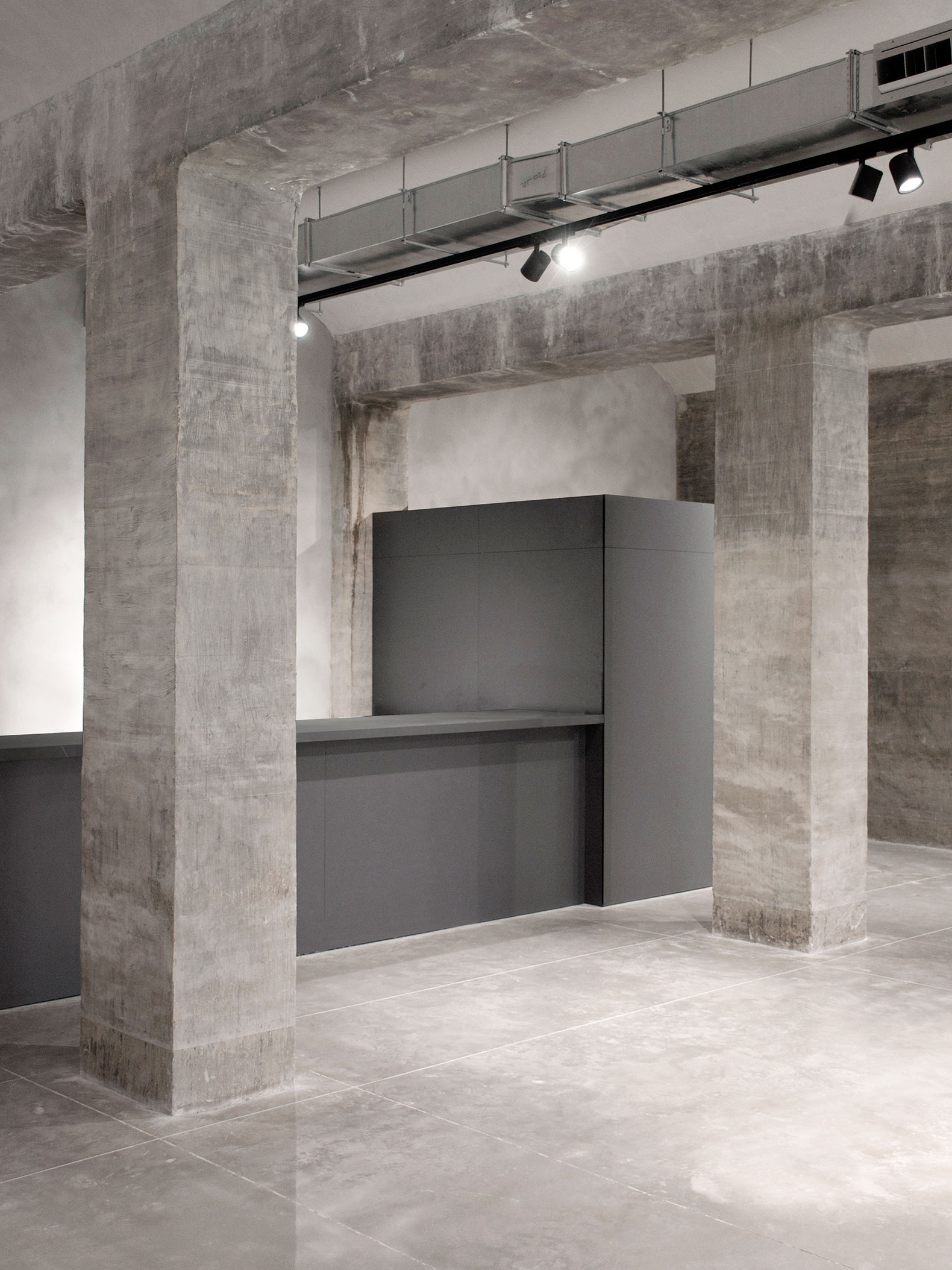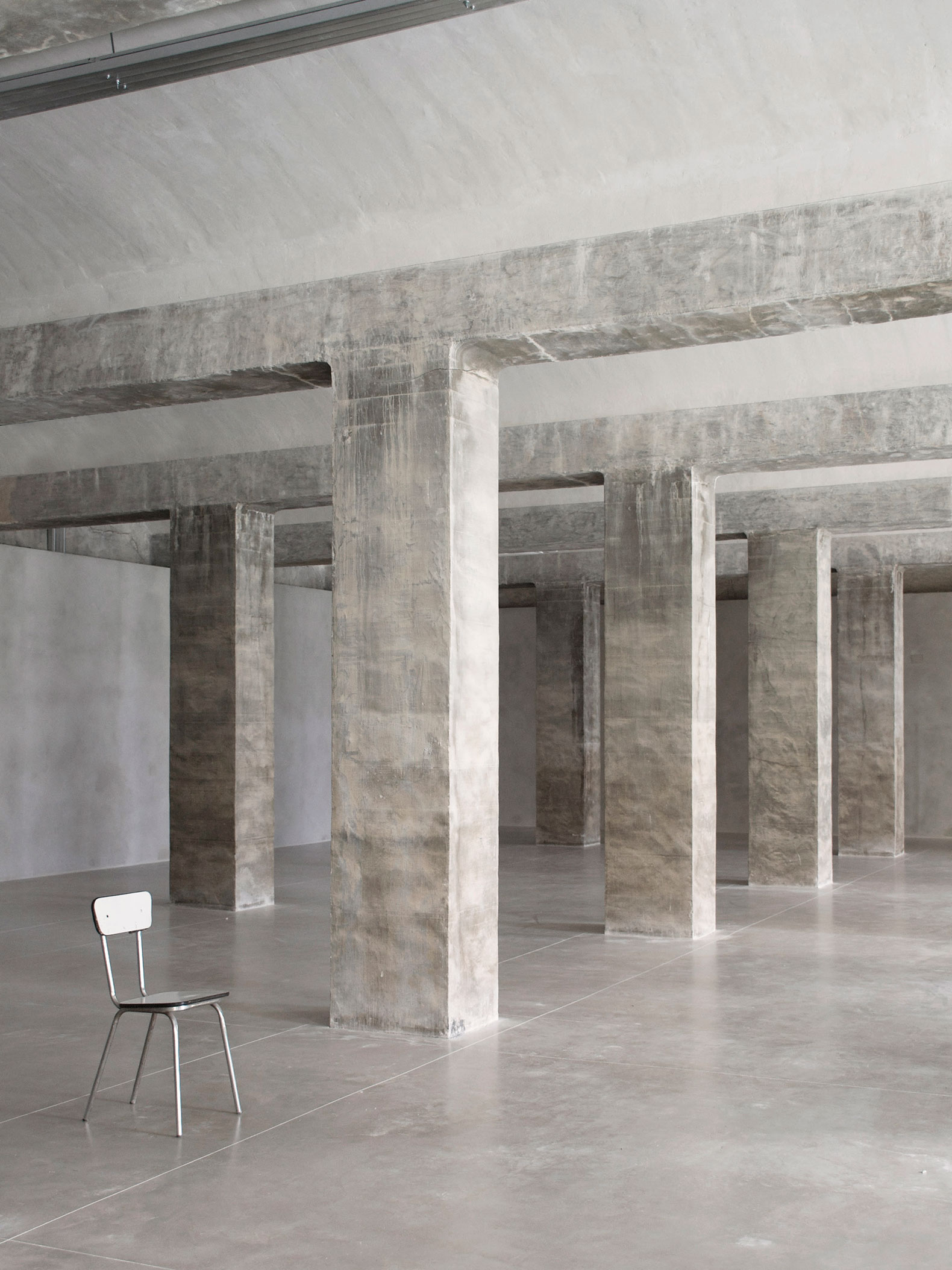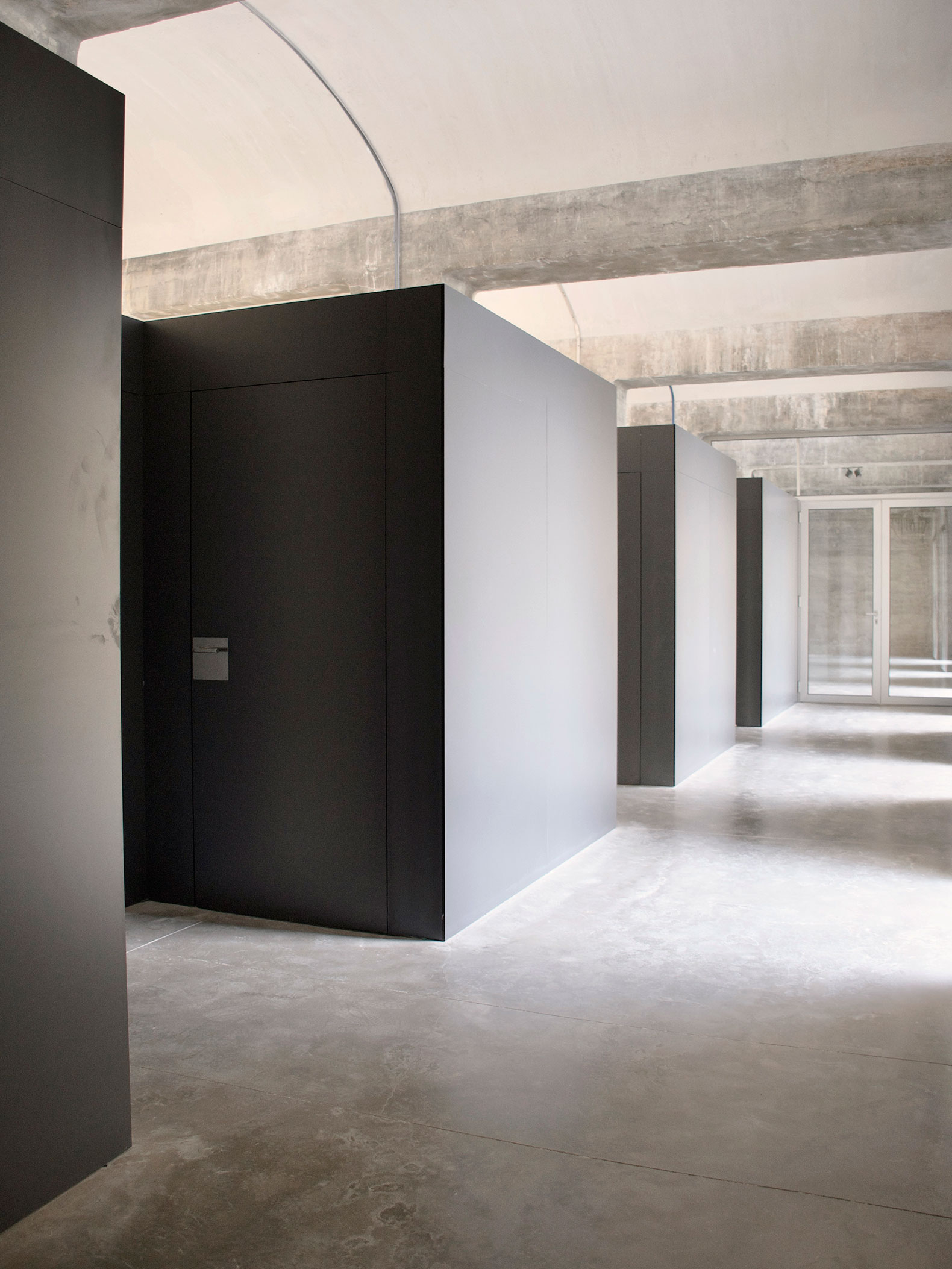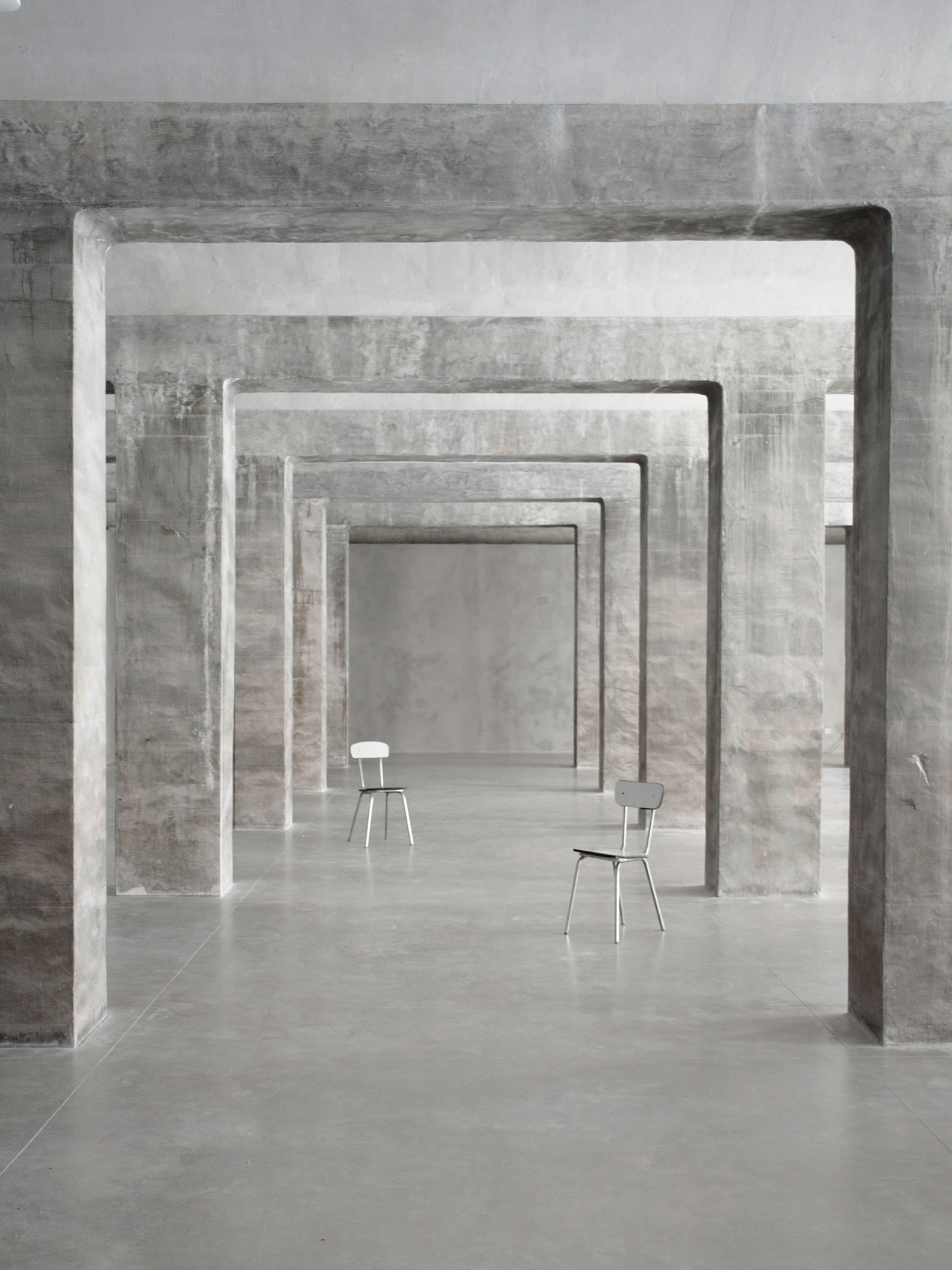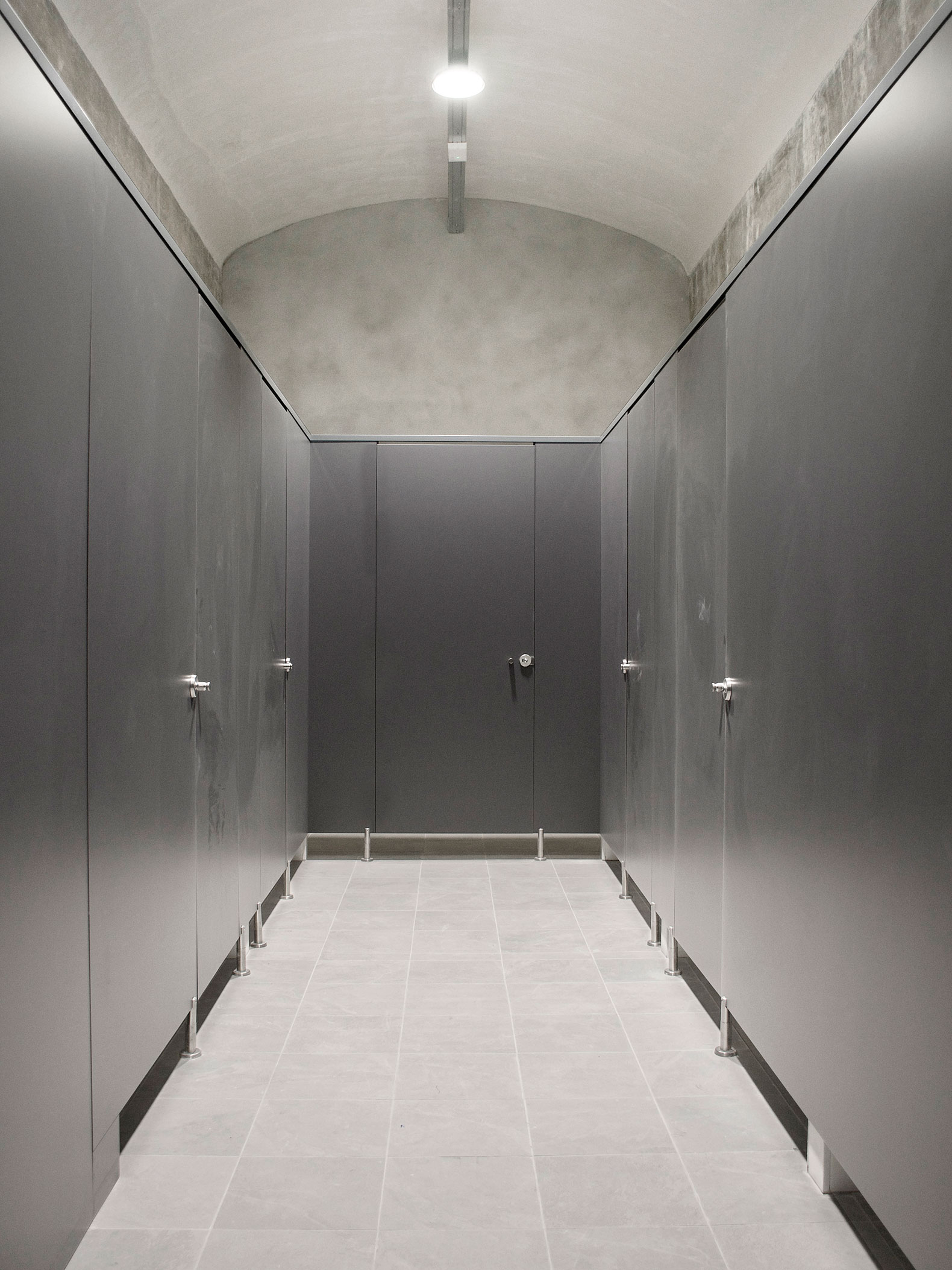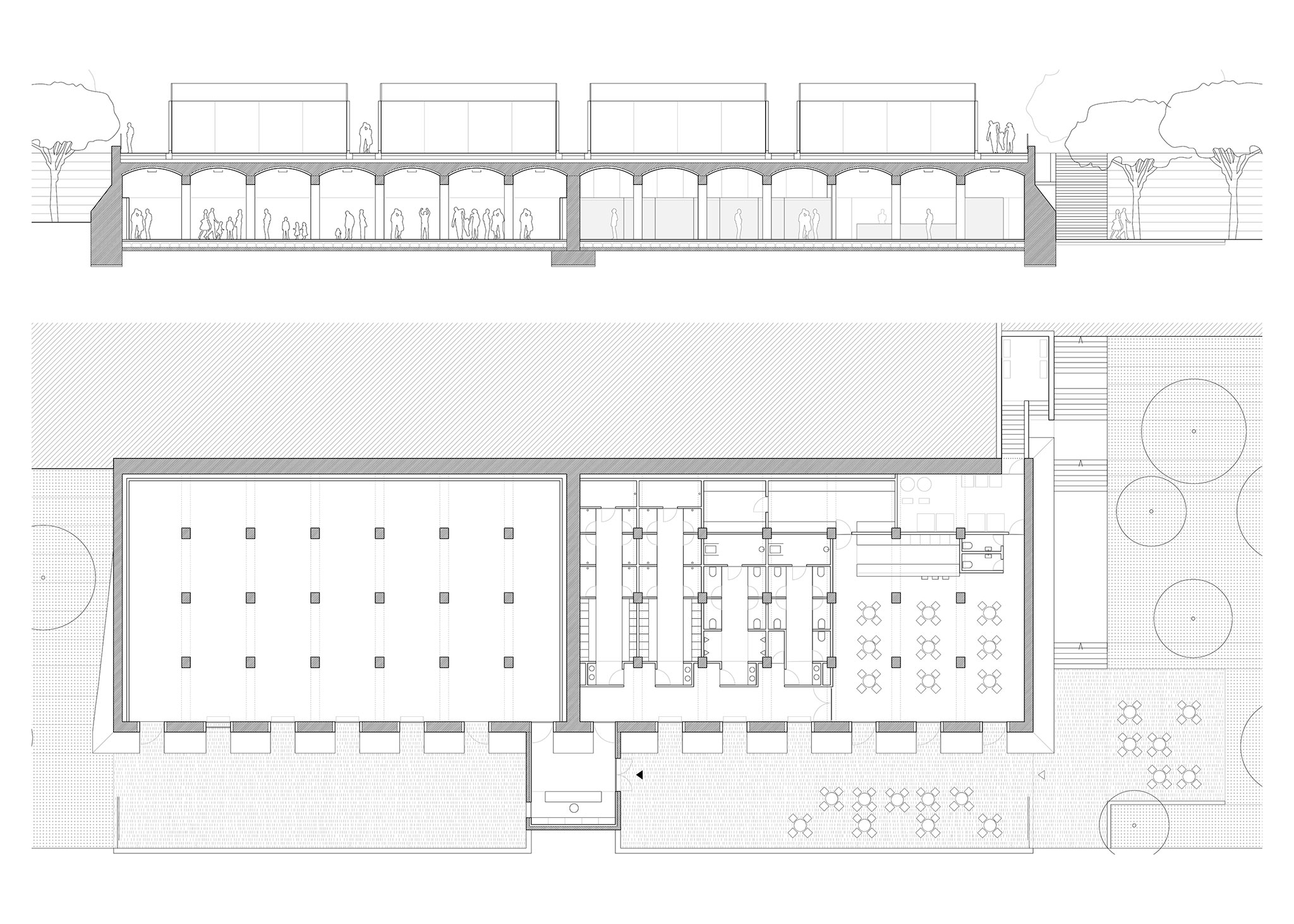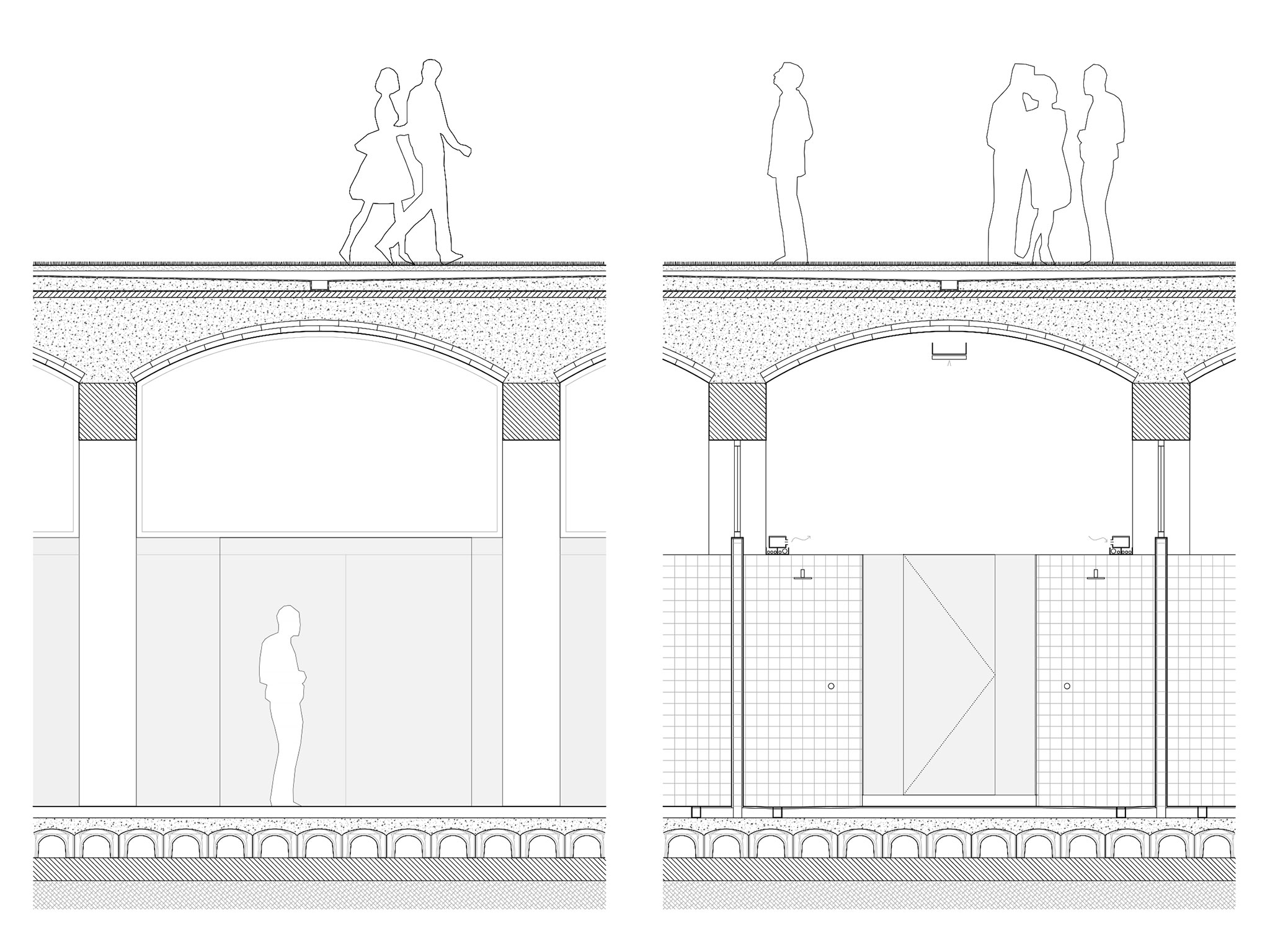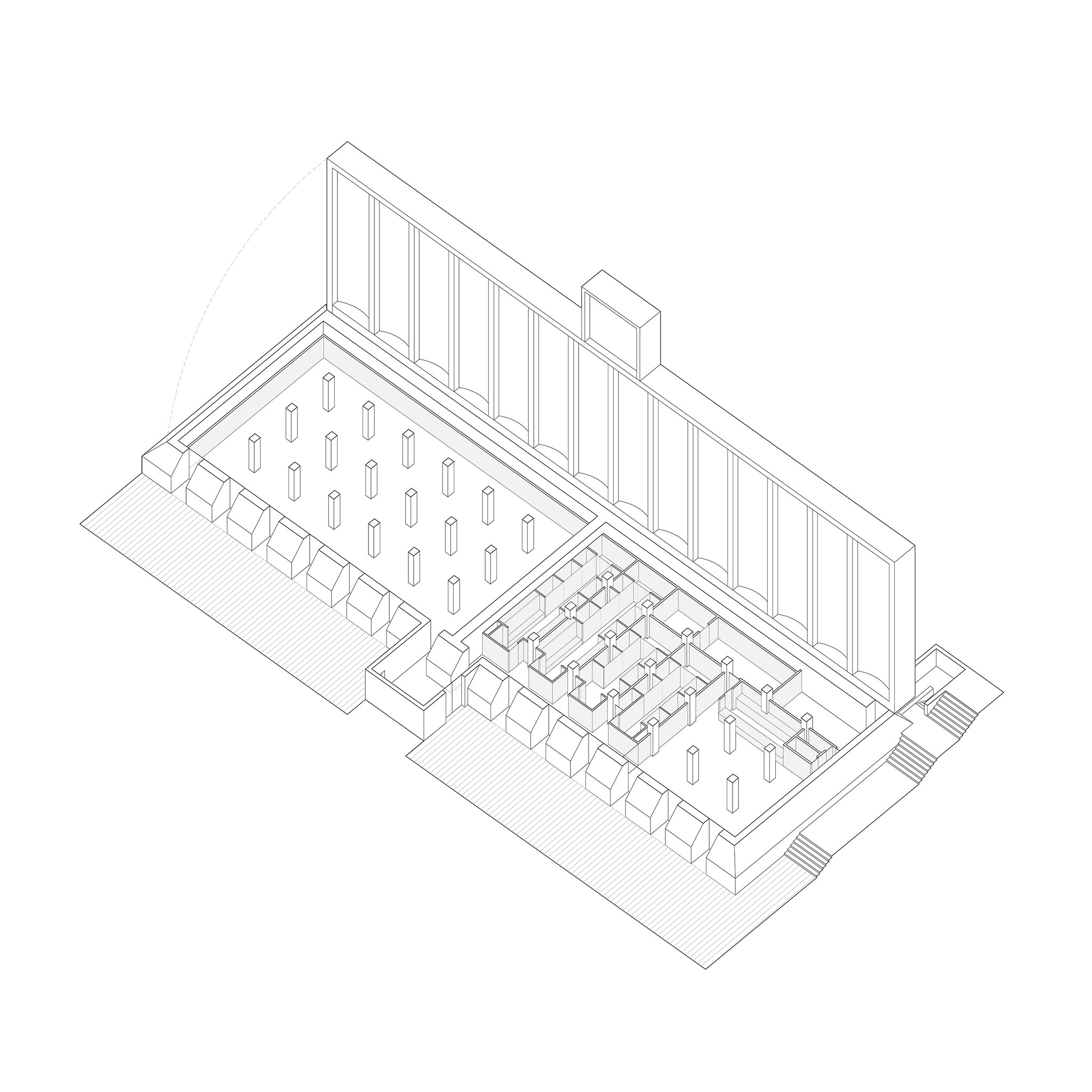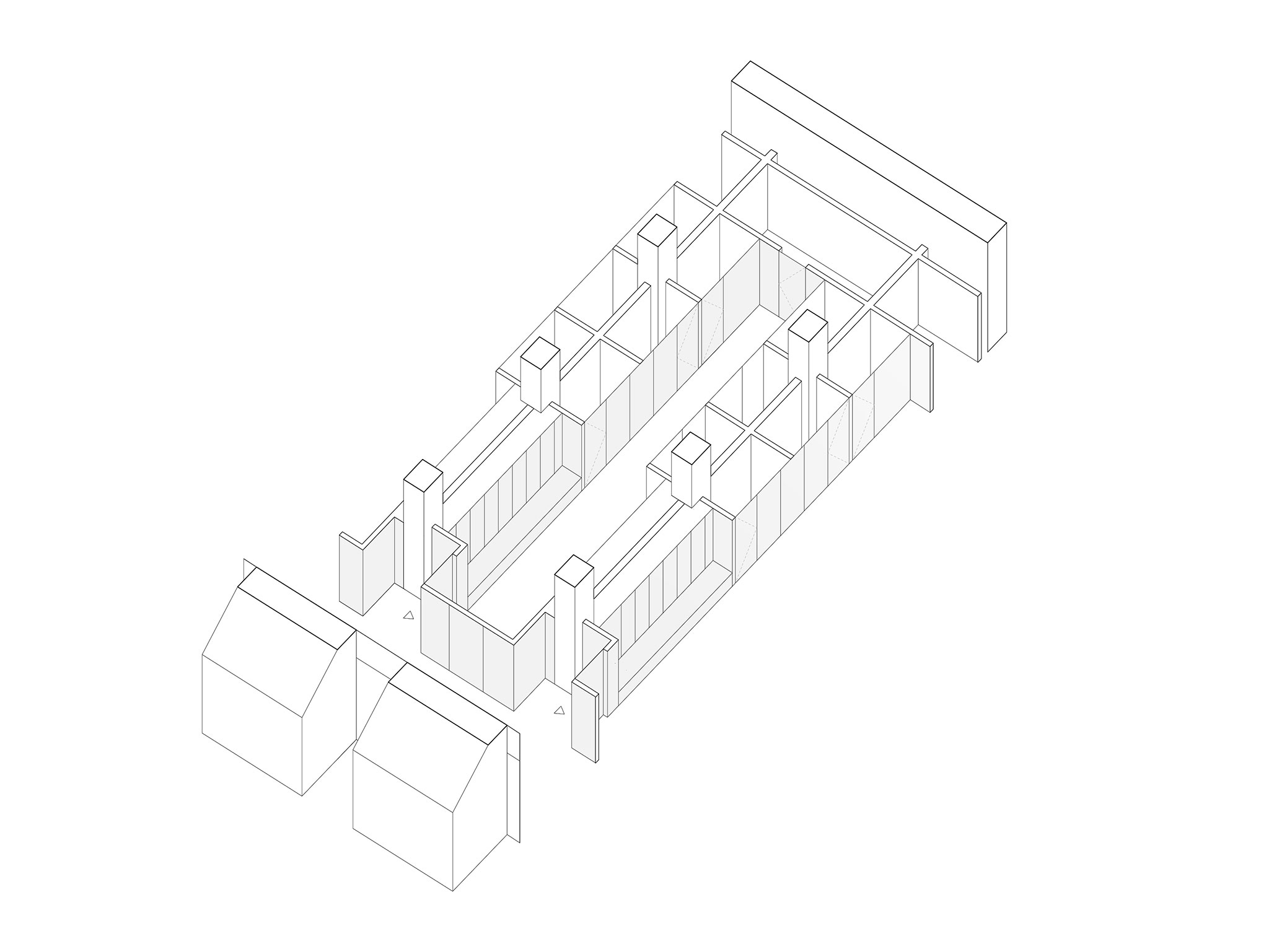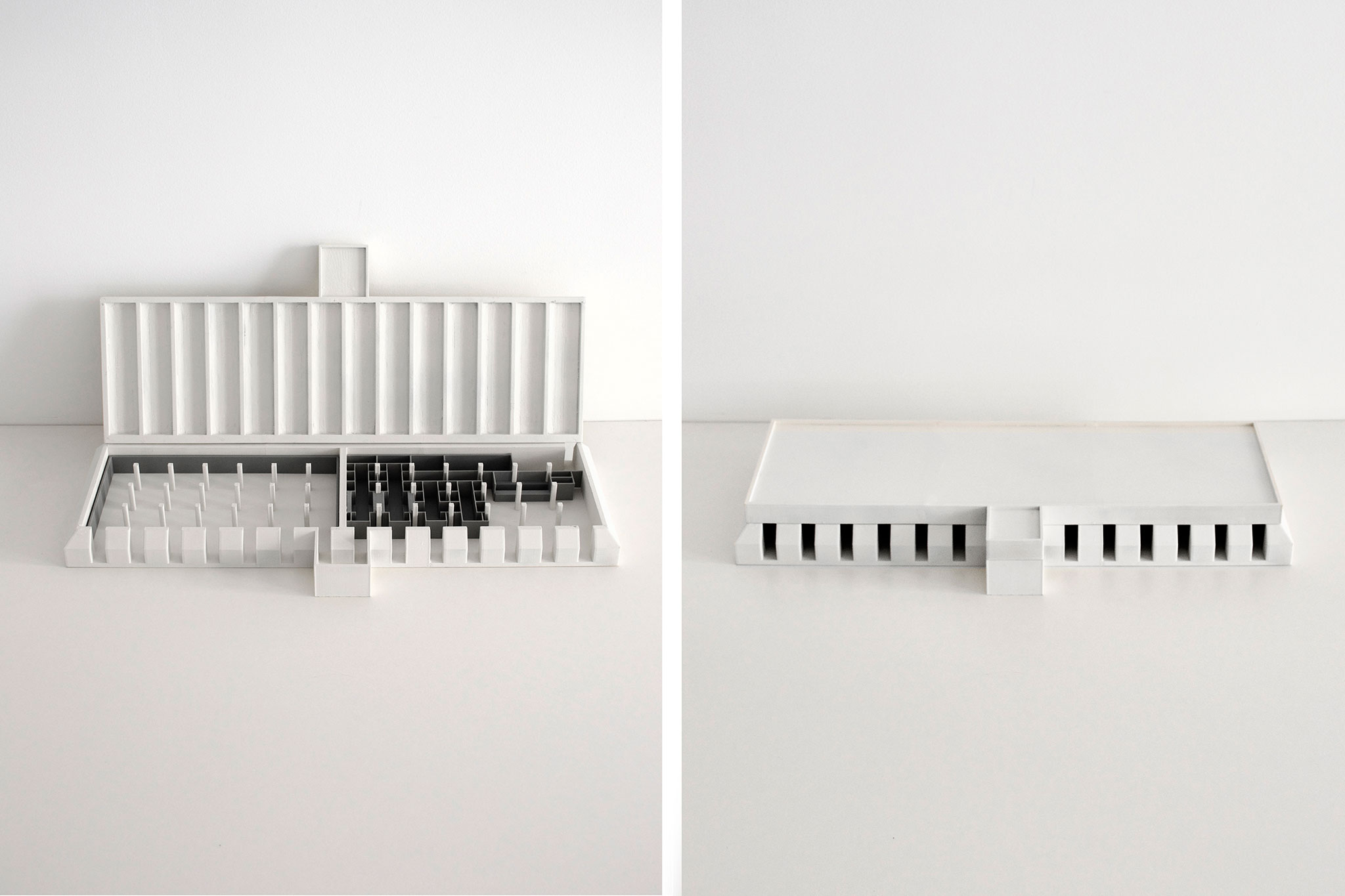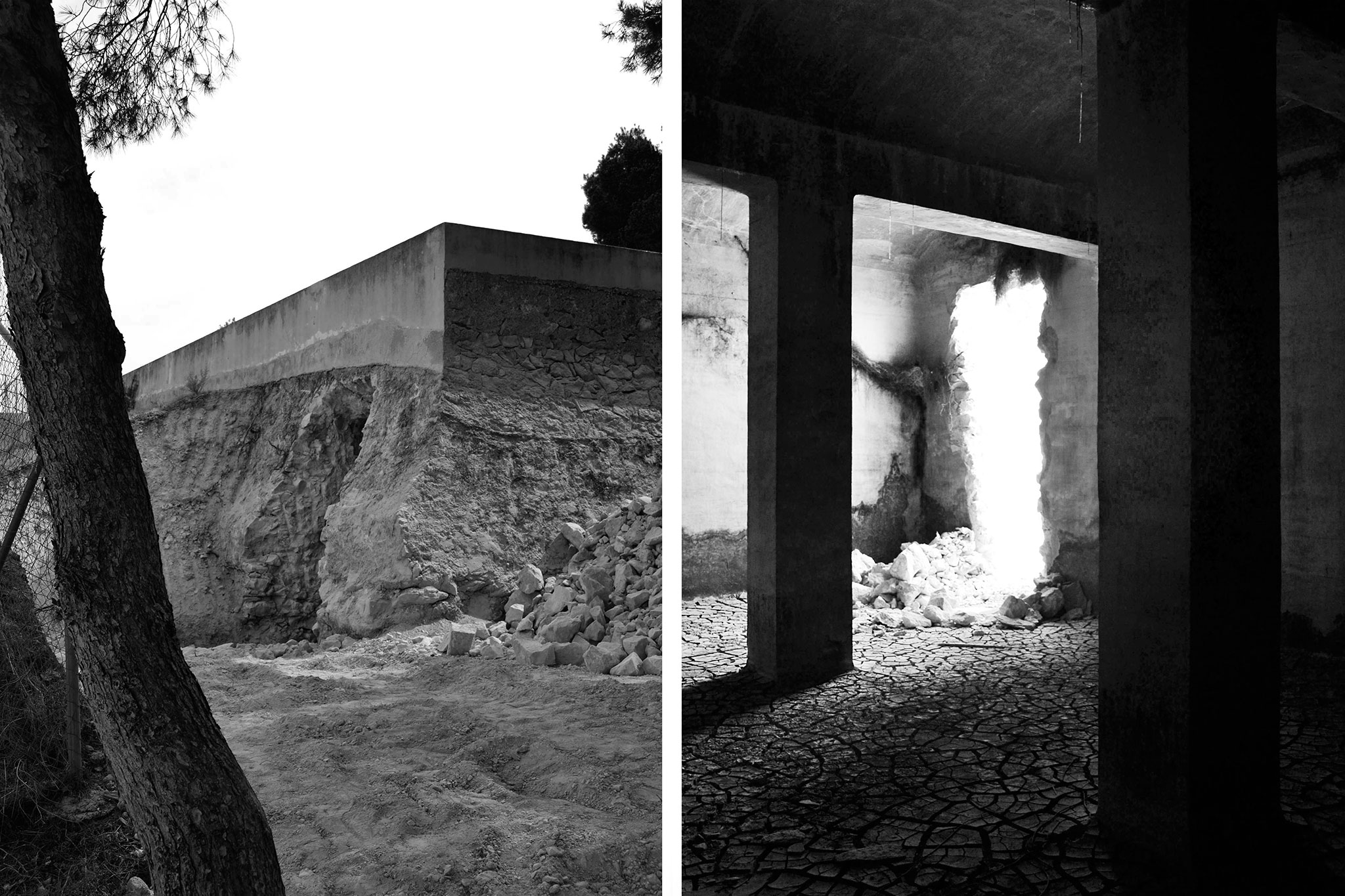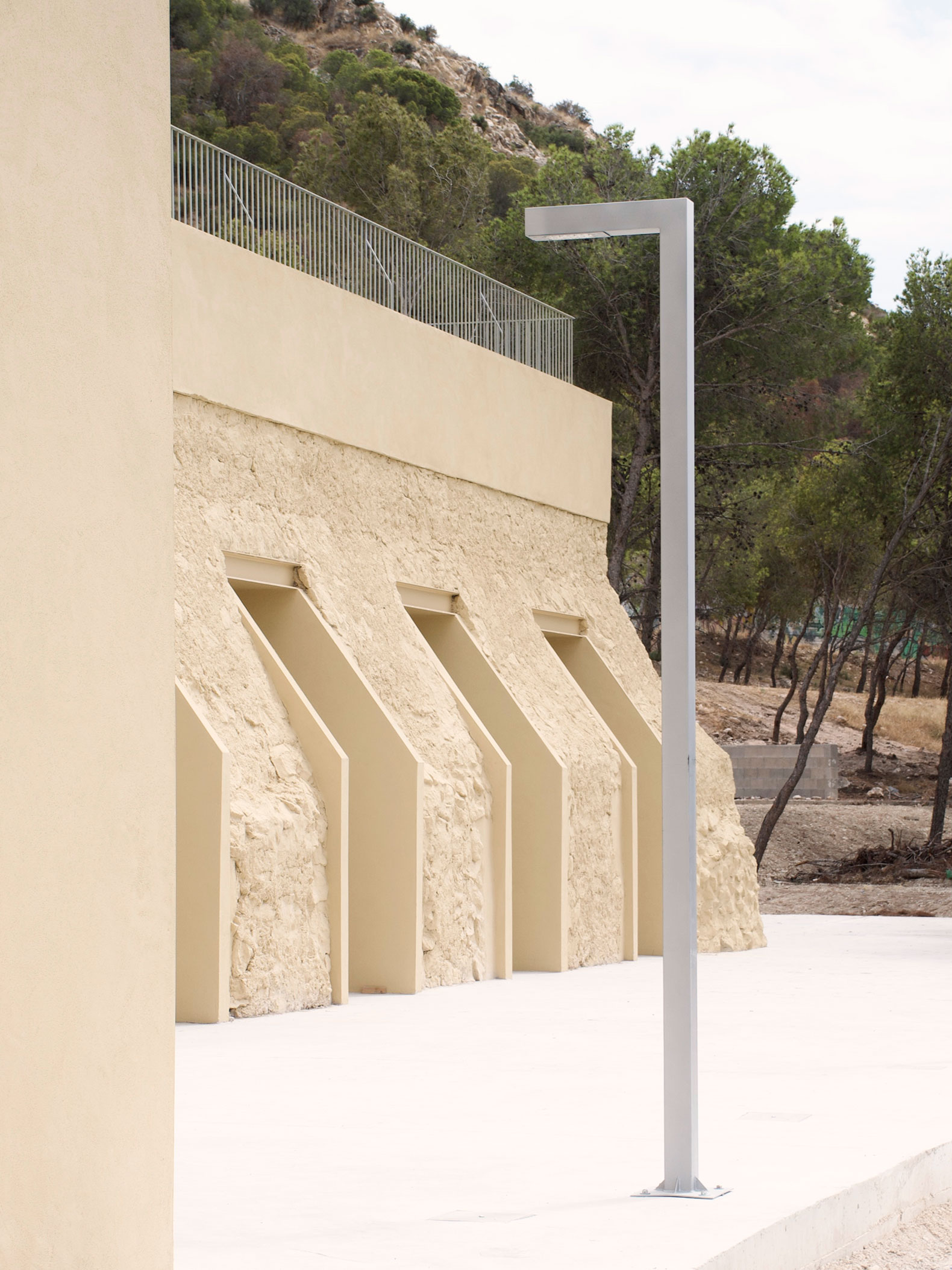
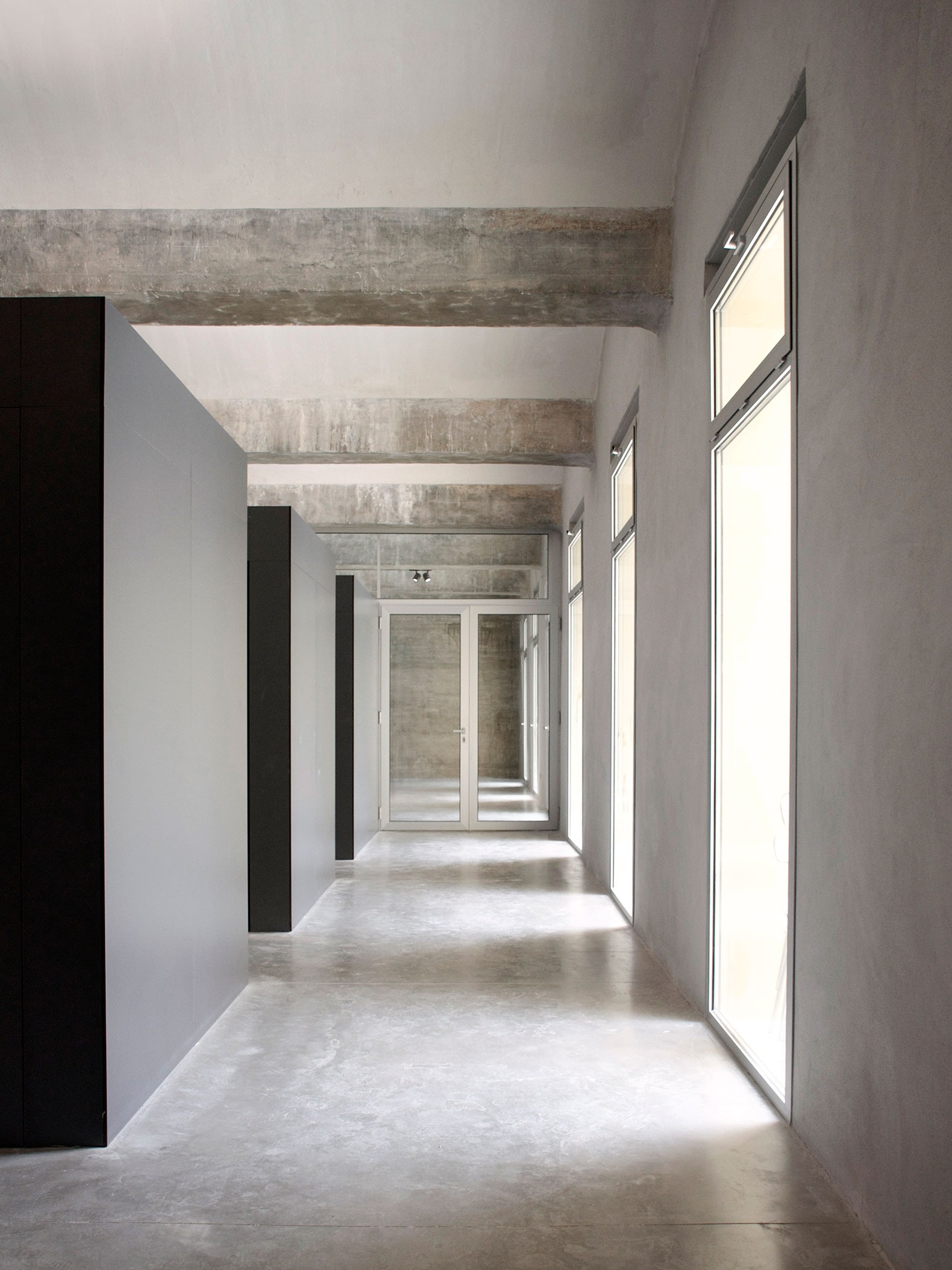
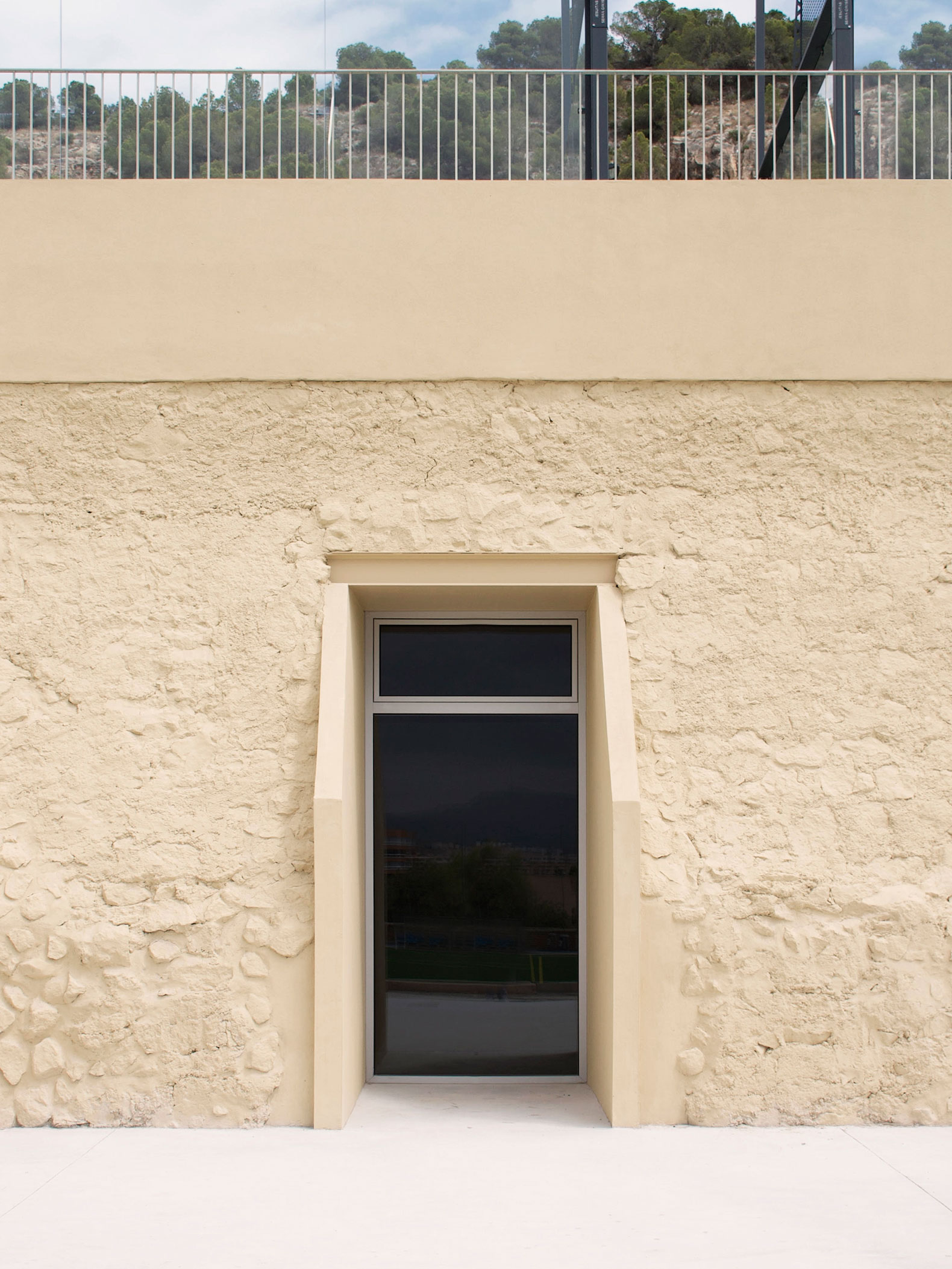
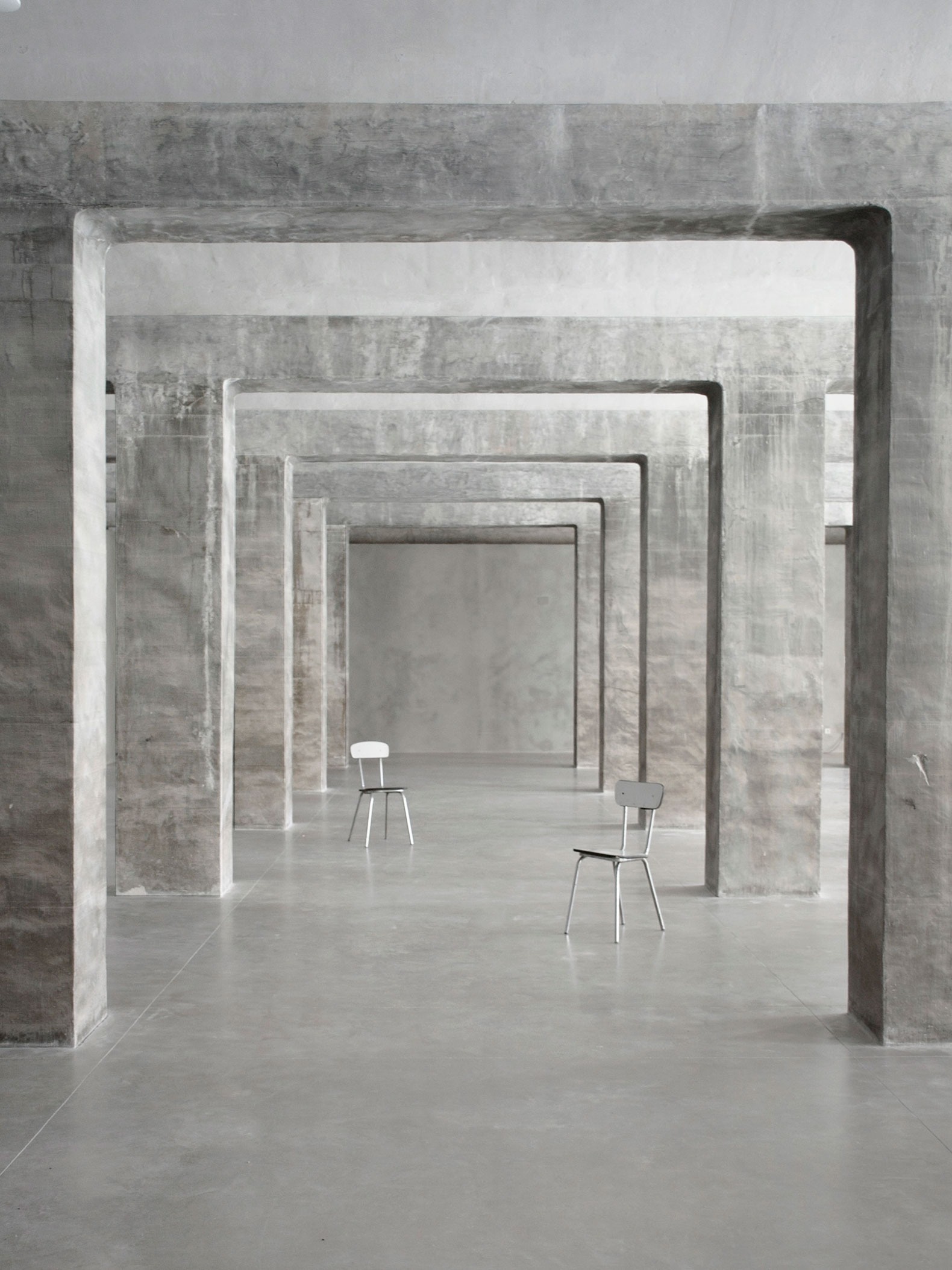
Úbeda Valero’s proposal for the Cistern Conversion into Multi-Porpuse stems from the need to provide the institution with new facilities; it enhances this semi-underground structure by reclaiming the interior of the tanks and their roofs, thanks to the creation of a series of openings and the insertion of freestanding elements that serve as a framework for complementary activities.
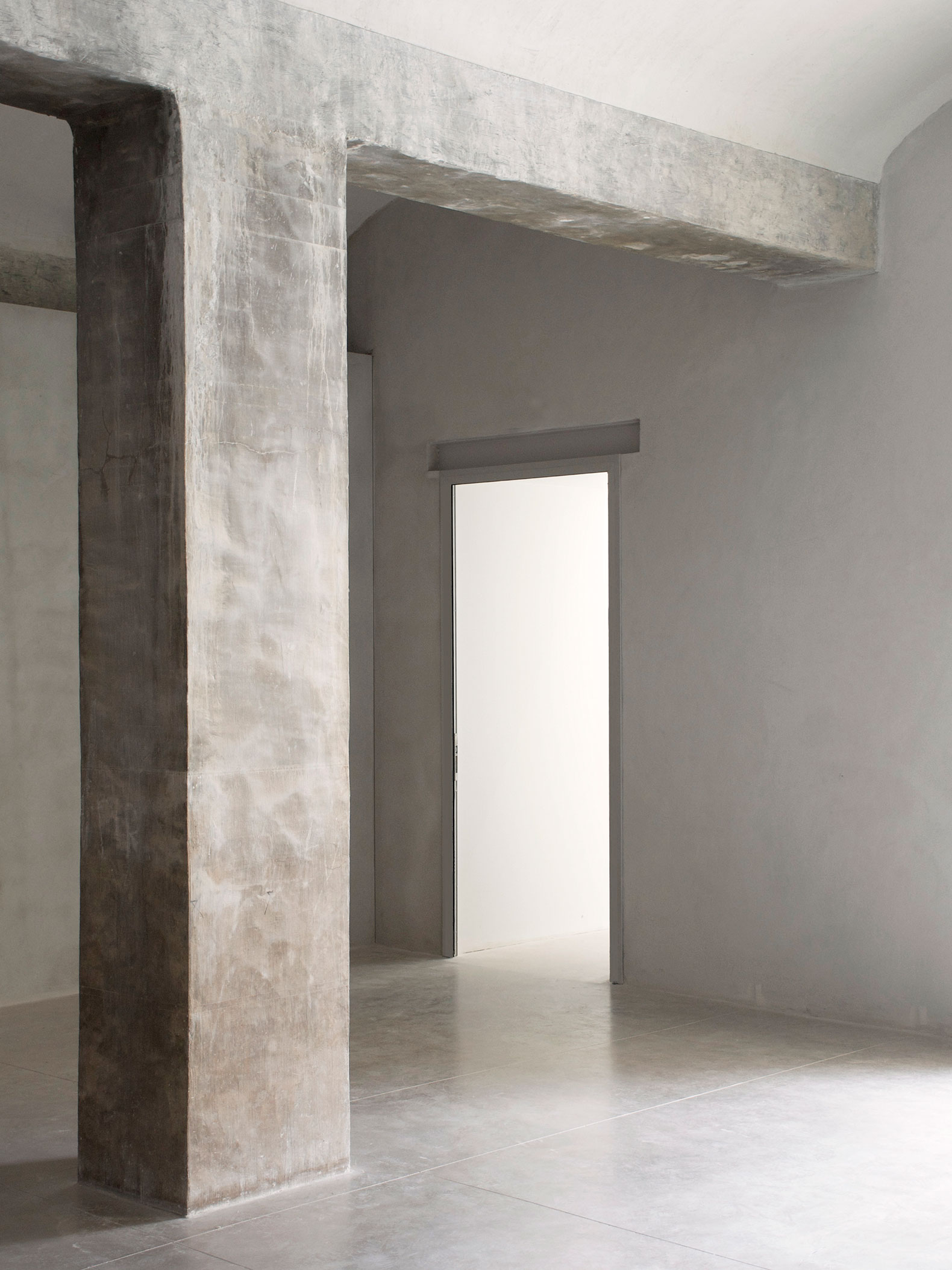
Far from competing with the existing structure—cisterns with a commanding presence—the intervention is conceived as a lightweight, reversible contemporary device that does not alter the continuity of the pre-existing space, which acts as a large container. The project, involving consolidation and conversion, transforms the space through minimal, respectful and conscious strategies.
Cistern Conversion into Multi-Porpuse Space by Úbeda Valero. Photograph courtesy of Úbeda Valero.
Project description by Úbeda Valero
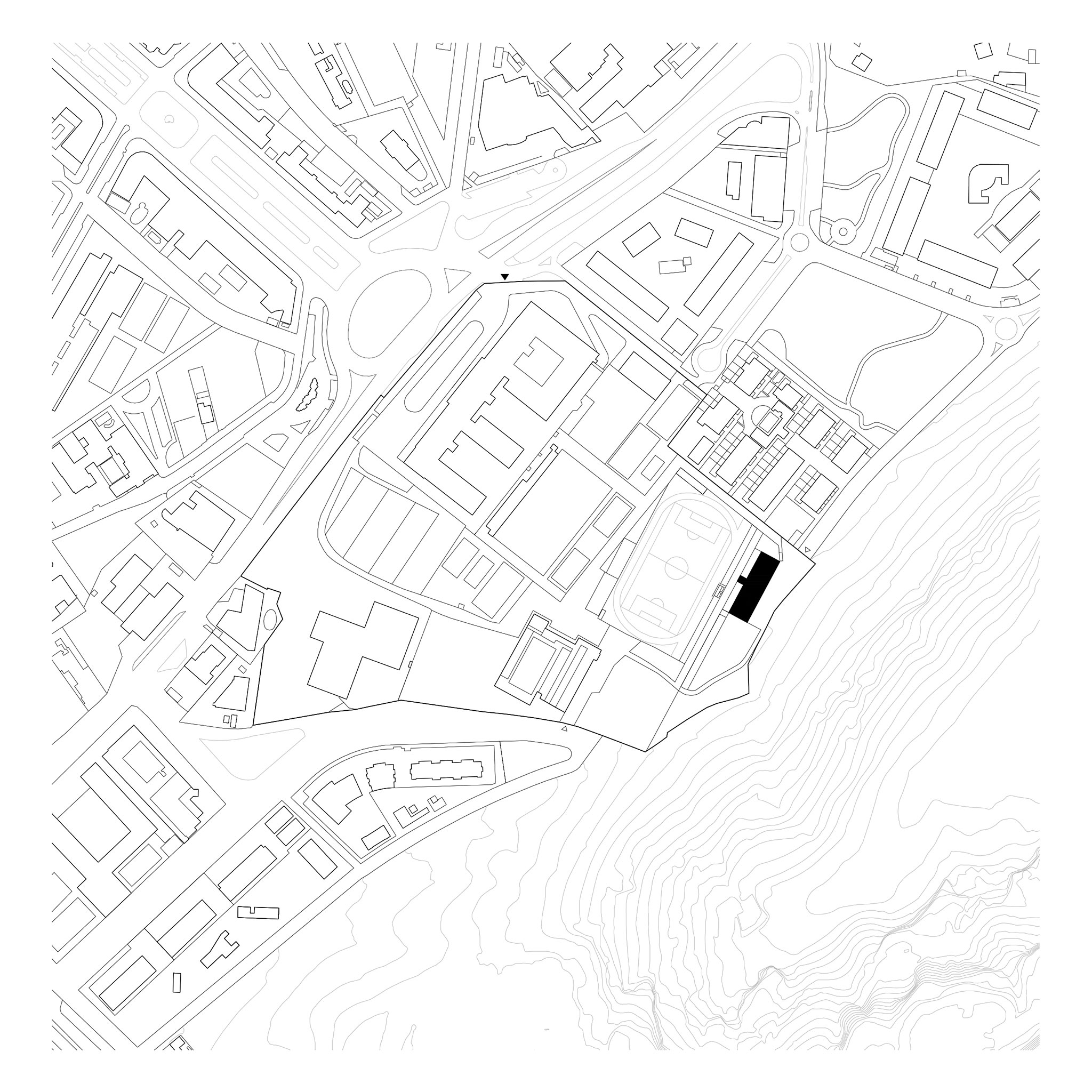
The Immaculate Conception Jesuit School in Alicante was built in the mid-20th century on the slopes of the Serra Grossa mountain range. Its construction required extensive work on the terrain, along with an ambitious hydraulic system designed to supply water to all the facilities. The most unique element of this system was the construction of two semi-buried cisterns at the top of the site, designed to distribute water by gravity to the rest of the school. With the arrival of the public water supply, these cisterns fell into disuse for more than half a century.
Faced with the need to provide the school with new facilities, the opportunity arose to reactivate this forgotten infrastructure, restoring not only the interiors of the cisterns but also their roofs, which had originally served as a support for additional activities.
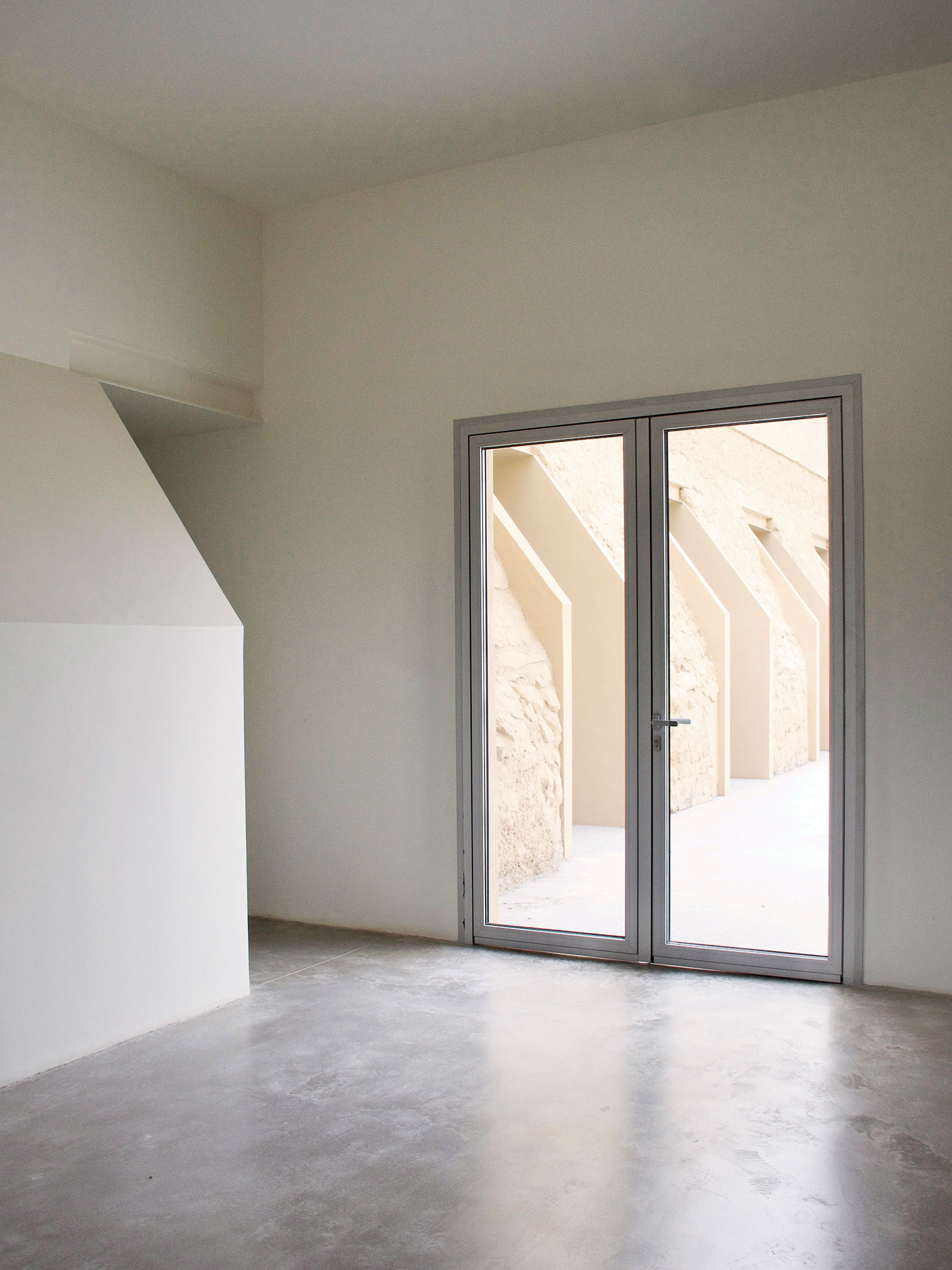
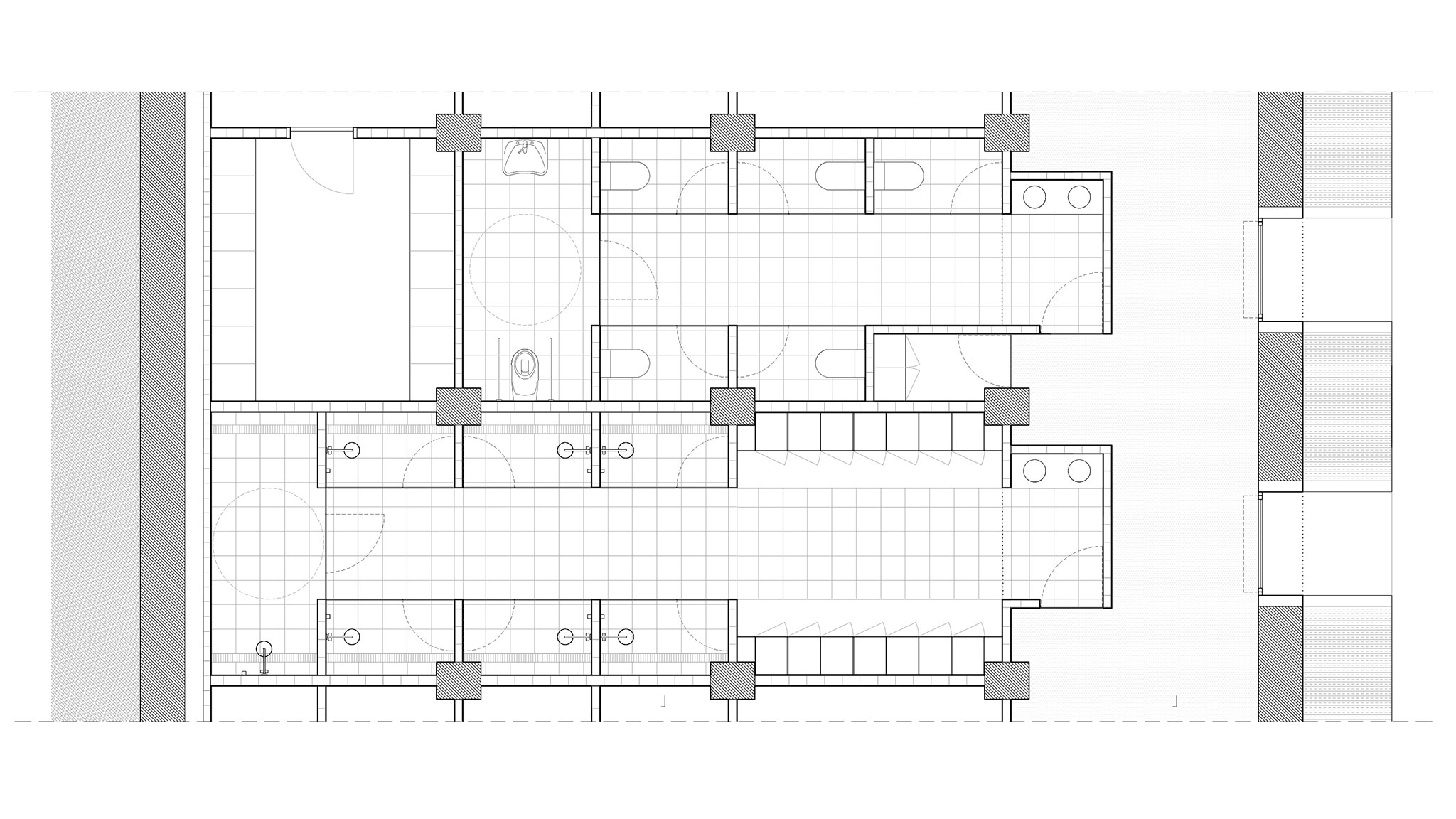
The project proposes the consolidation and conversion of the cisterns into a multipurpose space with new amenities. The intervention does not seek to erase the original character of the infrastructure or dissolve its semi-buried void, but rather to highlight this latent volume by creating a series of openings that allow natural light to enter the spaces and by inserting independent elements capable of housing the new programs.
The cisterns are conceived as large, neutral containers whose scale and materiality inherently possess an intense spatial power. In contrast to this imposing presence, the contemporary interventions are understood as light and reversible artifacts, akin to furniture, arranged within without disrupting the continuity of the space or competing with the existing structure.
These insertions define functional areas without altering the morphology of the cisterns, allowing the new and the existing to be clearly distinguished. Thus, the cistern's new life does not arise from a radical transformation, but from a minimal and deliberate strategy: precise gestures that activate what was already there.