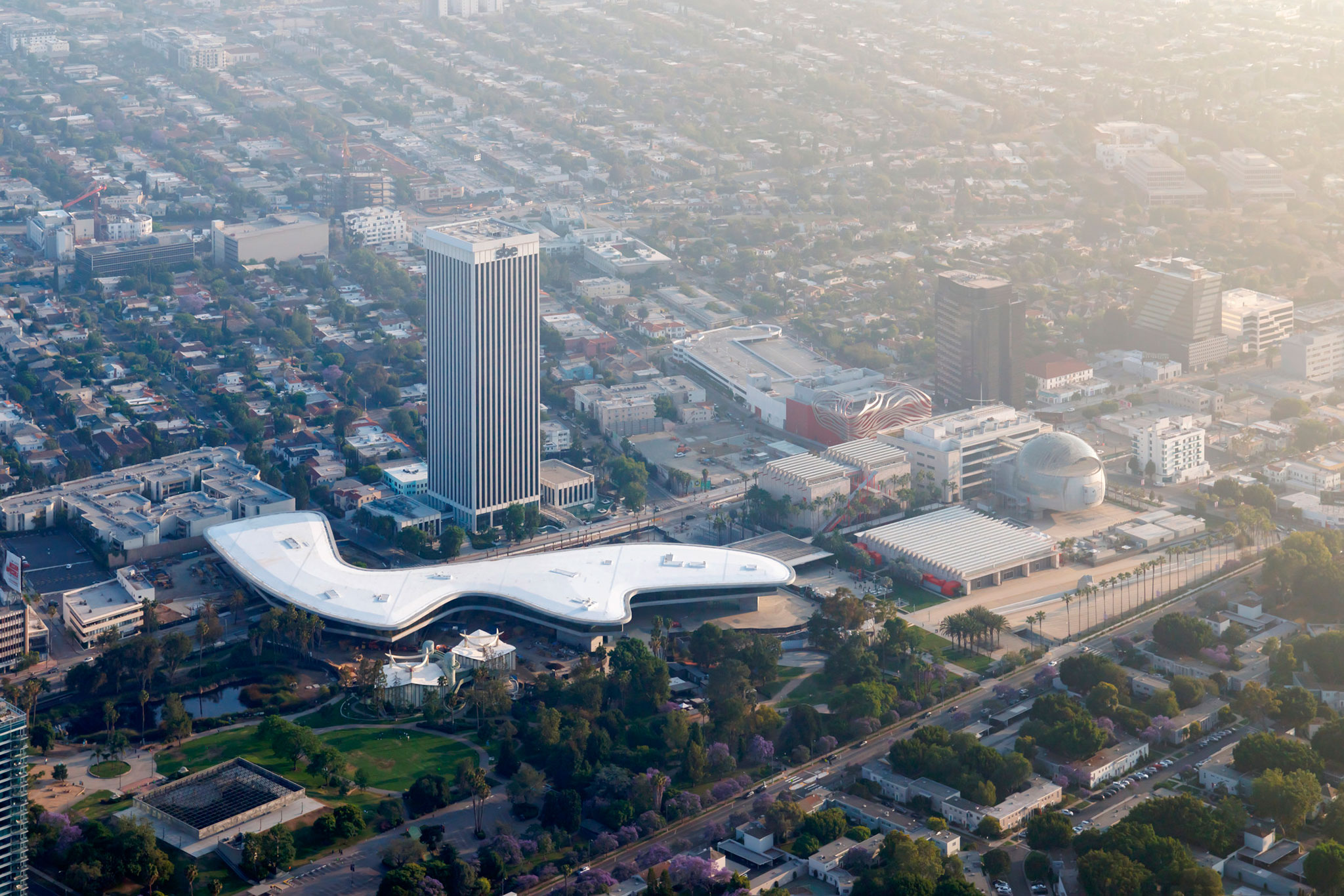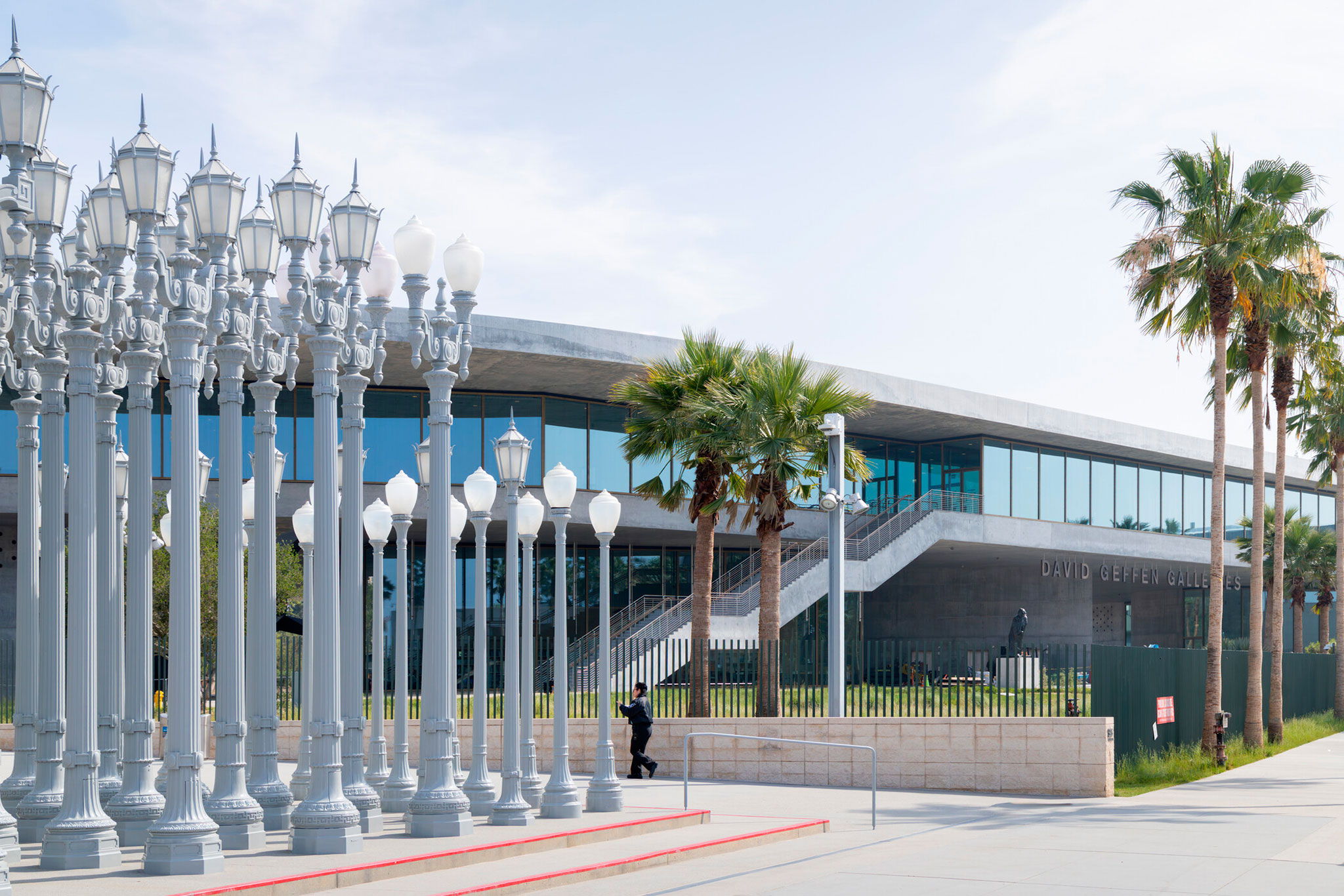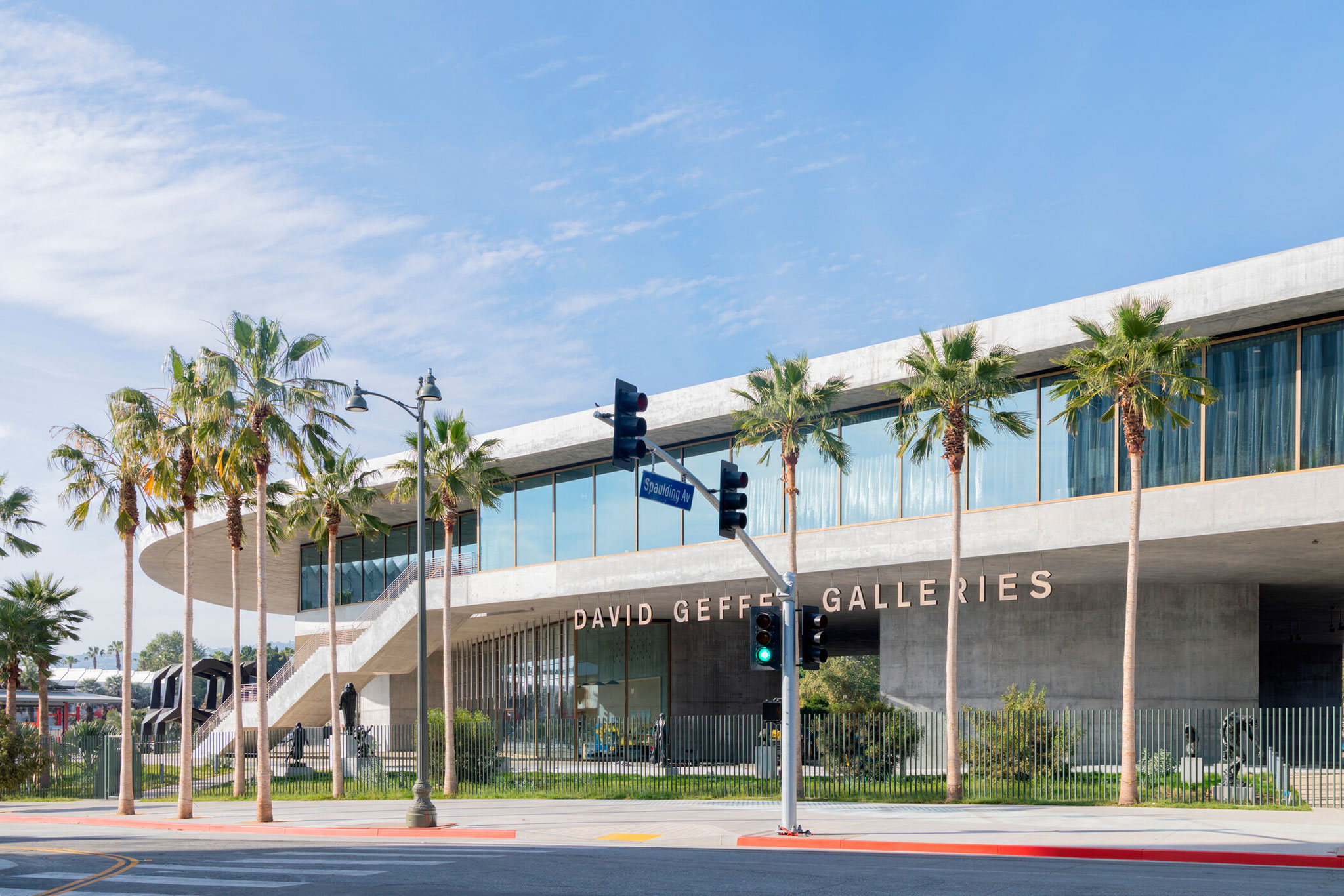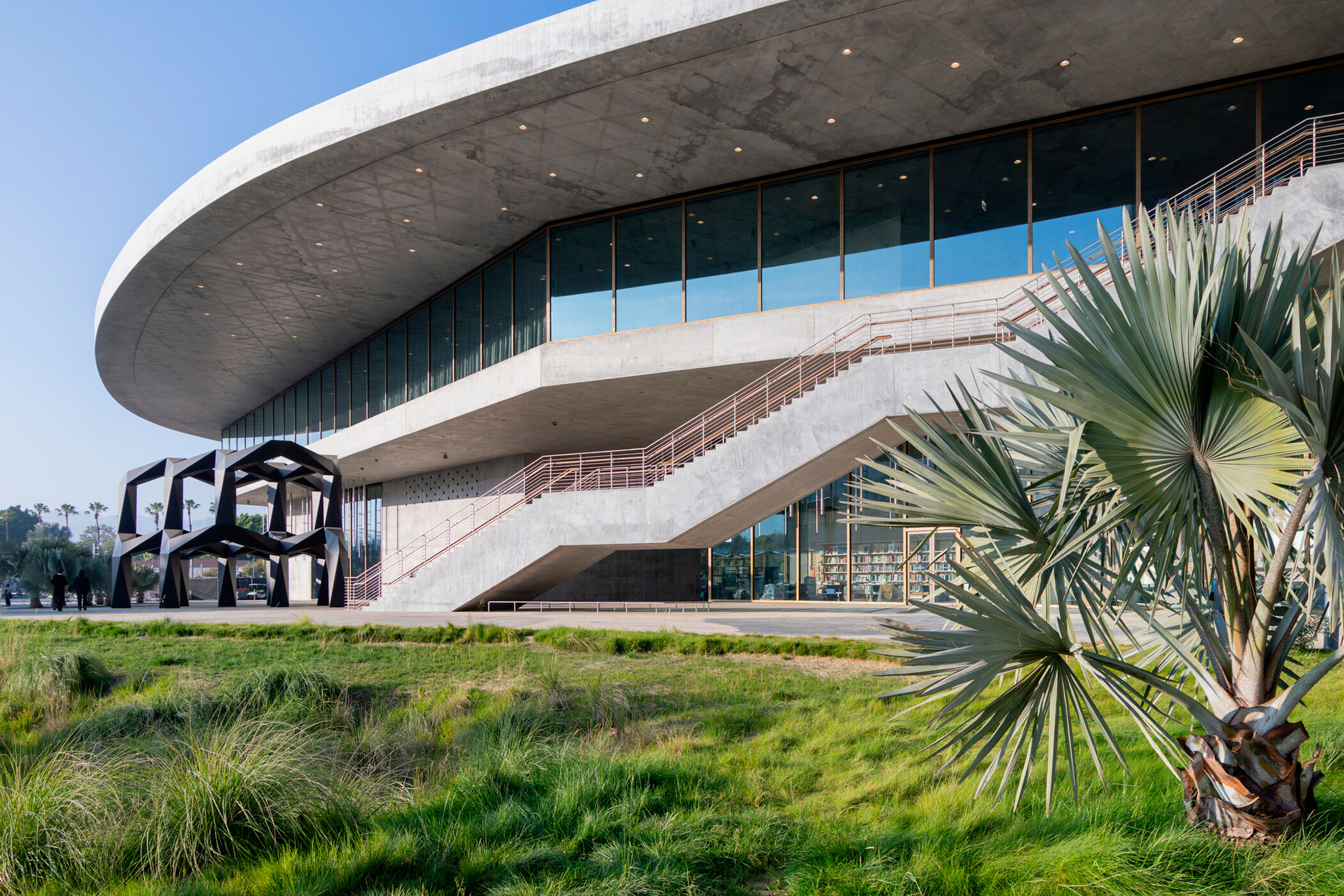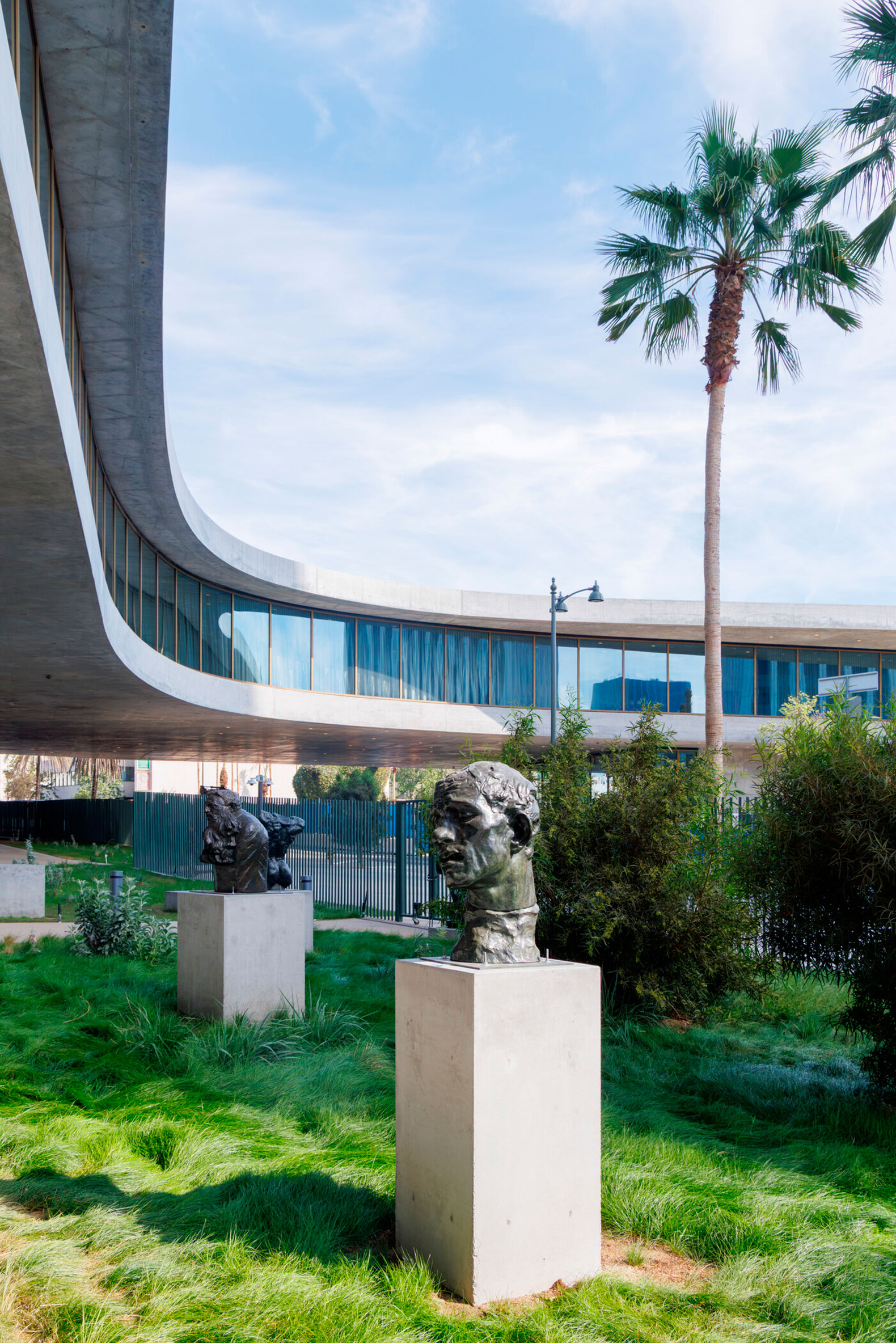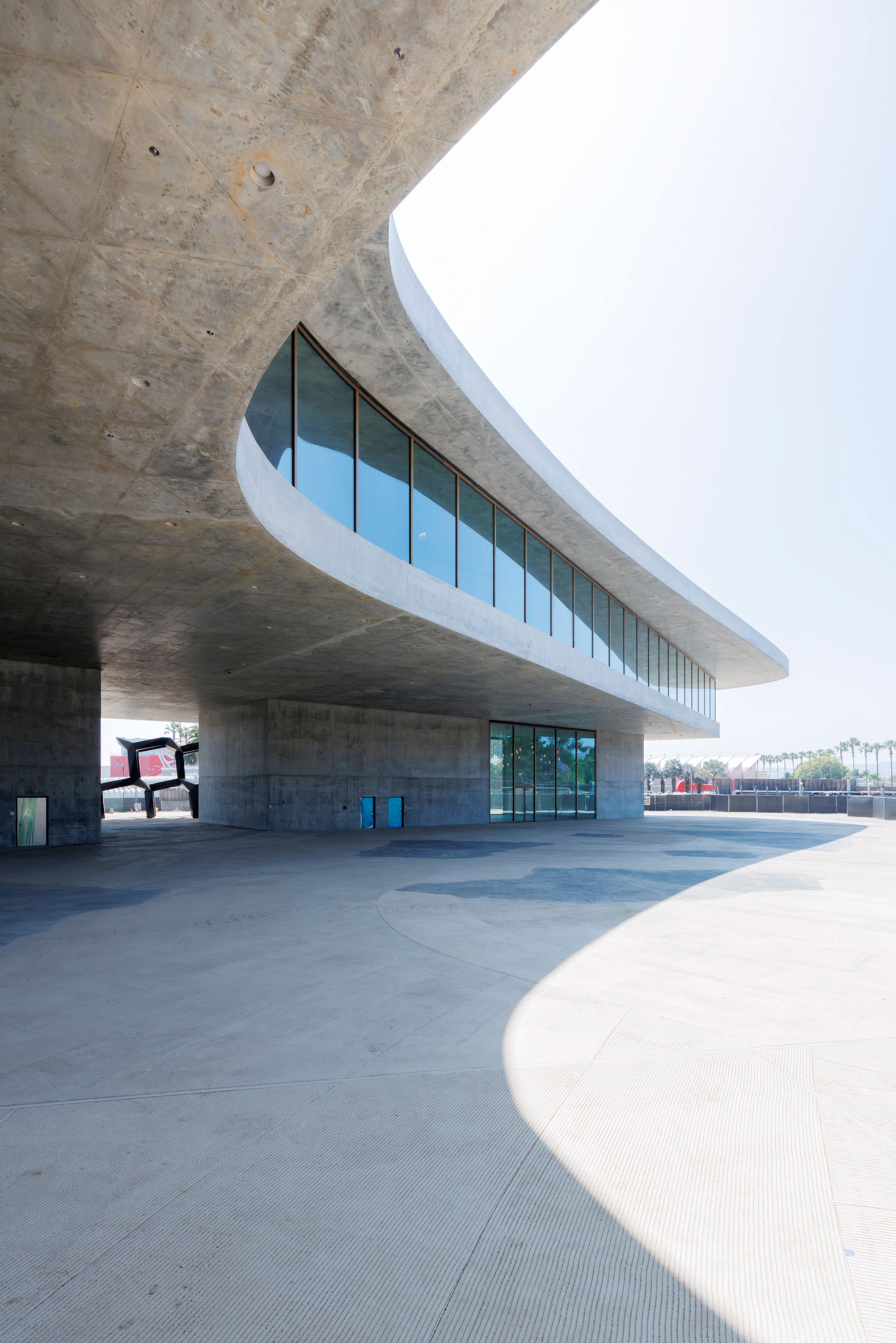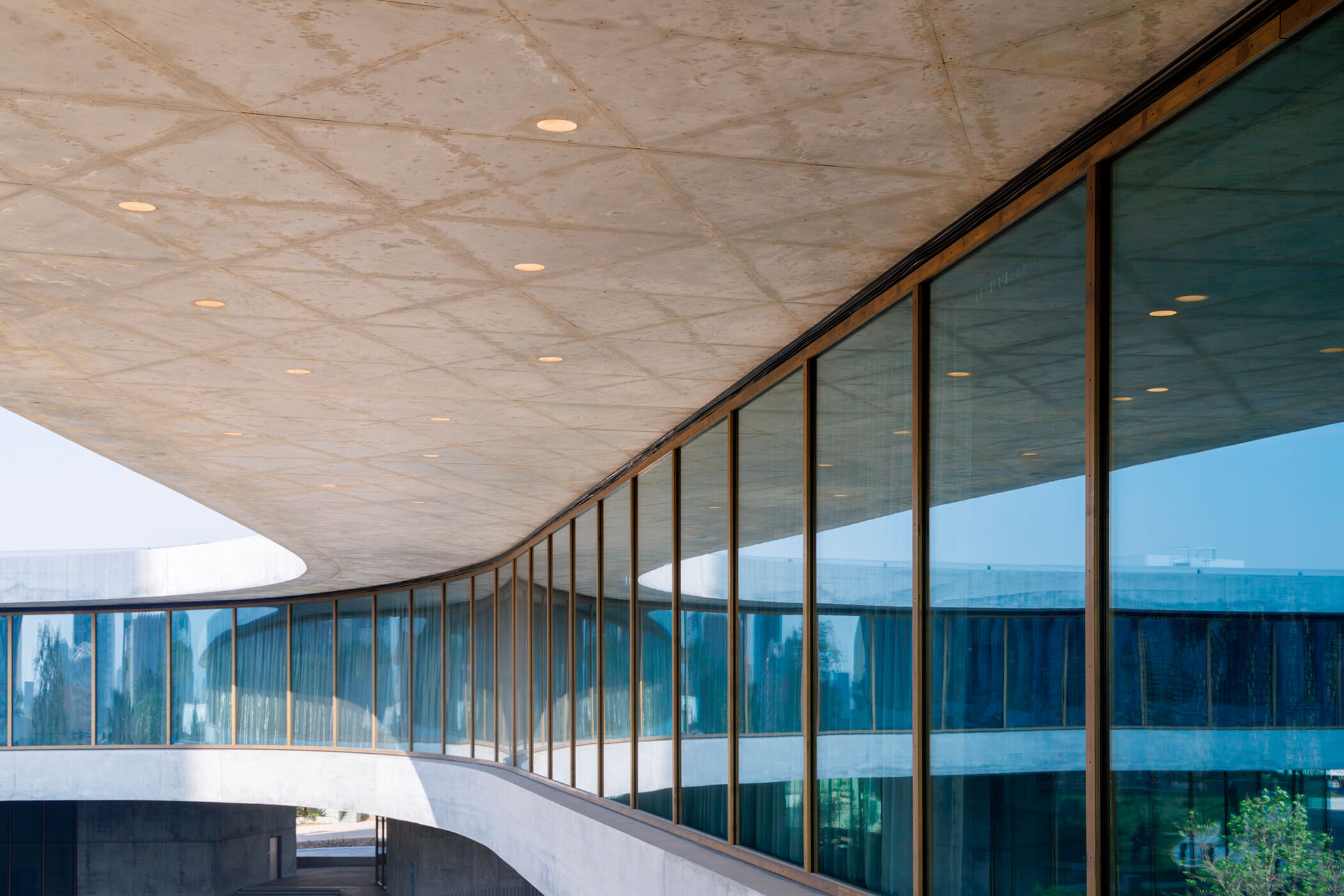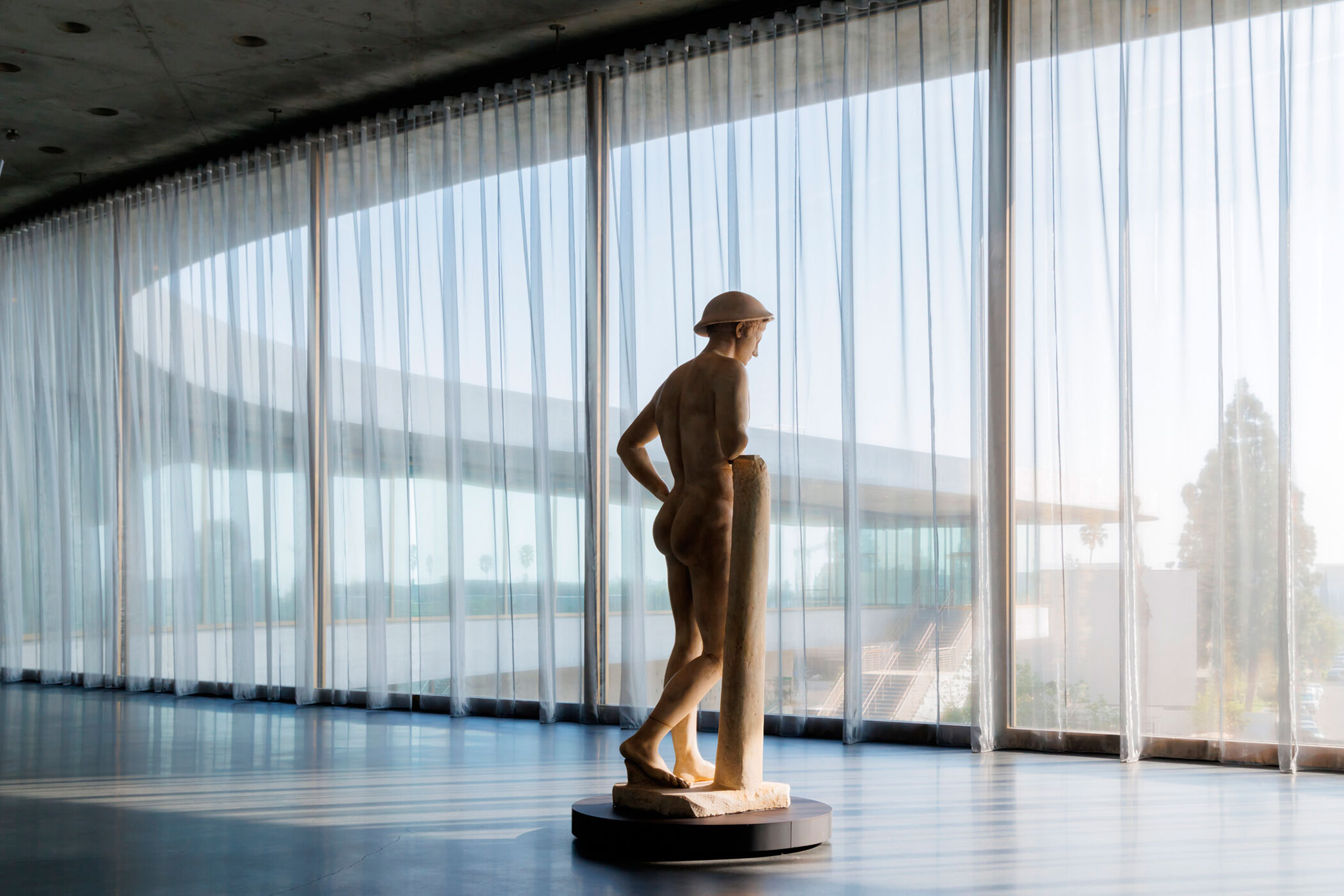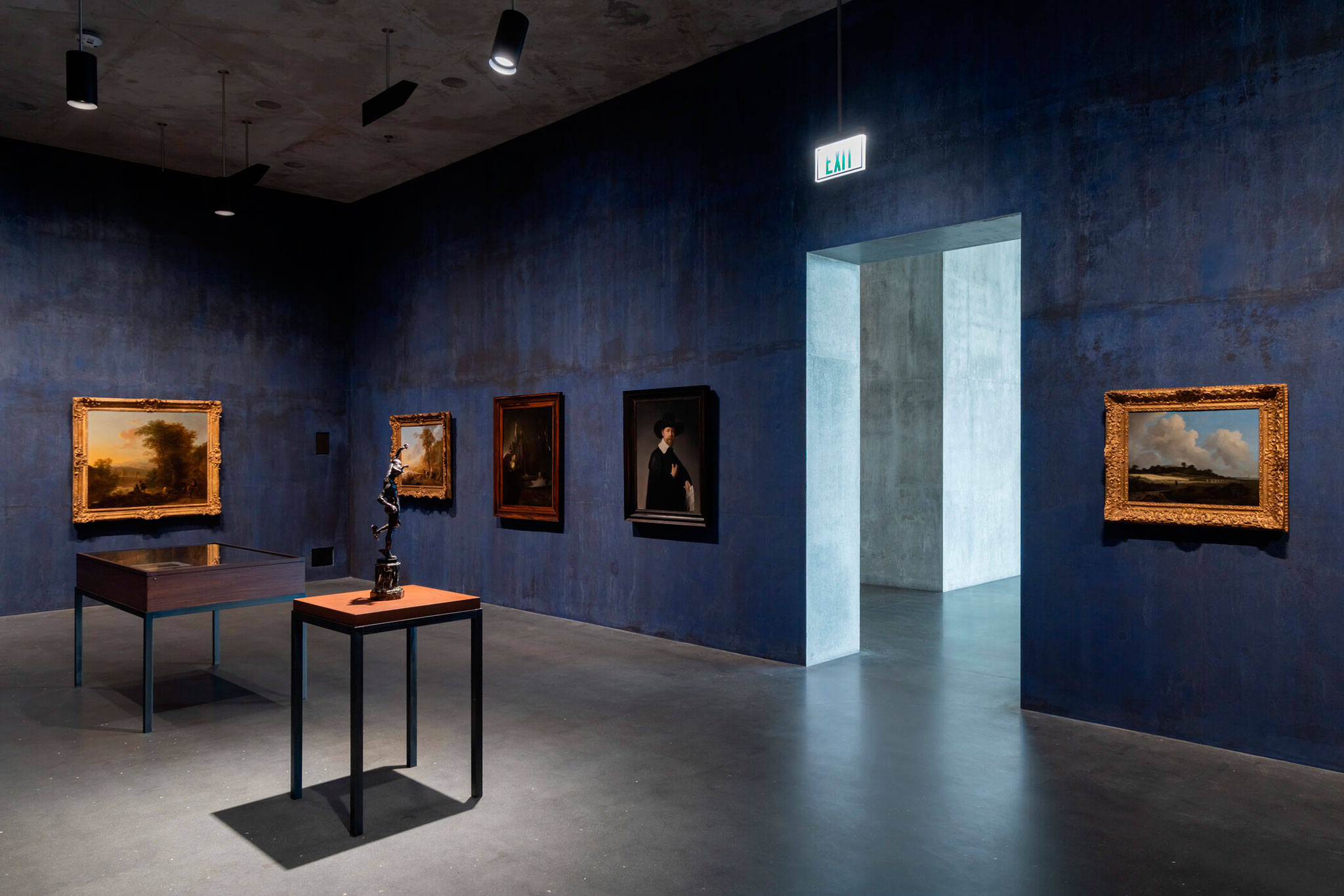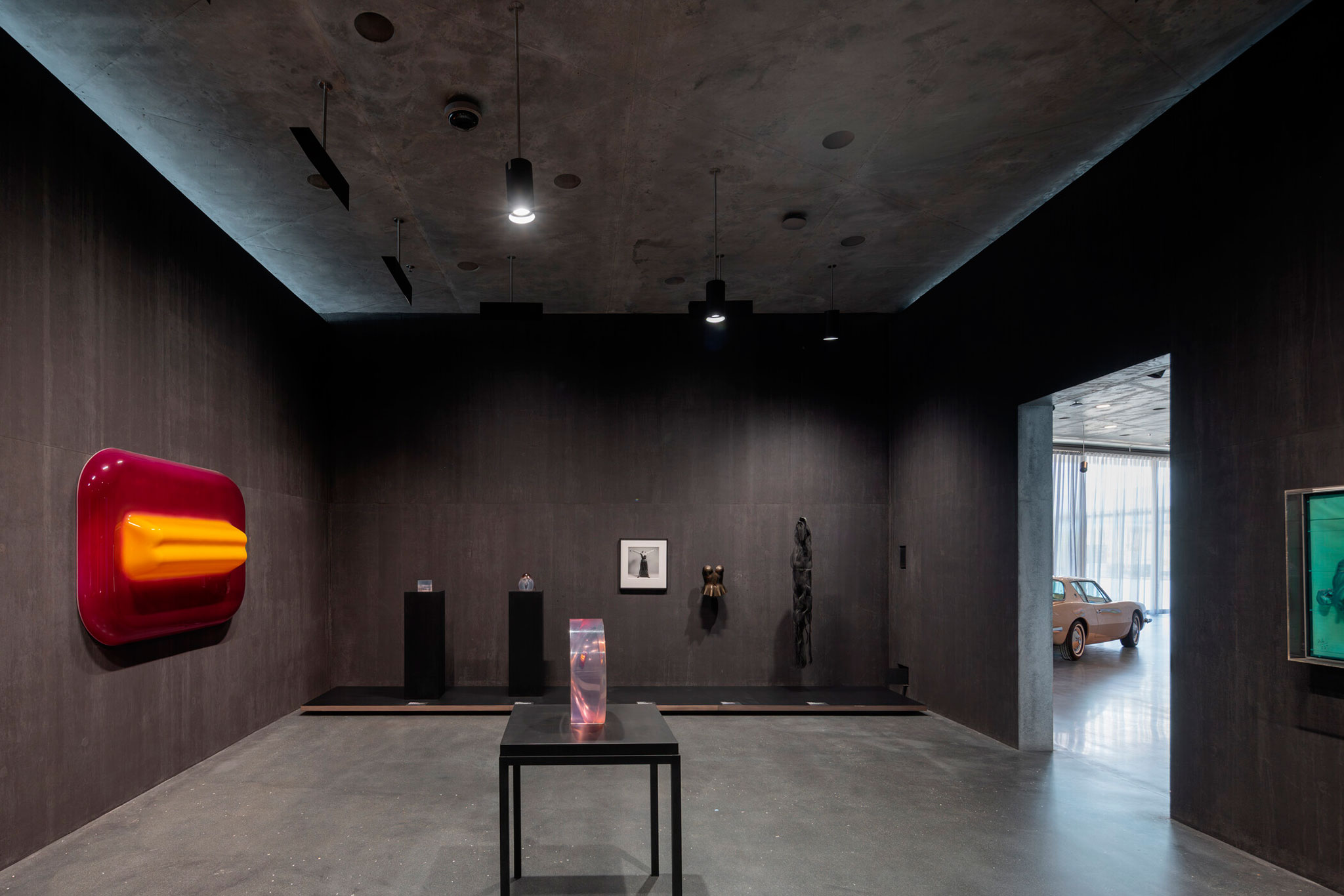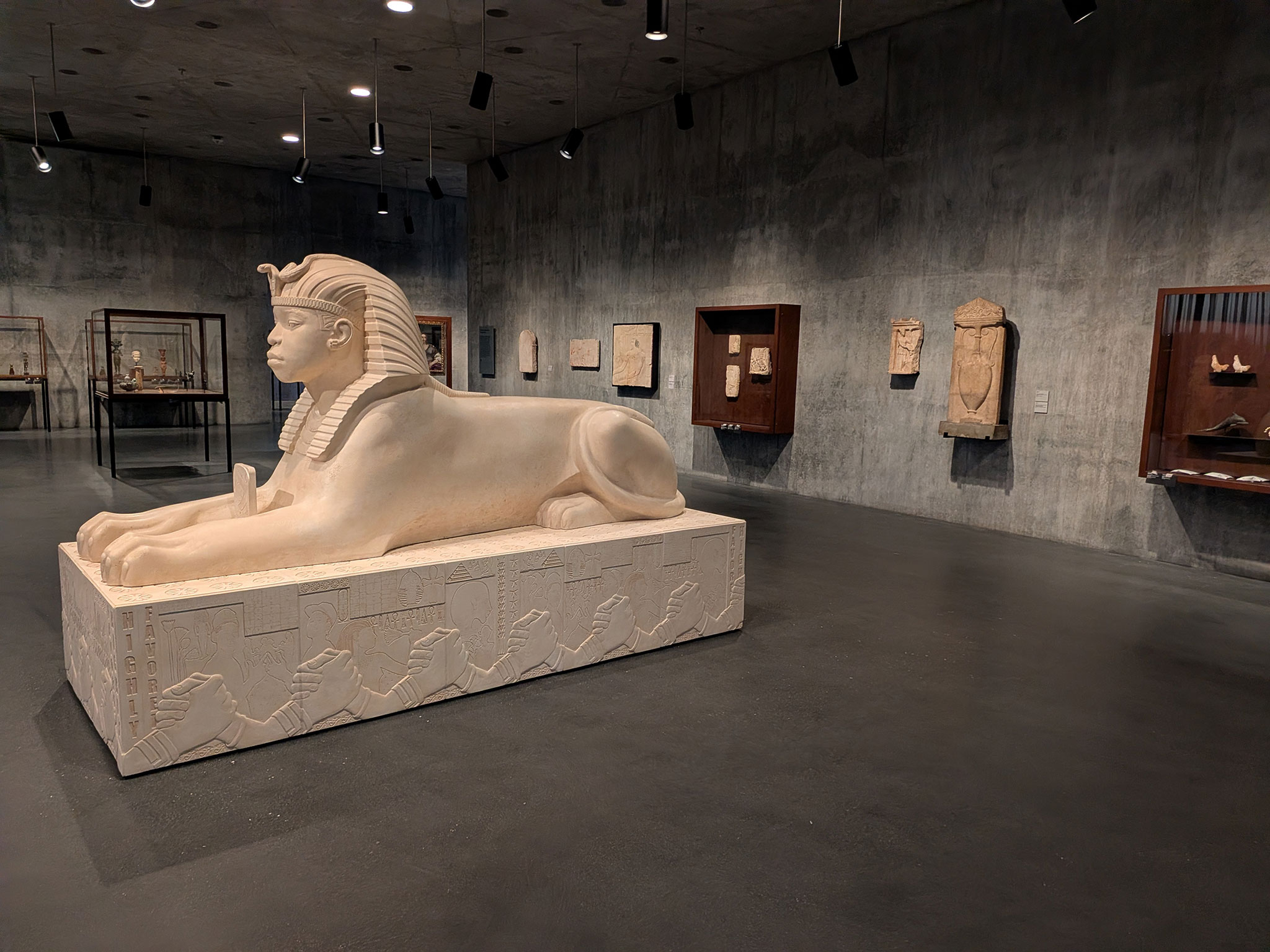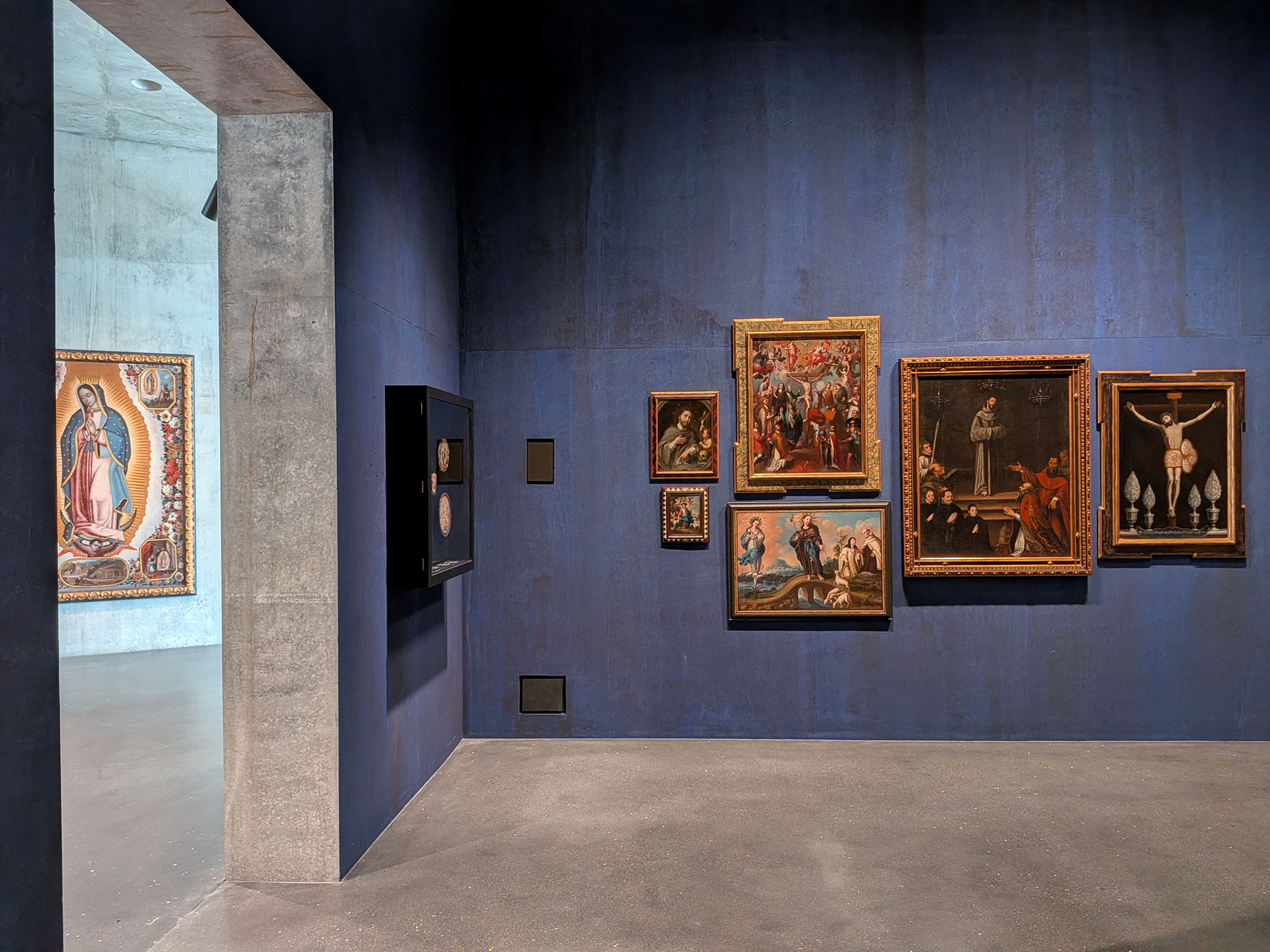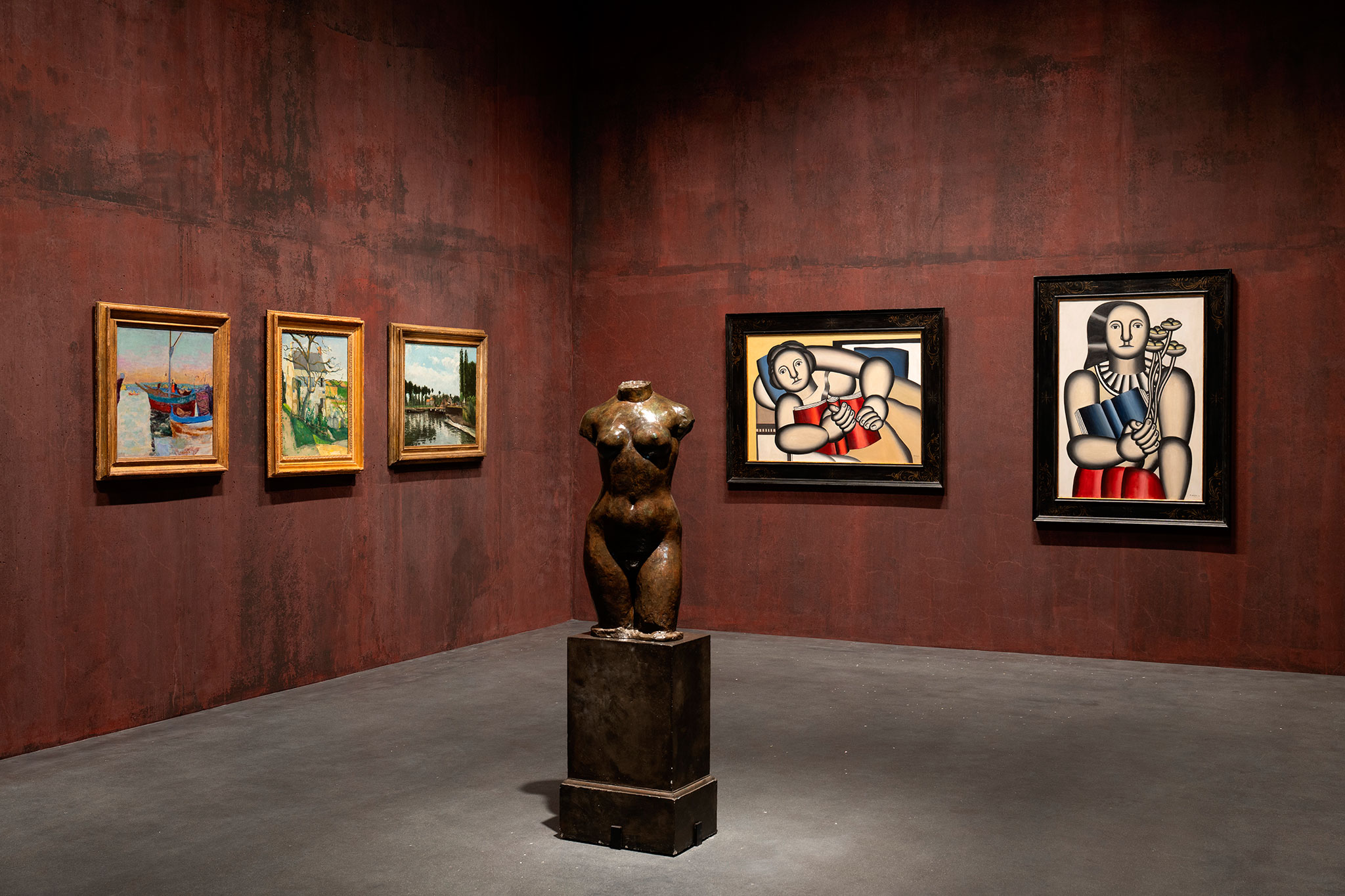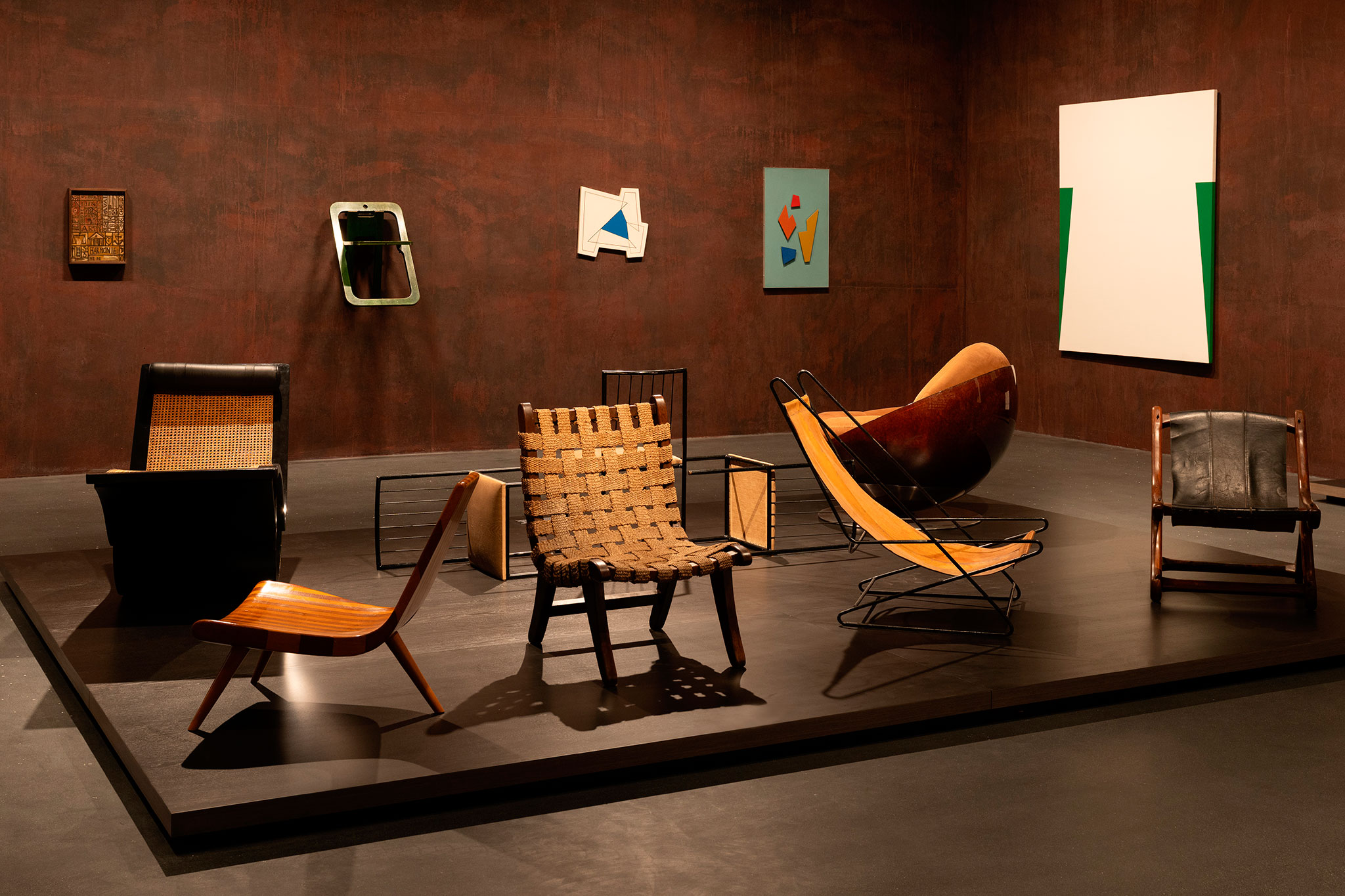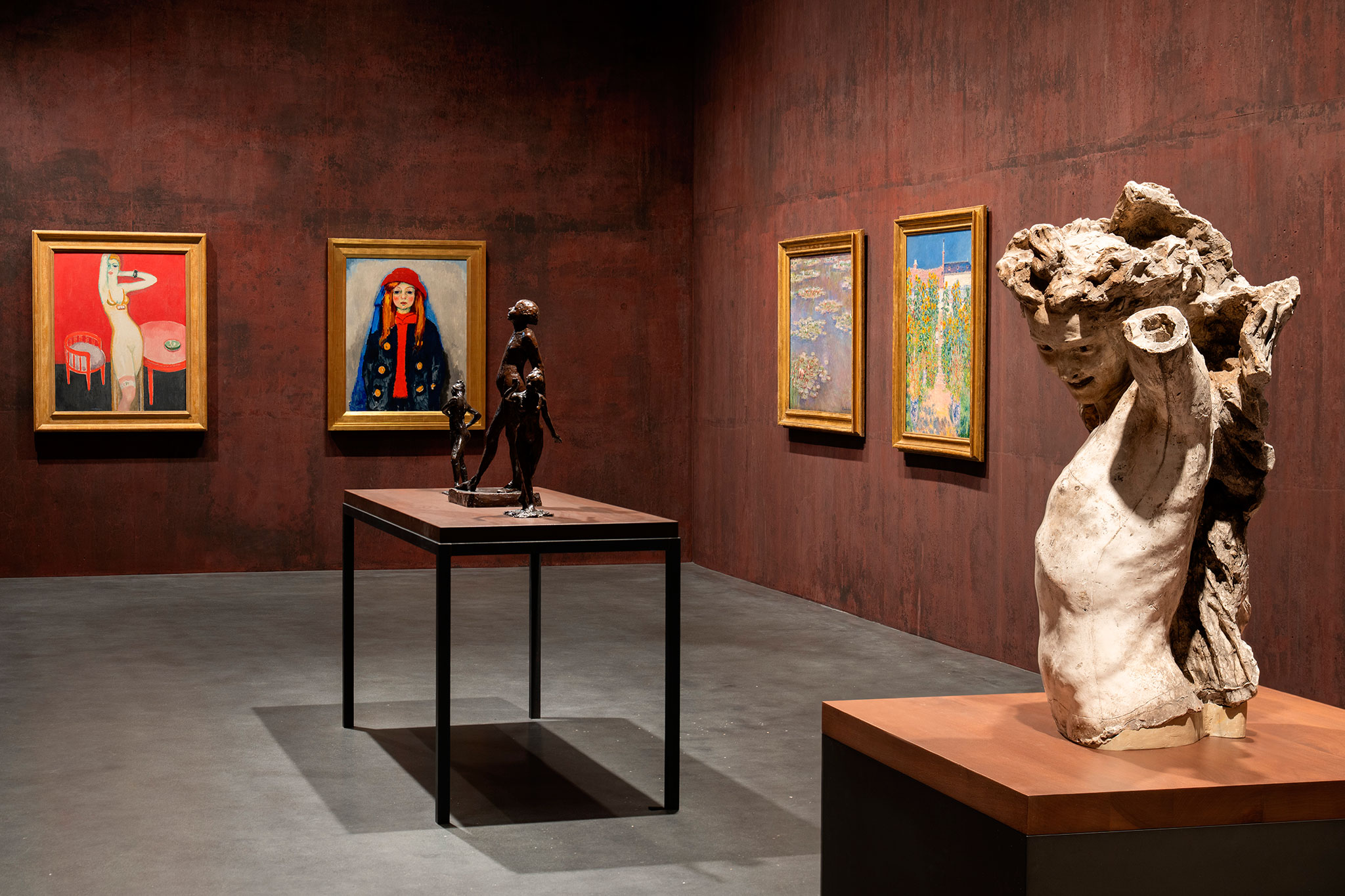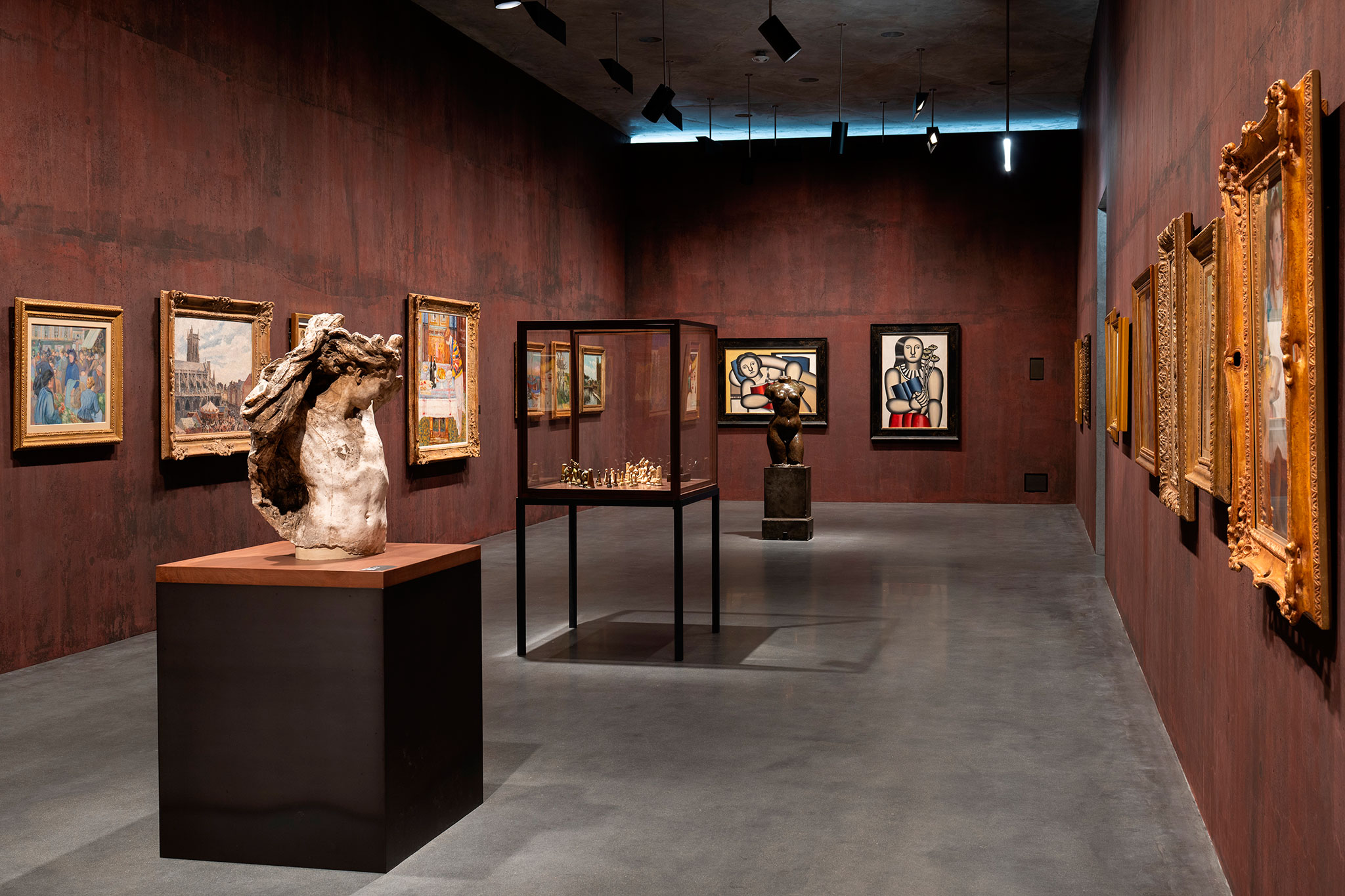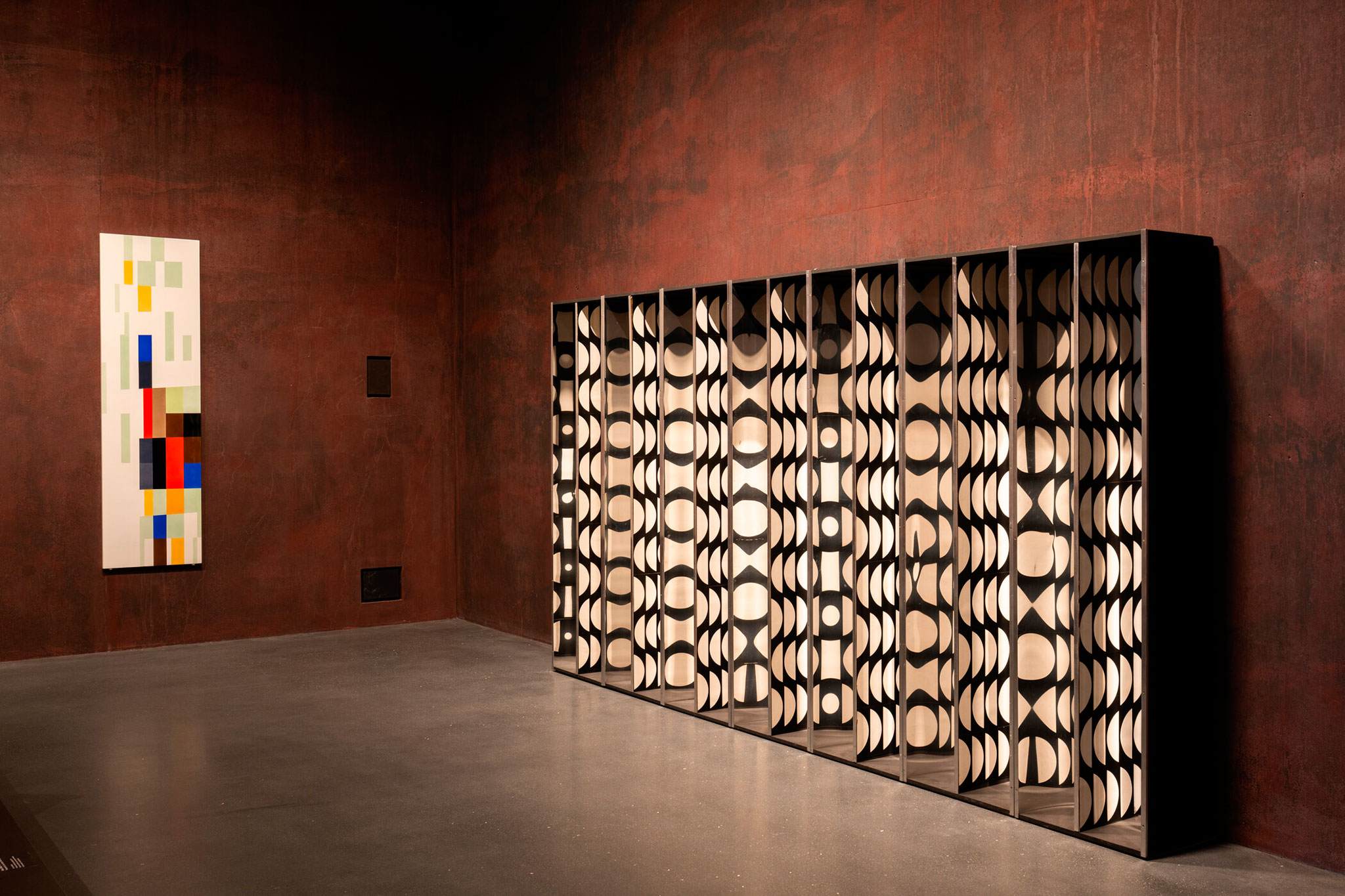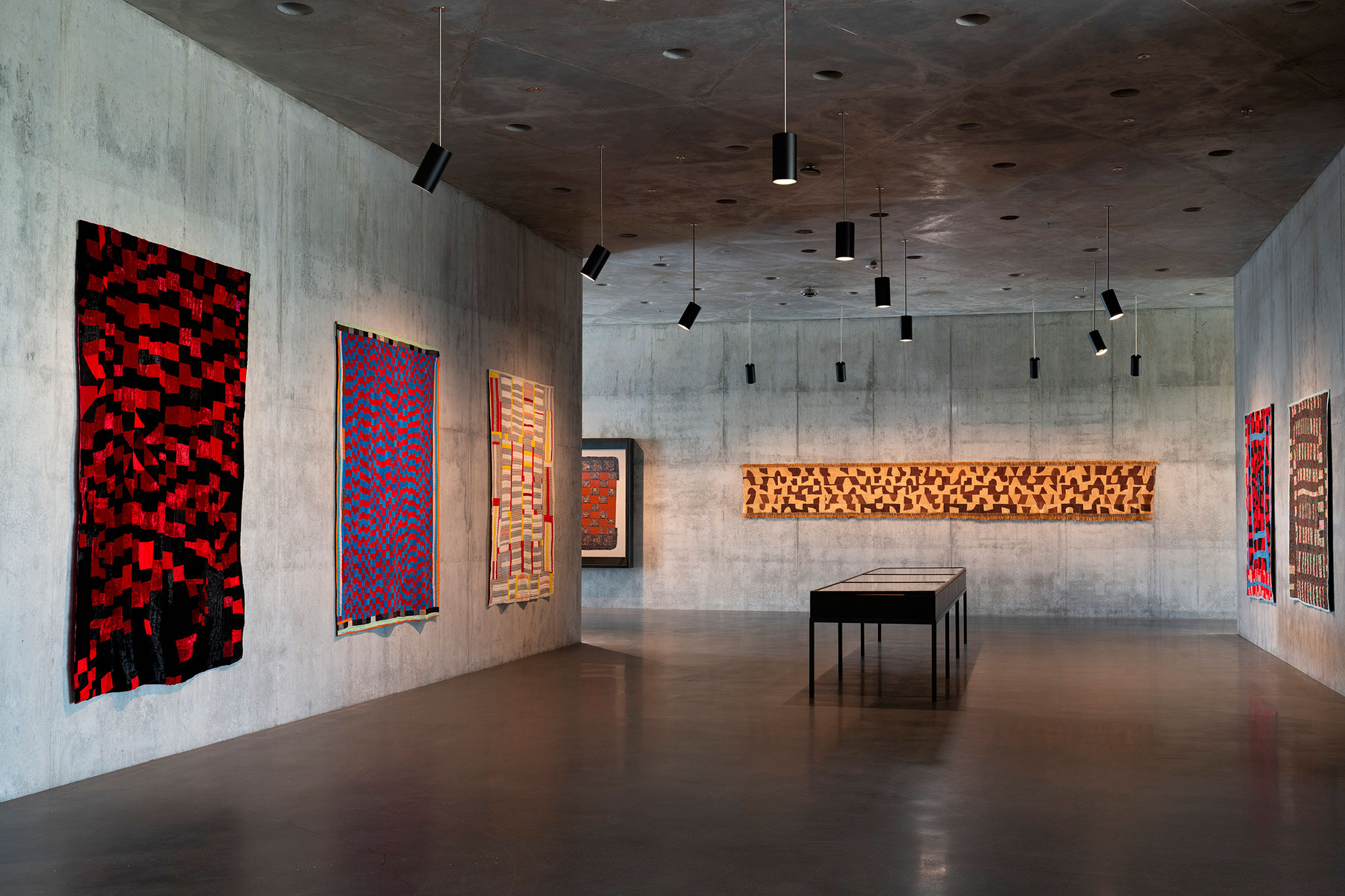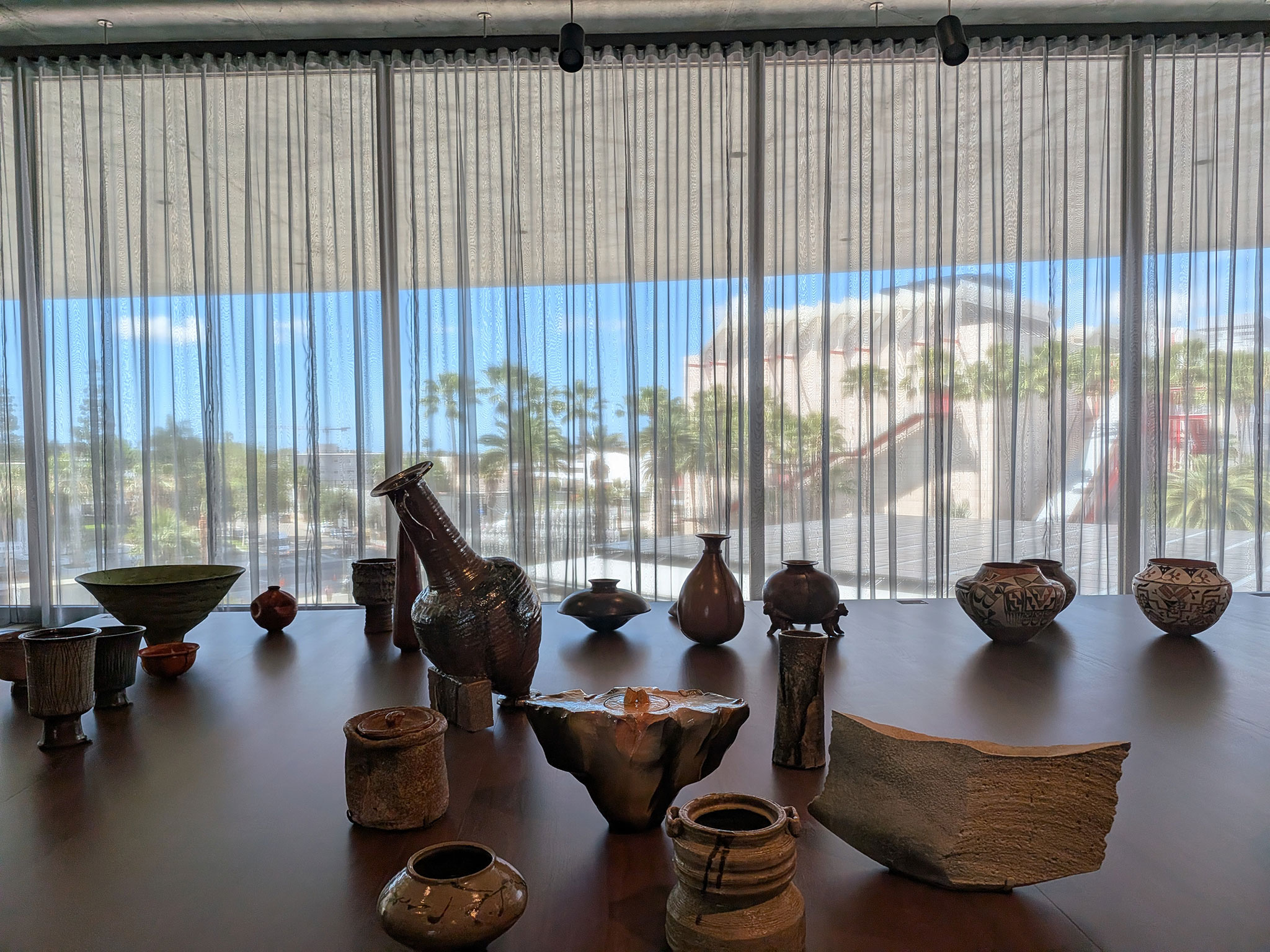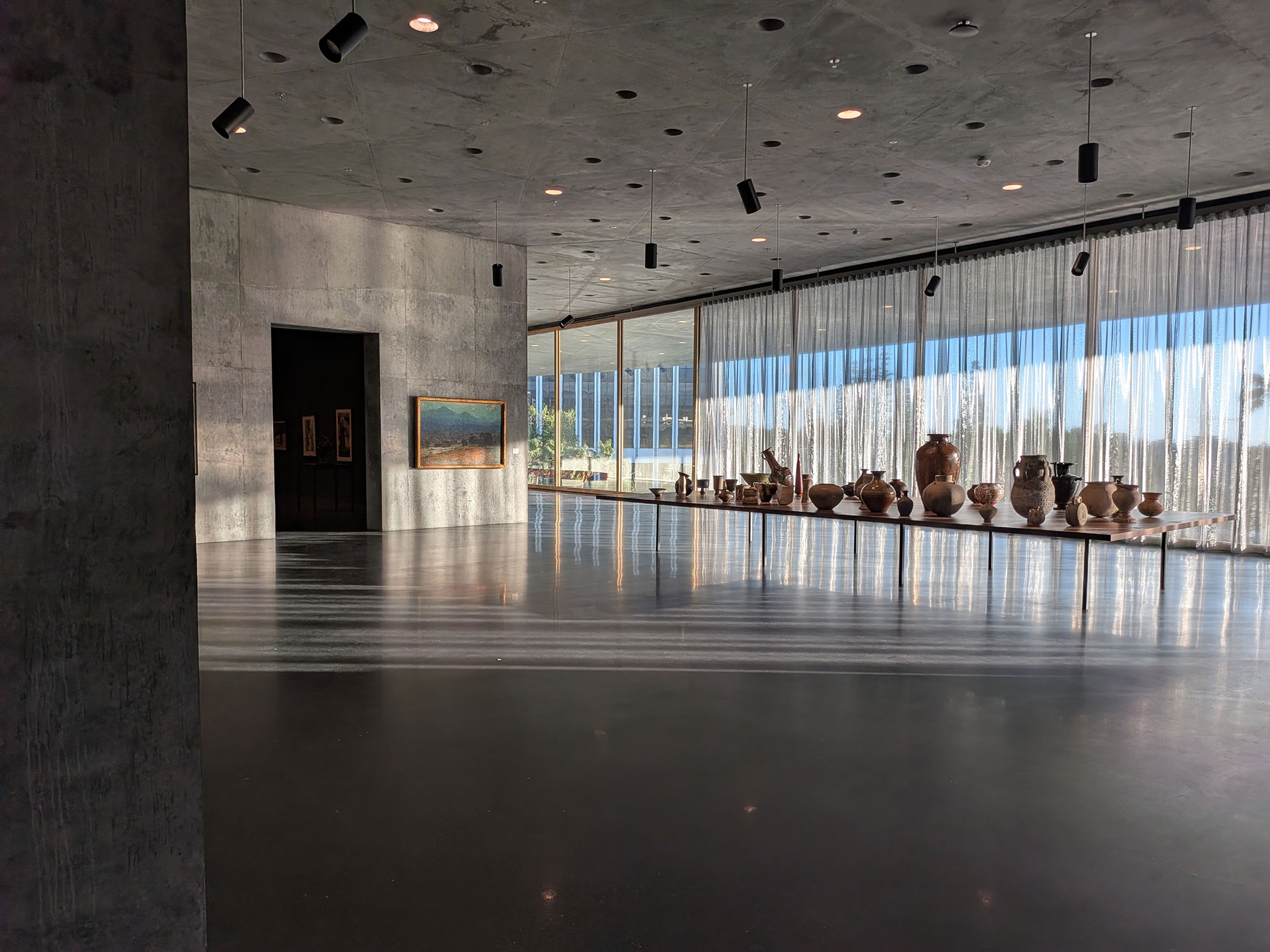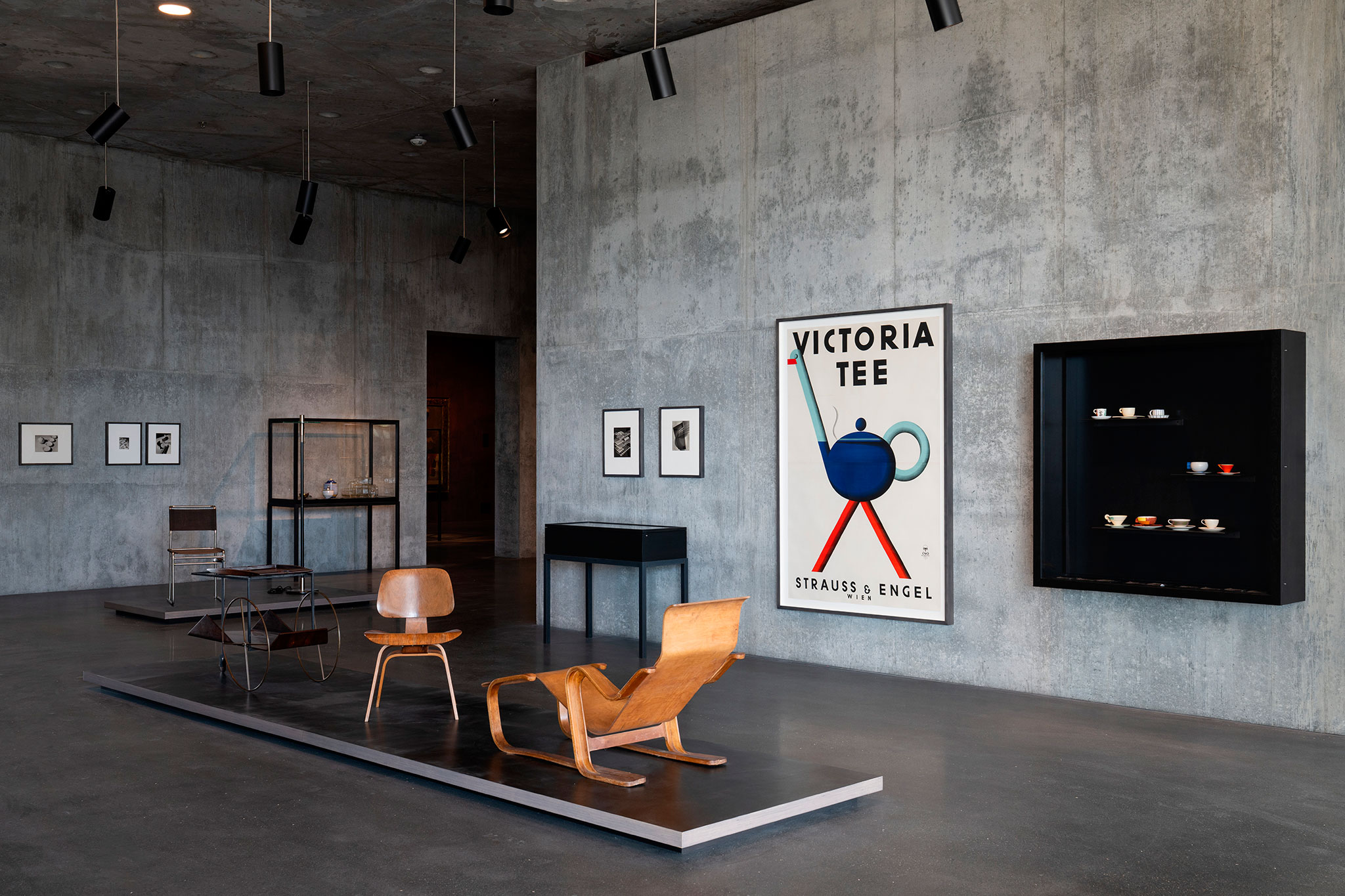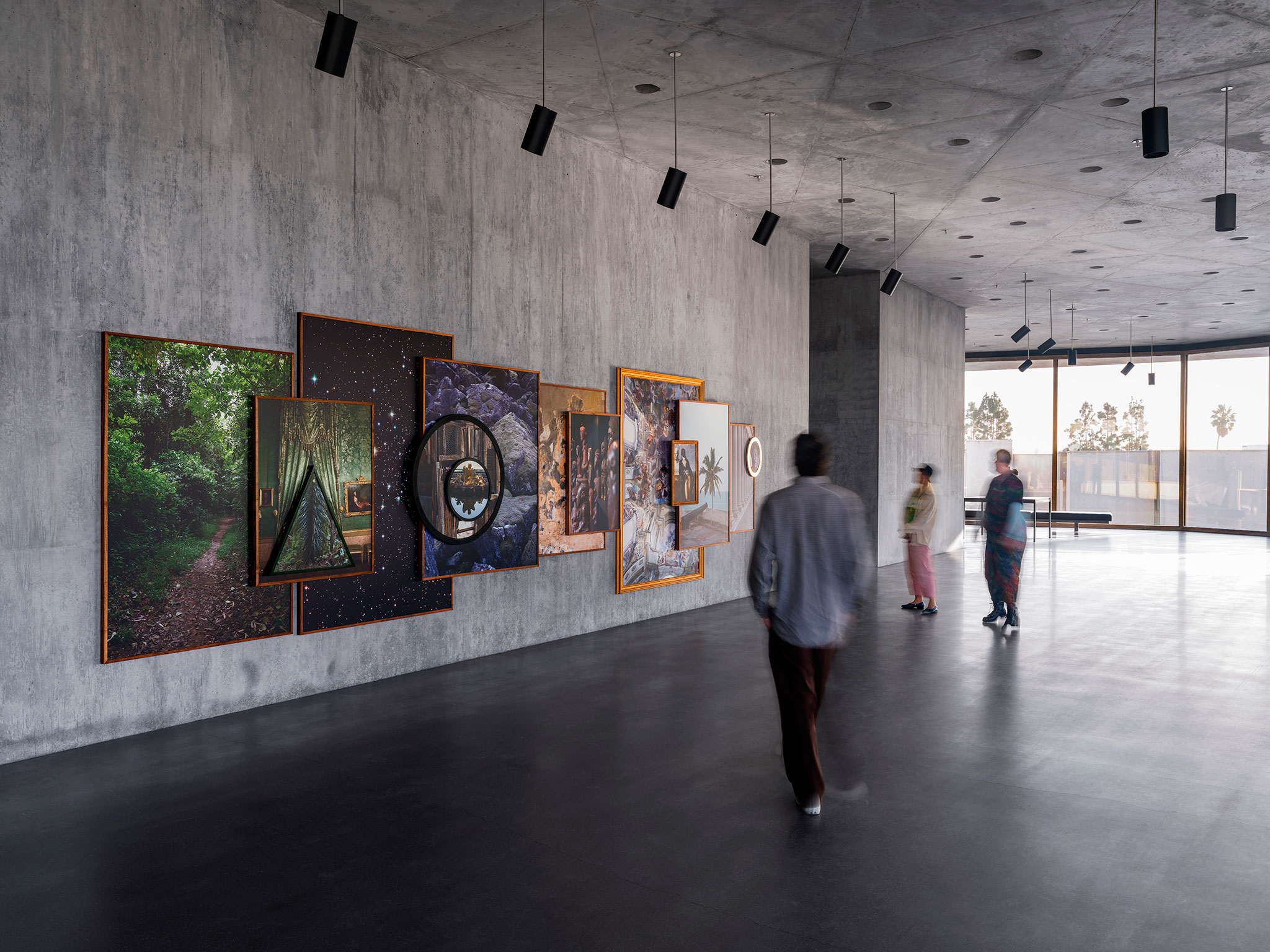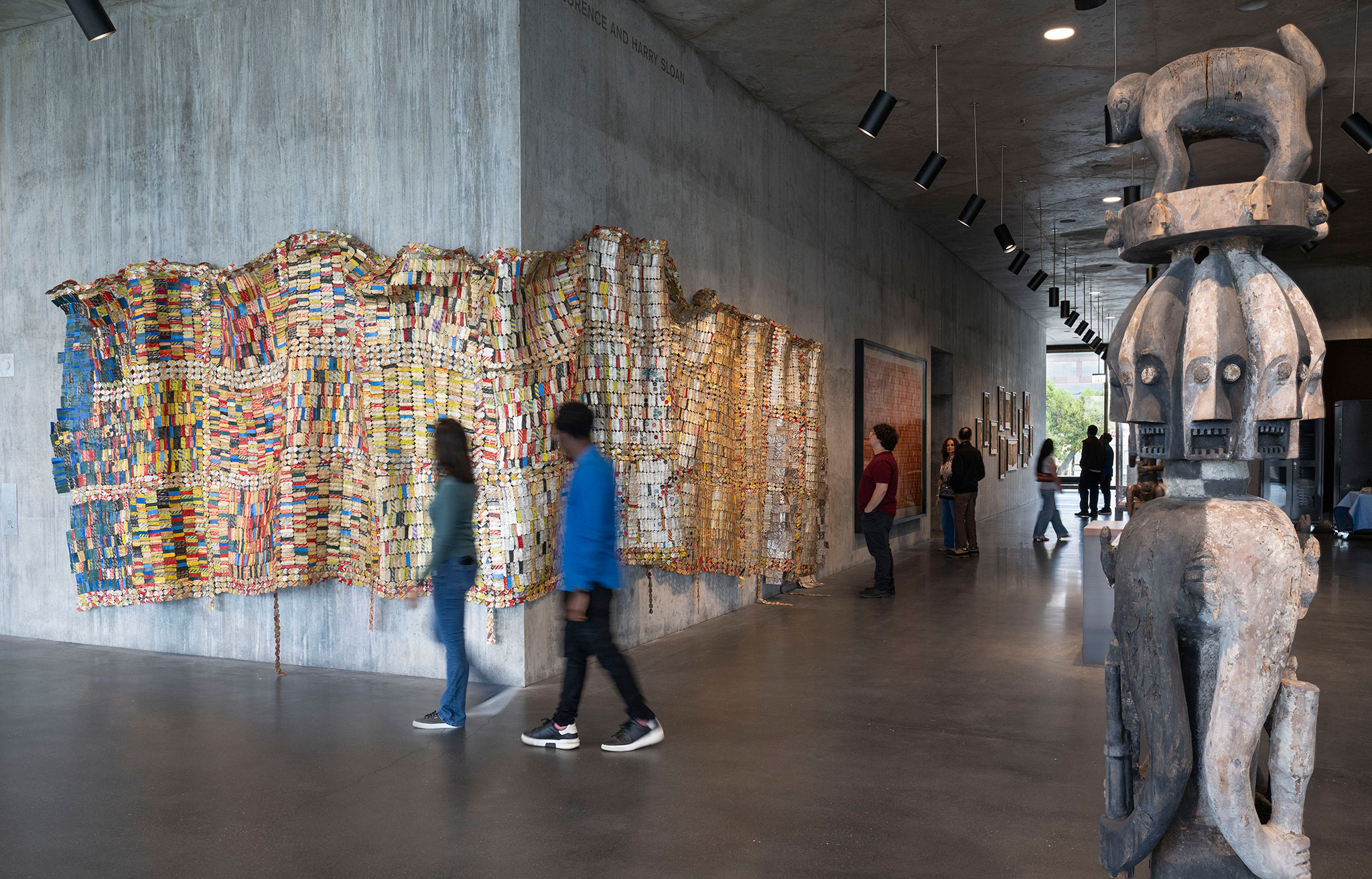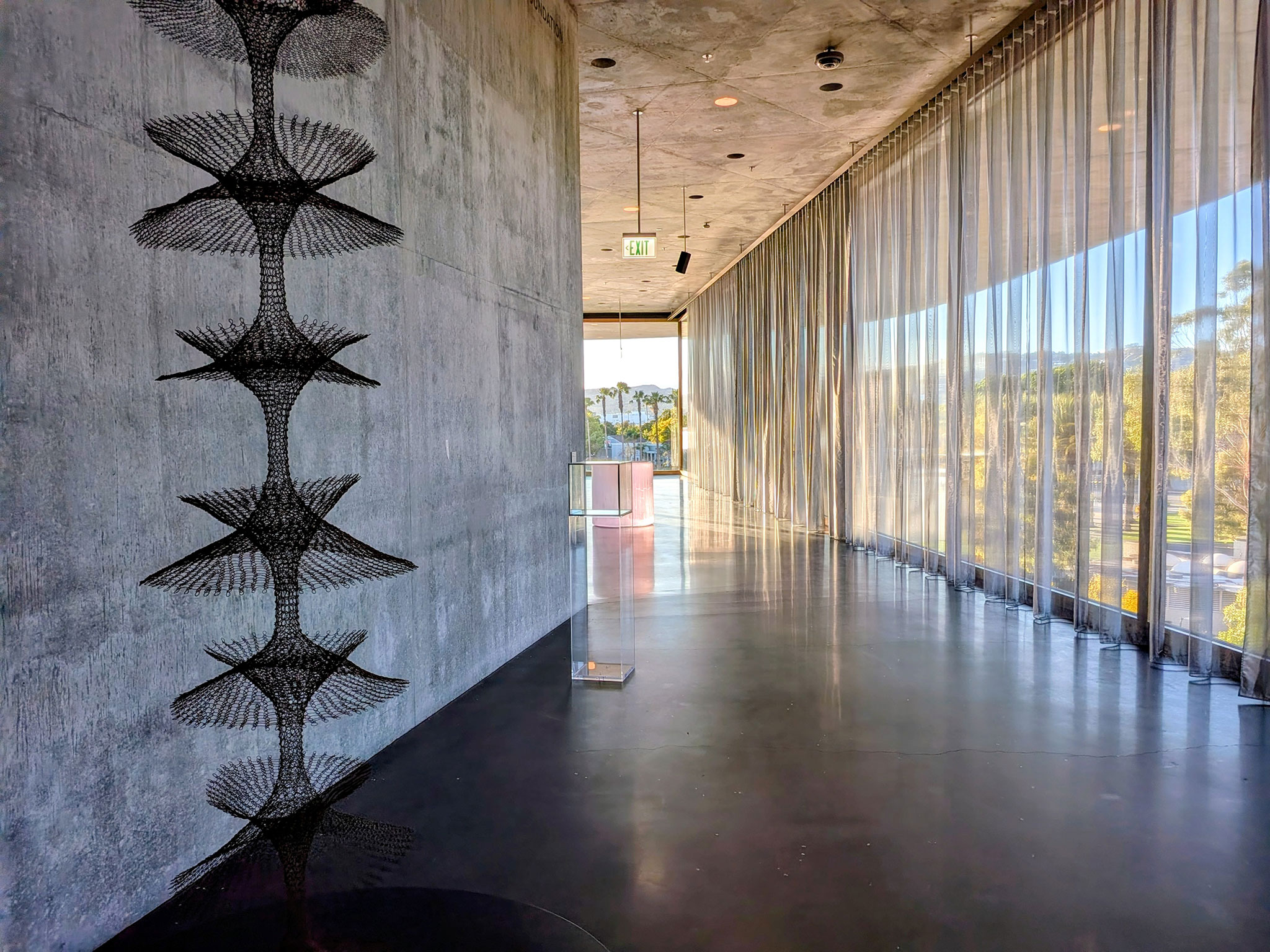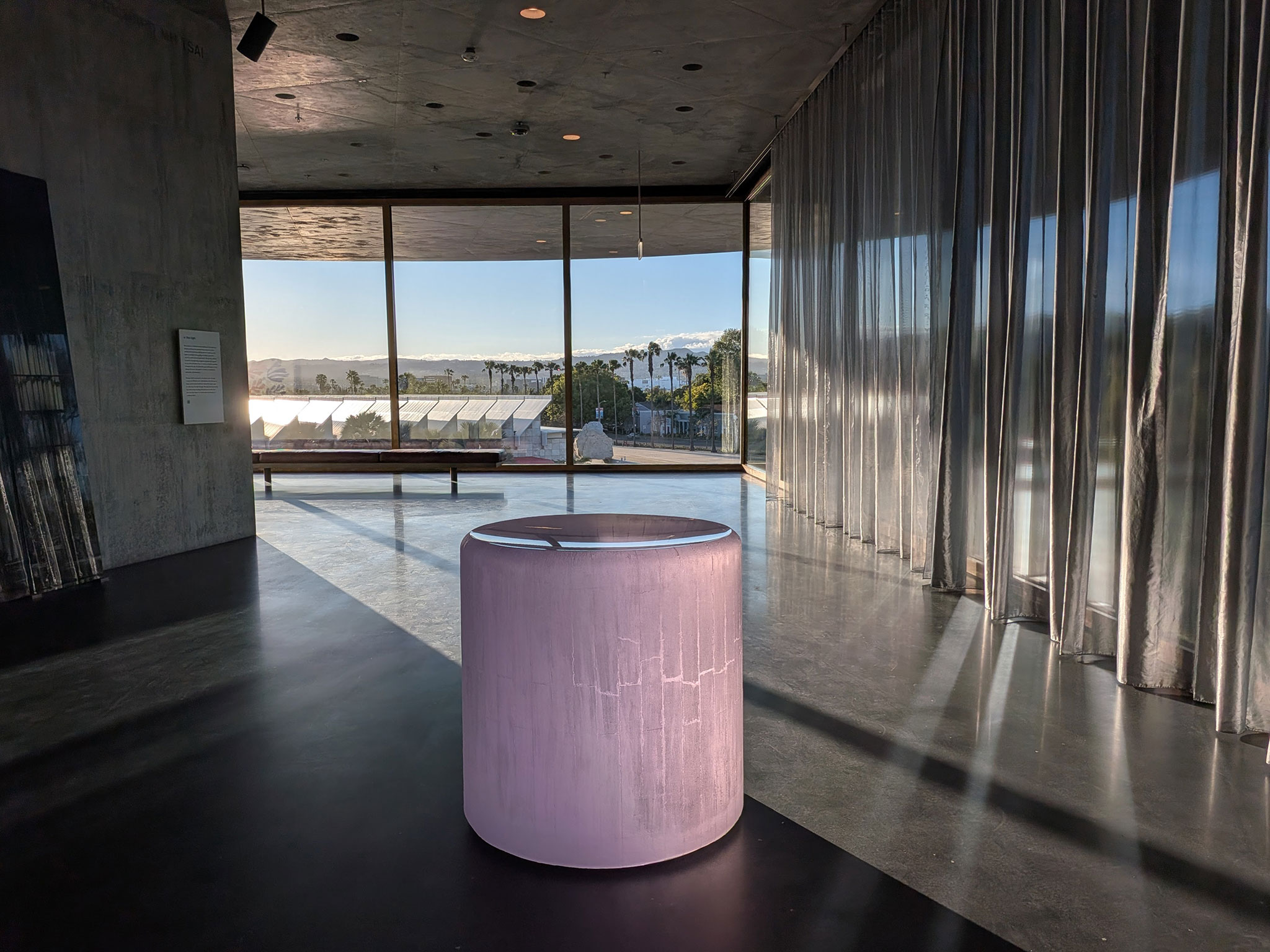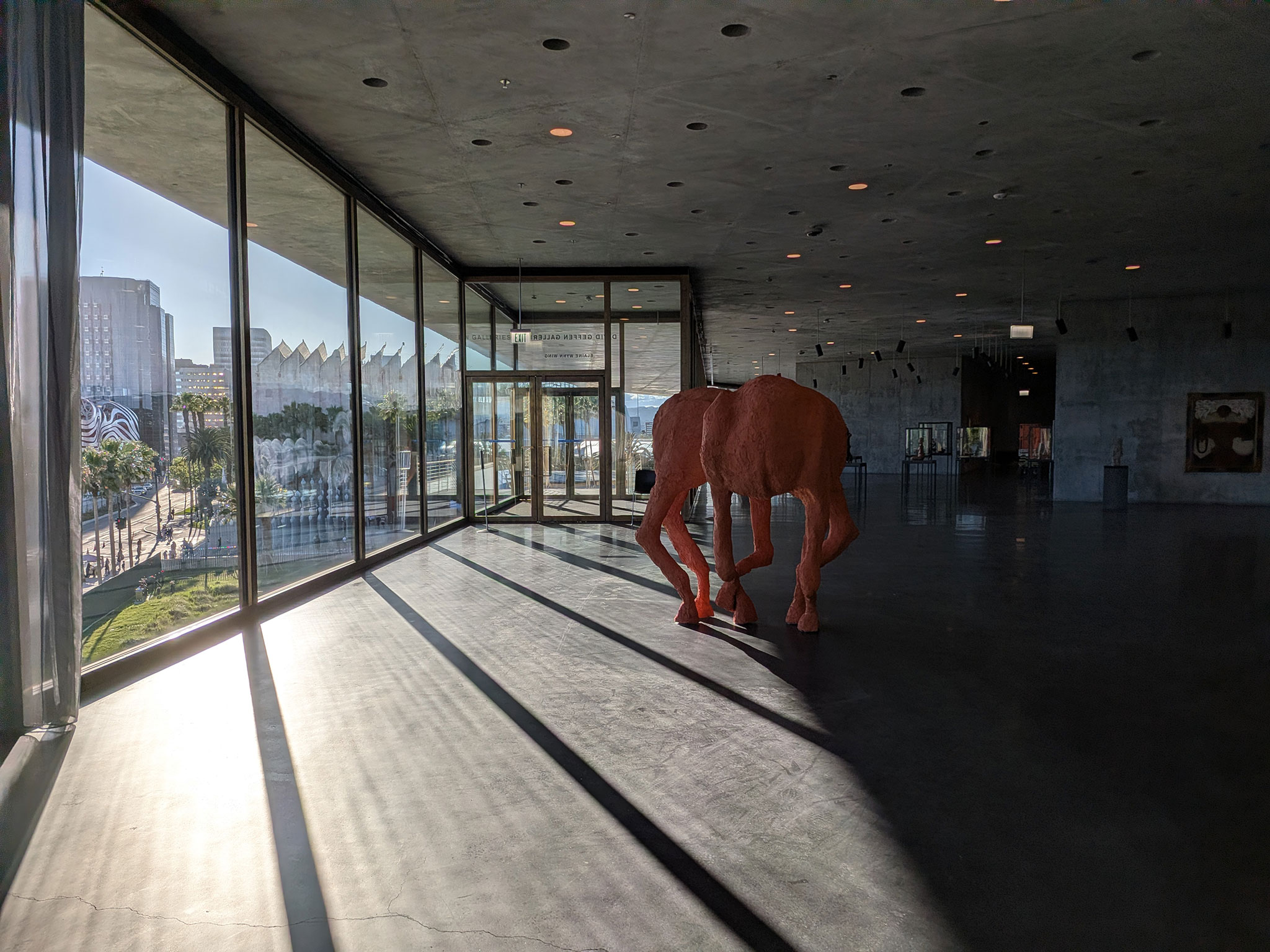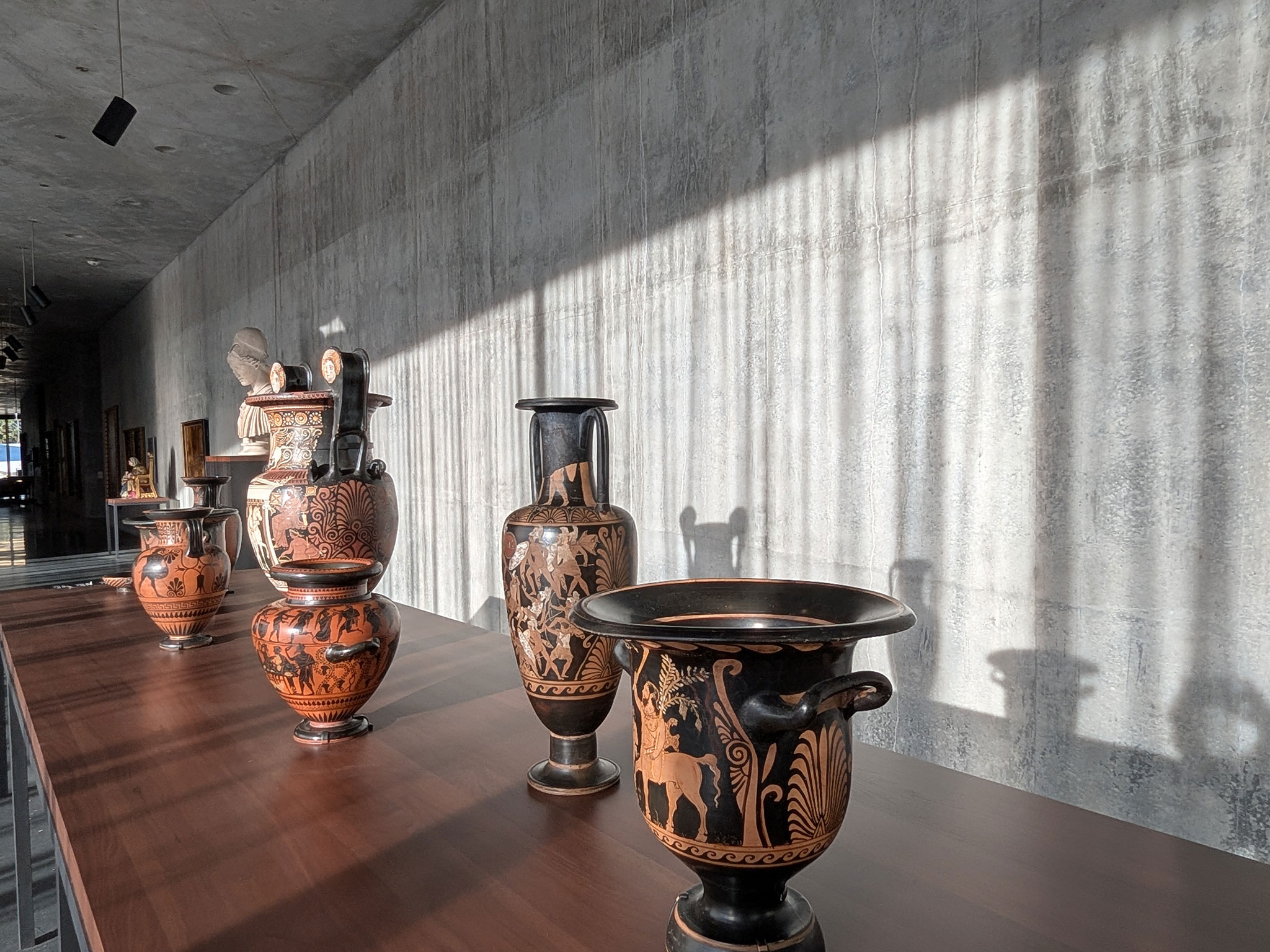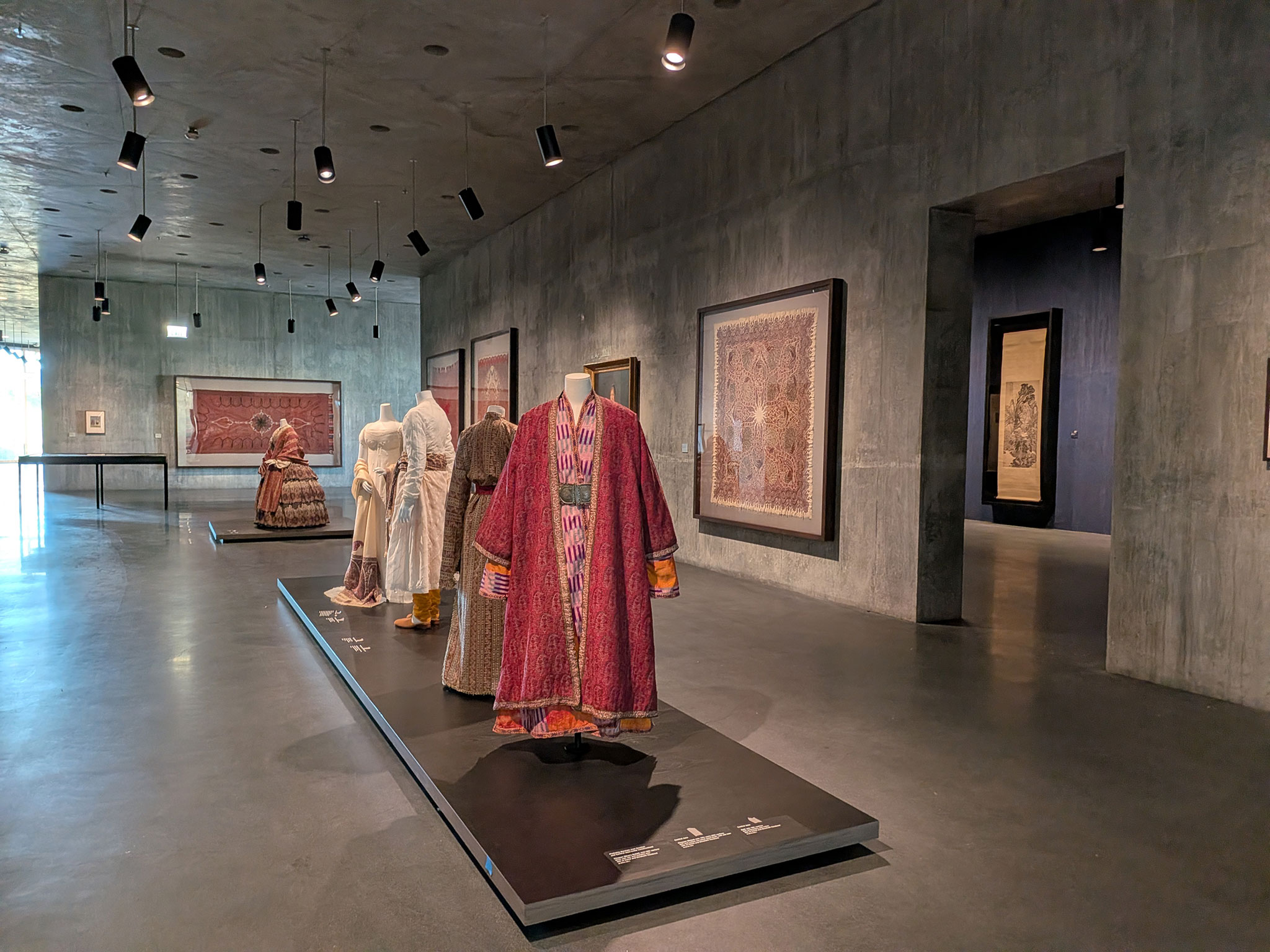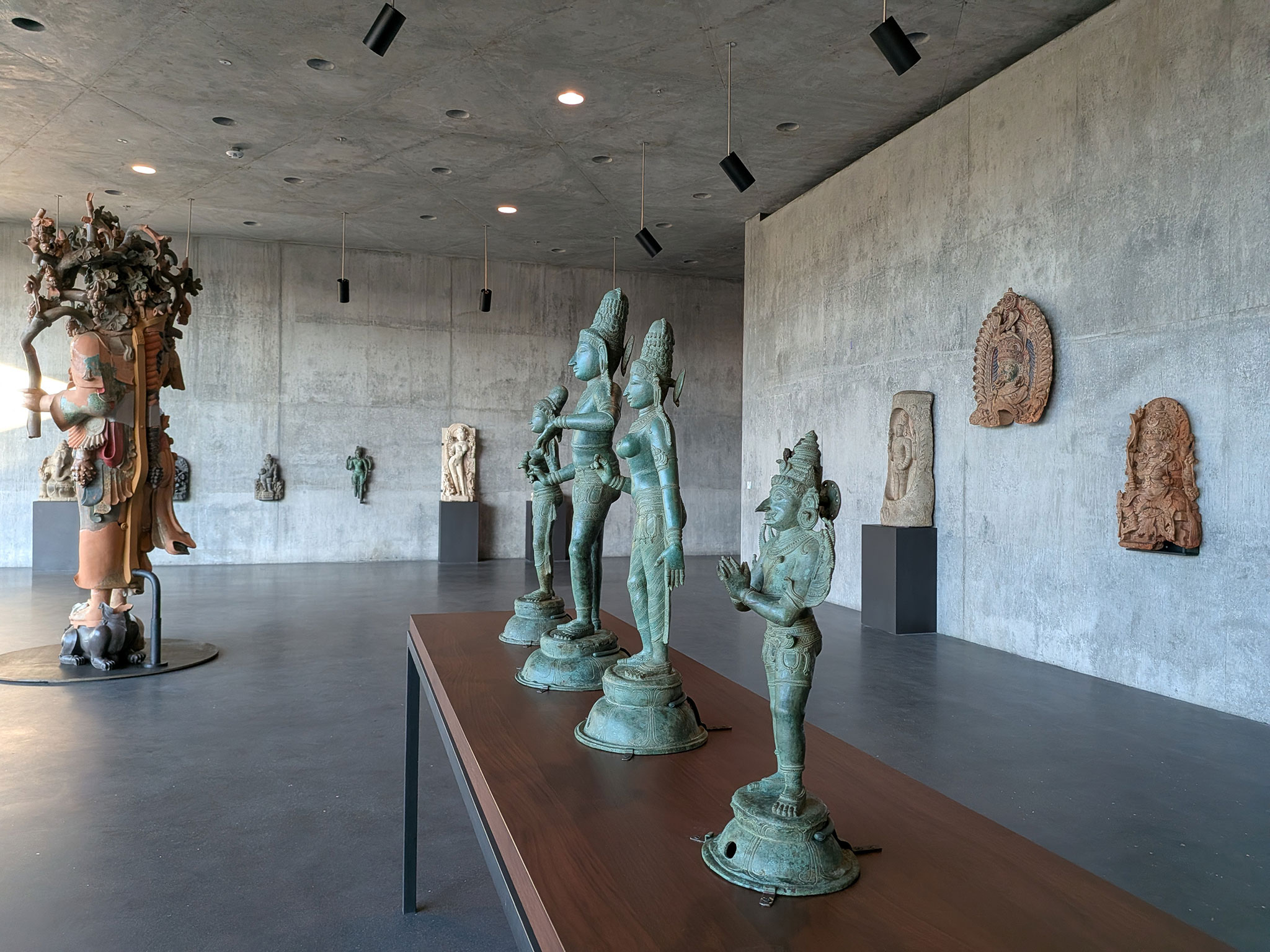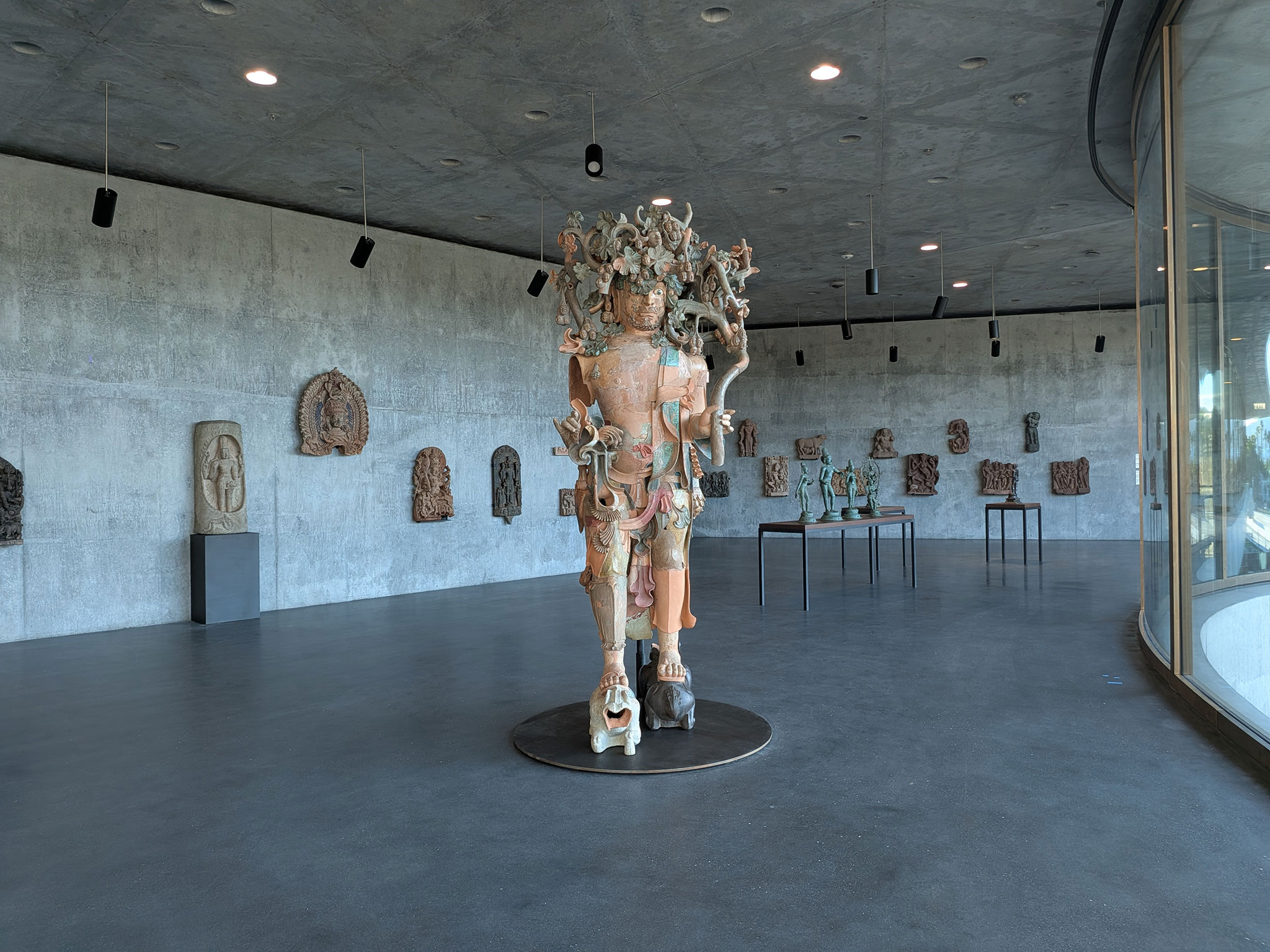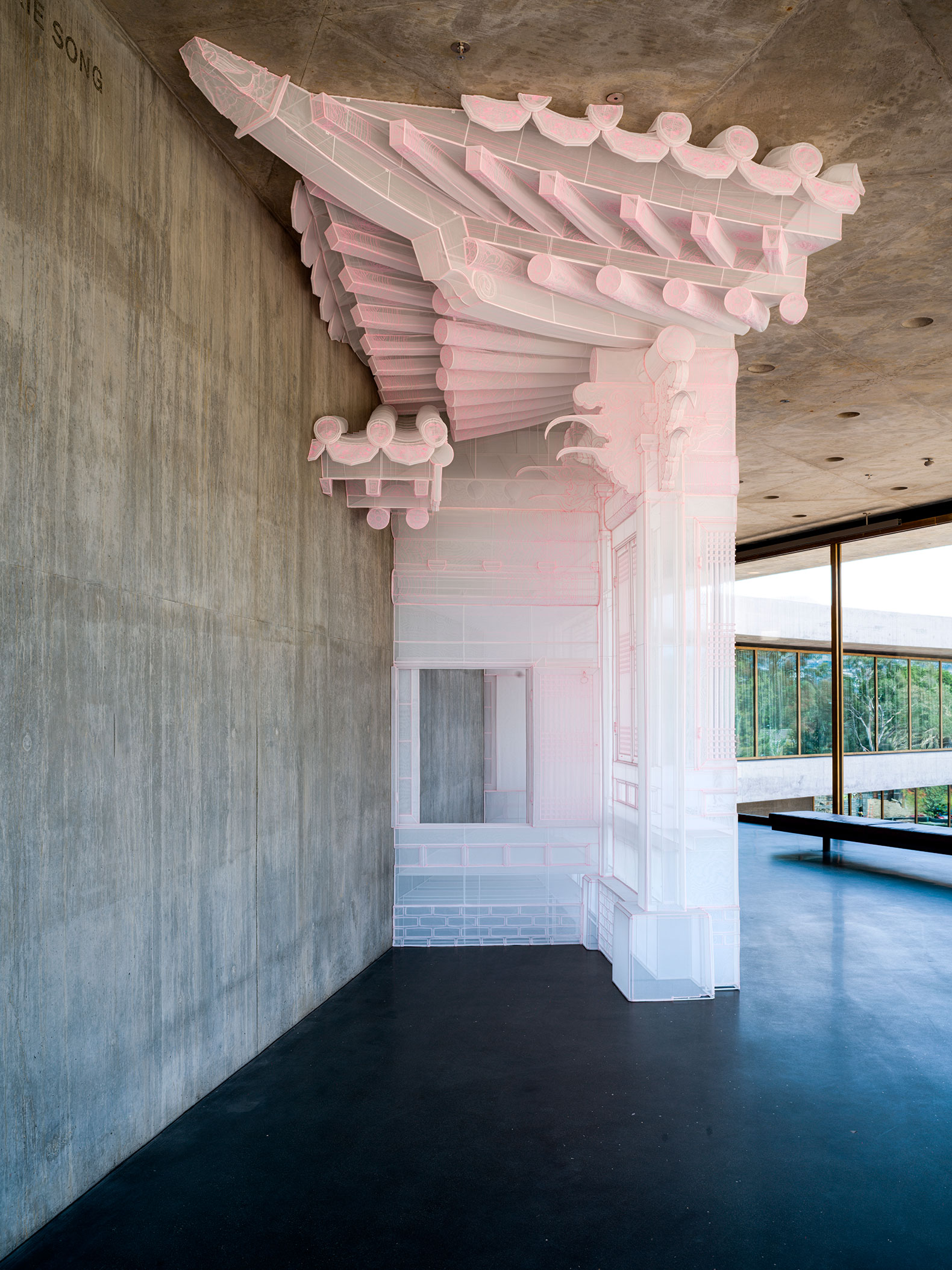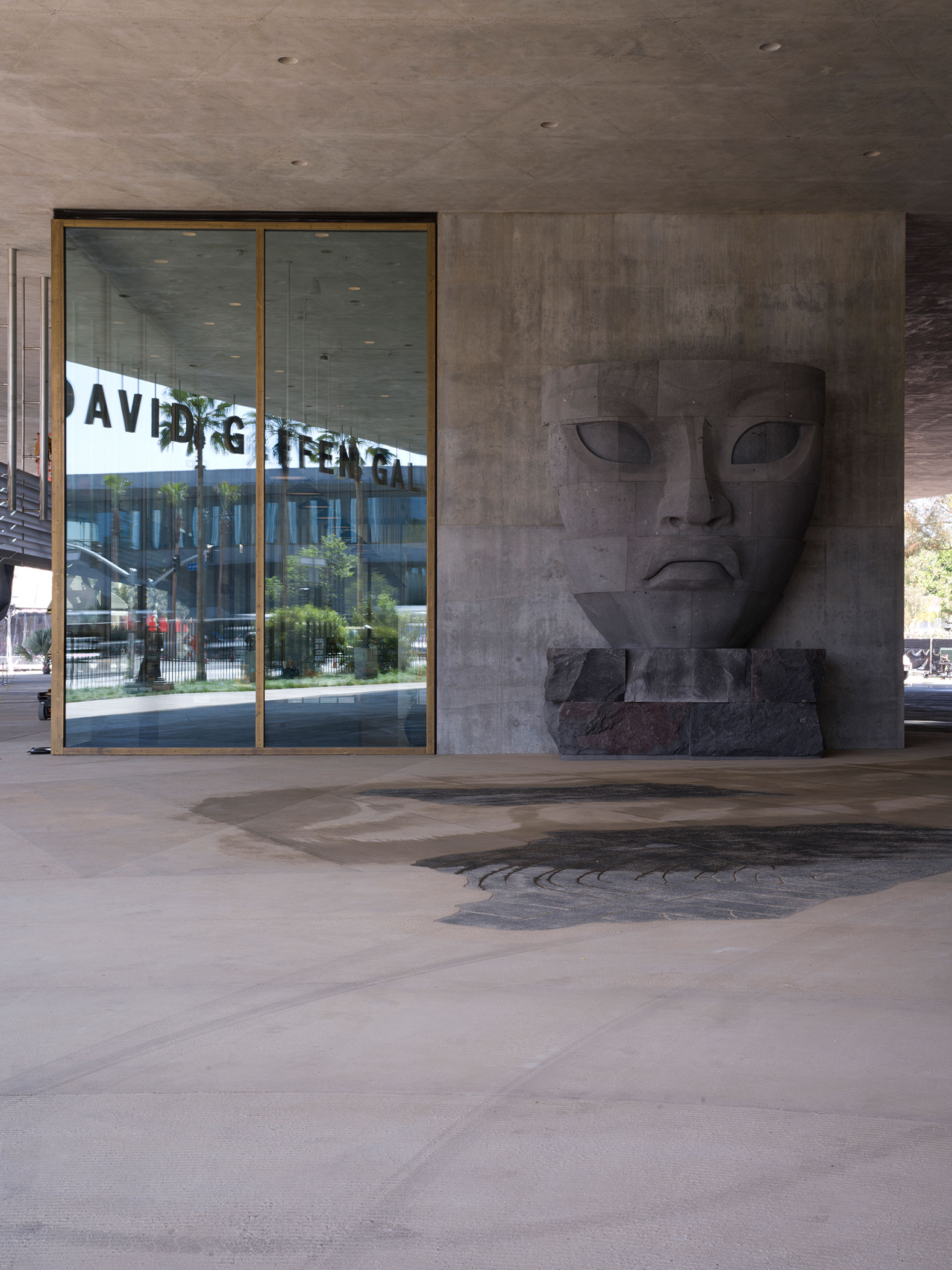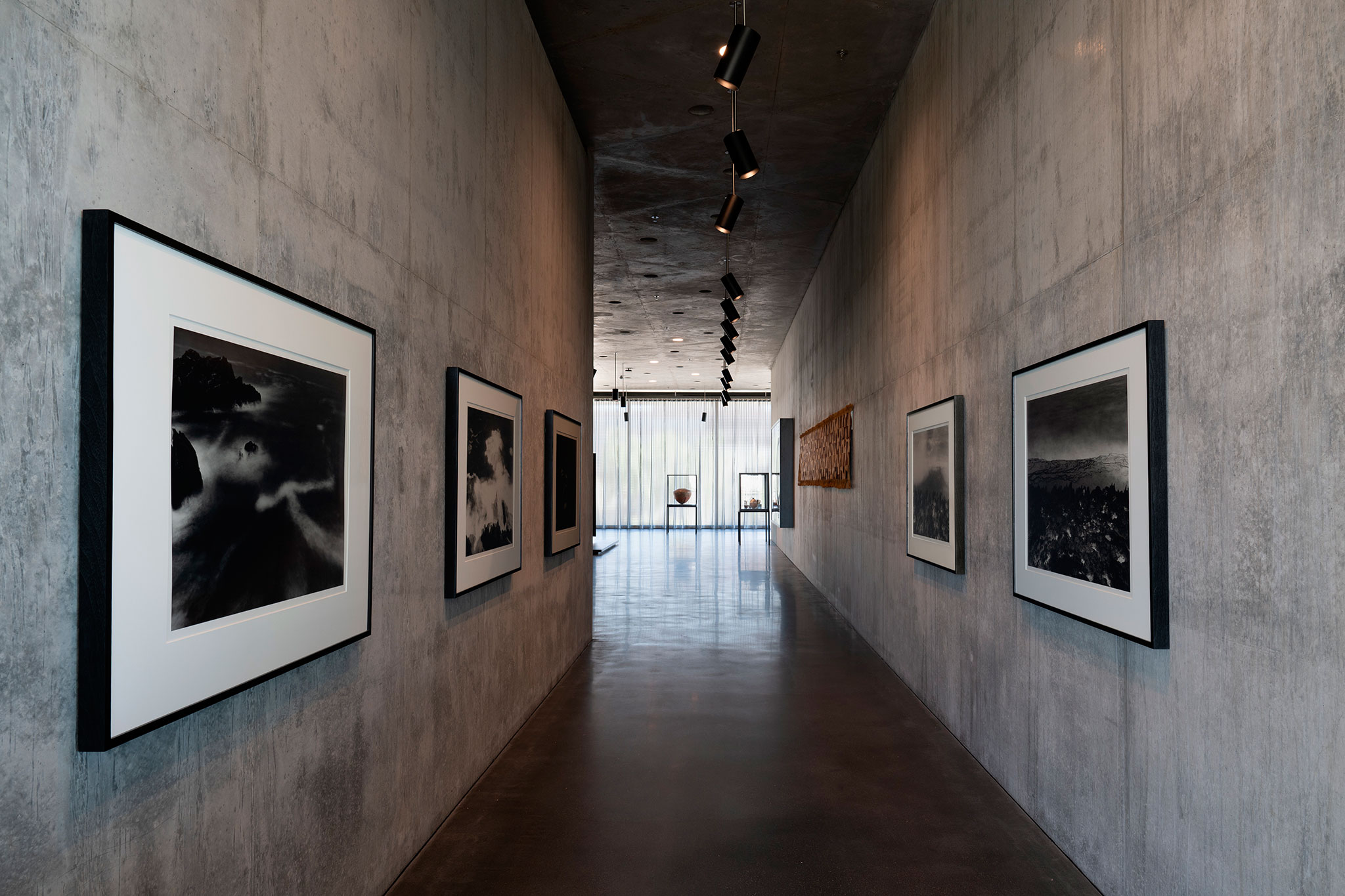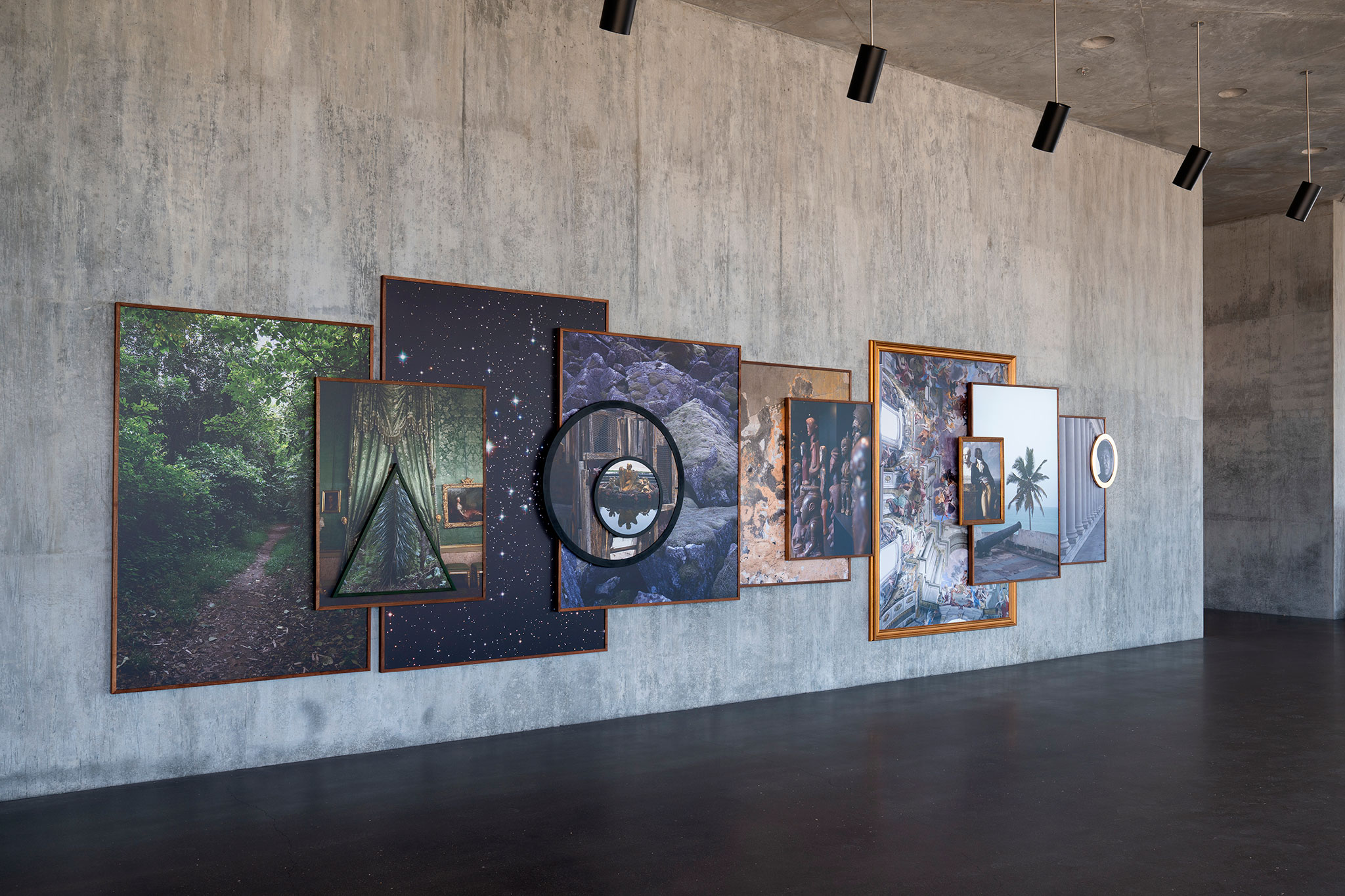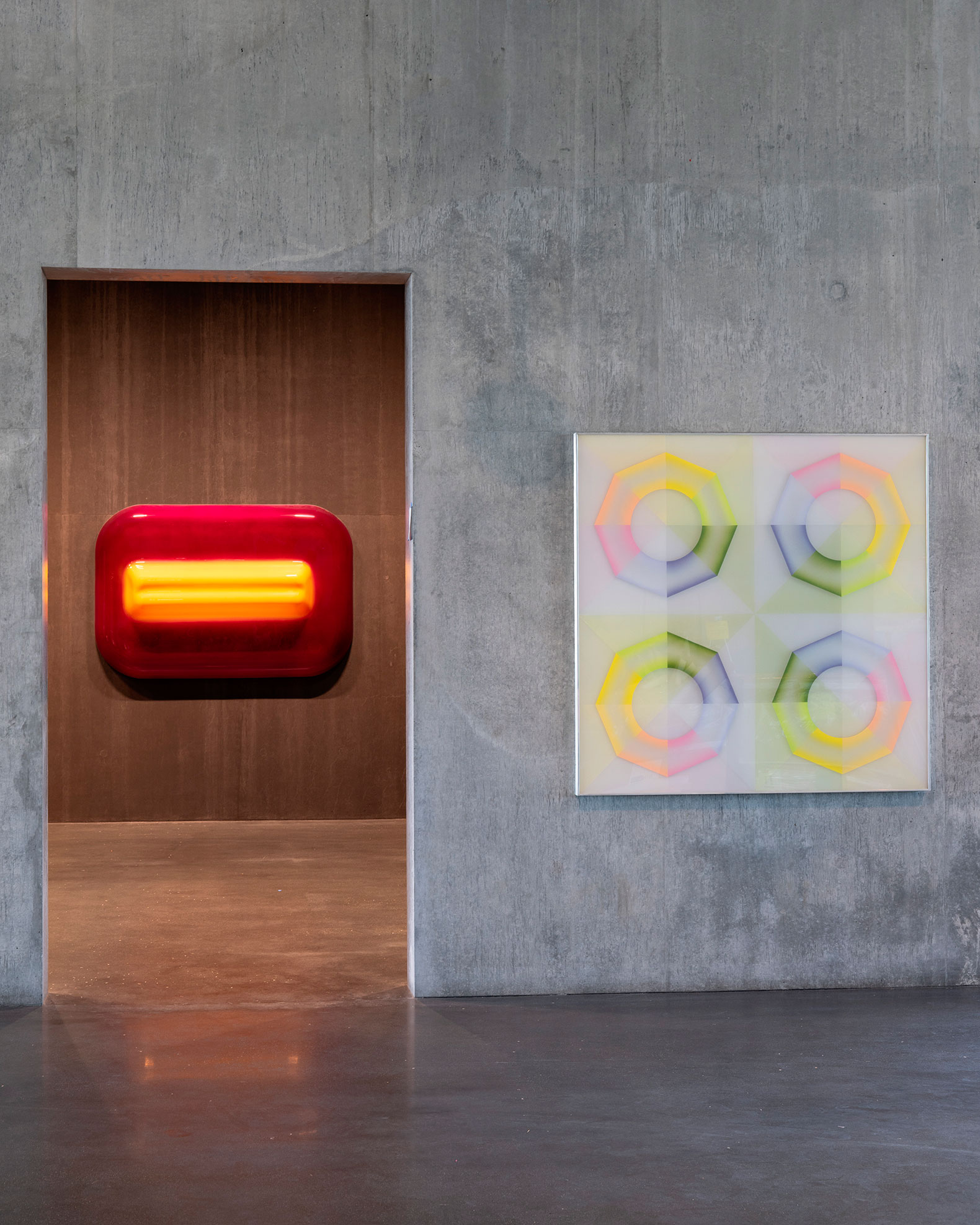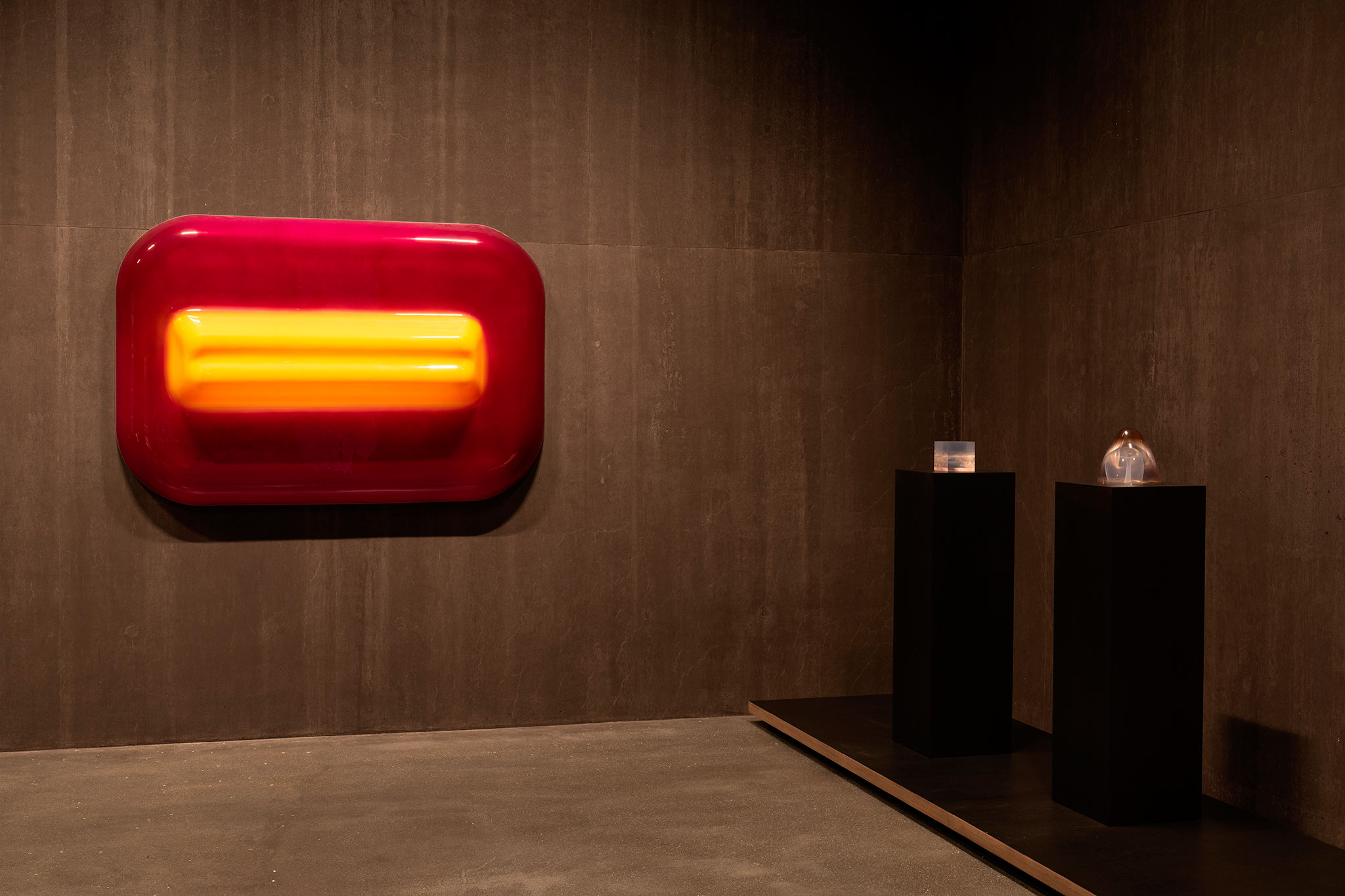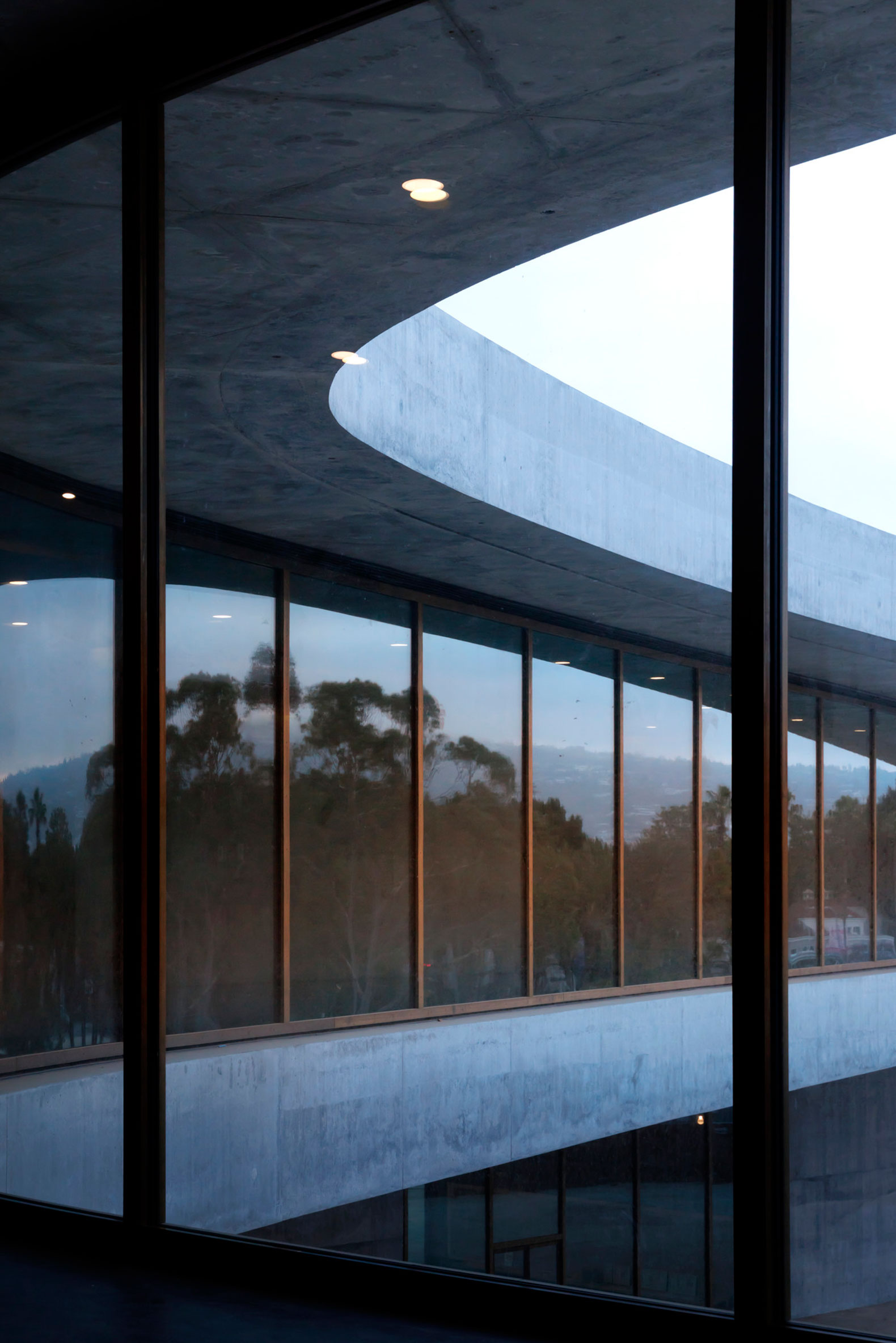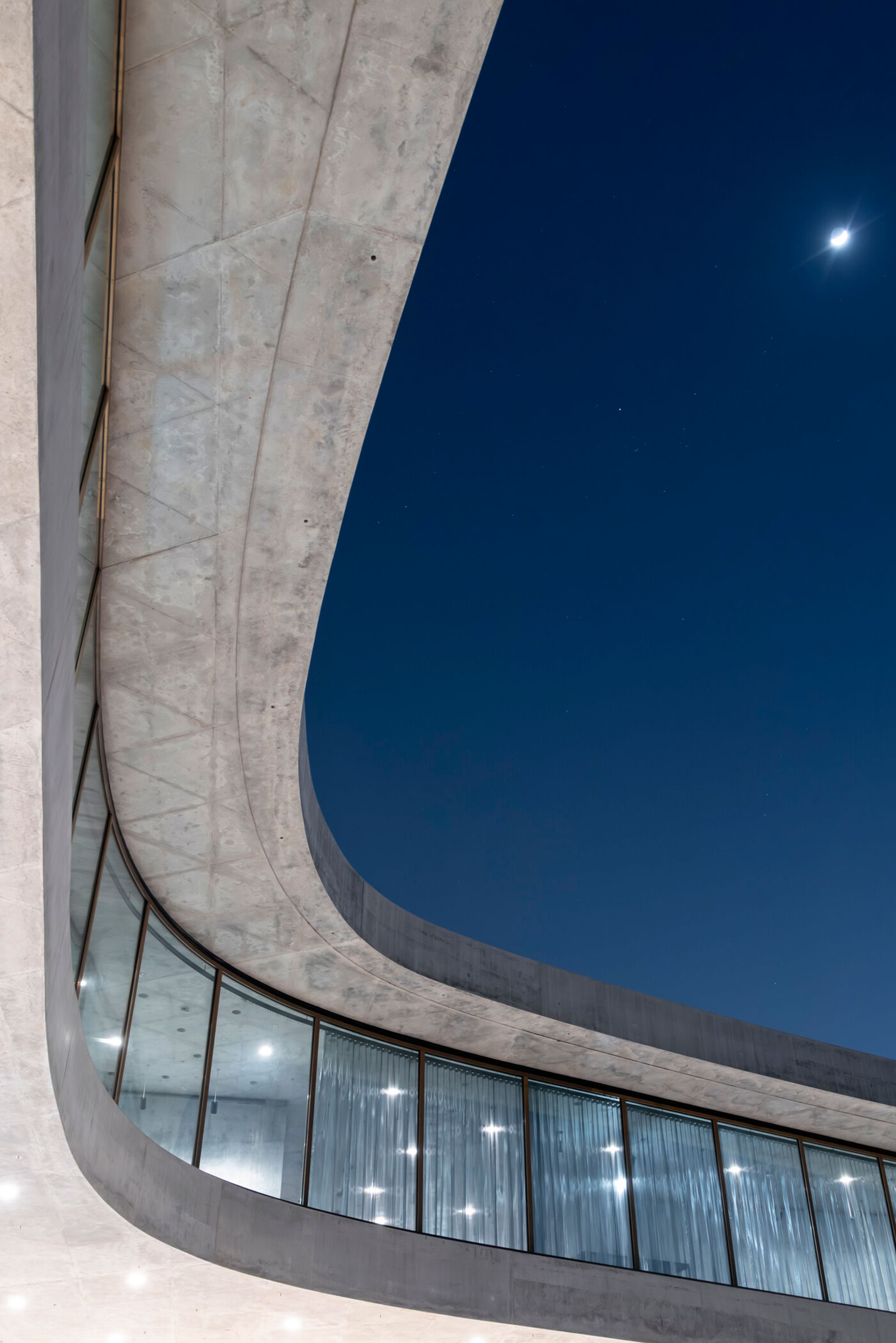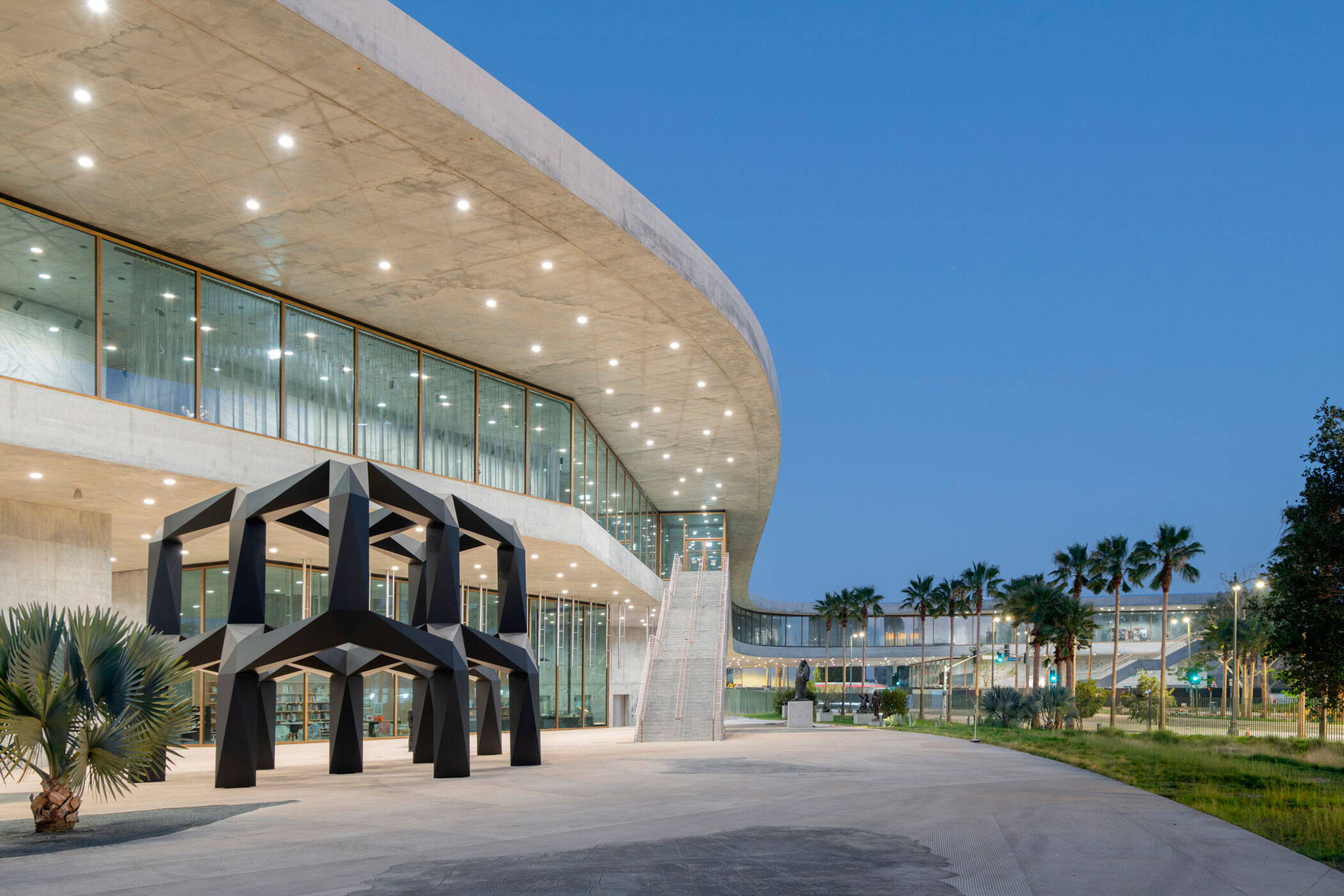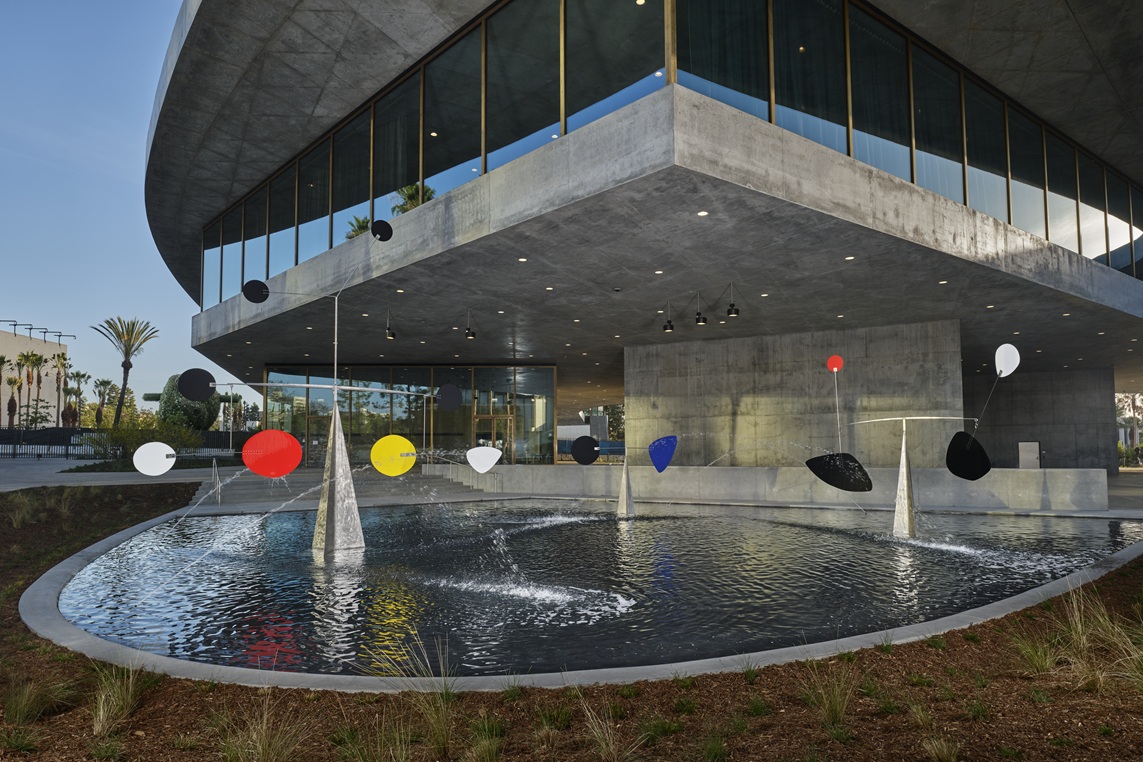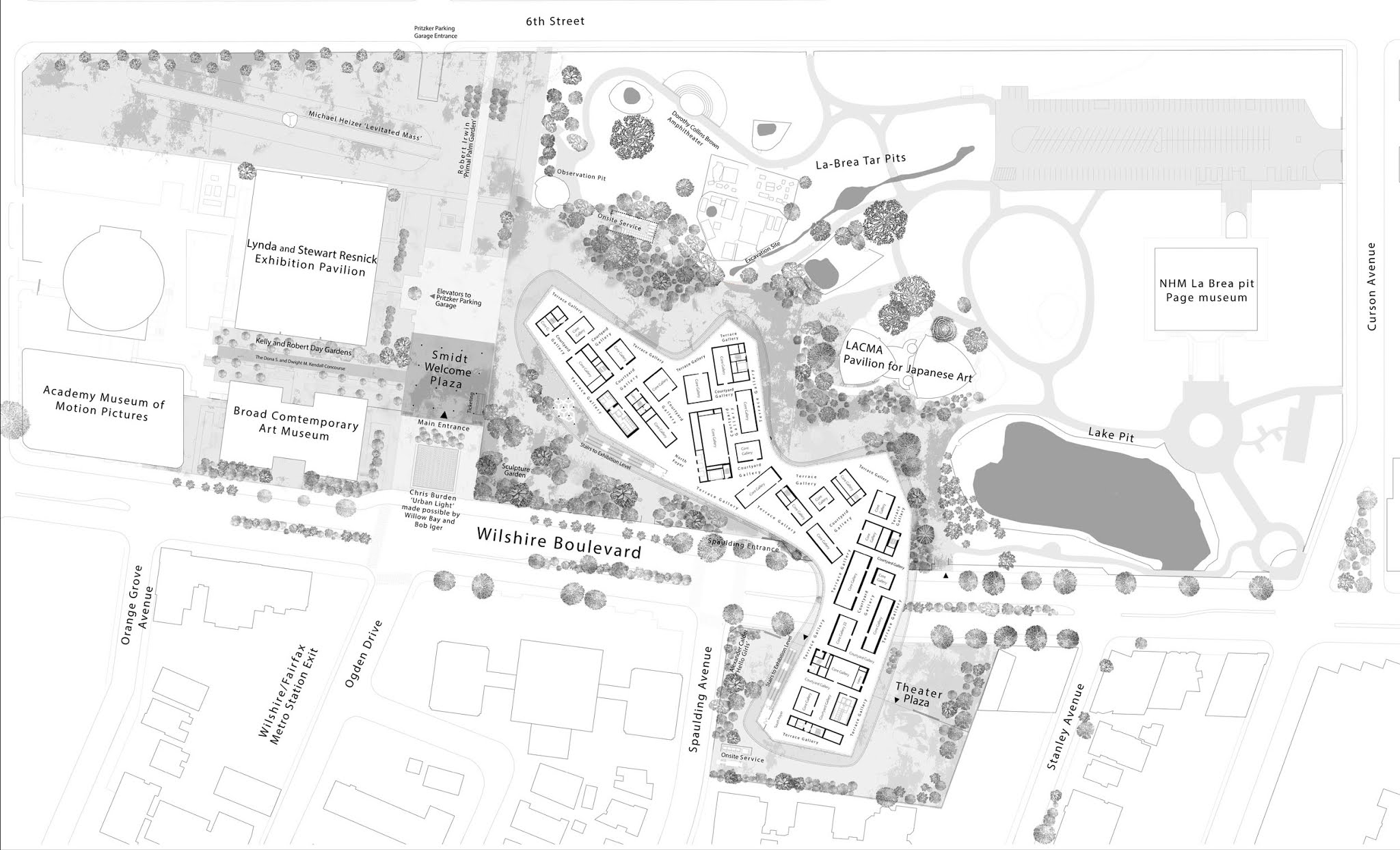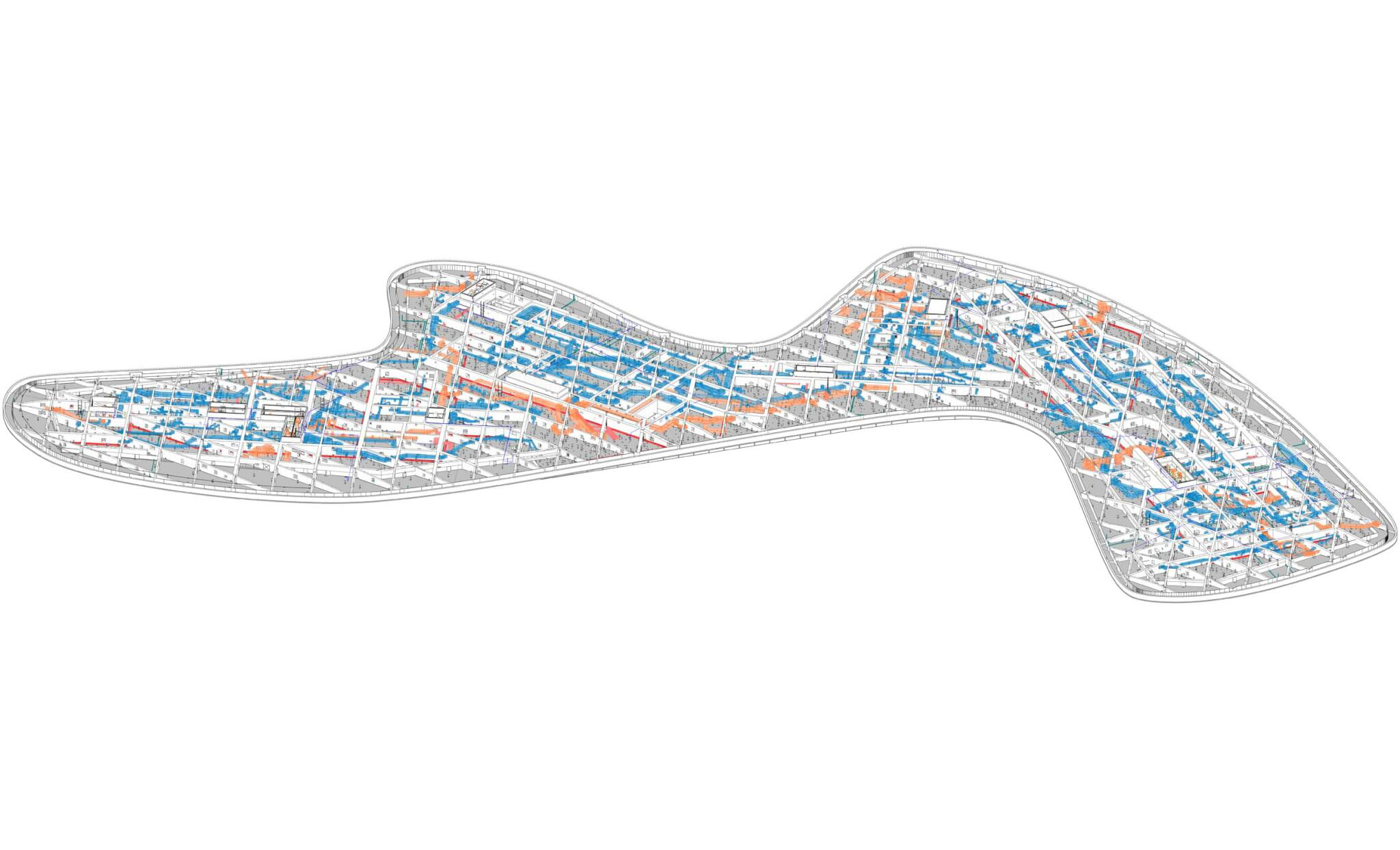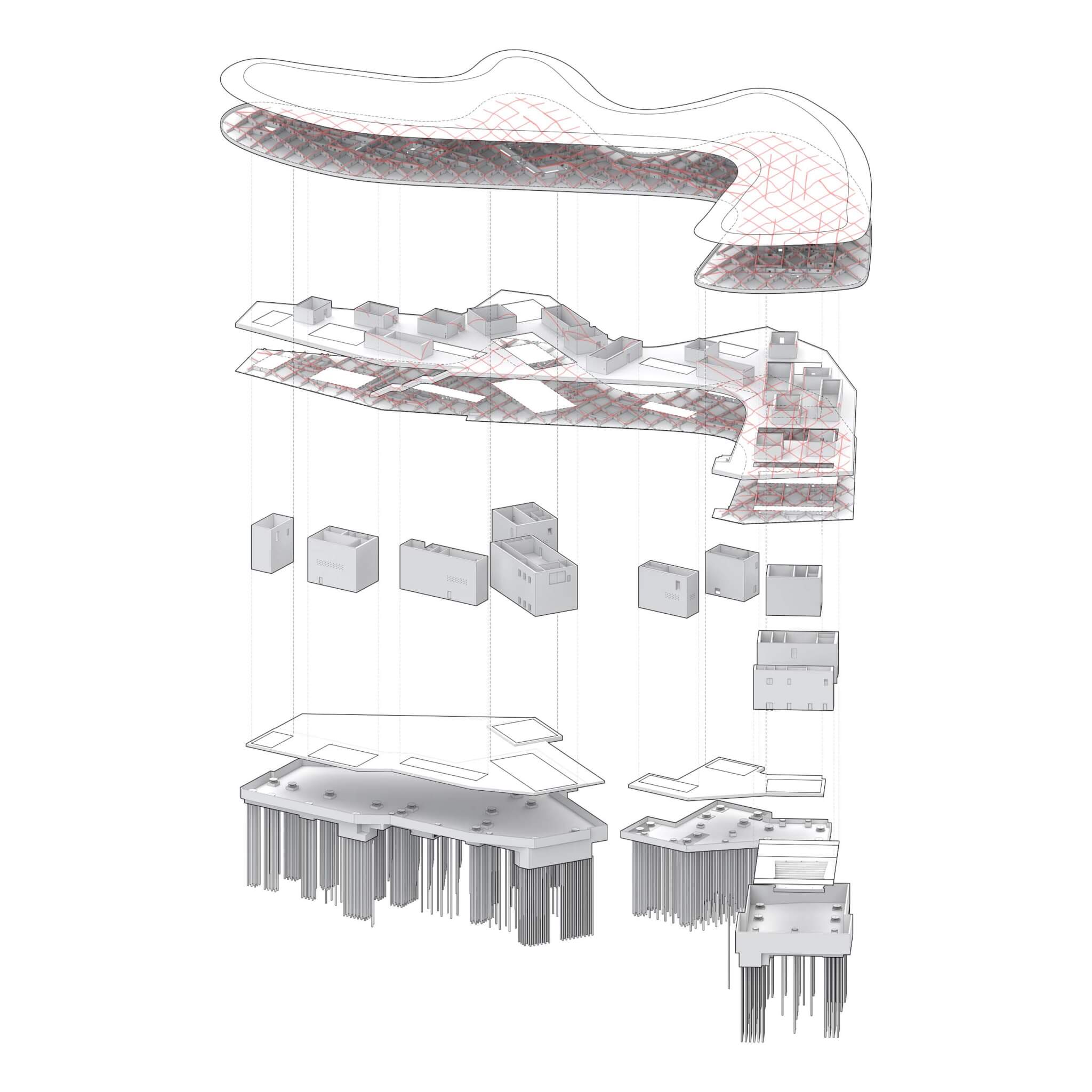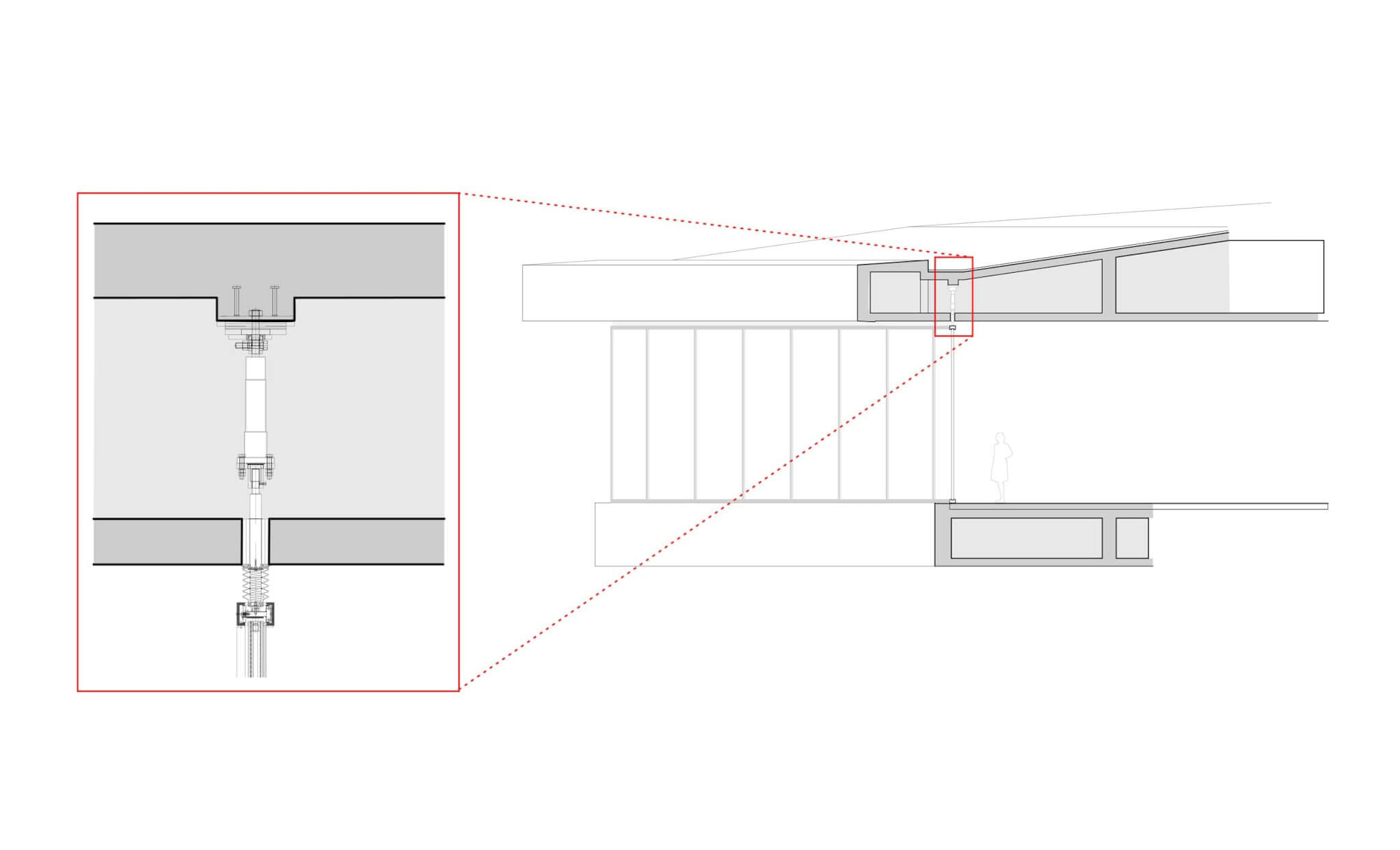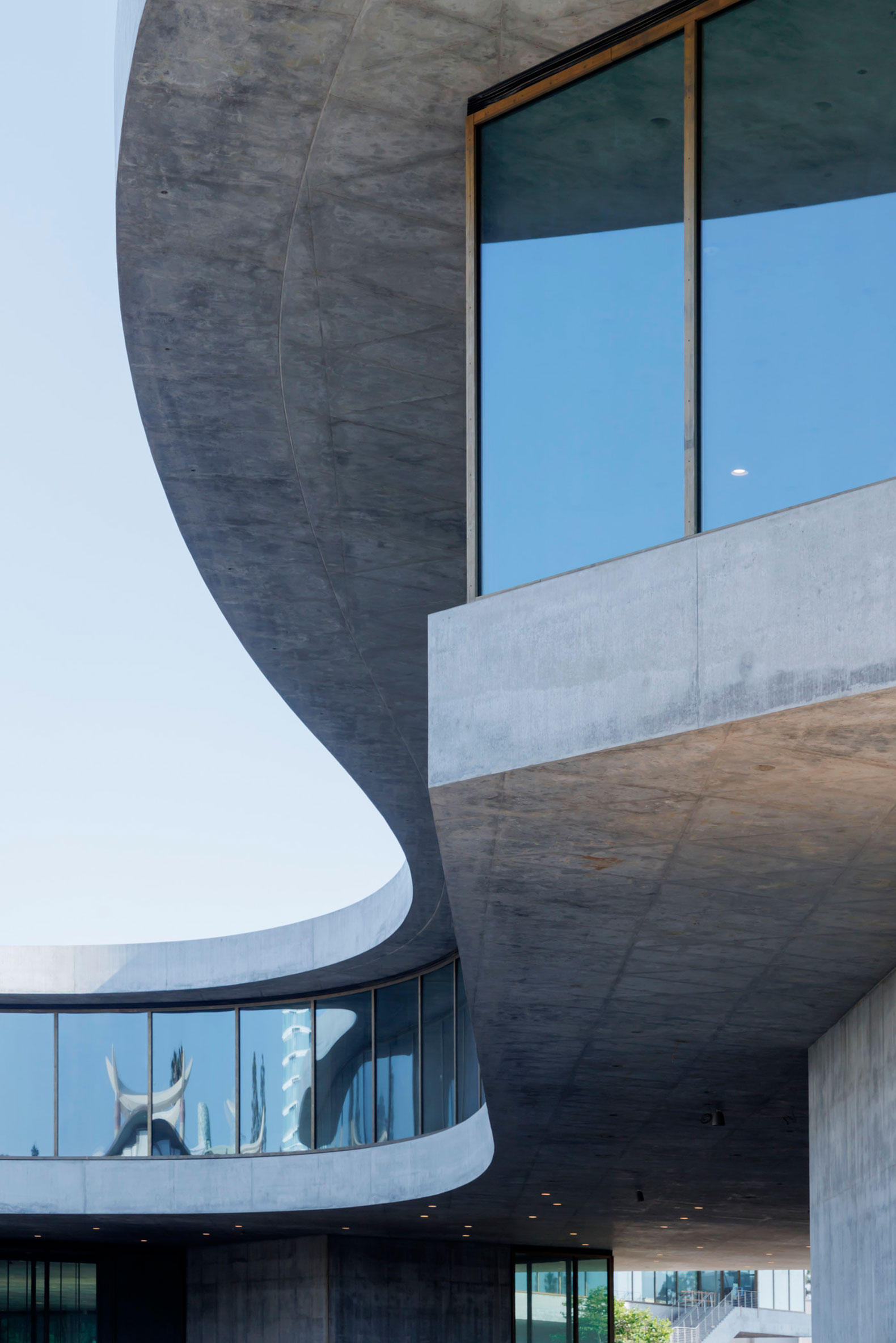
The ambitious exhibition project undertaken by Peter Zumthor, in collaboration with Skidmore, Owings & Merrill, positions its main floor nearly 9 meters above street level, creating a series of carefully considered open spaces for public art and open cultural programming. Inside, the building comprises a collection of galleries with varied scales, configurations, and lighting conditions, ranging from abundant natural light around the perimeter of the main floor to interior galleries completely shielded from daylight.
The single-story, horizontal design eliminates traditional cultural hierarchies, placing all artworks on the same plane. No gallery space is permanently assigned to any collection department, allowing the focus to shift over time to different areas of the collections in response to scholarly research, collection growth, and public interest. The architecture does not prescribe a single route through the spaces. Rather, it encourages the development of new art selections and new art-historical perspectives.
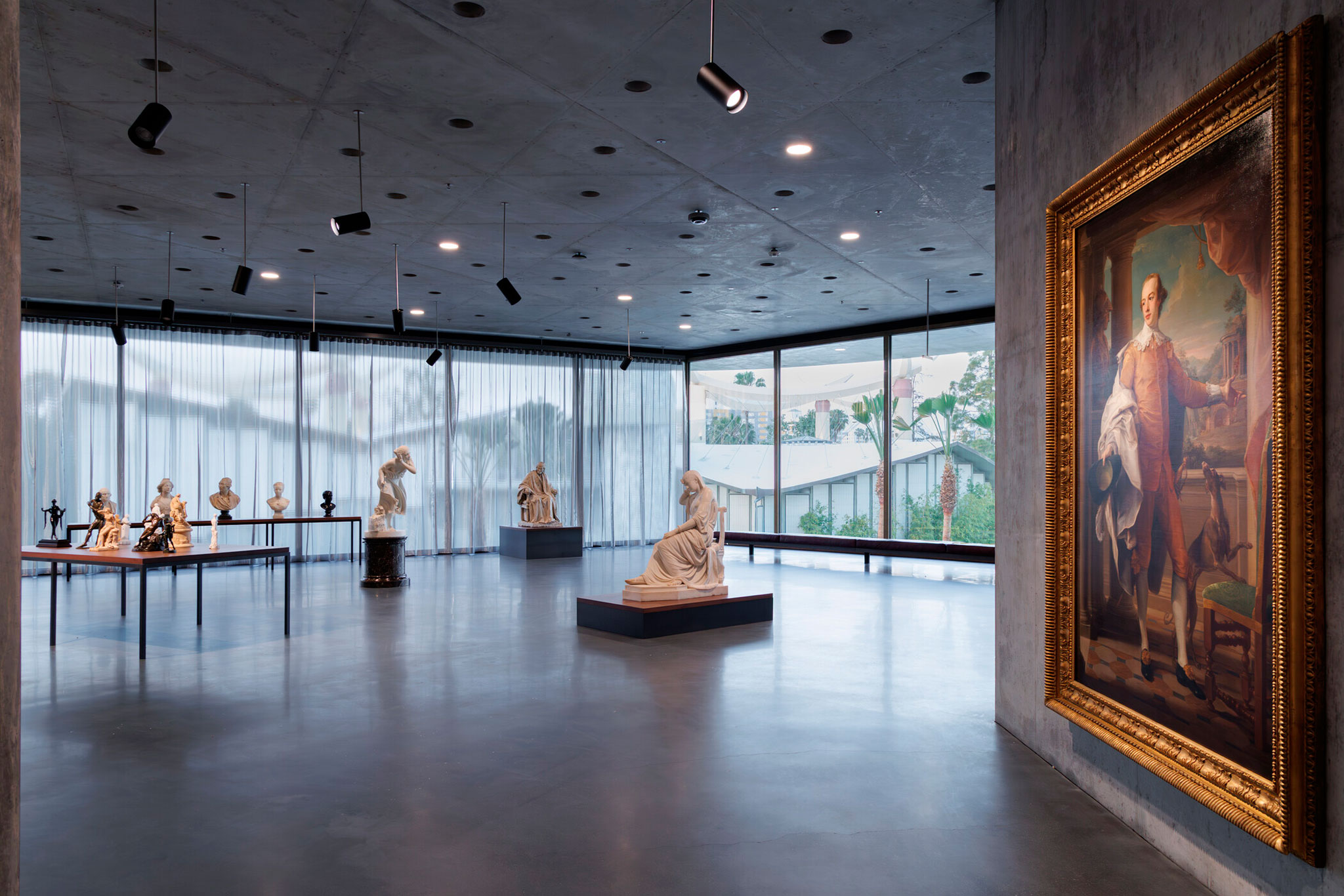
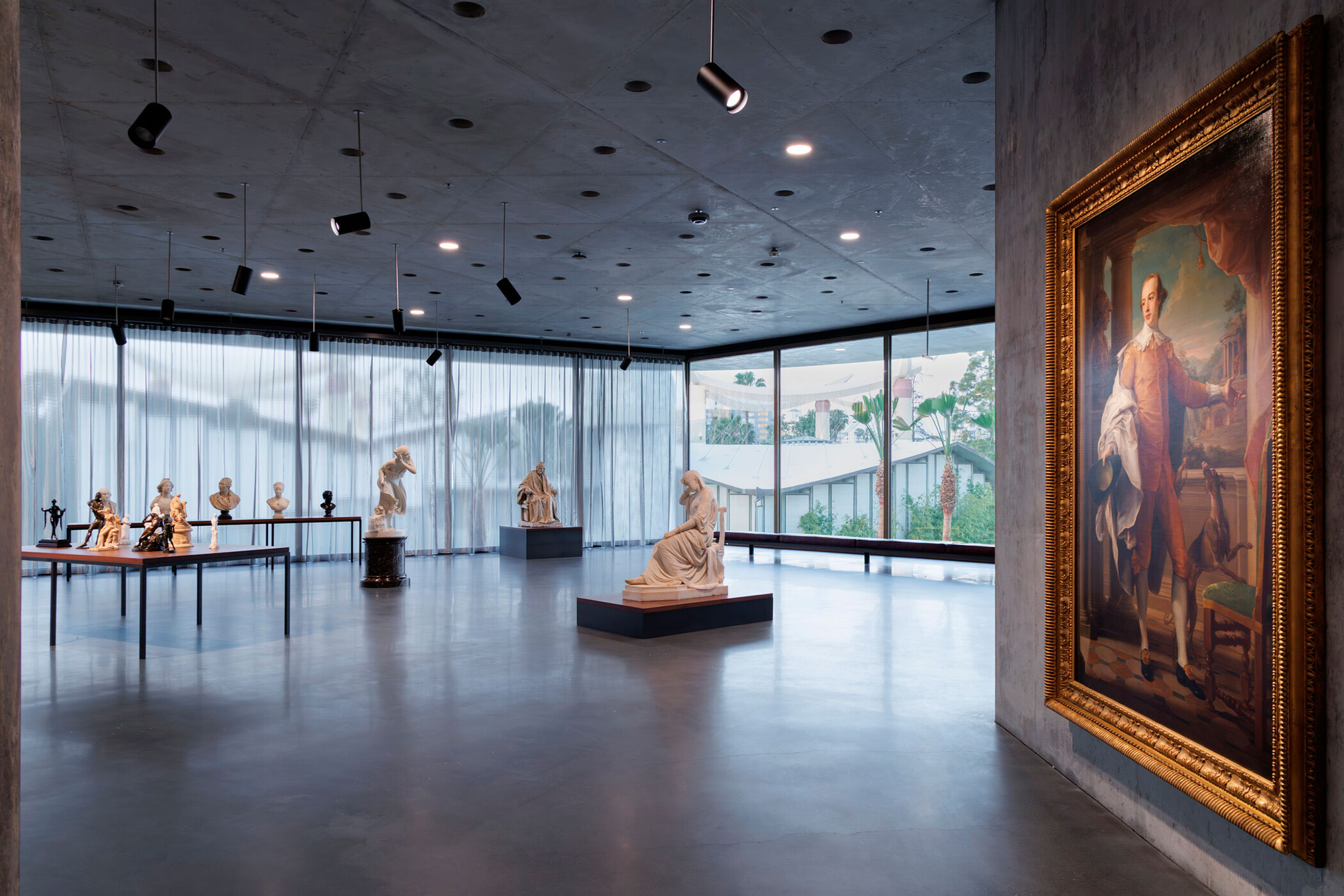
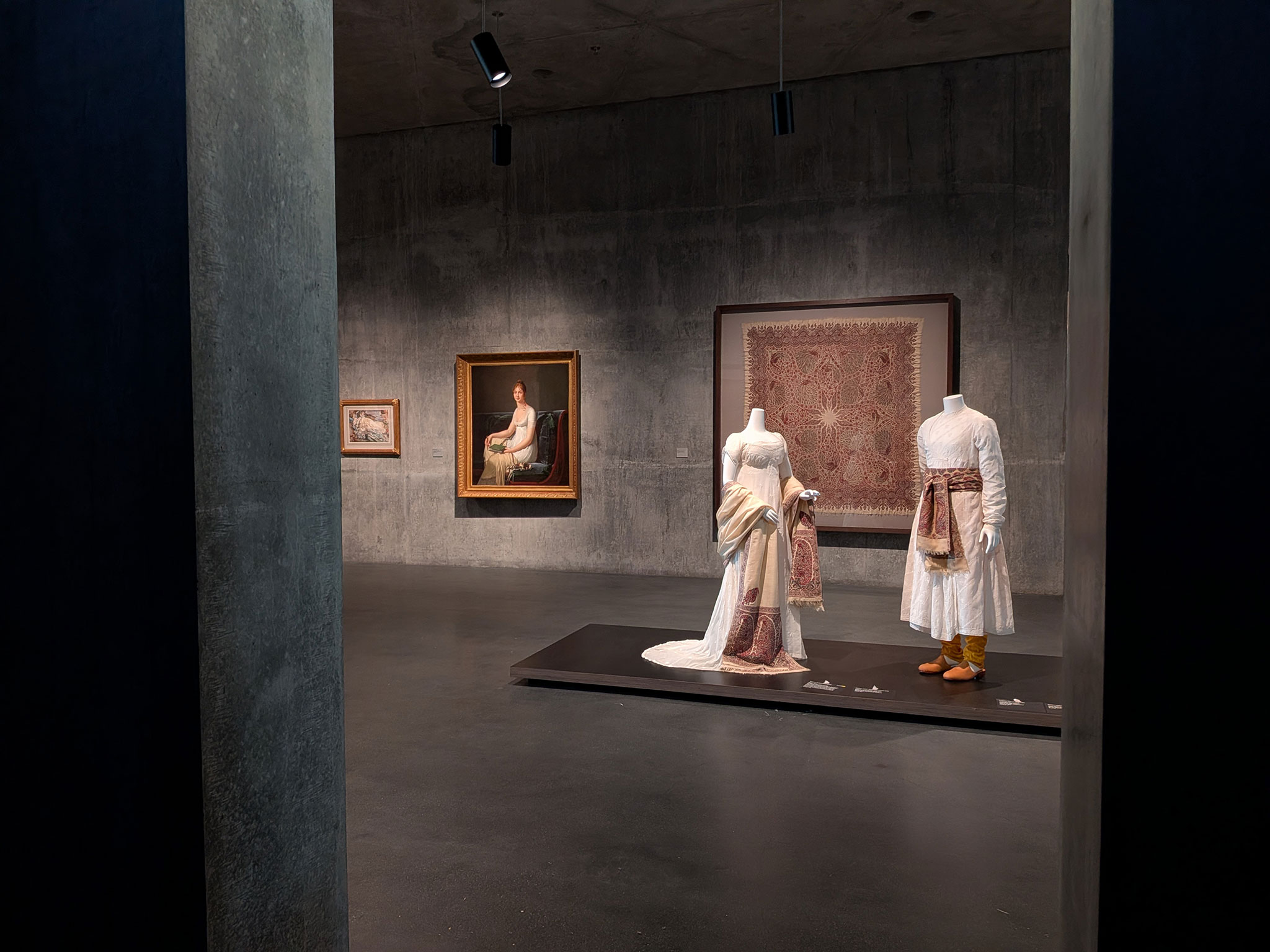
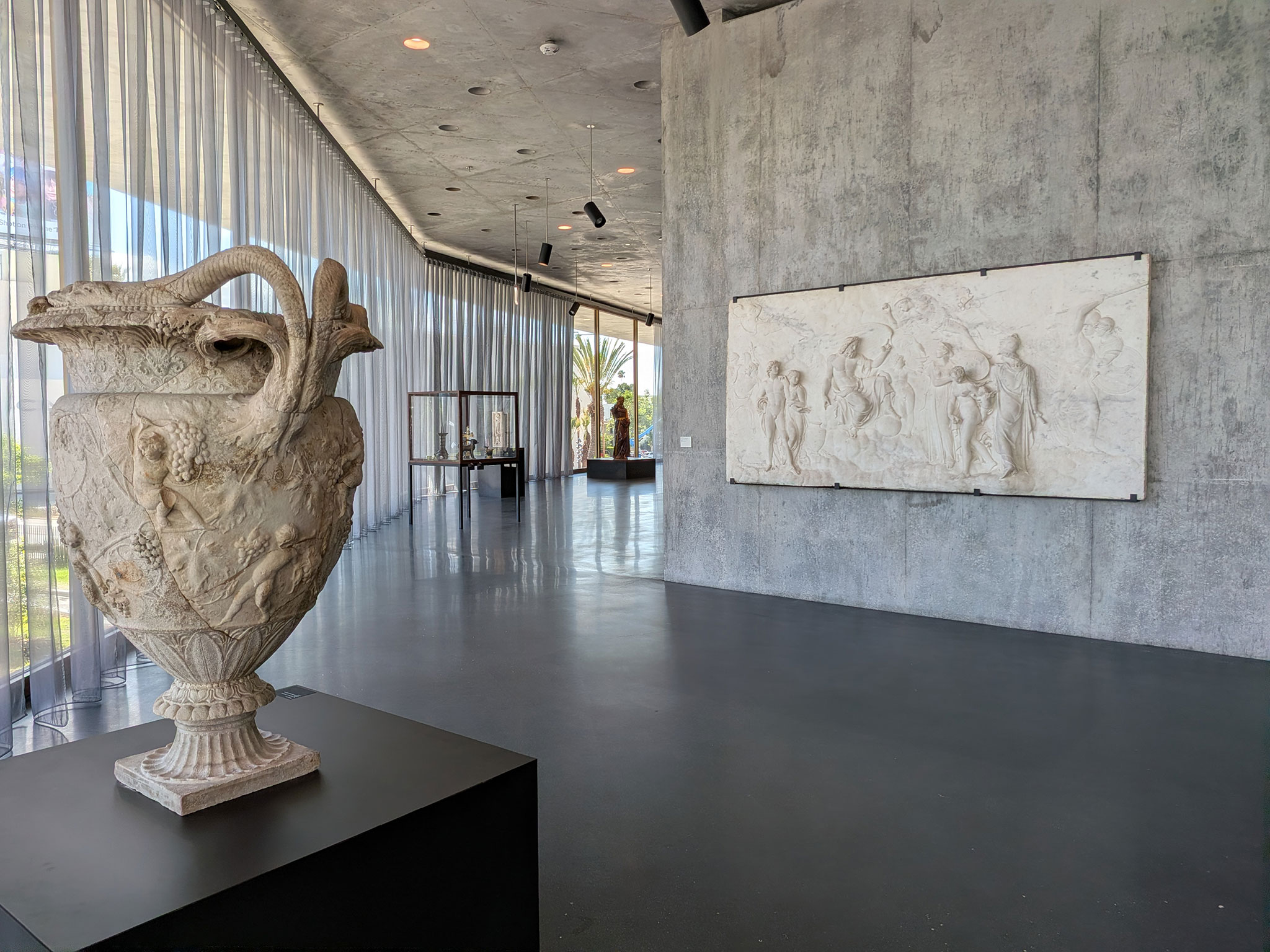
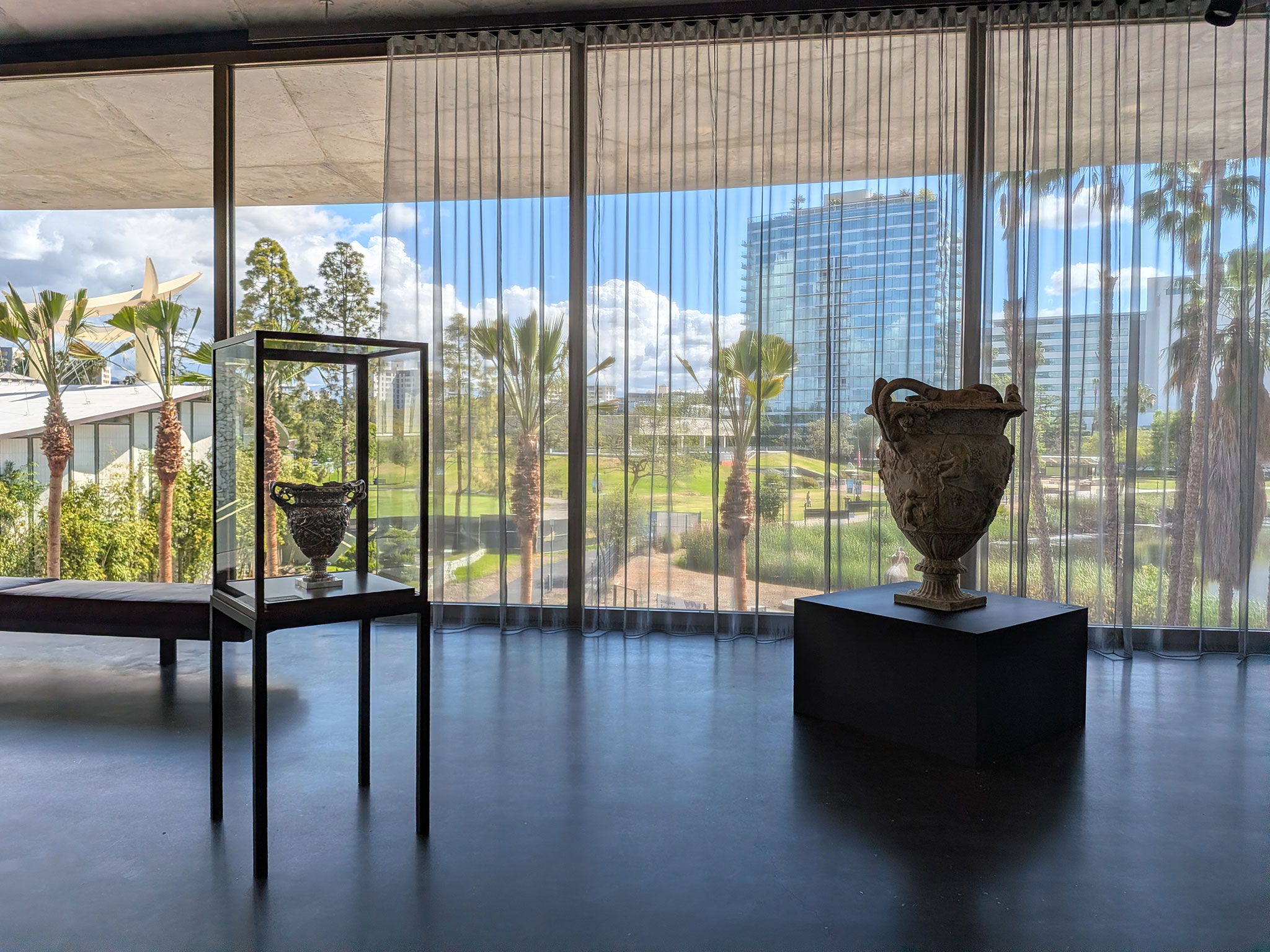
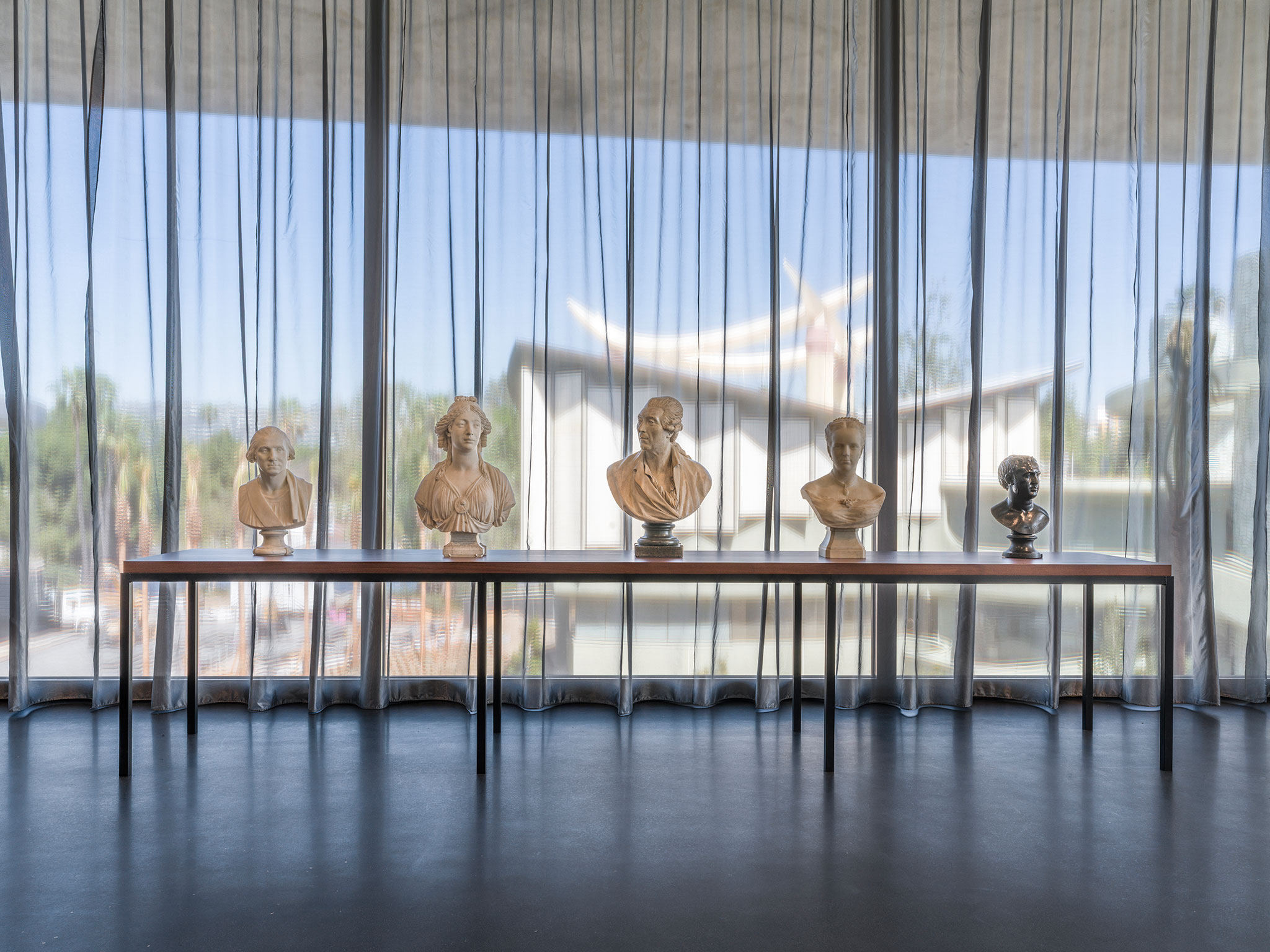
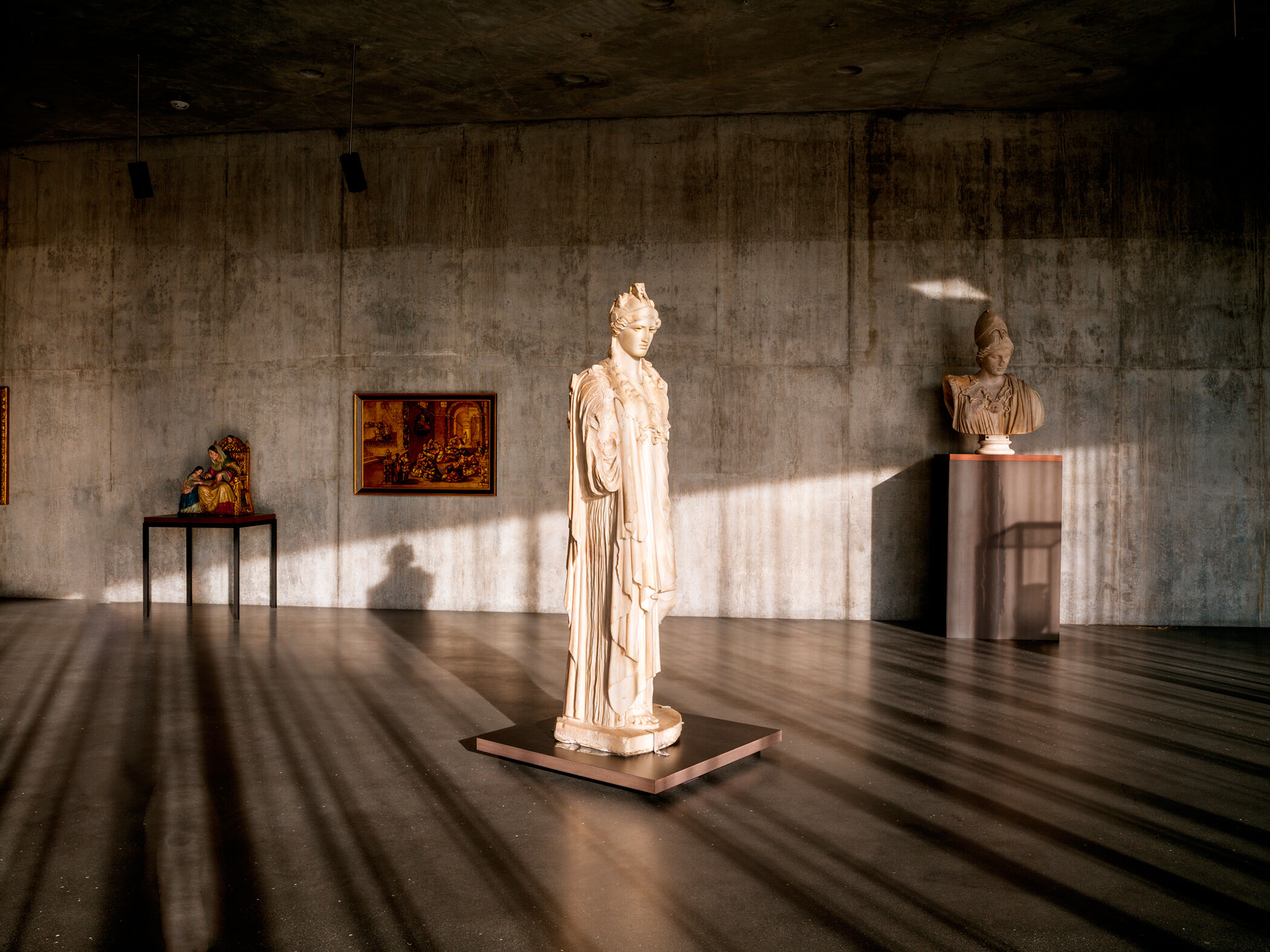
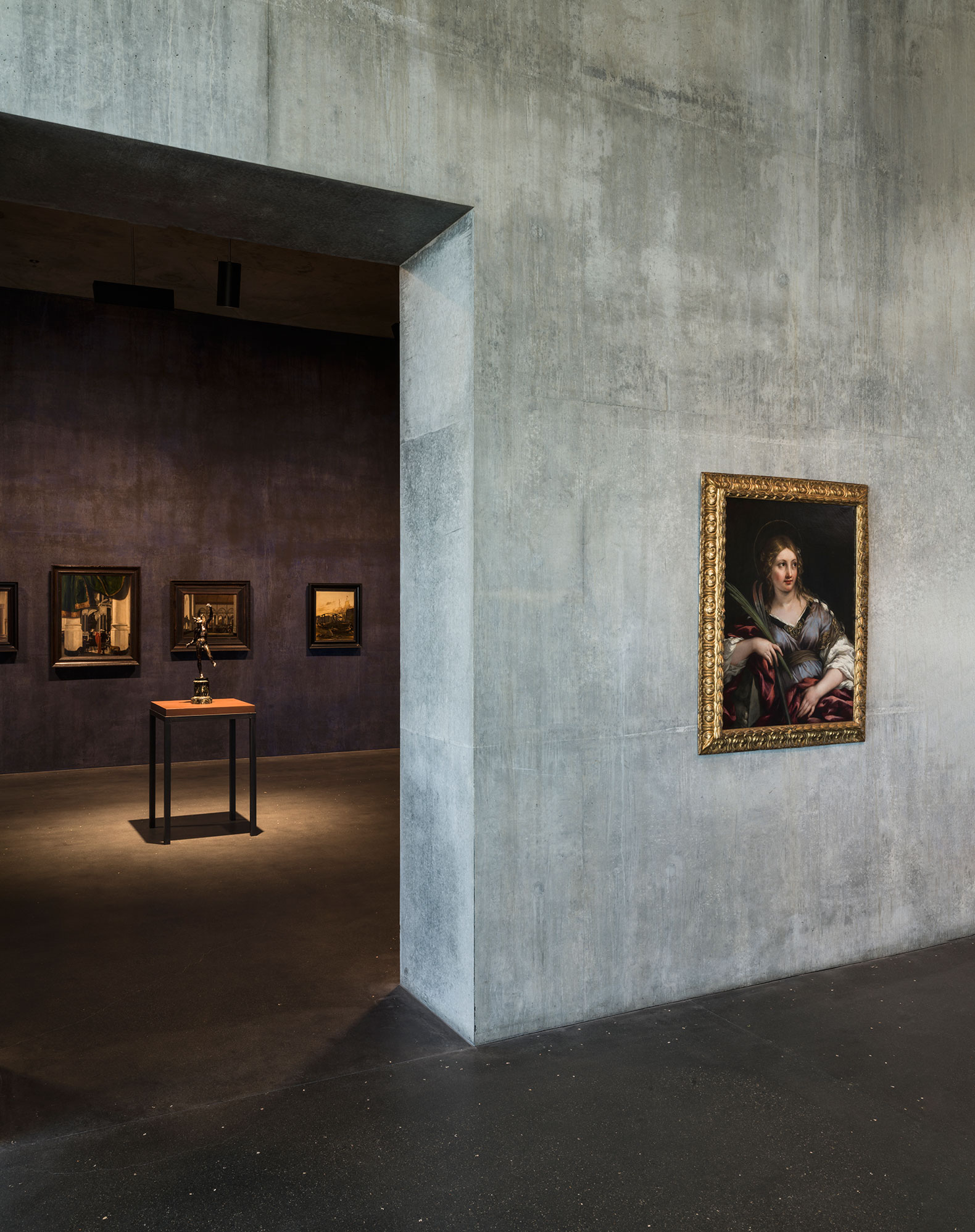
Classical Revivals in Europe and America with Pompeo Batoni’s Portrait of Sir Wyndham Knatchbull-Wyndham (1758–59) at right, David Geffen Galleries at LACMA. Photograph by Iwan Baan, courtesy by Museum Associates/LACMA.
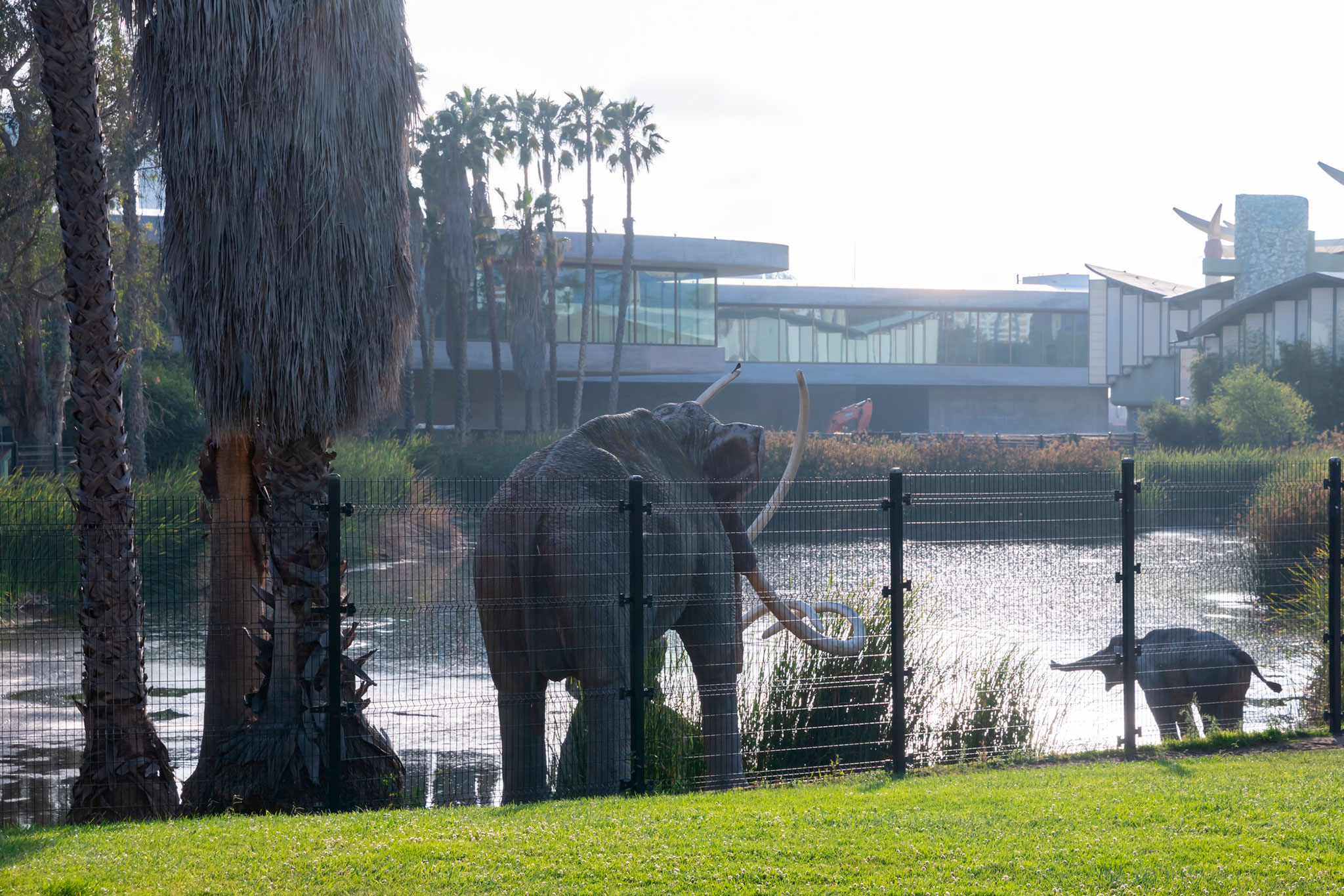
At park level, seven pavilions complement the design, housing spaces for educational and public programs, a theater, shops, and restaurants. Each of these spaces is integrated with and constantly engages in dialogue with the surrounding environment. In this sense, the interstitial spaces between the pavilions and their surroundings are treated as an extension of the exhibition halls.
Inaugural Installation
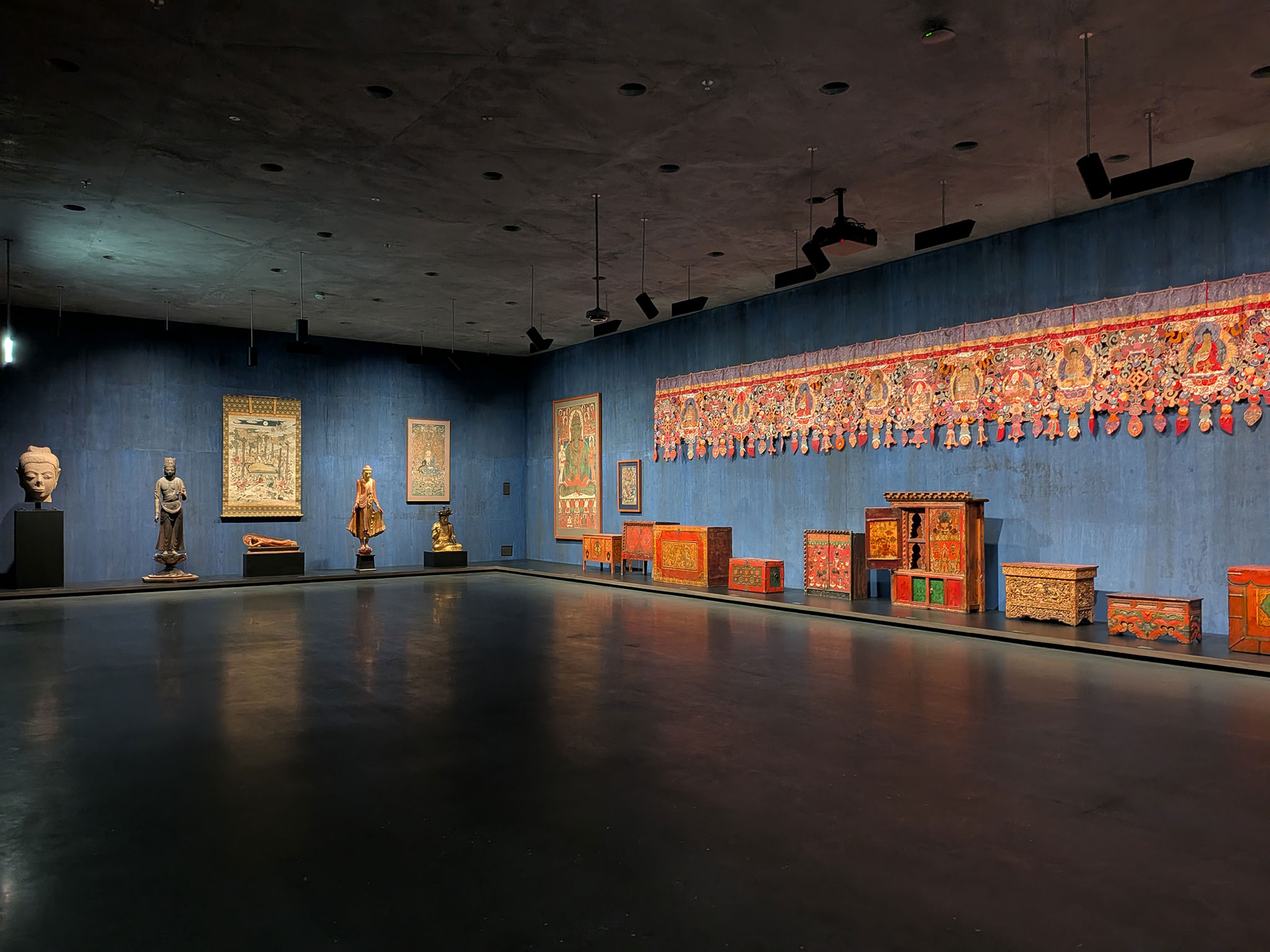
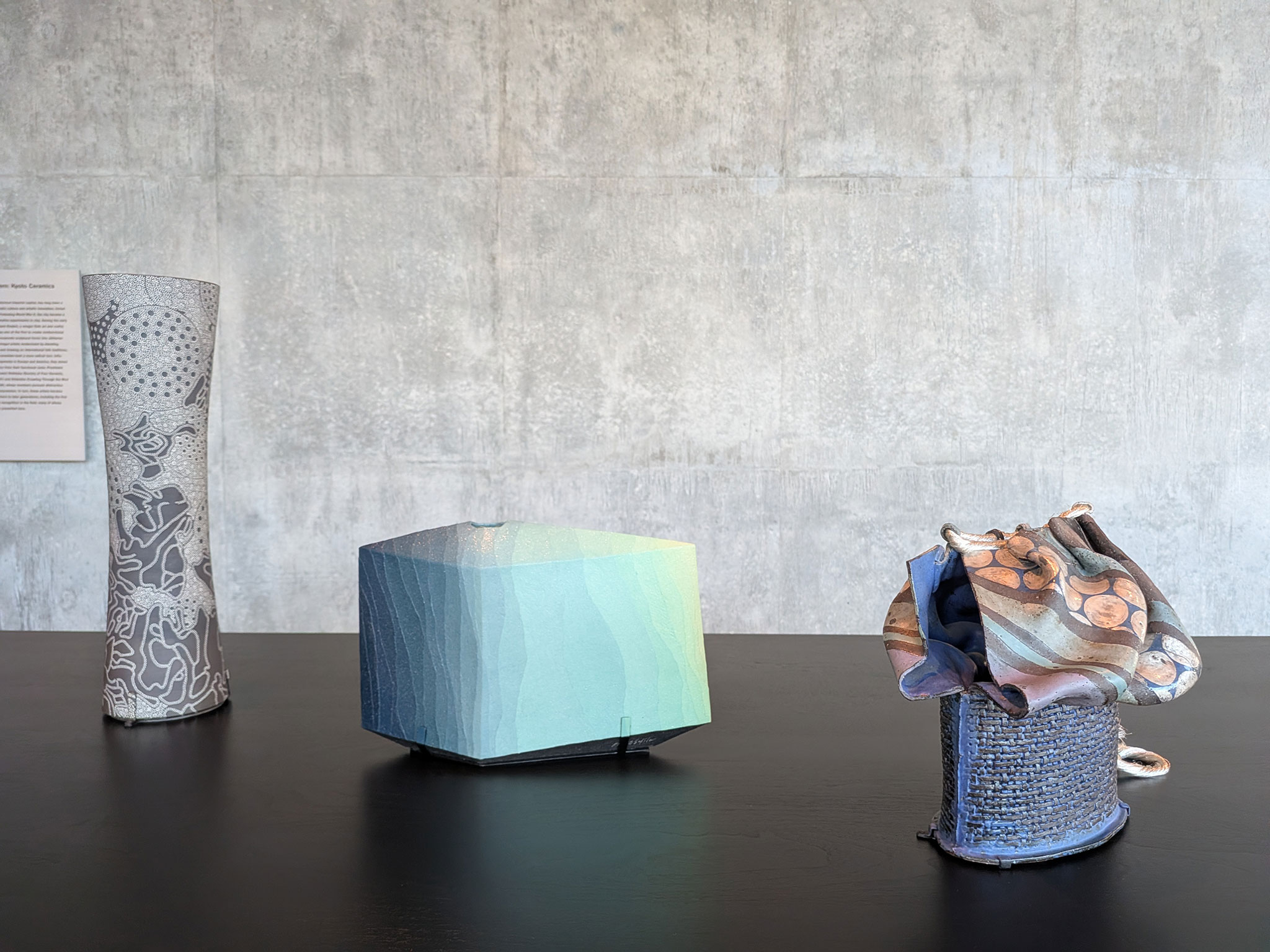
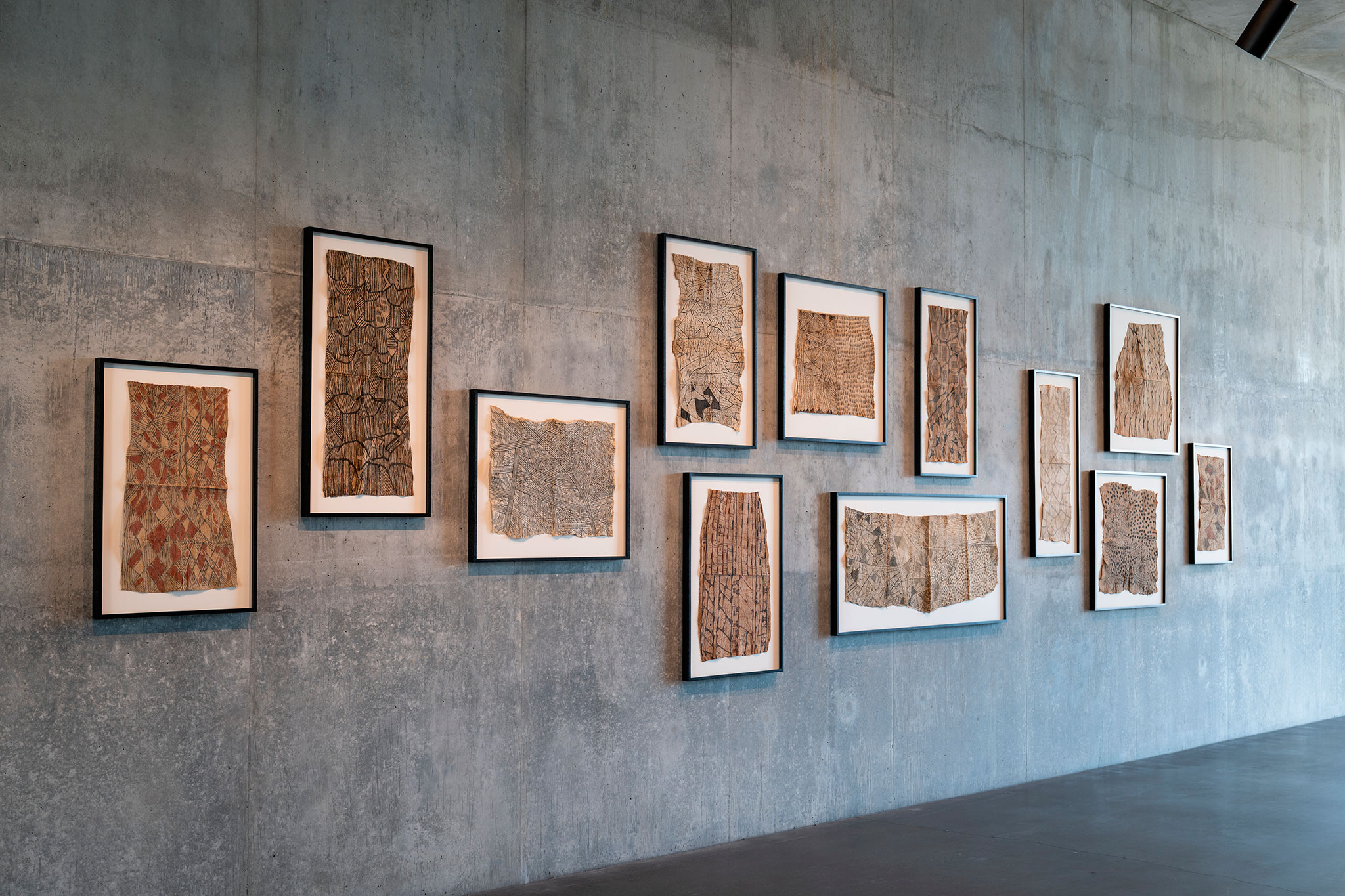
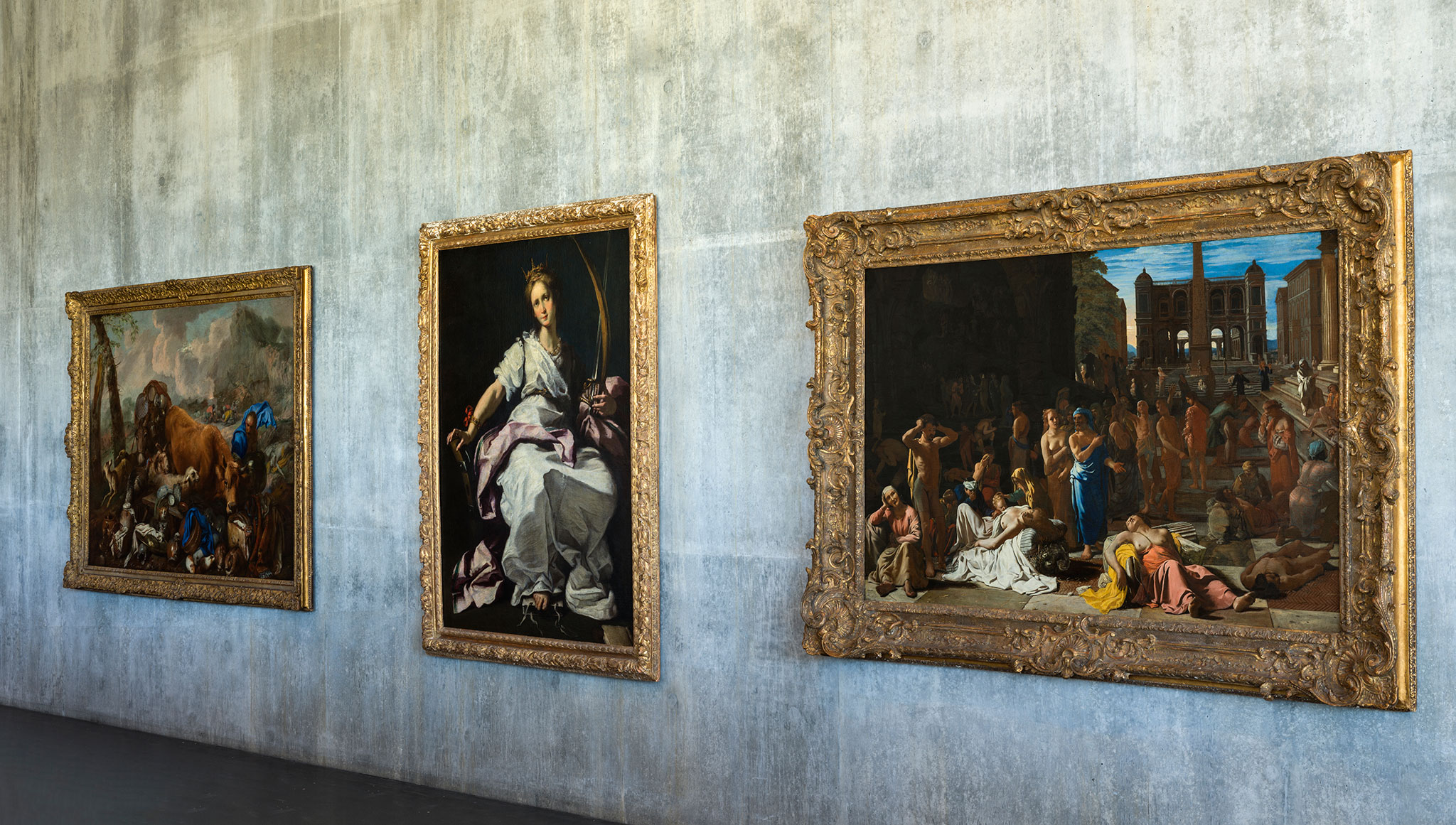
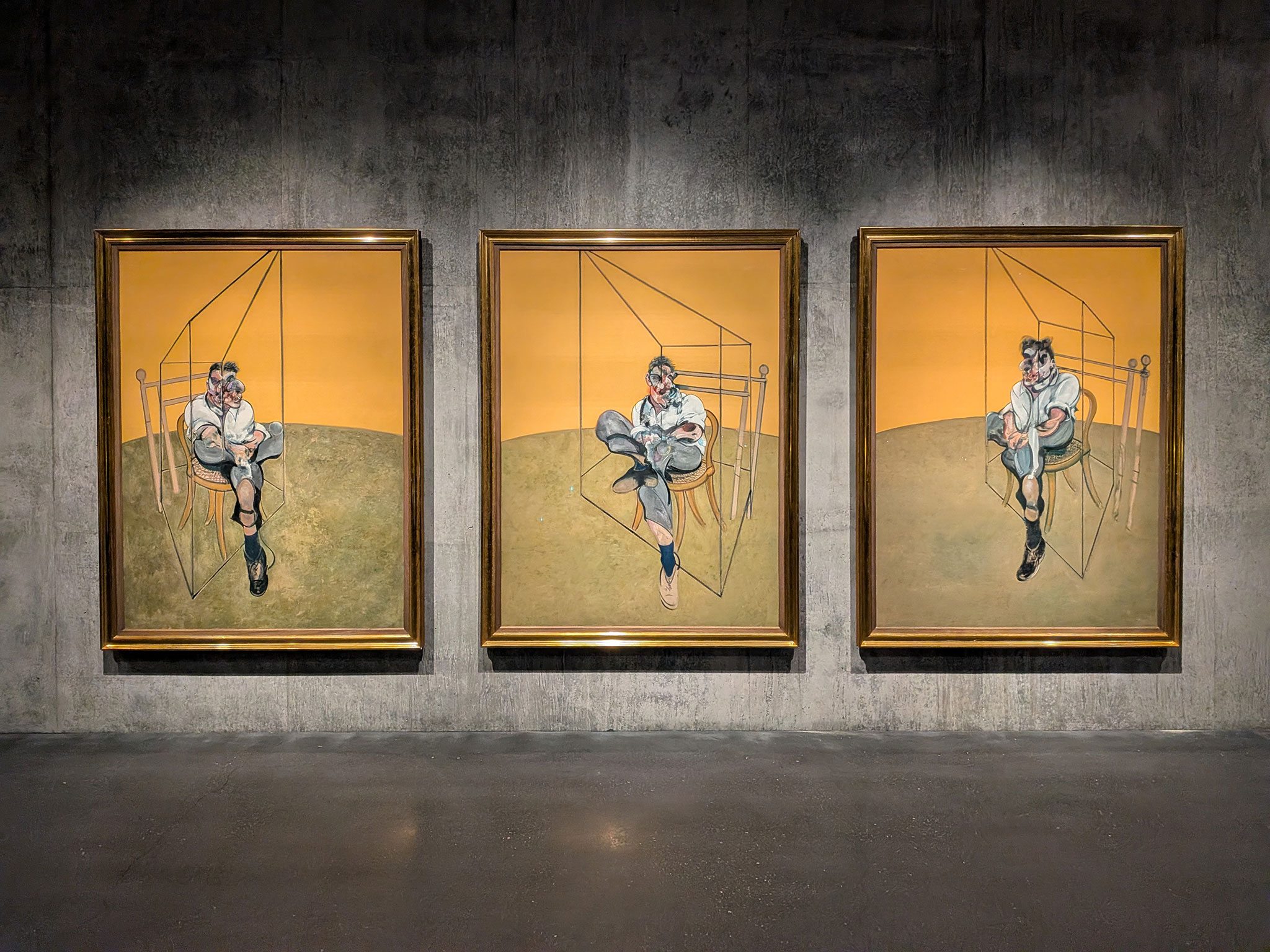
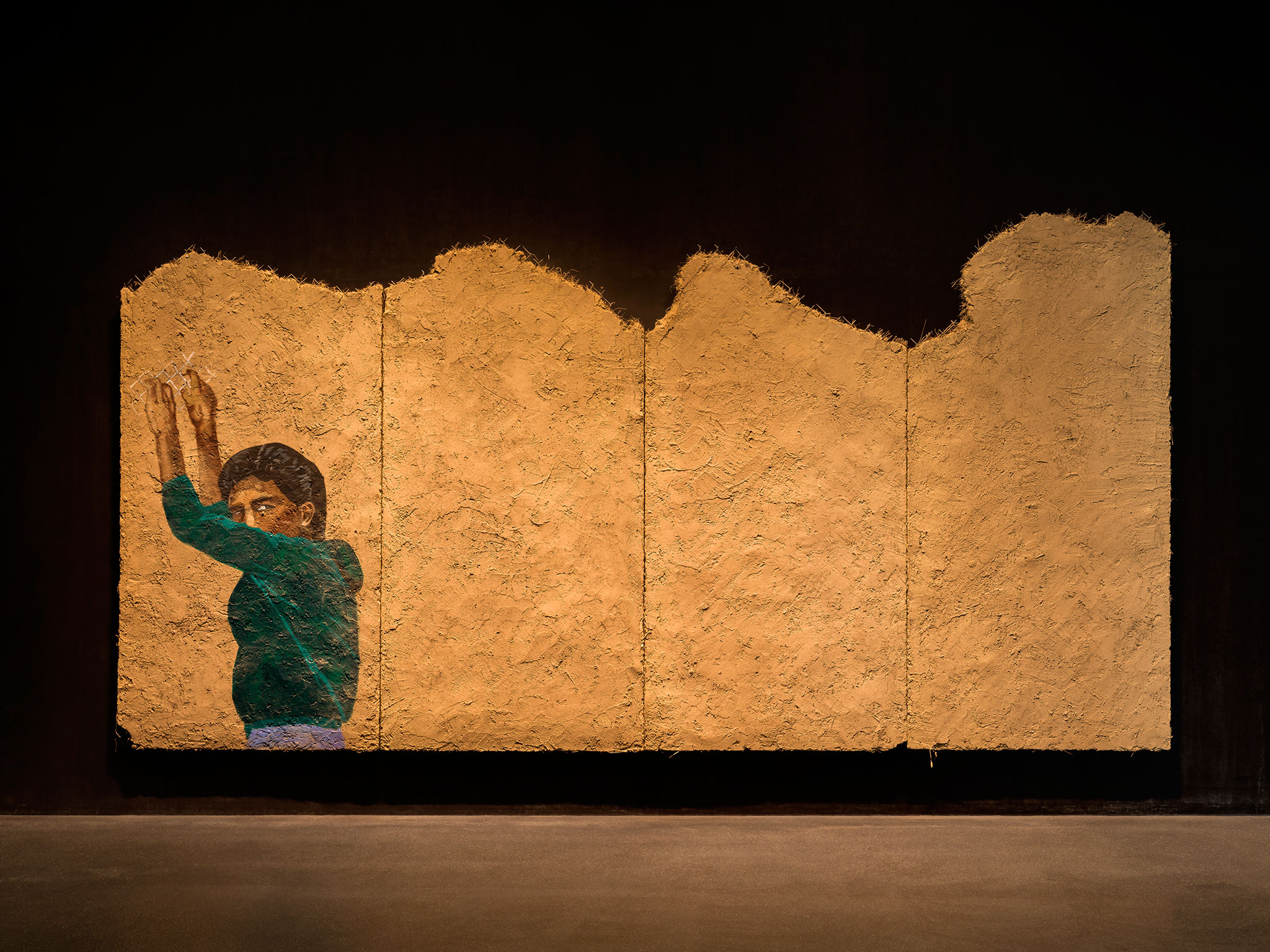
Forty-five curators from diverse fields of study collaborated on the inaugural installation of the David Geffen Galleries, where artworks from the museum's collection occupy 110,000 square feet of exhibition space.
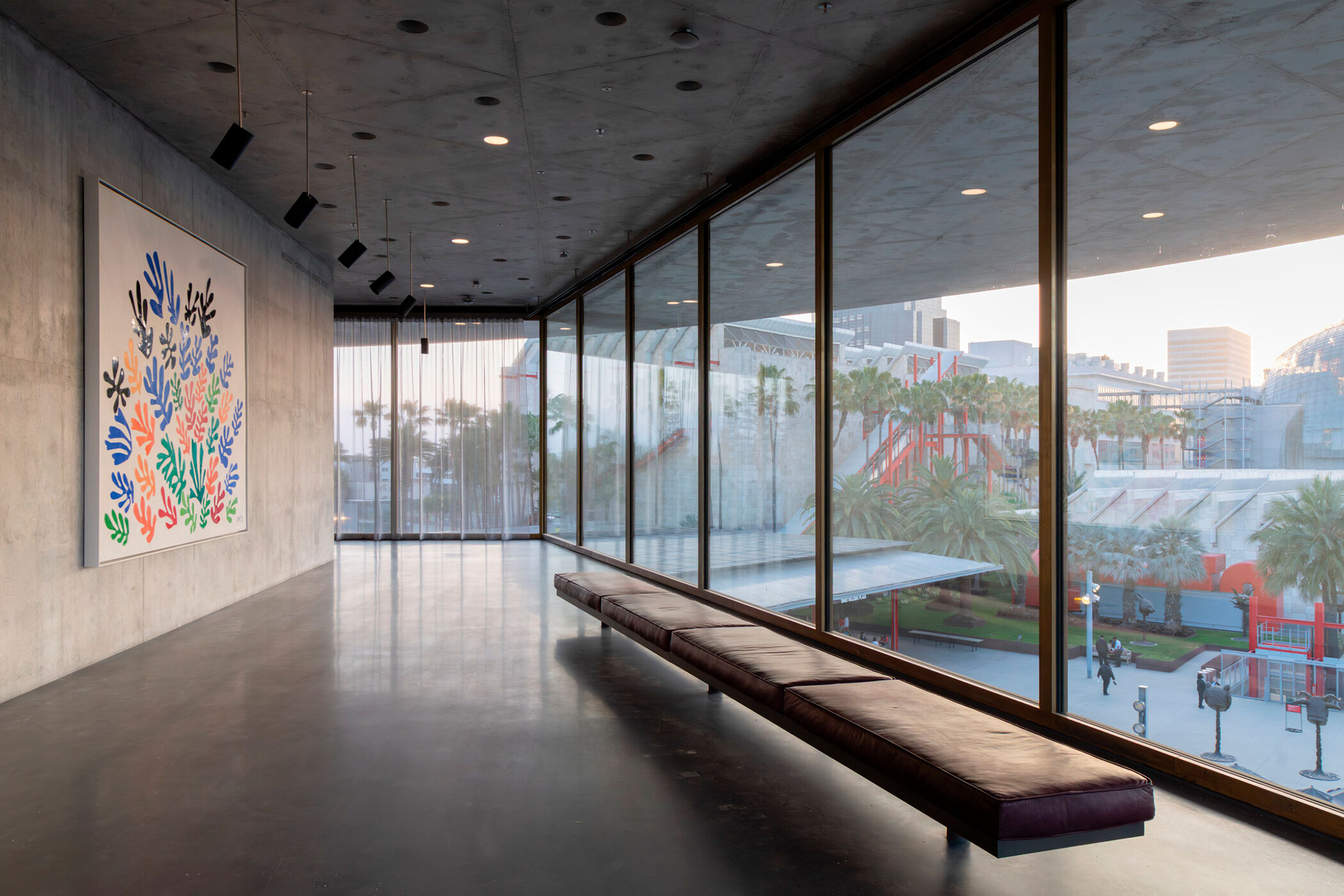
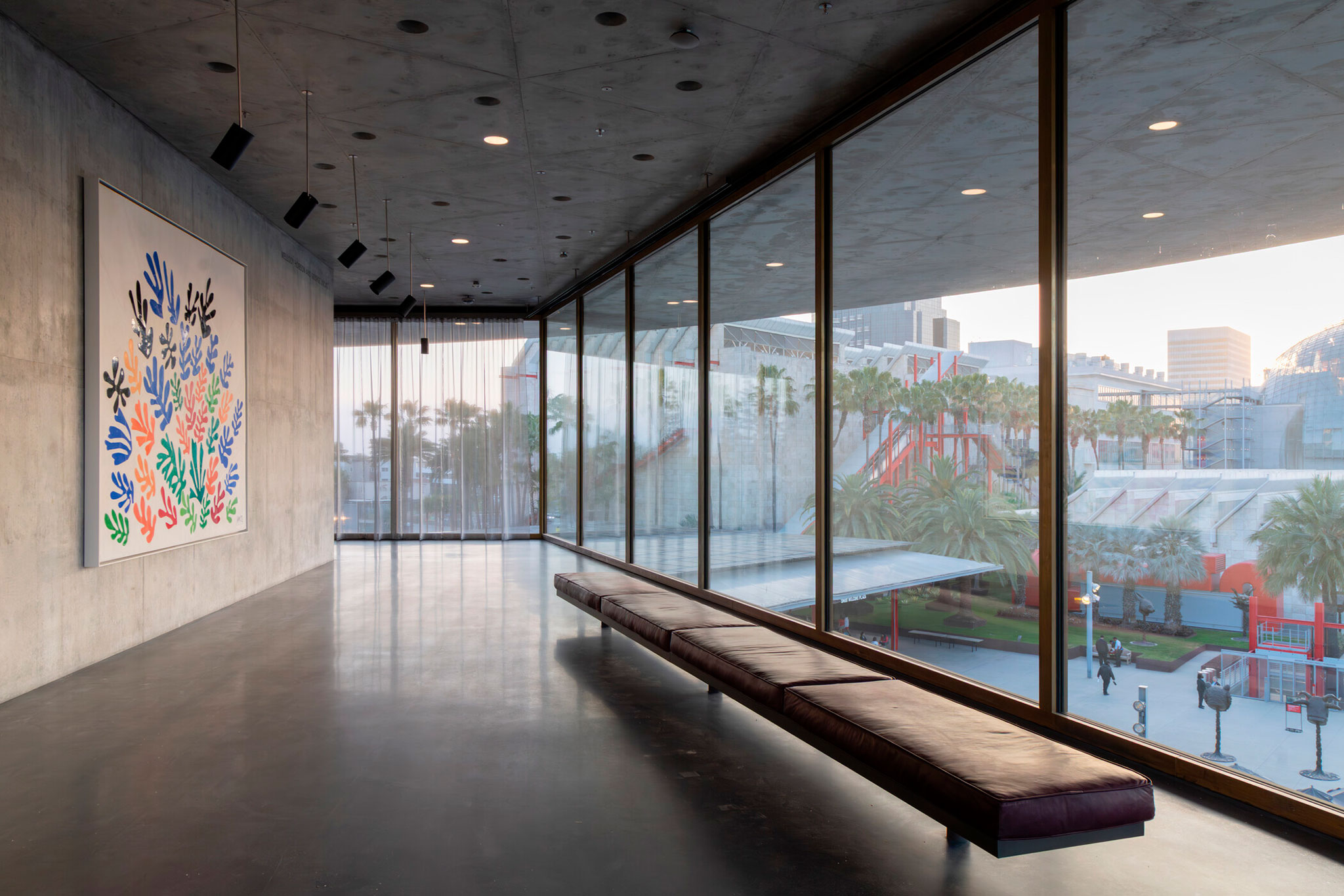
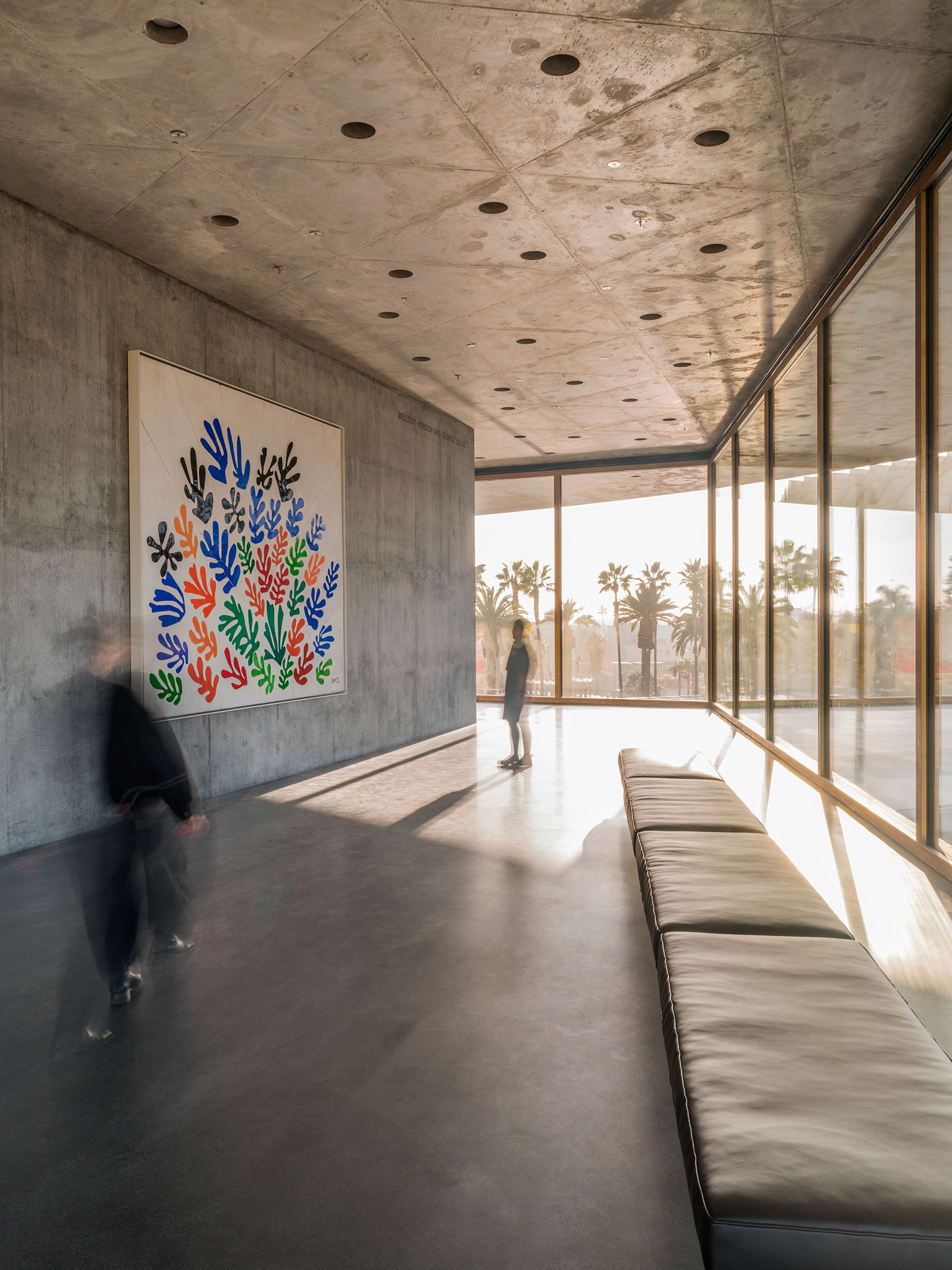
View southwest from exhibition level toward Resnick Pavilion and BCAM with Henri Matisse’s La Gerbe (1953) at left, David Geffen Galleries at LACMA, art © 2012 Succession H. Matisse/Artists Rights Society (ARS), New York, NY. Photograph by Iwan Baan, courtesy by Museum Associates/LACMA.
Moving away from traditional narratives, the installation uses the Pacific, Indian, and Atlantic Oceans, as well as the Mediterranean Sea, as a framework to explore innovative ways of connecting cultures and artistic traditions, and to tell multiple stories that renew a singular art-historical narrative, creating vital and surprising connections across time and space.