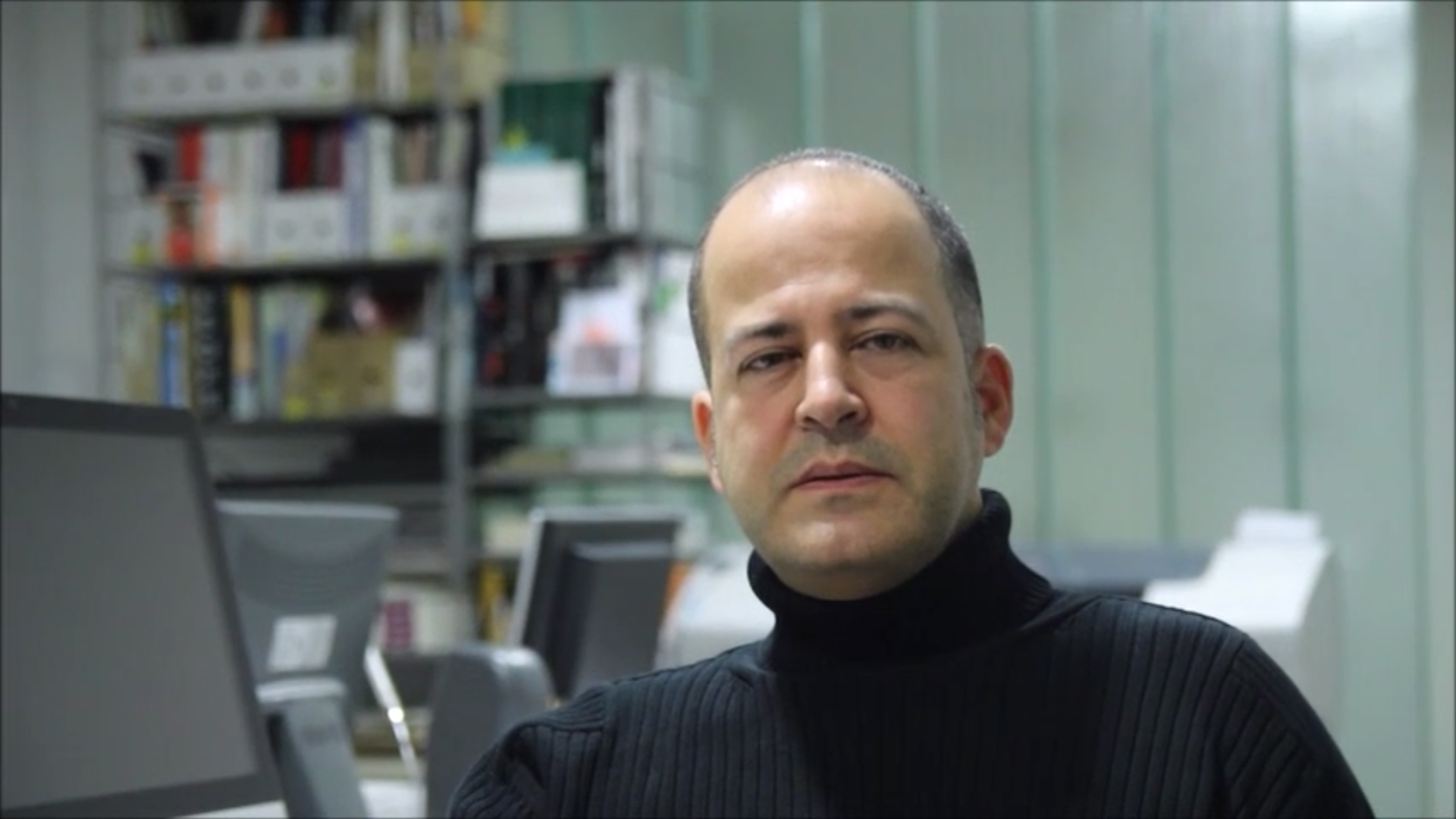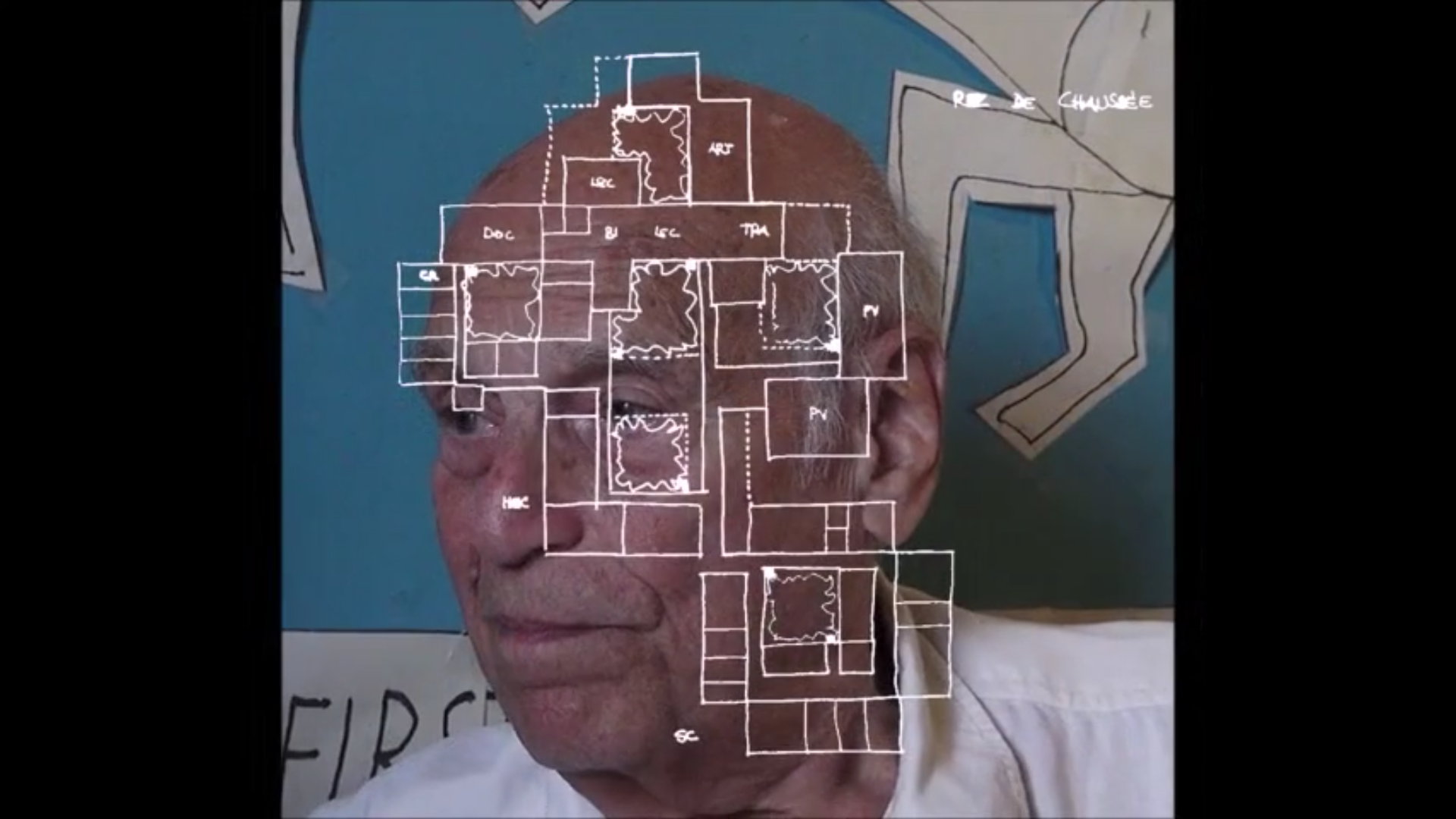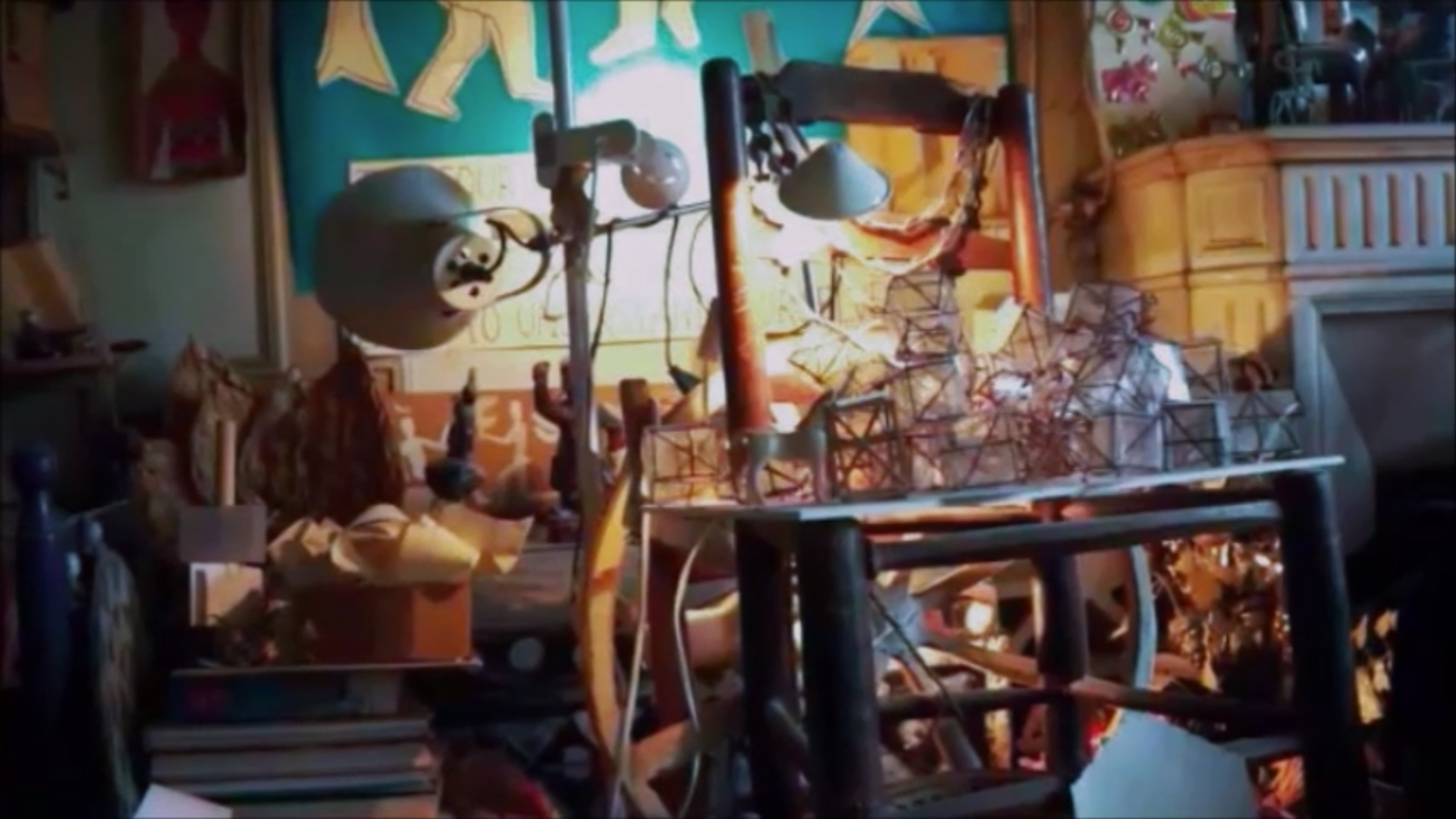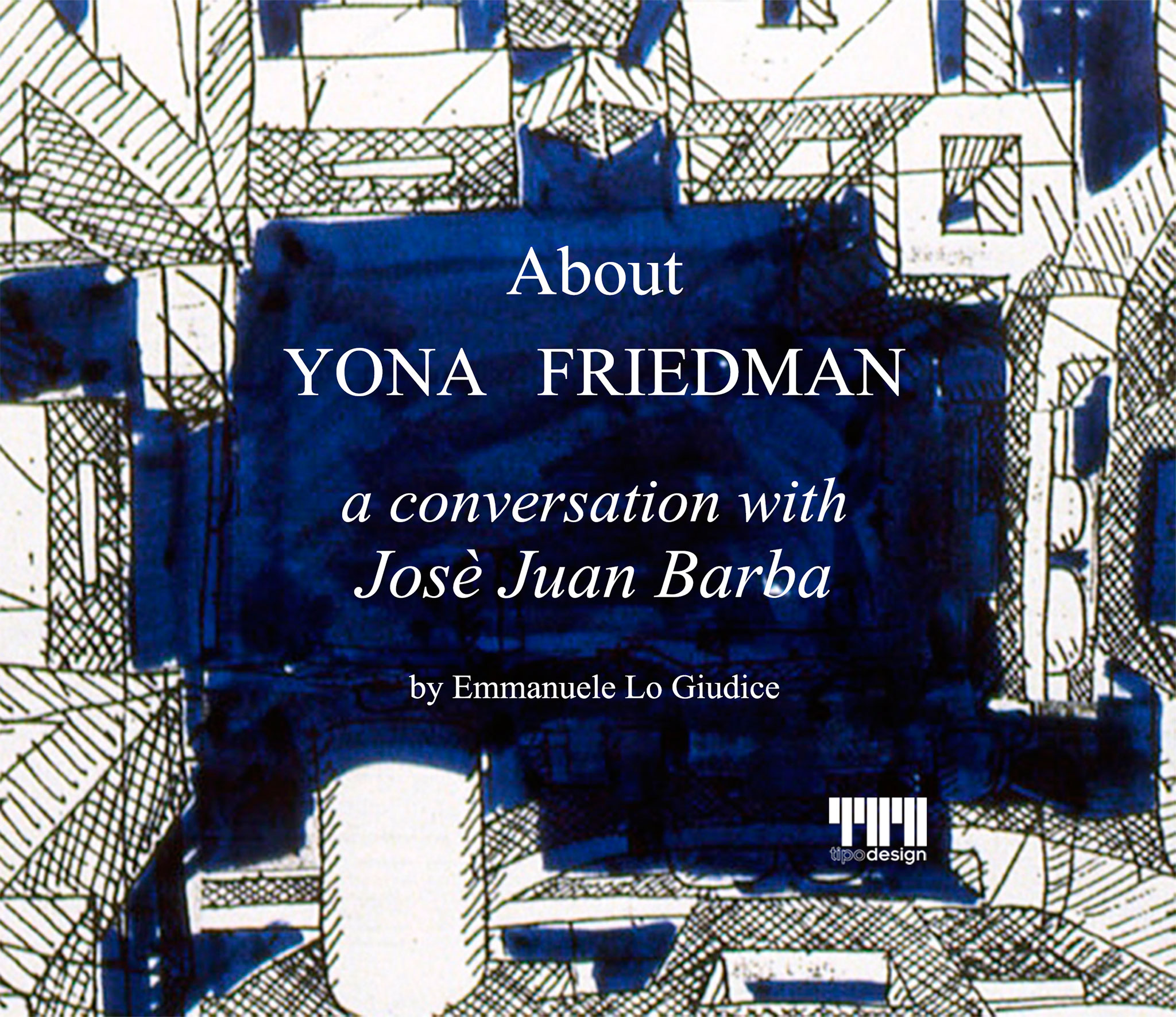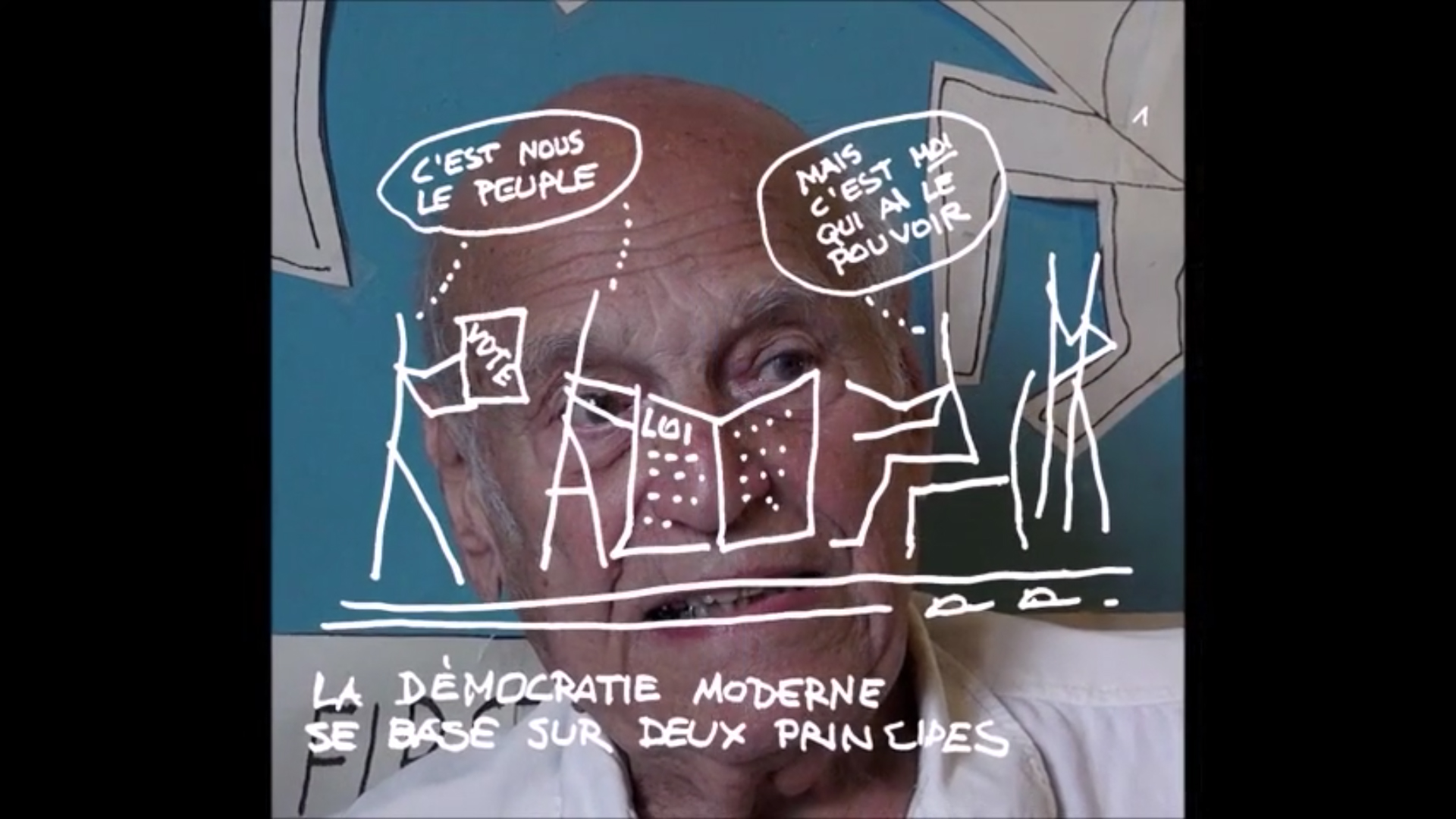
We present the video of the interview made to José Juan Barba by Emmanuele Lo Giudice on the figure of Yona Friedman.
The interview was held in Madrid in the winter of 2014 on the occasion of the exhibitions on the French architect and urbanist who took place the same year in the COAM and in the School of Architecture of the University of Alcalá.

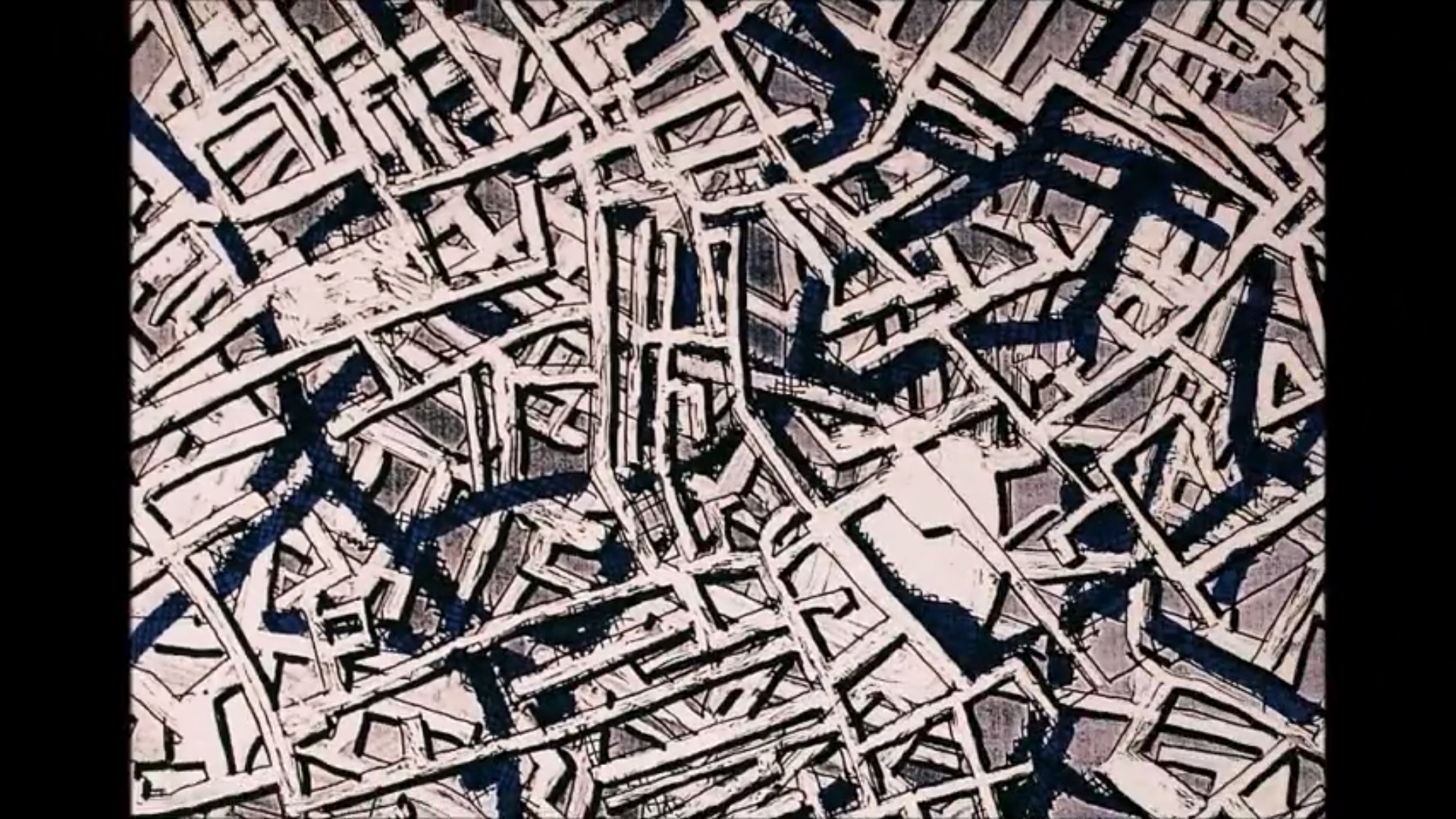
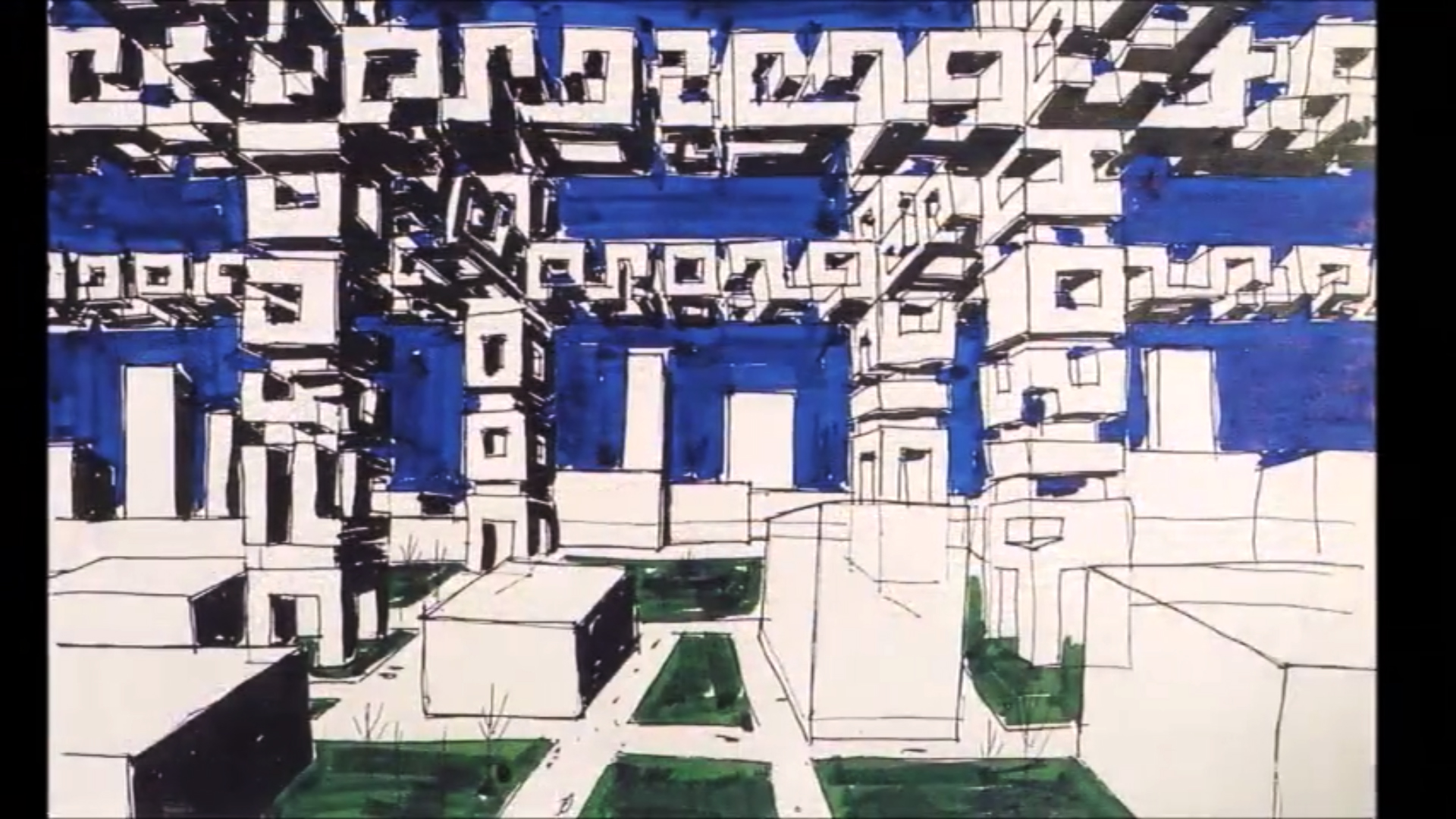
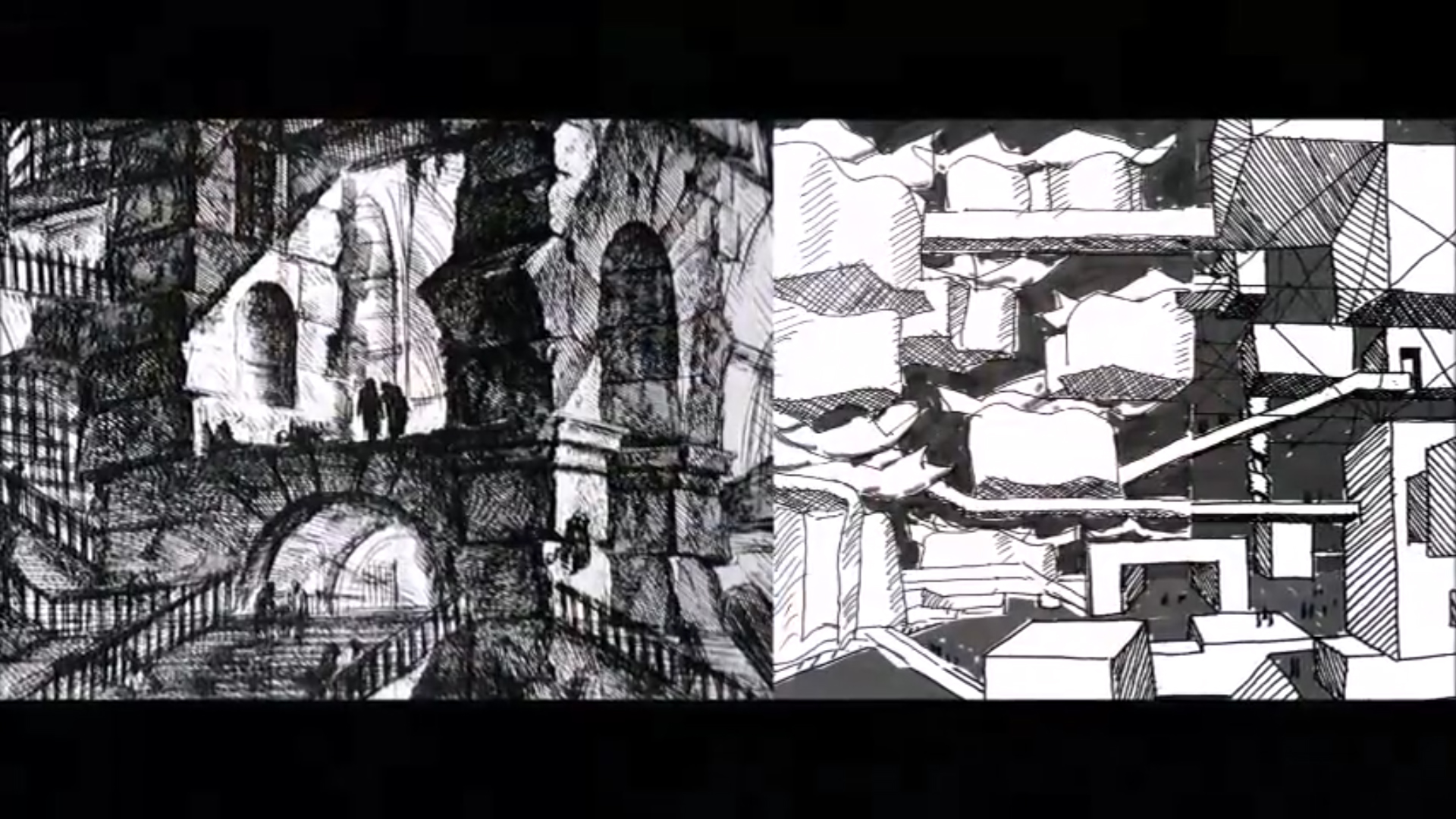
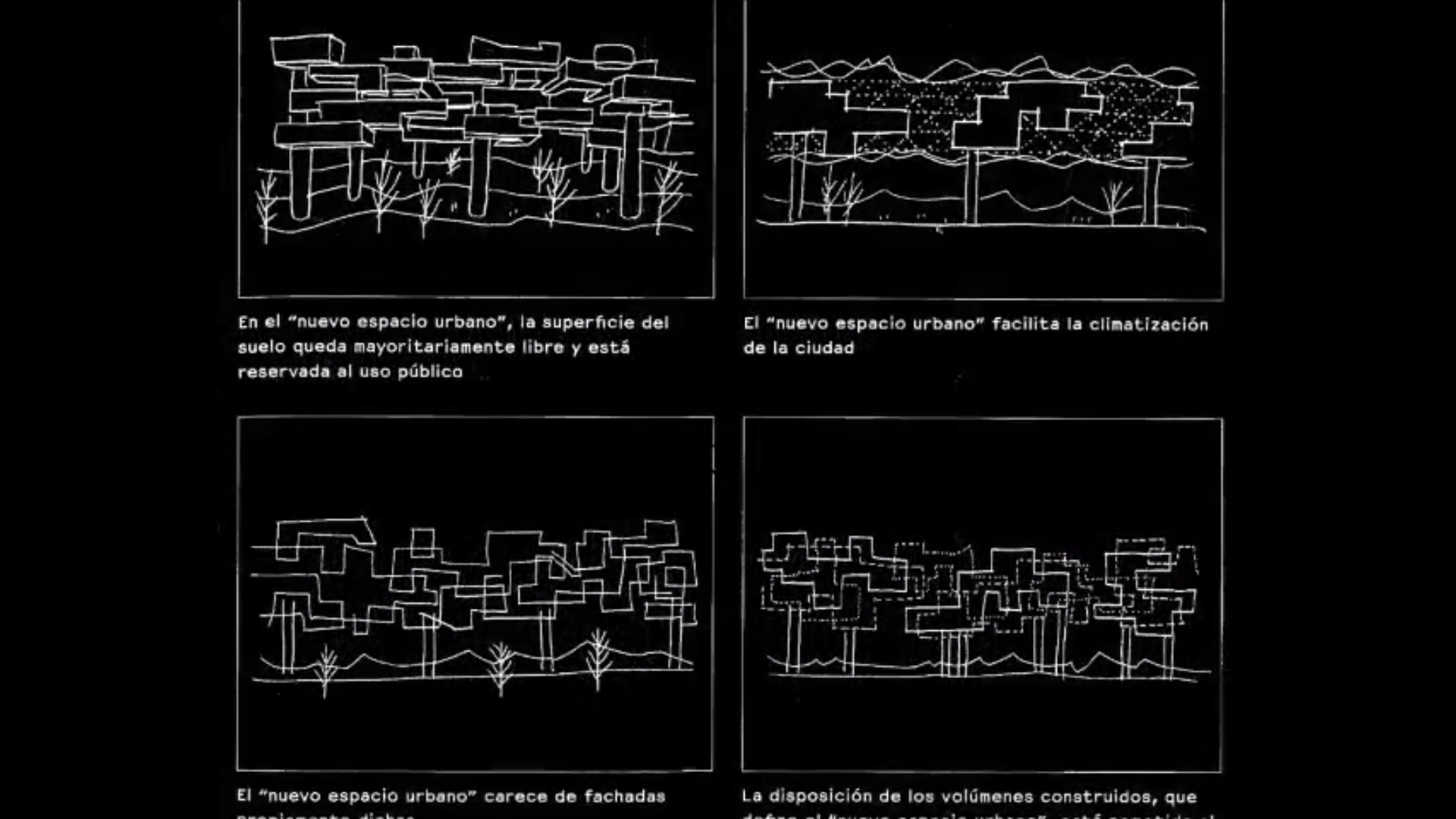
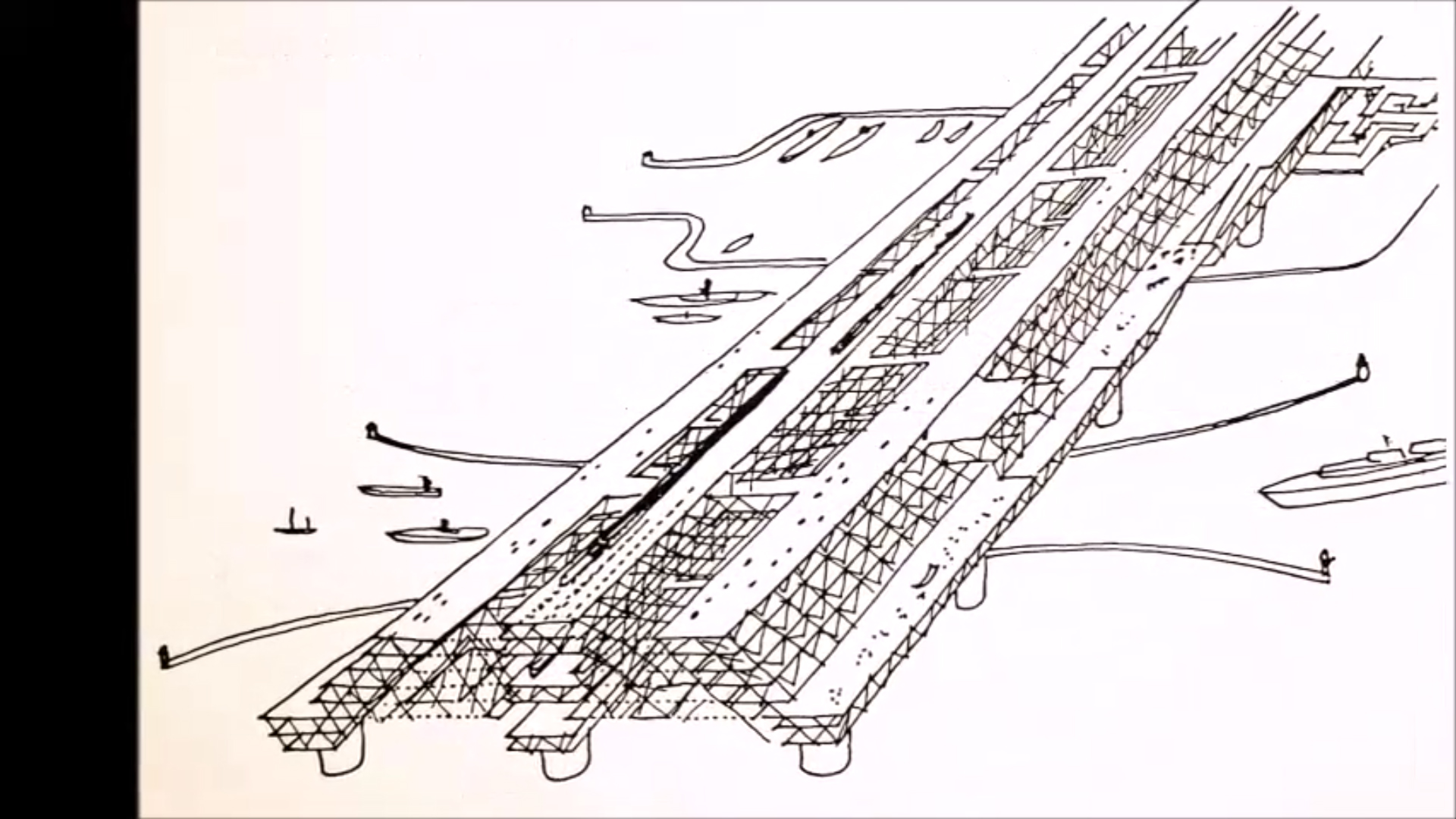
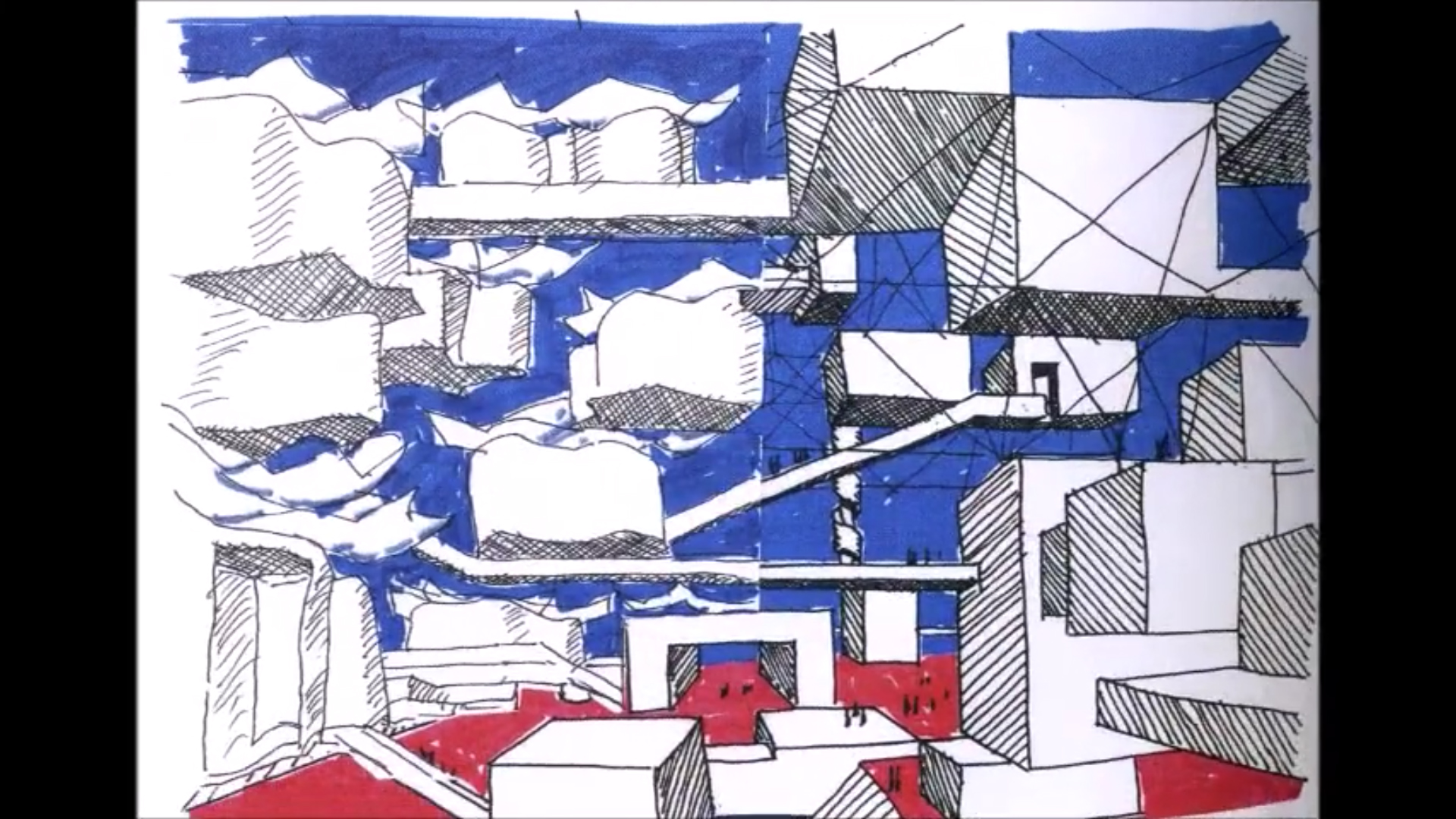
Yona Friedman, a French architect who despite having no built work, is one of the most important and influential figures of the twentieth century. For his graphic utopian discourse, he might be compared to Giovanni Battista Piranesi.

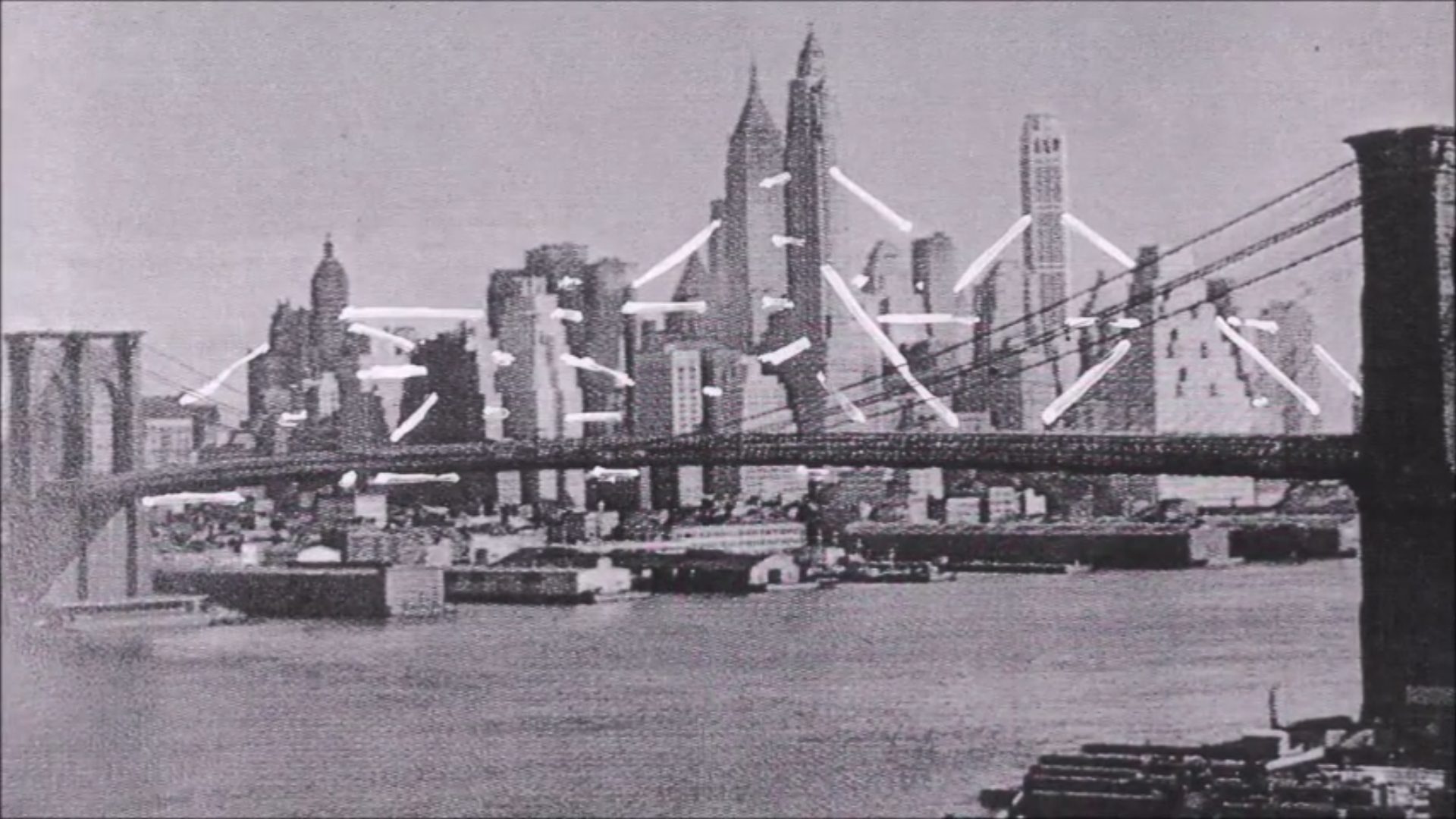
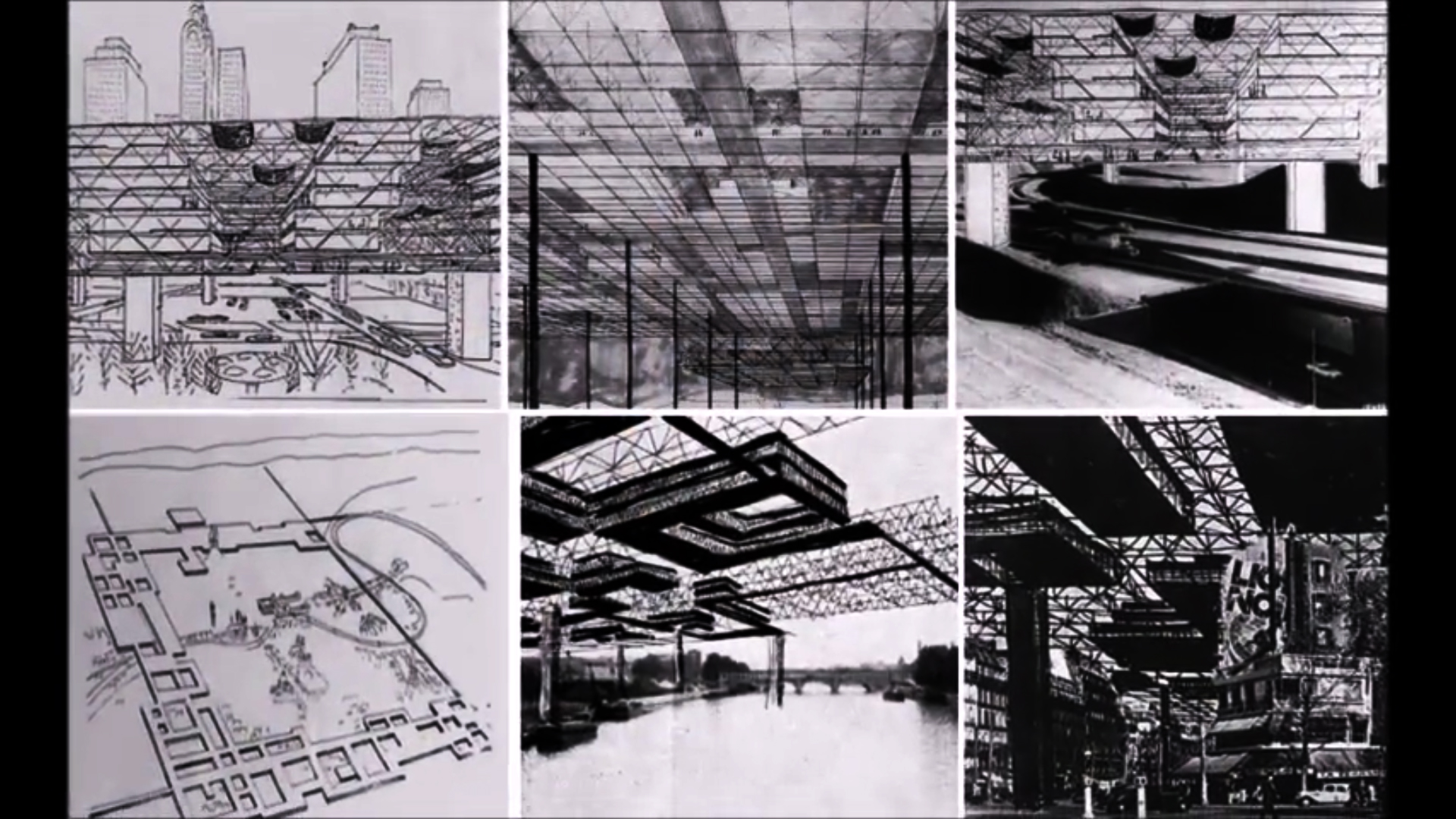
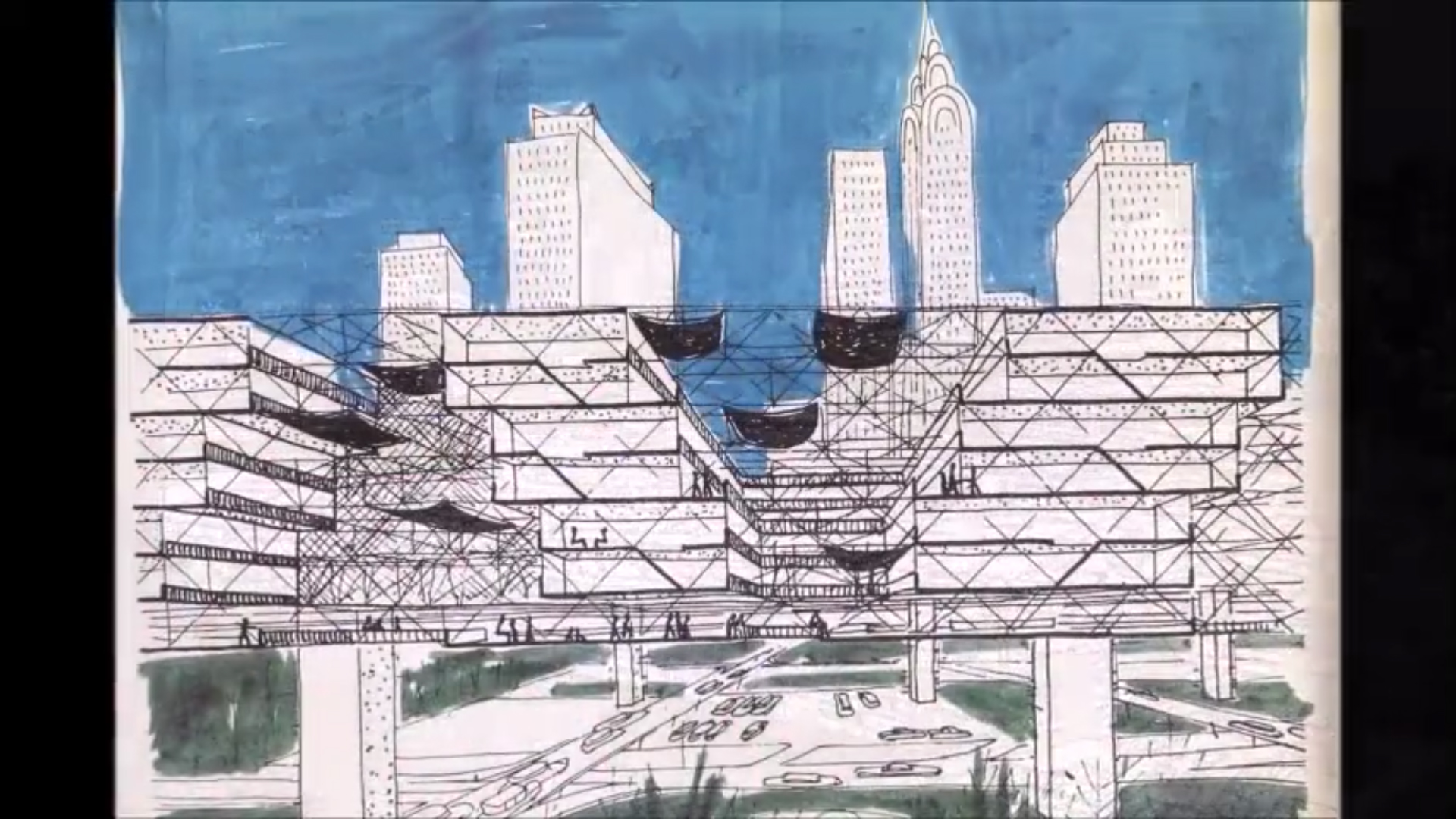
Yona Friedman is recognized by José Juan Barba as one of the pioneers of the twentieth century, who was ahead of his time and proposed ideas and projects that have been developed by others after decades. Friedman reconsidered the metropolitan character of architecture, his projects re-interpret the contemporary city, establishing a dialogue with the existing city. In his social utopias on Mobile Architecture he reflects on the ownership of land and citizen participation. Barba emphasizes his interventions in the great cities of the world based on the union and suppression of the borders within a geopolitical context of separation and rupture. Among Friedman's proposals stands out the colonization of Manhattan, as a recognition of the city of the twentieth century, a vision that later found echo in the works of Archigram, Rem Koolhas or Bernard Tschumi.

A tour with José Juan Barba through the trajectory and revolutionary ideas of an emblematic French architect, Yona Friedman.
Subtitles in English, click on CC


More information

Label
Production
Text
Fonds de Saint-Ange Dotation & NO PLAN
+ + copy Created with Sketch.
- + copy Created with Sketch.
Label
A project by
Text
Emmanuele Lo Giudice
+ + copy Created with Sketch.
- + copy Created with Sketch.
Label
Camera Operator - editing
Text
Emmanuele Lo Giudice
+ + copy Created with Sketch.
- + copy Created with Sketch.
Label
Music
Text
El Intruso: deep dermis waves
+ + copy Created with Sketch.
- + copy Created with Sketch.
Label
Special Thanks to
Text
Miguel Bernardini & Aurelie Beriot, Marcus Carus, Marianne Homiridis
+ + copy Created with Sketch.
- + copy Created with Sketch.

Emmanuele Lo Giudice (Palermo, Italia, 1975) es arquitecto y artista italiano, ha participado en diversas importantes exposiciones y festivales internacionales de arte y arquitectura en Italia, Suiza, Venezuela, Alemania, España y Colombia:FESTARCH de Perugia 2011; Hamburg Art Week 2012; Museo de Arquitectura Leopoldo Rother de la Universidad Nacional de Colombia en Bogota, la Casa Velasquez en Madrid,  la Universidad de Arquitectura de Venecia IUAV y ARCHIZOOM en Lausanne.

Desde el año 2010, Yona Friedman junto con Emmanuele Lo Giudice han desarrollado algunos projectos, analizando especialmente el tema del museo y llegando a soluciones aún más radicales con respecto a otros proyectos de Friedman, estudiando los siguientes proyectos: Venice Street Museum 2012; Perugia Street Museum 2011, Venice; The Museum of Civilization 2010.

El trabajo de Emmanuele Lo Giudice es de carácter multidisciplinar, donde la arquitectura, el dibujo, la fotografía y el ready-made se convierten en los instrumentos de análisis crítico de la arquitectura y de la ciudad.  Sus trabajos han sido adquiridos para el importante Archivio Progetti IUAV de Venecia y algunos de sus obras y artículos han sido publicados en ABITARE y por SKIRA.

La idea central en estos proyectos es que la tierra está sobre-construida, por lo tanto lo que se requiere no son más edificios, sino aprender a administrar de manera creativa el espacio con el que contamos. Se entiende así la arquitectura y el urbanismo como marcos para la vida y la creatividad humana. Se cuestiona el protagonismo que puede llegar a tener el edificio, permitiendo que éste se imponga ante el espectador y compita directamente con la exposición. Museos públicos, de bajo presupuesto, que no tienen necesariamente que ser edificios, sino un despliegue visual y una transformación conceptual de esta nueva forma de admirar el espacio, un museo enfocado al contenido y administración de un espacio no construido.

Read more

José Juan Barba (1964) is an architect, graduated from ETSA Madrid (1991), and holds a Doctorate in Architecture from ETSA Madrid, awarded Cum laude for his thesis Inventions: New York vs. Rem Koolhaas, Bernard Tschumi, Piranesi (2004). He received a special mention in the National Awards for Completion of Studies (1991) and served as an advisor to various NGOs until 1997. He founded his studio in Madrid in 1992 (www.josejuanbarba.com). 

Barba is an architecture critic and has been the director of METALOCUS magazine since 1999. Since 1998, he has directed the International Architecture Magazine METALOCUS (bilingual, Spanish/English), which has been recognized with multiple national and international awards.

He is a Full Professor at the University of Alcalá, leading the project line of the Habilitation Master's Architecture and City, responsible for several courses in Theory and Criticism, heading the Urban Planning area of the Department of Architecture, and participating in the research group Architecture, History, City, and Landscape at UAH. He has been invited to numerous architecture and urbanism forums, including the II Forum of Mexican Cities World Heritage: Urban Development, History, and Modernity, organized by the Pan-American Committee for Urban Development and Historical Heritage, and the World Urban Development Forum (FMDU) in Culiacán, Sinaloa, Mexico. He has also participated in the International Architecture and Urbanism Conferences from the perspective of women architects, and has lectured at prestigious national and international universities, including the National Building Museum (Washington, DC), Roma TRE, Politecnico di Milano, UPMF Grenoble, ETSA Madrid, ETSA Barcelona, University of Thessaly (Volos), UNAM Mexico, the Faculty of Architecture Montevideo, schools of architecture in Medellín, Ecuador, Alicante, Málaga, Granada, Seville, A Coruña, Universidad Iberoamericana Mexico, IE School, Universidad Europea Madrid, UCJC Madrid, and ESARQ-UIC Barcelona.

Barba has extensive professional experience in architecture, urban planning, landscape design, and territorial recovery. He has received numerous awards, including the First Prize for Gran Vía Posible for Delirious Gran Vía (Madrid), the River Interpretation Center (Zamora), exhibited at the World Architecture Festival (Barcelona 2008), Santa Bárbara Park (Toledo), the Erich Degner Architecture Prize 1995 promoted by the BBVA Foundation, and his Day Care Center for the Elderly project, featured in Volume 3 of the COAM Madrid Architecture Guide (2007). His work has been published in numerous national and international books and magazines.

He was also Maître de Conférences at IUG-UPMF Grenoble (2013–14), in a position obtained through a European competition. His work has been published internationally. He regularly serves on academic juries, including the editorial competition of Quaderns magazine (2011), as a selector for the Mies van der Rohe Awards (2007–2026), as juror for EUROPAN13 Spain (2015–16), TRANSFER in Zurich (2019), and was invited to participate in the Venice Biennale 2016 as part of the exhibition Spaces of Exception / Spazi d’Eccezione.

He has published several books, including The Dark Line. michele&miquel, dA Vision Design (2024), CONGRESO ANYWAY. The City of Cities (2020), #Positions (2016), and Inventions: New York vs. Rem Koolhaas, Bernard Tschumi, Piranesi (2015). He has contributed to other publications such as Public Space Gran Vía. The Tourism City (2020), Spaces of Exception / Spazi d’Eccezione (2016), La mansana de la discordia (2015), and Contemporary Architecture of Japan: New Territories (2015), as well as chapters in numerous books including Architects: A Professional Challenge (2009), 21st Century Architectures (2007), Ruta de la Plata, New Conquerors of Space (2019), and The Tourism City (2020).

Selected awards include:

- “PIERRE VAGO” ICAC. International Committee of Art Critics Award, London, 2005
- “PANAYIOTI MIXELI AWARD,” SADAS-PEA, award for the promotion of architecture, Athens, 2005
- “SANTIAGO AMÓN” AWARD, award for the promotion of architecture, COAM Madrid, 2000
- FAD Award 07, Ephemeral Interventions, First Prize, M.C. Escher Exhibition, Arquin-FAD, Barcelona, 2007
- World Architecture Festival, Center for Research and Interpretation of the Rivers, Tera, Esla, and Órbigo, Finalist, Barcelona, 2008
- Gran Vía Posible, First Prize, Delirious Gran Vía, Madrid, 2010
- Reform of the Río Segura Surroundings, Award, Murcia, 2010

Read more

Yona Friedman was born in Budapest, Hungary in 1923, and pass away Paris, France, February 21, 2020. He studied at the Technical University in Budapest (Budapesti Műszaki és Gazdaságtudományi Egyetem) and in Haifa. His work has spanned areas ranging from architecture, art and animated film to education and writing. He has participated in numerous art biennials including Shanghai, Venice and Documenta 11. His highly visionary ideas have nurtured various generations of architects and urbanists, influencing groups such as Archigram and even Kenzo Tange, who declared as such in 1970 in Osaka.

In 1956 he published L'architecture mobile, his manifesto which conceived of an urban structure on piles, appropriate for spaces where building is not possible or permitted. This also became the foundational document of the GEAM, Groupe d'étude d'architecture mobile. He created urban concepts such as the Spatial City, based on the free organisation of a city by citizens using low-cost mobile and reusable modules. In 1965 he founded, together with Ionel Schein, Walter Jonas and others, the GIAP, Groupe International d'Architecture Prospective.

From the 1960’s he also became interested in animated film making which would lead him to propose a series of do-it-yourself construction manuals with simple pictograms addressing basic questions, which we could summarise under the title L´habitat c’est mon affaire. Comment habiter la terre (Habitat is my business: how to inhabit the earth). These were edited by the United Nations and given broad distribution in India, South America and Africa.

Read more
Published on: March 12, 2017
Cite:
metalocus, OLGA SVISHCHEVA
"On Yona Friedman a conversation with José Juan Barba" METALOCUS. Accessed
<https://www.metalocus.es/en/news/yona-friedman-a-conversation-jose-juan-barba> ISSN 1139-6415
Loading content ...
Loading content ...
Loading content ...
Loading content ...
Loading content ...
Loading content ...
Loading content ...
Loading content ...
Loading content ...
Loading content ...
Loading content ...
Loading content ...
Loading content ...
Loading content ...
Loading content ...
Loading content ...
Loading content ...
Loading content ...
Loading content ...
Loading content ...
Loading content ...
Loading content ...
Loading content ...
Loading content ...
Loading content ...
Loading content ...
Loading content ...
Loading content ...
Loading content ...
Loading content ...
Loading content ...
Loading content ...
Loading content ...
Loading content ...
Loading content ...
Loading content ...
Loading content ...
Loading content ...
Loading content ...
Loading content ...
Loading content ...
Loading content ...
Loading content ...
Loading content ...
Loading content ...
Loading content ...
Loading content ...
Loading content ...
Loading content ...
Loading content ...
Loading content ...
Loading content ...
Loading content ...
Loading content ...