Material as a generator of movement
Discussing spatial composition involves discussing how people perceive and navigate a space. Moving beyond dimensions or proportions, we focus on visual cues that guide movement and shape how the environment is interpreted.
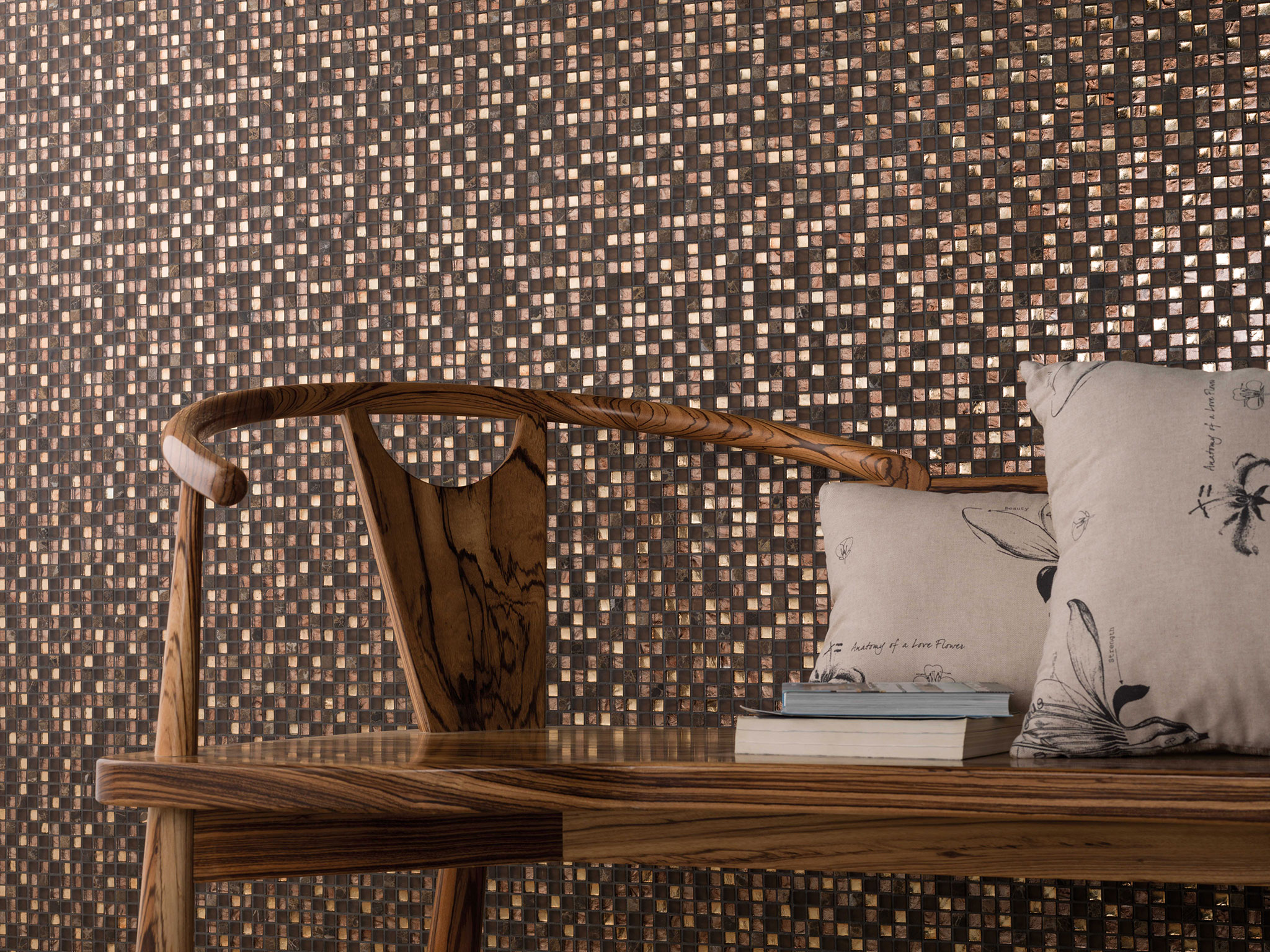
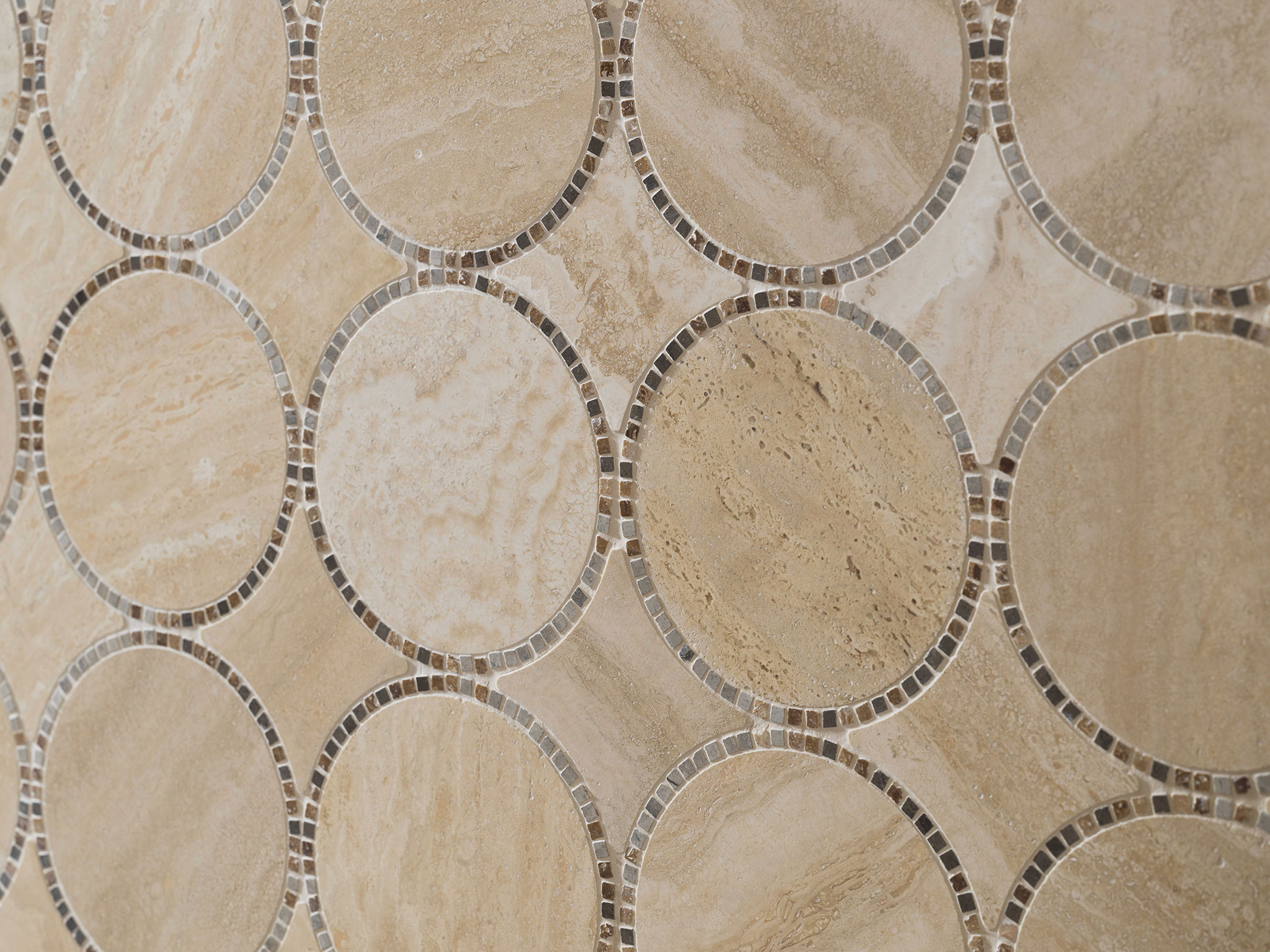
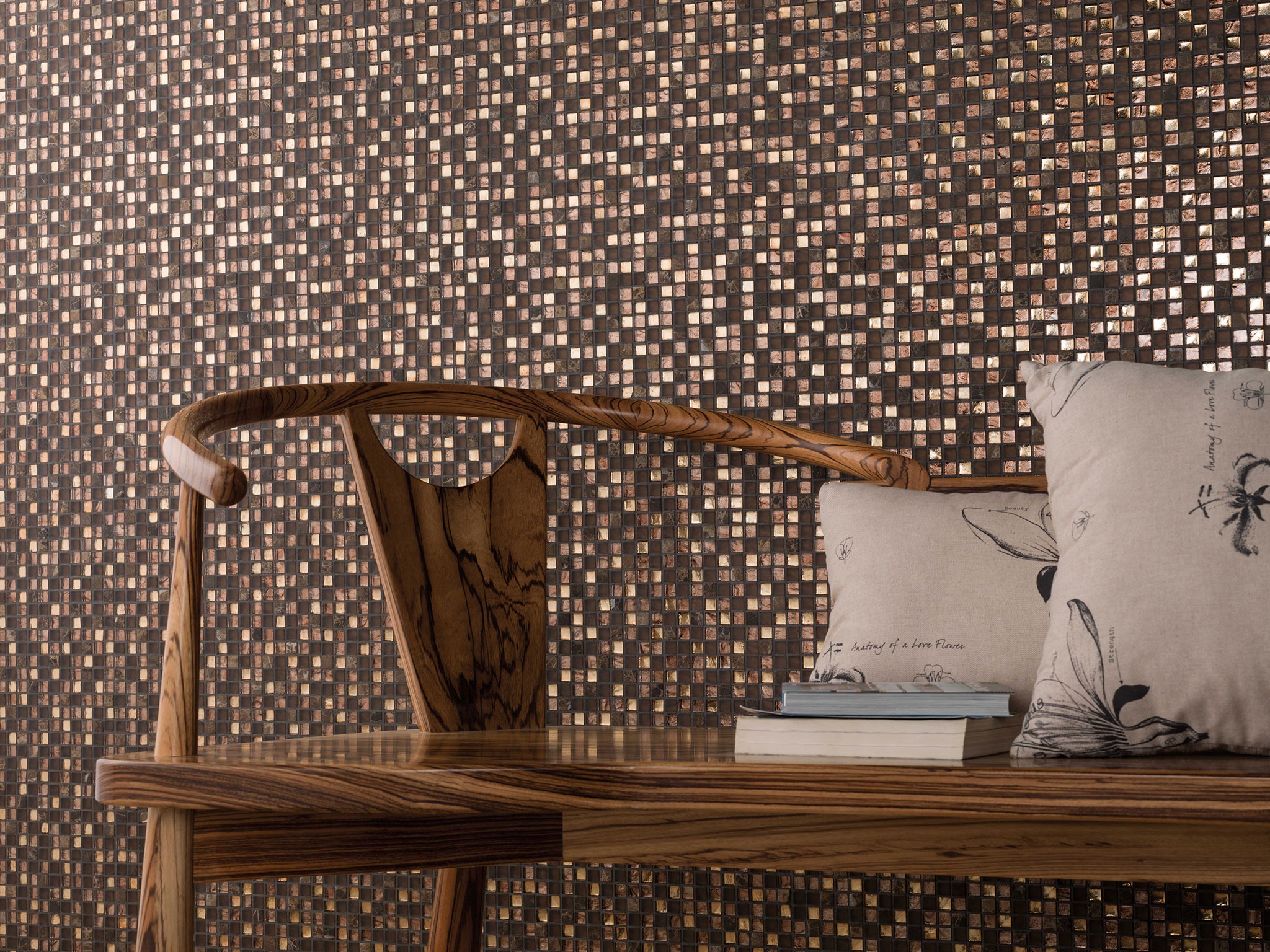
Mosaic allows for marking transitions, visually directing movement, and establishing connections between different areas without the need for physical barriers. Its modular nature facilitates the creation of visual sequences that accompany the architectural experience: a threshold that changes pattern to signal the passage from one space to another, a floor that becomes denser to indicate an area for lingering, or a wall that fragments to guide the gaze toward a focal point.
The Scale of Mosaic Versus the Dominance of Large Formats
In architecture, large-format cladding has long held a monopoly in interior design. L’Antic Colonial’s mosaic breaks with this tradition. Rather than competing with large formats, the mosaic offers its own compositional logic, based on accumulation and repetition.
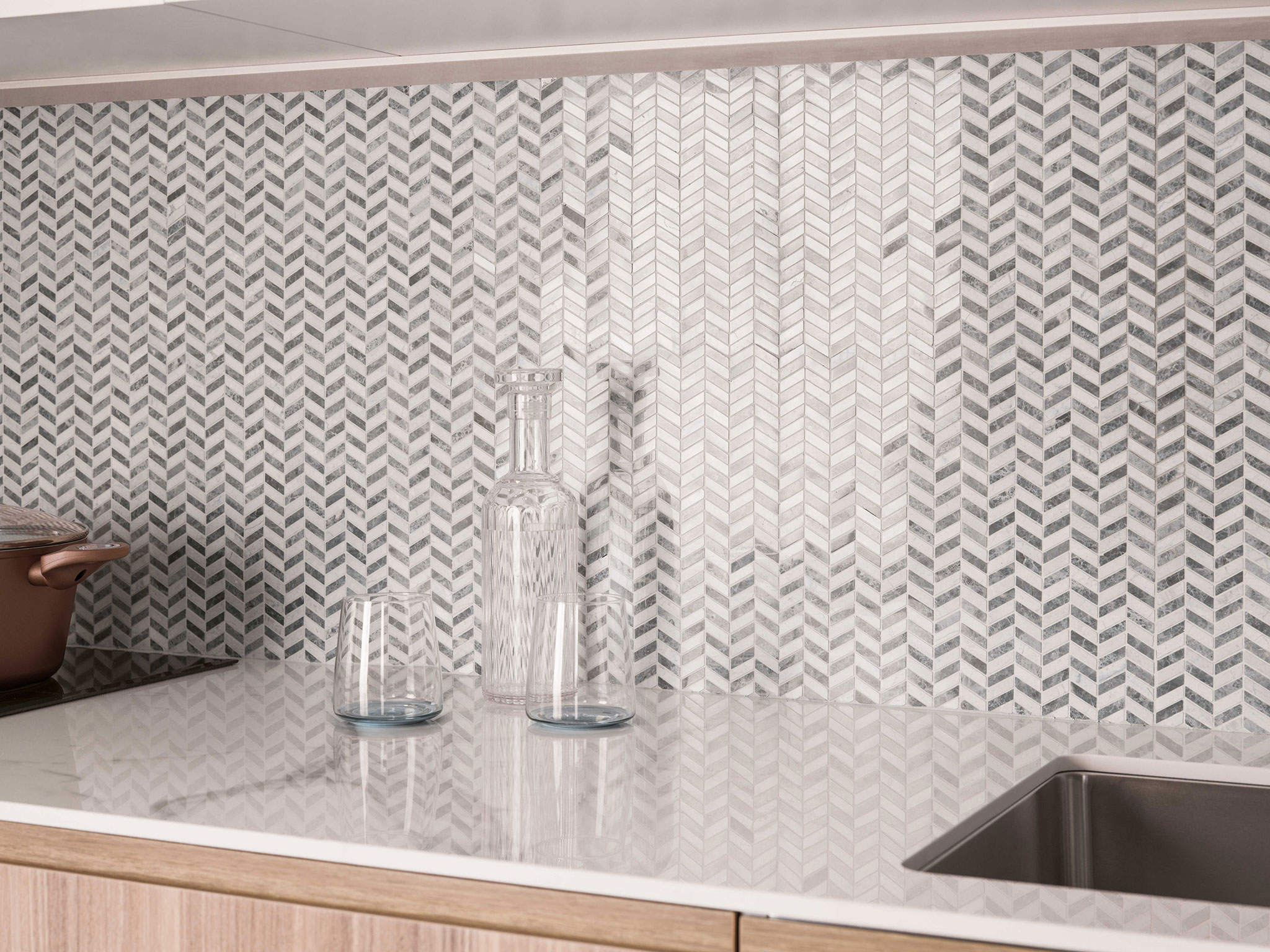
The multiplication of the module introduces rhythm, texture, and visual depth. Its scale allows for precise detailing and the adaptation of the design to complex geometries, construction joints, or surfaces that require a greater degree of customization.
Texture and Identity in Contemporary Architecture
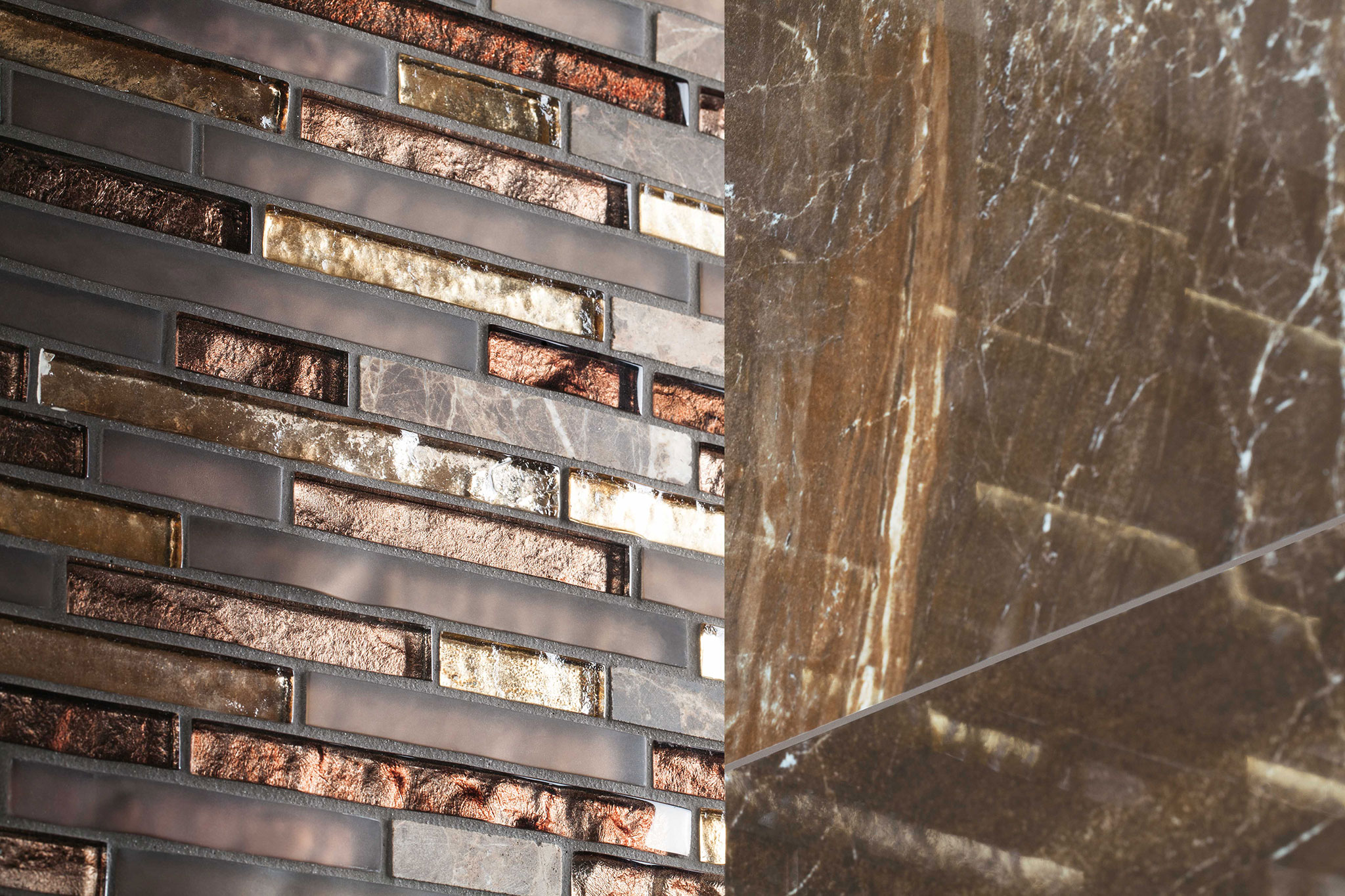
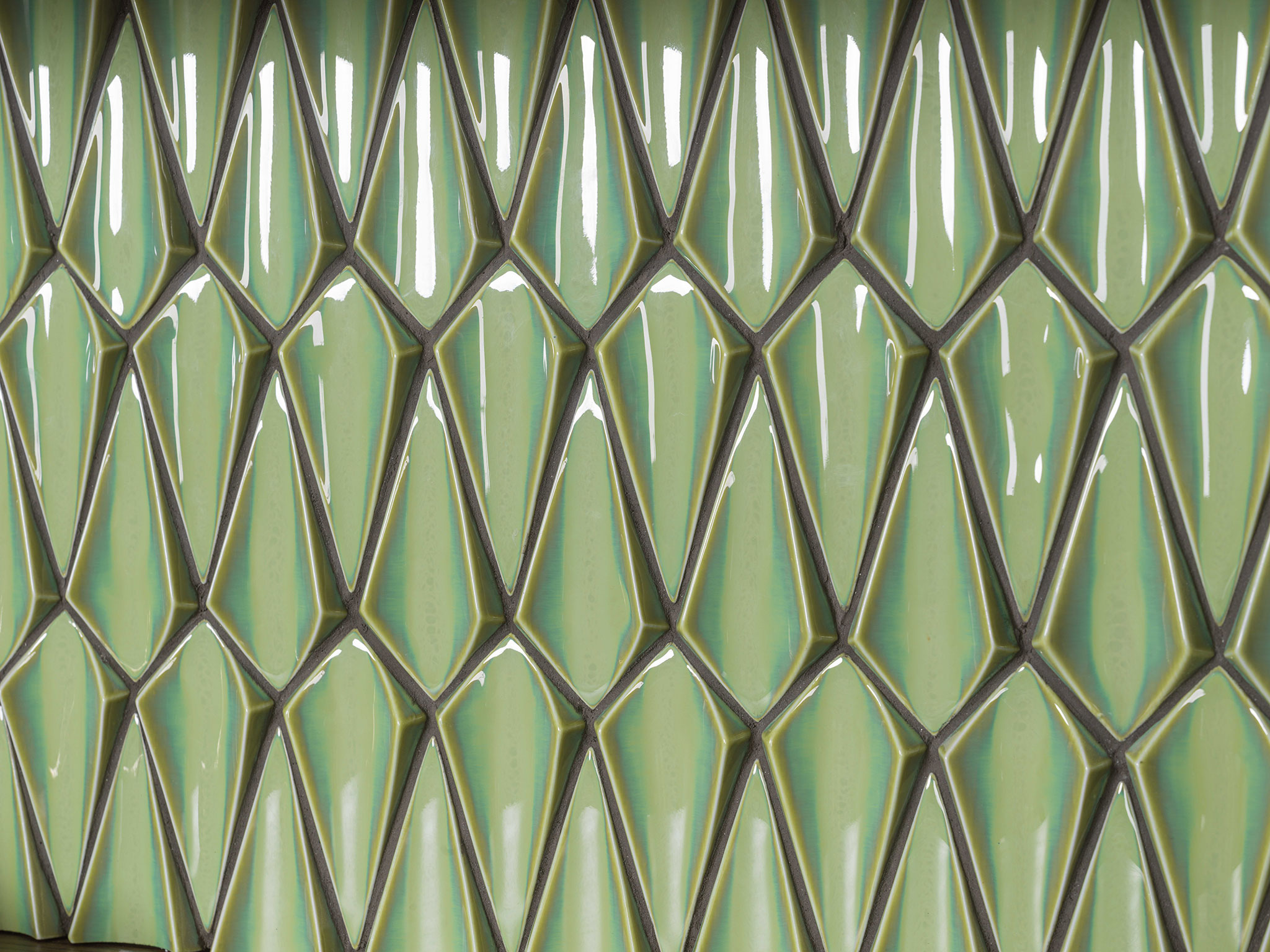
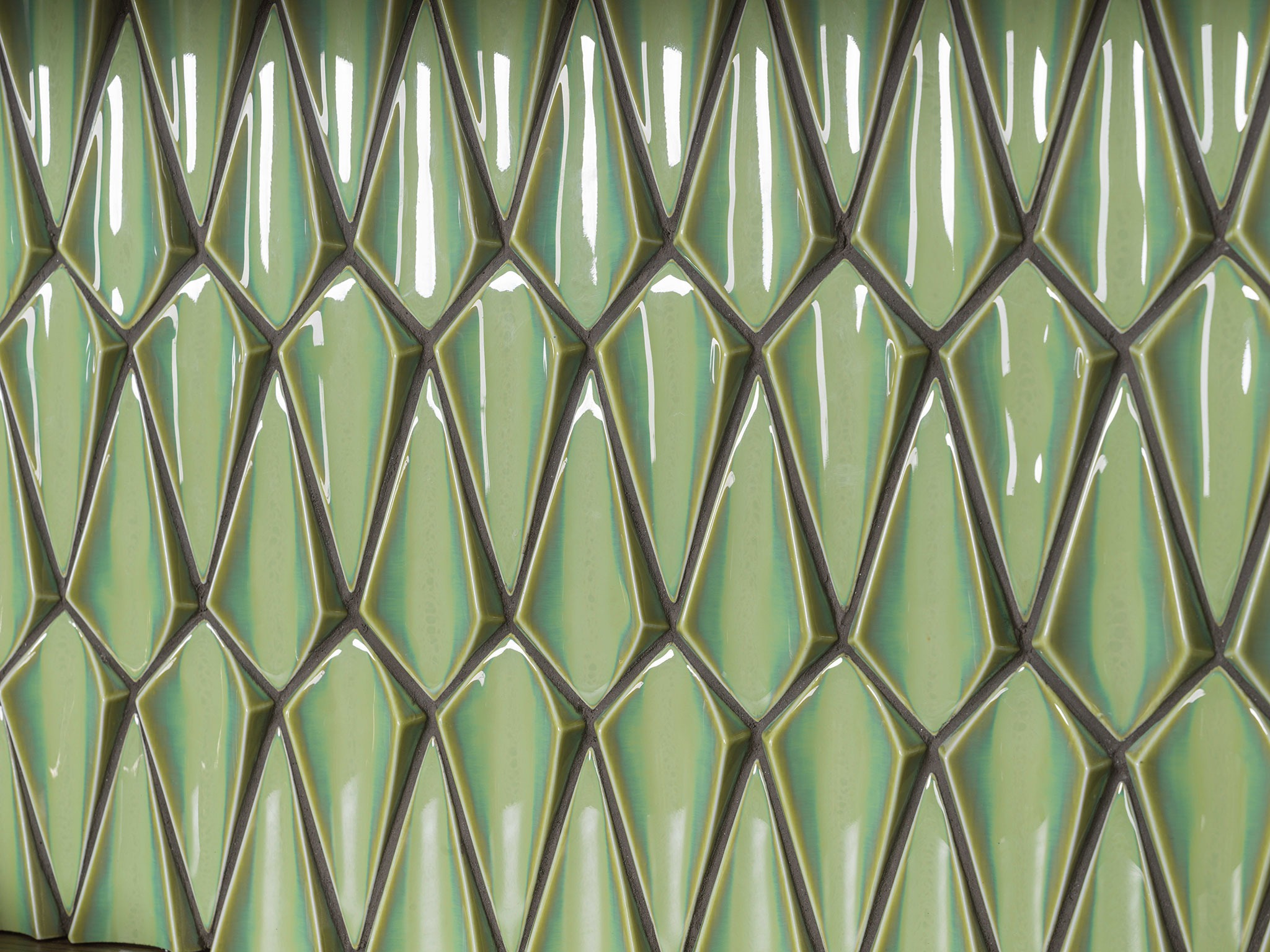
The growing demand for spaces with personality has refocused attention on materials capable of creating sensory experiences. Mosaic incorporates a dimension that interacts with light, relief, joints, and materials.
Far from being a minor element, it contributes to the expressiveness of the whole: it defines contrast, sets the rhythm, and directly influences how the surface is perceived.
Between Material Tradition and Design Innovation
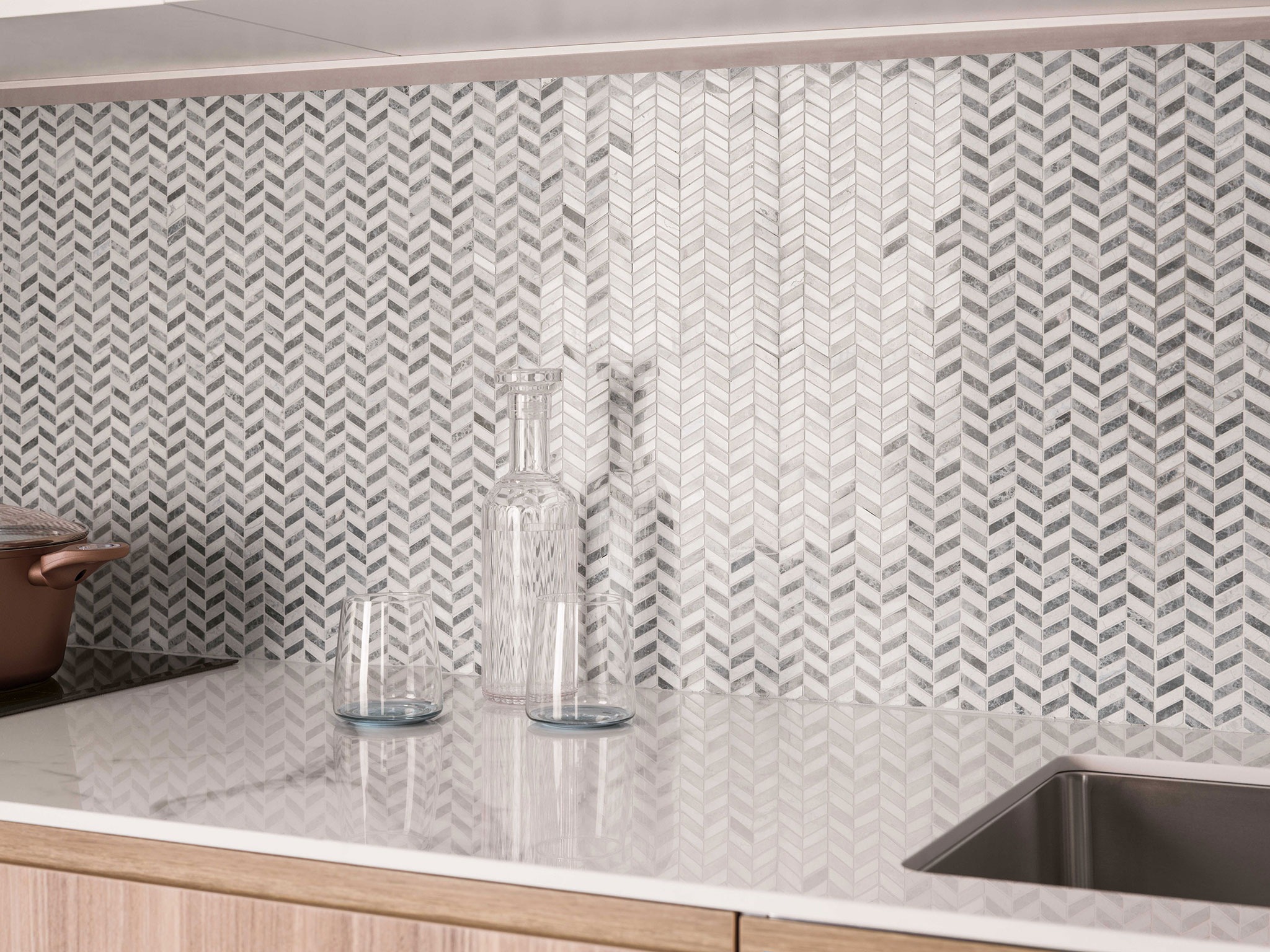
Few materials combine such an extensive historical heritage with such a remarkable ability to integrate into contemporary architecture. Mosaic remains relevant thanks to its capacity to transform a surface into something more than a neutral plane.
New manufacturing techniques and the incorporation of materials such as natural stone, porcelain, or glass—available from L’Antic Colonial—expand the possibilities for application, allowing the material to meet current technical requirements (adhesion, strength, durability) without losing the compositional richness that has historically characterized mosaic.
The result is a material that coexists with contemporary design without sacrificing the depth derived from its tradition.