The new Museum Wegner, dedicated to Danish furniture designer Hans J. Wegner, is beginning to take shape after the first images and ideas of the proposal developed by the Danish studio Cobe, selected as the winner of a competition announced in February 2024 to develop the project, were presented.

Currently, Denmark has only two museums that explore or present Danish design, which has led to the creation of this new space dedicated to one of its most important figures.

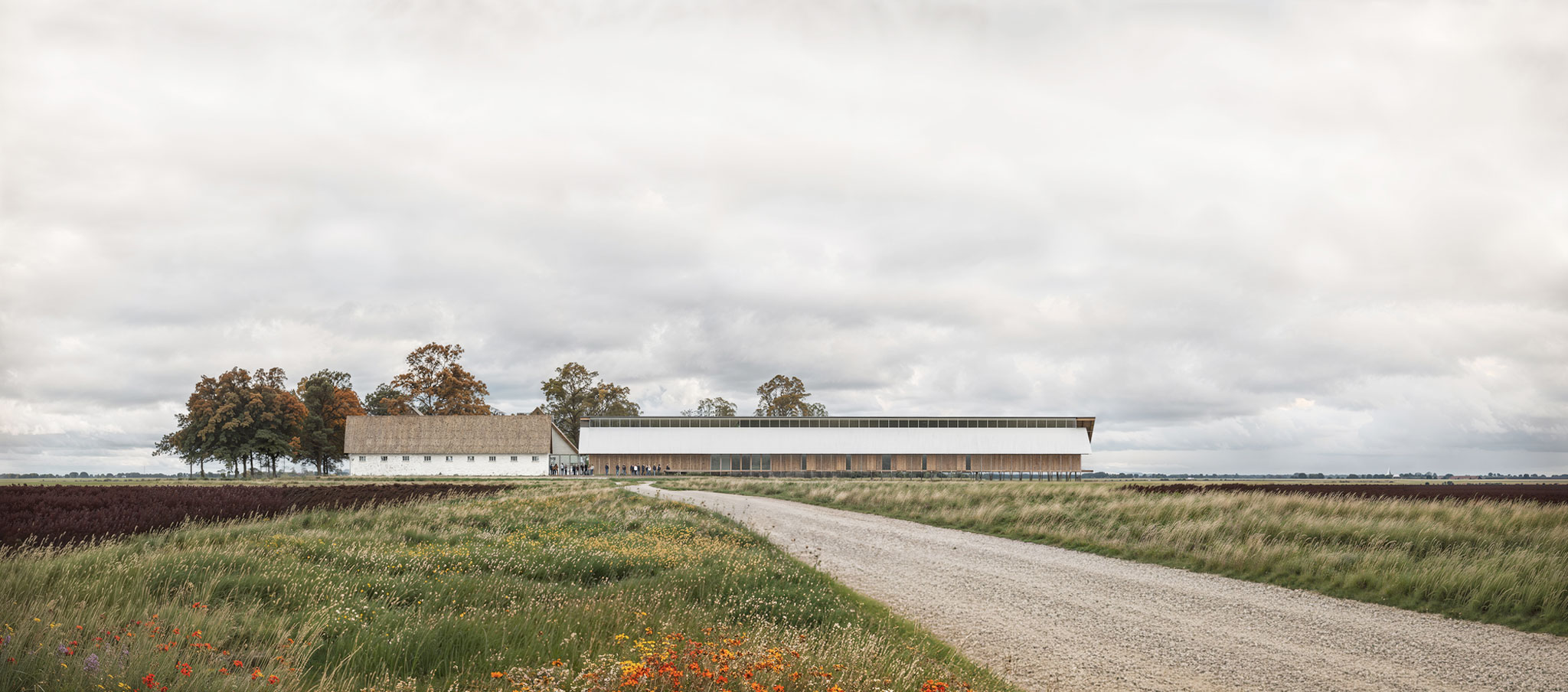
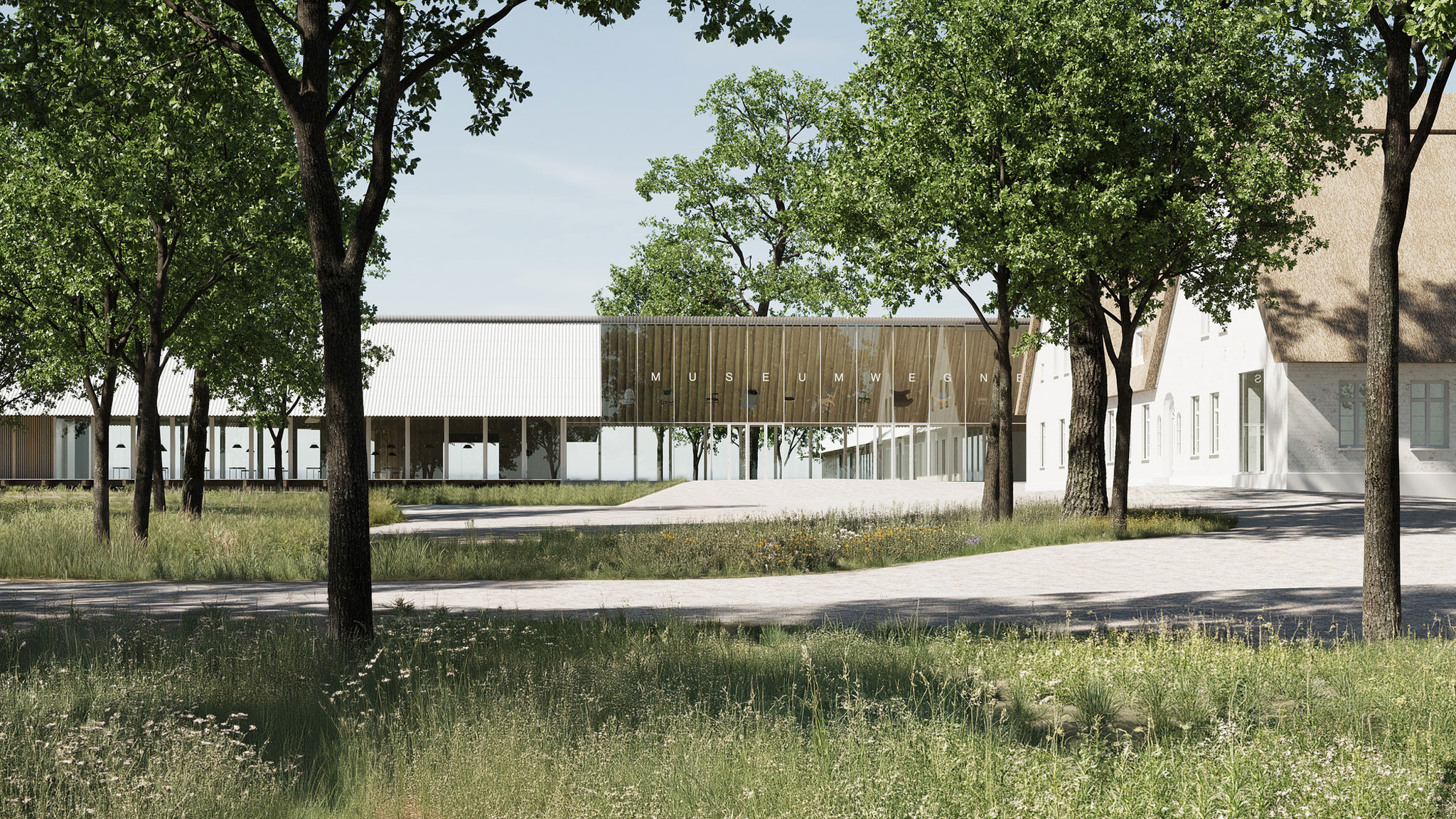
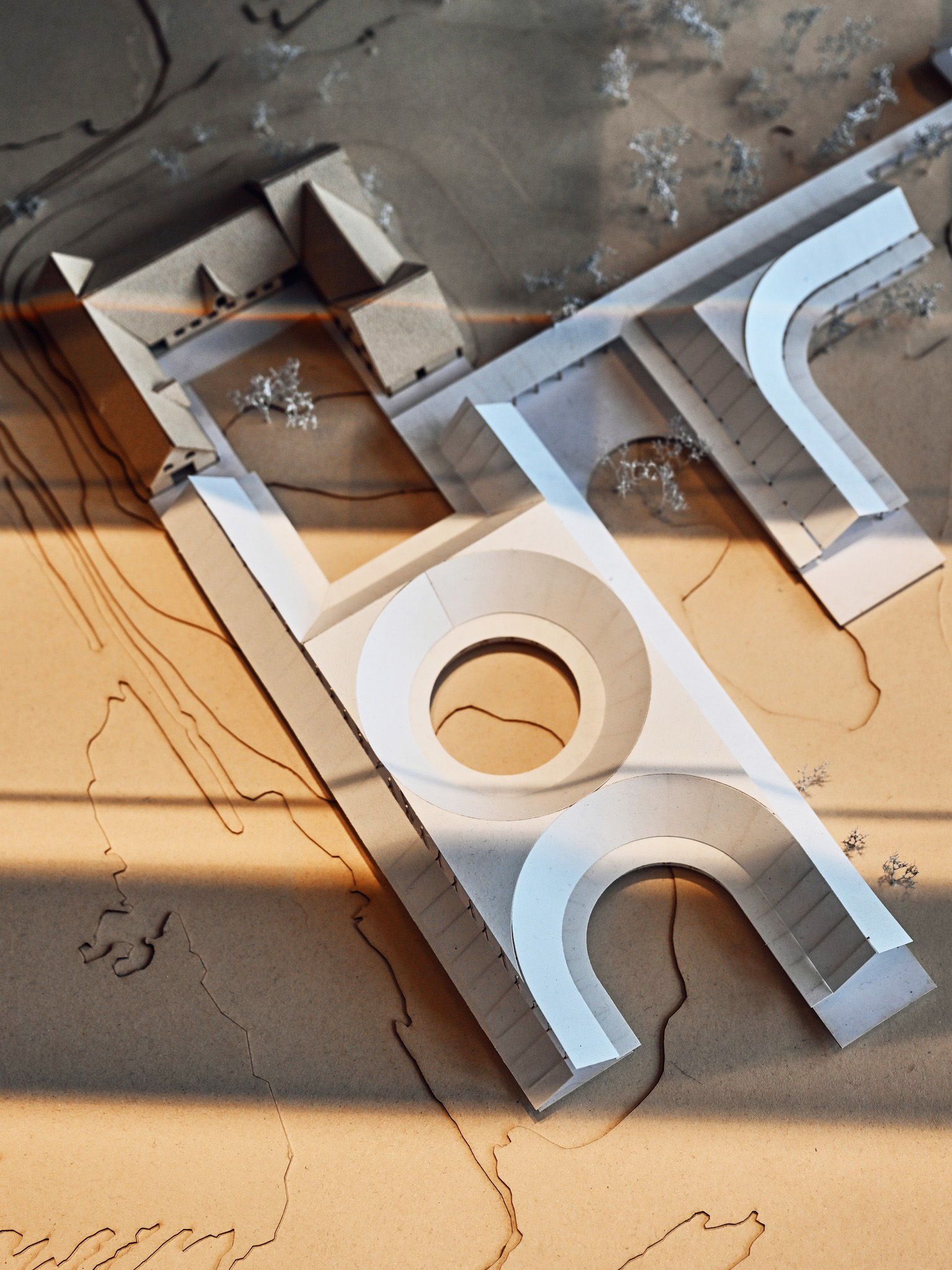
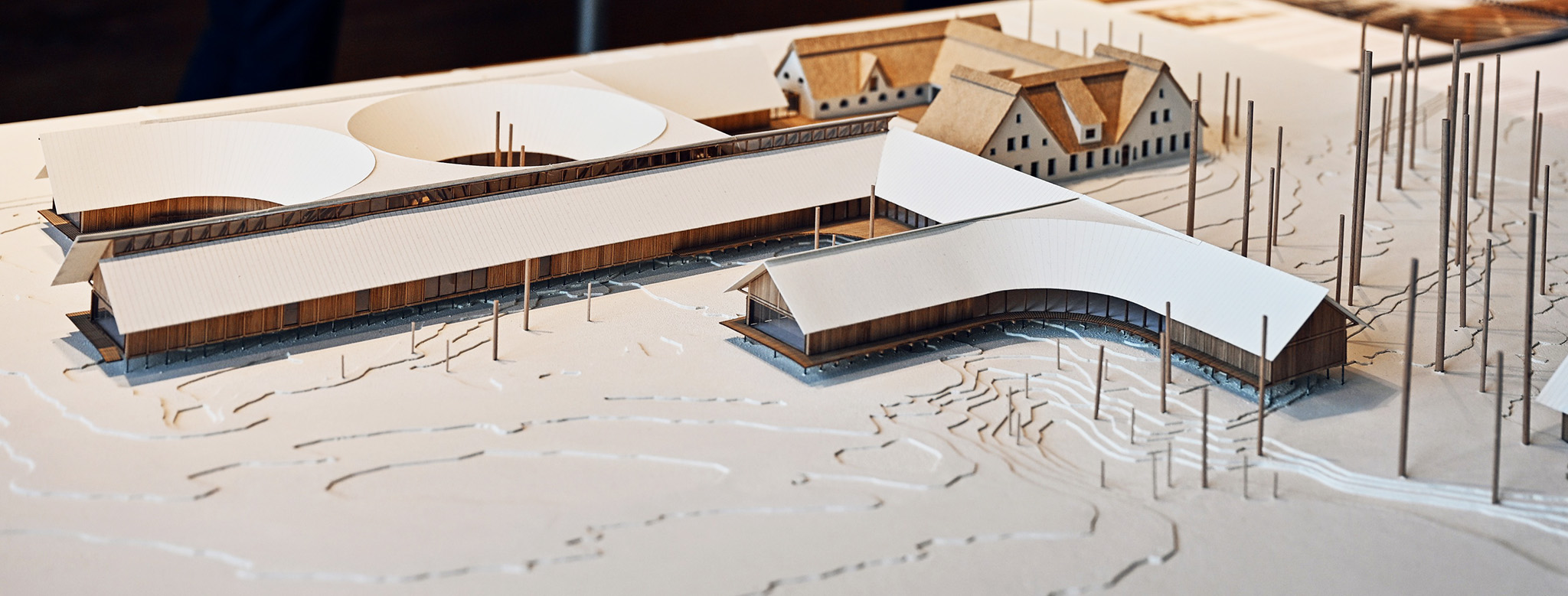
The project will be located in Hestholm, a historic farm in an agricultural area southeast of Tønder, on marshy land in the town where Wegner spent his childhood and learned the carpentry trade. Covering an area of ​​5,000 square meters, the project will integrate contemporary wooden buildings with two ruined farmhouses dating back to 1445, which will be renovated and incorporated into the new project.

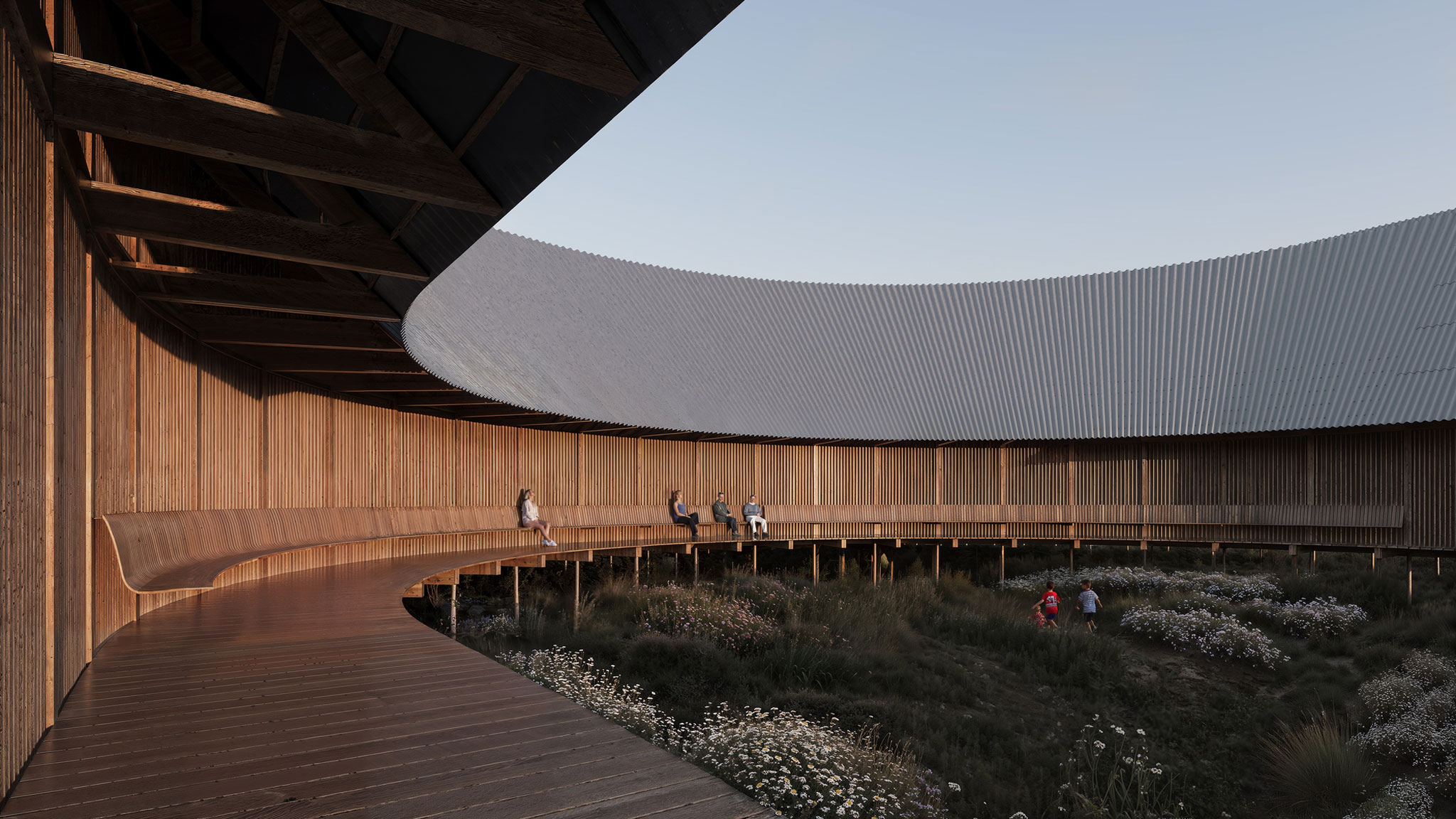
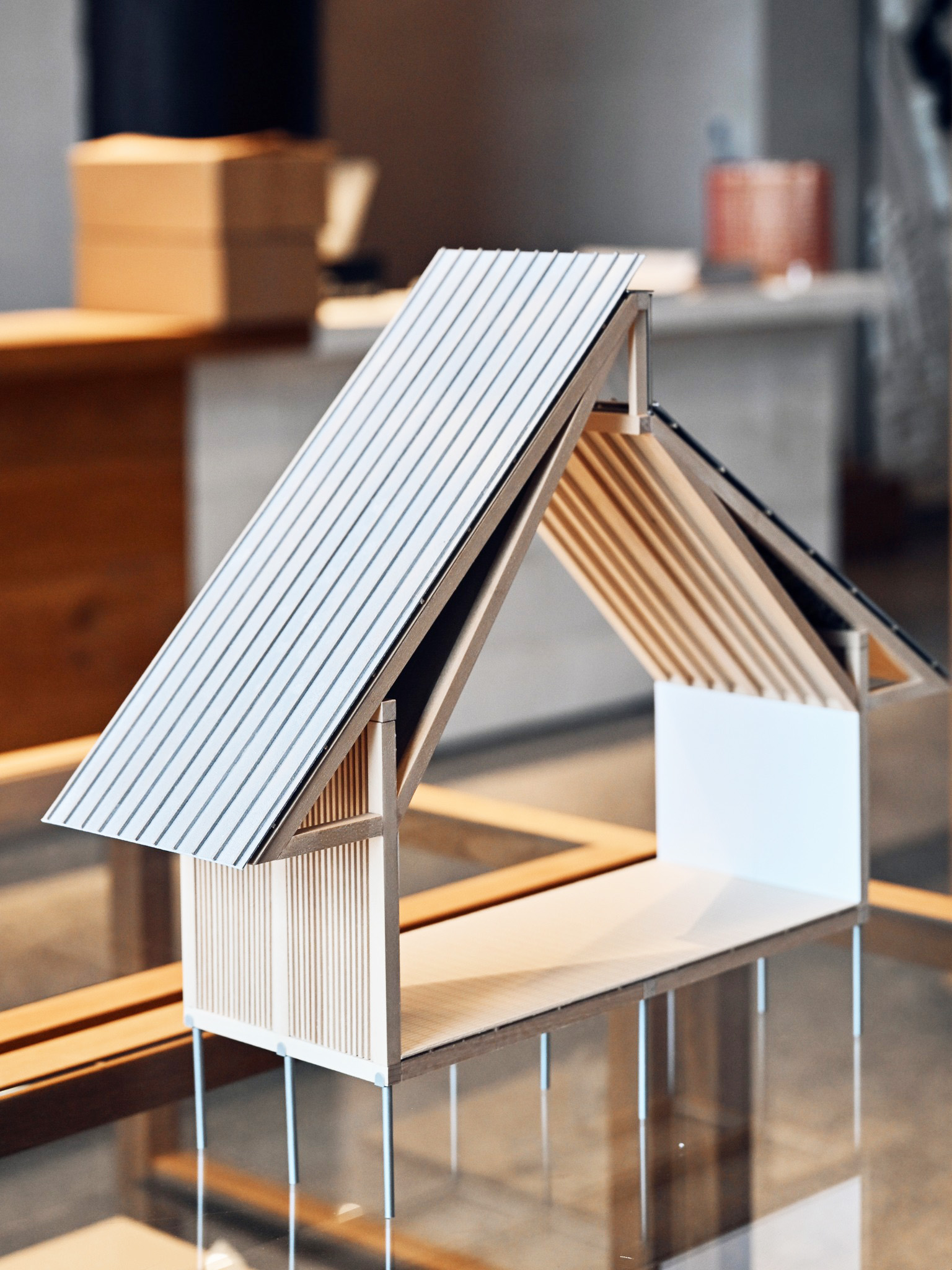
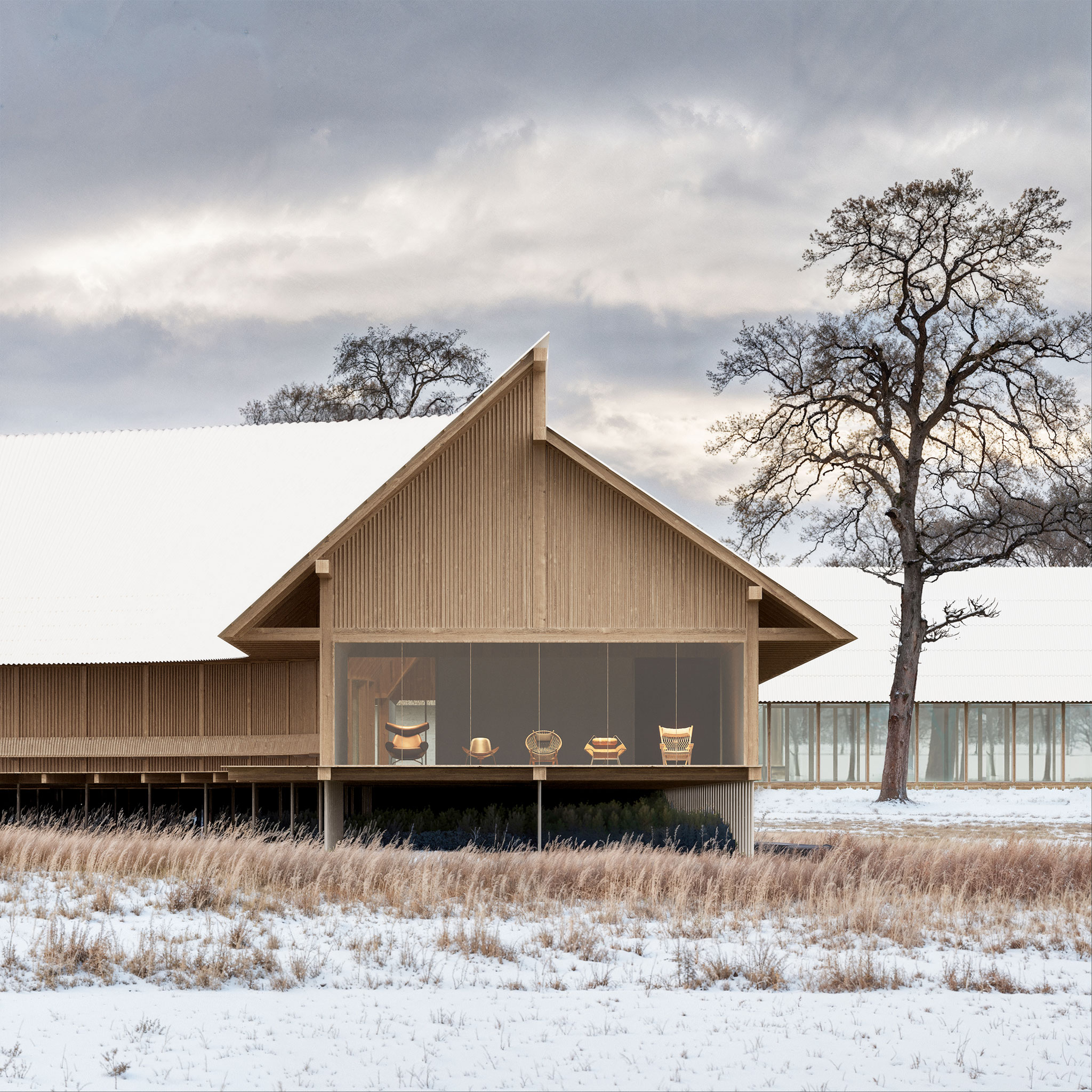
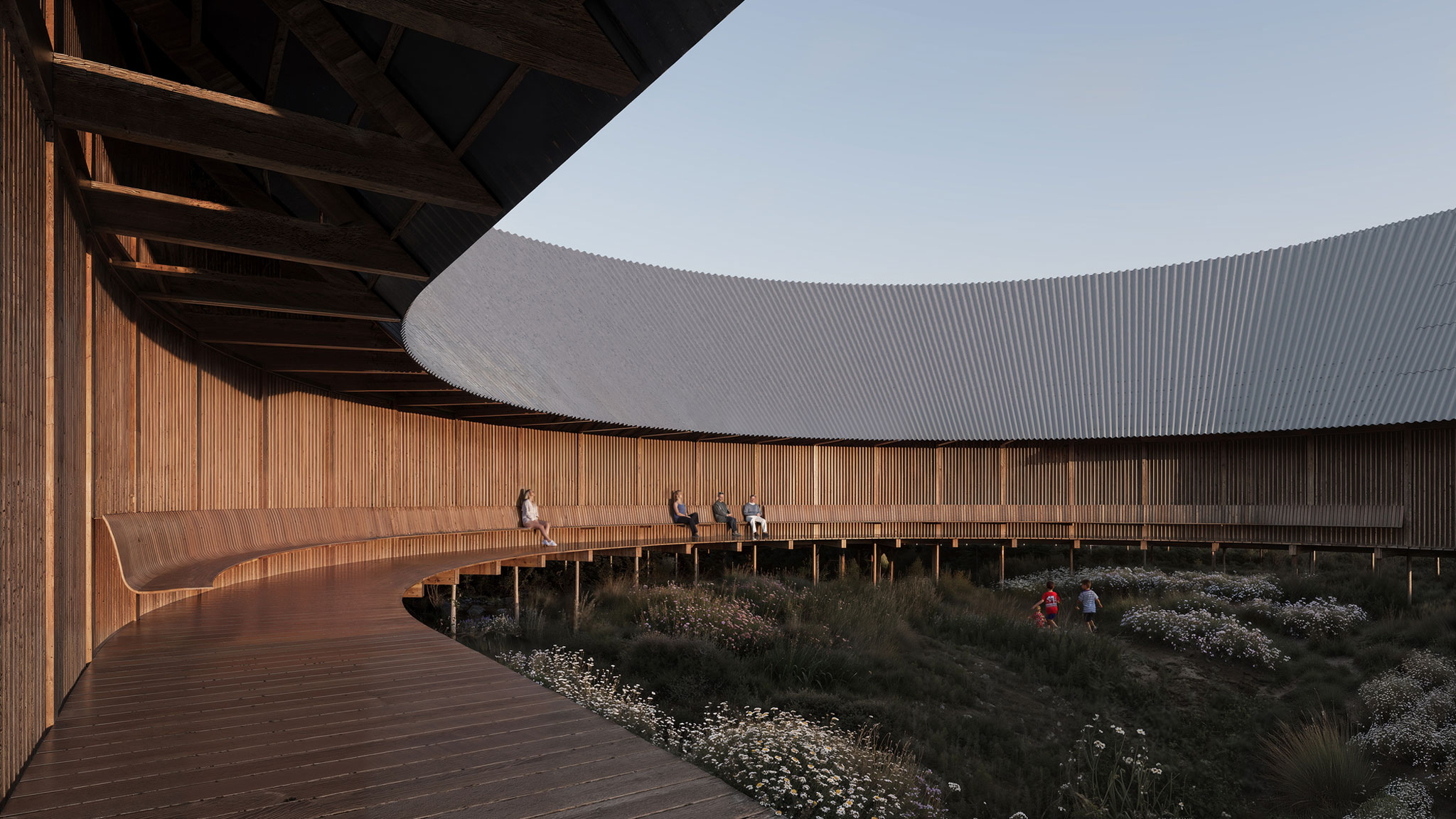
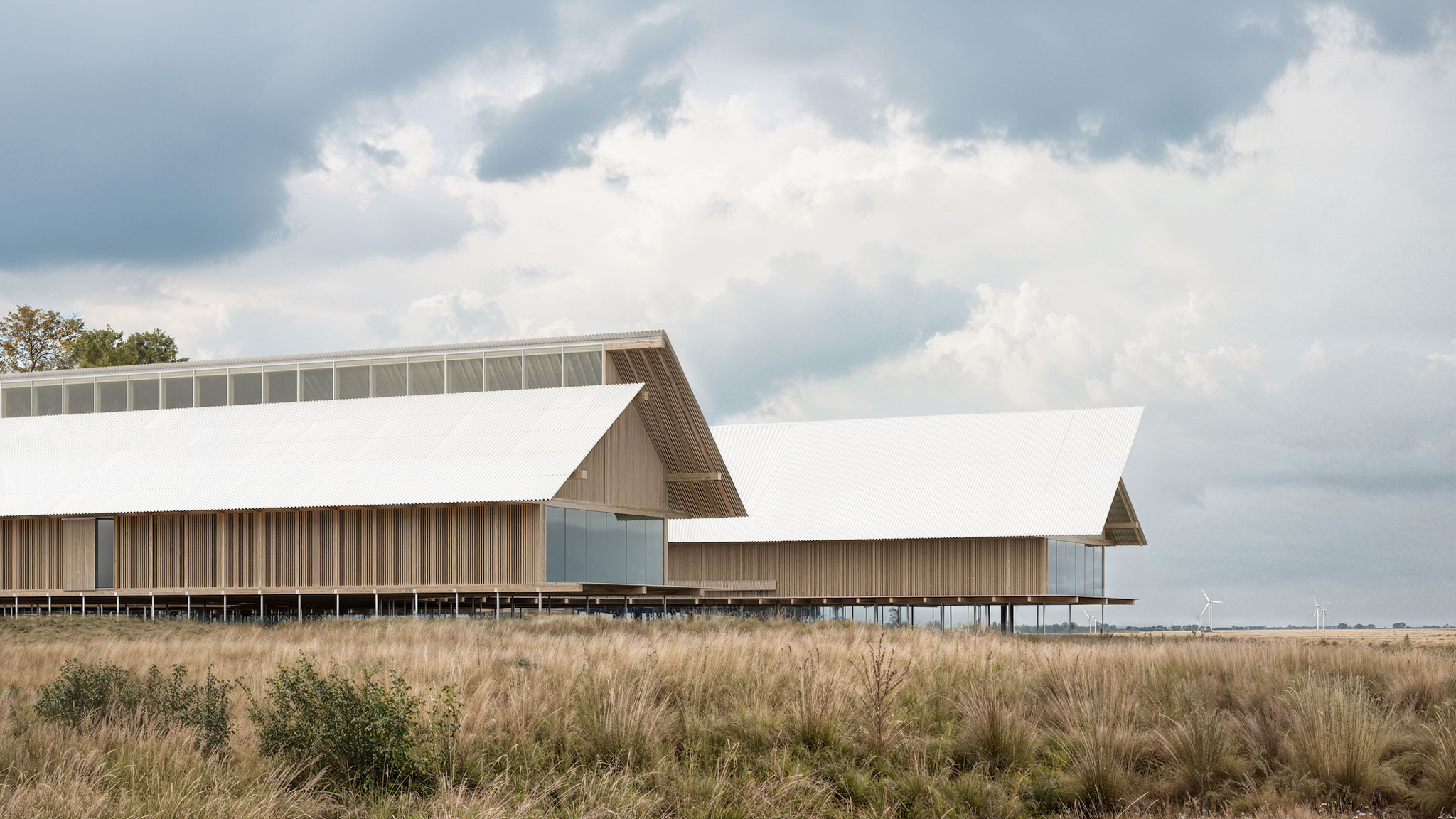
The museum envisioned by Cobe rests on the land almost without touching it. The swampy condition of the site causes the building to rise on stilts, allowing the natural flows of the terrain to remain unobstructed. Moreover, the museum is being projected to be experienced as a complete entity, without a defined front or back, drawing inspiration from Wegner’s design philosophy: craftsmanship, simplicity, and the honest use of materials.

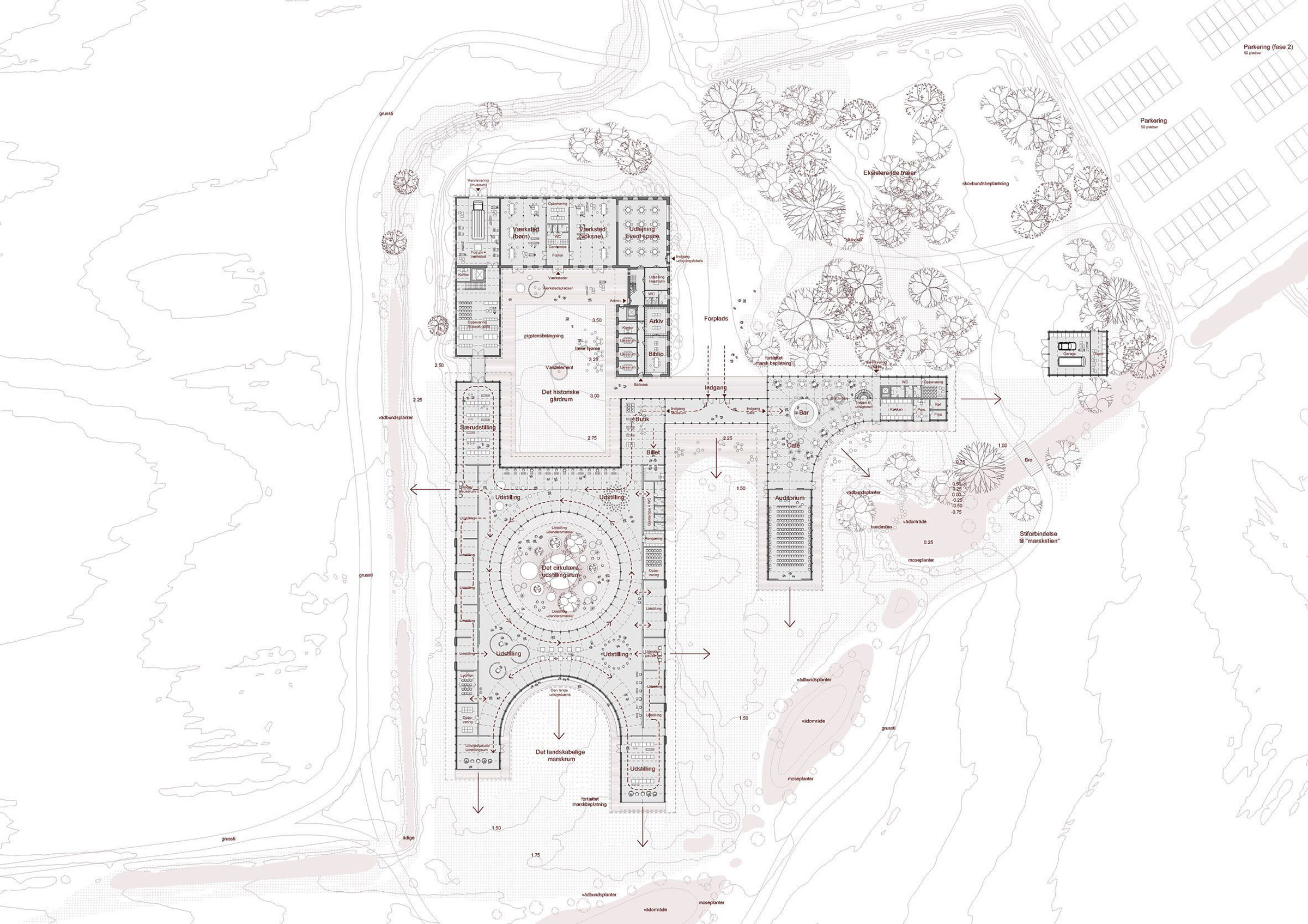
The building will be constructed of wood, structured by two large parallel wings that connect and extend the existing farm buildings. These two pieces are joined by a circular courtyard and a curved link at their southern end, creating an intimate relationship with the surrounding agricultural landscape. Volumetrically, the existing farm buildings, with their sloping roofs and timber frames, have shaped the volume and formal language of the project.
Visualizaciones del Museo Wegner por Cobe. Imagen cortesía de Cobe.

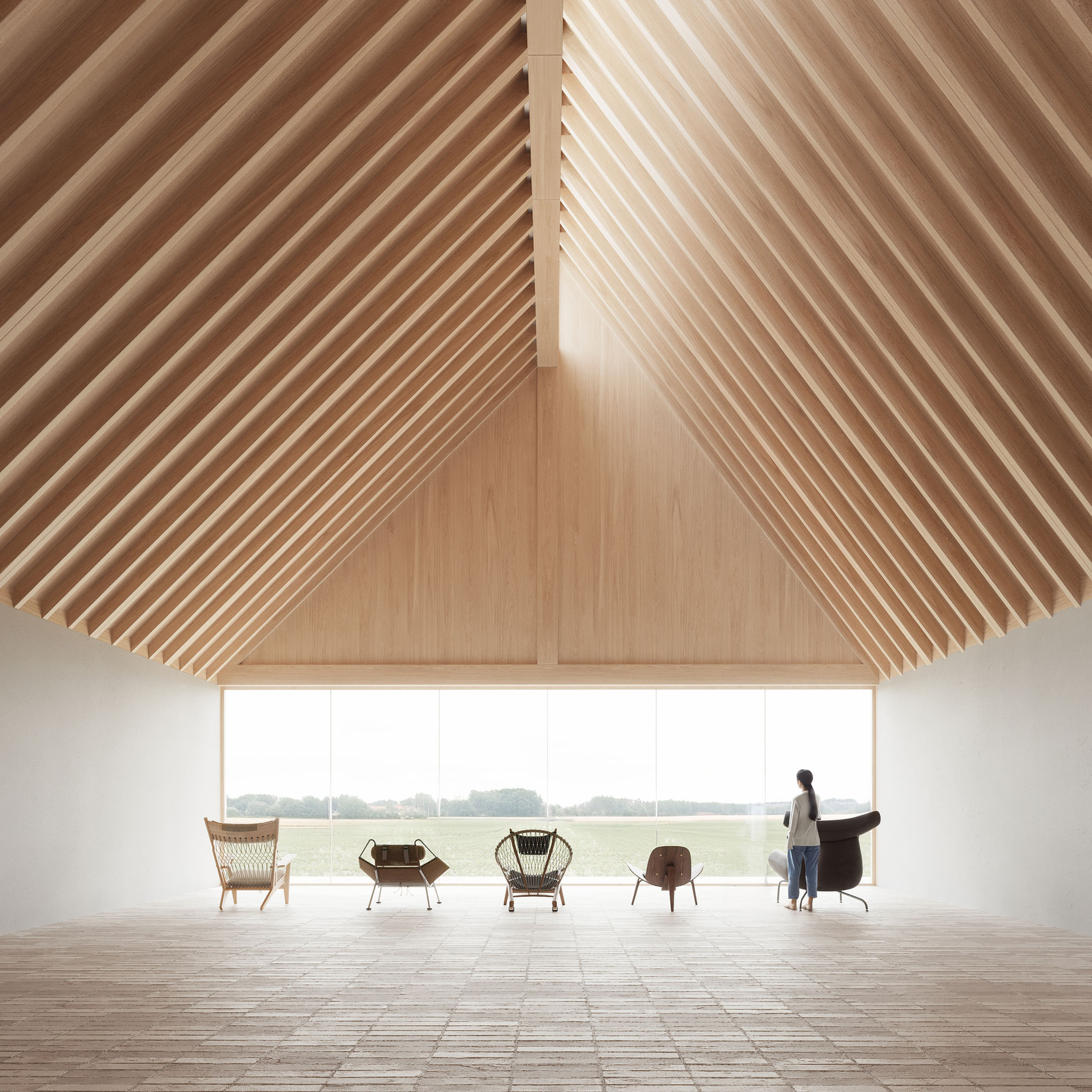
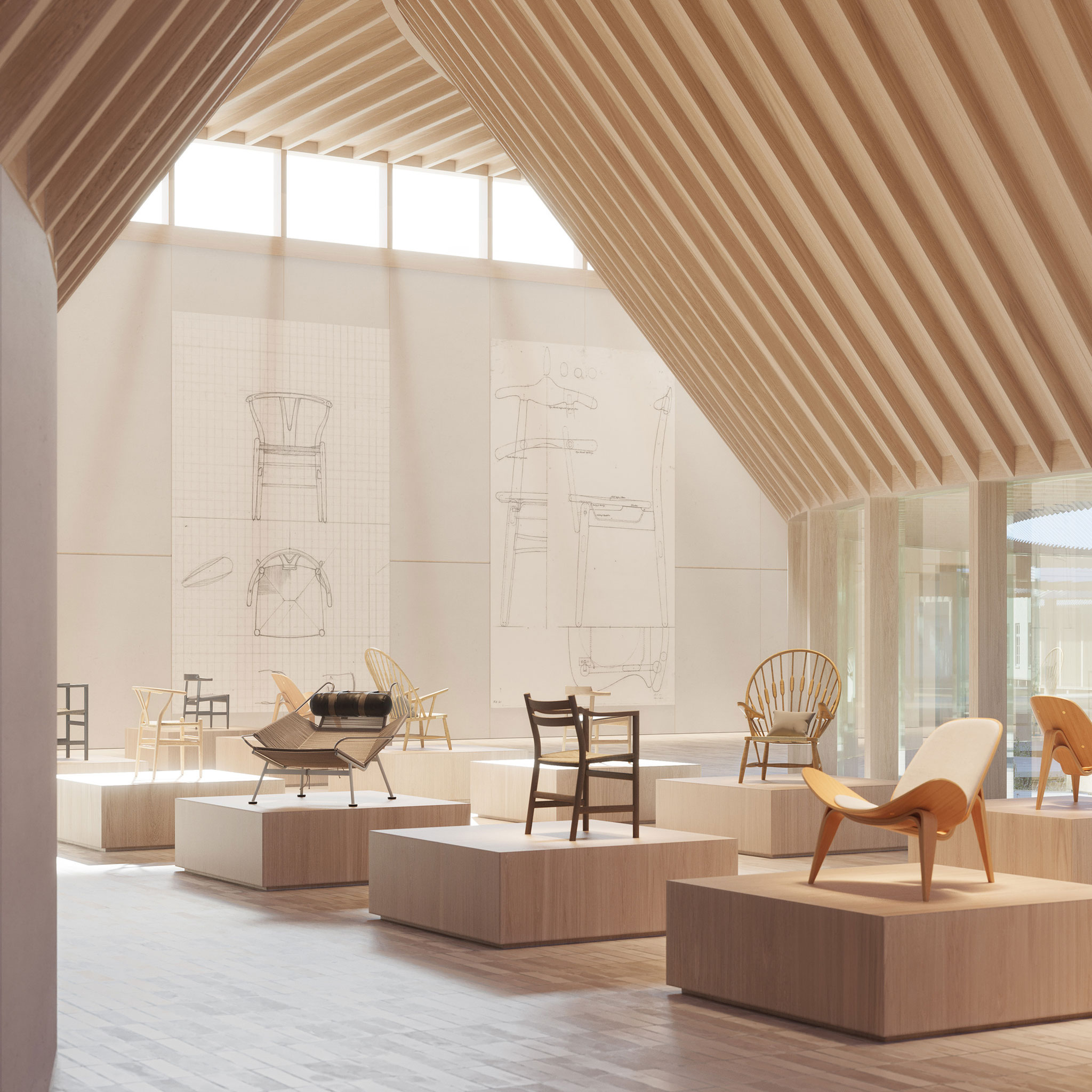
Renderings of the Wegner Museum by Cobe. Image courtesy of Cobe.

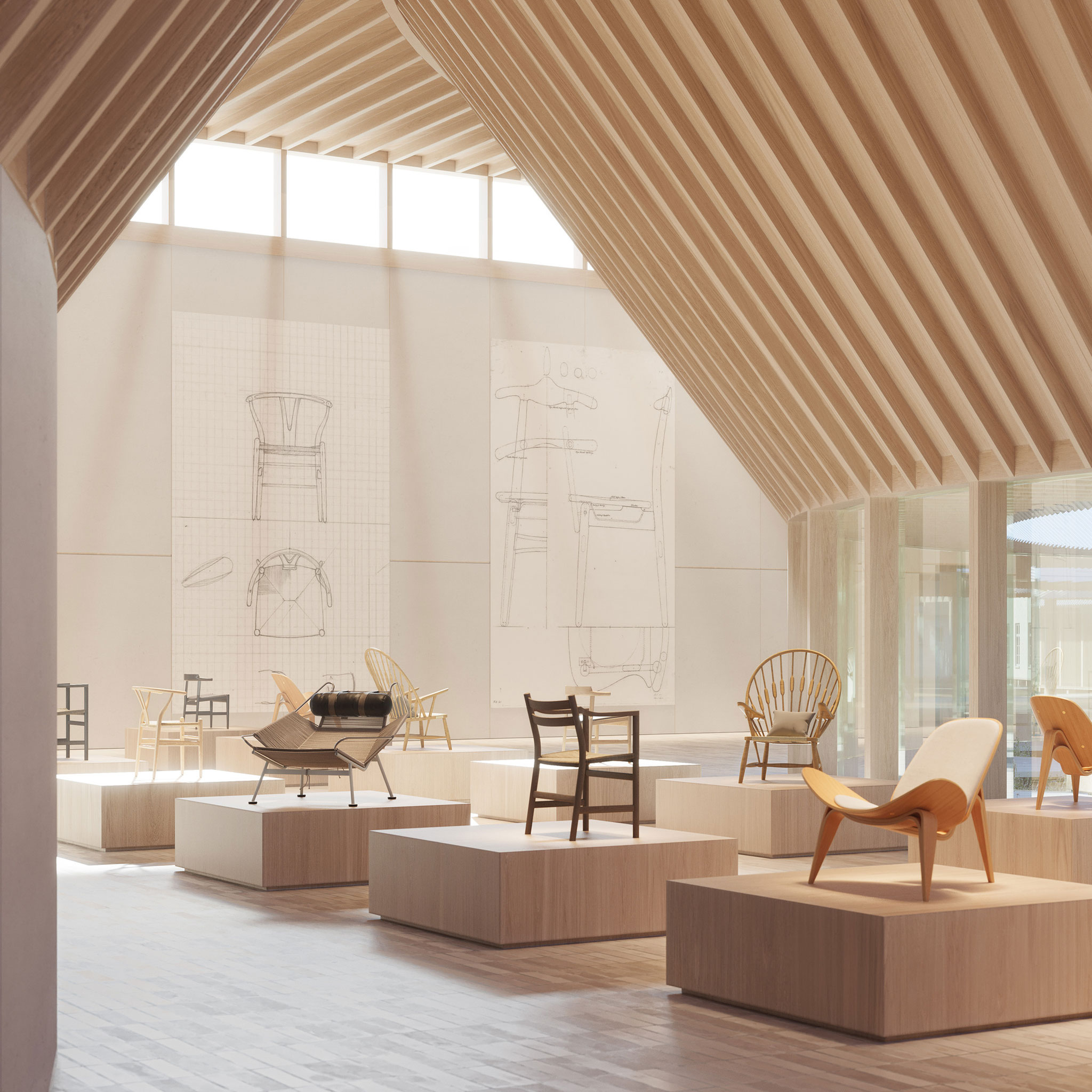
Hans J. Wegner (1914–2007), known as the "Chair Master," created nearly 3,000 pieces of furniture throughout his career, including the iconic Wishbone Chair. Today, nearly 200 of his designs remain in production, symbolizing the international reach and heritage of Danish design. The museum aims to permanently preserve this legacy while establishing itself as a cultural destination in Denmark.
Renderings of the Wegner Museum by Cobe. Image courtesy of Cobe

Renderings of the Wegner Museum by Cobe. Image courtesy of Cobe.

With a comprehensive functional program, the Wegner Museum's interior will feature permanent and temporary exhibitions dedicated to the designer's work, as well as spaces to explore art, architecture, technology, and culture. It will also include workshops, a library, an auditorium, a café, and flexible areas for different types of events, which will serve to keep Wegner's legacy alive and honour it.

"The Wegner Museum connects the designer's sculptural work with the local heritage, leveraging the history of the site to experience his furniture in diverse settings."

Dan Stubbergaard, founder of Cobe.
More information

Label
Architects
Text
+ + copy Created with Sketch.
- + copy Created with Sketch.
Label
Client
+ + copy Created with Sketch.
- + copy Created with Sketch.
Label
Area
Text

5,000 m².

+ + copy Created with Sketch.
- + copy Created with Sketch.
Label
Dates
Text

Competition.- February 2024.

+ + copy Created with Sketch.
- + copy Created with Sketch.
Label
Venue / Location
Text

Kongevej, 51. 6270 Tønder, Denmark.

+ + copy Created with Sketch.
- + copy Created with Sketch.
Hans J. Wegner (1914–2007), pioneer of the Danish Modern Movement, helped change the concept of furniture in the 1950s and 1960s. Wegner was born in 1914 in Tønder in southern Denmark, the son of a shoemaker. At the age of 17, he completed his apprenticeship as a cabinetmaker in the workshop of H. F. Stahlberg, where his first designs saw the light of day. At the age of twenty he moved to Copenhagen, Denmark, to attend the School of Arts and Crafts, where he studied from 1936 to 1938 before embarking on a career as an architect.

In 1940, Wegner joined Arne Jacobsen and Erik Møller and began designing furniture for the new City Hall in Aarhus. And he began to work with the master cabinetmaker Johannes Hansen, who played an important role in introducing modern design to the Danish public.

Hans J. Wegner opened his own drawing office in 1943. In 1944, he designed the first chair in China in a series inspired by the Chinese chairs of the Ming Dynasty. One of these chairs, the Wishbone Chair, designed in 1949 and produced by Carl Hansen & Søn since 1950, went on to become Wegner's most successful design of all time. The alliance of Carl Hansen and Søn with Hans J. Wegner started in 1949 and resulted in the production of a wide range of Wegner designs, including the Shell chair, the Wing chair and the Wishbone chair.

Hans J. Wegner is considered one of the most creative and productive Danish furniture designers of all time. He has received several awards given to designers, including the Lunning Prize in 1951 and The 8th International Design Award in 1997. He is famous for integrating perfectly executed joints with exquisite shapes and combining them with a constant curiosity for materials and a deep respect for wood and its natural characteristics. His designs provide minimalism with organic and natural softness.

He became an honorary member of the Royal Danish Academy of Fine Arts in 1995 and honorary doctor of the Royal College of Art in 1997. From the Museum of Modern Art in New York to Die Neue Sammlung in Munich, museums around the world present their furniture in their collections.
Read more

COBE is a limited liability company owned by Founder and Creative Director Dan Stubbergaard (30.01.1974). COBE is a progressive and contemporary community of architects that focuses on architecture and design, from buildings to public space, to large-scale urban planning. In 2005, Dan Stubbergaard and Vanessa Miriam Carlow founded COBE. The name COBE is derived from the two cities the founders are coming from - Copenhagen and Berlin. Since its establishment, COBE has gained international recognition through the realization of beautiful and innovative projects.

Today, COBE is two separate companies - one seated in Copenhagen (COBE ApS headed by Dan Stubbergaard), and one in Berlin (COBE Berlin GmbH headed by Prof. Dr Vanessa Miriam Carlow). The two offices have shared several projects in the past, and apart from developing projects individually, they continue to share and collaborate on selected projects, also in the future.

COBE is situated in a refurbished warehouse centrally located on the Copenhagen harbour front, and currently employs approximately 50 dedicated architects, urban planners and administrative staff of different nationalities.

COBE is run by a management team consisting of Dan Stubbergaard and a core team of Project and Administration Managers. Together, they are responsible for the company’s overall development and strategic long-term goals.

All projects are developed in project teams, made up of a mix of senior and junior architects, which are led by a Project Manager. Cross-disciplinary teamwork is central in our working method and each project team cooperates with a wide range of external experts in order to obtain the best opportunities and potential towards finding innovative solutions in each particular project.

Selected awards.-

[2012] Nykredit’s Architecture Prize. Nykredit Foundation.
           MIPIM Award - Best Refurbished Building. The Library Marché International des Professionnels de l'Immobilier.
[2011] Copenhagen Award for Architecture - Best Public Building. The Library. City of Copenhagen.
[2006] The Golden Lion. Best National Pavilion. International Venice Biennale of Architecture.

Read more
Published on: October 18, 2025
Cite:
metalocus, SARA GENT
"On stilts in the landscape. A Museum for Hans J. Wegner by Cobe" METALOCUS. Accessed
<https://www.metalocus.es/en/news/stilts-landscape-museum-hans-j-wegner-cobe> ISSN 1139-6415
Loading content ...
Loading content ...
Loading content ...
Loading content ...
Loading content ...
Loading content ...
Loading content ...
Loading content ...
Loading content ...
Loading content ...
Loading content ...
Loading content ...
Loading content ...
Loading content ...
Loading content ...
Loading content ...
Loading content ...
Loading content ...
Loading content ...
Loading content ...
Loading content ...
Loading content ...
Loading content ...
Loading content ...
Loading content ...
Loading content ...
Loading content ...
Loading content ...
Loading content ...
Loading content ...
Loading content ...
Loading content ...
Loading content ...
Loading content ...
Loading content ...
Loading content ...
Loading content ...
Loading content ...
Loading content ...
Loading content ...
Loading content ...
Loading content ...
Loading content ...
Loading content ...
Loading content ...
Loading content ...
Loading content ...
Loading content ...
Loading content ...
Loading content ...
Loading content ...
Loading content ...
Loading content ...
Loading content ...