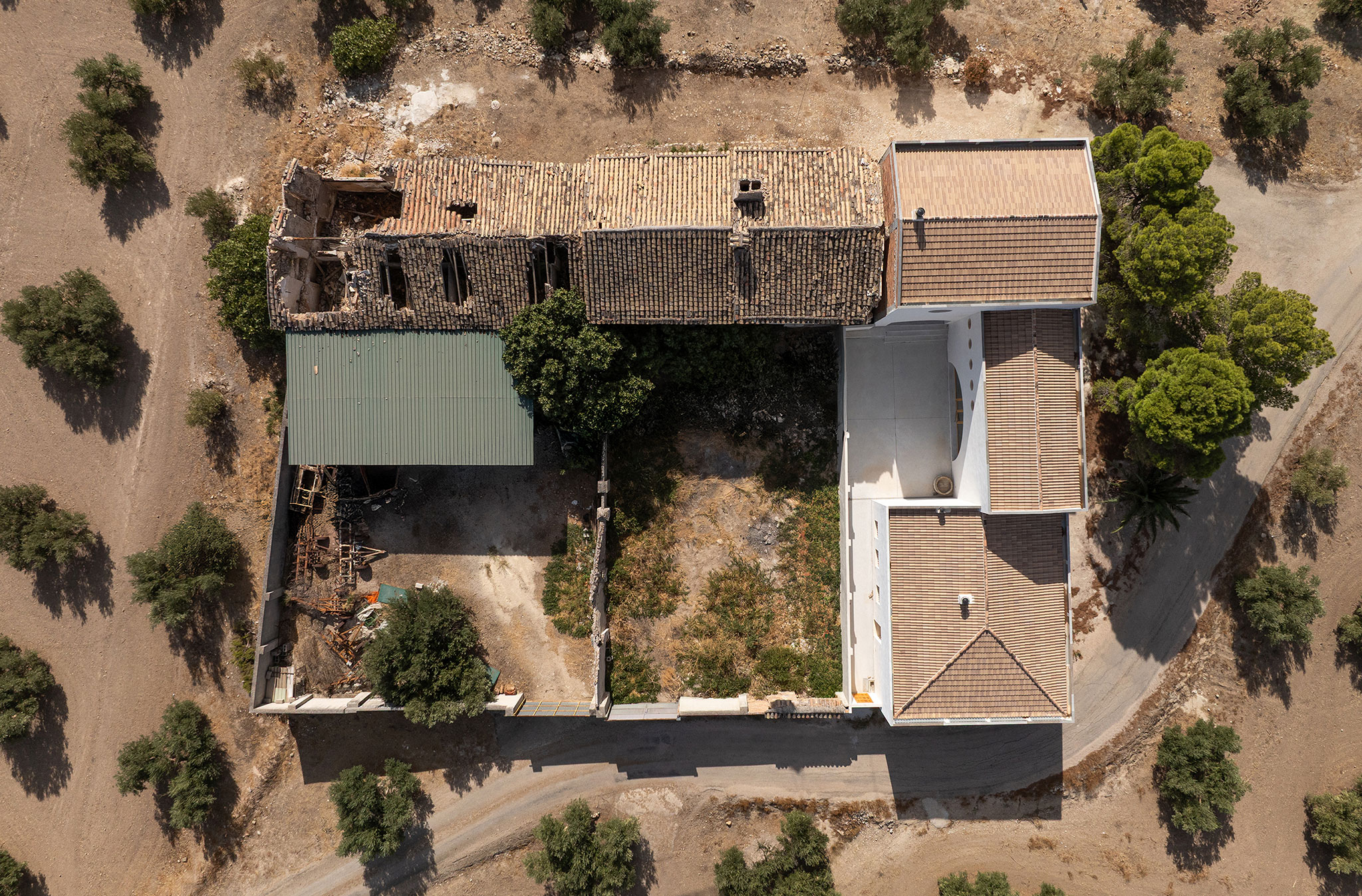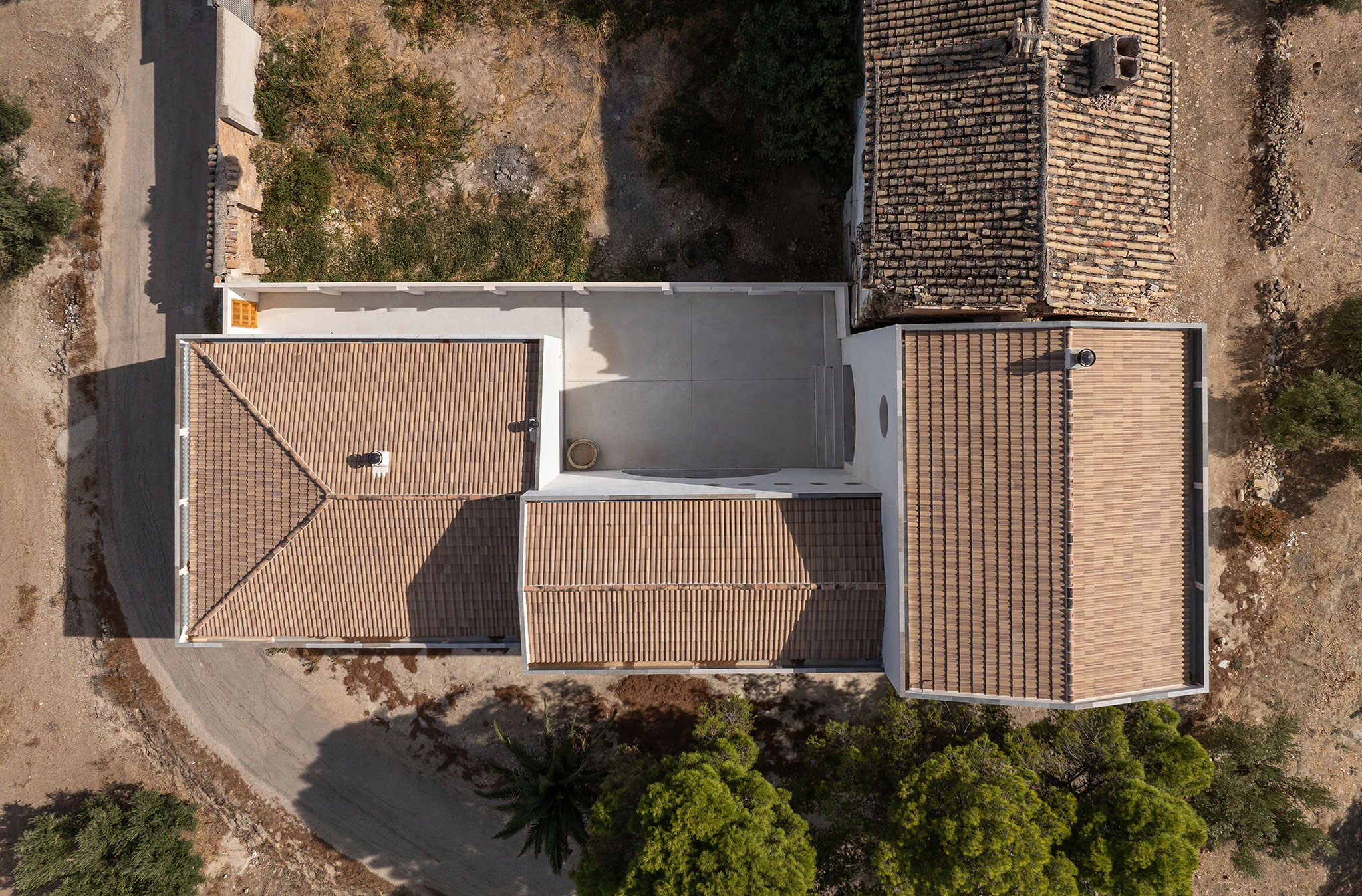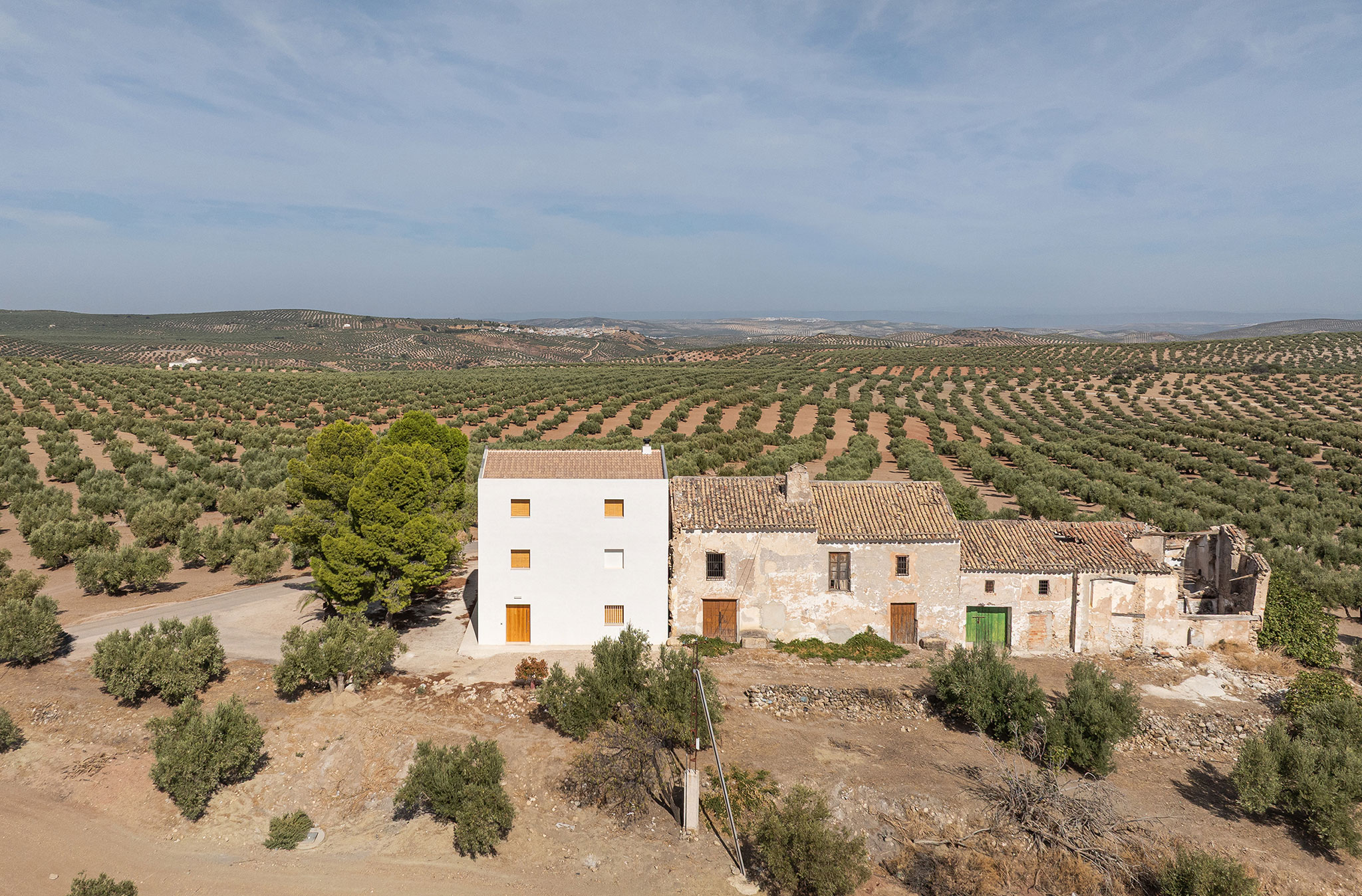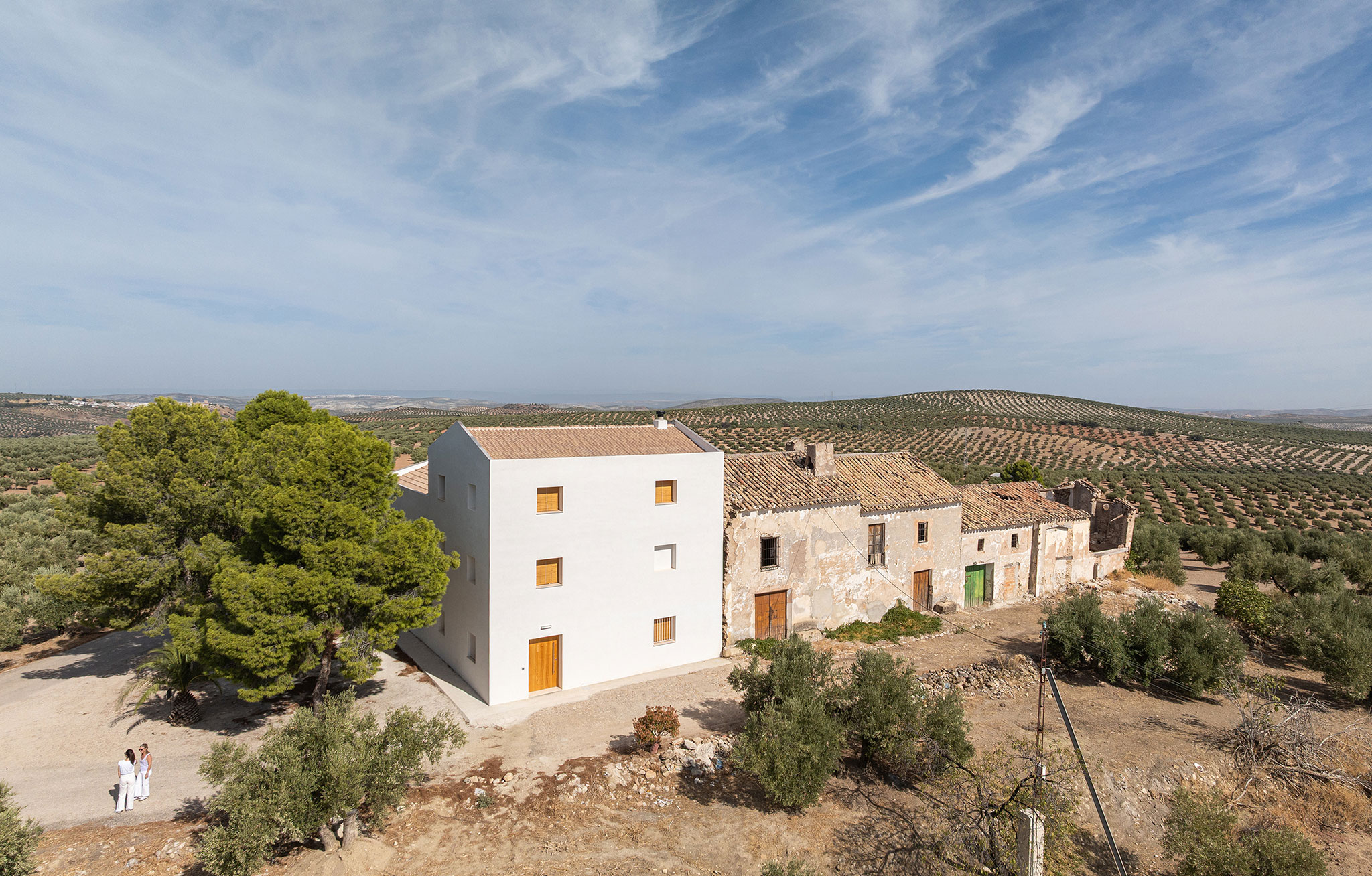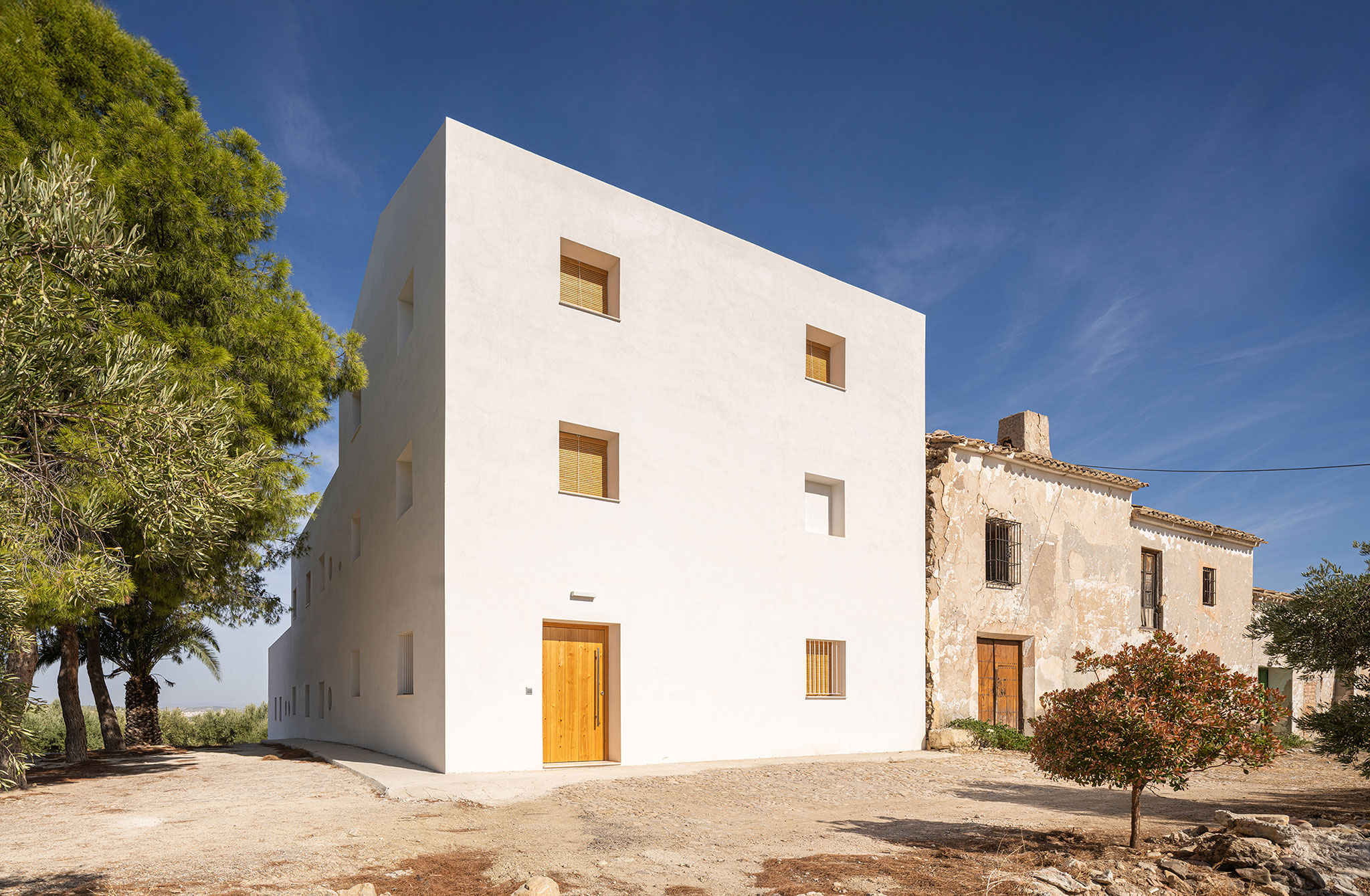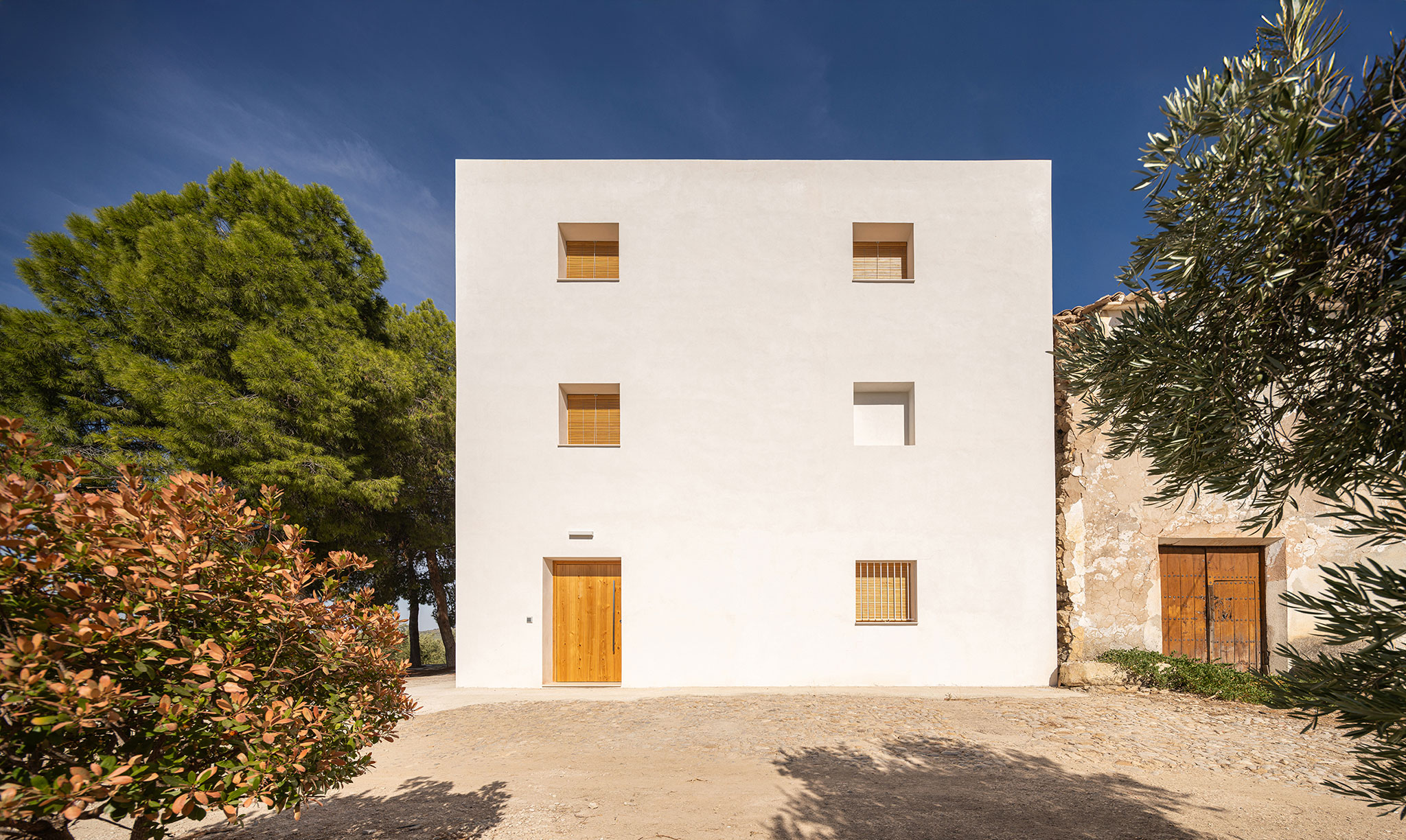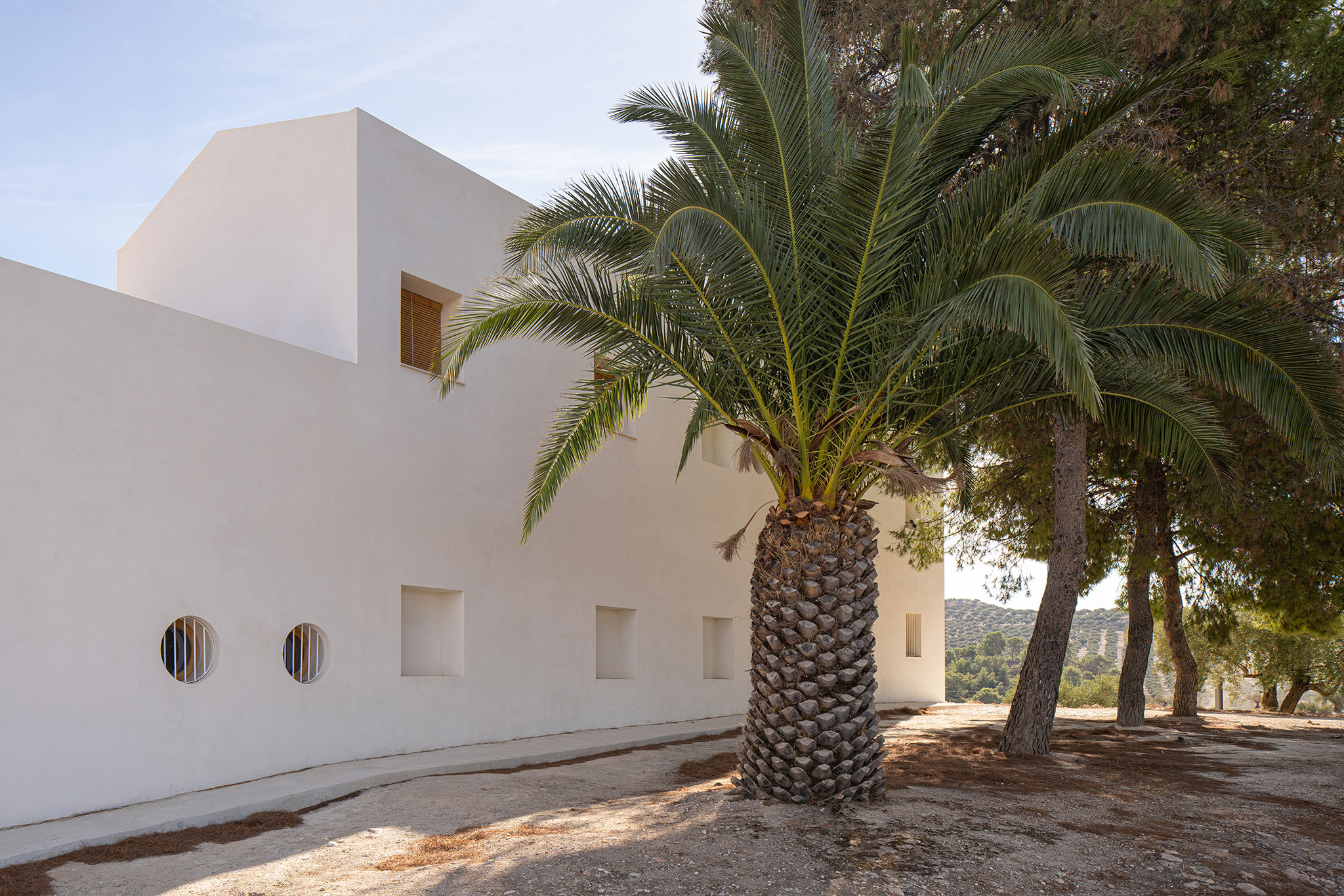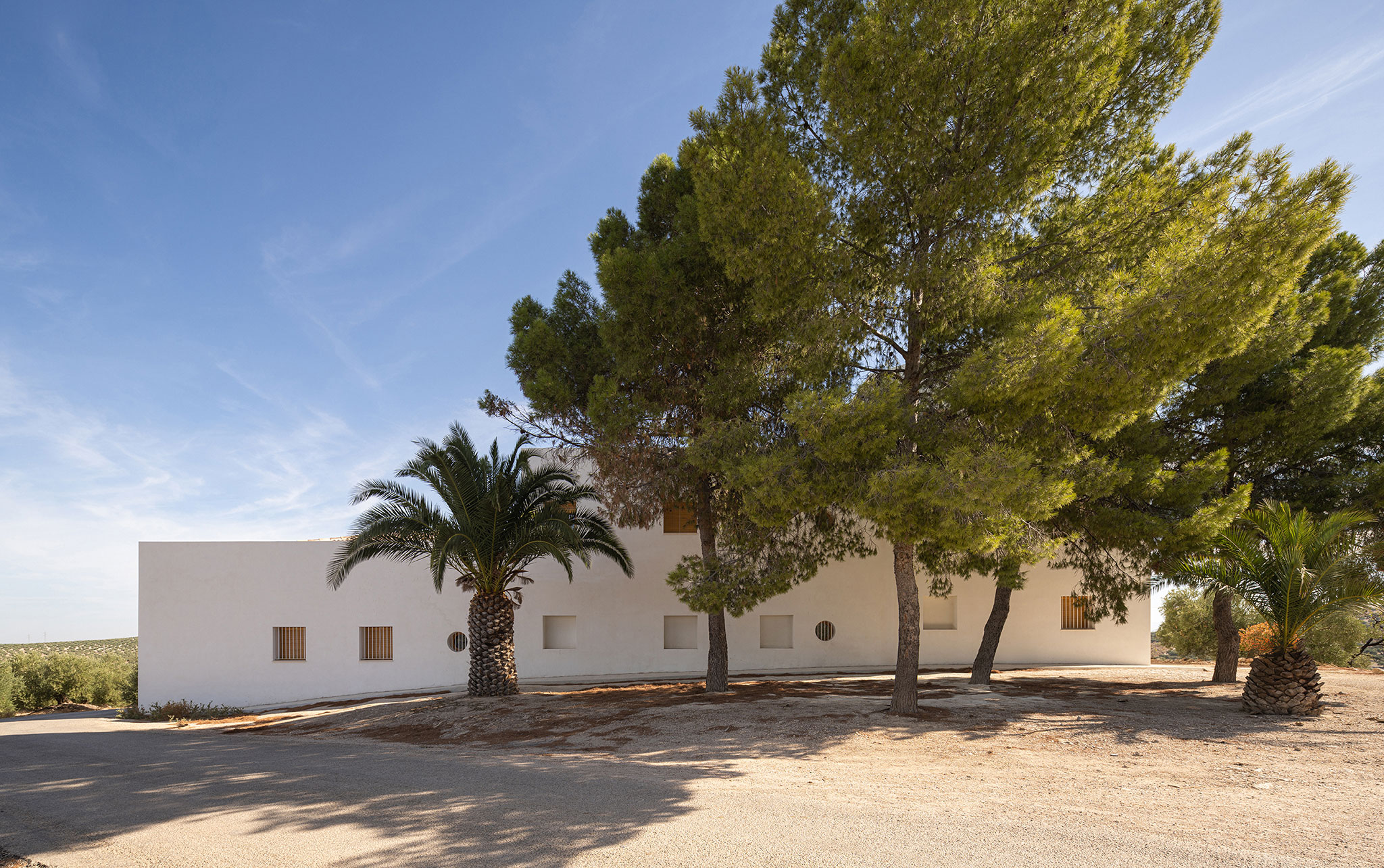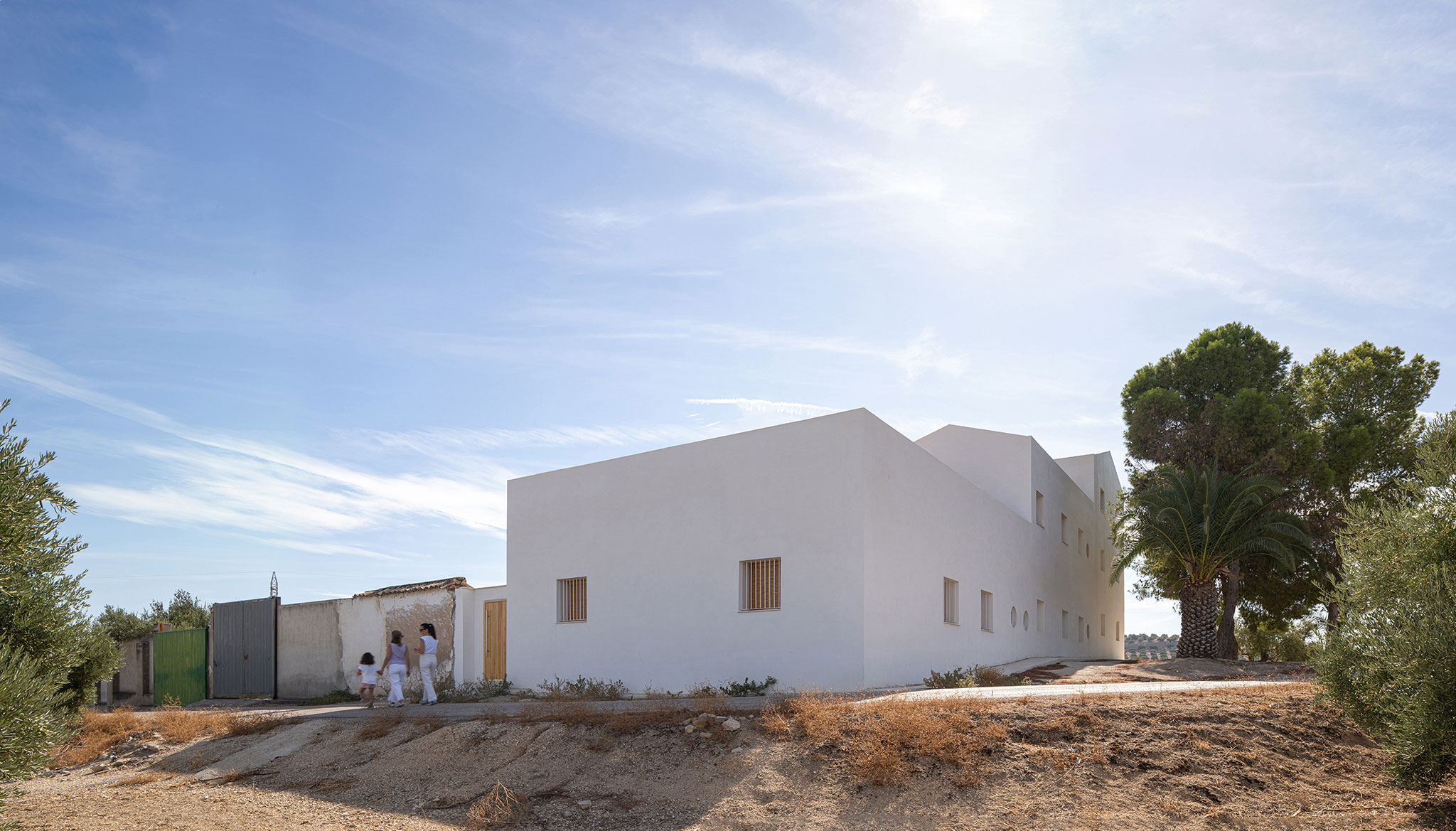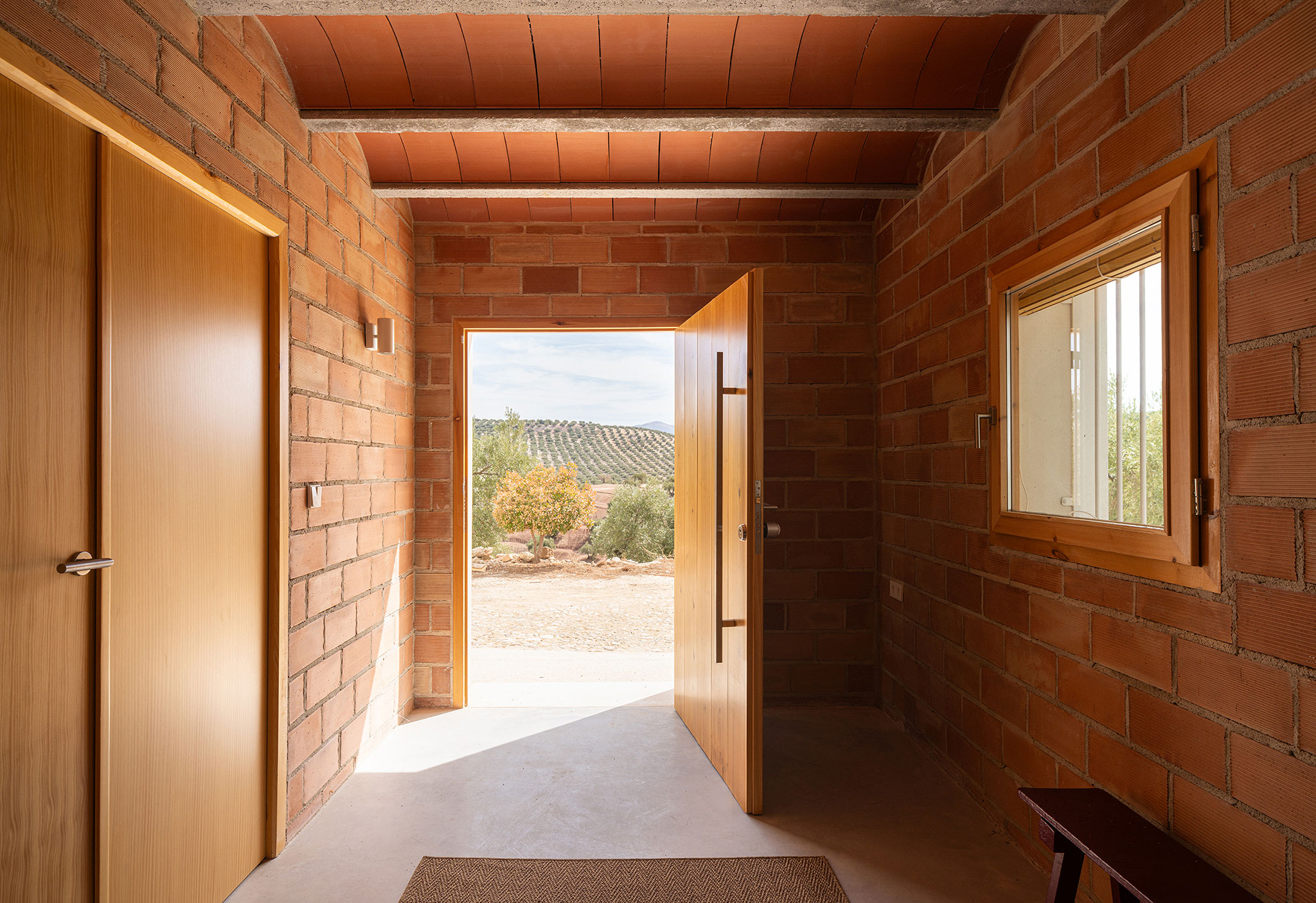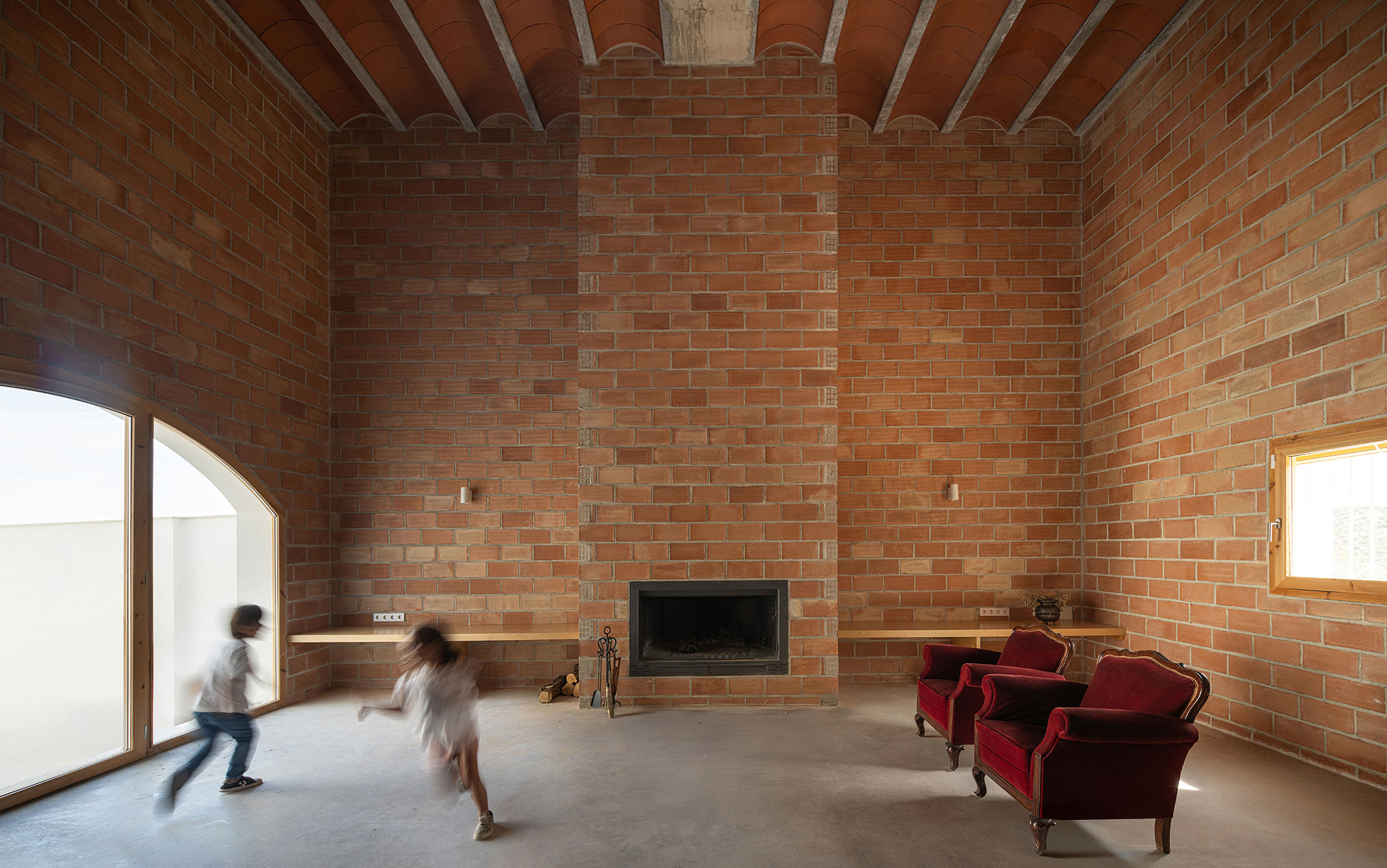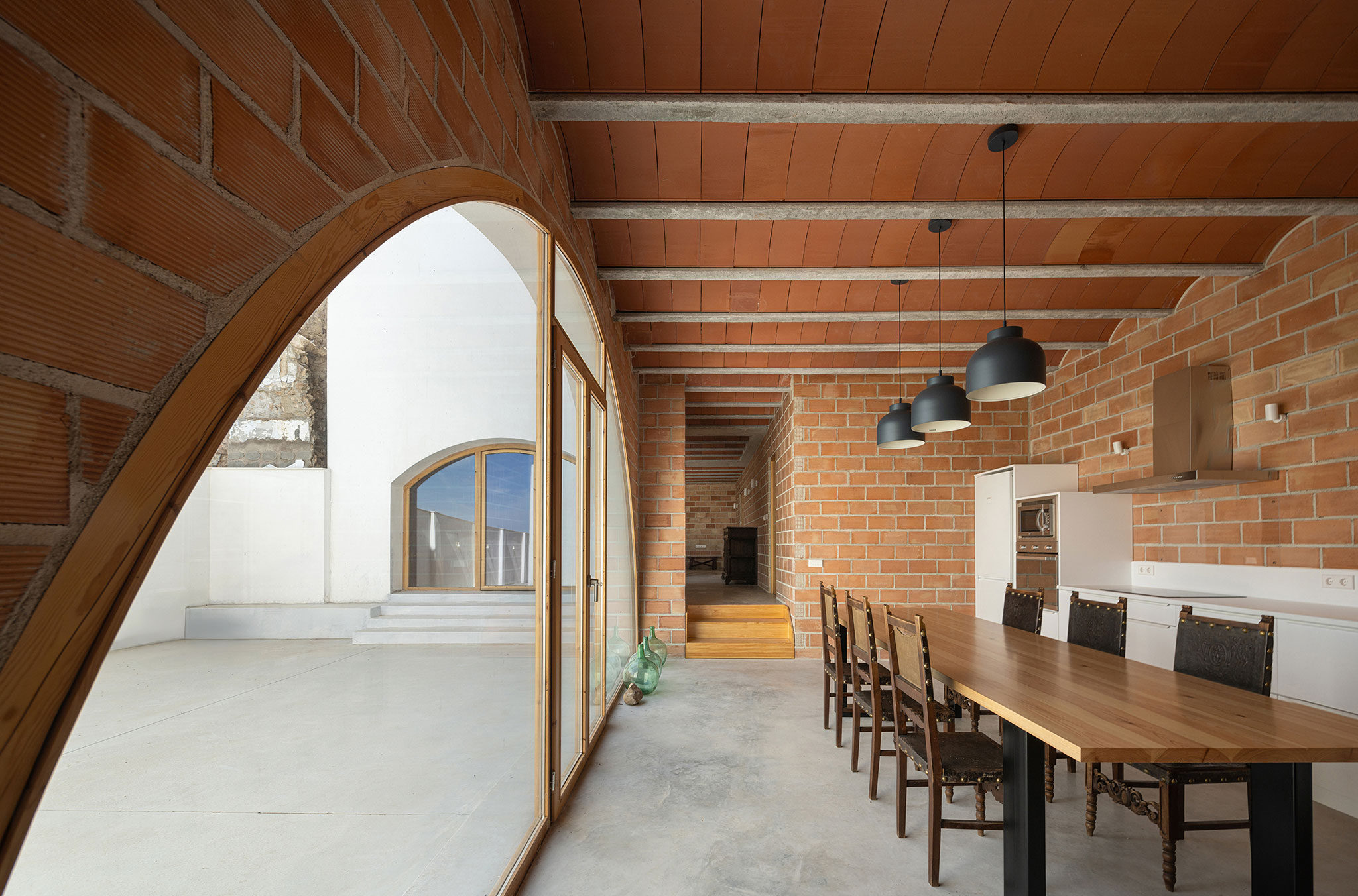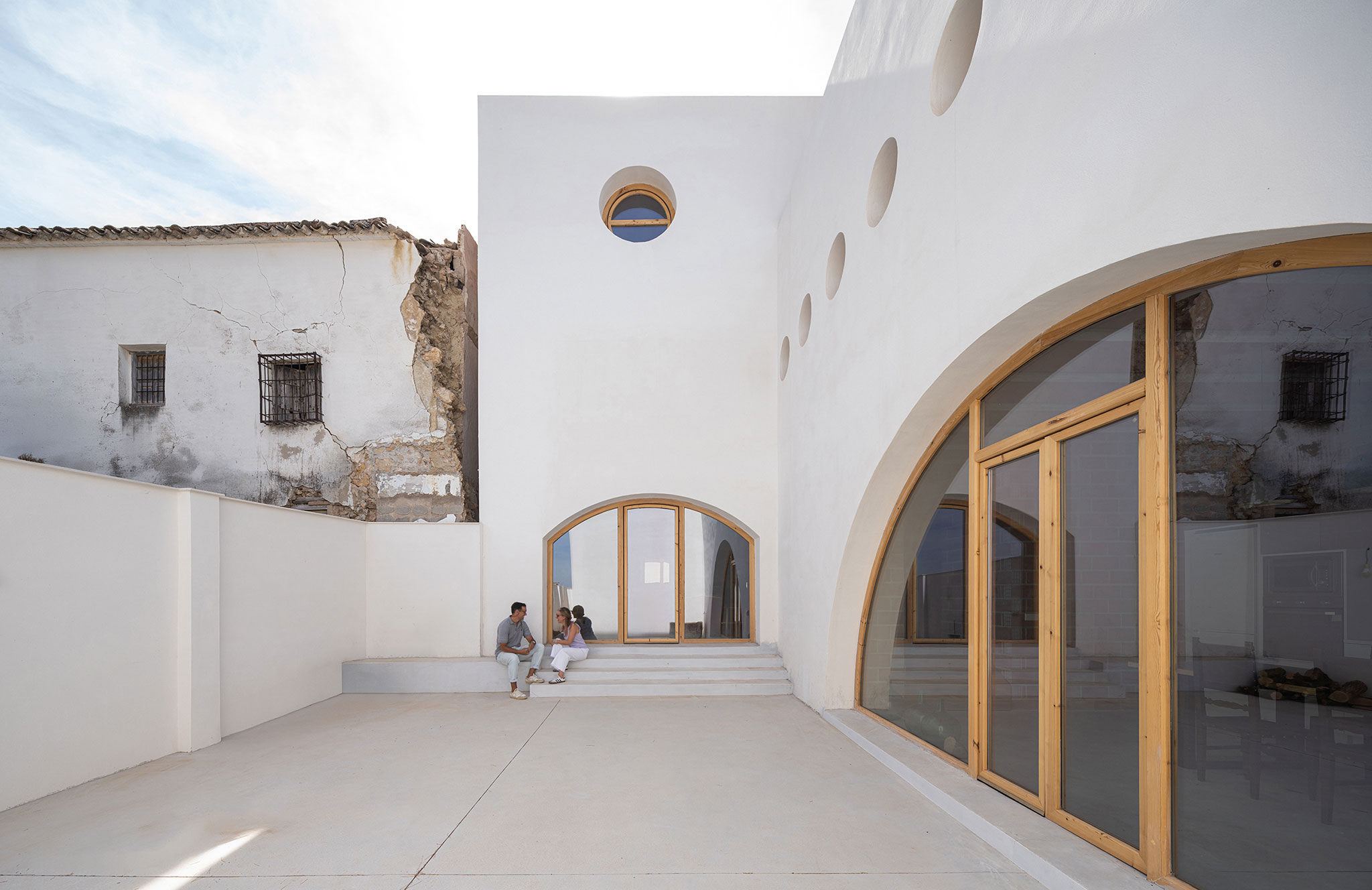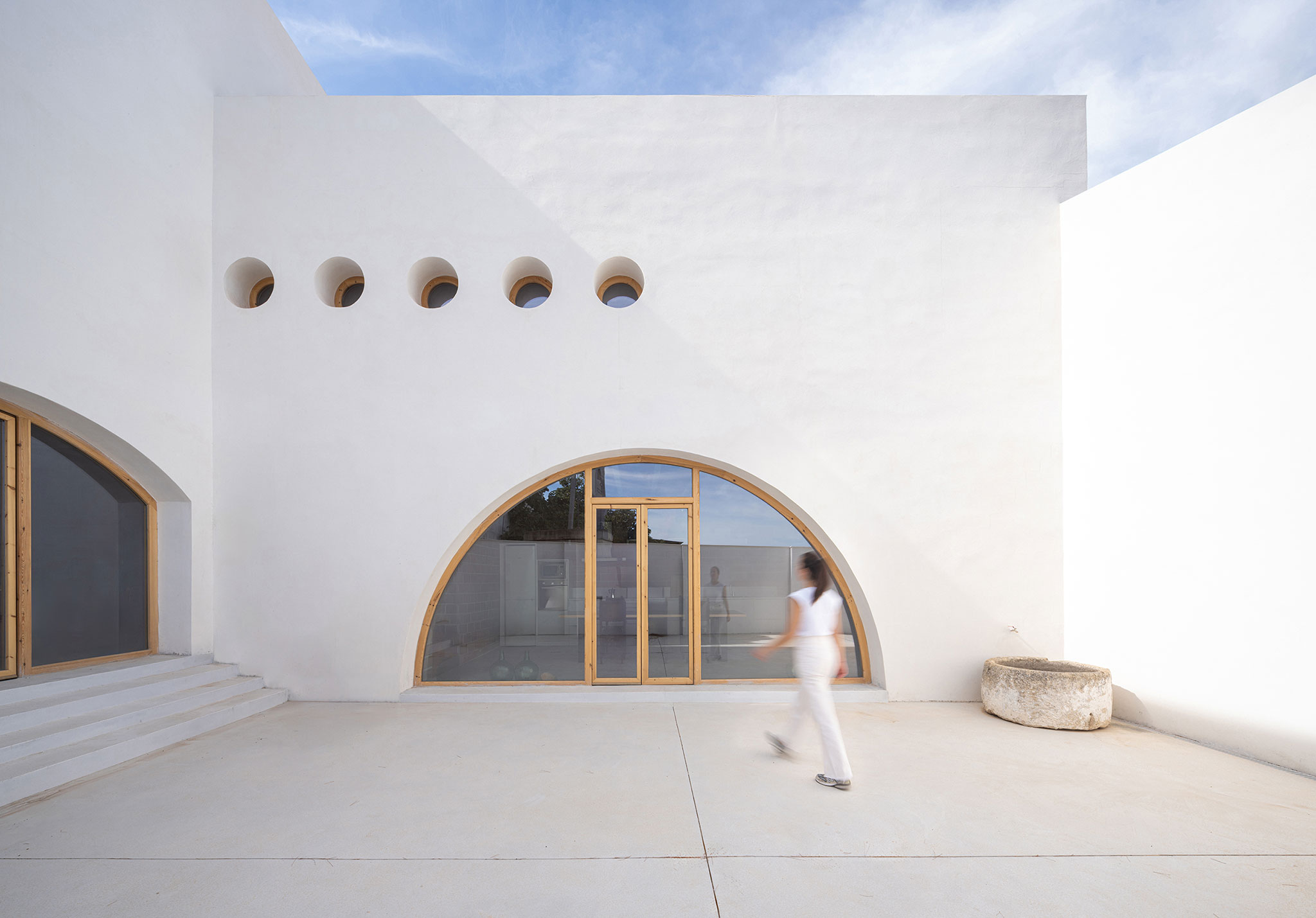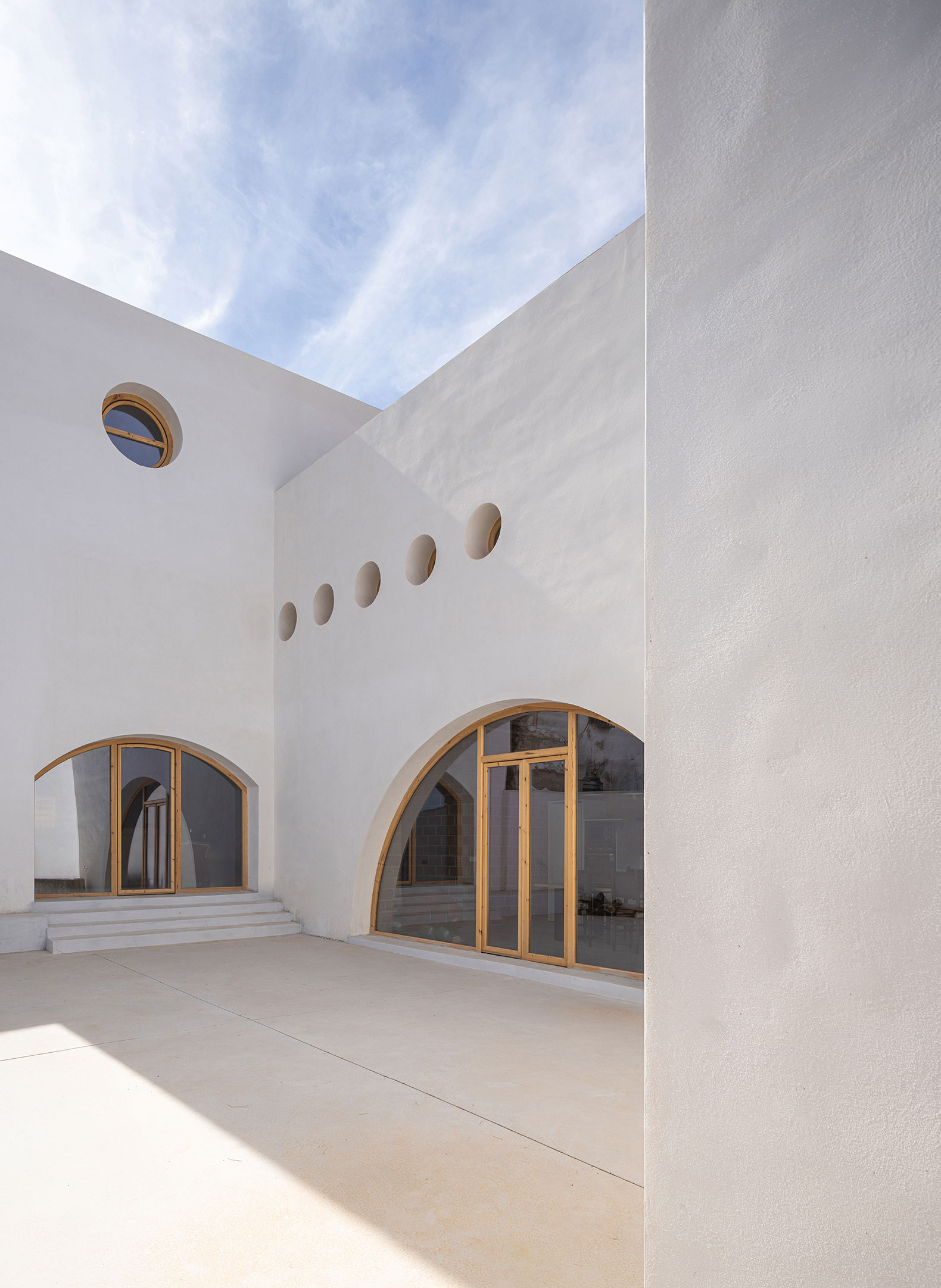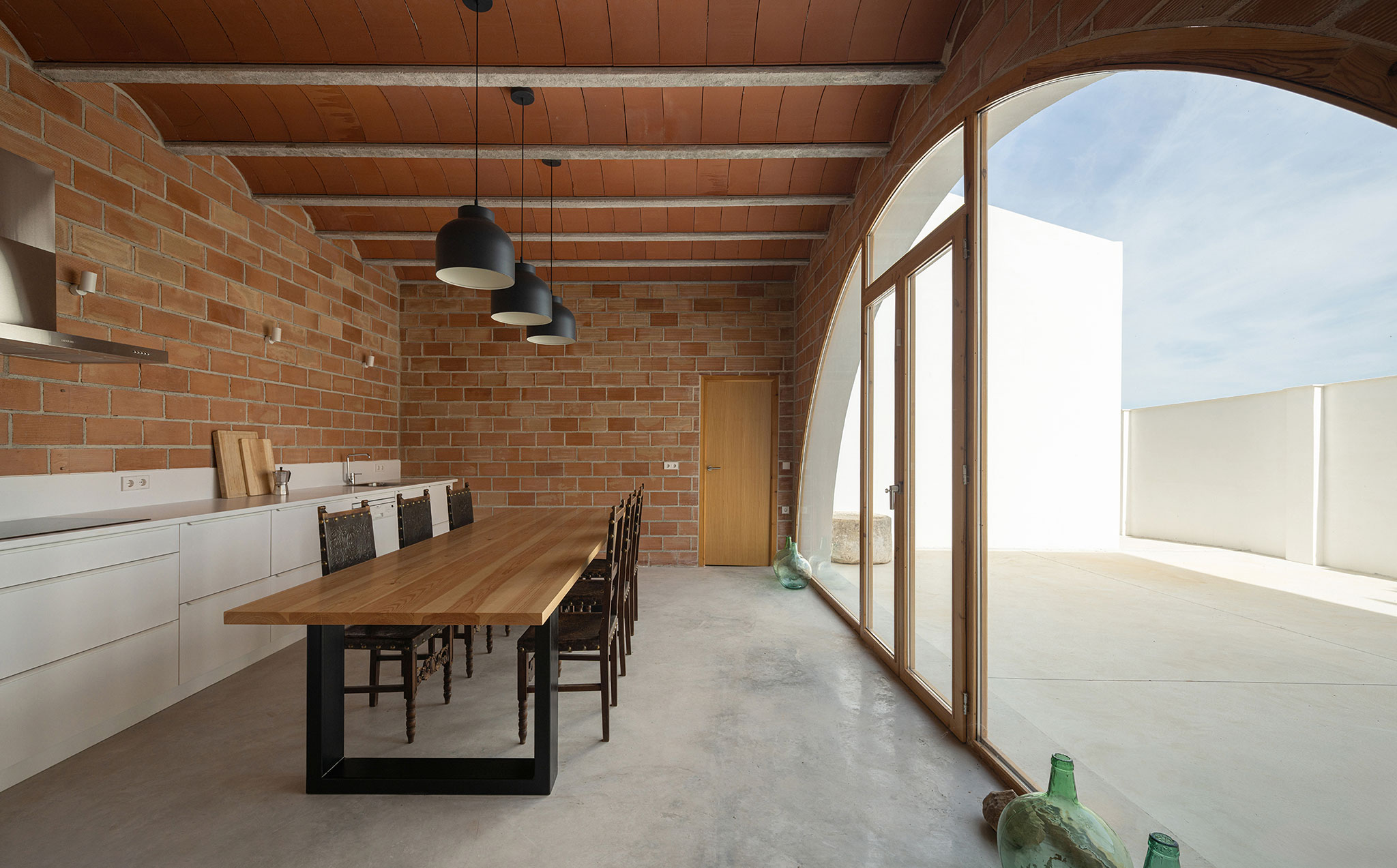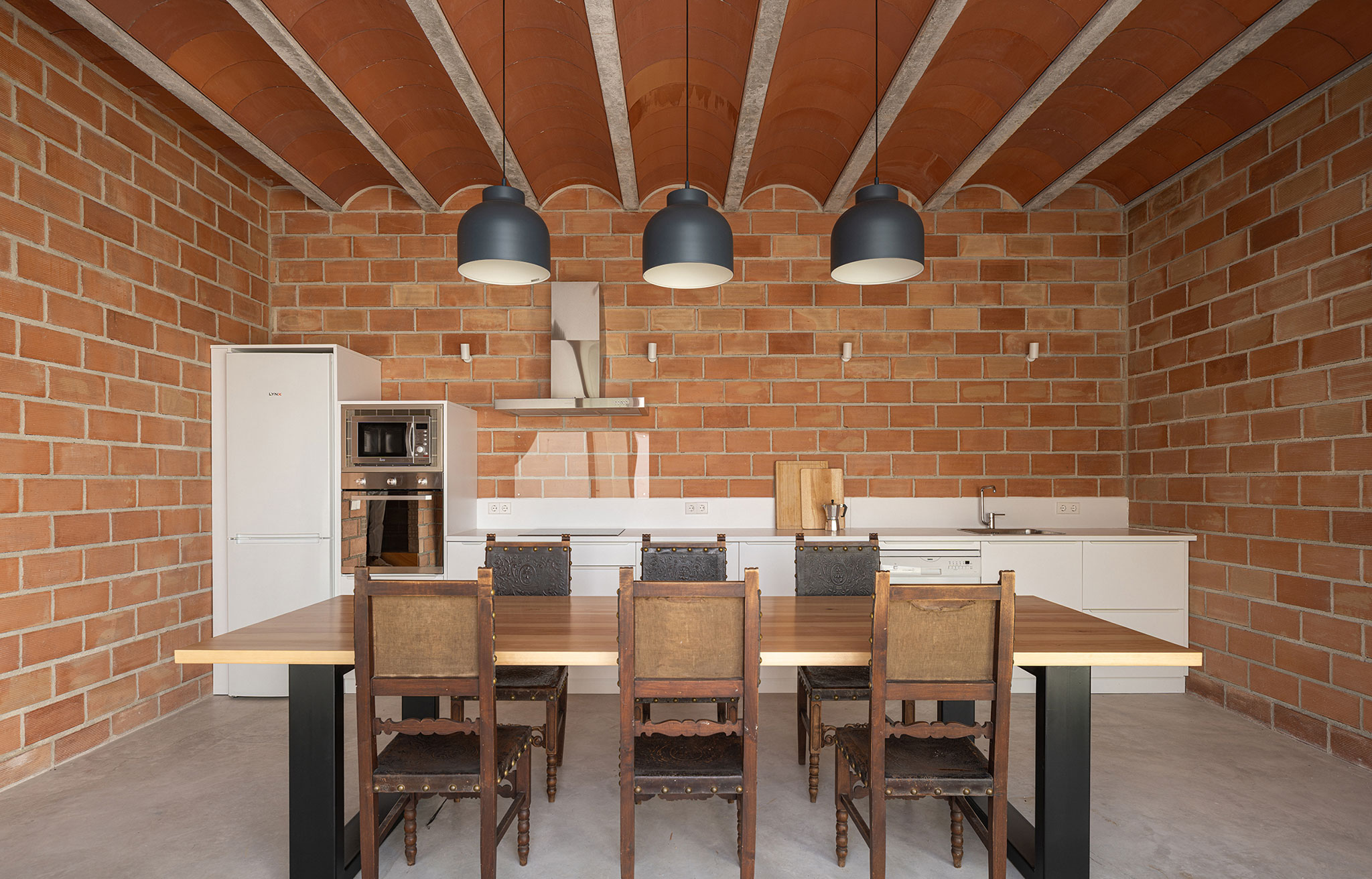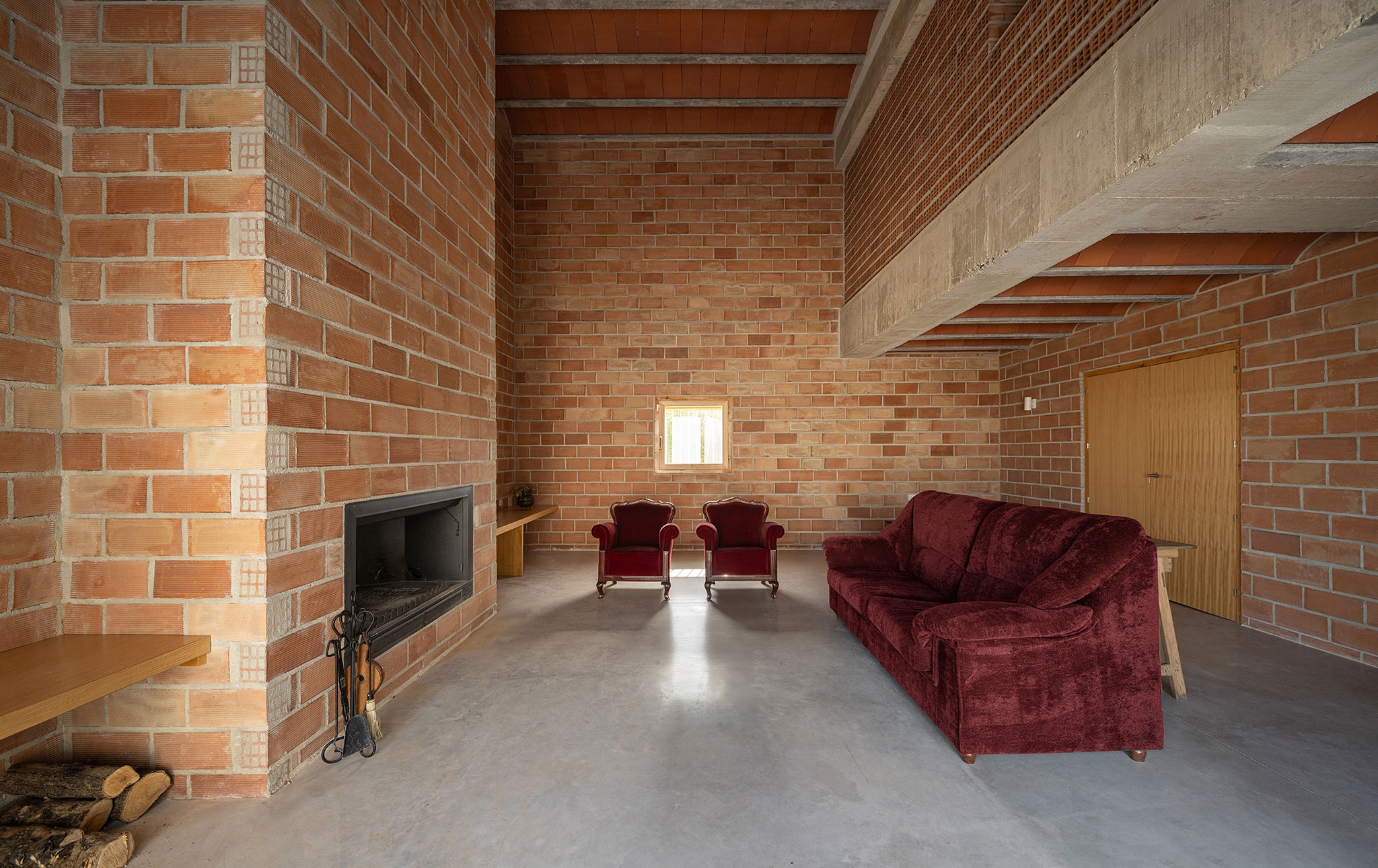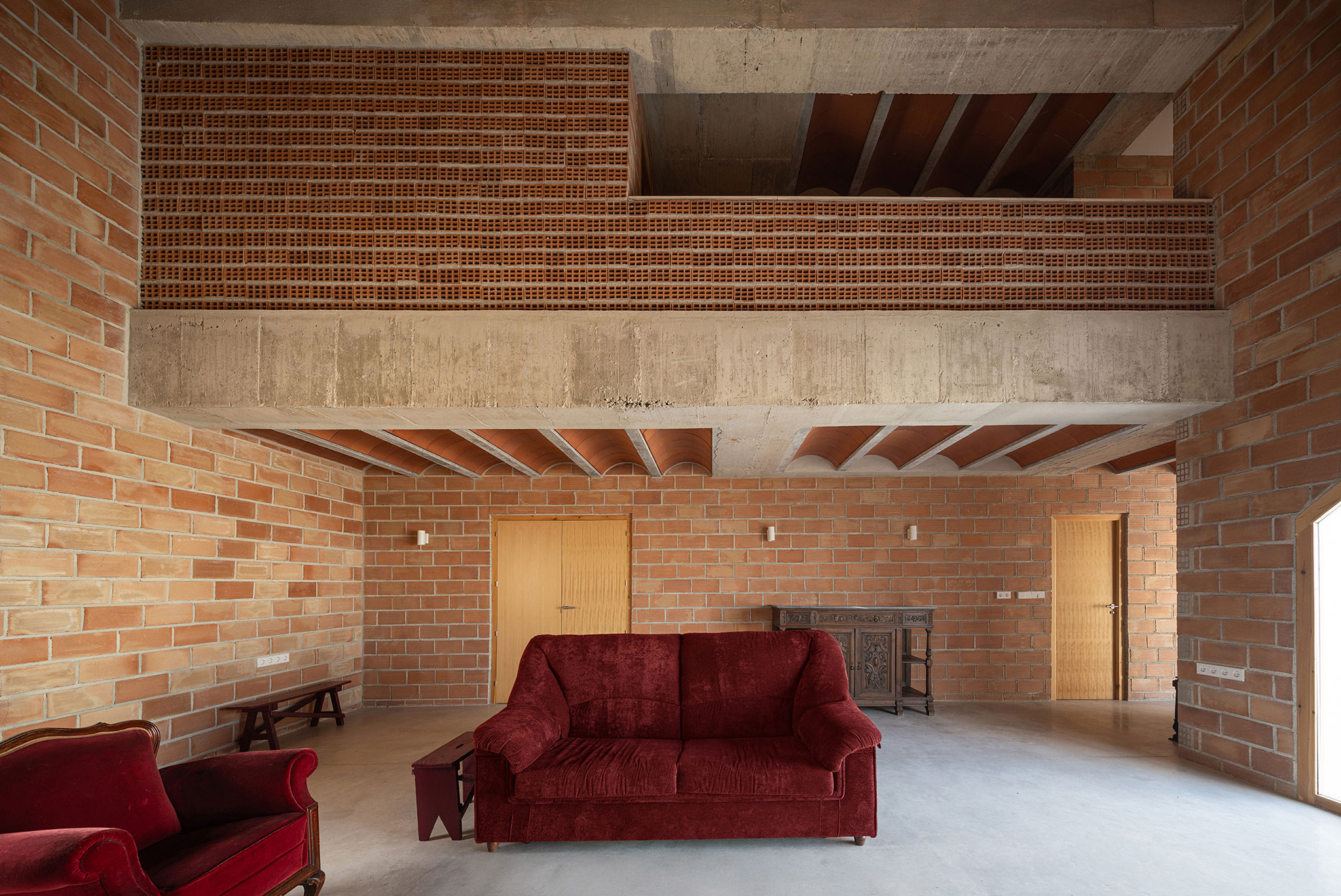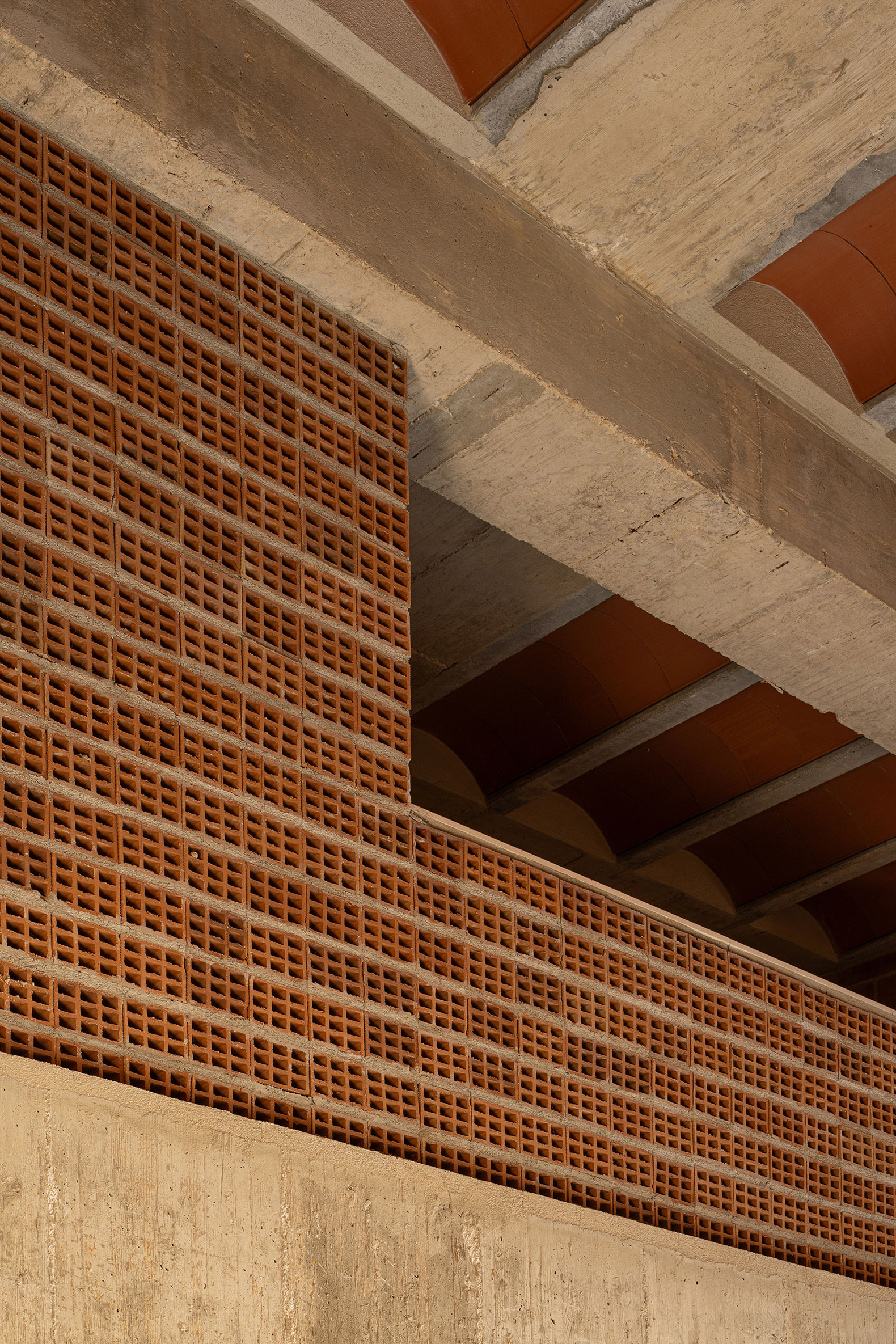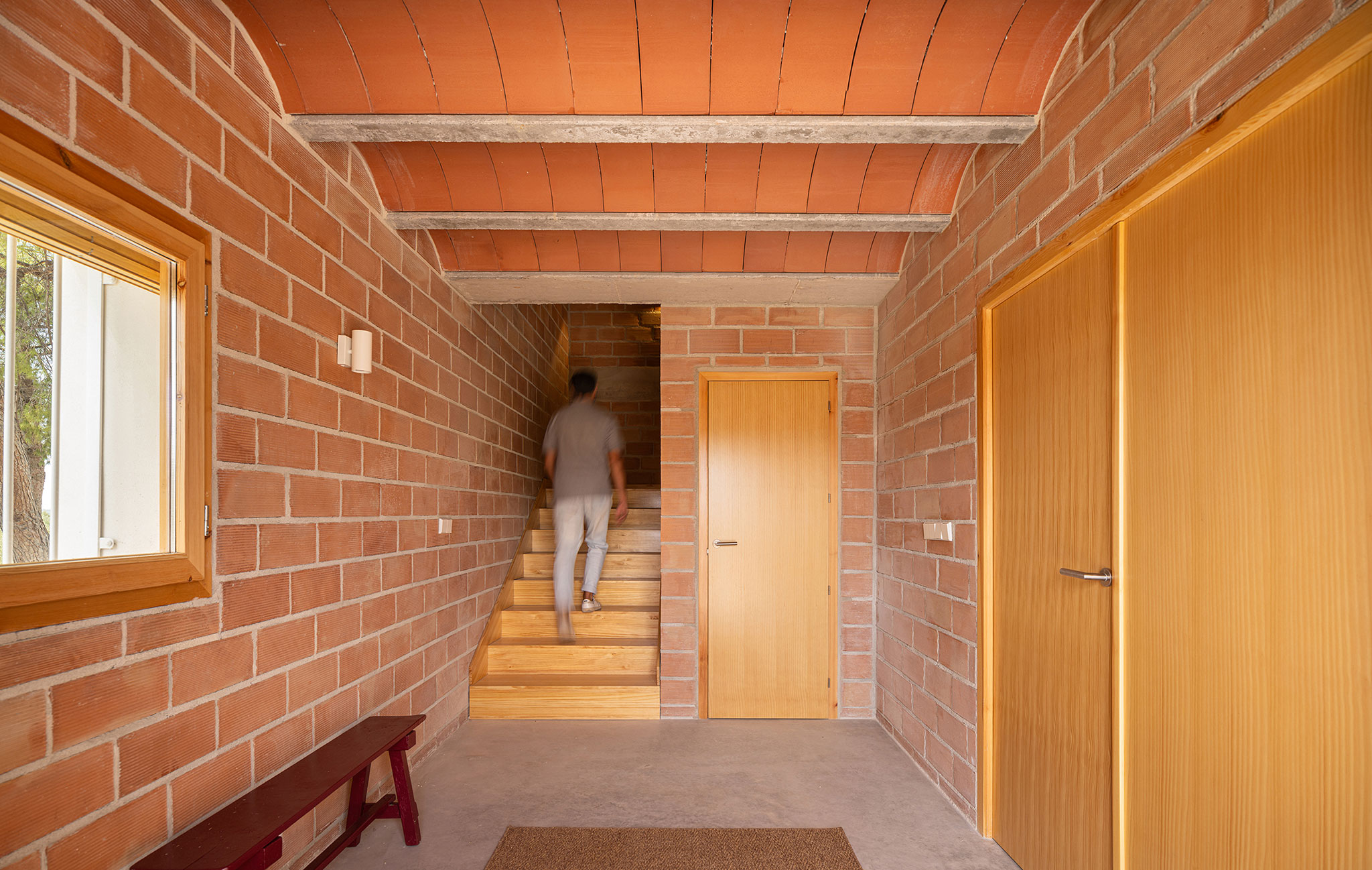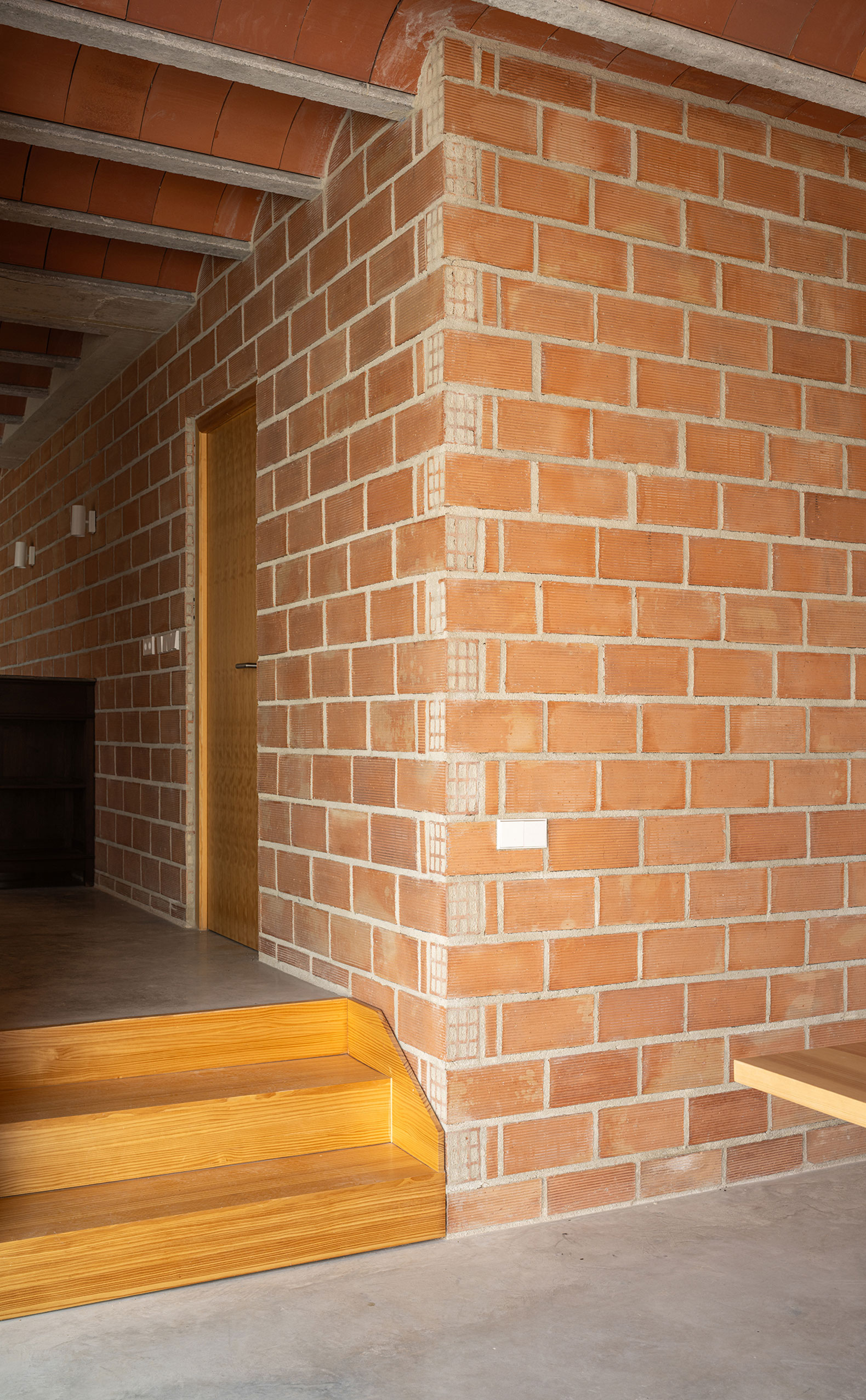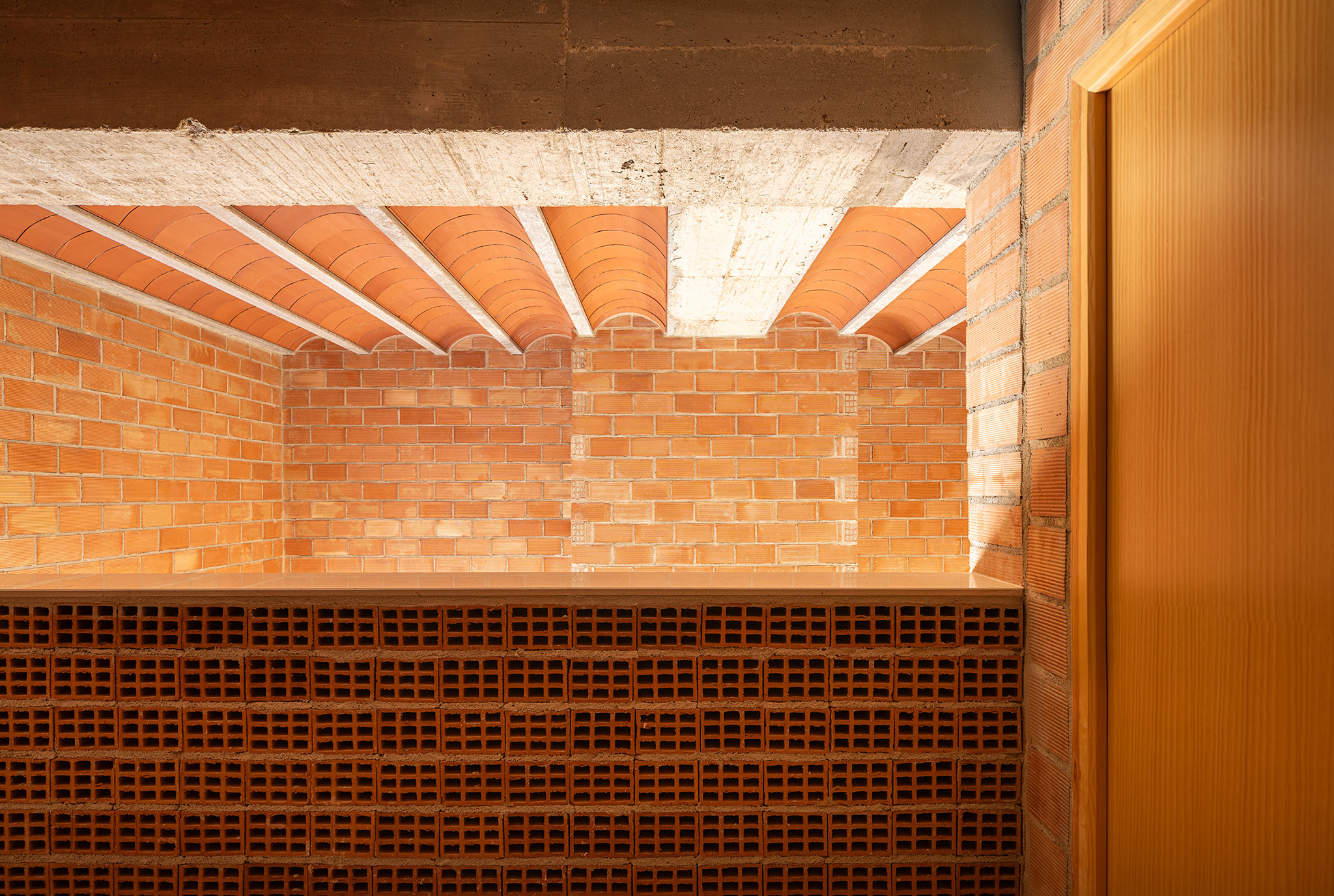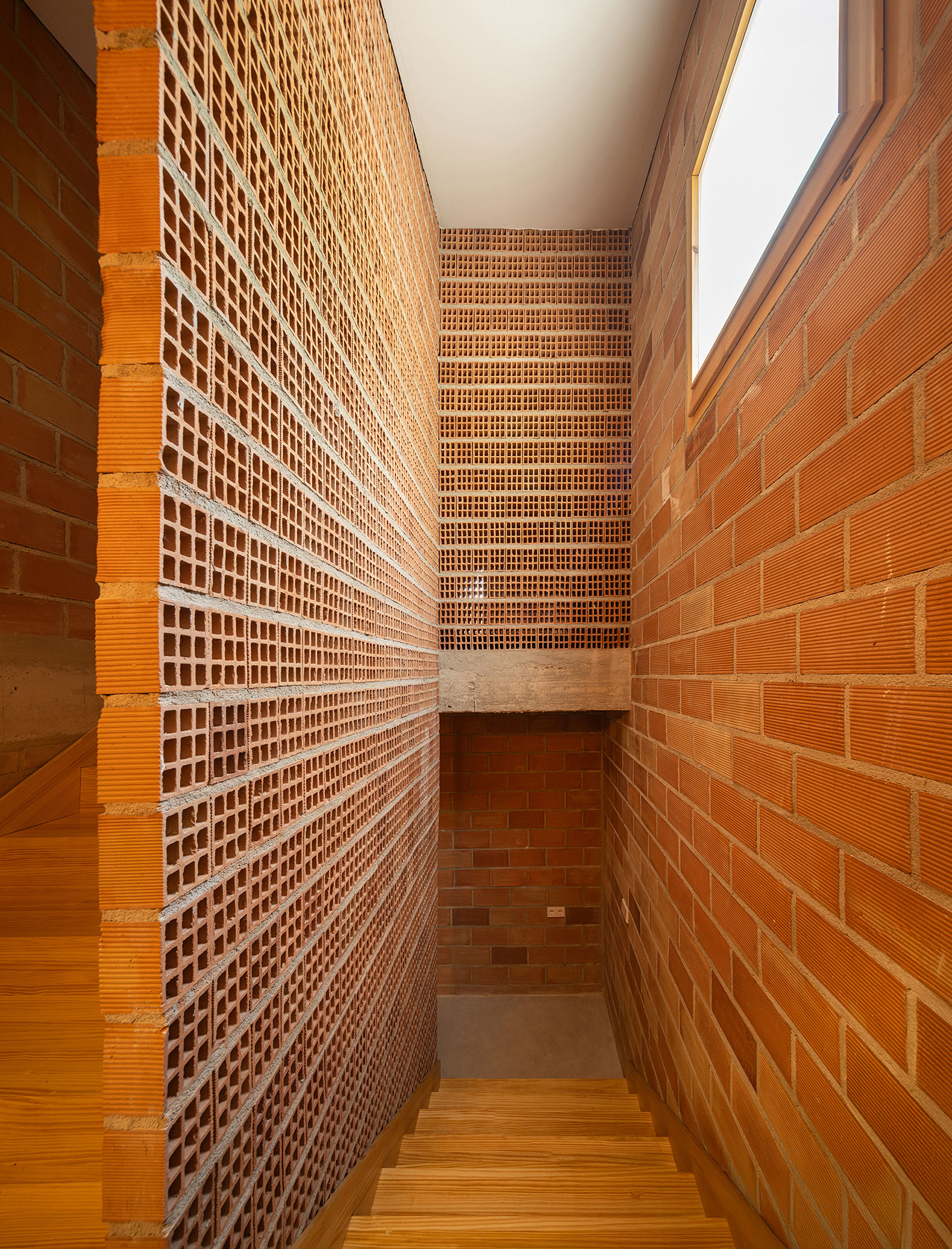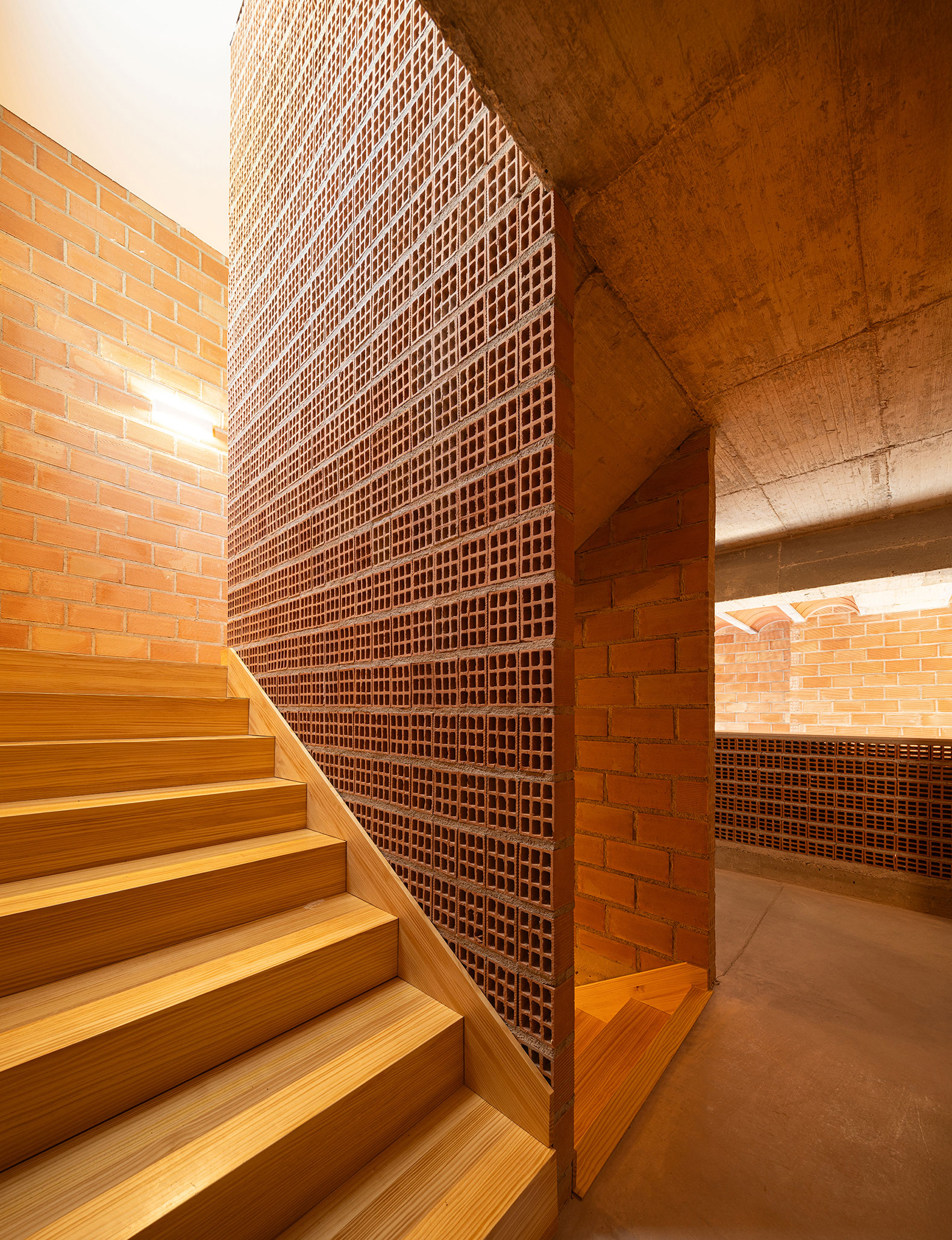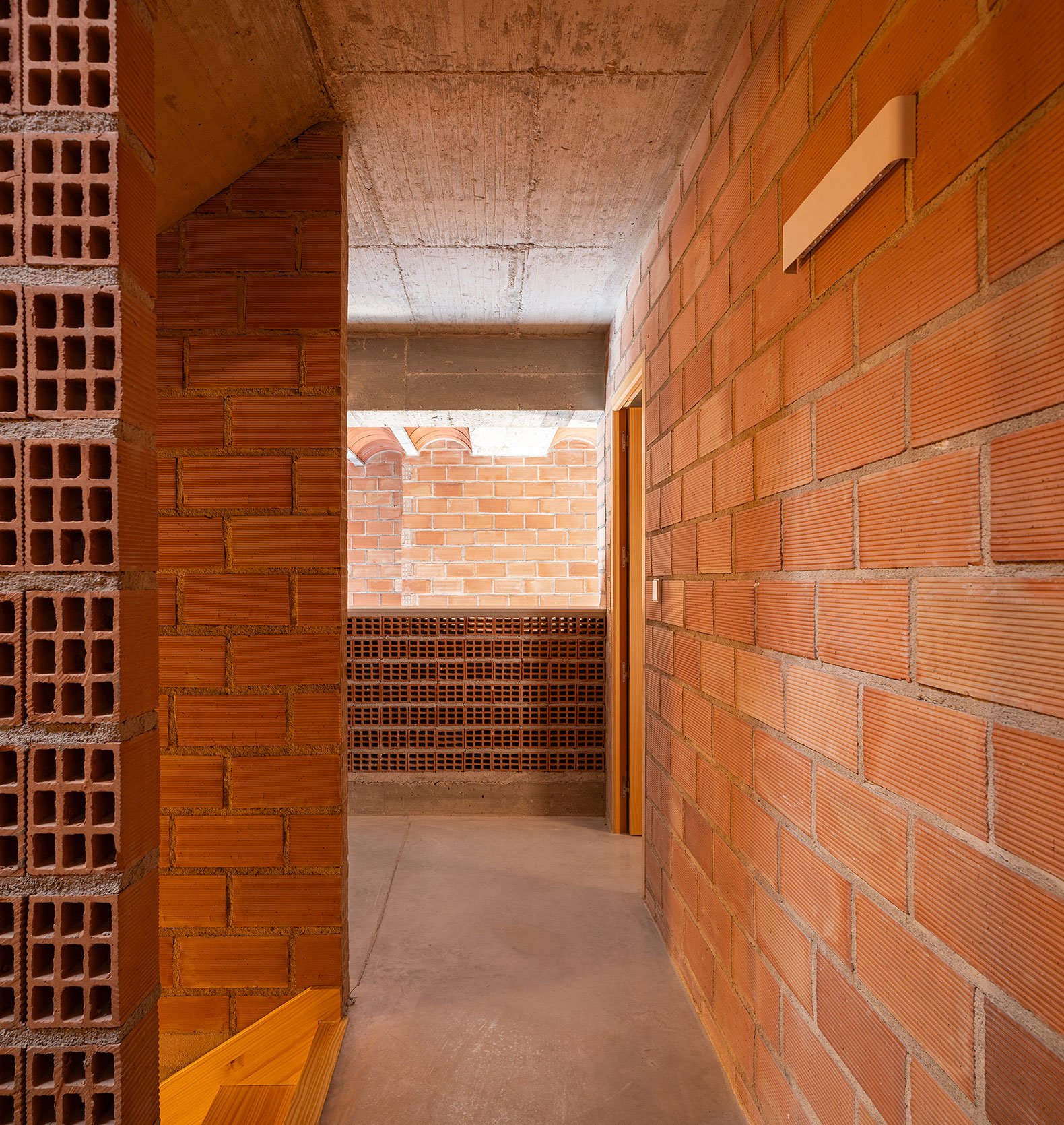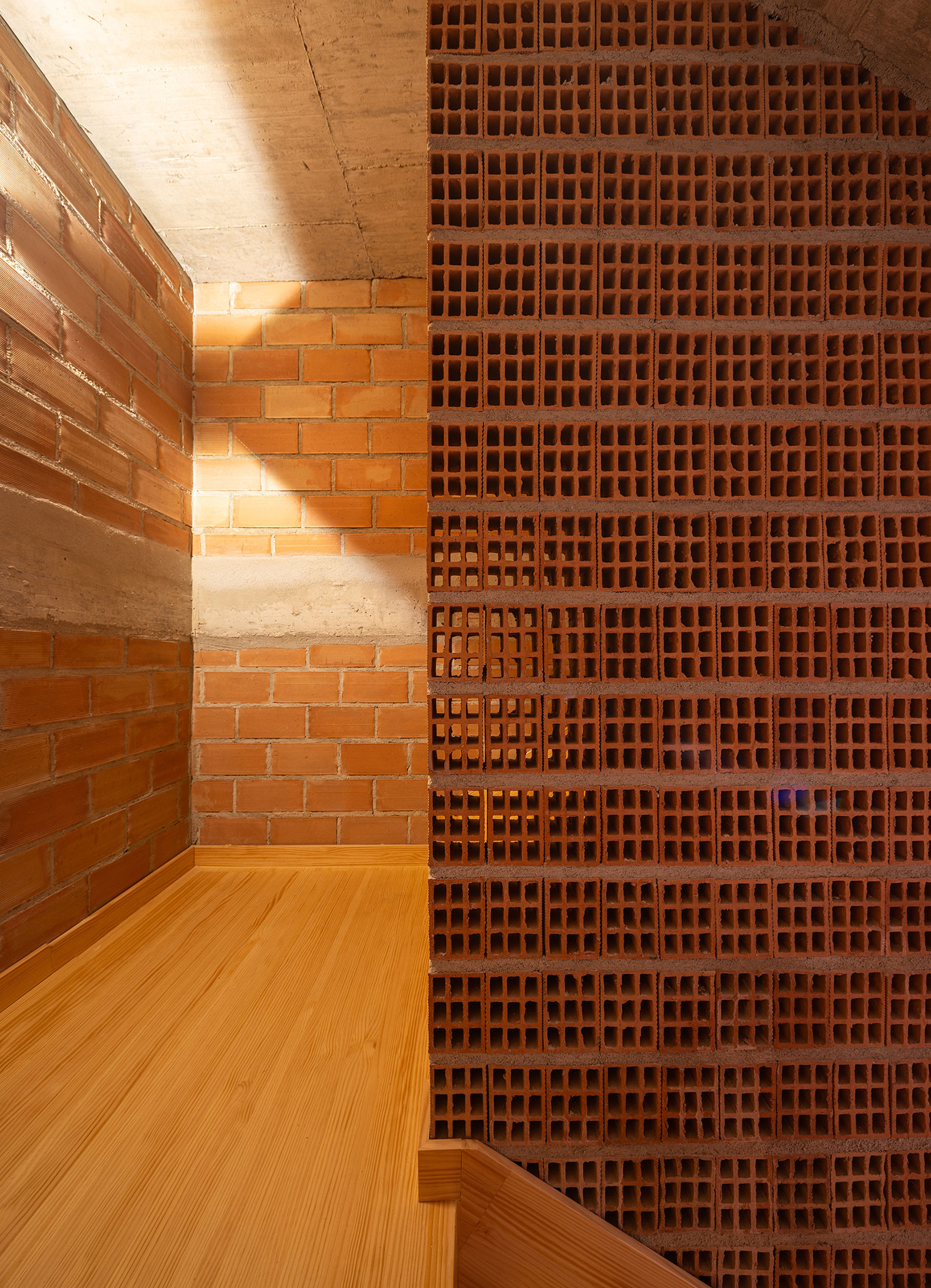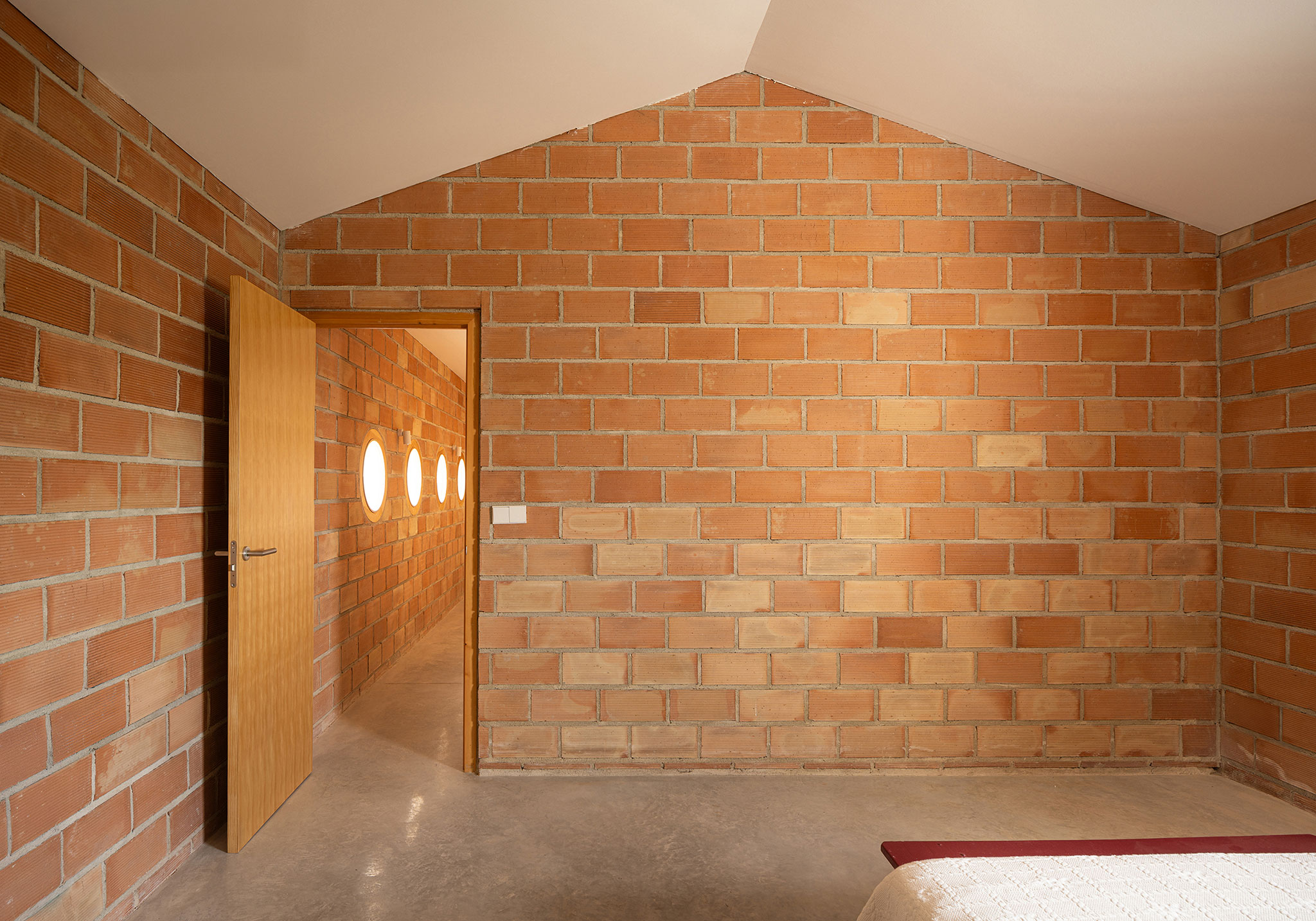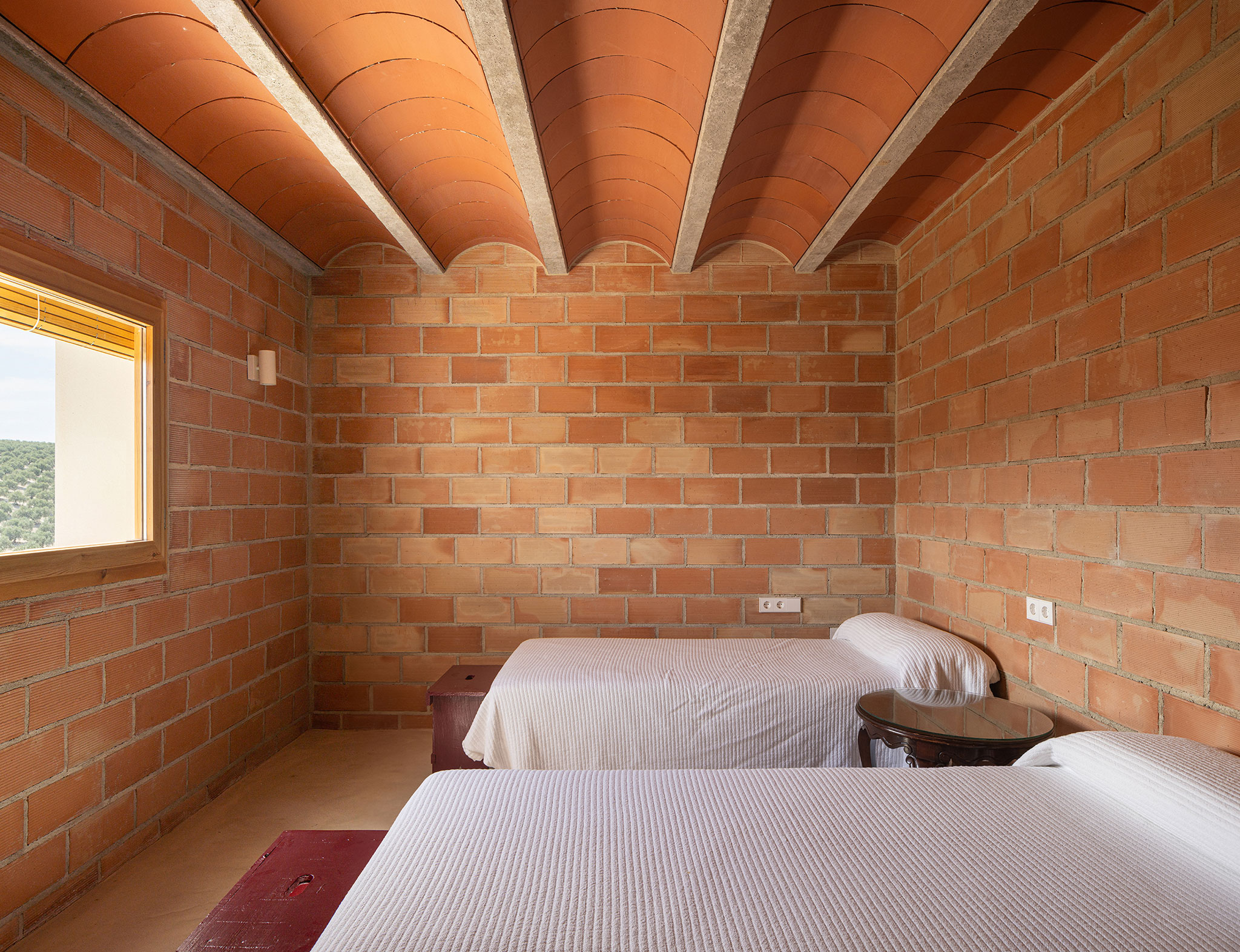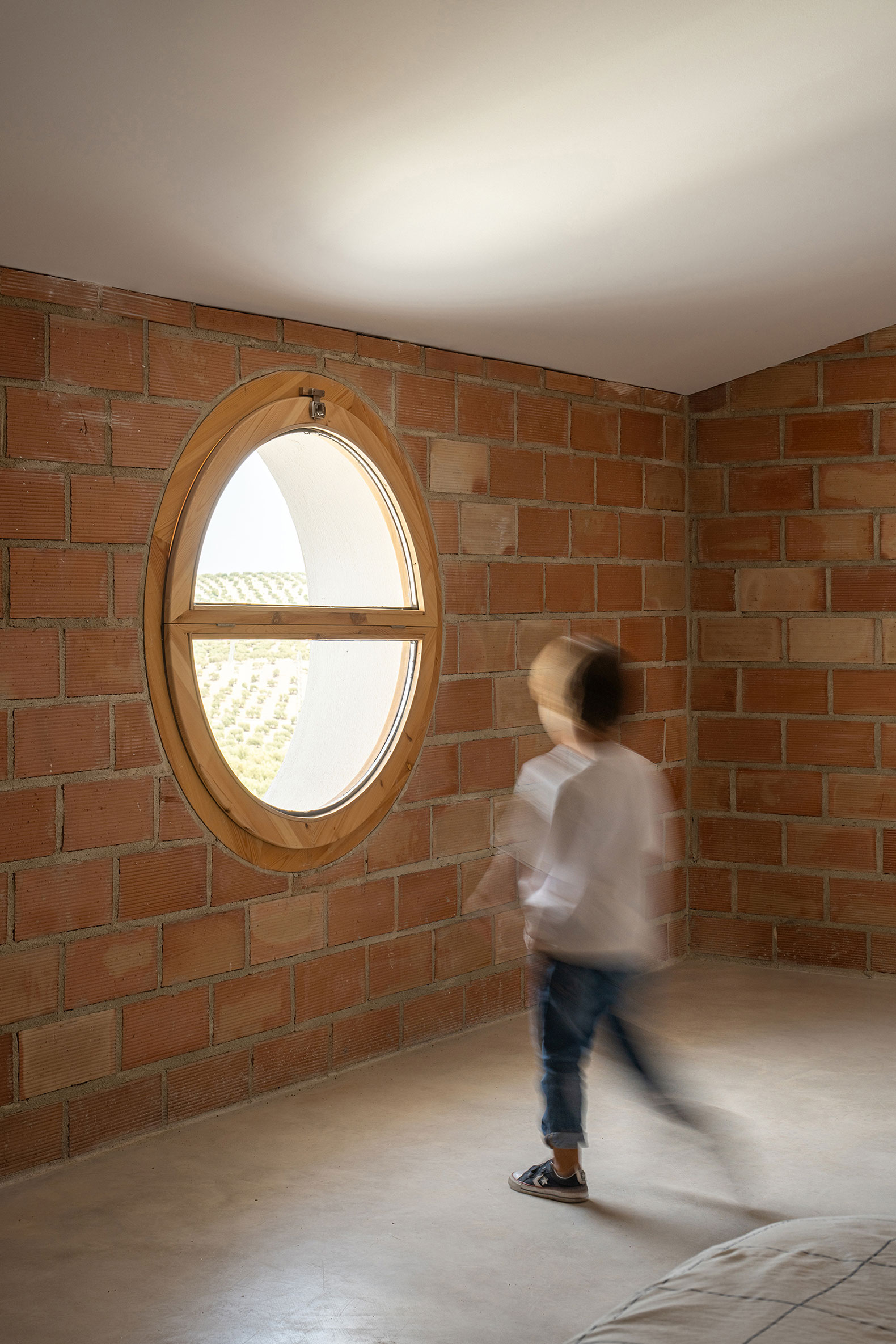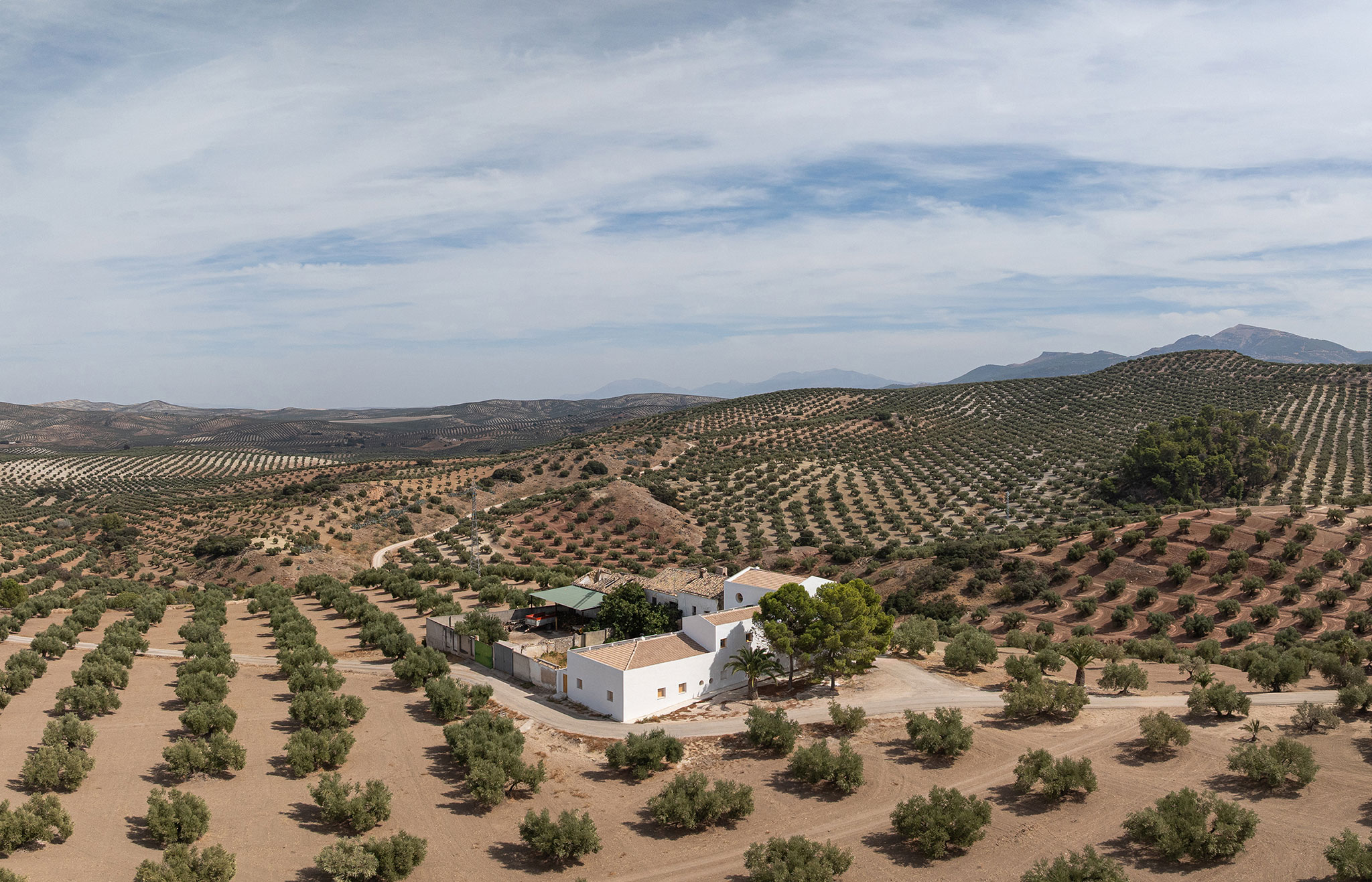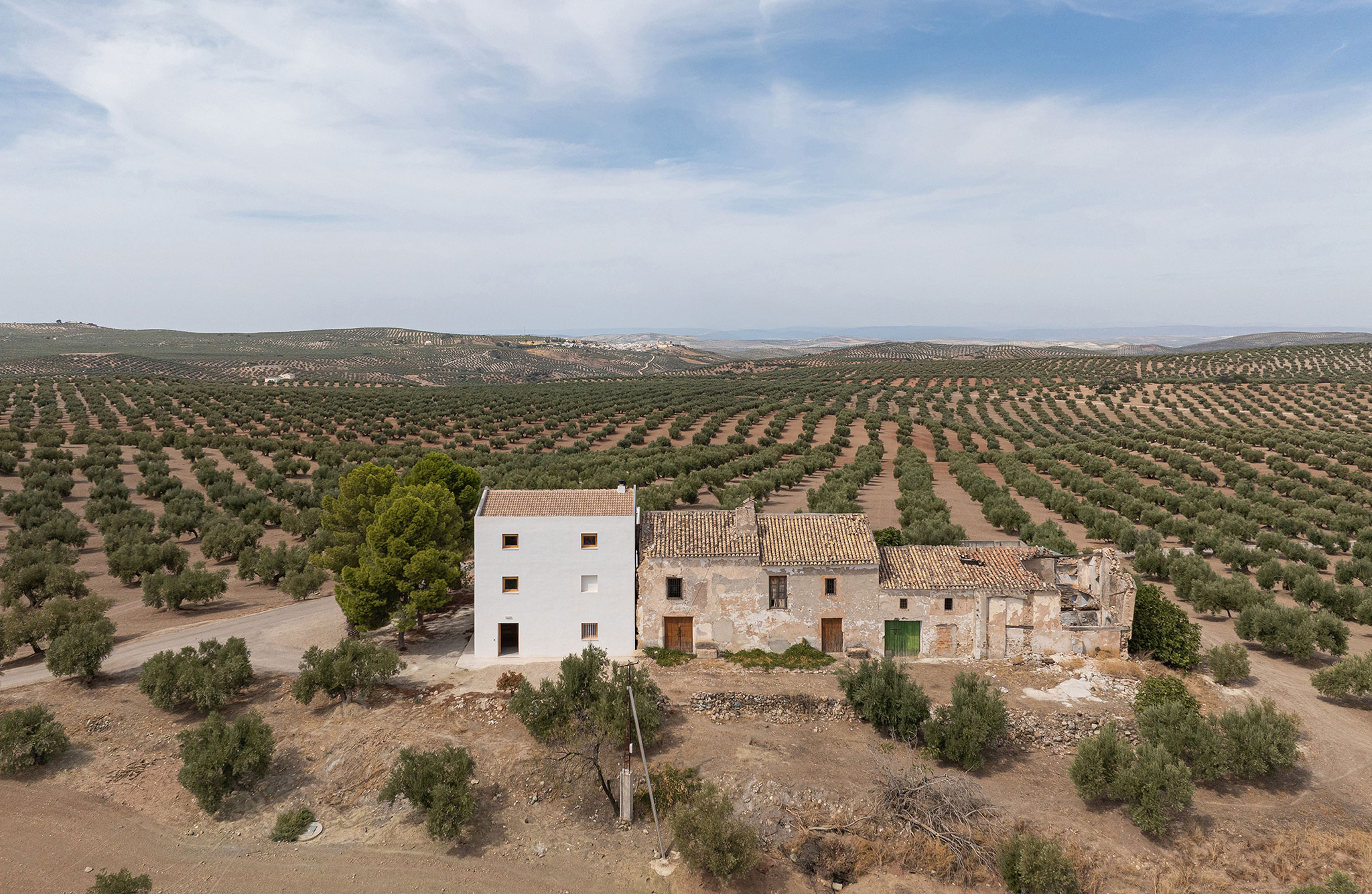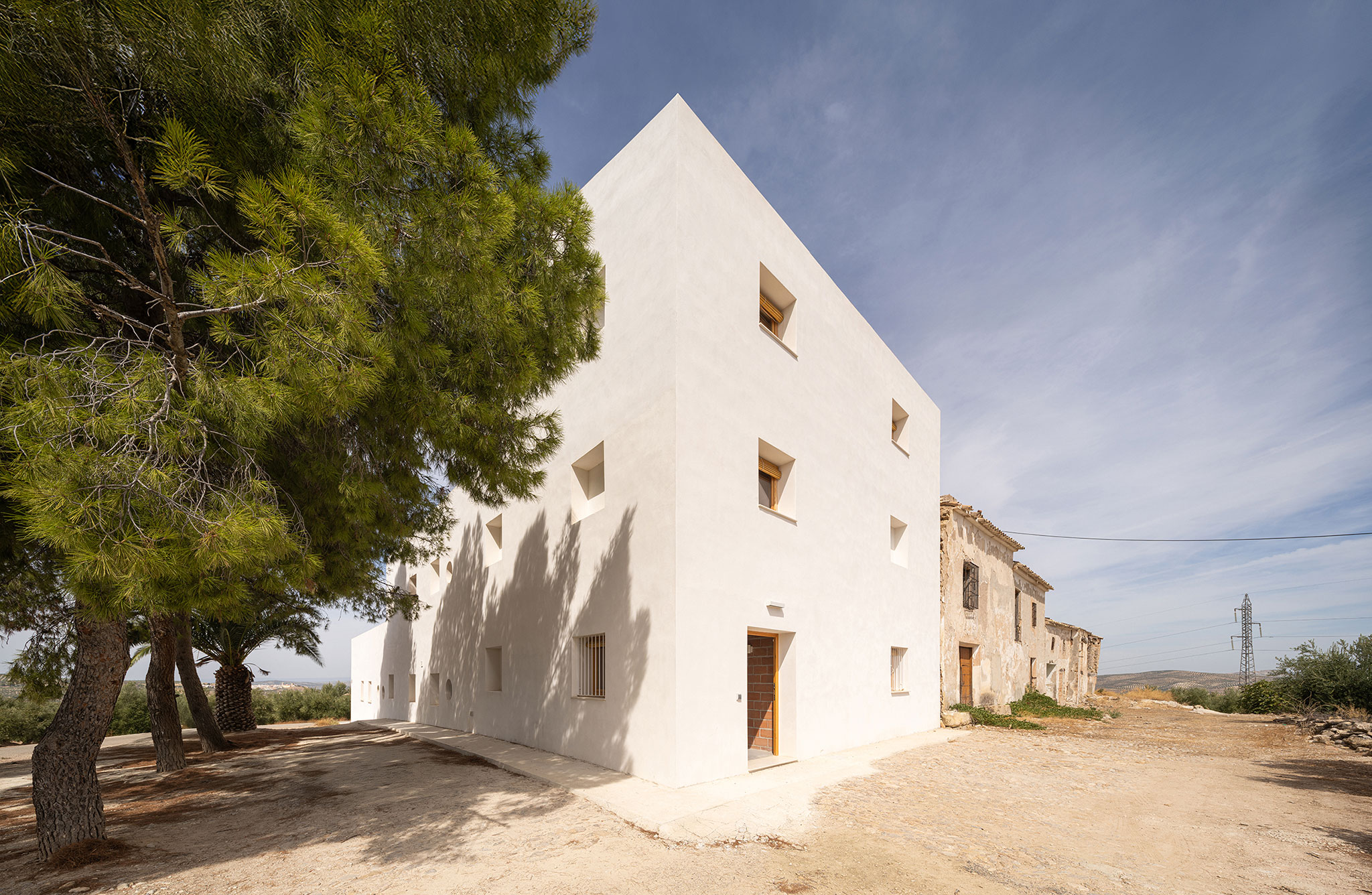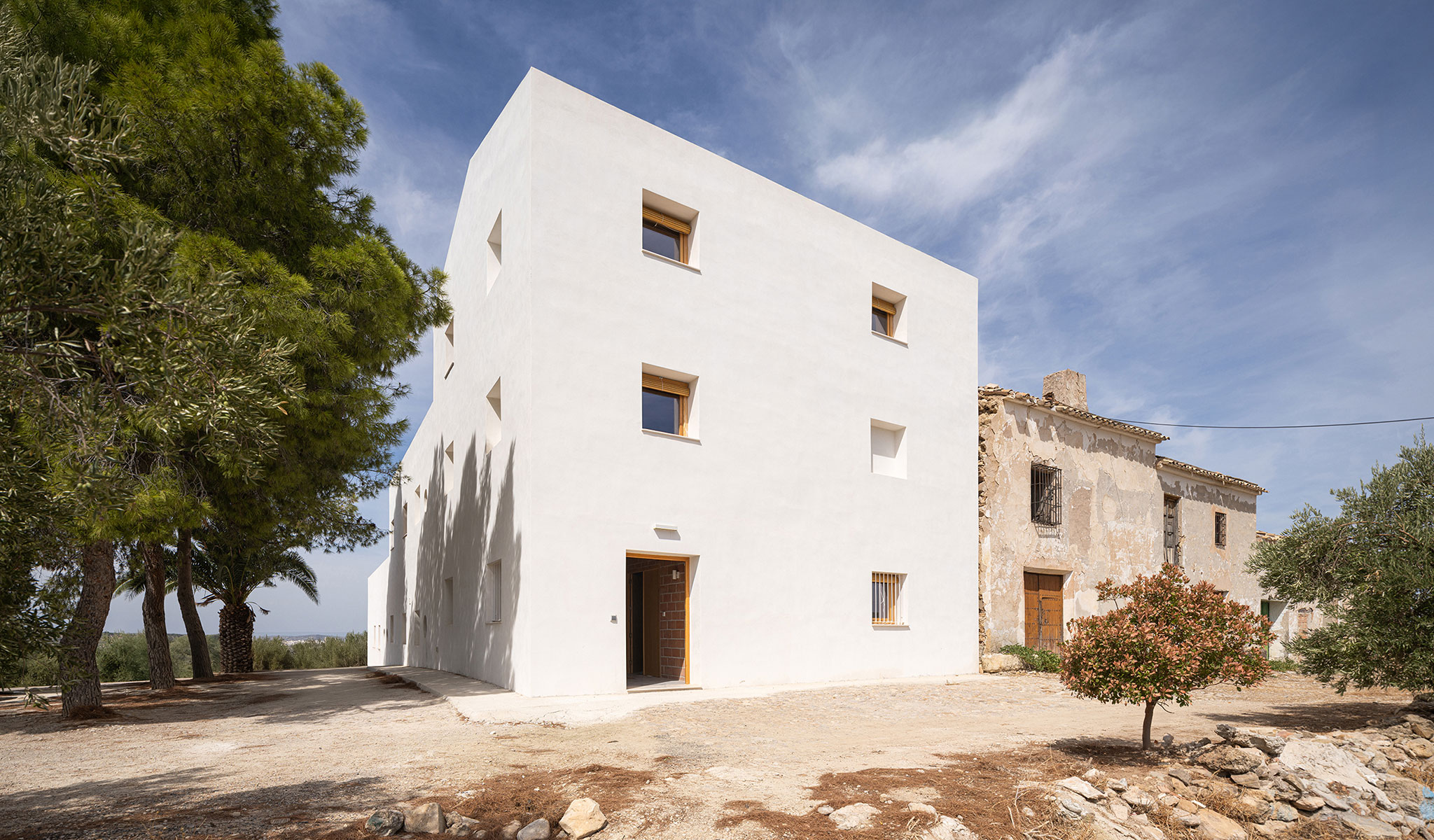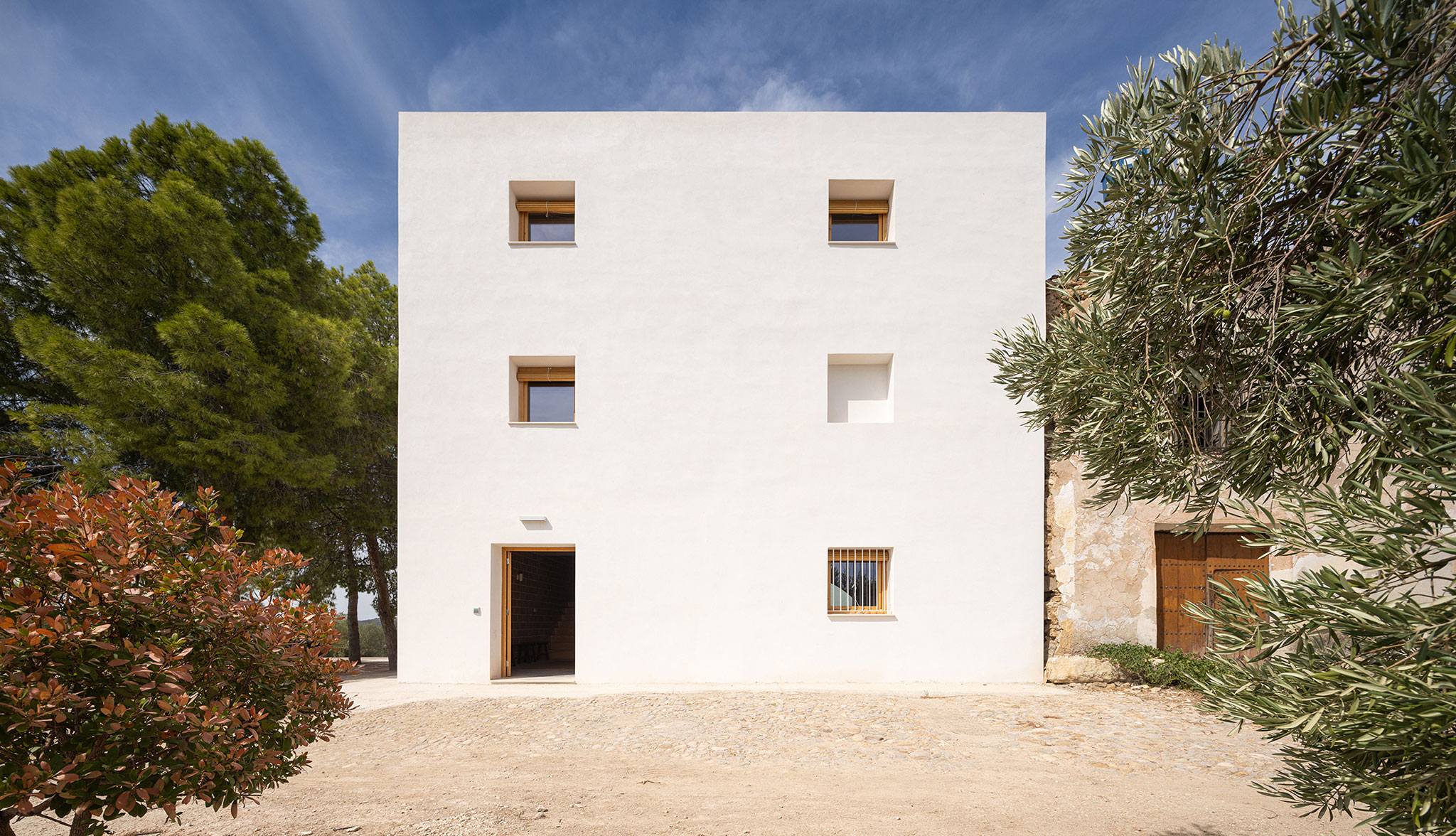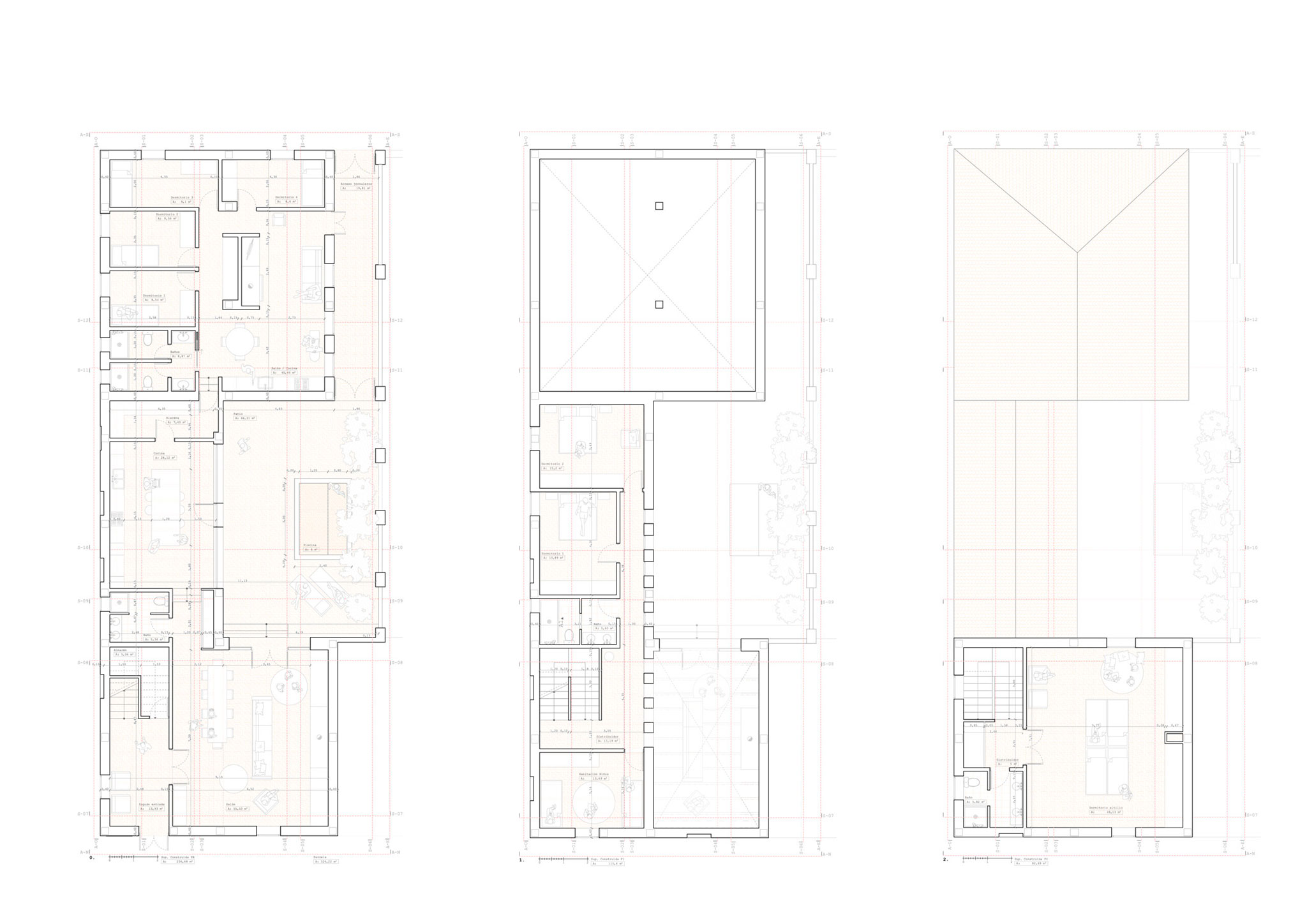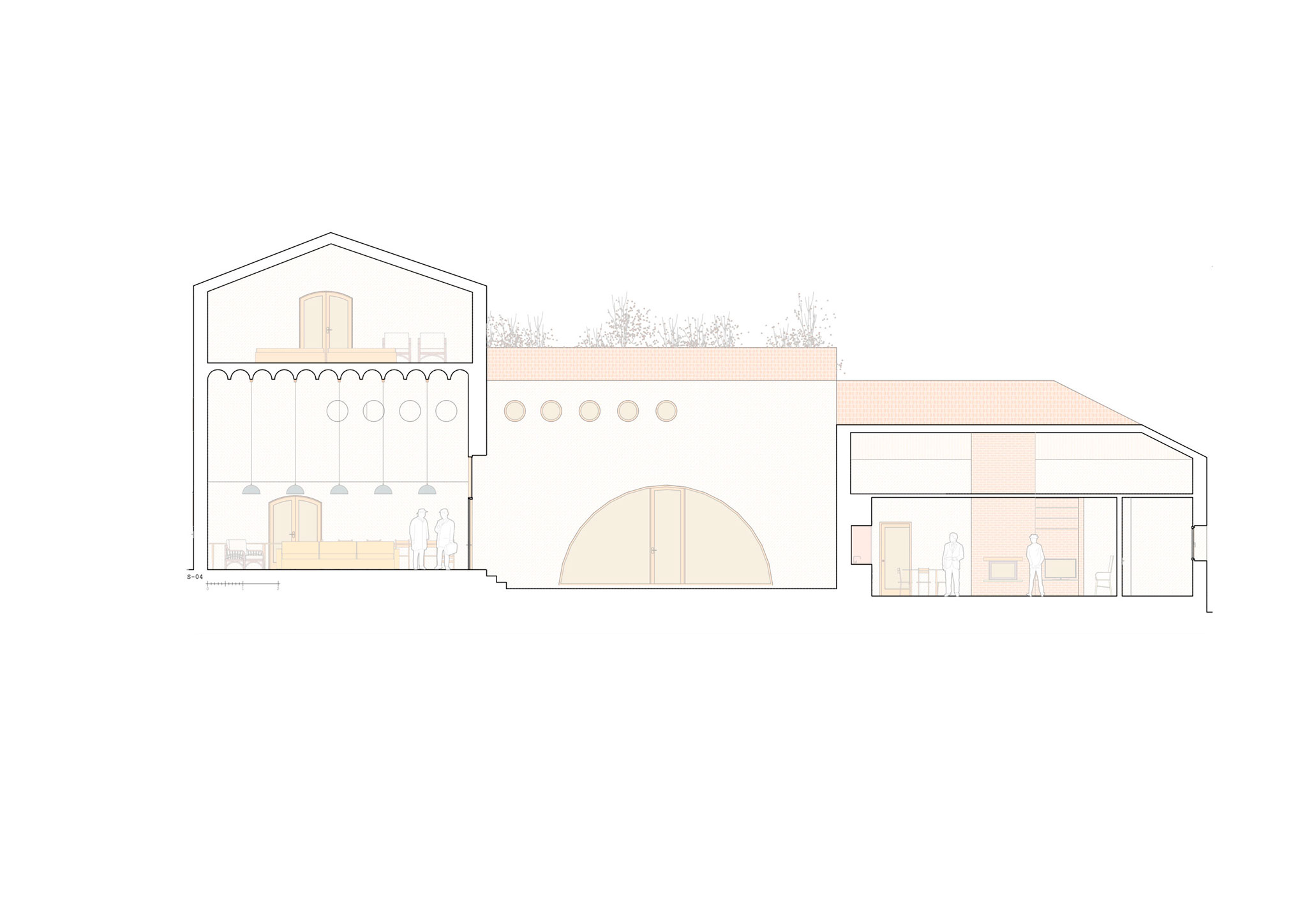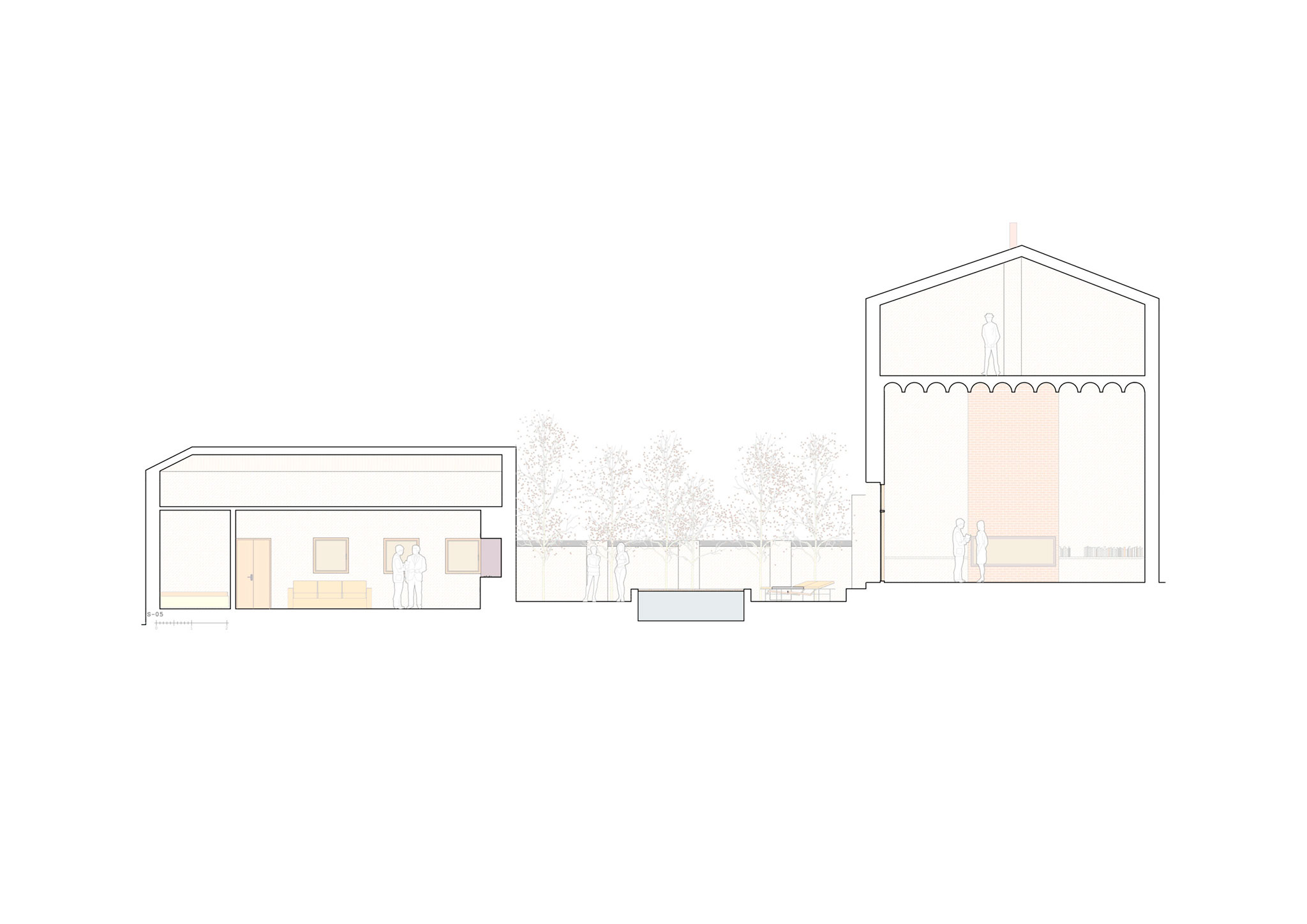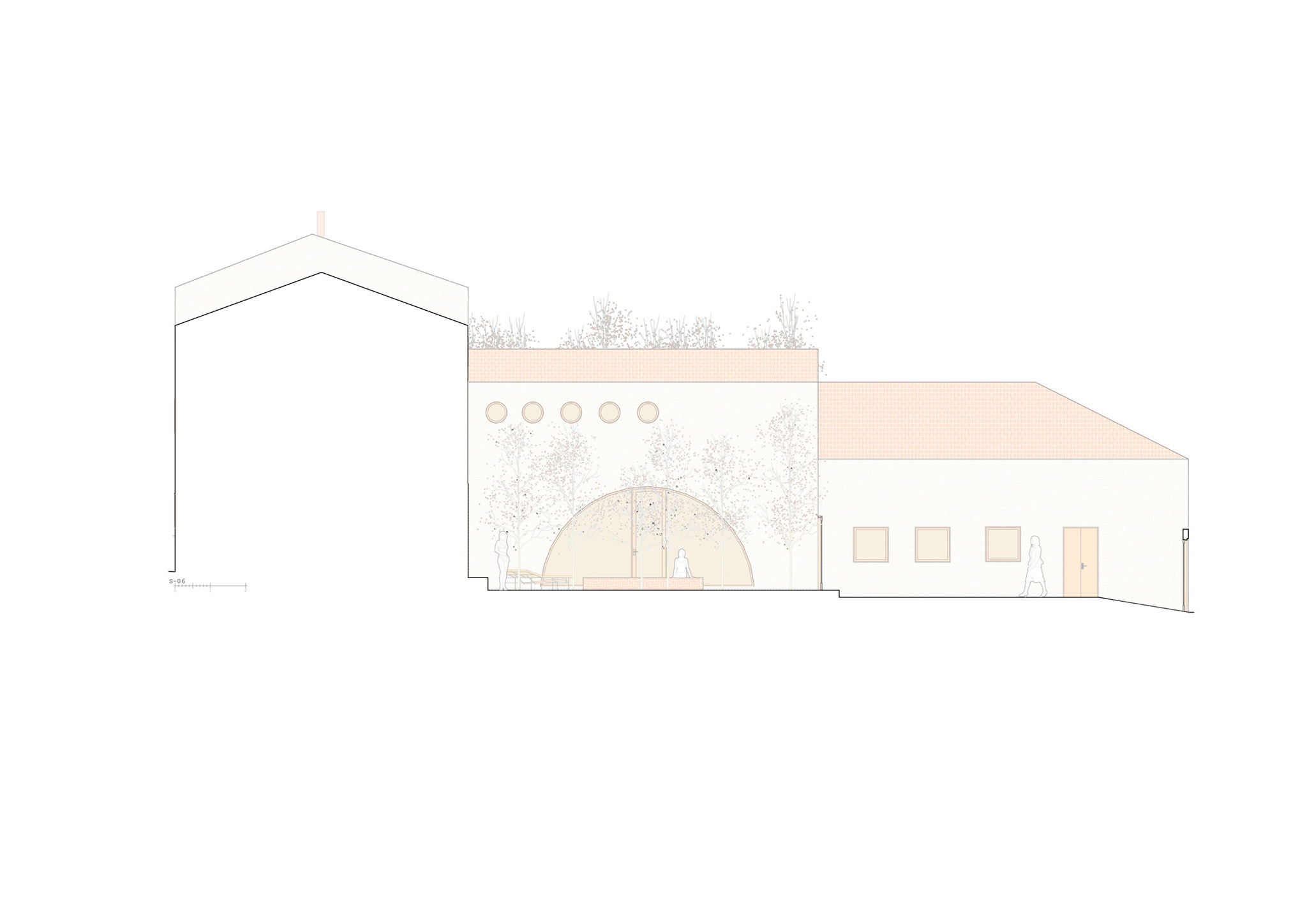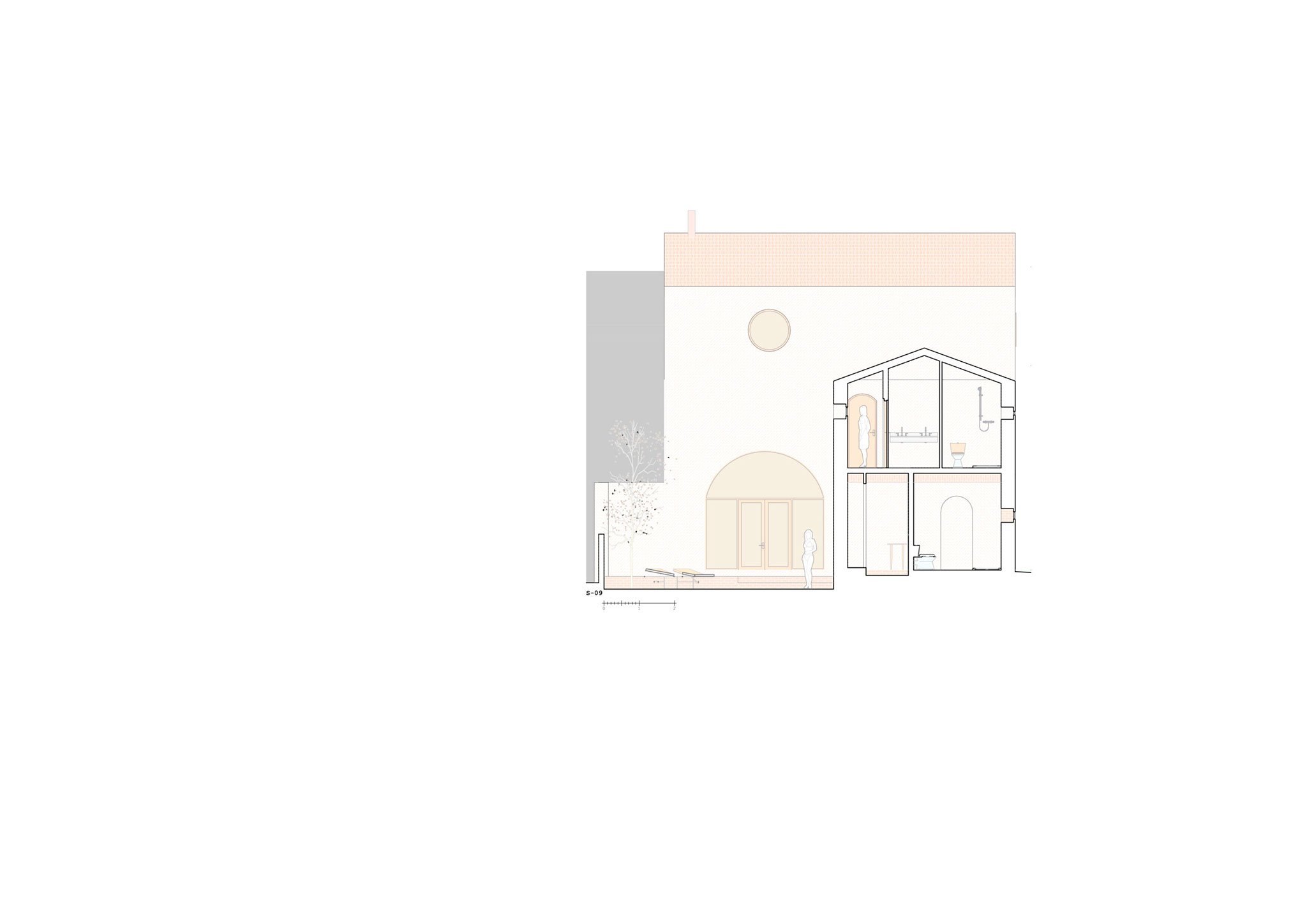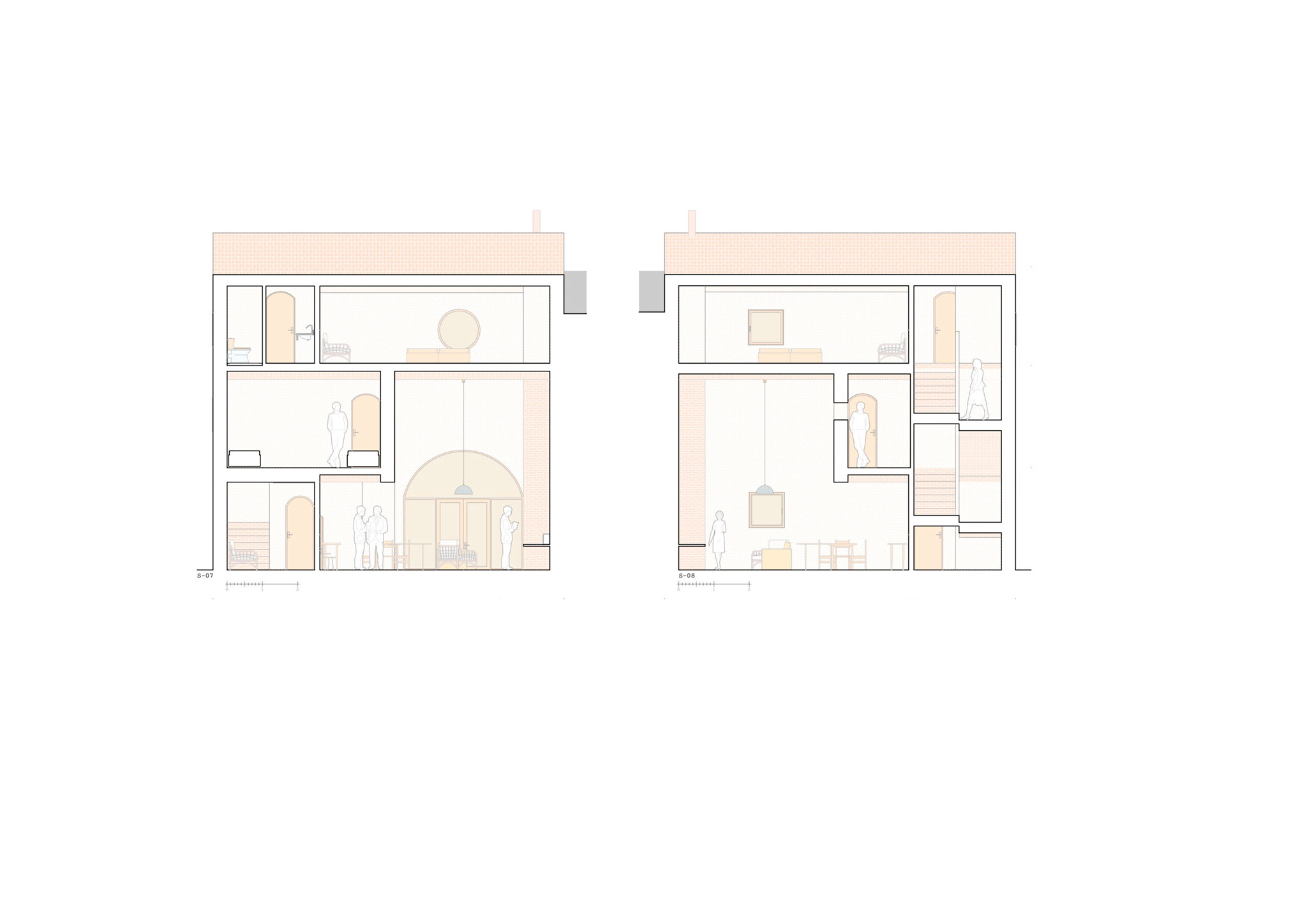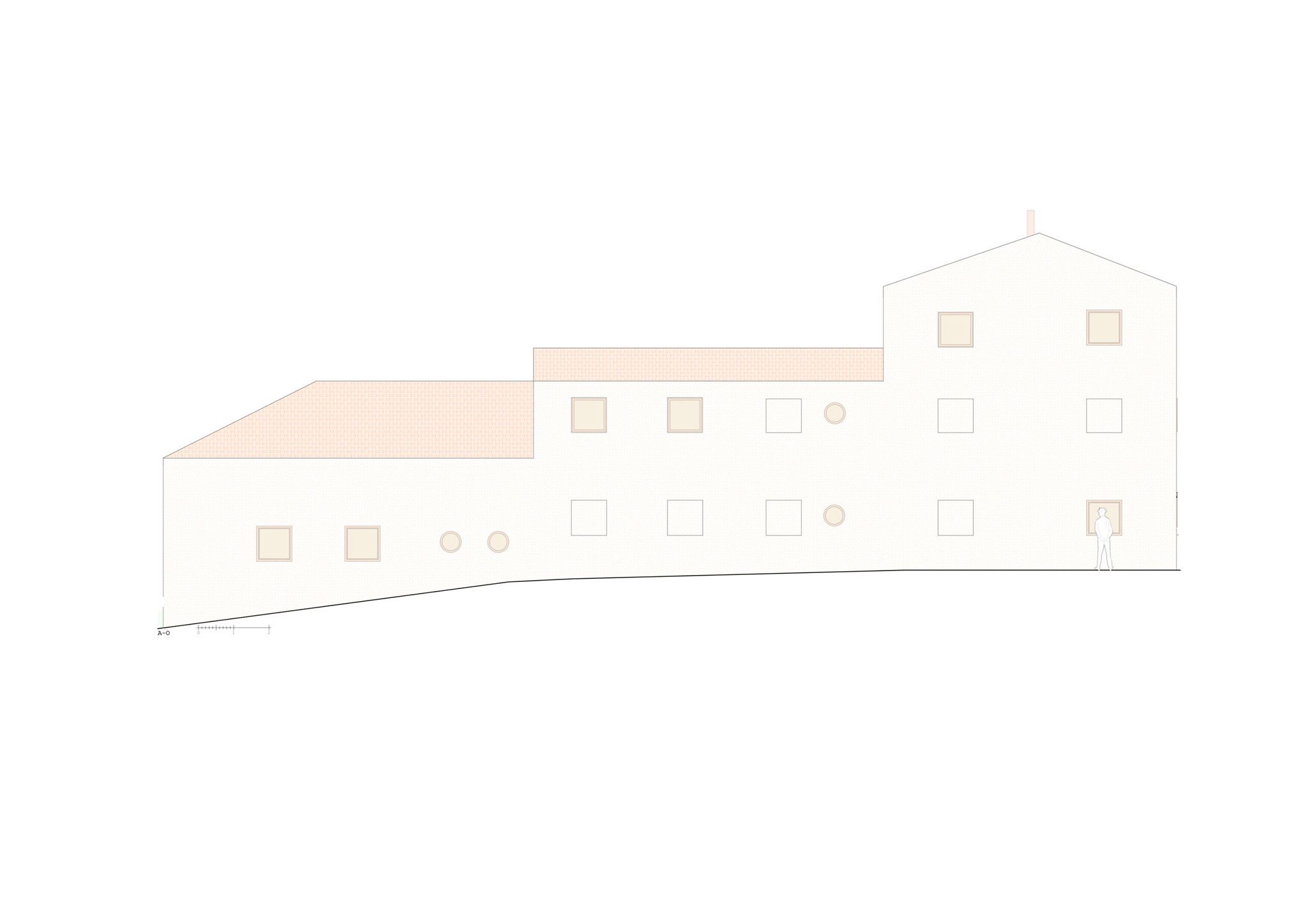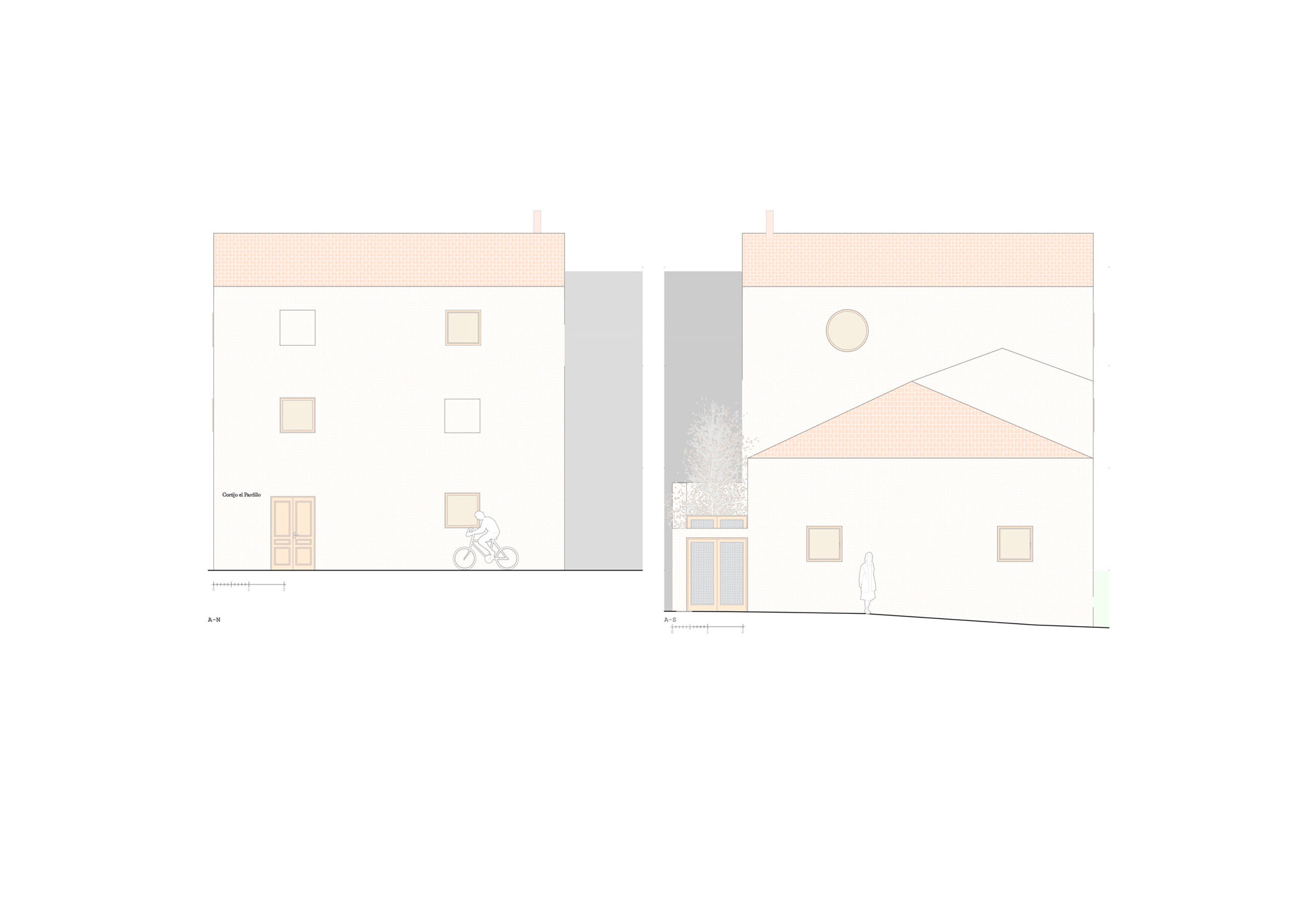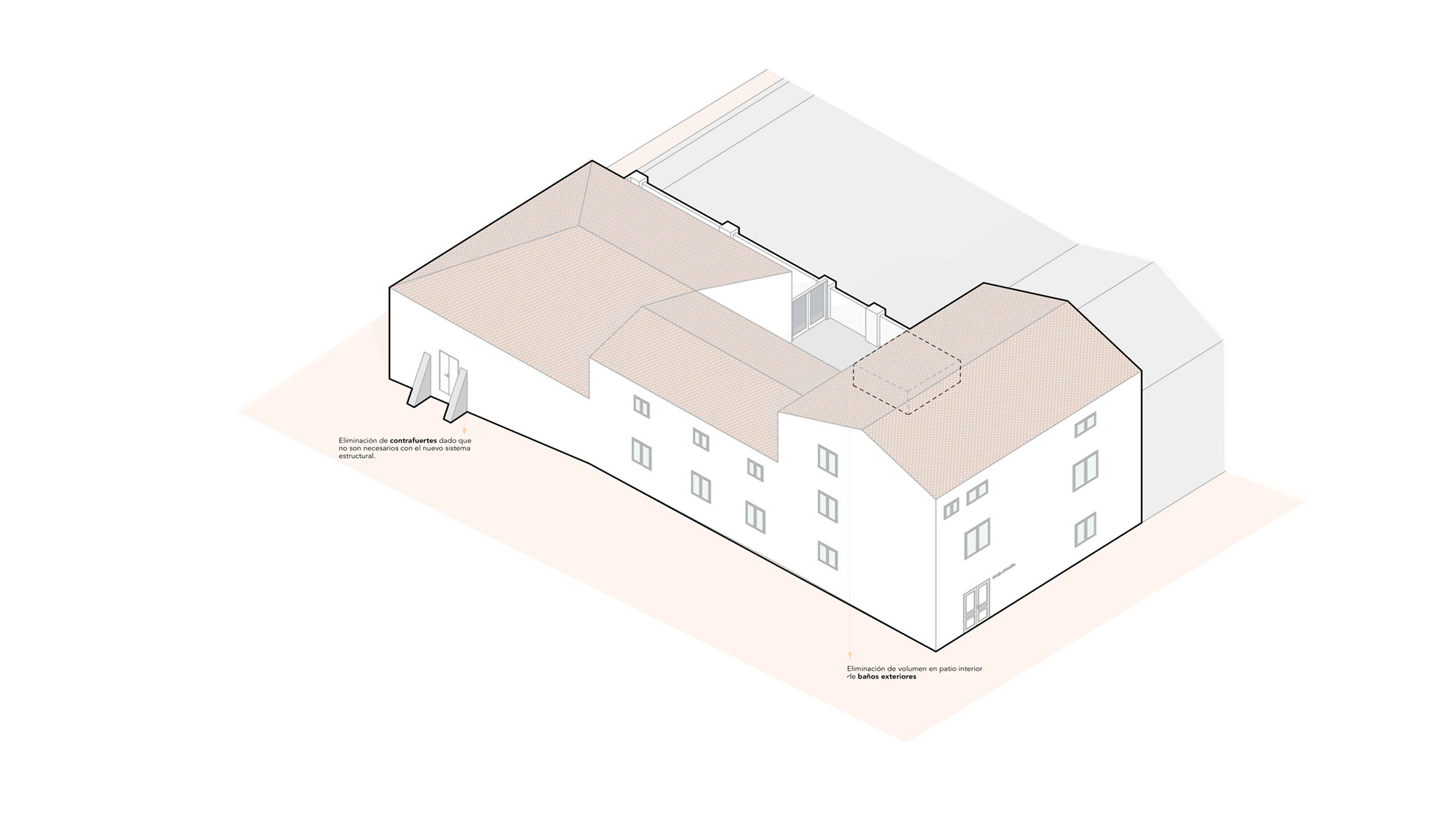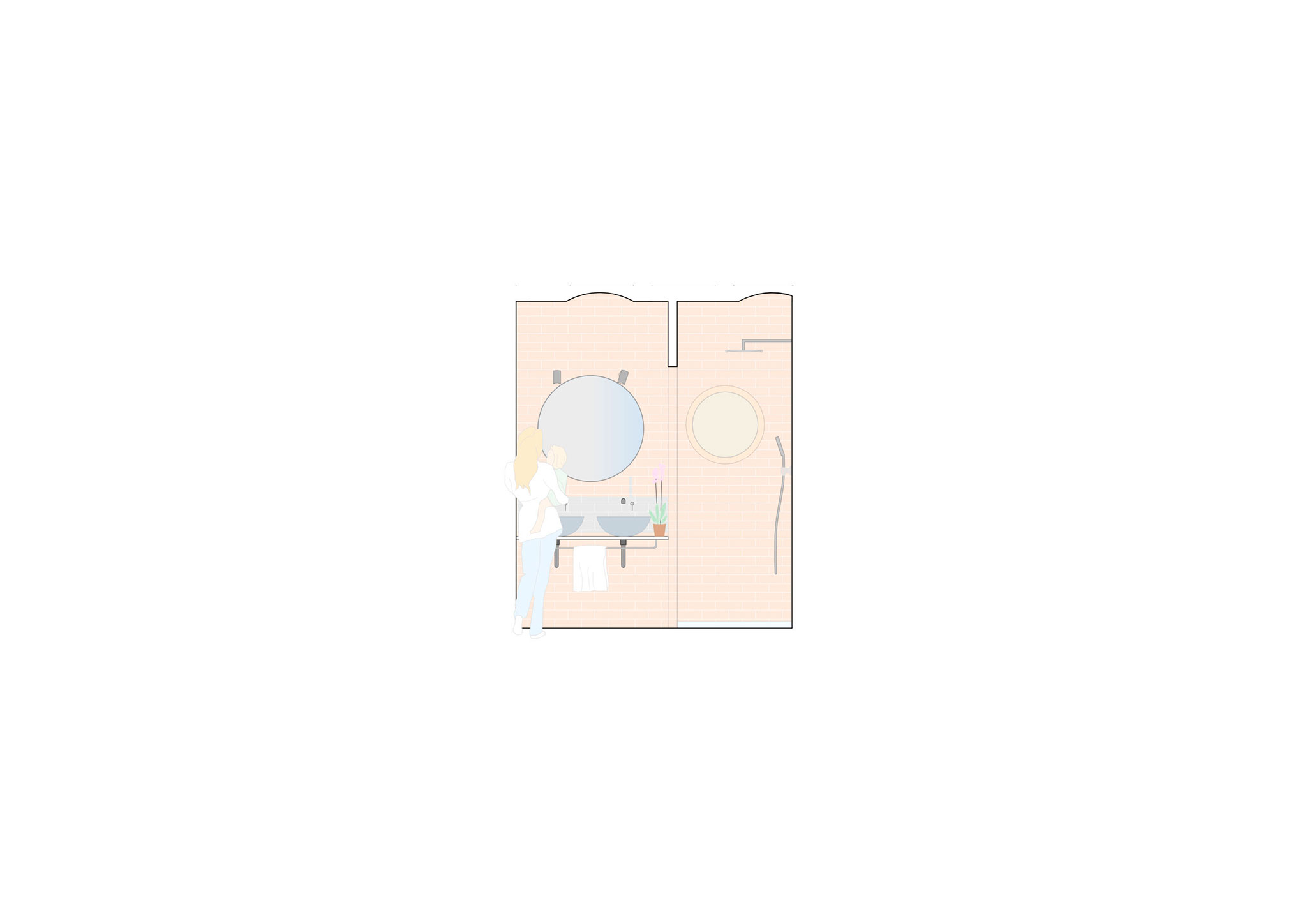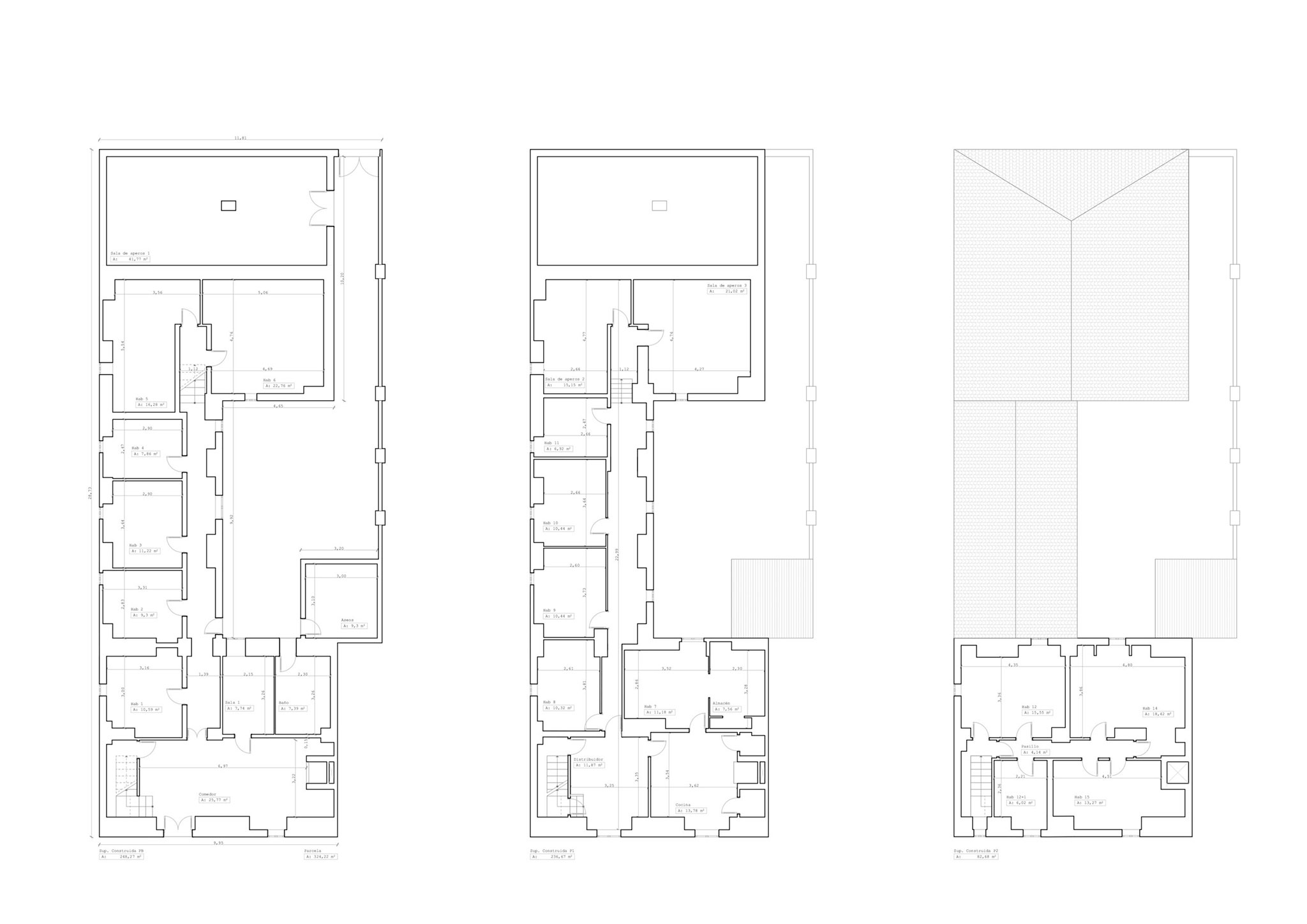
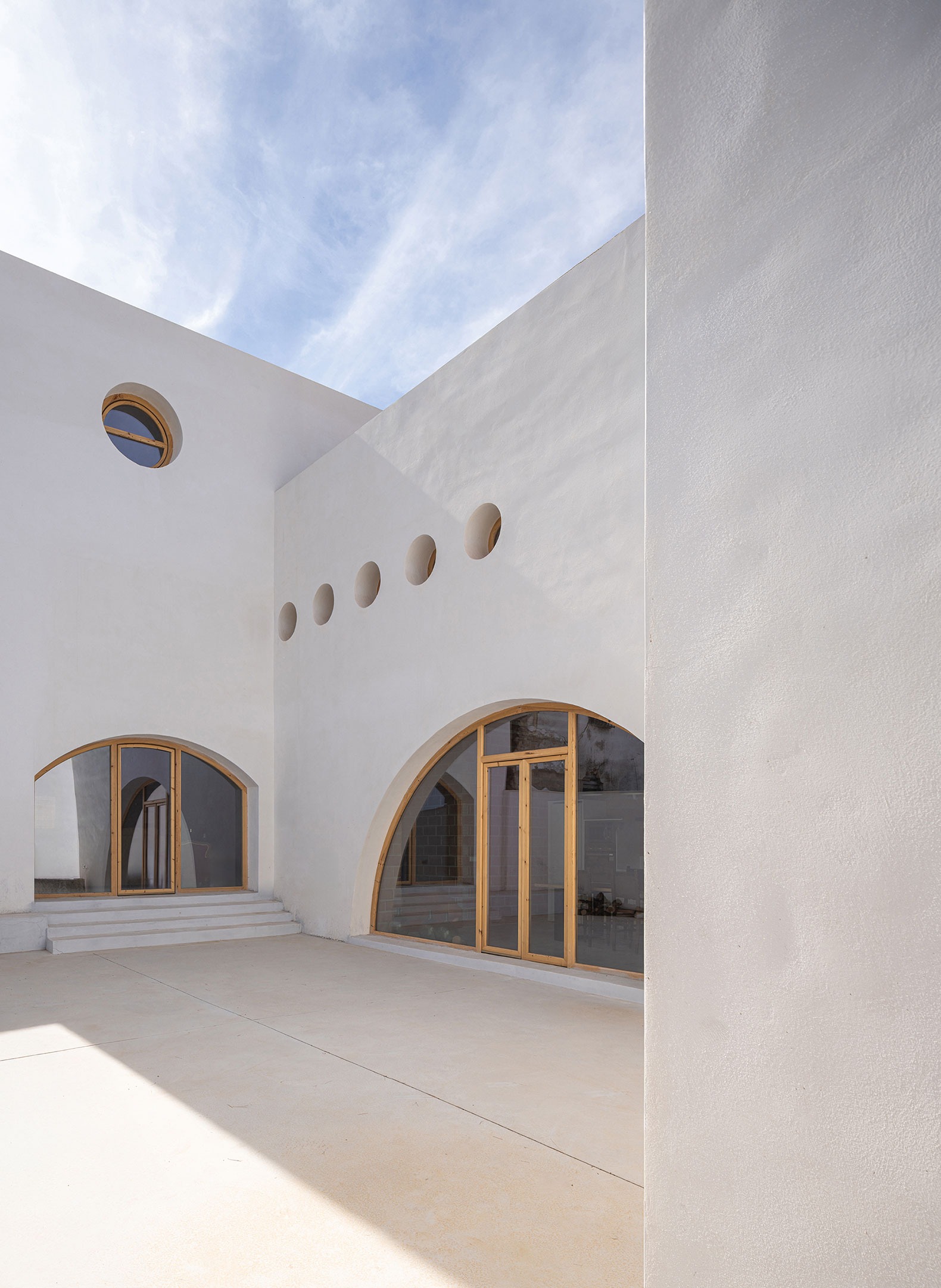
The proposal by LAH arquitectura for Cortijo El Pardillo organizes the house's program around courtyards that structure interior life, regulate natural ventilation, and establish a fluid relationship between the inside and outside. Light becomes the protagonist, modulating the atmosphere of the spaces through strategically placed arches, oculi, and openings.
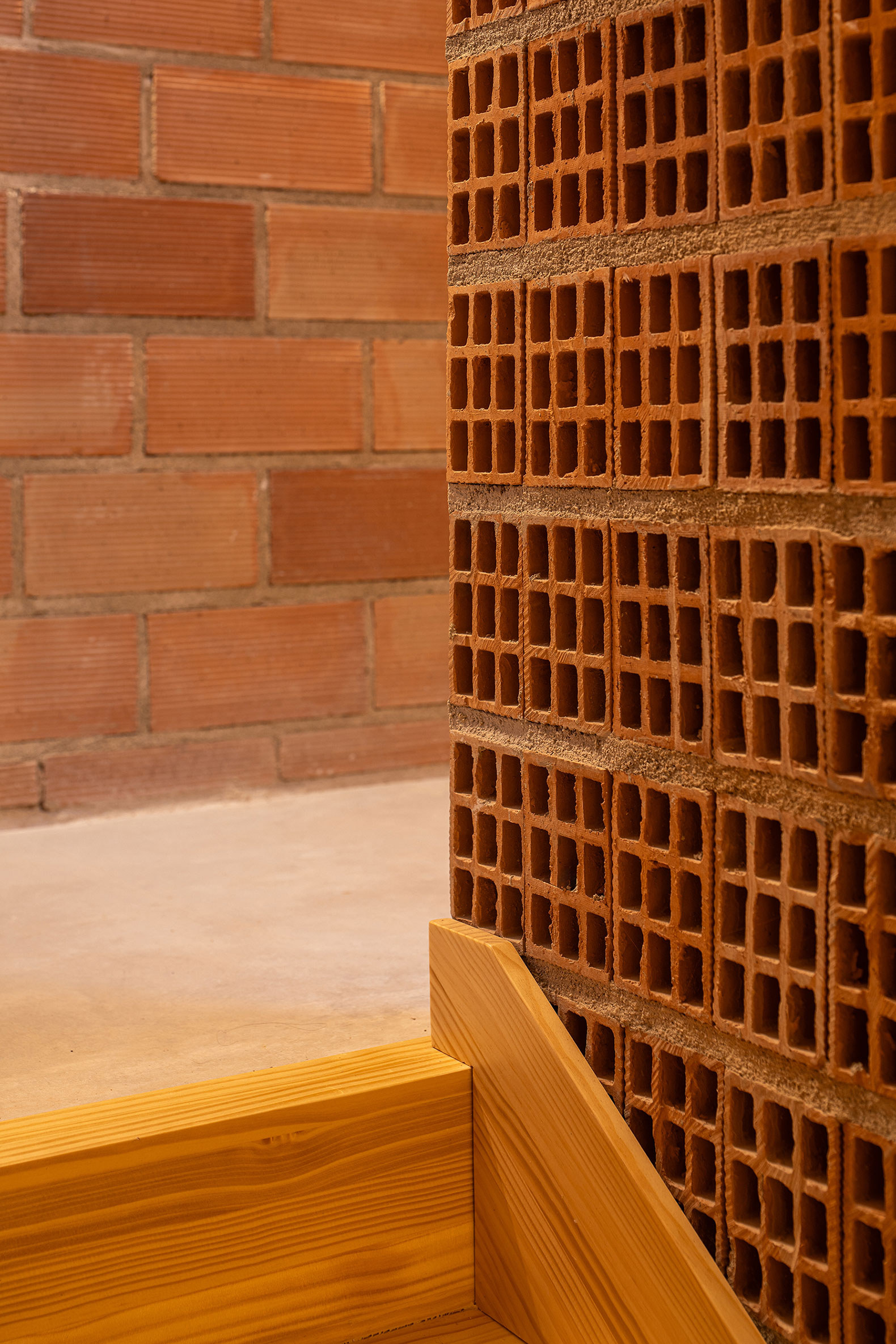
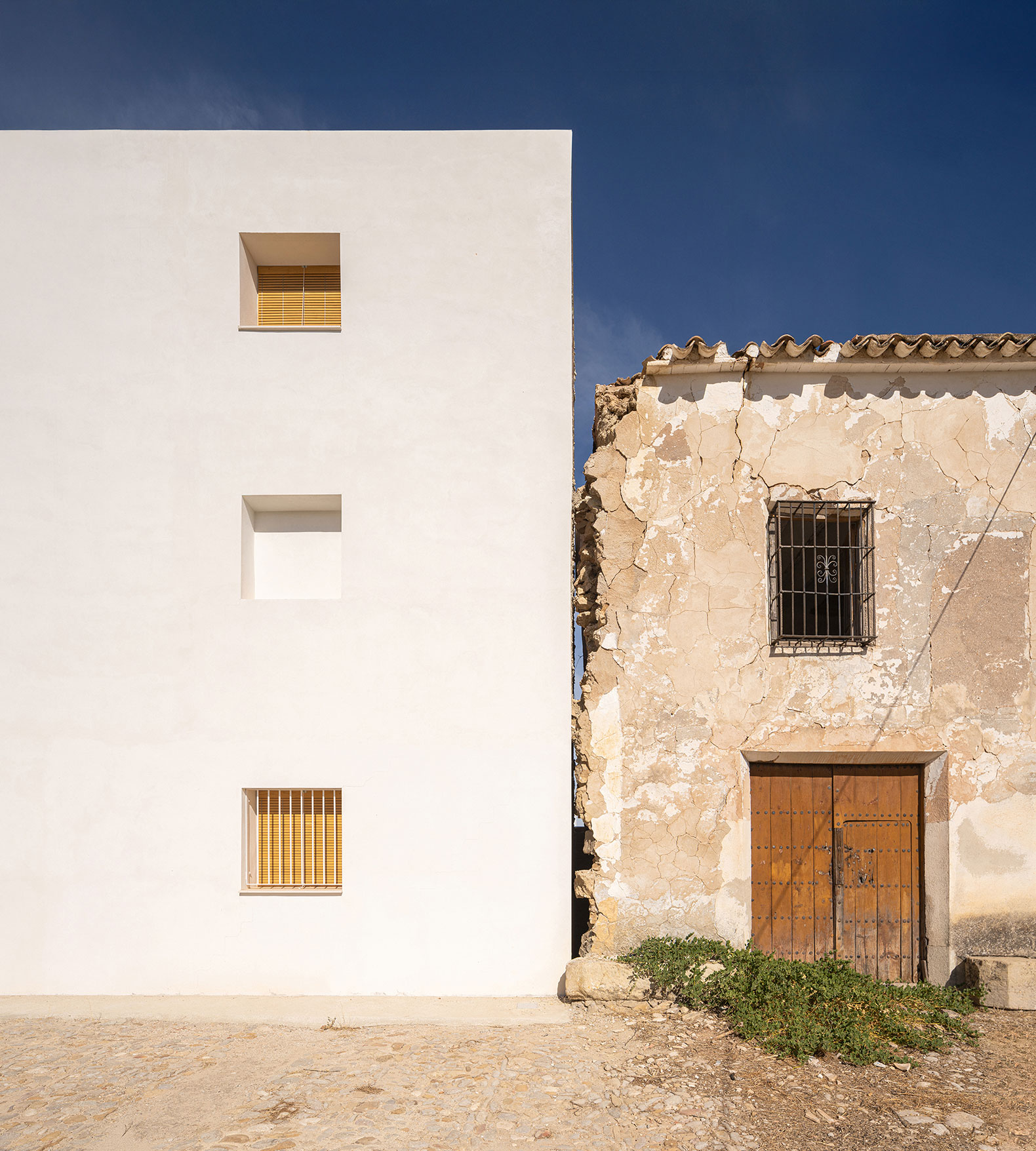
The warm and timeless palette of colors and materials (lime, wood, and stone) arises from a sincere and austere use. The whitewash highlights the texture of the woodwork and the nuances of the surrounding landscape. Far from being an isolated object, the house is conceived as an extension of the inhabited landscape, where the architecture mediates between domestic intimacy and the vastness of the land.
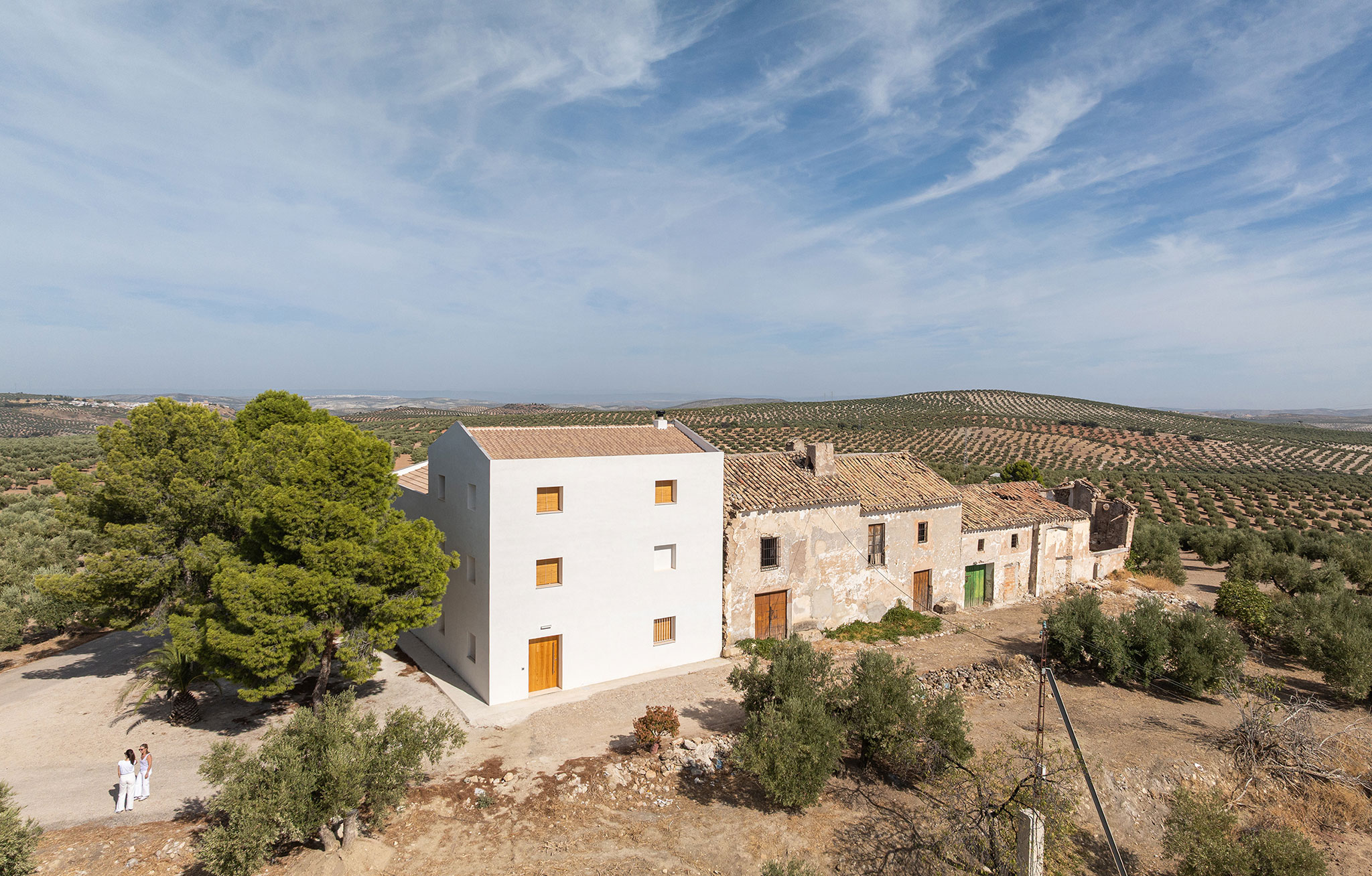
Cortijo El Pardillo by LAH arquitectura. Photograph by Juanan Barros.
Project description by LAH arquitectura
Reinterpreted tradition
The project is based on the typology of the Andalusian cortijo, reinterpreted through a contemporary perspective that seeks a balance between identity, comfort, and landscape. The house is set within a rural environment, integrating naturally into the village fabric through white volumes and restrained proportions that evoke the local vernacular architecture.
Light, proportion, and material.
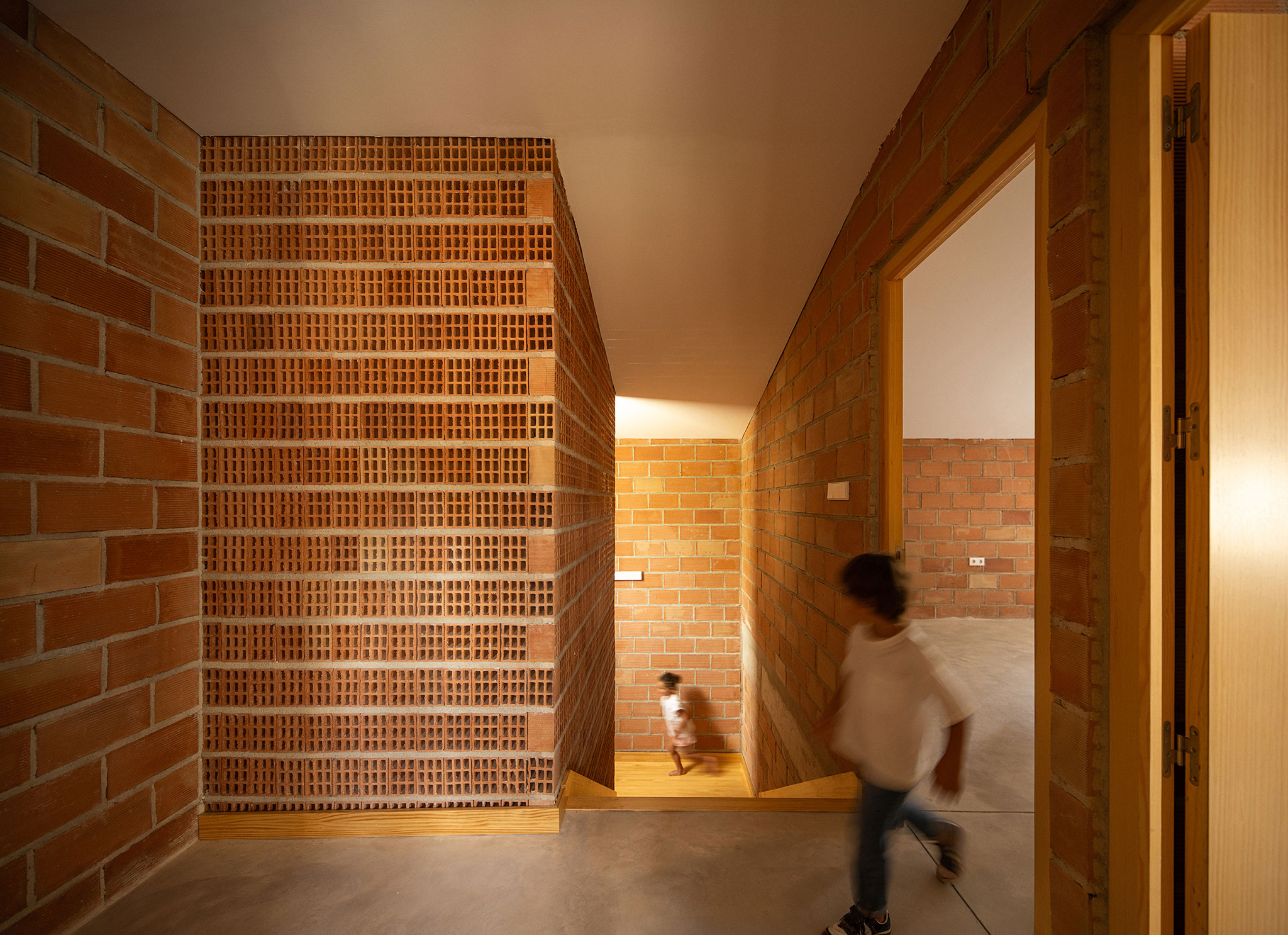
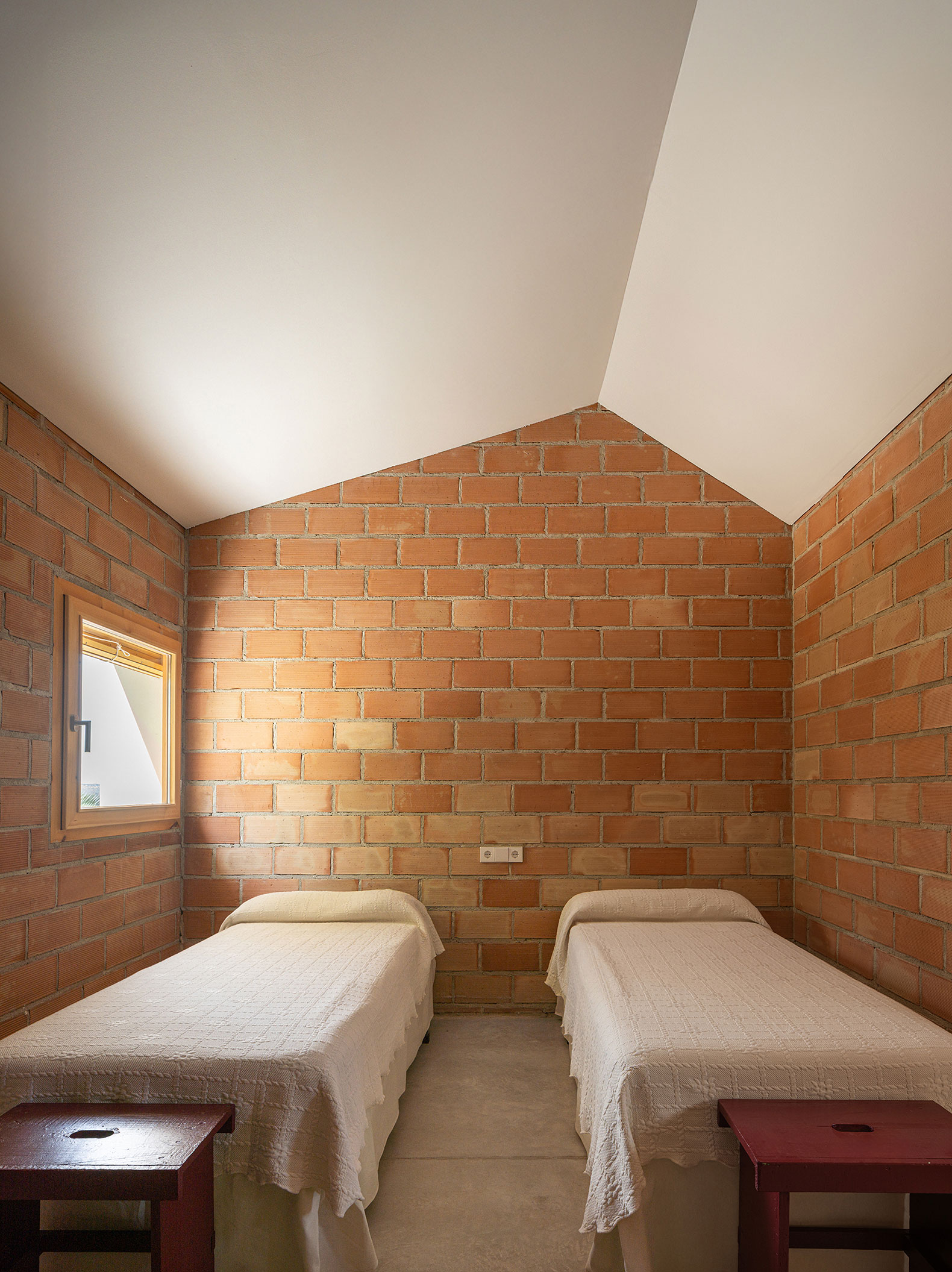
The layout is organized around courtyards that structure interior life, regulate natural ventilation, and establish a fluid relationship between indoor and outdoor spaces. Arches, oculi, and strategically placed openings turn light into the main feature, shaping the atmosphere of the spaces throughout the day.
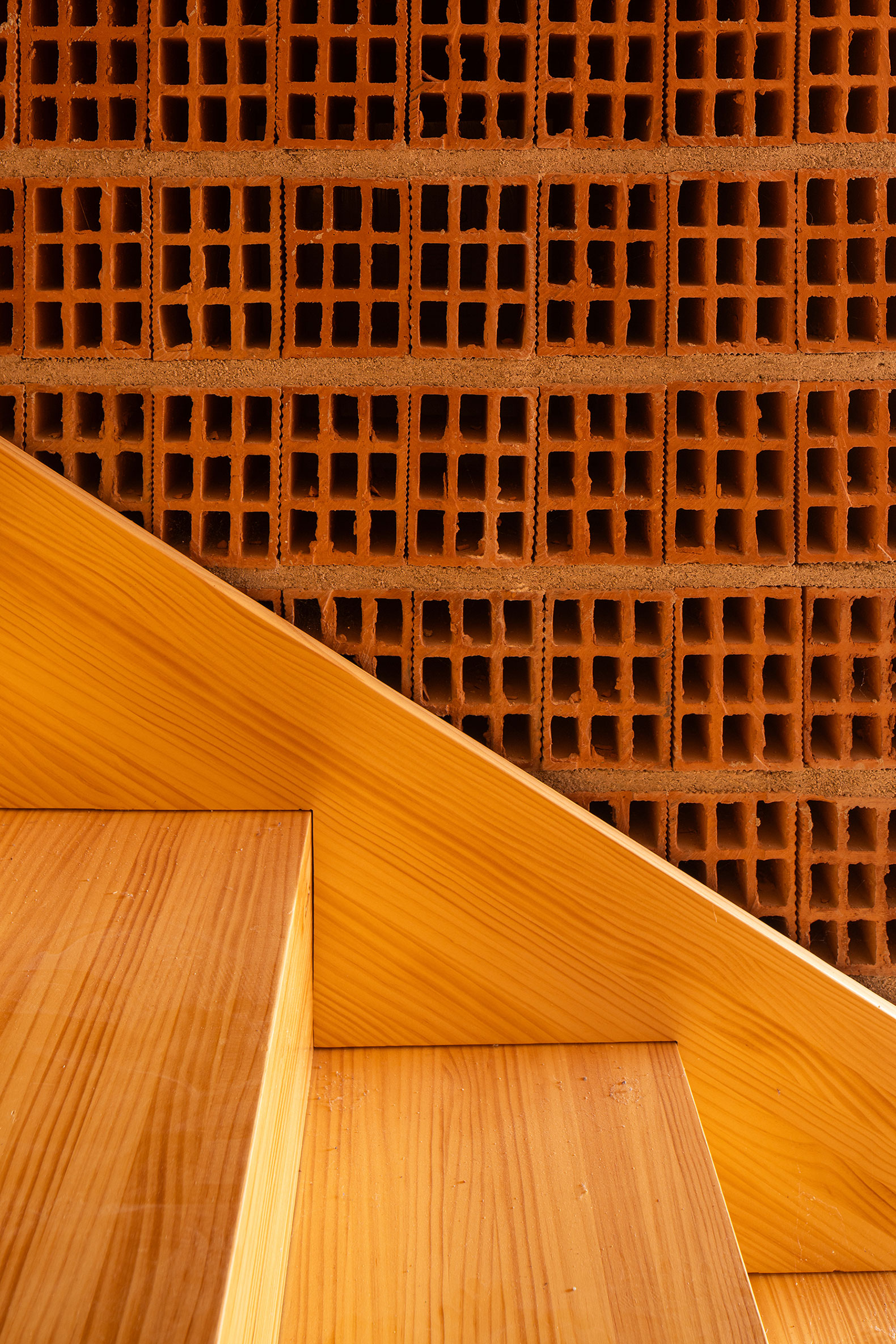
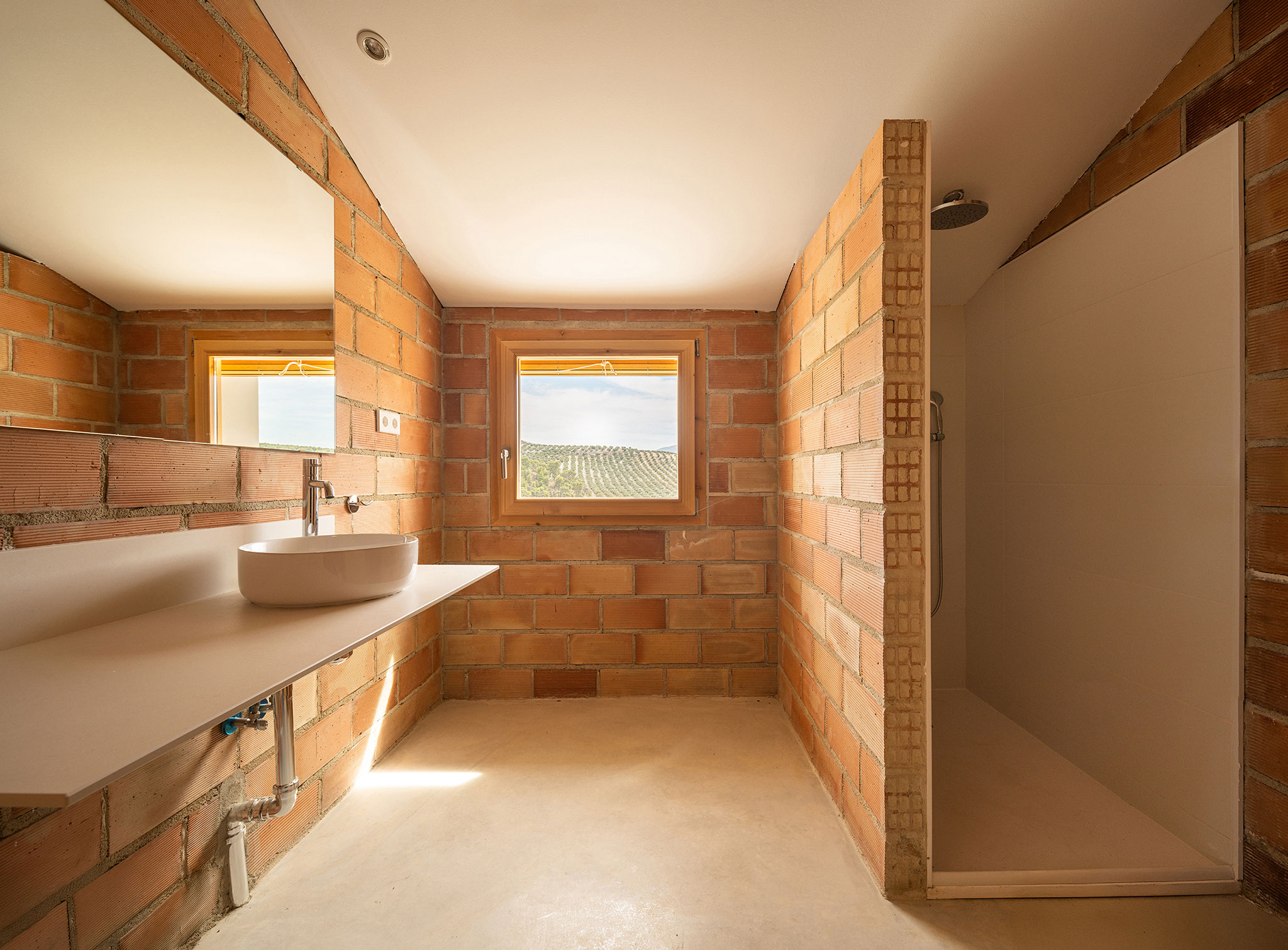
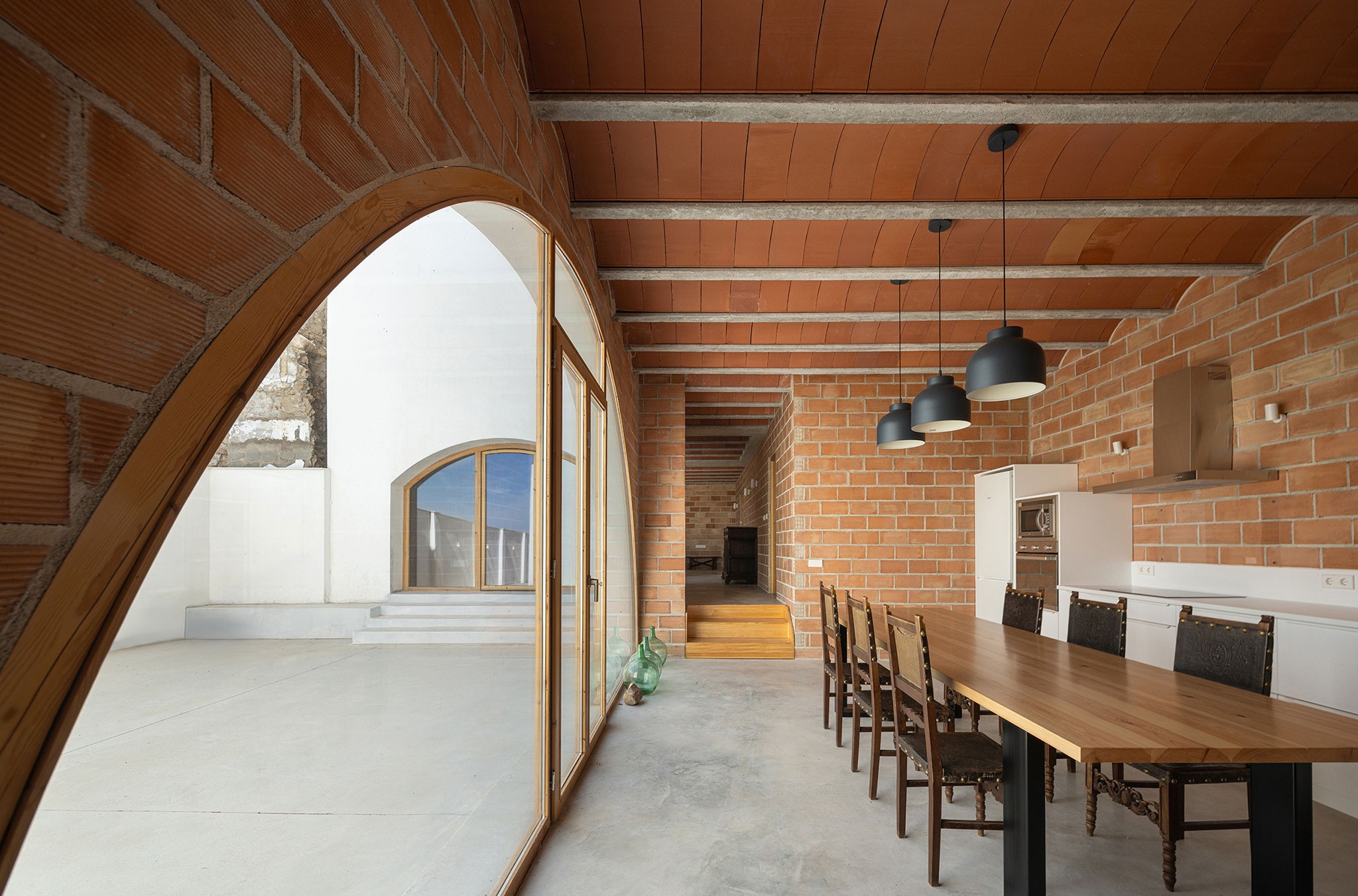
Materials—lime, wood, and stone—are used with honesty and austerity, creating a warm and timeless palette. The whitewashed surfaces act as a neutral backdrop that highlights the texture of the carpentry and the nuances of the surroundings.
Between landscape and home.
The house is not conceived as an isolated object, but as an extension of the inhabited landscape: a place where architecture mediates between domestic intimacy and the vastness of the territory. Interior courtyards, porches, and cast shadows become transitional elements, recovering the climatic and social essence of Mediterranean architecture.
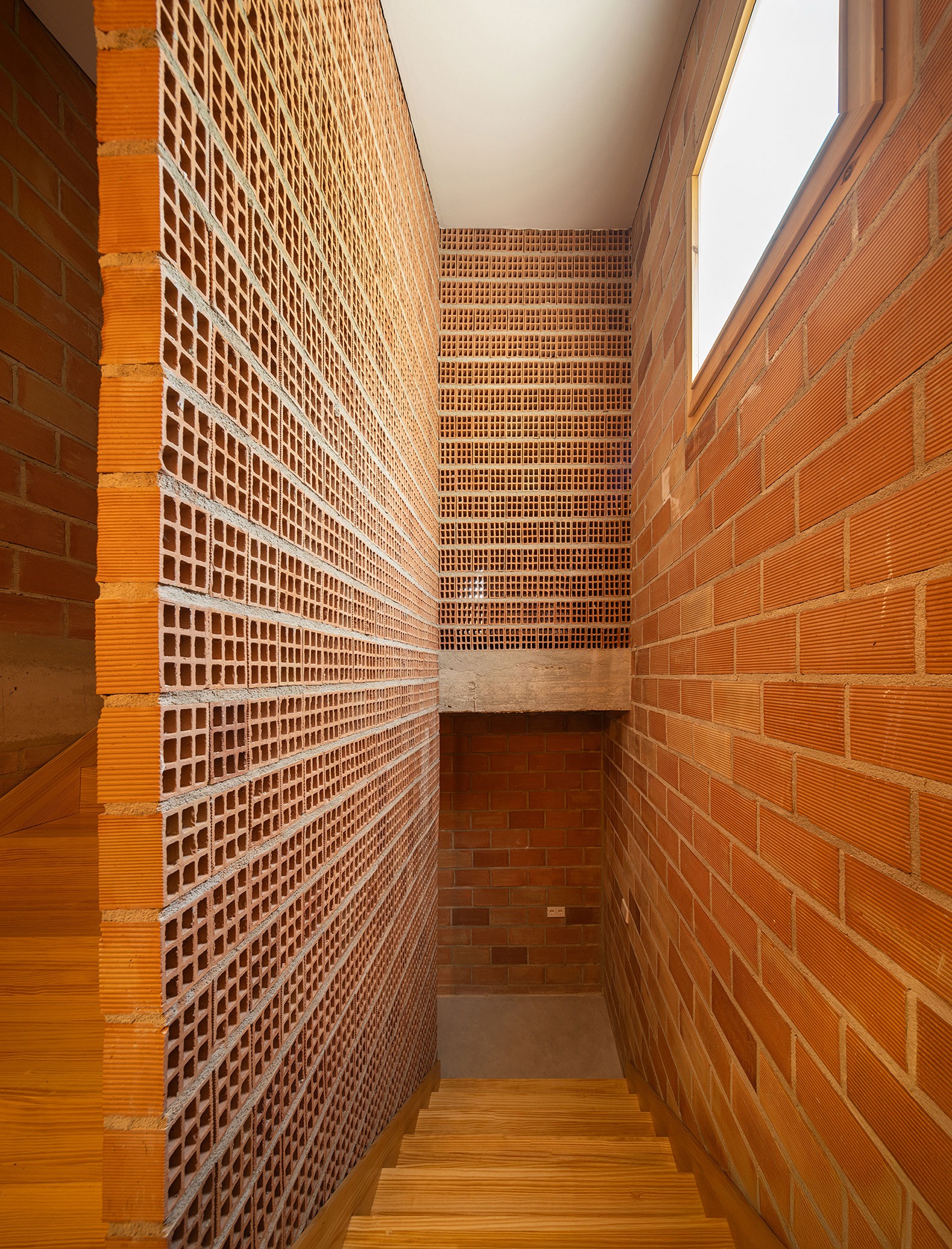
As a whole, the project seeks to offer a contemporary interpretation of Andalusian rural tradition, where geometry, light, and material create a serene atmosphere, consistent with its context and its time.