Brazilian studio OSPA Arquitetura e Urbanismo was commissioned to design a residential building in the city of Porto Alegre, in the state of Rio Grande do Sul, Brazil. The neighborhood where it is located, Três Figueiras, is characterized by a quiet, single-family residential atmosphere.

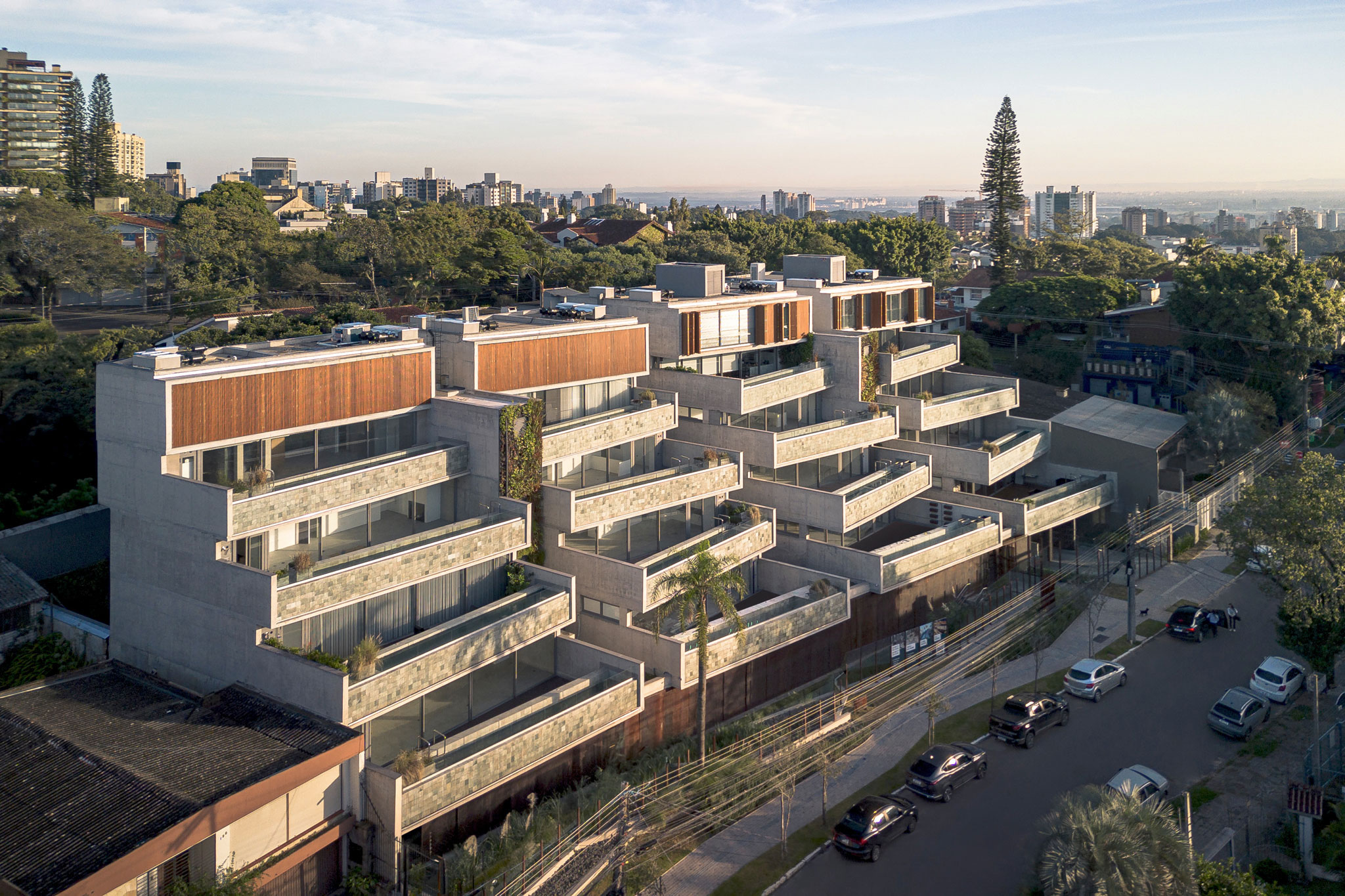
All the apartments in the building were designed to face the access street, ensuring views of the fig tree that stands on the sloping site. The building's architecture focuses its entire design and organization on the surrounding views.

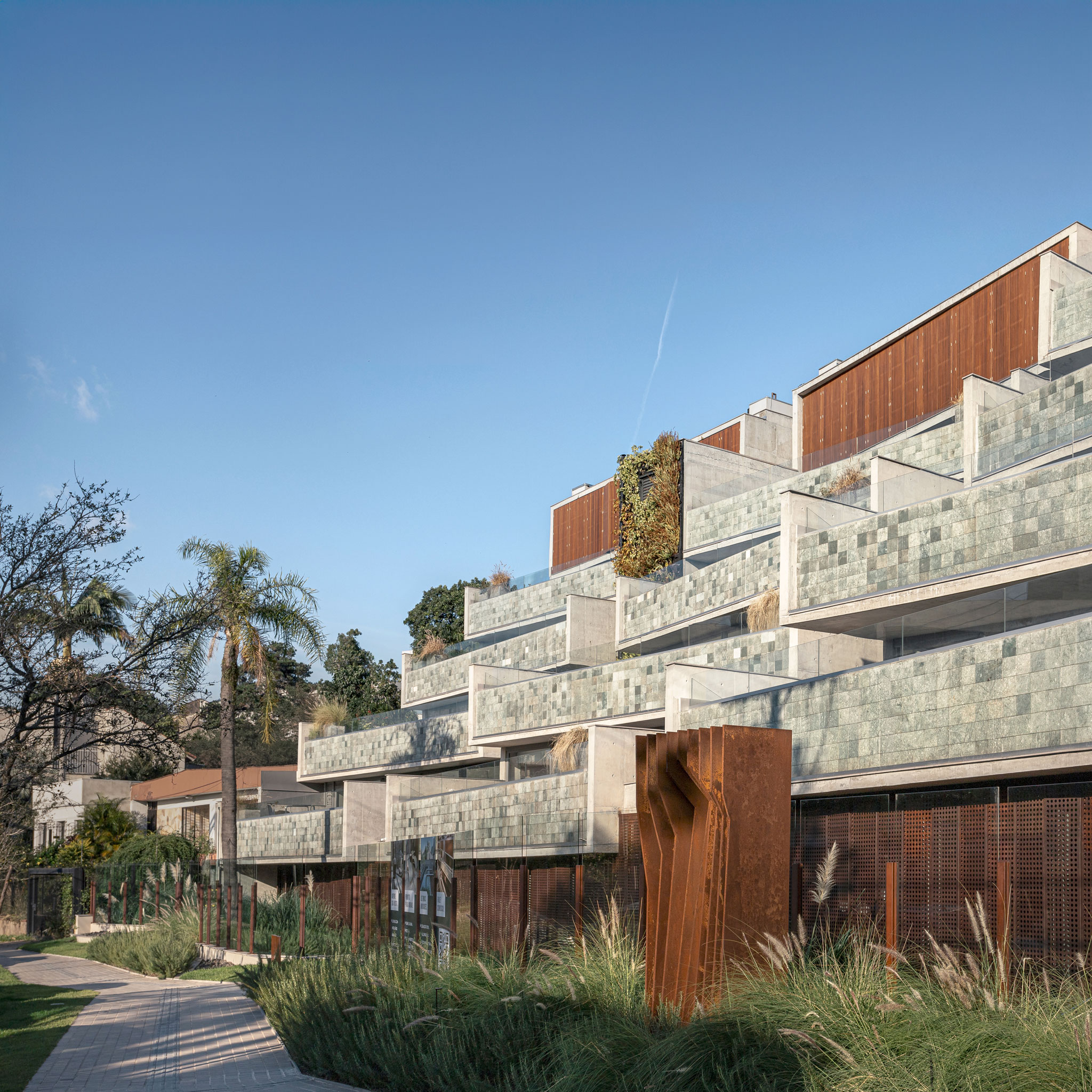
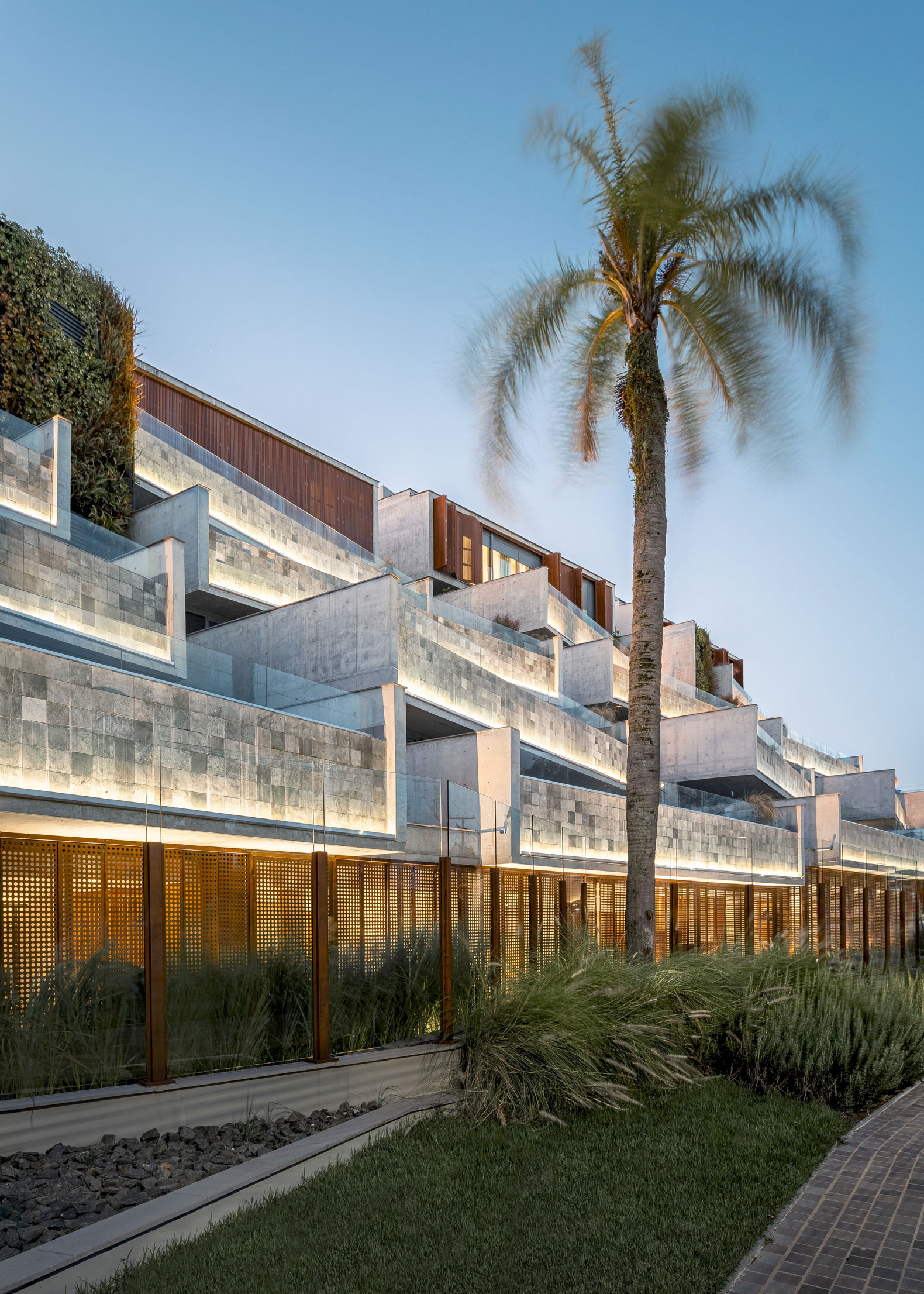
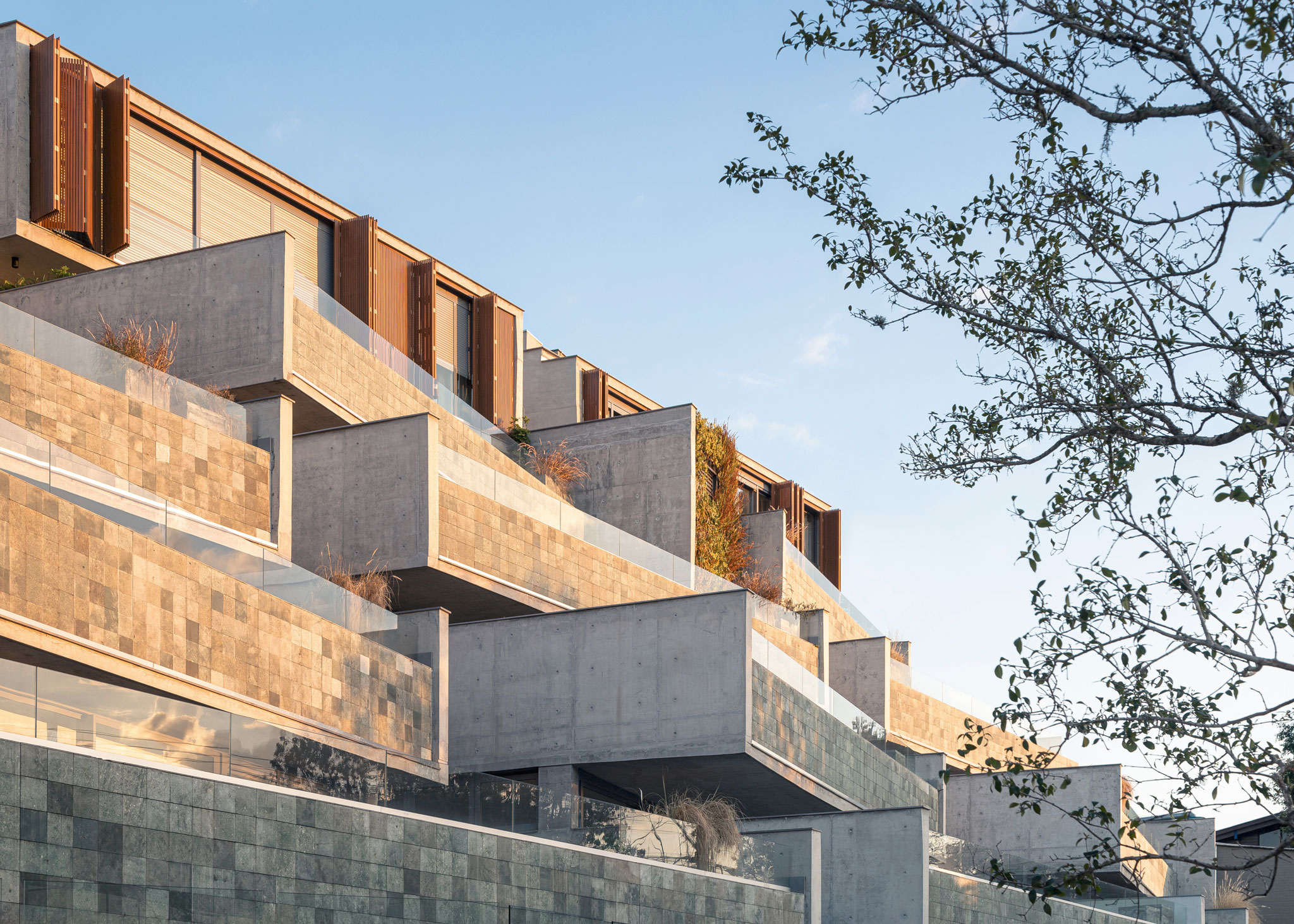
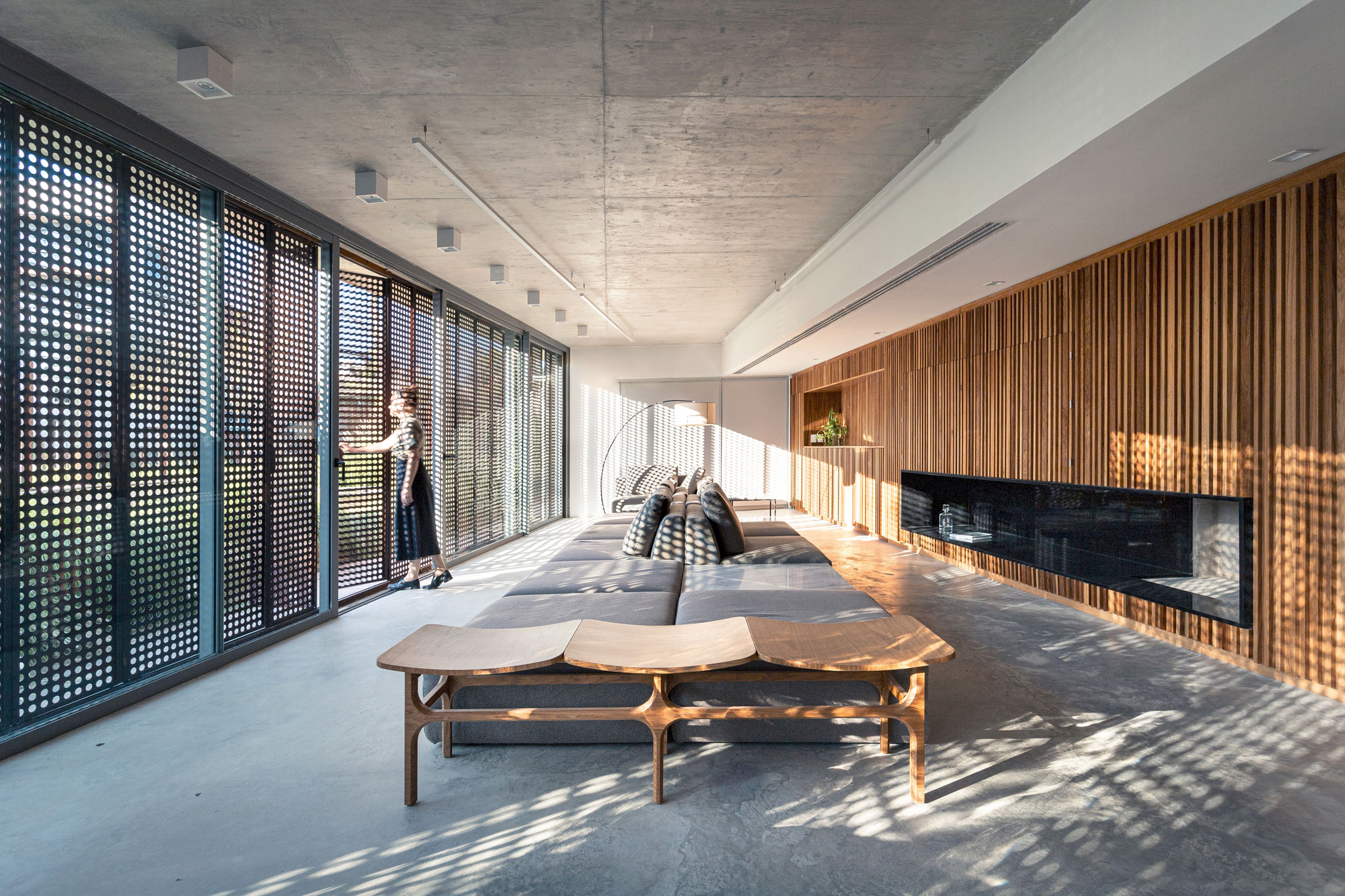
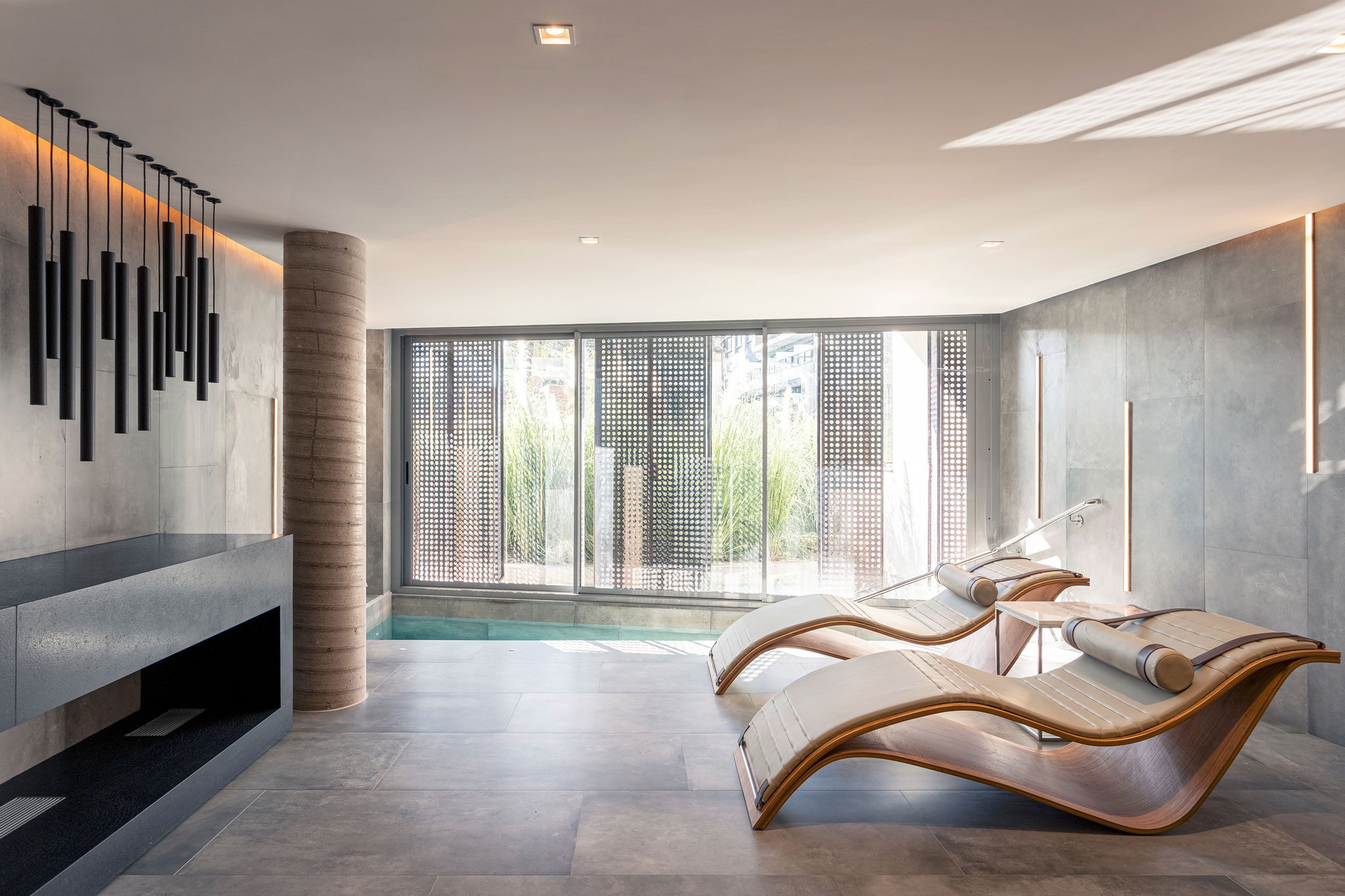
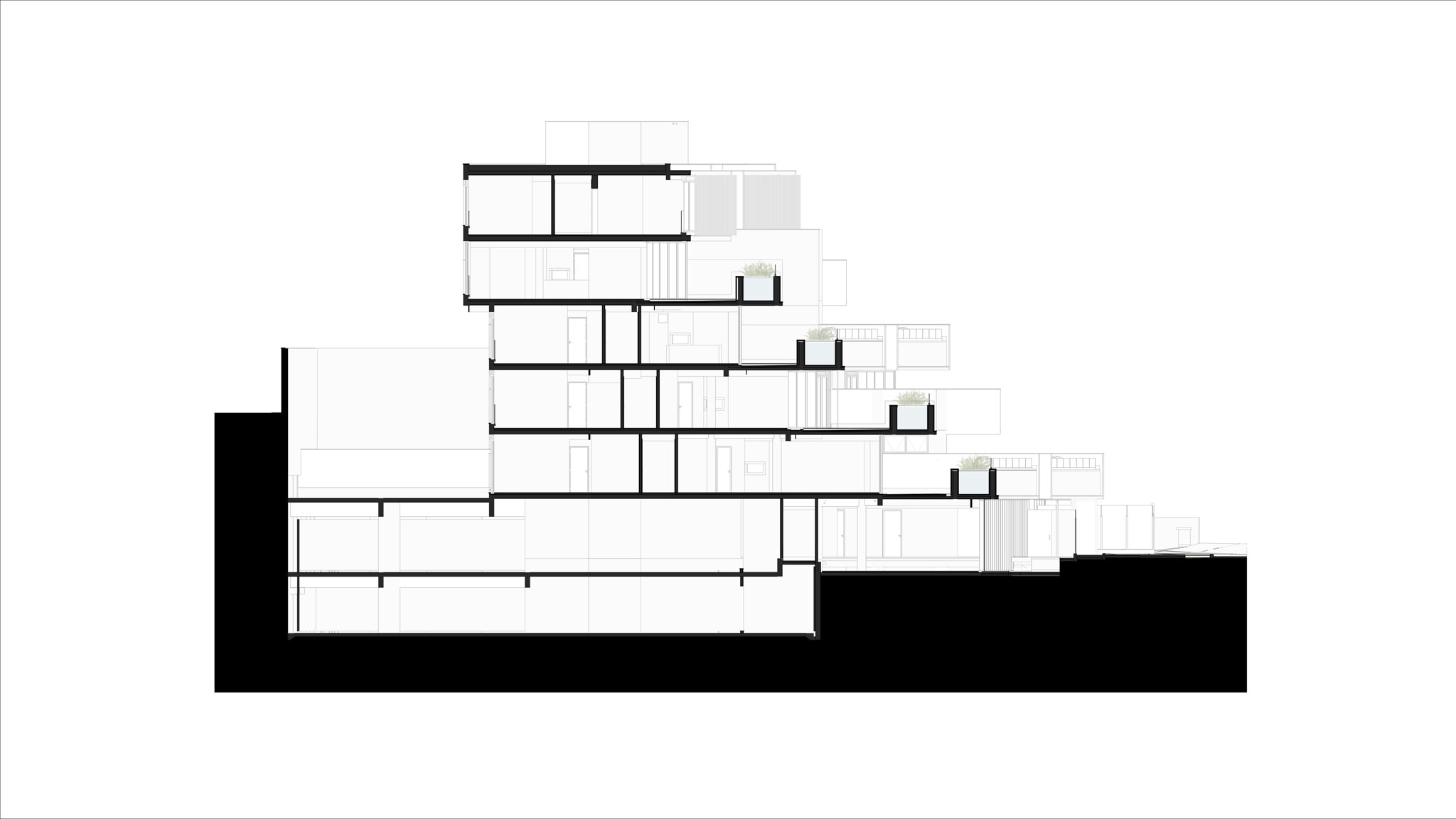
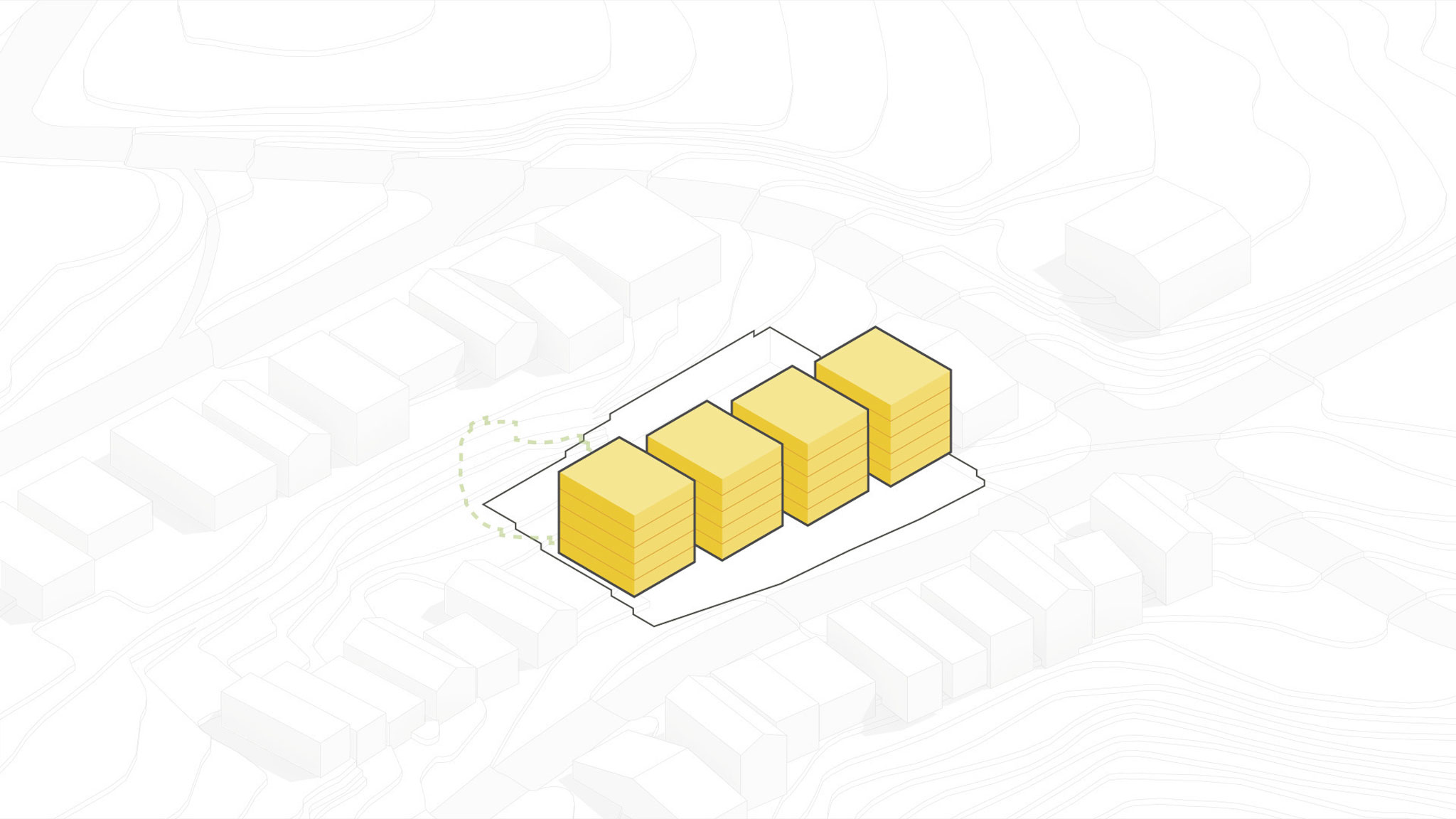
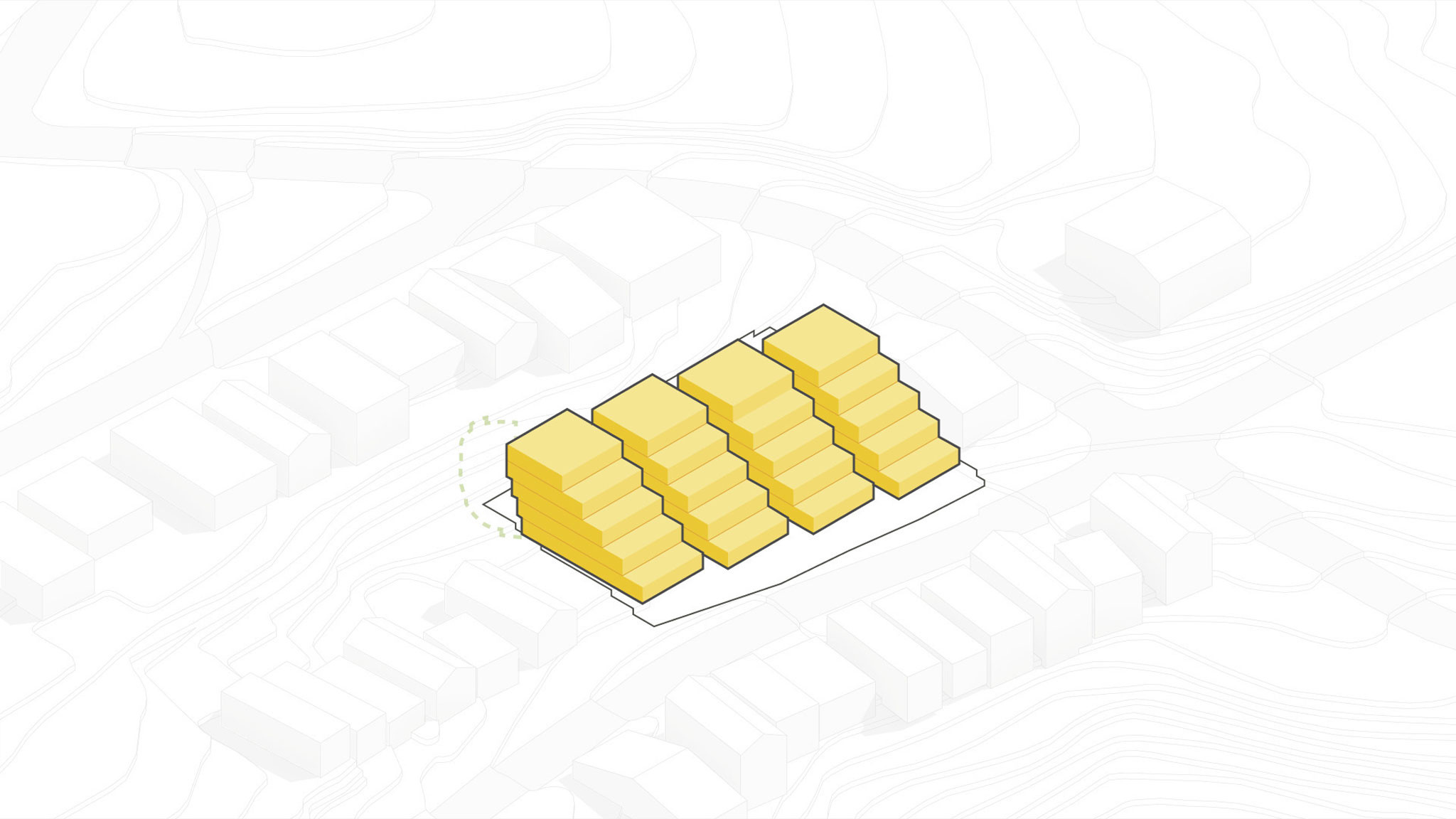
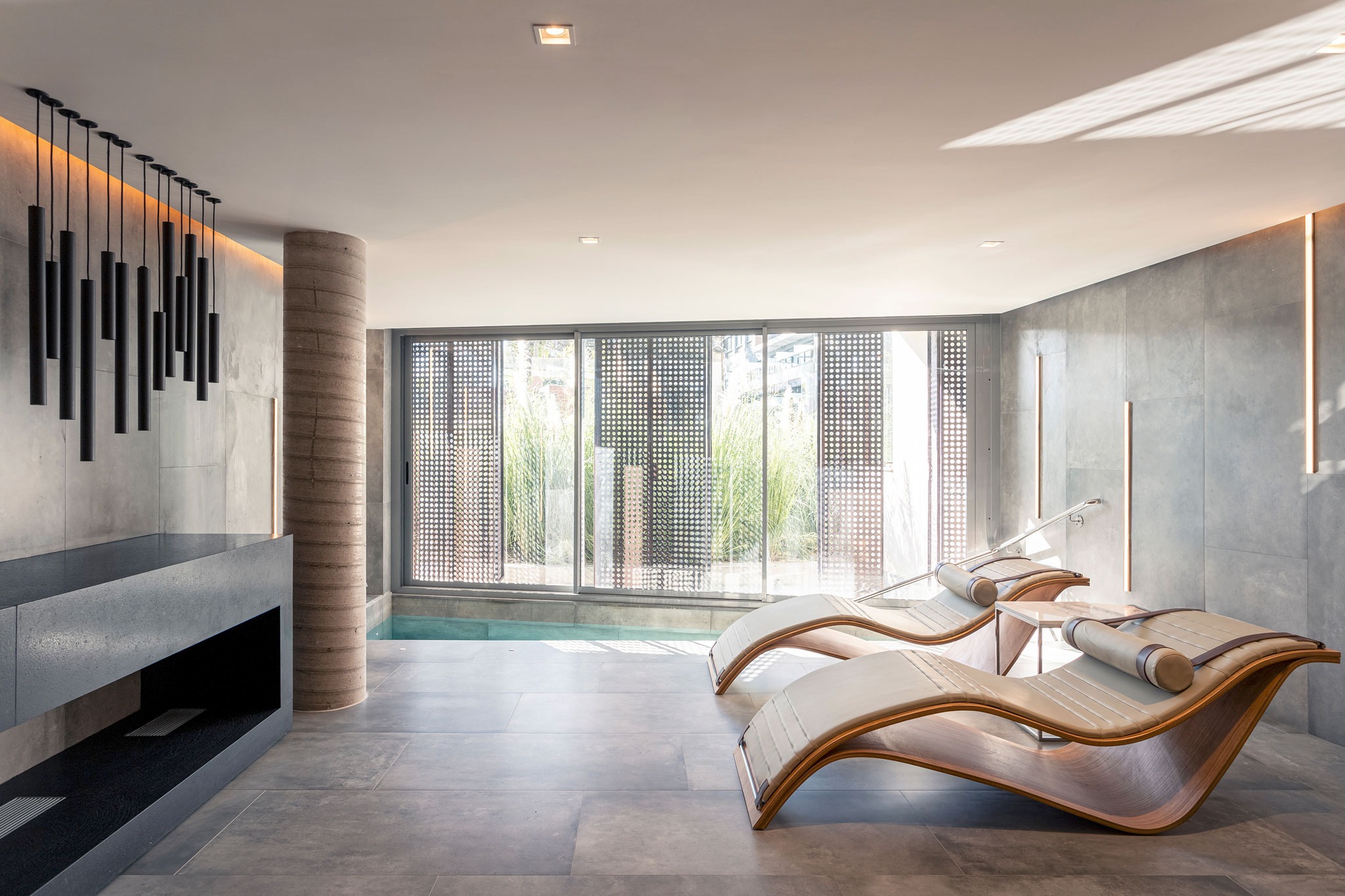
The volumetry designed by OSPA Arquitetura e Urbanismo consisted of elevating four staggered volumes as they ascended the slope. This maximized the lighting and views in each apartment. The ground floor was used for public activities, with an area with a gym, spa, saunas, and massage rooms, and another room with a linear gallery displaying works of art.

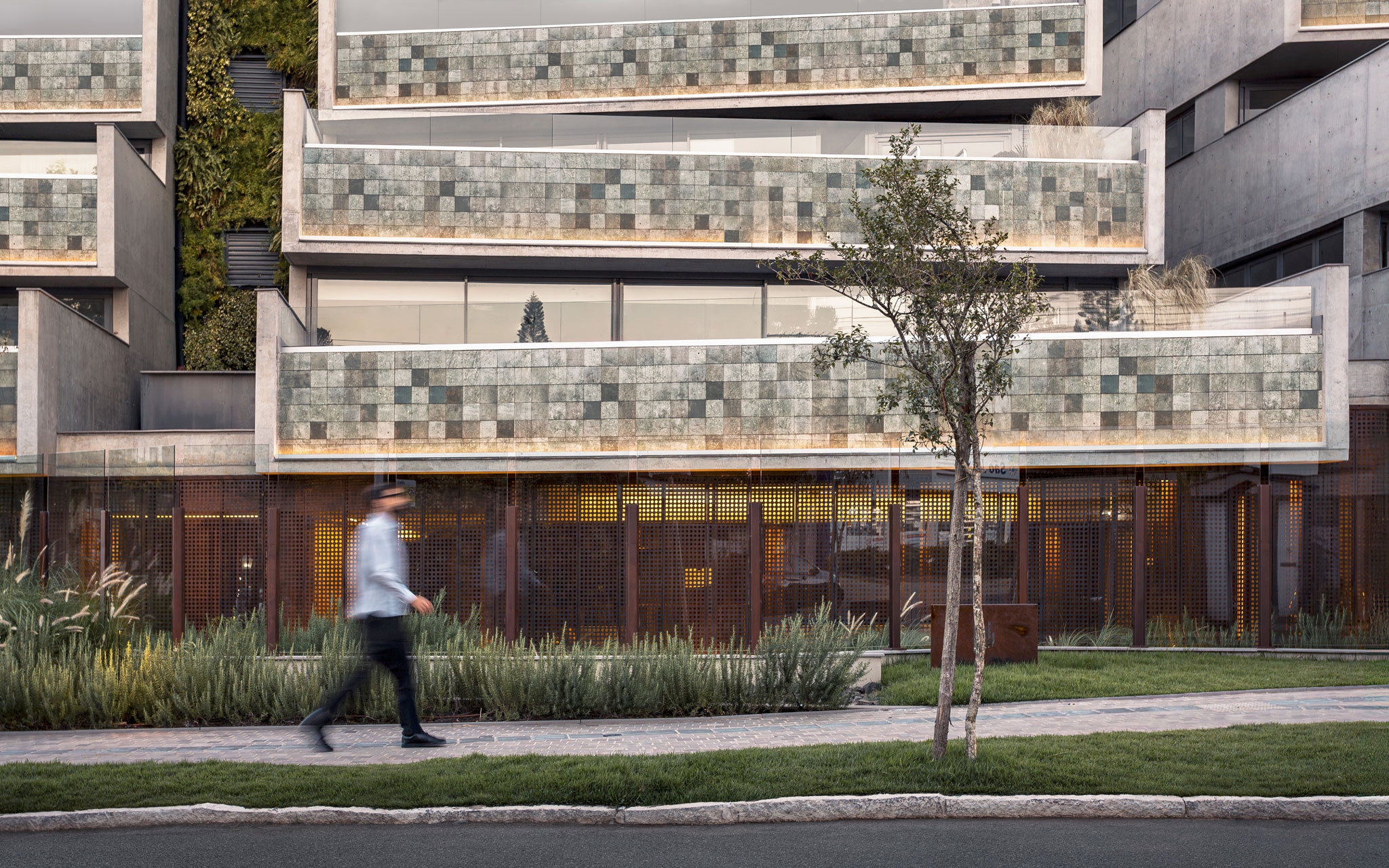
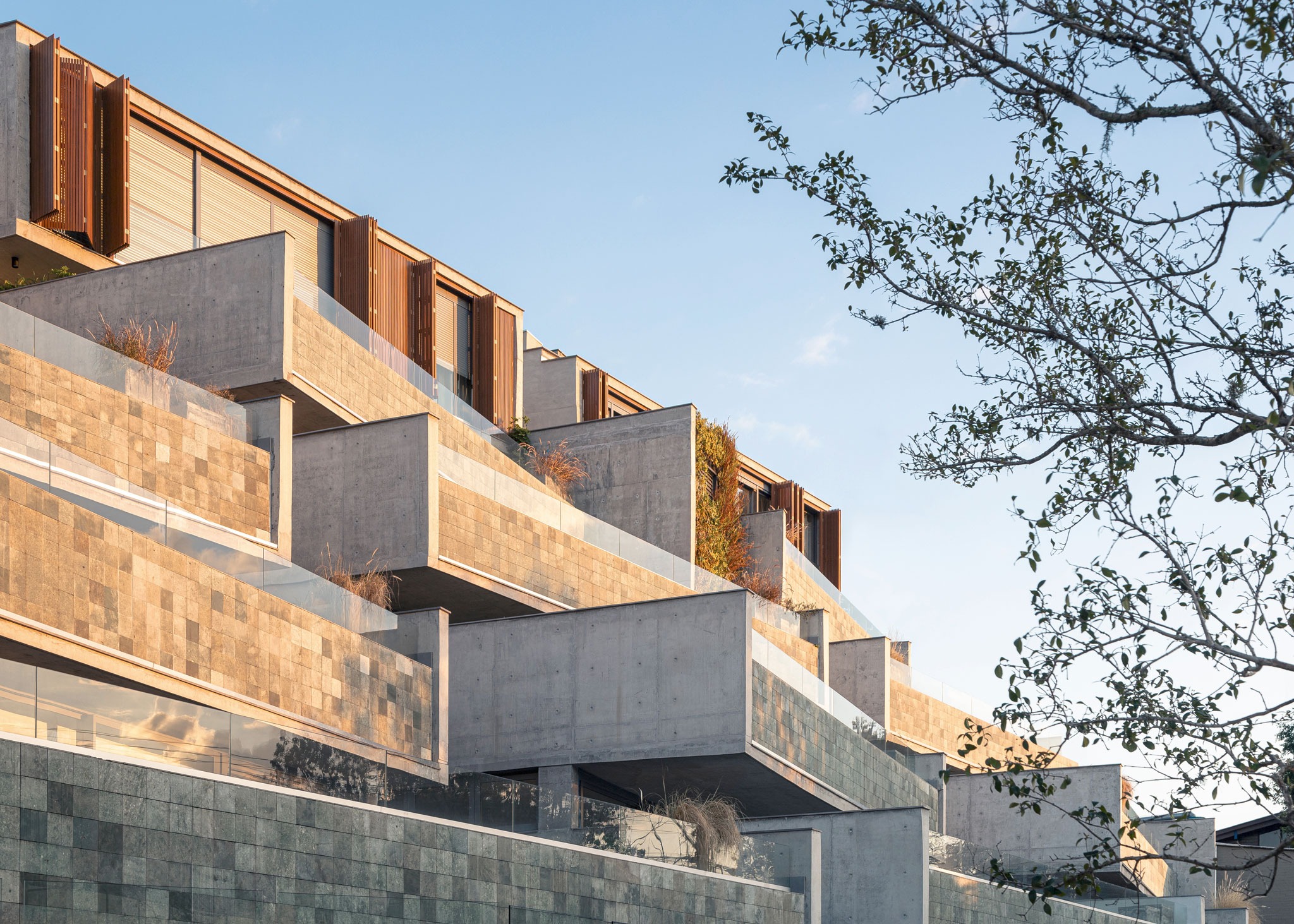
Linear pools were installed at the edge of each terrace, following the original topography. These were constructed with concrete clad in Hijau stone. The building seeks to integrate with nature through the water and vegetation of the terraces, creating a unity between the fig tree, the vertical garden, and the rest of the vegetation, with the water of the pools and the topography.
Cap. 1 Três Figueiras by OSPA Arquitetura e Urbanismo. Photography by Gabriel Konrath

Cap. 1 Três Figueiras by OSPA Arquitetura e Urbanismo. Photography by Gabriel Konrath.

Description of project by OSPA Arquitetura e Urbanismo

Located in a bucolic and predominantly single-family residential neighborhood, Cap. 1 Três Figueiras, designed by OSPA Arquitetura e Urbanismo, is a development that proposes the concept of suspended houses.

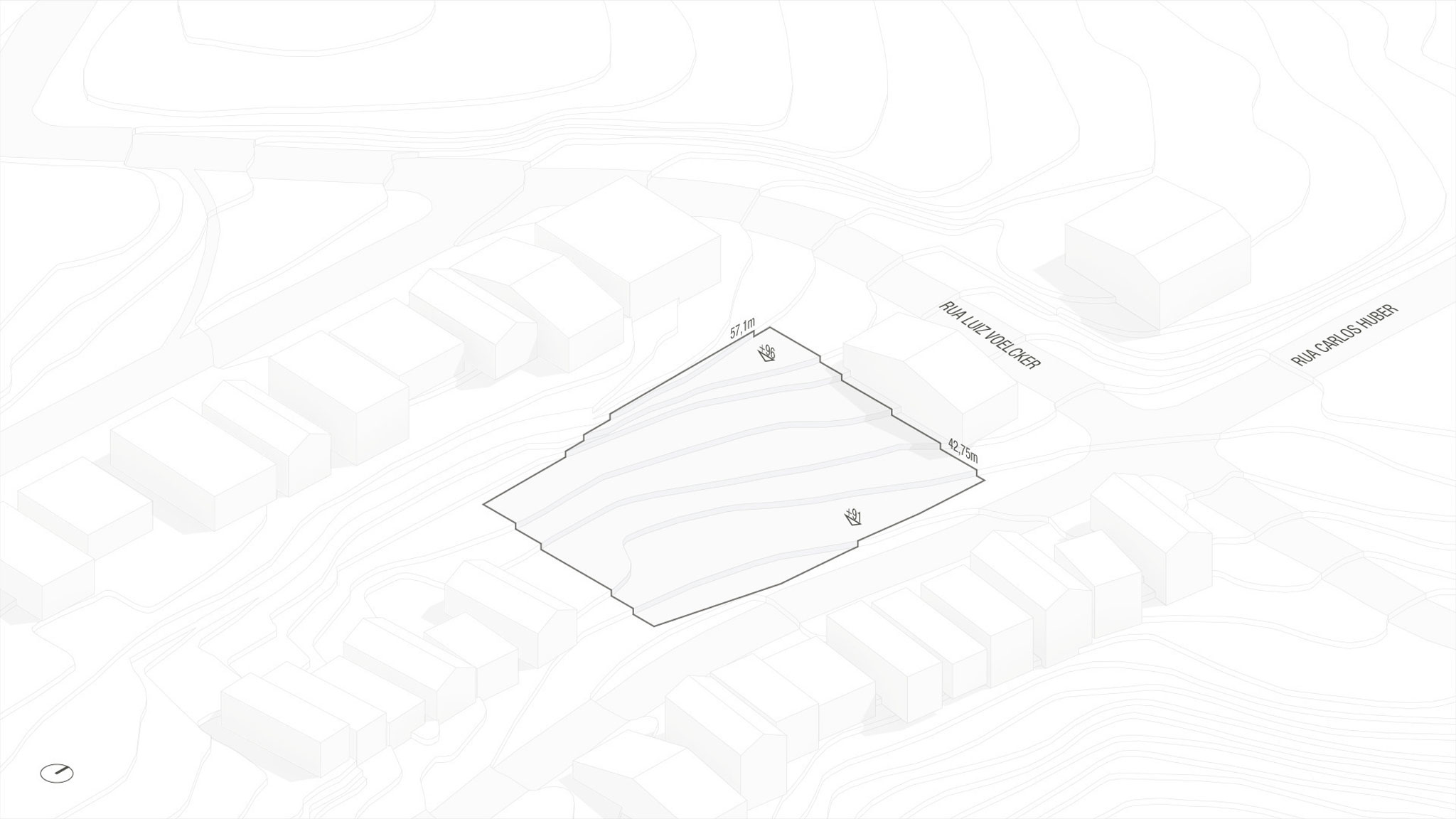
The terrain in question, on a slope, features one of the fig trees that gives the Três Figueiras neighborhood its name. As a premise of the project, all units are oriented towards the front, ensuring east and west orientations, as well as views of the remarkable tree.

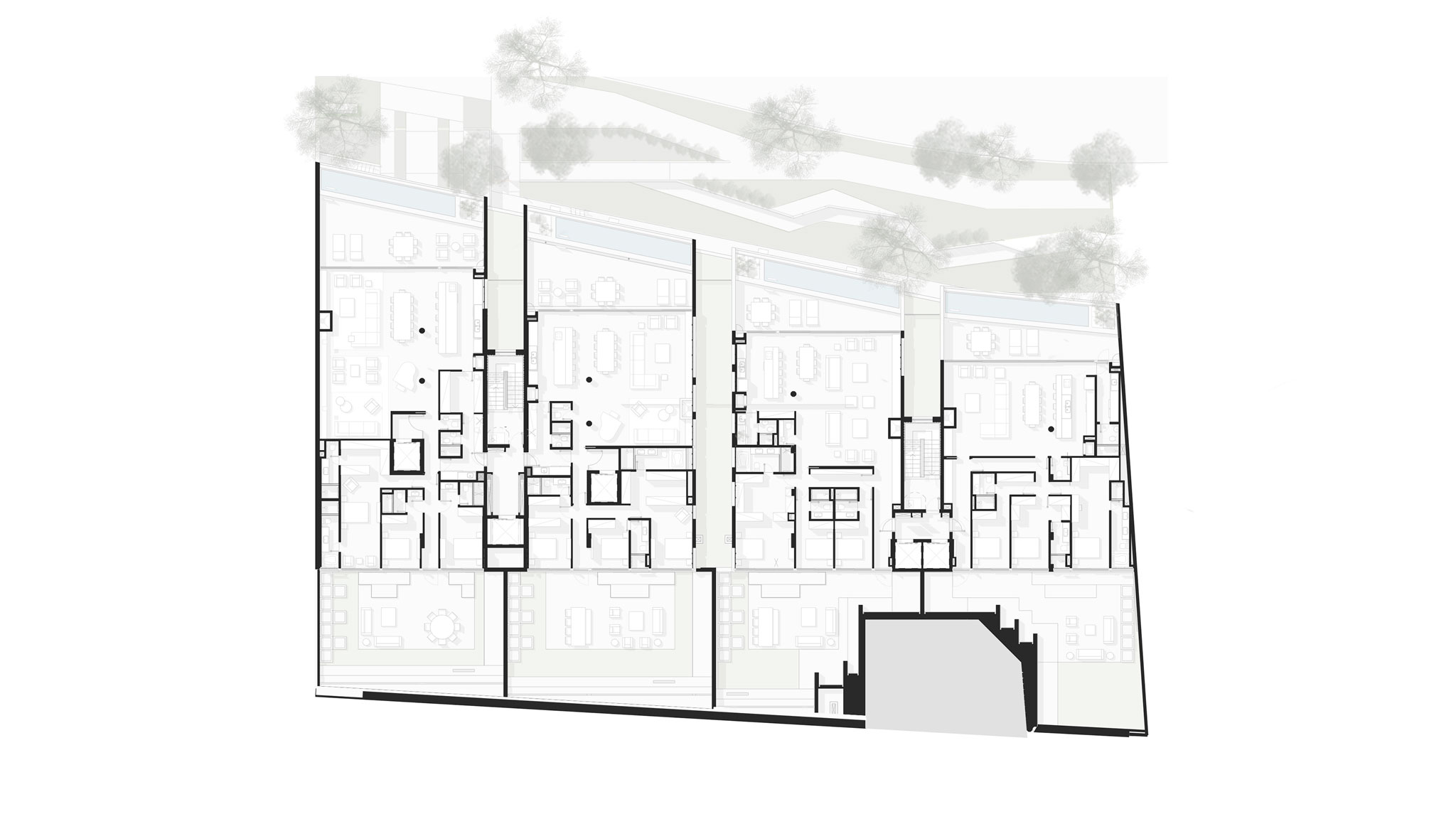
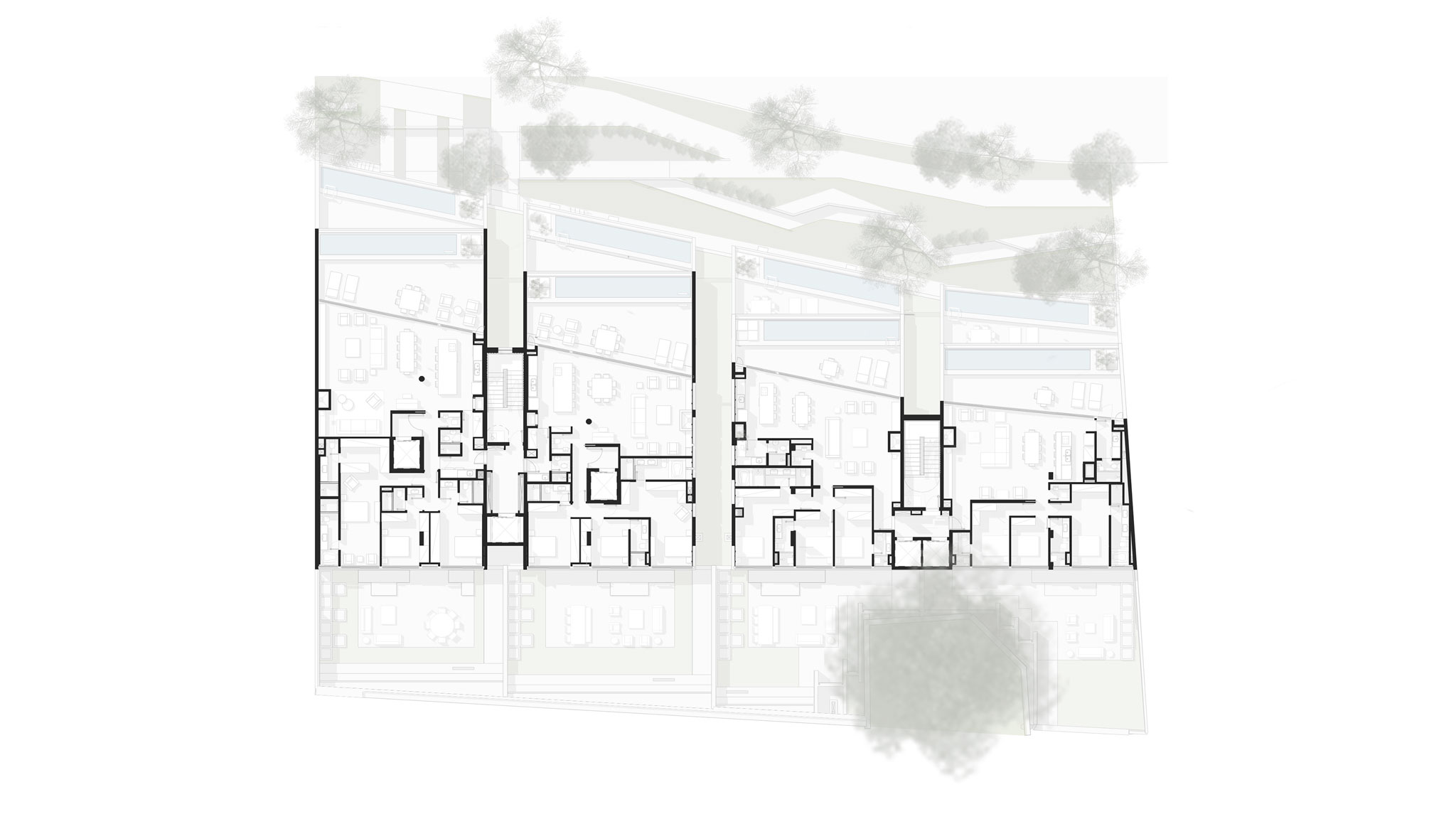
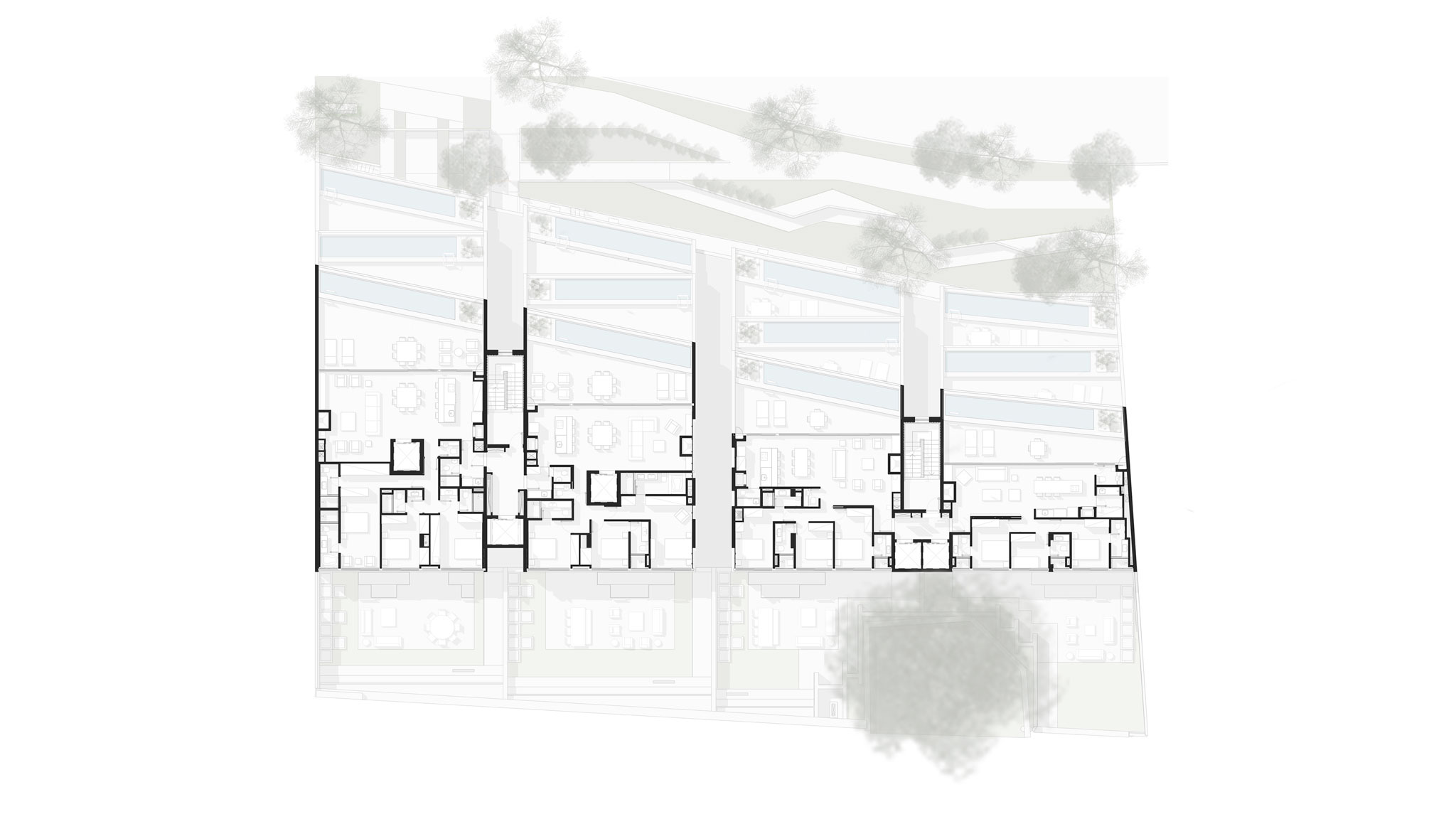
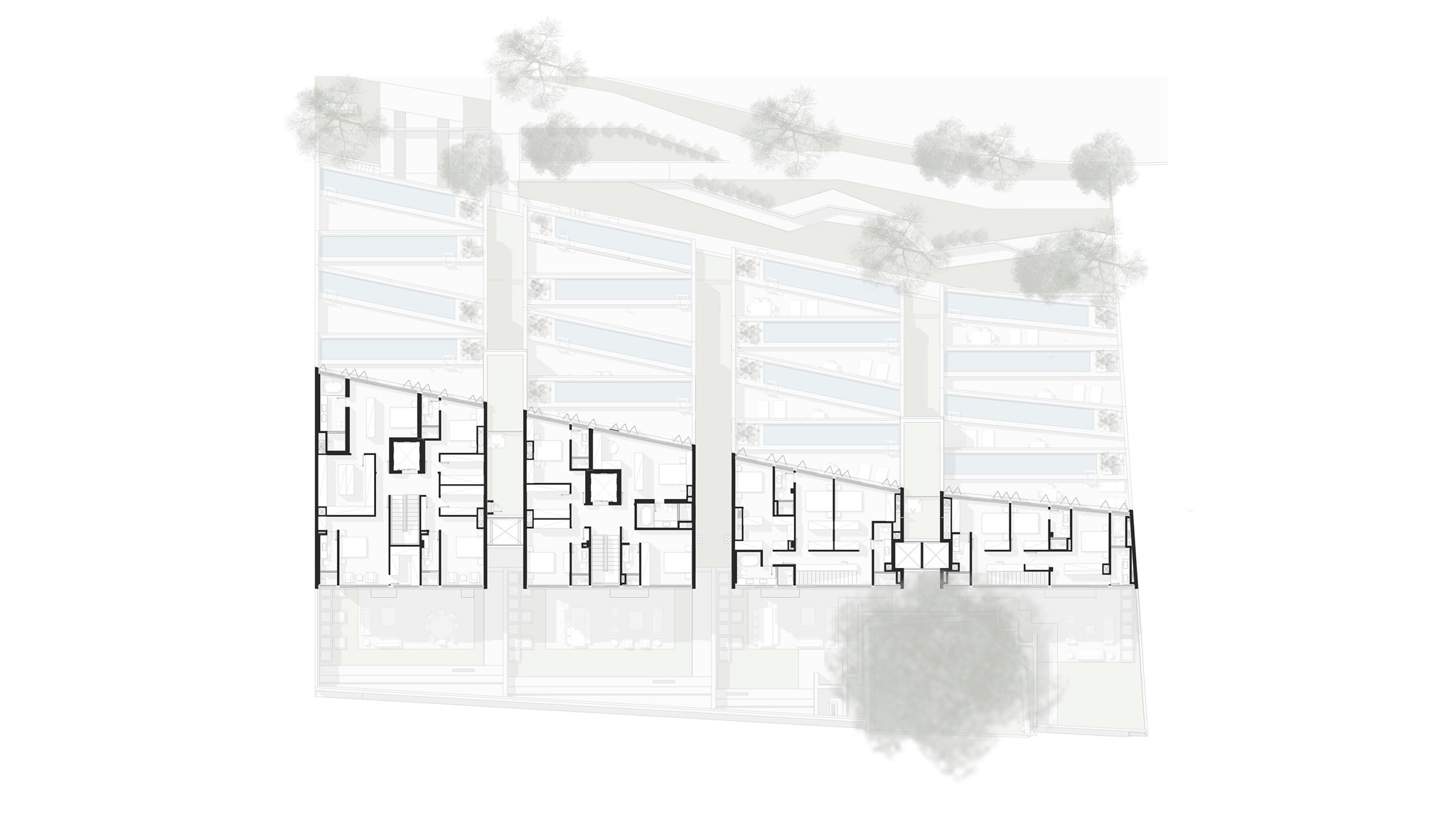
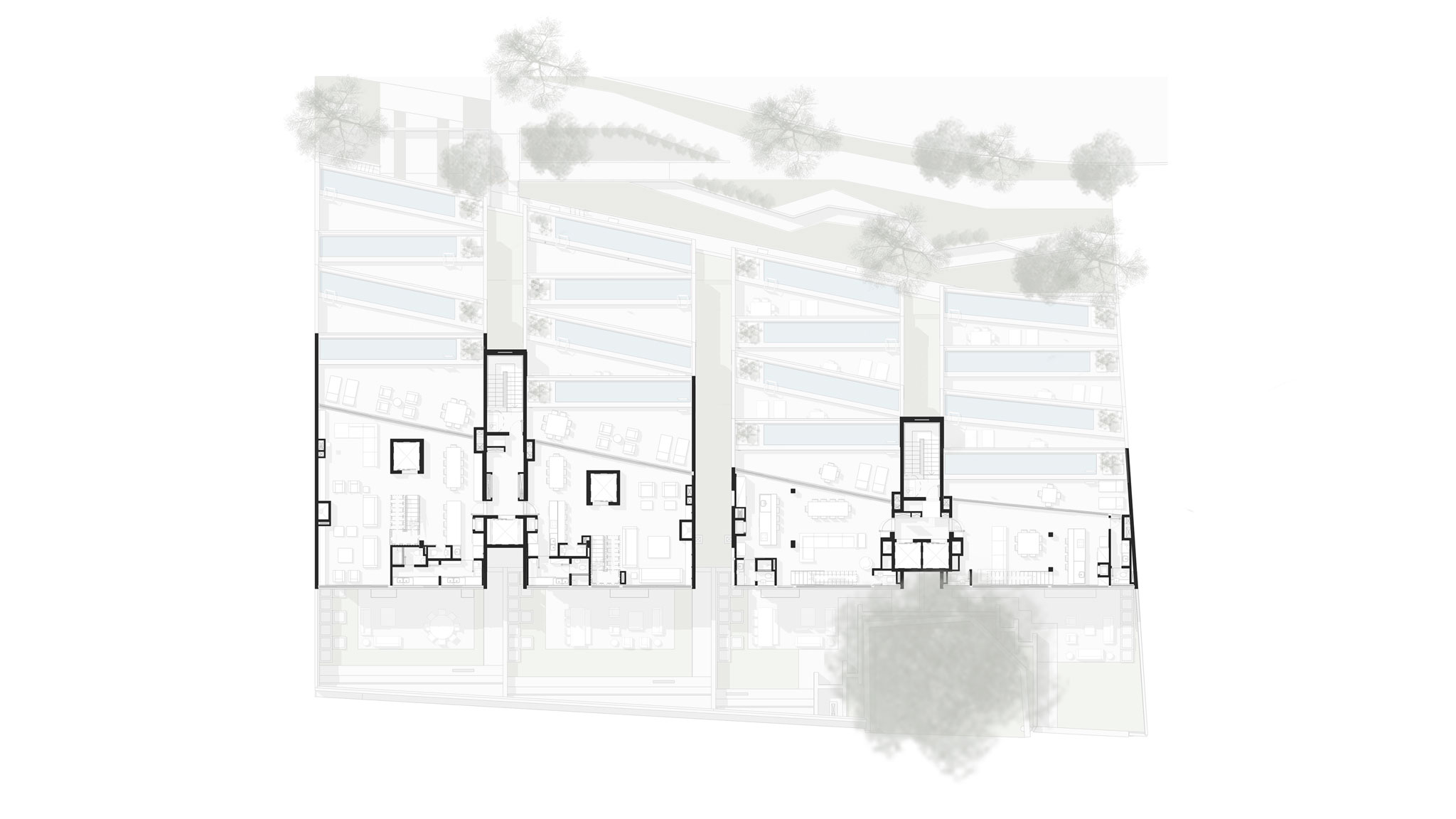
The project’s volumetrics stem from the idea of following the geometric pattern of the surroundings: the four existing lots serve as the foundation for four blocks, each containing four staggered apartments. This staggered arrangement is not merely formalistic: the modification of the original prism reduces the impact of the building on the region, distancing it from the public road on each floor. Additionally, it follows the original topography of the land and creates private terraces with linear pools. Between the floors, the apartment’s front is either parallel to the street in front or perpendicular to the side boundary, creating dynamism for the volumes.

Cap. 1 Três Figueiras by OSPA Arquitetura e Urbanismo. Photography by Gabriel Konrath
Cap. 1 Três Figueiras by OSPA Arquitetura e Urbanismo. Photography by Gabriel Konrath.

The terraces play a crucial role in the project. According to local regulations, they are not counted as built-up area, which increases the potential private area for sale. To enhance privacy between units and reinforce the concept of suspended houses, each apartment features a “U”-shaped concrete tray, crowned in front by a pool covered in Hijau stone. The layout of the rooms in each unit aims to position social areas facing the terrace, blurring the boundaries between external and internal spaces, as desired by the residents.

Following the premise of pedestrian-focused urbanism and a visually permeable city, the condominium areas are proposed on the ground floor facade. Avoiding the creation of a conventional party hall, the building gains an area that, in day-to-day use, is understood as a lounge—an extension of the entrance hall. As needed, retractable acoustic partitions are closed, ensuring isolation for private use. In addition to the lounge, the development includes a gym, a spa, dry and wet saunas, and a massage room. Crossing this floor, a linear gallery with internationally curated artworks is arranged.
Cap. 1 Três Figueiras by OSPA Arquitetura e Urbanismo. Photography by Gabriel Konrath
Cap. 1 Três Figueiras by OSPA Arquitetura e Urbanismo. Photography by Gabriel Konrath.

Landscaping is present throughout. The over 50 meters of frontage are used for a stepped garden that transitions between the public sidewalk and the condominium areas of the project. Each terrace features a set of flower boxes, and private tree planting is encouraged. Serving as a backdrop to the fig tree, a vertical garden extends along the rear boundary, visible from the suites of all units. Second-floor apartments have gardens at the back, each customized according to the resident’s preferences.

Cap. 1 Três Figueiras is a development that encourages the best aspects of the neighborhood it is situated in, proposing a way of living focused on well-being and experiencing the city around it.

More information

Label
Architects
+ + copy Created with Sketch.
- + copy Created with Sketch.
Label
Project team
Text

Partner in charge.- Rodrigo Milani, Carolina Souza Pinto.
Project leader.- Franco Miotto, Bruna Ibrahim.
Specialists.- Carolina Souza Pinto, Lucas Obino, Cristiano Carneiro.
Architecture.- Franco Miotto, Bruna Ibrahim, Brunna Kronbauer, Augusto Tumelero, Laura Aurvalle.

+ + copy Created with Sketch.
- + copy Created with Sketch.
Label
Collaborators
Text

Interior design.- Rodrigo Milani, Ellen Renata Bernardi.
Environmental graphic design.- Rodrigo Milani, Laura Zimmer.
Electrical engineering.- Fernando Chiapinotto, Jefferson Geraldi, Thiago Melo, Deyvid Matos, Julia Zarth.
Fire protection.- Juliana Nora, Júlia Zarth, Fernando Chiapinotto, Franciele Pereira.
Gas engineering.- Juliana Nora, Fernando Chiapinotto, Rodrigo Henke, Luiz Storck.
Mechanical engineering.- Flávio Teixeira, Gabriel Tocchetto.
Plumbing engineering.- Juliana Nora, Fernando Chiapinotto, Rodrigo Henke, Luiz Storck, Julia Zarth.

+ + copy Created with Sketch.
- + copy Created with Sketch.
Label
Area
Text

Project area.- 5,889.83 sqm.
Site area.- 2,180.23 sqm.

+ + copy Created with Sketch.
- + copy Created with Sketch.
Label
Dates
Text

2017-2023.

+ + copy Created with Sketch.
- + copy Created with Sketch.
Label
Location
Text

Porto Alegre, Río Grande del Sur, Brasil.

+ + copy Created with Sketch.
- + copy Created with Sketch.
Label
Photography
+ + copy Created with Sketch.
- + copy Created with Sketch.

OSPA Arquitetura e Urbanismo is a studio founded in 2005 by Carolina Souza Pinto and Lucas Obino, based in Porto Alegre, Brazil. OSPA shapes experiences through projects that span from the scale of objects to urban design, viewing architecture as a tool for transforming urban life.

Grounded in a deep understanding of real estate and financial market dynamics, creates sustainable products that meet market demands while staying closely connected to the city — down to its smallest scales.

Through a holistic and multidisciplinary approach, the practice delivers integrated, high-performing projects with meticulous attention to detail, blending technology, architecture, and urban economics.

More than designing spaces, OSPA’s mission is to shape the world — one project at a time. The studio is dedicated to leaving a lasting, positive legacy by enhancing quality of life and contributing to the sustainable evolution of the urban environments it touches.

Read more
Published on: July 17, 2025
Cite:
metalocus, IRENE ÁLAMO MARTÍN
"Water terraces and a fig tree. Cap. 1, Três Figueiras by OSPA Arquitetura e Urbanismo" METALOCUS. Accessed
<https://www.metalocus.es/en/news/water-terraces-and-fig-tree-cap-1-tres-figueiras-ospa-arquitetura-e-urbanismo> ISSN 1139-6415
Loading content ...
Loading content ...
Loading content ...
Loading content ...
Loading content ...
Loading content ...
Loading content ...
Loading content ...
Loading content ...
Loading content ...
Loading content ...
Loading content ...
Loading content ...
Loading content ...
Loading content ...
Loading content ...
Loading content ...
Loading content ...
Loading content ...
Loading content ...
Loading content ...
Loading content ...
Loading content ...
Loading content ...
Loading content ...
Loading content ...
Loading content ...
Loading content ...
Loading content ...
Loading content ...
Loading content ...
Loading content ...
Loading content ...
Loading content ...
Loading content ...
Loading content ...
Loading content ...
Loading content ...
Loading content ...
Loading content ...
Loading content ...
Loading content ...
Loading content ...
Loading content ...
Loading content ...
Loading content ...
Loading content ...
Loading content ...
Loading content ...
Loading content ...
Loading content ...
Loading content ...
Loading content ...
Loading content ...