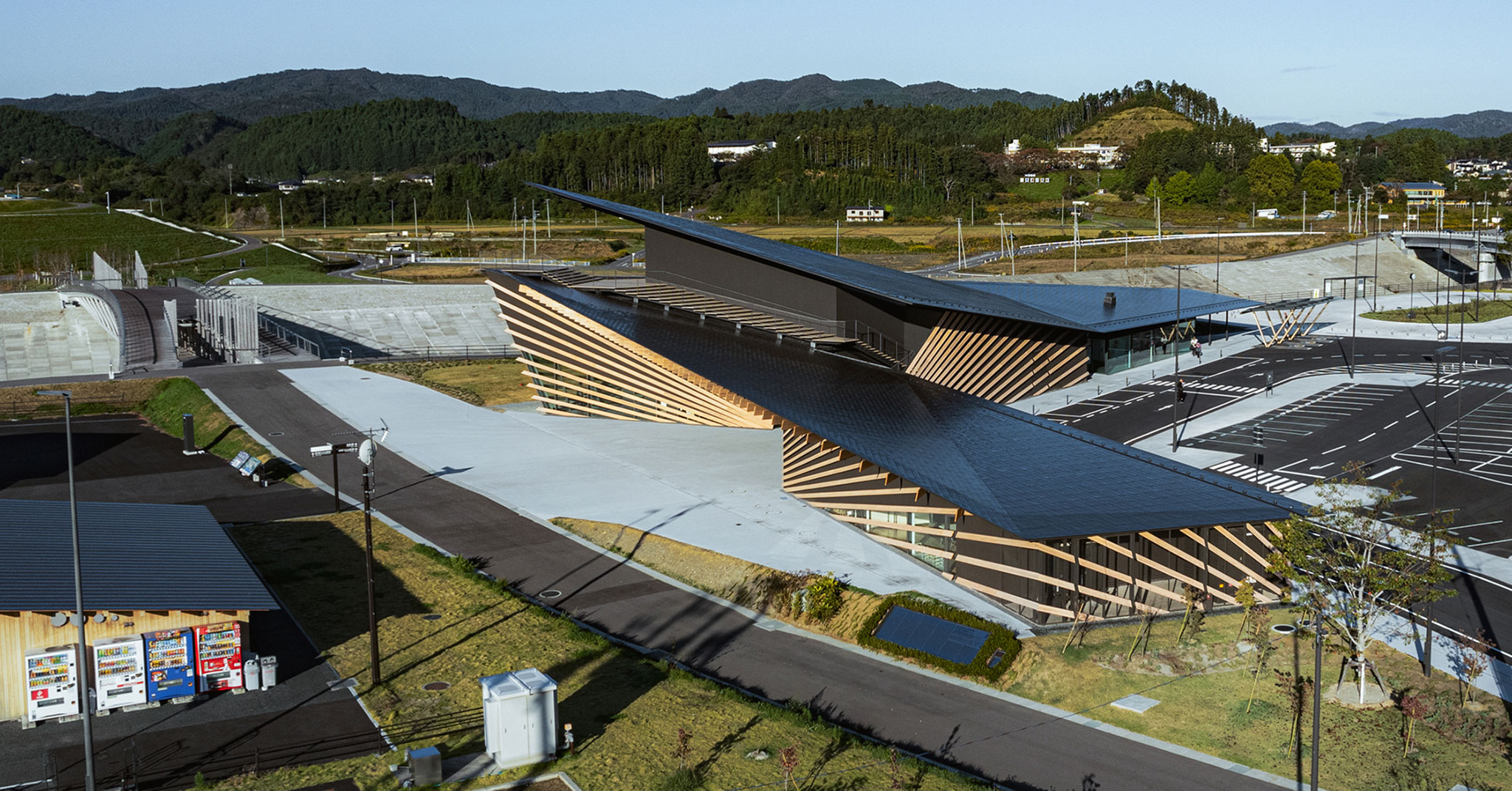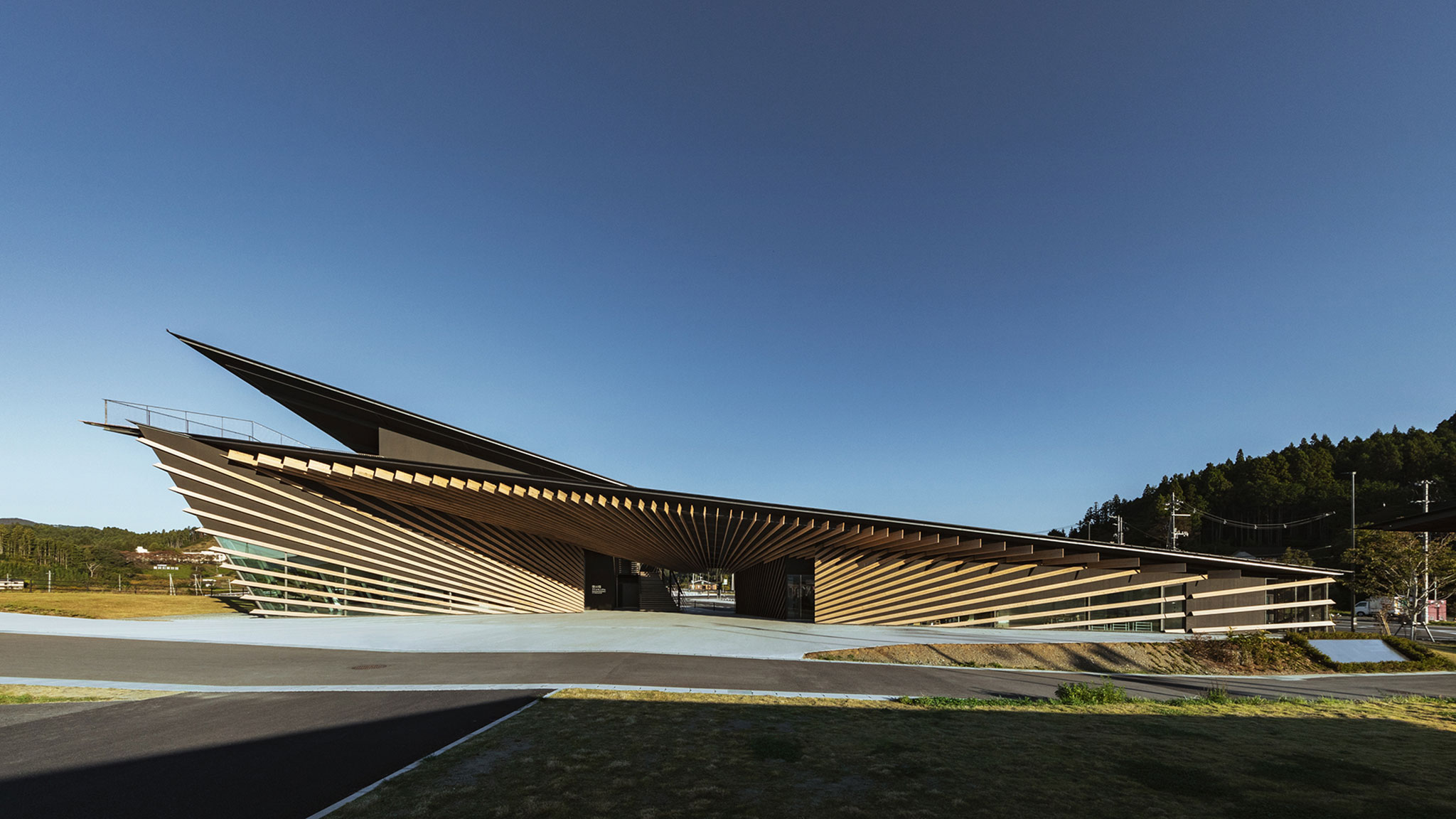
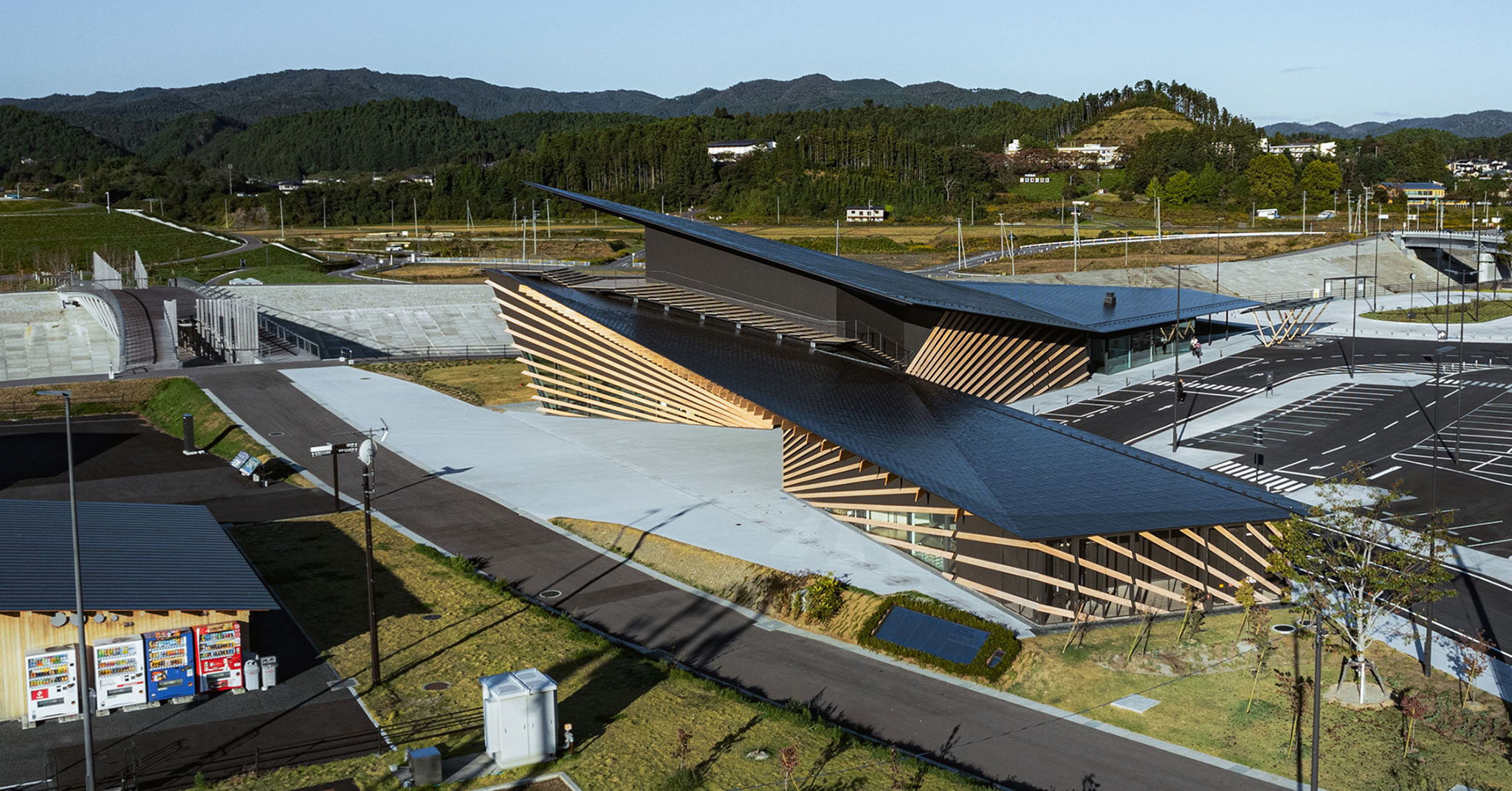
Architecture practice Kengo Kuma & Associates (KKAA) has designed the Minamisanriku Memorial 311, part of the reconstruction plan for Minamisanriku, which suffered extensive damage in the Great East Japan Earthquake of 2011.

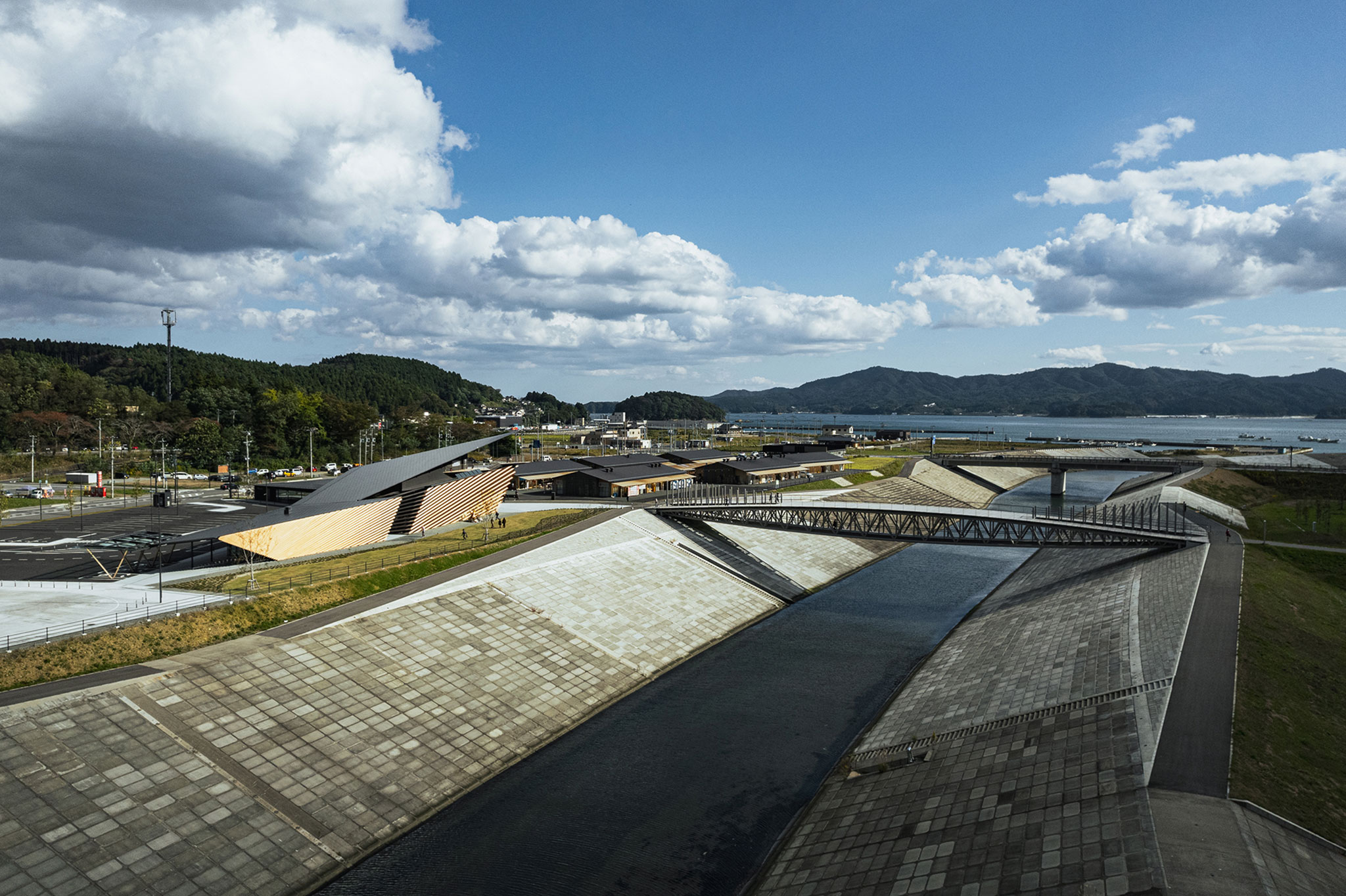
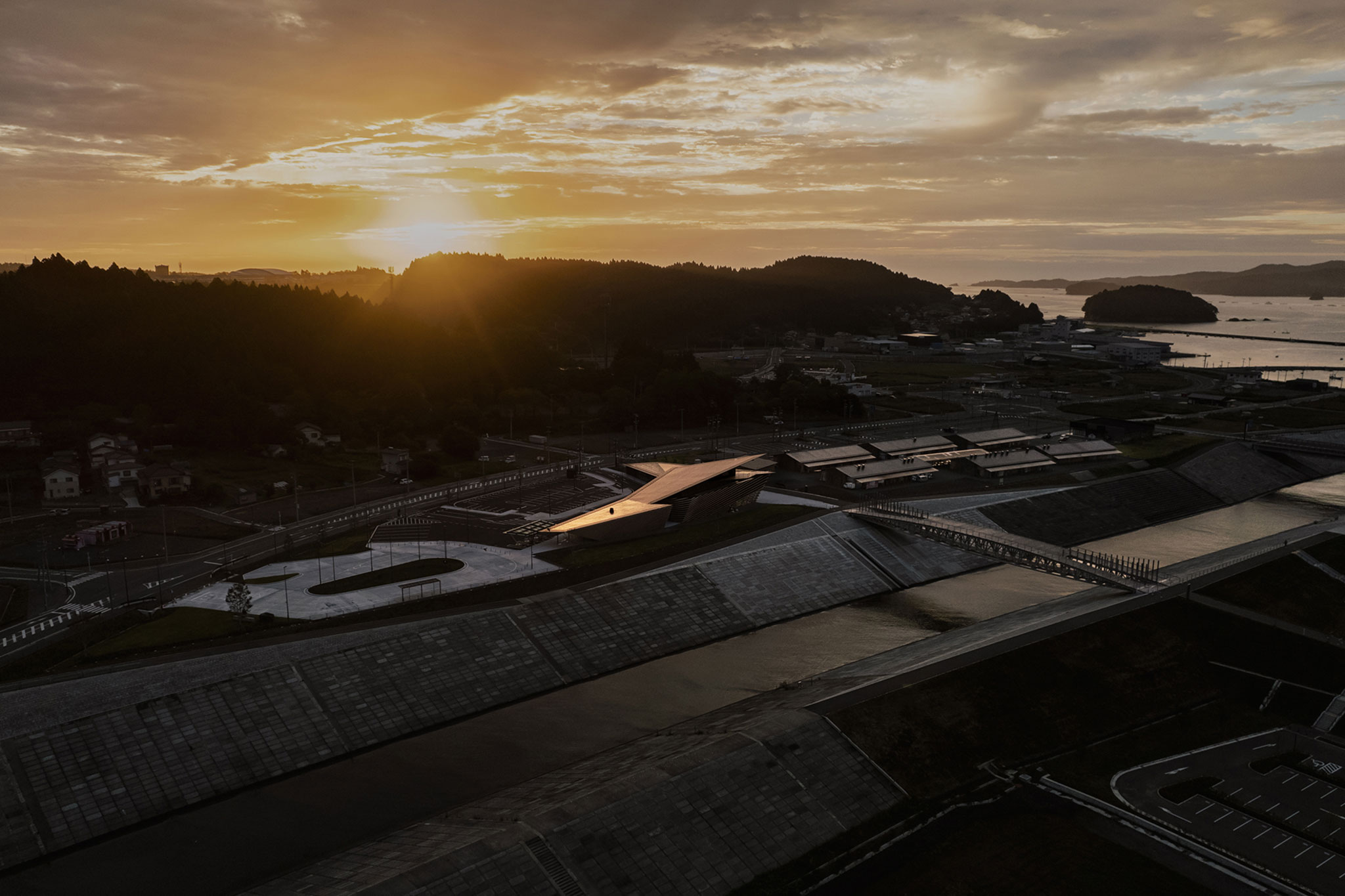
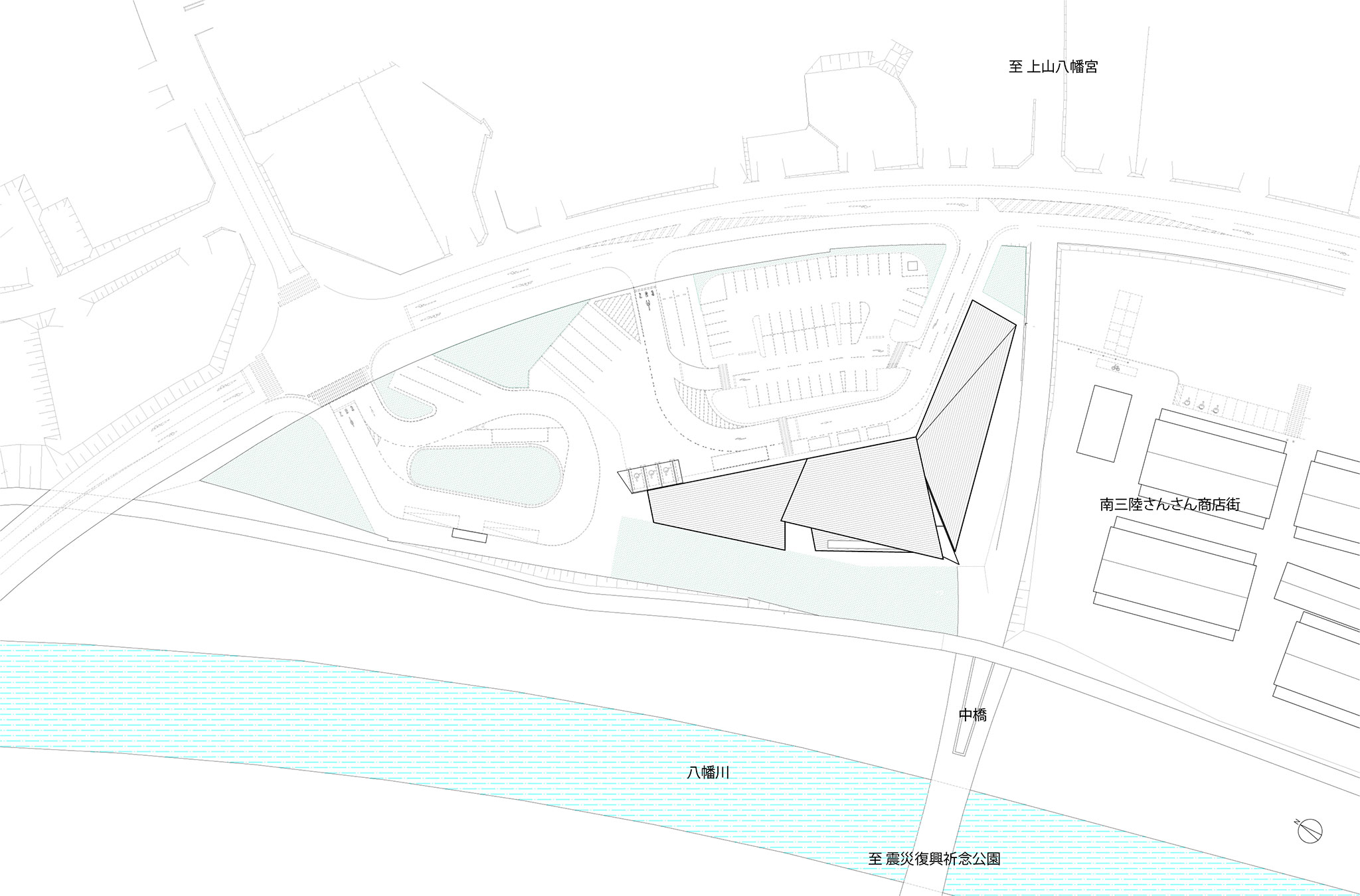
The master plan for this artificial site, elevated 10 meters above sea level, is based on three concepts: uniting the town with the sea, the mountains with the shrine, and creating a pleasant and walkable street.

Kengo Kuma & Associates (KKAA) designed three projects for this plan: the Sun Sun Shopping Center (2017), the Nakabashi Bridge (2020), and the Minamisanriku 311 Memorial (2022), which represents the culmination of this reconstruction plan while linking the memories of the past with the future.

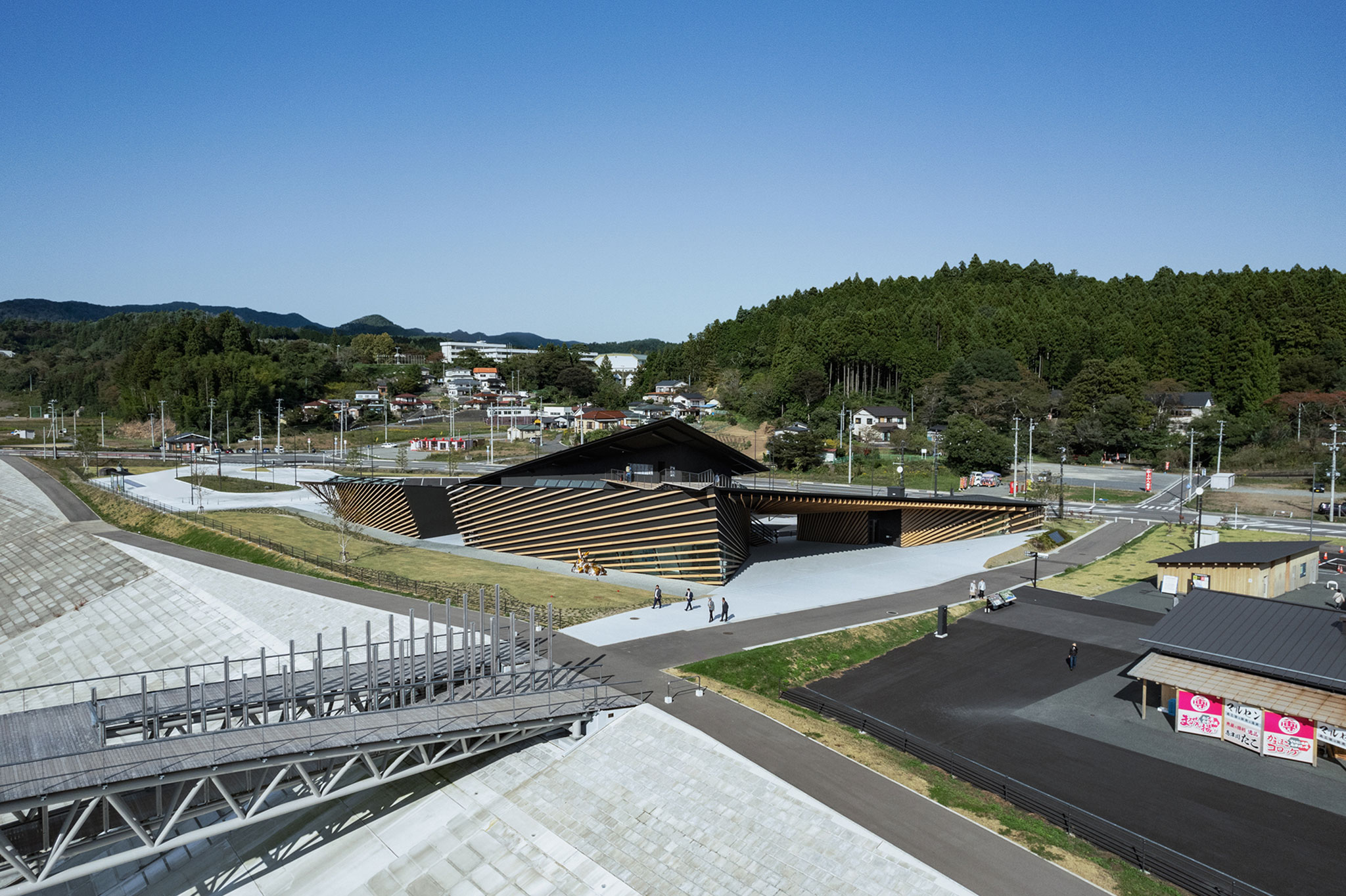
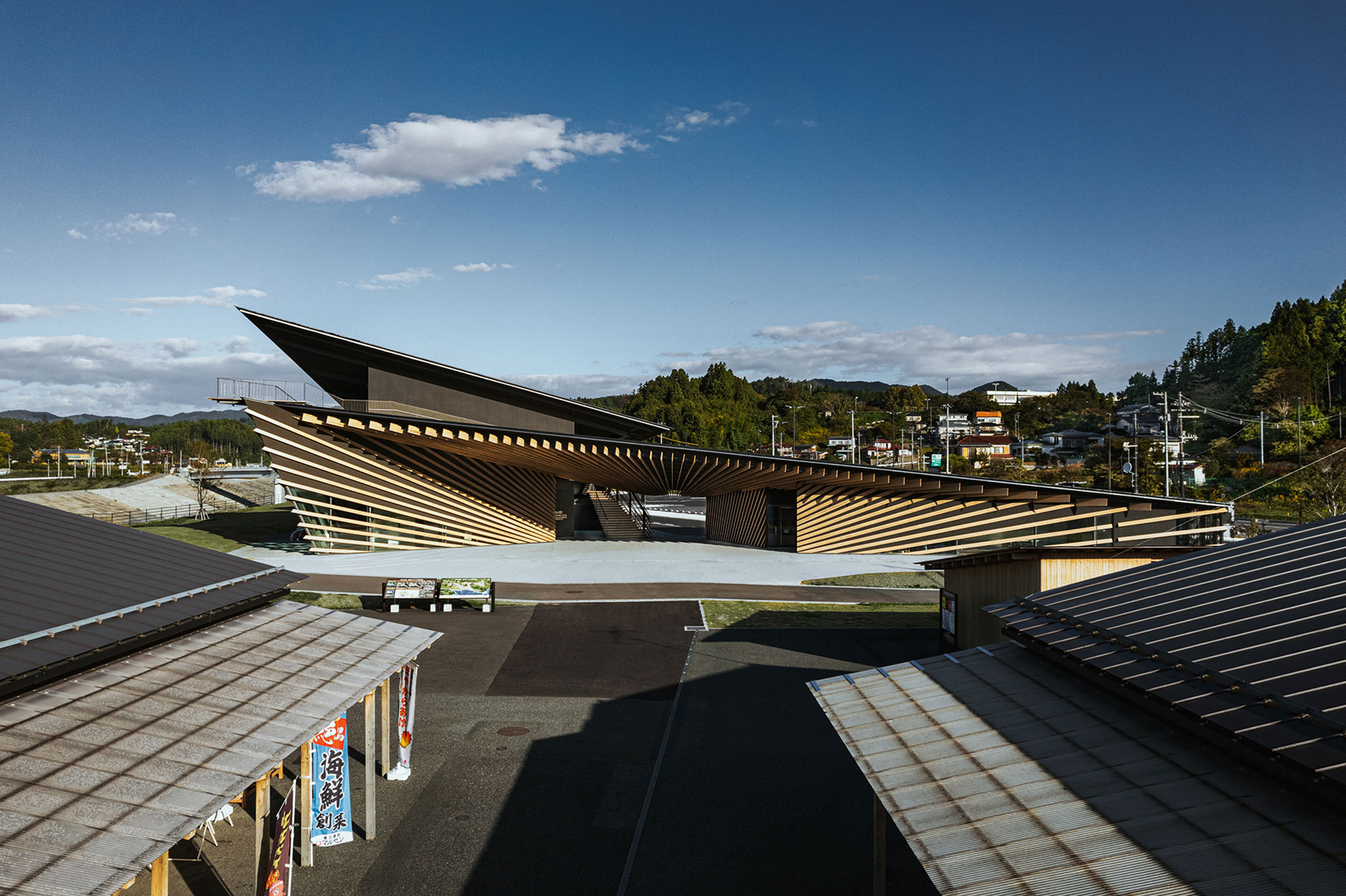
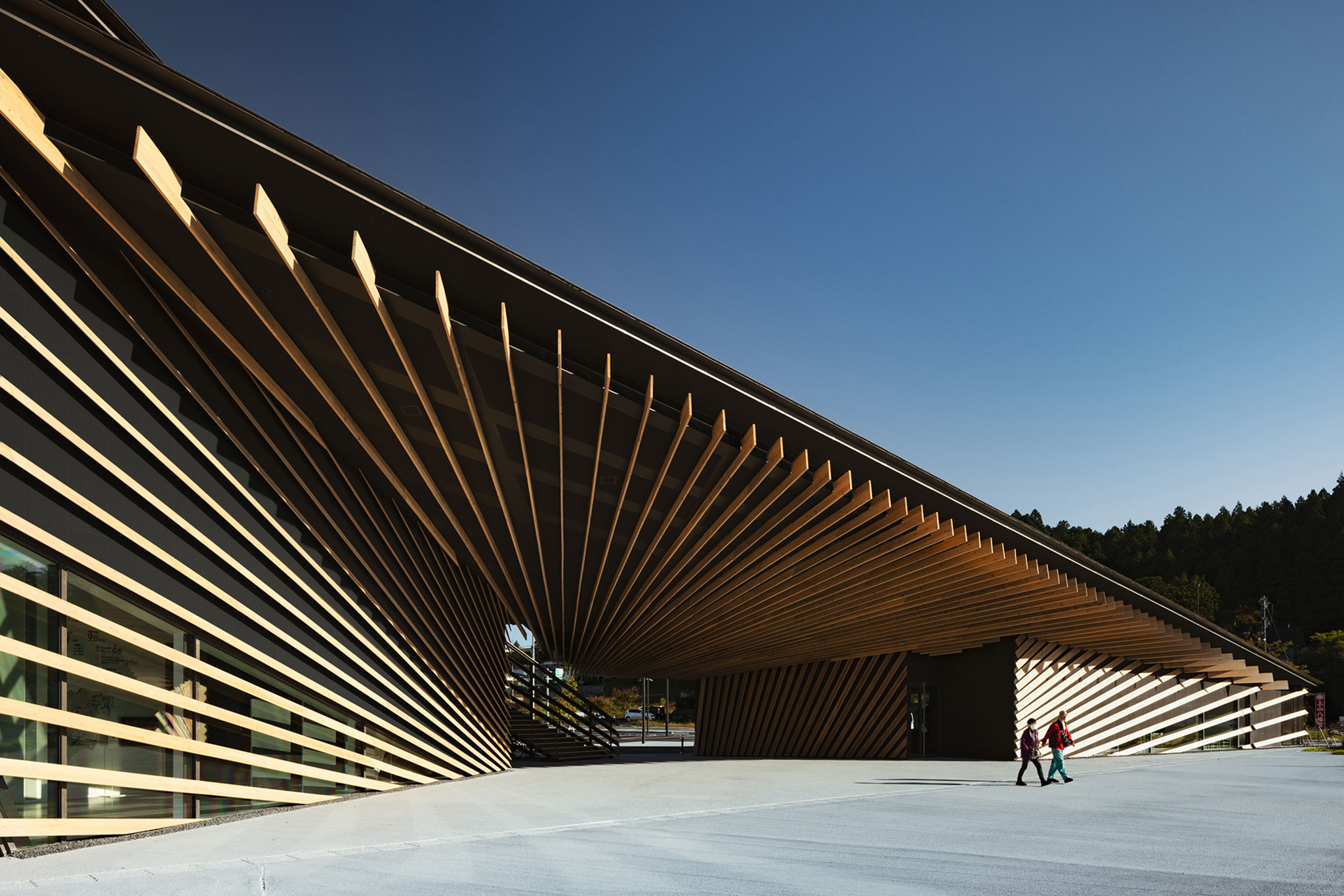
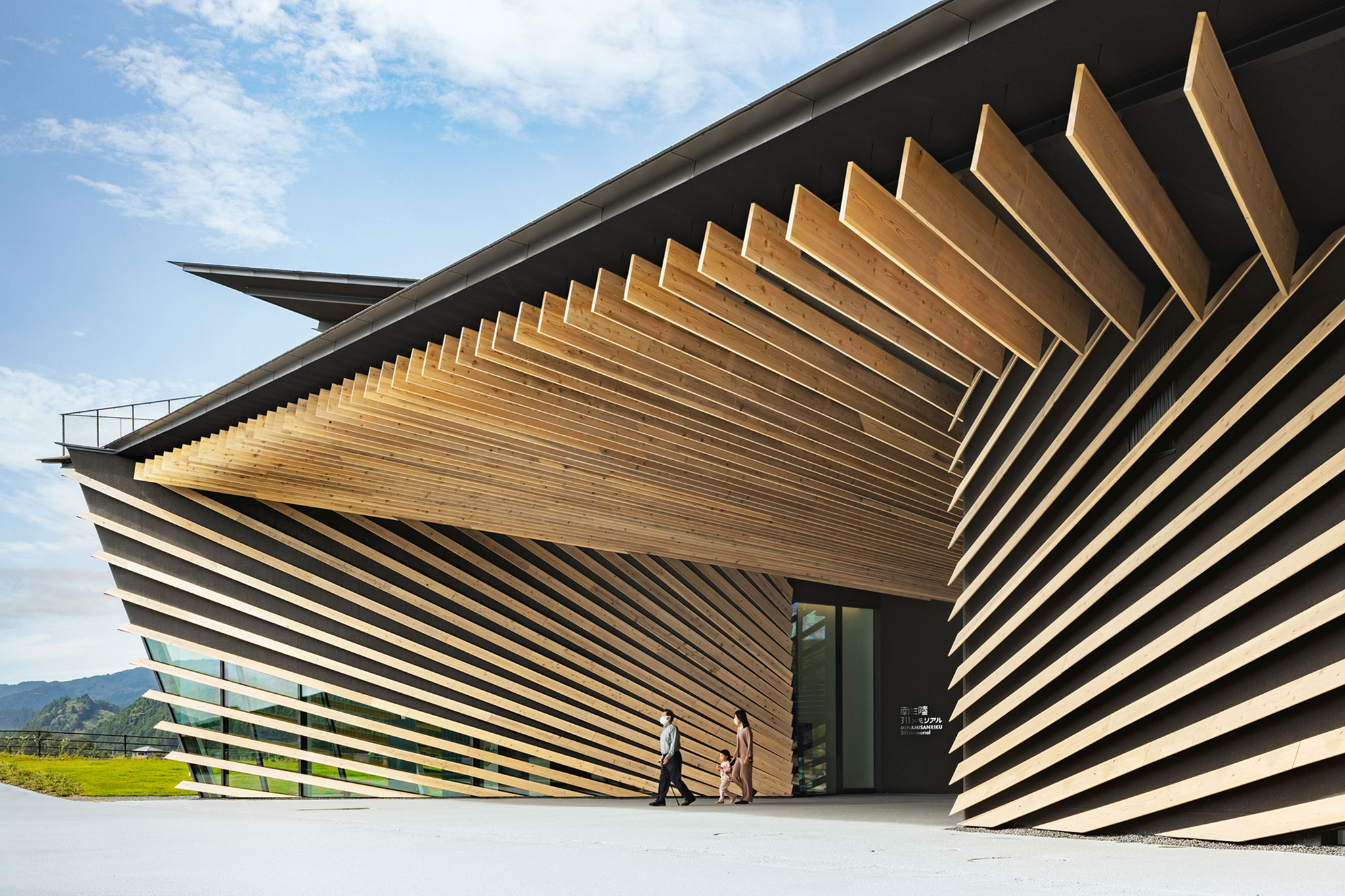
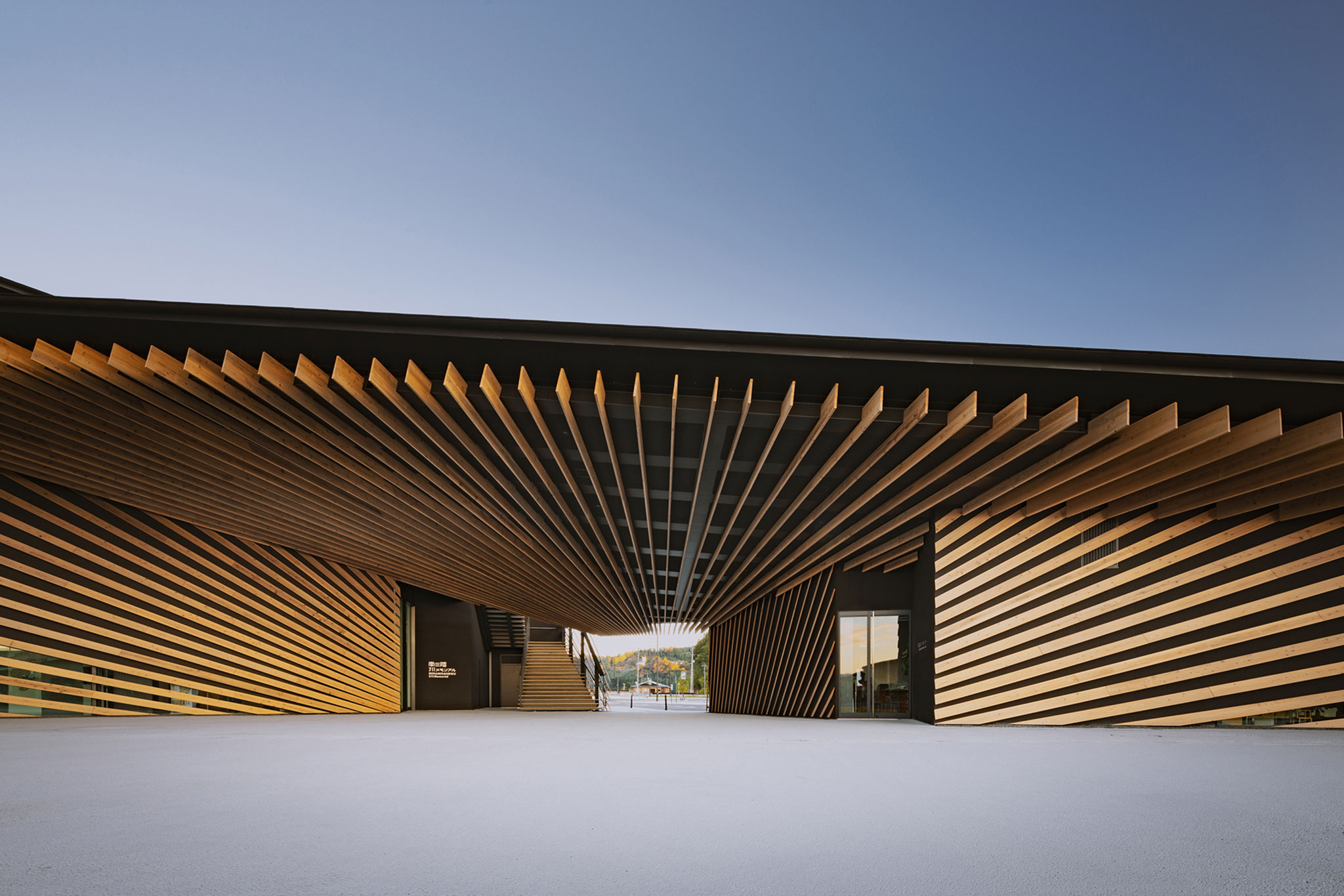
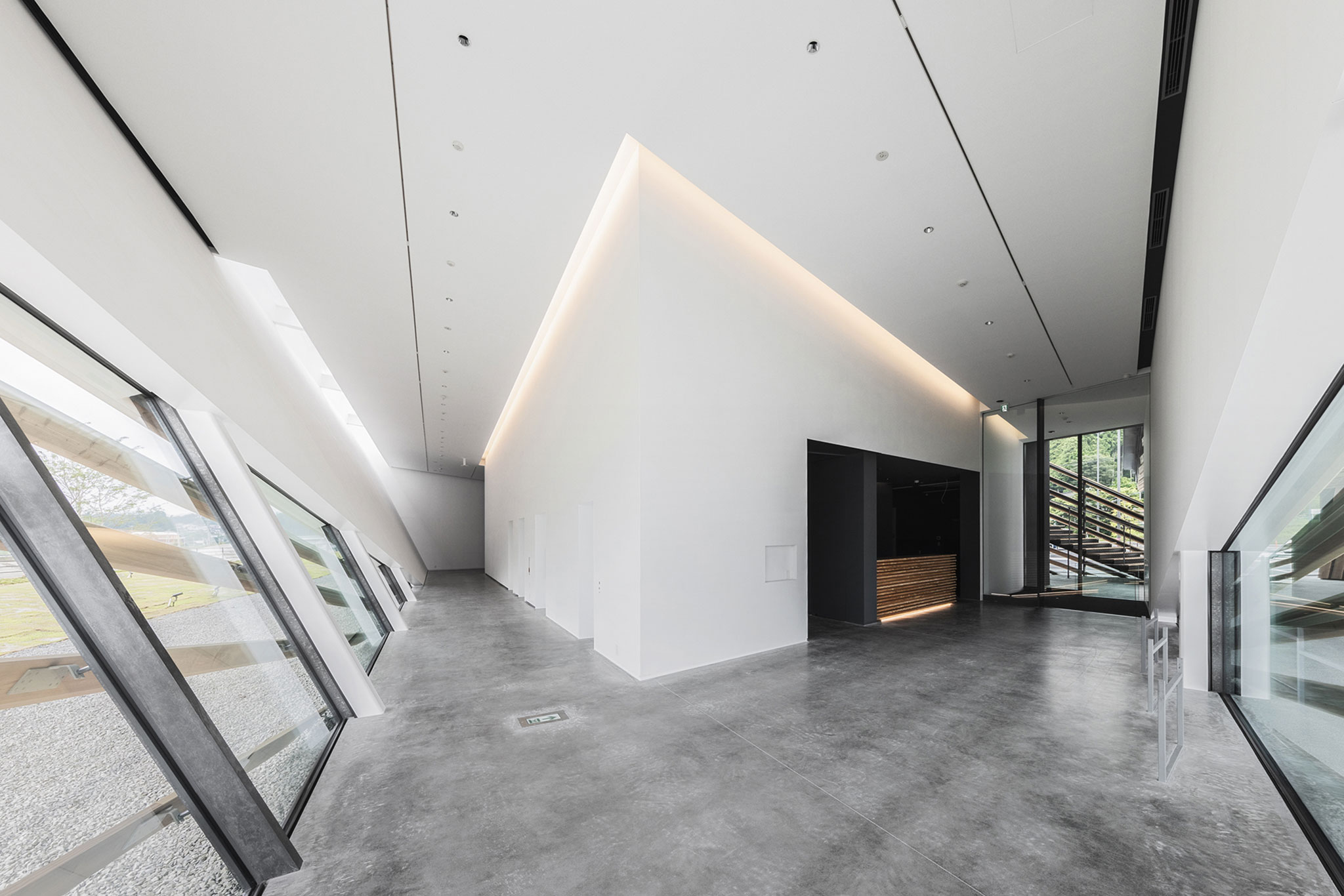
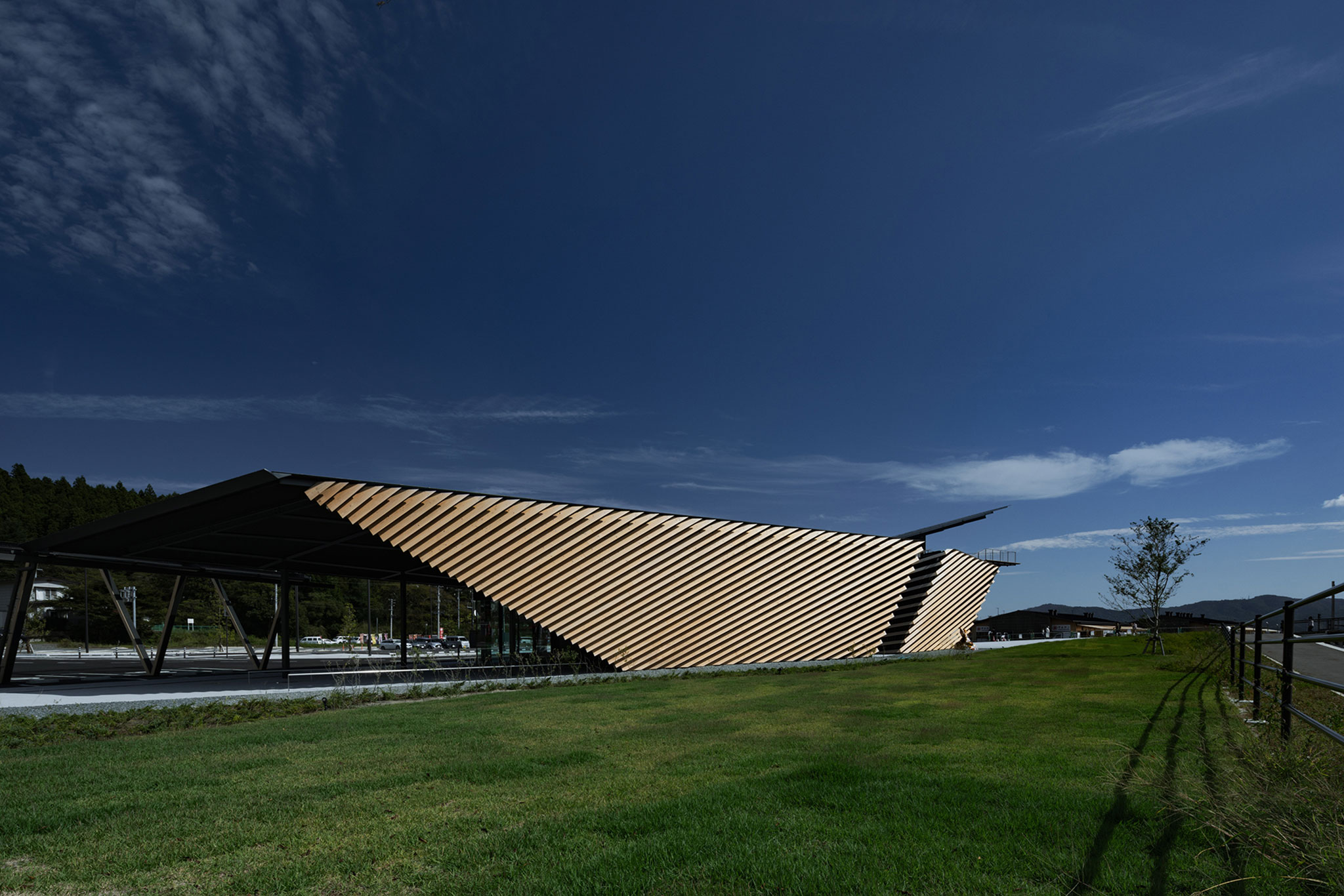
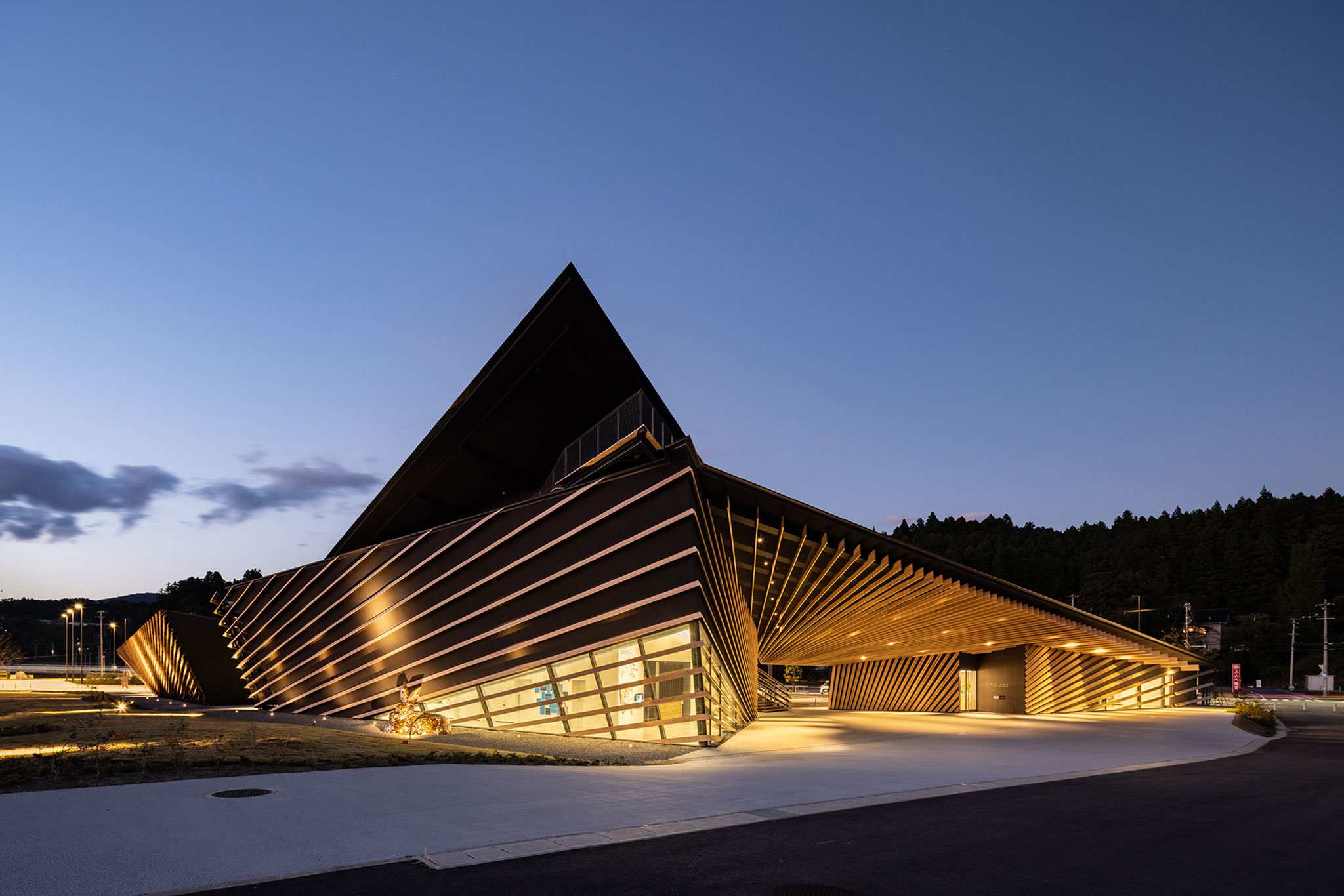
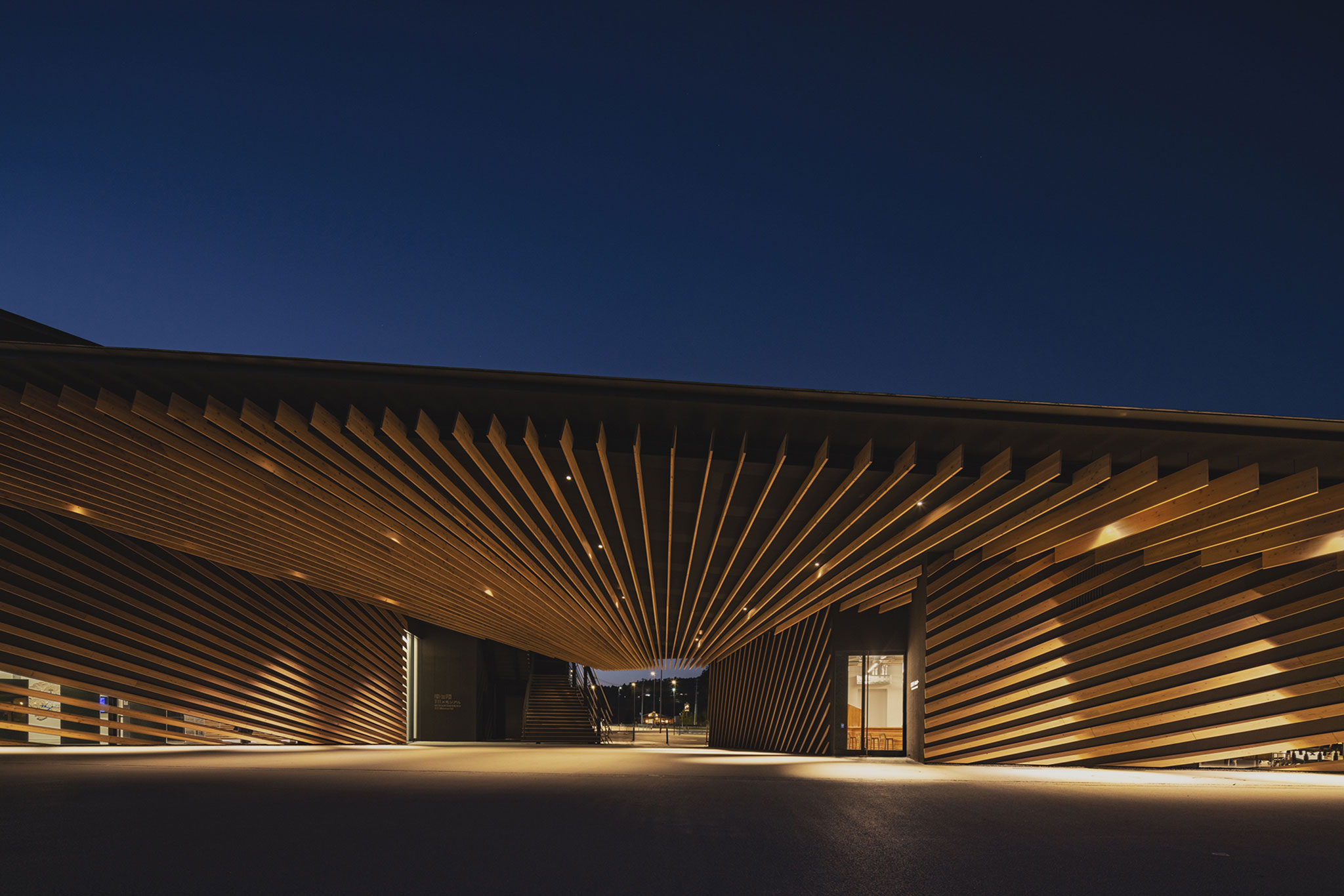
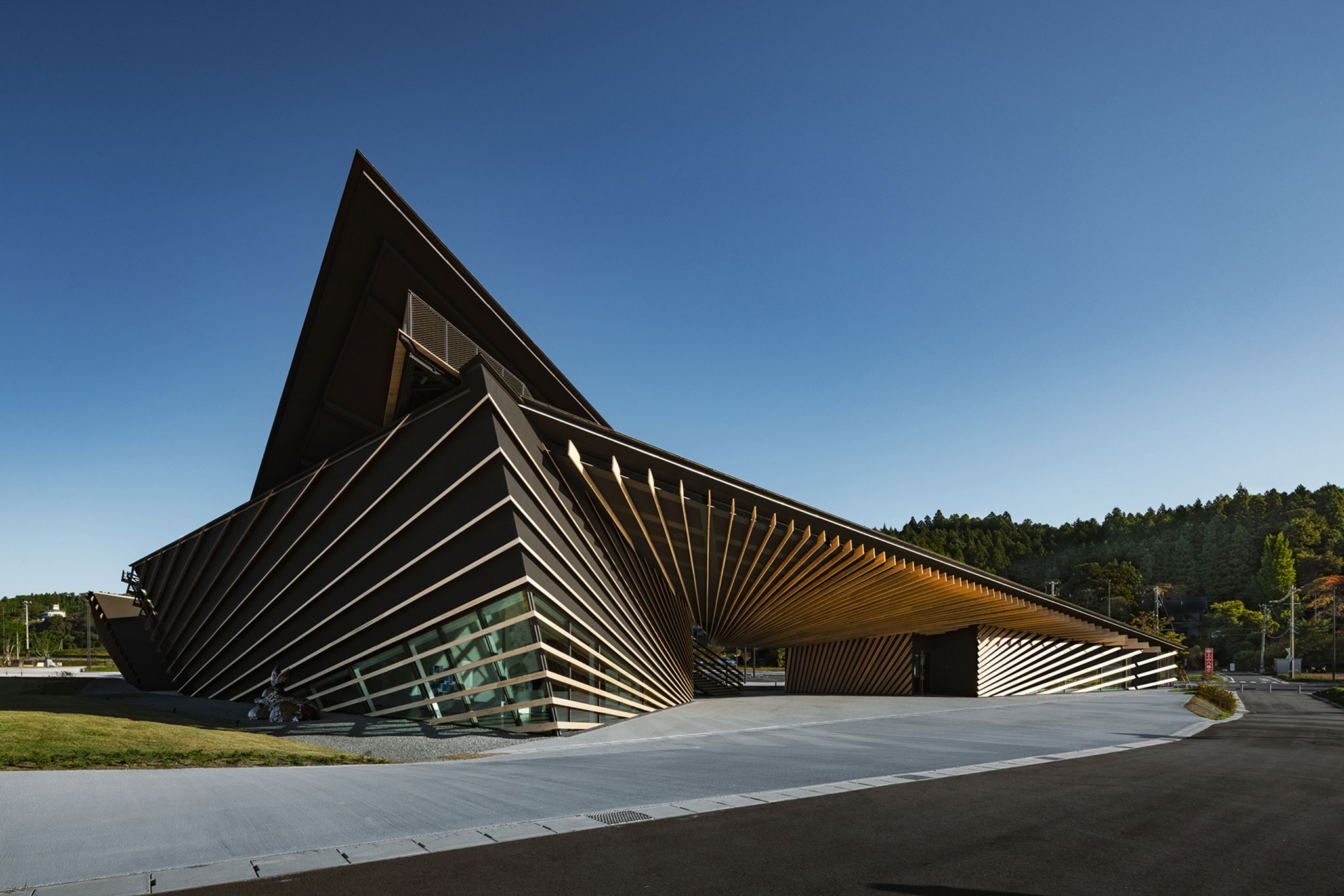
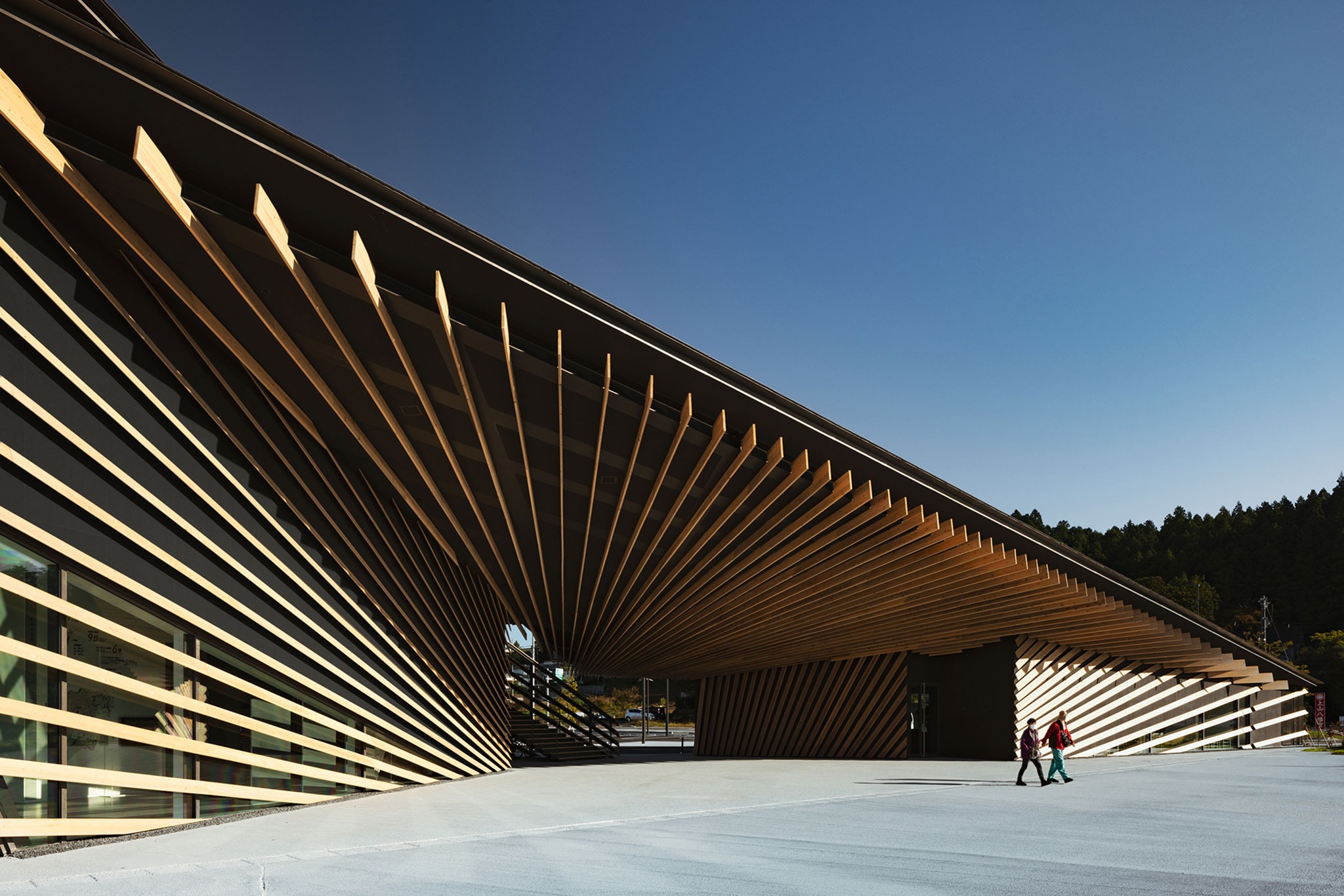
The building, designed to function as a void that draws people in, has an east-west axis and a north-south axis while also evoking the appearance of a sacred Torii gate. The exterior wall is covered with Minamisanriku cedar latticework, creating a perspective effect that gives the impression of being drawn into a void, thanks to the radial arrangement of the columns from the vanishing point.
Minamisanriku 311 Memorial by KKAA. Photograph by Keishin Horikoshi・Kosuke Nakao/SS Tokyo.

Minamisanriku 311 Memorial by KKAA. Photograph by Keishin Horikoshi・Kosuke Nakao/SS Tokyo.

Project description by KKAA

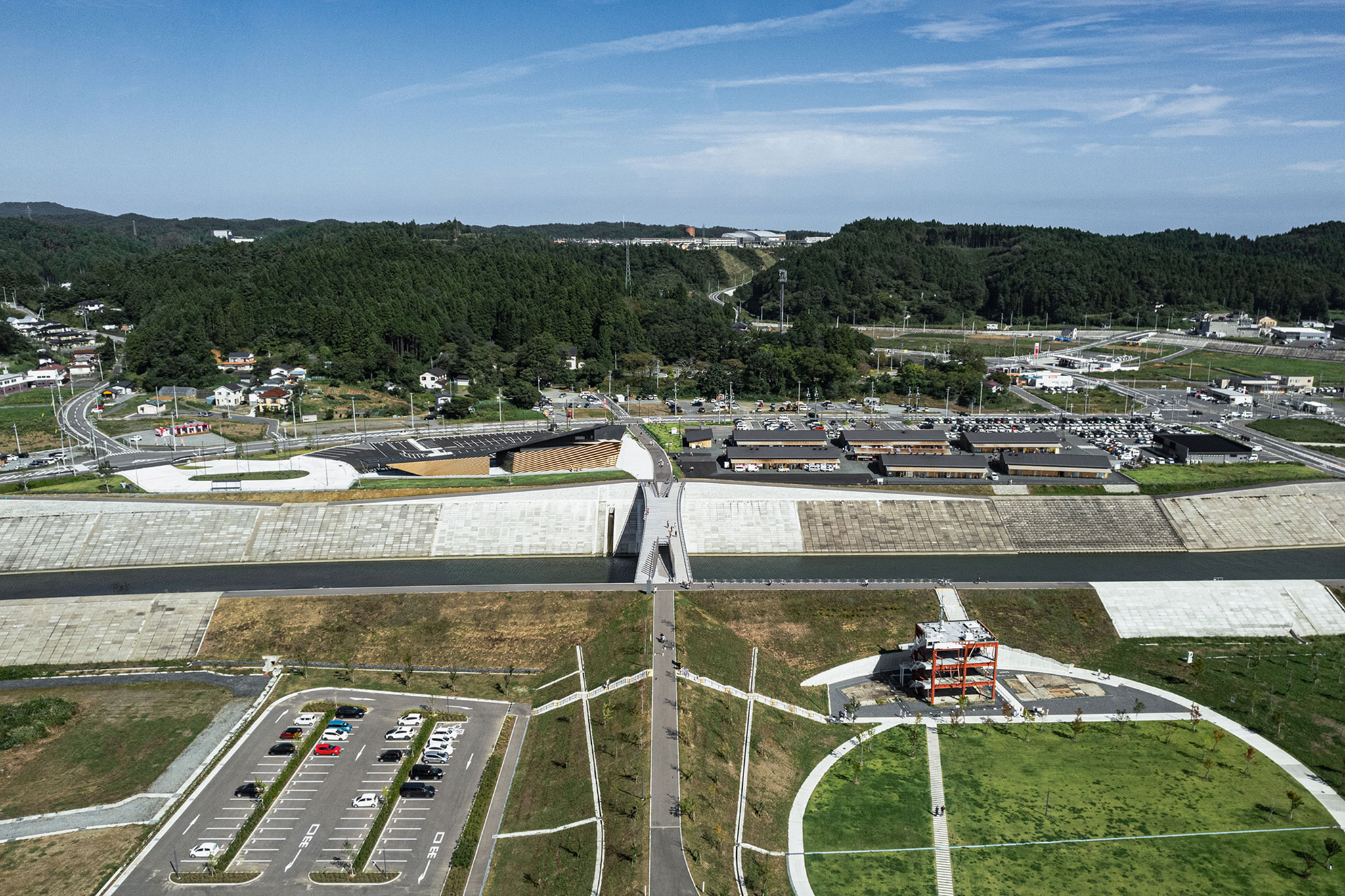
Since the year 2013, I have been involved with the plan for the reconstruction of Minamisanriku, which suffered some of the most devastating damage due to the Great East Japan Earthquake of March 11, 2011, and created a master plan for the manmade ground which was raised 10 meters, consisting of three concepts: (1) Reconnecting the town with the sea, (2) Reconnecting the mountains and shrine, and (3) Creating an walkable and enjoyable street.

We designed three facilities comprising the core of the plan – the Sun Sun Shopping Village (2017), Nakabashi Bridge (2020) and 3.11 Memorial (2022)– with the 3.11 Memorial representing the culmination of the reconstruction plan, becoming the hub for the ocean, mountains and town (street), while at the same time it was planned as a means of connecting memories of the past to the future.

Memorial Minamisanriku 311 por KKAA. Fotografía por Keishin Horikoshi・Kosuke Nakao/SS Tokyo.
Minamisanriku 311 Memorial by KKAA. Photograph by Keishin Horikoshi・Kosuke Nakao/SS Tokyo.

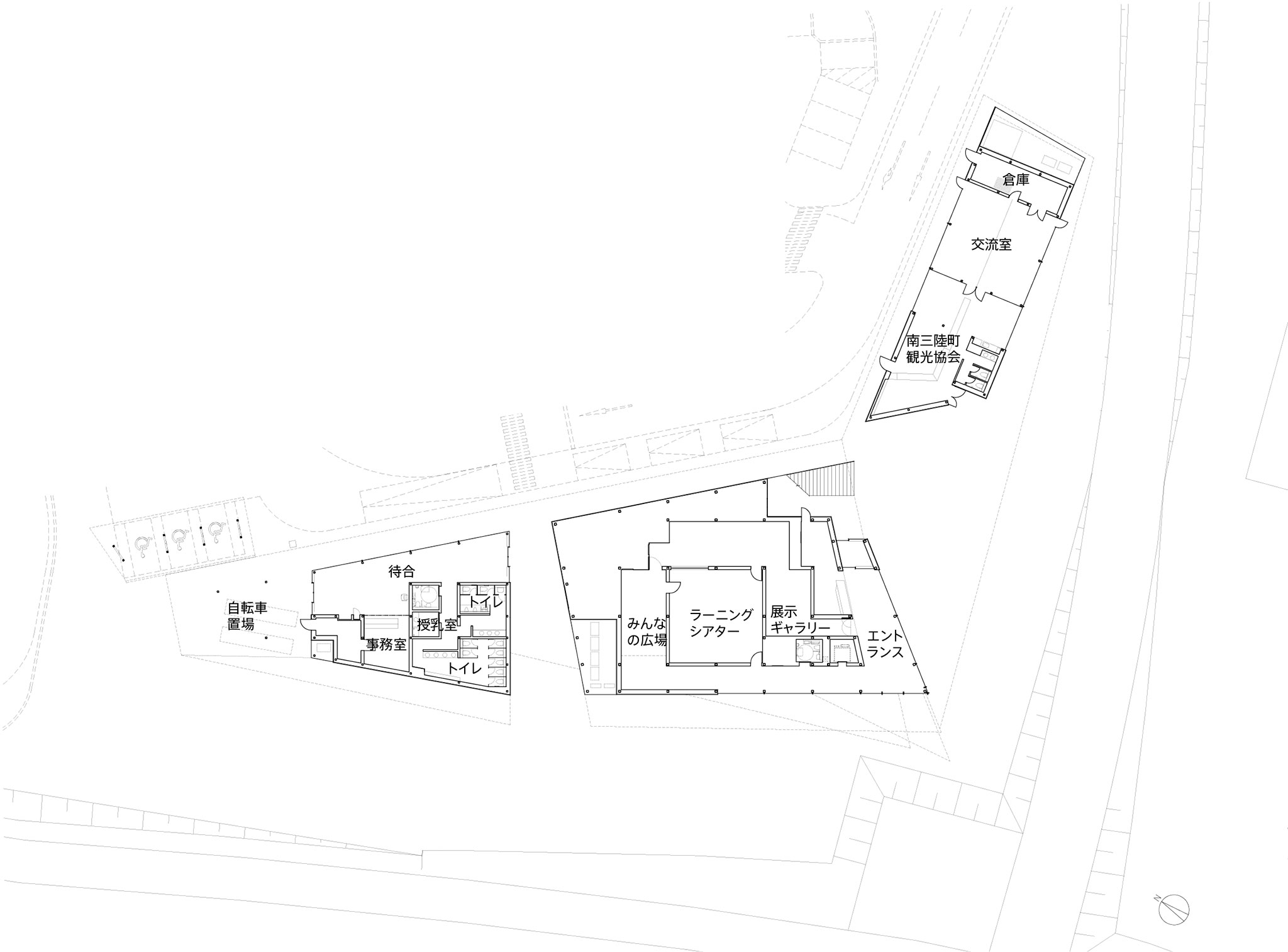
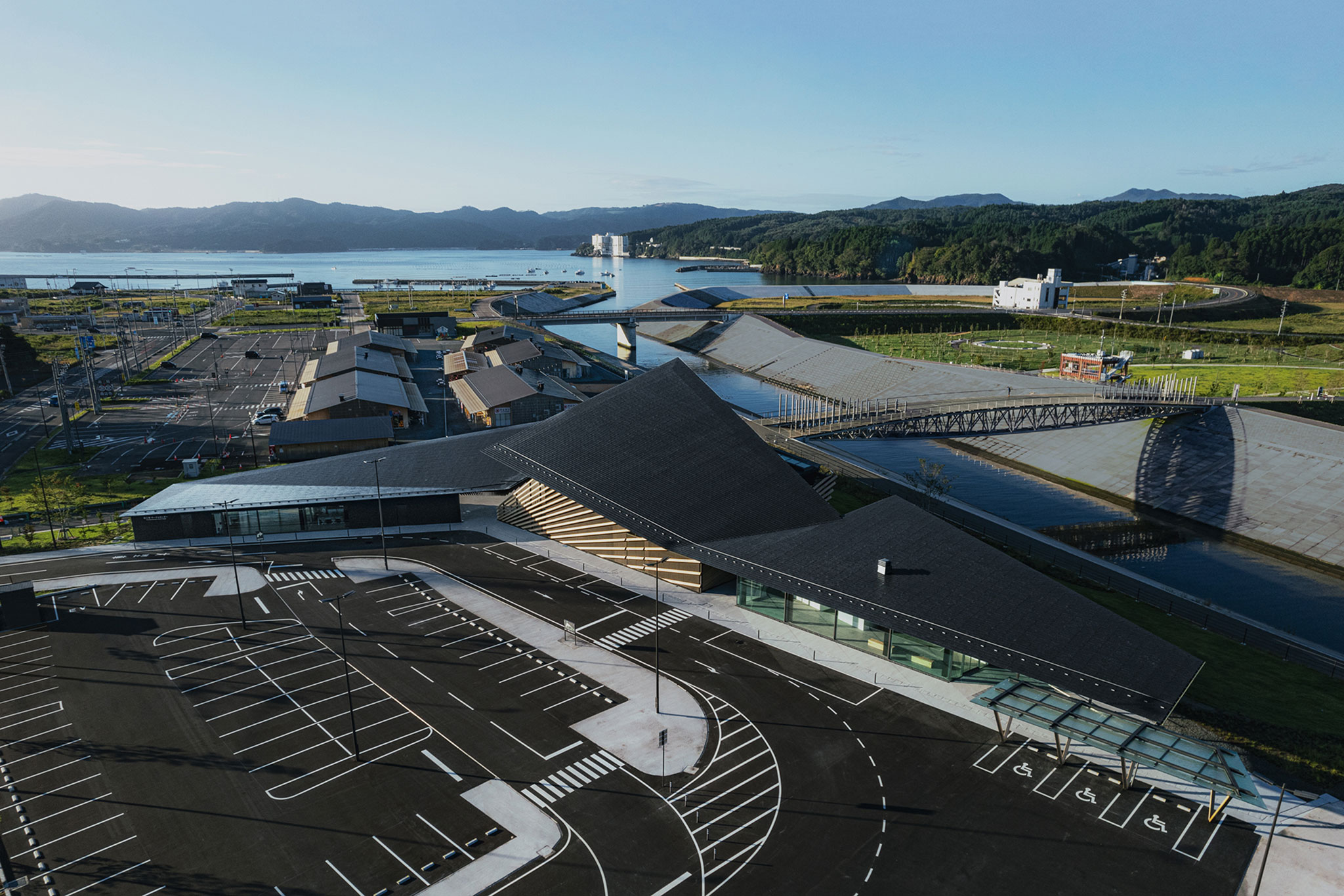
The building was planned to serve as a hole to draw people in, with the East-West axis going from the ocean through this hole along the shopping street to the mountains, and the North-South axis going from the Disaster Memorial Park across the Nakabashi Bridge to Kaminoyama Hachimangu Shrine. It was designed to have an appearance that resembles a sacred Torii gate.

The outer wall of this gate is covered with louvers made from Minamisanriku cedar, and a perspective effect that makes it feel like you are being pulled into a hole has been achieved by arranging the louvers radially from the vanishing point according to the principle of perspective.
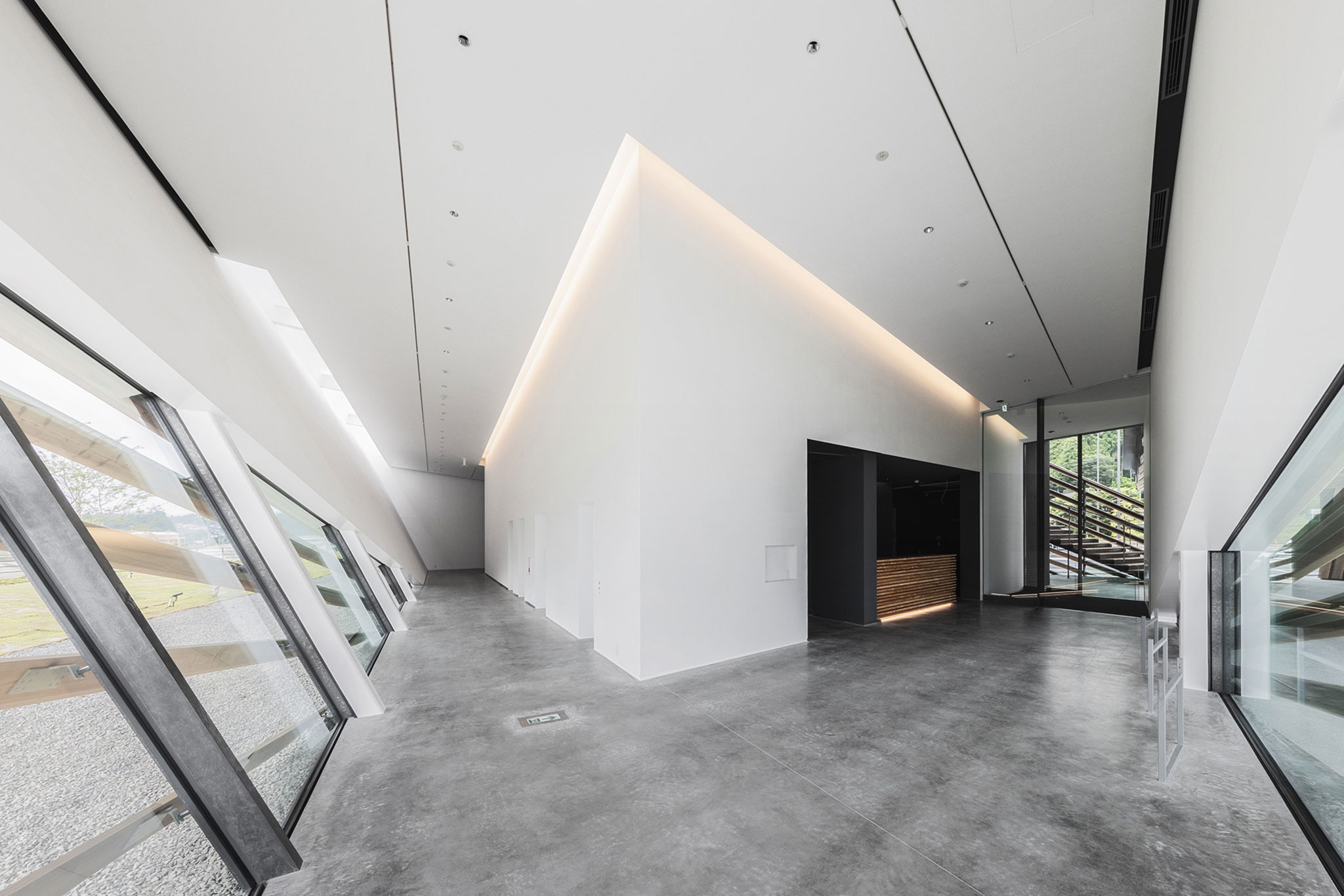
Memorial Minamisanriku 311 por KKAA. Fotografía por Keishin Horikoshi・Kosuke Nakao/SS Tokyo.
Minamisanriku 311 Memorial by KKAA. Photograph by Keishin Horikoshi・Kosuke Nakao/SS Tokyo.

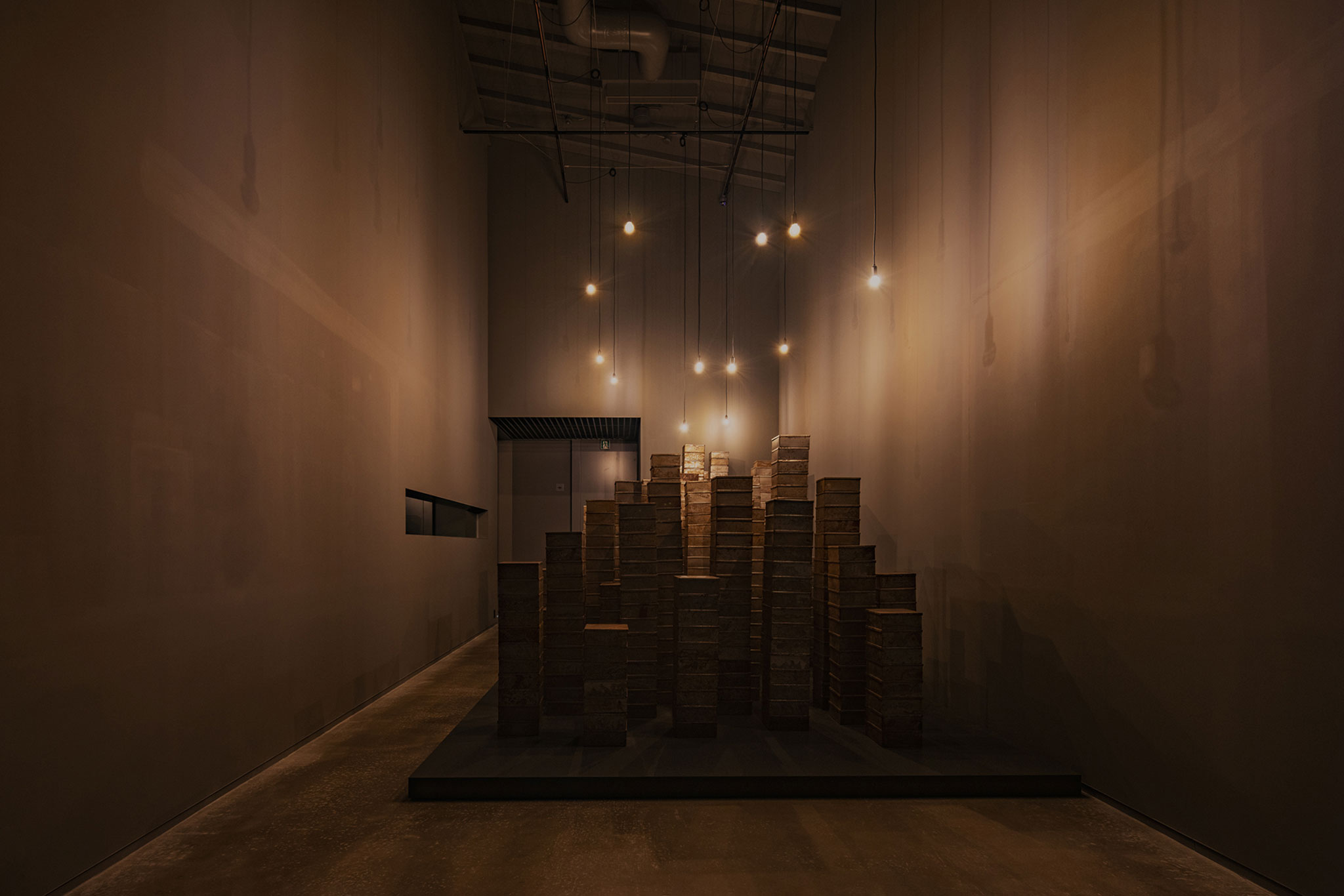
In addition to various items that convey memories of the disaster, the work entitled MEMORIAL by Christian Boltanski which was inspired by the disaster, as well as a group of works by young artists from the Tokyo University of Arts who experienced the disaster, are on display inside the Memorial.
More information

Label
Architects
+ + copy Created with Sketch.
- + copy Created with Sketch.
Label
Project team
Text

Toshiki Meijo, Kosuke Tanaka, Hiroyasu Imai.

+ + copy Created with Sketch.
- + copy Created with Sketch.
Label
Collaborators
Text

Structure.- Oak Structural Design. 
Facility.- P.T.Morimura & Associates.
Accumulation.- Futaba Quantity Surveyors. 

+ + copy Created with Sketch.
- + copy Created with Sketch.
Label
Builder
Text

Yamasho Kensetsu.

+ + copy Created with Sketch.
- + copy Created with Sketch.
Label
Area
Text

1,433 sqm.

+ + copy Created with Sketch.
- + copy Created with Sketch.
+ + copy Created with Sketch.
- + copy Created with Sketch.

Kengo Kuma was born in Yokohama (Kanagawa, Japan) in 1954. He studied architecture at the University of Tokyo, finishing his degree in 1979. In 1987, he opened the "Spatial Design Studio". In 1990 he founded "Kengo Kuma & Associates" and extended the study to Europe (Paris, France) in 2008. Since 1985 and until 2009, has taught as a visiting professor and holder at the universities of Columbia, Keio, Illinois and Tokyo.

Notable projects include Japan National Stadium (2019), V&A Dundee (2019), Odunpazari Modern Art Museum (2019), and The Suntory Museum of Art (2007).

Kengo Kuma proposes architecture that opens up new relationships between nature, technology, and human beings. His major publications include Zen Shigoto(The complete works, Daiwa S hobo)Ten Sen Men (“point, line, plane”, IwanamiShoten), Makeru Kenchiku (Architecture of Defeat, Iwanami Shoten), Shizen na Kenchiku(Natural Architecture, Iwanami Shinsho), Chii sana Kenchiku (Small Architecture, IwanamiShinsho) and many others.

Main Awards:

· 2011 The Minister of Education, Culture, Sports, Science and Technology's Art Encouragement Prize for "Yusuhara Wooden Bridge Museum."
· 2010 Mainichi Art Award for “Nezu Museum.”
· 2009 "Decoration Officier de L'Ordre des Arts et des Lettres" (France).
· 2008 Energy Performance + Architecture Award (France). Bois Magazine International Wood Architecture Award (France).
· 2002 Spirit of Nature Wood Architecture Award (Finland).
· 2001 Togo Murano Award for “Nakagawa-machi Bato Hiroshige Museum.”
· 1997 Architectural Institute of Japan Award for “Noh Stage in the Forest”. First Place, AIA DuPONT Benedictus Award for “Water/Glass” (USA).

Read more
Published on: April 29, 2026
Cite:
metalocus, ELVIRA PARÍS FERNÁNDEZ
"Absorbing perspective. Minamisanriku 311 Memorial by Kengo Kuma" METALOCUS. Accessed
<https://www.metalocus.es/en/news/absorbing-perspective-minamisanriku-311-memorial-kengo-kuma> ISSN 1139-6415
Loading content ...
Loading content ...
Loading content ...
Loading content ...
Loading content ...
Loading content ...
Loading content ...
Loading content ...
Loading content ...
Loading content ...
Loading content ...
Loading content ...
Loading content ...
Loading content ...
Loading content ...
Loading content ...
Loading content ...
Loading content ...
Loading content ...
Loading content ...
Loading content ...
Loading content ...
Loading content ...
Loading content ...
Loading content ...
Loading content ...
Loading content ...
Loading content ...
Loading content ...
Loading content ...
Loading content ...
Loading content ...
Loading content ...
Loading content ...
Loading content ...
Loading content ...
Loading content ...
Loading content ...
Loading content ...
Loading content ...
Loading content ...
Loading content ...
Loading content ...
Loading content ...
Loading content ...
Loading content ...
Loading content ...
Loading content ...
Loading content ...
Loading content ...
Loading content ...
Loading content ...
Loading content ...
Loading content ...