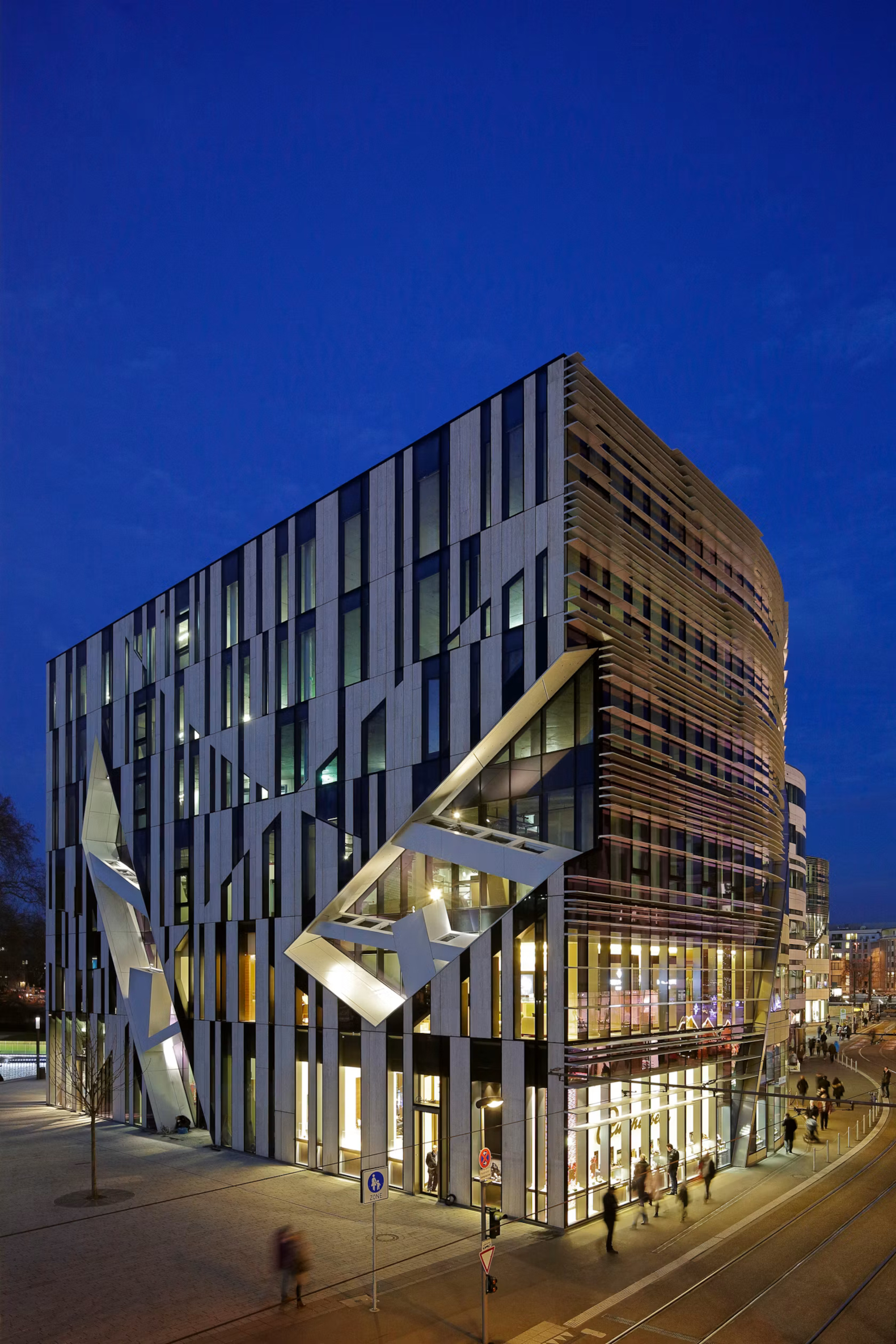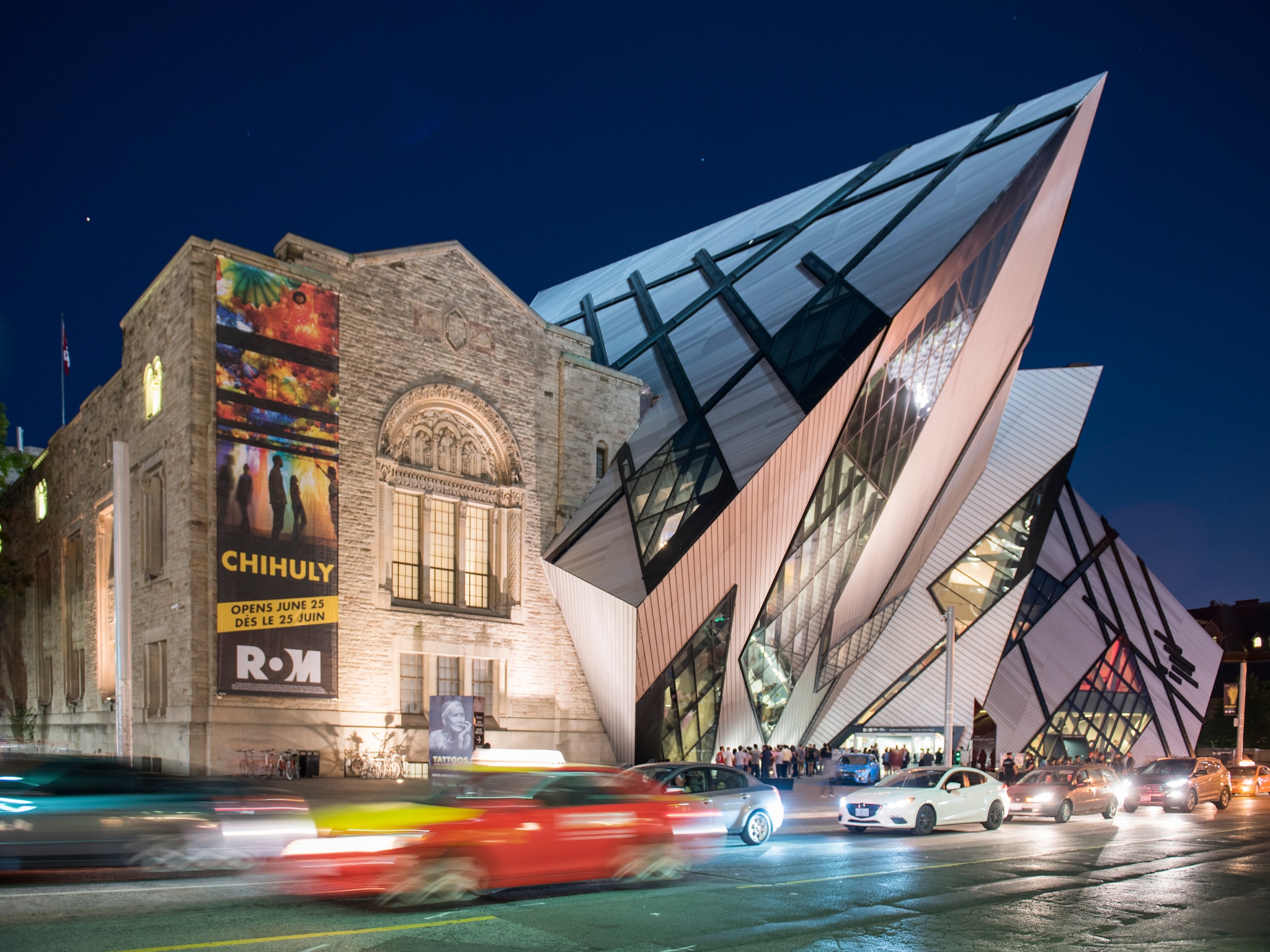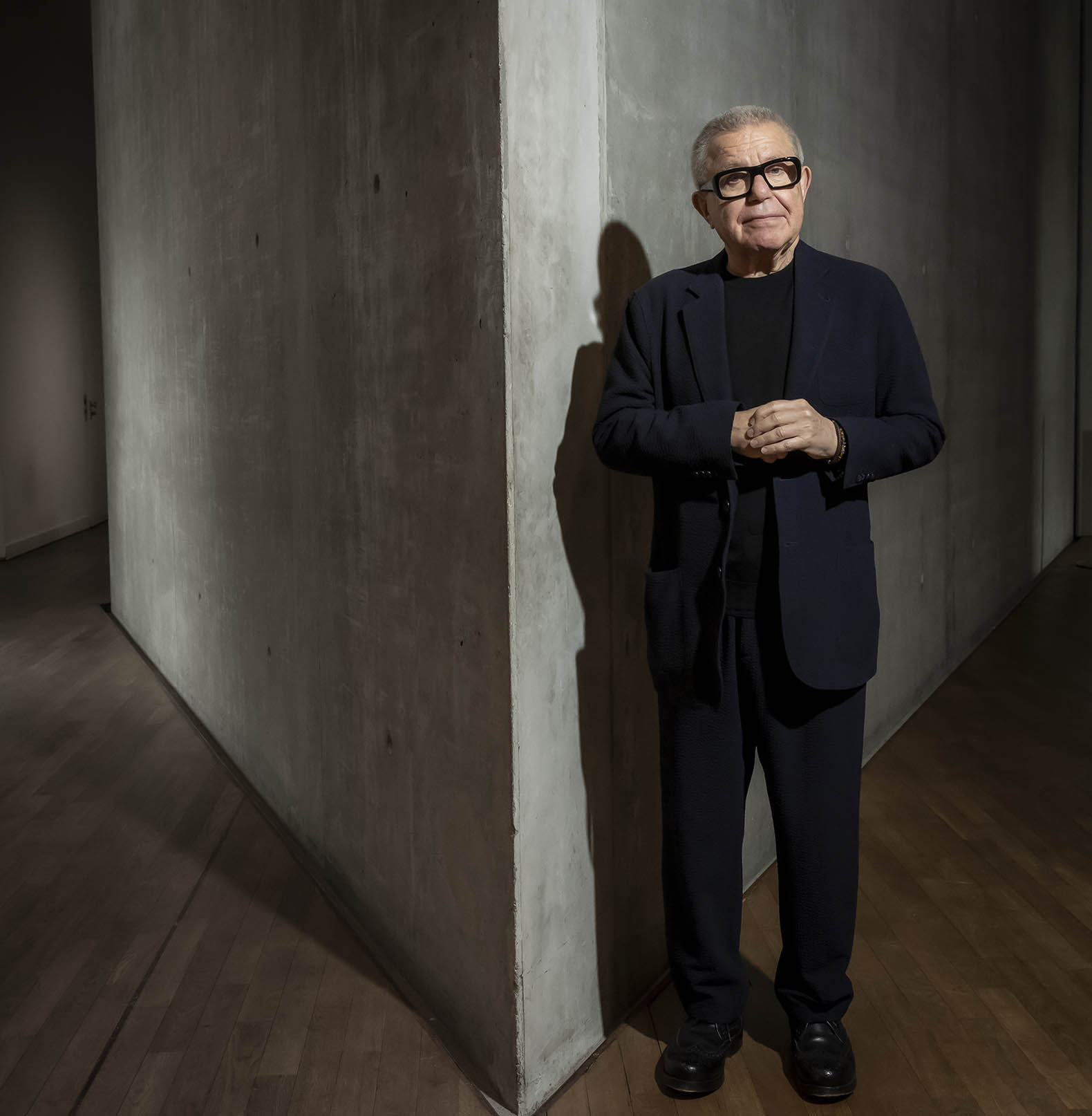
The Japan Art Association has awarded Daniel Libeskind the 2026 Praemium Imperiale for Architecture, recognising a career of nearly five decades and, in particular, a body of work consistently shaped by questions of memory, history, and the role of architecture in making both visible.

Libeskind follows Eduardo Souto de Moura (2025), Shigeru Ban (2024), Diébédo Francis Kéré (2023), Kazuyo Sejima and Ryue Nishizawa / SANAA (2022), and Glenn Murcutt (2021) in the Architecture category, a recent sequence that reflects very different positions within the discipline. Earlier laureates include Rafael Moneo, who received the Praemium Imperiale in 2017.

The award is part of the 37th edition of the Praemium Imperiale, whose laureates were announced simultaneously on September 8 in Tokyo, Paris, Rome, Berlin, New York, and London. Jenny Holzer was awarded the prize for Painting, Andy Goldsworthy for Sculpture, Herbert Blomstedt for Music, and Cate Blanchett for Theatre/Film.

Established by the Japan Art Association in 1988, the Praemium Imperiale recognises not only achievement within each discipline, but also the international influence of a body of work and its contribution to society. The prize originated from the idea that the arts can contribute to dialogue and mutual understanding across cultural and geographical boundaries.
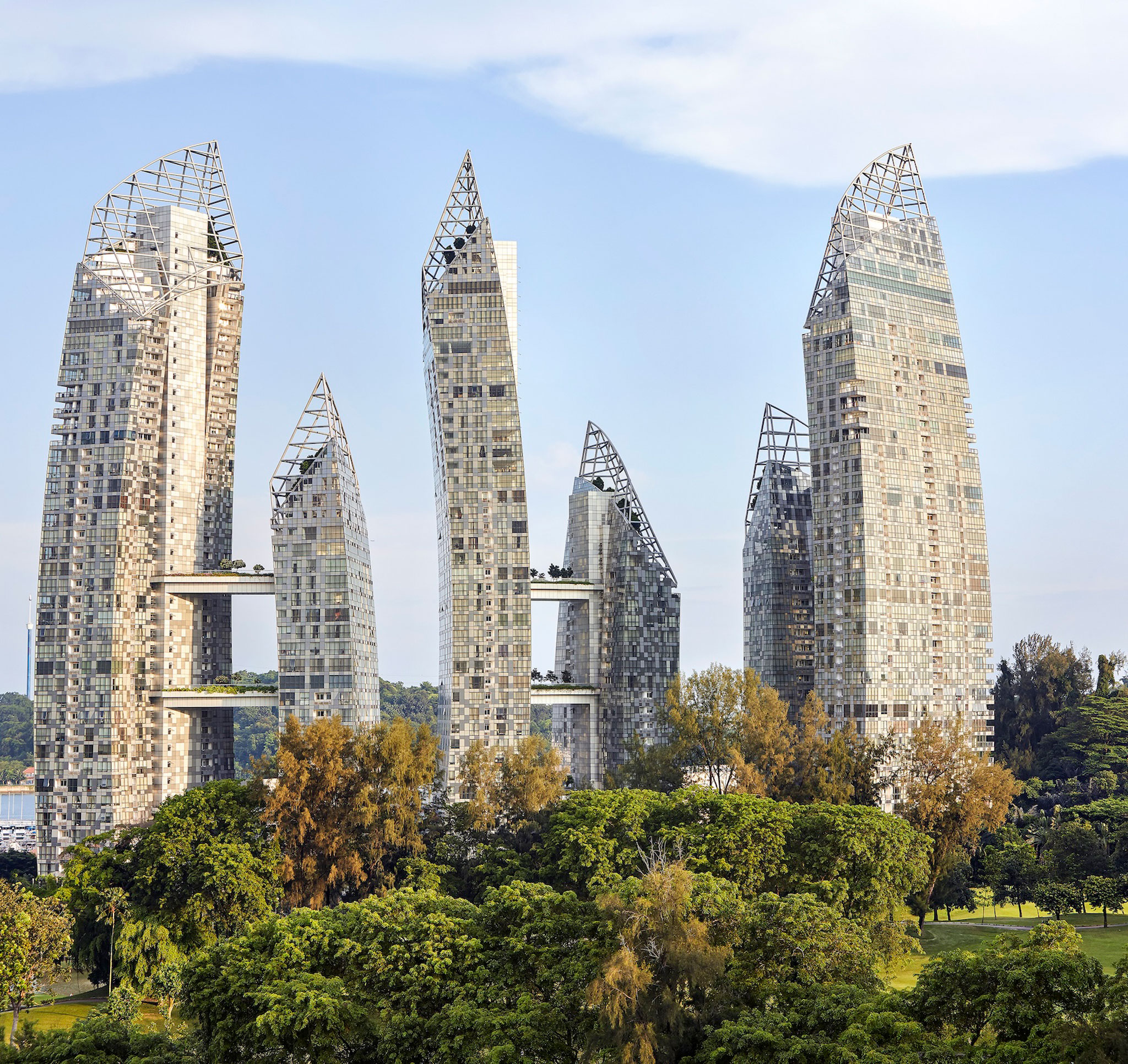
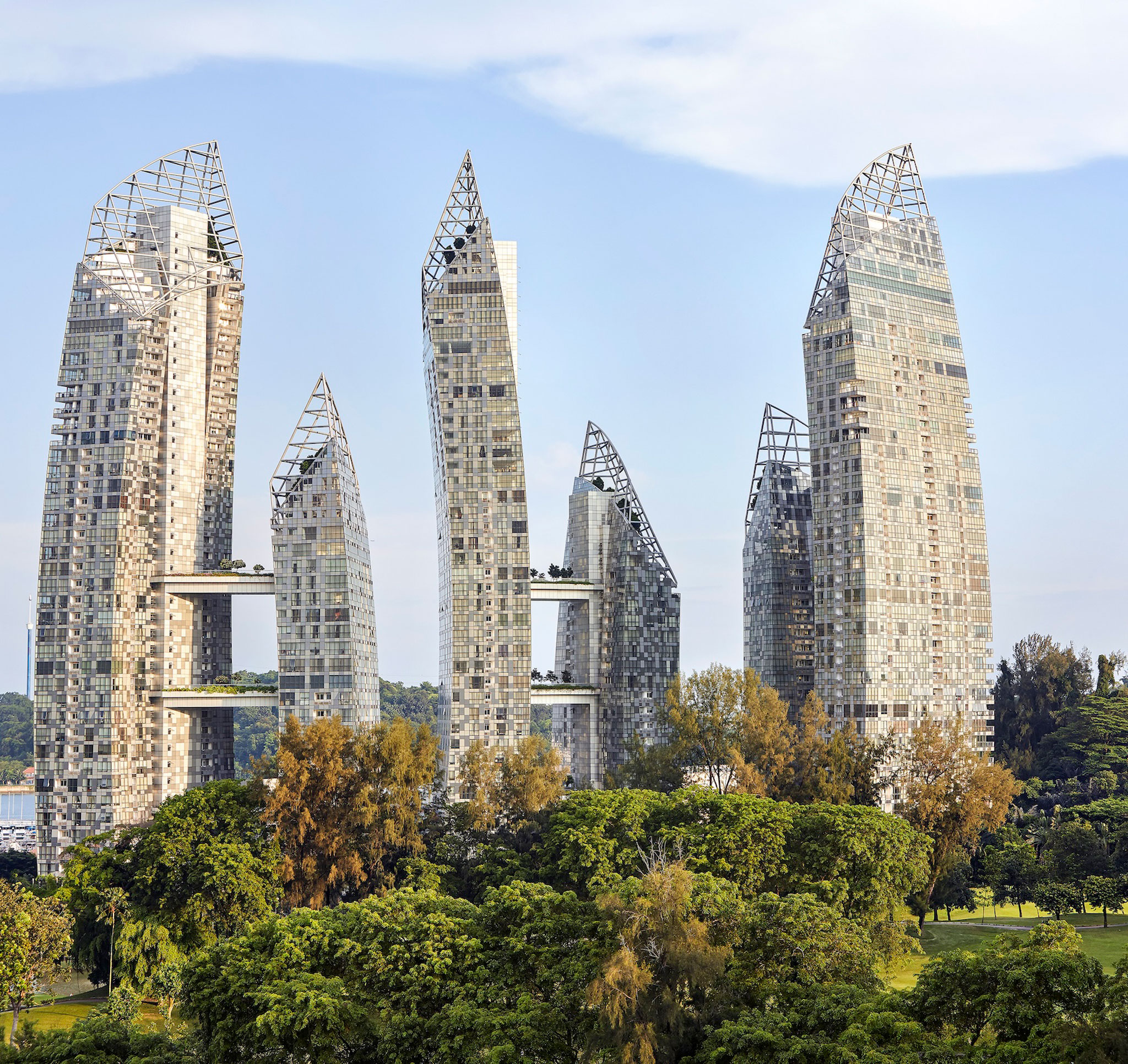
Reflections at Keppel Bay, Singapore, 2011. Courtesy of Hufton+Crow.

Reflections at Keppel Bay, Singapore, 2011. Courtesy of Hufton+Crow.

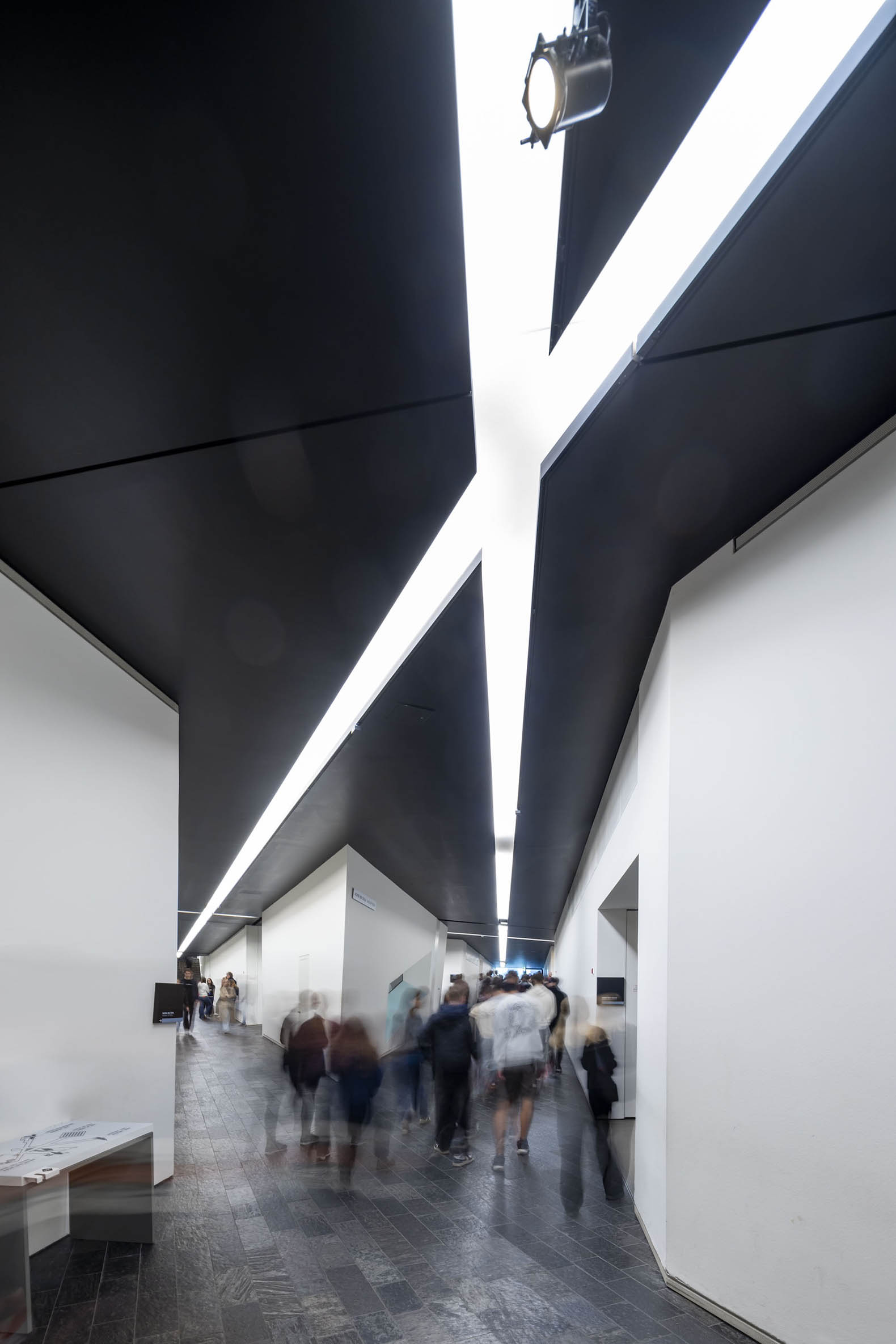
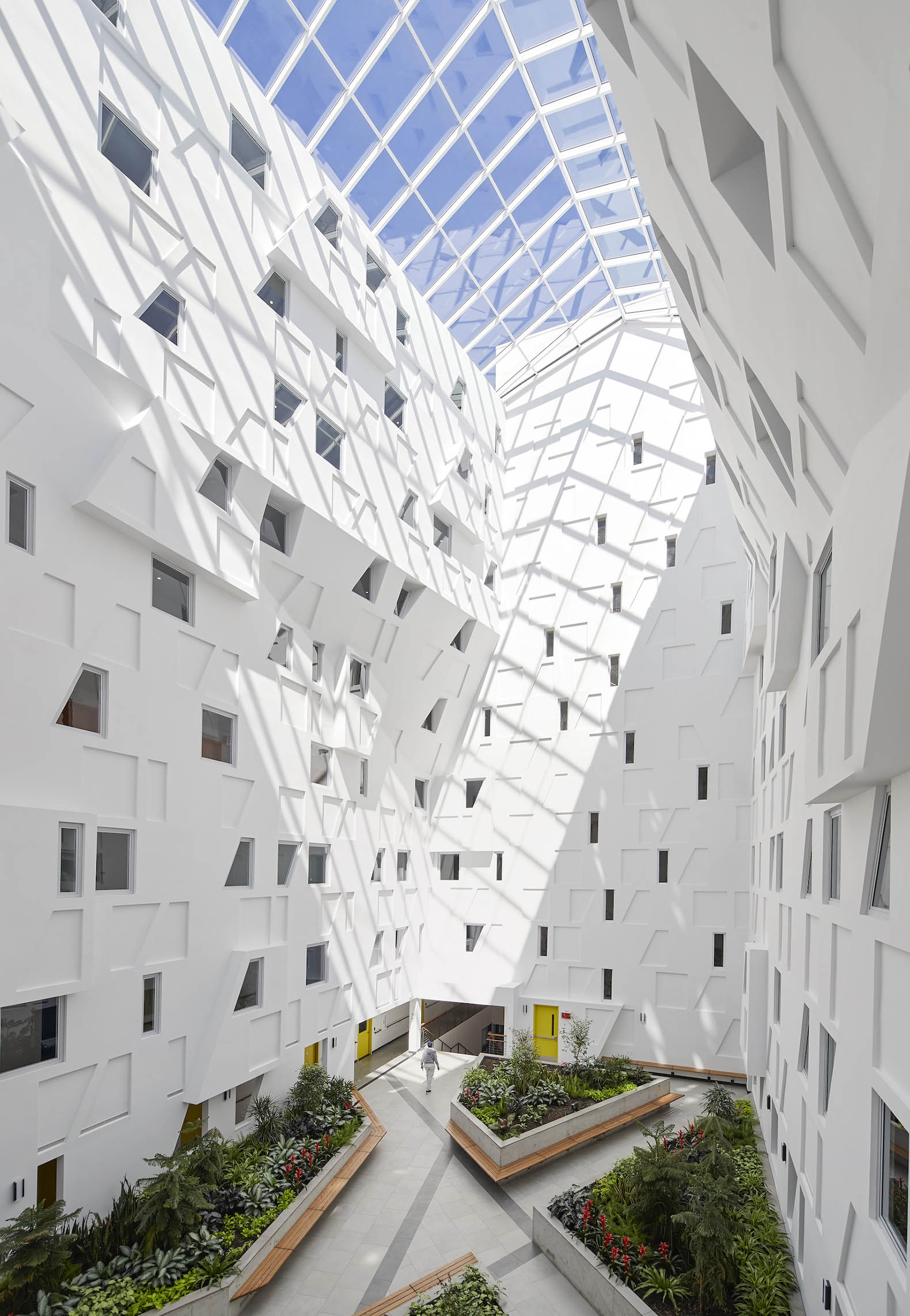
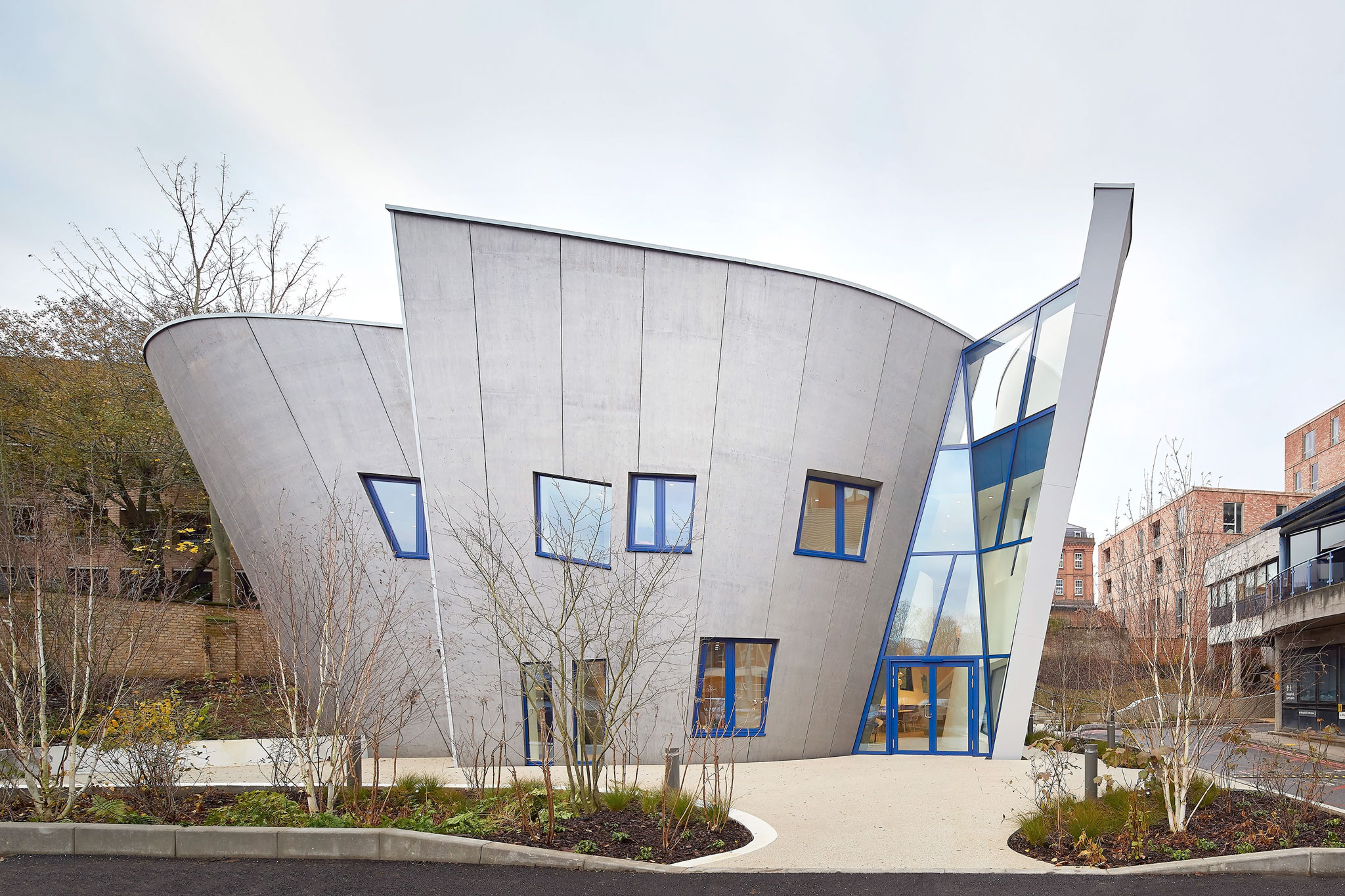
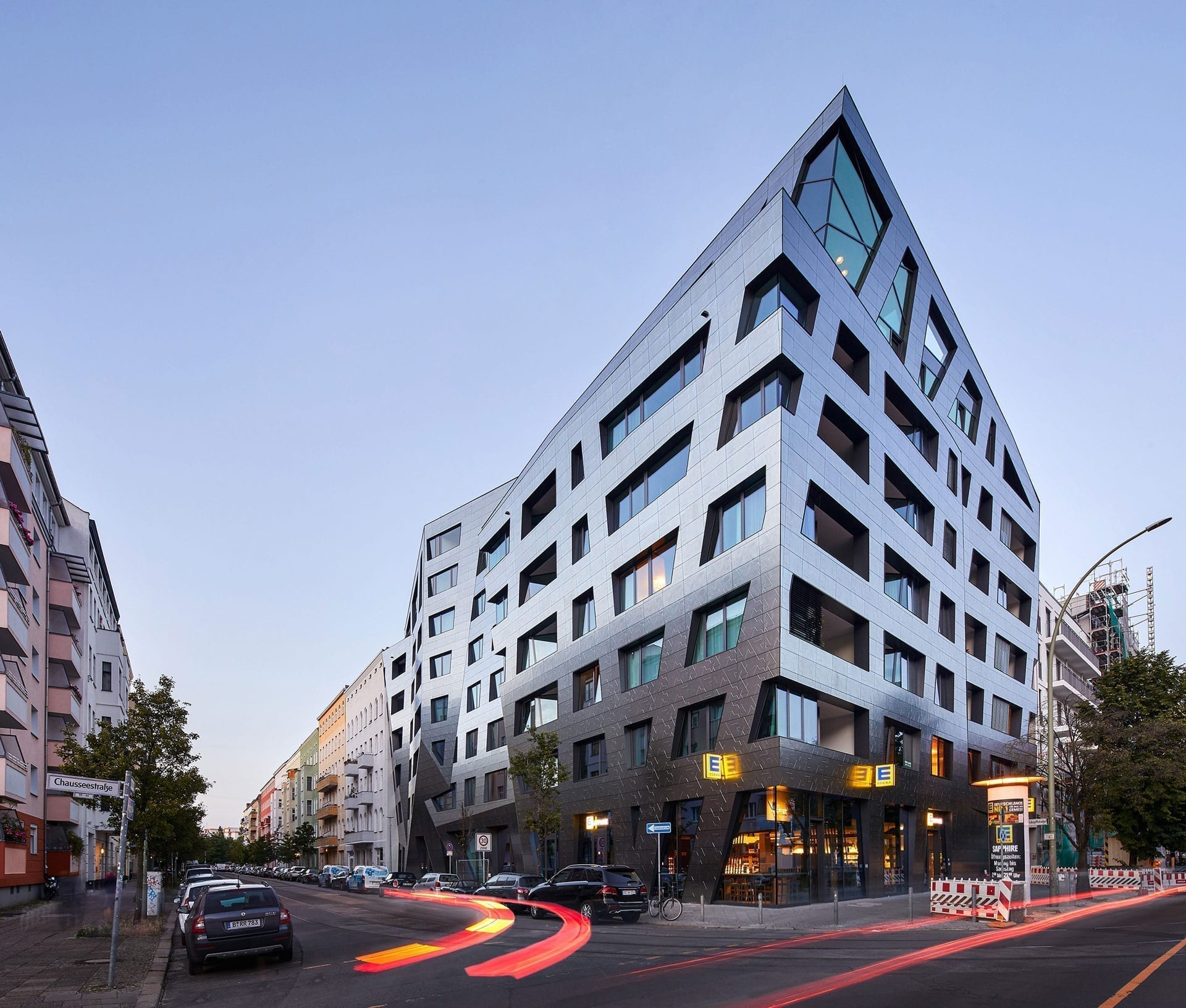
Within this context, Libeskind’s work can be read beyond the angular geometries with which it is often associated. Void, fracture, absence, and memory recur throughout projects in which architecture becomes a means of confronting history rather than simply representing it.

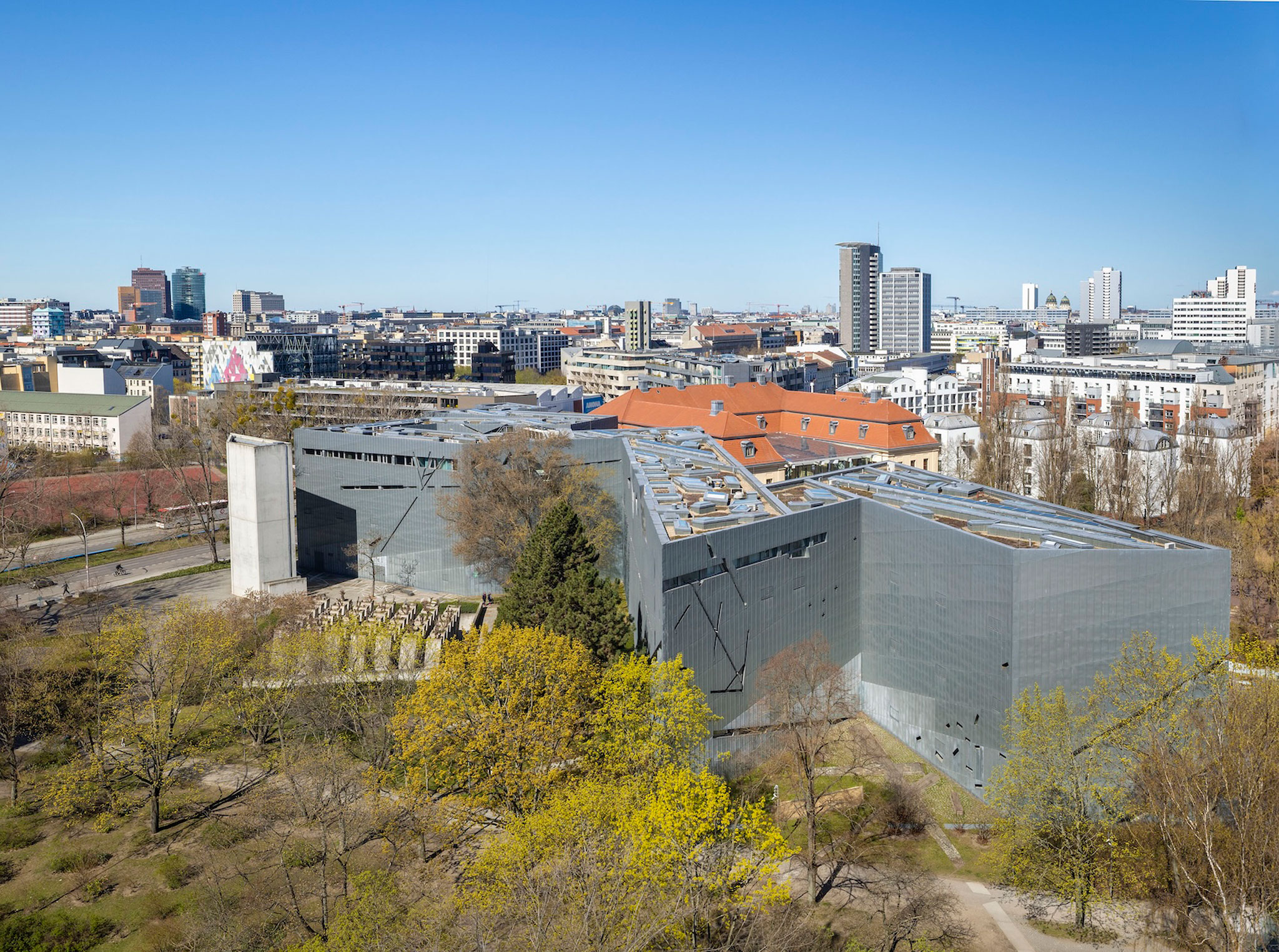
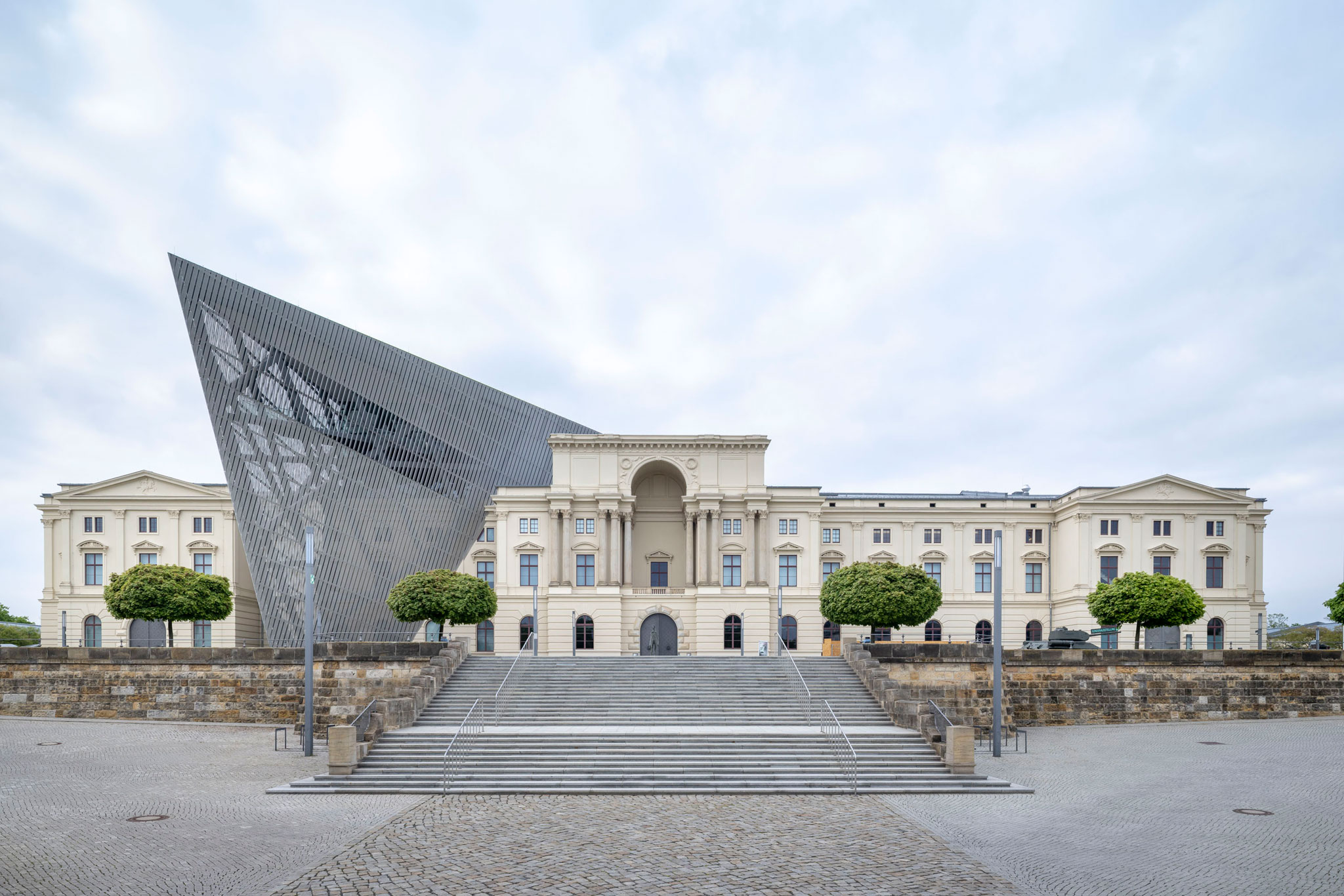
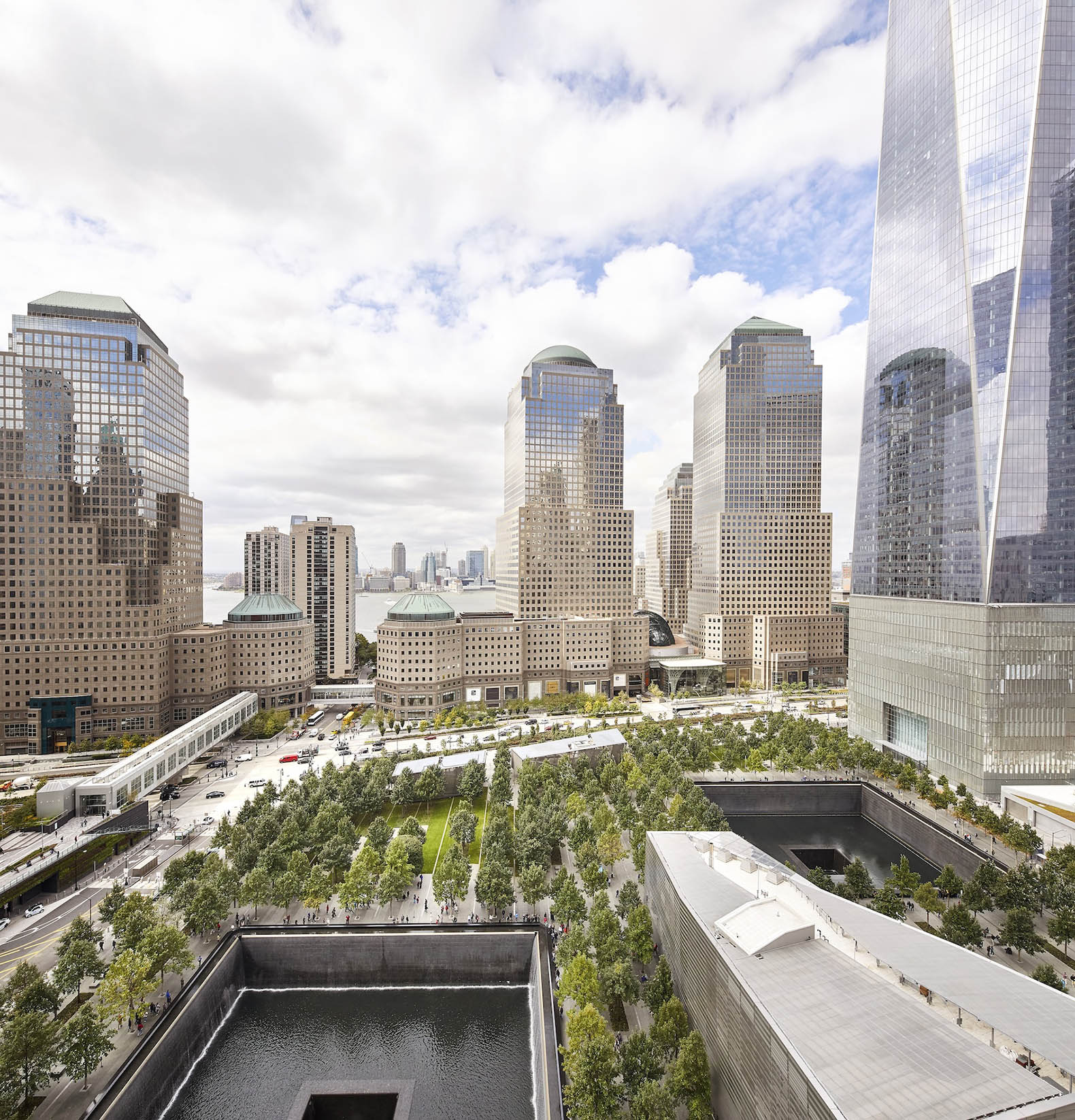
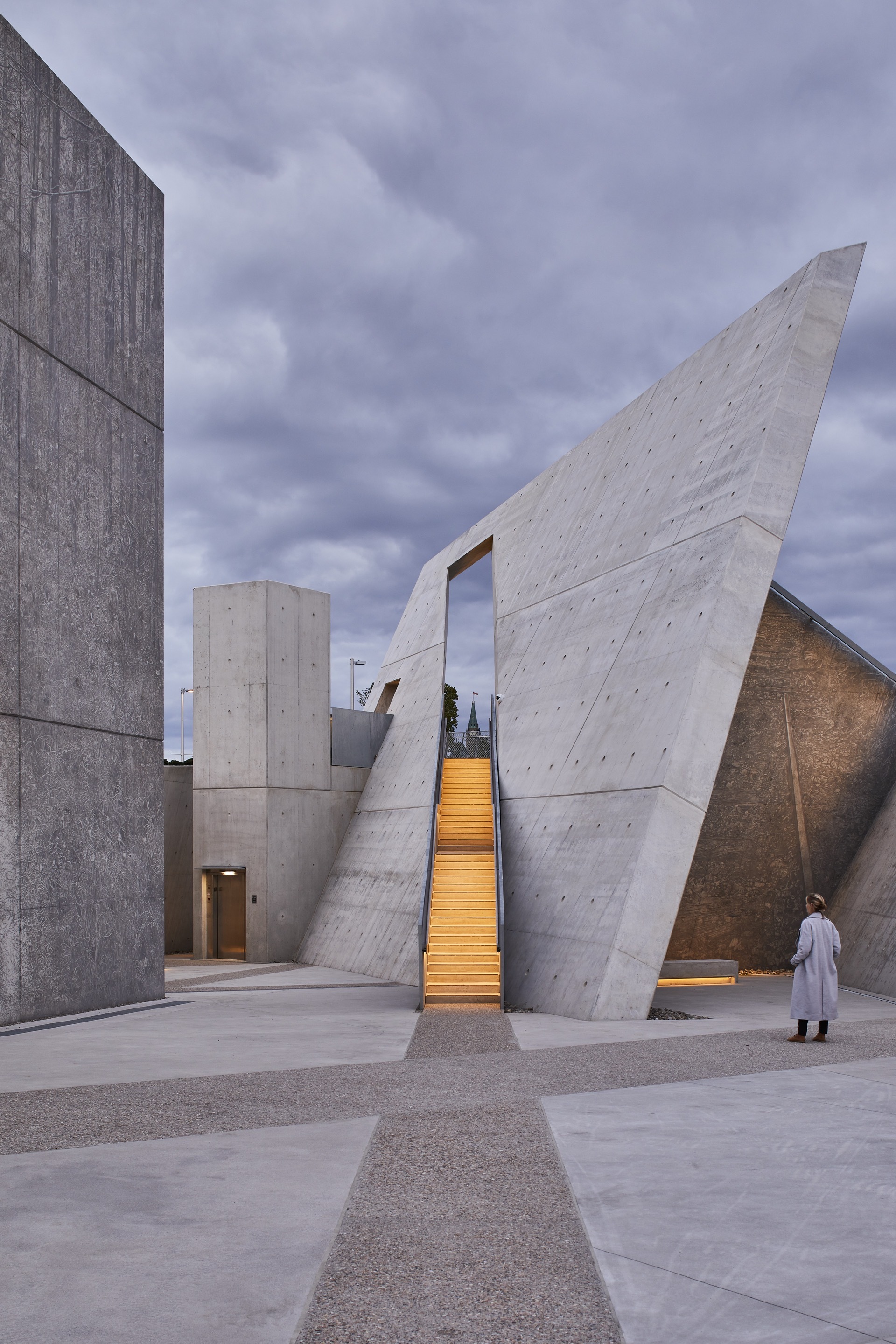
The Jewish Museum Berlin, opened in 2001, brought this approach to international attention. It was followed by works such as the Military History Museum in Dresden, the National Holocaust Monument in Ottawa, and the master plan for the reconstruction of the World Trade Center site in New York, projects in which architecture, collective memory, and public space intersect.
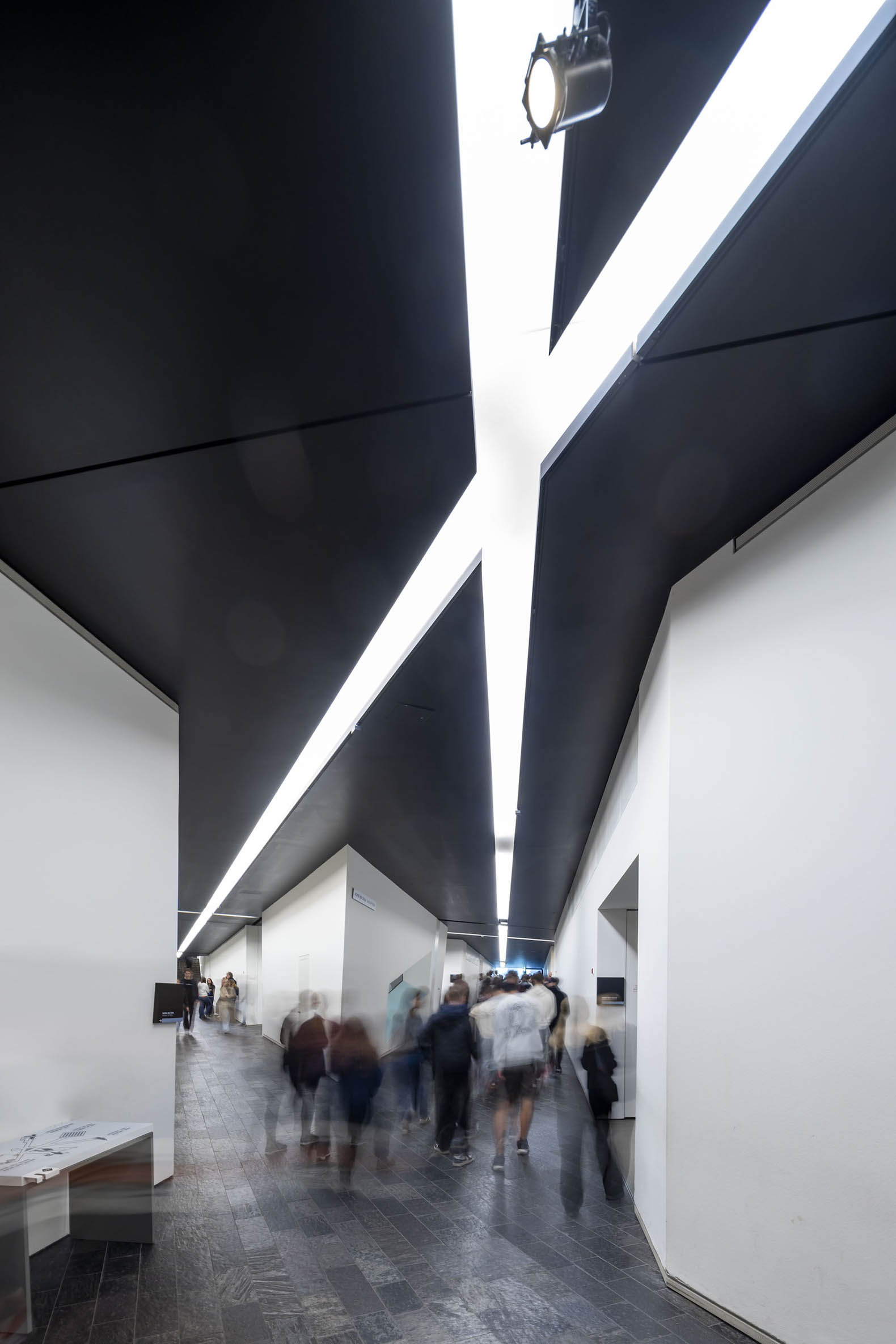
Jewish Museum Berlin, Germany, 2001. Photograph by Roland Horn. Courtesy of The Japan Art Association.

Jewish Museum Berlin, Germany, 2001. Photograph by Roland Horn. Courtesy of The Japan Art Association.

Born in Łódź, Poland, in 1946, Libeskind emigrated to the United States with his family during his adolescence. After an early musical education, he turned to architecture and founded his studio in Berlin in 1989, following his competition win for the Jewish Museum. The practice moved its headquarters to New York in 2003 after Libeskind was selected to develop the master plan for Ground Zero.

The Praemium Imperiale thus recognises not only a highly identifiable architectural language, but a position sustained over several decades: architecture as a way of addressing memory, narrating history, and taking a critical position towards it.

Libeskind will receive the award medal on October 28 in Tokyo, presented by Prince Hitachi, Honorary Patron of the Japan Art Association. Each laureate also receives 15 million yen. The following day, Libeskind will give a commemorative lecture in Tokyo.
More information

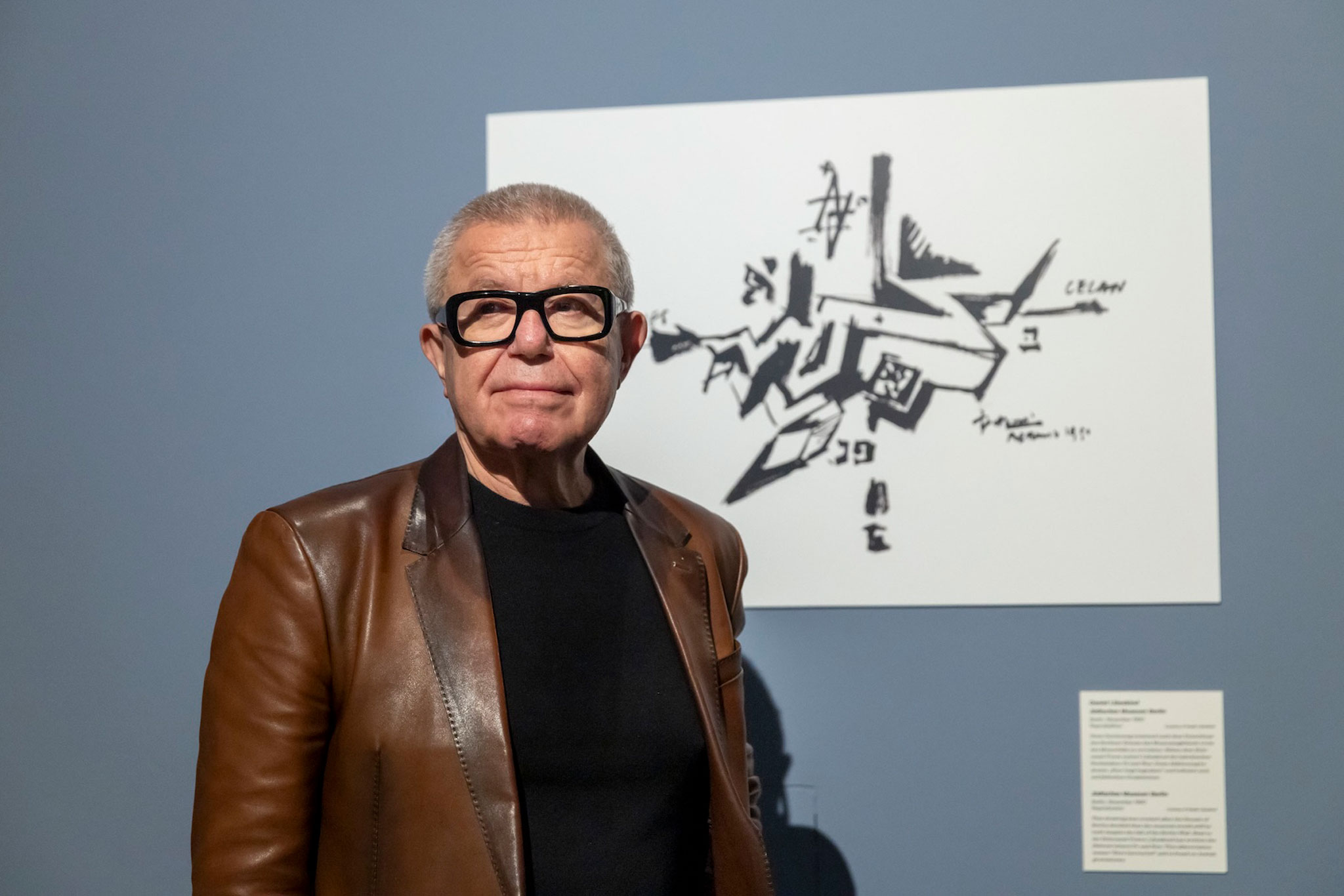
Daniel Libeskind (Łódź, Poland, 12 May 1946) is an American architect and urban planner of Polish-Jewish descent. The son of Holocaust survivors, he emigrated with his family to the United States as a teenager and settled in the Bronx. Memory, history and absence are recurring themes in a body of work also shaped by his longstanding interest in music, philosophy and literature.

Libeskind initially trained as a musician. He studied in New York and Israel on a scholarship from the American-Israel Cultural Foundation and reached a high level as a performer before turning to architecture. In 1970, he graduated from Cooper Union for the Advancement of Science and Art in New York and, in 1972, completed postgraduate studies in History and Theory of Architecture at the School of Comparative Studies, University of Essex.

In 1989, he founded Studio Libeskind in Berlin after winning the competition to design the city's Jewish Museum. Opened in 2001, the building established his international reputation and became one of his most representative works. In 2003, after being selected as master planner for the reconstruction of the World Trade Center site in New York, the studio relocated its principal office to the city.

Studio Libeskind has since developed cultural, civic, commercial and residential projects in different countries, including museums, concert halls, convention centres, university buildings, hotels and residential towers. In 2013, Libeskind was also selected to design the Ohio Statehouse Holocaust Memorial in Columbus, Ohio.

His musical background has remained a constant presence in his understanding of architecture and in his interest in rhythm, perception and the physical experience of space. Hand drawing continues to be an essential tool within his design process. Much of his work addresses the relationship between architecture and memory, seeking to translate historical events and collective experiences into spatial and material form.

Alongside his professional practice, Libeskind has developed an extensive academic and teaching career. He was the first holder of the Frank O. Gehry Chair at the University of Toronto and has lectured and taught at academic institutions in numerous countries. His work and ideas have been the subject of numerous exhibitions and publications.

Among the distinctions he has received are the Hiroshima Art Prize in 2001 — awarded for the first time to an architect — the Goethe Medal, the Dresden Peace Prize and the European Civil Rights Prize of the Sinti and Roma. In 2011, he delivered the eighth Auschwitz Never Again Lecture in Amsterdam and received the Annetje Fels-Kupferschmidt Award from the Dutch Auschwitz Committee.

In 2018, he published Edge of Order, in which he reflects on his architectural philosophy, creative process and professional career.

Libeskind lives between New York and Berlin with his wife and professional partner, Nina Libeskind. Studio Libeskind maintains its principal office in New York.

Among his current projects is the Albert Einstein Discovery Center in Ulm, Germany, Einstein's birthplace. Conceived to communicate the physicist's scientific discoveries while also addressing his commitment to pacifism, the project extends Libeskind's longstanding interest in the relationships between history, memory and the future.

Read more
Published on: September 9, 2026
Cite:
metalocus, JOSÉ JUAN BARBA
"Daniel Libeskind: 2026 Praemium Imperiale for Architecture" METALOCUS. Accessed
<https://www.metalocus.es/en/news/daniel-libeskind-2026-praemium-imperiale-architecture> ISSN 1139-6415
Loading content ...
Loading content ...
Loading content ...
Loading content ...
Loading content ...
Loading content ...
Loading content ...
Loading content ...
Loading content ...
Loading content ...
Loading content ...
Loading content ...
Loading content ...
Loading content ...
Loading content ...
Loading content ...
Loading content ...
Loading content ...
Loading content ...
Loading content ...
Loading content ...
Loading content ...
Loading content ...
Loading content ...
Loading content ...
Loading content ...
Loading content ...
Loading content ...
Loading content ...
Loading content ...
Loading content ...
Loading content ...
Loading content ...
Loading content ...
Loading content ...
Loading content ...
Loading content ...
Loading content ...
Loading content ...
Loading content ...
Loading content ...
Loading content ...
Loading content ...
Loading content ...
Loading content ...
Loading content ...
Loading content ...
Loading content ...
Loading content ...
Loading content ...
Loading content ...
Loading content ...
Loading content ...
Loading content ...