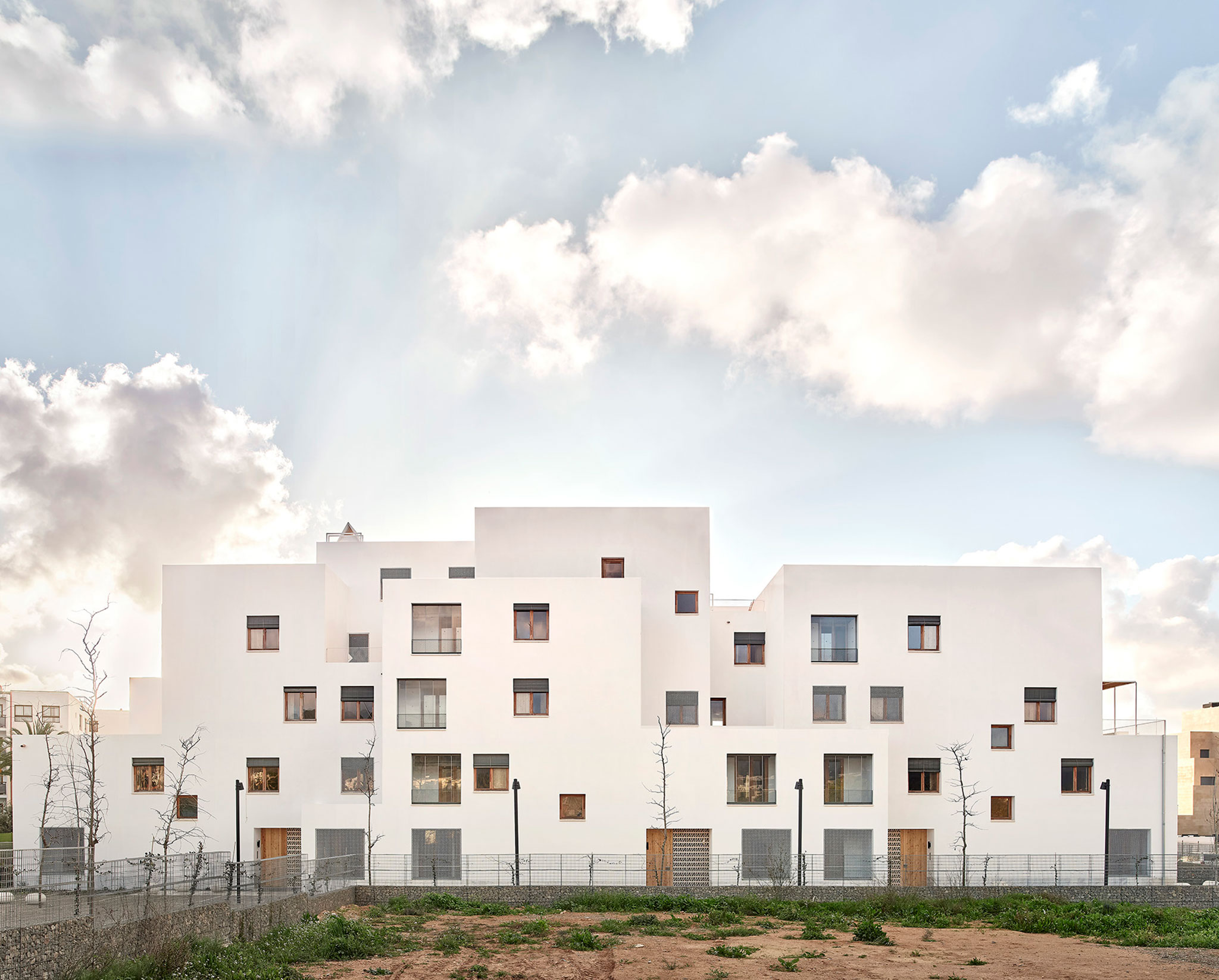
The Balearic Social Housing Model has been recognized for transforming the role of social housing administration in the Balearic Islands between 2019 and 2023. The model was spearheaded by a collaboration between economist Cris Ballester Parets, then managing director of IBAVI (Institut Balear de l’Habitatge), and Carles Oliver Barceló, head of its Technical Department.
Instead of viewing housing solely as the result of a process aimed at building more houses, this model proposes rethinking the entire process: from how it is planned and contracted to how public housing for vulnerable communities is designed, built, and ultimately inhabited.
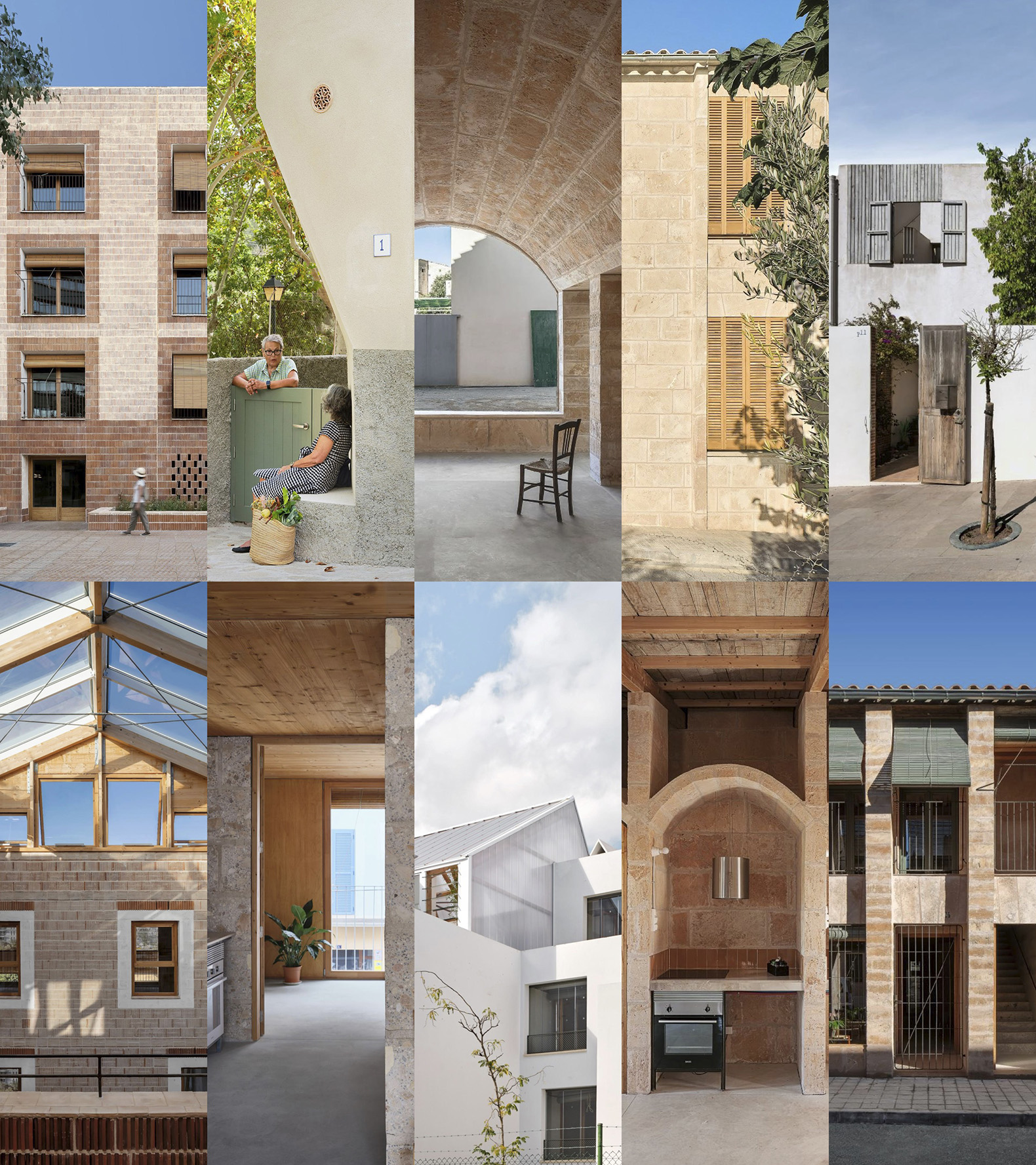
Balearic Social Housing Model is the OBEL Award winner 2026.
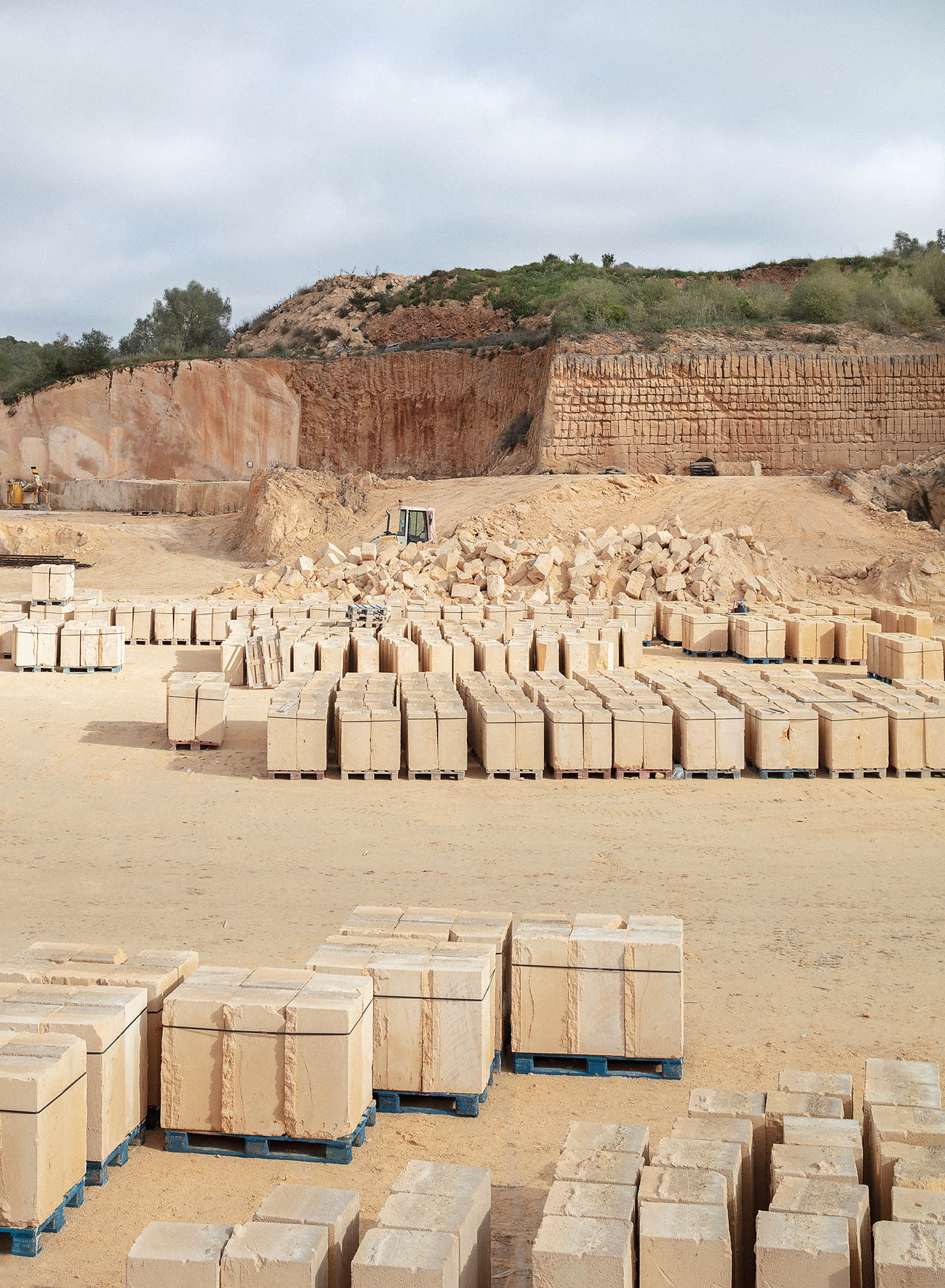
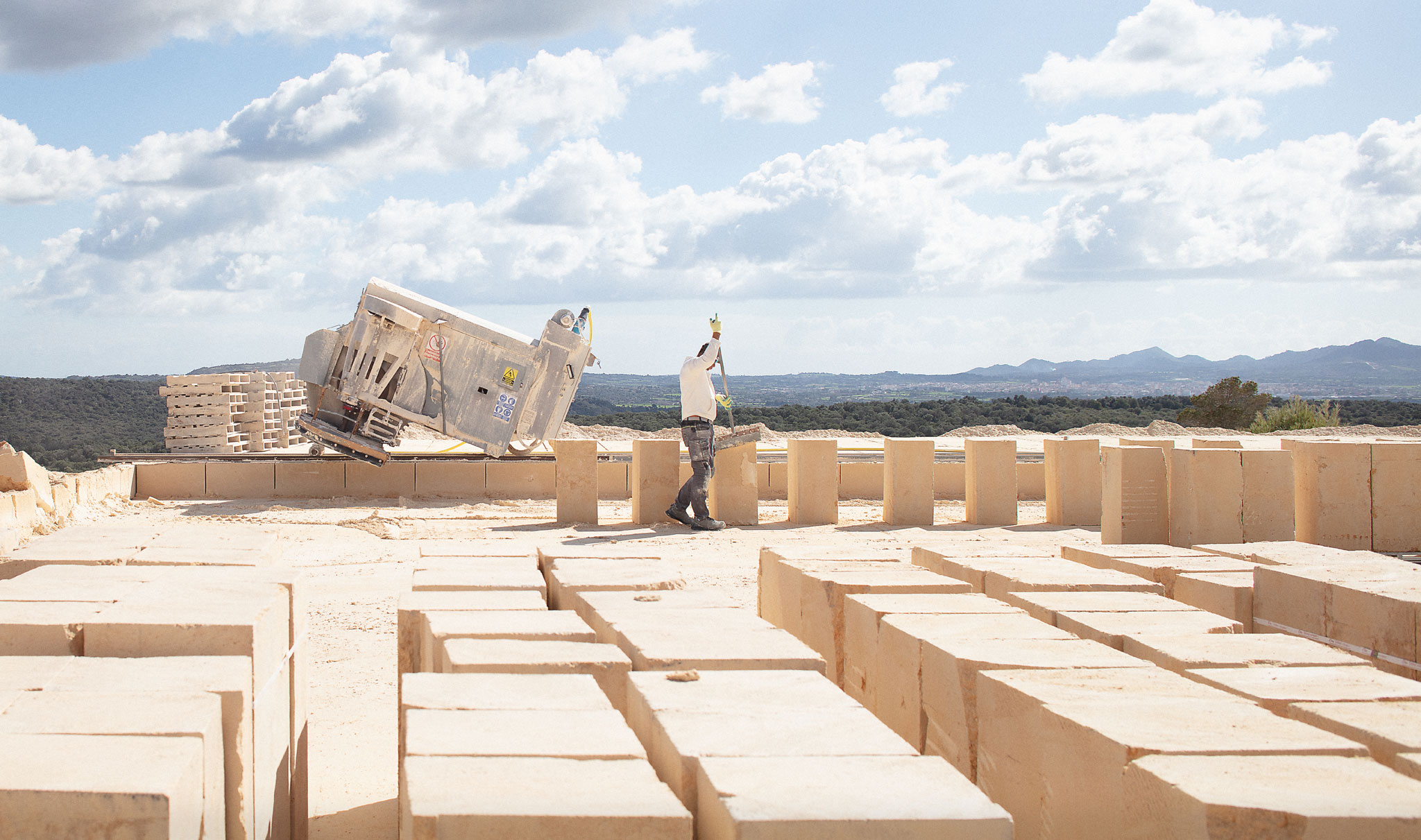
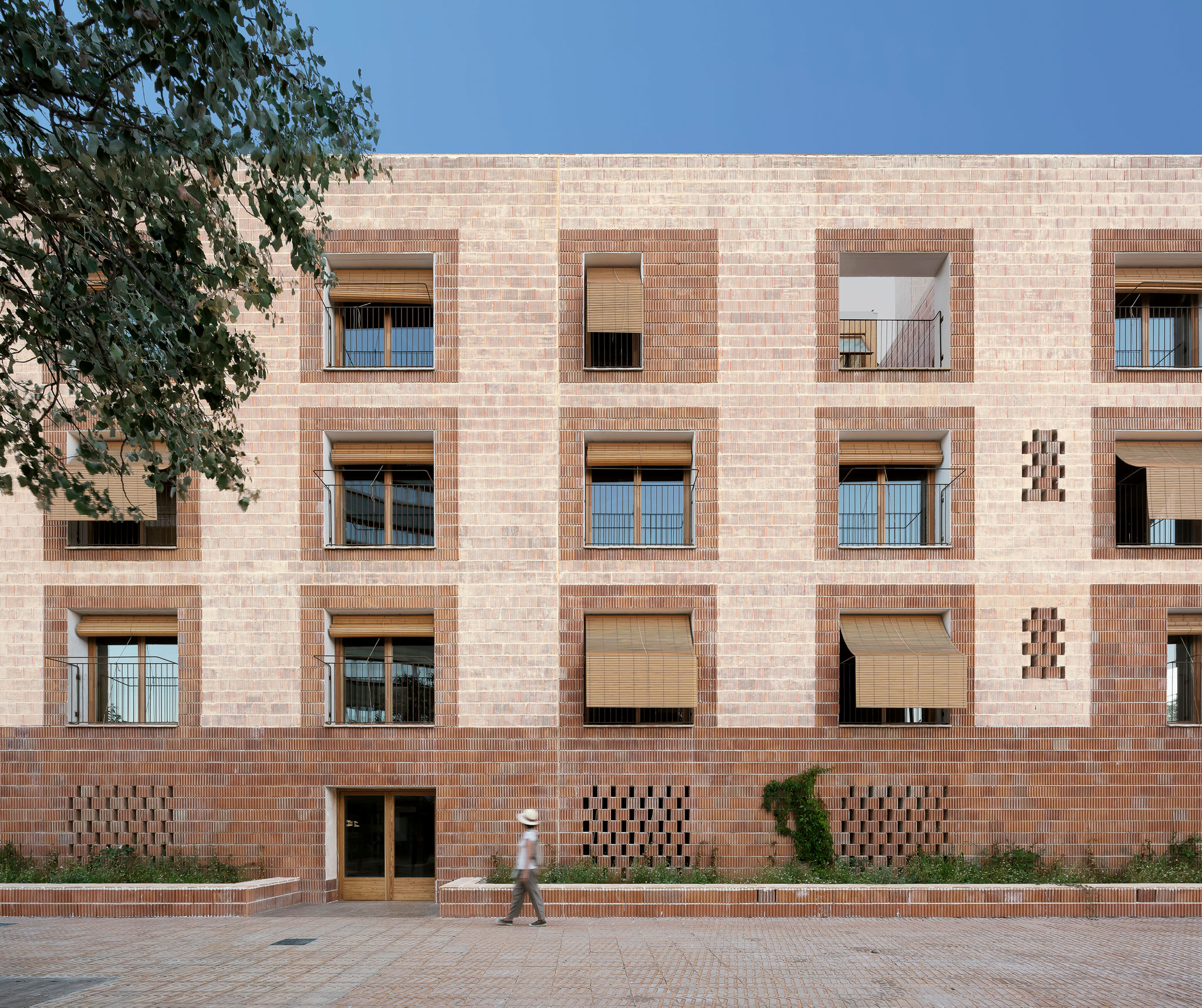
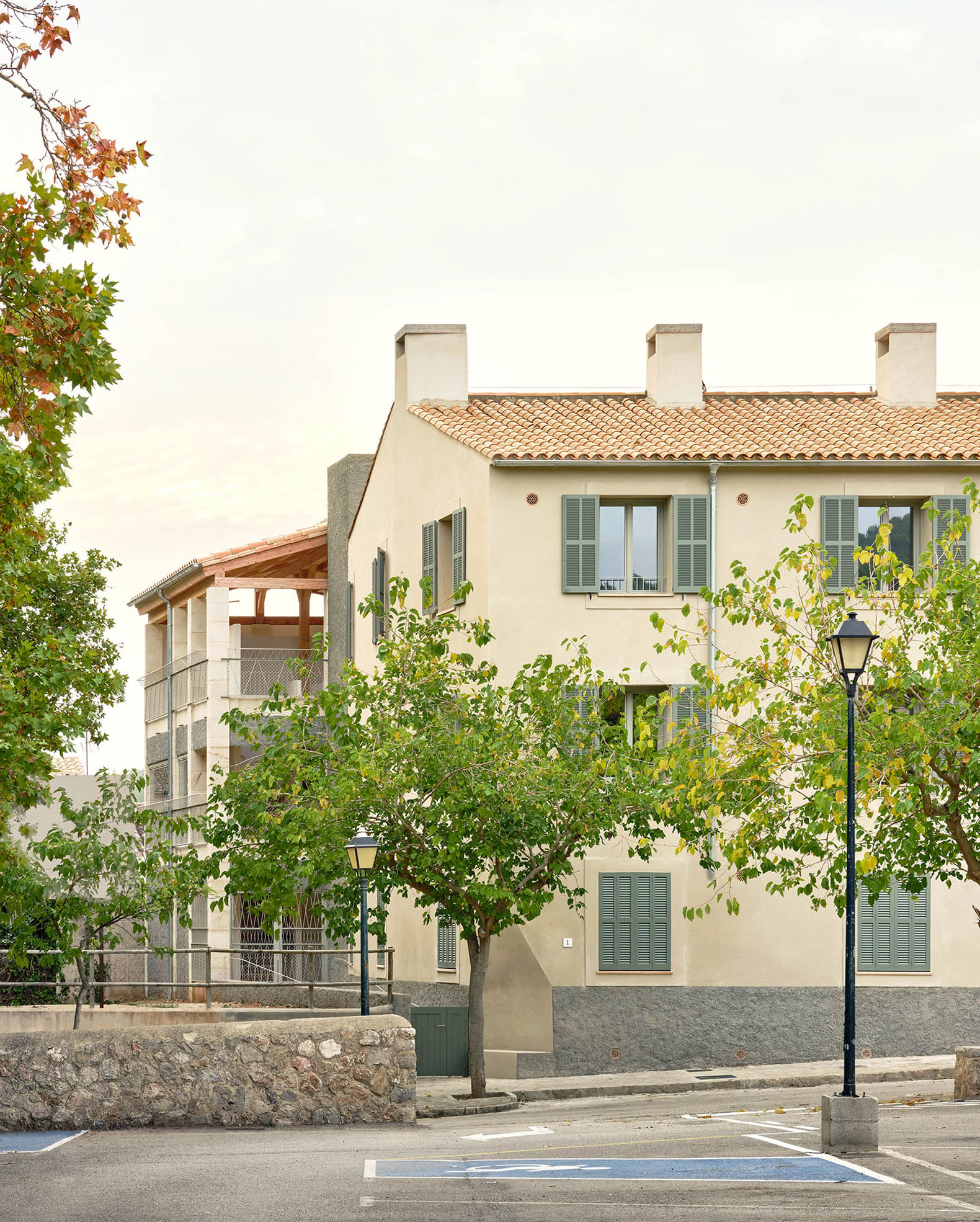
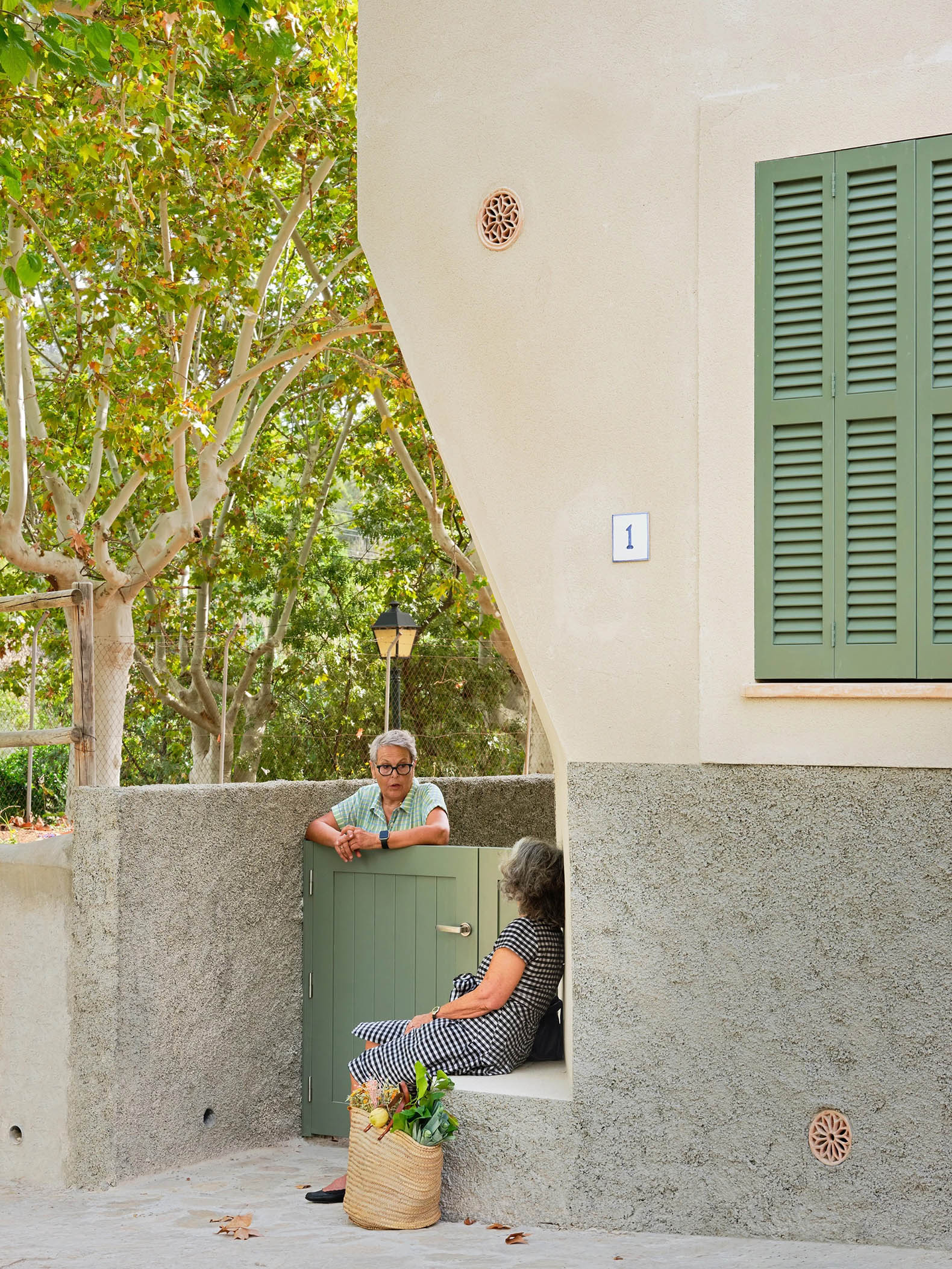
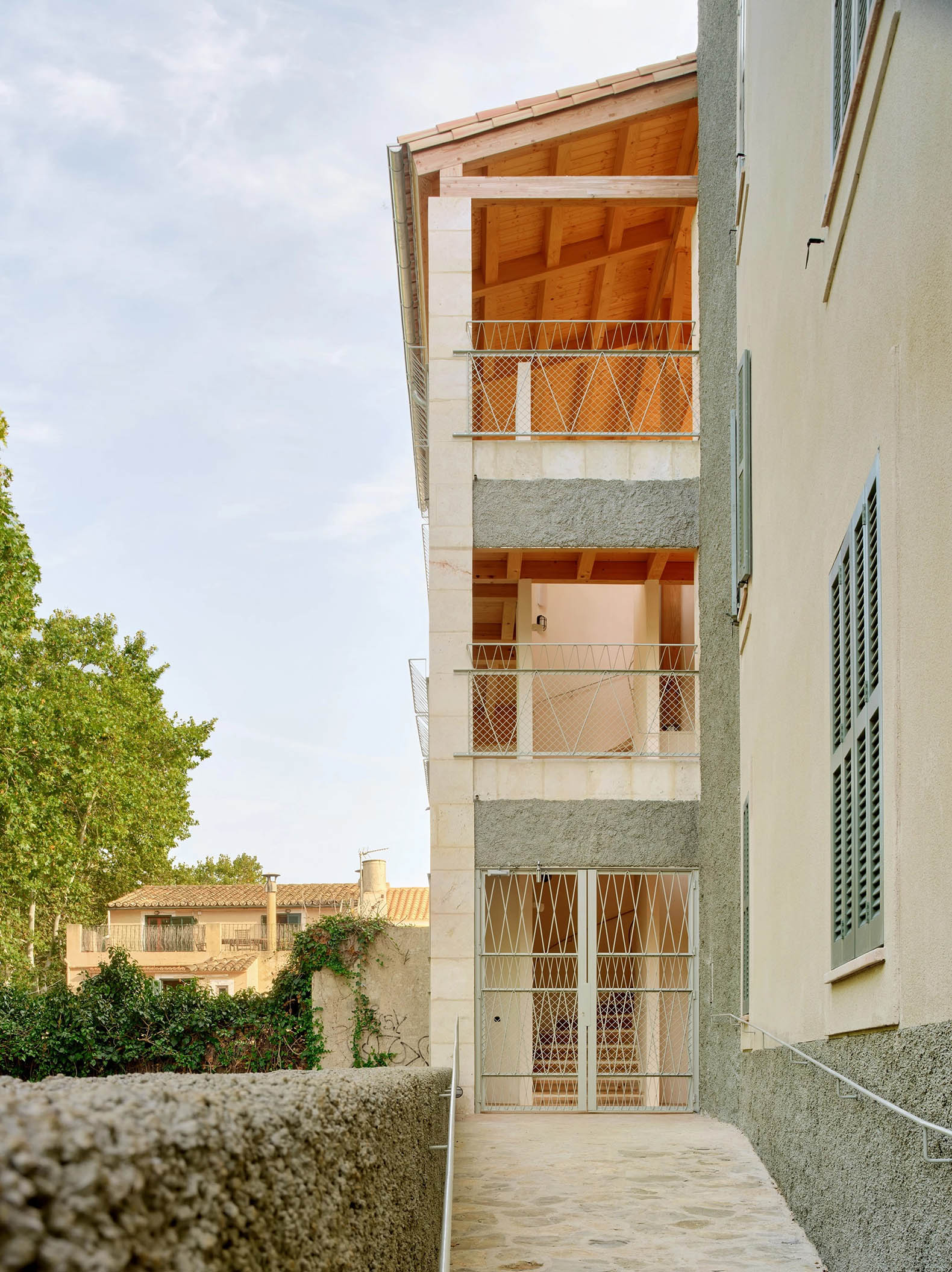
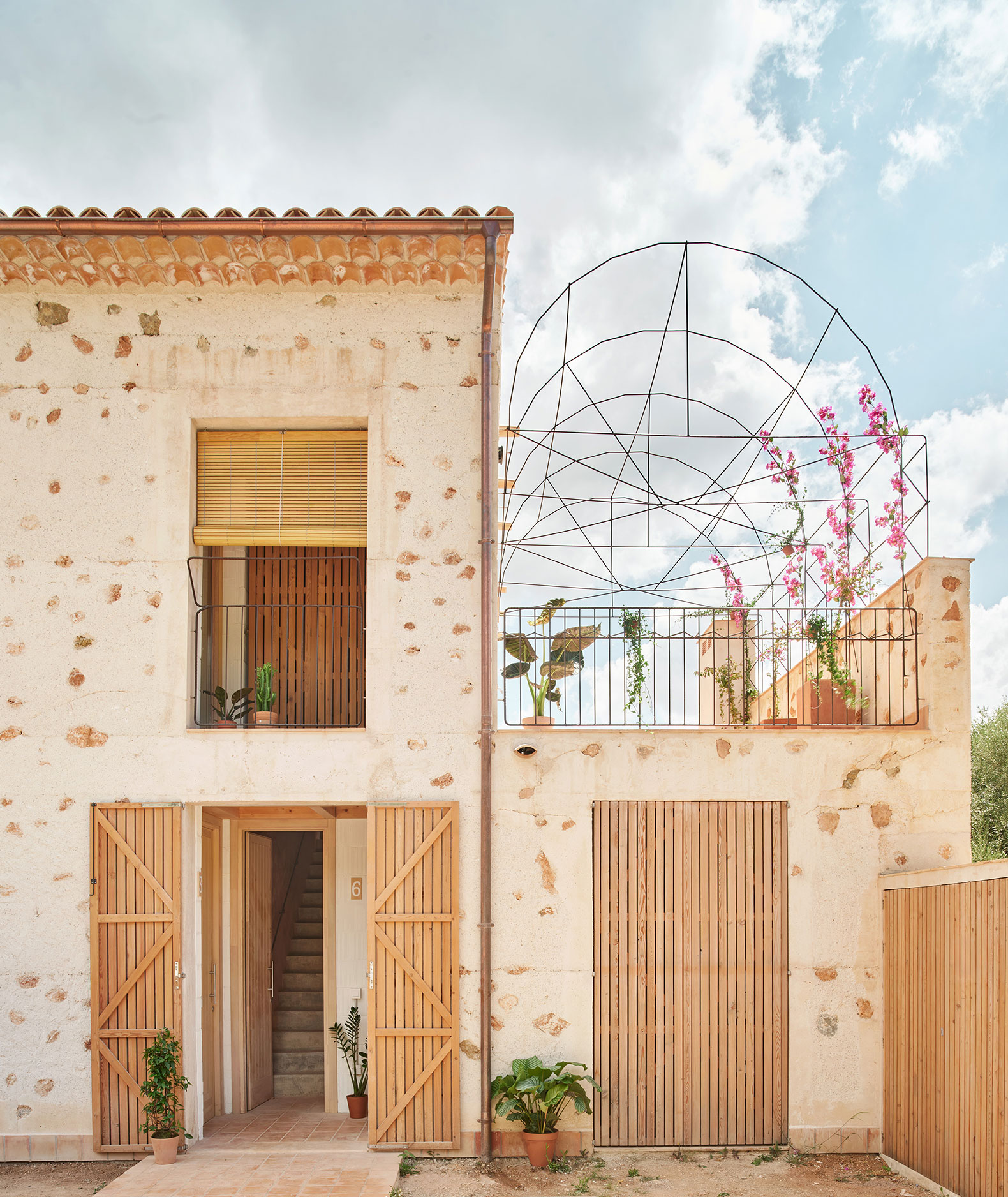
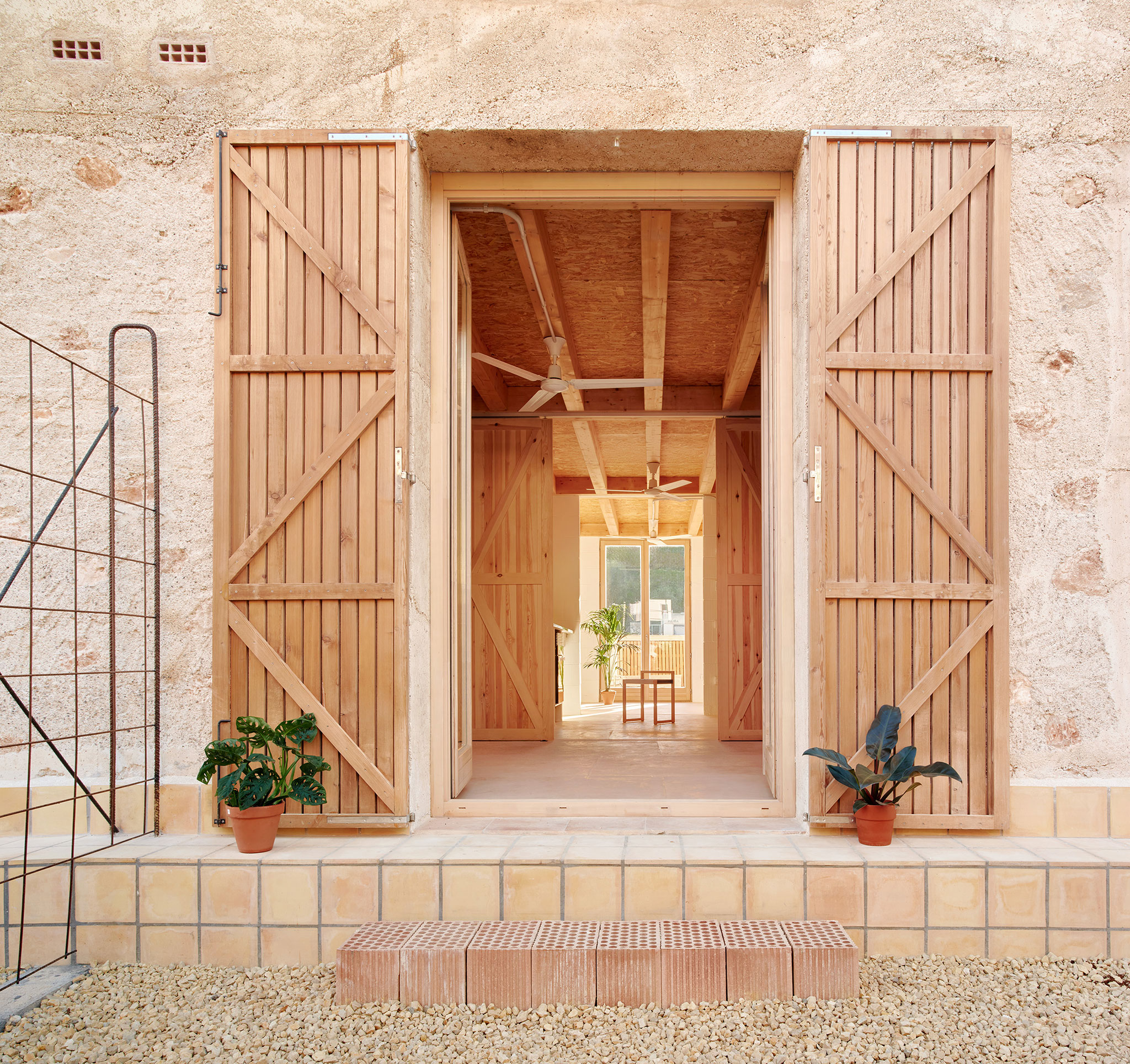
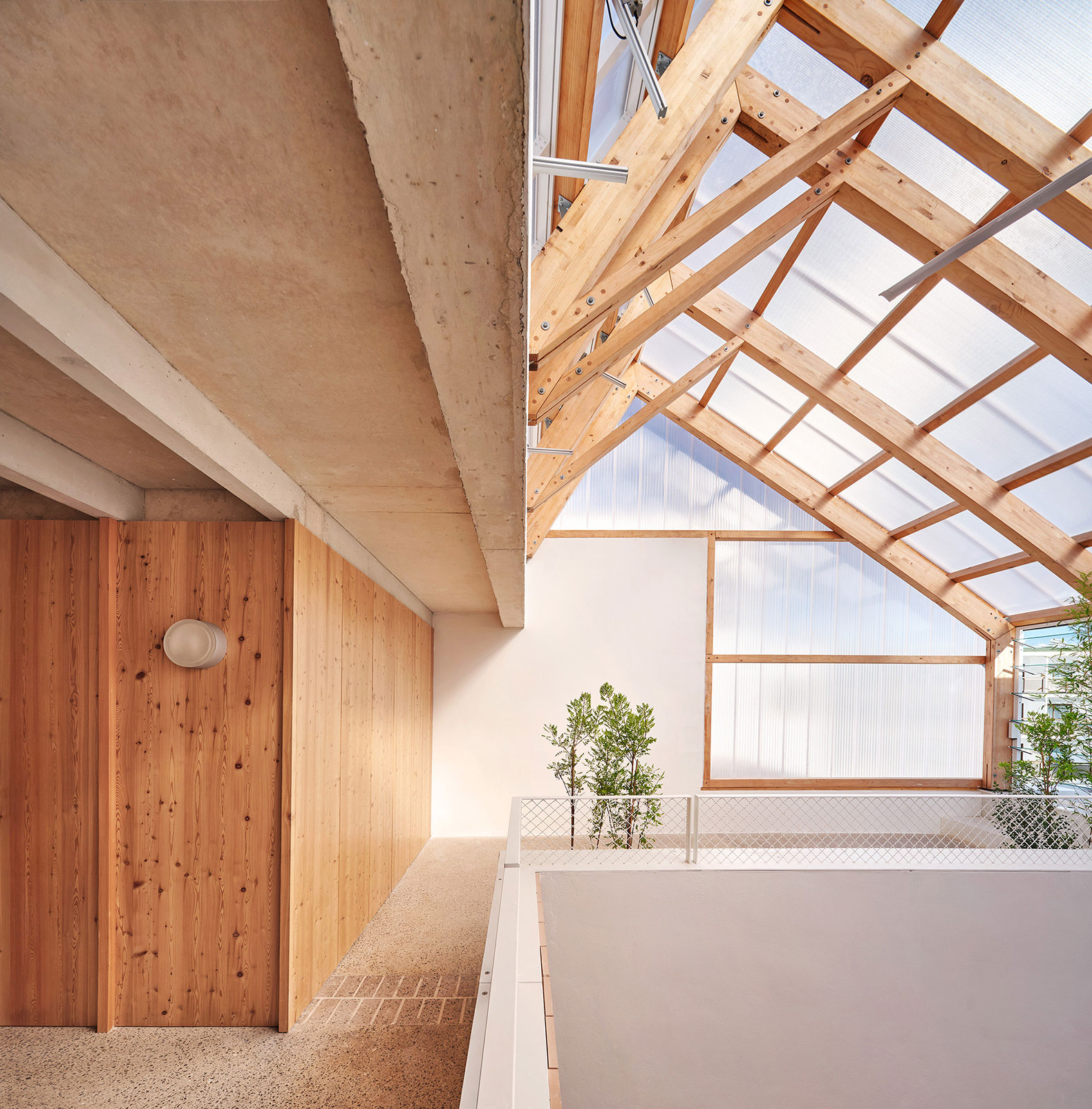
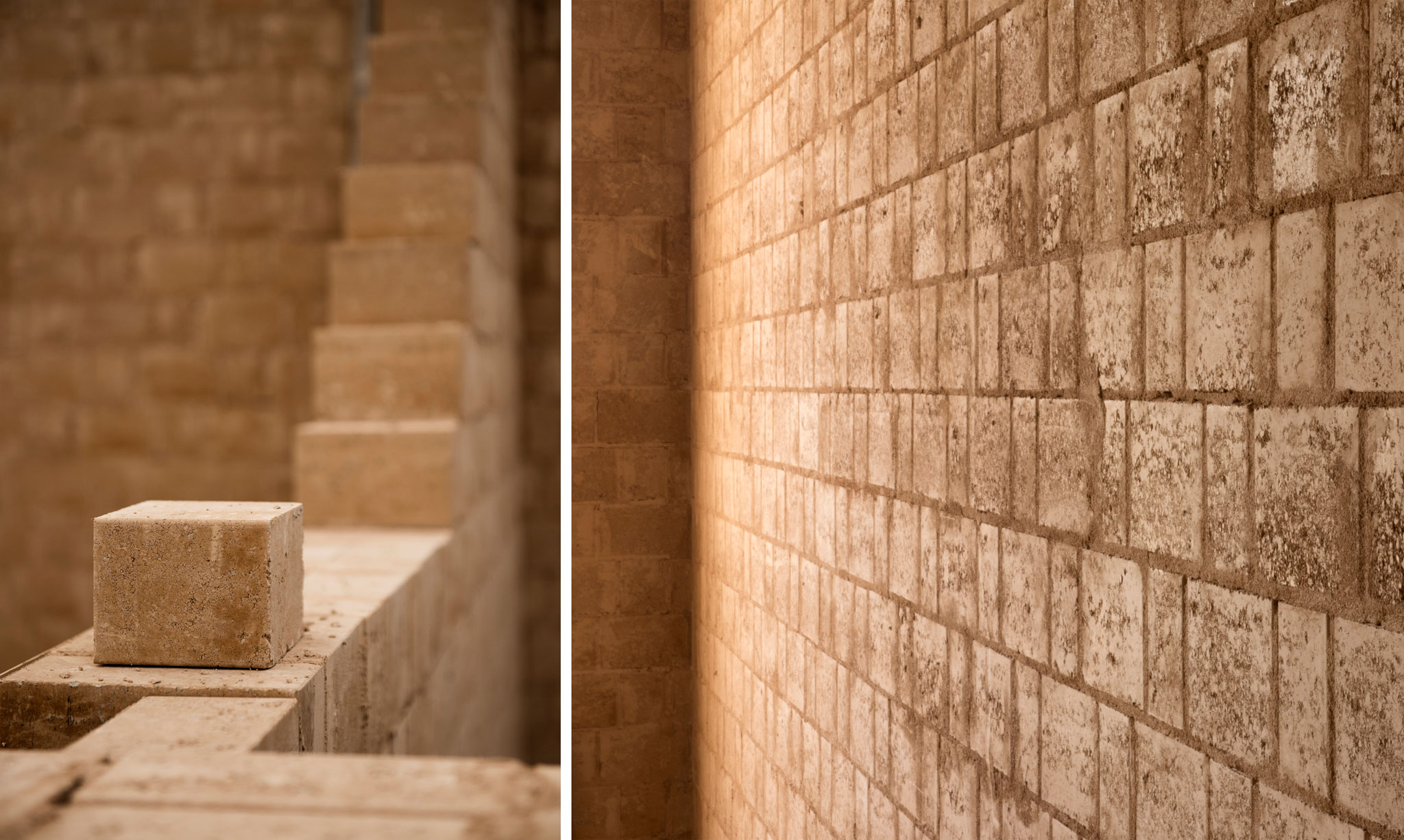
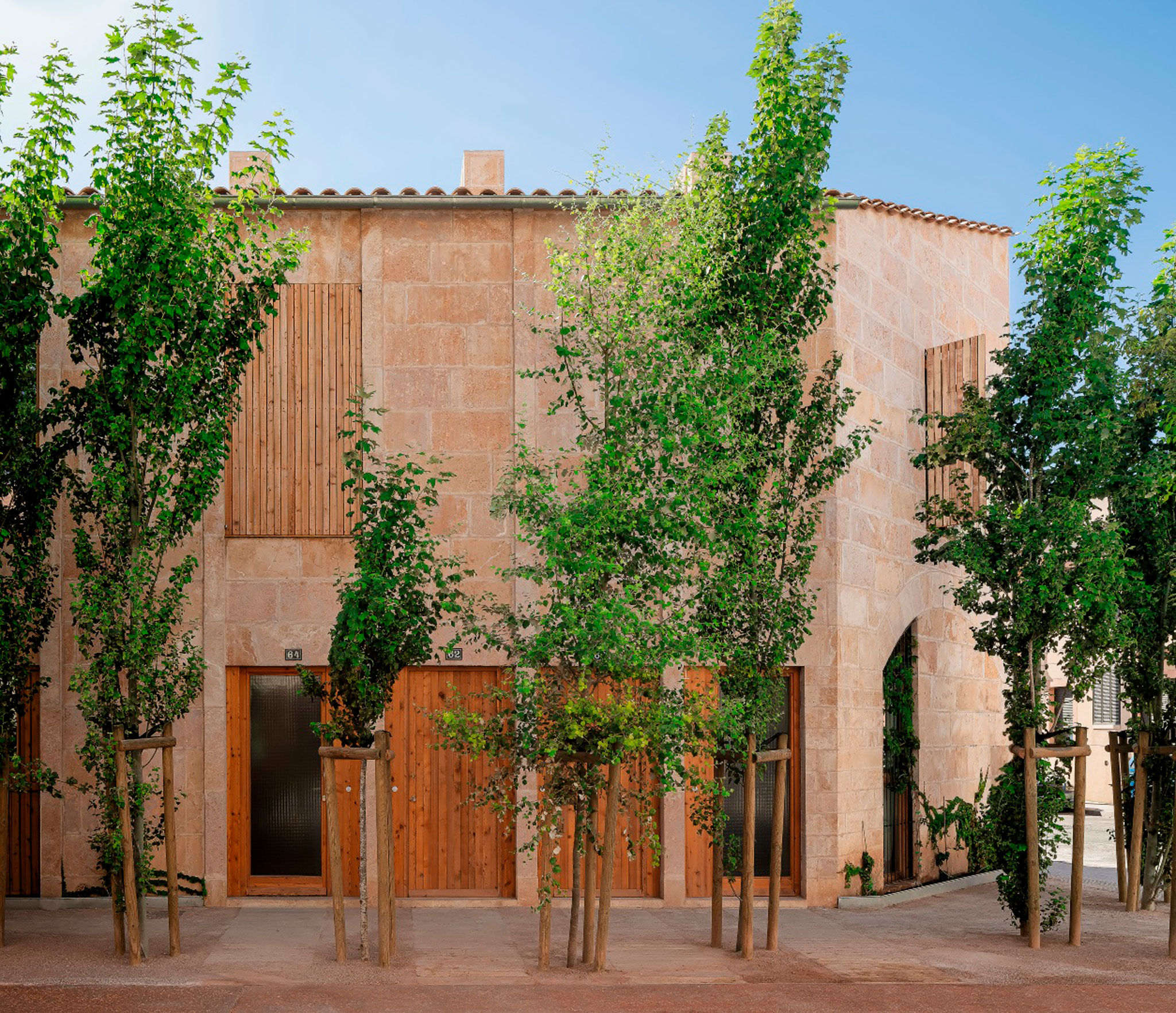
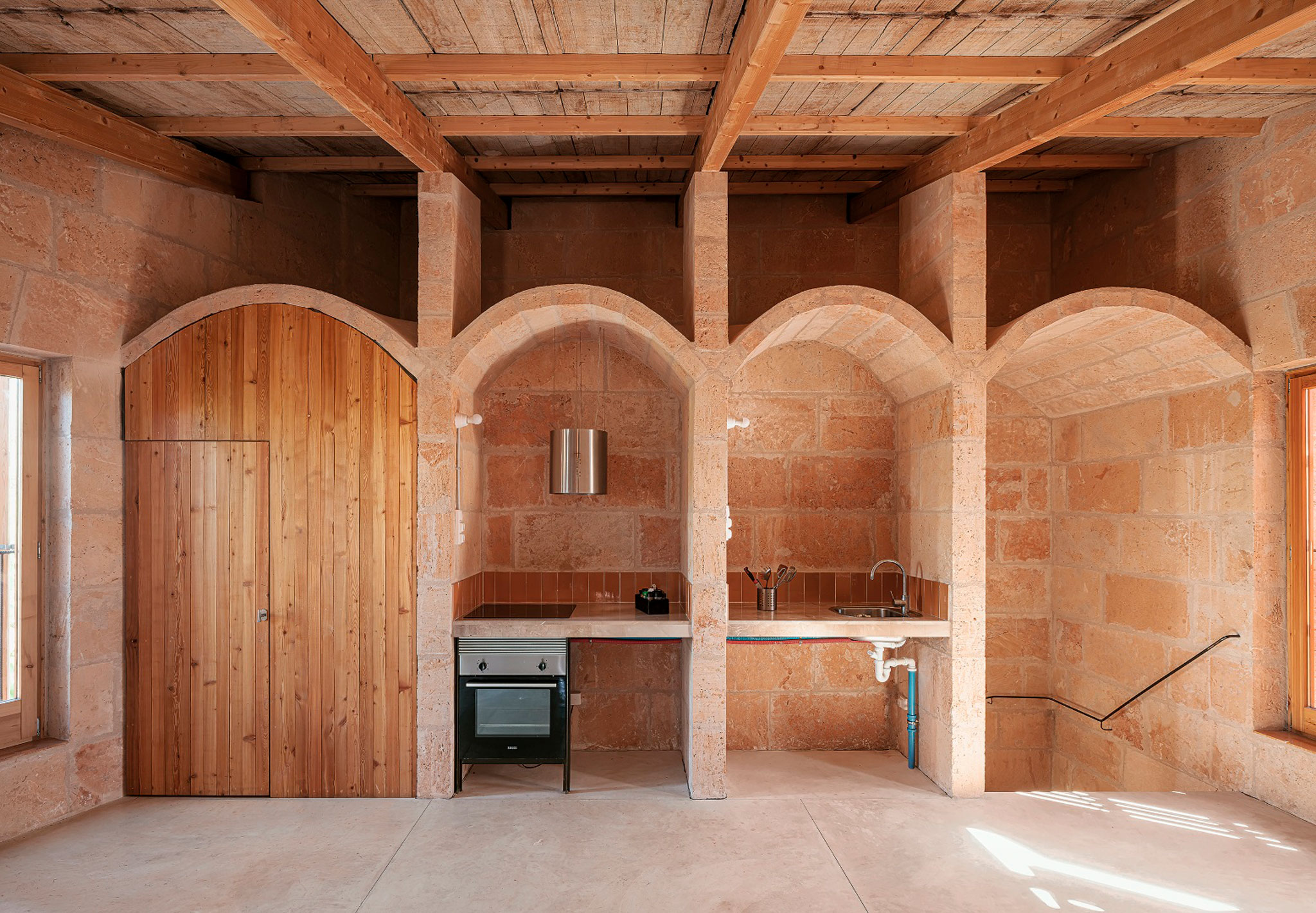
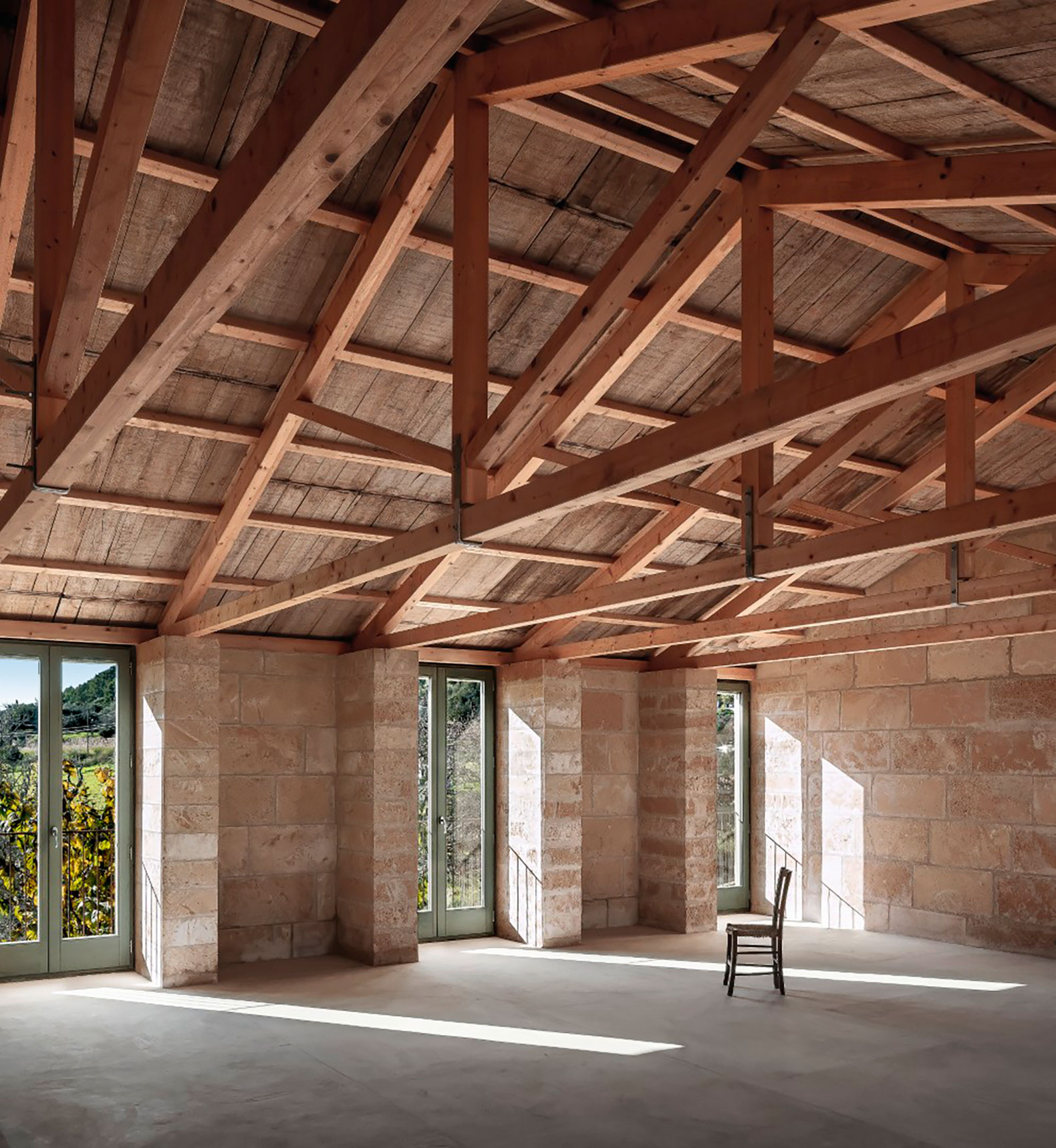
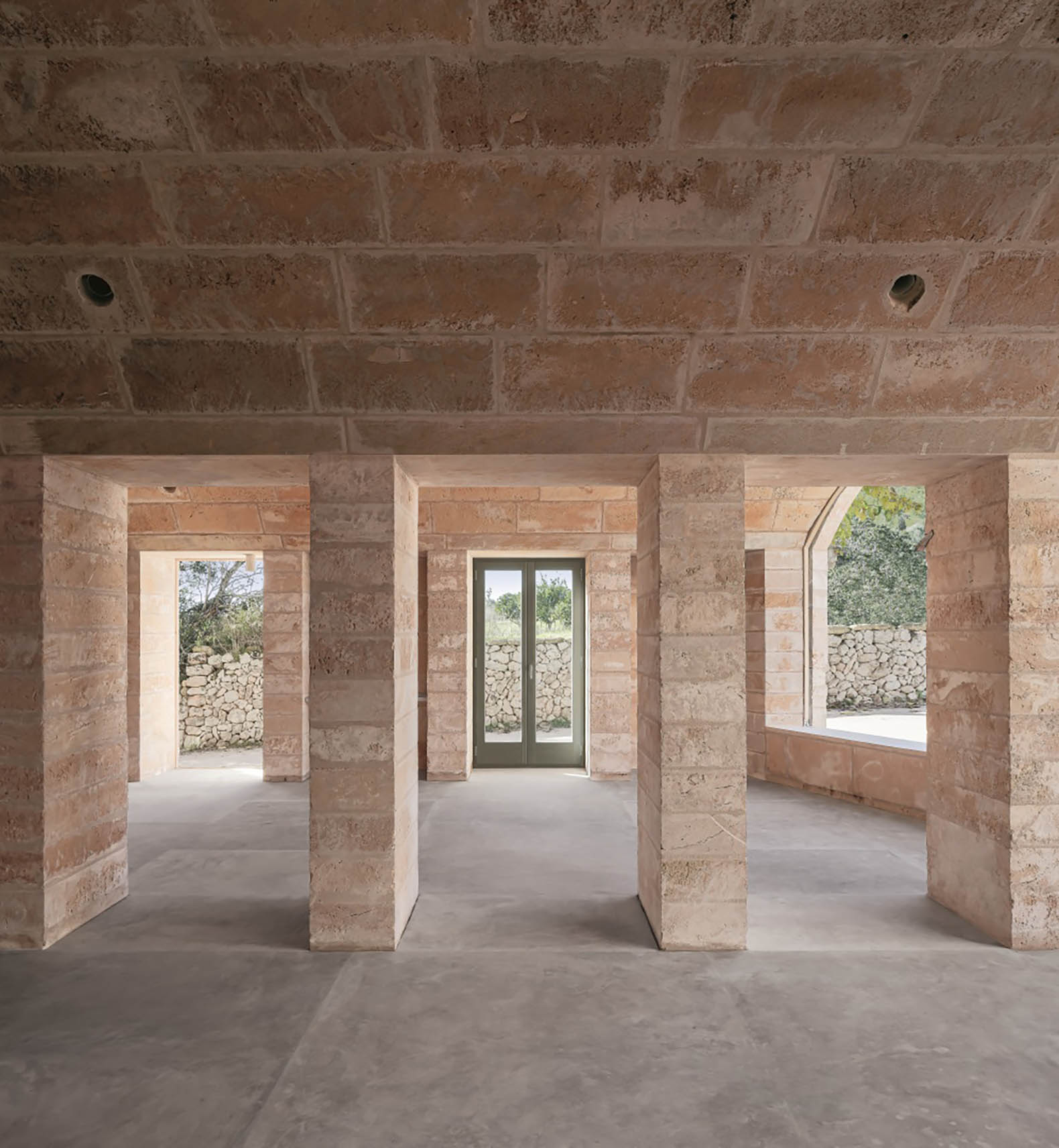
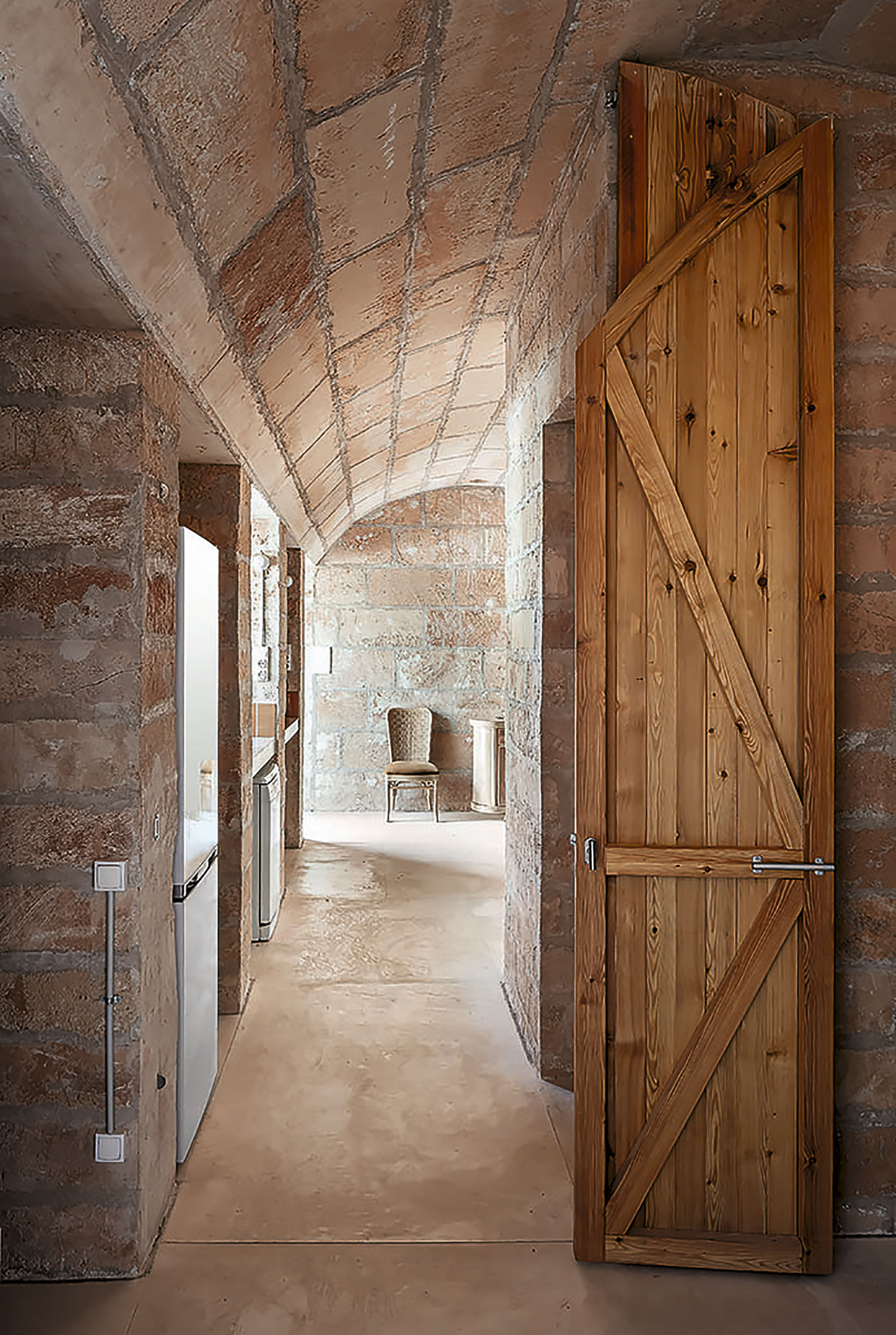
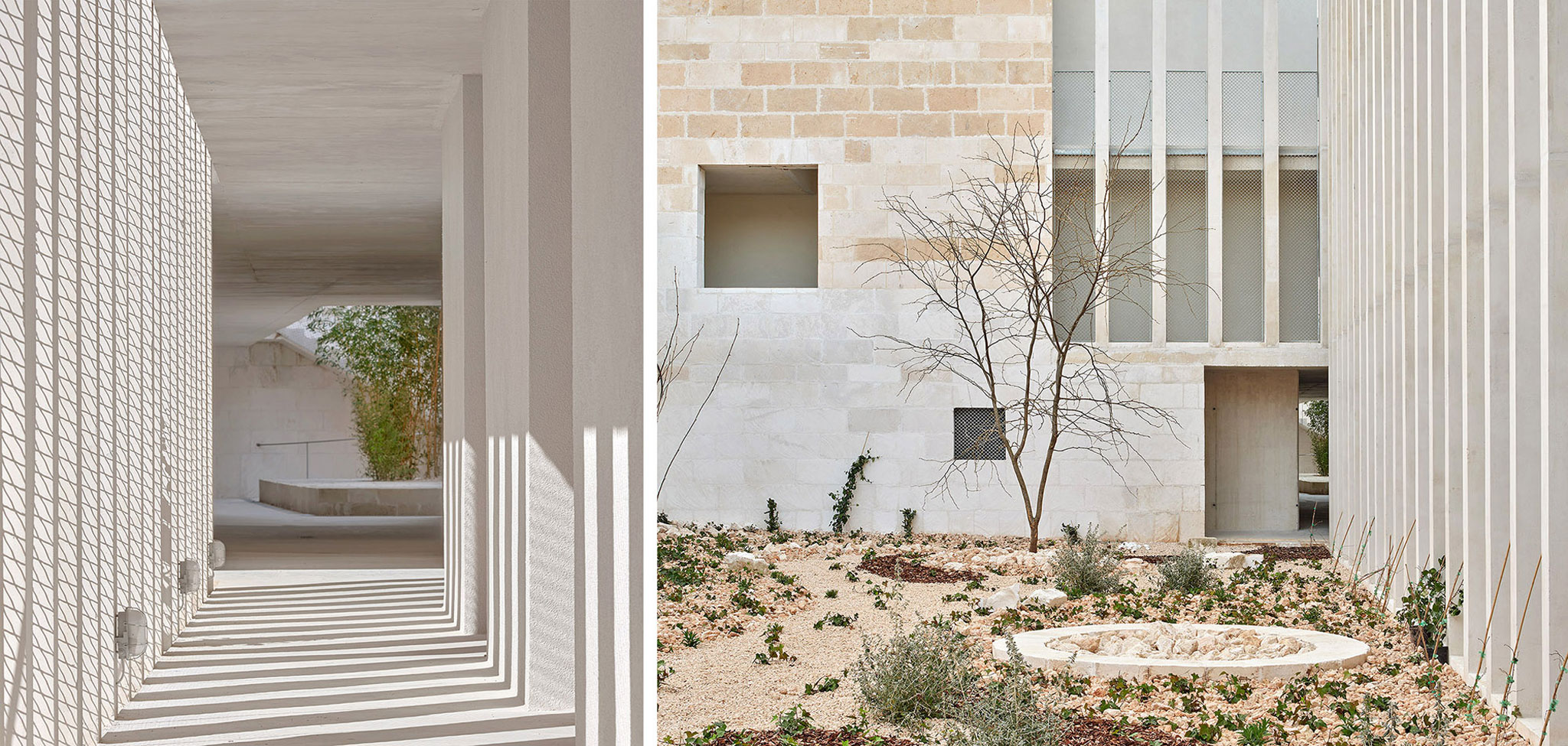
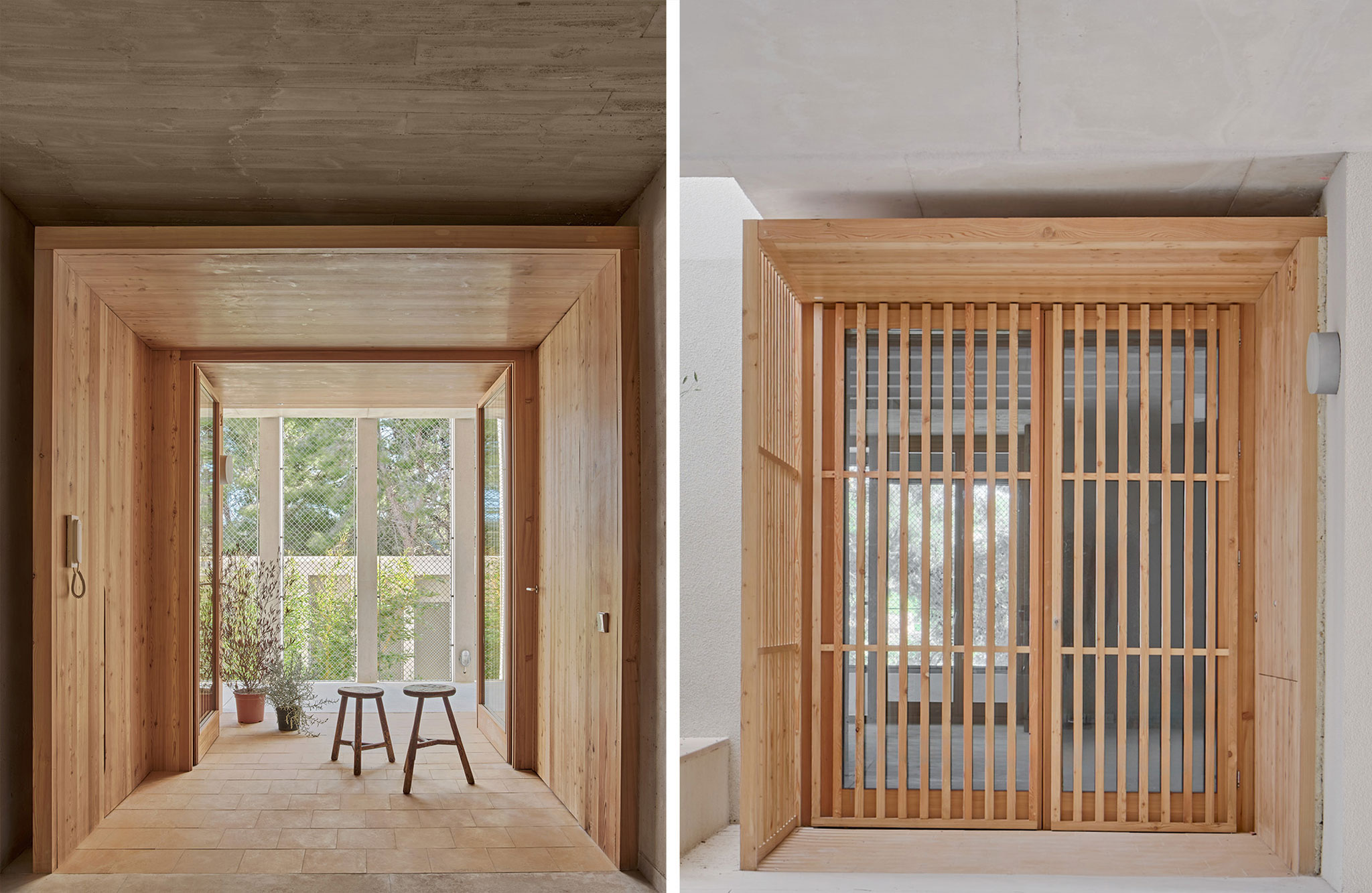
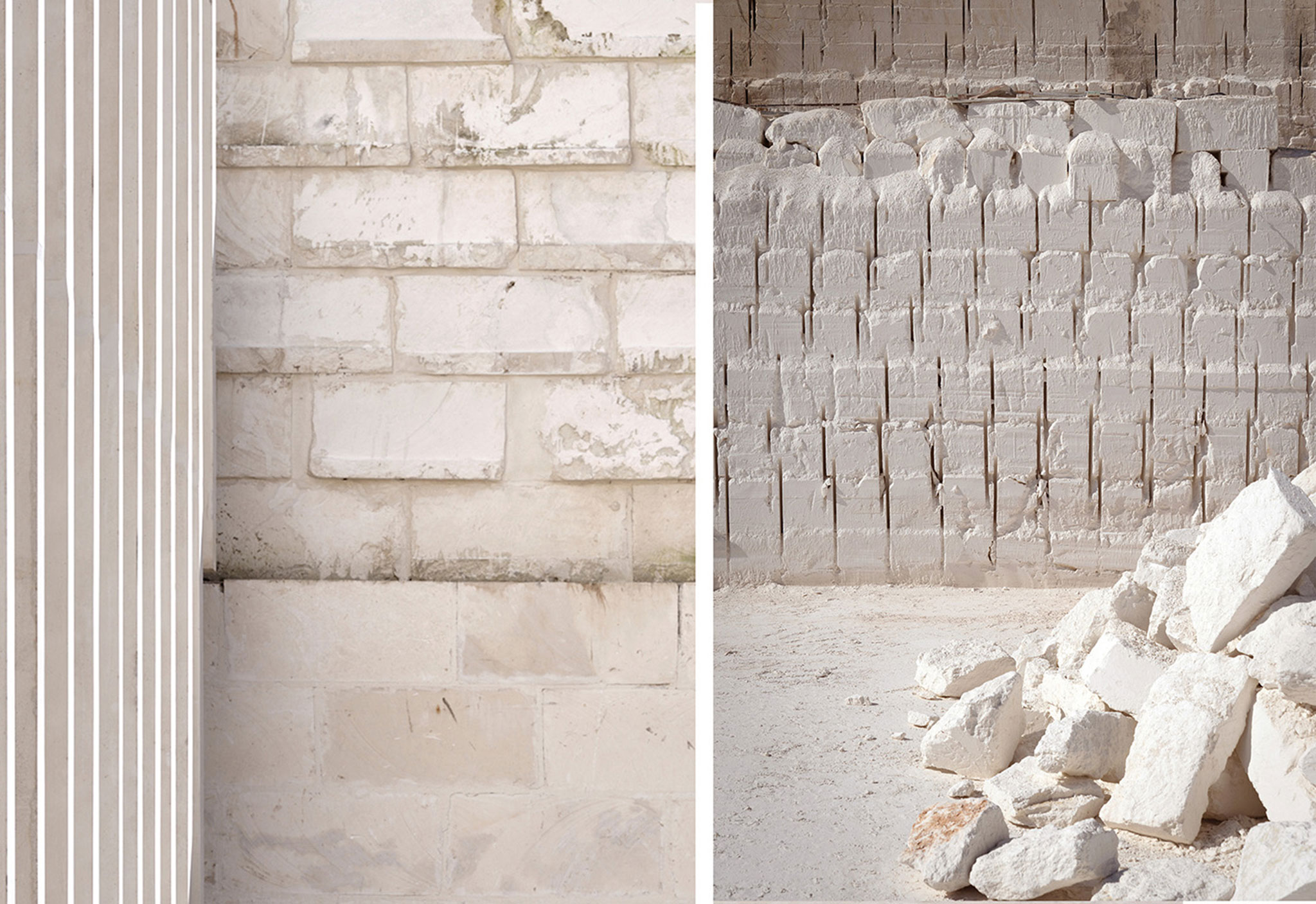
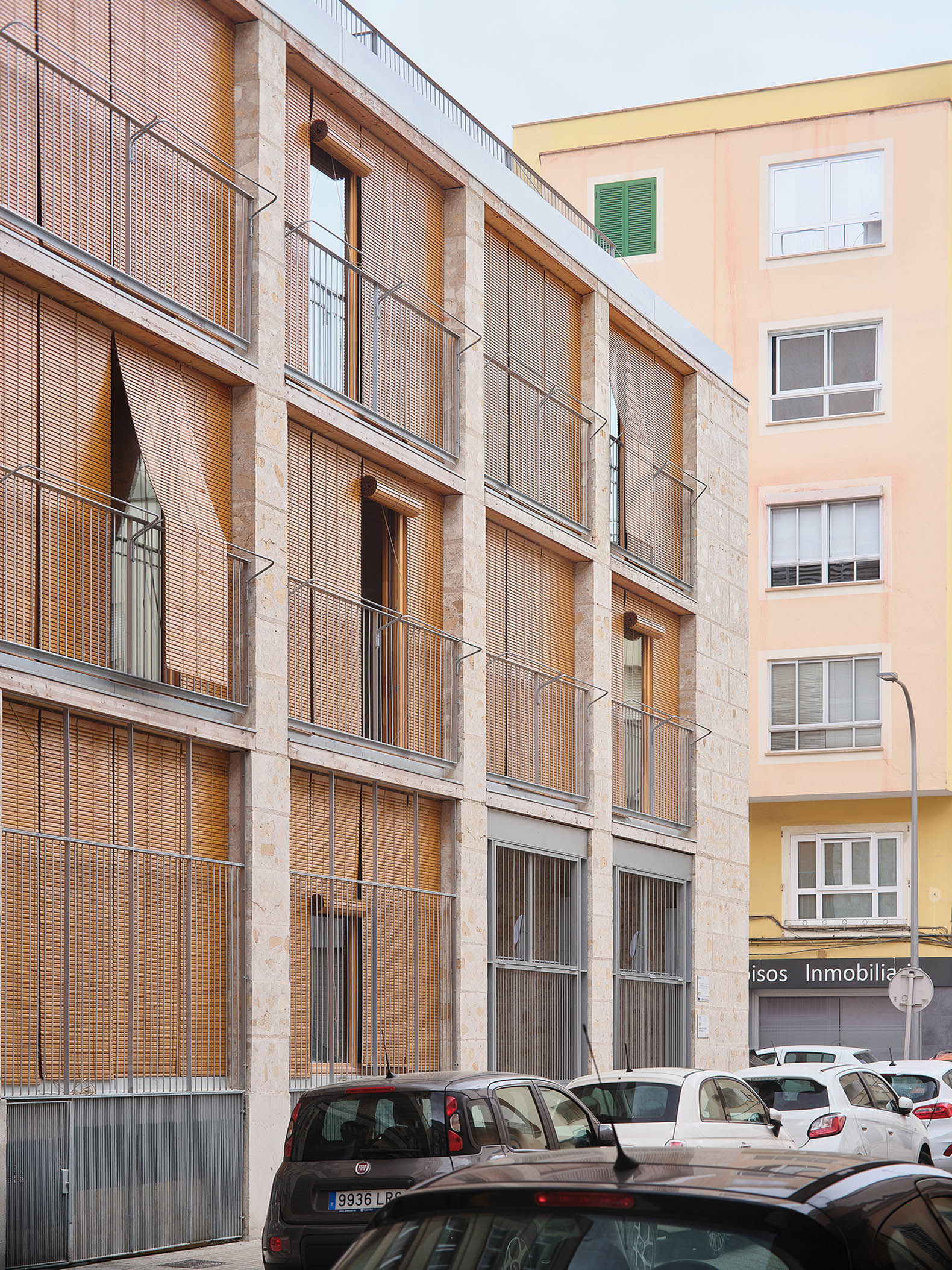
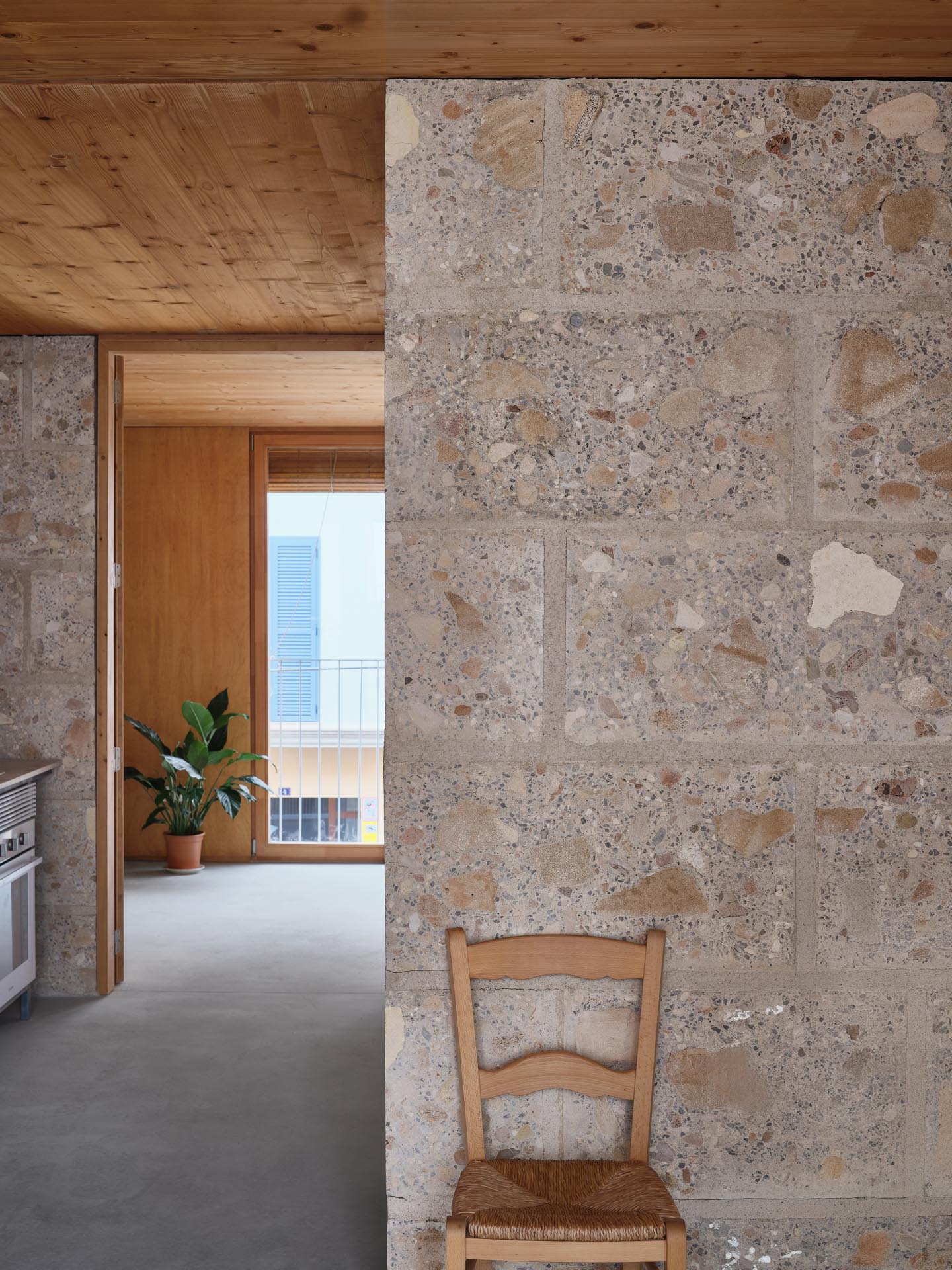
Through the use of local materials, circular construction practices, climate-adapted proposals, and new ways of managing public procurement and projects, the model demonstrates how public institutions can drive environmental, social, and economic innovation while providing decent, high-quality housing to people who are often excluded or displaced by current trends.
Developed in response to a severe housing shortage and a very limited public rental housing stock, the model seeks to rapidly and significantly expand the supply of public housing without compromising its architectural, environmental, or social quality. Its significance lies not in a specific building, material, or architectural style, but in its ability to connect public policy, architectural experimentation, environmental responsibility, local productive capacity, and access to decent housing.
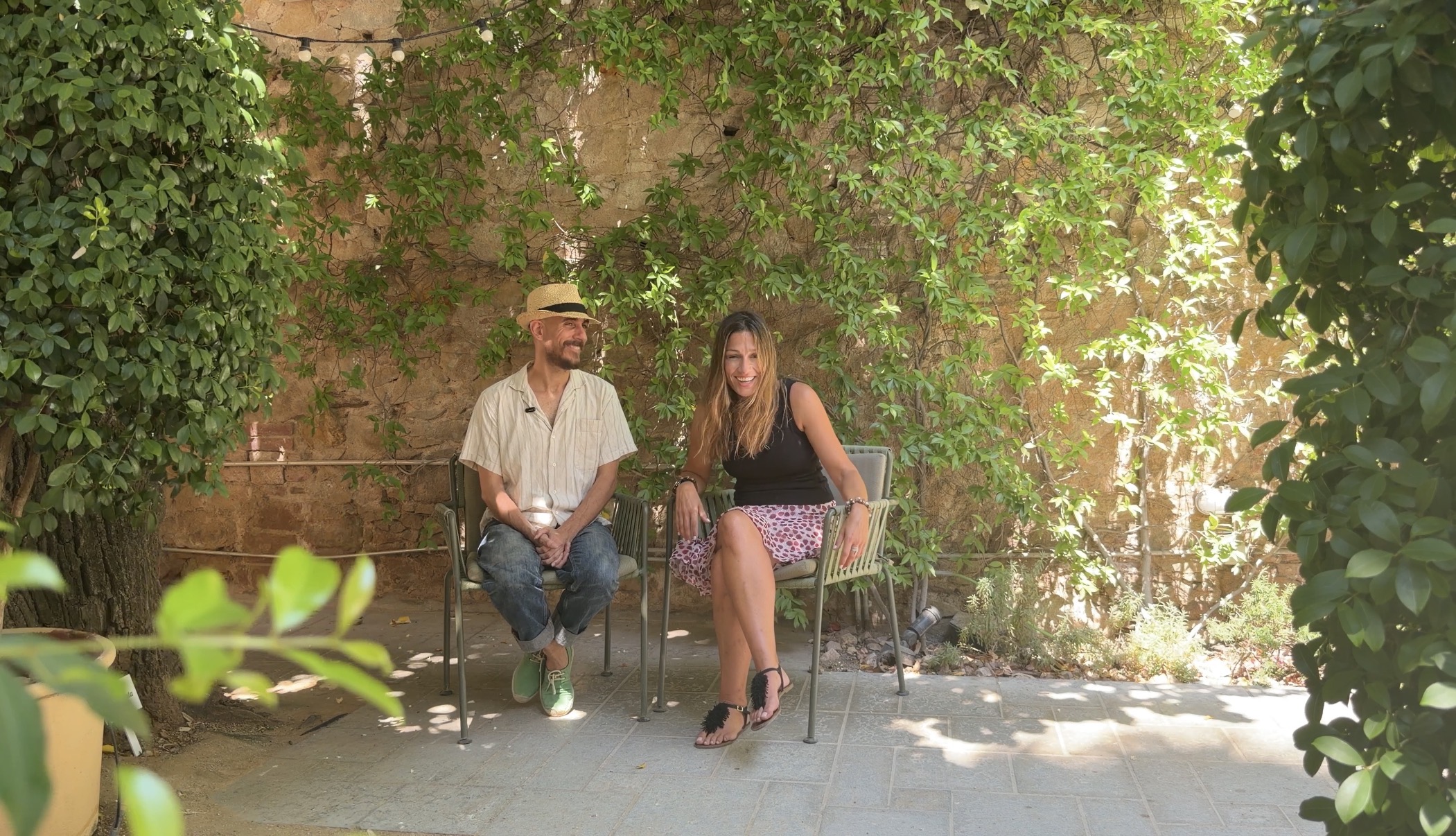
Carles Oliver Barceló and Cris Ballester Parets.
For the jury, the "Balearic Social Housing Model" is an example of how public administration can become a space for experimentation and use tools such as contracting, investment, and management to promote new ways of building housing.
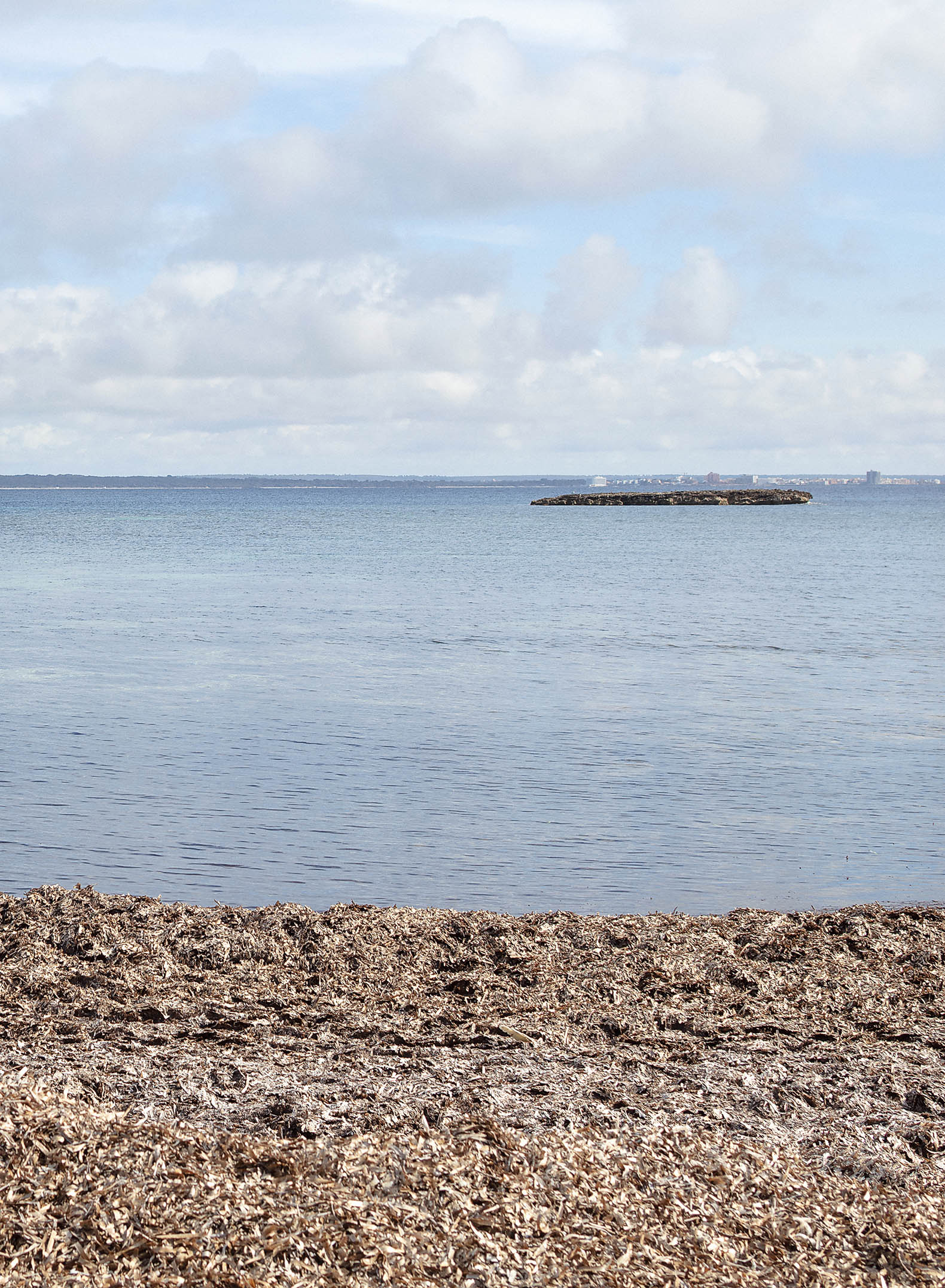
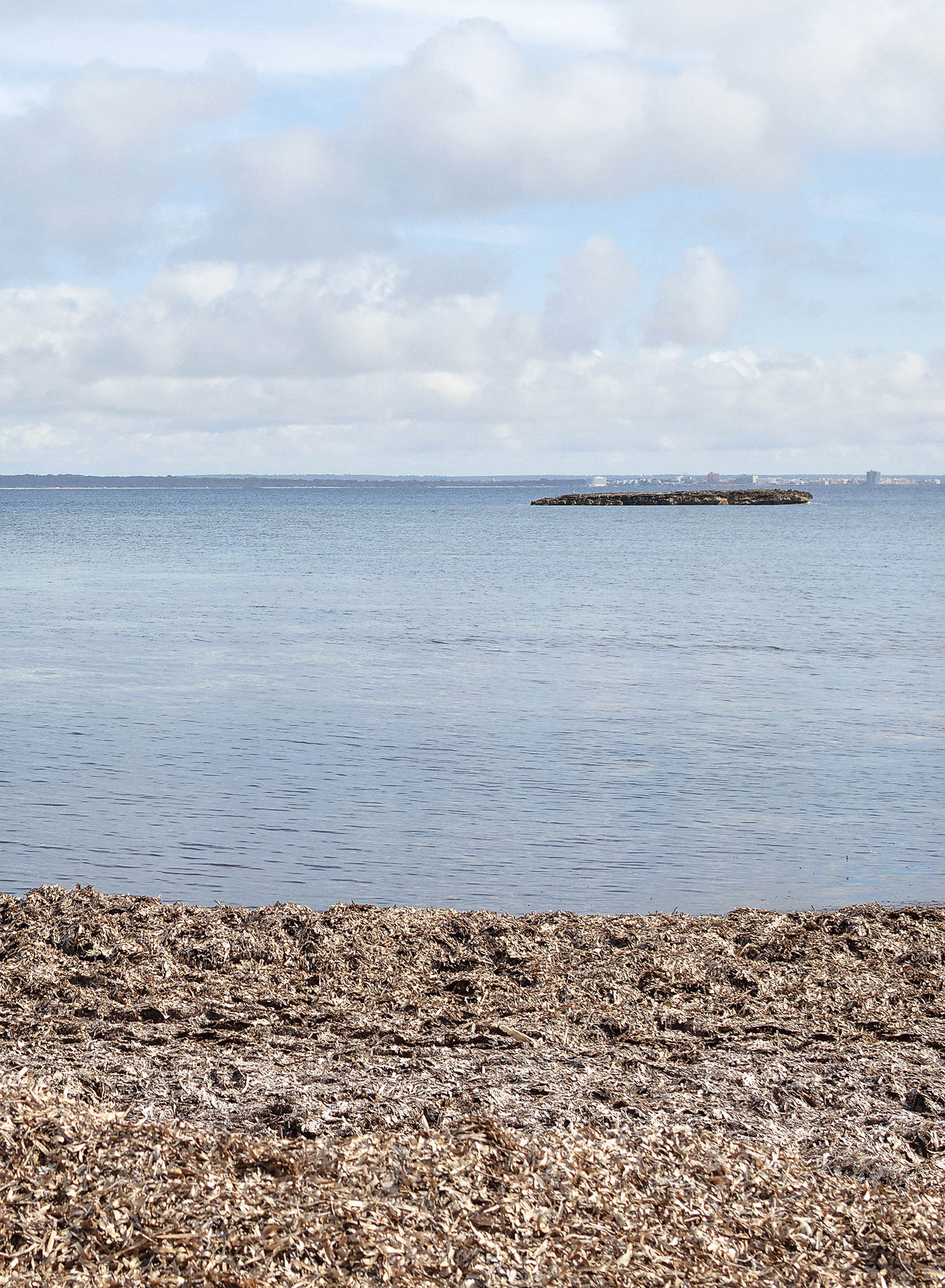
Posidonia. Photograph by Milena Villalba 2025.
6 Aspects to Define a New Approach to Social Housing Projects and Development
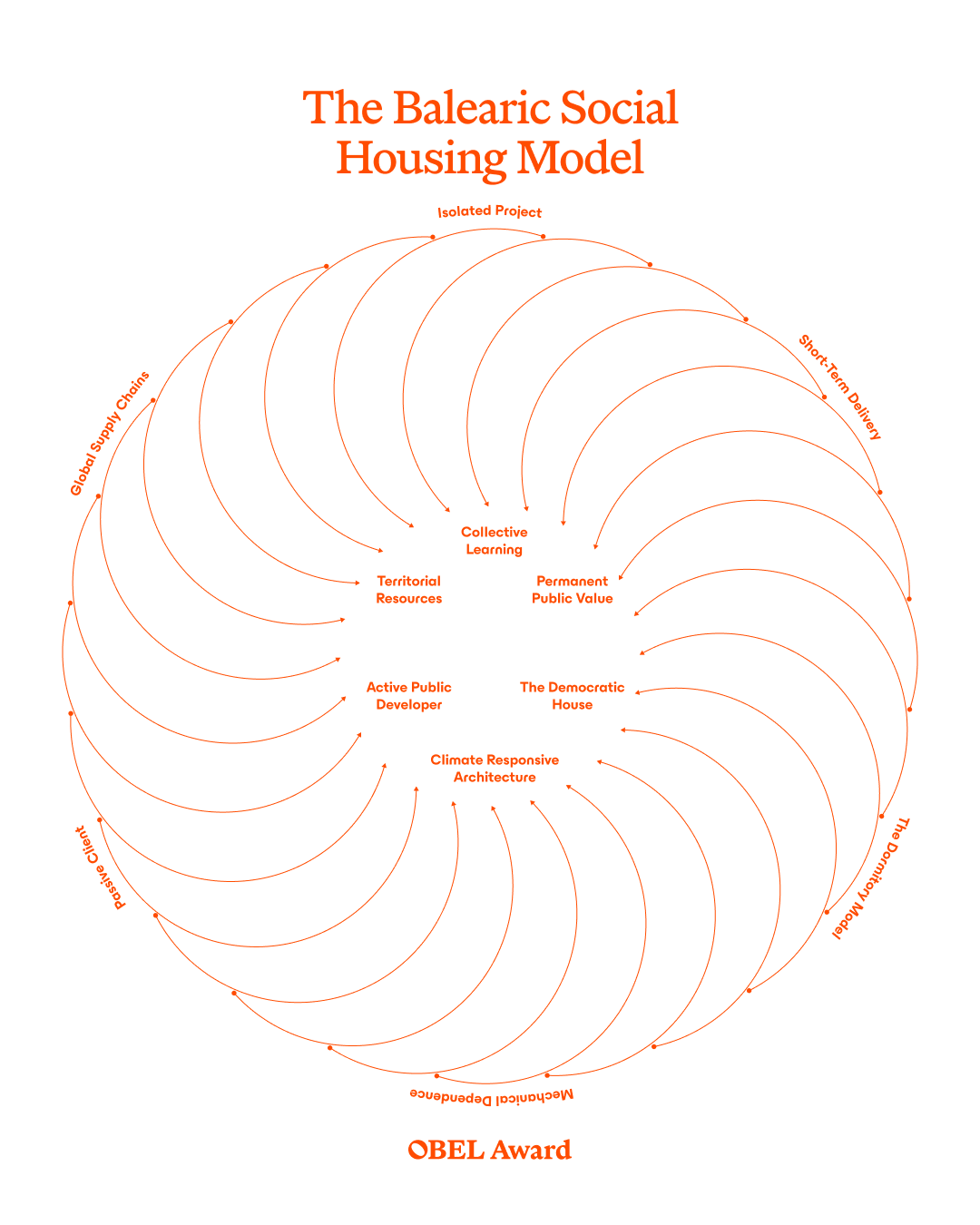
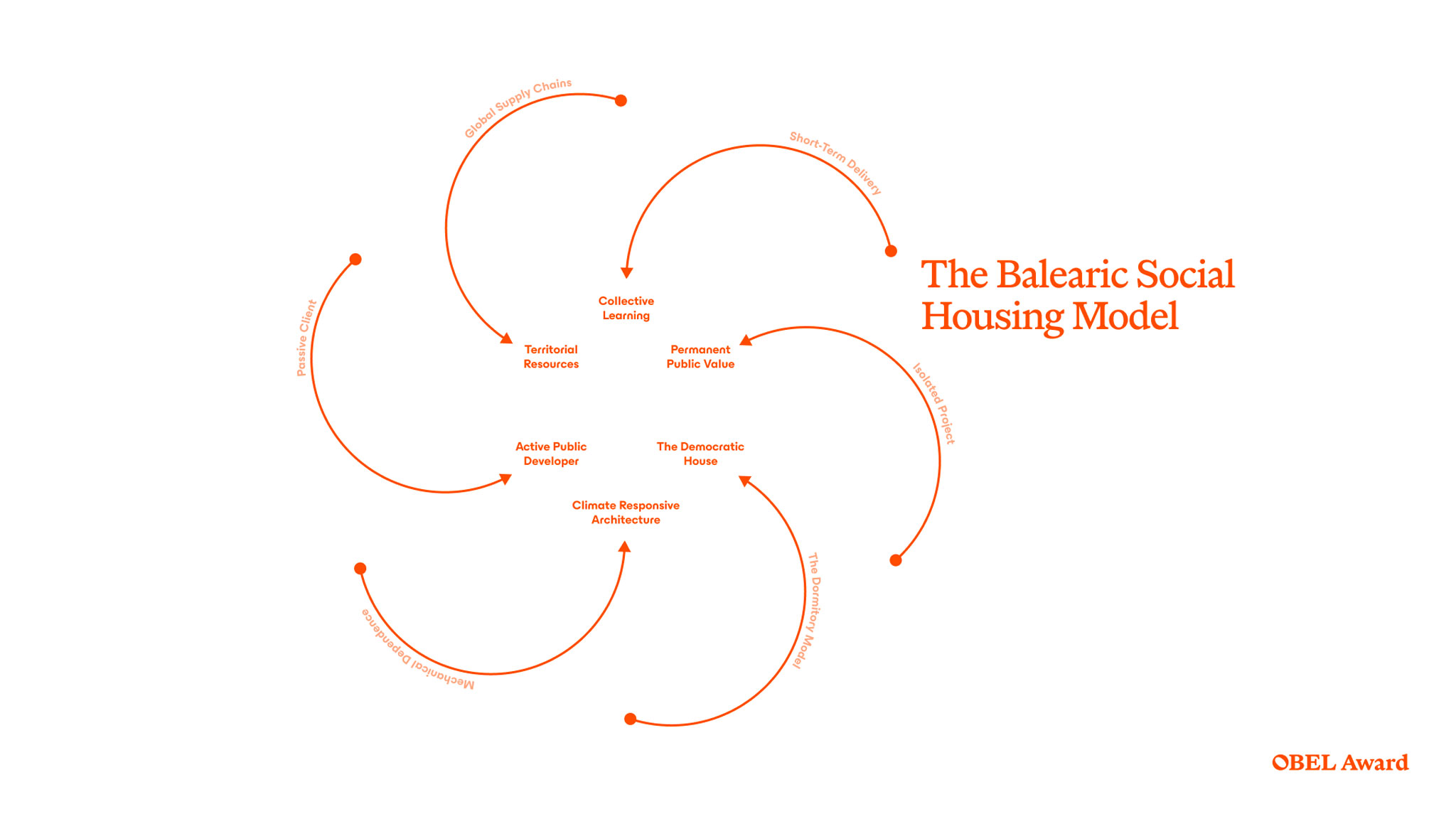
The new social housing model is based on six key changes. First, it leverages the territory's material, climatic, industrial, and human resources to reduce environmental impact and strengthen local capacities. Second, it transforms the administration into an active public developer, capable of coordinating design, procurement, innovation, and knowledge.
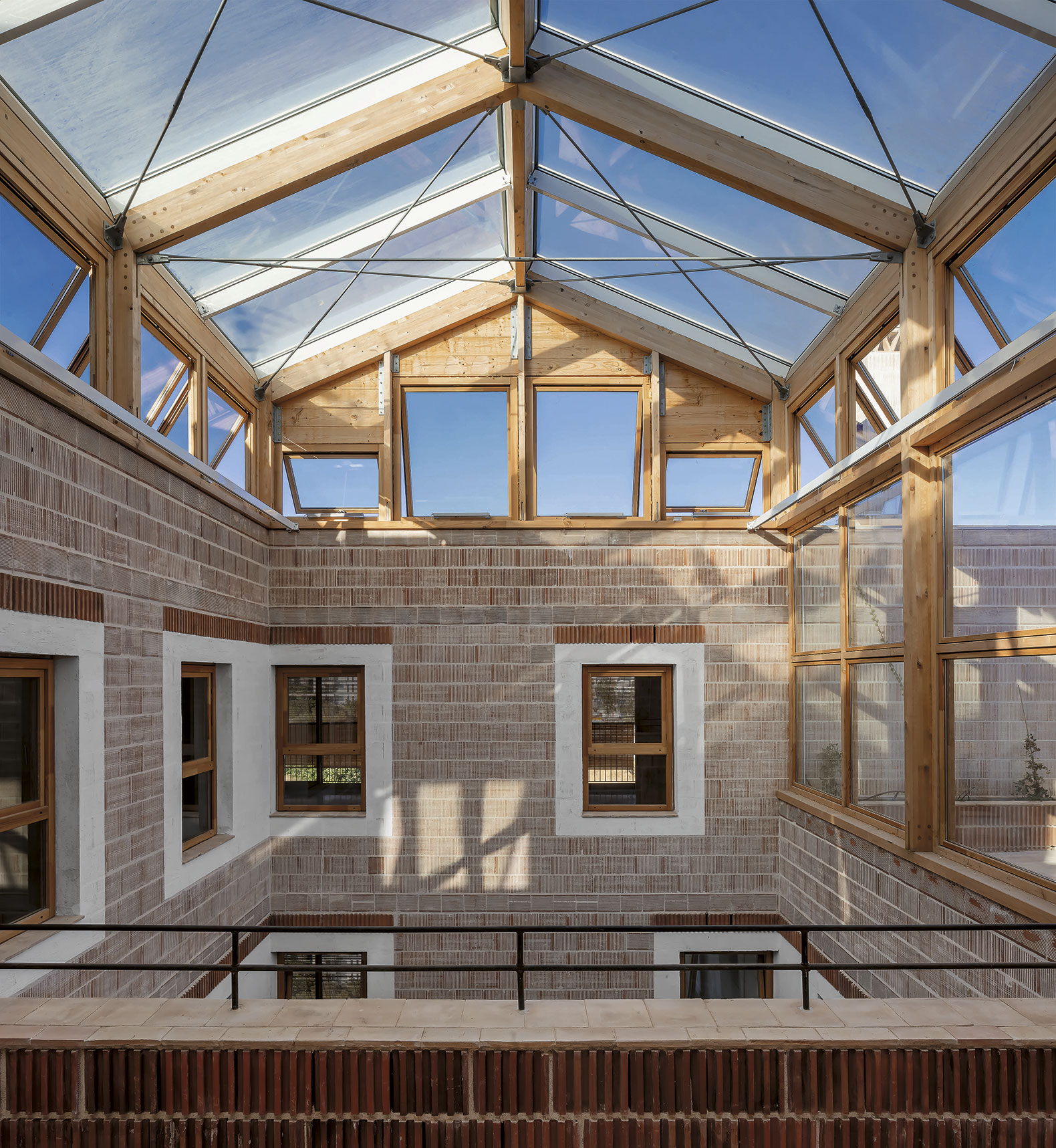
Third, it prioritizes bioclimatic architecture that reduces dependence on mechanical heating and cooling, thereby lowering emissions and energy costs. Fourth, it proposes flexible and non-hierarchical housing, adaptable to different households and future changes.
Fifth, it prioritizes permanent public rental, maintaining housing as a collective asset and promoting durable construction. Finally, the projects function as a continuous learning system: each development allows for the evaluation of solutions, the correction of problems, and the transfer of knowledge to subsequent projects.
Selected Projects Developed between 2019-2023. Illustrating the Balearic Social Housing Model
SANT JAUME 14
14 SOCIAL HOUSING UNITS
Sant Ferran, Formentera, Balearic Islands
Architects: C. Oliver, A. Martín, X. Moyá, A. Reina, M. Garcías + M. Nevado
PINTOR VIVES 1-3
35 TEMPORARY COHOUSING UNITS
Es Castell, Menorca, Balearic Islands
Architects: MOIX
REGAL 97
5 SOCIAL HOUSING UNITS
Palma, Mallorca, Balearic islands
Architects: C. Oliver, A. Reina, A. Martín, X. Moyá, M. Garcías + M. Nevado,
SALVADOR ESPRIU 37
19 SOCIAL HOUSING UNITS
Palma, Mallorca, Balearic Islands
Architects: C. Oliver, A. Martín, X. Moyá, A. Reina + M. Nevado.
FORNARIS 34
35 SOCIAL HOUSING UNITS
Palma, Mallorca, Balearic Islands
Architects: DATAAE
BINICUDRELL 17
9 SOCIAL HOUSING UNITS
Es Migjorn, Menorca, Balearic Islands
Architects: miba architects + F. Vizoso
SALVADOR ESPRIU 39
8 SOCIAL HOUSING UNITS
Palma, Mallorca, Balearic Islands
Architects: C. Oliver, X. Moyá, A. Martín, A. Reina + M. Nevado.
SES MONGES 21
6 SOCIAL HOUSING UNITS
Santa Eugènia, Mallorca, Balearic Islands
Architects: C. Oliver, X. Moyá
PARCELA 37 FOR 2
11 SOCIAL HOUSING UNITS
Fornells, Menorca, Balearic Islands
Architects: J. Ferrando, F. Vizoso, J. Vilardell (execution project and direction of works) + C. Oliver, X. Moyá (basic Project)
PERE MATUTES 72
24 SOCIAL HOUSING UNITS
Eivissa, Balearic Islands
Architects: 08014 ARQUITECTURA
DE RUT 19
11 SOCIAL HOUSING UNITS
Palma, Mallorca, Balearic Islands
Architects: CARLES ENRICH STUDIO
CA L’ONCLO 1
18 TEMPORARY COHOUSING UNITS
Esporles, Mallorca, Balearic Islands
Architects: Emiliano López Mónica Rivera Arquitectos
BROTAD
43 SOCIAL HOUSING UNITS
Palma, Mallorca, Balearic Islands
Architects: OFICI: arquitectura
MARJADES
9 SOCIAL HOUSING UNITS
Inca, Mallorca, Balearic Islands
Architects: Estruch Martorell arquitectes + E. Terrades + RIPOLL – TIZON ARQUITECTURA
SES VELES
6 SOCIAL HOUSING UNITS
Puigpunyent, Mallorca, Balearic Islands
Architects: FORTUNY + ALVENTOSA MORELL ARQUITECTES
MARÍA TERESA LEÓN 8-14
43 SOCIAL HOUSING UNITS
Eivissa, Balearic Islands
Architects: PERIS + TORAL ARQUITECTES
ES CABUSSÓ 41
6 SOCIAL HOUSING UNITS
Palma, Mallorca, Balearic Islands
Architects: EDRA ARQUITECTURA KM0 + BUNYESC ARQUITECTURA EFICIENT
GUILLEM MARTÍ I COLL 12
15 SOCIAL HOUSING UNITS
Binissalem, Mallorca, Balearic Islands
Architects: TED'A arquitectes
OLIVERA 62
48 SOCIAL HOUSING UNITS
Magaluf, Mallorca, Balearic Islands
Architects: Lloc arquitectes
LOPE DE VEGA 3
25 TEMPORARY COHOUSING UNITS
Palma, Mallorca, Balearic Islands
Architects: H ARQUITECTES
ALACANT 19
17 TEMPORARY COHOUSING UNITS
Sant Ferran, Formentera, Balearic Islands
Architects: TALLER 11
CÓS 49-53
42 SOCIAL HOUSING UNITS
Son Servera, Mallorca, Balearic Islands
Architects: PERIS + TORAL ARQUITECTES
ÀNCORA 30
15 SOCIAL HOUSING UNITS
Sant Llorenç des Cardassar, Mallorca, Balearic Islands
Architects: O. Ferrer, M. Alarcón, C. Corominas, M. Sánchez + VORA + O. Muntané
MACABICH 3-7
60 SOCIAL HOUSING UNITS
Eivissa, Balearic Islands
Architects: Estruch Martorell arquitectes