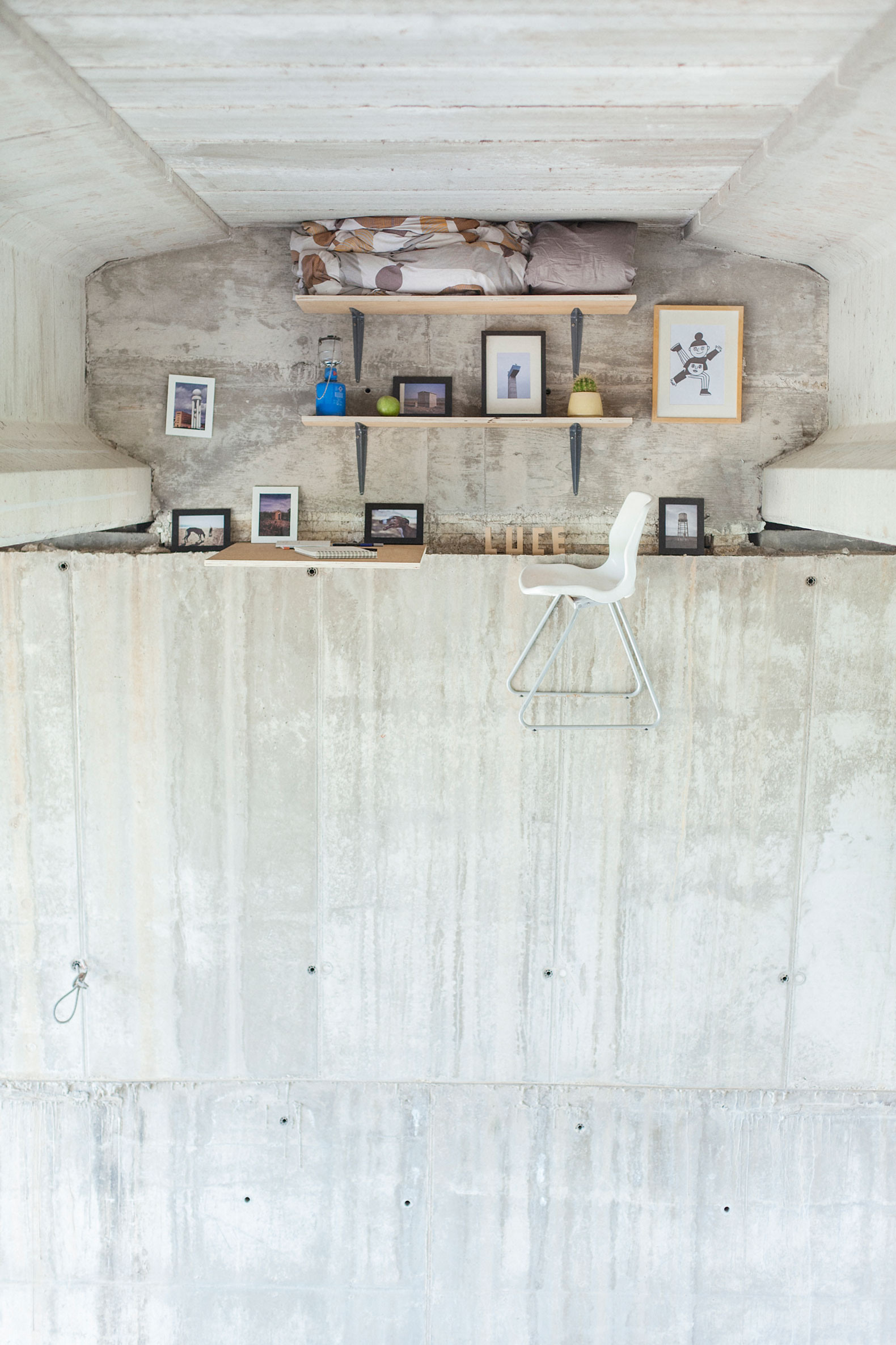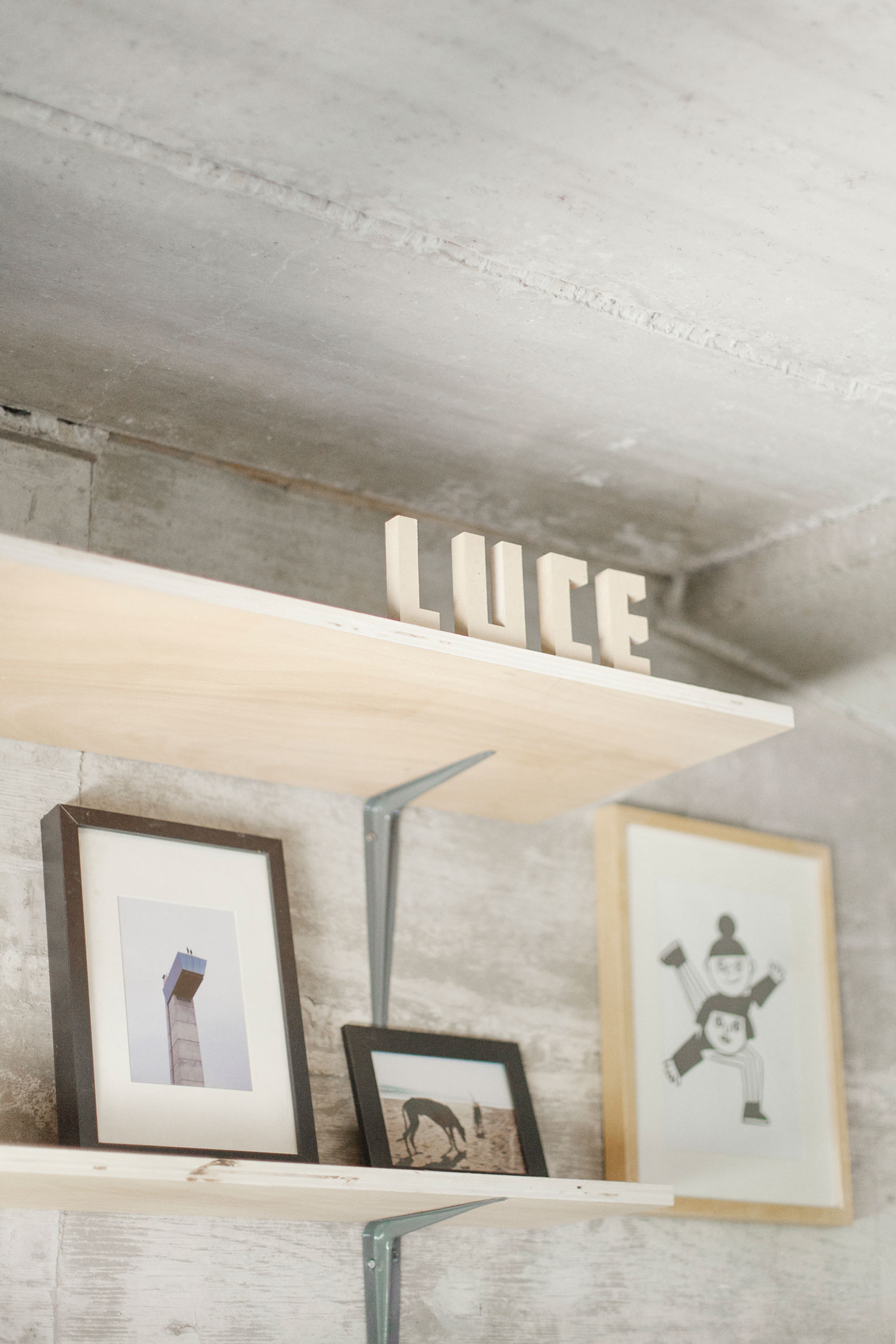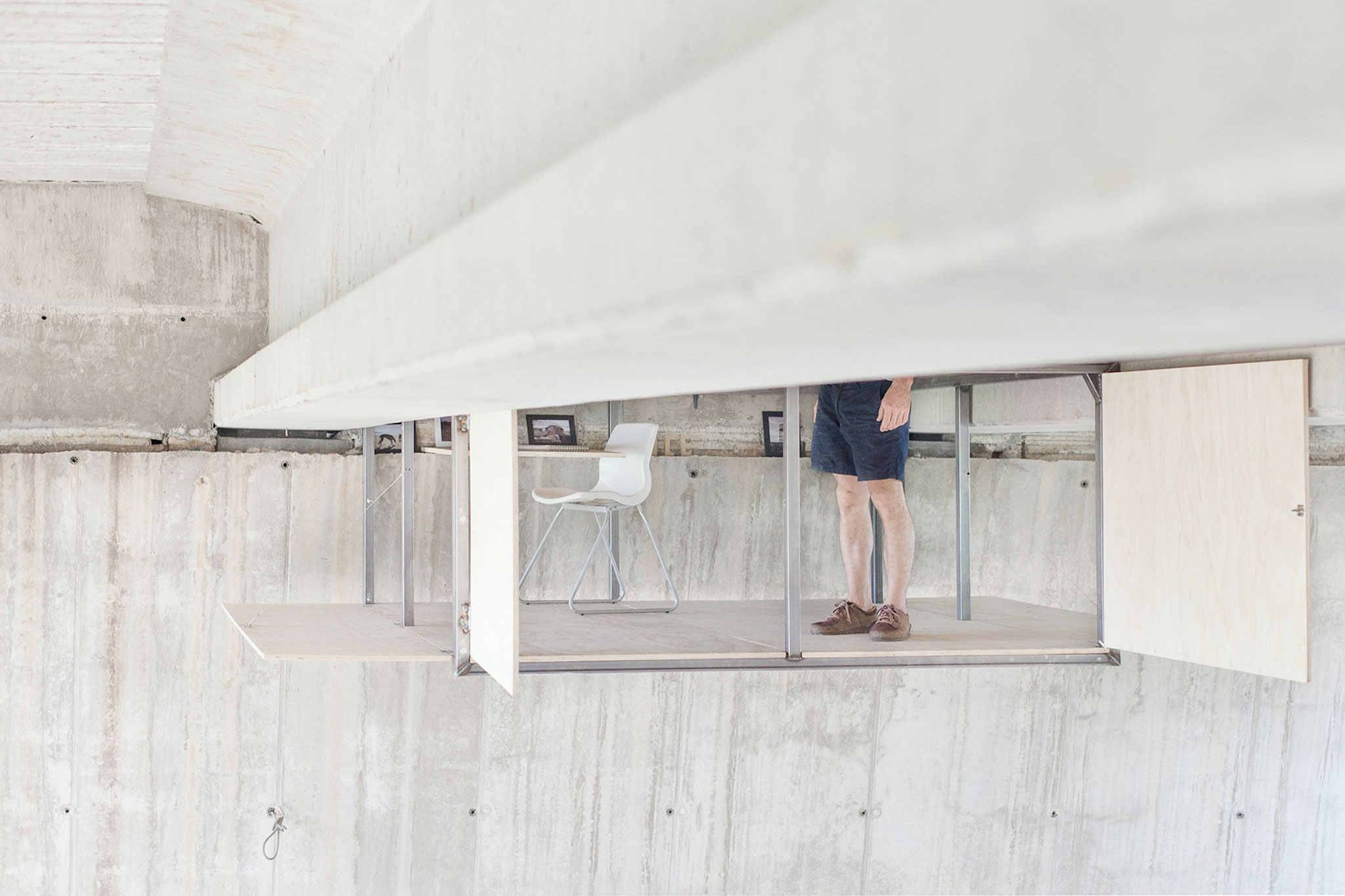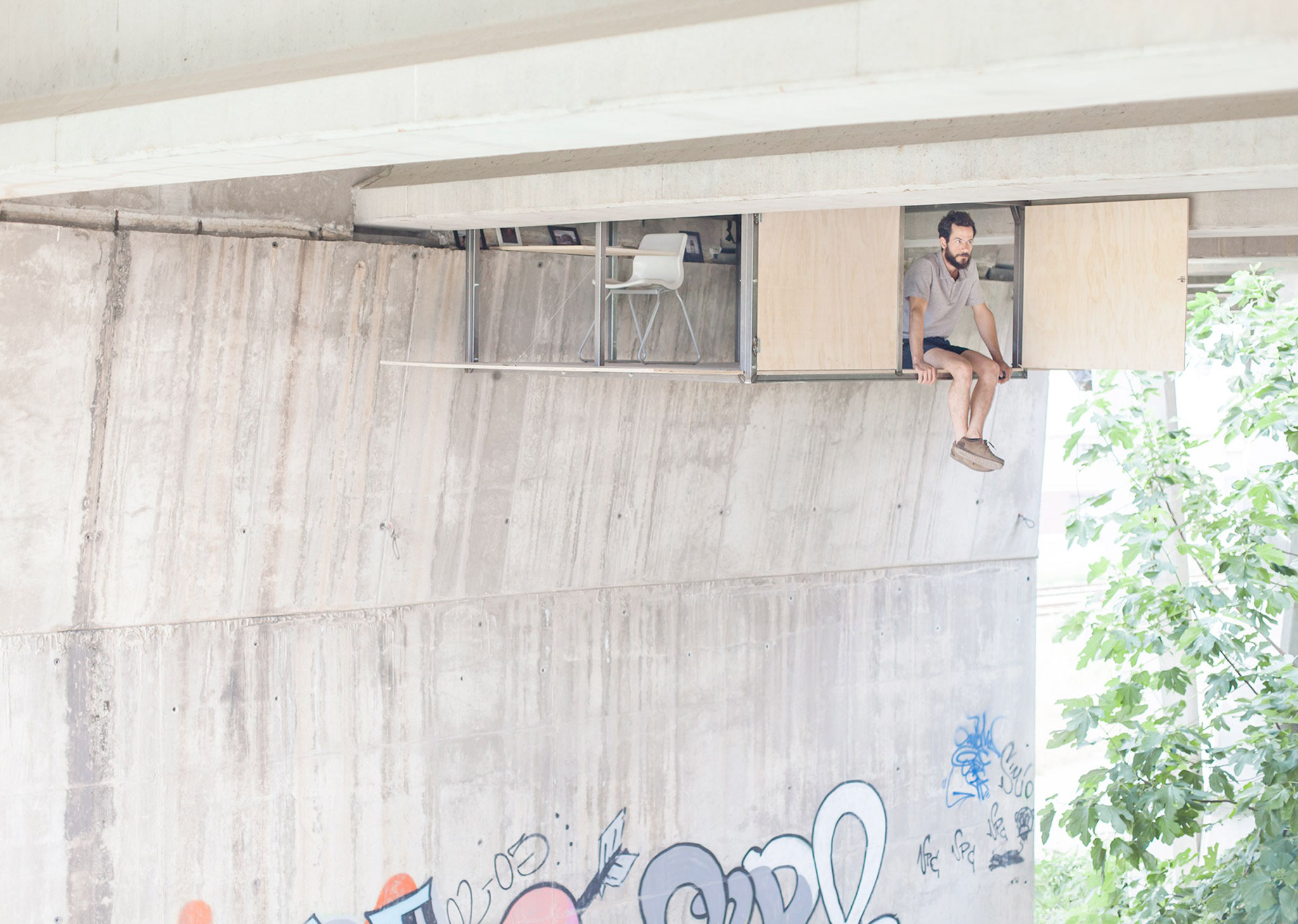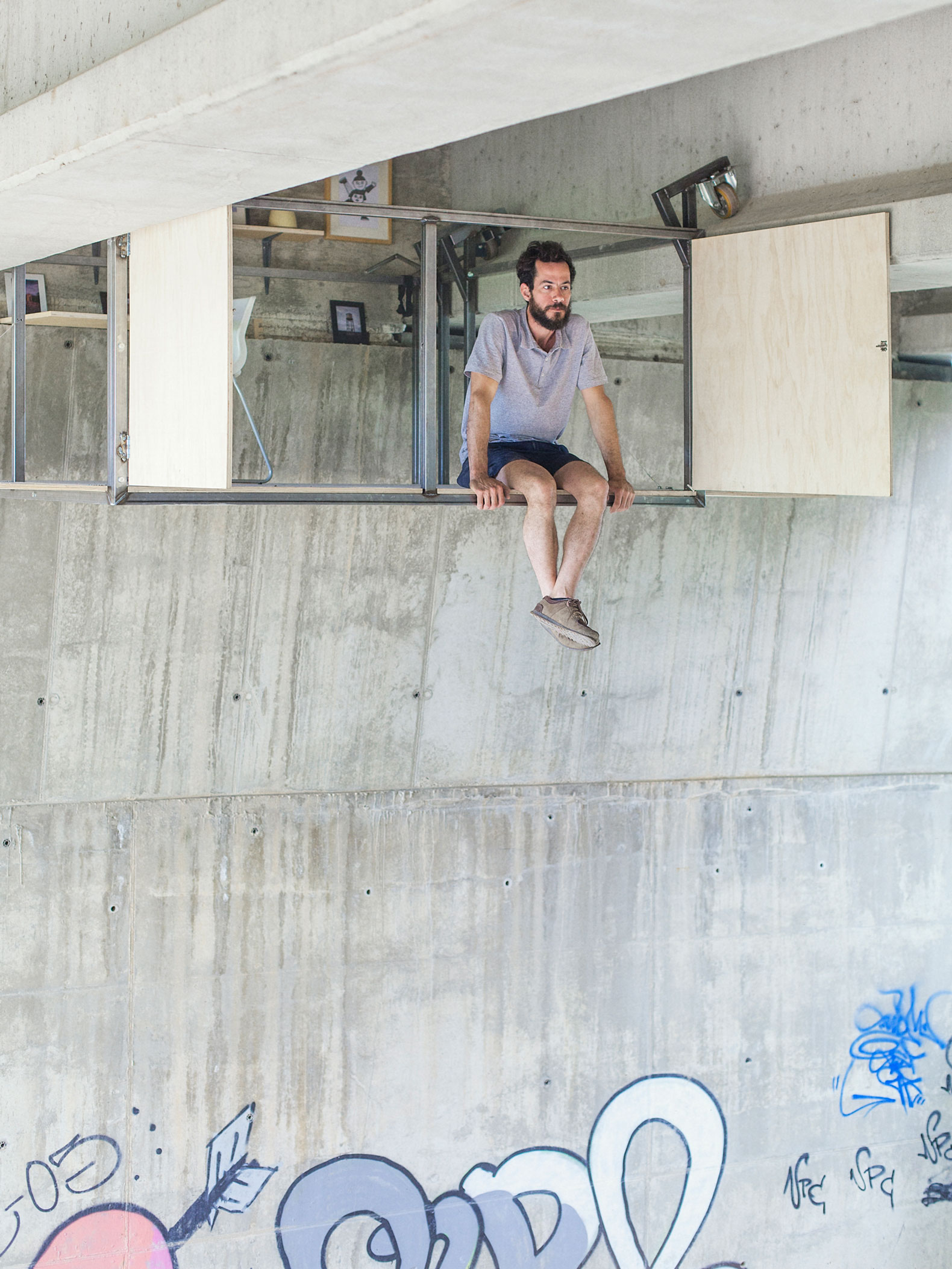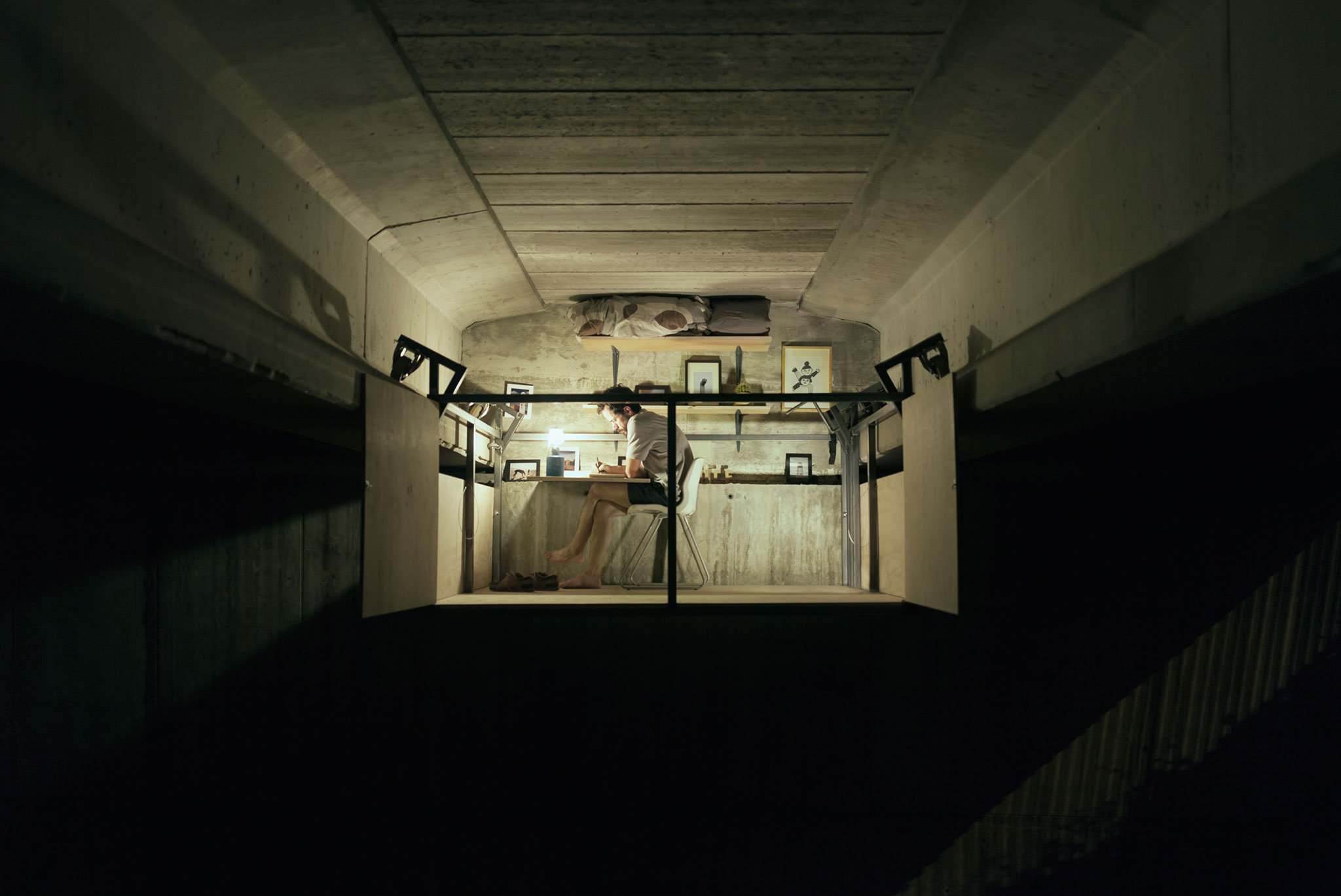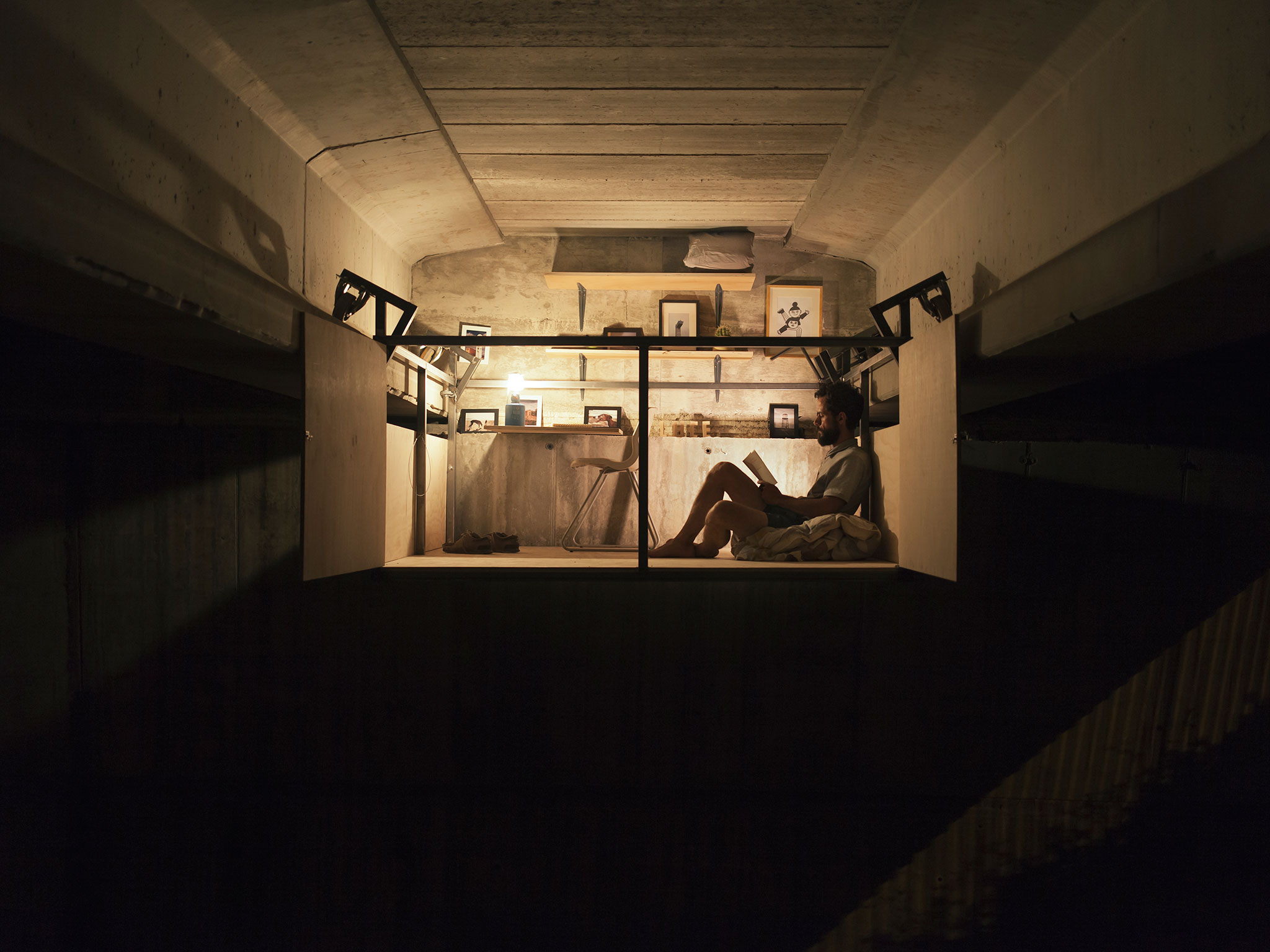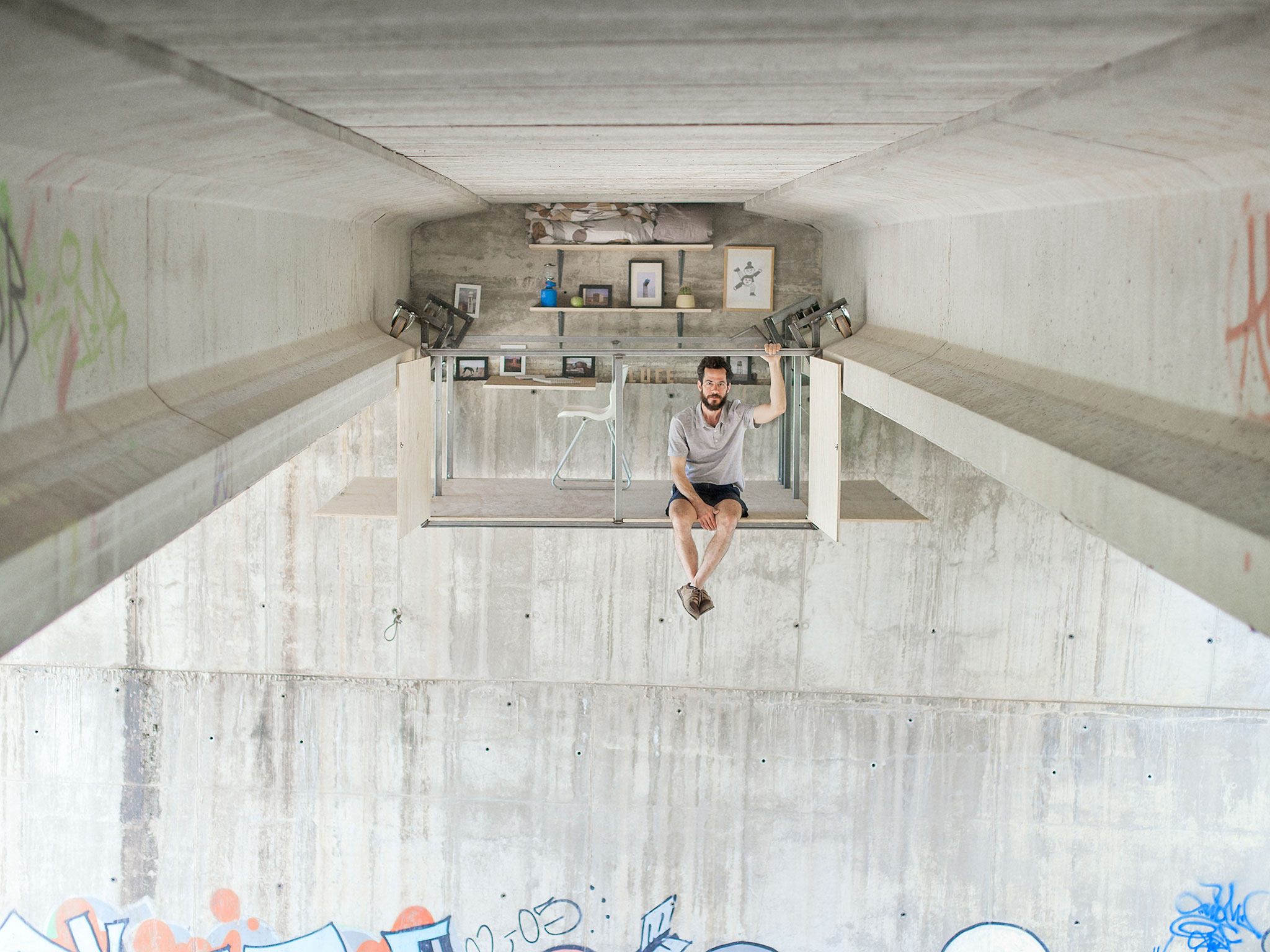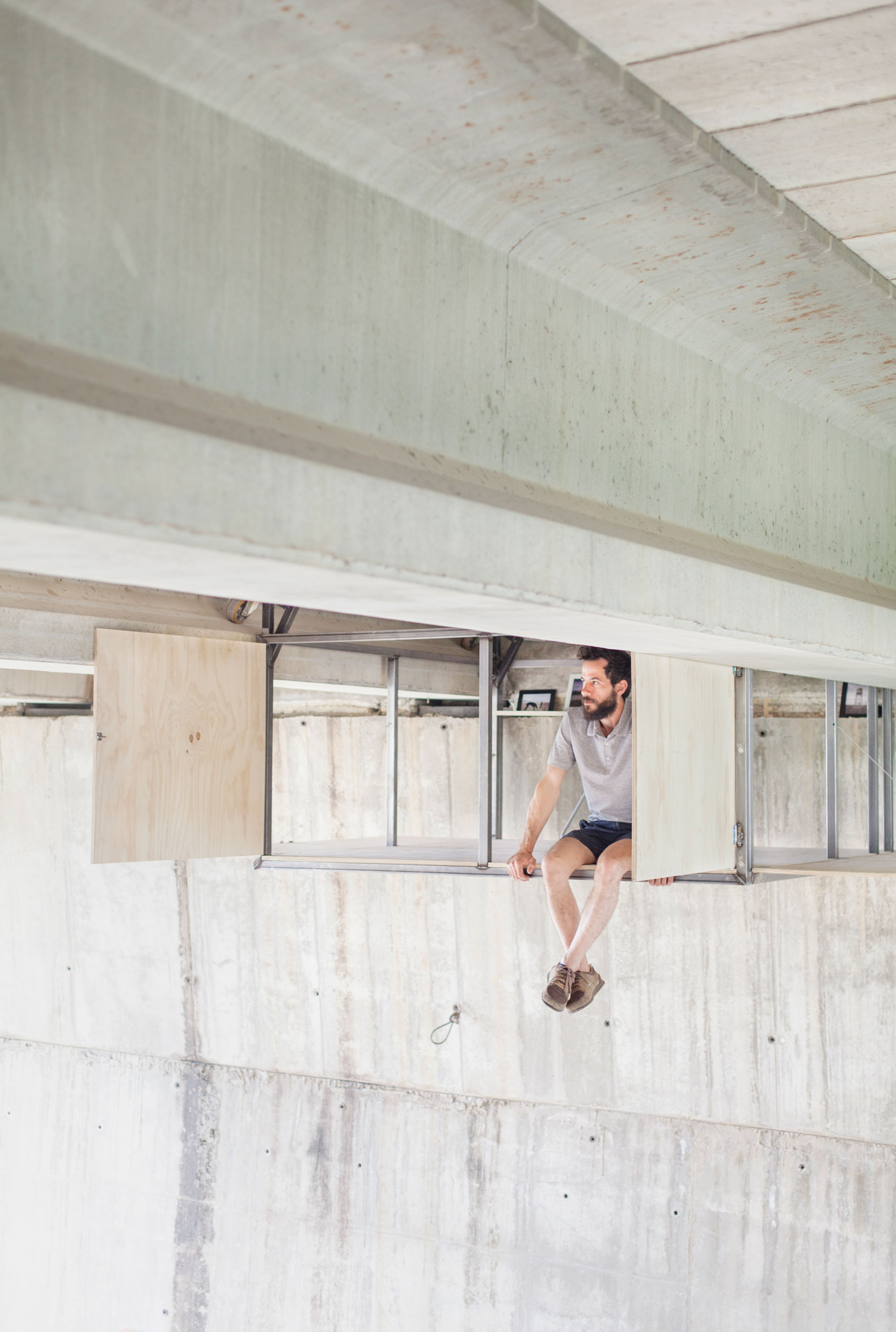
The proposal of Valencian Fernando Abellanas is, besides ingenious, artisan and innovative, an intelligent proposal that not only makes us reflect on the obvious problem of the absence of adequate housing in the big cities, but makes us think about what is the minimum space to feel home. It presents an innovative reflection on the idea of "living under the bridge" but also living in the city, in the hardest part of the city, in its infrastructures.
Fernando Abellanas defines his work in terms below: "My work as a designer could be summarized in an attempt to put into practice all those concerns related to design, crafts and architecture that arise daily.
Completely self-taught I observe, investigate and develop different projects with the sole purpose of satisfying my own personal motivations," and he adds, "with the acquired learning, resulting from some years of work, collaborating with artists, interior designers and architects offering solutions of Design and production. All this under the name of Lebrel."
Completely self-taught I observe, investigate and develop different projects with the sole purpose of satisfying my own personal motivations," and he adds, "with the acquired learning, resulting from some years of work, collaborating with artists, interior designers and architects offering solutions of Design and production. All this under the name of Lebrel."
"Refuge of the city in the city itself" by Fernando Abellanas. LEBREL.
Hut: a small single-story building of simple or crude construction, serving as a poor, rough, or temporary house or shelter.
In this case, there is no reference to those idyllic images in the forest if not to small spaces recovered within the same city where they can take shelter at times of their frenetic pace. Places that by their architecture, location, or dimensions have become useless and even pass unnoticed by the people who walk around them, but discovering them, studying them and inhabiting them, come to us to evoke those same feelings of isolation, peace and protection. Childhood we hid under a table stretcher during some family event.
The idea of this intervention arises from an attempt to recover similar emotions through the connections that exist between one space and another:
- The cabin inside our house and the shelter in the city itself.
- The noise of relatives and the noise of cars and trains.
- The space under a table and the suspended structure at 5 meters high (the importance of leaving the quota 0).
- The tablecloth hanging from the table and the large concrete walls.
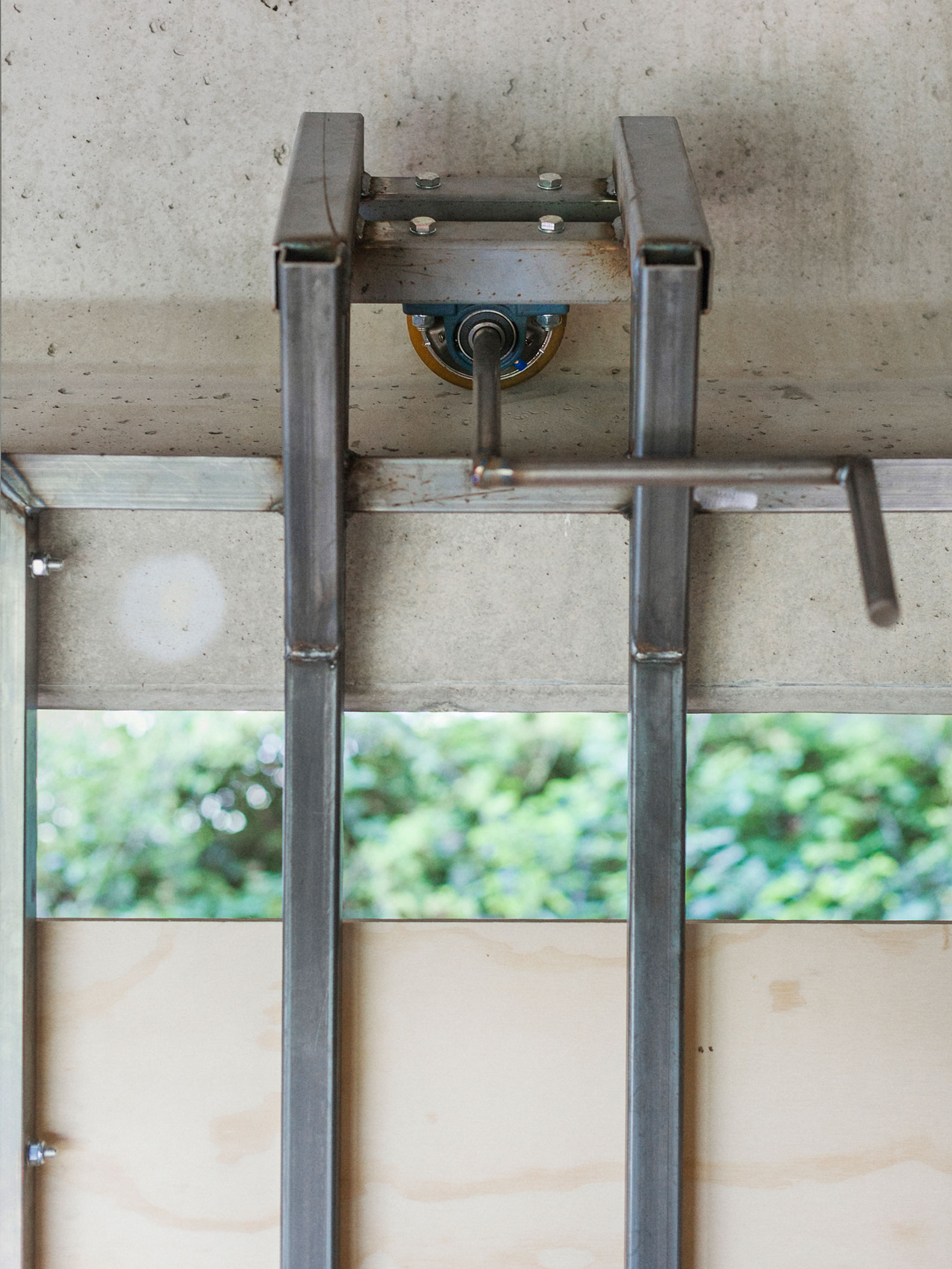
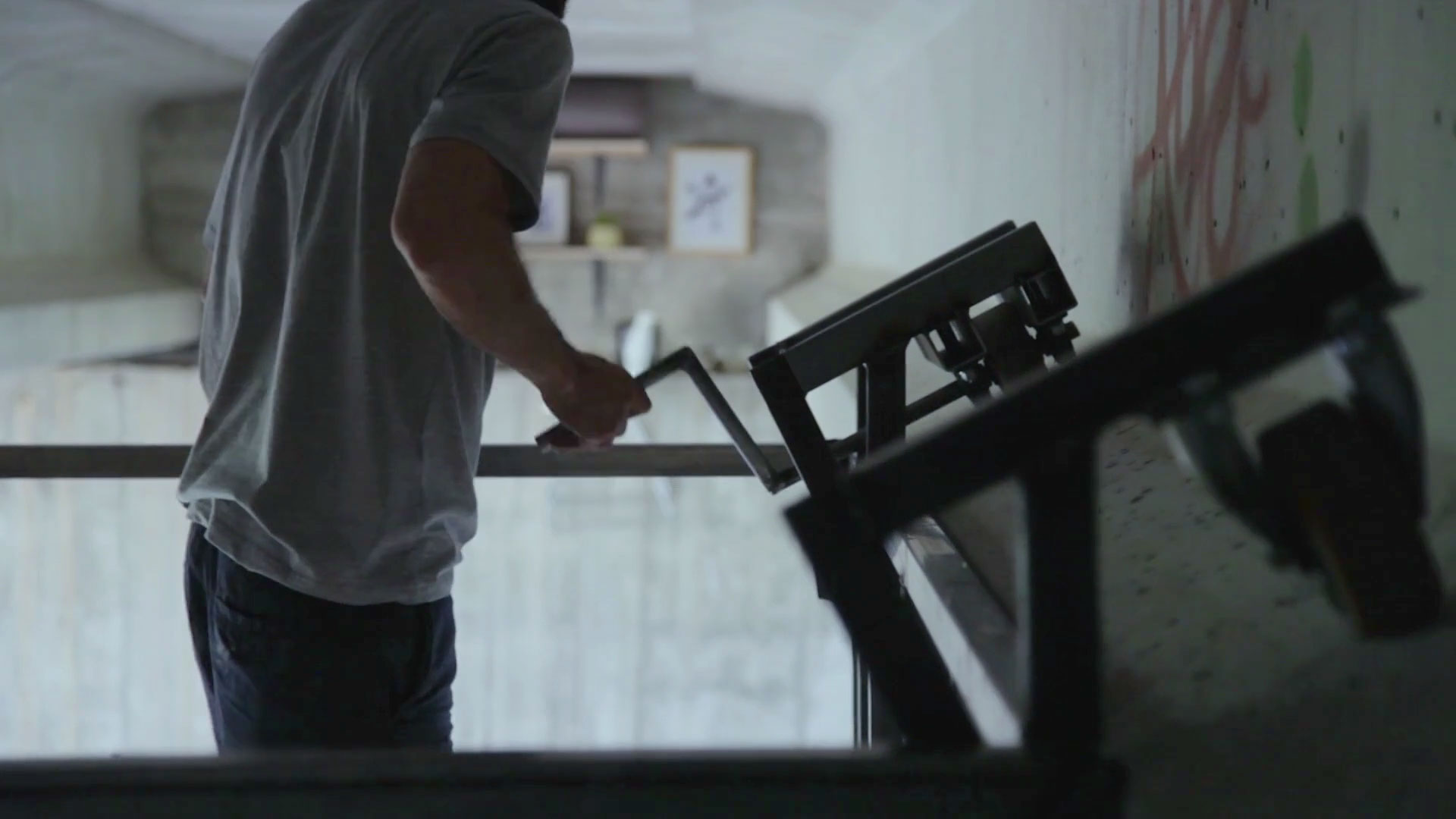
- The exercise of accessing a space by crawling and the other by operating a crank.
- The power to observe what happens around us without being seen by relatives or the big city.
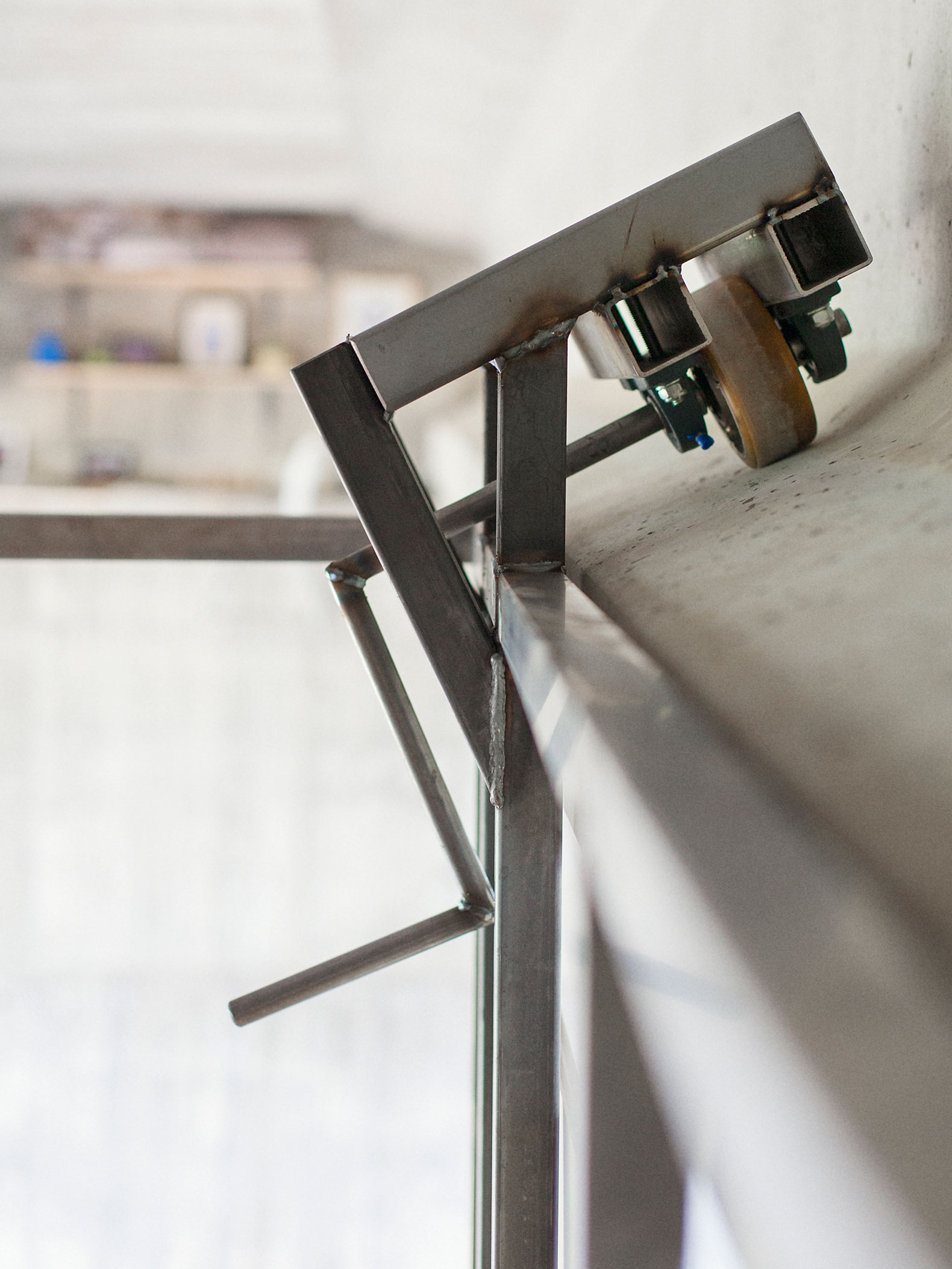
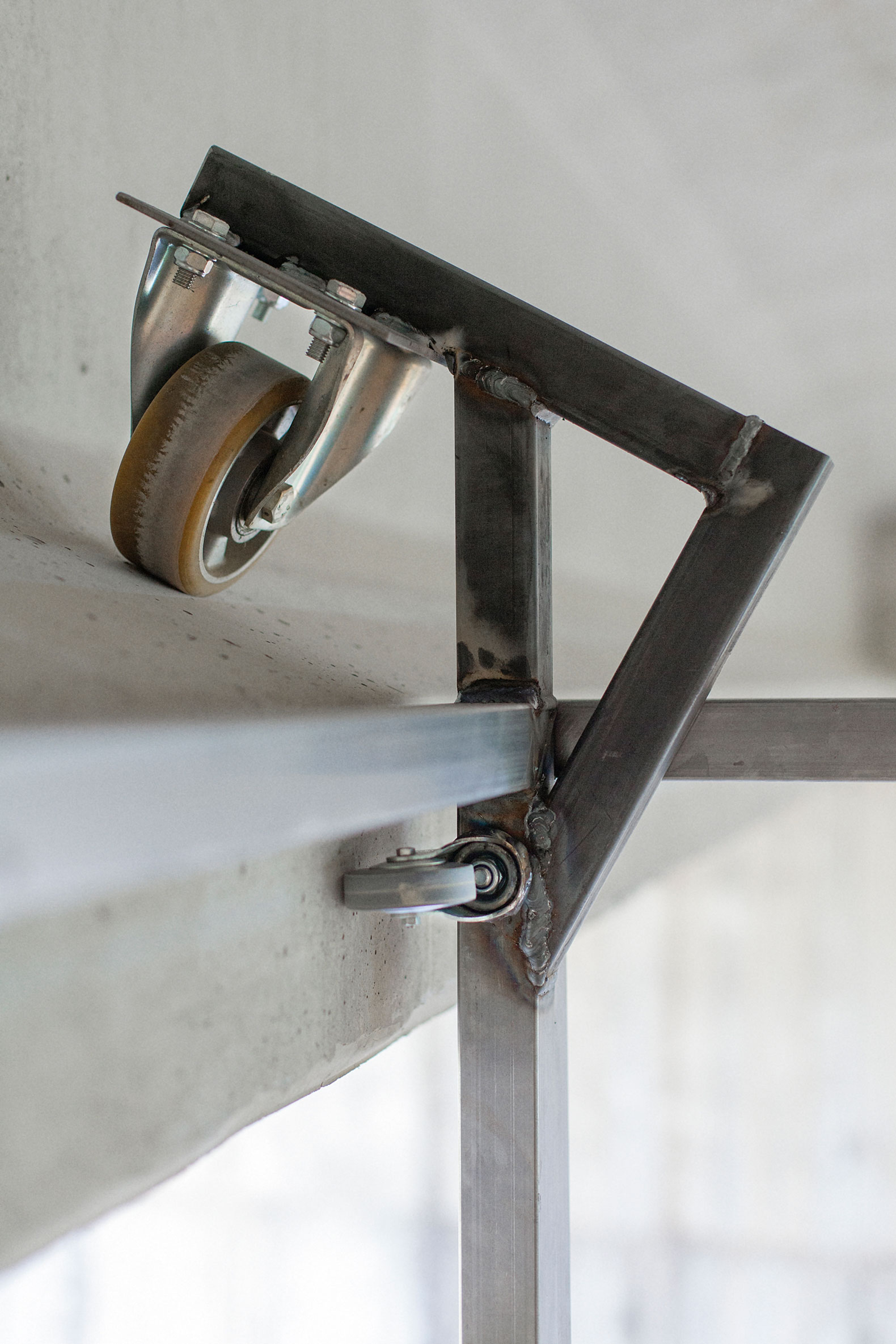
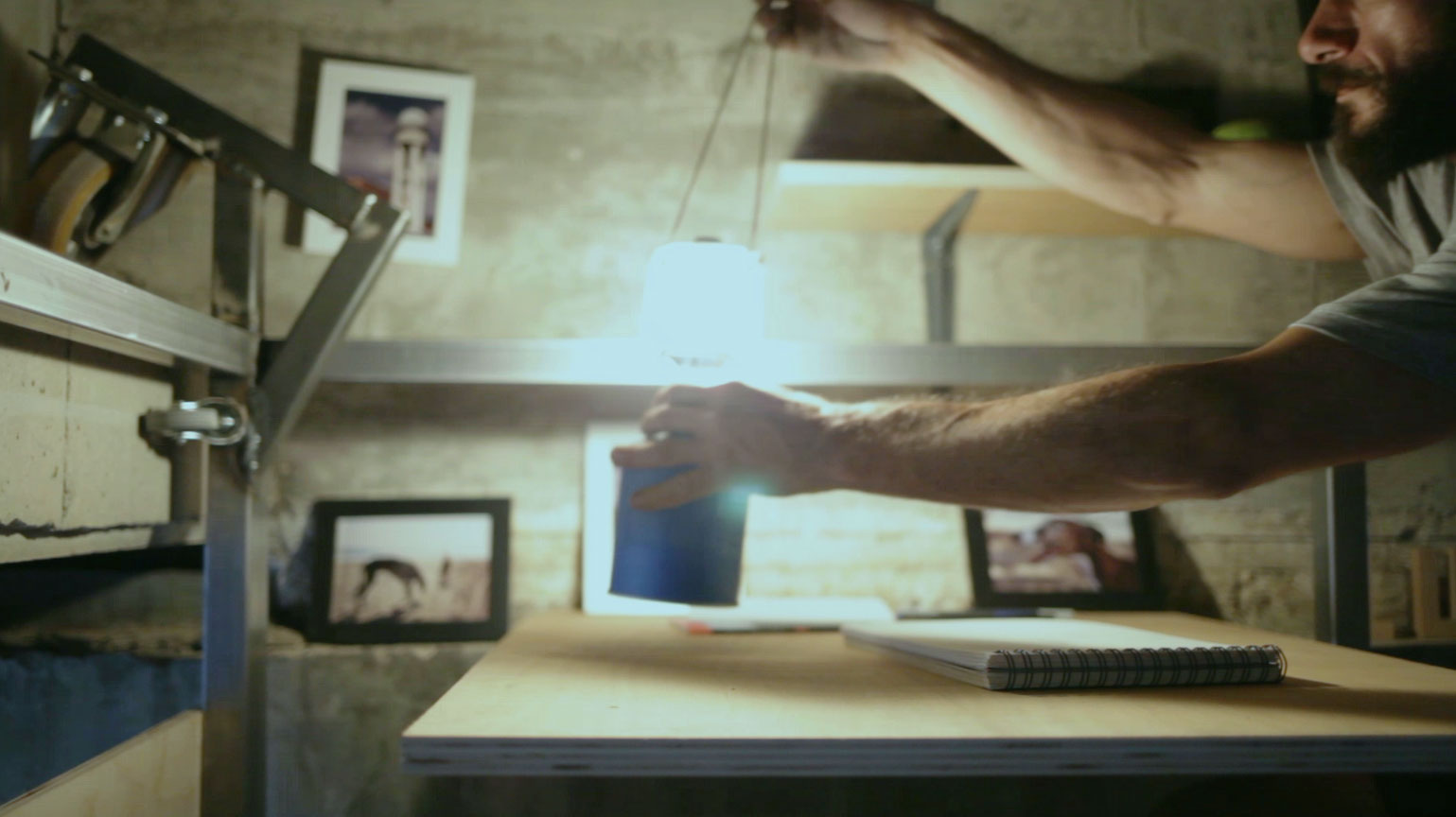
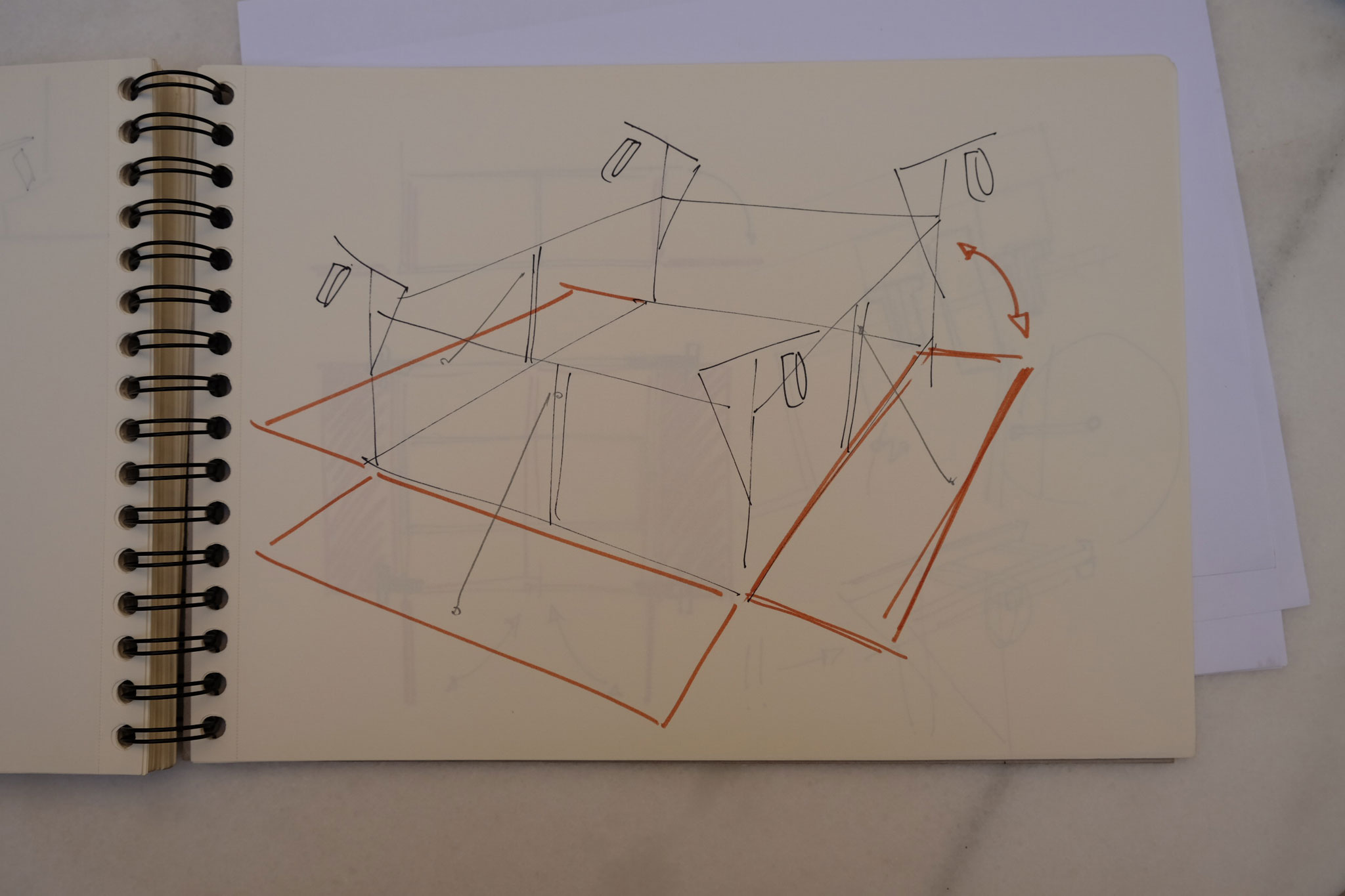
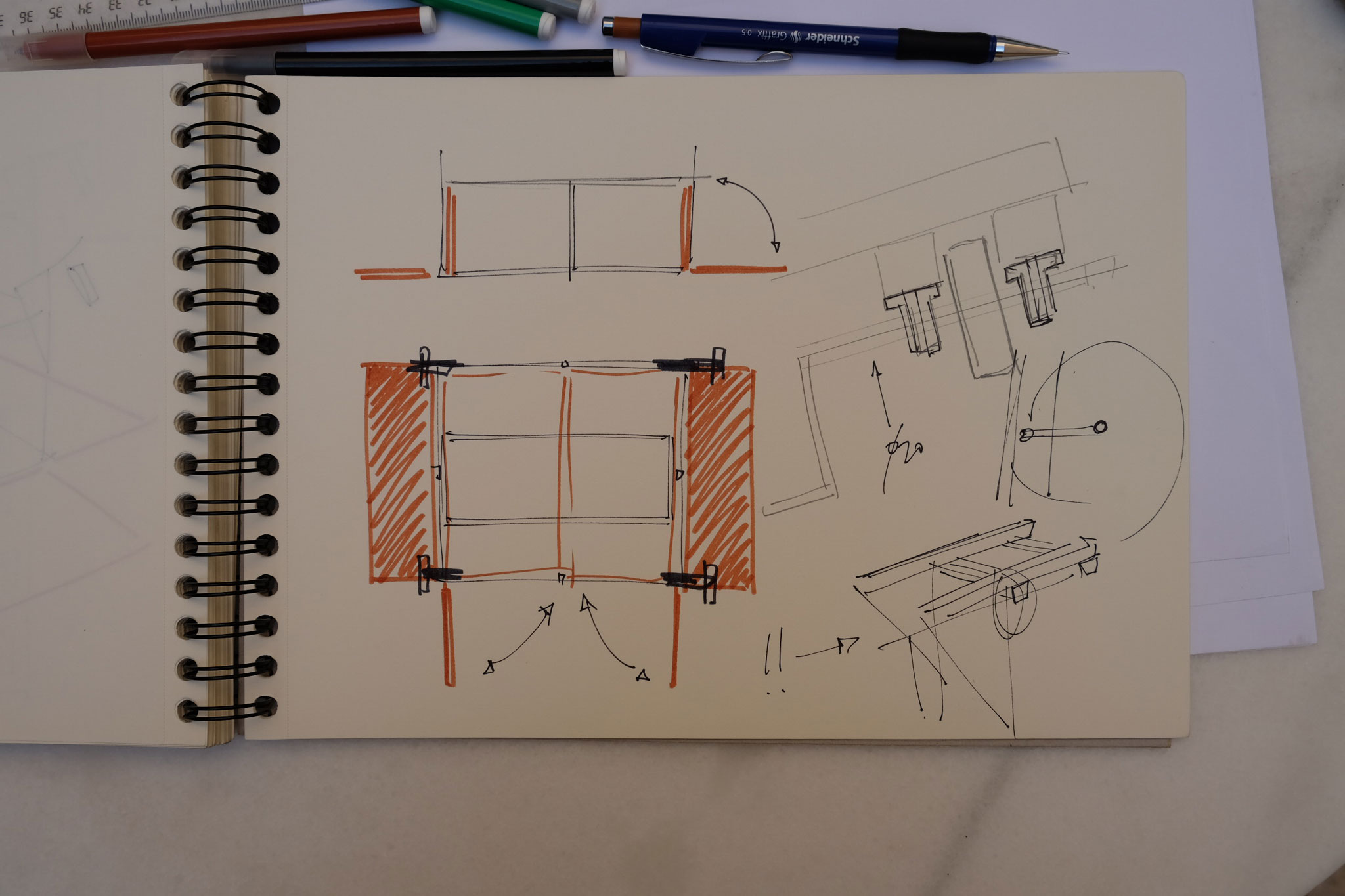
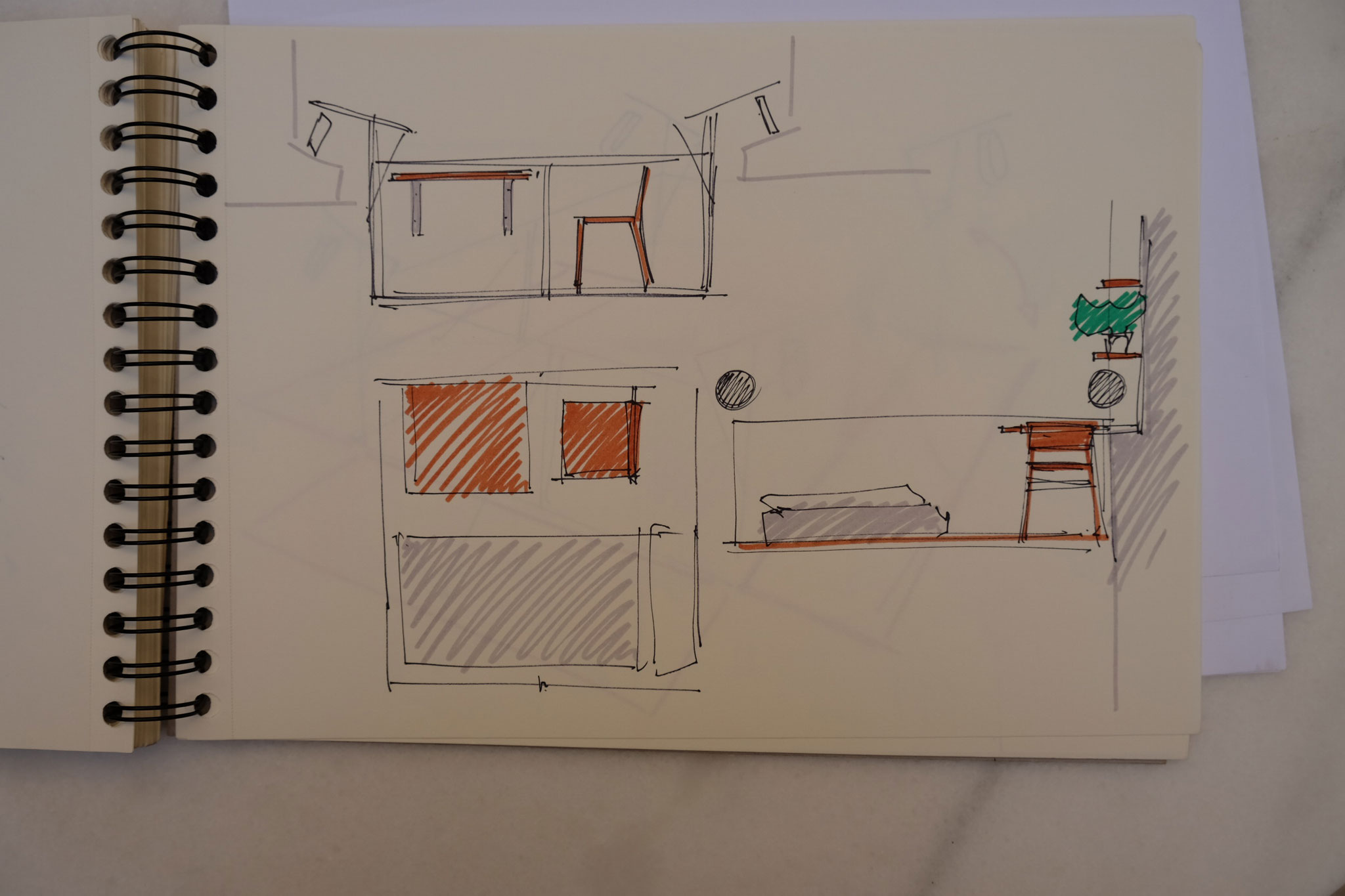
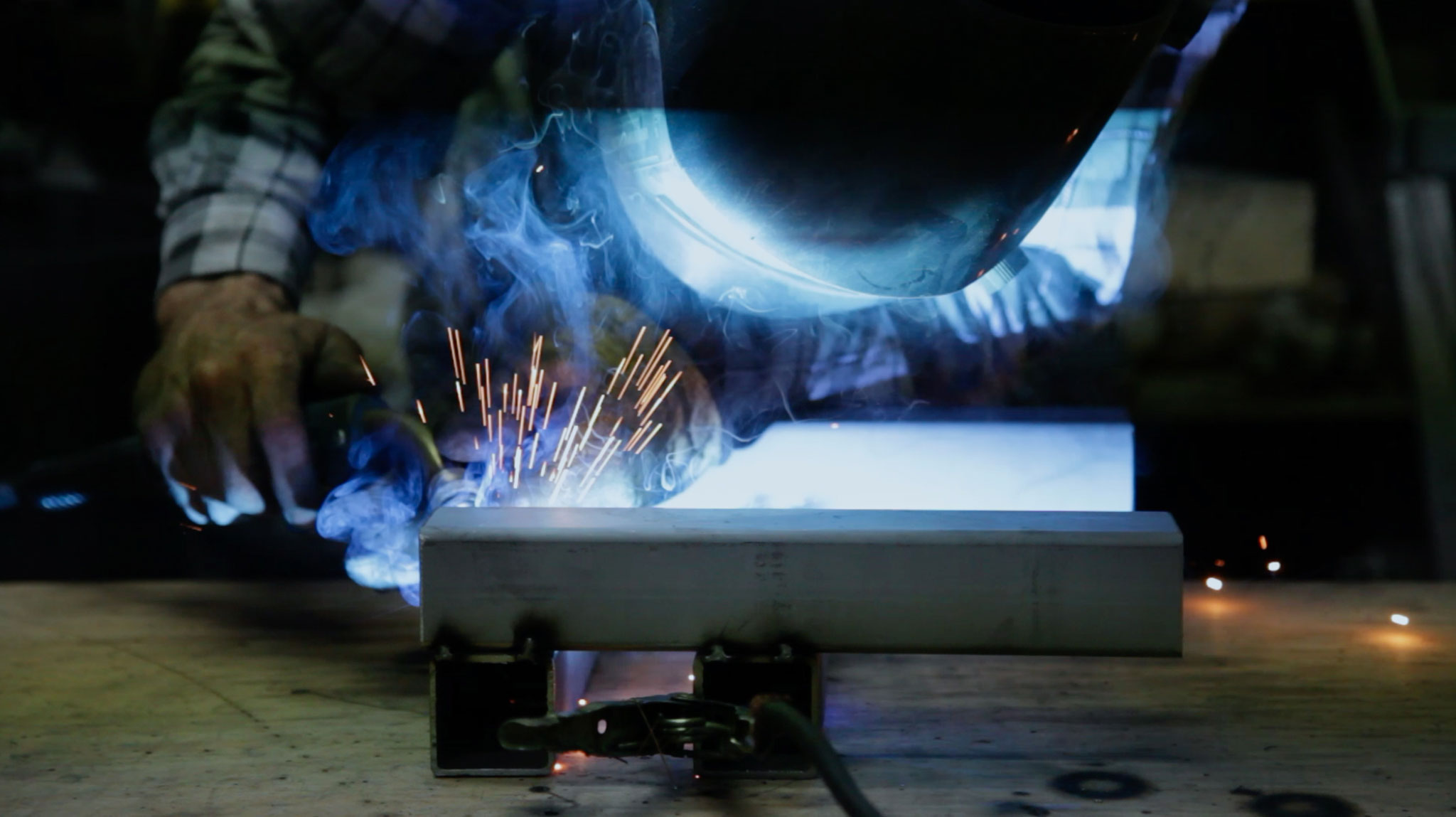
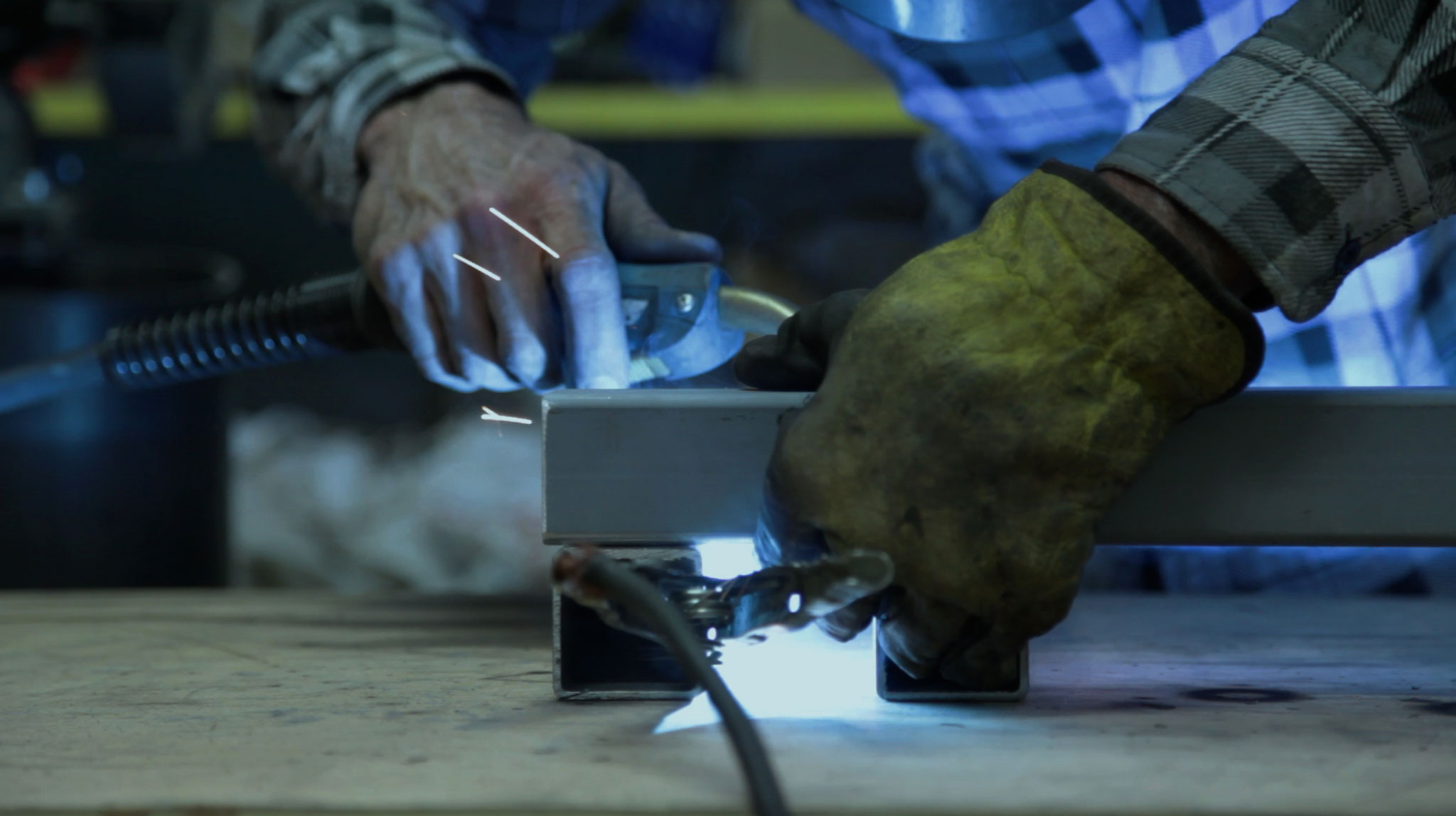
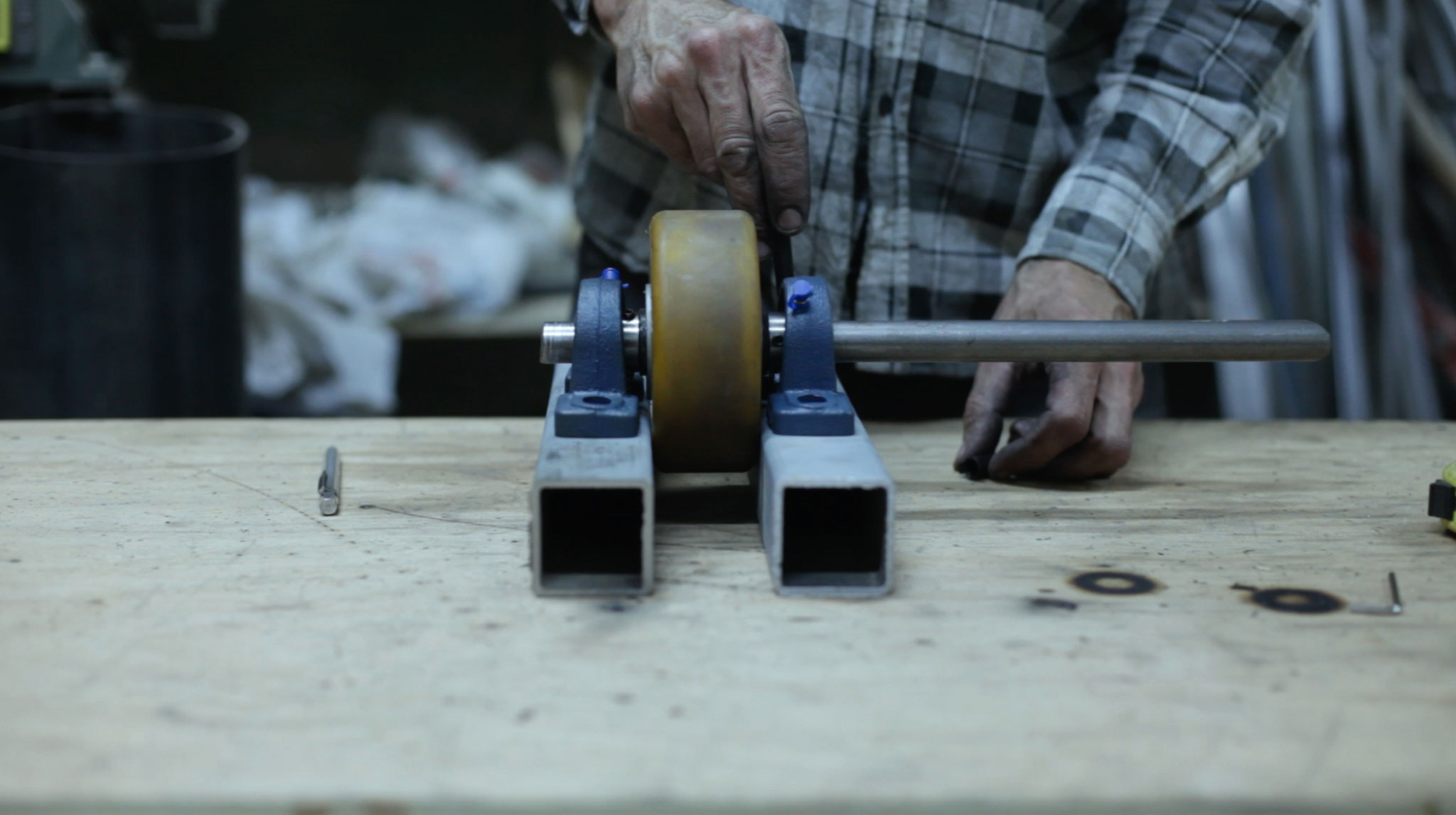
For its construction have taken advantage of the beams of the lower structure of a bridge as a lane to displace a base (removable metal structure) that at the end of its journey links with the furniture that makes it a useful and welcoming space.
In this way also, the action of the displacement creates a dialogue about the union that comes to form between the mobile structure and the furniture, the house and the home, the body and the soul.
All this in an environment where vegetation, concrete, the sound far away from the hustle and bustle of the city and the pleasure of feeling so close and so alien at the same time.