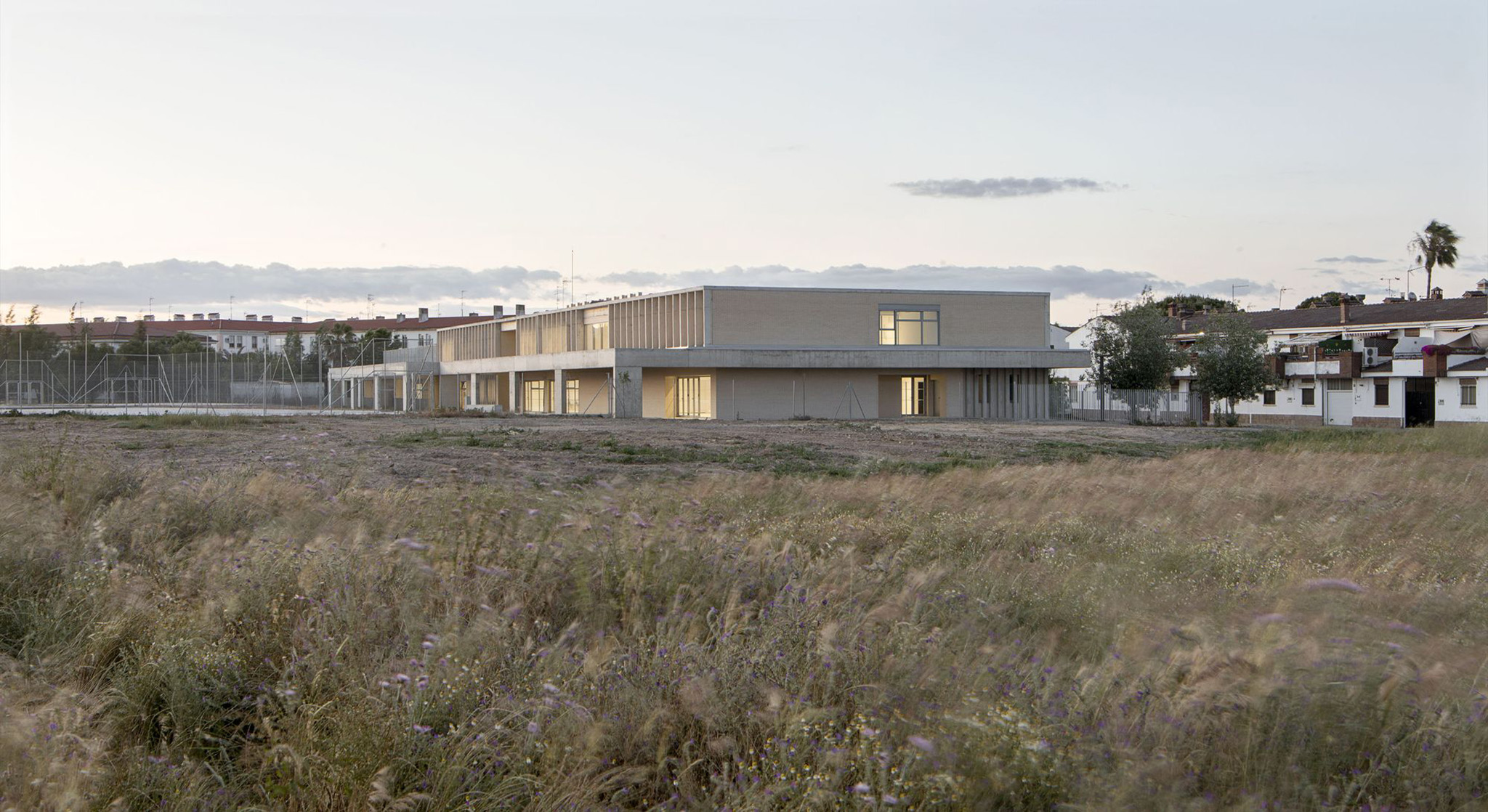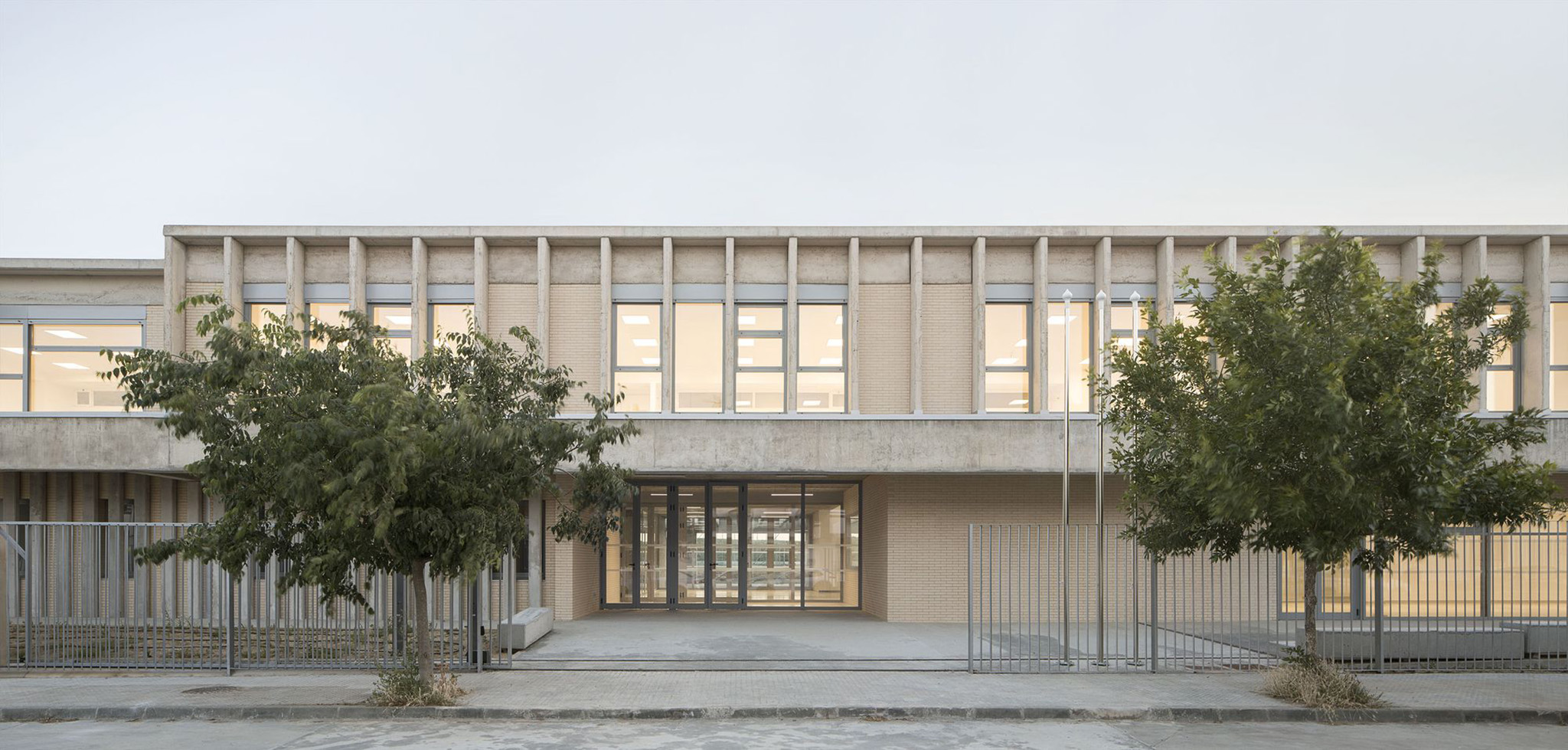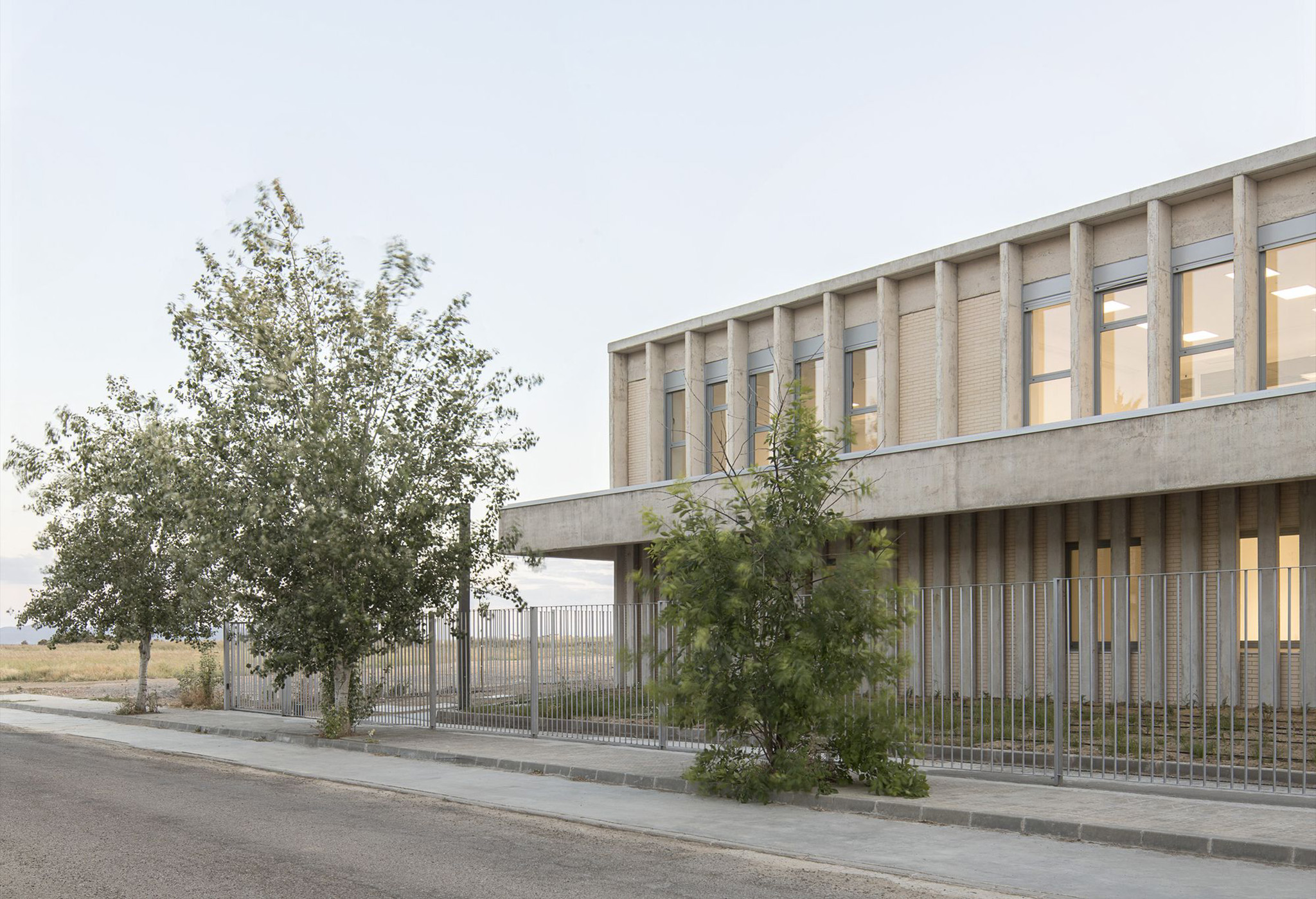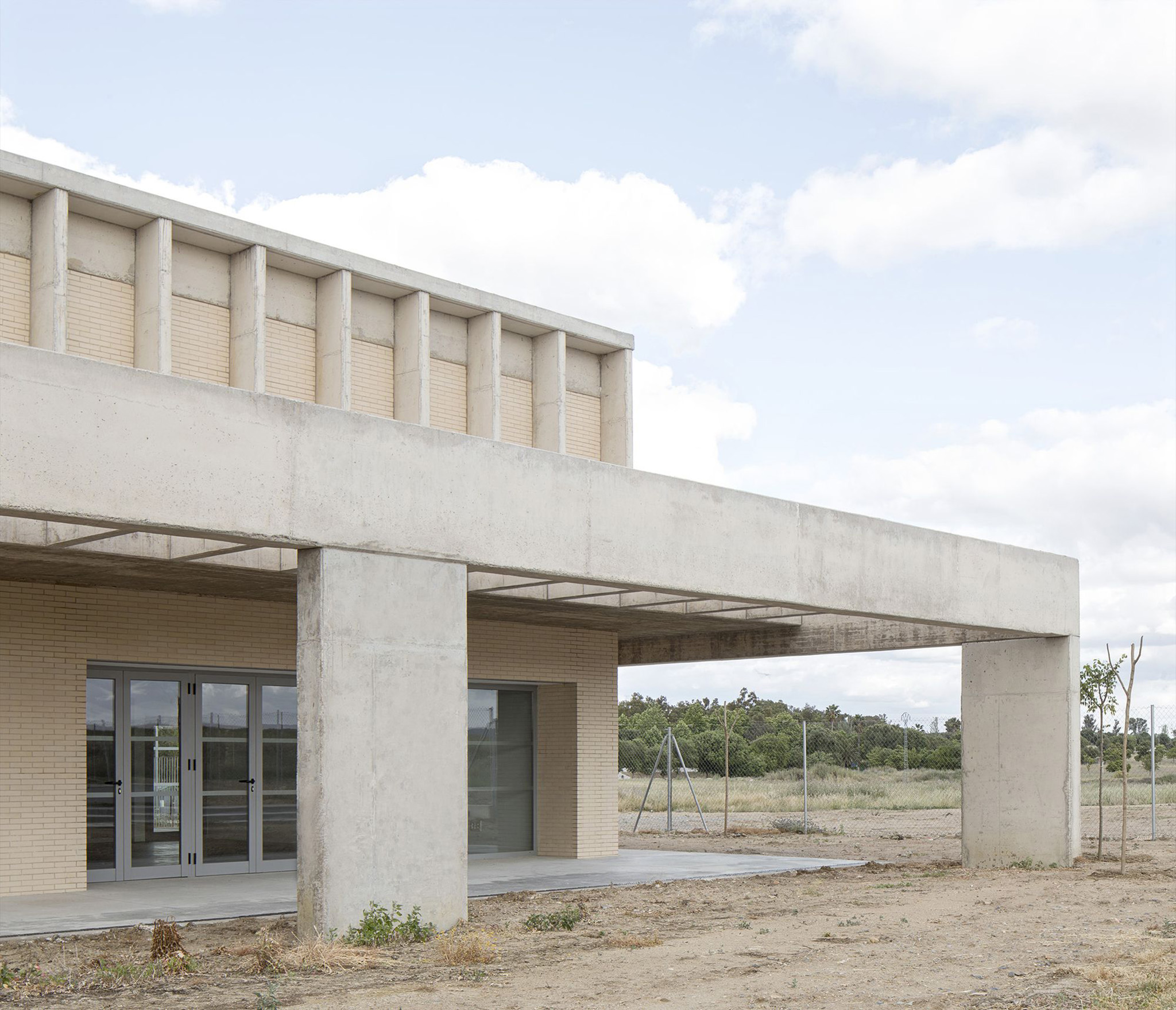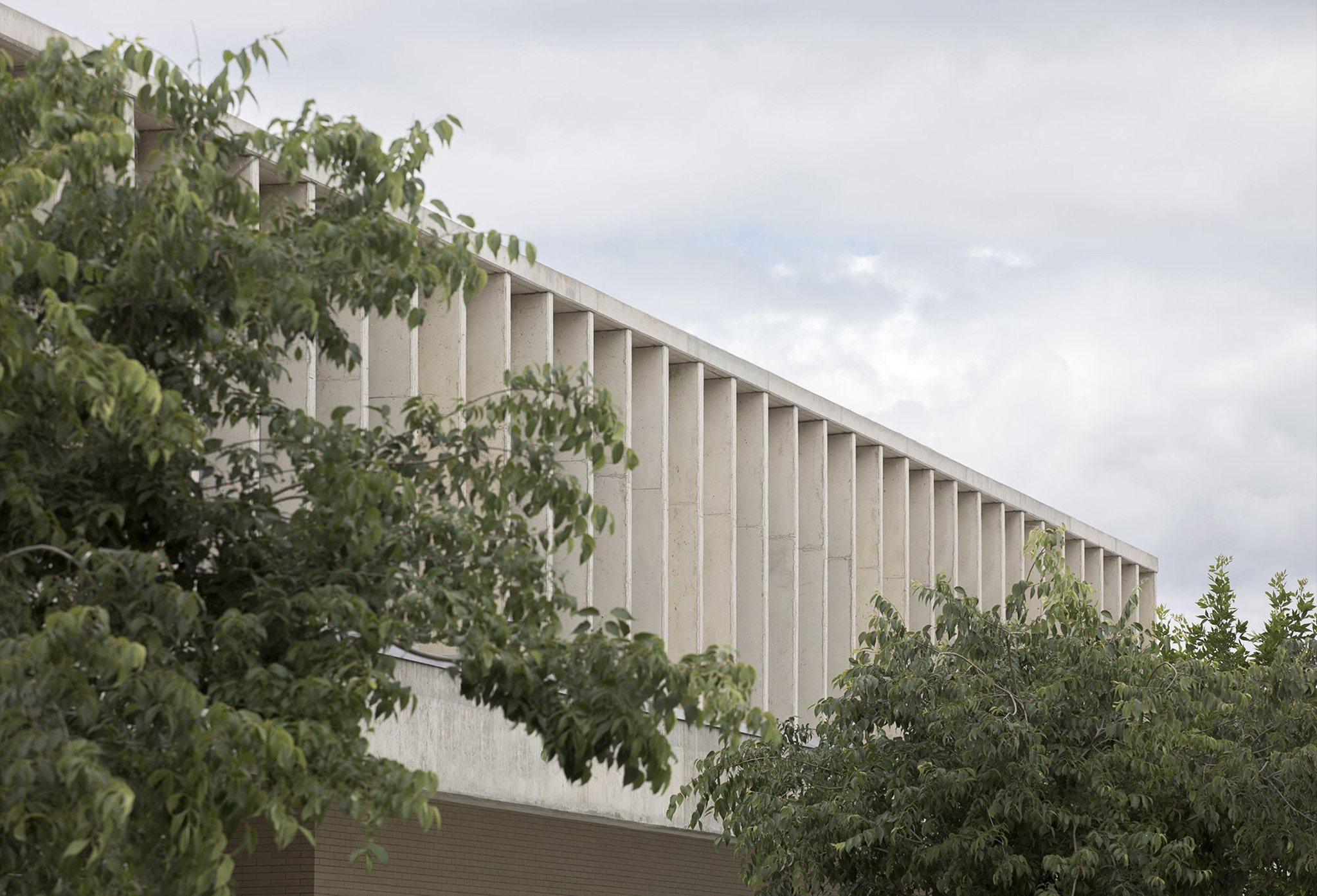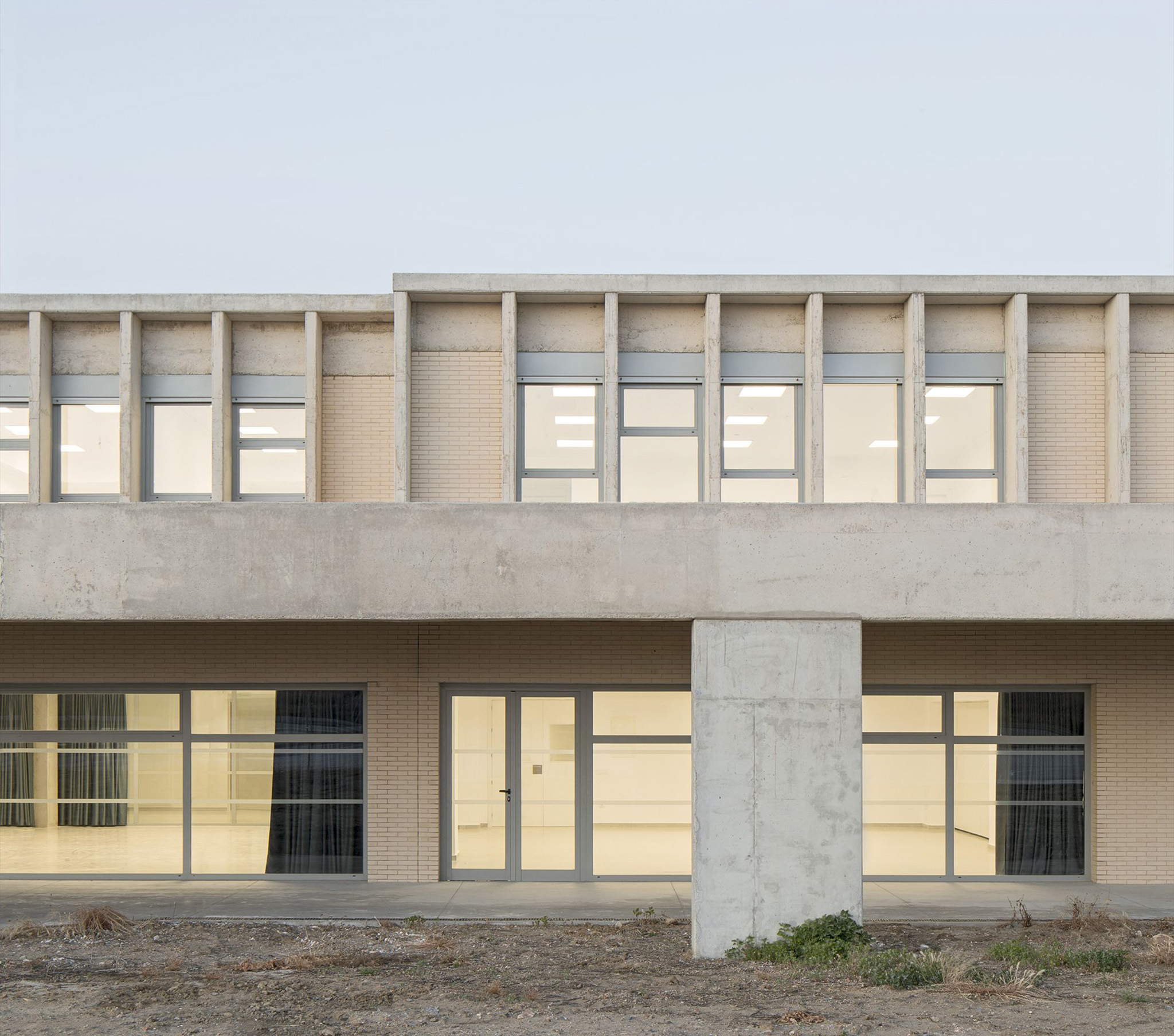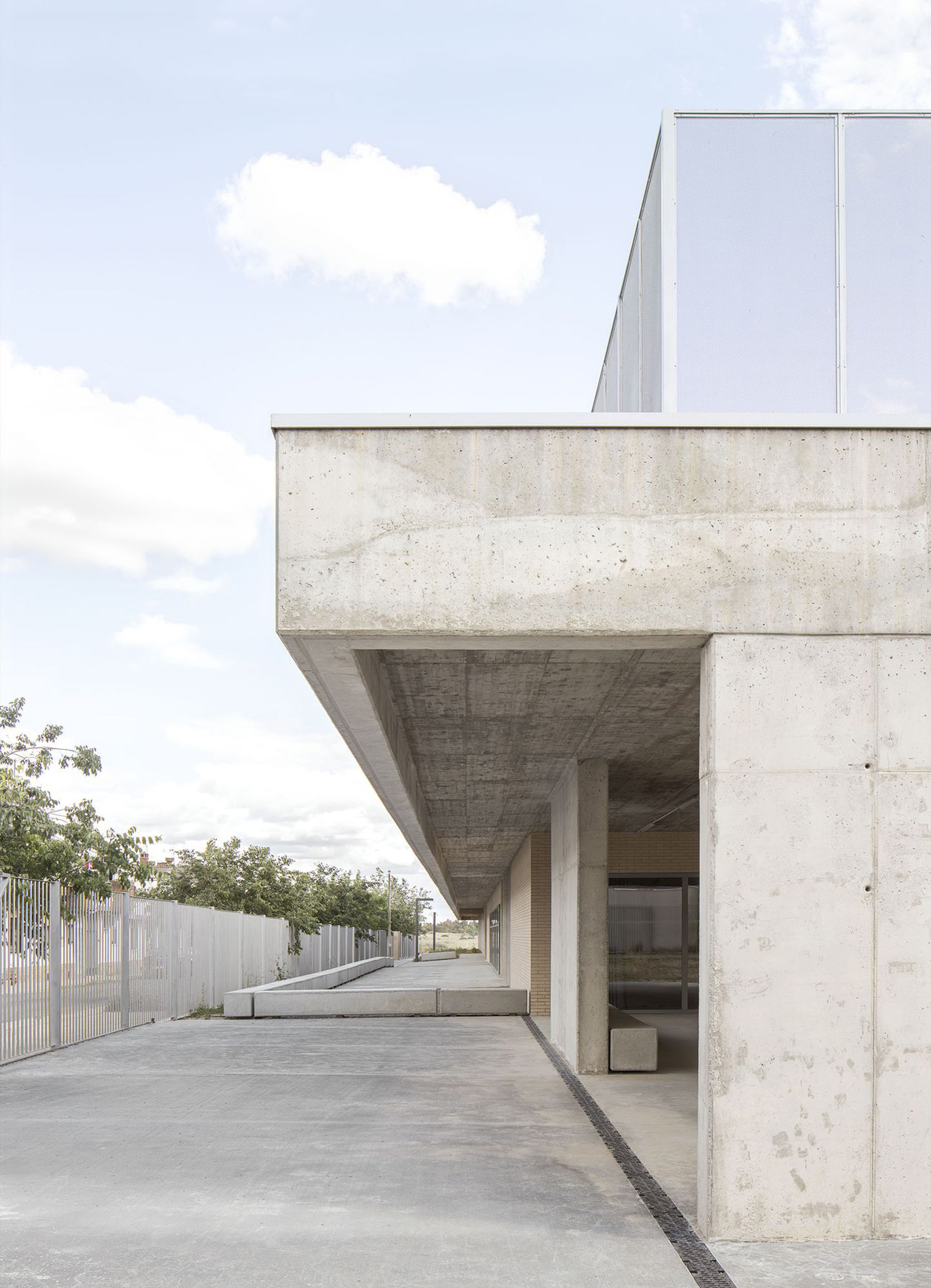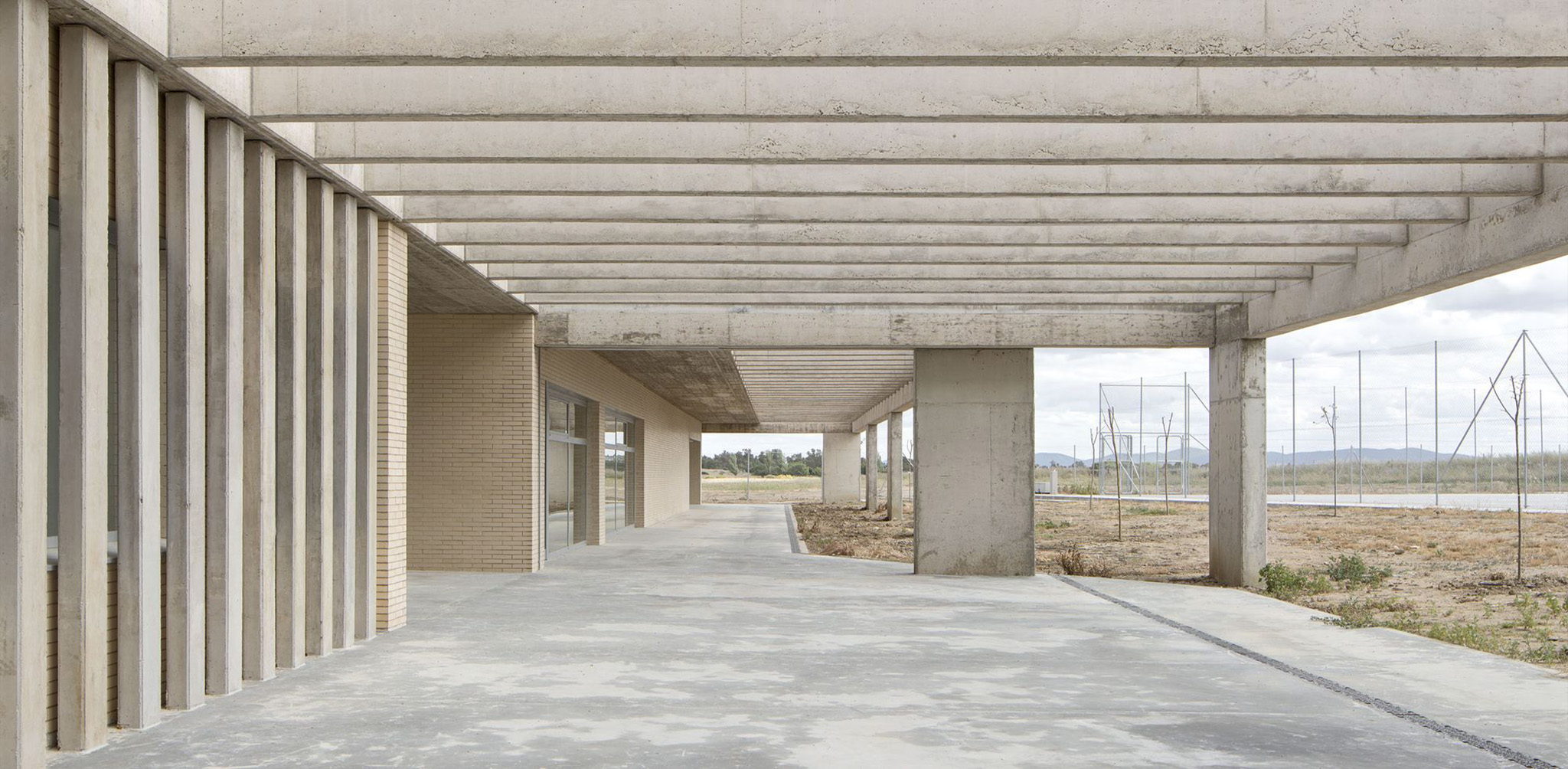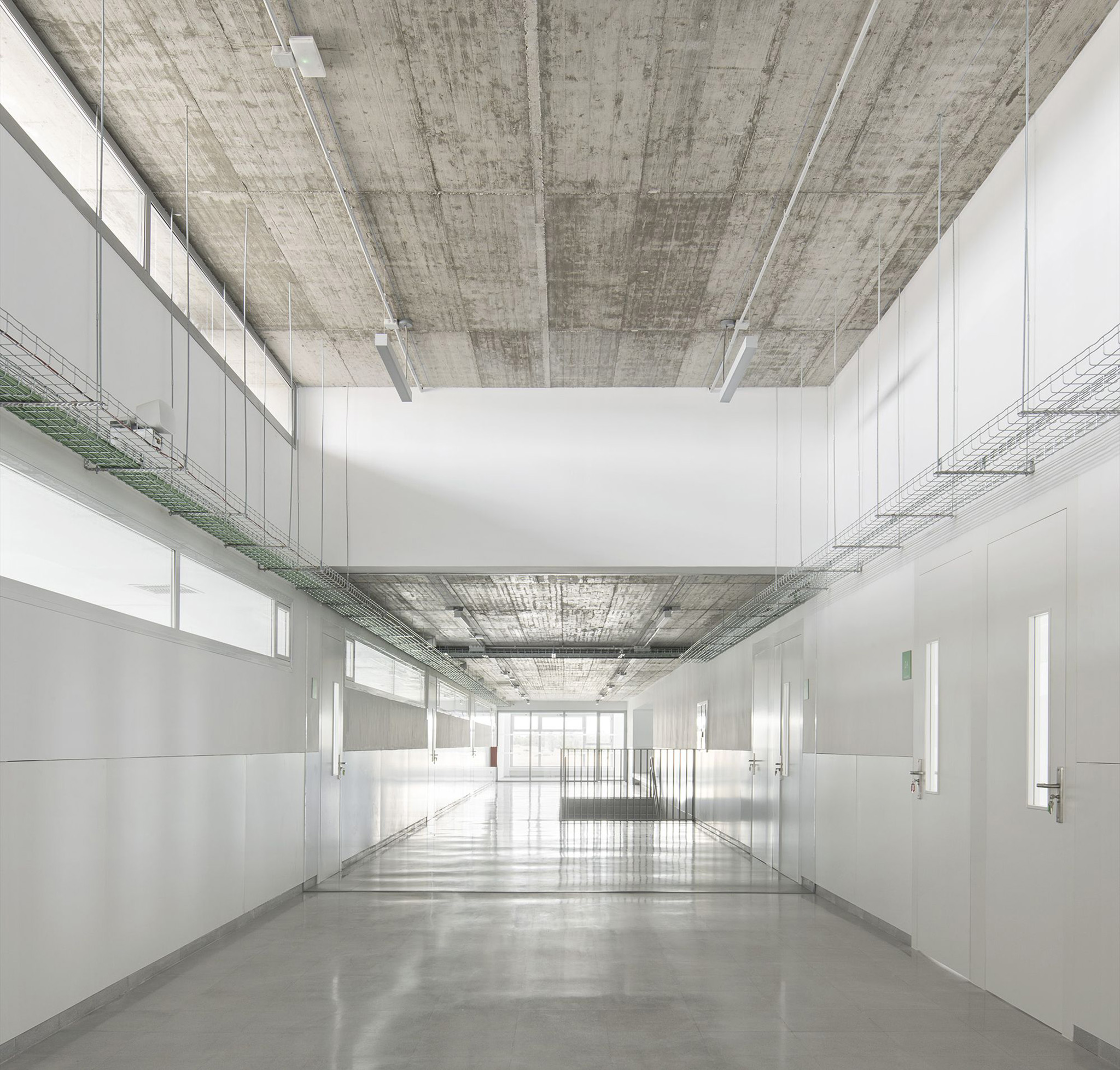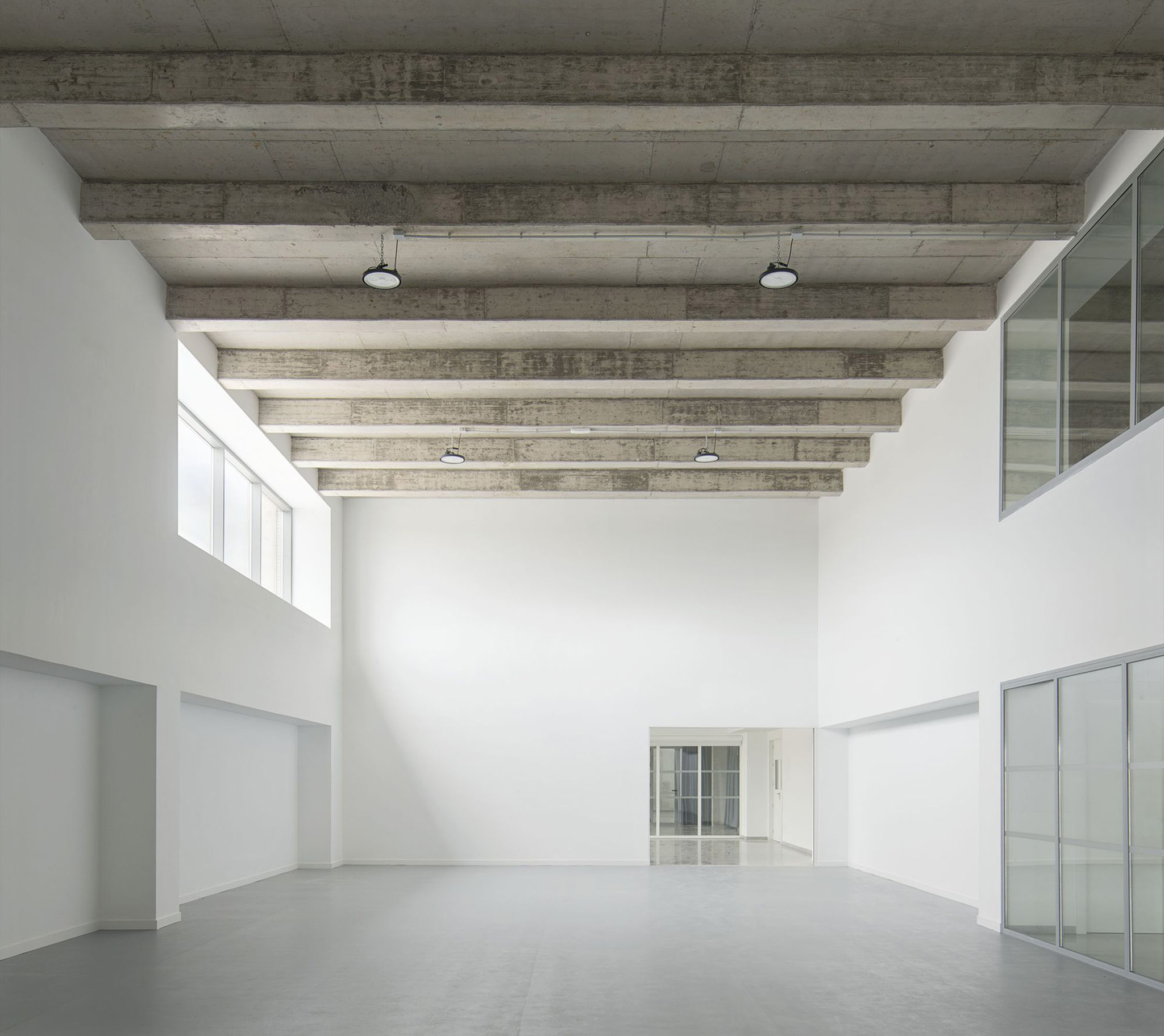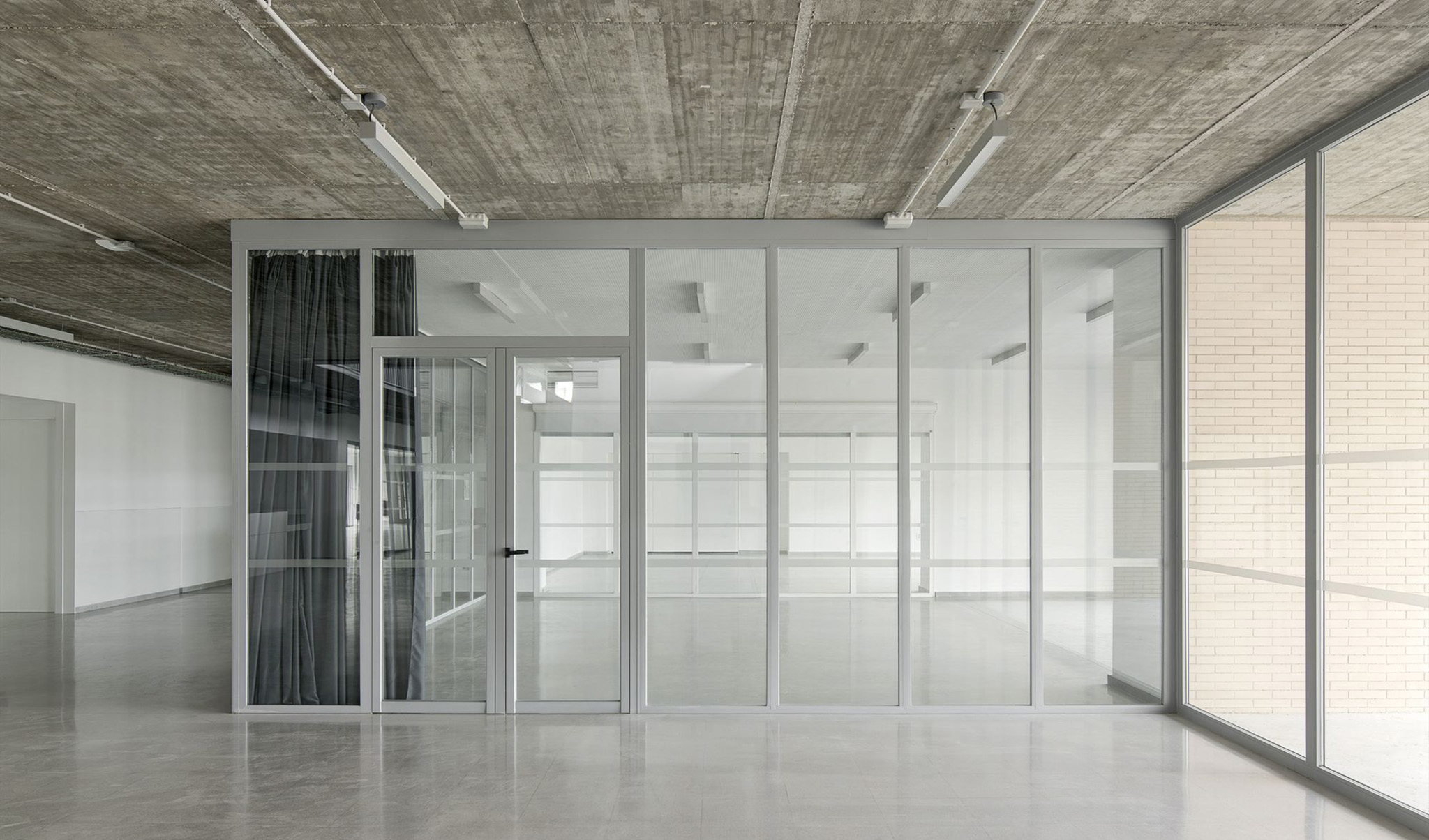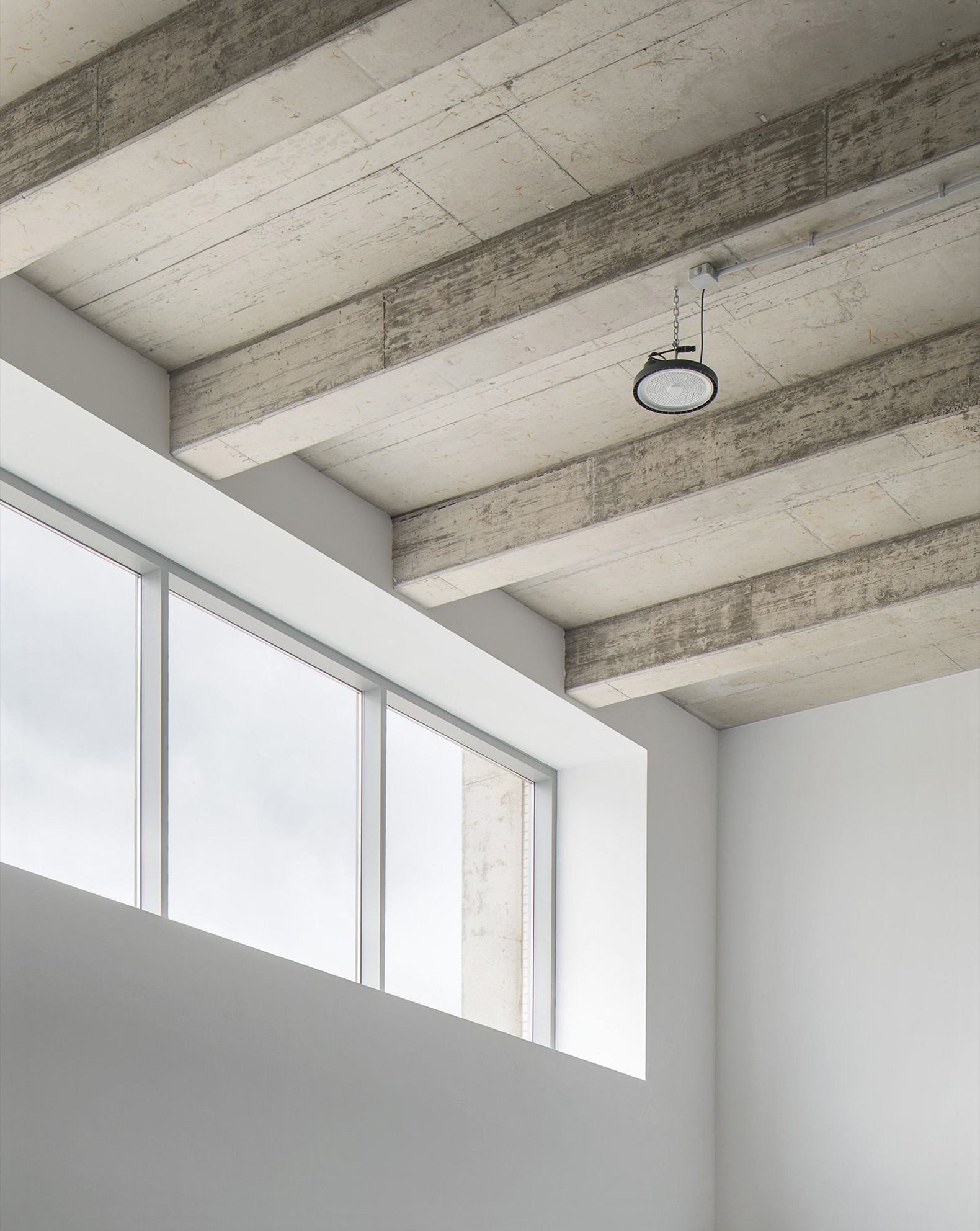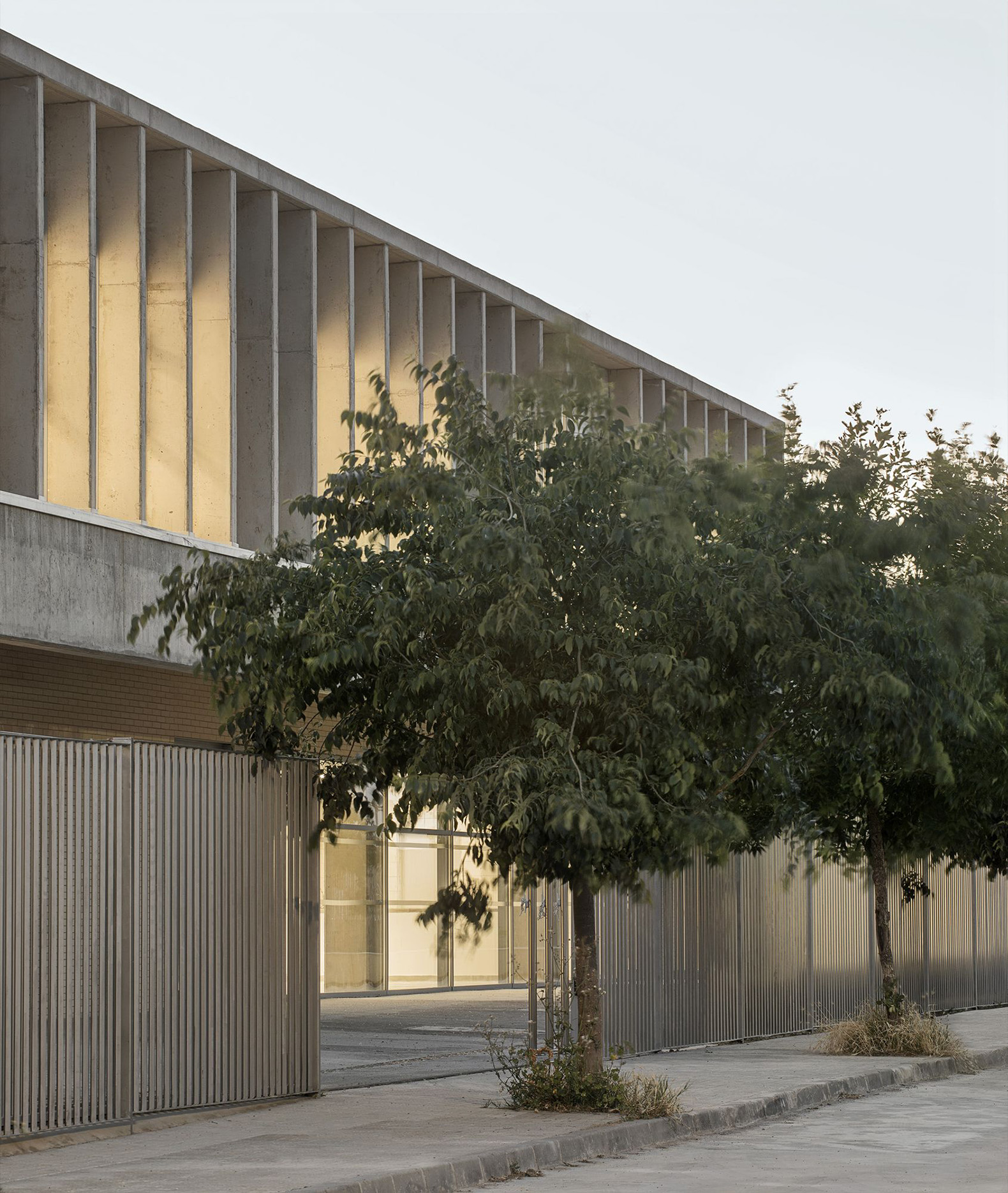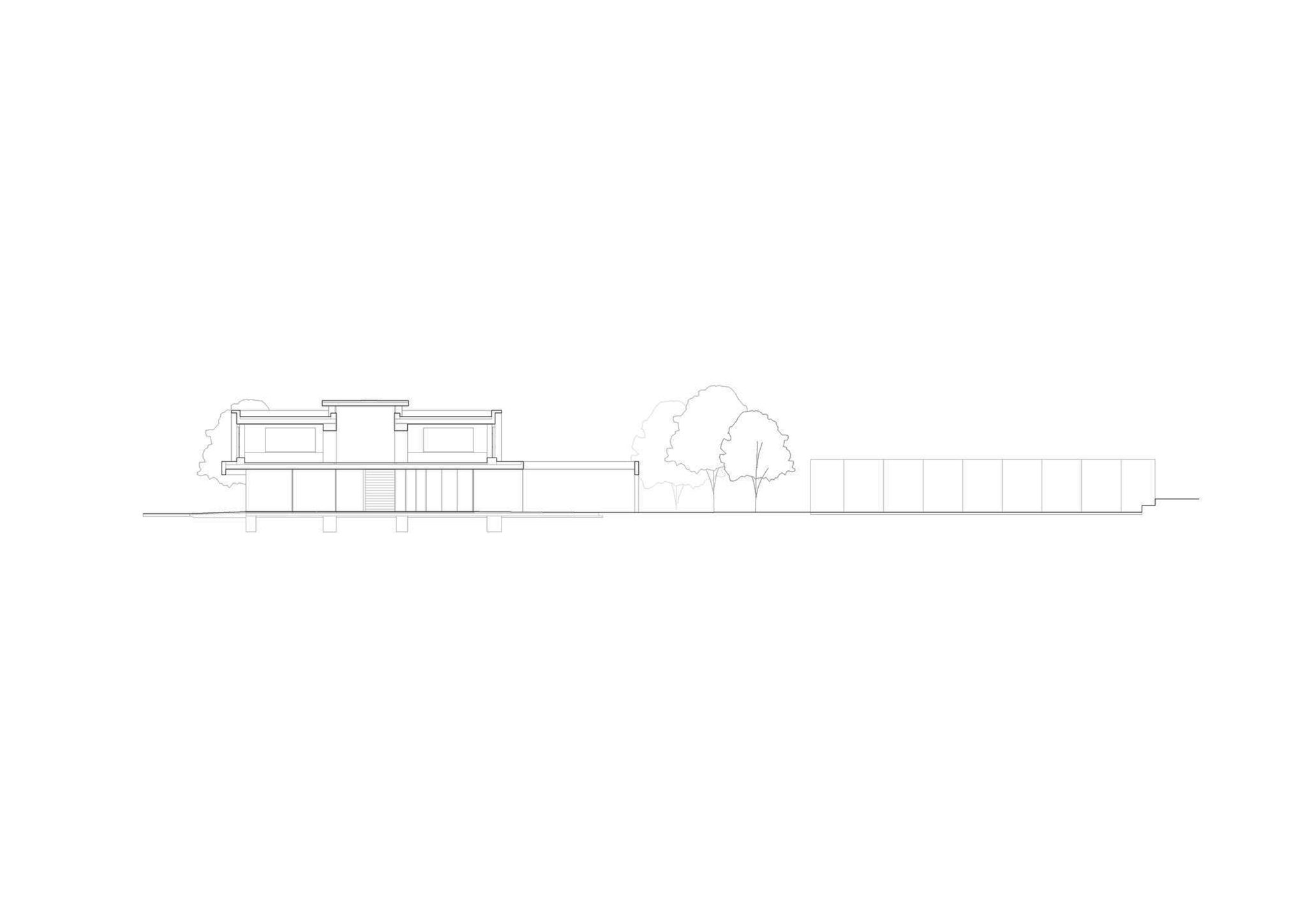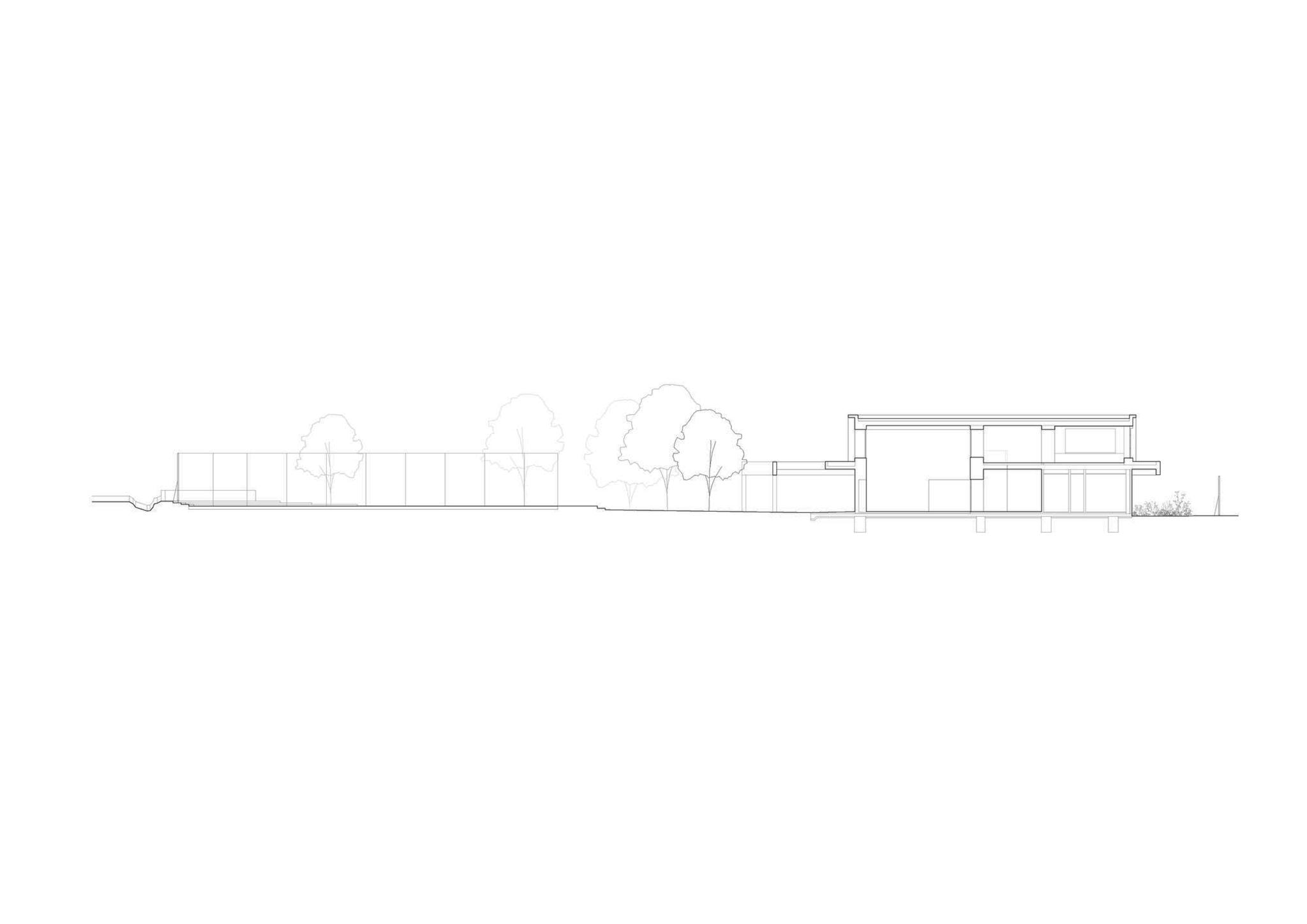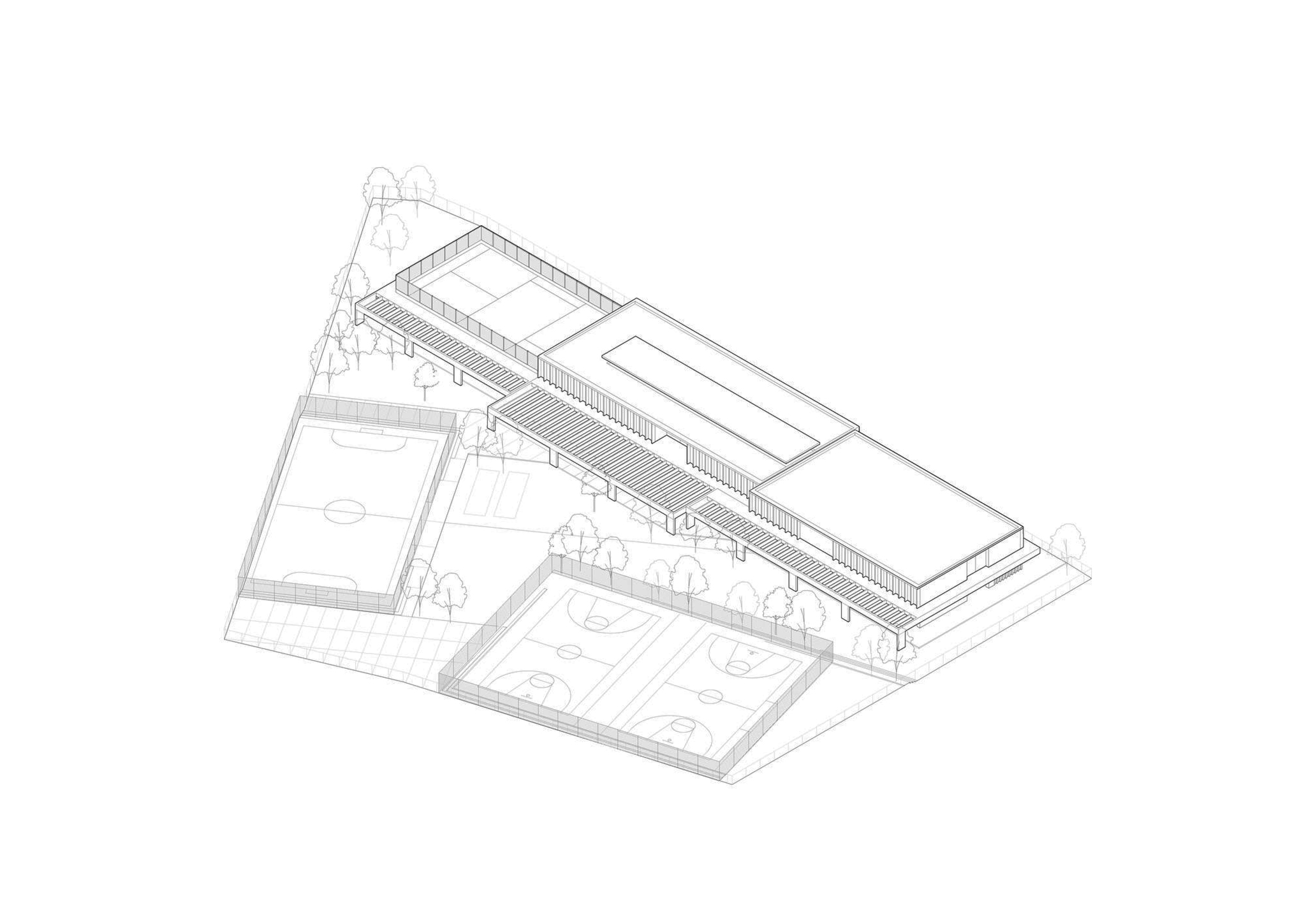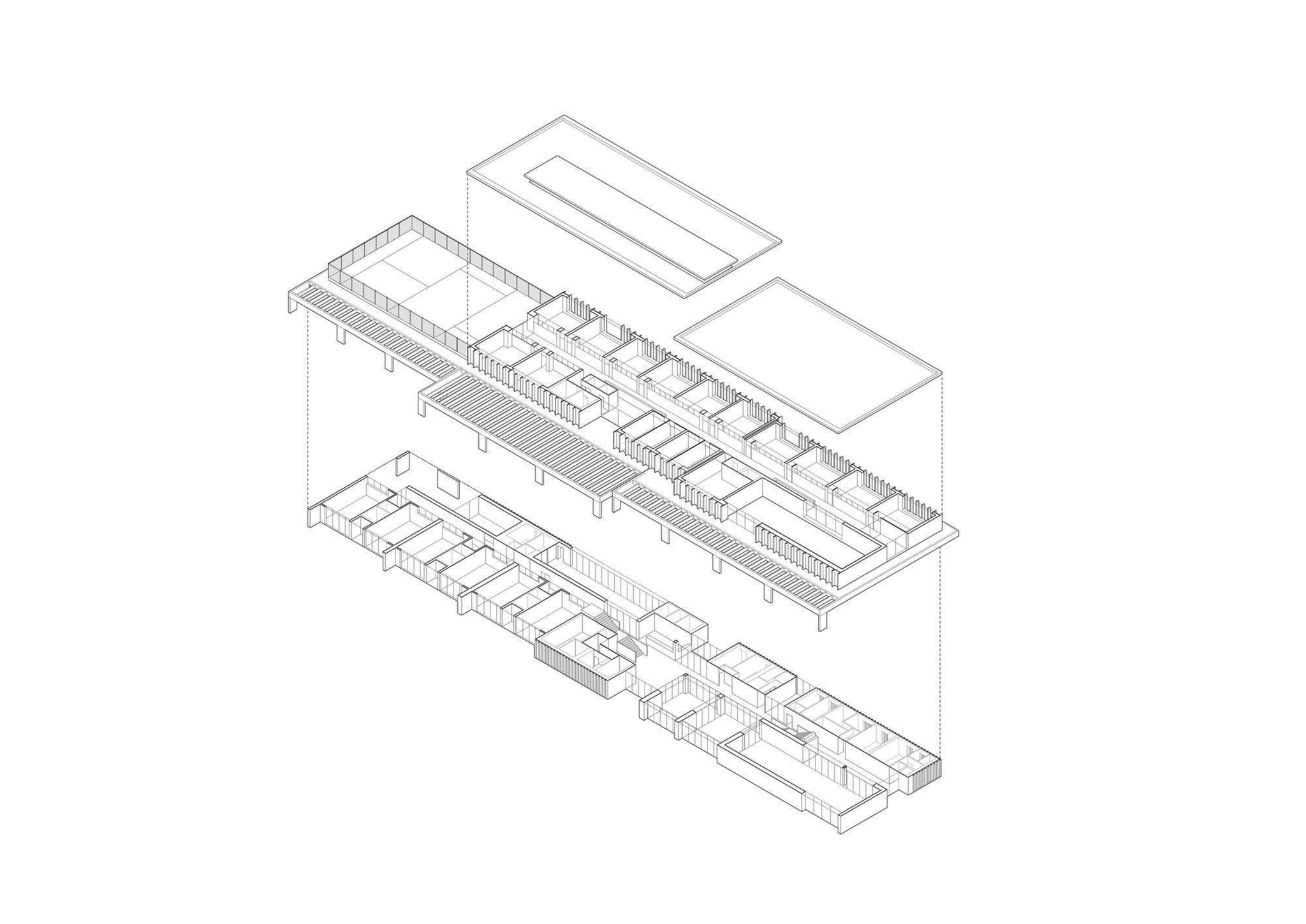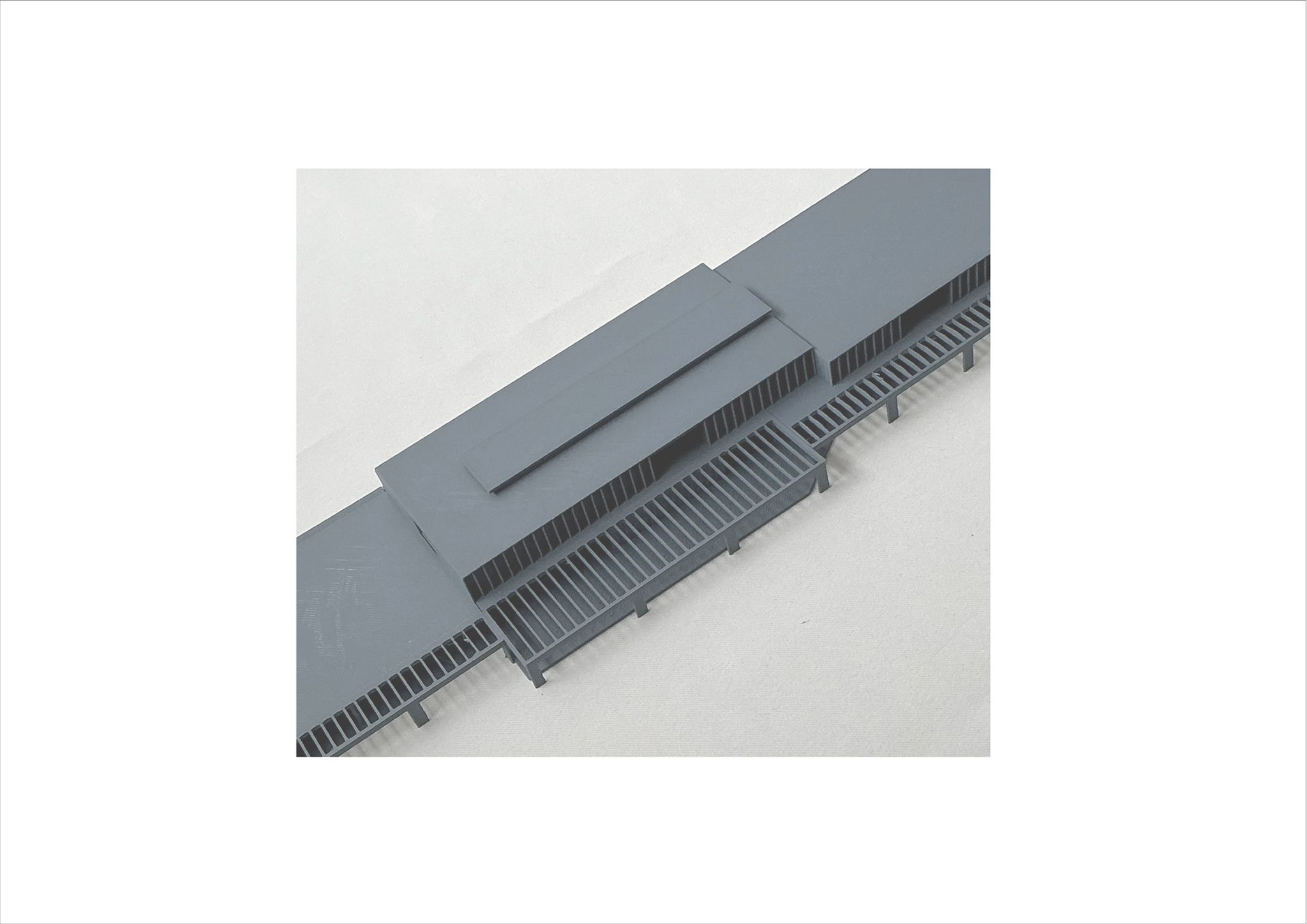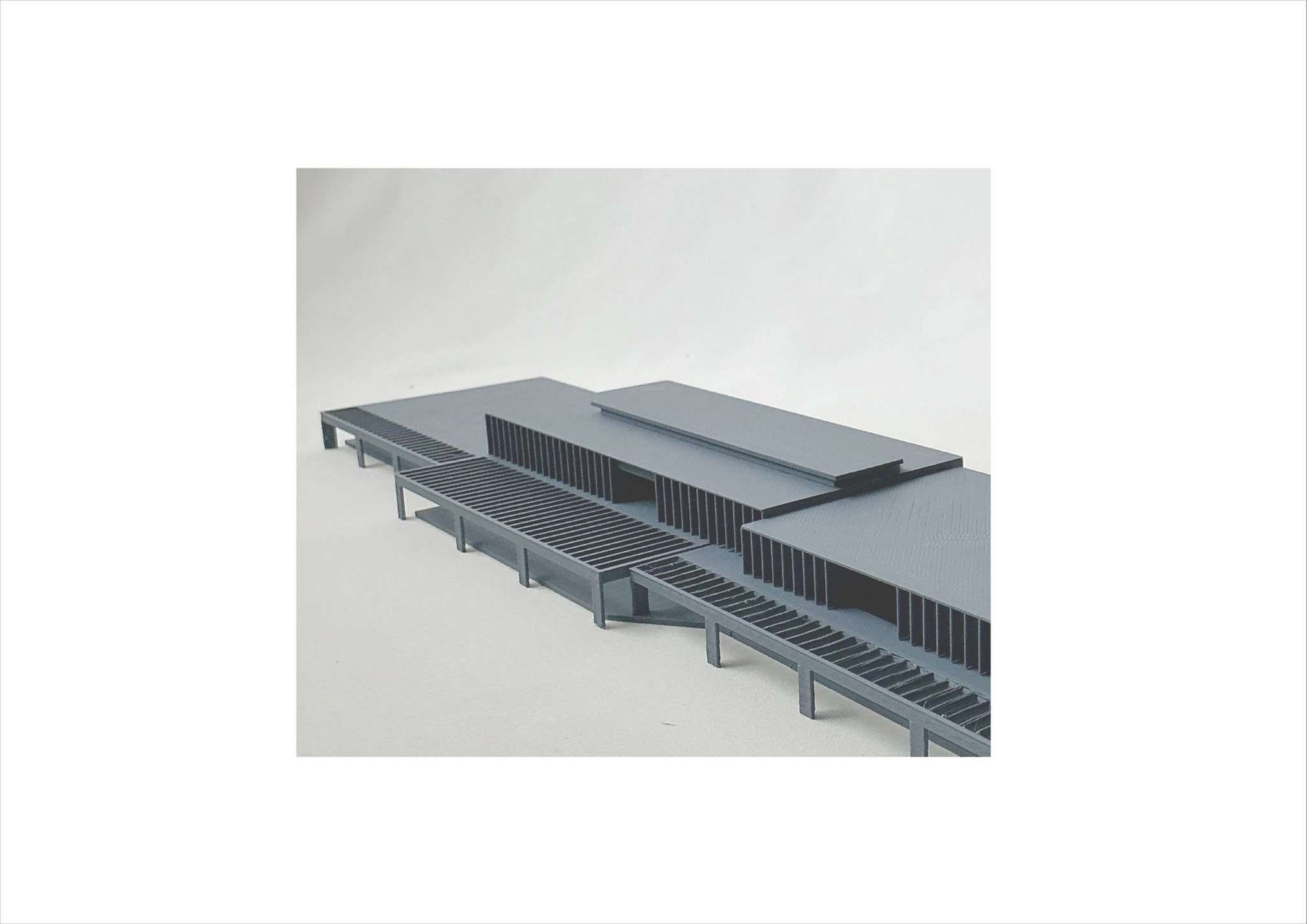
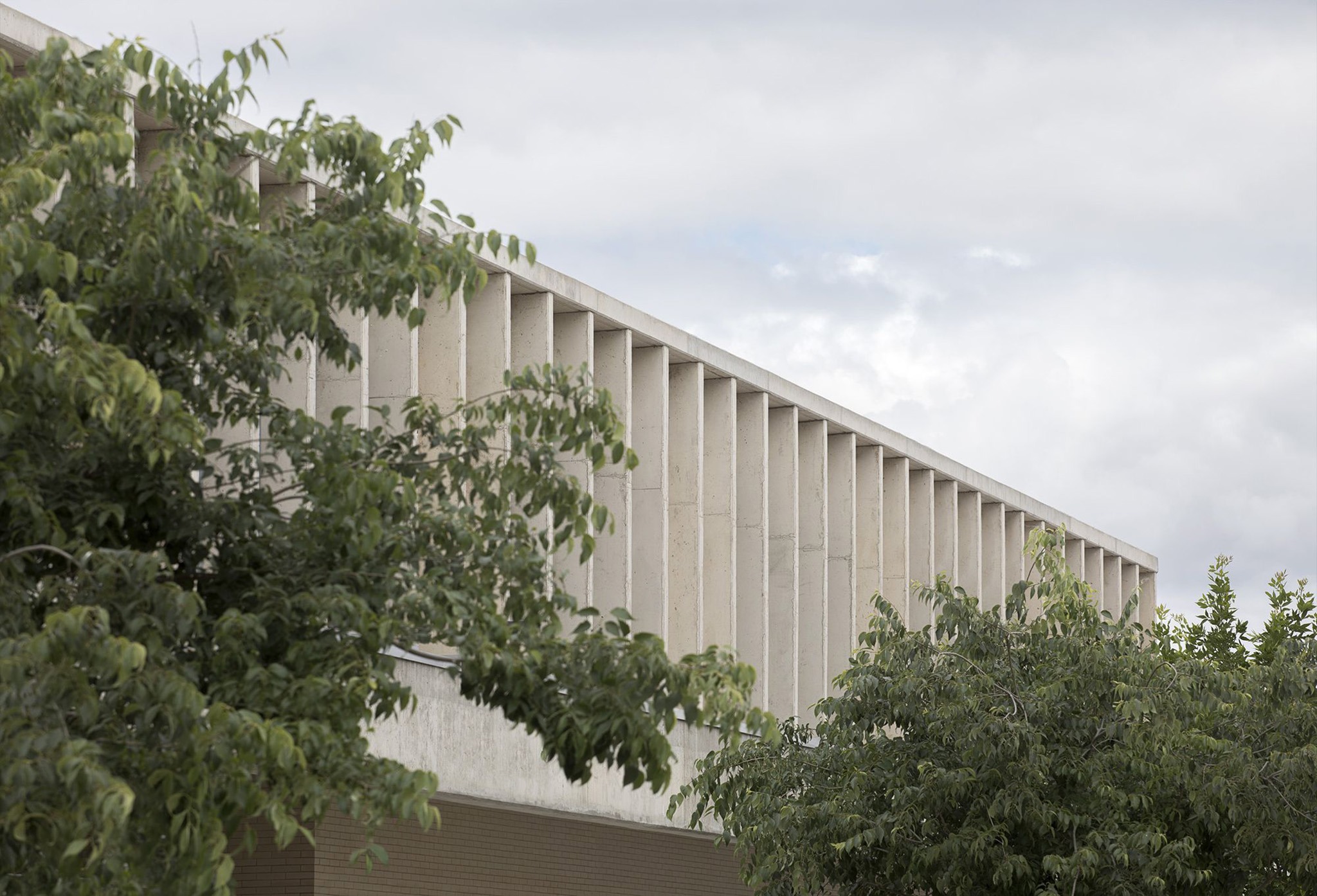
The Malpartida de Cáceres Public School, designed by Tenor + Paradigma Estudio + Buró4 + Gabriel Verd Arquitectos + Rubén Rodríguez Romero, favors compactness and strategically organizes its various uses—gymnasium, lobby, classrooms—responding to the different orientations.
In line with sustainability criteria, passive climate control strategies are complemented by a radiant floor heating and cooling system powered by aerothermal energy and a significant photovoltaic electrical installation, resulting in a self-sufficient building.
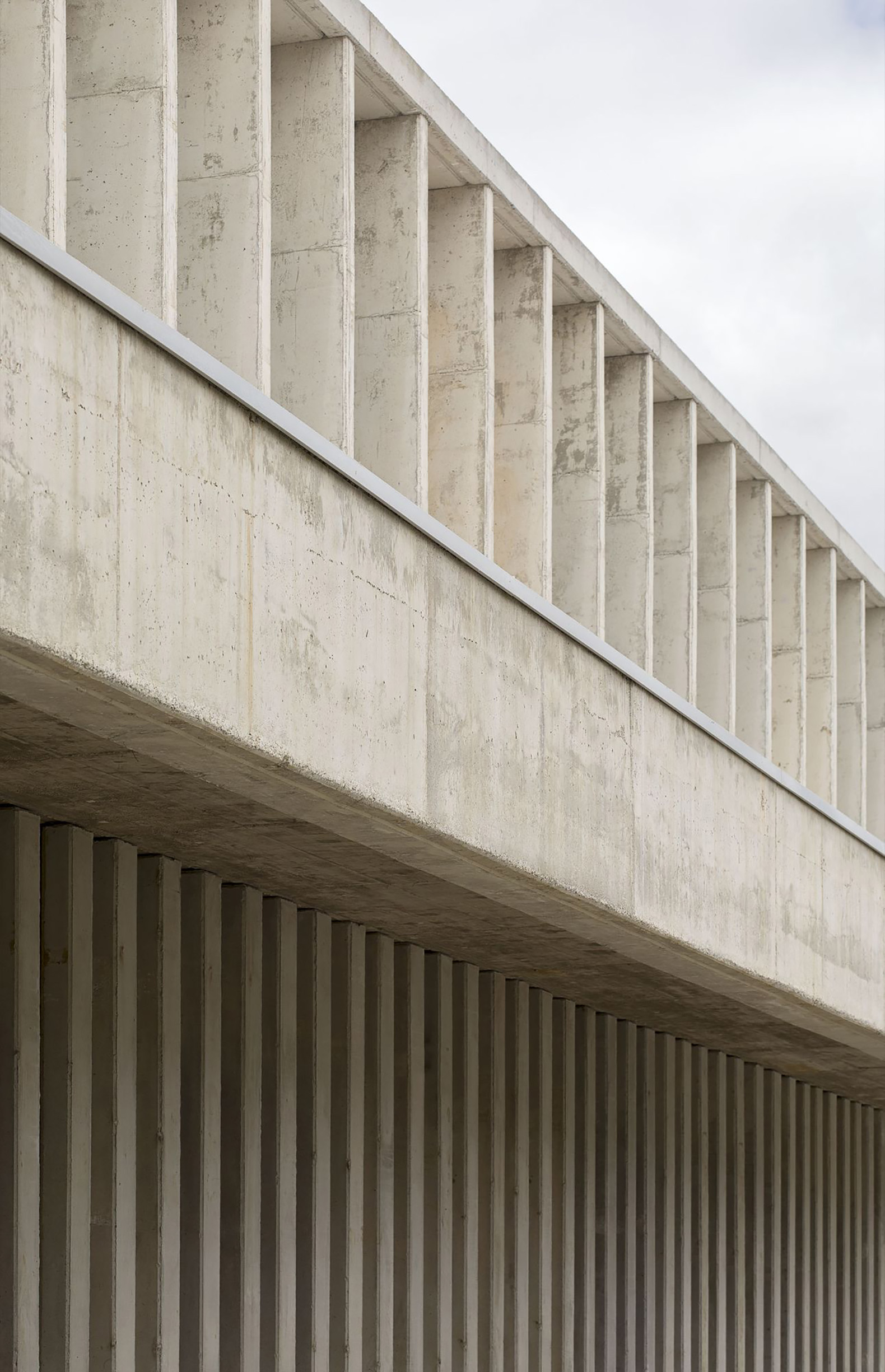
For its construction, the materiality of the building contrasts with its contents: on the exterior, exposed concrete reflects a strong institutional image, while inside, neutral, almost bare finishes were chosen, awaiting the students to bring them to life with color. In this sense, the Malpartida Public School presents itself as a suggestive blank canvas, to be completed by each student's use of the building.
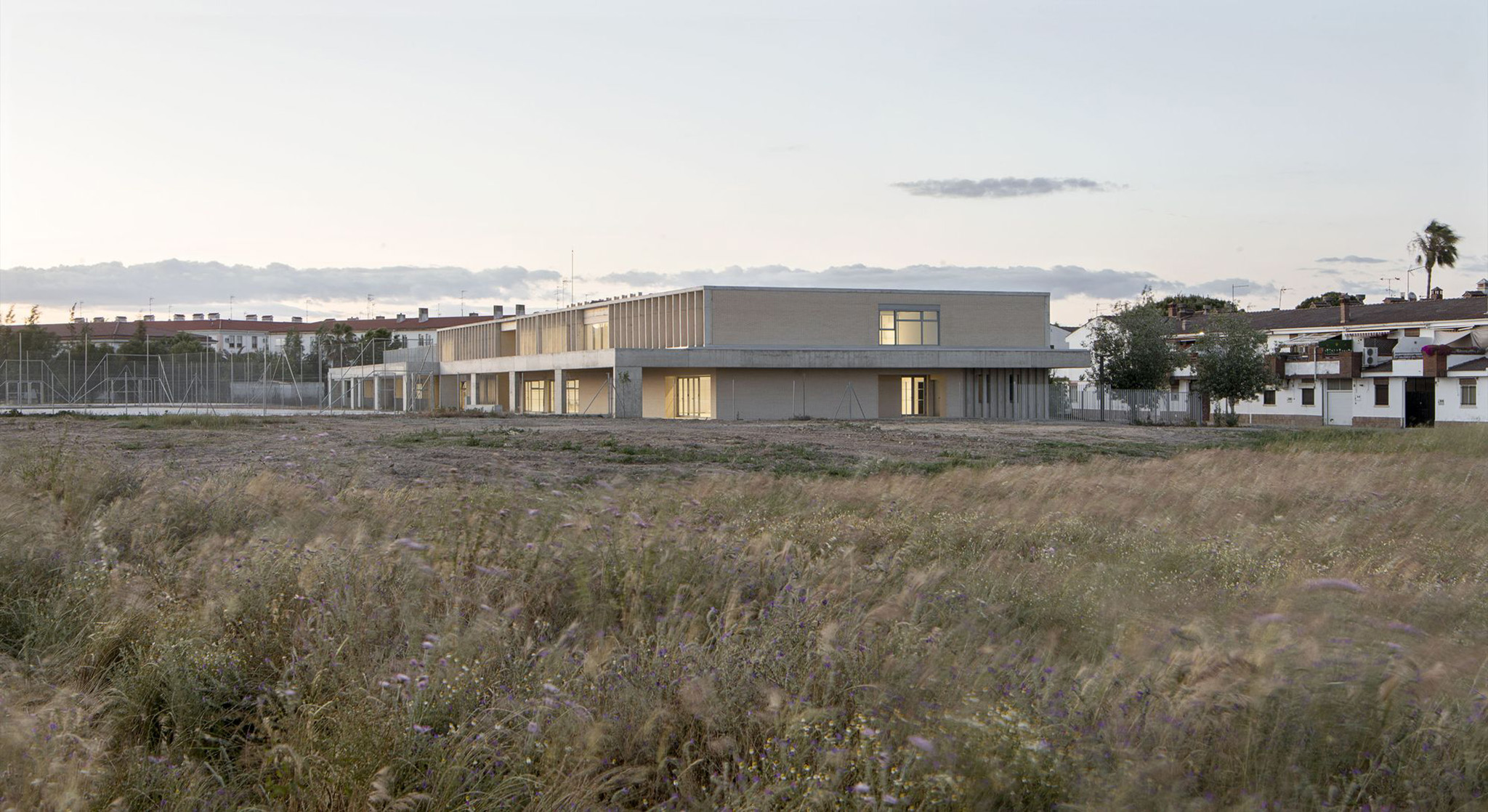
CEIP Malpartida by Tenor + Paradigma Estudio + Buró4 + Gabriel Verd Arquitectos. Photograph by Del Rio Bani.
Project description by Tenor, Paradigma Estudio, Buró4 and Gabriel Verd Arquitectos
“If Duchamp declared the object of everyday life a work of art, I declare the use of the object a work of art.”
—Wolf Vostell, in Guardado, My Life with Vostell, p. 56.
The value of use that W. Vostell declares is the same value that is encased in concrete when, in 1976, together with the residents of Malpartida de Cáceres, he filled the interior and exterior of his Opel Admira in the work VOAEX, the emblem of the Vostell Museum in Malpartida de Cáceres. Thus, the use of the object is blocked (BETTONAGES), and a single rock appears without the mechanism, revealing the ultimate confluence with nature intrinsic to human creations.
From this action, as 21st-century architects, we can draw two interpretations. On the one hand, we believe that the confluence with nature must also be understood as intrinsic to the built environment. On the other hand, we must also celebrate the purely vital value of the use and experience of a public building and the mechanisms that facilitate it.
Therefore, for the Malpartida de Cáceres Public School, we propose a building that, through its placement, composition, and materiality, addresses these two interpretations:
-It should aim to minimize its human influence, highlighting the intrinsic connections with nature that should promote the building's sustainability throughout its life cycle.
-It should be a blank canvas, a suggestive, open-ended space, with the minimum mechanisms necessary for the freedom to develop its use value.
Placement
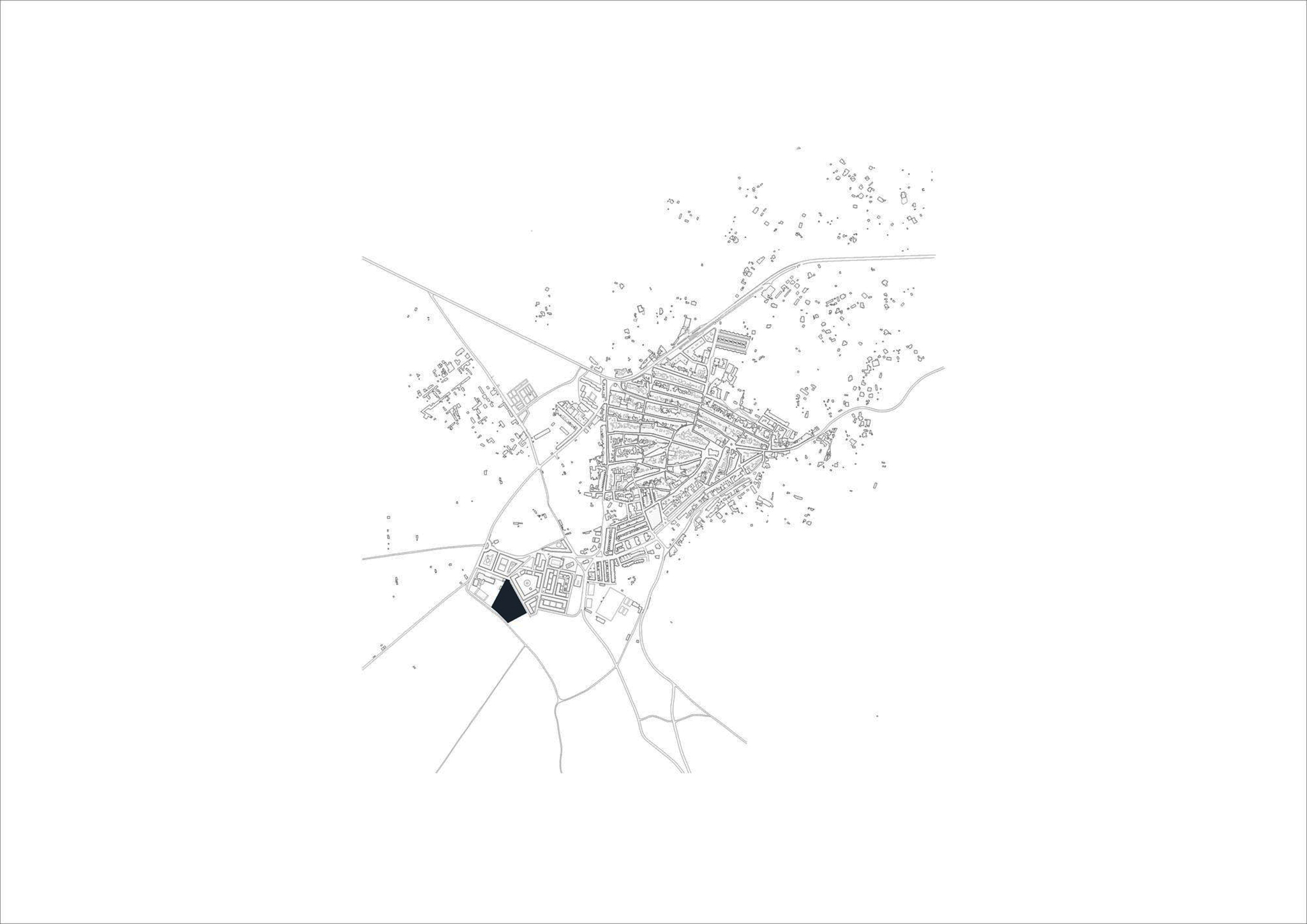
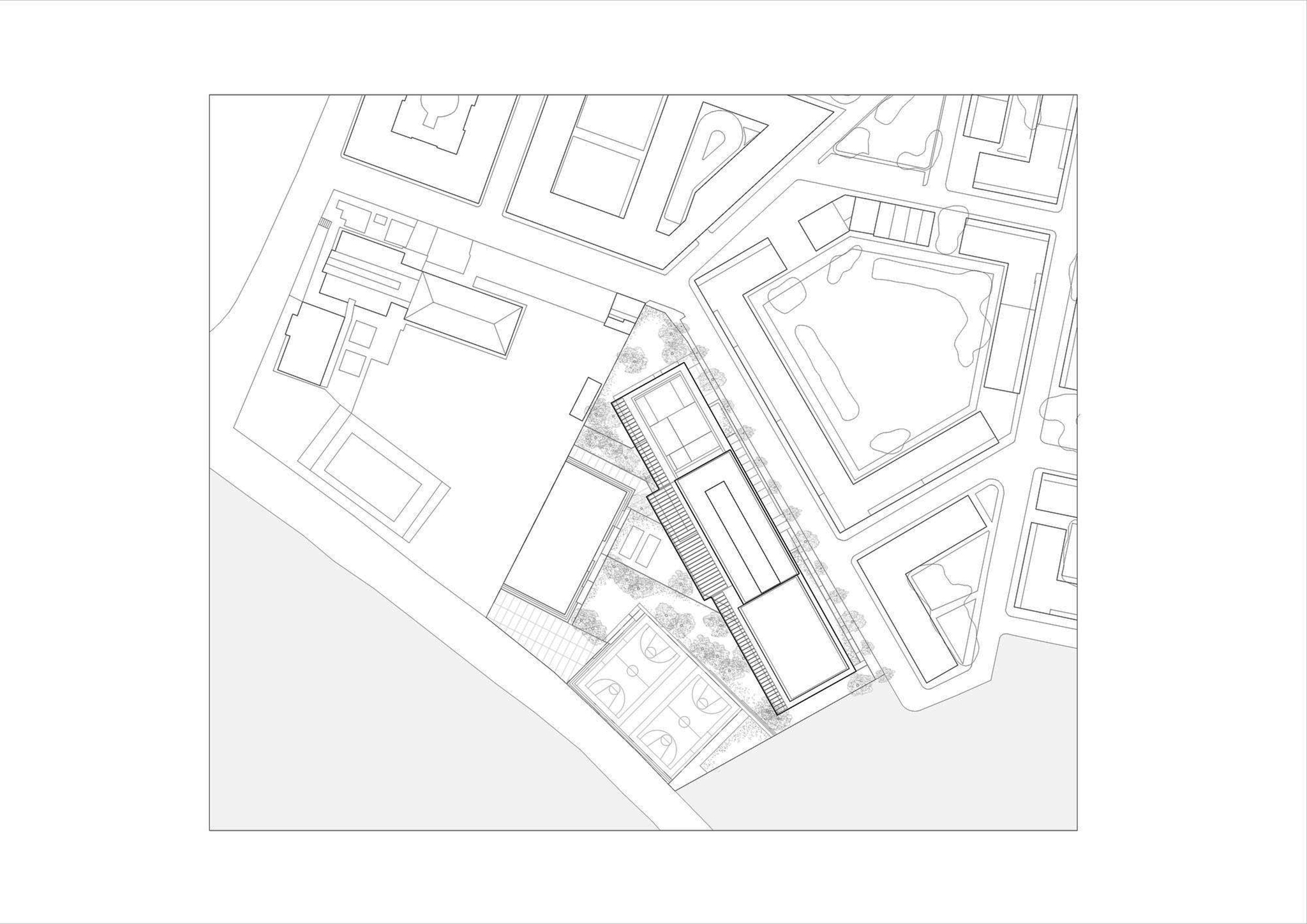
Configured as a porous boundary, the building filters the relationship between the urban environment of single-family homes and the natural environment dominated by the randomness of the granite efflorescence and the agricultural expanses that define the municipality's perimeter. This boundary is defined by filling the only urban boundary (north) with a slightly fragmented longitudinal volume to adapt to the scale of the surroundings. This results in a short transverse path (facilitating naturally lit and ventilated interiors and reducing circulation with a single central lobby) and prioritizes a north-south orientation on its two main, opposite facades.

Composition
We opted for compactness, short transverse paths to take advantage of prevailing winds, and appropriate responses to the contrast between its two orientations, leveraging natural conditions in accordance with the needs of each use.
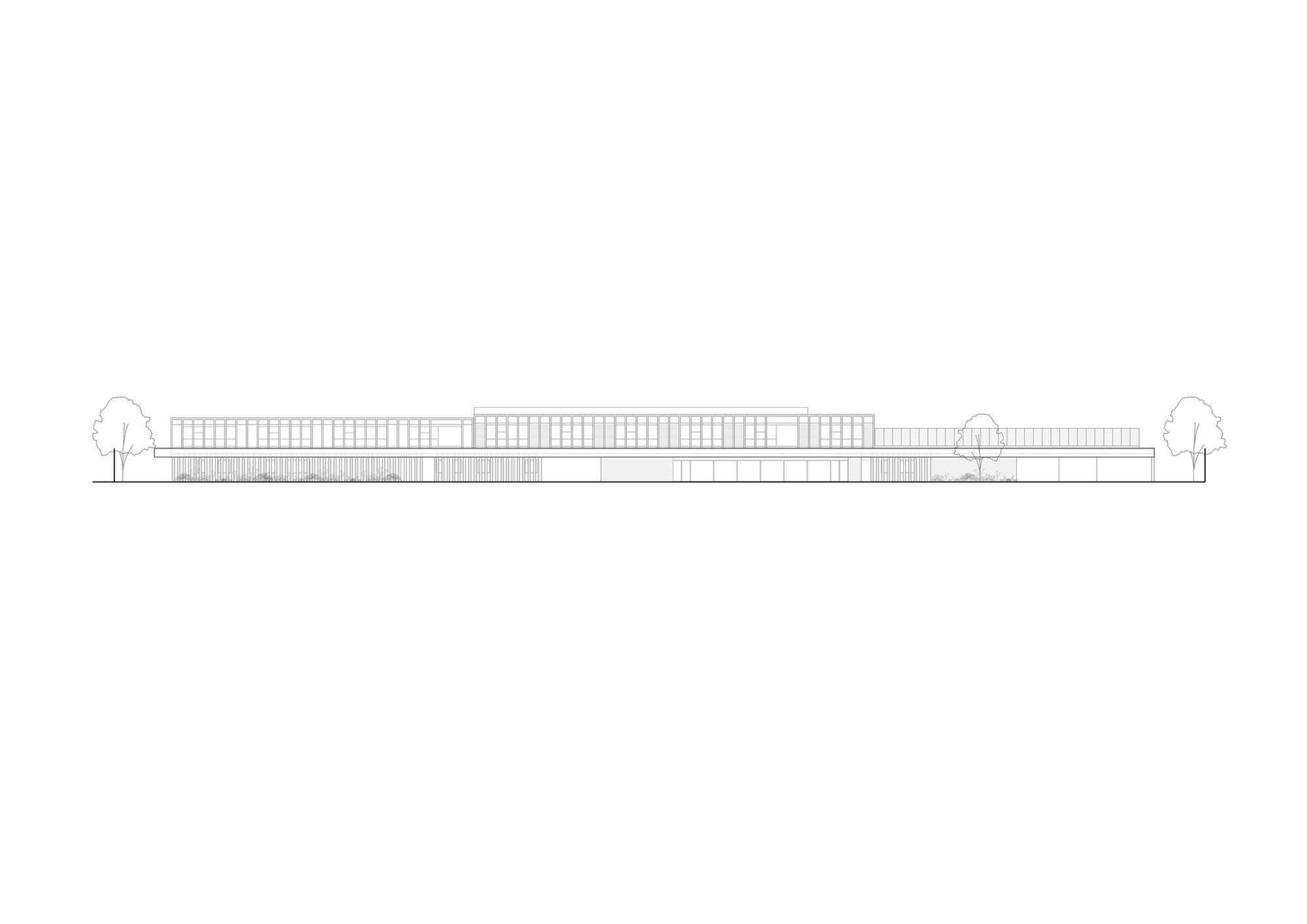
The south facade, on the ground floor, characterized by a pergola of variable geometry and considerable length, offers an unexpected intermediate space that extends, protects, and accommodates the more public uses, blurring the boundary between interior and exterior. On the upper floor, we placed double-height spaces (gym and lobby) that help bathe both floors in direct light along the interior axis furthest from the walls. On the north side, at ground level, the auxiliary spaces are enclosed in strategically placed boxes designed to create permeable spaces between the urban environment and the educational area: the main entrance, the preschool entrance, and the cafeteria, all requiring immediate access from the outside.
On the first floor, along the north side, there is a marked rhythm of classrooms facing staircases, double-height spaces, and auxiliary spaces on the south side. The ground floor facades are open and protected to the south, unified by prefabricated concrete lattices, and strategically placed expansion joints on the north side. On the upper floor, the facade solution is systematically designed, with openings strategically placed to suit each orientation.

Materiality
In a mutually reinforcing opposition, the raw concrete exterior presents a striking image of educational infrastructure, seemingly destined to become rock-like through its conviction of not confronting the processes of nature. The neutral, bare, and welcoming interior, like a suggestive blank canvas, awaits students to develop their personalities, to discover and fill it with the colors of their clothes and smocks, backpacks and shoes, their drawings and their reality, where they can make their own decisions and declare the use of the building itself a work of art.
These decisions underpin the project, the construction, and its subsequent use, with a firm intention to foster the intrinsic confluence of architecture with nature and the suggestive value of use—the proposal of a blank canvas that extends the useful life of this public building.

This is complemented by active confluence systems (automated natural ventilation via CO2 detectors, radiant floor heating and cooling powered by aerothermal energy, and a significant photovoltaic electrical energy installation) that will address situations where the passive solutions described above are insufficient. We have a building that operates autonomously, yet in harmony with natural processes: the first bioclimatic public school in Extremadura.