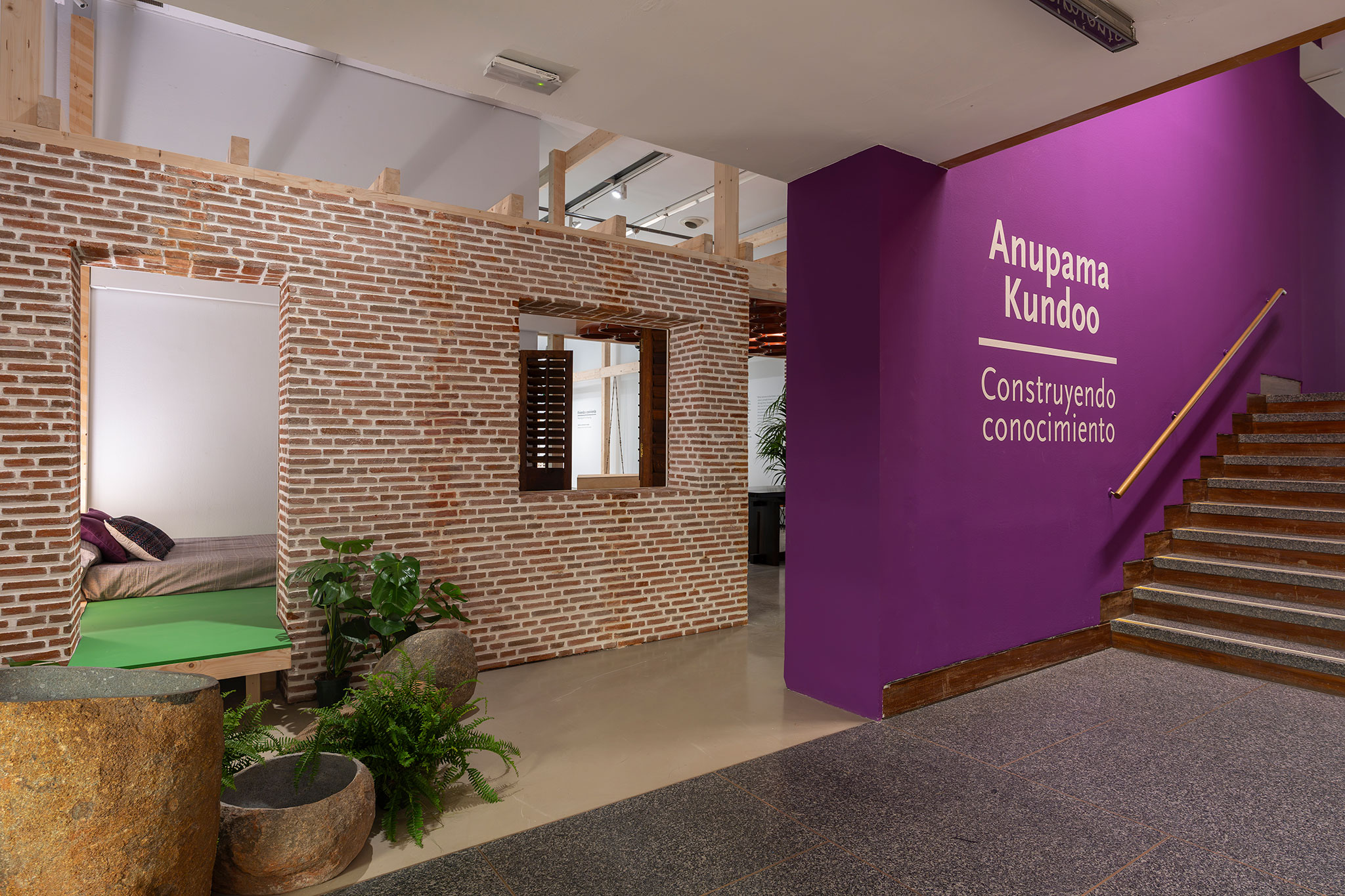
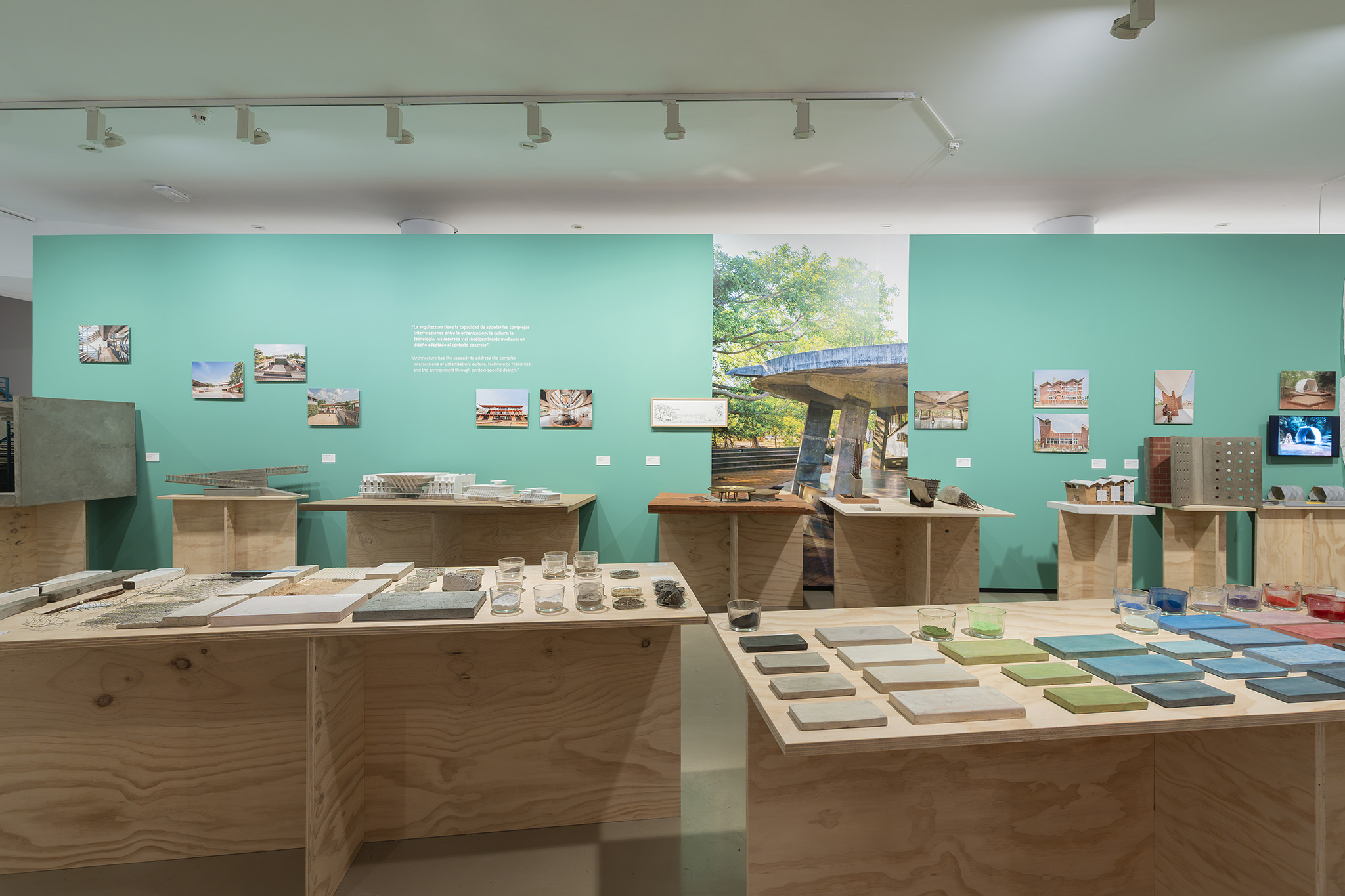
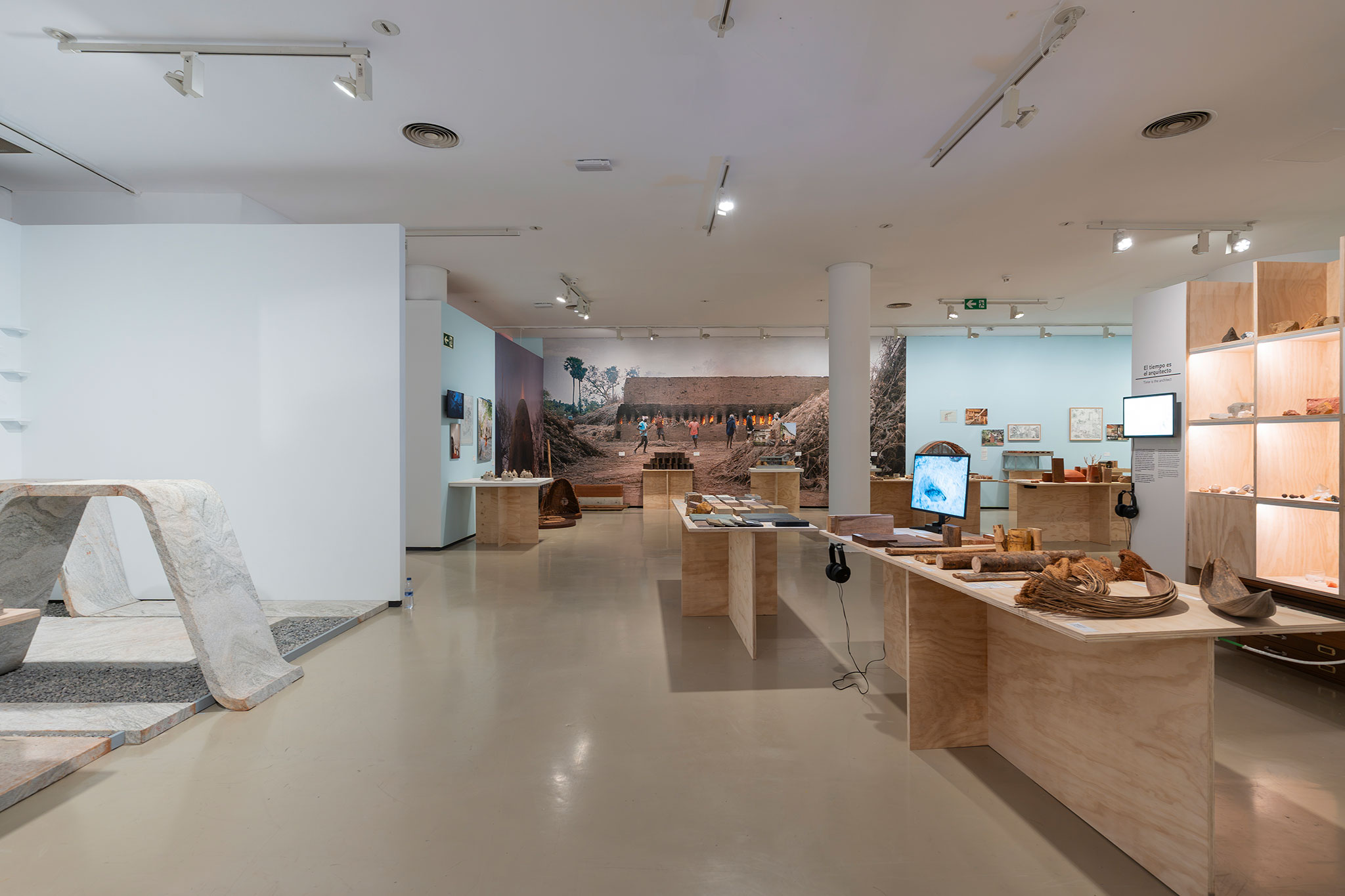
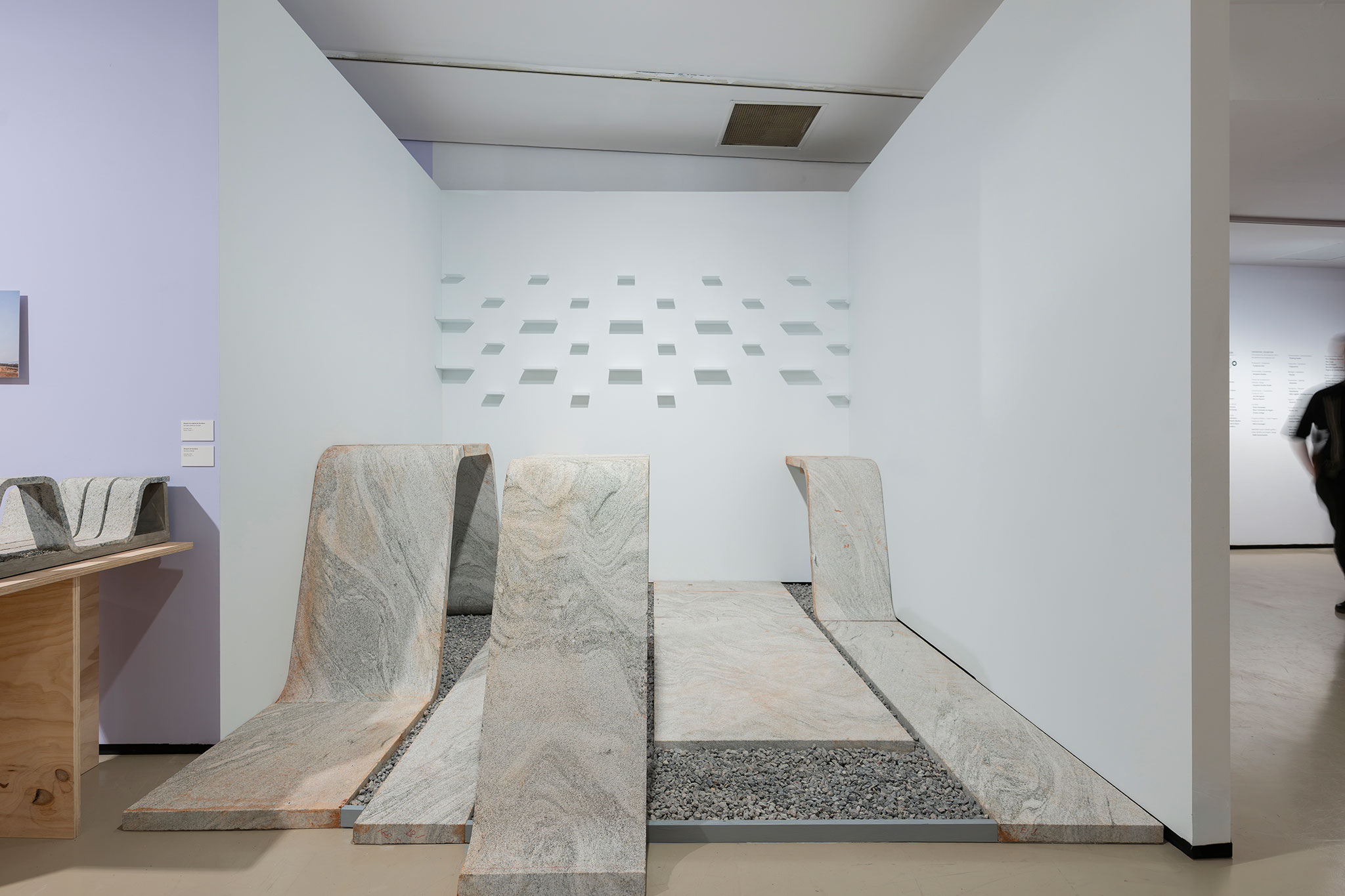
On 29 October, the Museo ICO opened "Anupama Kundoo. Building Knowledge", a monographic exhibition devoted to architect Anupama Kundoo (Pune, India, 1967), one of the most significant international voices in contemporary architectural research. The exhibition is produced by the Fundación ICO, and curated and designed by Anupama Kundoo Architects.
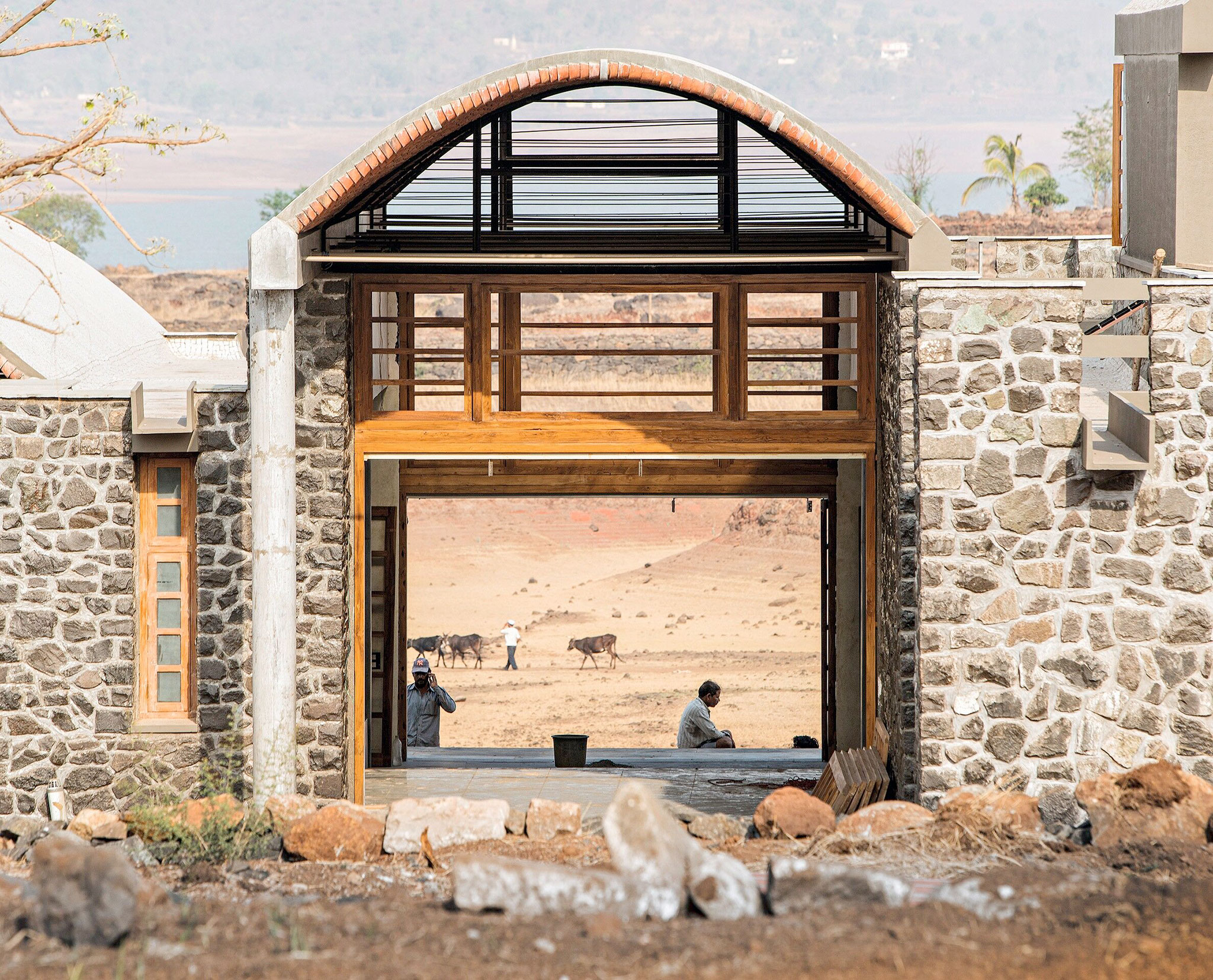
Since the beginning of her career in 1990, Kundoo has pursued a people-centred approach to architecture, grounded in spatial and material research. Her experimentation with unconventional materials stems from a critical reassessment of construction methods inherited from industrialisation and the excessive standardisation of the building industry. Her architectural work takes its starting point from available resources, climatic conditions, human needs, and the knowledge and craftsmanship of those who build.
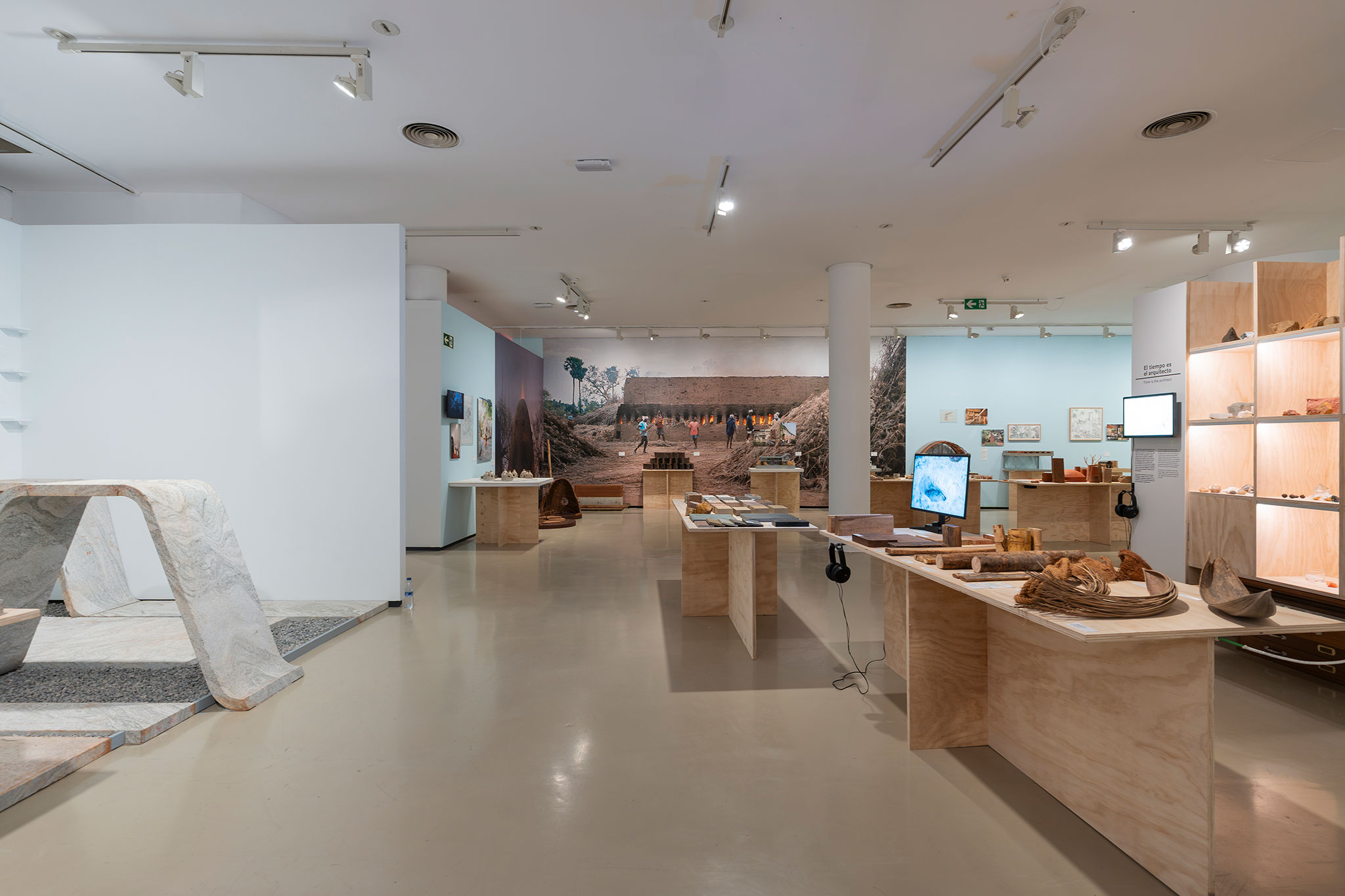
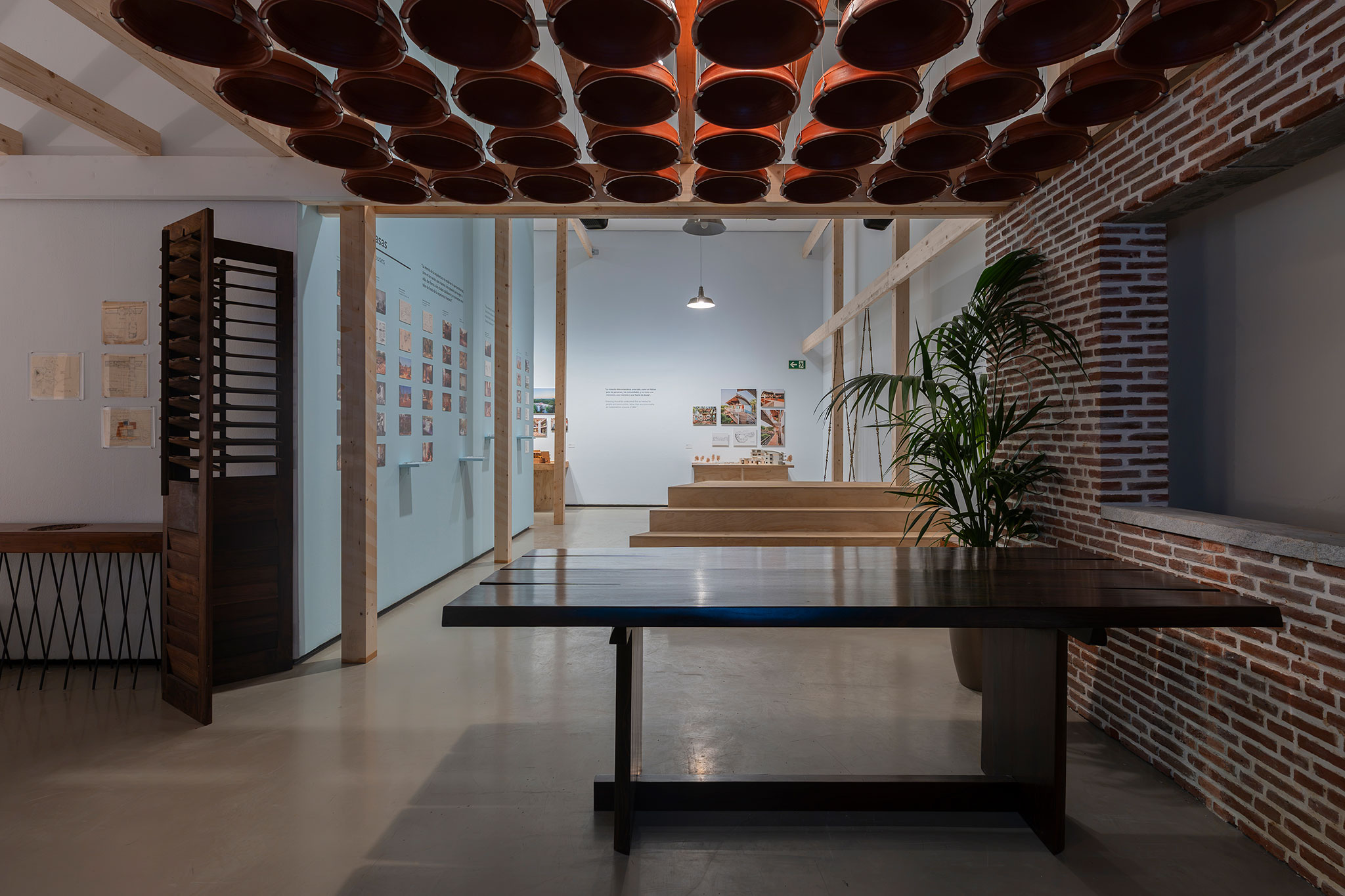
View of the room. "Anupama Kundoo. Building knowledge". Photograph by Julio César González.
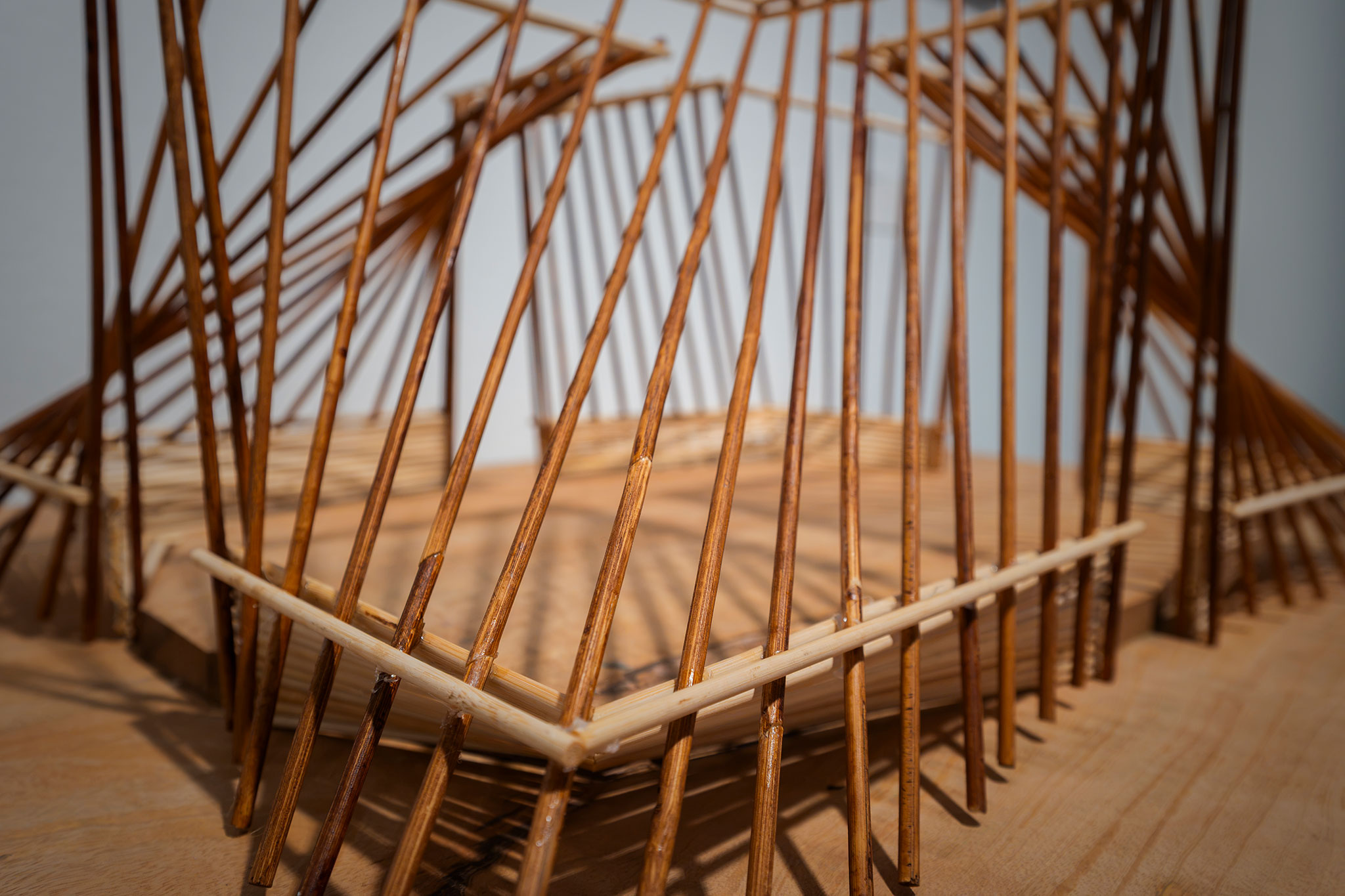
The exhibition’s title refers to the circular nature of the act of building, through which knowledge is generated and, in turn, gives rise to the built form. For Anupama Kundoo, architecture is a continuous process of discovery and understanding of the world. The exhibition unfolds as a dynamic journey through drawings, architectural models, building fragments, materials, prototypes, and conversations that illustrate how ideas are transformed through their encounter with matter and those who work with it.
The exhibition arranges Kundoo’s architecture within the museum according to the structure of a tree, accompanied by a theoretical framework presented throughout the exhibition, and divides the visitor’s journey into three chapters. “The Architecture of Time,” located on the upper floor, explores Kundoo’s sources of inspiration and her research into materials, forming the roots that underpin the fundamental principles of her architecture. On the ground floor, “Projects” presents her research through built and unbuilt projects at different scales. The third section, “Journey,” connects the preceding chapters and traces Kundoo’s development as an architect and educator. Like the trunk of a tree, it links research with its outcomes, revealing a continuous process of synthesis that provides the balance and structural support underlying her architectural work.
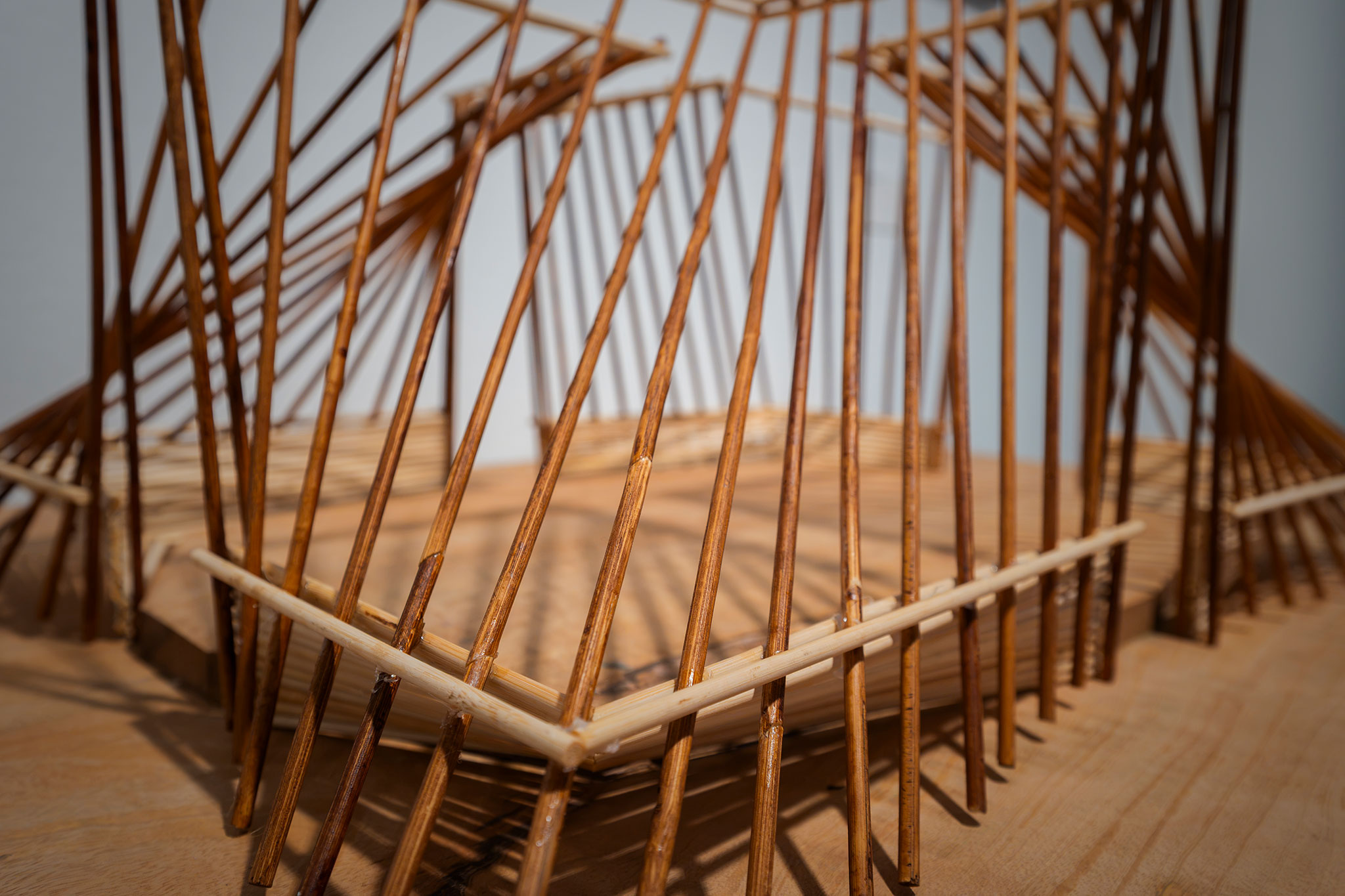
Model view, ICO Museum. "Anupama Kundoo. Building knowledge". Photograph by Julio César González.
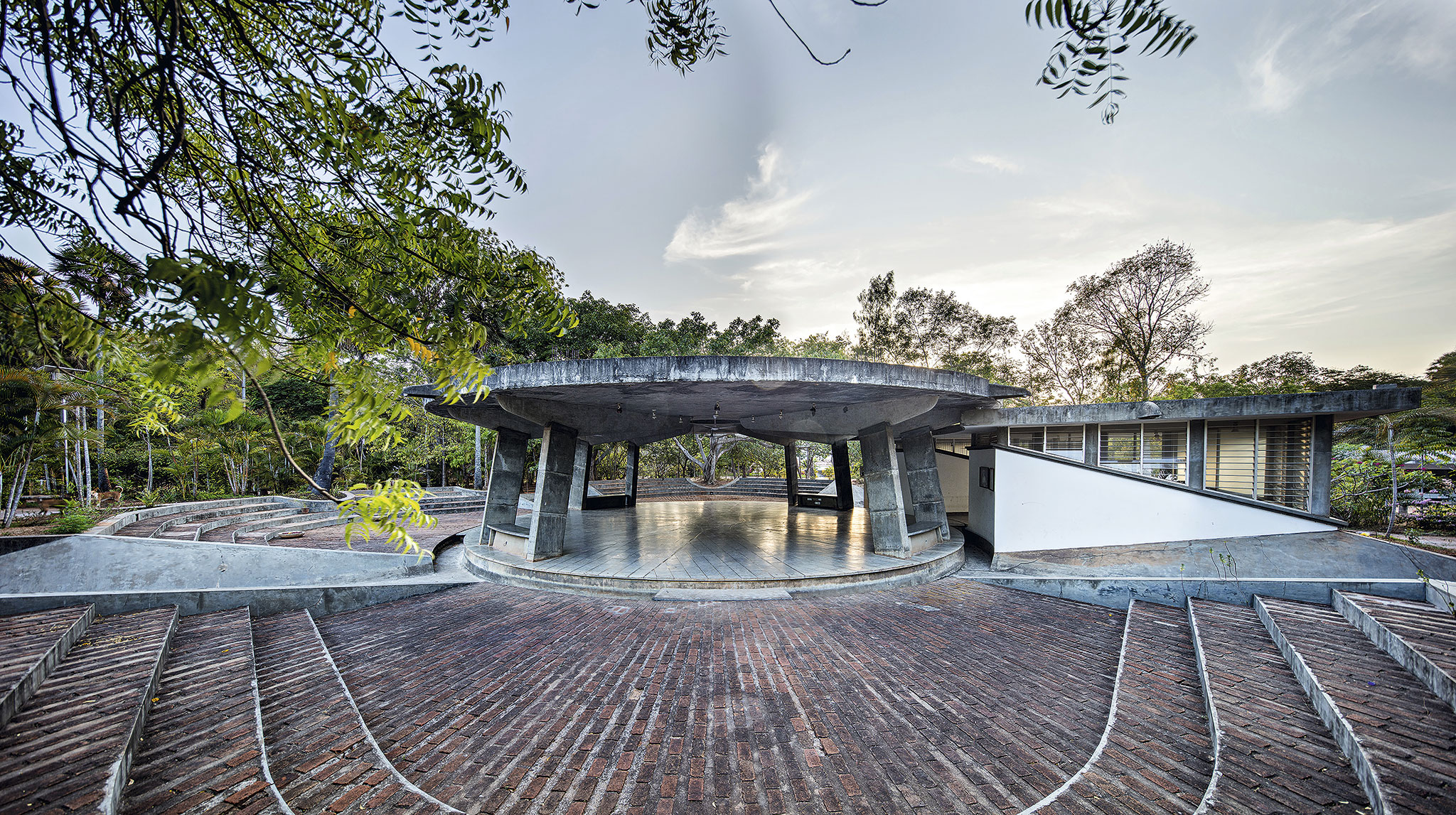
Among the exhibition’s highlights is a full-scale (1:1) reconstruction of a section of Kundoo’s own home, Wall House (Auroville, India, 1996–2000), which served as a laboratory for experimenting with construction technologies. The house is situated in Auroville (Tamil Nadu, India), a setting particularly suited to Kundoo’s exploratory approach to architecture. Conceived as a humanistic urban experiment intended to foster collective consciousness, Auroville has brought together architectural contributions from around the world. It has therefore become one of Kundoo’s most significant places of learning. There, she developed a collaborative approach to architecture, working closely with craftspeople, technicians, students, and local communities. This approach runs through the residential projects, public buildings, and urban proposals presented in the exhibition.
"On its 30th anniversary, the Museo ICO reaffirms its mission to bring architecture closer to society and to demonstrate its impact on our lives. The exhibition devoted to Anupama Kundoo is an exemplary embodiment of this commitment."
Carmen Jordán, director of the Fundación ICO
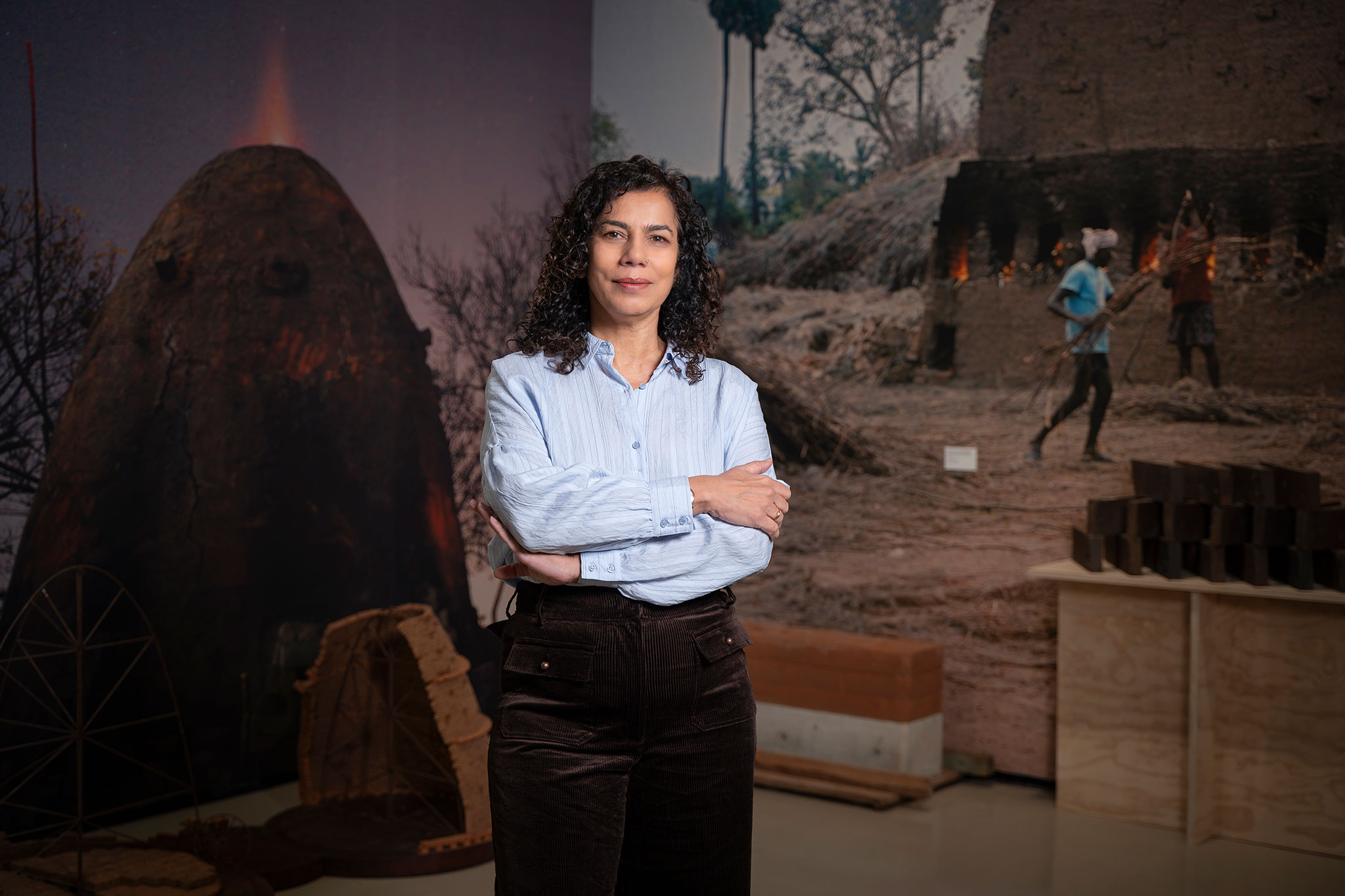
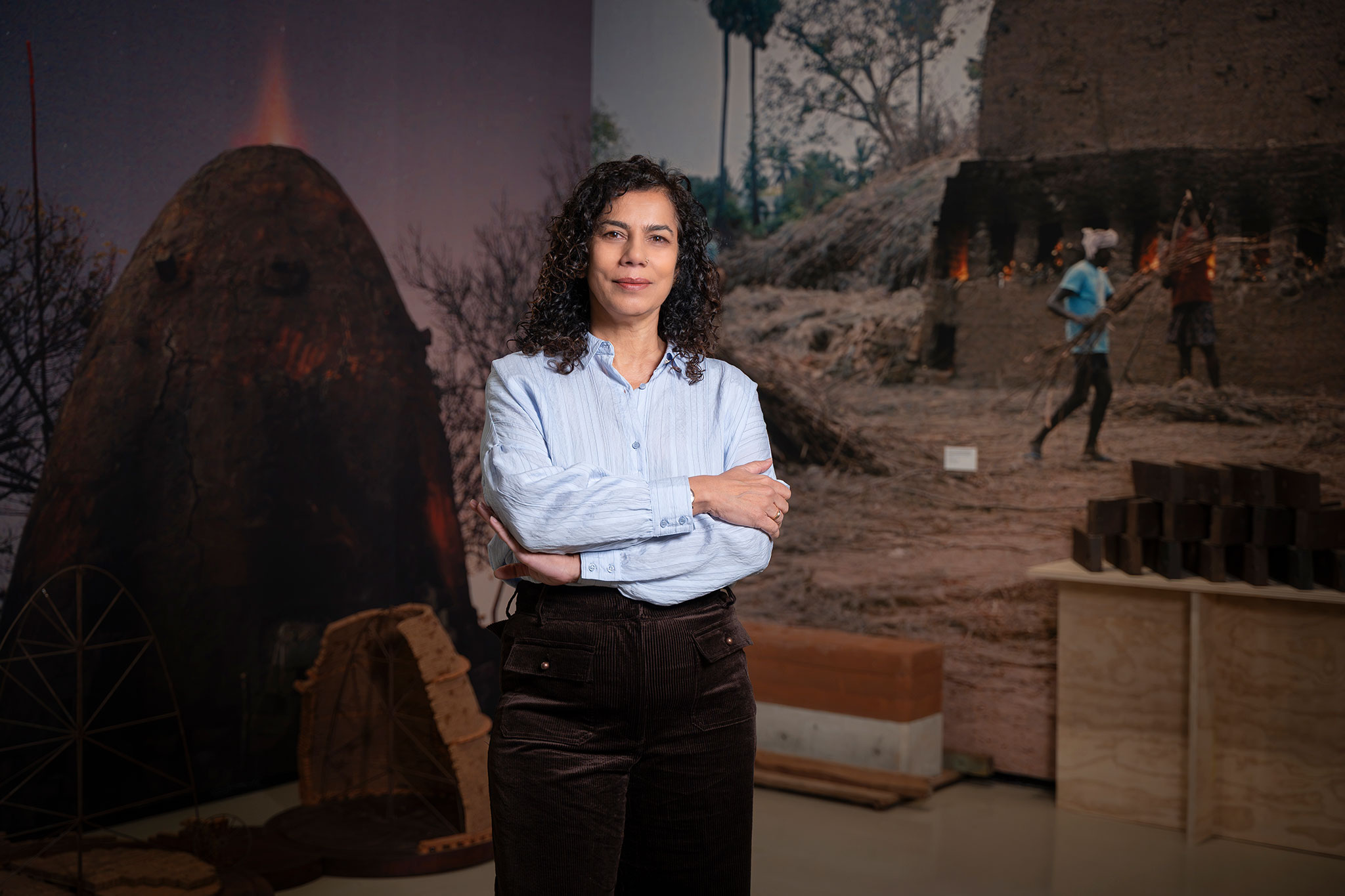
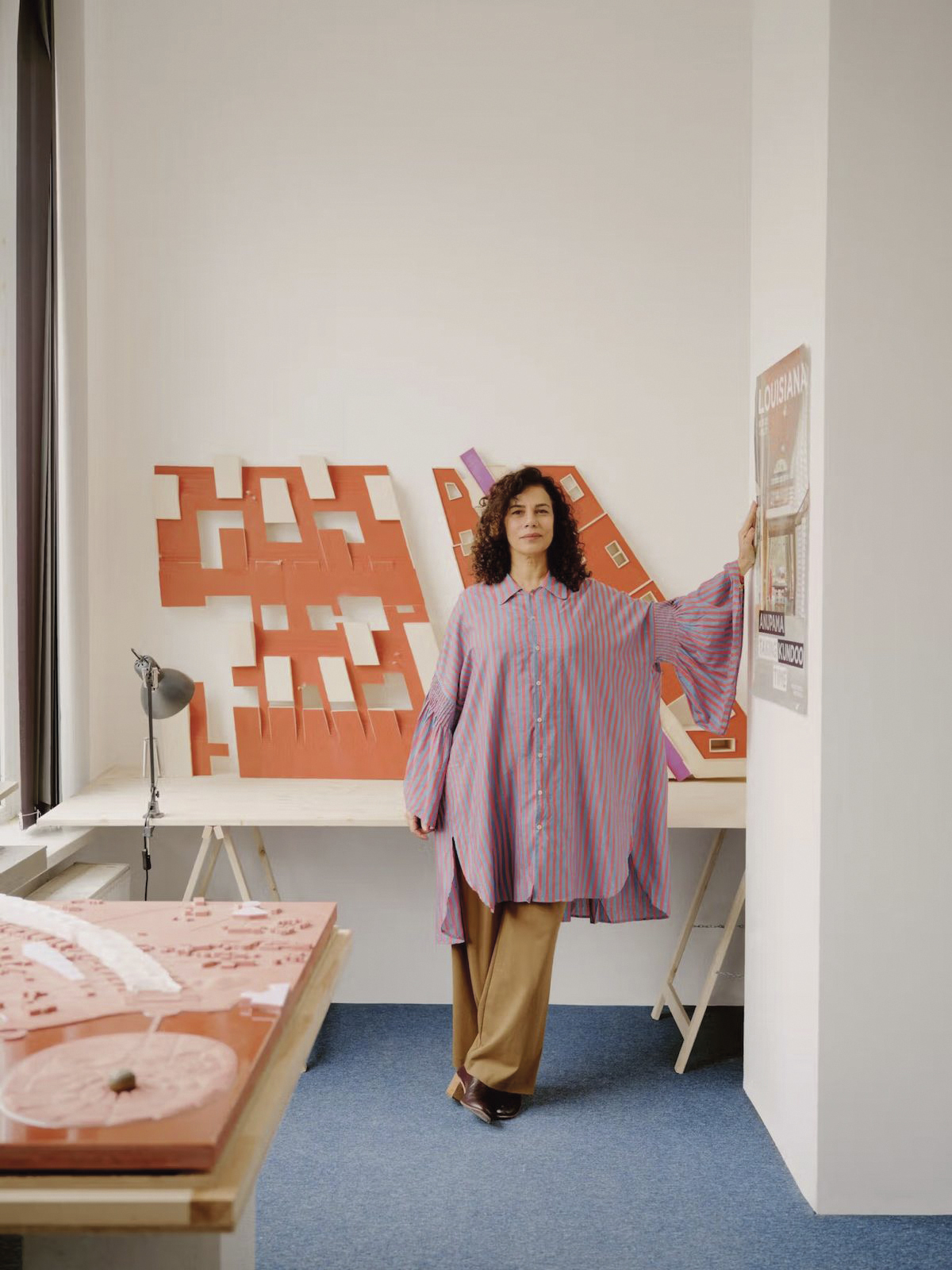
Anupama Kundoo at the ICO Museum. "Anupama Kundoo. Building knowledge". Photograph by Julio César González.
International presentations of her work, including the 2016 Venice Architecture Biennale and more recent solo exhibitions such as “Abundance Not Capital” and “Taking Time,” precede this new exhibition, which offers a deeper understanding of her career, her architectural thinking, and her approach to the making of architecture.
"Architecture is society’s greatest collective undertaking, leaving behind spaces that embody shared values, aspirations, and ways of living together."
Anupama Kundoo
The exhibition can be visited free of charge at the Museo ICO (Calle Zorrilla, 3, Madrid) until January 24, 2027. It is also accompanied by a free, accessible public program of guided tours and educational activities; reservations and registrations for these are now open at: entradas.fundacionico.es
What the Price of a Building Doesn't Tell Us
Text by Carmen Jordán Asensi, Director of the Fundación ICO
At a time when housing is an almost daily topic of conversation, it is worth remembering that we discuss prices and square metres, but rarely what those buildings will mean for our lives.
As economists, we tend to measure a building in terms of what it costs and the returns it generates. This is a necessary measure, but an incomplete one. A building also determines how daylight enters a home, how much heat a family endures in August, whether a street encourages people to linger or simply pass through, and whether neighbours encounter one another or remain strangers. None of this appears on a balance sheet, yet we pay for it — and benefit from it — for decades.
Architect Anupama Kundoo captures this in a single sentence: “Architecture is society’s greatest collective endeavour, leaving behind spaces that embody shared values, aspirations, and ways of living together.” Her words are both an observation and a warning. An observation, because no building is the work of one person alone. Behind every building are those who commission it, finance it, design it, construct it, and inhabit it, as well as those who simply walk past. A warning, because if architecture is a collective endeavour, what we build reveals a great deal about how we organise ourselves and what we are willing to share.
In economics, we have a term for the effects of a transaction on those who are not directly involved in it: “externalities.” Architecture is, to a considerable extent, one vast externality. A well-oriented façade, a shaded square, or a thoughtfully conceived public facility generates benefits that are not reflected in the price of any home. Anyone who has crossed a treeless, sun-baked square in July, or witnessed the transformation of a school playground when shade and greenery are introduced, knows this. The reverse is equally true: a neighbourhood conceived solely to maximise financial returns imposes costs on its residents and the wider city that no one accounted for when the plans were approved. This is why architecture is never an exclusively private matter, even when the land or the building itself is privately owned.
Today, the public debate about our cities is intense, and rightly so. We discuss the cost of living, who can afford to live in the city centre, and how neighbourhoods are changing. These are urgent questions, with technical and political answers that are not mine to provide. But there is a more fundamental question we risk overlooking: “What kind of city do we want, and what do we want it for?” When building becomes a purely technical matter — regulations, deadlines, costs — or a purely financial one — returns and valuations — that conversation disappears. And with it goes the possibility for citizens to recognise something of their own in the streets and buildings around them.
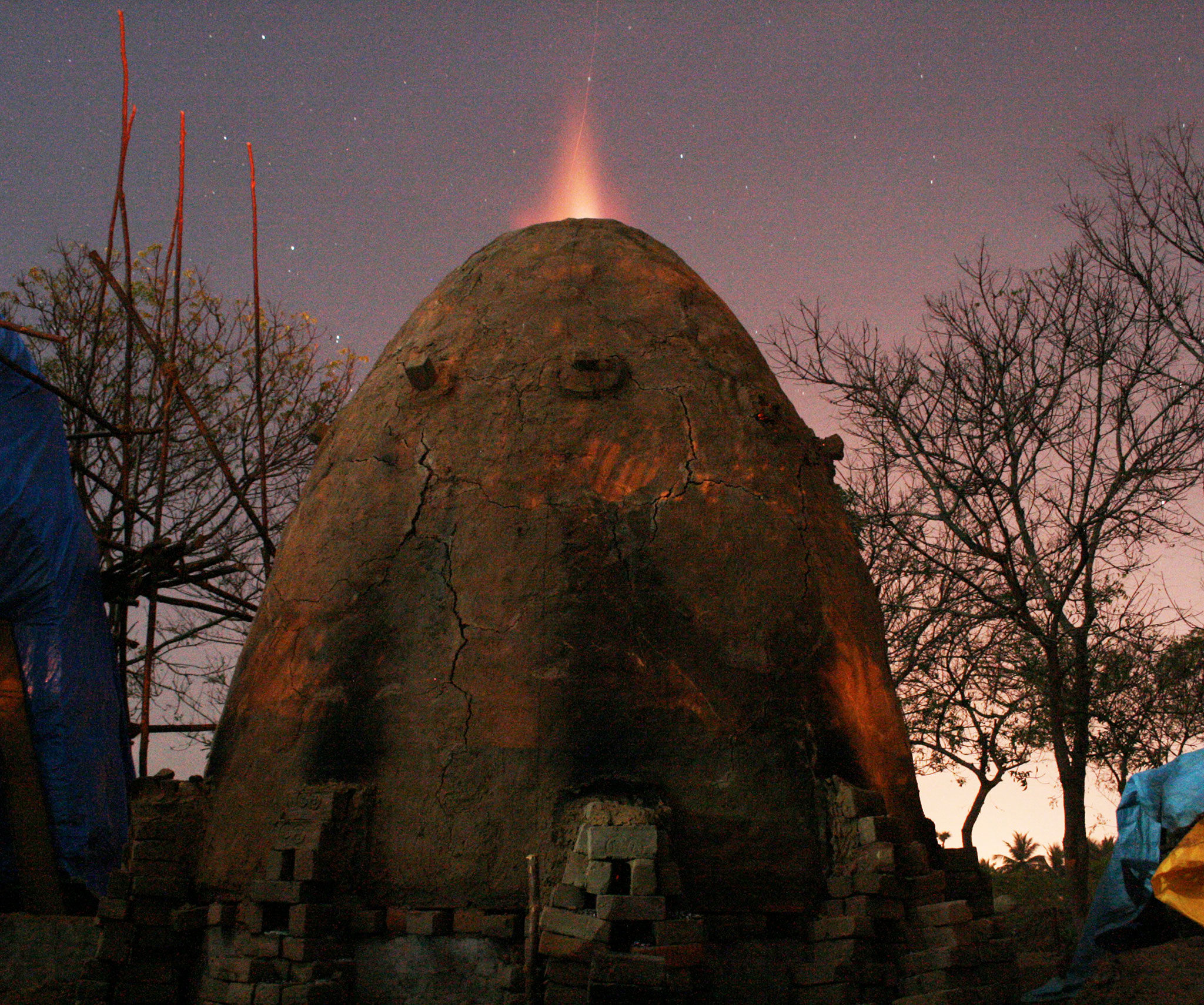
Kundoo’s work offers another way of looking at architecture. In Auroville, the experimental city in southern India where she began working in 1990, she built earthen houses for a group of homeless children, firing them in situ as though each dwelling were its own kiln. She worked alongside craftspeople, students, and local residents. The result was not simply a building, but knowledge that remained with those who had built it. This is the idea that runs throughout her work: building with the resources, climate, and knowledge of a place, rather than relying on the standardisation inherited from industrialisation.
The point is not to transplant solutions from Auroville into our cities, but to recover a particular attitude: to understand that the value of what we build cannot be reduced to its price, and that the knowledge required to build well is shared among many people. This has very tangible implications. It means listening before designing. It means choosing materials with an eye to how they will age, rather than simply what they cost today. And it means recognising the value of craftsmanship and the expertise of those who work with their hands — knowledge that takes decades to acquire and very little time to lose.
As public institutions, it is not our role to determine what cities should look like, but to help society develop the understanding and judgement needed to shape them. The exhibition that the Museo ICO is devoting to Kundoo in the year of its 30th anniversary offers a valuable opportunity to do just that.
But the conversation should not end within the walls of a museum. Every time a school is designed, a square is renovated, or an apartment building is constructed, a collective decision is being made, even if we do not always perceive it as such. Recovering that awareness — that architecture concerns us all, including those of us who will never sign an architectural drawing — is perhaps the best way to ensure that what we build today will still speak well of us fifty years from now.