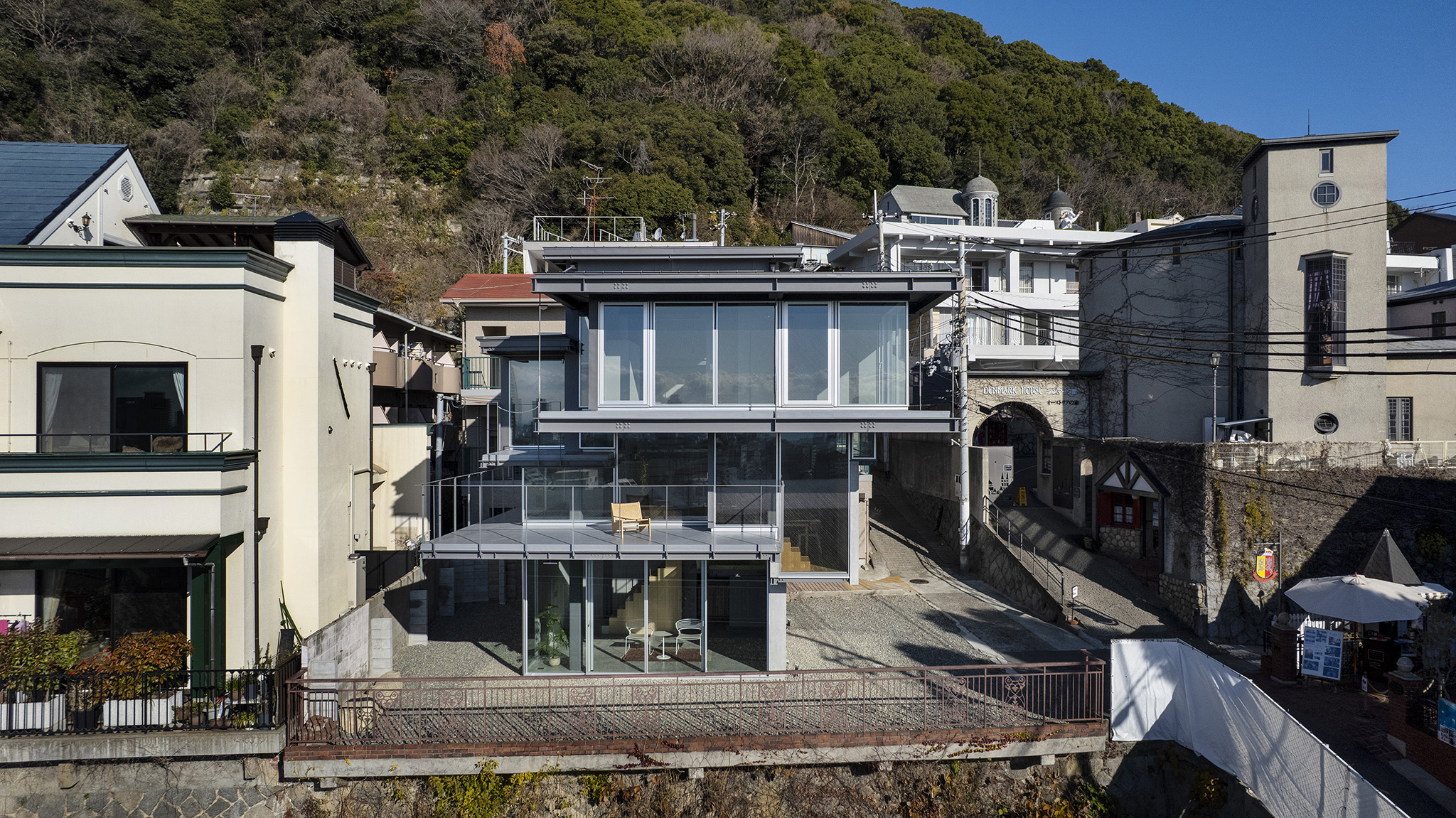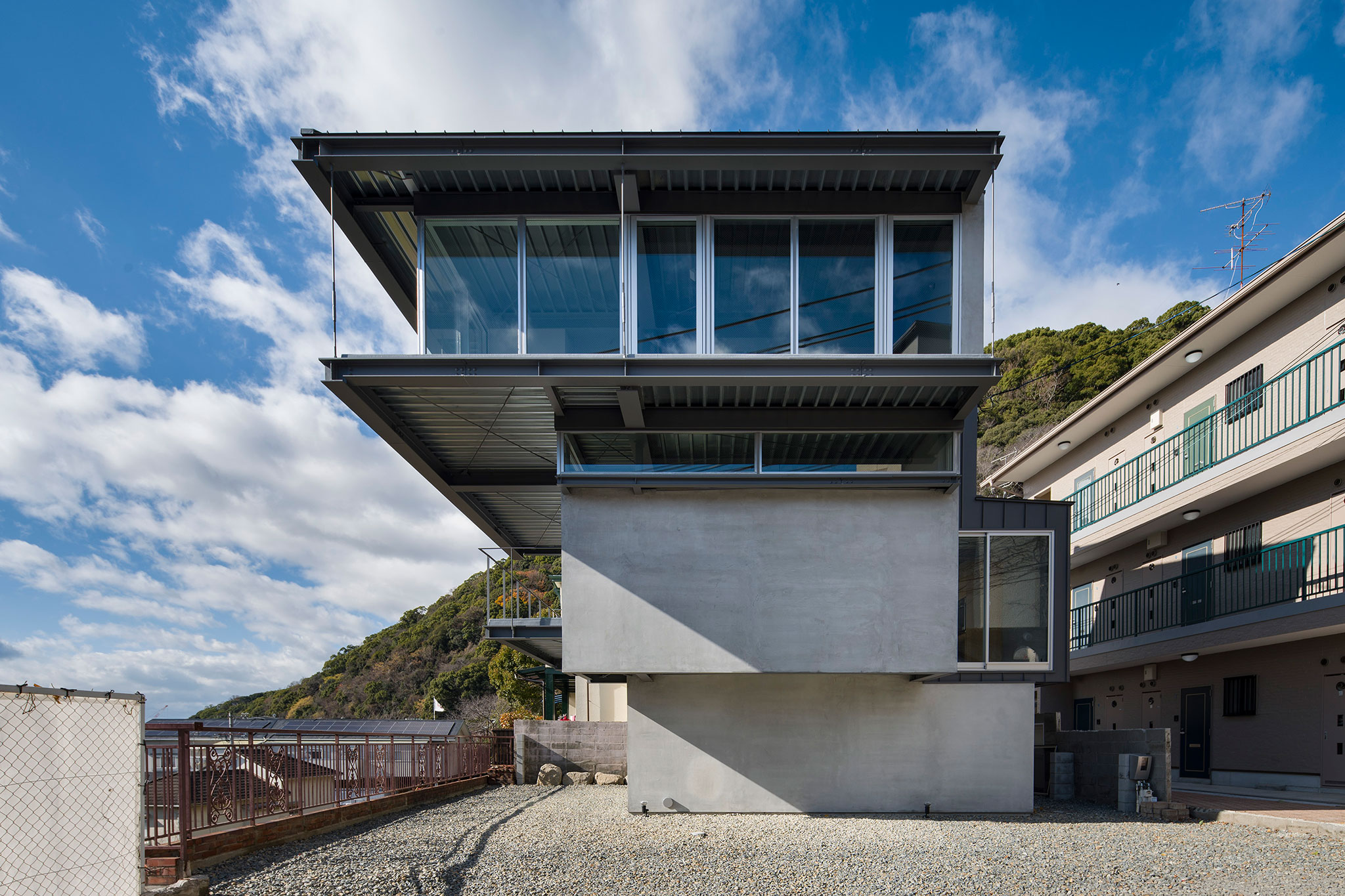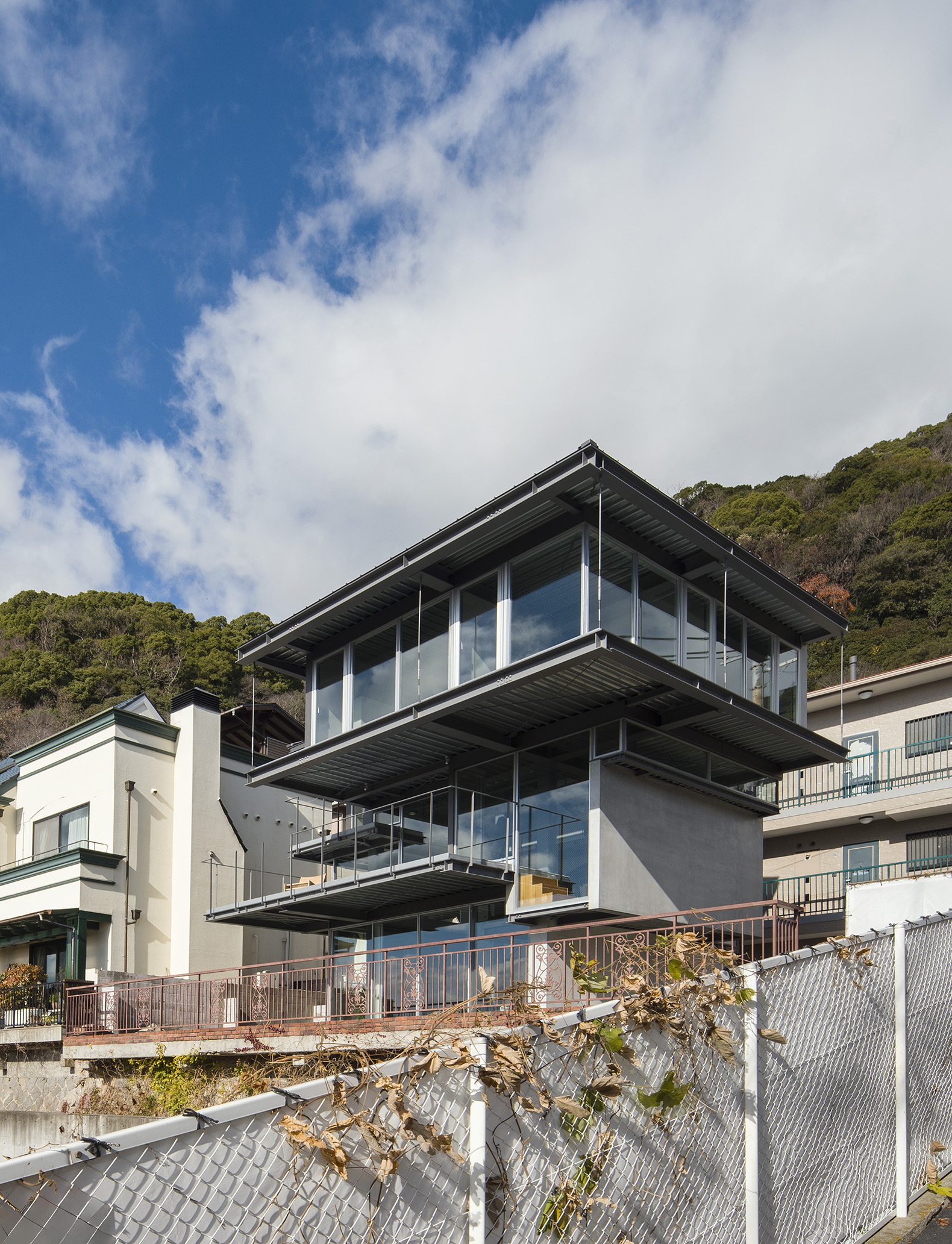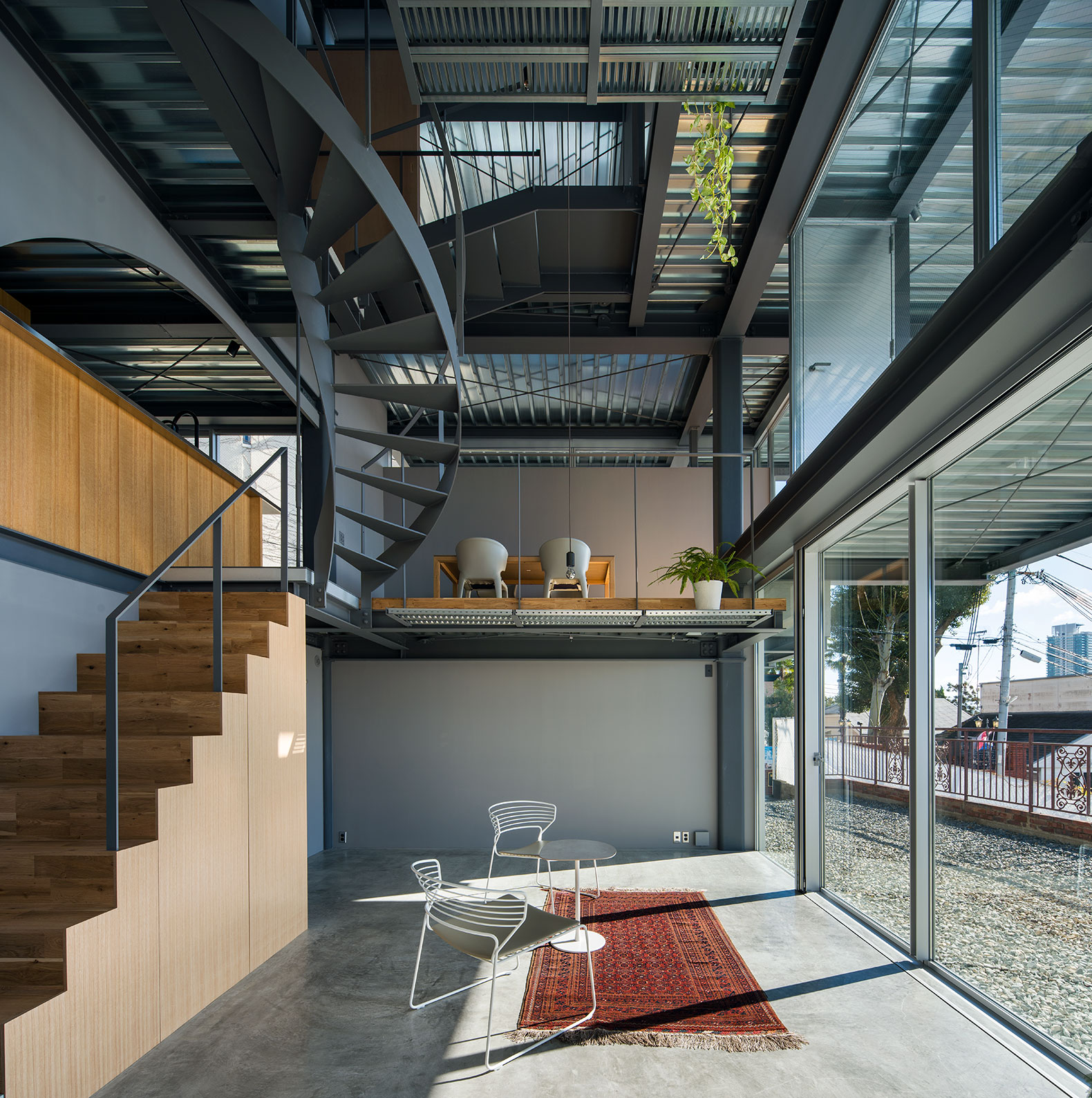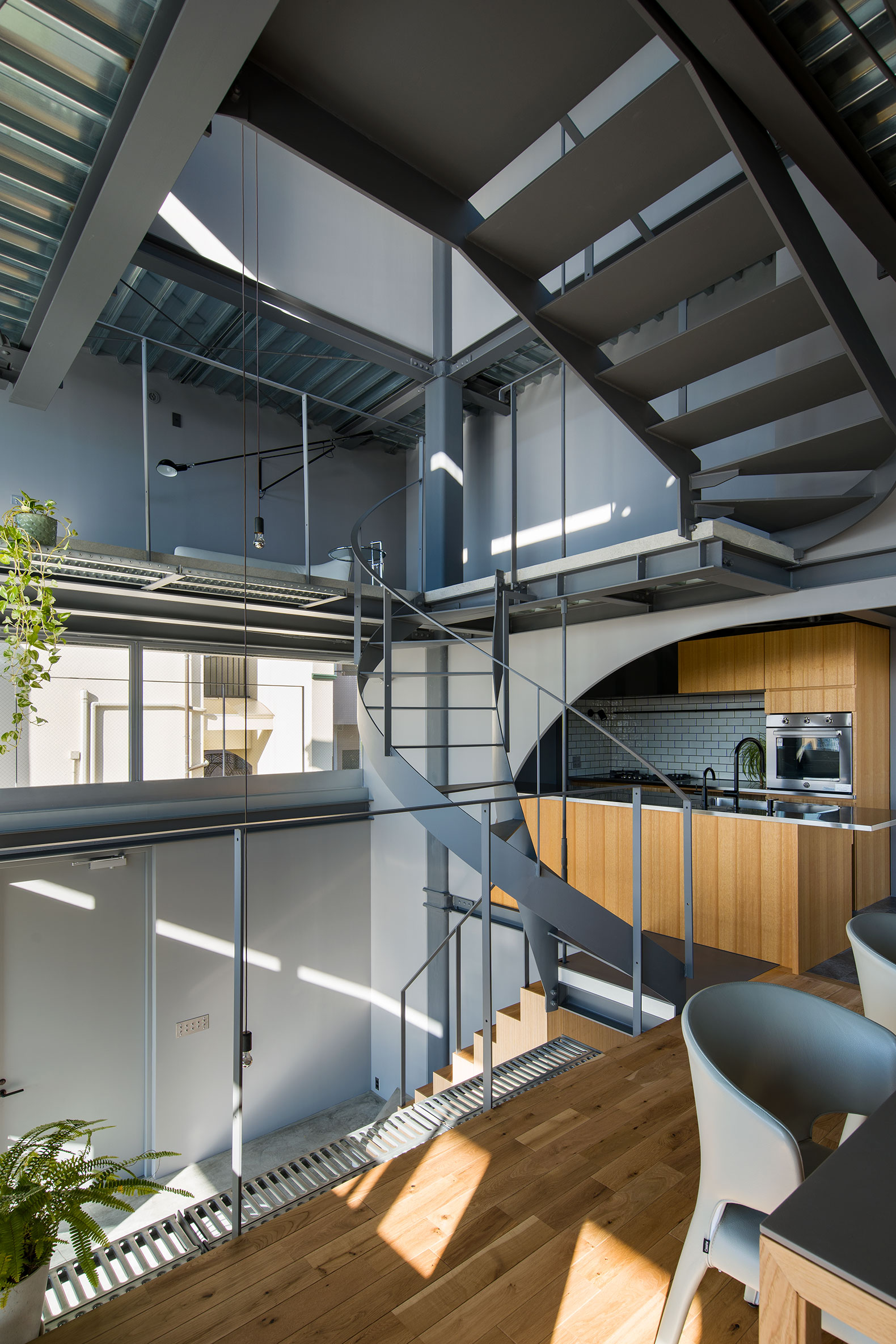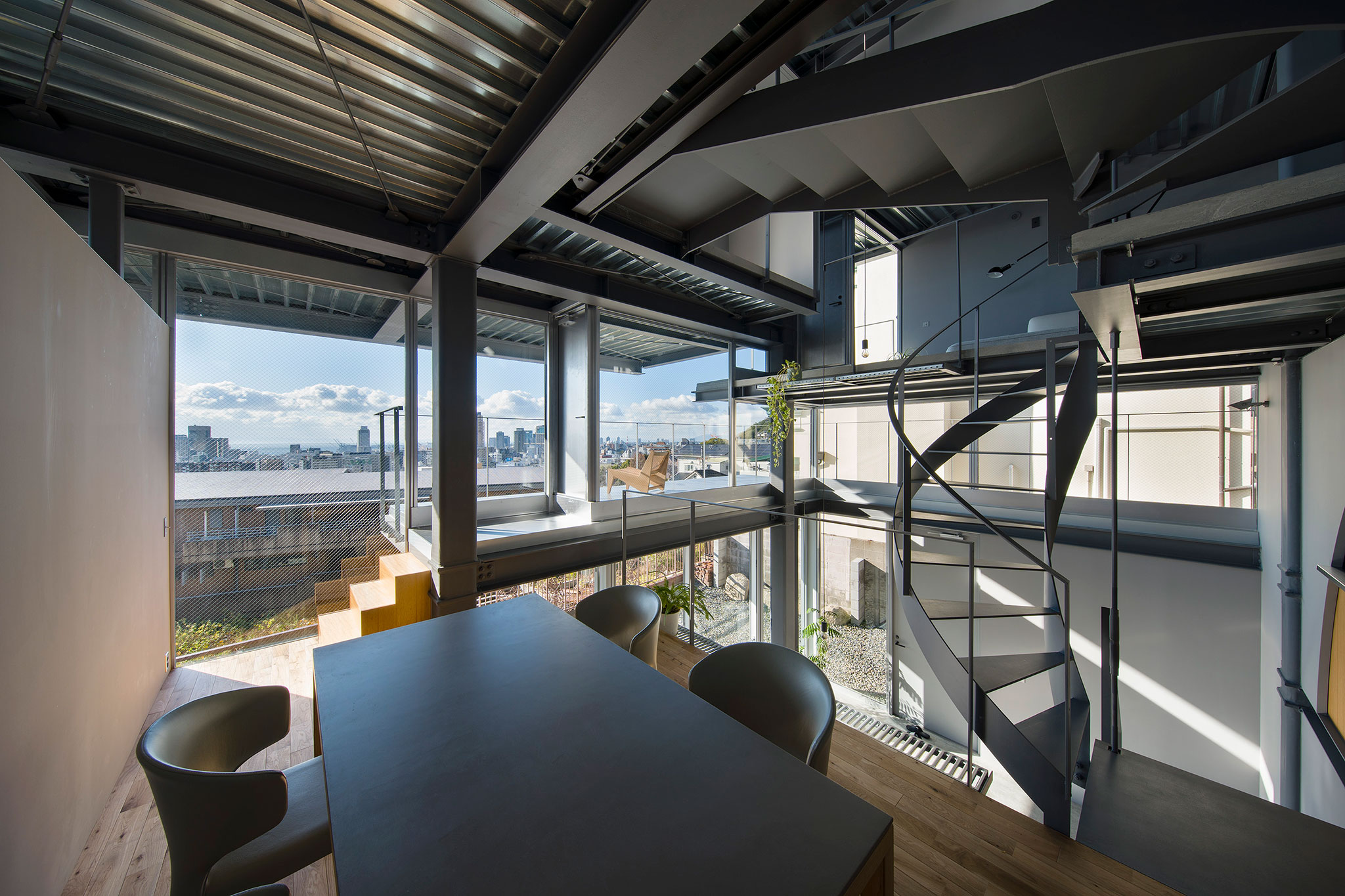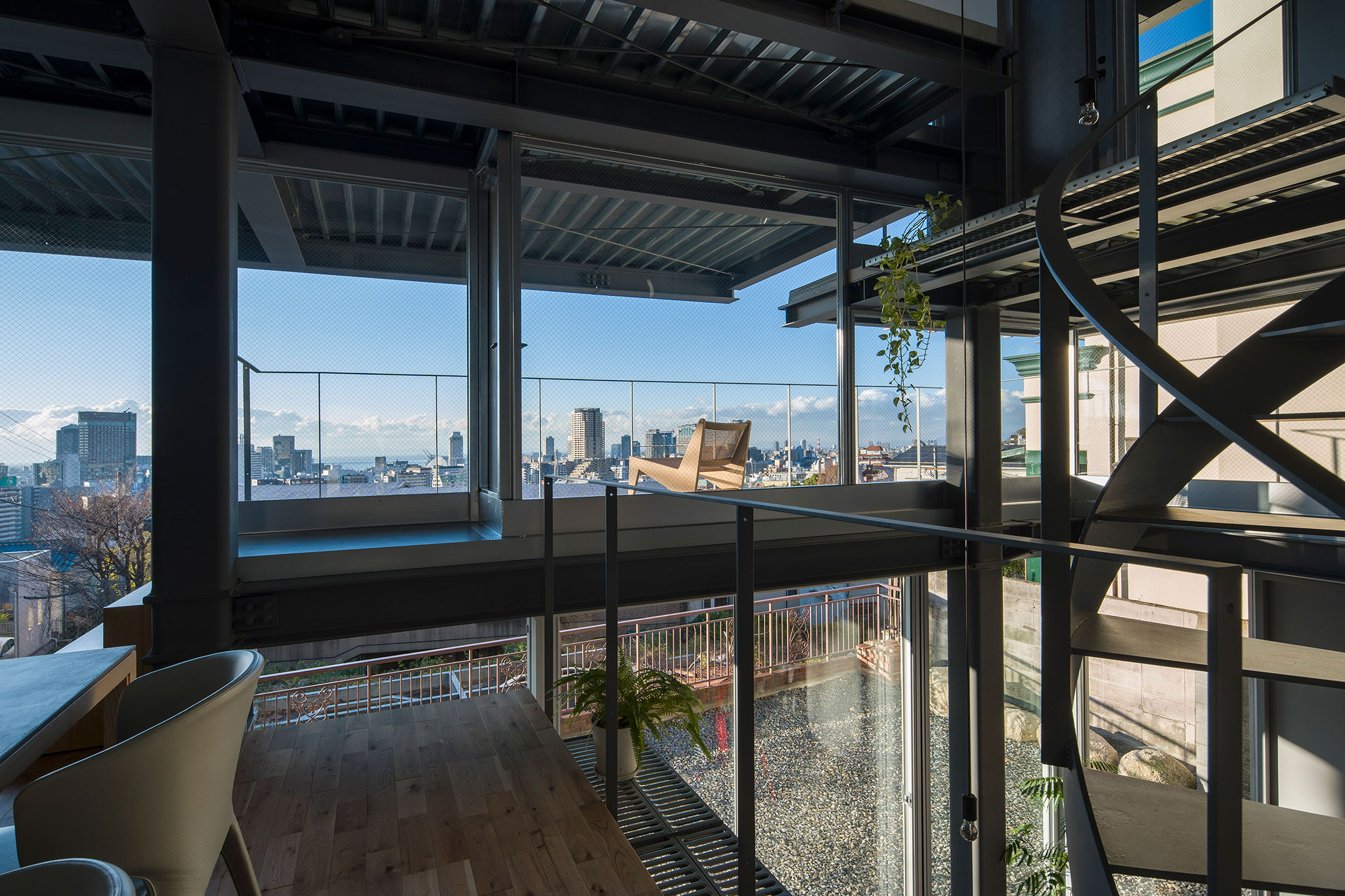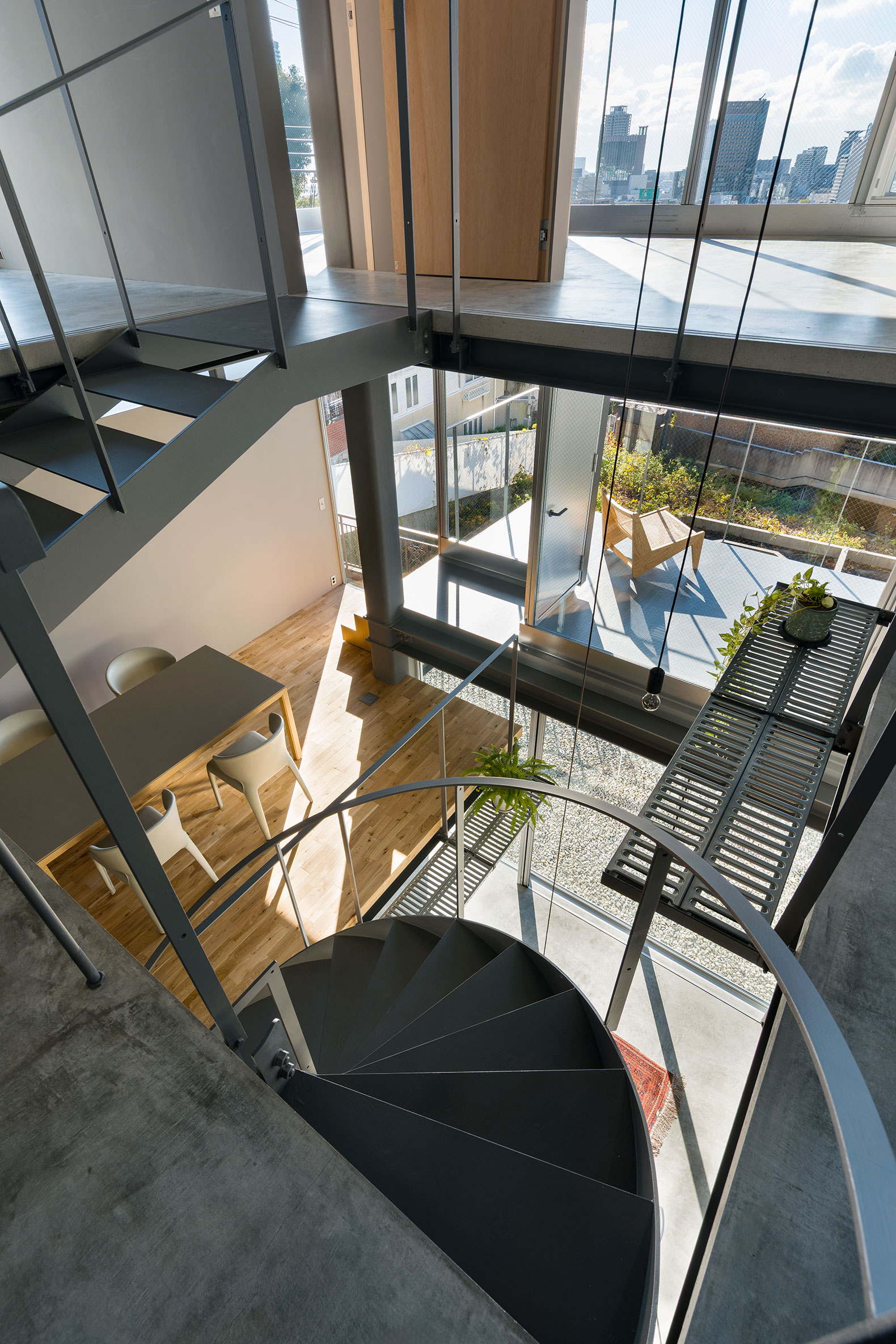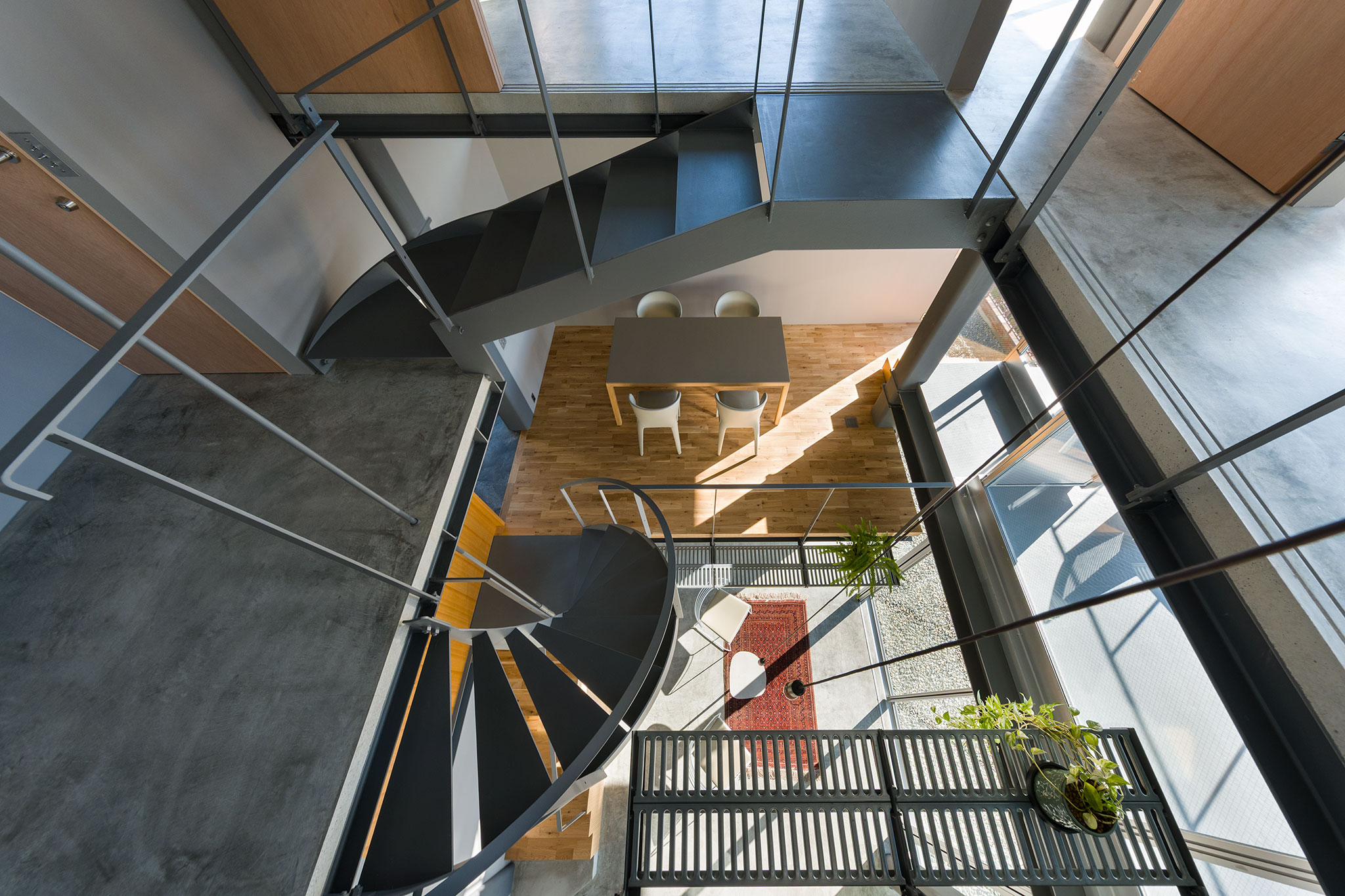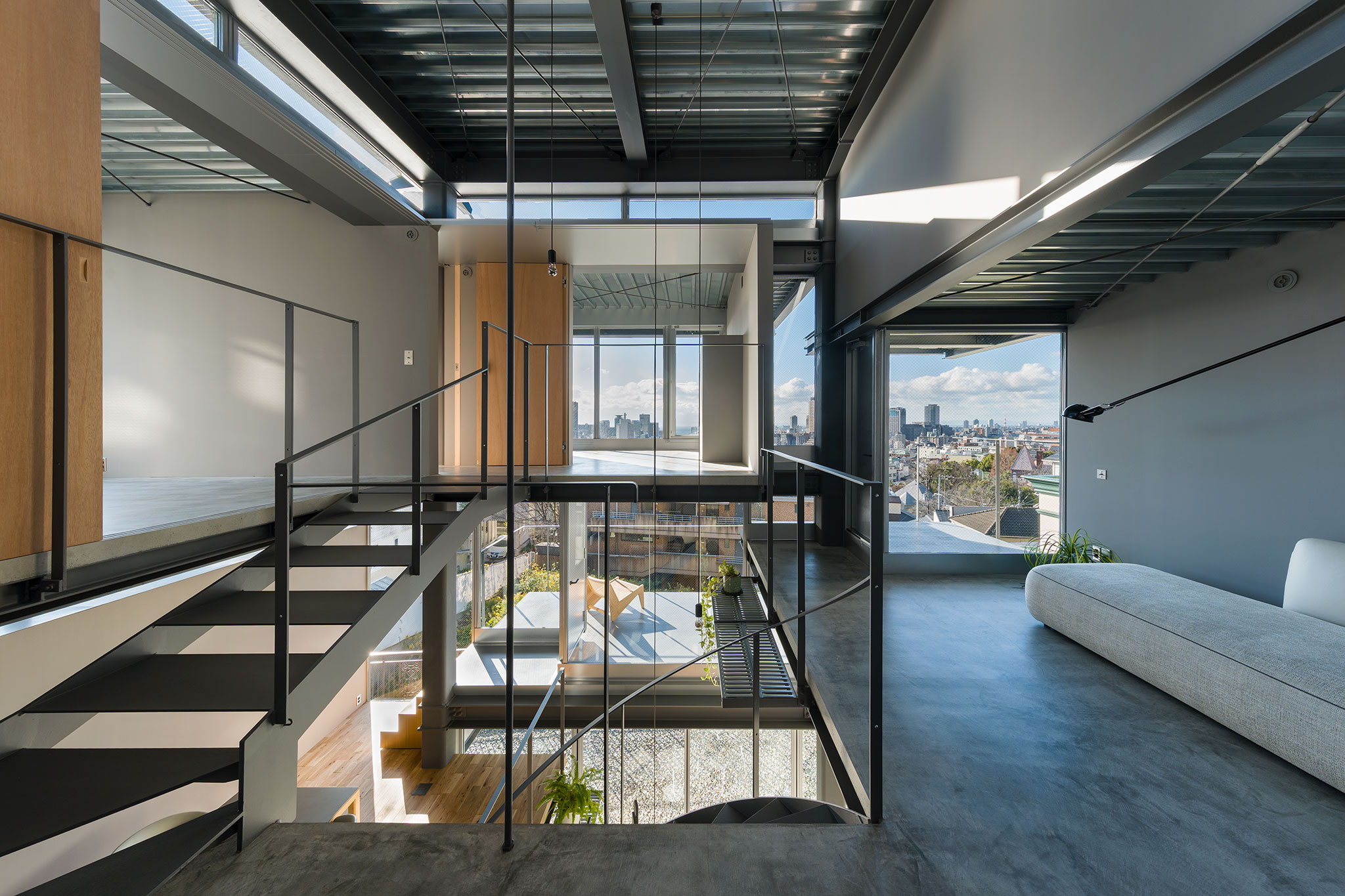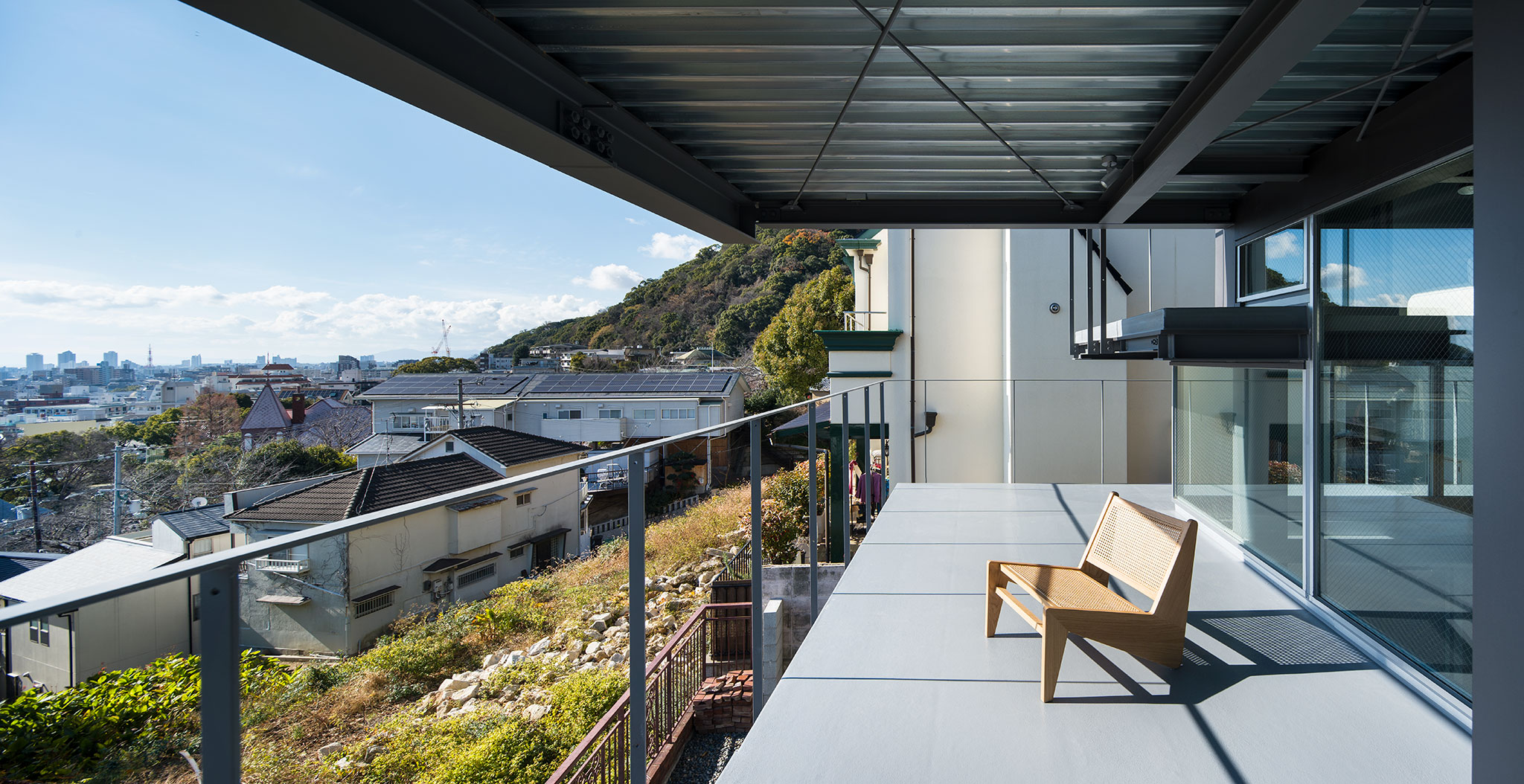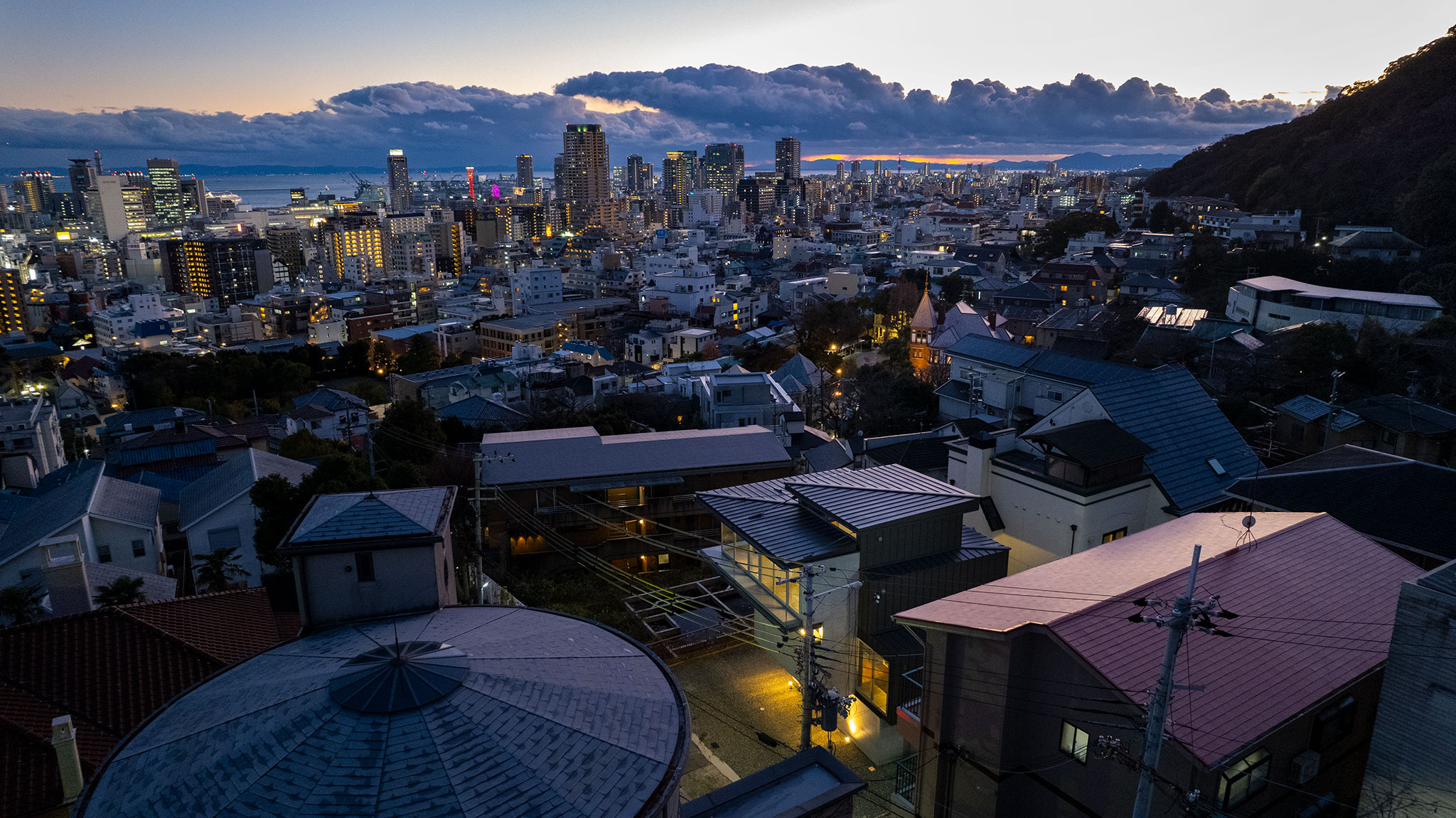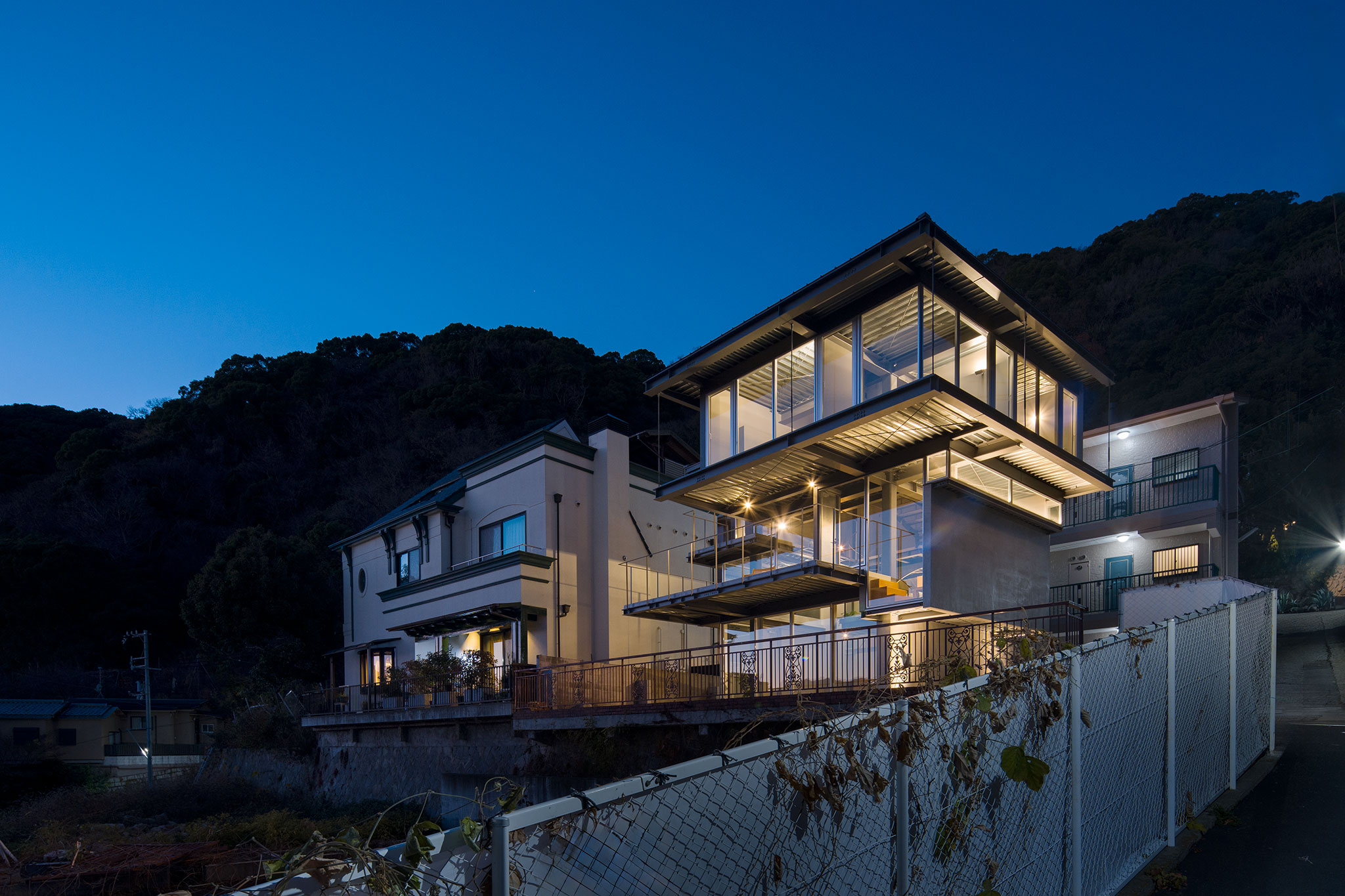
The location of the Tomohiro Hata Architect & Associates project offers particularly expansive panoramic views of the city. The house was designed to develop the idea of "looking into the distance," with the intention of weaving together the terrain, the history, and the culture of the city into a unified whole, creating a unique landscape structure.
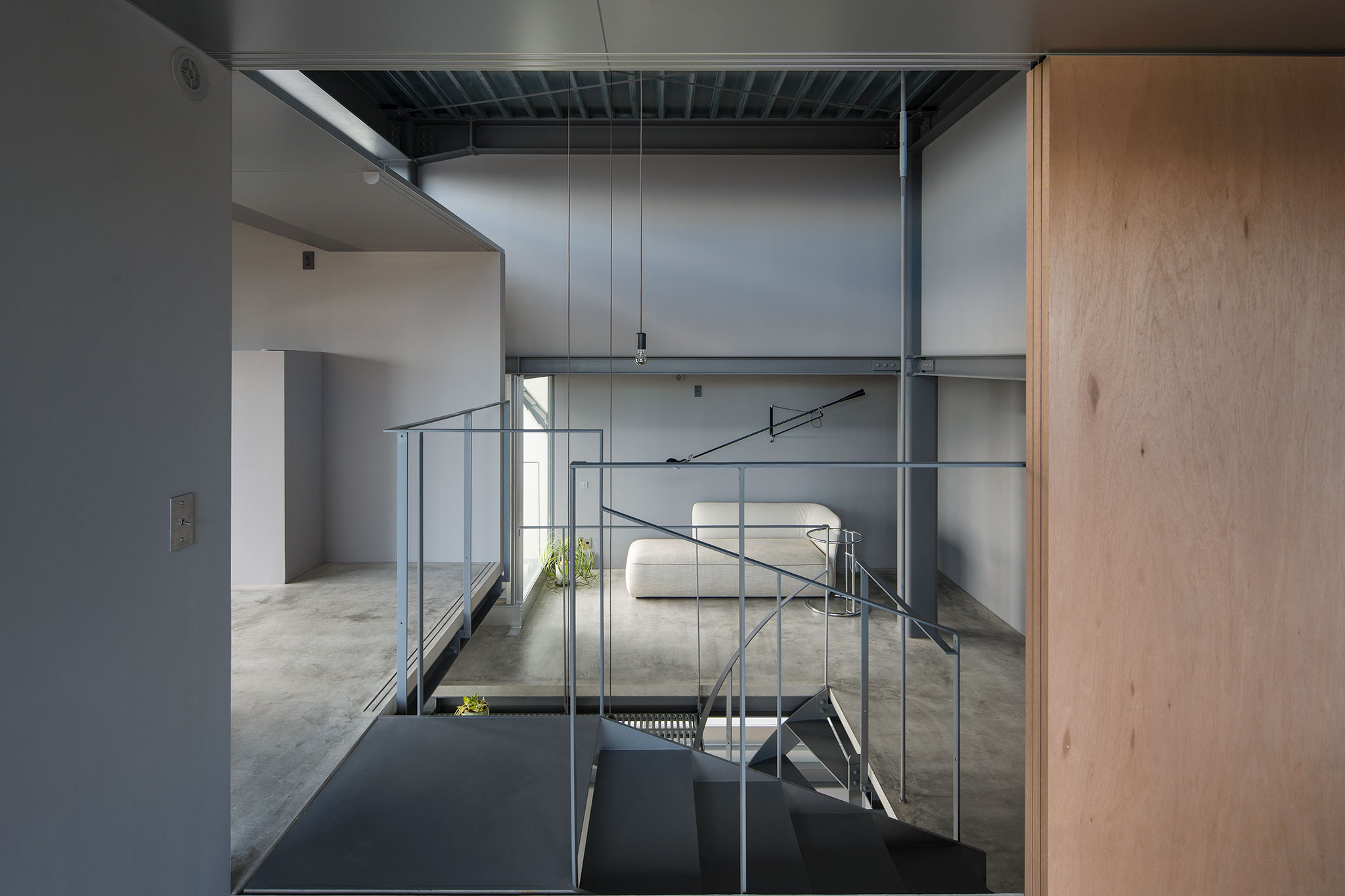
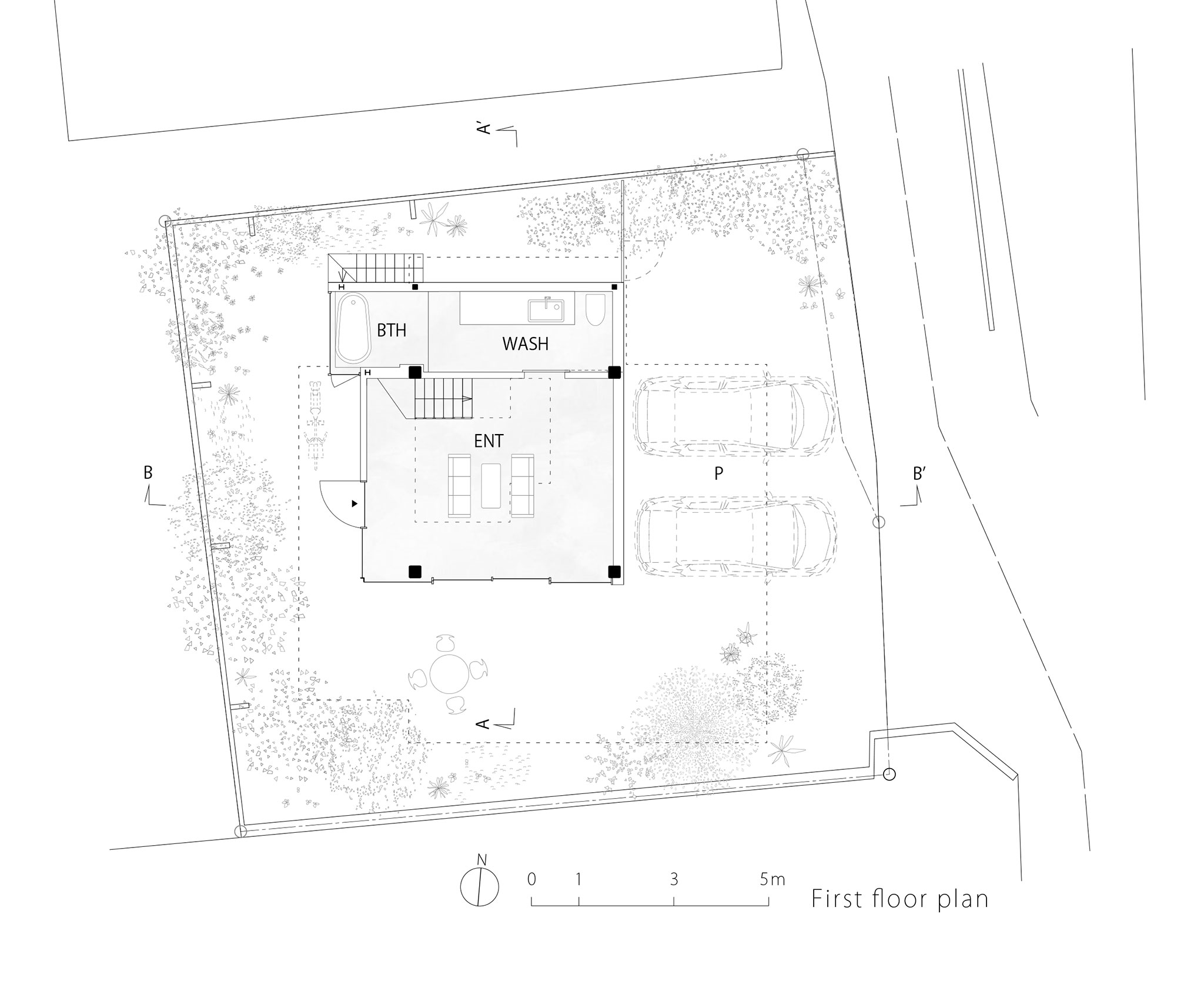
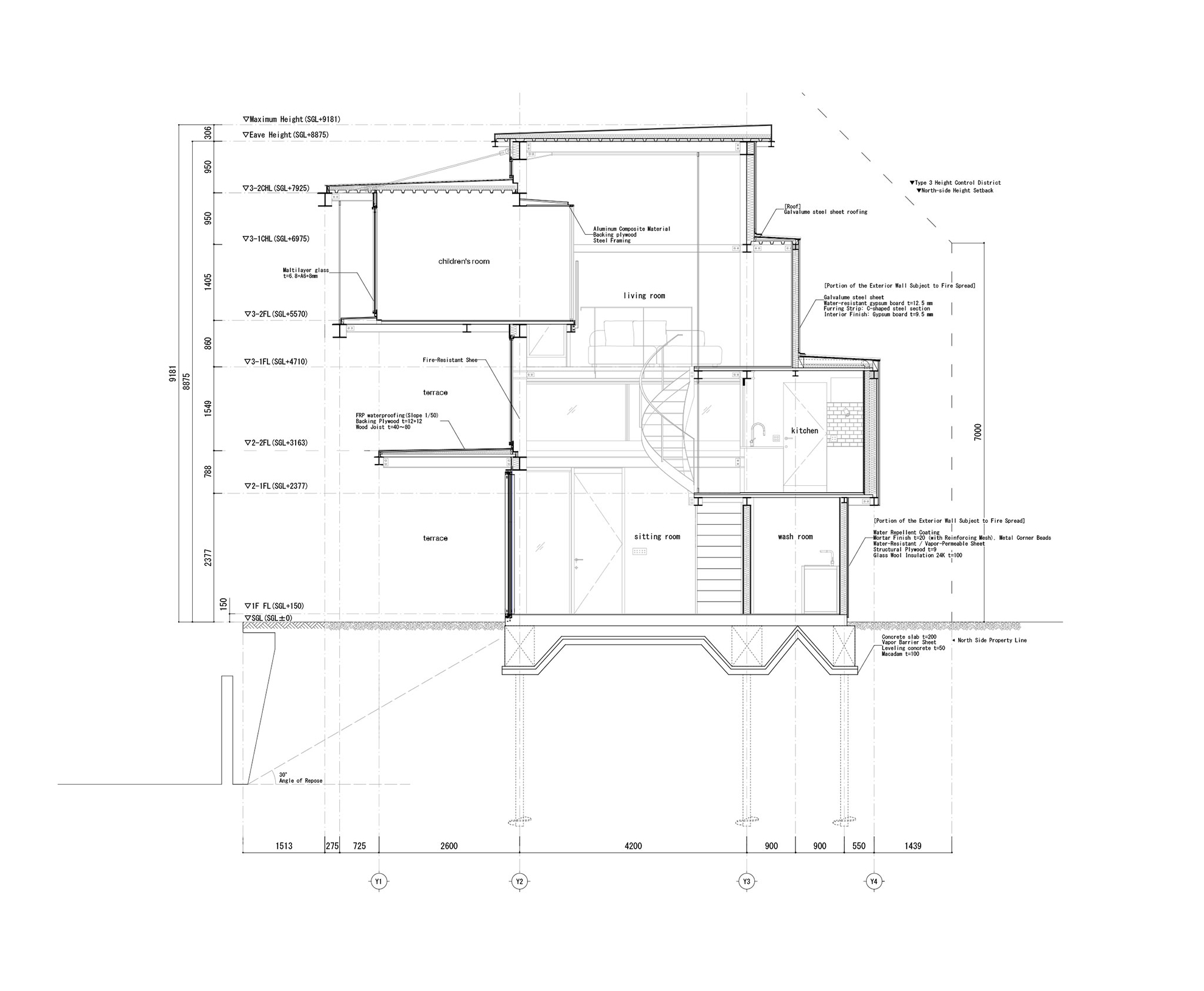
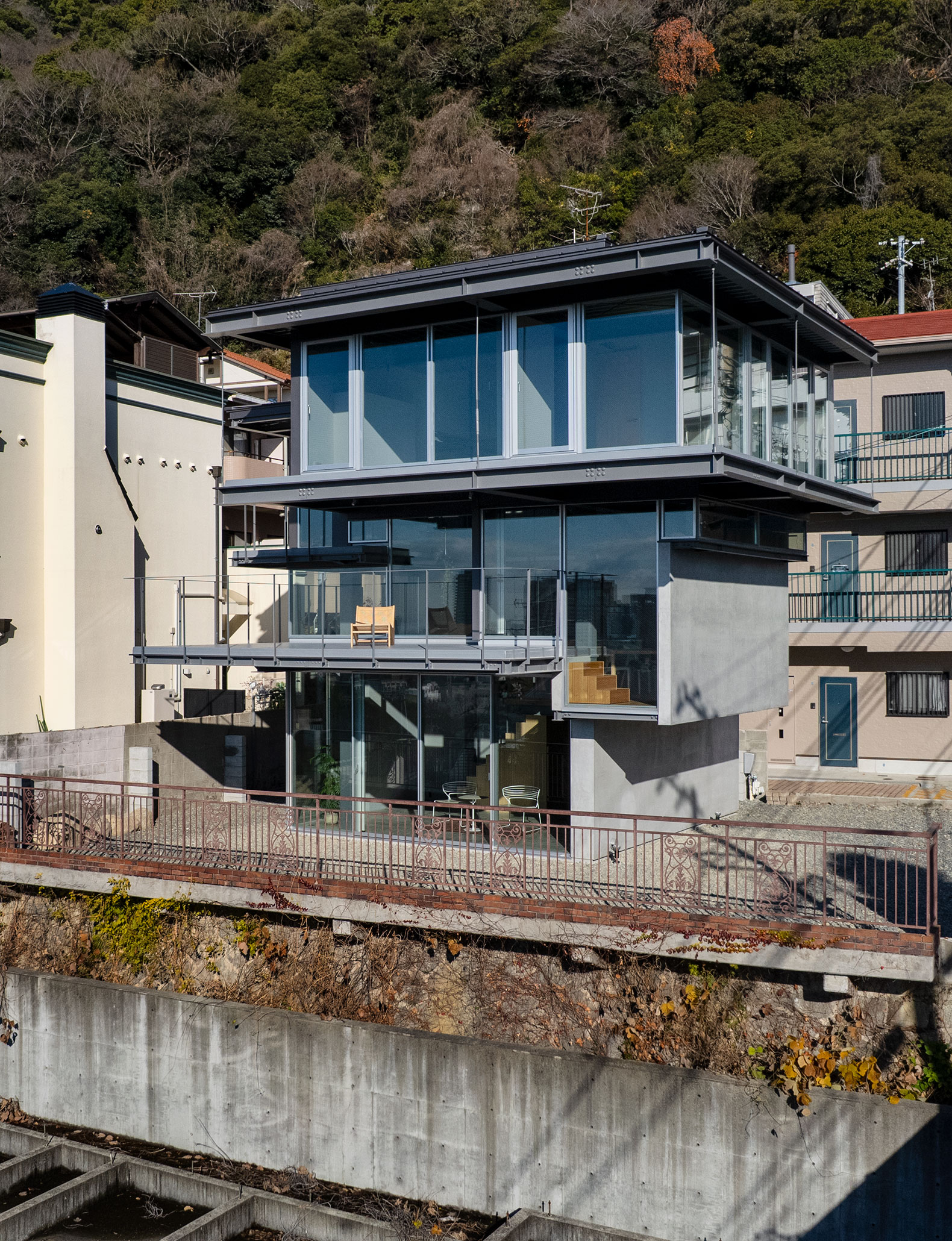
The house is built on artificial terrain at the top of a hillside. It has a compact floor plan, which reduces its surface area in contact with the ground and minimizes its footprint. The house grows like a tree, with a compact trunk unfolding horizontal planes that house spacious areas open to the landscape and its distant views.
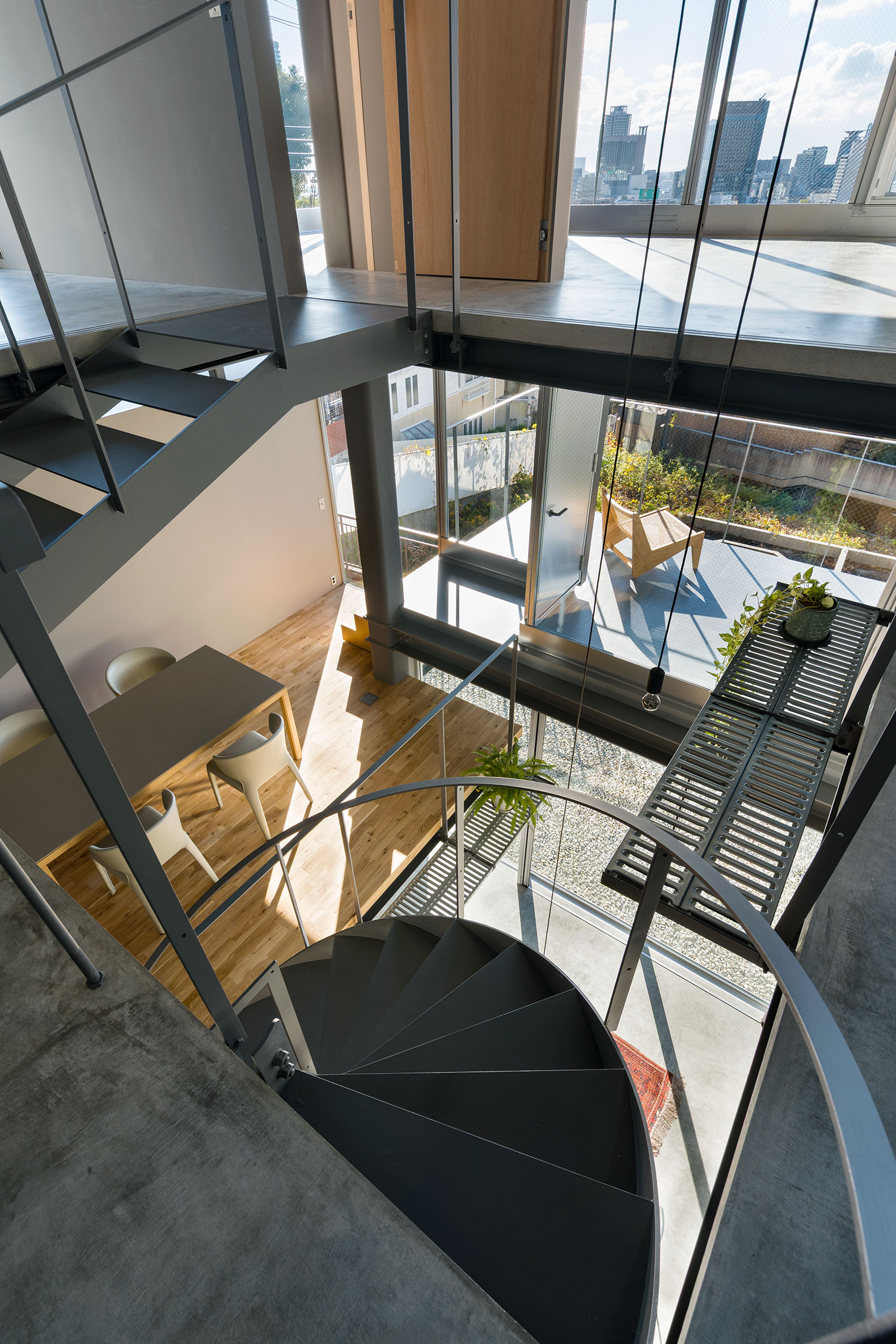
House in Kitano by Tomohiro Hata Architect & Associates. Photograph by Toshiyuki Yano.
Project description by Tomohiro Hata Architect & Associates
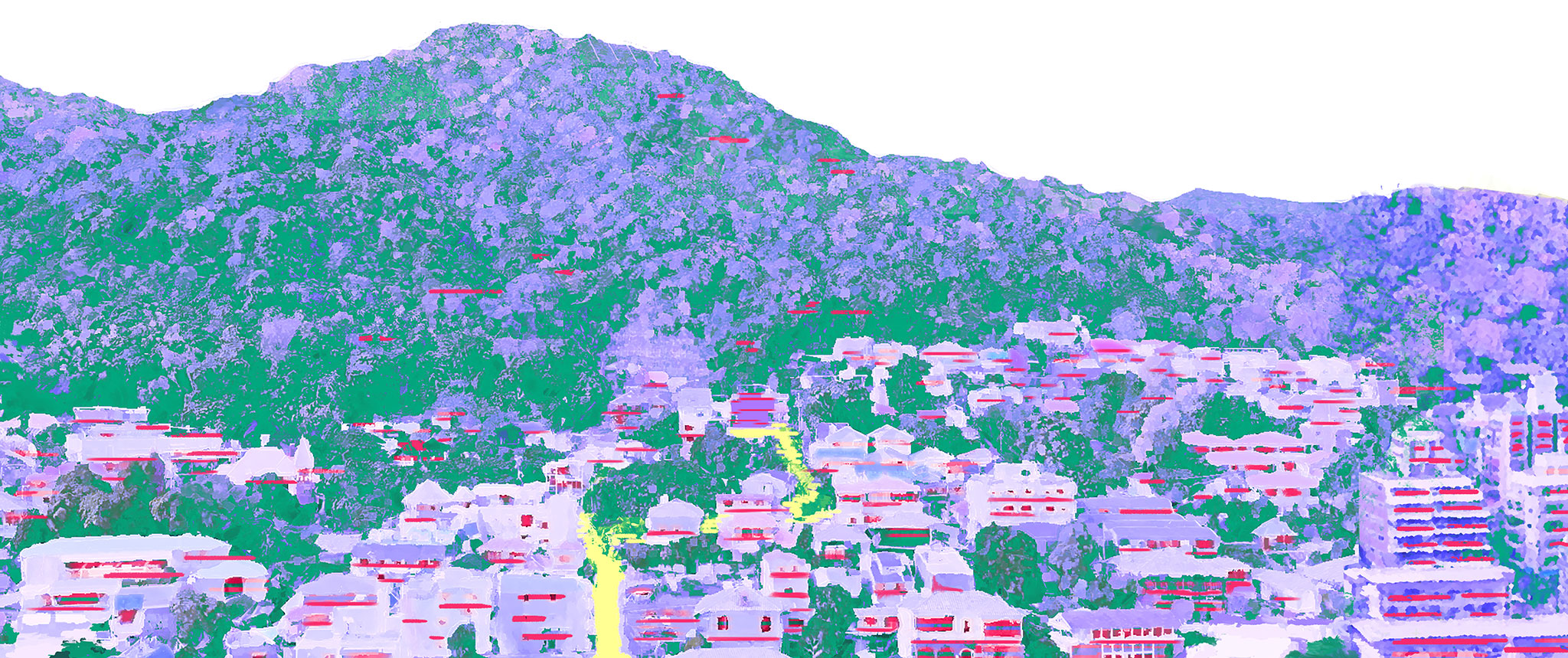
This project is a residential design in the Kitano area, Kobe. The city of Kobe is defined by its hilly terrain, shaped by the uplift of the Rokko mountain range, resulting in a cityscape of slopes and inclines. Within this topography, the gaze from the mountains toward the sea has long been a characteristic feature of the urban environment, passed down through generations.
Kitano, located on the hillside of Kobe, offers especially expansive views of the city. The act of "looking far into the distance" is a fundamental instinctive behaviour of humans. When this innate desire intersects with the terrain and the city's history and culture, it shapes a unique landscape structure. Our goal with this project was to create a residence that embodies this structure.
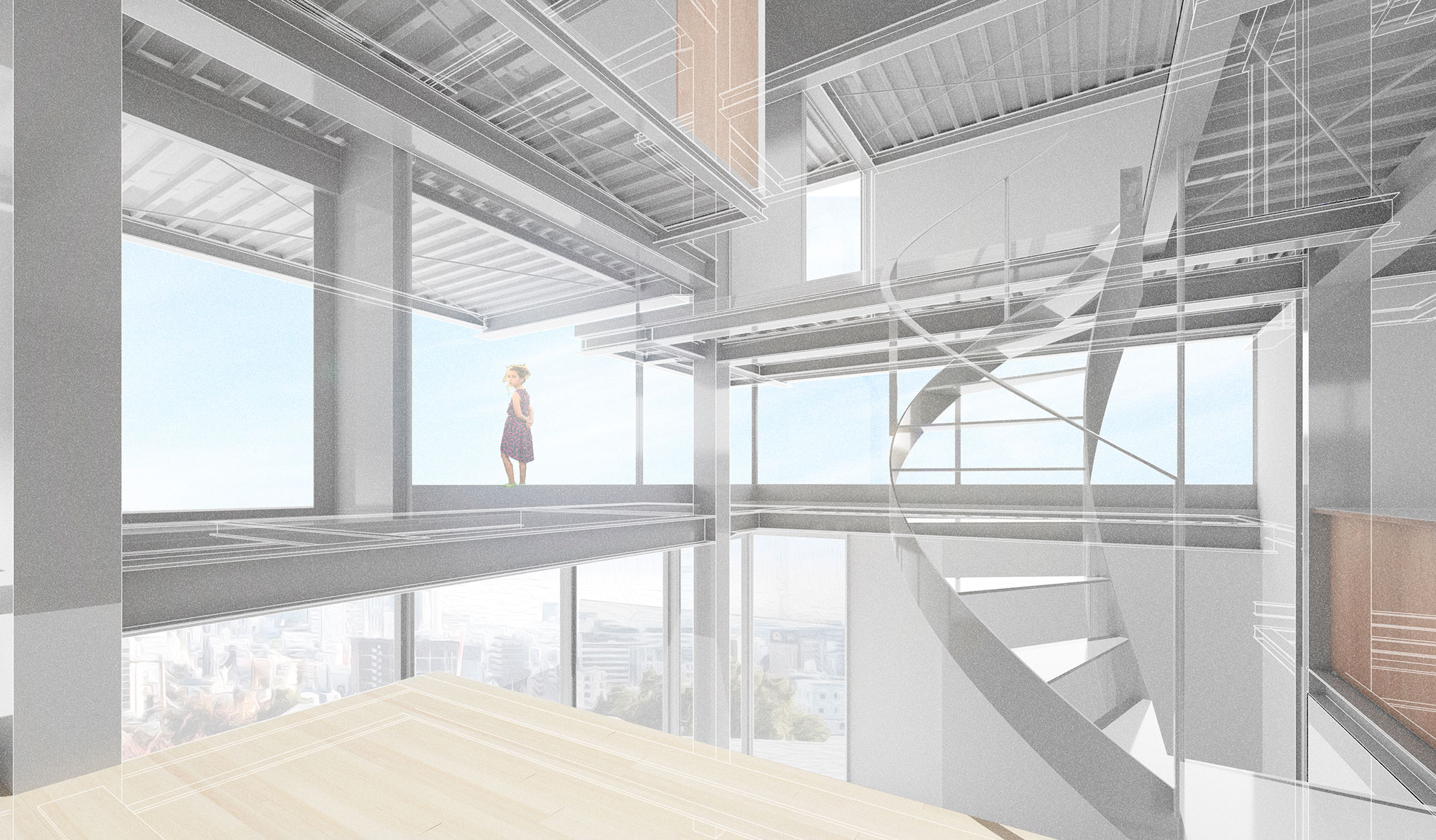
The house is constructed on a made ground atop a sloping site. By consolidating the footprint into a compact form, like the trunk of a tree, the ground contact area is reduced. Above this, the horizontal floor planes extend outward, resembling branches spreading generously from the trunk. This approach minimizes the direct impact on the complex topography while creating an open, expansive living space. These branch-like horizontal extensions represent the act of gazing out over the city.
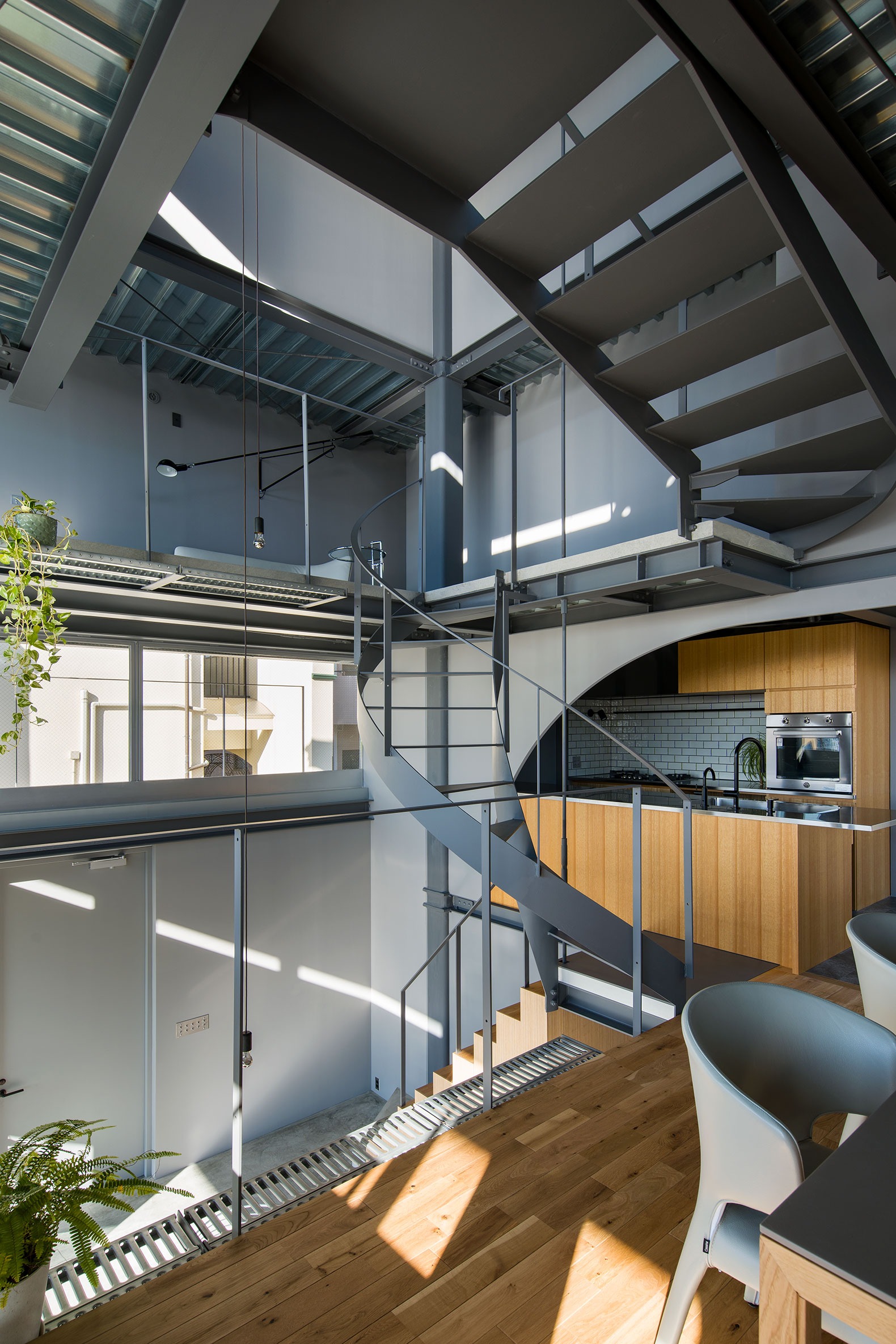
To enable greater freedom in their projection, they are suspended from the roof, which resembles a canopy, using a rod-like structure that evokes the image of a tree firmly rooted in the slope to live in connection with the cityscape and the distant view beyond.