The opening of the Casa Alonso as new Microvinyas' headquarters claim serves to develop this intervention, entitled 'Four architectures for a transformation' carried out by the architect José María Torres Nadal, with which aims to combine business activity associated with winemaking activities, and the territory in which they take place. His intervention, defined by himself as 'four physical collages', embodying features of the winemaking process such as brittleness or ephemeral.
Description of the intervention by José María Torres Nadal
Microvinyas is part of a cultural action which explores the convergence of a business activity, a territorial destination and a social regrouping and partnership action, by means of empowering small wine producers and wine agents in the Muro de Alcoy region.
The opening of Casa Alonso as the Microvinyas permanent headquarters involves fitting out a historical venue of Muro de Alcoy, in the north of Alicante province, in order for the discussion, dialogue, even clash of interests and sensitivities about the future of Microvinyas, to take place in a comfortable environment, which in turn continues Muro’s wine-making tradition. Architecture thus joins a business and civic movement underway, but it does not do so from its usual haughtiness, but by forming part of a shared ecosystemic status and on an equal footing with the intangible and tangible heritage and natural resources, and the mobilisation of the “non human”.
Our contribution has thus consisted of producing four physical collages referring to the future fictions of that transformation underway. The four representations are proposed as four realities that highlight and shape and materialise certain characteristics of the process: fragility as an inherent value to the very Microvinya process, and the emphasis on the delicate and ephemeral as an inspect closely linked to the relations system between humans and non-humans in that process. Those actions anticipate a type of architecture and the role that it must play: being more an event and a situation, and not a new construction.
Here we present the four interventions by José María Torres Nadal.-
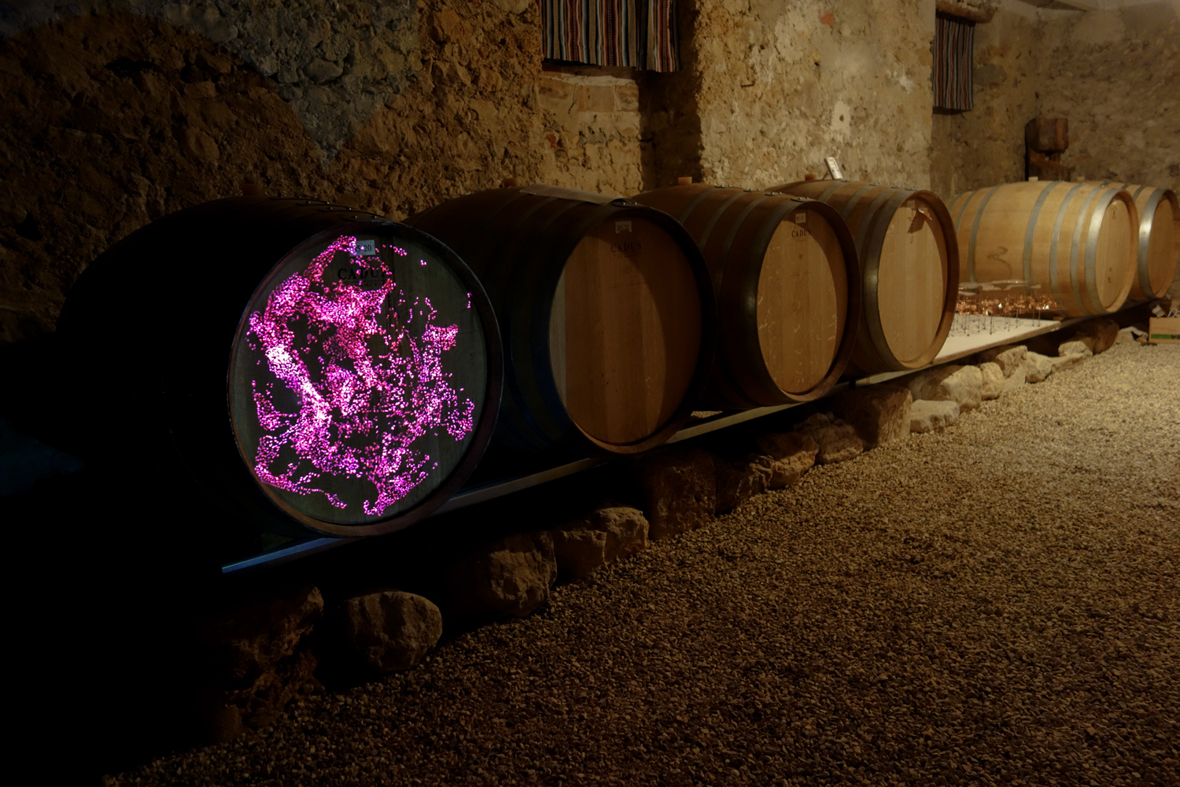
01 Always alive.-
Winery.
Videography installation that appraises the visual material from the End-of-Degree Project of Martin Noguerol, “Families: research on the kinetics”, as an expression of that permanent transformation that occurs in the world of wine.
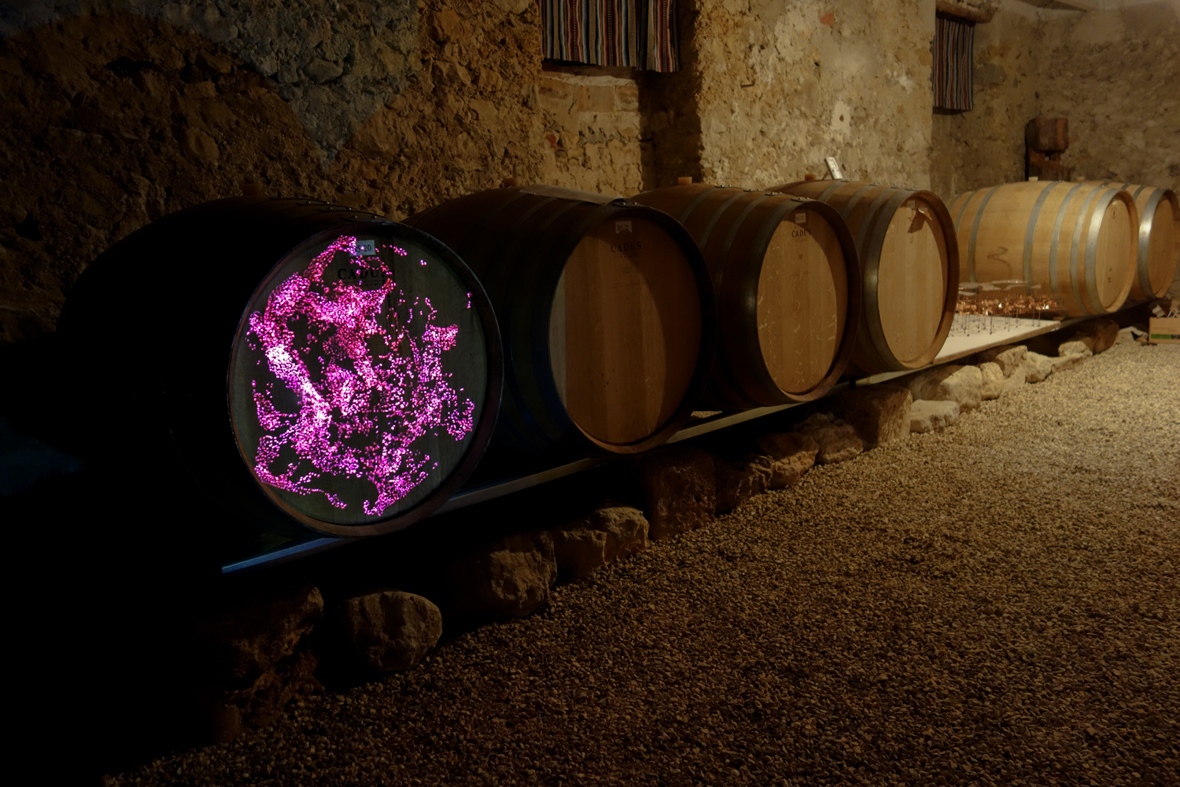
Always alive, Winery; Microvinyas: four architectures for a transformation, by José María Torres Nadal. Courtesy of José María Torres Nadal.
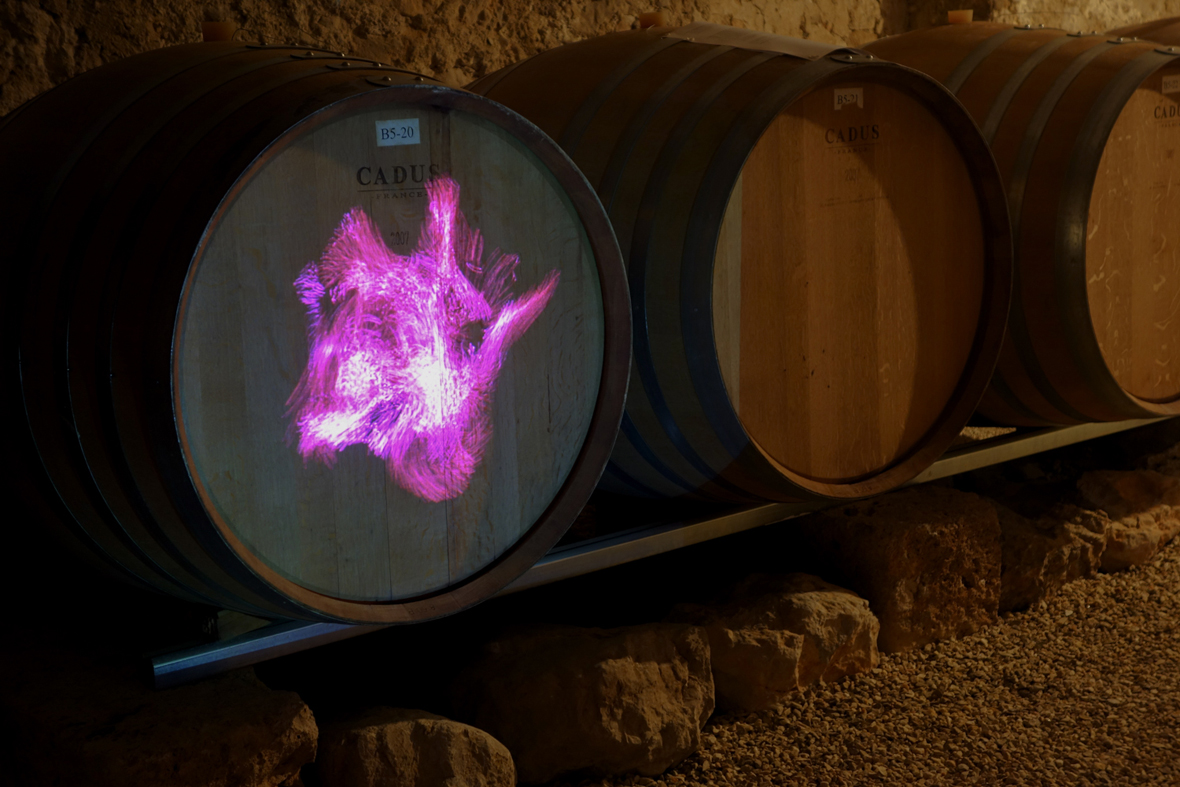
Always alive, Winery; Microvinyas: four architectures for a transformation, by José María Torres Nadal. Courtesy of José María Torres Nadal.
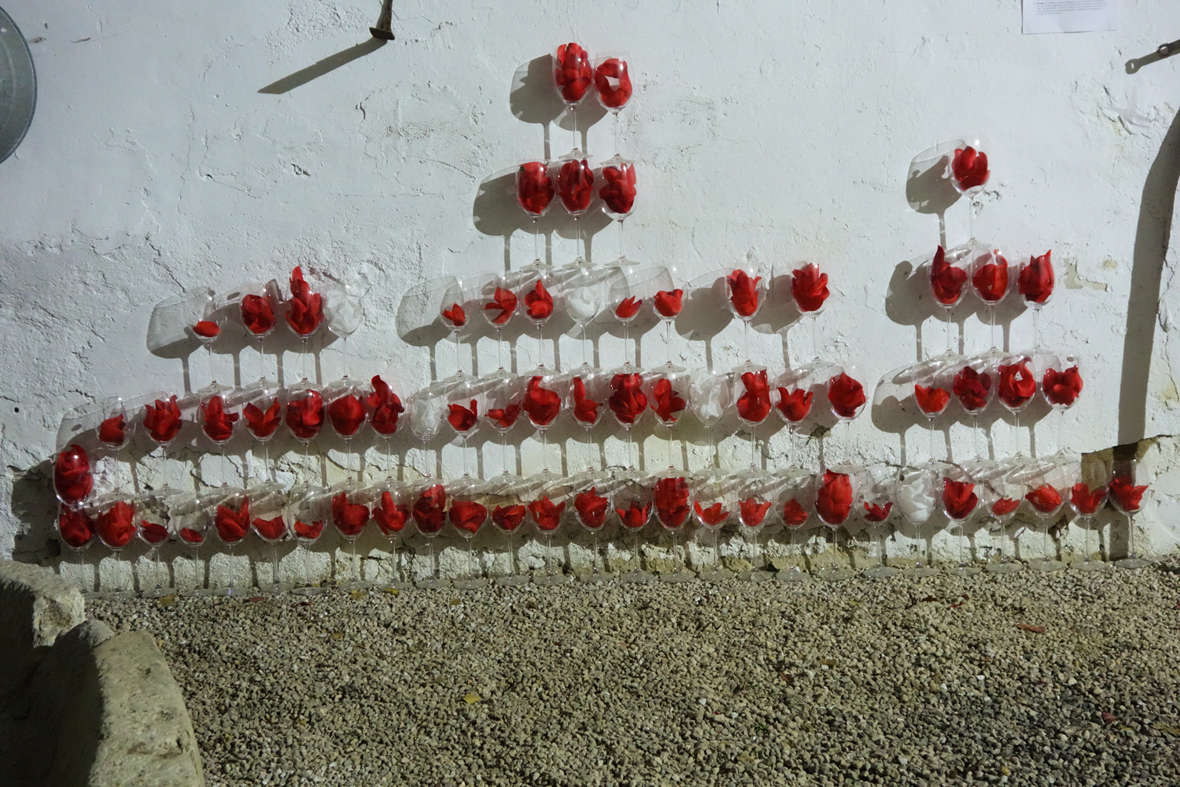
02 Wines of days and roses.-
Olive-oil mill.
Paraphrasing the title of Blake Edwards’s well-known film, Days of Wine and Roses, the piling up of the glasses next to the wall recalls the ephemeral condition and the ordinary beauty of the shared experience that underlies the world of wine.
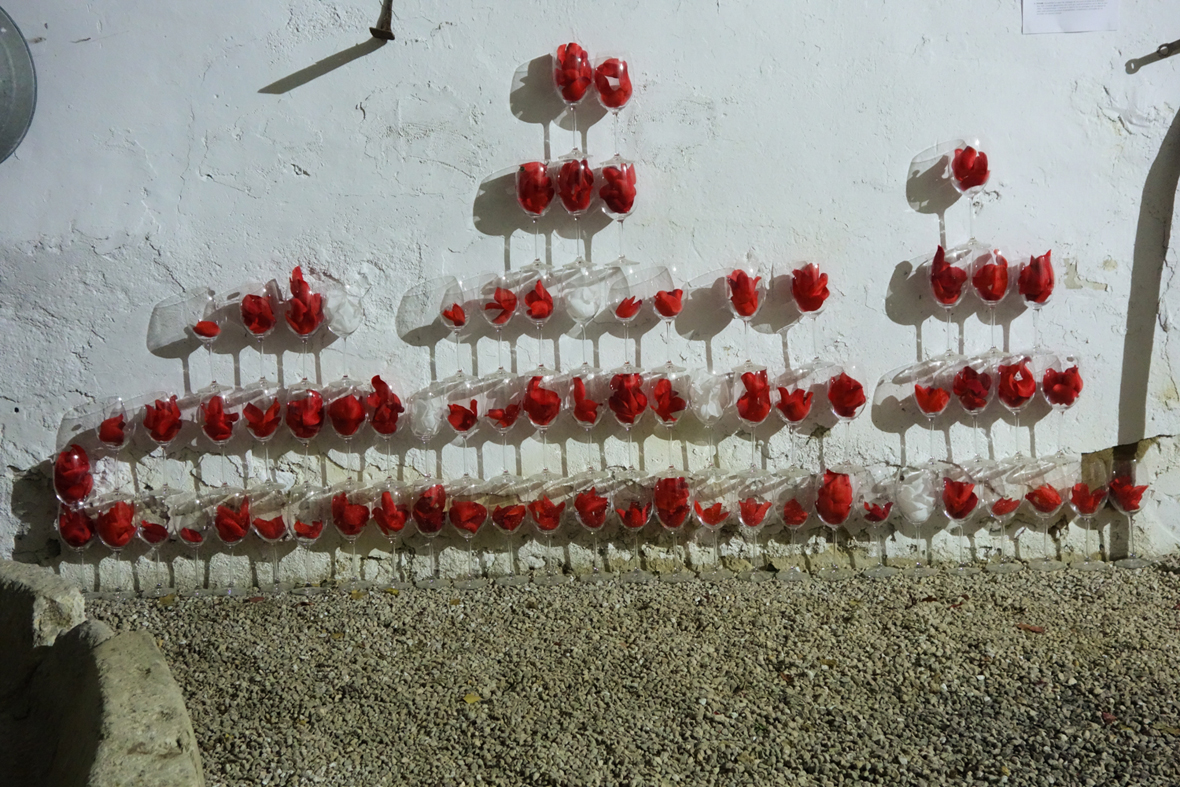
Wines of days and roses, Olive-oil mill; Microvinyas: four architectures for a transformation, by José María Torres Nadal. Courtesy of José María Torres Nadal.
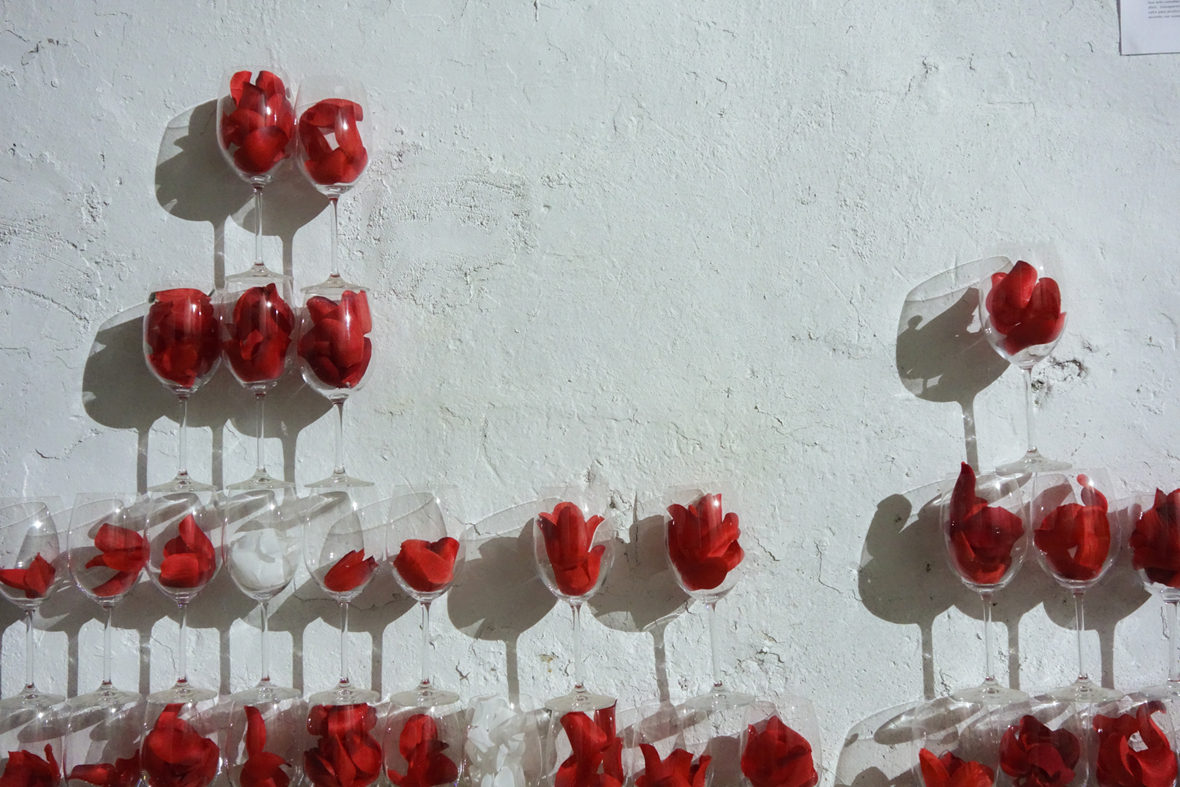
Wines of days and roses, Olive-oil mill; Microvinyas: four architectures for a transformation, by José María Torres Nadal. Courtesy of José María Torres Nadal.
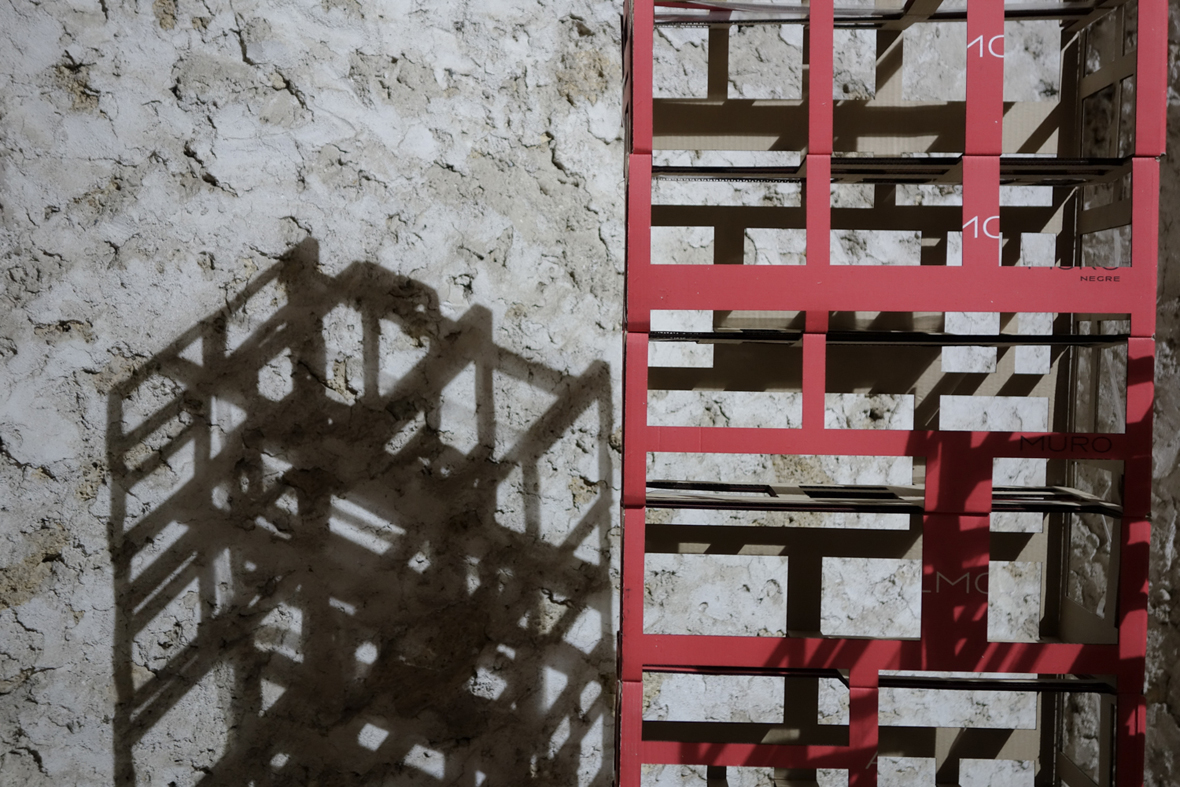
03 Totem.-
Loft.
The packaging crates of the Cell er de la Montaya wines have been cut up and punctured using a numerical control cutter. The proposal to open up, transparentize and show the inside of the processes and the objects, in the way Microvinyas operates, is fundamental to produce cultural, citizen and business developments in line with our times.
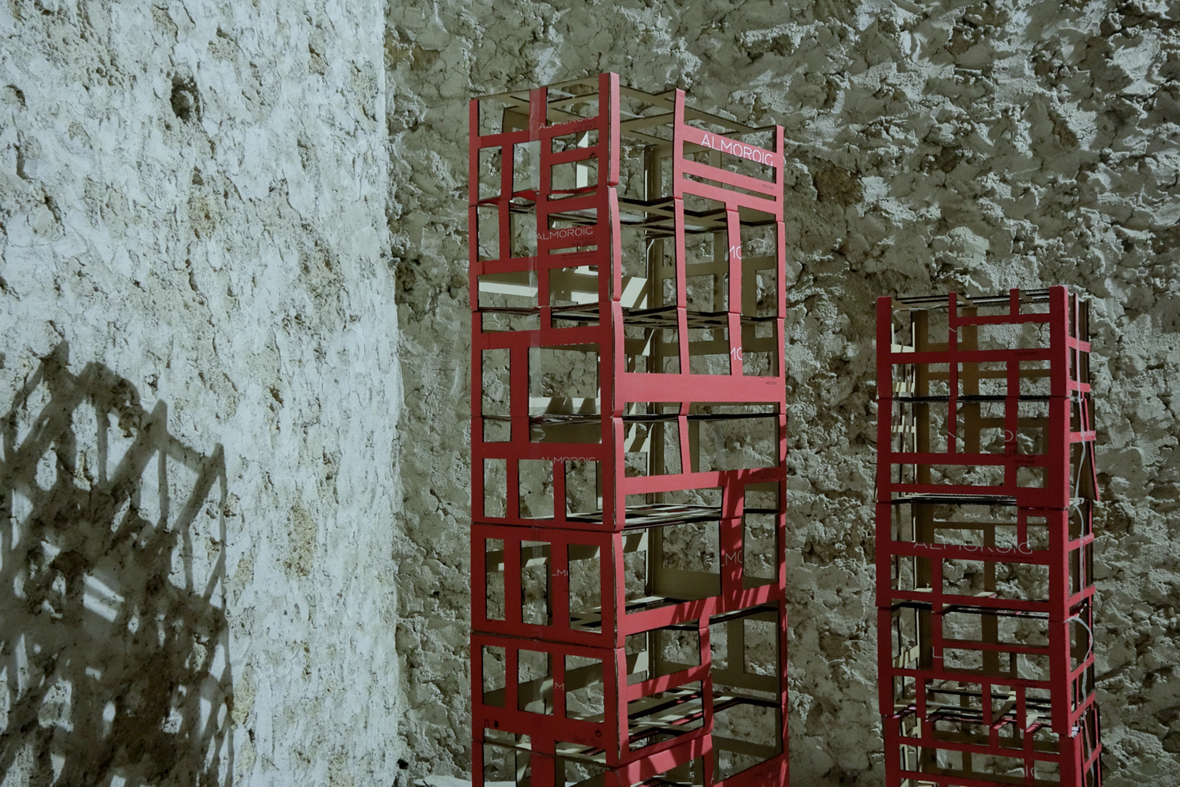
Totem, Loft; Microvinyas: four architectures for a transformation, by José María Torres Nadal. Courtesy of José María Torres Nadal.
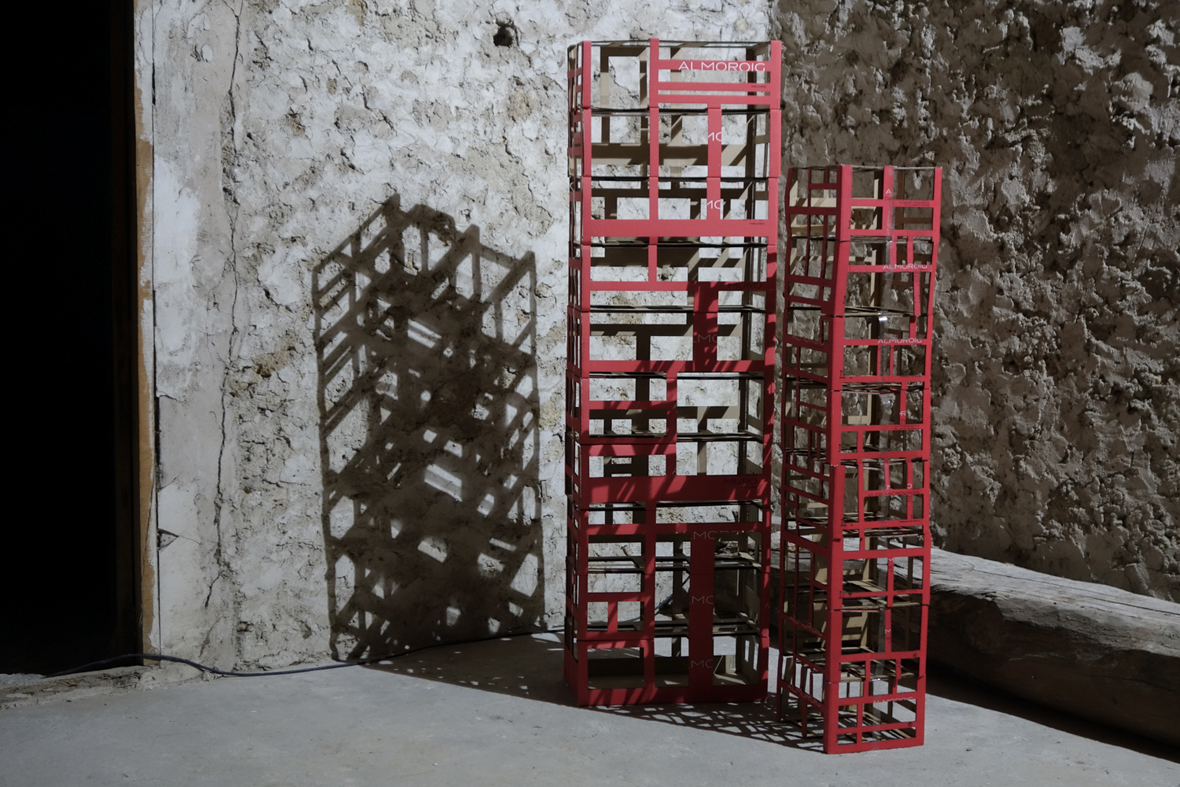
Totem, Loft; Microvinyas: four architectures for a transformation, by José María Torres Nadal. Courtesy of José María Torres Nadal.
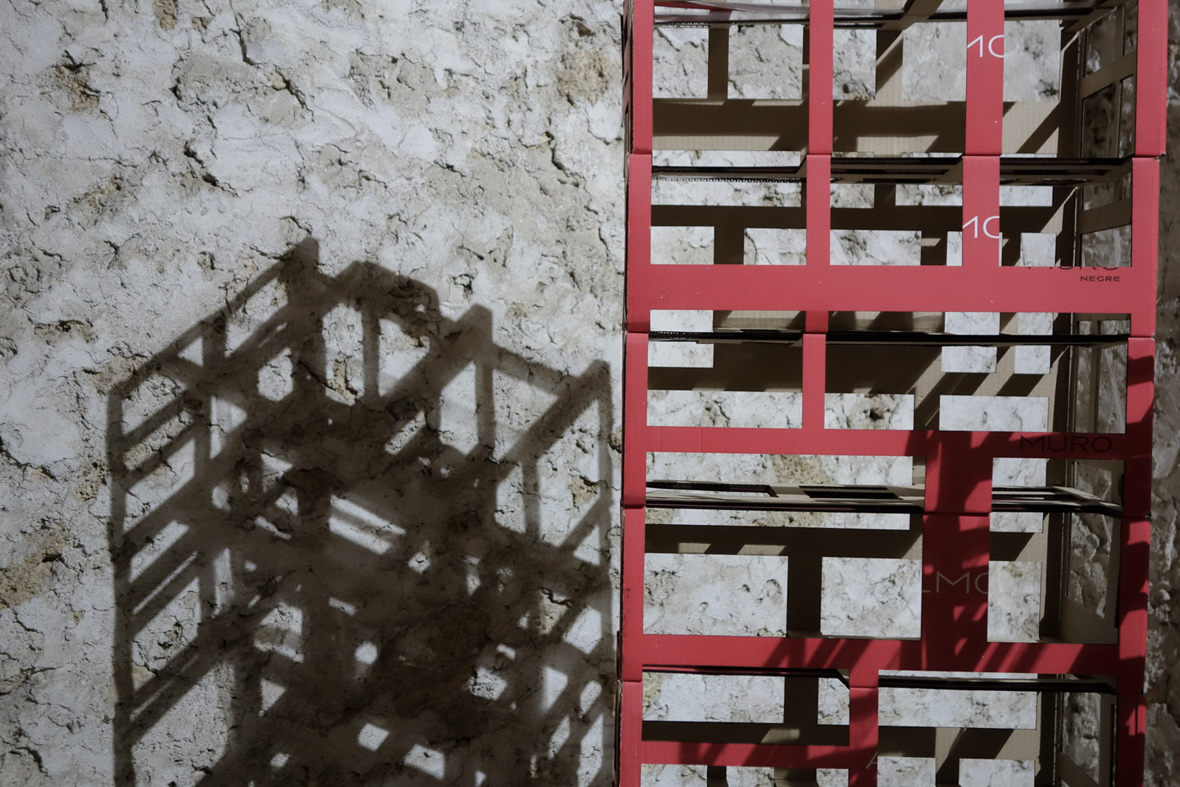
Totem, Loft; Microvinyas: four architectures for a transformation, by José María Torres Nadal. Courtesy of José María Torres Nadal.
04 Microvinyas route and the land laboratory.-
Winery. (Methacrylate, brass and bronze 0.85 x 1.80)Understanding the land as a total system is to consider it as a place where all the possible forms of depicting myths and realities occur; the place where all the imaginable combinations between each of the parts making up the system are tested, occur and are modified, and the place where the continued provision and collaboration, sometimes antagonistically and sometimes not, of its parts are construed in a permanent and living manner.
Considering the land thus is to consider it as a laboratory of visible and hidden parts, in constant transformation, where the anthropocentric is transcended and where the full rights of its entities, animated or not, to be considered equal is recognised. This collage shows the relationship between the plots that currently make up the Microvinyas system as the visible parts of that great land laboratory underlying to the side and under them.
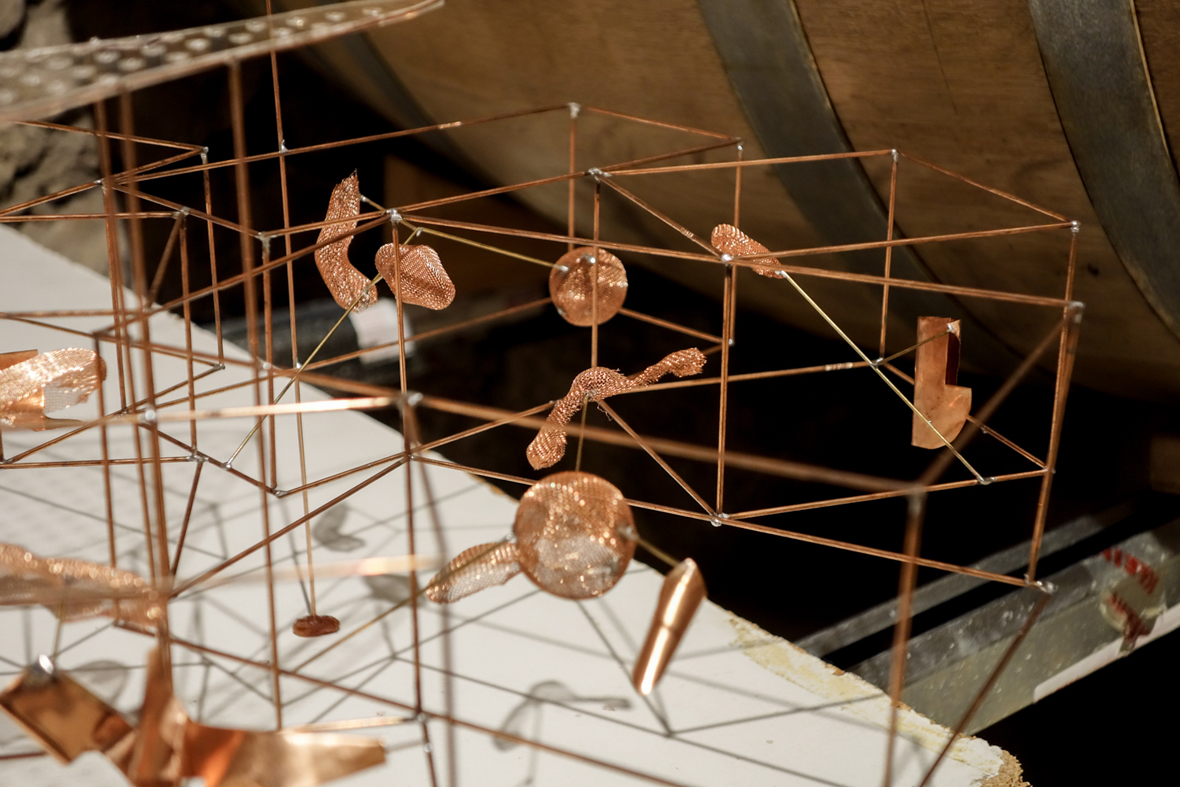
Microvinyas route and the land laboratory, Winery; Microvinyas: four architectures for a transformation, by José María Torres Nadal. Courtesy of José María Torres Nadal.
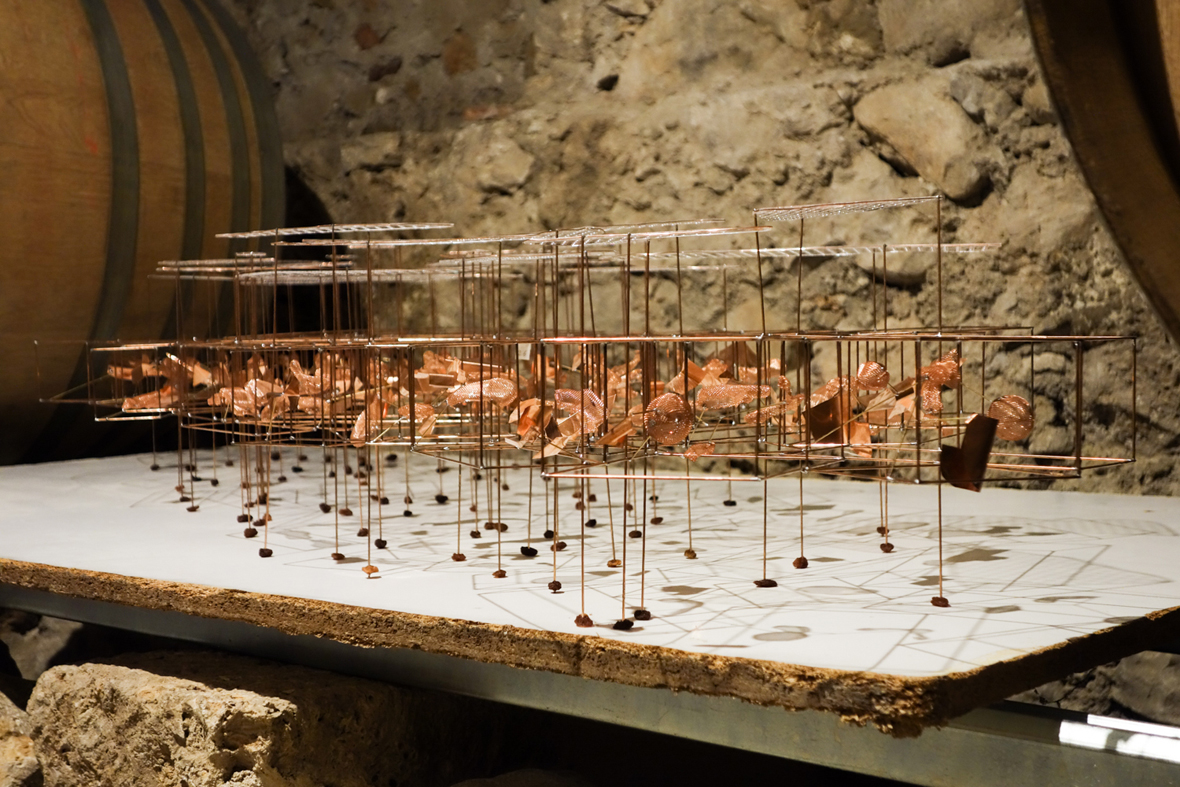
Microvinyas route and the land laboratory, Winery; Microvinyas: four architectures for a transformation, by José María Torres Nadal. Courtesy of José María Torres Nadal.
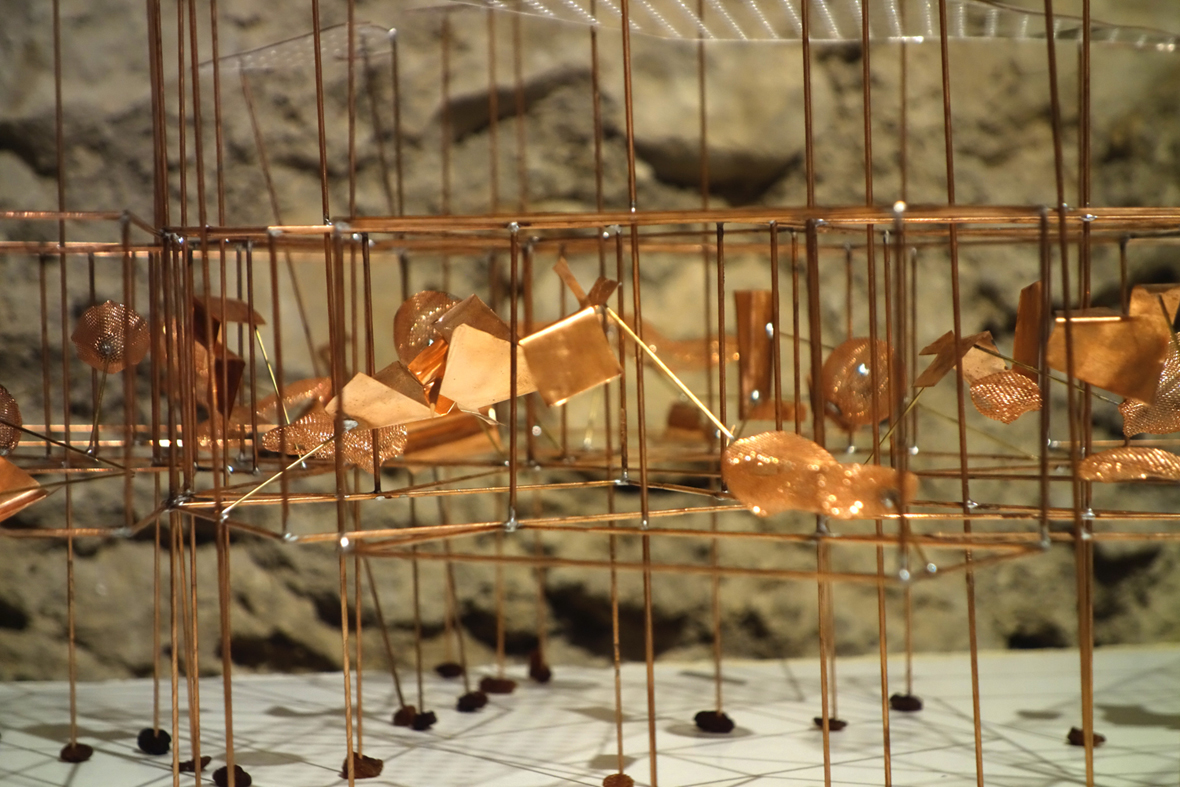
Microvinyas route and the land laboratory, Winery; Microvinyas: four architectures for a transformation, by José María Torres Nadal. Courtesy of José María Torres Nadal.
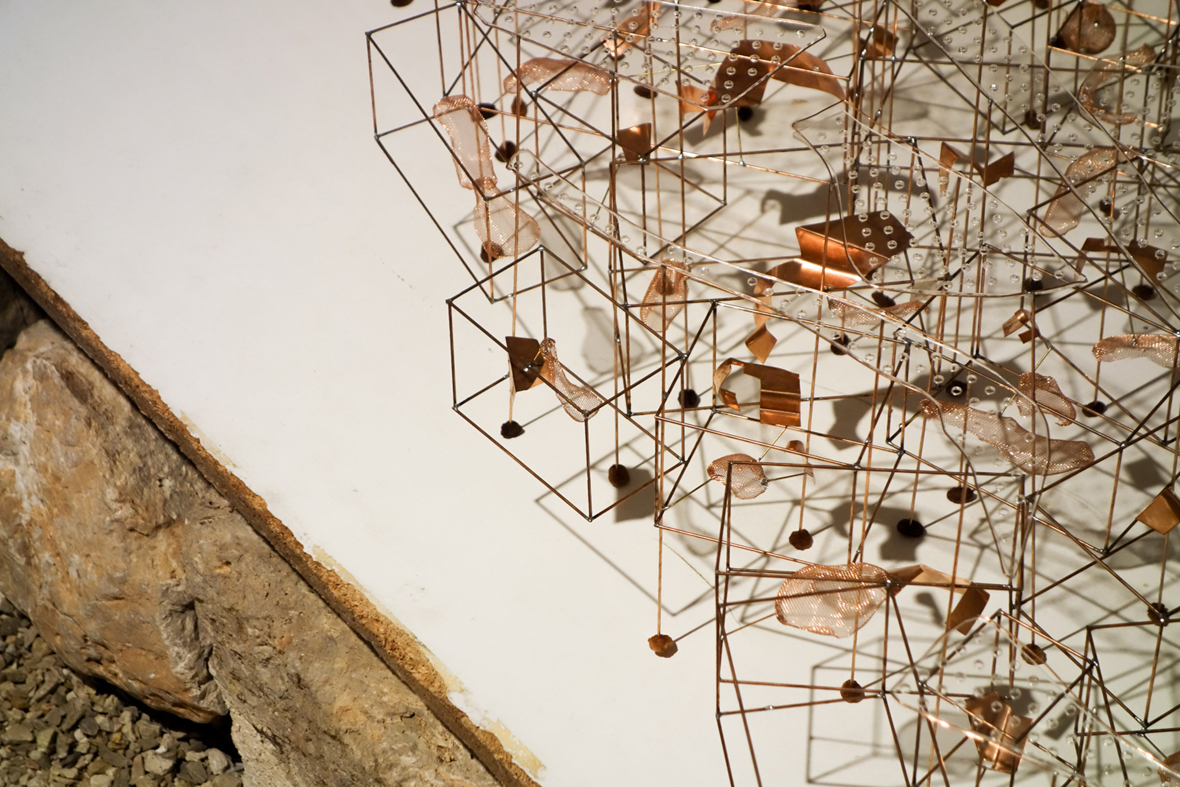
Microvinyas route and the land laboratory, Winery; Microvinyas: four architectures for a transformation, by José María Torres Nadal. Courtesy of José María Torres Nadal.