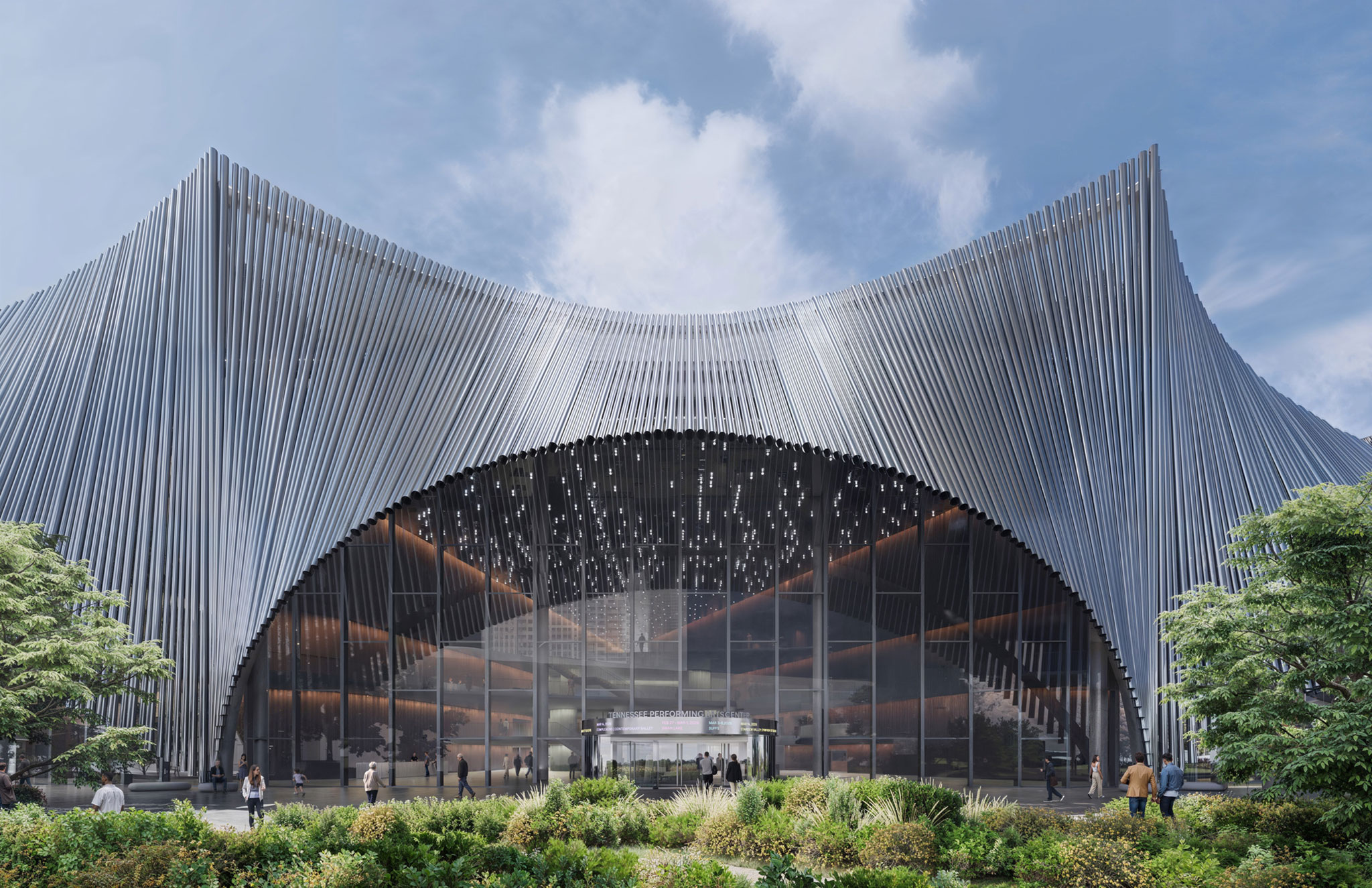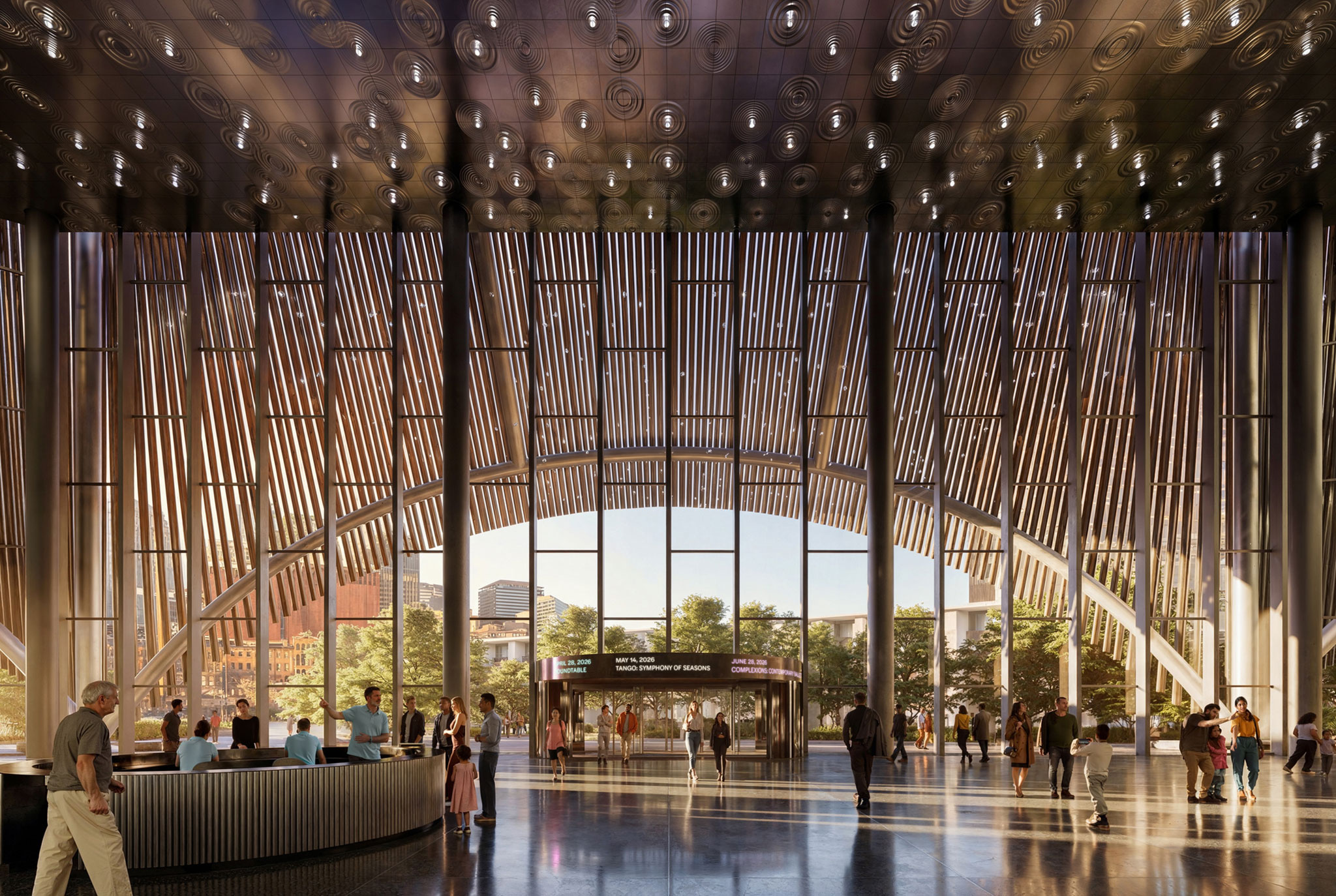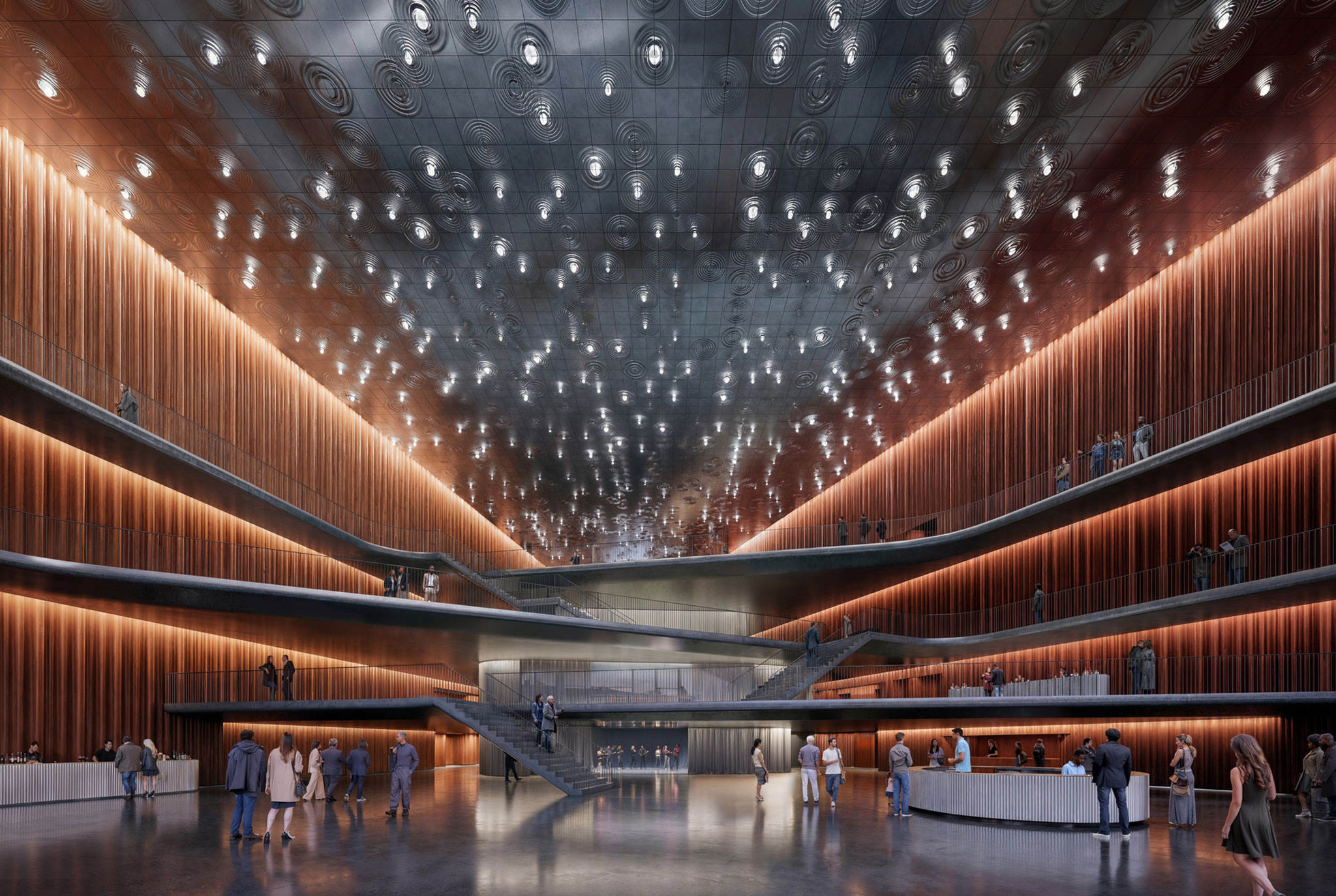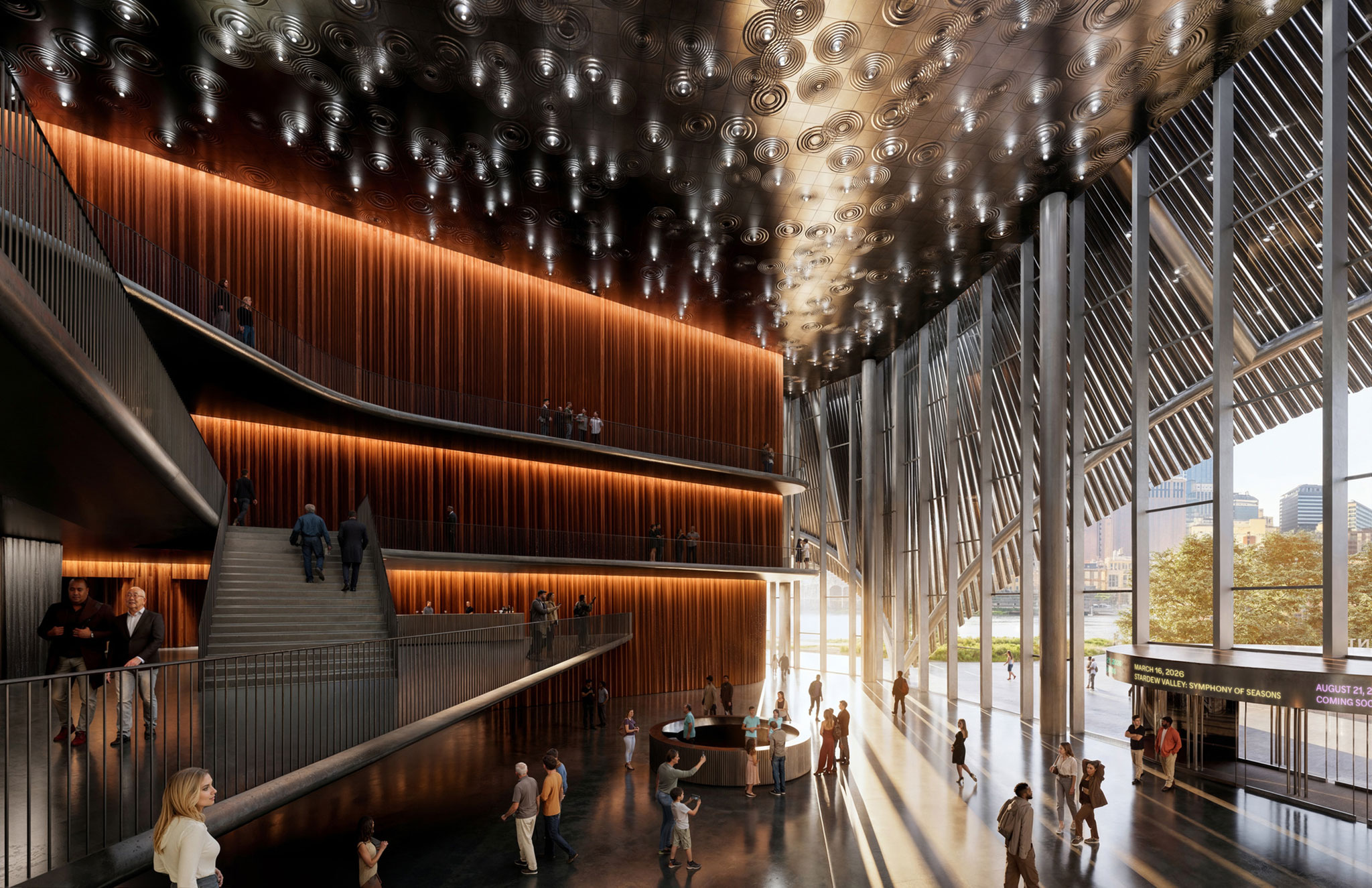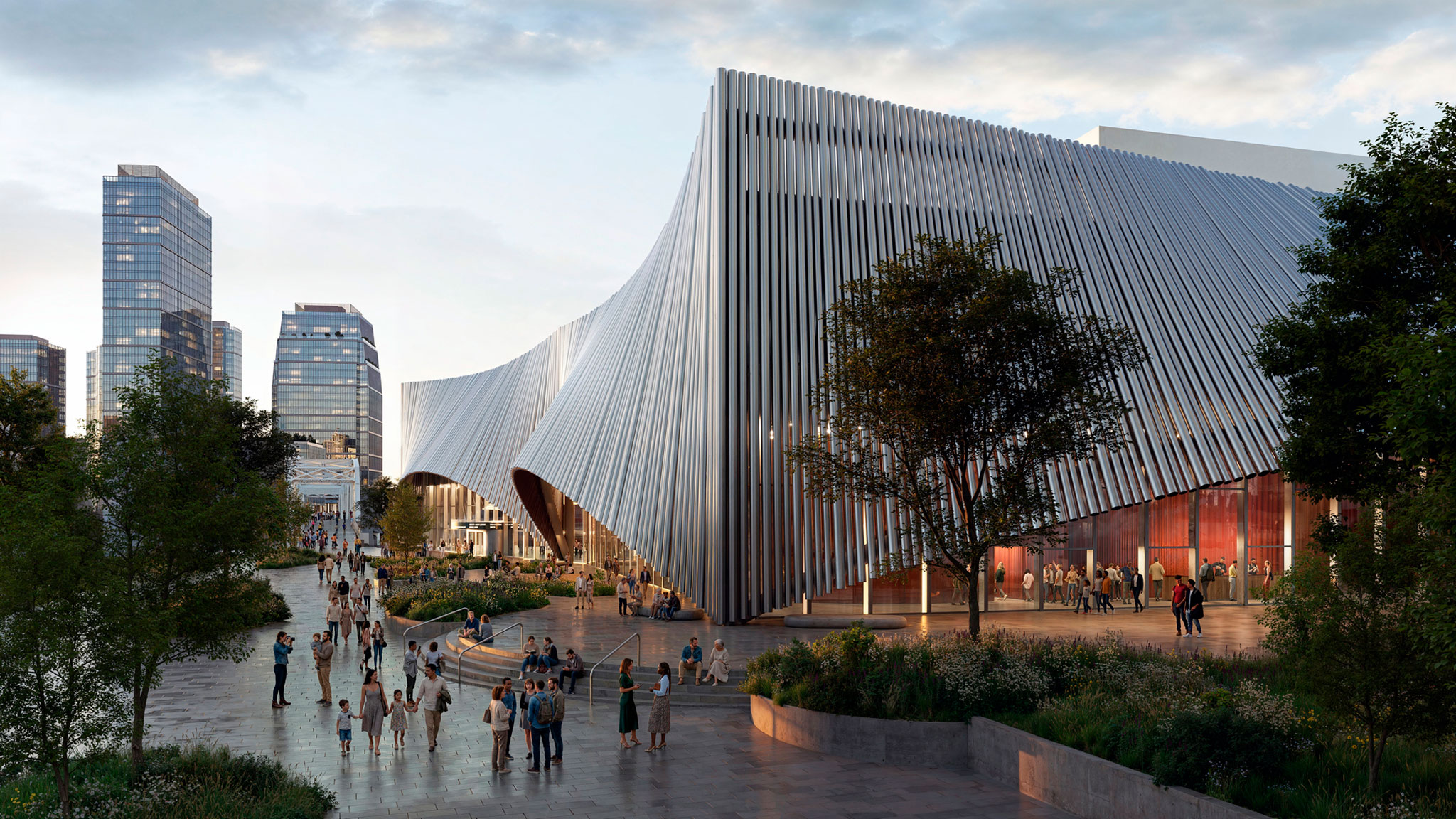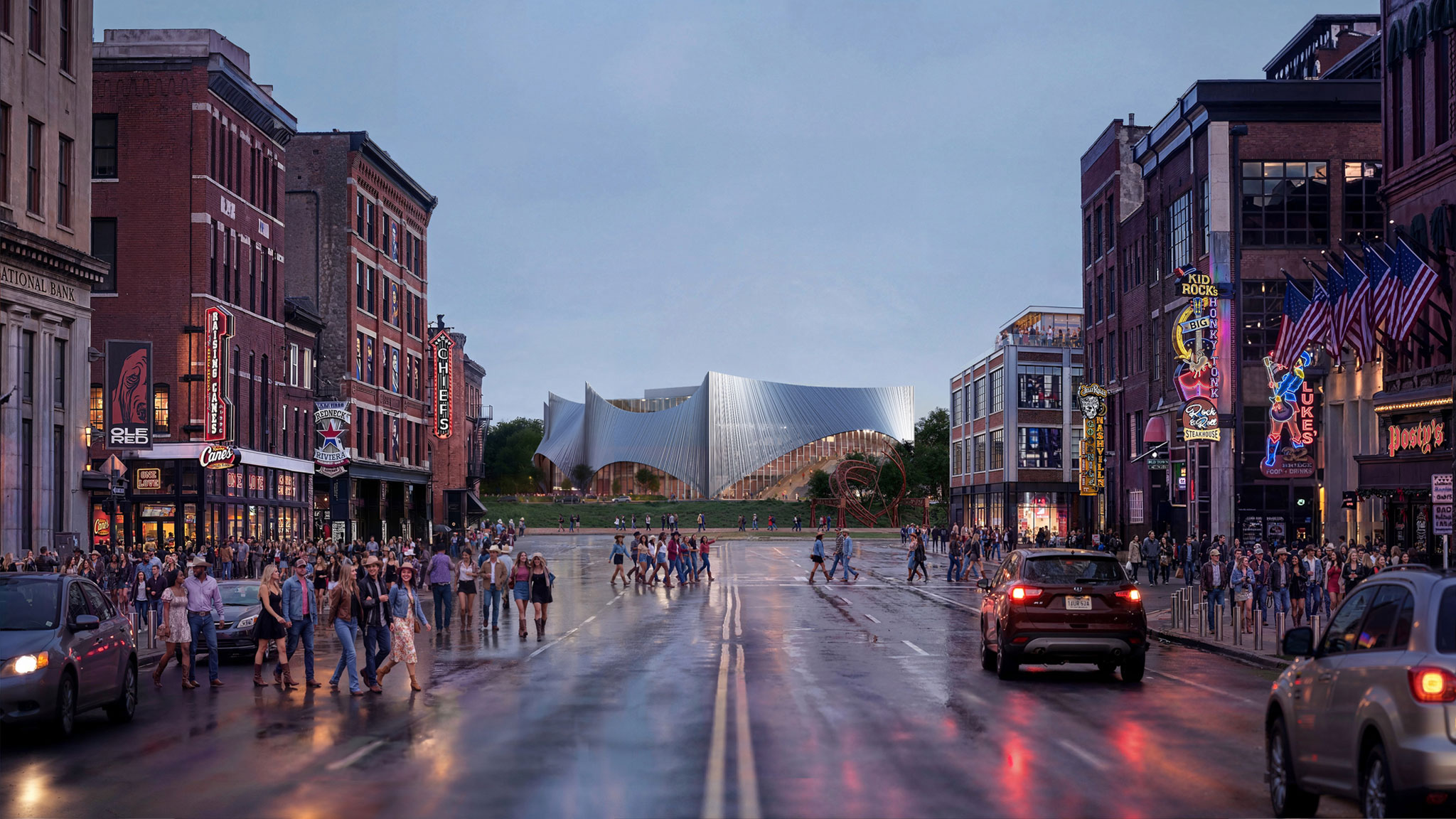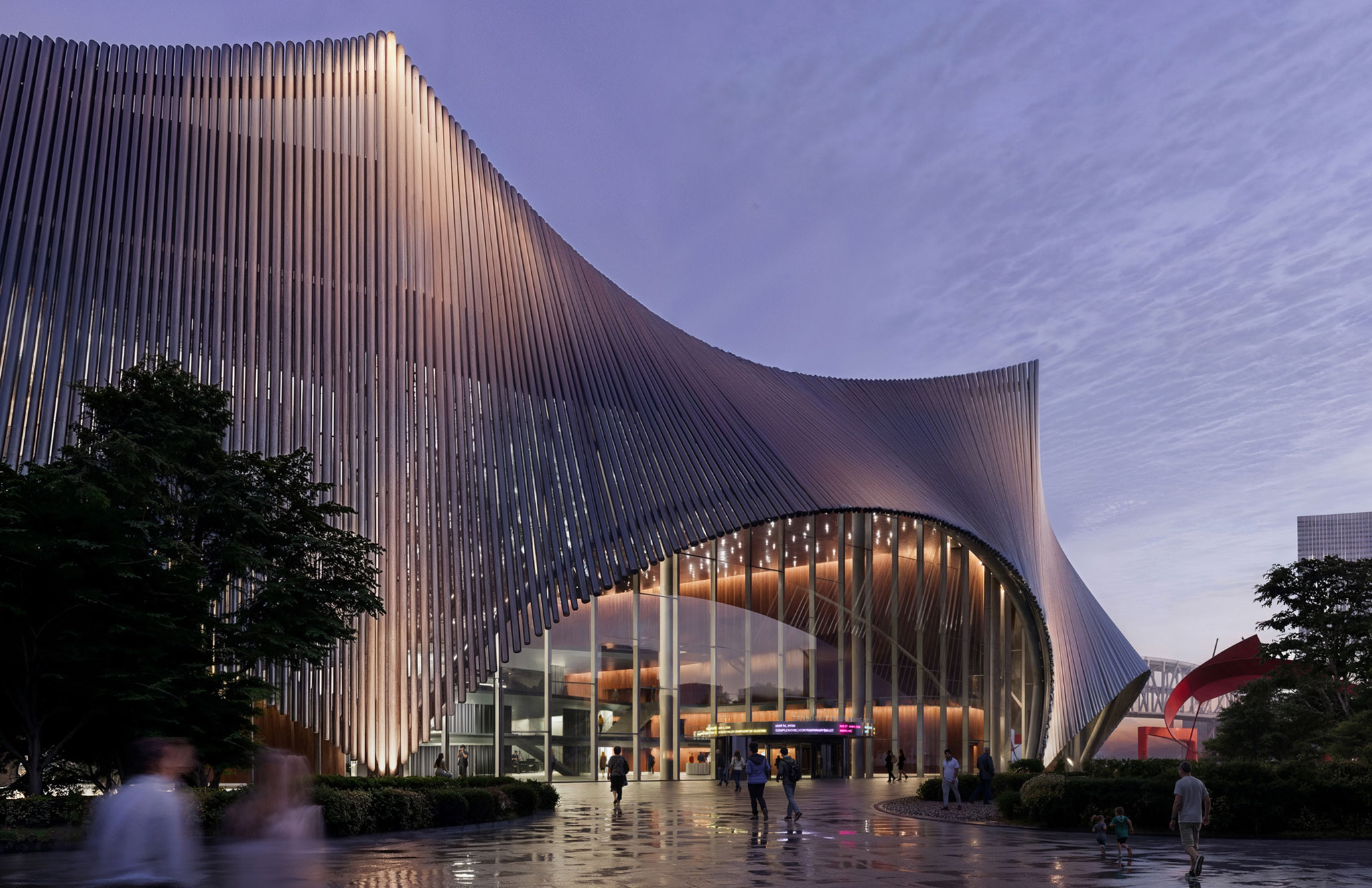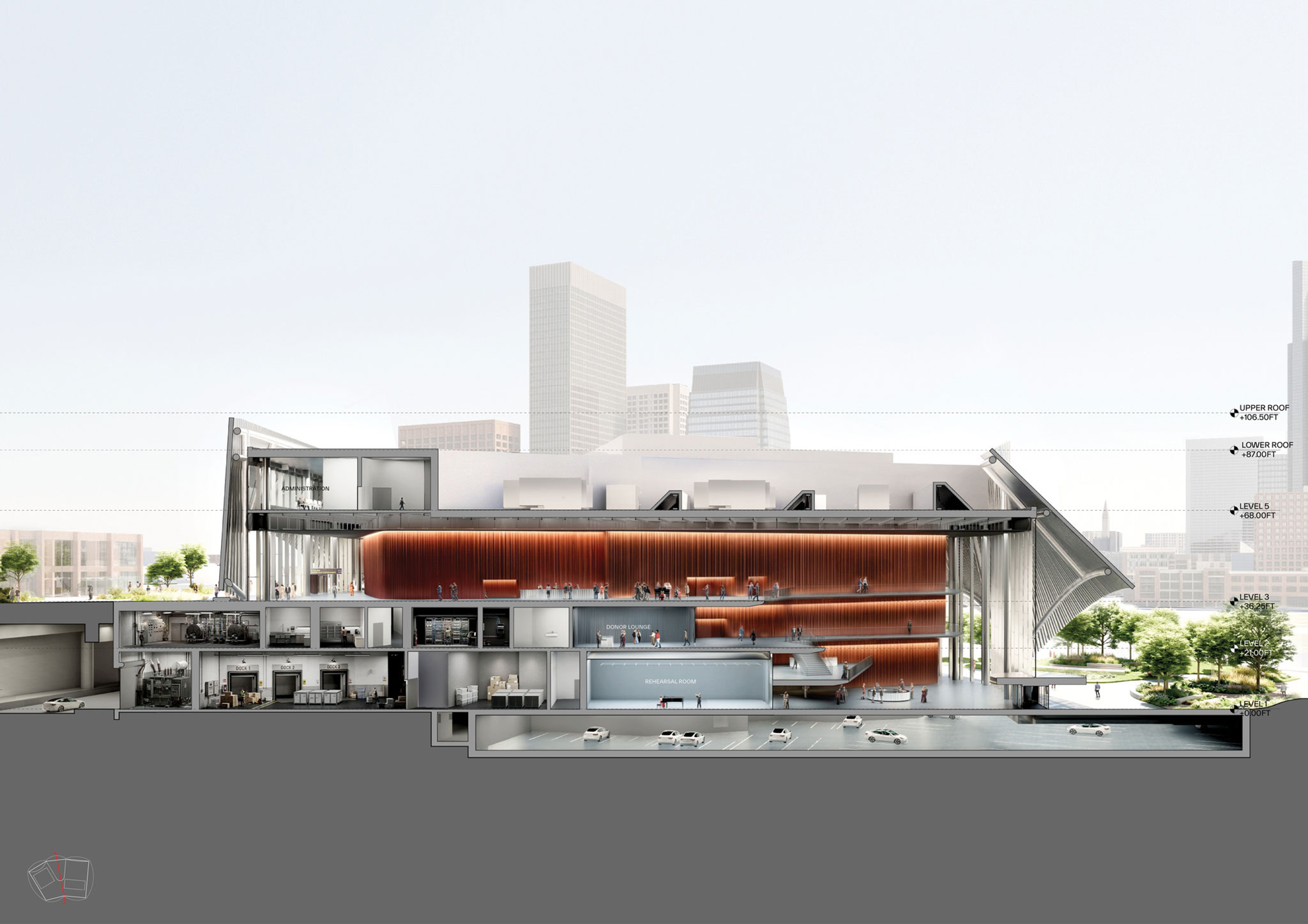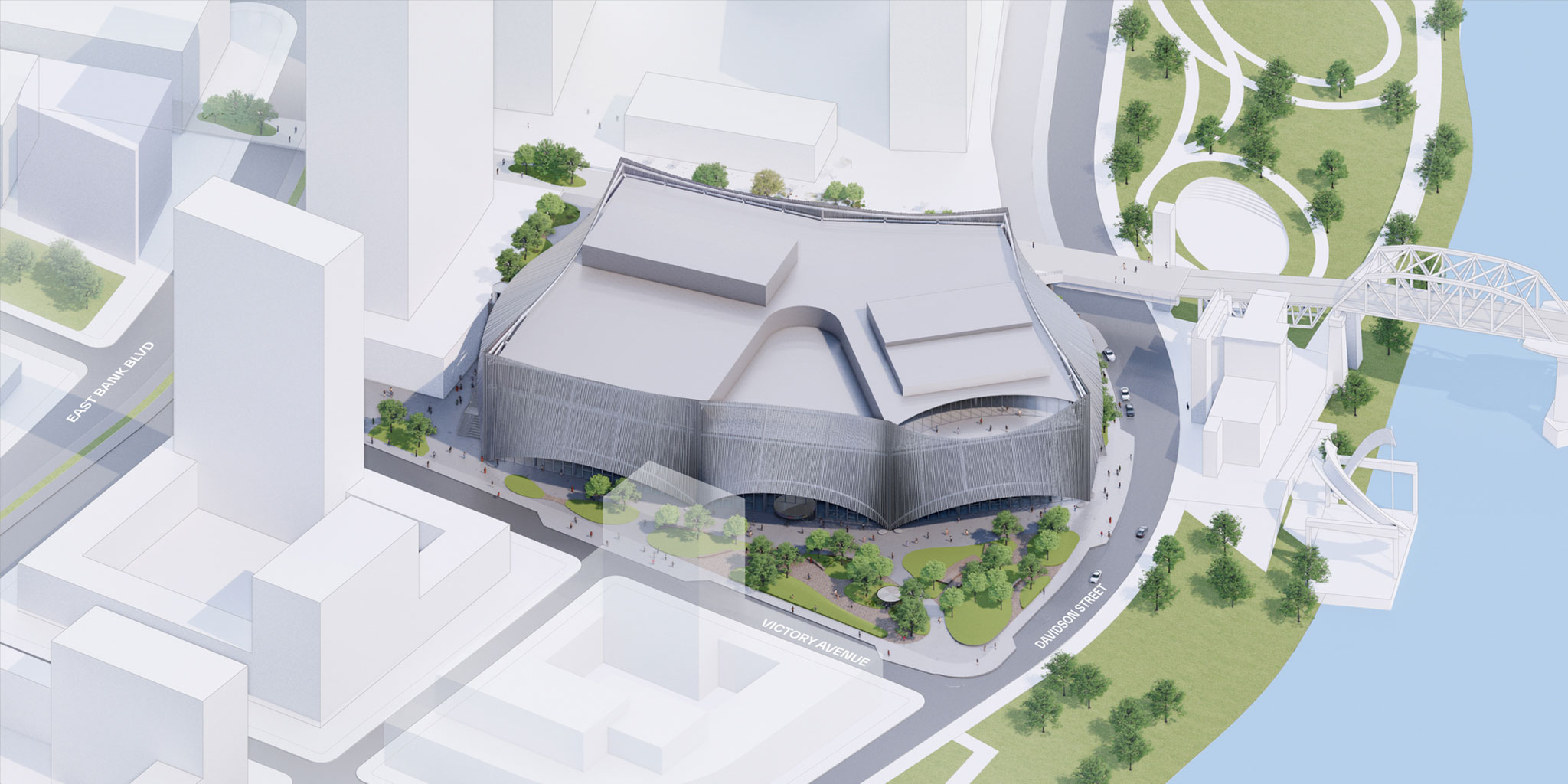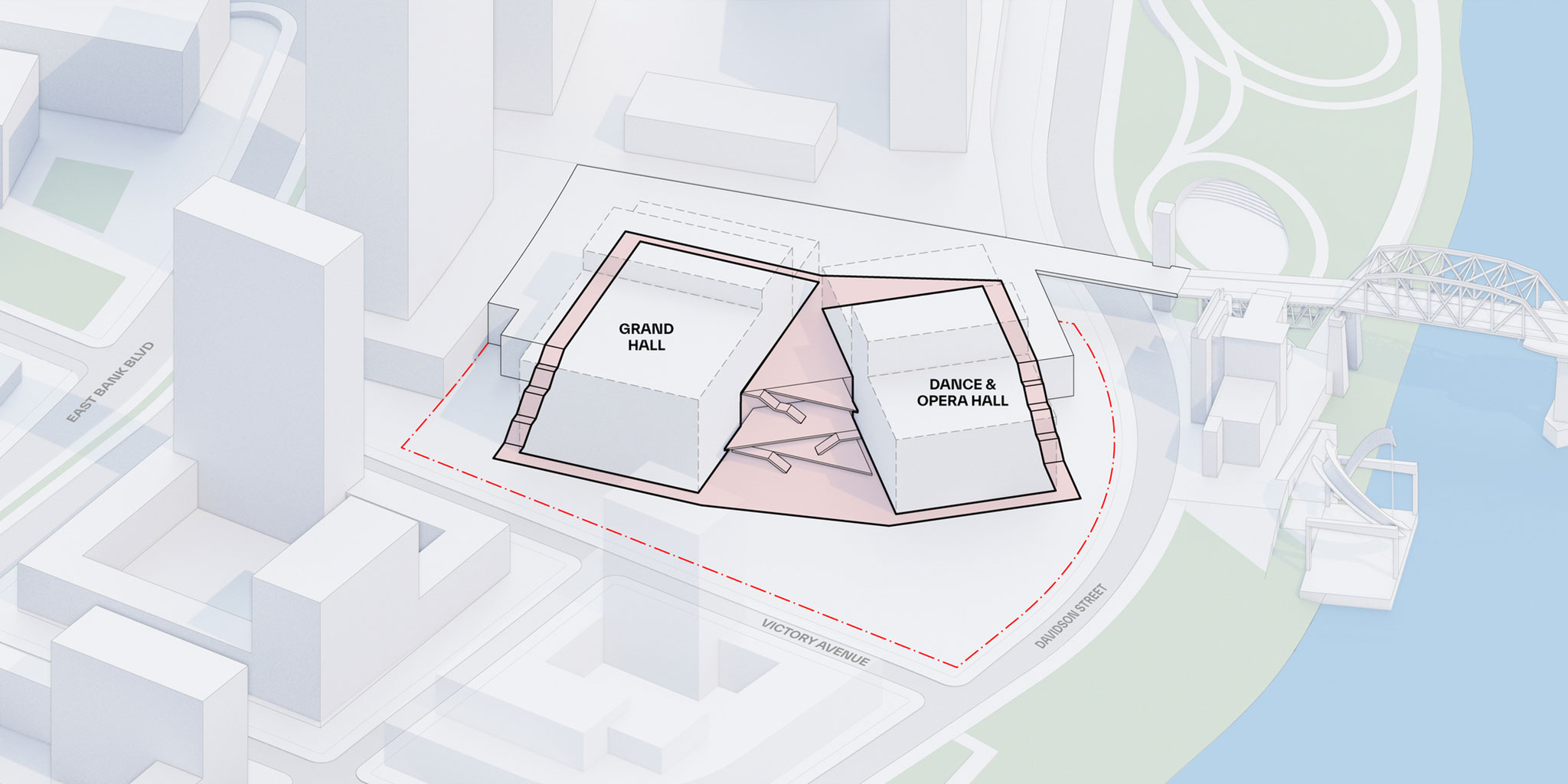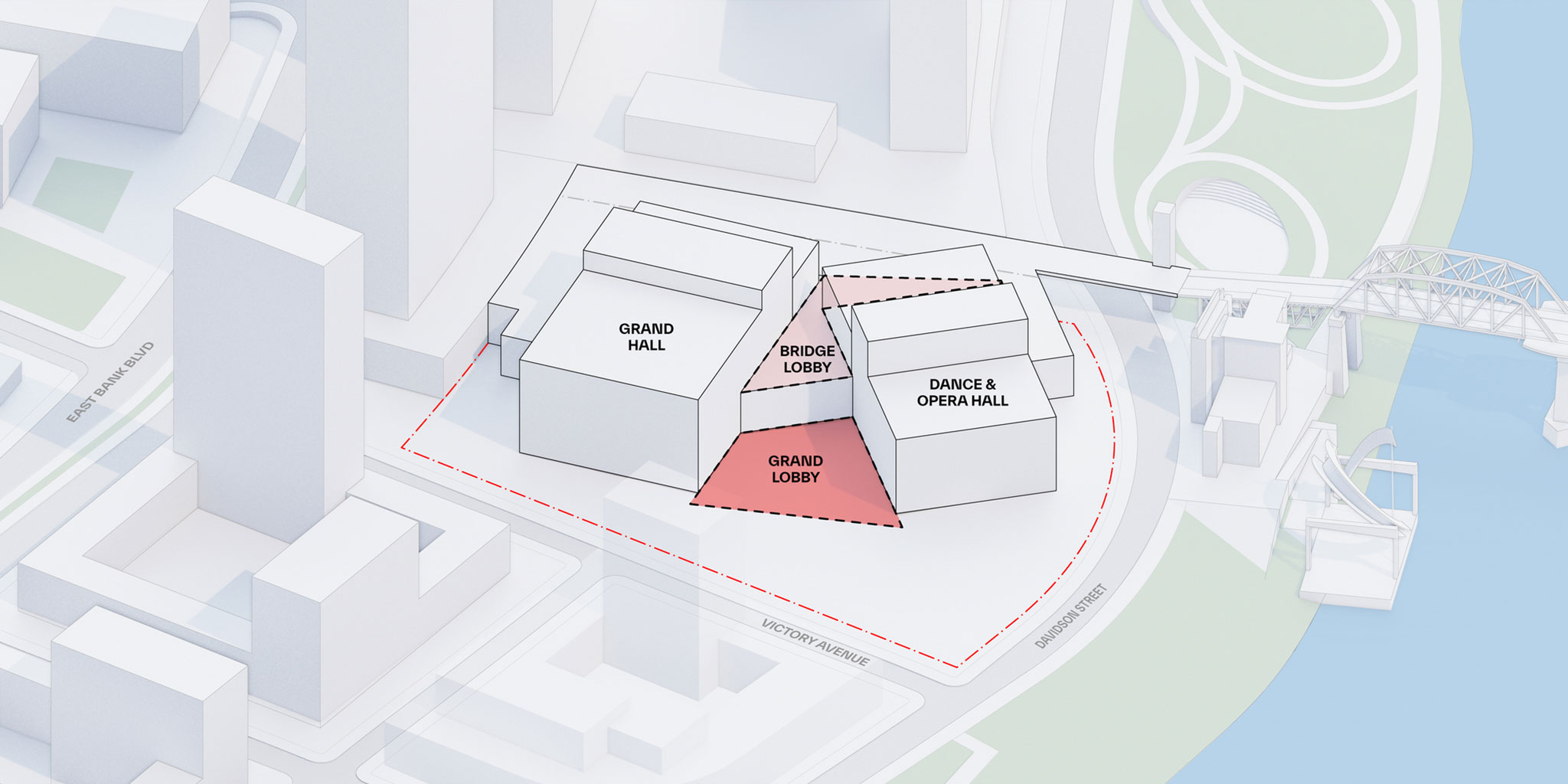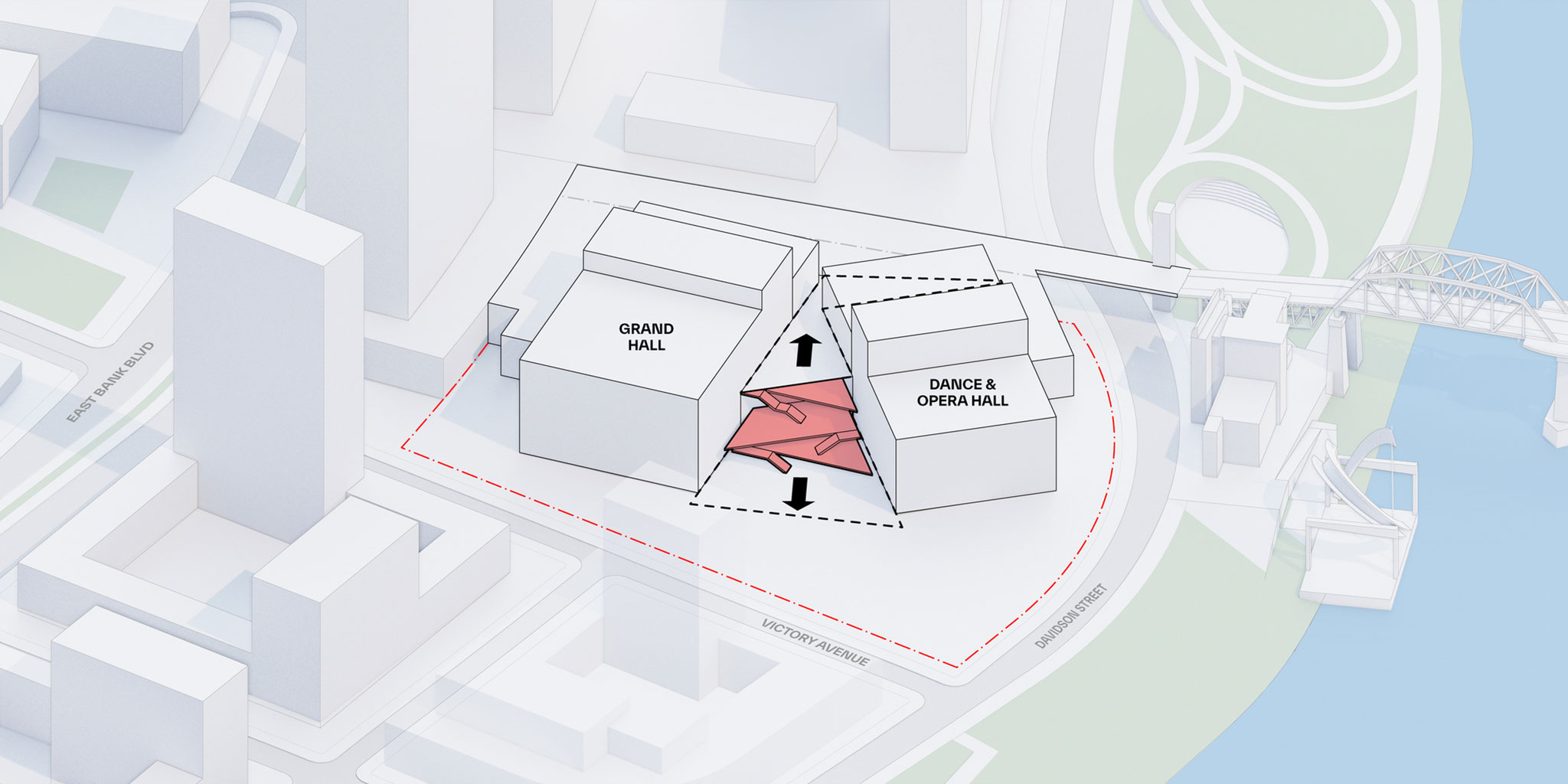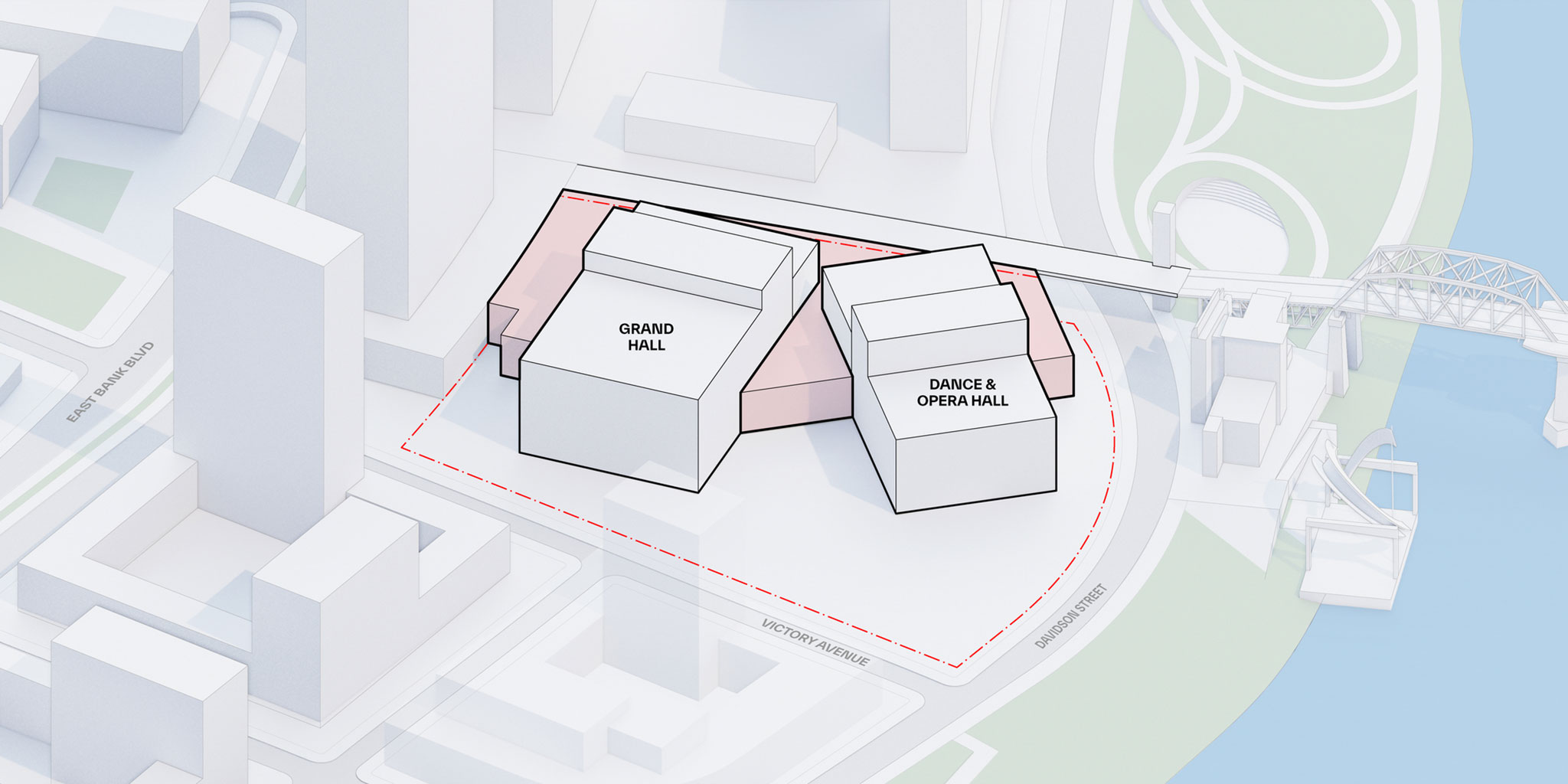
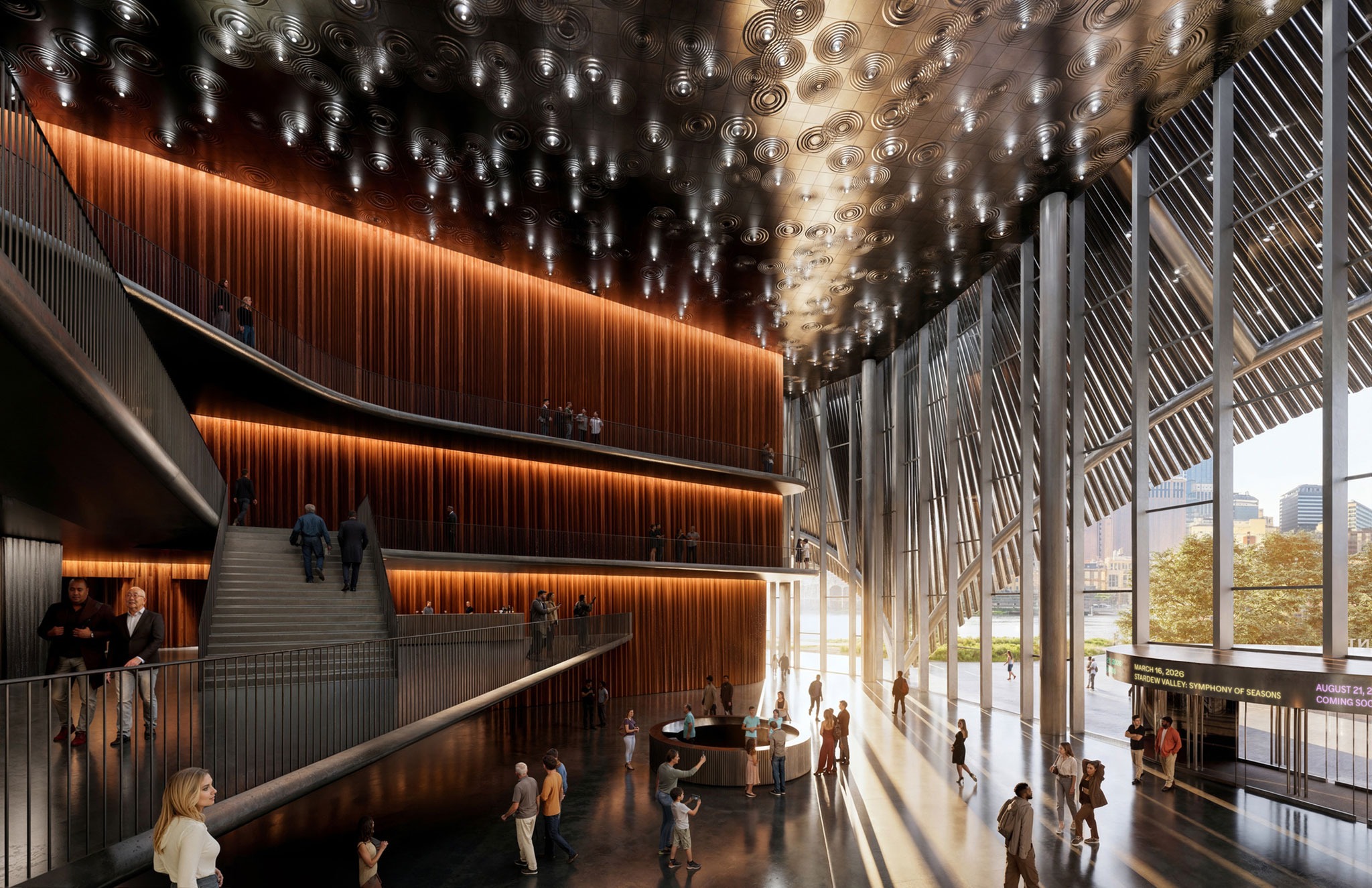
Tennessee Performing Arts Center, designed by BIG / Bjarke Ingels Group, welcomes visitors with a luminous atrium and two lobbies connected to the performance spaces. The main lobby, located at street level, will offer panoramic views of the river and the future riverfront park, while the second, elevated lobby will face the John Seigenthaler Pedestrian Bridge. To further reinforce the idea of the center as a social gathering place in Nashville, a central hall, a grand staircase, and concrete slabs invite the public to congregate.
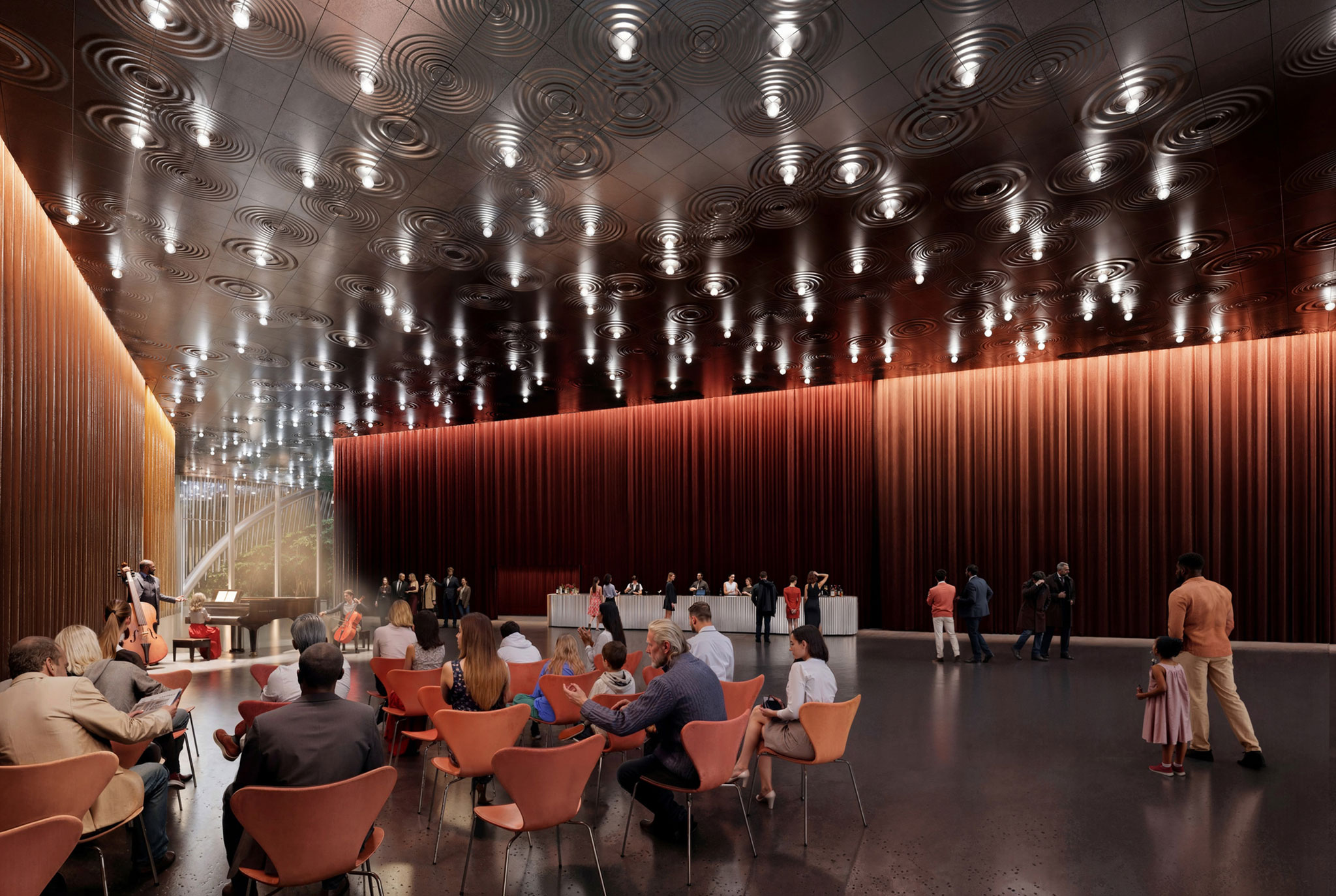
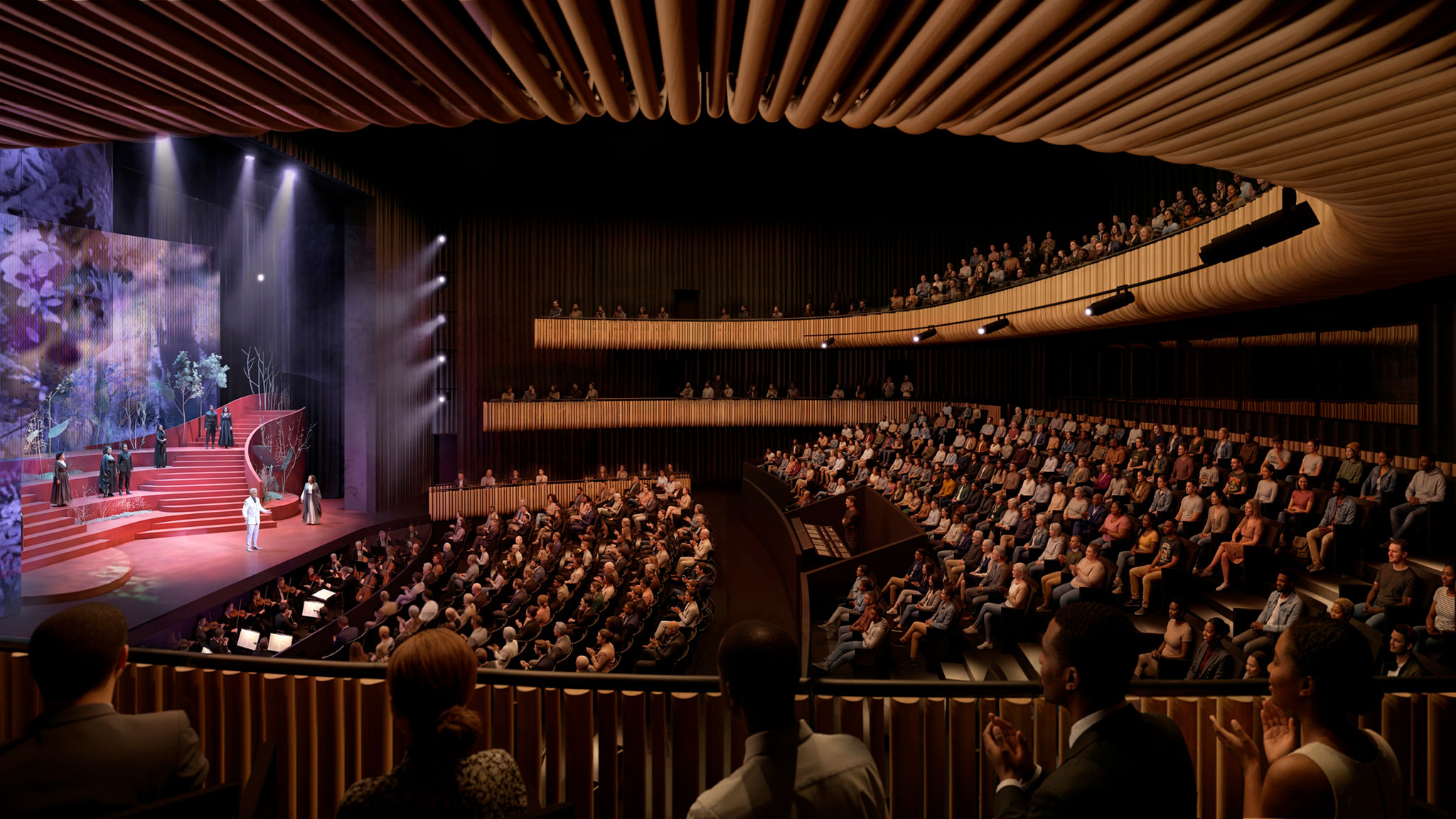
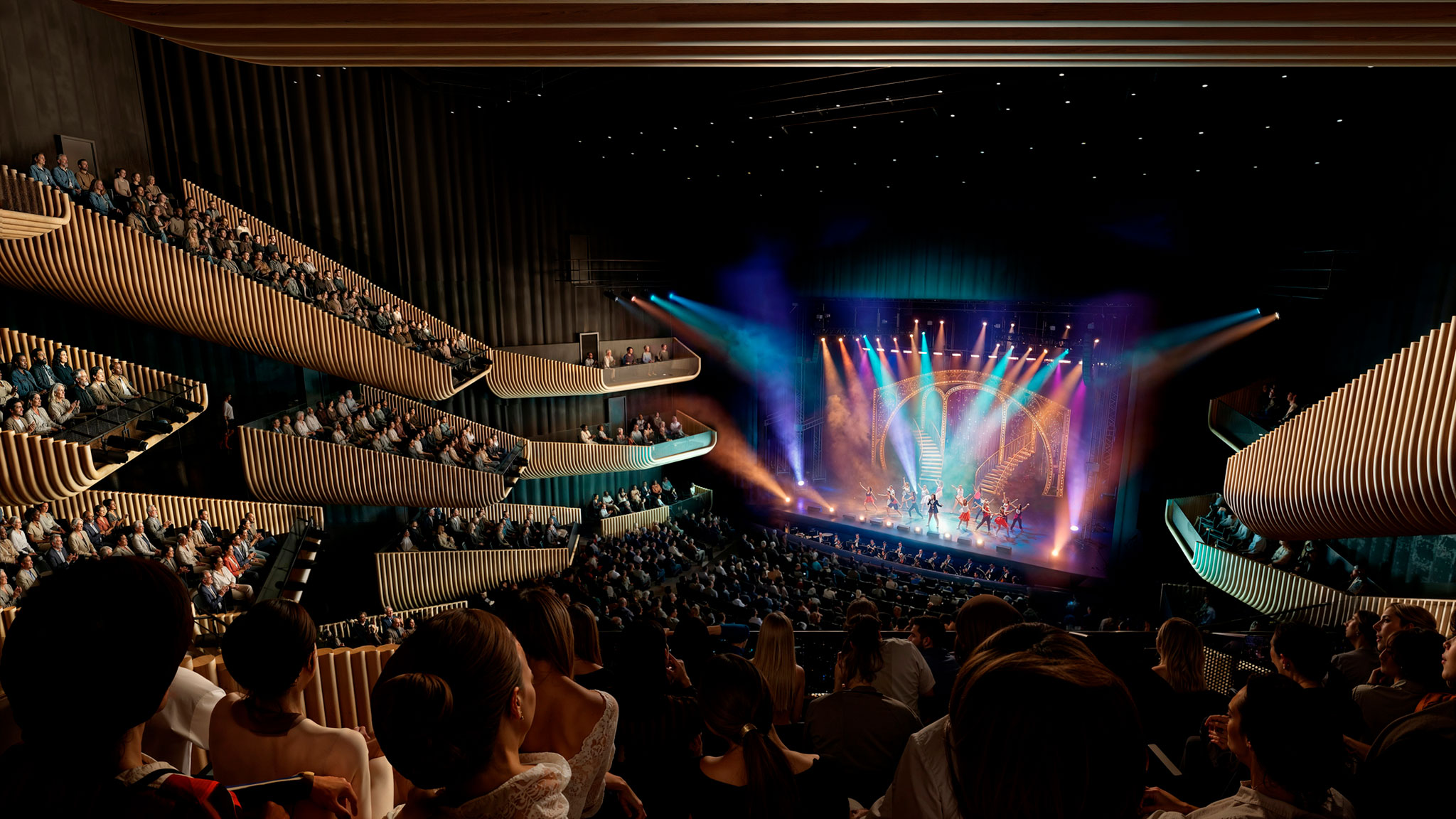
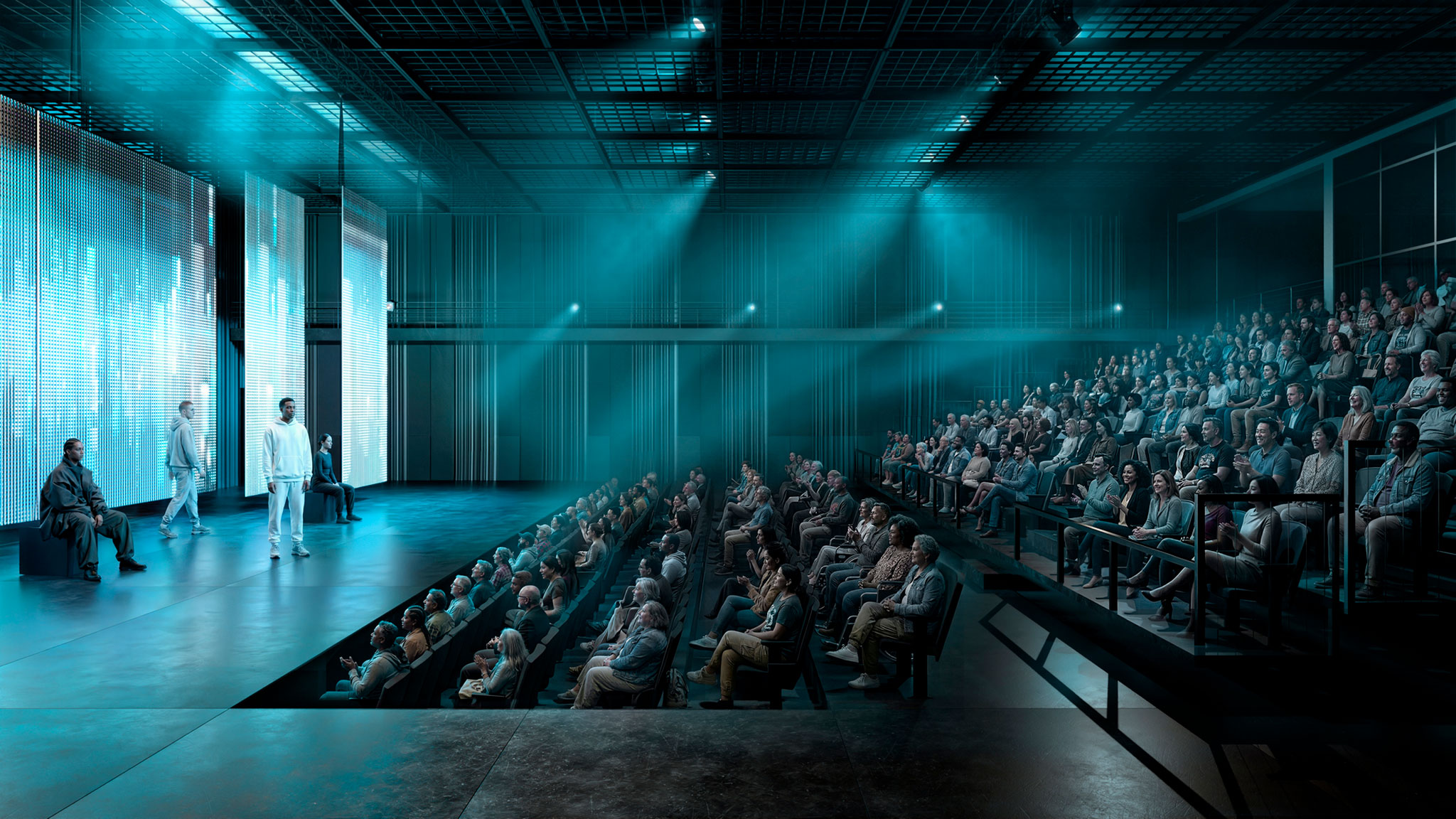
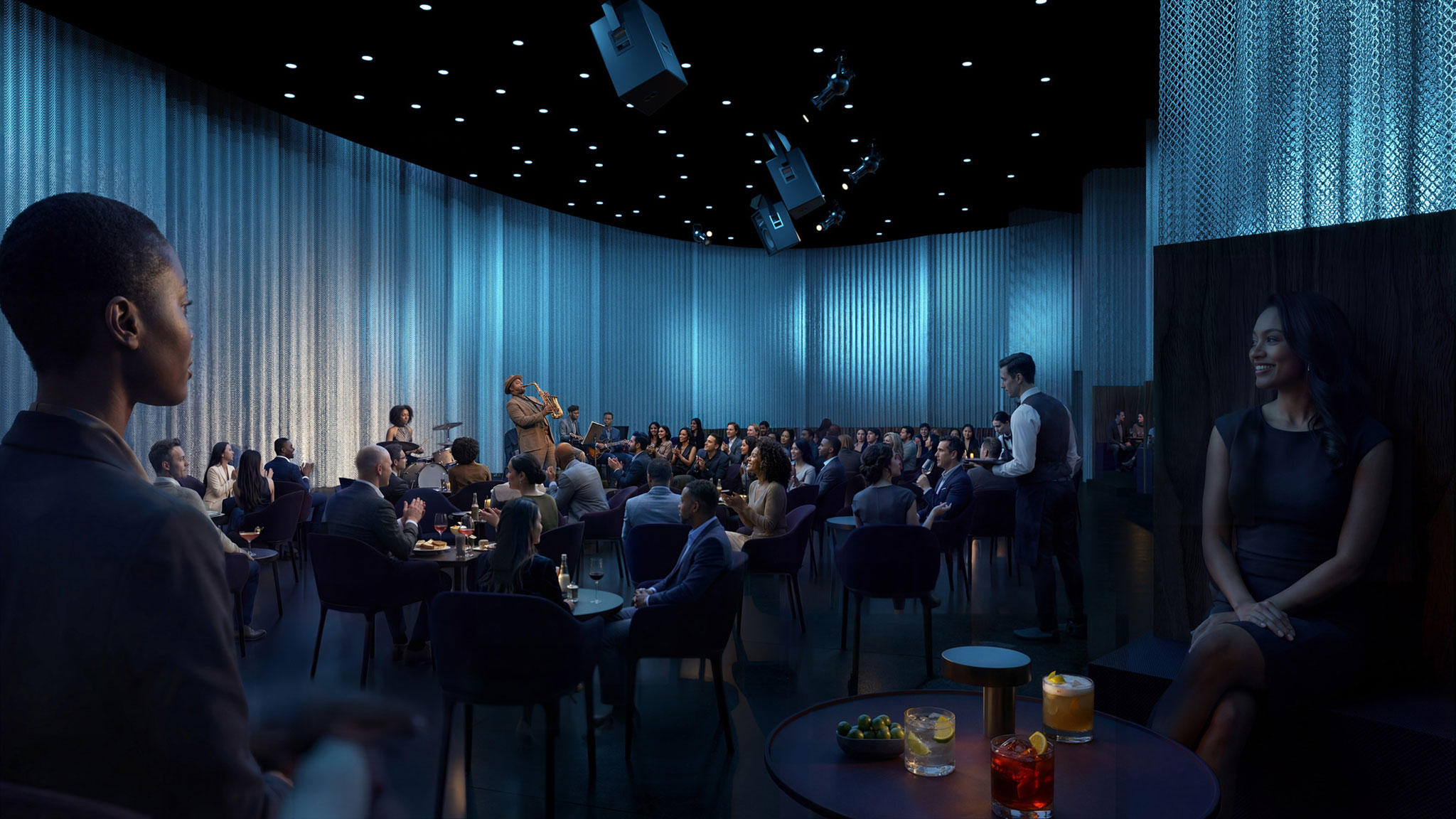
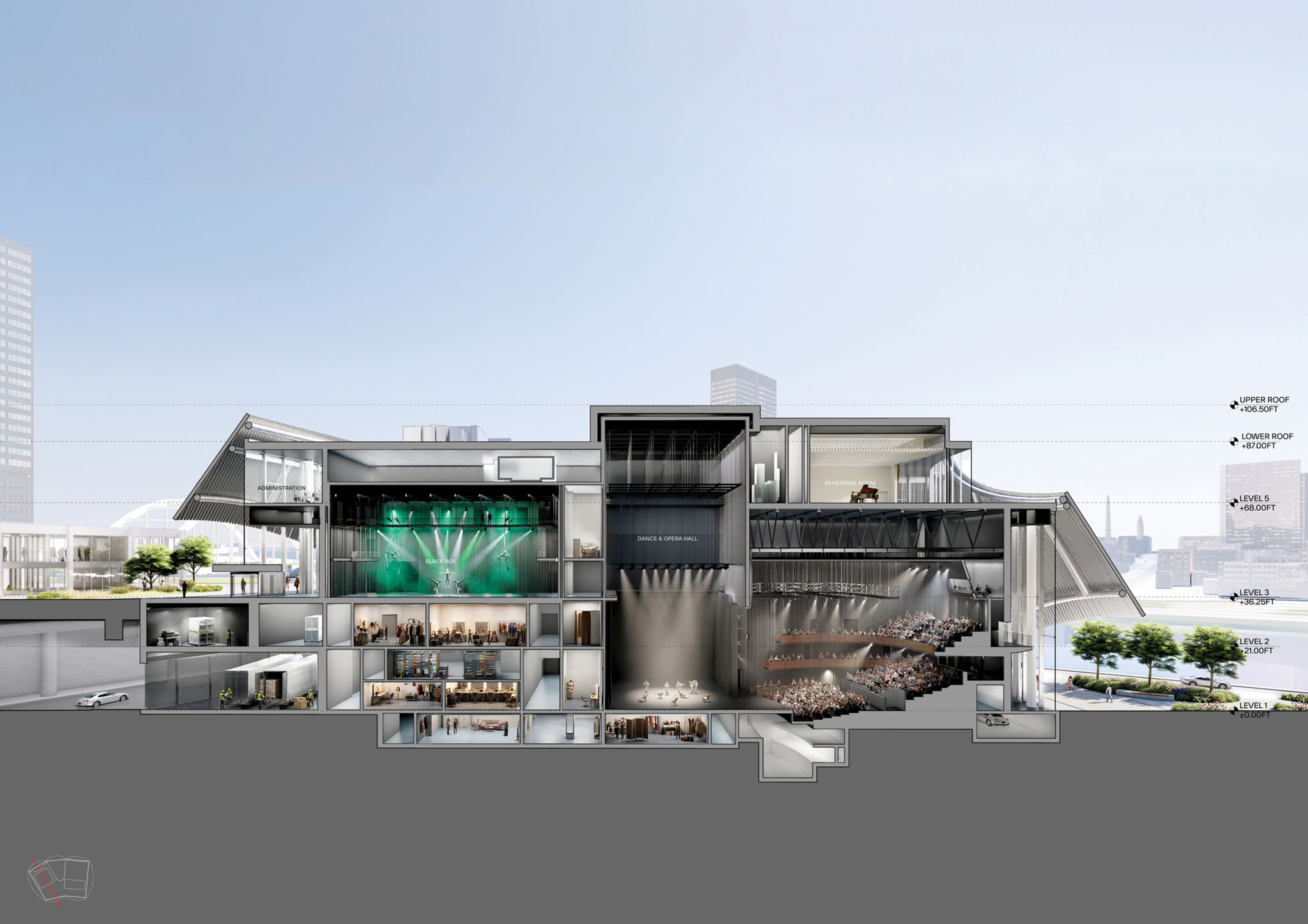
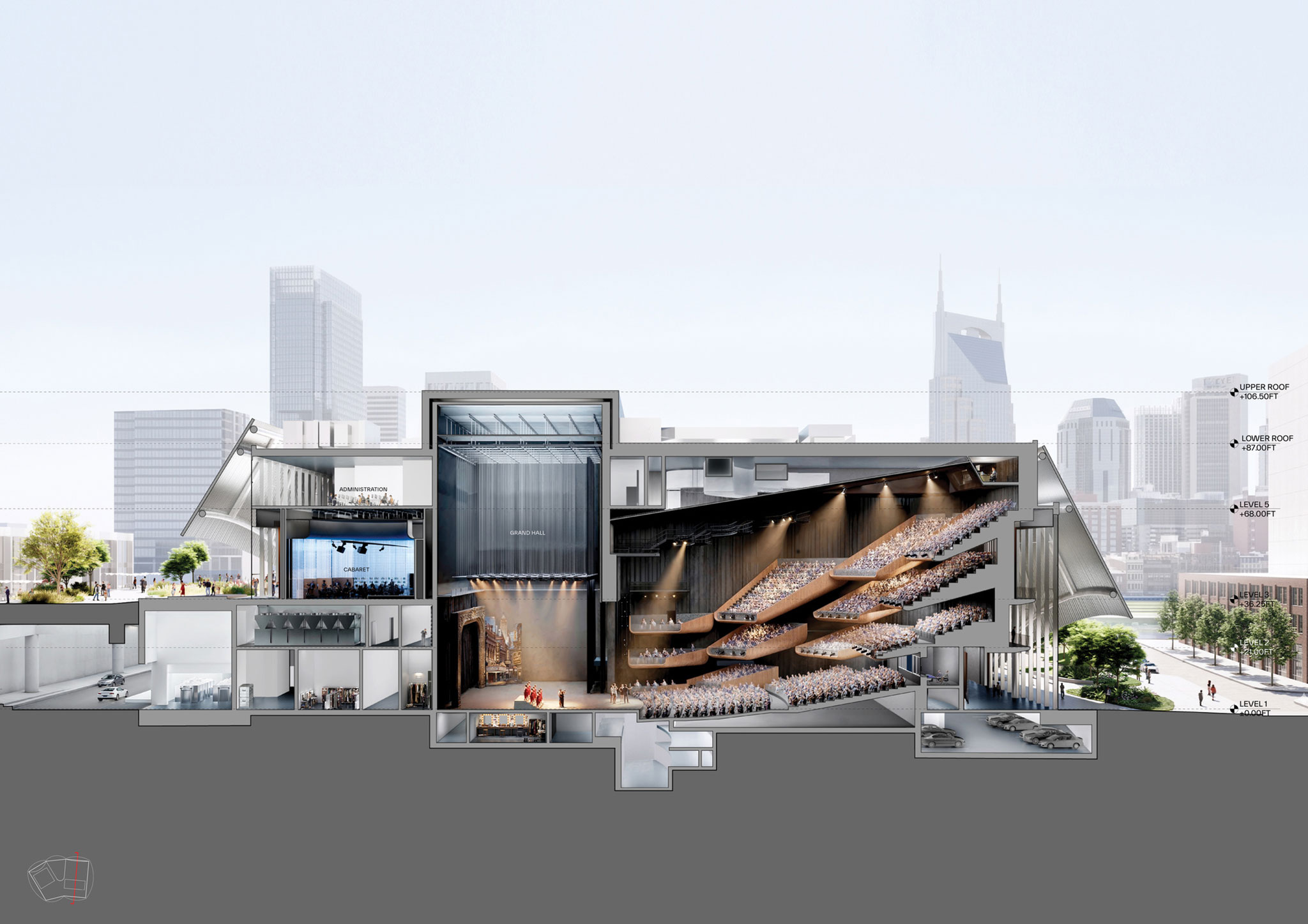
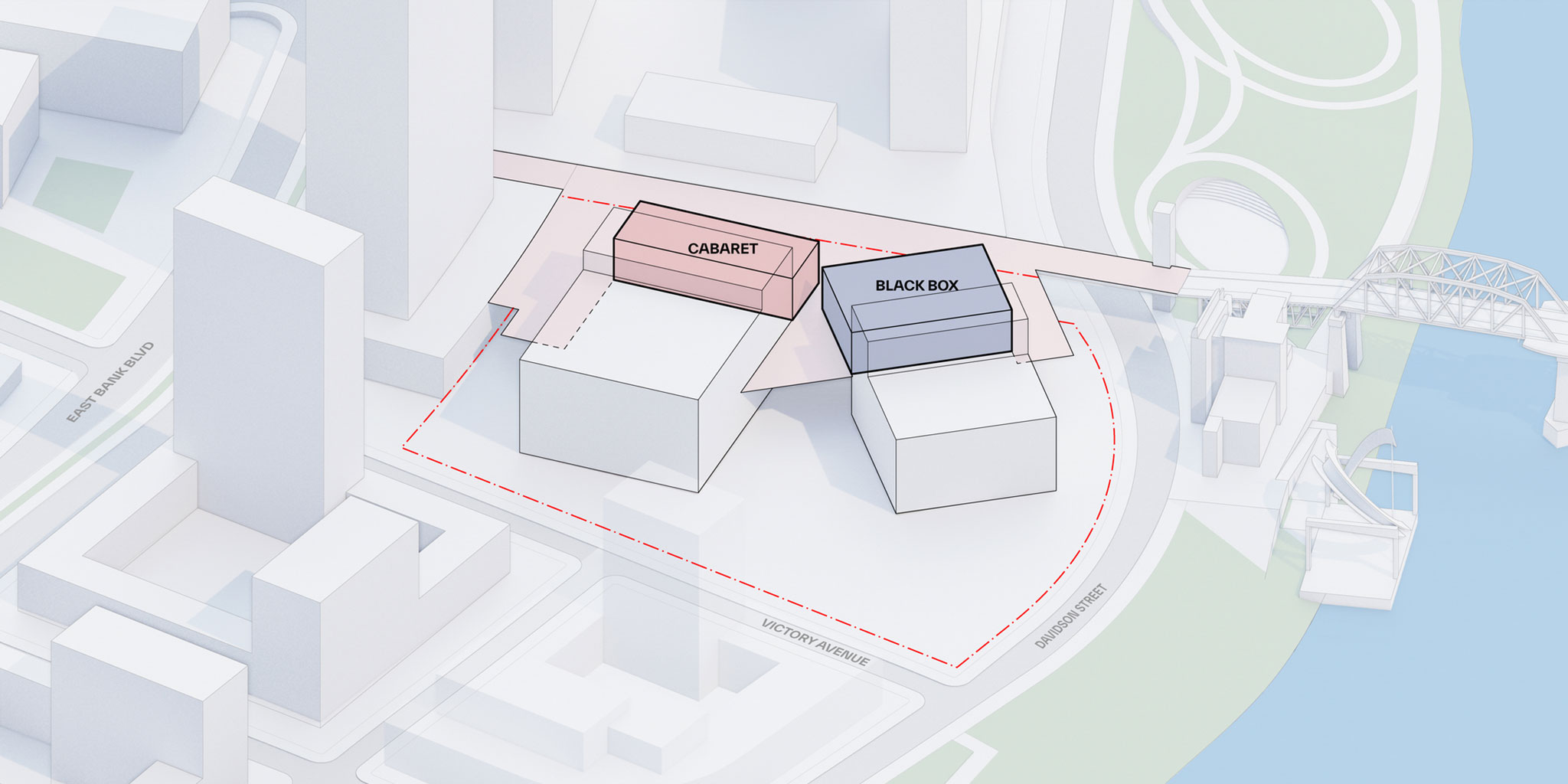
Regarding the composition and functionality of the spaces, the Broadway Theater features floating, wood-clad platforms for seating. The opera and dance hall incorporates balconies to enhance the visual continuity with the stage. The Black Box Theater places the audience directly in front of the stage, allowing for various seating configurations, and finally, the Cabaret features a stage that extends into the audience, complemented by banquet-style seating.
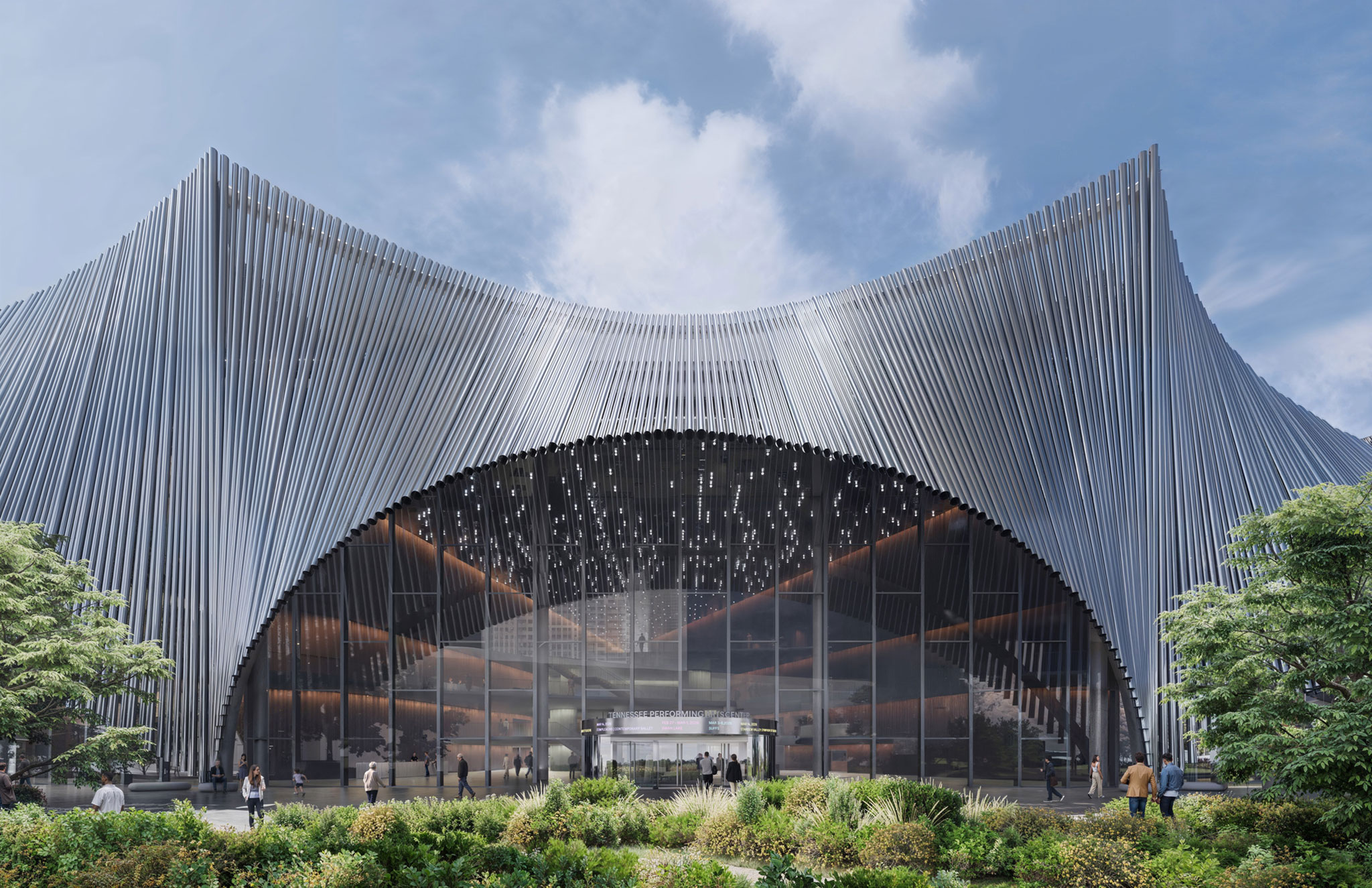
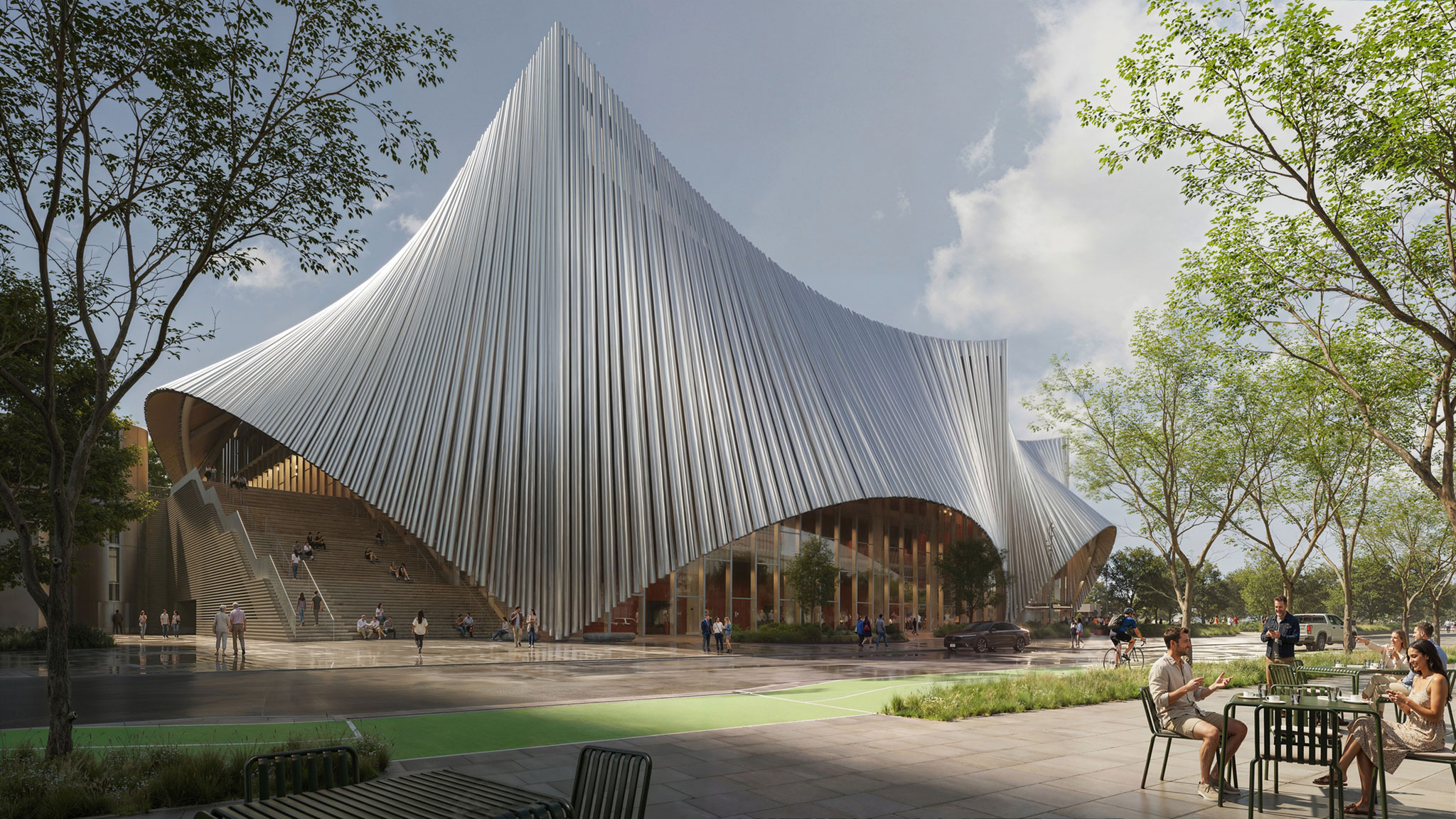
Tennessee Performing Arts Center by BIG. Rendering by BIG / Bjarke Ingels Group.
Project description by BIG / Bjarke Ingels Group
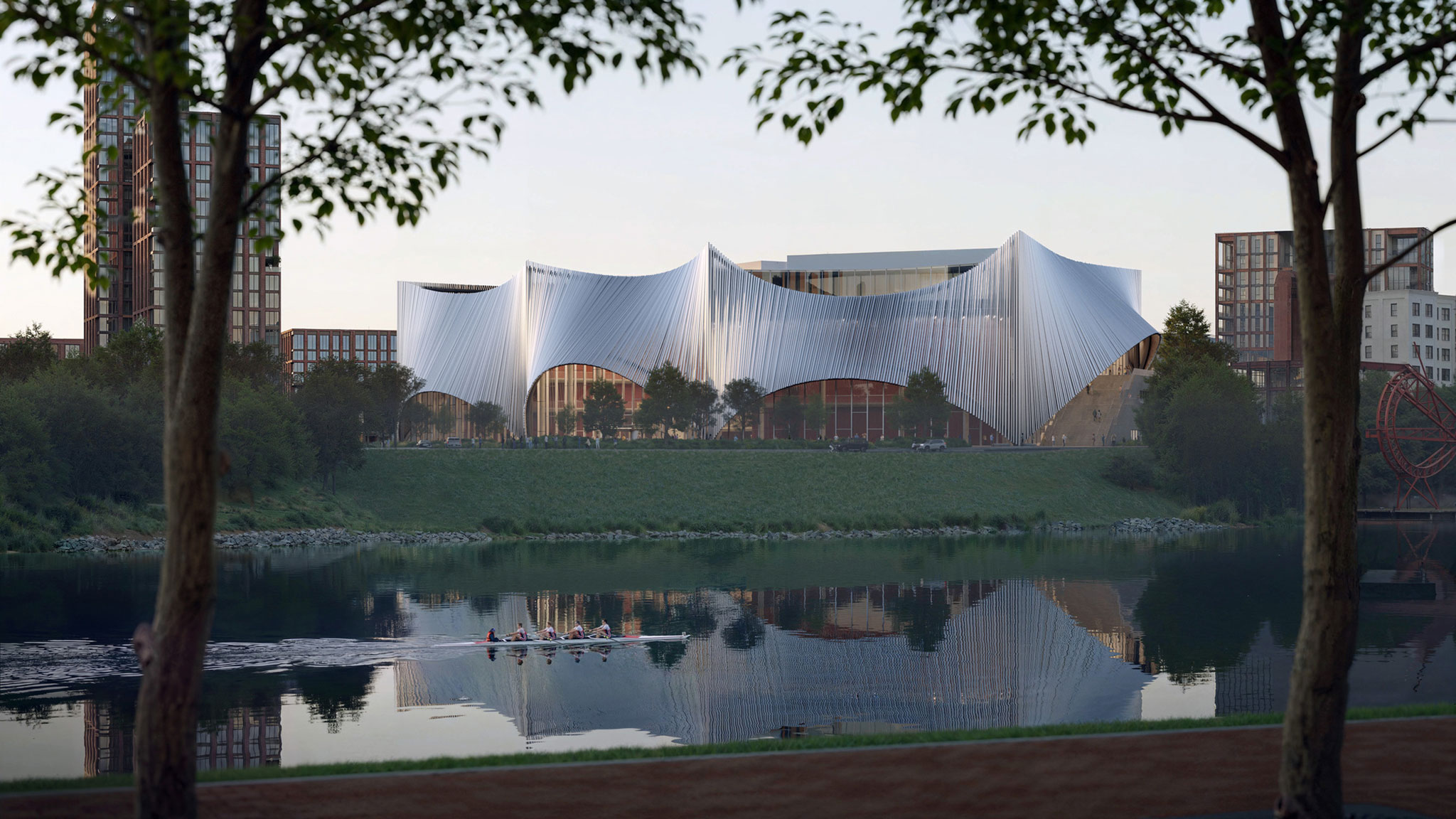
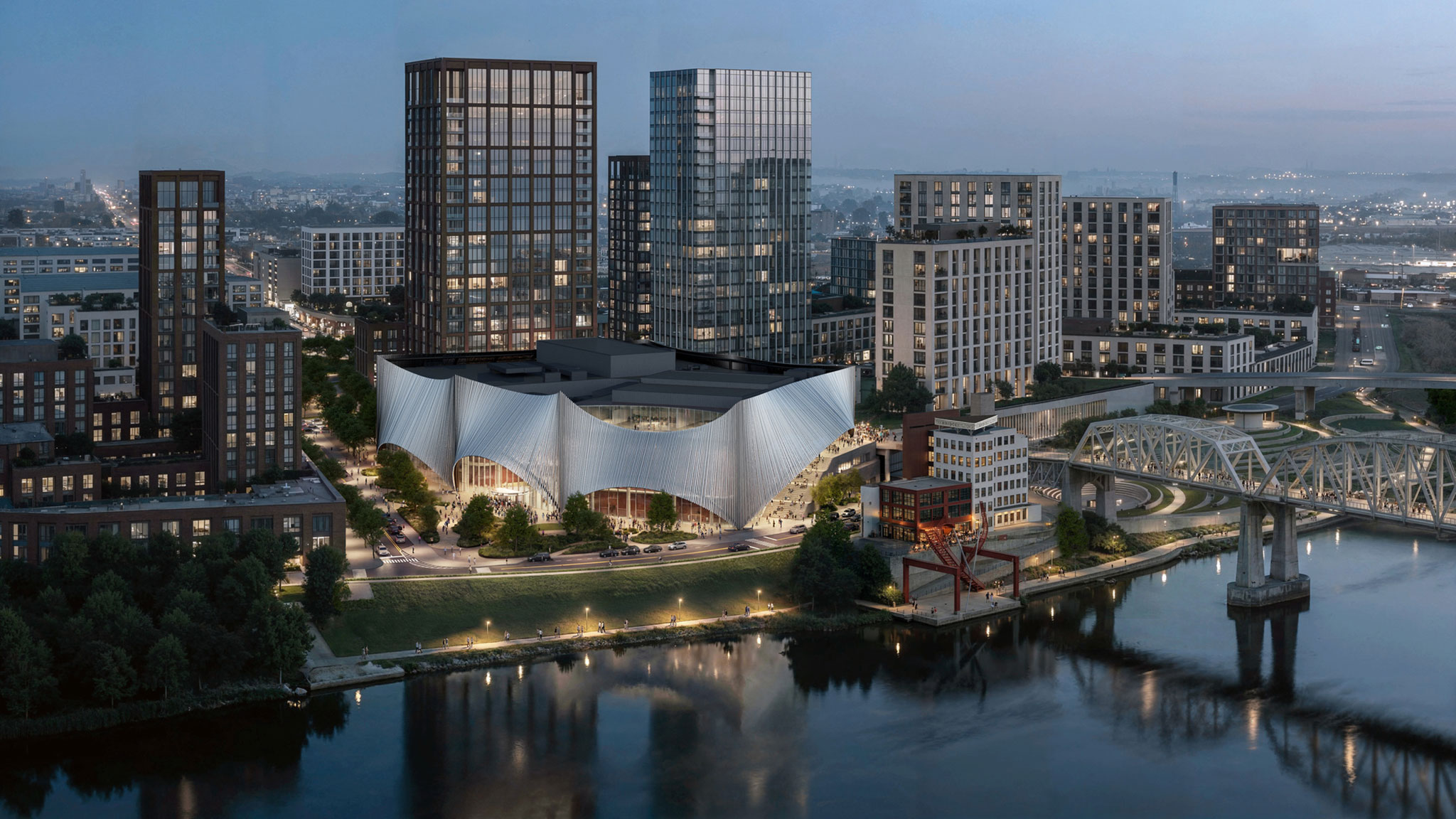
The new Tennessee Performing Arts Center (TPAC) – designed by BIG and William Rawn Associates with HASTINGS Architecture – extends the vibrancy of downtown Nashville across the Cumberland River, emerging as a cultural anchor for the city’s reenergized East Bank. Designed to welcome the community from all sides, with the performance venues clustered at its core, the new TPAC supports a range of artistic programming while building upon Nashville’s rich legacy in the arts. Construction is expected to begin in 2027, with a projected opening in 2030.
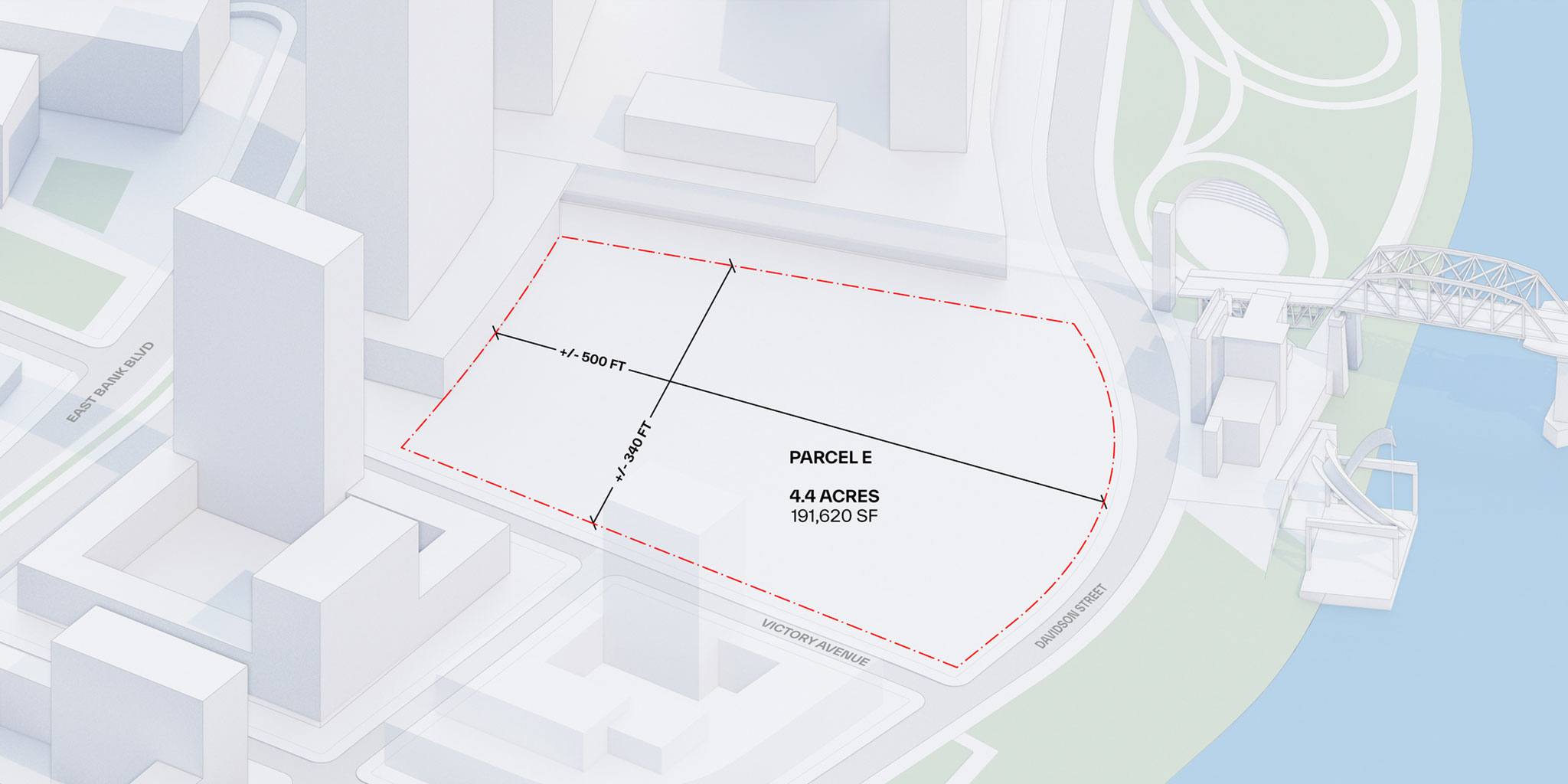
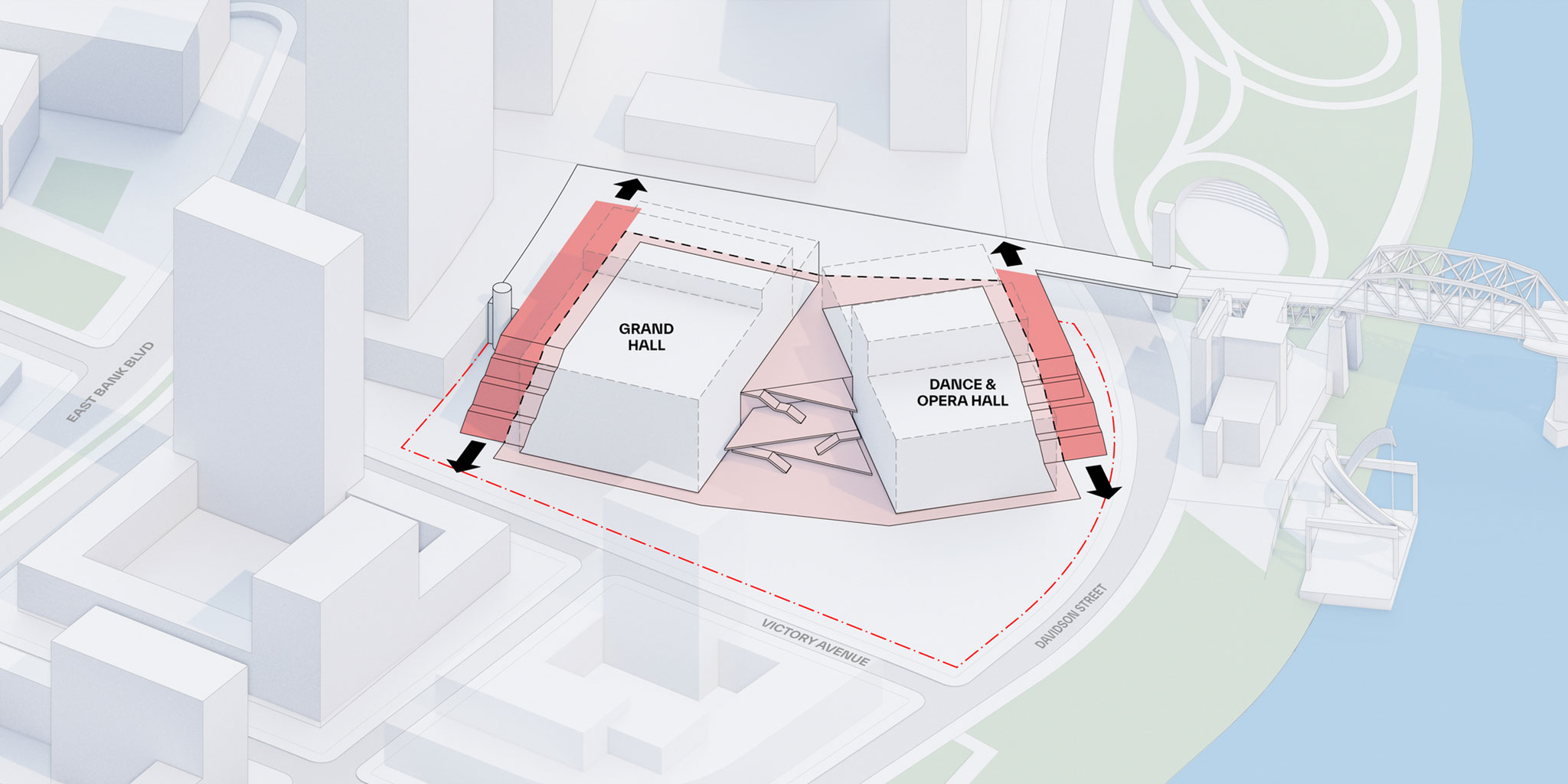
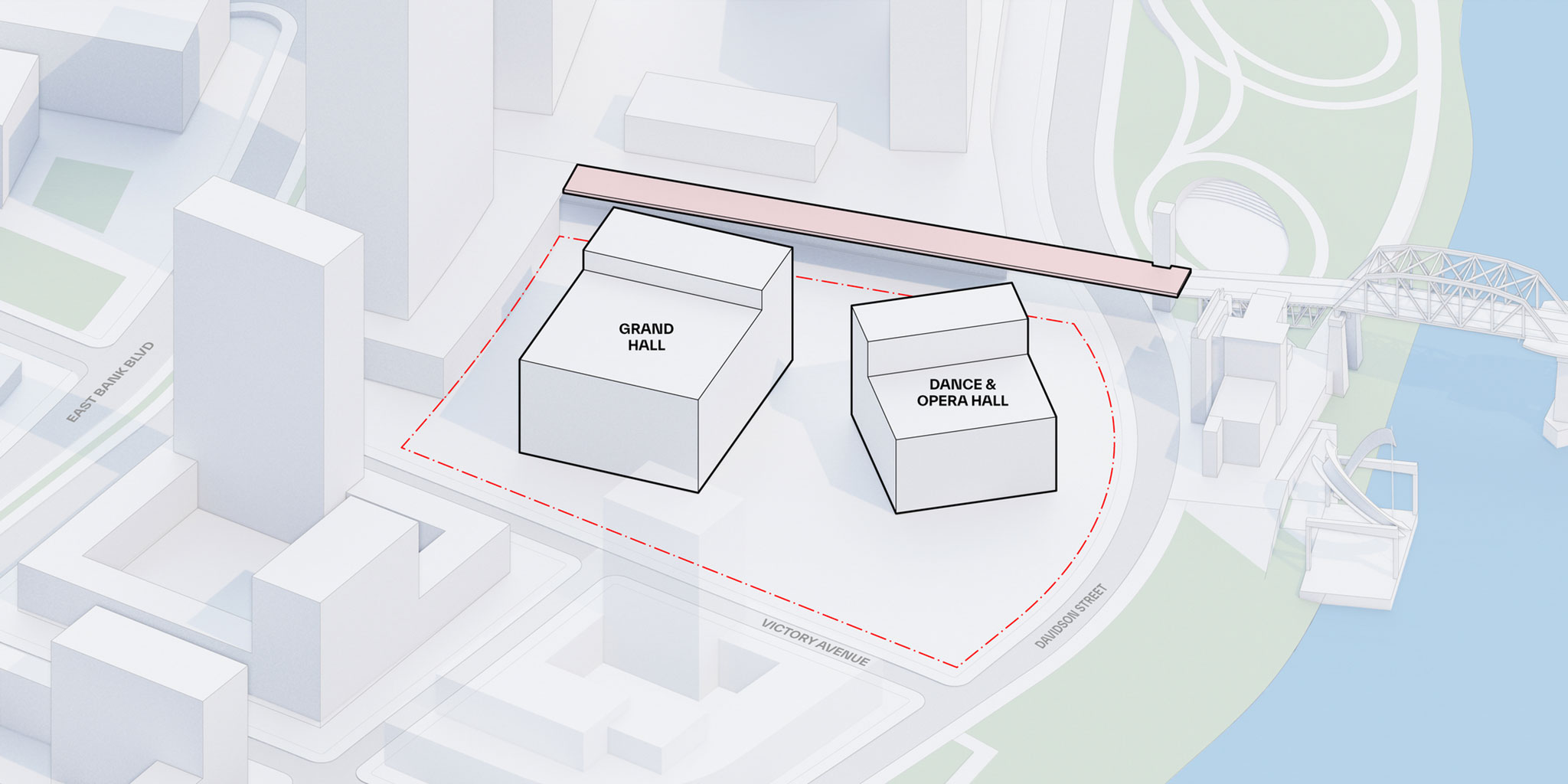
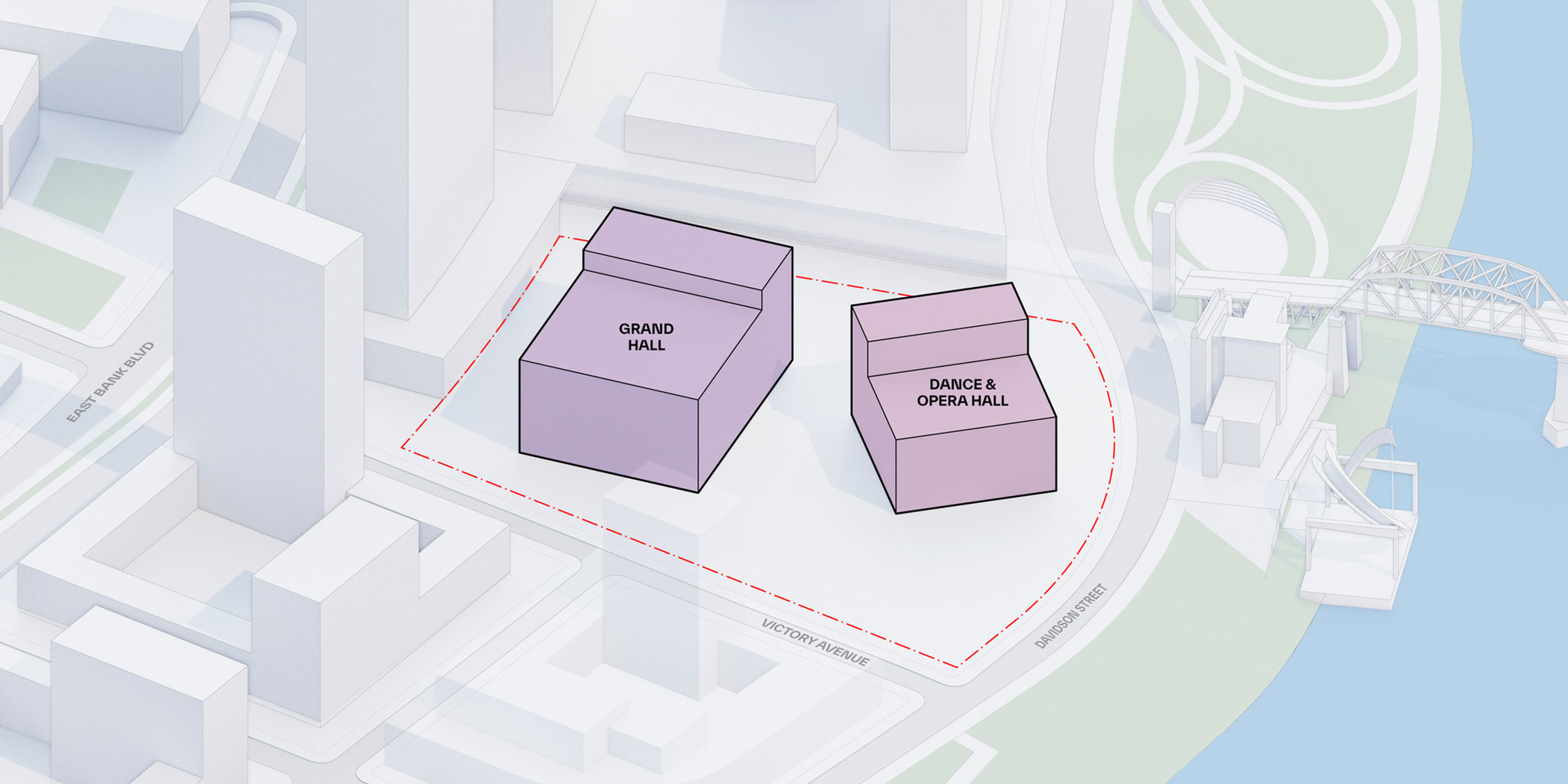
Situated on a waterfront site neighboring Cumberland Park and the Tennessee Titans Nissan Stadium, the new TPAC includes four performance spaces – the multi-function Grand Broadway theater; a dance and opera hall; a flexible black box theater; and an intimate cabaret space – as well as rehearsal studios and classrooms. As TPAC transitions from its current location downtown, the 307,000-sq-ft center will serve as the new home of the Nashville Ballet, Nashville Opera, and Nashville Repertory Theatre while creating venues for traveling Broadway shows, dance performances, and community events.
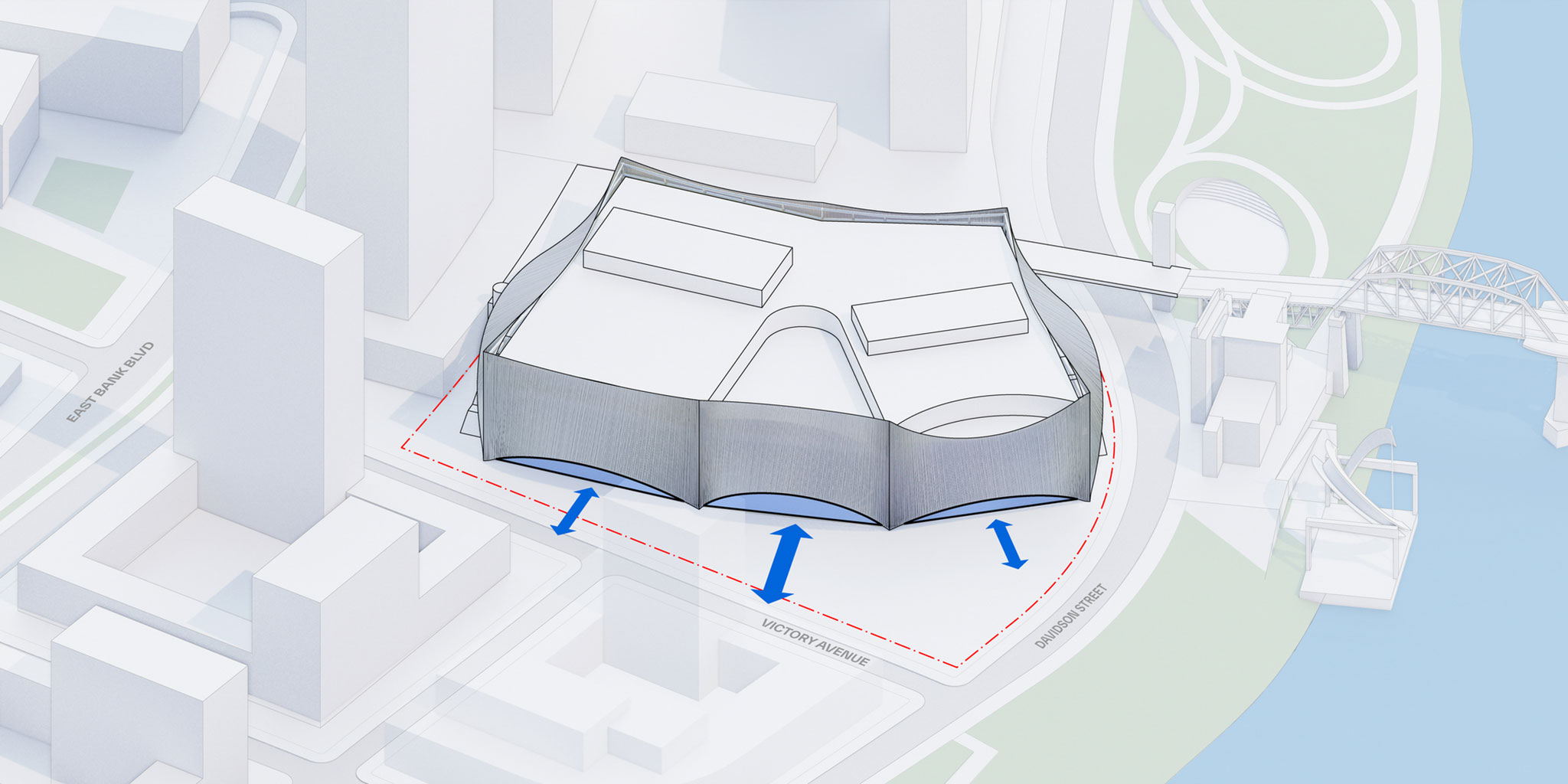
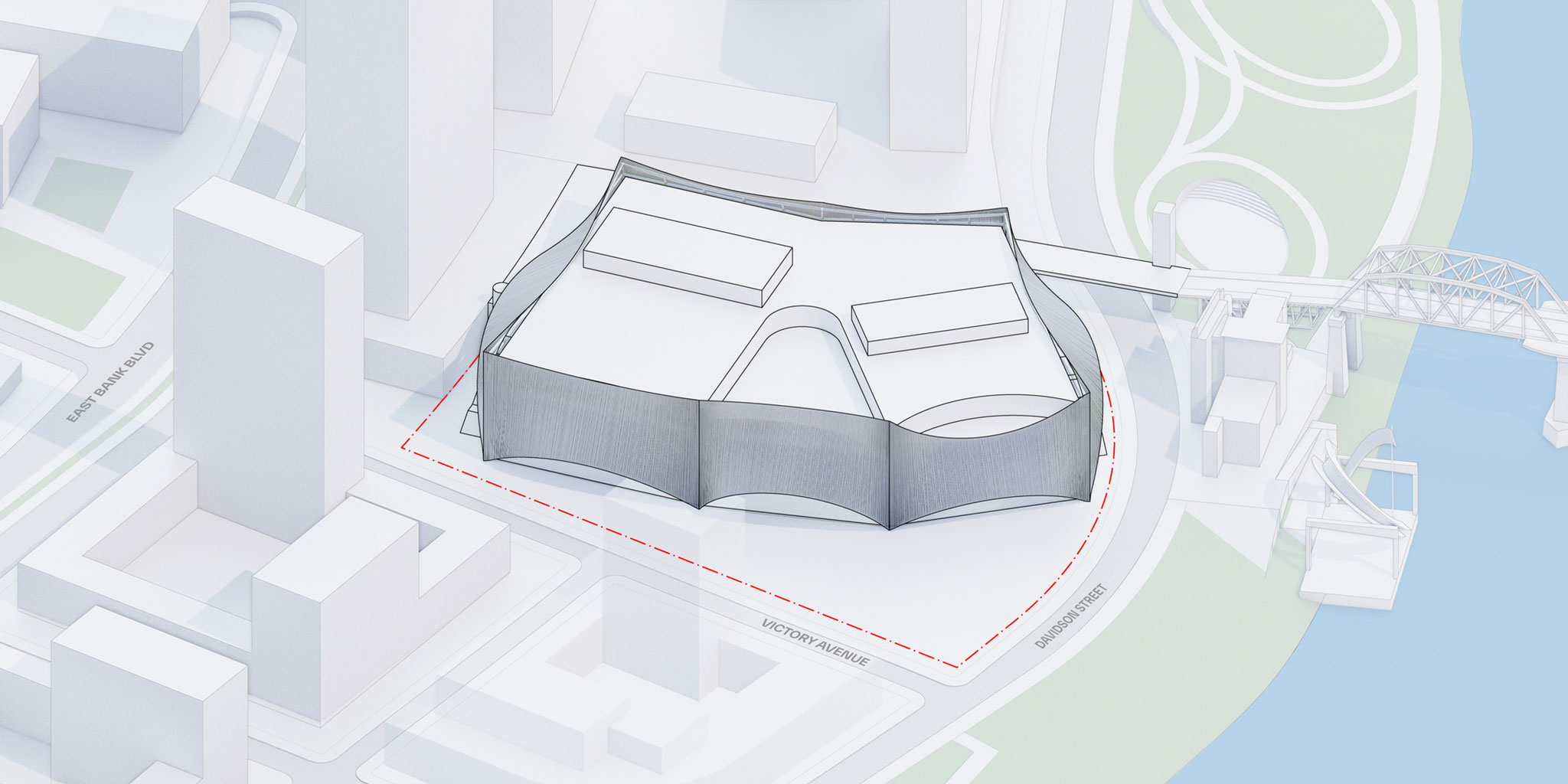
Upon arrival, guests are welcomed by a light-filled atrium that draws the energy of the city inside. Two lobbies connect the performance spaces: the main lobby at street-level with views of the river and proposed waterfront park, and an elevated lobby fronting the landmark John Seigenthaler Pedestrian Bridge. A grand staircase, central lounge, and cascading concrete slabs invite patrons to congregate before, after, and in between performances – reinforcing TPAC’s role as a social gathering place within Nashville.
Within the Broadway Theater, floating wood-clad ‘trays’ organize the seating into intimate clusters, each staggered in height for optimized sightlines. The opera and dance hall is designed to enhance the views of the dancers’ feet, while the balconies reinforce a visual continuity with the stage. The Black Box Theater places the audience directly in the performance, eliminating the proscenium ‘picture frame’ that traditionally outlines the stage and allowing for different seating configurations tailored to each production. The Cabaret features a stage that extends into the audience, creating an intimate atmosphere complemented by banquet-style seating.
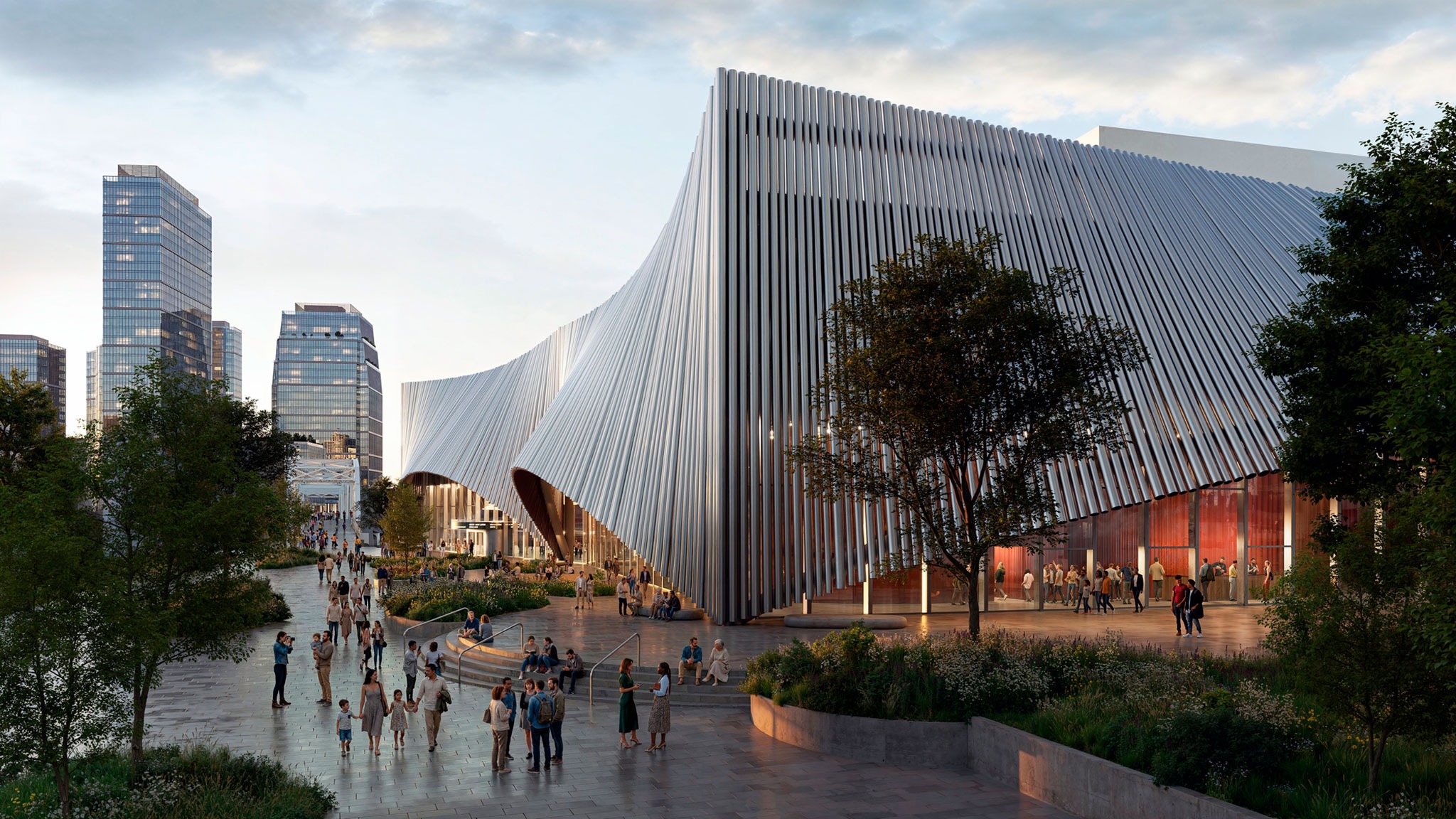
A transparent rehearsal space offers visitors a glimpse behind the scenes, while a sensory room offers a calming environment during performances. Crowning the building, a roof terrace features sweeping views of Broadway, the Cumberland River, and the Nashville skyline.
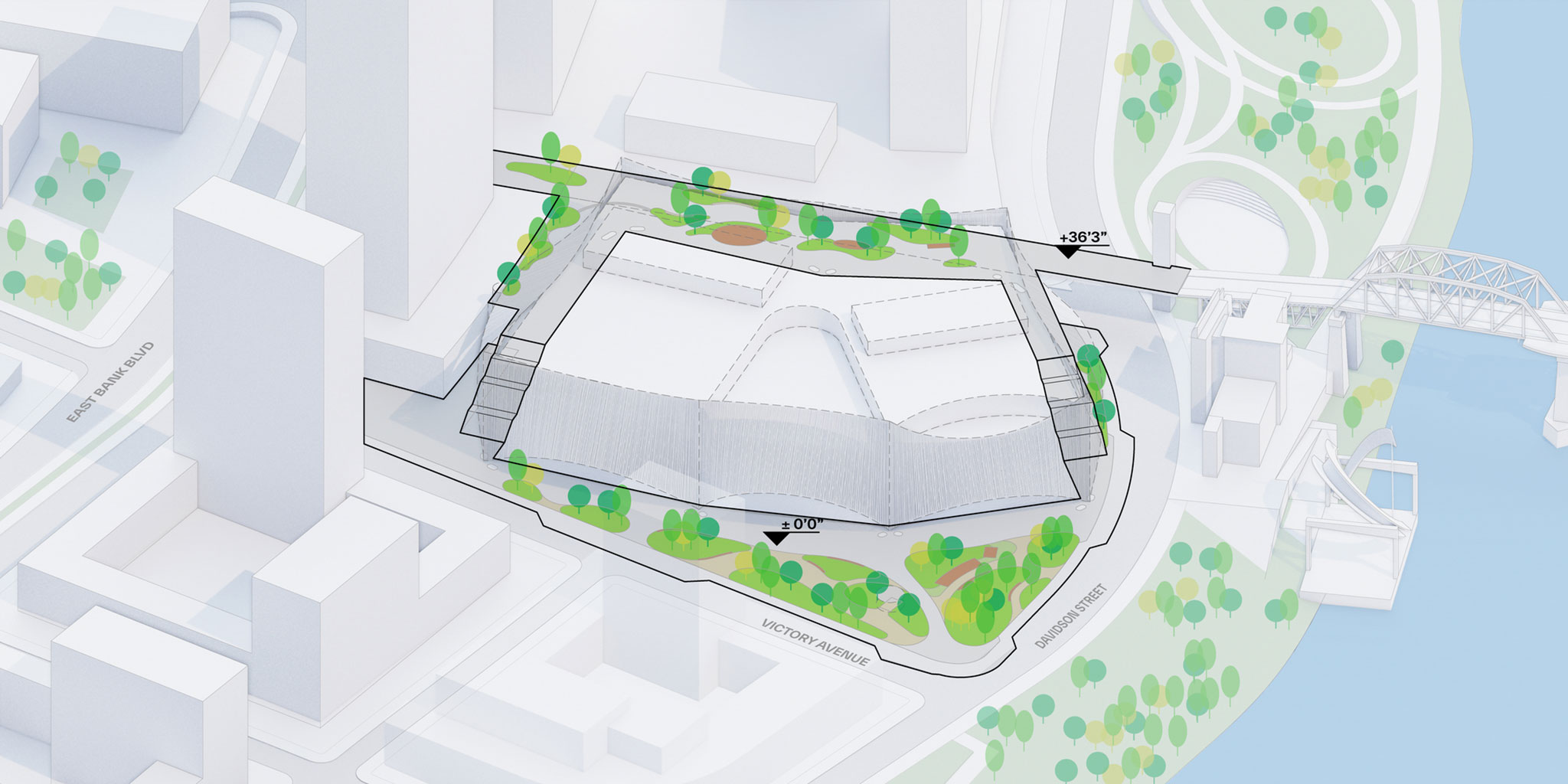
Outdoor staircases connect TPAC to the river, integrating the center into Nashville’s new East Bank district and enhancing connectivity with the city beyond. Landscape design by OLIN surrounds the building with diverse plant life and pockets for public outdoor performances, gathering spaces, and play groves.