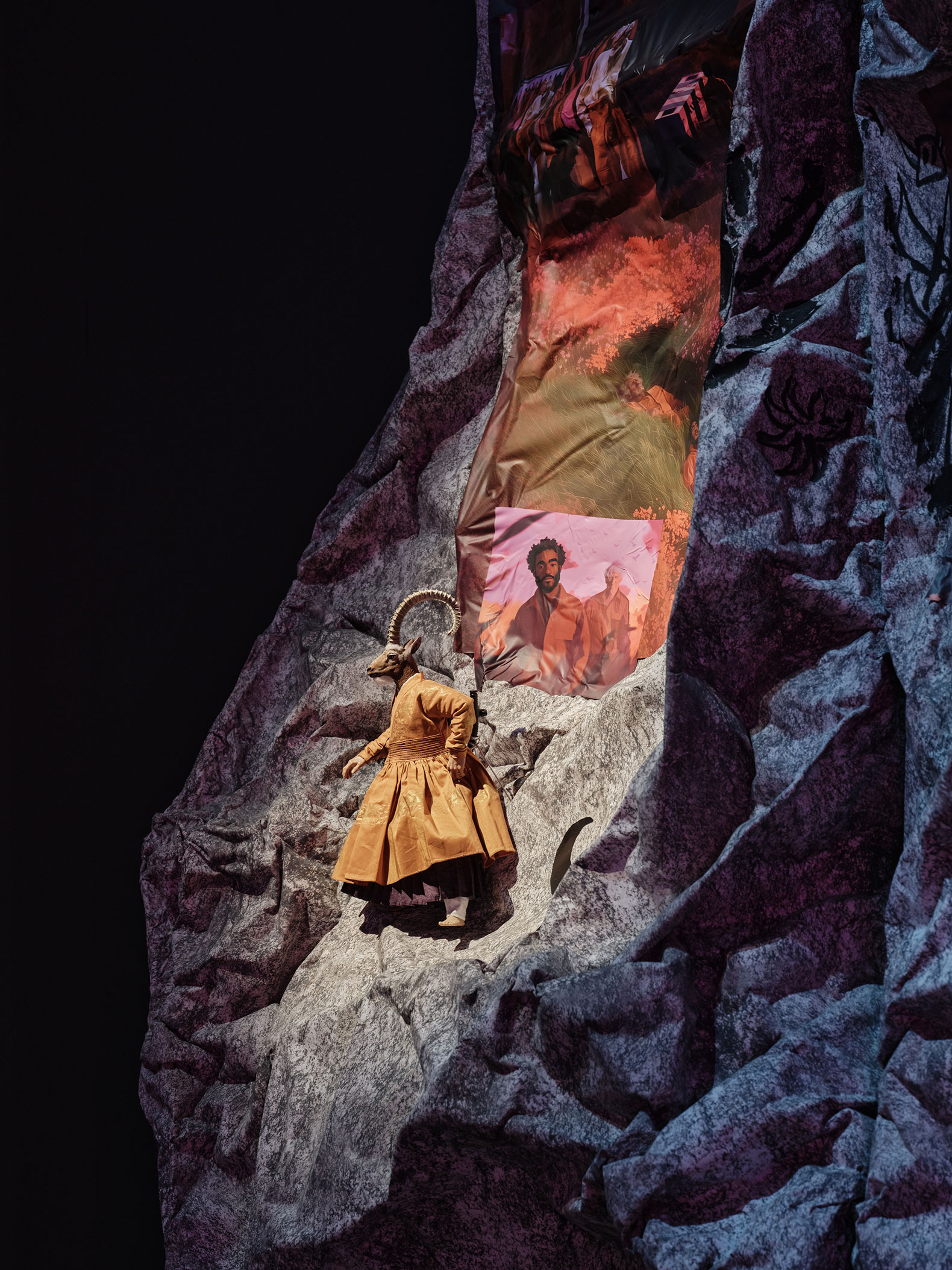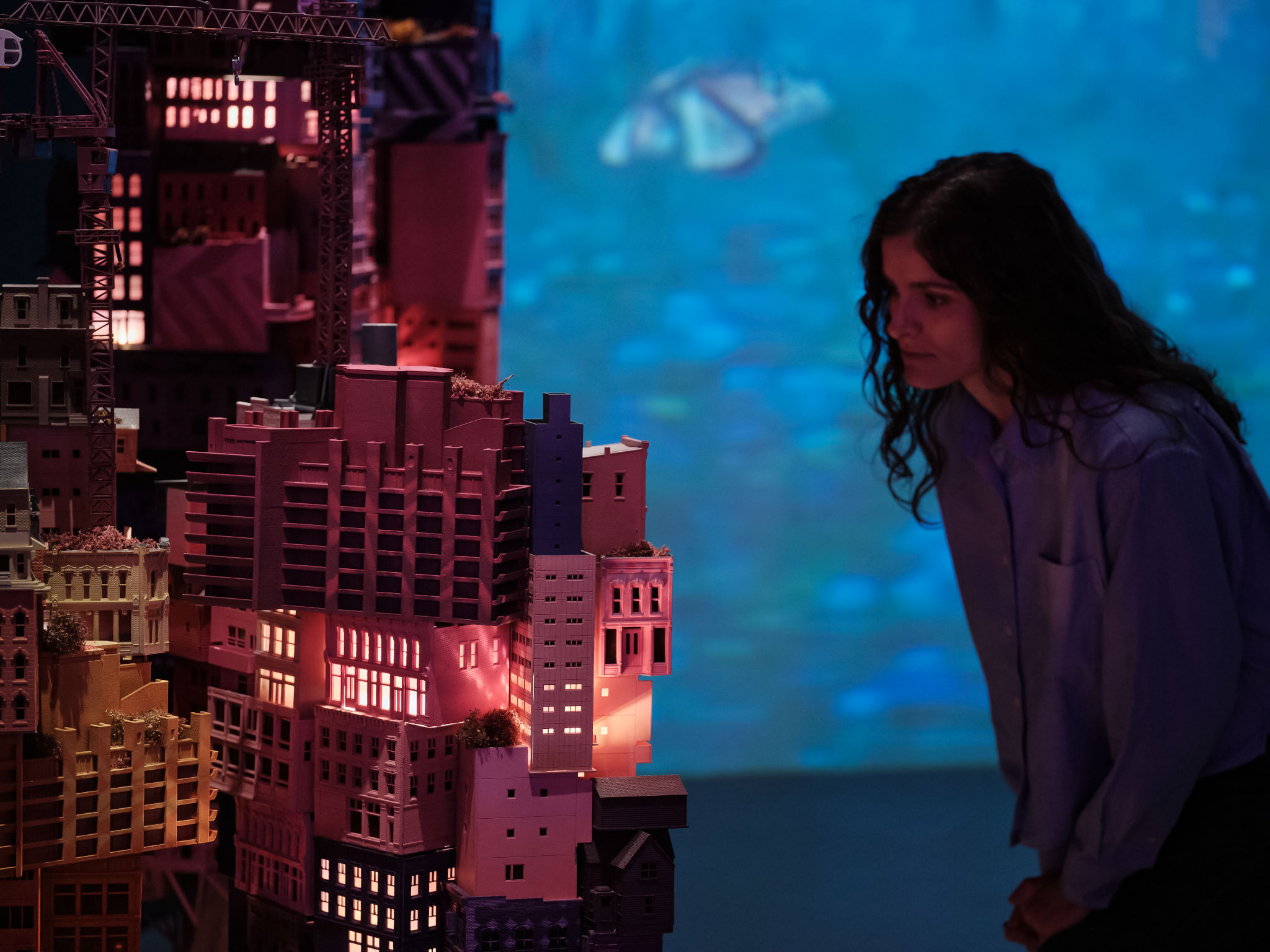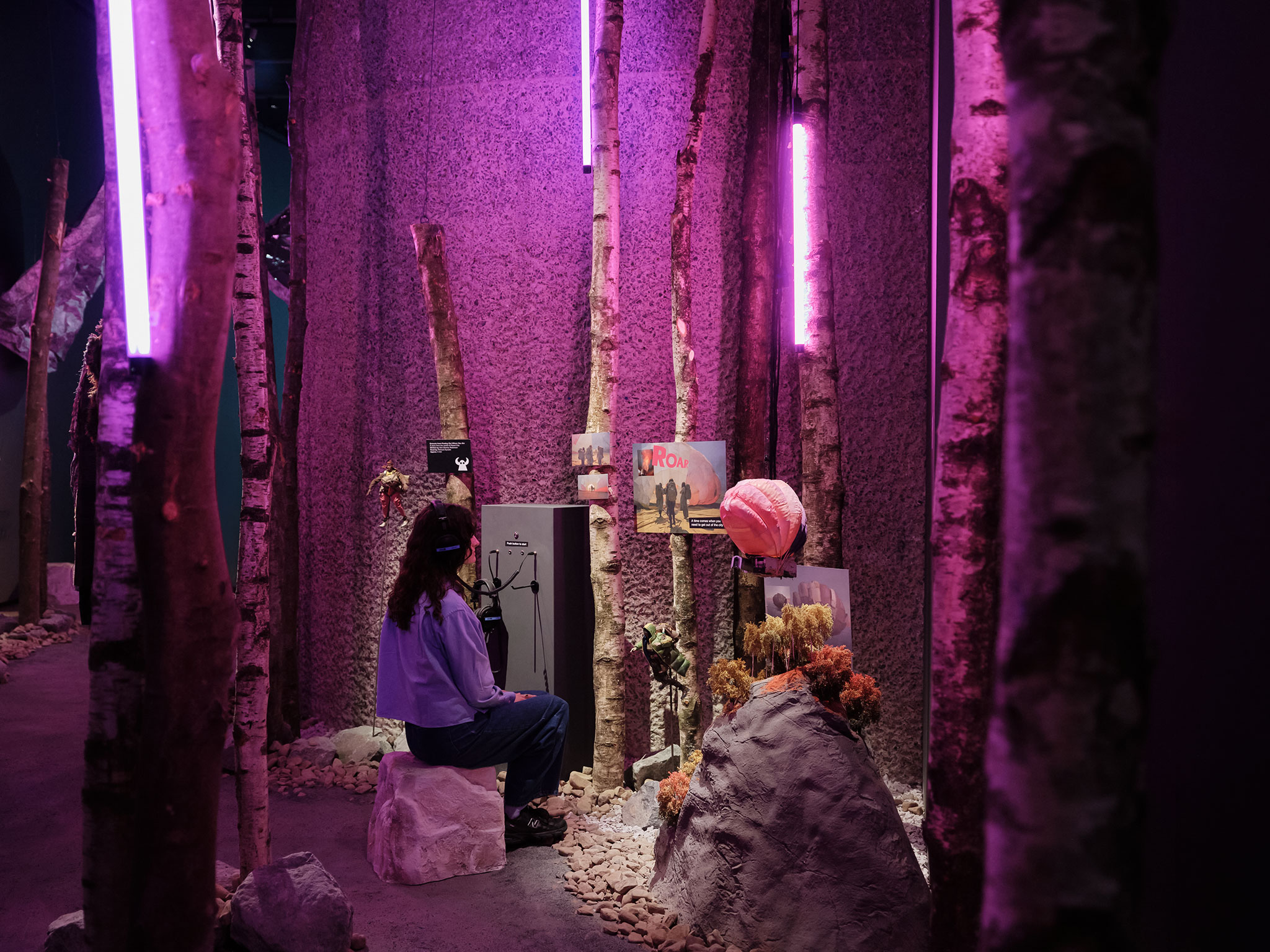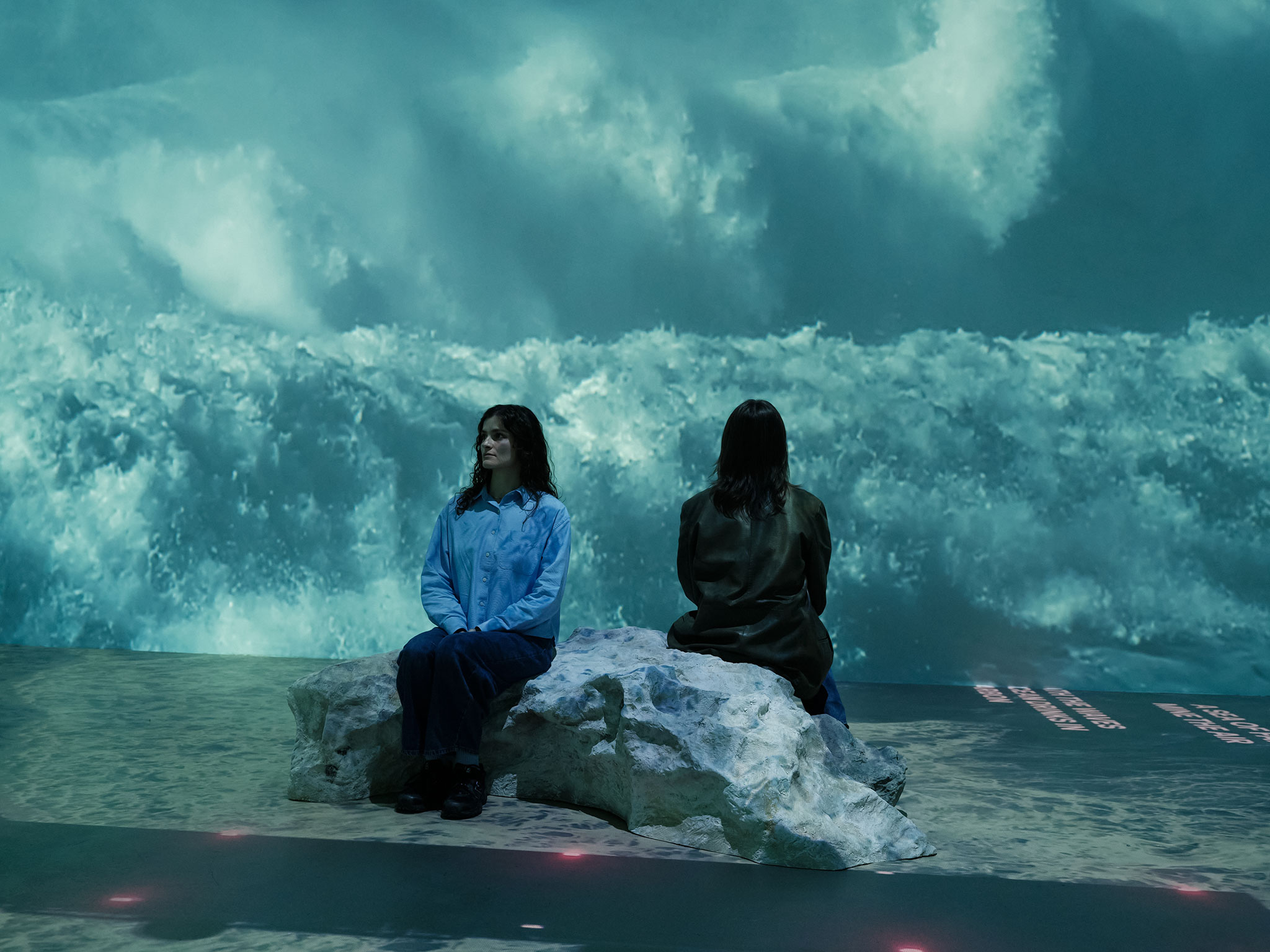
In Other Worlds is an exhibition experience created with Liam Young, a BAFTA-nominated director, artist and speculative architect. Across three spaces at the Barbican Centre, it transforms the Silk Street entrance, The Curve gallery and Car Park 5 into cinematic visions of possible futures, where fiction, design and climate science converge.
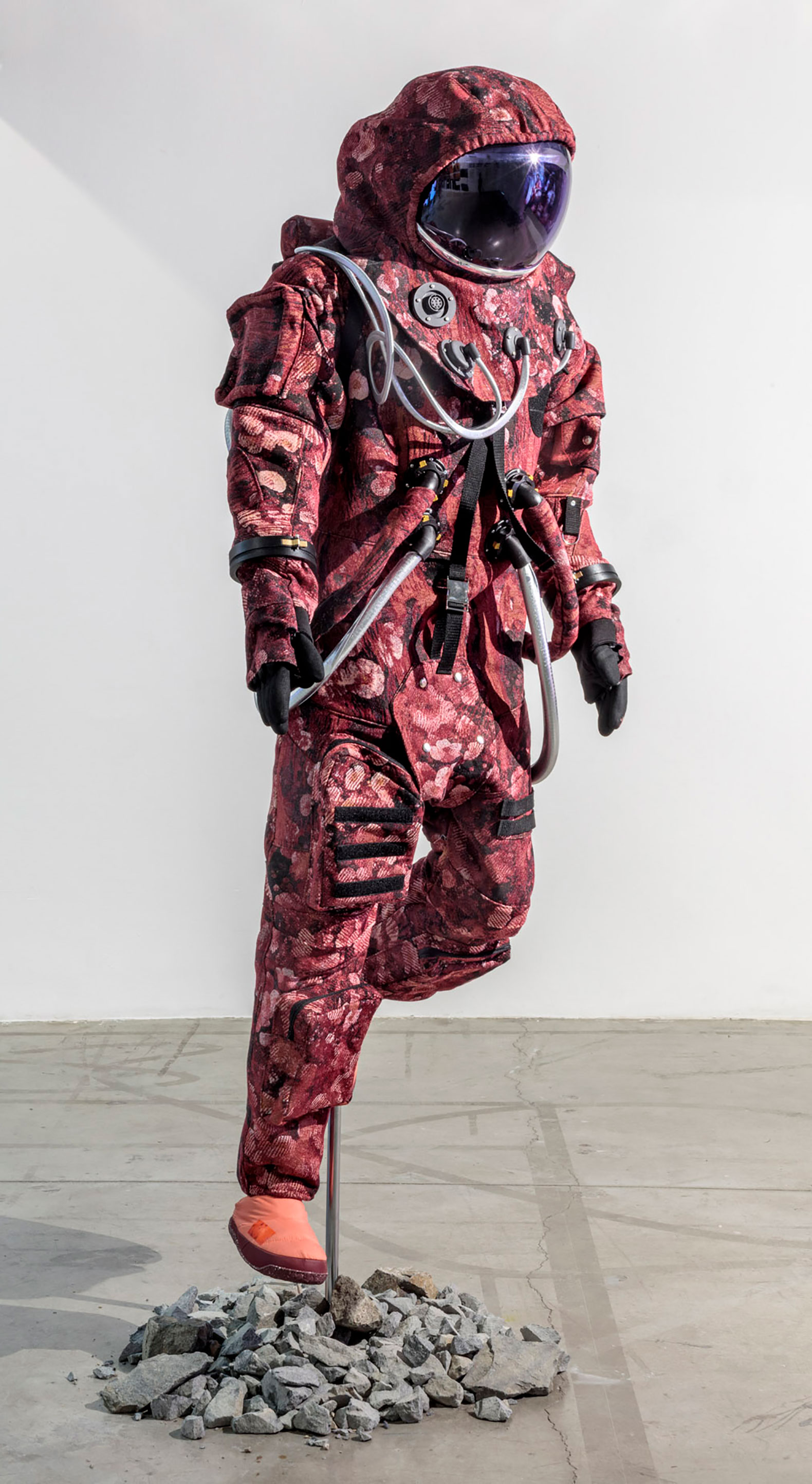
Visitors are invited to explore imaginary worlds grounded in real technologies and in possibilities arising from climate change. Through large-scale projections, sound pieces, graphic narratives, costumes, music and speculative objects, the exhibition reflects on the lives, tools and stories that might emerge in futures shaped by environmental change, raising questions about which futures we can imagine and which stories we choose to leave behind.
“The future doesn't rush over us like water. It's not something that happens to us. It's an act of creation. It's something we make, moment by moment, together.”
Liam Young
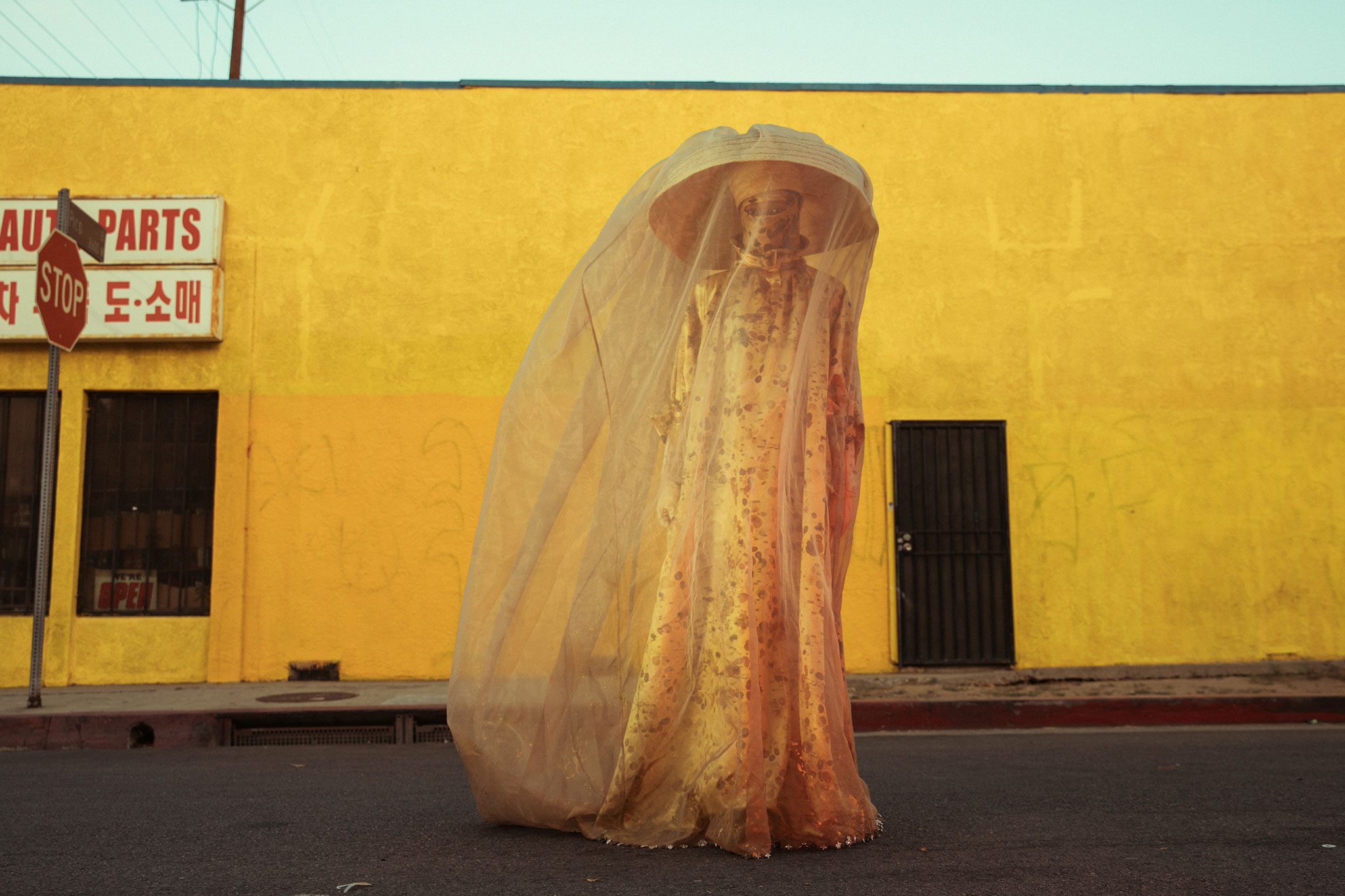
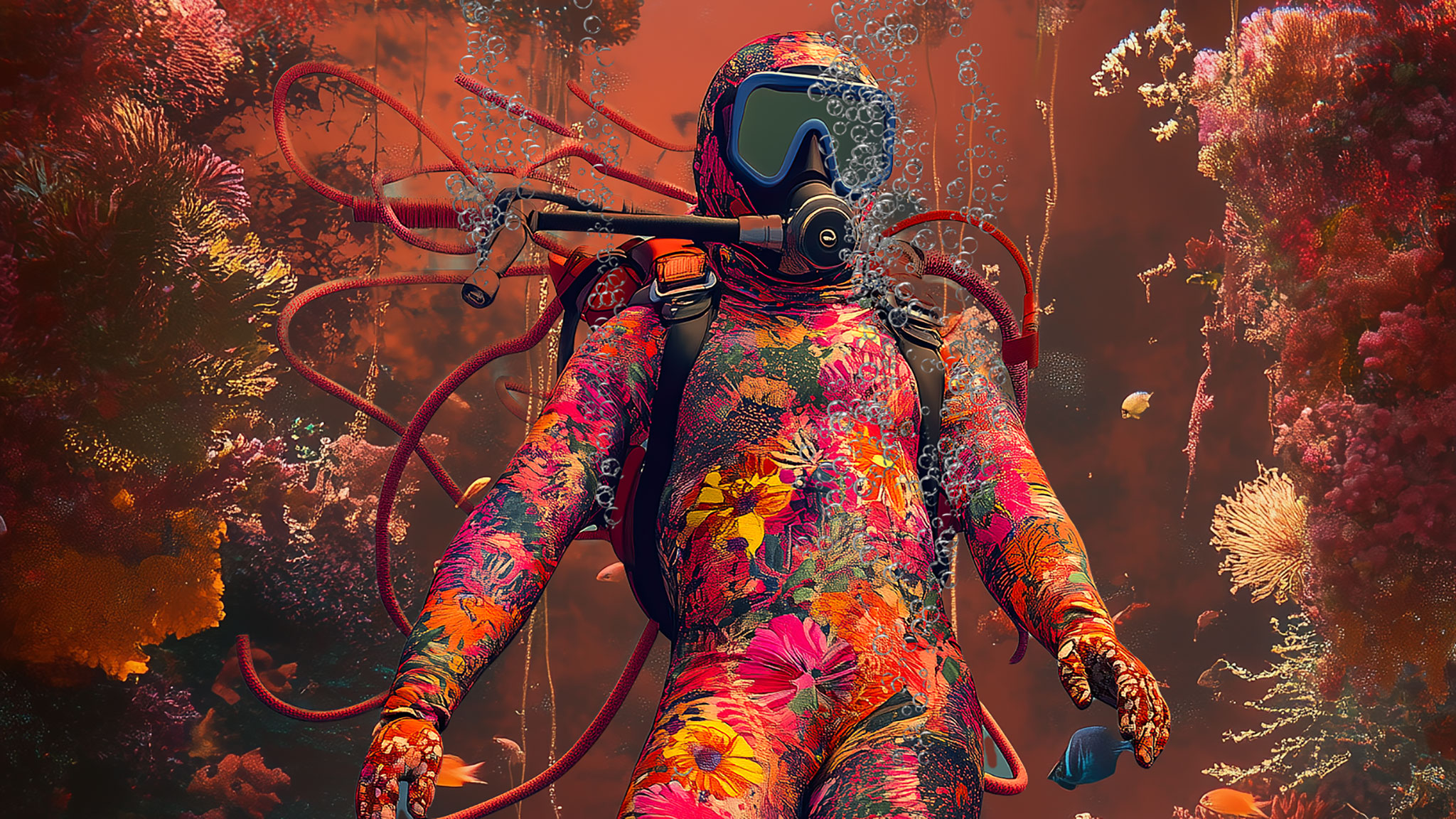
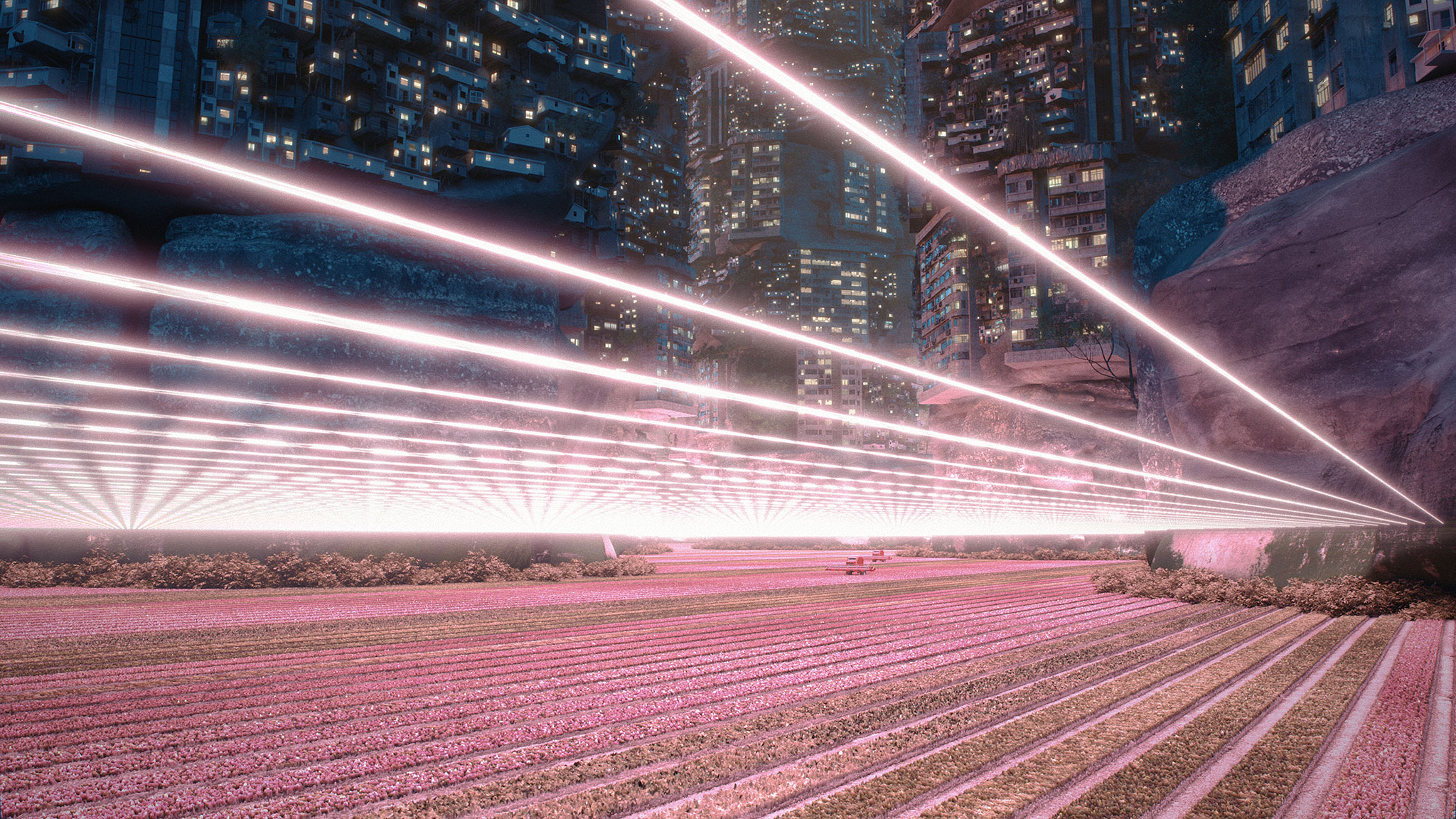
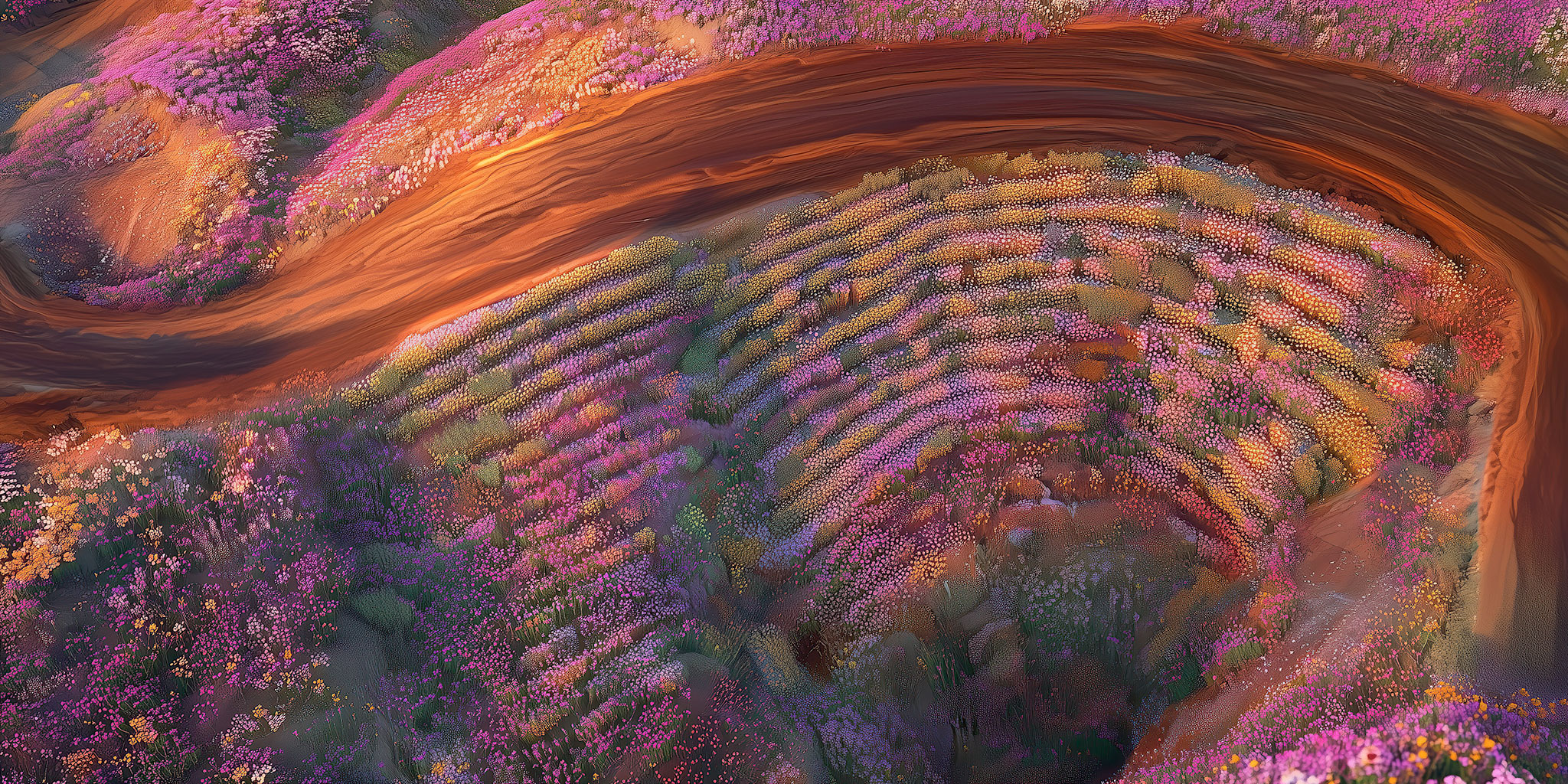
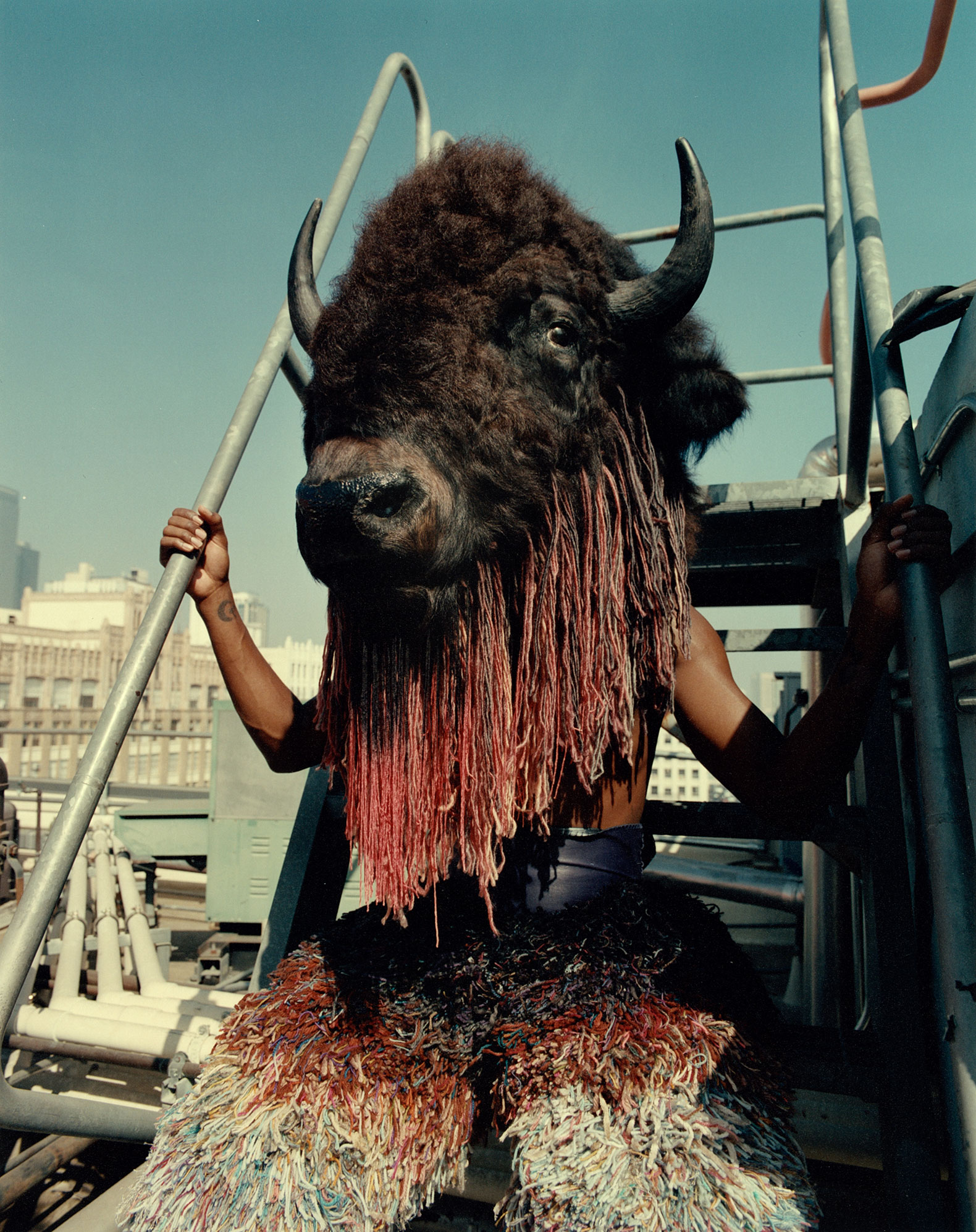
In Other Worlds. Film still from After the End (2024) by Liam Young. Image courtesy of the artist.
Science fiction has long served as a shared rehearsal space for imagining our collective future. Through stories that range from the microscopic to the planetary, Liam Young highlights the importance of imagination in a world shaped by crisis. This immersive experience presents a constellation of fictional worlds, inviting visitors to embrace hope as a quiet but defiant form of resistance.
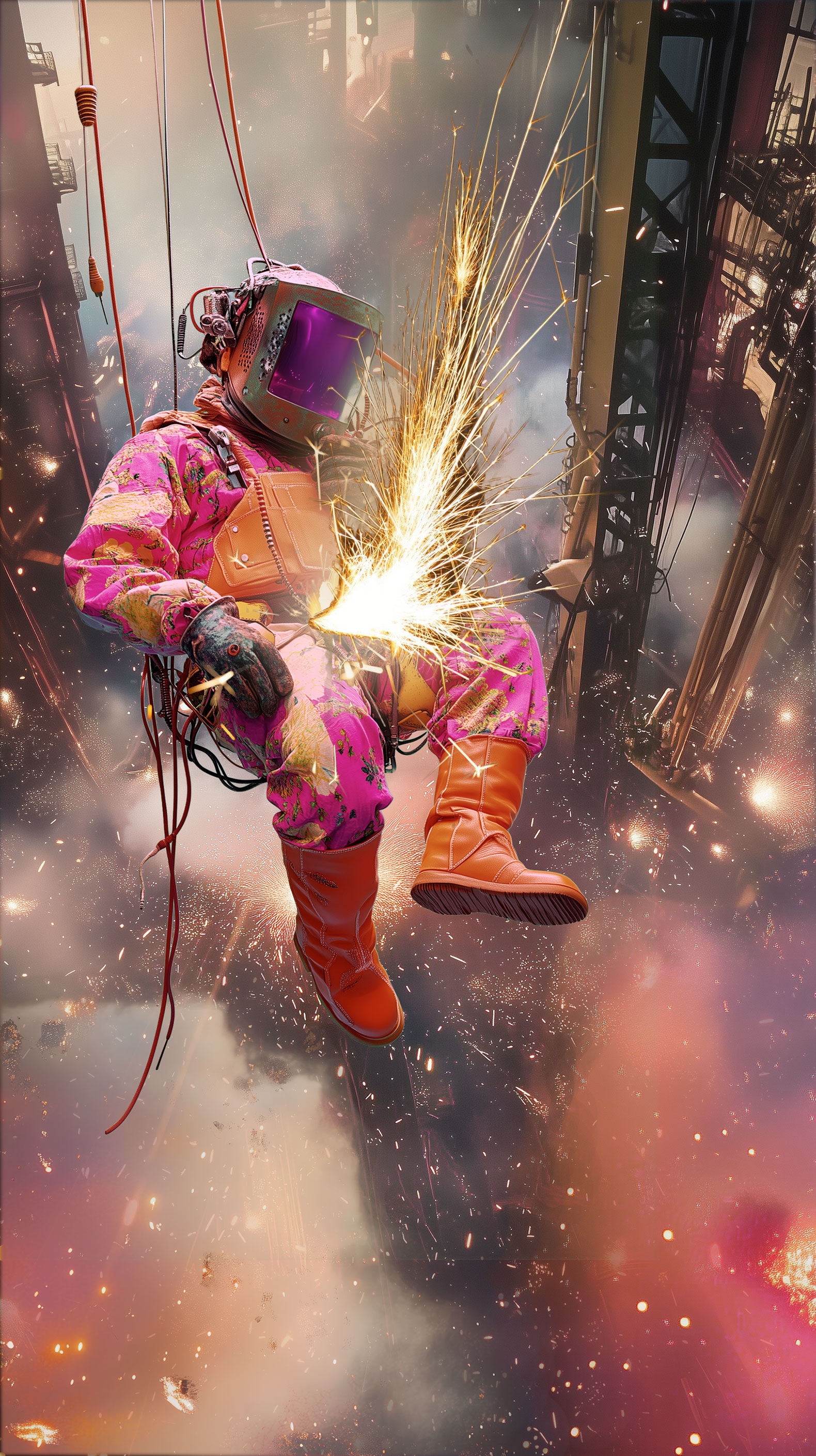
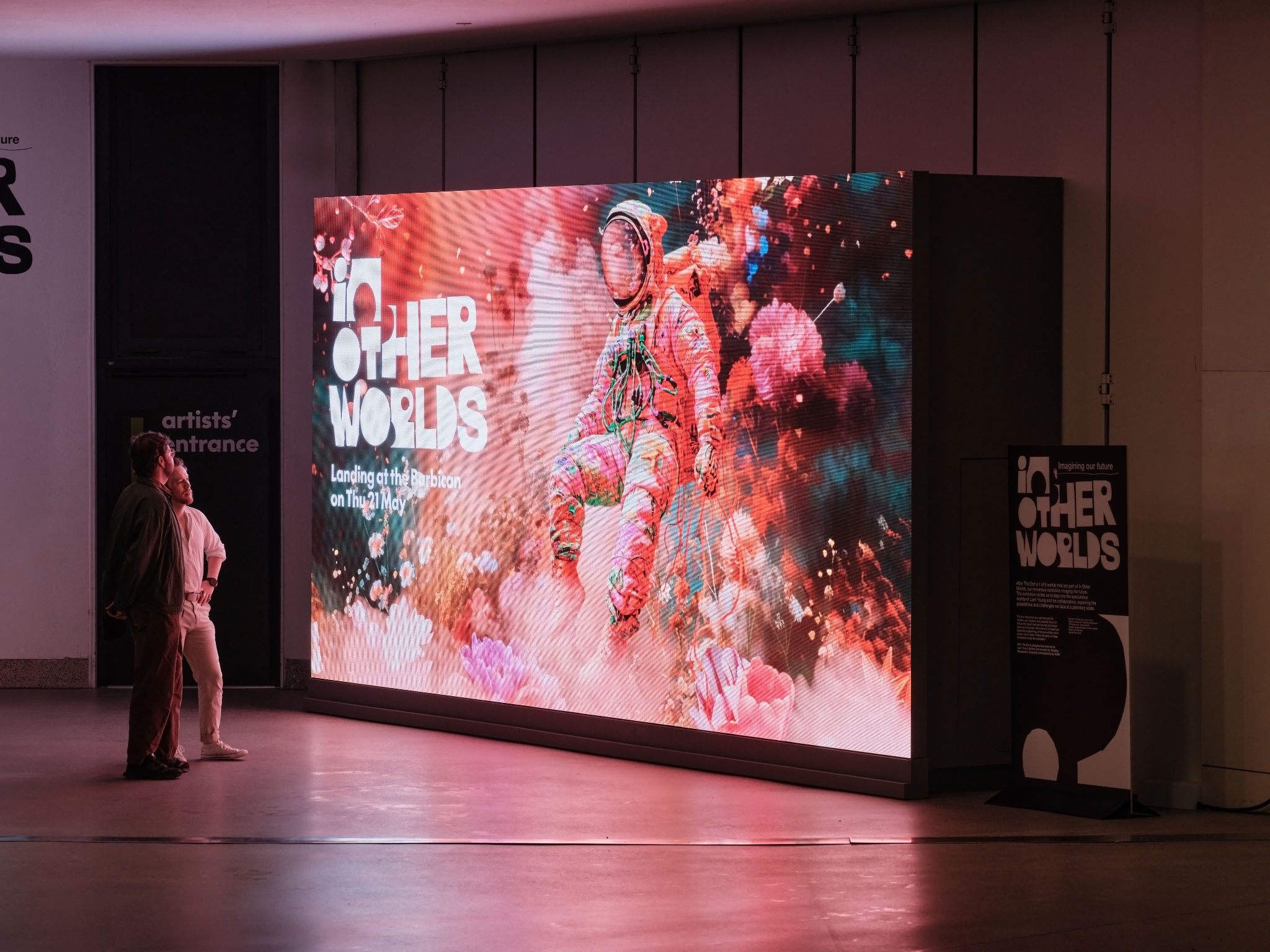
The journey begins at the Barbican’s Silk Street entrance with a free LED screen installation featuring animated portraits of four workers from After The End, one of the future worlds explored later in the exhibition. These characters help imagine a new era of creation and storytelling, shaped by the possibility of beginning again.
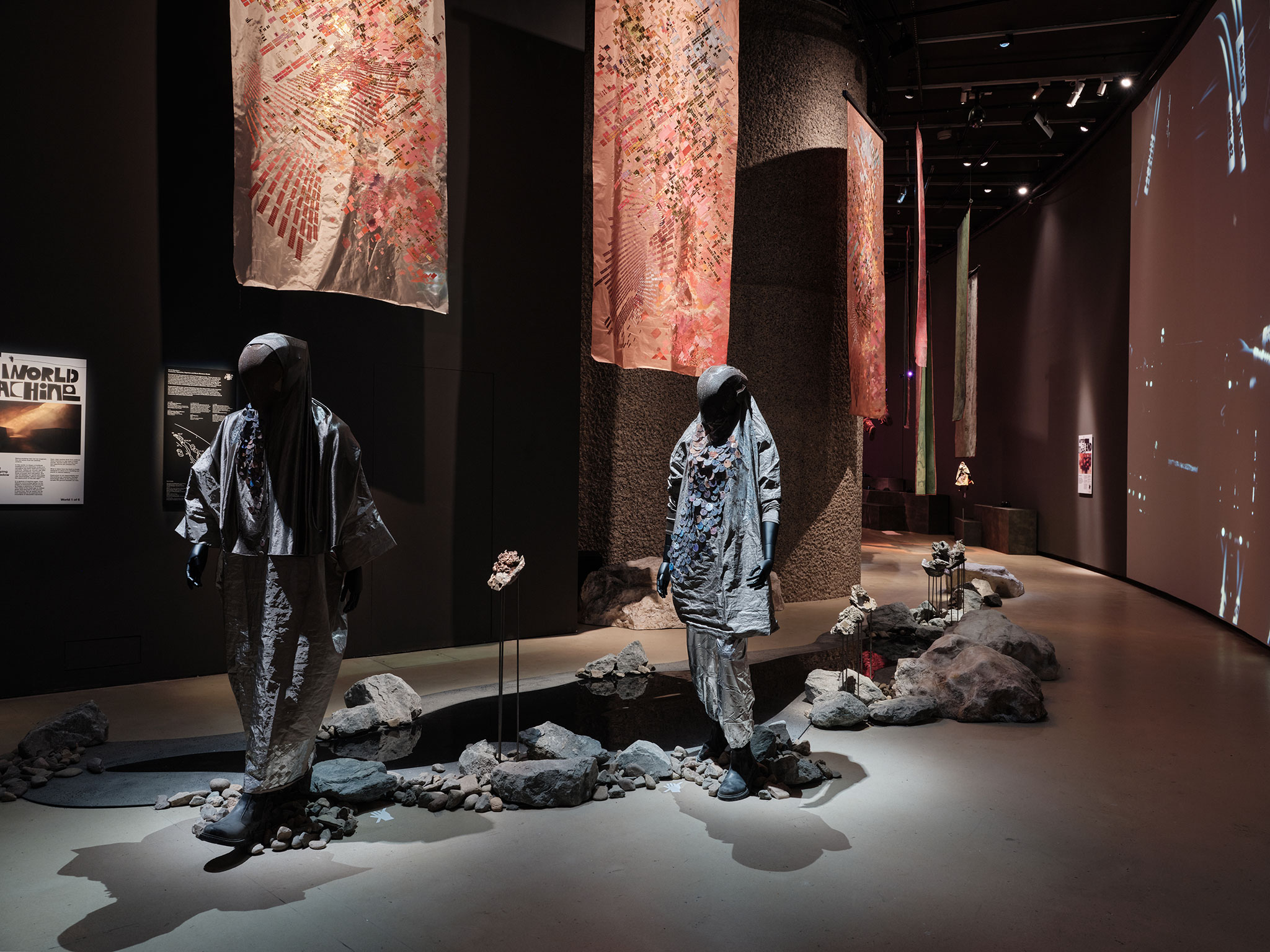
From there, the exhibition continues into The Curve gallery, where an atmospheric Antechamber and audio narration draw visitors into an unfamiliar reality before they encounter the films and provocations that shape each world.
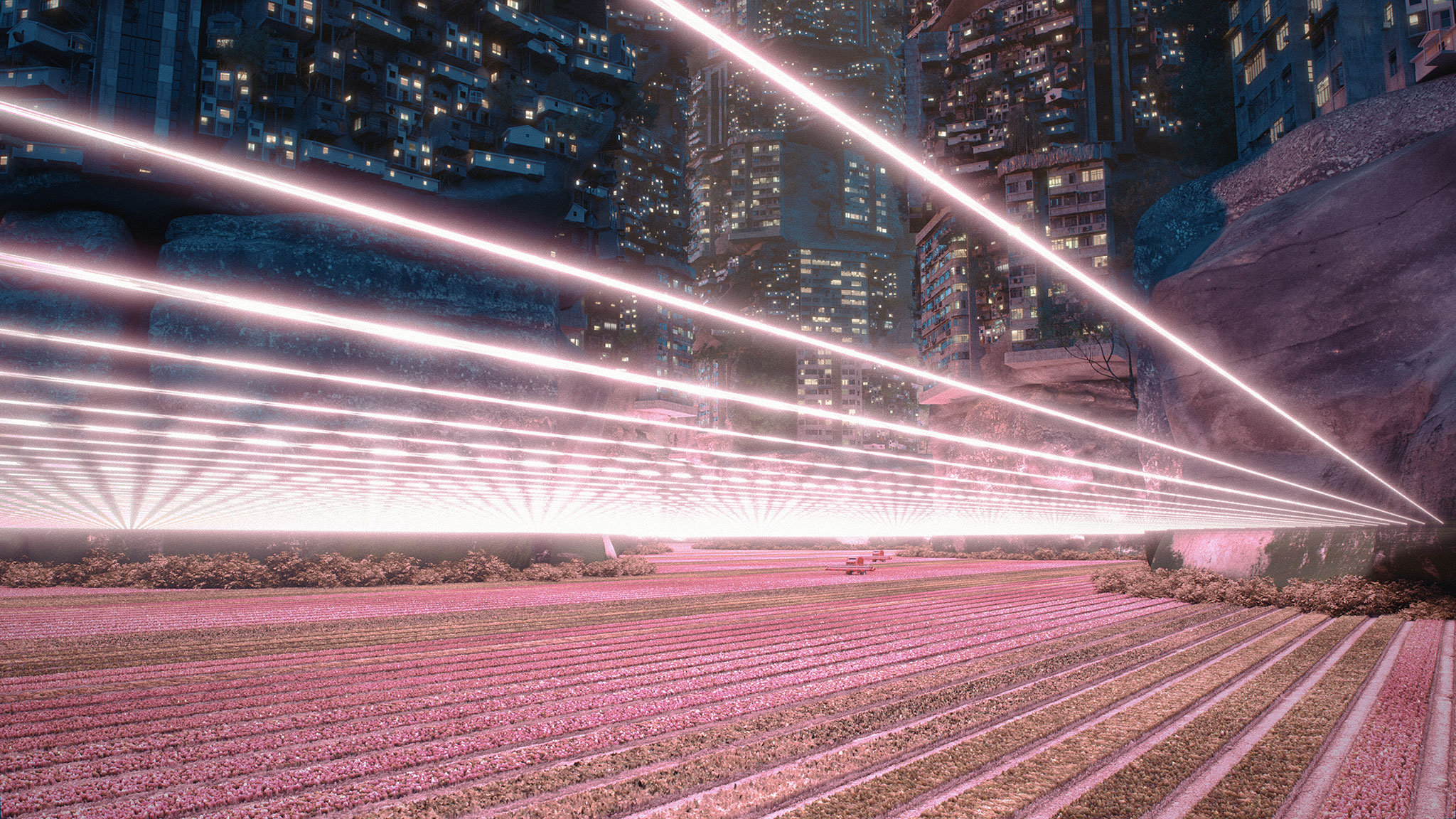
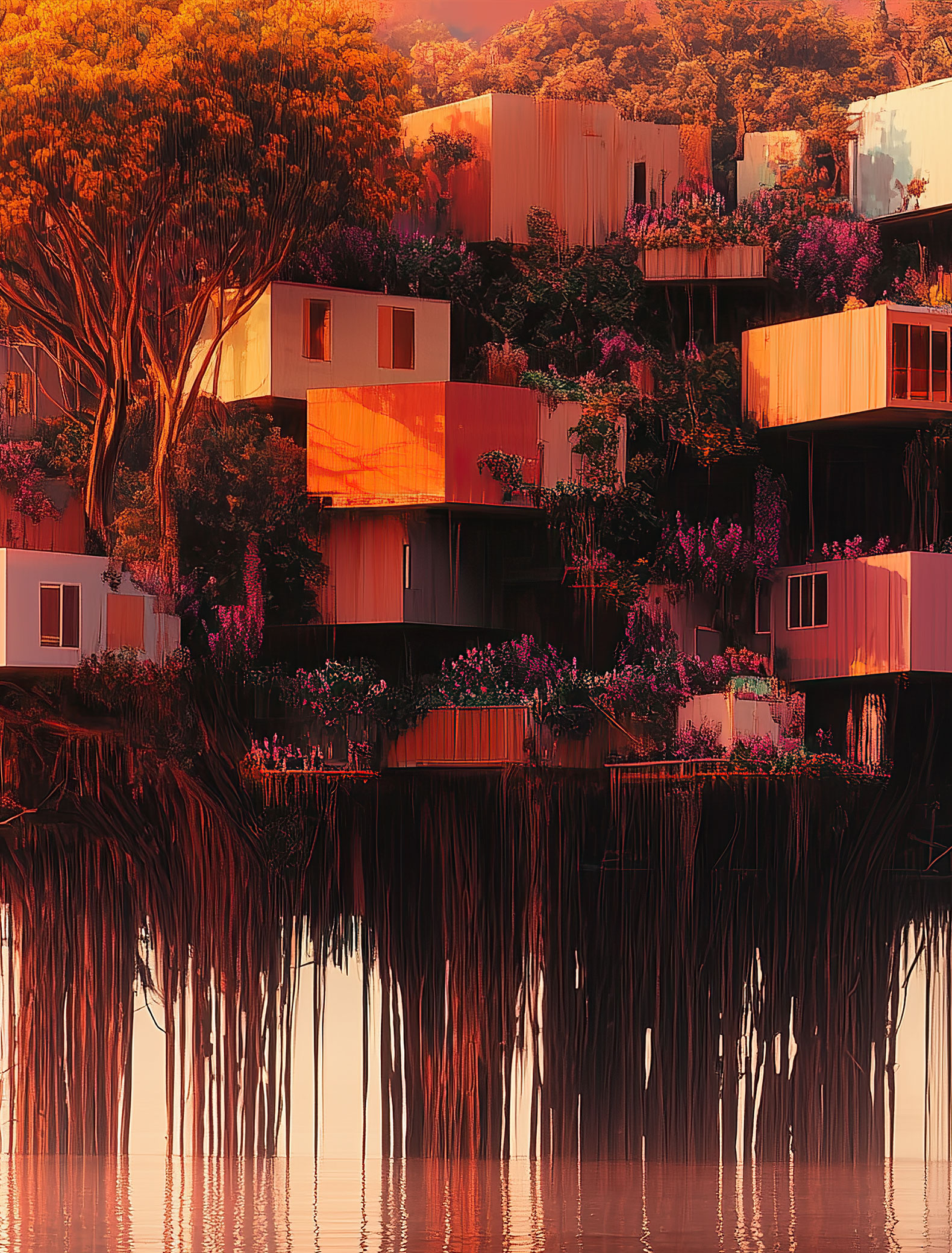
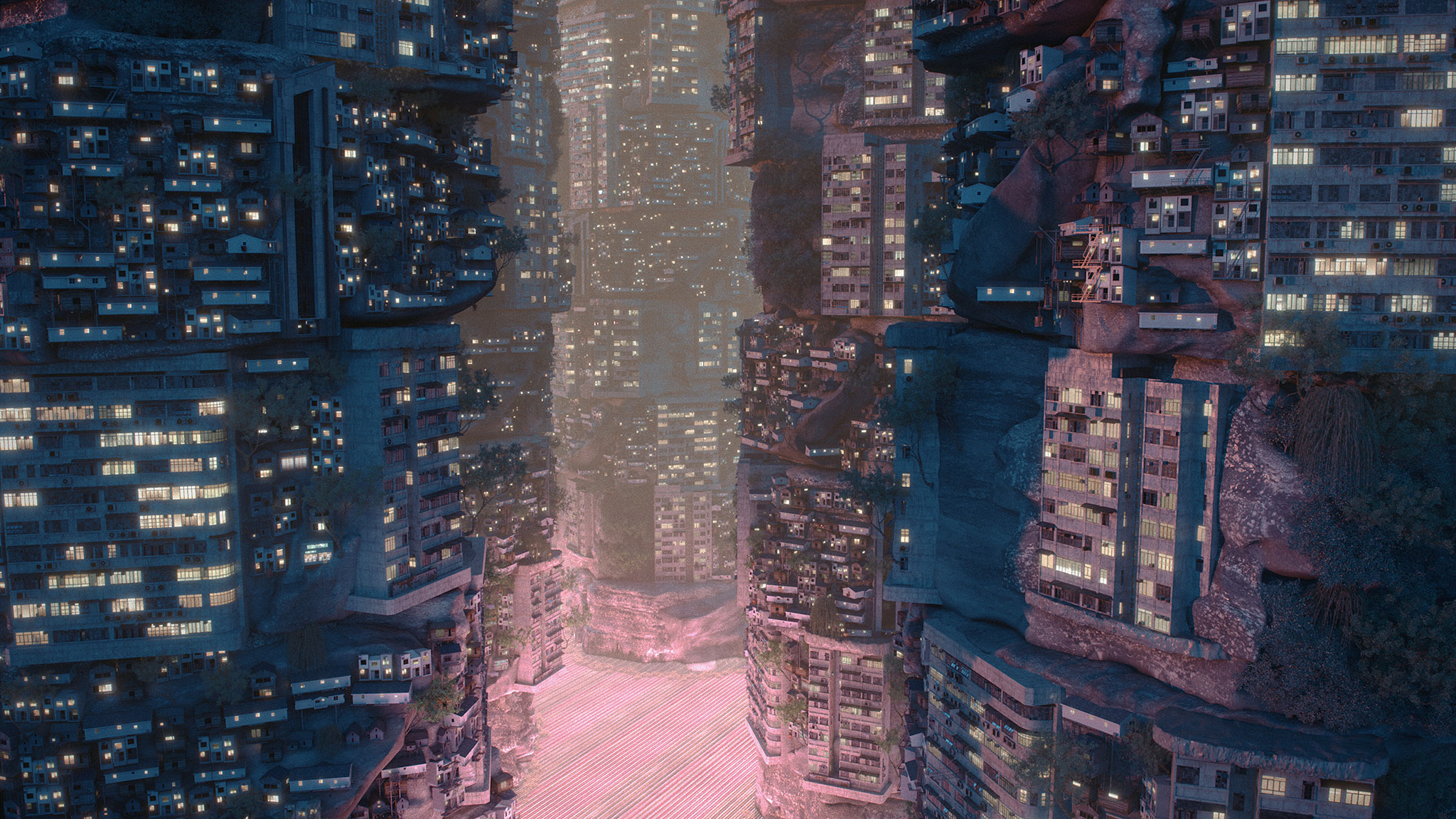
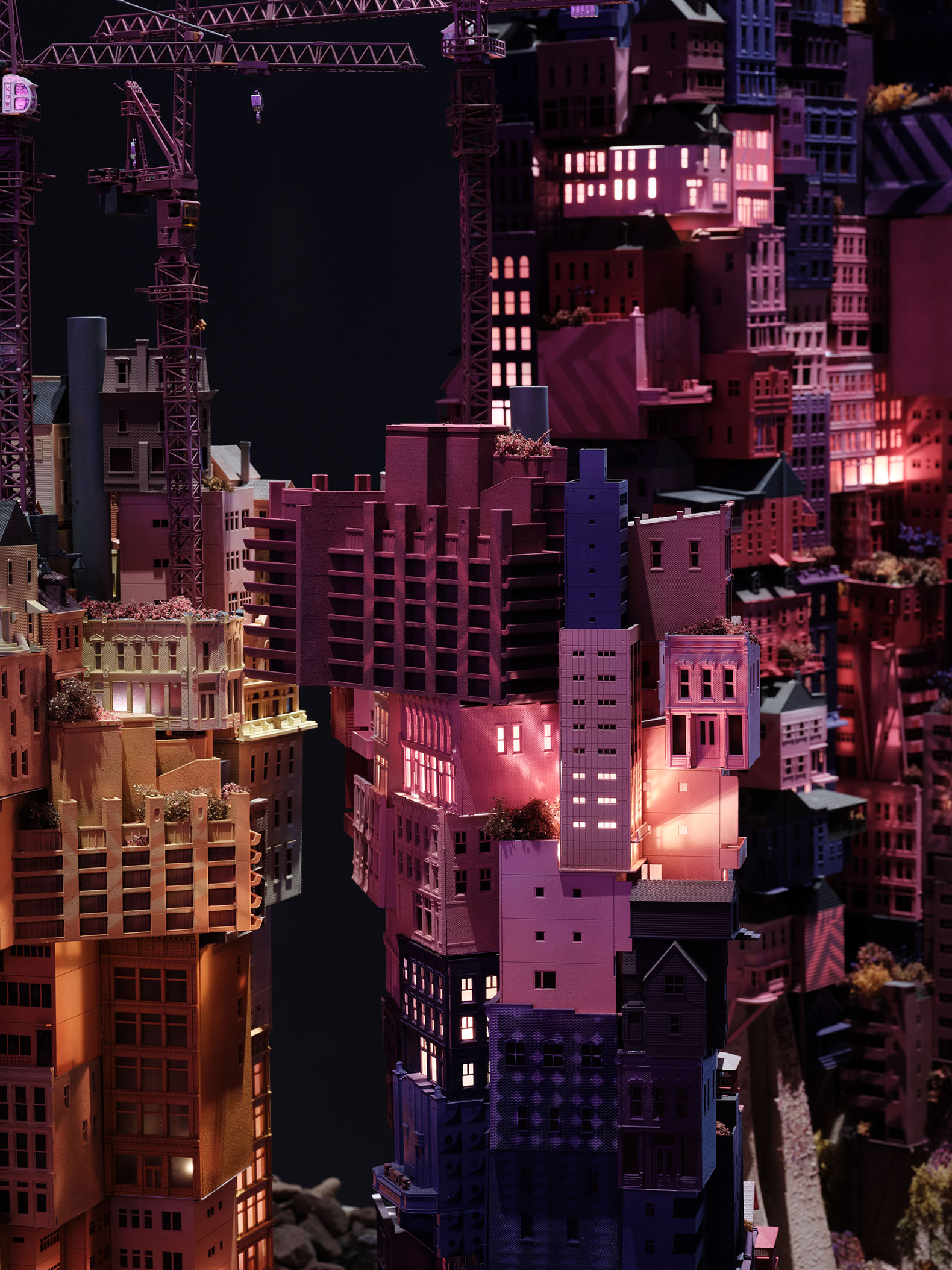
In Other Worlds. Film still from Planet City (2021) by Liam Young. Image courtesy of the artist.
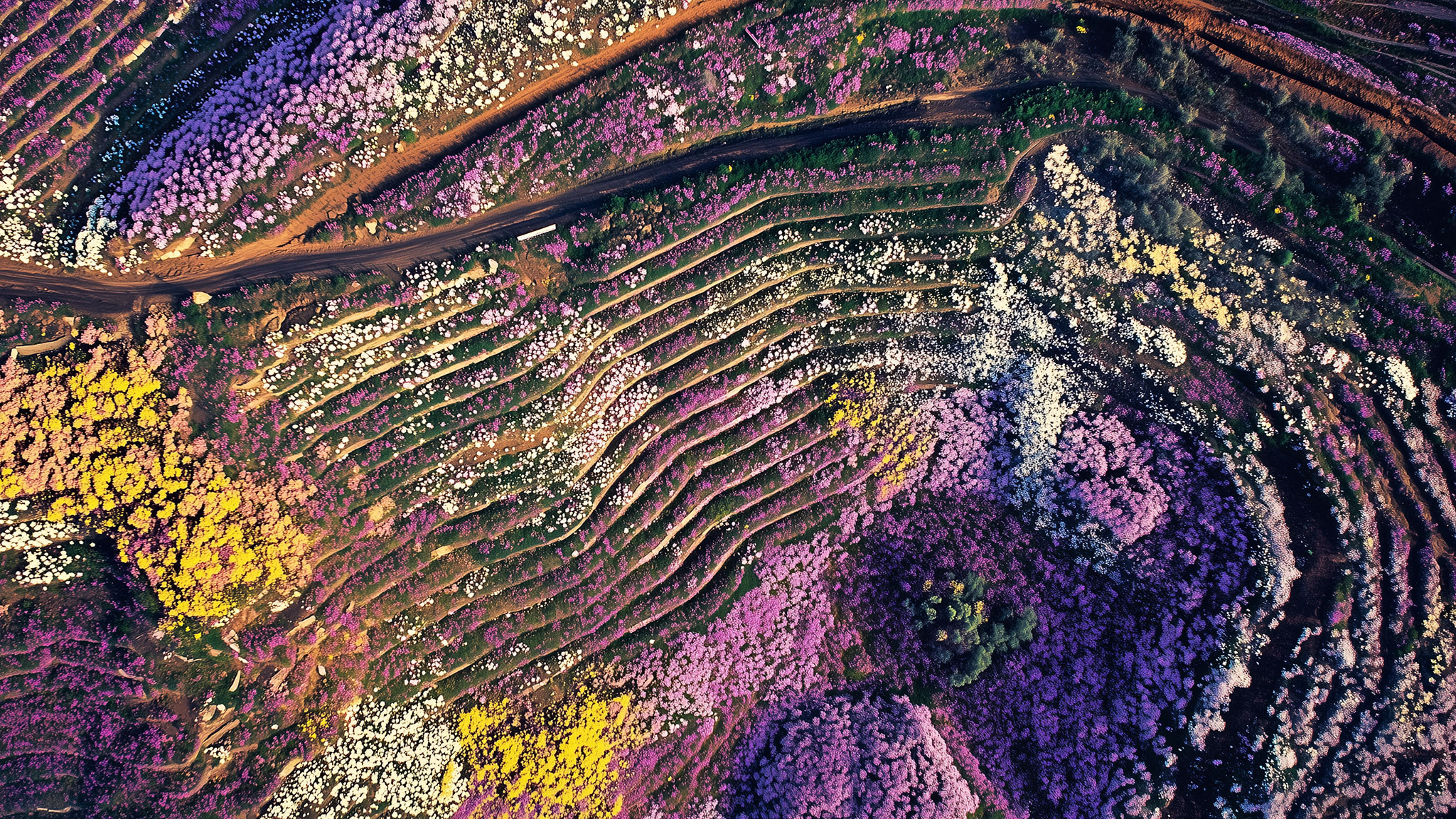
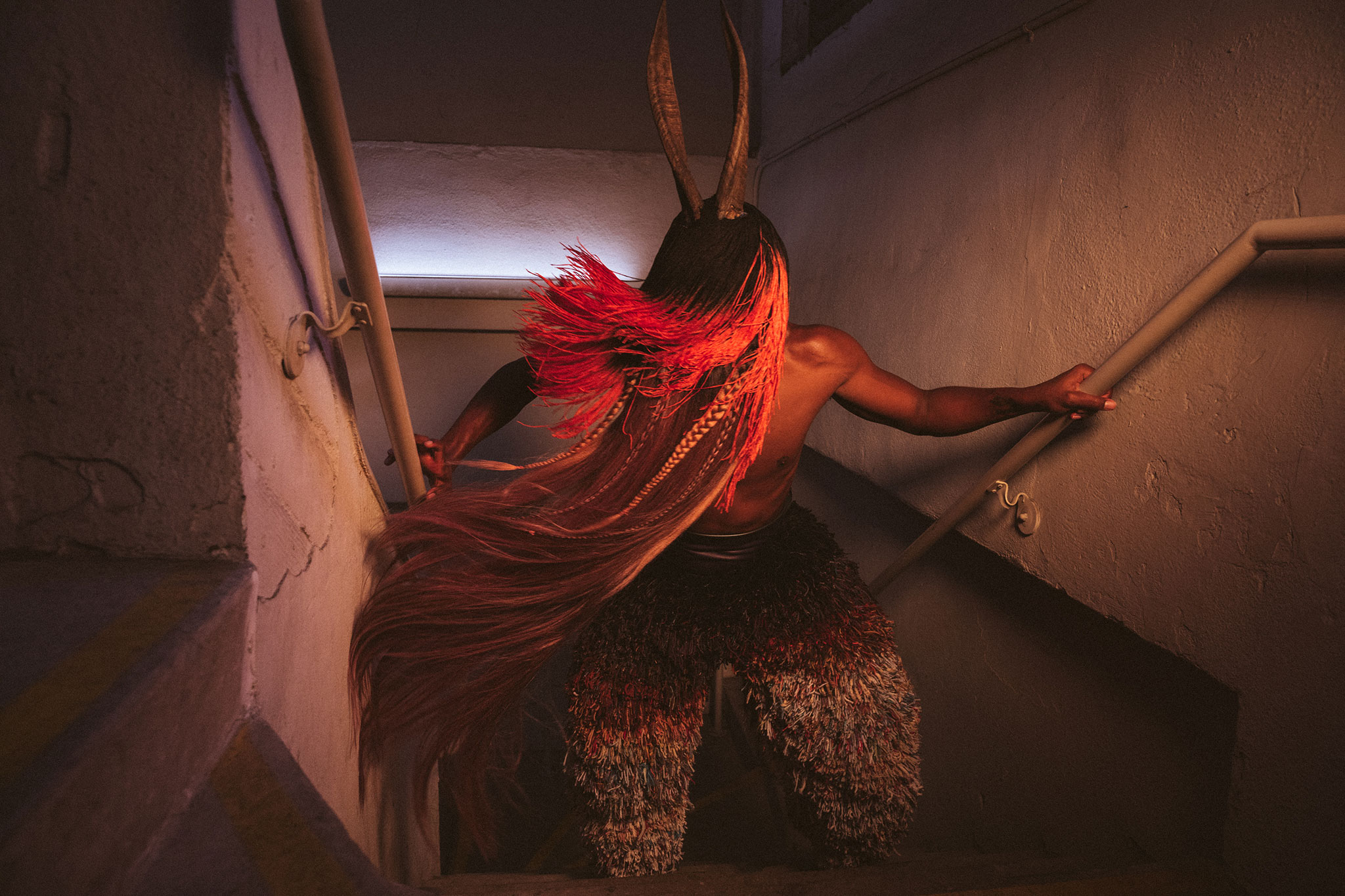
In Other Worlds. Film still from After the End (2024) by Liam Young. Image courtesy of the artist.
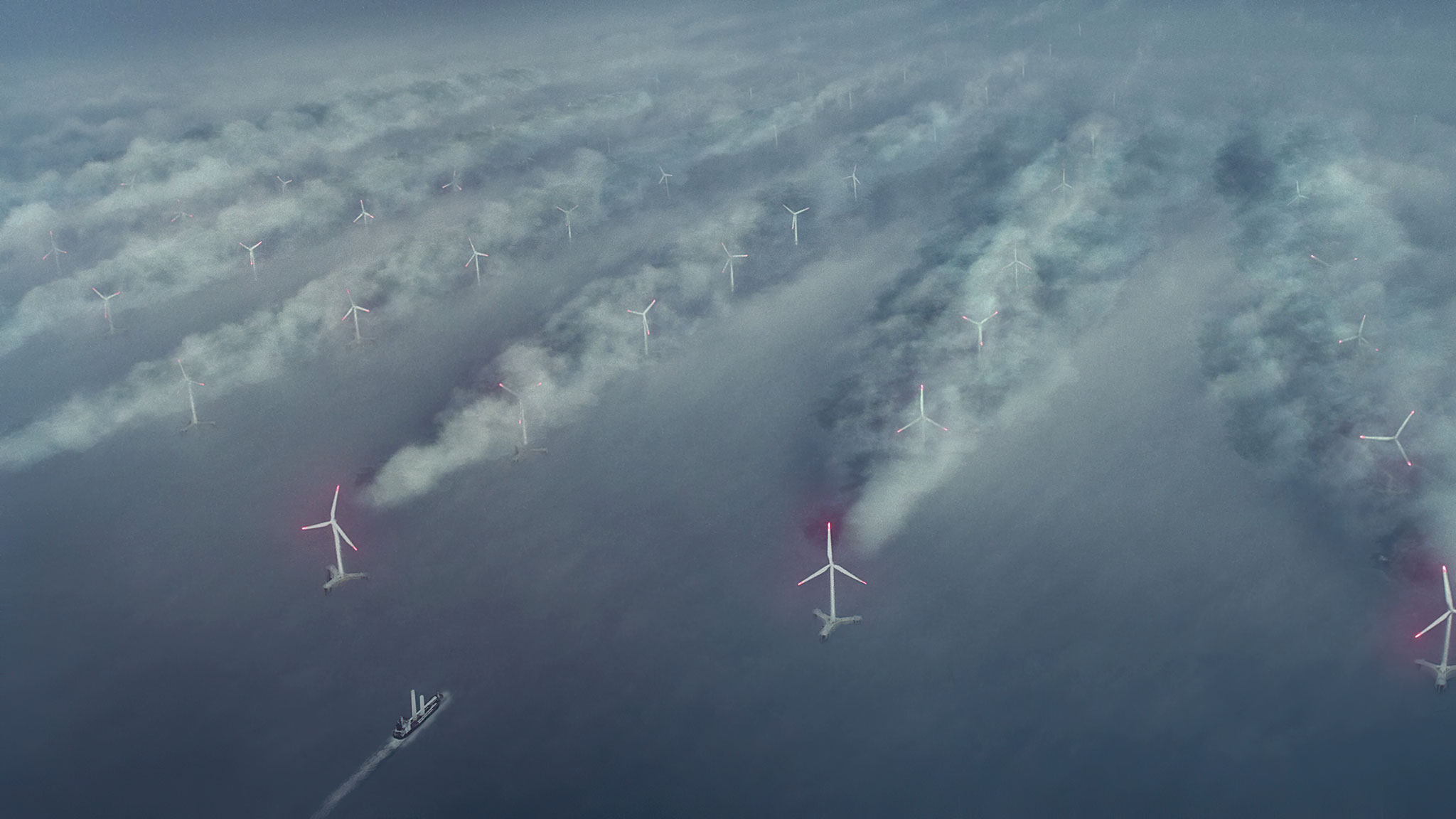
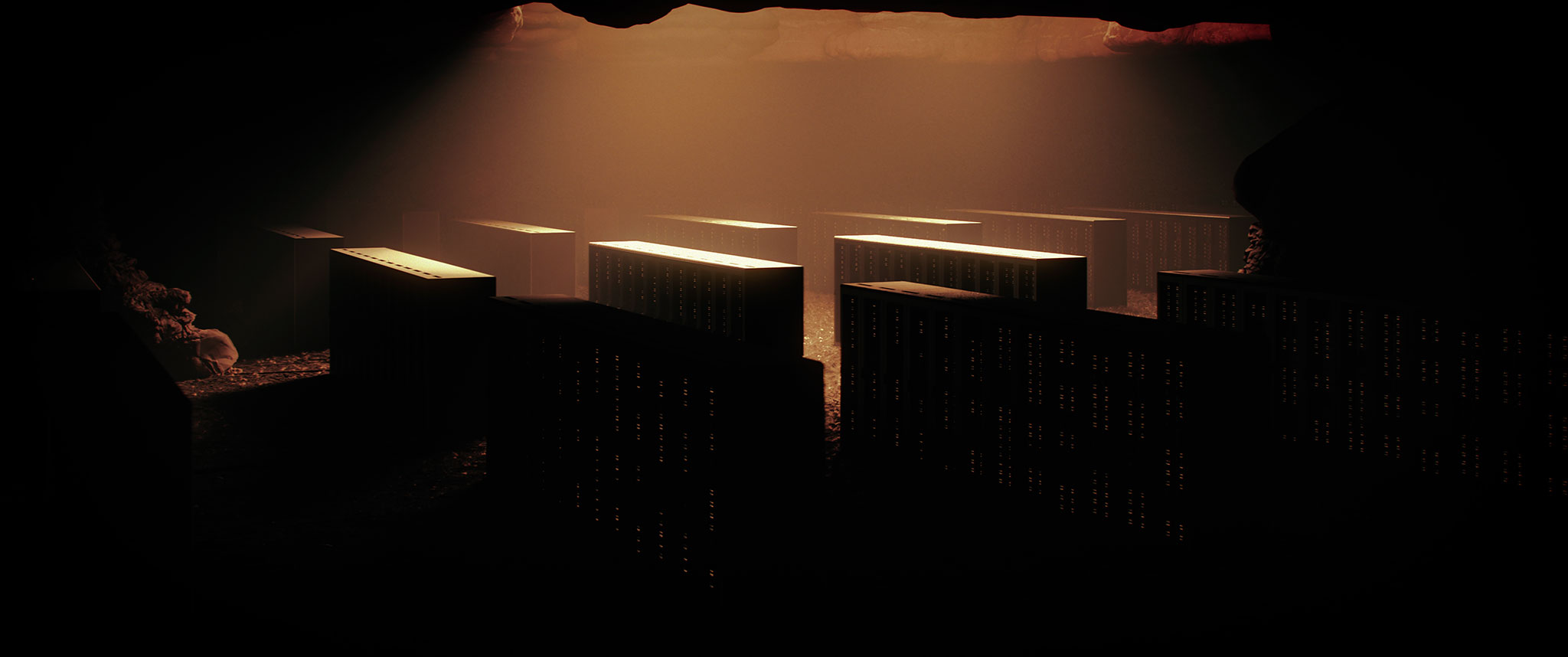
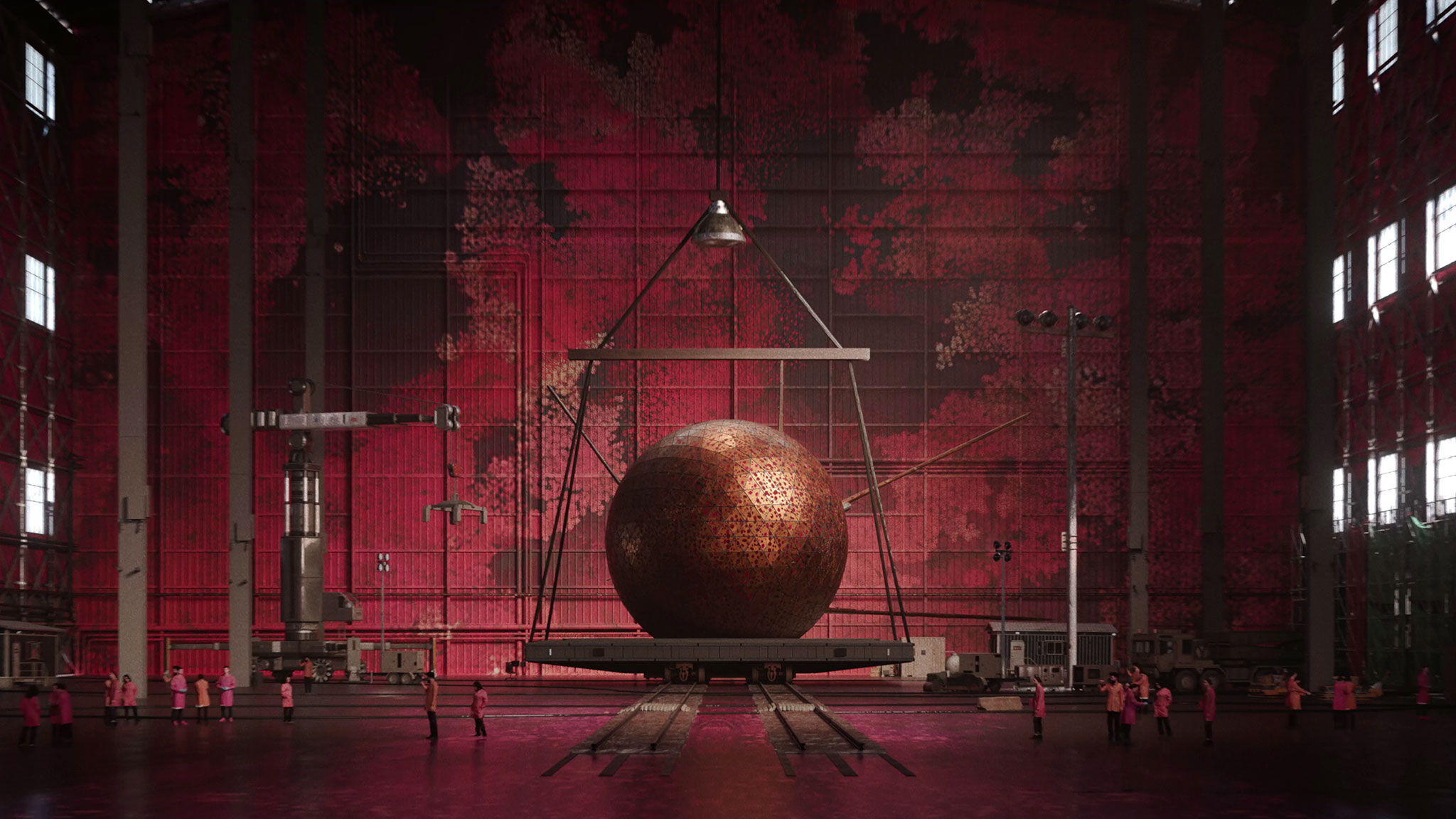
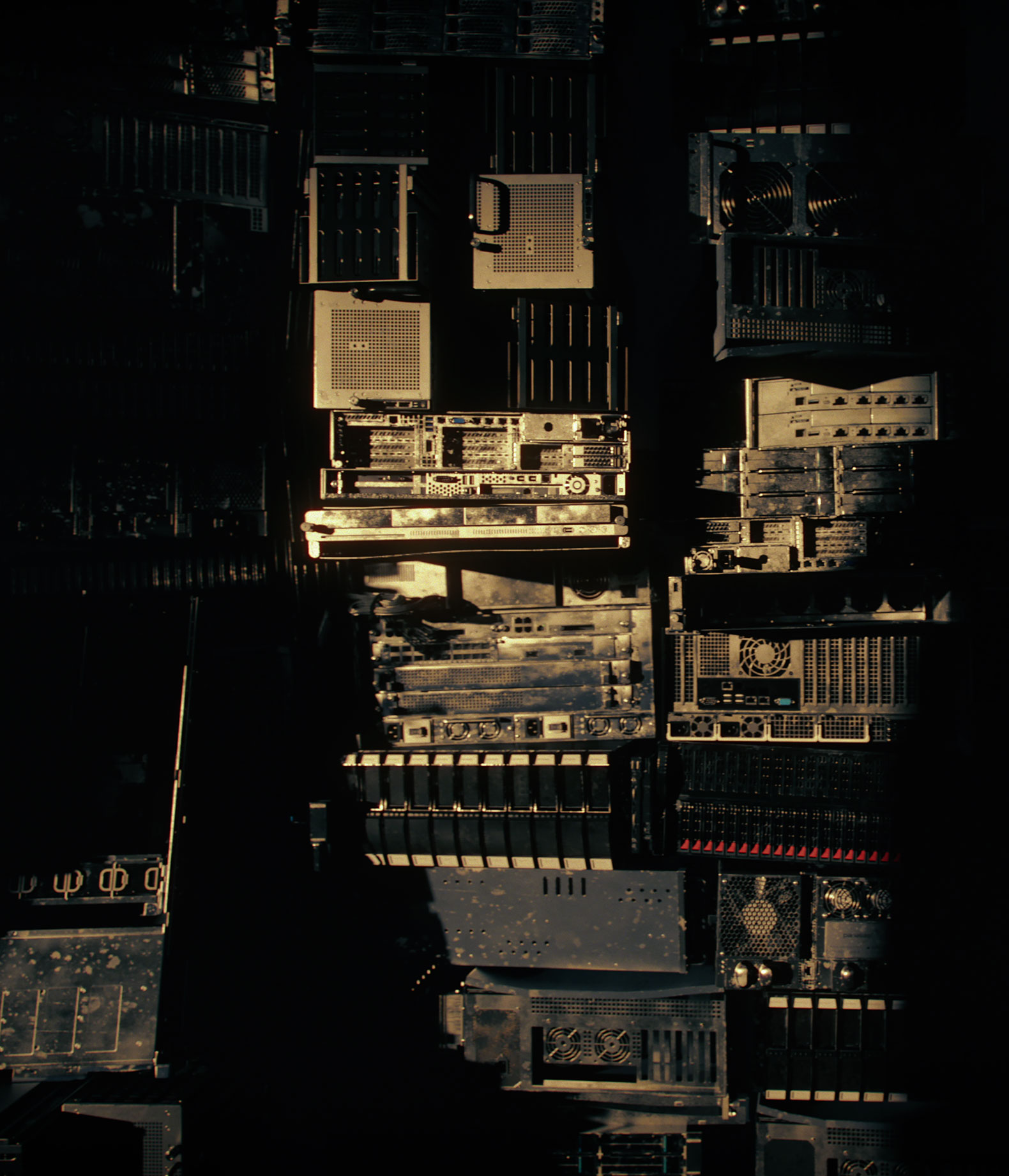
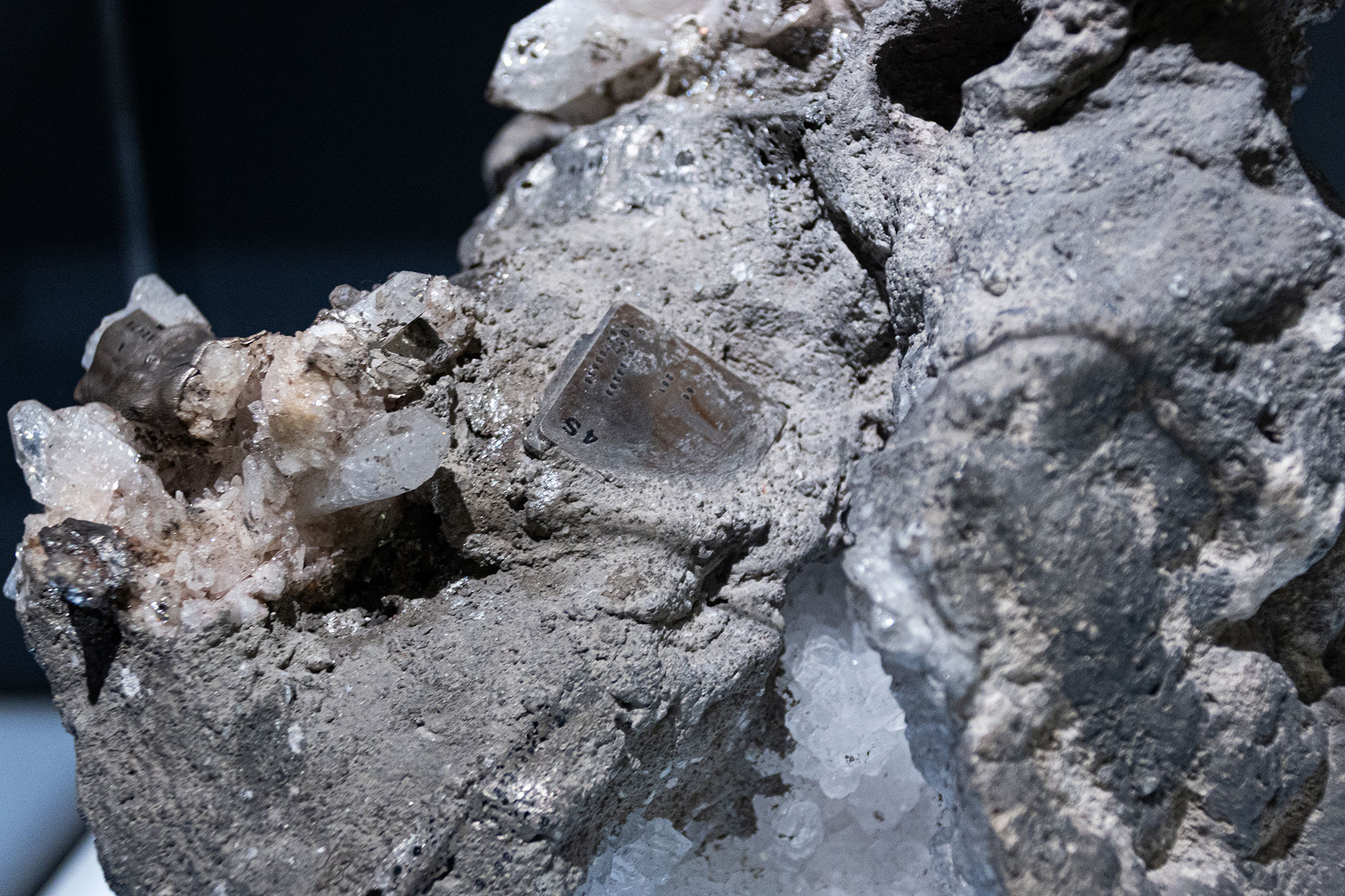
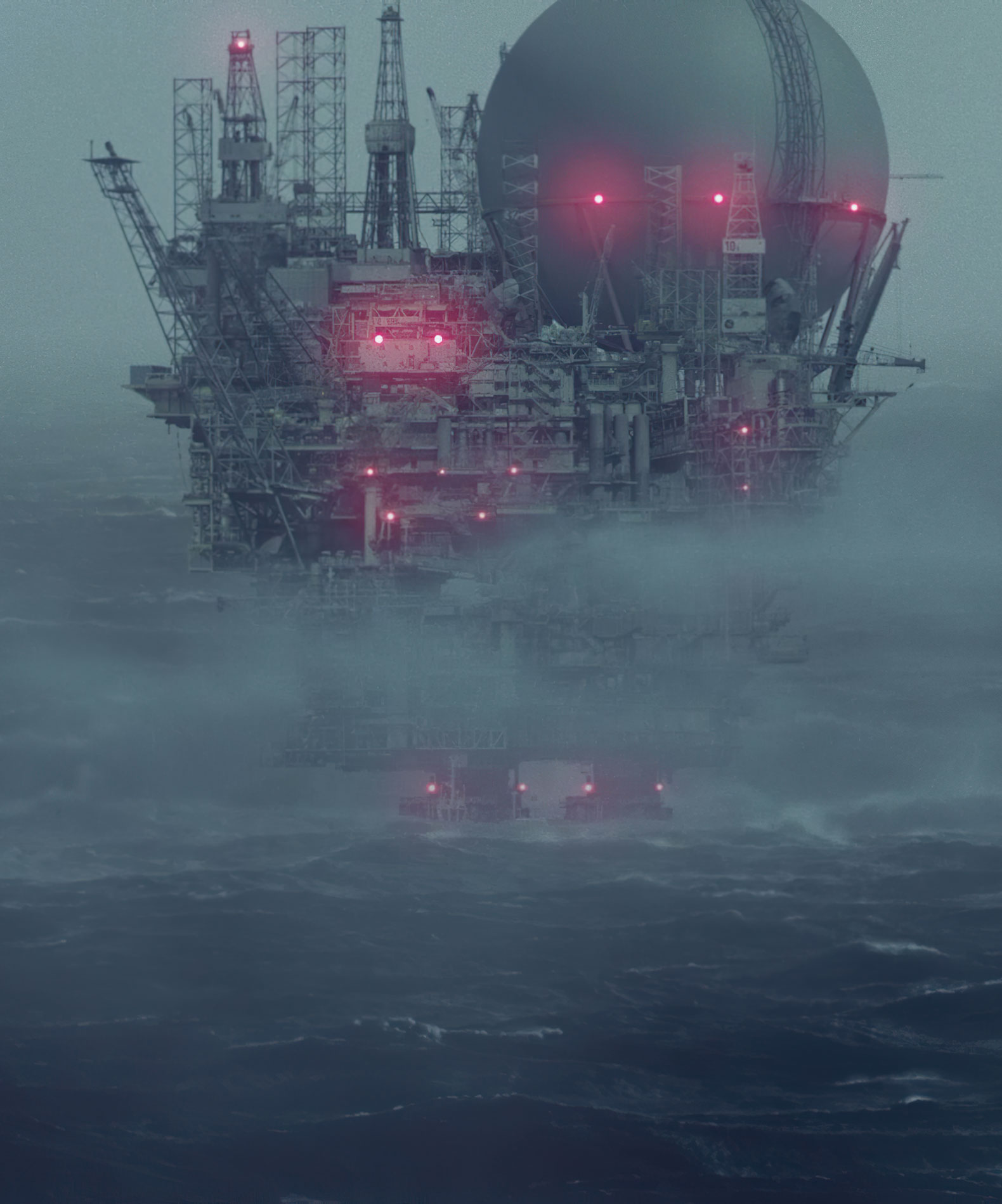
World Machine (2026), commissioned by the Barbican, premieres as a 12-metre-wide projection. Combining real footage and CGI, it imagines a future where AI’s demands create a planetary supercomputer powered by vast renewable energy systems, exploring the tension between technological growth and environmental care.
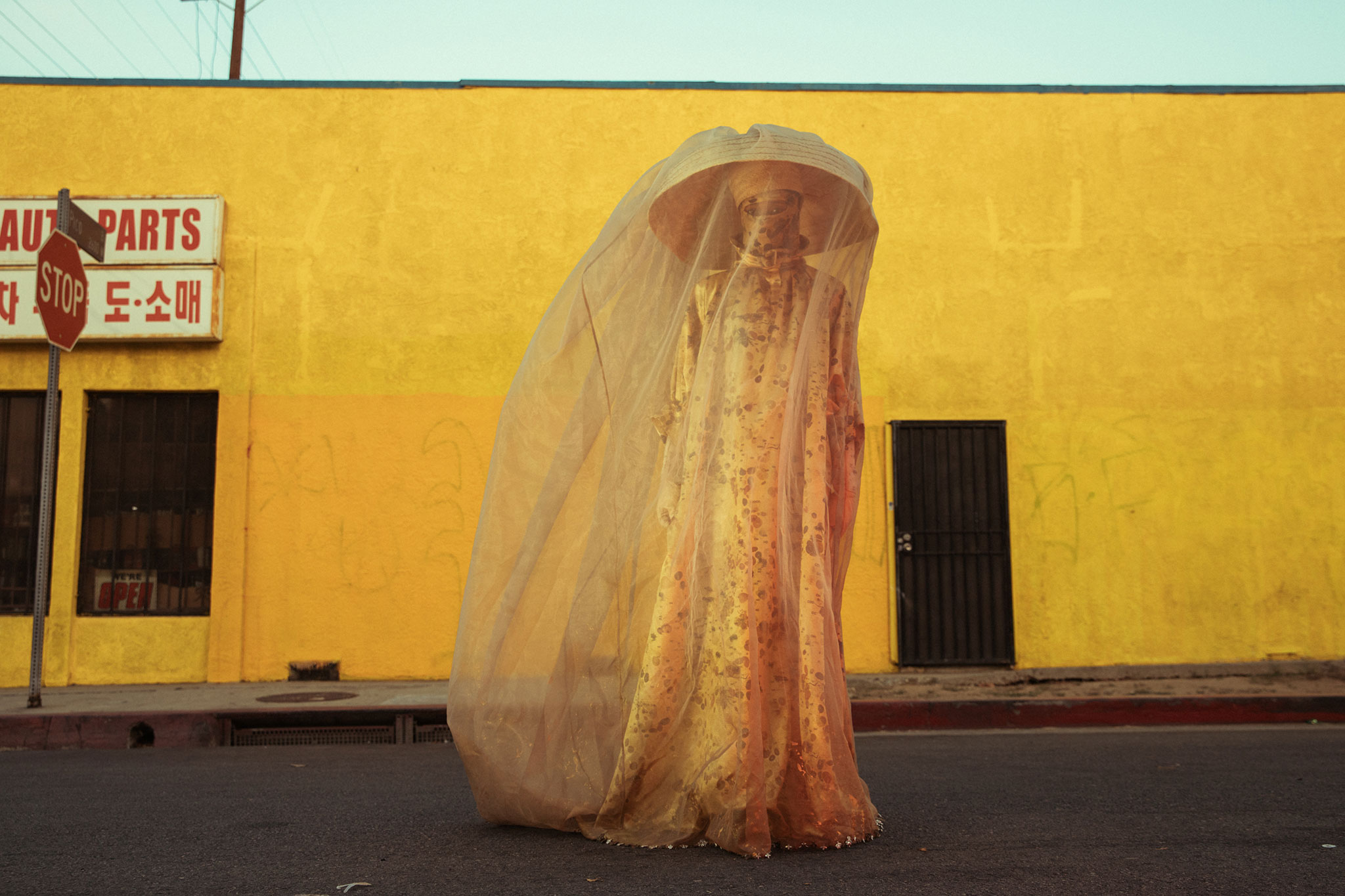
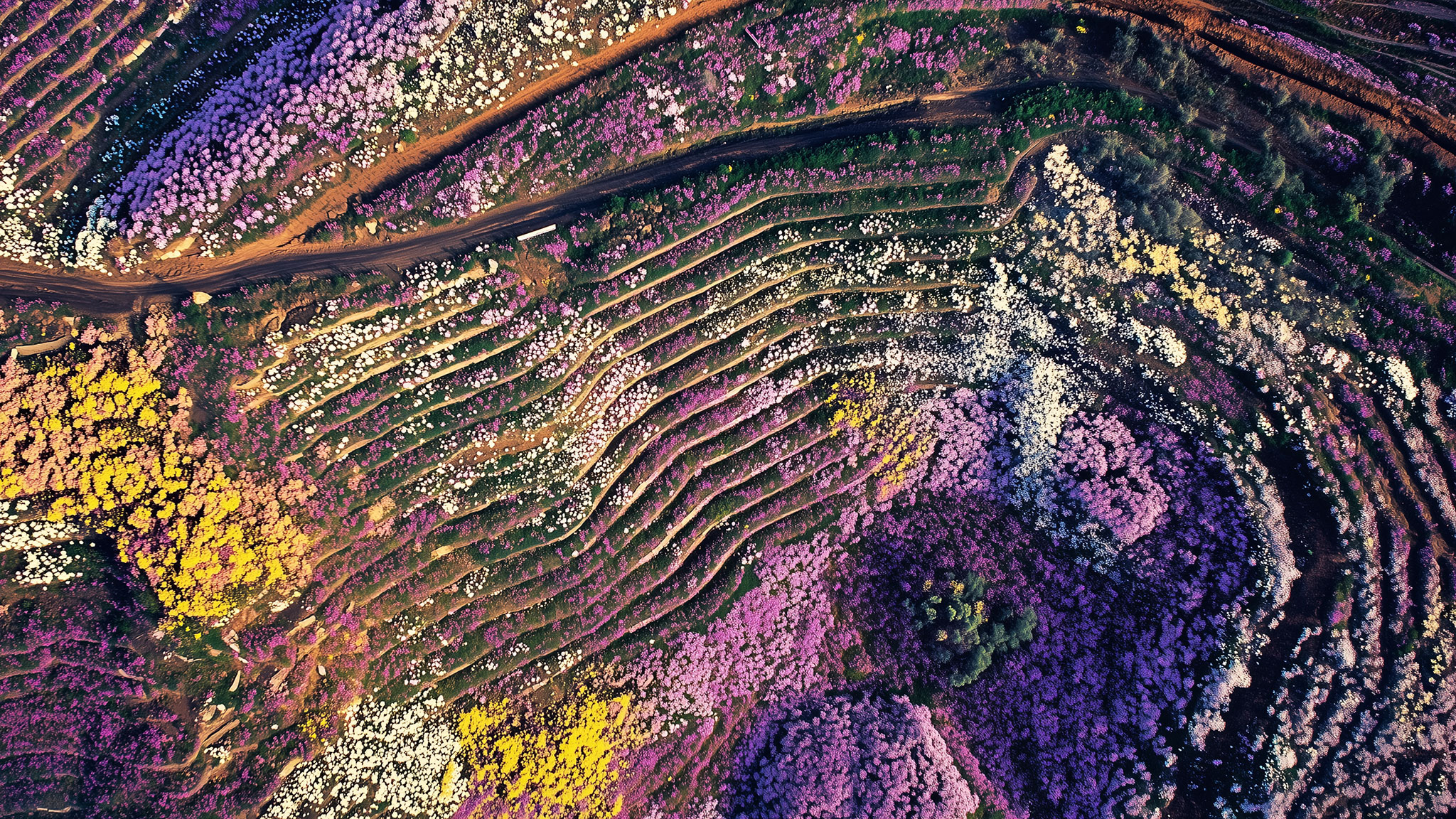
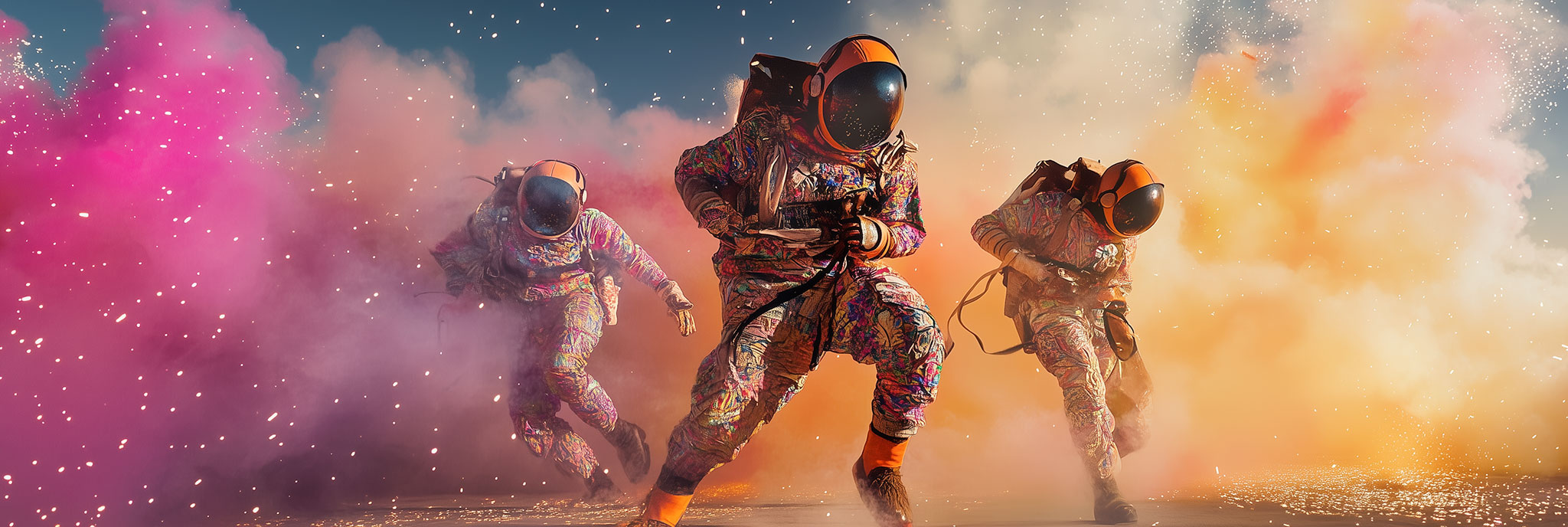
After the End (2024), co-authored with Aboriginal actor and activist Natasha Wanganeen, is a new creation story for Australia. Told as a 50,000-year time-lapse, it moves from First Nations histories, colonisation and extraction to a hopeful sci-fi future of renewed energy infrastructures and communities returning to displaced lands.
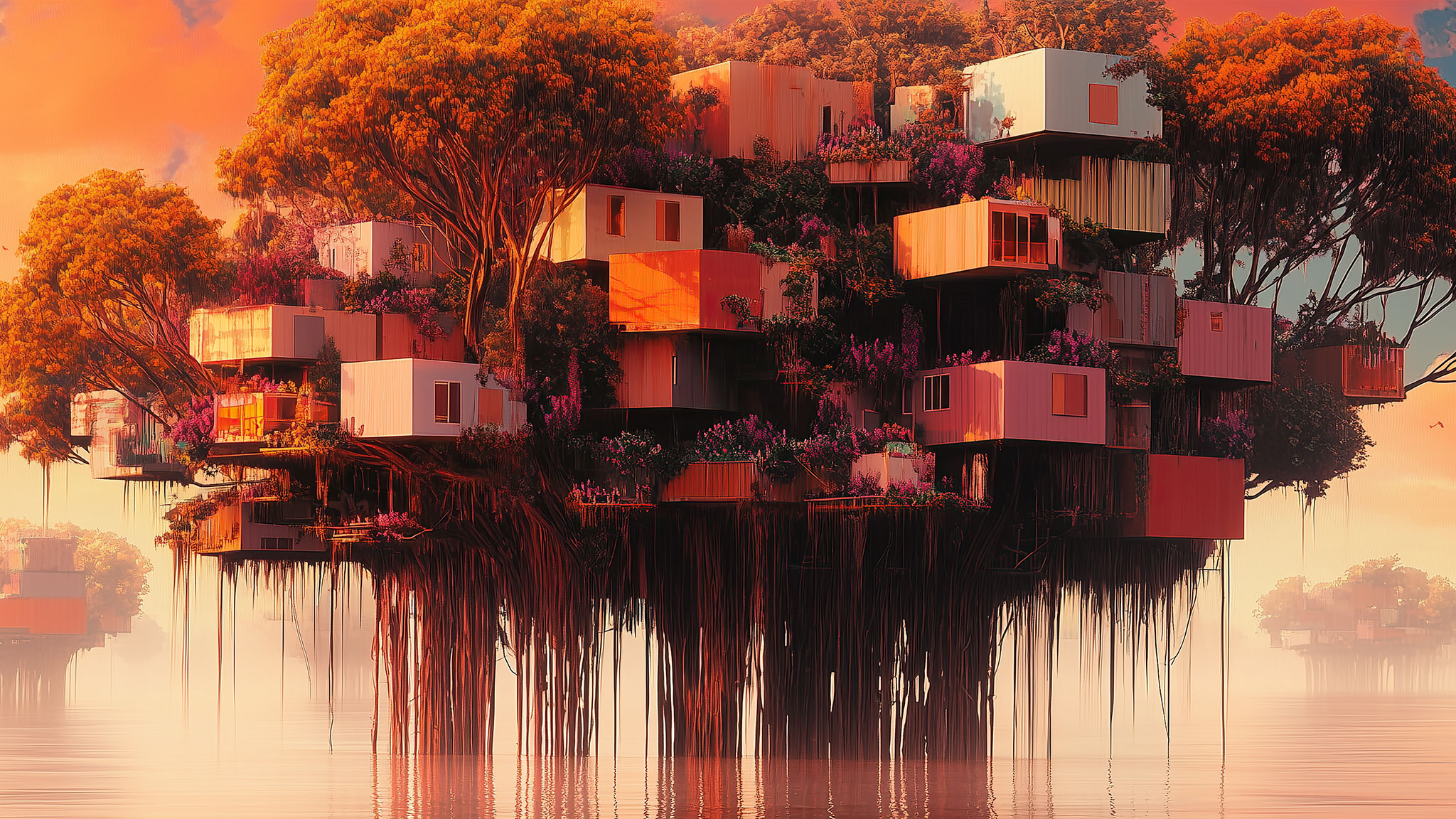
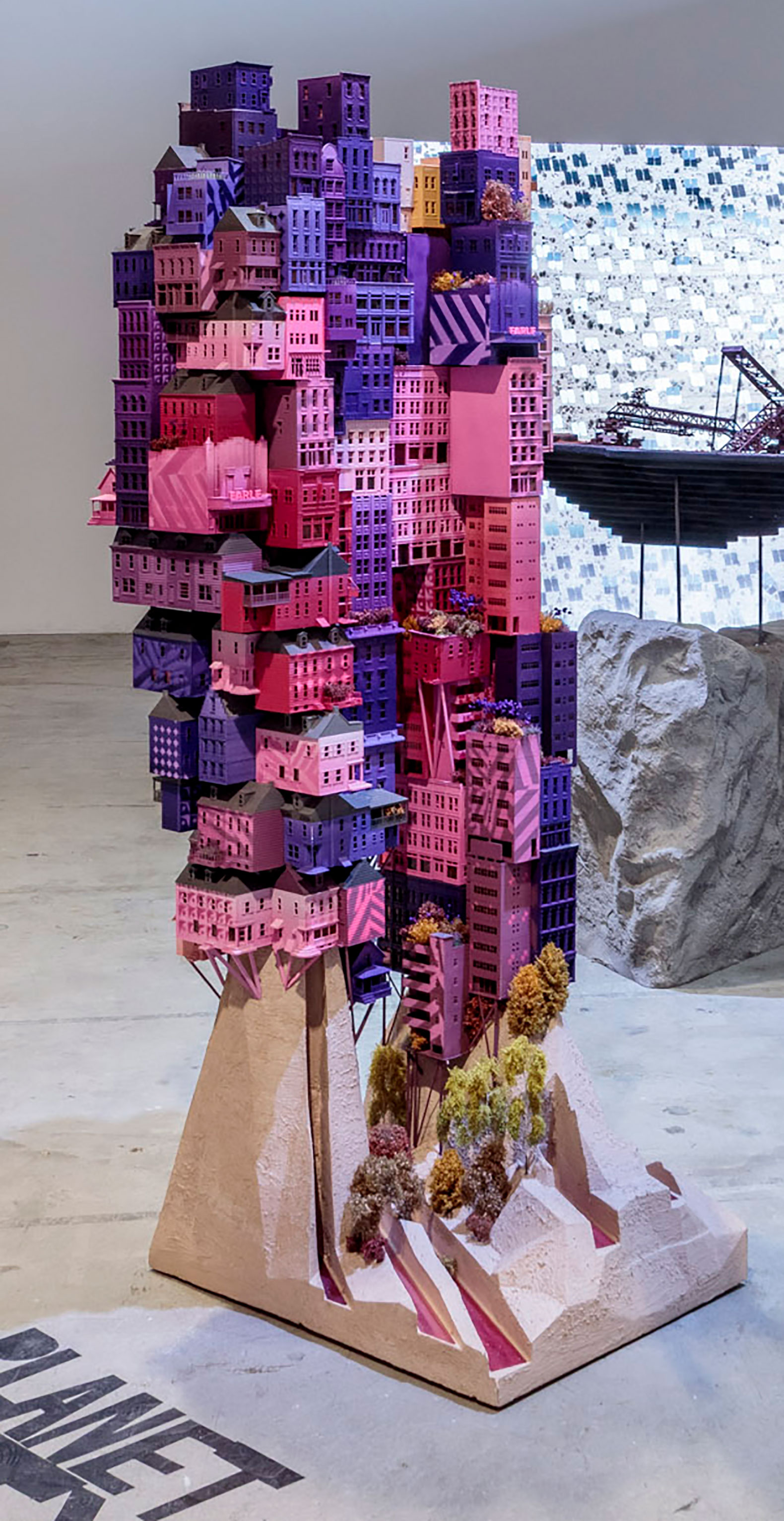
Planet City (2021) imagines all 10 billion people living in one hyper-dense megacity, allowing the rest of the planet to return to wilderness and regenerate. The film reflects on humanity’s retreat from sprawling urban systems into a single global metropolis.
The Great Endeavour (2023) visualises the vast infrastructure needed to remove carbon dioxide from the atmosphere. First shown at the 2023 Venice Architecture Biennale, it presents carbon removal as an act of global collaboration, radical optimism and shared survival.
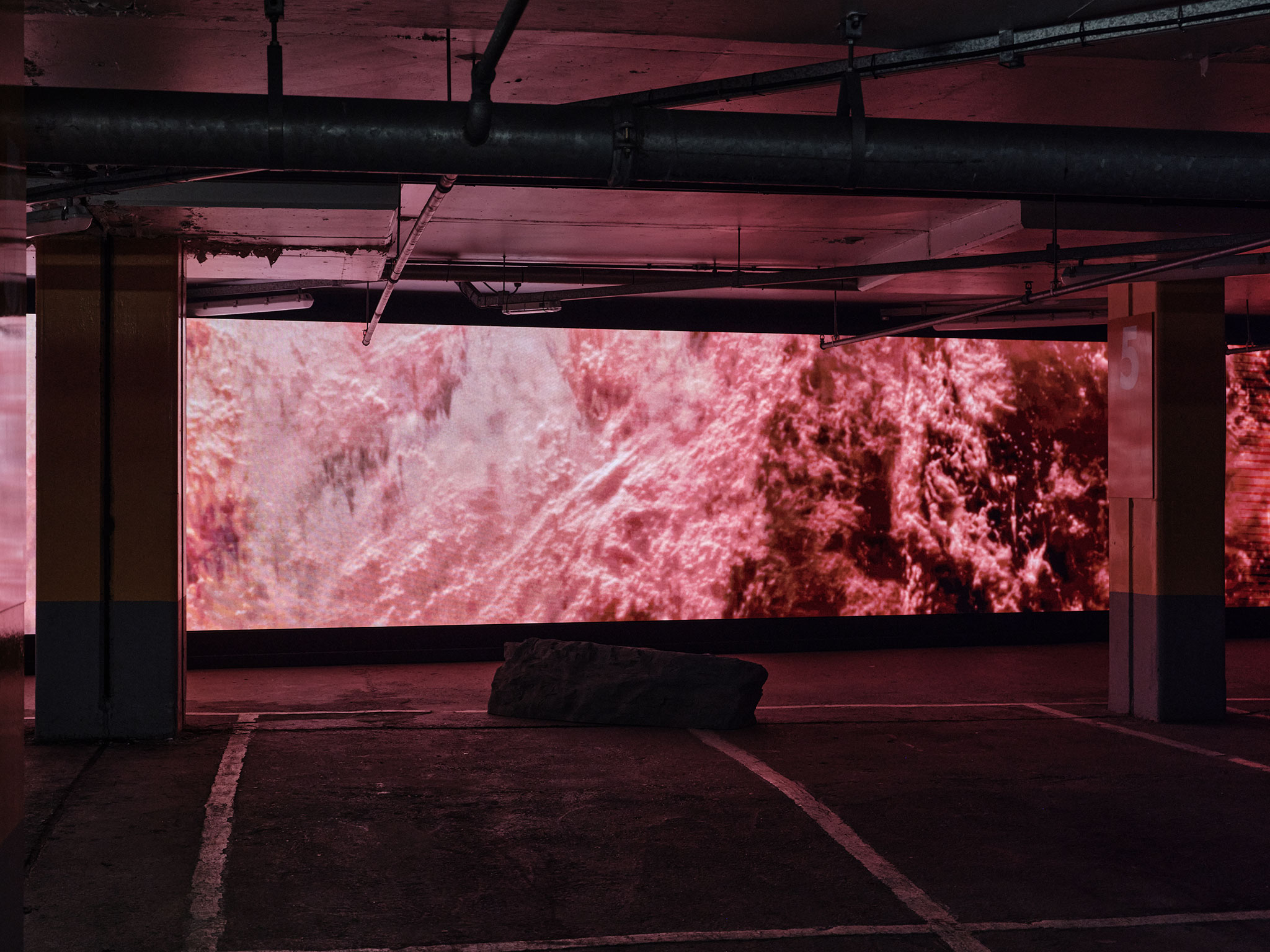
After leaving The Curve, In Other Worlds leads visitors into the Barbican Car Park to experience Future Present, a series of short documentaries shown across seven LED screens. Drawing on Young’s research travels with his nomadic studio Unknown Fields, co-created with Kate Davies, the work reveals renewable energy and agriculture sites already operating around the world, showing that many technologies needed for hopeful futures already exist.
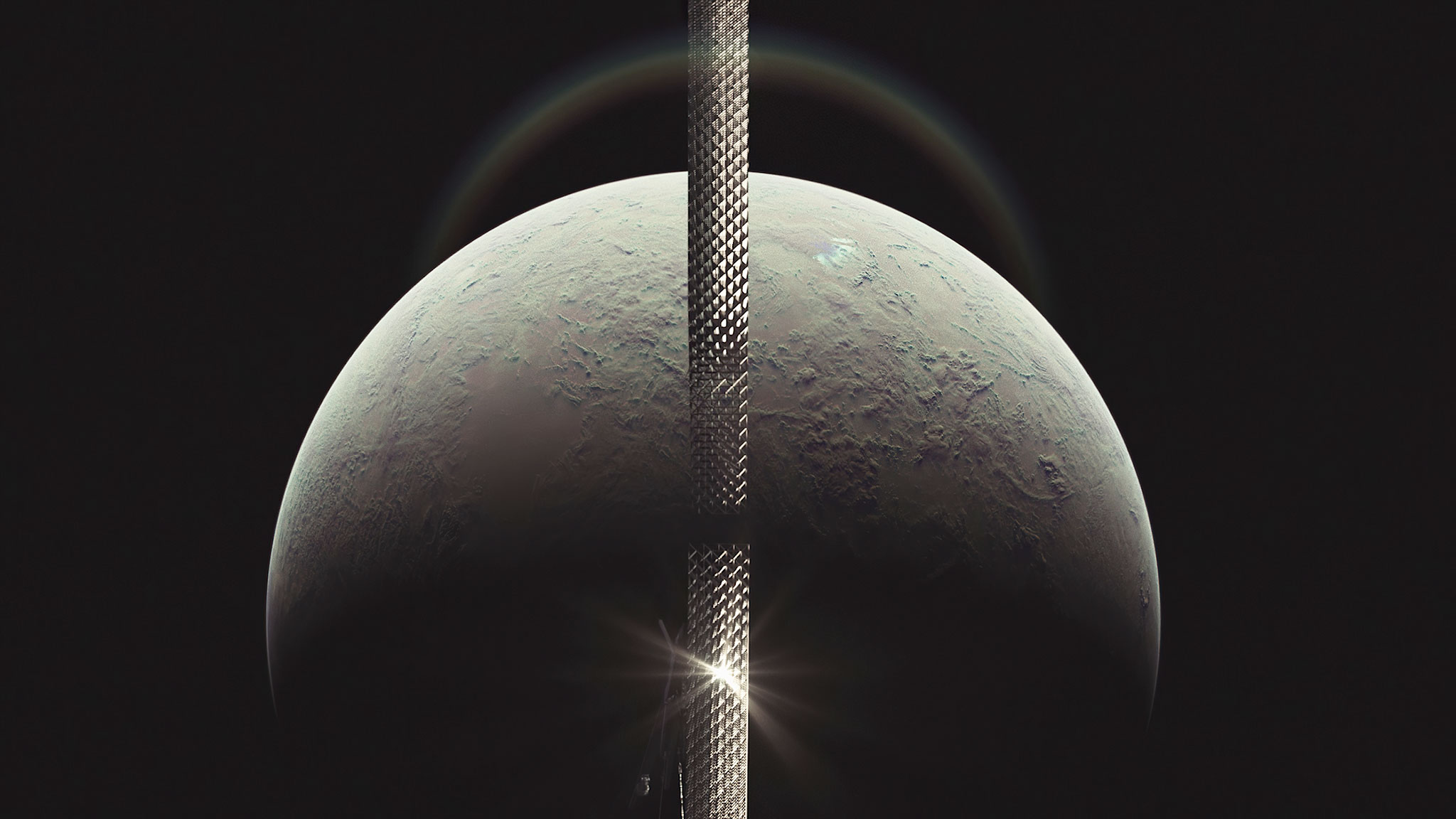
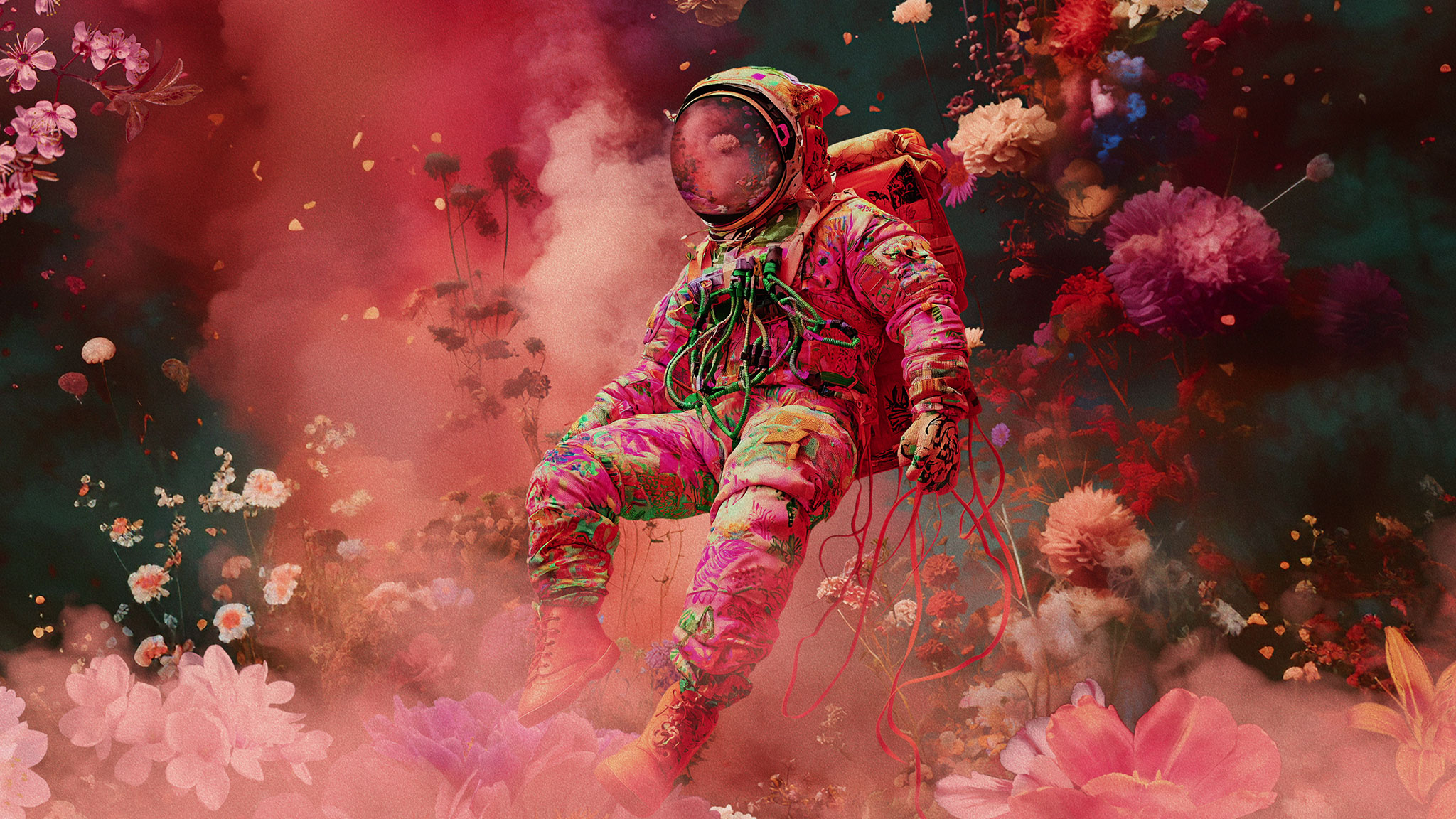
In Other Worlds. Film still from Emissary (2024) by Liam Young. Image courtesy of the artist.
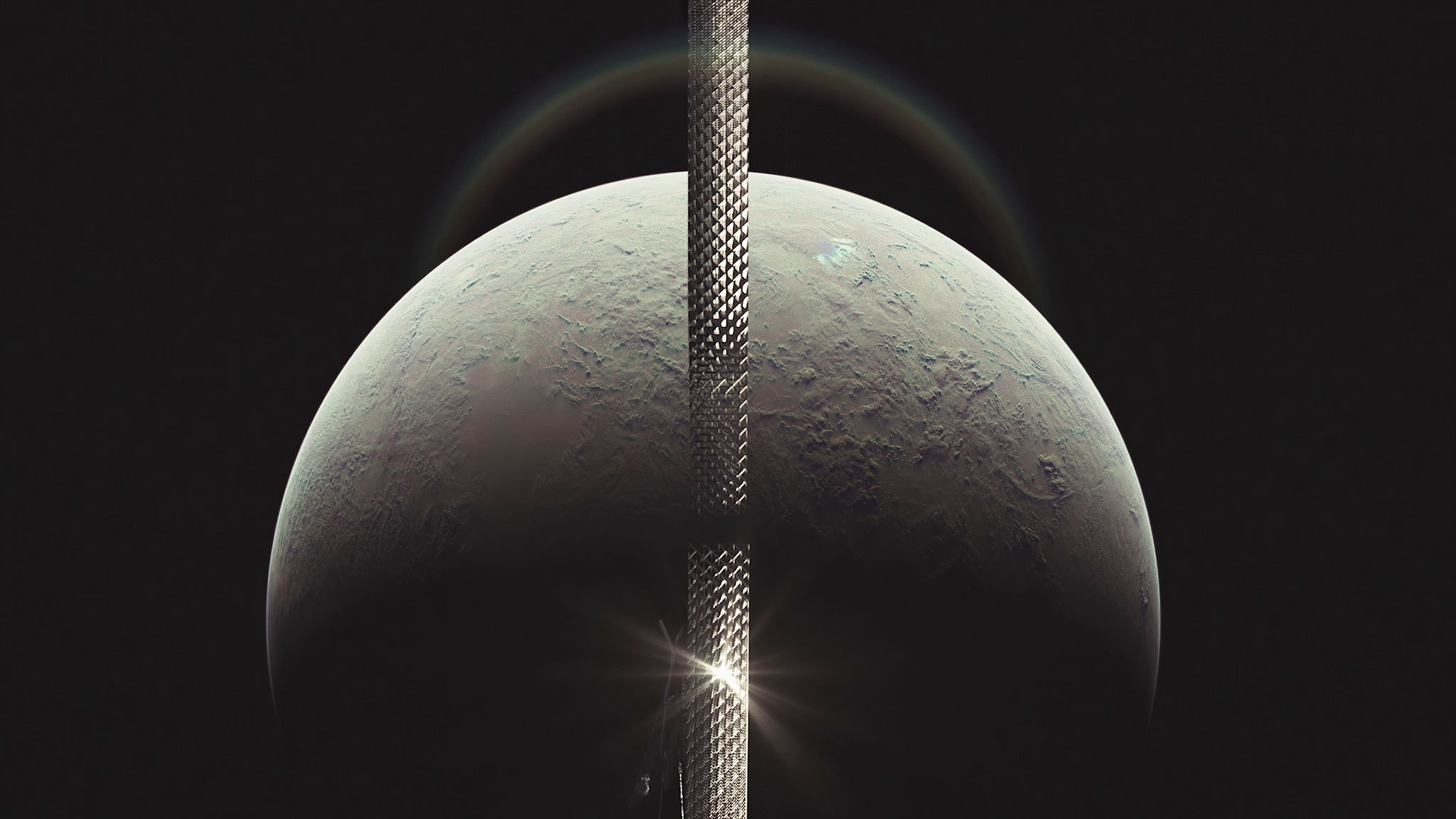
Also on view is Emissary (2024), created with engineers from NASA’s Jet Propulsion Lab. The film follows a fictional spacecraft through the solar system, carrying the last human-made record of everything humanity has achieved, and asks what message a society facing extinction would choose to send.
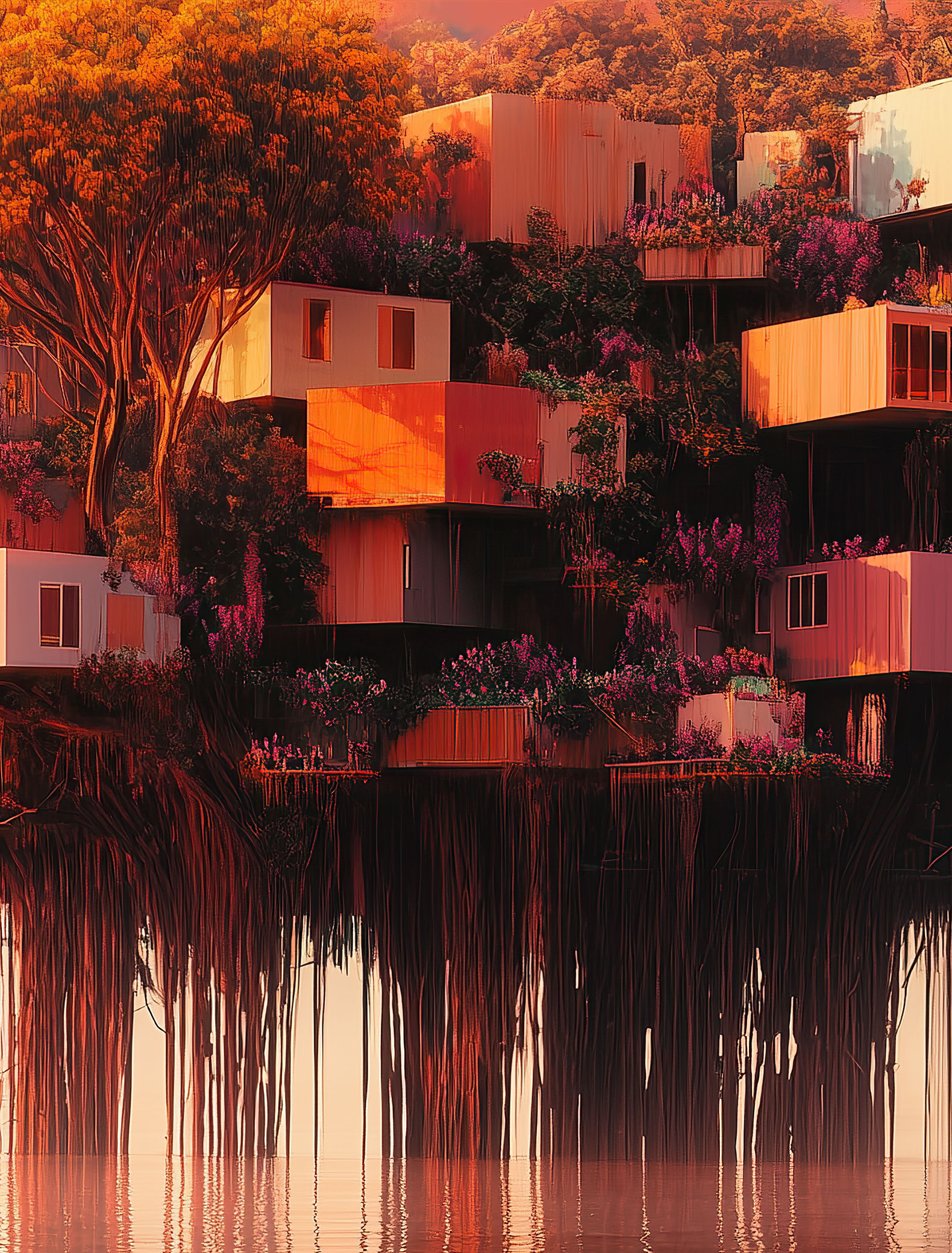
In Other Worlds. Film still from After the End (2024) by Liam Young. Image courtesy of the artist.
From After the End to Planet City, World Machine, The Great Endeavour and Emissary, these worlds propose radical alternatives to dystopian collapse and eco-romantic fantasy.