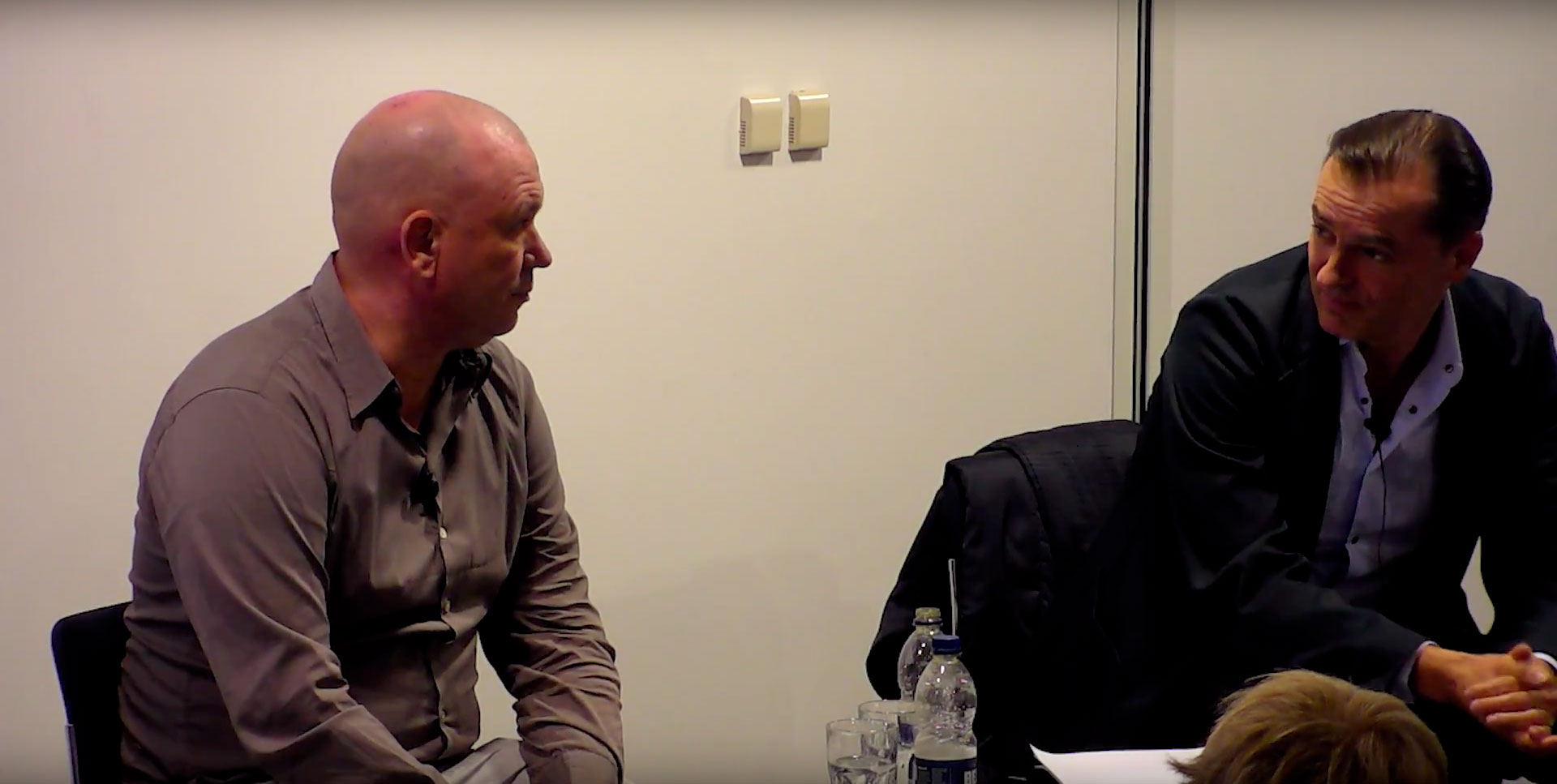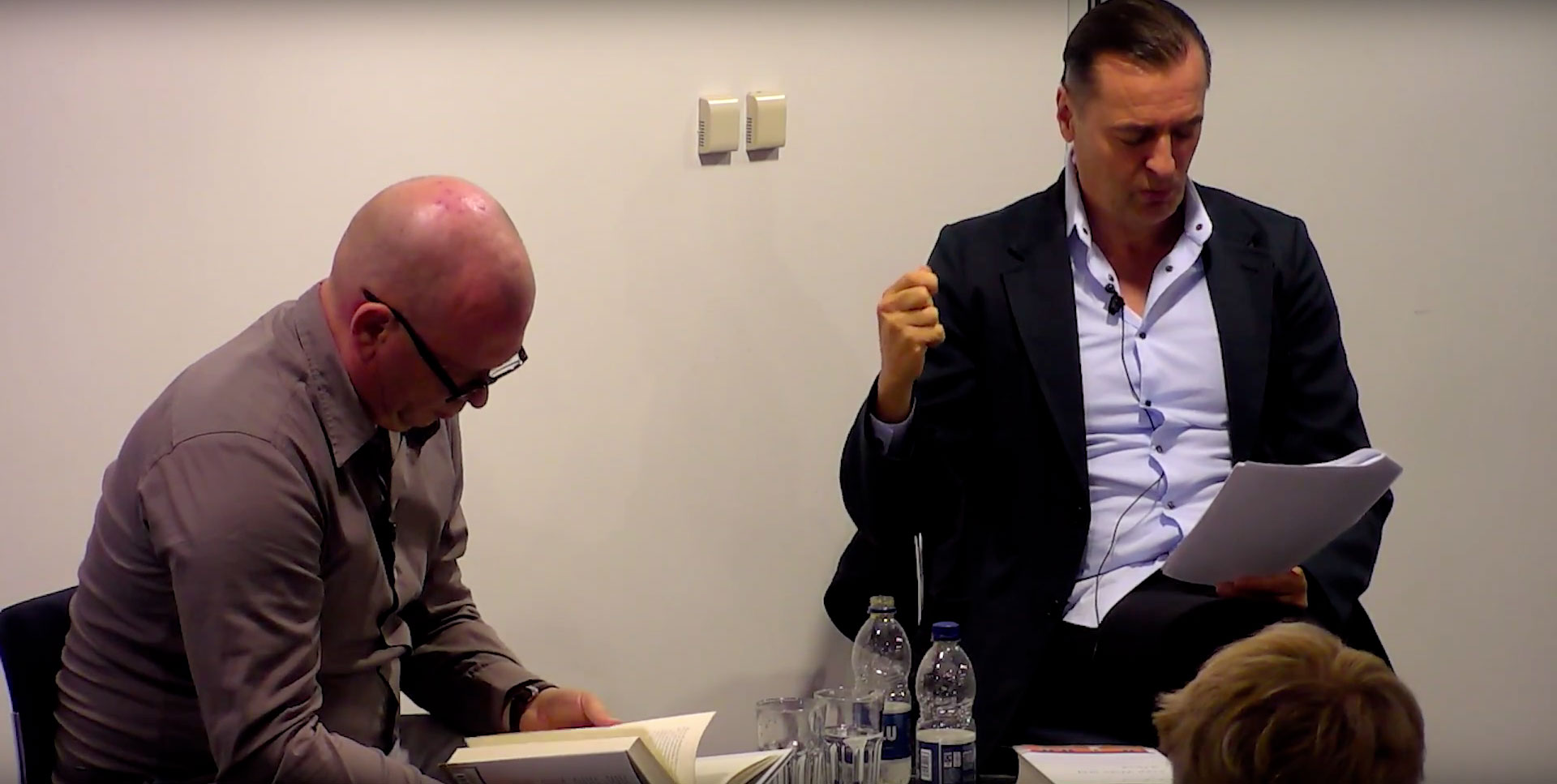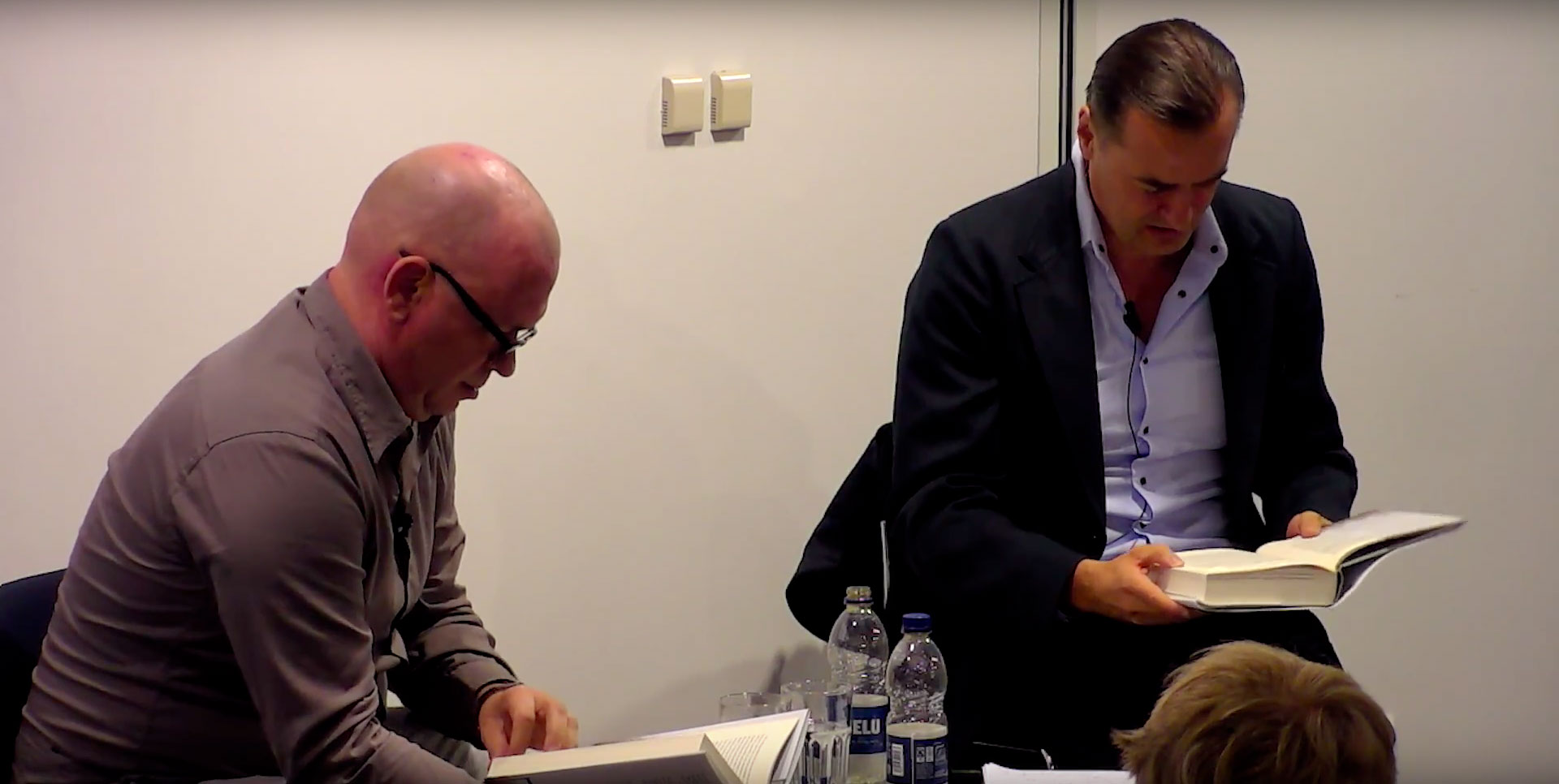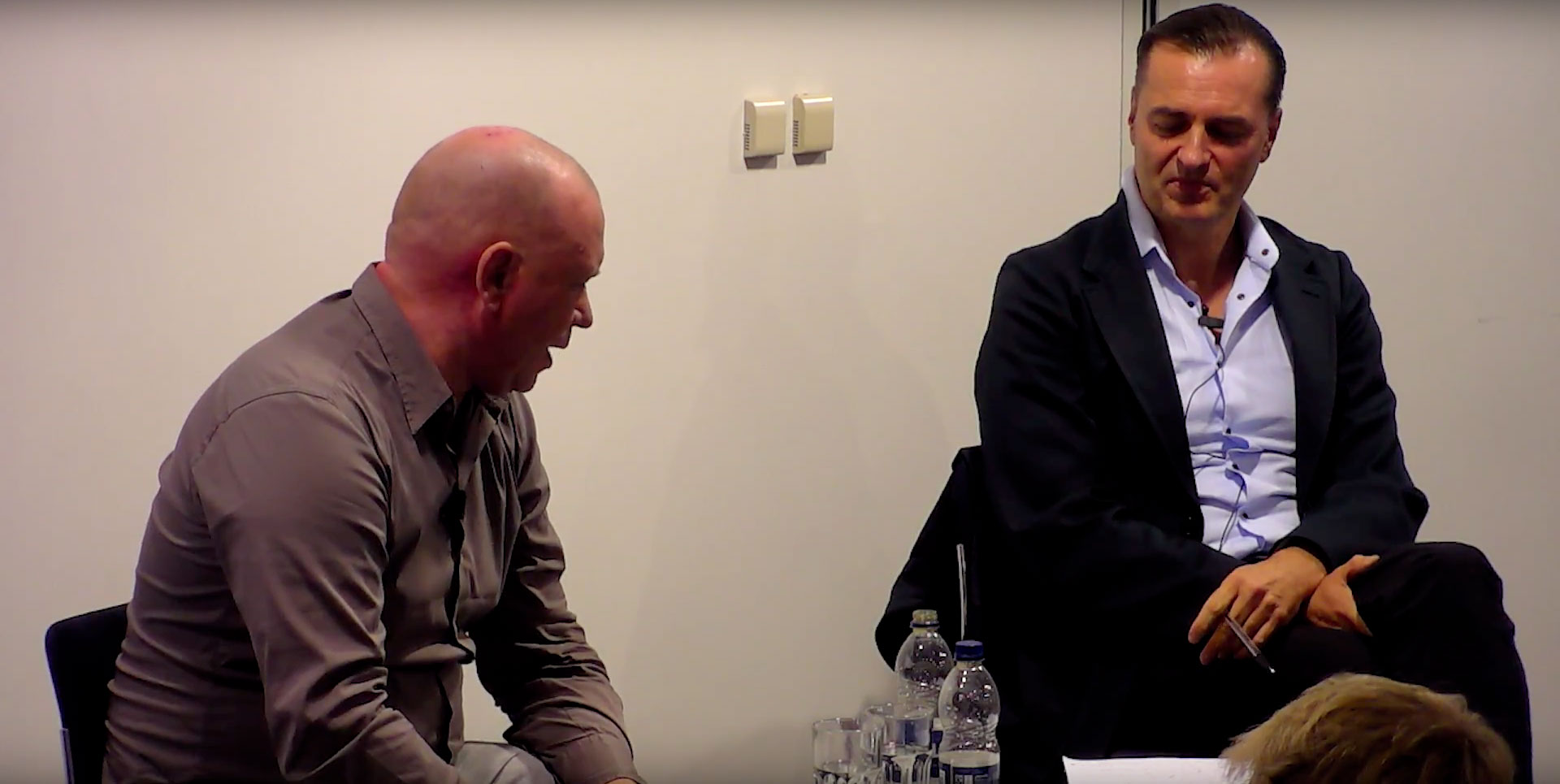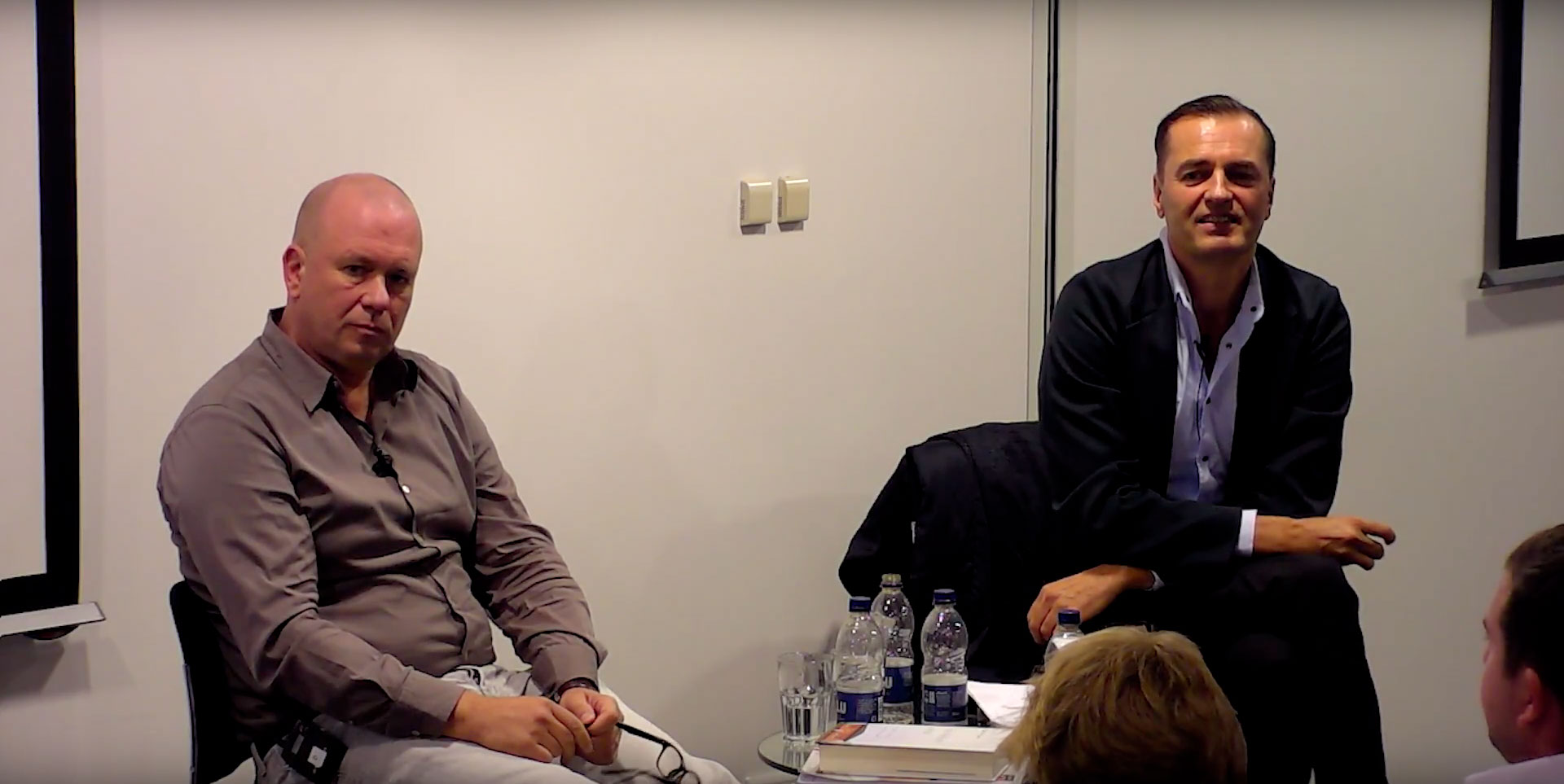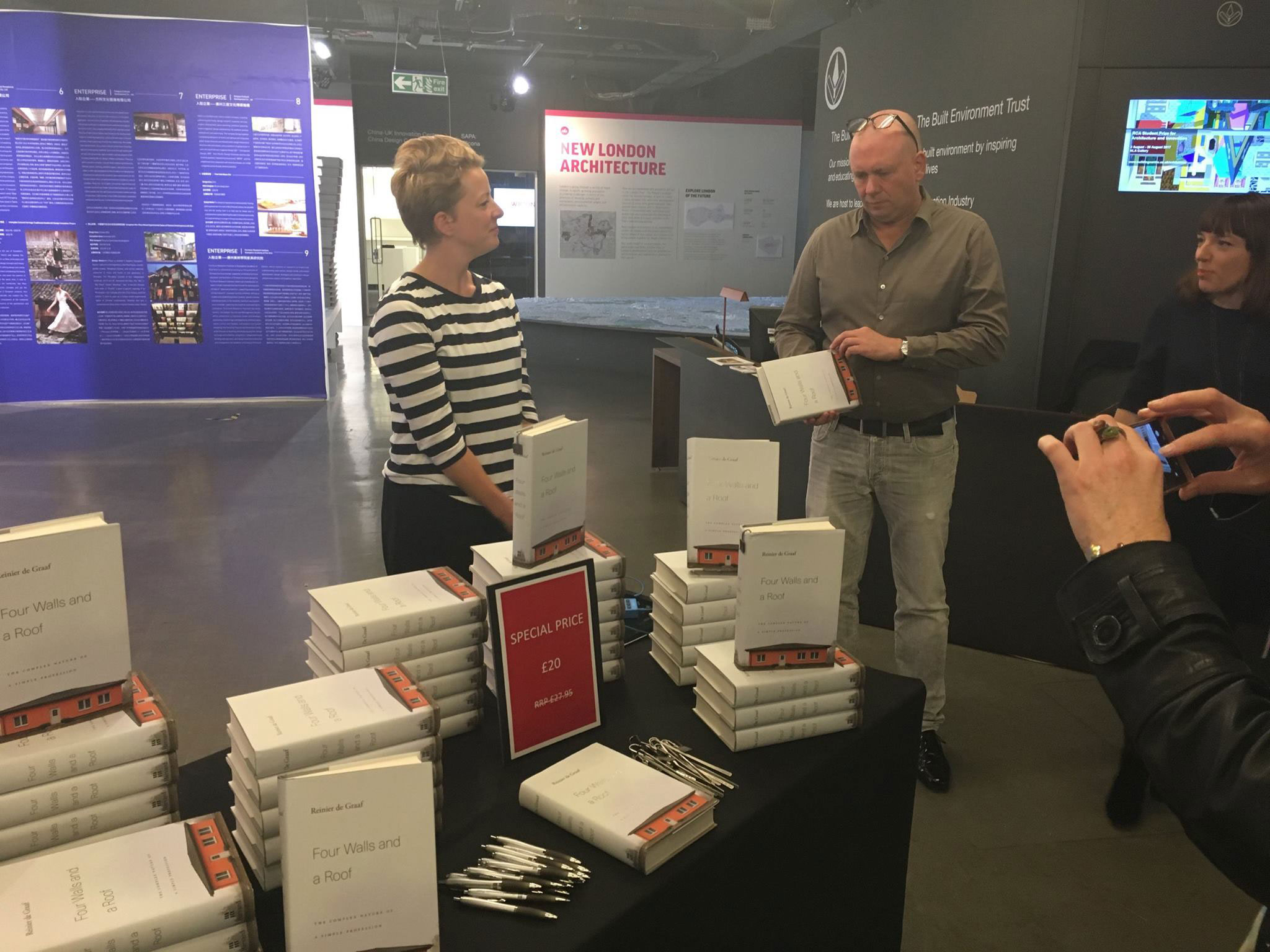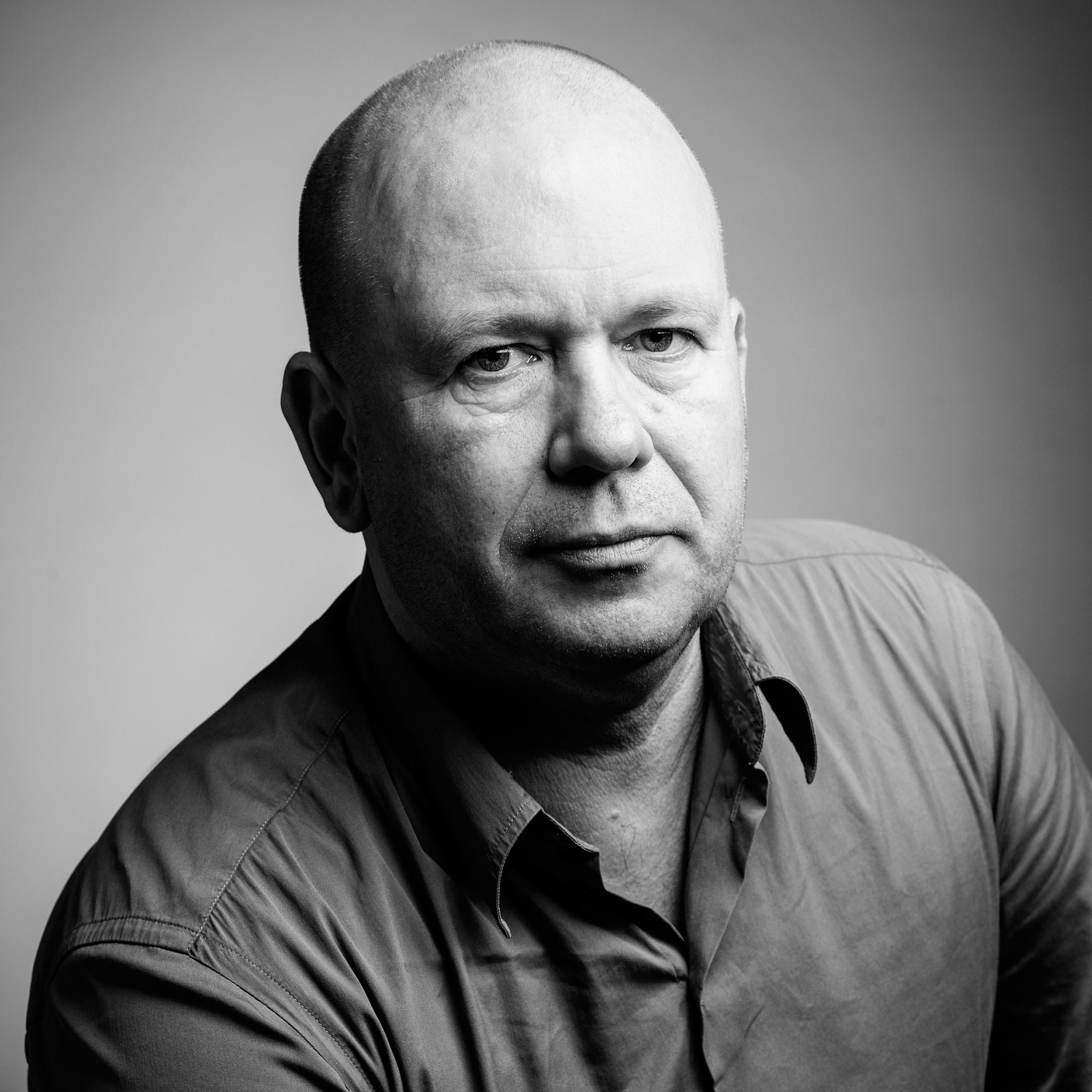
The event was held in The Building Centre de Londres, and in this video, Reinier de Graaf of OMA (partner at the Office for Metropolitan Architecture) is interviewed by Zaha Hadid Architects director Patrik Schumacher about his big new book, of 500 pages, title; Four Walls and a Roof: The Complex Nature of a Simple Profession.
Written as a series of essays, Four Walls and a Roof focuses on the architectural profession, giving an honest portrayal of the divides between ideology and practice, the particular challenges of age versus experience, the realities of working internationally and the effects of the economy.
Patrik interrogates Reinier on the why of his book, the deeper meaning and its relevance for the profession in general.
The initial interviewer was Paul Finch, who could not attend due to being trapped in China (it seems that due to a visa issue) and was replaced by Patrik Schumacher. The conversation crossed themes that range from the consideration of public space, the putting into crisis of certain myths about architecture -authority, individual inspiration, good things in architecture, the idea of control on a large scale, the myth of progress .. .-, or the questioning that the generation of ideas is proof of an ideology.
A complex and interesting grid of ideas, some very questionable and all quite suggestive, arising between two close strangers.
Written as a series of essays, Four Walls and a Roof focuses on the architectural profession, giving an honest portrayal of the divides between ideology and practice, the particular challenges of age versus experience, the realities of working internationally and the effects of the economy.
Patrik interrogates Reinier on the why of his book, the deeper meaning and its relevance for the profession in general.
The initial interviewer was Paul Finch, who could not attend due to being trapped in China (it seems that due to a visa issue) and was replaced by Patrik Schumacher. The conversation crossed themes that range from the consideration of public space, the putting into crisis of certain myths about architecture -authority, individual inspiration, good things in architecture, the idea of control on a large scale, the myth of progress .. .-, or the questioning that the generation of ideas is proof of an ideology.
A complex and interesting grid of ideas, some very questionable and all quite suggestive, arising between two close strangers.