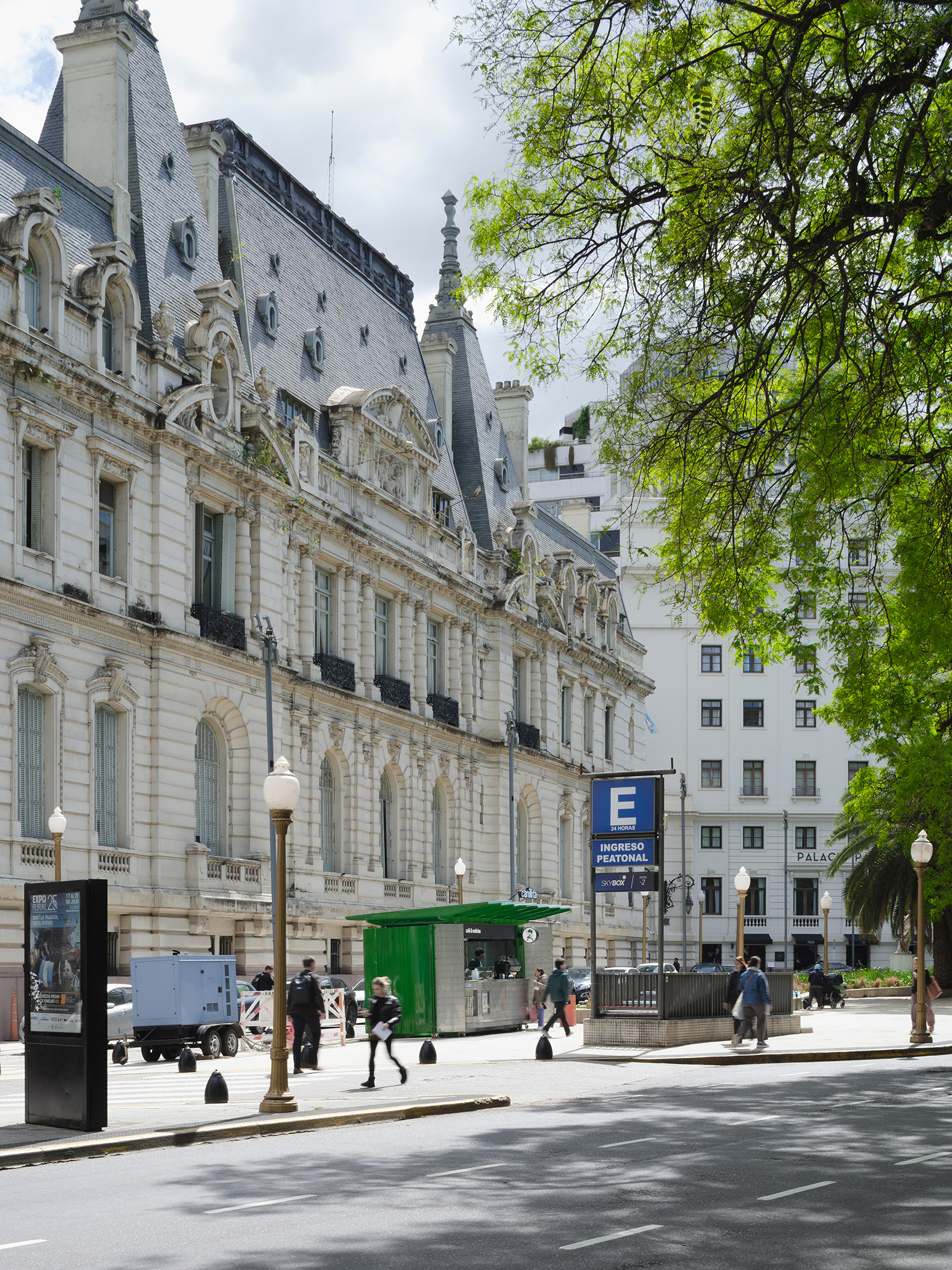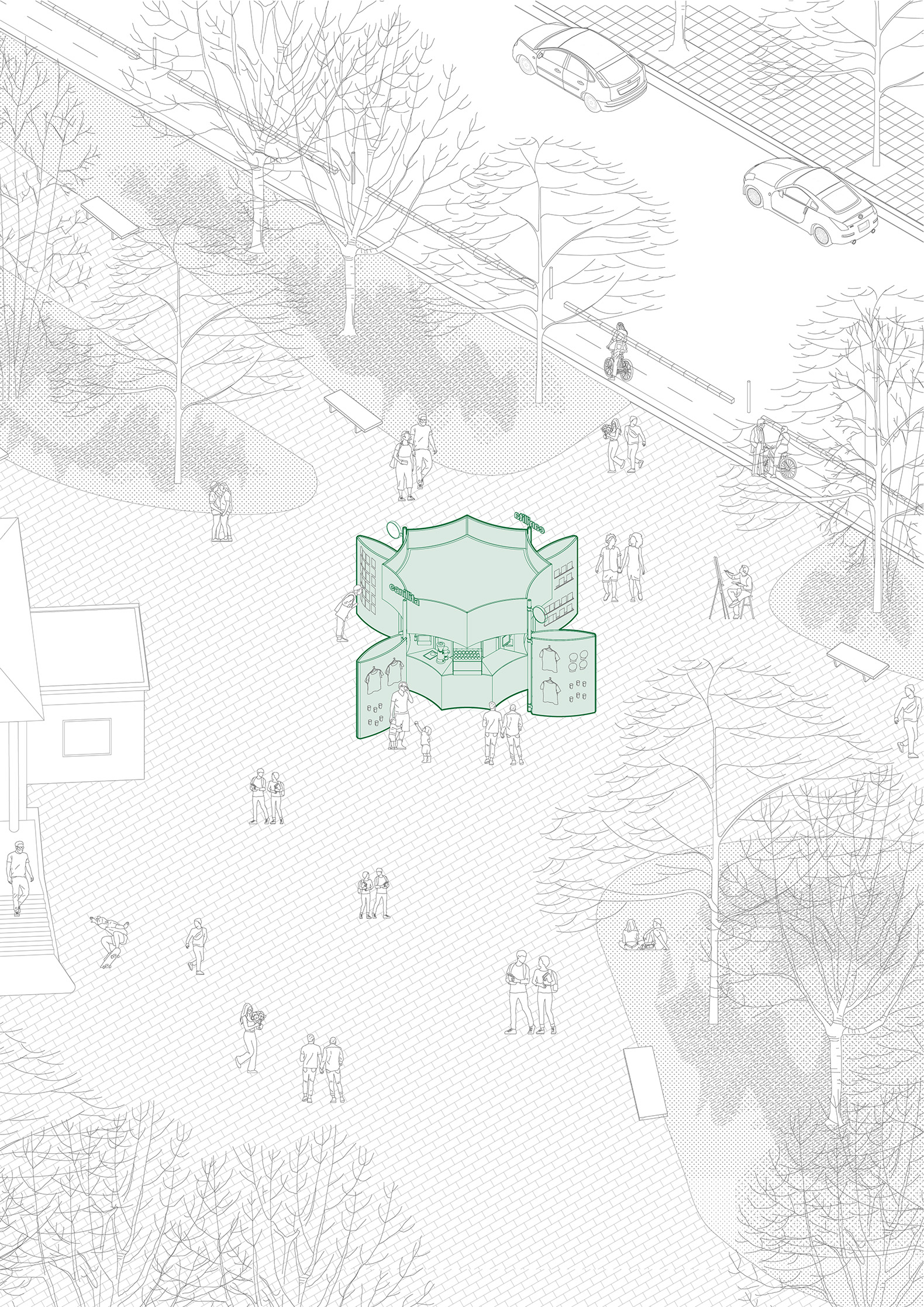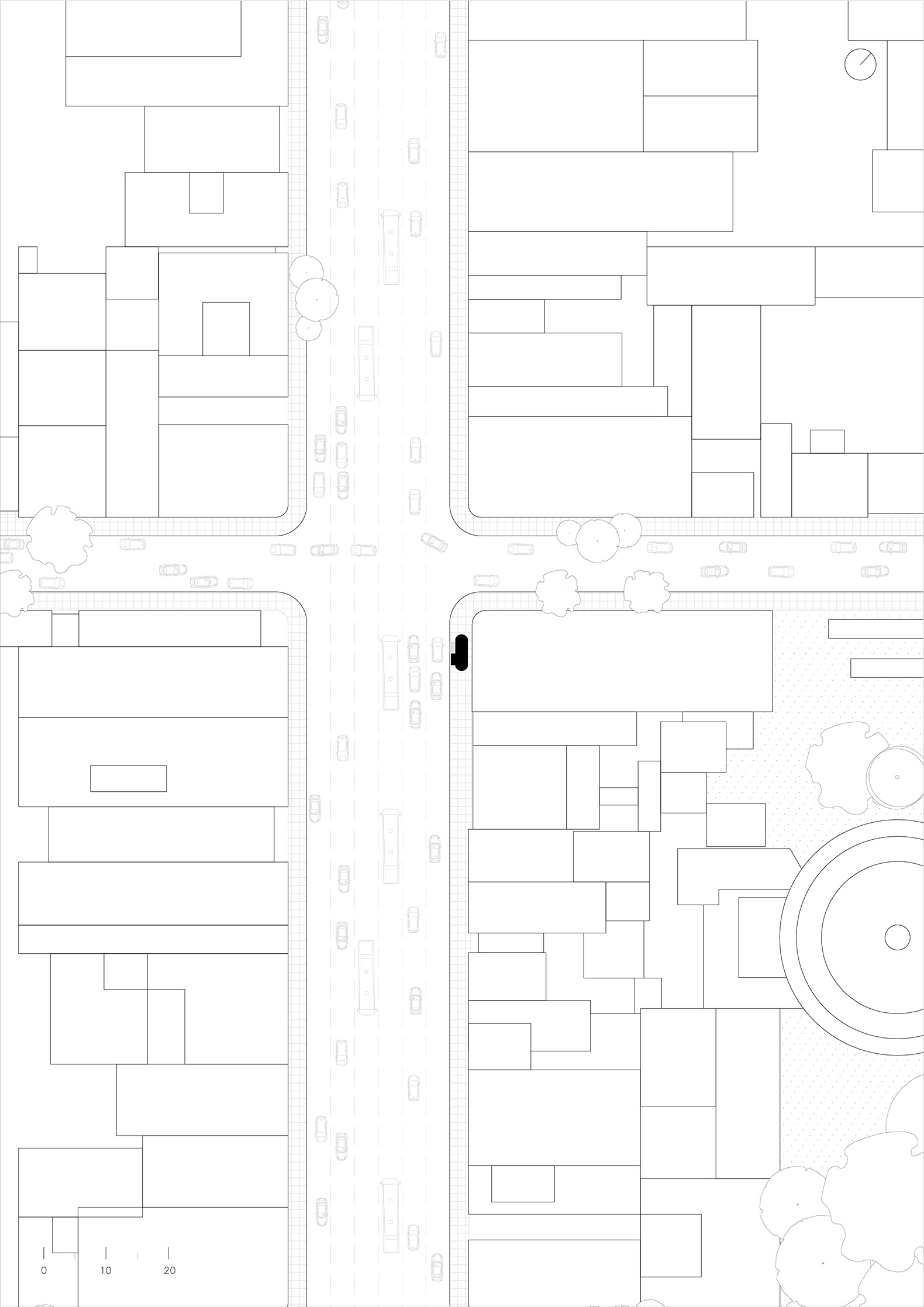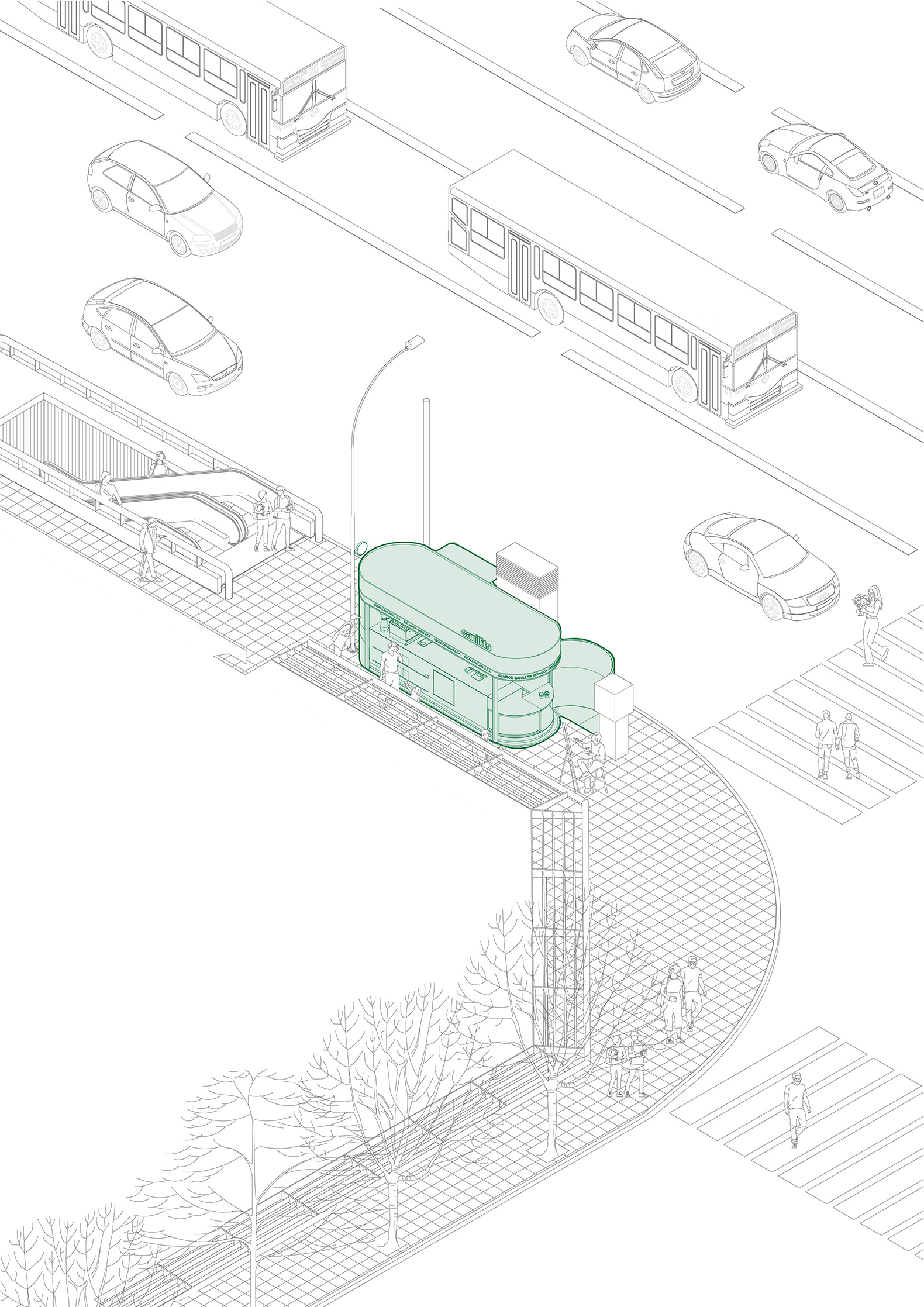
In the city of Buenos Aires, the urban intervention by Bioma —an architecture studio led by Felipe Carrizo and Tomás Randrup— emerges from the reinterpretation of an everyday object deeply rooted in the city's collective imagination: the traditional newsstand. Under the name "Canillita," the project recovers the symbolic value of these historic structures and gives them a new identity as contemporary urban support devices.

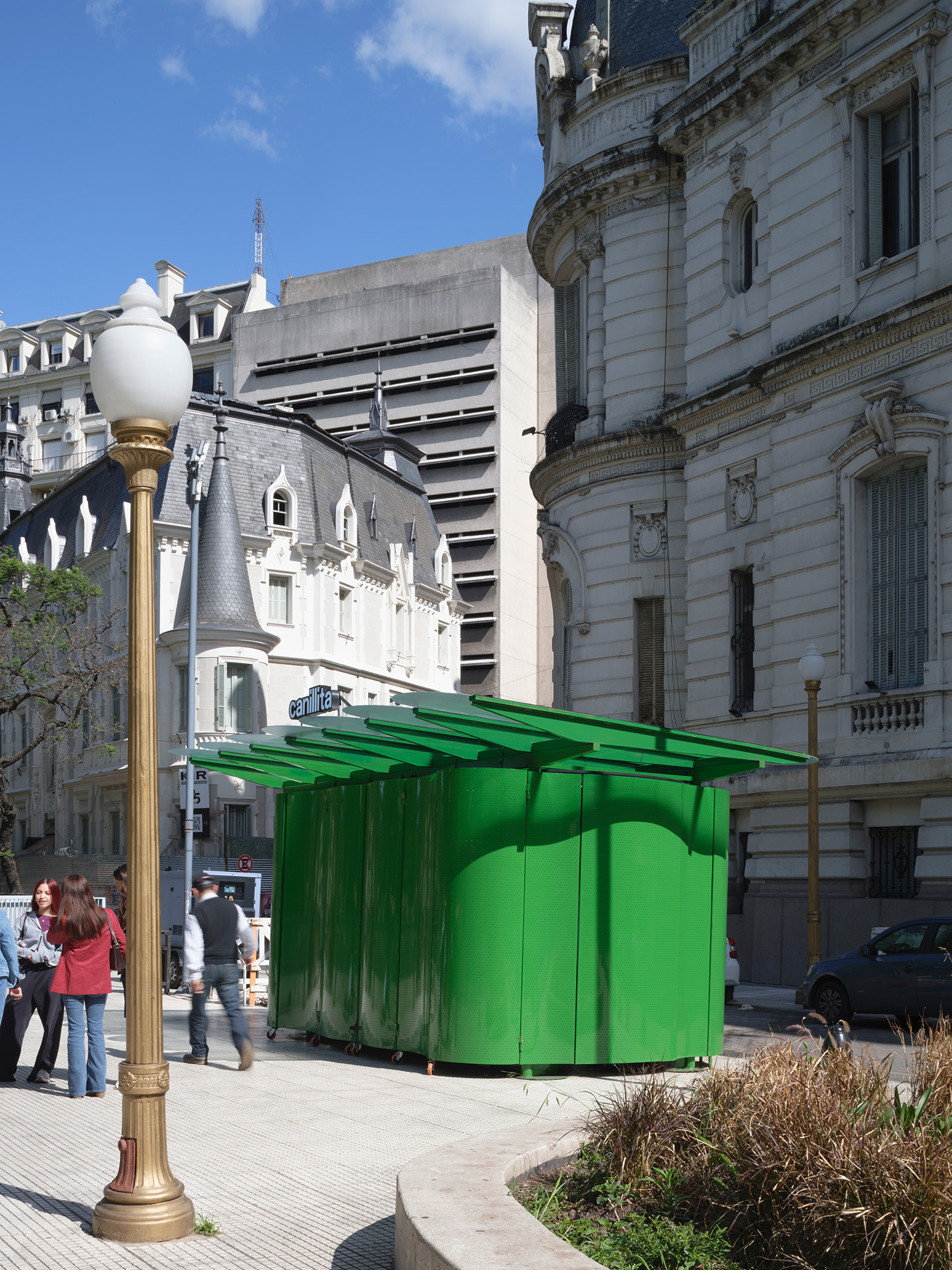
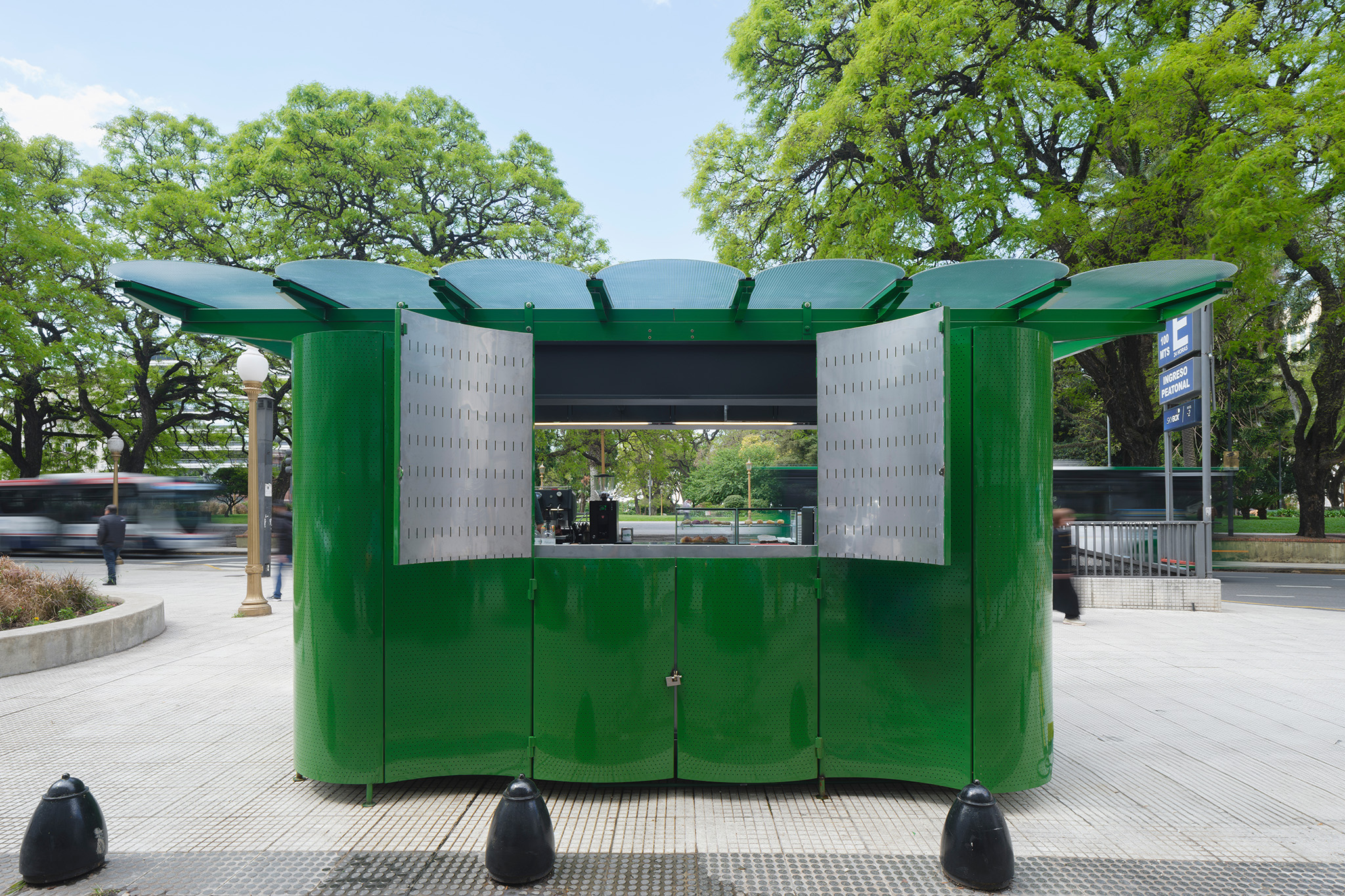
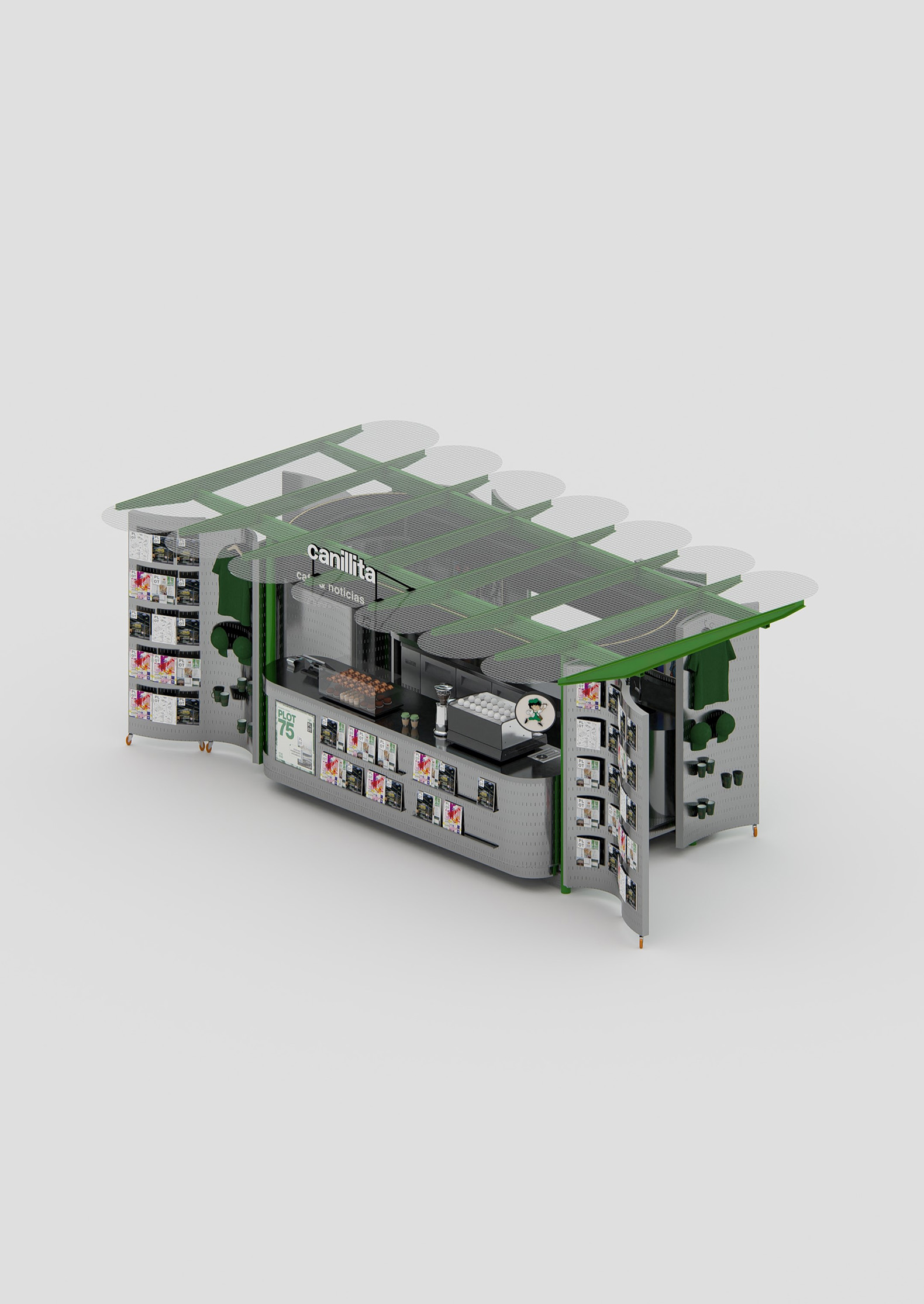
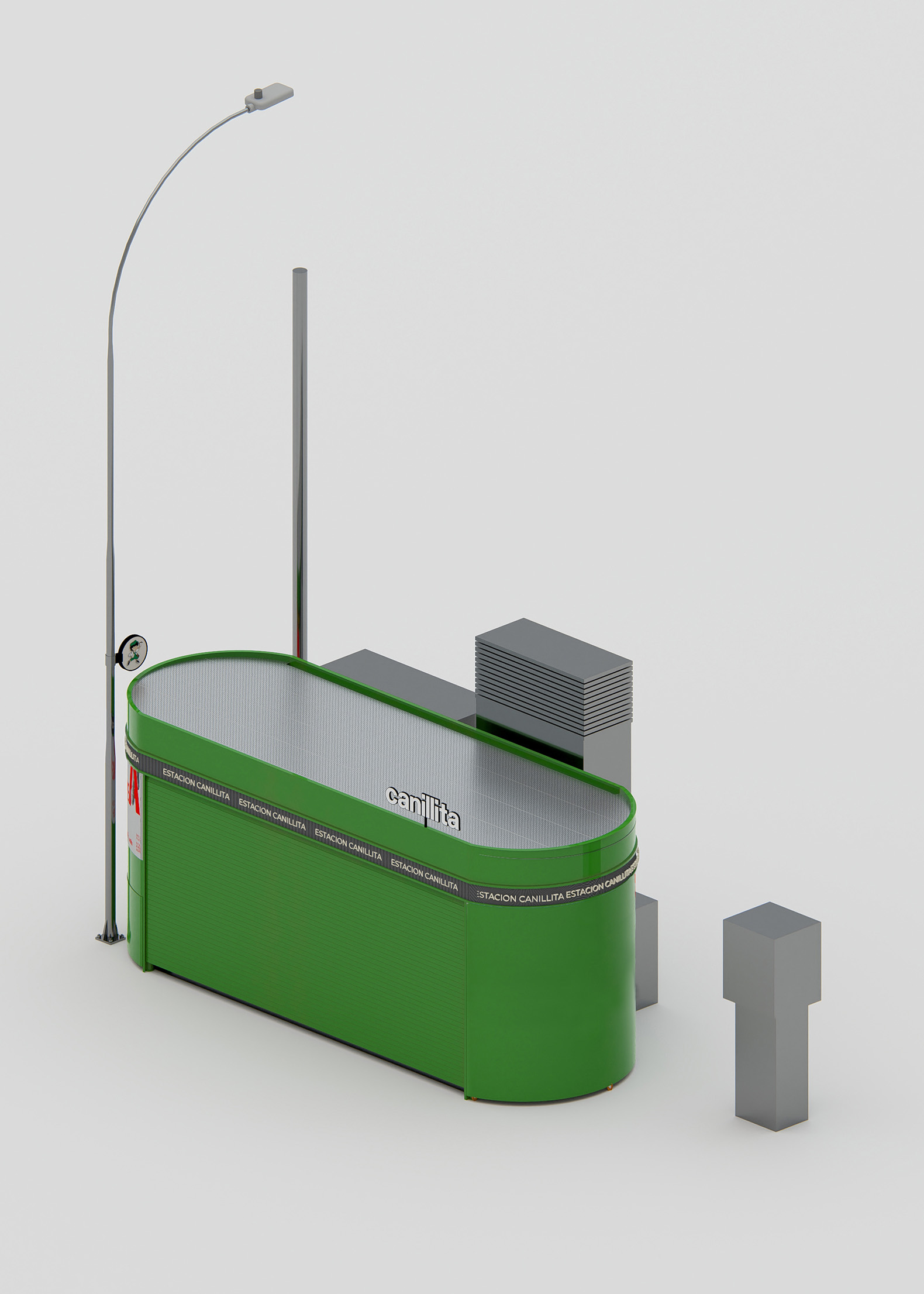
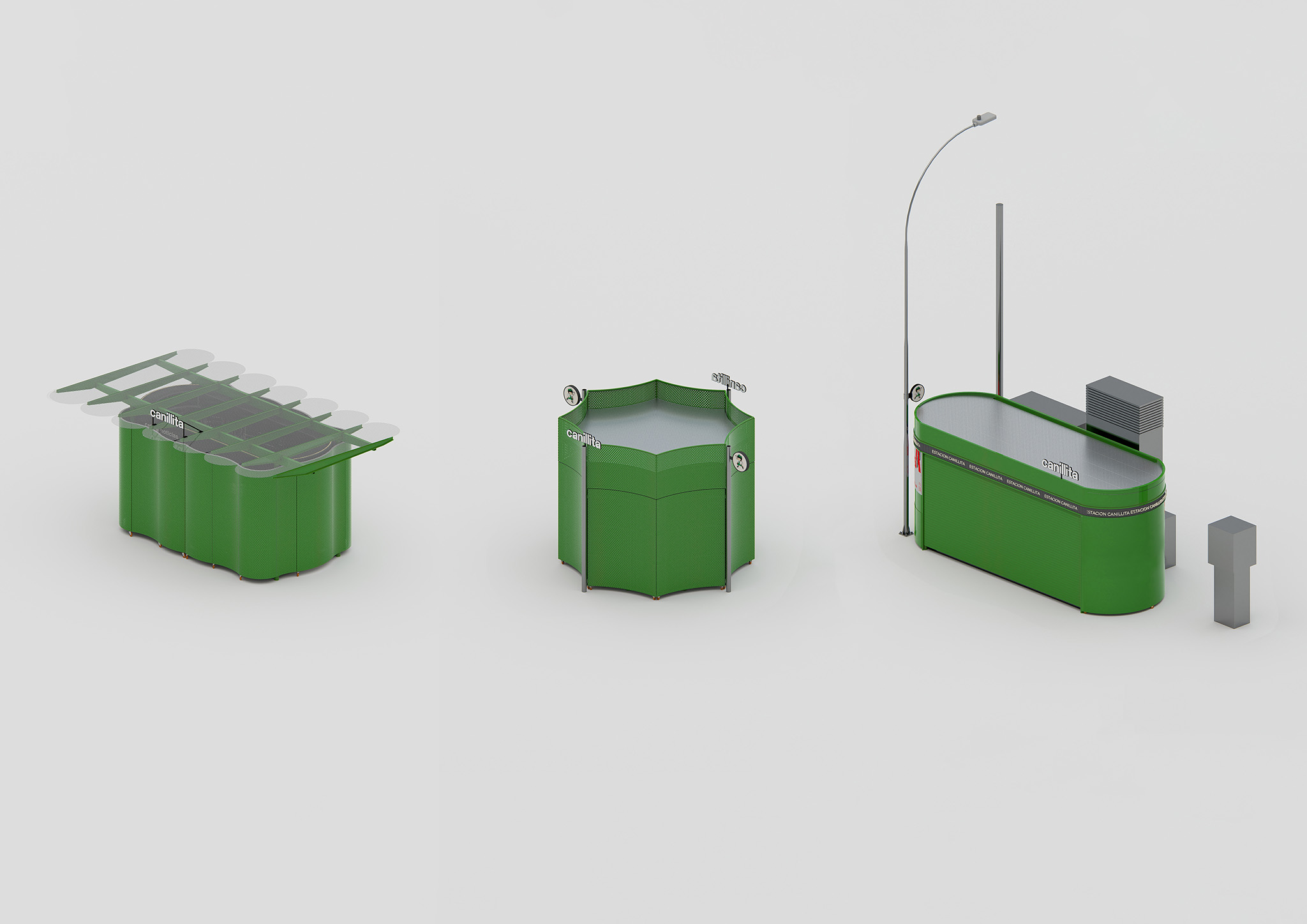
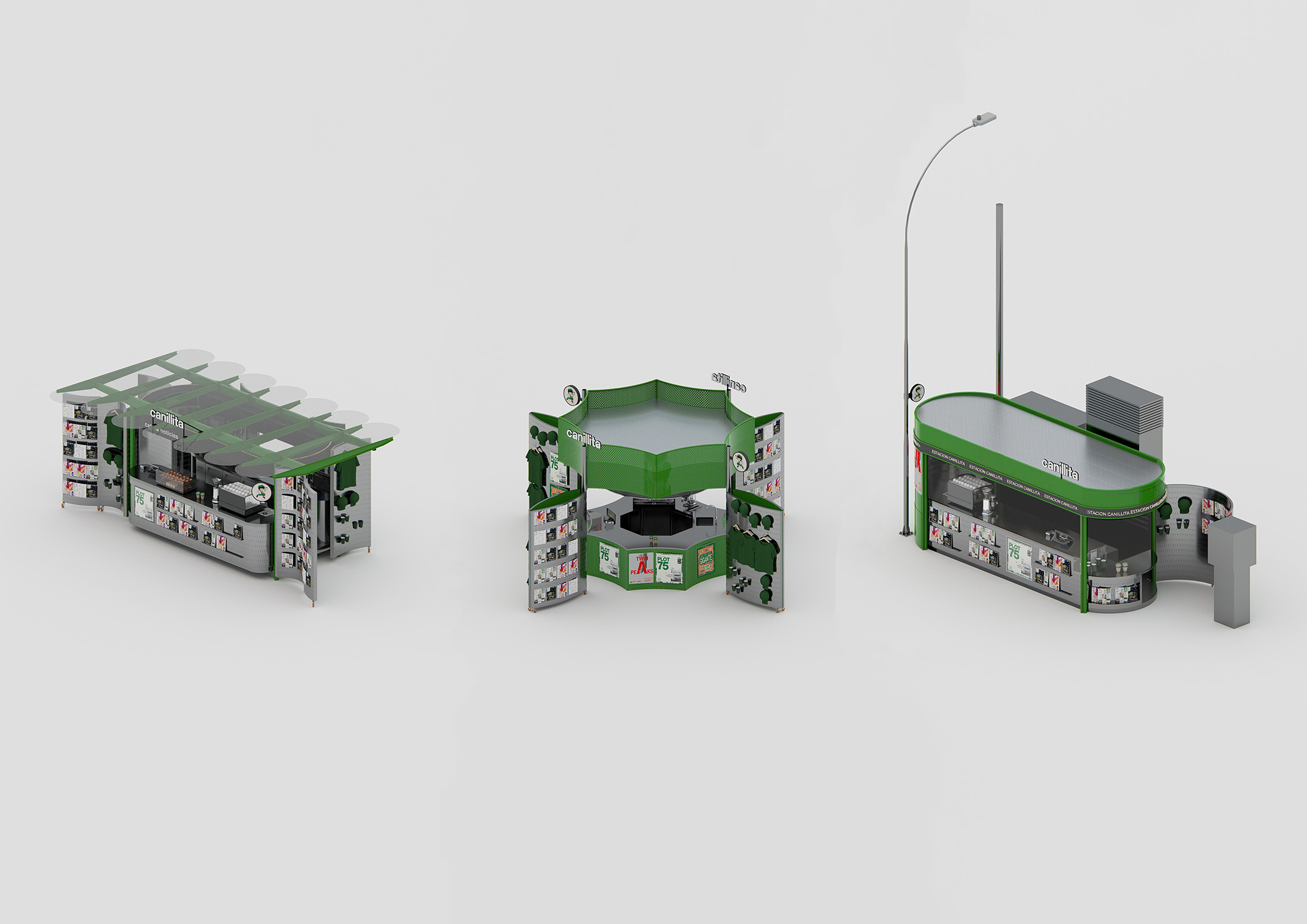
The "Canillita" project is conceived as a family of deployable urban pieces that, through curved and mobile enclosures, adapt to each context and need. While the three completed projects share a common essence, none are identical: each stand is uniquely adapted to its corner, its neighboring building, and the scale of its street.

The urban installation developed by the Bioma team offers a new lease of life to the historic newsstands, now largely devoid of their original purpose. The "Canillita" project reveals a contemporary way of thinking centered on flexibility and a multitude of possible scenarios. Depending on how their panels open, rotate, or extend, each stand can be inhabited in a unique way.

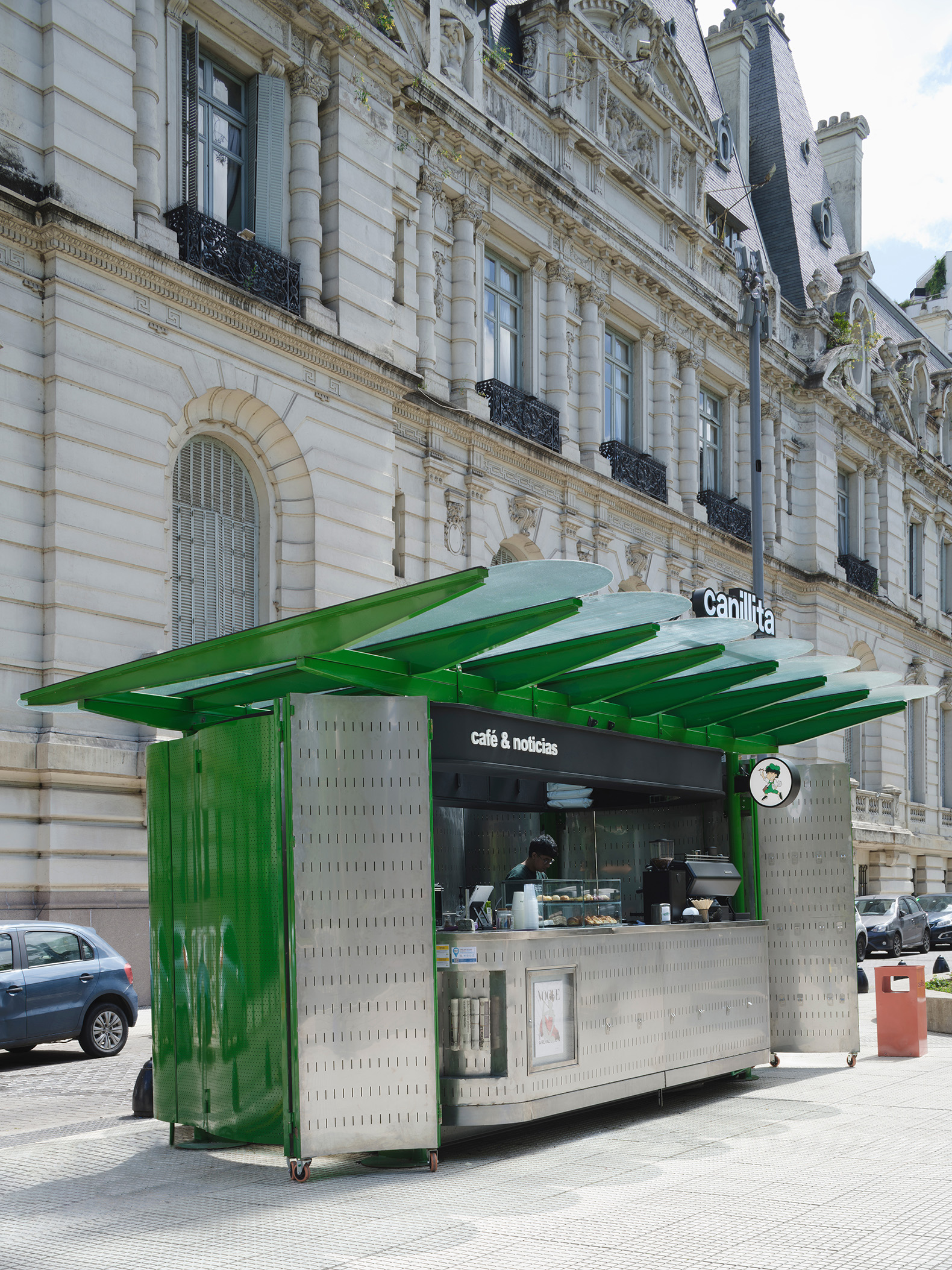
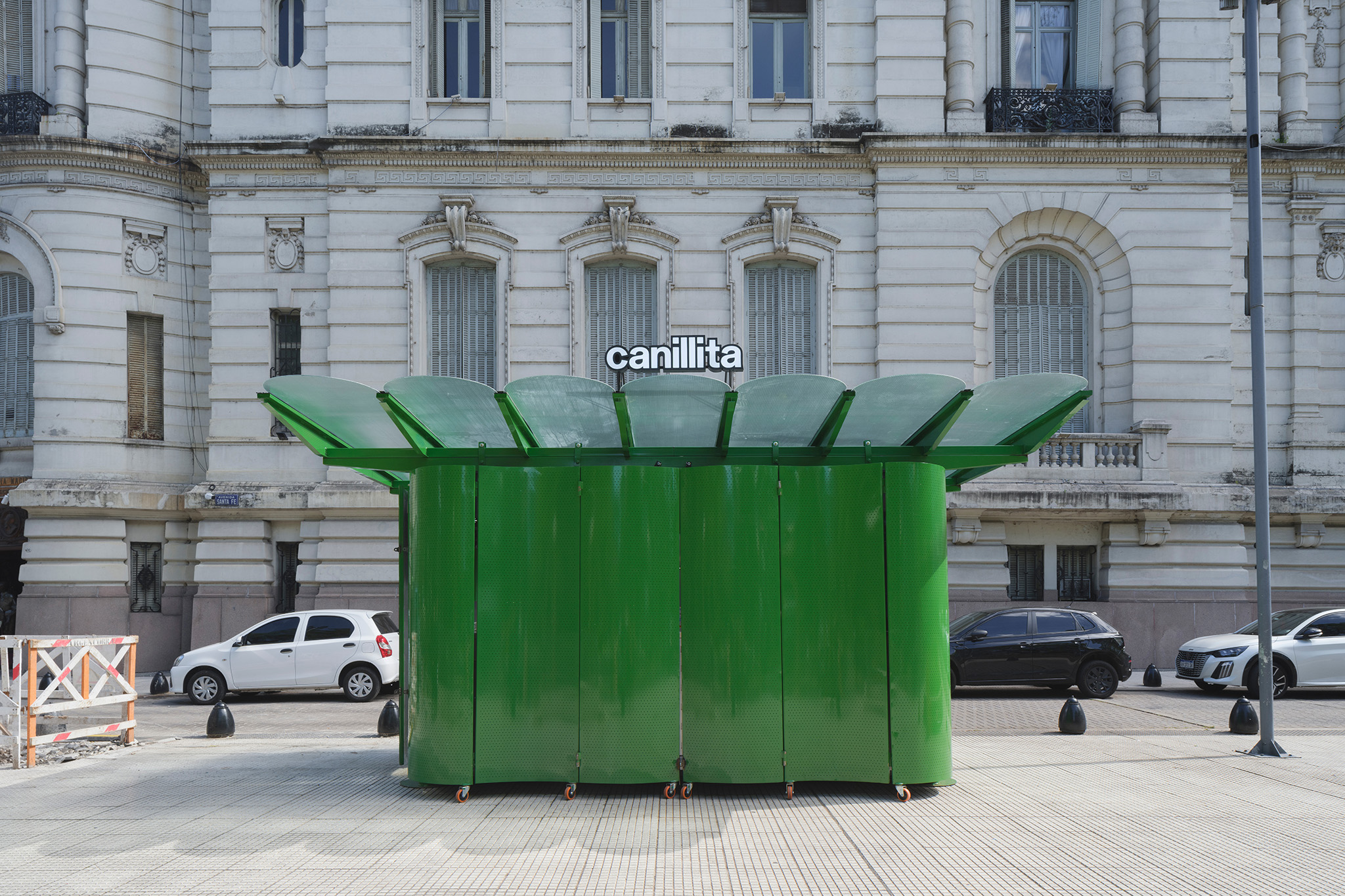
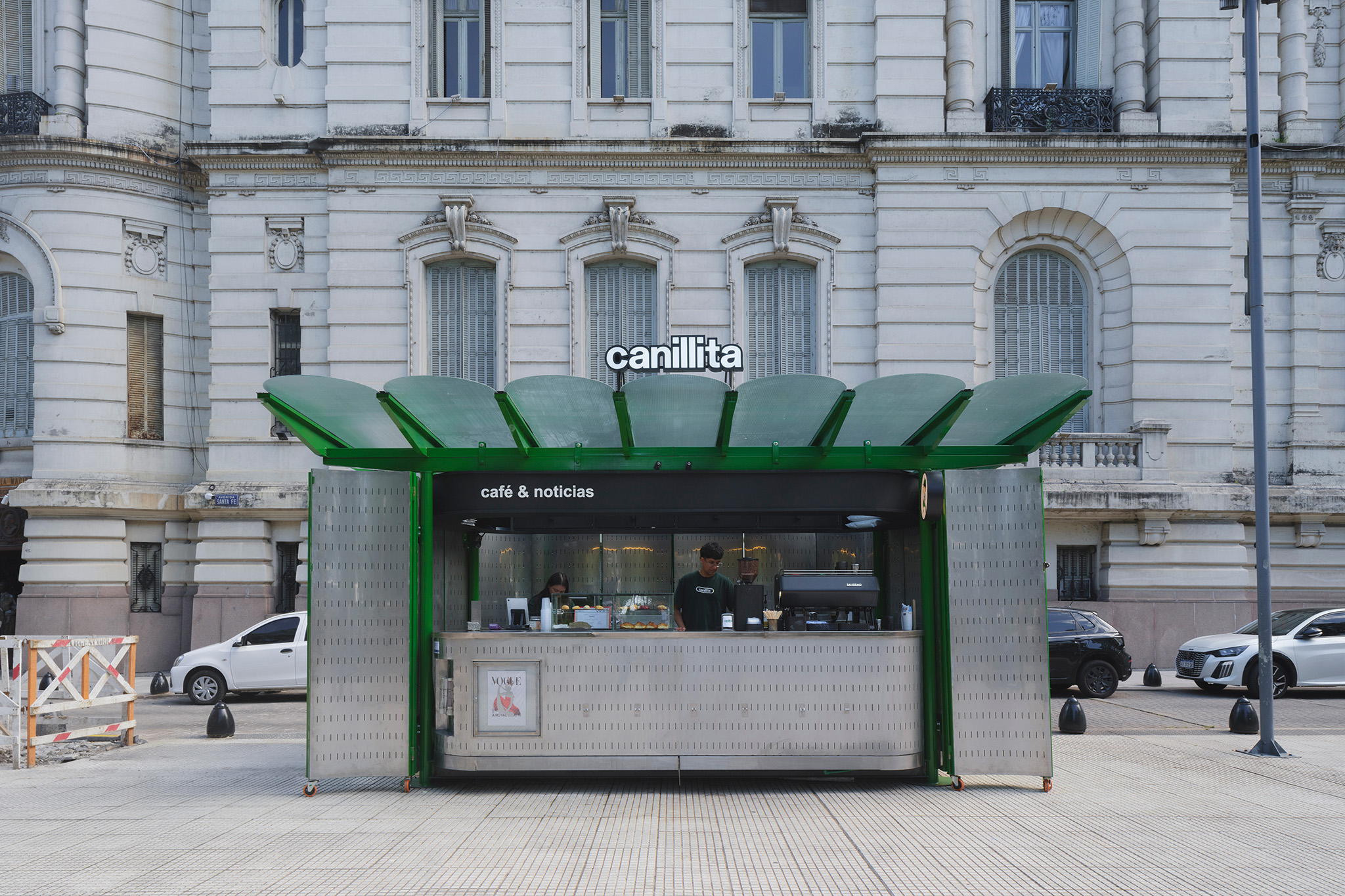
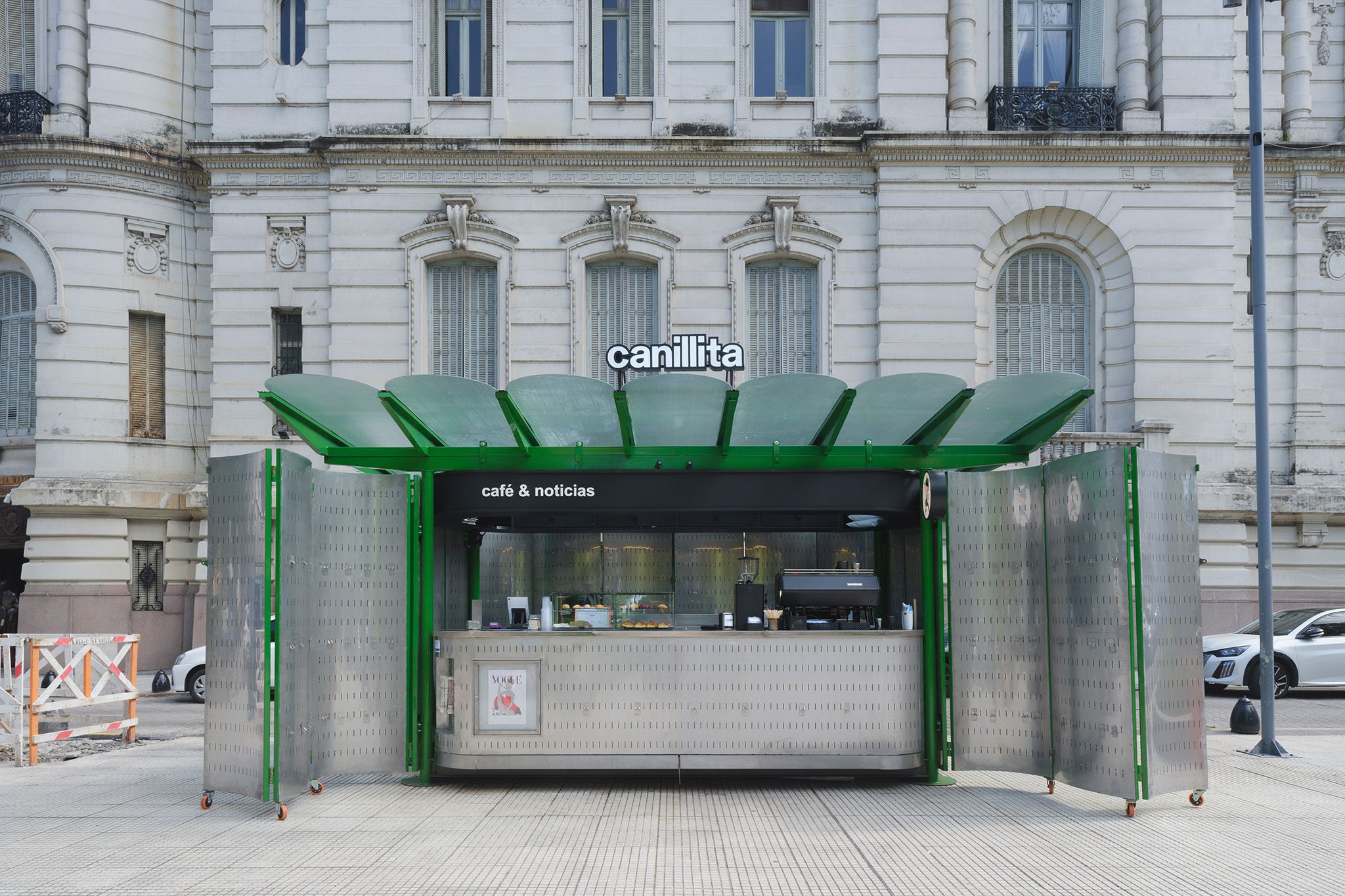
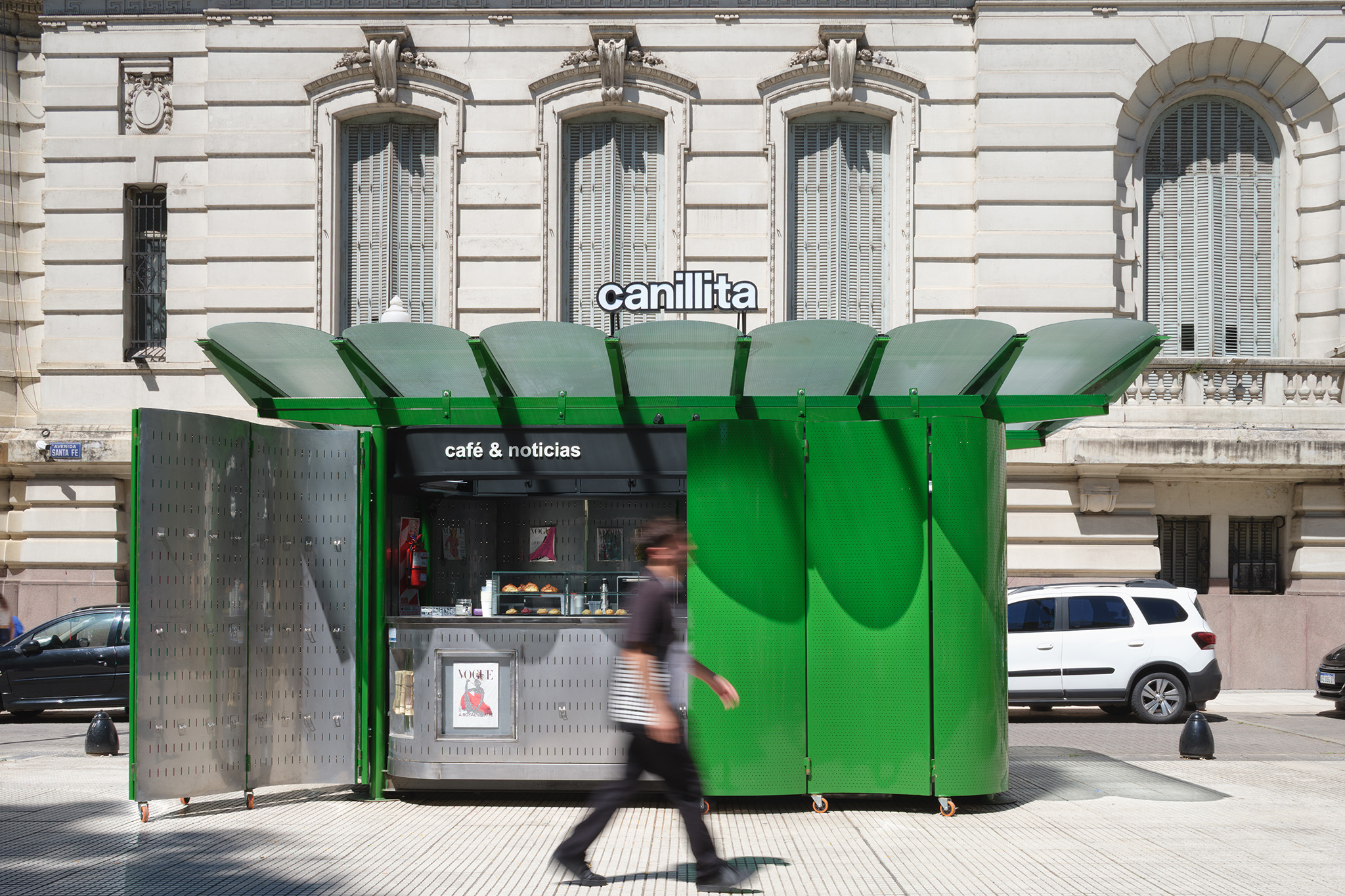
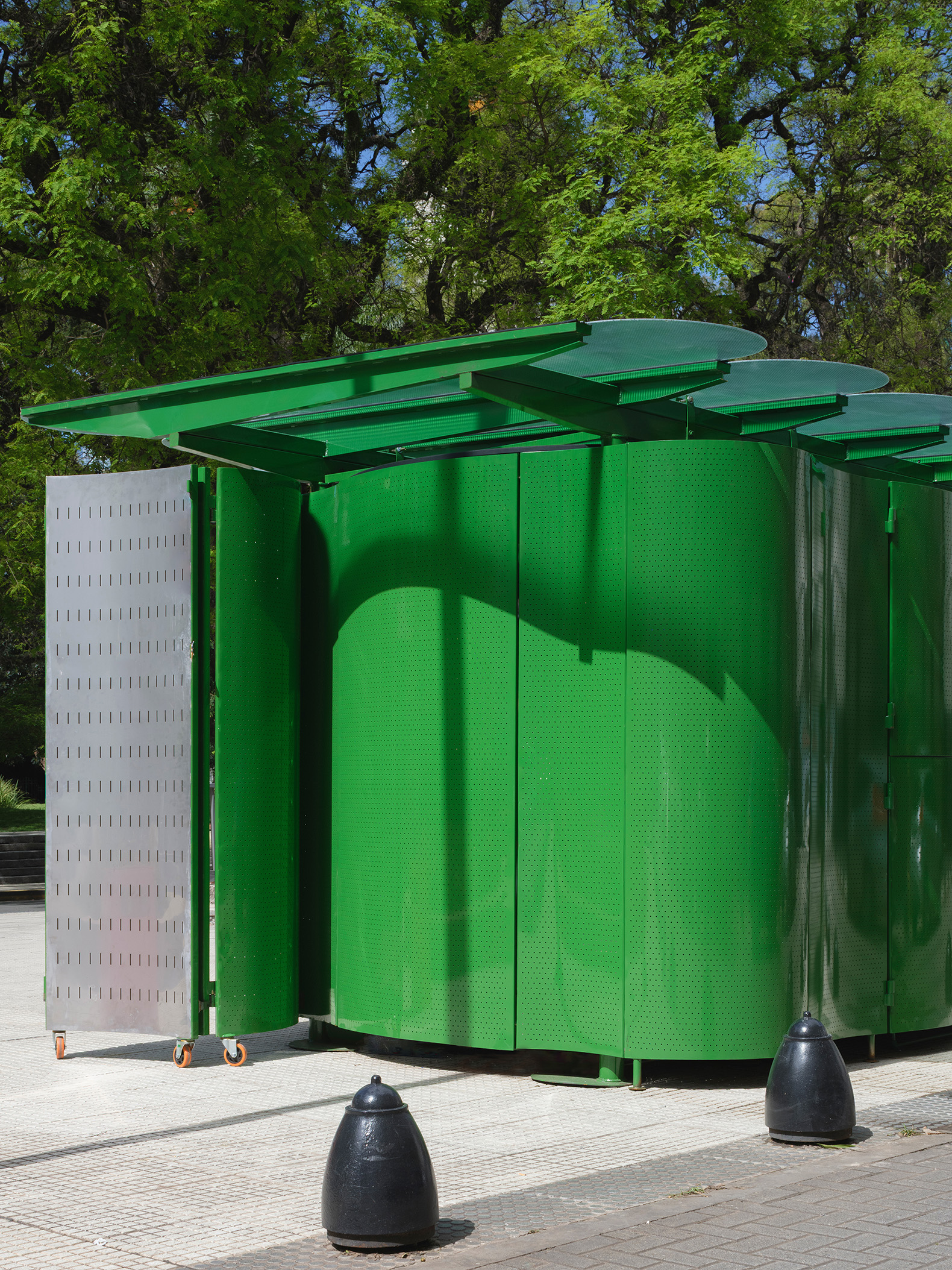
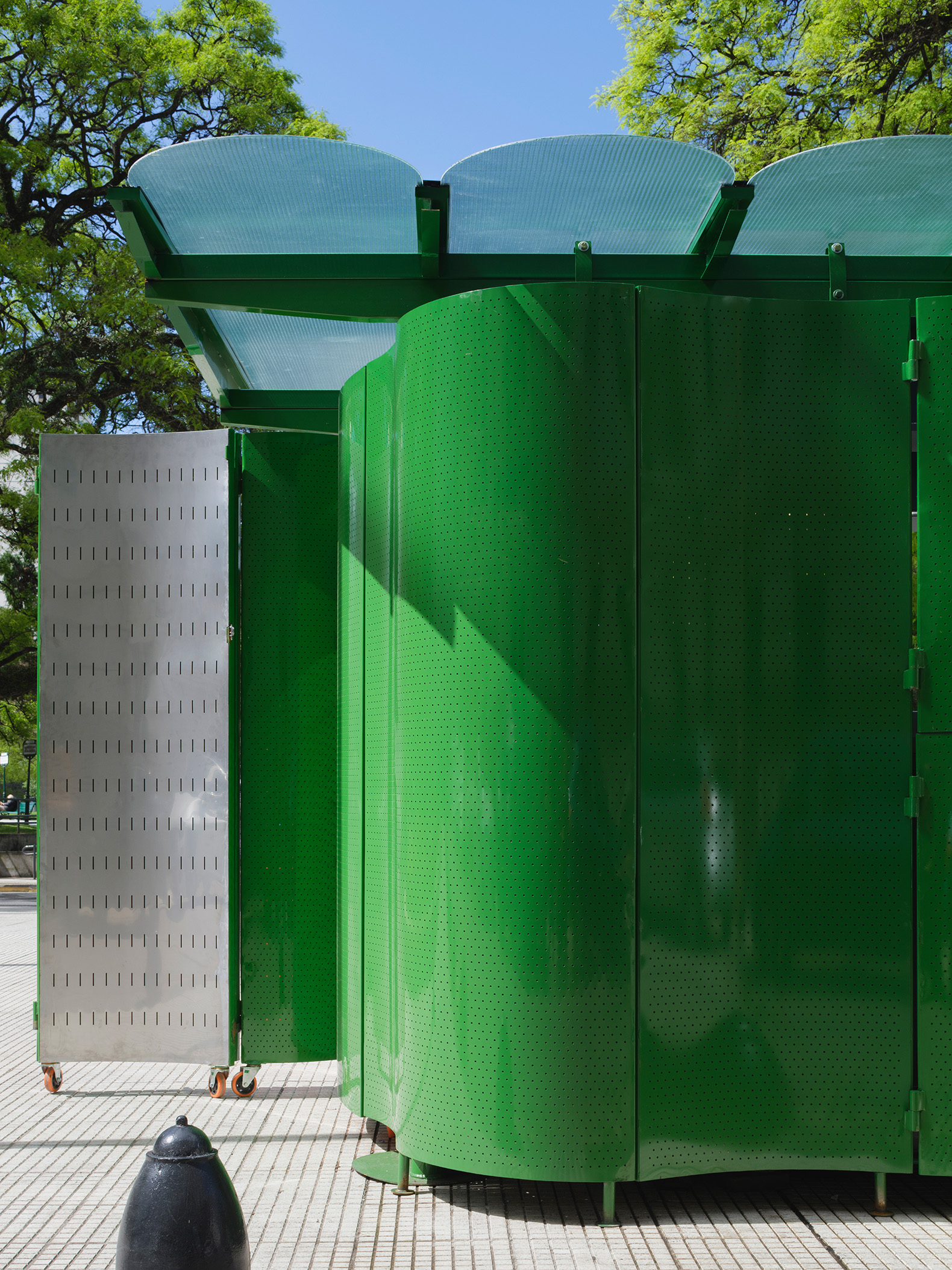
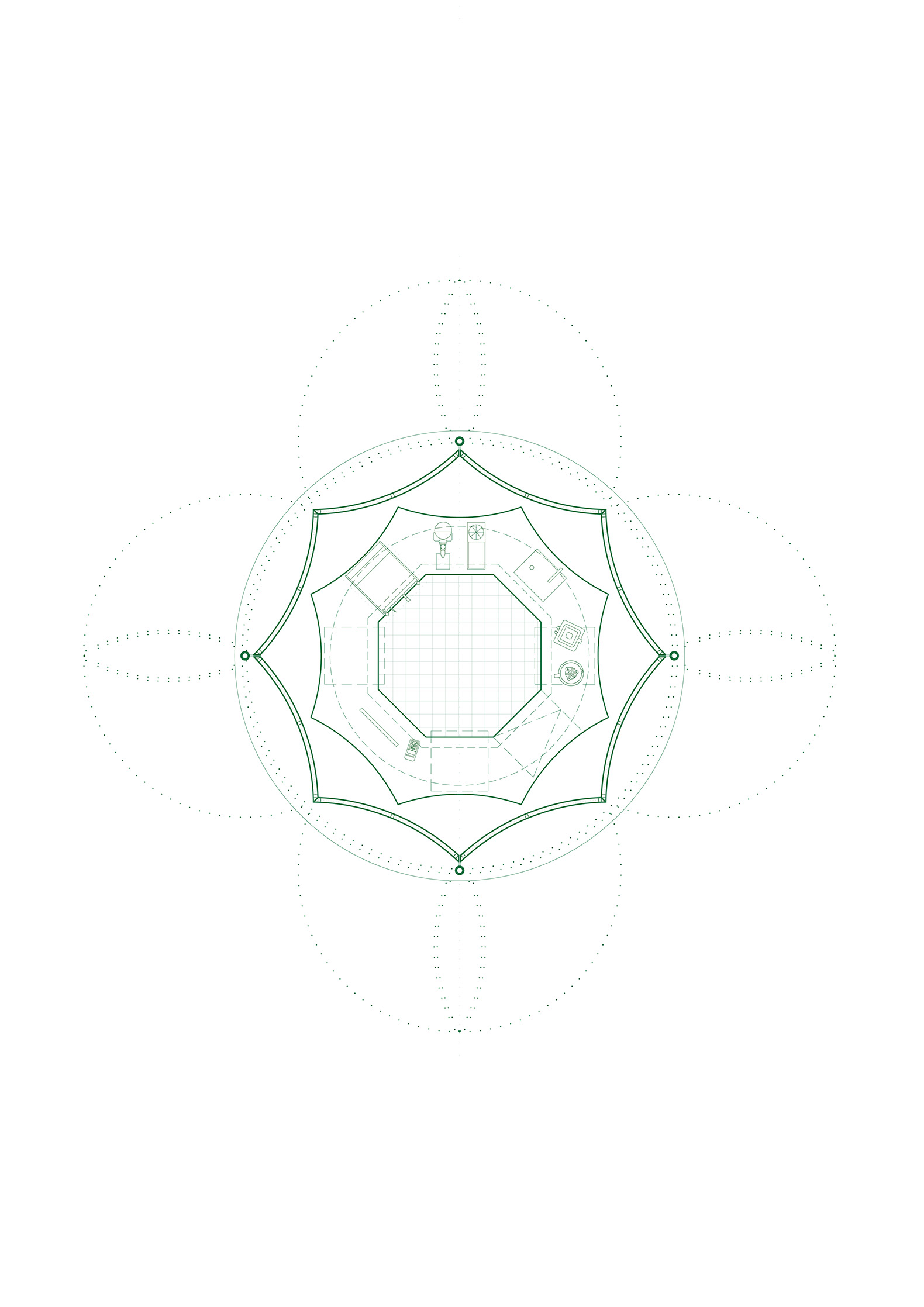
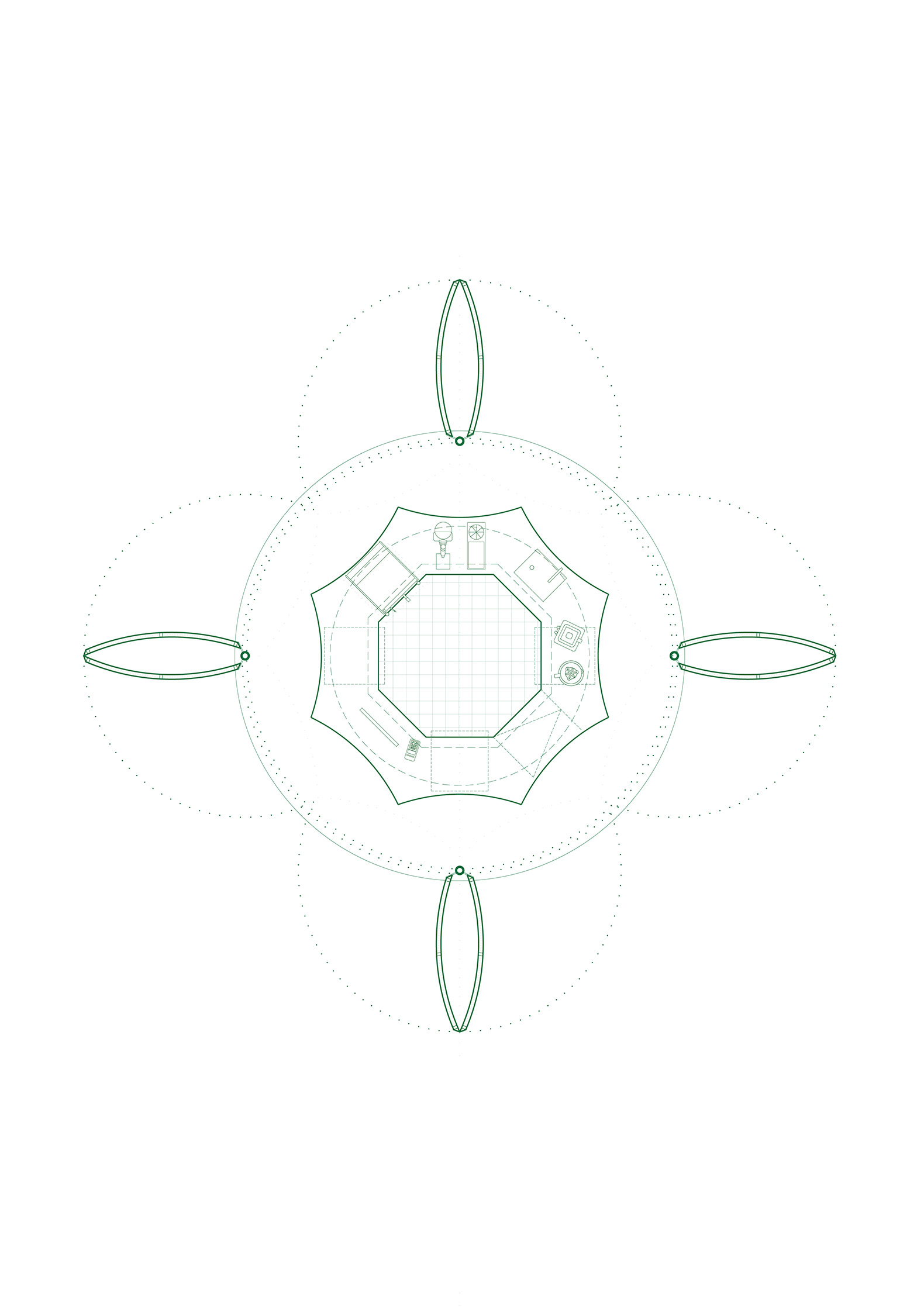
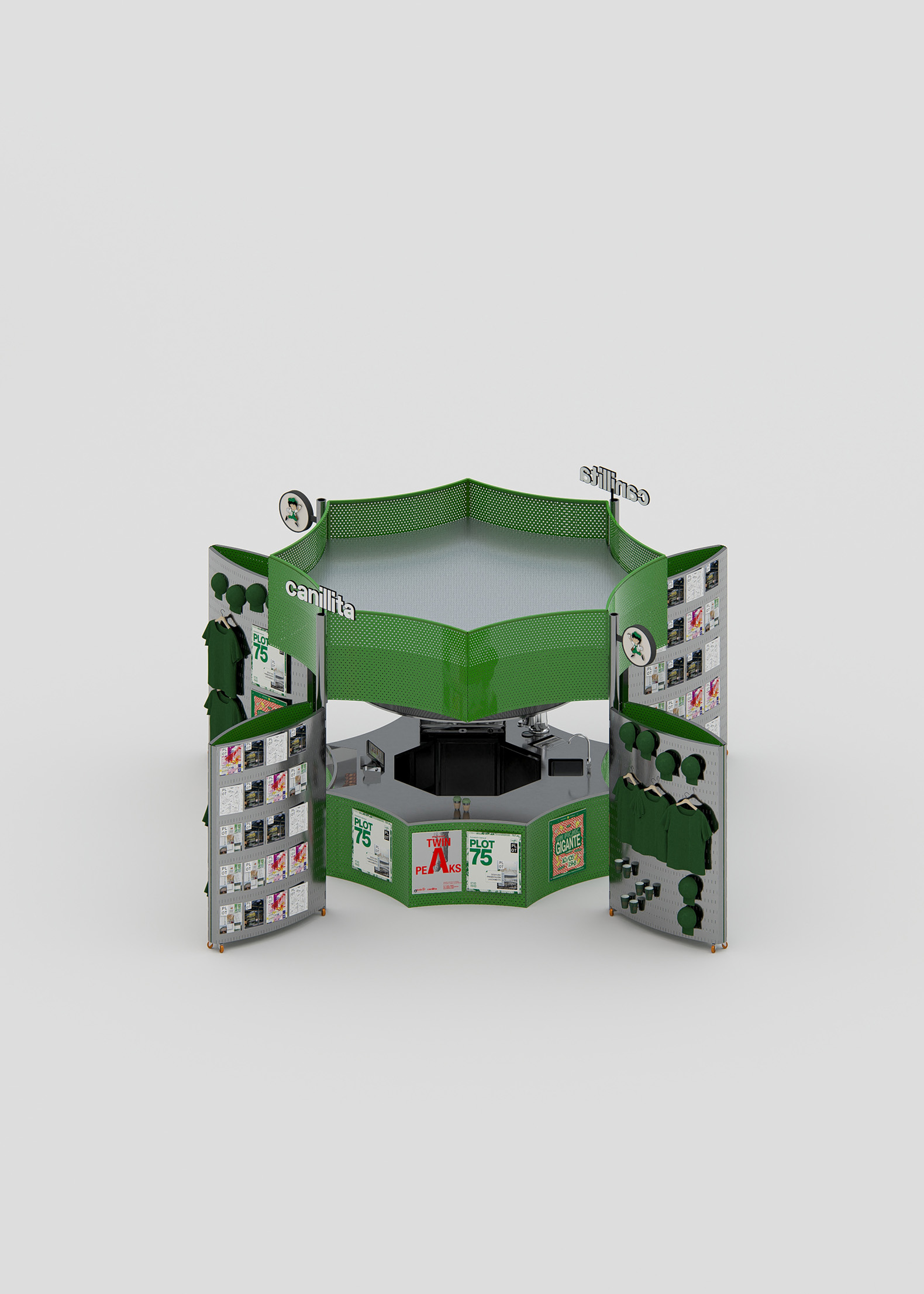
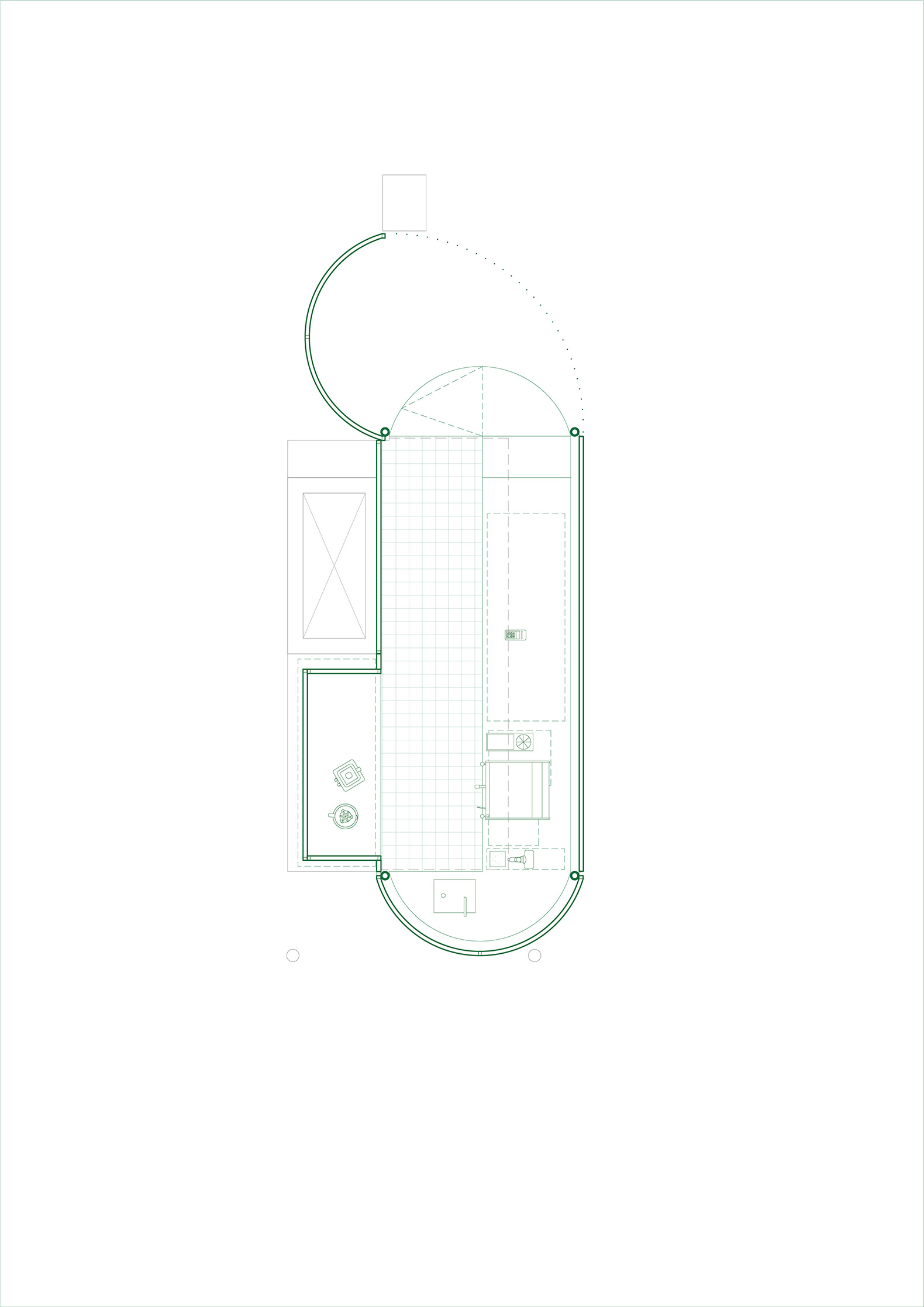
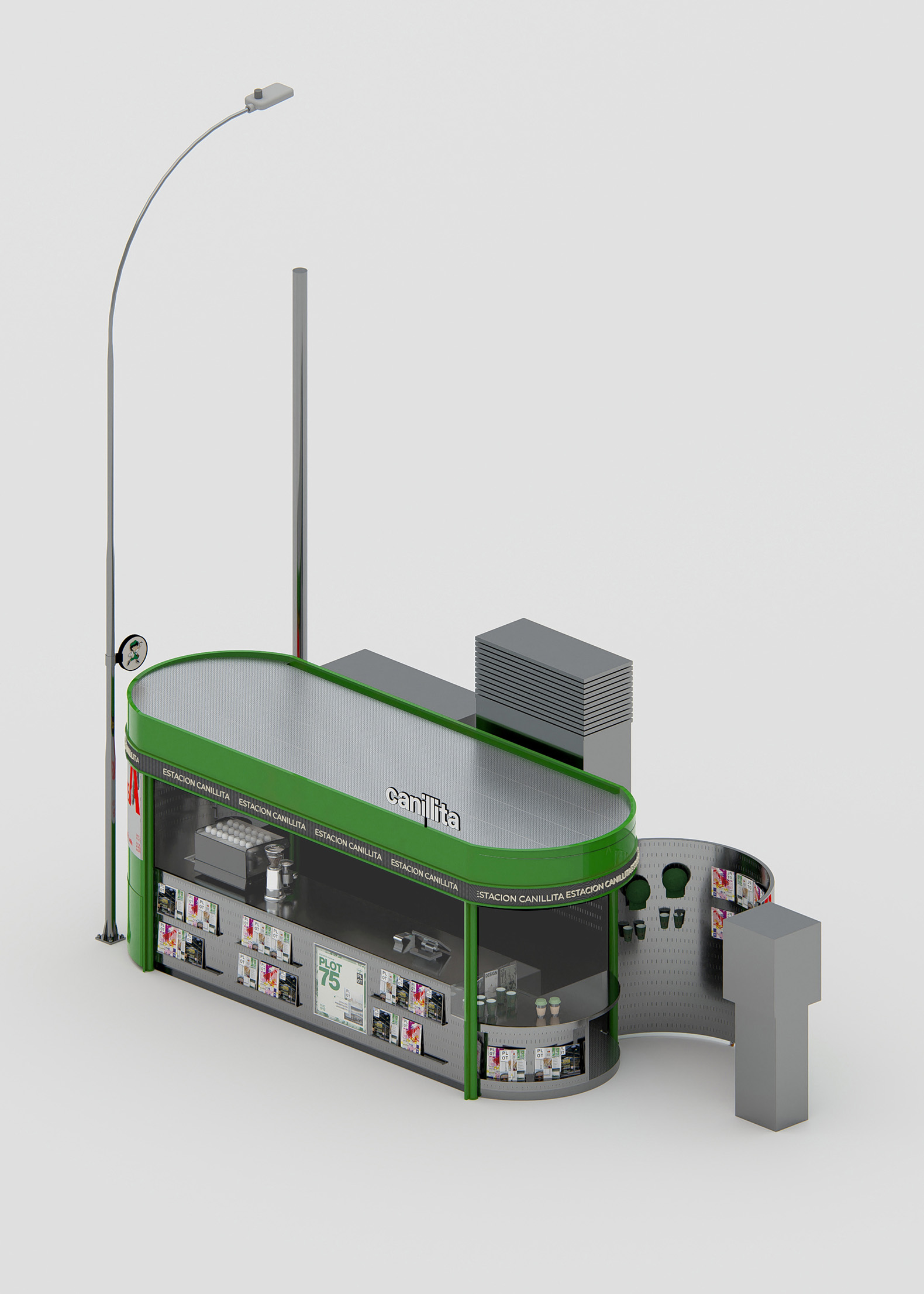
Like unfolding segments, the green, curved metal panels open up and transform the sidewalk into a stage open to countless forms of everyday life. Respecting the nuances of each location within the city, this trilogy of urban pieces presents itself as a delicate cultural device that expands its program into the public space, inviting citizens to inhabit it in new ways.
«Canillita» by Bioma. Photograph by Javier Agustín Rojas.

"Canillita" by Bioma. Photograph by Javier Agustín Rojas.

Project description by Bioma

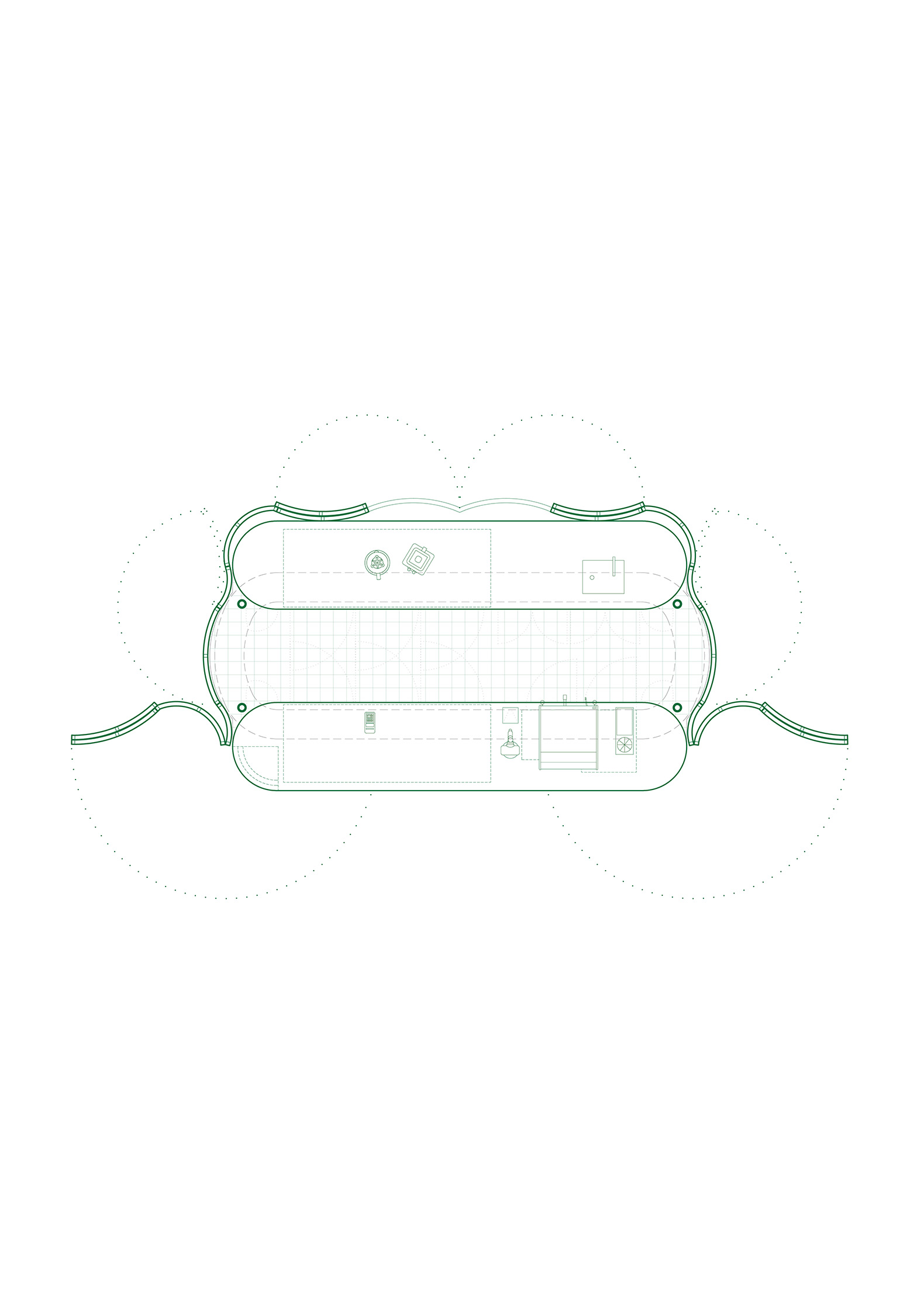
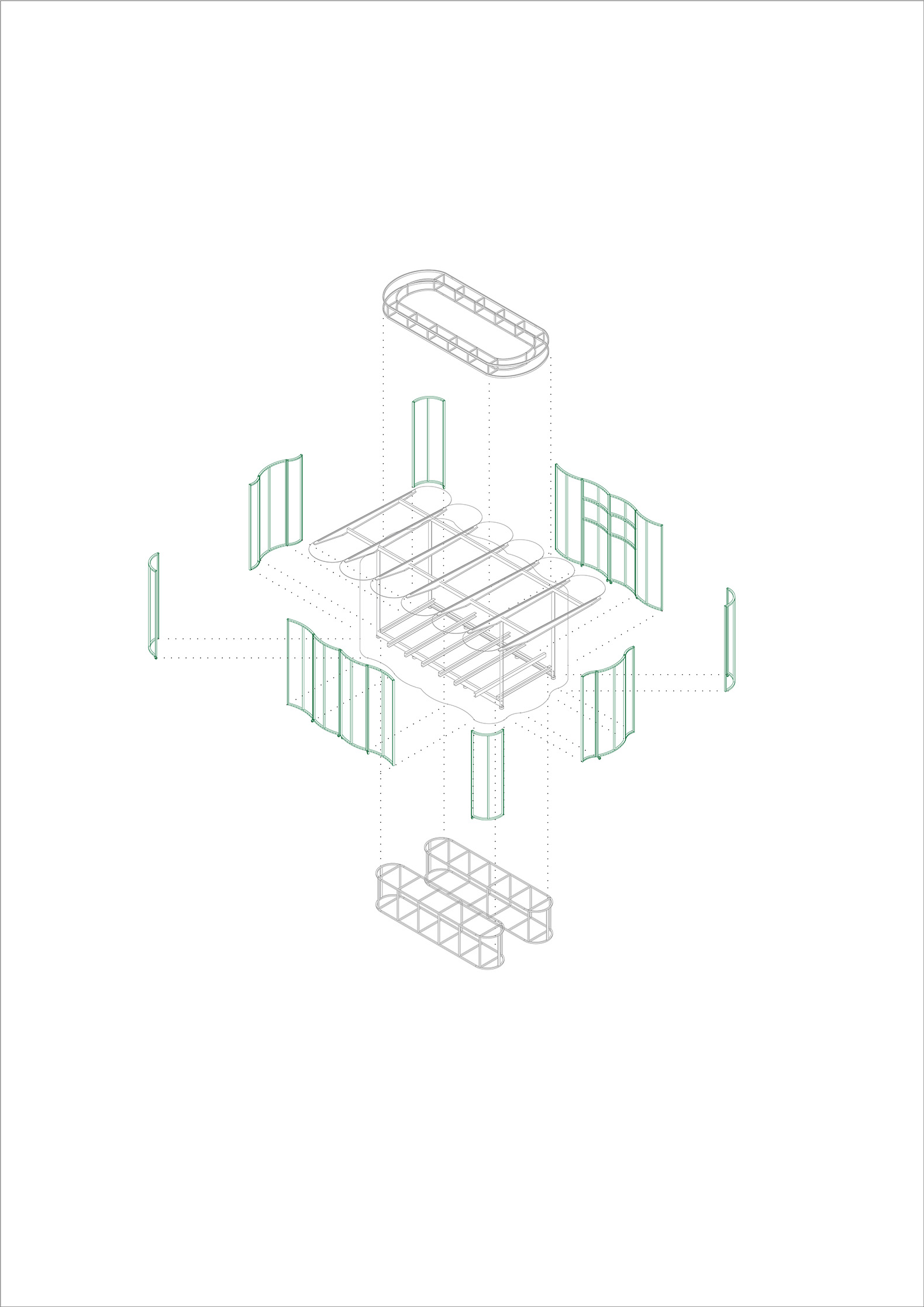
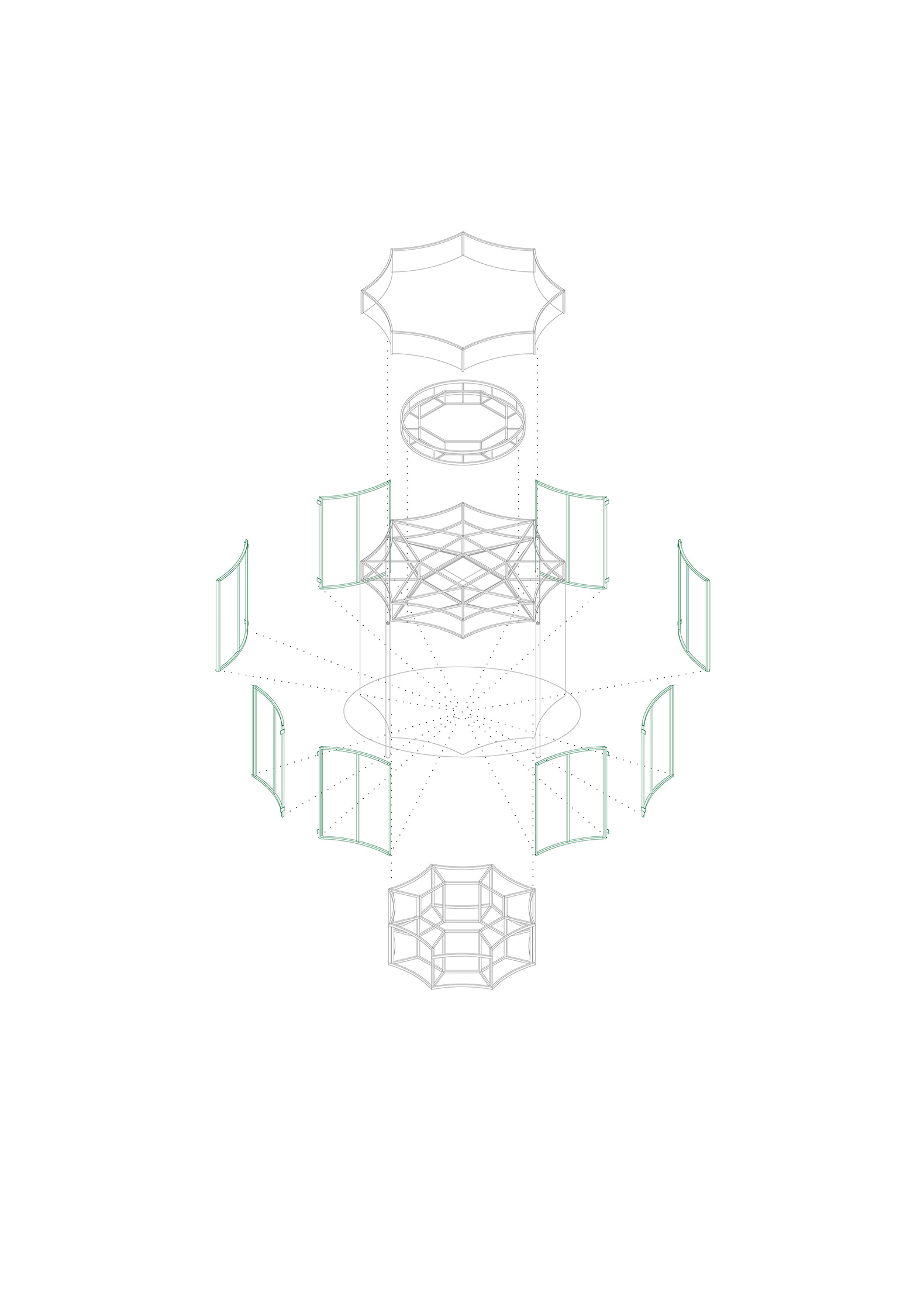
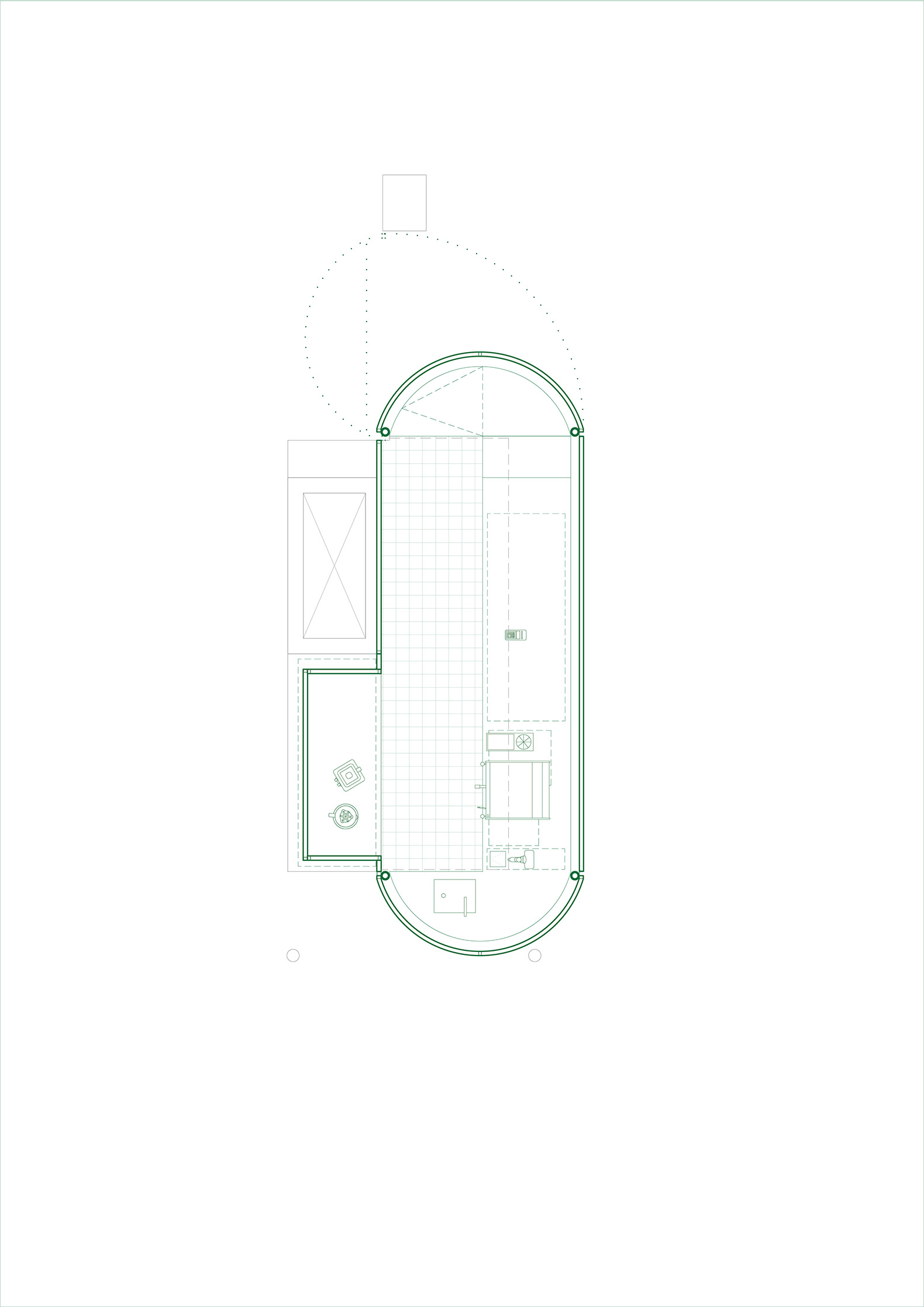
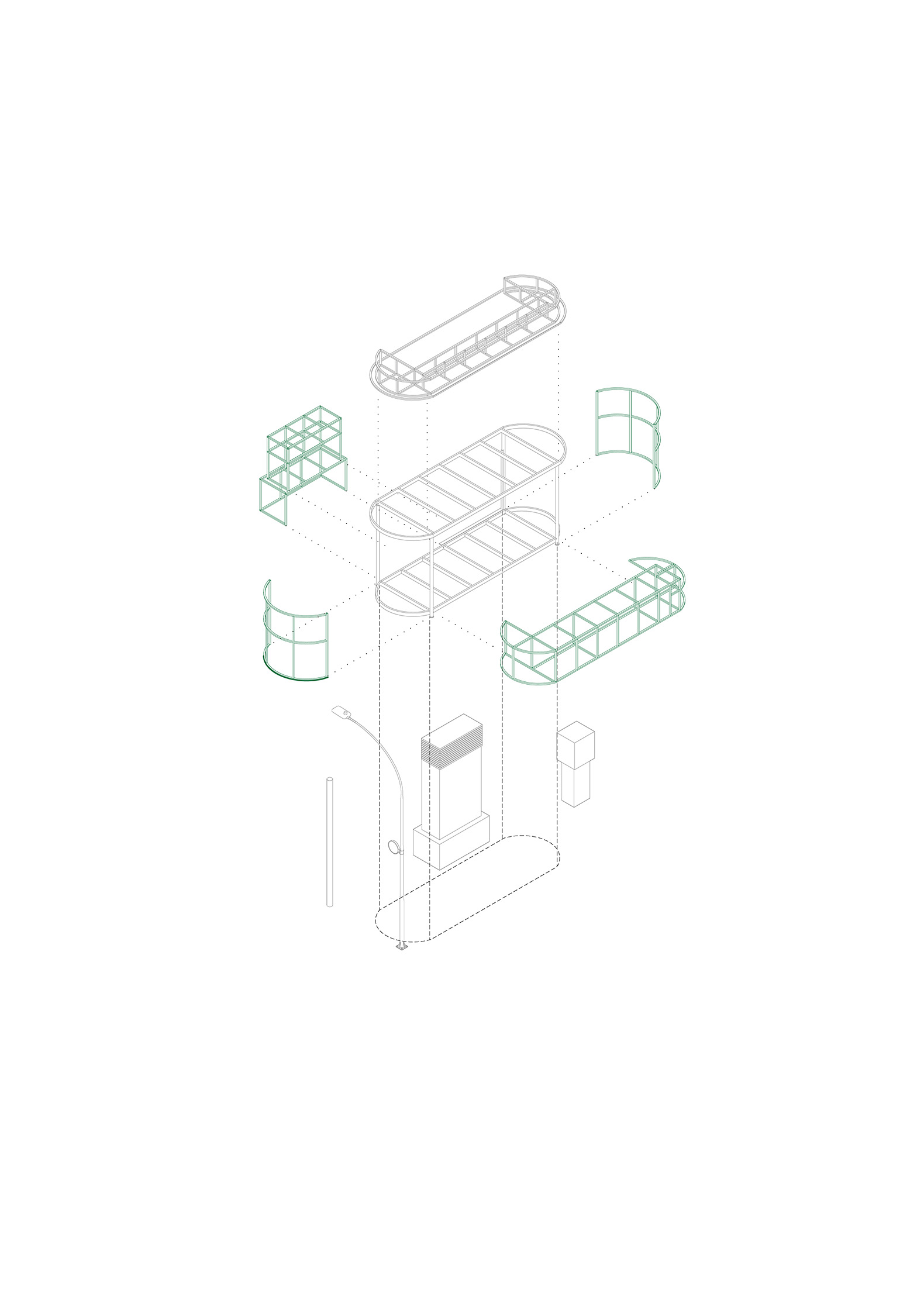
Newsstands today appear as objects on the verge of obsolescence: urban elements that no longer fulfill their original function but remain anchored in very specific spaces within the city. The project recognizes an opportunity in this condition and reclaims the name "Canillita", from the old newspaper vendors, to explore a new identity for these structures. The tool is deployment, understood as a system of thought: the way in which the planes open, rotate, and extend defines how each stand is inhabited and activated.

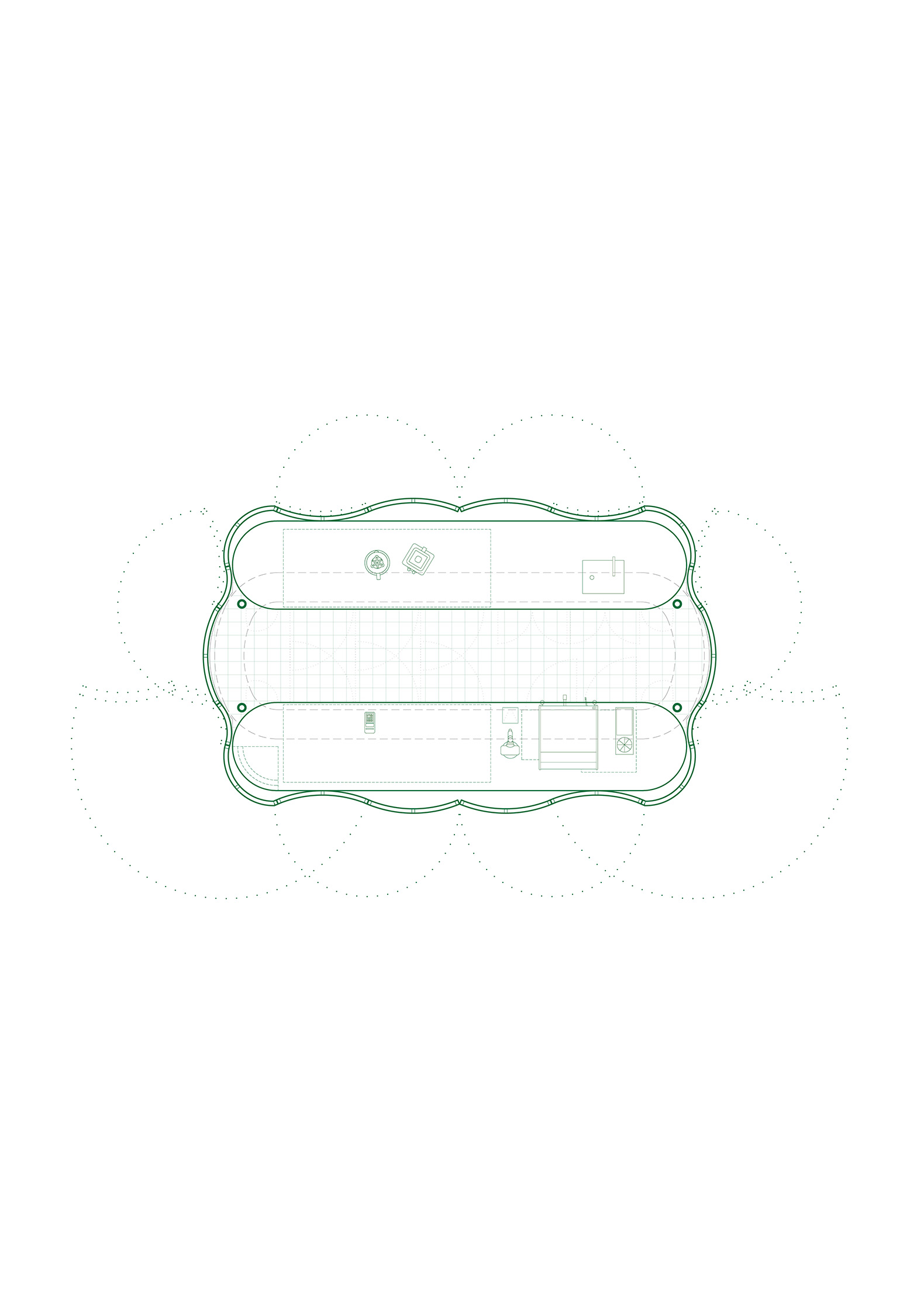
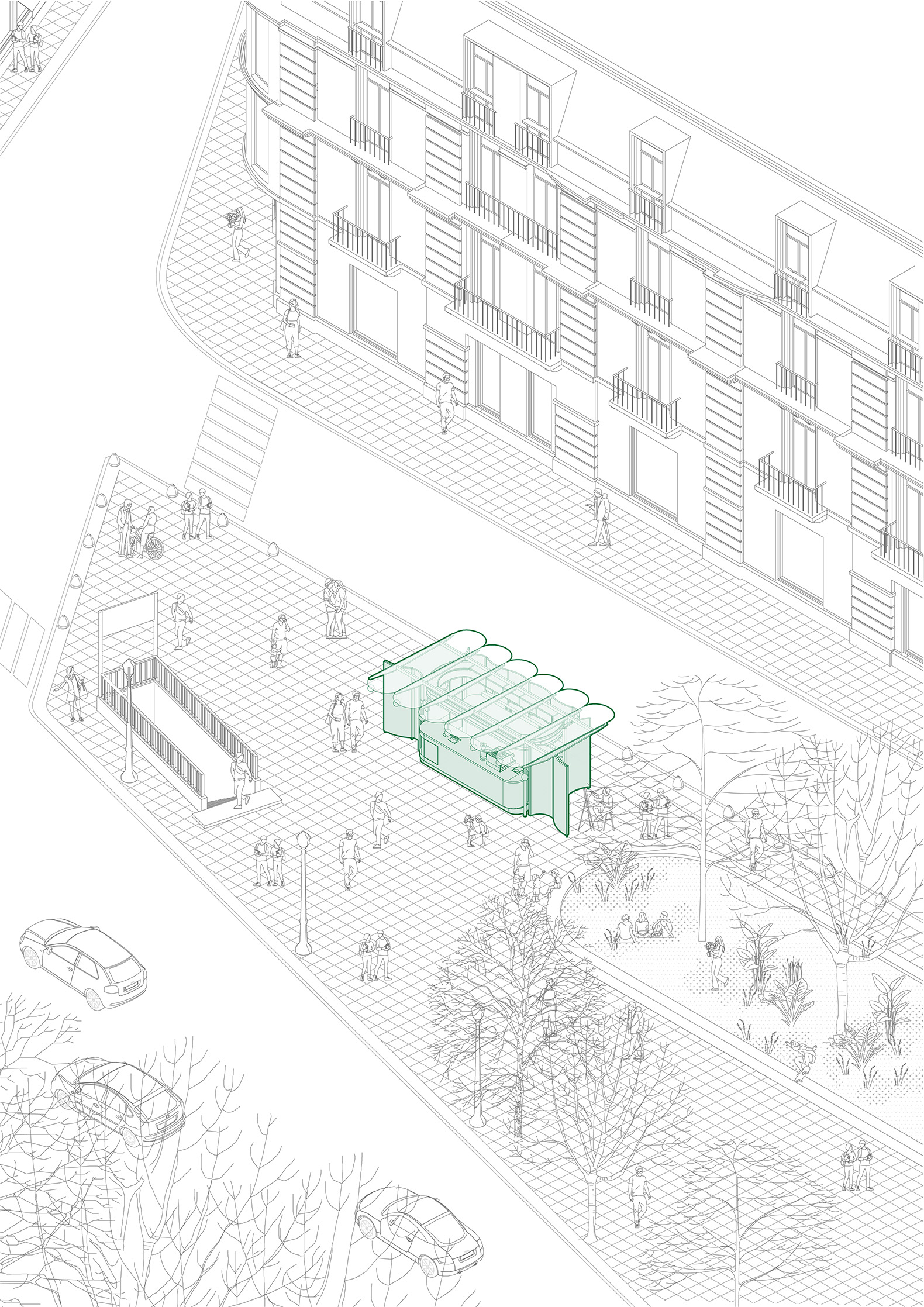
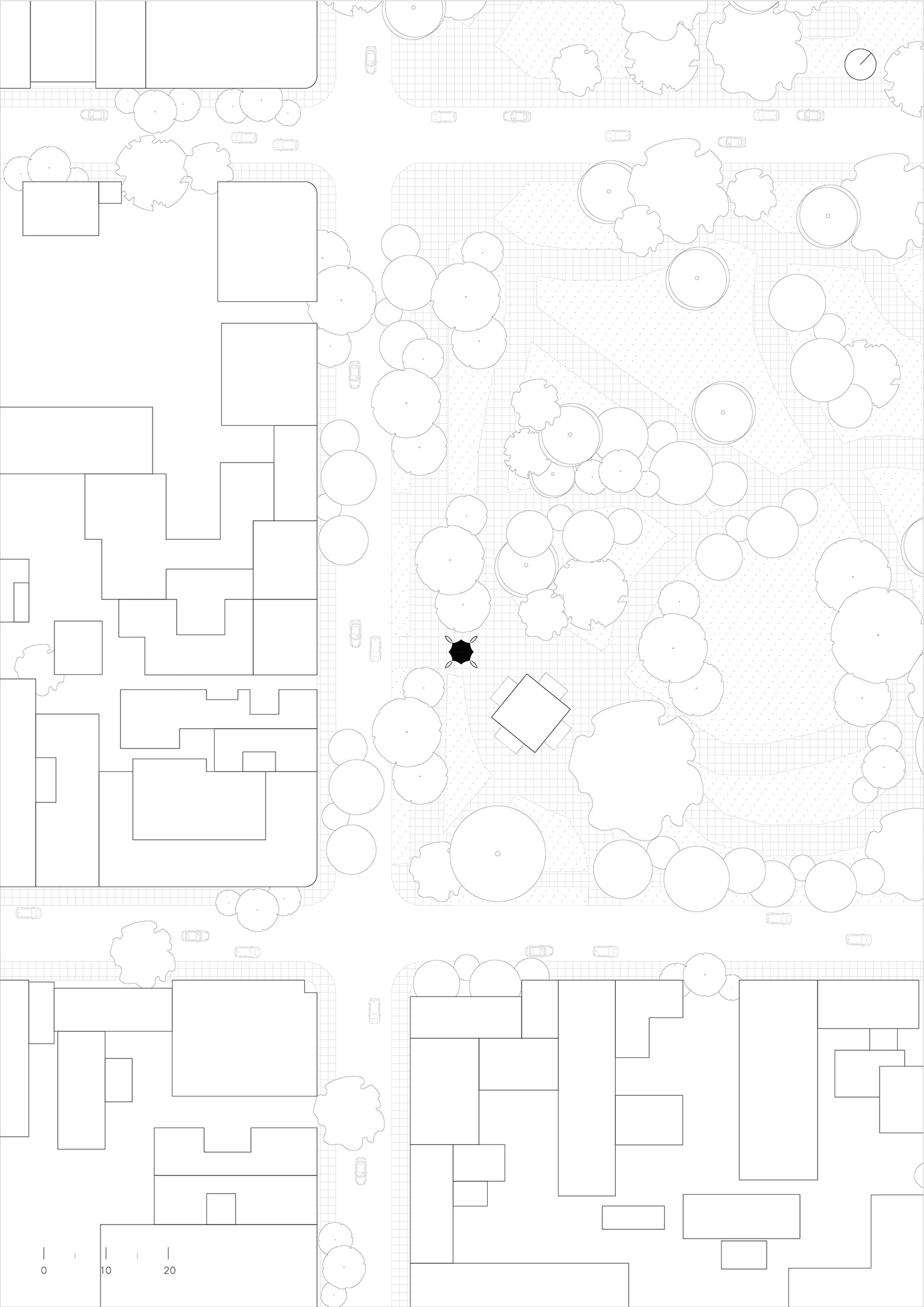
"Canillita" is conceived as a family of urban artifacts that share this logic of deployment but adapt to each context. The three built examples work with curved and mobile envelopes, although none are identical: the final geometry is recalibrated according to the surroundings, allowing each stand to resonate differently with its corner, its neighboring building, and the scale of its street.

"Canillita" by Bioma. Photograph by Javier Agustín Rojas.

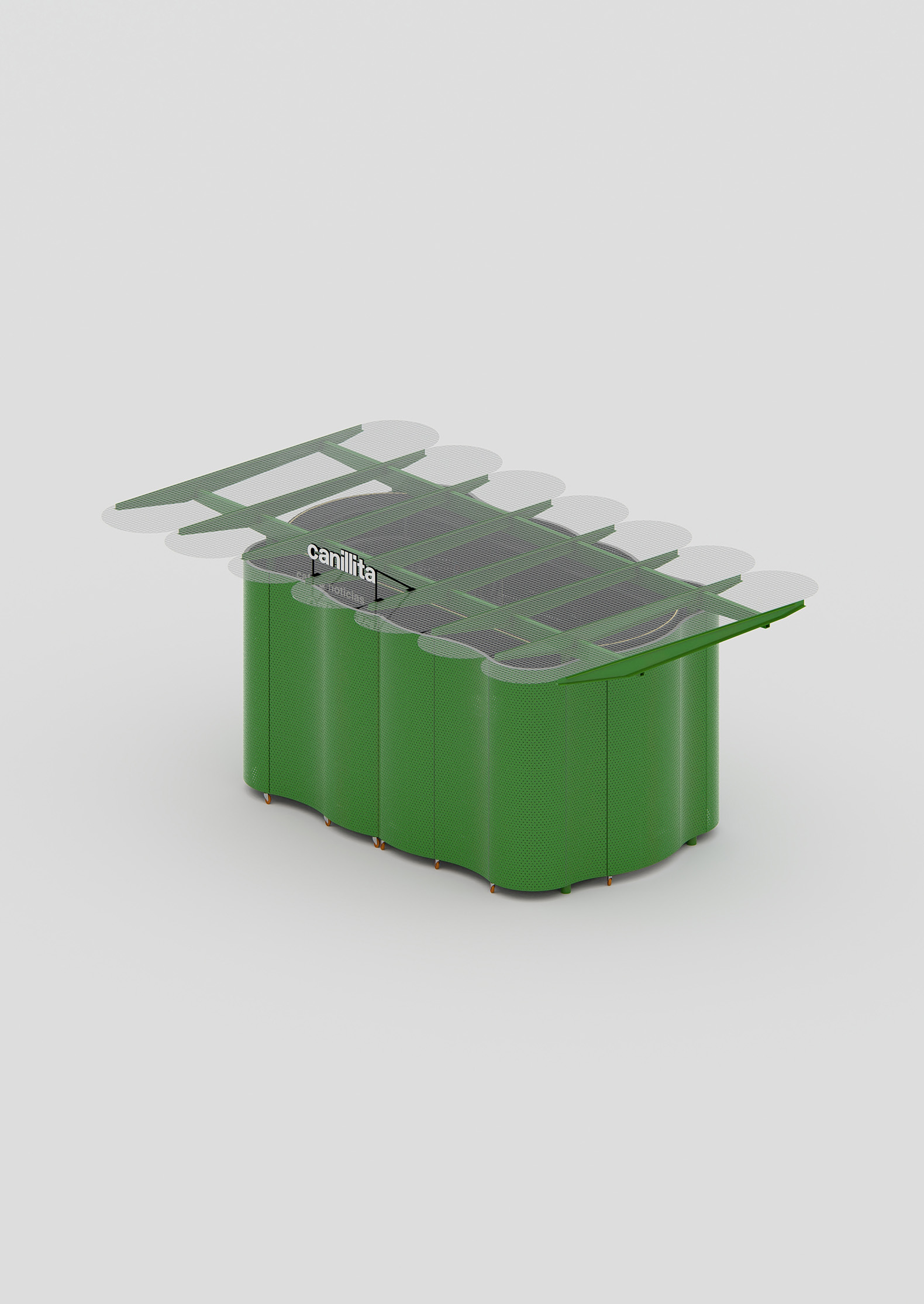
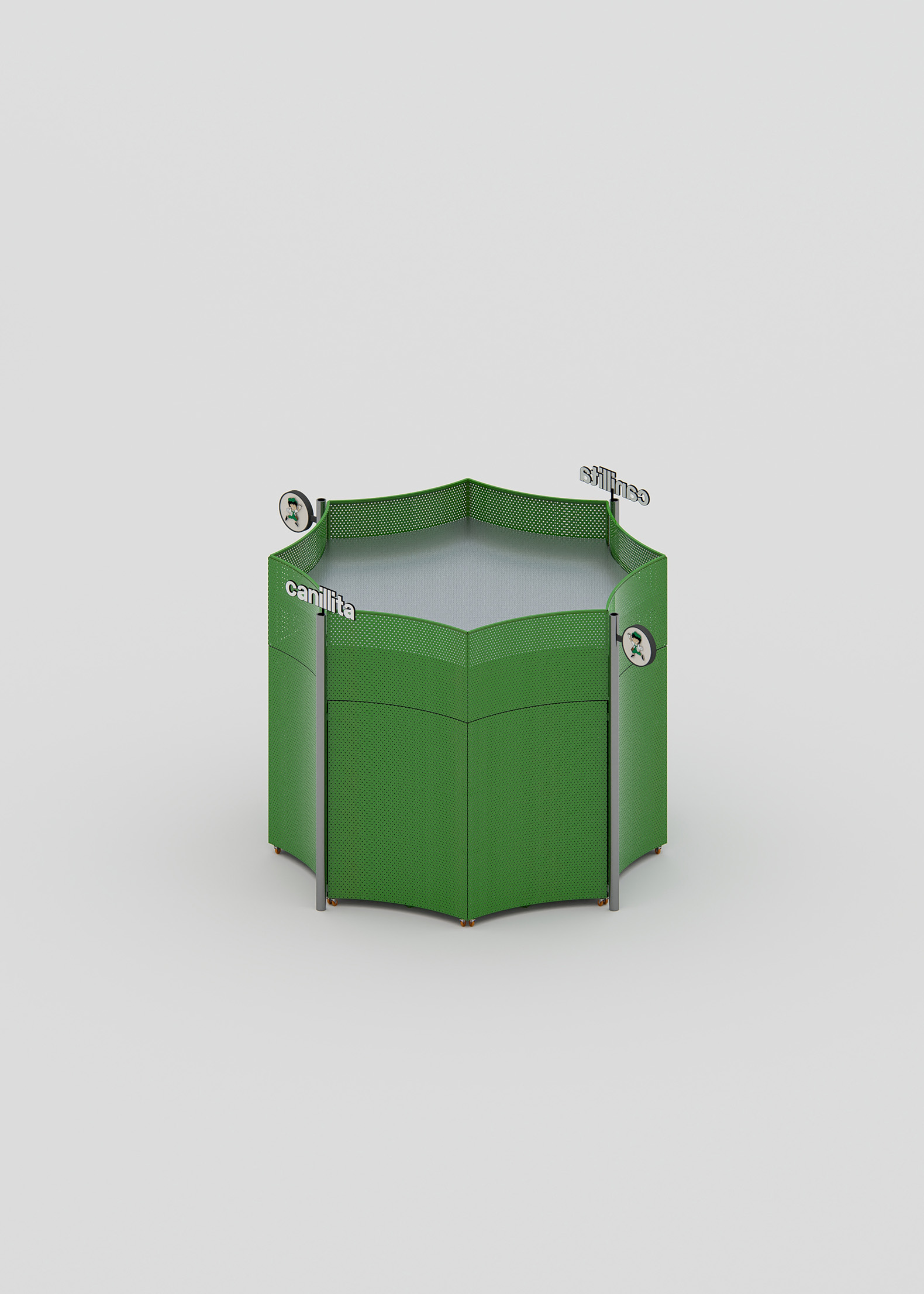
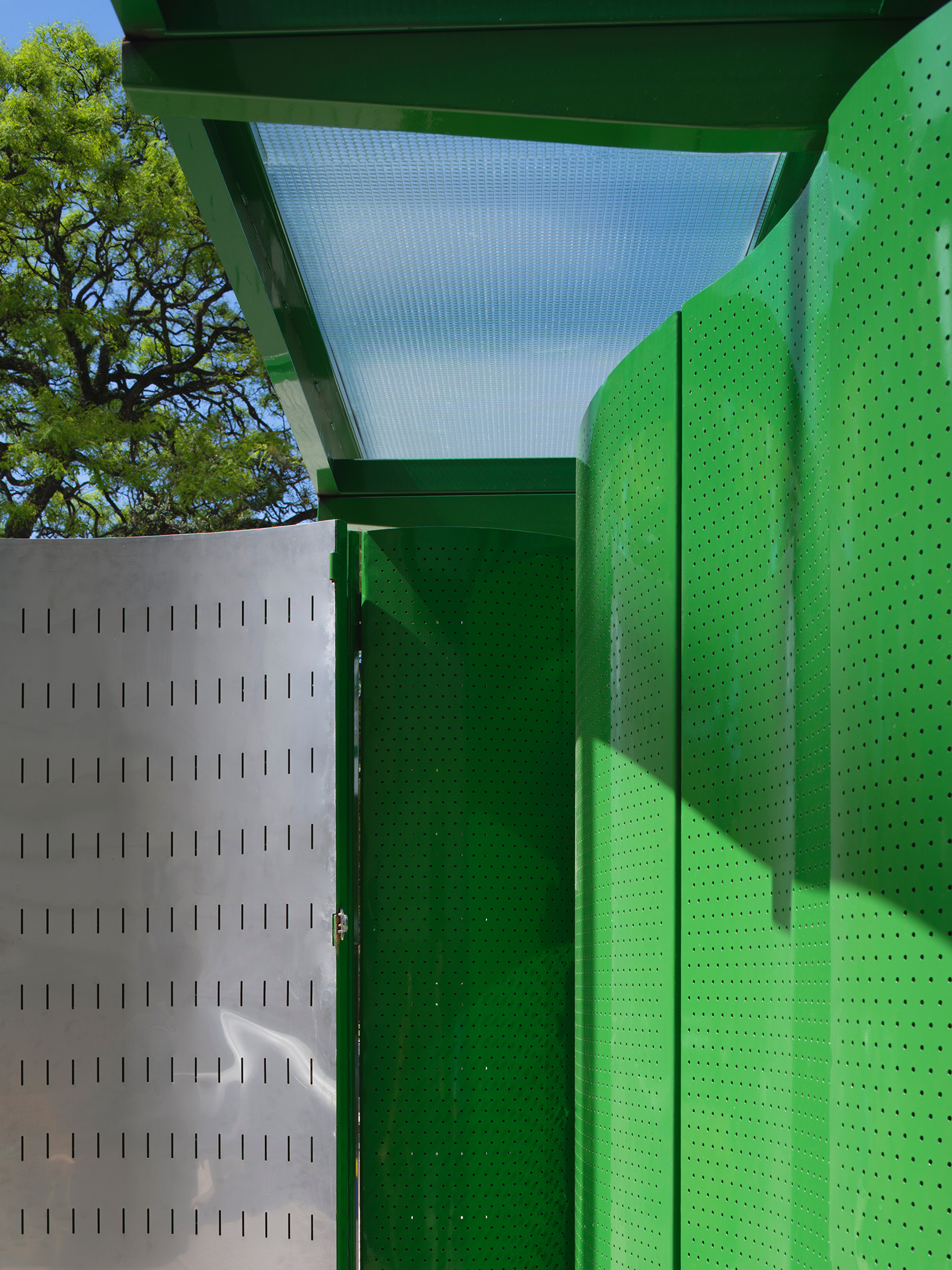
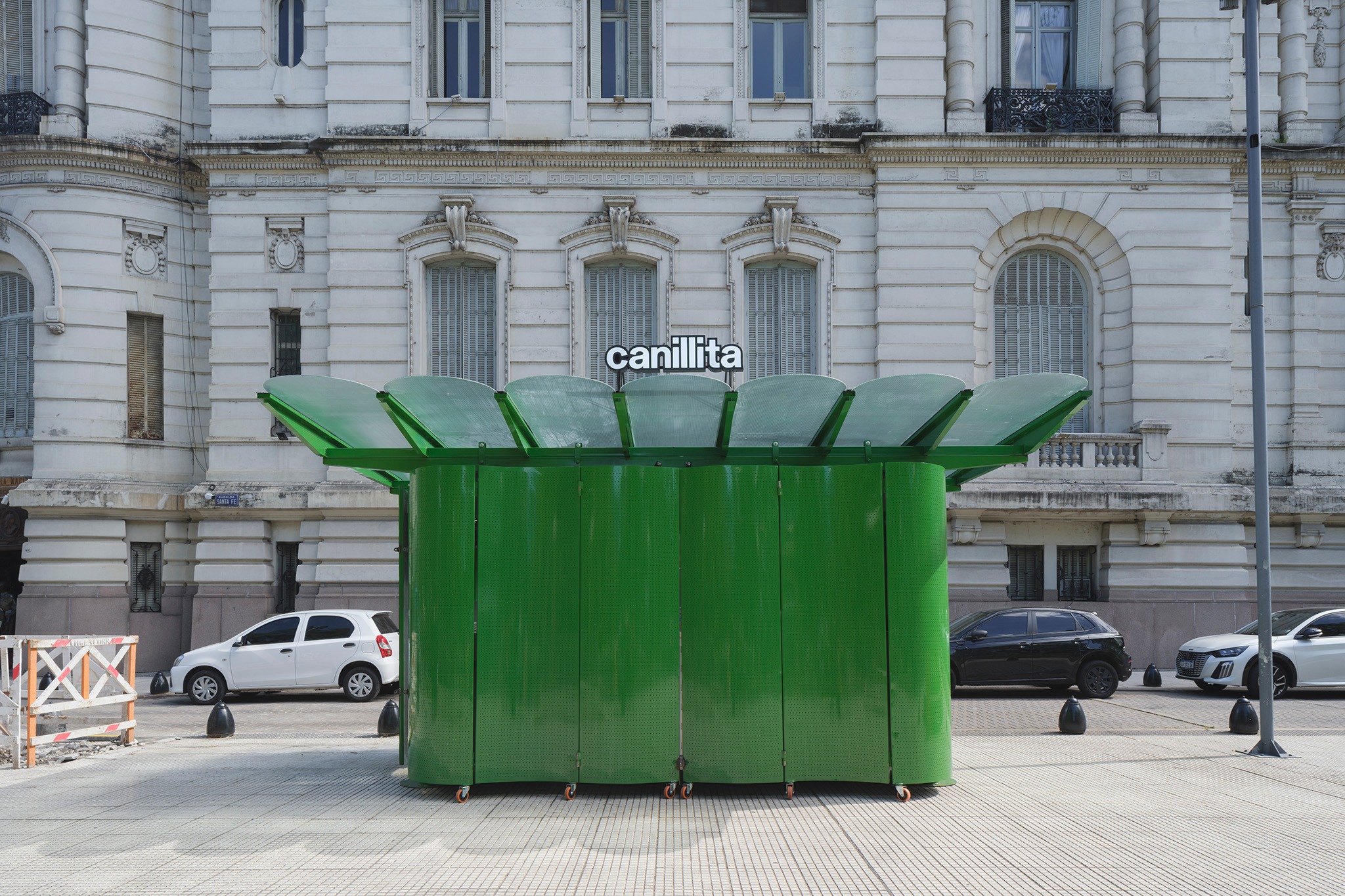
Deployment is both technical and spatial. Technical, because the envelope is composed of curved metal panels that rotate on hinges and open like segments, transforming a compact body into an extended machine. Spatial, because when these planes open, they take over the sidewalk: they become a support for exhibits, a backdrop for small everyday scenes, a light filter, and a signal for the cultural activities that activate them. The former closed kiosk thus becomes a cultural device that radiates its program into the public space.

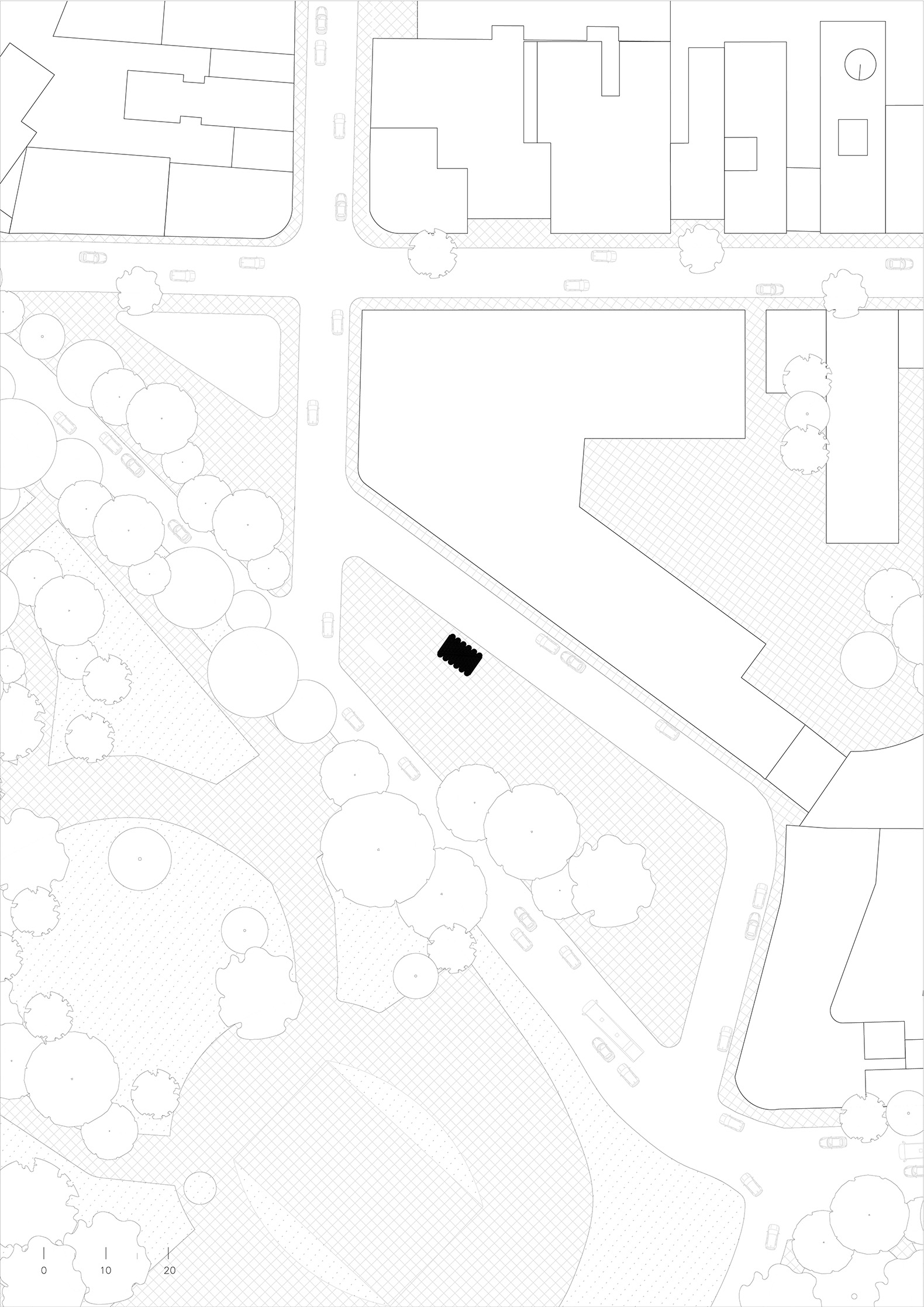
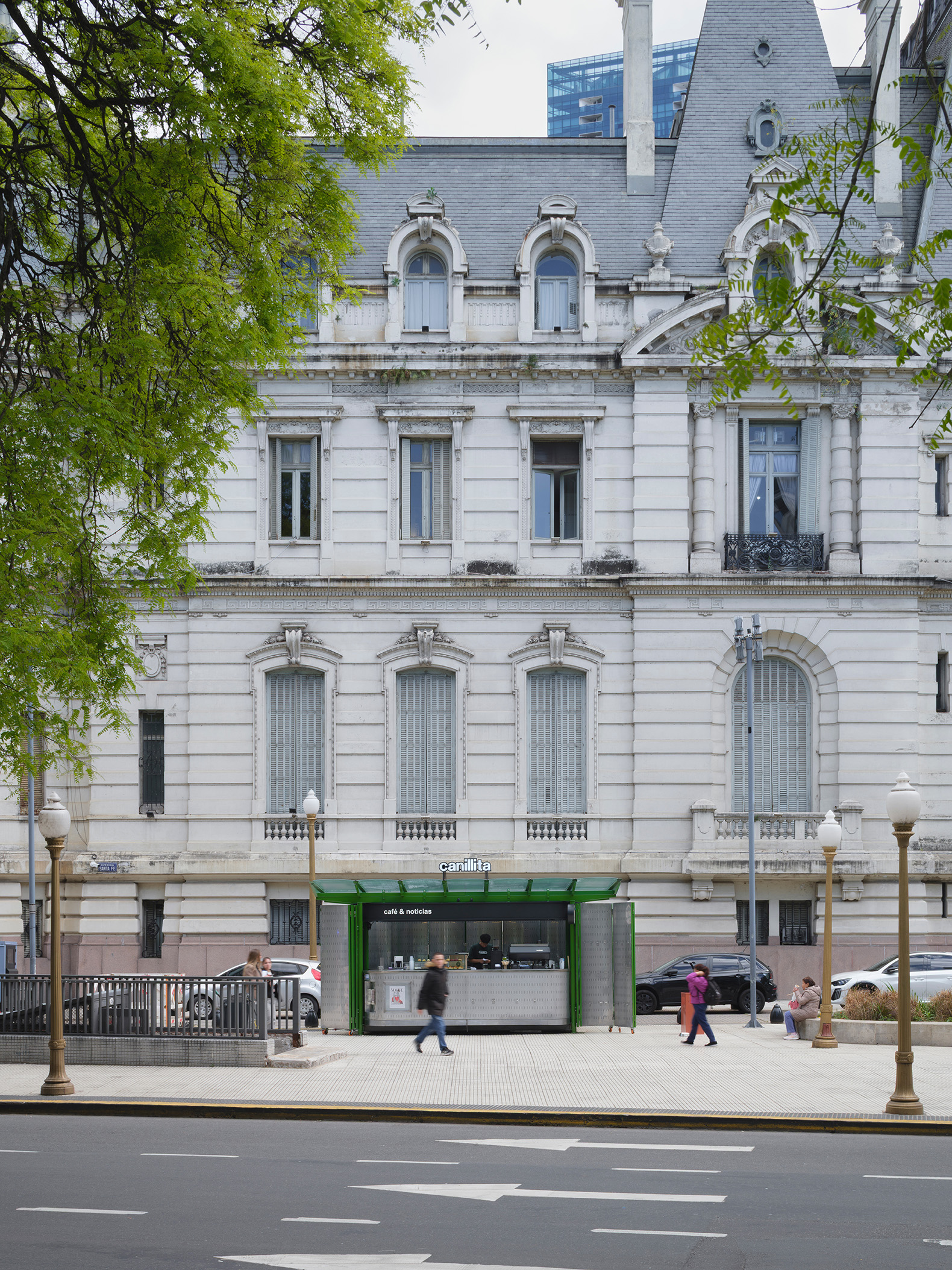
The first structure built is located on the corner of Santa Fe and Maipú, next to the Paz Palace, in the historic heart of Buenos Aires. There, the curved metal segments engage in a dialogue with the palace's ornamentation, recovering, in a contemporary key, certain Art Nouveau gestures from the surroundings.
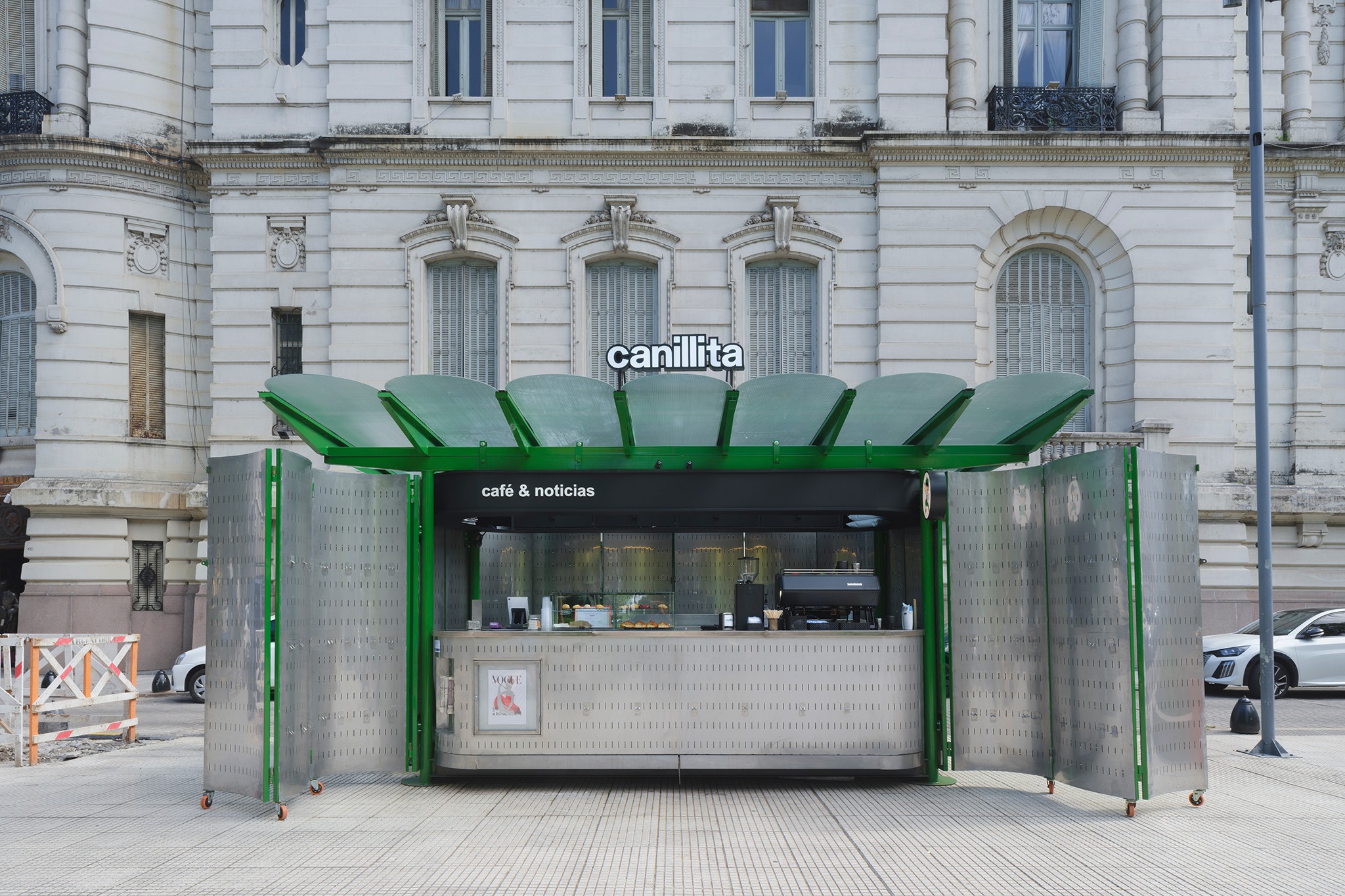
"Canillita" by Bioma. Photograph by Javier Agustín Rojas.

The perforated sheet metal functions simultaneously as skin, visor, and exhibition support: it holds photographs, posters, and texts that, once unfolded, overflow the kiosk's original perimeter. By day, the metal planes reflect the movement of the avenue; At night, the device lights up from within and the old newsstand is transformed into a small cultural beacon on the sidewalk.
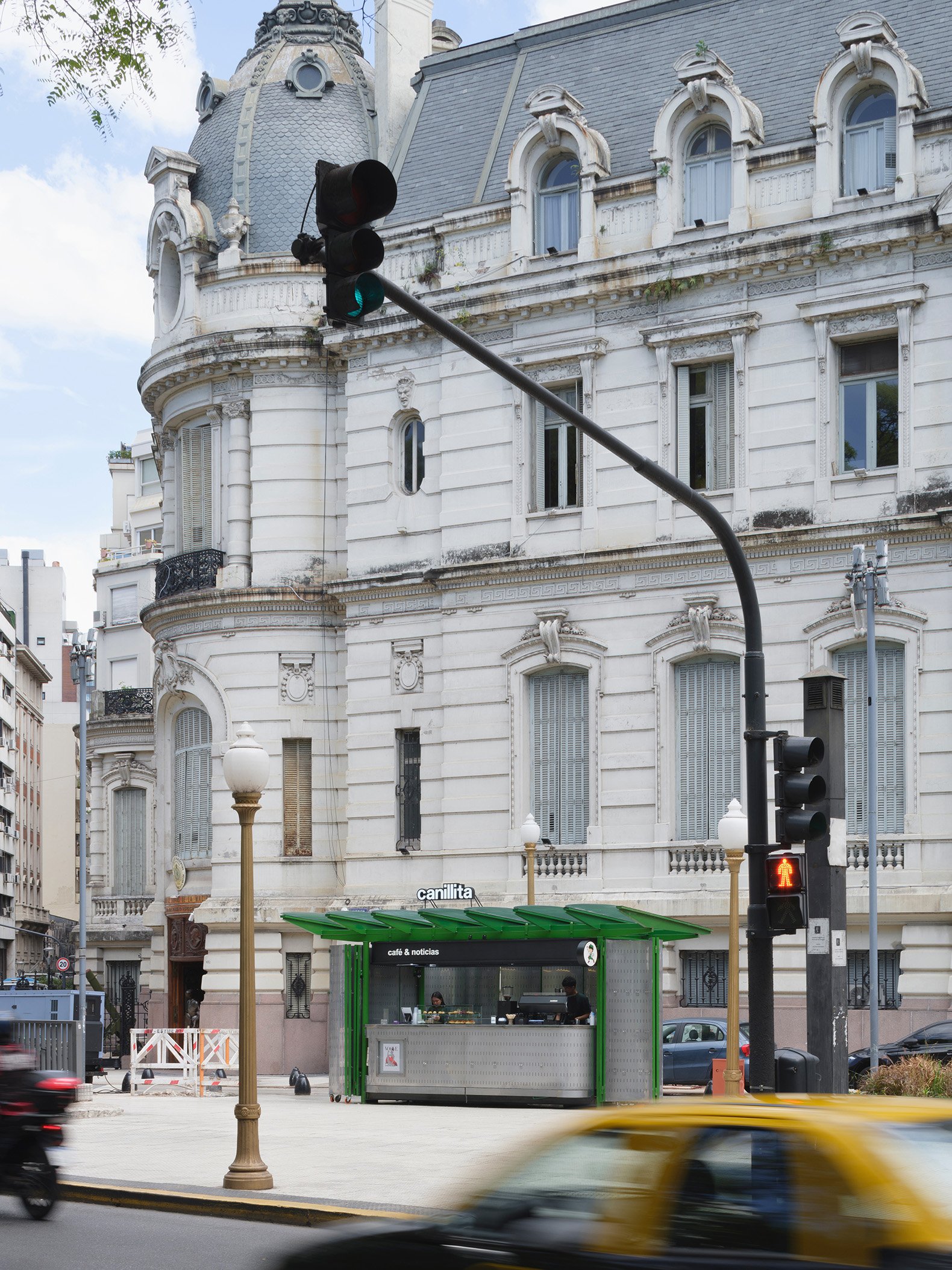
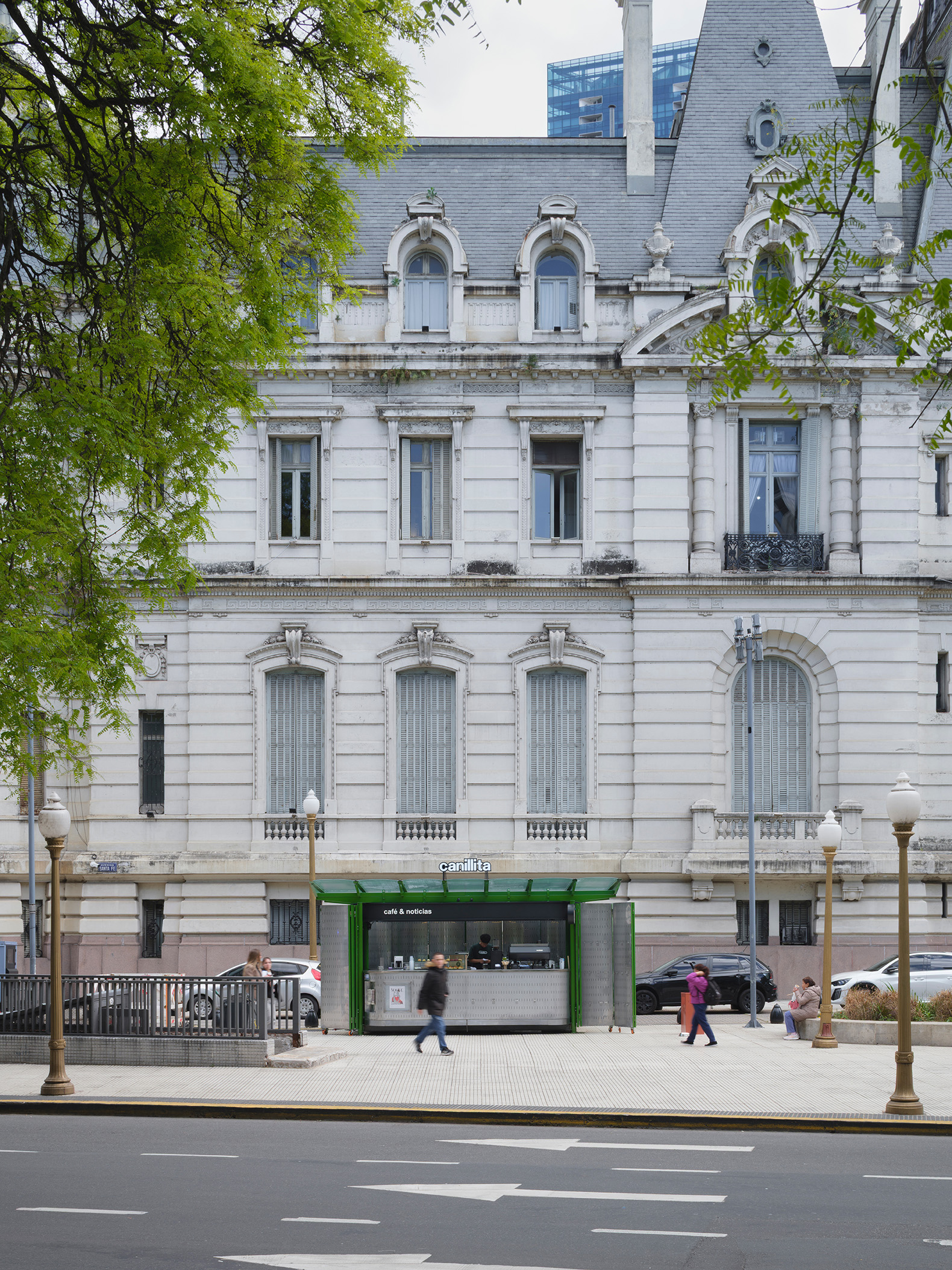
More information

Label
Architects
Text

Bioma. Lead Architects.- Felipe Carrizo, Tomás Randrup. 

+ + copy Created with Sketch.
- + copy Created with Sketch.
Label
Project team
Text

Juan Ignacio Depetri, Facundo Roig, Sofia Macluf.

+ + copy Created with Sketch.
- + copy Created with Sketch.
Label
Client
Text

Lautaro Gotuzzo, Geronimo Messineo.

+ + copy Created with Sketch.
- + copy Created with Sketch.
Label
Contractor
Text

Absint.

+ + copy Created with Sketch.
- + copy Created with Sketch.
Label
Area
Text

15 sqm.

+ + copy Created with Sketch.
- + copy Created with Sketch.
Label
Dates
Text

2025.

+ + copy Created with Sketch.
- + copy Created with Sketch.
Label
Location
Text

Retiro, Buenos Aires, Argentina.

+ + copy Created with Sketch.
- + copy Created with Sketch.
Label
Manufacturers
Text

Absint.

+ + copy Created with Sketch.
- + copy Created with Sketch.
Label
Photography
+ + copy Created with Sketch.
- + copy Created with Sketch.

BIOMA is an architecture studio founded in 2016 by Felipe Carrizo and Tomás Randrup. Based in La Plata, Argentina, BIOMA understands architecture as the design of systems capable of producing distinct identities at different scales—from buildings to ephemeral objects—where each project is a concrete opportunity to construct a small world that listens to its context and, at the same time, subtly shifts its perspective.

BIOMA's team includes Sofía Macluf, Facundo Roig, Juan Ignacio Depetri, and Lucia Allende.

Read more
Published on: December 13, 2025
Cite:
metalocus, AGUSTINA BERTA
"Reinterpreting an everyday urban object. «Canillita» by Bioma" METALOCUS. Accessed
<https://www.metalocus.es/en/news/reinterpreting-everyday-urban-object-canillita-bioma> ISSN 1139-6415
Loading content ...
Loading content ...
Loading content ...
Loading content ...
Loading content ...
Loading content ...
Loading content ...
Loading content ...
Loading content ...
Loading content ...
Loading content ...
Loading content ...
Loading content ...
Loading content ...
Loading content ...
Loading content ...
Loading content ...
Loading content ...
Loading content ...
Loading content ...
Loading content ...
Loading content ...
Loading content ...
Loading content ...
Loading content ...
Loading content ...
Loading content ...
Loading content ...
Loading content ...
Loading content ...
Loading content ...
Loading content ...
Loading content ...
Loading content ...
Loading content ...
Loading content ...
Loading content ...
Loading content ...
Loading content ...
Loading content ...
Loading content ...
Loading content ...
Loading content ...
Loading content ...
Loading content ...
Loading content ...
Loading content ...
Loading content ...
Loading content ...
Loading content ...
Loading content ...
Loading content ...
Loading content ...
Loading content ...