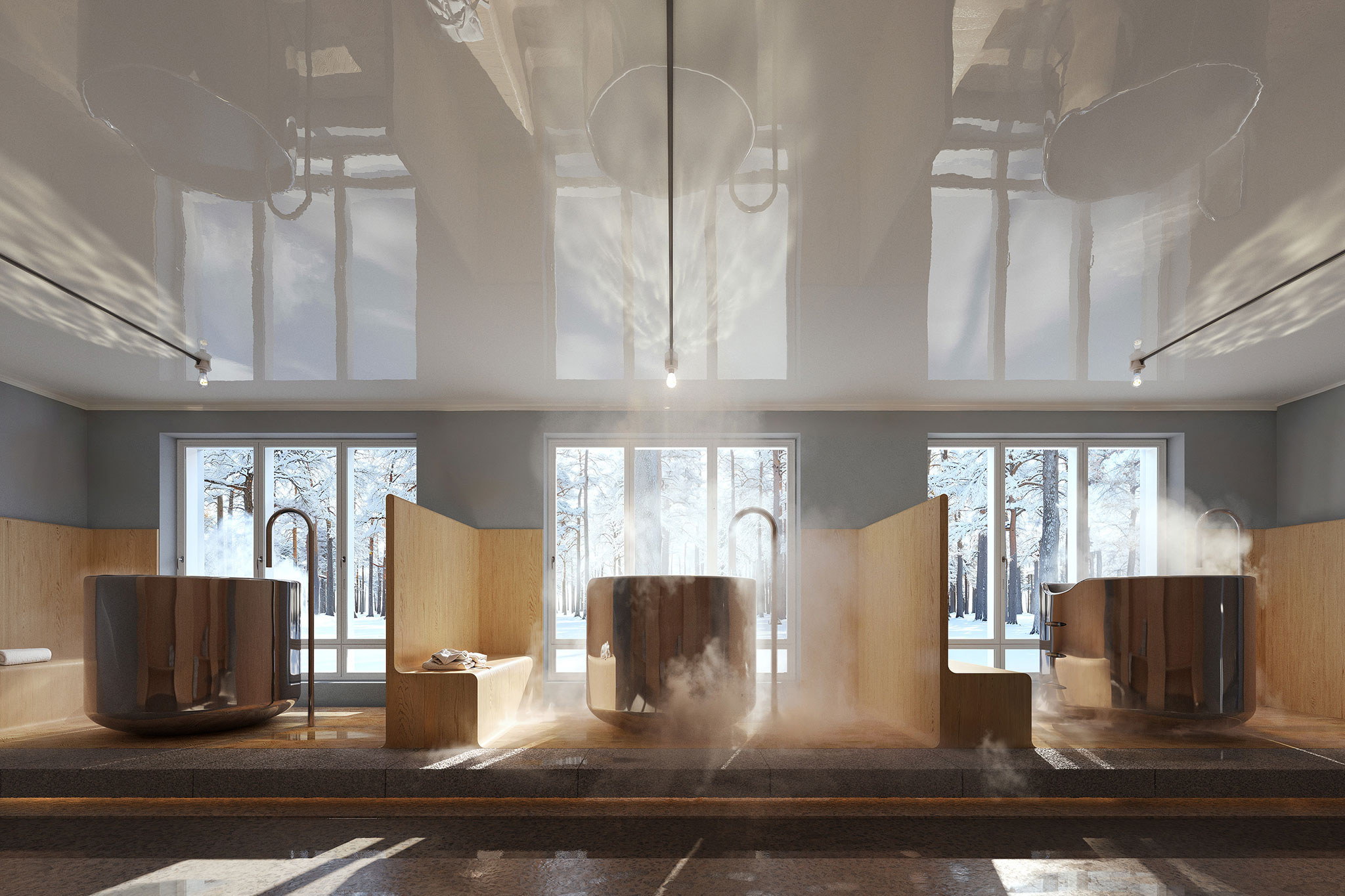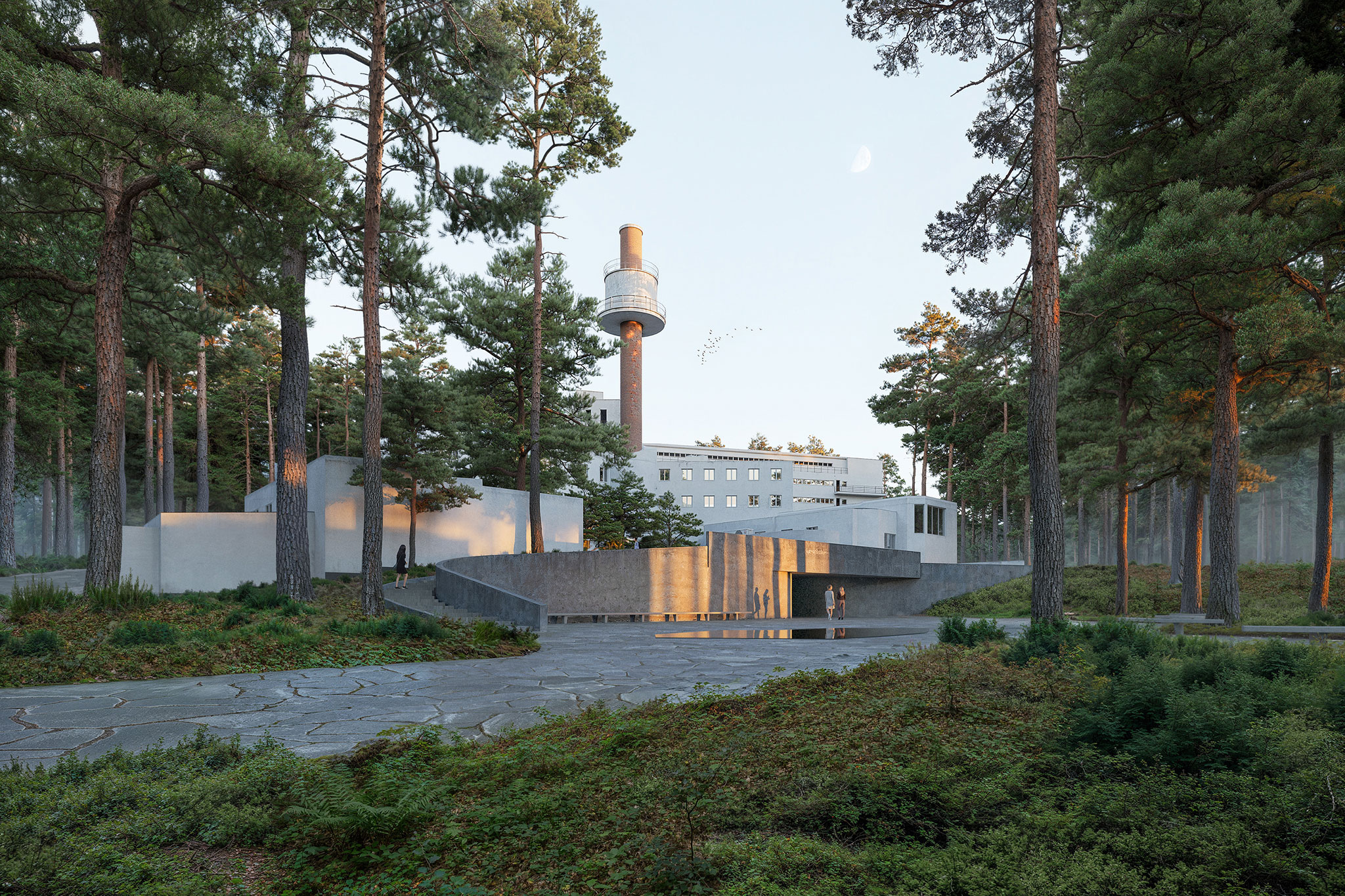
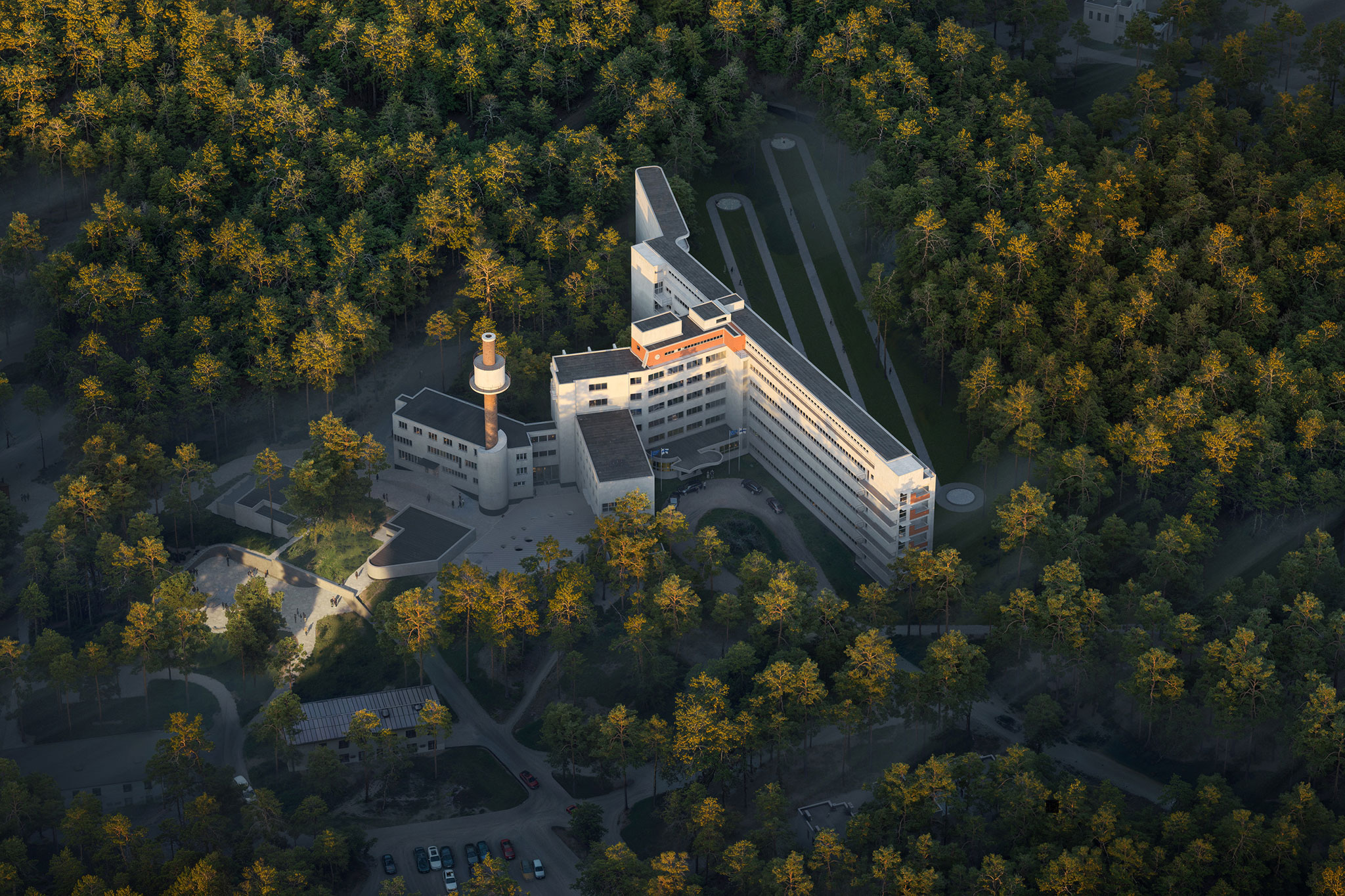
As part of the evolution of the symbolic work built in the Finnish forests of Paimio by Aino and Alvar Aalto, the Snøhetta practice, in collaboration with the Paimio Foundation, has transformed the Former Sanatorium and tuberculosis Hospital into a space that, while maintaining its healthcare function, combines well-being, hospitality, cultural spaces, and areas for reflection.

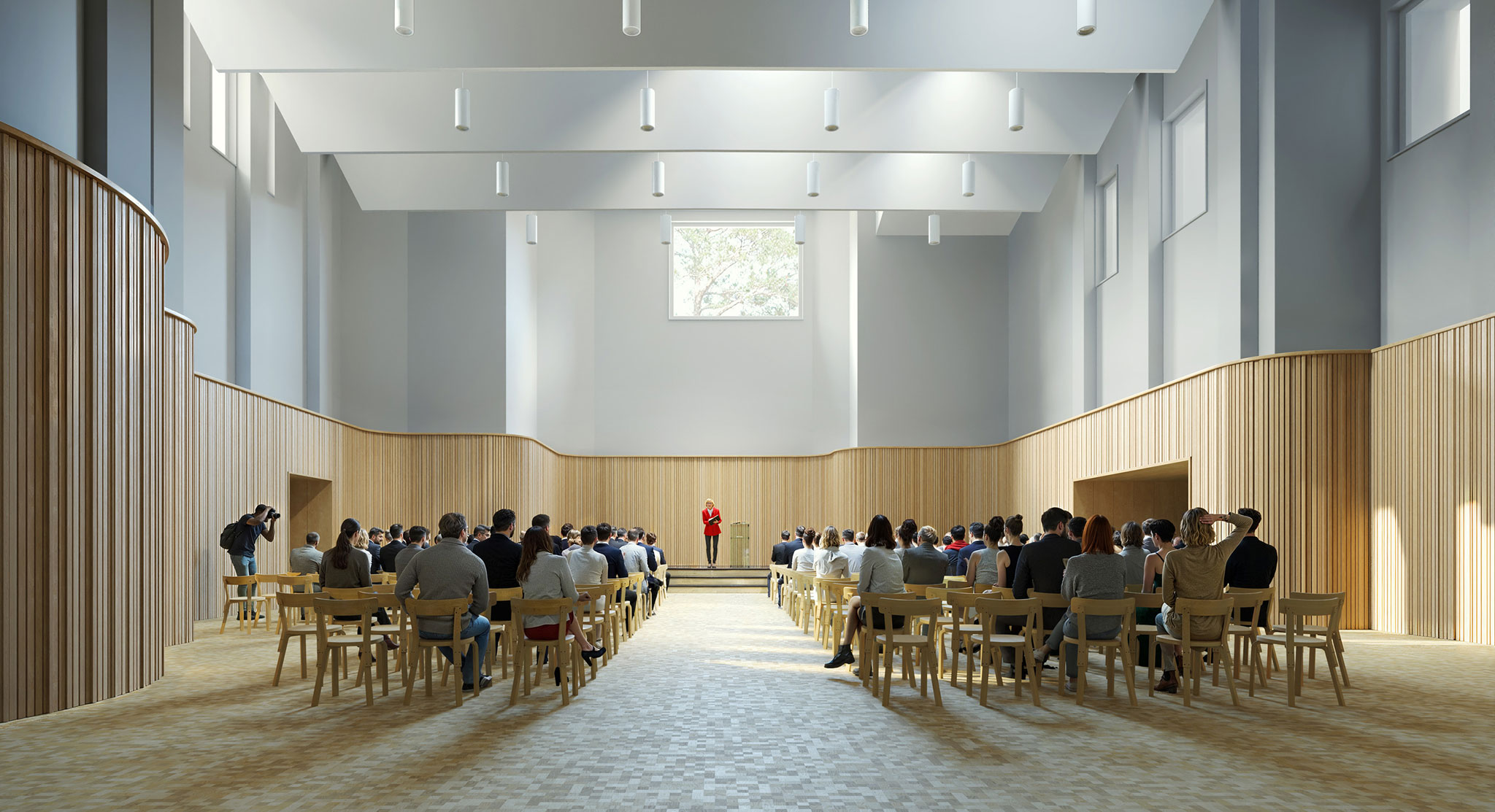
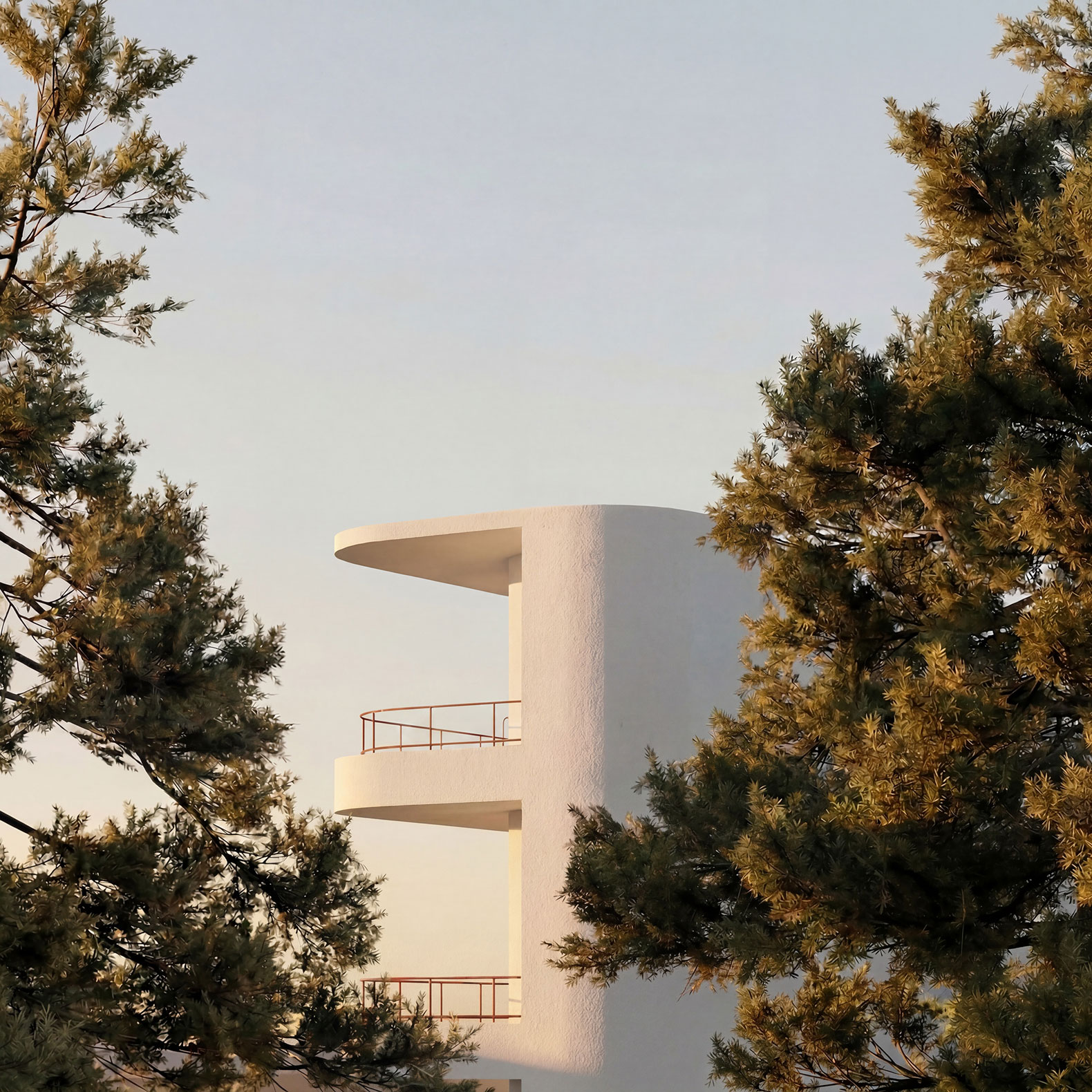
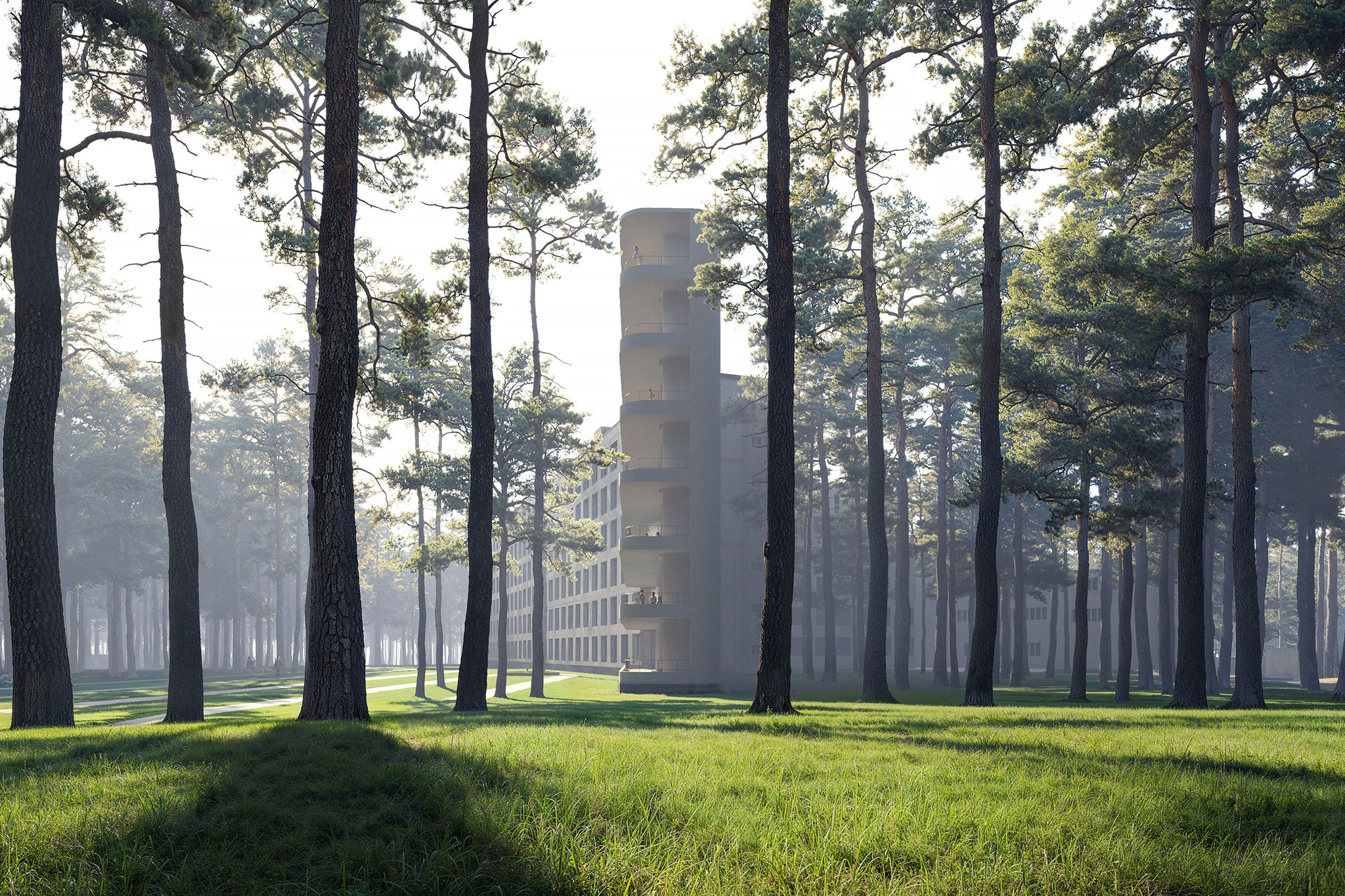
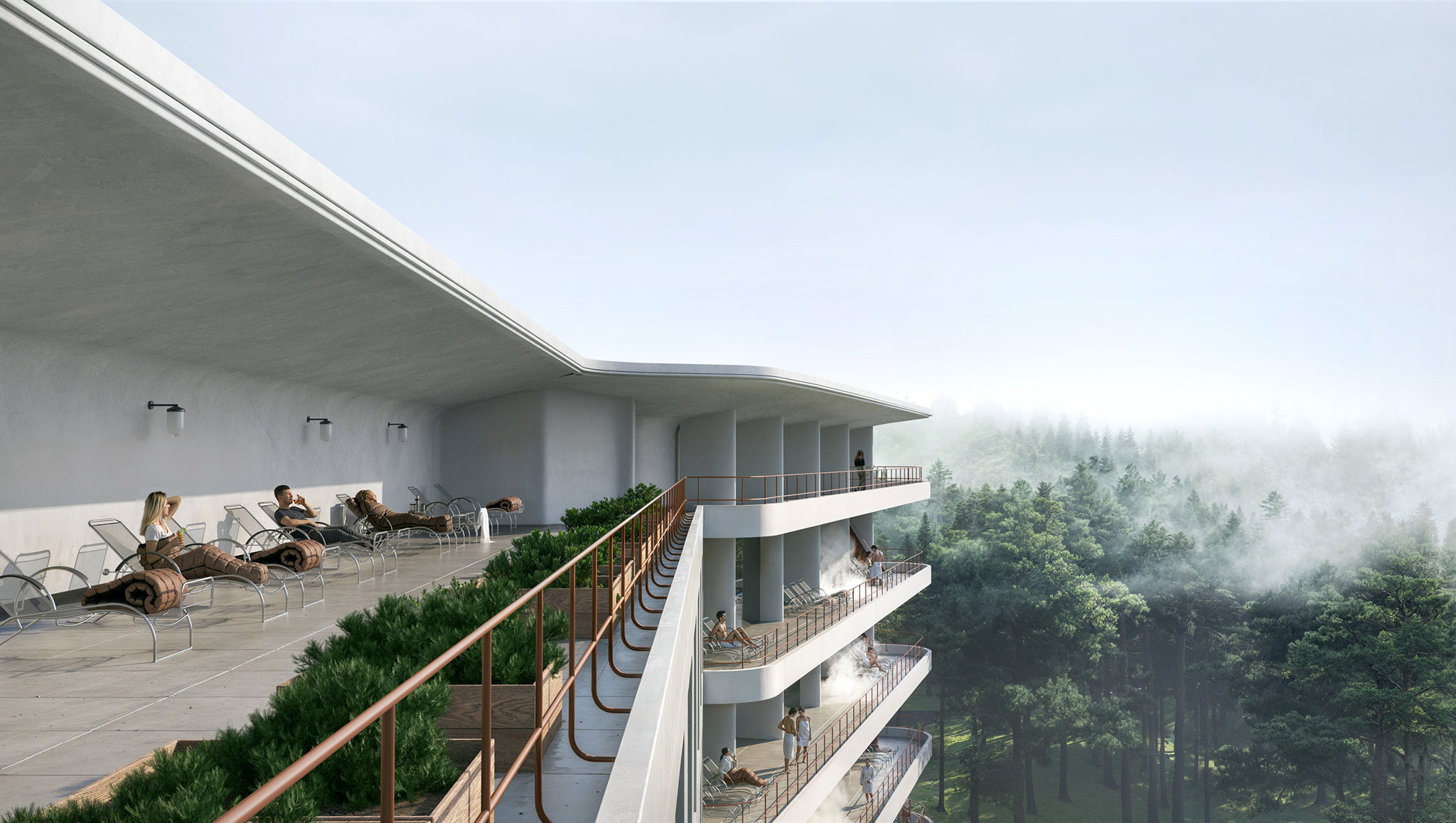
By adapting the old spaces and reinventing them with new functions, we see how the former surgical block is opened up, creating the main entrance and transforming it into an auditorium. Similarly, the patient block is repurposed for hospitality. Furthermore, the symbolic balconies are reopened, providing controlled lighting inside.

The Snøhetta practice, in collaboration with the Paimio Foundation, has introduced a new plan for the transformation of the former Paimio Sanatorium in Finland—designed by Aino and Alvar Aalto in 1933 as one of the cornerstones of modern architecture—based on the Aaltos' ideal that architecture should serve human well-being. 

As a key strategy, the practice aims to bring nature closer to the facade and, consequently, to the interior of the building, creating a new main entrance. The building will thus have two entrances, resulting in separate spaces for the auditorium and the activity areas.
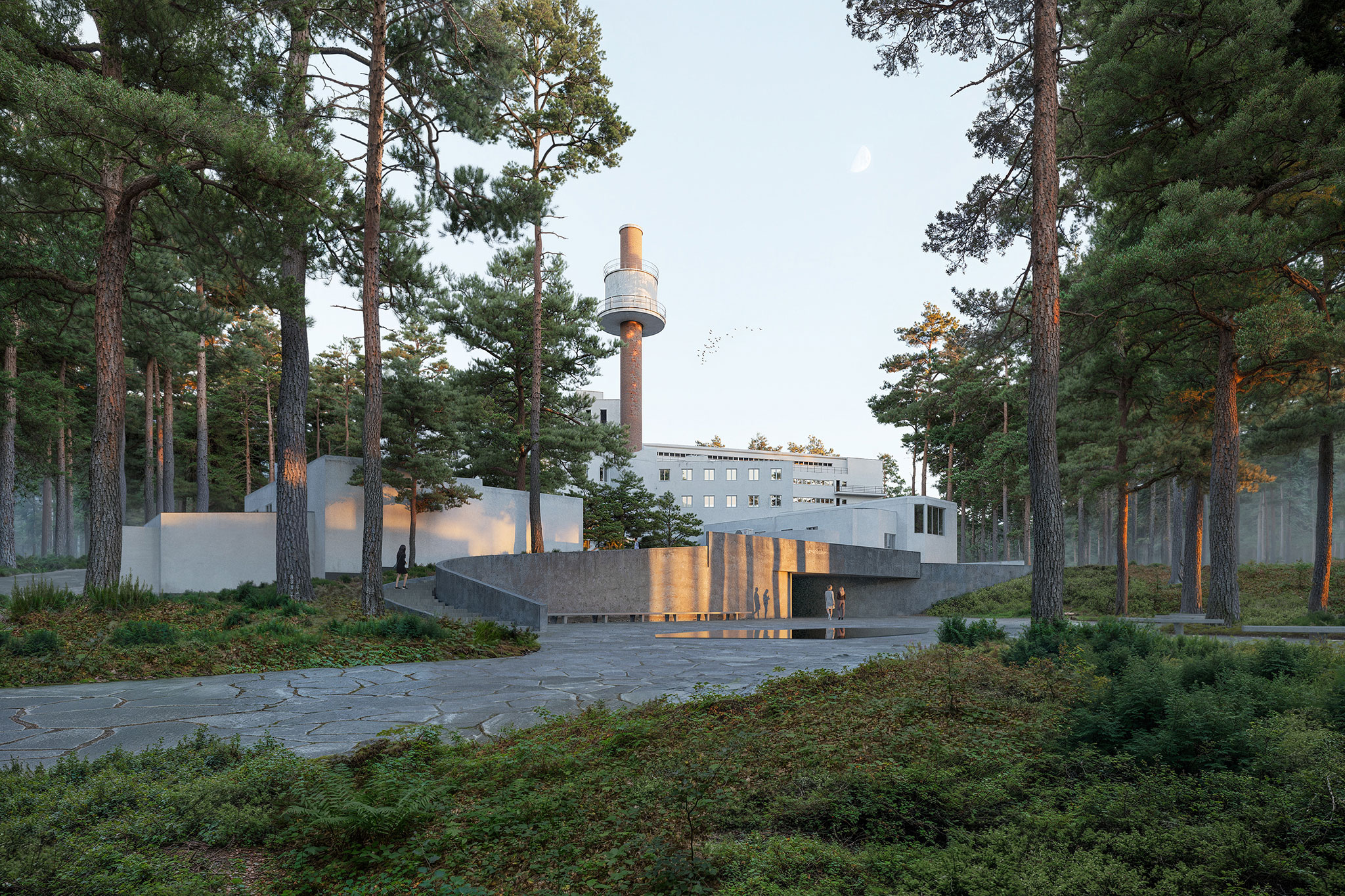
Master plan for the Paimio Sanatorium by Snøhetta. Rendering by Proloog/Snøhetta.

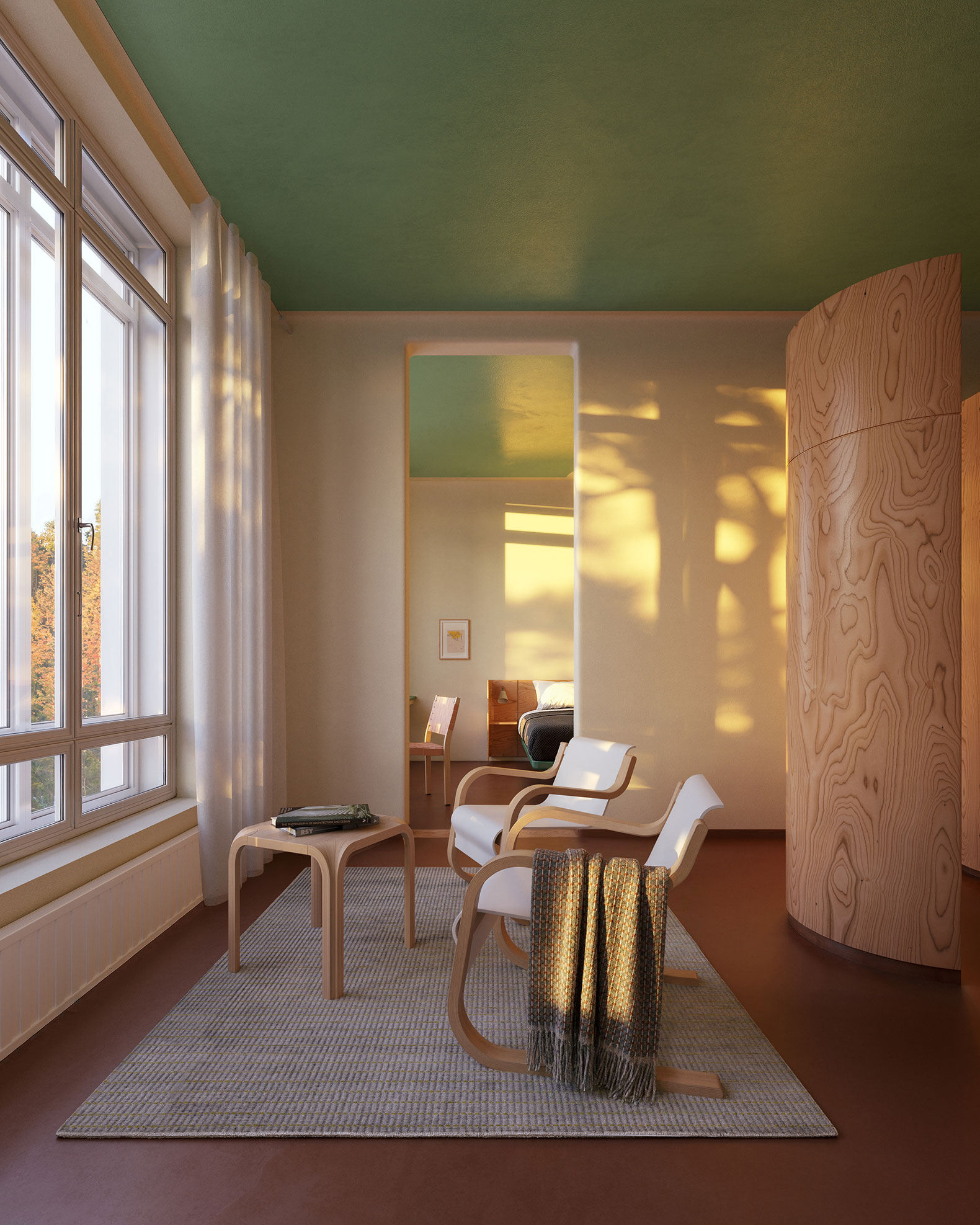
Master plan for the Paimio Sanatorium by Snøhetta. Rendering by Proloog/Snøhetta. 

The auditorium block is divided into two levels and clad in birch slats, creating optimal acoustic comfort. The block formerly used for patients is transformed into a hospitality area, creating private rooms of varying sizes for both private and public use, depending on their size. 

As in the auditorium, the renovation relies heavily on the use of birch wood, especially for the furnishings, distinguishing between the existing structure and the new additions. Furthermore, the original proportions designed by the Aaltos have been respected. From these rooms, access to the balconies is once again available, creating open and elongated spaces.
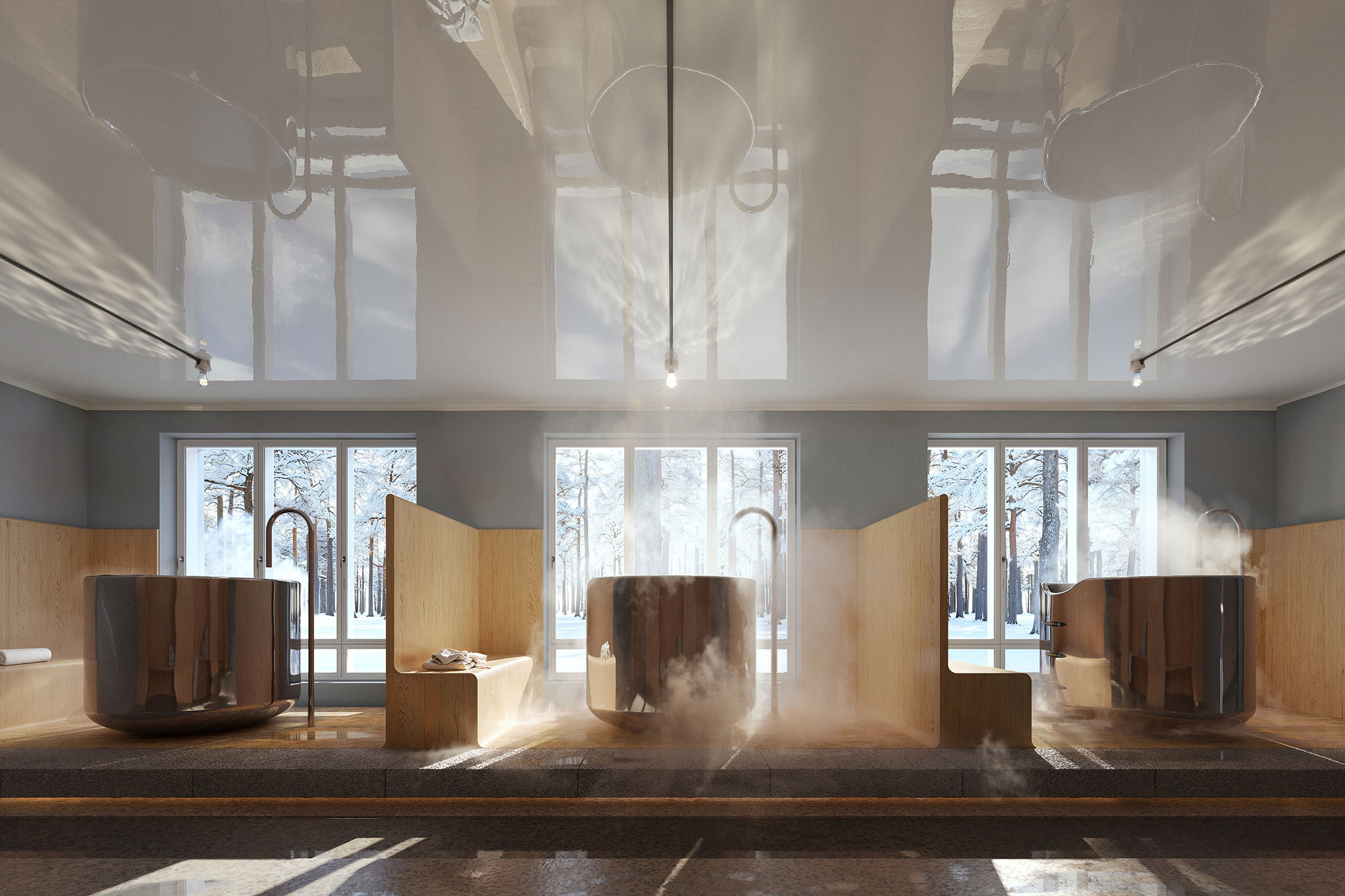
Master plan for the Paimio Sanatorium by Snøhetta. Rendering by Proloog/Snøhetta.

Master plan for the Paimio Sanatorium by Snøhetta. Rendering by Proloog/Snøhetta. 

A New Era

Honoring this modern landmark to the fullest, the revitalization began with the creation of the Paimio Sanatorium Foundation in 2020. The Foundation determined that the most suitable use for the new project involved preserving its primary character as a healing center, maintaining its role as a guesthouse, and complementing it with a cultural use.

The first phase of the Plan has been developed with ALA Architects and Mustonen Architects. In addition, the Paimio Sanatorium is among the buildings proposed for inscription on the UNESCO World Heritage List.
More information

Label
Architects Arquitectos
+ + copy Created with Sketch.
- + copy Created with Sketch.
Label
Dates
Text

Original project completed.- 1933.
Renovation.- 2026.

+ + copy Created with Sketch.
- + copy Created with Sketch.
Label
Location
Text

Alvar Aallontie, 275. 21540 - Preitilä, Finland.

+ + copy Created with Sketch.
- + copy Created with Sketch.
Label
Programa
Text

Built as a tuberculosis sanatorium, later used as hospital. Today a tourist attraction.

+ + copy Created with Sketch.
- + copy Created with Sketch.
Label
Rendering
Text

Proloog.

+ + copy Created with Sketch.
- + copy Created with Sketch.

Snøhetta is an architecture, landscape, and interior design studio with offices in Oslo, Norway, and New York City, USA. Founded in 1989, it is led by Craig Dykers and Kjetil Thorsen. The studio, named in honour of Mount Snøhetta, the highest peak in the Dovrefjell mountains of Norway, has approximately 100 collaborators working on large-scale international projects across a wide range of typologies. Their approach is deeply collaborative and transdisciplinary, bringing together architects, designers, engineers, and landscape professionals to explore multiple perspectives depending on the nature of each project.

Snøhetta has completed a series of world-renowned cultural and landmark projects, including the Bibliotheca Alexandrina in Egypt, the Oslo Opera House and Ballet, and the Lillehammer Art Museum in Norway. Current projects include the National Pavilion of the September 11 Memorial Museum at the World Trade Center site in New York, as well as urban and landscape developments that aim to merge local identity, sustainability, and public experience.

In 2004, Snøhetta was awarded the Aga Khan Award for Architecture, and in 2009, the Mies van der Rohe Award. The studio is the only practice to have won the World Architecture Award for Best Cultural Building twice in consecutive years: in 2002 for the Bibliotheca Alexandrina and in 2008 for the Oslo Opera House and Ballet, consolidating its international prestige.

Kjetil Trædal Thorsen (born 1958 on the coastal island of Karmøy, Norway) is a co-founder of the studio and a multiple award-winning architect. He is a visionary and humanist designer who has redefined the boundaries of contemporary practice. Under his leadership, Snøhetta has produced iconic, sustainable structures that are highly sensitive to their cultural context, combining technological innovation with a profound environmental awareness. Thorsen’s work is recognized for its focus on social interaction, sustainability, and the creation of spaces that foster human connection and sensory experience, establishing a benchmark in contemporary global architecture.

Craig Dykers (born 1961 in Frankfurt, Germany) is also a co-founder of the studio and director of its New York office. Snøhetta has earned a reputation for maintaining a deep integration of landscape, architecture, and urban experience across all its projects. Key works include the Bibliotheca Alexandrina in Egypt, the Oslo Opera House and Ballet, the National Pavilion of the September 11 Memorial Museum in New York, and the redesign of Times Square. Professionally and academically active, Dykers has been a member of the Norwegian Association of Architects (NAL), the American Institute of Architects (AIA), and the Royal Society of Arts in England. He has served as a diploma juror at the Architectural College in Oslo and as a distinguished professor at City College, New York. He has delivered numerous lectures across Europe, Asia, and the Americas, and has undertaken public art installation projects, many of which explore the interplay between context, landscape, and human experience.

Read more
Published on: July 2, 2026
Cite:
metalocus, MARÍA MÍNGUEZ
"Snøhetta’s rehabilitation proposal for the Aaltos’ Paimio Sanatorium" METALOCUS. Accessed
<https://www.metalocus.es/en/news/snohettas-rehabilitation-proposal-aaltos-paimio-sanatorium> ISSN 1139-6415
Loading content ...
Loading content ...
Loading content ...
Loading content ...
Loading content ...
Loading content ...
Loading content ...
Loading content ...
Loading content ...
Loading content ...
Loading content ...
Loading content ...
Loading content ...
Loading content ...
Loading content ...
Loading content ...
Loading content ...
Loading content ...
Loading content ...
Loading content ...
Loading content ...
Loading content ...
Loading content ...
Loading content ...
Loading content ...
Loading content ...
Loading content ...
Loading content ...
Loading content ...
Loading content ...
Loading content ...
Loading content ...
Loading content ...
Loading content ...
Loading content ...
Loading content ...
Loading content ...
Loading content ...
Loading content ...
Loading content ...
Loading content ...
Loading content ...
Loading content ...
Loading content ...
Loading content ...
Loading content ...
Loading content ...
Loading content ...
Loading content ...
Loading content ...
Loading content ...
Loading content ...
Loading content ...
Loading content ...