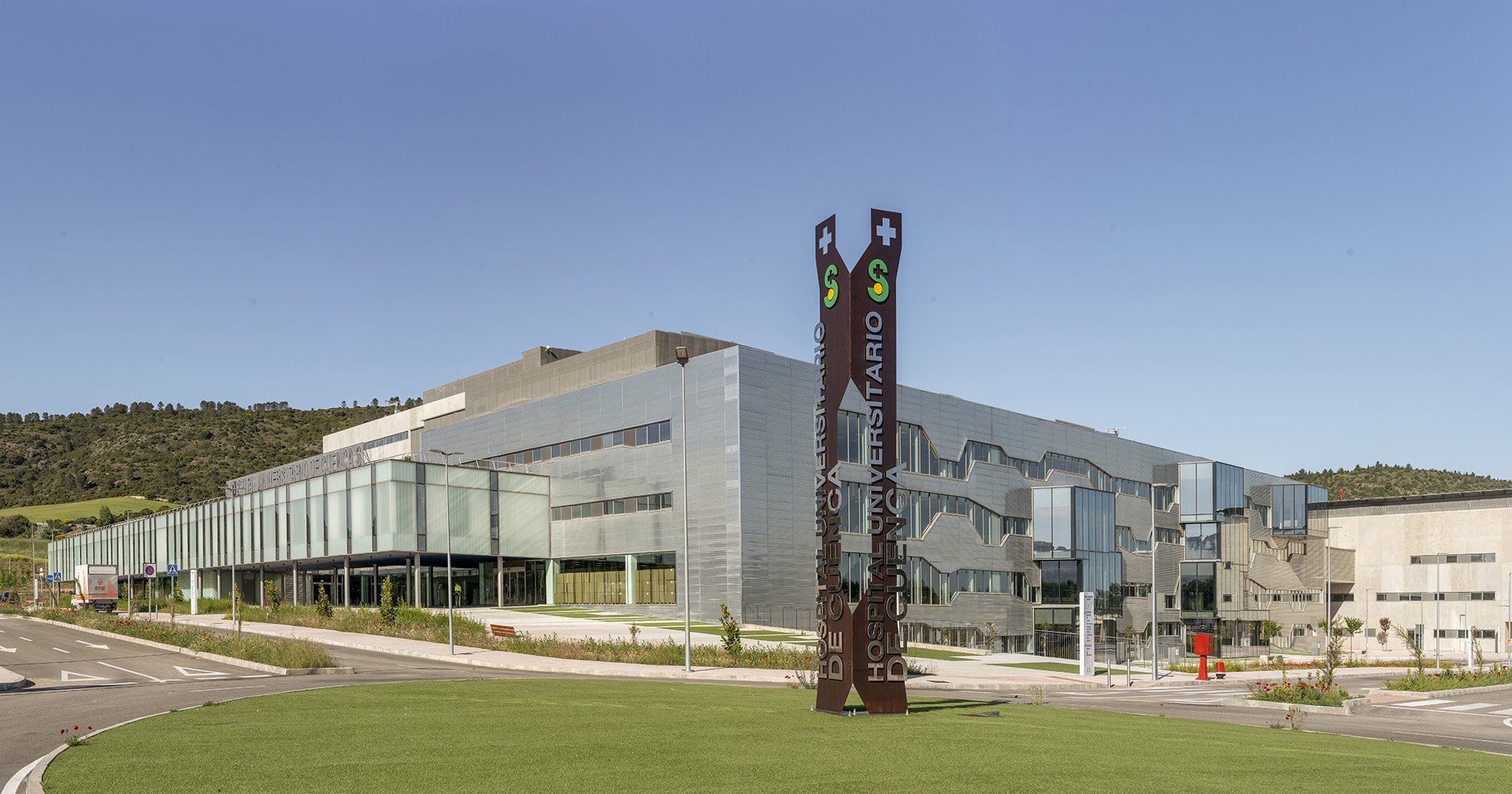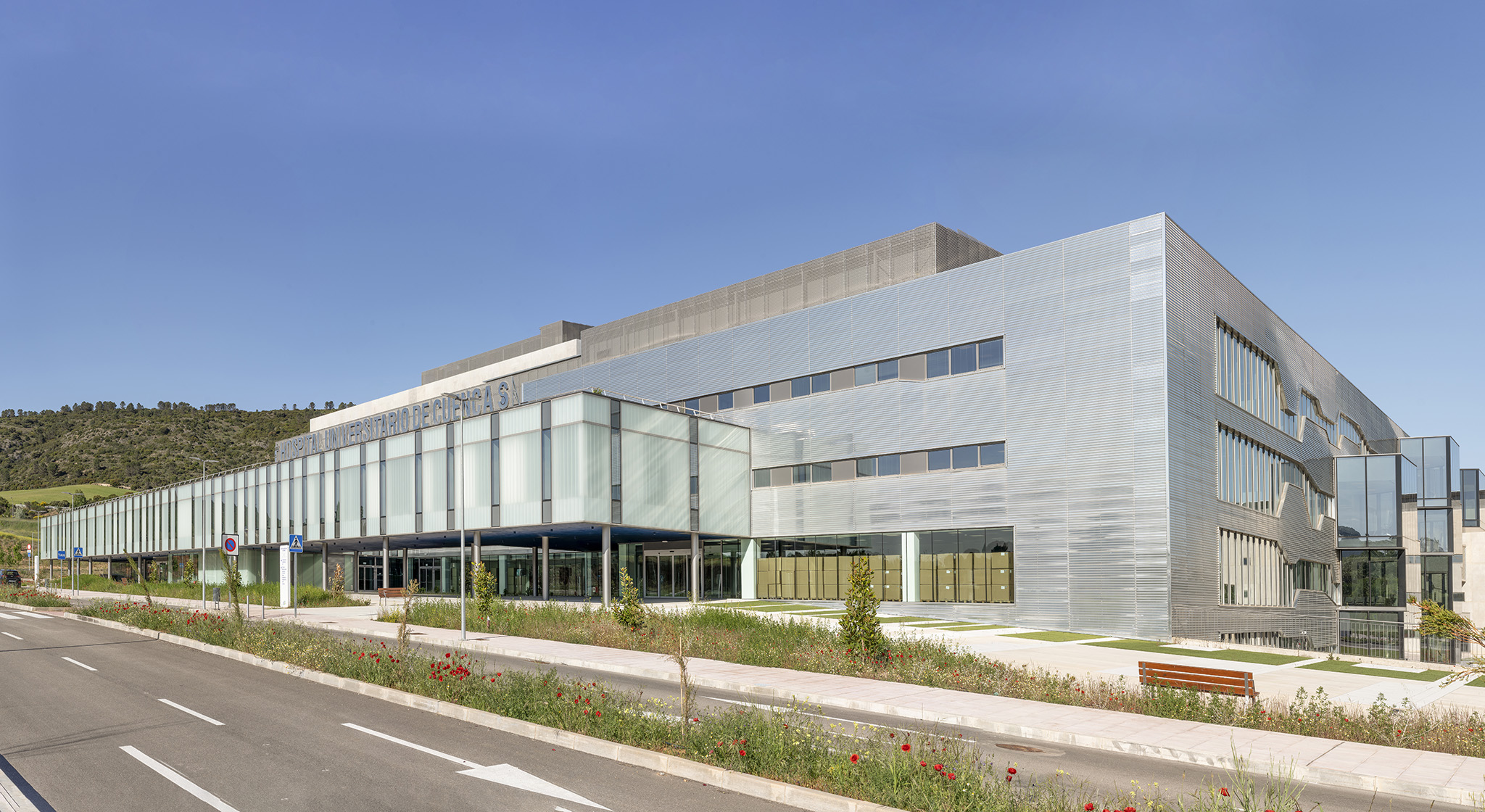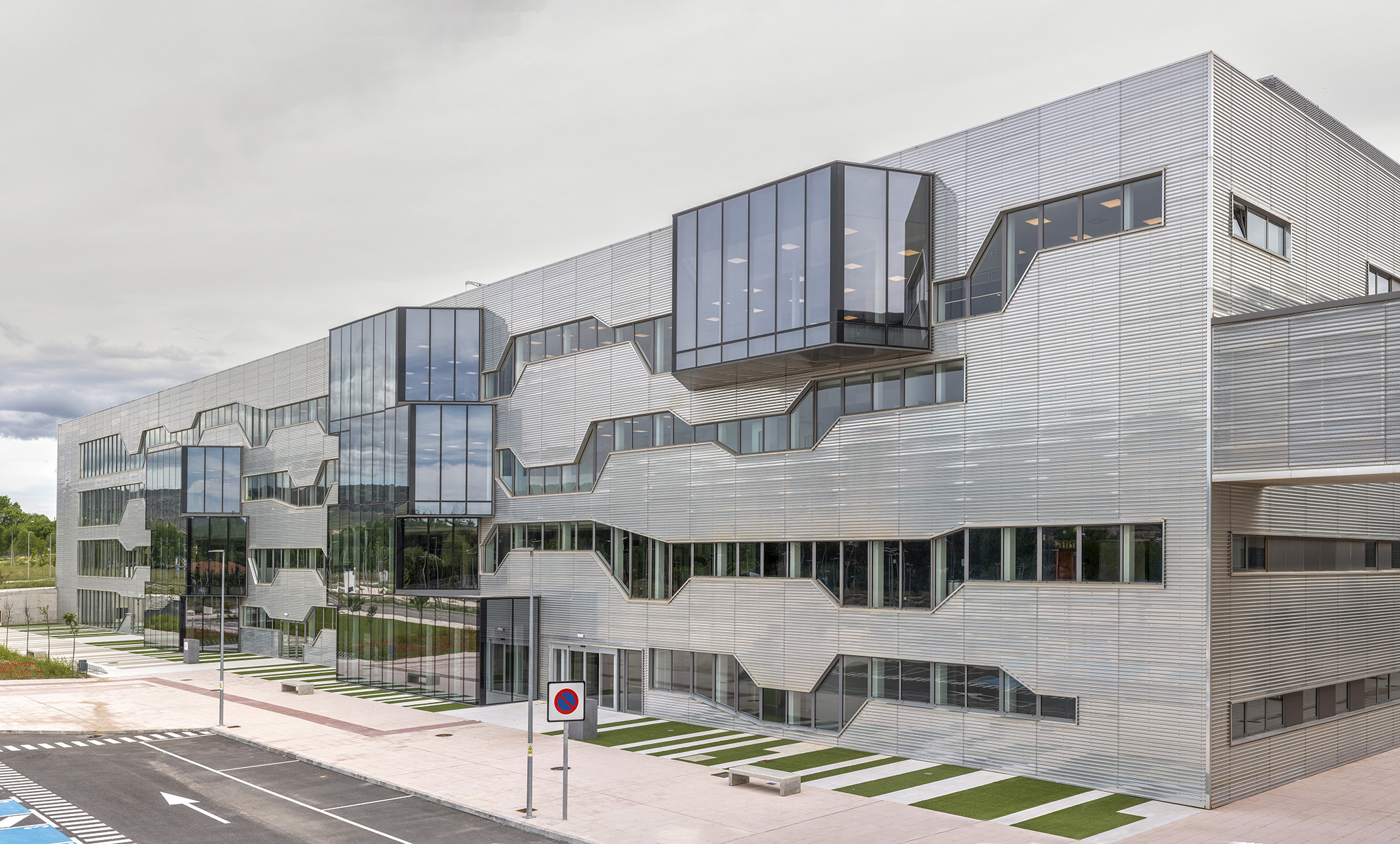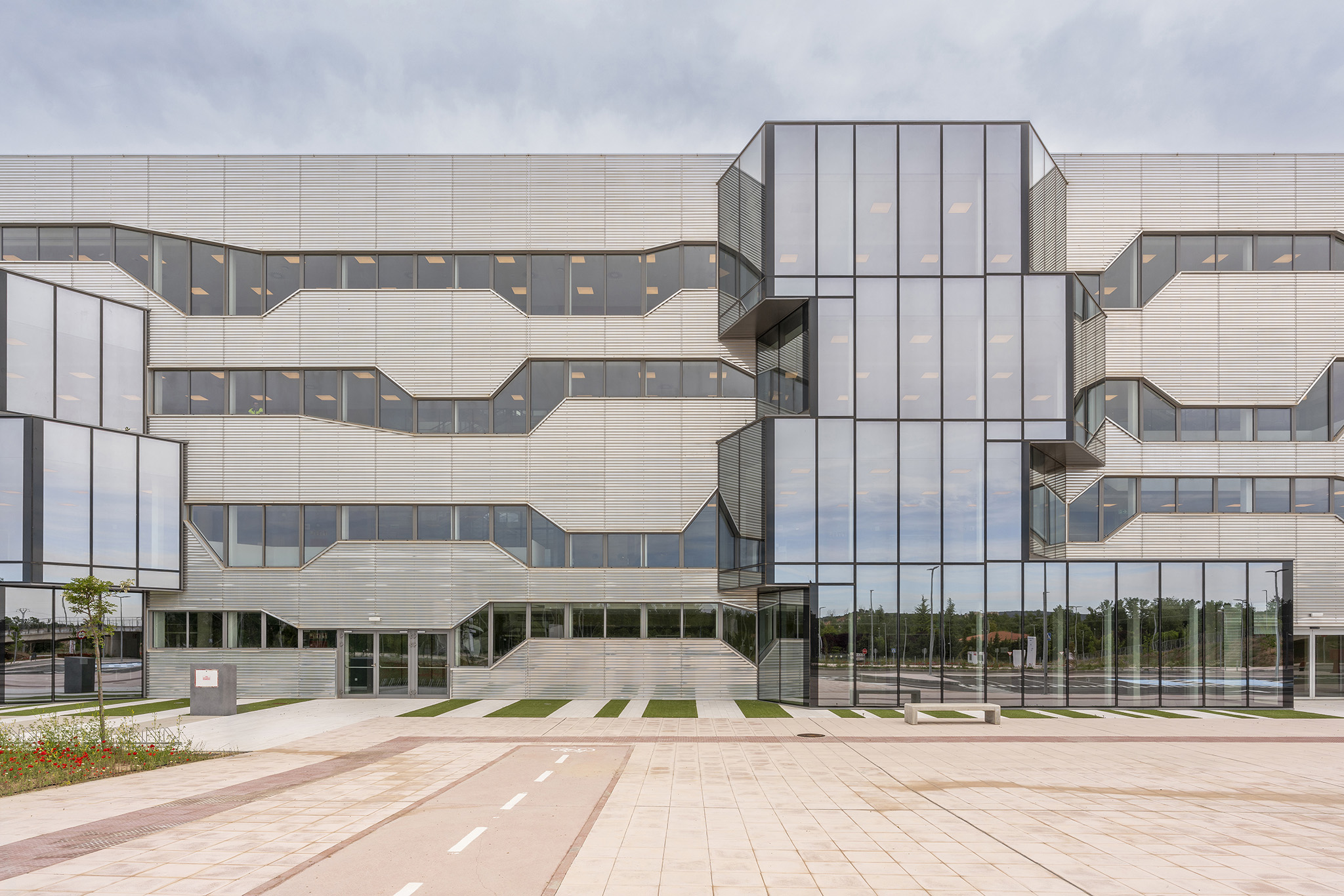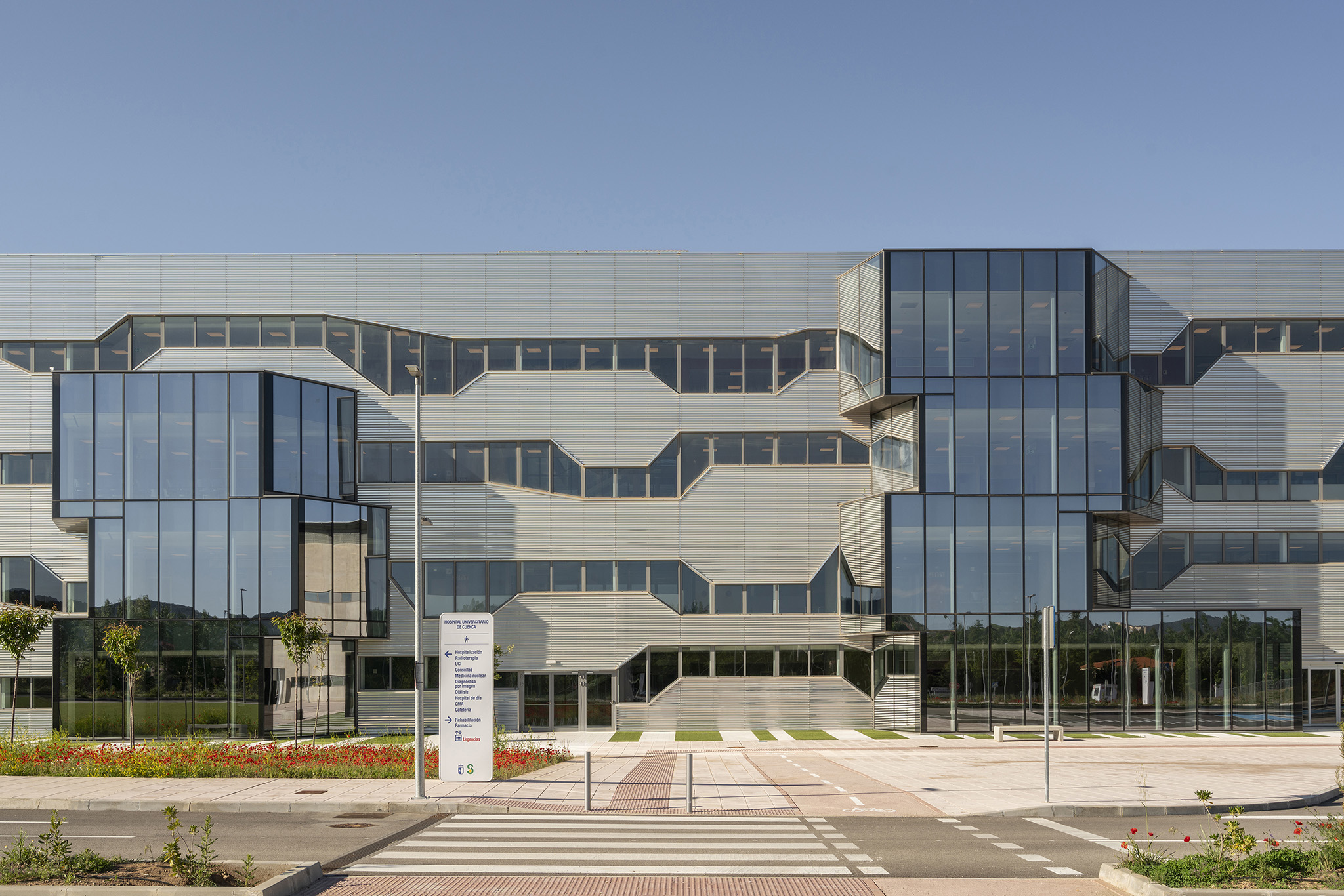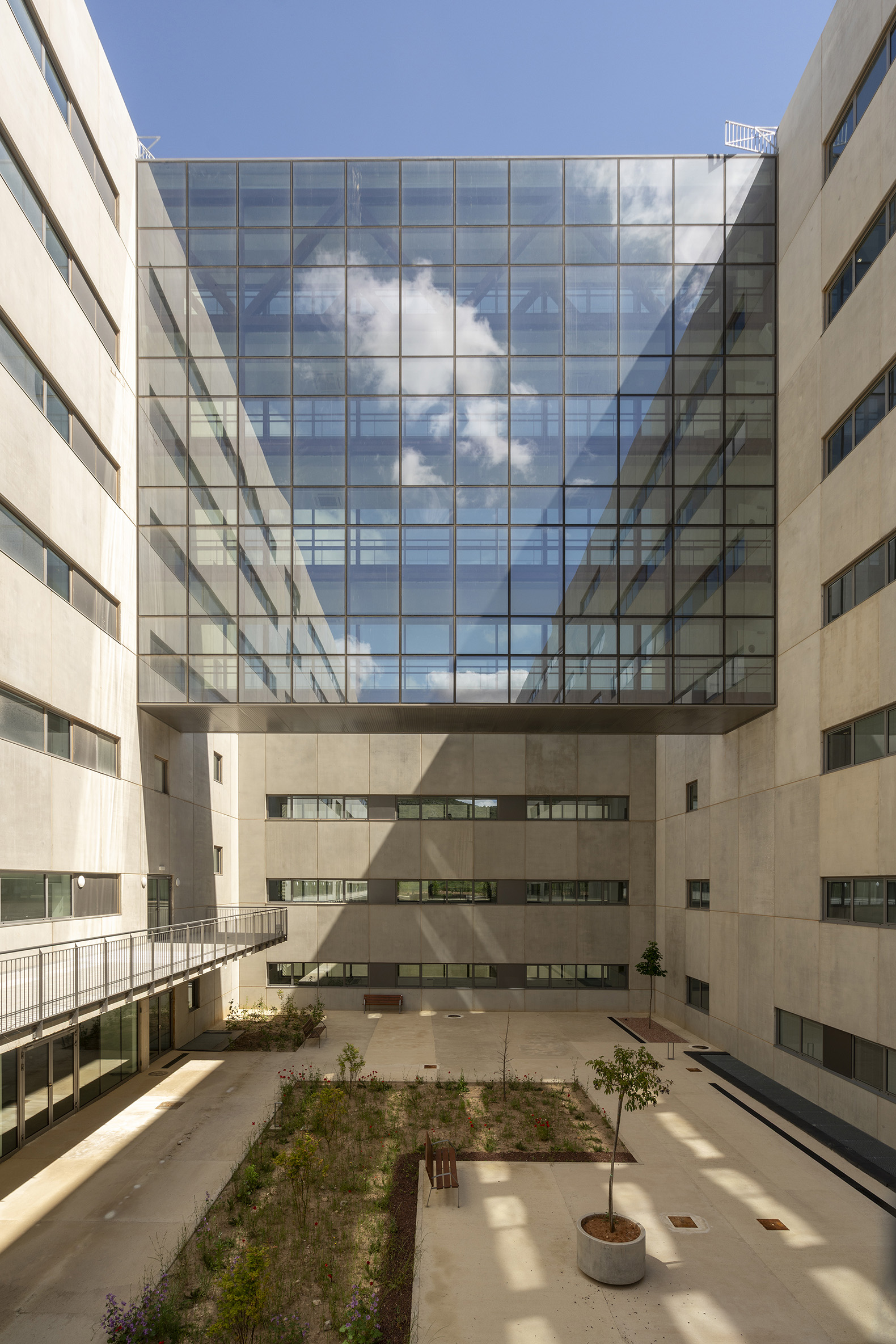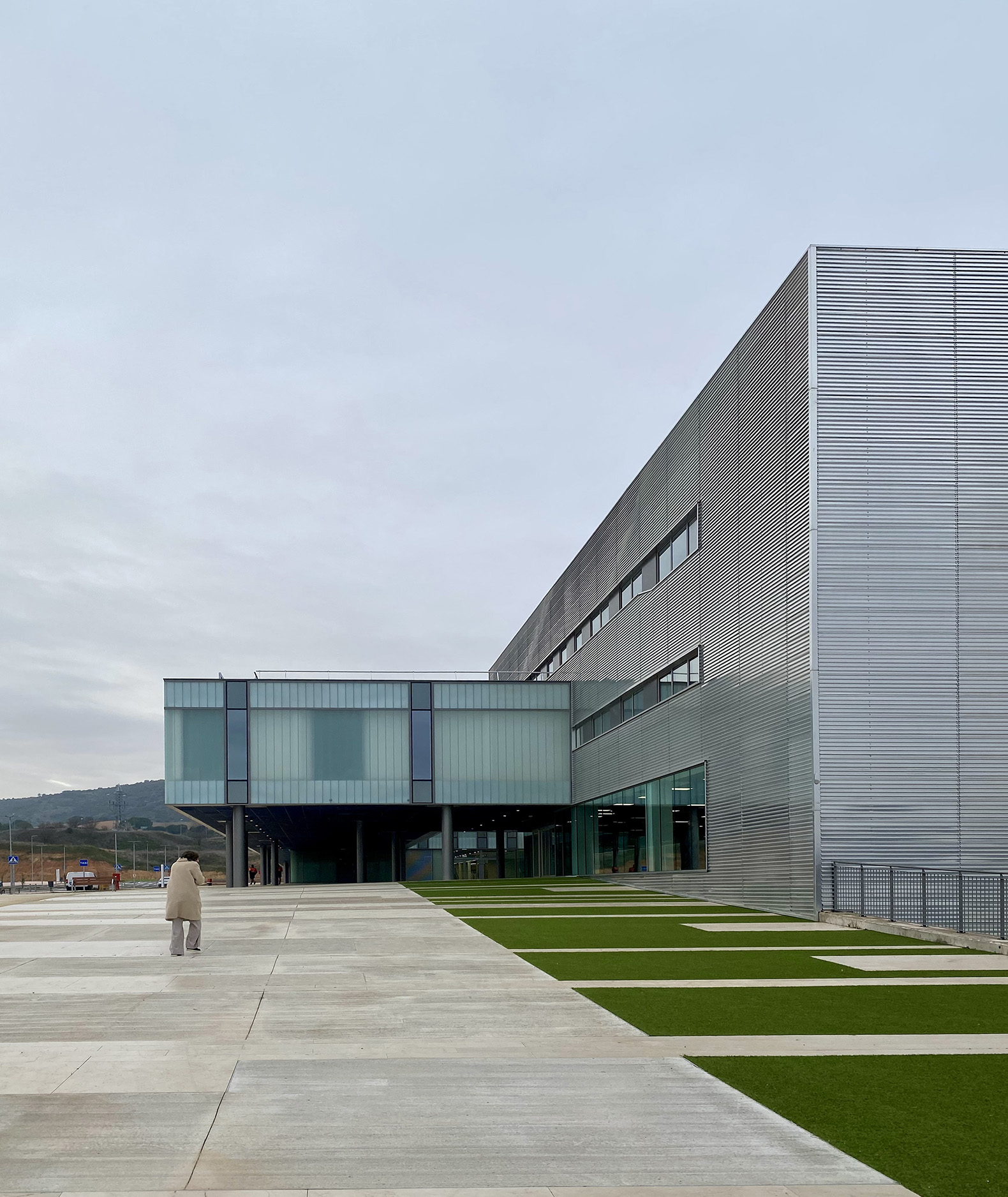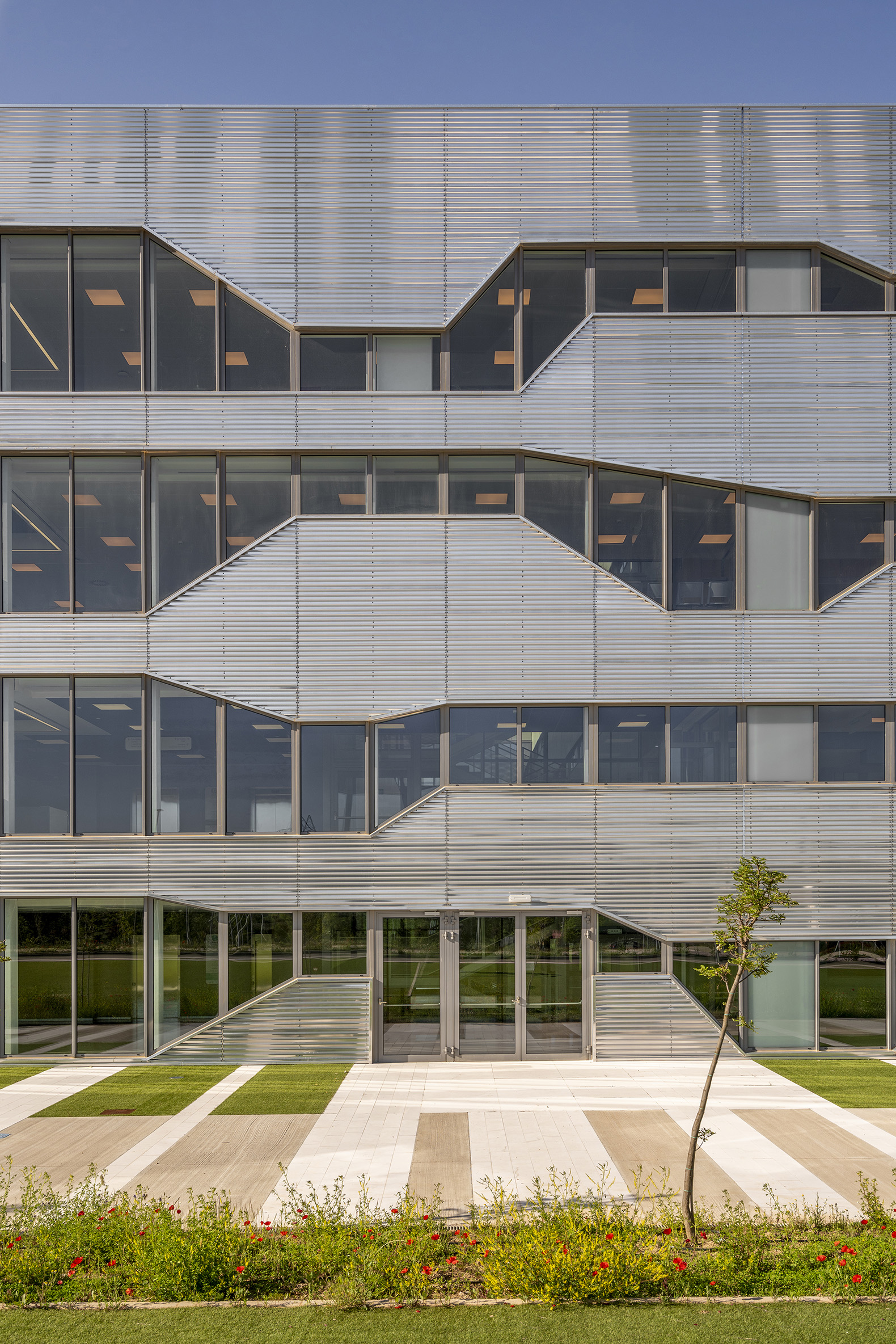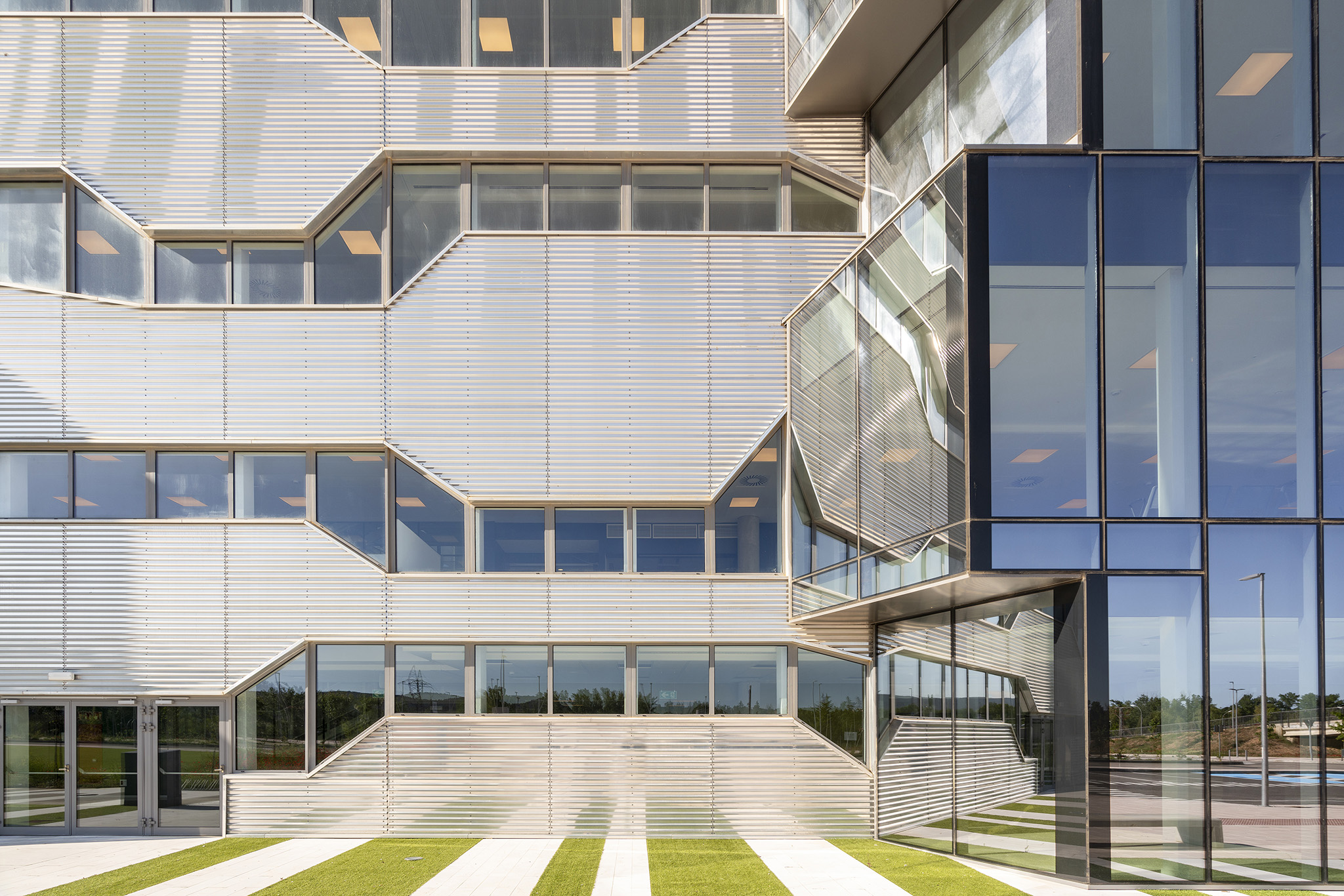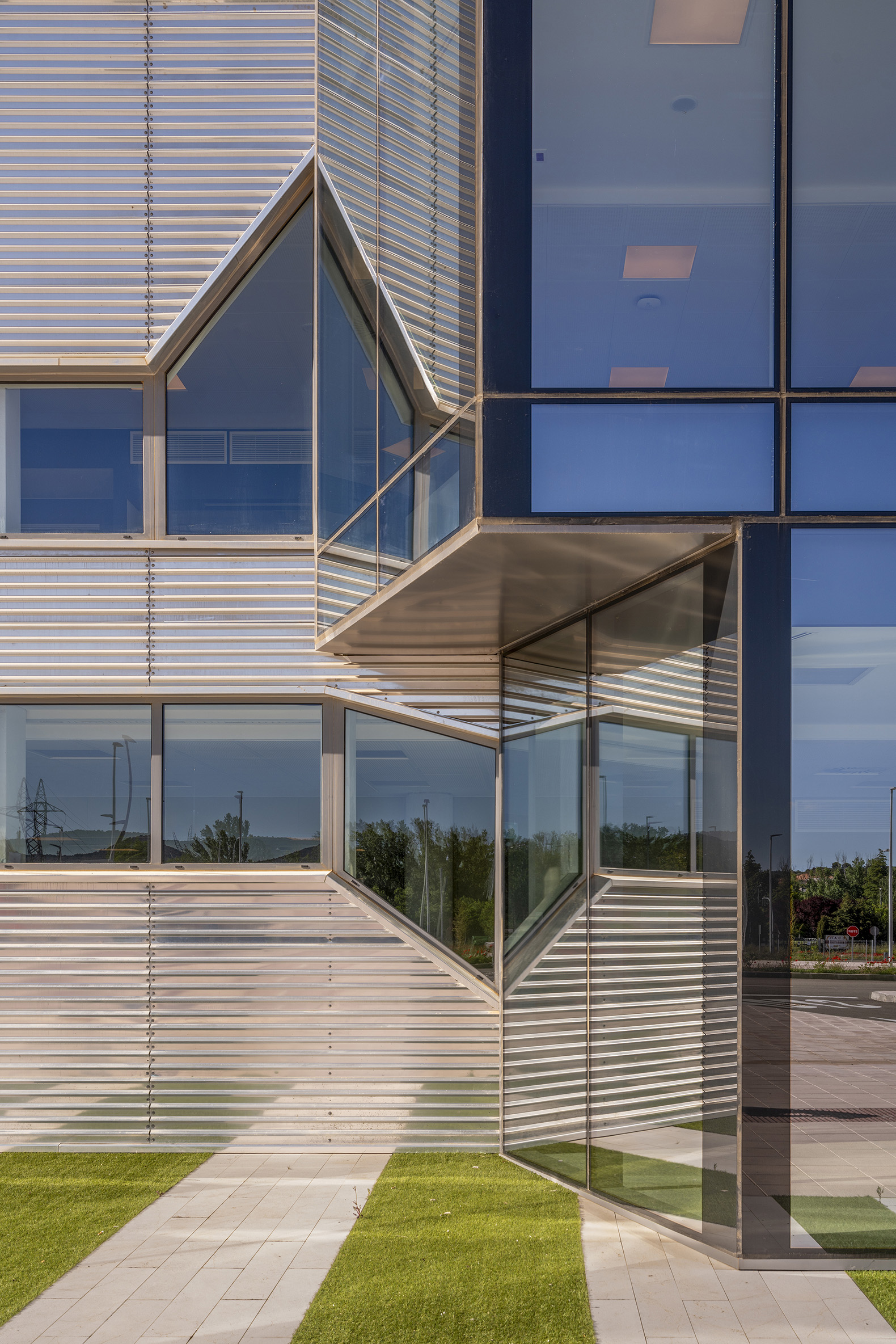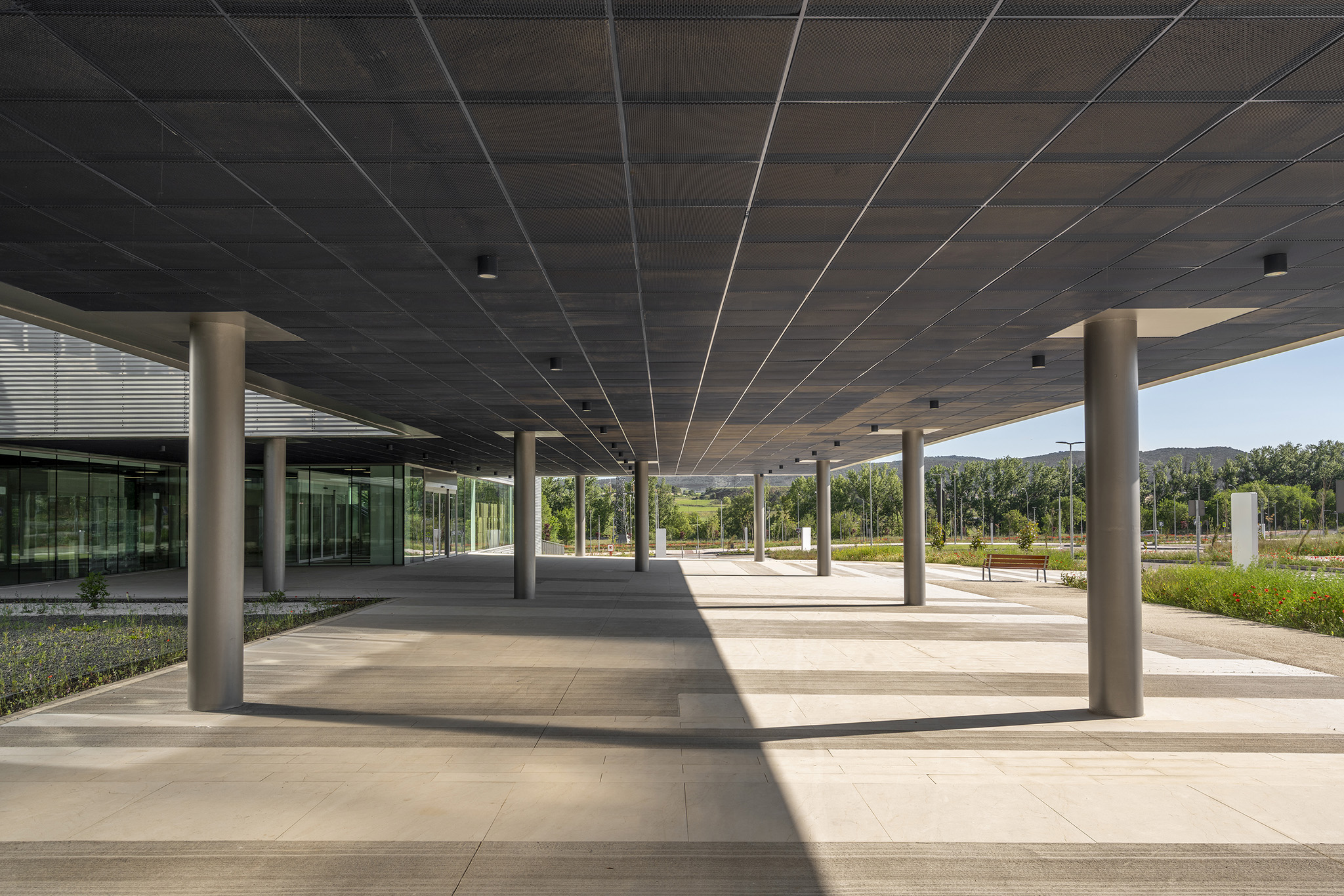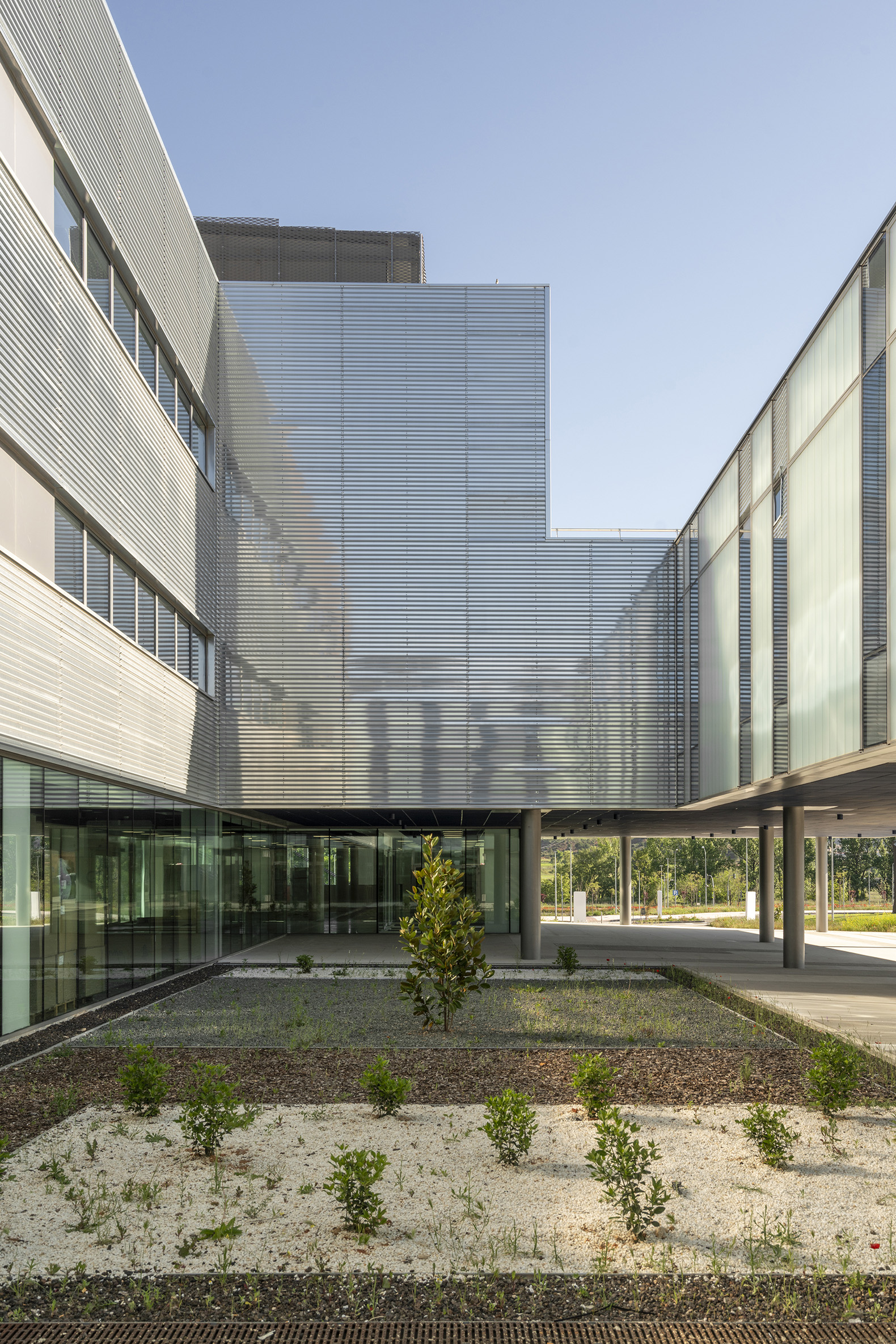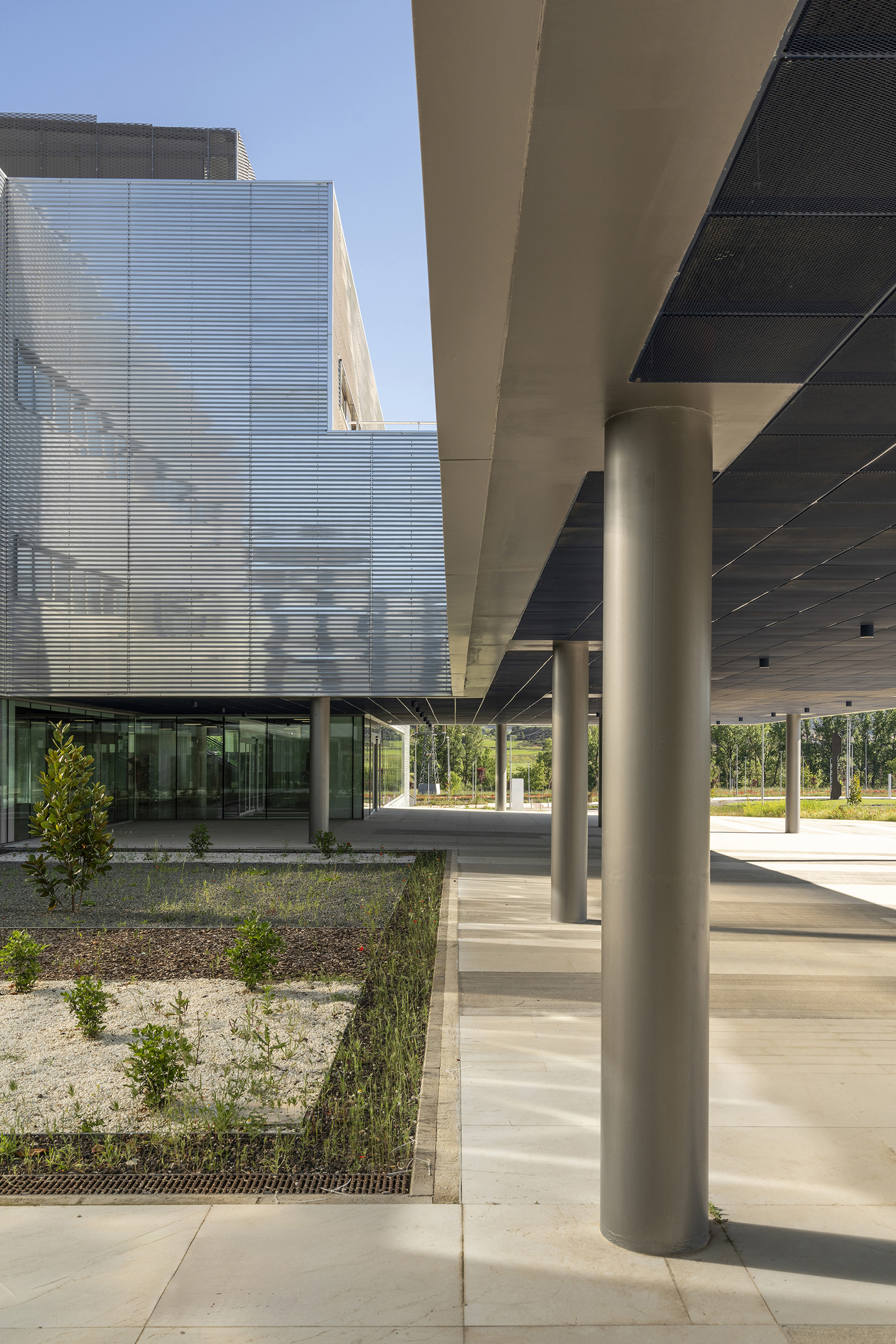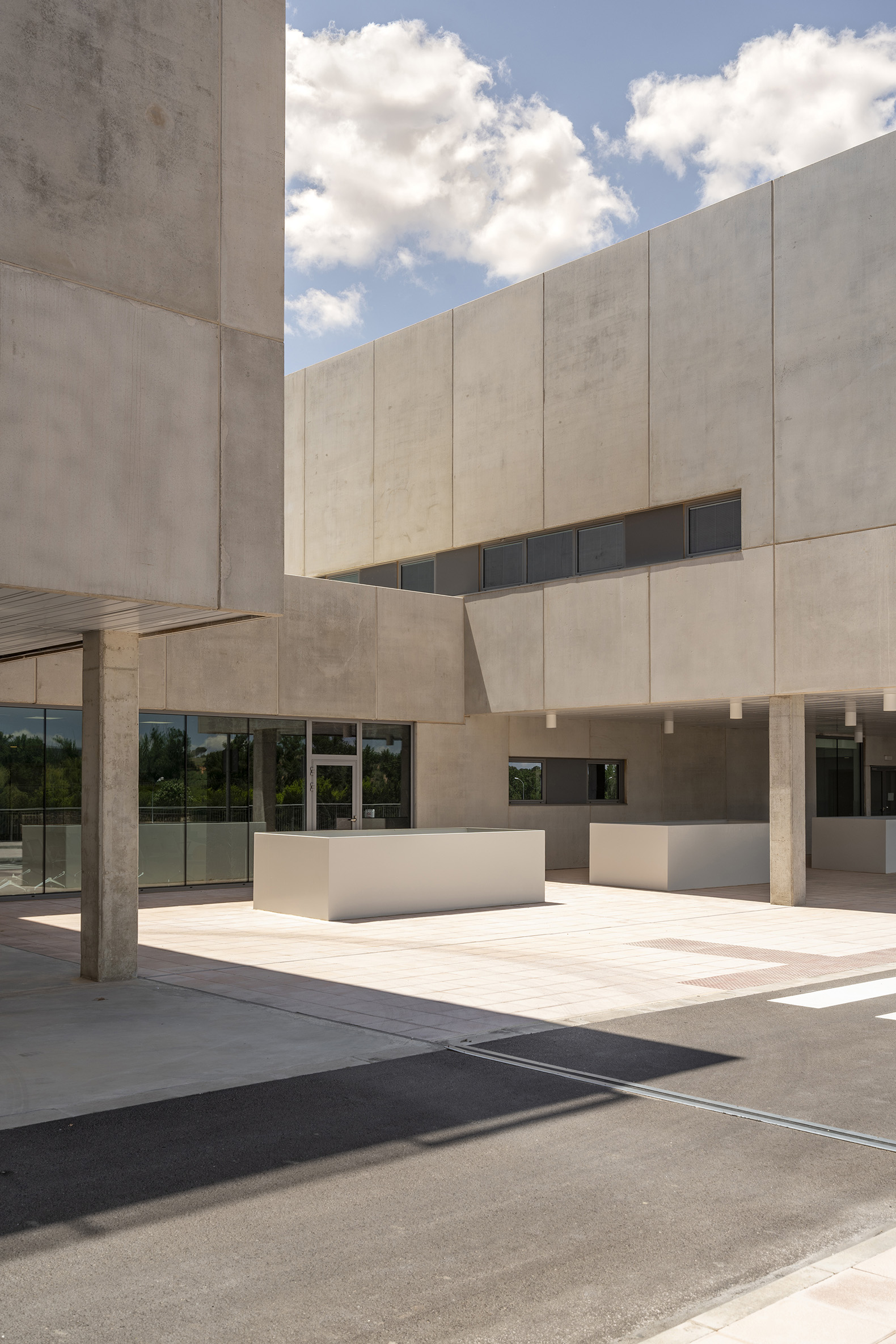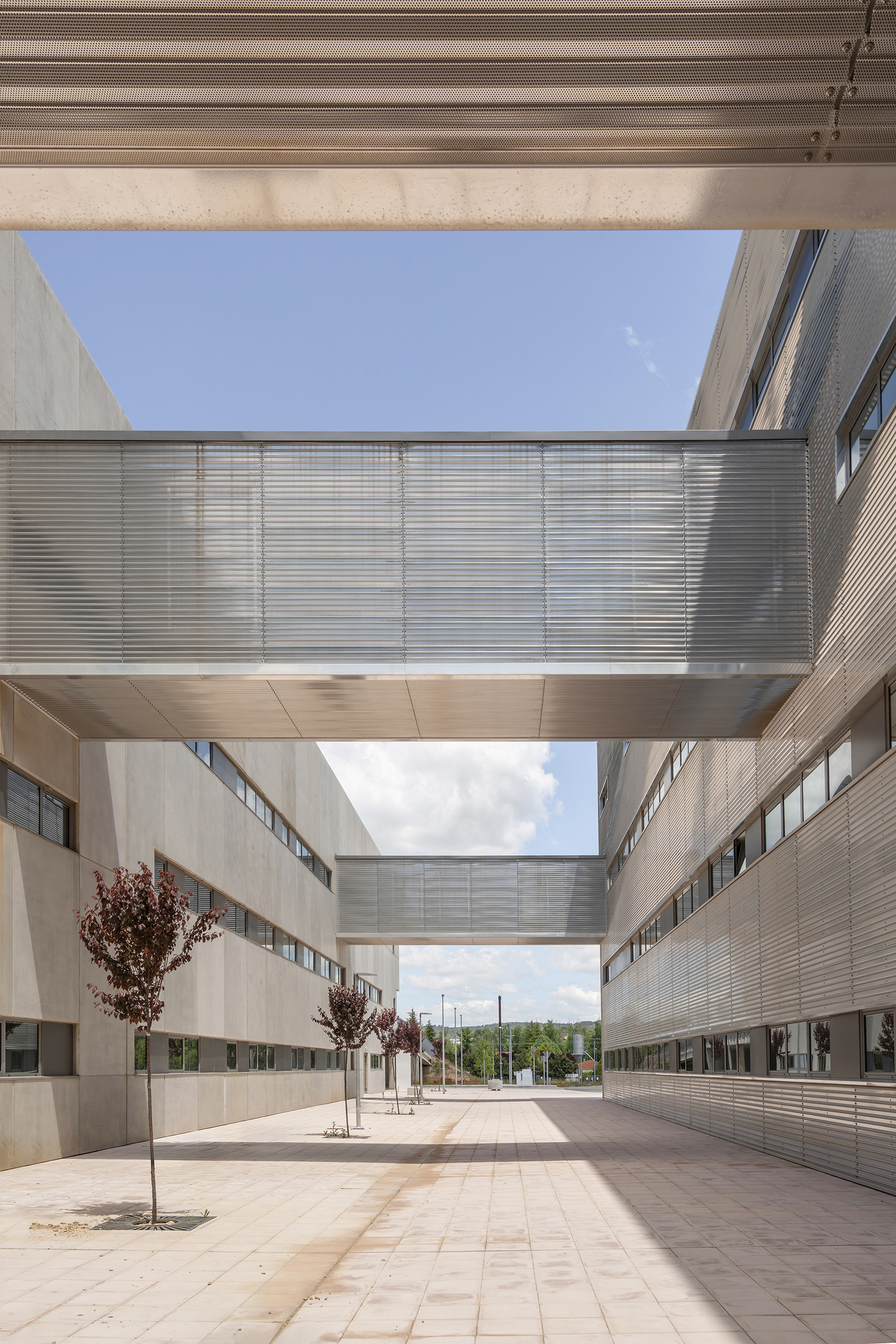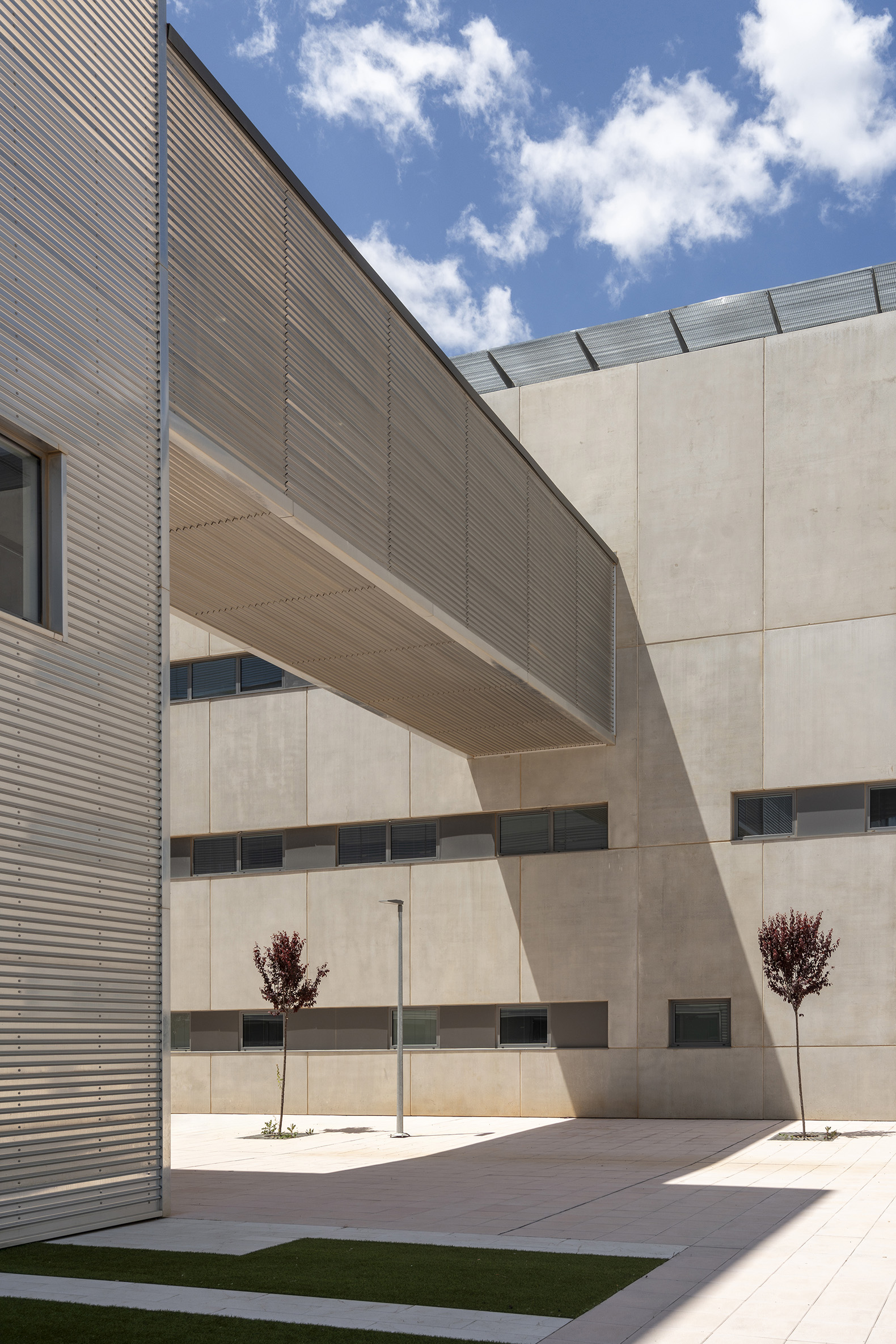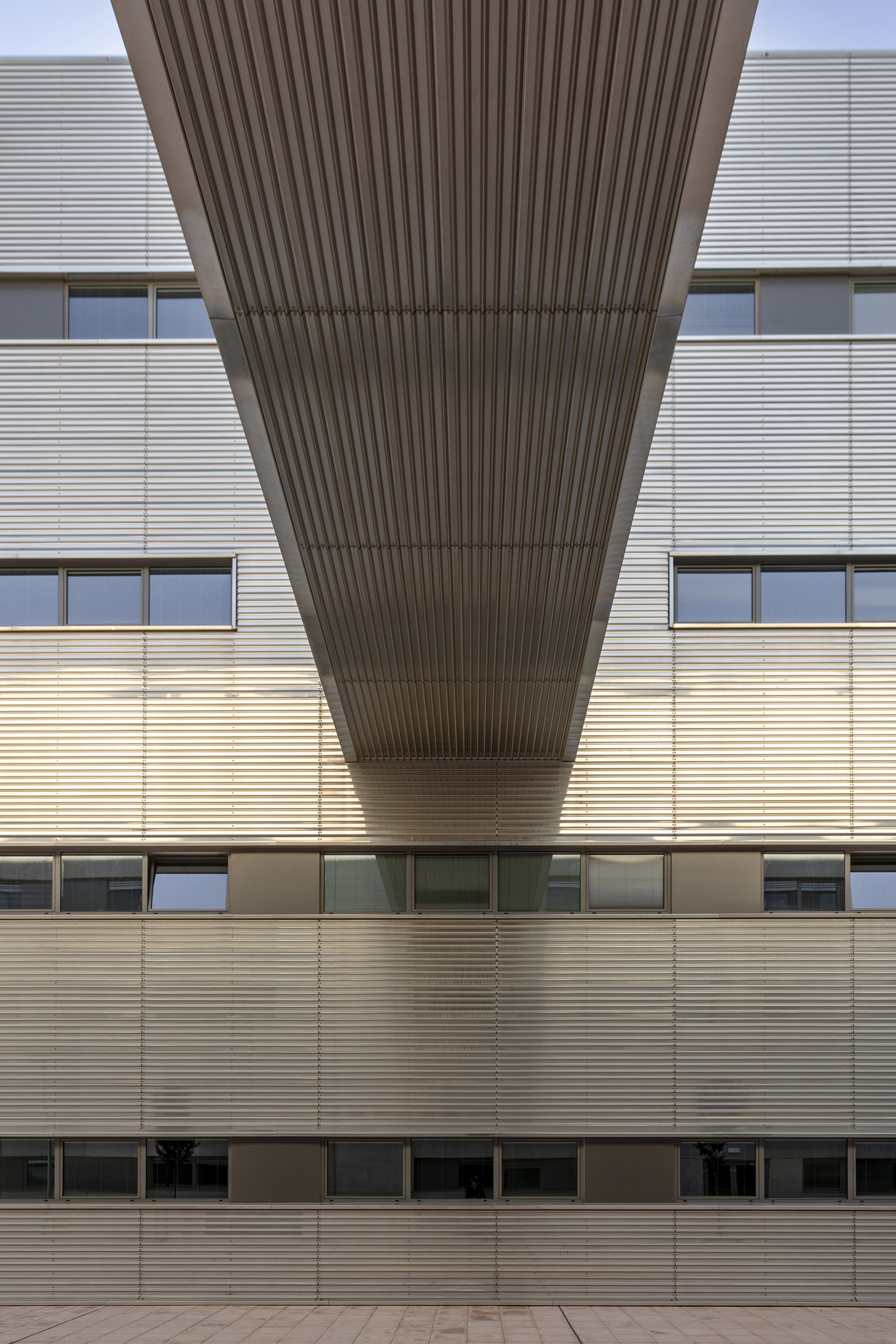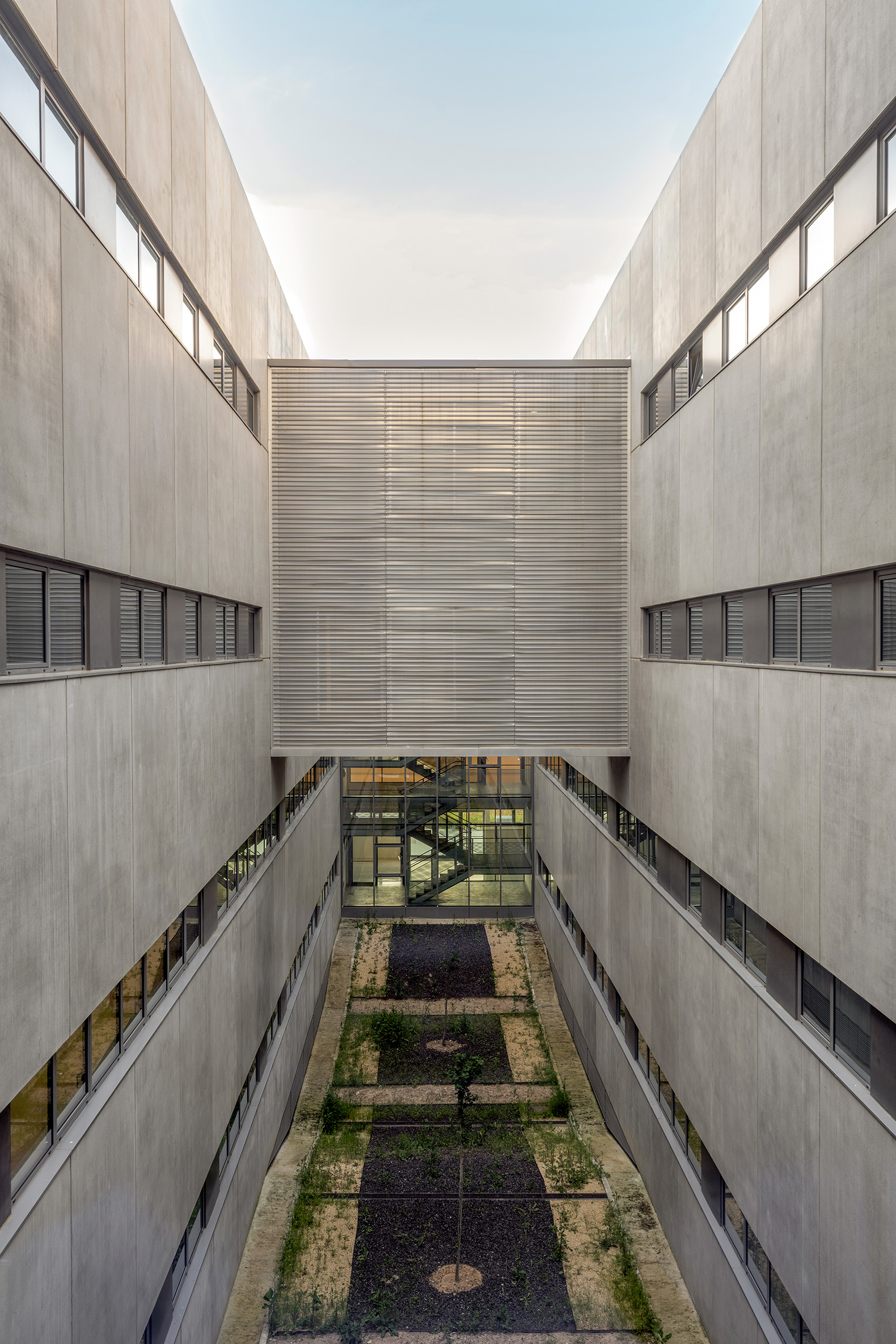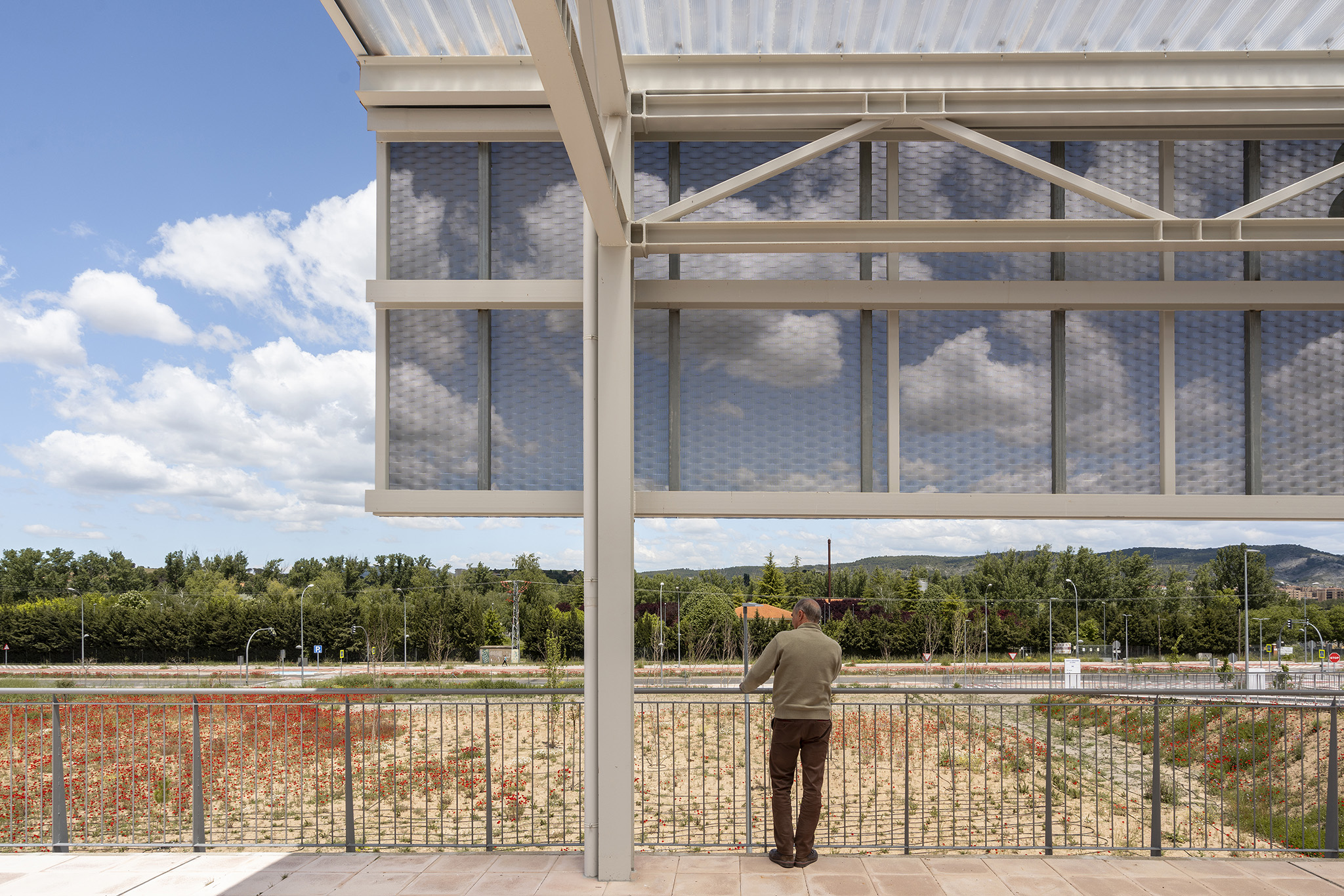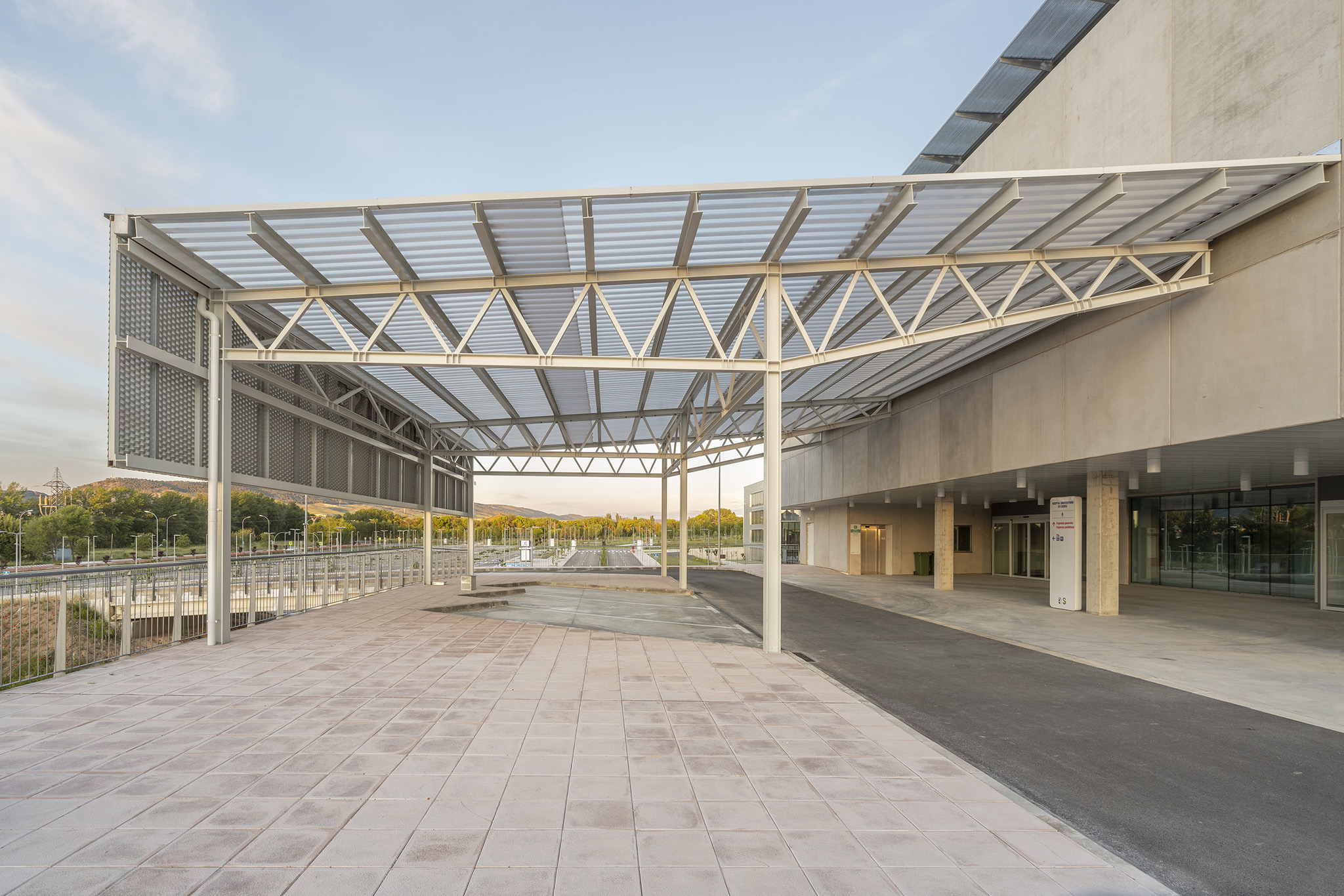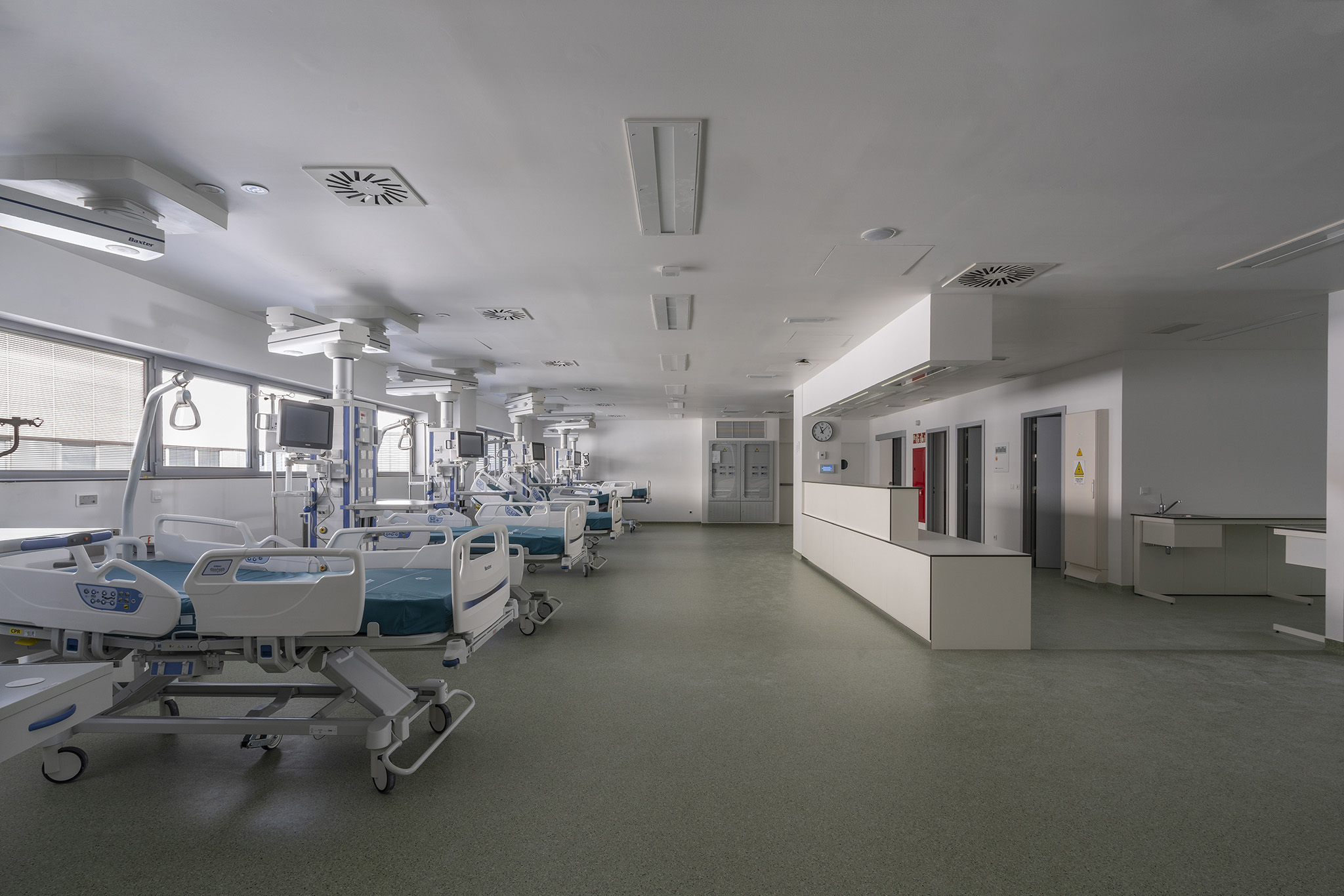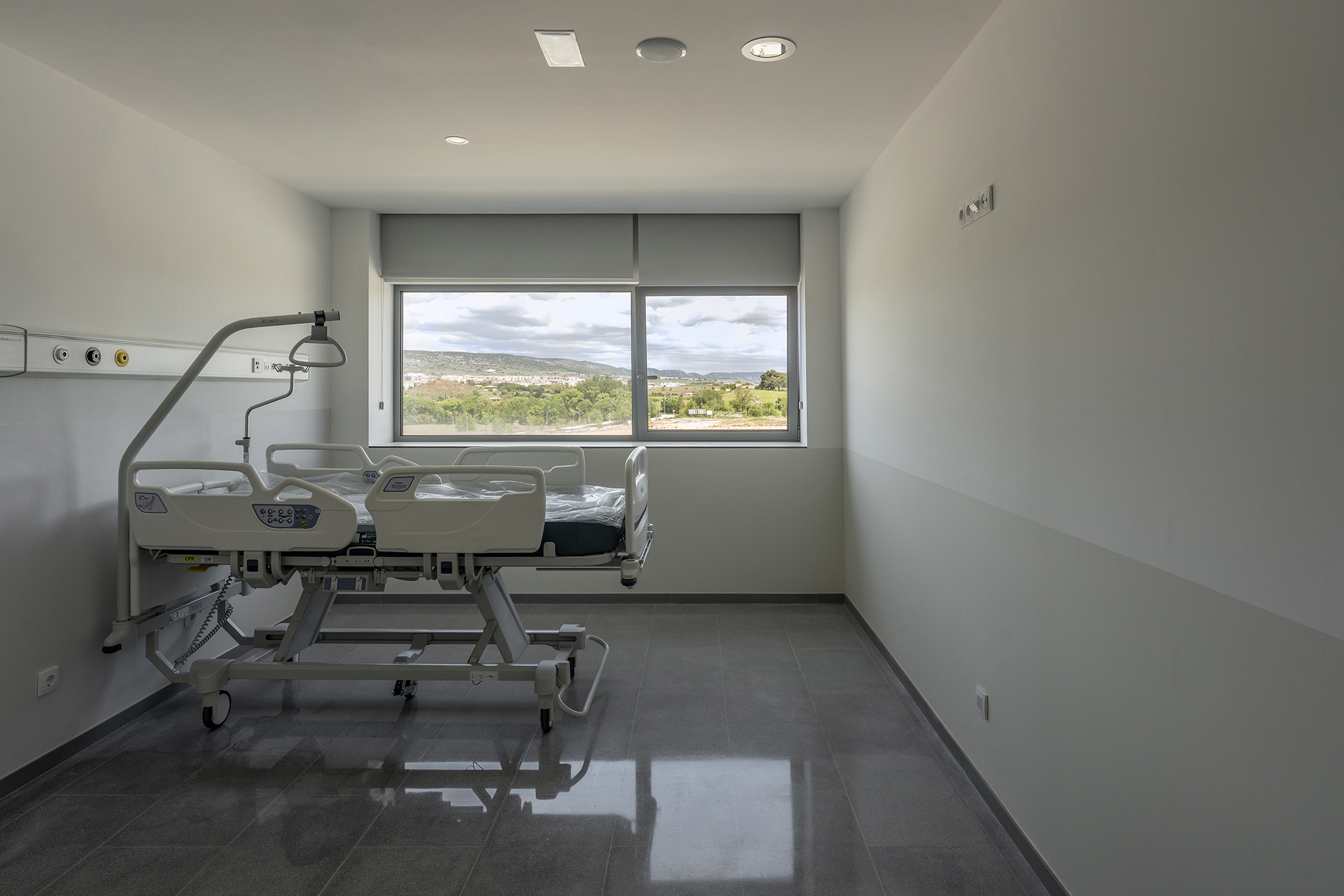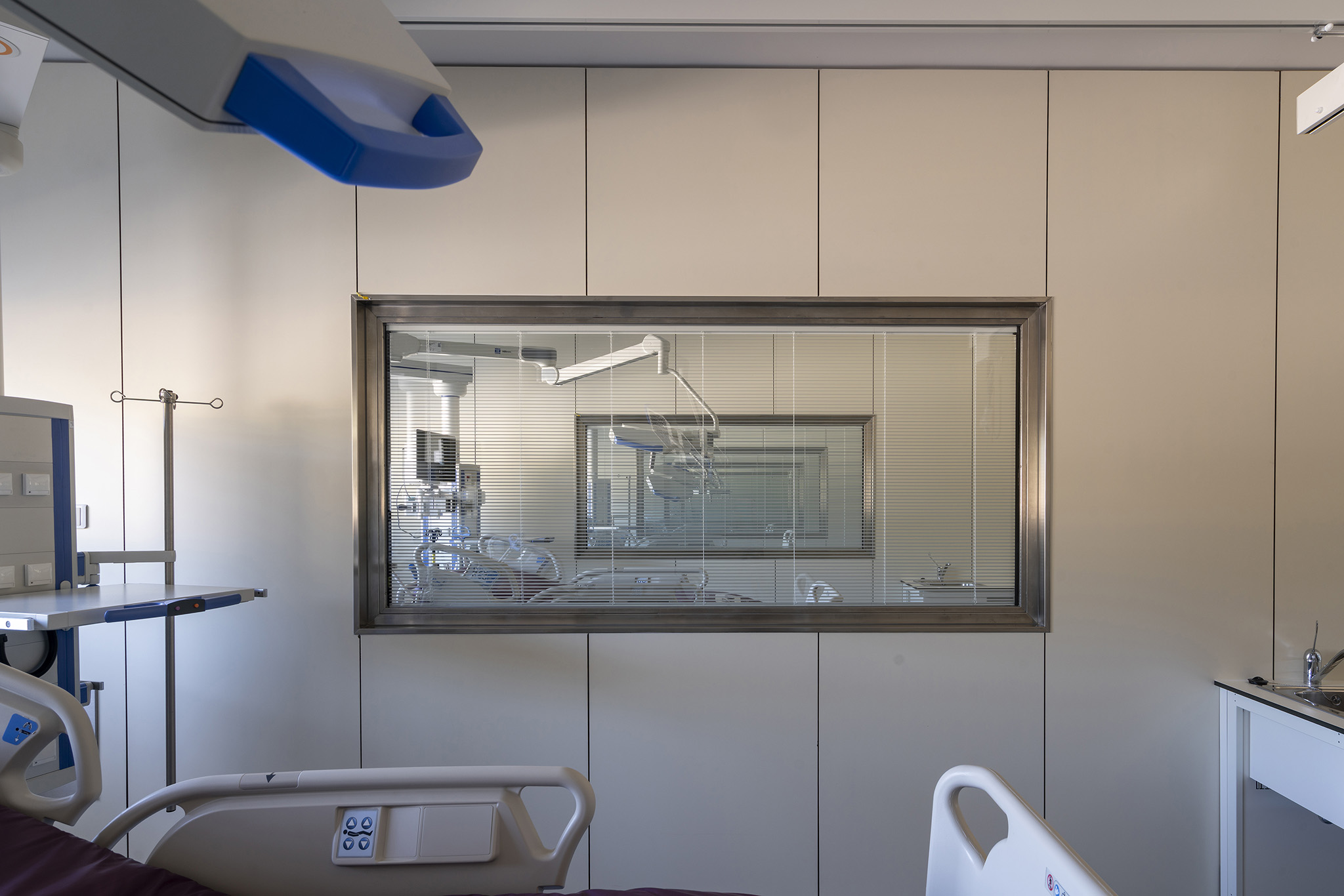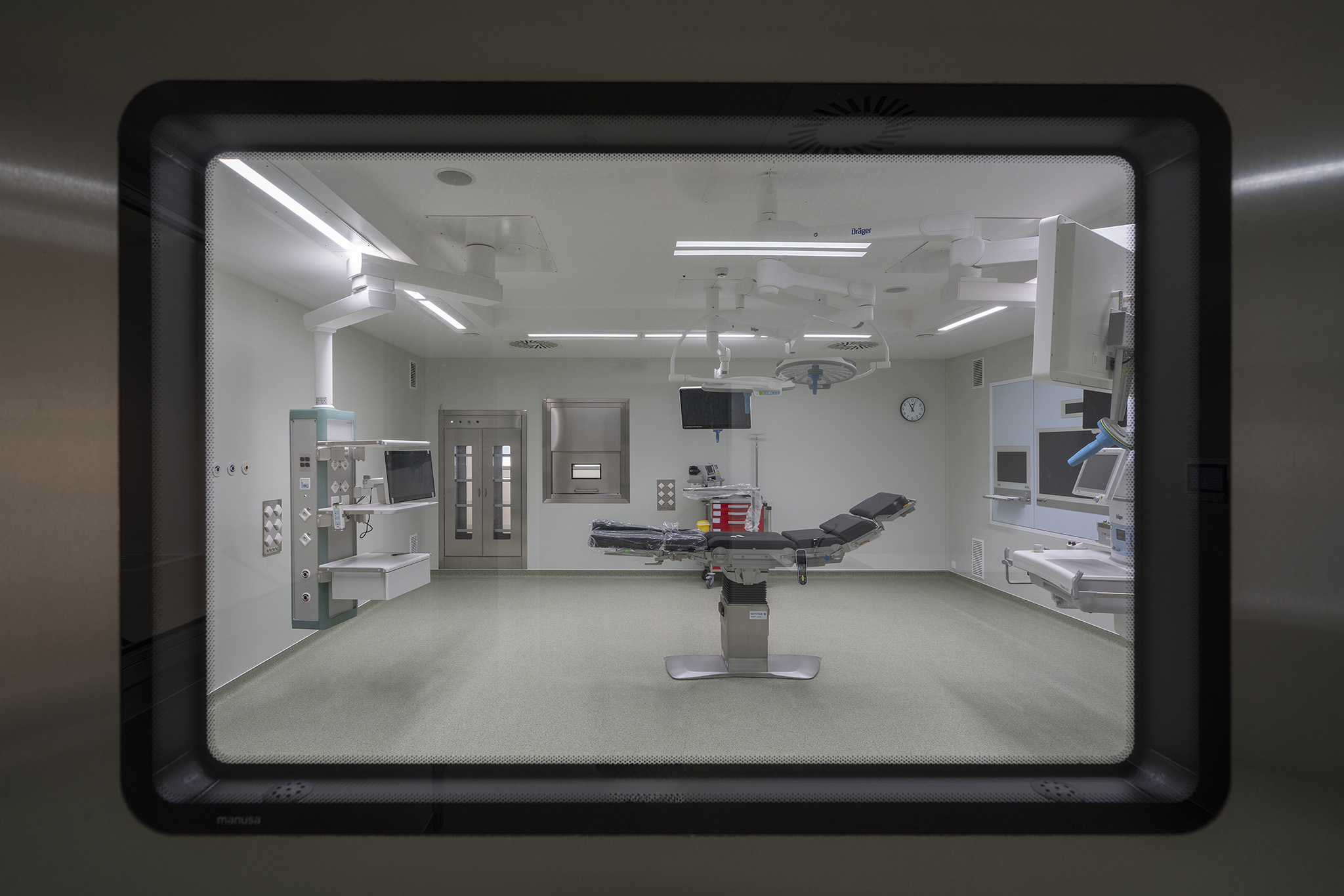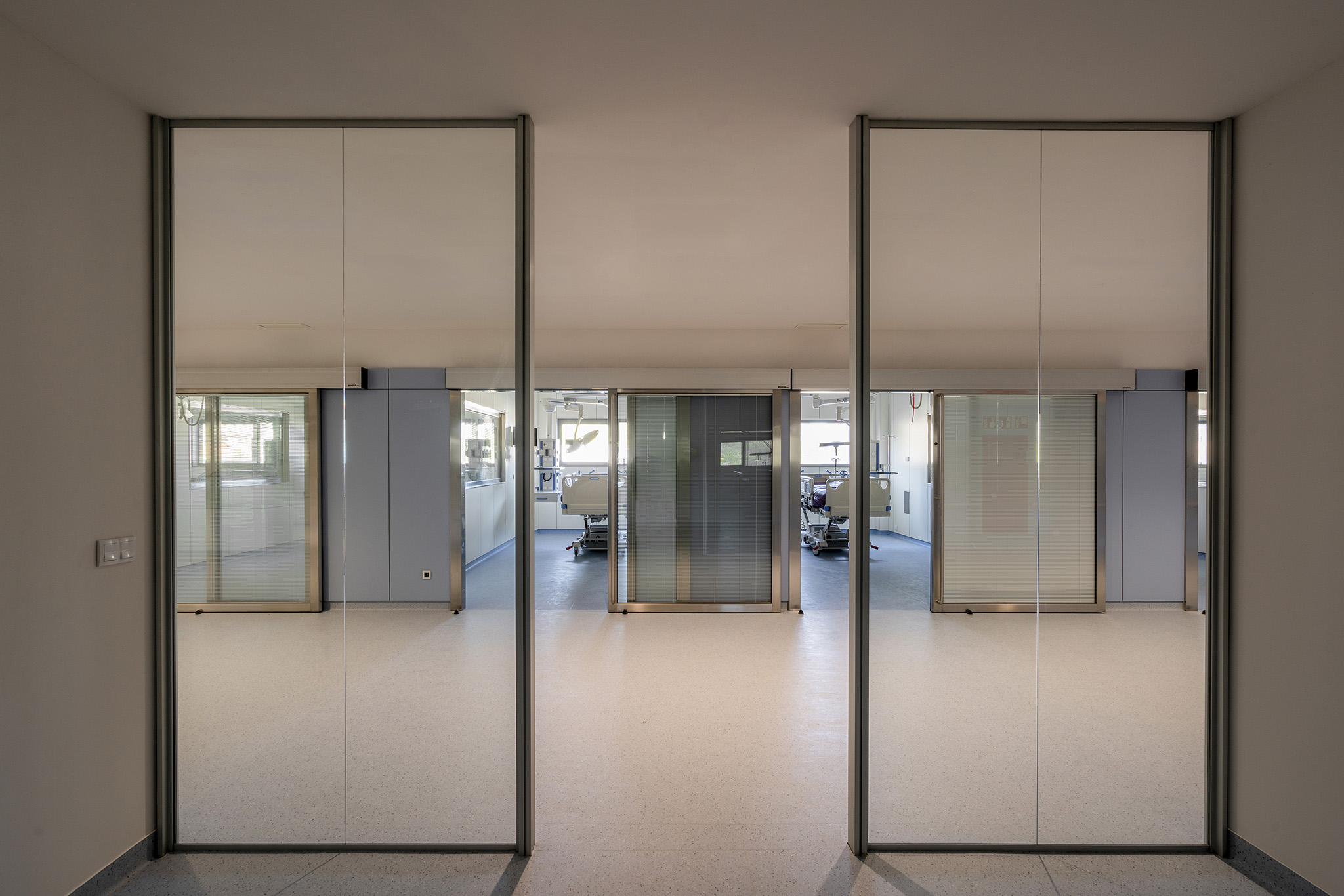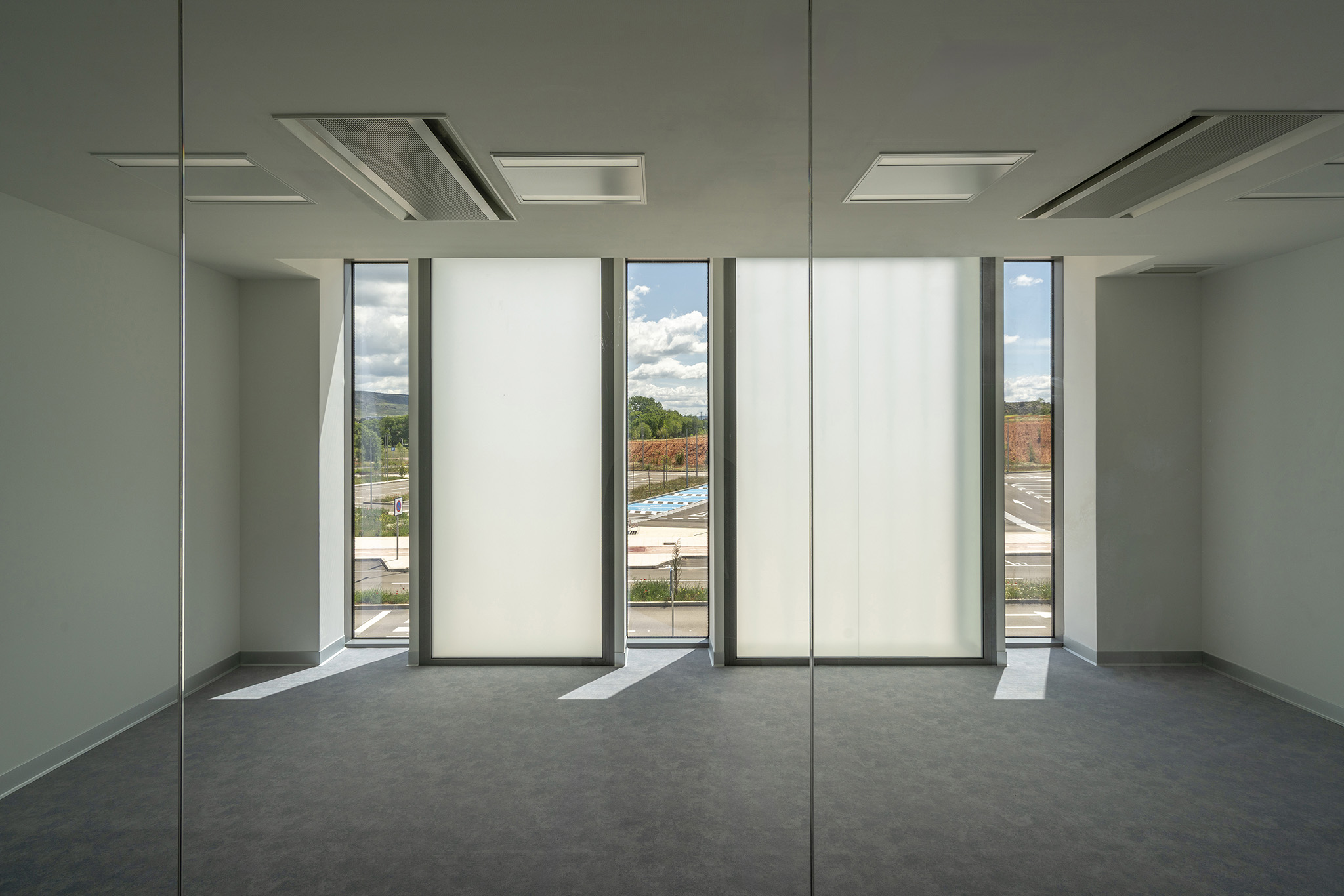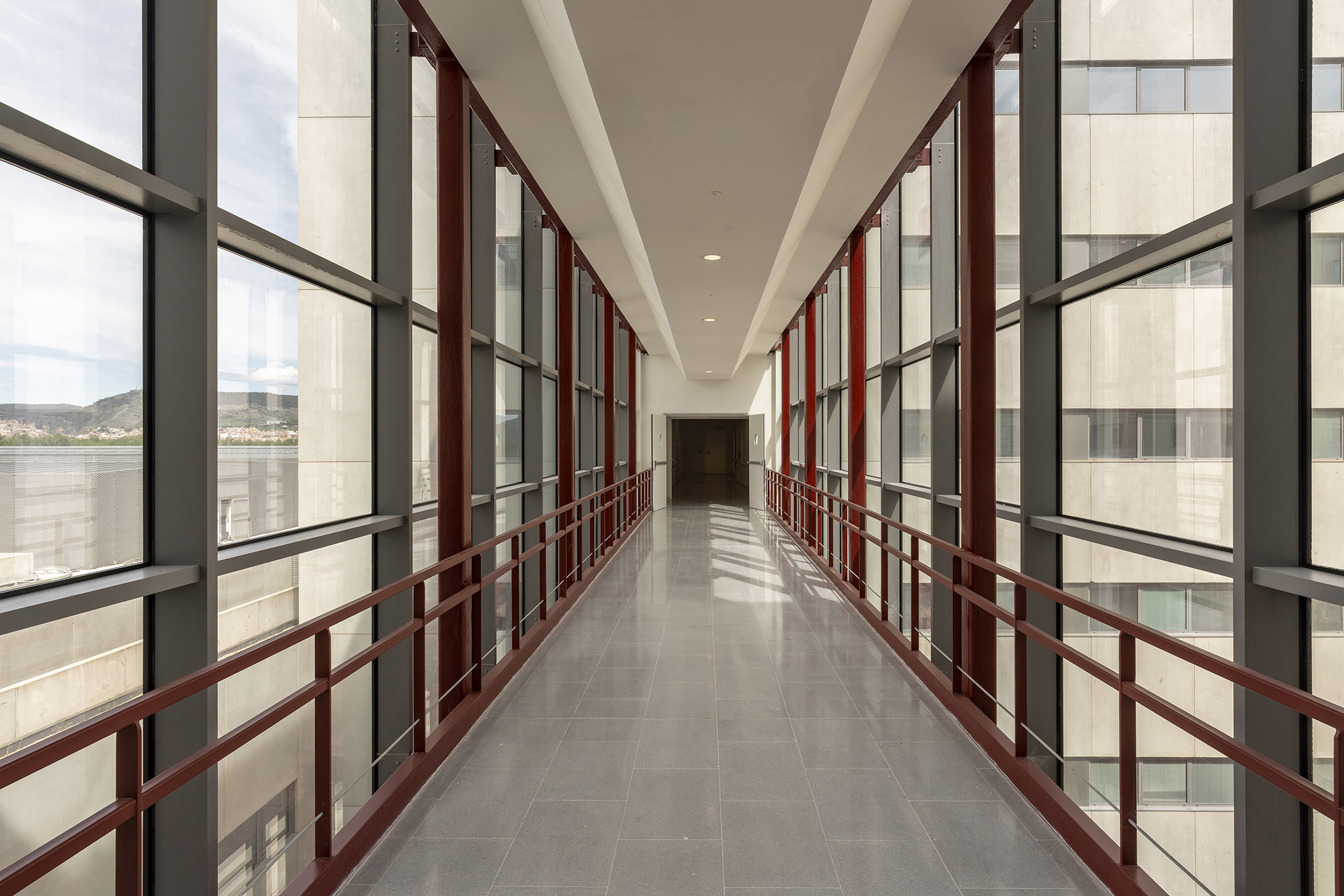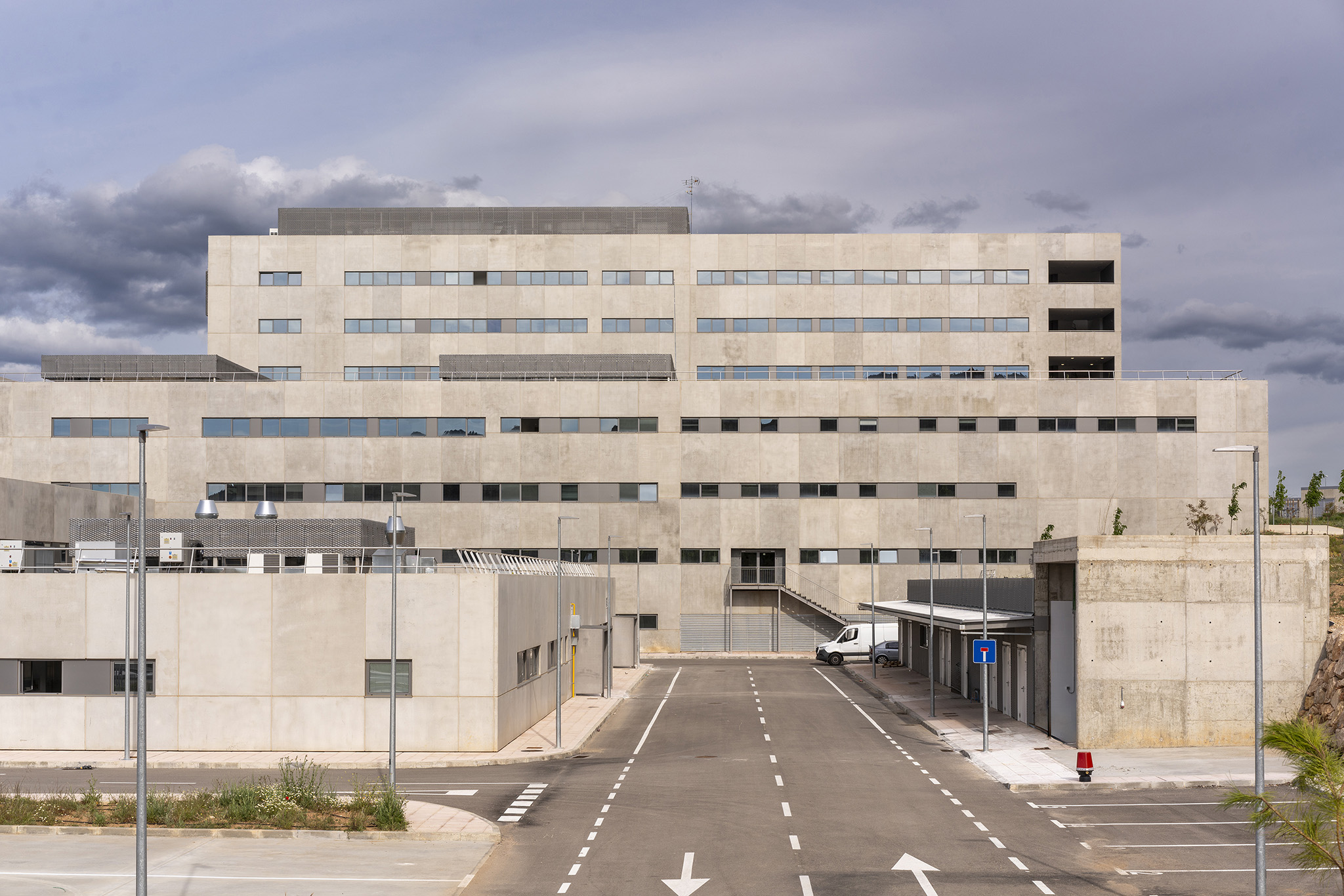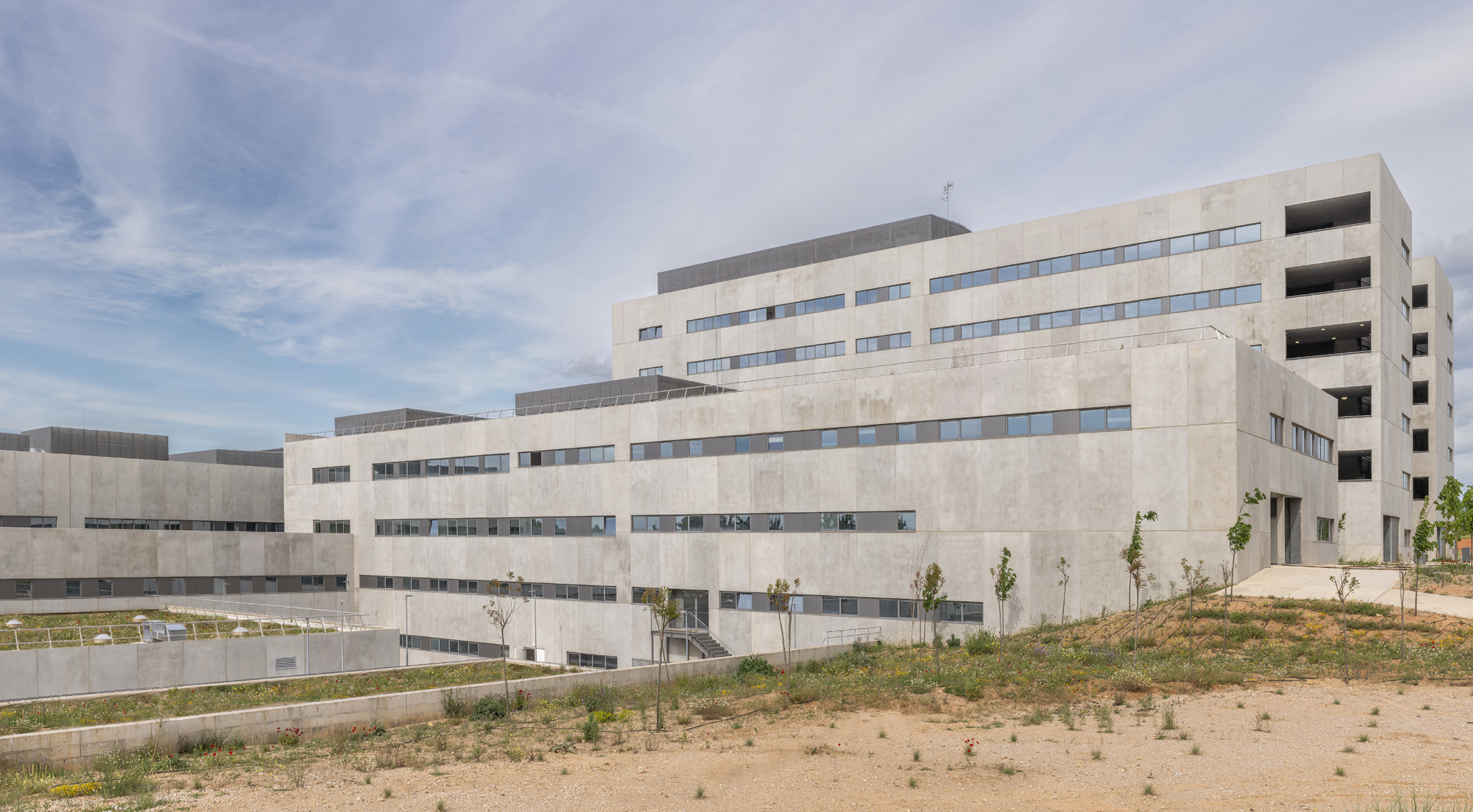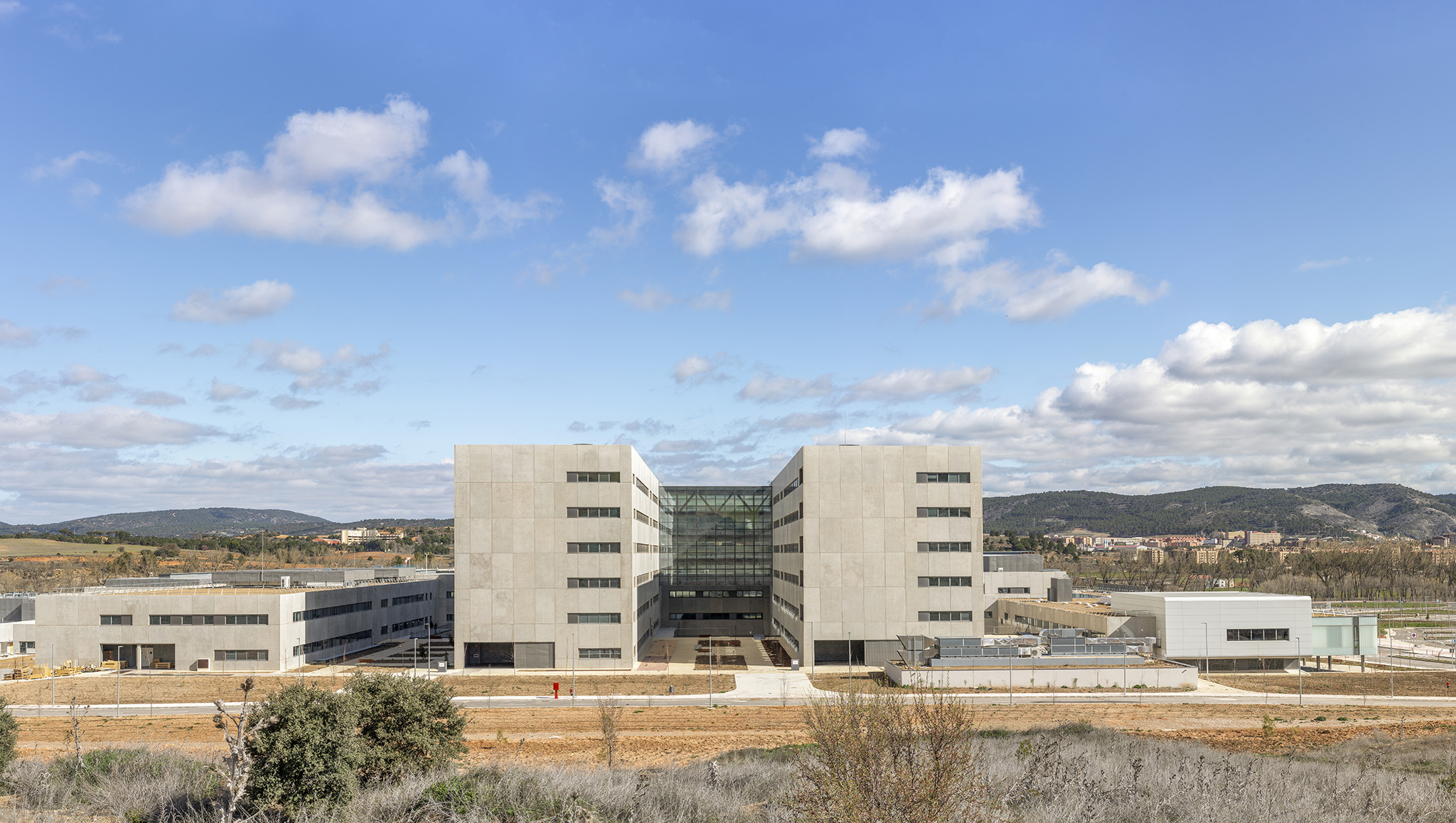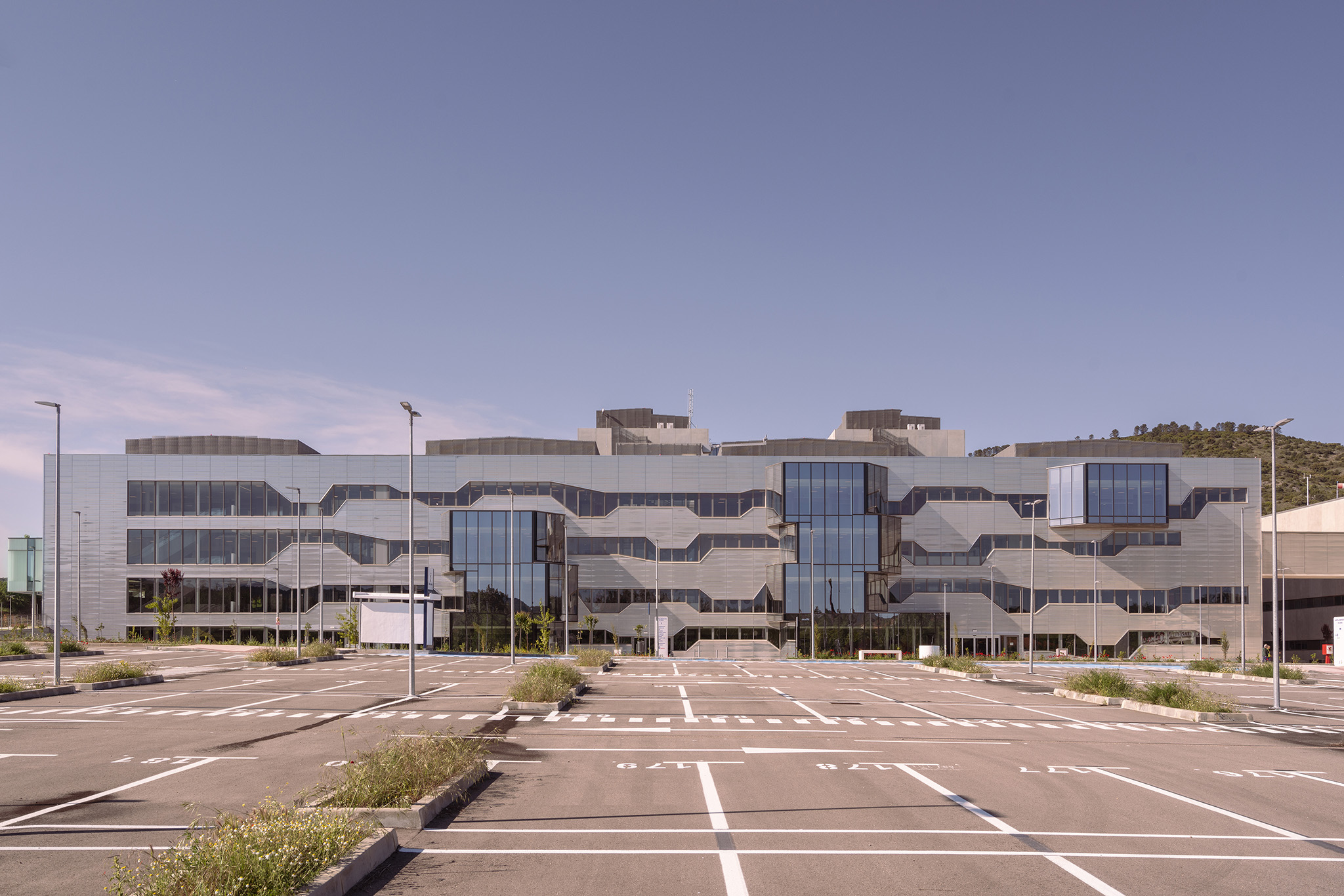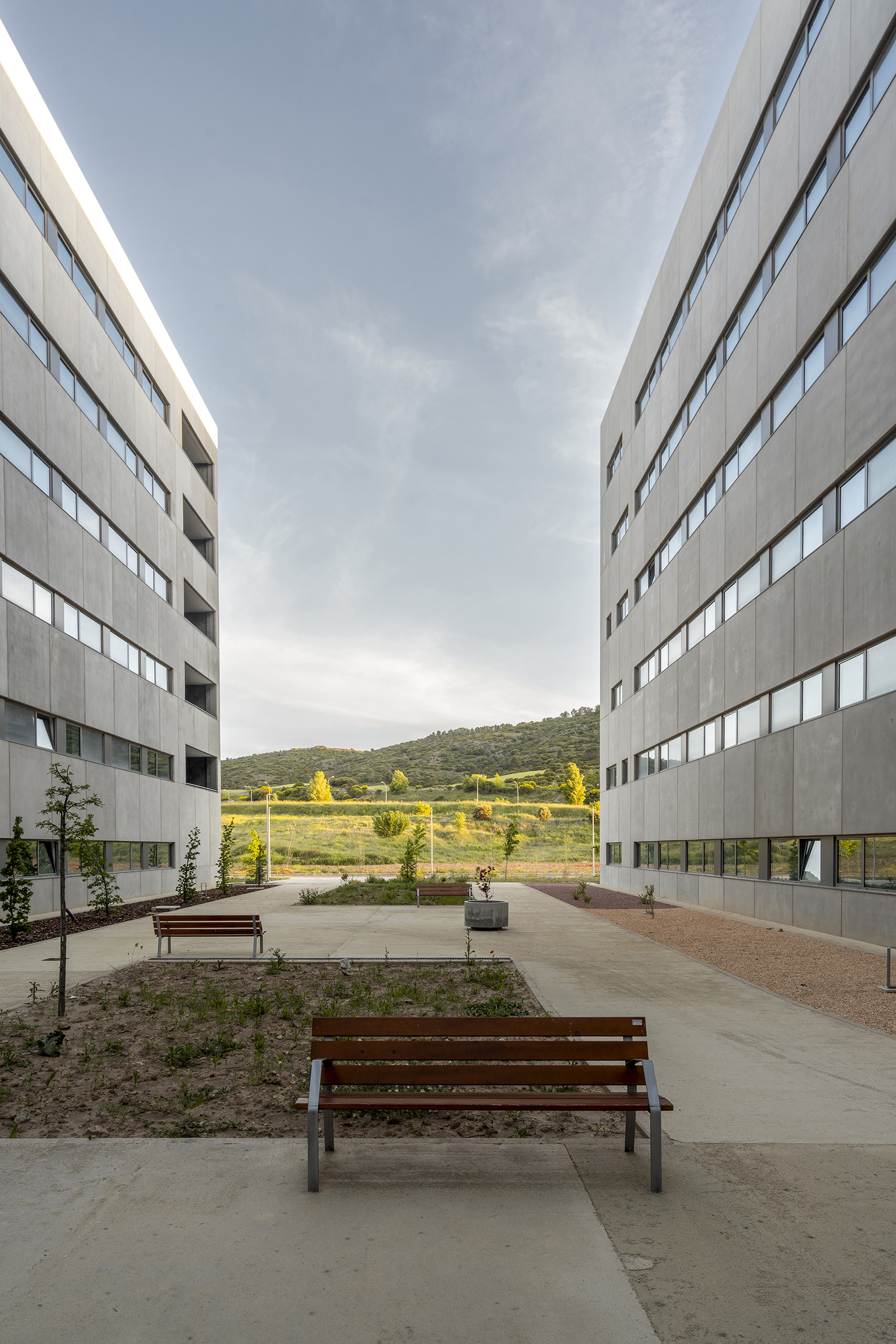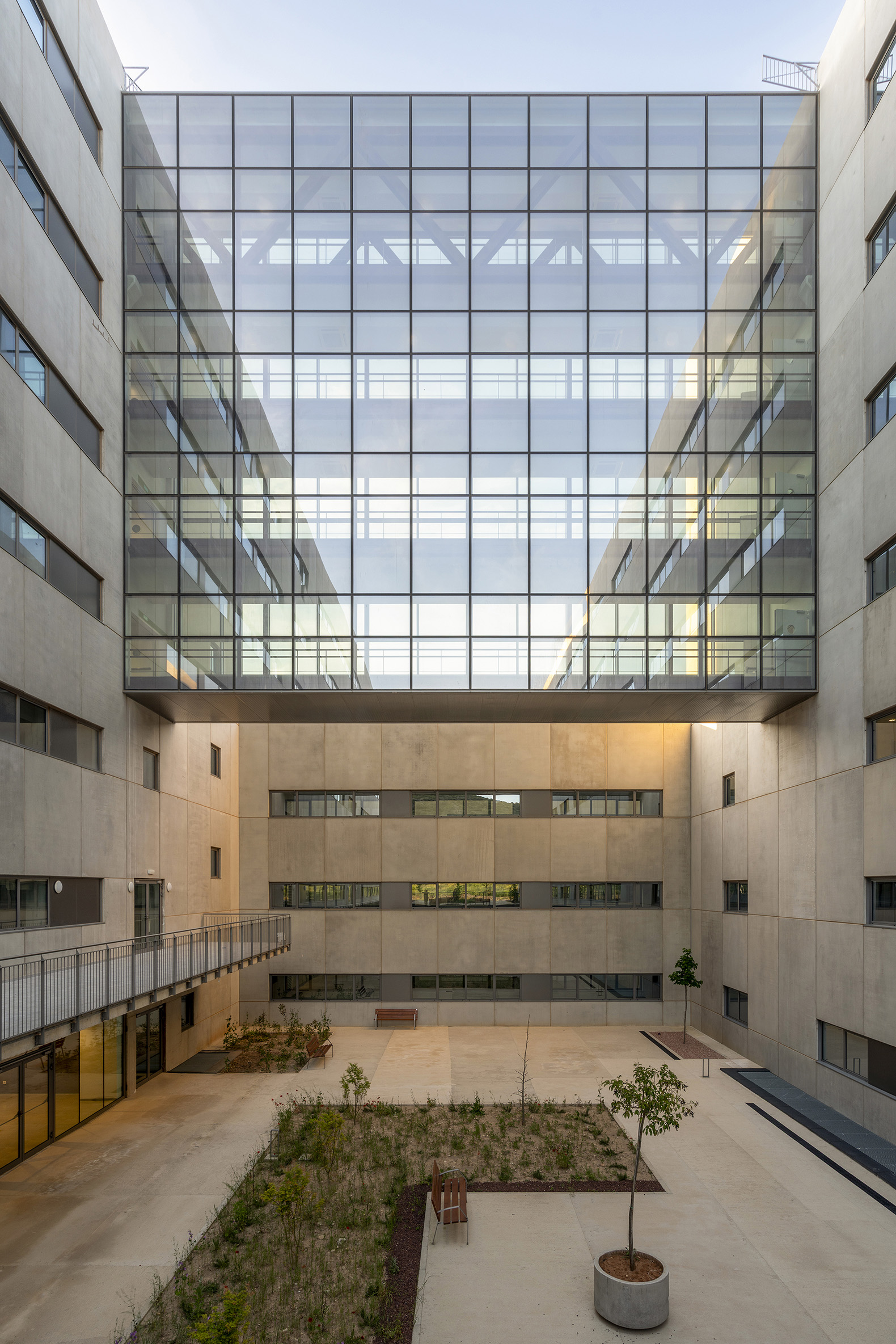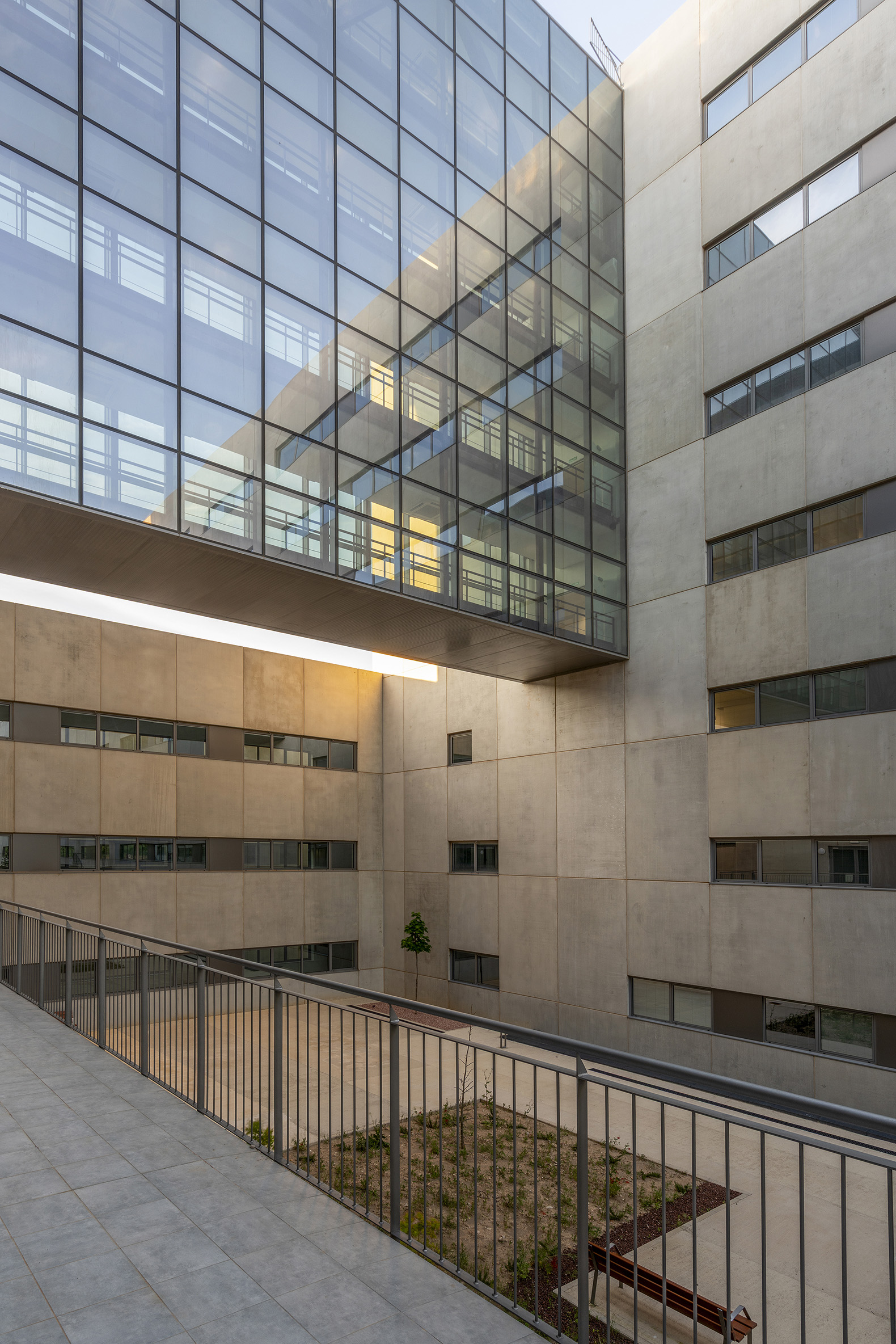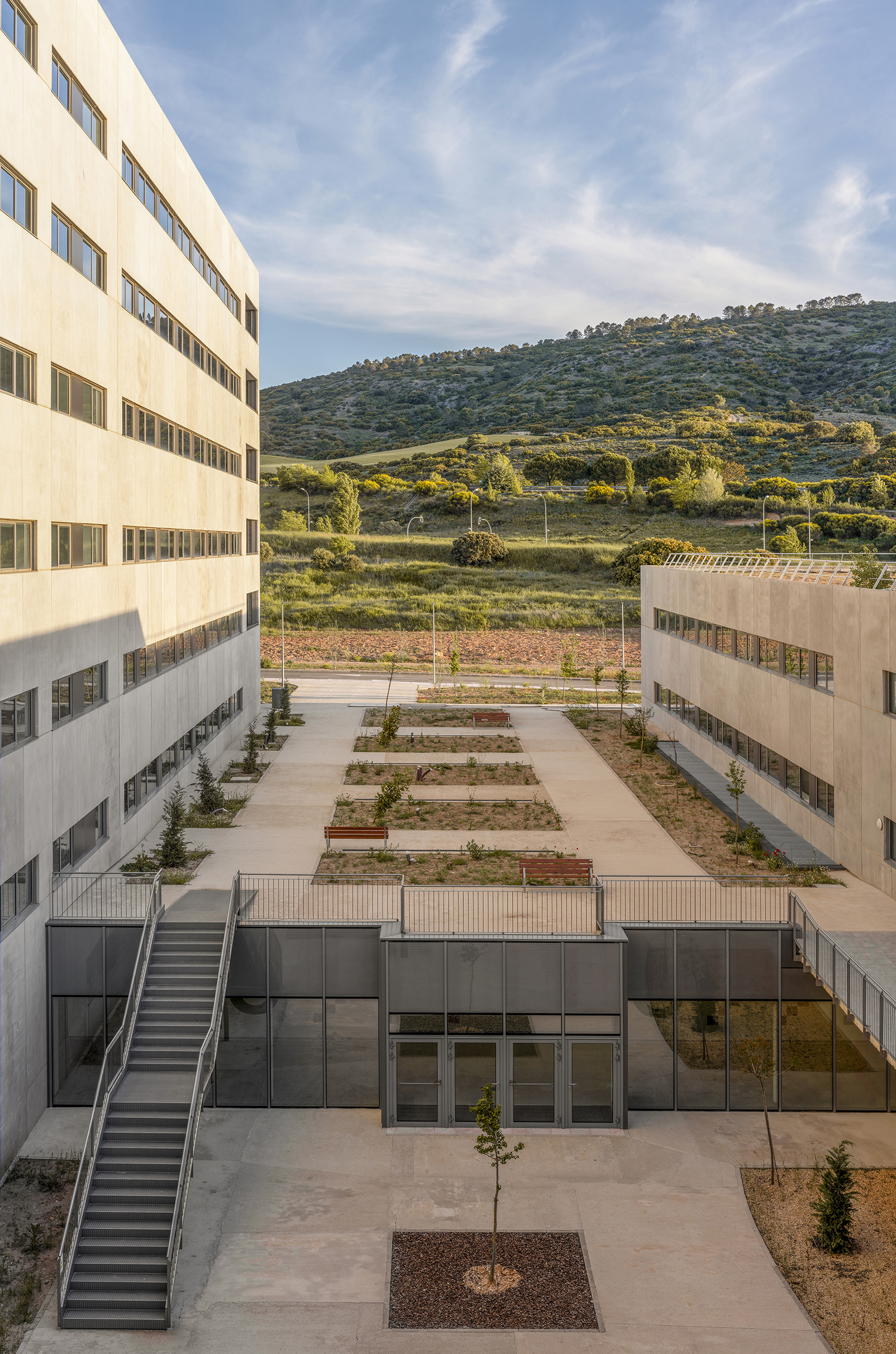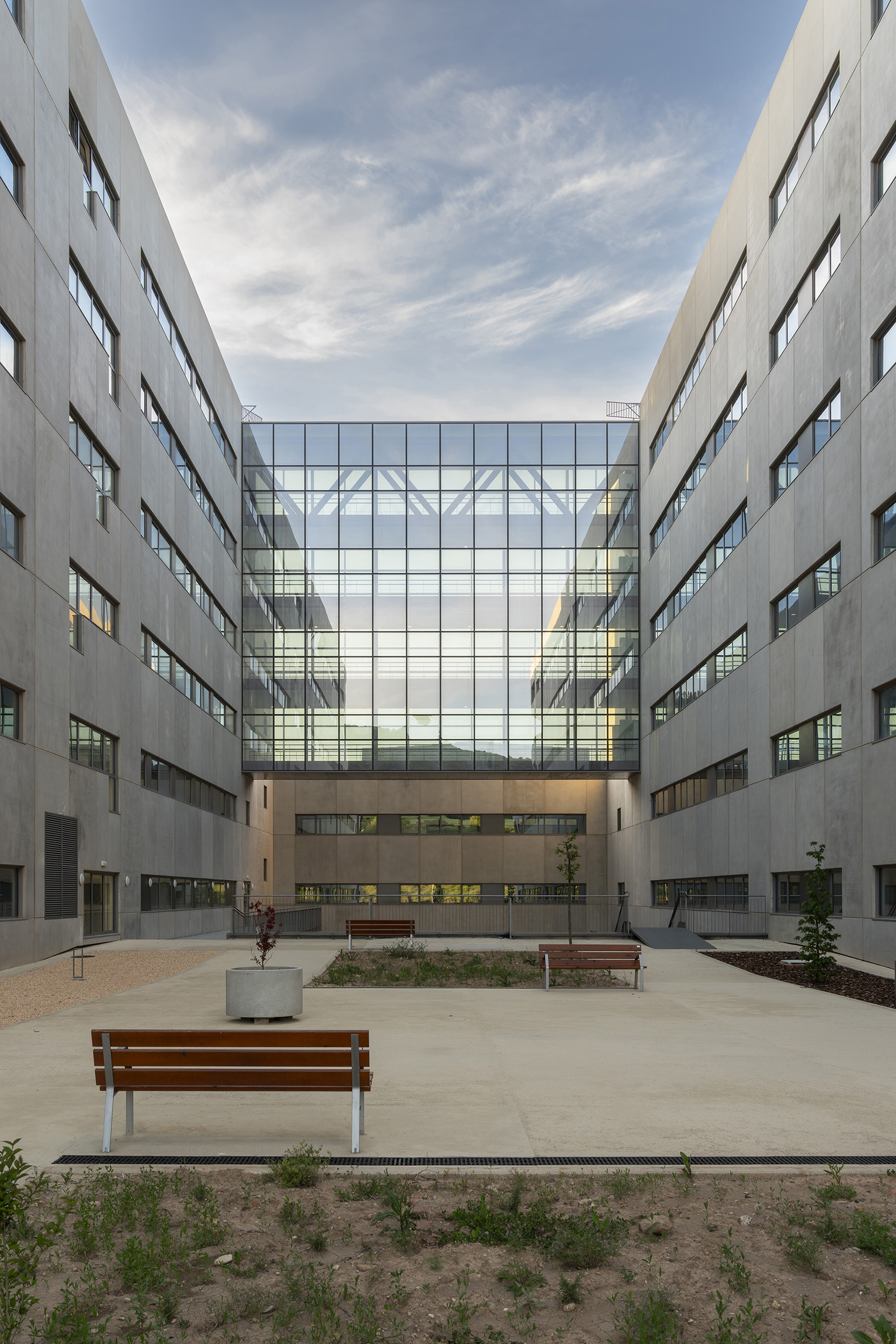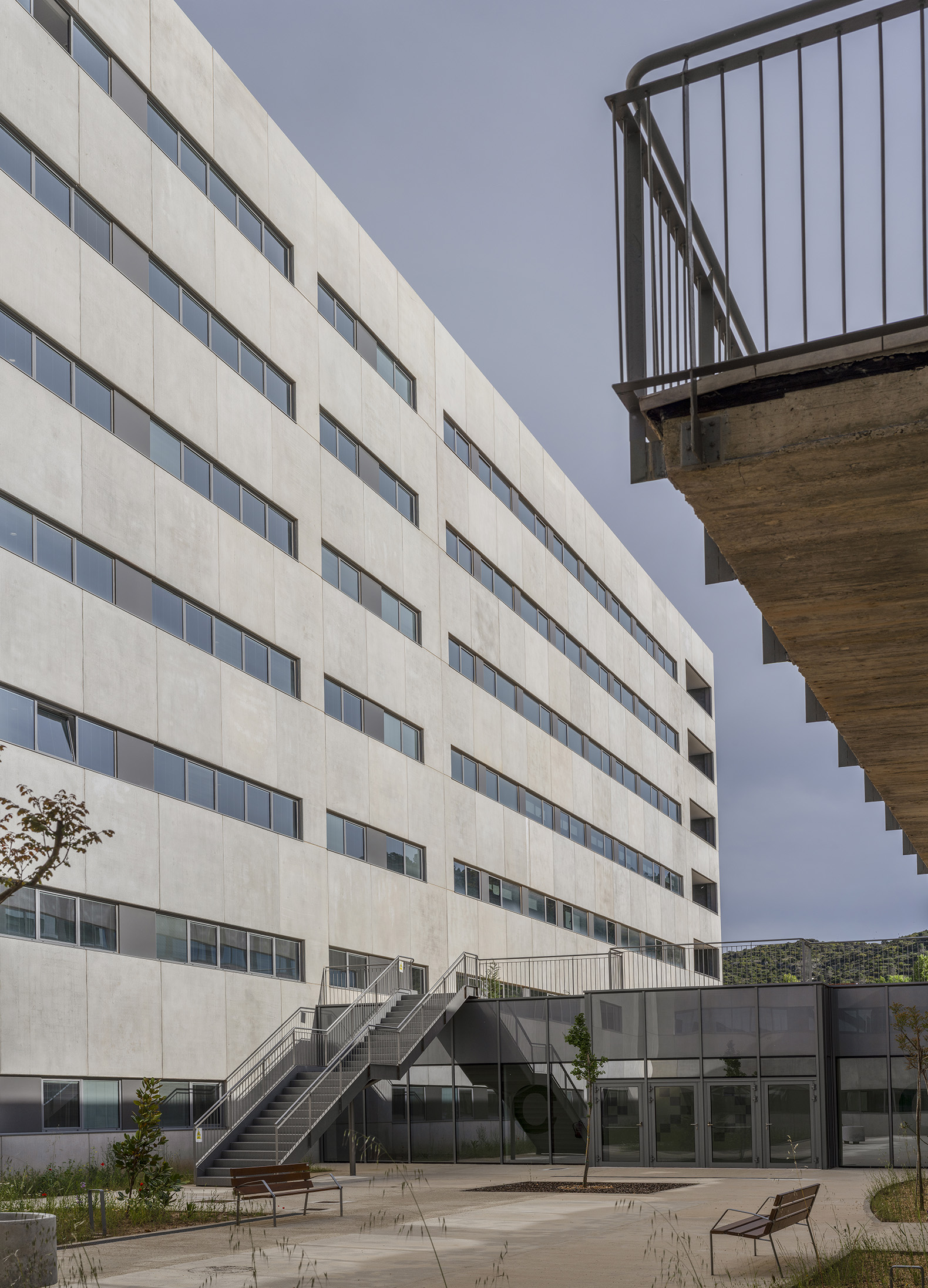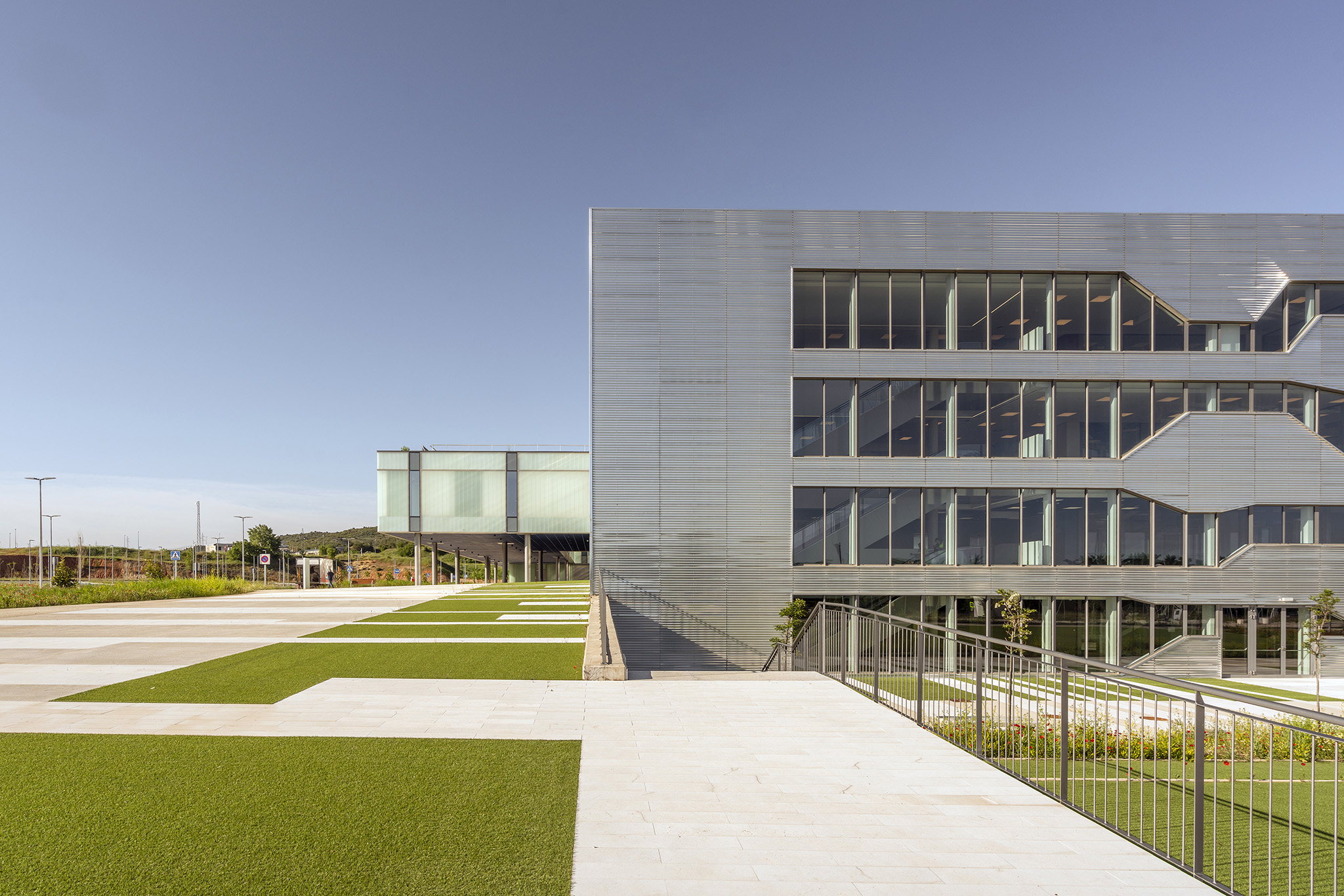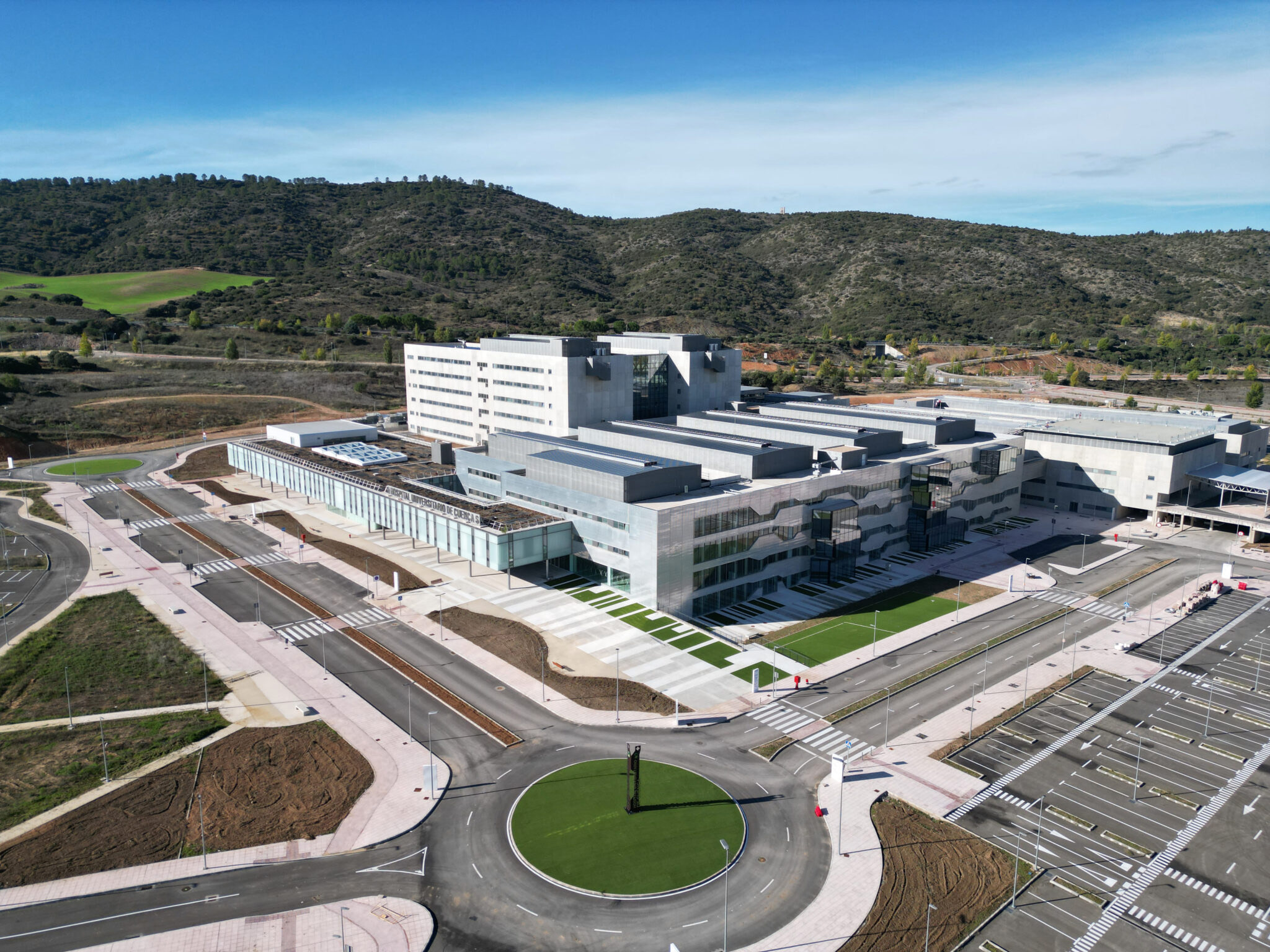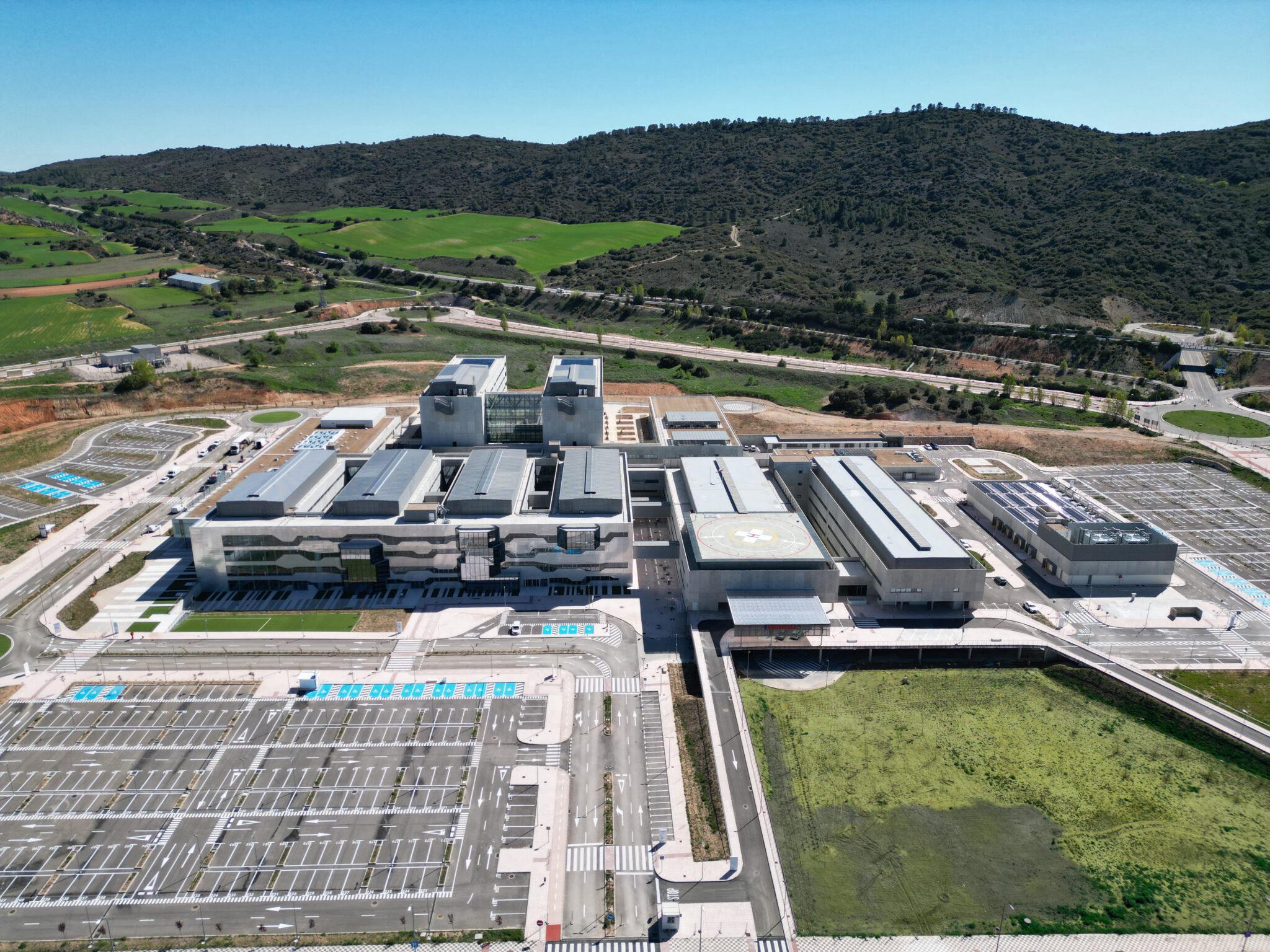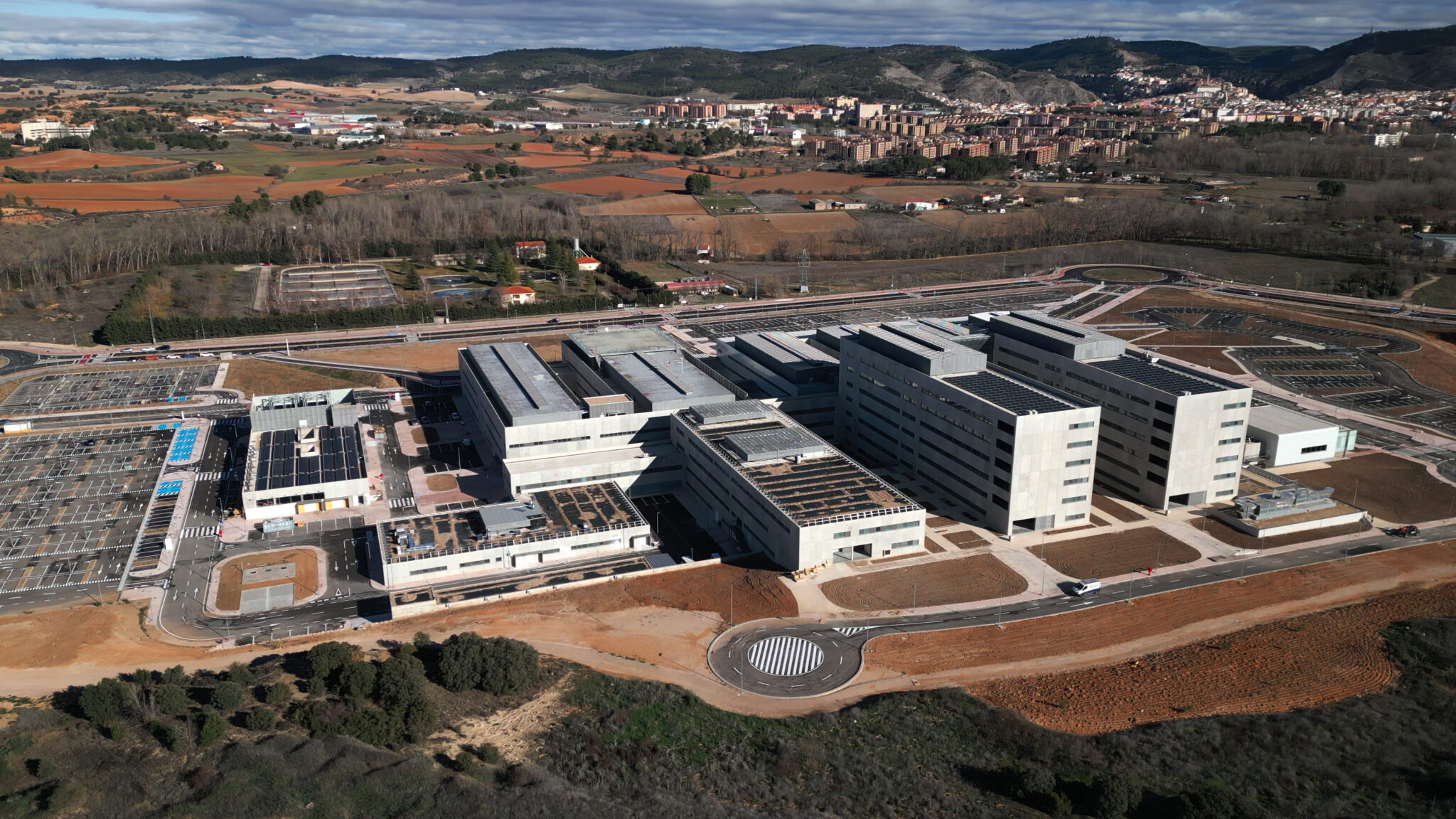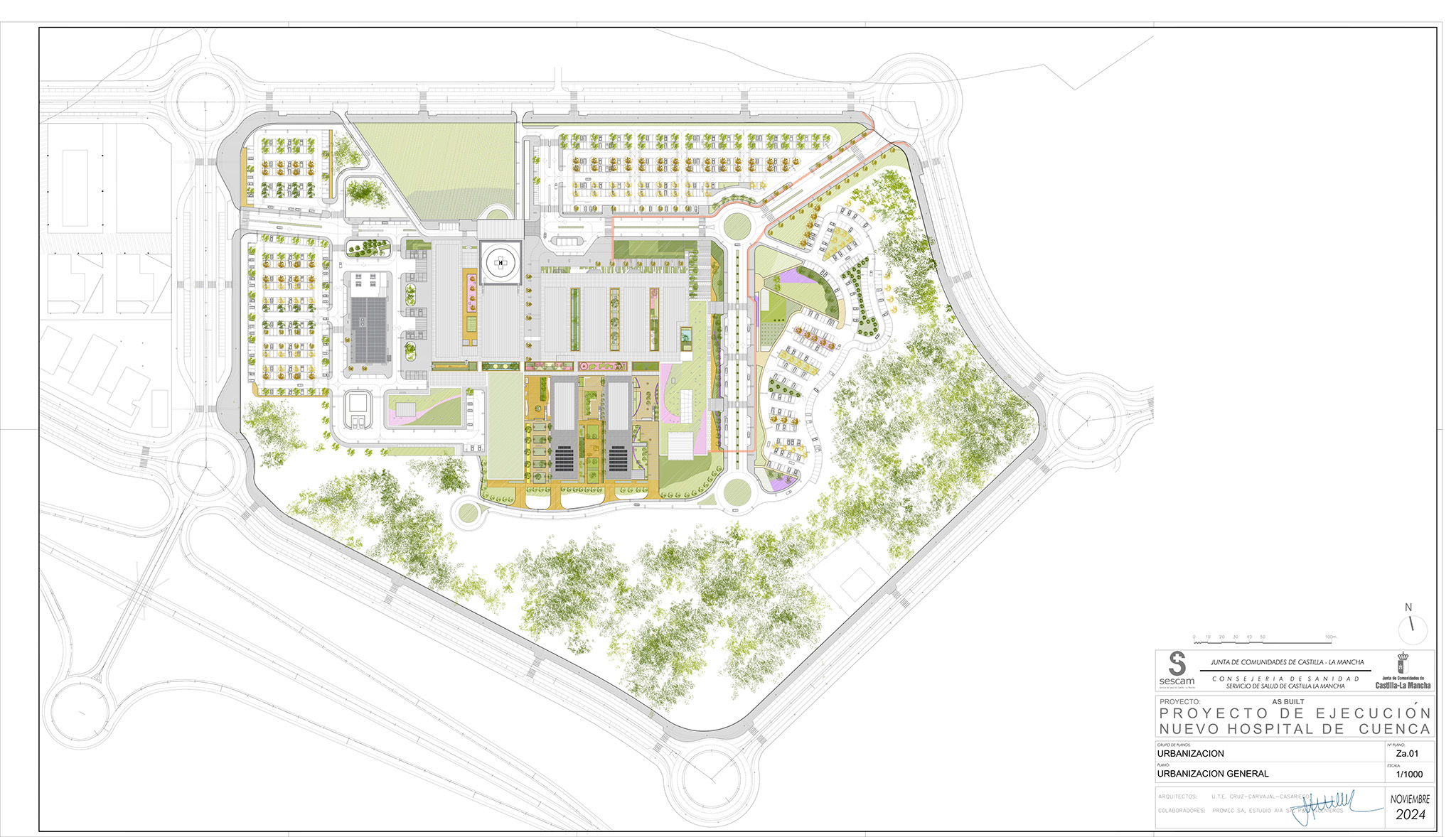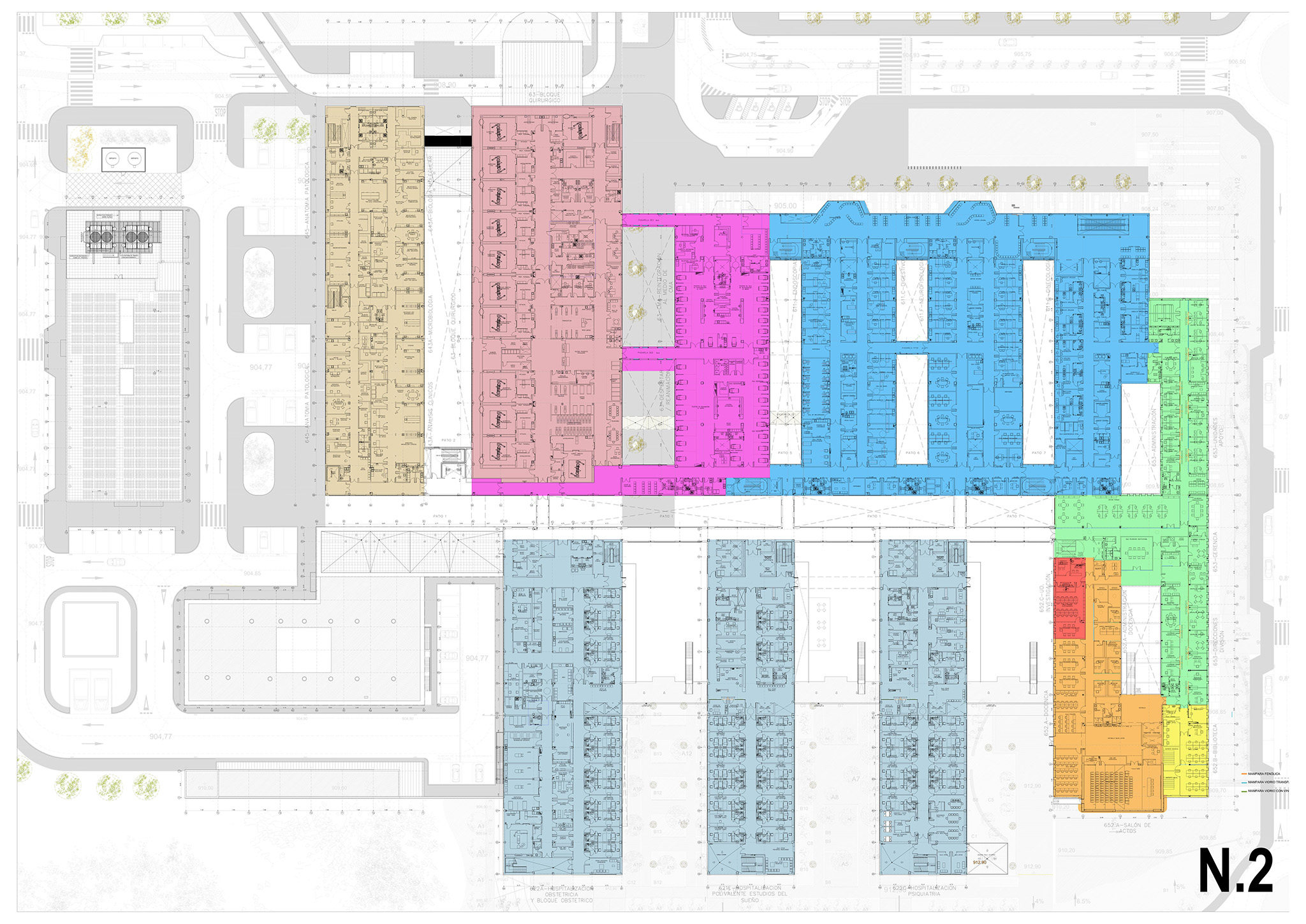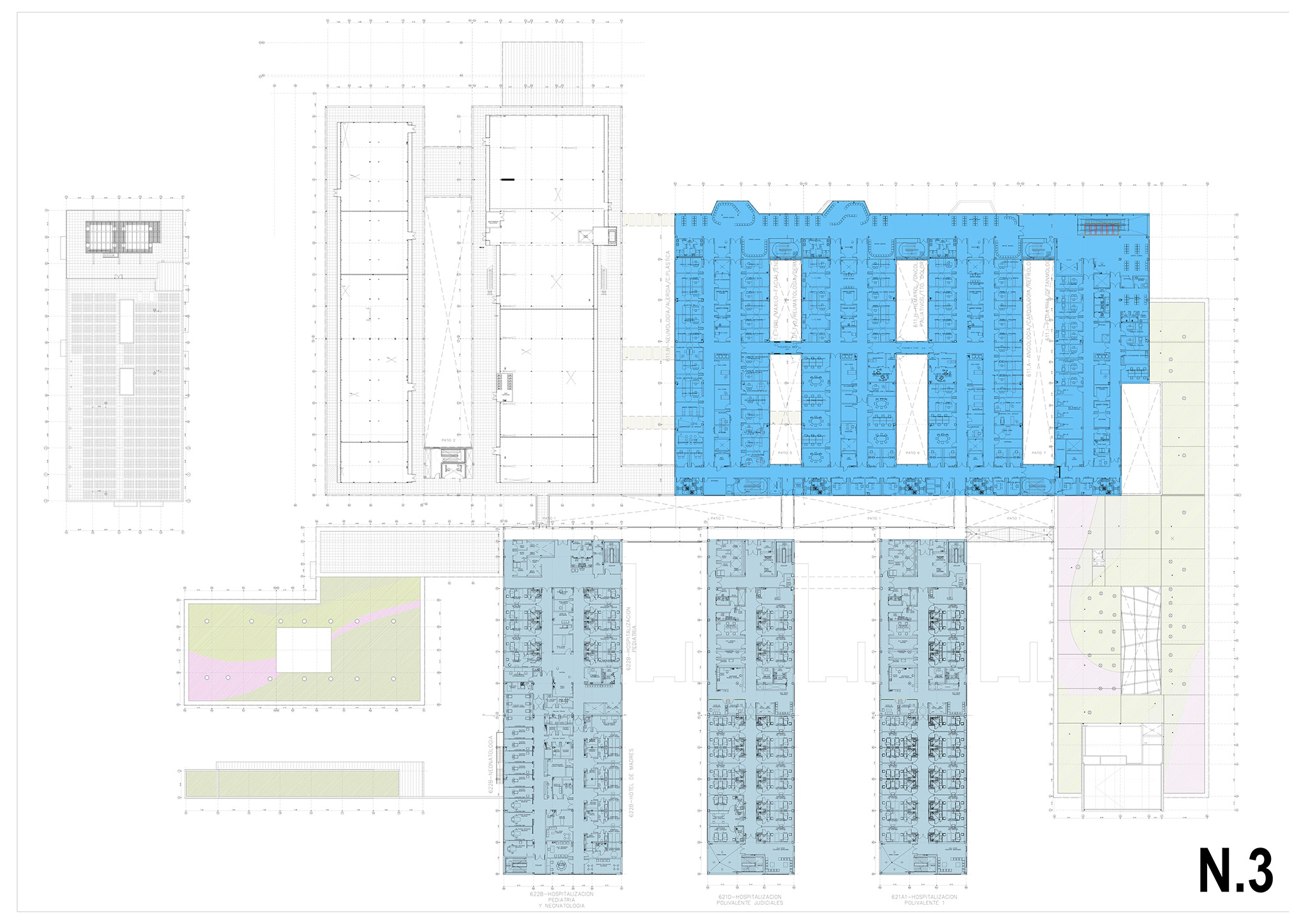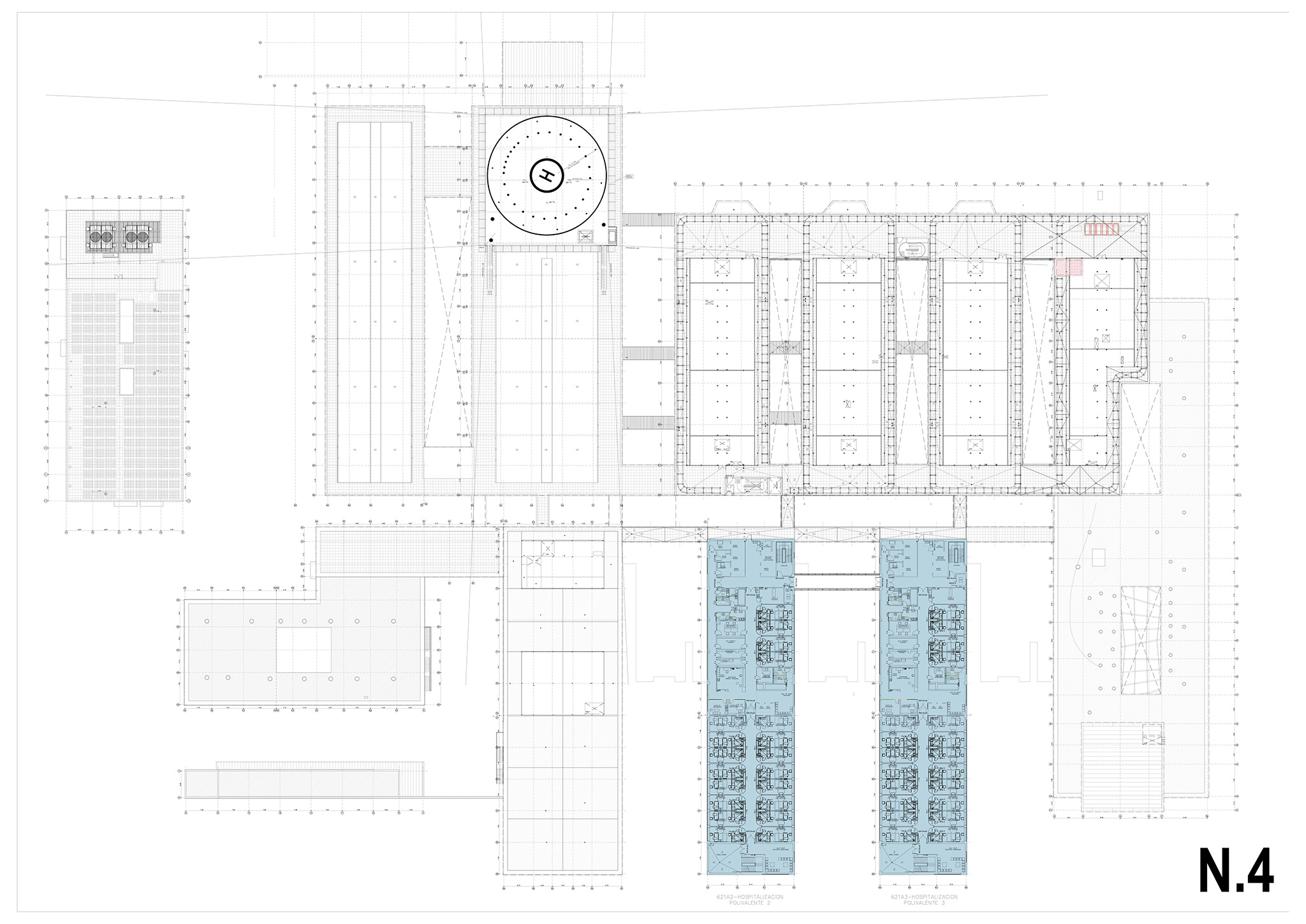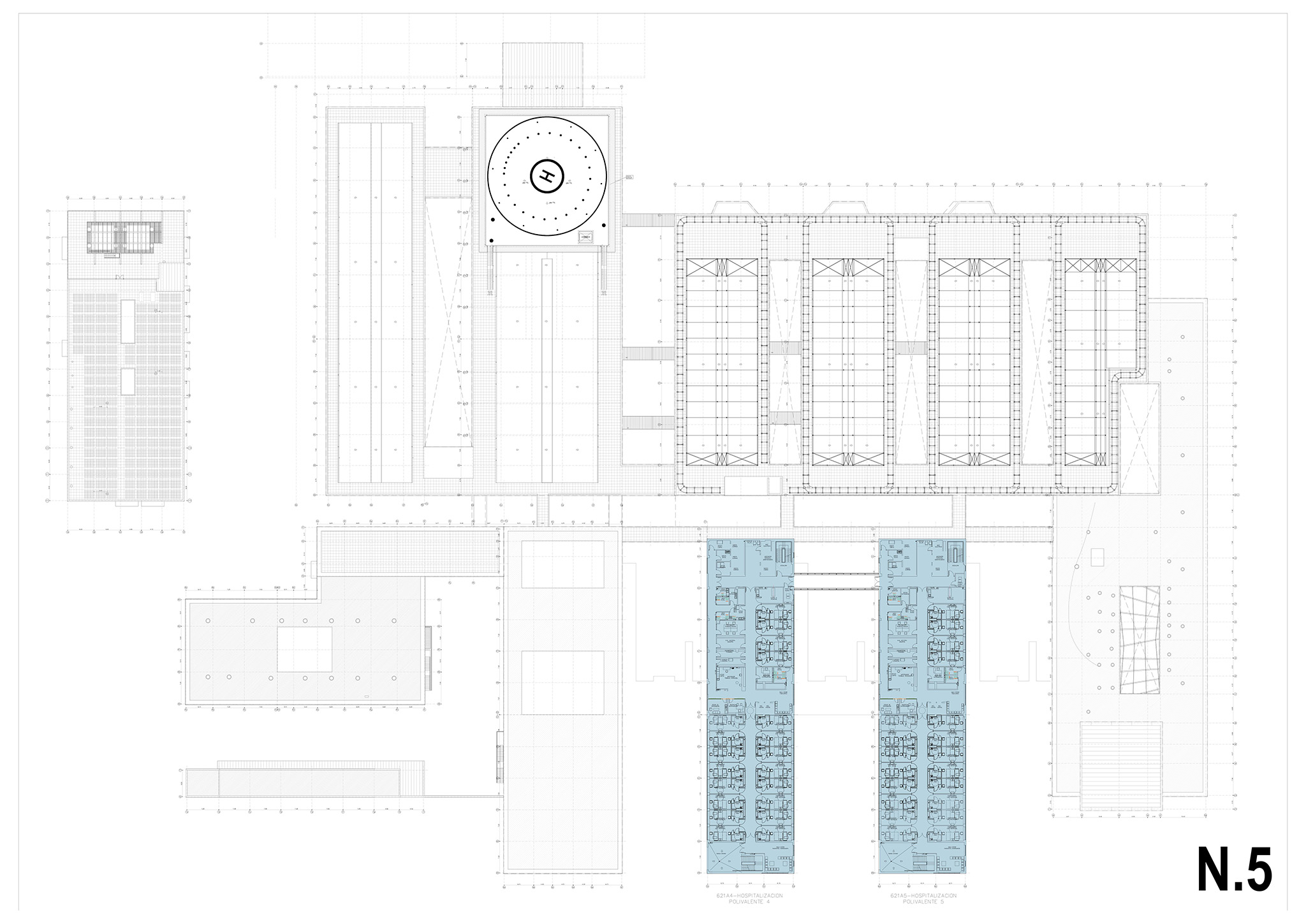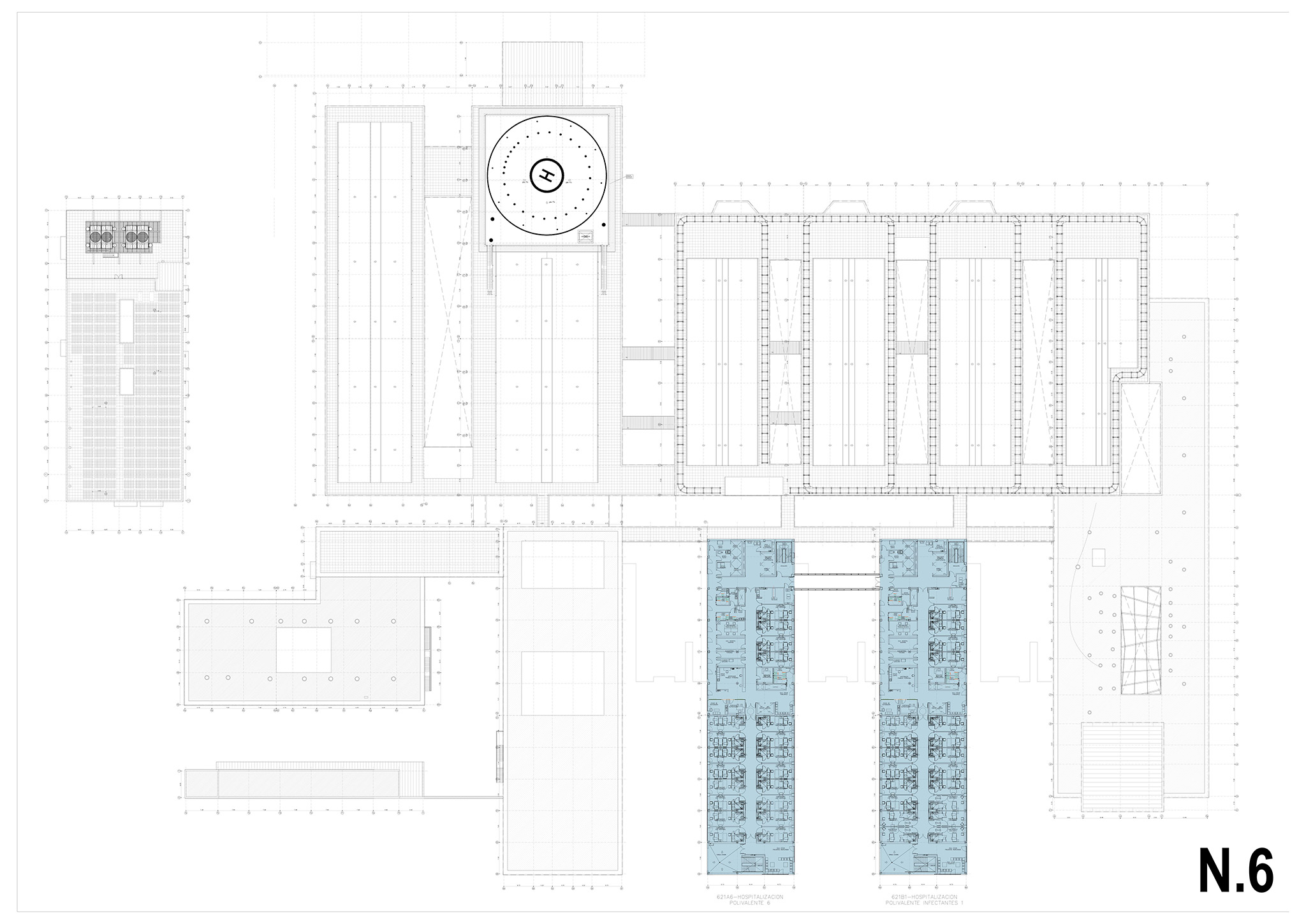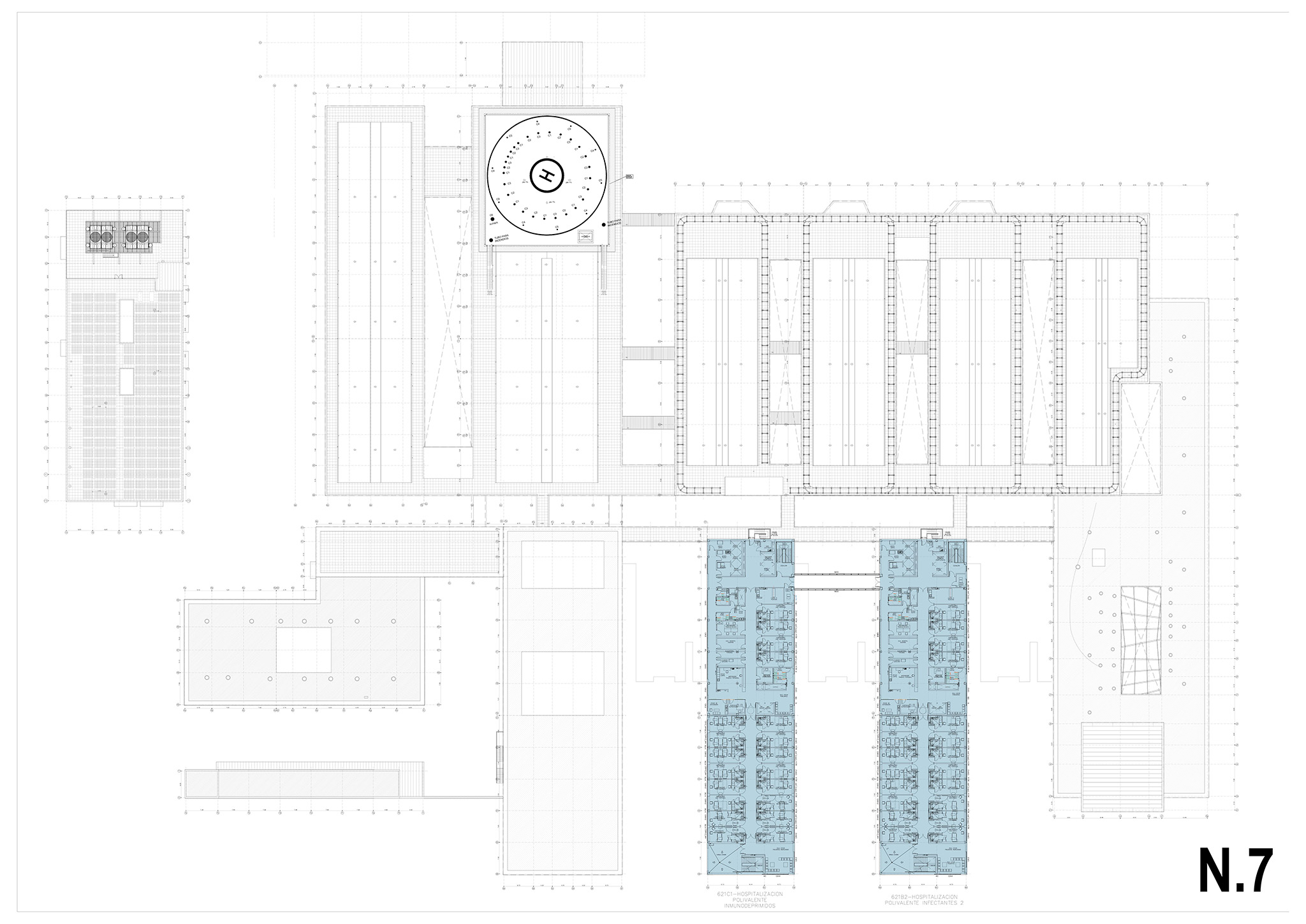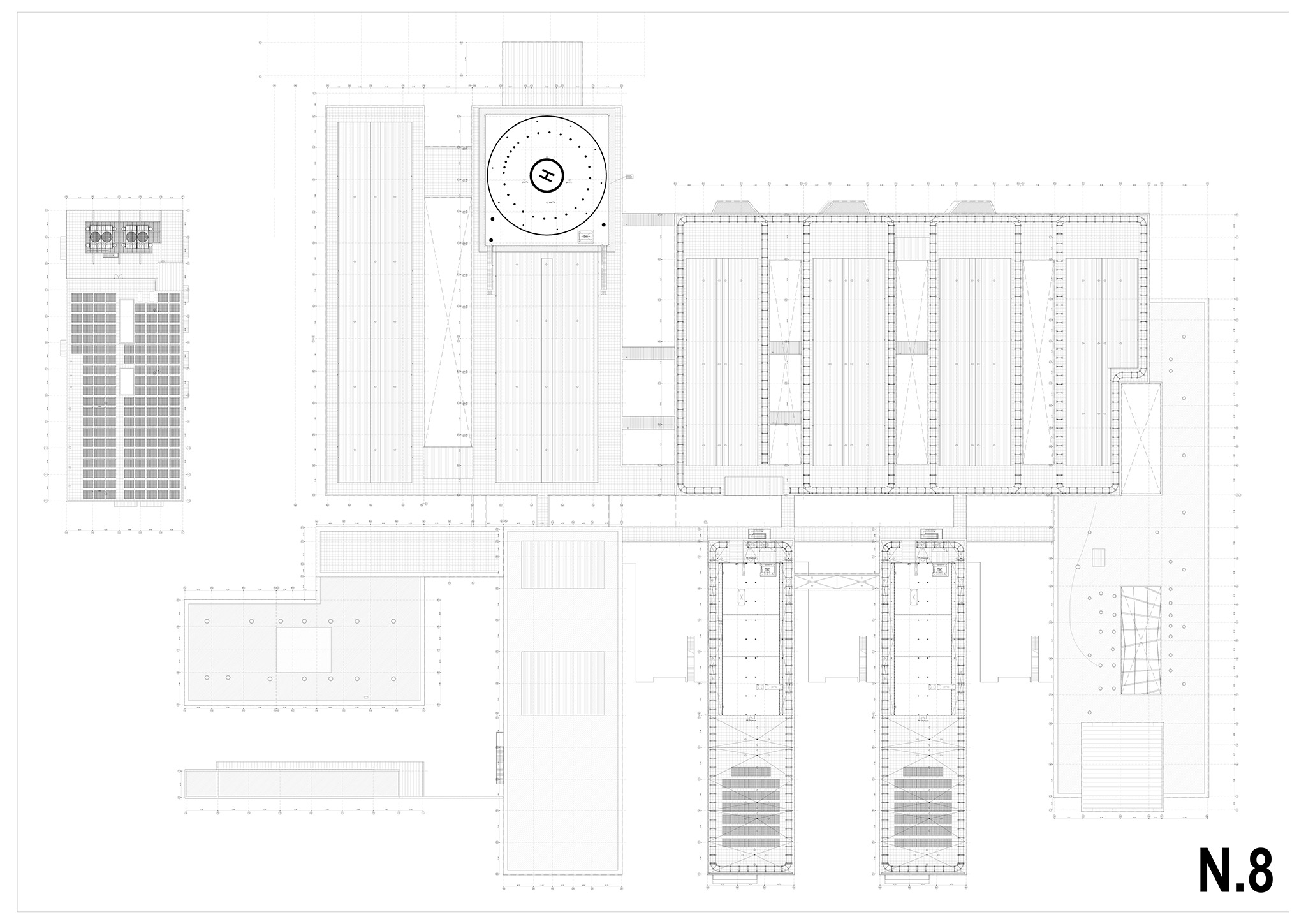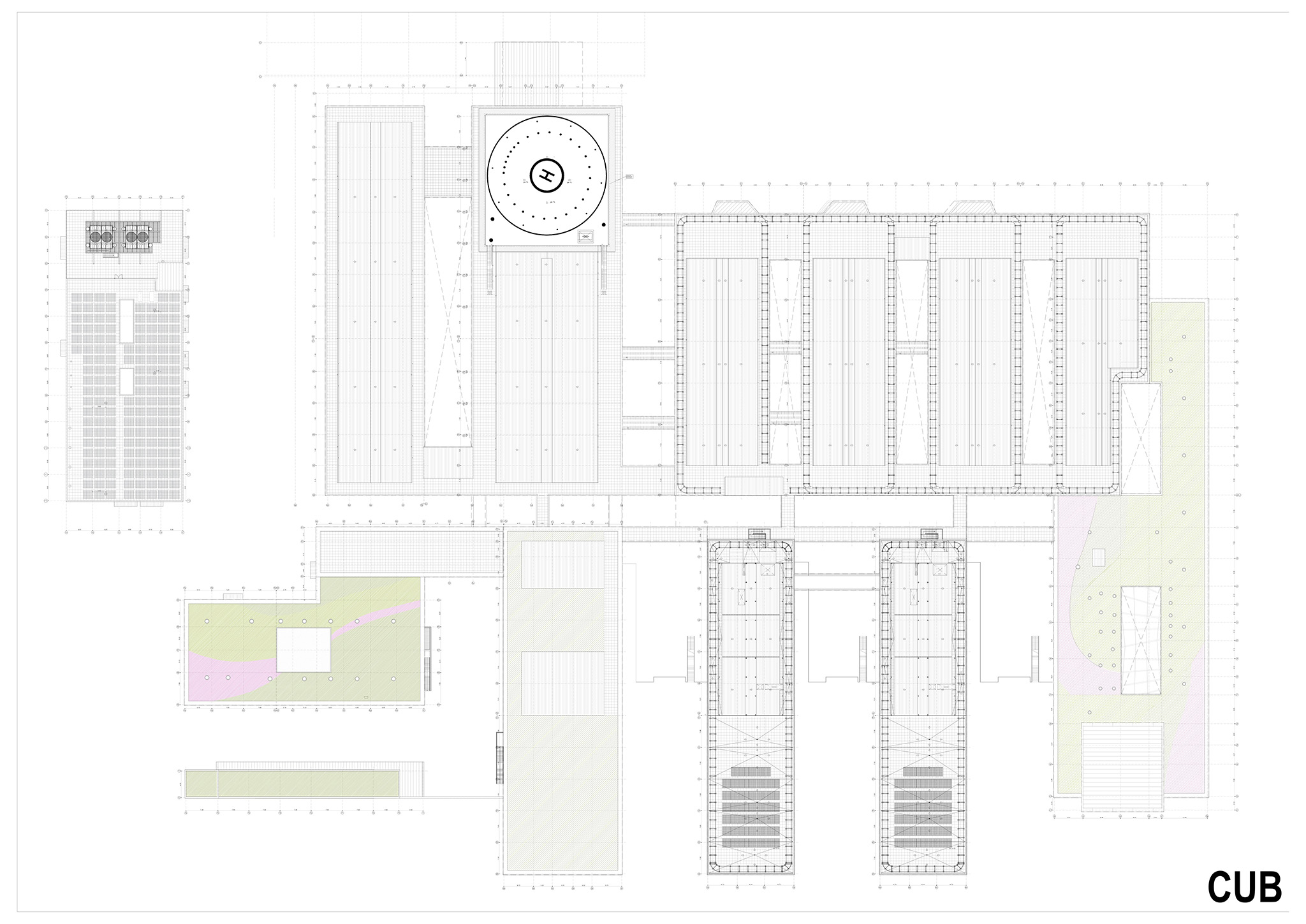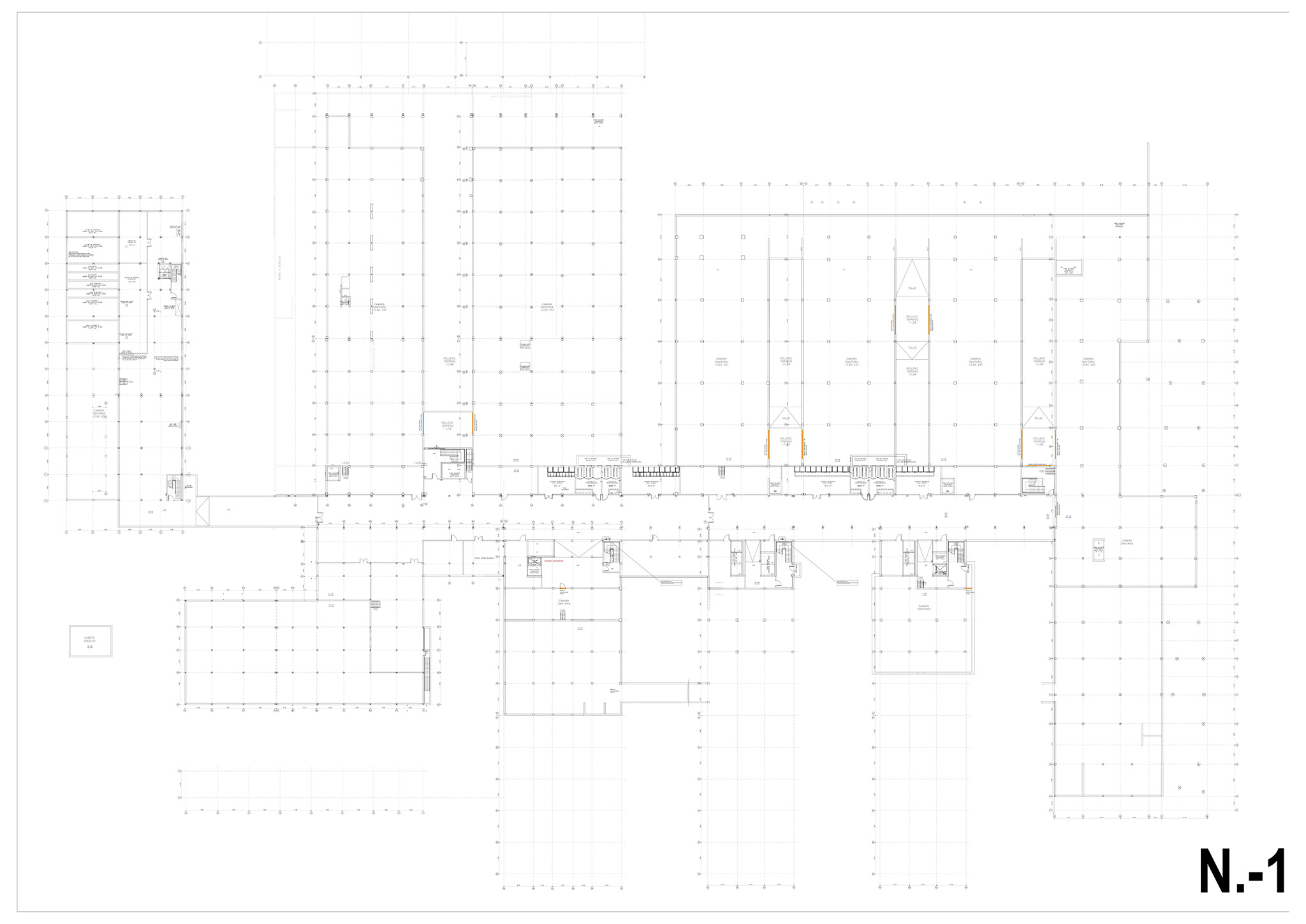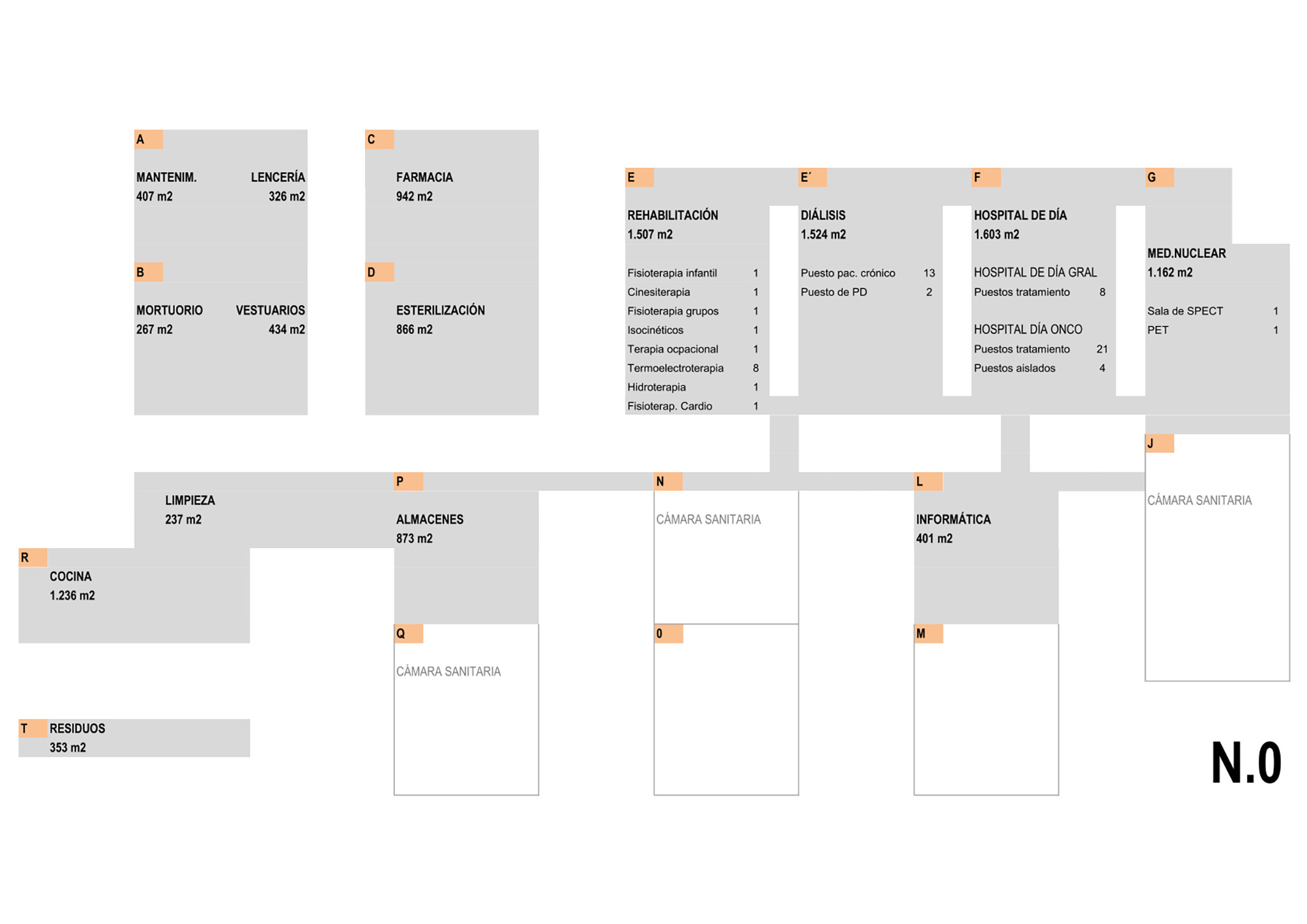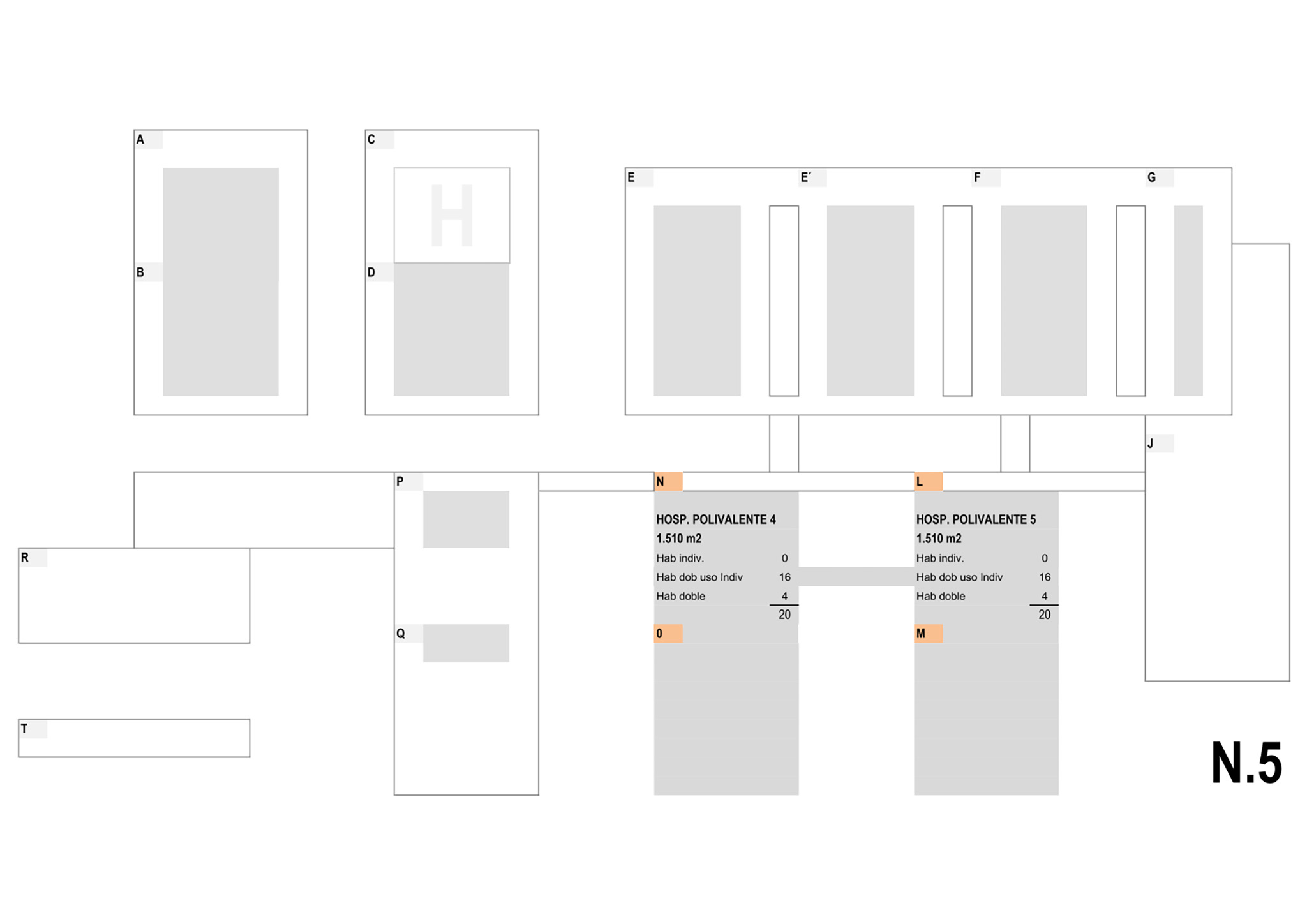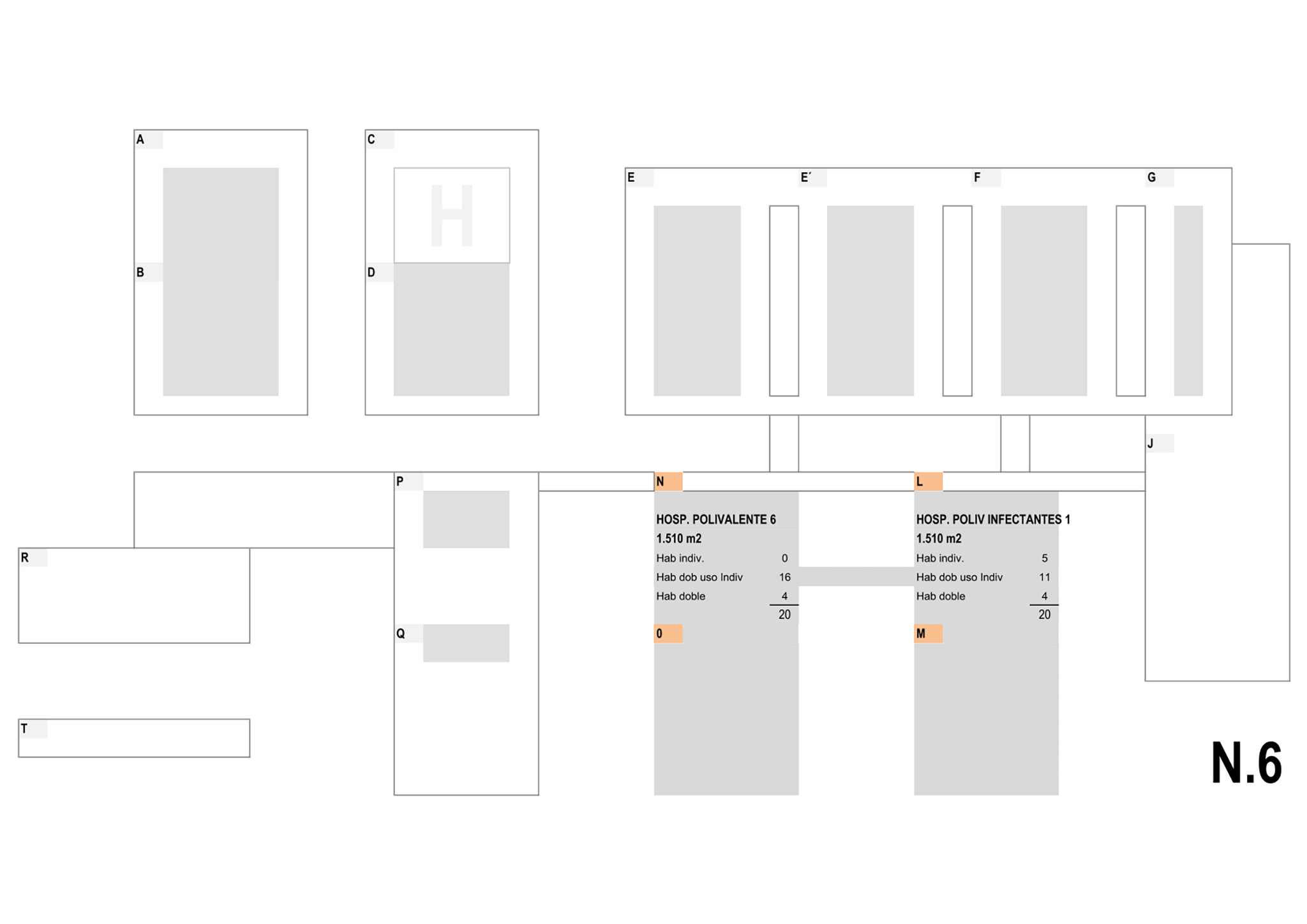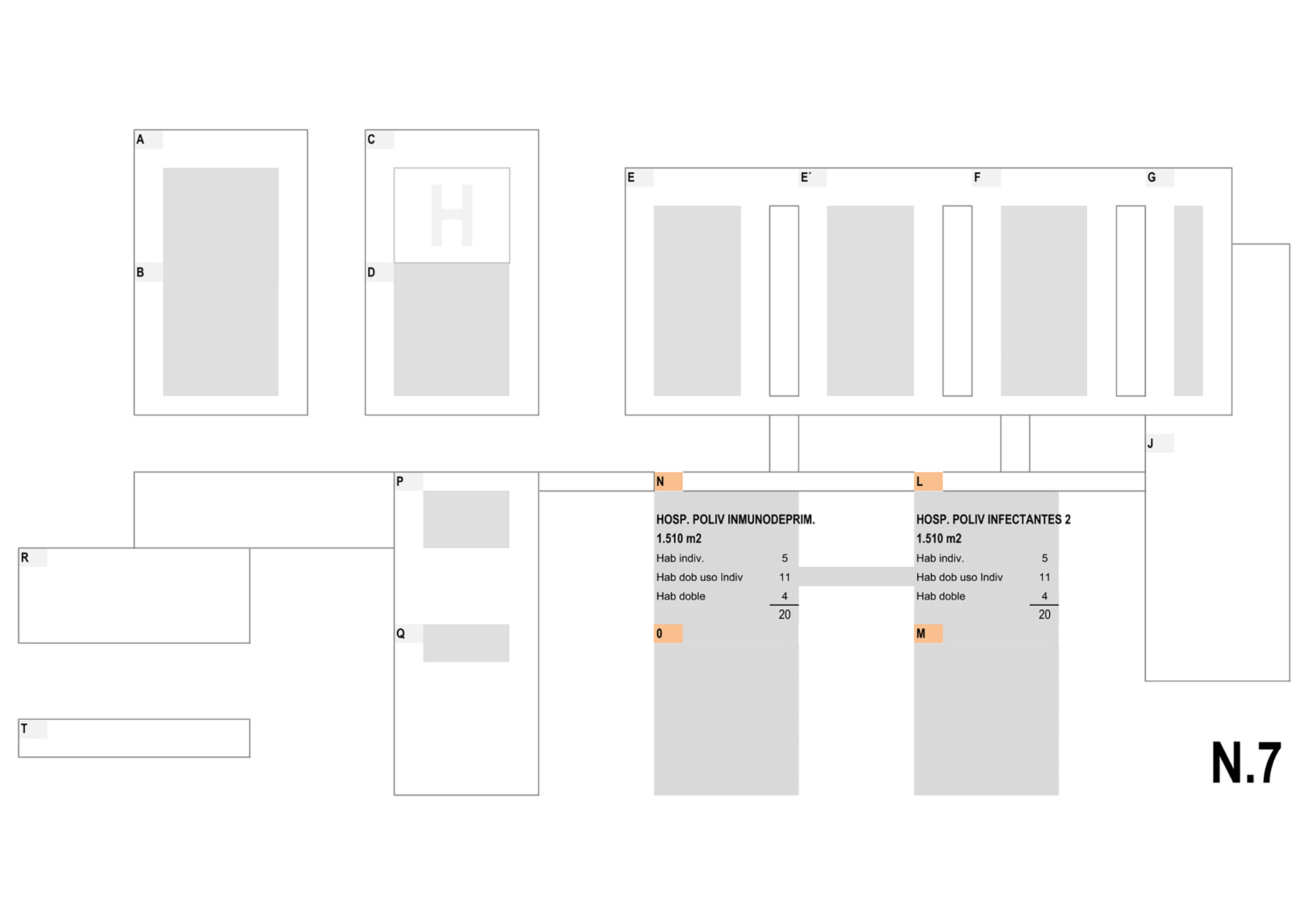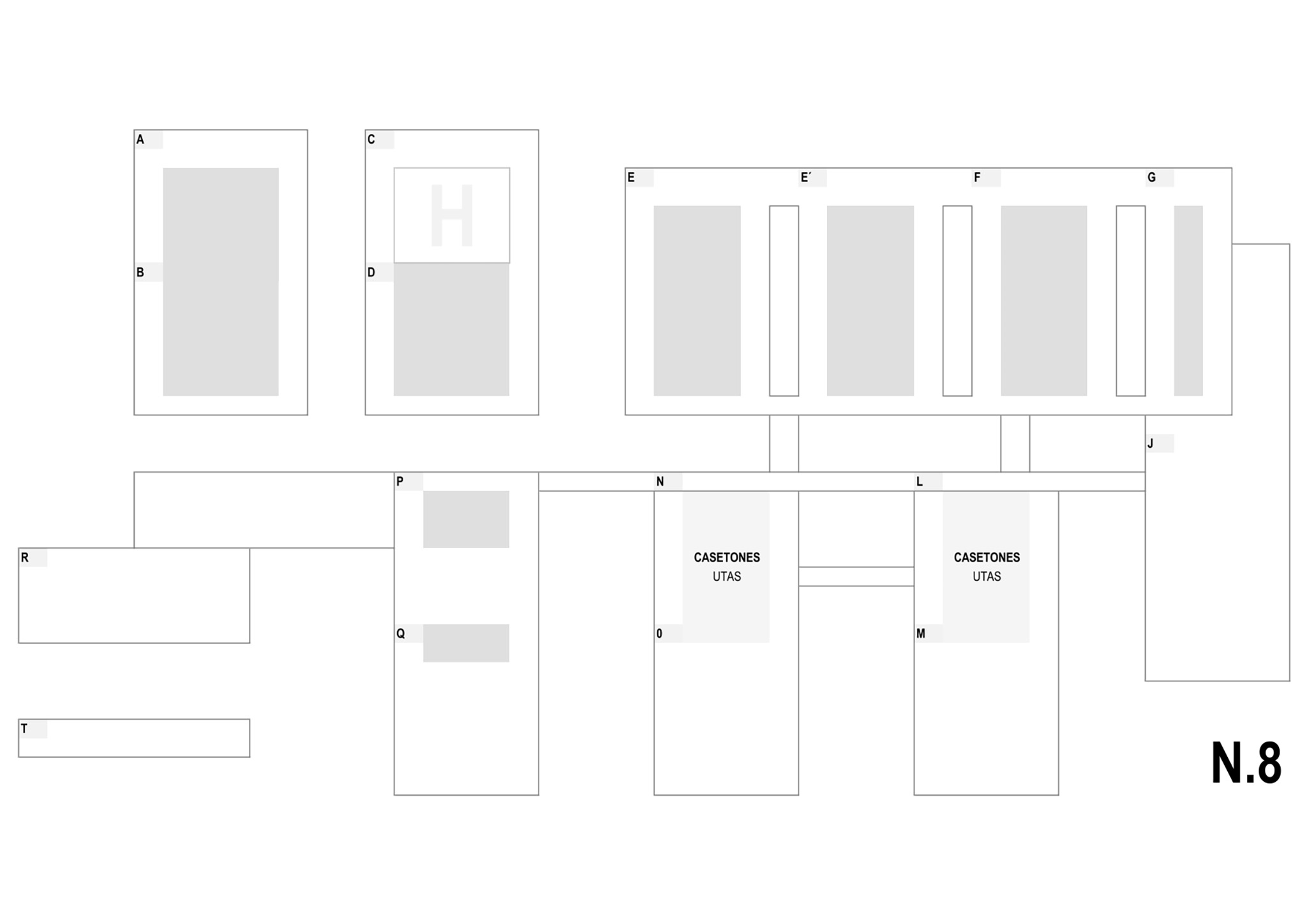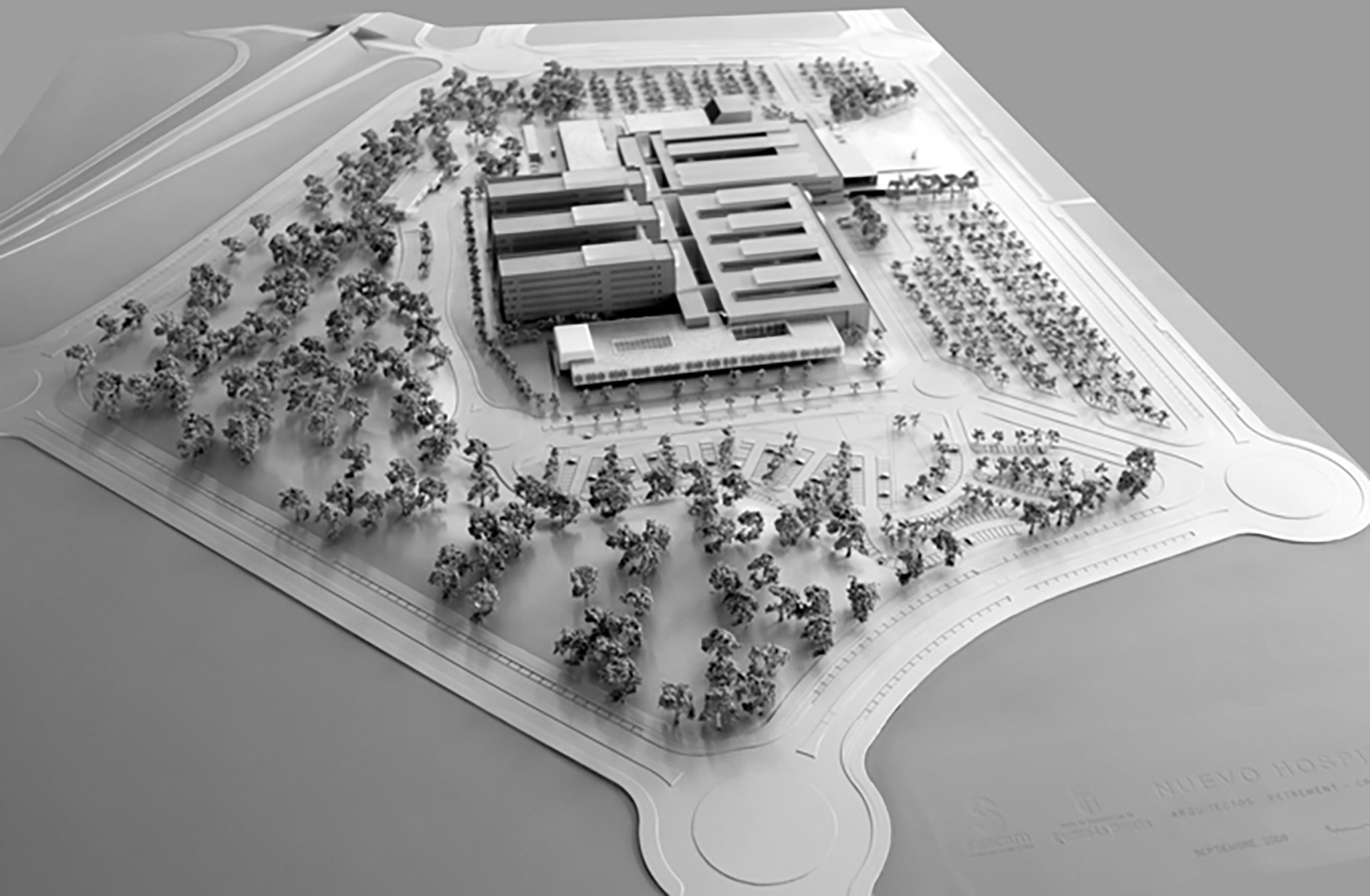
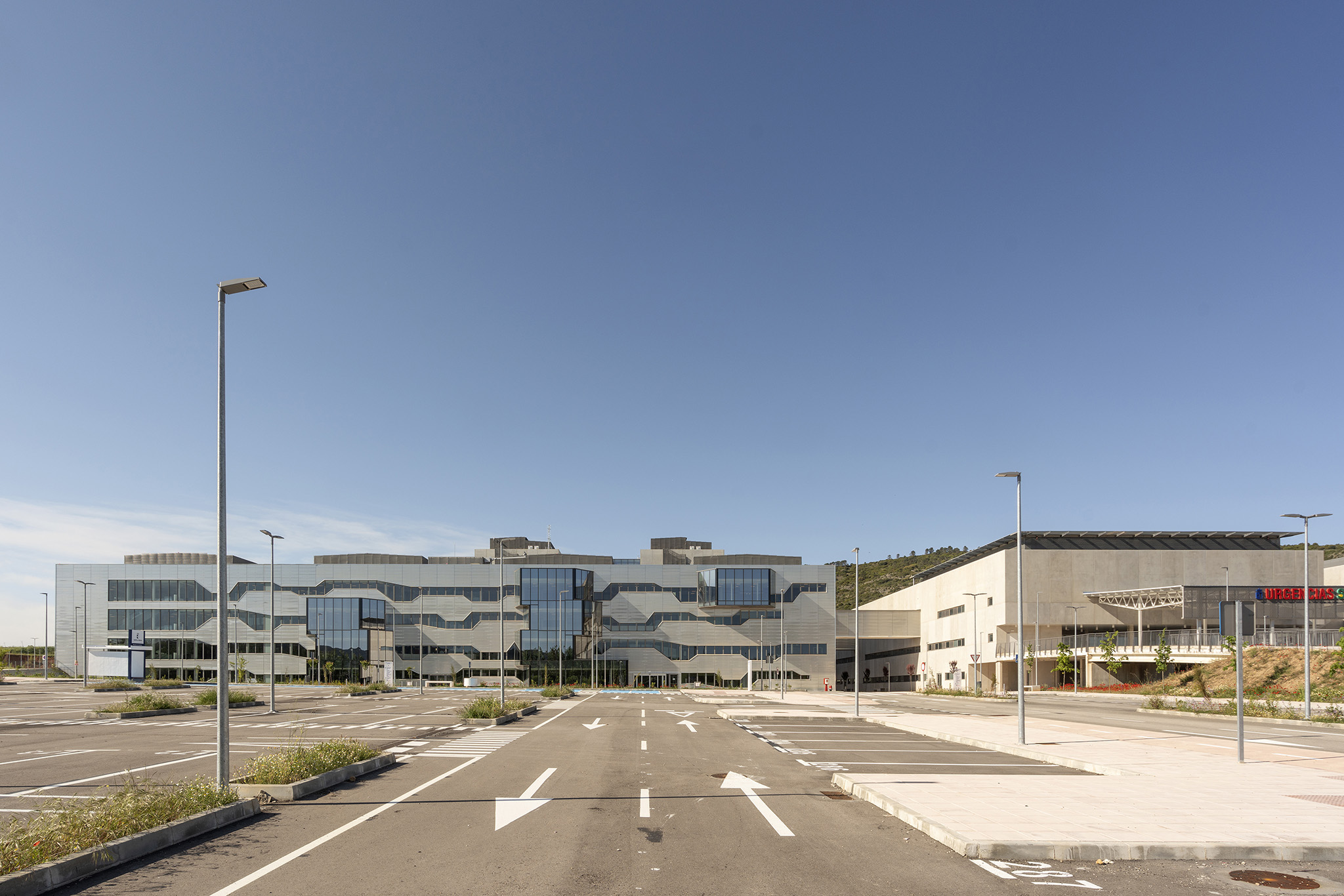
The large hospital complex designed by Gádor de Carvajal, Juan Casariego, and Fernando Cruz occupies a sprawling 200,000 sqm plot. The site's size, located in the new "El Terminillo" development in the city of Cuenca, allowed for a horizontally oriented design with a schematic layout, adapted to the topography and structured around distinct programmatic areas arranged in a comb-like pattern.

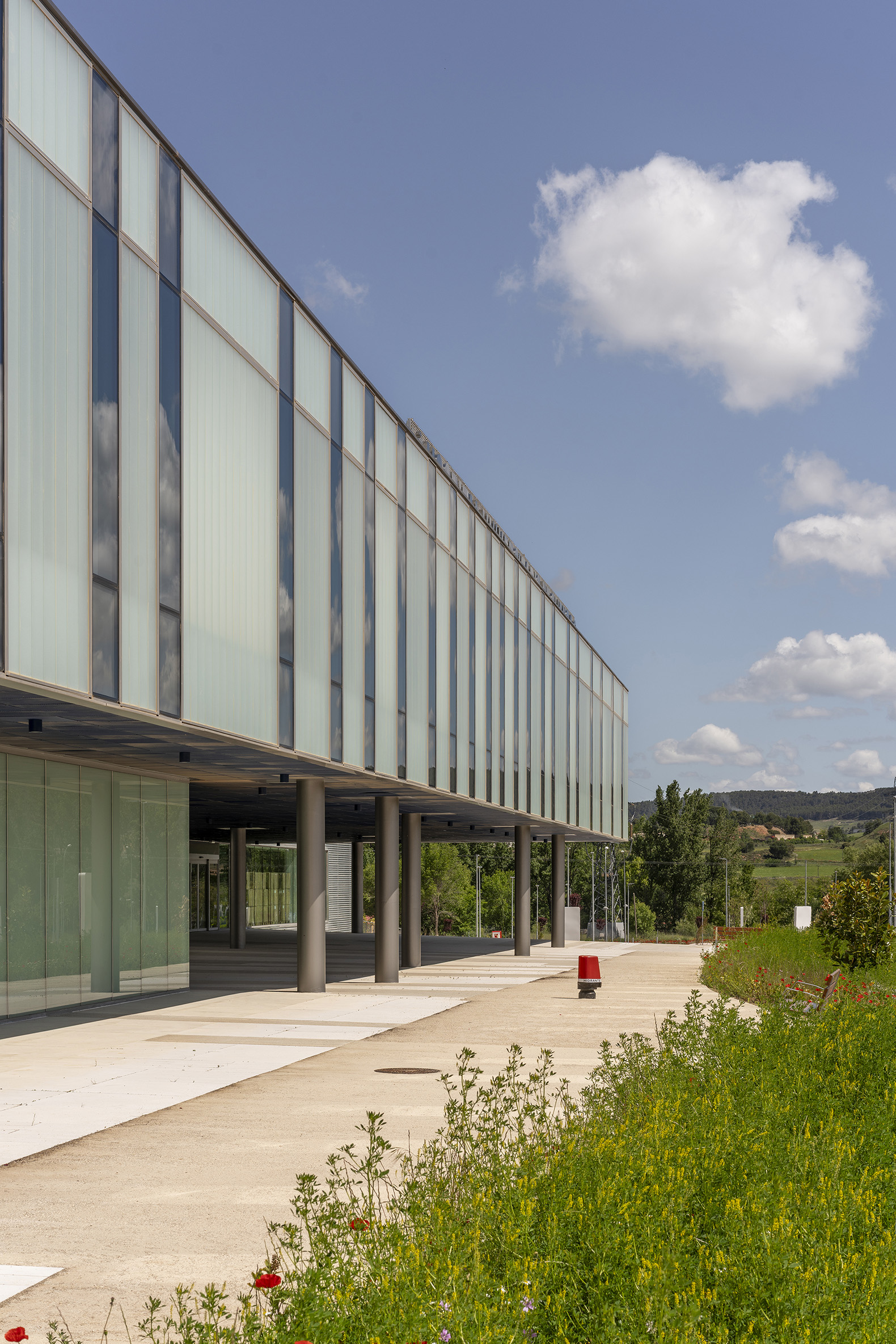
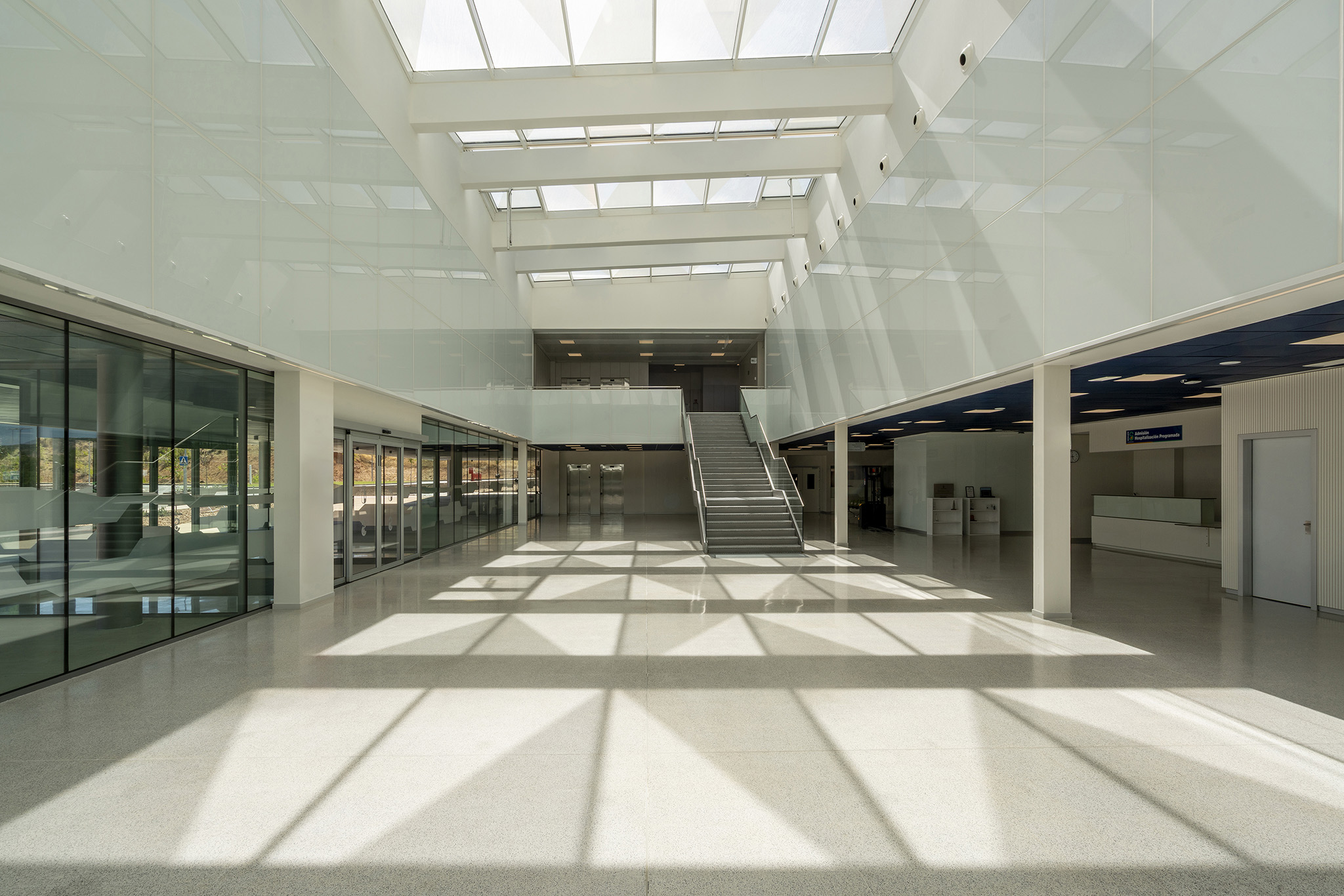
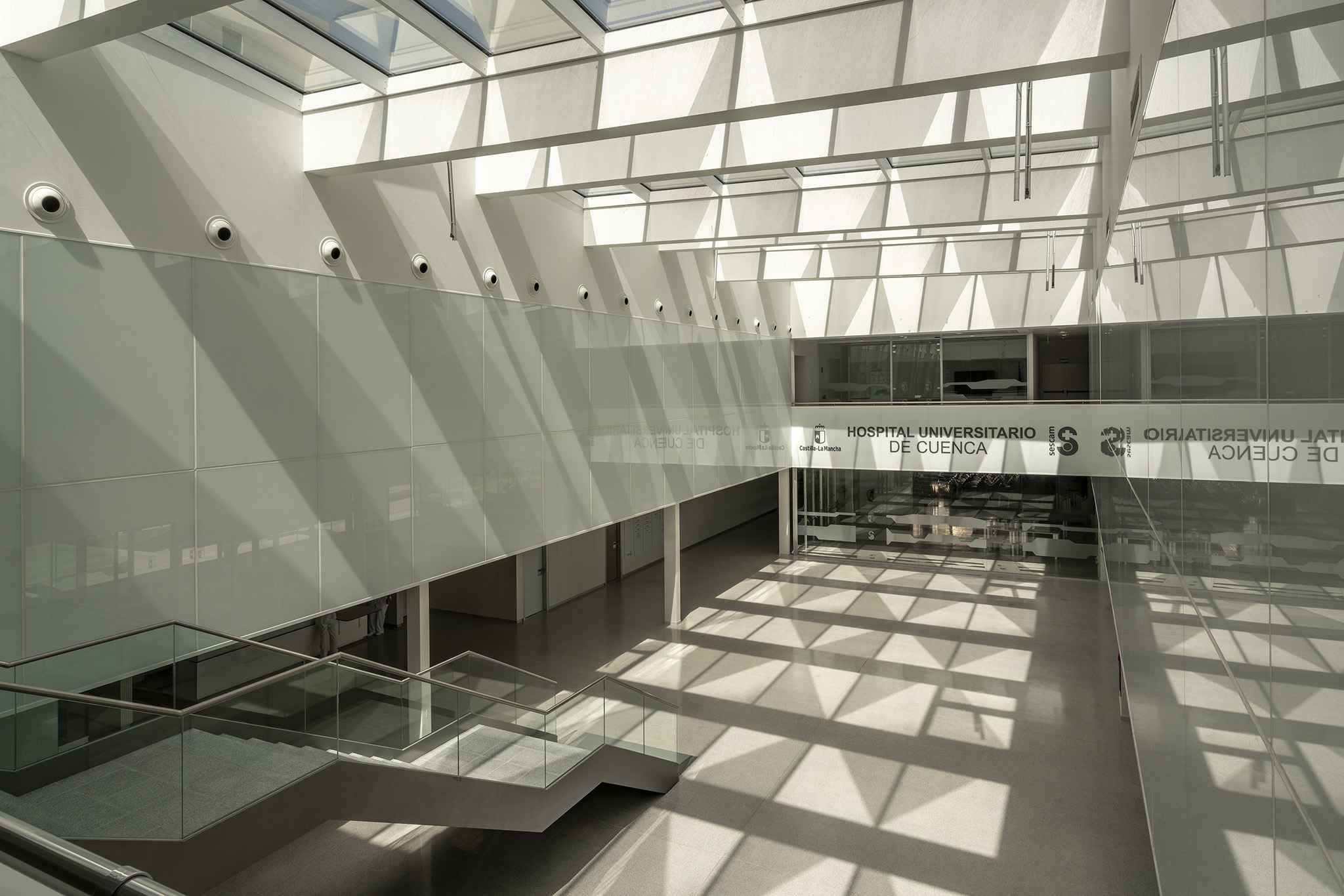
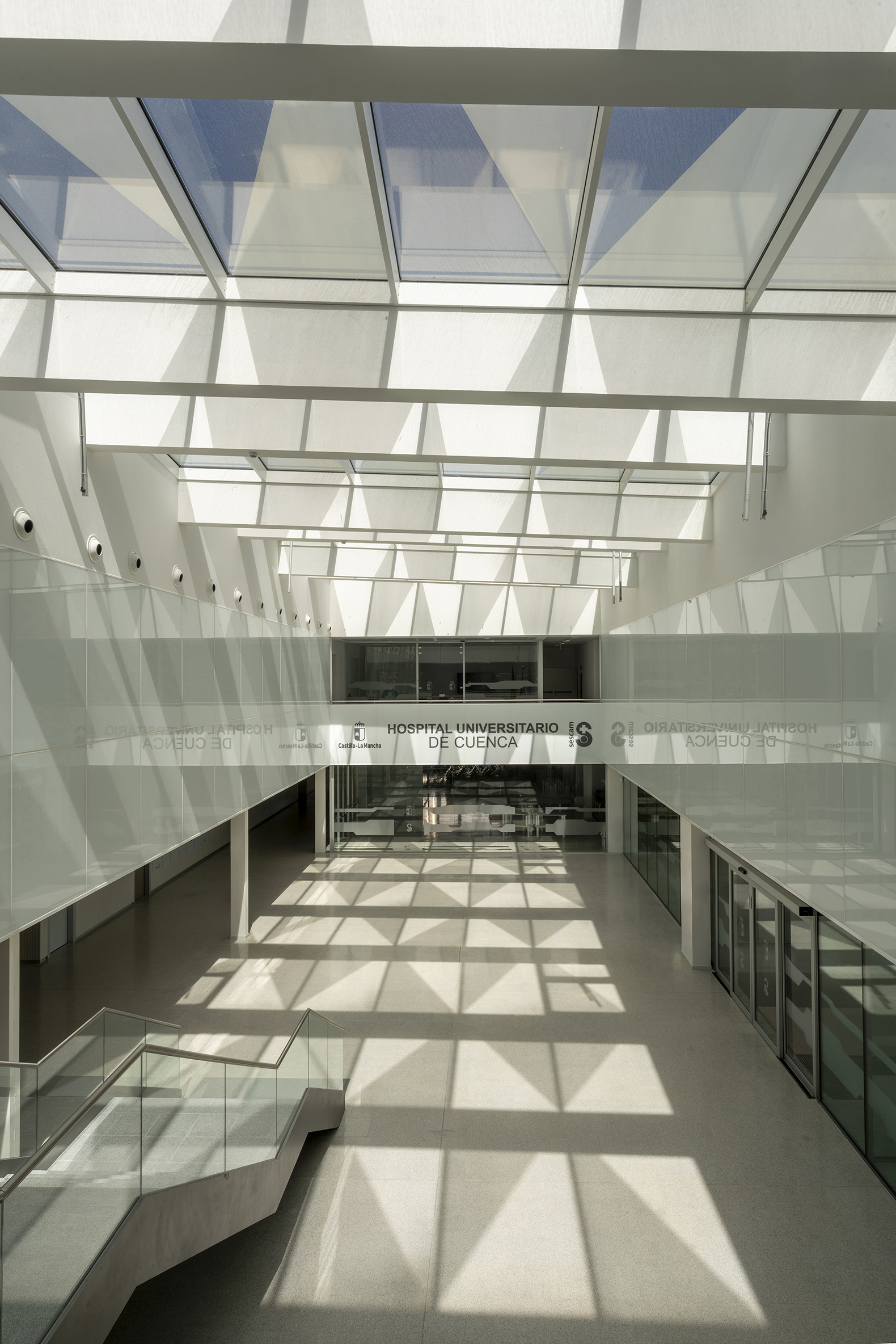
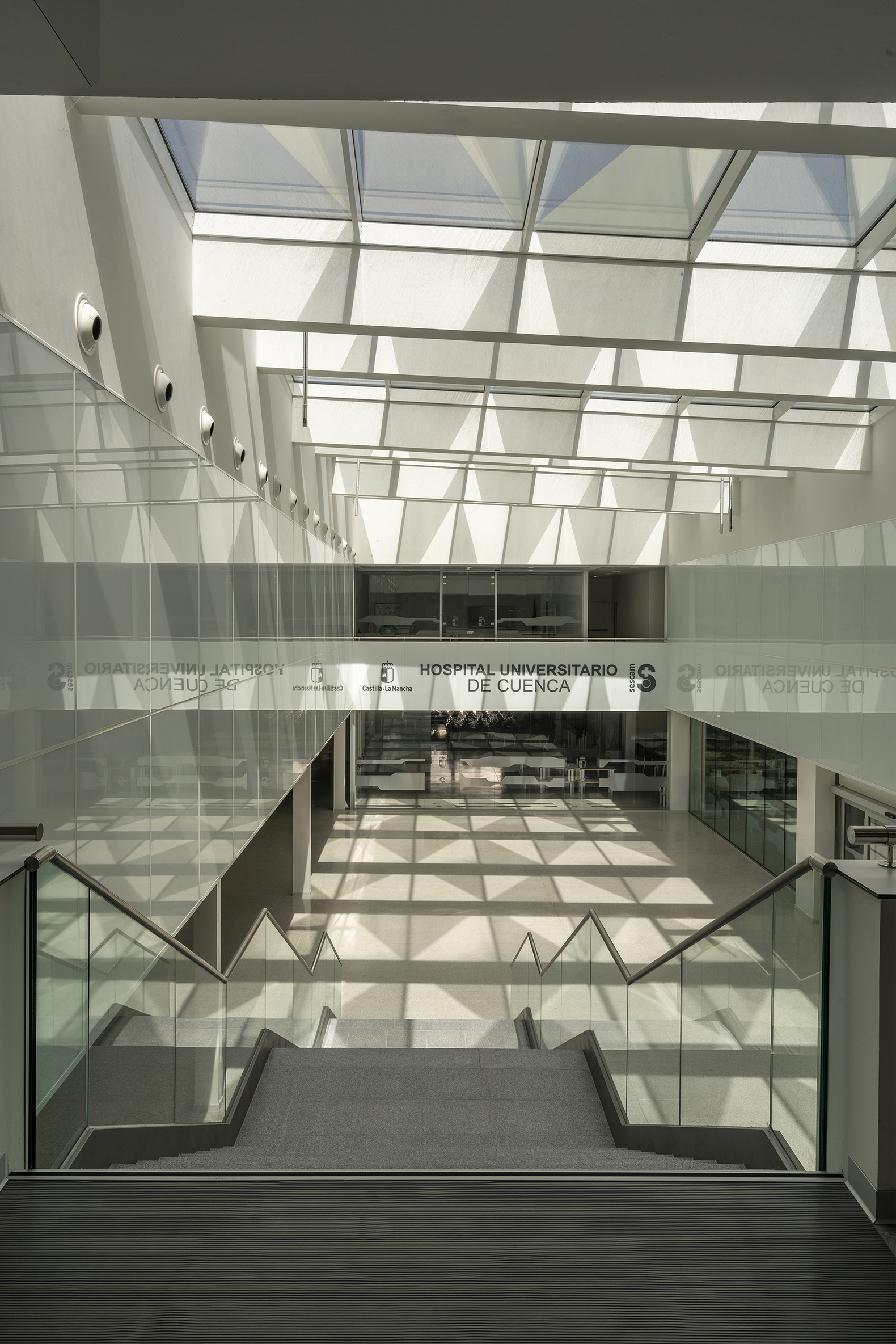
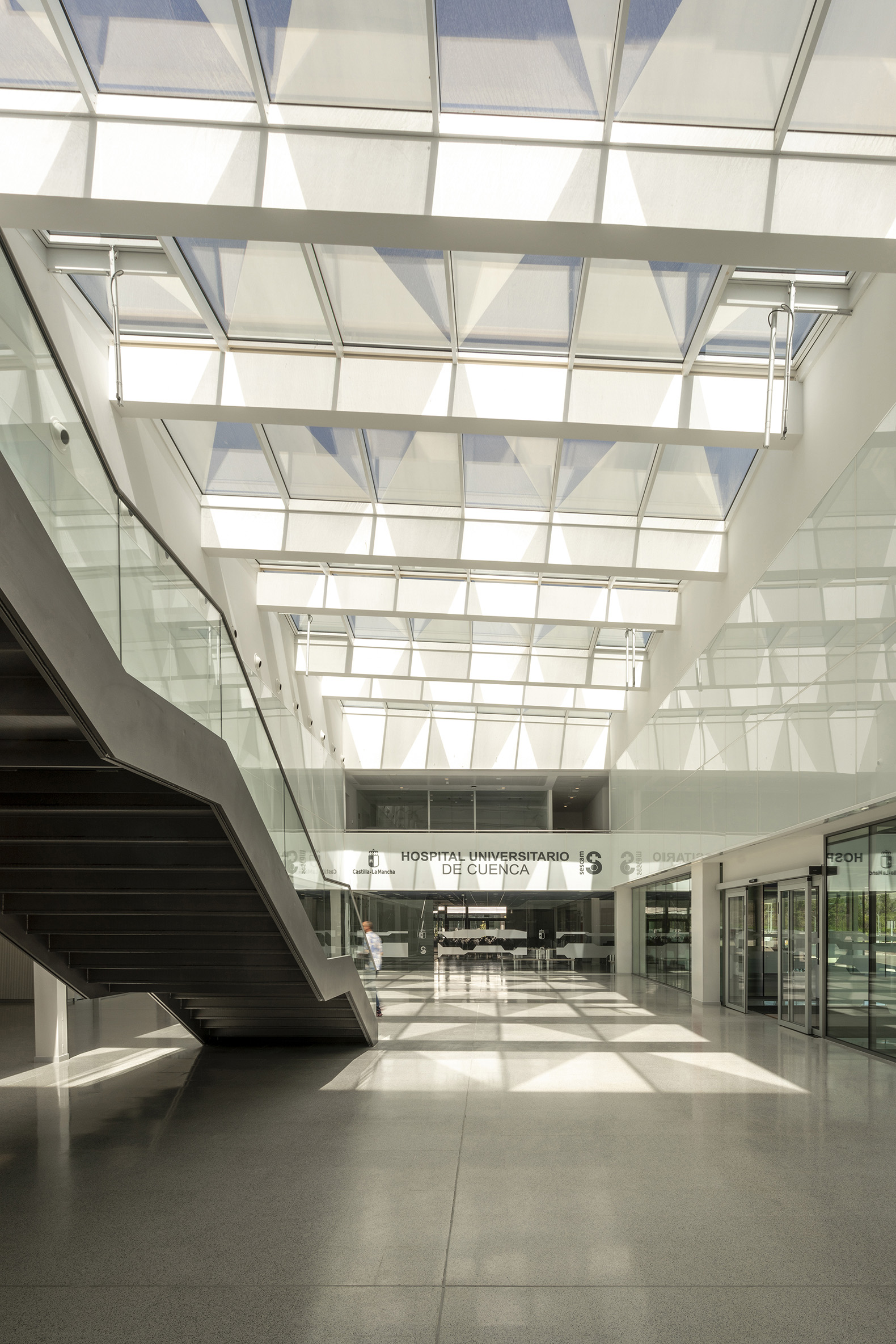
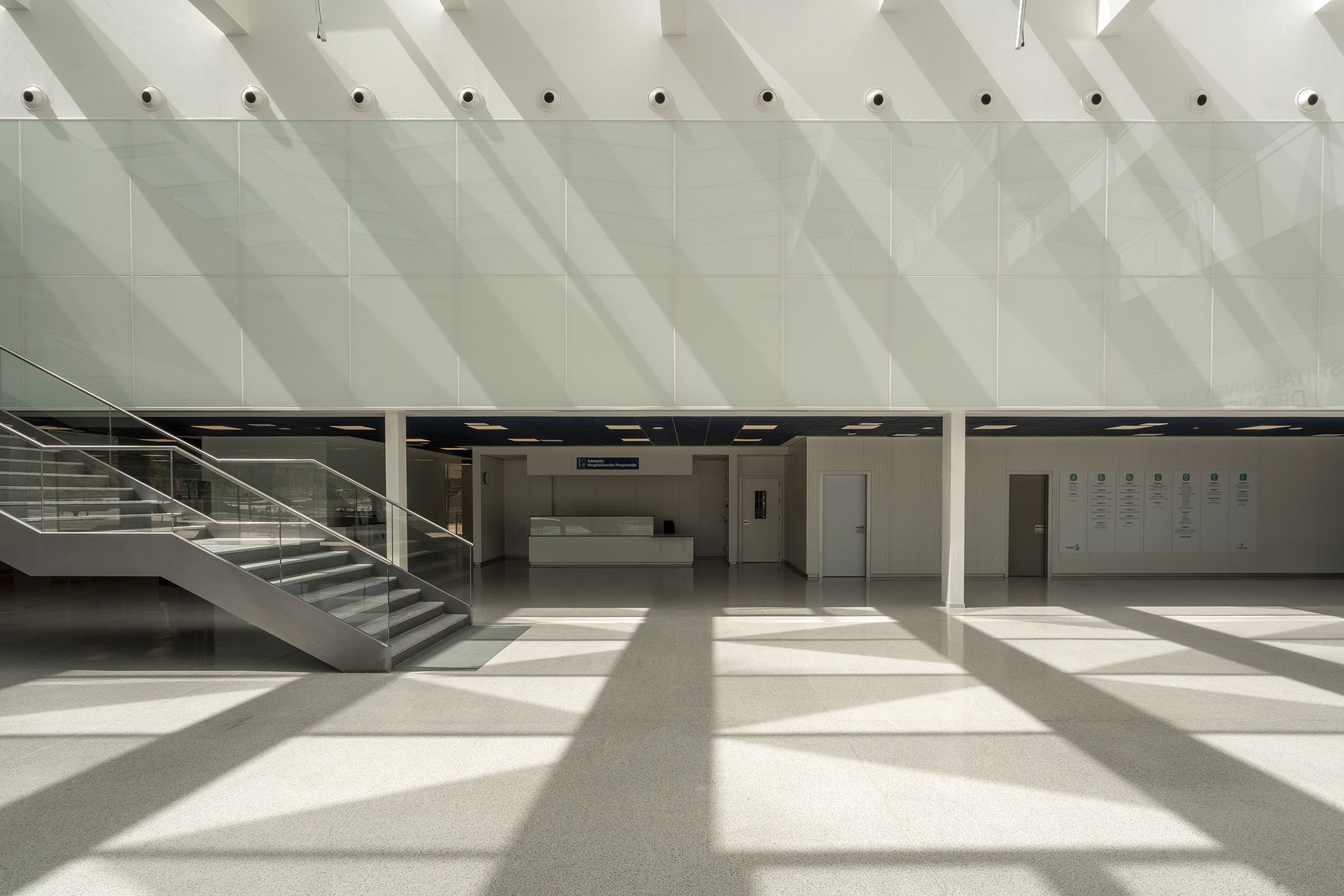
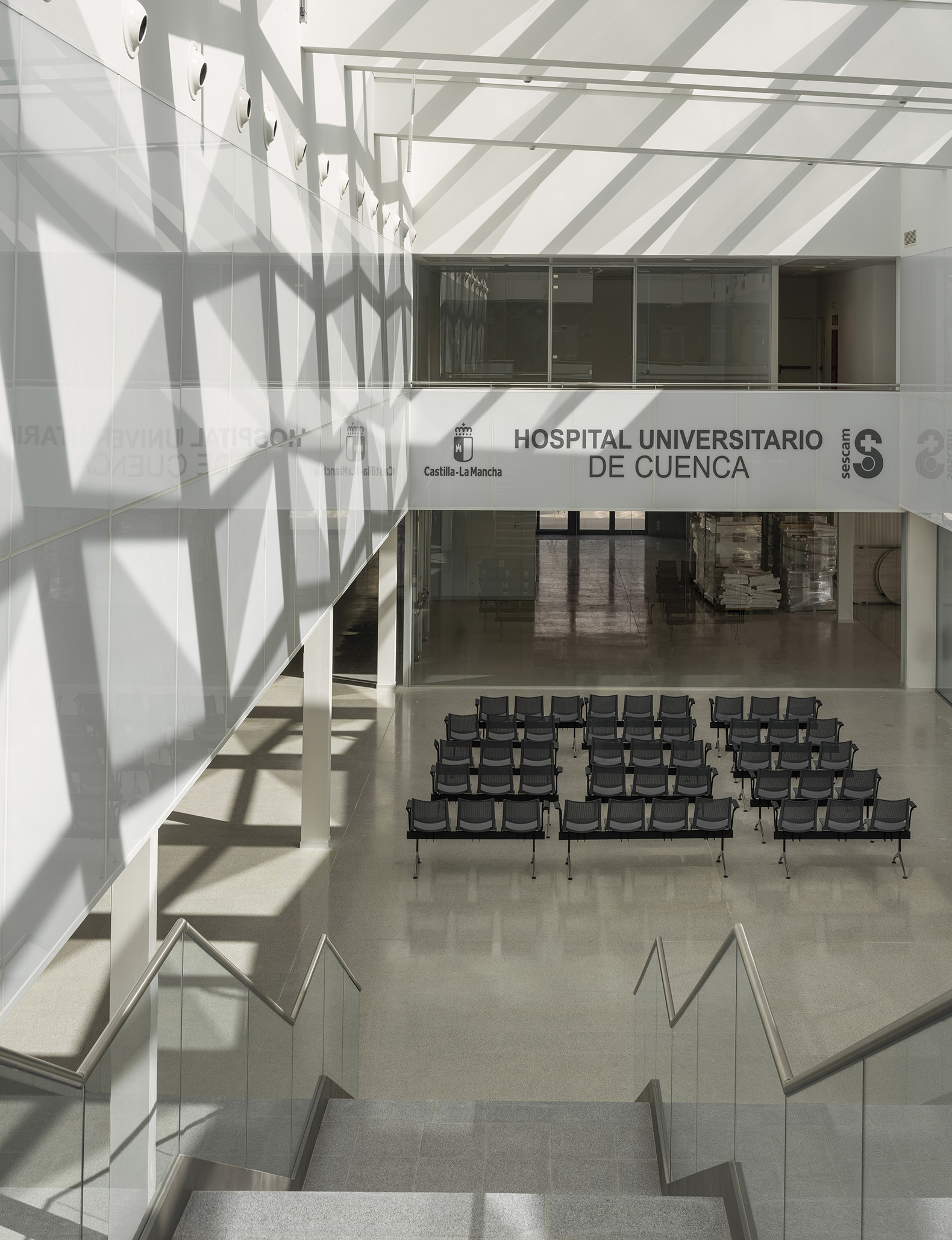
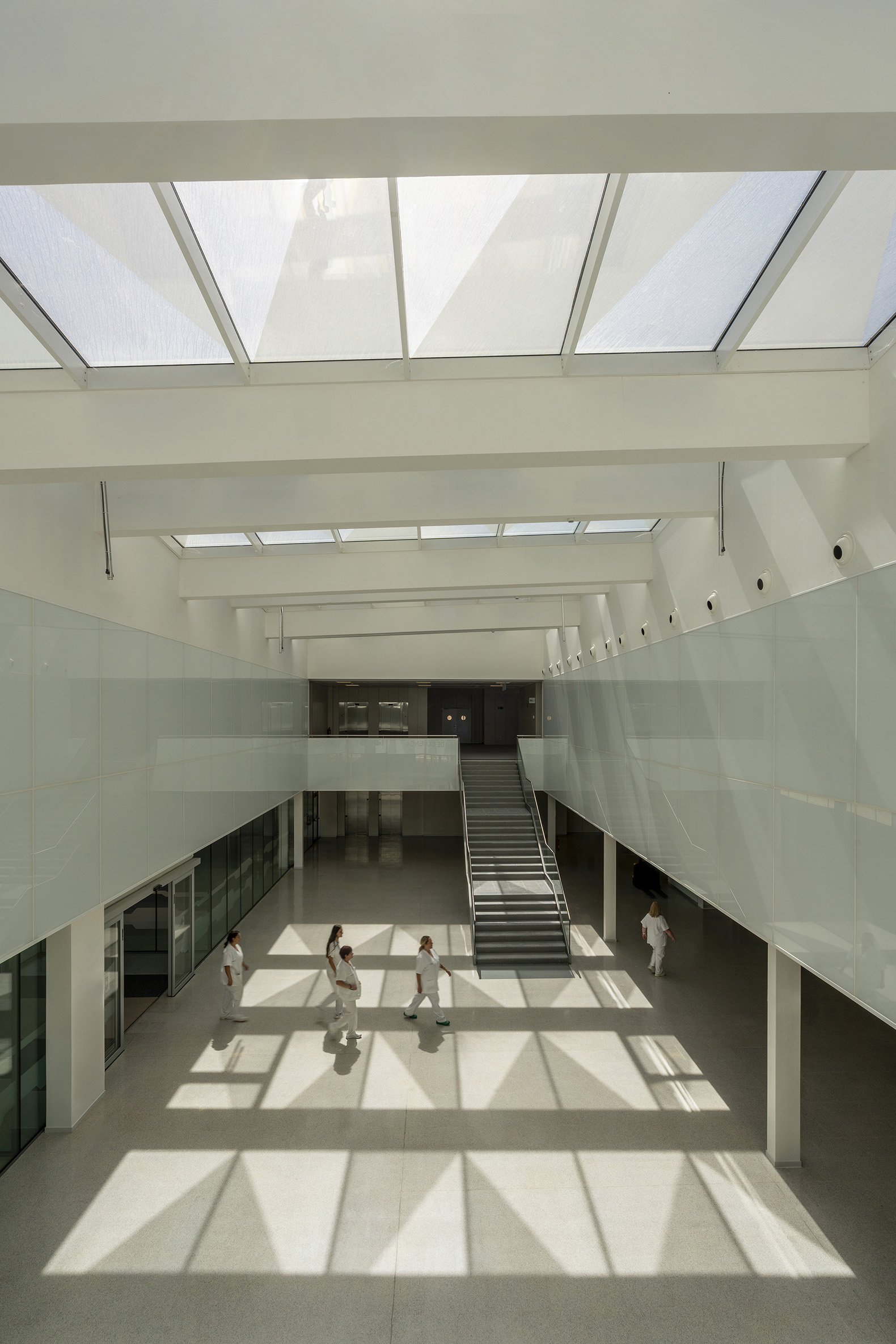
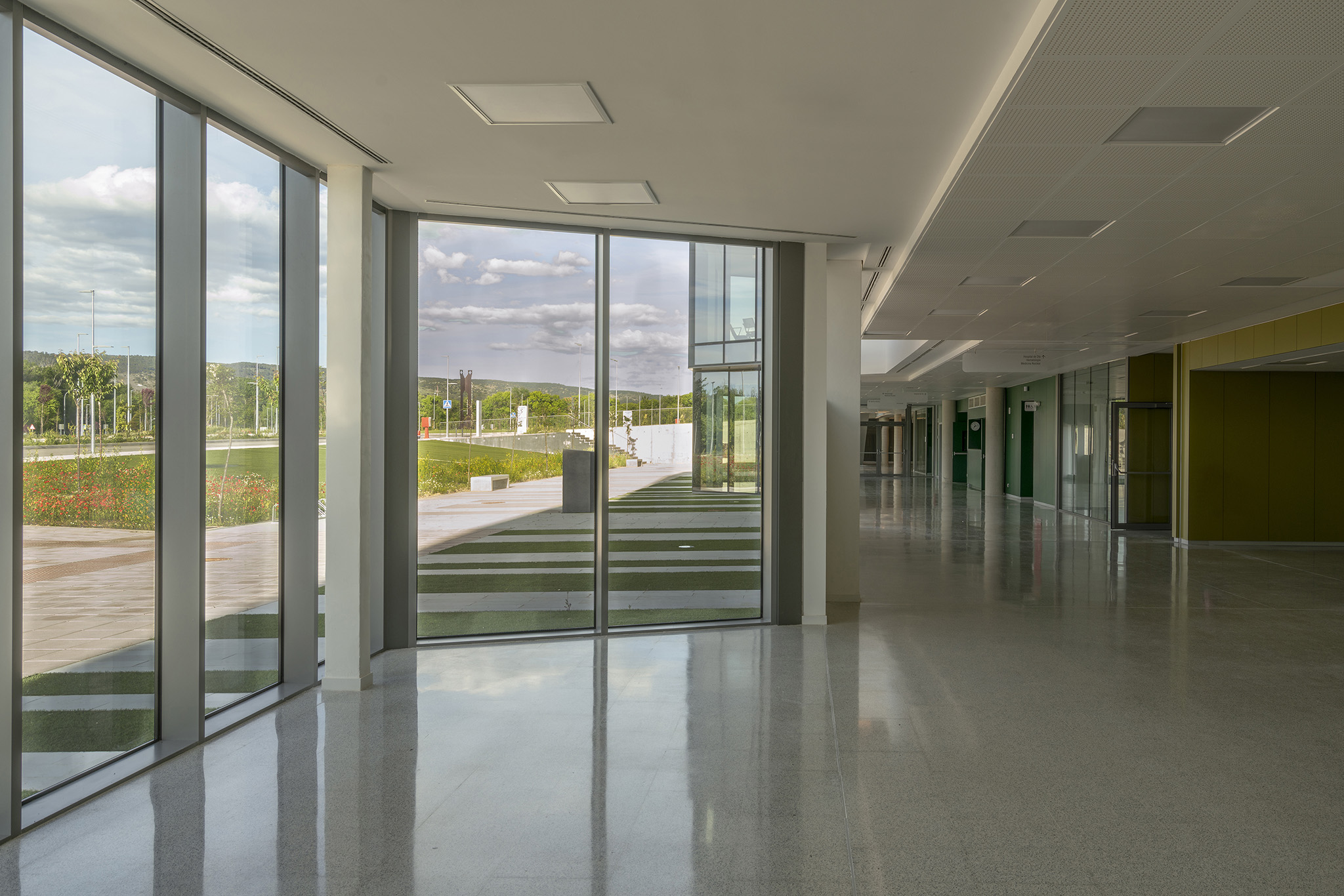
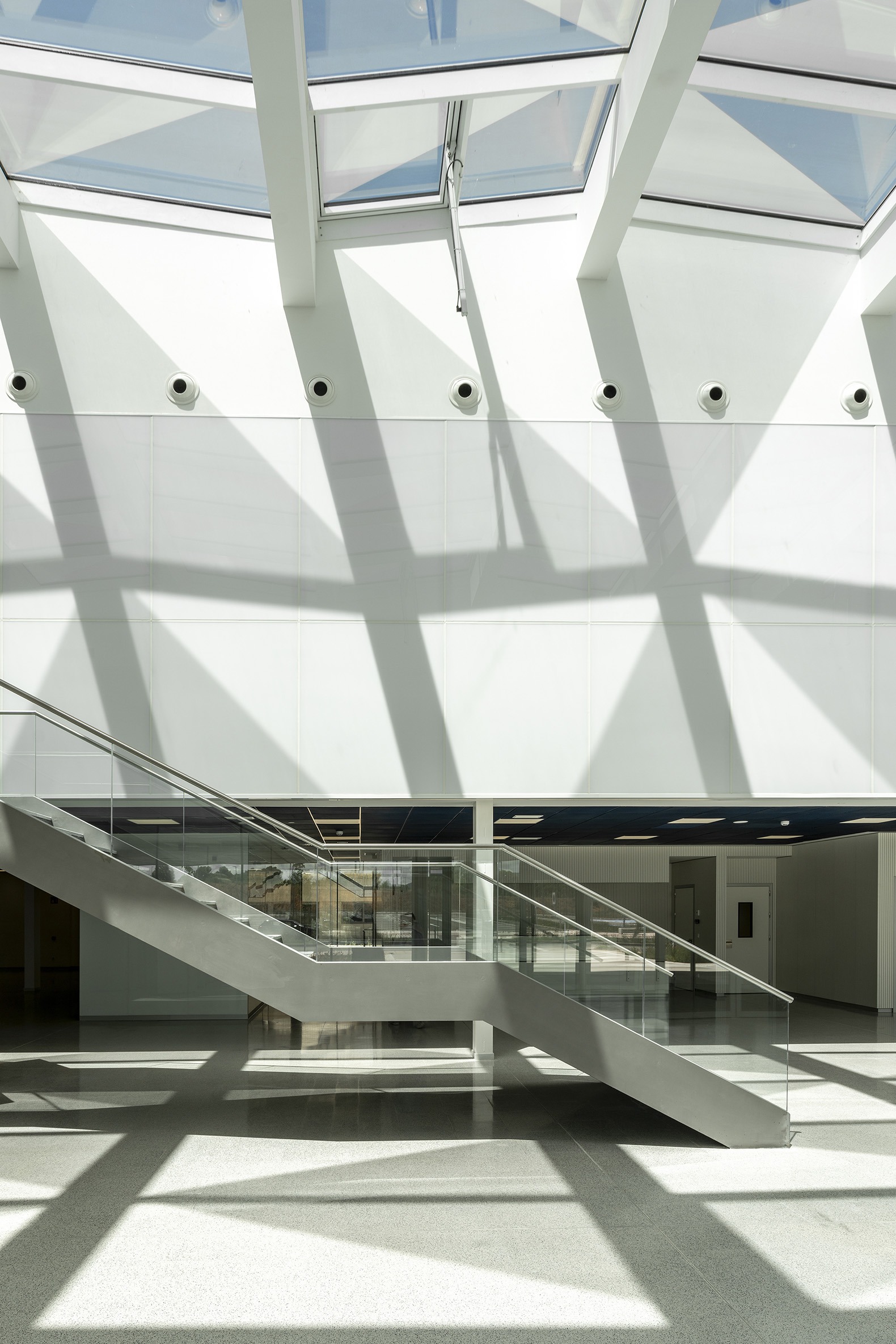
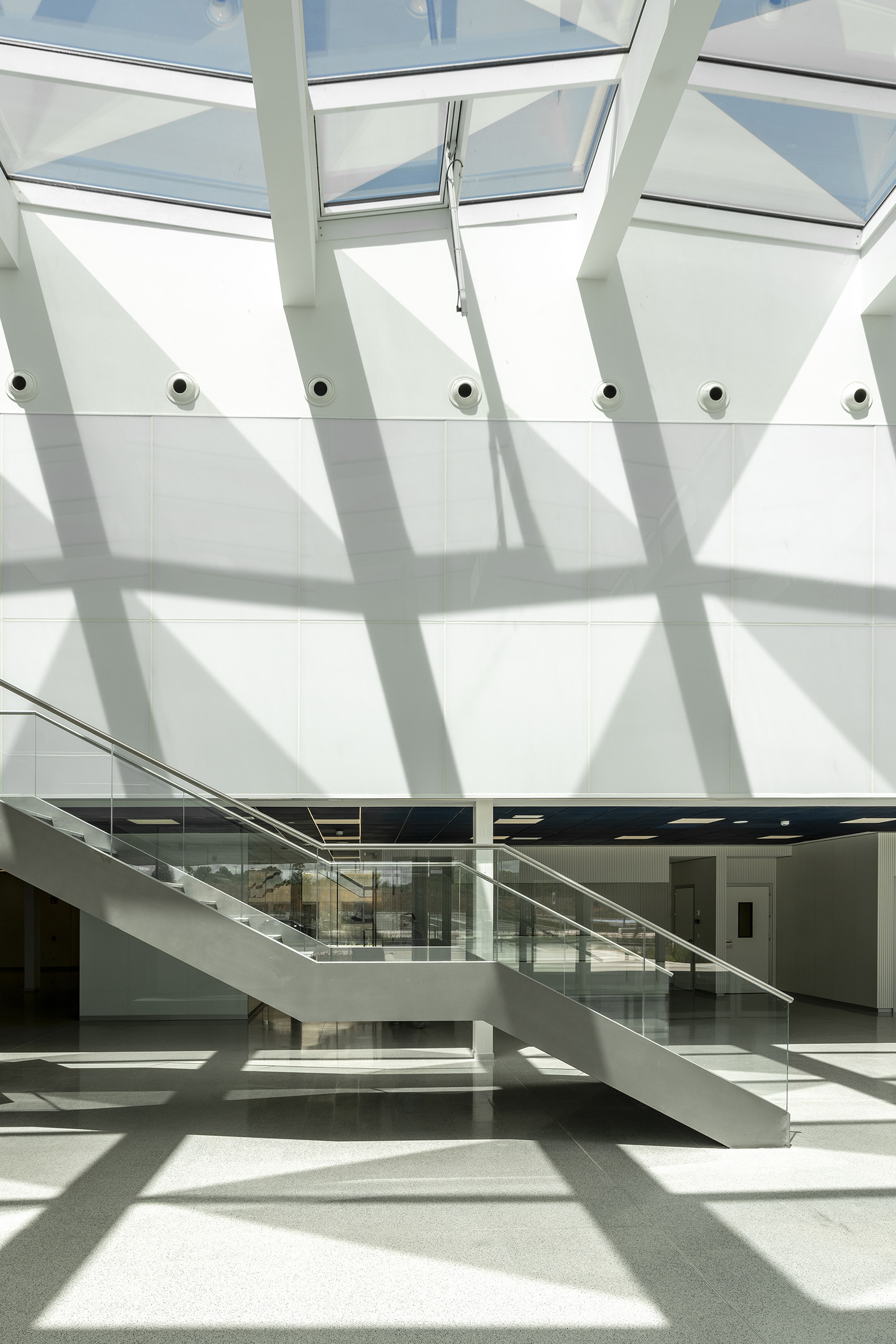
A central spine articulates the different functional needs and connects all healthcare services, avoiding unwanted intersections with external circulation routes. To the east, a grand, double-height main lobby creates a spacious entrance hall that stands out within the complex. A sequence of courtyards and gardens completes the design, fostering the integration of pedestrian and vehicular traffic with the architecture and combining operational efficiency with user well-being.

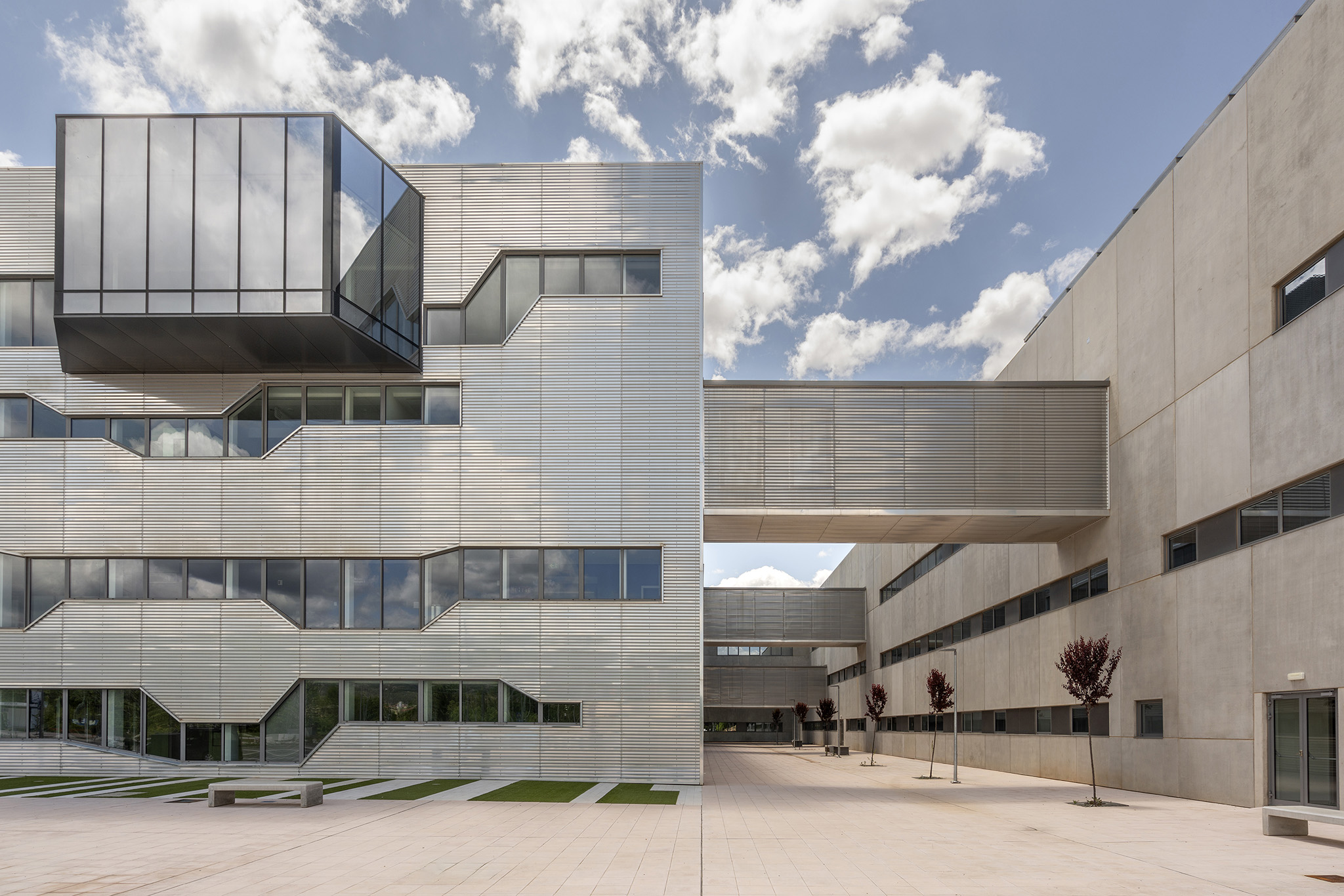
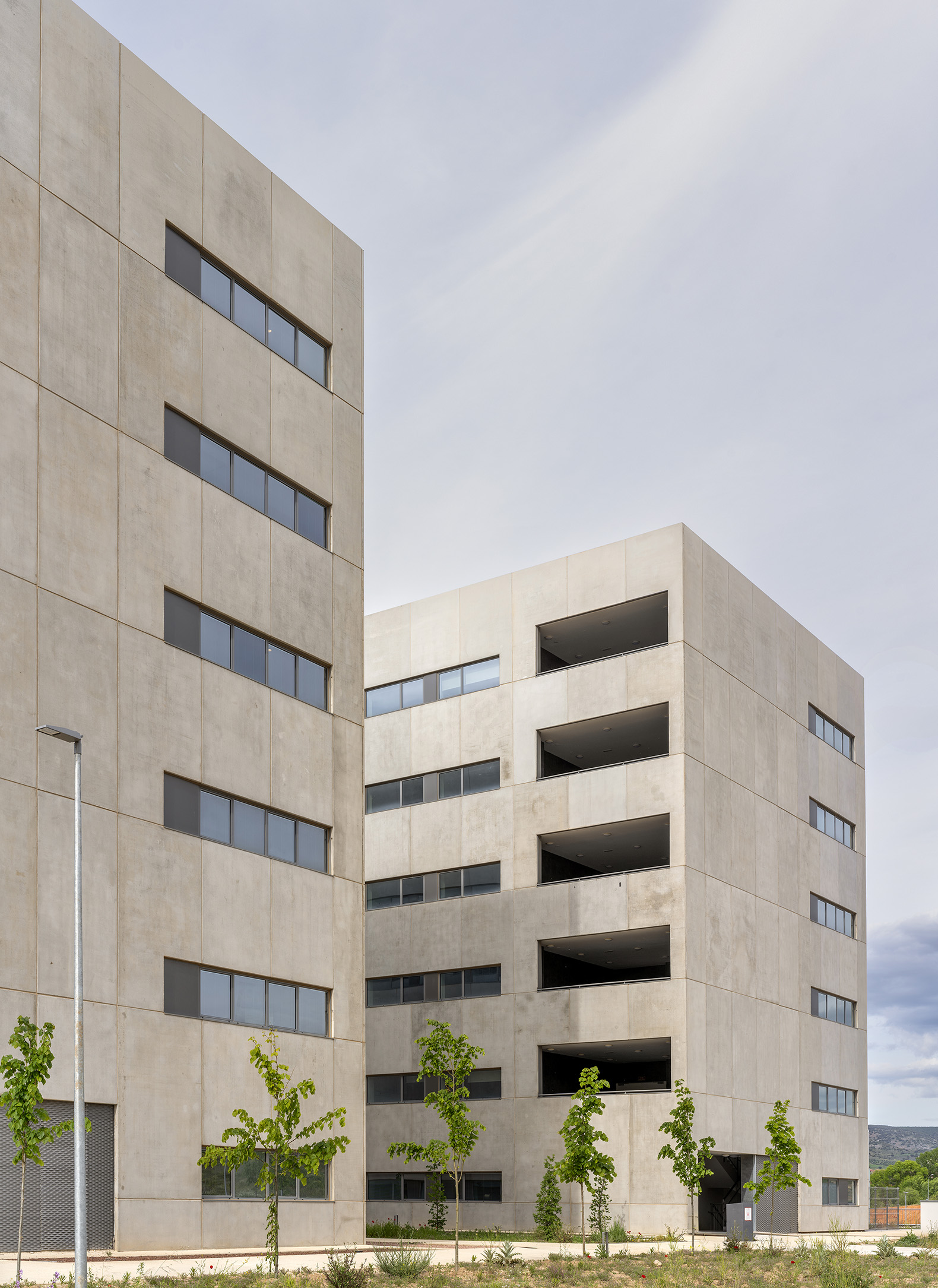
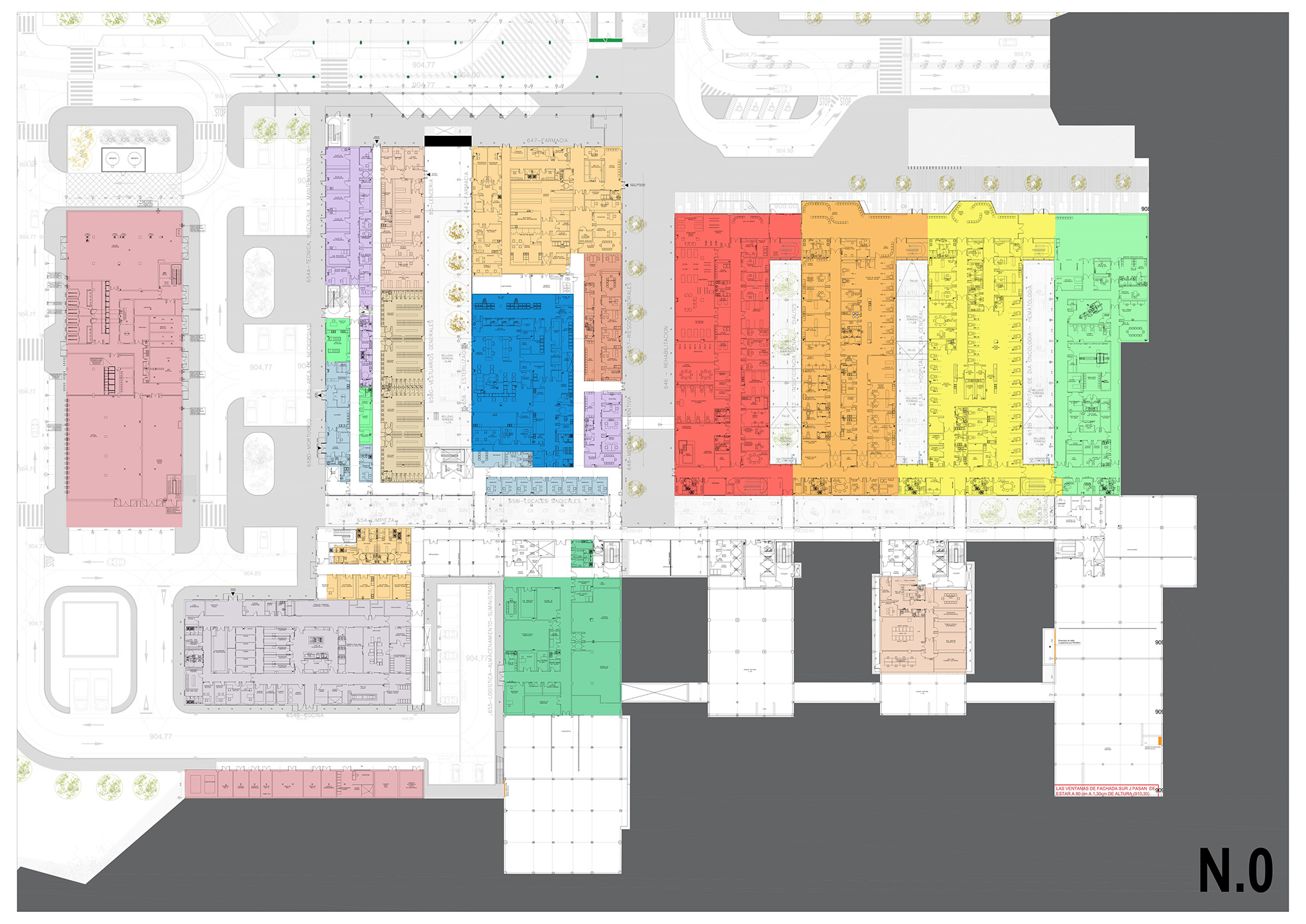
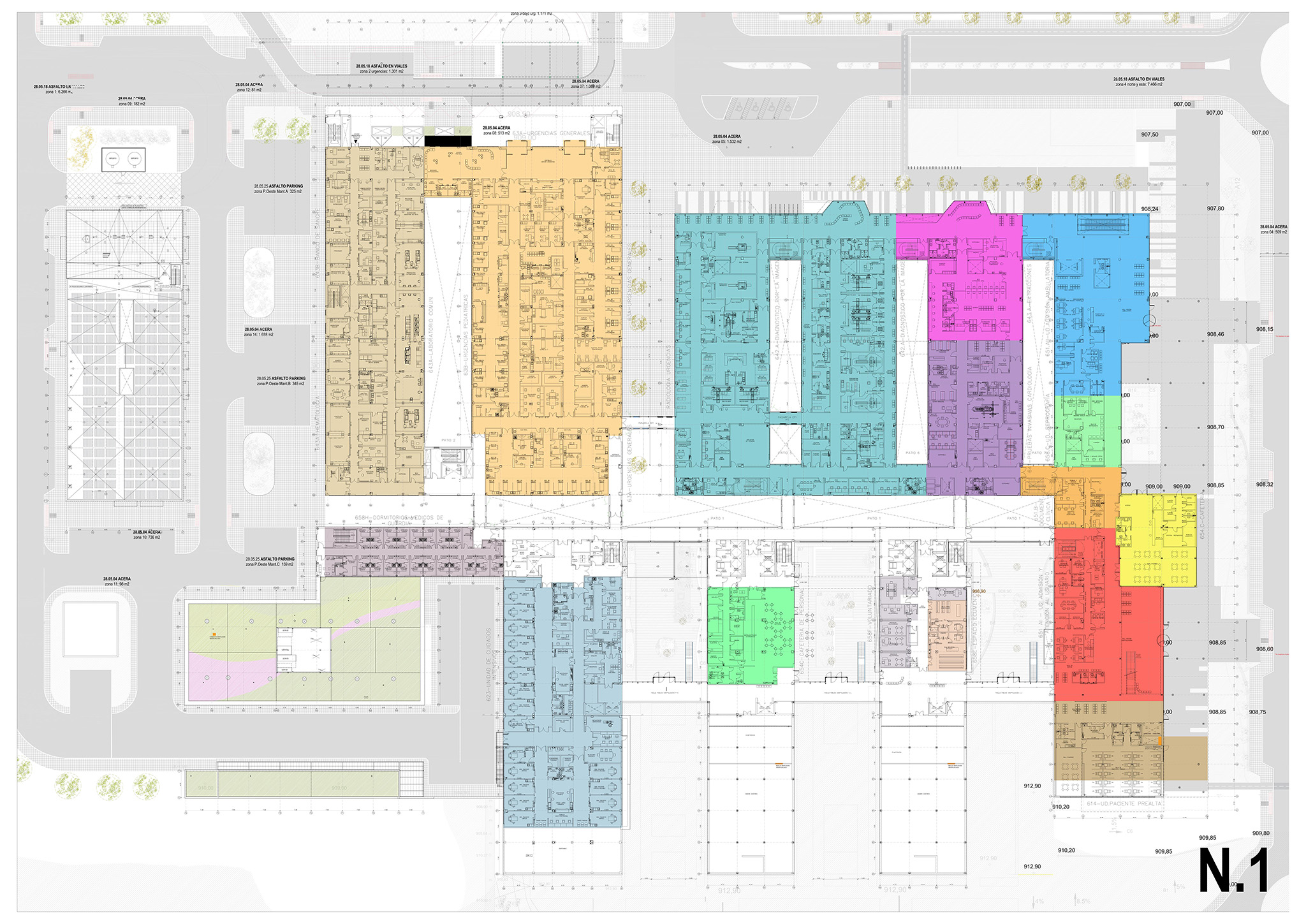
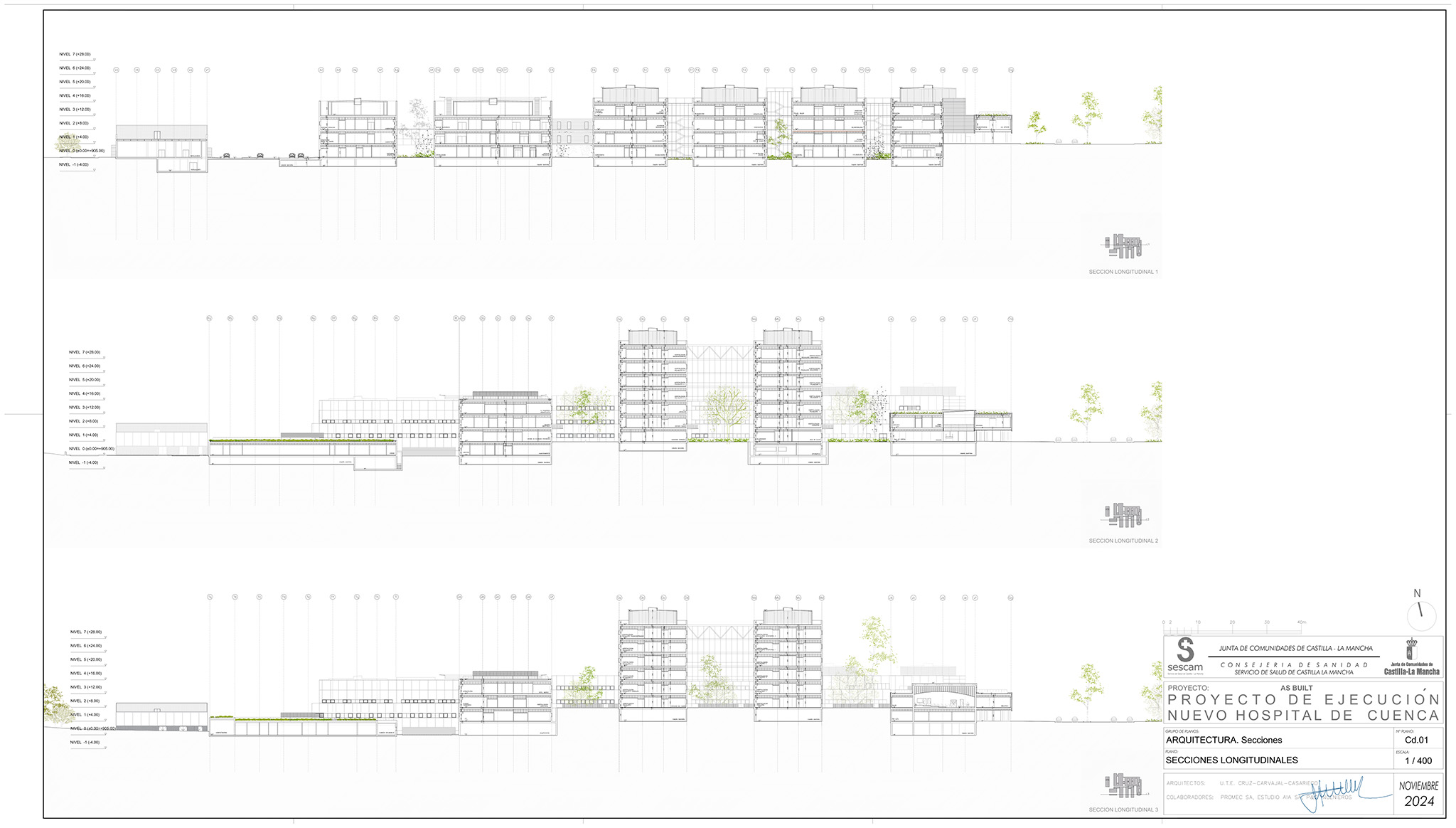
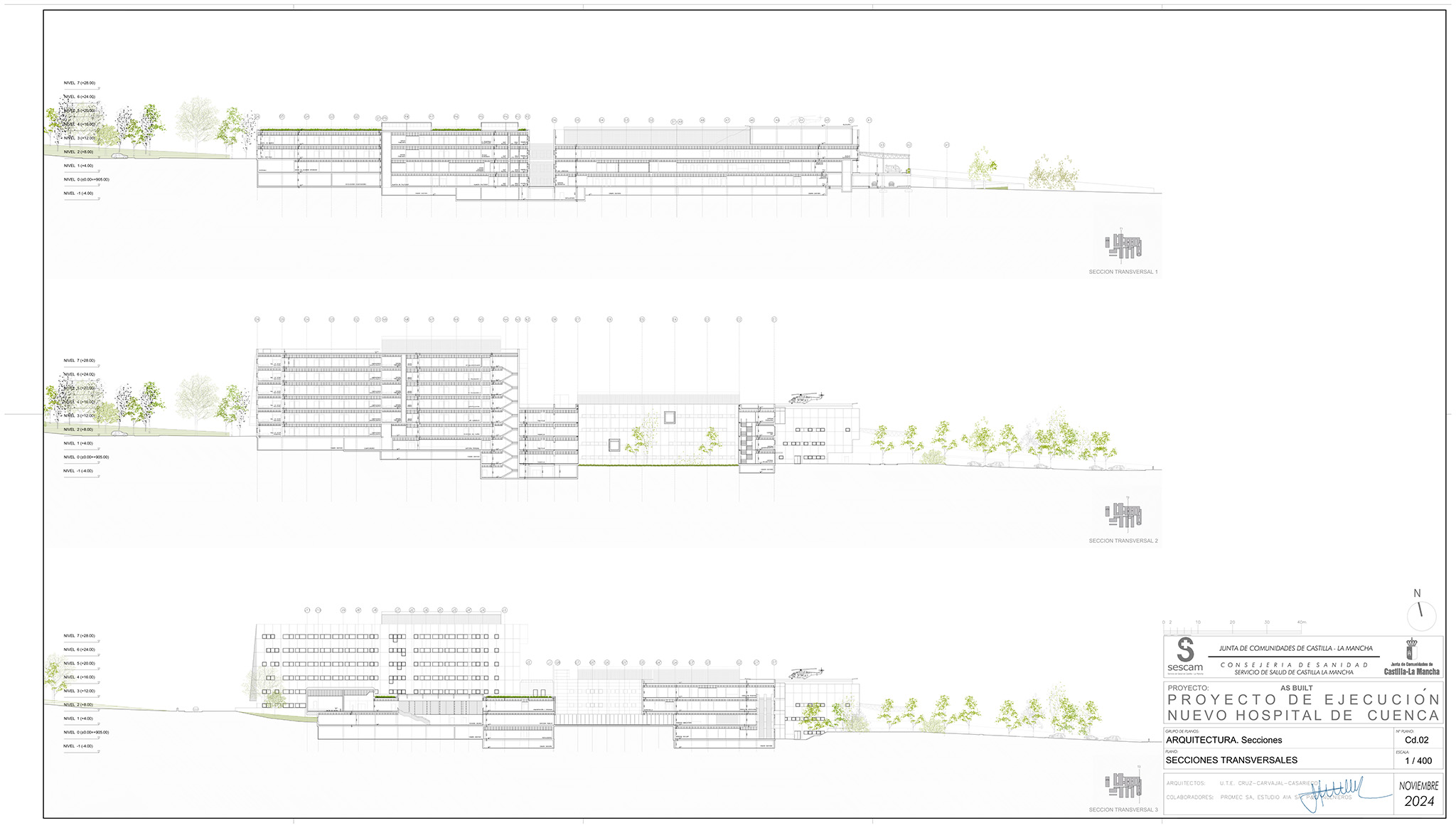
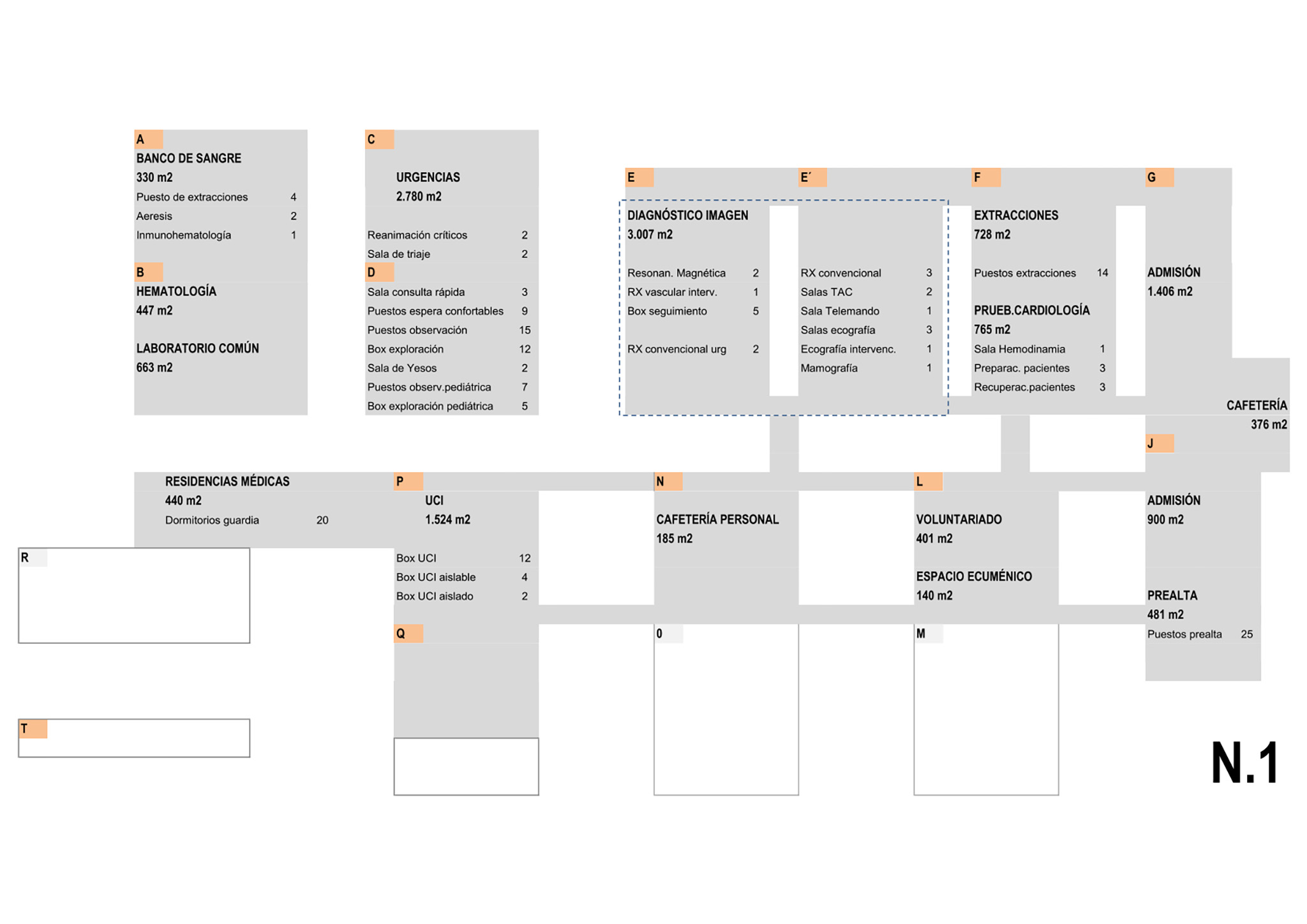
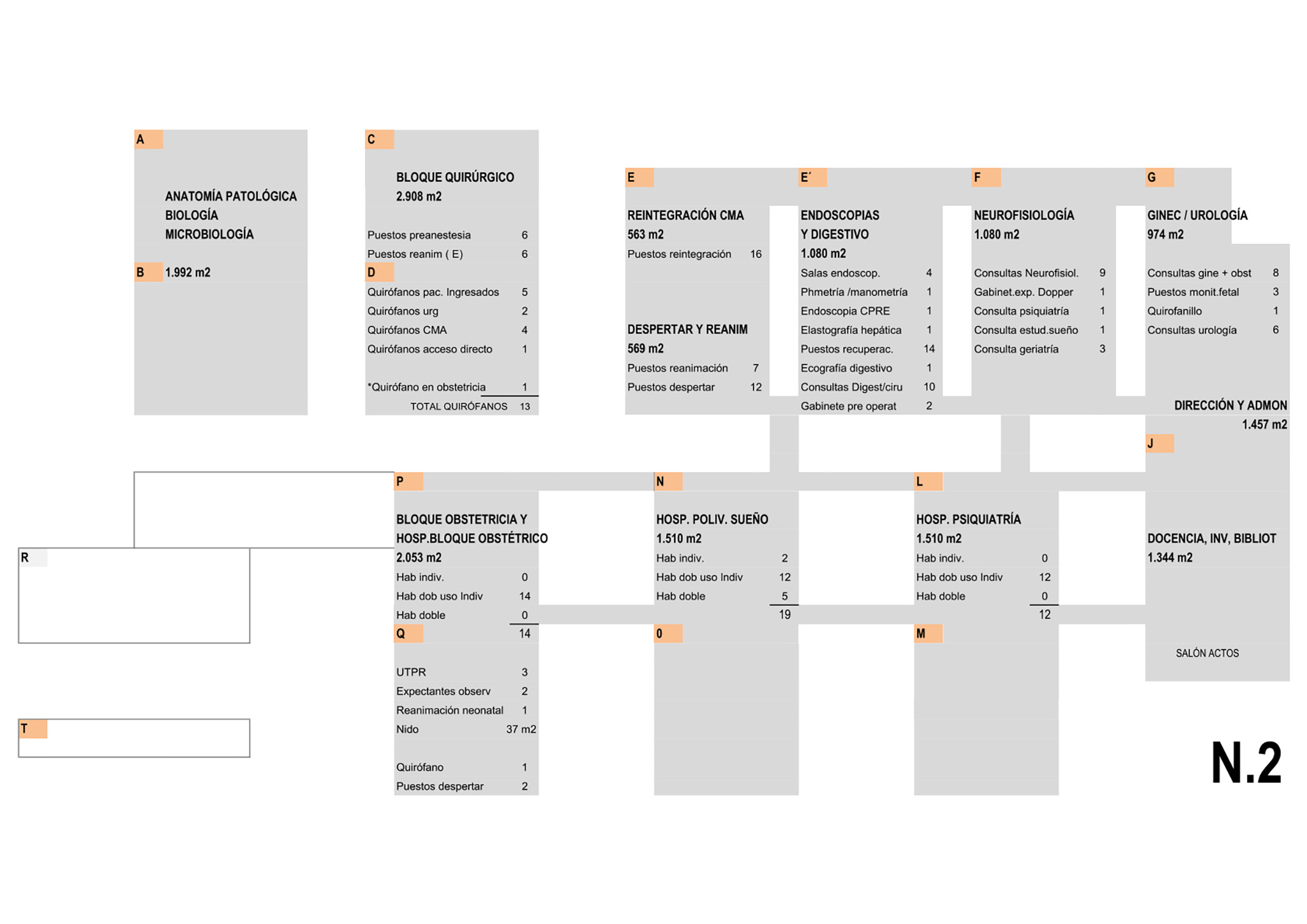
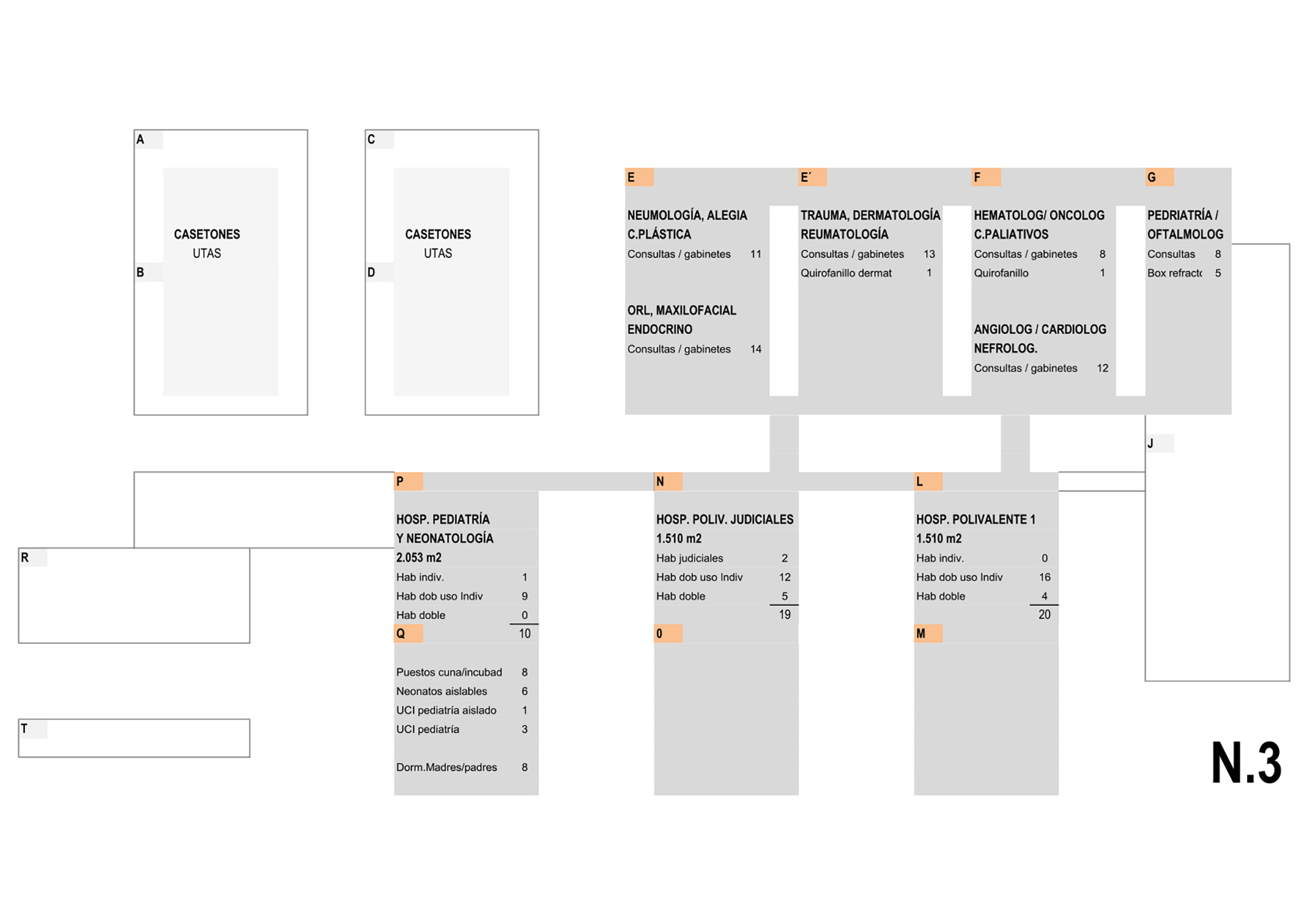
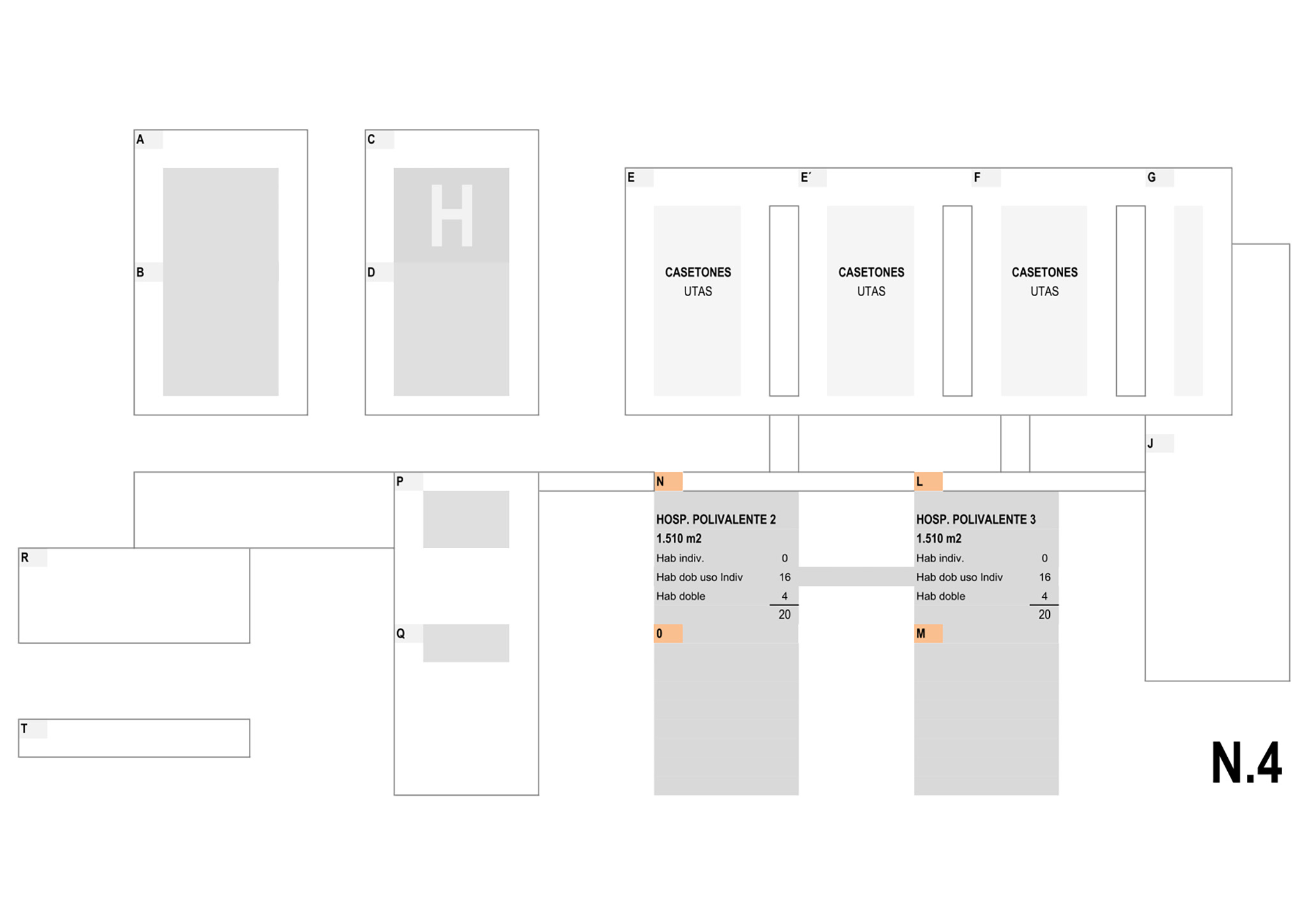
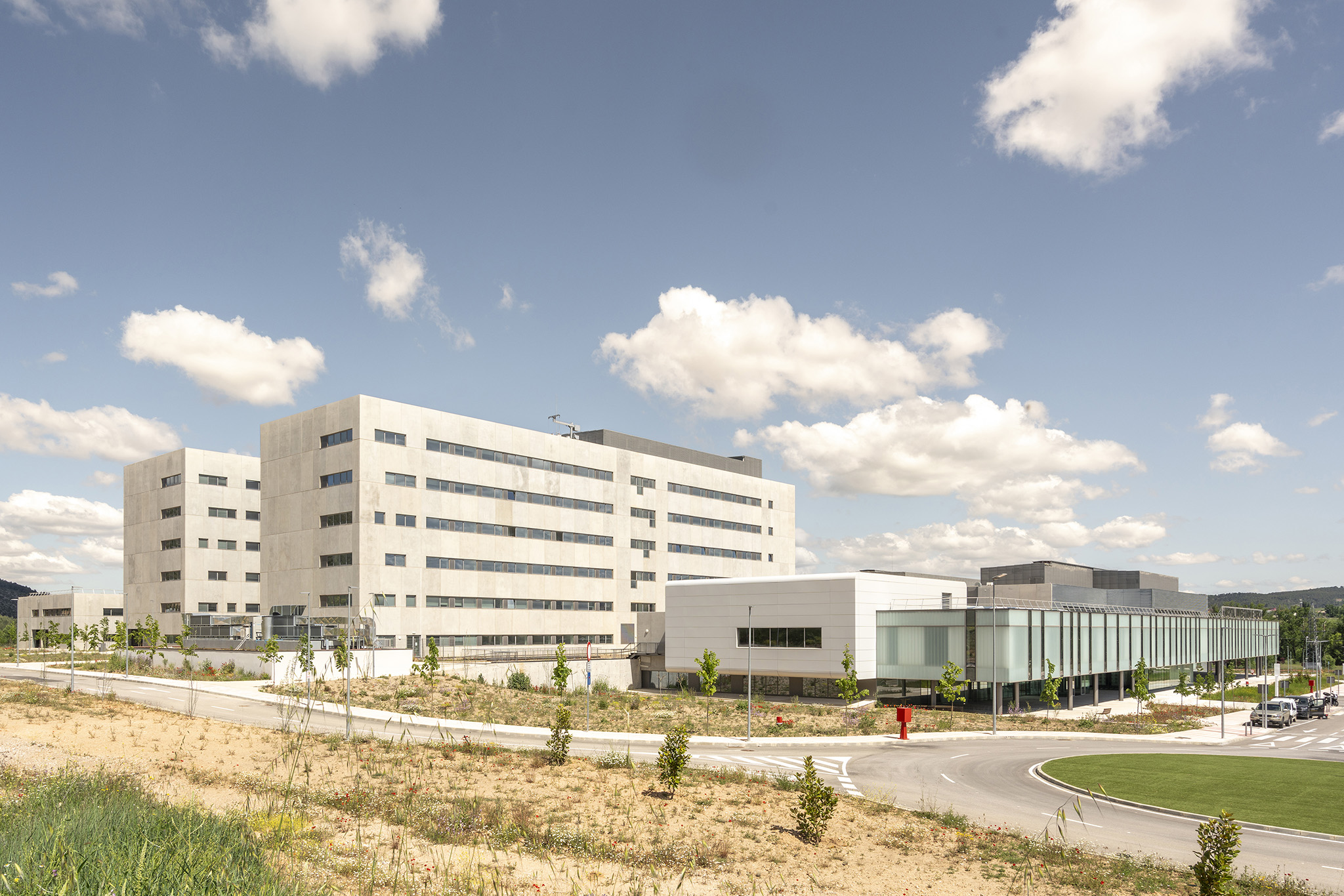
The building, designed by Gádor de Carvajal, Juan Casariego, and Fernando Cruz, is structured around a large, four-story base—levels 0, 1, 2, and 3—that houses the Admissions area, the Central Diagnostic and Treatment Services, the Surgical and Obstetrics blocks, the Outpatient Care area, the Emergency Department, Laboratories, and other associated services. Above this base rise the inpatient units, organized into three rectangular sections arranged in a comb-like pattern. One section extends to level 3, and the other two to level 7.

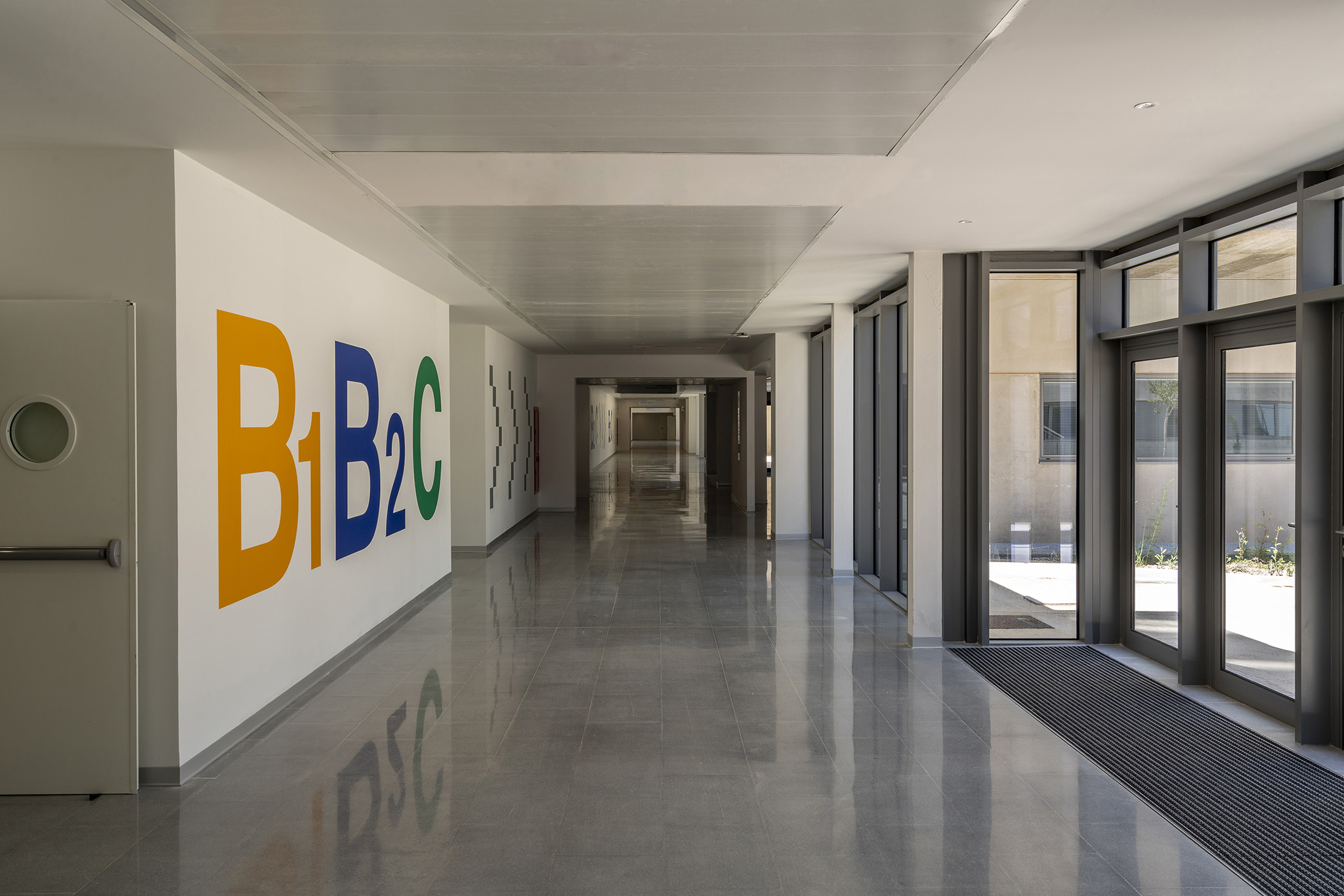
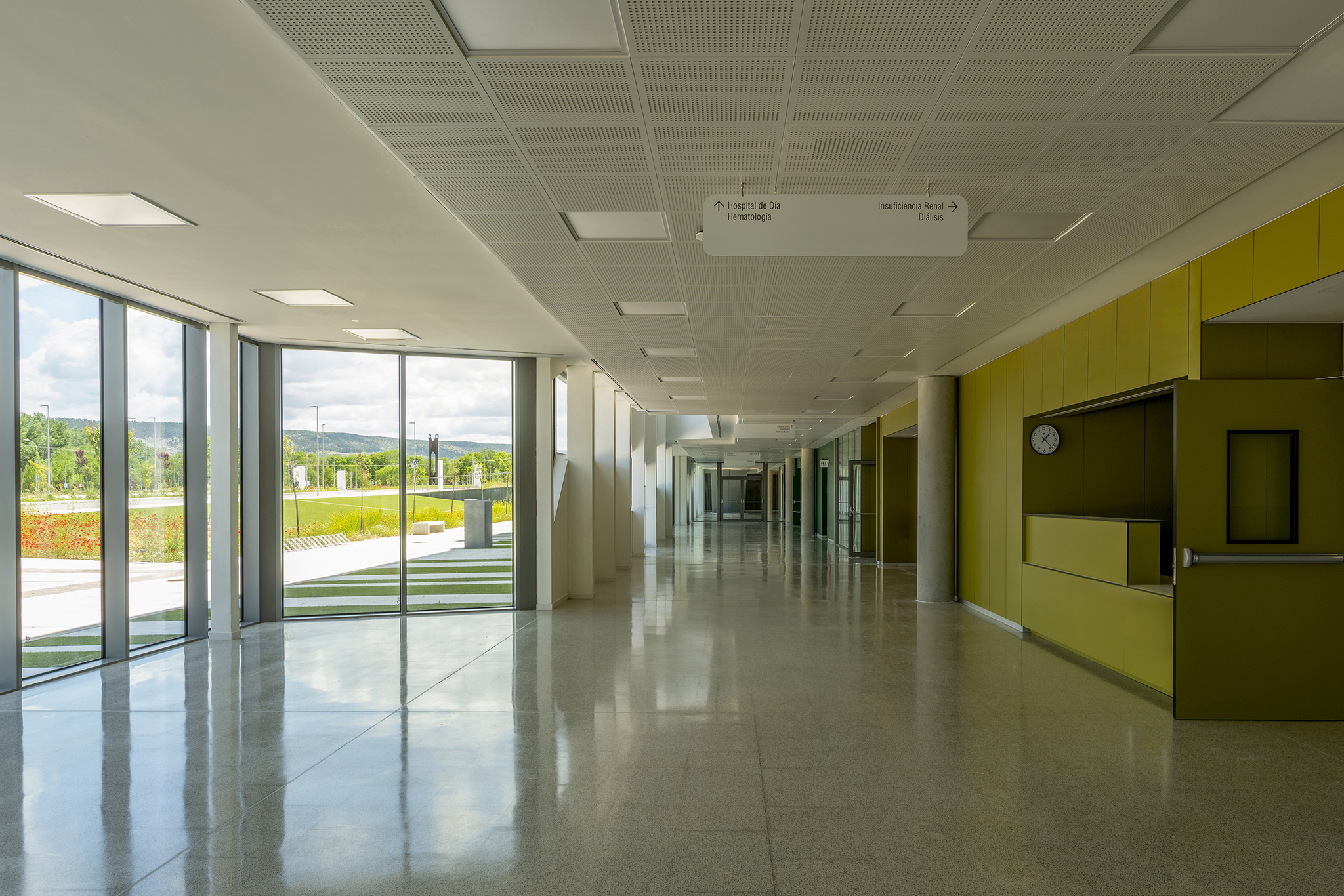
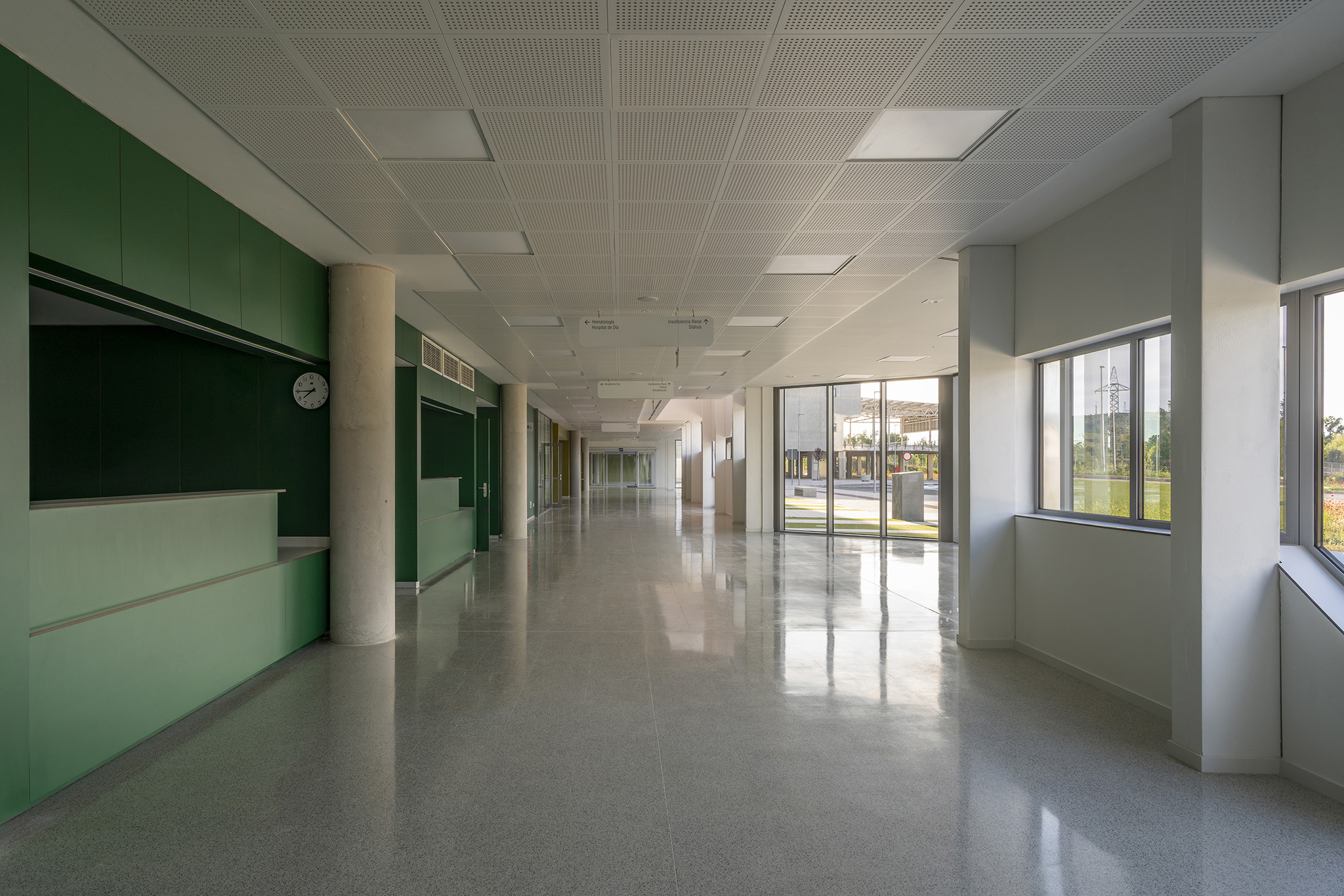
Conceived as a hospital "main street," the central axis serves as a focal point and organizes the overall functioning of the building, facilitating user orientation with minimal reliance on signage. The comb-like configuration has allowed for flexibility, enabling the adaptation of different areas to changes resulting from technological advancements and the implementation of new healthcare techniques.

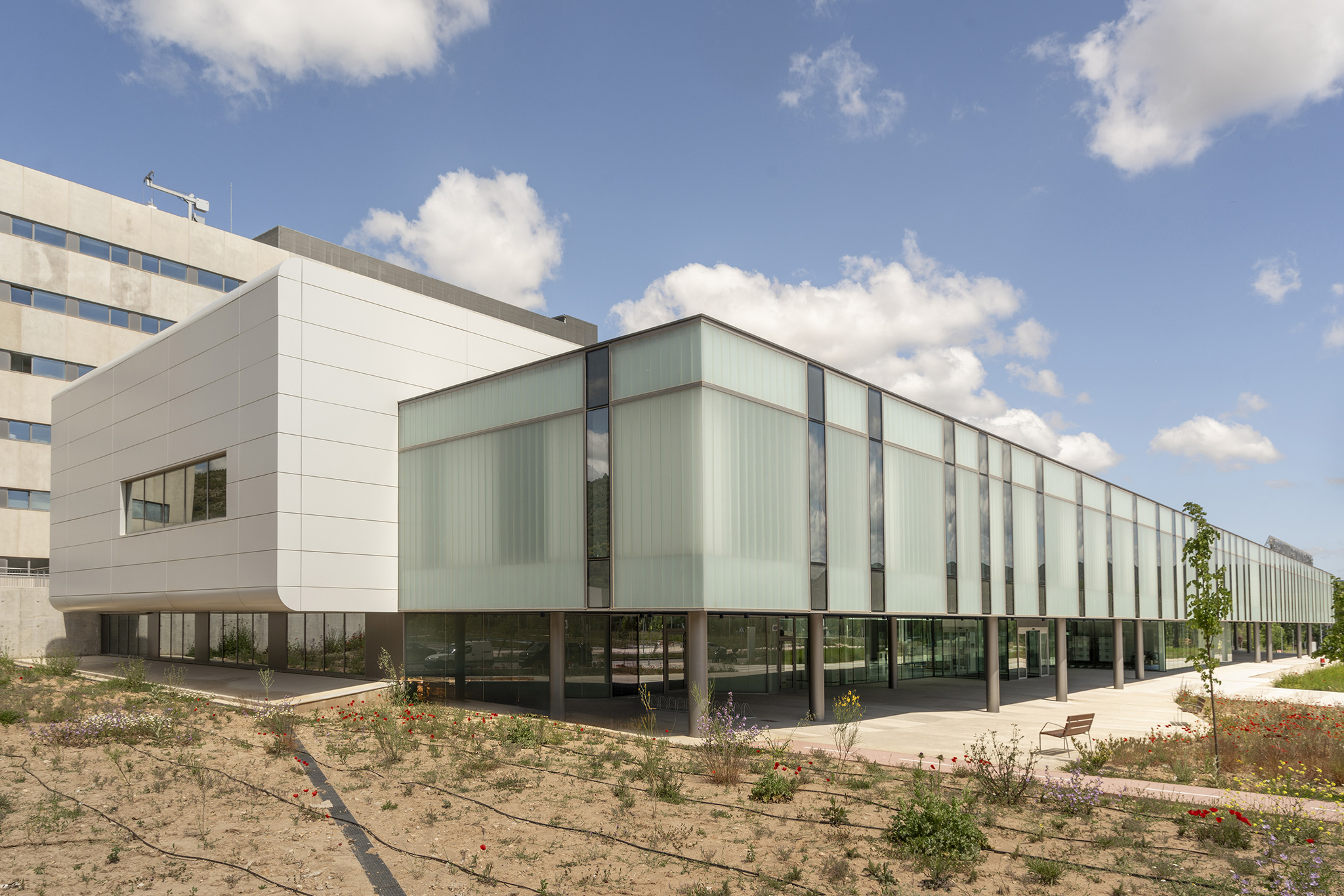
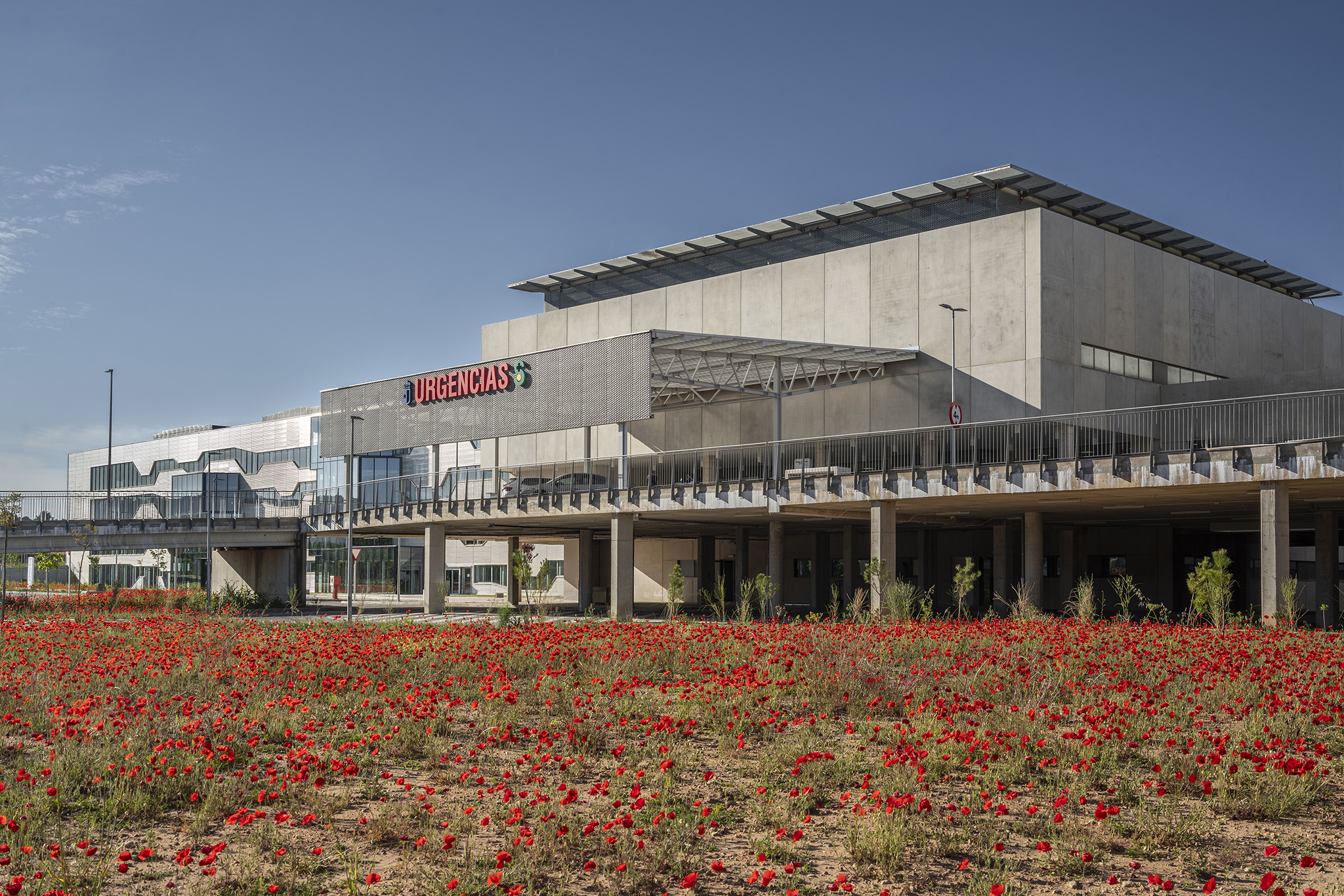
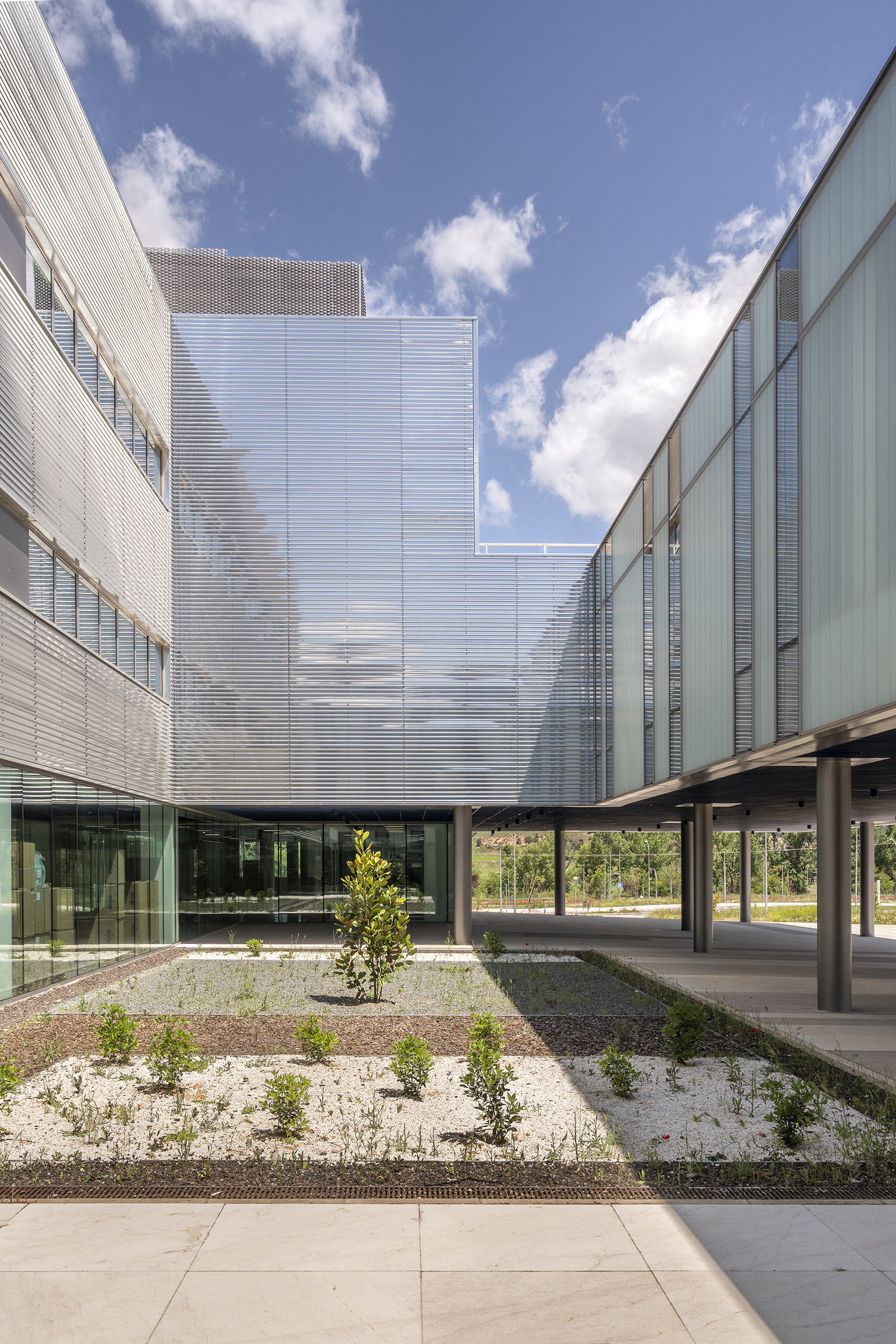
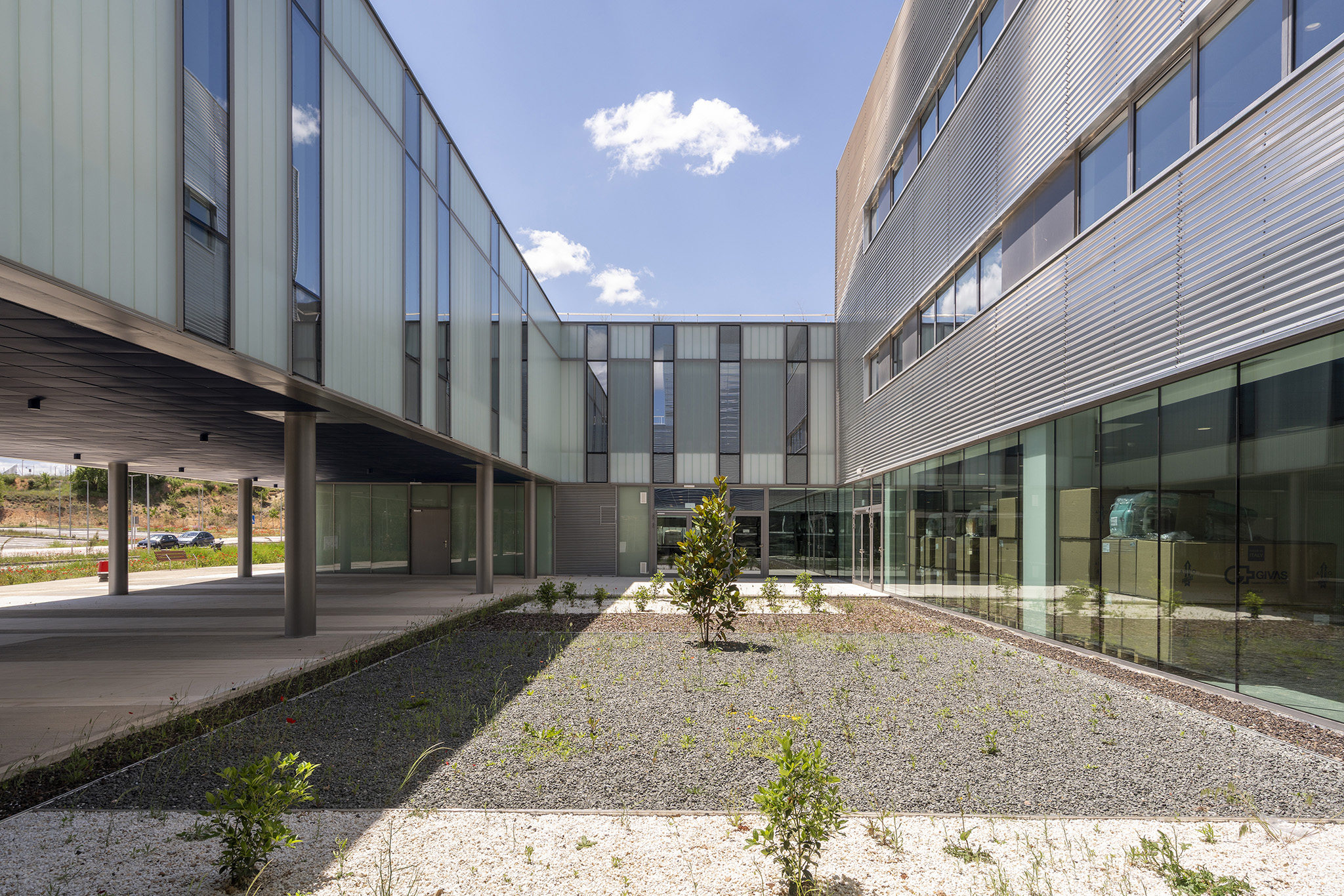
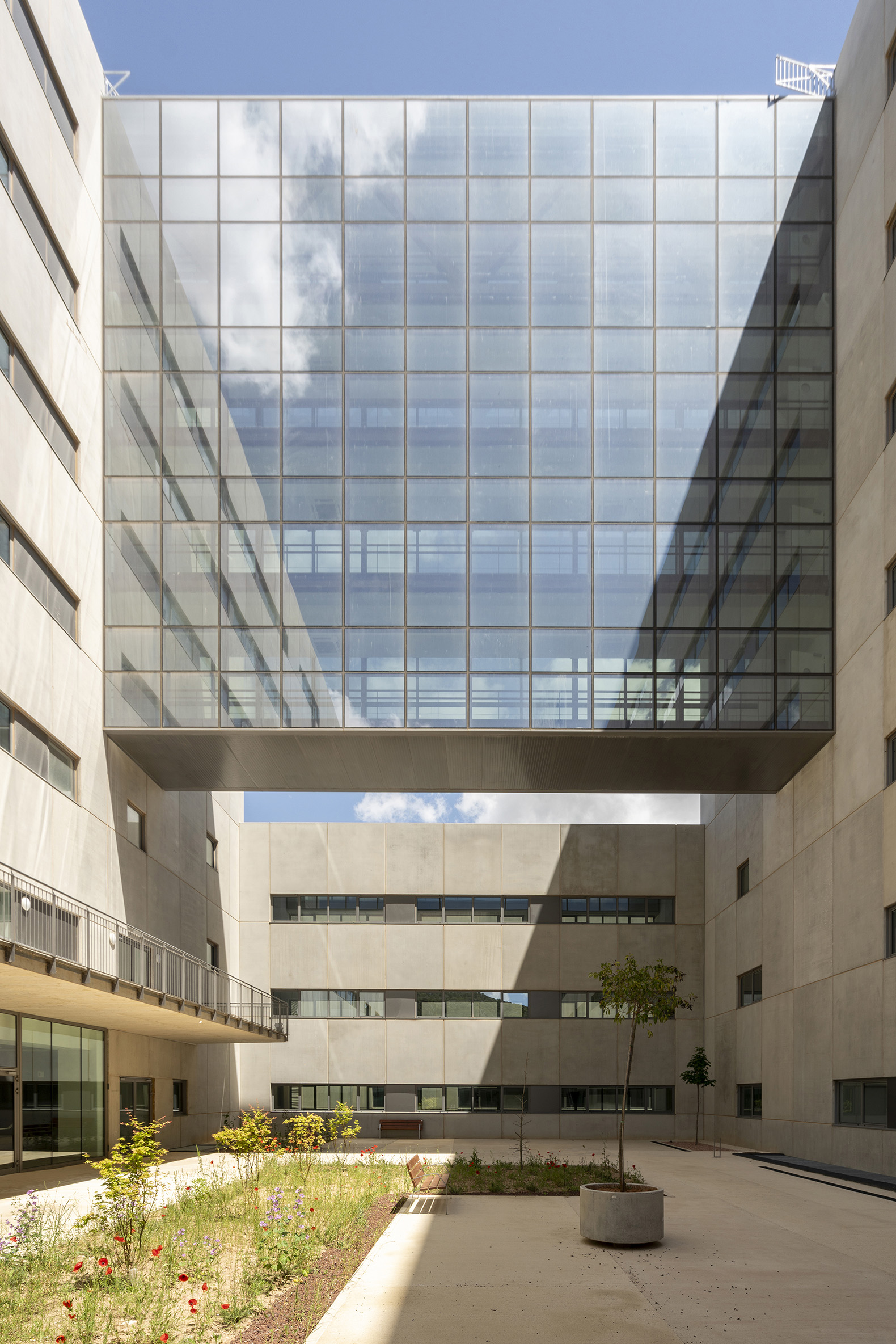
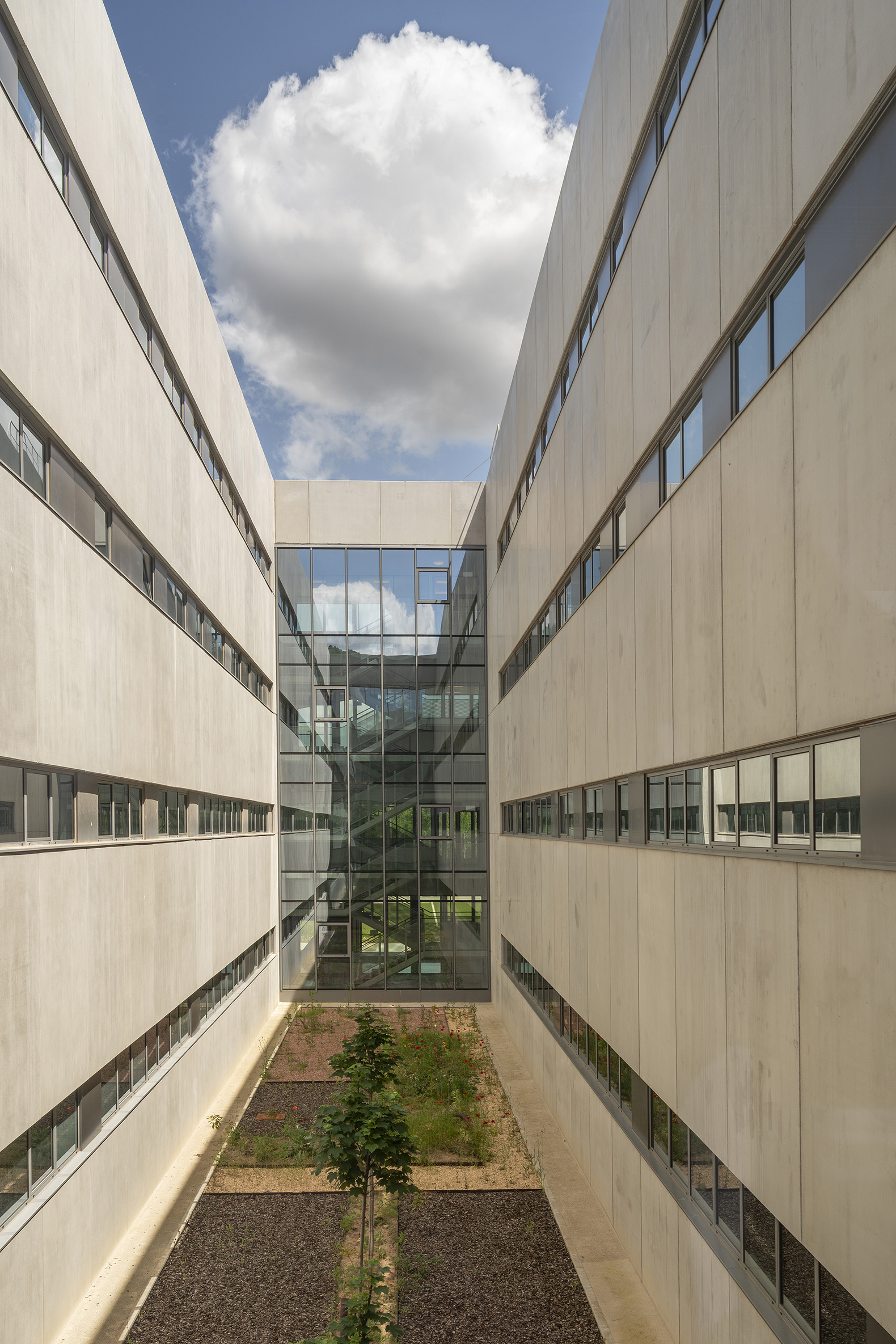
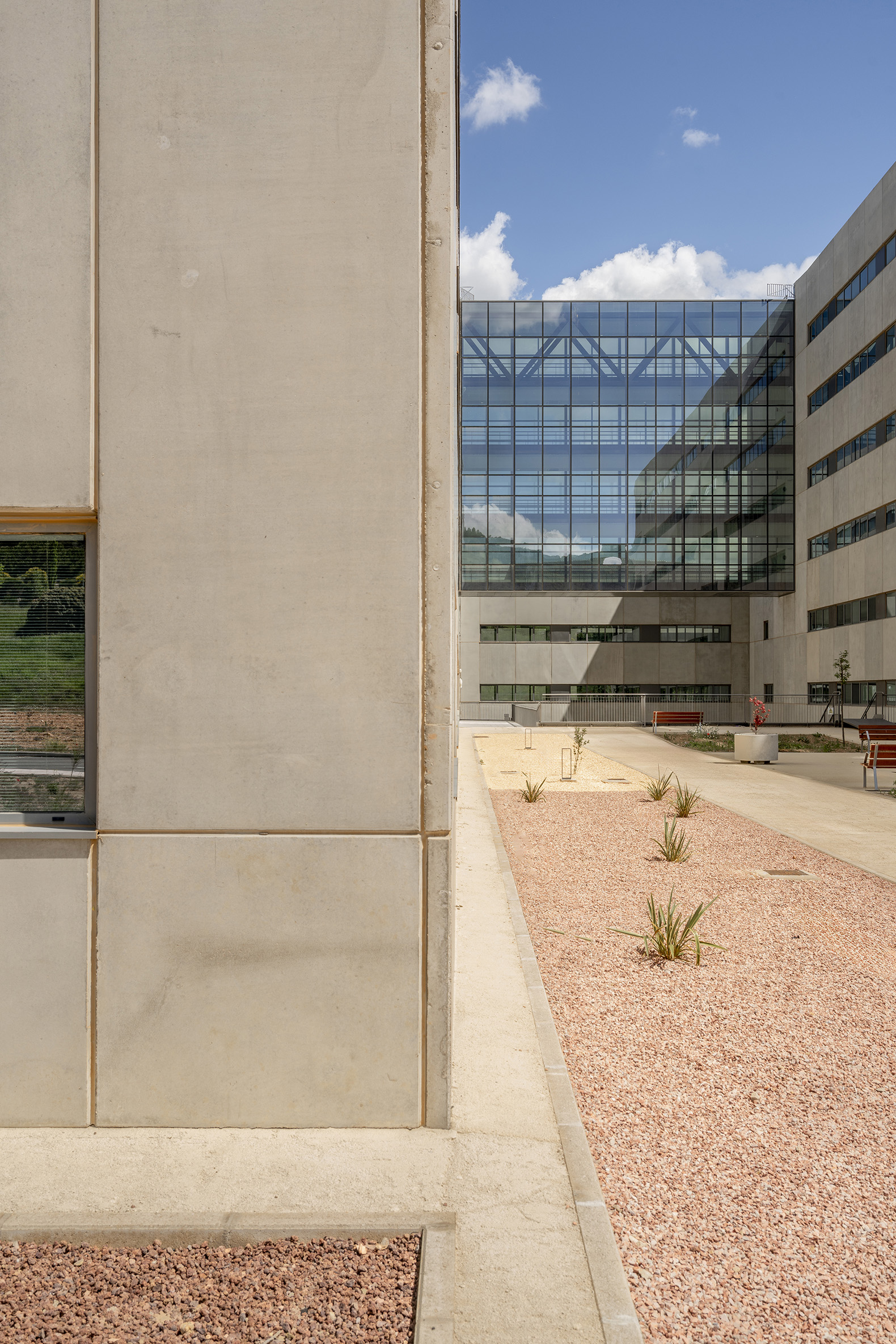
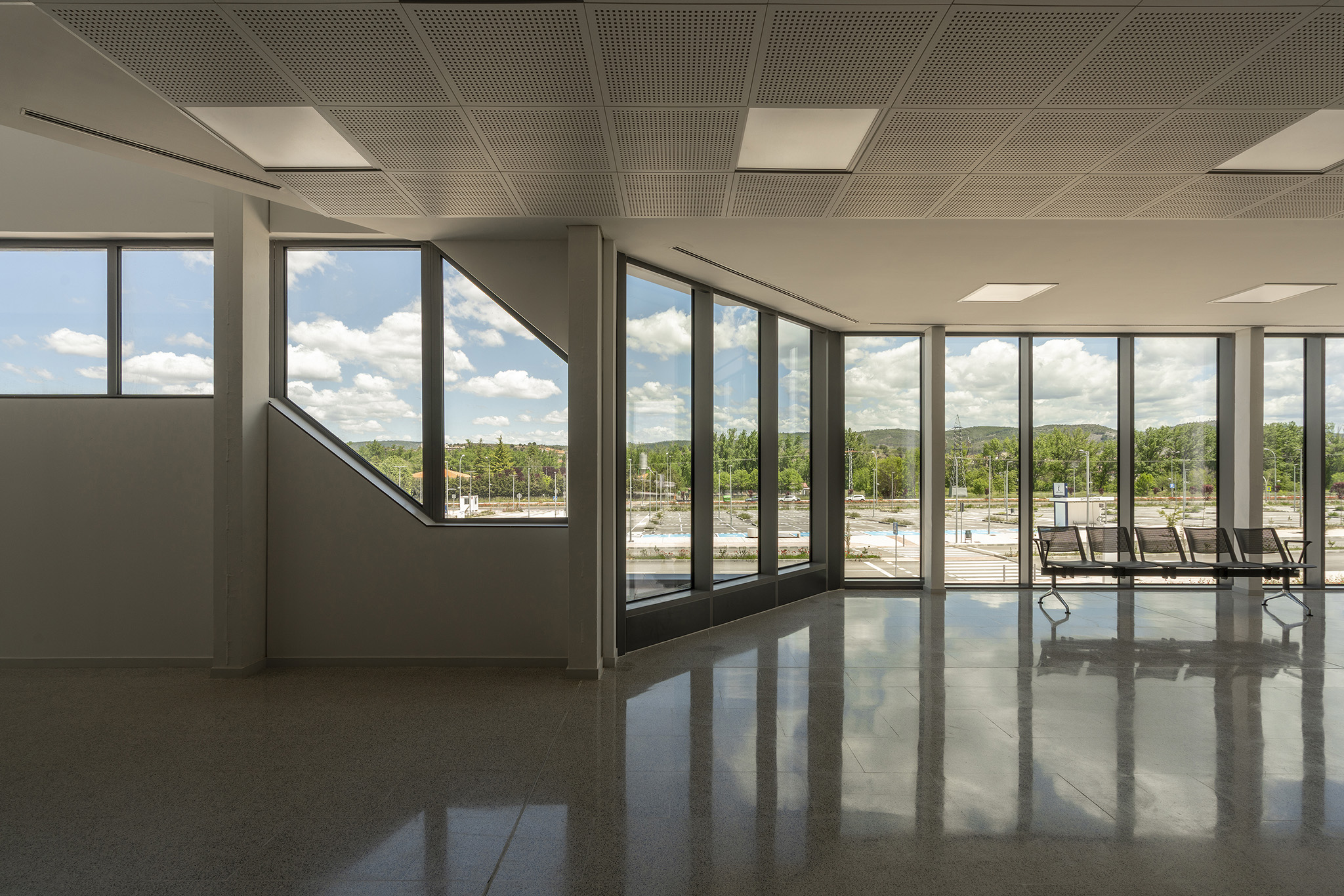
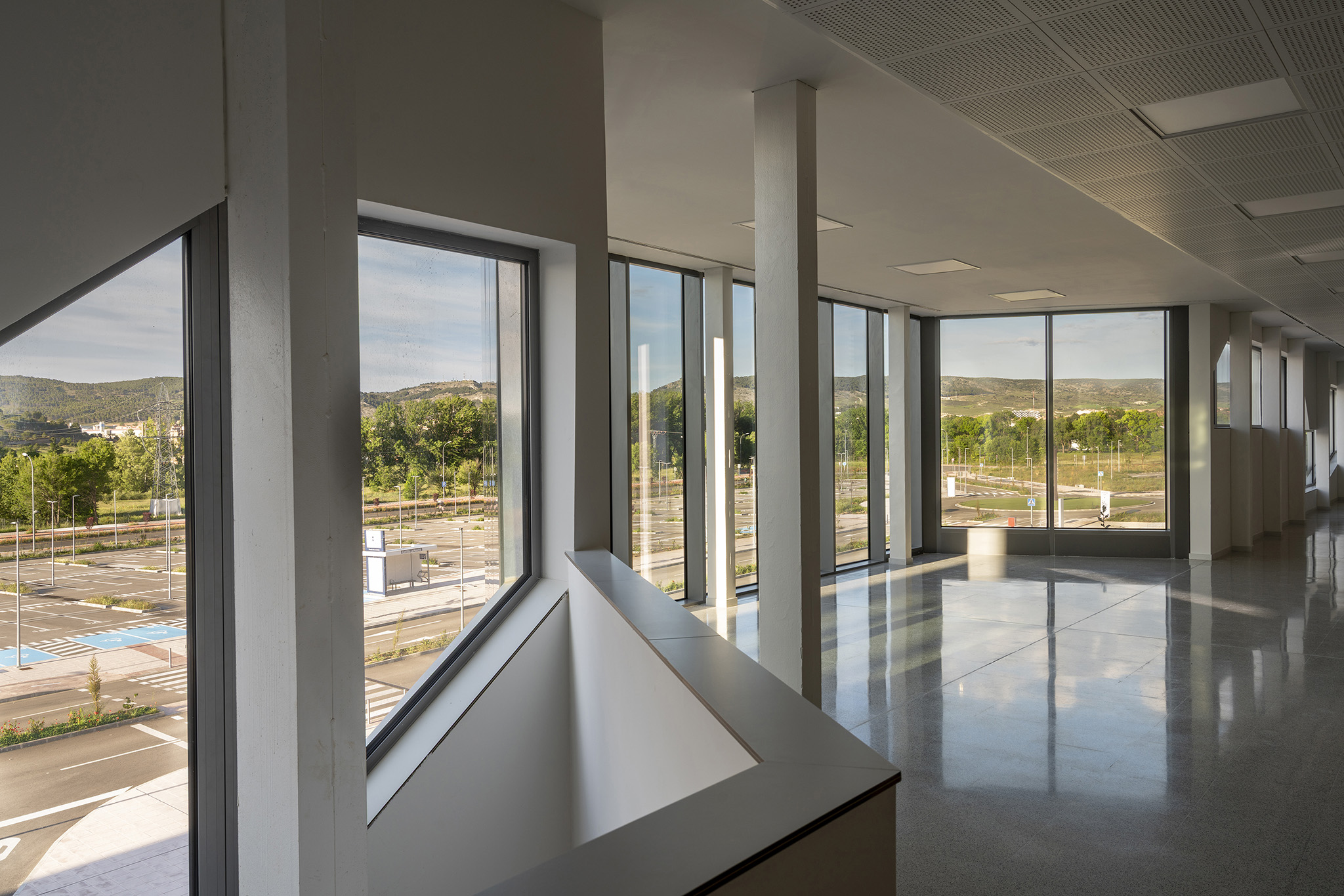
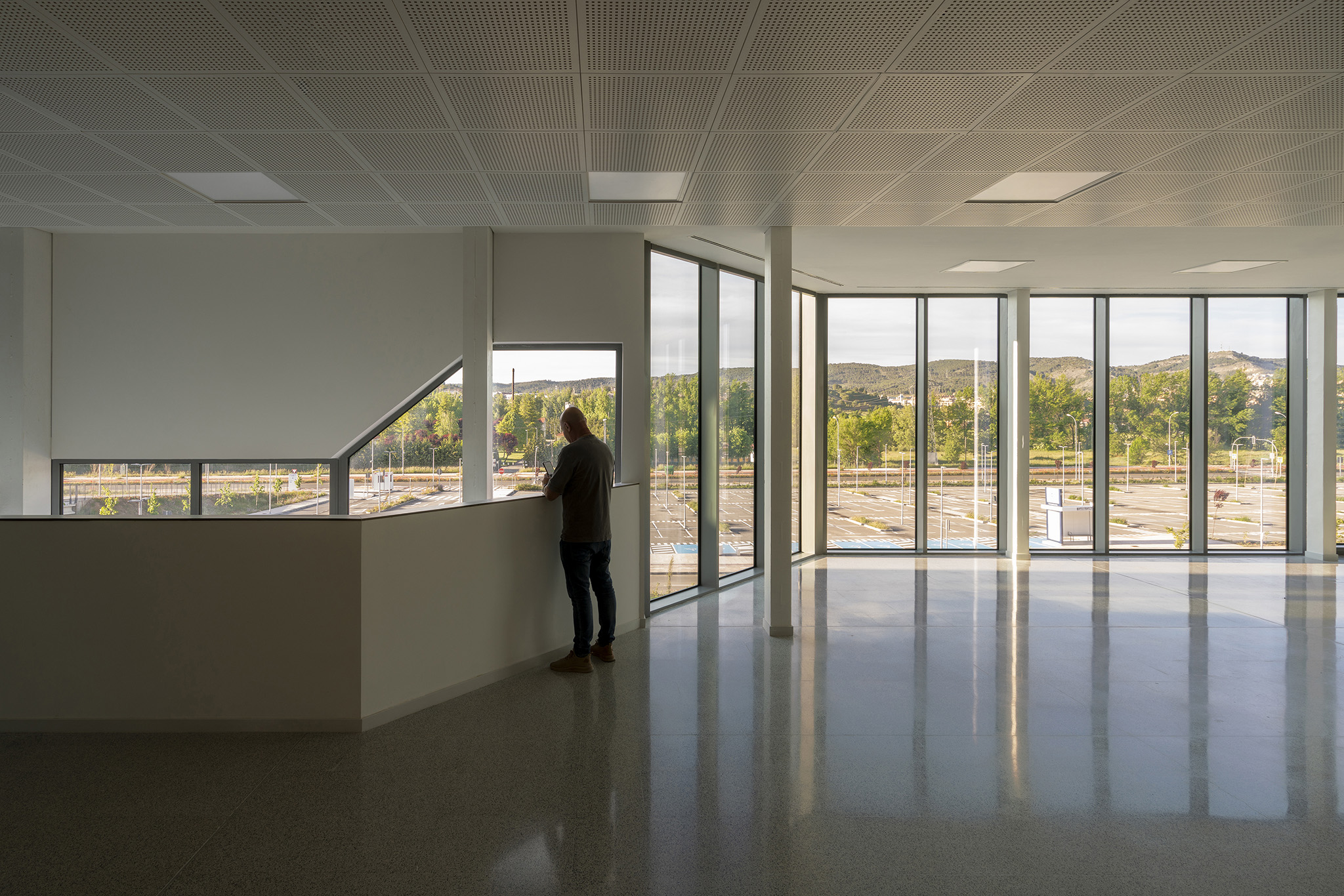
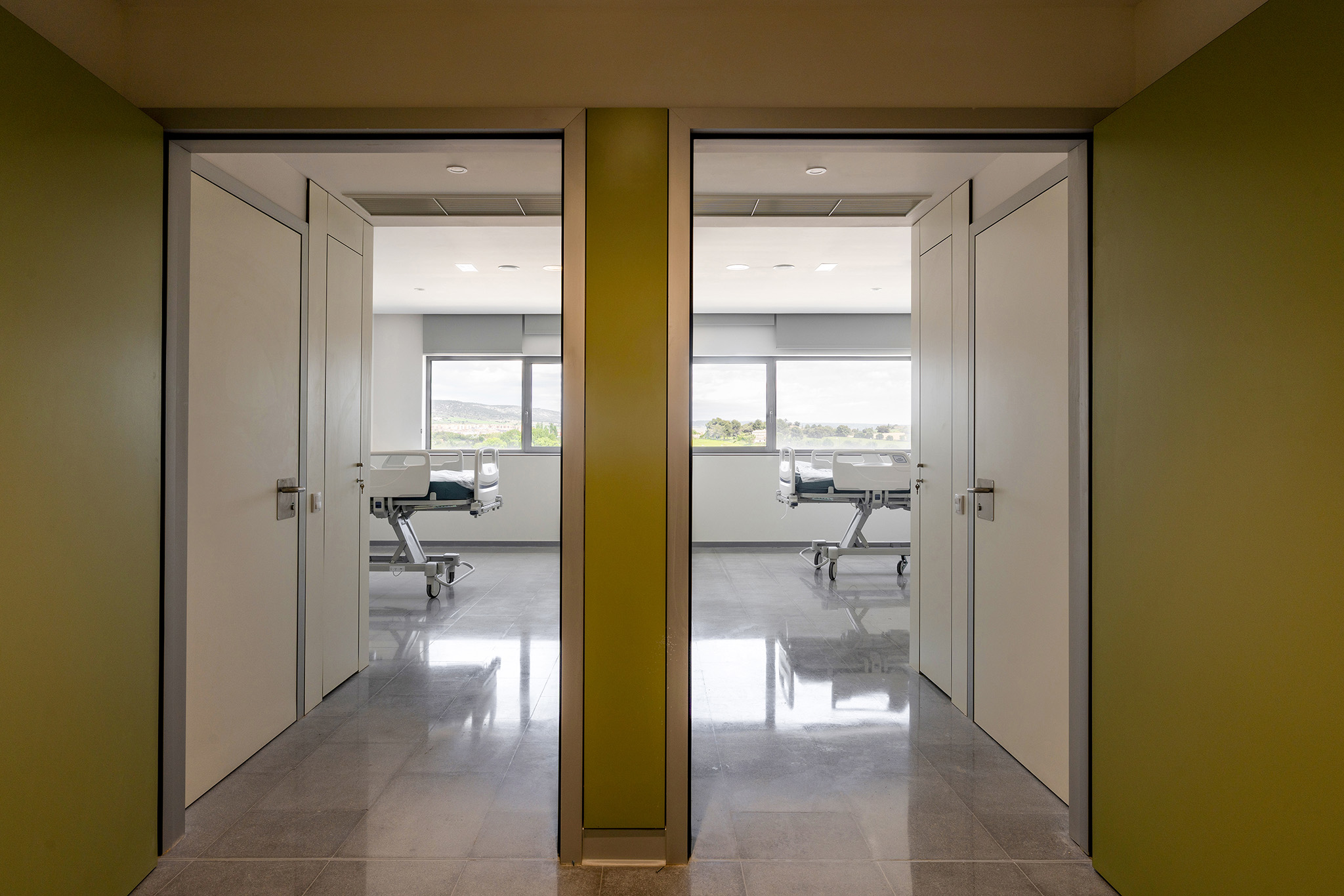
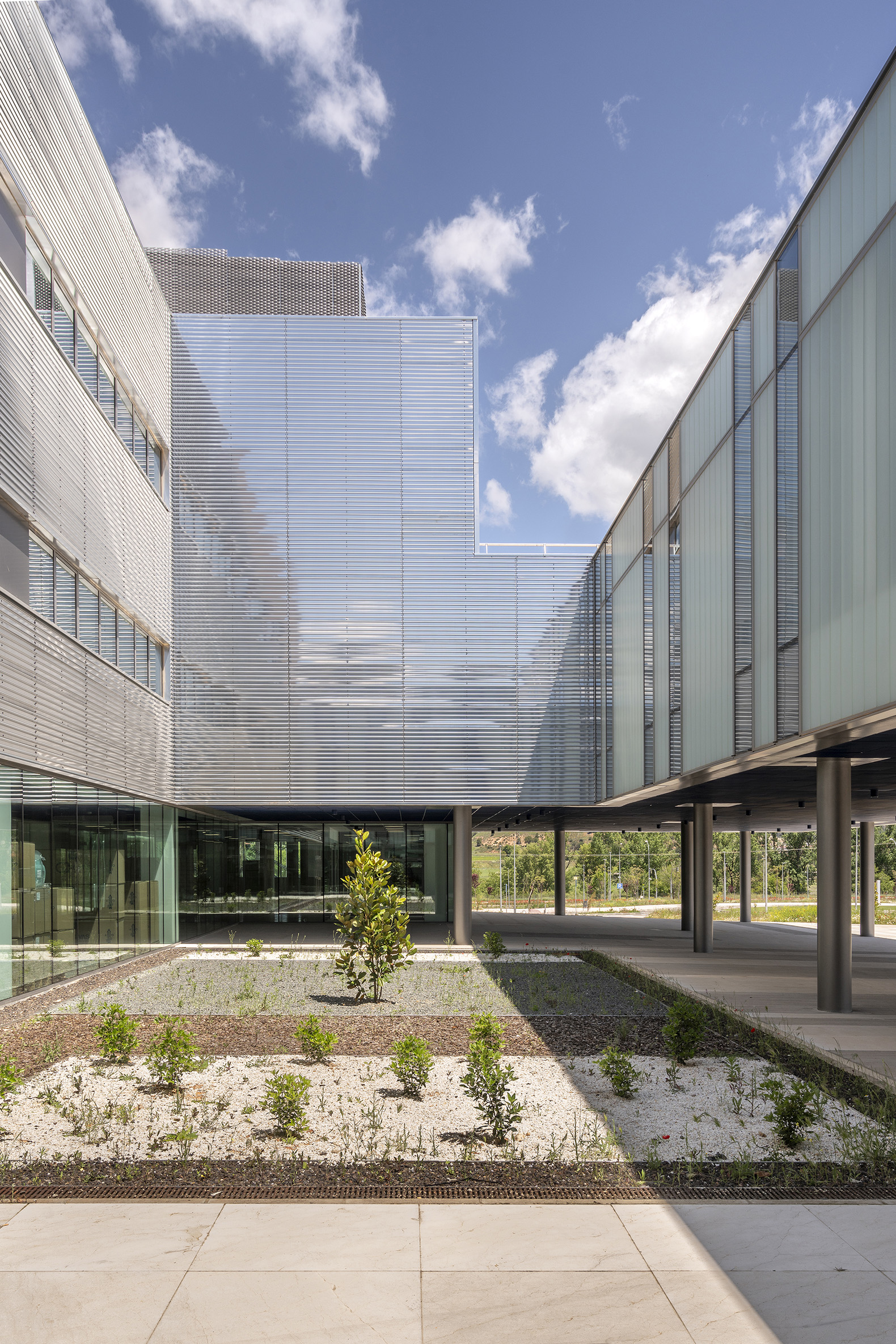
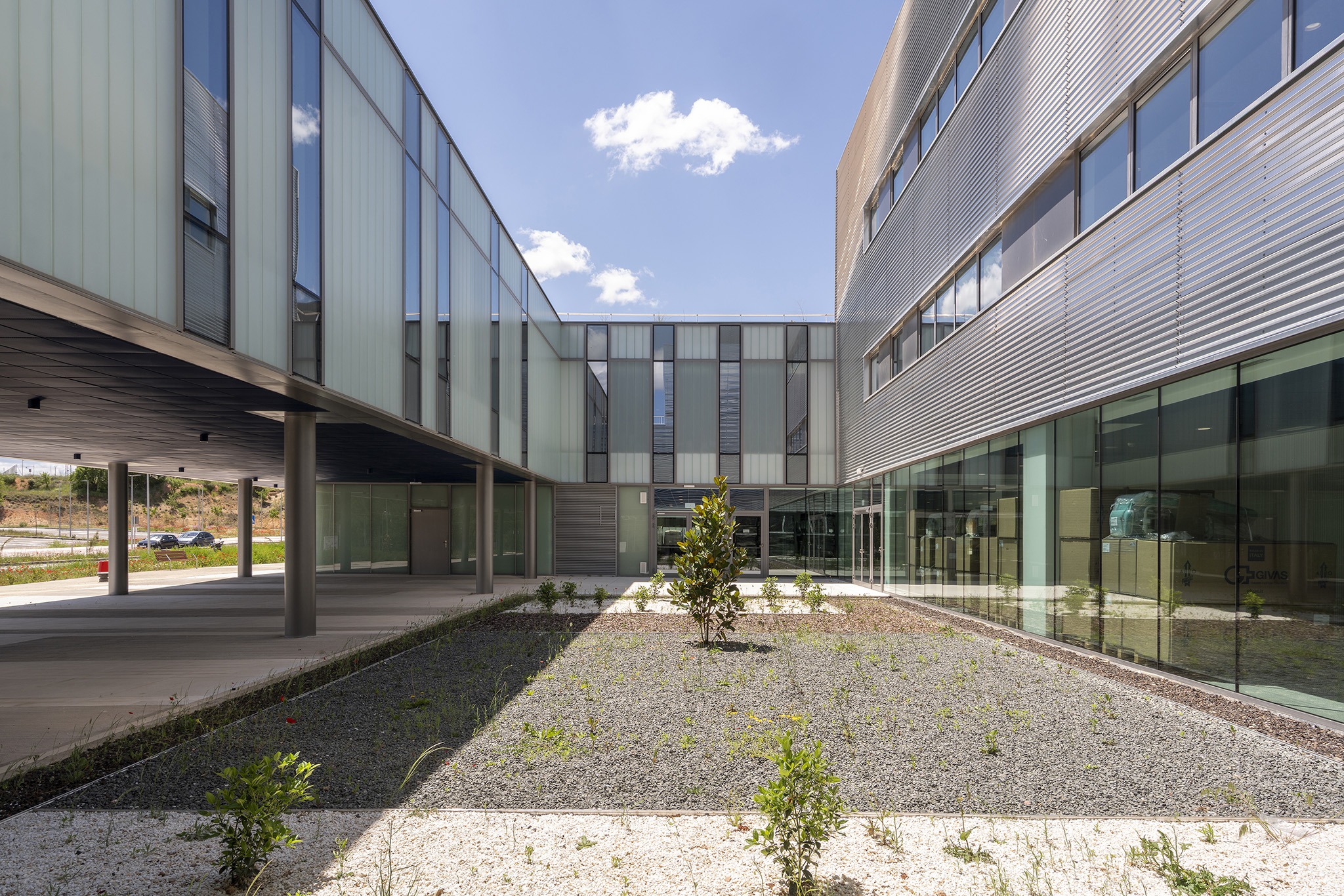
Closely integrated with the surrounding landscape, the architects give special prominence to vegetation, not only in the immediate vicinity of the building, but also in the interior courtyards and green roofs. The aim is to provide the complex with a plant structure capable of coexisting with the building and mitigating its environmental impact. Beyond addressing strictly functional needs, the layout of the rooms responds to the conditions of the environment, reinforcing the connection between the interior spaces and the natural landscape.
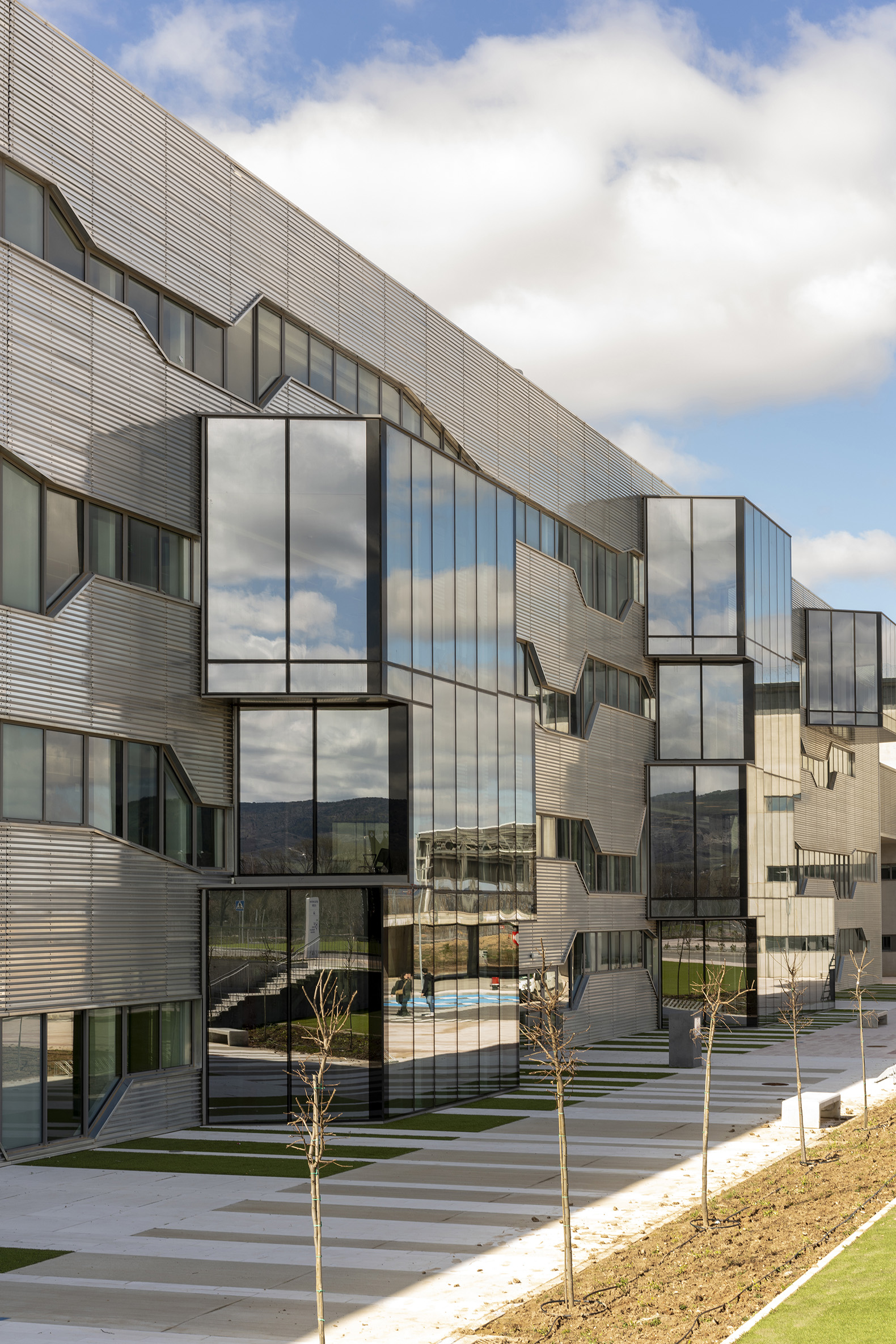
New University Hospital of Cuenca by Gádor de Carvajal, Juan Casariego, Fernando Cruz. Photograph by Luis Asín.

New University Hospital of Cuenca by Gádor de Carvajal, Juan Casariego, Fernando Cruz. Photograph by Luis Asín.

Project description by Gádor de Carvajal, Juan Casariego, and Fernando Cruz

The building is situated on a large plot of 200,000 m² in the new development of "El Terminillo," a very attractive natural setting of rolling hills covered with holm oaks, gall oaks, and herbaceous and aromatic plants characteristic of Cuenca.

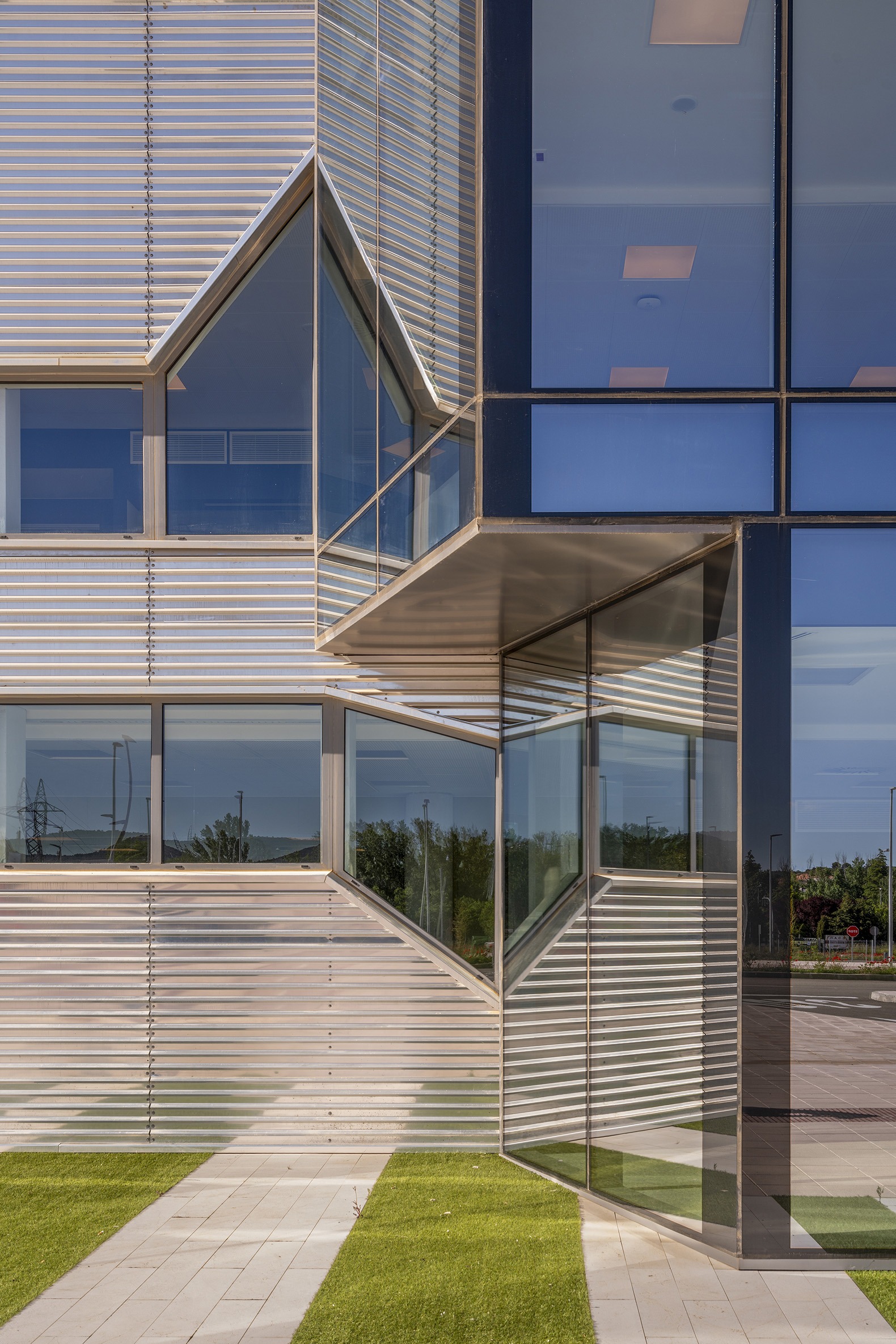
The large area available for the project allowed for the design of a horizontal, schematic hospital, adapted to the topography and organized in a comb-like pattern, with the different areas arranged according to programmatic needs around a central spine. This scheme culminates to the east with the grand main lobby, designed as a two-story structure that forms a large porch and whose translucent façade stands out, gleaming, from the rest of the complex.

The project extends beyond the building itself, conceiving a large hospital complex in which courtyards and gardens, pedestrian and vehicular pathways, and surface parking are interwoven with the built environment, seeking functional efficiency and the well-being of its users.

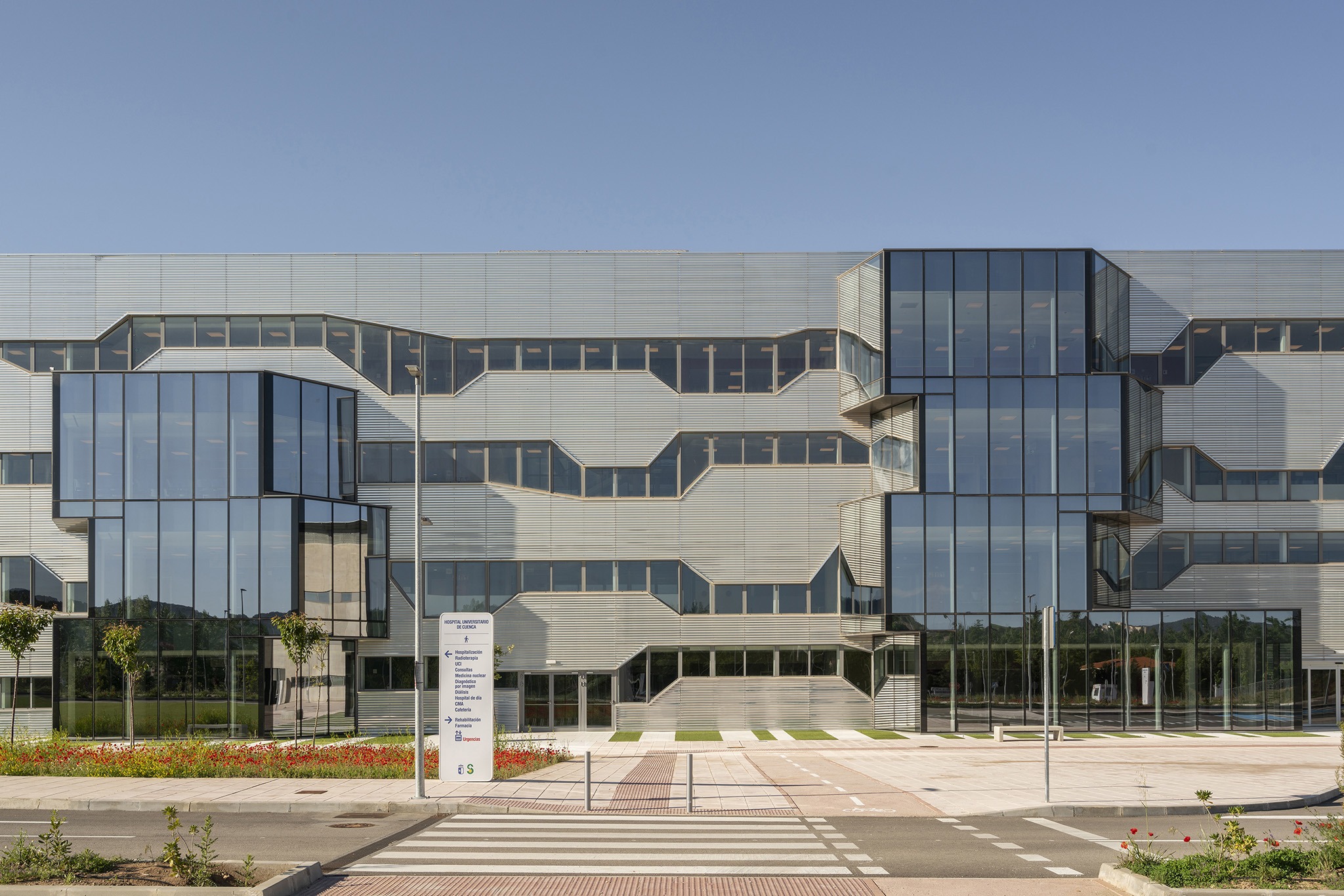
Nuevo Hospital Universitario de Cuenca por Gádor de Carvajal, Juan Casariego, Fernando Cruz. Fotografía por Luis Asín.
New University Hospital of Cuenca by Gádor de Carvajal, Juan Casariego, Fernando Cruz. Photograph by Luis Asín.

The incorporation of a carefully designed landscaping project and the effort to blend the hospital environment with the natural landscape against which the building stands are noteworthy, preserving the original topography across much of the open area of ​​the site. The patient rooms are oriented towards this landscape. The design, via a central "spine," connects all essential healthcare services with external circulation areas without unwanted intersections.

Public access to the building is channeled through the large, double-entrance lobby (outpatient and inpatient) positioned perpendicular to the central, more internal axis.

To facilitate access to the inpatient units, a wide corridor connects the main hospital lobby with the vertical circulation cores of all planned inpatient wings, providing separate and exclusive access for visitors to these units.
Nuevo Hospital Universitario de Cuenca por Gádor de Carvajal, Juan Casariego, Fernando Cruz. Fotografía por Luis Asín.
New University Hospital of Cuenca by Gádor de Carvajal, Juan Casariego, Fernando Cruz. Photograph by Luis Asín.

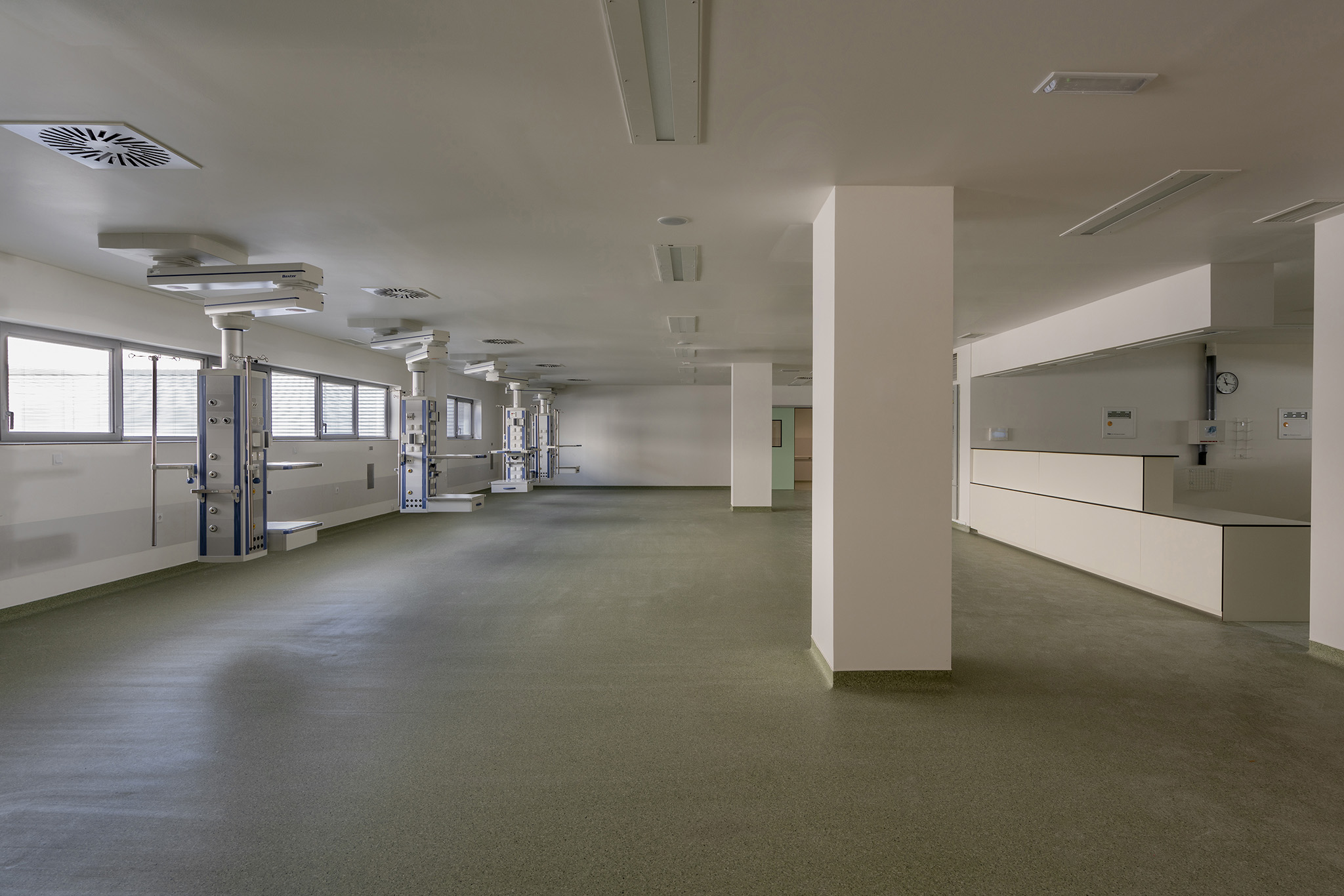
The chosen "comb" configuration of the treatment and diagnostic areas has allowed for their distribution incorporating flexible criteria that enable these zones to adapt to the inevitable changes in certain spaces, generated by technological progress or the implementation of new techniques. This scheme also facilitates the segregation of external and internal traffic. This central axis or main thoroughfare of the hospital has been designed to serve as a reference point, generating an overall order for the building's operation that allows for easy orientation of users, almost without the need for signage.

Thanks to the established order, the main flows have been resolved horizontally without crossings, architectural barriers, or interference, on both sides of this main central axis, which also houses the main vertical circulation elements, such as elevators, patient lifts, staircases, and utility shafts.

The building has been designed which, in general terms, has a large base of four floors, levels 0, 1, 2 and 3, which contain the Admission areas, the Central Diagnostic and Treatment Services, the Surgical and Obstetric Blocks, the Outpatient Services Areas, Emergency Services, Laboratories, etc... and the volume of the complex is completed with the Hospitalization Units, developed in three rectangular pieces arranged in a comb that start from level 2 and rise, one to level 3 and the remaining two to level 7.
Nuevo Hospital Universitario de Cuenca por Gádor de Carvajal, Juan Casariego, Fernando Cruz. Fotografía por Luis Asín.
New University Hospital of Cuenca by Gádor de Carvajal, Juan Casariego, Fernando Cruz. Photograph by Luis Asín.

On Level 1, coinciding with the projection of these hospital wings, the vertical circulation cores have been proposed. Also on Level 1, sequentially from East to West, are the Patient Hotel, Volunteer Services, Chapel, Staff Cafeteria, and Engineering and Maintenance Technical Office.

The site currently has a network of roads with roundabouts at all four corners, providing optimal accessibility to the complex and excellent connections to the city center, to the southwest of which the site is located. This advantage is leveraged to design a segregated network of access points and internal circulation.

The main entrance to the complex, leading to the outpatient and inpatient areas, opens on the east side of the site and connects with the public access points and parking areas (located in the north and east). There is a supply and personnel entrance on the west side, with an internal road leading to the staff parking areas in the north and west of the site, and providing access to the building's supply, waste disposal, and facilities area.
Nuevo Hospital Universitario de Cuenca por Gádor de Carvajal, Juan Casariego, Fernando Cruz. Fotografía por Luis Asín.
New University Hospital of Cuenca by Gádor de Carvajal, Juan Casariego, Fernando Cruz. Photograph by Luis Asín.

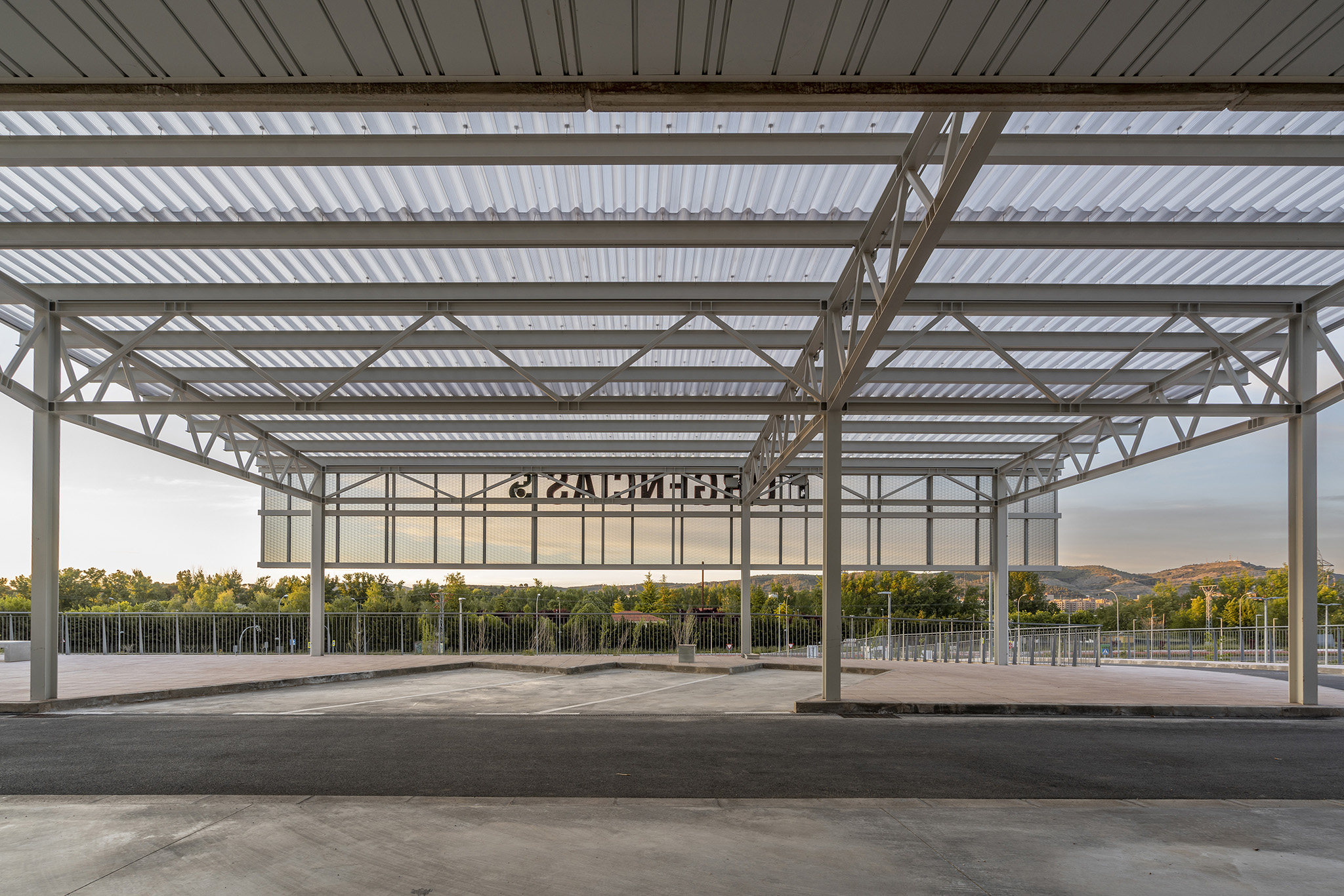
The emergency entrance is located on the northern boundary, with a dedicated circuit leading to level 1, allowing immediate entry to and exit from the hospital grounds or access to the internal road network and parking areas.

The internal road network is continuous, allowing for perimeter access around the entire building. Internal circulation could also function if only some of the entrances were open, should this be deemed necessary. The proposal analyzes the solution with the simultaneous opening of the various entrances and includes access restrictions in certain sections, such as roll-up barriers, to prevent public intrusion into internal areas. The possibility of vehicular traffic circling the building, and therefore allowing a fire truck to do so, ensures the overall fire safety of the complex.

Special importance is given to vegetation, not only in the building's surroundings but also within the courtyards and green roofs, aiming to provide the complex with a plant environment that coexists with the building and mitigates its environmental impact. This approach is complemented by all the sustainability measures implemented with the intention of creating a "green hospital."
More information

Label
Architects
+ + copy Created with Sketch.
- + copy Created with Sketch.
Label
Project team Design team
Text

Jose Manuel Baquerizo, Carlos Petrement, Jose Rodríguez González, Sebastián Bonet, Jon Zubicoa.

+ + copy Created with Sketch.
- + copy Created with Sketch.
Label
Collaborators
Text

Project Managers.- Miguel Ángel Rodríguez Torices, Félix Ibáñez, Jesús Aguilera.
Health and Safety Coordinator.- Félix Ibáñez.
Structural Engineering.- P&G Ingenieros Consultores, Estudio A.I.A.
M&P Engineering.- PROMEC Ingeniería.
M&P.- Promec Ingeniería.
Quality Control.- Instituto Técnico de Materiales y Construcciones - INTEMAC.

+ + copy Created with Sketch.
- + copy Created with Sketch.
Label
Builder
Text

UTE OHLA Y Construcciones Sarrión.

+ + copy Created with Sketch.
- + copy Created with Sketch.
Label
Developer
Text

Castilla La Mancha Health Service (SESCAM).

+ + copy Created with Sketch.
- + copy Created with Sketch.
Label
Area
Text

98.122 sqm.

+ + copy Created with Sketch.
- + copy Created with Sketch.
Label
Program
Text

Inpatient Units.- 14 (508 beds).
Consultations and Offices.- 193.
General Operating Rooms/CMA.- 13.
Pre-anesthesia/General Resuscitation.- 6 + 6.
Recovery Room.- 19 beds.
CMA Reintegration.- 16 beds.
ICU Bays.- 22.
Obstetric Unit/Operating Room: 3/1.
Pre-discharge Unit.- 25 beds.
Radiology.- 16 units.
Radiation Oncology.- 1 accelerator/1 CT room.
Dialysis.- 15 stations.
General Day Hospital.- 8 stations.
Oncology Day Hospital.- 21 stations.
Nuclear Medicine.- SPECT and PET.
General Day Hospital.- 8 stations Oncology Day Hospital - 21 beds.
Intensive Care Unit (ICU) beds.- 52.

+ + copy Created with Sketch.
- + copy Created with Sketch.
Label
Dates
Text

Project date.- 2008.
Completion date.- 2025.

+ + copy Created with Sketch.
- + copy Created with Sketch.
Label
Location
Text

Cuenca, Spain.

+ + copy Created with Sketch.
- + copy Created with Sketch.
Label
Manufacturers
Text

Exterior joinery.- Cortizo.
Elevators.- Orona.
Prefabricated concrete facade.- Preinco.
Uglass glazed facade.- Glasfabrik Lamberts.
Sheet metal facade.- Imar Innometal.
Fire doors.- Cimesa.
Partitions.- Ibermodul.
Interior joinery.- HPL and doors.
Waterproofing, membranes, geotextile, etc.- Danosa.
Mechanisms and switches.- Simon.
Lighting fixtures.- PTI Lighting.
Partition walls and suspended ceilings.- Placo.
Nursery call system.- Honeywell.

+ + copy Created with Sketch.
- + copy Created with Sketch.
Label
Photography
+ + copy Created with Sketch.
- + copy Created with Sketch.

Based in Madrid and Santiago, Chile, Carvajal Casariego + Riesco Rivera Arquitectos (CC+RR) aims to develop complex projects throughout Europe and Latin America. Their experience encompasses more than fifty projects, undertaken with the commitment to integrate the constructive and technological realities of construction with the ideals of creating a comfortable, functional, and beautiful habitat, specific to each project. Structural rigor, the continuity between architecture and context, and the integration of nature into architecture are recurring themes in their work.

Gádor de Carvajal, an architect from the Higher Technical School of Architecture of Madrid, has worked alongside Juan Casariego since 1999. From the beginning of her career, she has dedicated herself to professional practice, developing more than 75 projects inspired by the idea of ​​a functional, beautiful, and integrative architecture that provides solutions for establishing seamless relationships between people, architecture, and the environment.

With over 20 awards in public competitions, his work encompasses a wide range of projects, including hospital infrastructure (Murcia, Santander, Logroño, Cuenca, Antofagasta, Thomas Fenton Family Health Center), social housing (San Cristóbal de los Ángeles), private spaces (García Andrade residence, Esteiro house), and infrastructure (EMAR South wastewater treatment plant in Madrid, auxiliary buildings for the AVO highway).

Juan Casariego, an architect with degrees from the Higher Technical School of Architecture of Madrid and the University of Chile, began his career as a partner at the firm Alas Casariego Arquitectos. It was there that he acquired solid training in the development and coordination of complex projects, such as the Picasso Tower on the Paseo de la Castellana in Madrid, in collaboration with Yamasaki, and the comprehensive redevelopment of the Tetuán neighborhood in Madrid.

A specialist in structural design, he has worked with Gádor de Carvajal since 1999, developing over 75 projects, primarily in the public works sector. Among these, acute care hospitals stand out, such as those in Murcia, Santander, Logroño, Villarrobledo, Cádiz, and Cuenca in Spain. Social housing, courthouses, laboratories, industrial buildings, and offices complete a broad portfolio of projects of varying scales, in which structural order and rigorous construction are the foundation of their functionality.

He has been an associate professor at the Summer Courses in Madrid of the School of Architecture at the University of Pennsylvania (USA), a professor at the European Institute of Design in Madrid (Interior Architecture Department, Final Year Project), and a professor in the Master's Program in Hospital Architecture (MAH) at CEU. He has also been a speaker at numerous national and international conferences on hospital construction and architecture, and a curator of architecture and painting exhibitions. Awarded a grant by the General Directorate of Architecture, he has developed research projects on the heritage of modern architecture and published the book “Madrid. Lost Architectures 1927-1986,” Madrid, Editorial Pronaos. He also edited the book “Alas Casariego Architects,” published by the Official College of Architects of Madrid in 2024.

Since 2010, Gádor de Carvajal and Juan Casariego have expanded their work to Latin America, especially in Chile, collaborating with José Riesco on large-scale projects such as the Curicó Hospital, the Antofagasta Hospital, the Sótero del Río Healthcare Complex, the Curicó Hospital, the Workers' Hospital, and the Master Plan for the Huanchaca Ruins.

Read more
Published on: June 30, 2026
Cite:
metalocus, AGUSTINA BERTA
"Horizontal and schematic. University Hospital of Cuenca by Gádor de Carvajal, Juan Casariego, Fernando Cruz" METALOCUS. Accessed
<https://www.metalocus.es/en/news/horizontal-and-schematic-university-hospital-cuenca-gador-de-carvajal-juan-casariego-fernando> ISSN 1139-6415
Loading content ...
Loading content ...
Loading content ...
Loading content ...
Loading content ...
Loading content ...
Loading content ...
Loading content ...
Loading content ...
Loading content ...
Loading content ...
Loading content ...
Loading content ...
Loading content ...
Loading content ...
Loading content ...
Loading content ...
Loading content ...
Loading content ...
Loading content ...
Loading content ...
Loading content ...
Loading content ...
Loading content ...
Loading content ...
Loading content ...
Loading content ...
Loading content ...
Loading content ...
Loading content ...
Loading content ...
Loading content ...
Loading content ...
Loading content ...
Loading content ...
Loading content ...
Loading content ...
Loading content ...
Loading content ...
Loading content ...
Loading content ...
Loading content ...
Loading content ...
Loading content ...
Loading content ...
Loading content ...
Loading content ...
Loading content ...
Loading content ...
Loading content ...
Loading content ...
Loading content ...
Loading content ...
Loading content ...