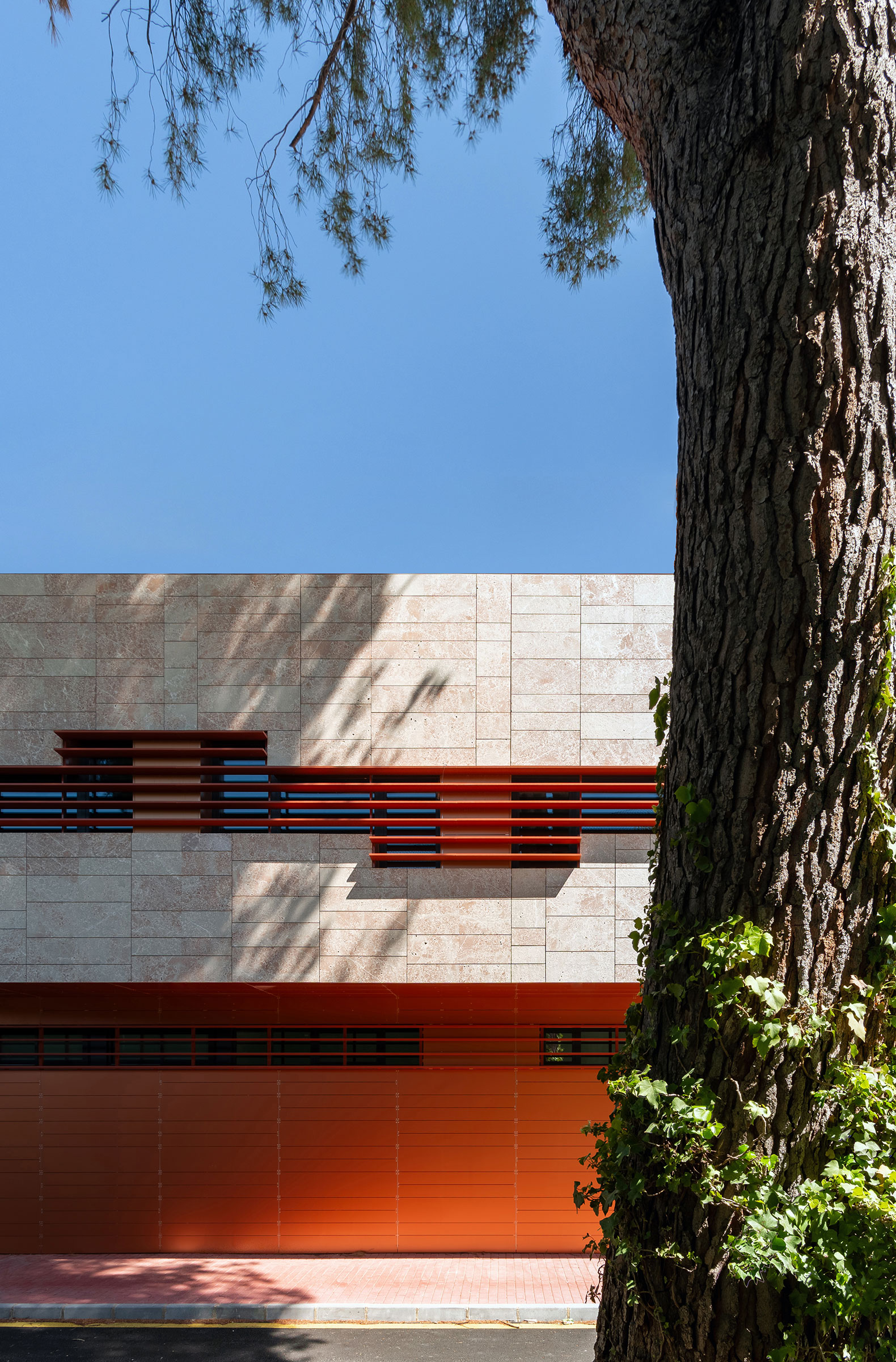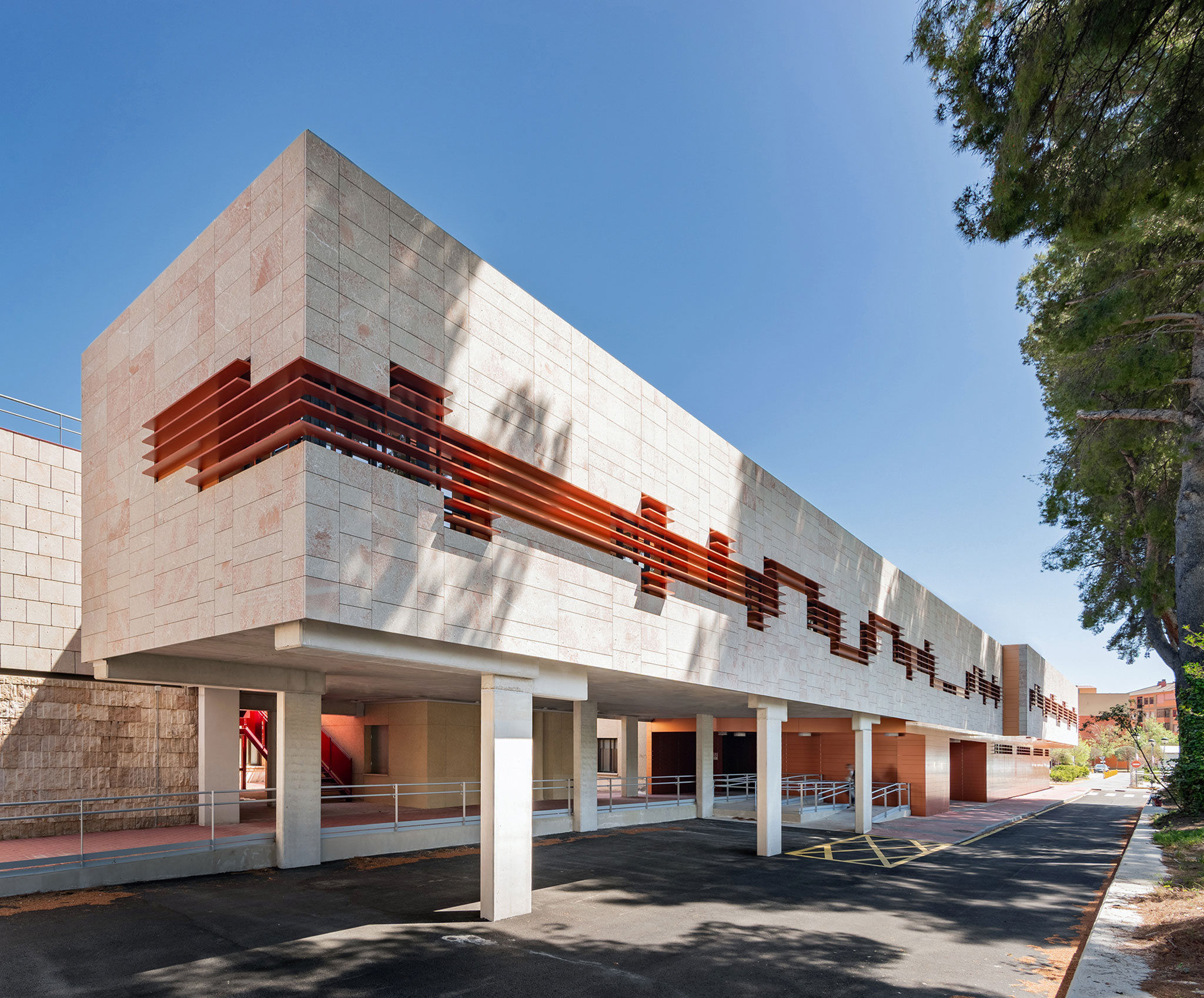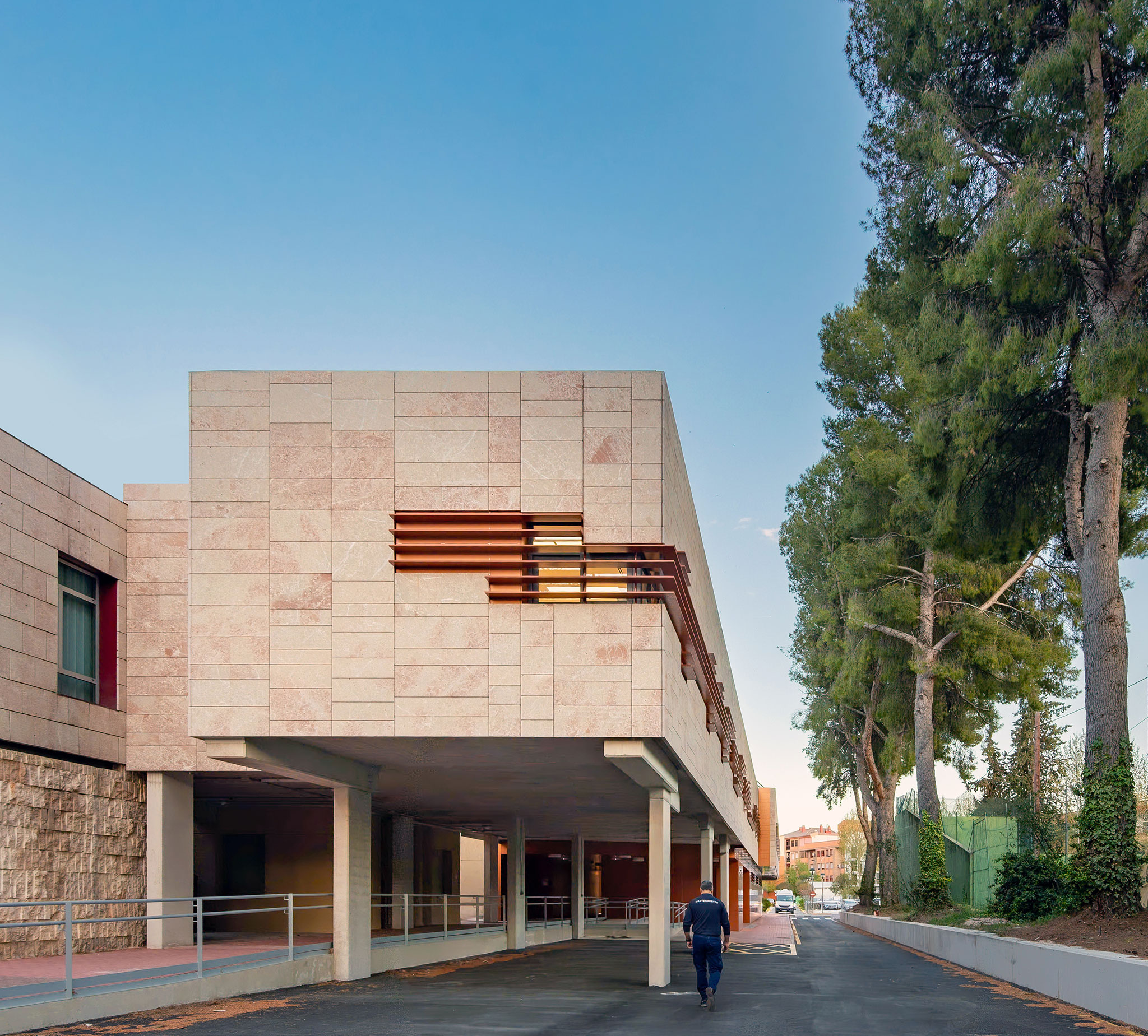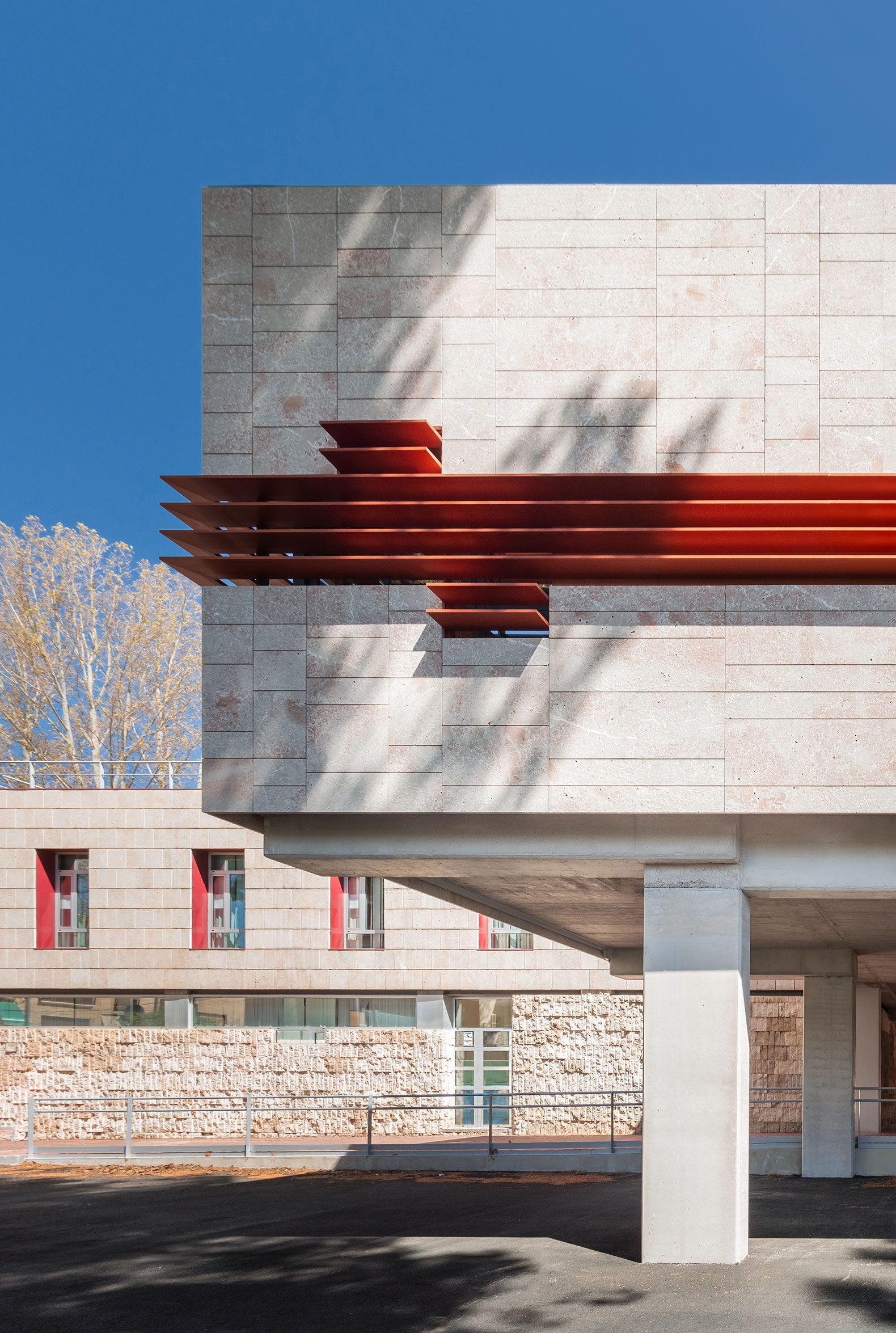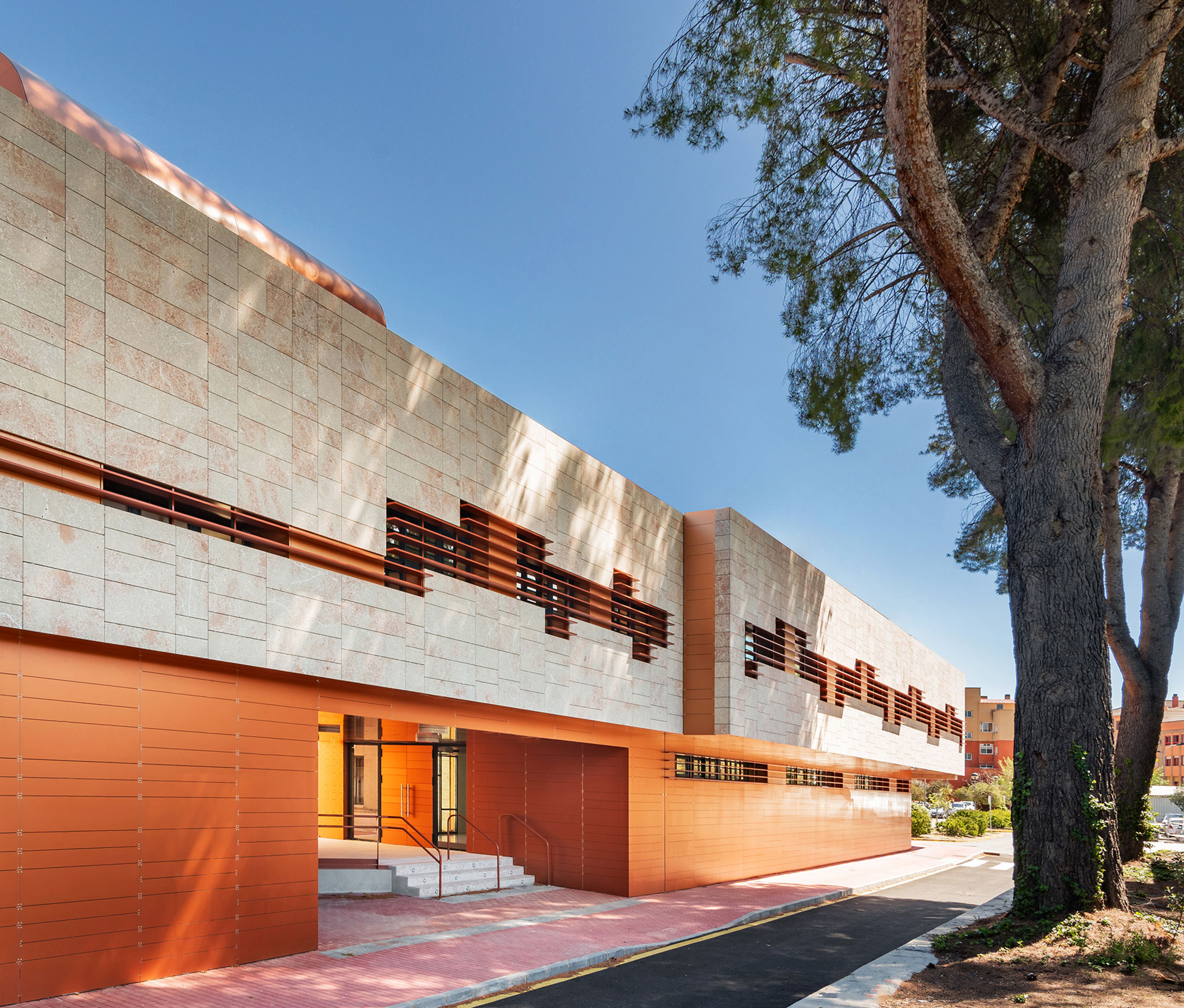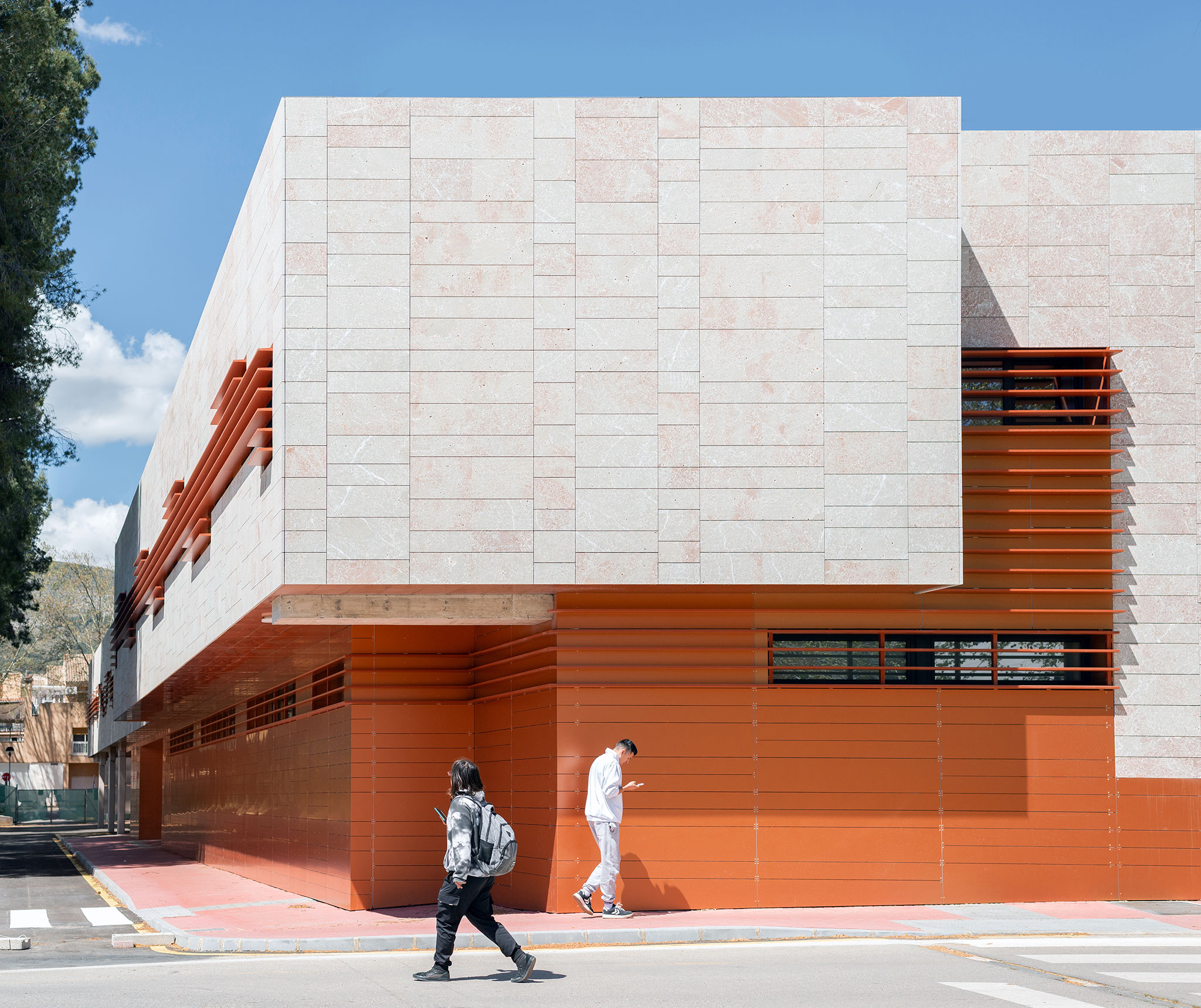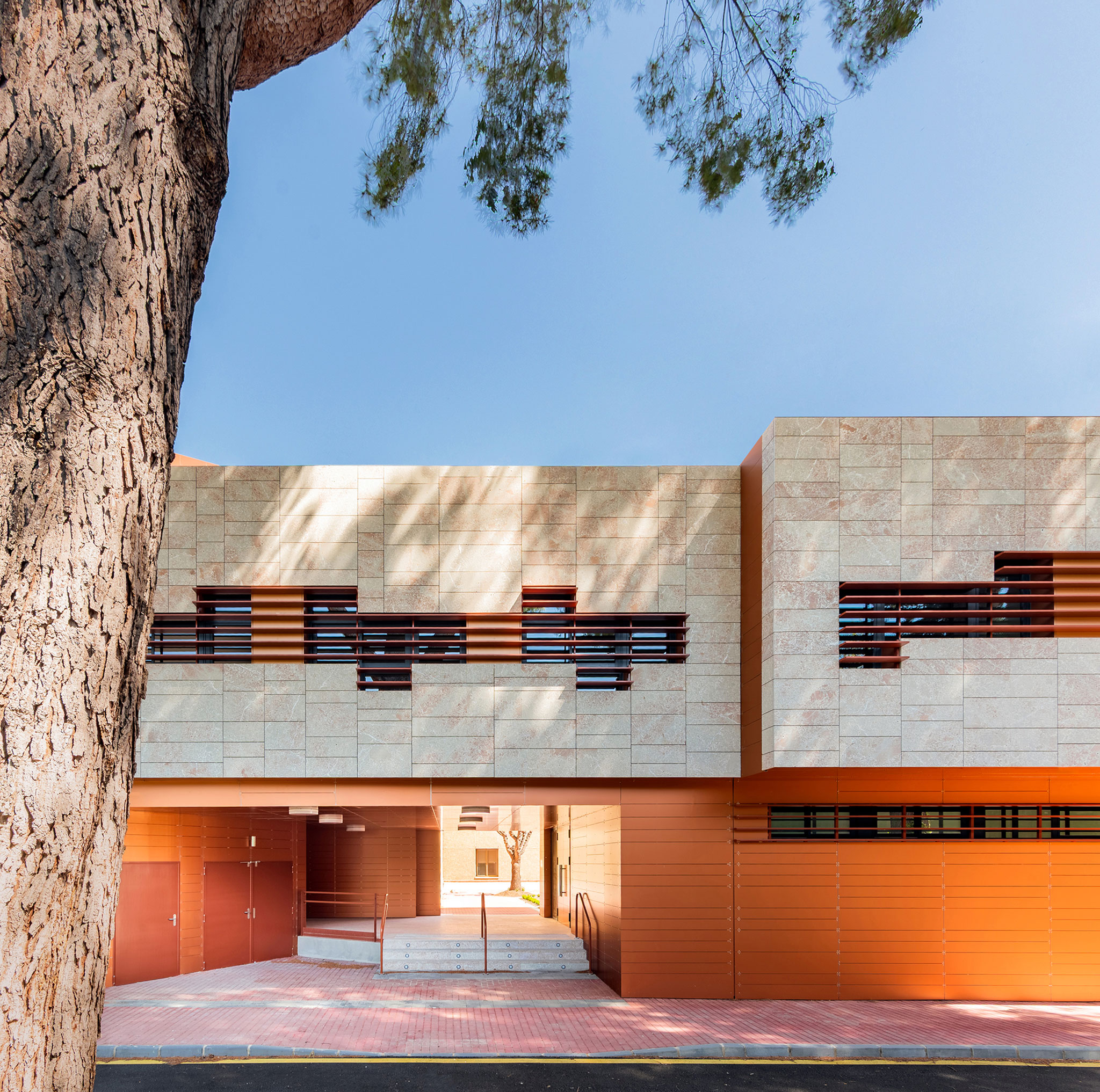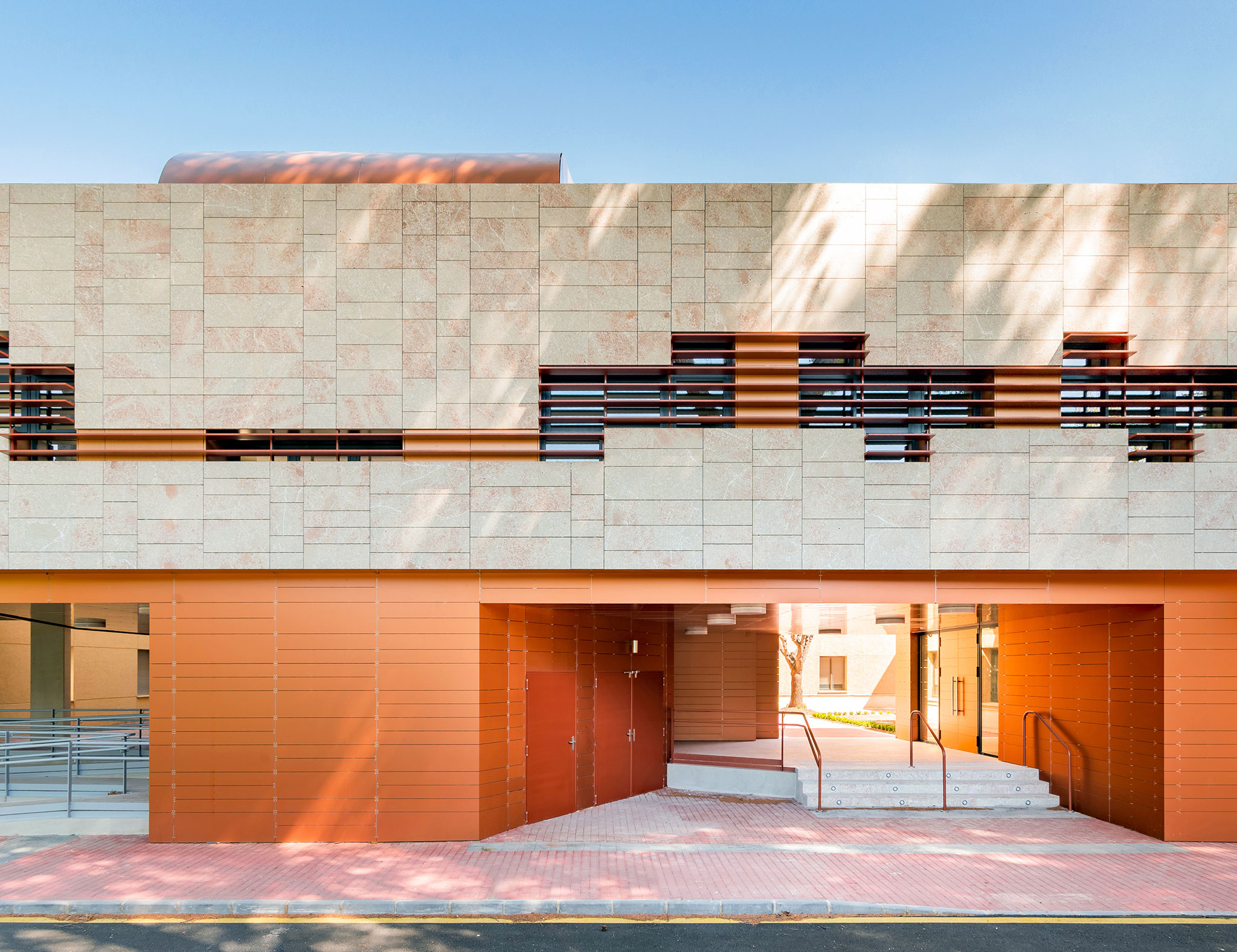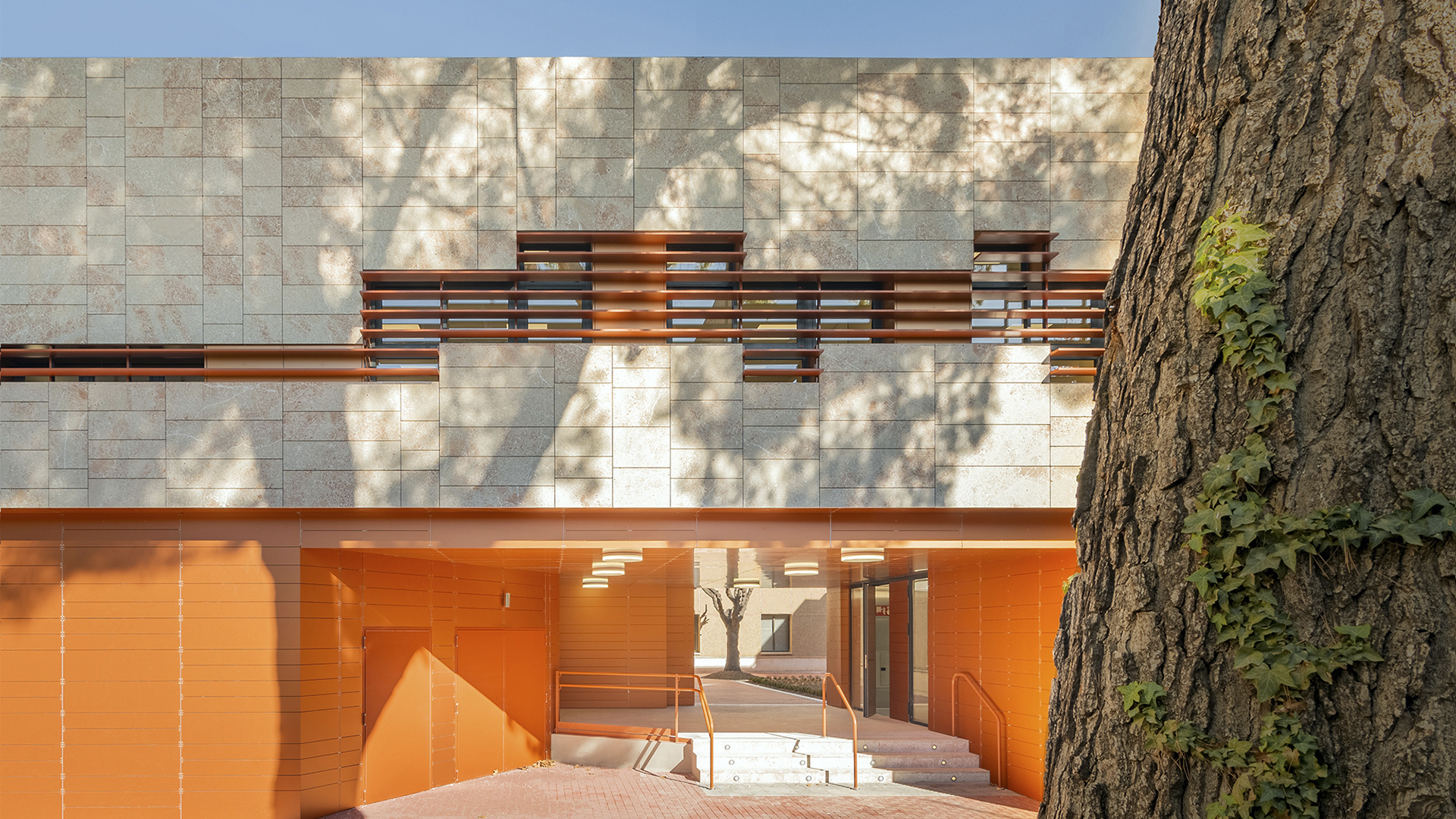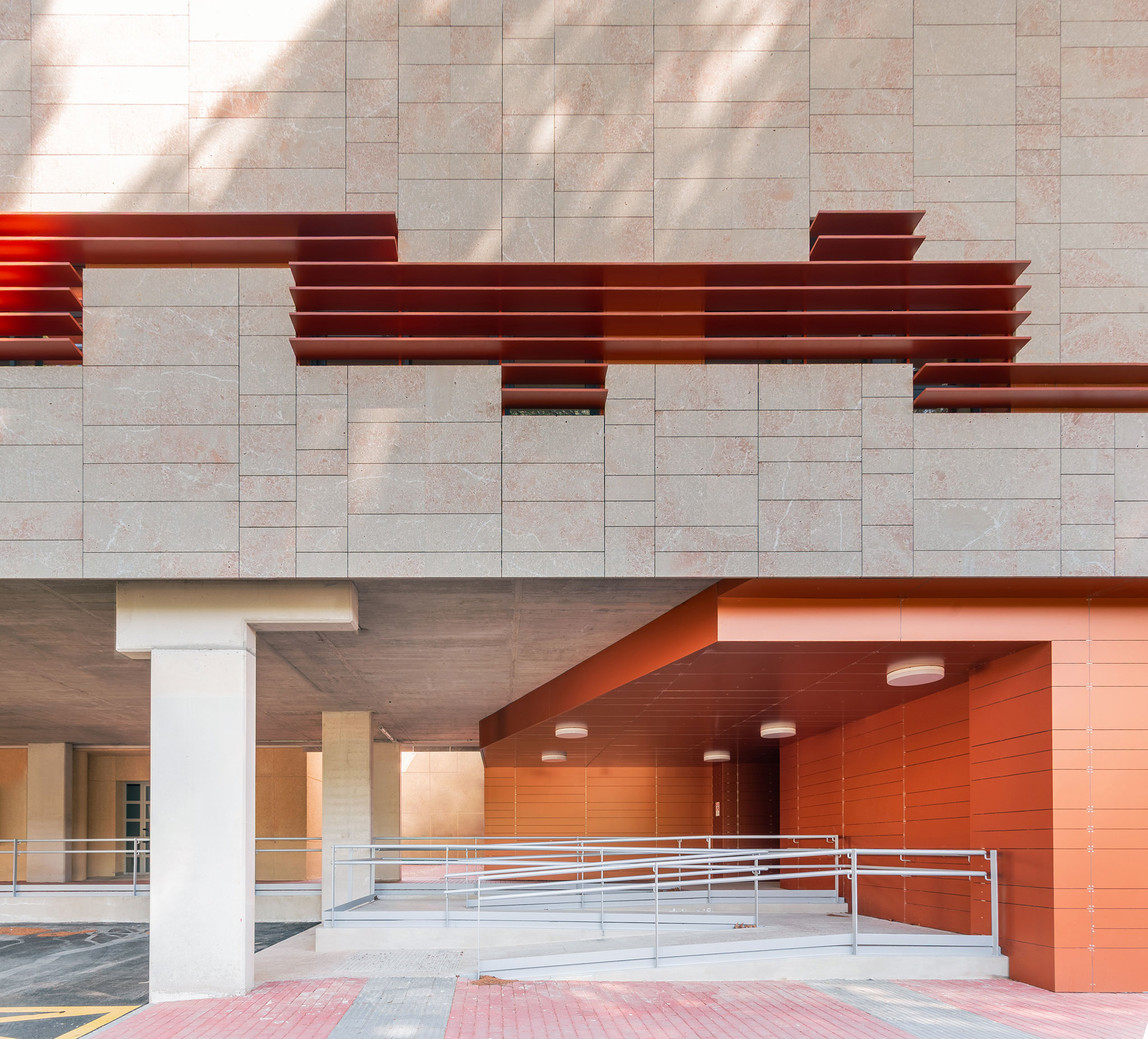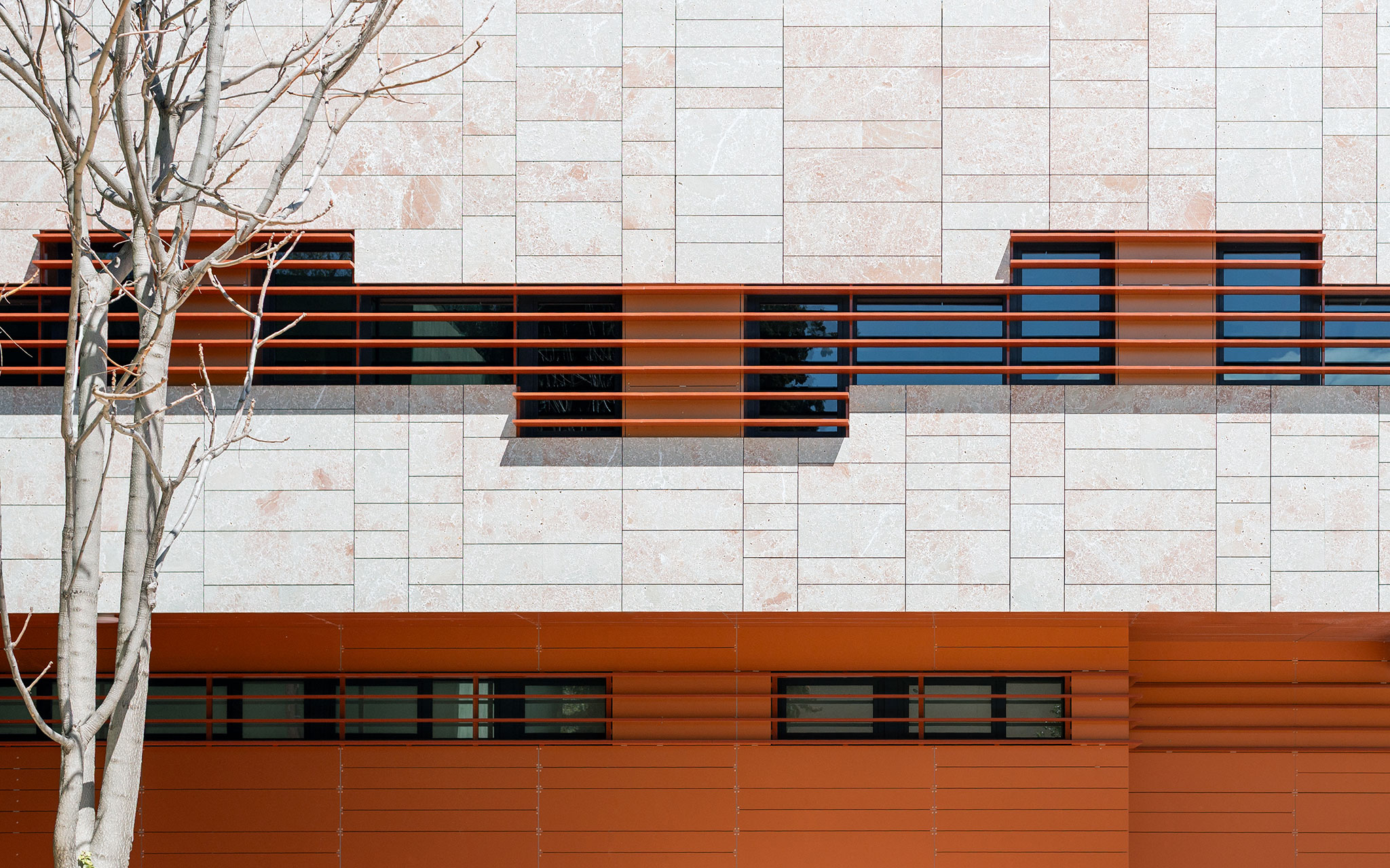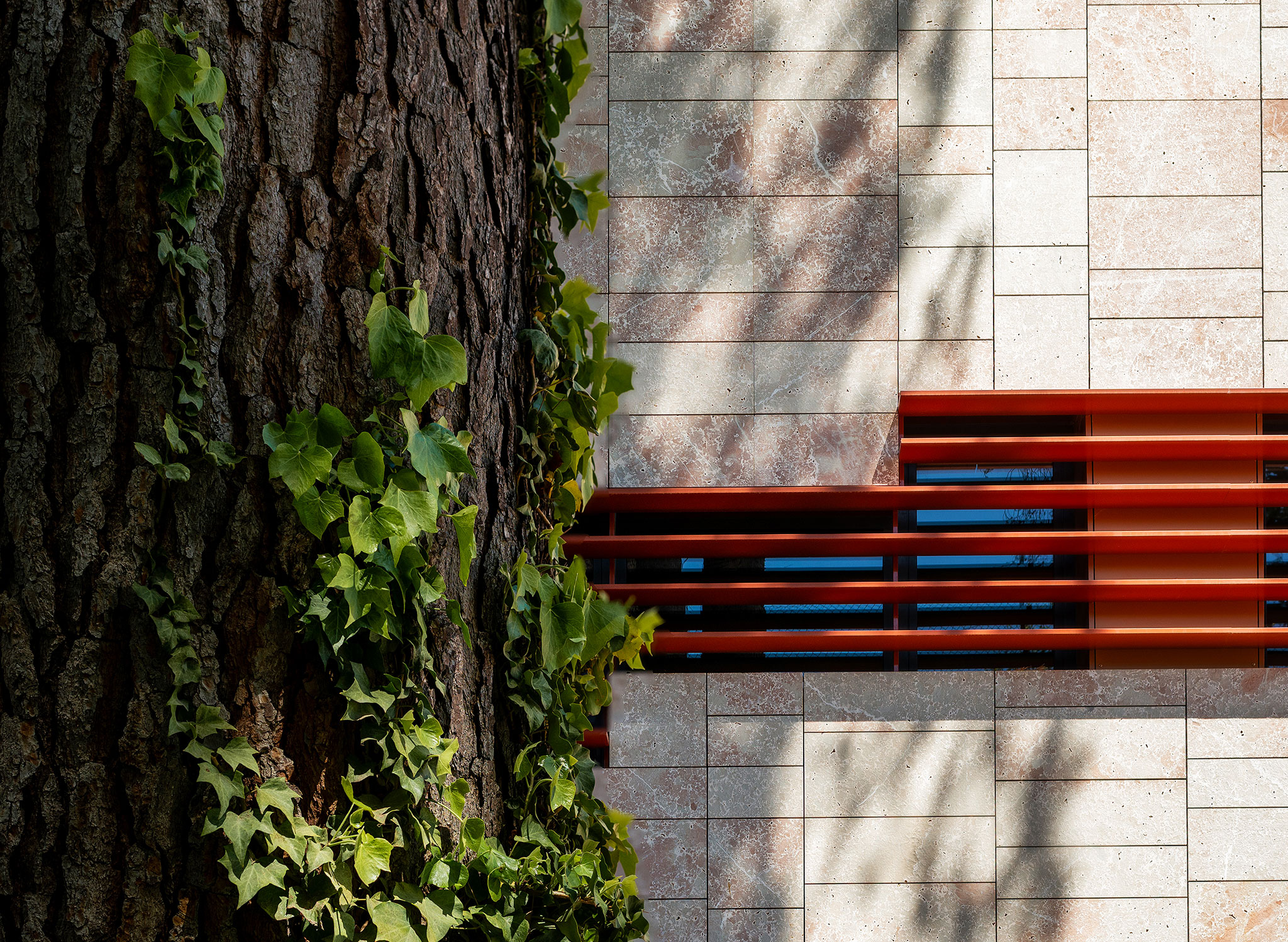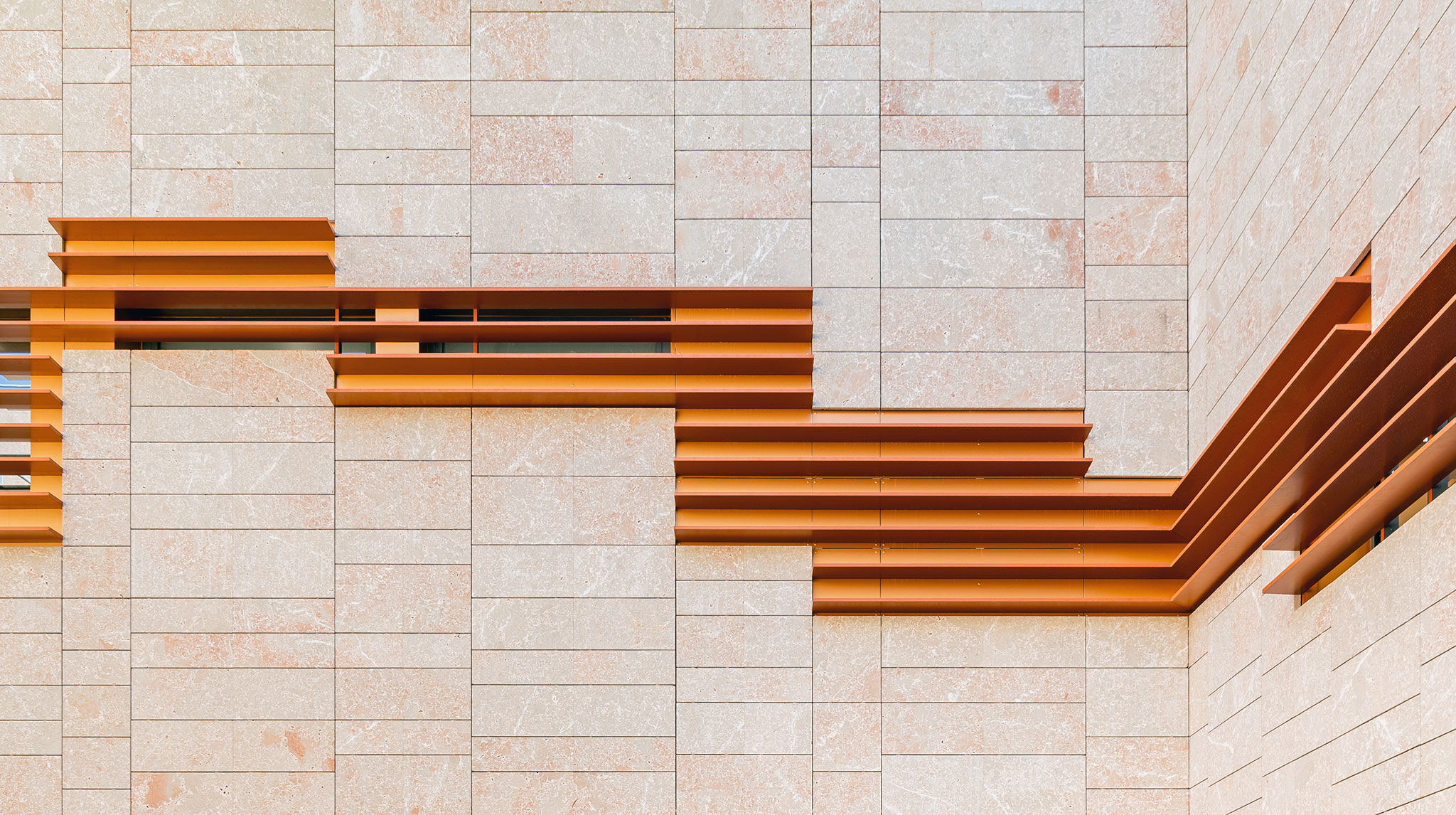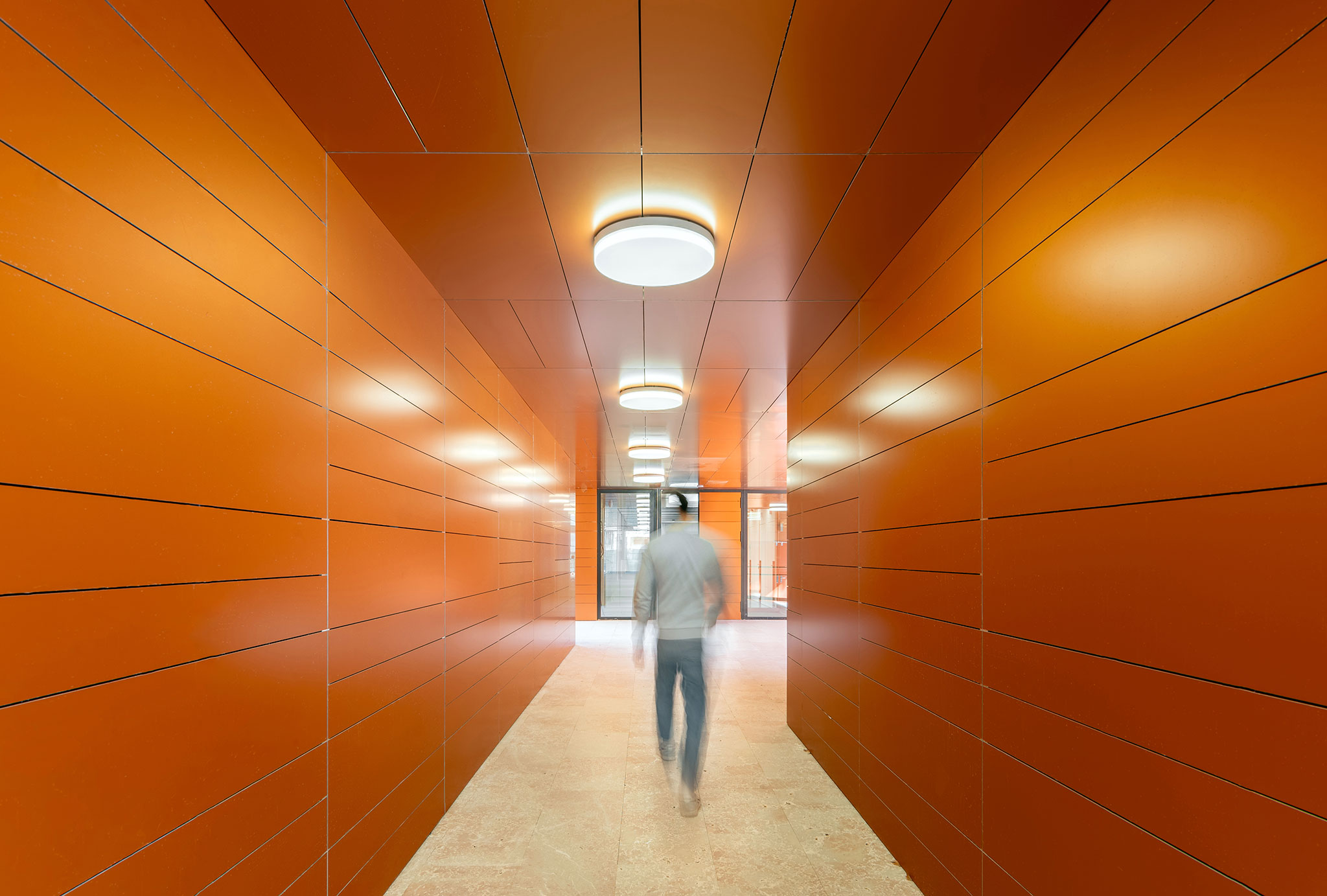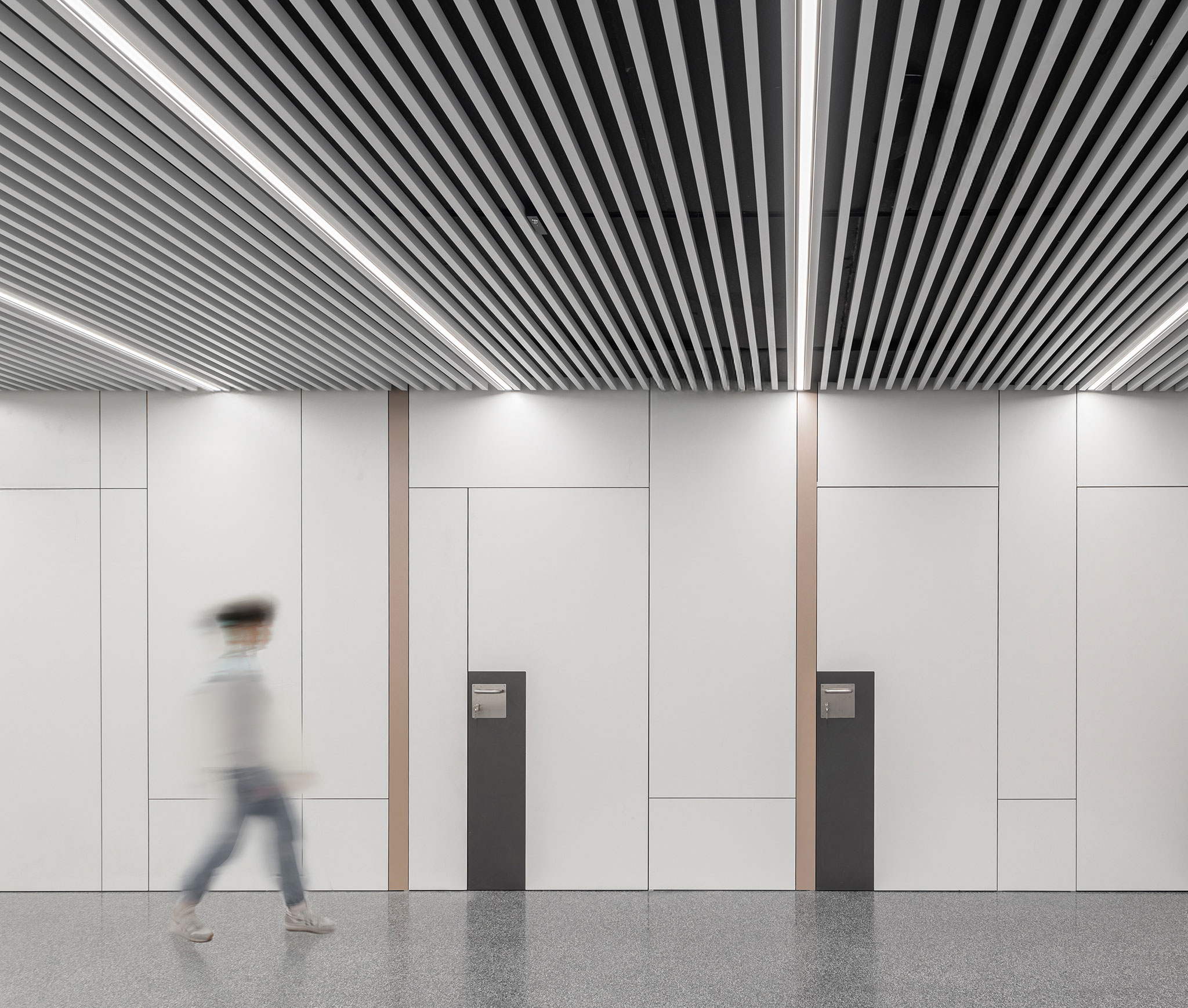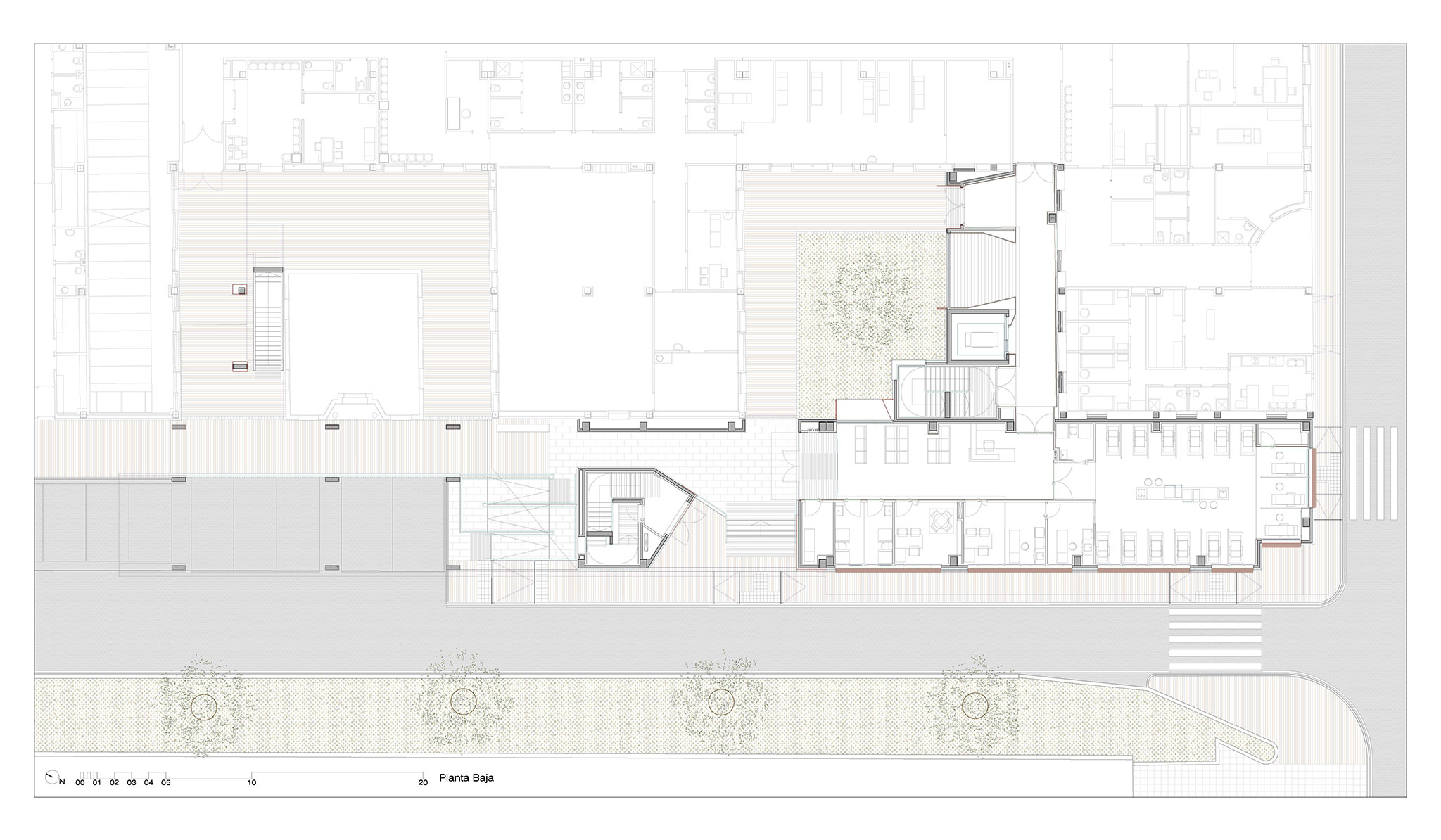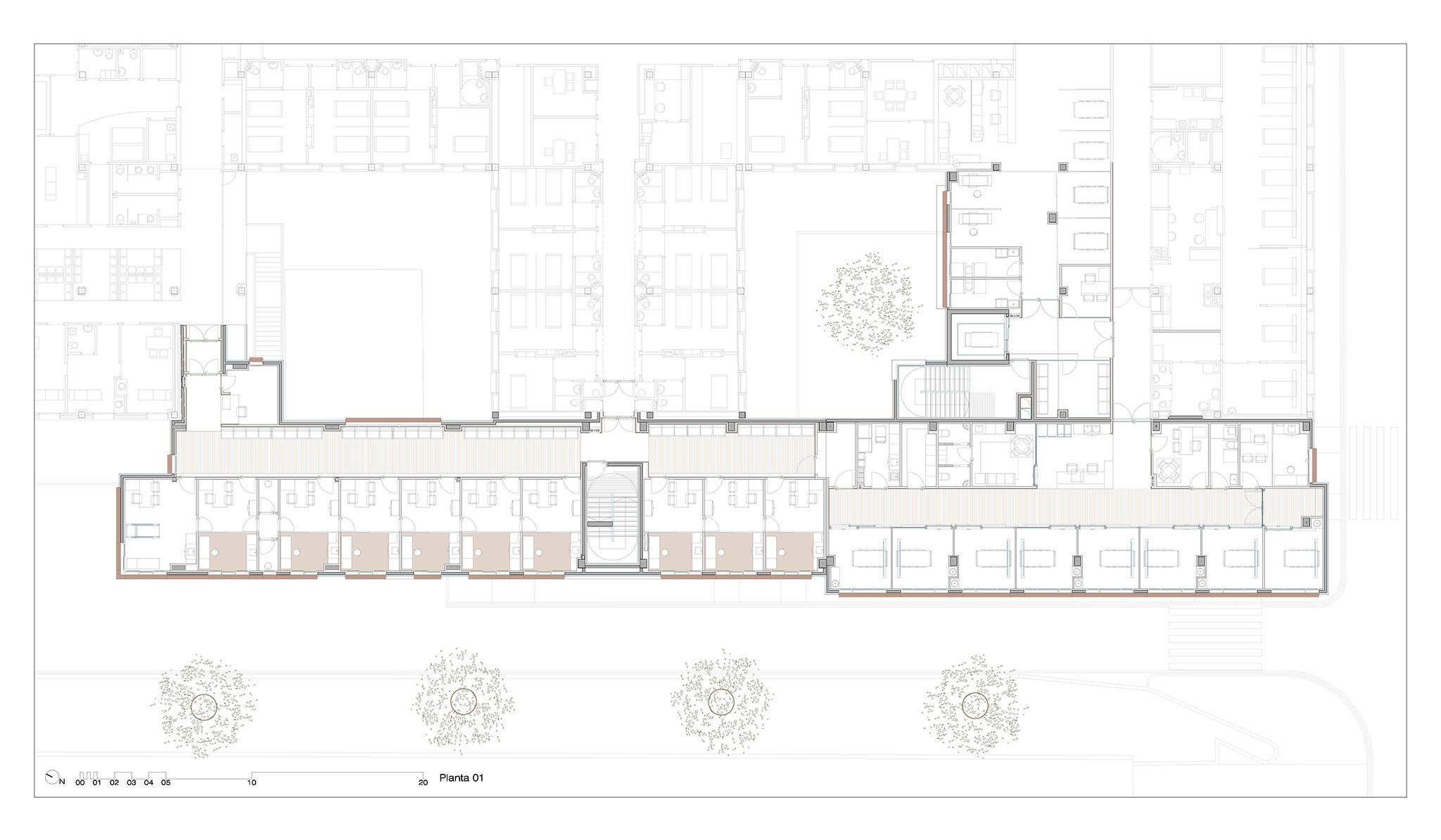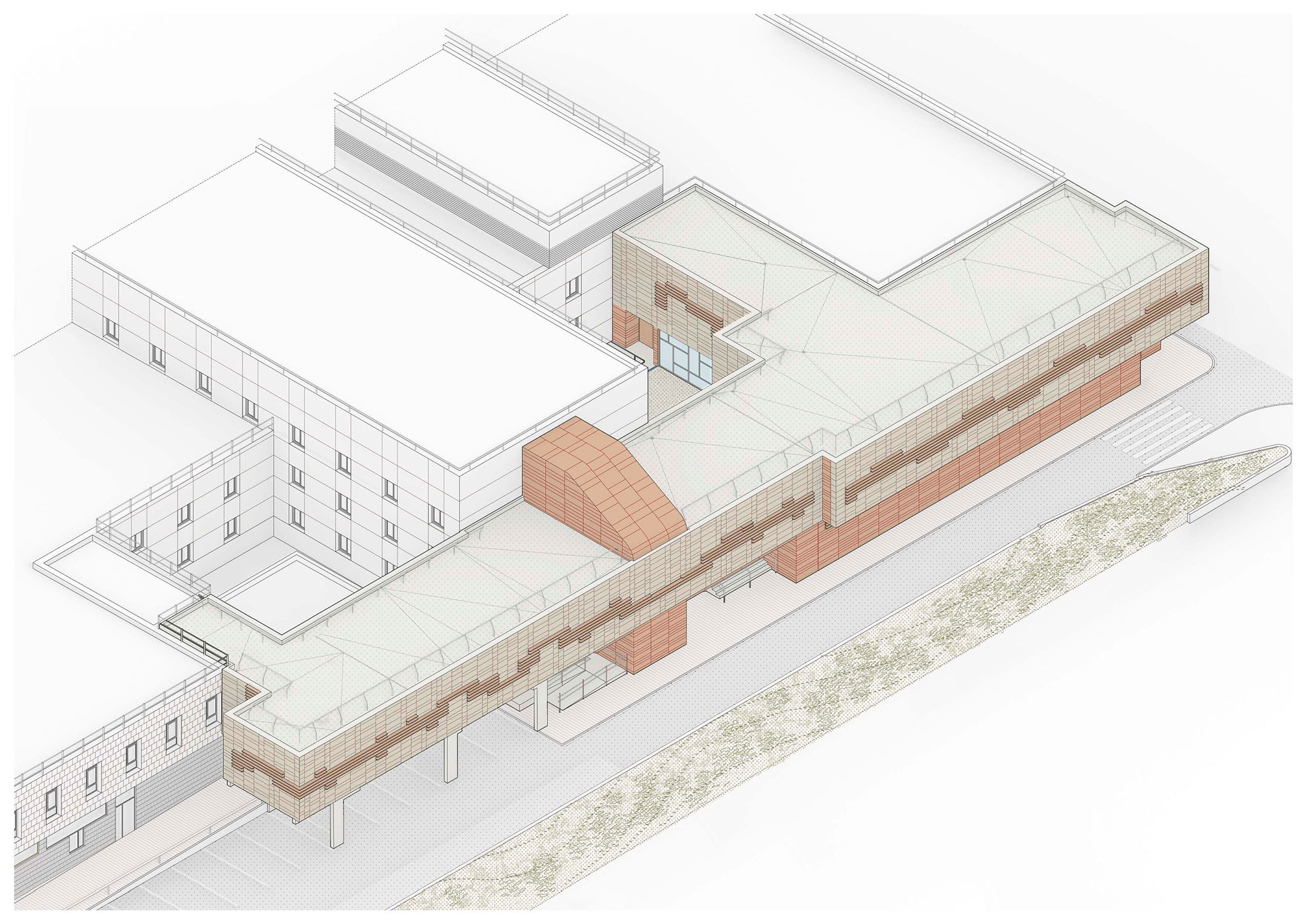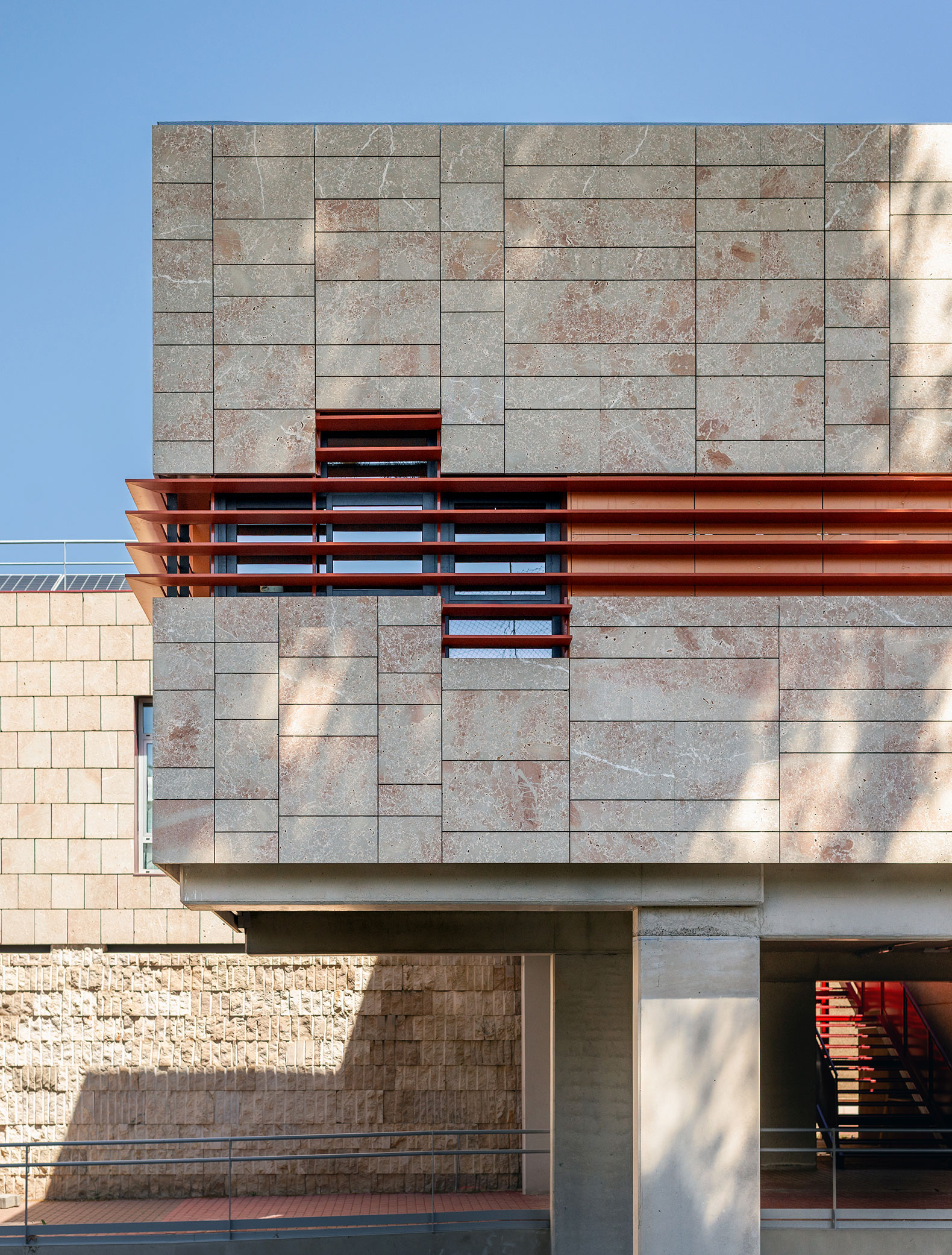
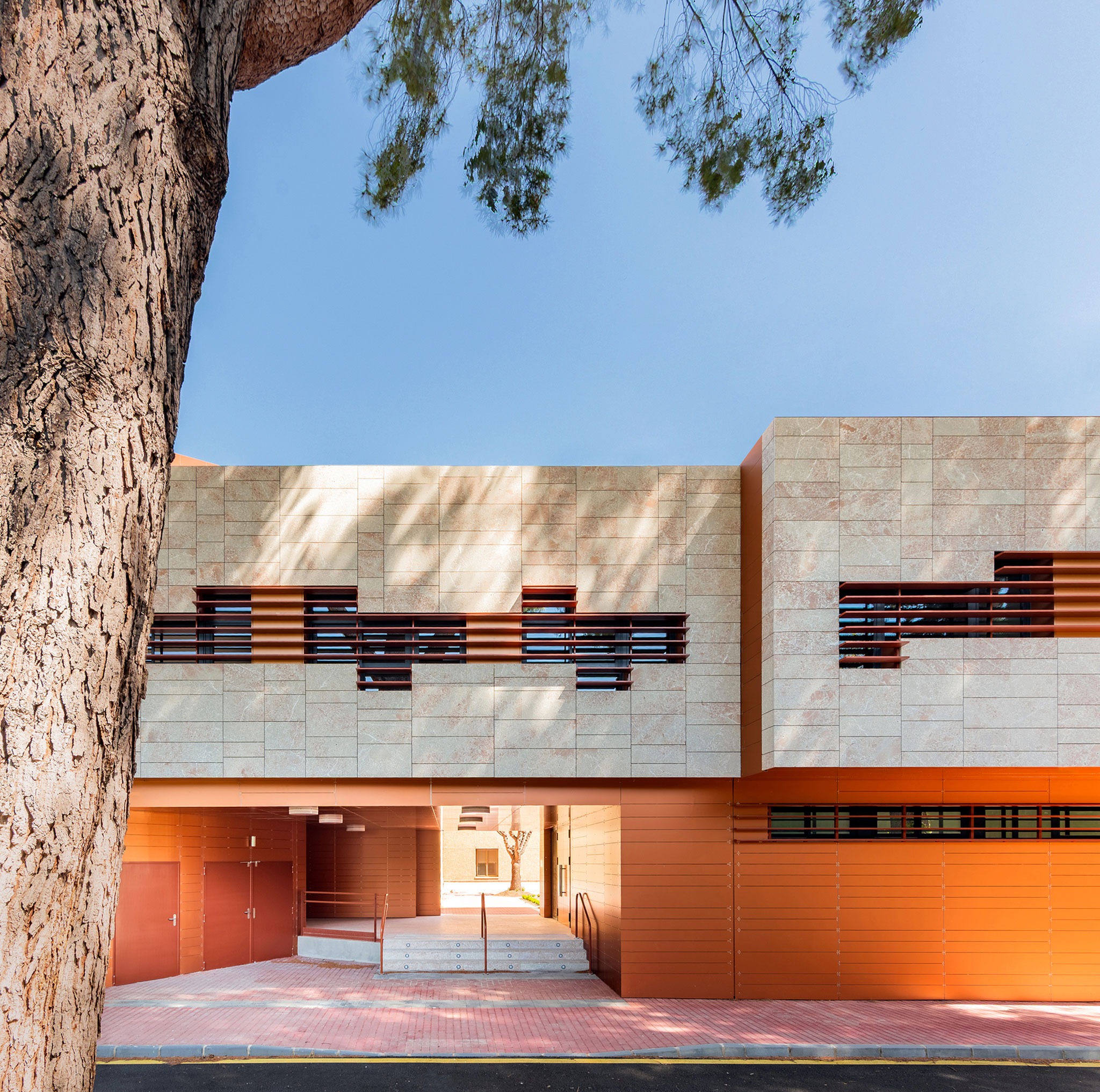
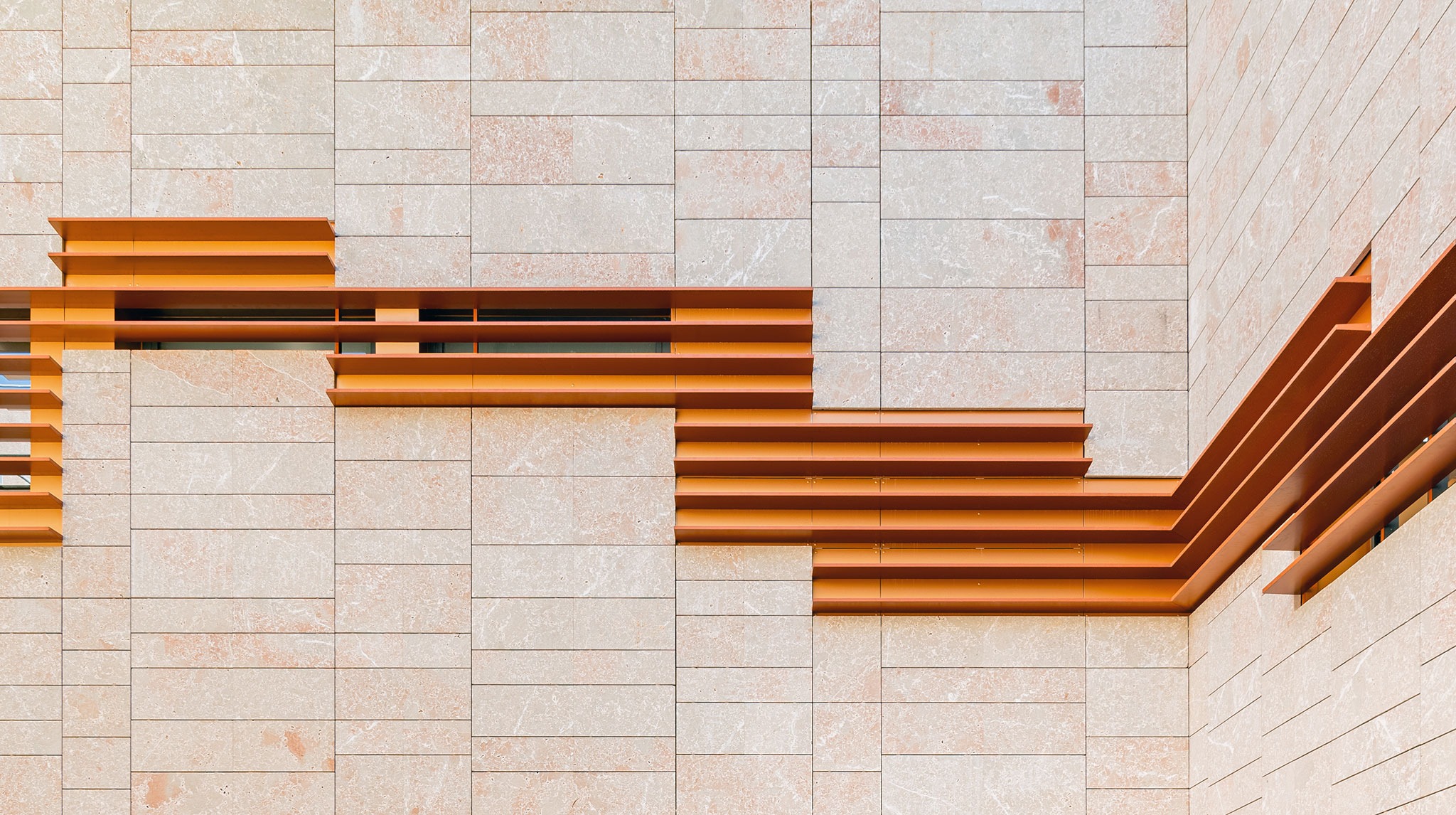
The extension of the Hospital del Noroeste, projected by lópez+aroca arquitectura, presents a compact building in which the tectonic is prioritised over the void. It is characterised by two elements: its stone envelope and the openings joined by a horizontal band covered with horizontal slats, which help control ventilation and the incidence of solar radiation. Through the choice of long-lasting materials, the project improves maintenance and cleaning.
The interior spaces have a direct visual relationship with the exterior, helping to improve users’ physical, emotional and psychological well-being. The close perception of the garden, together with the materiality employed, reinforces a welcoming spatial experience.
Far from responding solely to functional demands, the intervention is structured as a safe and comprehensible environment for everyone. Through a series of spatial and material operations, comfort and connection with nature are promoted. Regardless of users’ physical, sensory or cognitive abilities, the proposal offers itself as an attentive and accessible hospital model for all users.
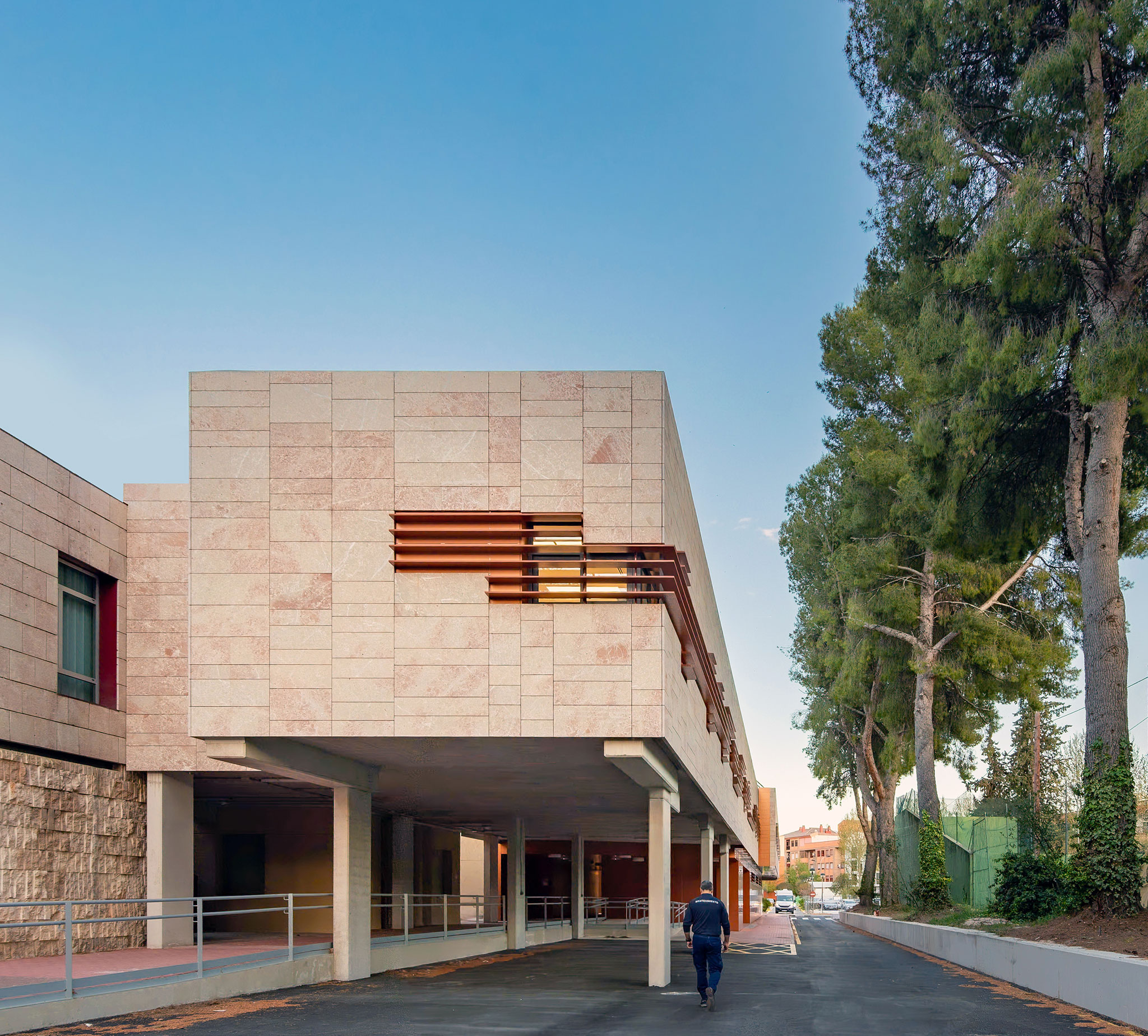
Northwest Regional Hospital Extension by lópez+aroca arquitectura. Photograph by Pedro Noguera.
Project description by lópez+aroca arquitectura
Meaning and Identity as Inherent Values of Sustainability
It may seem unusual that, when faced with the commission to extend a hospital—with its high level of technical and functional complexity—the first design consideration was deciding which quarry we would work with. However, for us, the Northwest region of Murcia represents a constant reference to the vernacular and to identity, deeply connected to our immediate surroundings and cultural heritage.
Speaking of sustainability, circularity, or carbon footprint—and therefore of bioclimatic design and decarbonization—makes little sense without the use of natural stone, especially when the quarries are located just a few kilometers from the site. The possibility of selecting both the stone and its format allowed us to free ourselves from the constraints of industrialization and reconnect users with an image rooted in their collective memory and sense of belonging. This approach is particularly valuable as a starting point for a healthcare program, traditionally distant from concepts of humanization, and opens a necessary reflection on place and identity.
One of the most difficult decisions was imposed by the brief itself: the removal of several tall poplar trees located within the intervention area. In response, all spaces were visually oriented toward the existing mature pine trees, allowing both patients in the ICU and healthcare professionals working in consultation rooms to benefit from natural light, the solar cycle, and biophilic experiences through the window interface. Thanks to the ventilated façade system, these openings recover the traditional sense of depth and are enhanced through passive solar control and various opening mechanisms.
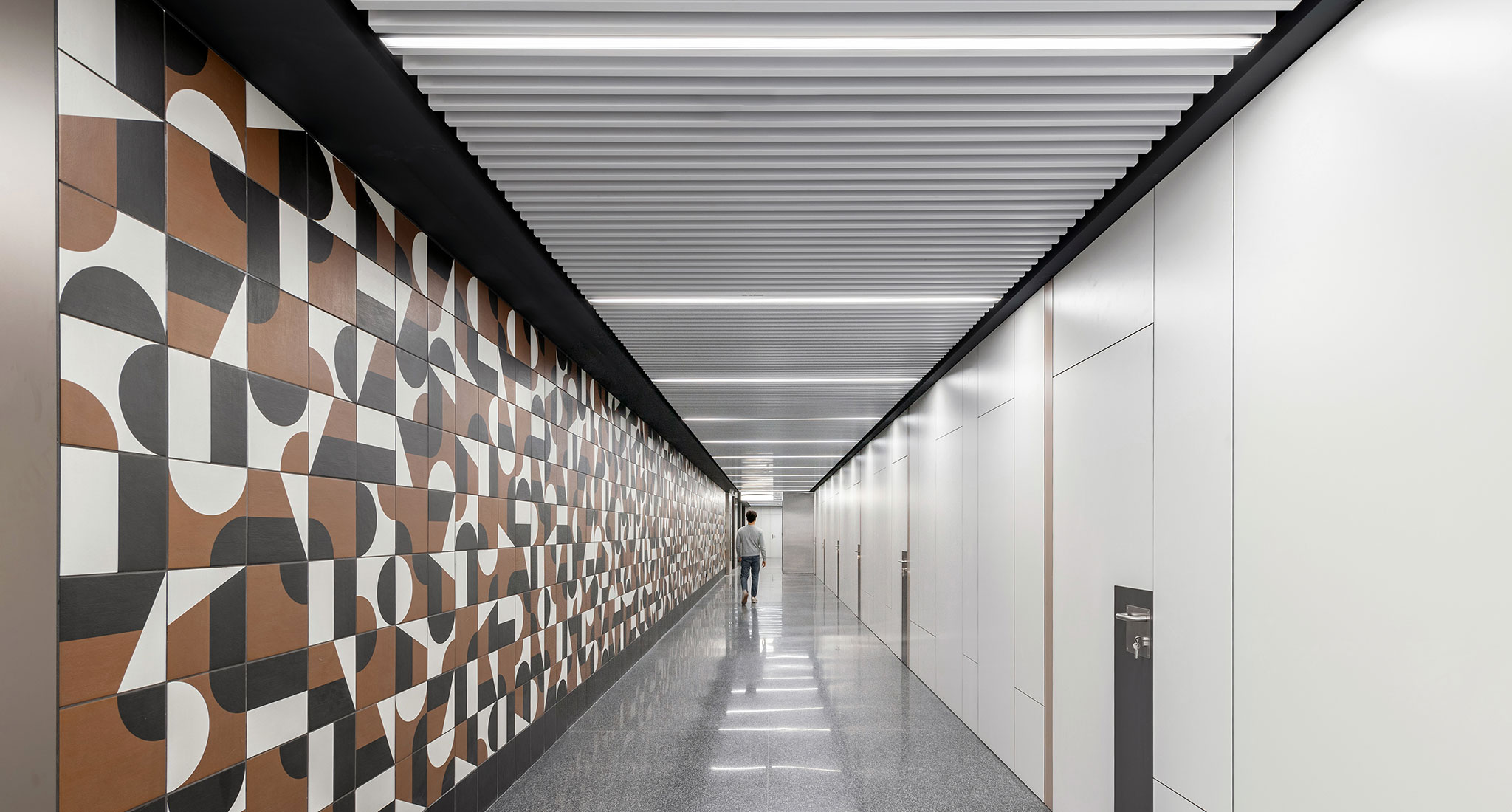
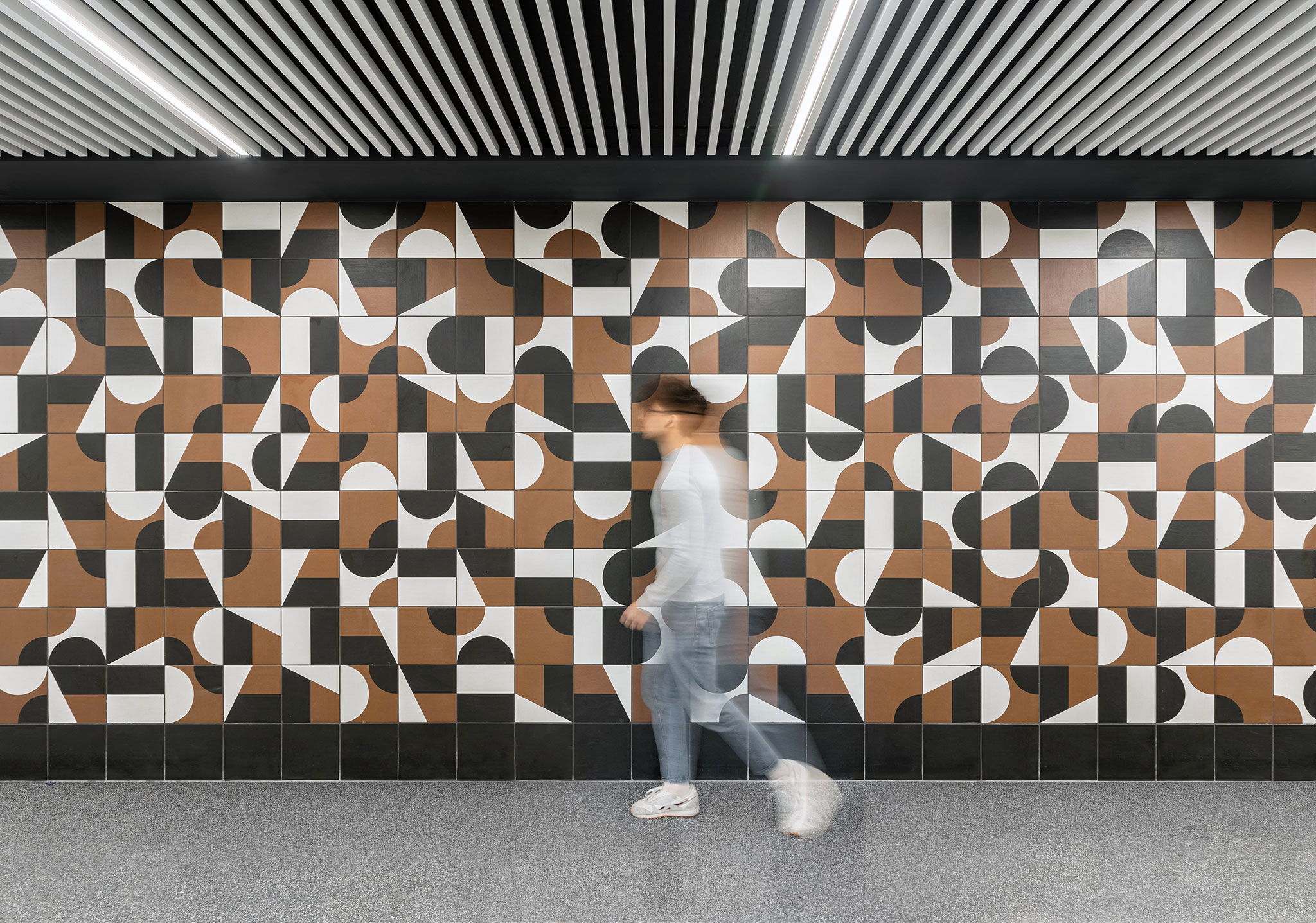
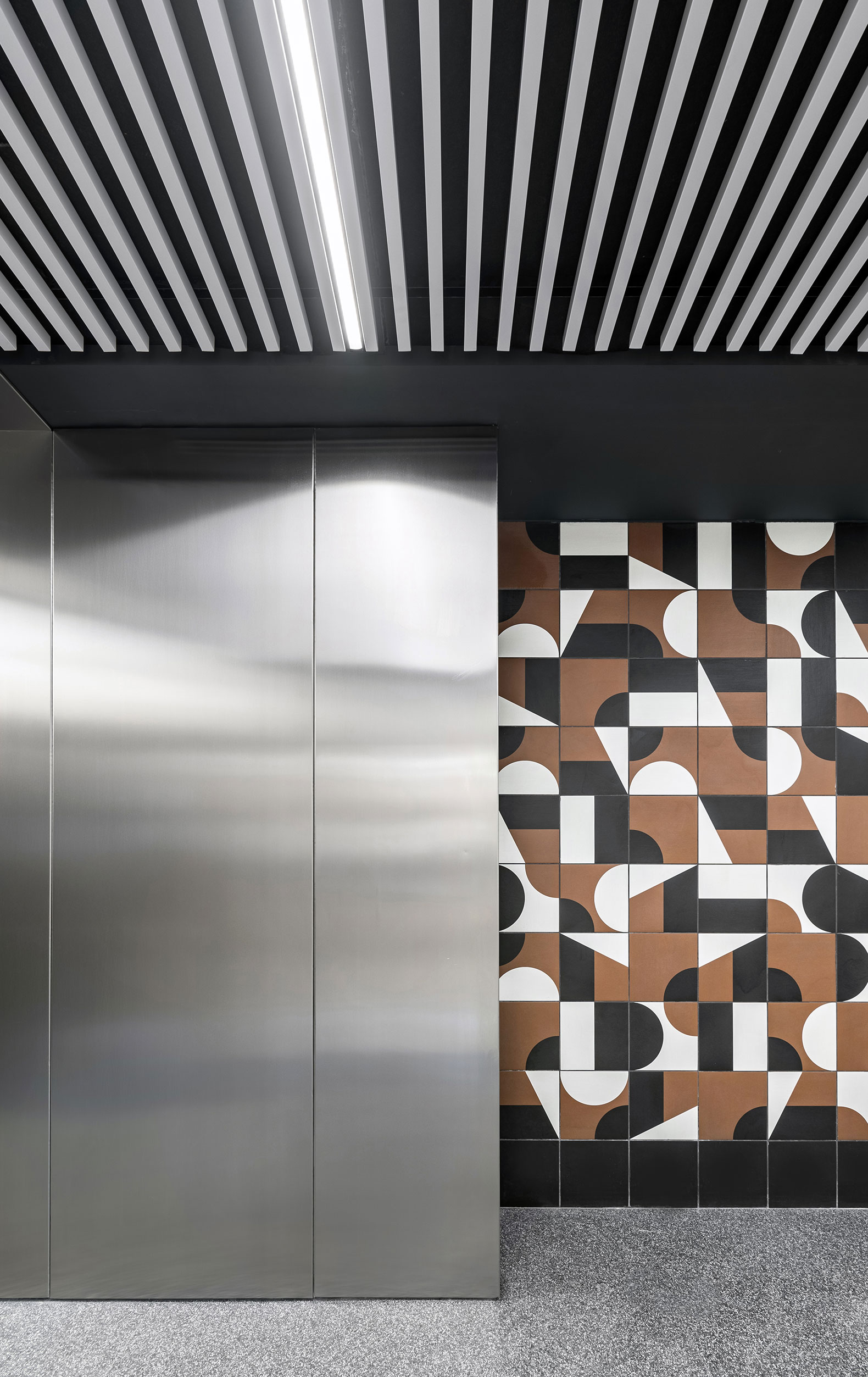
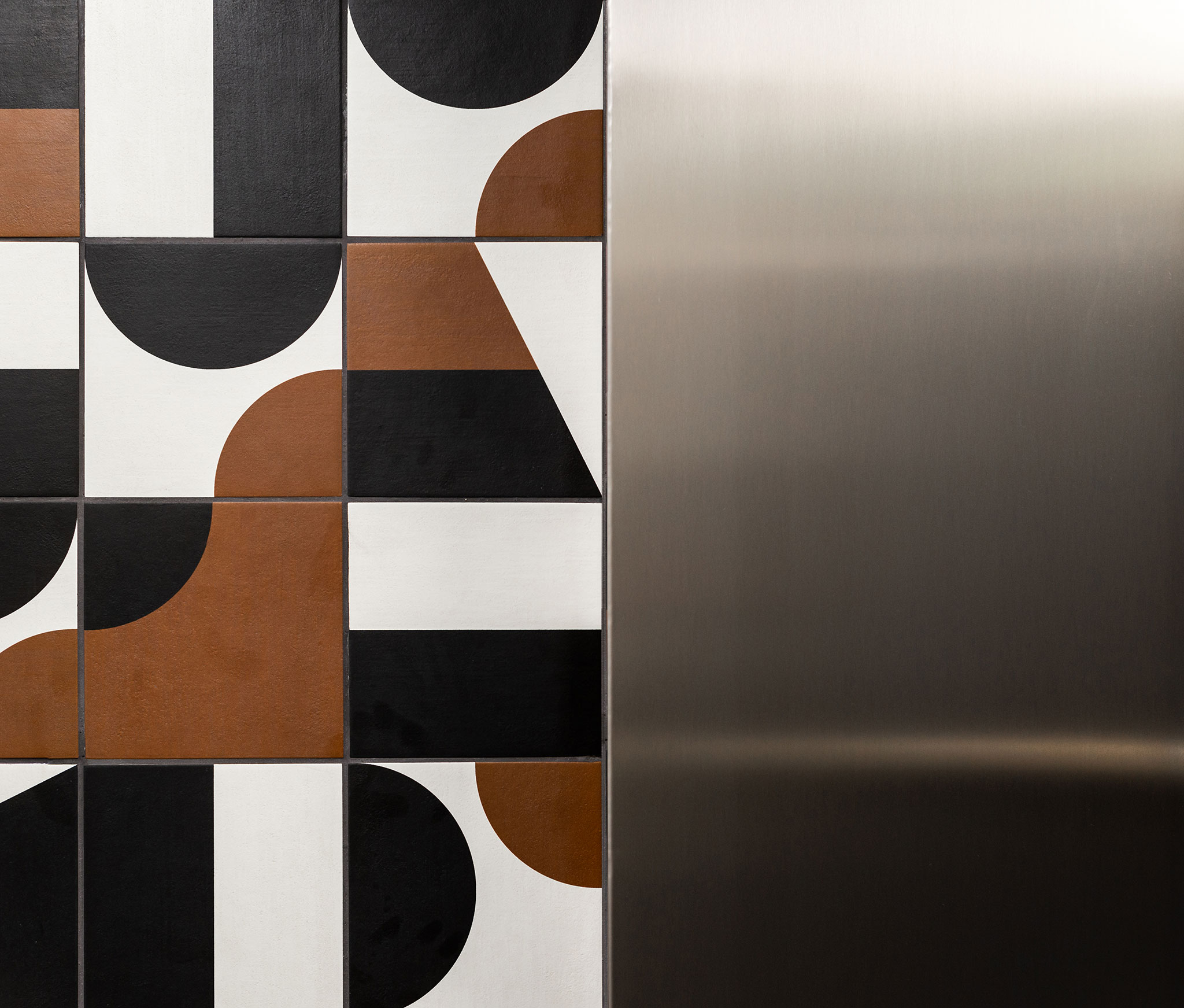
In healthcare environments, interiors must be functional and durable, yet we did not want to forgo a more welcoming materiality. In the waiting areas, a ceramic mural featuring geometric abstraction and a continuous terrazzo floor were incorporated, reinforcing a spatial experience that feels more familiar and recognizable to users.
The building has been designed as a nearly Zero Energy Building (nZEB), based on the compactness of its volume and a double-skin ventilated envelope with external insulation and locally sourced stone cladding featuring high thermal inertia. Solid surfaces are prioritized over openings, which are protected by horizontal louvered screens that filter solar radiation. Ventilation is controlled through heat recovery units and systems for filtering and conditioning outdoor air. High-efficiency building services are complemented by a rooftop photovoltaic installation. Ease of maintenance is prioritized through simple access solutions and the selection of durable materials that withstand intensive use and are easy to clean or replace.
Efficiency and Equity
Speaking of efficiency in a hospital is almost redundant. Spaces, circulation routes, materials, and systems are conceived through flexibility and modular construction principles, allowing changes of use and future extensions, as demonstrated by the current project. Internal zoning enables the independent reorganization of functional areas without interference.
The project guarantees environments that are usable, safe, and understandable for all people, regardless of their physical, sensory, or cognitive abilities. This is achieved through an accessible, sensory-guided communication system, including tactile paving routes at main entrances and vertical circulation cores, visual and tactile signage, and dimensions suitable for stretchers, wheelchairs, and baby strollers. The interior design employs continuous, slip-resistant flooring free from level changes. Main circulation routes are defined through an intuitive wayfinding system based on contrasts in finishes, color schemes, and coherent signage.
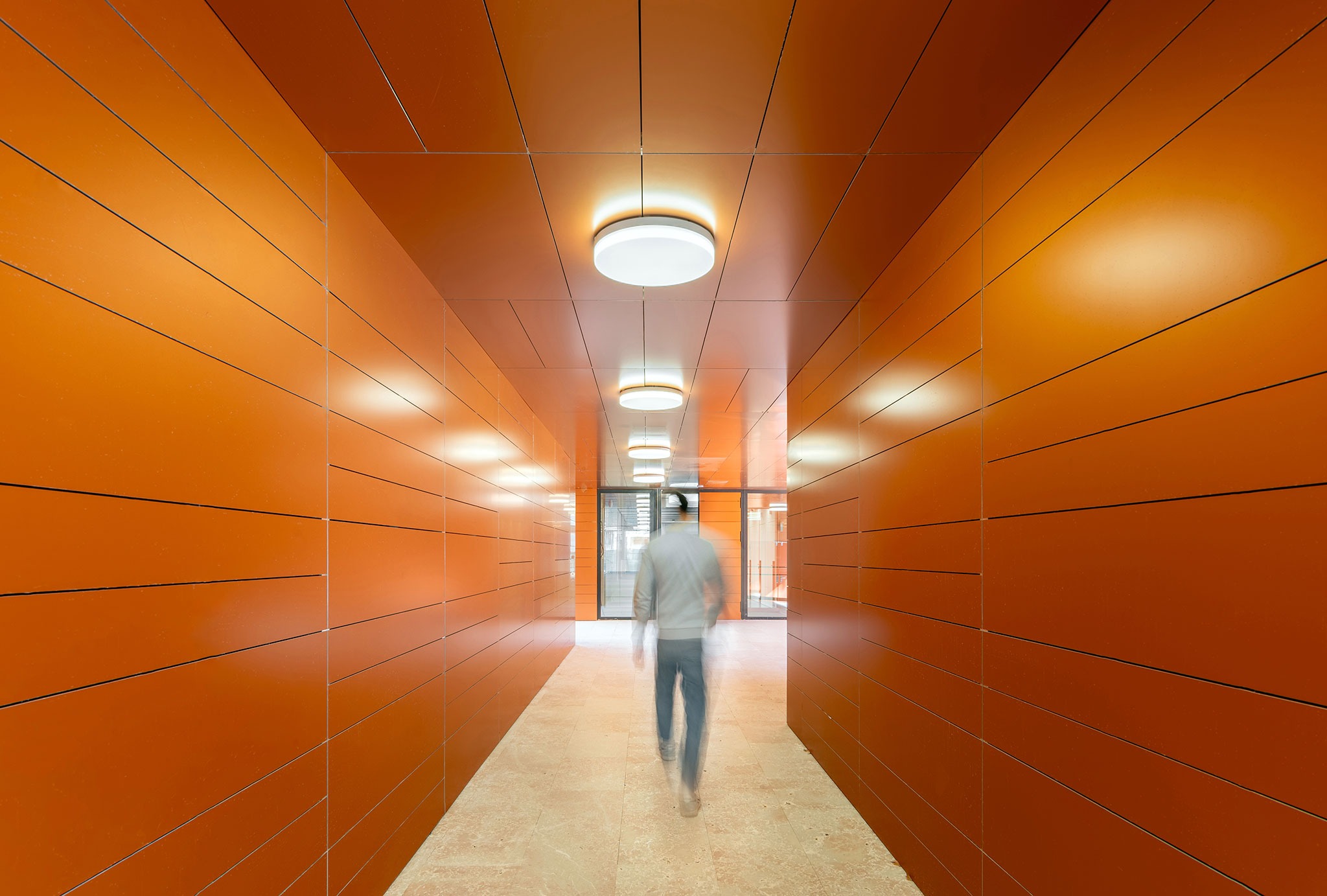
Humanization strategies aimed at improving the physical, emotional, and psychological well-being of users have also been incorporated. Acoustic comfort is addressed through sound-absorbing ceiling finishes, including acoustic slats and highly sound-absorbent vinyl wall coverings in spaces intended for prolonged occupancy. Optimal acoustic absorption levels are provided throughout interior spaces, helping to reduce sensory stress in patients with hypersensitivity or cognitive impairment. Visual comfort and connection with nature are promoted through direct views of landscaped outdoor areas. Natural daylight is filtered to avoid glare, excessive brightness, and areas of shadow. Carefully studied chromatic contrasts are incorporated into both vertical and horizontal surfaces. Artificial lighting is uniform, adjustable, and adapted to different activities, avoiding shadows and glare for the most sensitive users.