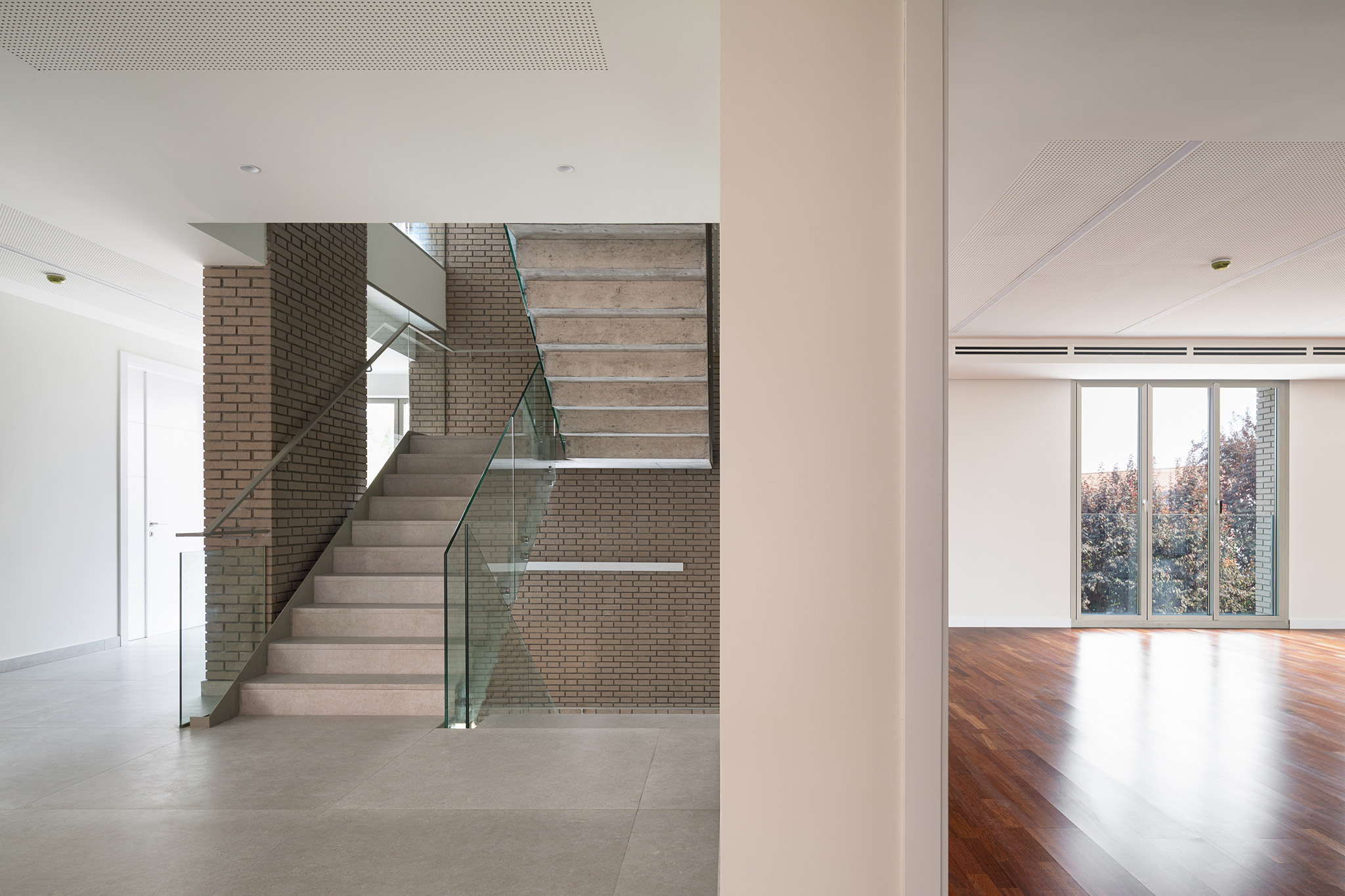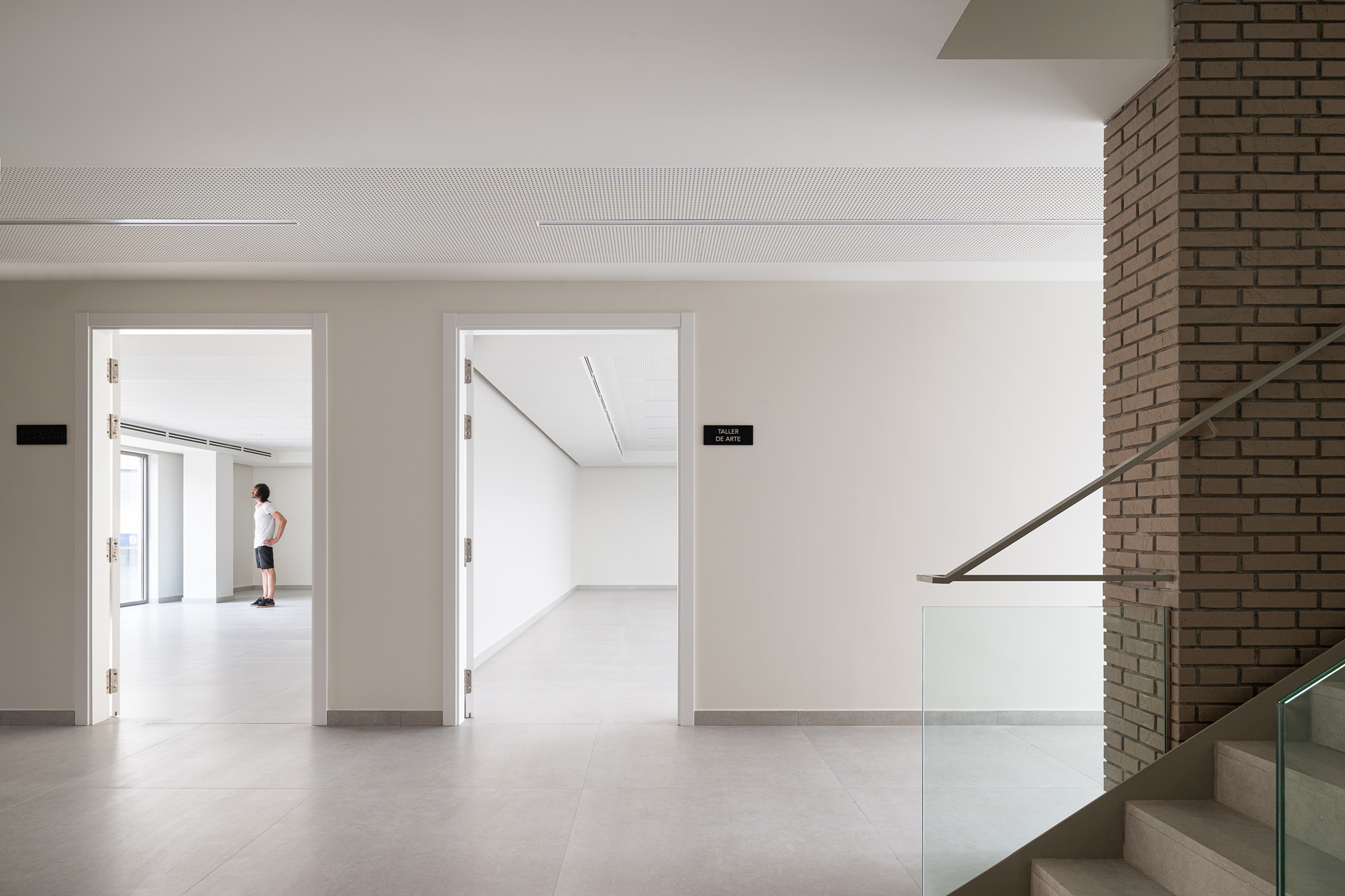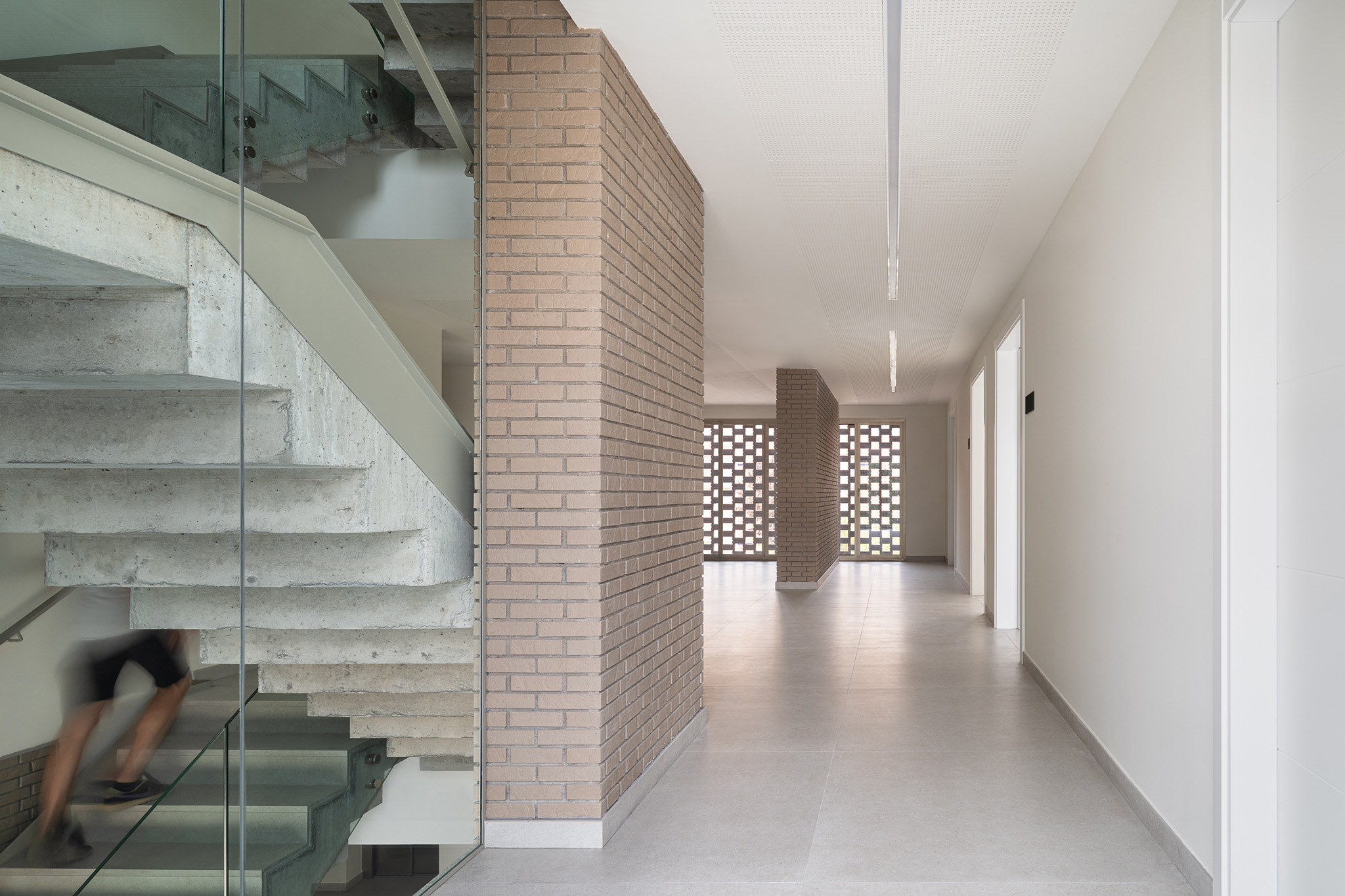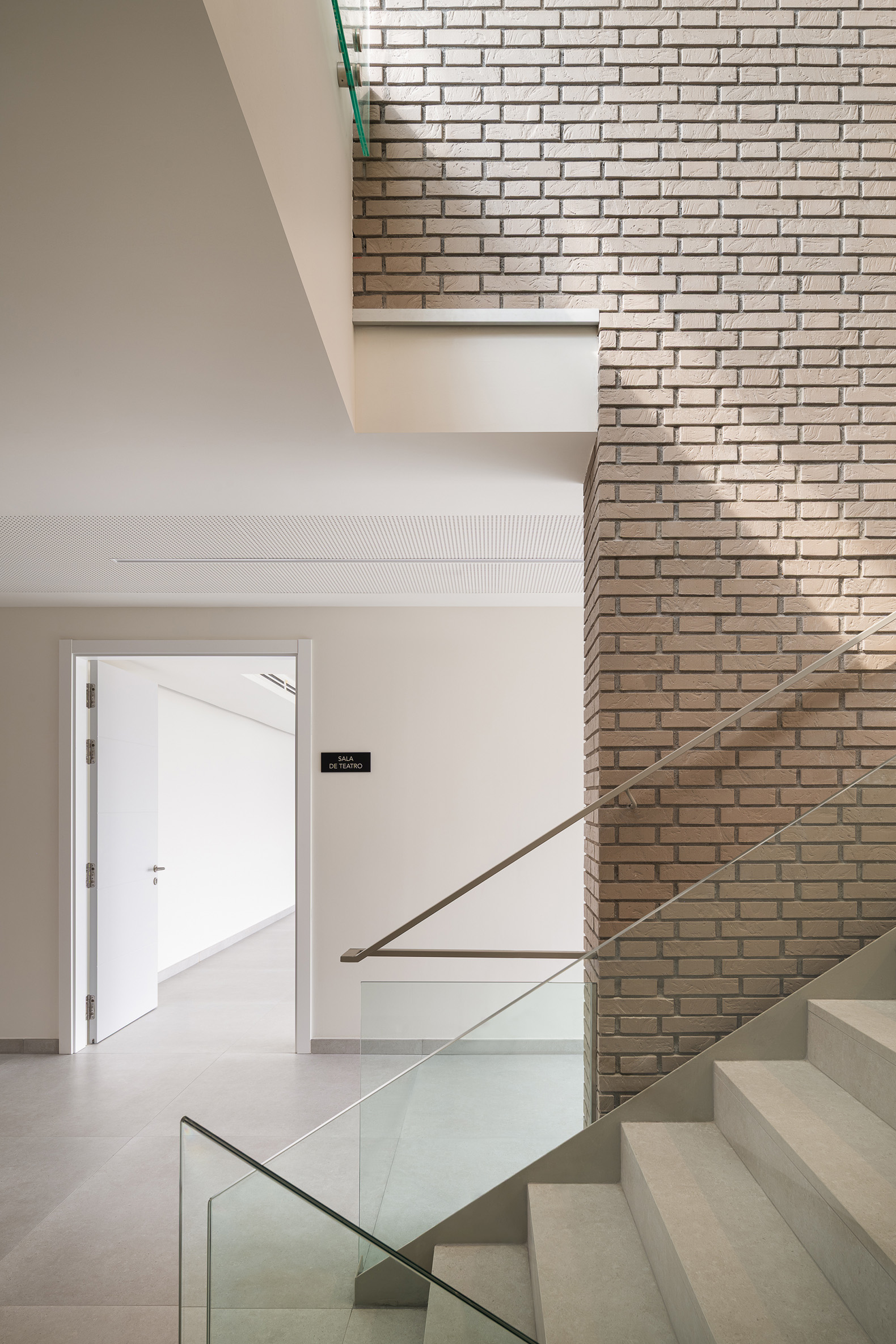
The program's organization, developed by AMD Arquitectos and Módulo Arquitectos, follows a rational and flexible logic, structured around vertical circulation cores and lobbies on each floor that function not only as distributors but also as spaces for interaction and waiting. The classrooms/workshops are arranged as large, adaptable rooms, accompanied by services and storage areas that facilitate multiple uses.
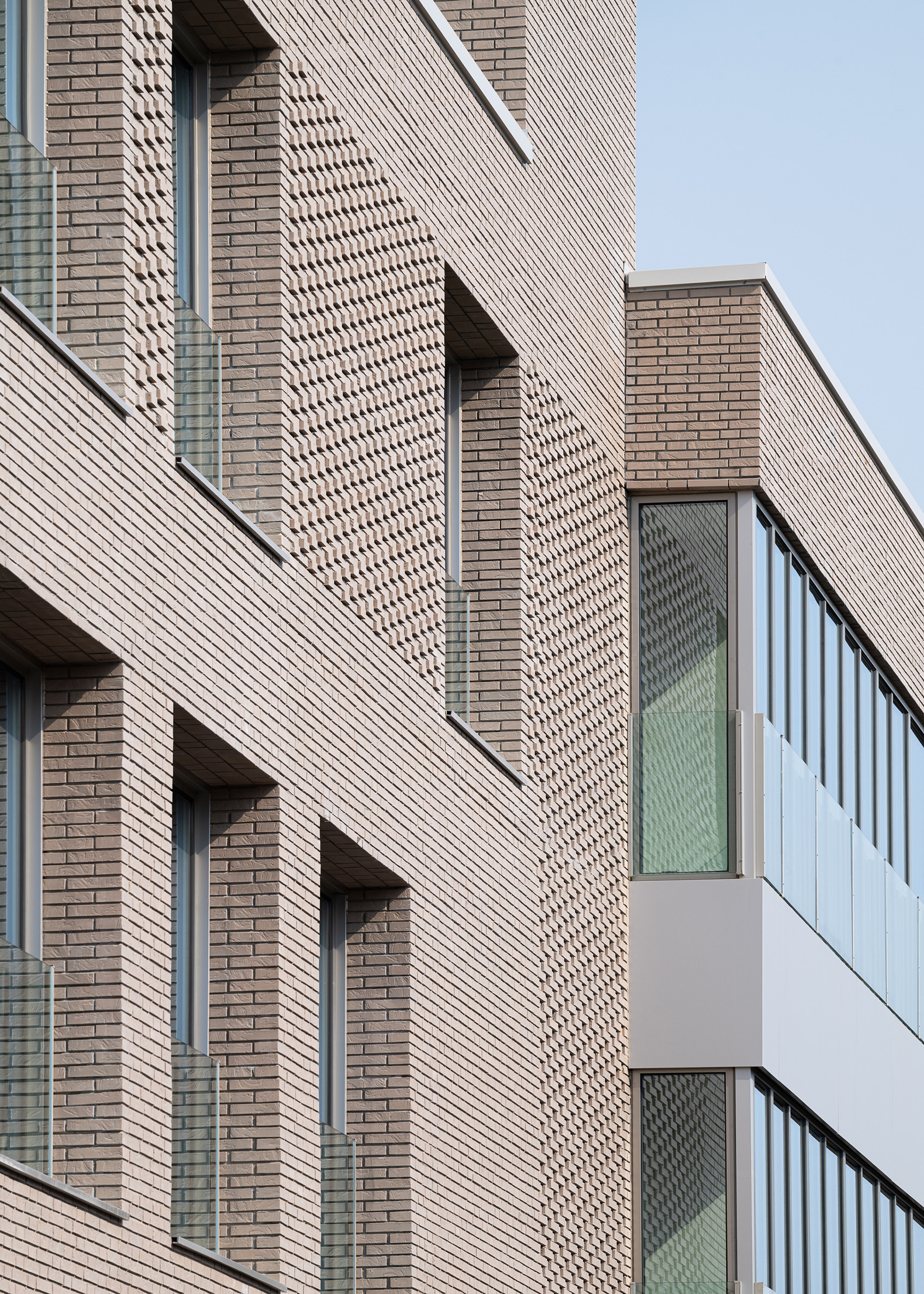
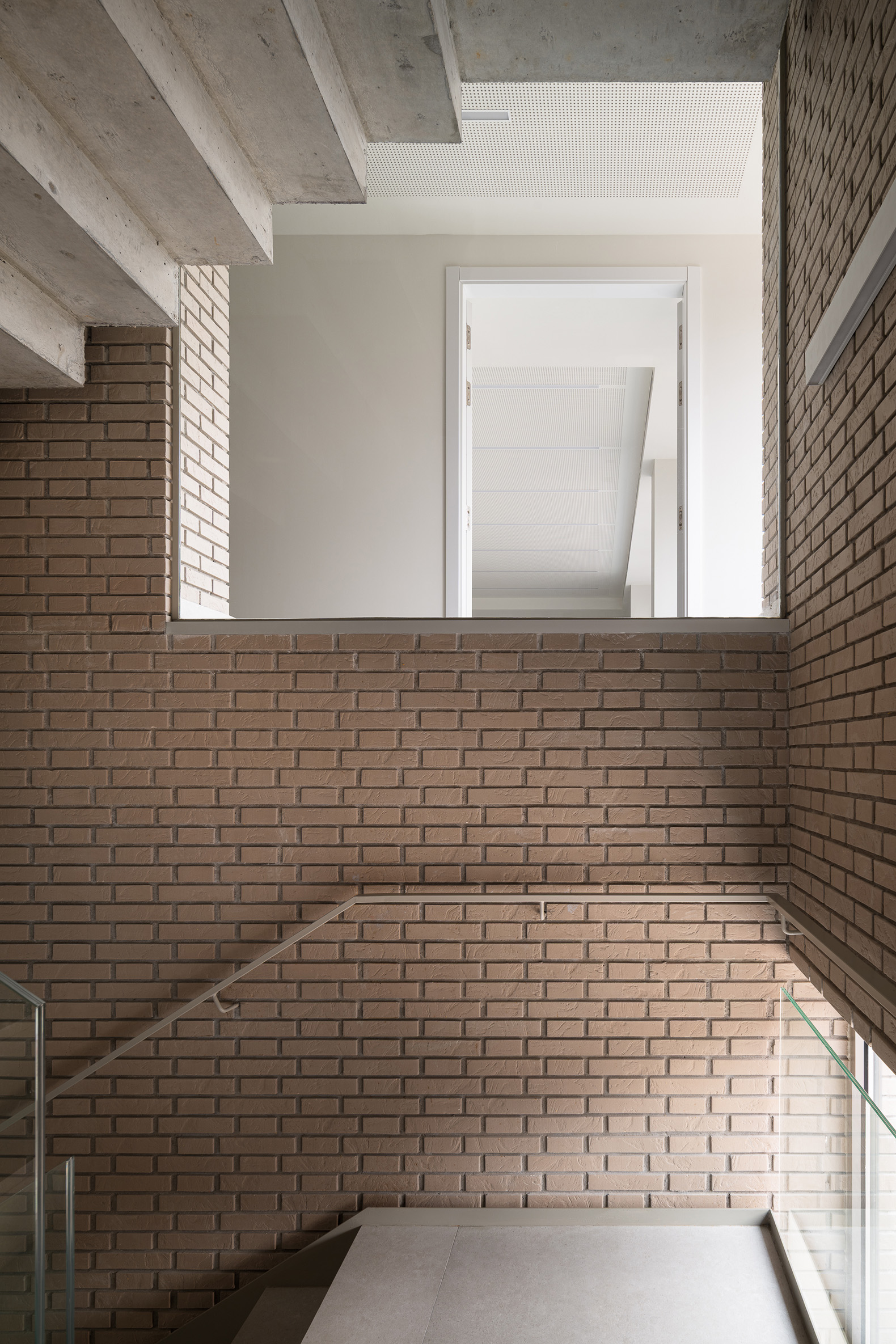
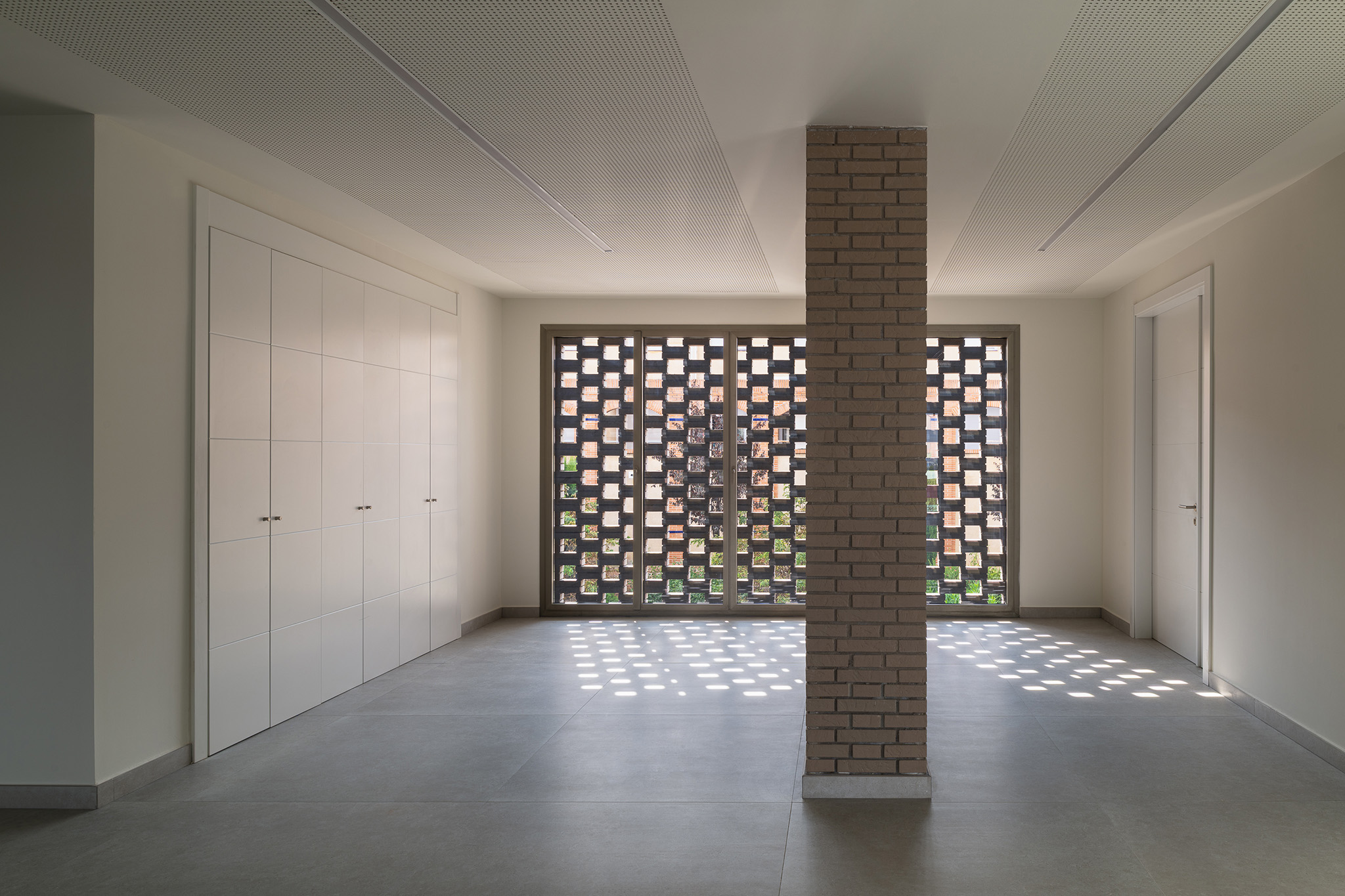
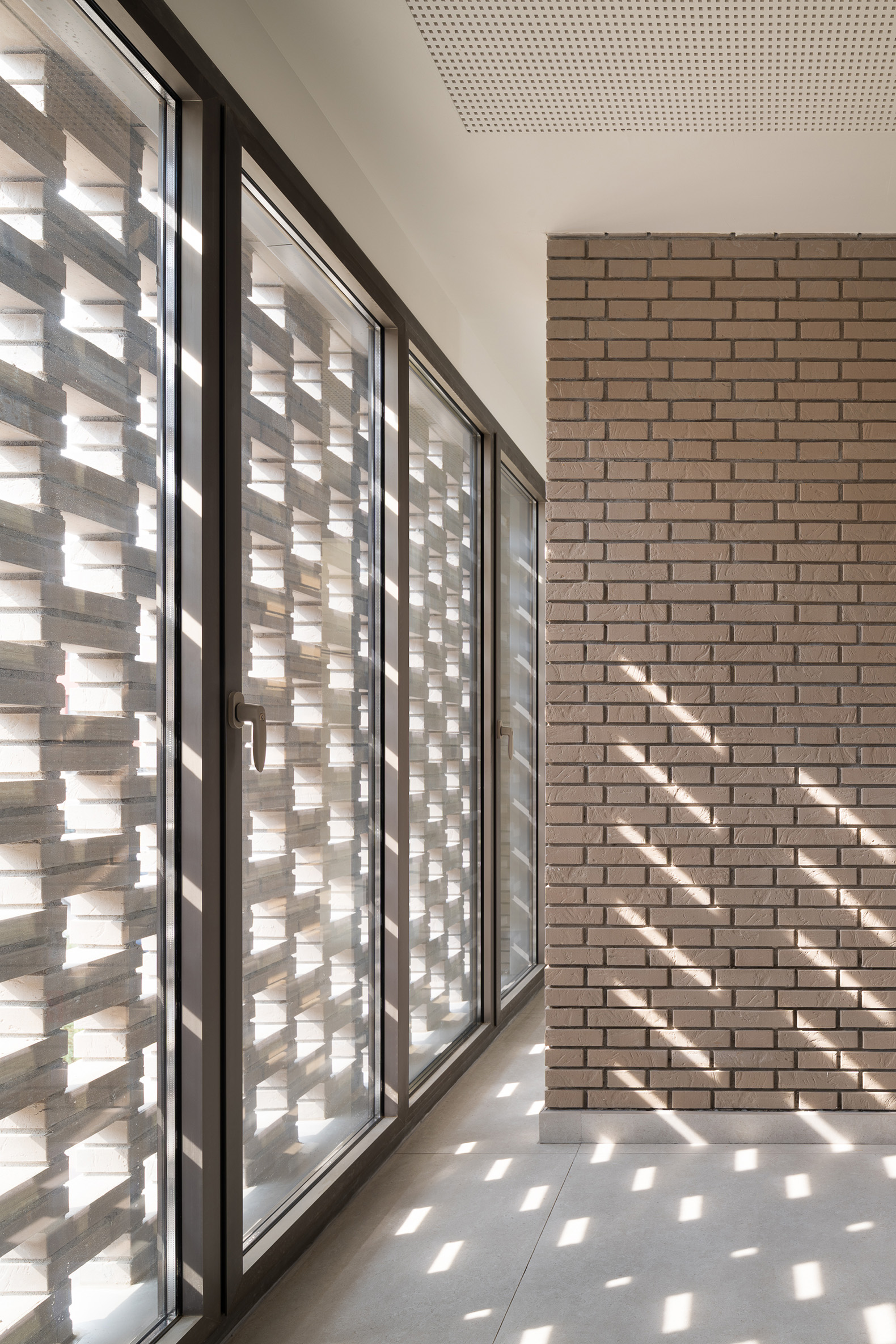
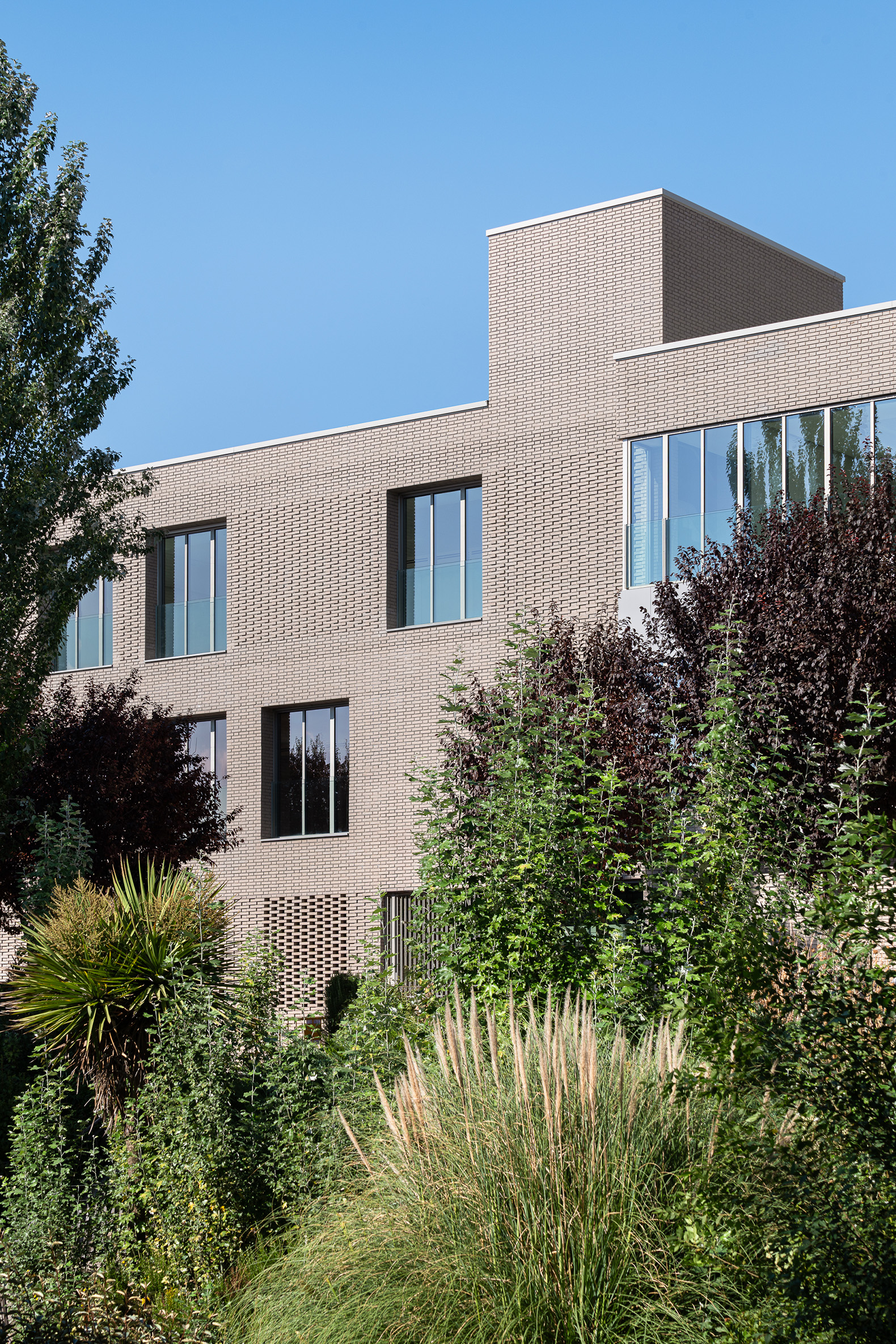
Regarding the materials employed, in keeping with local tradition, the project is built upon a contemporary reinterpretation of exposed brick. Clinker brick is used with a treatment that enhances its texture and light-reflecting properties, generating dynamic facades through different bonding patterns and special pieces.
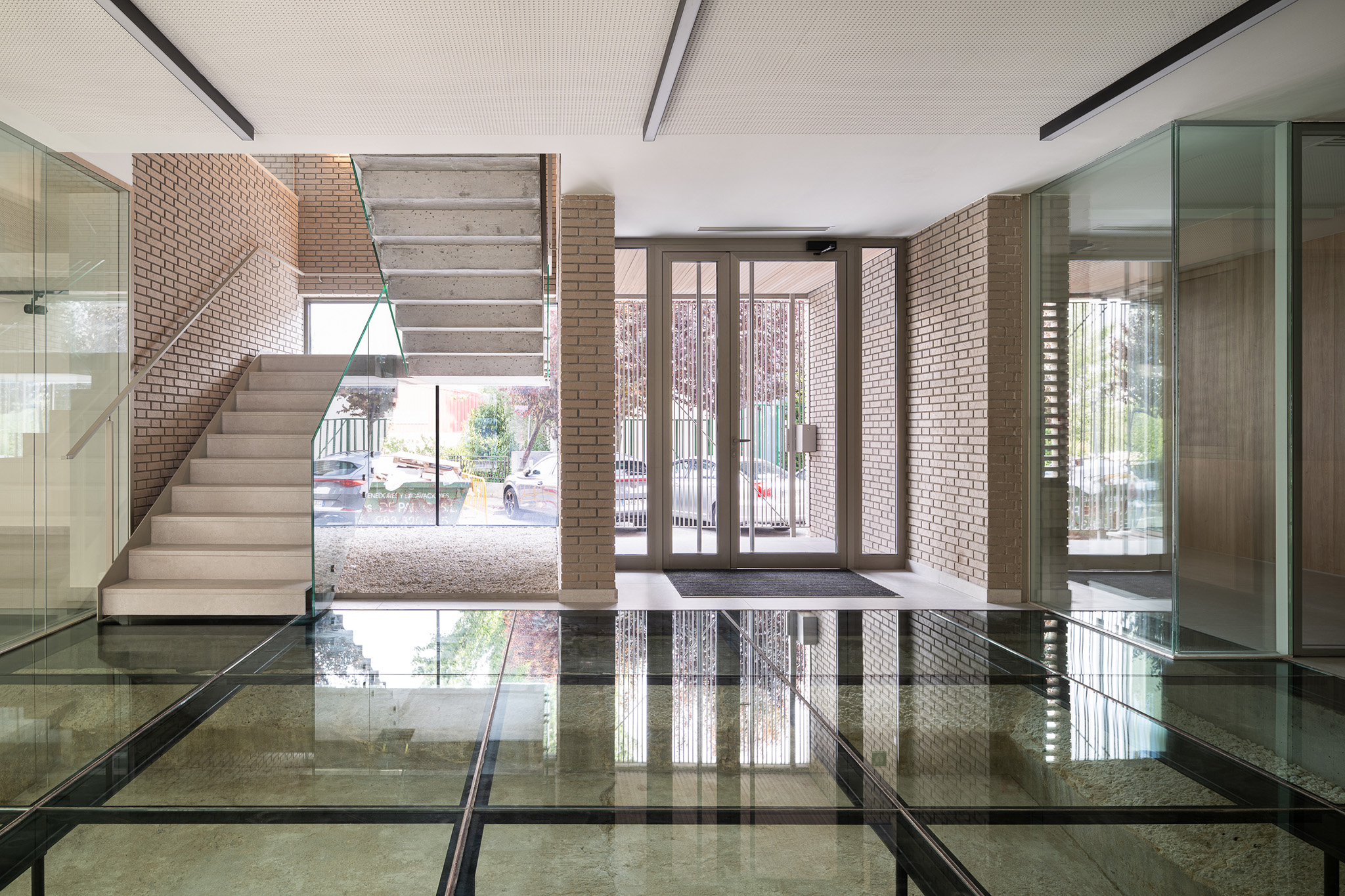
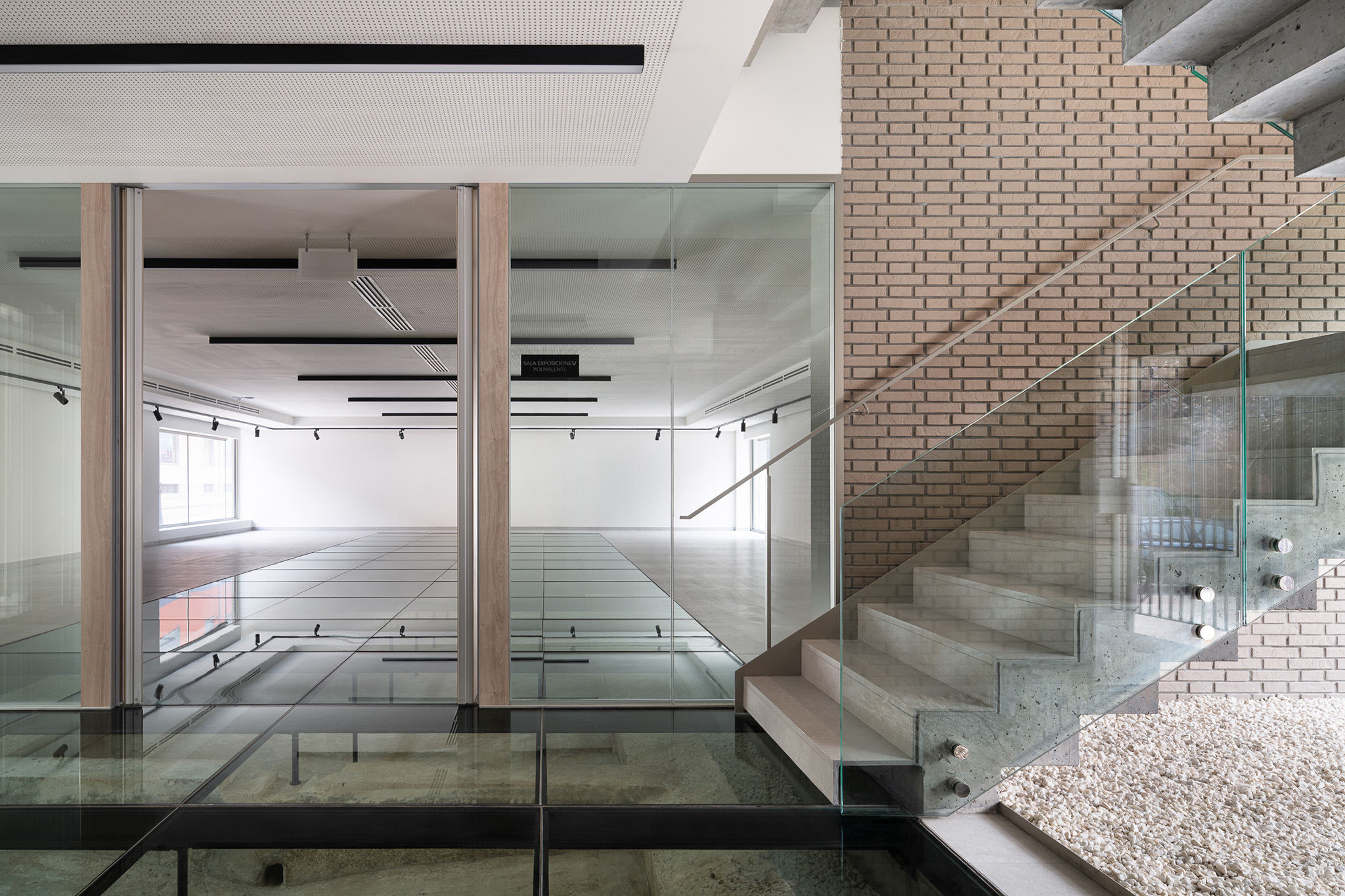
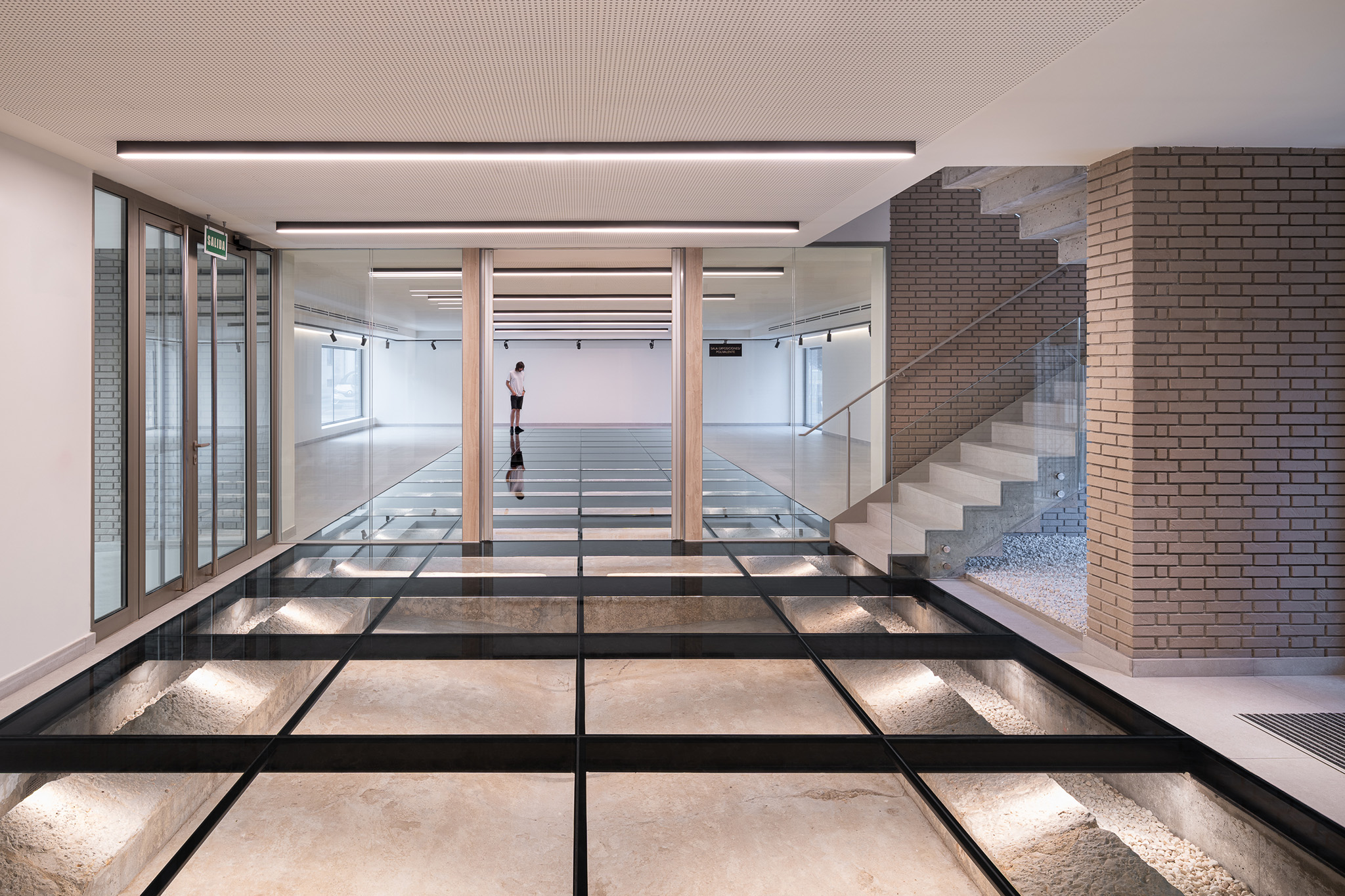
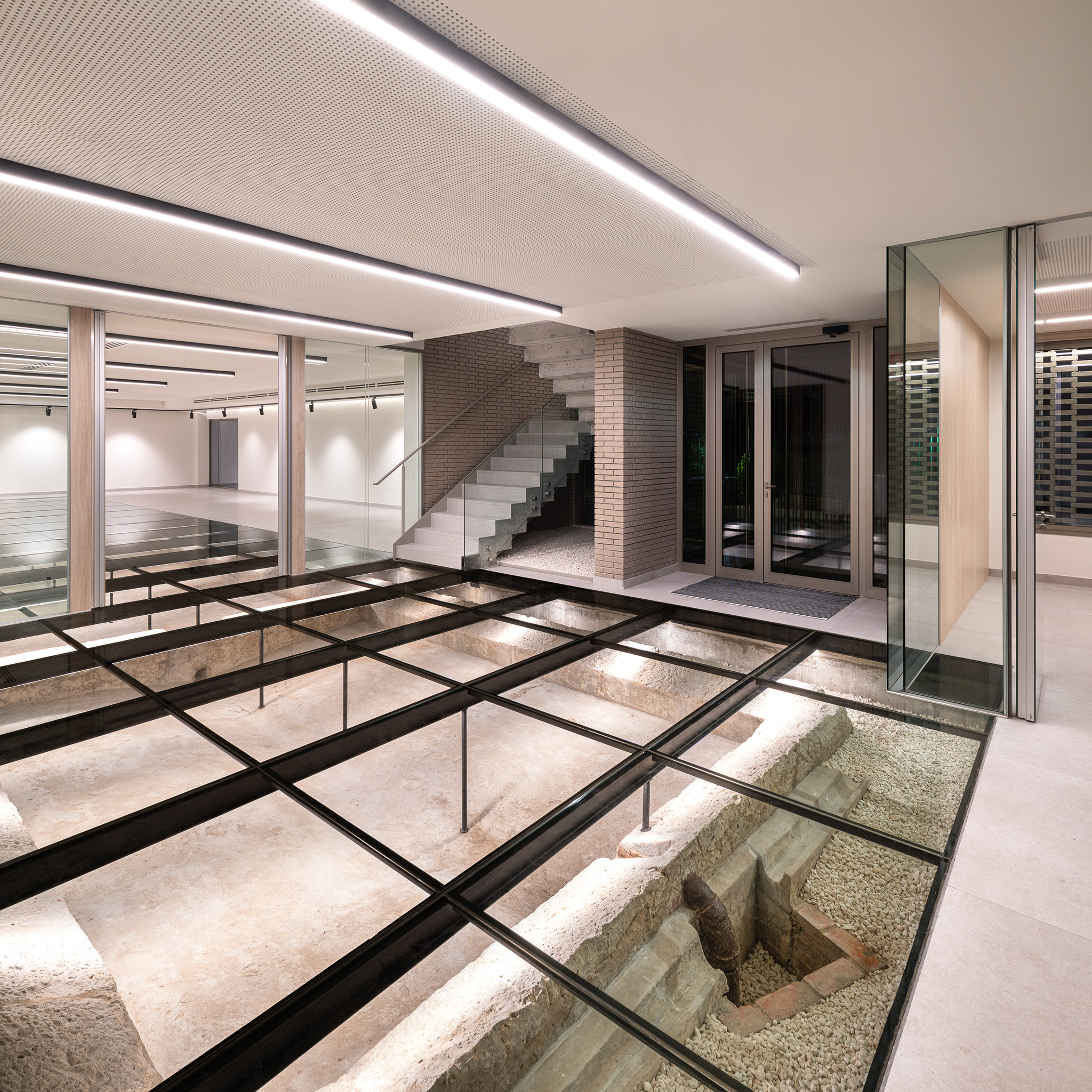
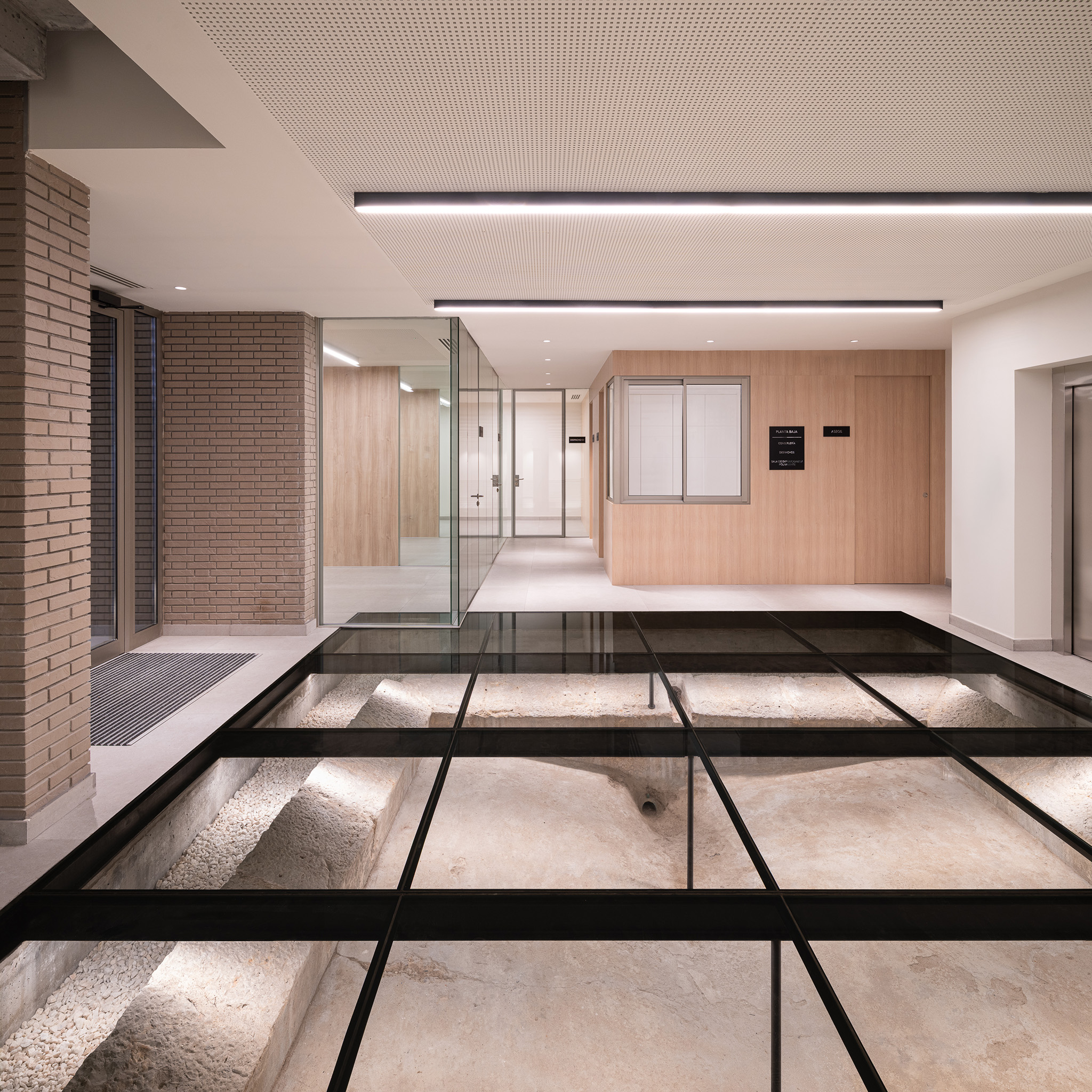
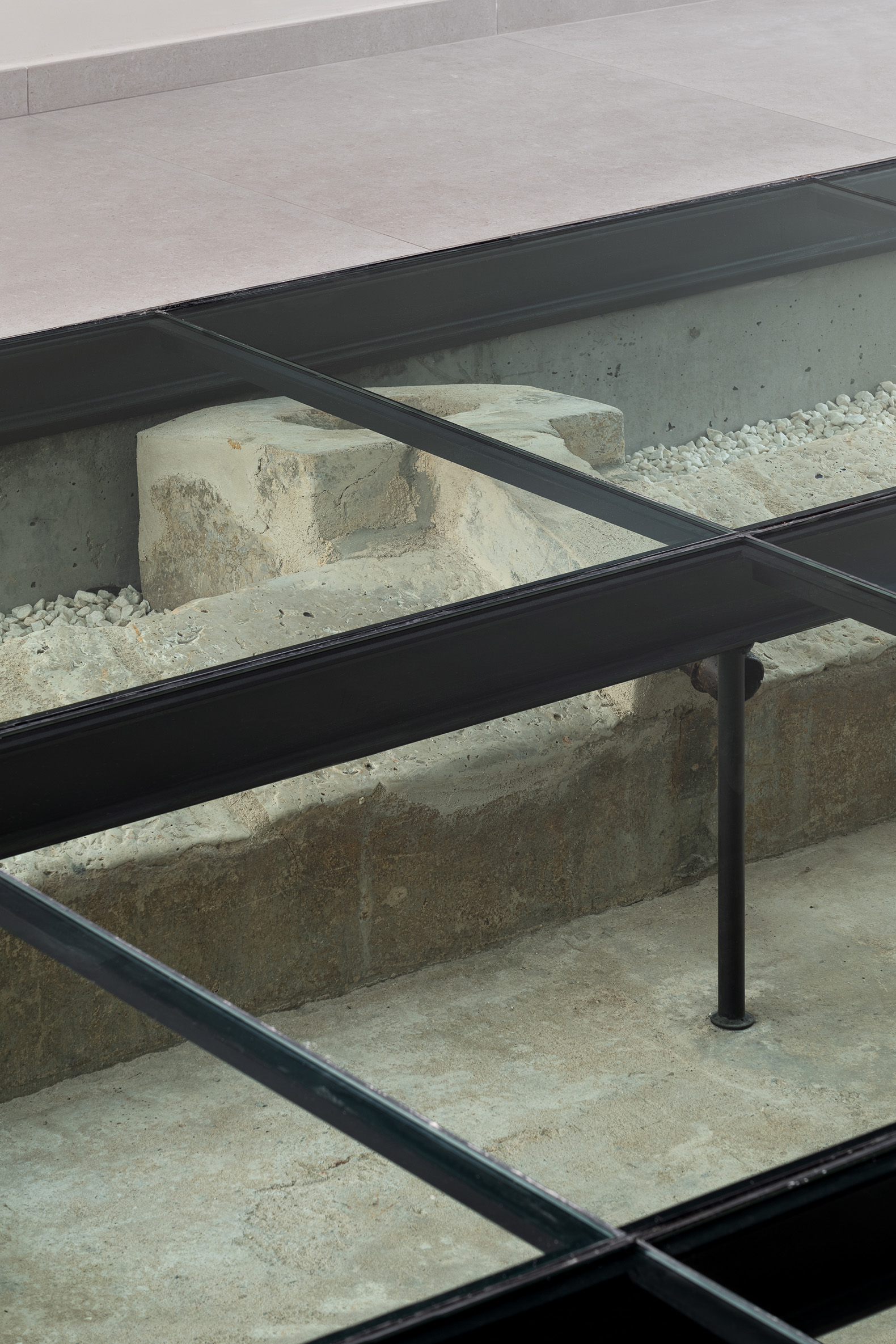
This material extends into the interior, especially around the old washhouse, highlighting spatial and symbolic continuity. In this way, the memory of the place is actively integrated as an essential part of the architectural experience, establishing a close dialogue between past and present.
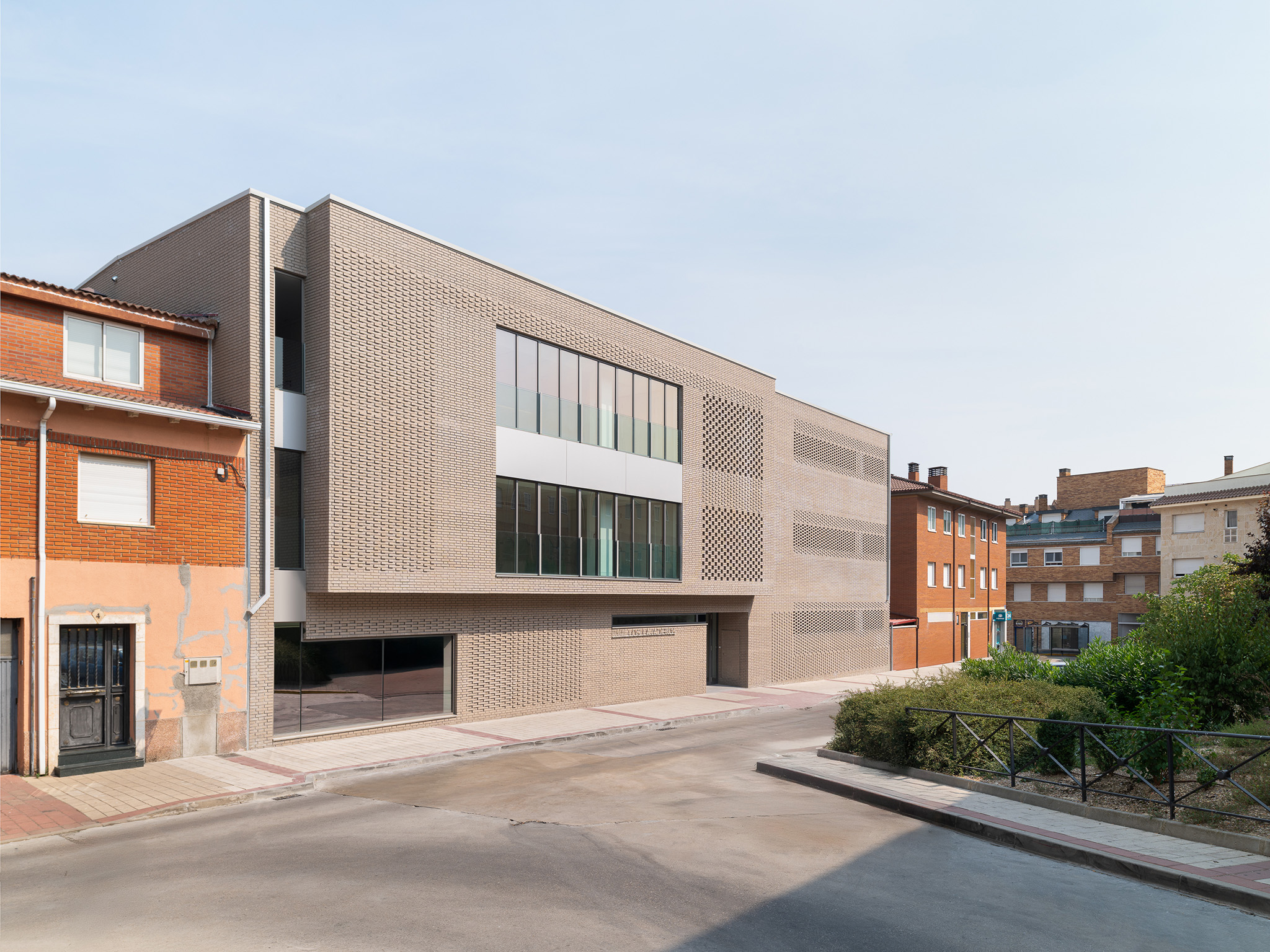
"Los Lavaderos" Cultural Center by Módulo Arquitectos + AMD Arquitectos. Photograph by Gabriel Gallegos Alonso.
Project description by AMD Arquitectos + Módulo Arquitectos
Program
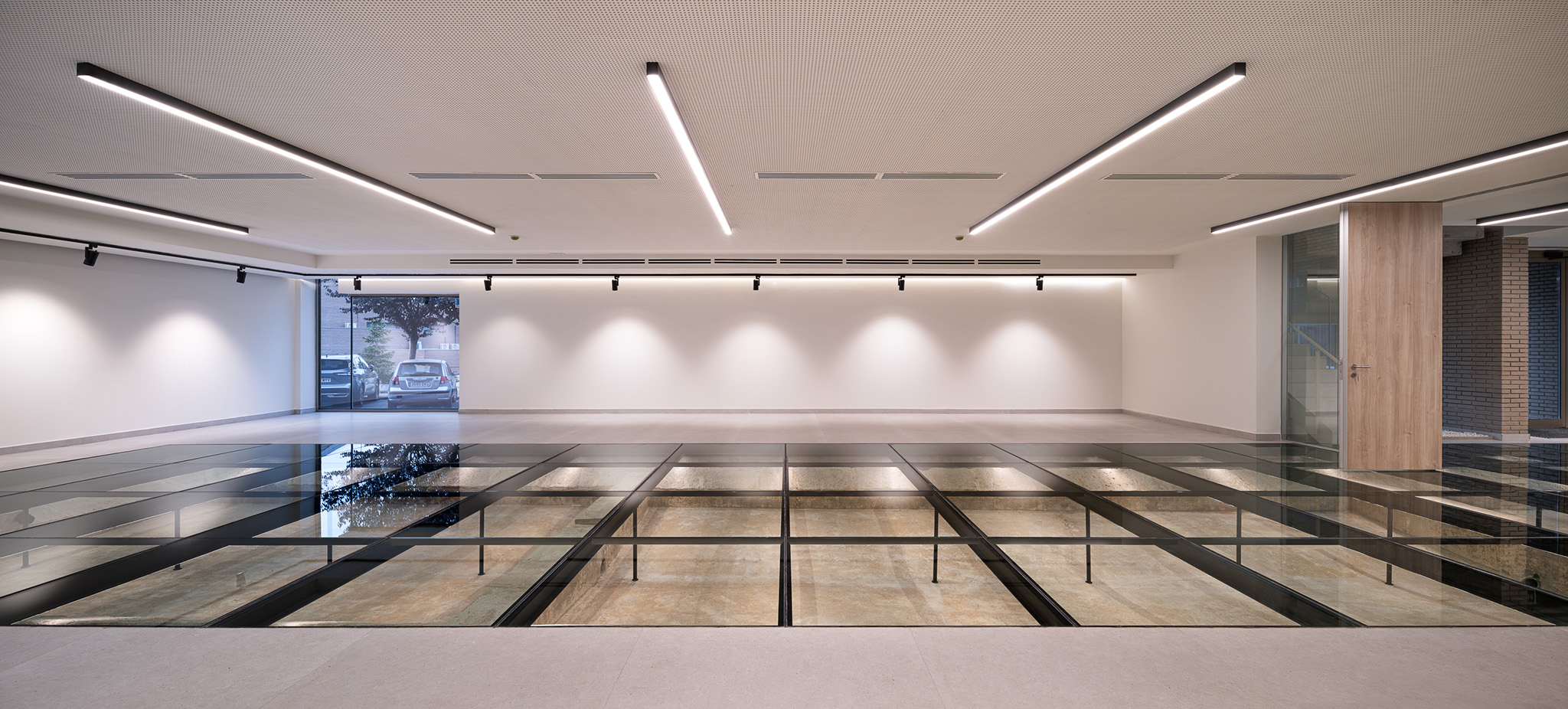
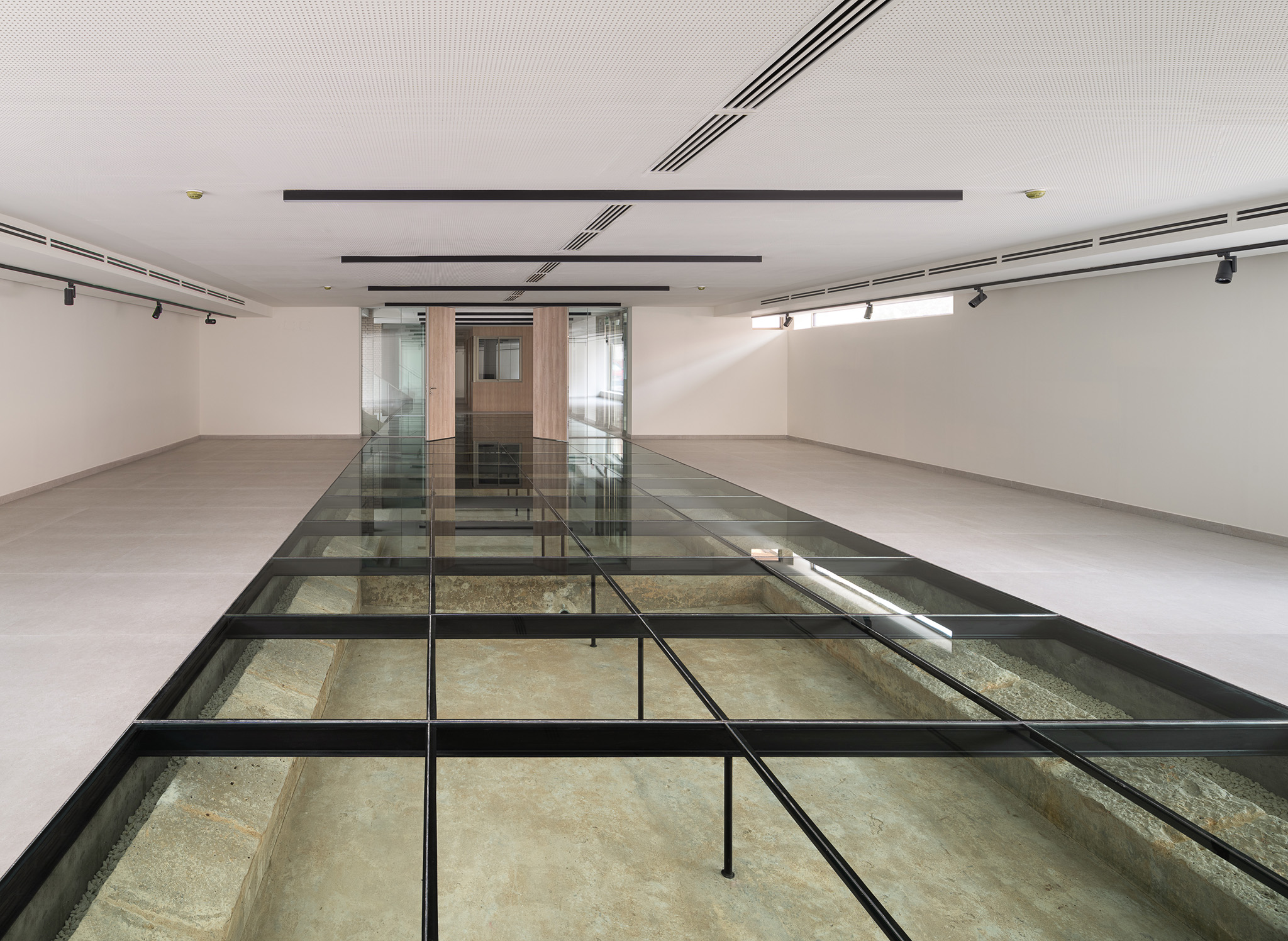
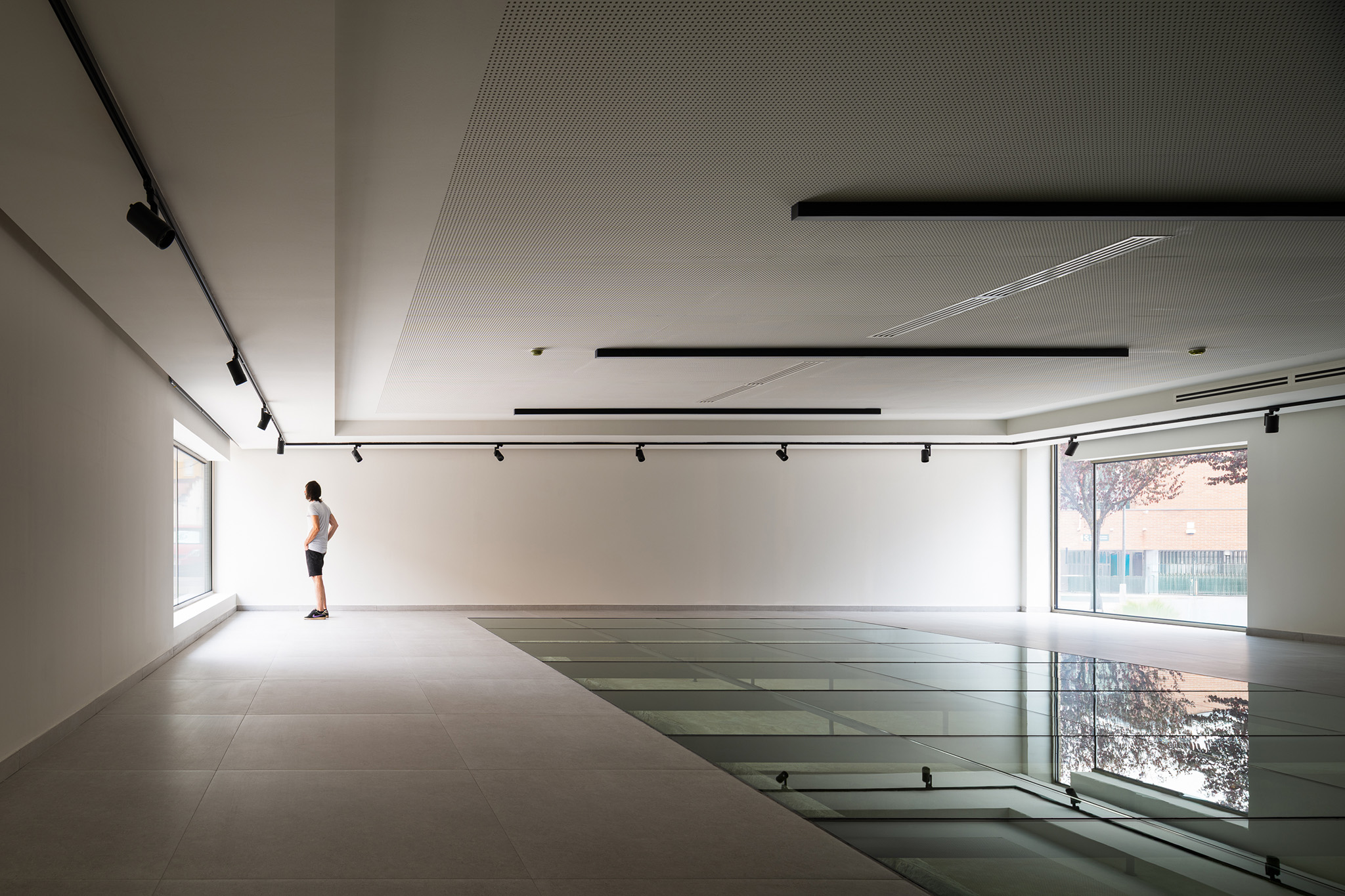
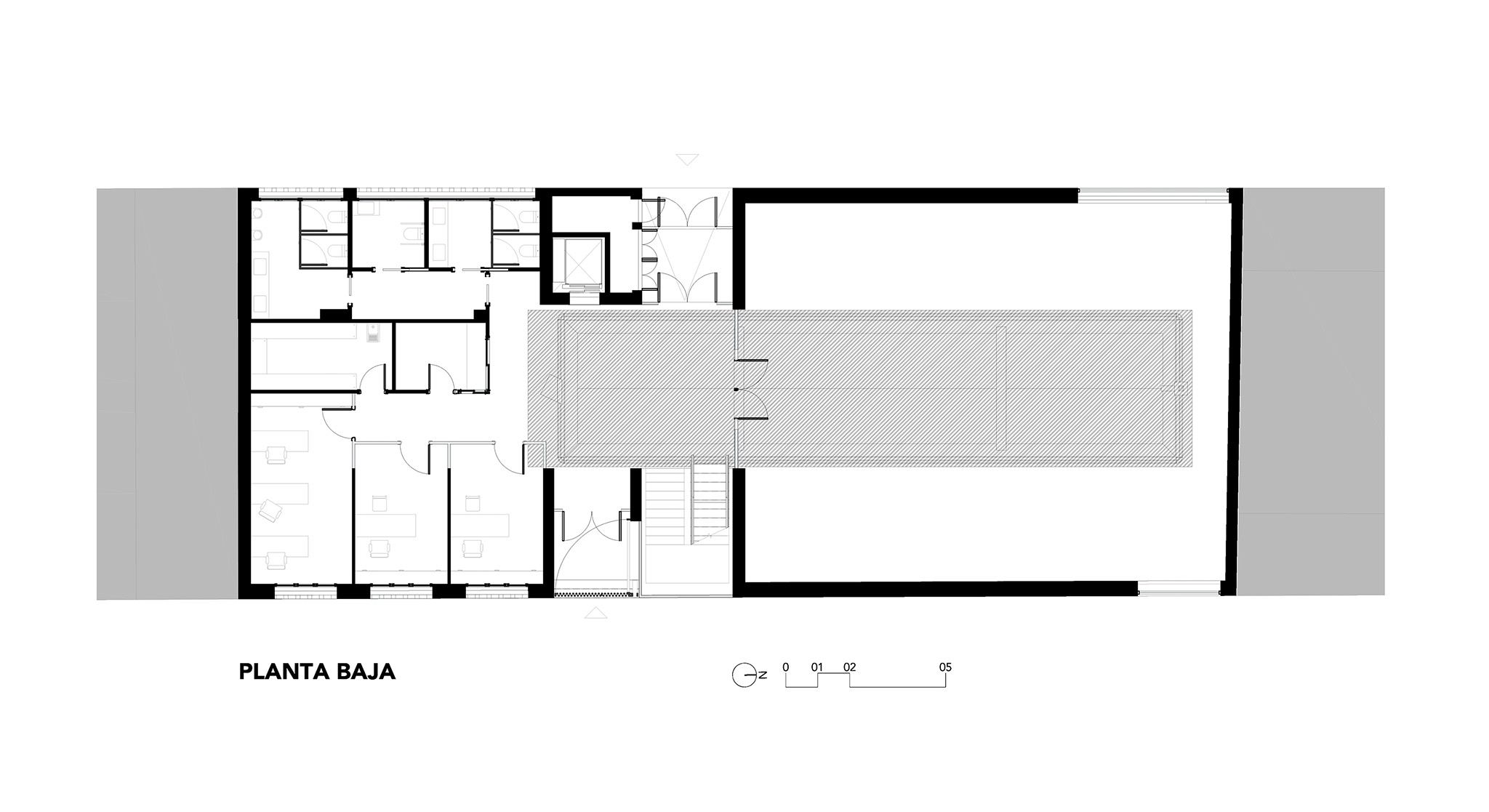
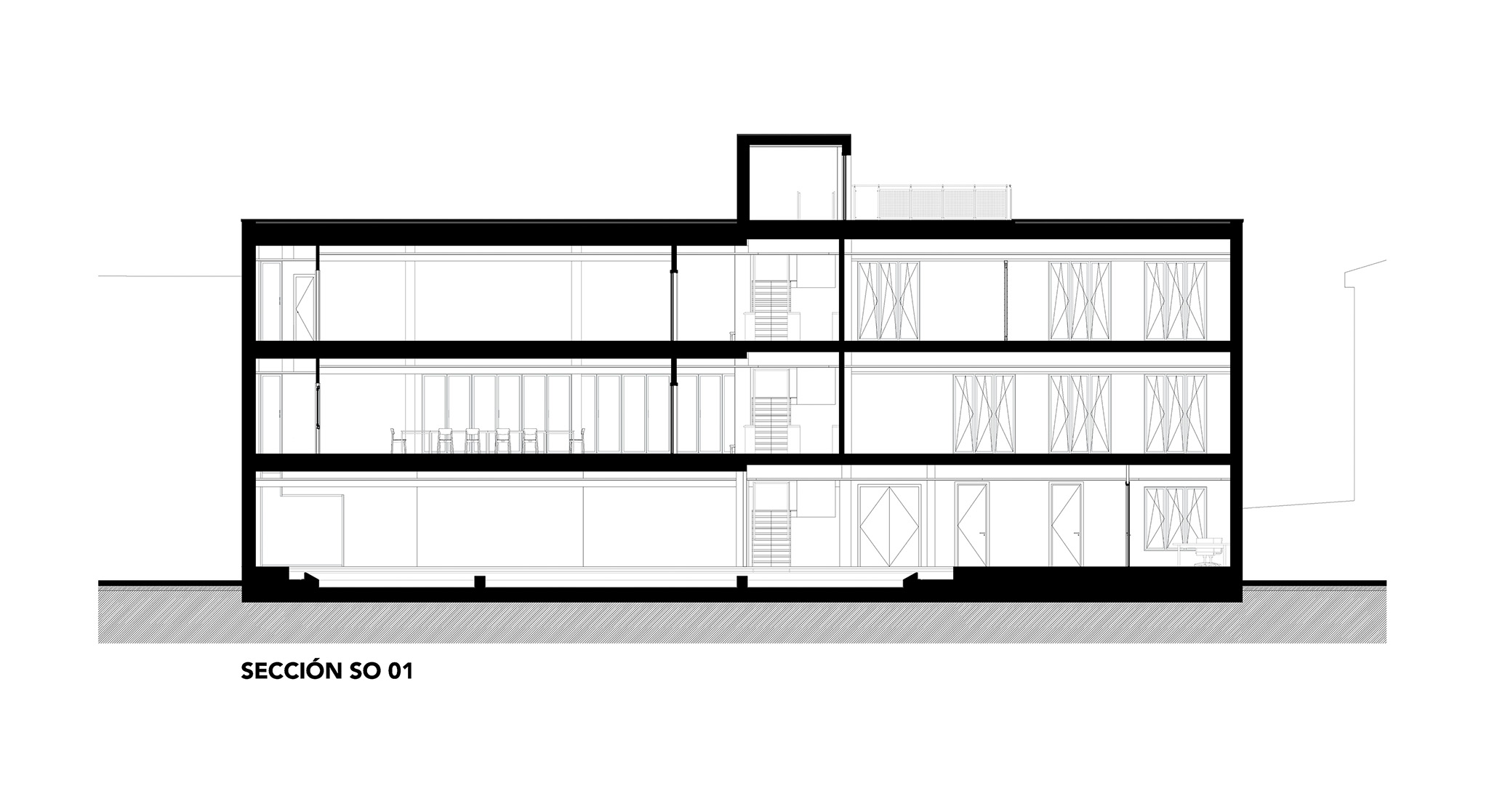
Ground Floor: The building has two separate entrances from the main streets: one public and the other restricted for administrative and staff use. Both converge in a main lobby, which houses the vertical circulation core (staircase and elevator). From this point, the program is distributed, including a large multipurpose room (located above the former laundry room), an administrative area with offices, restrooms (for both sexes and one accessible) with a vestibule, as well as technical and storage spaces.
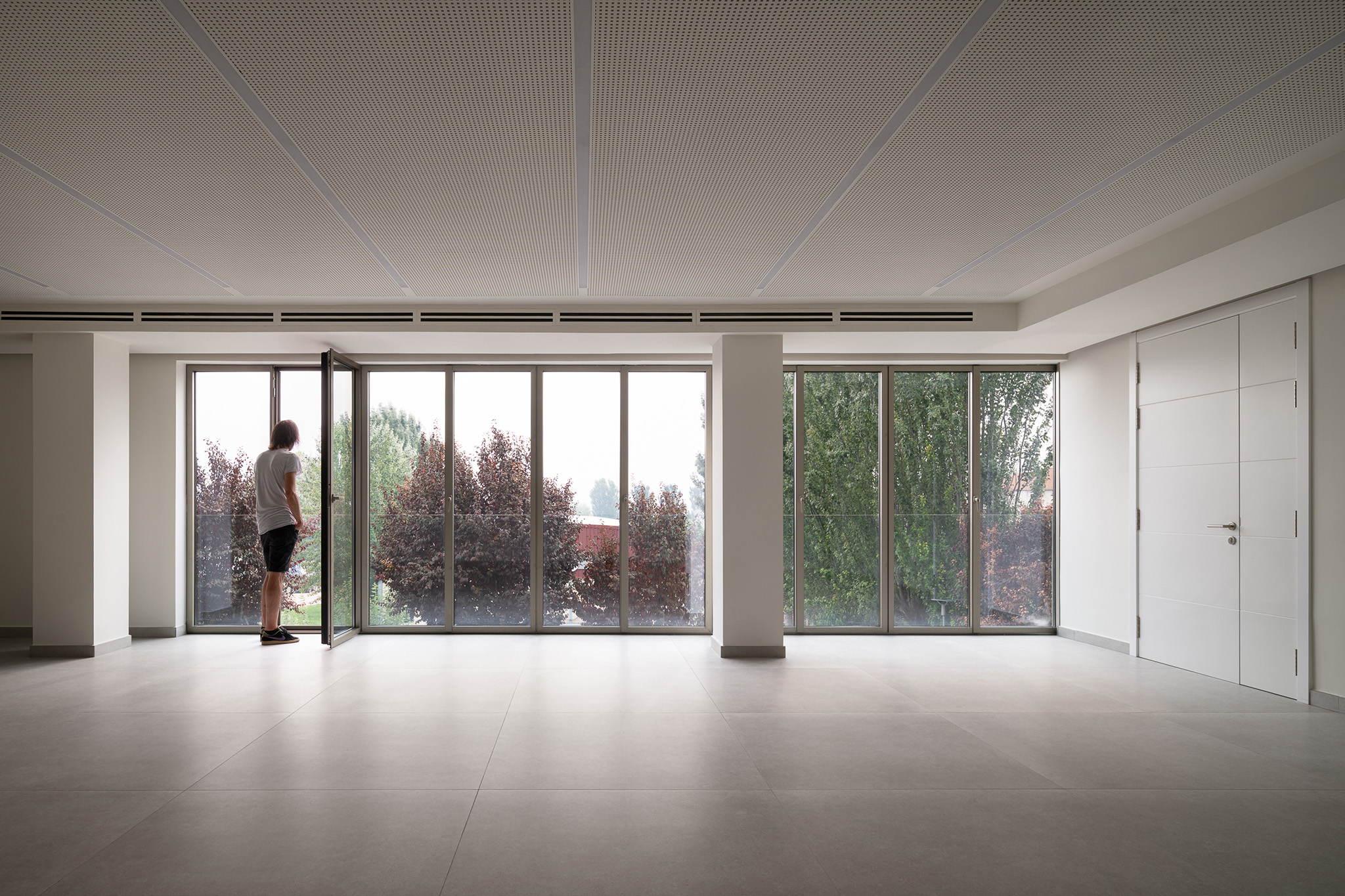
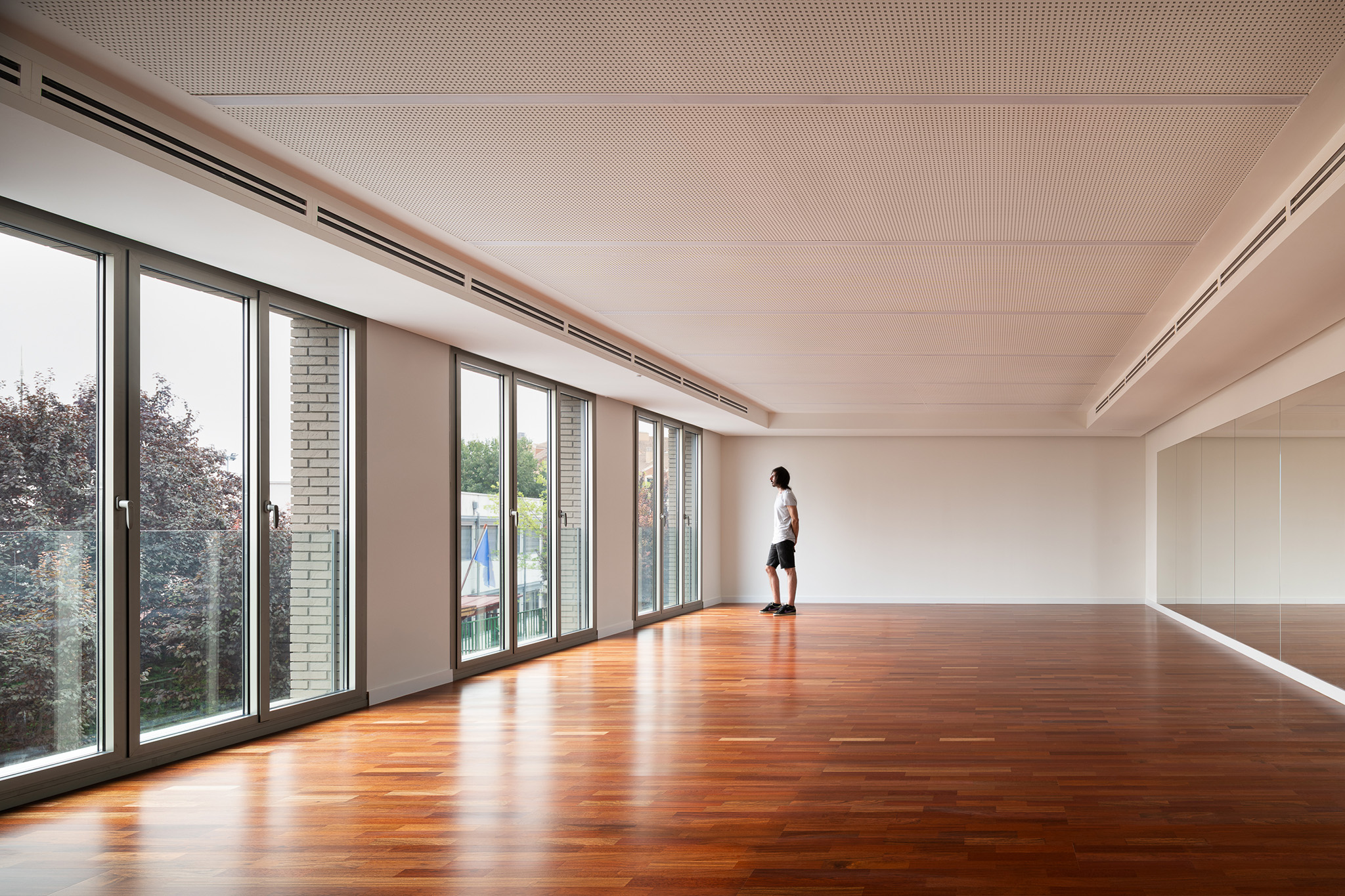
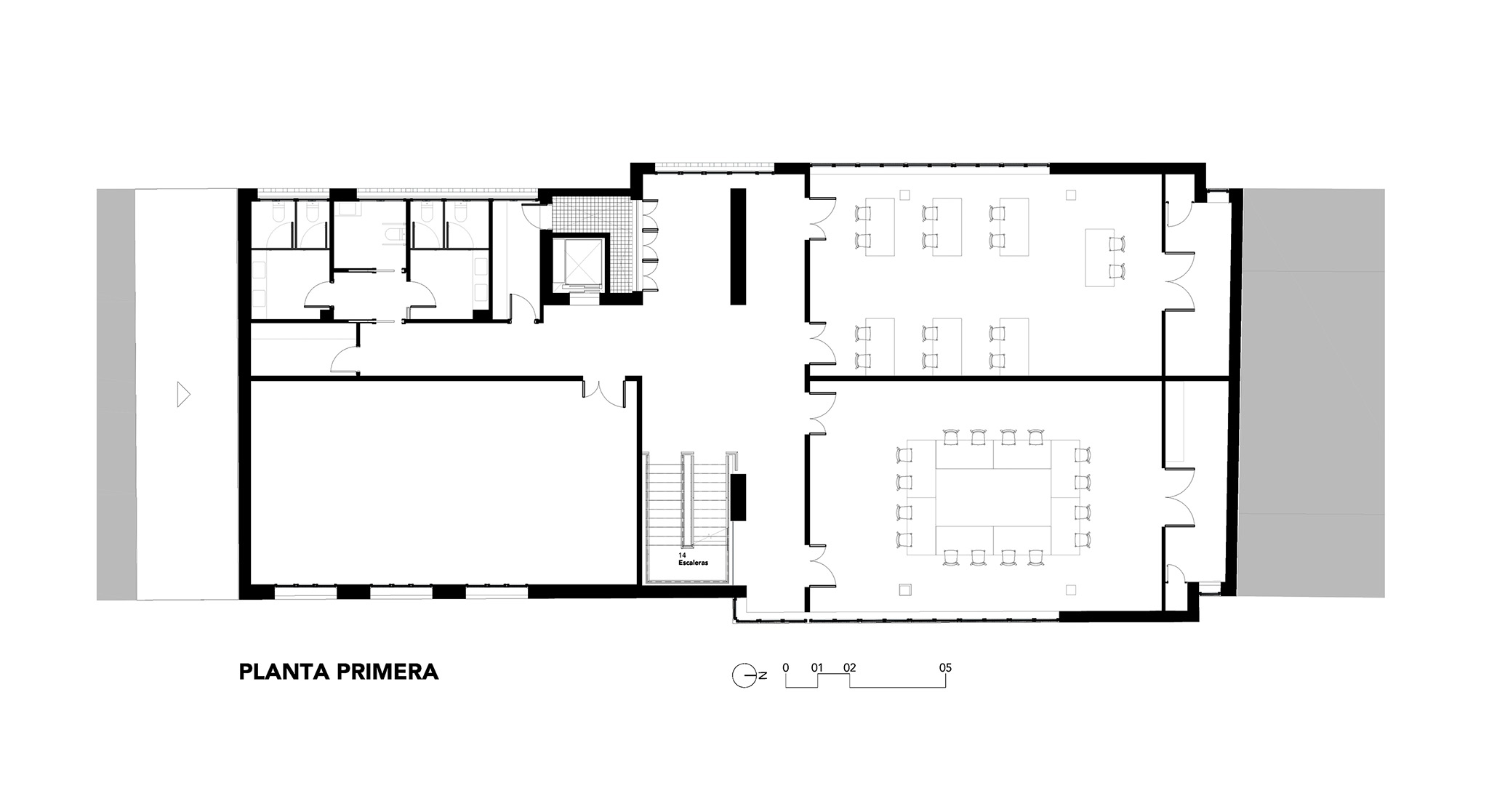
First Floor: The program is organized around three large rooms intended for Photography/New Technologies, Art, and Dance workshops. The lobby on this floor serves as a waiting and common area for users. The floor also includes restrooms (for both sexes and one accessible) with vestibules, and various storage areas related to the activities.
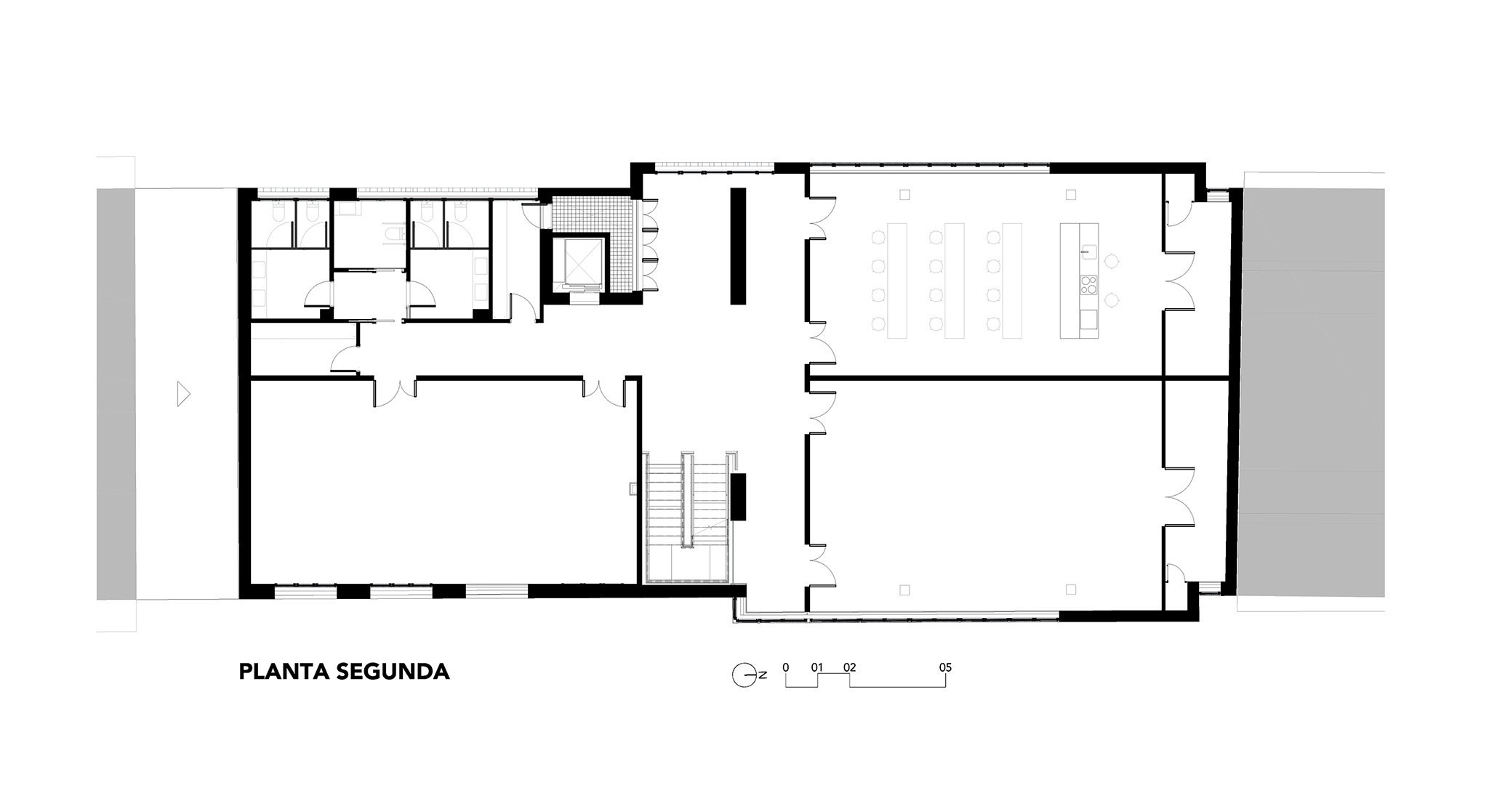
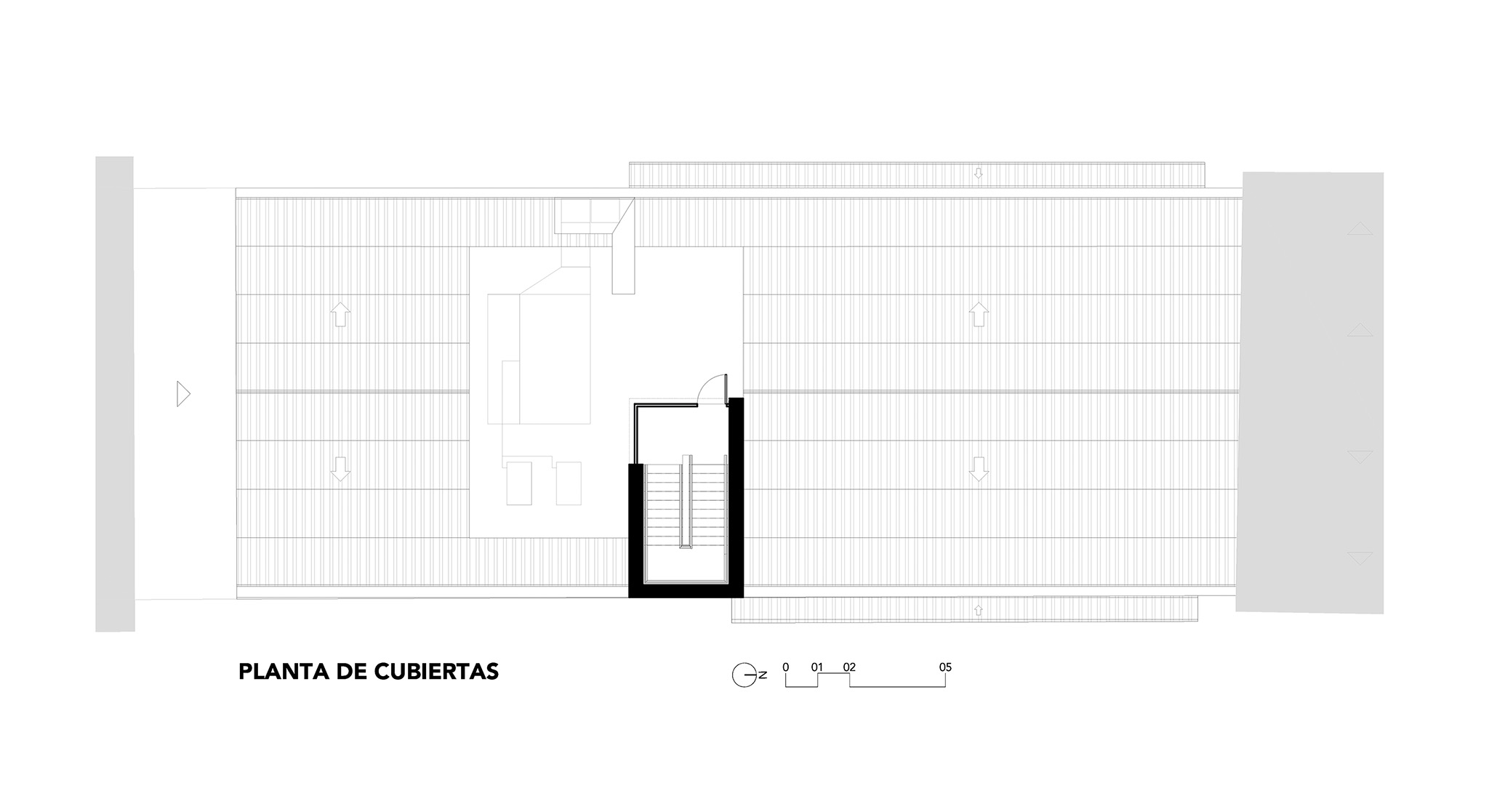
Second Floor and Roof: With a layout virtually identical to the first floor, this floor houses the Computer Science, Cooking, and Theater workshops, maintaining the same restroom and storage facilities. The stairwell extends to the roof, where the building services area is located. This area is constructed with a gently sloping sheet metal structure to accommodate photovoltaic panels, designed for self-consumption and the achievement of a nearly zero-energy building.
Project Description
The project originated from a commission by the Zaratán City Council for the construction of a public, cultural, and educational building on a site deeply connected to the municipality's collective memory: the location of the old stone washhouses, which stood for decades. More than a simple construction project, the proposal is conceived as an exercise in urban integration and a contemporary reinterpretation of the traditional building values of local architecture.
The site, a plot between party walls, presents a dual challenge. On the one hand, there is the need to design a representative building within a homogeneous urban fabric characterized by residential buildings of a domestic scale and traditional style. On the other hand, there was a desire to preserve and enhance the value of the old washhouse, understood not as an isolated vestige, but as an active element of the new building and its architectural narrative.
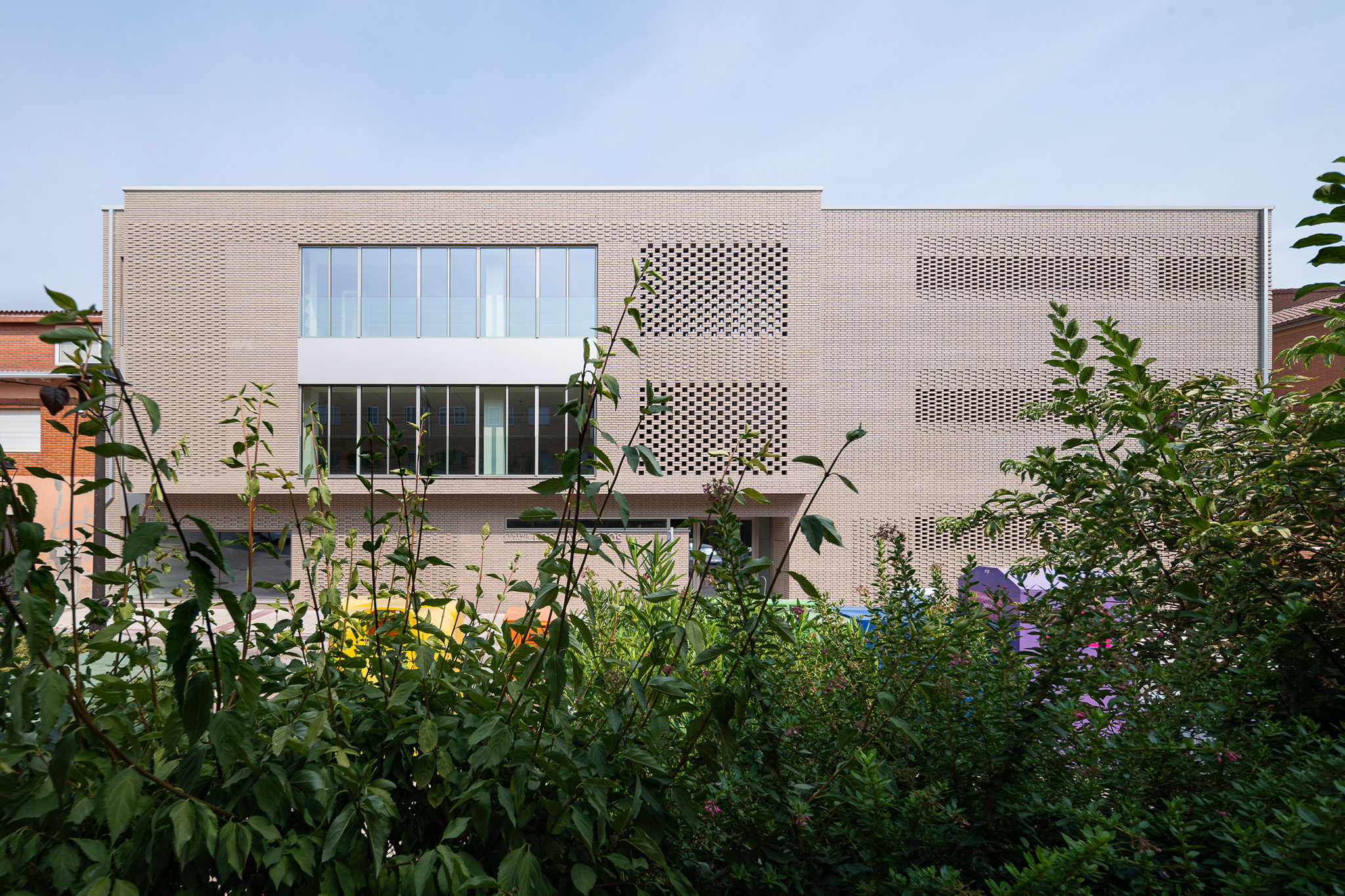
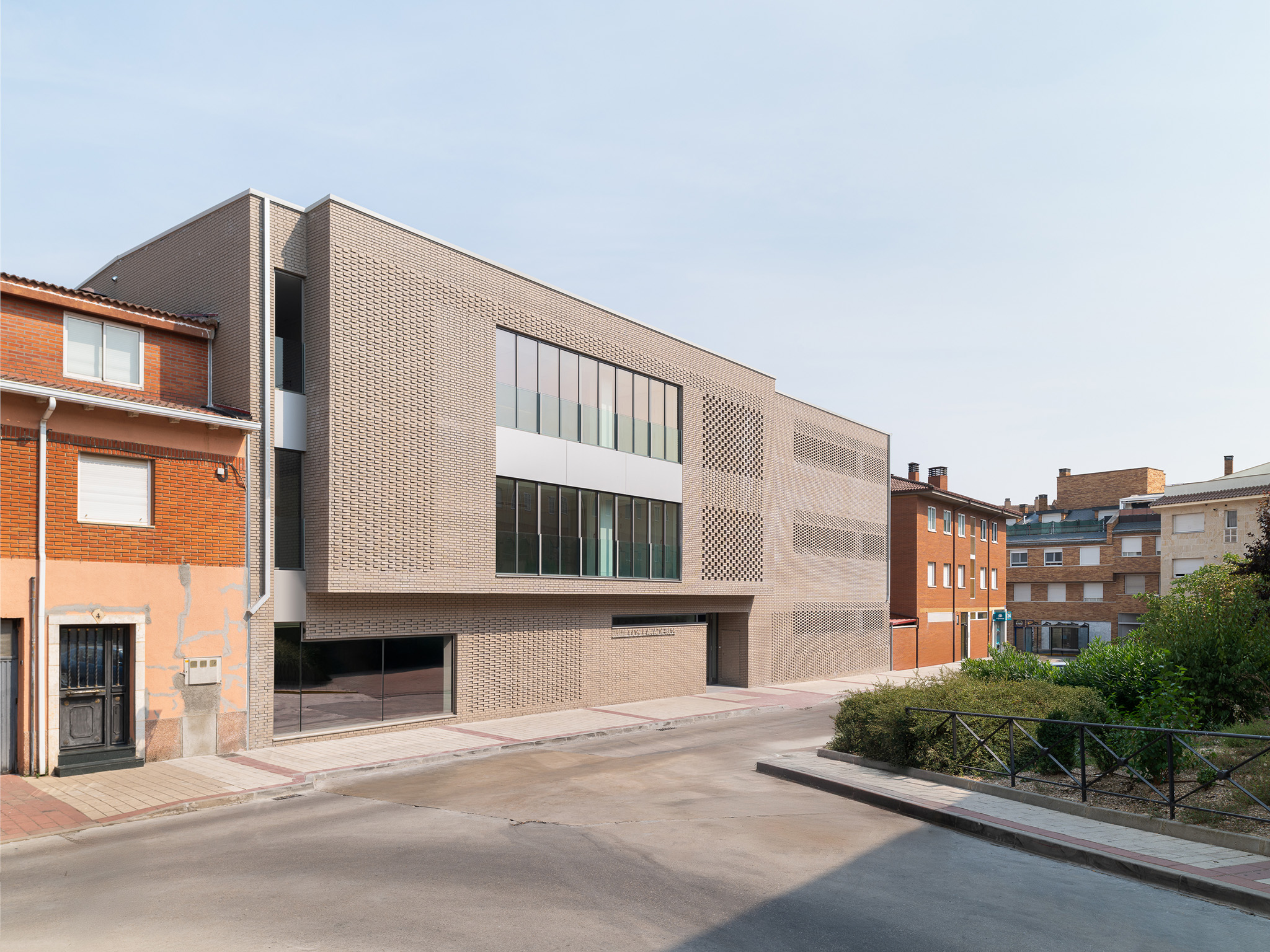
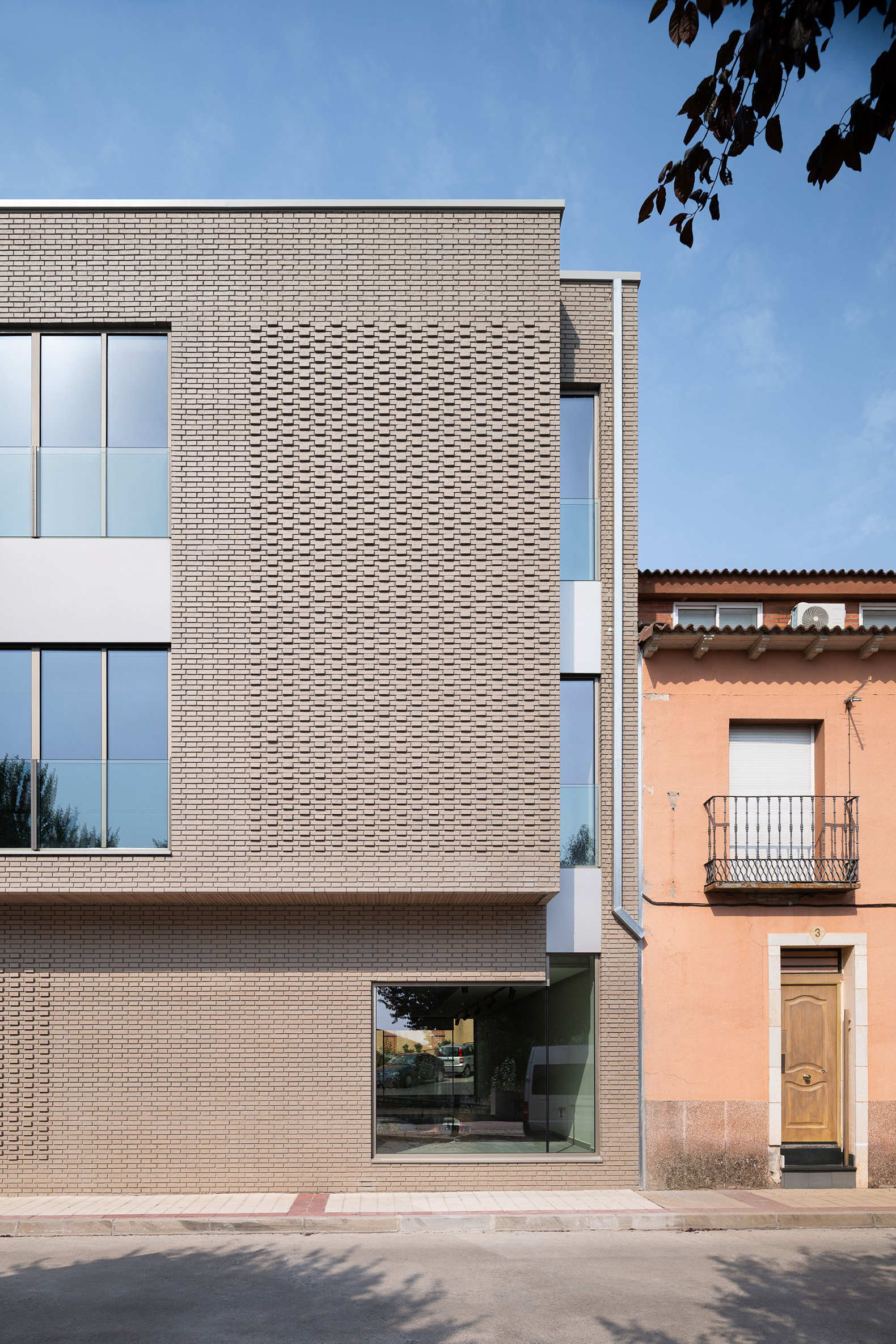
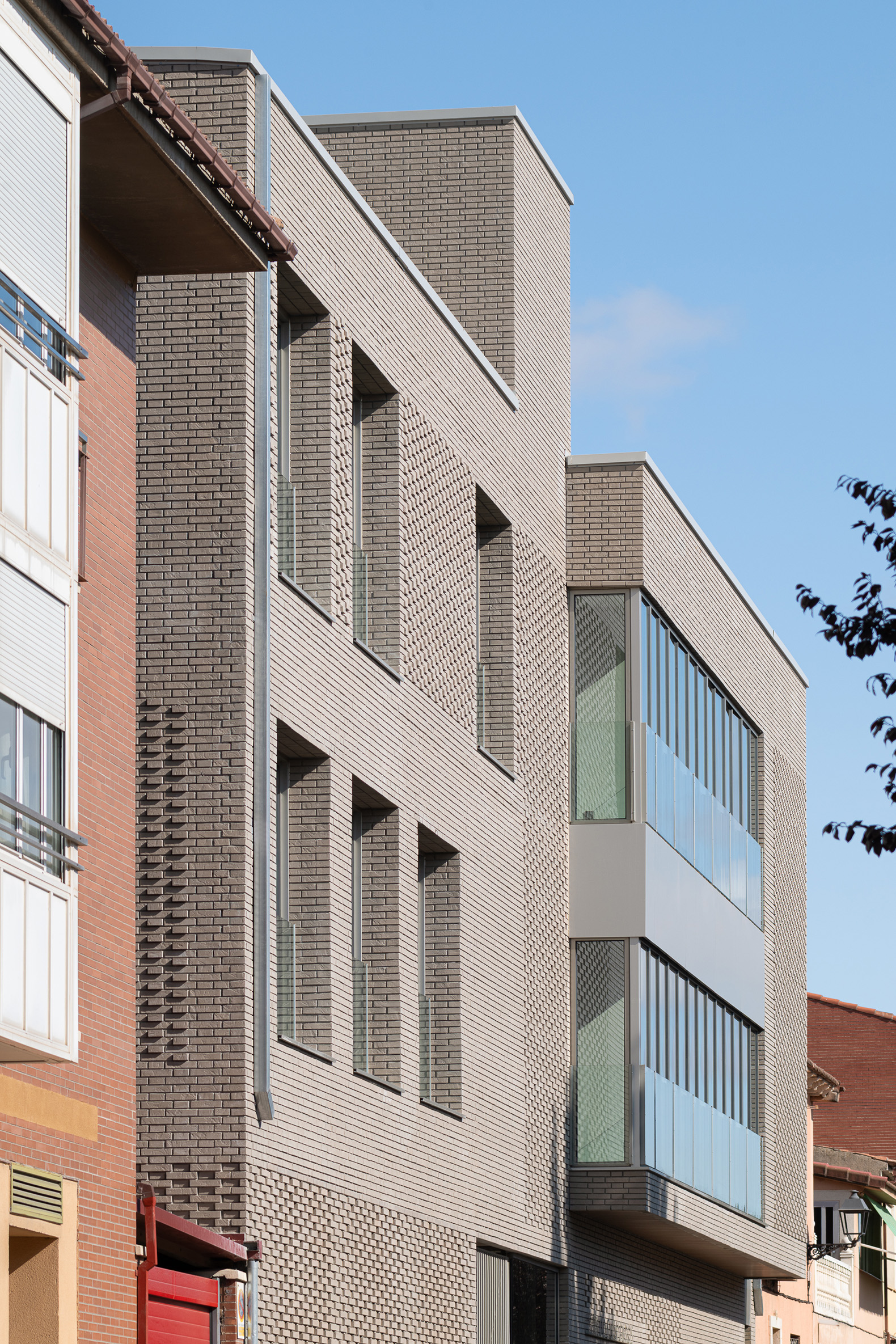
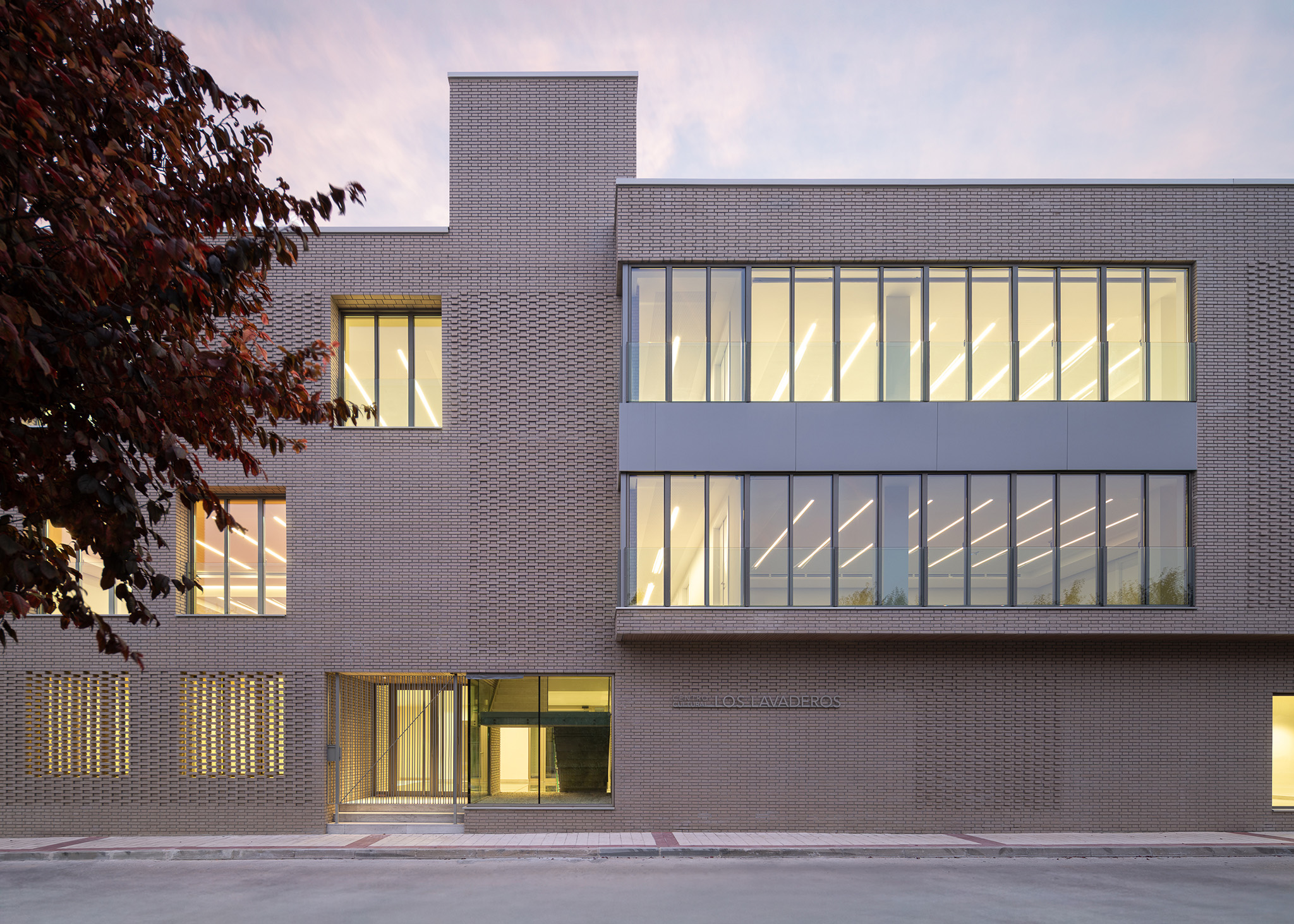
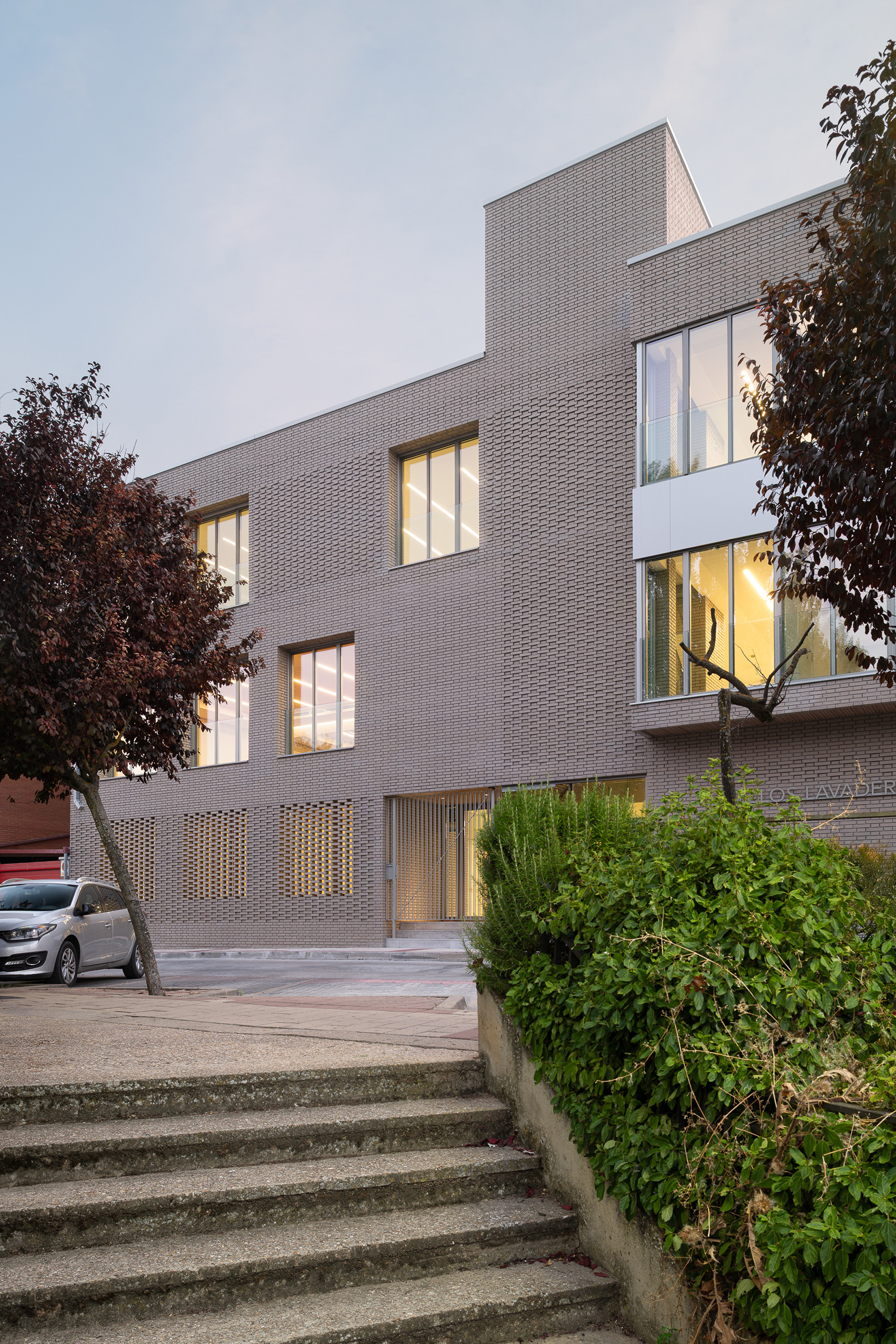
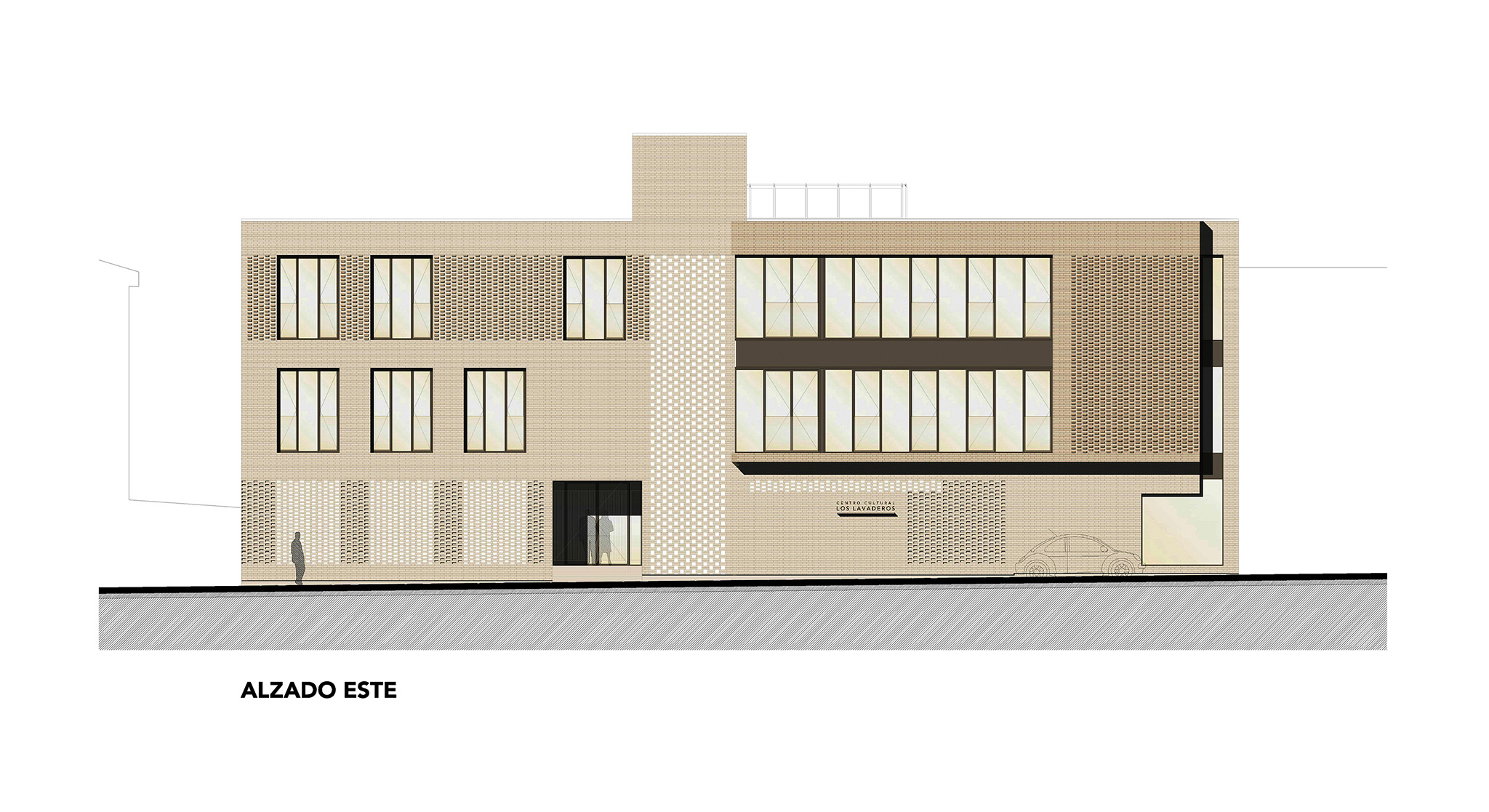
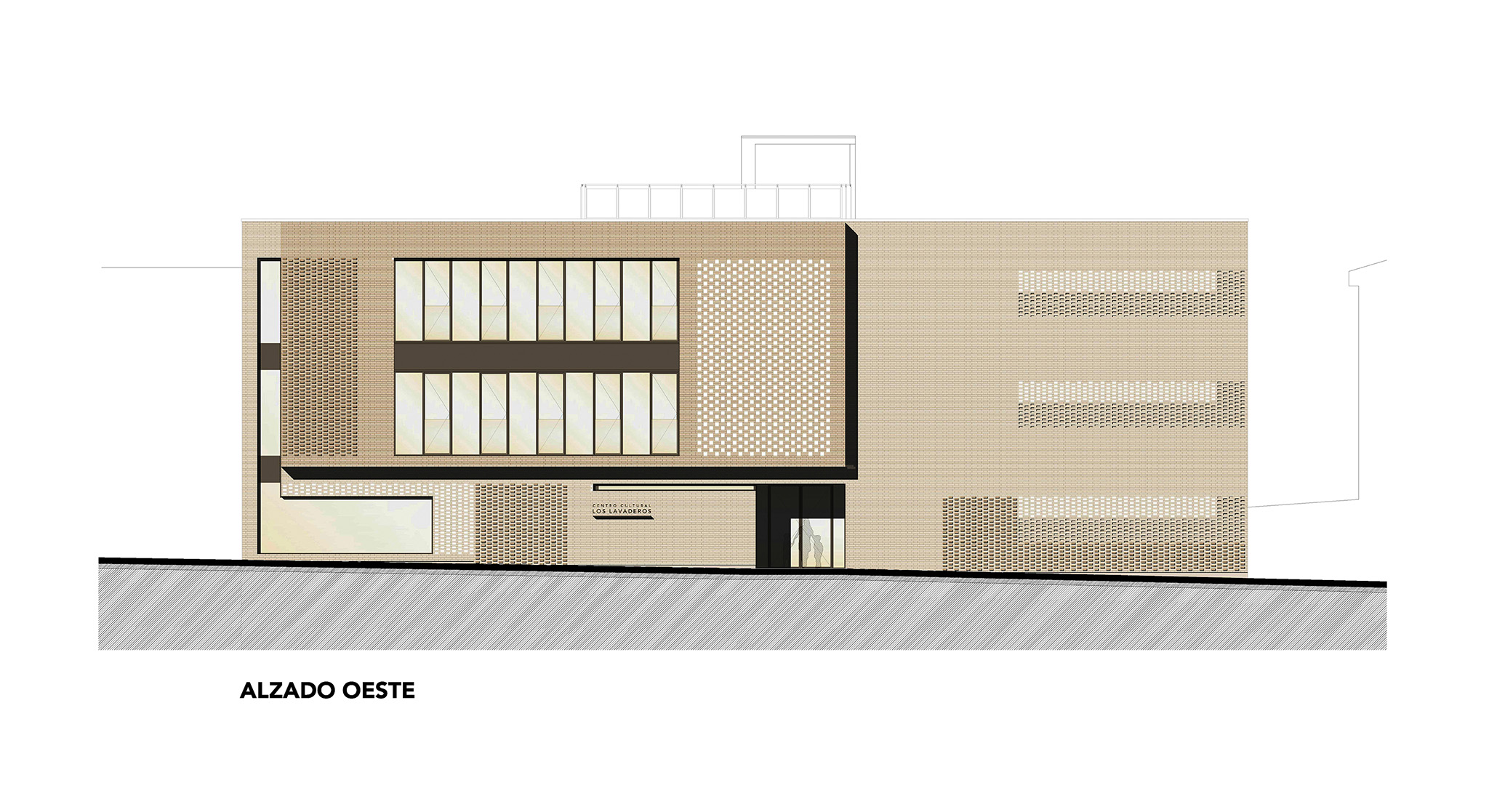
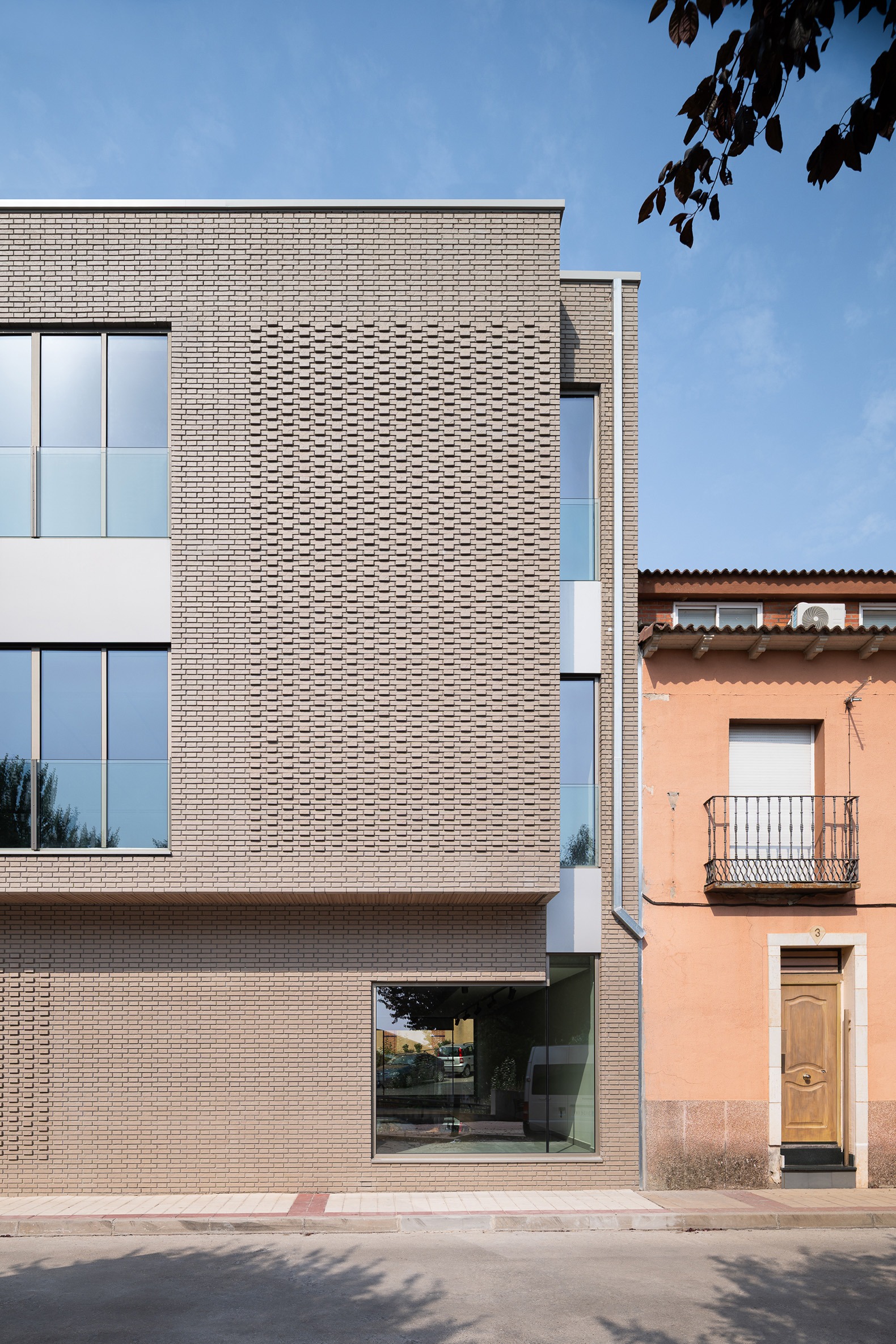
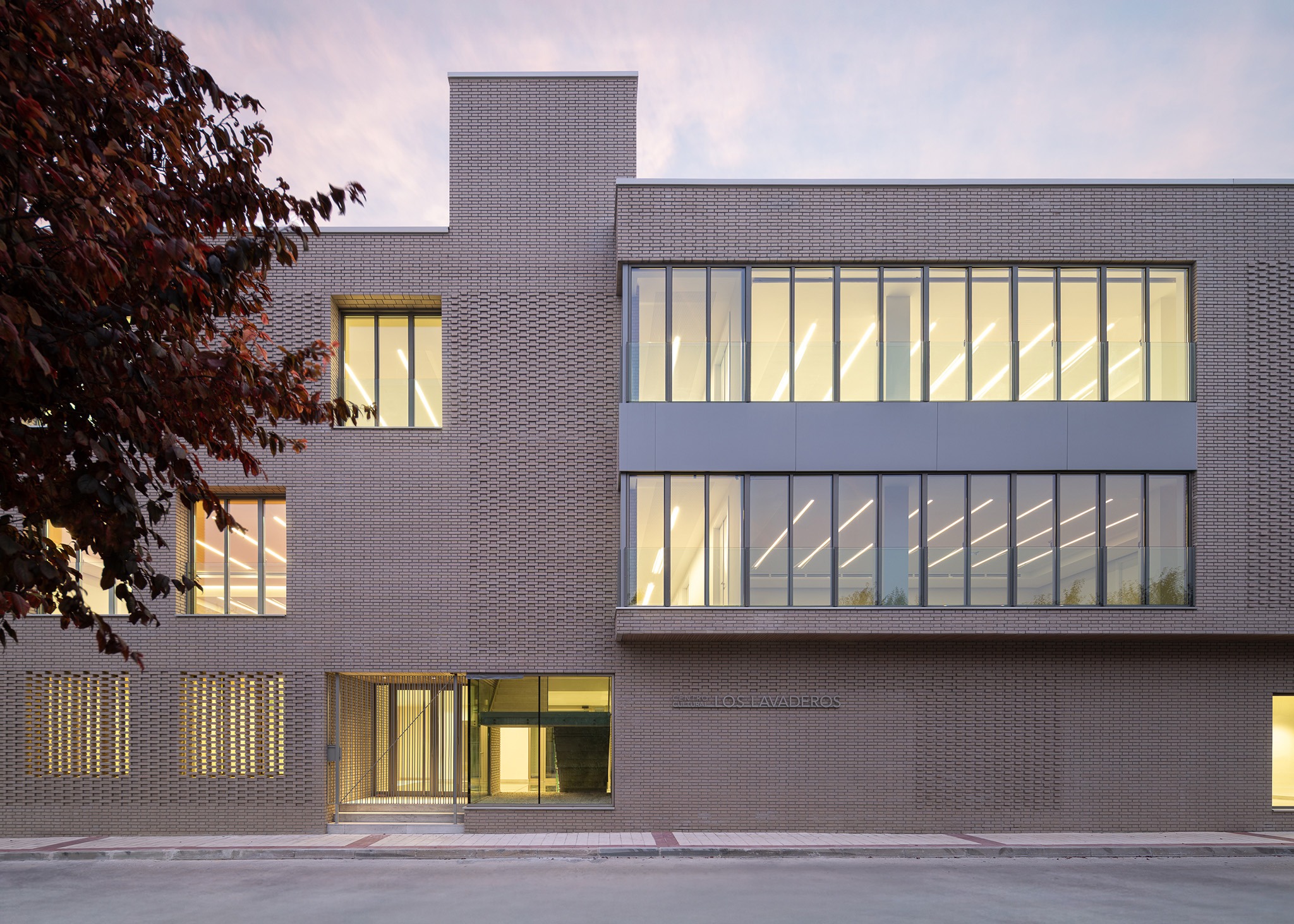
The result is a compact, three-story volume above ground that occupies the entire site and is attached to the existing party walls. Above this seemingly unified structure, two cantilevered volumes emerge on the upper floors, introducing a subtle interplay of volumes, generating shadows, depth, and a dynamic reading of the façade. This design visually breaks down the building mass and establishes two clearly differentiated planes that engage with the scale of the surrounding urban environment.
The building's integration into its context is fundamentally articulated through the material. The project adopts exposed brick as both a construction and expressive system, in continuity with the area's building tradition. However, far from a literal reproduction, the material undergoes a contemporary reinterpretation that explores its plastic, tectonic, and luminous possibilities.
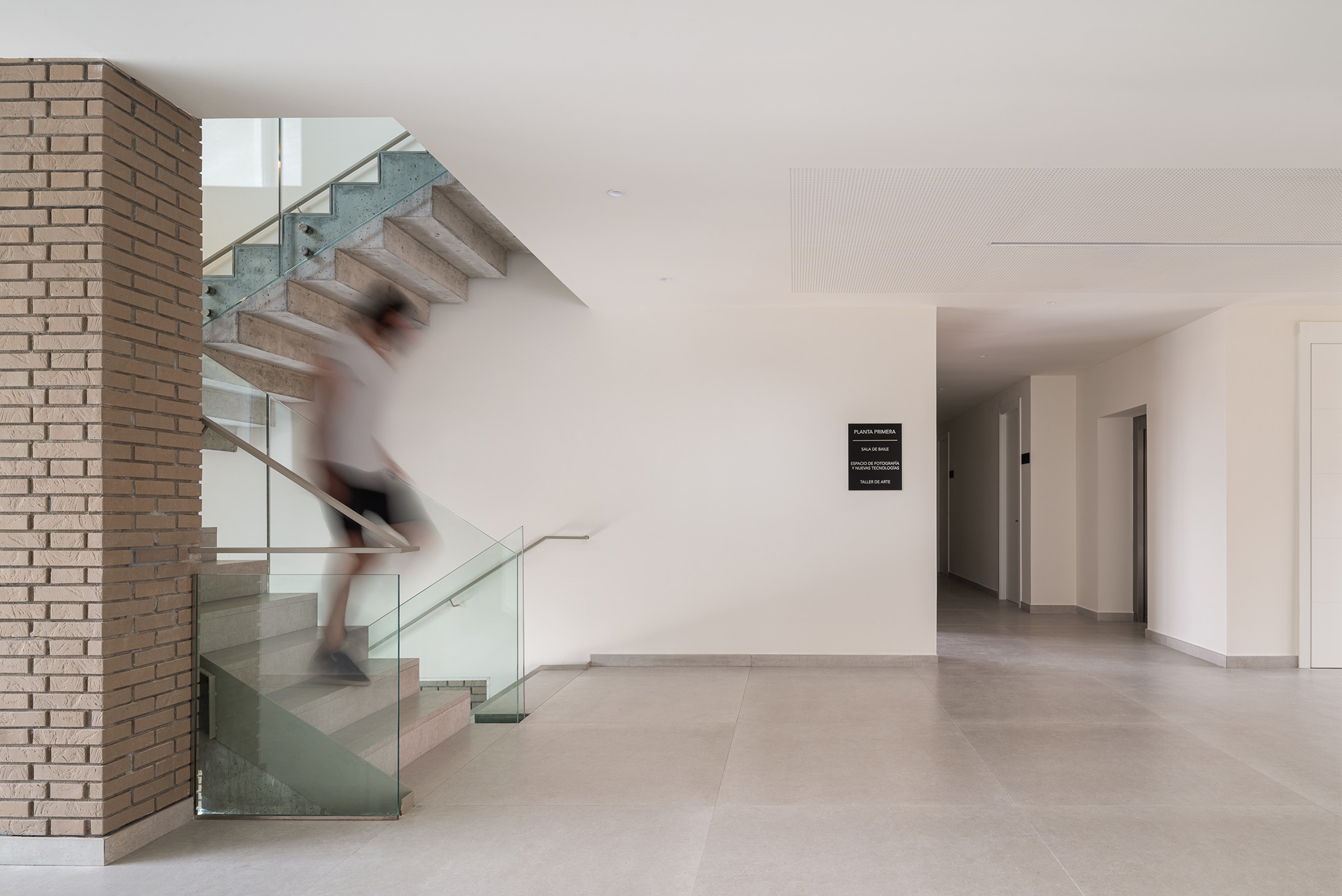
This material strategy is not limited to the exterior; the brick extends into the building's interior, enveloping the former washhouse and the common areas (lobbies and circulation cores) to blur the boundary between inside and outside and reinforce the perception of these spaces as an extension of the public thoroughfare, evoking the washhouse's originally exterior character.
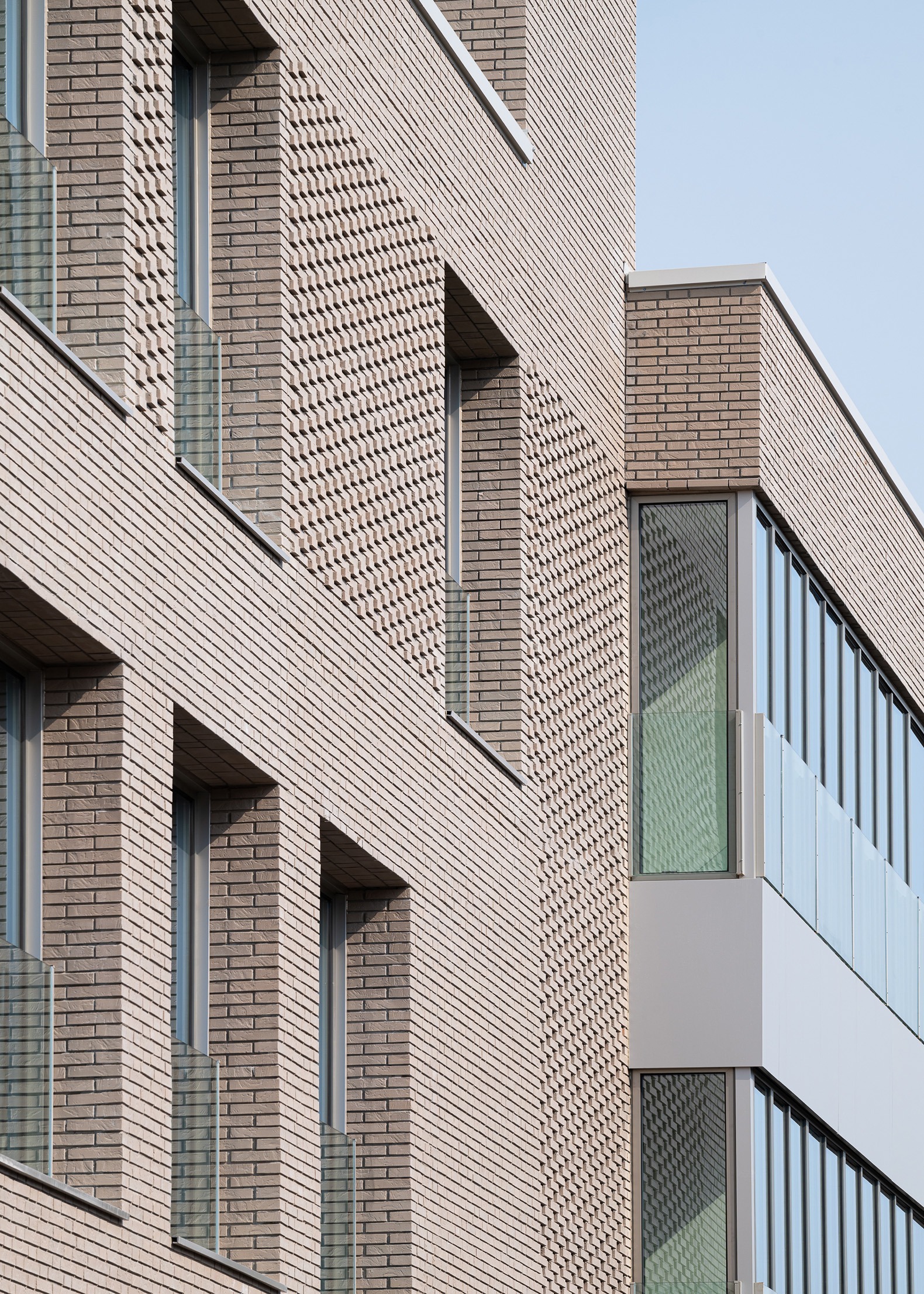
A clinker ceramic brick from the La Paloma company, model Gris Otero, is used, characterized by a textured finish that transforms the perception of the façade. The brick's irregular texture creates a changing play of light, generating a vibrant, almost liquid effect, and endowing the building with a dynamic presence throughout the day.
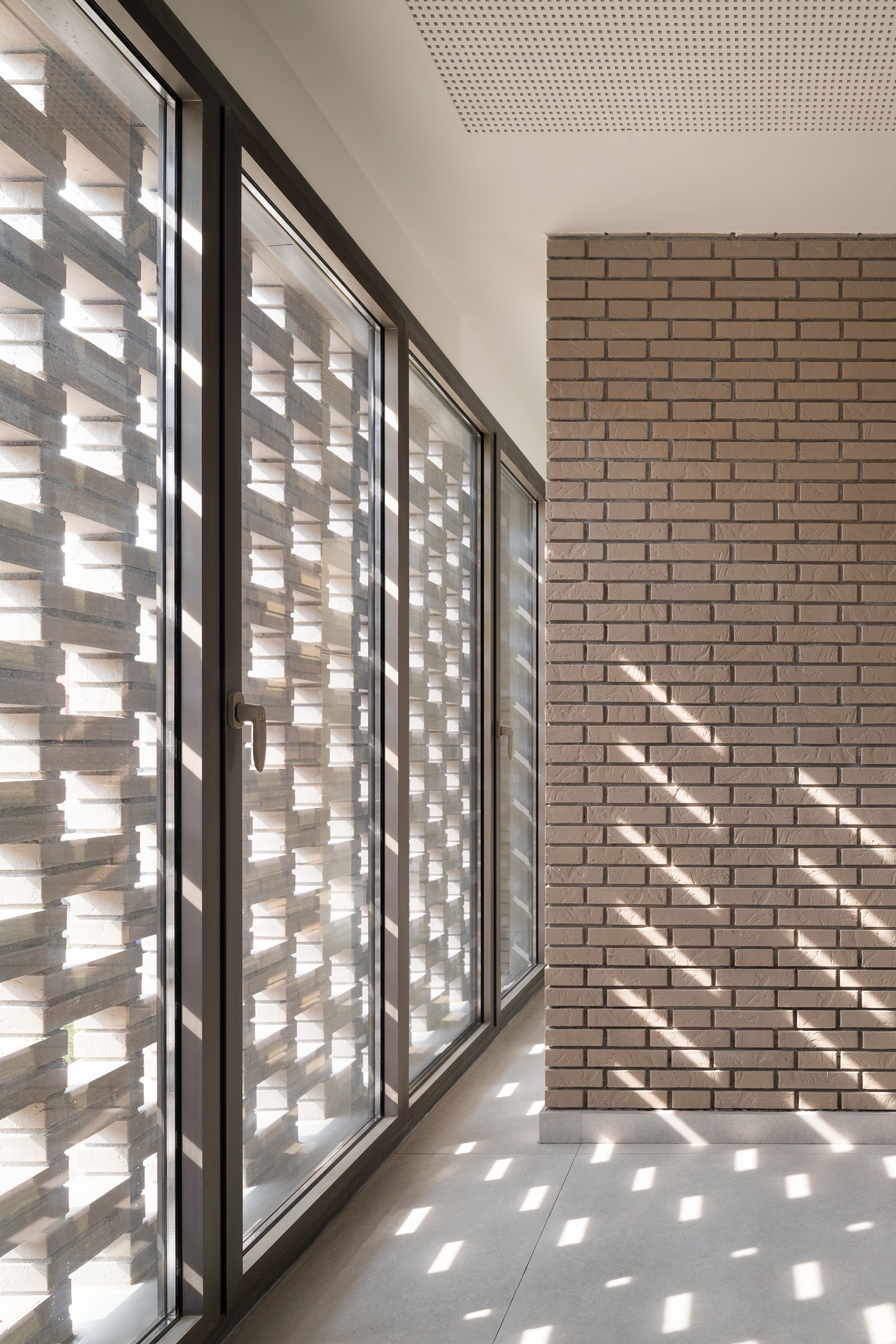
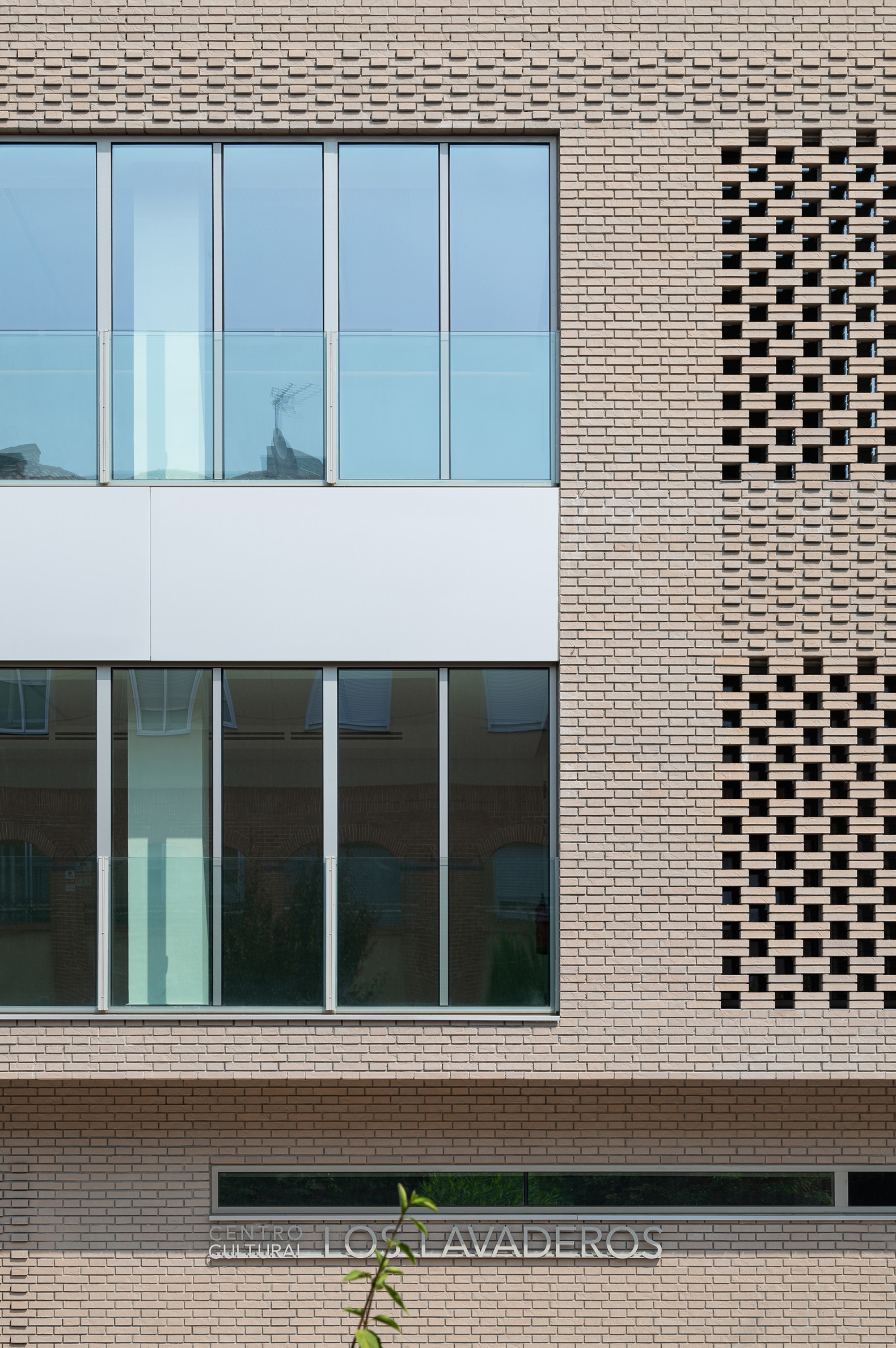
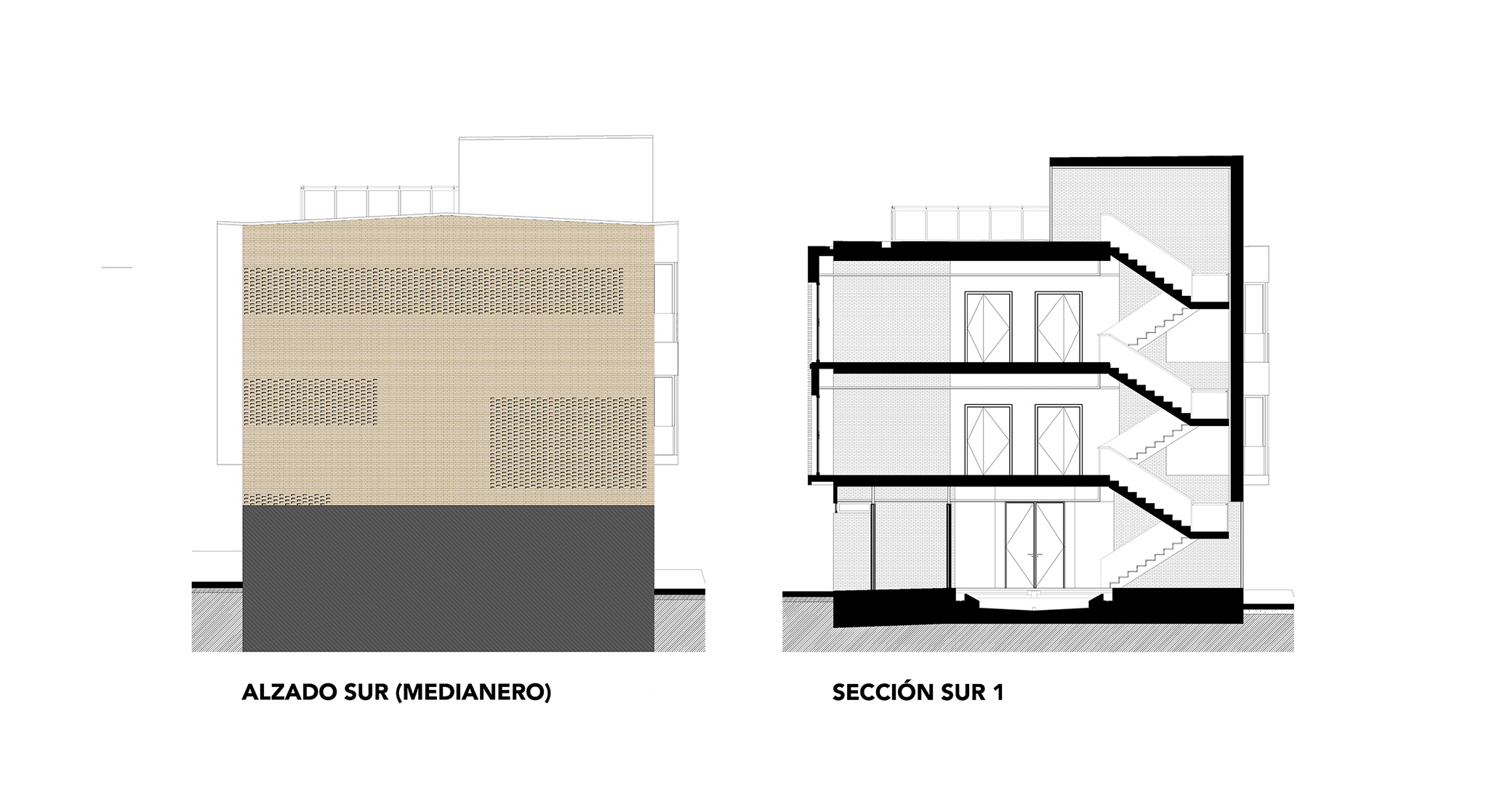
The façade is constructed like a true ceramic filigree using different bonding patterns and brick formats. Special U-shaped bricks, latticework, and solid pieces are combined in a compositional exercise that transcends mere construction to become a narrative element. This meticulous work with the material not only resolves the main façades but also extends to the so-called "third façade," the southern party wall, which ceases to be understood as a residual plane and becomes incorporated into the building's architectural discourse, transforming into an active element that, through a careful compositional interplay of brick, establishes continuity and dialogue between the two main façades.
In contrast to and complementing the ceramic mass, the façade incorporates aluminum window frames from Technal's Unicity Hi series, selected for their high technical performance and a sober, precise design with straight lines and restrained proportions. The reduced profile visible from the exterior (55 mm constant across the various fixed, fixed/sash, and two-sash central pivot configurations) allows for a continuous and refined reading of the openings, reinforcing the relationship between solid and void.
These window frames accommodate both conventional window openings and the large glazed panels located in the cantilevered areas, where their slenderness and modularity create an appearance akin to a curtain wall. In this way, the glass and aluminum interact with the vibrant texture of the brick, lending lightness and transparency to the whole and balancing the material expression of the building envelope.
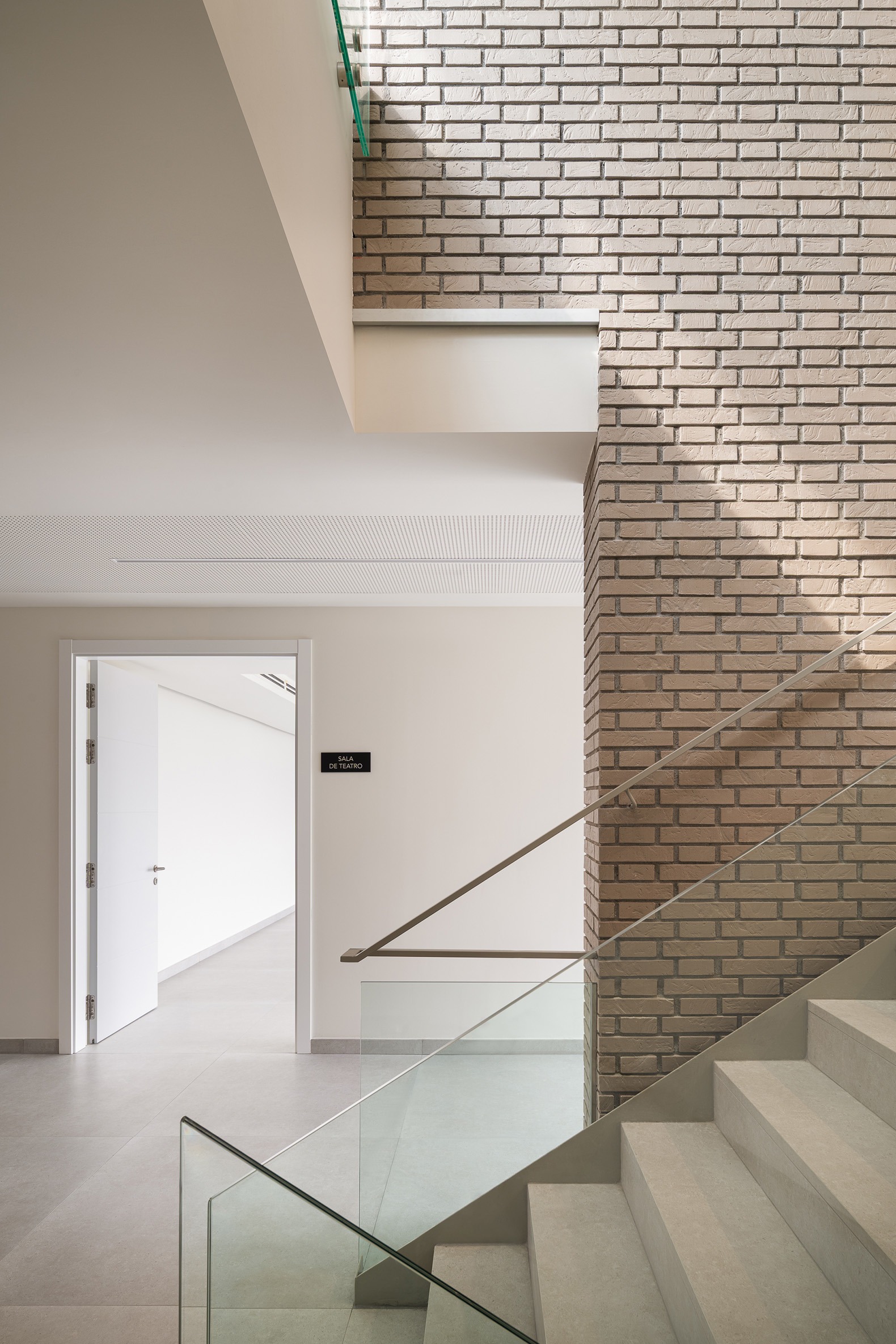
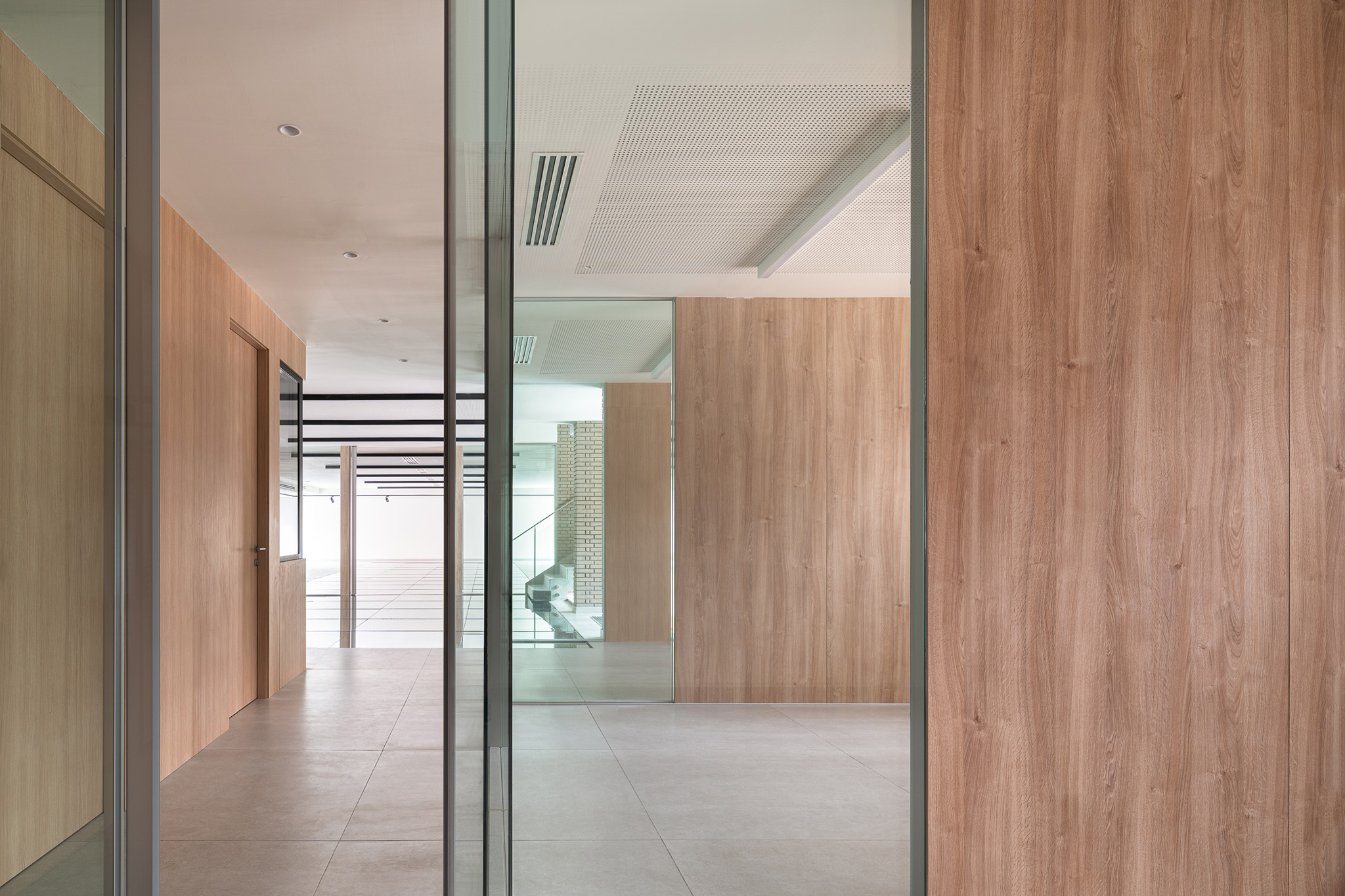
The main entrance is located on Calle Eras, slightly centered, and is conceived as a transitional gesture between the public space and the interior of the building. This access point resolves the existing slope and, at the same time, makes the old stone washhouse visible, integrating it into the ground floor. A transparent laminated glass floor is laid above it, allowing visitors to perceive the historical layer beneath their feet and establishing a direct connection between past and present.
The main lobby is conceived as the building's central hub, concentrating the vertical circulation cores (staircase and elevator) and establishing a direct visual link with the multipurpose hall, considered the true heart of the cultural program. Complementarily, on the façade facing Don Sancho del Campo Street, there is a separate entrance for the administrative area, a decision that reinforces functional clarity and the building's visual presence from the public space.
The program is distributed rationally and flexibly. The ground floor houses, in addition to the lobby and multipurpose hall, administrative offices, accessible restrooms, and storage and building services. The first and second floors replicate a similar layout, organized around large workshop-style rooms for different disciplines (art, photography, new technologies, dance, computer science, cooking, and theater), accompanied by the corresponding services and auxiliary spaces. Floor lobbies are conceived not only as distributors, but as waiting spaces and spaces for interaction among users.
The staircase culminates on the roof, where the building's systems are located. This roof is a lightweight metal sheet structure with a minimal slope, upon which photovoltaic panels for self-consumption are installed, allowing the building to achieve near-zero energy consumption and reinforcing its commitment to sustainability.
Overall, the project is conceived as an exercise in balancing memory and contemporary design, where brick—a material deeply rooted in the collective imagination—becomes the guiding thread of an architecture that engages with its surroundings, reinterprets tradition, and builds identity through material, light, and detail.