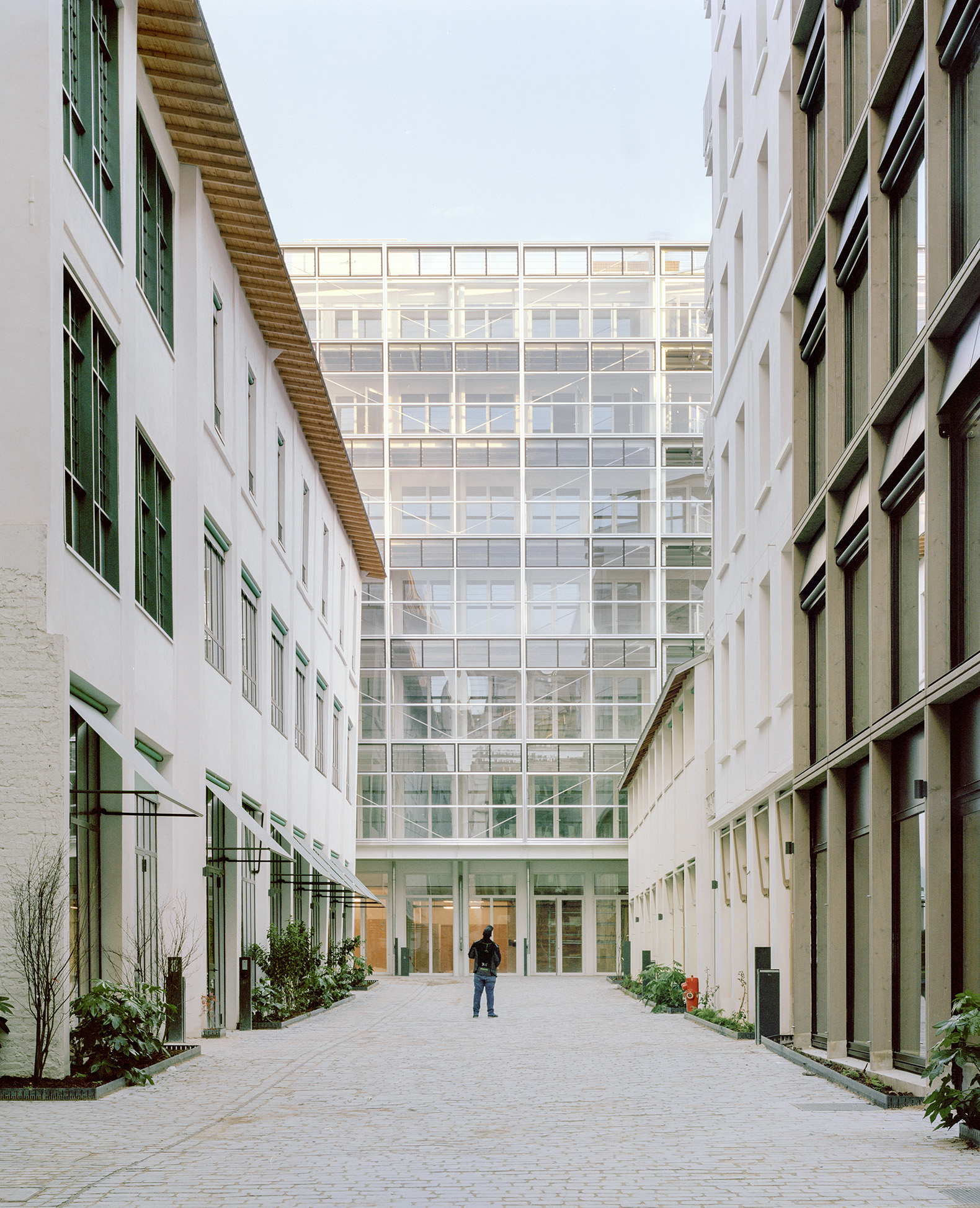
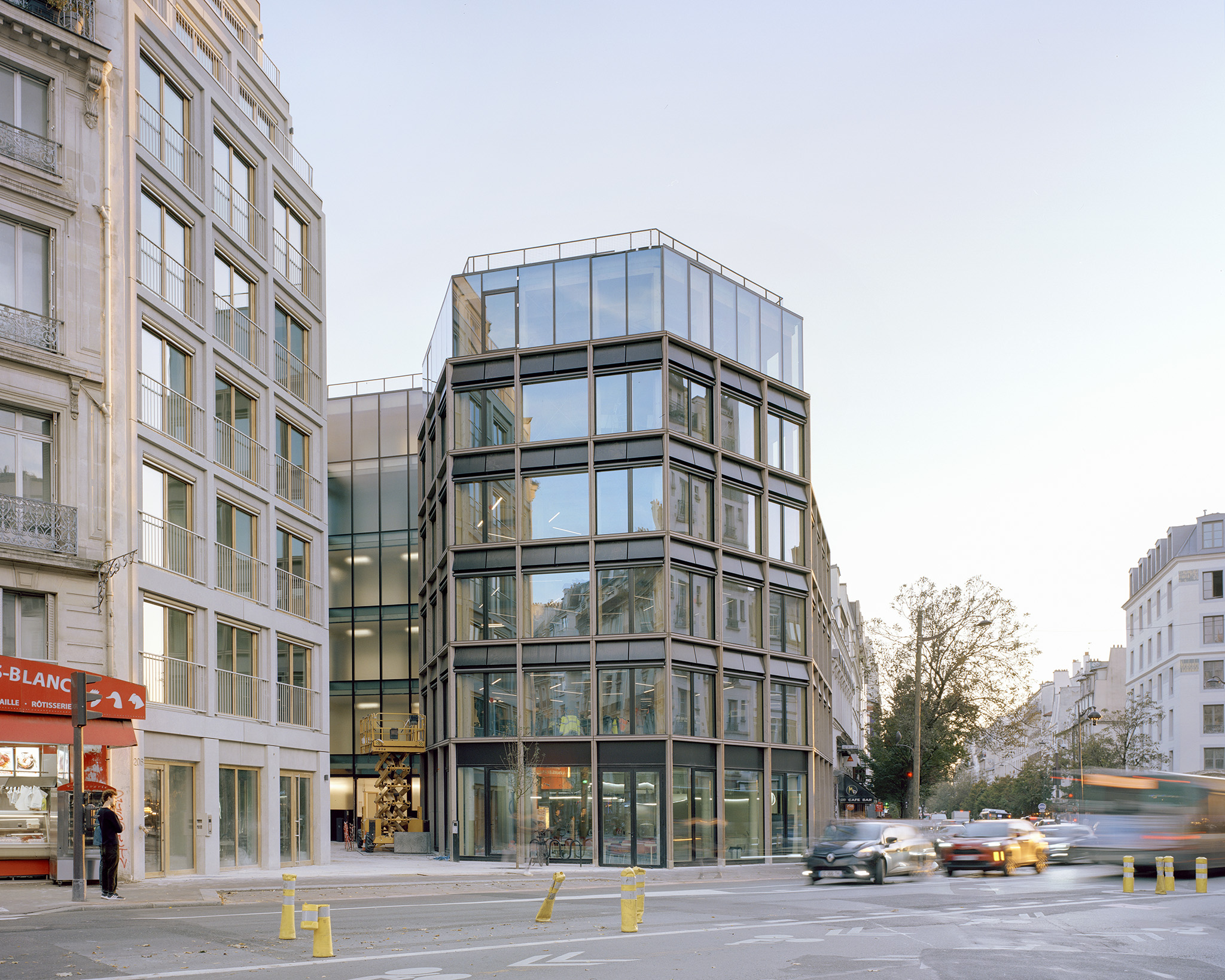
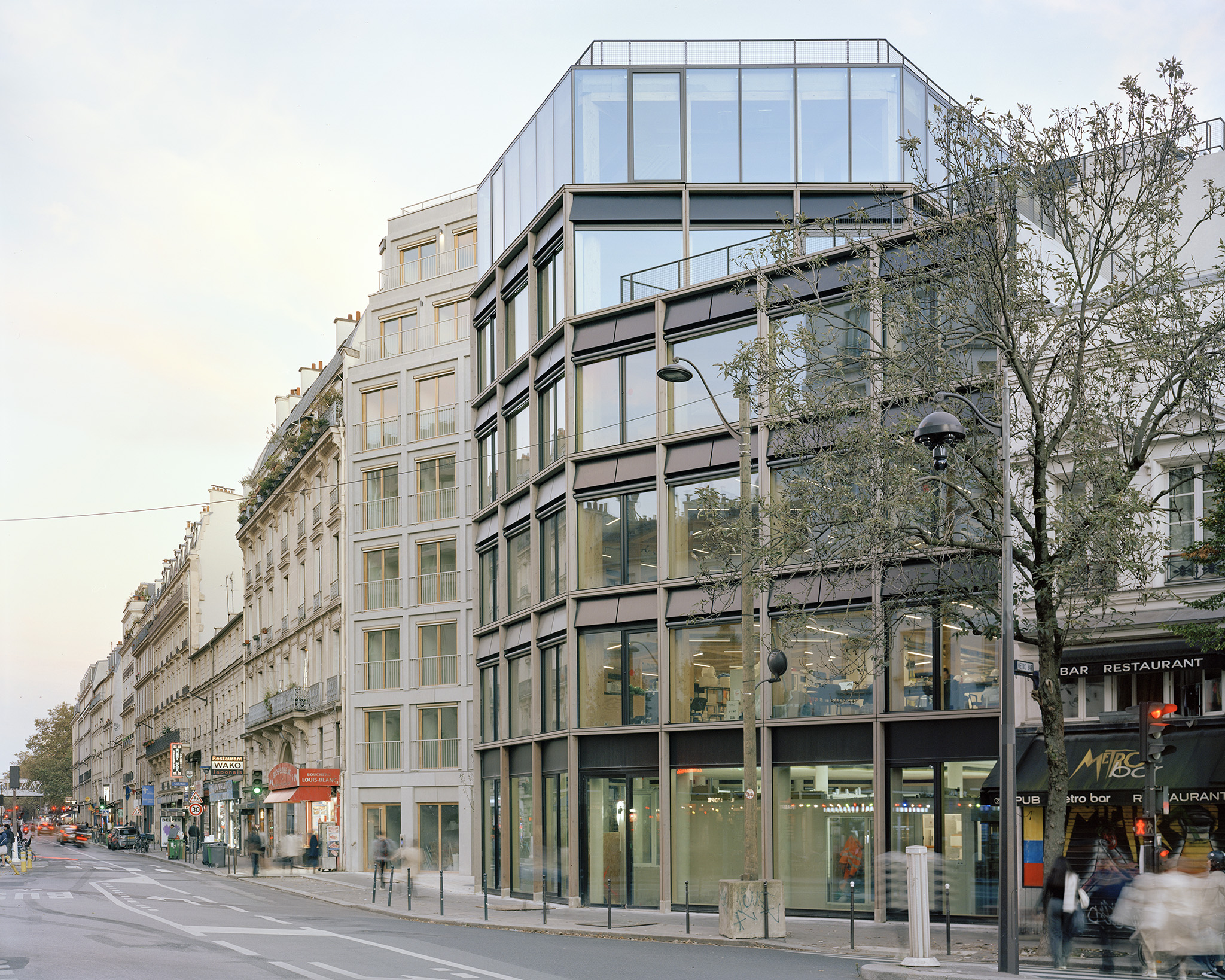
The project, designed by DATA architectes + THINK TANK architecture, strategically integrates social housing, offices, and retail spaces, creating a mixed-use development that revitalizes the site. The opening of a revegetated passageway and the reorganization of common areas improve connectivity, accessibility, and the overall environmental quality for users.
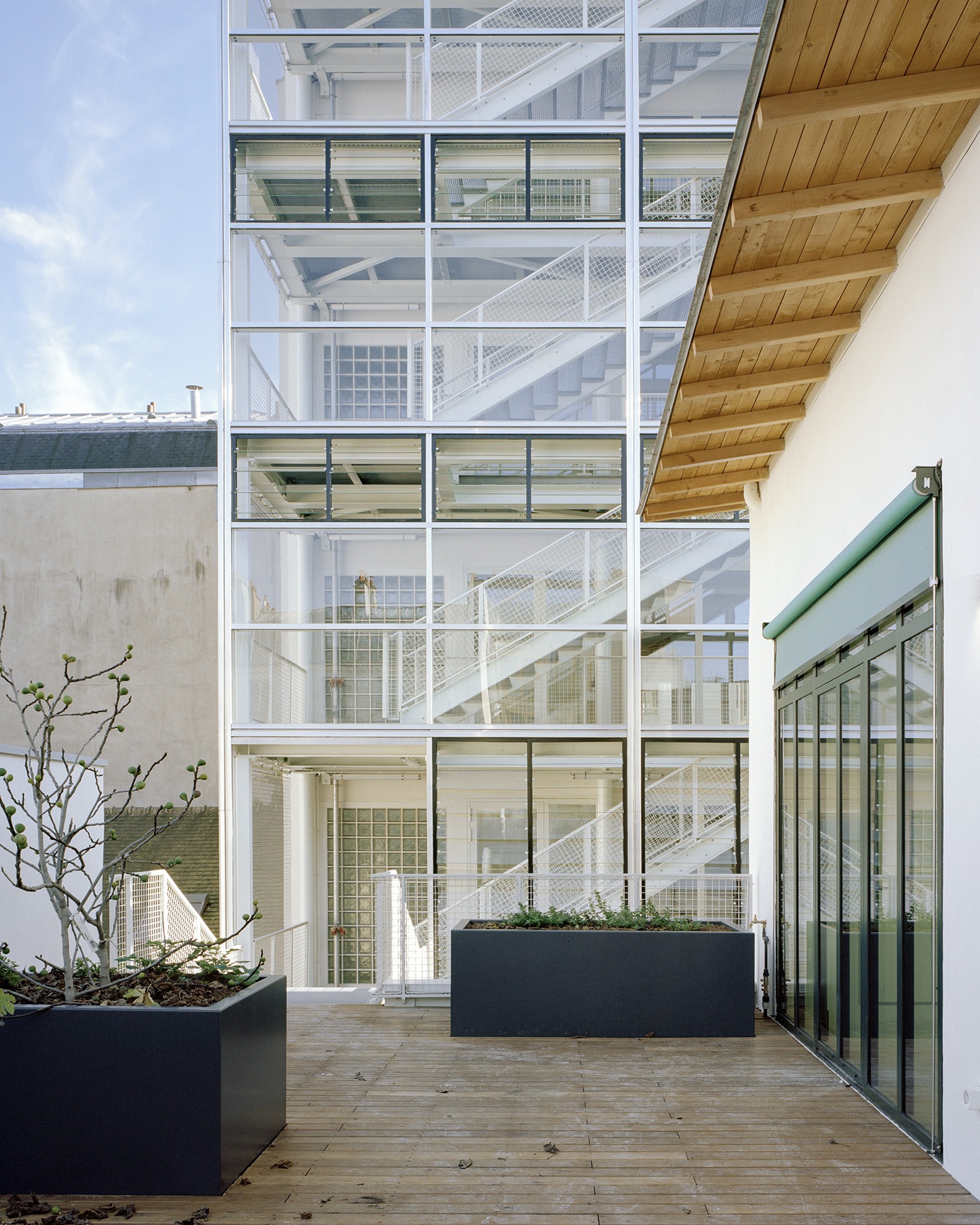
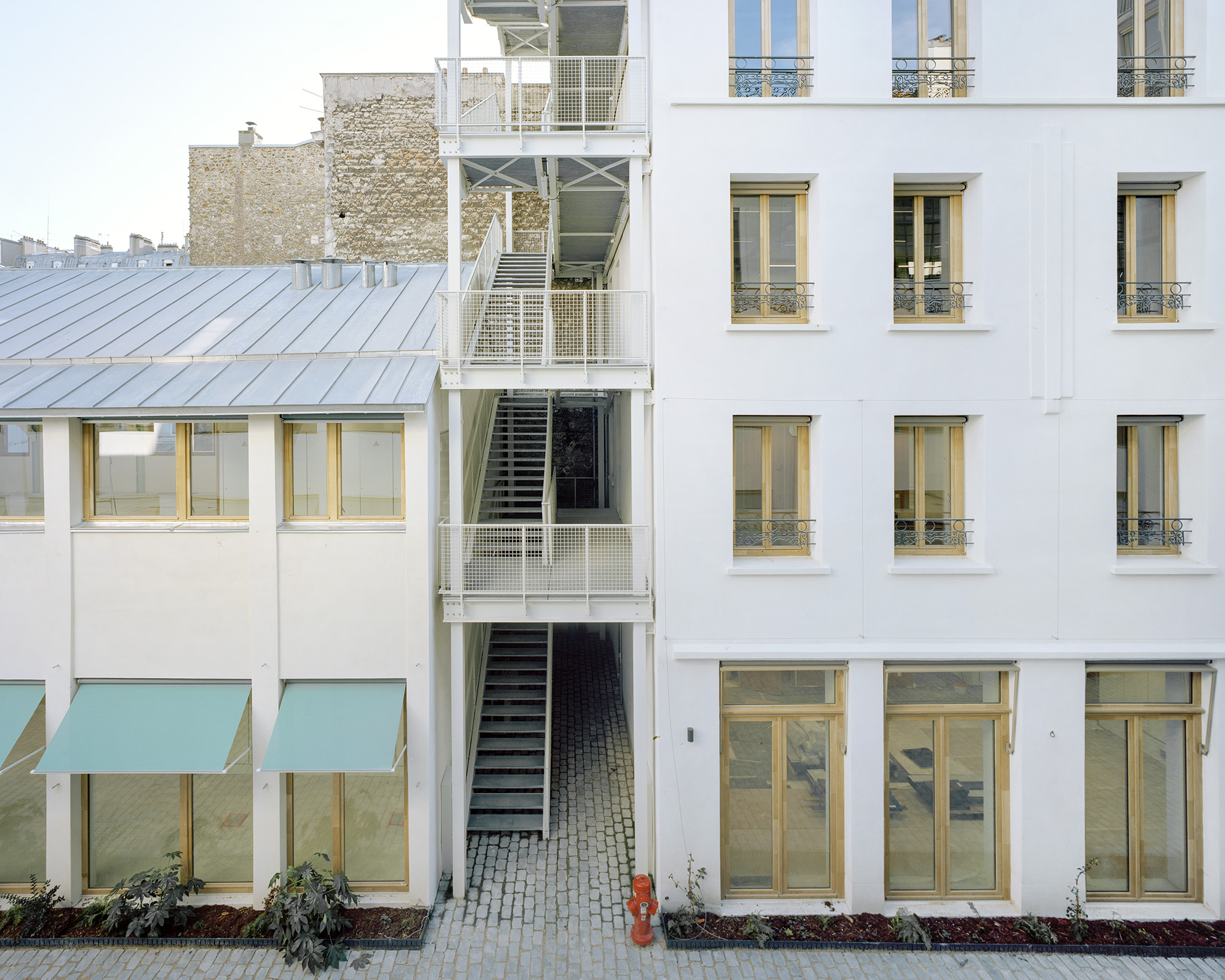
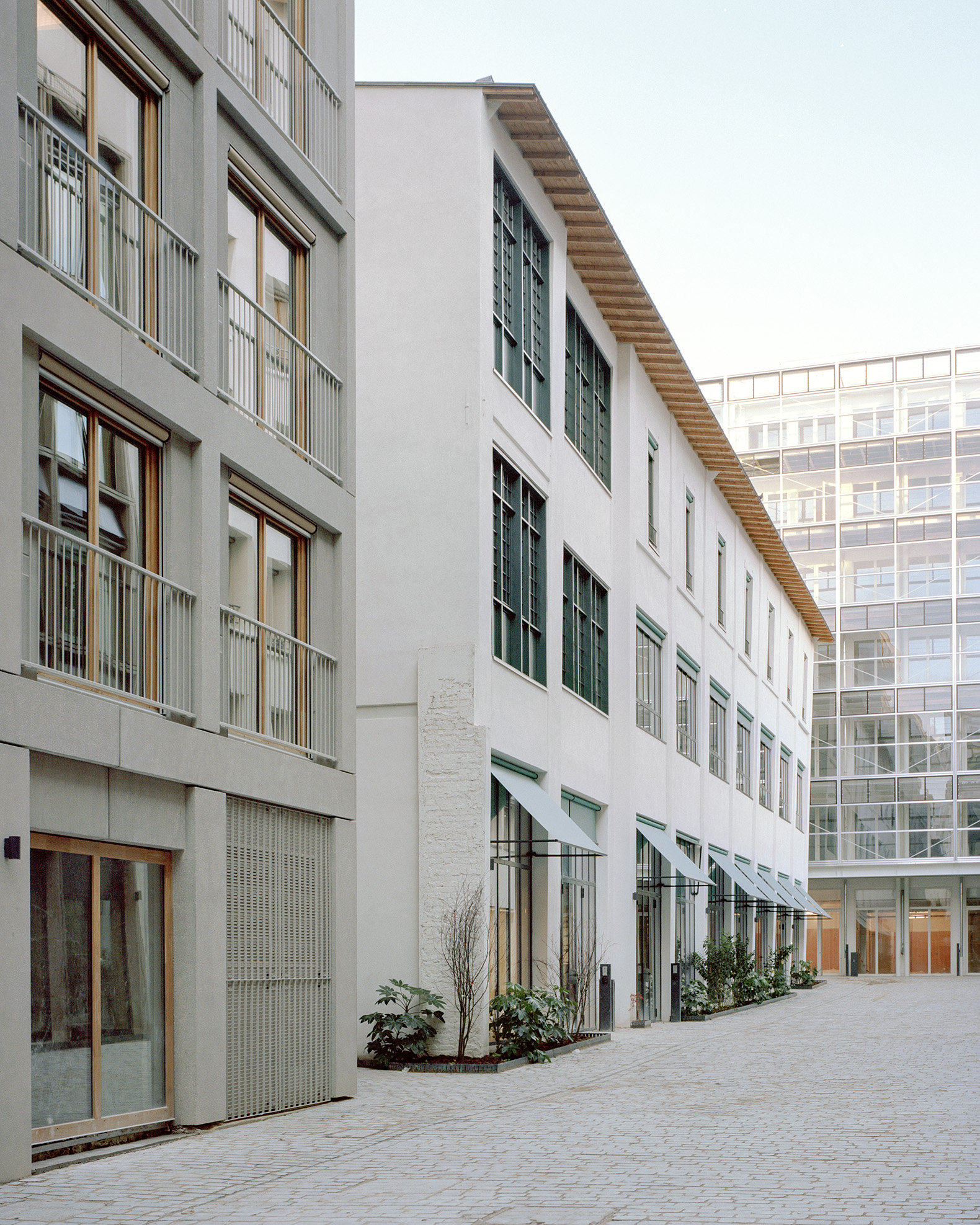
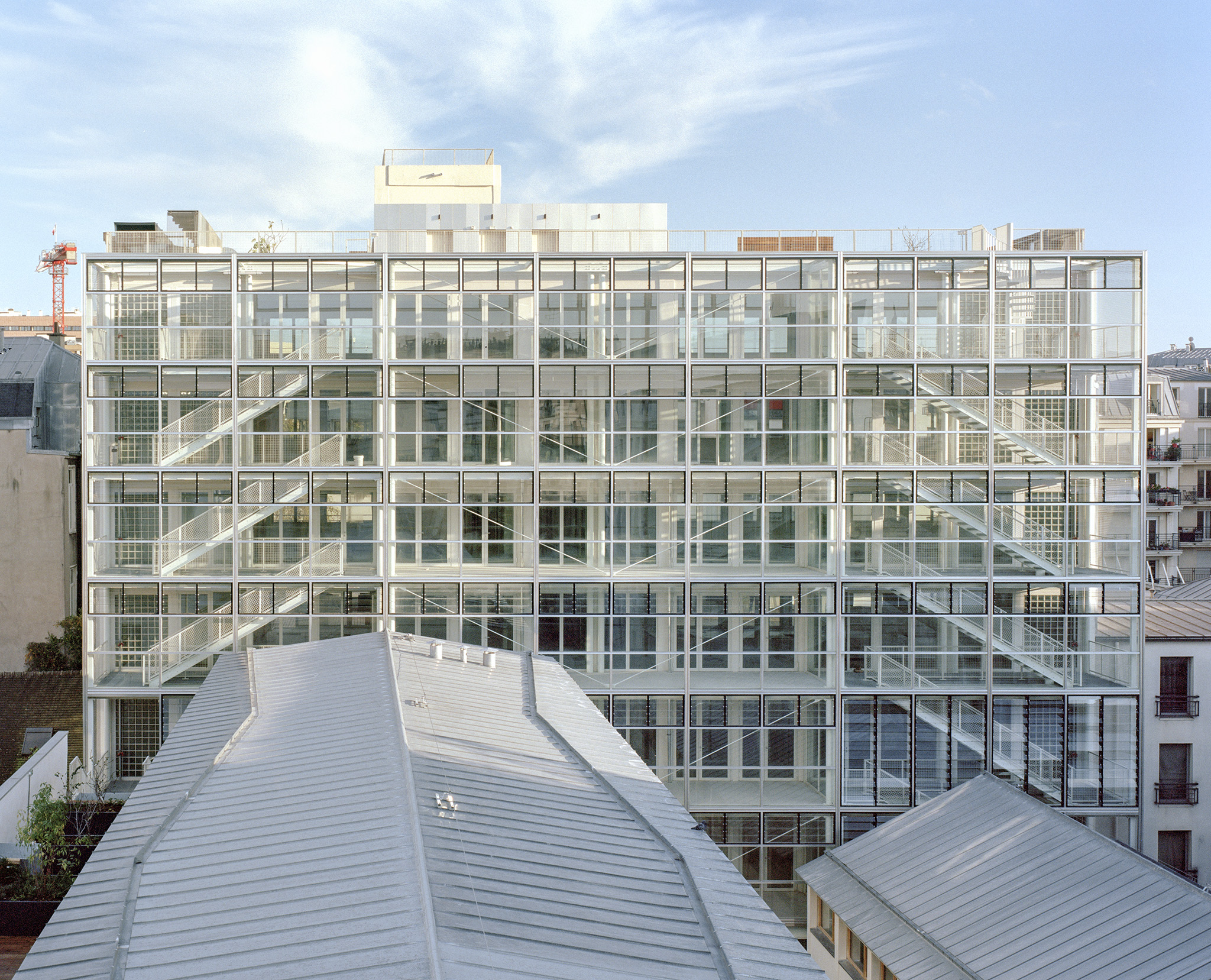
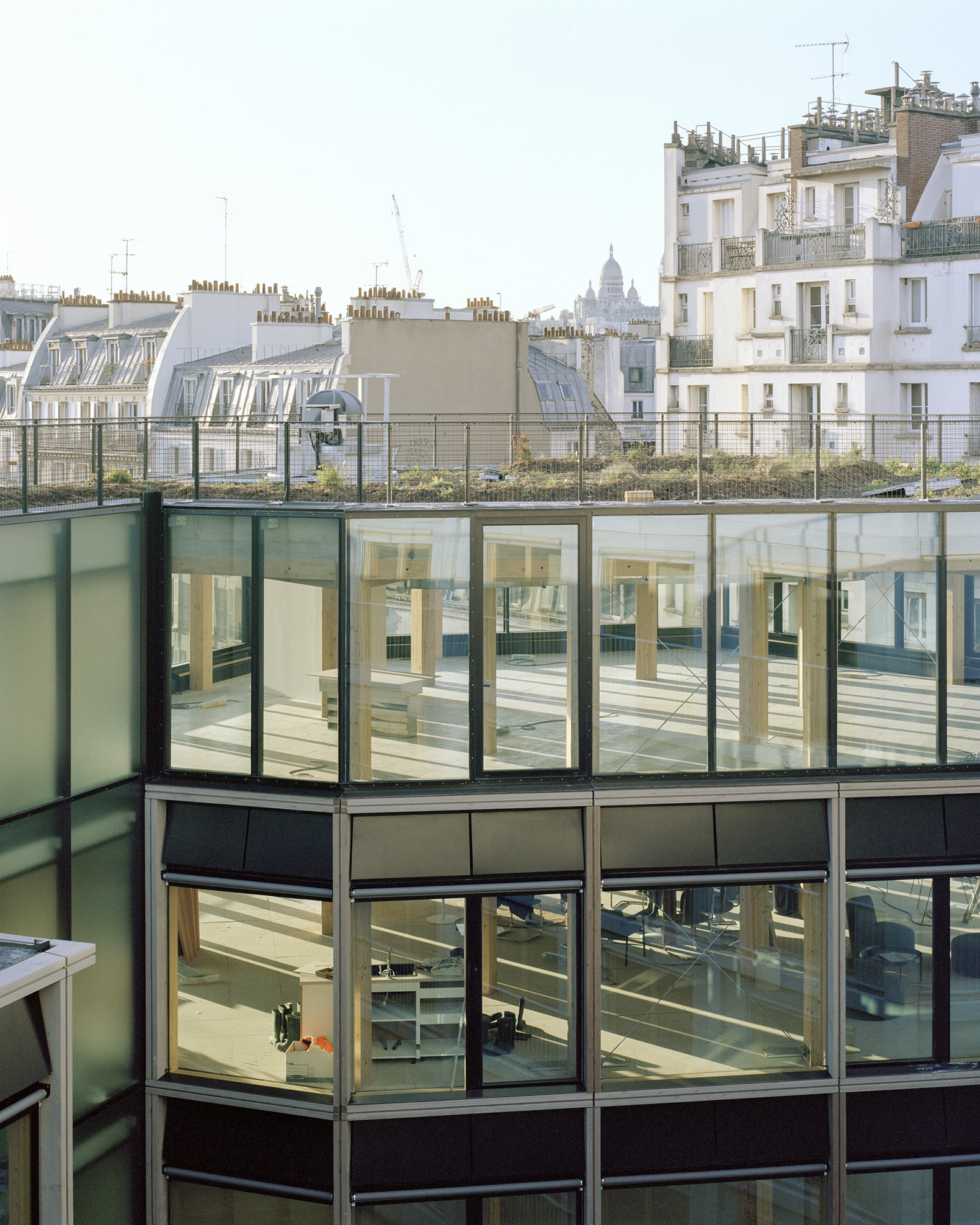
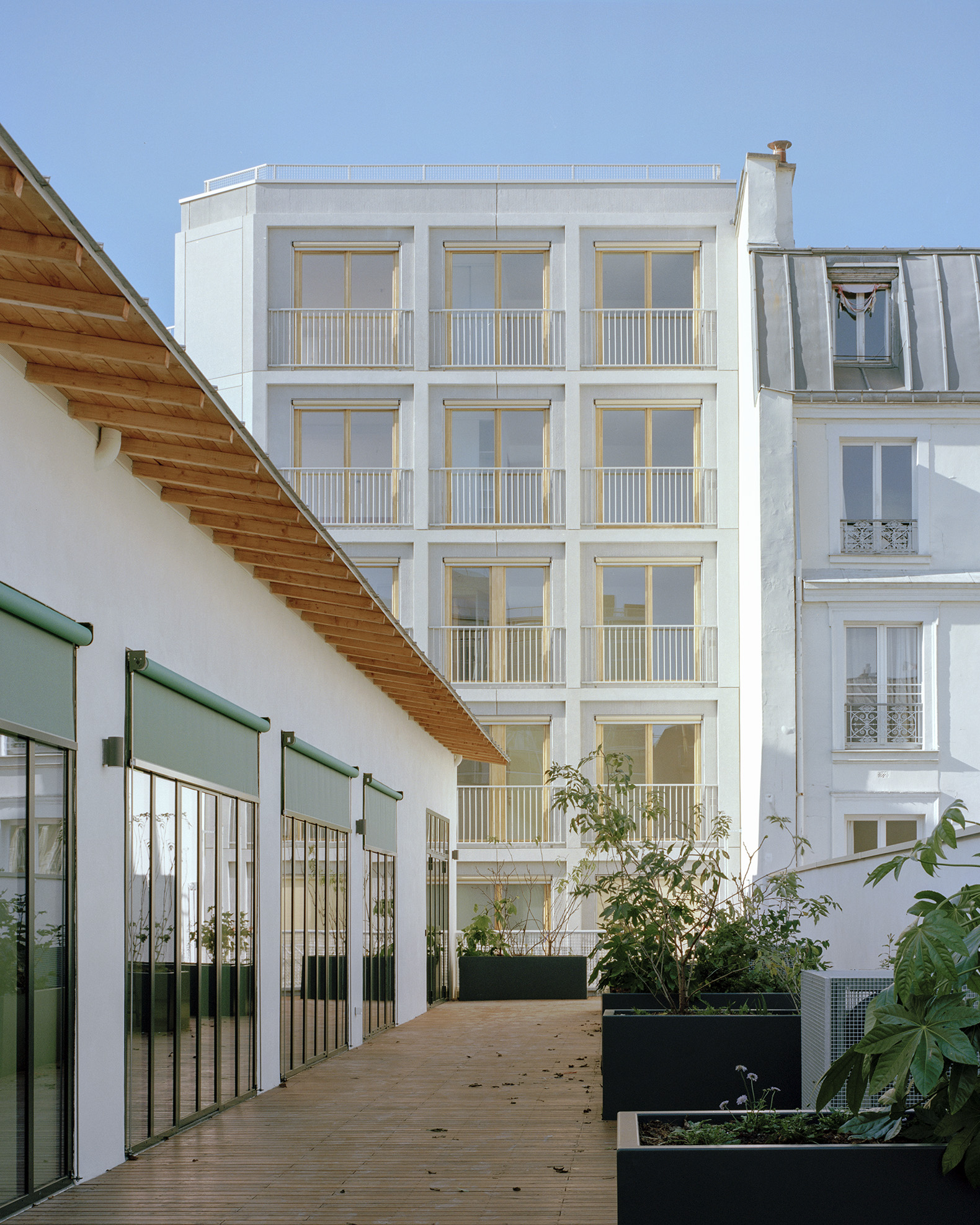
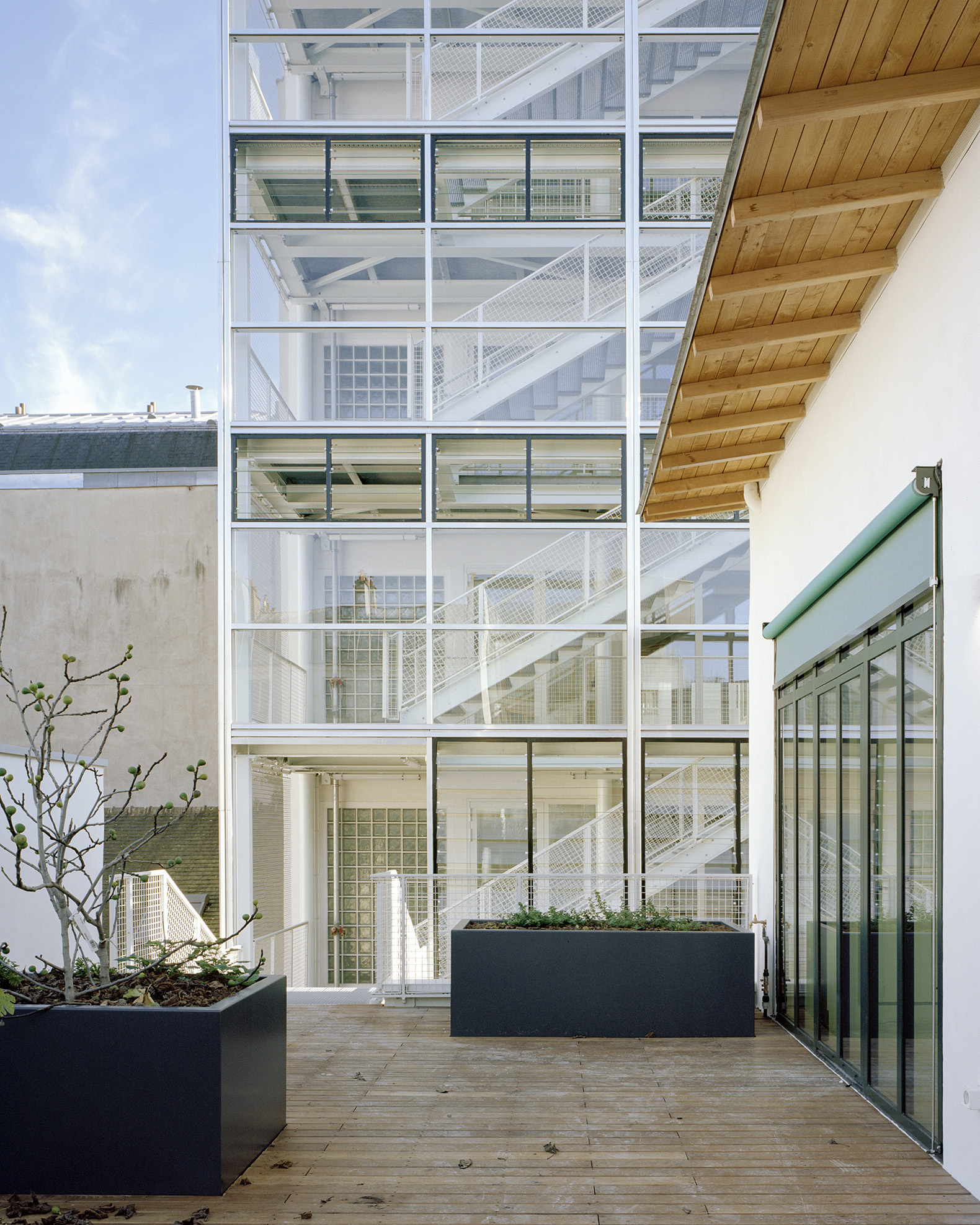
The intervention engages with the existing material diversity: materials such as wood, concrete, and metal are used to create light and precise extensions. New glass and metal facades, exterior staircases, and complementary structures reinforce the complex's identity, while the new wood and concrete buildings solidify an architecture based on adaptation and sustainability.
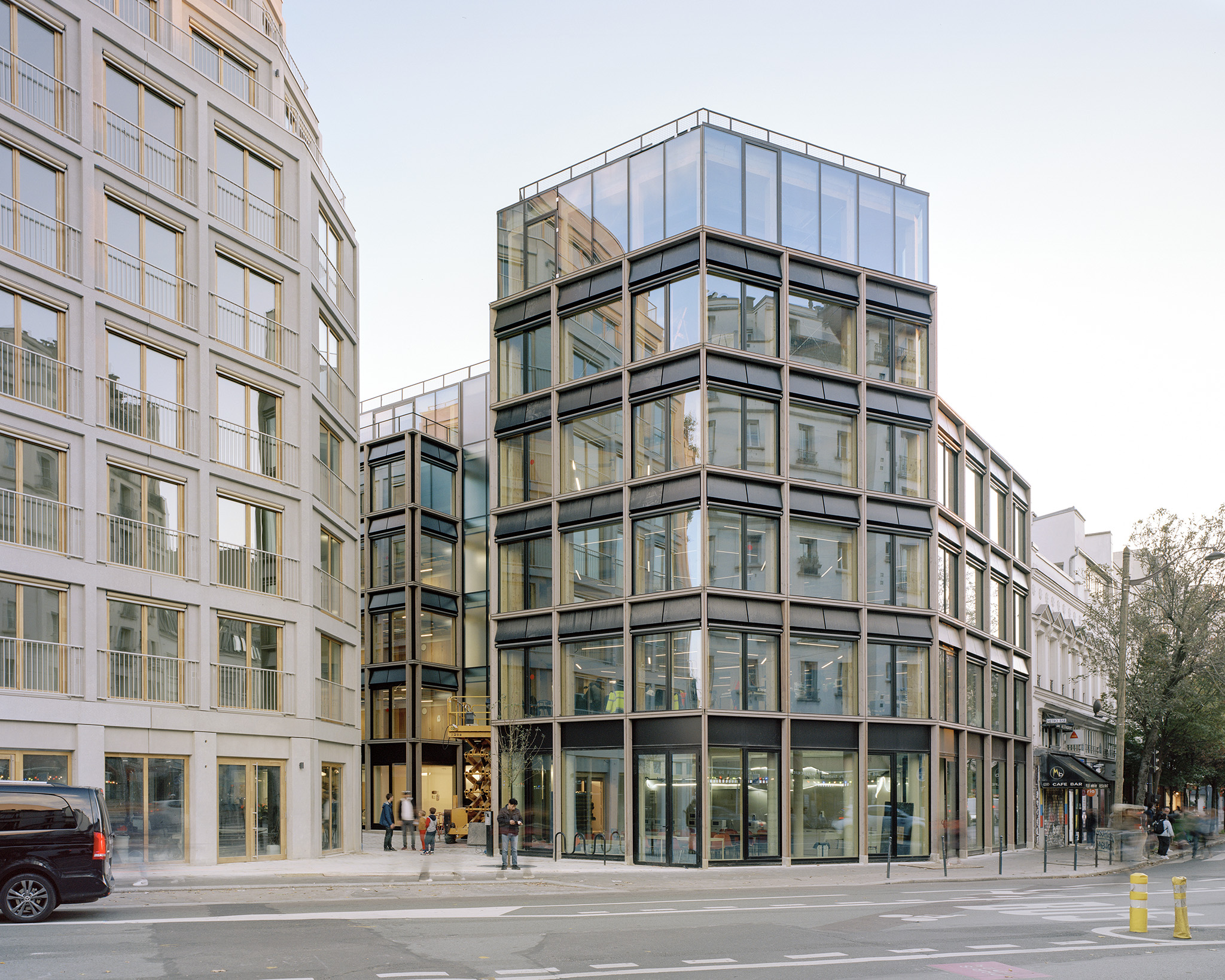
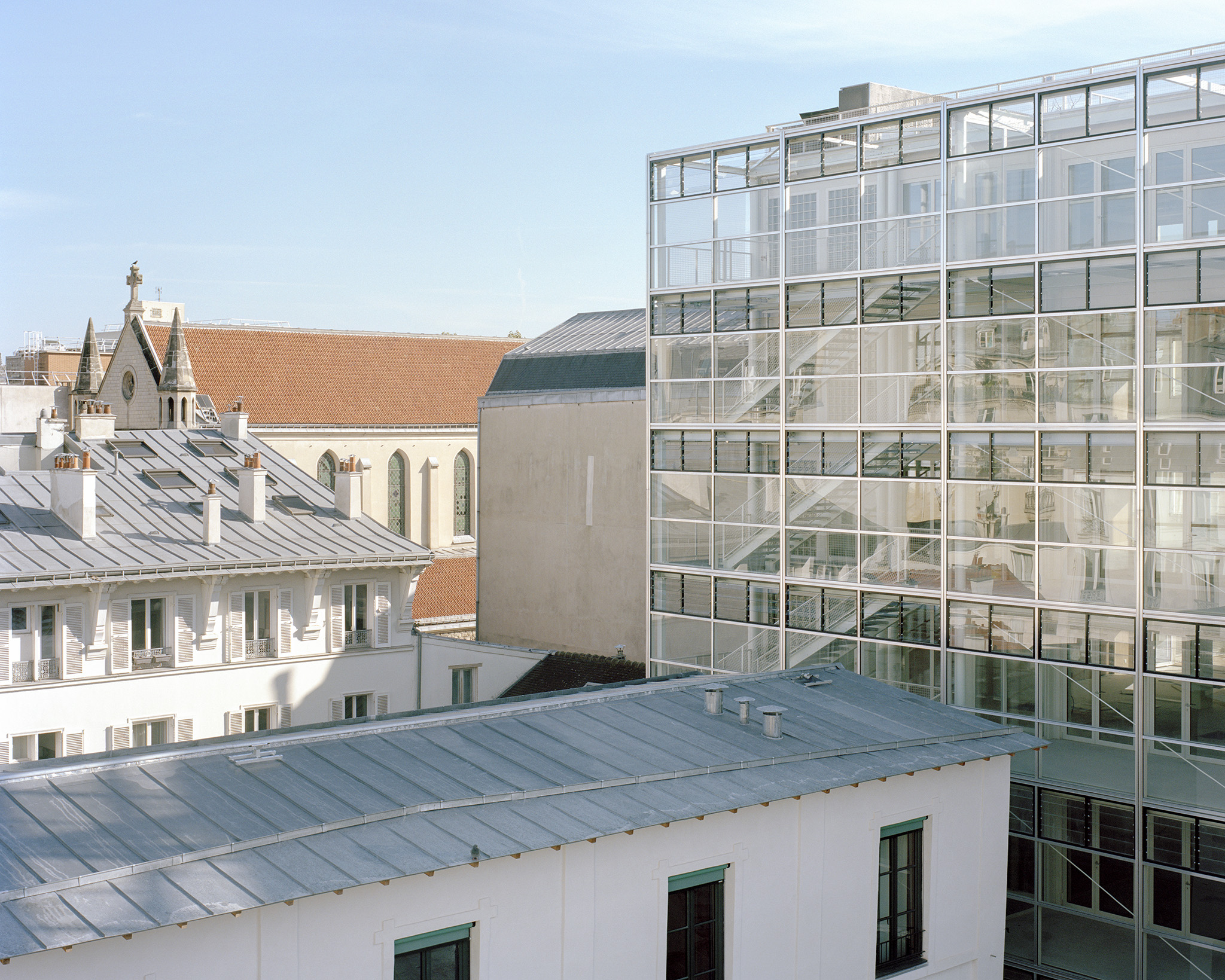
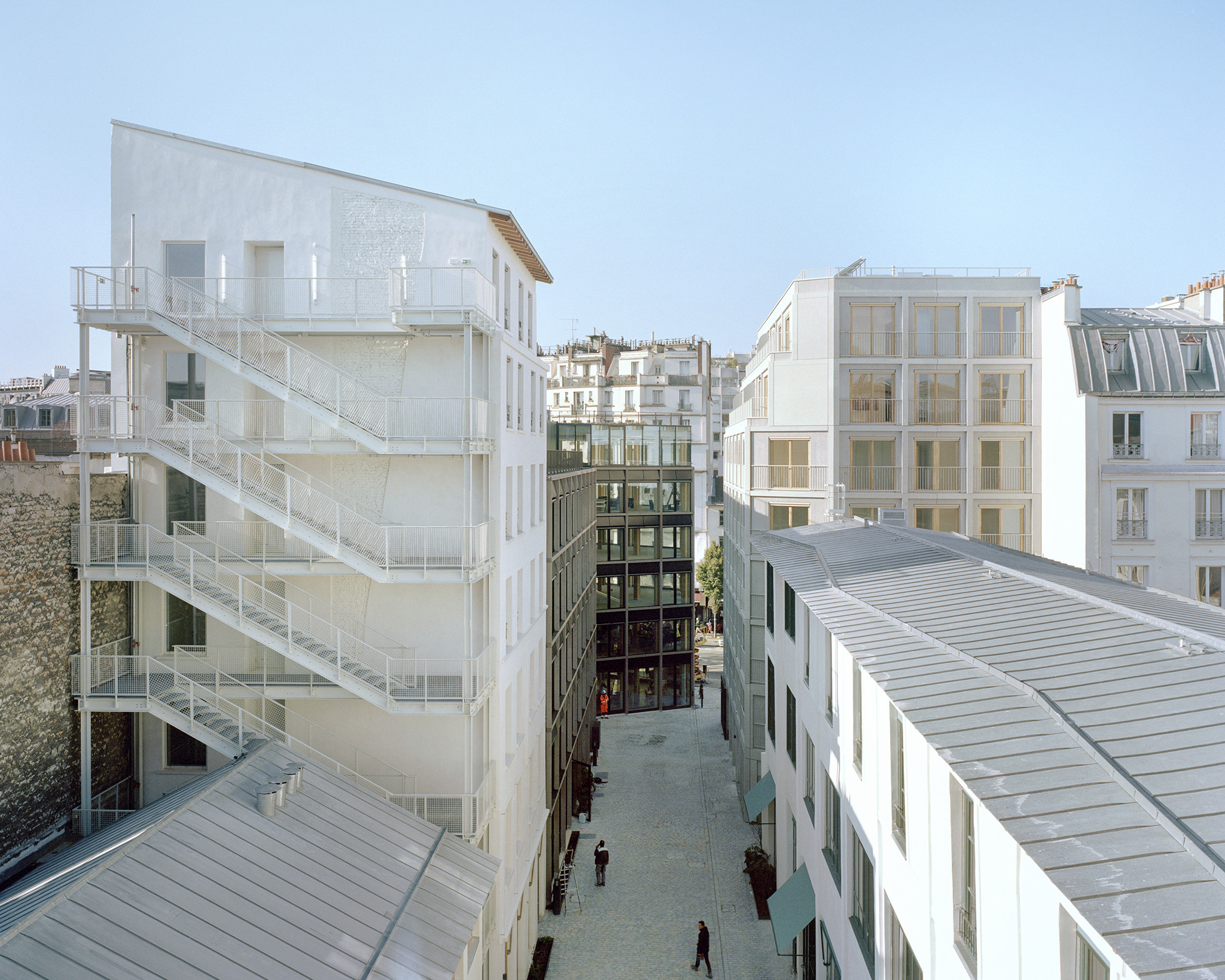
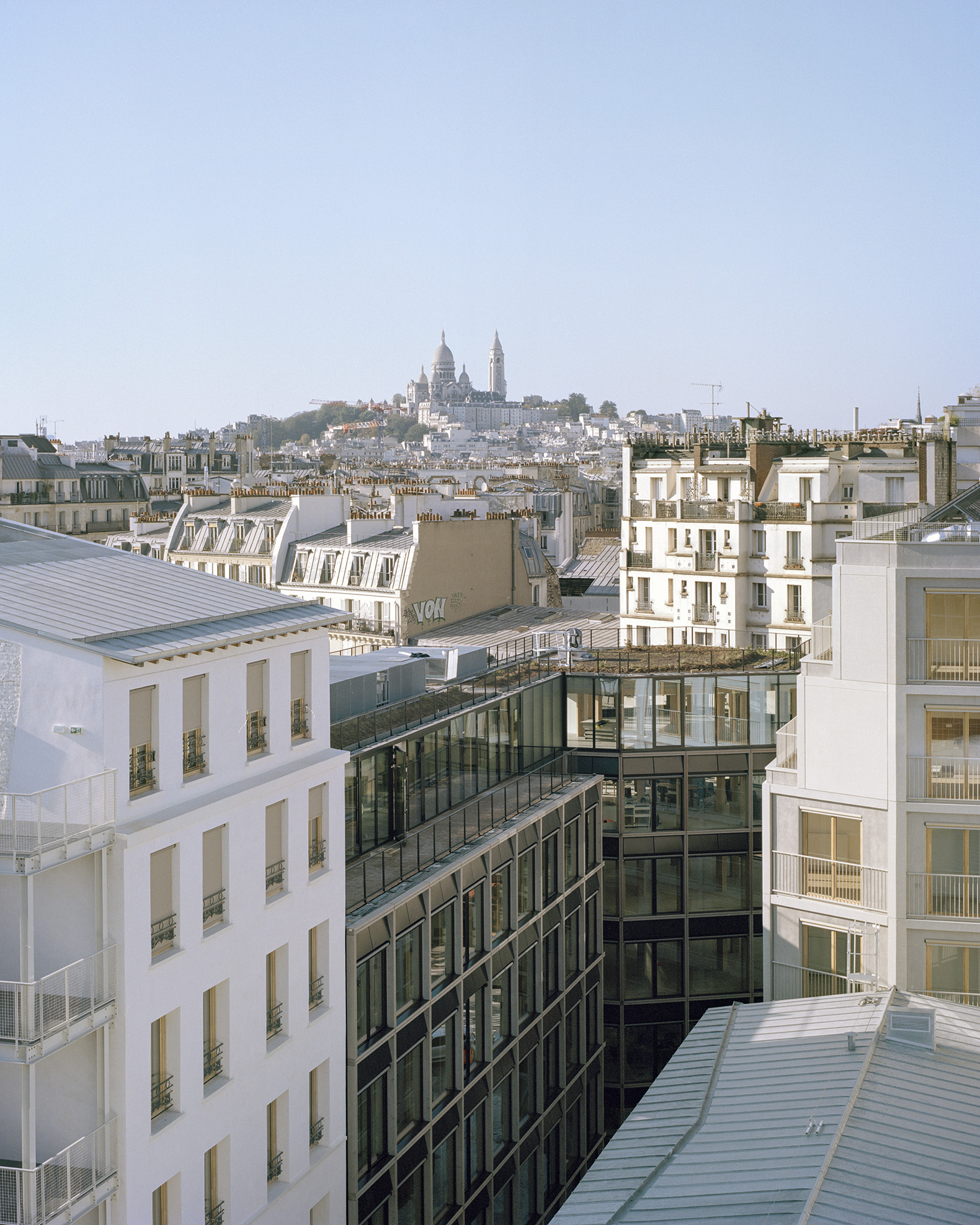
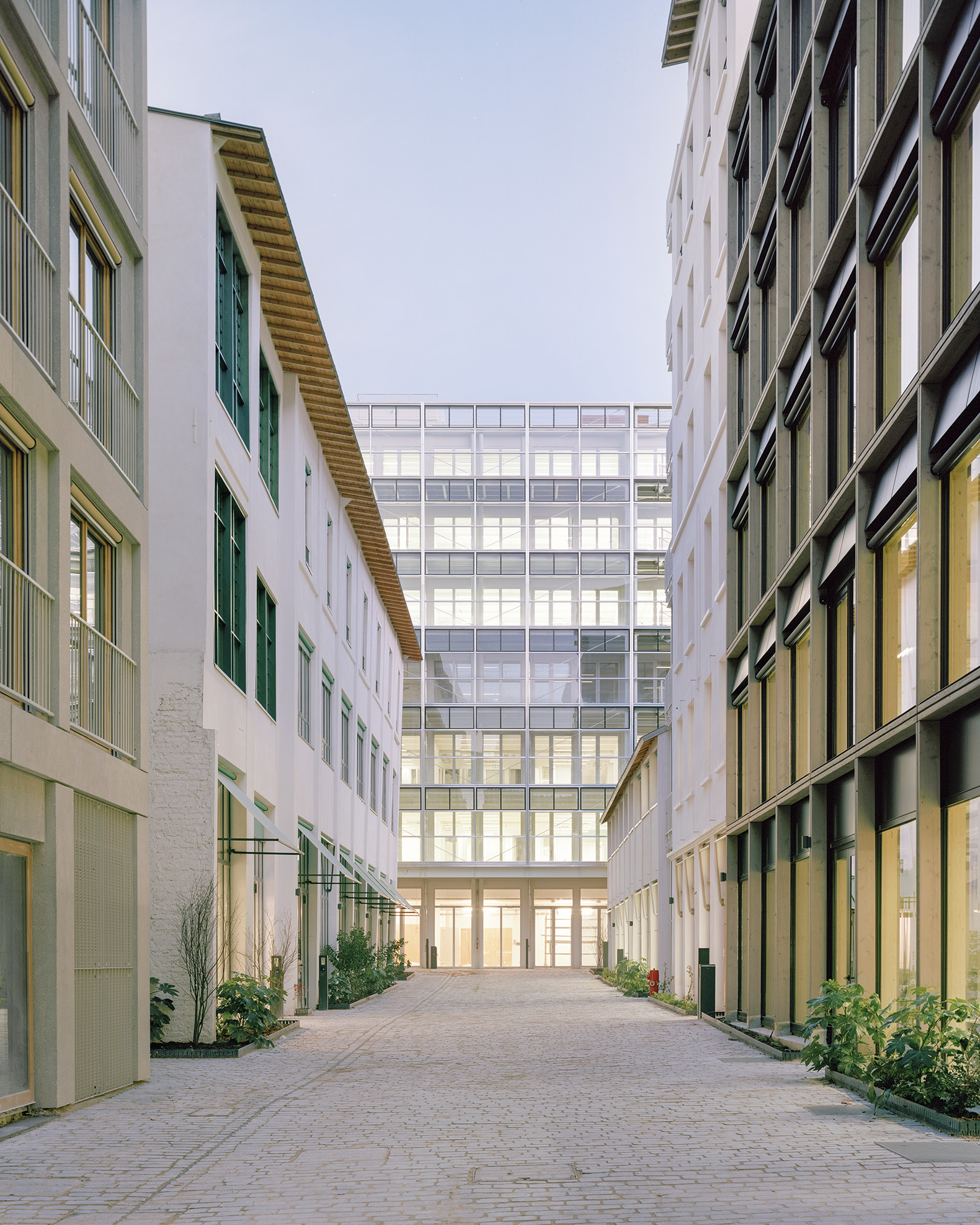
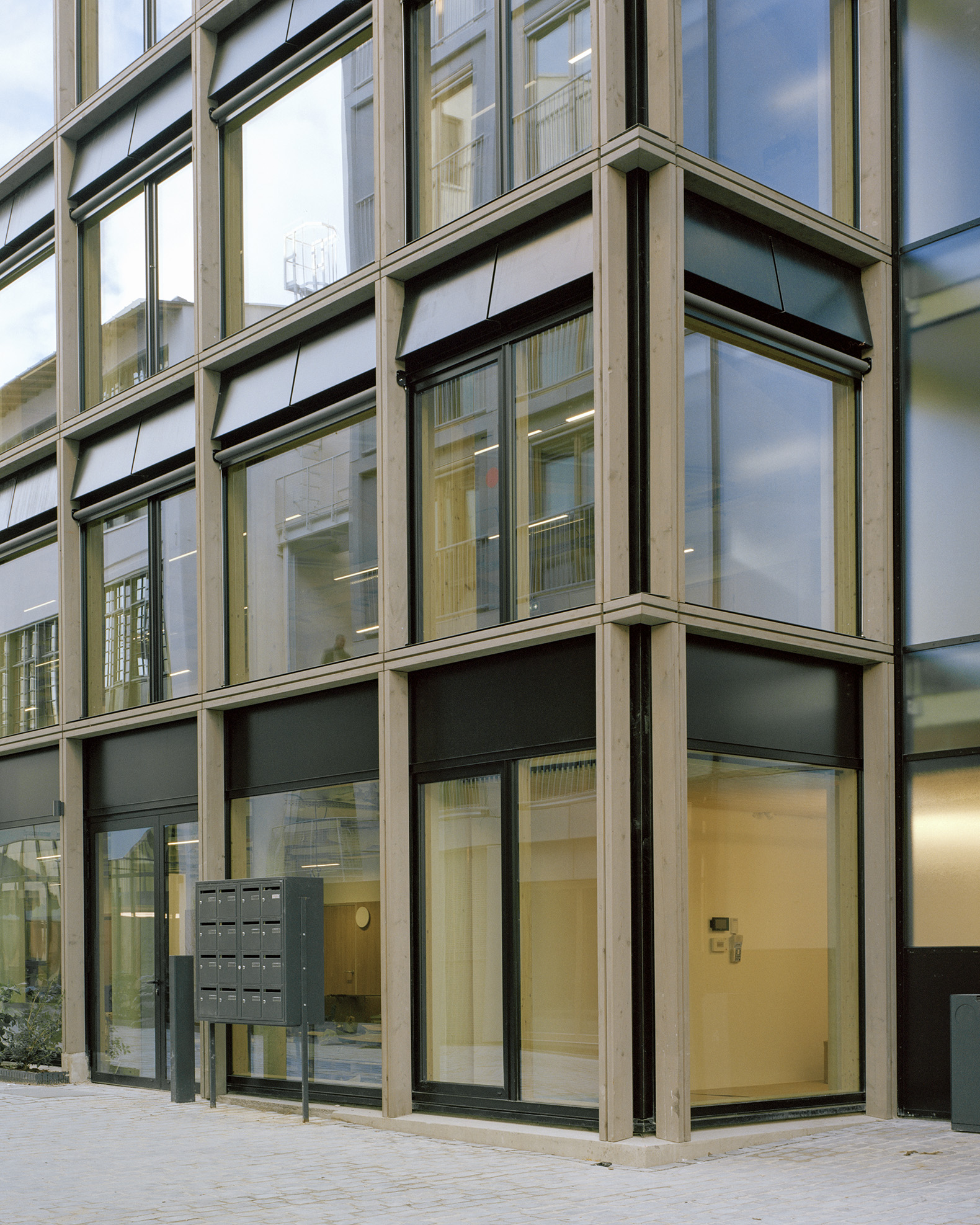
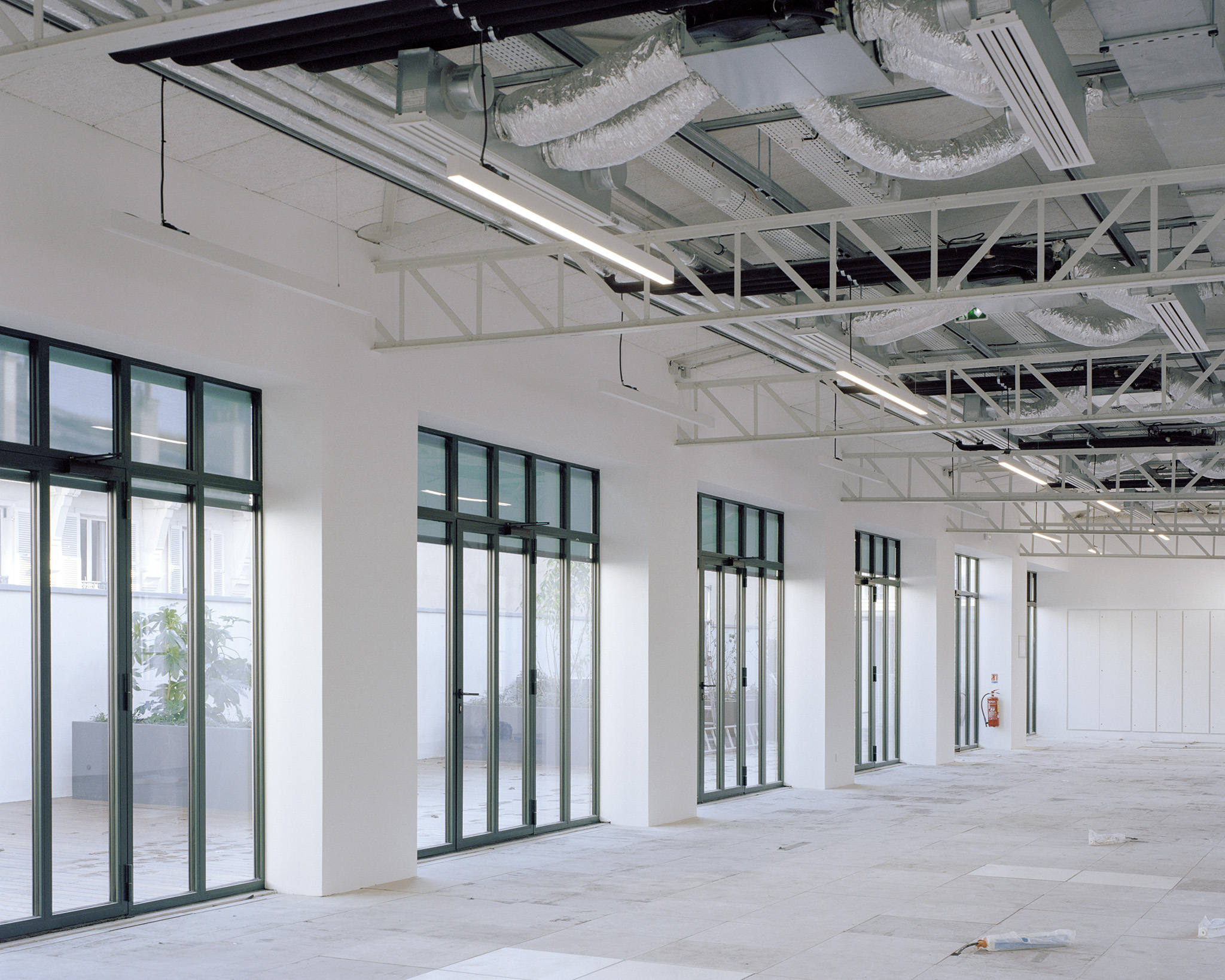
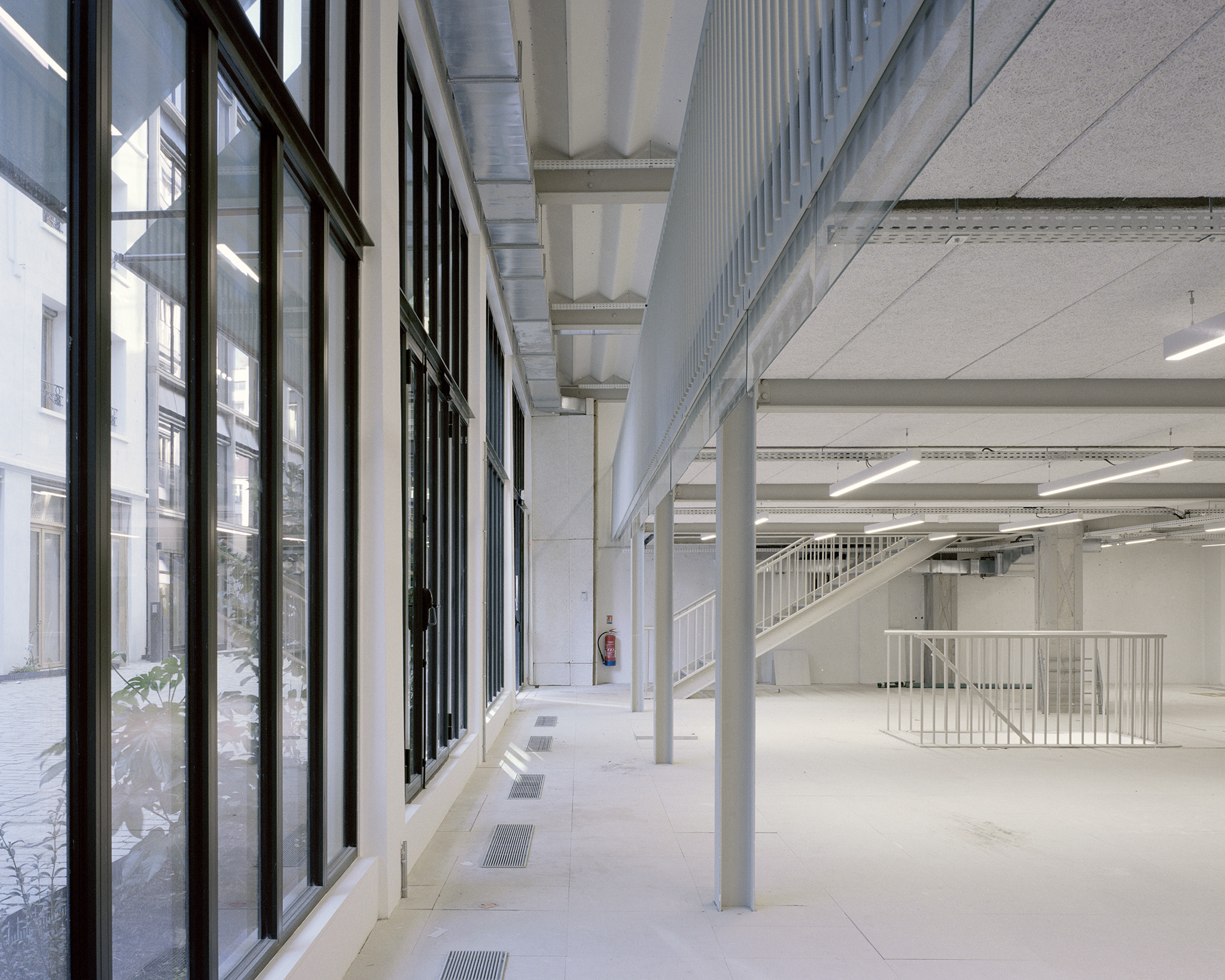
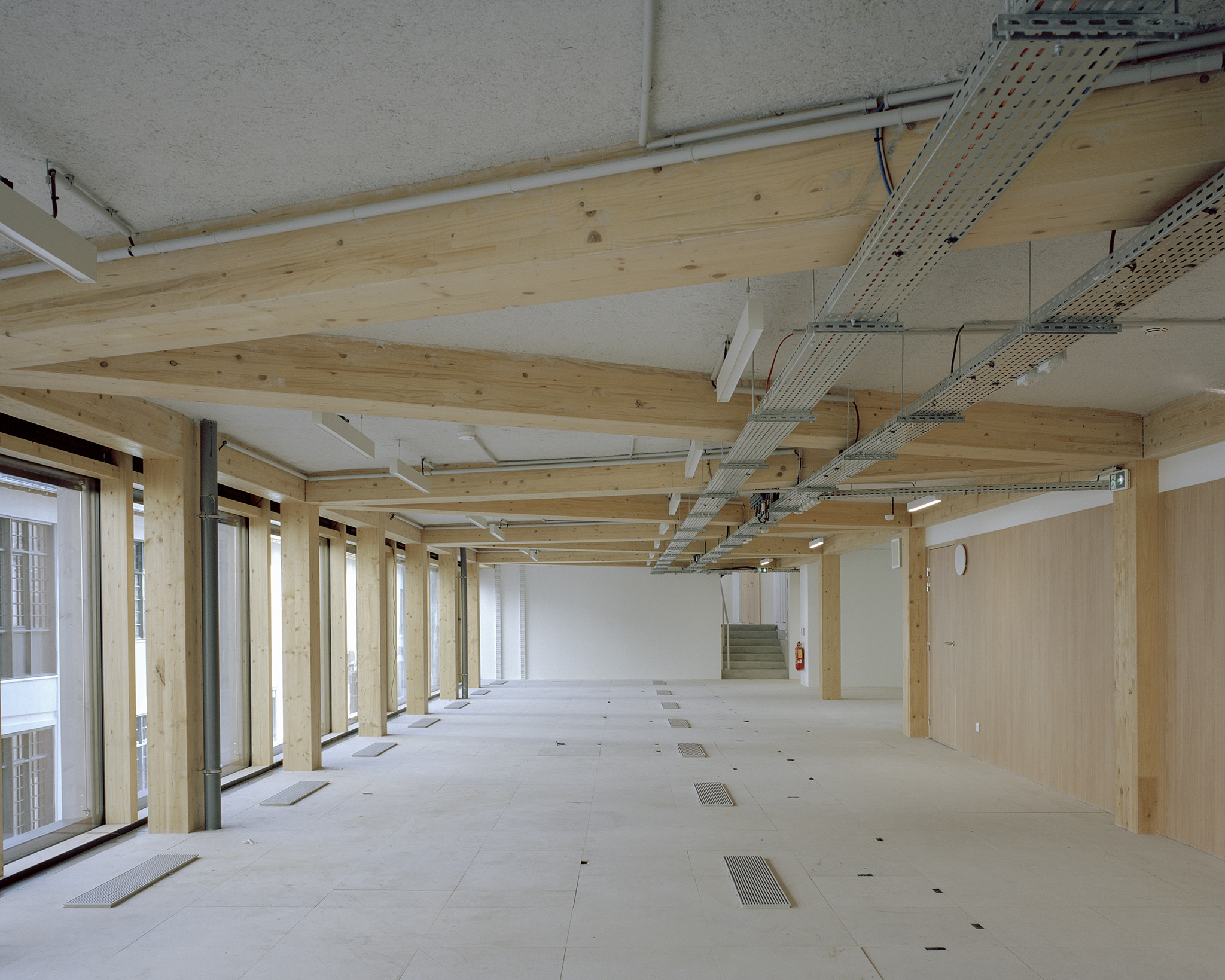
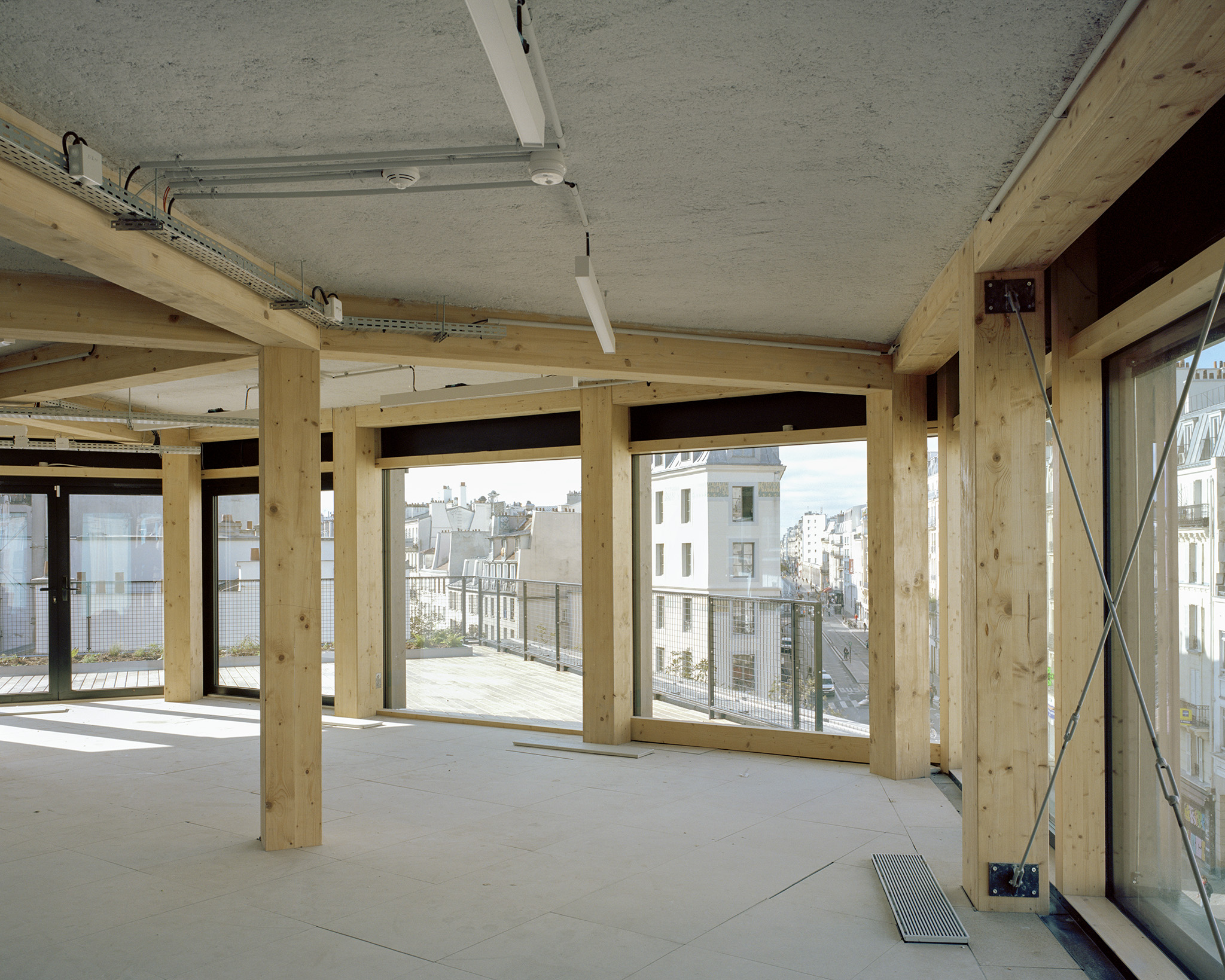
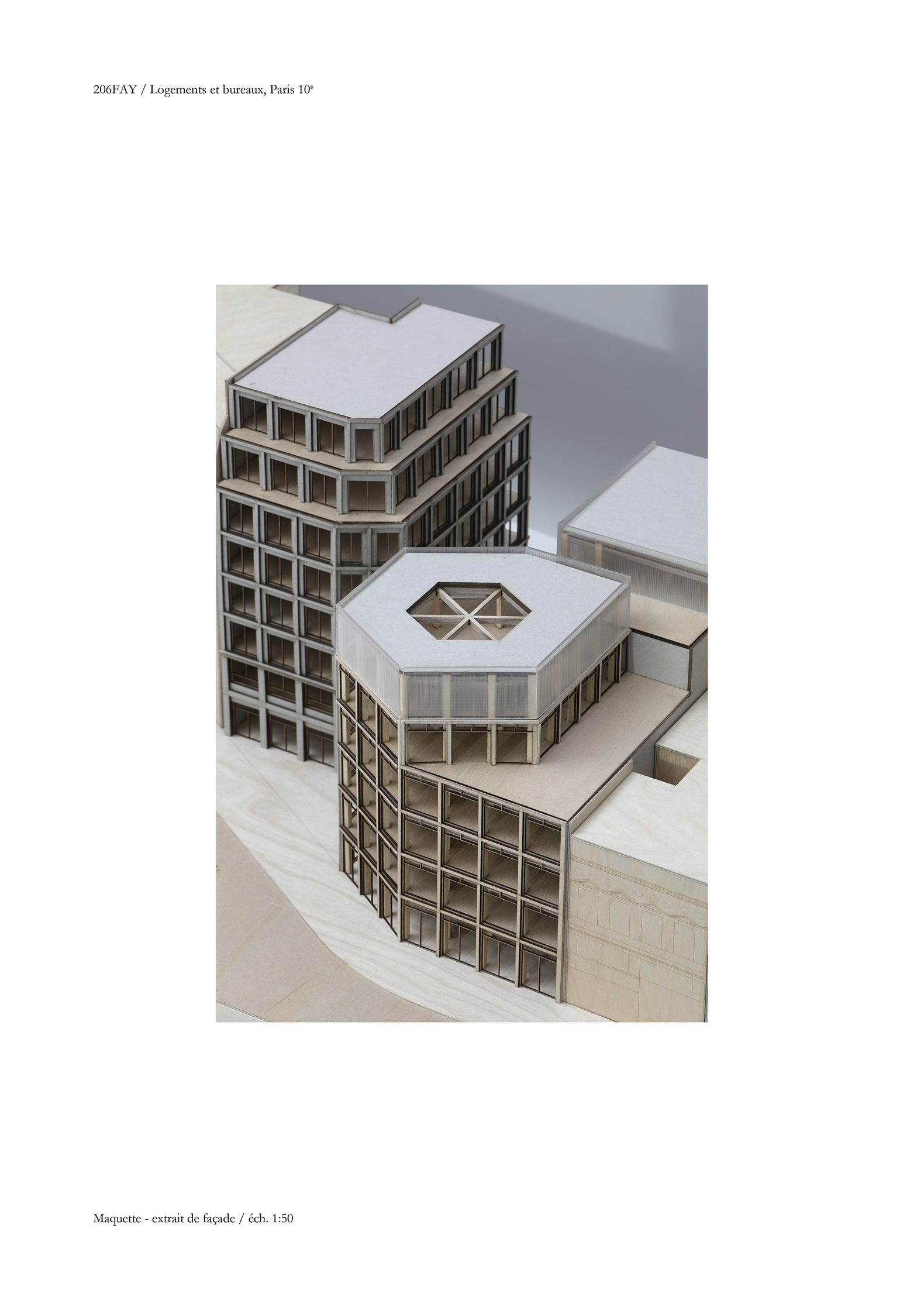
206 Lafayette - Restructuring and Densification of a Mixed-Use Block Including Offices, Social Housing and Stores by DATA architectes + THINK TANK architecture. Photograph by Maxime Delvaux.
Project description by DATA architectes + THINK TANK architecture
Abstract
206 Rue Lafayette in Paris transforms a dense urban plot while preserving 80% of the existing buildings. Through a strategy of architectural addition and subtraction, the project integrates housing, offices, and retail spaces, revealing the site’s richness and balancing heritage with contemporary uses.
General Description
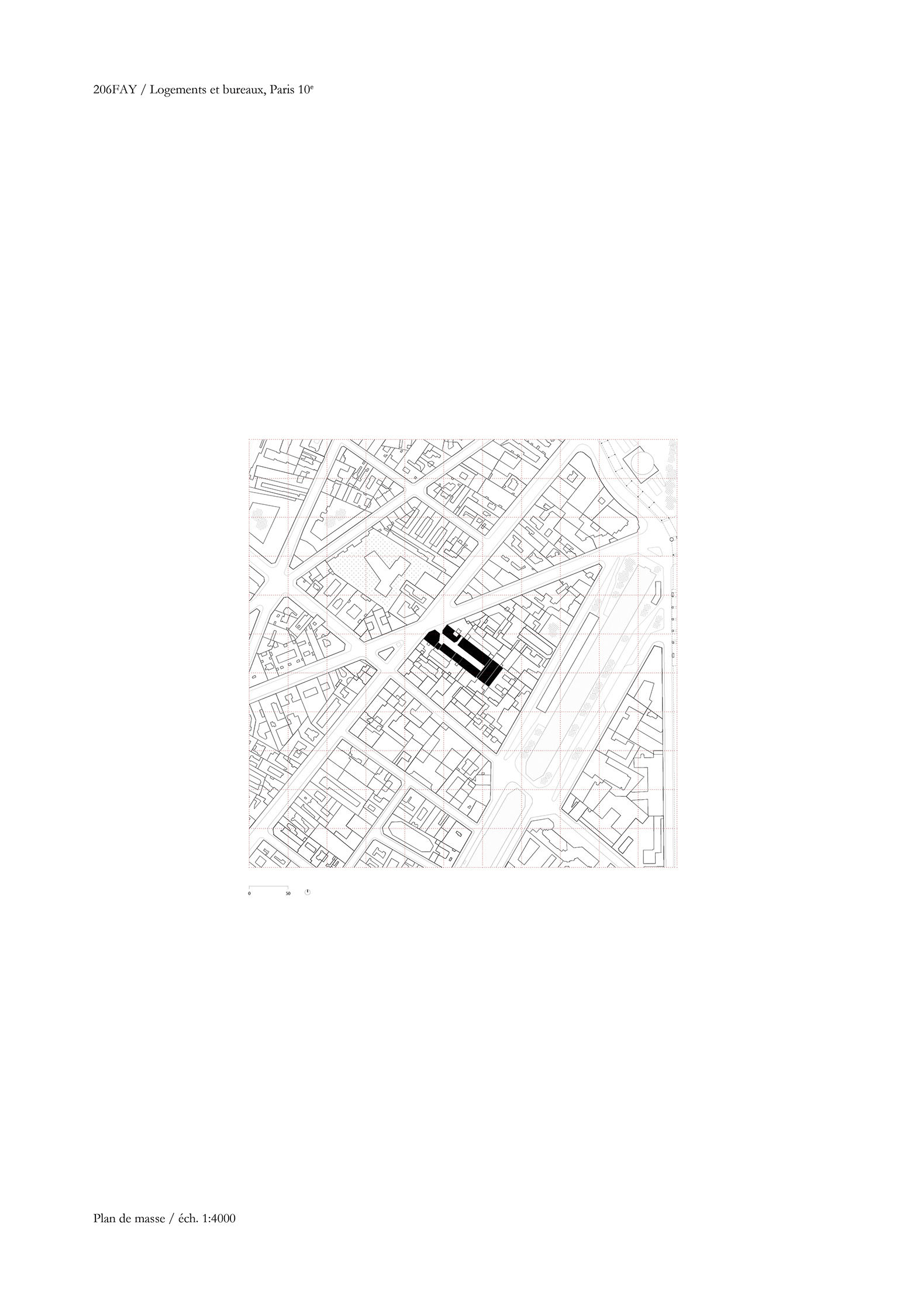
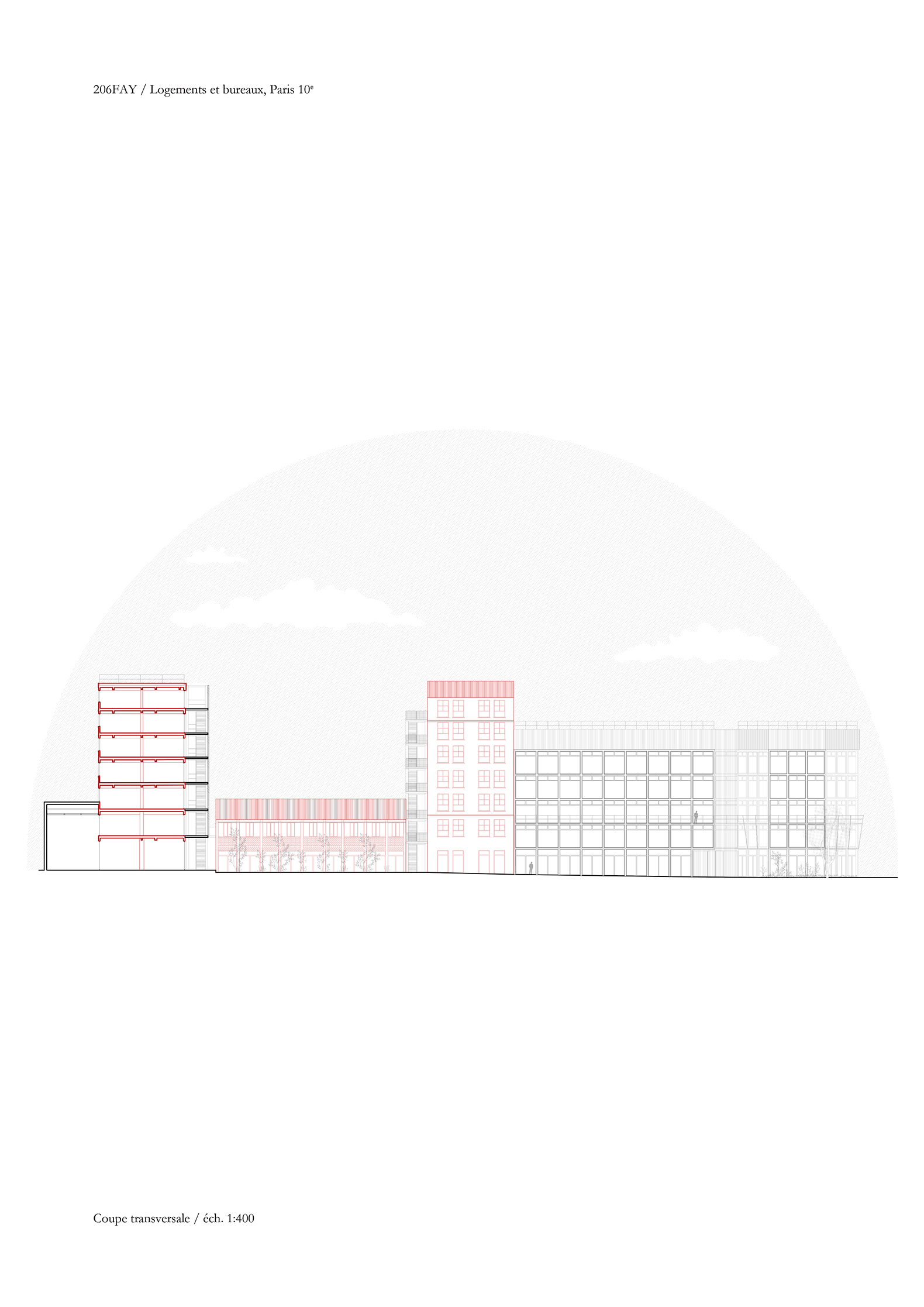
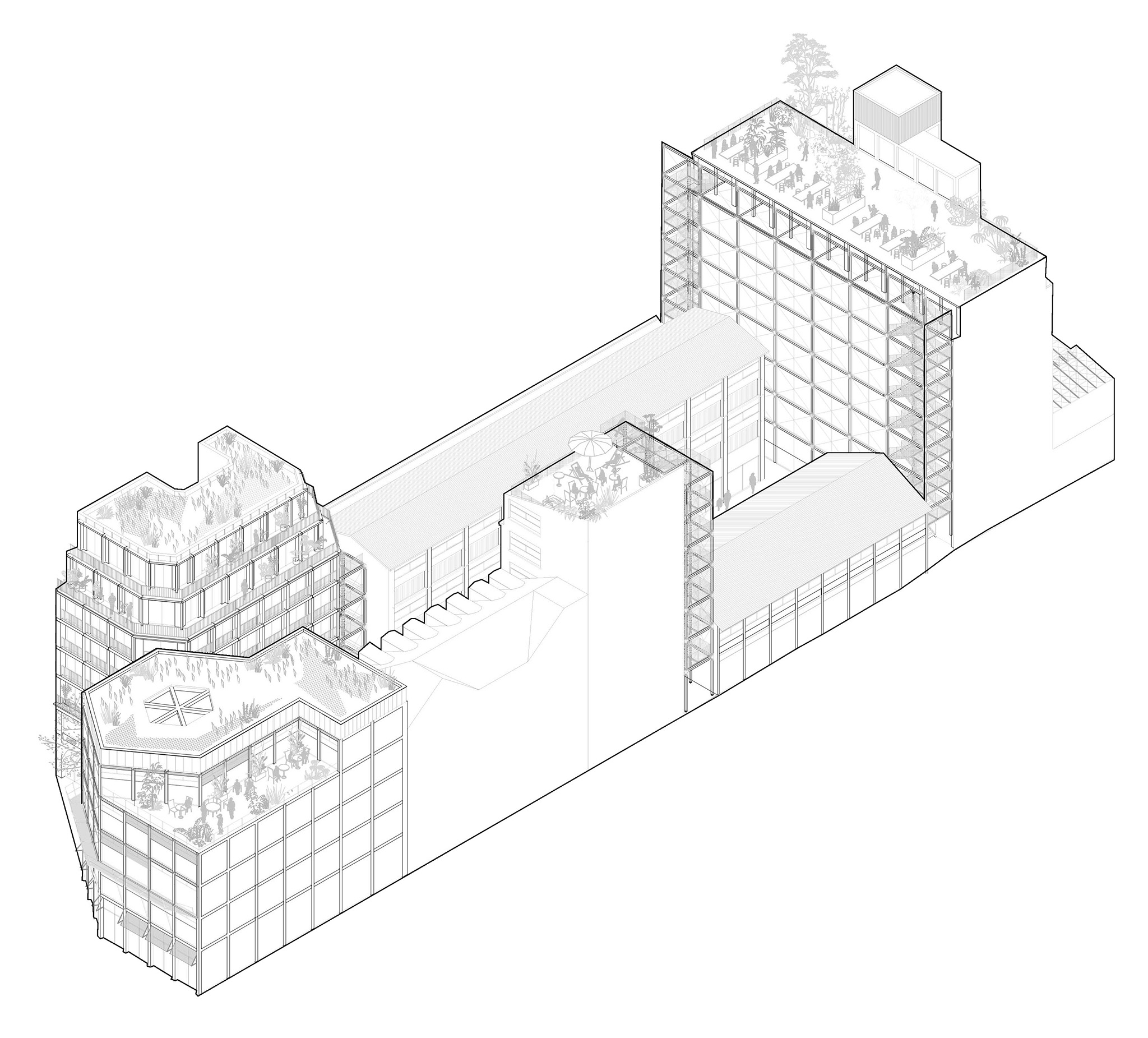
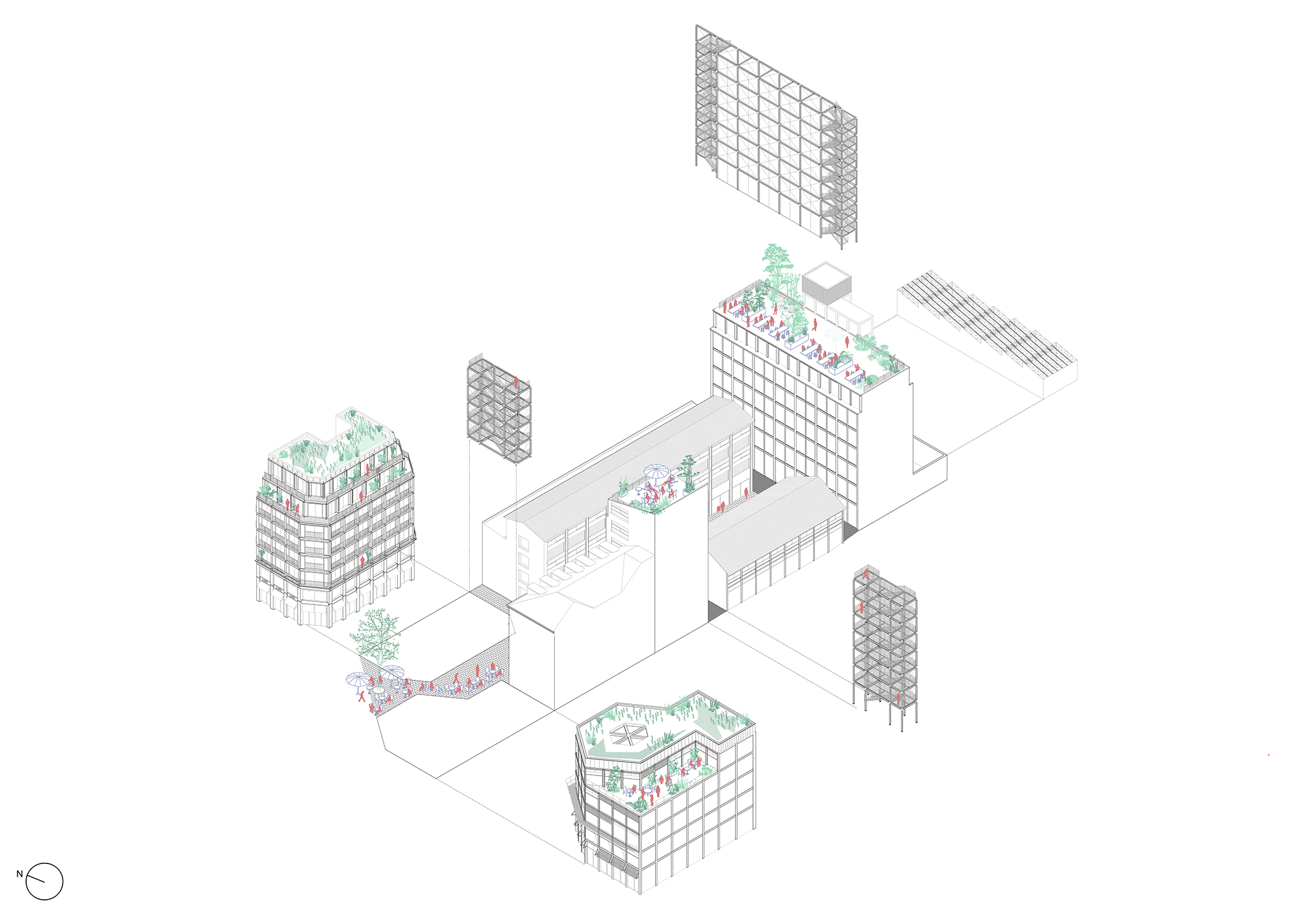
At the intersection of Haussmannian and faubourg fabrics, the 206 Rue Lafayette in Paris project transforms a heterogeneous site composed of eight buildings organized around a central courtyard. Based on the conservation of 80% of the existing structures, the intervention favors adjustment and reuse over demolition. Through a strategy of addition and subtraction, it introduces new architectural devices combining housing, offices, and retail, while redefining public spaces and reinforcing the site’s overall coherence.
Concept, Context & Strategy
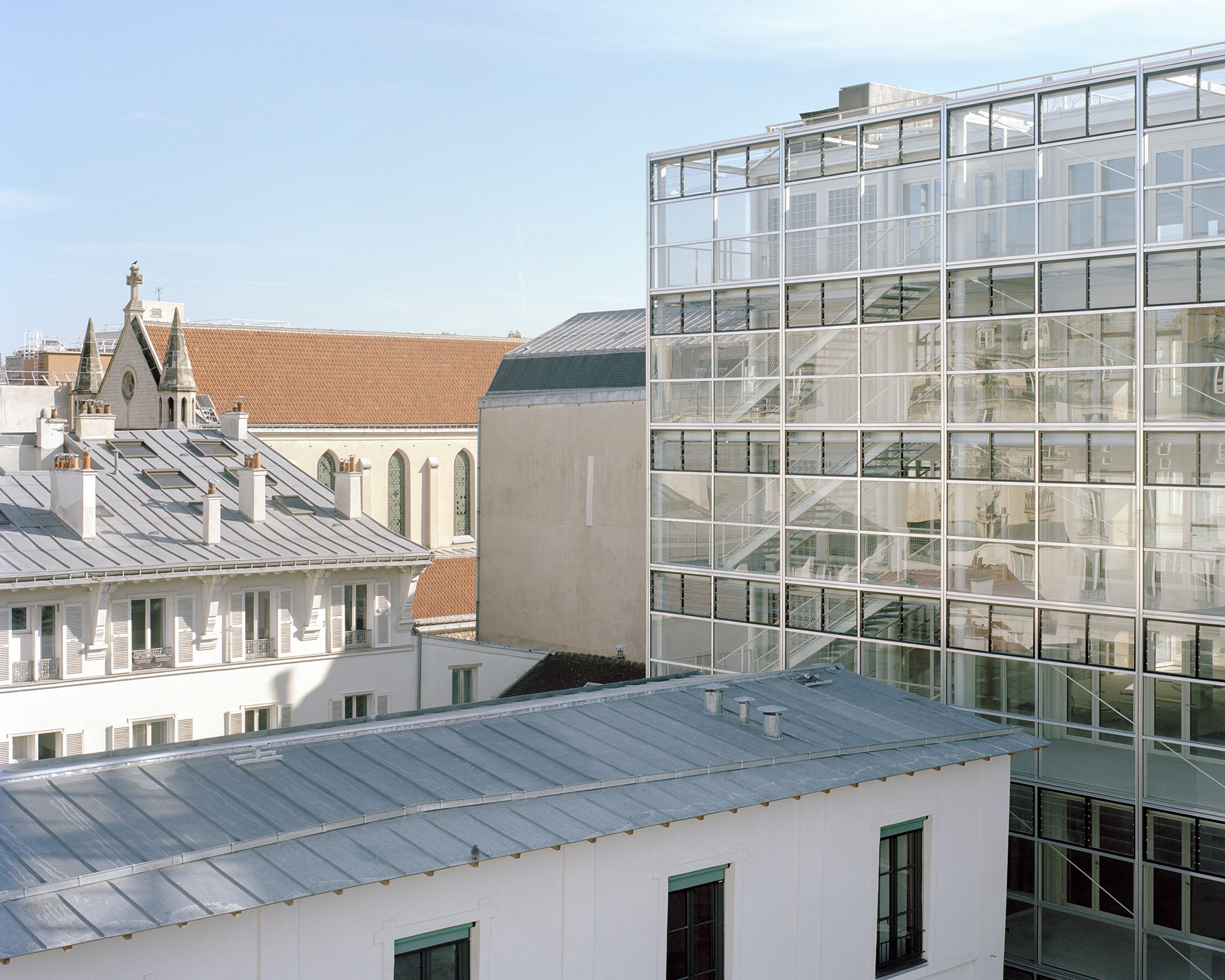
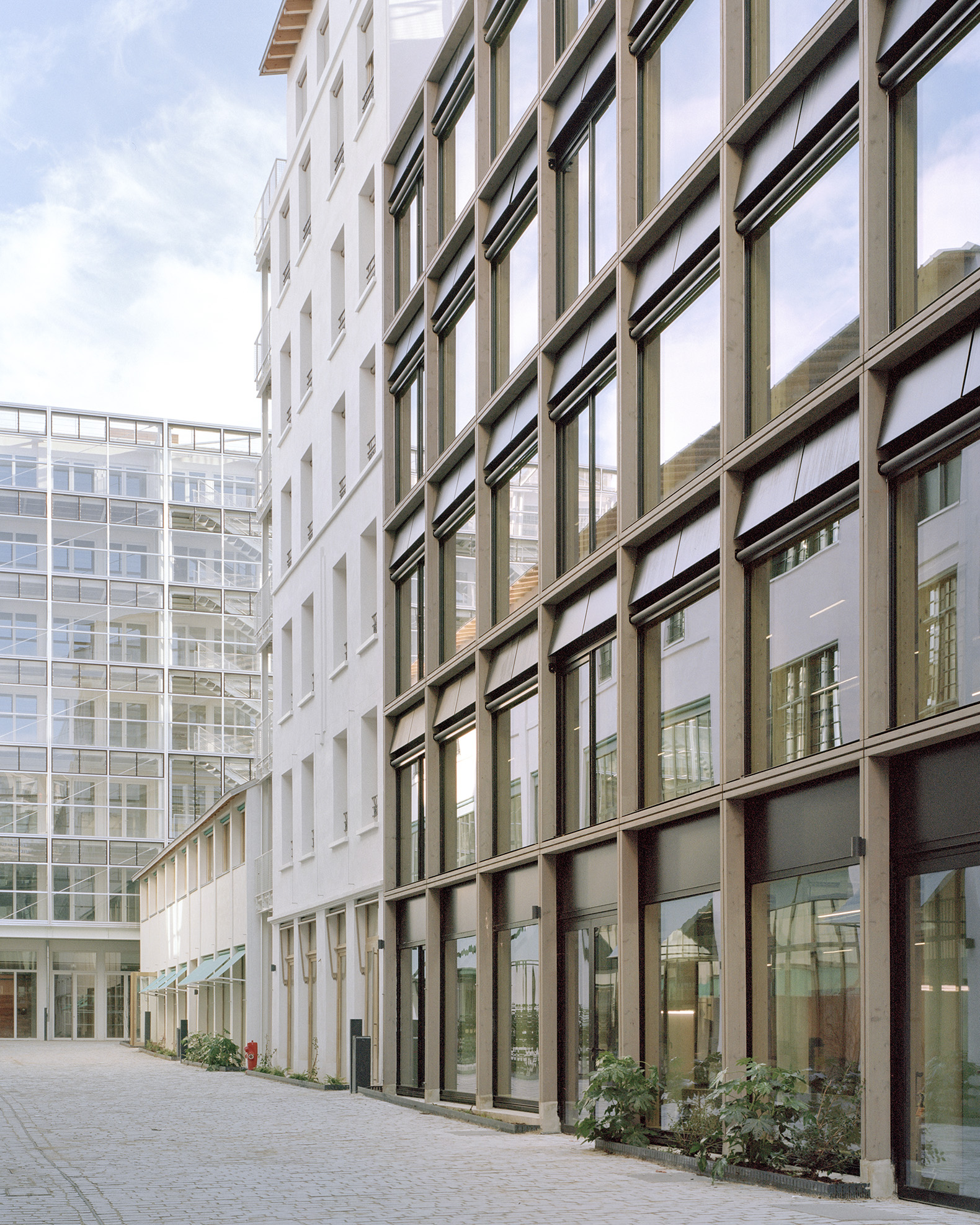
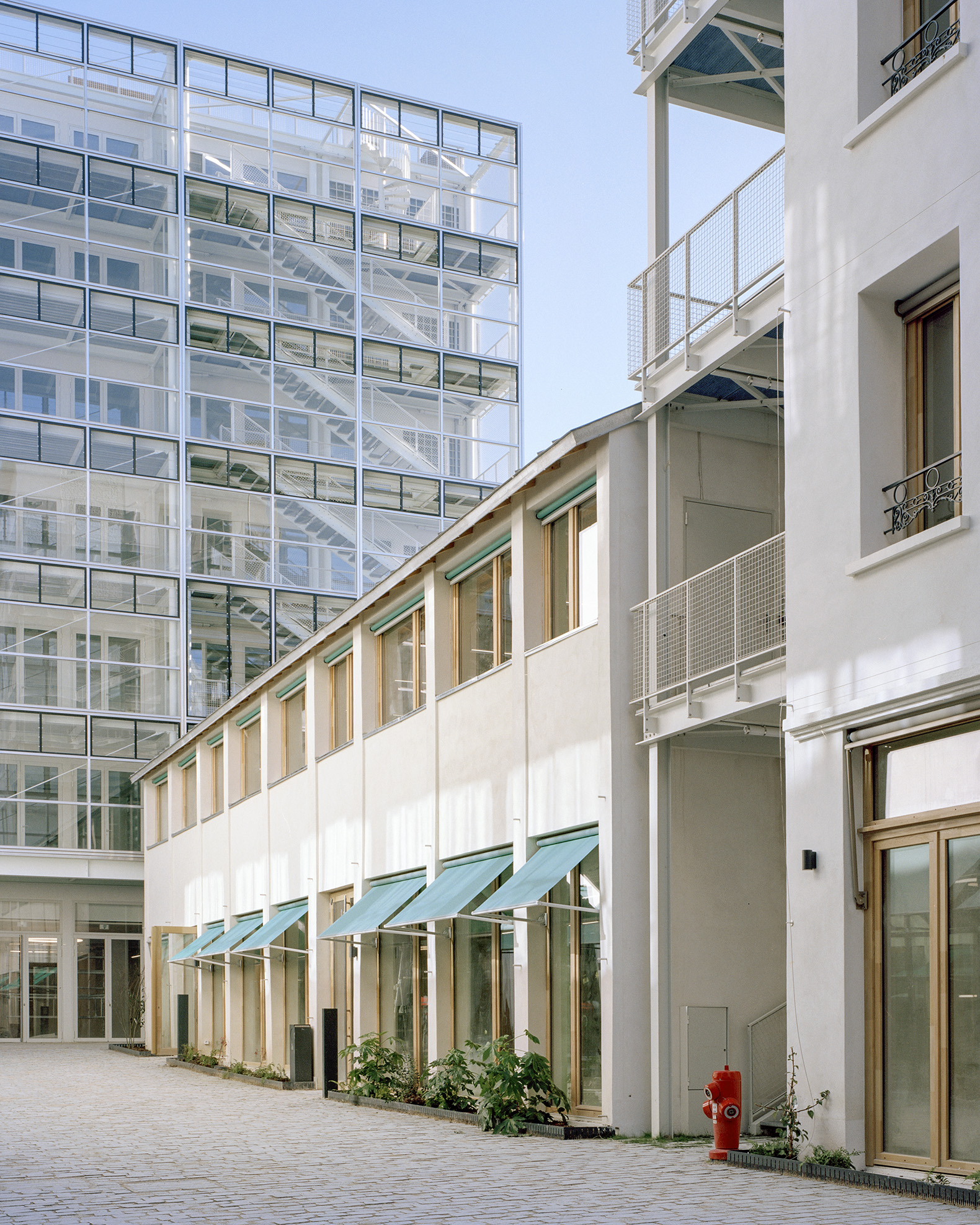
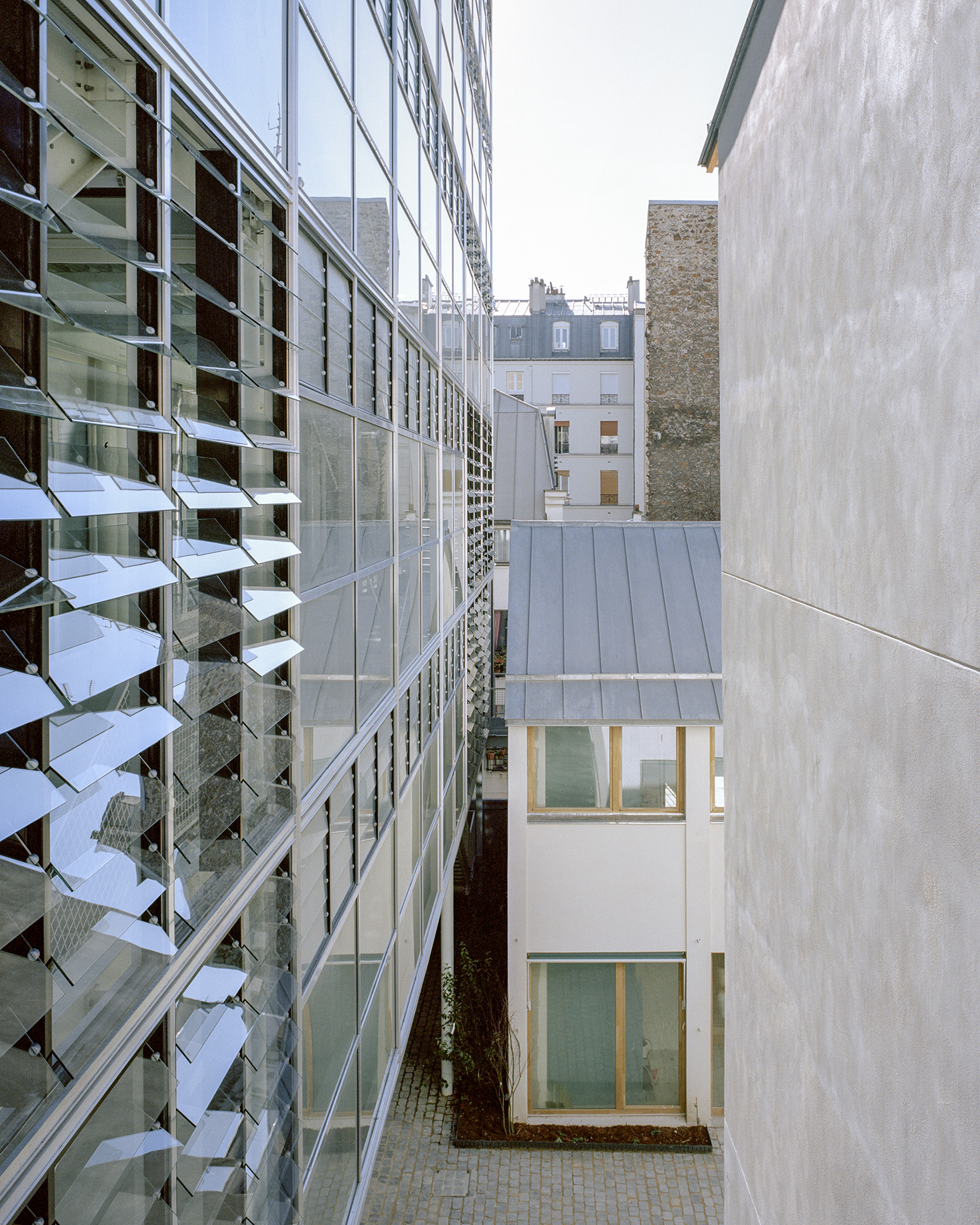
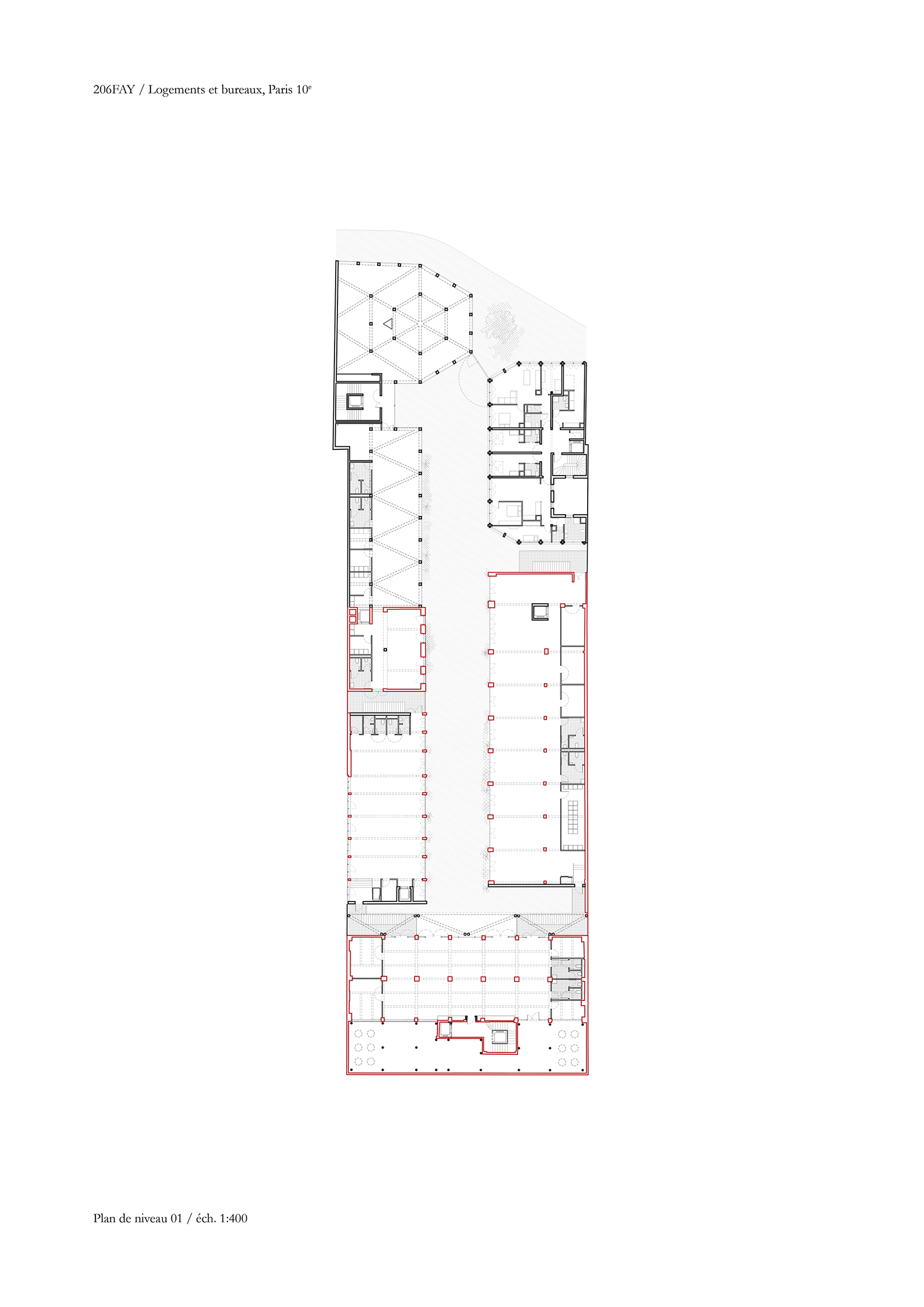
The 206 Rue Lafayette project implements a strategy of architectural addition and subtraction, aiming to optimize the existing urban fabric rather than rebuild it. Within a dense and irregular context, it combines social housing, offices, and retail while preserving most of the existing buildings. Each structure was carefully studied to remove degraded volumes, reinforce existing frameworks, and introduce new external circulation systems. The re-vegetated passage opens the site to the outside and enhances user comfort. The project proposes a new way of transforming ordinary architecture, based on adjustment, repair, and extension.
By valuing the site’s complexity—its constraints, structural diversity, and historical layering—it goes beyond simple rehabilitation to explore the continuity of uses, materials, and time. This patient approach seeks a balance between heritage and contemporary intervention, revealing a new layer of time adapted to the uses and comforts of the twenty-first century.
Construction, Materials & Structure
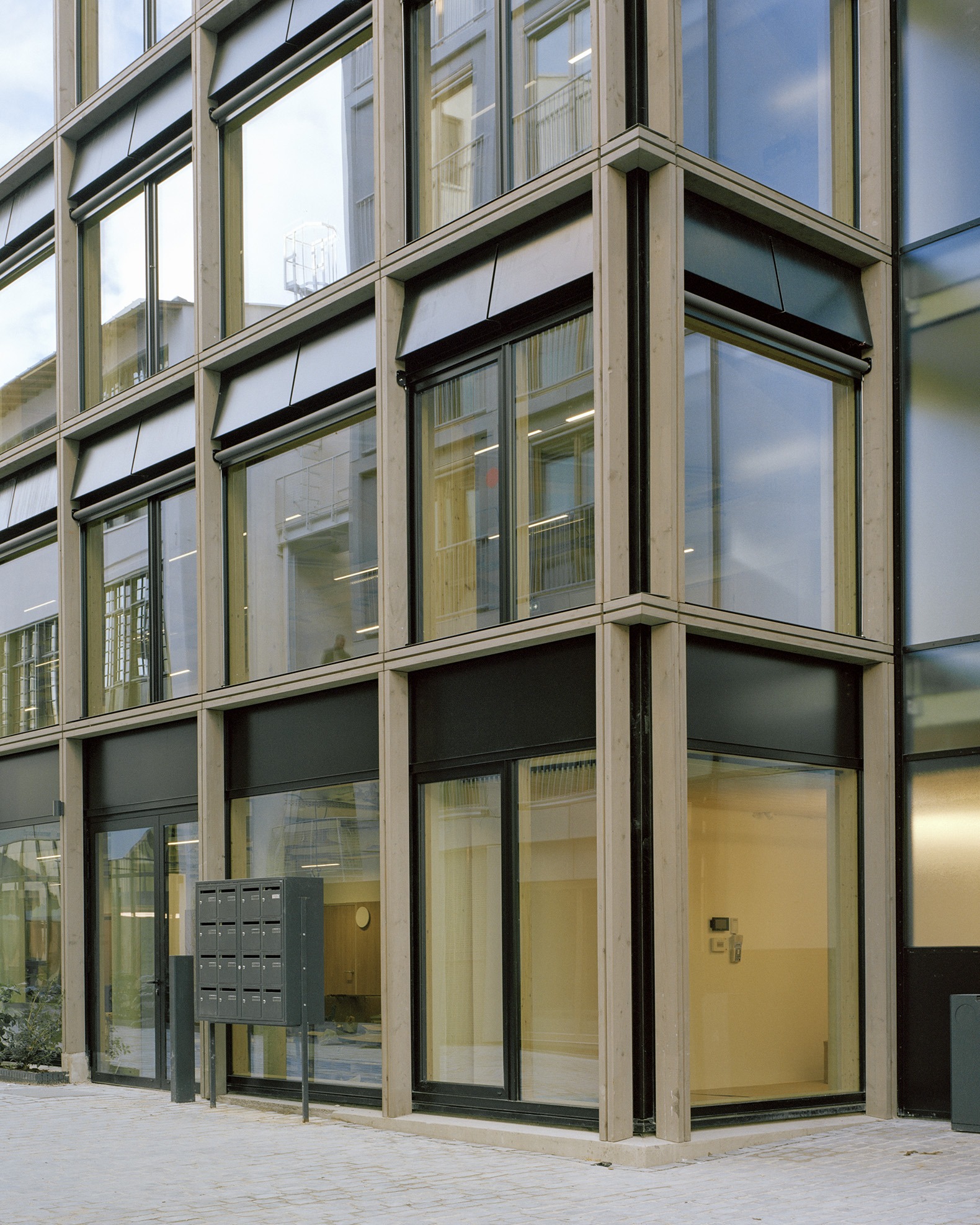
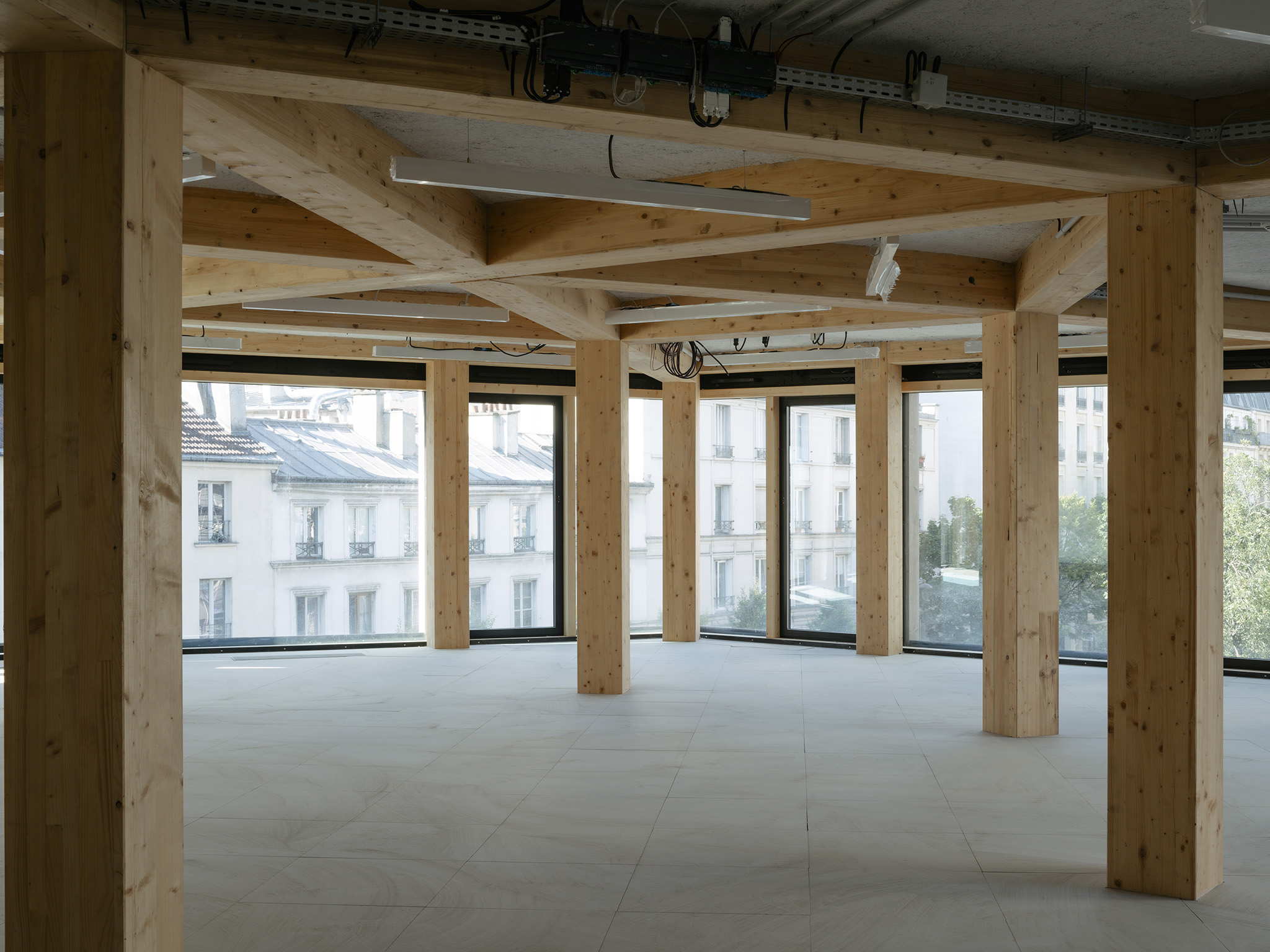
The site at 206 Rue Lafayette, dense and heterogeneous, brings together a variety of constructions in wood, concrete, and metal. The intervention, guided by a measured and attentive approach, treats the existing fabric as a complex system whose qualities inform each design decision. Light and precise additions engage in dialogue with the existing structures, revealing the site’s layered evolution.
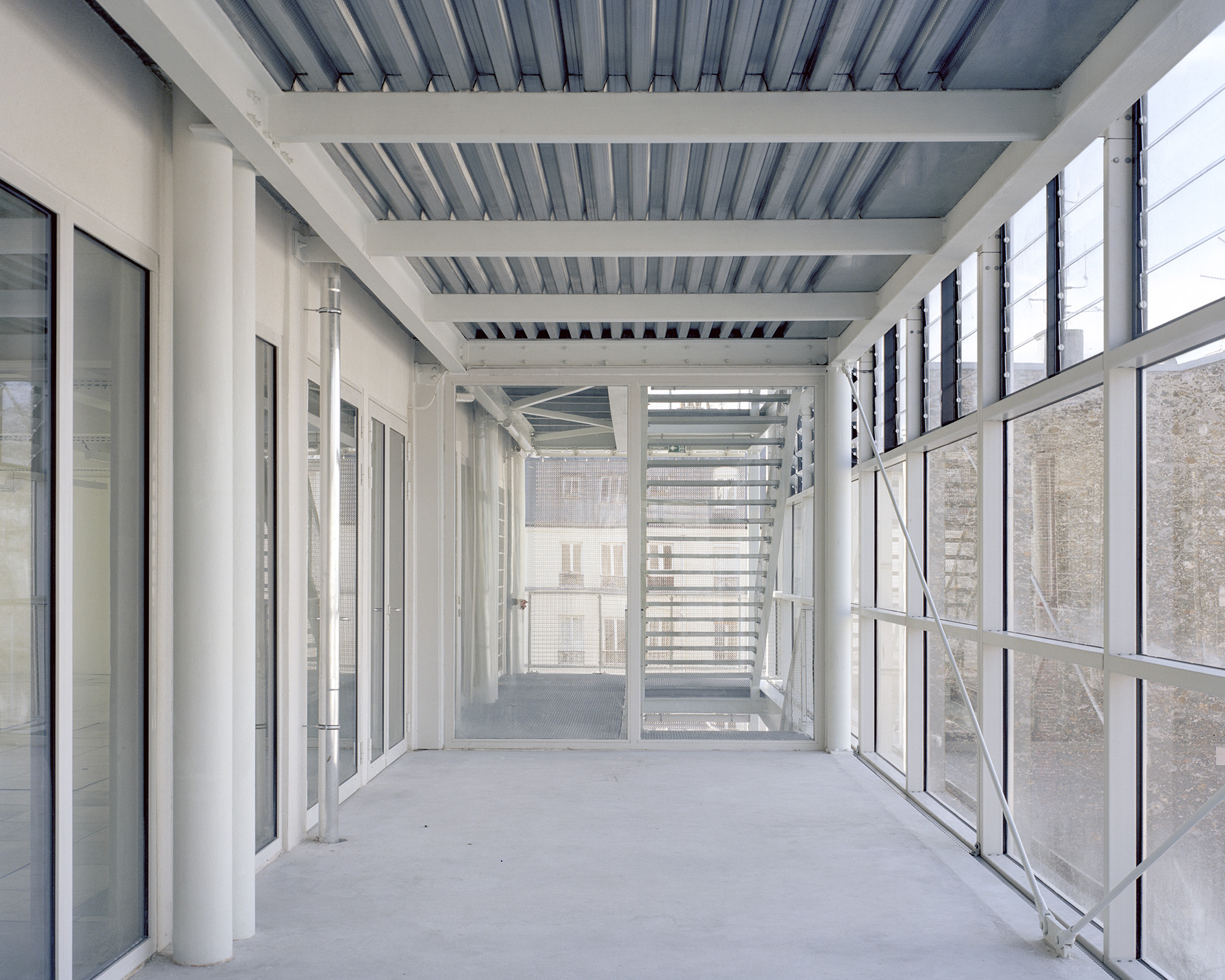
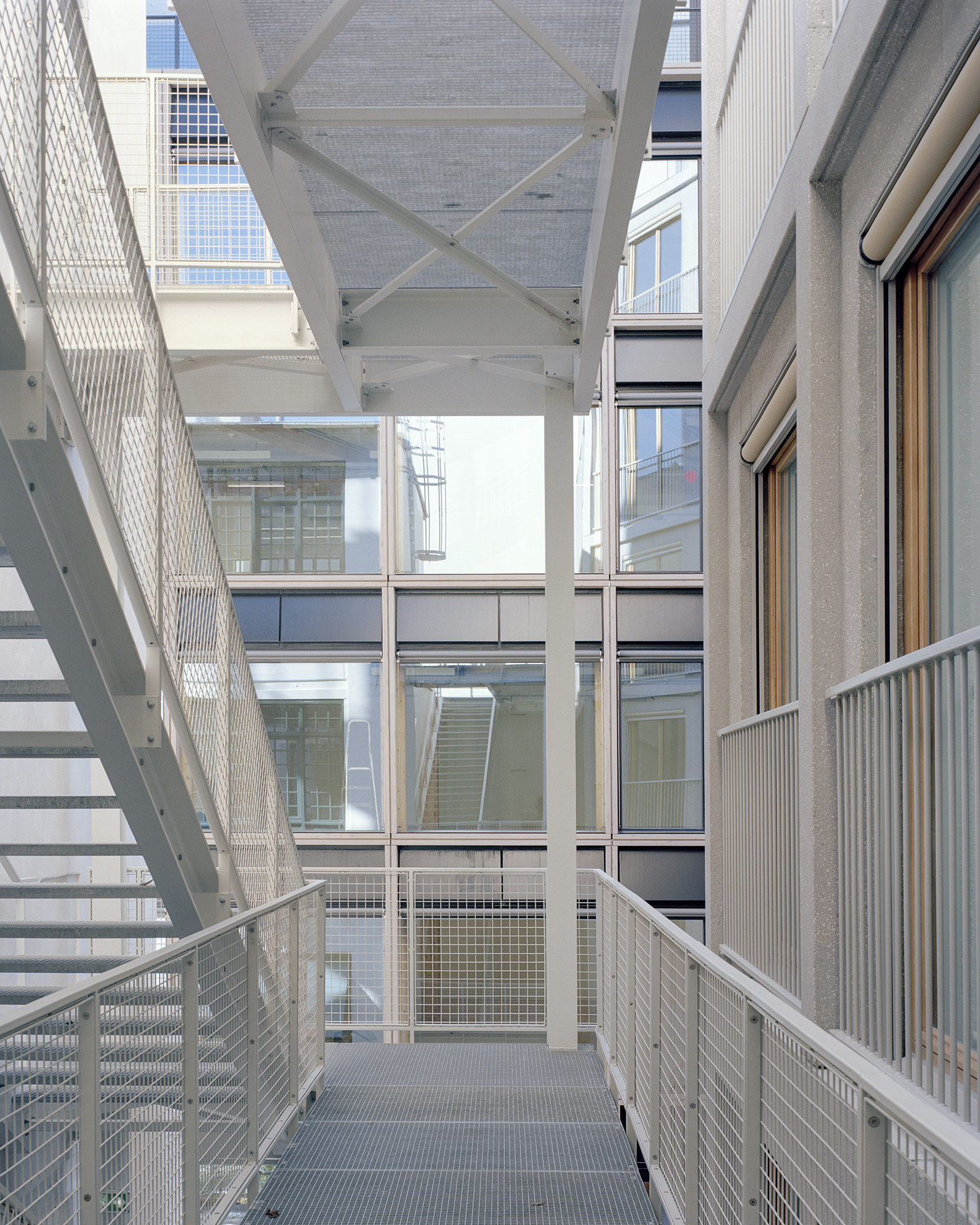
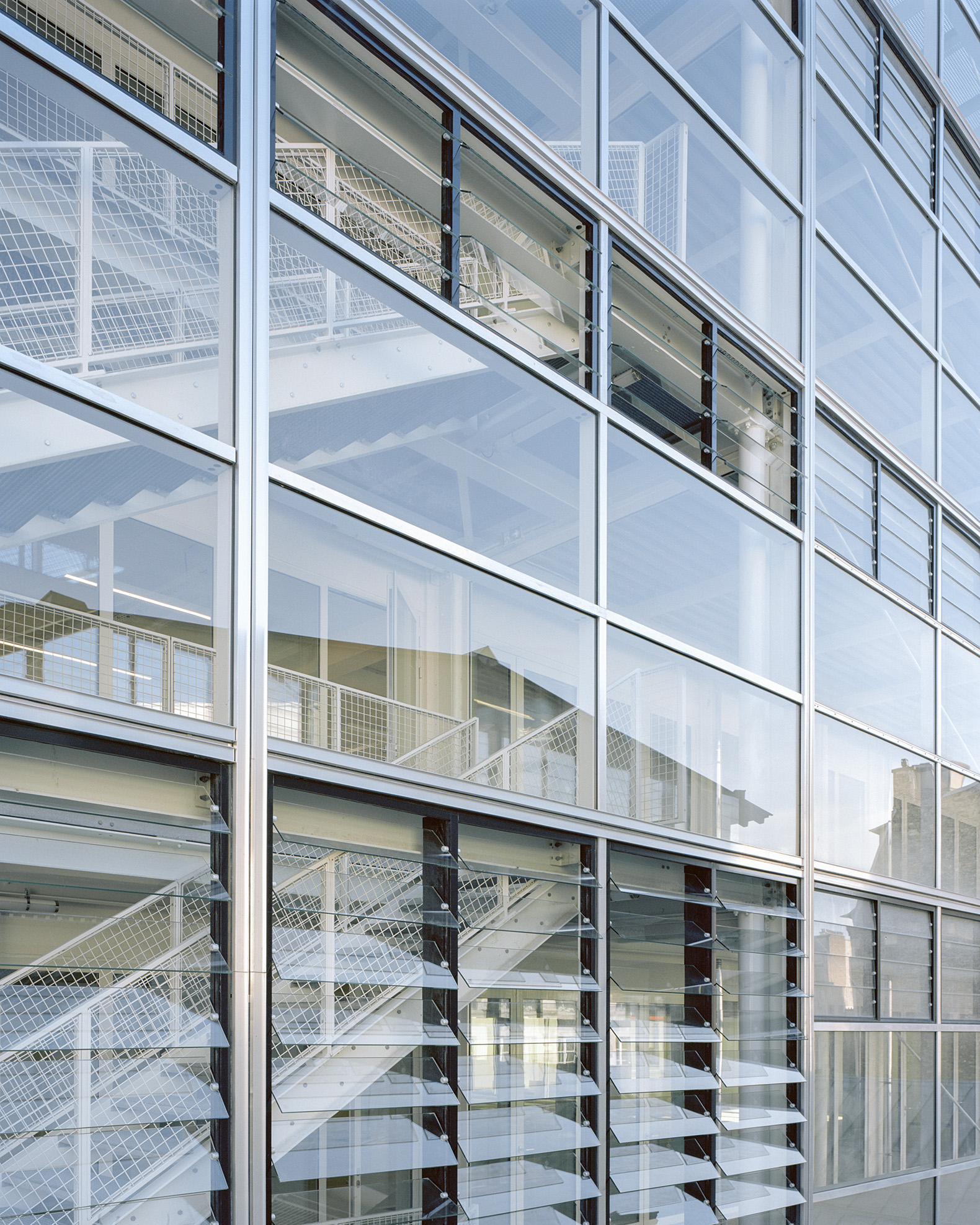
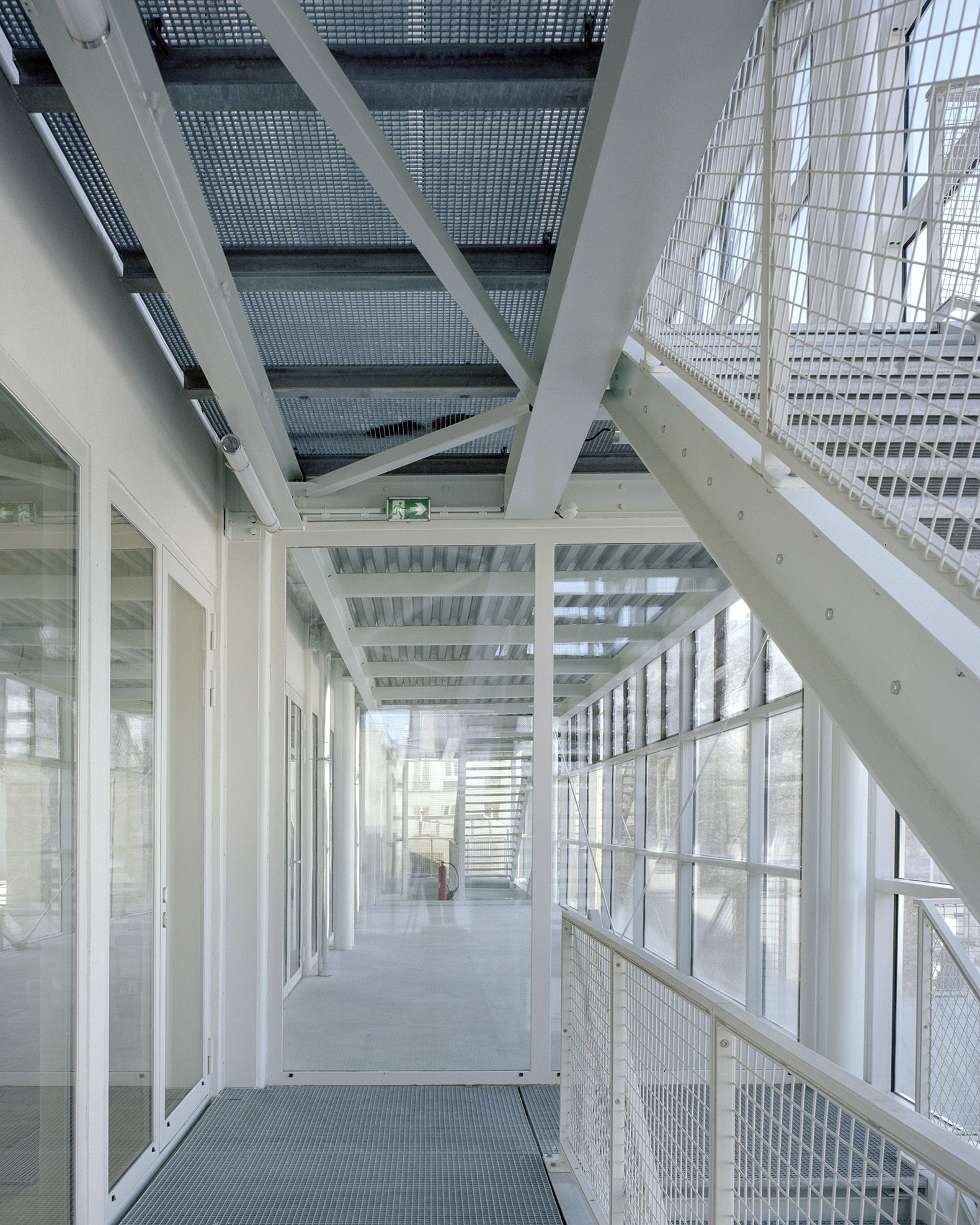
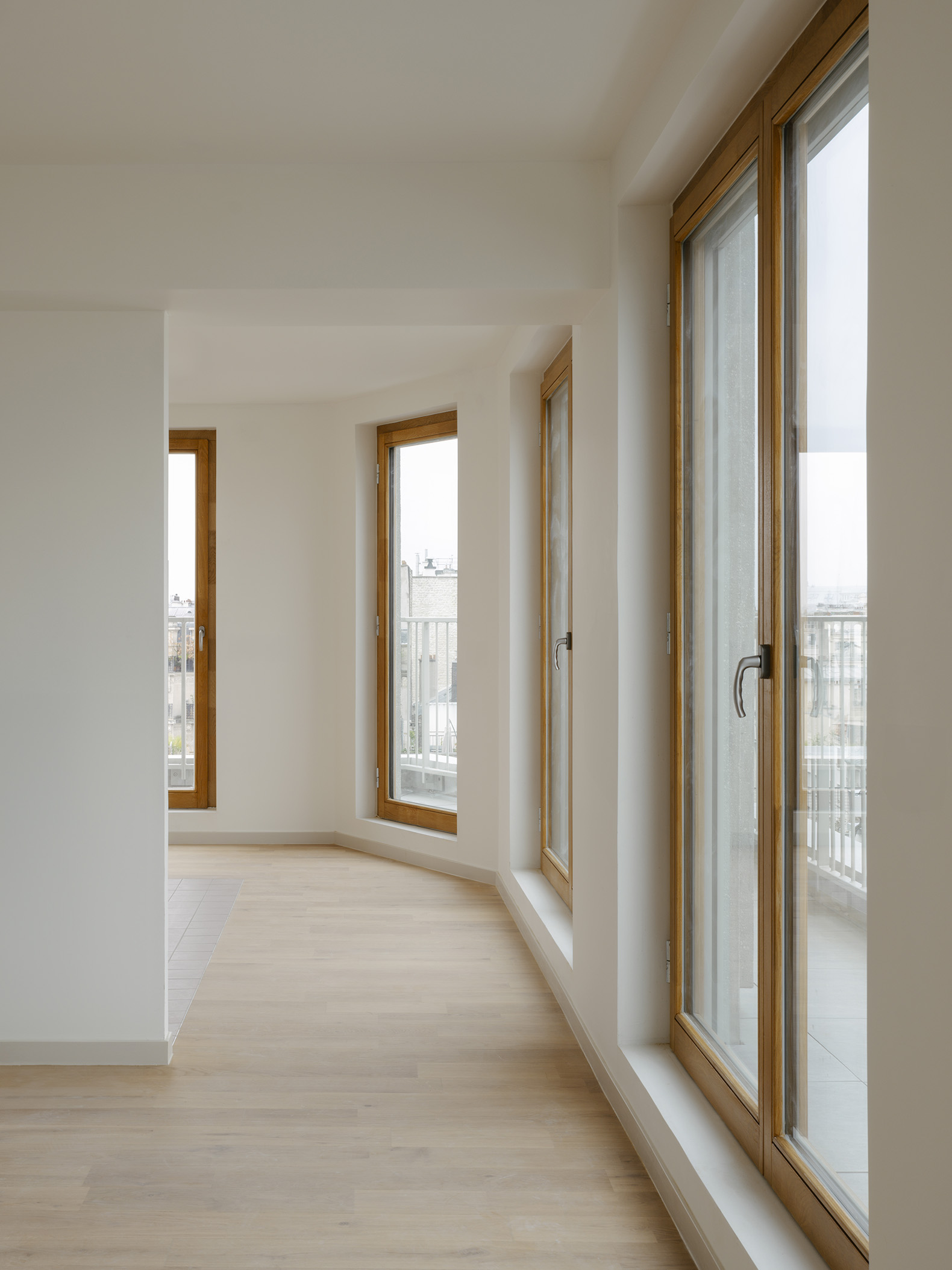
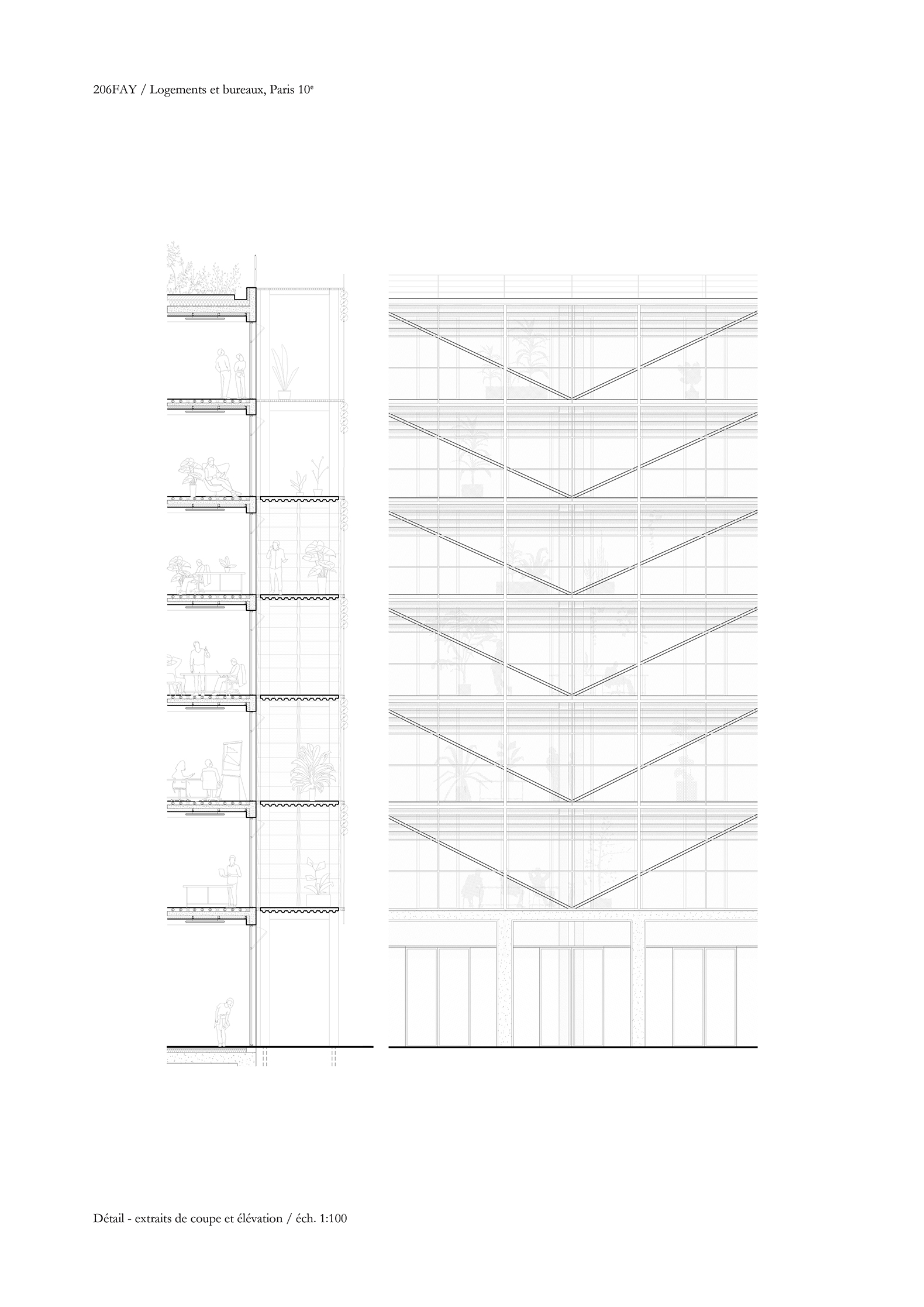
The 1930s industrial building illustrates this approach: its concrete frame is extended by a glass-and-metal façade forming a winter garden with both climatic and spatial roles. External staircases, structural devices, and thickened façades free interior space, enhance use, and connect the buildings. Visible and deliberately expressed, these additions unify the whole while preserving each building’s identity. Two new constructions, combining timber and concrete, continue this logic of contextual adjustment and redefine the site’s relationship with the city.


![Bois de Cergy Leisure Centre by PLURIEL[LES] ARCHITECTES. Photograph by Charly Broyez](/sites/default/files/styles/mopis_home_featured_block_desktop/public/2026-10/metalocus_PLURIEL-LES_Bois-de-Cergy-Leisure-Centre_14_2p.webp?h=3b4e7bc7&itok=lWSYYH2X "Bois de Cergy Leisure Centre by PLURIEL[LES] ARCHITECTES. Photograph by Charly Broyez")