French architect Christian de Portzamparc has been awarded the 2018 Praemium Imperiale award for architecture by the Japan Art Association.
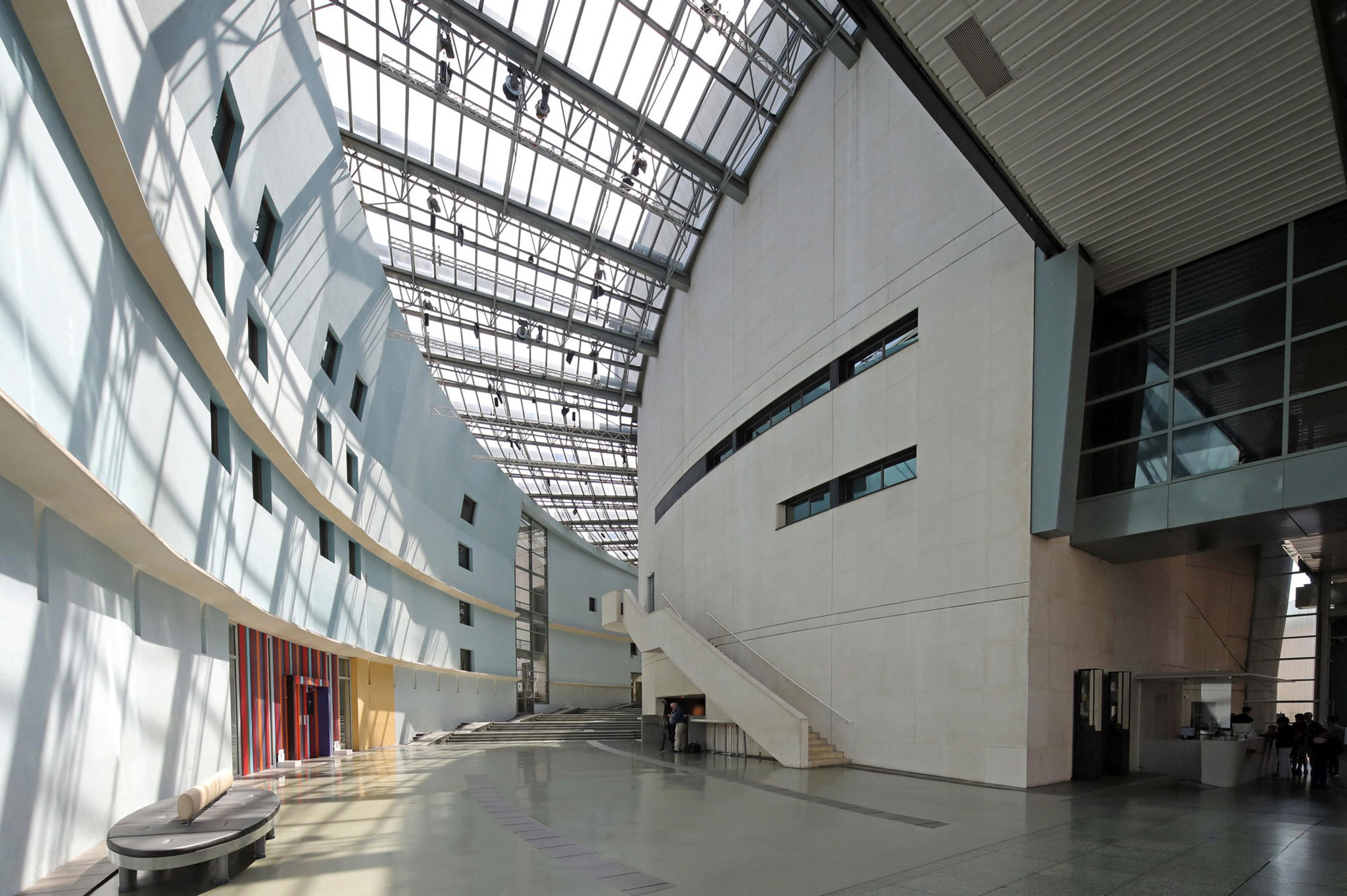
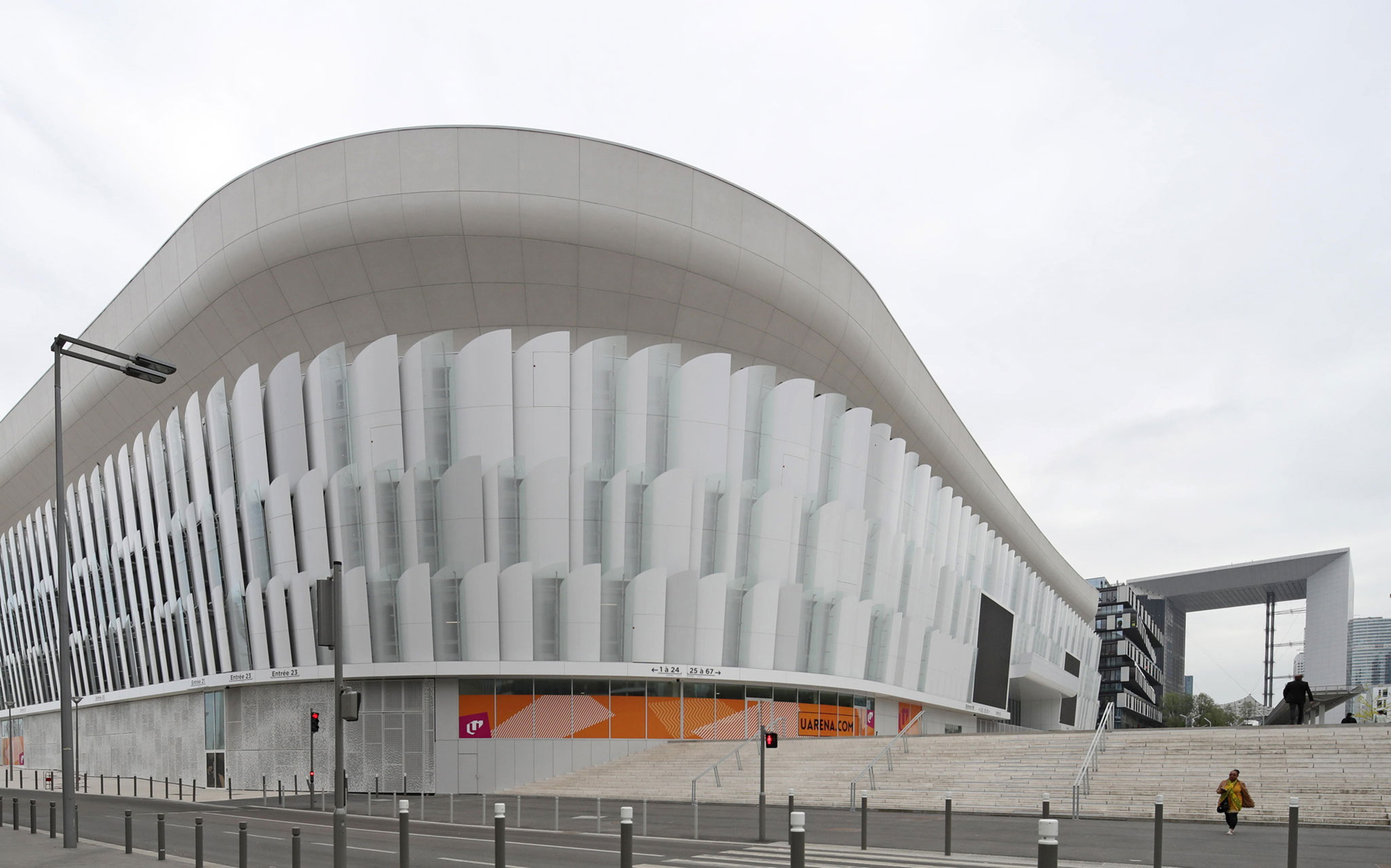
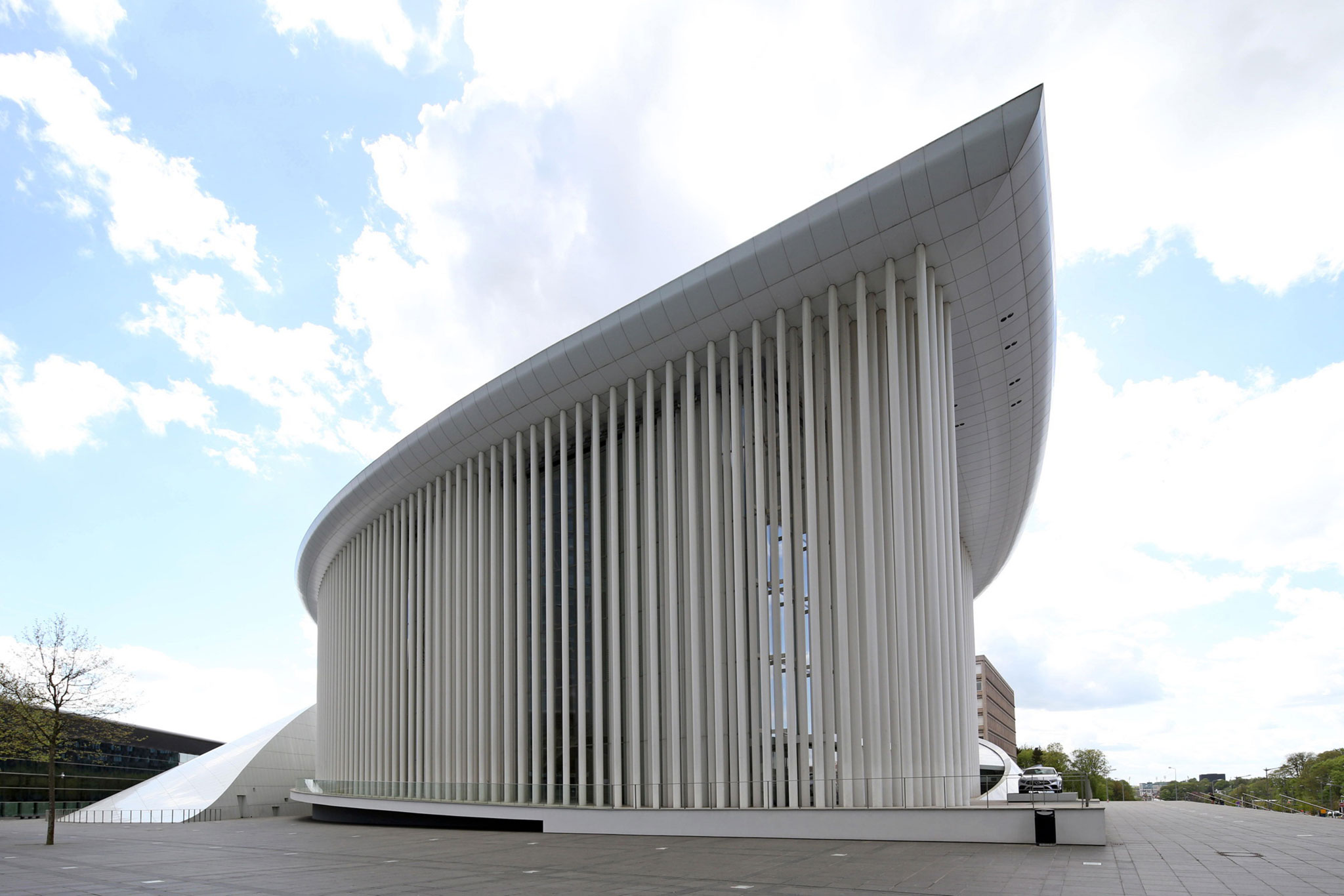
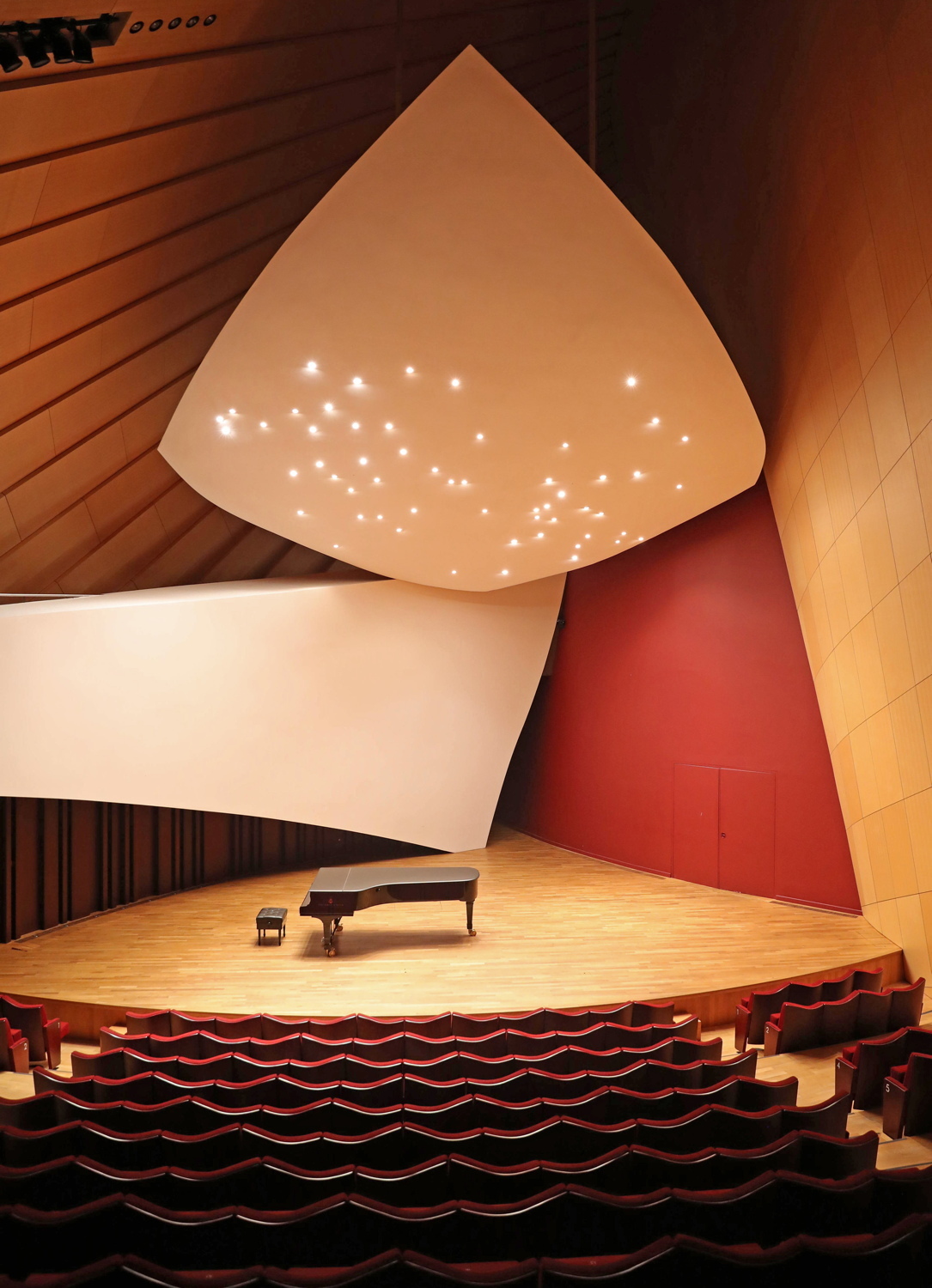
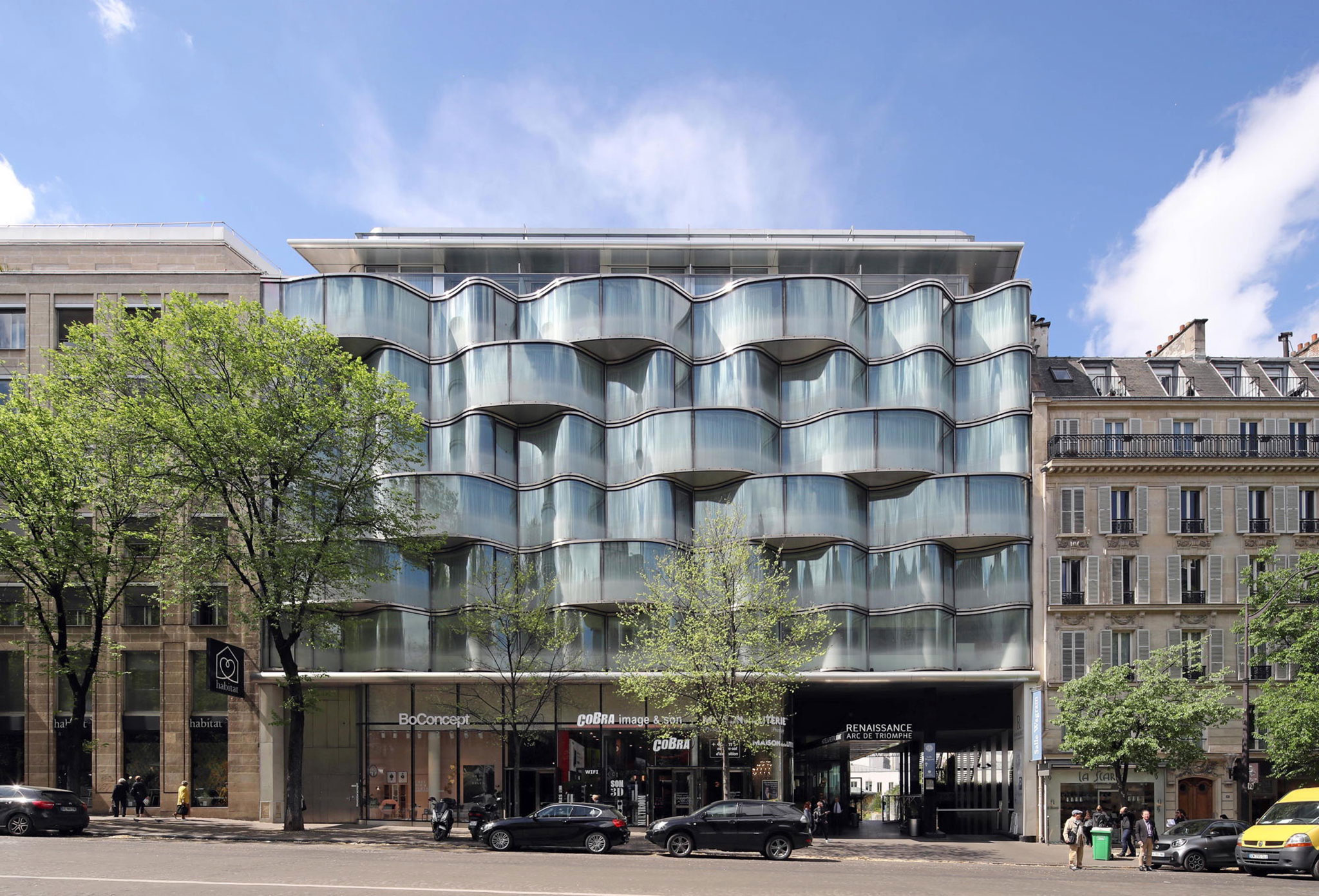
Christian de Portzamparc is a leading French architect and urban planner, who was awarded the Pritzker Architecture Prize at the age of 50 as the first French winner. His imaginative architectural style is known for its distinctive features such as bold designs, an artistic approach and the creativity that comes from him also as a watercolor painter. He is especially esteemed as a designer of concert halls. He studied architecture in Paris and New York, and became famous for his work in President Mitterrand’s project called the City of Music (1995). This project was a large scale project which involved creating music halls of different sizes, a music museum and many dwelling places. His important works include NexusⅡ (1991) , an residential complex in Fukuoka, LVMH Tower (1991), a skyscraper of New York, Philharmonie Luxembourg (2005), City of Arts (2013), a cultural complex in Rio de Janeiro, and Paris La Défense Arena (2017 ), an indoor stadium in Nanterre, on the outskirts of Paris. Currently he is engaged in a large scale project in China, Suzhou Cultural Center, scheduled to be completed in 2019.
The 5 recipients are as follows:
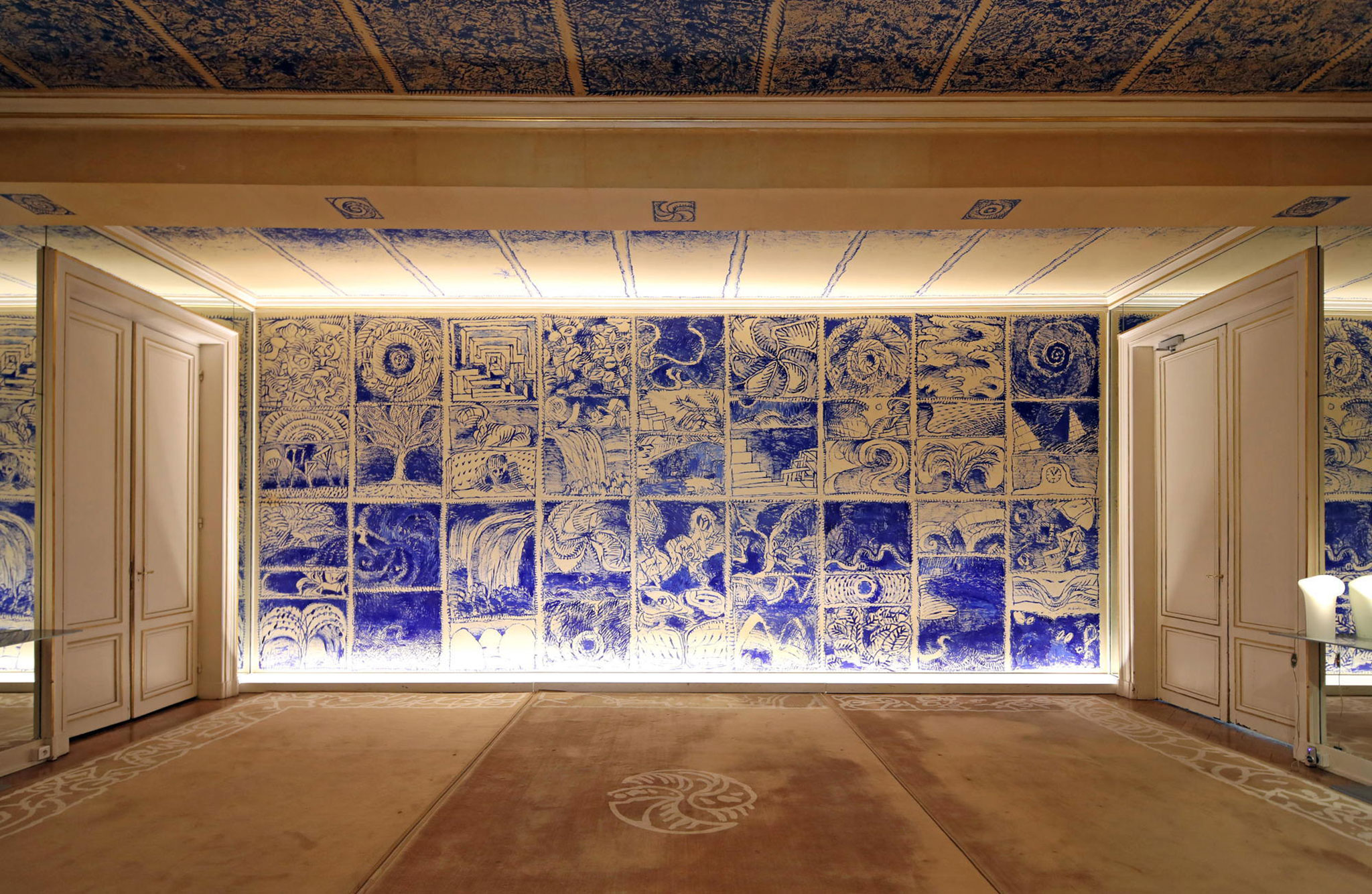
Pierre Alechinsky Painting
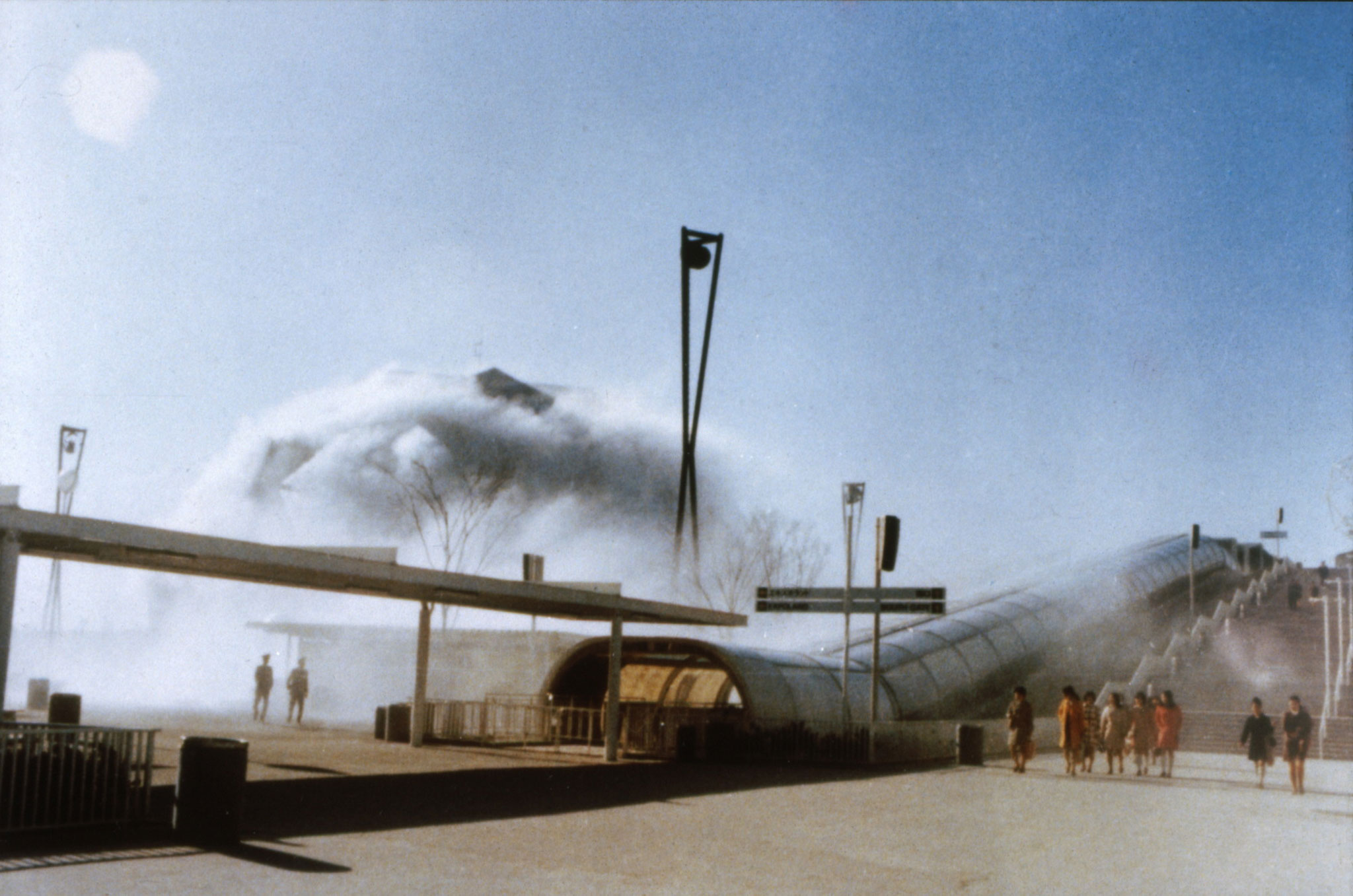
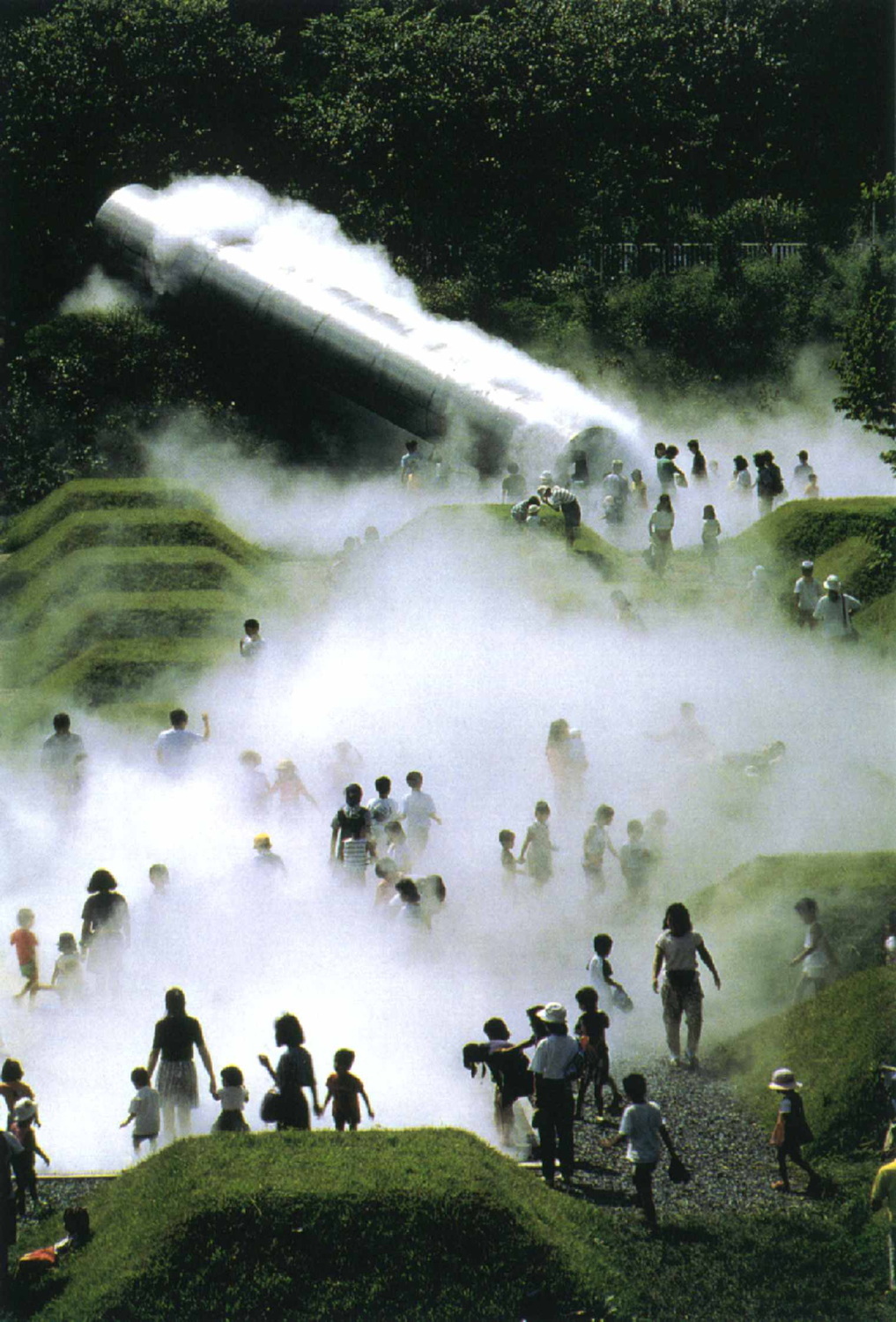
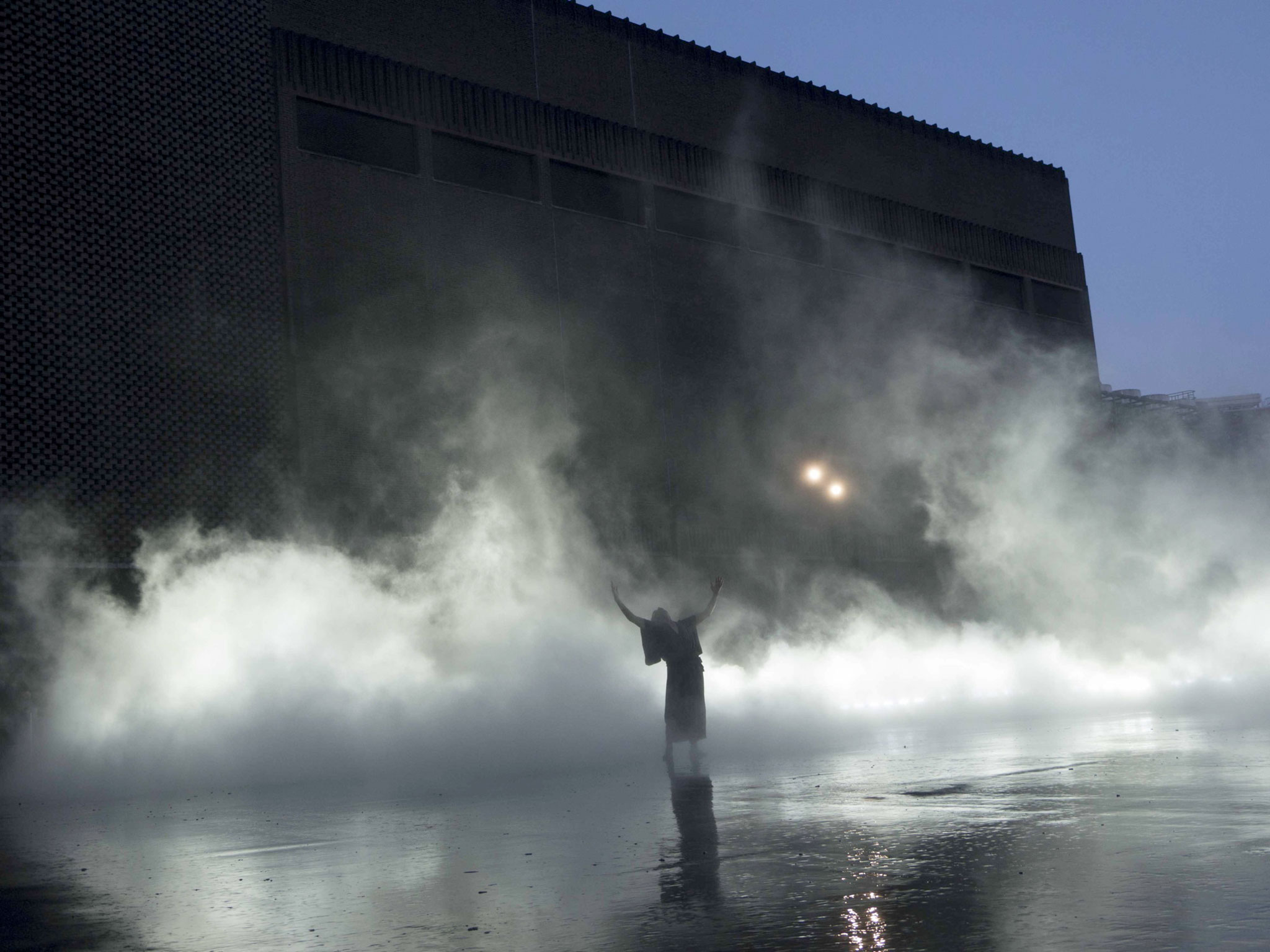
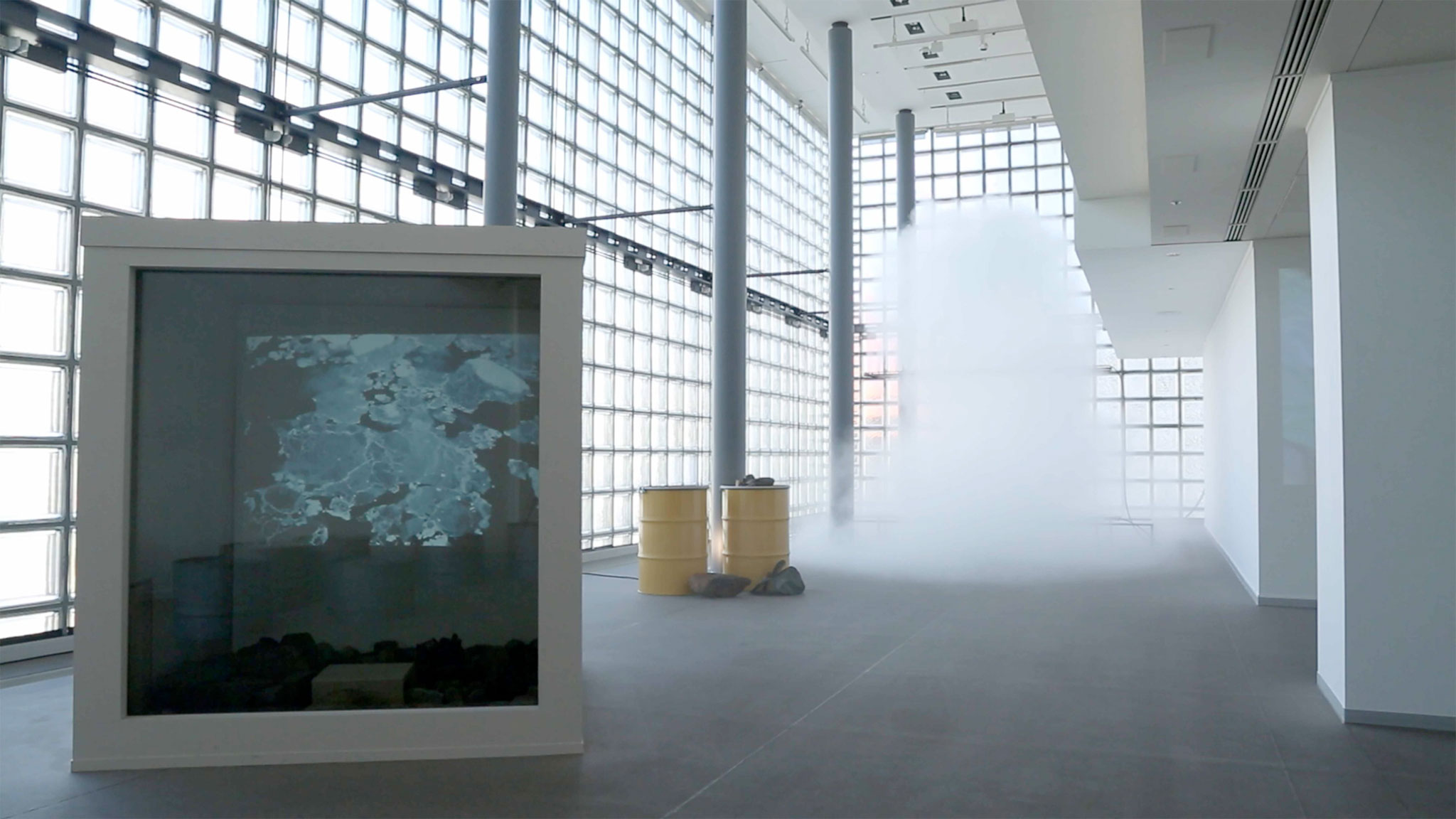
Fujiko Nakaya Sculpture
Christian Portzamparc Architecture
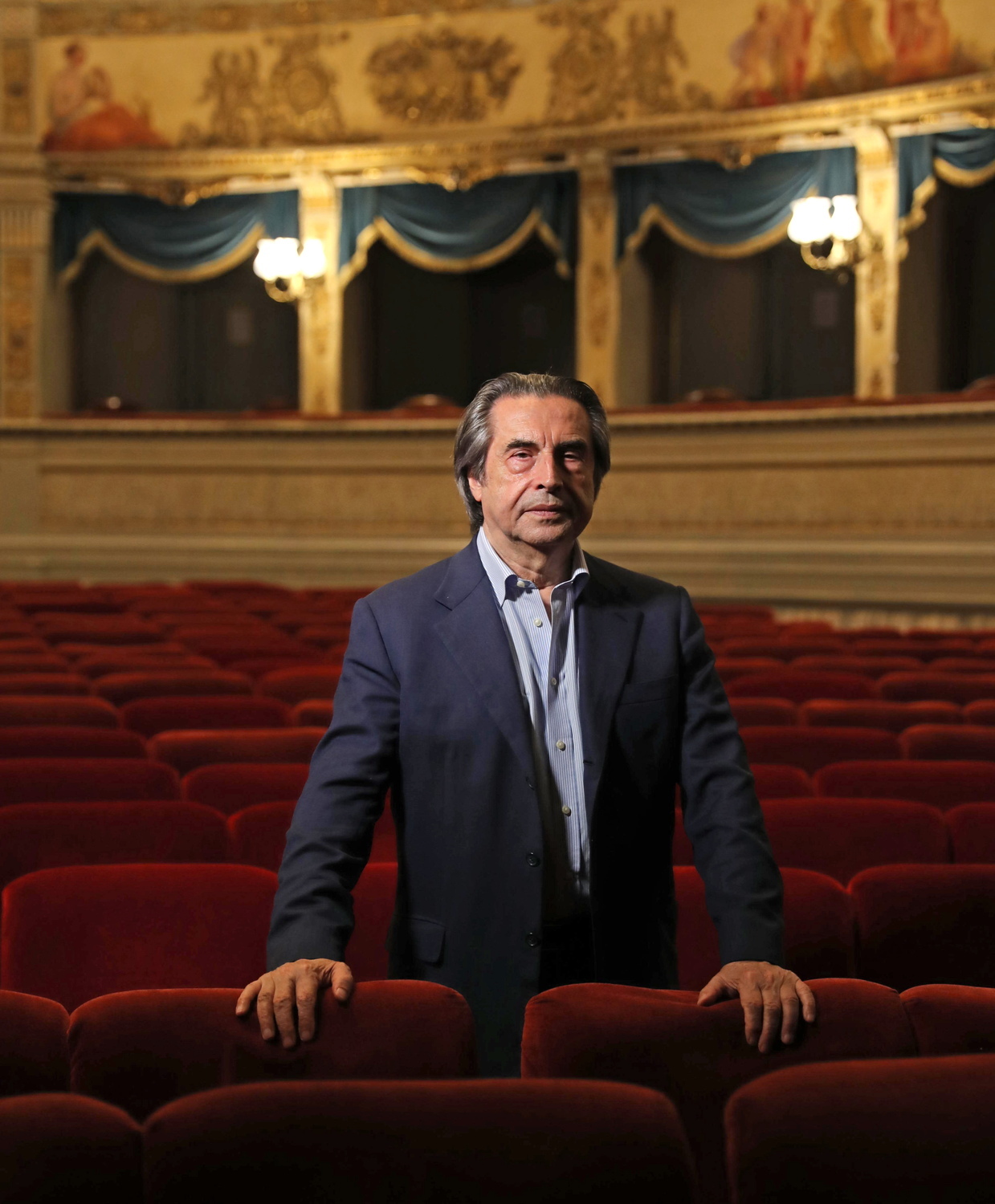
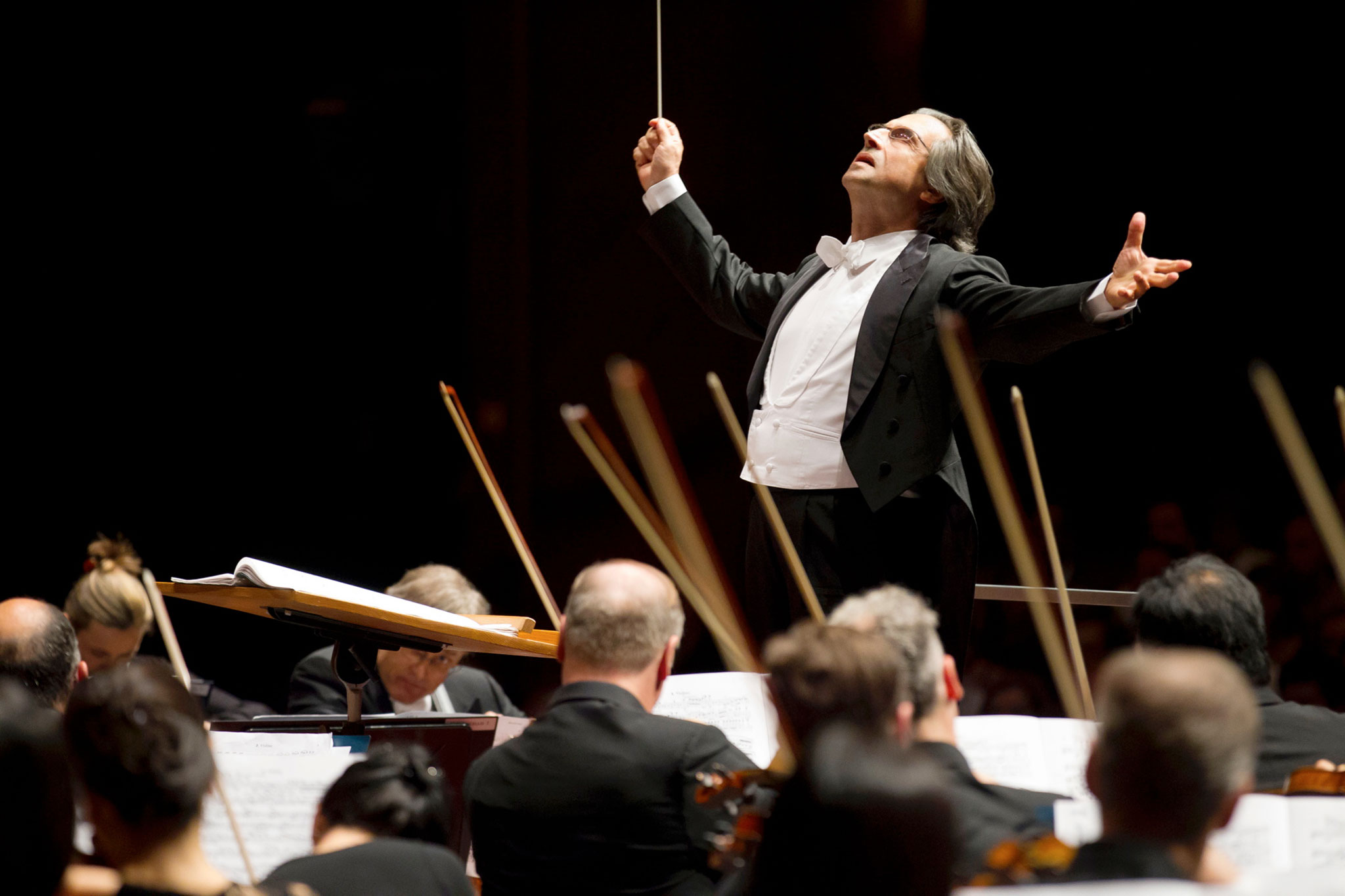
Riccardo Muti Music
Catherine Deneuve Theatre/Film
The list of previous Praemium Imperiale Award winners in the Architecture category includes Kenzo Tange, Tadao Ando, Zaha Hadid, Frank Gehry, Norman Foster, Alvaro Siza, Peter Zumthor, Jacques Herzog and Pierre de Meuron, and more recently, Rafael Moneo, Paulo Mendes da Rocha, Dominique Perrault, Steven Holl, and David Chipperfield or Ricardo Legorreta.