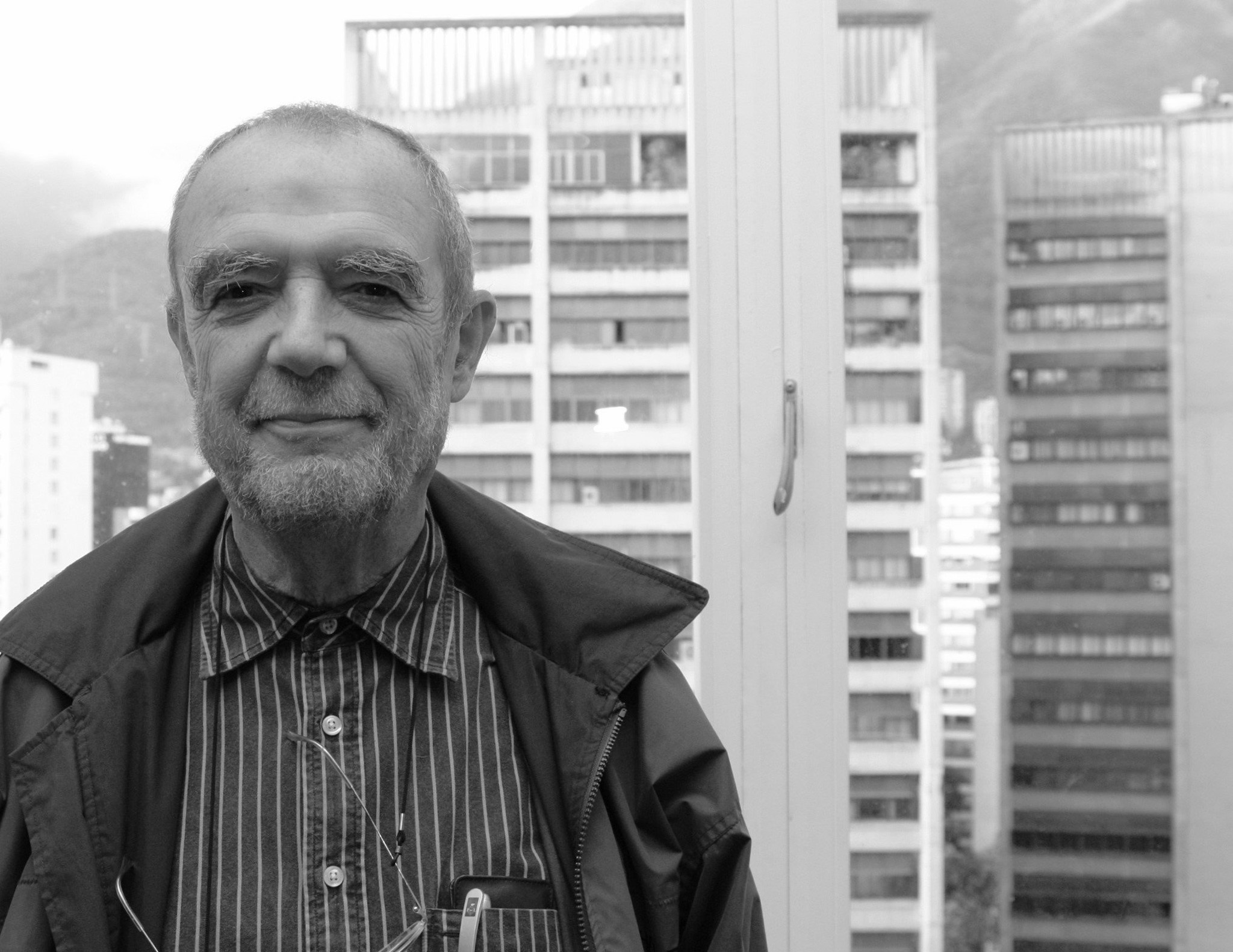
Born in Tolmino, then part of the Kingdom of Italy and today in Slovenia, Piccinato grew up in a Europe marked by war, shifting borders, and political rupture. He was the nephew of Luigi Piccinato, one of the leading figures of twentieth-century Italian urbanism, although he would go on to develop a distinct intellectual path of his own.
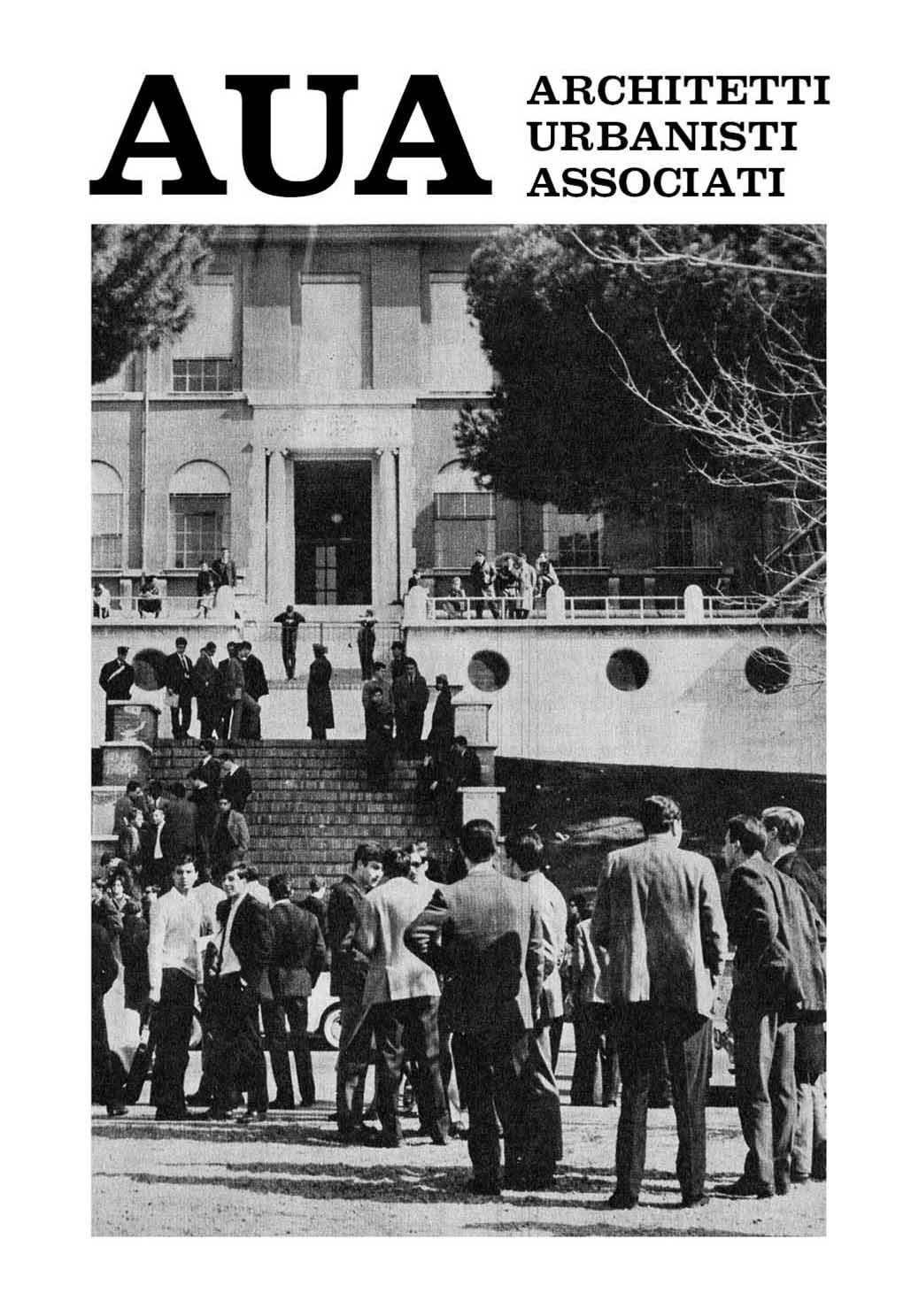
He studied Architecture at the University of Rome, now Sapienza University of Rome, graduating in 1960. There he met Manfredo Tafuri, with whom he formed a close intellectual friendship. Both took part in the critical climate that challenged conventional architectural education and became involved in AUA, Architetti Urbanisti Associati, alongside Vieri Quilici, Lucio Barbera, and others.
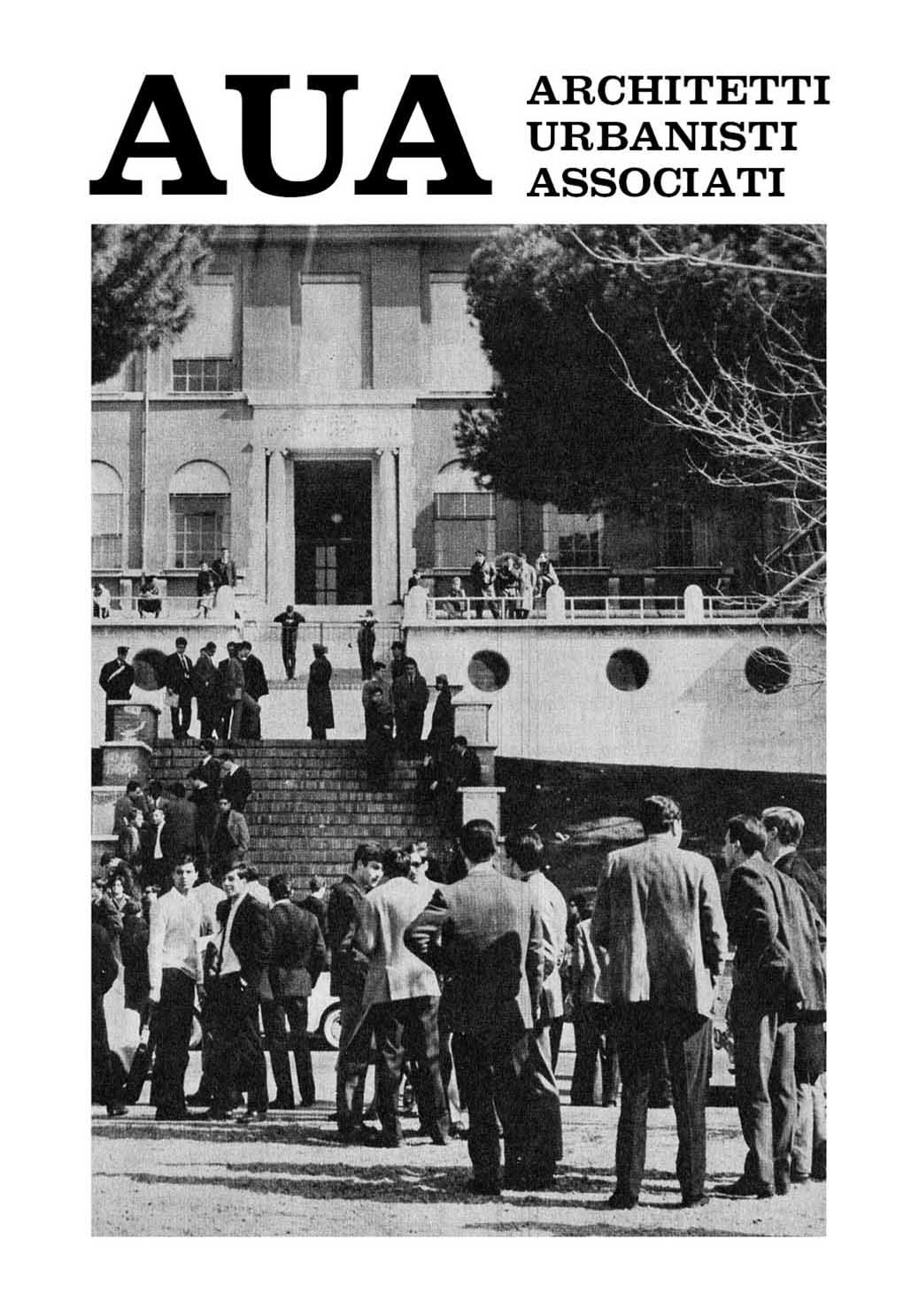
Architecture Roman group AUA (Architetti Urbanisti Associati), active between 1958 and 1965.
Travel was fundamental to his education. With Tafuri, he travelled through Germany and Scandinavia to encounter first-hand the work of Alvar Aalto, Eliel and Eero Saarinen, Reima Pietilä, and other architects they had previously known mainly through journals. At the same time, Piccinato was deeply immersed in the cultural life of early-1960s Rome, from Antonioni’s cinema to Carmelo Bene’s experimental theatre and the artistic avant-gardes. These experiences helped shape his understanding of urbanism not simply as a technique for organising space, but as a way of interpreting the social, economic, and political forces that shape cities.
After graduating, he worked in the Rome office of his uncle, Luigi Piccinato, during a period of rapid metropolitan expansion and intense debate over Rome’s new master plan. His career soon acquired an international dimension. He participated in the Harvard International Seminar in 1963, was a visiting scholar at MIT in 1966, a research associate at the University of California, Berkeley, in 1967, and later a senior fellow at Wayne State University. Between 1968 and 1969, he coordinated the master plans for Budva and Ulcinj, in Yugoslavia, as part of a United Nations regional urbanism programme.
In 1969, Piccinato began teaching Theory of Urbanism at the IUAV University of Venice. There he played an active role in consolidating urbanism as an autonomous academic discipline in Italy.
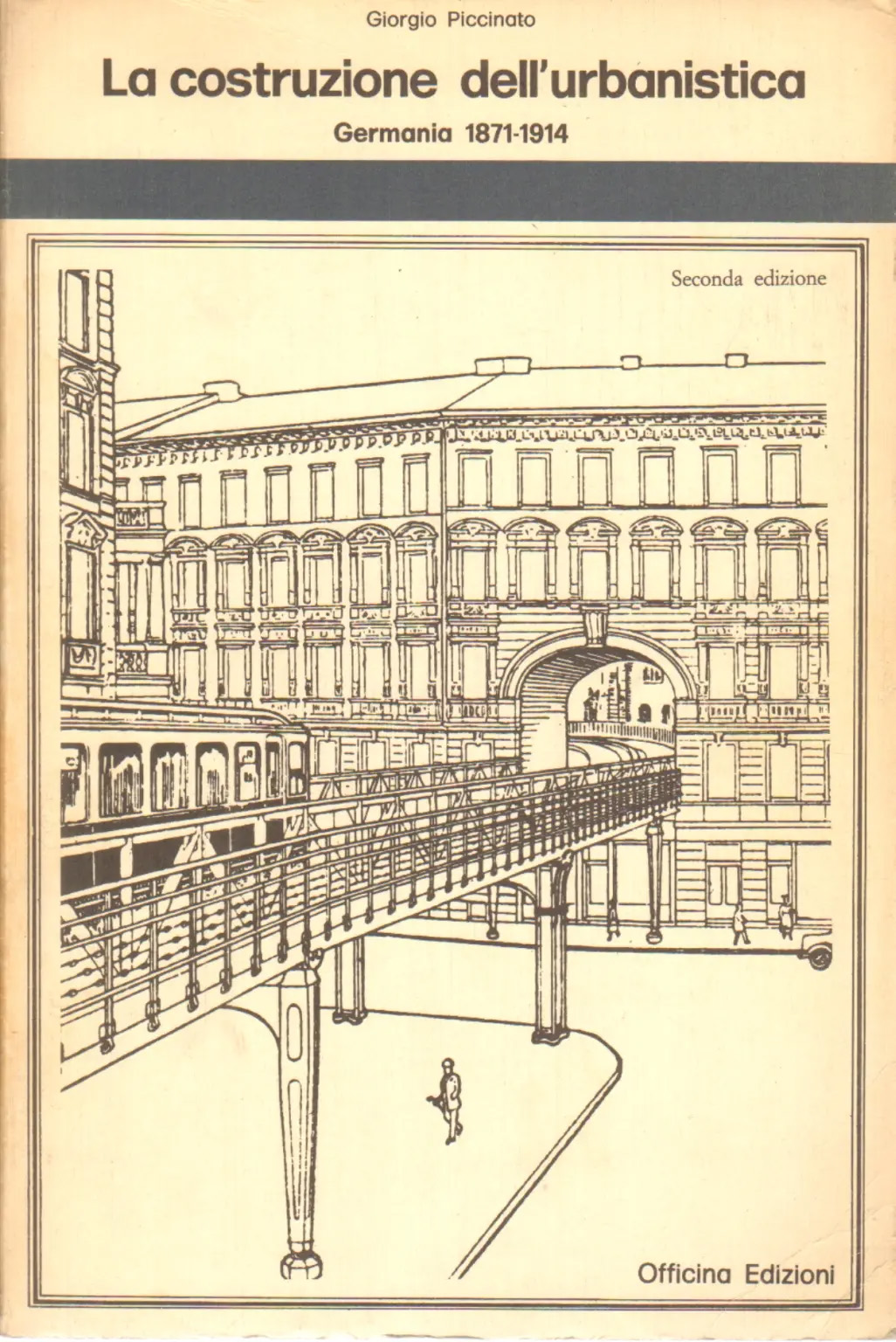
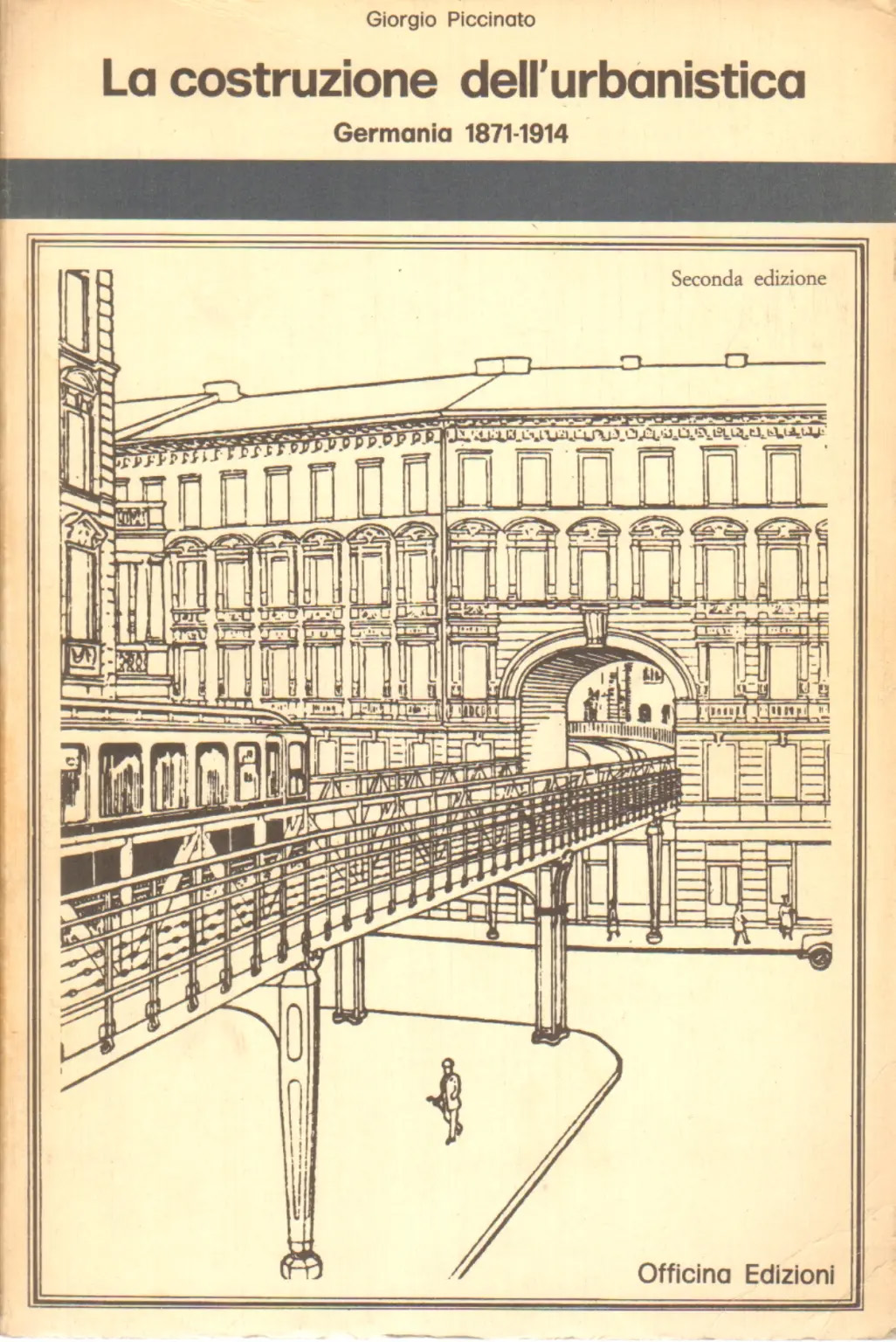
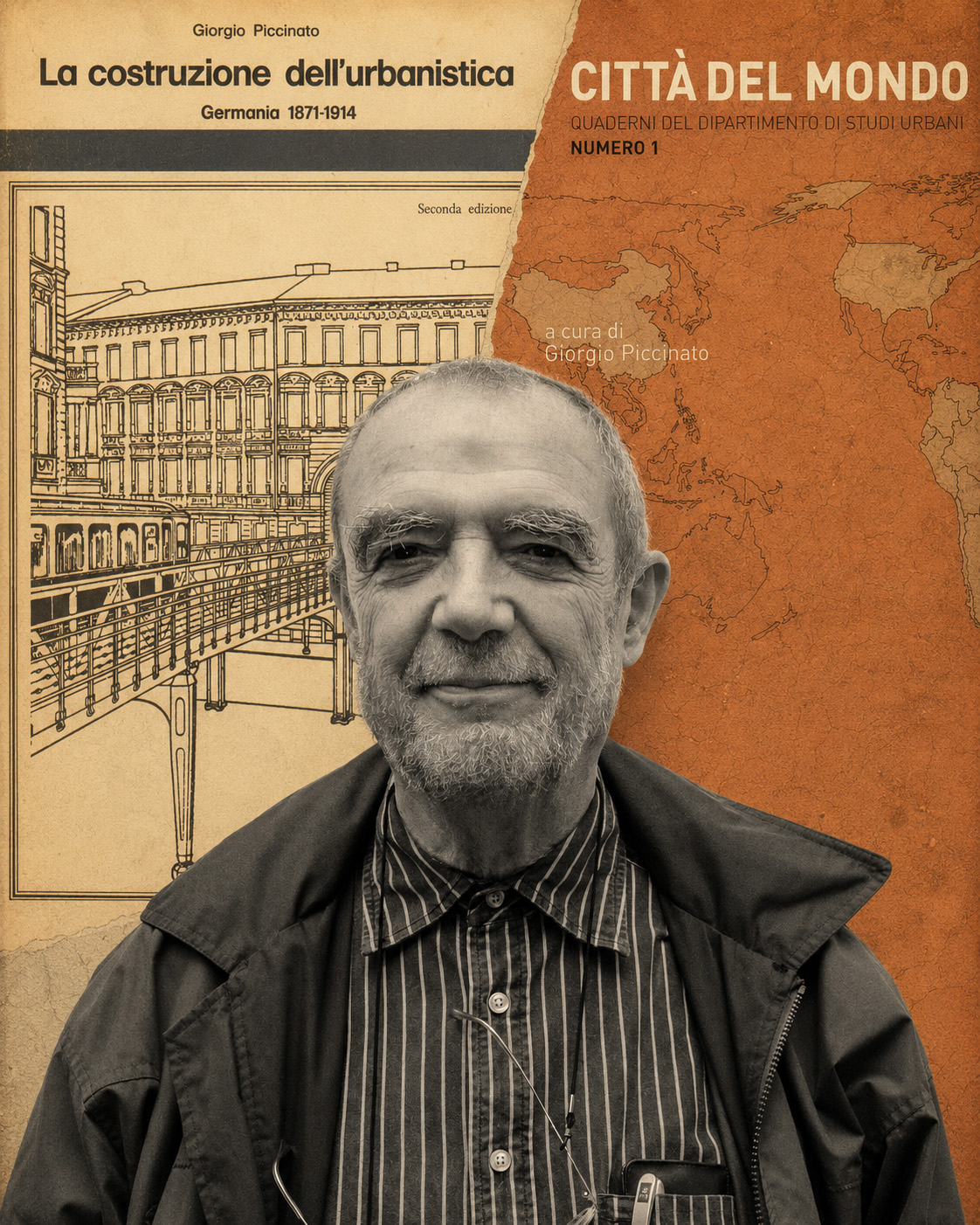
Cover of the book "La costruzione dell'urbanistica: Germania 1871-1914" by Giorgio Piccinato. Edited by Officina Edizioni, Rome, 1977.
His 1974 book, "La costruzione dell'urbanistica. Germania 1871–1914", became one of his most important contributions. Rather than presenting the history of urbanism as a succession of plans and formal models, Piccinato analysed the emergence of modern urbanism through industrialisation, housing, land, municipal administration, infrastructure, and political conflict. From this perspective, the city could not be separated from the institutions and social forces that produced it.
Between 1982 and 1988, he directed the IUAV Department of Urbanism and later coordinated an inter-university doctorate in territorial urbanism together with the polytechnic universities of Milan and Turin. His academic activity remained closely connected to professional research and urban practice.
Piccinato worked on historic centres, the Mezzogiorno, dispersed urbanisation in the Veneto, Mediterranean urbanism, Addis Ababa, Latin America, and numerous European programmes. He also collaborated with the United Nations and was one of the founders of the Association of European Schools of Planning (AESOP) in 1987, serving as its president from 1992 to 1994.
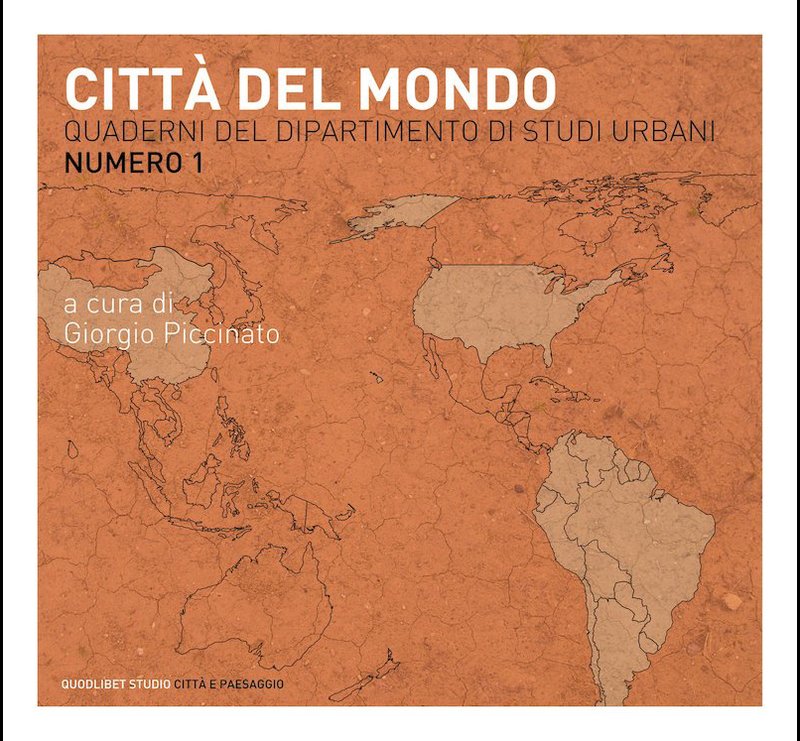
Cover of the book "Città del mondo: Quaderni del Dipartimento di studi urbani (n. 1)", edited by Giorgio Piccinato and published by Quodlibet in 2009.
In the mid-1990s, he returned to Rome to join Roma Tre University, where he directed the Department of Urban Studies and a doctoral programme on territorial policies and local projects. In 2010, he was appointed Professor Emeritus of Urbanism.
His international activity continued through collaborations with UNESCO in historic cities such as Fez, Meknes, Tallinn, and Damascus. For Piccinato, the historic city was not a static object intended solely for preservation, but a living organism in which inherited forms, development, tourism, and social change had to be negotiated.
His publications include "Città, territorio e politiche di piano in America Latina" (1991), "Alla ricerca del centro storico" (1996), "Un mondo di città" (2002), and "Fermoimmagine. Studi sulla felicità urbana" (2008). In 2020, he published "Il carretto dei gelati. Un'introduzione all'urbanistica", in which he revisited more than half a century of reflections on the city.
Giorgio Piccinato died in Rome on 28 August 2026.