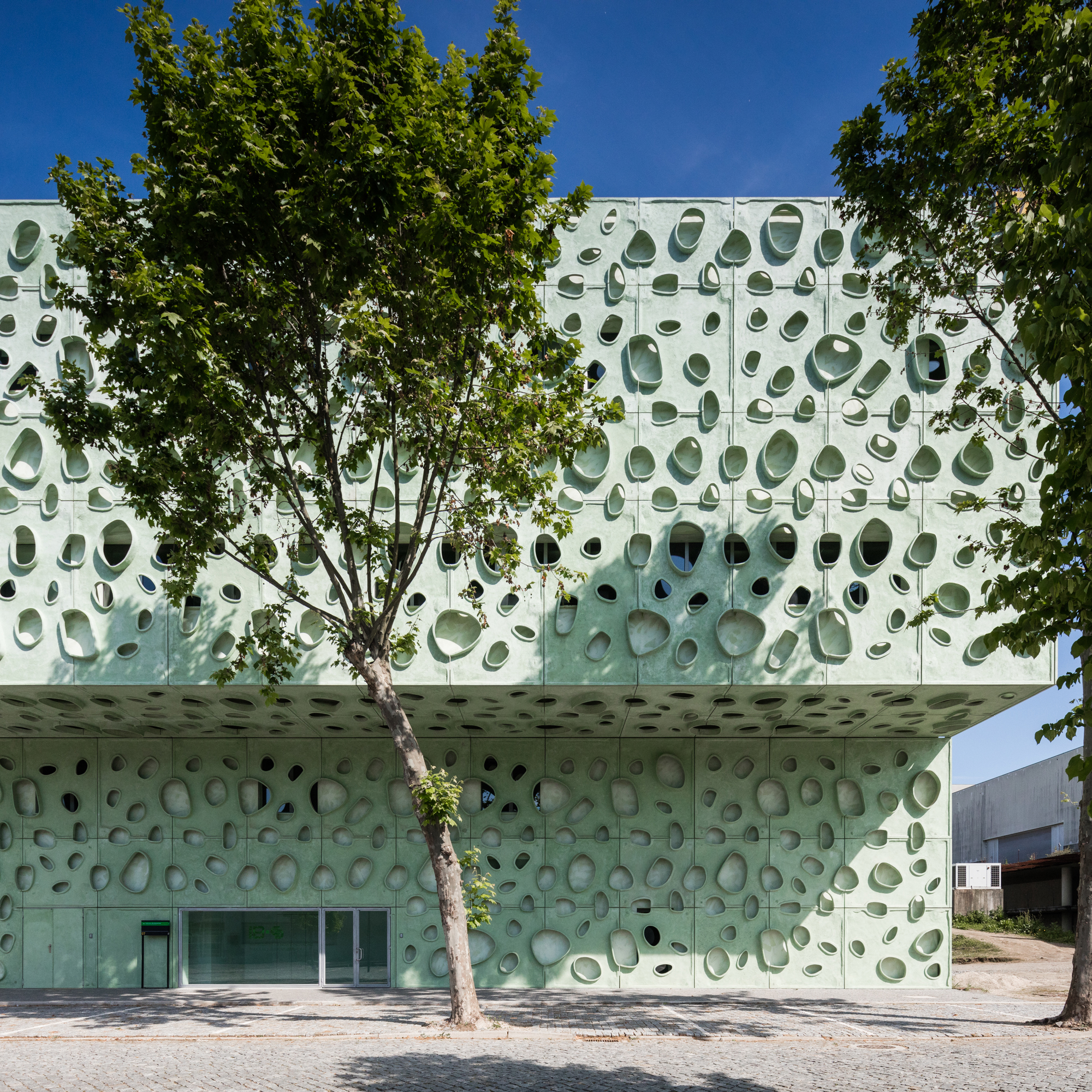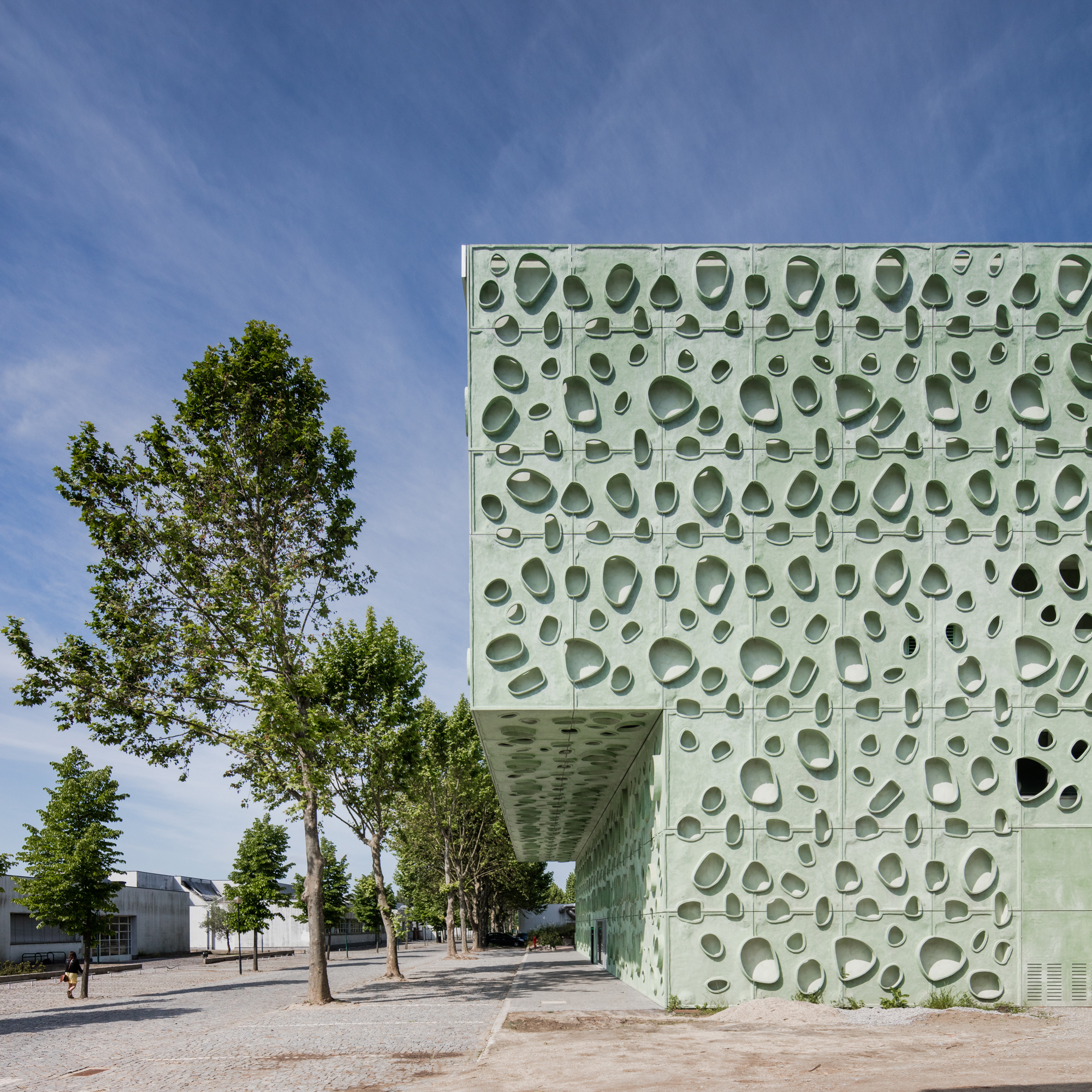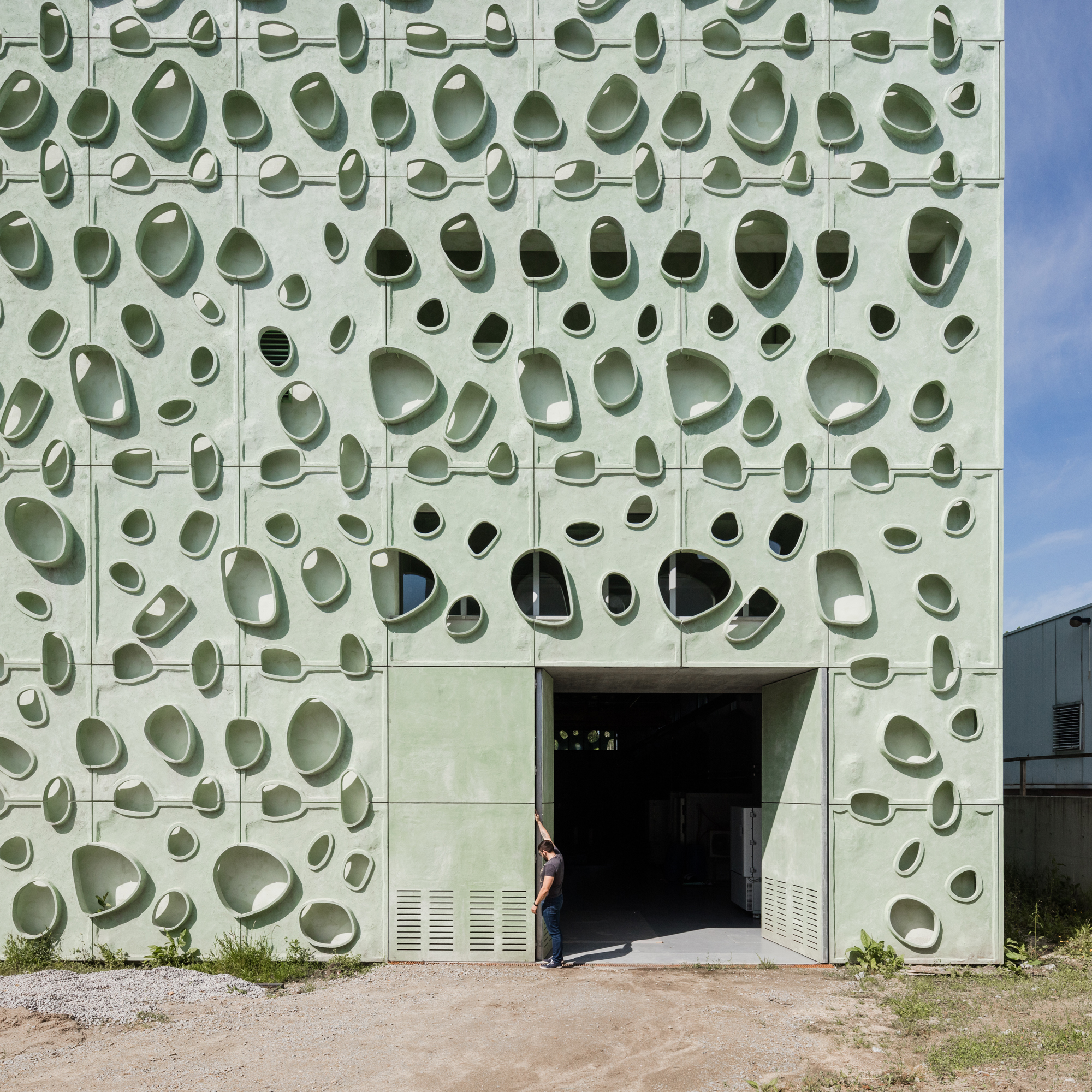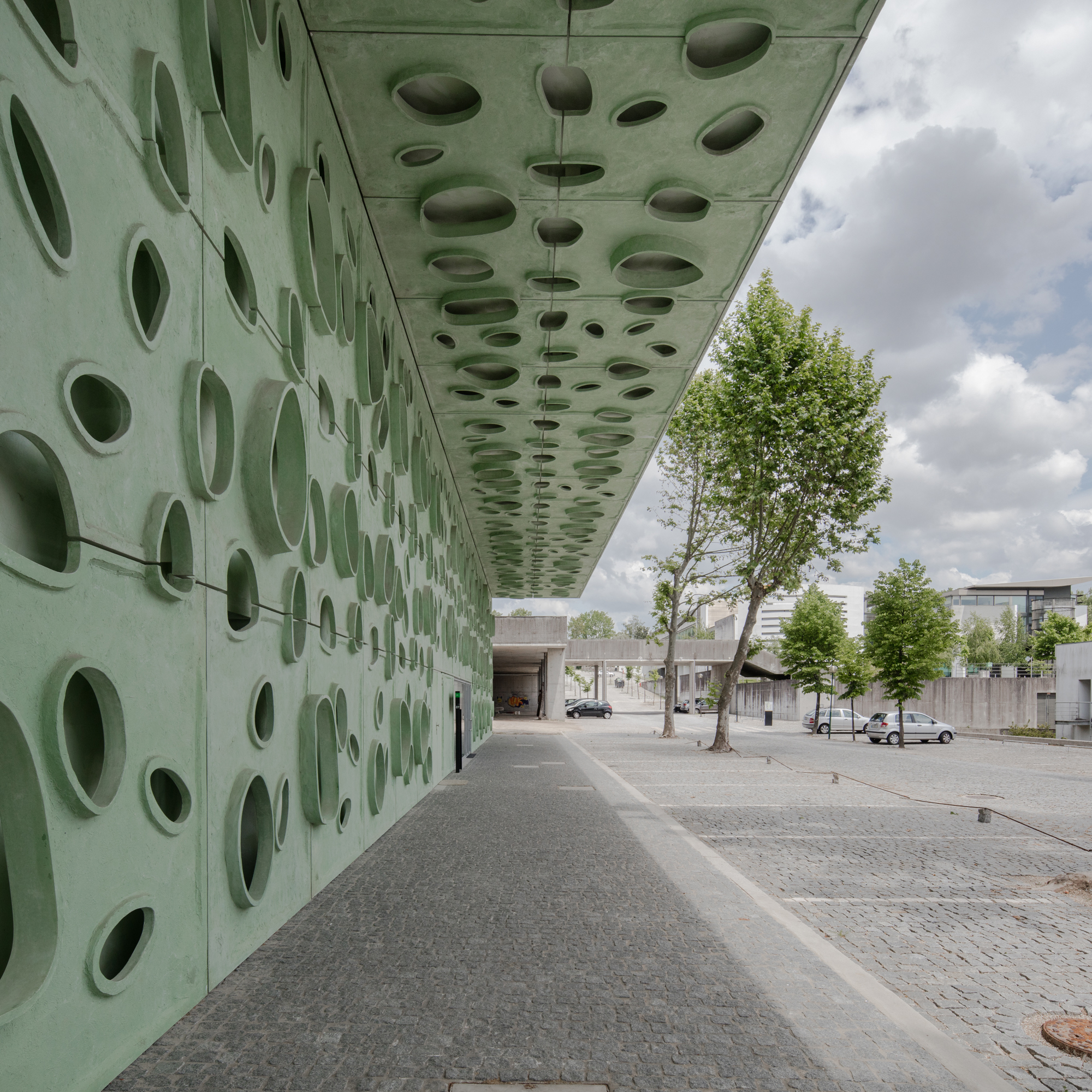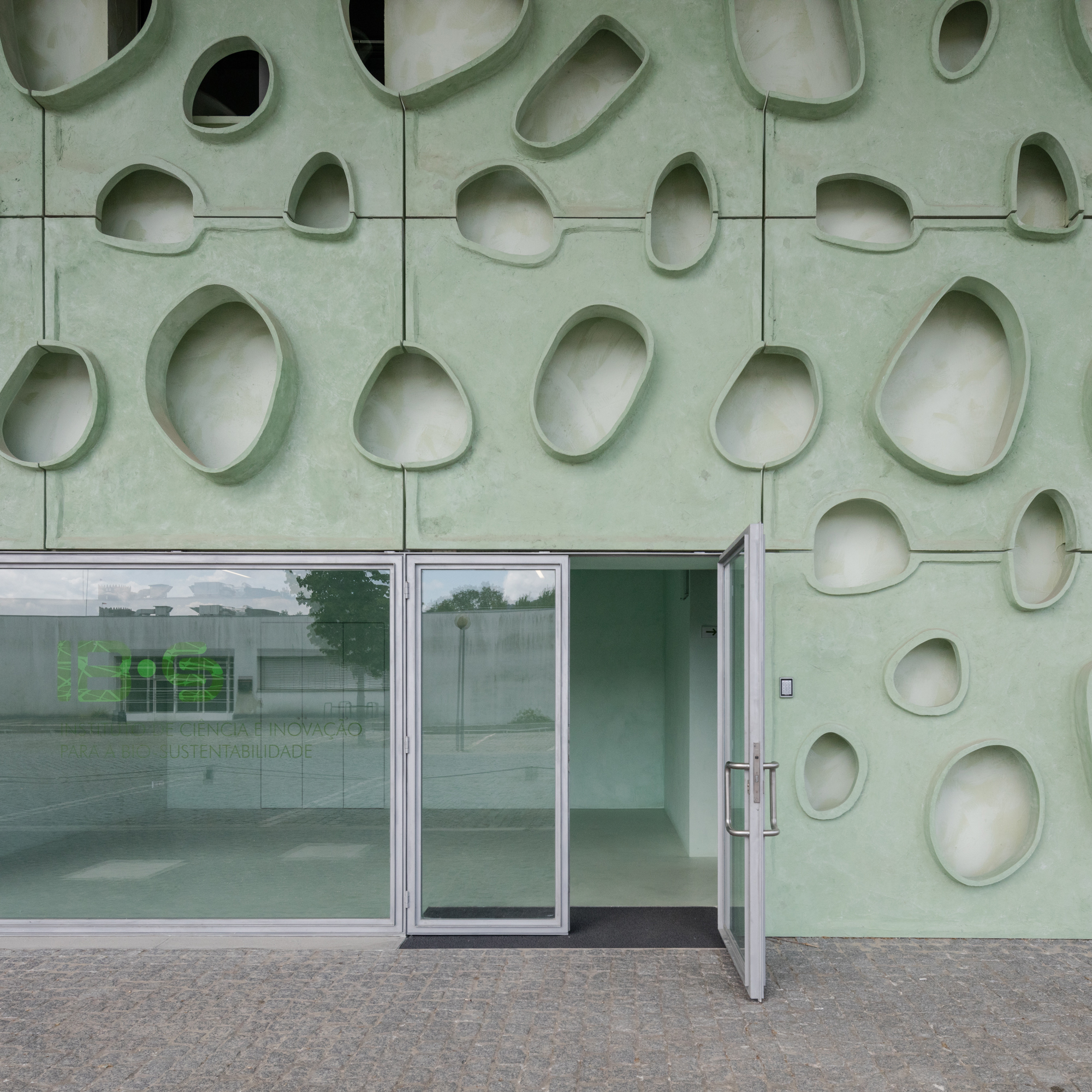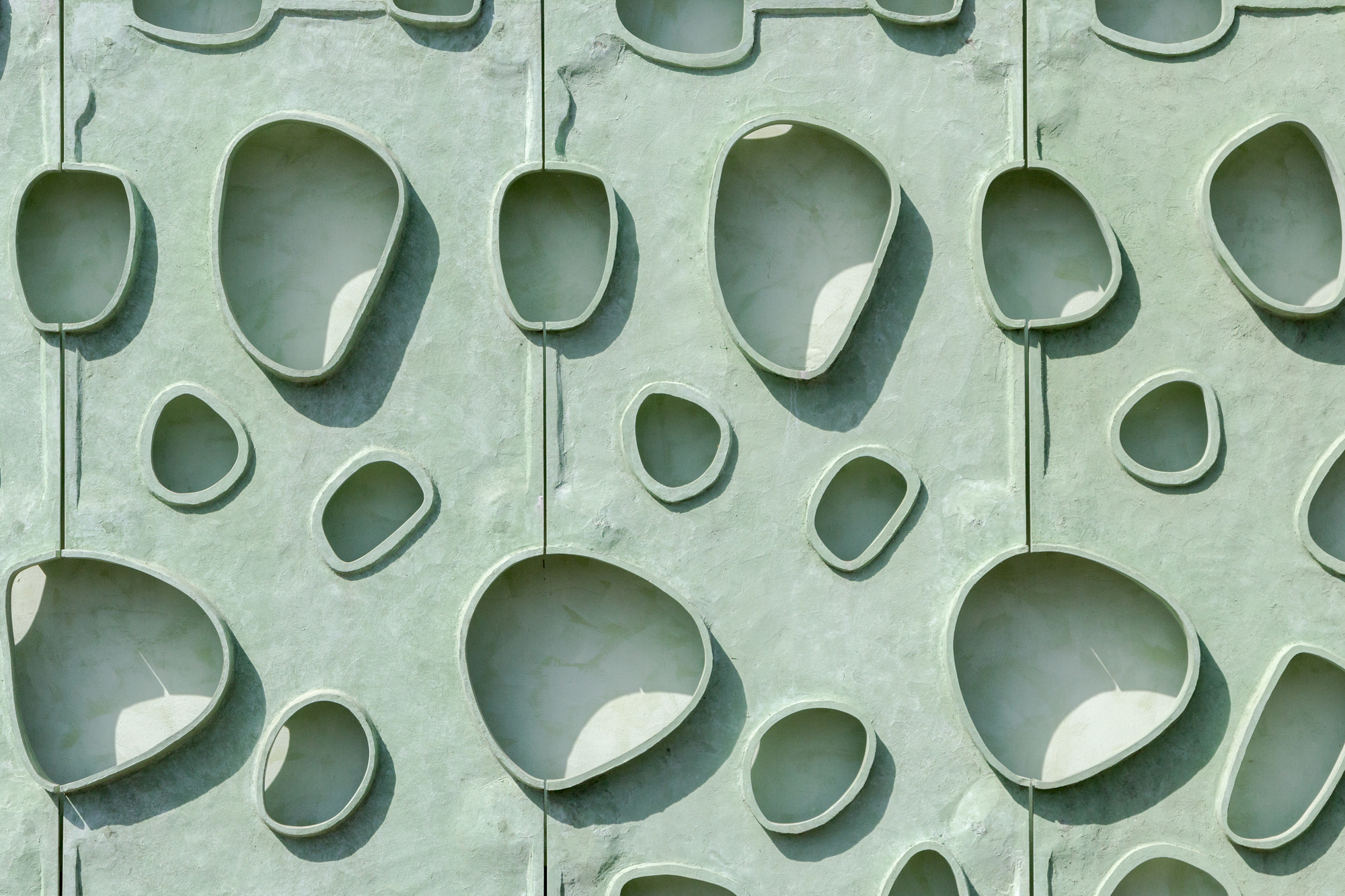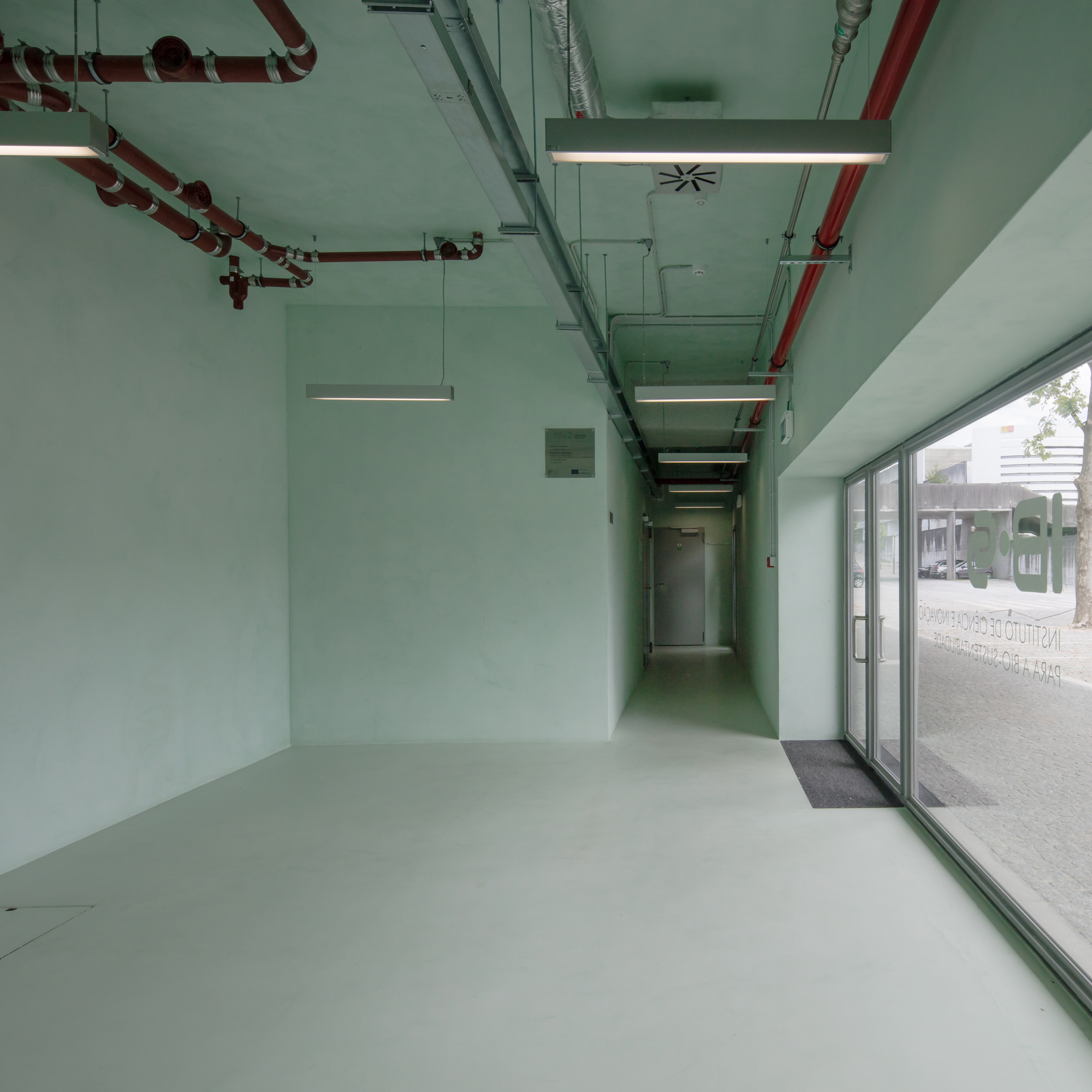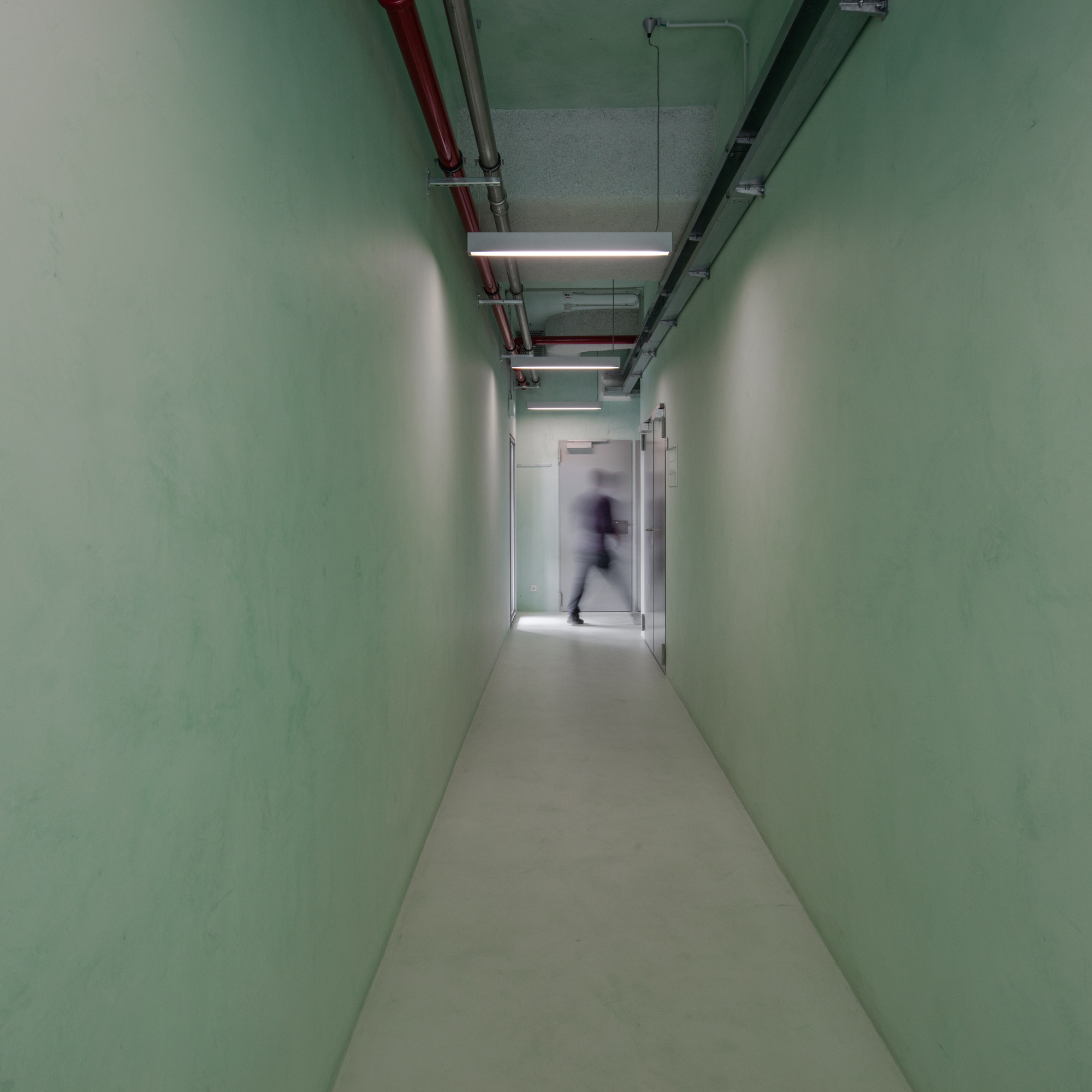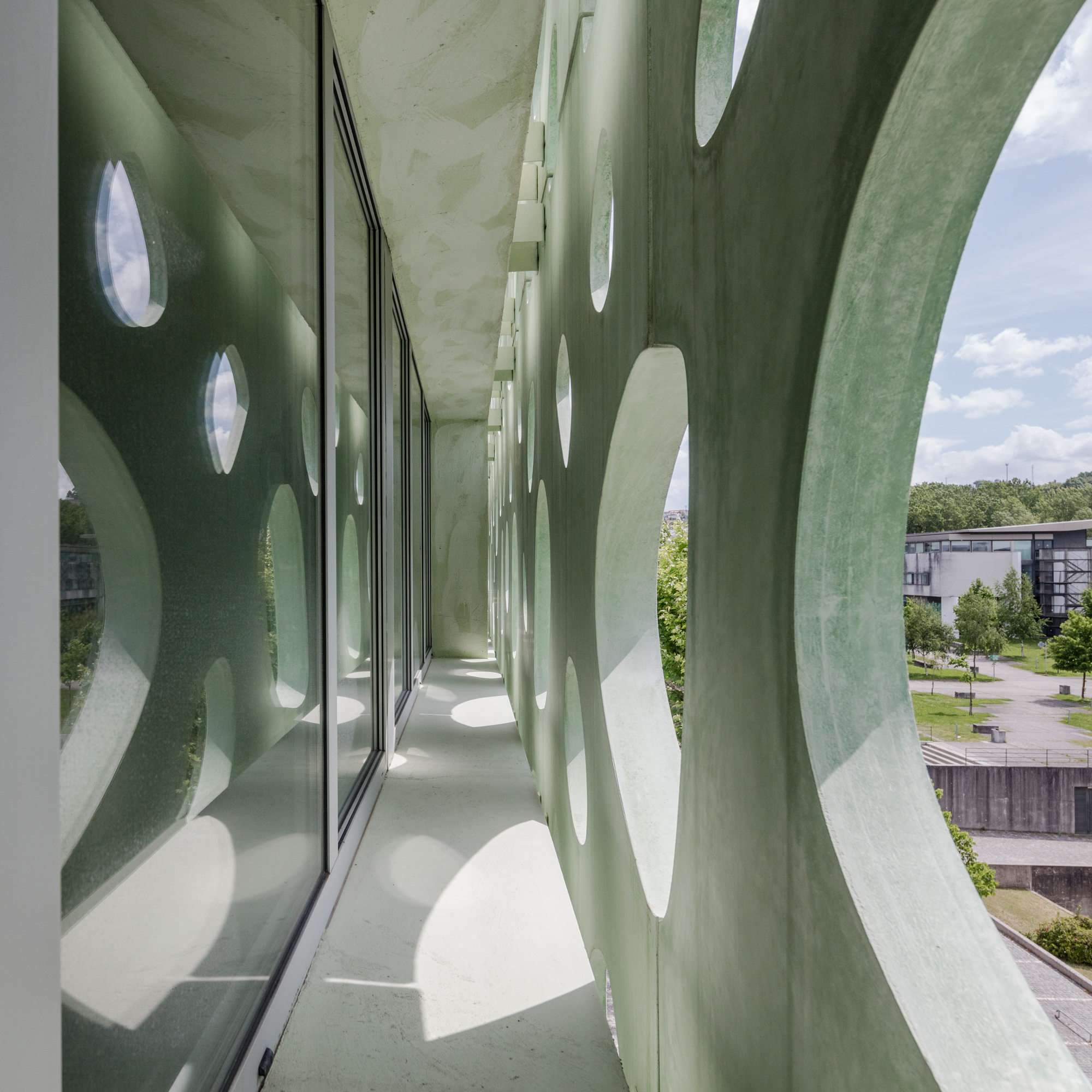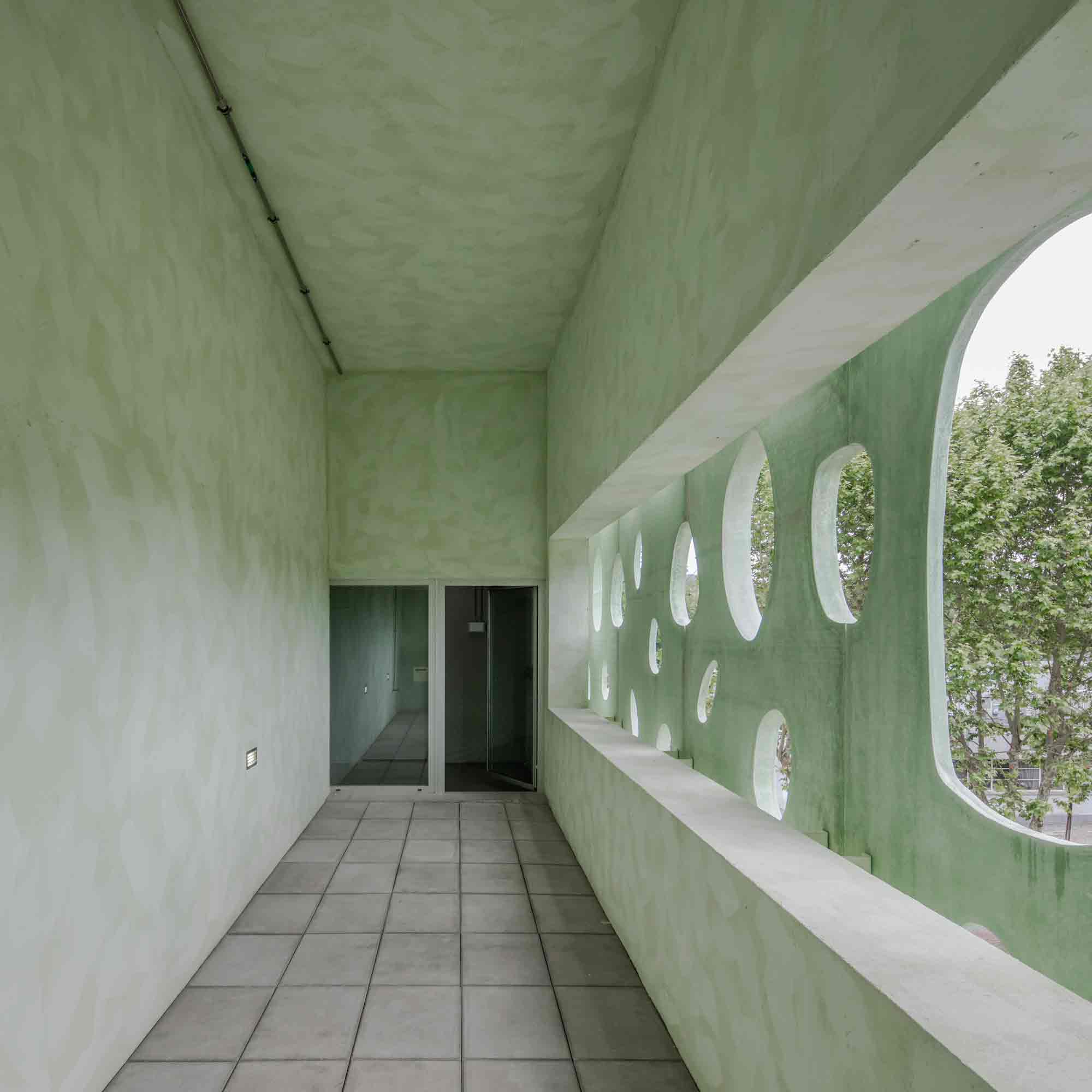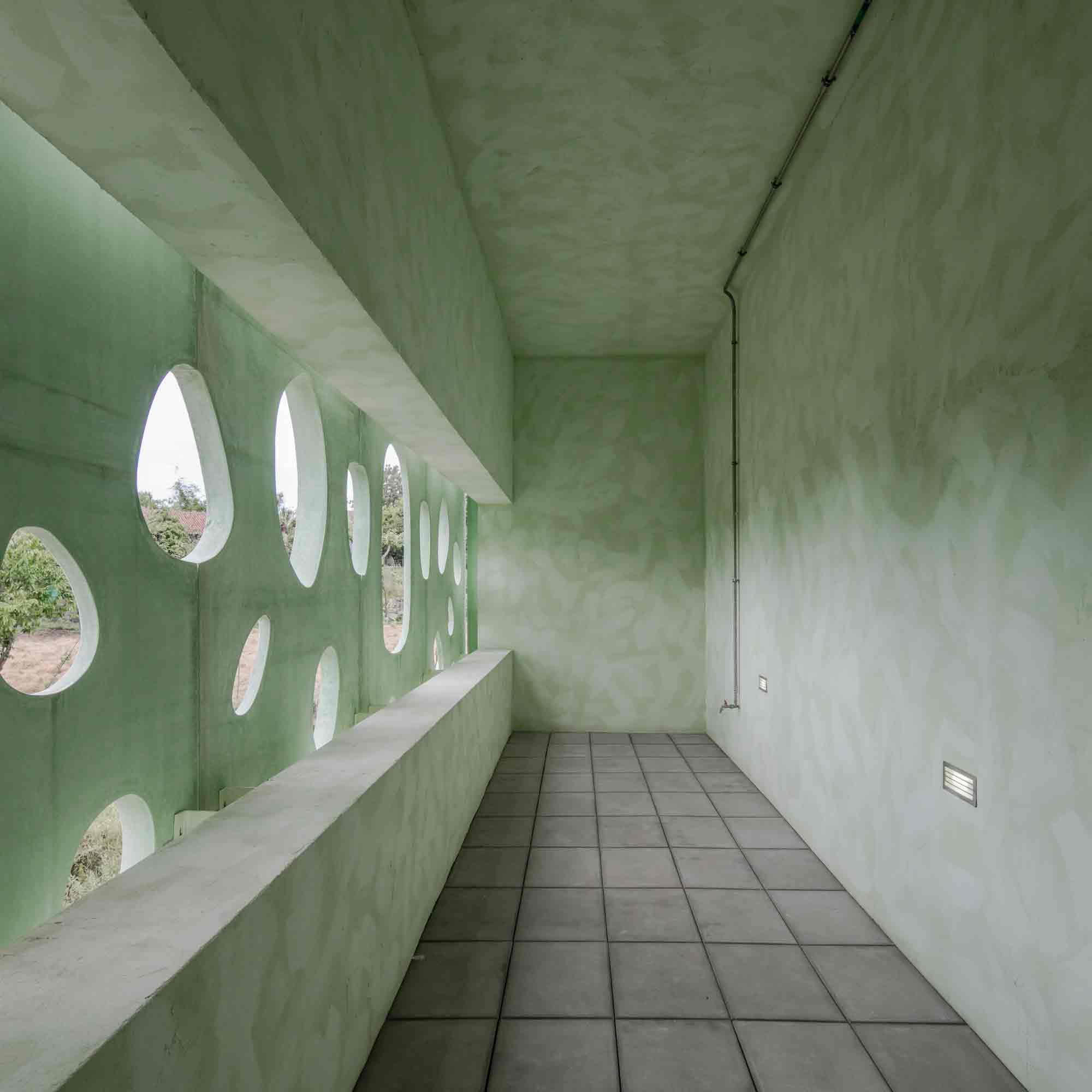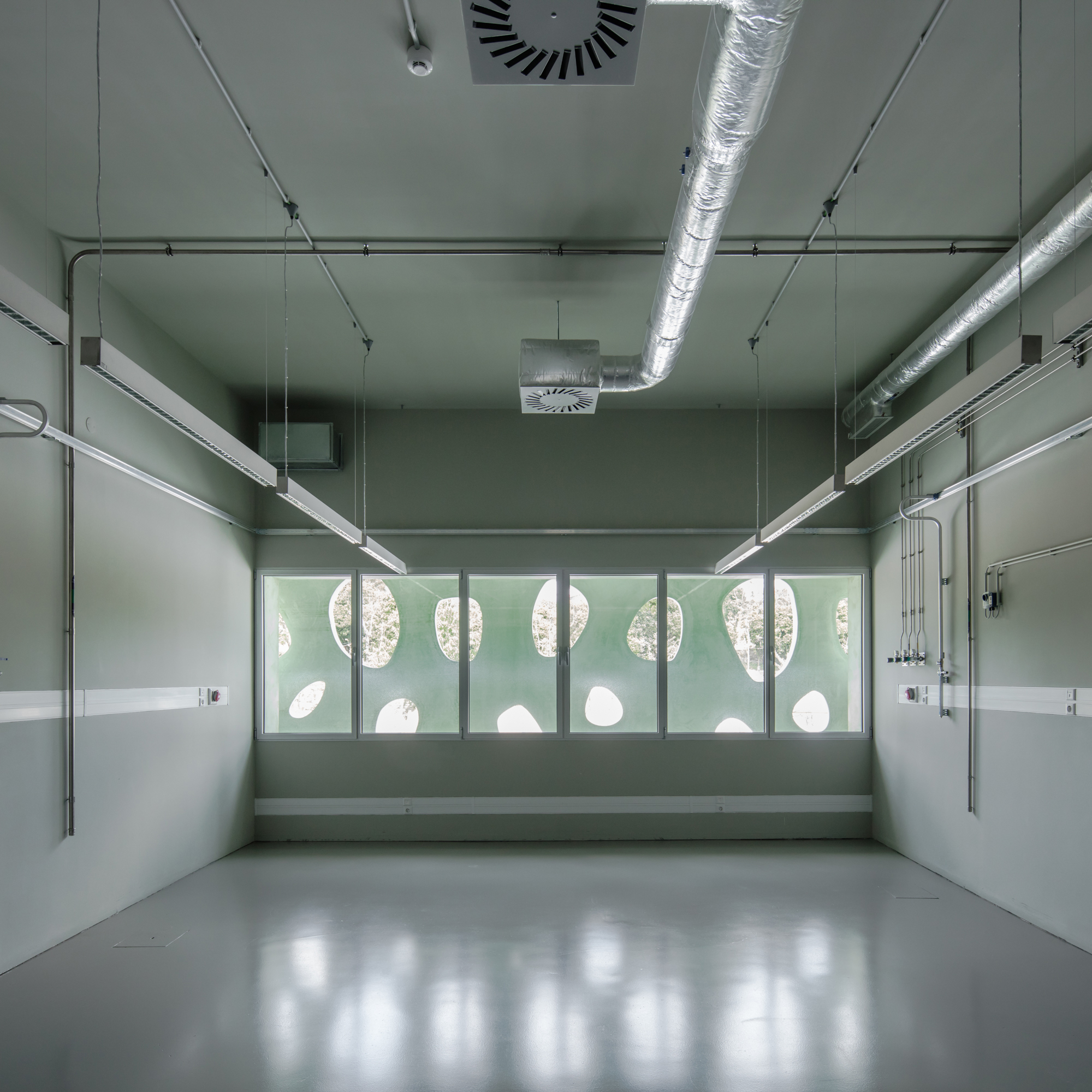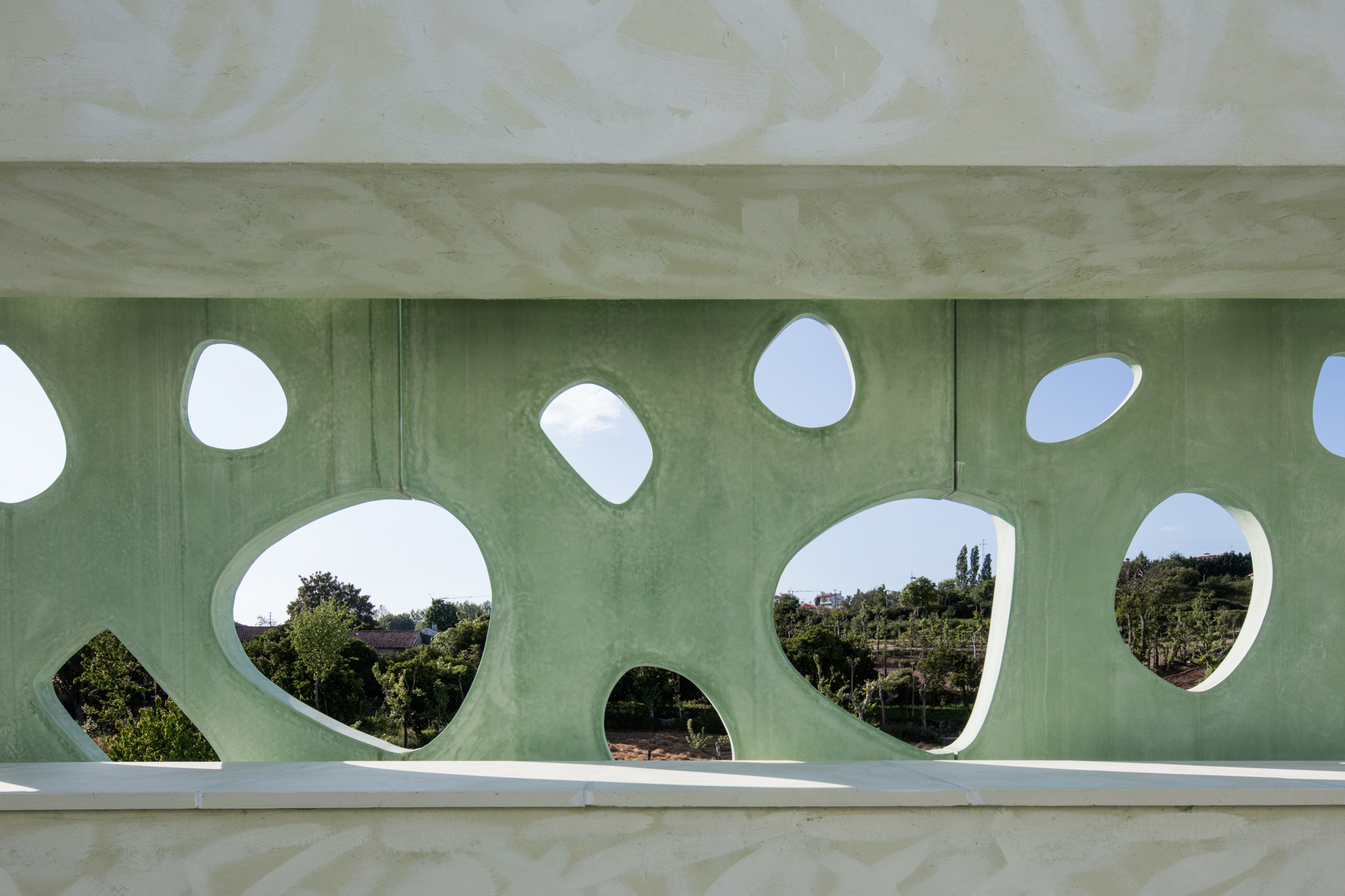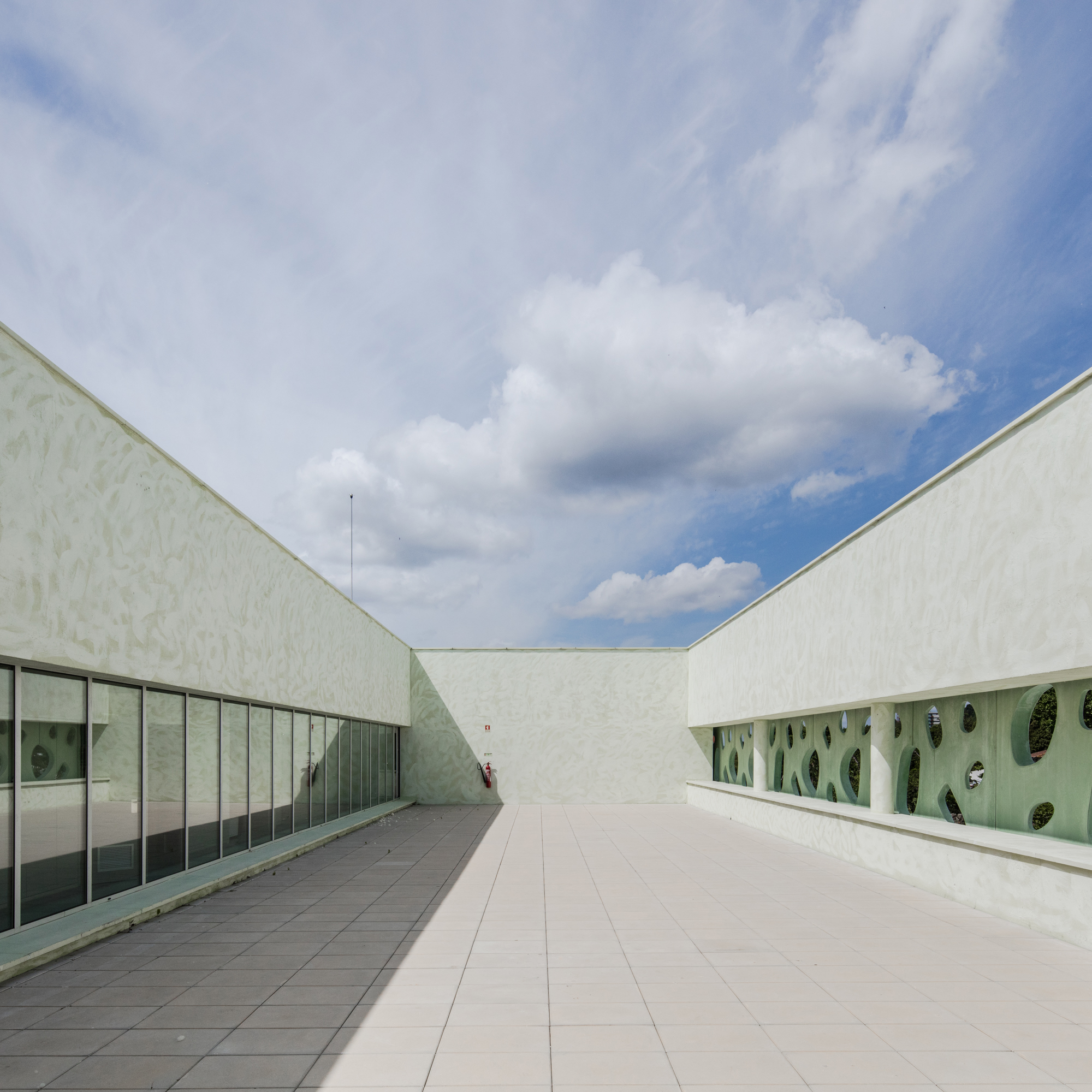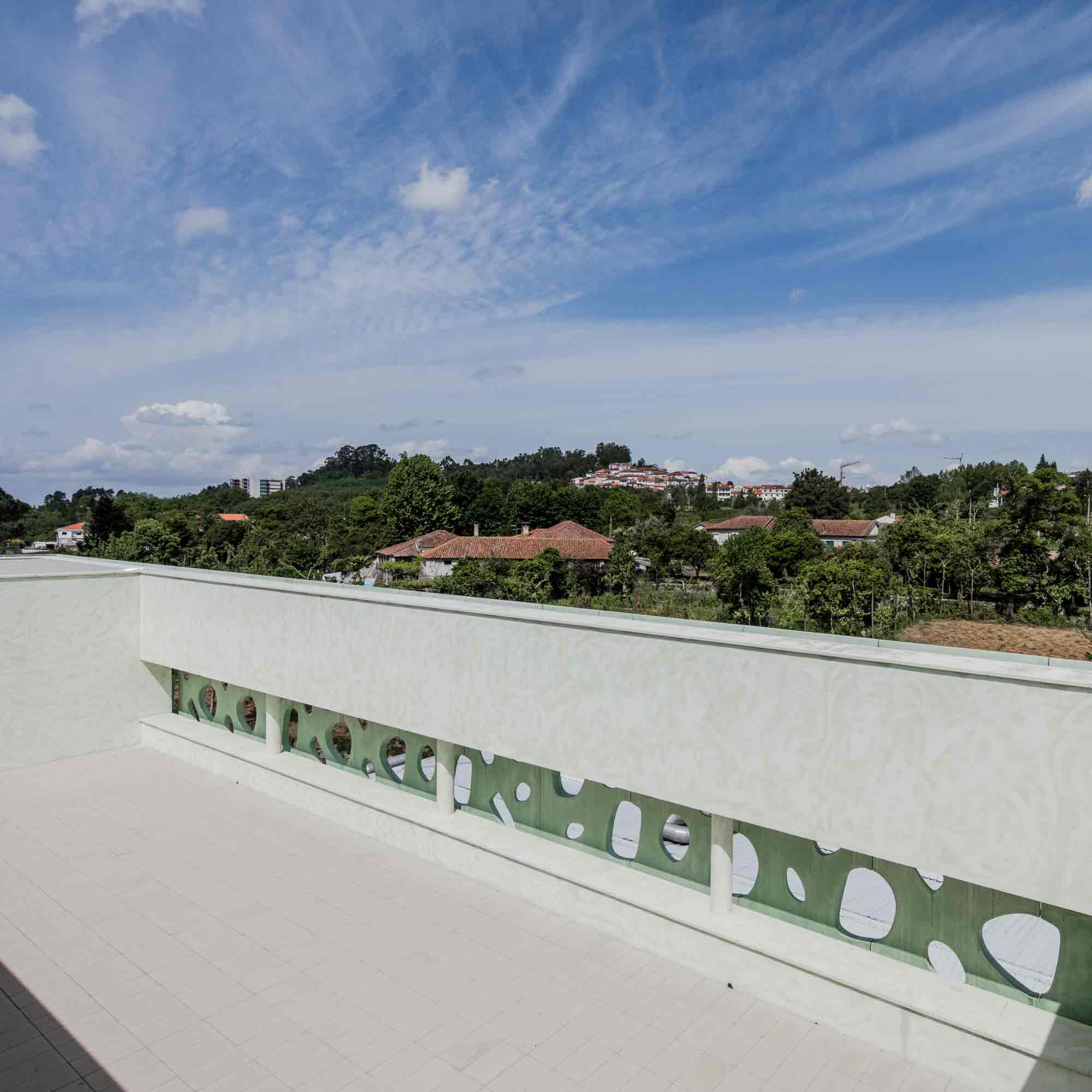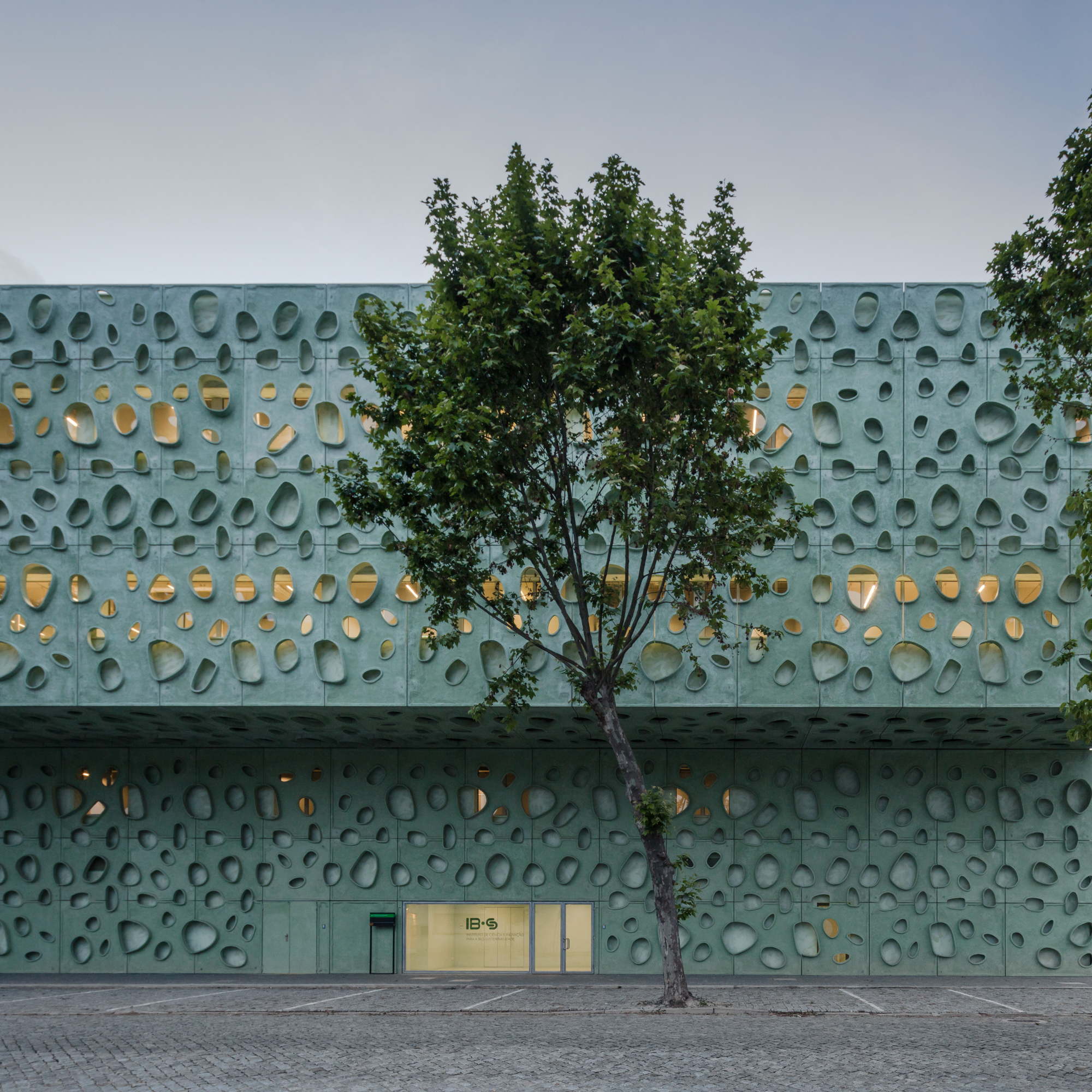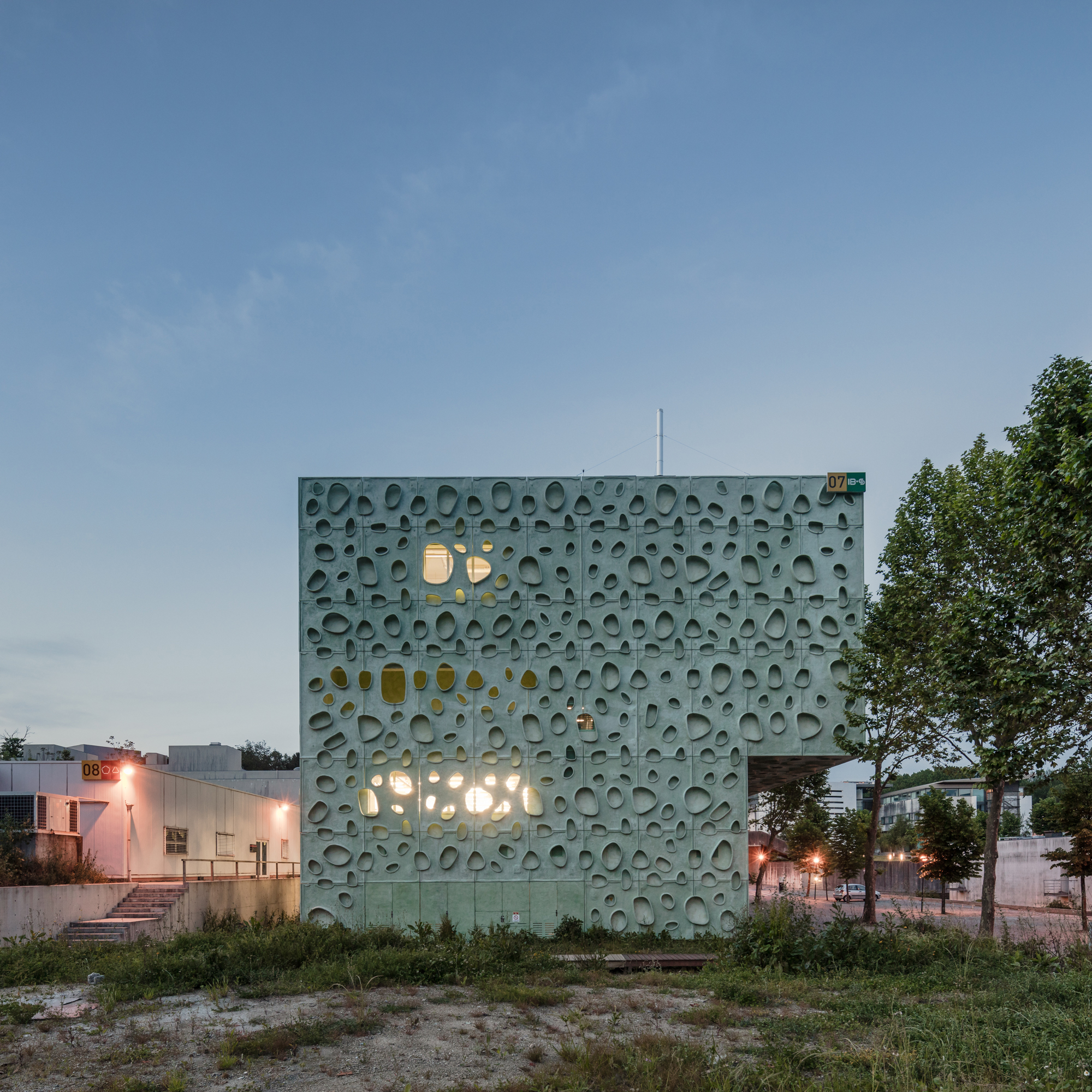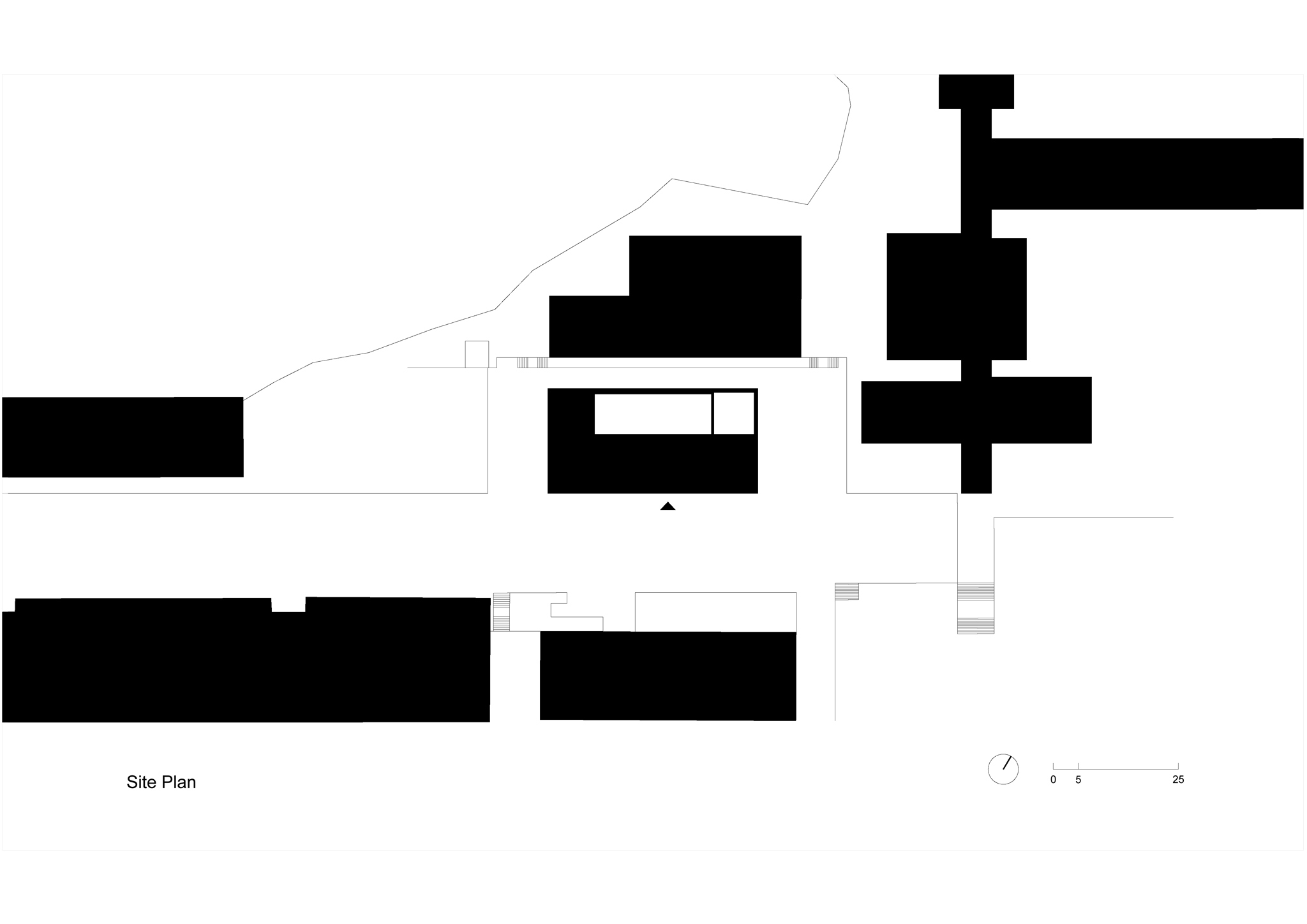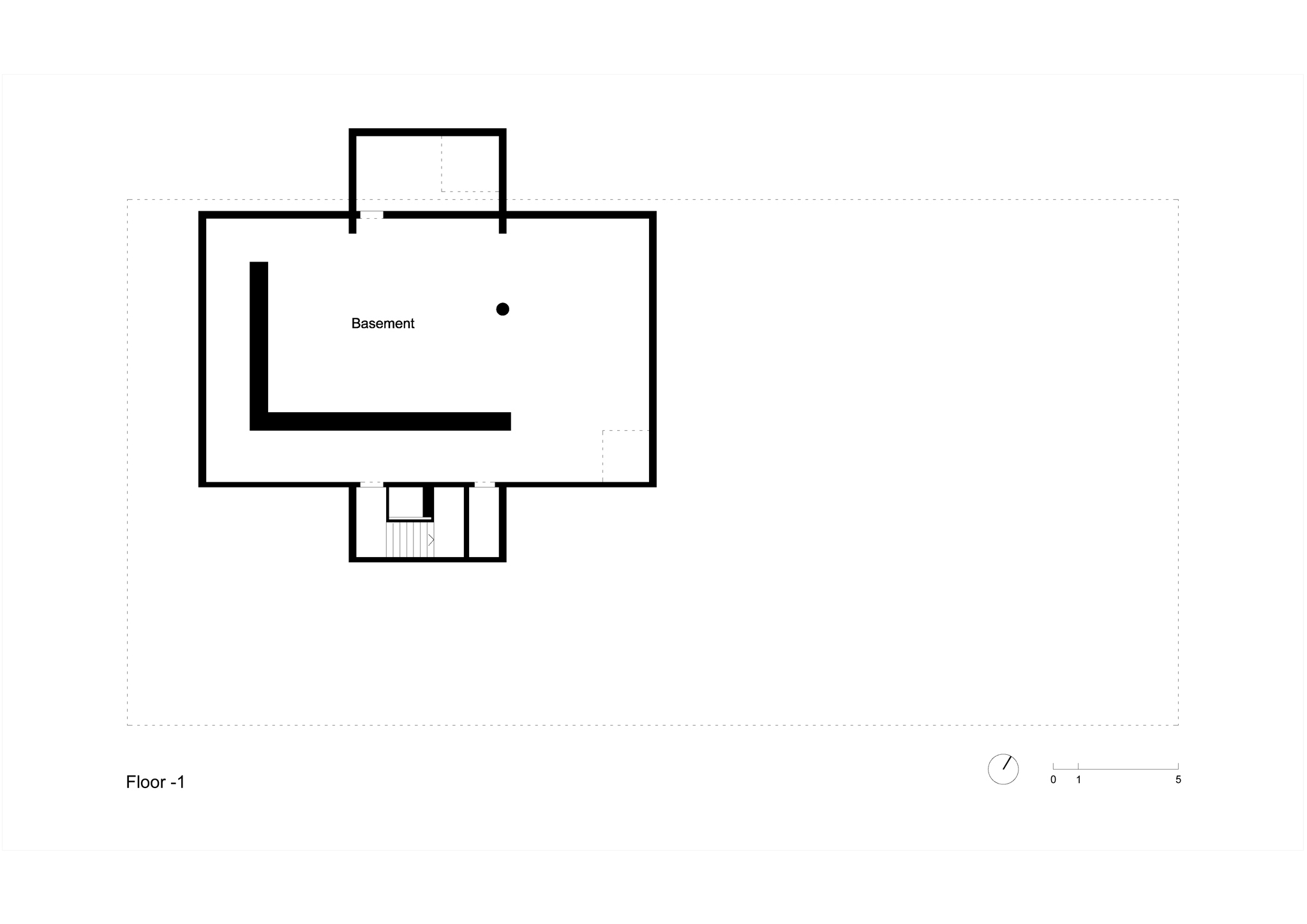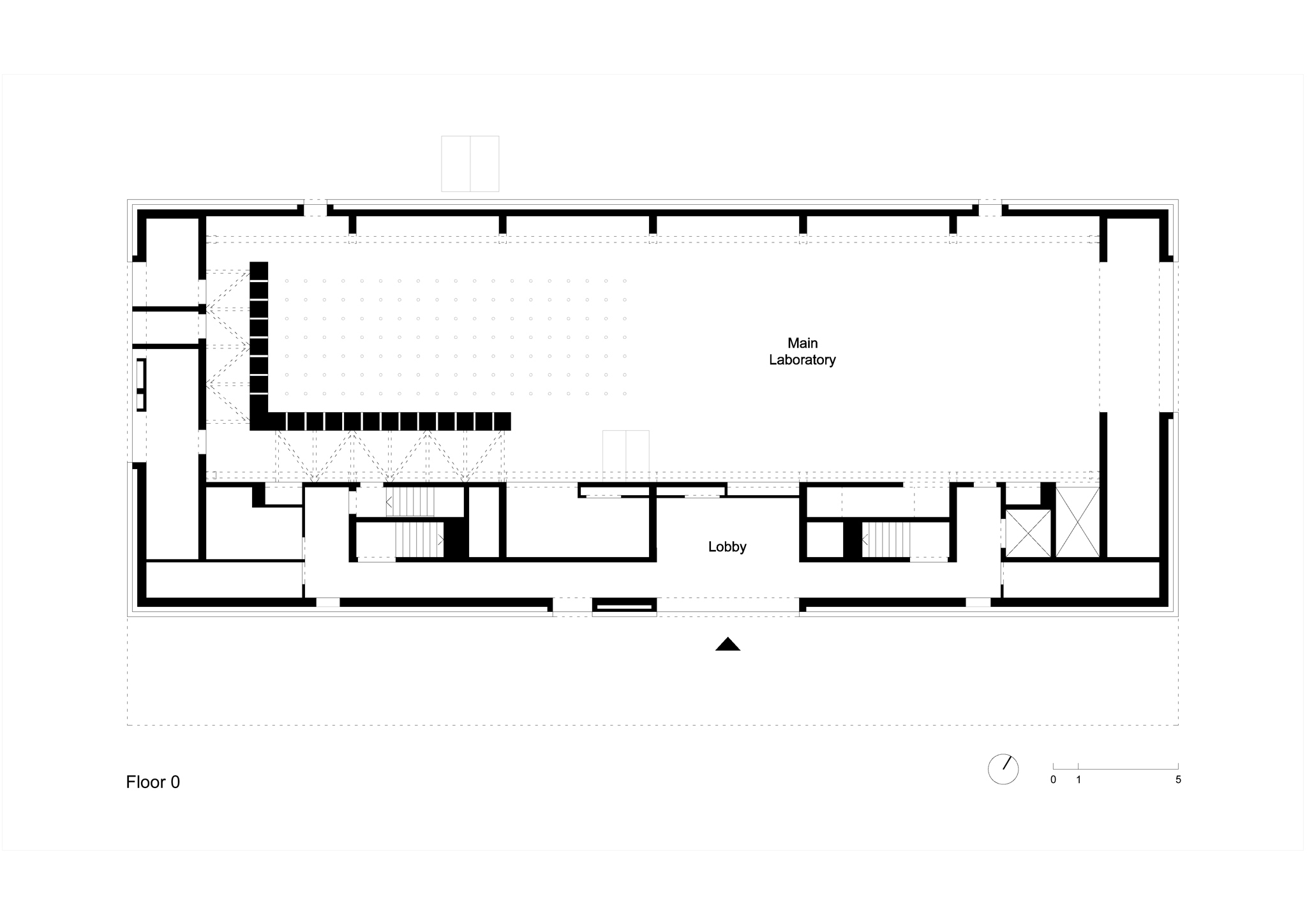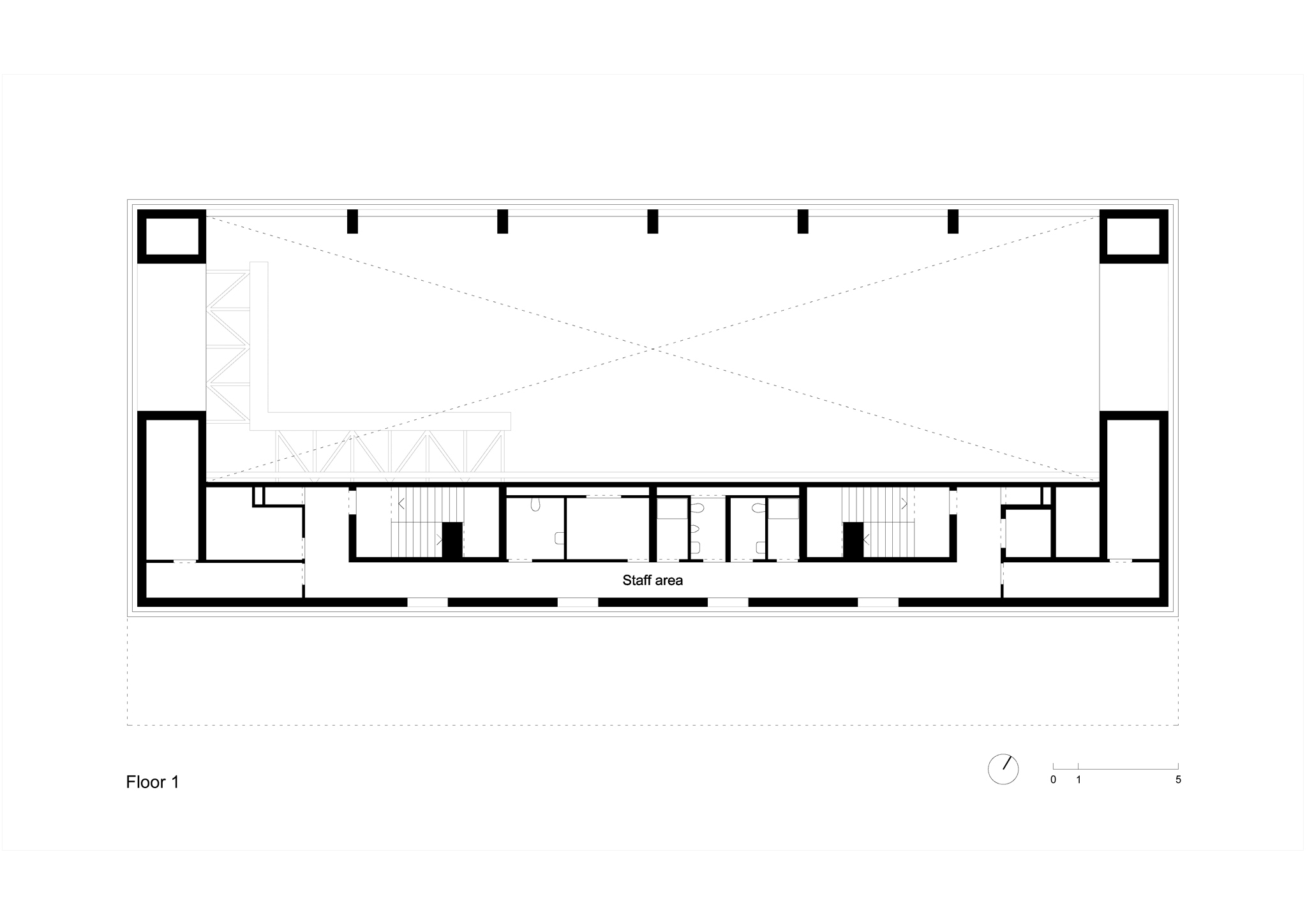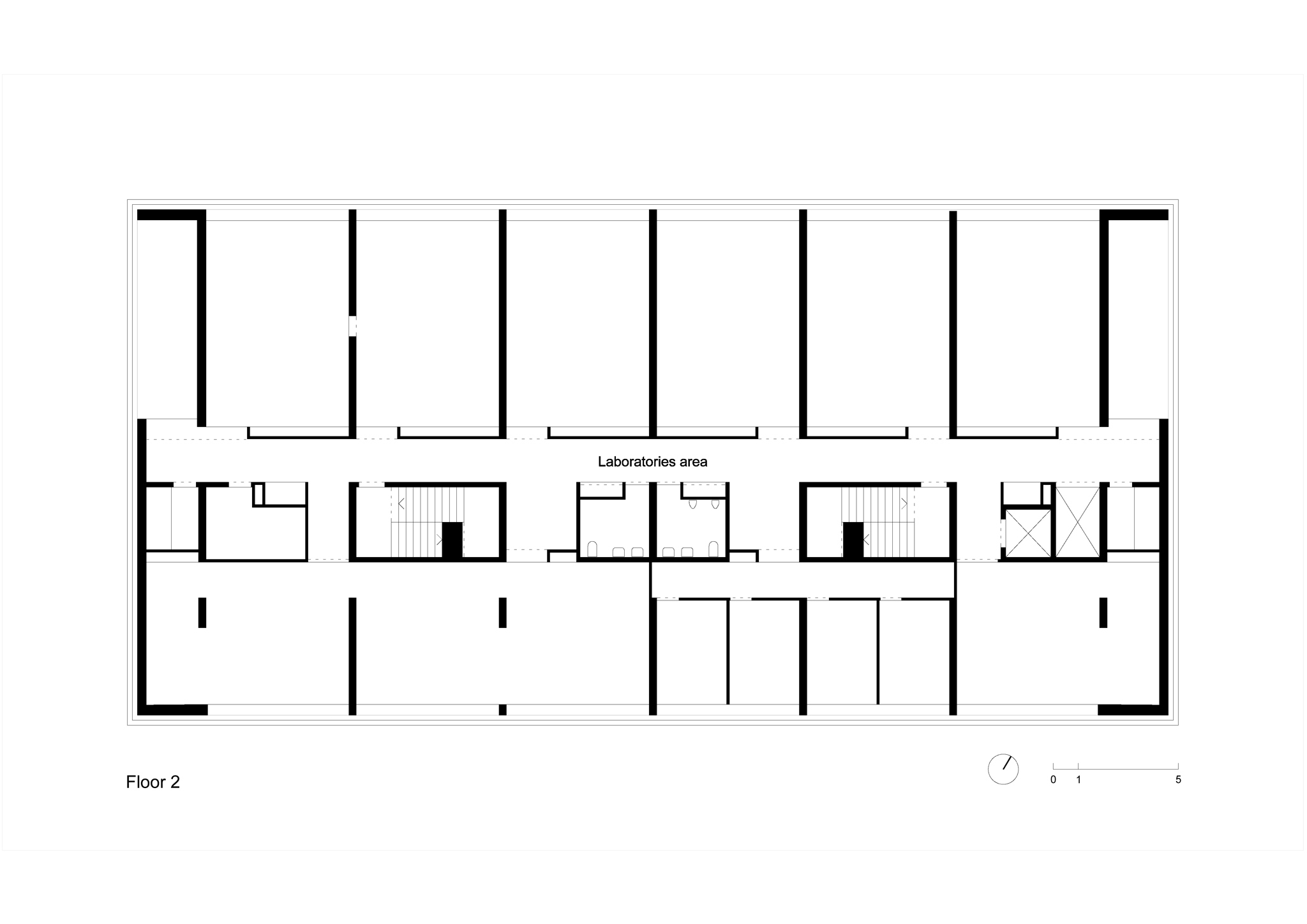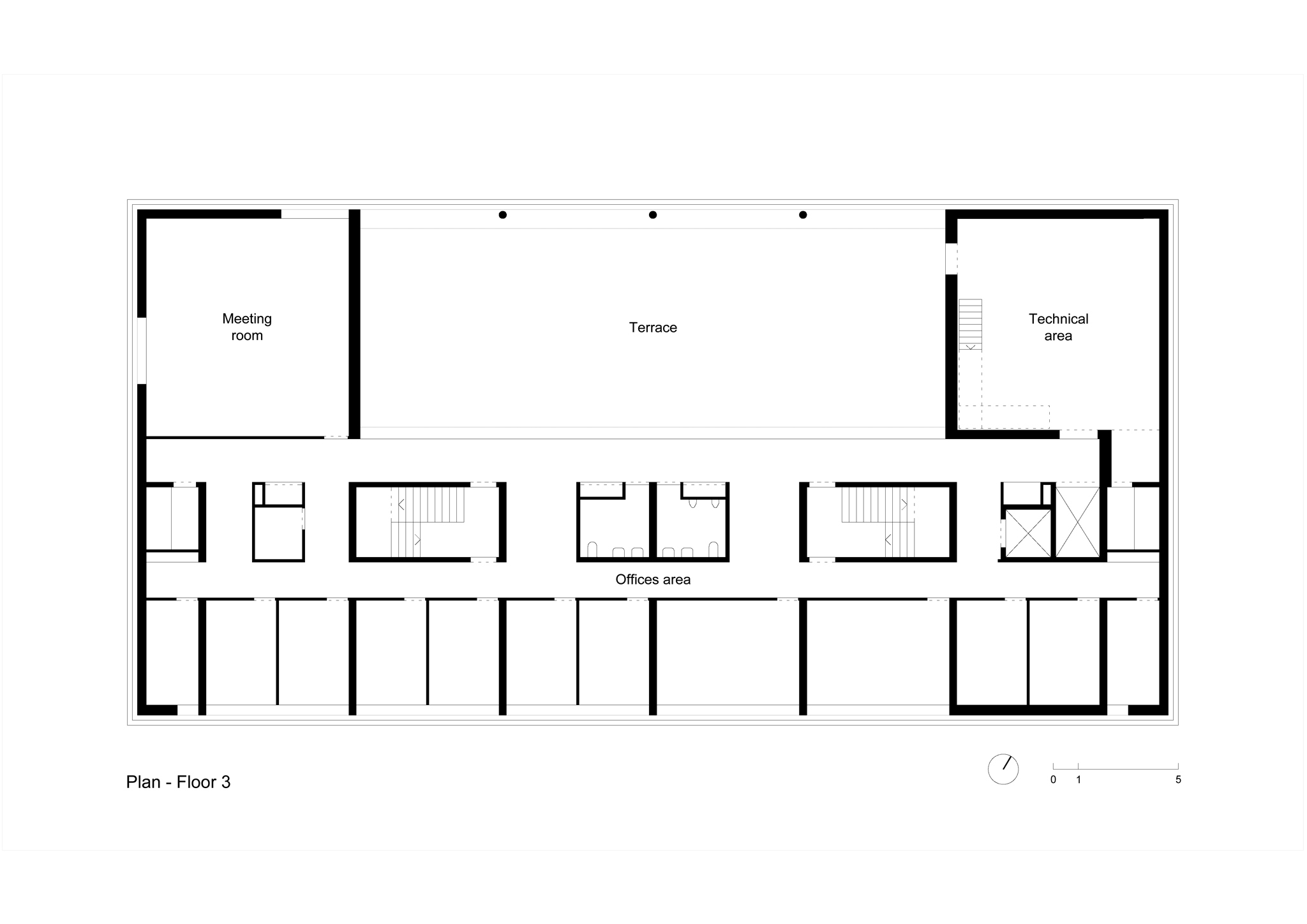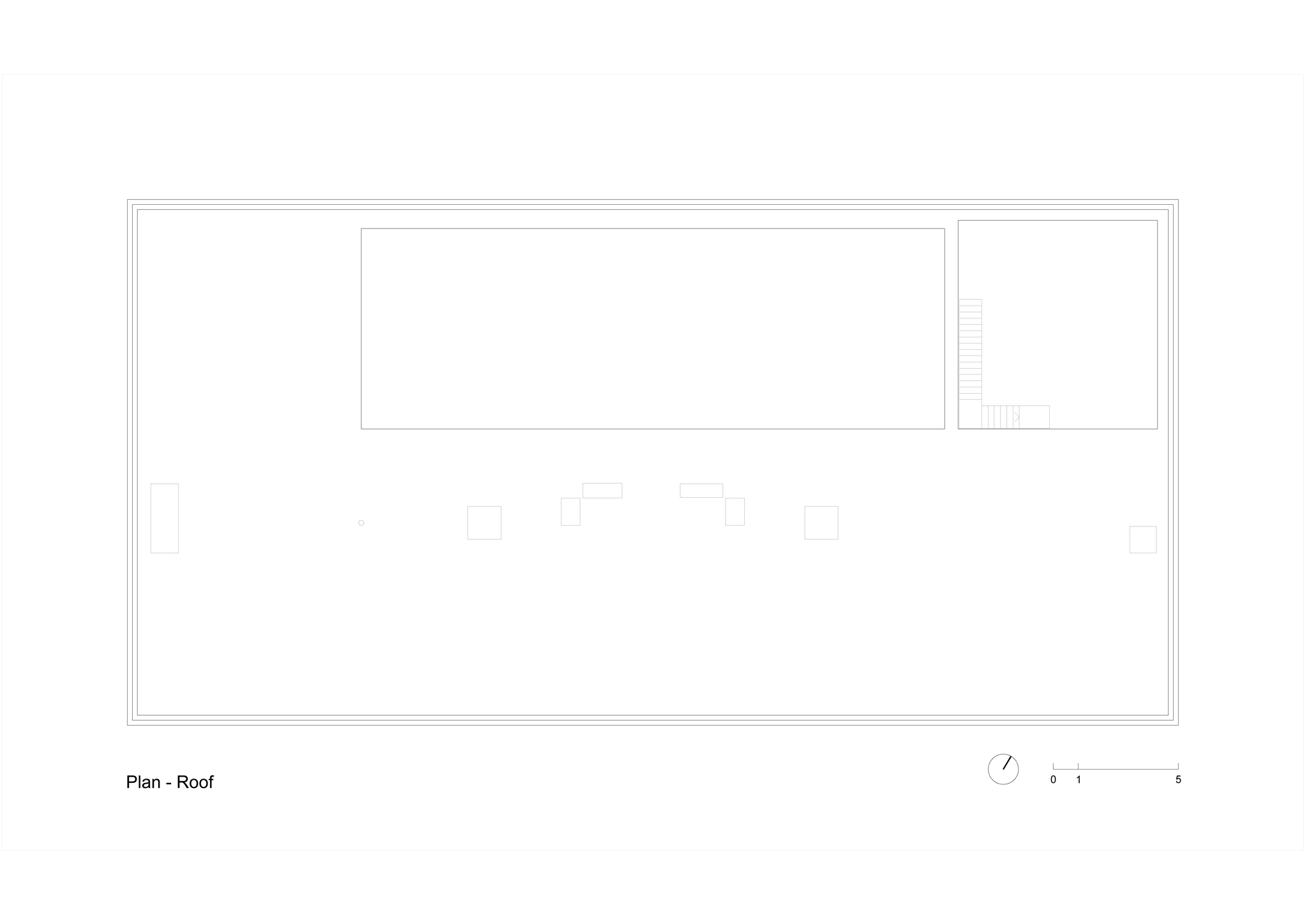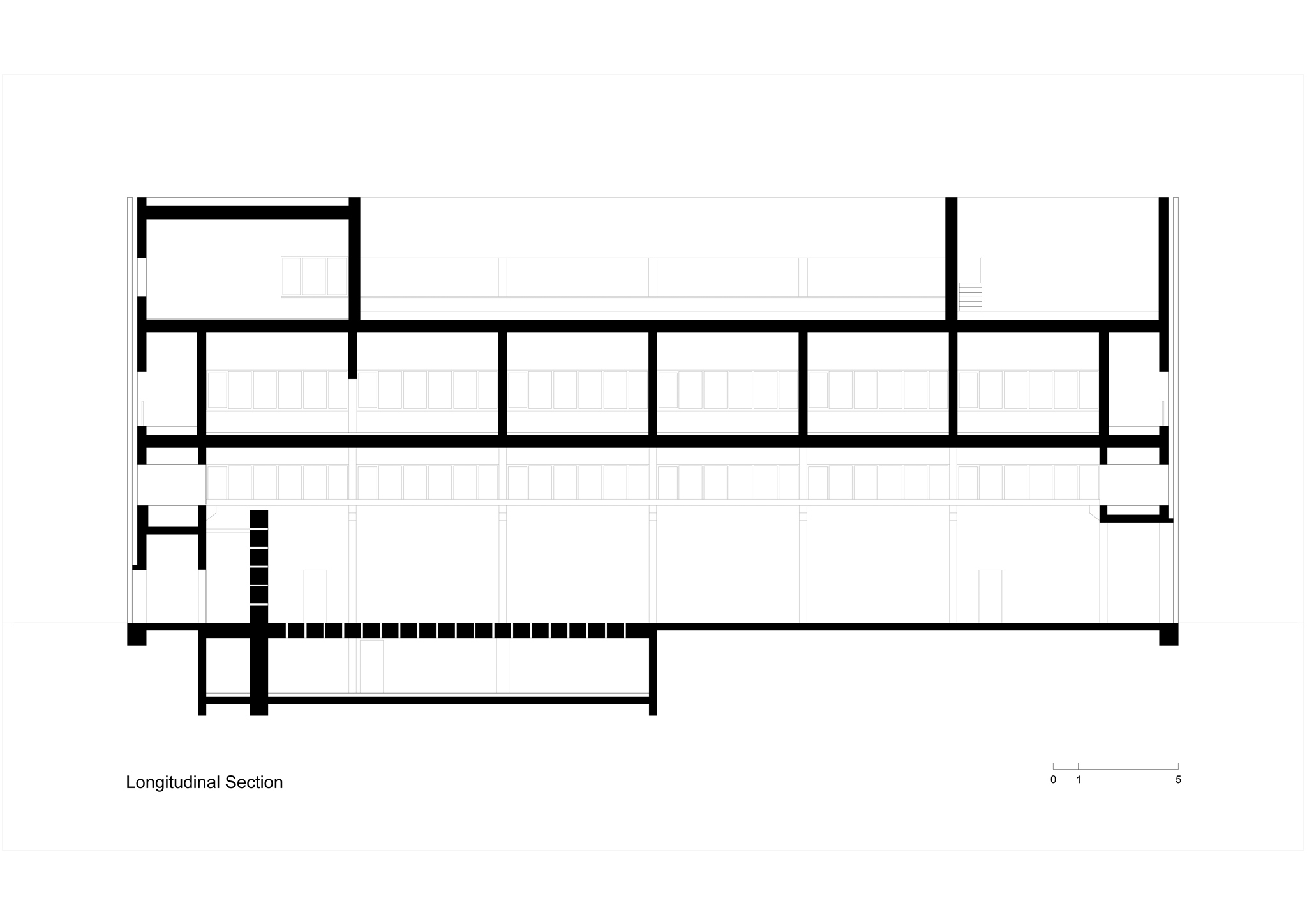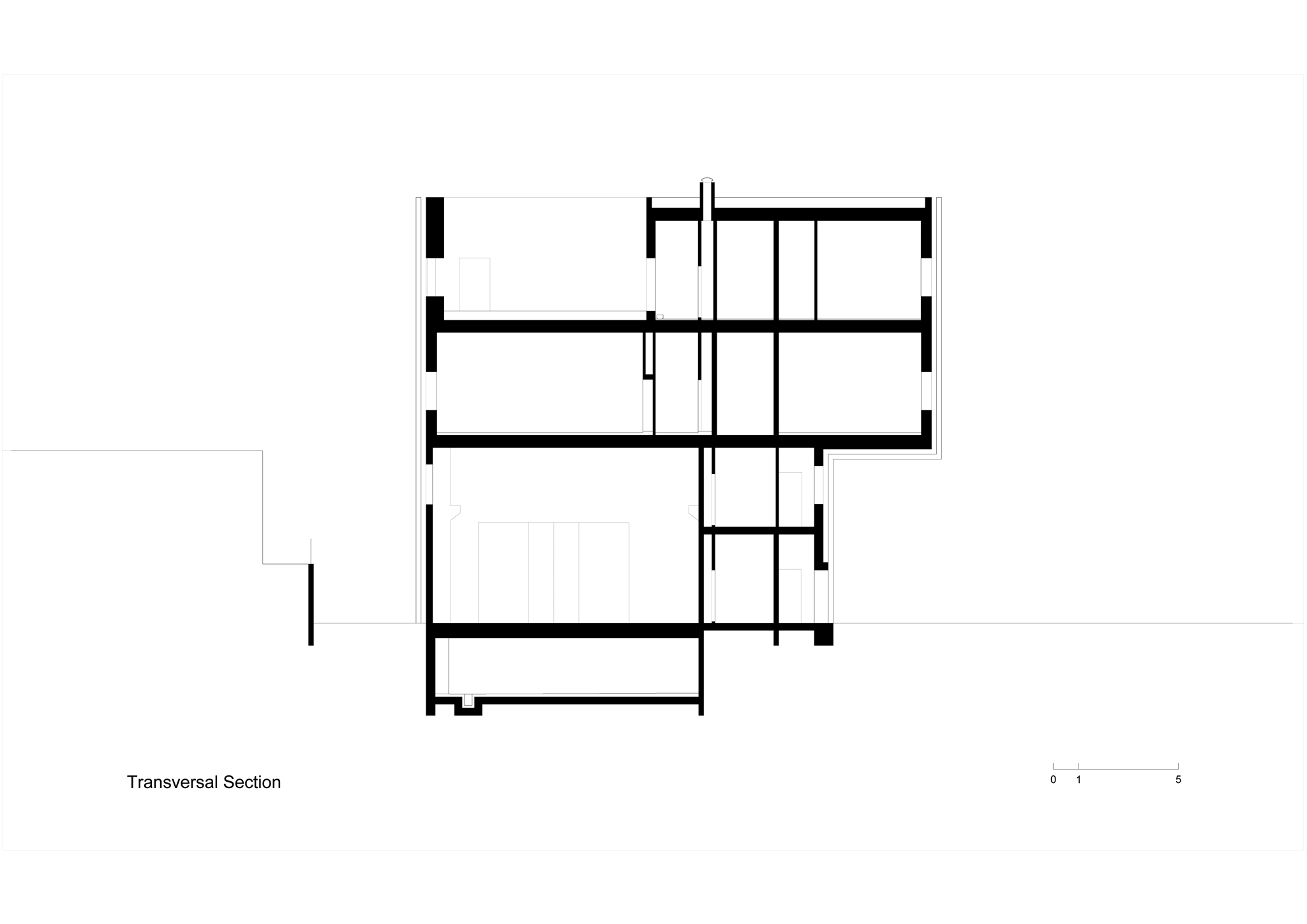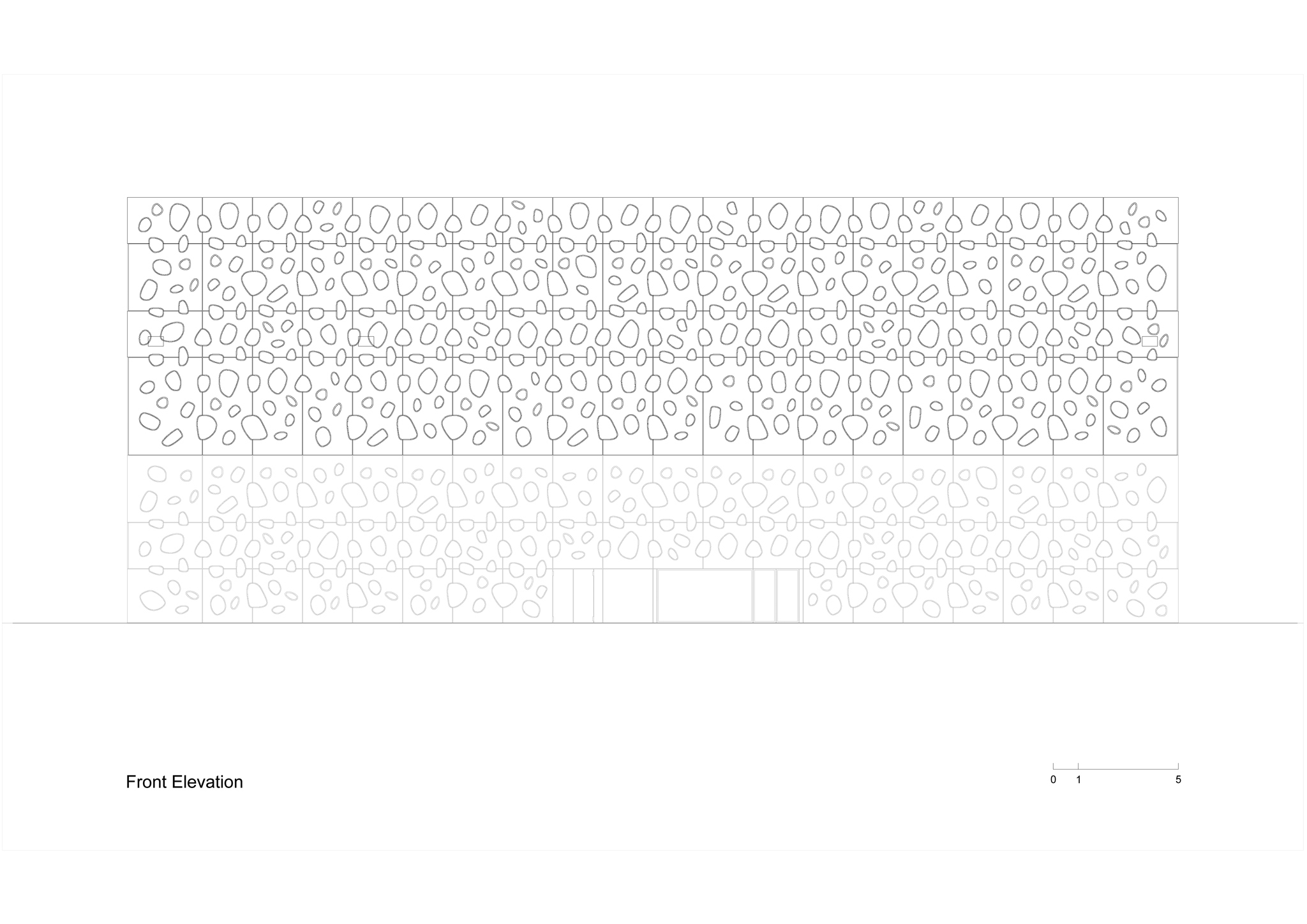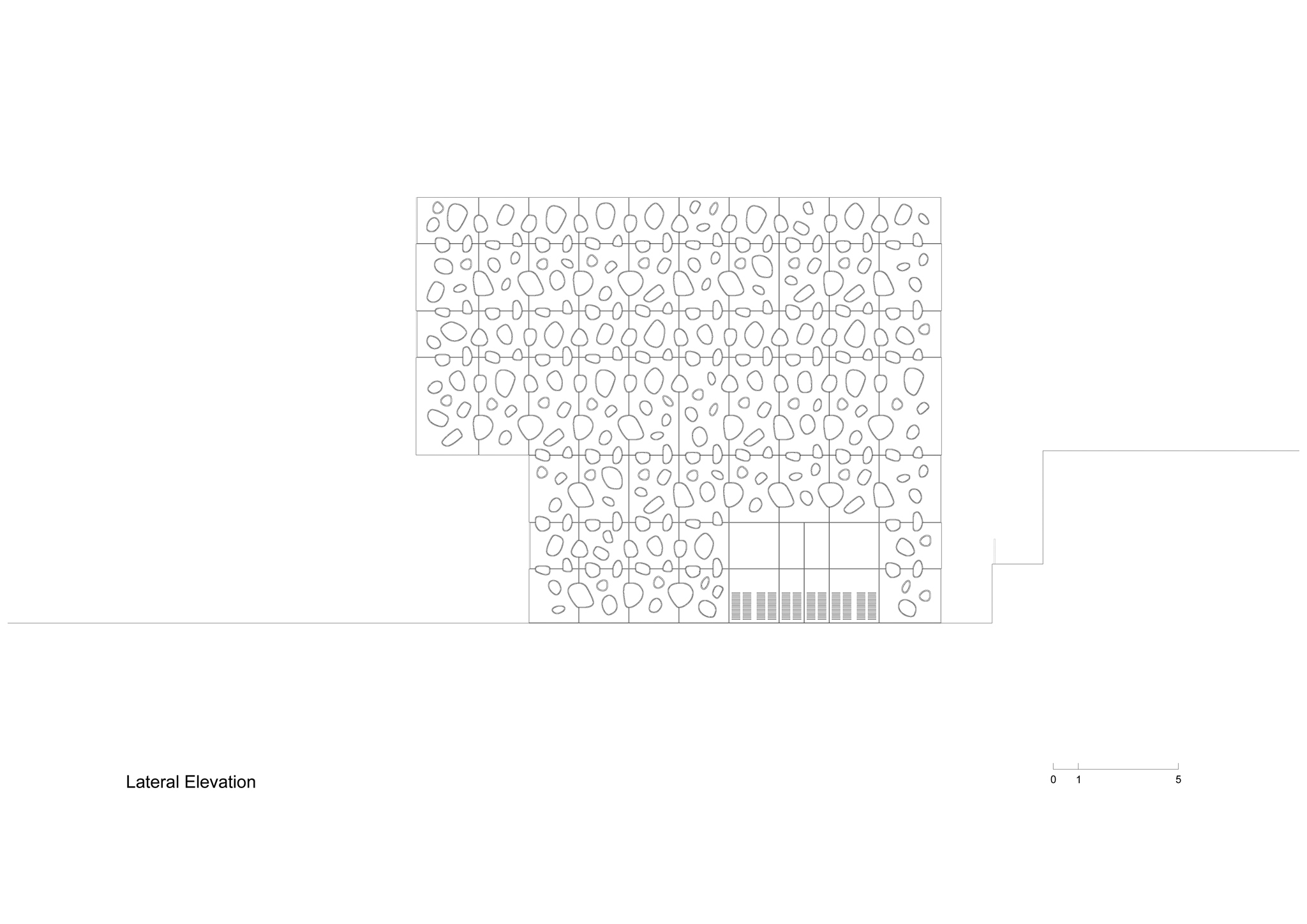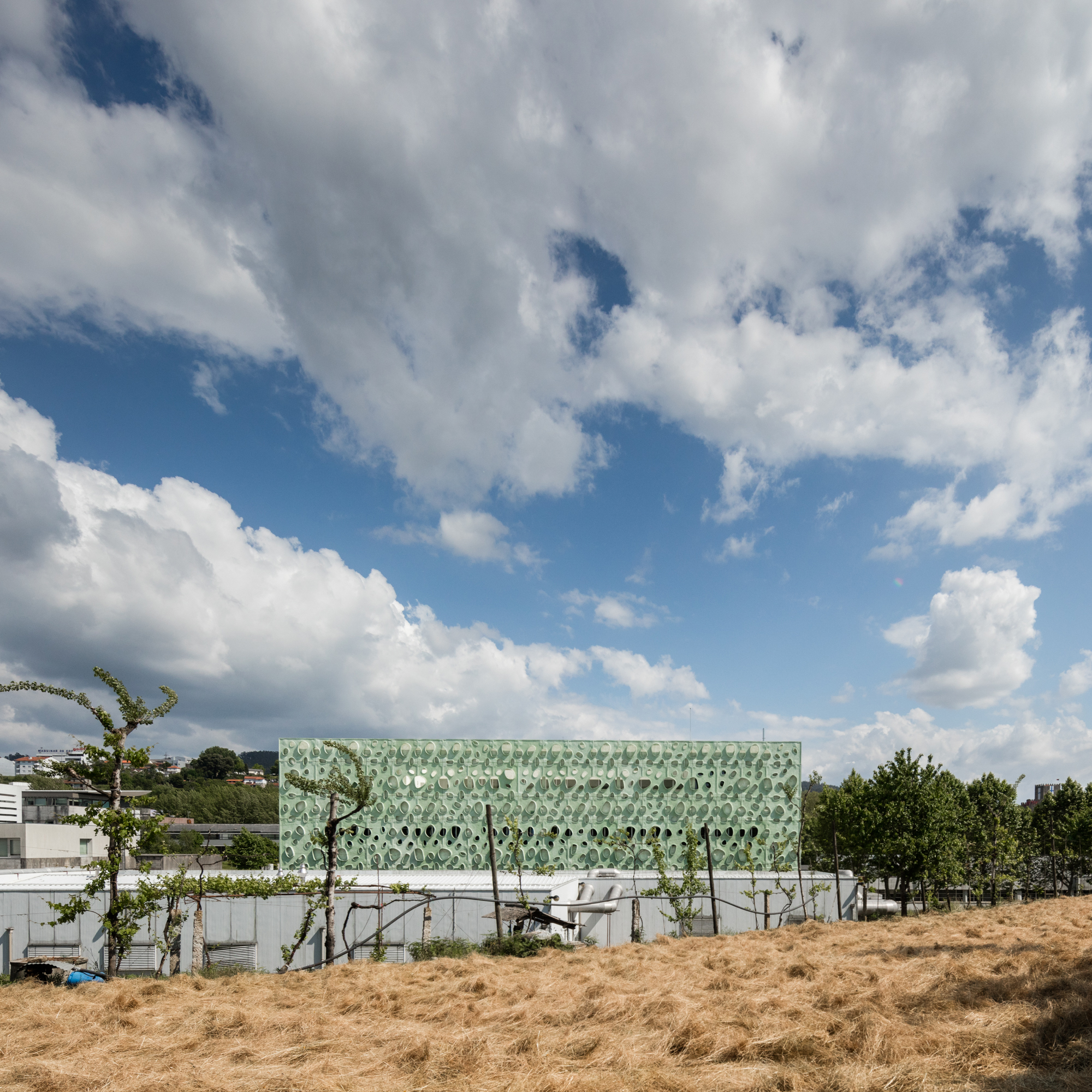
The project for the new Institute of Science and Innovation for Bio-Sustainability at the University of Minho, work of the architect Cláudio Vilarinho, represents an exercise of active search and support for the development of new sustainable materials and technologies for the future of humanity. Inspired by the studies being carried out in the university framework regarding the efficiency of solar energy, where titanium nanotubes begin to give relevant results, the facade of the building homages this discovery, with a peculiar lattice of which the constructive system is another Issue to take into account, as the practice explains in the description bellow.
Description of the project by Cláudio Vilarinho
We propose a building with a unique image for the campus. A building that breaks the existing gray monotony – referring not only about the pictorial issue of the Campus, but also about the “global crisis without end” – and that, at the same time, is able to captivate.
''The solar cell technology has not changed much over the times, however, silicon solar cells prevail'', says Dr. Craig Grimes, professor of Electrical Engineering, Materials Science and Design at the Pennsylvania State University. “You spend a lot of energy, 5 gigajoules per square meter to produce silicon solar cells. It can be argued, first, that these cells never fully recover the energy used to produce them.” The new approach is to develop light-sensitive pigments that have been made using nanoparticles and various pigments. Researchers are studying titanium nanotubes to replace the layers of sensible pigment particles in the solar cells, and their initial effort produced about 3 percent of solar energy converted into electricity. The inability of researchers to grow longer titanium nanotubes reduced the proportion of solar conversion.
The search for future technology themes, was the genesis of the selected image for the building. The facade skin, happened through an architectural reinterpretation, it retracts the symbolic power of the ERI purpose. We used as reference the titanium nanotubes. Associated with recent discoveries, the titanium nanotubes have, among others, capacities for reuse and cheap production, becoming, this way, an inspiration for an architecture that seeks sustainability as an ideal. Nowadays, at the offices of UM (Minho University), researching processes are occurring in what concerns to materials development, one possible example is what’s happening in the civil engineering laboratory. In order to develop common synergies, we propose the skin of the building in prefabricated elements of a cementitious matrix material. This material reinforced with micro-fibers, has no conventional reinforcement, which could cause corrosion problems, among other features, is a very ductile material, plastic, fluid, self-compatible and allows to control the crack and therefore doesn’t crack. This skin allows the inclusion of pigmentation/oxides doesn’t need constant maintenance and lasts longer than common materials. To finish, it also allows a wide range of the architectural freedom.