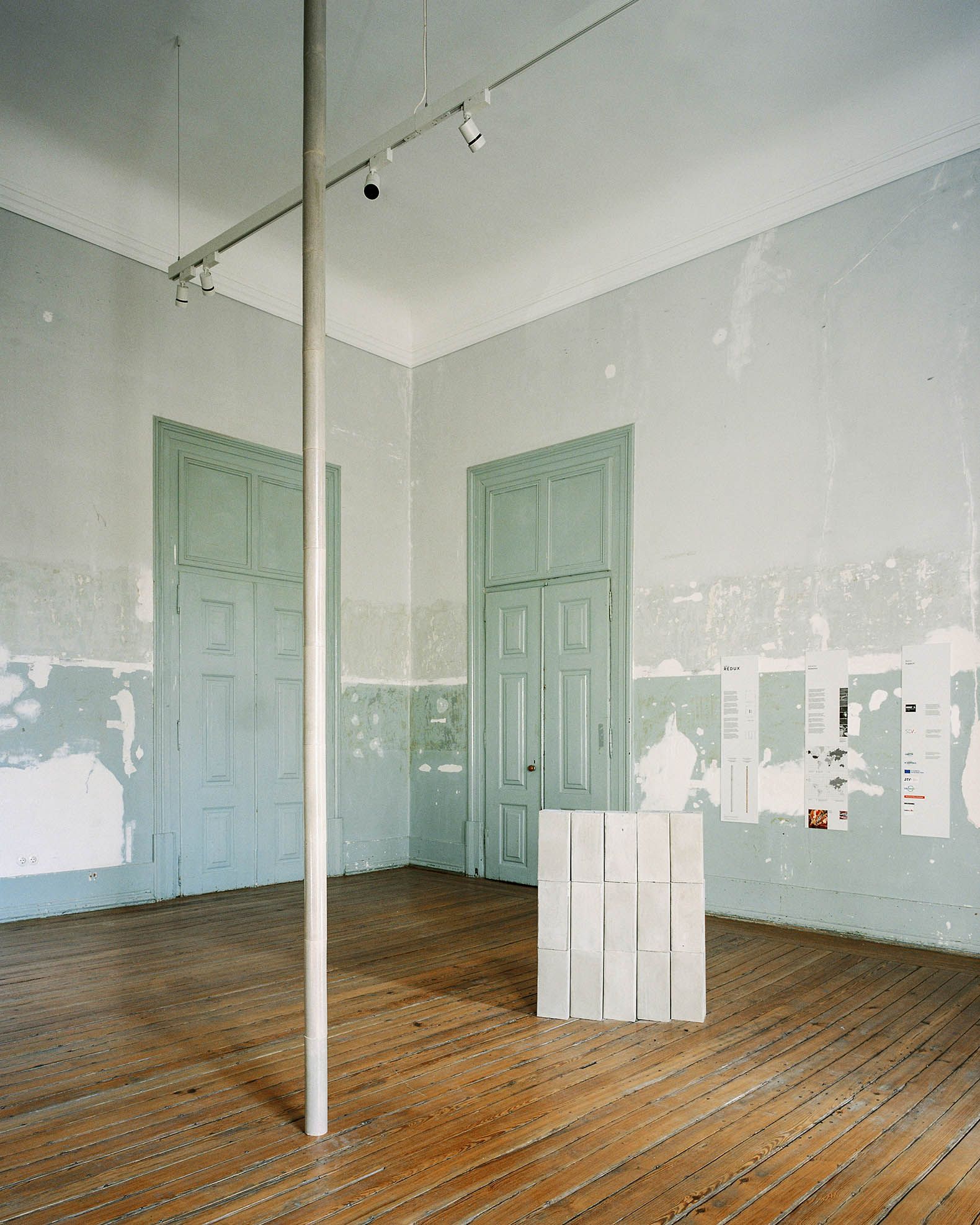

The proposal by Besley & Spresser was selected, along with twenty others from seventy-six countries, to be included among the Triennale's "Independent Projects."
“This project began with a question: what if one of the building industry’s most hazardous materials could become one of its most promising?”
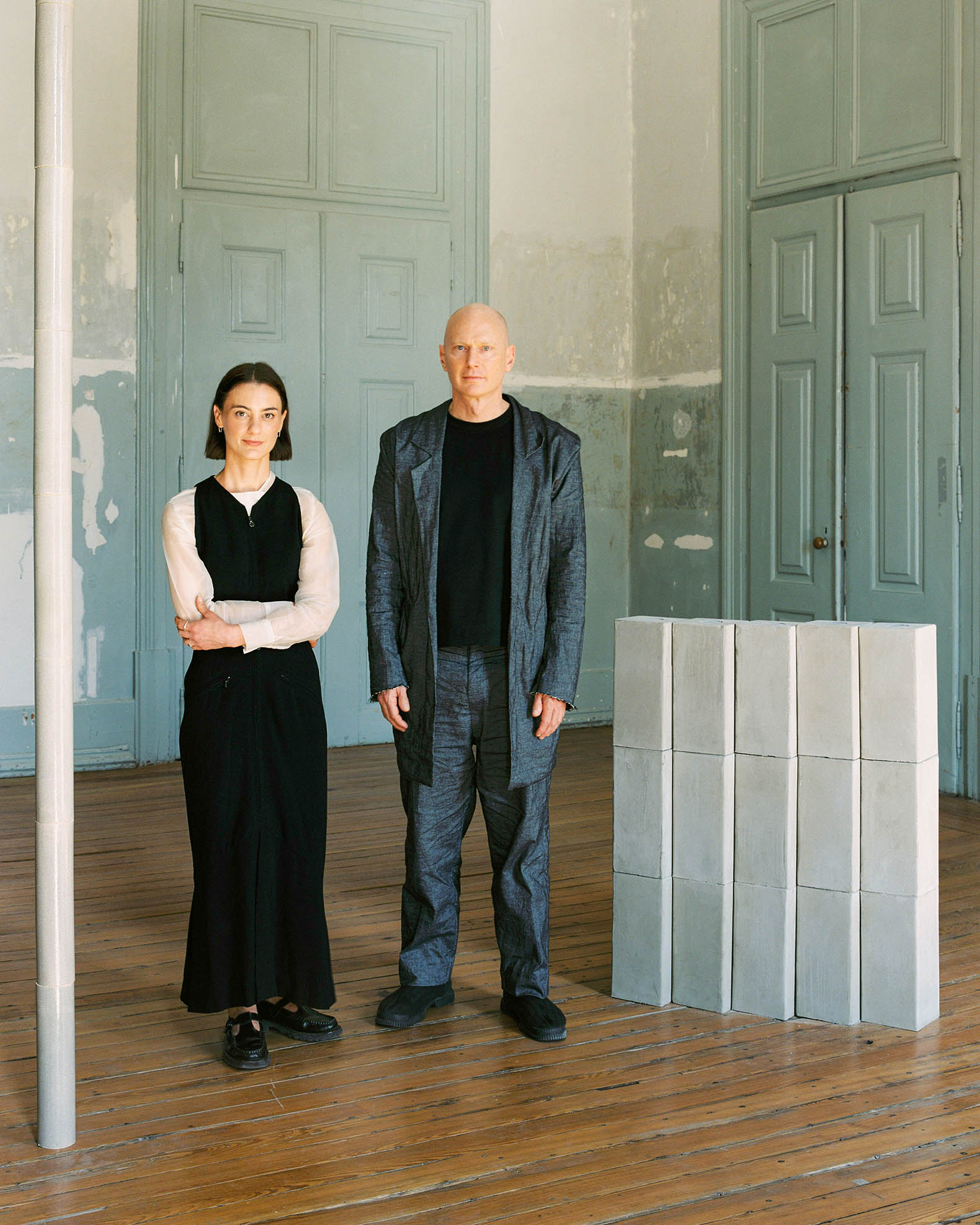
Peter Besley.
“We wanted to take something historically feared and reveal its potential for renewal through innovation, research and design.
The installation makes visible the idea that repair can be both a technical and a poetic act.”
Jessica Spresser.

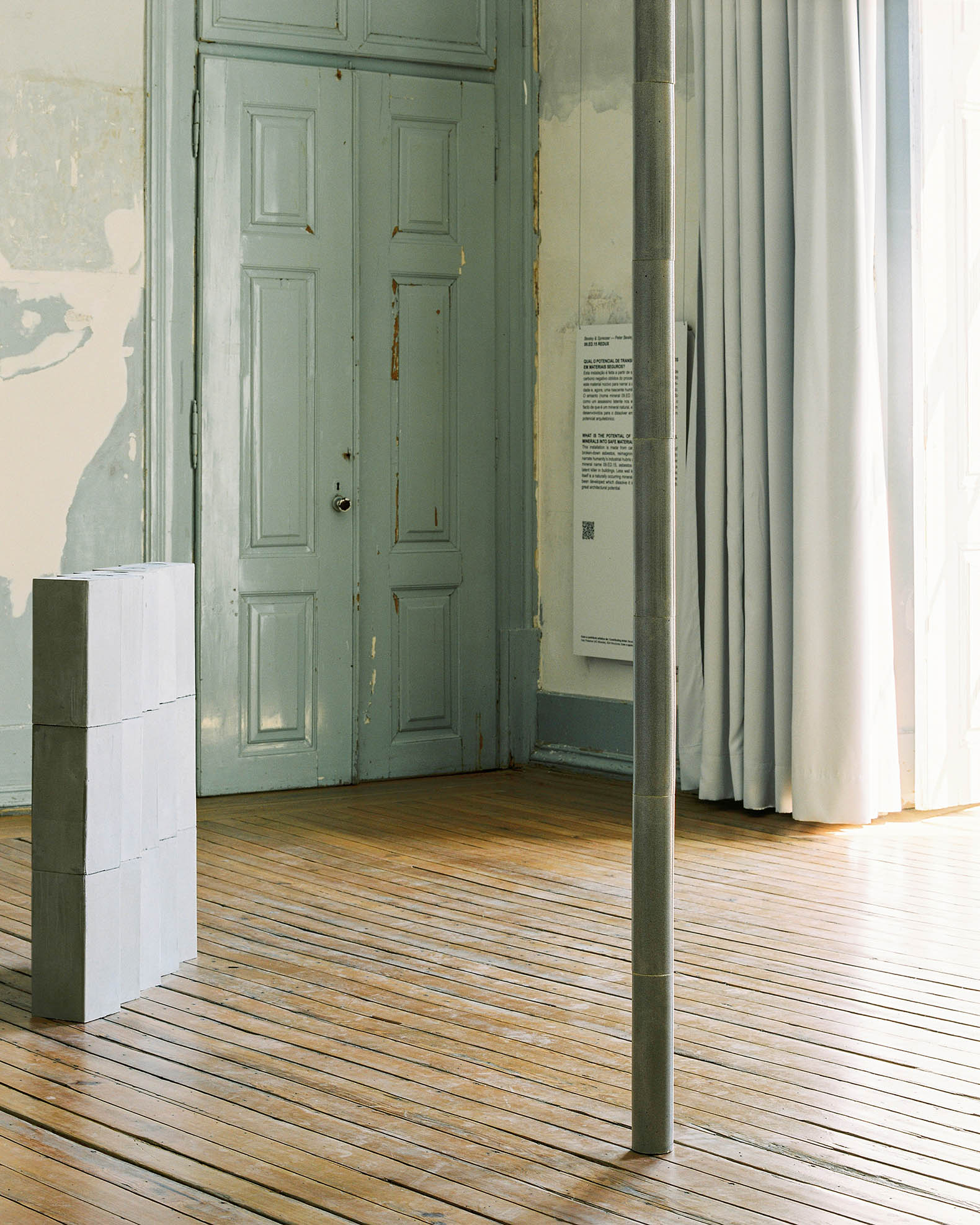
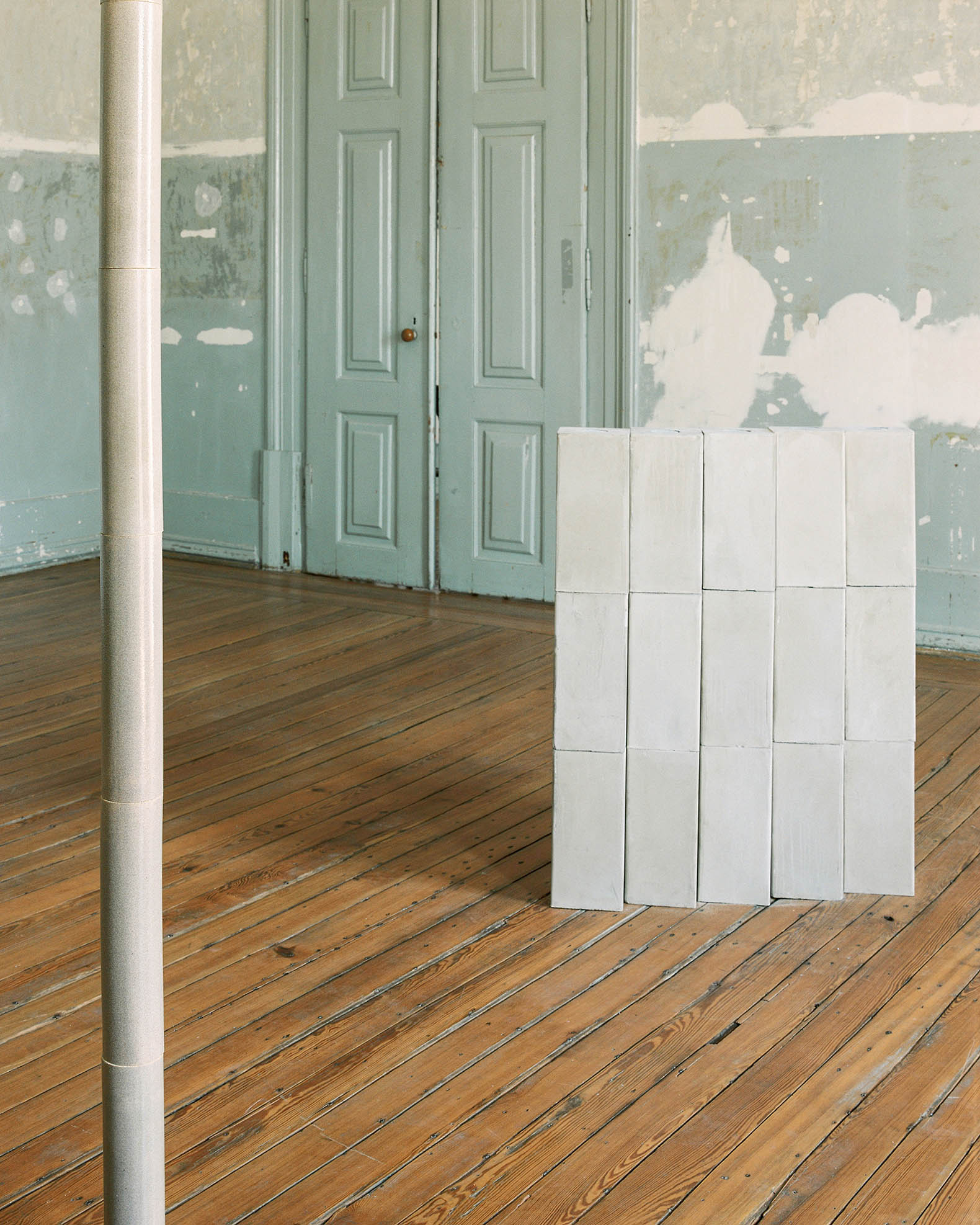
09.ED.15 REDUX by Besley & Spresser. Photograph by Rui Cardoso.
Project description by Besley & Spresser
"Unquenchable, Inextinguishable" - From the ancient Greek σβεστος: “asbestos”
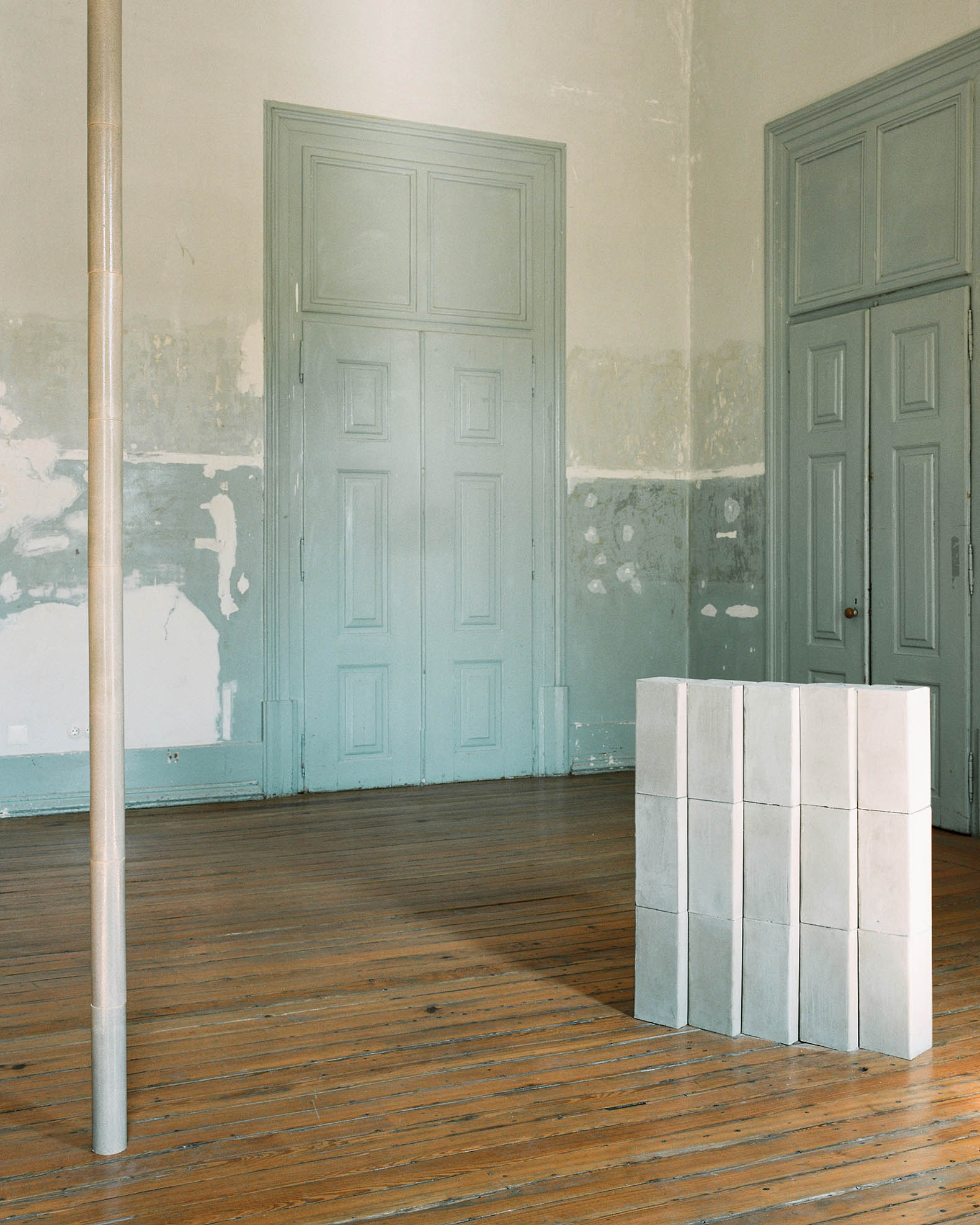
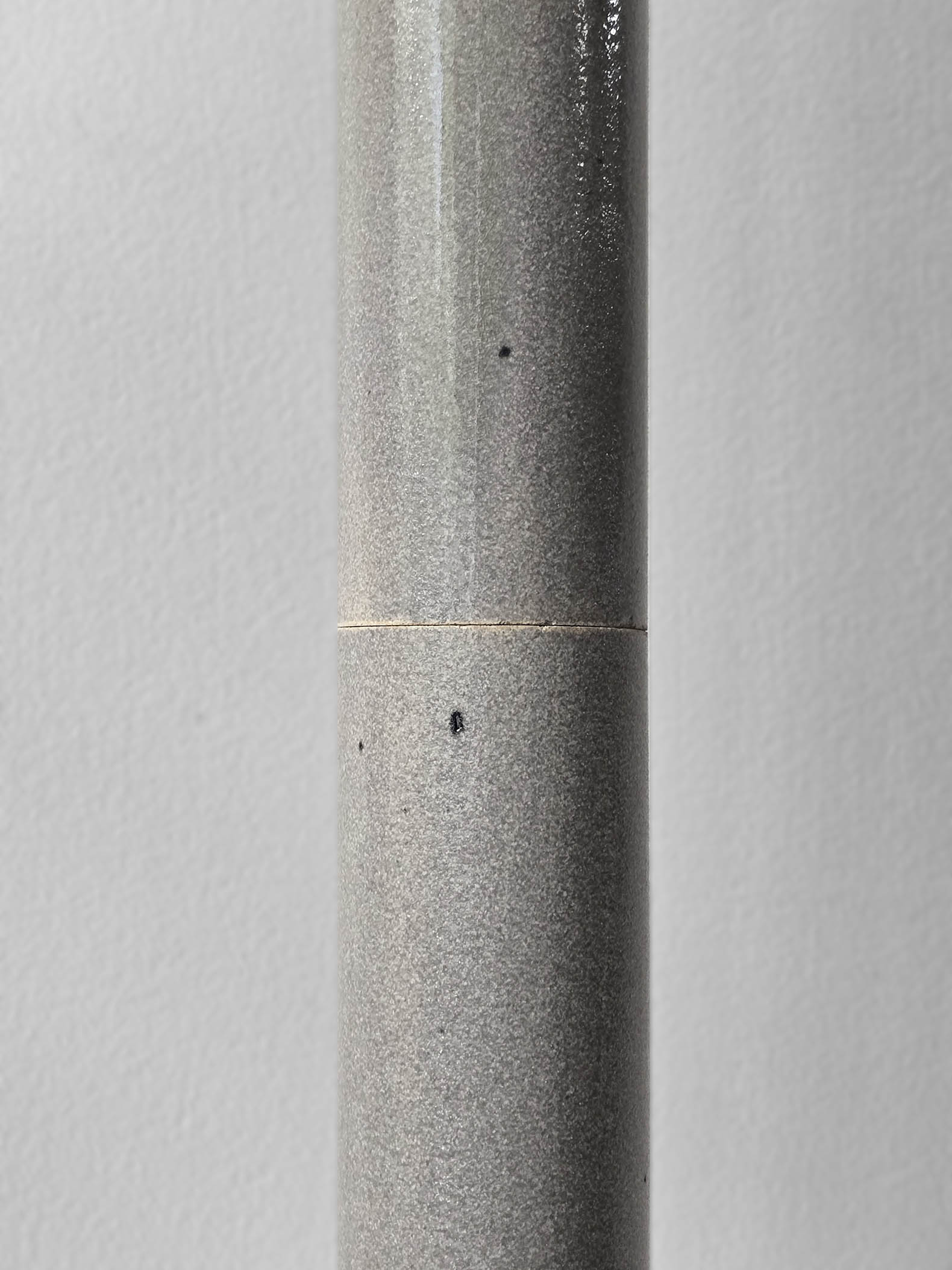
“09.ED.15 Redux” shows asbestos, historically a dangerous building material, transformed into harmless, carbon-negative by-products with high architectural potential. The installation shifts the narrative of asbestos from industrial exploitation and suffering to one of repair and innovation. Reflecting the Triennale’s theme, ‘How Heavy is a City’, the exhibition addresses the environmental legacy of asbestos in urban and suburban areas and offers a vision for sustainable urban development via new technologies. The exhibition takes the form of a built installation using these new materials in Lisbon, advocating for a transformative approach in material culture and architecture.
The curiosity, inventiveness and ambition which humanity has relentlessly applied to natural materials underpins the standard narrative of the progress of cities in history. However this “progress” is now everywhere in question, as cities destroy the environments which support them and increasingly harm the lives of their inhabitants. In the case of asbestos, the city’s materials can be fatal.
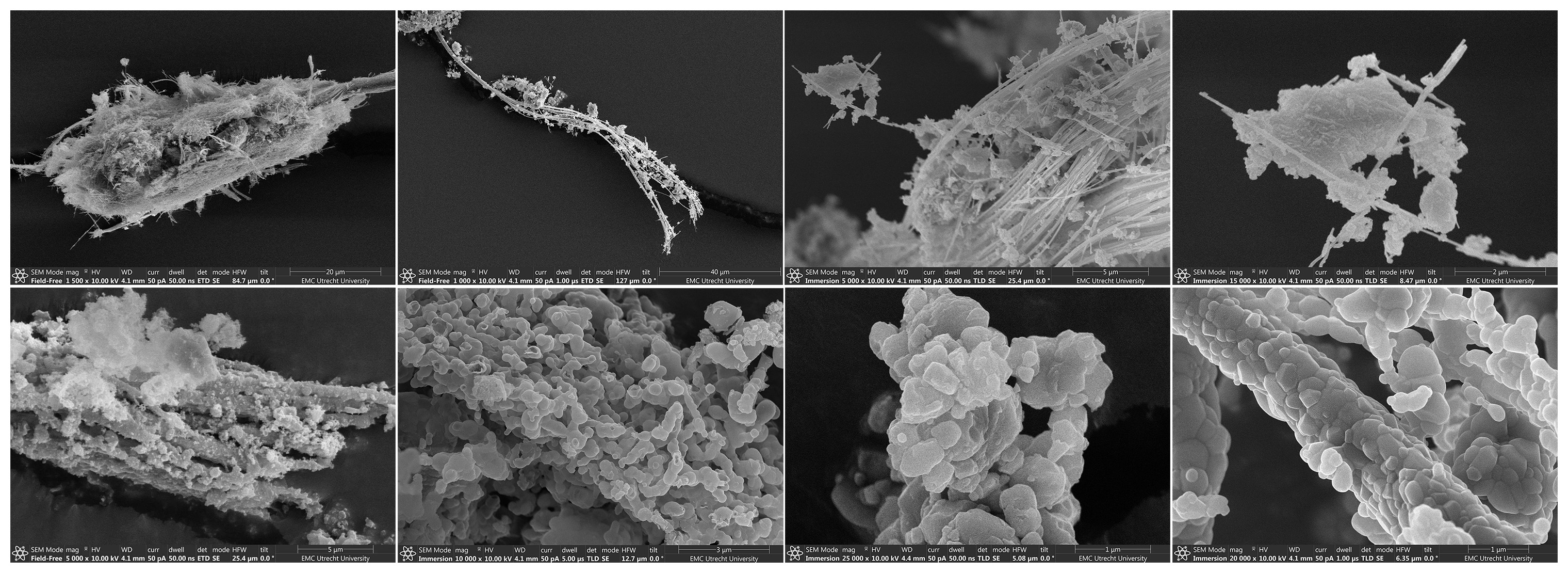
Asbestos, once a construction “miracle material”, kills hundreds of thousands of people each year and creates millions of tons of contaminated waste landfill worldwide. Yet, what is asbestos? Asbestos is a naturally occurring mineral - a part of the earth. It rests in the ground like other minerals. Asbestos is not “toxic” like human-made poison or radiation. If disturbed and inhaled or ingested, asbestos is harmful to humans. Disturbing asbestos by mining and placing in building products is entirely a catastrophe of our own making. It joins a growing list of exploited natural materials that are now harming us.
However humanity’s curiosity, inventiveness and ambition remains, and can be redirected. It has the potential to be more wisely and less cynically deployed. The historical precedent for the redirection of human focus is long and promising. Around 8% of global carbon emissions are from cement production, yet minerals from broken-down asbestos via an EU certified process by Asbeter can replace up to a quarter of the cement traditionally used in it. The potential impact of this substitution is profound, offering a scalable path toward dramatically lowering the carbon footprint of construction worldwide.
For the city and its materials, the focus should move to within its own boundaries, not outward to ever more compromised wild environments. It should be to the radical repair, reuse and rediscovery of materials the city already has. In the case of asbestos, waste building materials which include the mineral can be recrystallised to form new, safe materials. These new materials have great potential: for the replacement of cement in construction, and use in architectural materials like renders, tiling and glazes. In addition, reuse and adding asbestos to a circular economy has the potential to unlock large landfill sites, returning them to use or as rewilded environments. Ageing buildings constructed with asbestos too, can be safely recycled into non-hazardous materials. The city can begin to return to its earlier idea as a platform for improvement of human life, and its natural spaces and peripheries recover as living ecologies.


![Bois de Cergy Leisure Centre by PLURIEL[LES] ARCHITECTES. Photograph by Charly Broyez](/sites/default/files/styles/mopis_home_featured_block_desktop/public/2026-10/metalocus_PLURIEL-LES_Bois-de-Cergy-Leisure-Centre_14_2p.webp?h=3b4e7bc7&itok=lWSYYH2X "Bois de Cergy Leisure Centre by PLURIEL[LES] ARCHITECTES. Photograph by Charly Broyez")