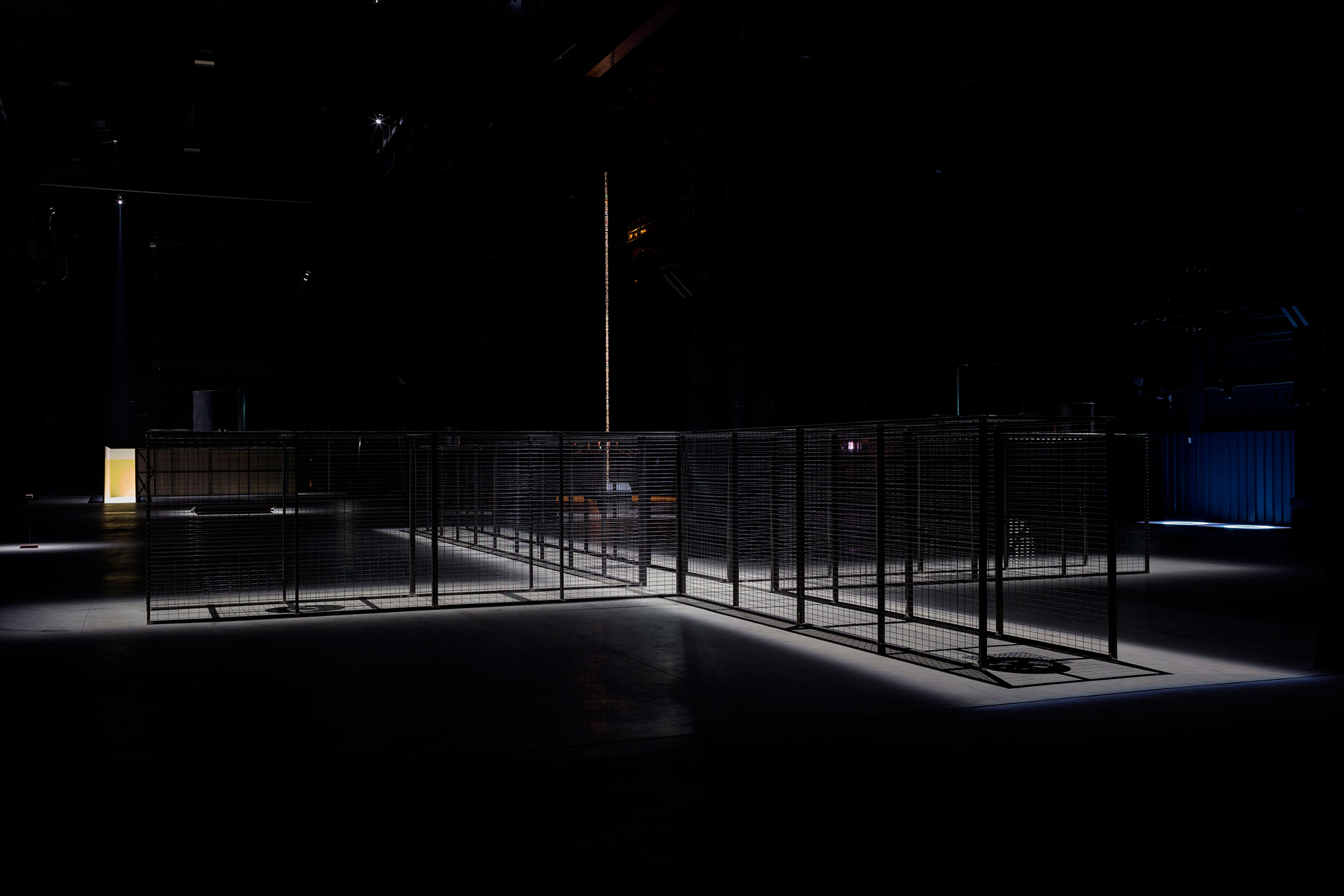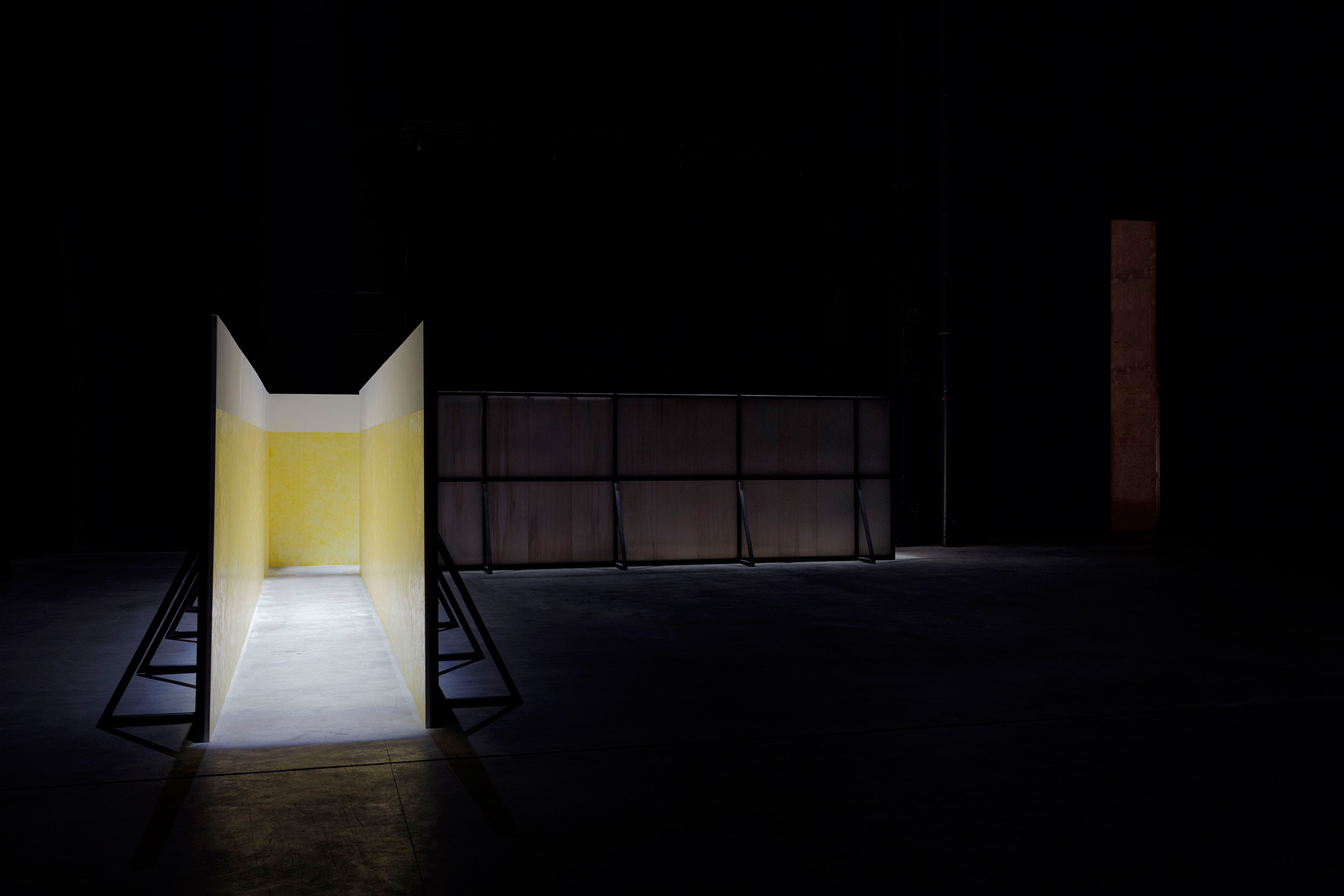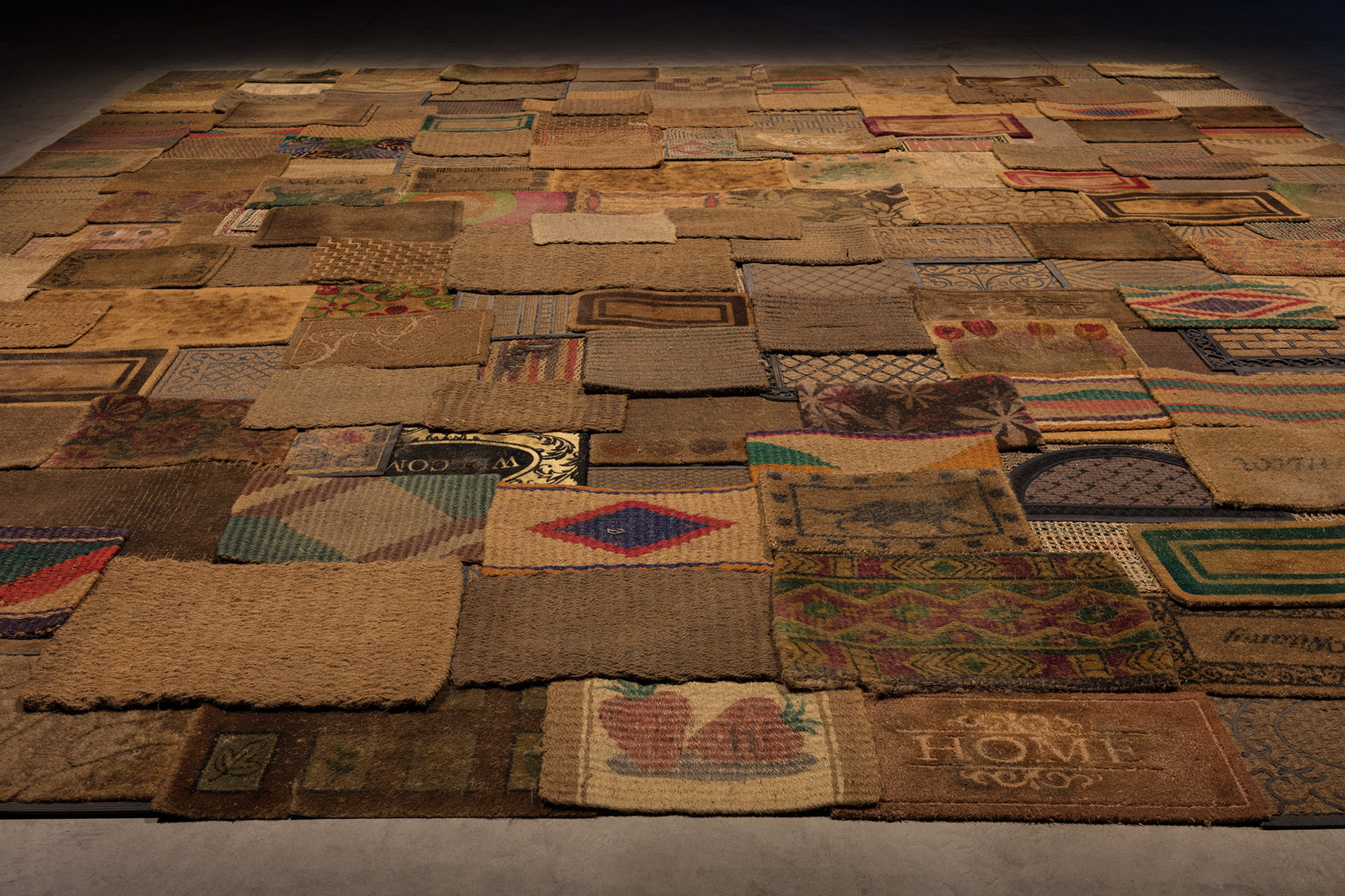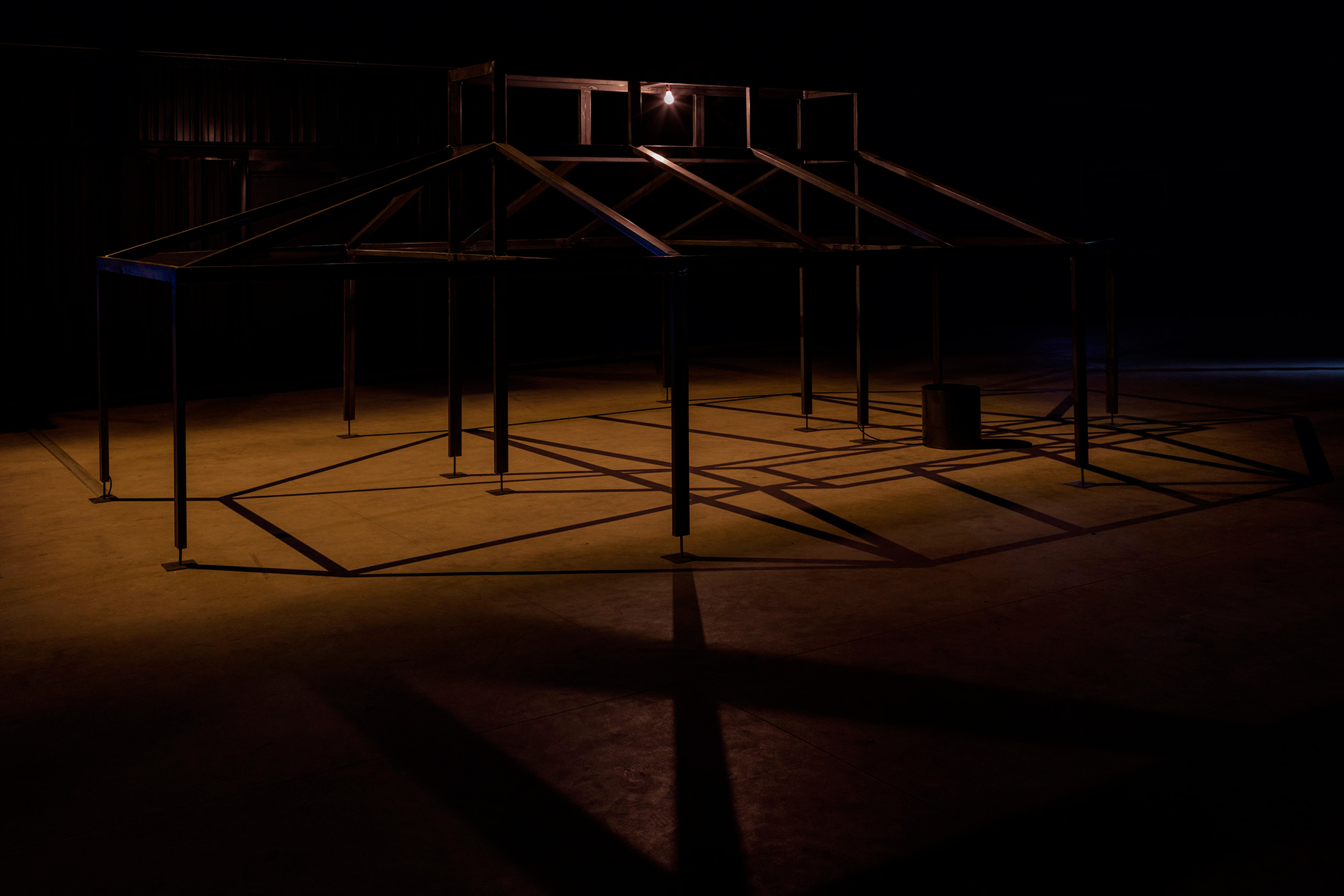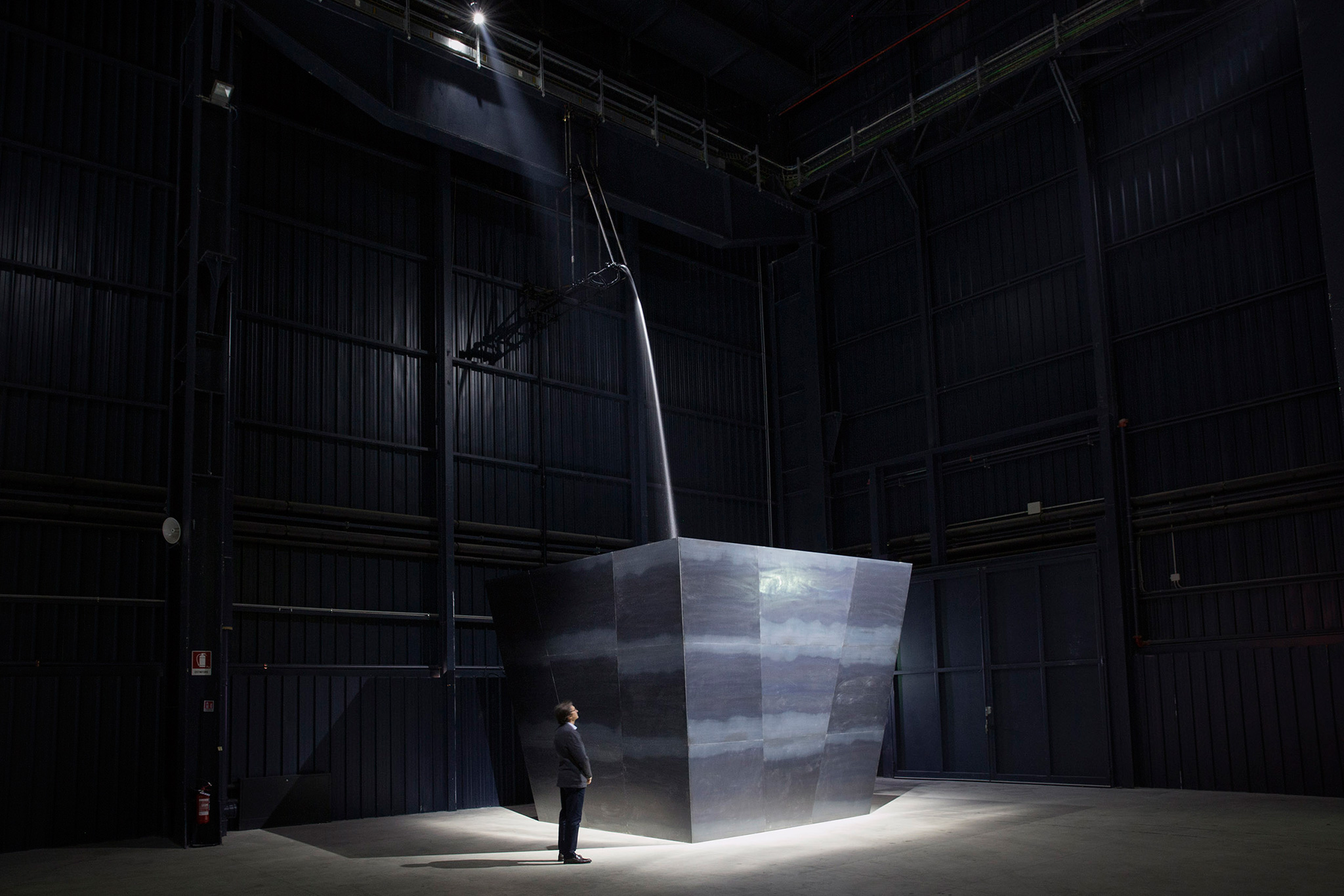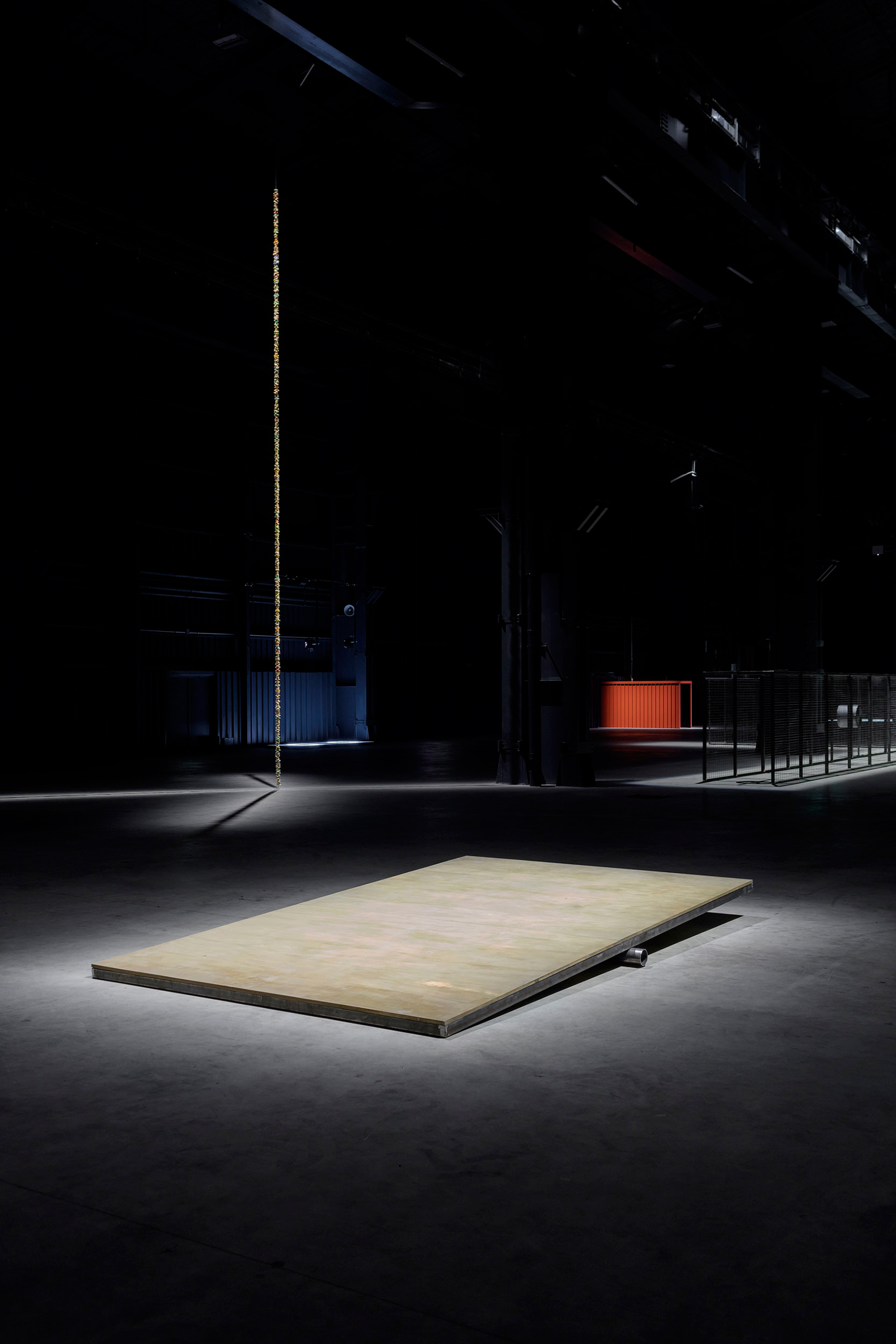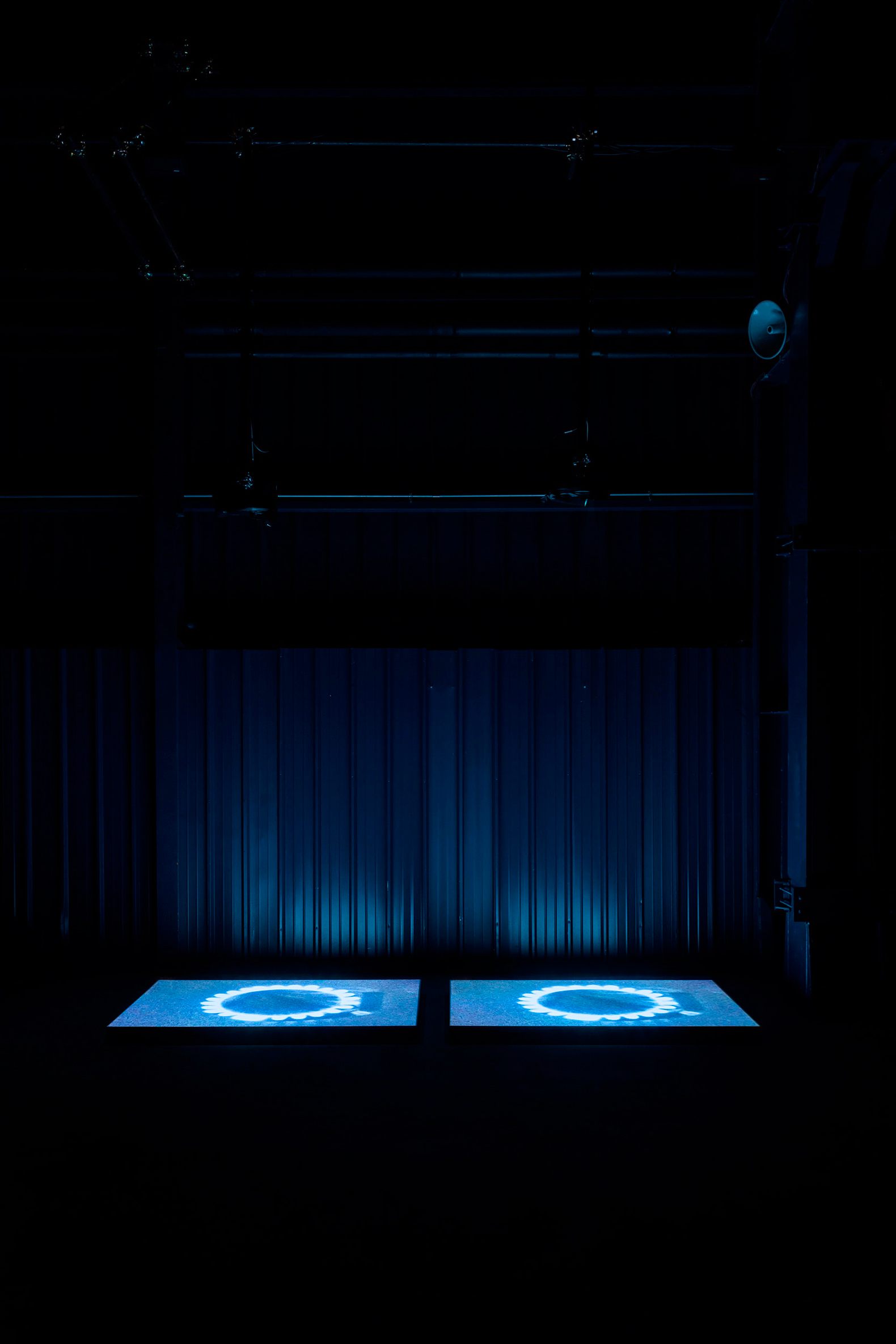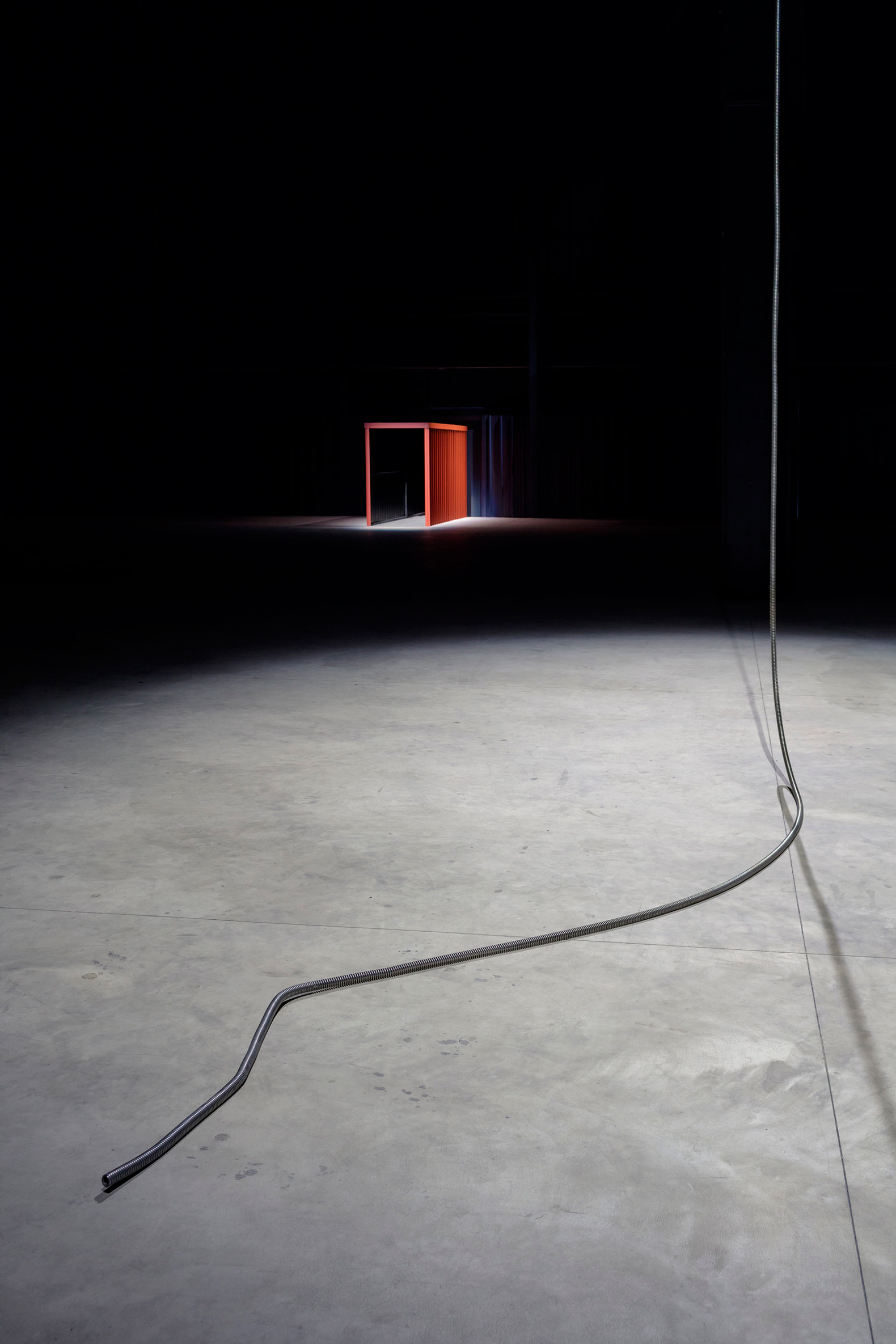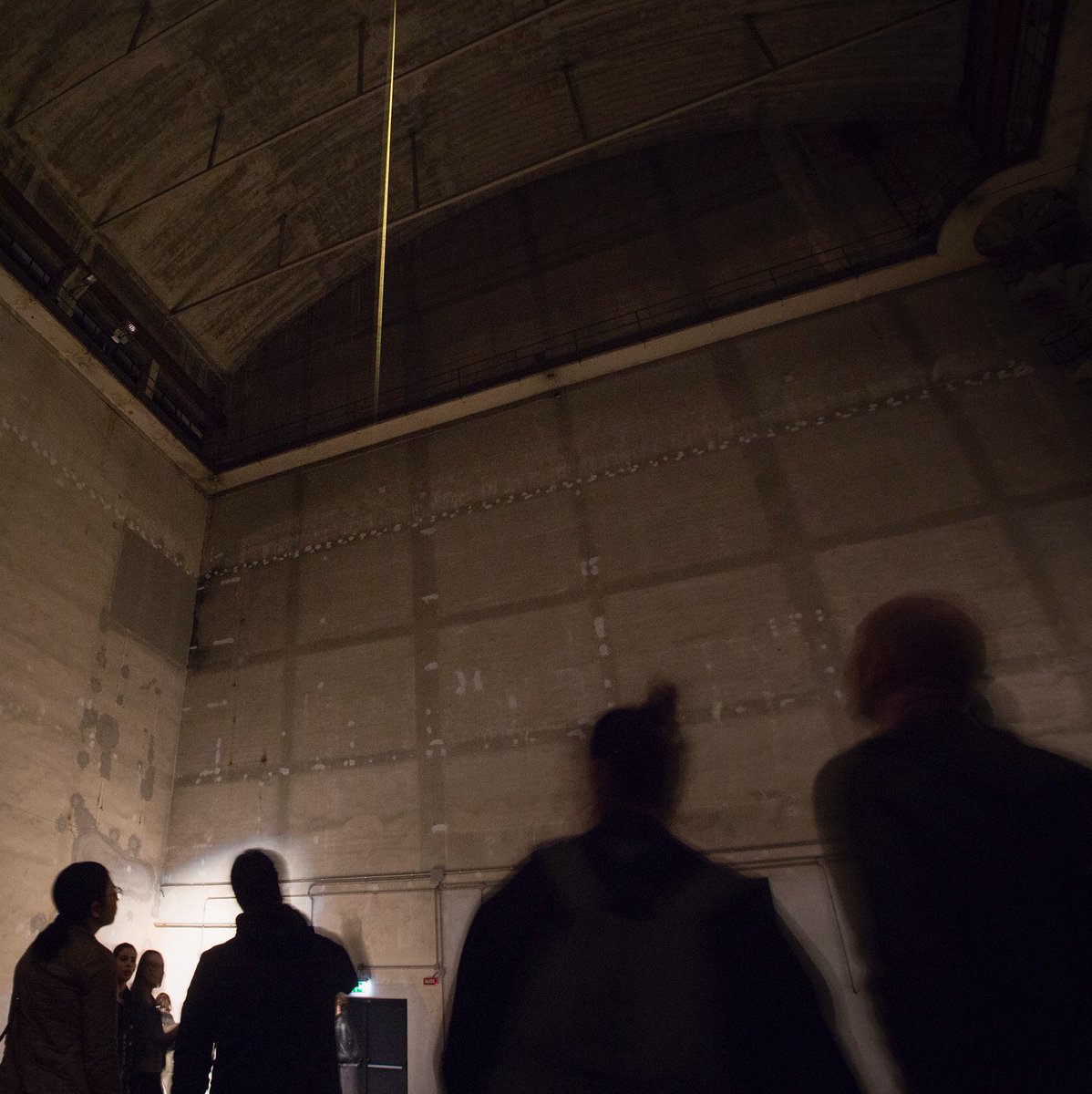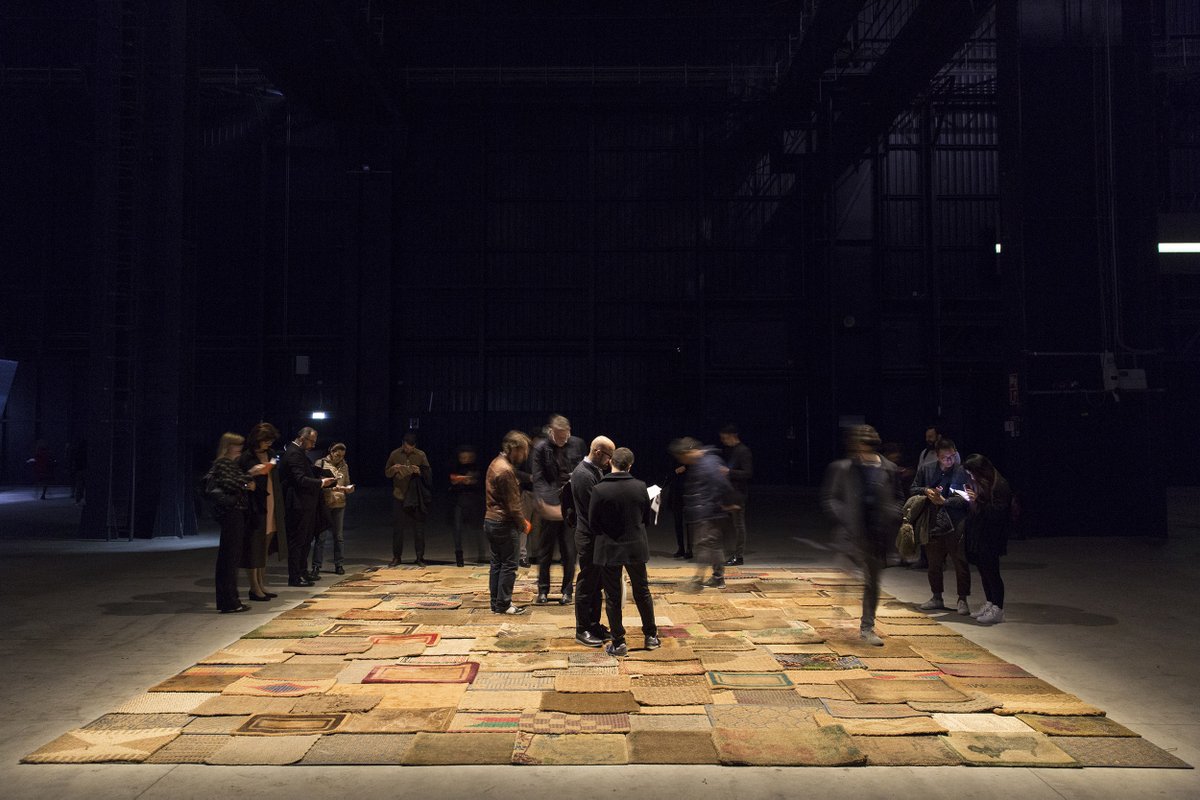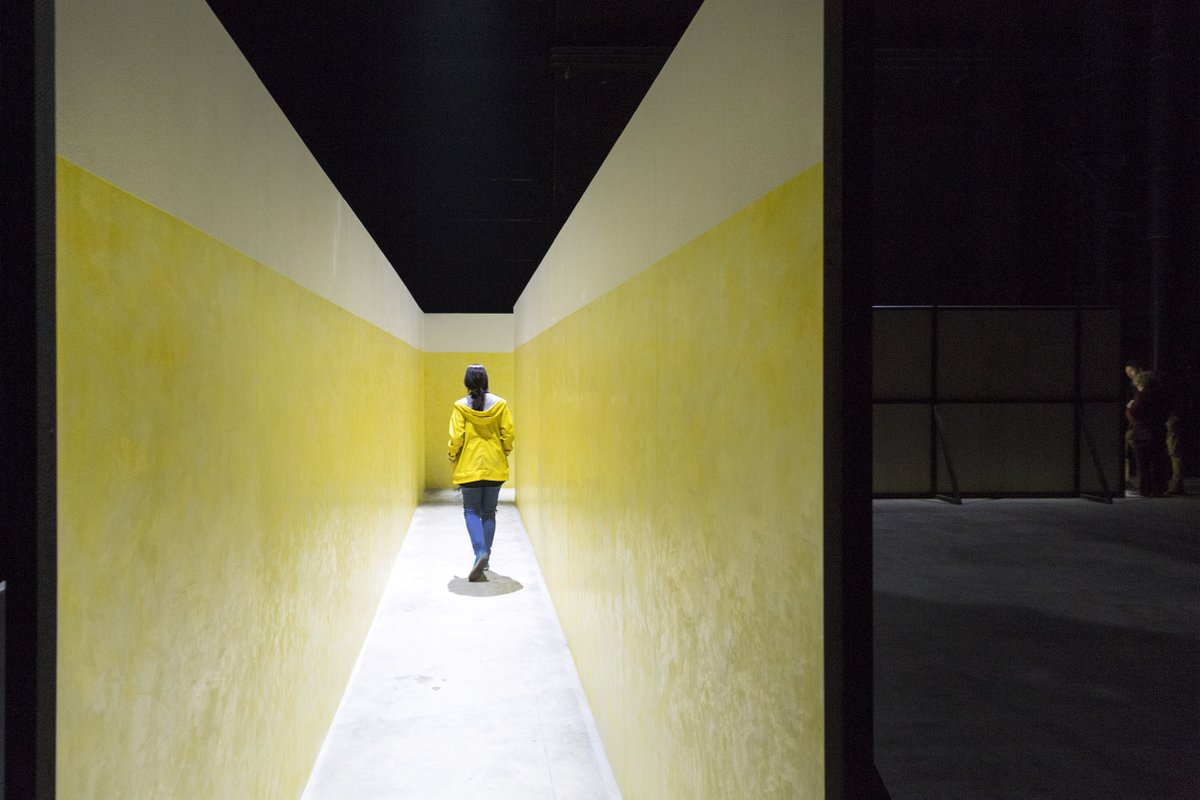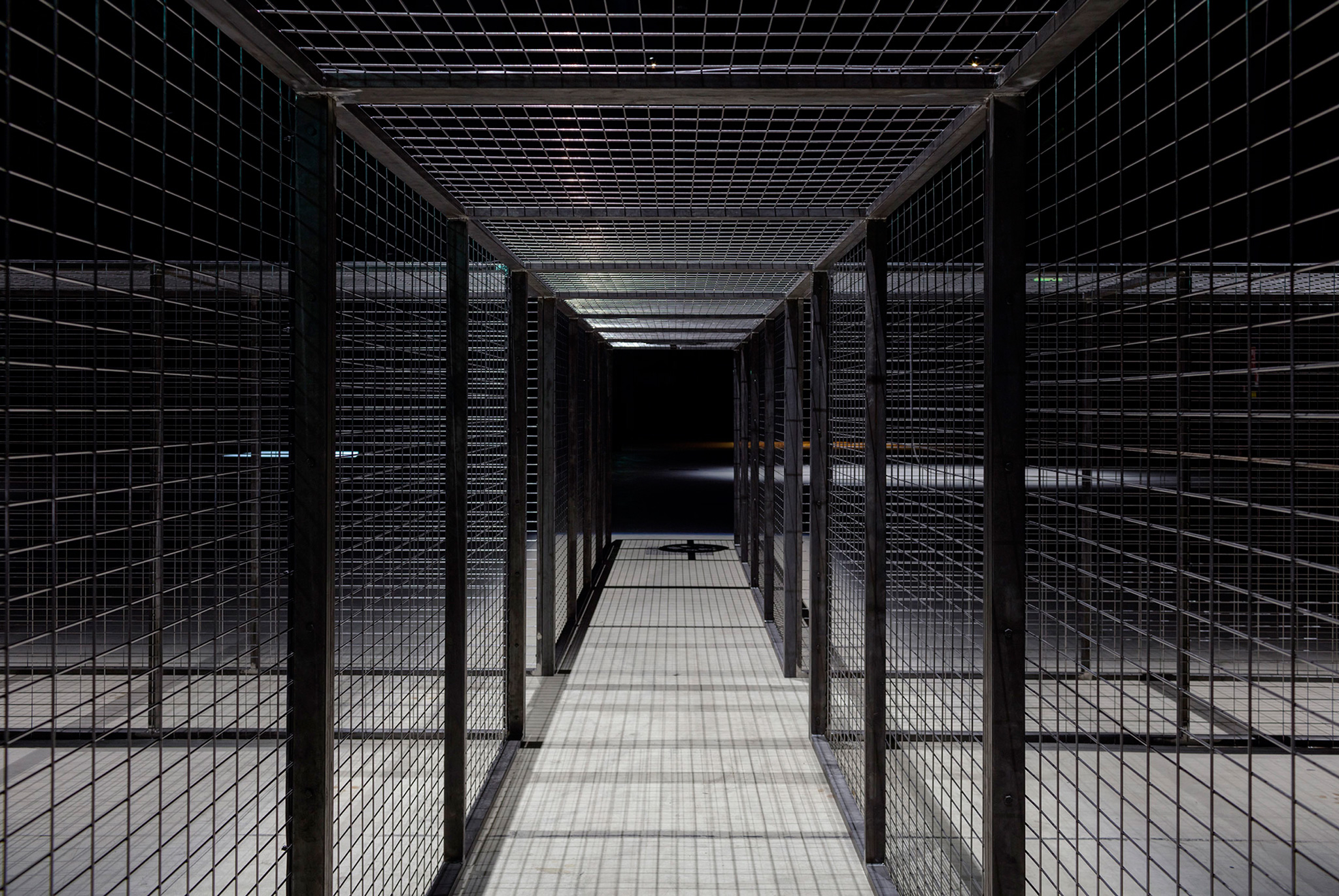
Miroslaw Balka conceived this exhibition “CROSSOVER/S” aiming to involve visitors not only visually and intellectually, but also through the dimensions of their own body in every sense. The artist installs his artworks using all the surfaces of the Navate —floors, walls, the ceiling—immersing the audience in an event that is equally experienced through the senses of touch, smell and hearing.
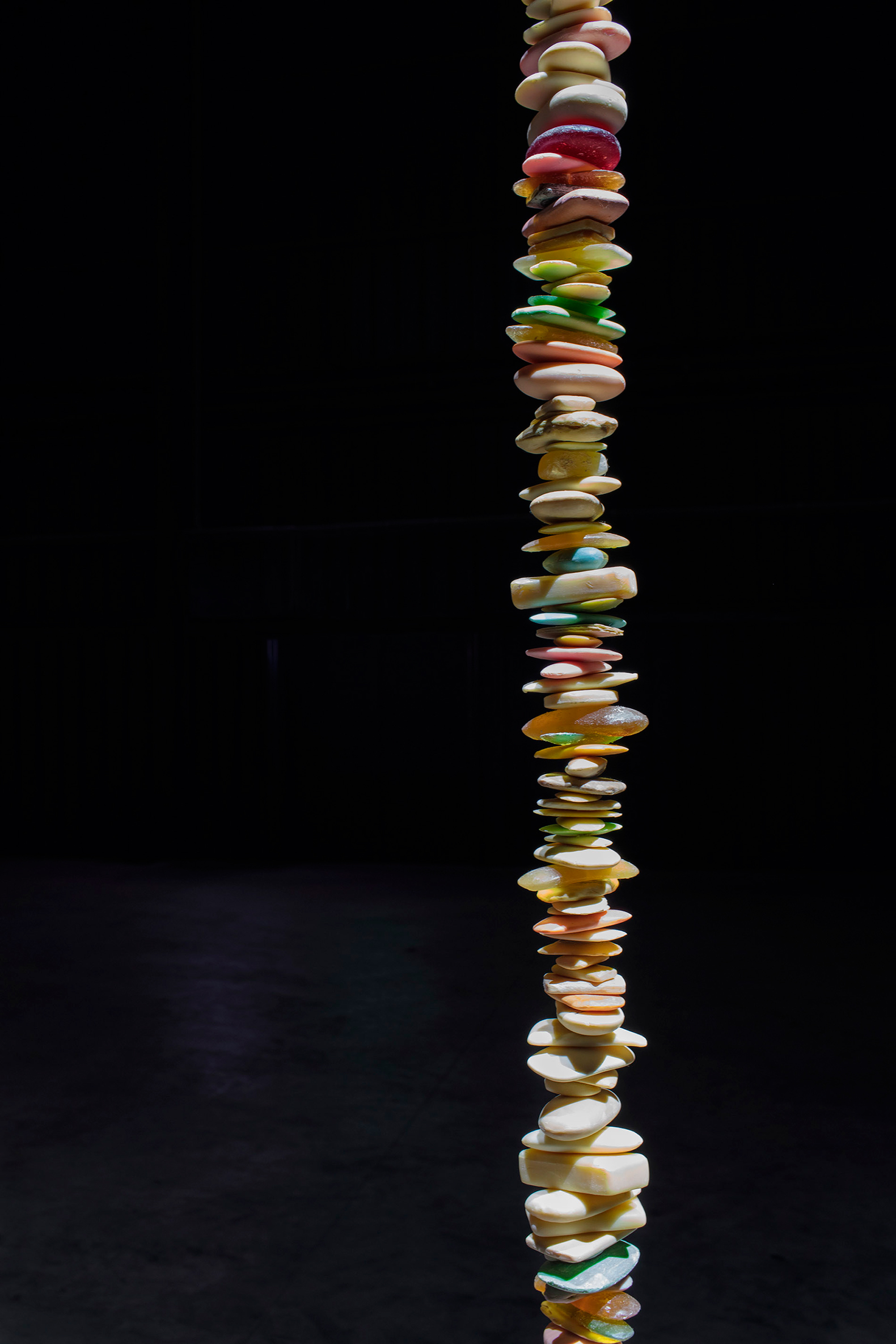
Since the 80s, Miroslaw Balka’s works focused on the human figure, represented through figurative sculptures, but in the early 90s Balka abandoned anthropomorphic forms to concentrate on depicting symbolic objects like beds, pedestals and fountains, in works that allude to the human presence without ever portraying it. Frequently based on ordinary materials like wood, salt, ash, soap, cement and steel, his works often employ the dimensions of the artist’s own body as a unit of measurement.
The exhibition brings together fifteen sculptures, installations, and videos made from the 90s to the present and leads visitors through an immersive journey full of physical, symbolic, and temporal intersections, where even light and darkness take on a key role and where they are made aware of their own presence and function within the space.
Active in the contemporary art scene since the 1980s, Miroslaw Balka investigates the most profound aspects of existence along a path leading to the true discovery of human sensibilities. His work extends through connections between memory and oblivion, collectivity and the intimate, personal life. Through the use of everyday elements and materials like iron, wood, salt and soap (powerfully evocative of personal rituals and memories), Balka realizes artworks that induce viewers to reflect on history, religion and mythology.
At the heart of his practice stands the human figure, and regardless of the expressive form and languages he adopts, Balka’s body is always directly or indirectly present in his works.
Even the titles of his artworks—often constituted by long arithmetic sequences—are taken after the artist’s body dimensions (for example, 190 cm, the artist’s height). Literature also plays a central role in his work and, together with influences such as the writings of James Joyce (1882–1941) and the poetry of Charles Bukowski (1920–1994), some of his major points of reference include the linguistic experimentation and minimalist syntax of the avant-garde poetry by Paul Celan (1920–1970) and Samuel Beckett (1906–1989).