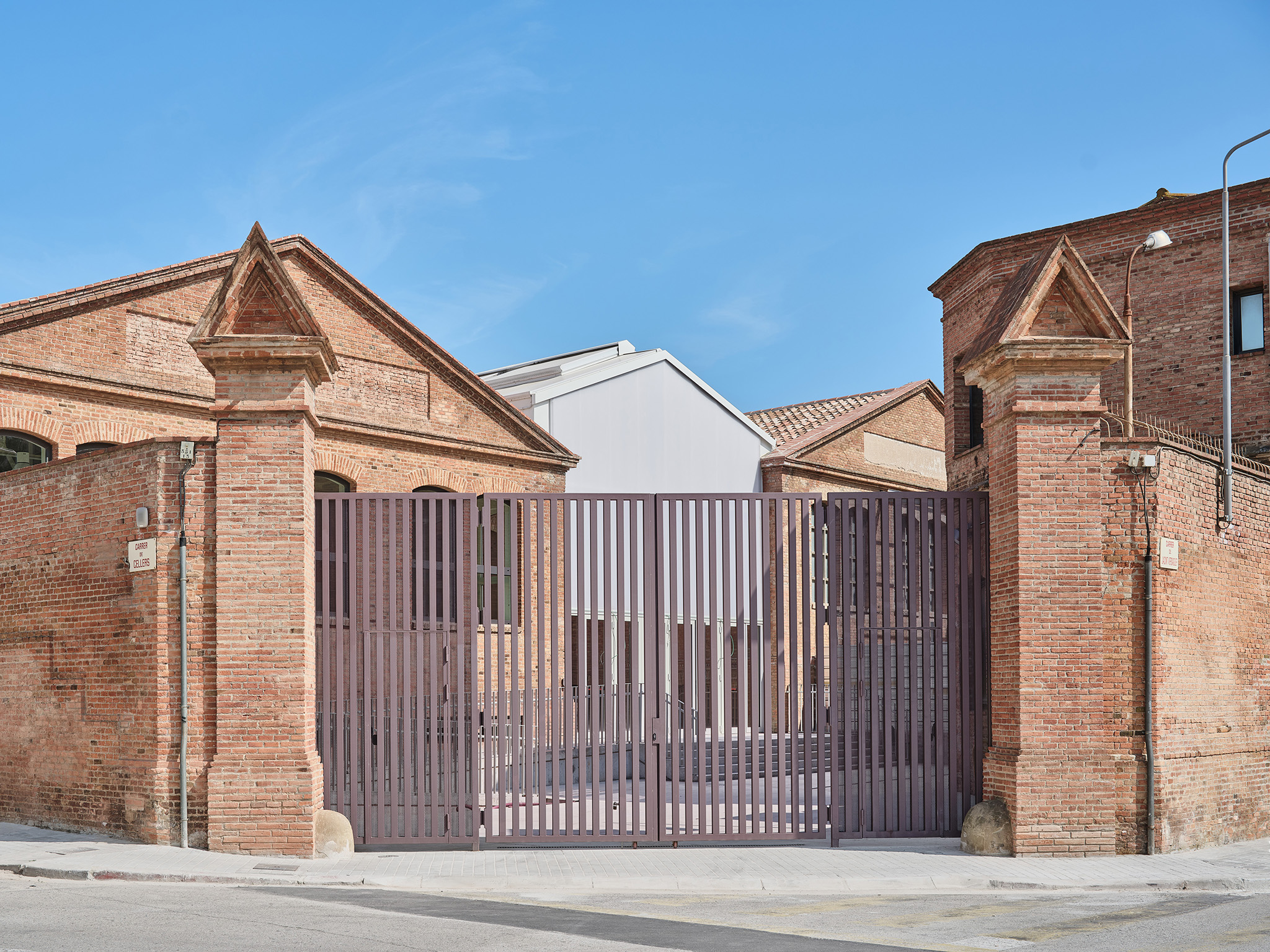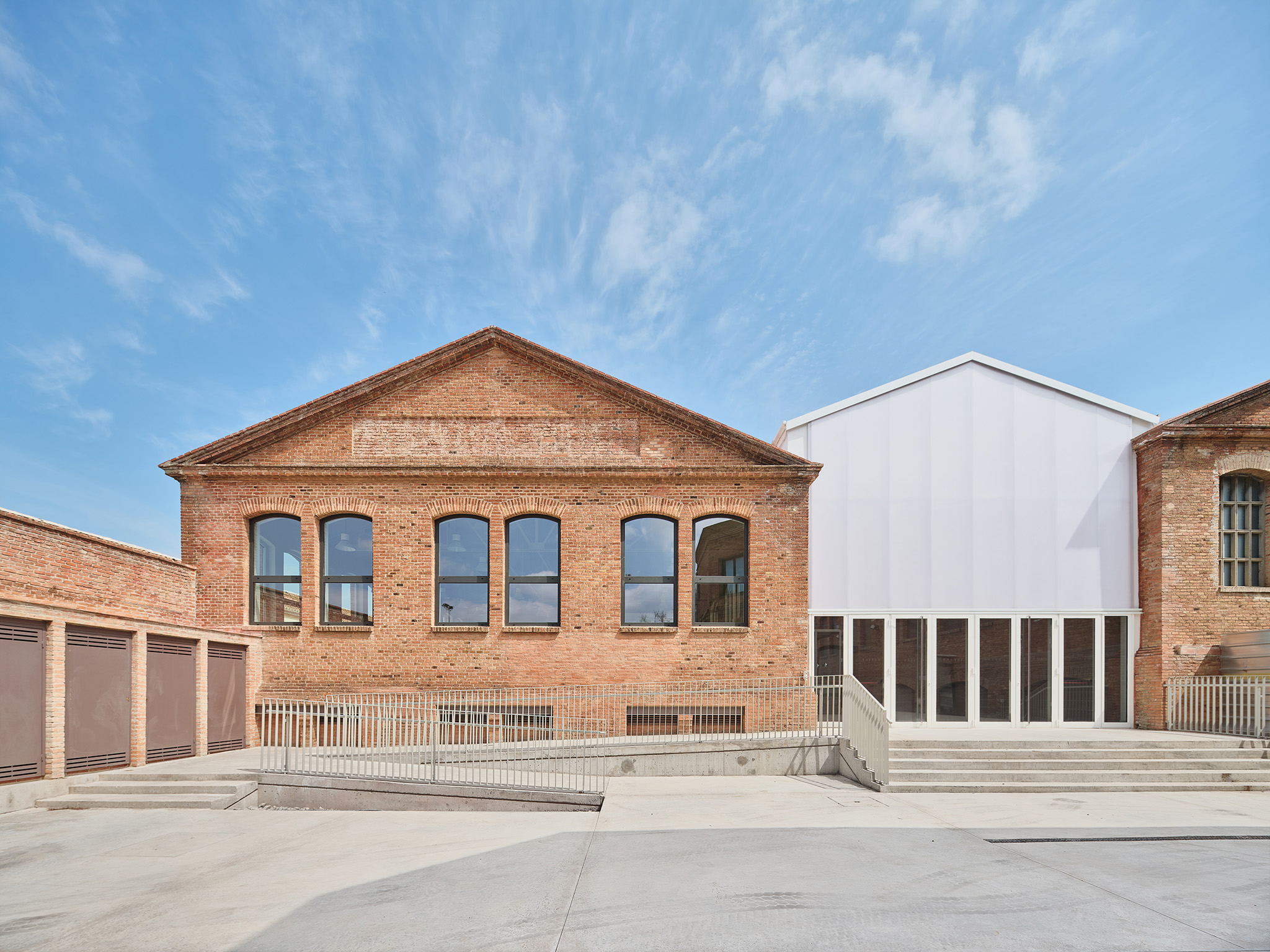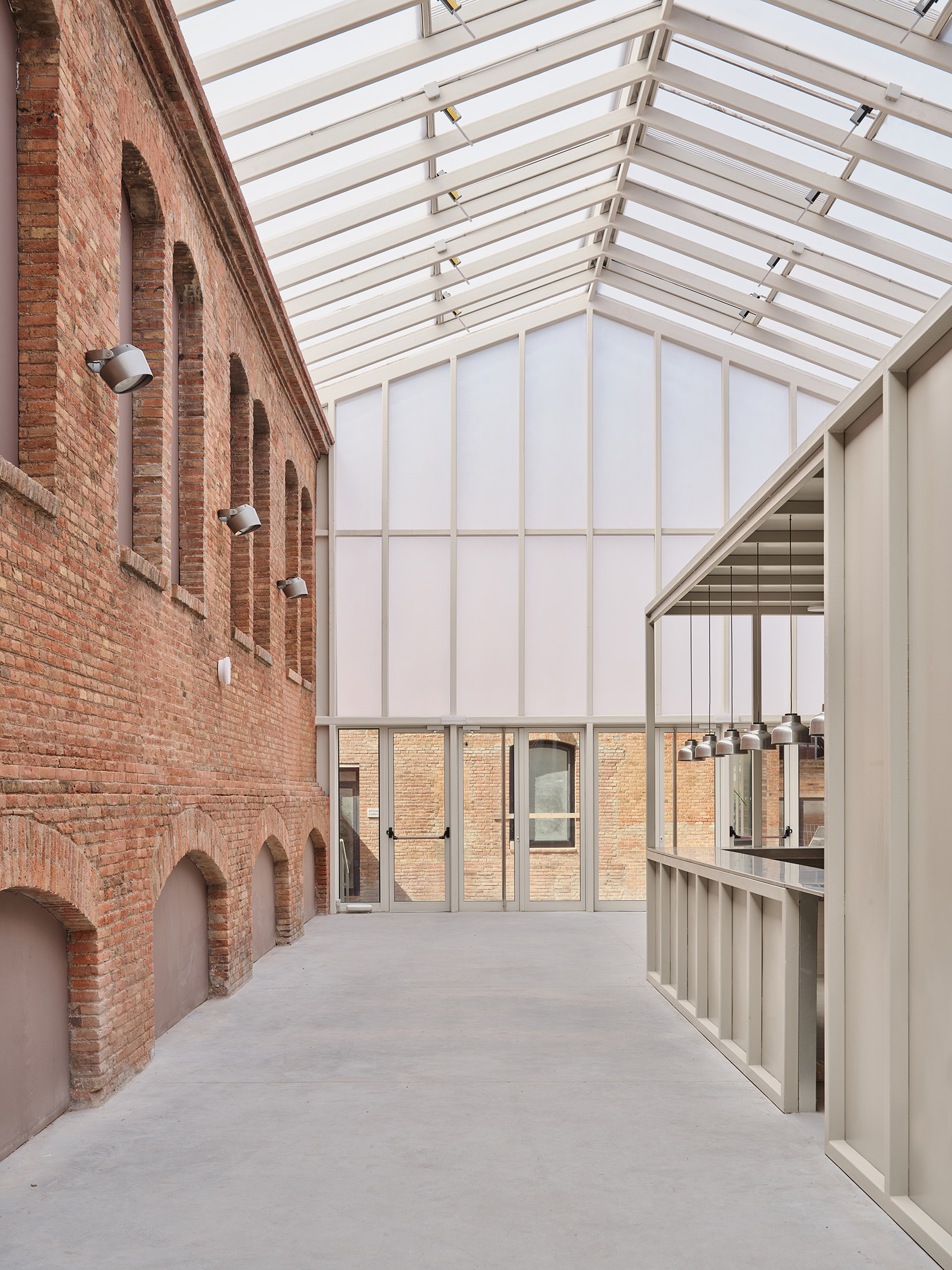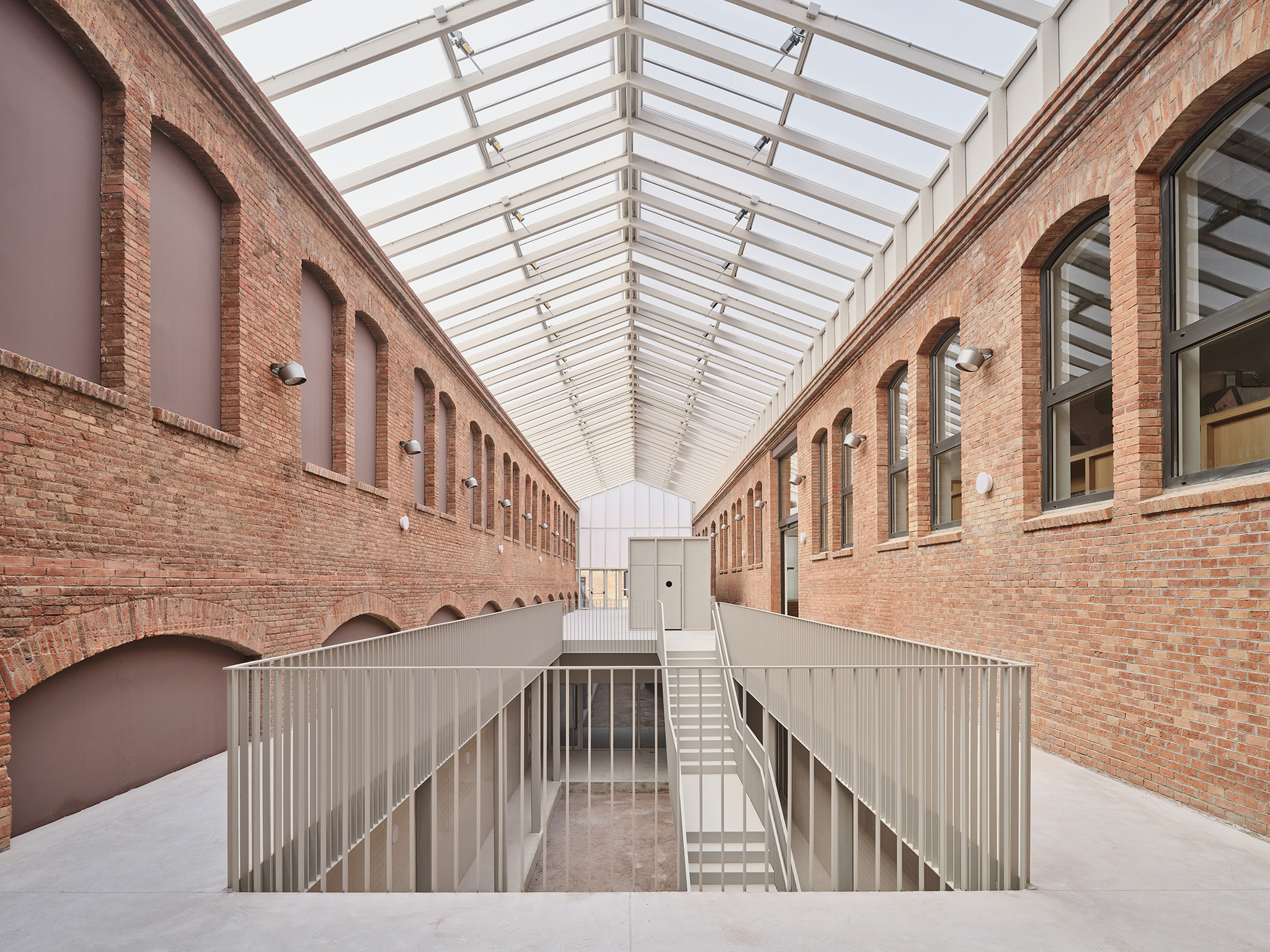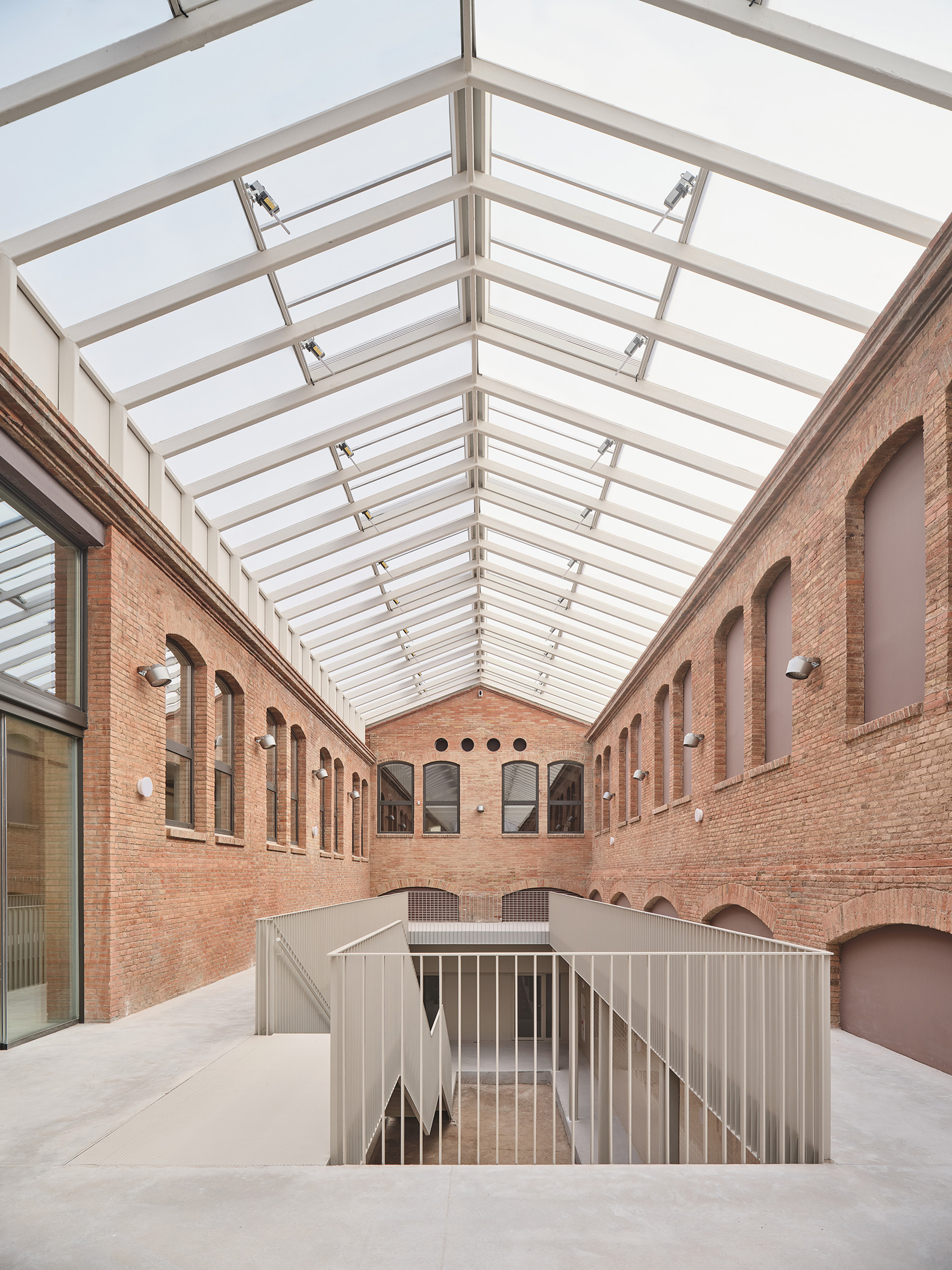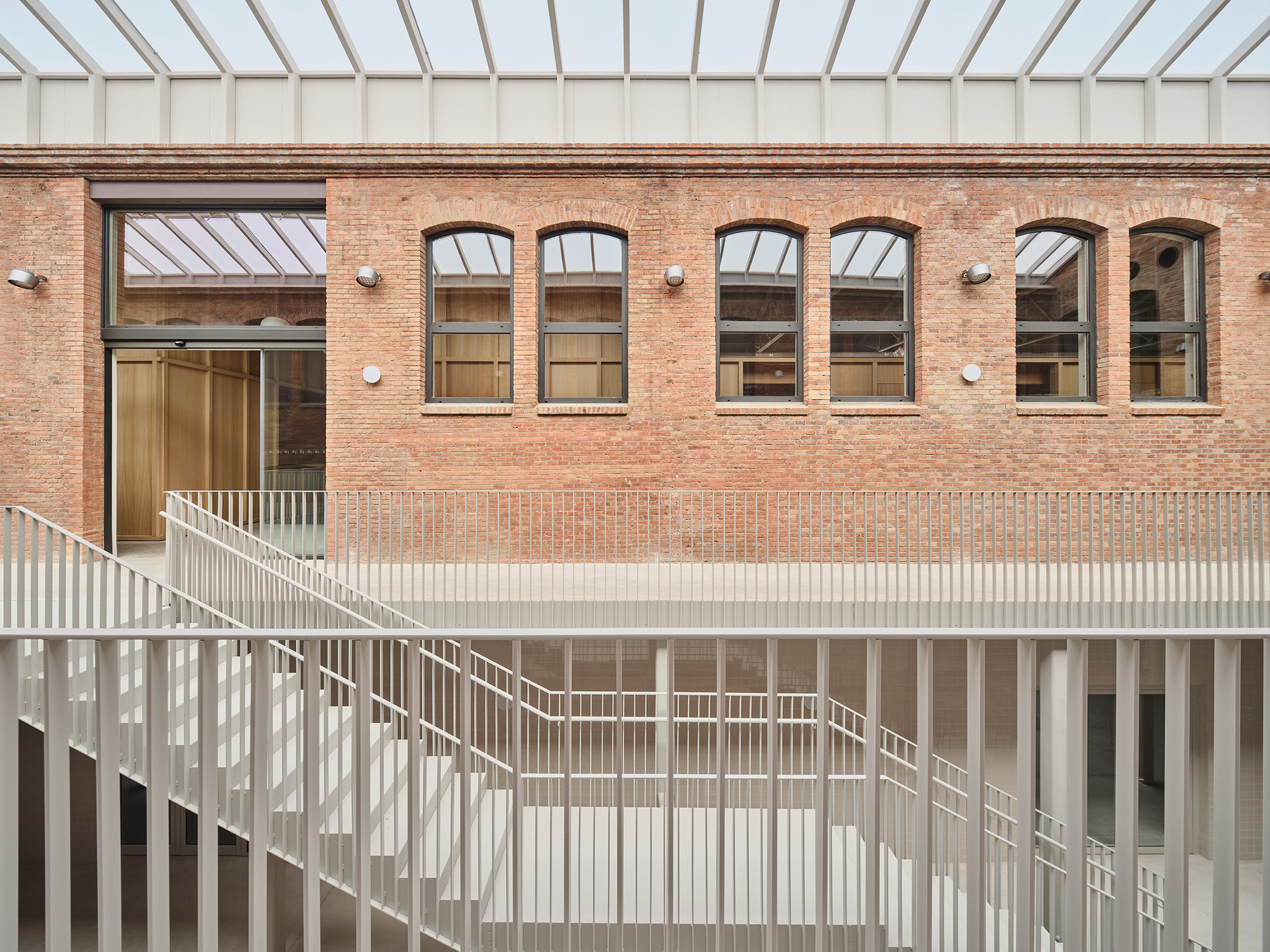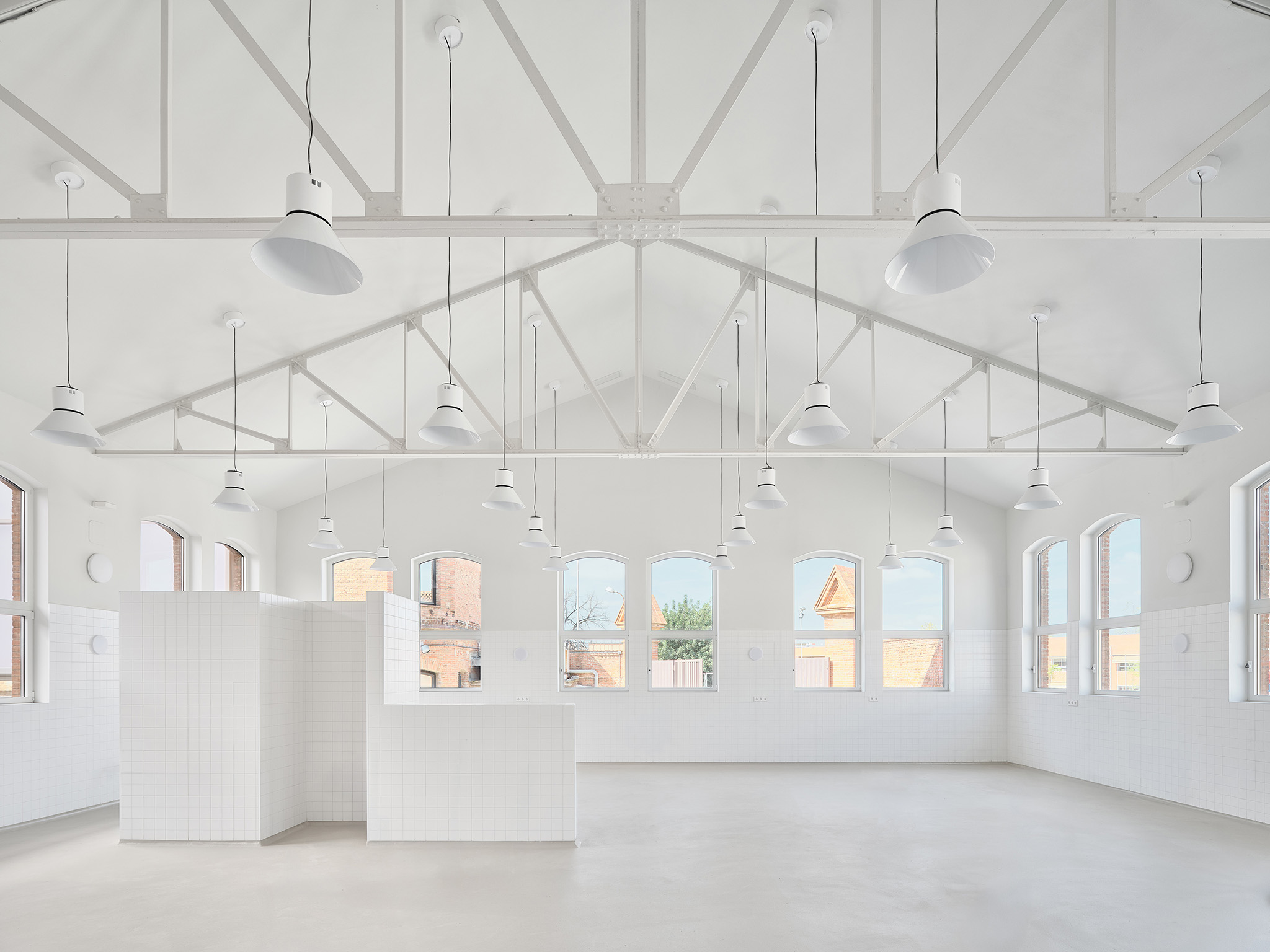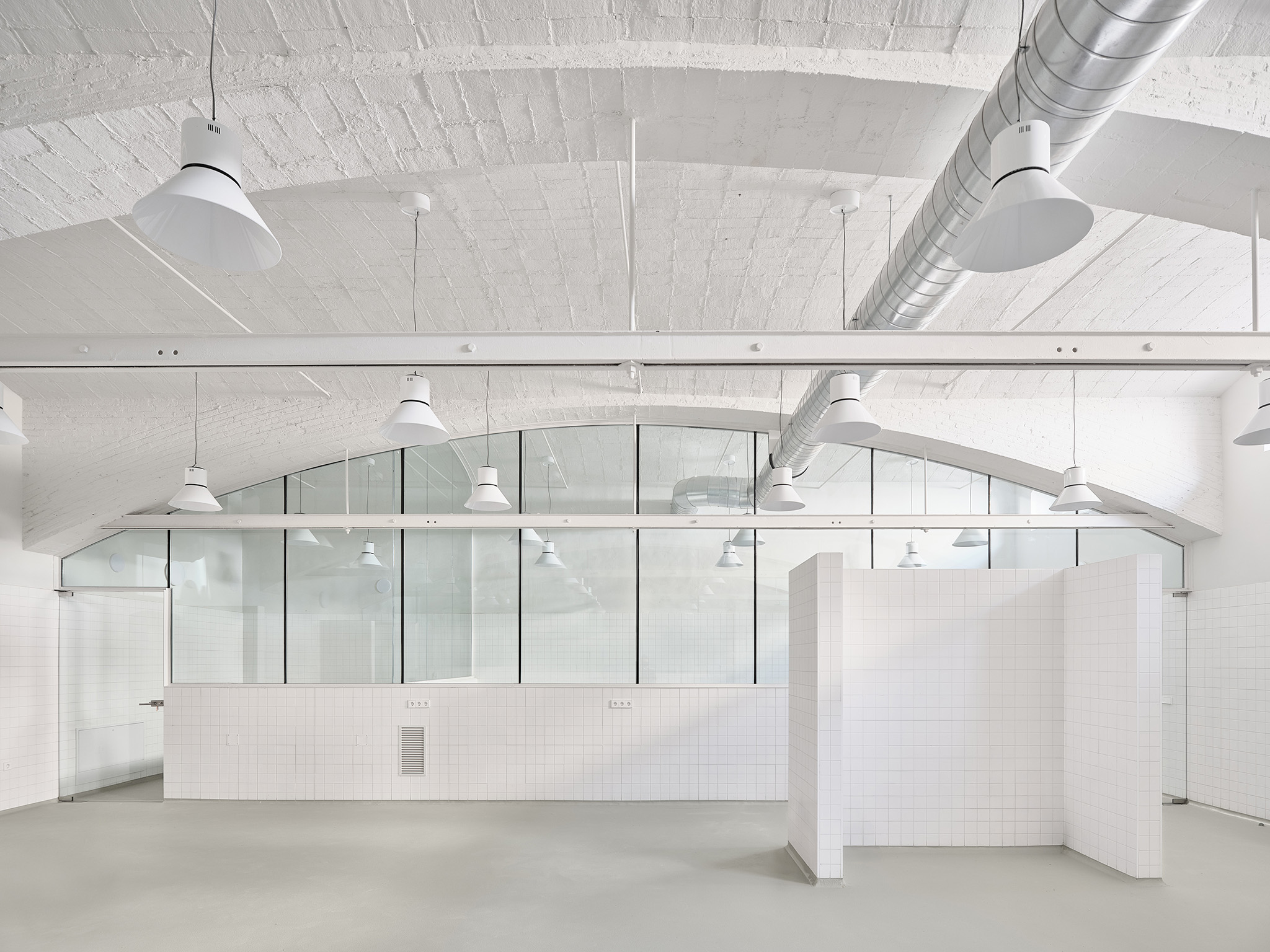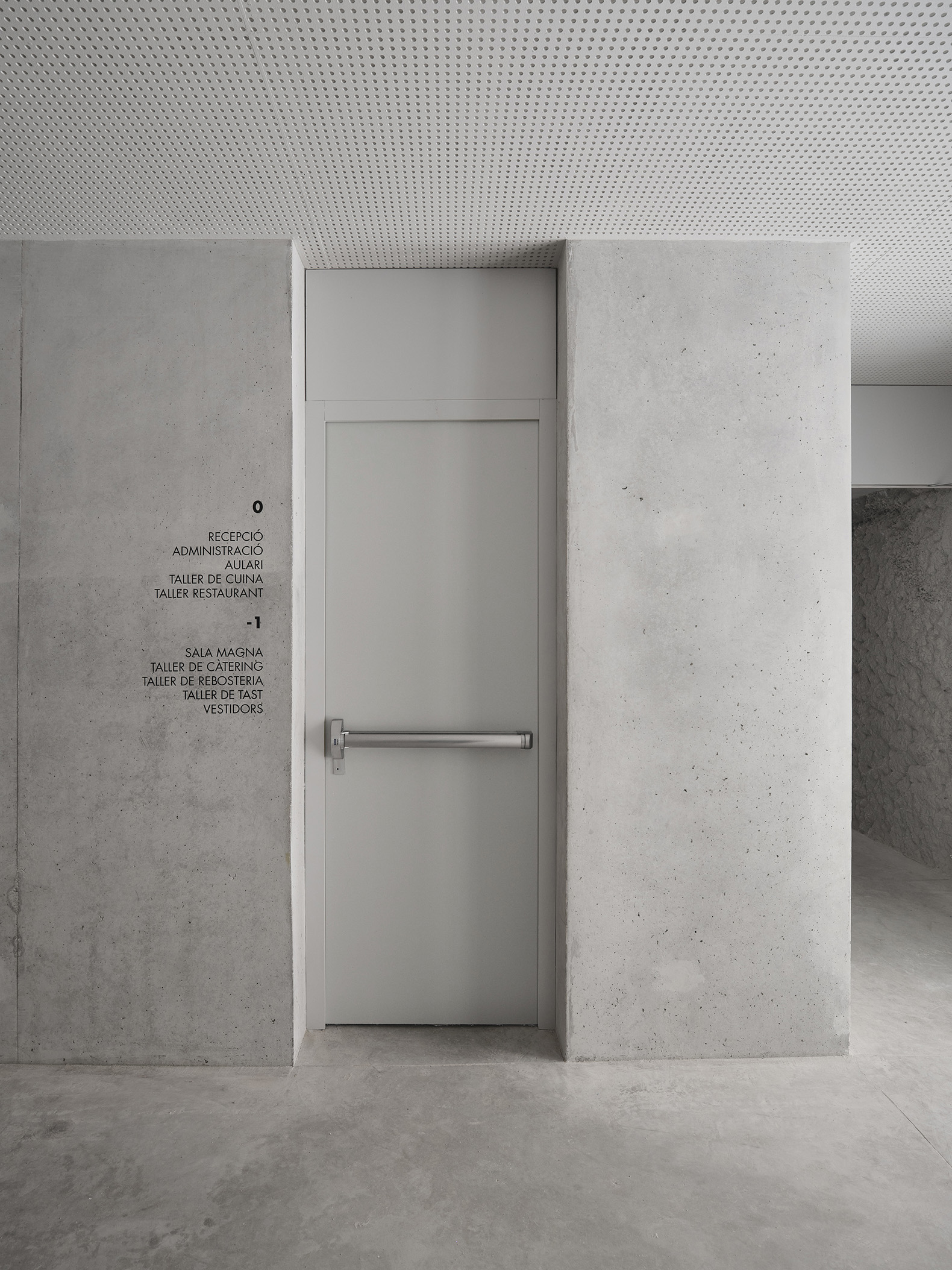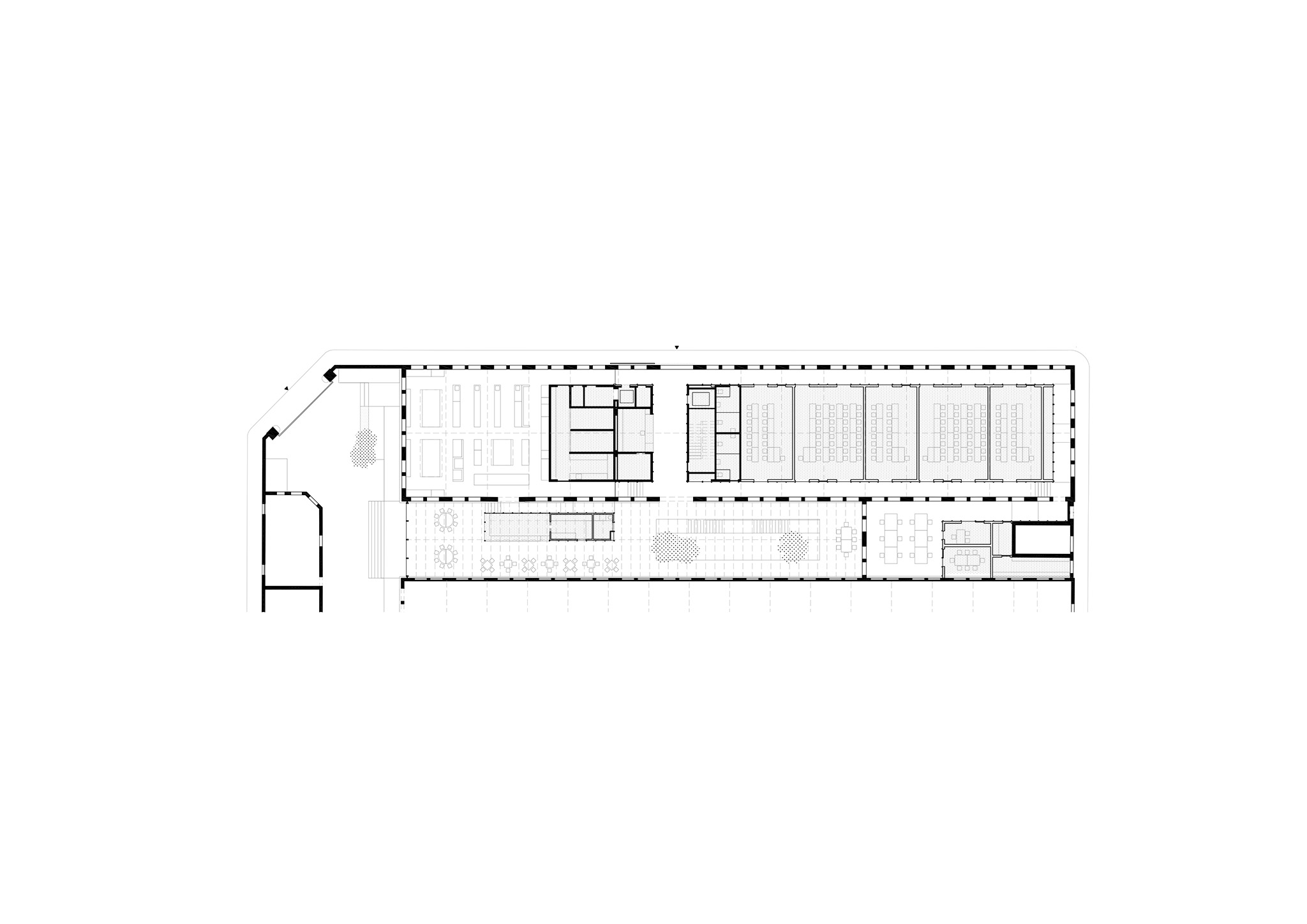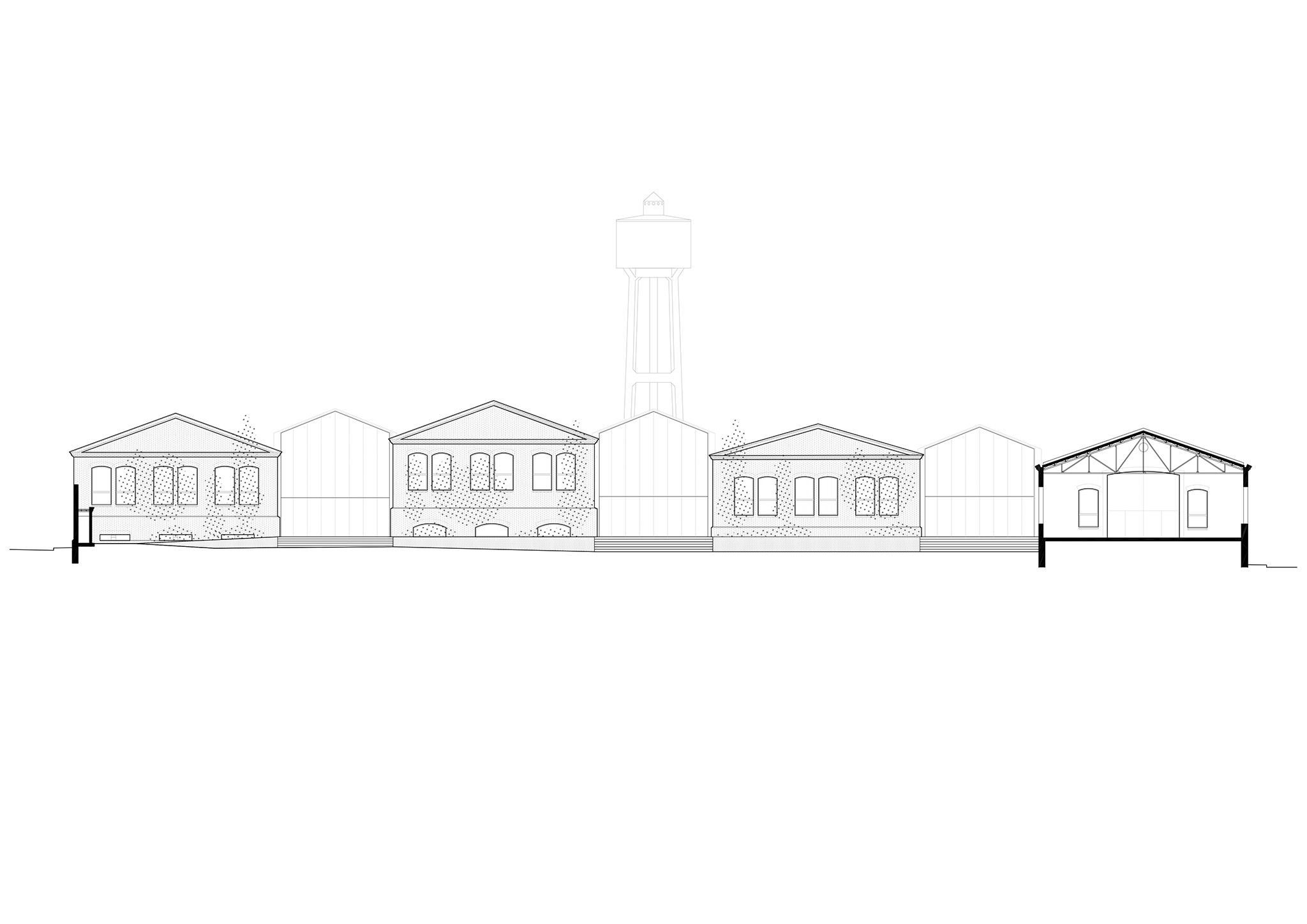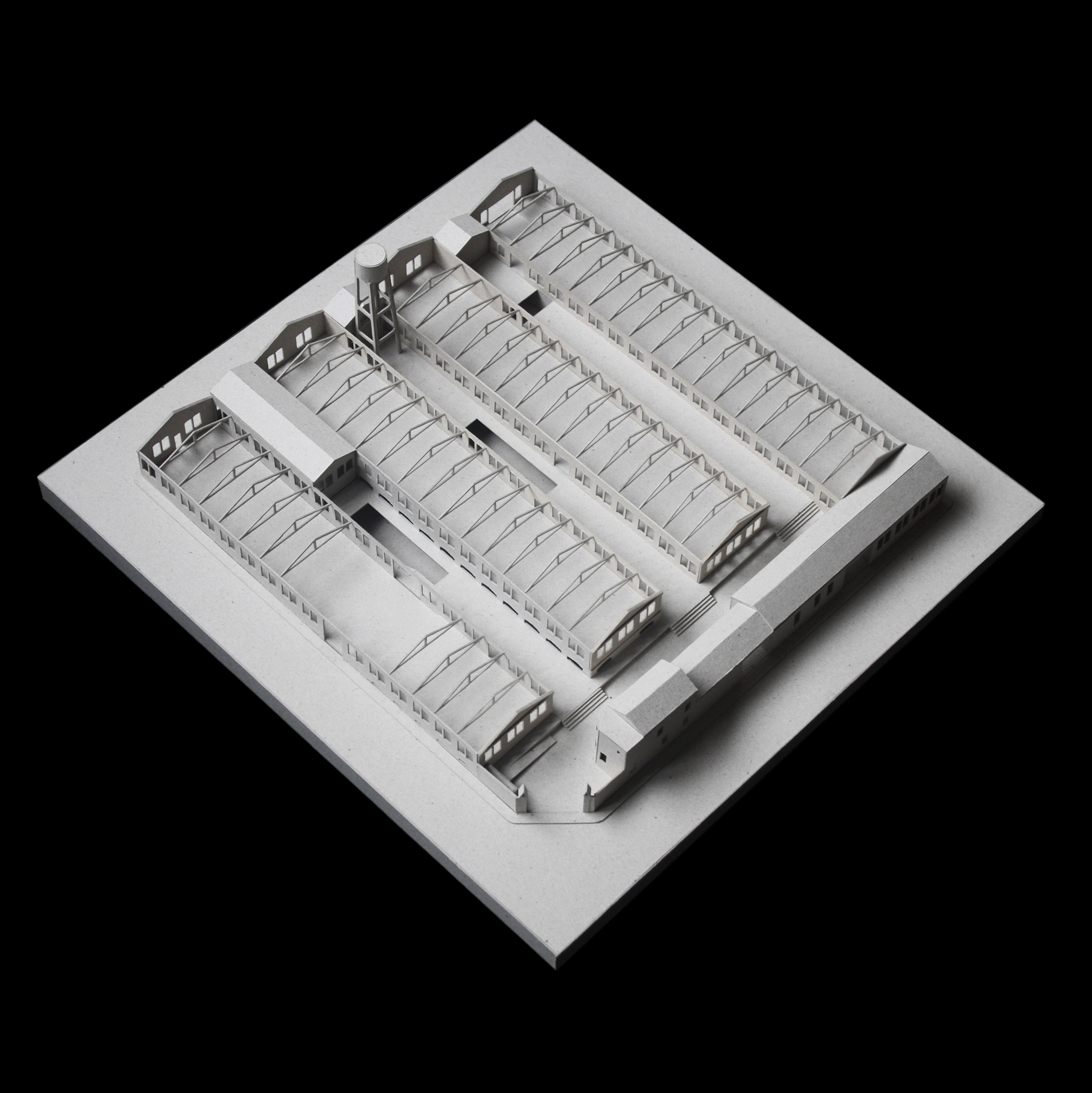
The design developed by JAAS proposes an honest and educational design: the building adopts a clear and serene exterior image, celebrating the coexistence of the "old" and the "new." The complex's openness to the city is reinforced by the chamfered corner on Jacint Verdaguer Street, where the historic gateway is consolidated as the main entrance, allowing the interior passageway to be reclaimed as a central element of the whole.
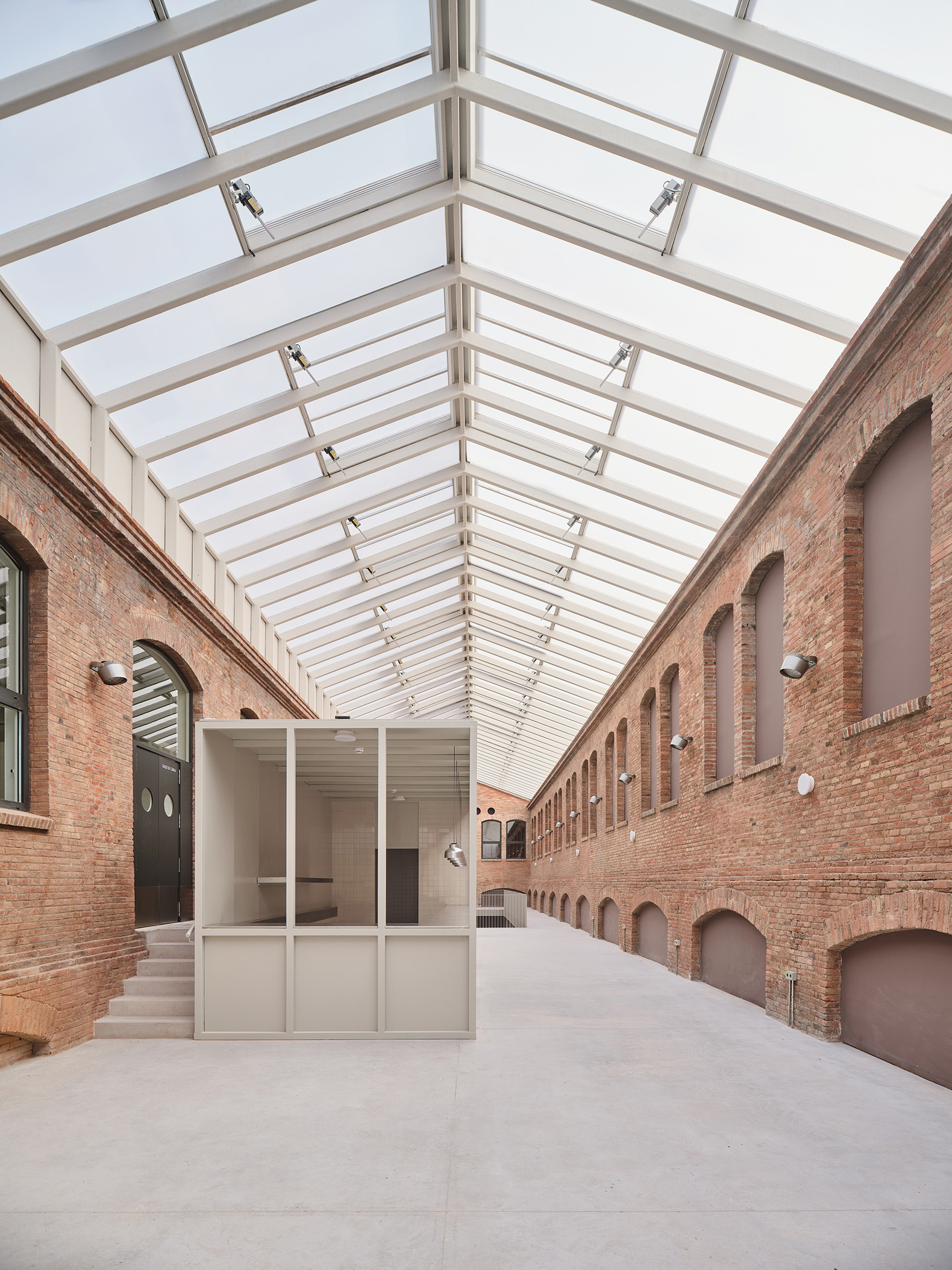
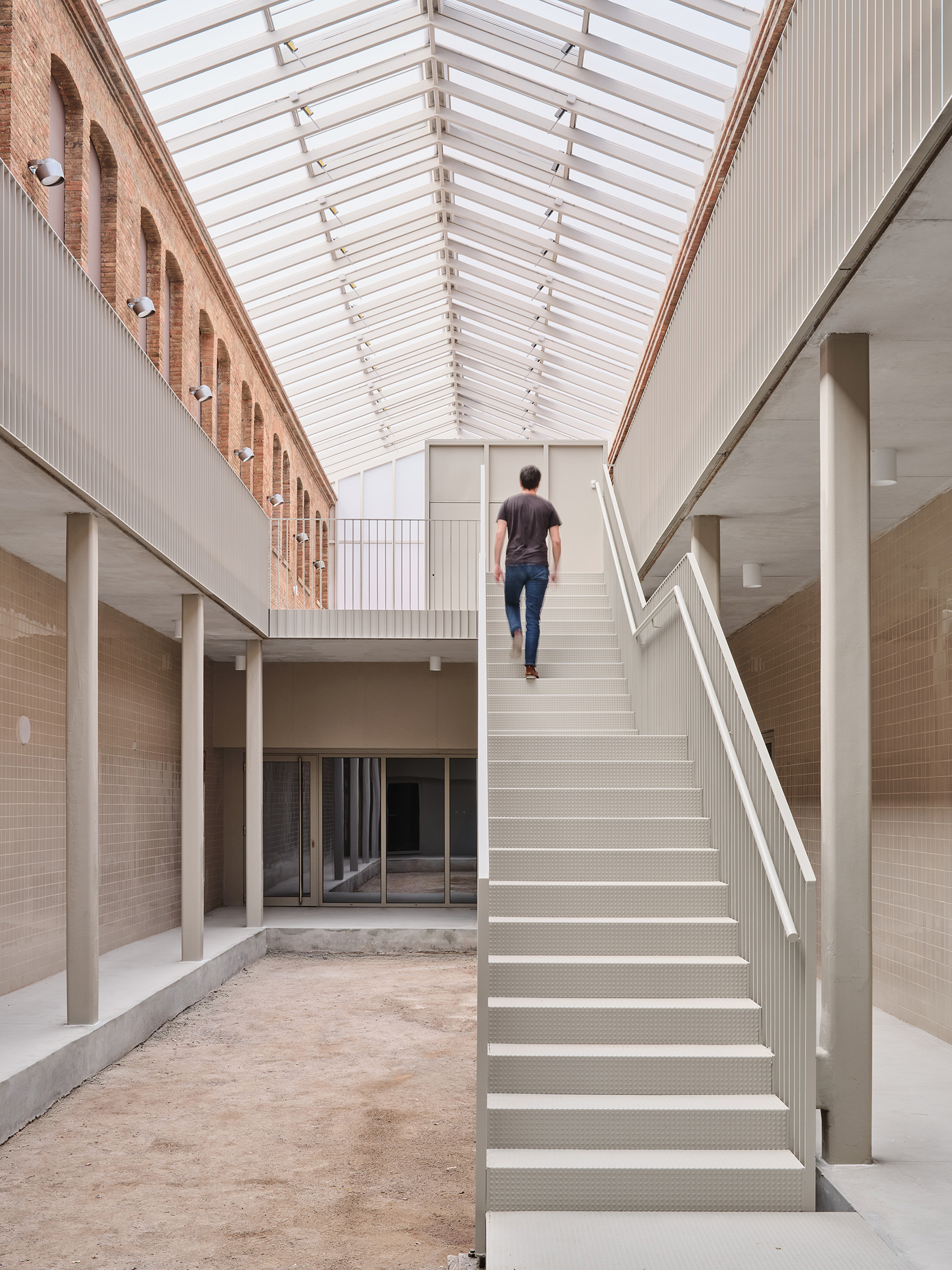
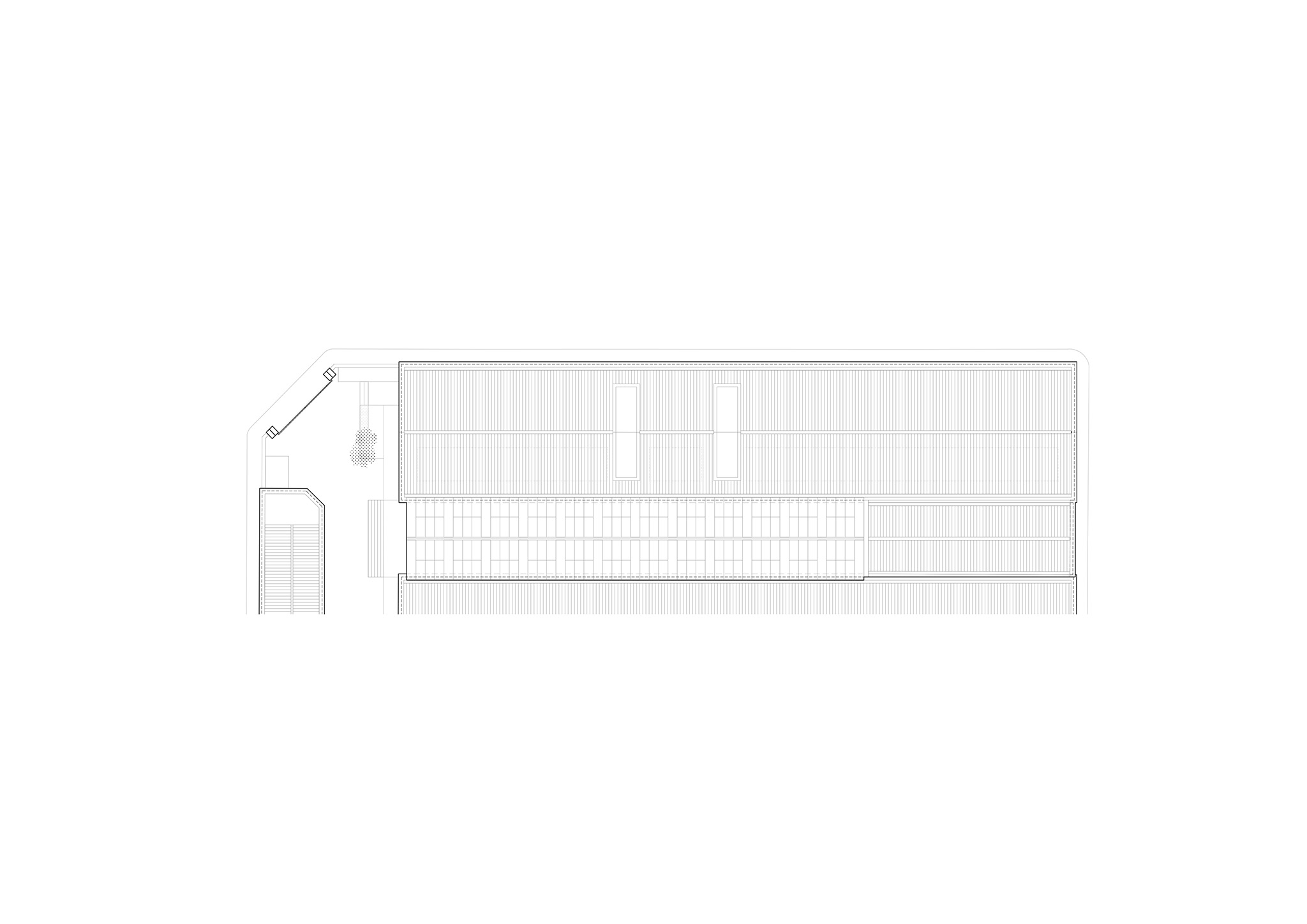
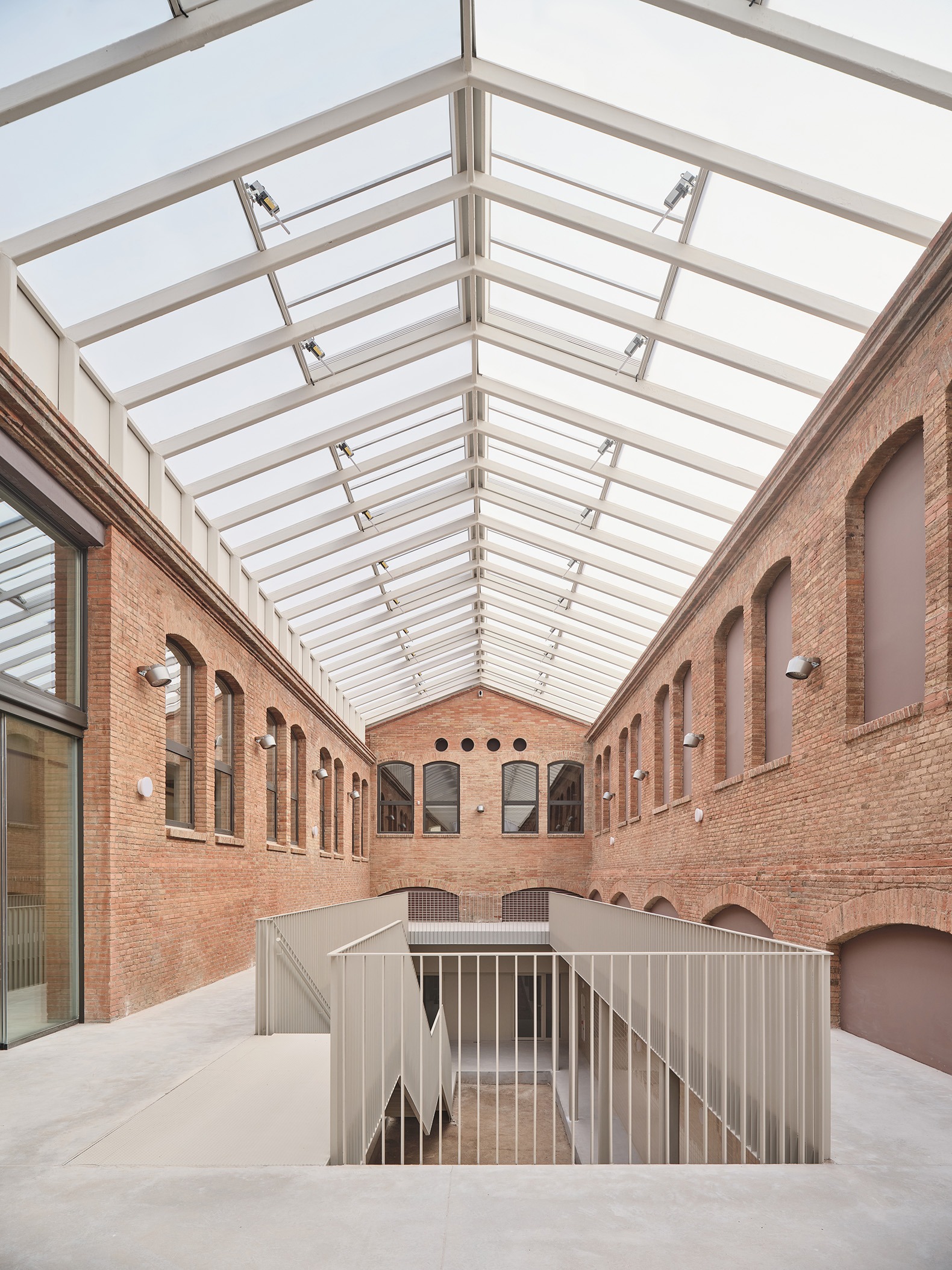
The new program includes a restoration school, a bakery training center, a startup incubator, and a social support space known as the Solidarity Corner. Furthermore, both the facades that had been hidden after successive transformations and the original open spaces that had been enclosed are restored. In this way, the proposal reclaims the role of the courtyards as connecting elements between the different buildings, restoring their prominence within the complex. These spaces are enhanced by the incorporation of lightweight, porous, greenhouse-like structures that play an active role in regulating the complex's climate.
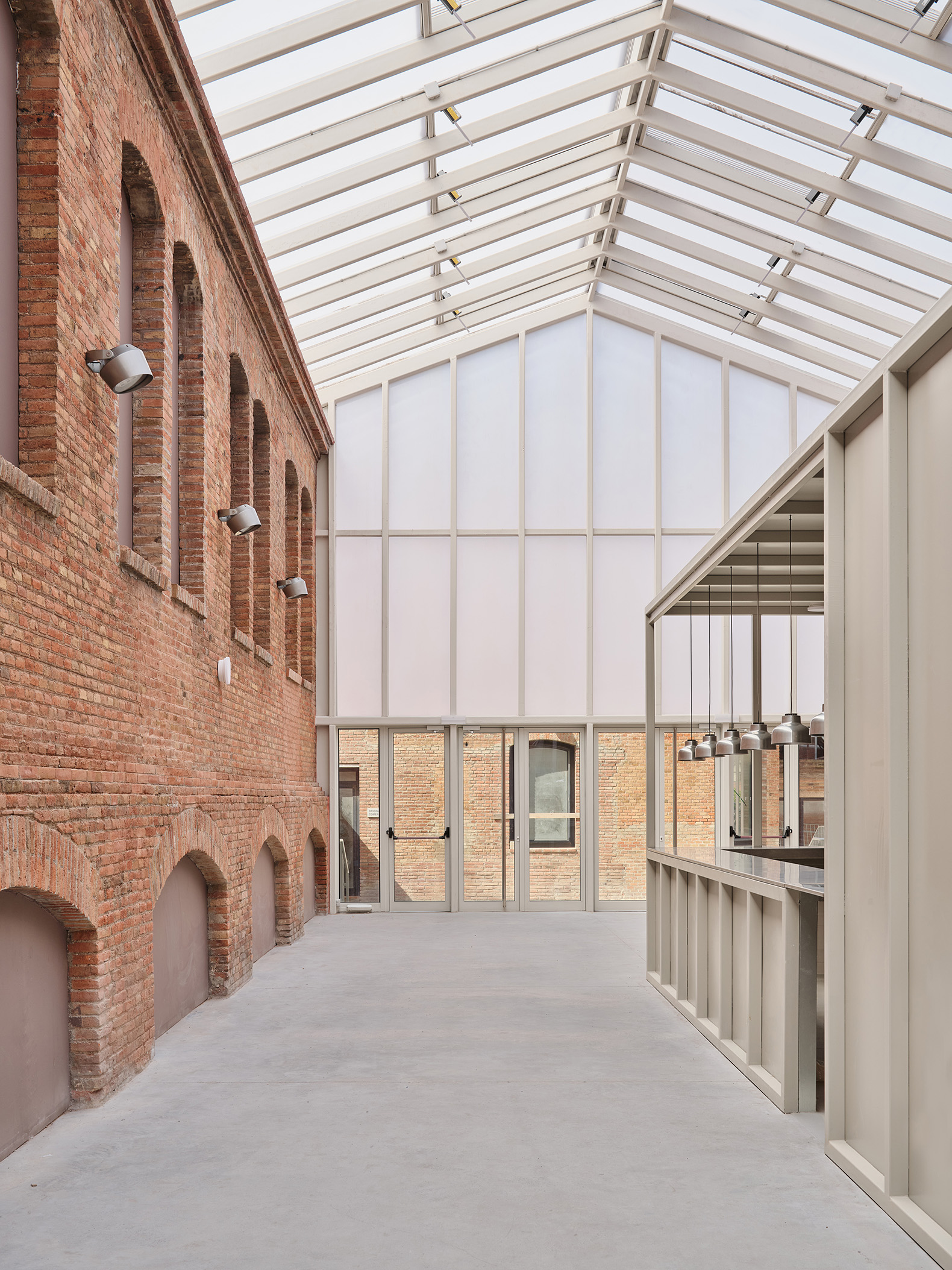
Sallarès Deu by JAAS. Photograph by Adrià Goula.
Project description by JAAS
Reprogramming Heritage: From Textile Factory to Civic Campus
At the heart of Sabadell, in the Catalan region of Vallès, the former Sallarès Deu textile factory has been transformed into a new civic campus that houses educational, entrepreneurial and social programmes. The intervention proposes a respectful yet ambitious reimagining of the industrial heritage, reactivating an obsolete complex through strategies of spatial restitution, bioclimatic intelligence and architectural reversibility.
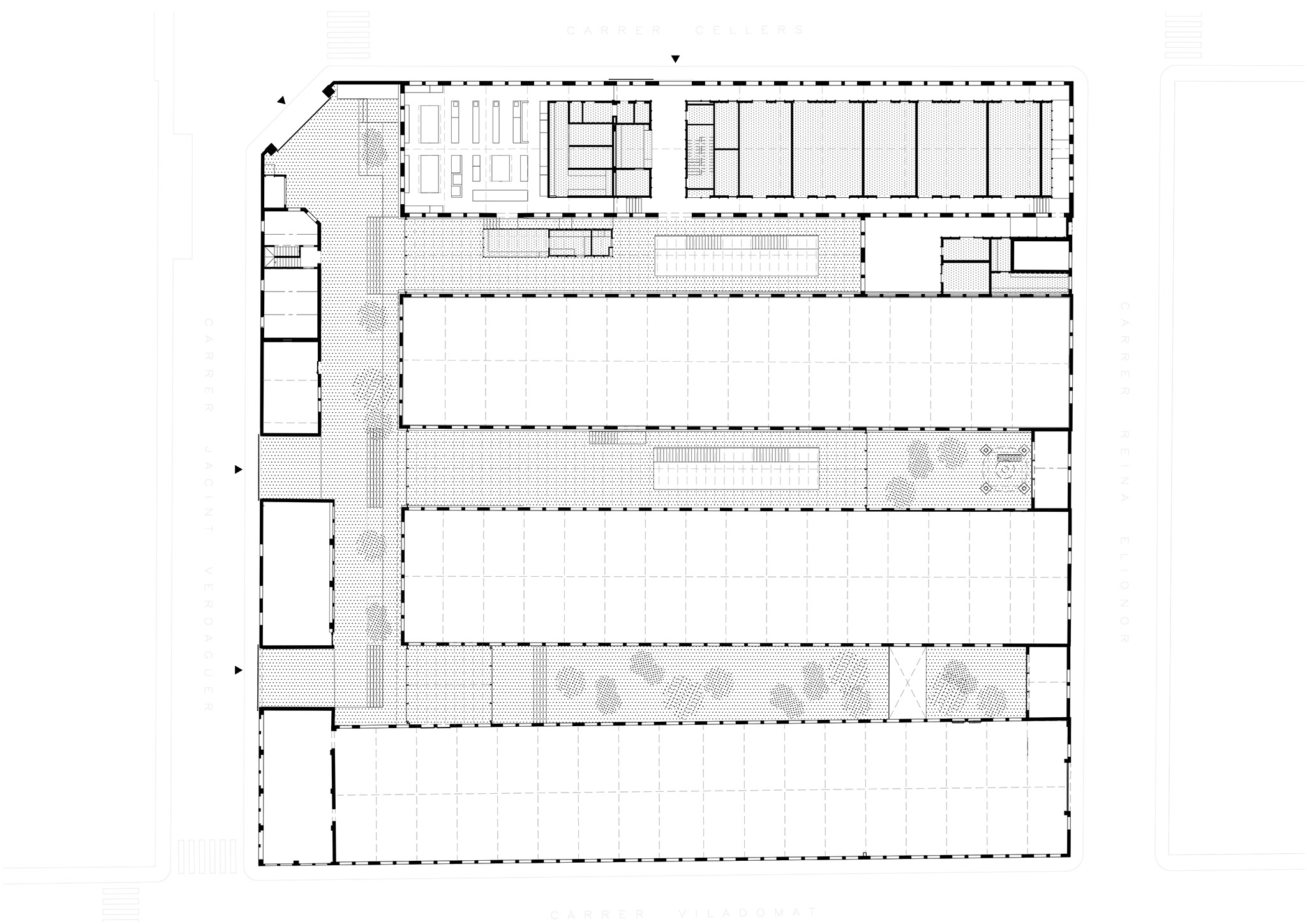
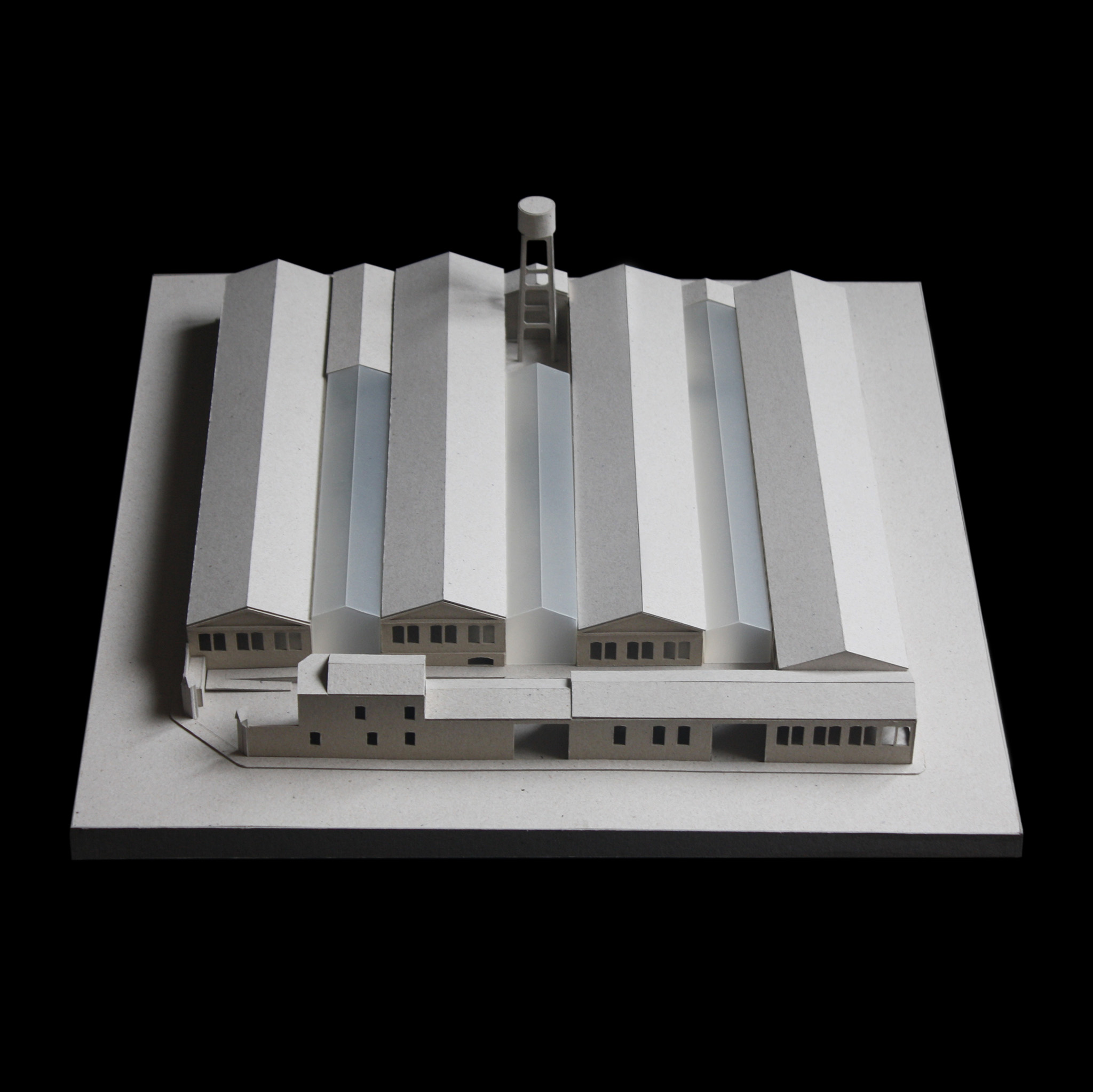
The Sallarès Deu site is a paradigmatic example of the 19th and 20th-century textile infrastructure that shaped the economic and urban identity of Sabadell. Like many similar industrial compounds, its decline mirrored the shift from productive to service-oriented economies. The current project addresses this transition not through erasure, but through a precise reinterpretation of the site's structural and typological essence. The intervention maintains the logic of the industrial block—defined by large parallel sheds and interstitial courtyards—while integrating new functions that are social, educational and open to the community.
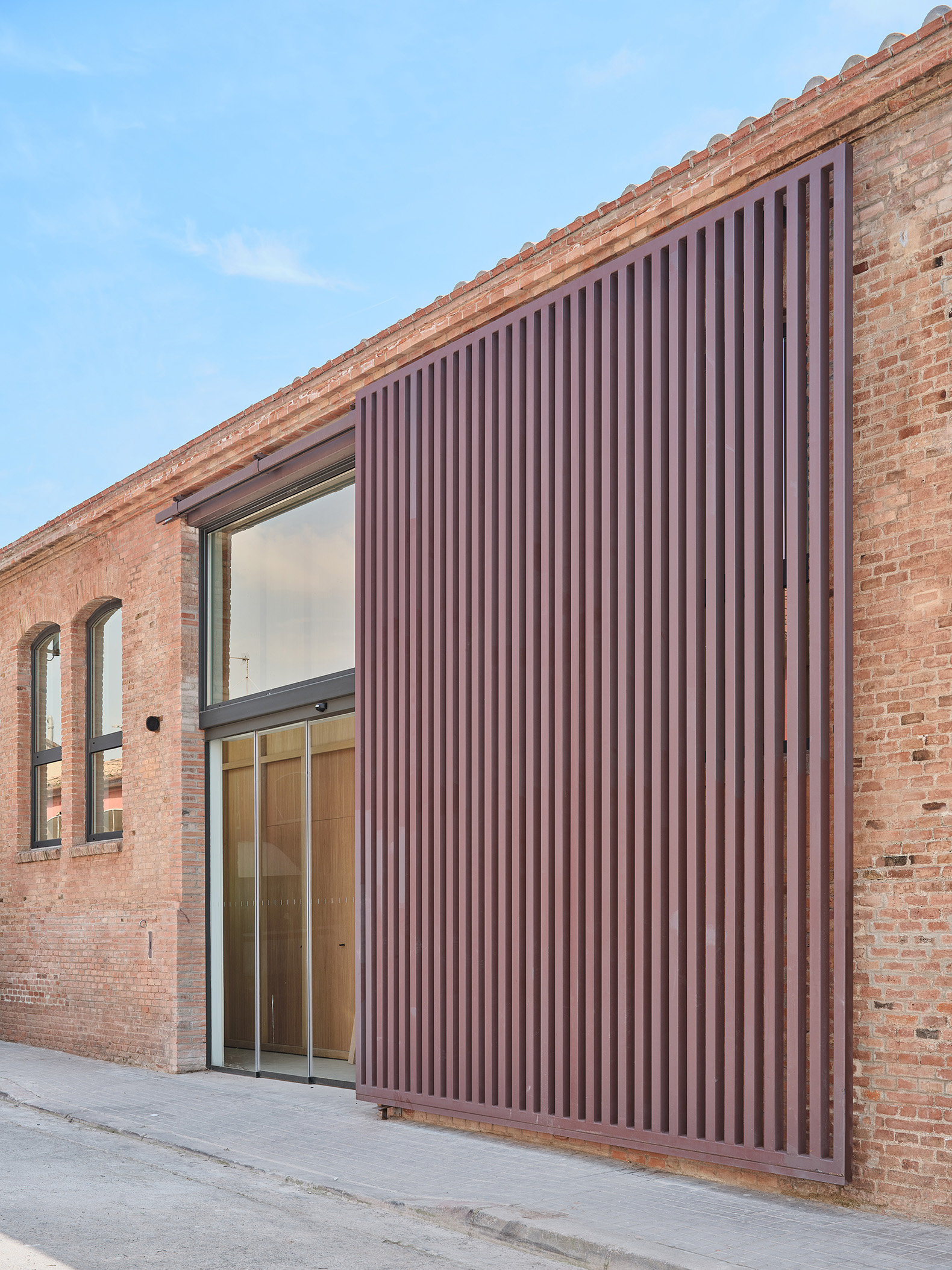
The architectural strategy is based on a triple gesture. First, the original spatial pattern of built and open areas is restored. This includes the recovery of façades previously concealed by later additions and the reactivation of the courtyards as climate-regulating and socially central spaces. These voids are covered with lightweight greenhouse-like structures that temper the environment while acting as semi-public atriums. Secondly, the project reinforces the identity of the compound as an enclosed and coherent unit. The main historical entrance is reinstated as the primary access point, and a transverse passage through the block is reopened to link the internal circulations and facilitate logistics. Finally, programmatic independence is ensured by giving each building autonomous access from the perimeter streets, a gesture that enhances operational flexibility and long-term adaptability.
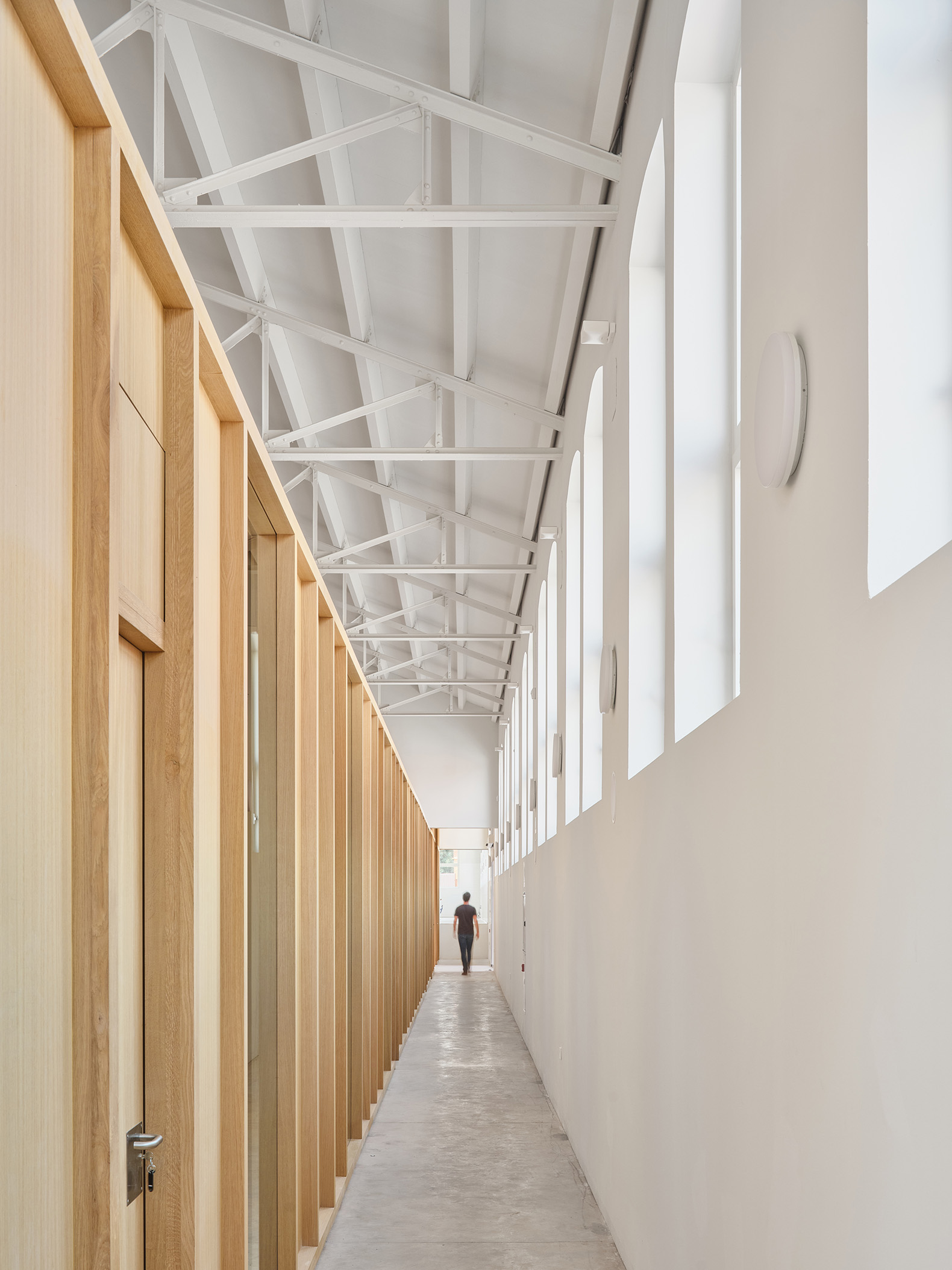
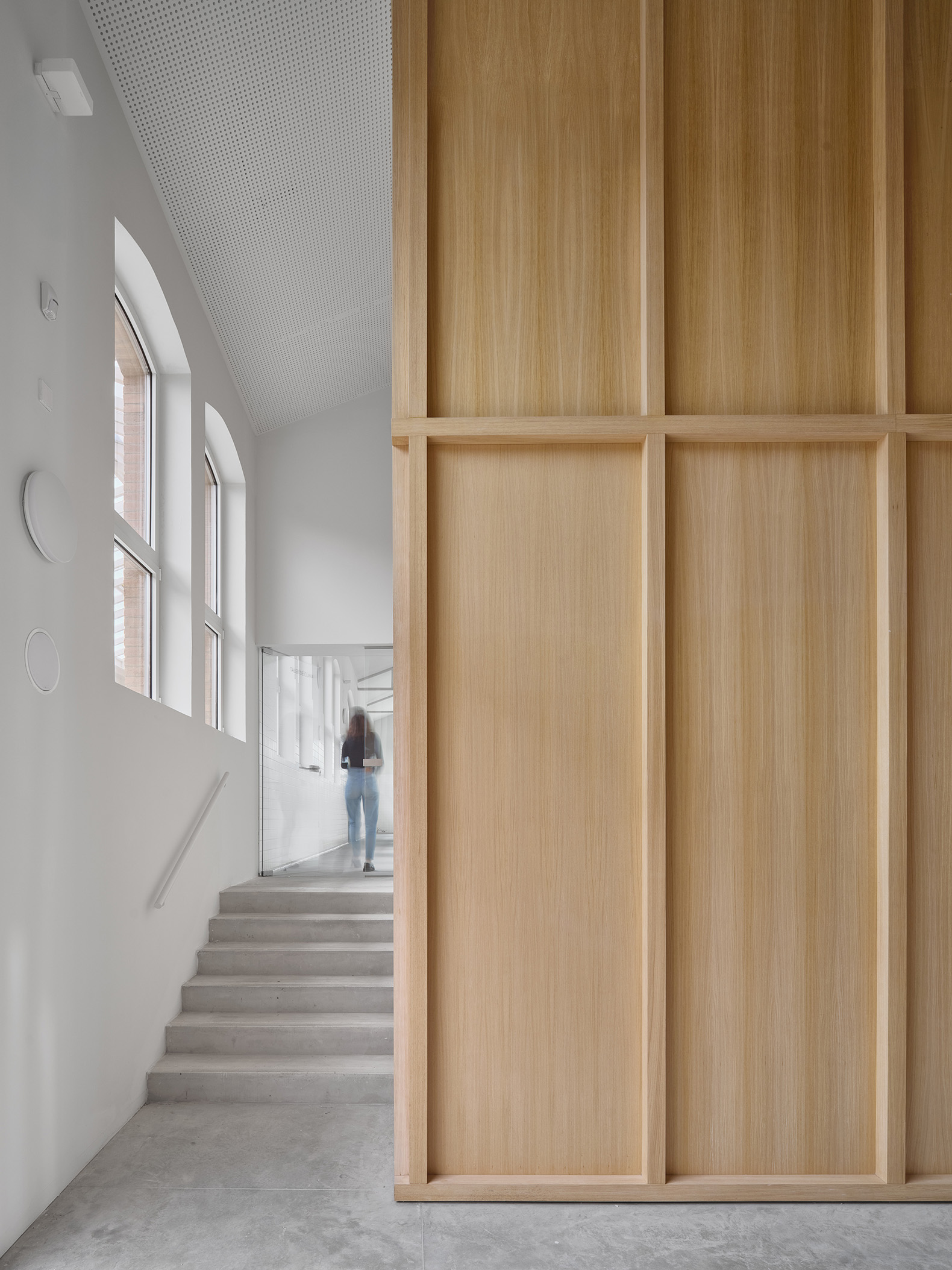
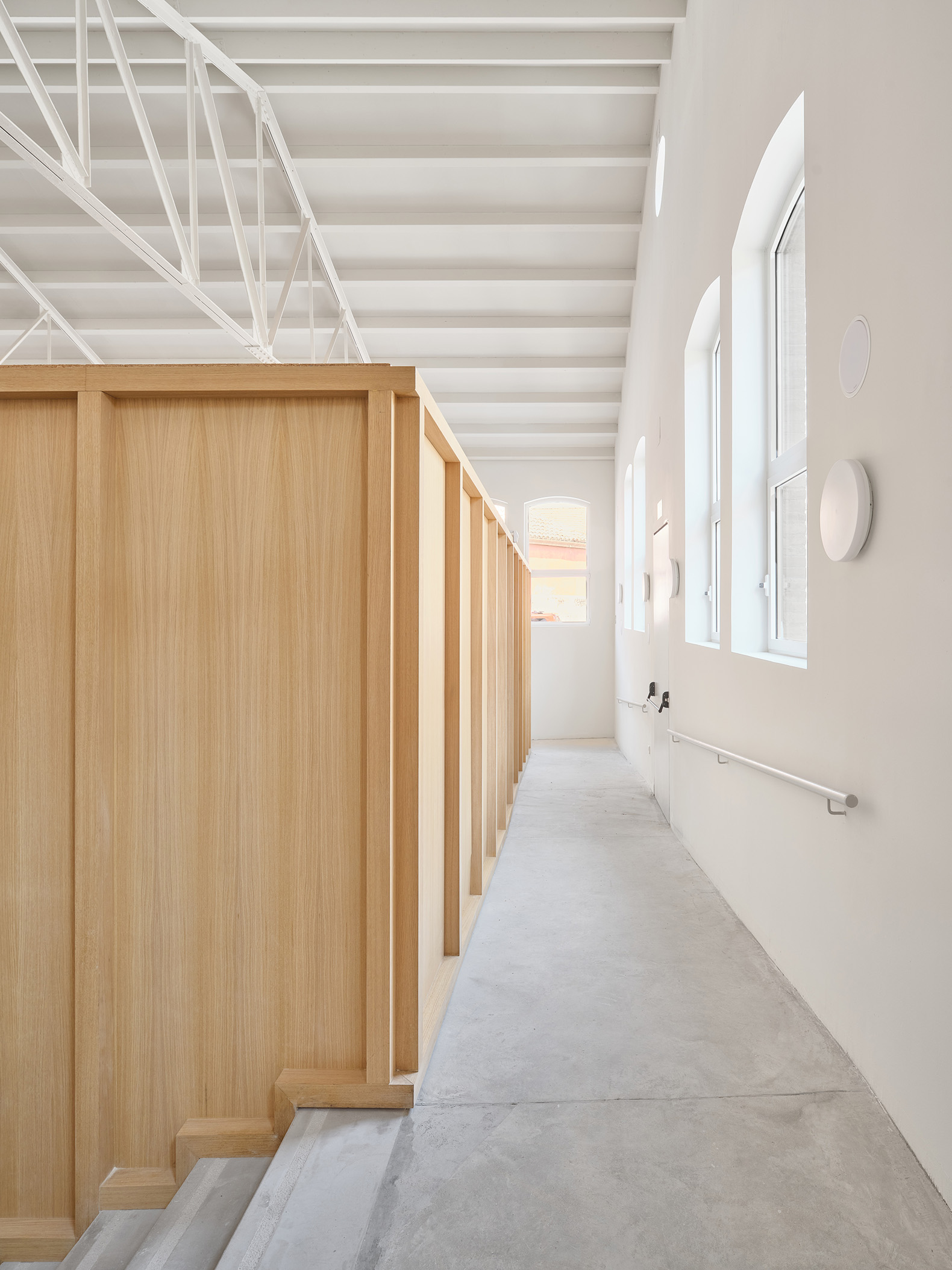
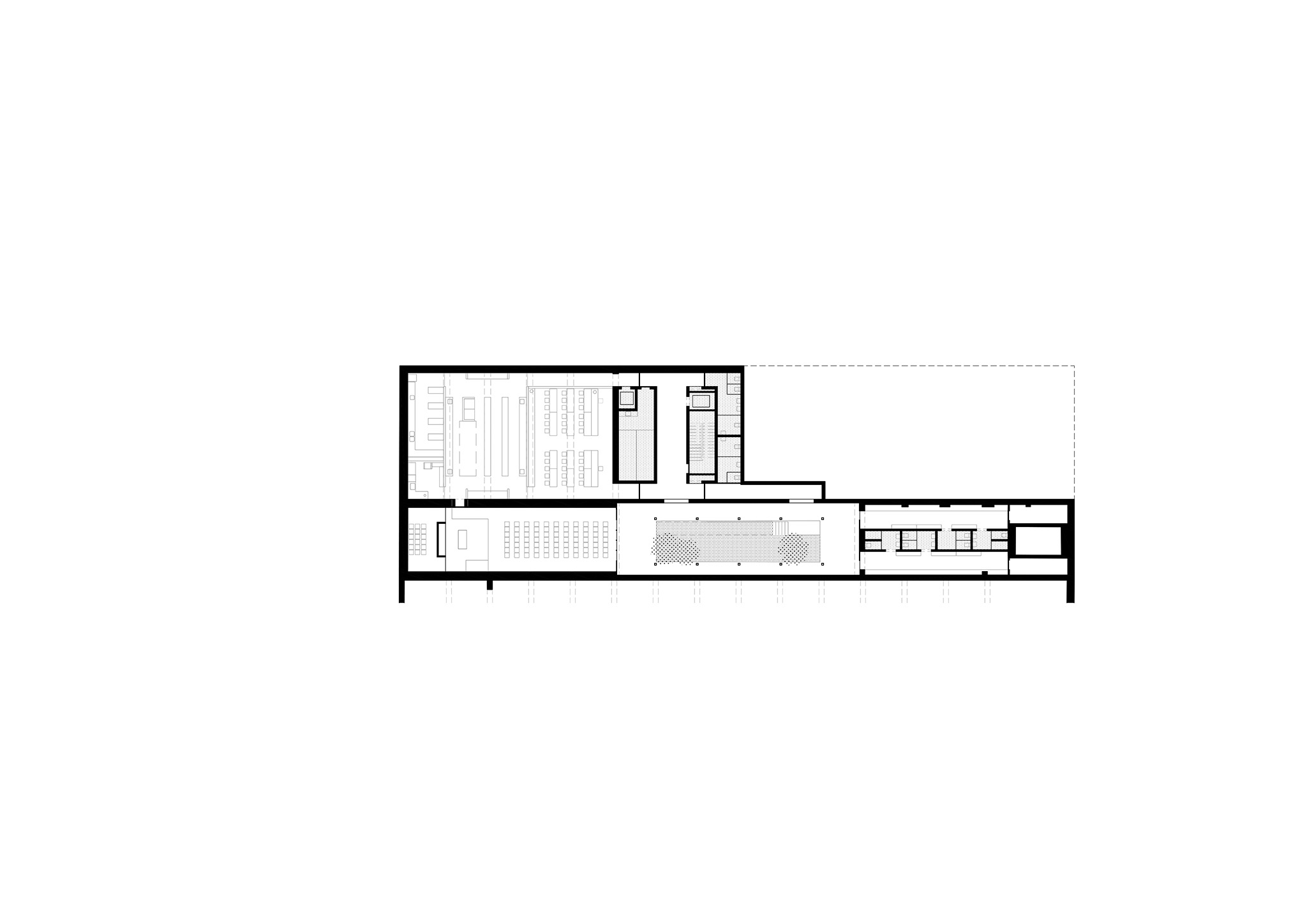
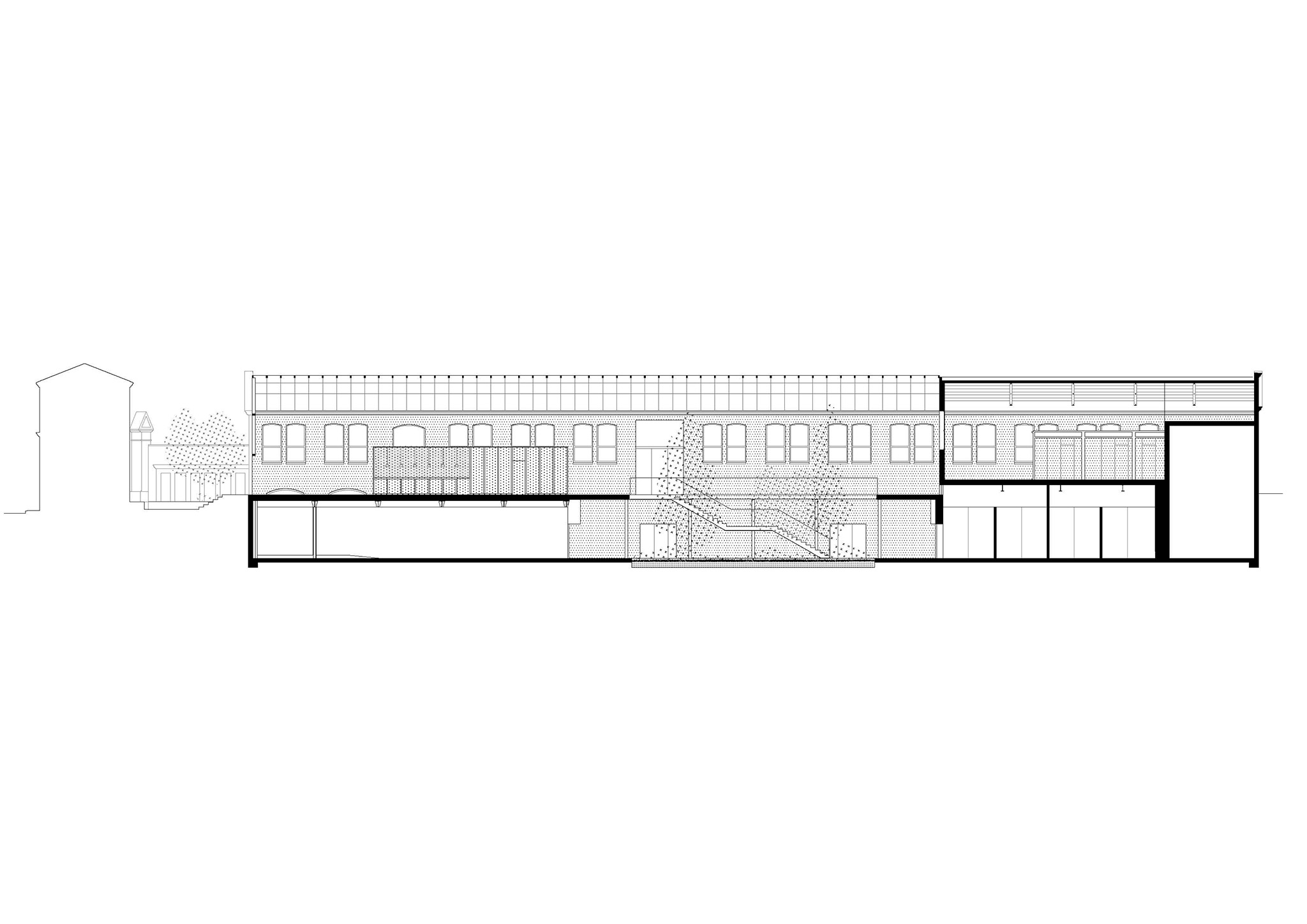
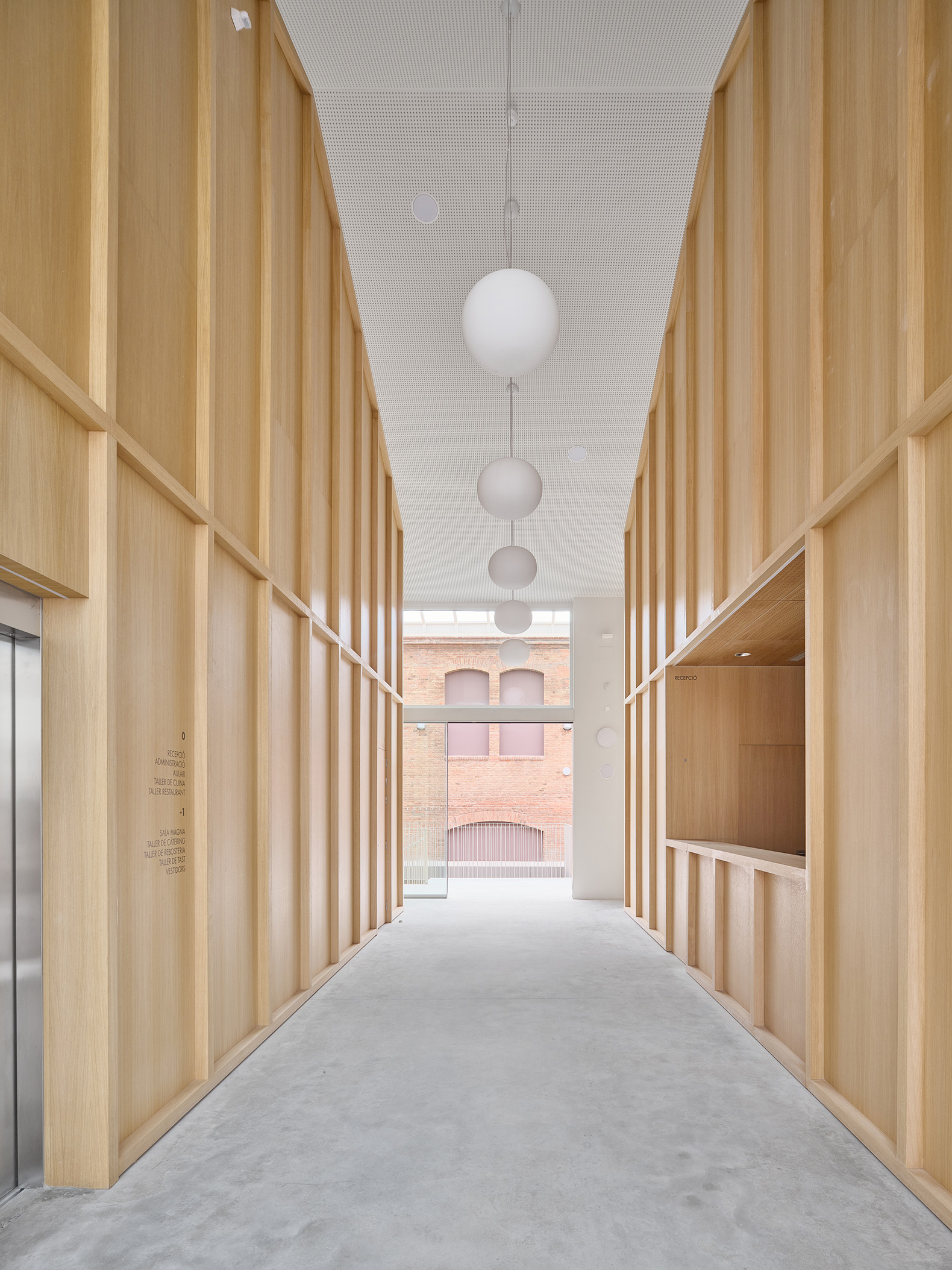
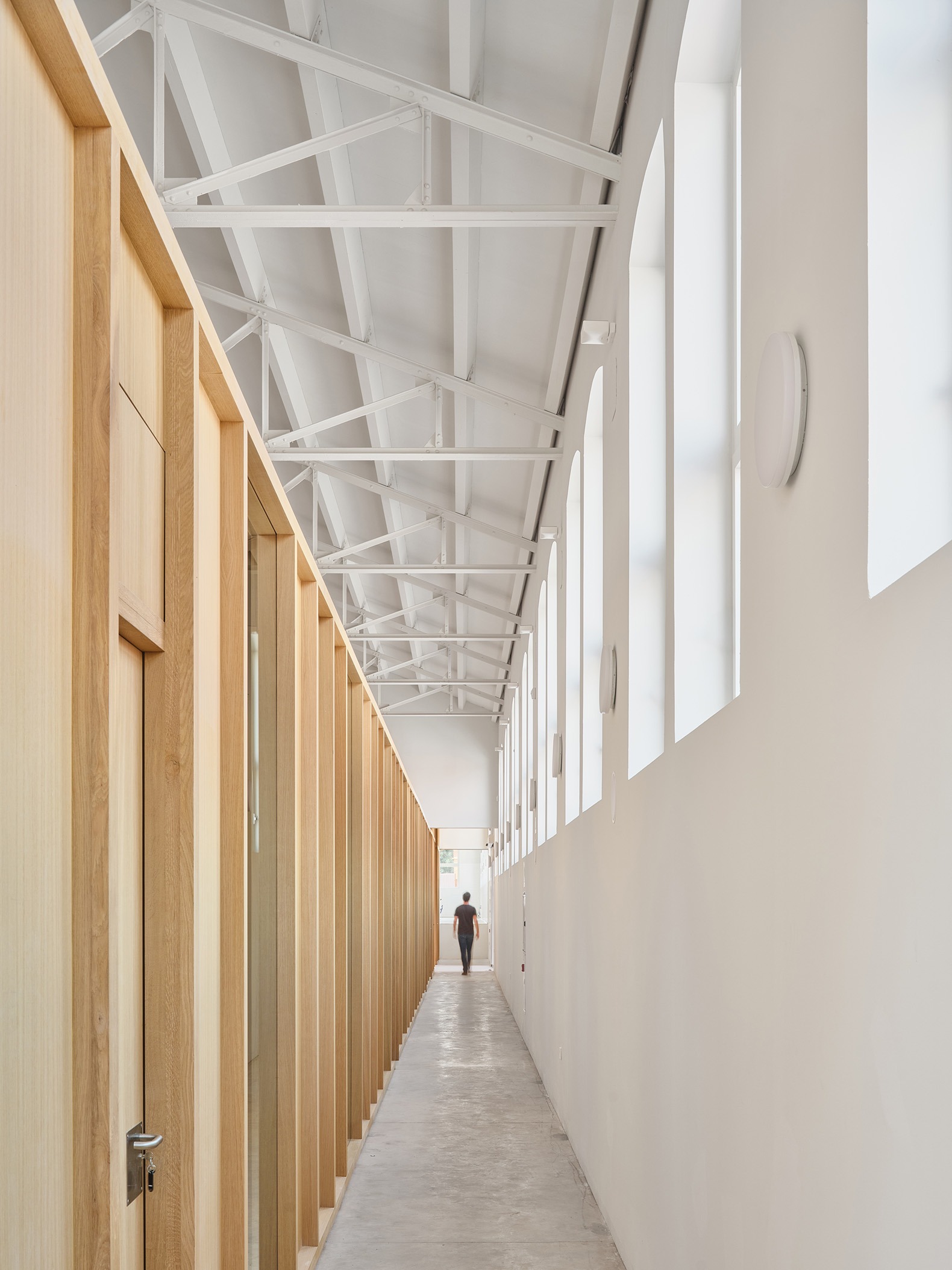
One of the key components of the new programme is a culinary school located in one of the existing sheds. Instead of fragmenting the original space with partitions, the intervention introduces a large-scale freestanding timber structure that houses classrooms and service areas. This architectural insertion functions as a reversible piece of infrastructure: it does not alter the perimeter walls and can be dismantled or reconfigured in response to future needs. The main vestibule crosses the building transversally, guiding circulation along the façades and leading visitors to a bioclimatic central atrium. This generous and luminous space acts as both a thermal buffer and a social condenser, with timber pavilions modulating solar protection and spatial permeability throughout the seasons.
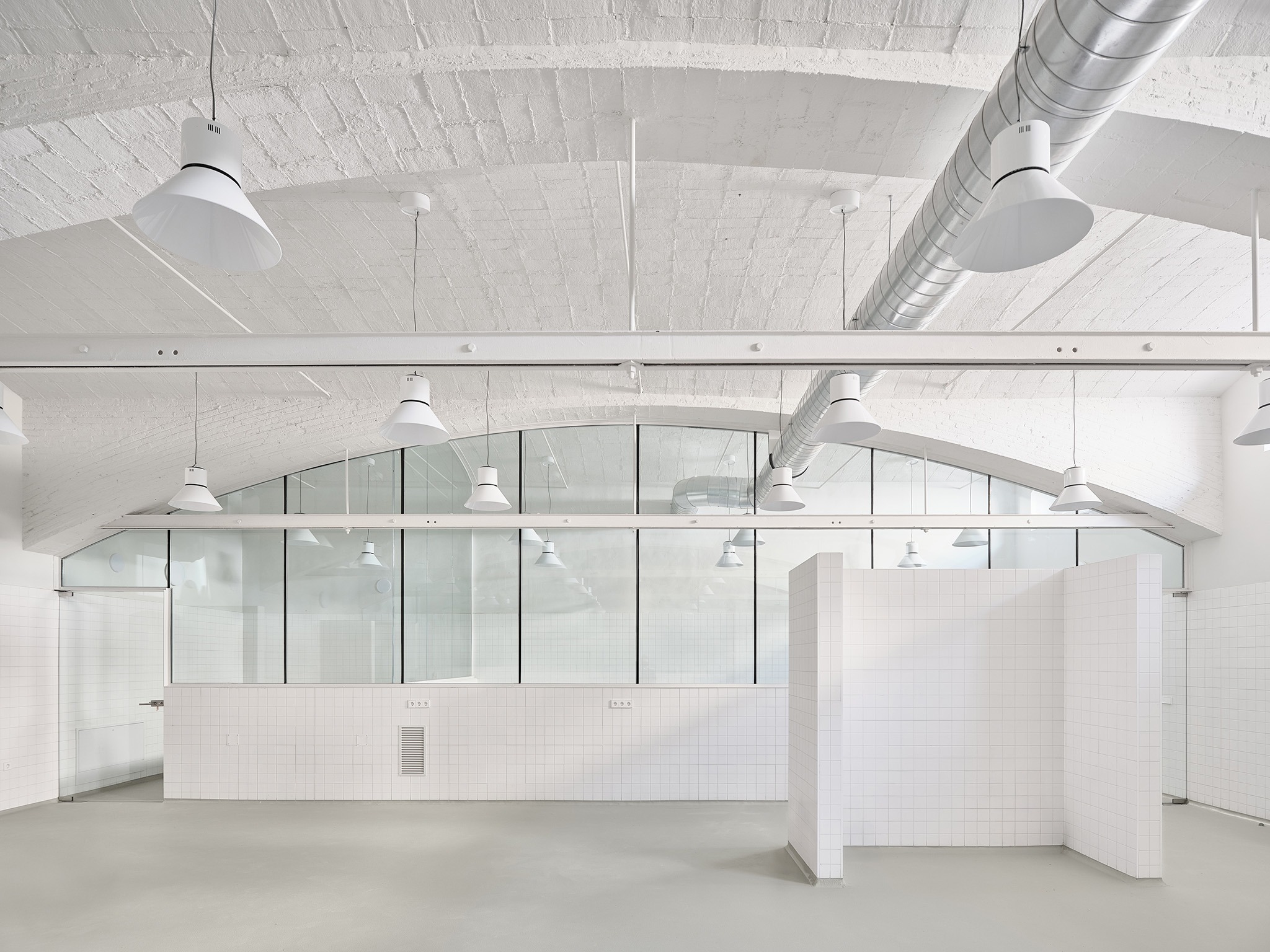
The intervention also opens the basement level to natural light and use, through the creation of a courtyard-foyer that acts as a productive garden and educational extension. Here, spaces such as an auditorium, tasting and catering workshop, and student facilities are organized around a long sunken patio. The connection between food education, sustainability and spatial flexibility is reinforced at every level.
The entire project is conceived with reversibility and sustainability as guiding principles. All new insertions are built using cross-laminated timber (CLT), a renewable, prefabricated system that enables rapid assembly, low environmental impact, and future disassembly. This dry construction method preserves the historical integrity of the original buildings while accommodating contemporary functional requirements.
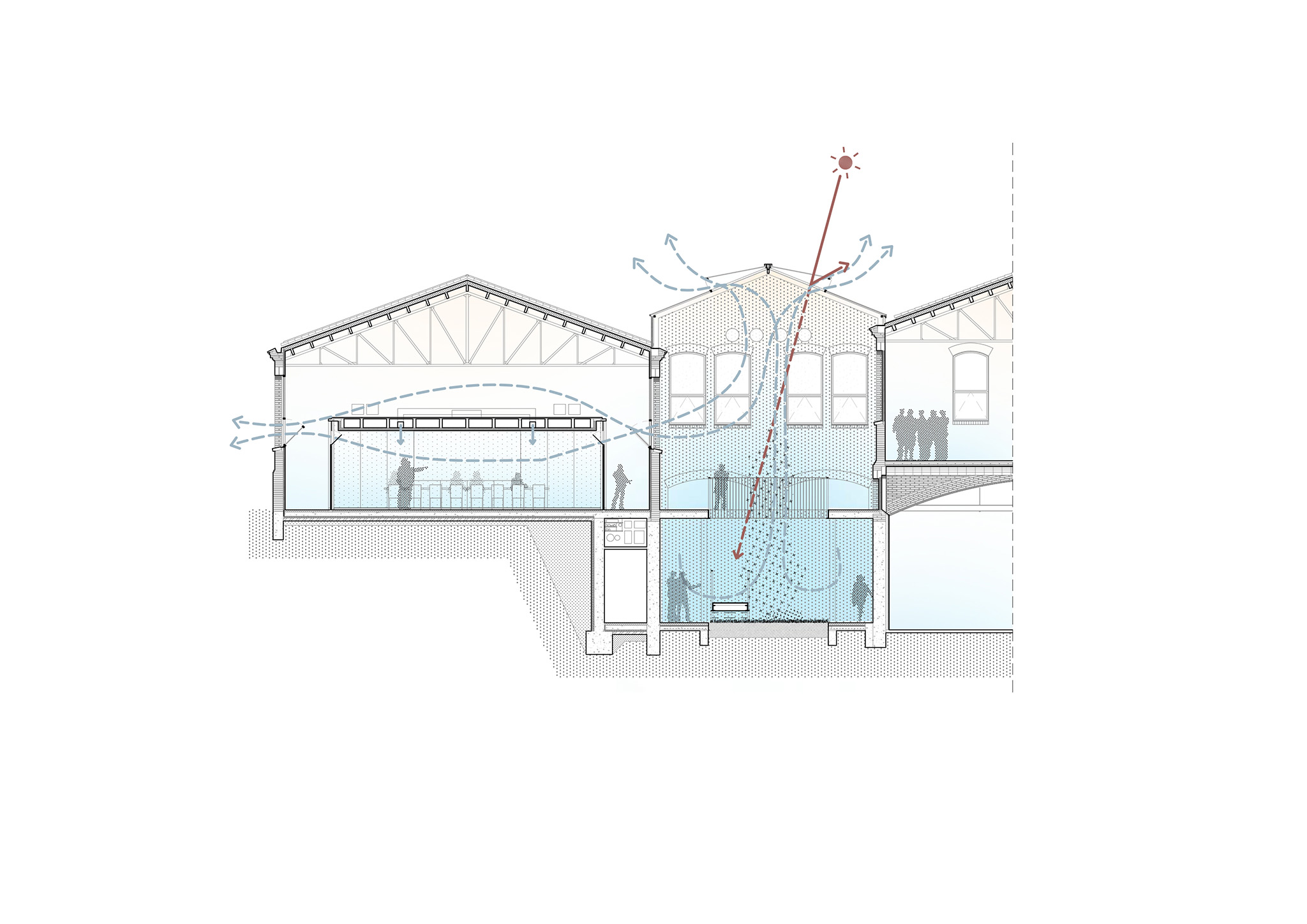
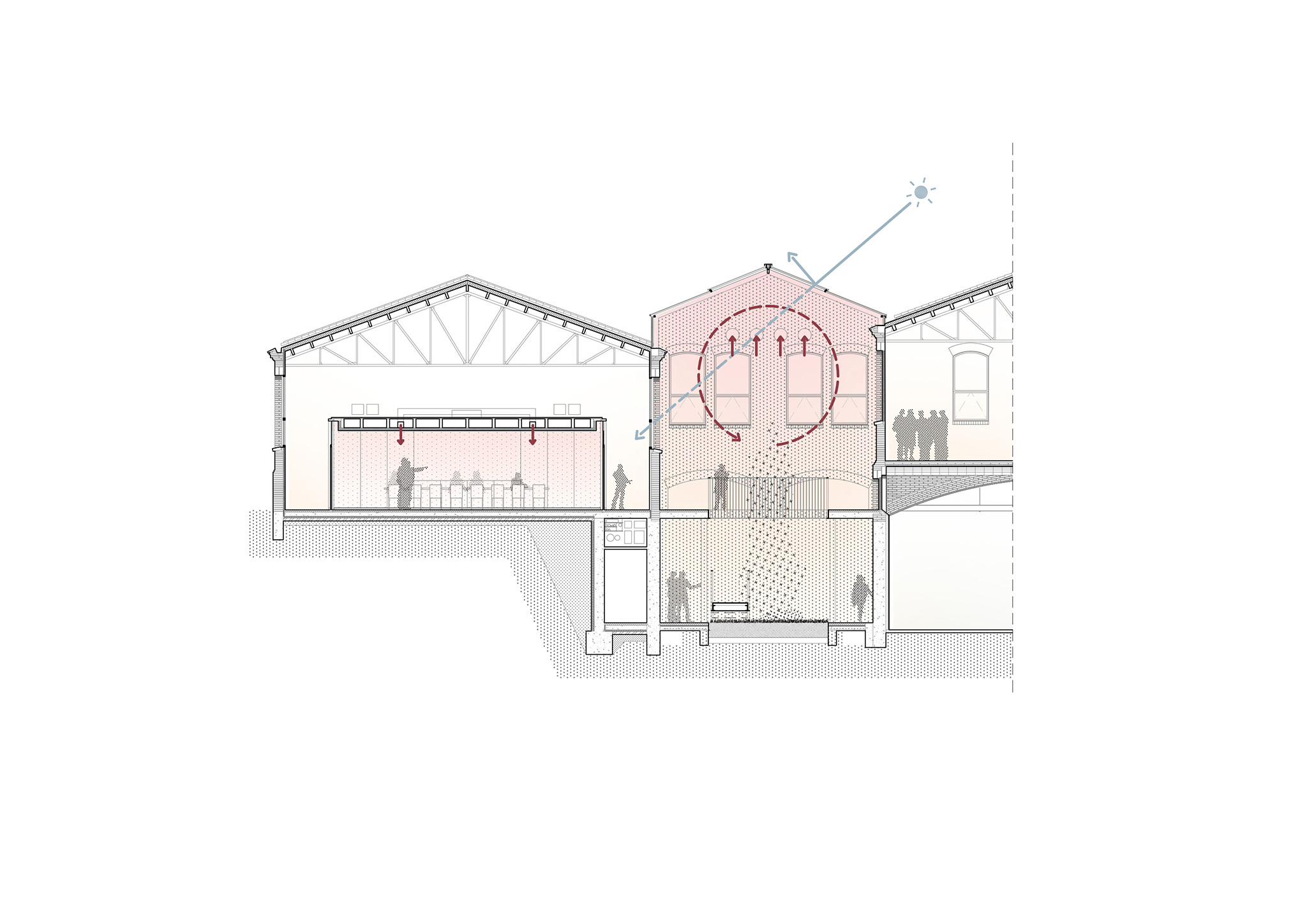
Thermally, the project relies on passive systems. The greenhouse atriums perform as thermodynamic regulators: in winter, they act as solar collectors, preheating incoming air and reducing the heating load of adjacent spaces; in summer, they open fully to encourage natural cross-ventilation, taking advantage of the thermal inertia of the masonry structures and subterranean volumes. As a result, the project minimizes the use of active climate control systems and significantly reduces energy consumption.
Rather than preserving the industrial heritage as a frozen relic, the intervention reactivates its potential through openness and pedagogy. The new additions establish a clear yet understated contrast with the existing architecture, celebrating coexistence rather than mimicry. In this sense, the project becomes a didactic tool—a built demonstration of how memory, ecology and function can converge in the reuse of obsolete infrastructures. It offers a model for how post-industrial sites across Europe and beyond can evolve into relevant and resilient civic institutions.