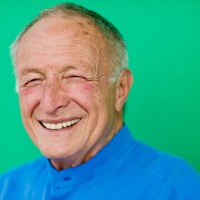
Rogers was born in the Italian city of Florence on July 23, 1933, where he lived only five years of his childhood until his English family returned to London again. He studied Architecture at the London Architectural Association and later expanded his training at Yale University (USA).
He was a staunch defender of the potential of the city (His book with pink covers "Cities for a Small Planet" was one of his best sellers) as a center of social transformation, the British architect, considered architecture both an urban problem and an issue politics.
He passionately and eloquently defended the compact and complex city as the only formula for a sustainable city, presenting examples of sustainable urban projects that have become reference models in the history of contemporary architecture. His defense of the control of energy consumption and his clear conviction that sustainability is the only way marked the future of current architecture.
Rogers consolidated his career with associations such as the group Team 4, which consisted of couples Norman and Wendy Foster and himself with his first wife, Sue Rogers. With Team 4 he carried out his first job, the Reliance Controls Factory in Swindon (1966-1967), in England.
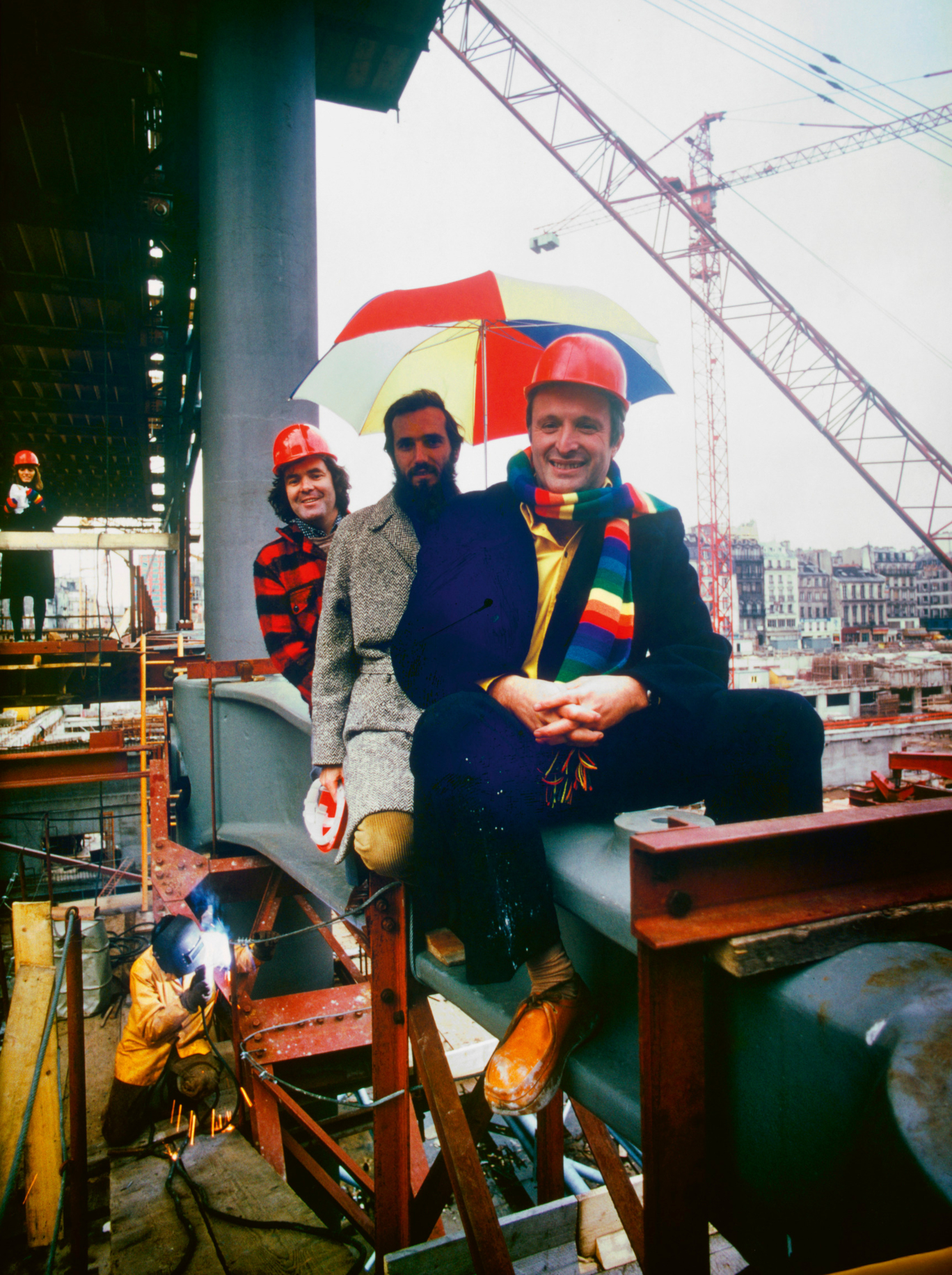
Richard Rogers. Image courtesy of Rogers Stirk Harbour + Partners
In 1967 the group would be dissolved and Rogers would be associated with the Italian Renzo Piano with whom he would be the winner of the contest for the Georges Pompidou National Center of Art and Culture (1972-1977) in Paris, a contest of which Jean Prouve was part of the jury. who was one of the biggest defenders of the couple's proposal. A proposal both criticized and praised for its clear technological vocation, with brightly colored pipes and vents in the center of Paris. A proposal with which they revolutionized the way of exhibiting and the concept of the museum, "transforming what was once an elite monument into a popular place for cultural exchange, located in the heart of the city."
He was a staunch defender of the potential of the city (His book with pink covers "Cities for a Small Planet" was one of his best sellers) as a center of social transformation, the British architect, considered architecture both an urban problem and an issue politics.
He passionately and eloquently defended the compact and complex city as the only formula for a sustainable city, presenting examples of sustainable urban projects that have become reference models in the history of contemporary architecture. His defense of the control of energy consumption and his clear conviction that sustainability is the only way marked the future of current architecture.
Rogers consolidated his career with associations such as the group Team 4, which consisted of couples Norman and Wendy Foster and himself with his first wife, Sue Rogers. With Team 4 he carried out his first job, the Reliance Controls Factory in Swindon (1966-1967), in England.
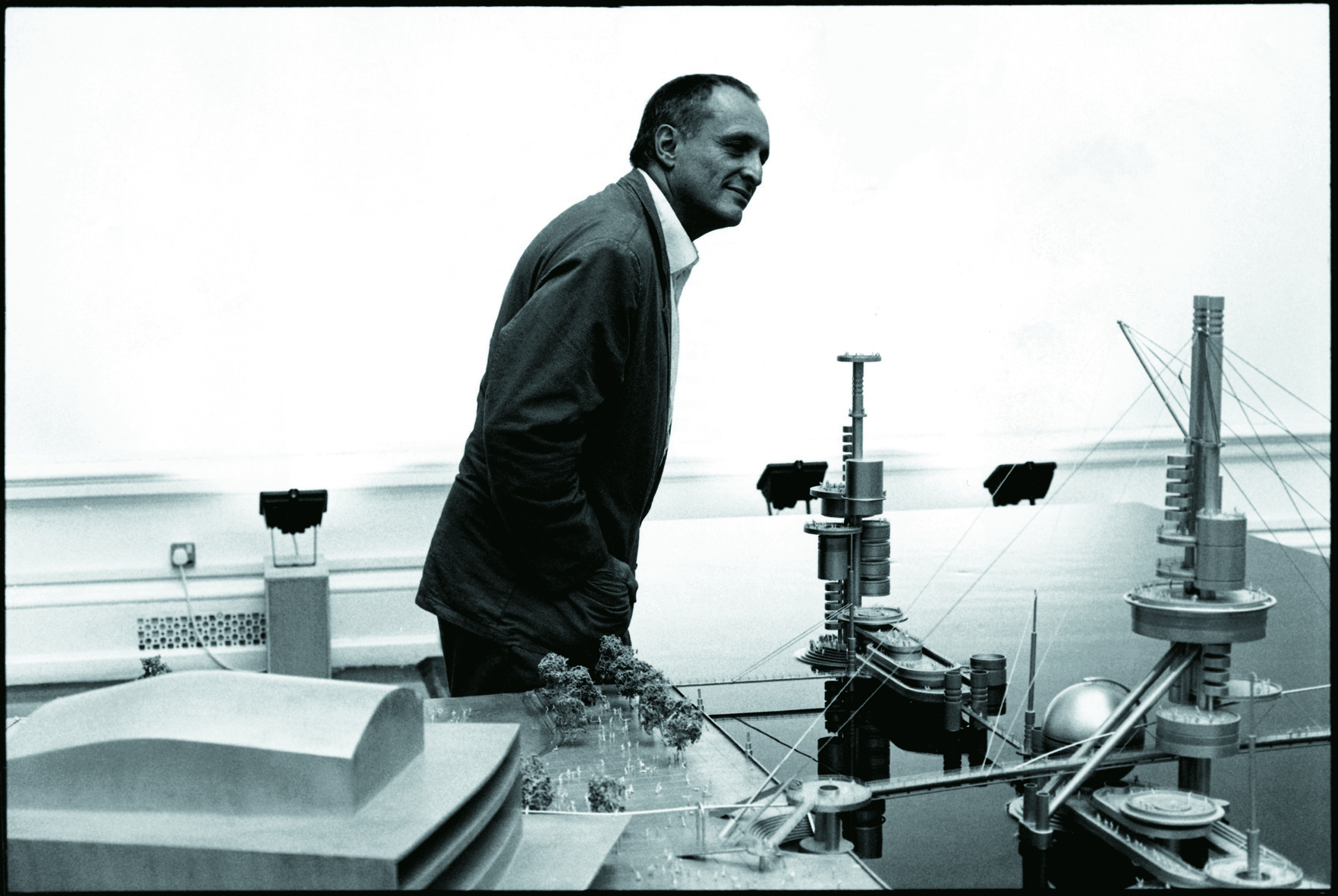
Richard Rogers. Image courtesy of Rogers Stirk Harbour + Partners
In 1967 the group would be dissolved and Rogers would be associated with the Italian Renzo Piano with whom he would be the winner of the contest for the Georges Pompidou National Center of Art and Culture (1972-1977) in Paris, a contest of which Jean Prouve was part of the jury. who was one of the biggest defenders of the couple's proposal. A proposal both criticized and praised for its clear technological vocation, with brightly colored pipes and vents in the center of Paris. A proposal with which they revolutionized the way of exhibiting and the concept of the museum, "transforming what was once an elite monument into a popular place for cultural exchange, located in the heart of the city."
Richard Rogers. Image courtesy of Rogers Stirk Harbour + Partners
In 1977 he founded his own studio in London as the Richard Rogers Partnership, with which he built outstanding works over the last four decades such as the London headquarters of the Lloyds firm (1978-1986) and the Lloyd's Register building (1993-2000) or the Barajas terminal T-4 in Madrid (1998-2006) together with the Spanish Antonio Lamela, work for which he received the “Stirling” prize for architecture, which is awarded annually by the Royal Institute of British Architects (RIBA).
A list of his most significant works are the European Court of Human Rights in Strasbourg (1989-1994) or the Palace of Justice in Bordeaux (1992-1998), both in France. London Heathrow Airport Terminal 5 (1989-2008); the Channel 4 building of the Gala TV in the British capital (1990-1994); the new financial district of Shanghai (1992-1994), in China; the Dome of the New Millennium (1996-1999), in London; the headquarters of the Welsh National Assembly in Cardiff (1998-2005); or the London Grand Union building (2001).
Among his work projected in Spain are the Bodegas Protos at the foot of the castle of Peñafiel (1993-1999), Valladolid; the Balearic Park for Technological Innovation "ParcBIT" (1995-2001), active in Mallorca since 2002; the Hesperia Hotel and Convention Center in Barcelona (1999-2006); and the remodeling of the old Las Arenas de Barcelona bullring into a leisure center (2000-2006).
He was appointed Sir Richard George Rogers, since 1991, and had received the Order of the French Legion of Honor. He was an Honorary Friend of Barcelona (1997), for his collaboration in changing the city, and had been awarded the Thomas Jefferson Memorial Foundation Medal (1999) and the Praemium Imperiale (2000).
In 1977 he founded his own studio in London as the Richard Rogers Partnership, with which he built outstanding works over the last four decades such as the London headquarters of the Lloyds firm (1978-1986) and the Lloyd's Register building (1993-2000) or the Barajas terminal T-4 in Madrid (1998-2006) together with the Spanish Antonio Lamela, work for which he received the “Stirling” prize for architecture, which is awarded annually by the Royal Institute of British Architects (RIBA).
A list of his most significant works are the European Court of Human Rights in Strasbourg (1989-1994) or the Palace of Justice in Bordeaux (1992-1998), both in France. London Heathrow Airport Terminal 5 (1989-2008); the Channel 4 building of the Gala TV in the British capital (1990-1994); the new financial district of Shanghai (1992-1994), in China; the Dome of the New Millennium (1996-1999), in London; the headquarters of the Welsh National Assembly in Cardiff (1998-2005); or the London Grand Union building (2001).
Among his work projected in Spain are the Bodegas Protos at the foot of the castle of Peñafiel (1993-1999), Valladolid; the Balearic Park for Technological Innovation "ParcBIT" (1995-2001), active in Mallorca since 2002; the Hesperia Hotel and Convention Center in Barcelona (1999-2006); and the remodeling of the old Las Arenas de Barcelona bullring into a leisure center (2000-2006).
He was appointed Sir Richard George Rogers, since 1991, and had received the Order of the French Legion of Honor. He was an Honorary Friend of Barcelona (1997), for his collaboration in changing the city, and had been awarded the Thomas Jefferson Memorial Foundation Medal (1999) and the Praemium Imperiale (2000).