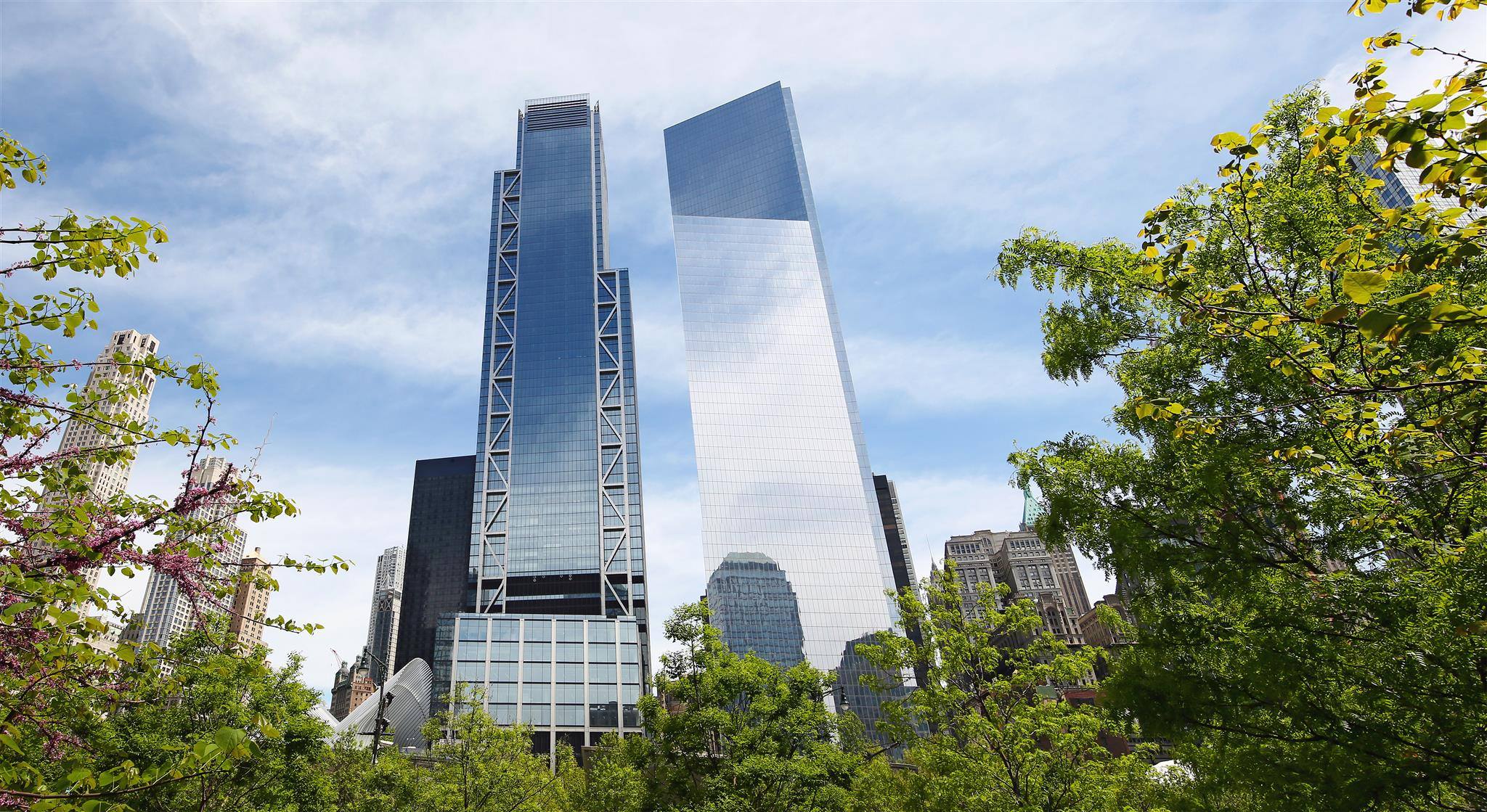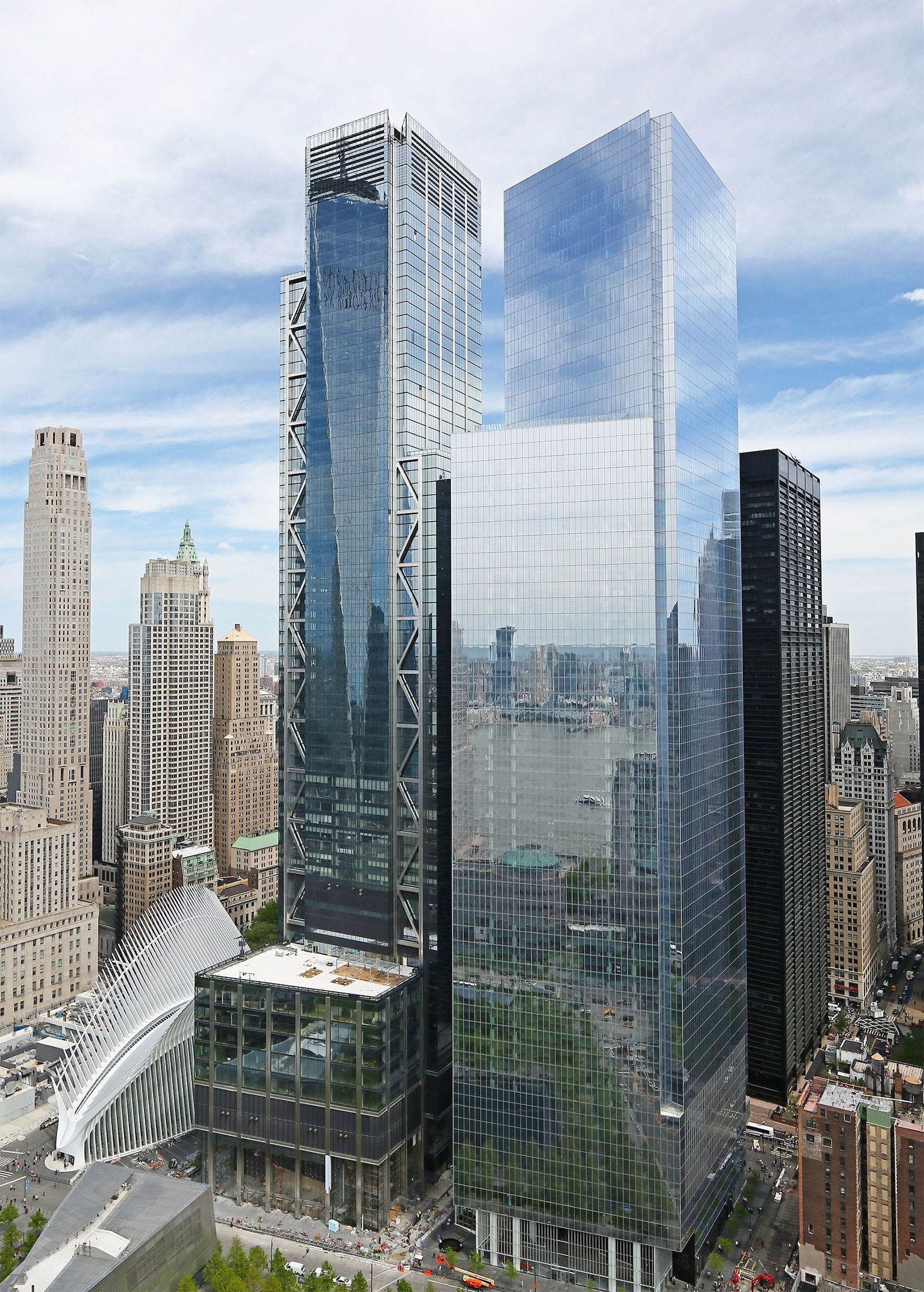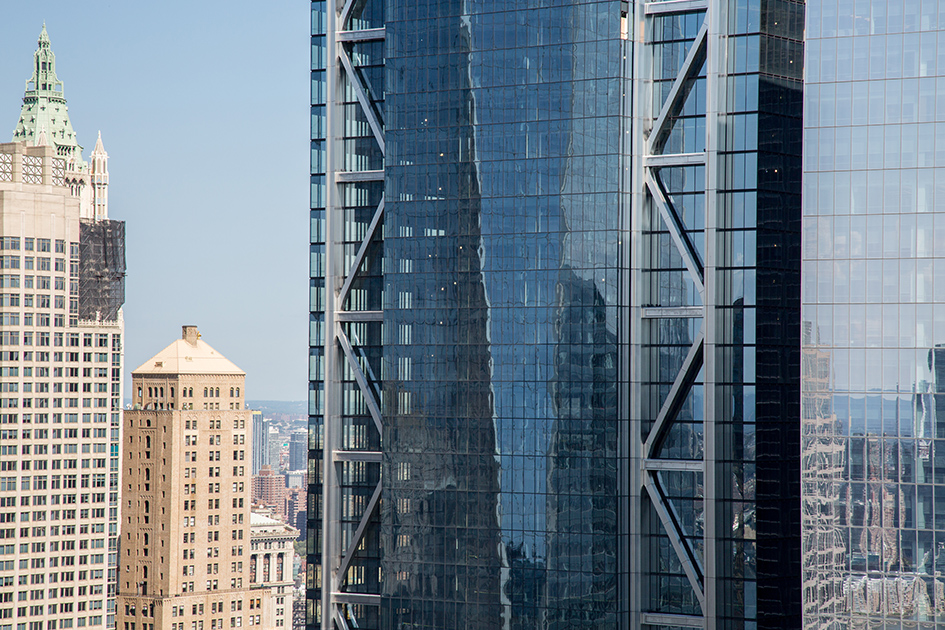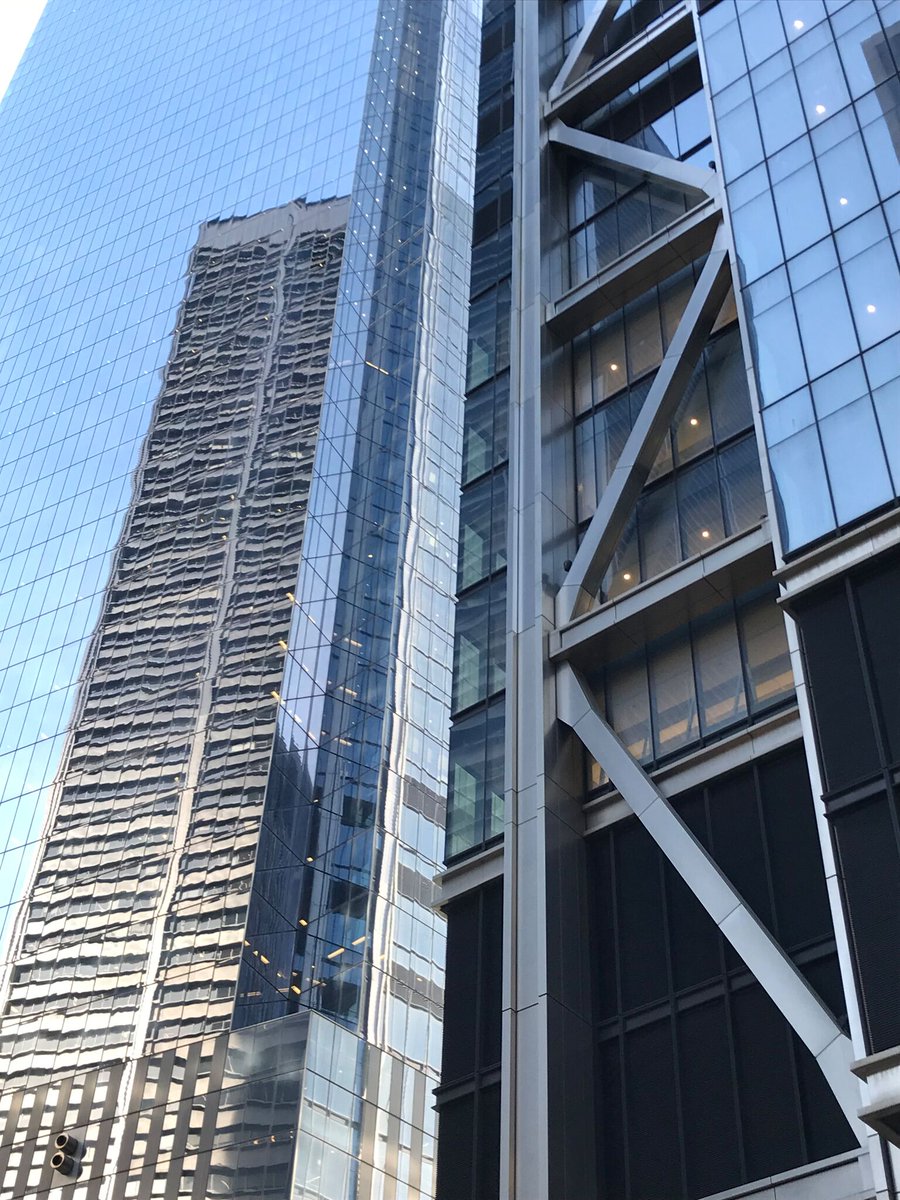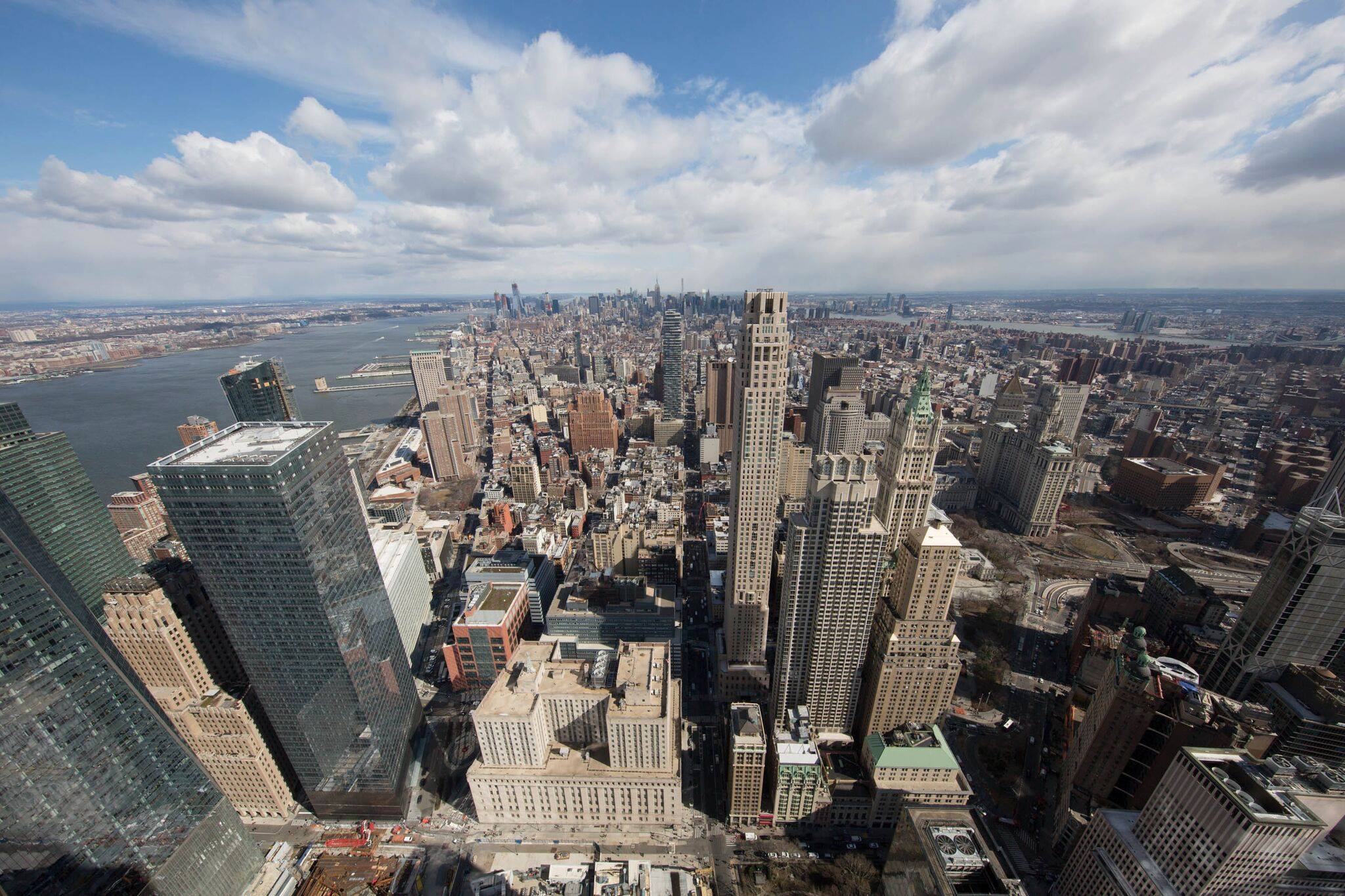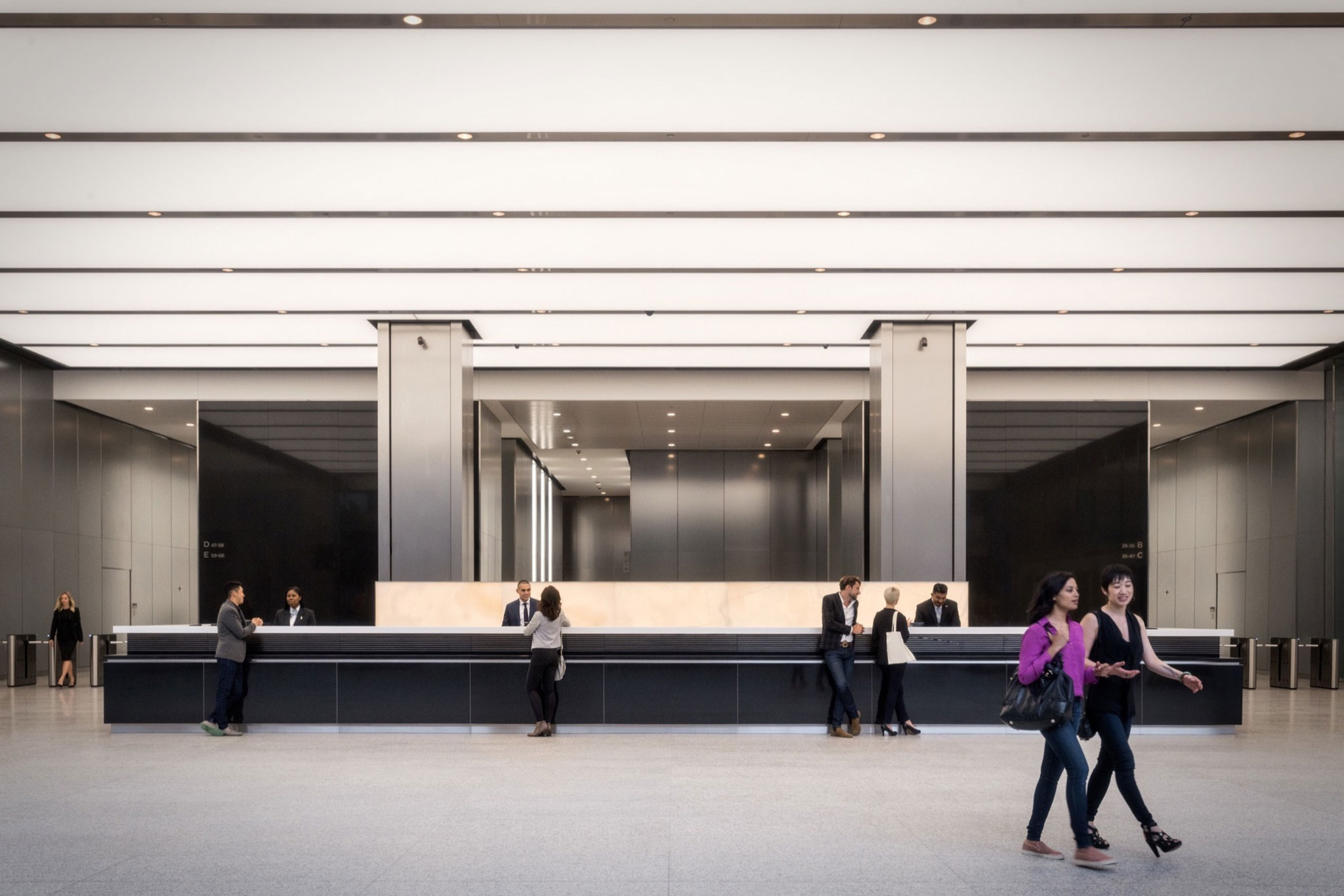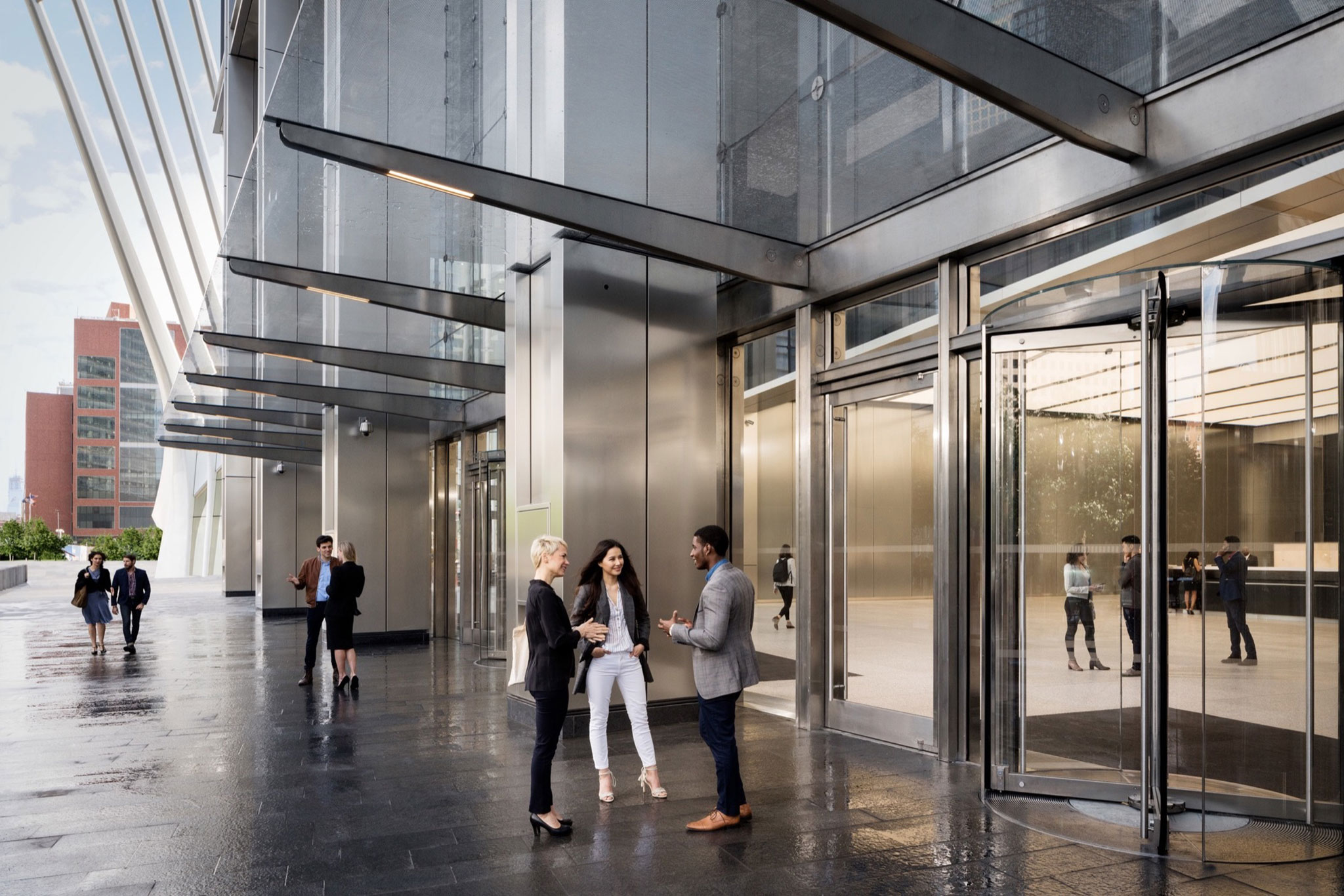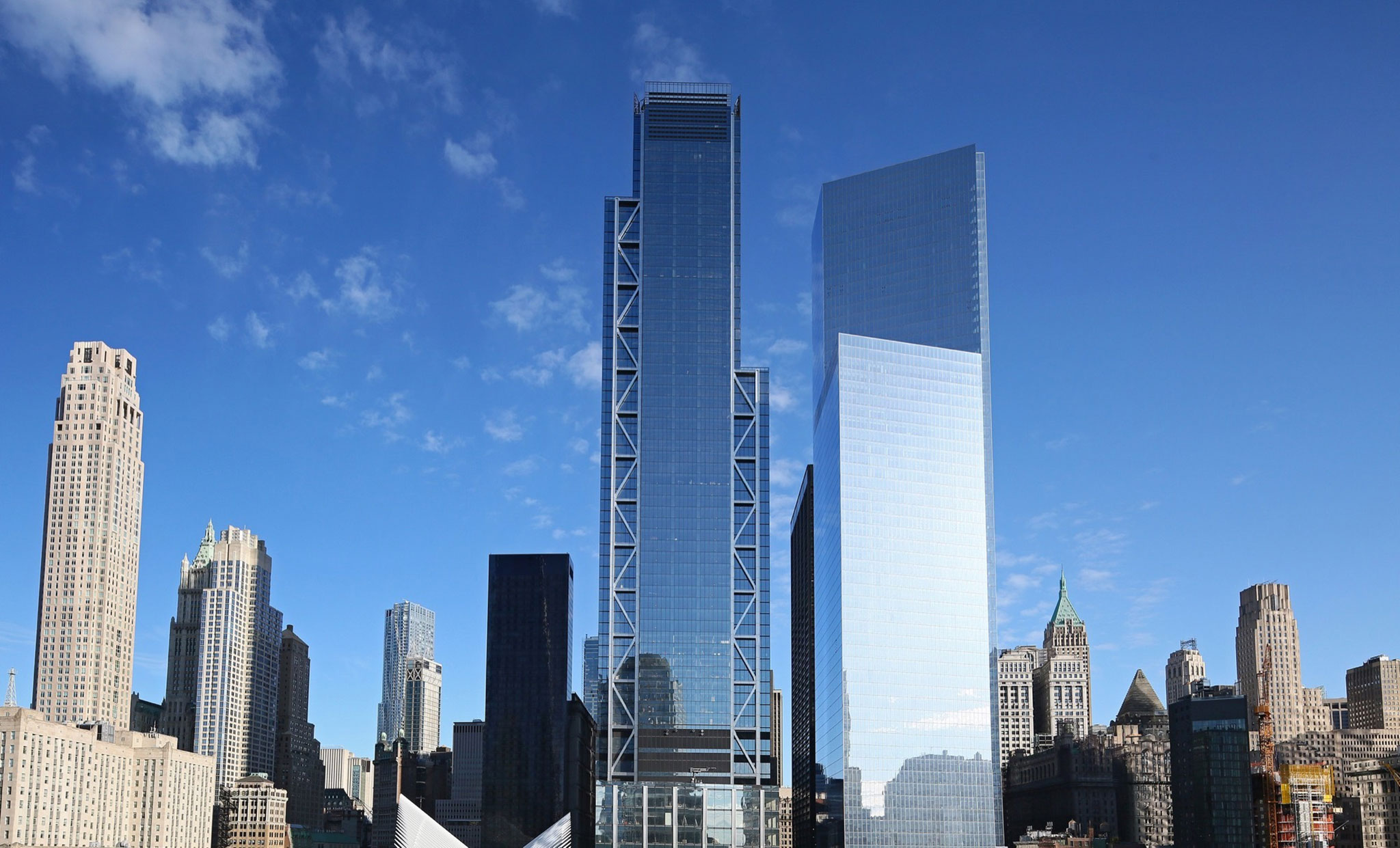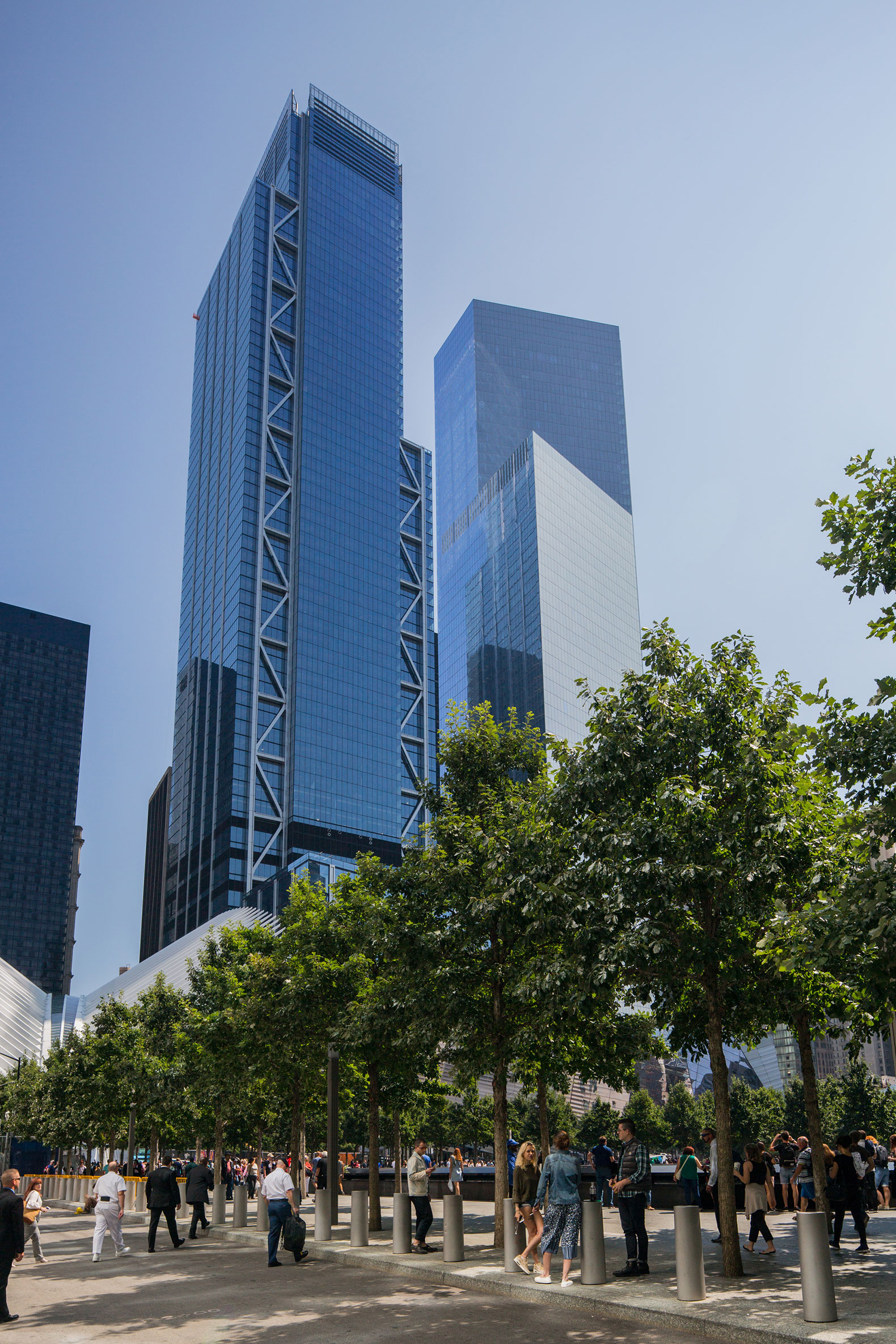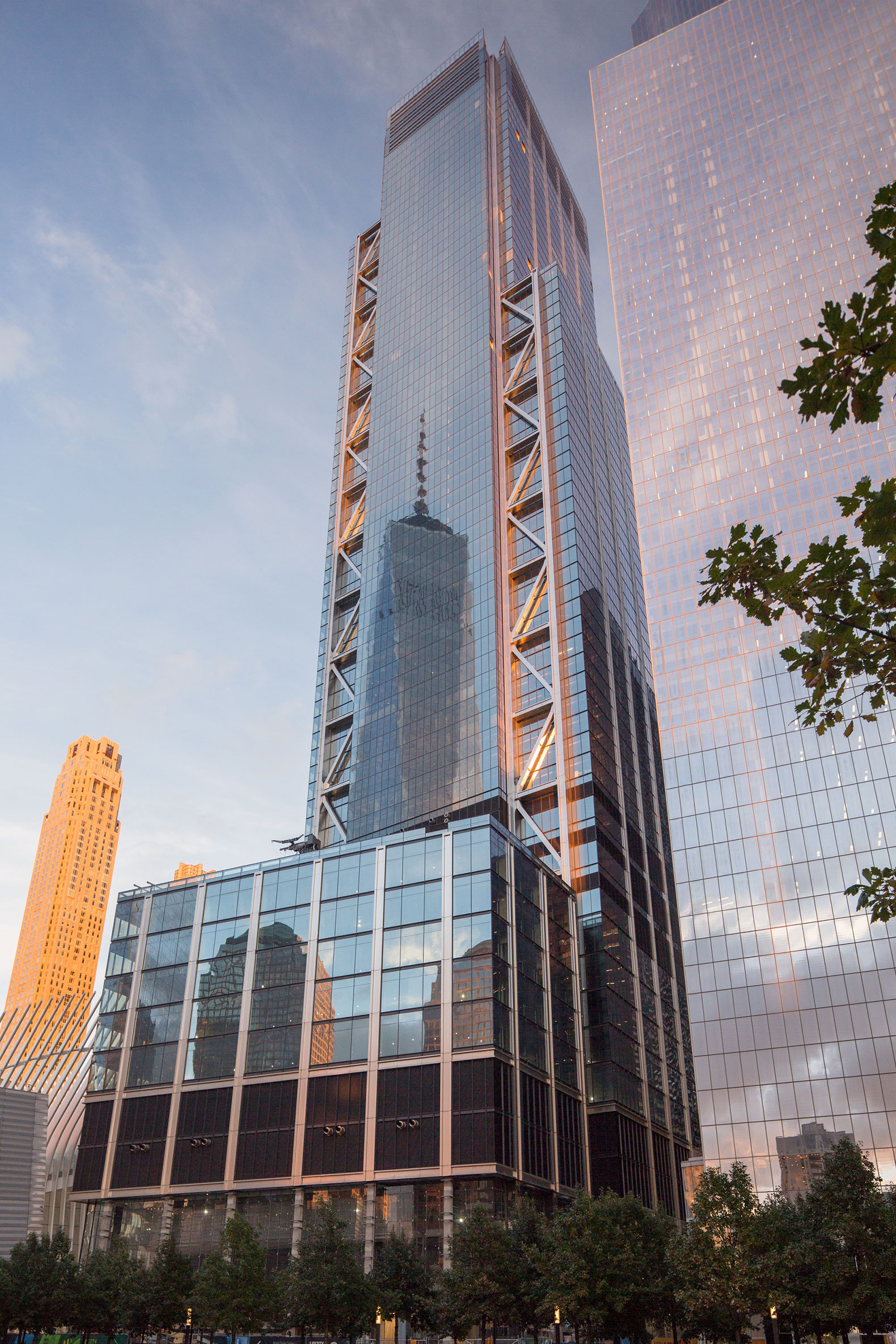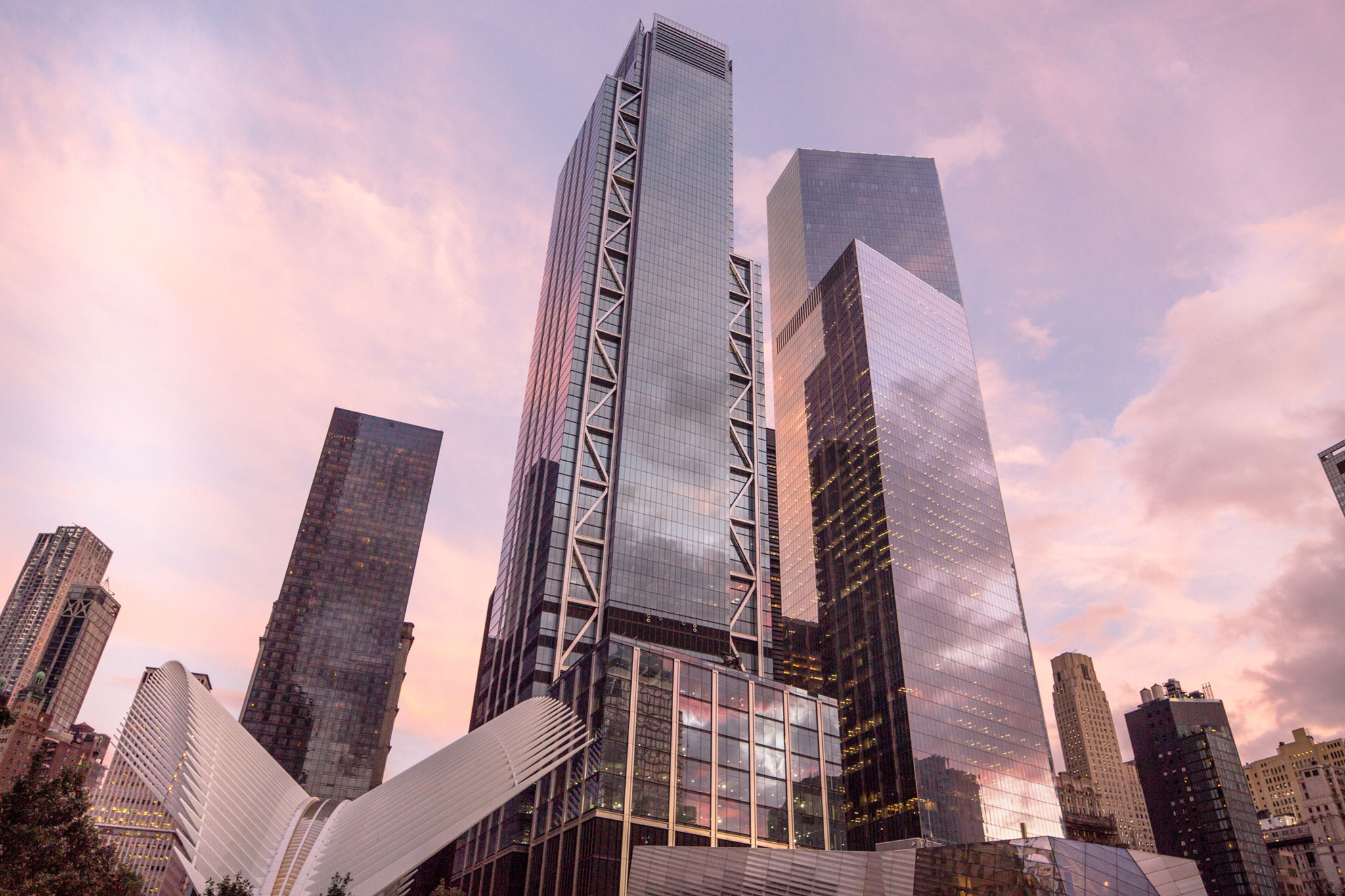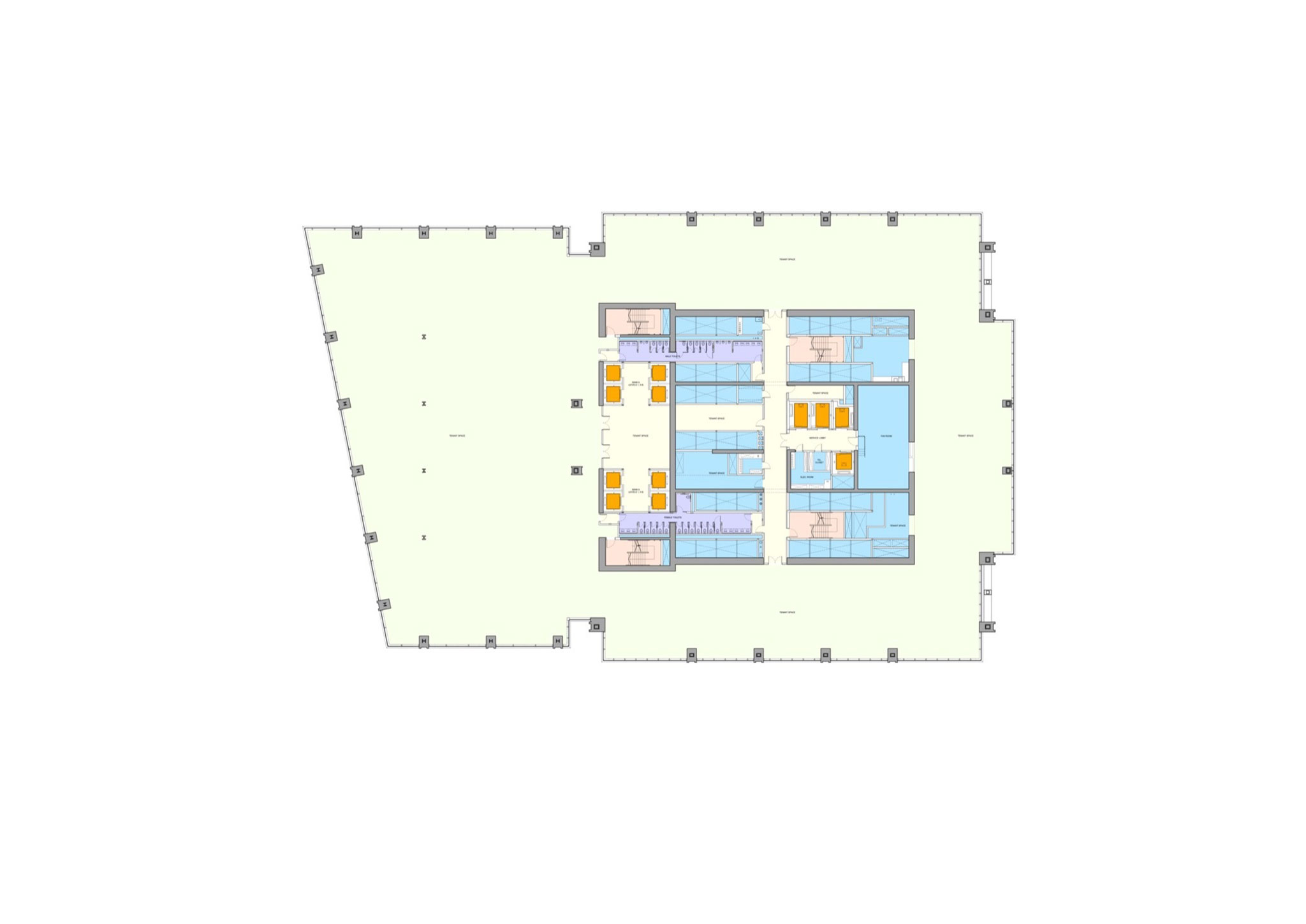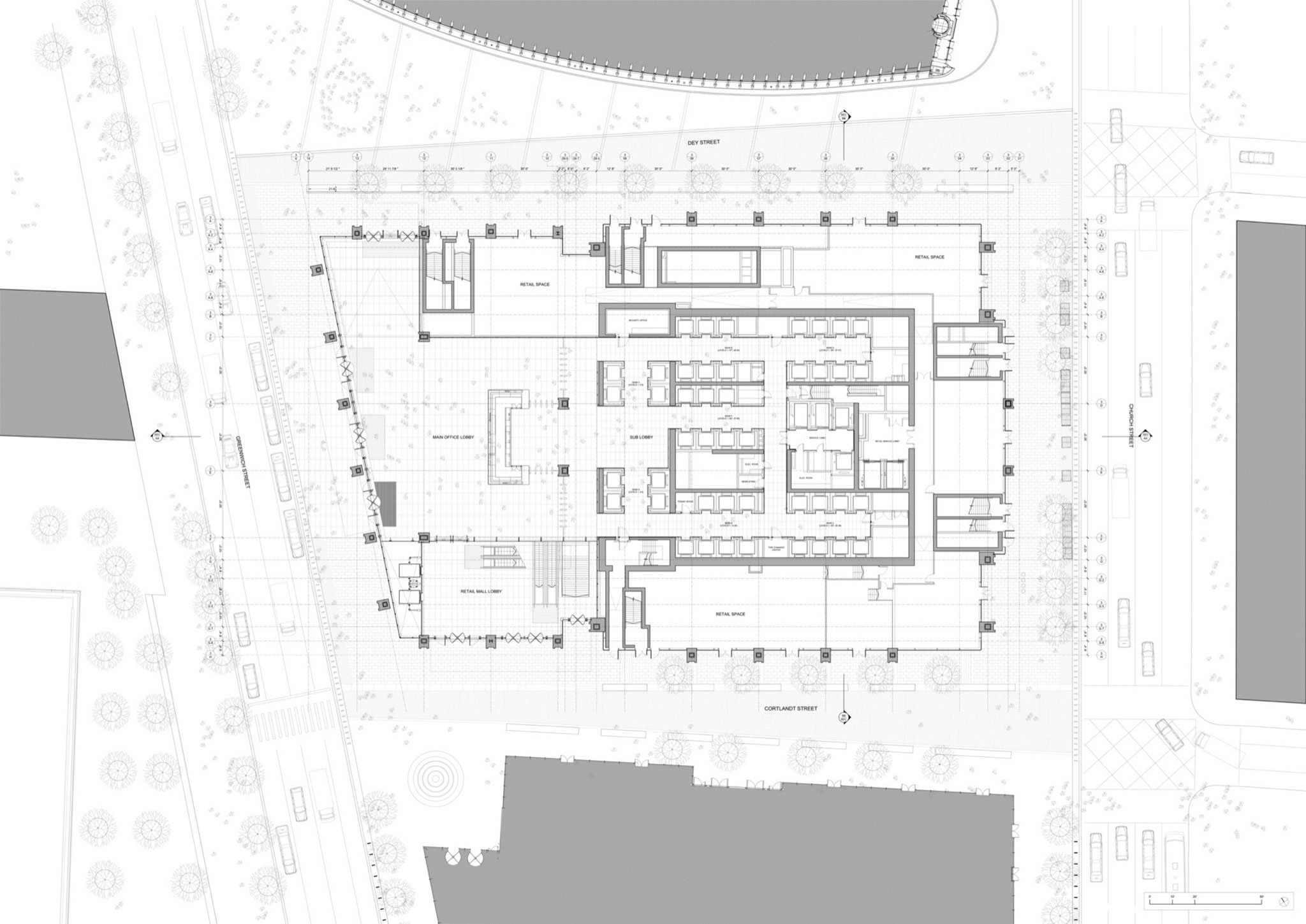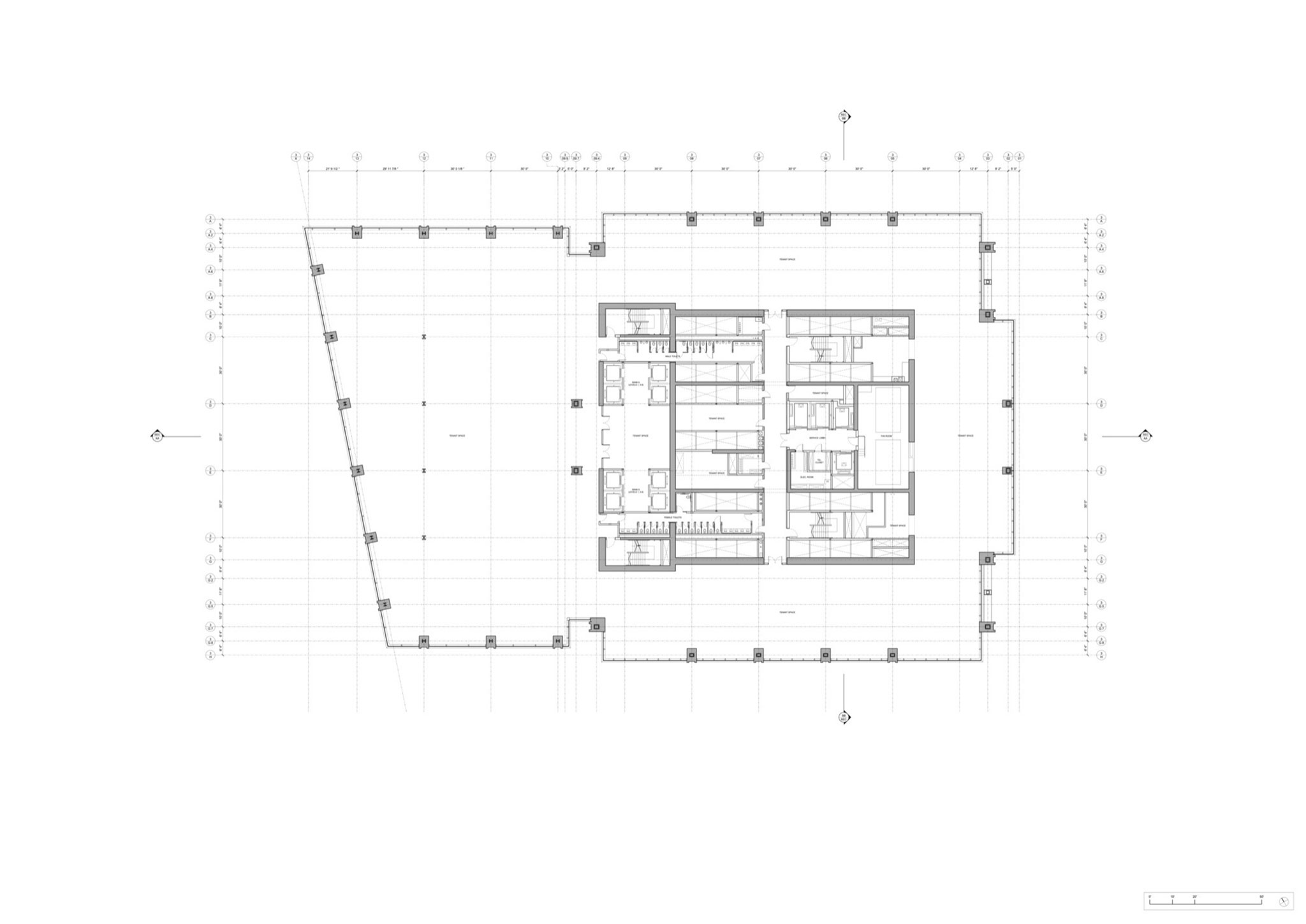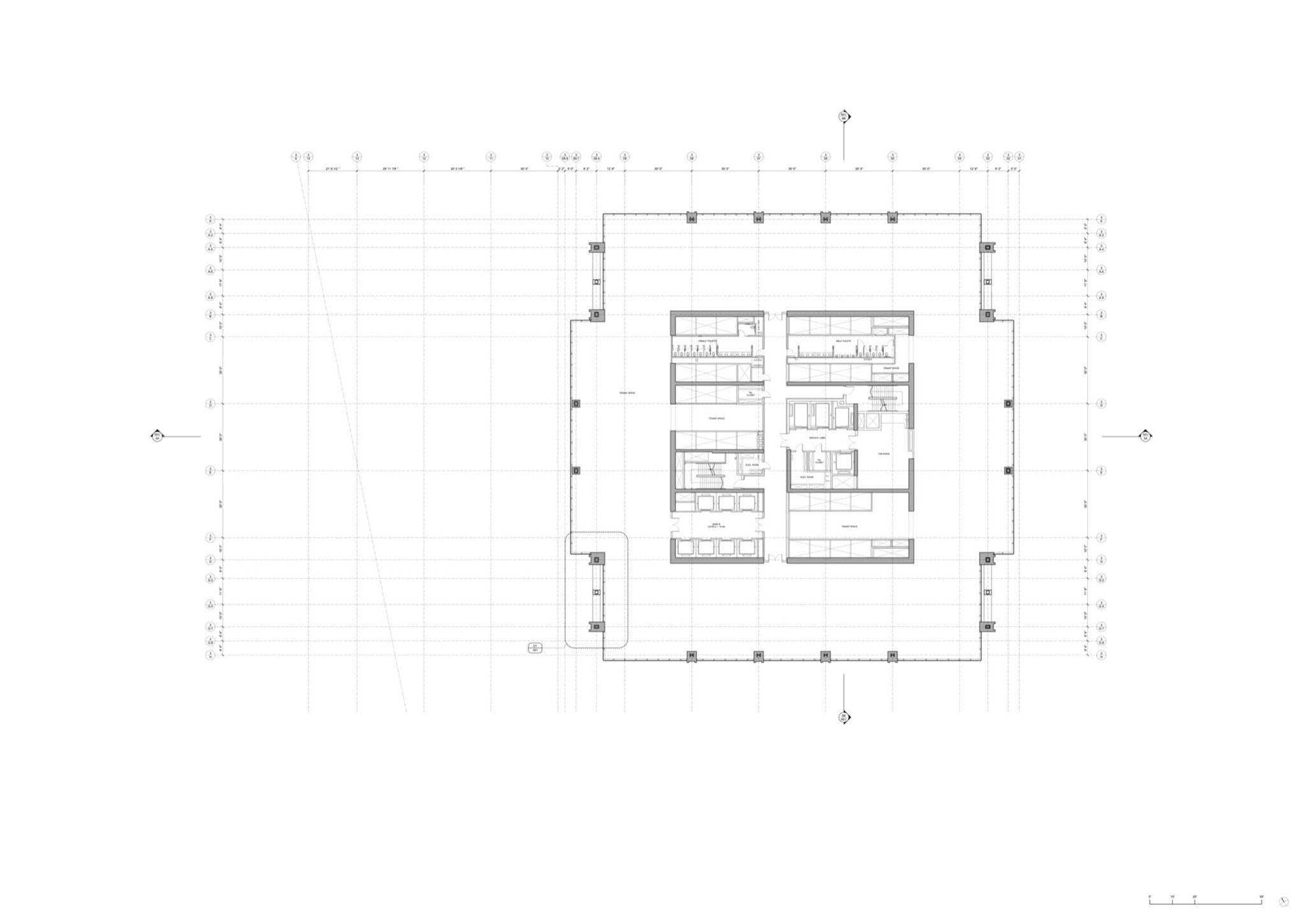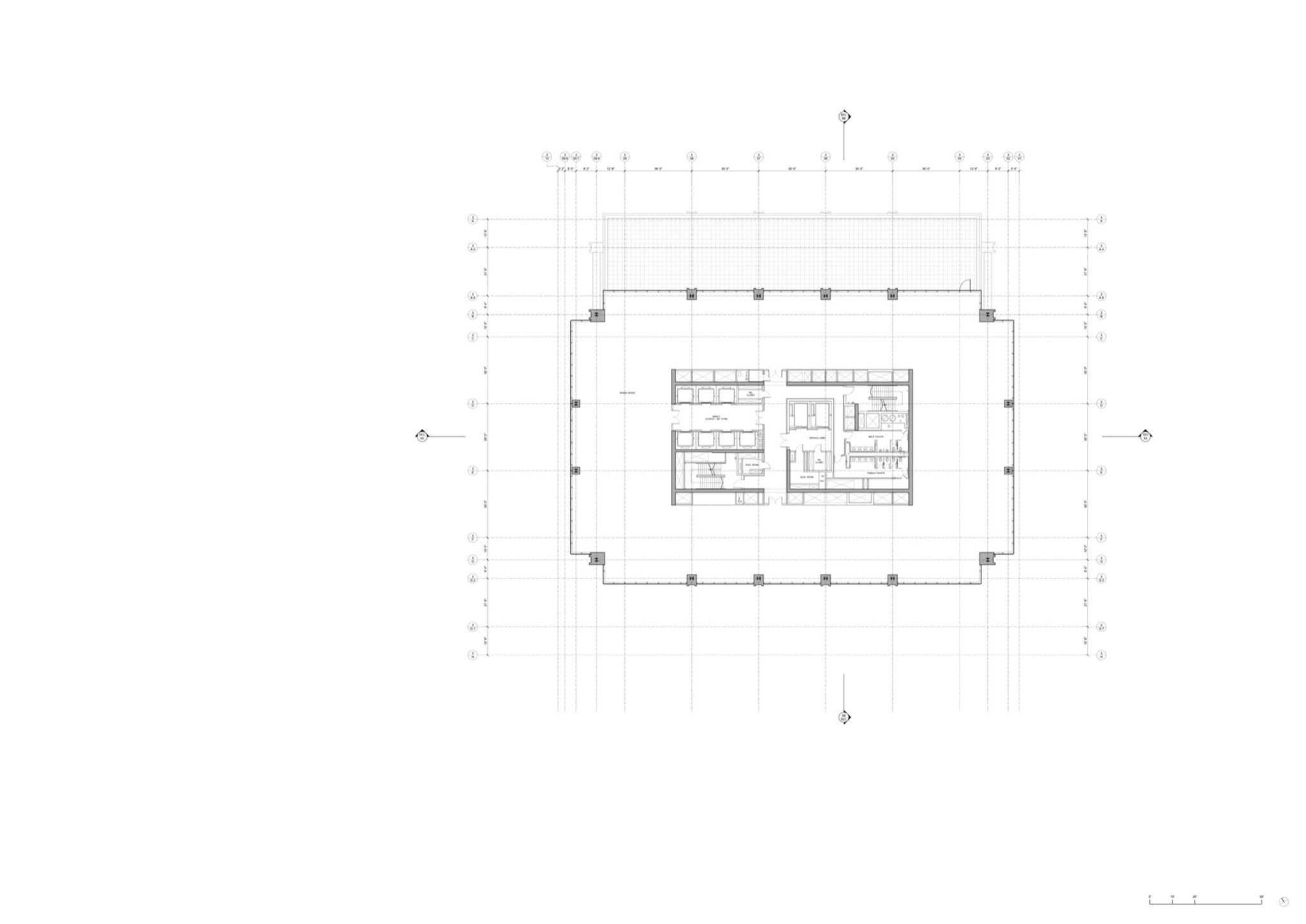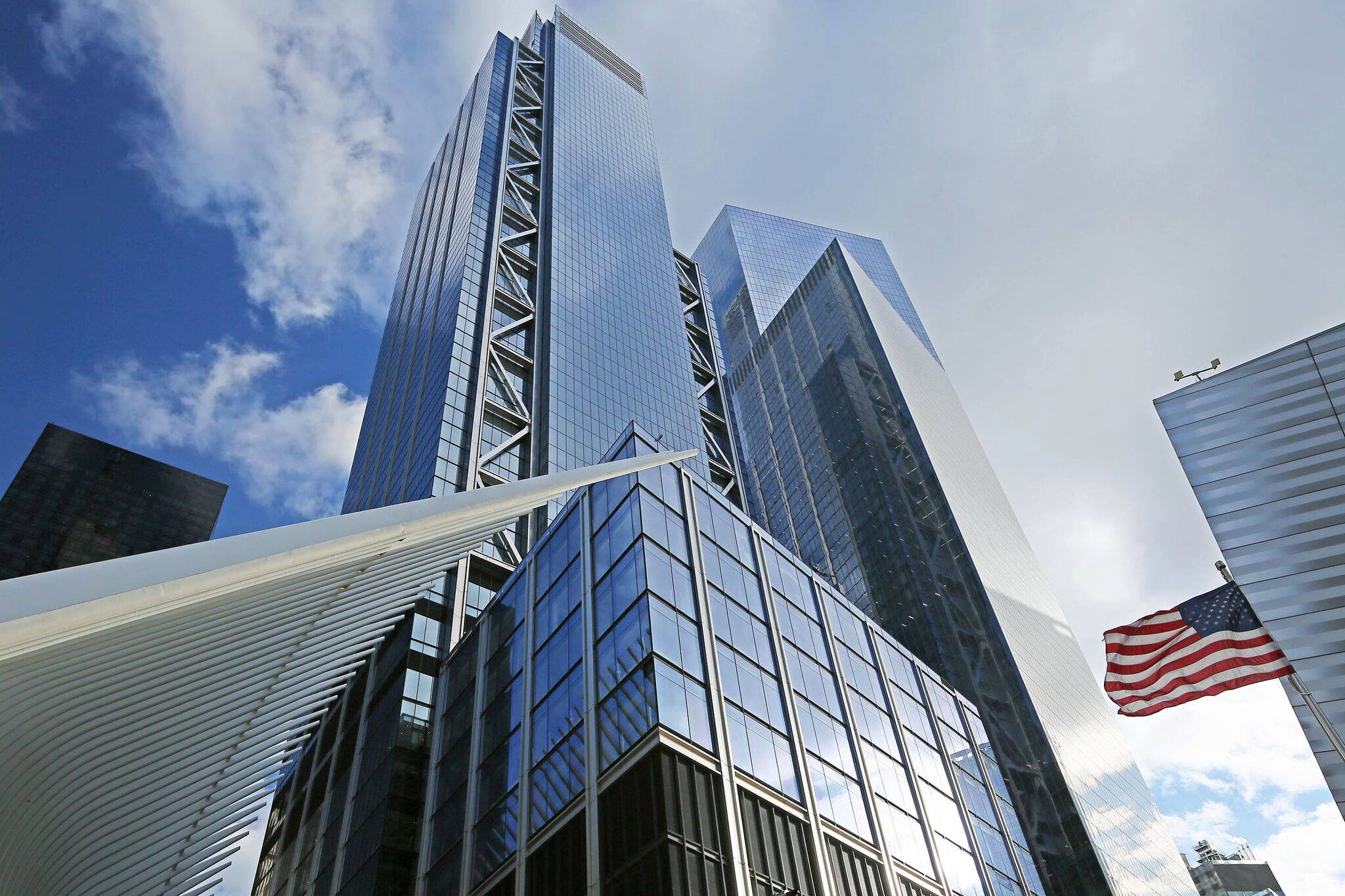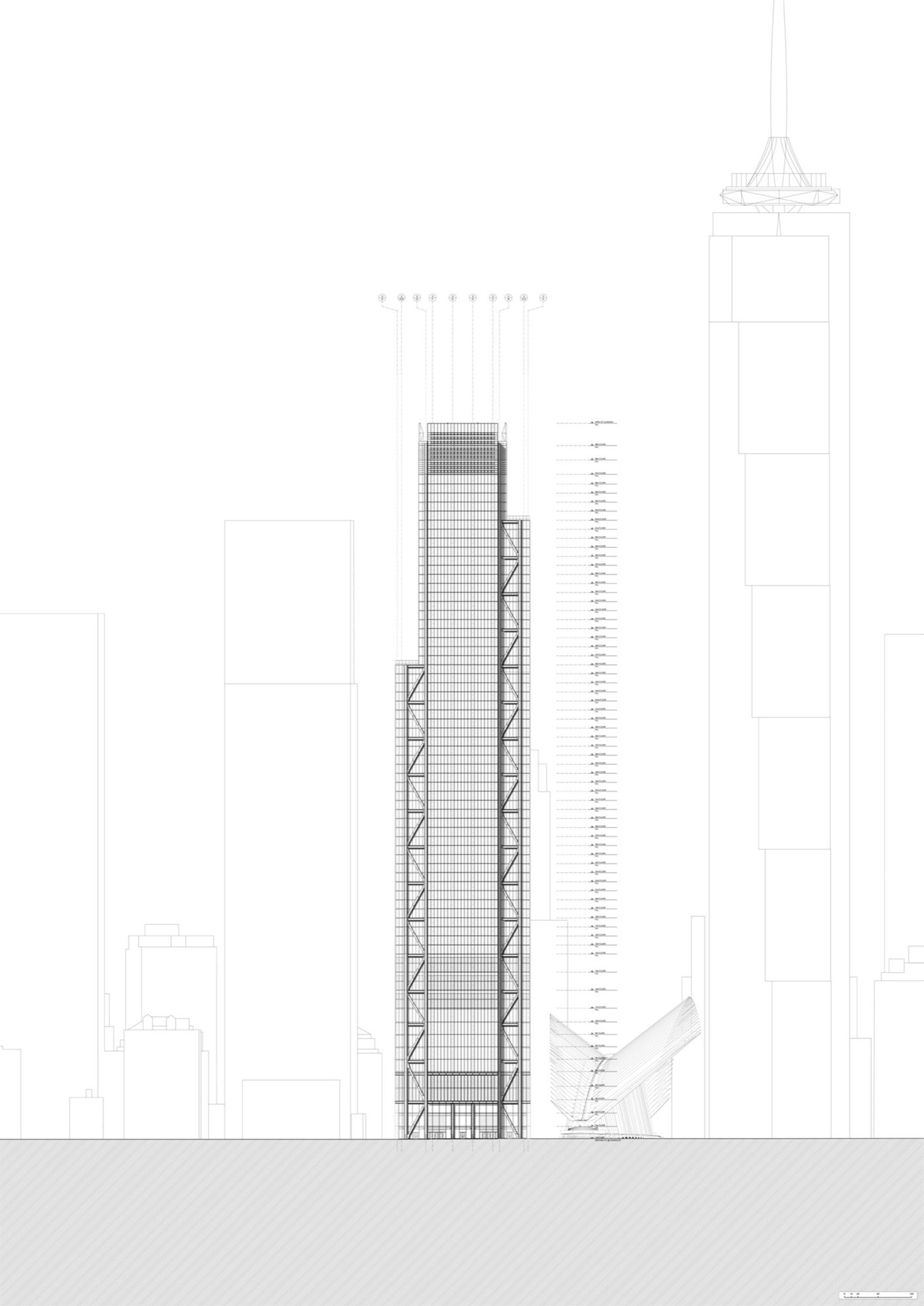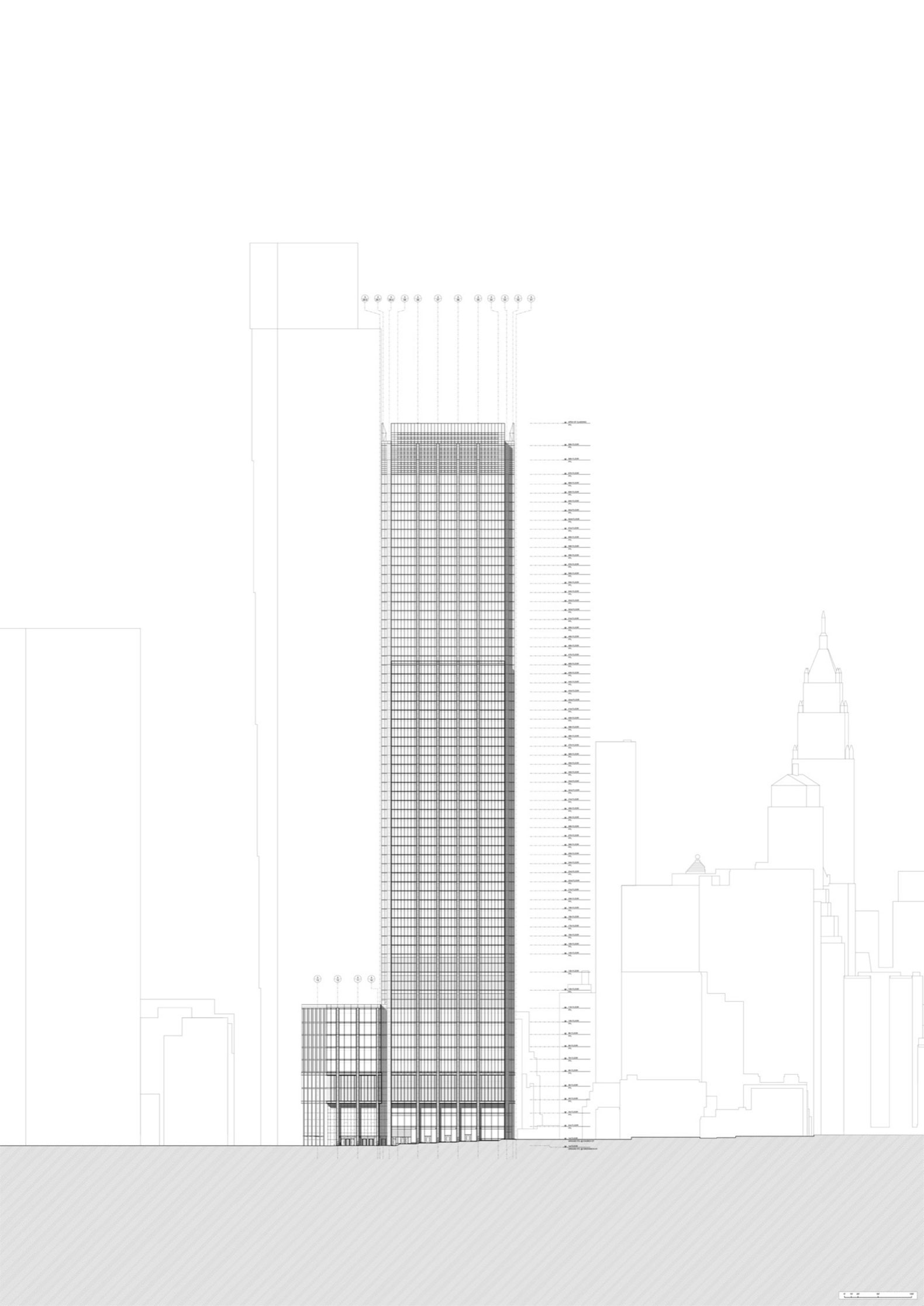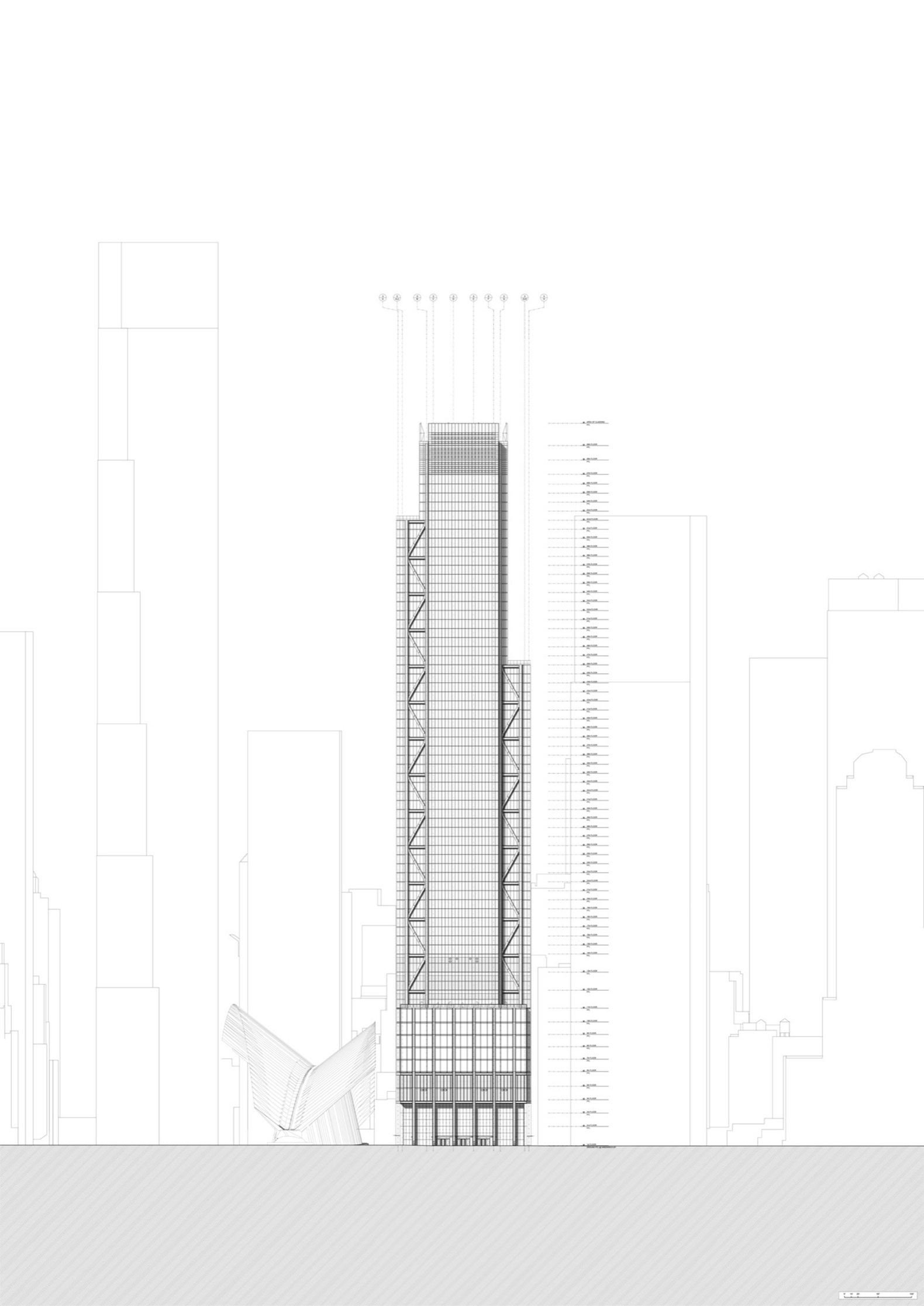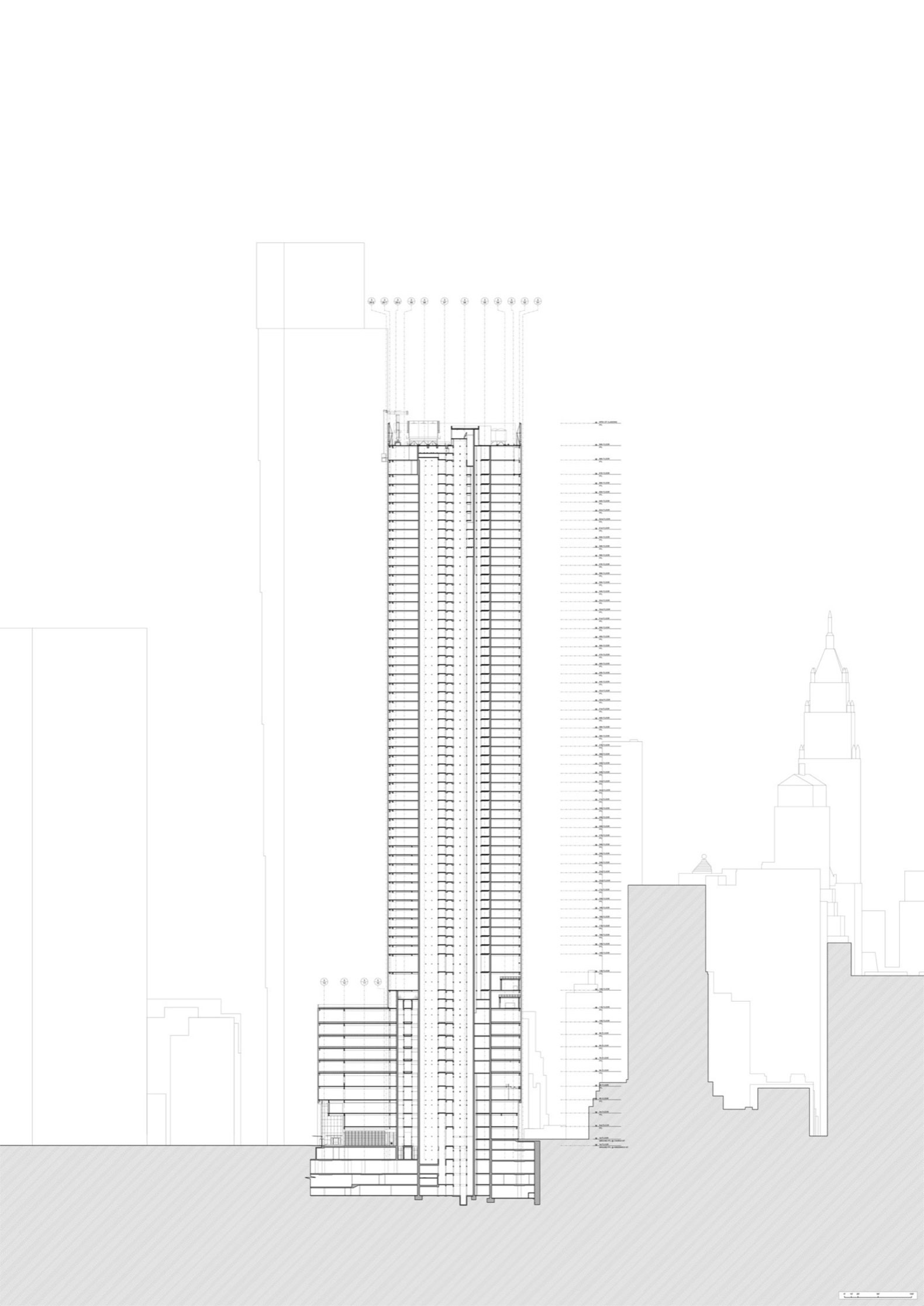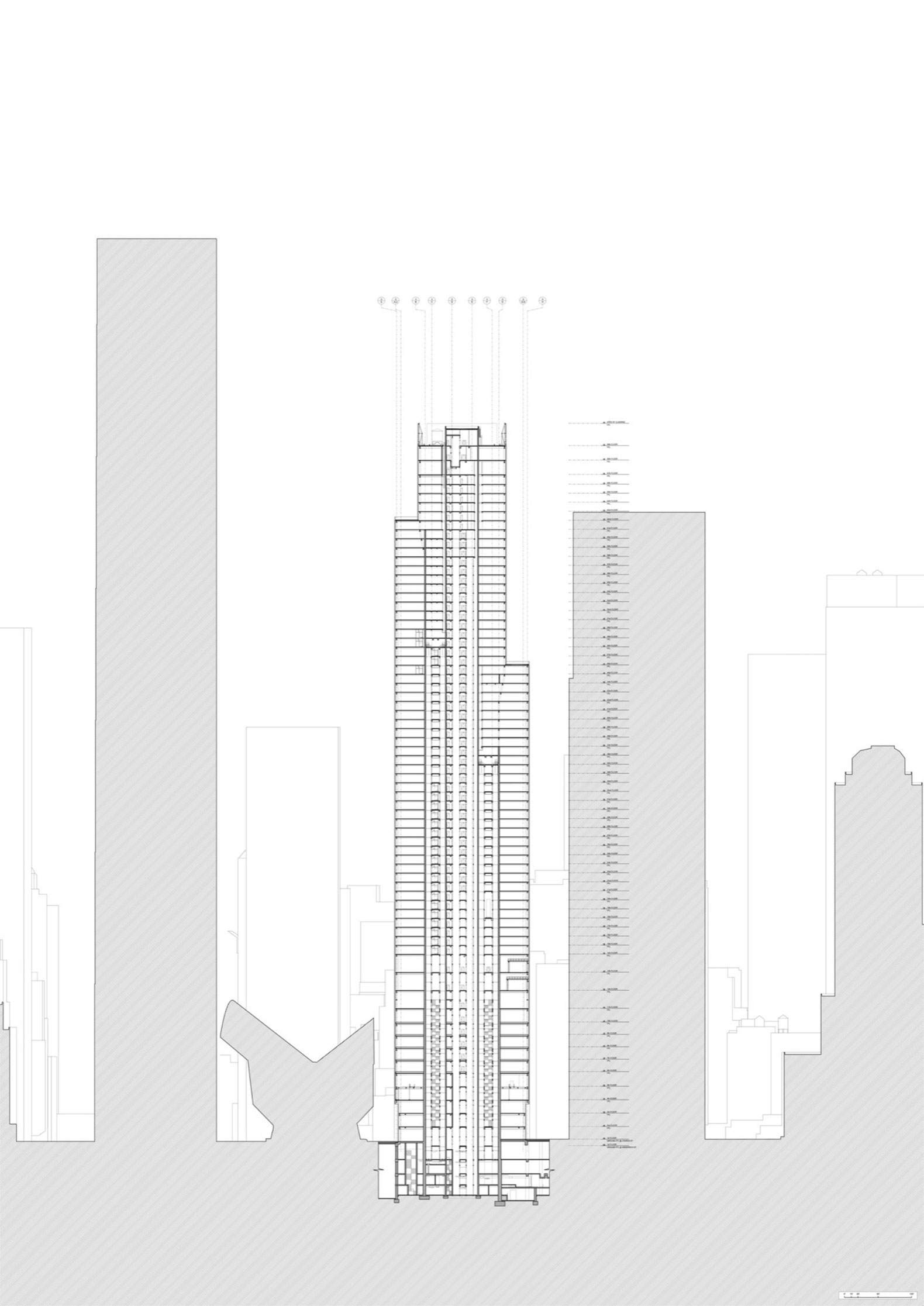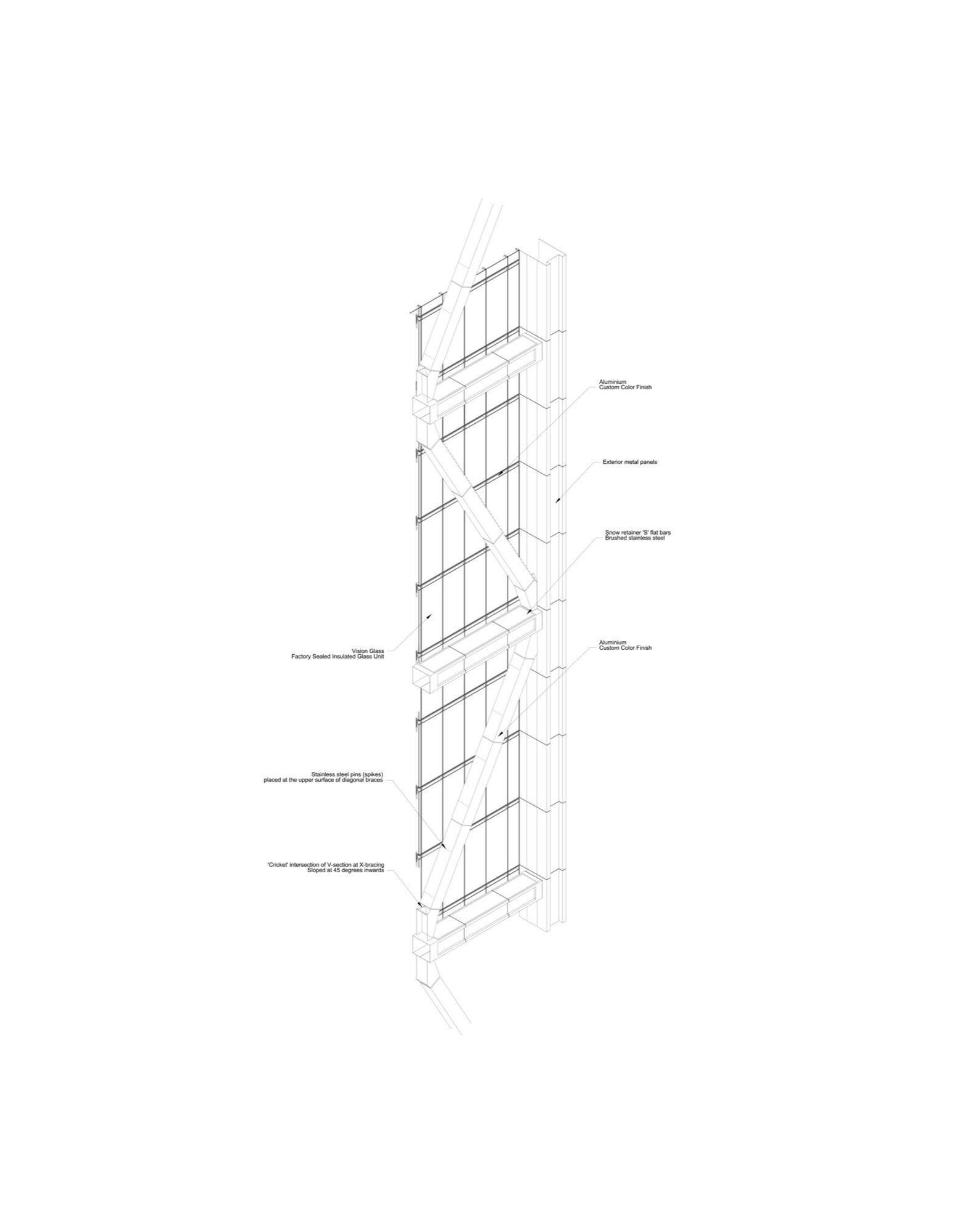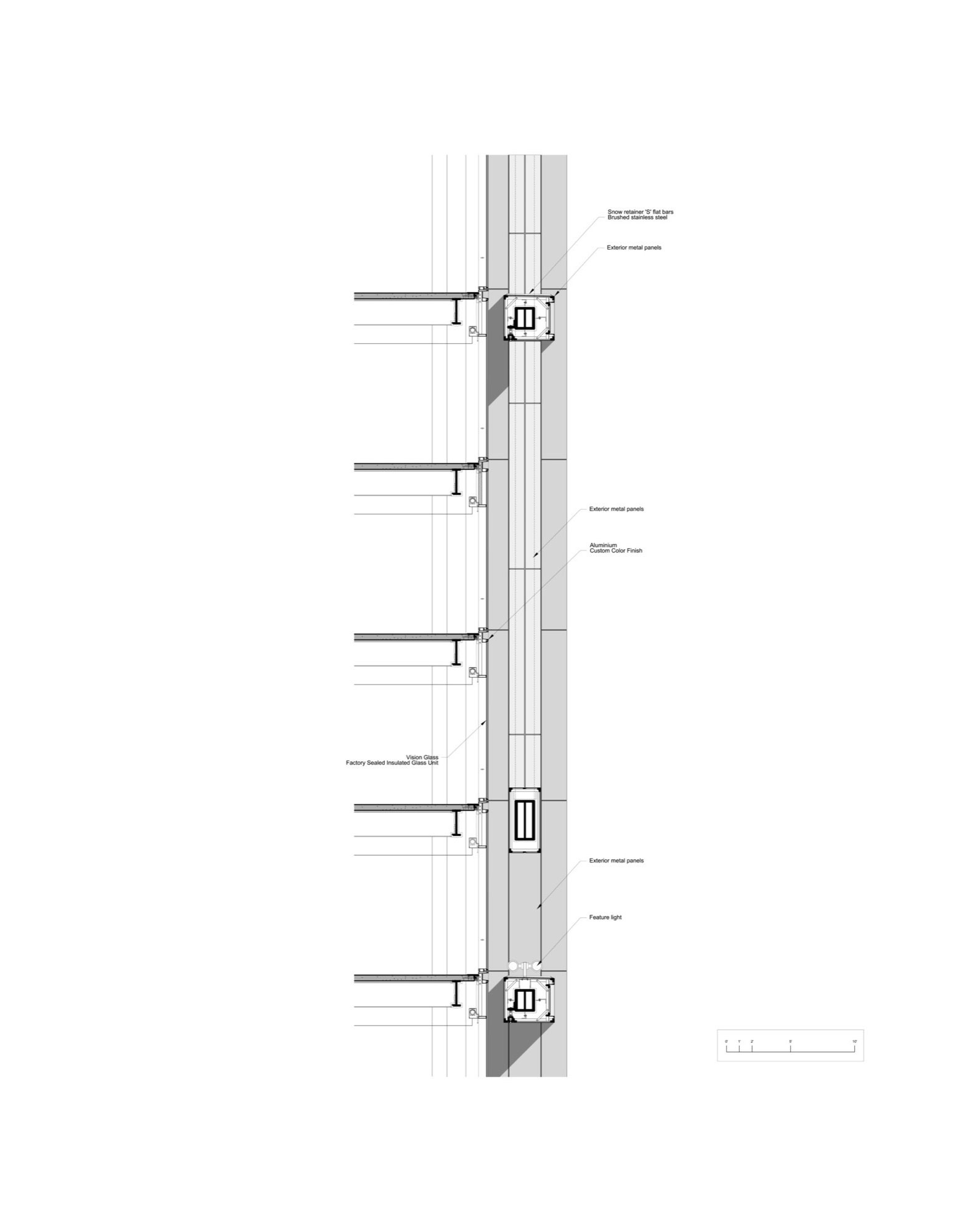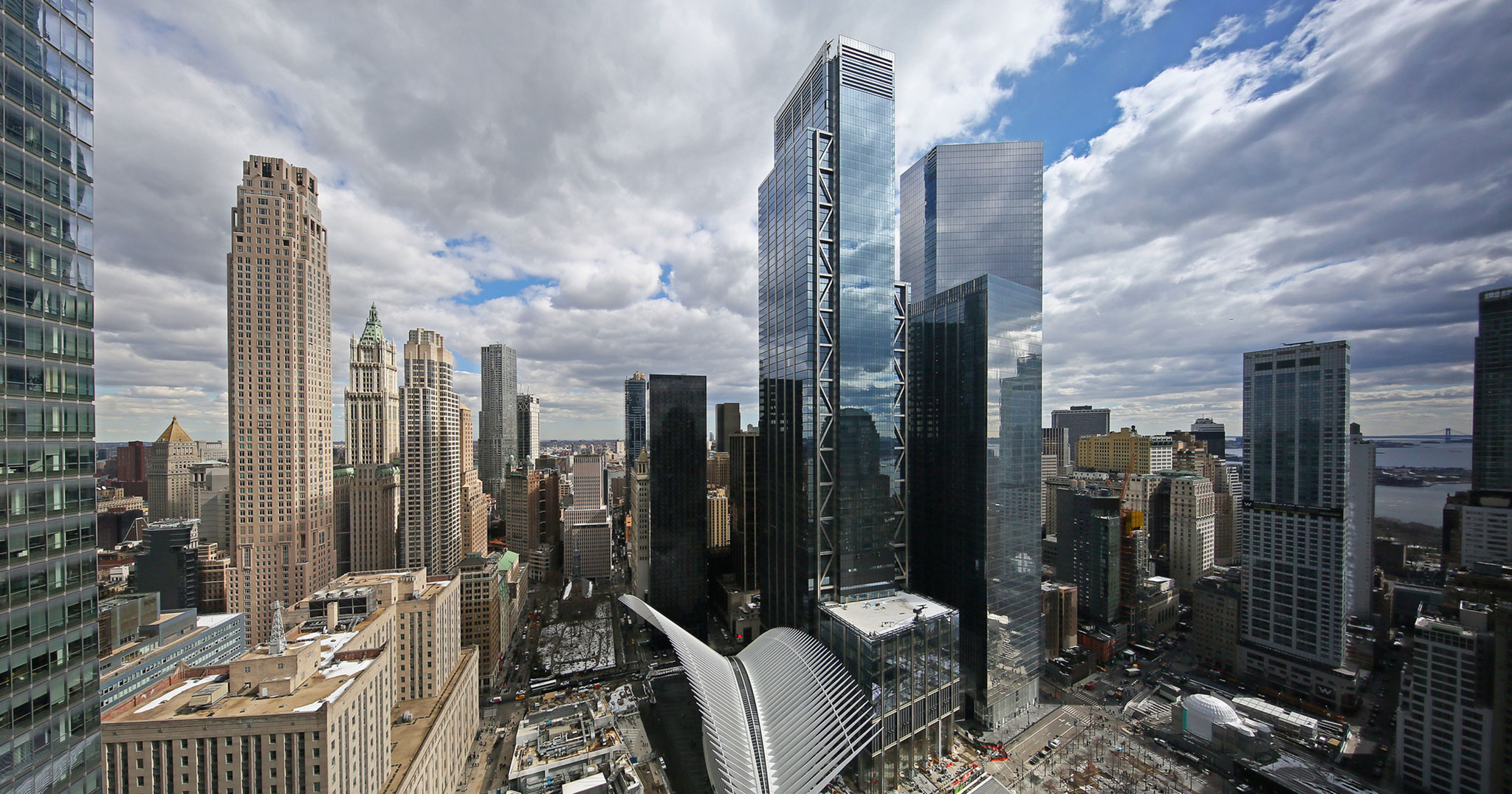
The 80-storey tower, designed by the Pritzker Prize winner Richard Rogers and his firm Rogers Stirk Harbor + Partners, consists of a reinforced concrete core and covered by a steel structure of K-shaped creep, leaving the plant free that allows a panoramic view.
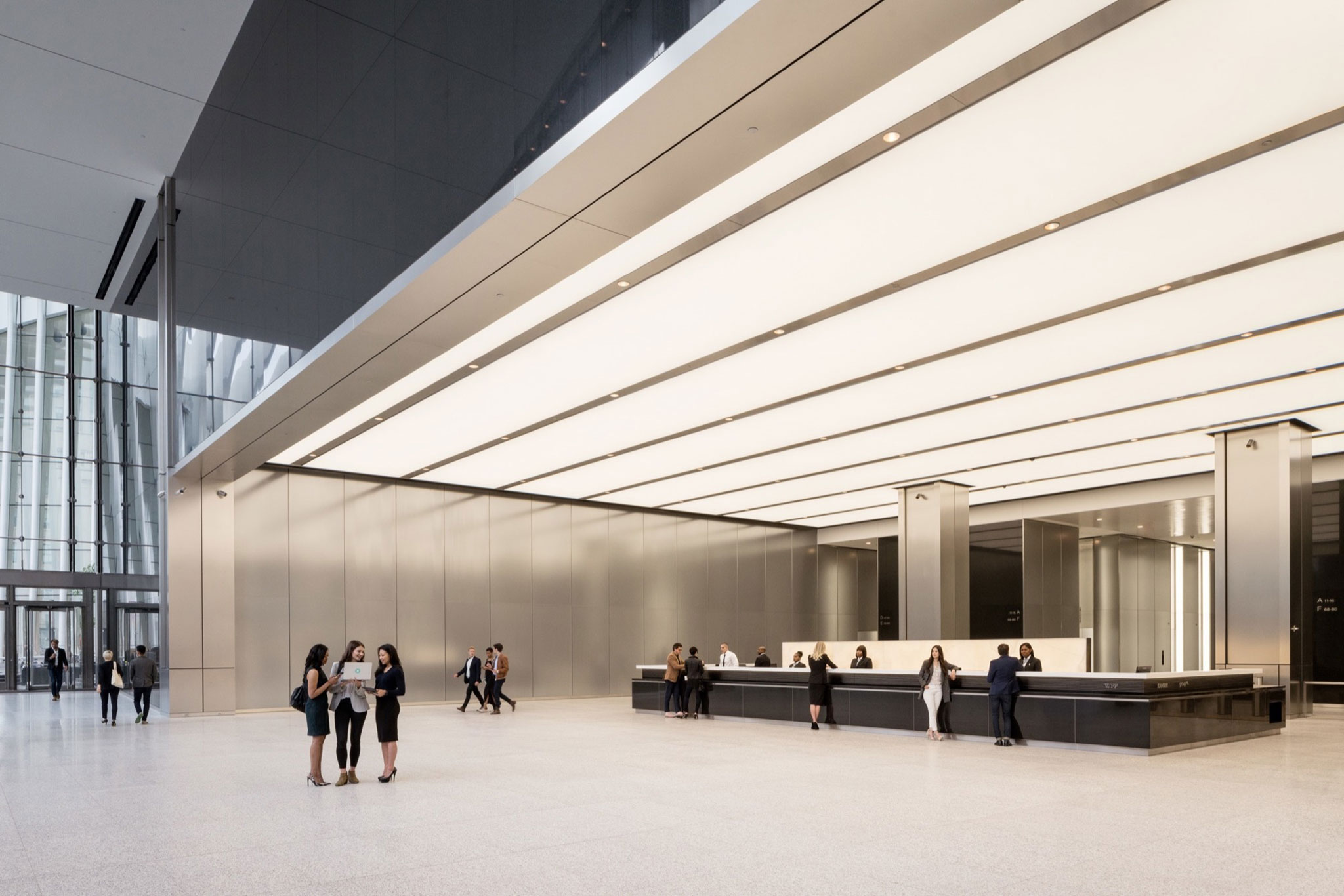
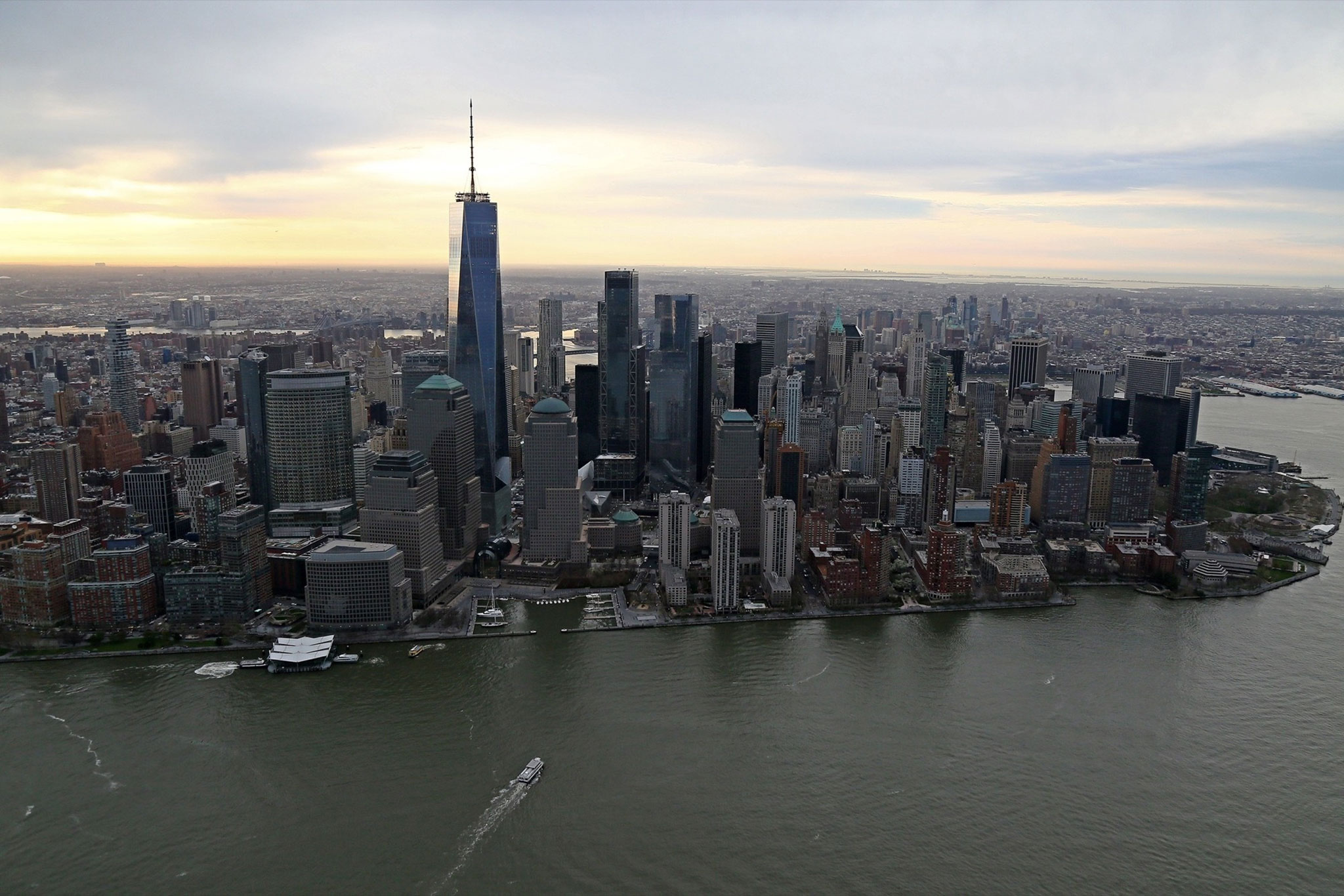
Silverstein Properties, a full-service real estate development, investment and management firm, today opened New York City’s fifth-tallest tower, 3 World Trade Center. Commemorated by a ribbon-cutting ceremony held in the building’s lobby with the developer Larry Silverstein, government leaders and building tenants in attendance, the completion of the 80-story, 2.5 million-square-foot office building marks a milestone for the new World Trade Center, becoming the second-to-last tower to open on the 16-acre site. 3 WTC will welcome more than 6,000 new employees to Lower Manhattan this year, from tenants GroupM, McKinsey and IEX.
Silverstein Properties, a full-service real estate development, investment and management firm, today opened New York City’s fifth-tallest tower, 3 World Trade Center. Commemorated by a ribbon-cutting ceremony held in the building’s lobby with the developer Larry Silverstein, government leaders and building tenants in attendance, the completion of the 80-story, 2.5 million-square-foot office building marks a milestone for the new World Trade Center, becoming the second-to-last tower to open on the 16-acre site. 3 WTC will welcome more than 6,000 new employees to Lower Manhattan this year, from tenants GroupM, McKinsey and IEX.
“The new 3 World Trade Center is a soaring symbol of the revitalization of downtown New York City and a testament to the enduring spirit of New Yorkers after 9/11. 3 World Trade will be a hub of commercial activity and growth for the city and support our efforts to ensure New York remains the economic capital of the world," said Governor Andrew Cuomo.
“The continued resurgence of Lower Manhattan is a powerful demonstration of the resilience of New York City. We rose from tragedy bigger, bolder, stronger, and still open to the world. 3WTC is the next chapter in that story,” said Mayor Bill de Blasio.
Located at 175 Greenwich Street, 3 WTC was designed by Pritzker prize-winning architecture firm Rogers Stirk Harbour + Partners. Featuring a reinforced concrete core encased by a steel structure and defined by its load-sharing system of K-shaped bracing, the building has floor-to-ceiling glass and column-free floor plates, creating unobstructed 360-degree panoramic views of New York City.
With a total of 2.5 million square feet of office space, the 80-story tower will feature 30,000 to 70,000 square foot floors with 360-degree Manhattan views and 13-foot 6” to 24-foot ceilings. Three floors (17, 60 and 76) offer tenants access to outdoor terrace space. Consistent with the Silverstein organization’s commitment to sustainable design and energy efficiency, and following 7 and 4 WTC, 3 WTC will be a LEED-certified Gold office tower.
Richard Rogers, founding partner, Rogers Stirk Harbour + Partners said: “It has been a great privilege to design one of the new buildings on this key site in New York. We are particularly delighted that we have been working in the heart of this vibrant city. This was a complex and challenging project, but one which has helped to contribute to the revitalization of New York City and one which will help to inspire a new hope for the city’s future.”
Richard Paul, Partner and Project Lead, Rogers Stirk Harbour + Partners said: “This building is an exceptional location within the revitalized urban fabric of Lower Manhattan. It makes a significant step towards a new sense of place in New York’s World Trade Center. The new workplace will bring vitality to the area and with the extensive public realm, a new sense of urban integration.”
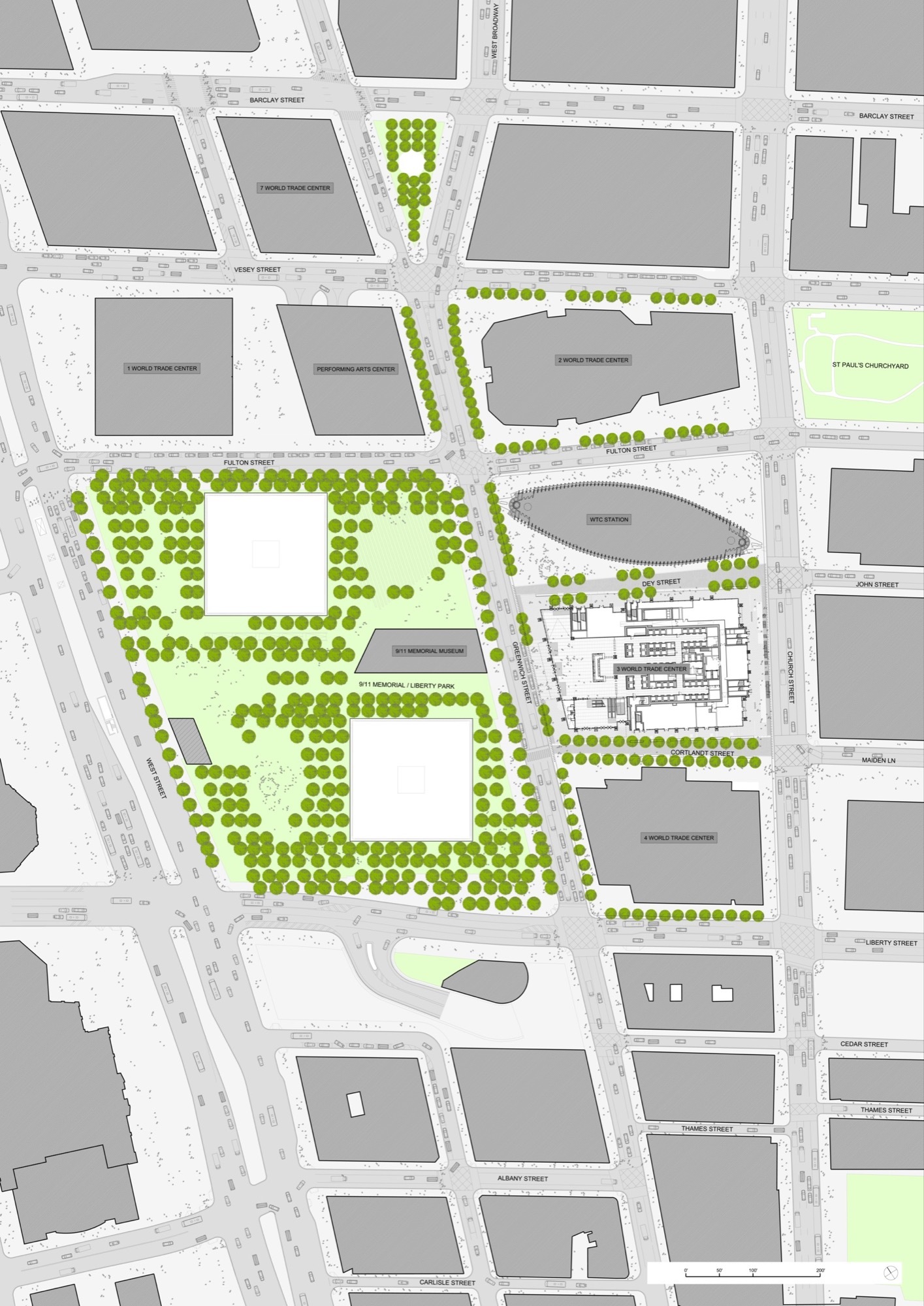
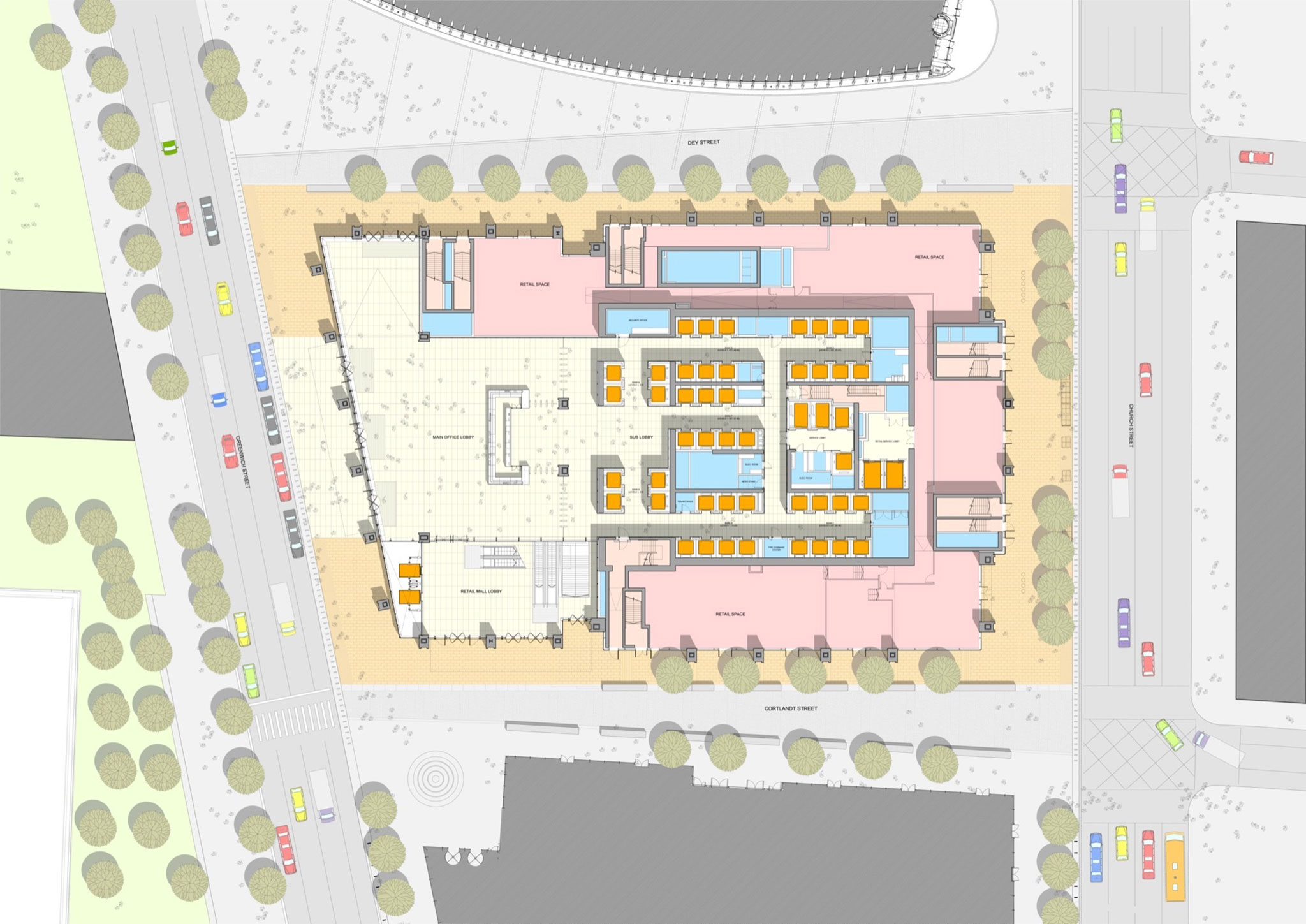
3 WTC features over 216,000 square feet of retail space, spanning five floors. Located next to the WTC Transit Hub and above Westfield’s shops, 3 WTC is also connected underground to Brookfield Place.
In total, the construction of 3 WTC involved the work of more than 4,000 union construction workers over the course of millions of hours. The building is expected to employ approximately 100 permanent and temporary workers to operate and maintain.