The Kibera Hamlets School project, in Nairobi, - where it was reassembled and uses as a school for 600 orphaned children, is a collaboration between the Louisiana Museum of Modern Art in Copenhagen, Spanish practice SelgasCano, the New York architecture studio Helloeverything, Kenyan architect AbdulFatah Adam, architectural photographer Iwan Baan and London creative workplace Second Home.
The Kibera Hamlets School provides children with an education despite having no drainage, toilets, electricity or adequate roof to keep out the frequent rain. The school is surrounded by piles of garbage and has an open sewage running alongside its classrooms.
The Louisiana Museum of Modern Art commissioned the pavilion while Second Home funded the school's construction, paying for its shipping and reconstruction in Kibera, Nairobi. "We are proud to support this project that shows how ambitious architecture can help make a positive difference to people's lives." said Second Home co-founder Rohan Silva, and adds, "Iwan Baan went on an assignment to Kibera and became really engaged in the place. He's also close friends with SelgasCano and took them there on a trip."
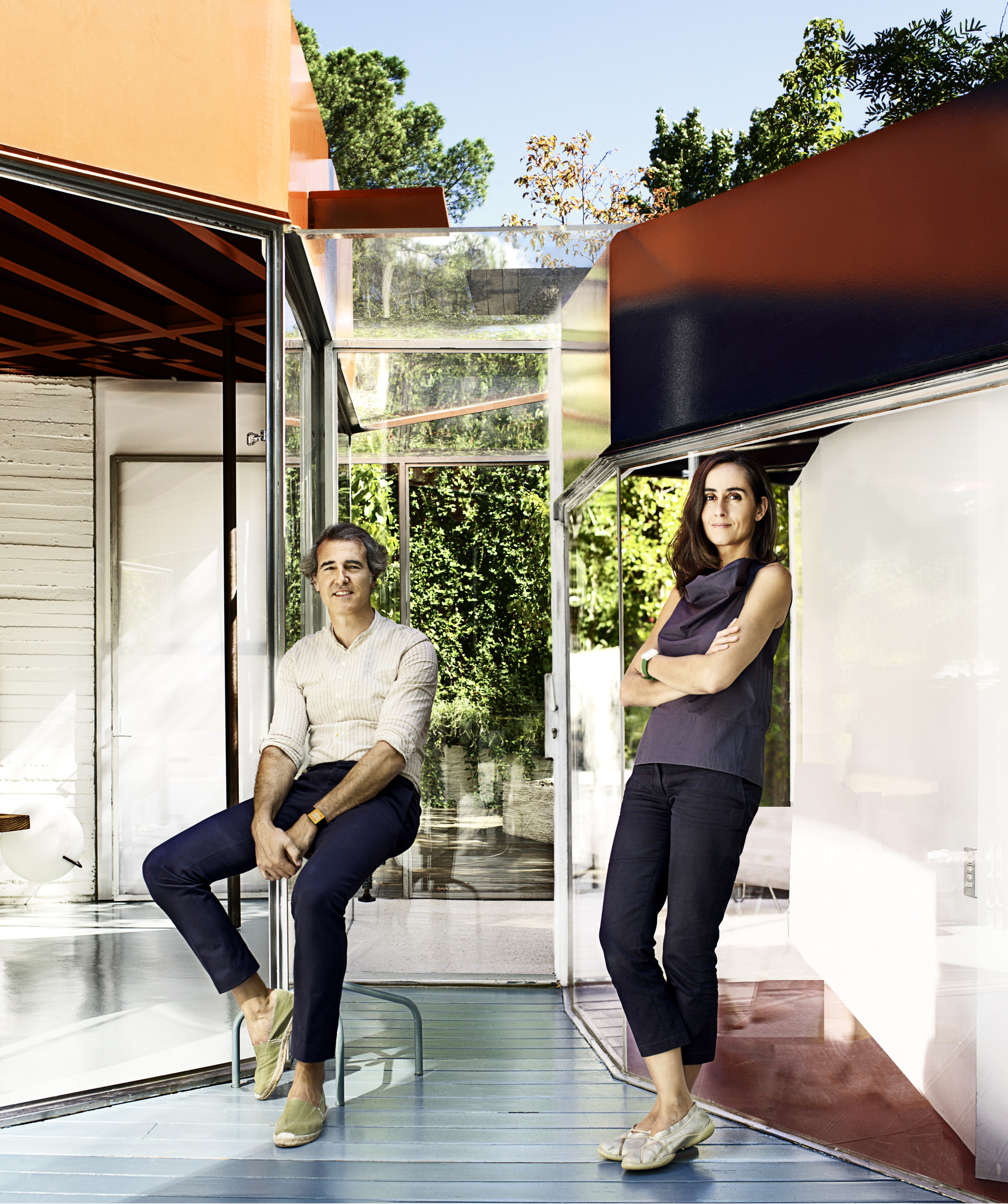
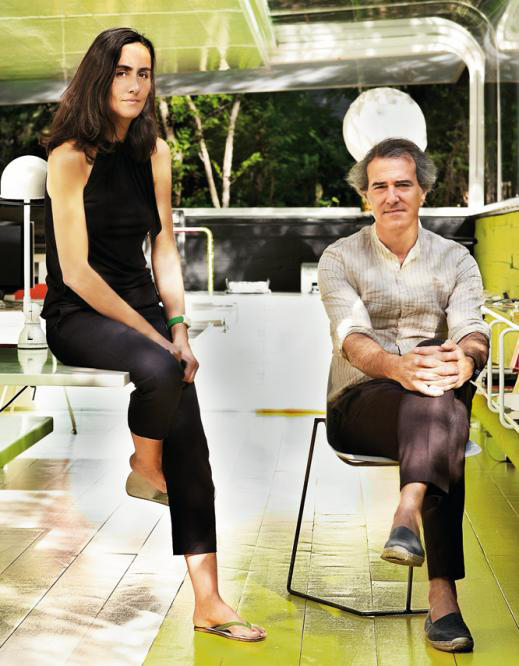
The project began when the firm’s principals, José Selgas and Lucía Cano, visited Kibera two years ago; it was one of the “saddest days of my life,” says Selgas. SelgasCano then persuaded the Louisiana museum, which had approached them to create a summer pavilion for its garden in Copenhagen, to design something that could be shipped to Kenya afterwards.
With the support of the museum, Selgas and Cano worked with three of their former students, who had formed a firm called Helloeverything, and Kenyan architect AbdulFatah Adam to design a structure that would fit the site of the Kibera Hamlets School. When the pavilion’s run in Denmark ended last fall, it was shipped to Kenya, where SelgasCano, Adam, Helloeverything and a group of Kibera residents spent two months reconstructing it.


![Bois de Cergy Leisure Centre by PLURIEL[LES] ARCHITECTES. Photograph by Charly Broyez](/sites/default/files/styles/mopis_home_featured_block_desktop/public/2026-10/metalocus_PLURIEL-LES_Bois-de-Cergy-Leisure-Centre_14_2p.webp?h=3b4e7bc7&itok=lWSYYH2X "Bois de Cergy Leisure Centre by PLURIEL[LES] ARCHITECTES. Photograph by Charly Broyez")