The Valkhof Museum in Nijmegen officially reopened its doors on June 6, 2026, following a renovation designed by the architecture firm UNS. The building, originally conceived by the same firm in 1995 and completed in 1998, has been reimagined as a cultural destination and meeting point in the heart of Nijmegen, the Netherlands.

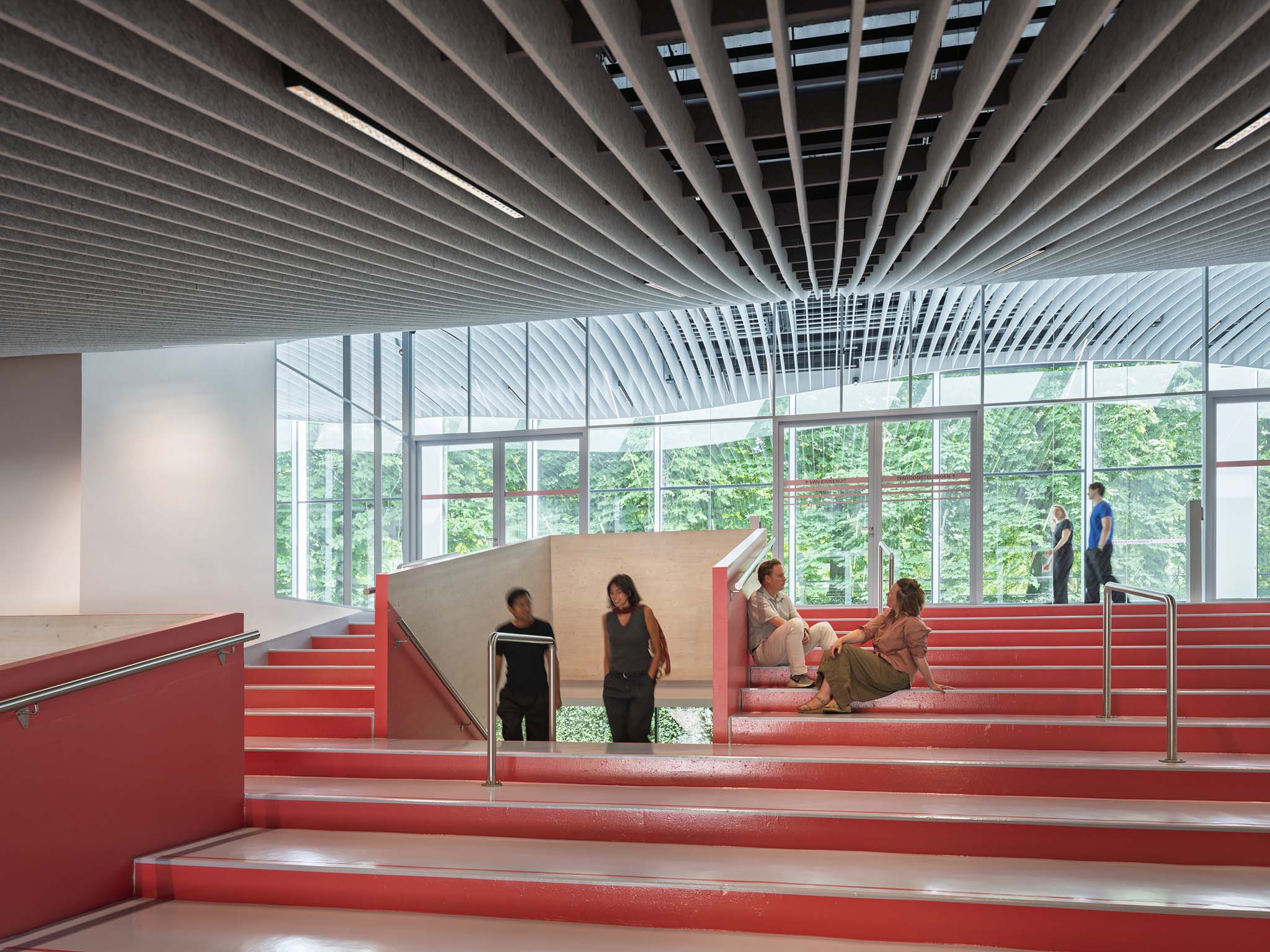
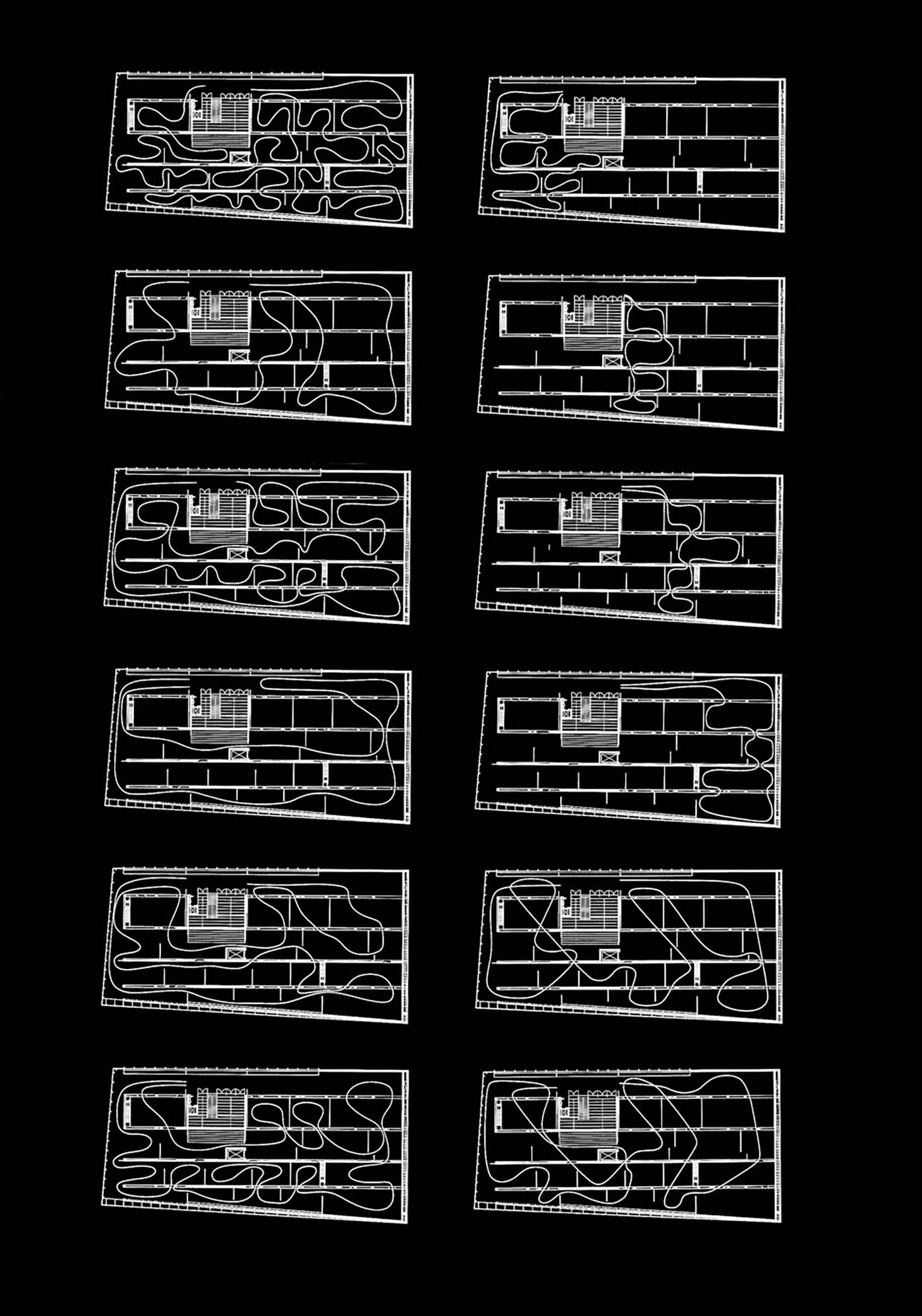
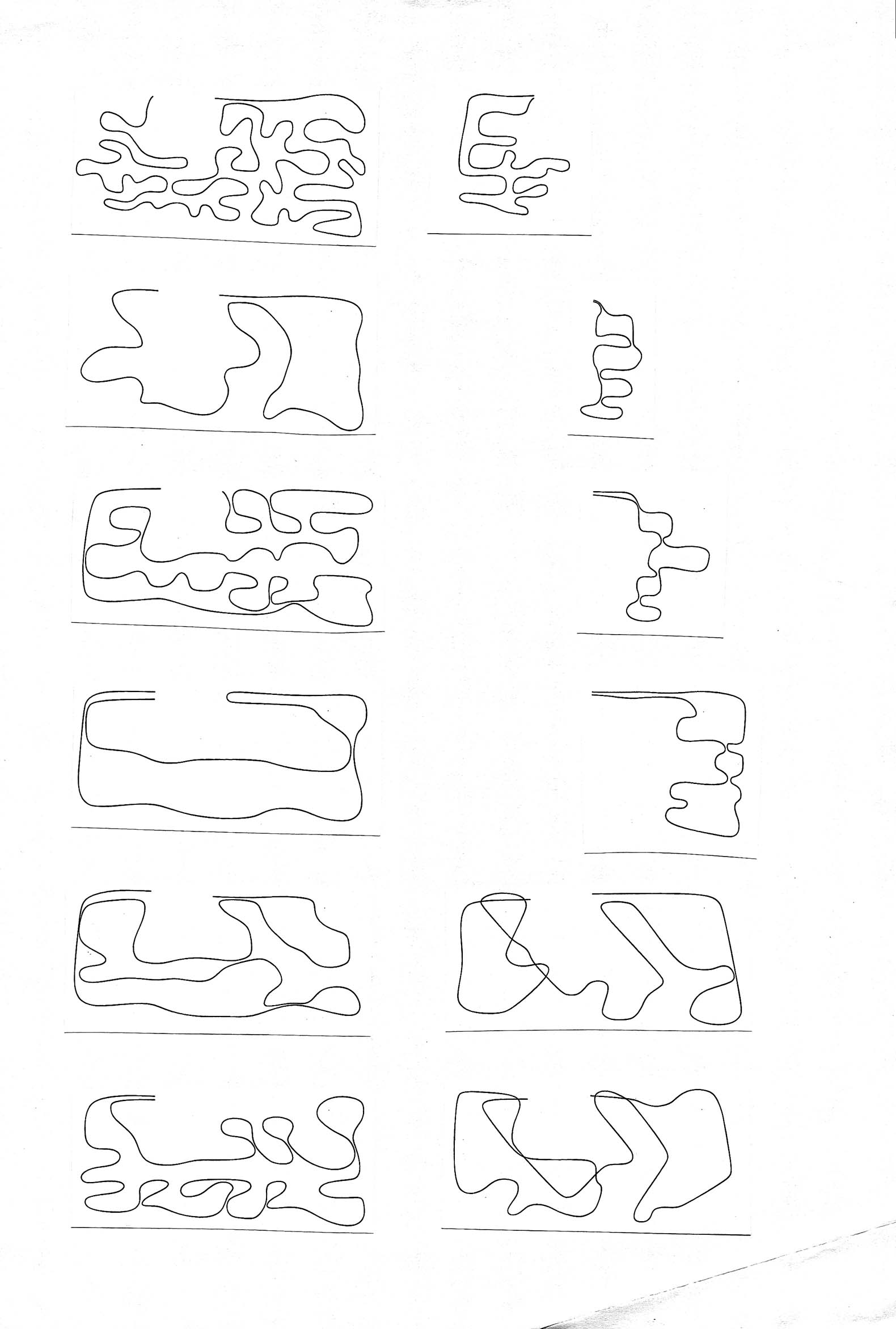
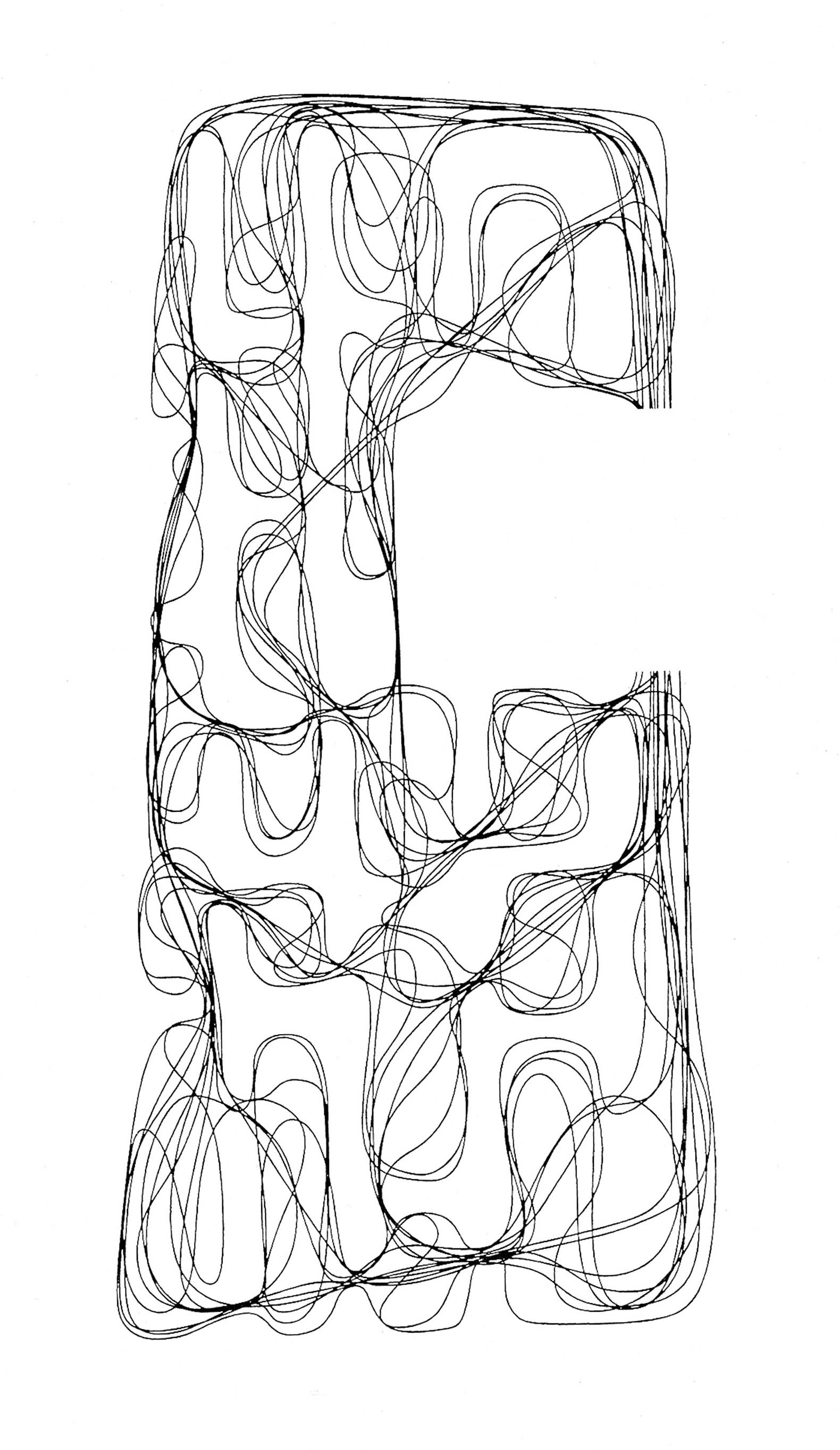
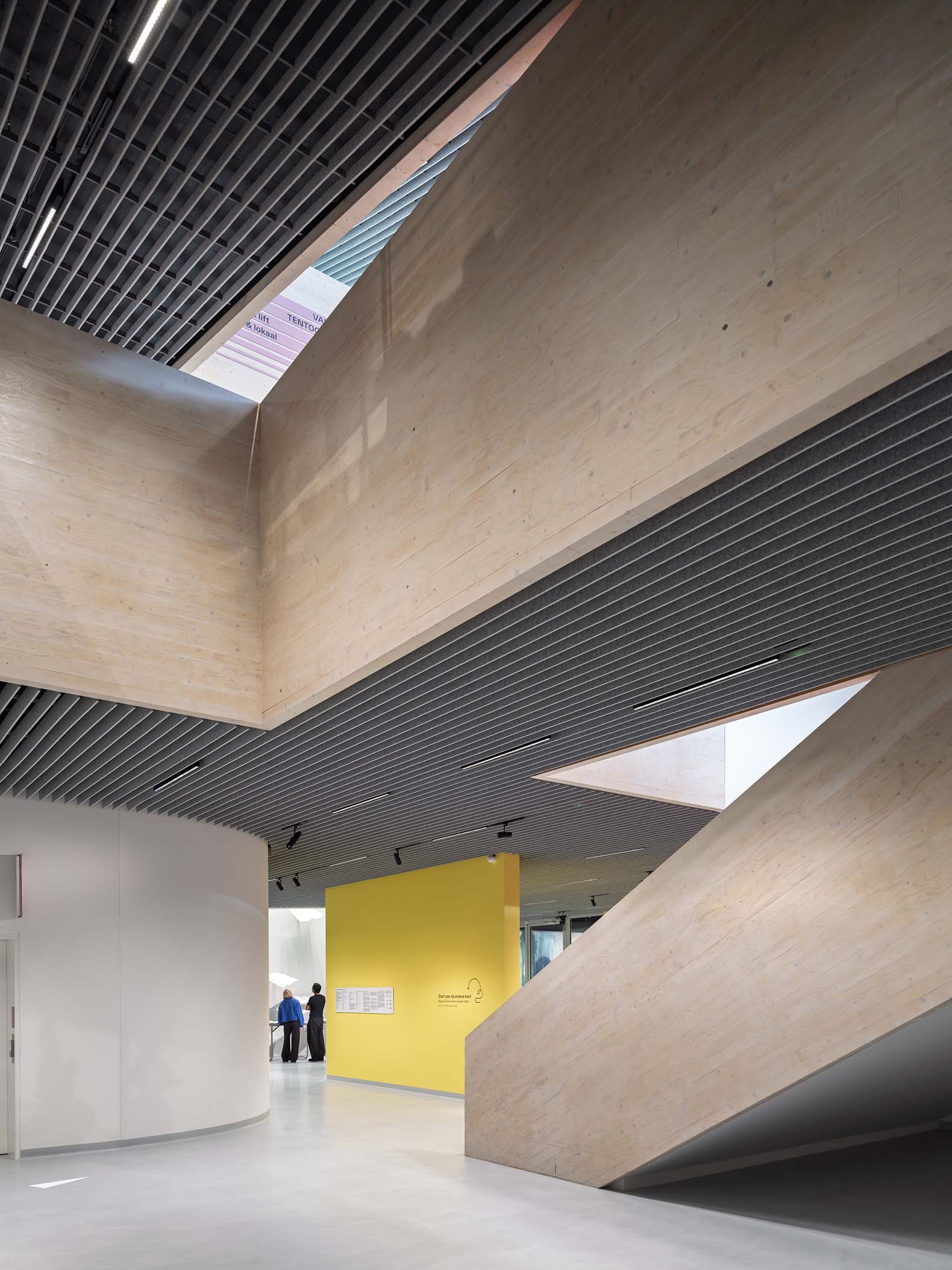
The renovation presented the challenge of reinterpreting, rather than replacing, the building designed almost thirty years prior, with the aim of identifying and enhancing what made the original project distinctive. This process began by reinforcing the building's fundamental principles: the imposing central staircase, the undulating roof, and the 88 pathways through the exhibition spaces. Each of these elements was preserved, refined where necessary, and highlighted more clearly.

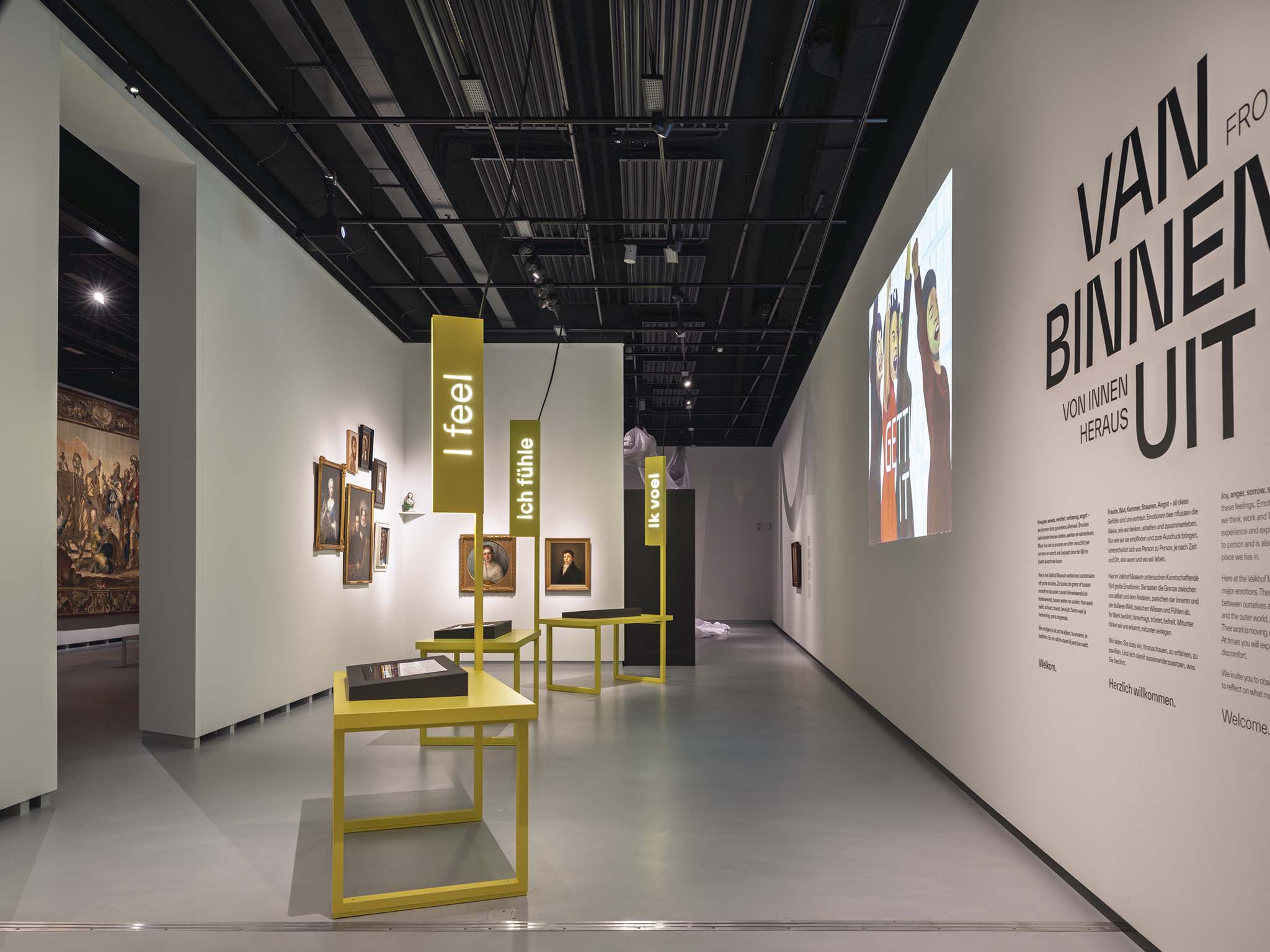
The renovation undertaken by UNS was guided by a clear set of objectives, including creating more space for temporary exhibitions, improving circulation and visual spaciousness throughout the building, enhancing the visitor experience and interior ambiance, and giving the museum's public functions a more prominent role within the overall composition.

“Returning to a building you designed 30 years ago is an incredible experience for an architect. You have to be honest about what worked, decisive about what needs updating, and disciplined enough not to simply replace the familiar with the new. The renovation of the Valkhof Museum gave us the rare opportunity to rethink what we started and to design with the next 30 years and beyond in mind.”

Ben van Berkel, Founder and Principal Architect of UNS

Museo Valkhof por UNS. Fotografía por Ossip van Duivenbode.
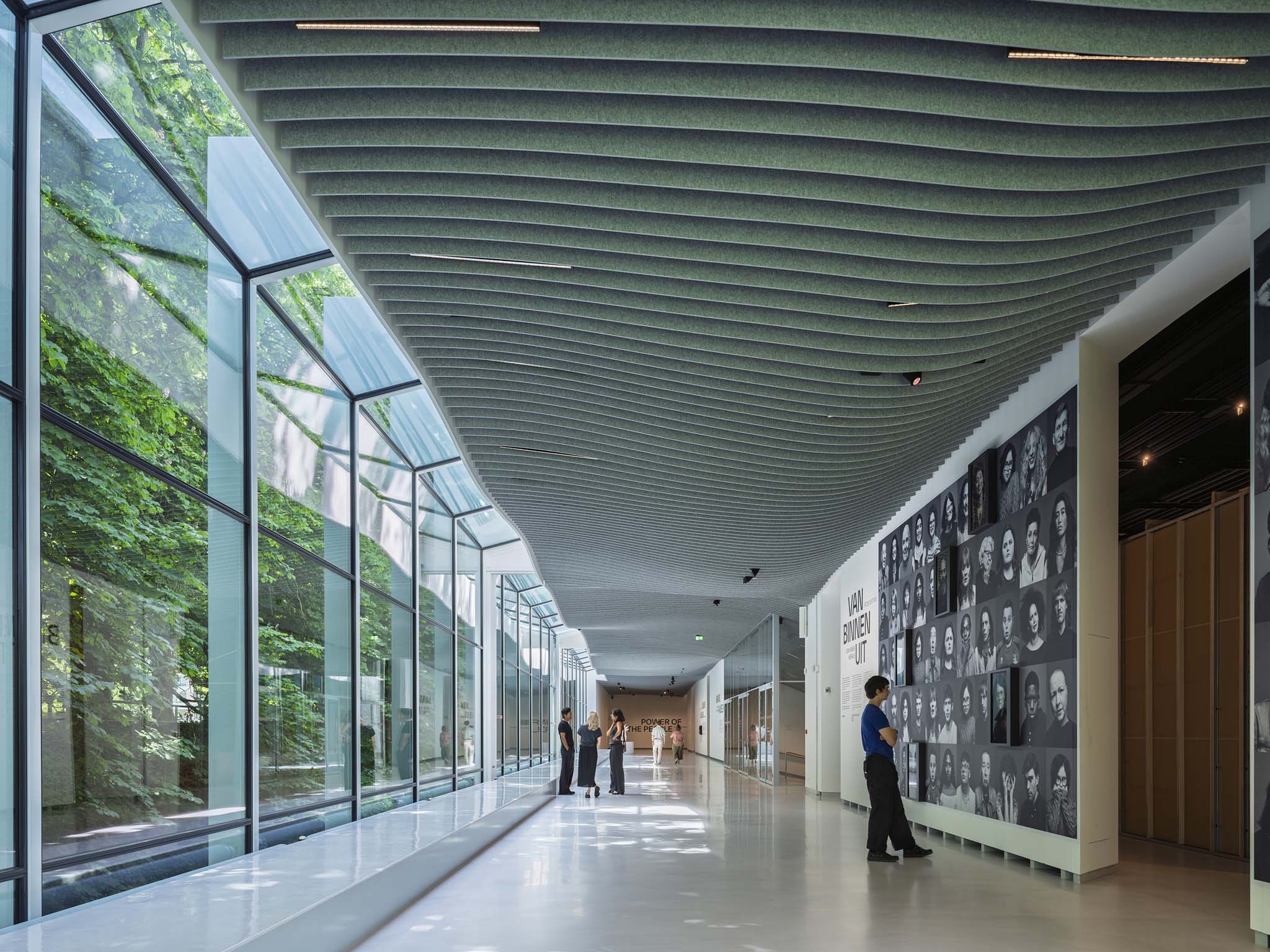
Valkhof Museum by UNS. Photograph by Ossip van Duivenbode.

The “Grand Detail”
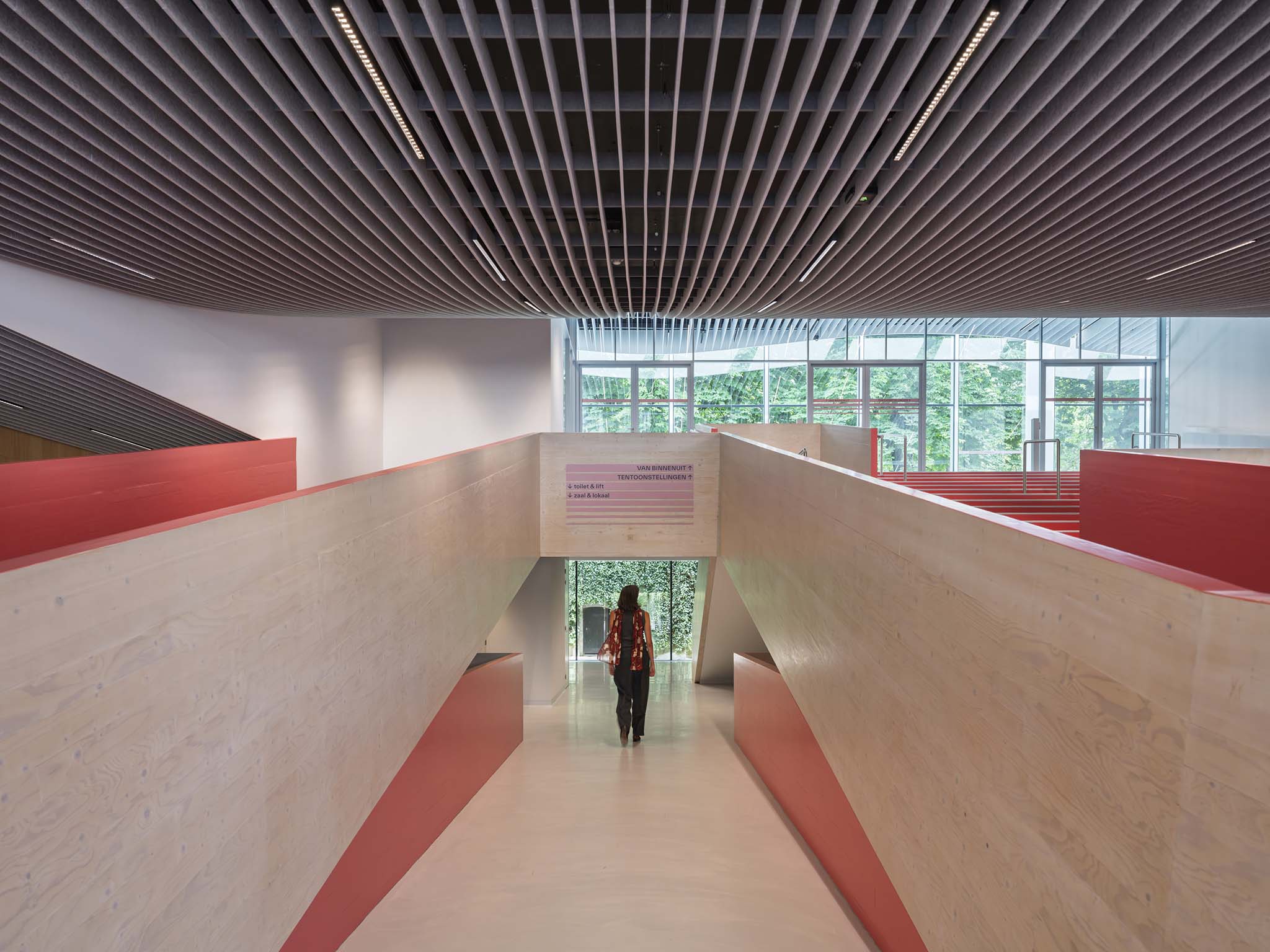
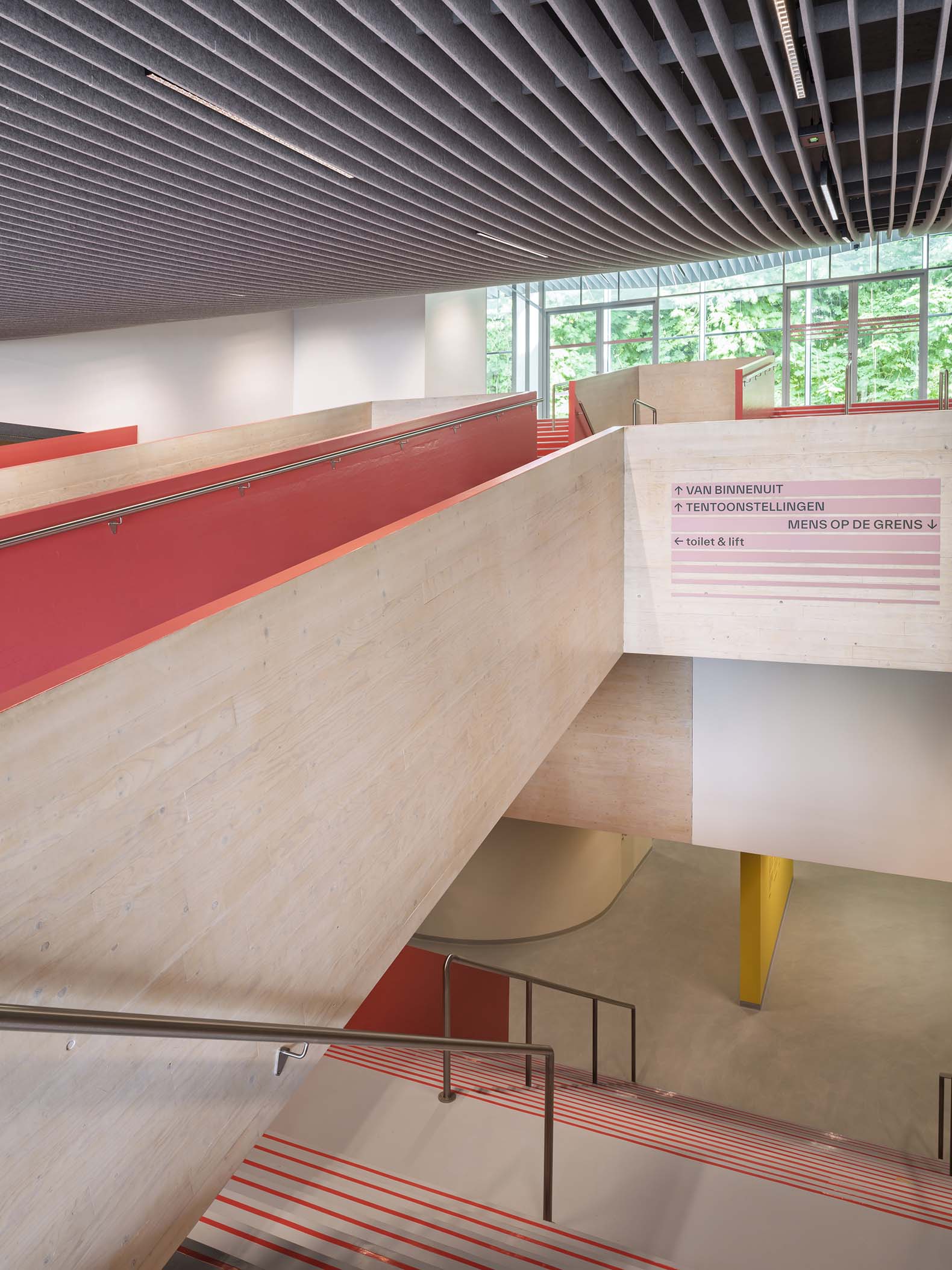
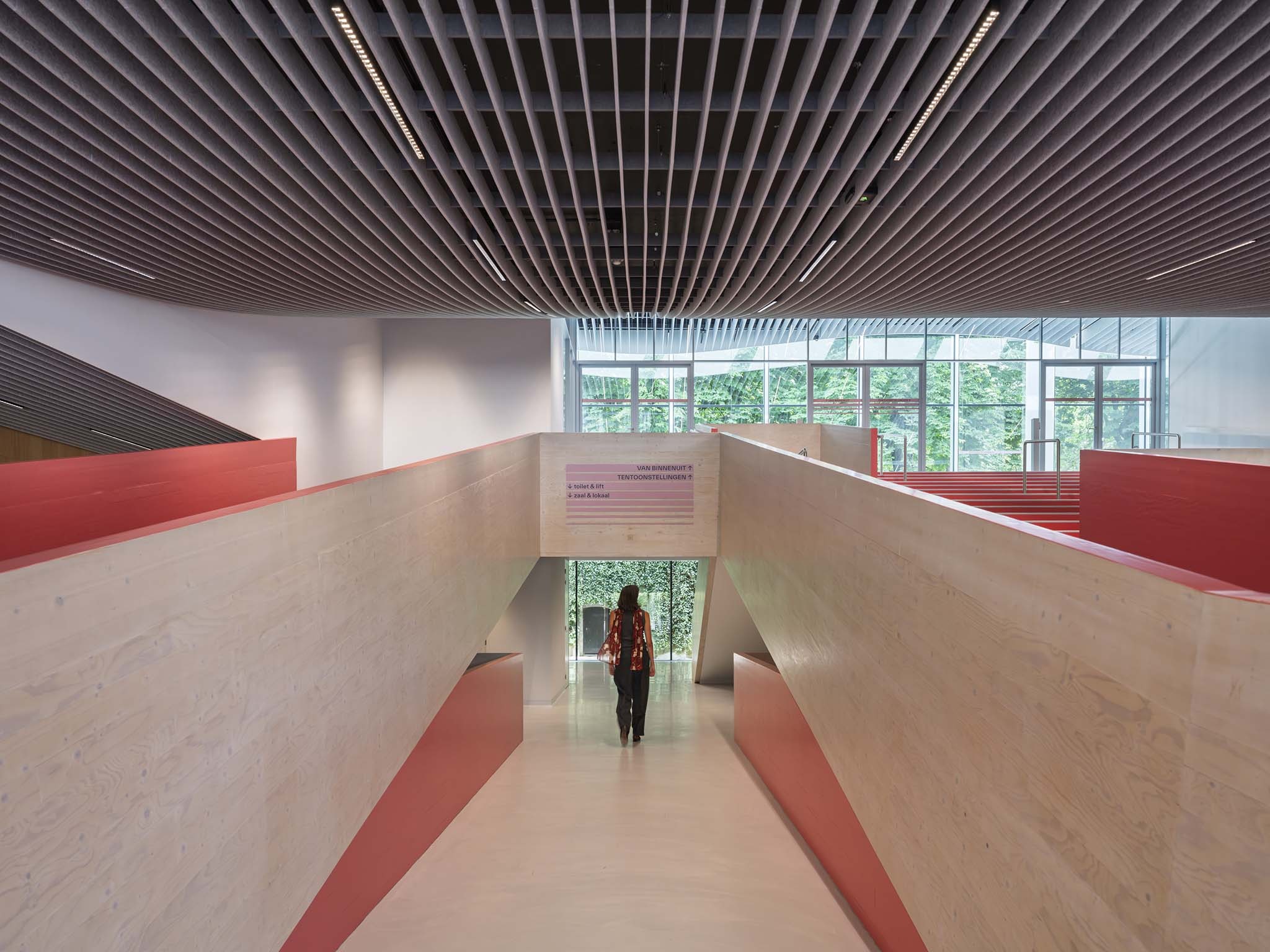
The multifunctional staircase remains the building’s organizational backbone, but it has been transformed into something bolder. The colorful steps now bring the staircase to life, while the existing wooden balustrades have been repainted on the inside, making the entire element feel like a unified whole. This intervention also improved accessibility, as the added color increased visibility and made the route easier for all visitors. At the entrance, the removal of the original lock and its replacement with a revolving door has transformed the old, narrow lobby into a spacious and bright area.

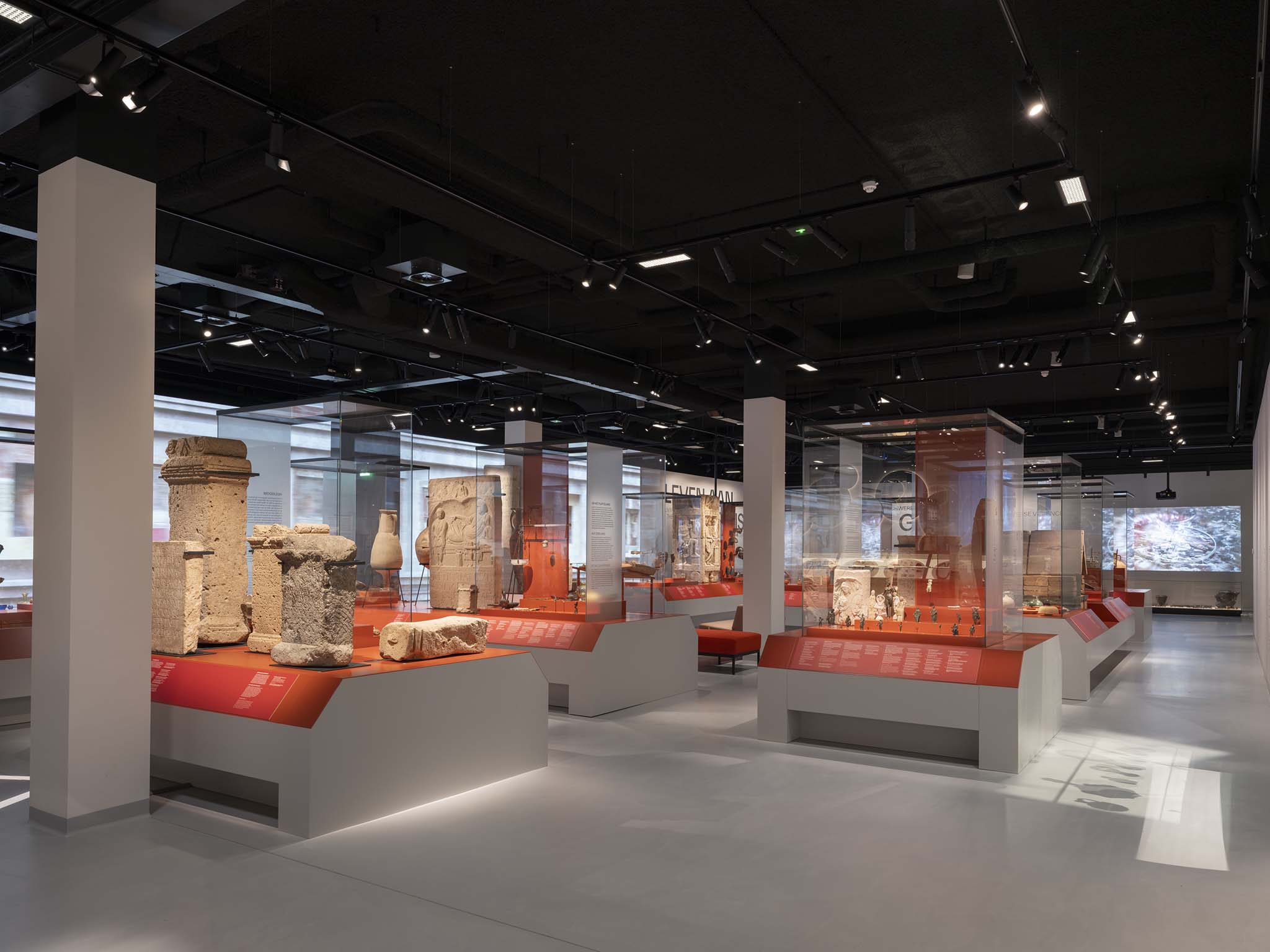
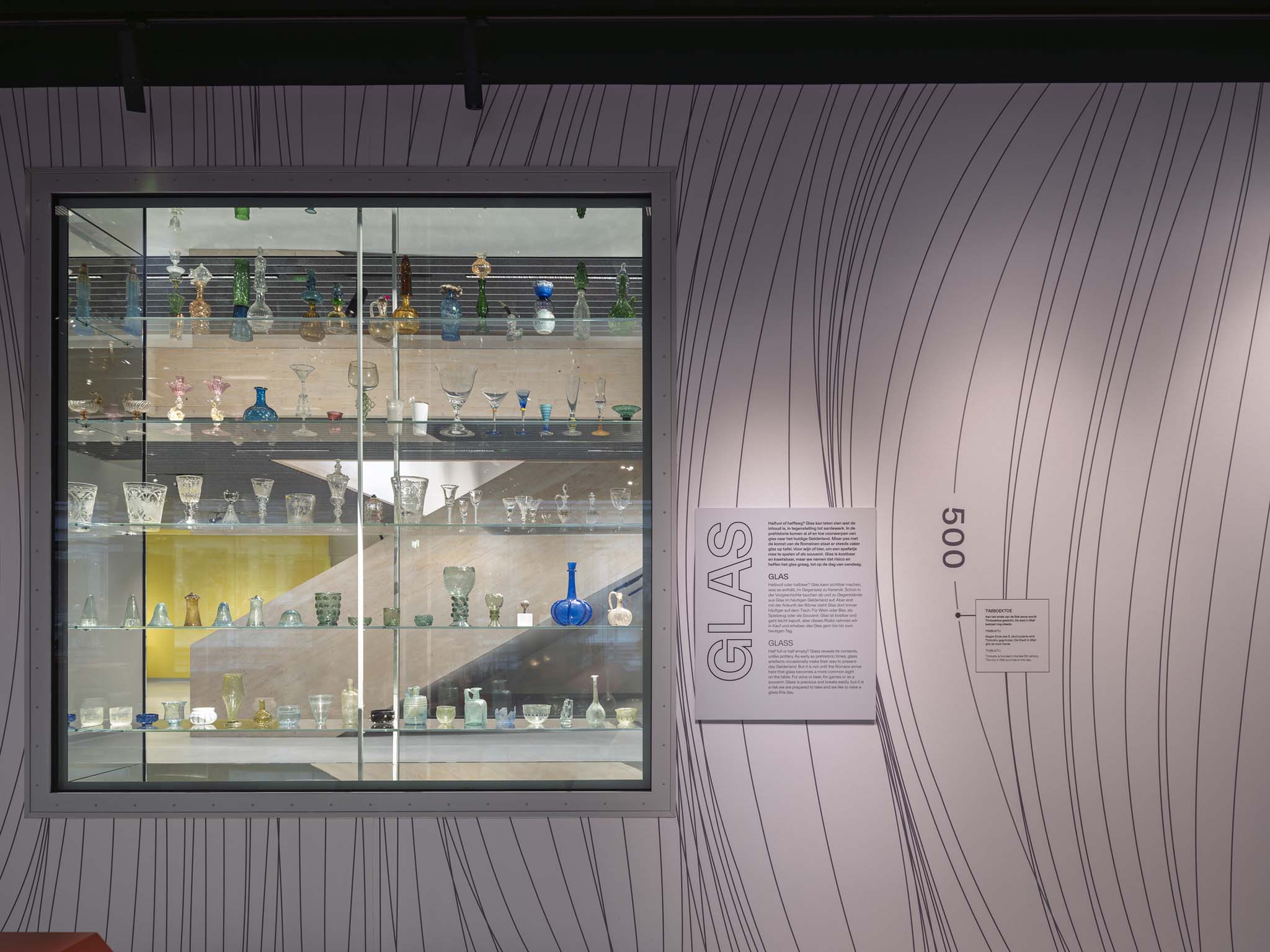
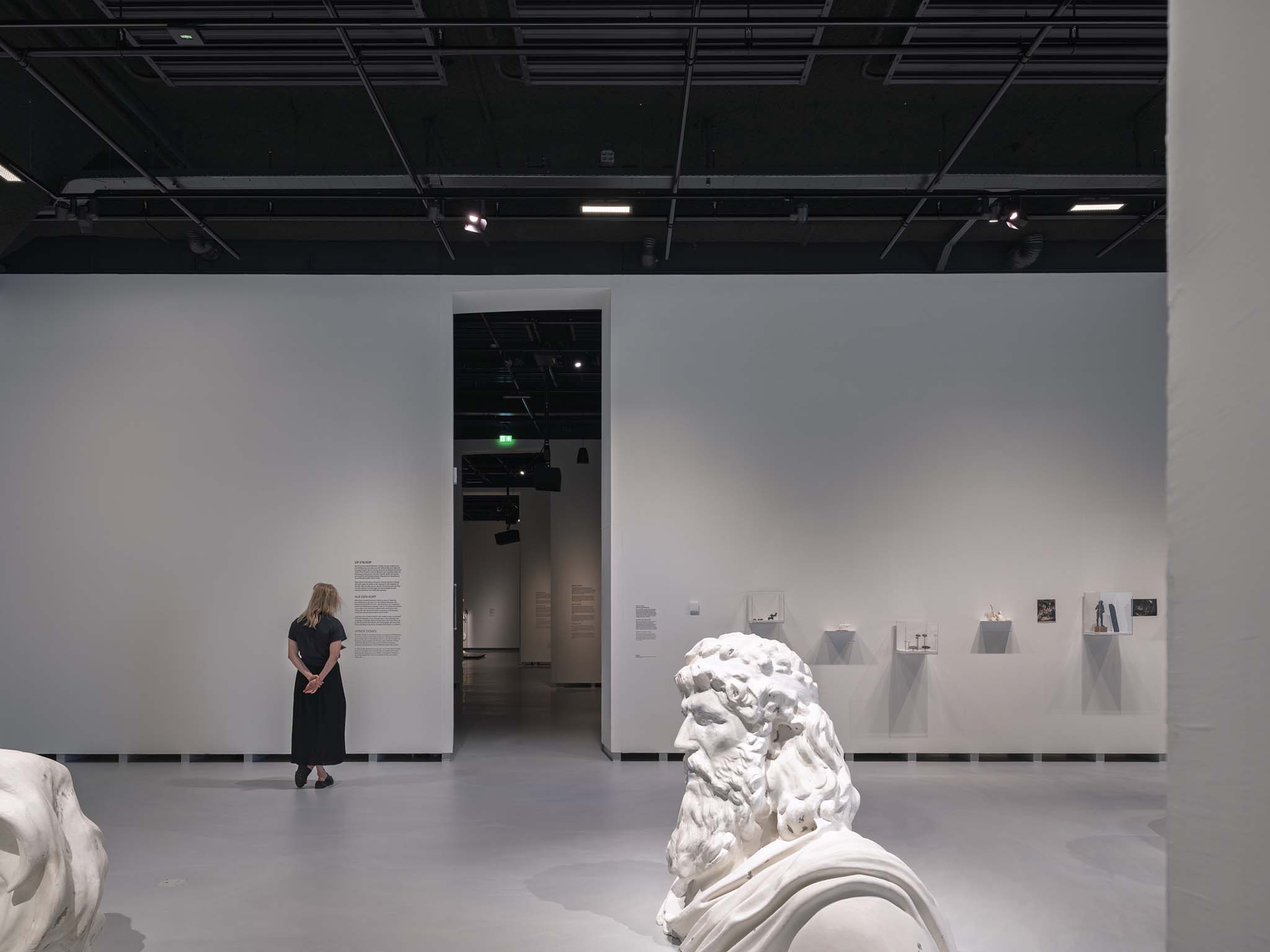
In addition, the museum's layout has been simplified. The basement now houses the permanent collection, while the upper floor is used for temporary exhibitions. This organizational change allows visitors to explore the museum in a continuous circuit, and the views of the former reservoir further enrich the experience.
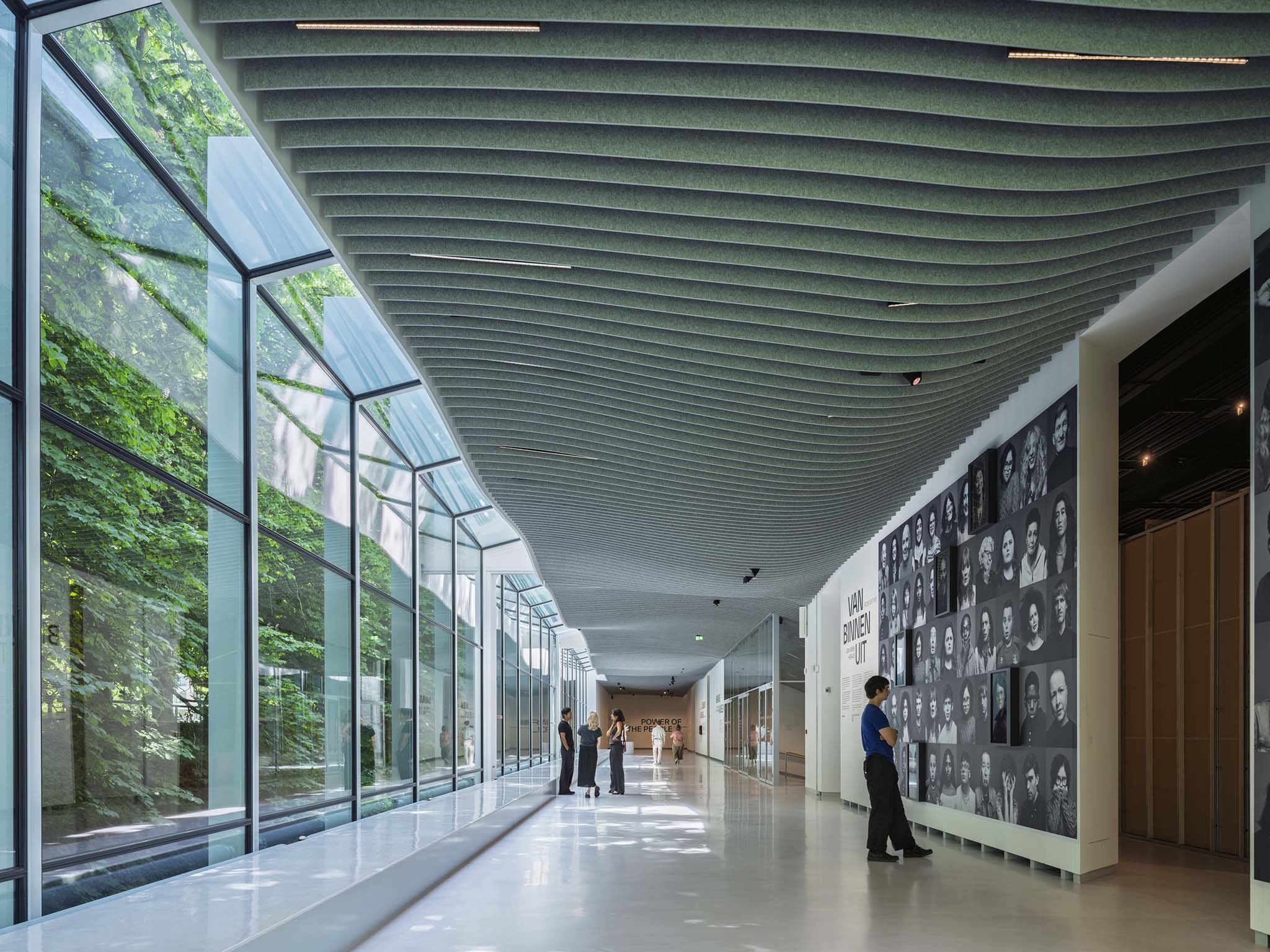
Museo Valkhof por UNS. Fotografía por Ossip van Duivenbode.
Valkhof Museum by UNS. Photograph by Ossip van Duivenbode.

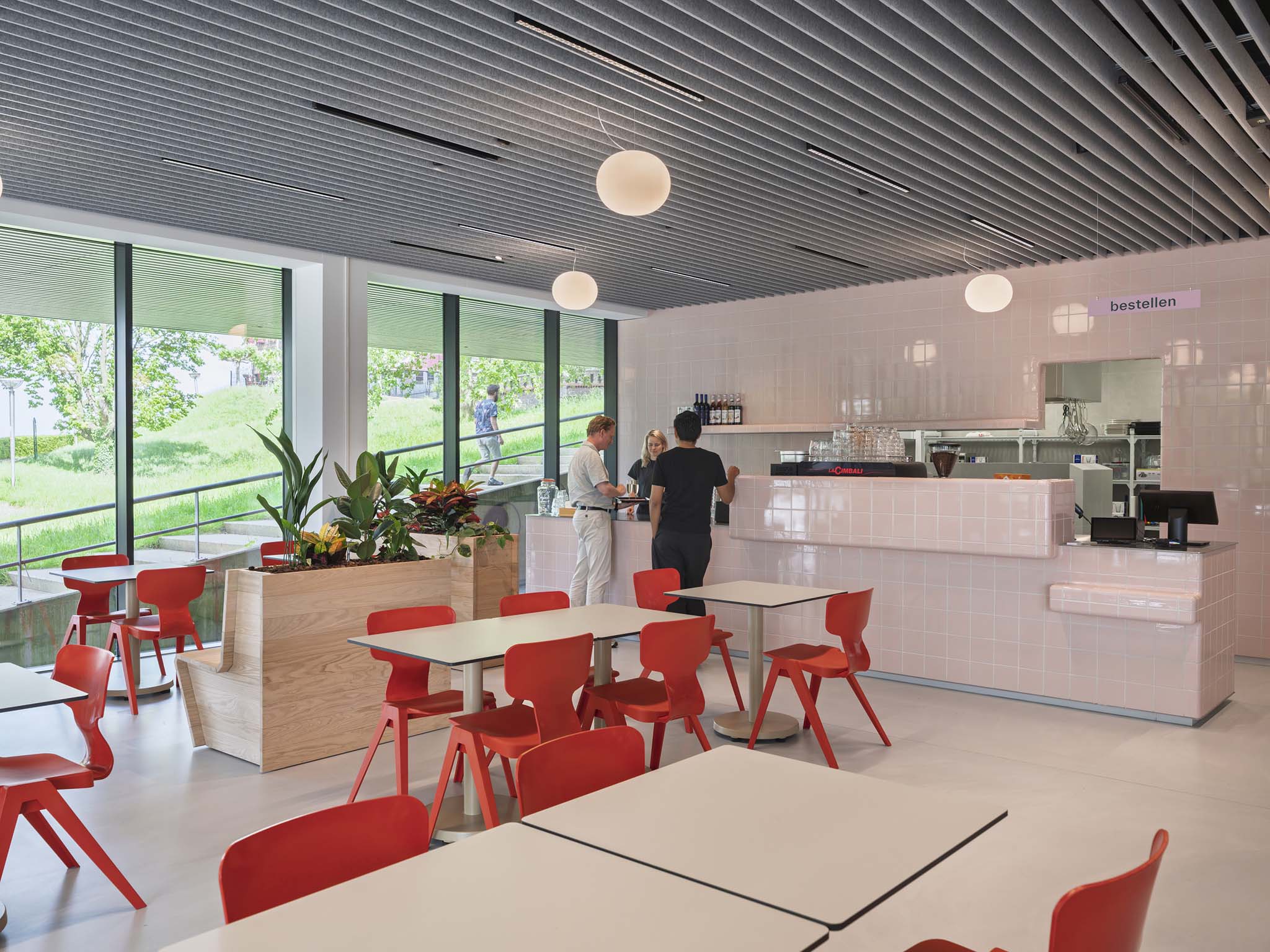
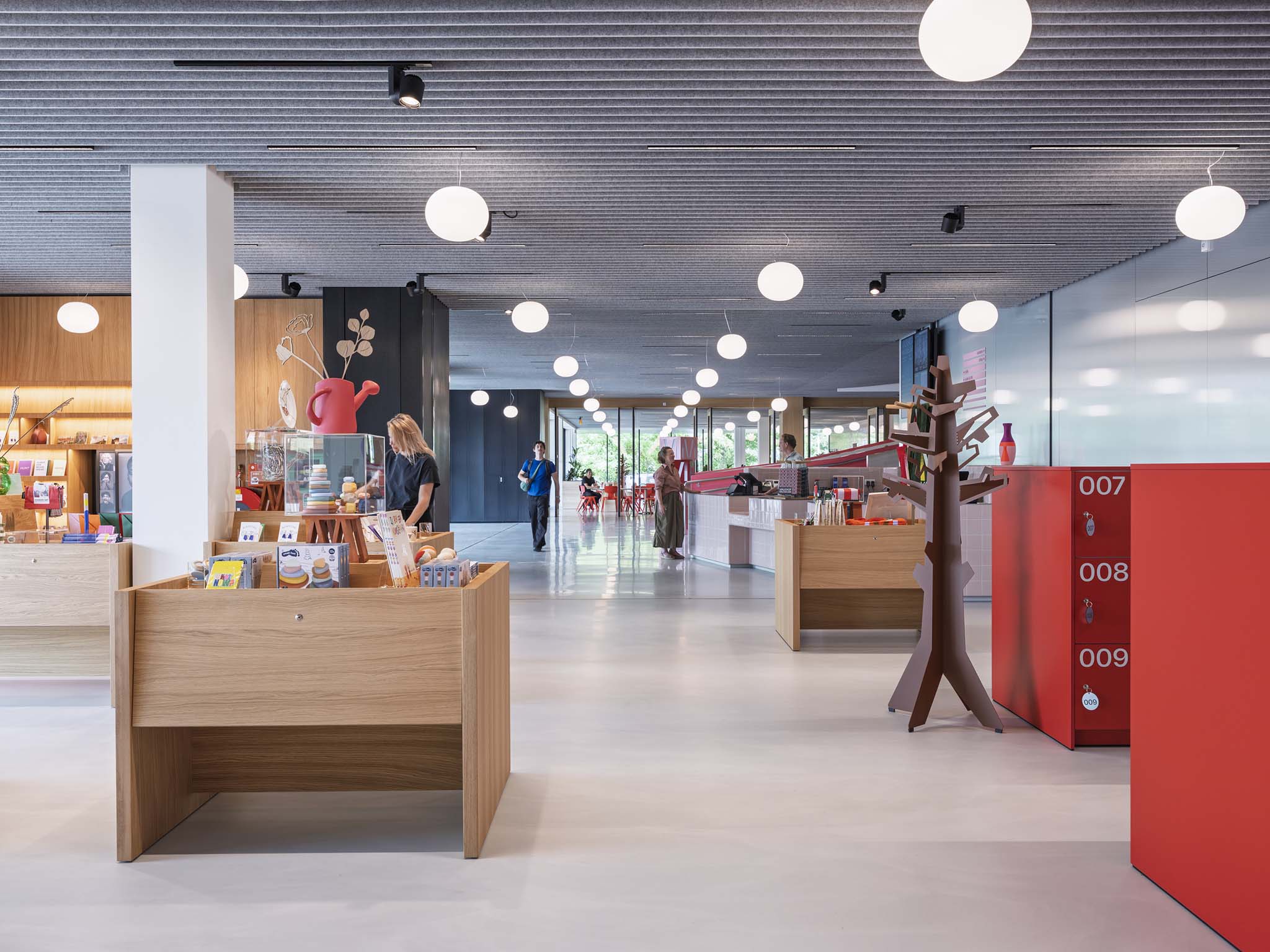
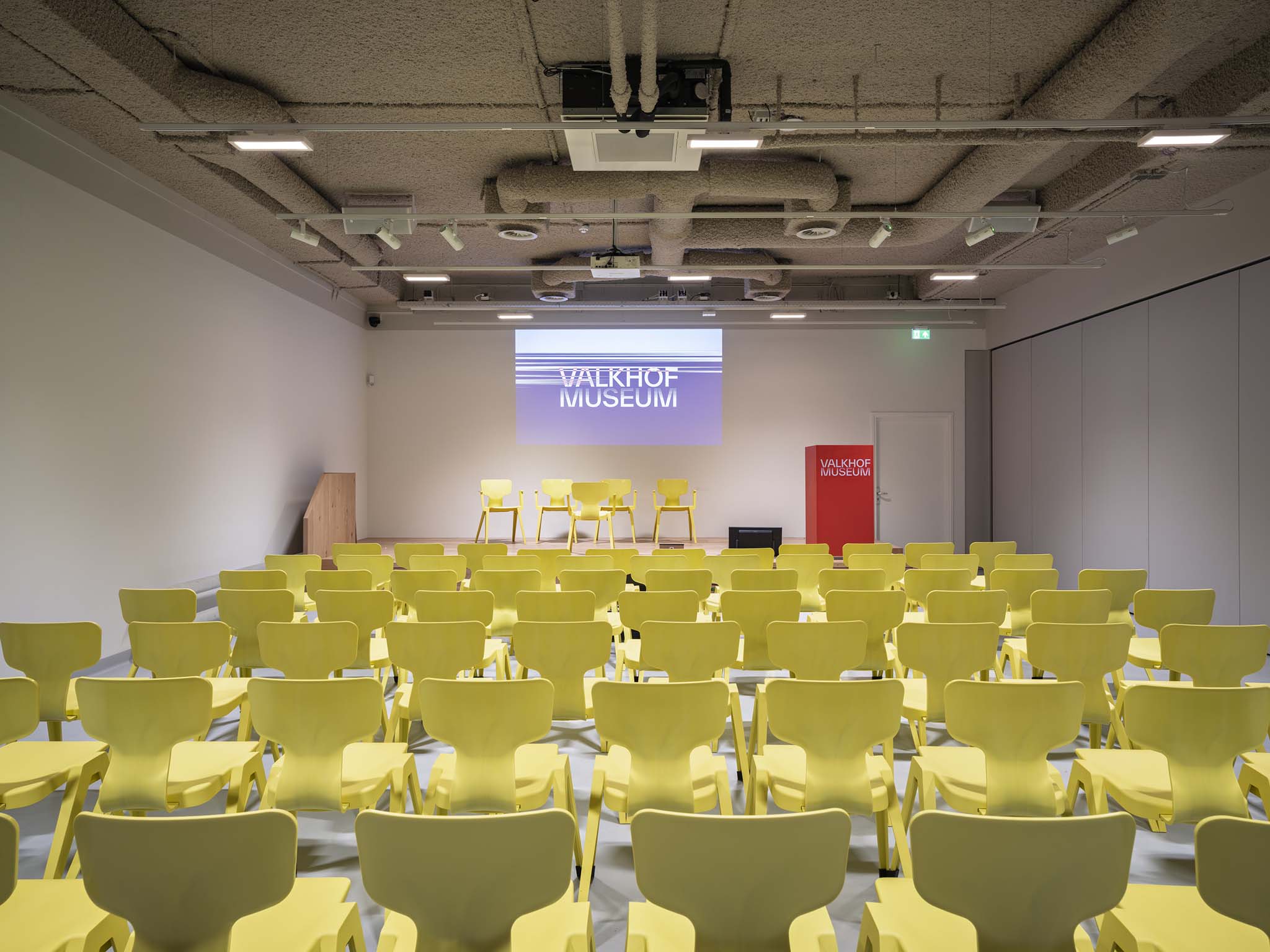
The ground floor was also reorganized. The café, previously located at the rear, is now on the main façade, visible from the plaza outside and with access to a new terrace. At the rear, the educational spaces are located next to a new auditorium. Both spaces can be opened up and used together, with a shared area between them, creating a clearer relationship between the café and the learning spaces.

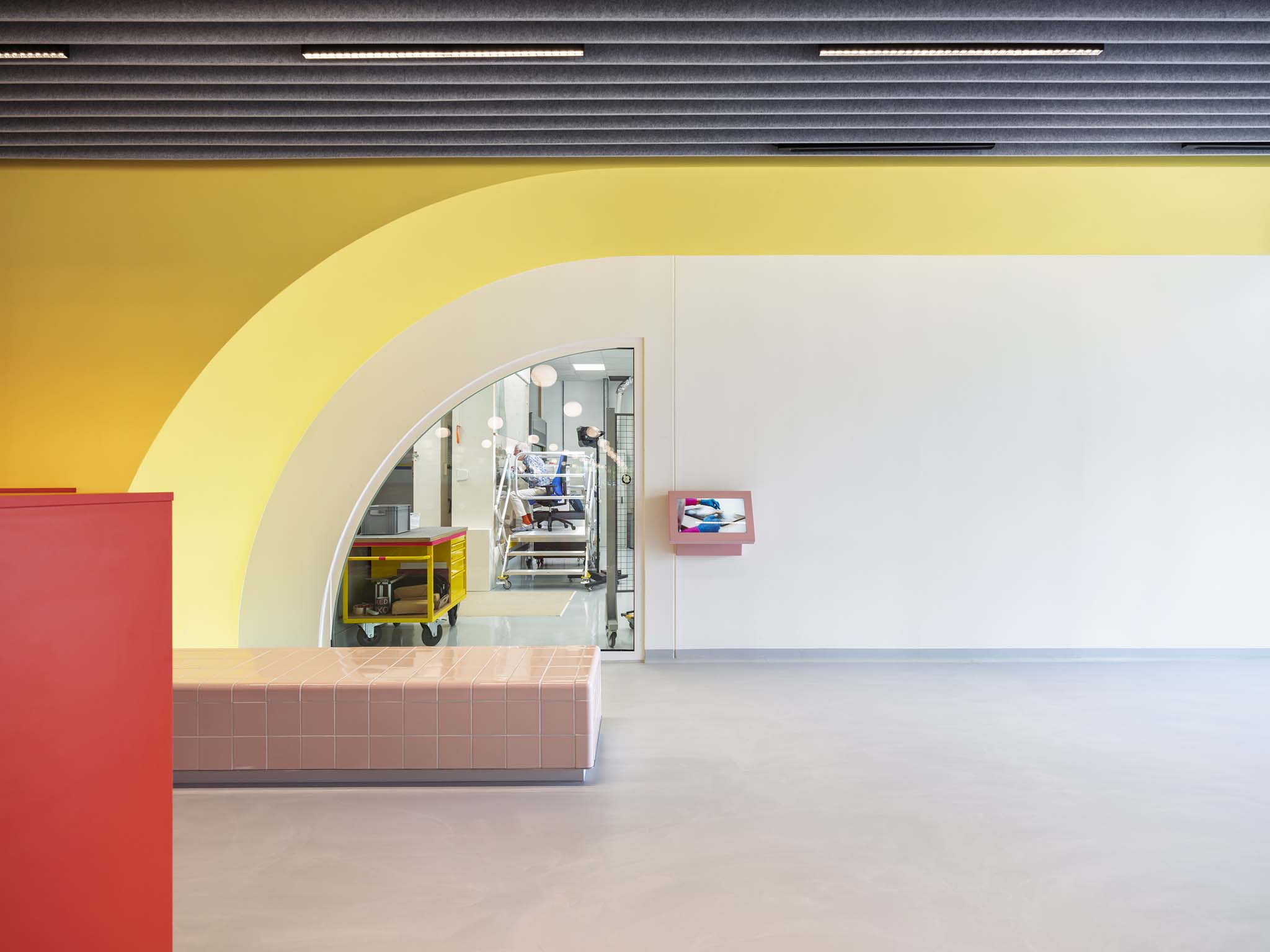
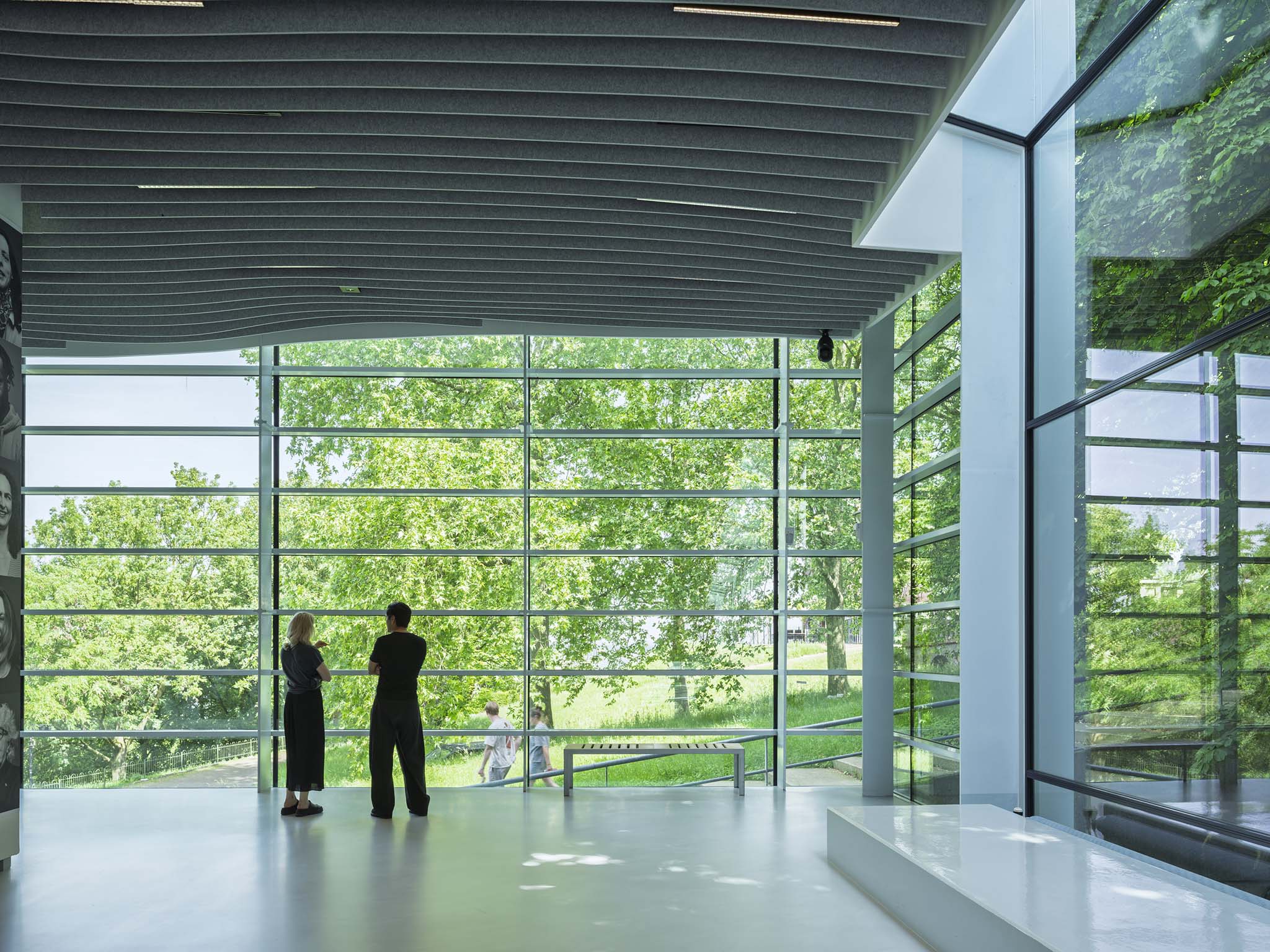
Two additional openings have made the building more open and easier to navigate. At the rear of the museum, a passageway connects the ground floor to the basement, allowing natural light to illuminate the lower level. The other, between the restoration workshop and the museum shop, allows visitors to observe how the pieces are studied and restored. The result is a building that the public can use, not just visit. This openness is reinforced by the façade: previously partially closed, now fully glazed, flooding the interior with natural light and creating a direct visual connection between the plaza and the exhibitions.

“The museum has not only been physically renovated; we have also redefined what a museum can be today. It is a place where unexpected connections are discovered and where history engages in dialogue with the present.” 

Hedwig Saam, Director of the Valkhof Museum
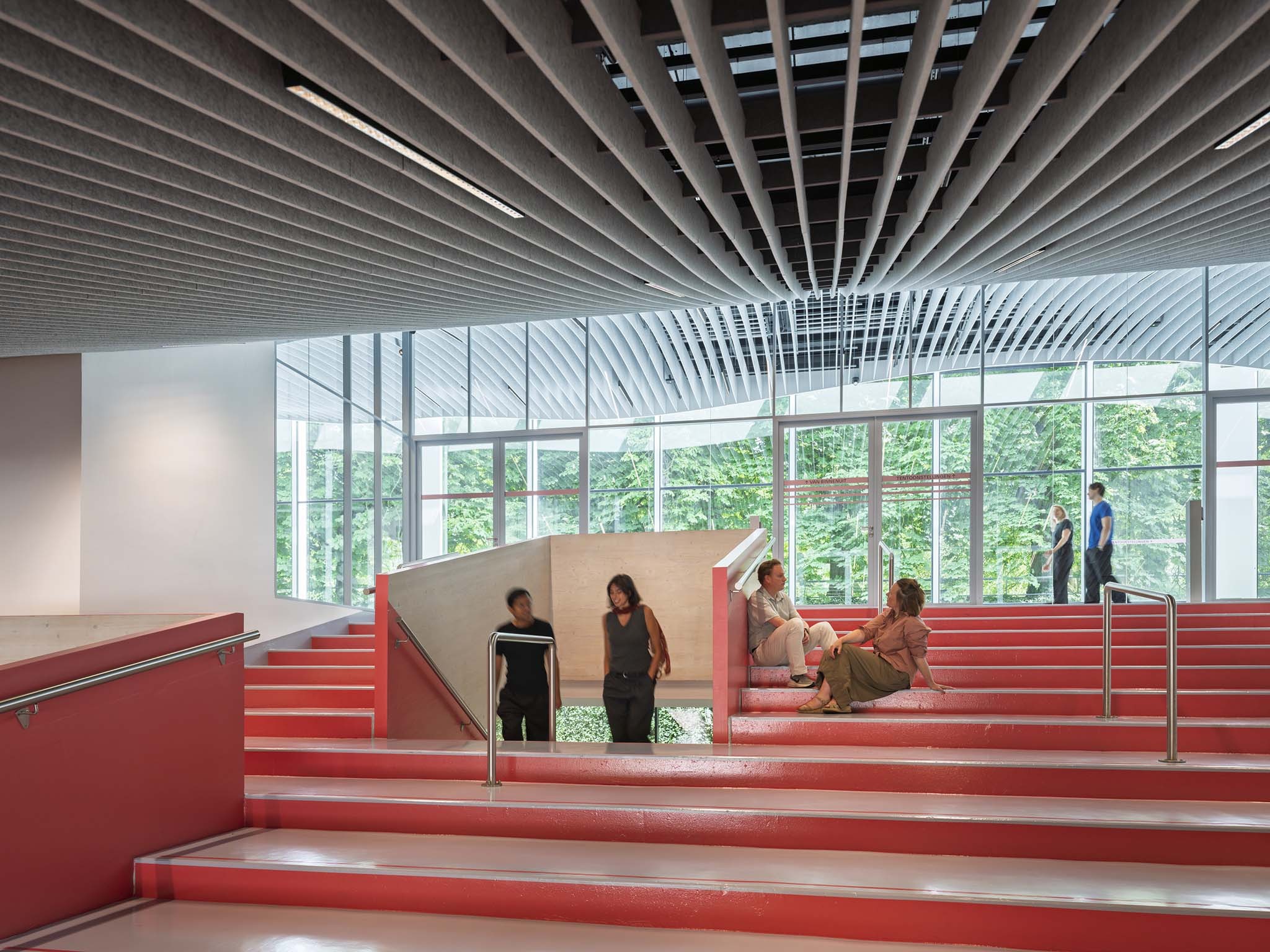
Museo Valkhof por UNS. Fotografía por Ossip van Duivenbode.
Valkhof Museum by UNS. Photograph by Ossip van Duivenbode.

Edit rather than add
Sustainability was addressed through precision rather than addition. Working with a carefully managed budget, UNS and the project team prioritized conservation and selective enhancement over complete replacement. Therefore, the 30-year-old façade was carefully dismantled, the insulation removed and replaced with a higher-performance alternative, while the original glass panels were cleaned and reinstalled. In the main public spaces, the distinctive undulating suspended ceiling was replaced with PET felt sheets, improving acoustic comfort and facilitating long-term maintenance. In the exhibition halls, the suspended ceilings were eliminated entirely, reducing material usage and creating a greater sense of spaciousness and sophistication.

The renovation was also a thoughtful exercise in co-creation. UNS established a framework centered on a bold color palette and the introduction of circular forms as a new geometric language, creating a clear foundation for contributions in architecture, interiors, and graphic identity. Interior designer Ineke Hans, responsible for the café and shop interiors, drew directly from this shared vocabulary, while Thonik developed a new visual identity based on the building itself, referencing the façade and staircase in the logo design and the broader style of the house. The color palette runs through each of these elements, linking the museum's spaces and its public face with clarity and coherence. The result is a renovation in which architecture, interiors, exhibition design, and identity work together as a single project.
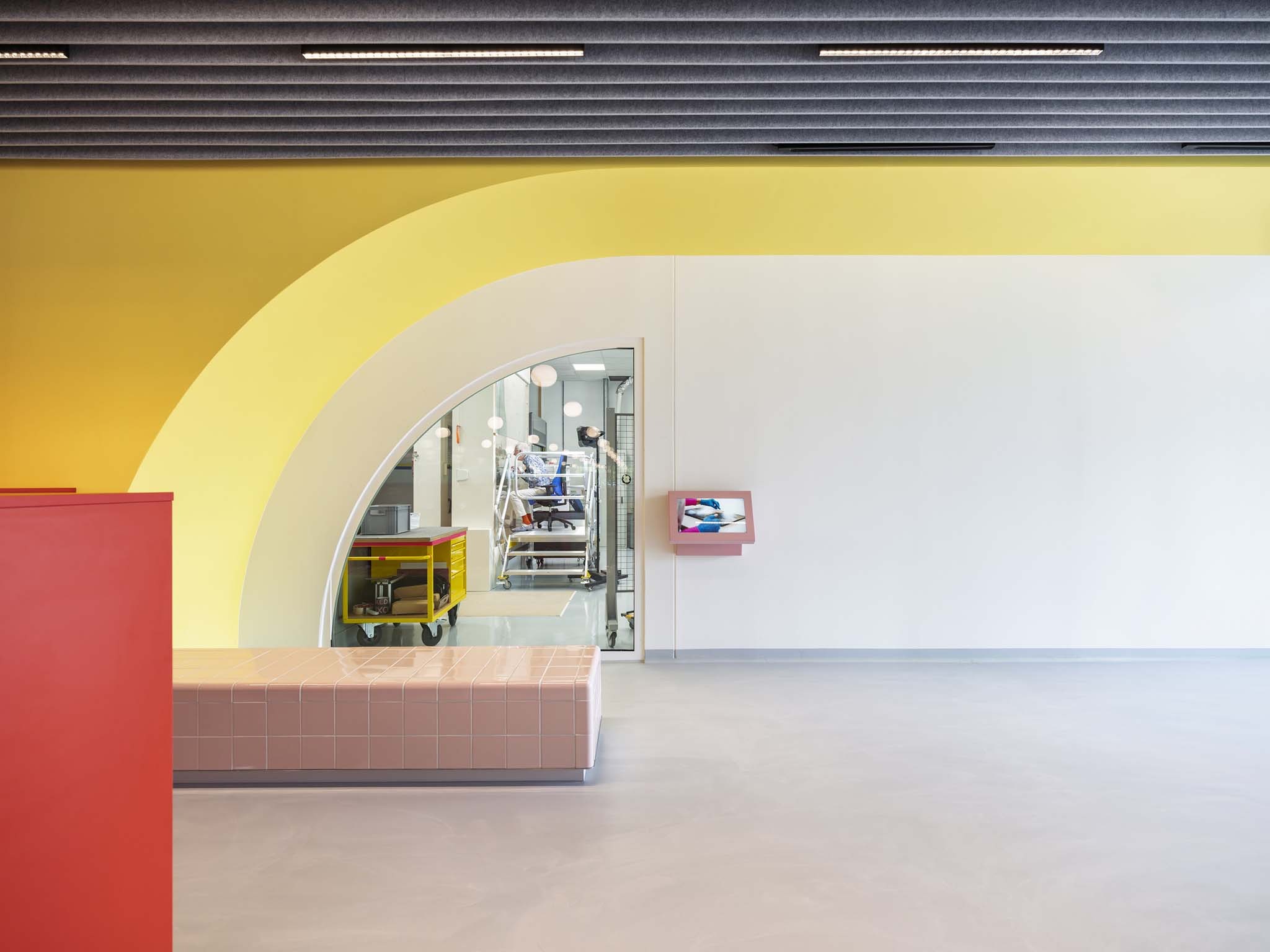
Museo Valkhof por UNS. Fotografía por Ossip van Duivenbode.
Valkhof Museum by UNS. Photograph by Ossip van Duivenbode.

The Reopening
The revamped permanent collection, Mens op de grens (People on the Frontier), traces stories from prehistory to the present, rooted in Nijmegen's position on the ancient northern frontier of the Roman Empire. In addition to its permanent collection, the museum opens with the exhibitions Making a Museum, Museum in the Classroom, and Power of the People. Fernando Sánchez Castillo, the artist behind Power of the People, will also furnish the newly designed public square, Kelfkensbos, with custom artworks.

The Valkhof Museum brings together archaeology, cultural history, and contemporary art. Located on the former northern frontier of the Roman Empire, the museum presents stories at the intersection of periods, people, cultures, and ideas, connecting the past with the present through unexpected relationships.
More information

Label
Architects
Text

UNS. Lead architect.- Ben van Berkel.

+ + copy Created with Sketch.
- + copy Created with Sketch.
Label
Project team
Text

Ben van Berkel with Tina Kortmann, Jaap Baselmans and Cristina Bolis, Kasia Ephraim, Hans Kooij, Machiel Wafelbakker, Shan Qi, Nawid Piracha, Juan Pablo Fuentes Rojas, Verena Lihl, Ka Shin Liu, Zhongming Fang and Tjaša Barič.

+ + copy Created with Sketch.
- + copy Created with Sketch.
Label
Collaborators
Text

Structure, Fire safety and Acoustics.- ABT.
Programme Coordination.- Atelier Alkema.
Climate and Installation Advisor.- Nelissen.
Contractor Building Team.- Berghege.
Interior and Furniture Design.- Ineke Hans.
Exhibition Design.- Opera.
Branding and Graphic Design.- Thonik.
Wayfinding.- Mijksenaar.
Light Design.- Studio Warmerdam.

+ + copy Created with Sketch.
- + copy Created with Sketch.
Label
Client
Text

The municipality of Nijmegen.

+ + copy Created with Sketch.
- + copy Created with Sketch.
Label
Area
Text

Building floor area.- Gross - 7,637 sqm / Net - 7,179 sqm.
Building volume.- 39,582 cbm.
Building site.- 3,023 sqm.
Building Height.- 10,5 m.
Commercial Space.- 380 sqm.

+ + copy Created with Sketch.
- + copy Created with Sketch.
Label
Dates
Text

2021 - 2026.

+ + copy Created with Sketch.
- + copy Created with Sketch.
Label
Location
Text

Kelfkensbos 59, 6511 TB, Nijmegen, Netherlands.

+ + copy Created with Sketch.
- + copy Created with Sketch.
Label
Photography
+ + copy Created with Sketch.
- + copy Created with Sketch.

UNS is an architecture studio founded by Ben van Berkel and Caroline Bos in 1999, headquartered in Amsterdam, Netherlands, with additional international offices in Shanghai, Hong Kong, Dubai, Frankfurt, Melbourne and Austin.  

Ben van Berkel, Founder and Principal Architect of UNS, is renowned for his cutting-edge design, dedication to sustainability, and deep understanding of the impact the built environment has on health and wellbeing.  His unconventional approach, which investigates the interconnections between culture and commerce, consistently breaks new creative ground and works to solve real world problems.  He brings creative and visionary thinking to an expanding set of expertises within the fields of health, sustainability, technology and economics, delivering evermore value to clients and partners.

After studying at the Rietveld Academy in Amsterdam and the Architectural Association in London, in 1988 he and Caroline Bos founded the Van Berkel & Bos Architectuurbureau, realising iconic projects like the Erasmus Bridge and the Möbius House. In 1999, they established UNS, a global network specialising in design and consulting.  Pivotal projects currently include the Lyric Theatre Complex in Hong Kong, the ChamartÍn Station masterplan in Madrid, FOUR, a large-scale mixed-use project in Frankfurt, the Wasl Tower in Dubai and the Austin Light Rail in Texas.

Committed to education, Ben has held the Kenzo Tange Visiting Professor’s Chair at Harvard GSD where he continues to run a studio on health. He also serves as MArch Thesis Chair and sits on the Advisory Board at IE School of Architecture and Design in Madrid.

Caroline Bos brings a deep understanding of urban and regional planning to her role as Co-Founder and Principal Urban Planner of UNS, where she focuses on creating vibrant, sustainable urban ecosystems. With a background in Art History and Urban Planning, Caroline’s work bridges theory and practice, shaping cities where people, nature, infrastructure, and culture intersect. Caroline’s approach to urban design is human-centered and forward-thinking, addressing social, economic, and environmental challenges to create cities that adapt, thrive, and inspire. Through masterplans, urban frameworks, and identity-driven spaces, she ensures that cities honour their past while preparing for the future, all while supporting the people that live in them.

Alongside her practice, Caroline has taught at institutions such as Princeton University and the University of Melbourne, where she emphasises the integration of virtual and material organisation in architectural and urban works.

Read more
Published on: June 20, 2026
Cite:
metalocus, CAMILA DOYLET
"History engages in dialogue with the present. Valkhof Museum by UNS" METALOCUS. Accessed
<https://www.metalocus.es/en/news/history-engages-dialogue-present-valkhof-museum-uns> ISSN 1139-6415
Loading content ...
Loading content ...
Loading content ...
Loading content ...
Loading content ...
Loading content ...
Loading content ...
Loading content ...
Loading content ...
Loading content ...
Loading content ...
Loading content ...
Loading content ...
Loading content ...
Loading content ...
Loading content ...
Loading content ...
Loading content ...
Loading content ...
Loading content ...
Loading content ...
Loading content ...
Loading content ...
Loading content ...
Loading content ...
Loading content ...
Loading content ...
Loading content ...
Loading content ...
Loading content ...
Loading content ...
Loading content ...
Loading content ...
Loading content ...
Loading content ...
Loading content ...
Loading content ...
Loading content ...
Loading content ...
Loading content ...
Loading content ...
Loading content ...
Loading content ...
Loading content ...
Loading content ...
Loading content ...
Loading content ...
Loading content ...
Loading content ...
Loading content ...
Loading content ...
Loading content ...
Loading content ...
Loading content ...