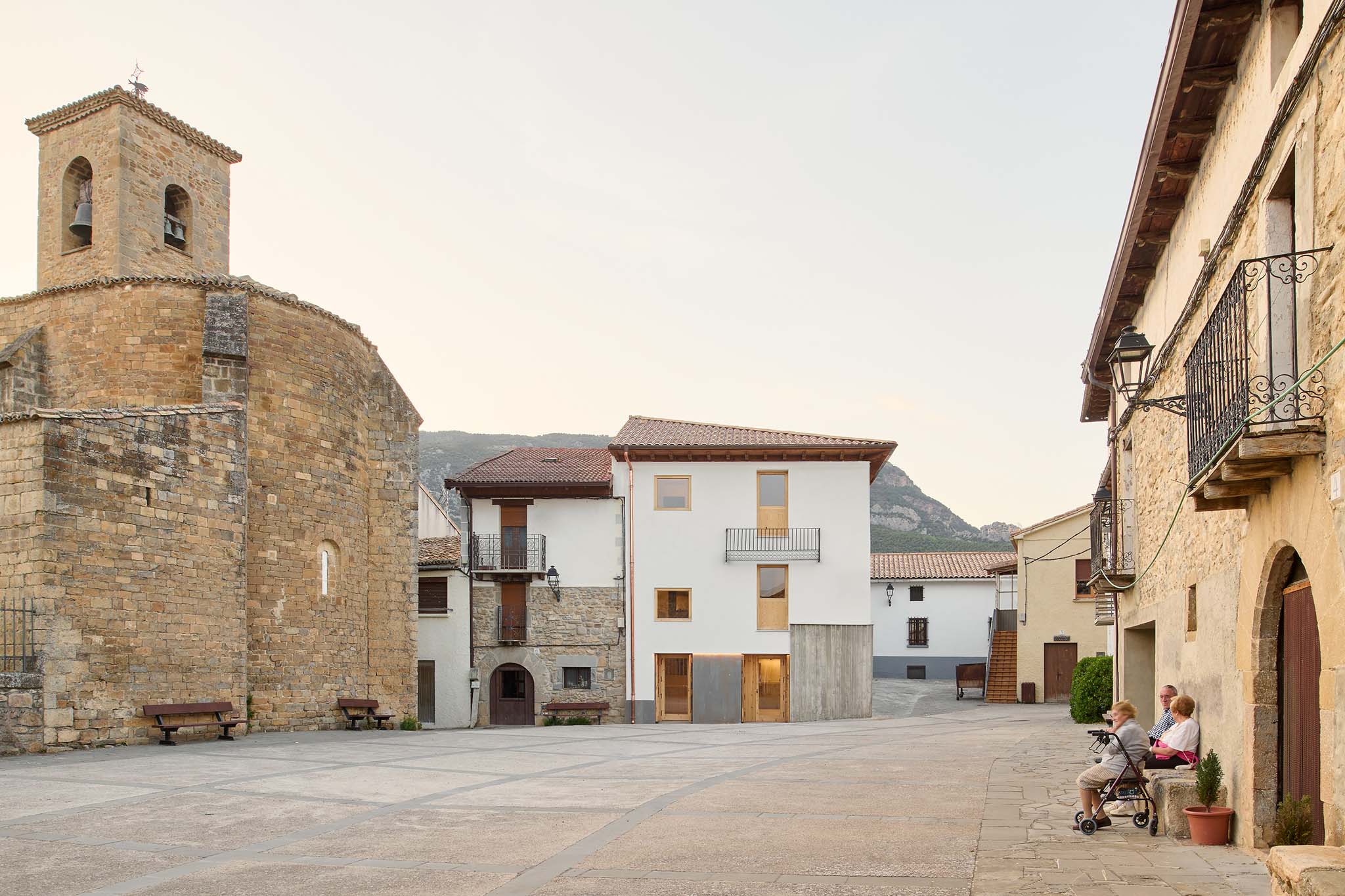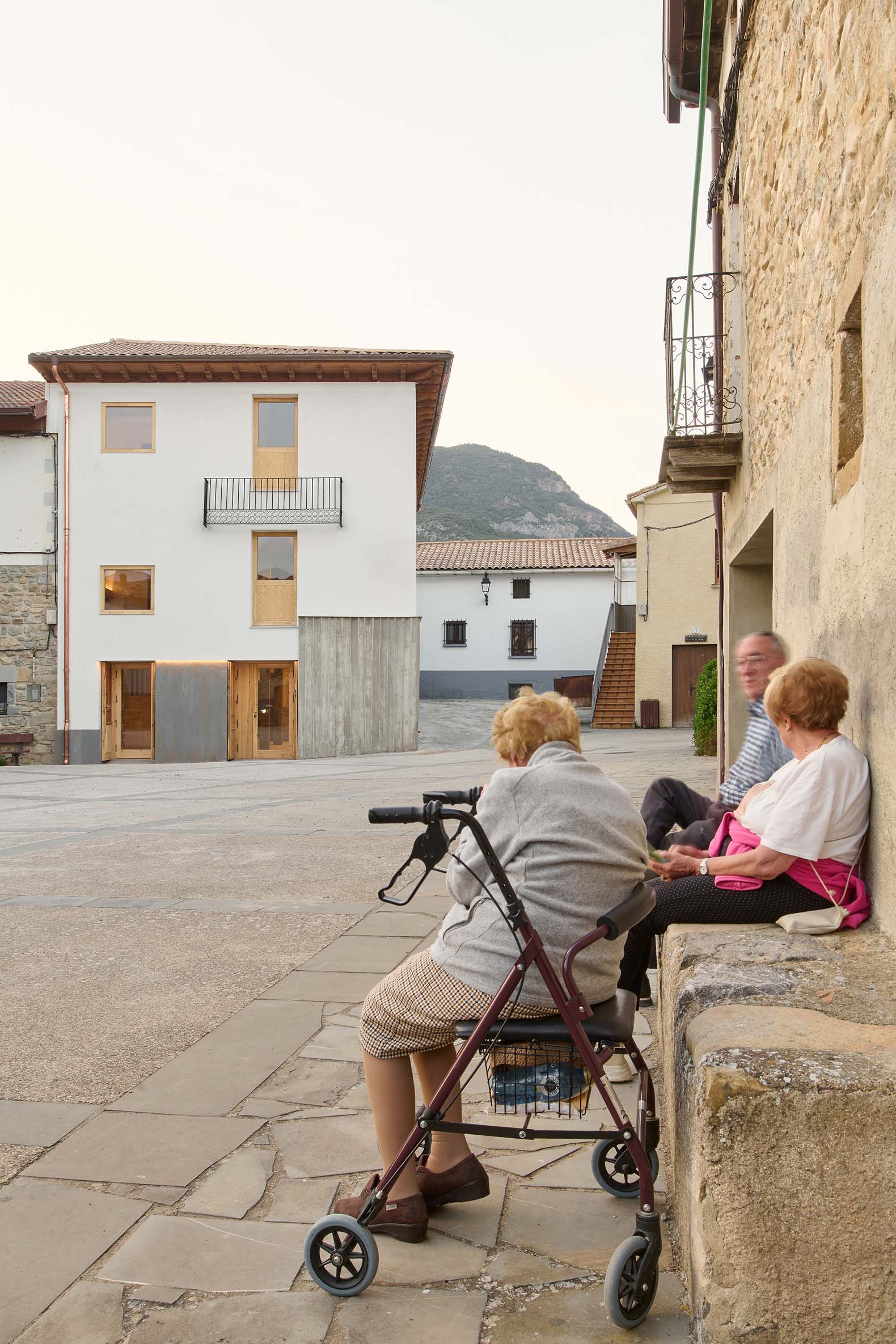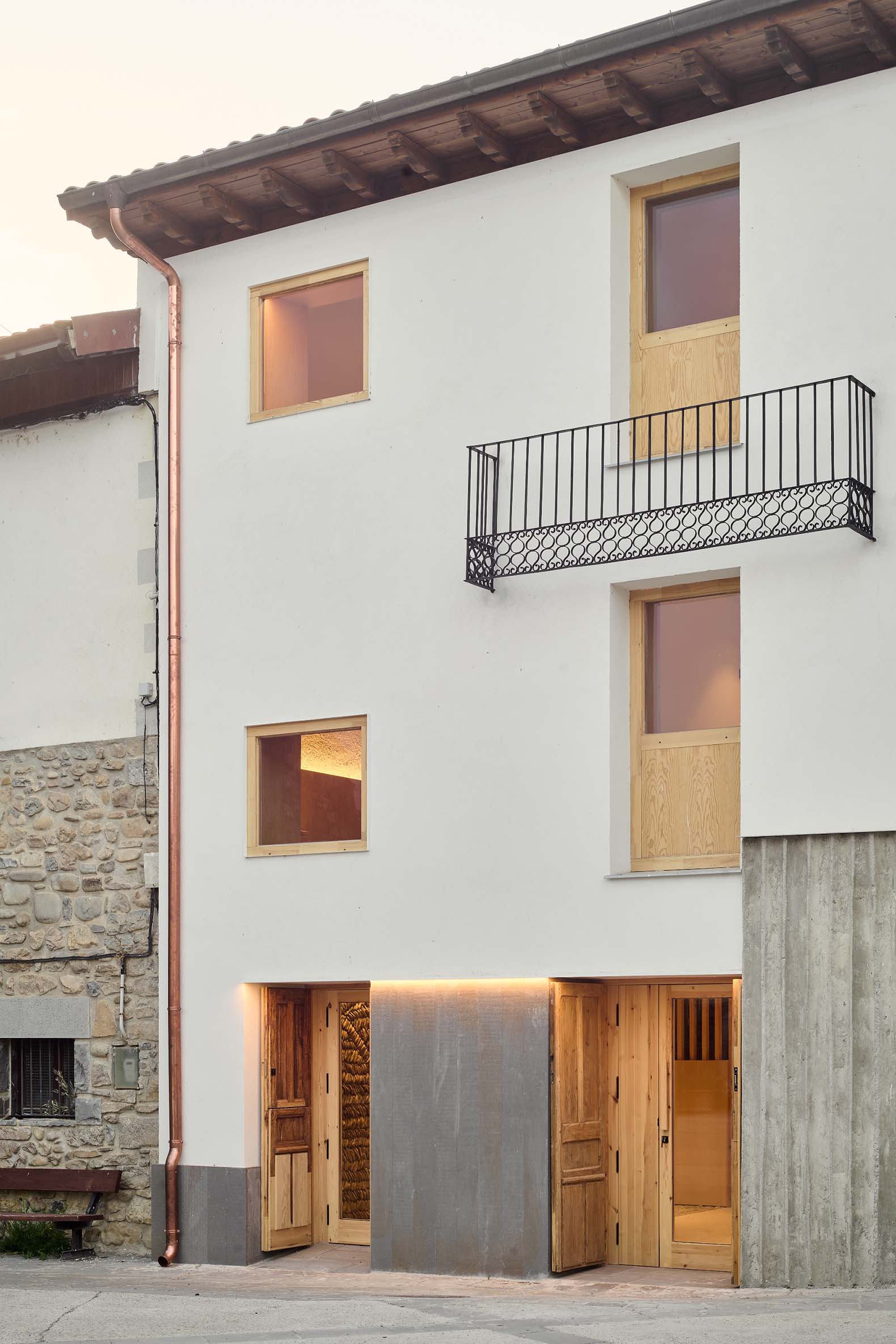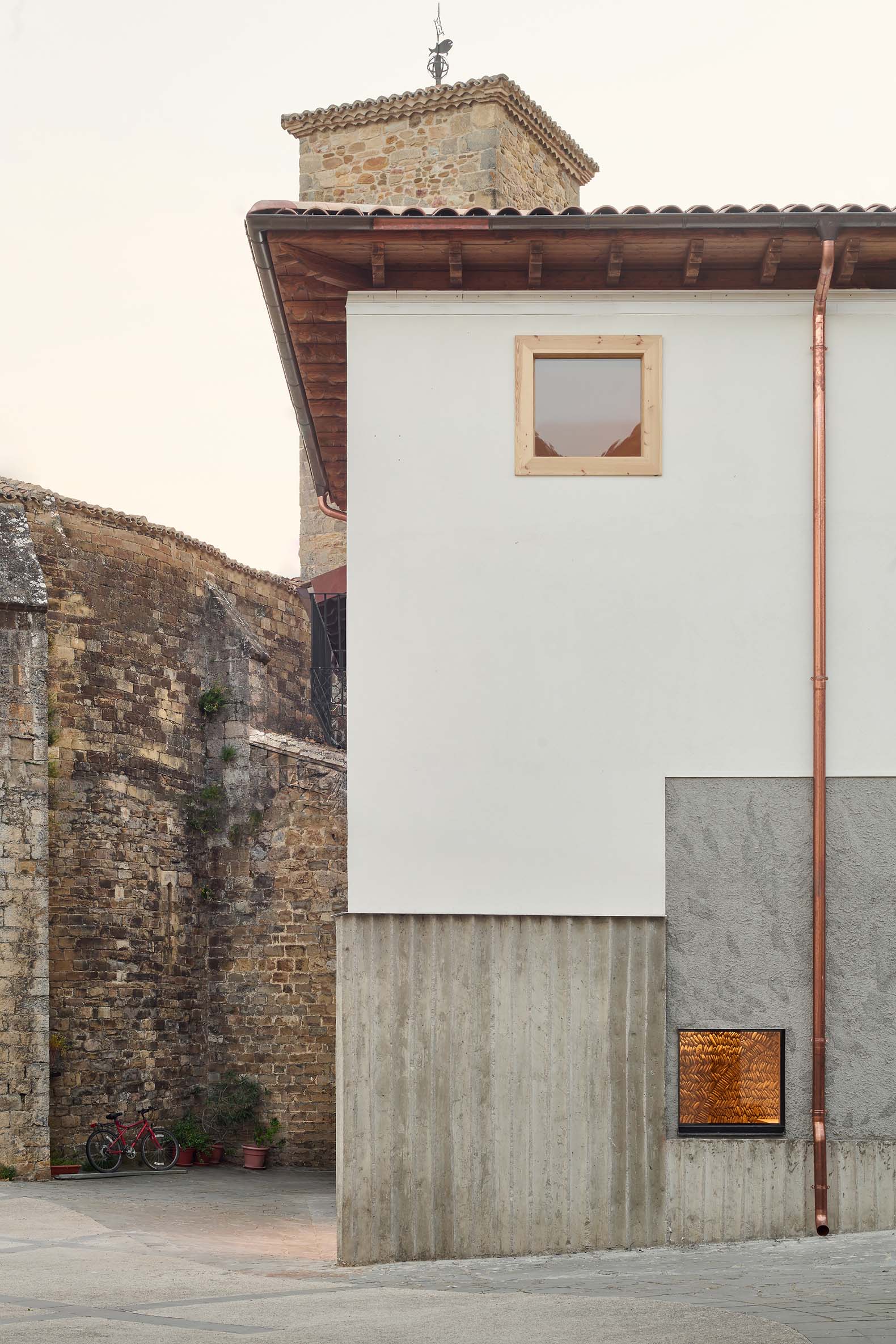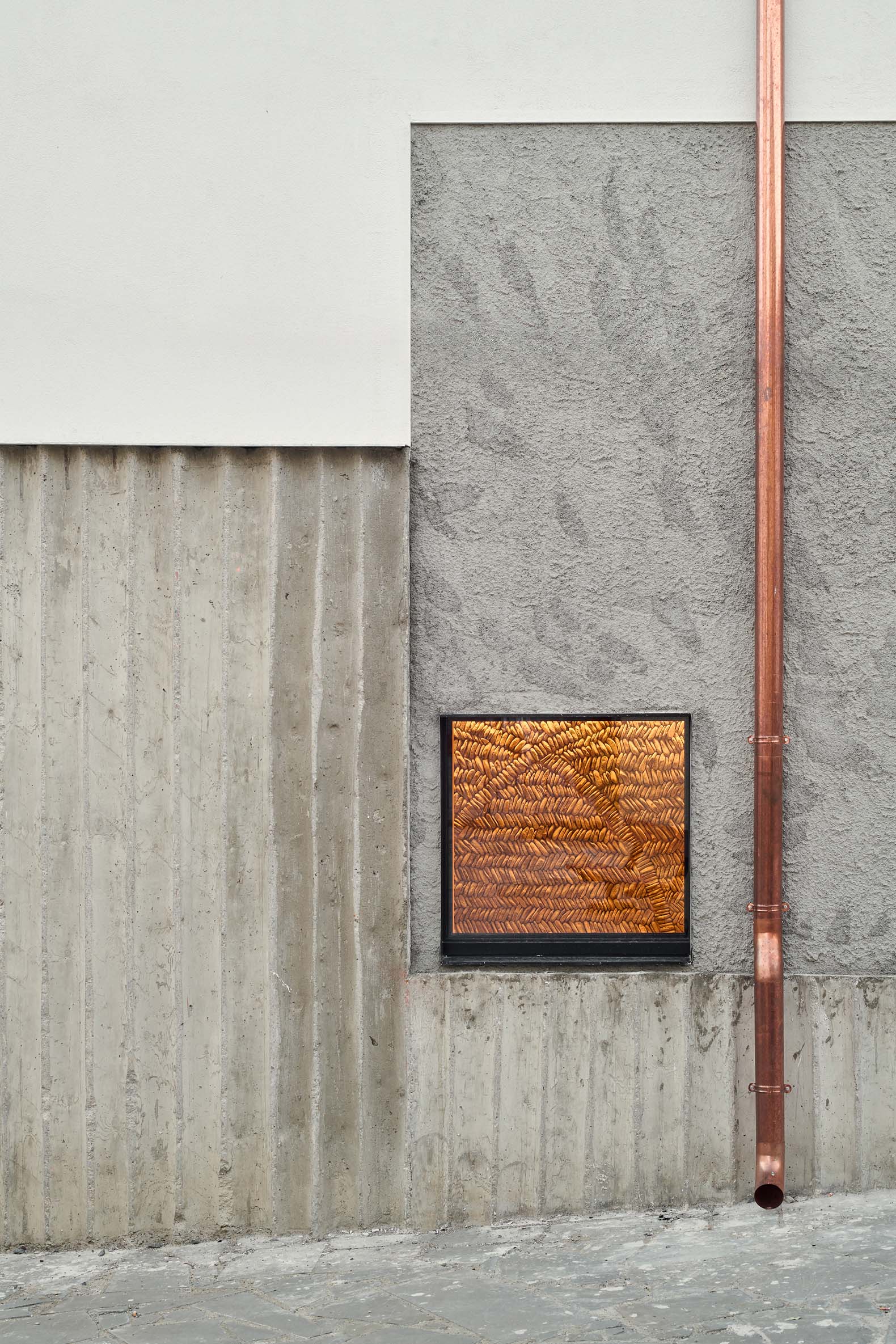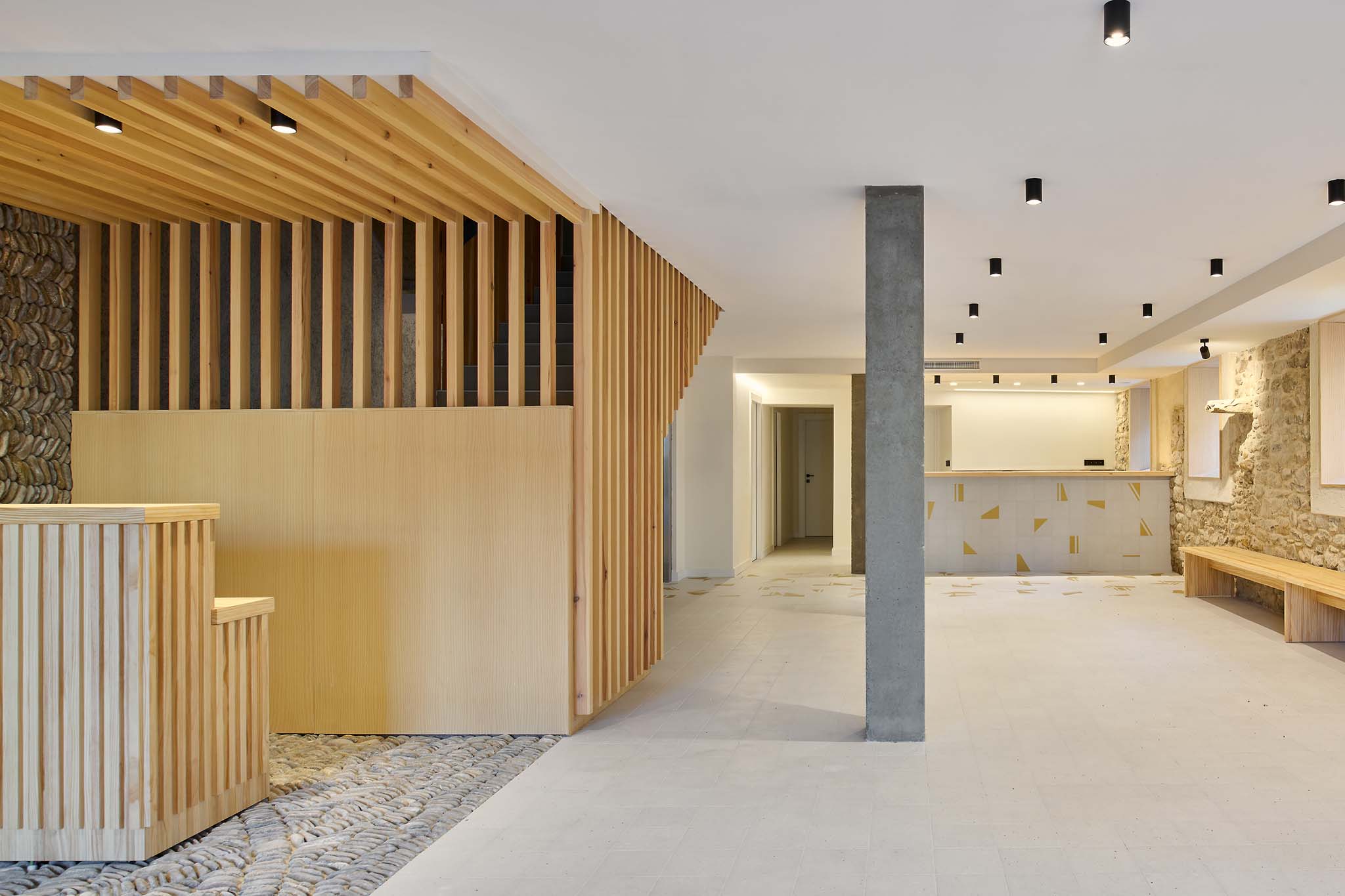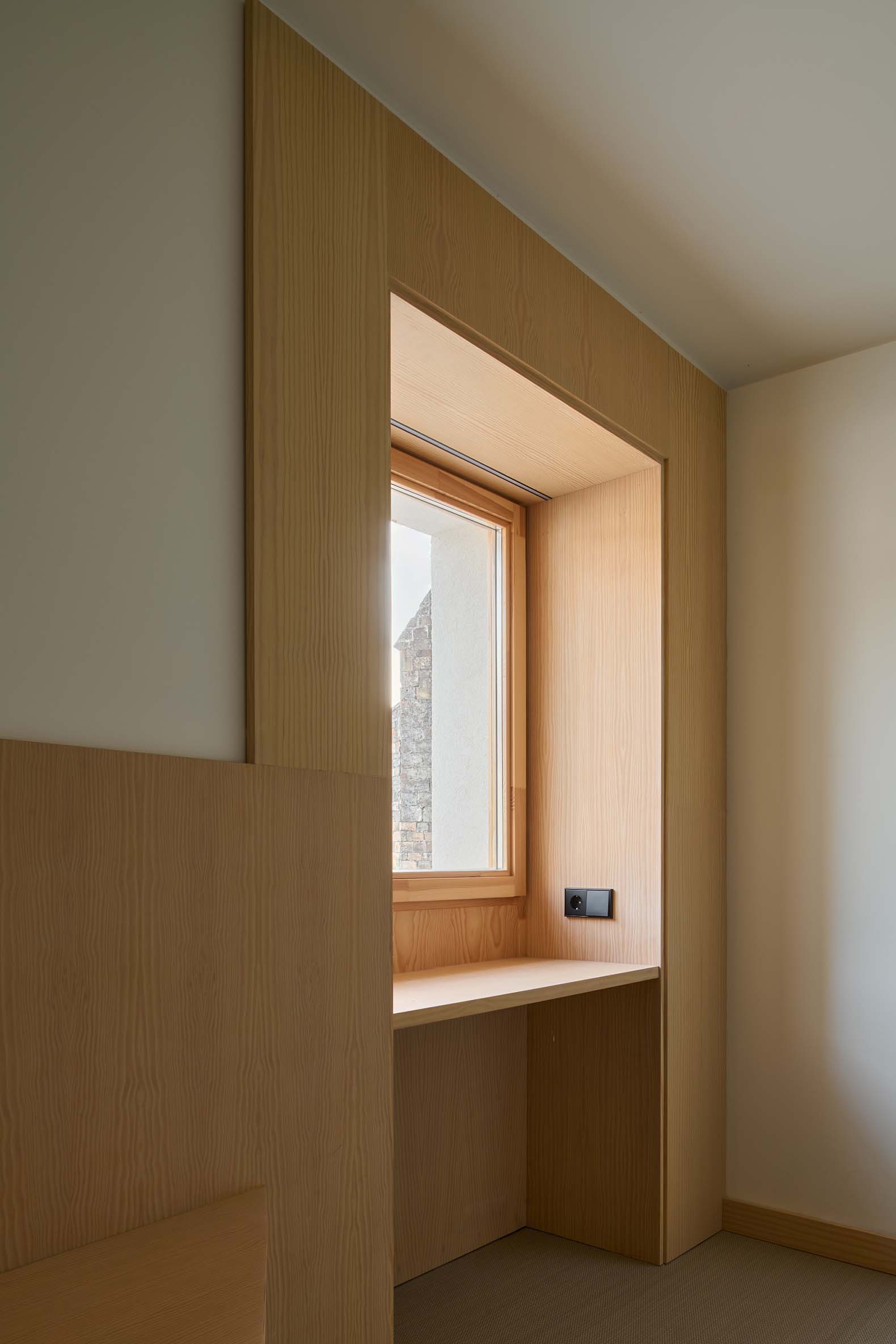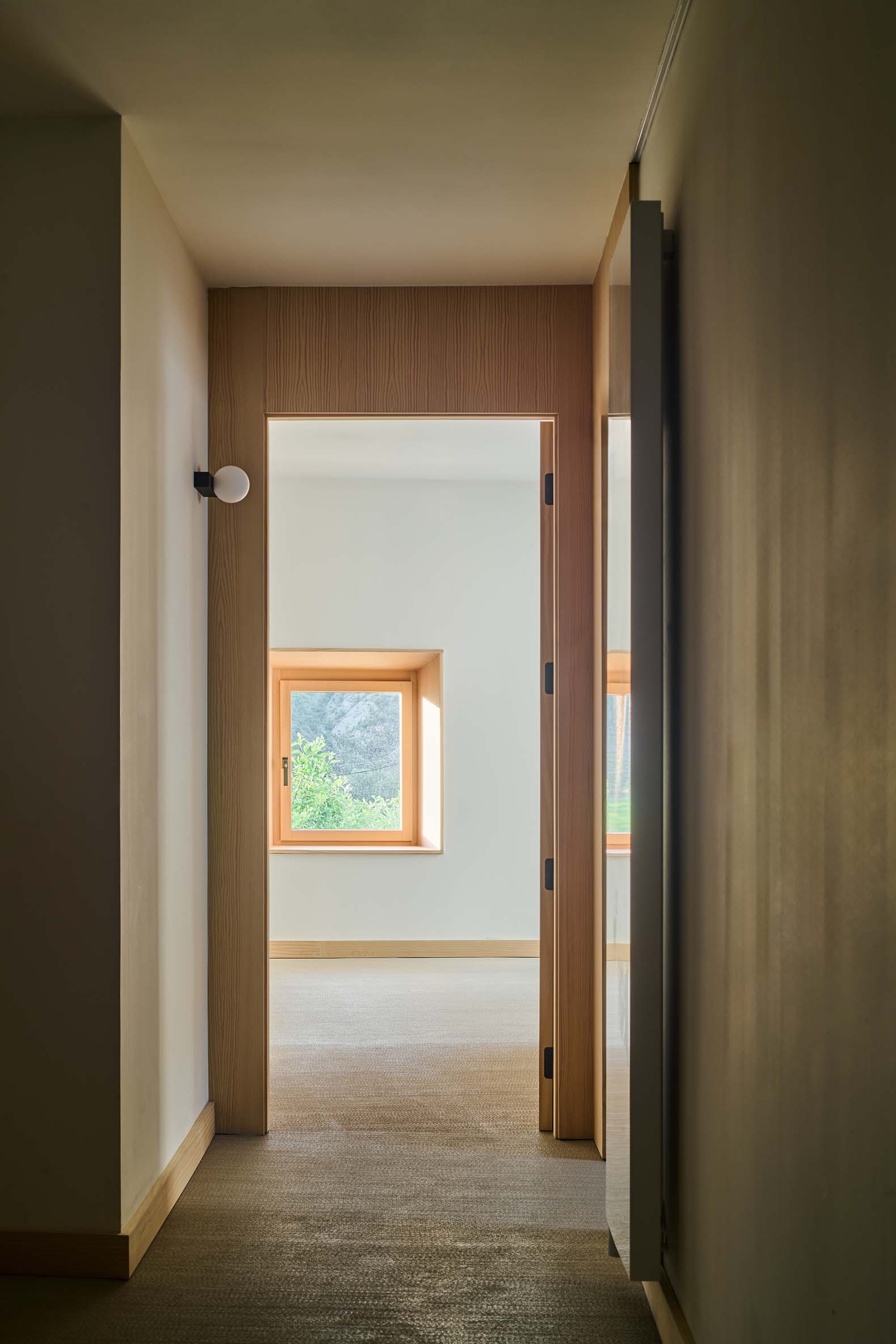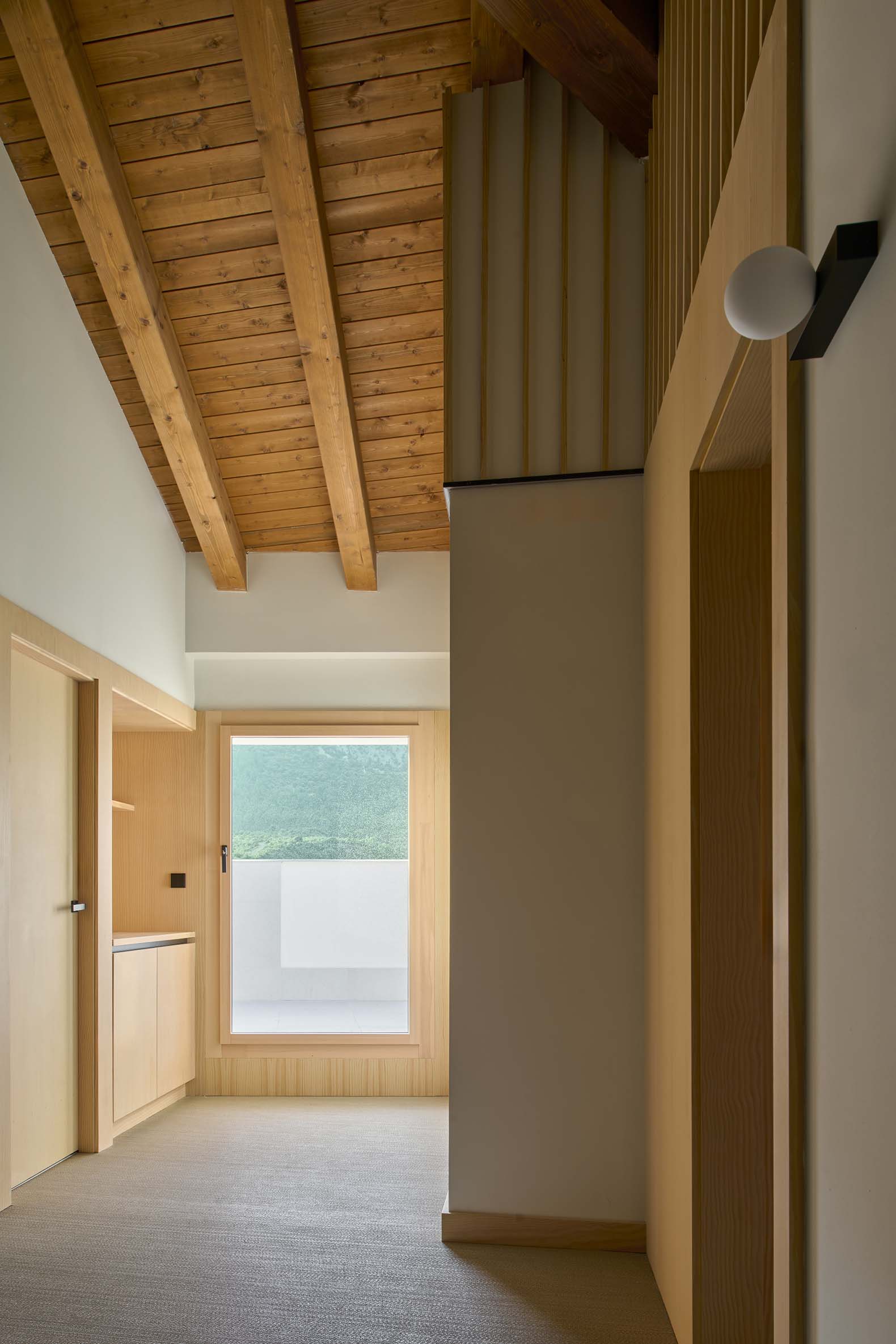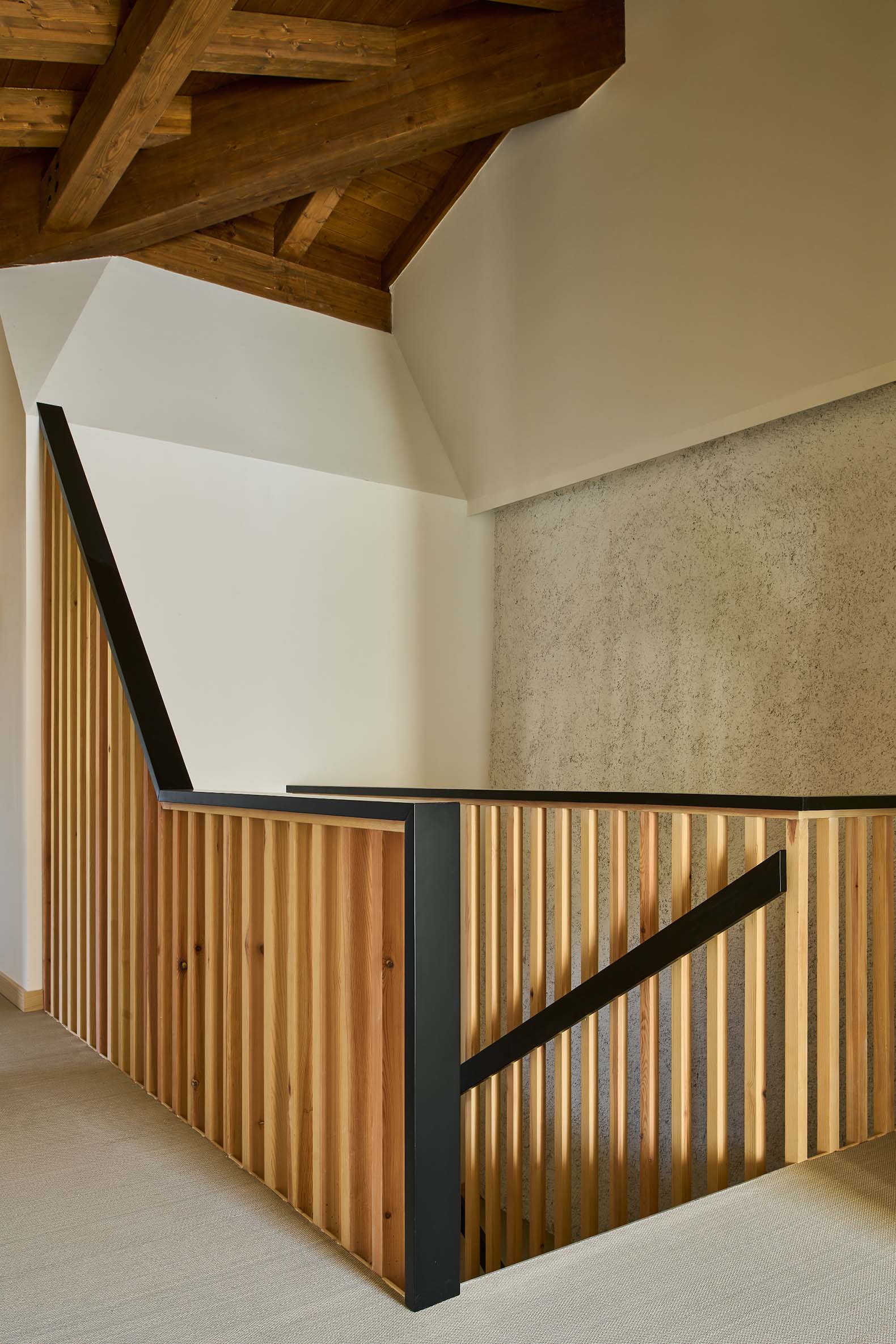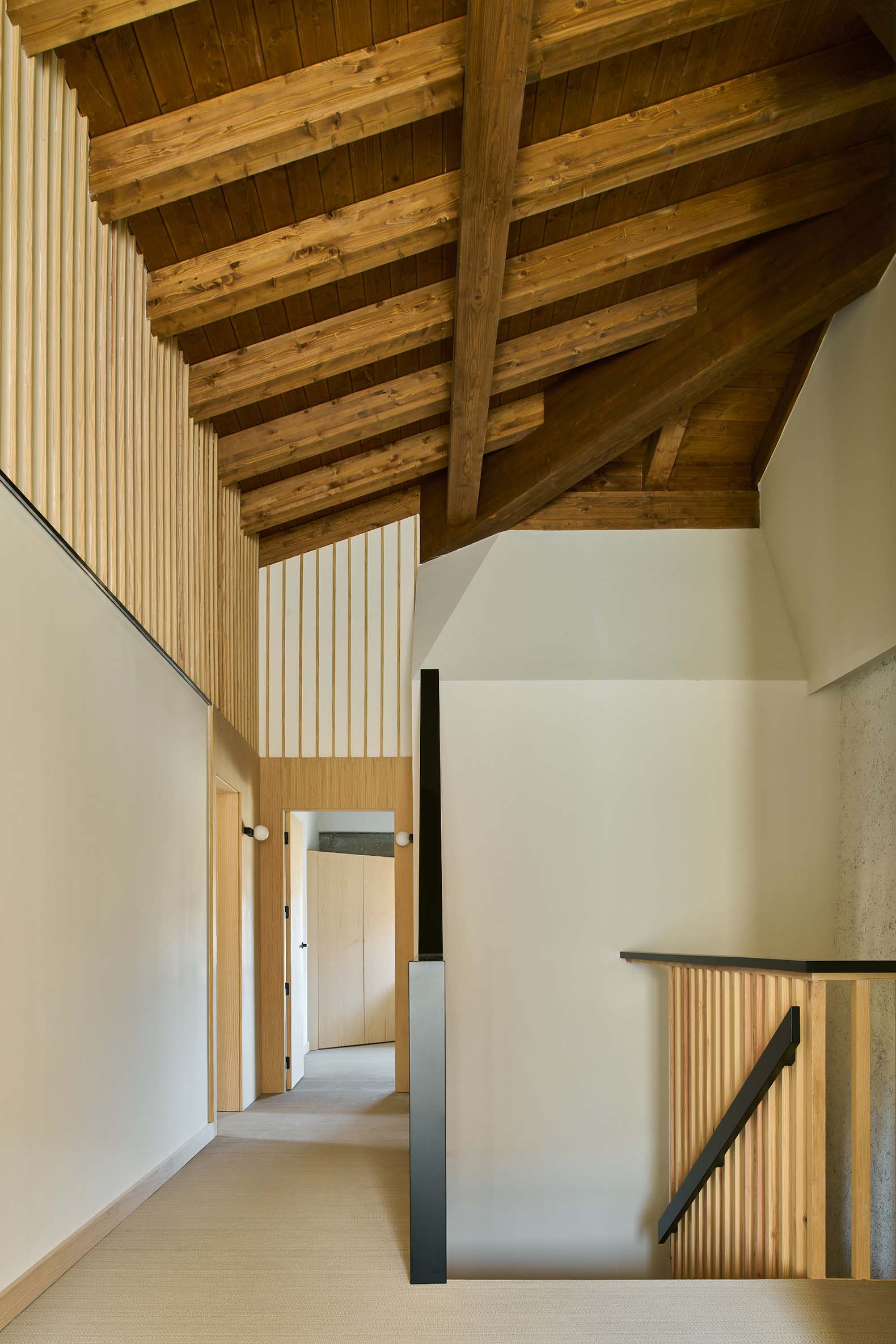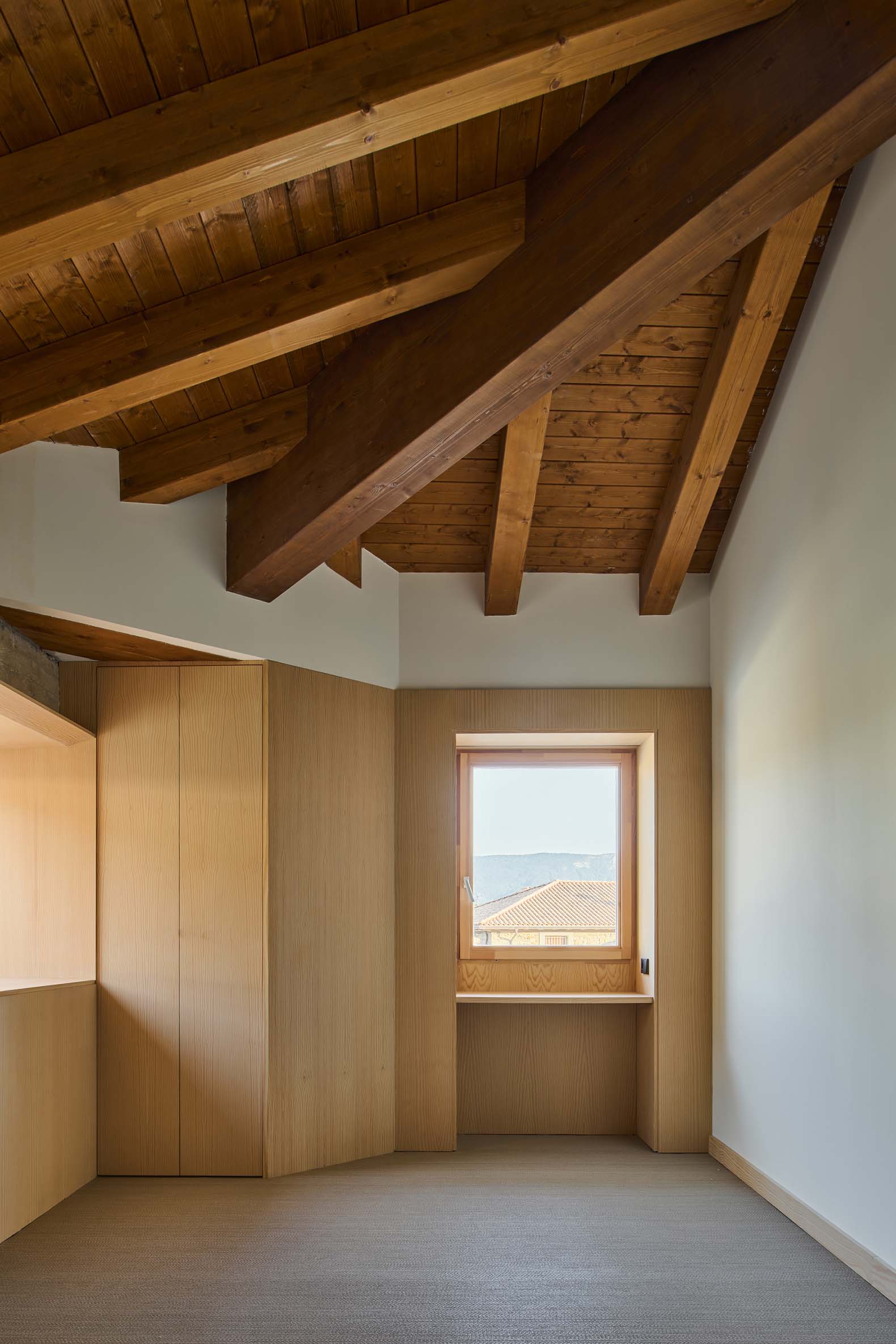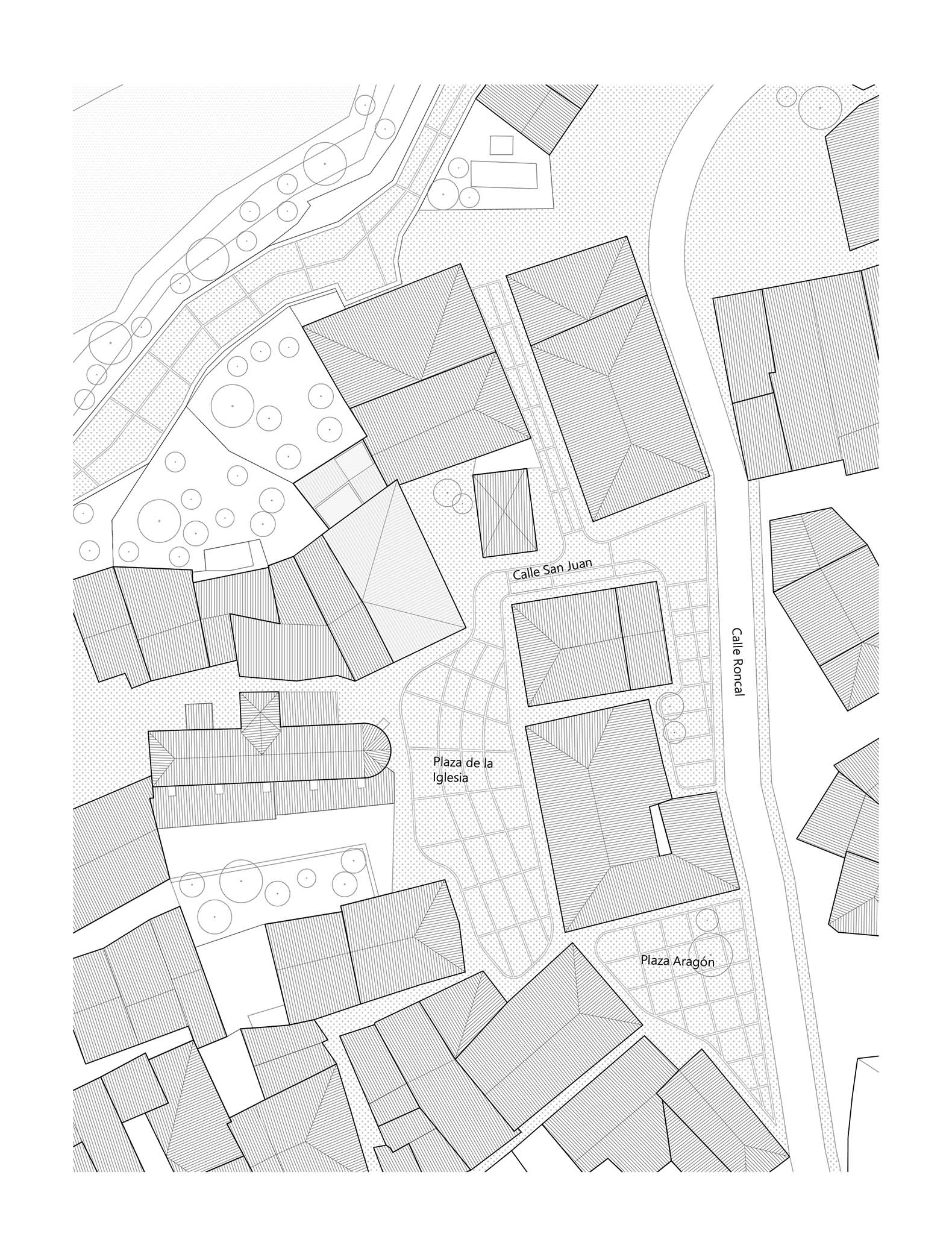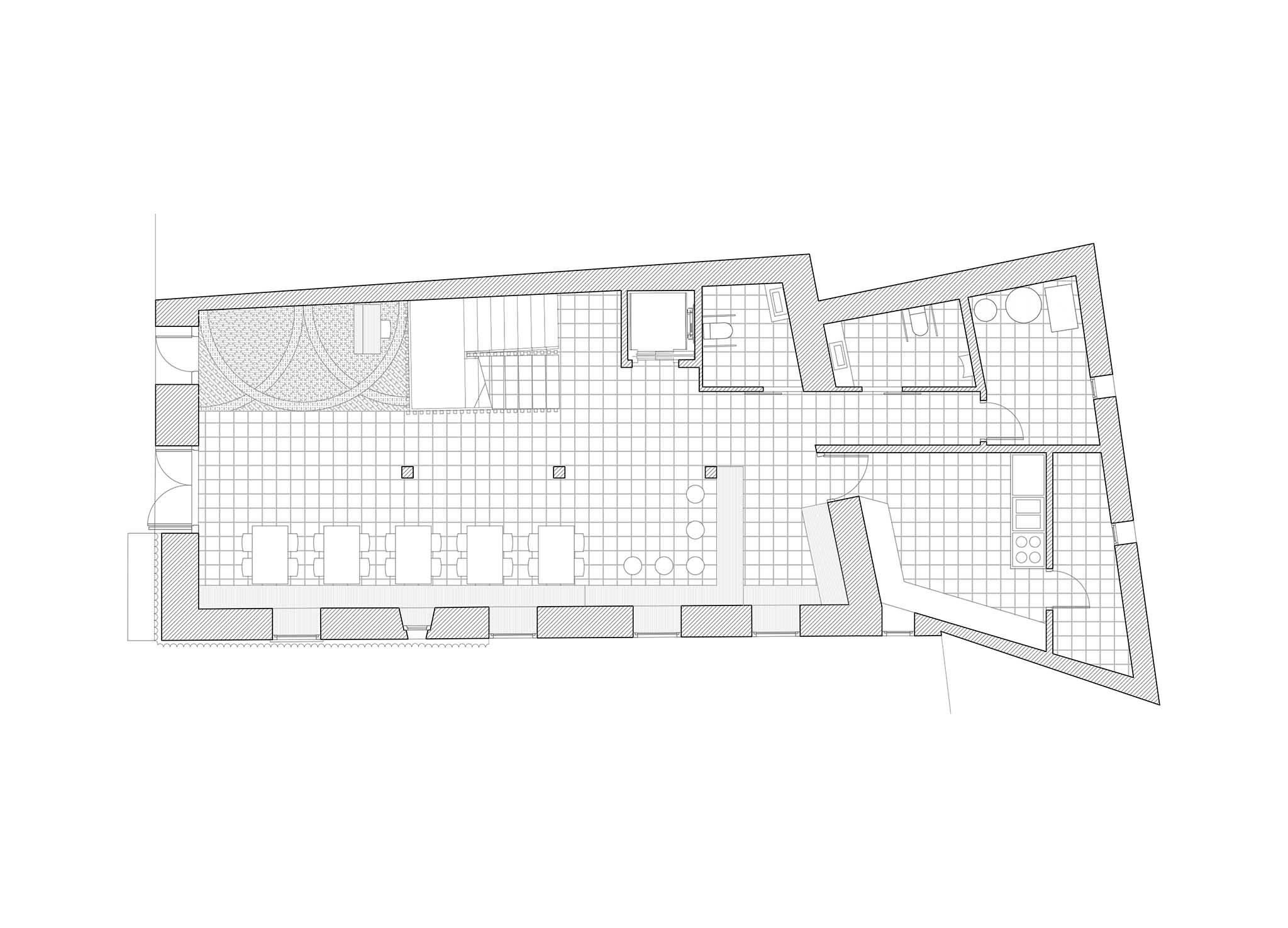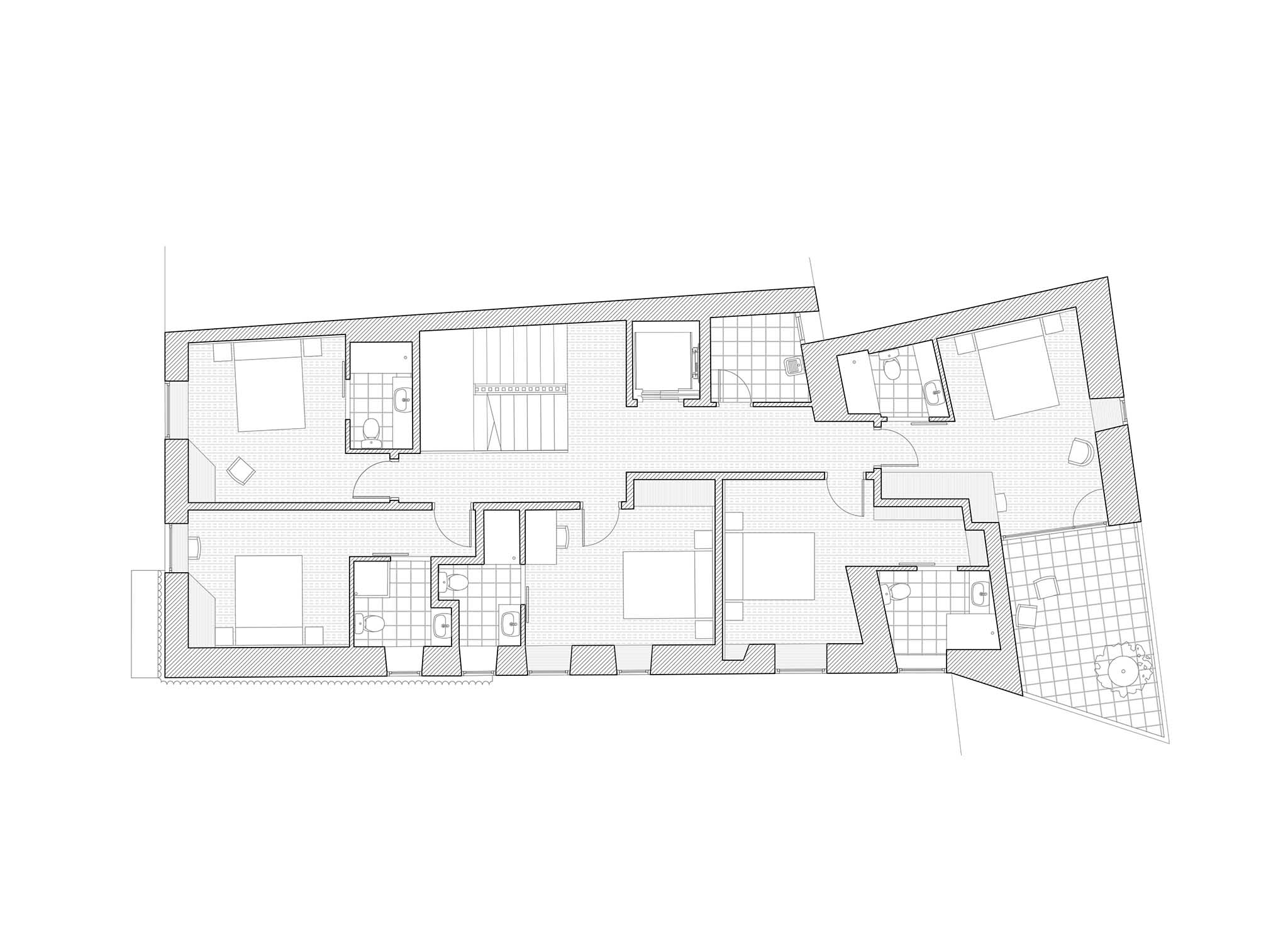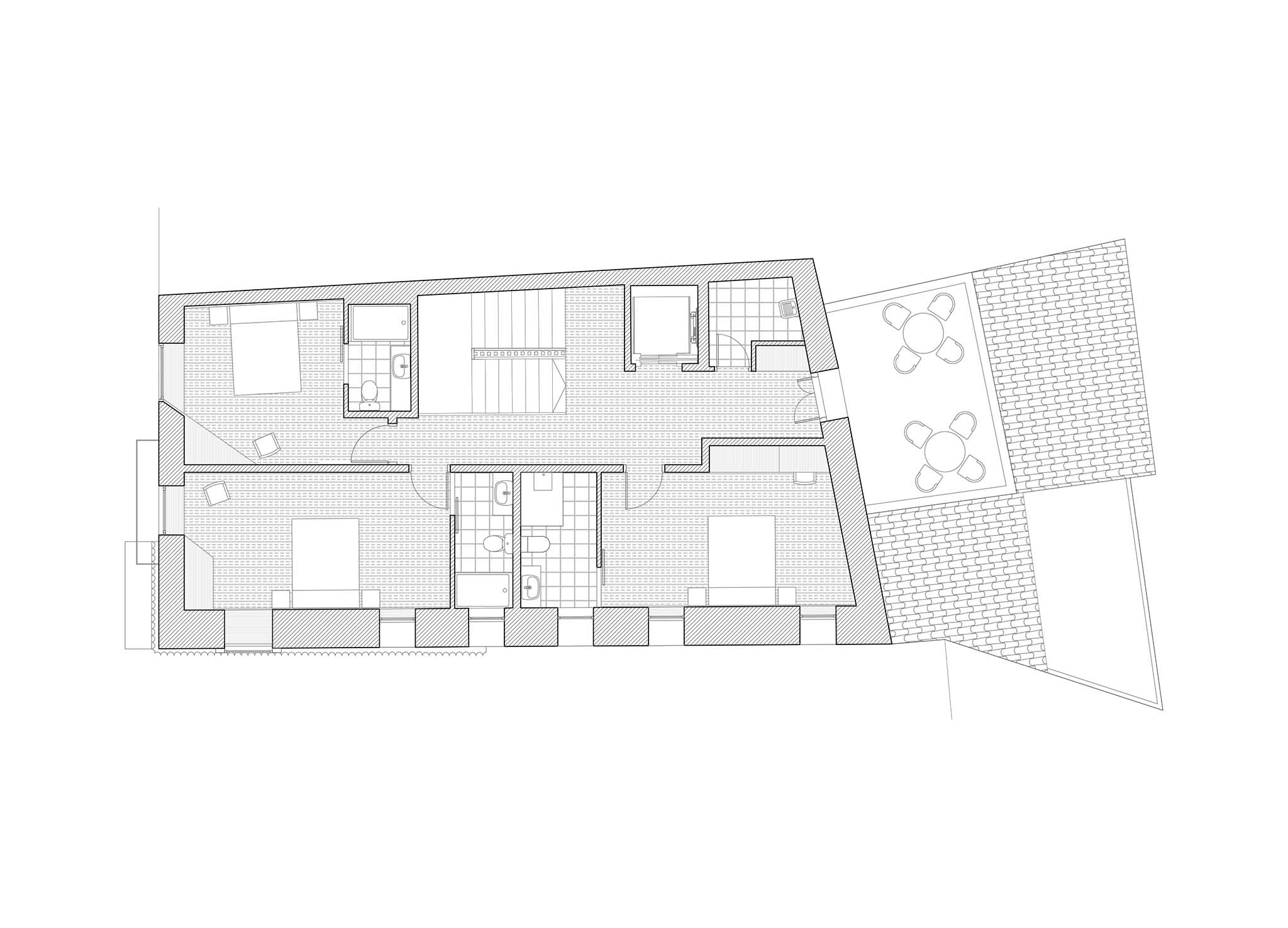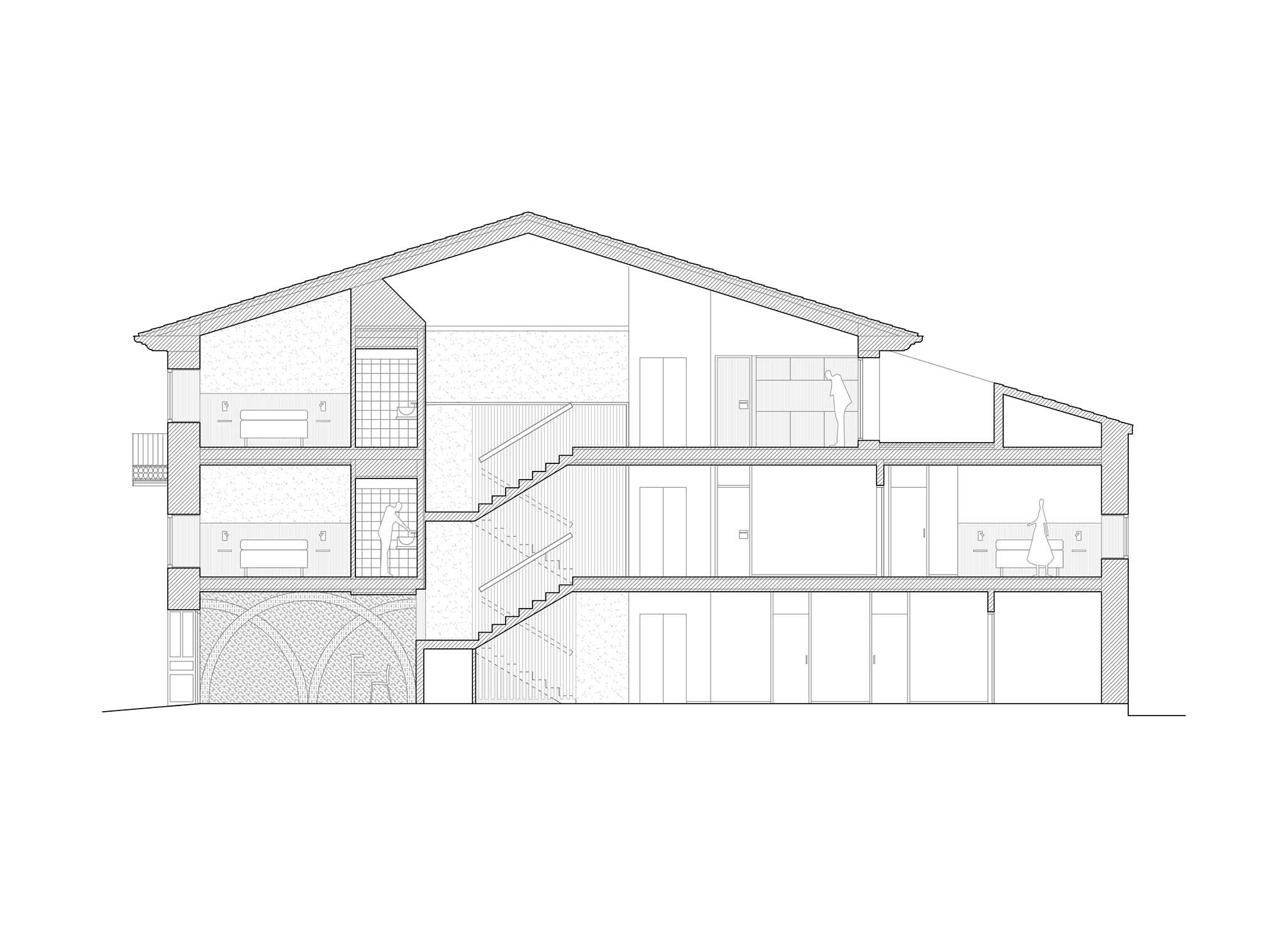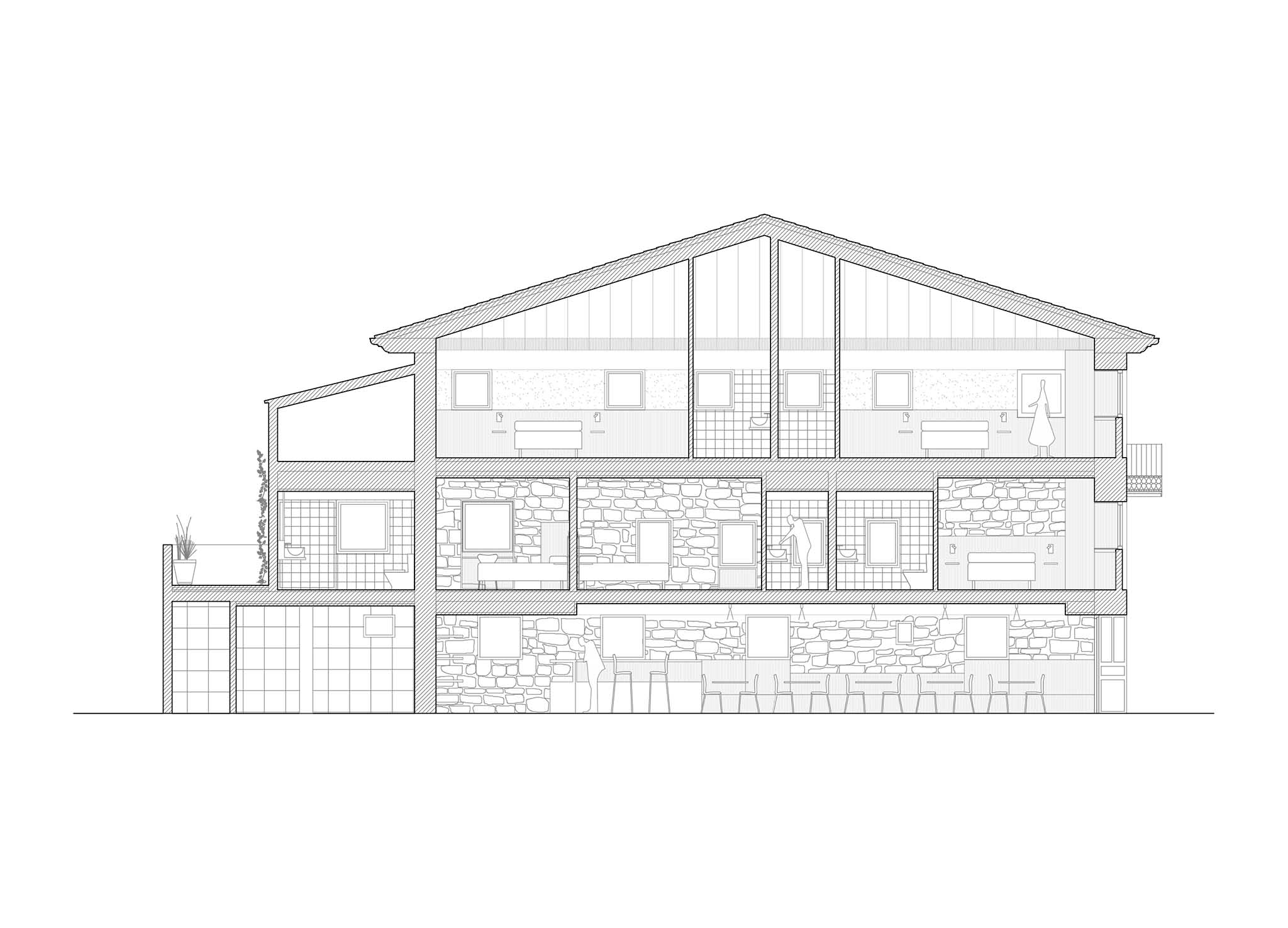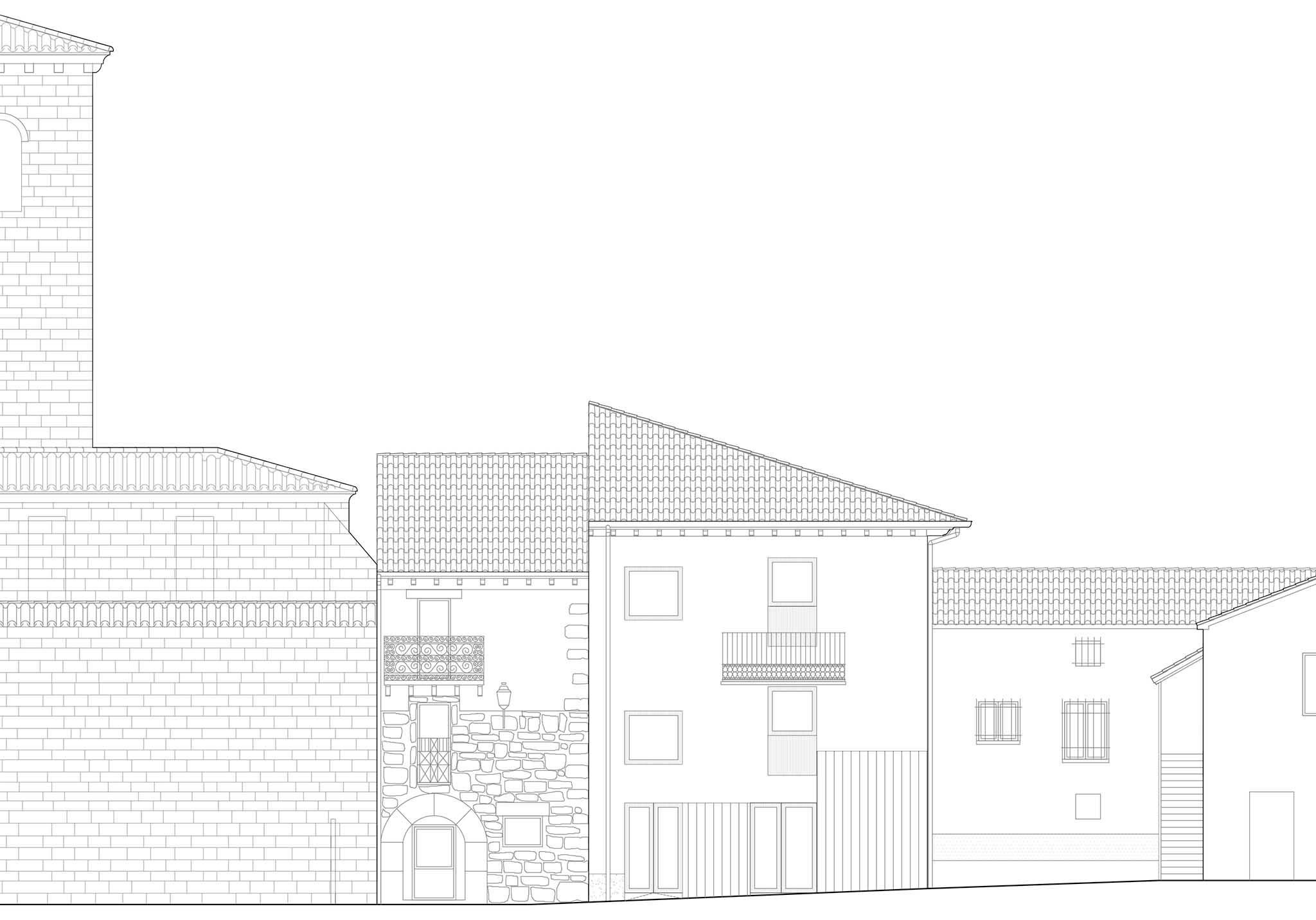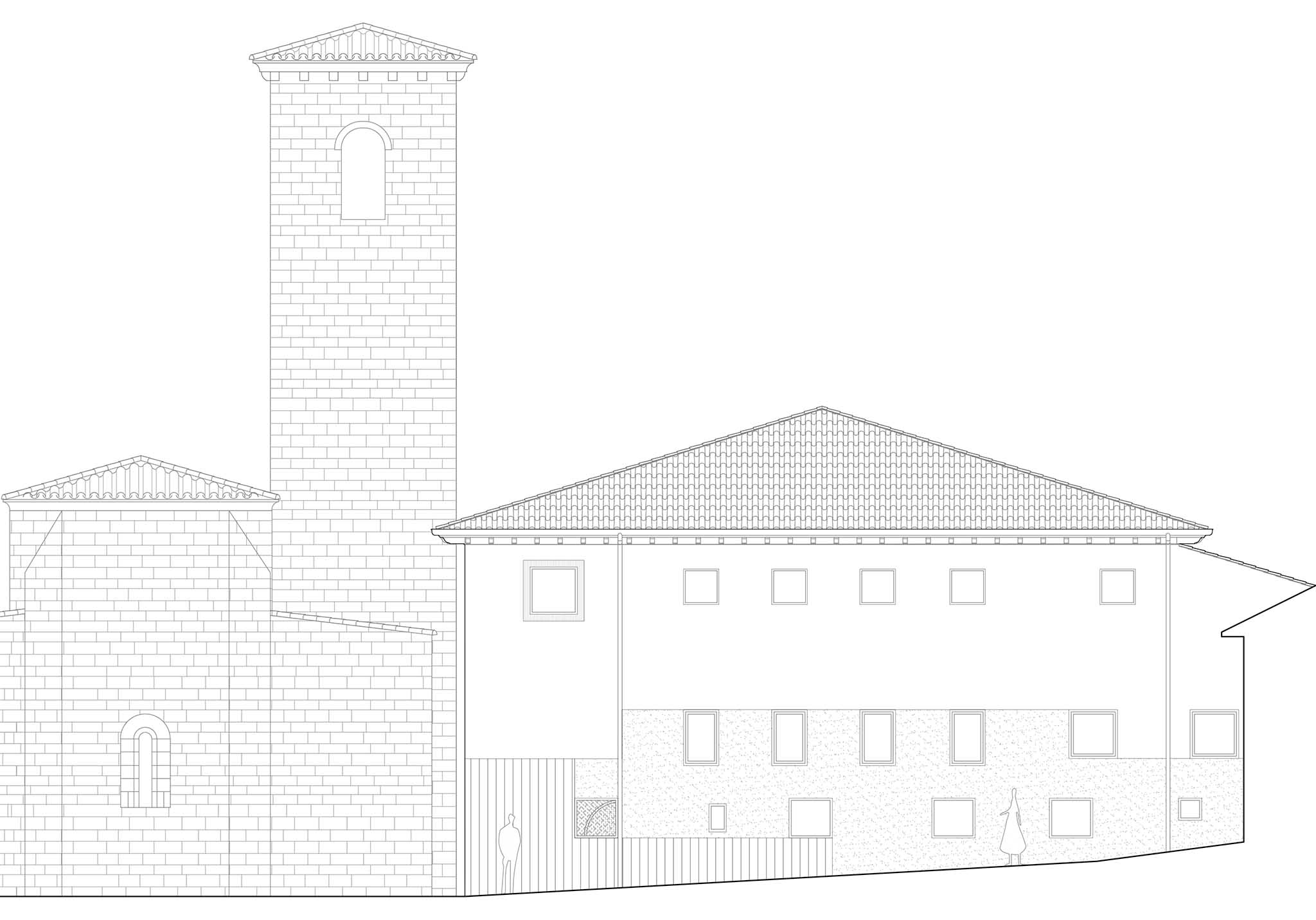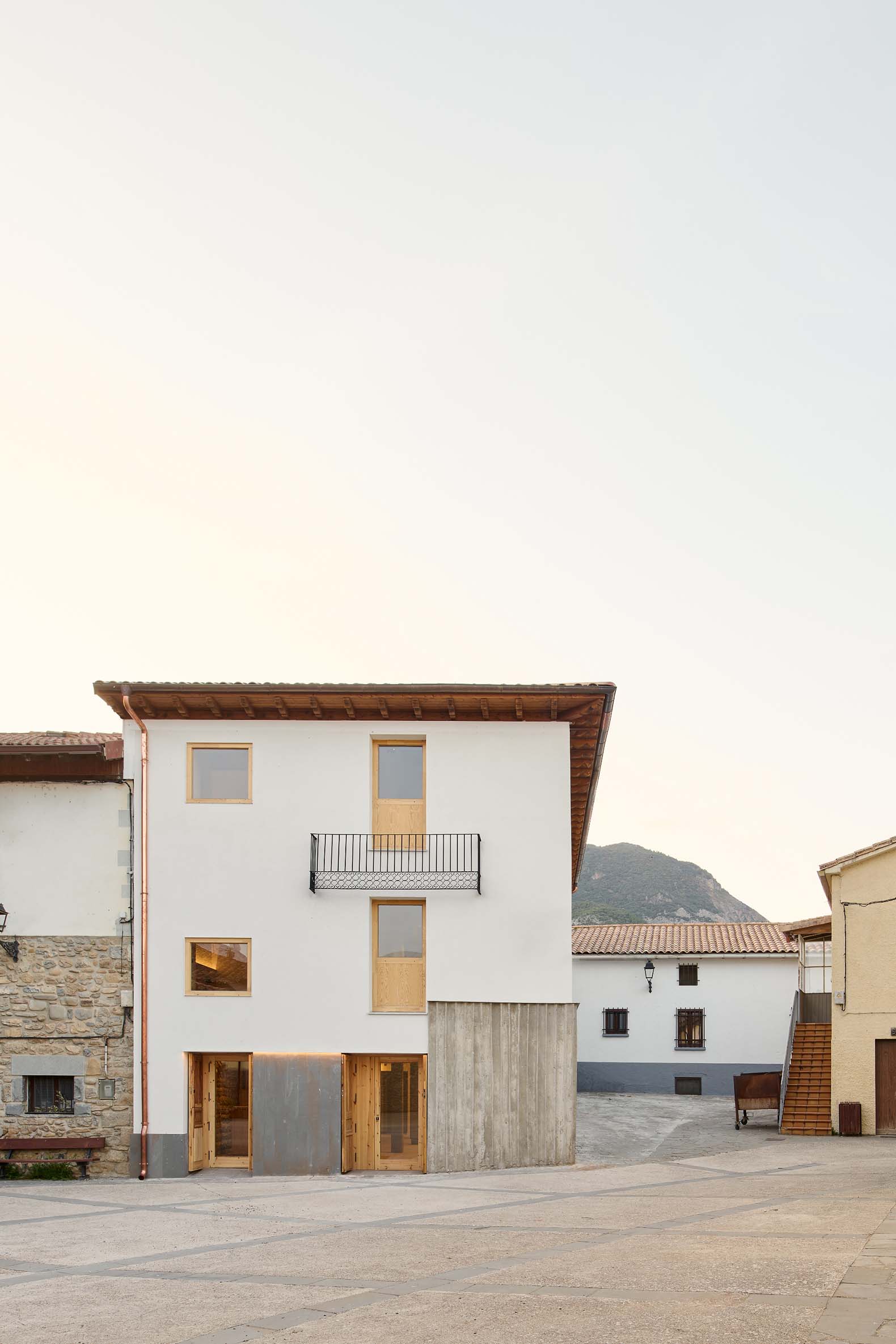
The renovation project by Sebastián Arquitectos brings a house located in the town square back to life. The design preserves elements of the original building, such as the wrought-iron balcony, and introduces a concrete corner whose texture replicates the arrangement of logs from a traditional raft.
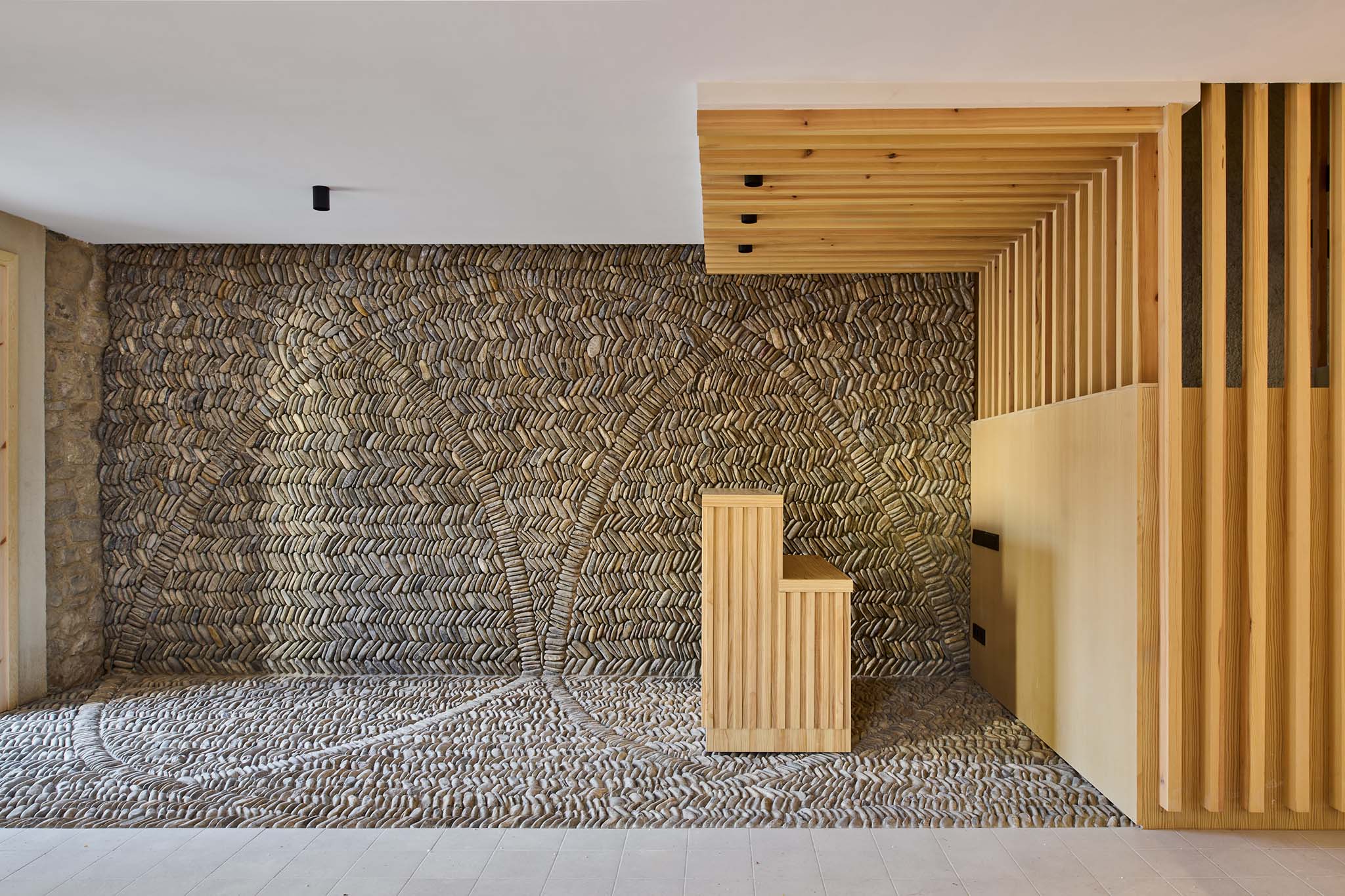
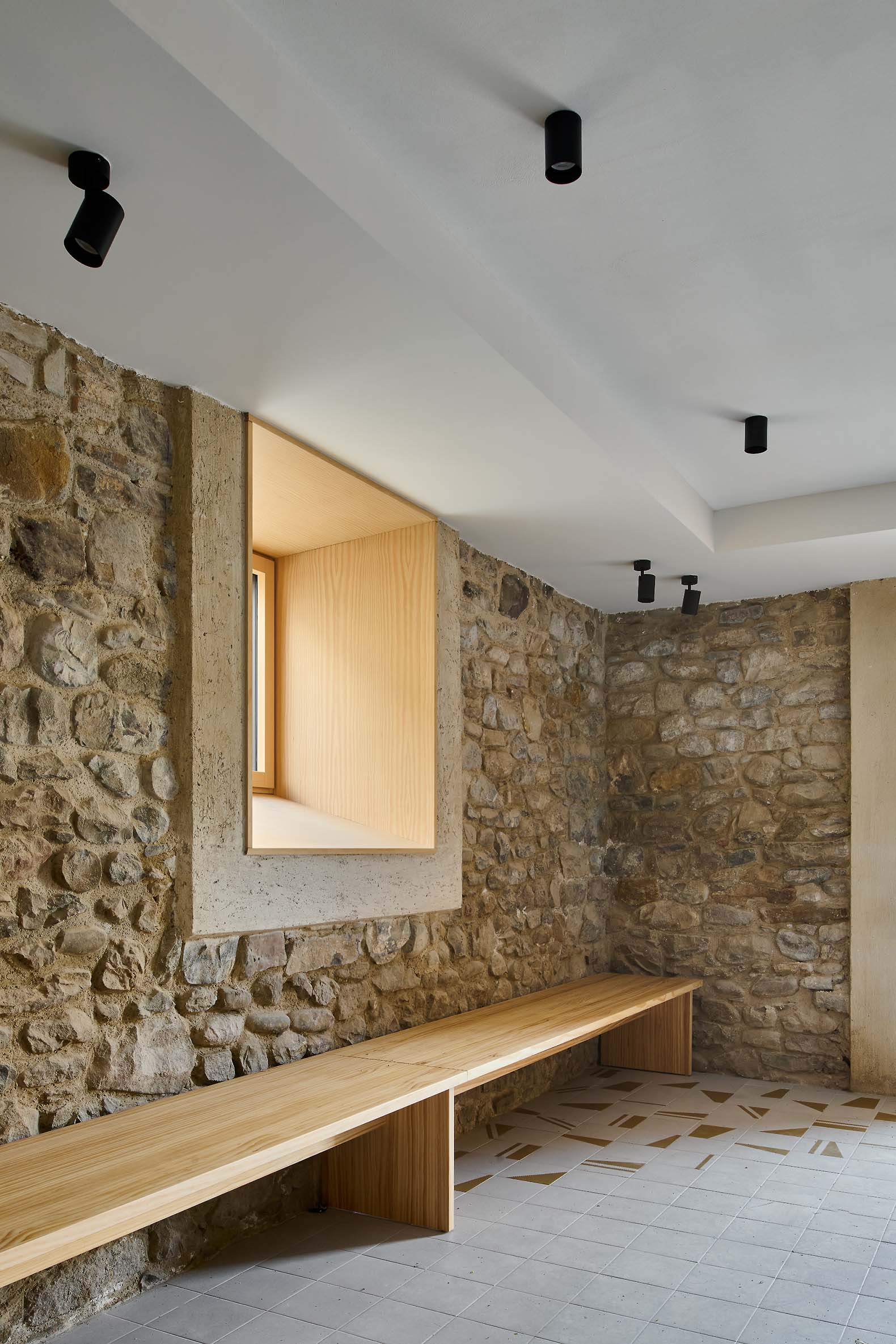
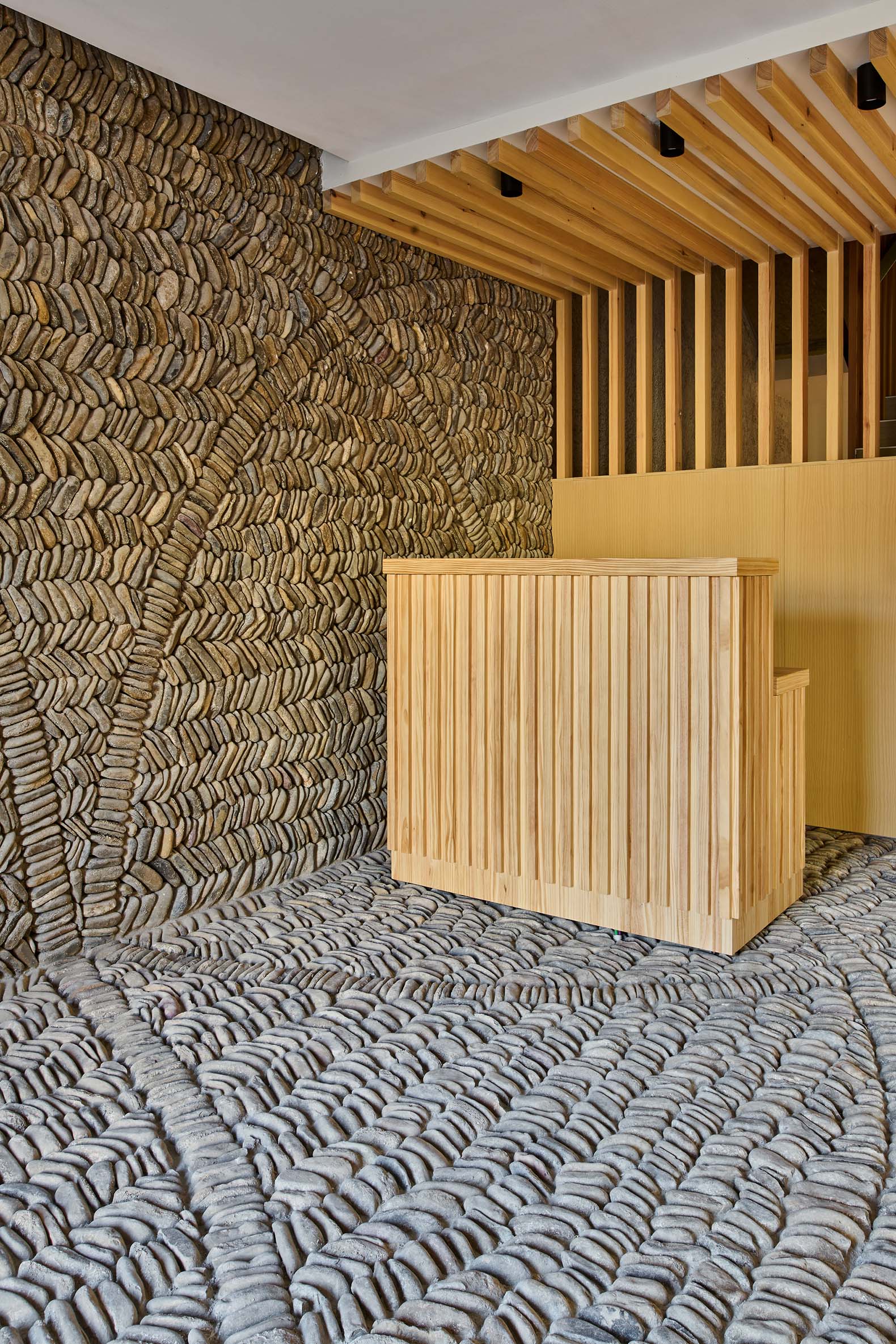
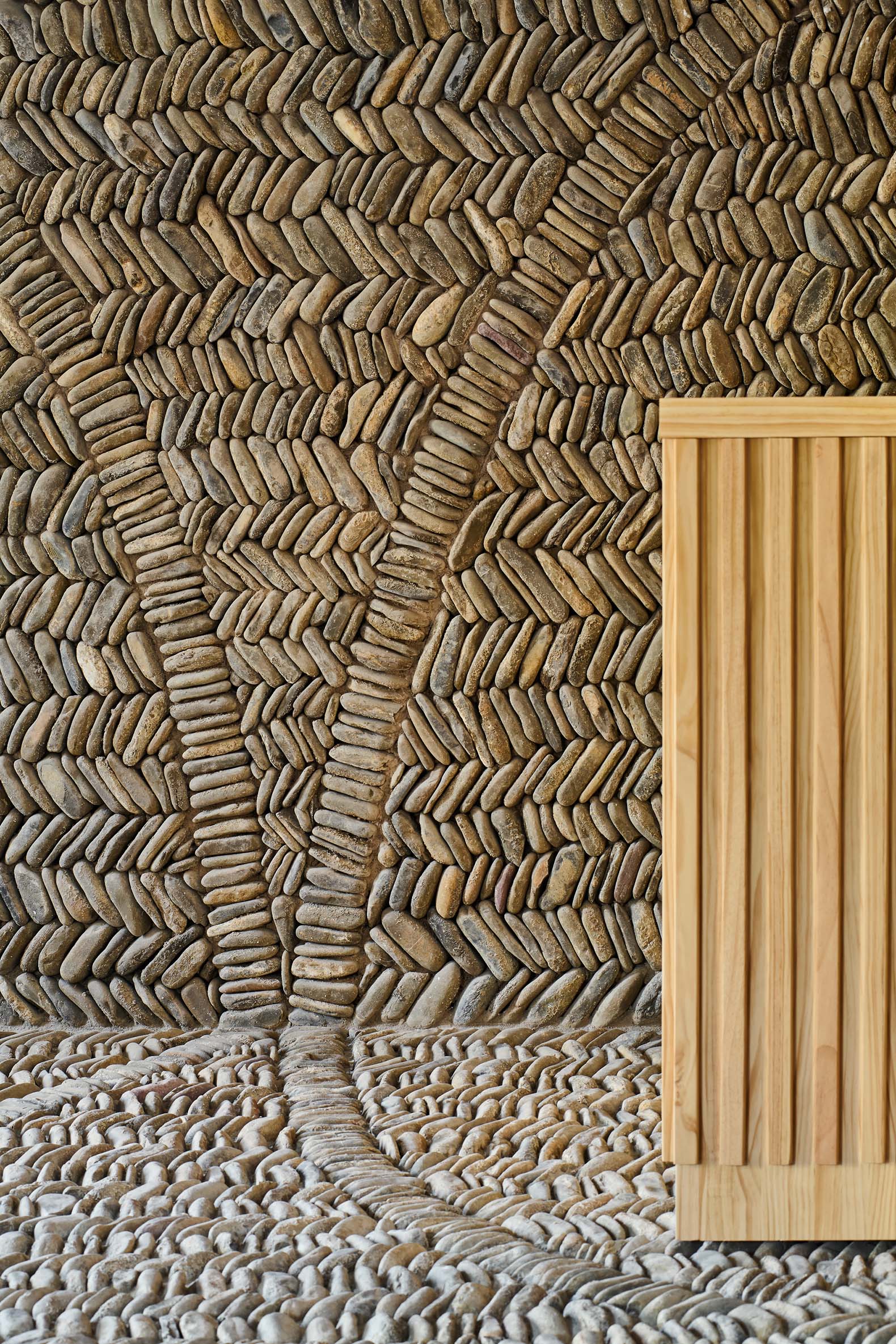
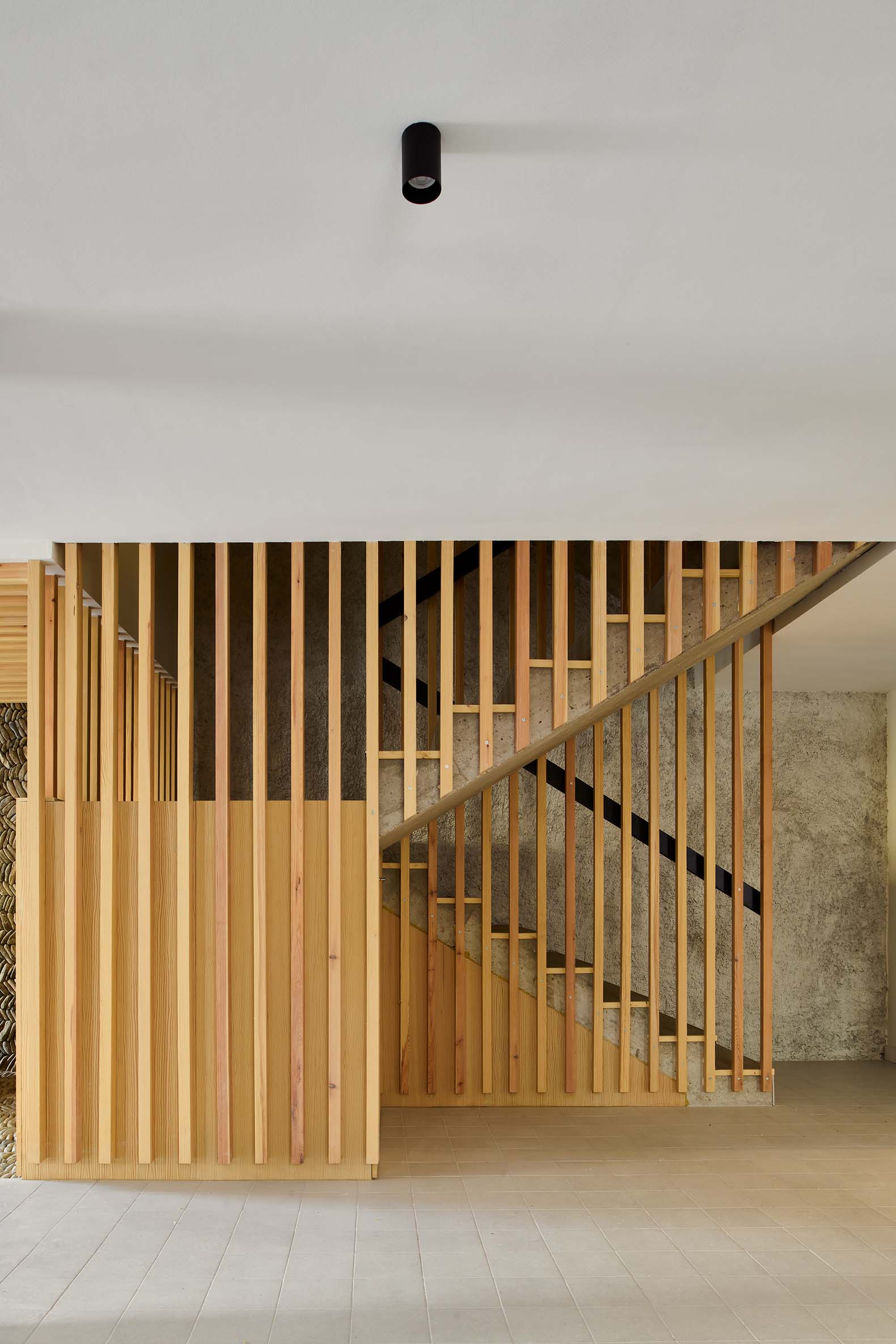
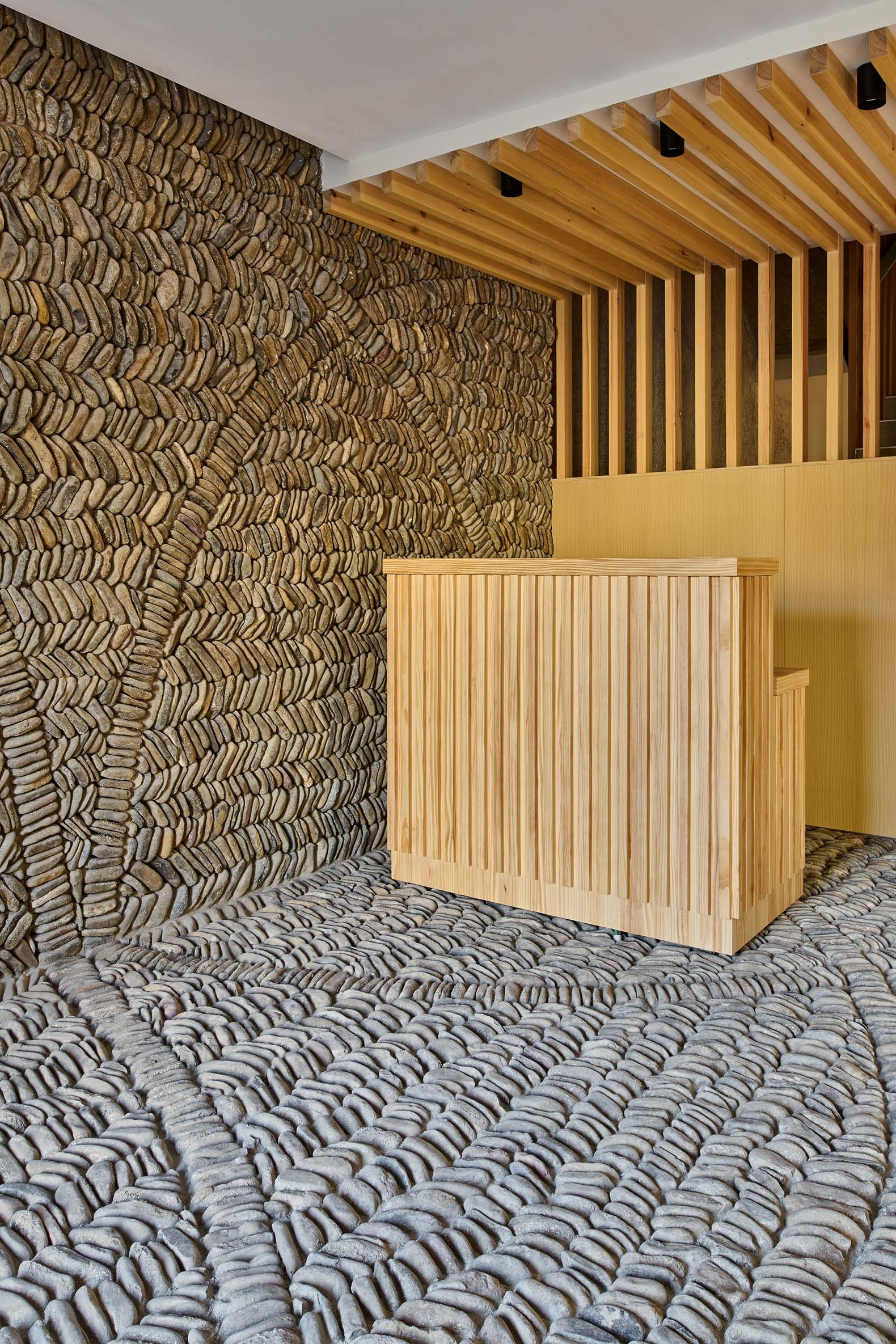
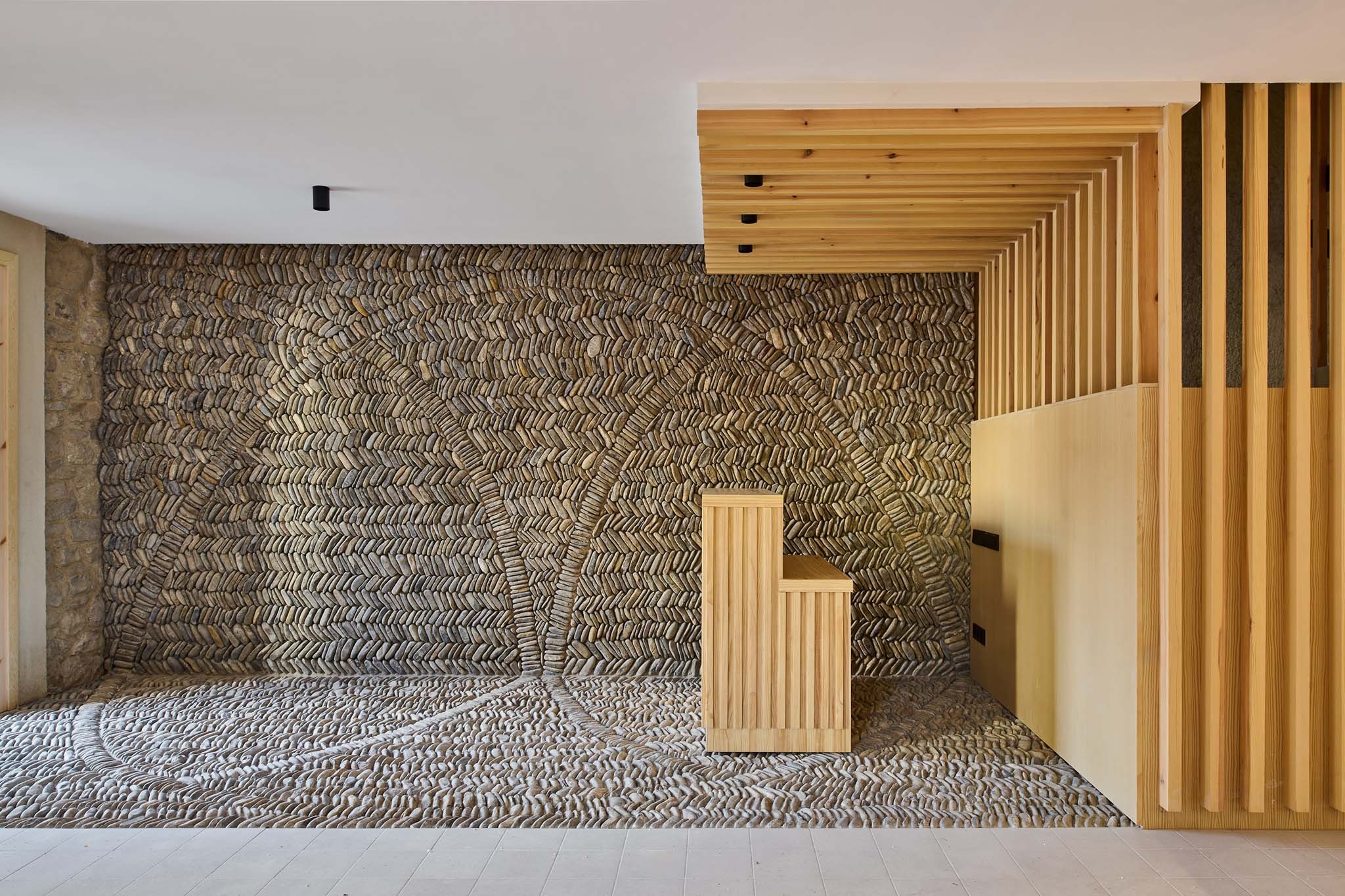
Constructively, the corner is formed using pine log formwork that leaves its imprint on the concrete, while the floor evokes the tradition of old Pyrenean entryways with river stones from the Esca River arranged in geometric patterns. Pine wood is also a recurring element in the doors, panelling, and other features.
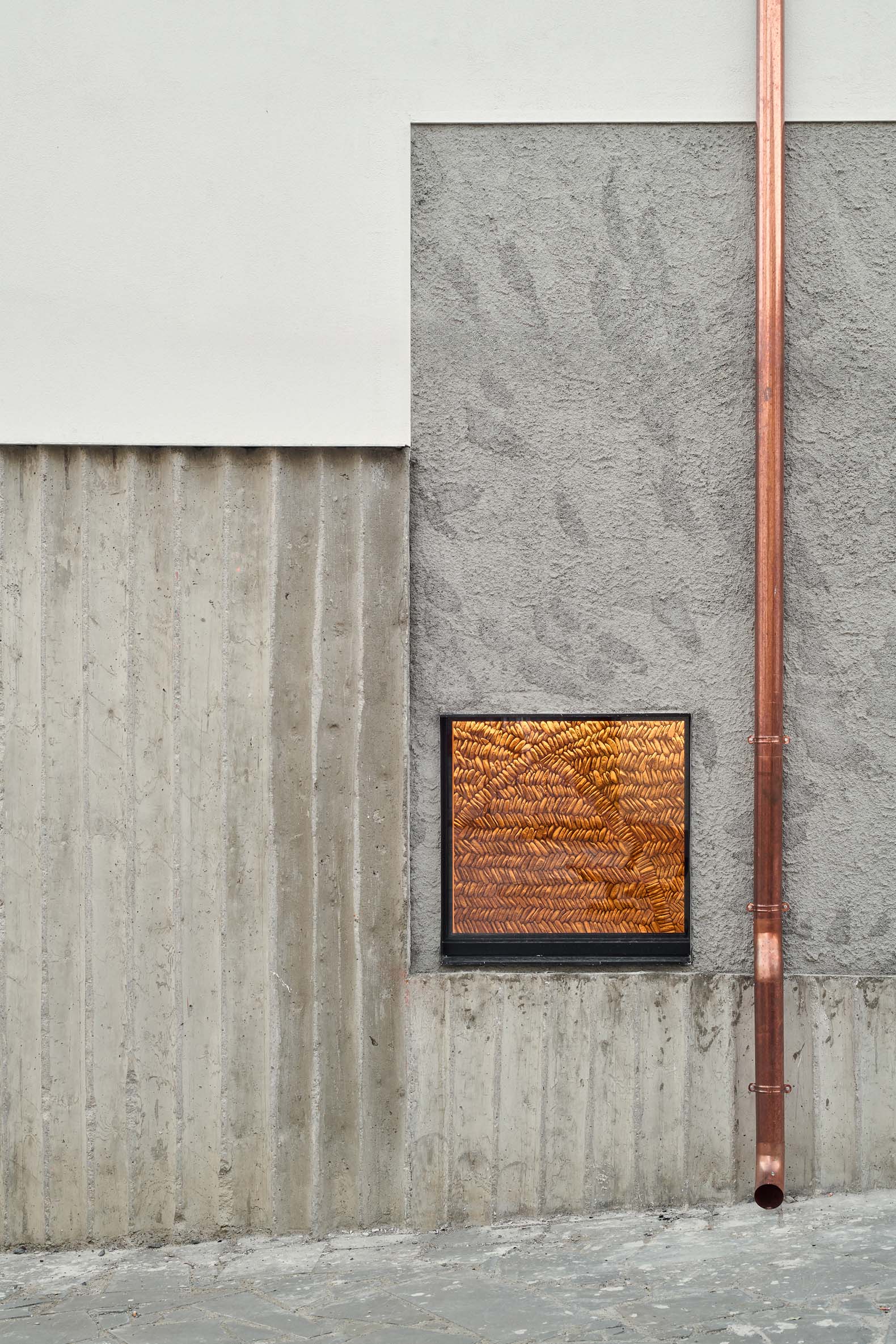
Hotel in Sigüés by Sebastián Arquitectos. Photograph by Iñaki Bergera.
Project description by Sebastián Arquitectos
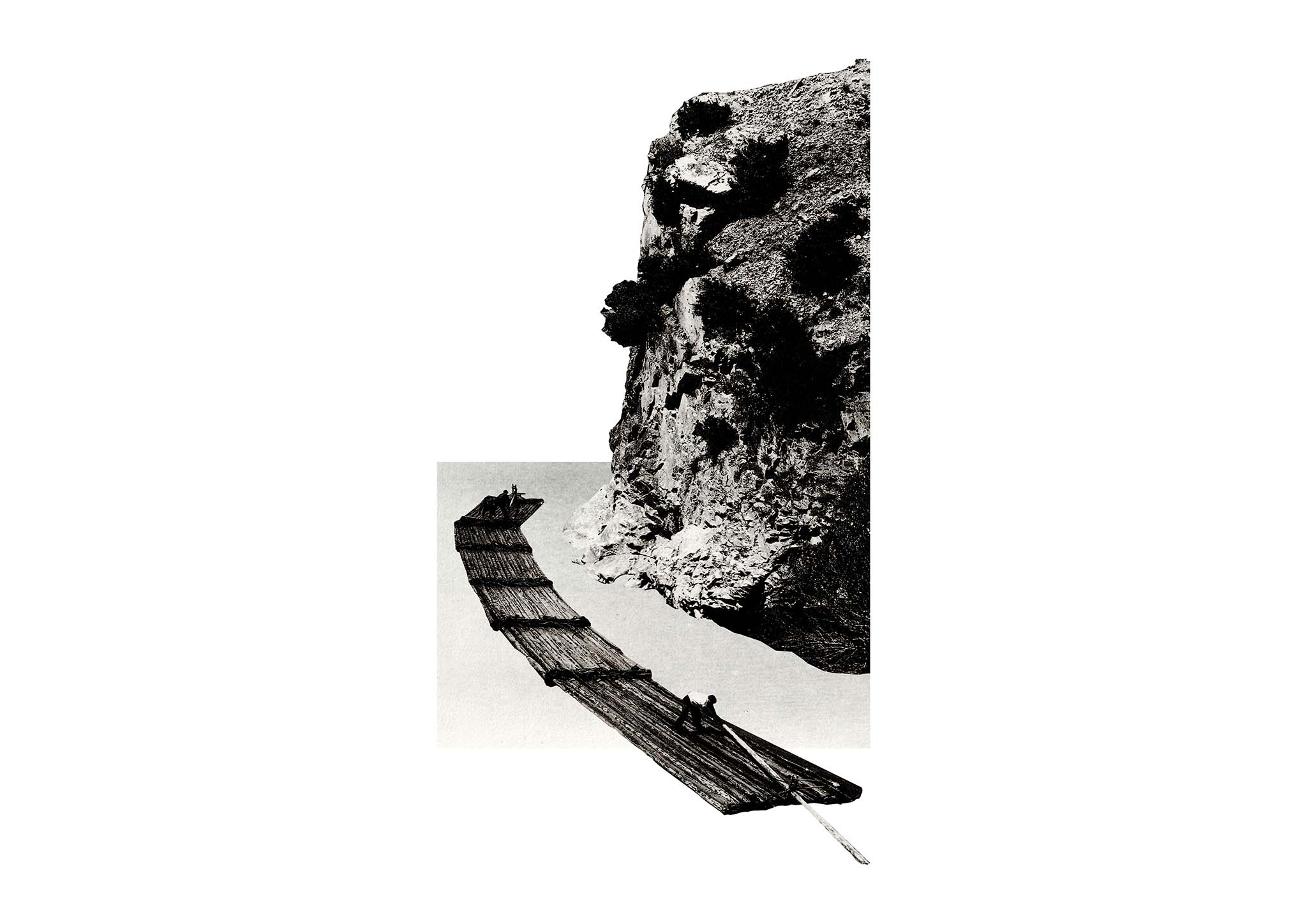
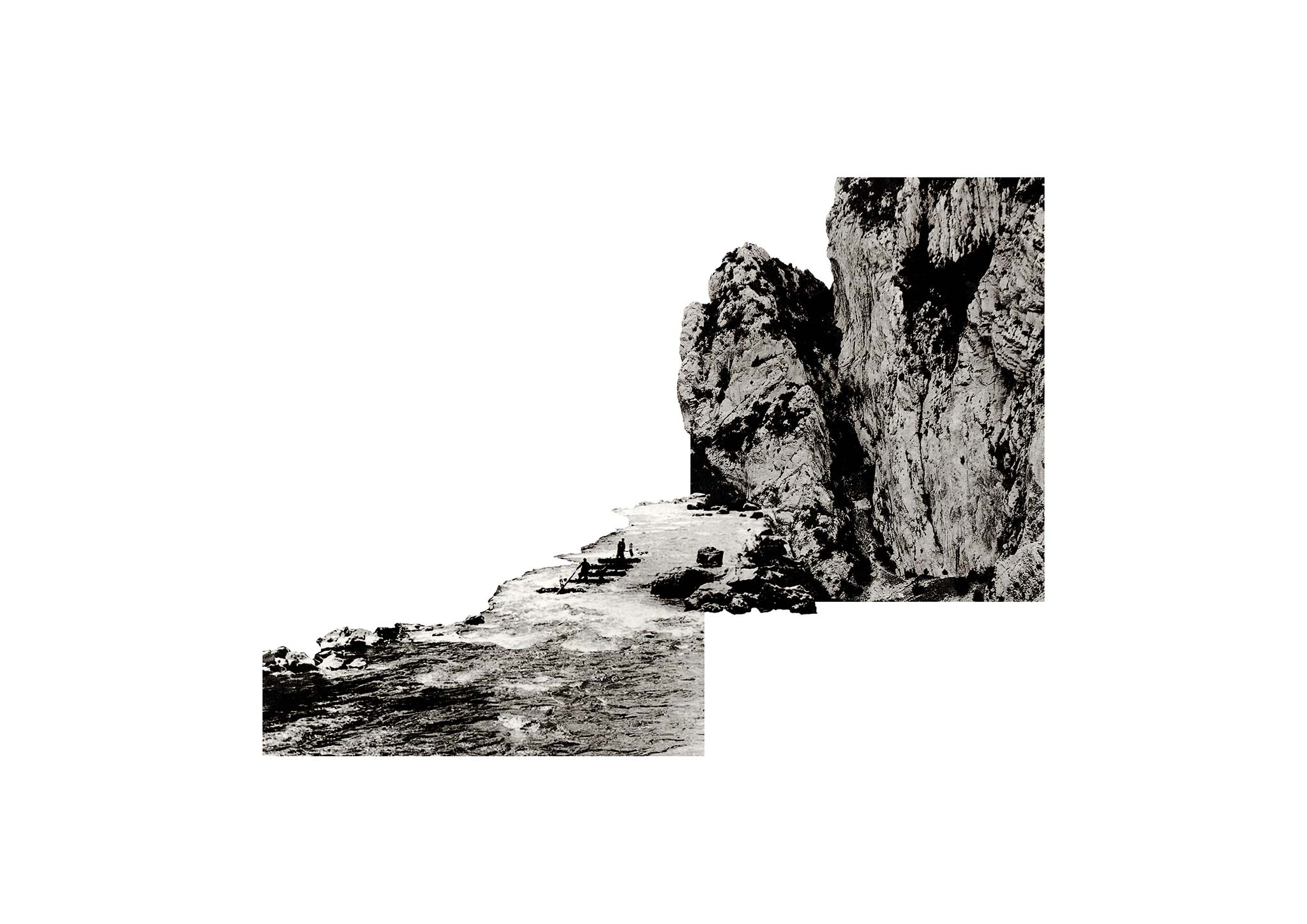
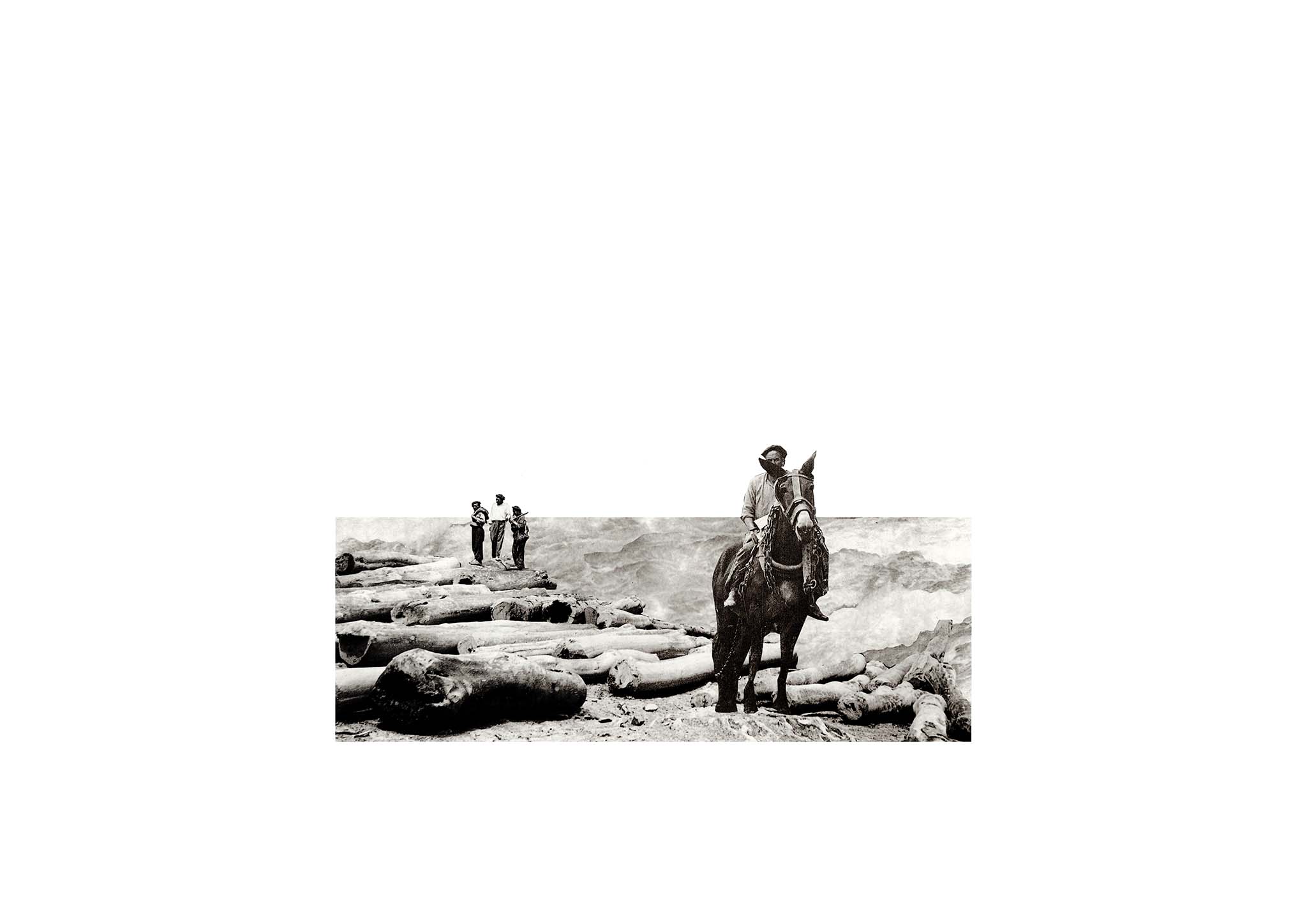
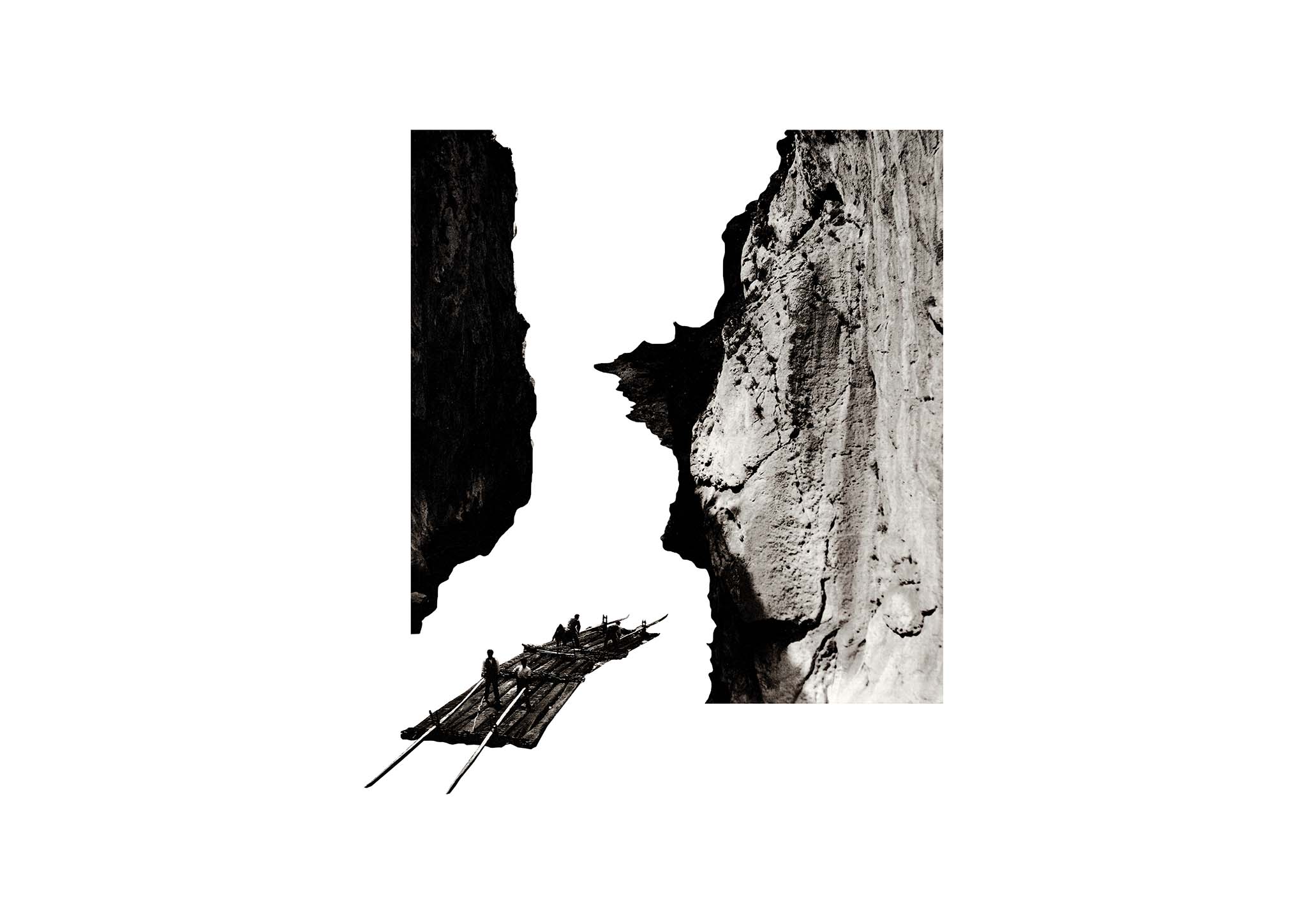
The small town of Sigüés has been the historical cradle of numerous log rafters, intrepid navigators of the Esca River who, descending the rapids of the Roncal Valley, transported Pyrenean pine logs for hundreds of kilometers in makeshift rafts constructed from the very cargo they carried.
Knowledge and skill placed at the service of life, which arrived via this river that today ends in the Yesa Reservoir, unable to reach the sea.
In *The River That Carries Us*, José Luis Sampedro said that “before an authentic man we feel as before a block, before a finished work; we say that he 'knows his place'.”
And this has been the constant aspiration of this rehabilitation project: to be in its place.
And the place of this small hotel is none other than the memory of the place:
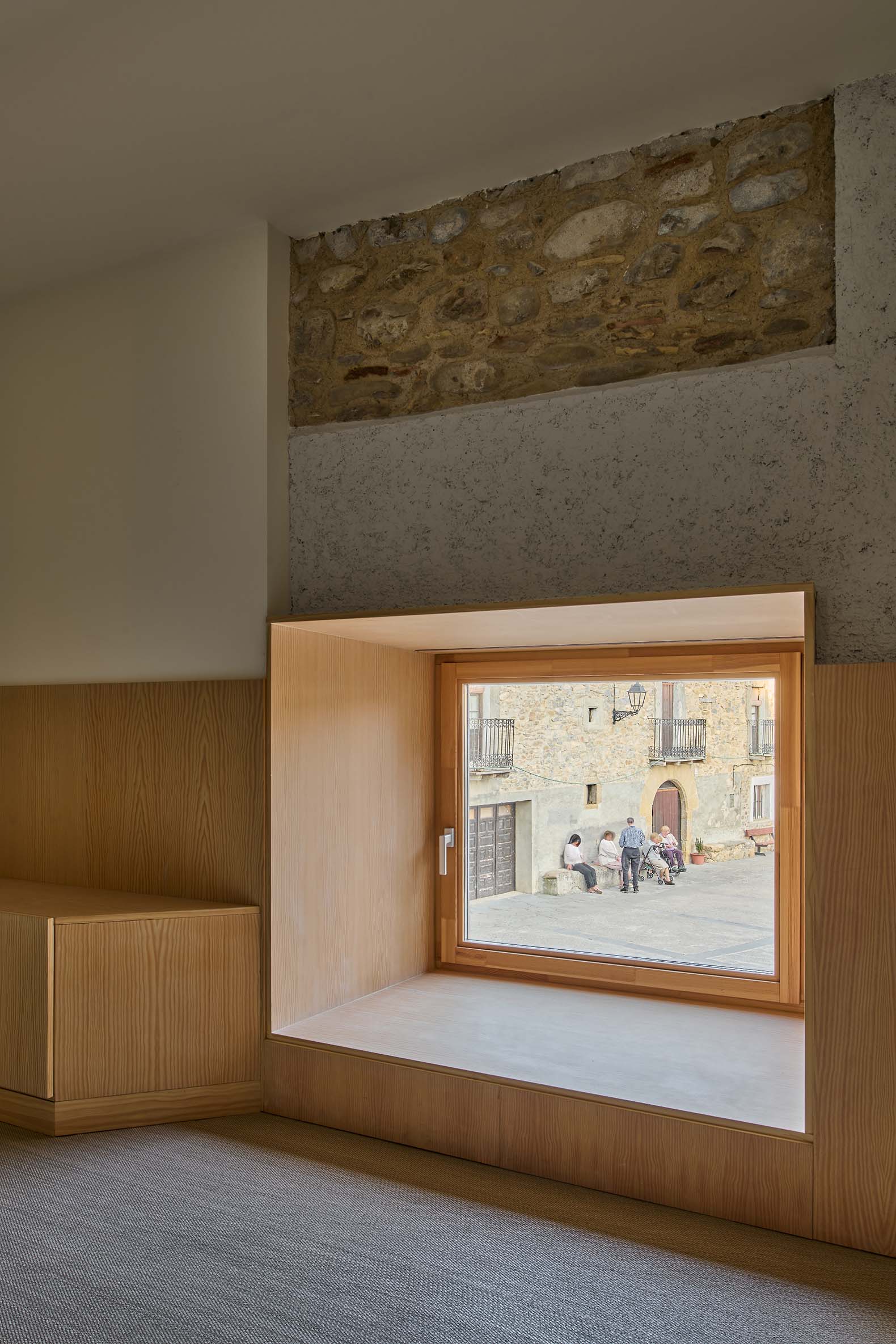
Of a house that wants to come back to life in the town square, letting the light shine once more through its windows.
From a corner built with formwork of pine logs, which trace in concrete a vanished raft and the memory of the lost trade of the raftsman.
From a balcony salvaged from the previous demolition of the house, which now once again provides shade from the midday sun with its wrought-iron railing.
From doors made with planks from an old house, to which the missing pieces are added to fill the new opening.
From a cobbled floor made like the old entrance halls of the Pyrenees, with river stones from the Esca River that trace the whimsical patterns of geometric flowers.
And of wood, lots of pine wood with which, as in the rafts, they built whatever it was used for.