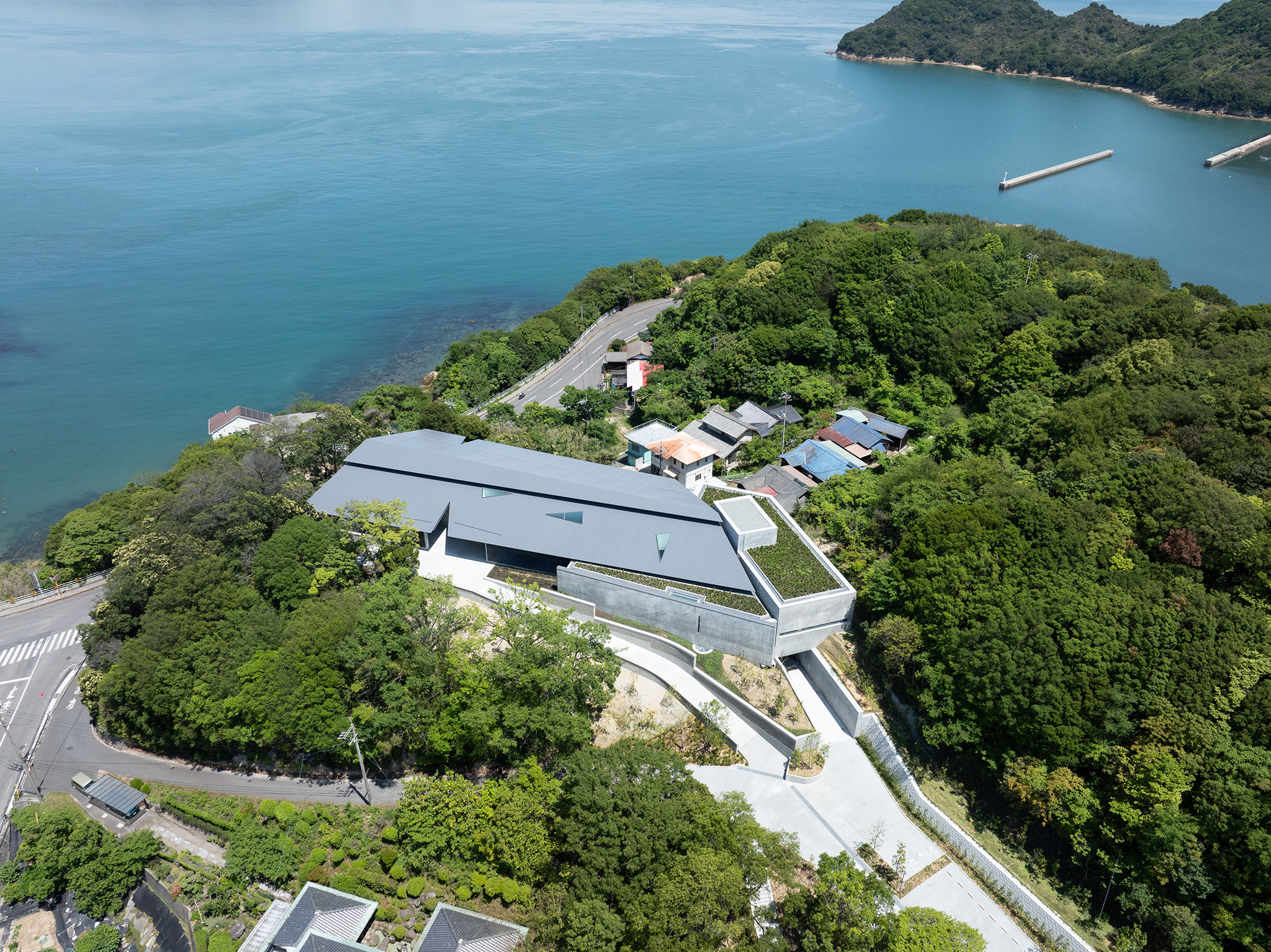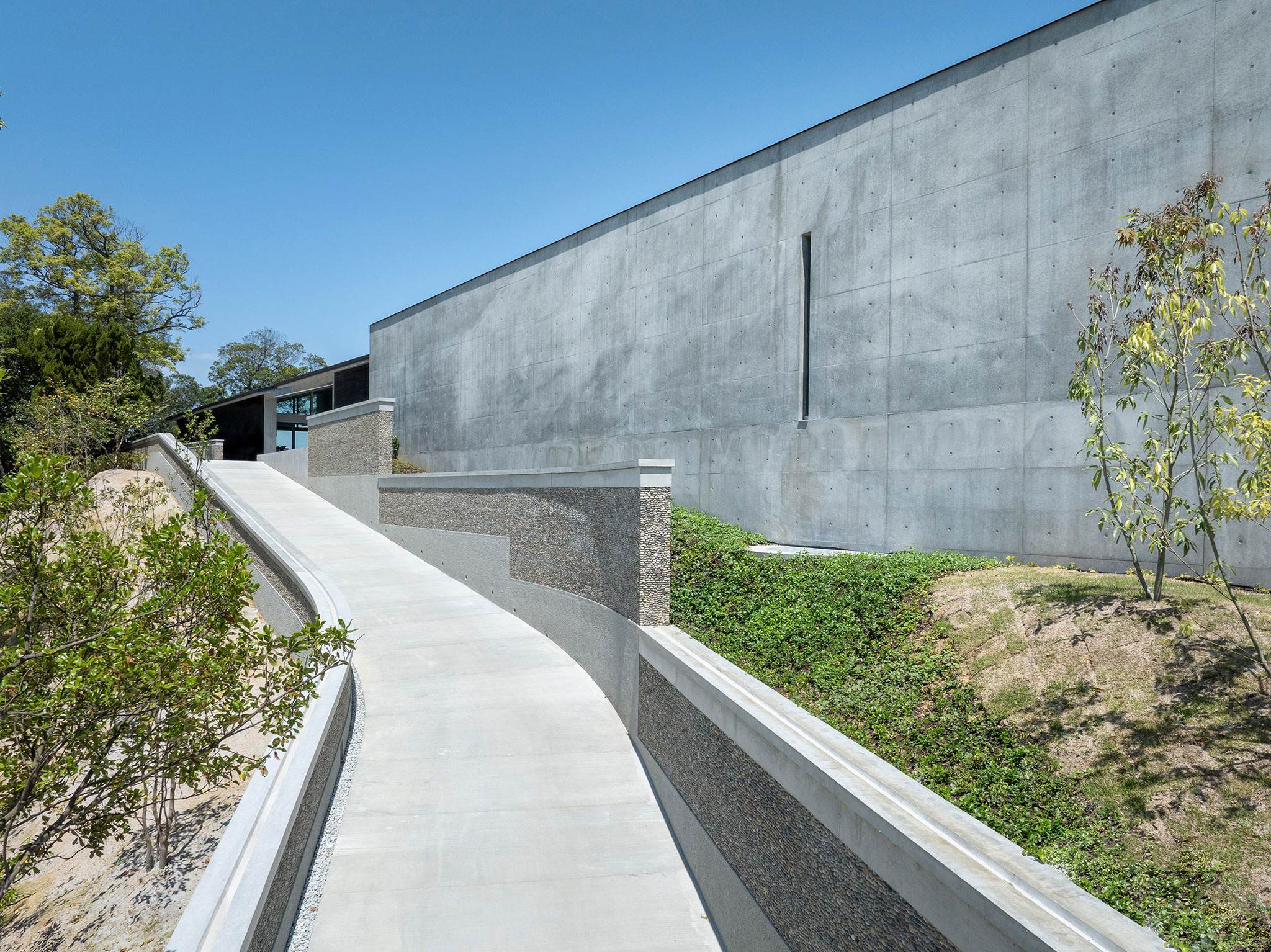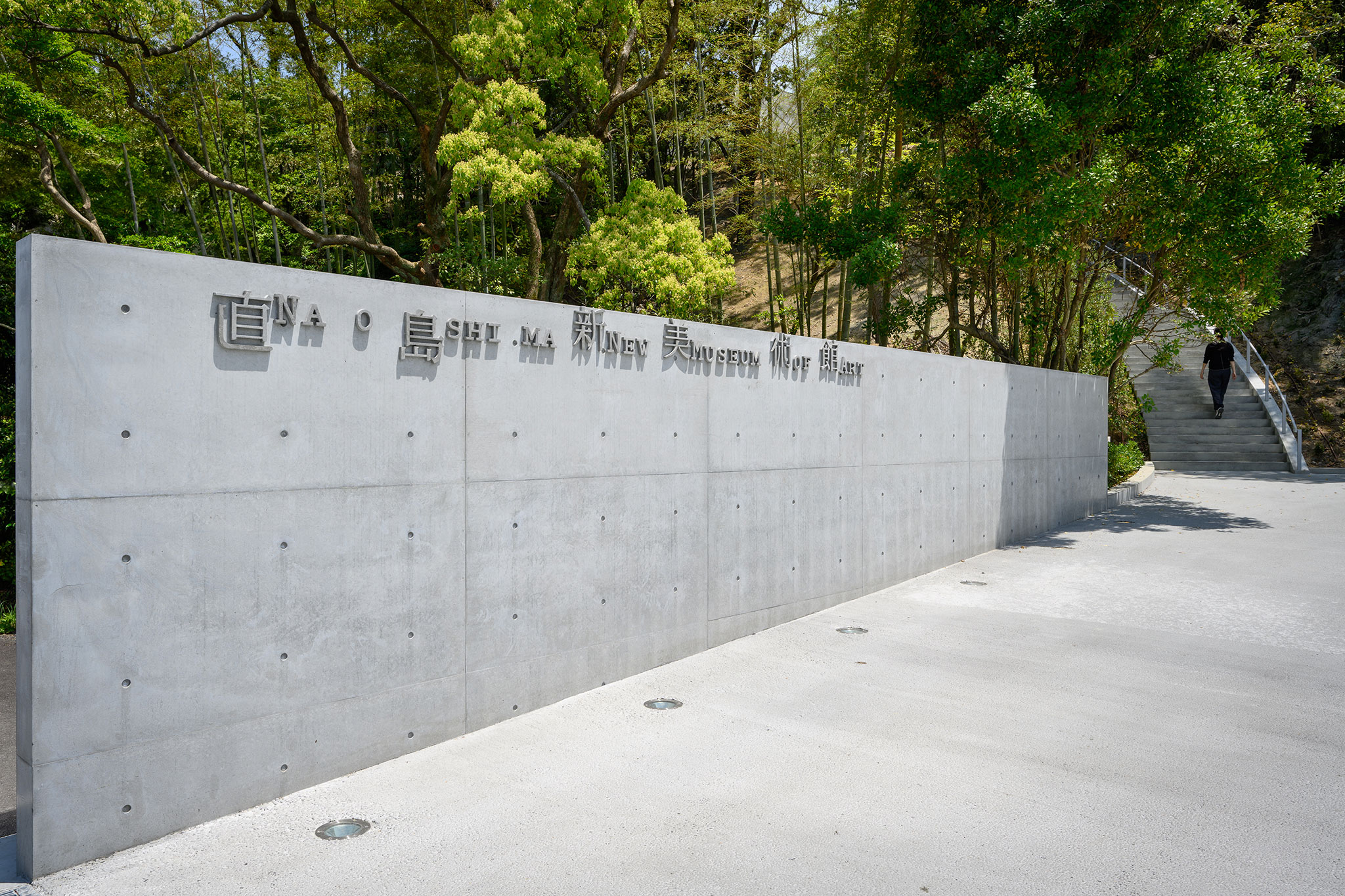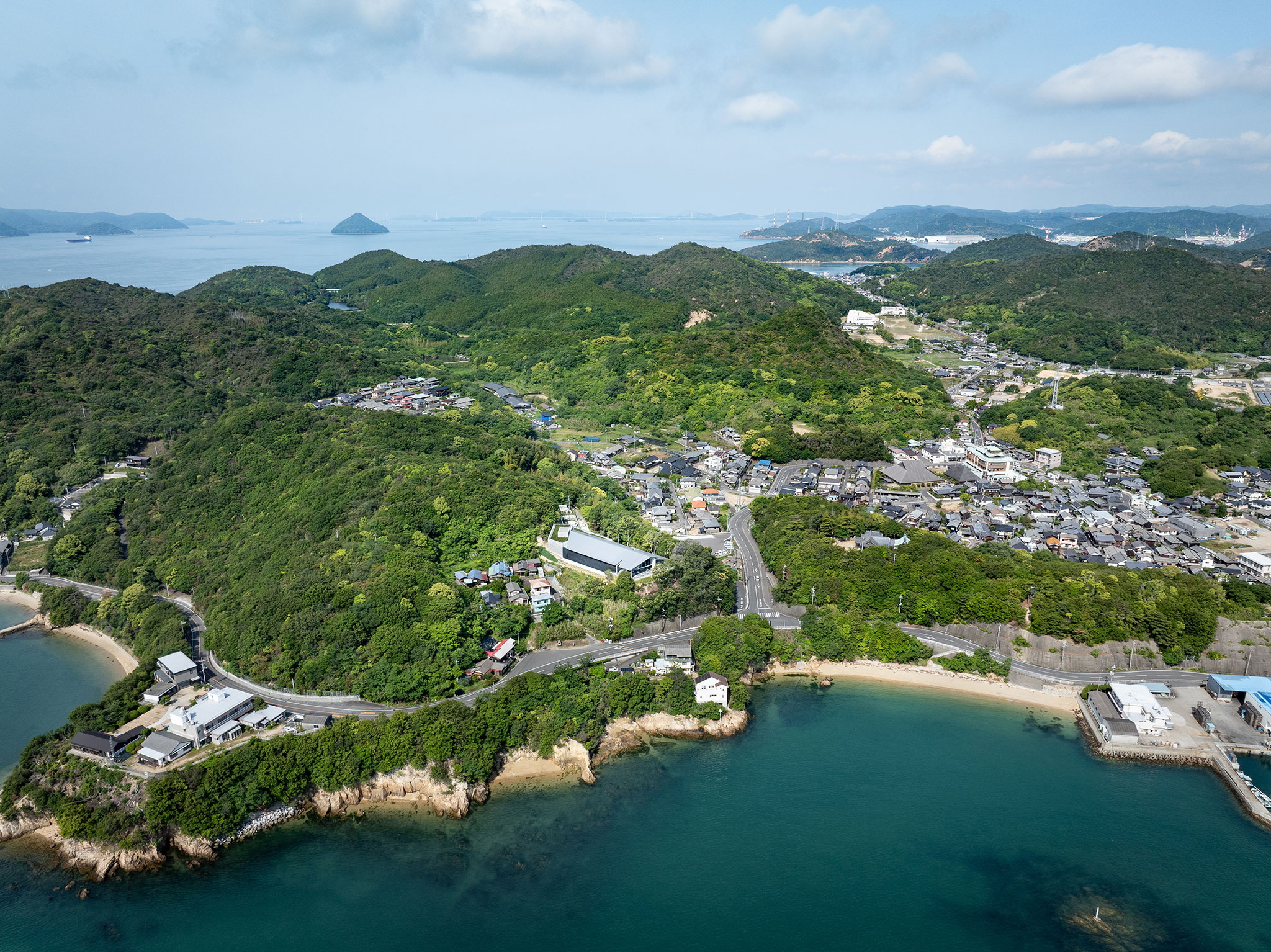
The Naoshima New Museum of Art, designed by Japanese architect Tadao Ando, exhibits and collects works by artists from Japan and other parts of Asia. Through partial exhibitions and various public programs, the museum seeks to convey more diverse perspectives and forms of expression, as well as multifaceted messages about the era and society, becoming a space for exchange and collaboration that connects users with a wide range of residents and visitors.
"It is my belief that the experiences in Naoshima will forever linger in the memories of those who visit the island. The songs we listened to and the works of art we saw in our childhood are never forgotten. I hope that many children will visit Naoshima and be able to feel their senses being stimulated so that they can open up doors to a new world. Such “moving experiences” have the power to nourish human beings and refine our senses that will in turn lead to more opportunities to be emotionally moved. Naoshima is an island like no other that is filled with such opportunities. For the Naoshima New Museum of Art, I once again endeavored to build a place that cultivates sensibilities and moves people’s hearts."
Tadao Ando, Lead Architect at Tadao Ando Architect & Associates.
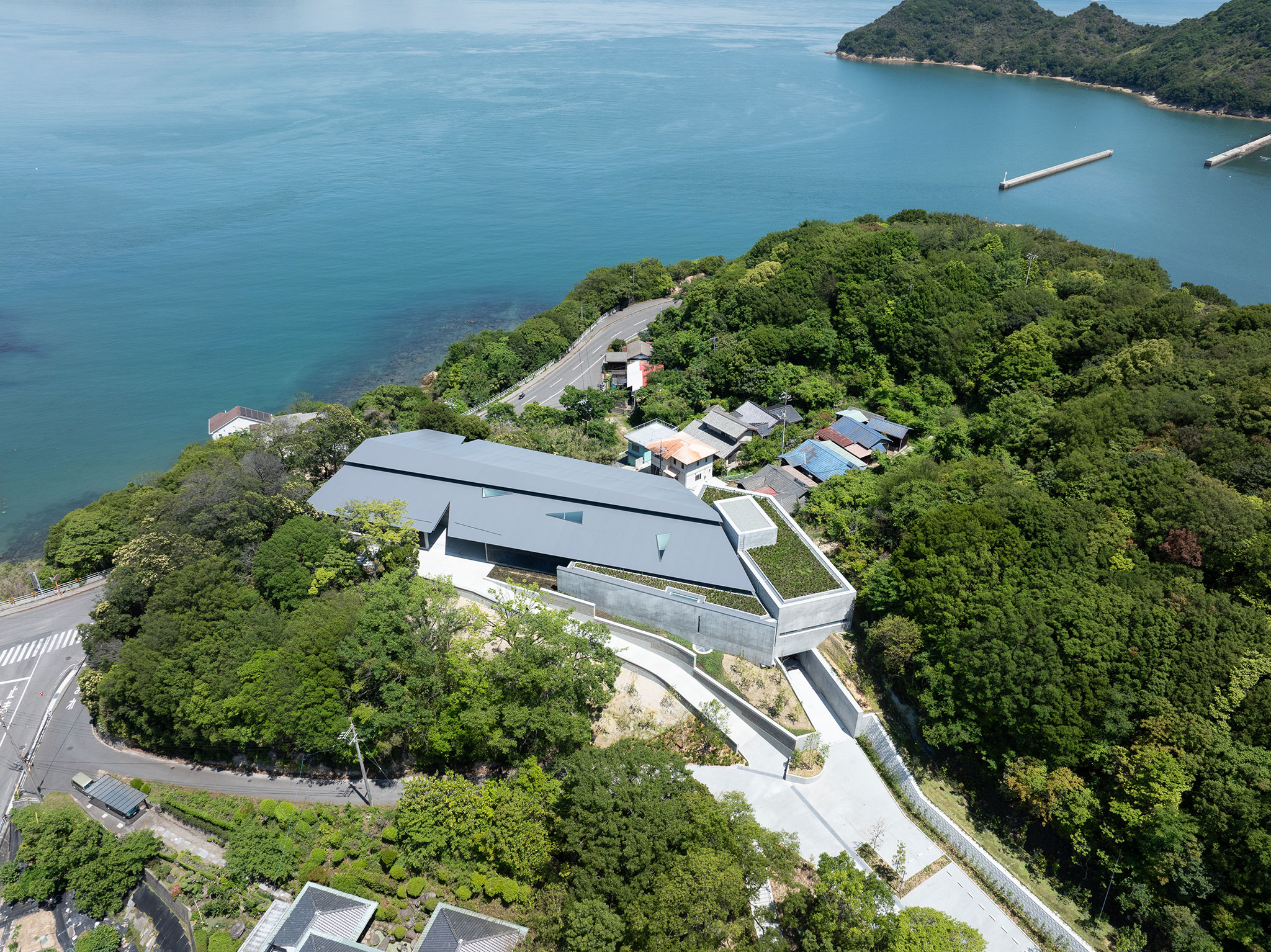
Naoshima New Museum of Art by Tadao Ando. Photograph by GION.
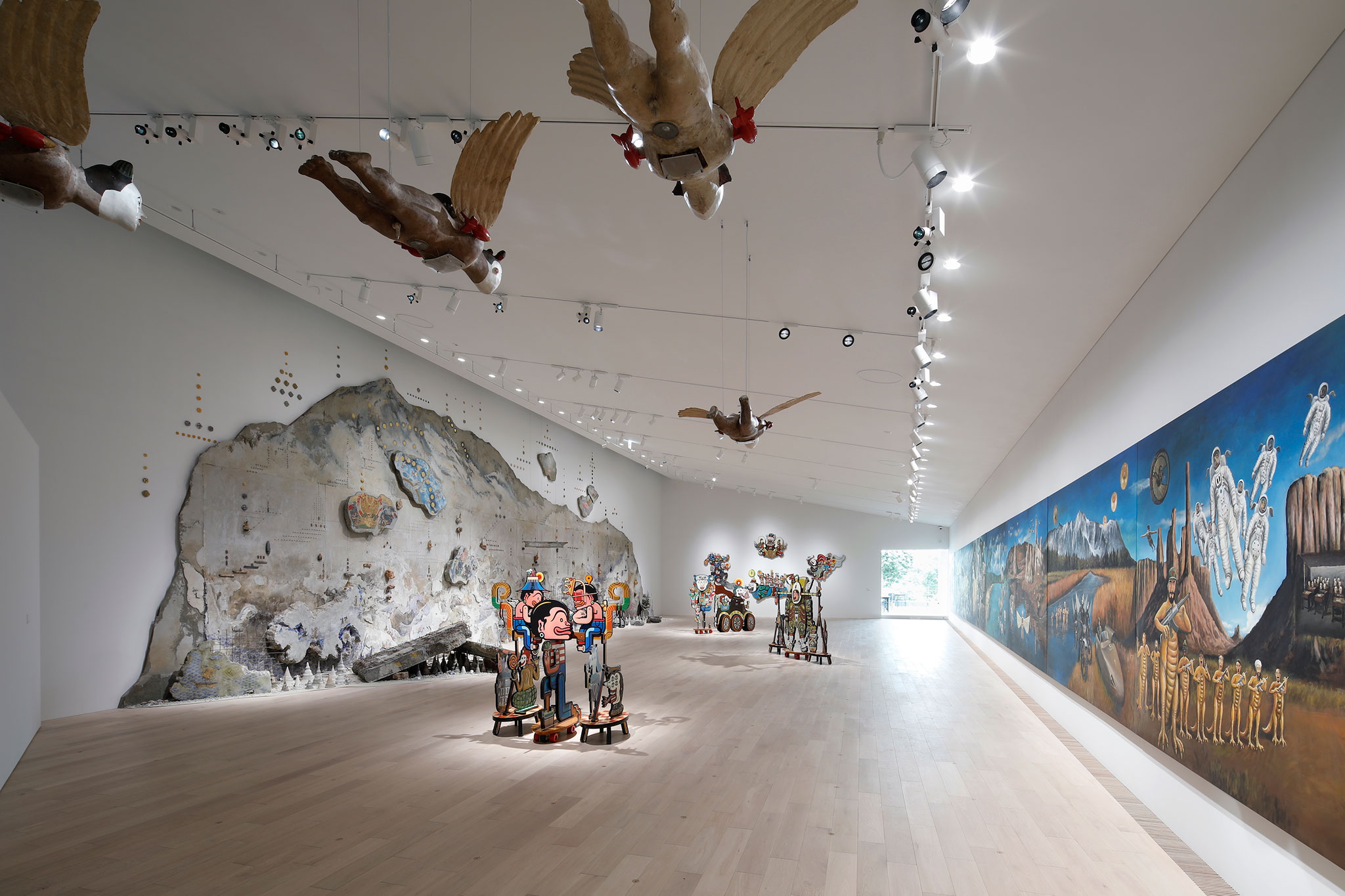
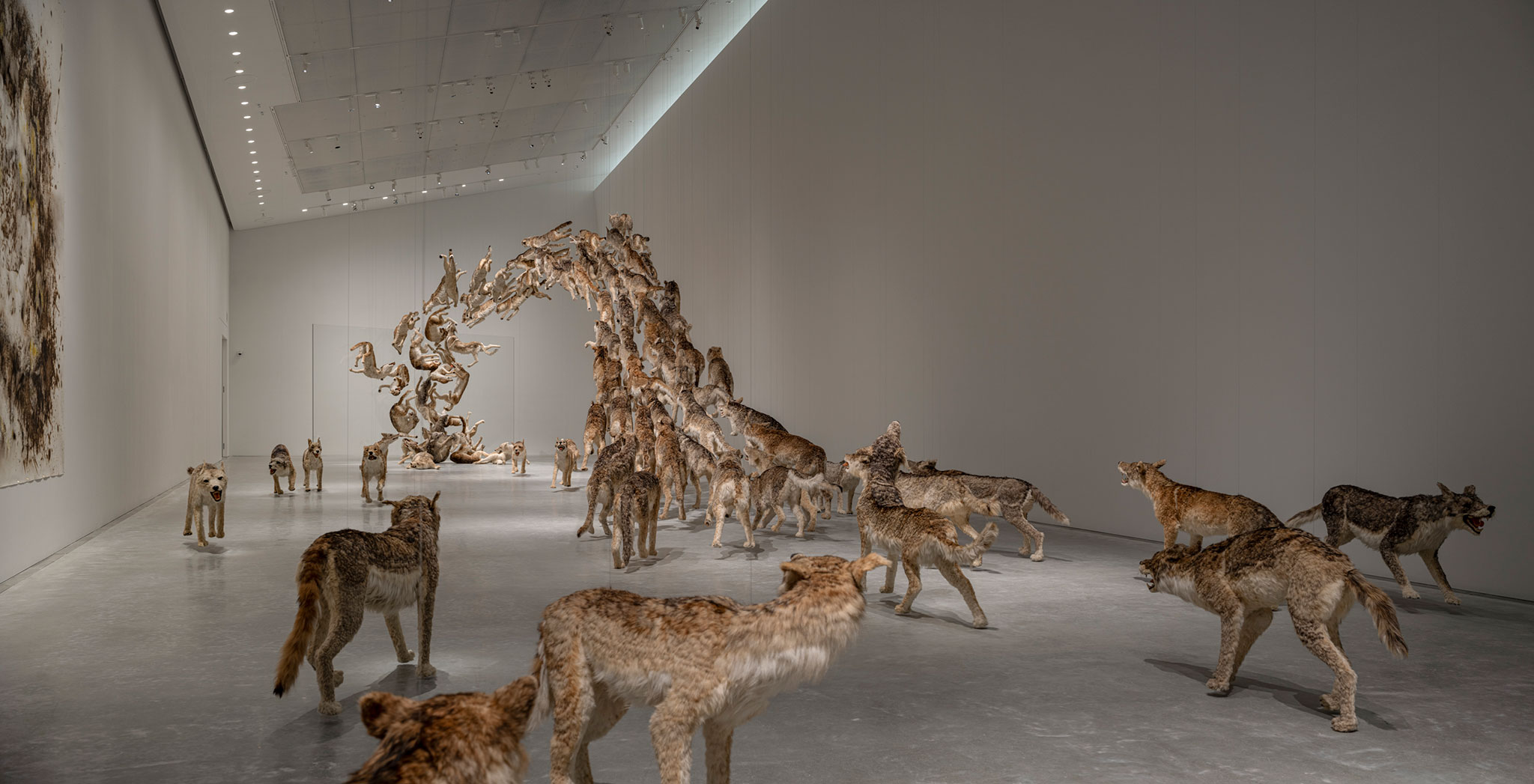
Through the sharp insights and questions that art raises about our time, society, and the environment, the inaugural exhibition will feature representative and newly commissioned works by twelve artists and groups, including those who have collaborated with Benesse Art Site Naoshima since its inception, as well as others with whom a relationship has been forged more recently. The idea rooted in the origin of Benesse Art Site Naoshima's activities encourages reflection and reaffirmation of what "well-being" is.
"With the addition of this new museum that mainly focuses on Asian contemporary art and features “dynamism” by changing exhibitions relative to other museums and art facilities in Benesse Art Site Naoshima, where permanent exhibitions of works by Western and Japanese artists have been dominant so far, we can offer visitors more opportunities to discover increasingly diverse artistic expressions and more reasons to come back. Furthermore, as our first museum that is located within a residential district, the museum seeks to be one that is truly suited for Naoshima, both rooted in local community and open to the world, making us inquire into how we can create a state of harmony between art, architecture, nature, and the community, while always going back to the origin of our activities."
Miki Akiko, Director of the Naoshima New Museum of Art.
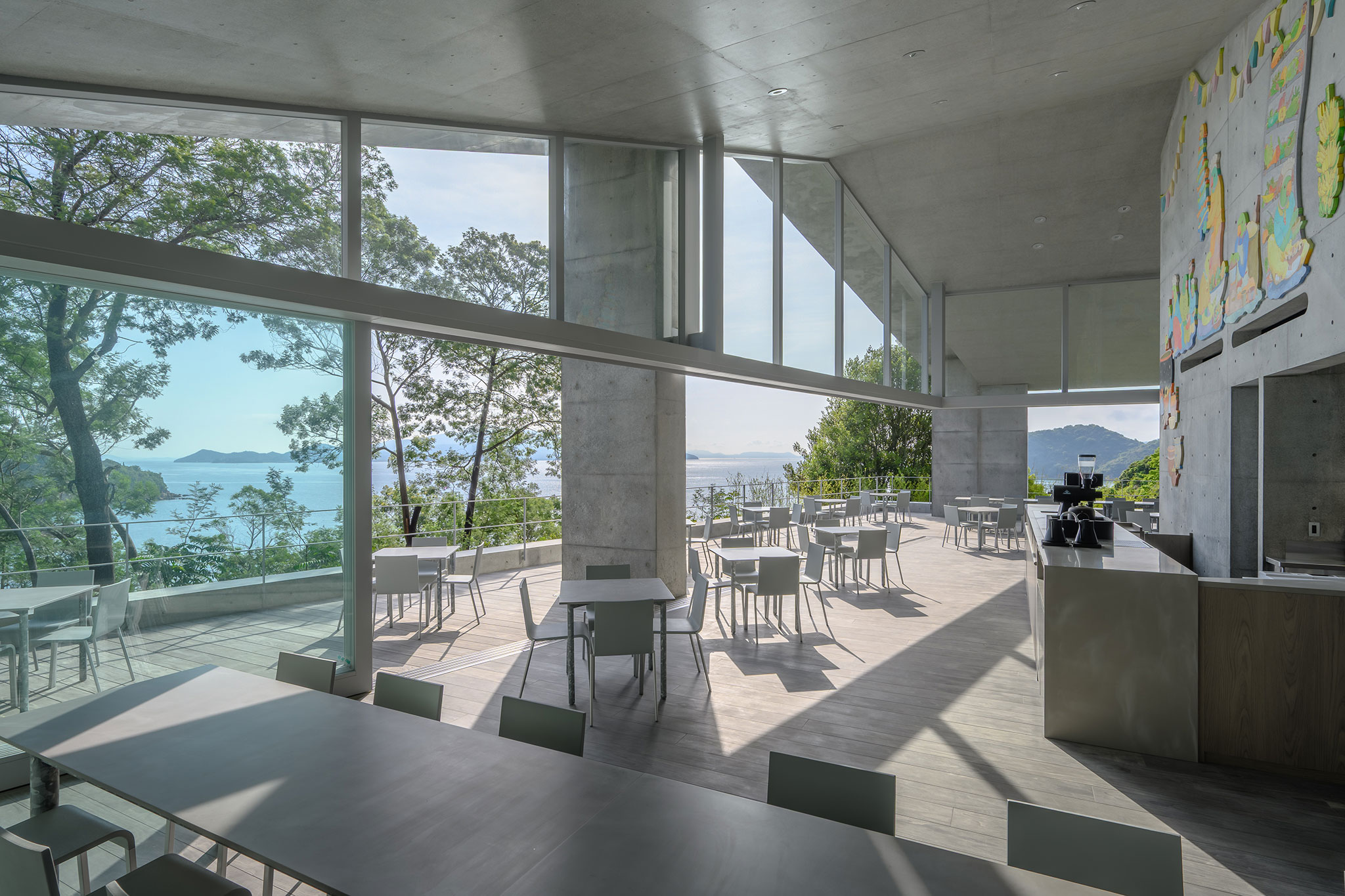
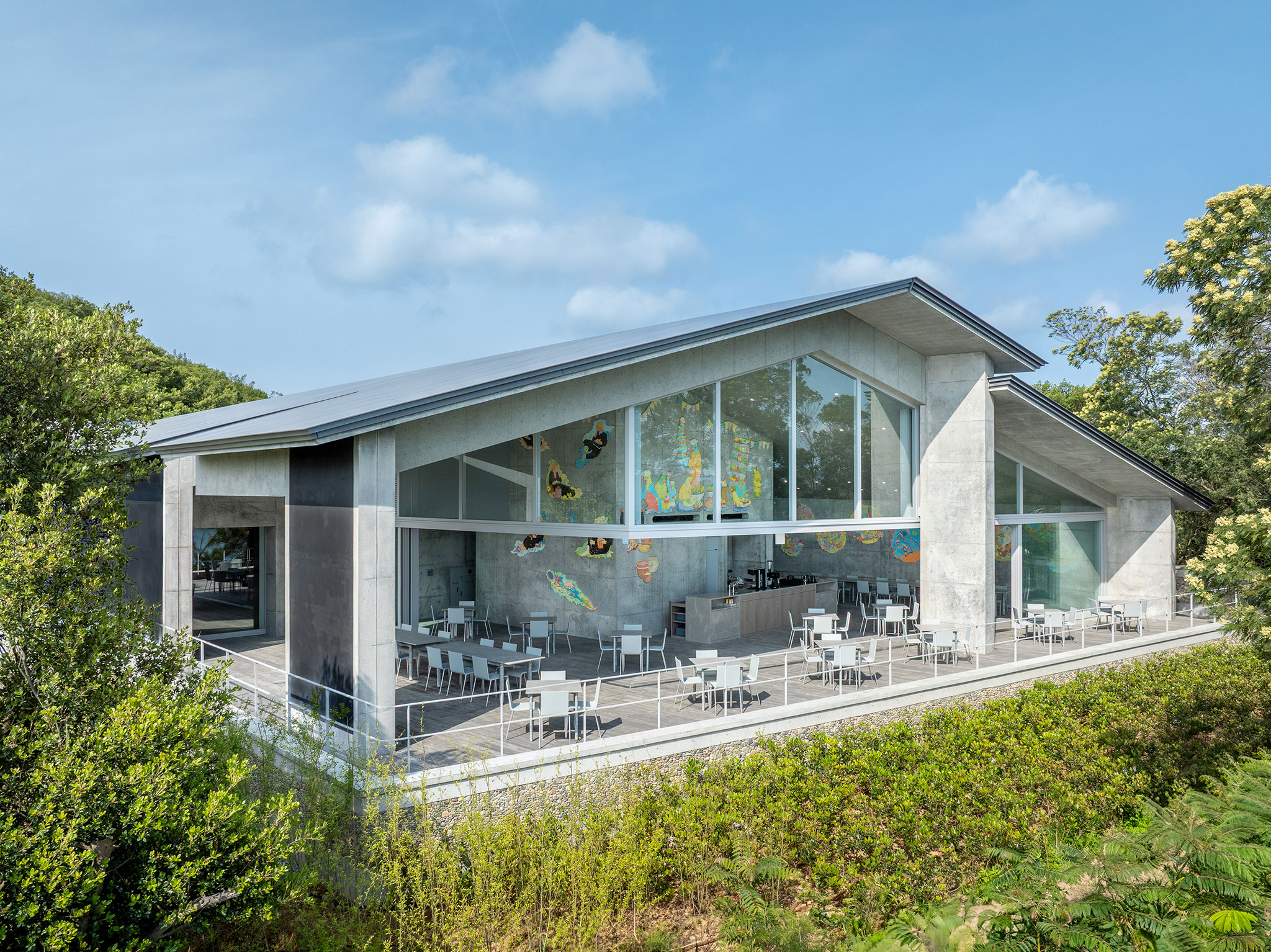
Naoshima New Museum of Art by Tadao Ando. Photograph by GION.
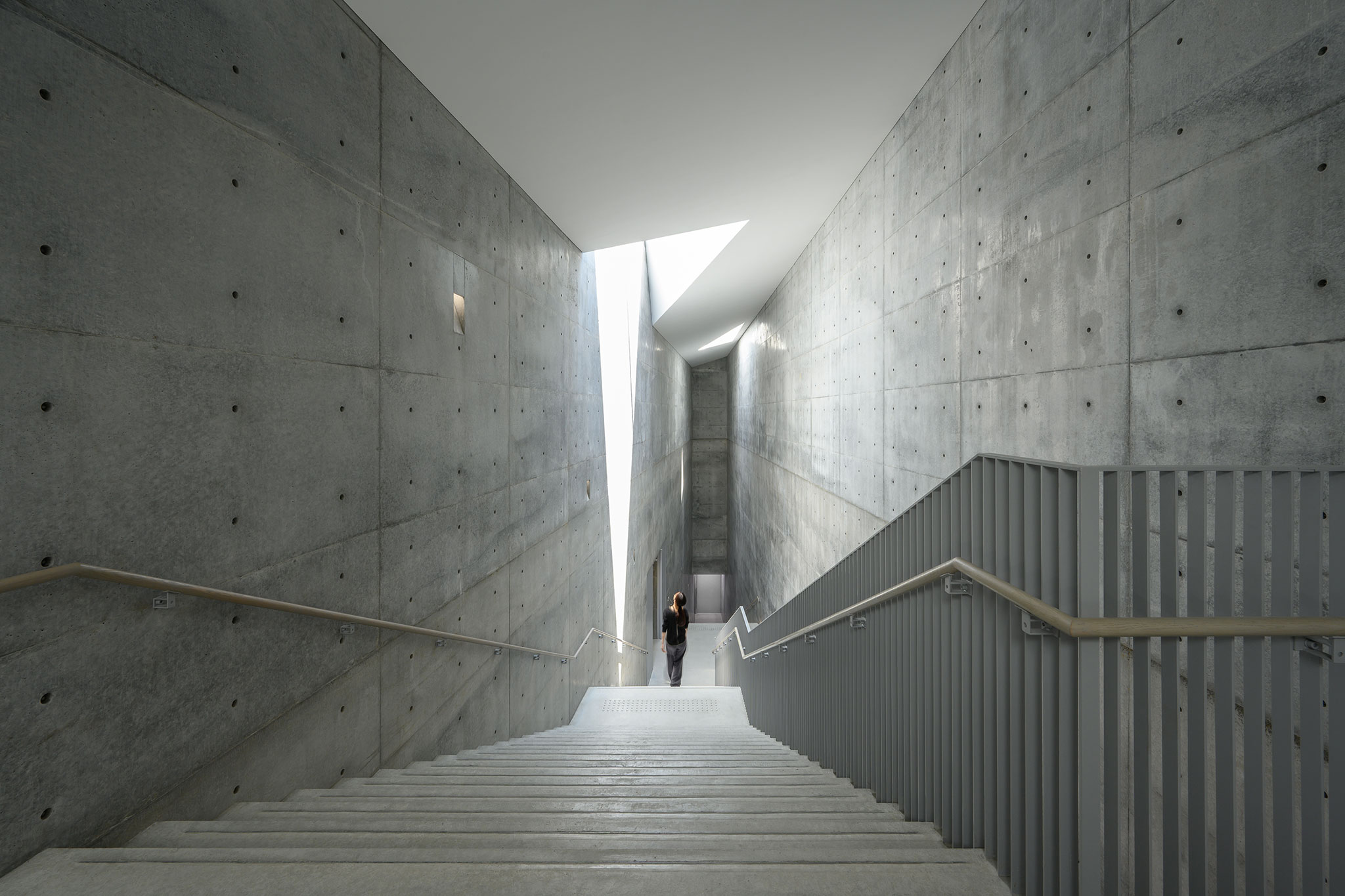
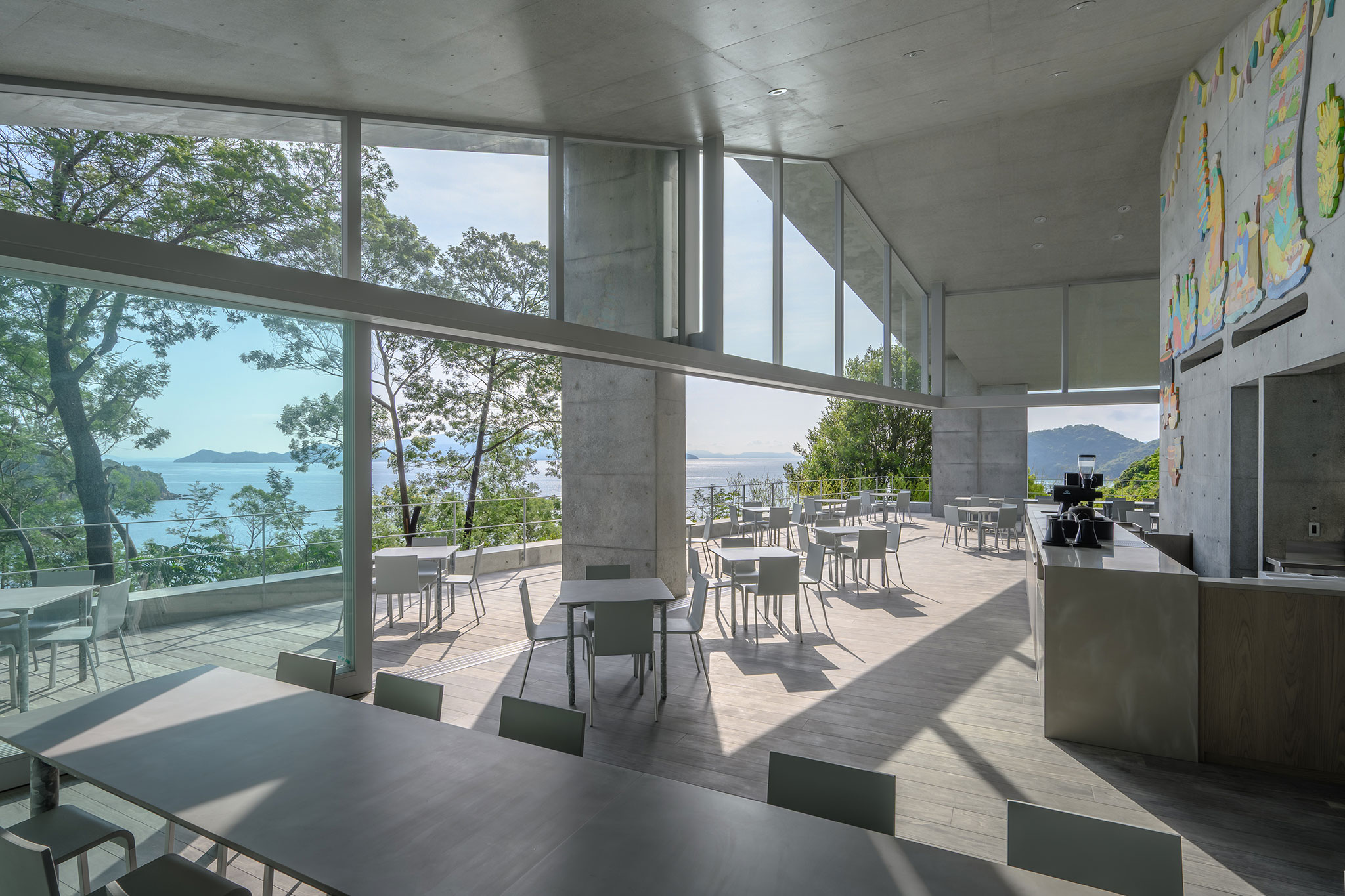
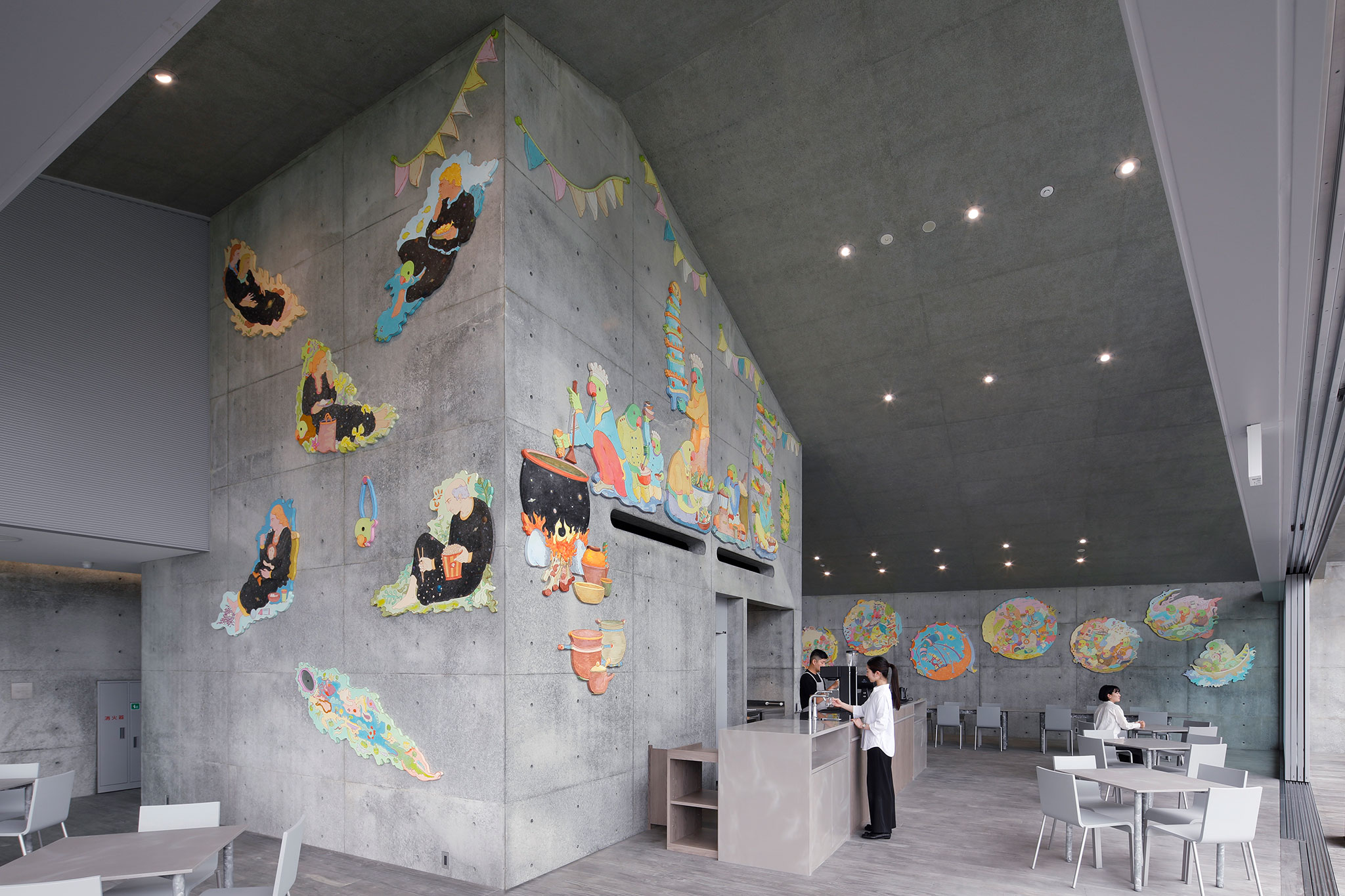
The Naoshima New Museum of Art comprises one floor above ground and two basement levels, which in turn features a large roof harmoniously integrated with the crest of the hills. Bathed in natural light, a linear staircase leads from the ground floor to the basements, where the four exhibition galleries are located. A cafe located at the northern end of the ground floor allows visitors to enjoy panoramic views of the Seto Sea, including Teshima Island and the passing fishing boats.
Using the traditional burnt cedar technique commonly used on the island, along with pebble walls inspired by the houses of the Honmura area, the museum blends seamlessly with the local landscape. In this sense, the museum's architecture and approach are subtly intertwined with the history of Naoshima and the activities and experiences of its people.
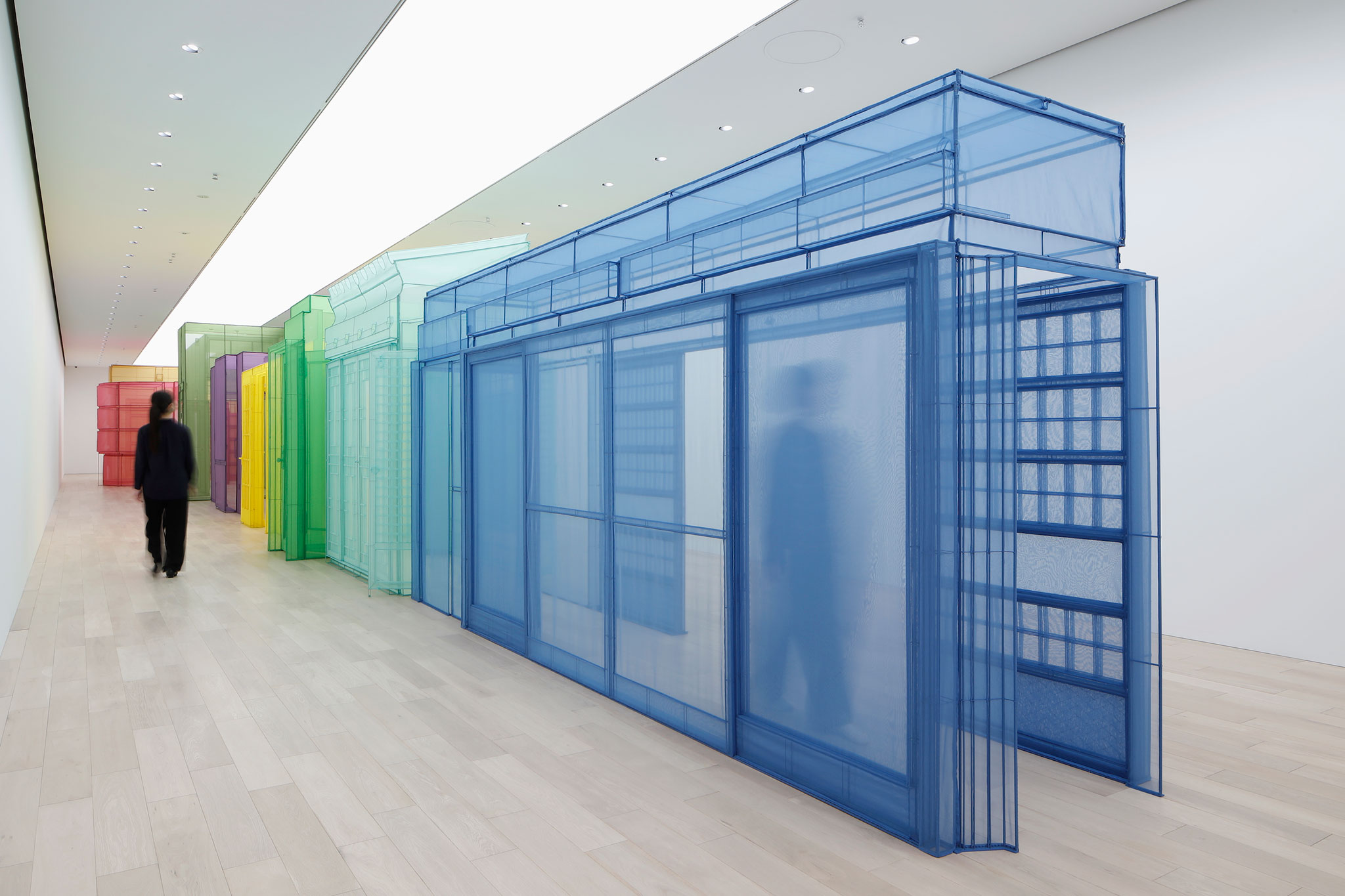
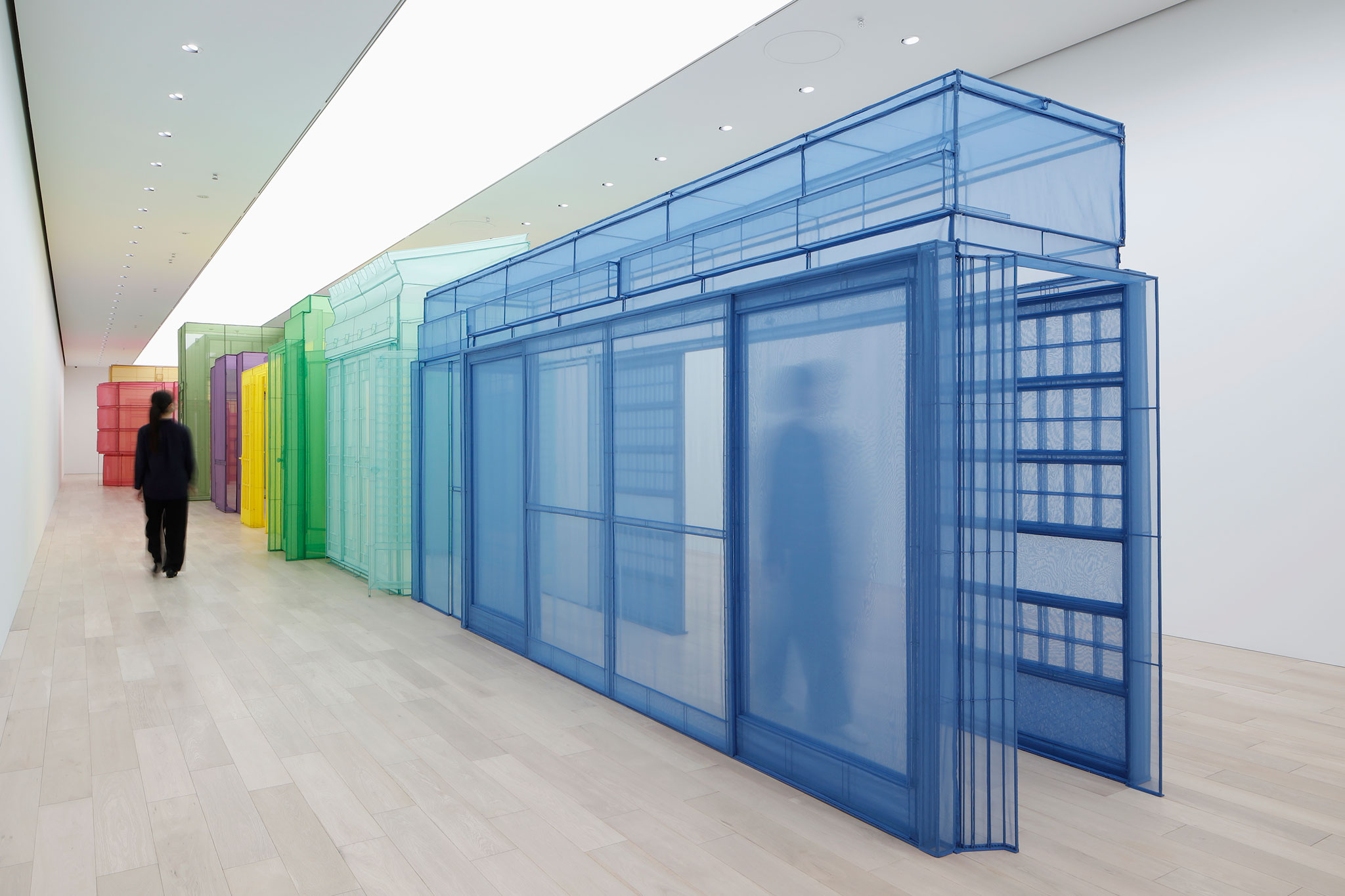
Do Ho Suh, Hub/s, Naoshima, Seoul, New York, Horsham, London, Berlin , 2025. Photograph by Takeru Koroda.
"The Naoshima New Museum of Art focuses primarily on Asian contemporary art. This is because, in addition to our expectations that art from these regions will grow in interesting ways going into the future, I believe that we, as Japanese people, must be conscious about our belonging to Asia both geopolitically and culturally. For myself, Asian sensibilities are based on the awareness that human beings are a part of nature and hence living with nature. Having our Western art collection exhibited at our existing museums and art facilities, together with our Asian art collection including Japanese art being shown at the Naoshima New Museum of Art, the possibilities to develop a comprehensive and well-balanced exhibition program in Benesse Art Site Naoshima are greatly expanded.”
Fukutake Soichiro, Honorary Chairman of the Fukutake Foundation.