Cap Cotet by BAAS arquitectura, AIS, is a Primary Care Center (CAP), a health centre that is located in the small municipality of Premià de Dalt in the Maresme region north of Barcelona, ​​Spain. The project is one of the five finalists for the Fad 2022 Awards that celebrate their 64th edition.

The project was born by rethinking the definition of the quality of the interior space. The building is a statement of intent to show that you don't need prefabricated or modular construction to build on a tight budget.

The project moves away from the foreseeable pre-established typologies for this type of centre and starts from a basilica plan. A classic model of three naves that in Roman architecture was a public building with multiple functions, which centuries later would give its name to the architectural forms of the basilicas, religious buildings with a careful treatment of light towards the interior.
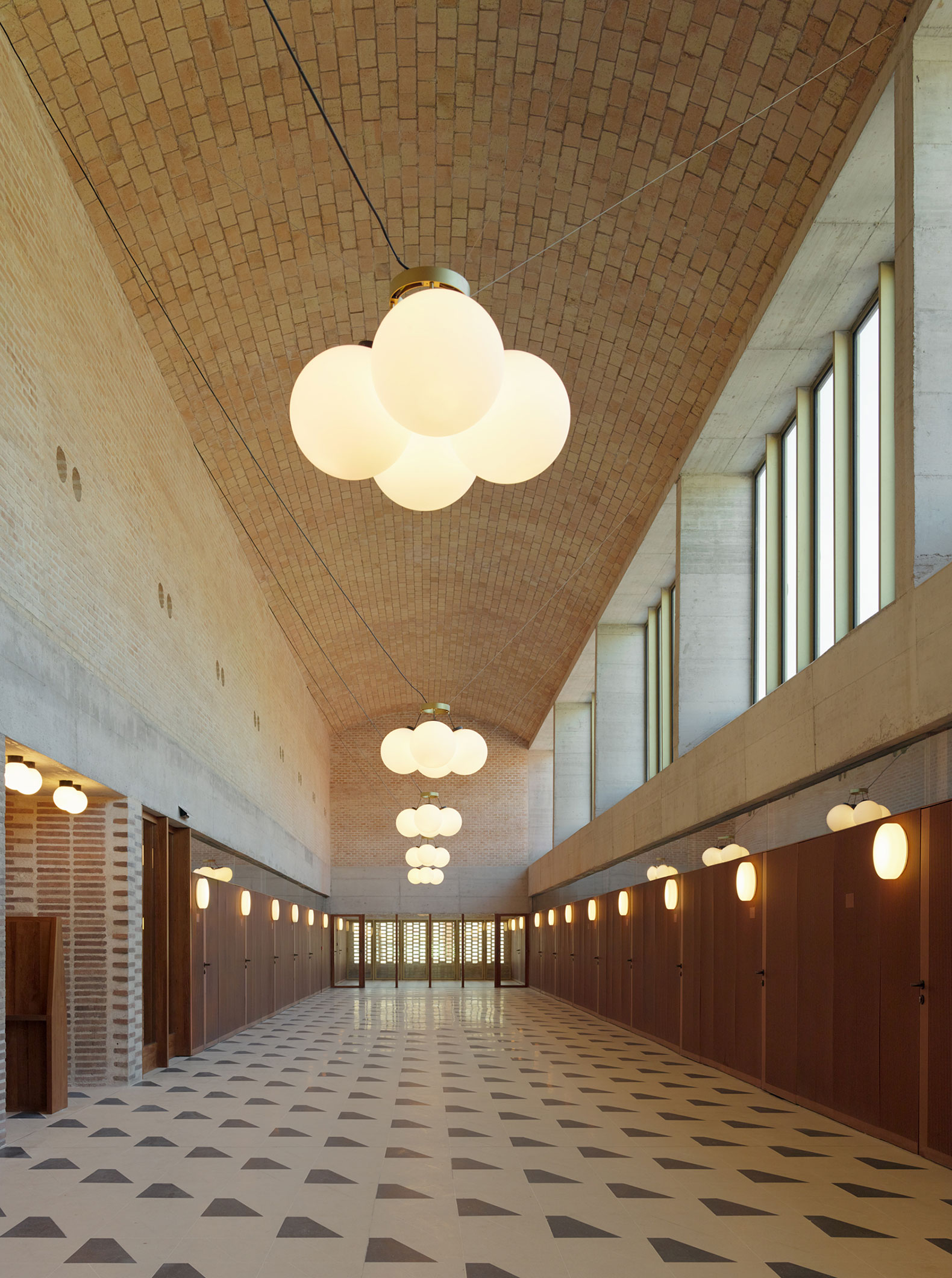
Cap Cotet design by BAAS architecture, AIS is generated by a simple section composed of two lines of consultation rooms that frame a higher waiting room. This space receives lighting from above. The entire program is placed on the ground floor except for the facilities that occupy a higher level in the central part.

Emulating the treatment of light in the basilicas, both natural and artificial, the modest building dignifies its program and enhances it, making the users-patients feel access to a great space of hope. Its basilican structure allowed the nave to be covered with a Catalan vault.

The construction is based on the use of traditional materials, and systems that feel close to the nearby built environment in such a way that the immediate environment is not violated.
Cap Cotet by BAAS arquitectura, AIS. Photograph by Gregori Civera.
 

Description of project by BAAS arquitectura, AIS

The project stems from the desire to qualify the interior space and to integrate naturally with the scale of the surroundings.

The entire programme is located at street level, in a scheme of two lines of consultation rooms framing a higher room that receives light from the north from a high window. A classical three-nave section, resembling that of a chapel, where the gaze is directed towards the sky.

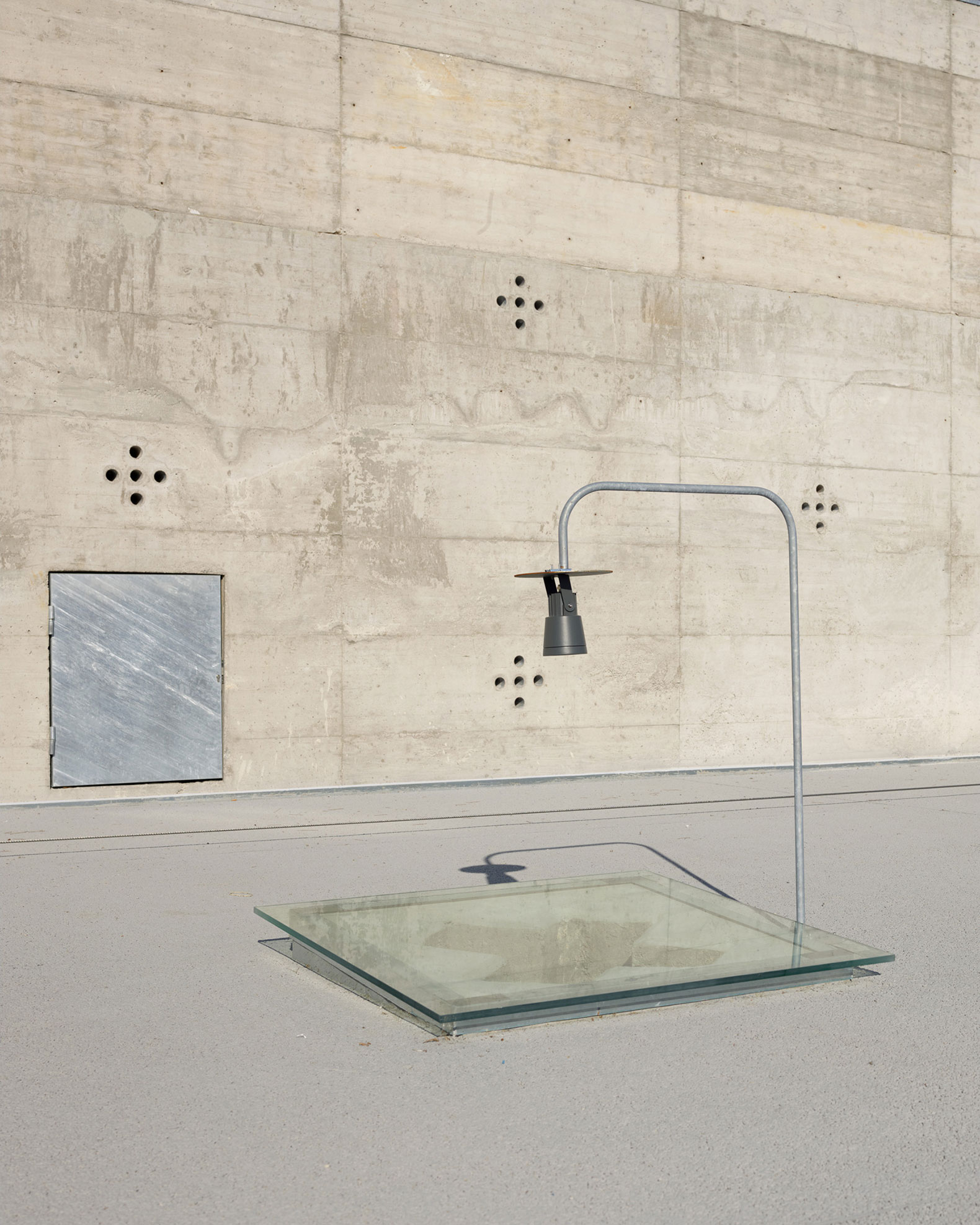
From the outside, the building gives very few clues to its interior space and shields itself with its opacity from the road, responding to the needs of privacy of the equipment.

The access route is gradual, inviting calm. A porch reception the visitor in a welcoming gesture, extending the street, where a long bench allows the visitor to rest and take a breath of fresh air in the shade. At the end of the route, a sloping wall introduces you to the nave, accompanying you with tenderness, to discover with some surprise the richness and light of the interior.

Cap Cotet by BAAS arquitectura, AIS. Photograph by Gregori Civera.

The materials used are the traditional ones of the place: ceramic brick for the walls and the back, concrete in its most austere condition and varnished pine wood. All built by local craftsmen with the clear intention of lasting over time.

Inside, the material and thickness of the walls favour a thermal inertia which, as has always been the case with traditional architecture, favours a more temperate climate.

The building is protected from the sun and ventilated naturally by opening the high windows to the north, cooling and renewing all the air inside.

More information

Label
Architects
Text
BAAS arquitectura + AIS arquitectes. Lead architects.- Jordi Badia, Jero Gutiérrez, Francesc Sandalinas.
+ + copy Created with Sketch.
- + copy Created with Sketch.
Label
Design team
Text
Team leader.- Jero Gutierrez.
Project team.- Antoni Garcés, Carla Llaudó, Carles Figuerola, Eva Olavarria, Alex Clara, Alba Azuara.
+ + copy Created with Sketch.
- + copy Created with Sketch.
Label
Client
Text
CatSalut.
+ + copy Created with Sketch.
- + copy Created with Sketch.
Label
Area
Text
Built surface.- 1,407 m².
+ + copy Created with Sketch.
- + copy Created with Sketch.
Label
Dates
Text
Commission date.- 2018.
Project date.- 2019.
Building date.- 2021.
+ + copy Created with Sketch.
- + copy Created with Sketch.
Label
Location
Text
Vilassar de Dalt Street, 18. Premià de Dalt, Barcelona, Spain.
+ + copy Created with Sketch.
- + copy Created with Sketch.
Label
Photography
+ + copy Created with Sketch.
- + copy Created with Sketch.

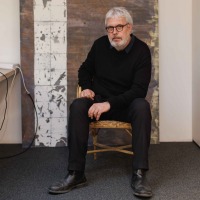
BAAS Arquitectura is an architecture practice founded in 1994 in Barcelona by architect Jordi Badia (Barcelona, 1961). He graduated from the Barcelona School of Architecture (ETSAB) in 1989. Between 1989 and 1993, he worked alongside architect Tonet Sunyer before establishing his own practice.

Since its foundation, BAAS Arquitectura has worked on projects of different scales and programmes, including residential buildings, offices, educational facilities, healthcare buildings, cultural spaces and interventions in architectural heritage. Its work is characterised by a careful consideration of the urban context, the use of materials and the relationship between architecture and public space. The restoration and adaptation of existing buildings to new uses also play an important role in the studio's practice.

Among its best-known works are the Can Framis Museum in Barcelona, which received the 2009 City of Barcelona Award and the FAD Opinion Award; the conversion of the former Oliva Artés factory into a branch of the Barcelona History Museum (MUHBA); the renovation of the Alta Diagonal office building; and the FAD headquarters in Barcelona.

Internationally, one of its most notable projects is the Faculty of Radio and Television at the University of Silesia in Katowice, Poland (2017), designed in collaboration with GRUPA 5 Architekci and Małeccy Biuro Projektowe. The building received the Brick Award 2020 and was shortlisted for the 2019 European Union Prize for Contemporary Architecture – Mies van der Rohe Award. More recent projects include the Llull 122 building and the Vall d'Hebron Research Centre (VHIR), the latter developed in collaboration with ESPINET/UBACH.

Alongside his architectural practice, Jordi Badia teaches in the Department of Architectural Design at ETSAB, where he has been a professor since 2001. He has also collaborated with universities in Hong Kong, Ljubljana, Toulouse and Zurich. He has written for the newspaper ARA and served as editor of the architecture blog HIC Arquitectura.

In 2012, together with Félix Arranz, he curated VOGADORS, the exhibition representing Catalonia and the Balearic Islands at the 13th Venice Architecture Biennale. His career brings together architectural practice, teaching and the dissemination of architecture, with a particular interest in the relationship between buildings, the city and its inhabitants.

Read more
Published on: May 29, 2022
Cite:
metalocus, JAVIER ARIAS
"Spatial alignment. Cap Cotet by BAAS arquitectura, AIS" METALOCUS. Accessed
<https://www.metalocus.es/en/news/spatial-alignment-cap-cotet-baas-arquitectura-ais> ISSN 1139-6415
Loading content ...
Loading content ...
Loading content ...
Loading content ...
Loading content ...
Loading content ...
Loading content ...
Loading content ...
Loading content ...
Loading content ...
Loading content ...
Loading content ...
Loading content ...
Loading content ...
Loading content ...
Loading content ...
Loading content ...
Loading content ...
Loading content ...
Loading content ...
Loading content ...
Loading content ...
Loading content ...
Loading content ...
Loading content ...
Loading content ...
Loading content ...
Loading content ...
Loading content ...
Loading content ...
Loading content ...
Loading content ...
Loading content ...
Loading content ...
Loading content ...
Loading content ...
Loading content ...
Loading content ...
Loading content ...
Loading content ...
Loading content ...
Loading content ...
Loading content ...
Loading content ...
Loading content ...
Loading content ...
Loading content ...
Loading content ...
Loading content ...
Loading content ...
Loading content ...
Loading content ...
Loading content ...
Loading content ...