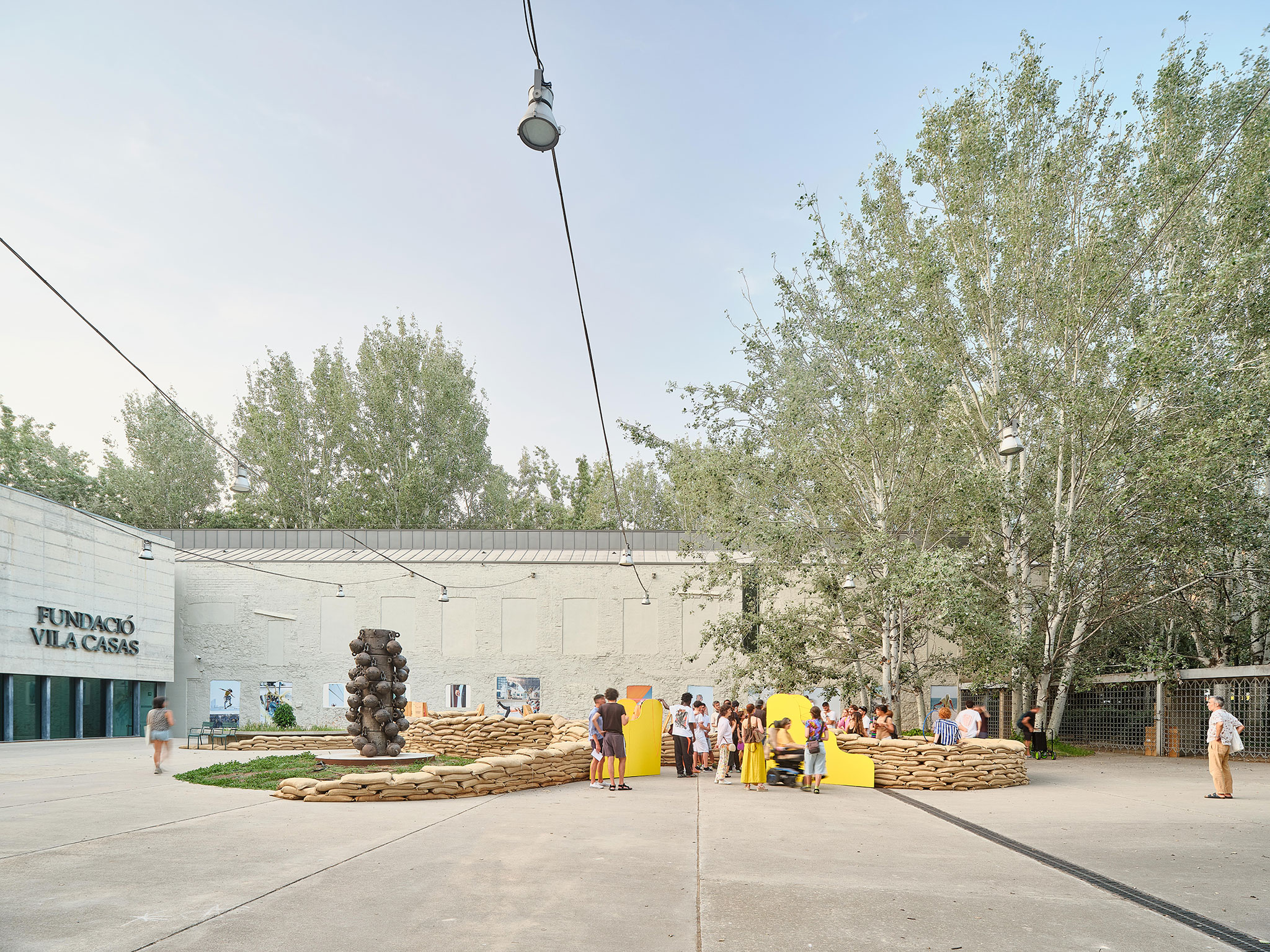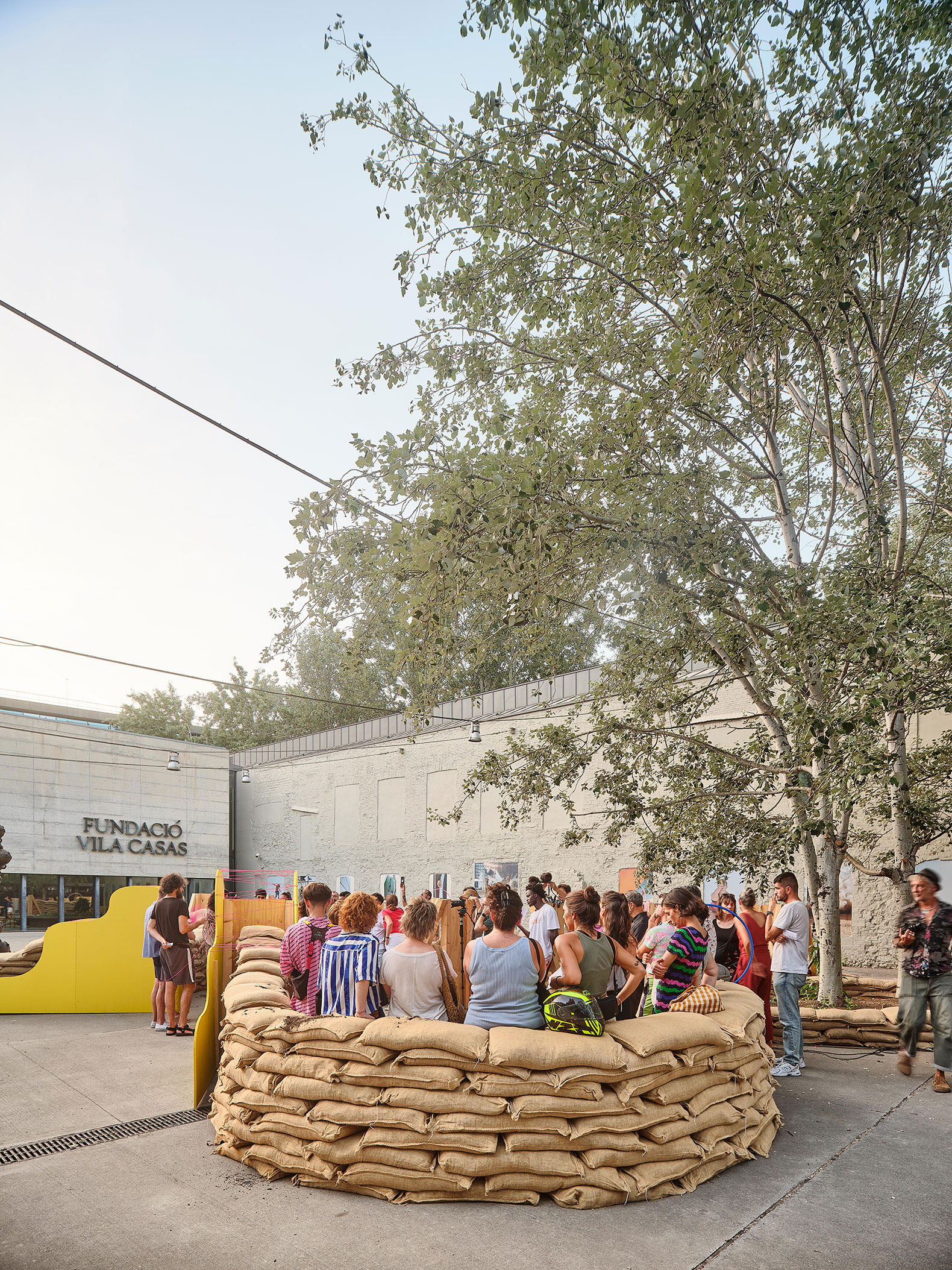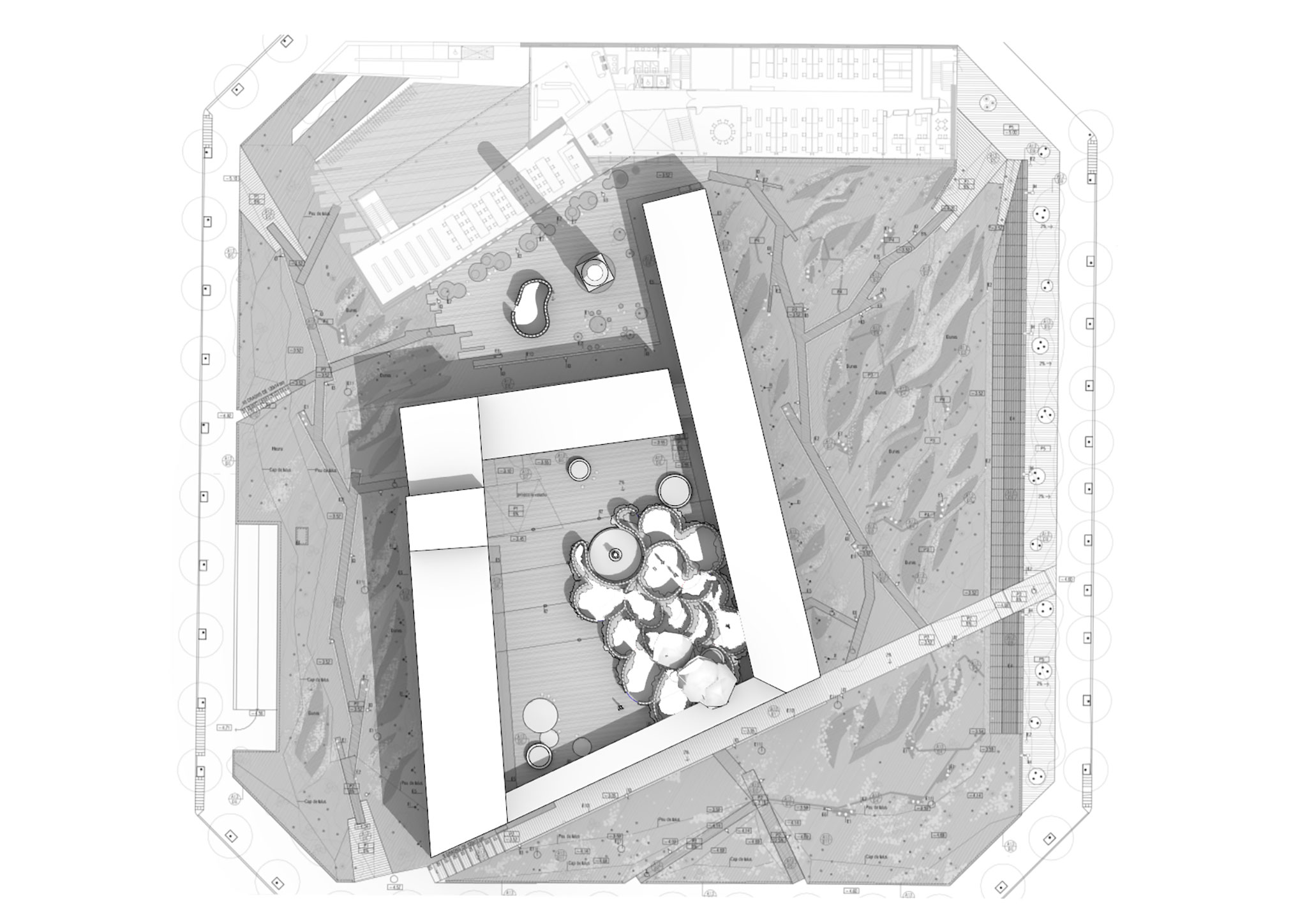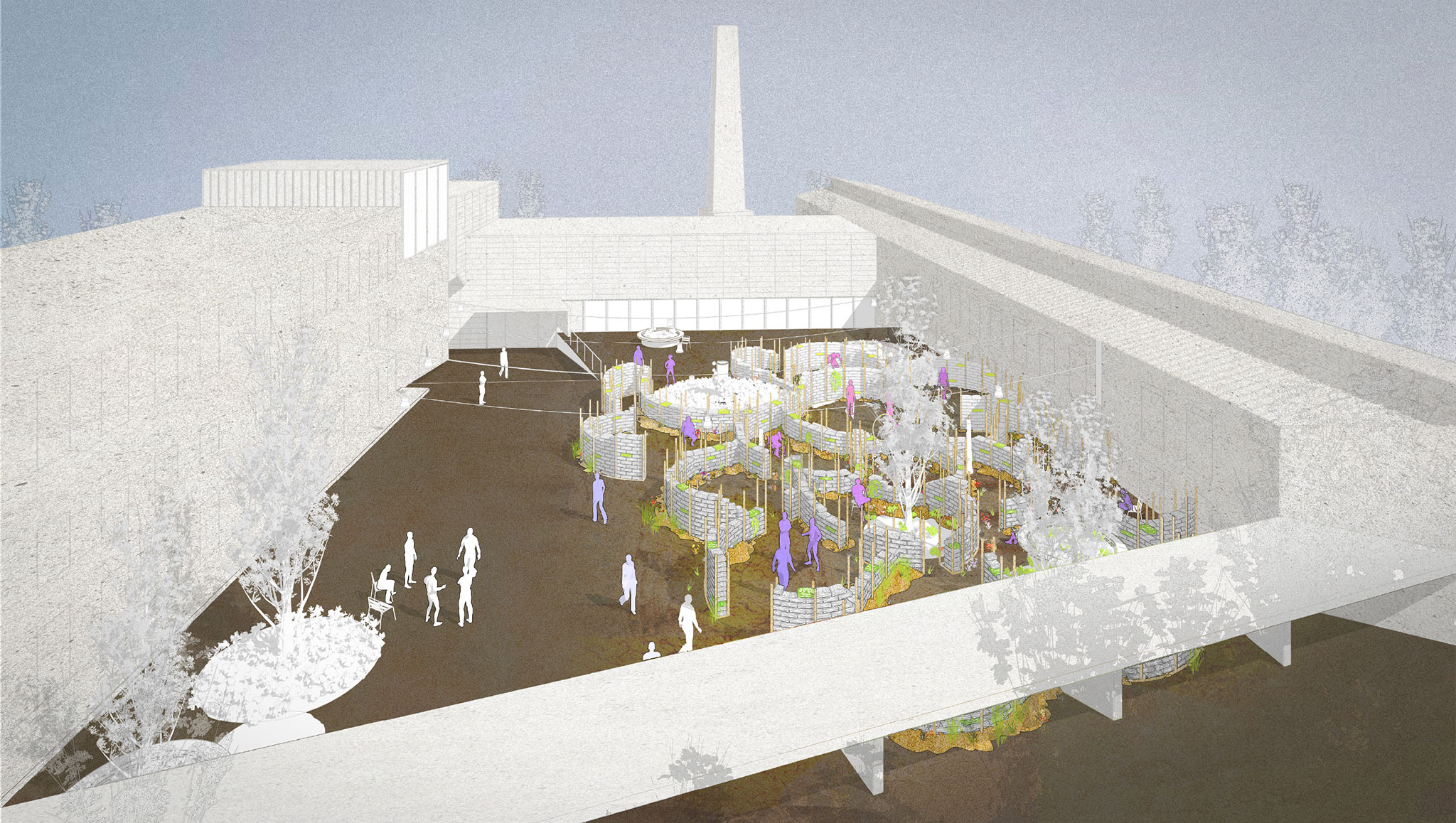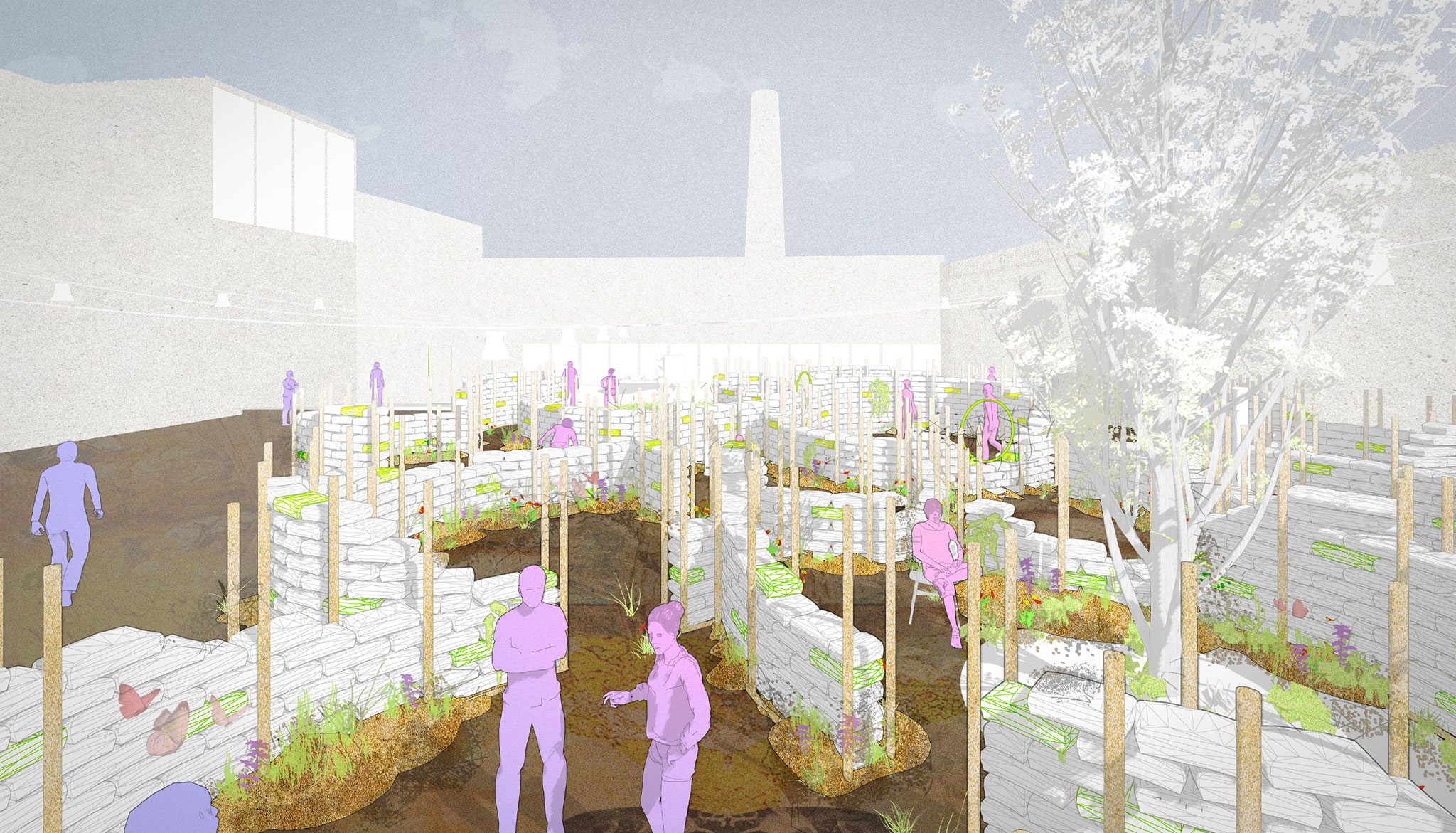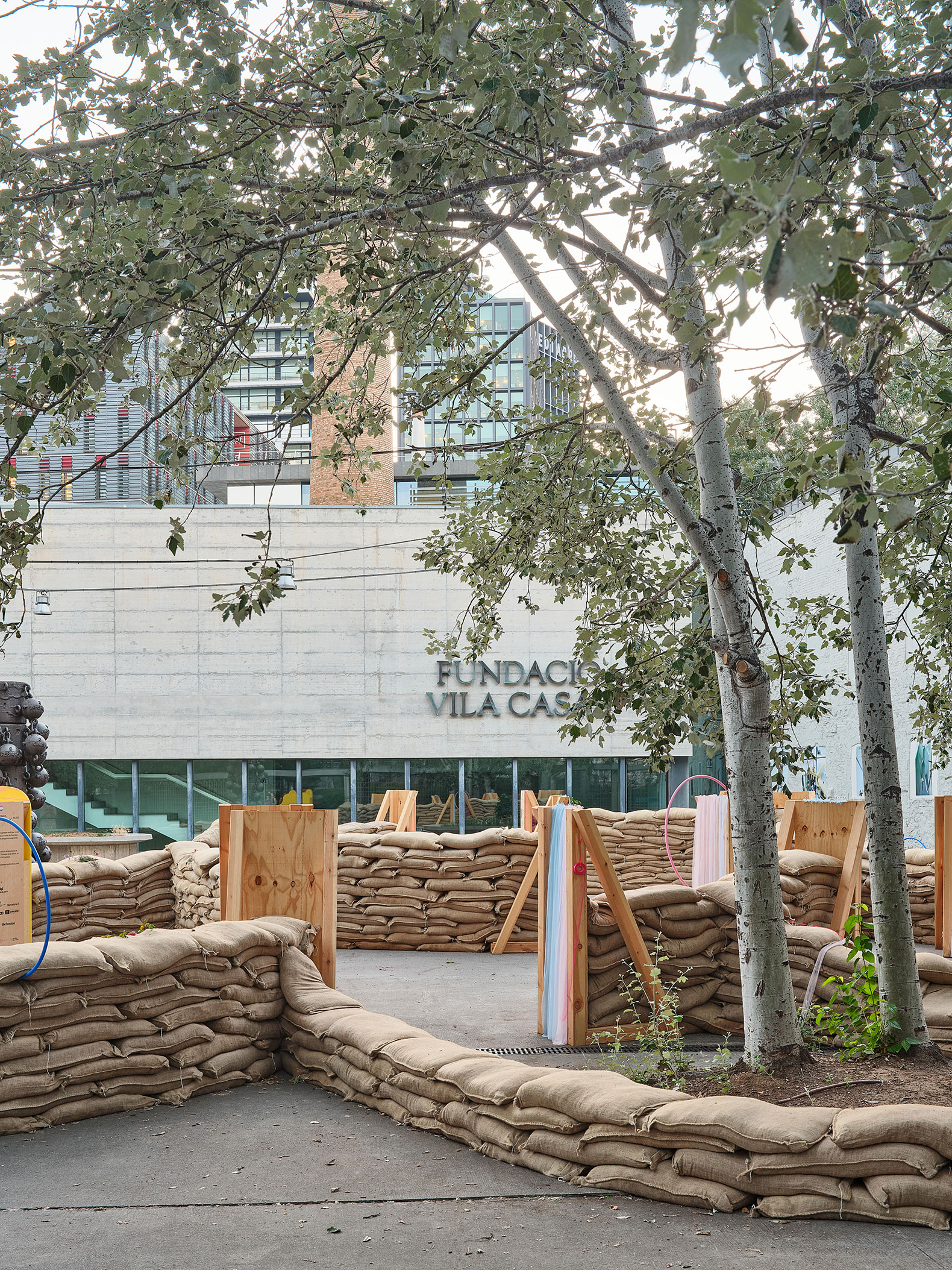
Arquitecturas Afectivas proposes an ephemeral, circular architectural installation designed to be integrated into the public space in  the Museu Can Framis of Barcelona. Throughout its duration, the public program features contributions from figures in the fields of dance, journalism, and critical thought, who guide participants in exploring non-verbal communication, processes of collective memory, and the impact of geopolitical boundaries on the affective dimensions of daily life.

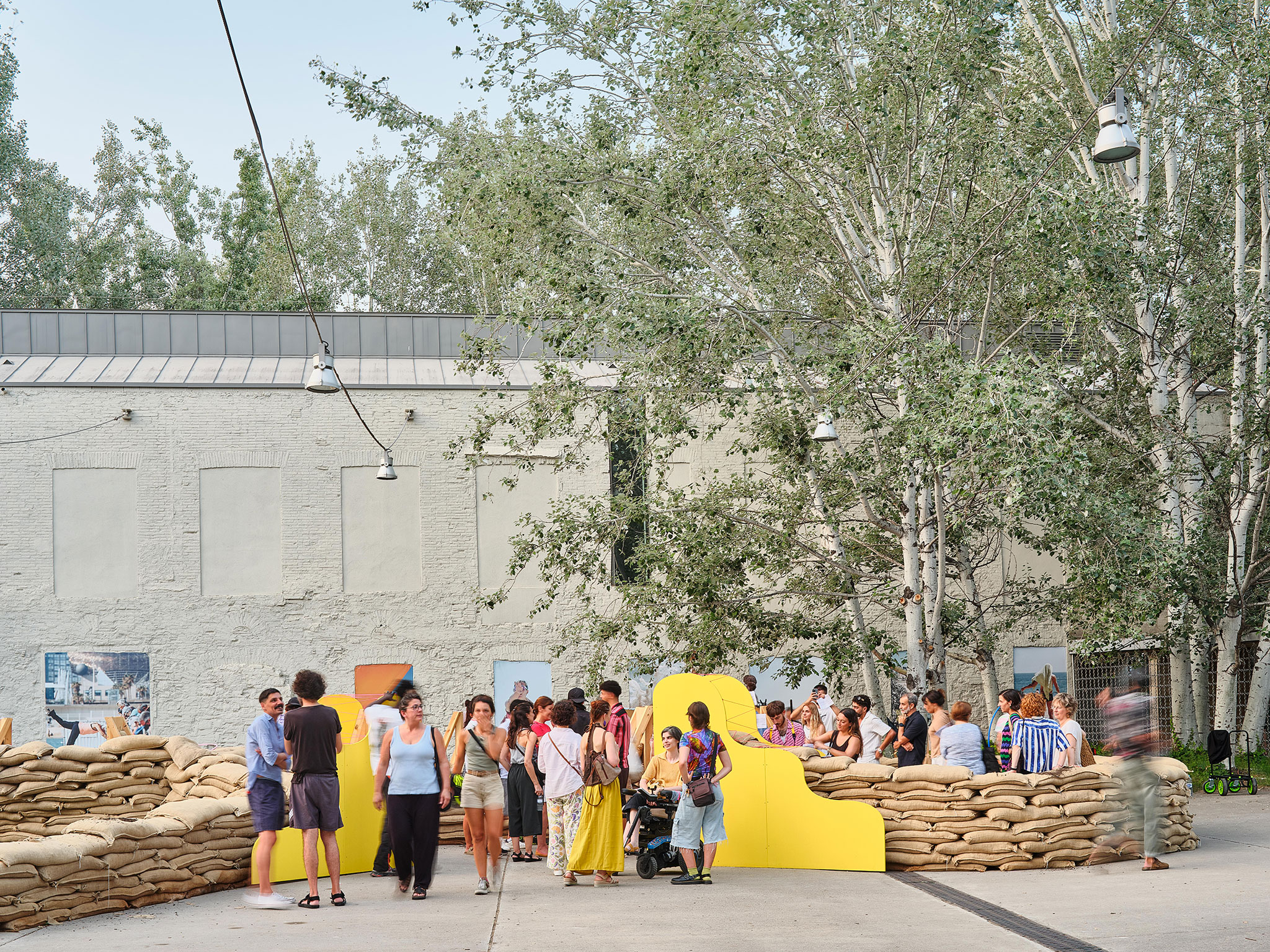
The core of the space functions as a laboratory for social and artistic mediation—active over two weeks—and is enlivened through performative activities and open debates.

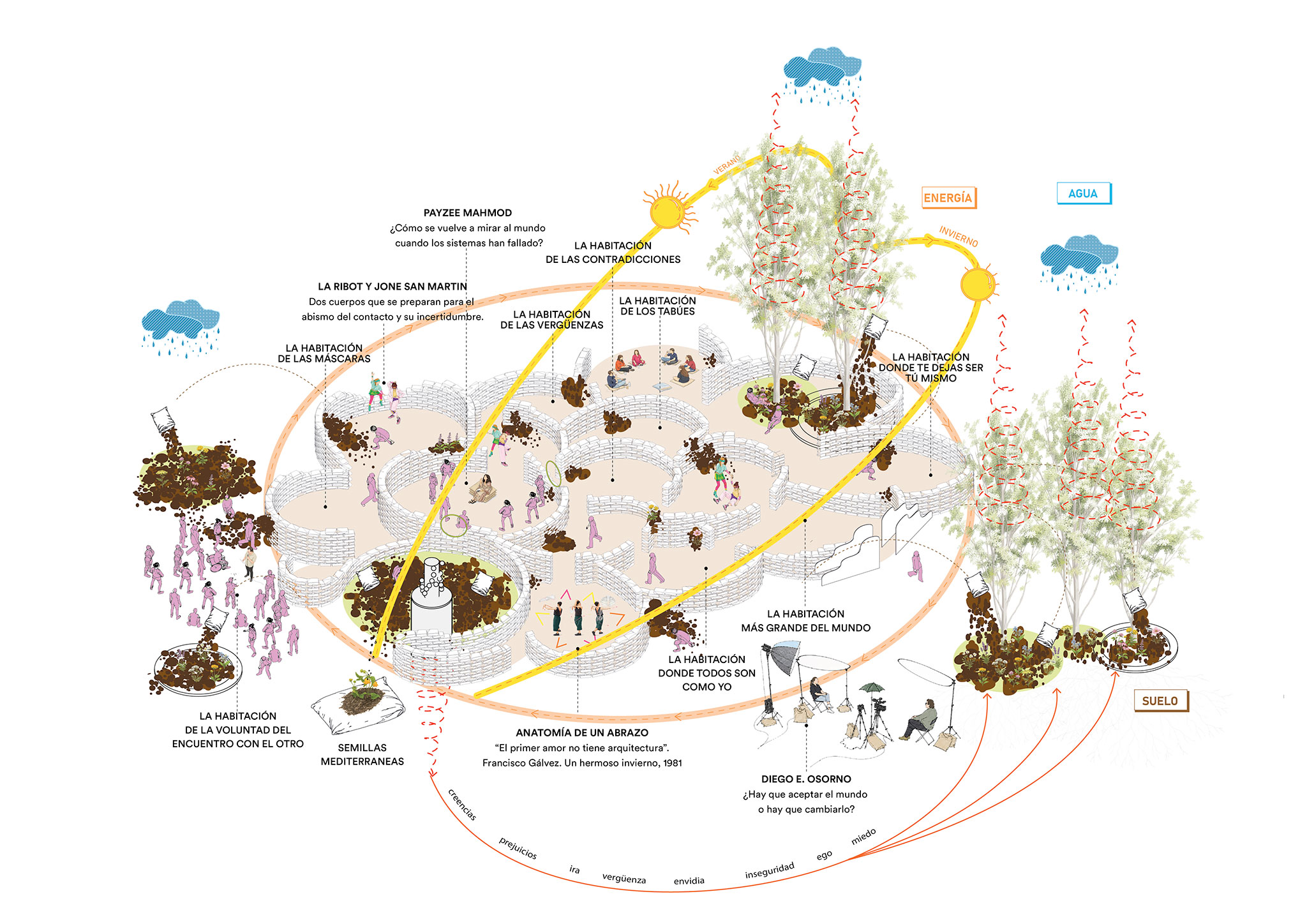
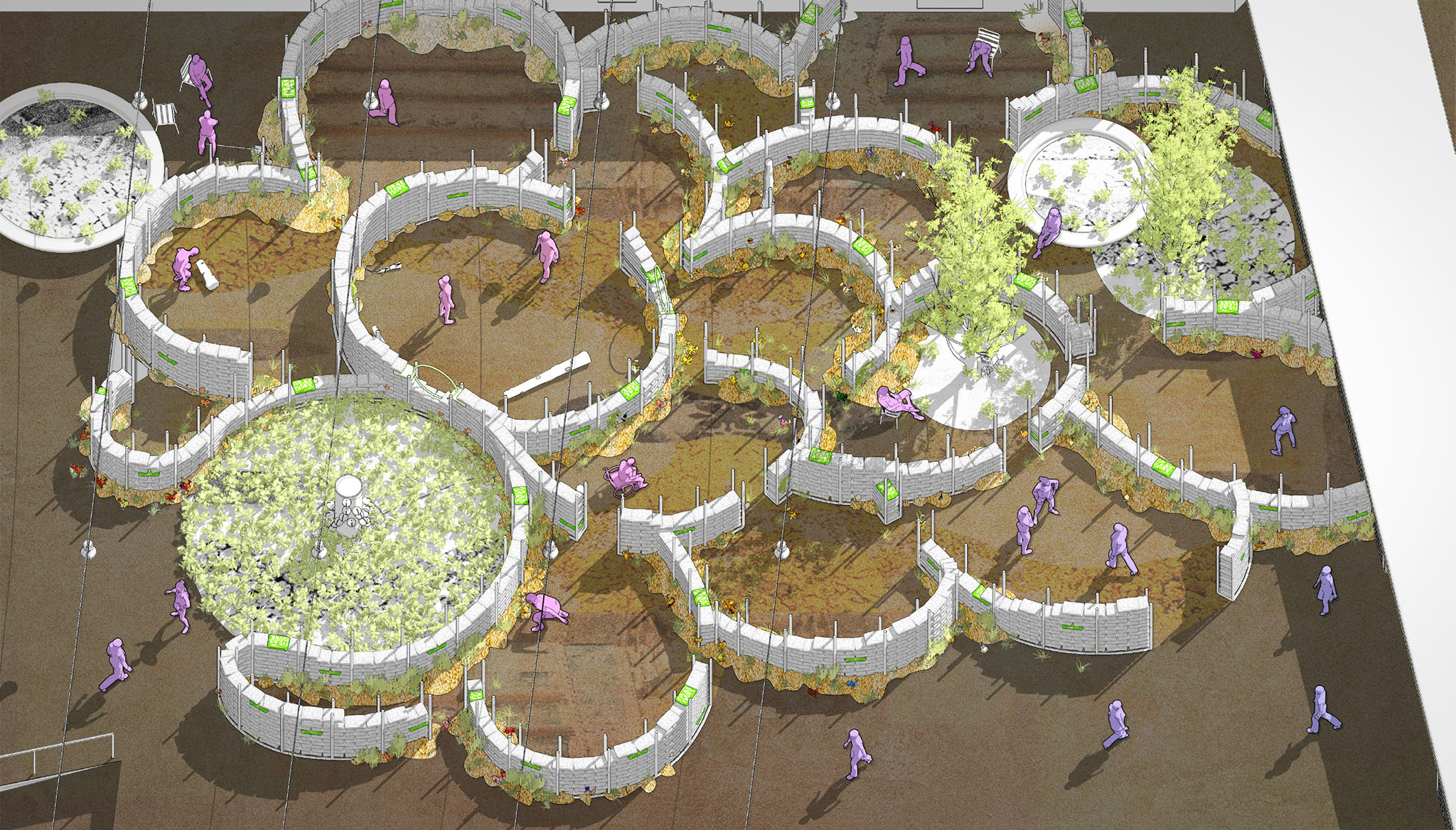
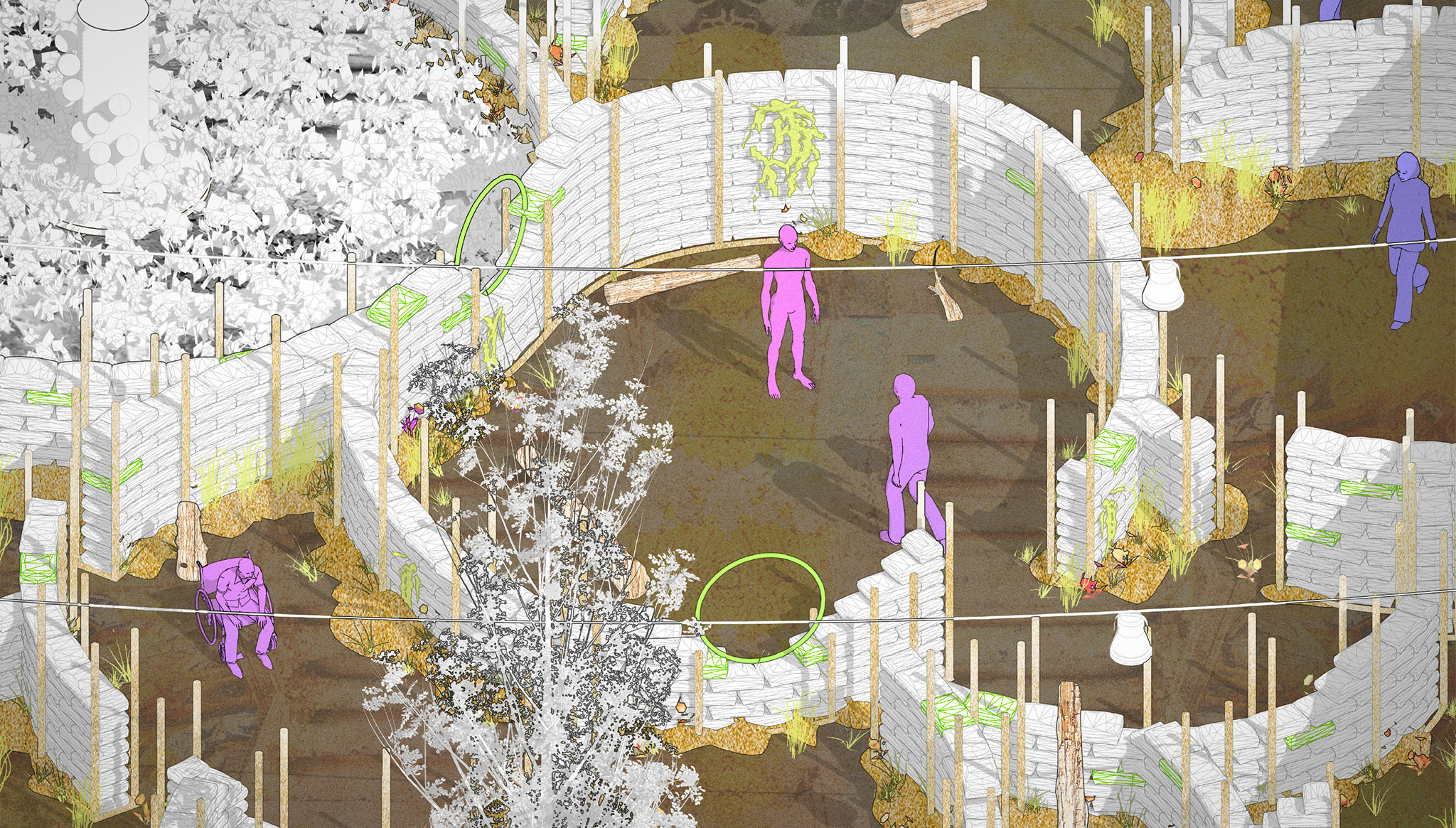
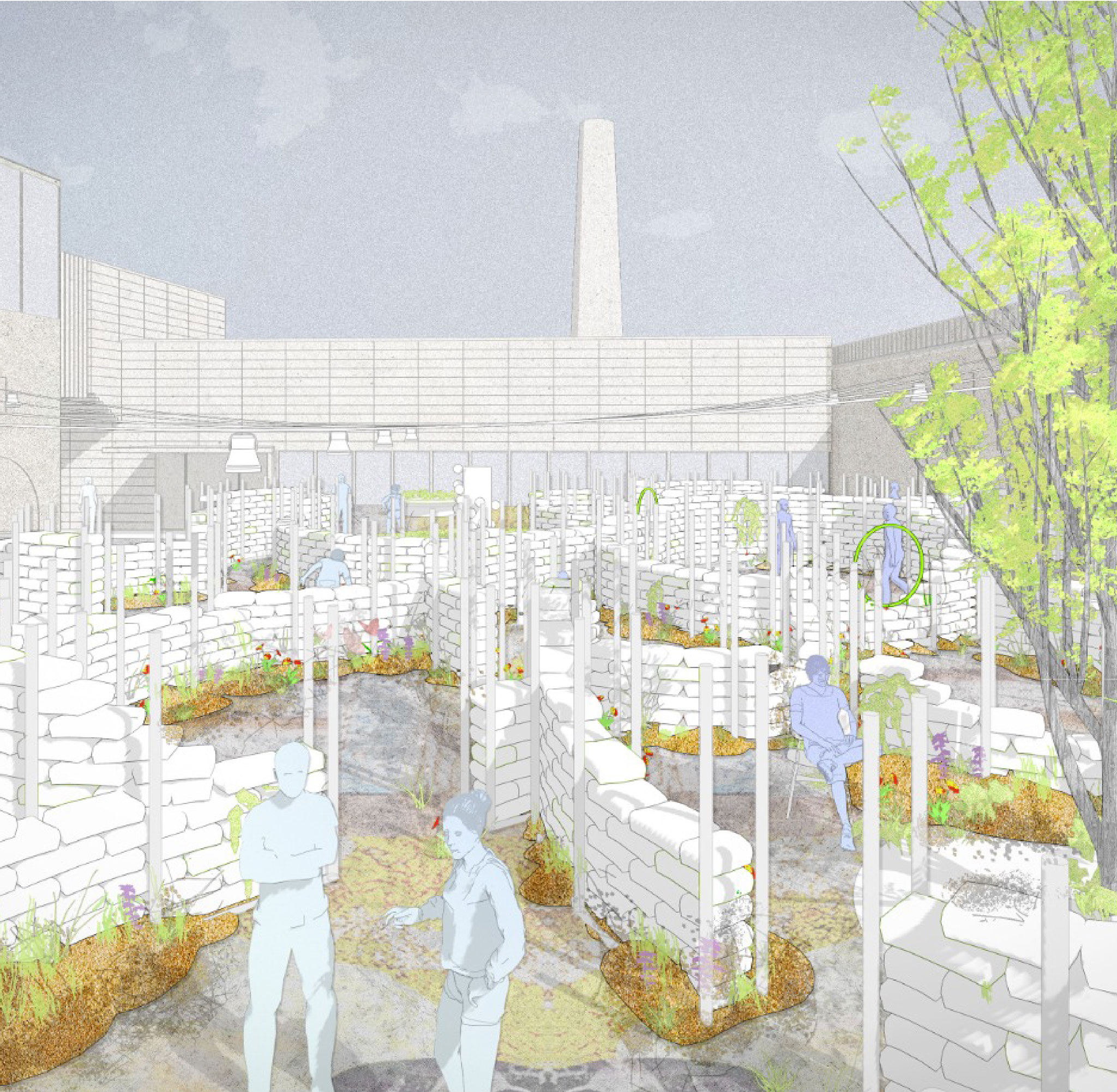
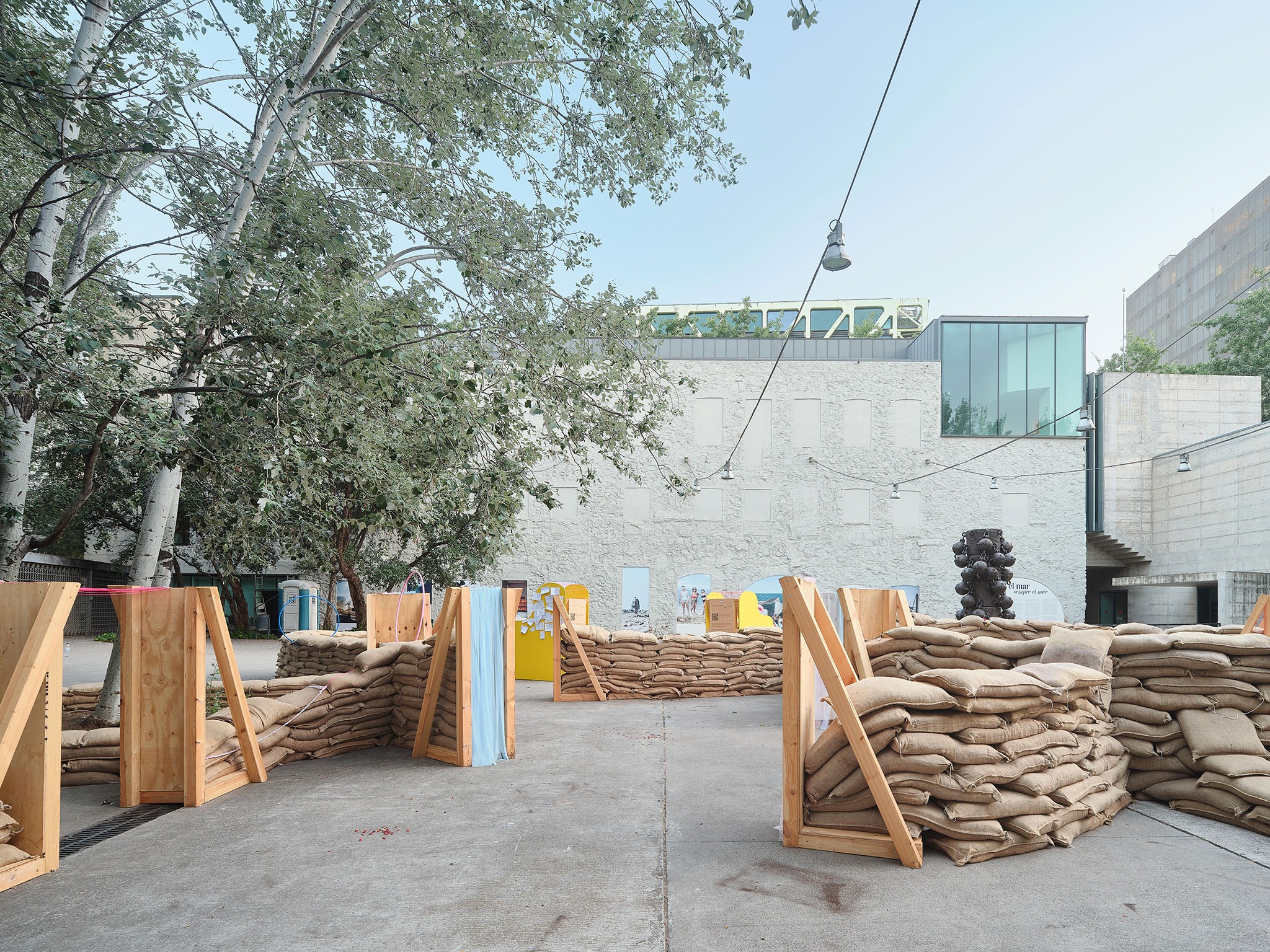
The spatial layout of the project, created by Arquitecturas Afectivas, is organized into accessible modules designed to spark questions and encourage active listening among diverse communities, institutions, and passersby.

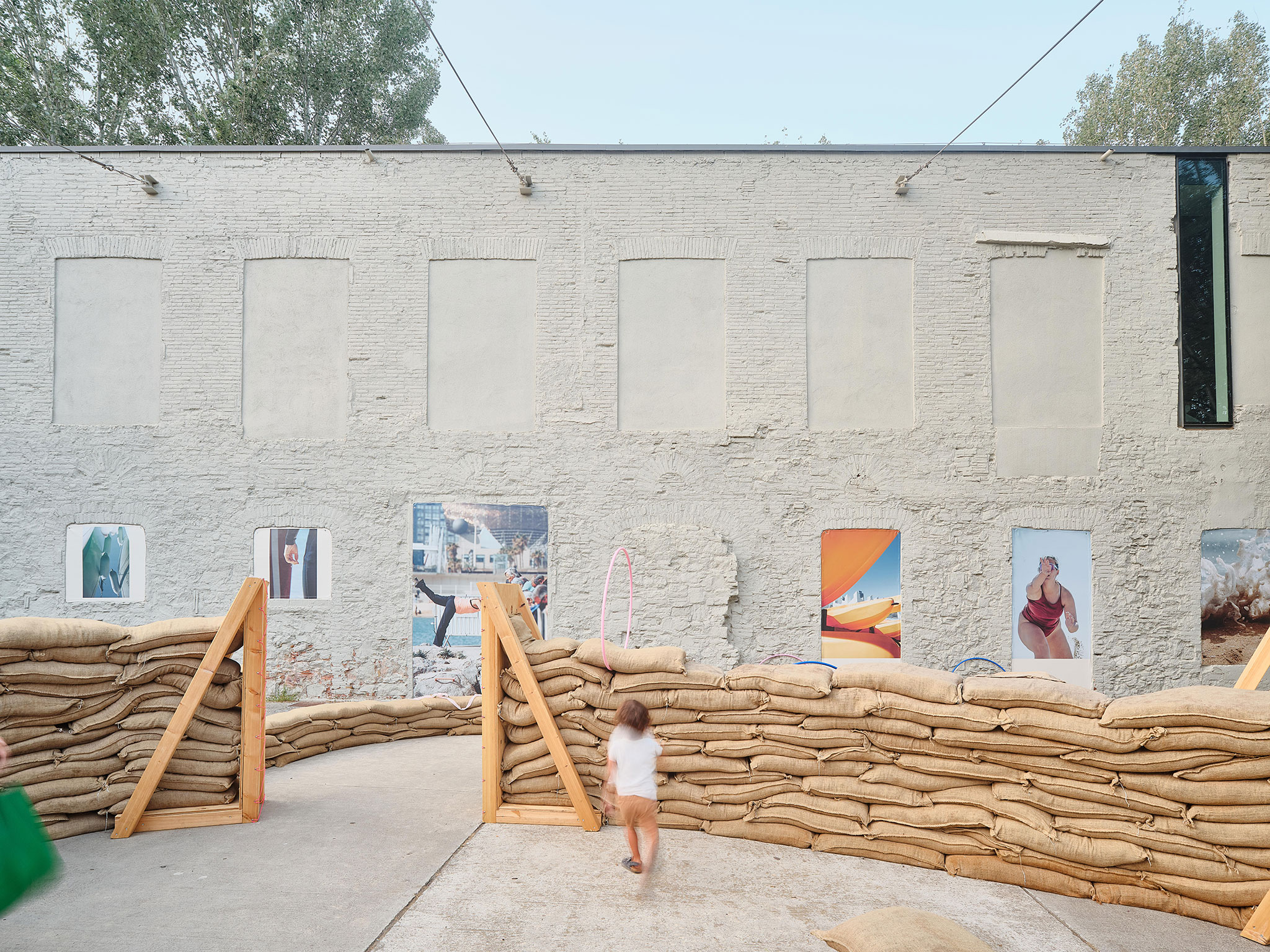
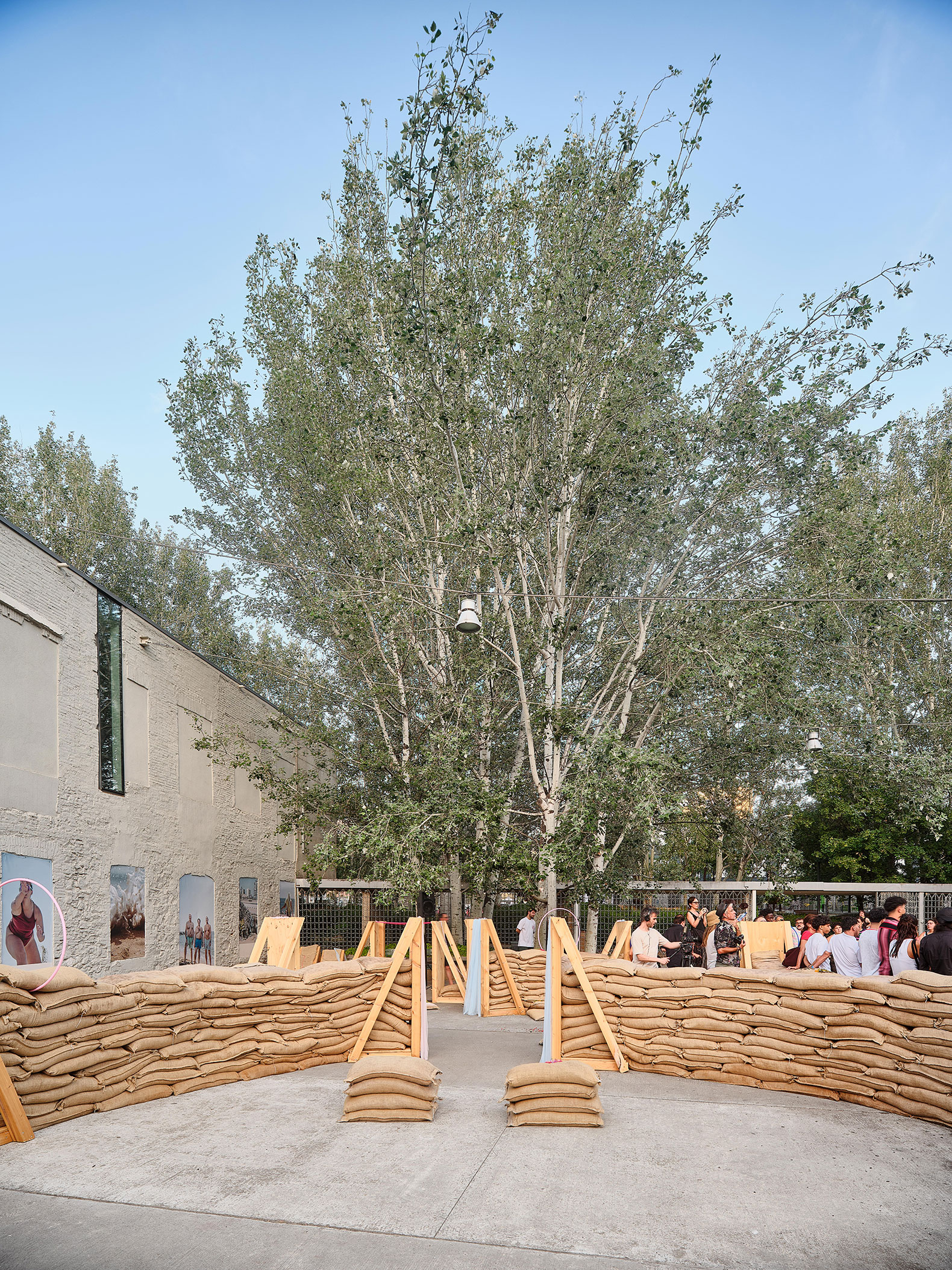
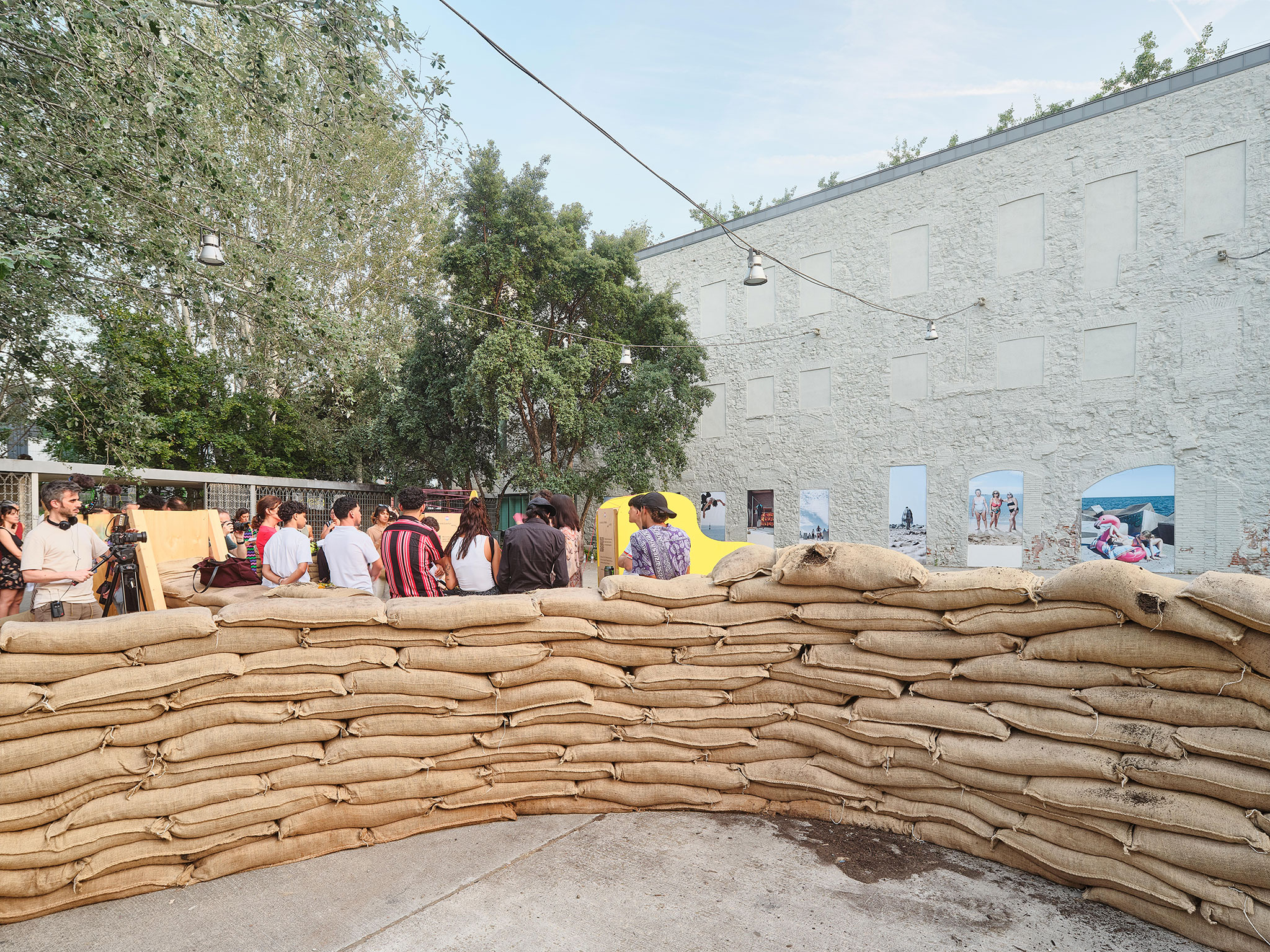
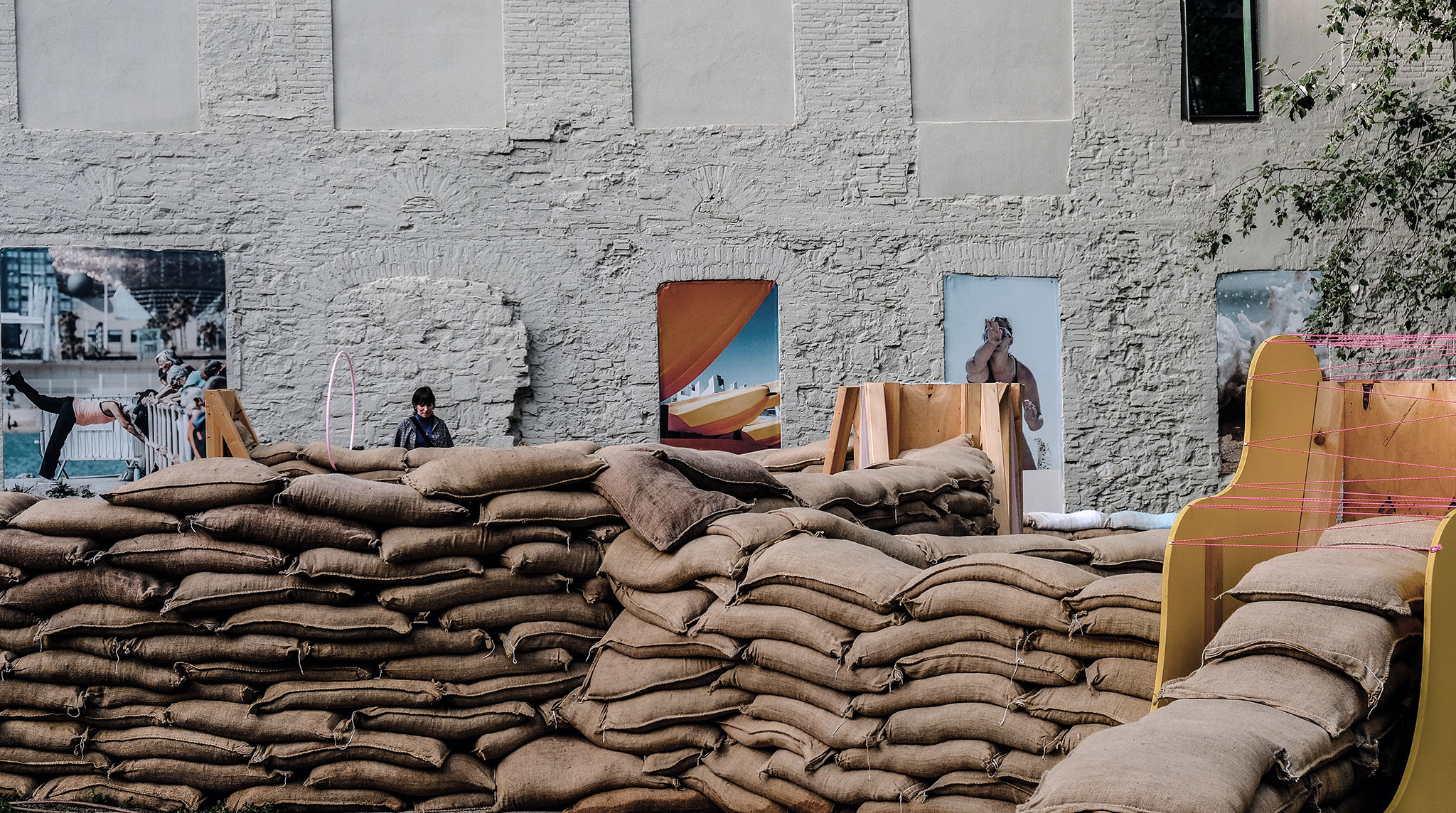
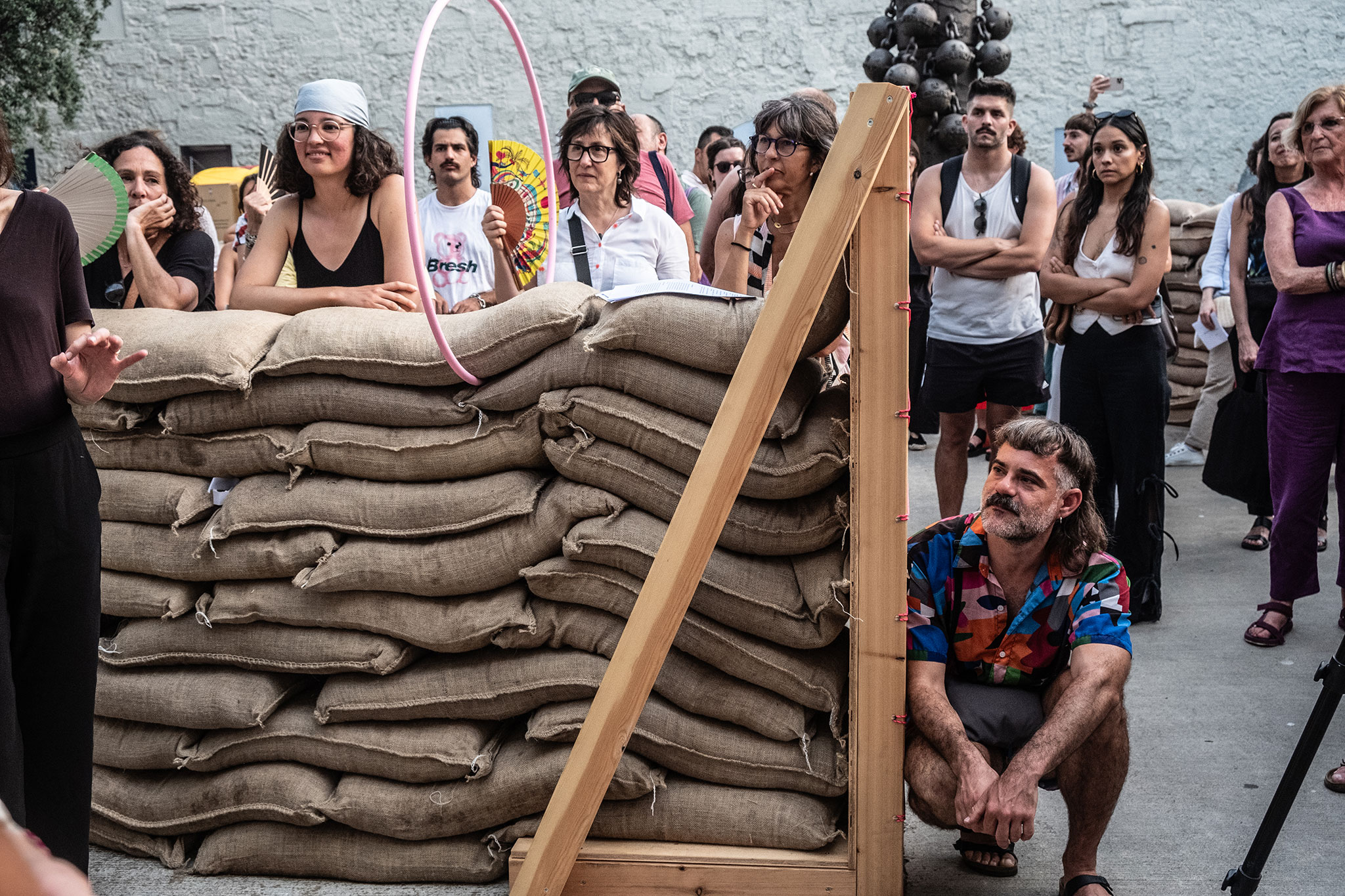
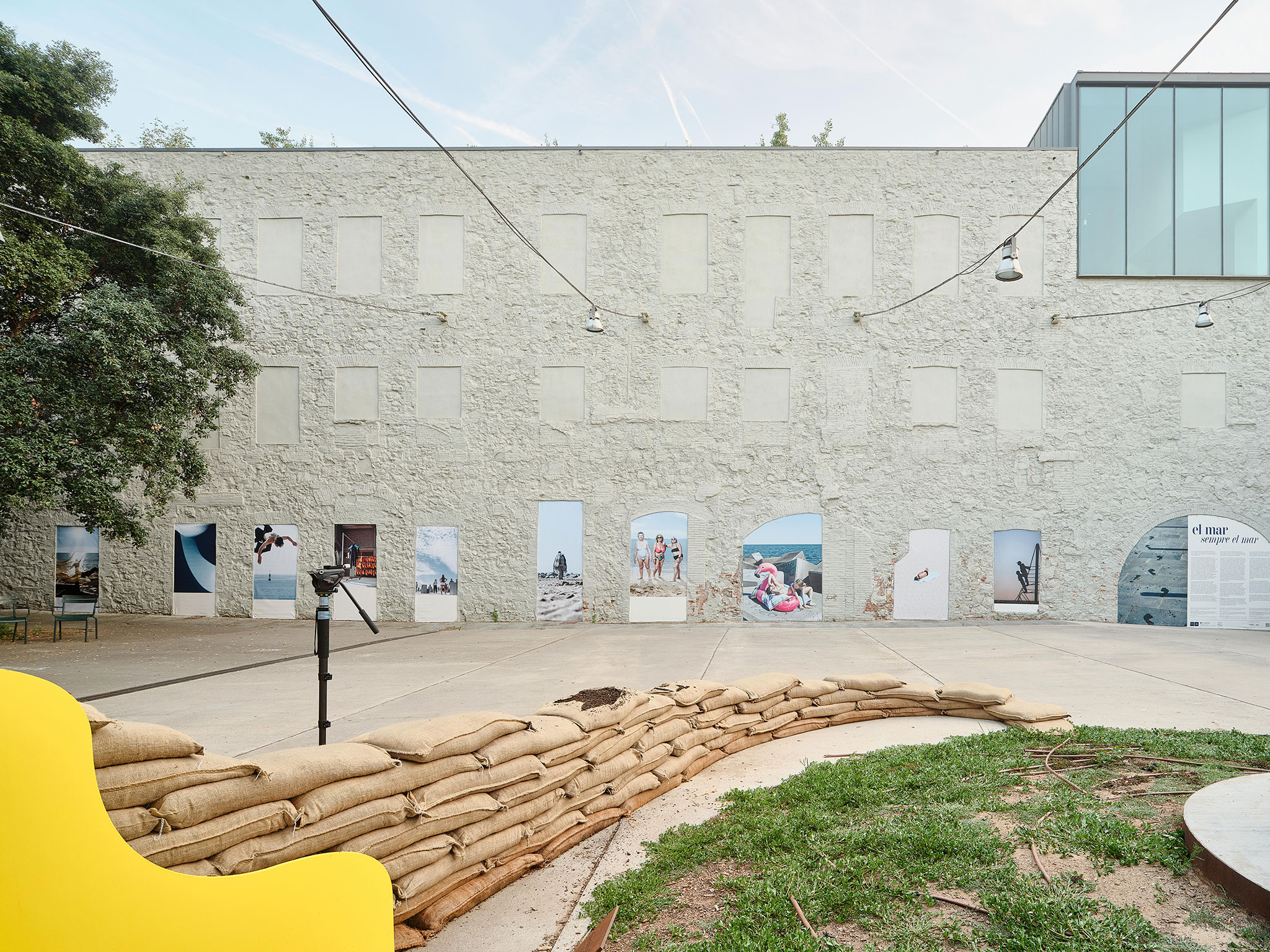
Its physical structure reflects a strong ecological commitment, as it is built using walls made from sacks of seeds. At the end of its life cycle, the installation is completely dismantled, allowing the materials to return to the earth; the seeds are then free to scatter and germinate within the landscape, leaving behind a living trace—a material and affective metabolism—within the urban environment of Barcelona.
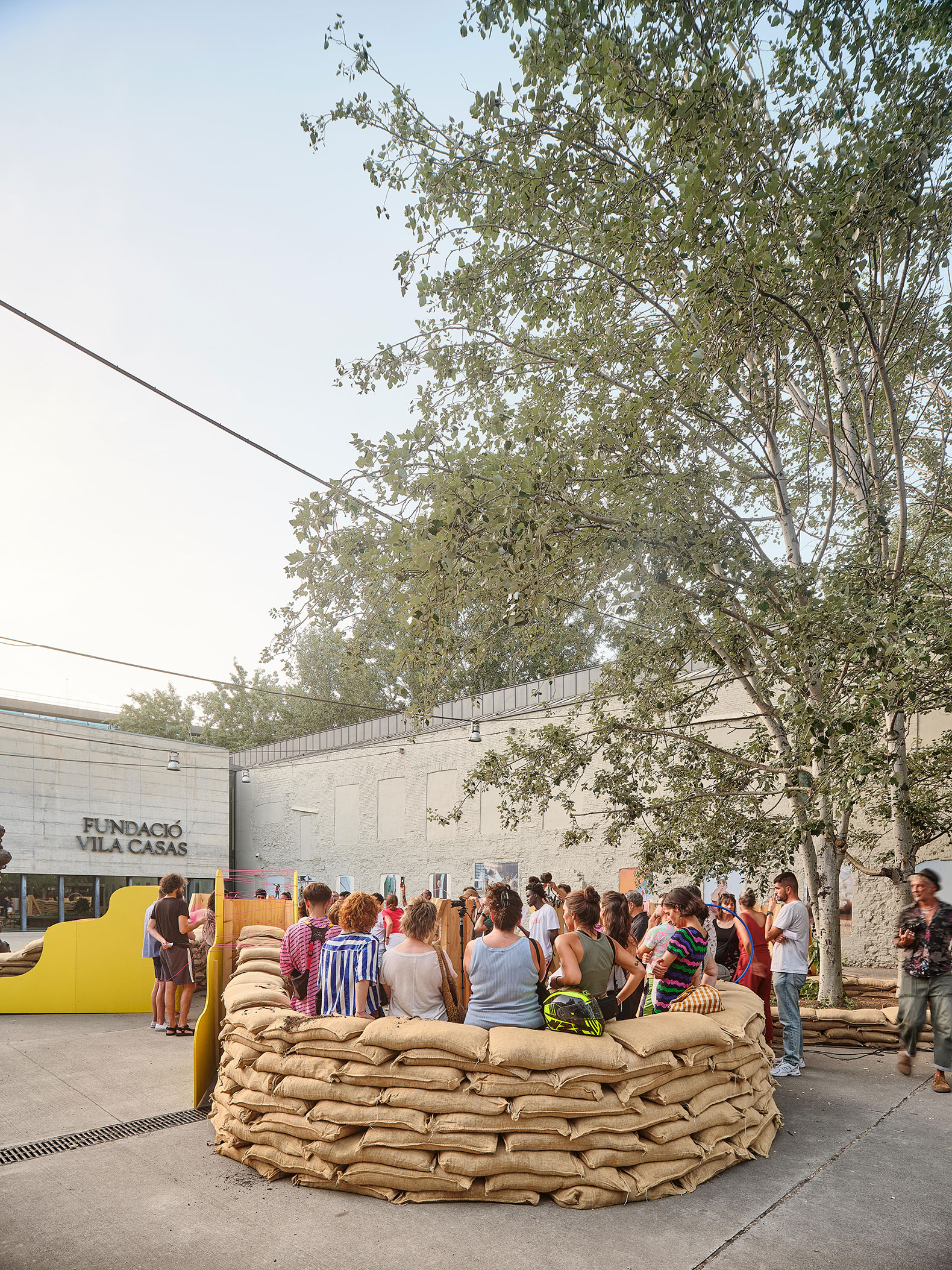
"La casa del encuentro con el otro" by Arquitecturas Afectivas. Photograph by Adria Goula.

"The house of encounter with the other" by Arquitecturas Afectivas. Photograph by Adrià Goula.

Project description by Arquitecturas Afectivas

The project begins with a question: Can architecture facilitate encounters between bodies, cultures, and narratives in a world marked by fragmentation? In response to this challenge, the installation opens up an affective, sheltered space where new ways of relating to one another can be imagined.

The installation functions as a mechanism that brings together communities, encounters, and territories. This "house of encounter with the other" is an architectural structure composed of rooms built from questions. To inhabit this house, therefore, means allowing those questions to linger within each participant.

"The house of encounter with the other" by Arquitecturas Afectivas. Photograph by Adrià Goula.

The project creates a space where people can engage with one another in an open and authentic manner. It introduces an architecture rooted in affect, sensitivity, and bodily experience. Through various performances, the house fosters new modes of interaction within the public sphere, activating processes of coexistence and listening among diverse communities. At the same time, it connects local stakeholders, institutions, and citizens in a shared gesture of encounter—and, at times, disjuncture.

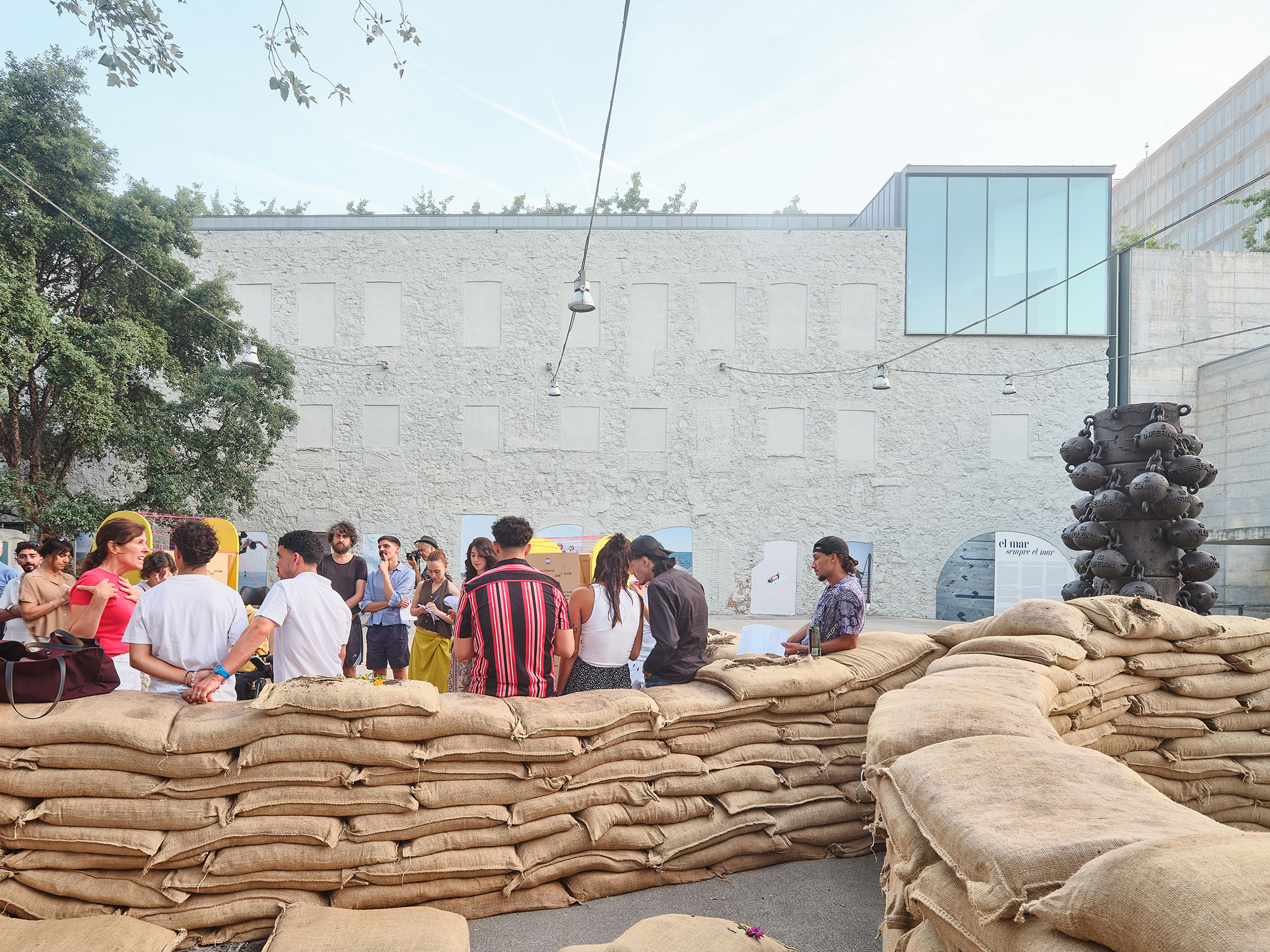
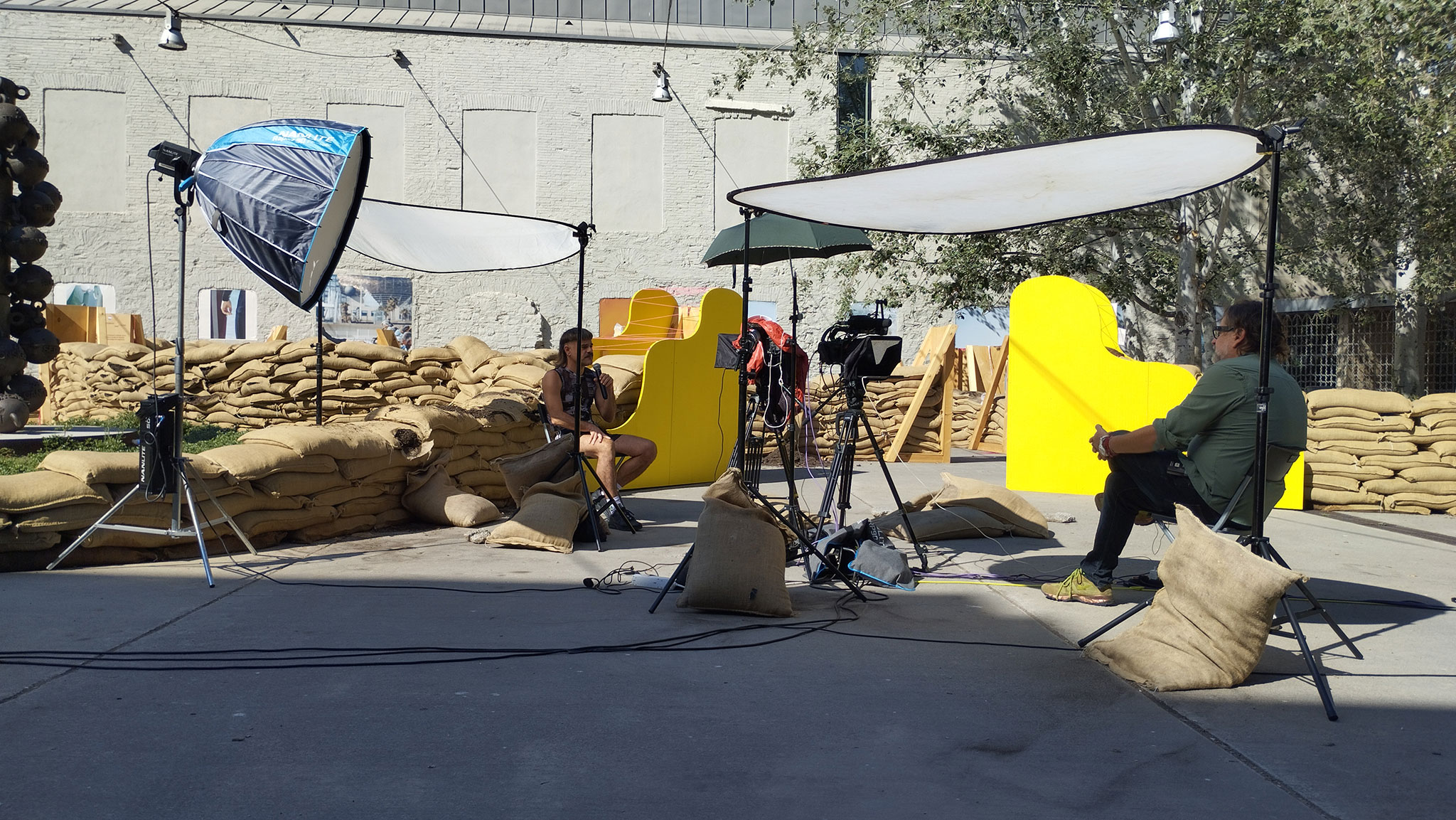
Over the course of two weeks, artists, thinkers, and various communities brought the space to life, exploring new ways of inhabiting the act of meeting. La Ribot and Jone San Martín focused on perception and everything that occurs before words emerge; Payzee Mahmood initiated conversations about identity, belonging, and memory; while Diego E. Osorno drew attention to the physical, political, and emotional borders that permeate our daily lives.
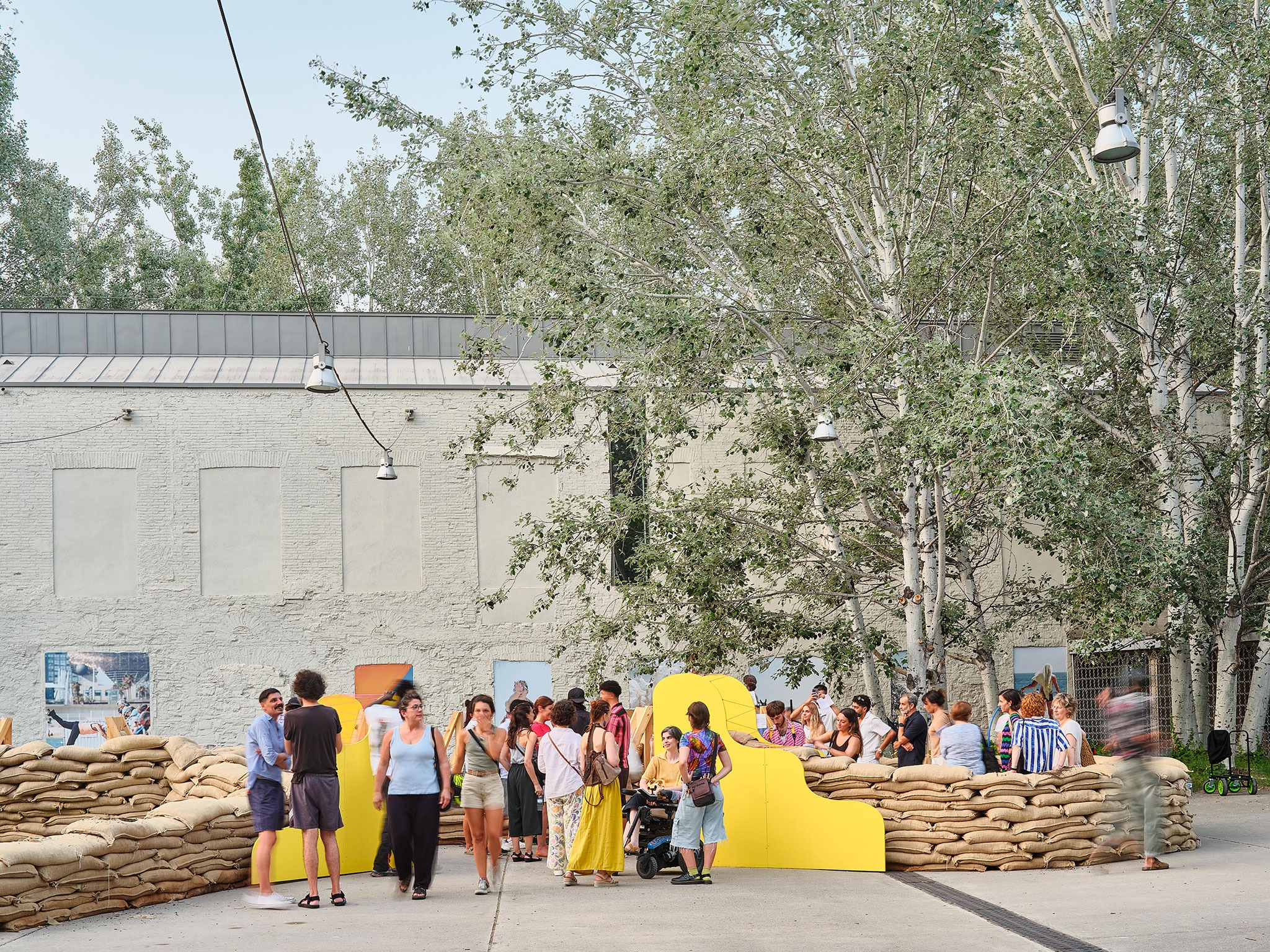
"The house of encounter with the other" by Arquitecturas Afectivas. Photograph by Adrià Goula.

In an era marked by emotional distance, this house offers an alternative: a space where the act of meeting becomes essential once again. After all, we are already familiar with the alternative to such encounters—and, even more so, with its consequences.

The house is eventually dismantled, and the walls—made of sacks of seeds—return to the earth. The seeds are scattered across the landscape, where they may take root and germinate. The project operates as an ephemeral, circular mechanism, leaving behind a living trace—an affective and material metabolism within the city of Barcelona.
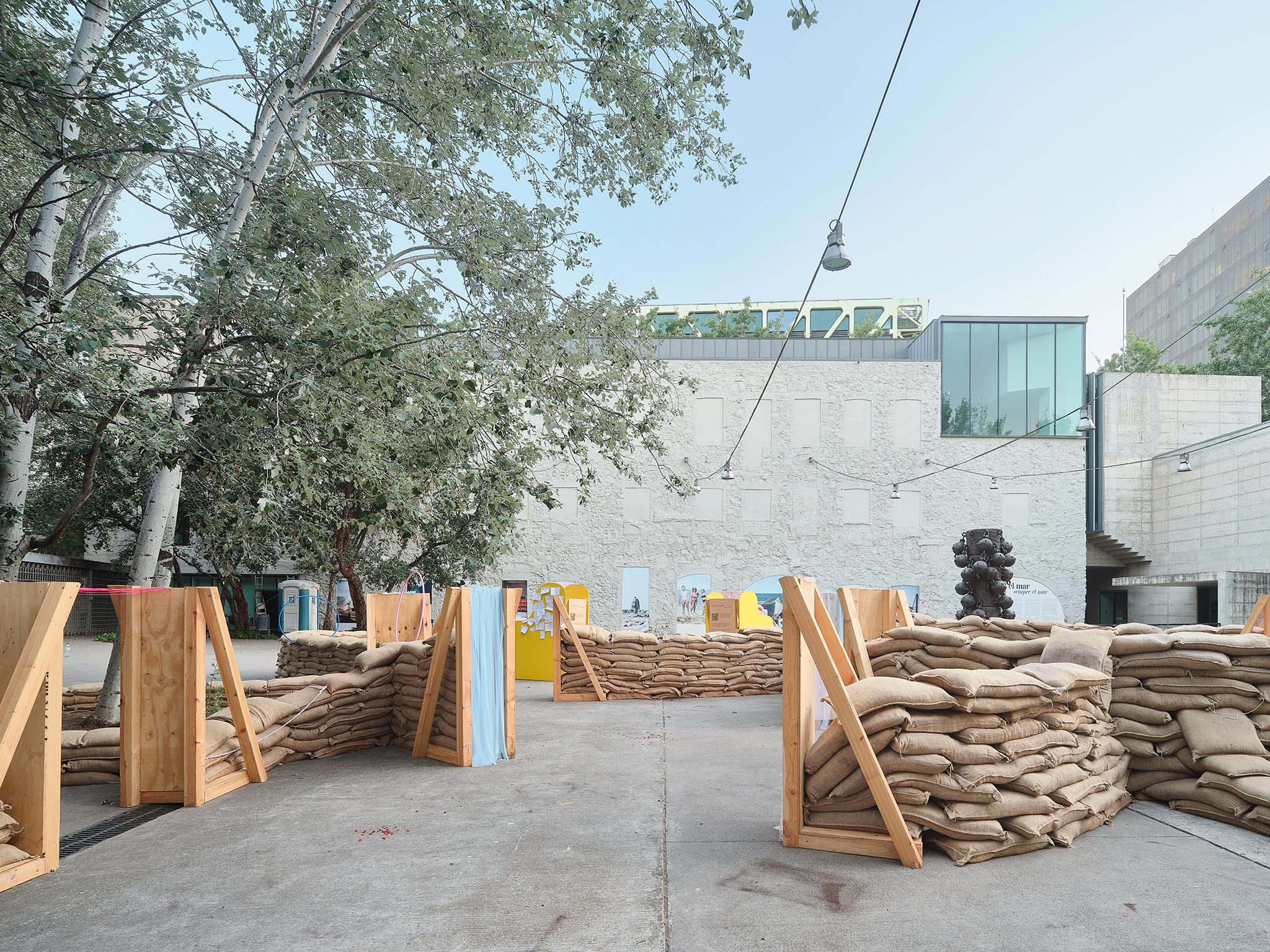
More information

Label
Architects
Text

Arquitecturas Afectivas. Lead architect.- Mauro Gil-Fournier.

+ + copy Created with Sketch.
- + copy Created with Sketch.
+ + copy Created with Sketch.
- + copy Created with Sketch.
Label
Project team
Text

Production.- Mar Ponce.
Accessibility and Partnerships.- María Lledo.
Graphic Design.- Adrian Segura.
Architecture and Communication.- Oriana Sovieri, Alvaro Mieres, Alvaro Pozo, Bruno Codoni.
Sound and Musicalit.- Alejandro Hidalgo.
Installation and Assembly.- Gerardo Gorris.
Barristudio.- Jordi Barri, Adrián Segura.

+ + copy Created with Sketch.
- + copy Created with Sketch.
Label
Collaborators
Text

Institut del teatre de Cataluña, Semillas Silvestres, Nihao Films, Museu Can Framis, UPF, Ajuntament de Barcelona, Fundació Mies Van der Rohe.

+ + copy Created with Sketch.
- + copy Created with Sketch.
Label
Sponsors
Text

Bobochoses, The Hoxton Hotels, International University of La Rioja.

+ + copy Created with Sketch.
- + copy Created with Sketch.
Label
Dates
Text

June 22 – July 5, 2026.

+ + copy Created with Sketch.
- + copy Created with Sketch.
Label
Location
Text

Can Framis Museum, Barcelona, ​​Spain.

+ + copy Created with Sketch.
- + copy Created with Sketch.
Label
Photography
+ + copy Created with Sketch.
- + copy Created with Sketch.

Mauro Gil-Fournier Esquerra (Burgos, 1978). PhD in architecture, researcher, and professor. After 15 years in the profession, he founded Arquitecturas Afectivas in Madrid, a community that creates architecture with pleasure, fostering connections between people, other beings, and living things. His work is situated within a multifaceted, interscalar, and co-located environment where projects emerge and knowledge is shared openly.

He previously co-founded numerous projects and offices, including estudiofam (2003), Vivero de Iniciativas Ciudadanas (2008), and estudiosic (2009). Since 2017, he has co-directed the European project Mares de Madrid within the EU's Urban Innovative Actions program (2017-2019). He also co-produced the digital platform for citizen innovation, civics.cc, which received the EULAC Foundation award for best Ibero-American citizen initiative (2018). He was a Fellow in Residence at Art OMI, New York (2019). His projects have received prestigious awards such as the Detail Prize, Bauwelt Prize, and were finalists in the AR Awards for Emerging Architecture, FAD, and Mies van der Rohe Awards, among others.

His work has been exhibited and published in venues such as the Newmark Gallery at the Benenson Center in New York (2019), the Spanish Pavilion at the Venice Architecture Biennale (2018), the Oslo Architecture Triennale (2016), the Householding Fair at Bauhaus Dessau (2015), the Lisbon Architecture Triennale (2013), and the 2nd Rome Biennial of Public Space (2013).

He has been a guest speaker at numerous universities and forums in Spain, Latin America, and the USA. His work has been widely published in international journals, and he has contributed to several books, including *Critical Care: Architecture and Urbanism for a Broken Planet* (MIT Press, 2019). He has recently published his most personal book, "The Houses That Inhabit Me" (Mincho Press, 2021).

Read more
Published on: November 7, 2026
Cite:
metalocus, ALAA SALEM
"Connecting body and culture. "The house of encounter with the other" by Arquitecturas Afectivas" METALOCUS. Accessed
<https://www.metalocus.es/en/news/connecting-body-and-culture-house-encounter-other-arquitecturas-afectivas> ISSN 1139-6415
Loading content ...
Loading content ...
Loading content ...
Loading content ...
Loading content ...
Loading content ...
Loading content ...
Loading content ...
Loading content ...
Loading content ...
Loading content ...
Loading content ...
Loading content ...
Loading content ...
Loading content ...
Loading content ...
Loading content ...
Loading content ...
Loading content ...
Loading content ...
Loading content ...
Loading content ...
Loading content ...
Loading content ...
Loading content ...
Loading content ...
Loading content ...
Loading content ...
Loading content ...
Loading content ...
Loading content ...
Loading content ...
Loading content ...
Loading content ...
Loading content ...
Loading content ...
Loading content ...
Loading content ...
Loading content ...
Loading content ...
Loading content ...
Loading content ...
Loading content ...
Loading content ...
Loading content ...
Loading content ...
Loading content ...
Loading content ...
Loading content ...
Loading content ...
Loading content ...
Loading content ...
Loading content ...
Loading content ...