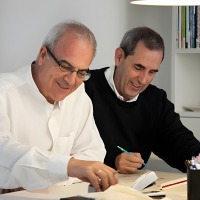
Spanish Ministry of Housing and Urban Agenda has awarded the 2025 National Architecture Prize to the architectural practice led by Antonio Cruz and Antonio Ortiz, one of the most significant firms in contemporary Spanish architecture. Their career spans more than five decades of projects in which construction precision, formal clarity and attention to the city have established an approach to architecture based on the synthesis of form, construction and use.

Cruz y Ortiz Arquitectos receives the prize, which carries a monetary award of €60,000. The jury, which met on 22 October 2026, recognised the consistency and quality of a body of work that represents one of the most significant contributions to Spanish architecture in recent decades, highlighting the firm's ability to address complex programmes and its commitment to the public dimension of architecture in both national and international projects.

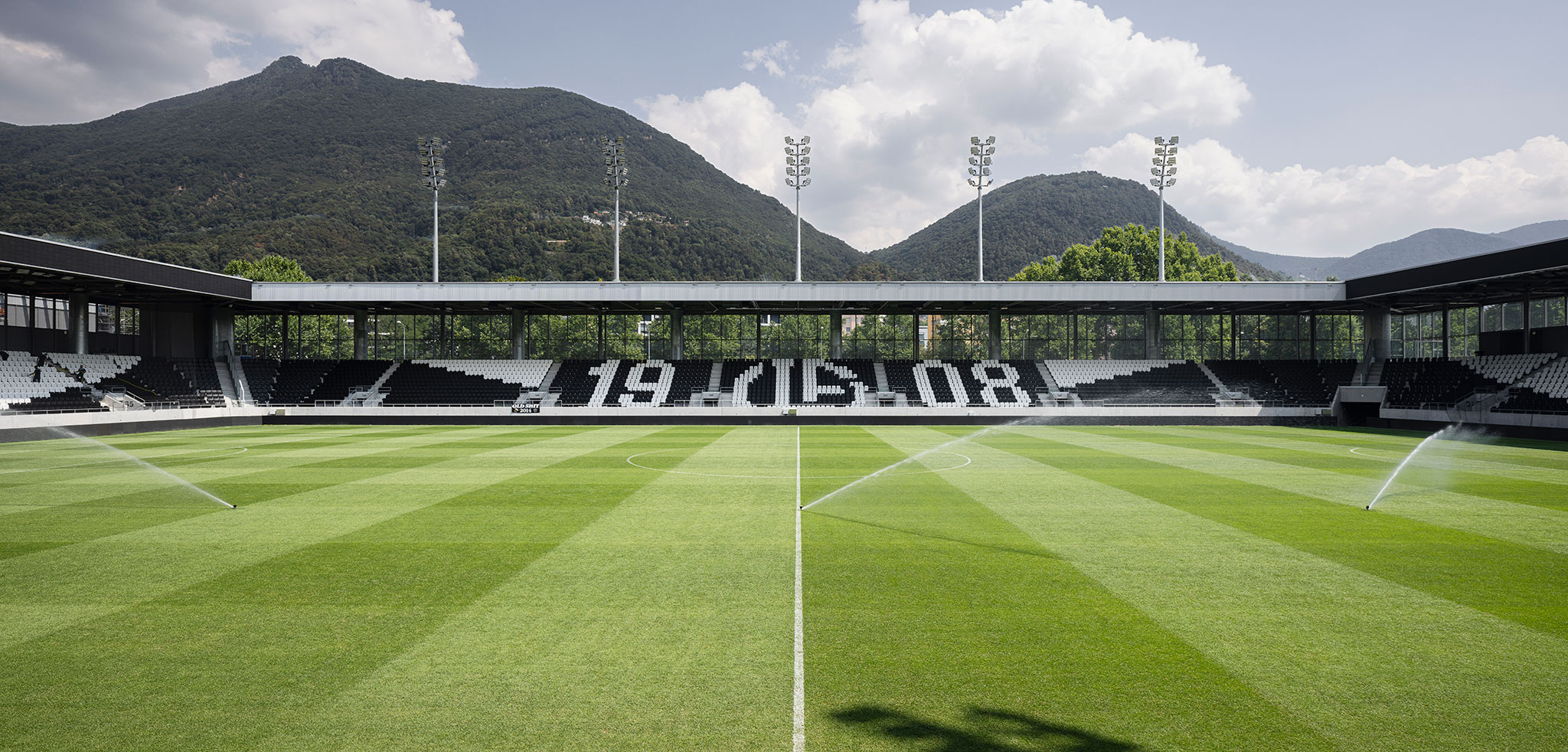
The practice, whose Arena Sportiva in Lugano we featured a few days ago as one of its most recently completed projects, was founded in Seville in 1974, shortly after its founders completed their studies. Antonio Cruz Villalón (1948) and Antonio Ortiz García (1947) had met at the Madrid School of Architecture. Their earliest projects were residential buildings, and within a few years they expanded beyond Seville, opening offices in Amsterdam and Lugano.

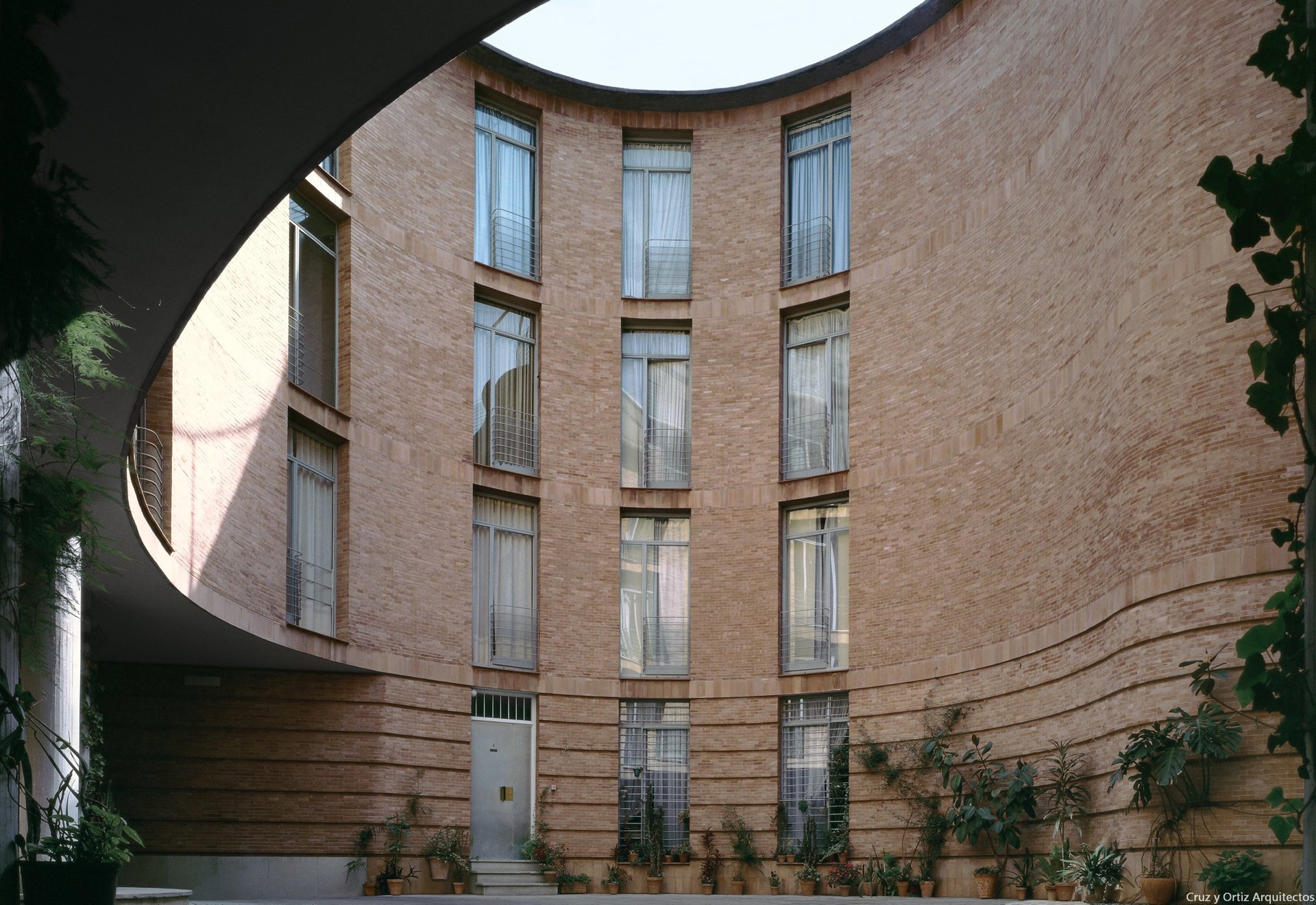
The floor plan of the housing development on Doña María Coronel Street, built between 1974 and 1976 in Seville's historic centre, quickly became a reference studied by generations of architecture students. Faced with the complex geometry of the plot, the project introduces a courtyard of distinctive, kidney-shaped geometry that opens up the centre of the site, organising the different dwellings and the connections between them. An apparently simple operation that expresses one of the defining characteristics of their work: finding a unified solution capable of bringing together diverse constraints.

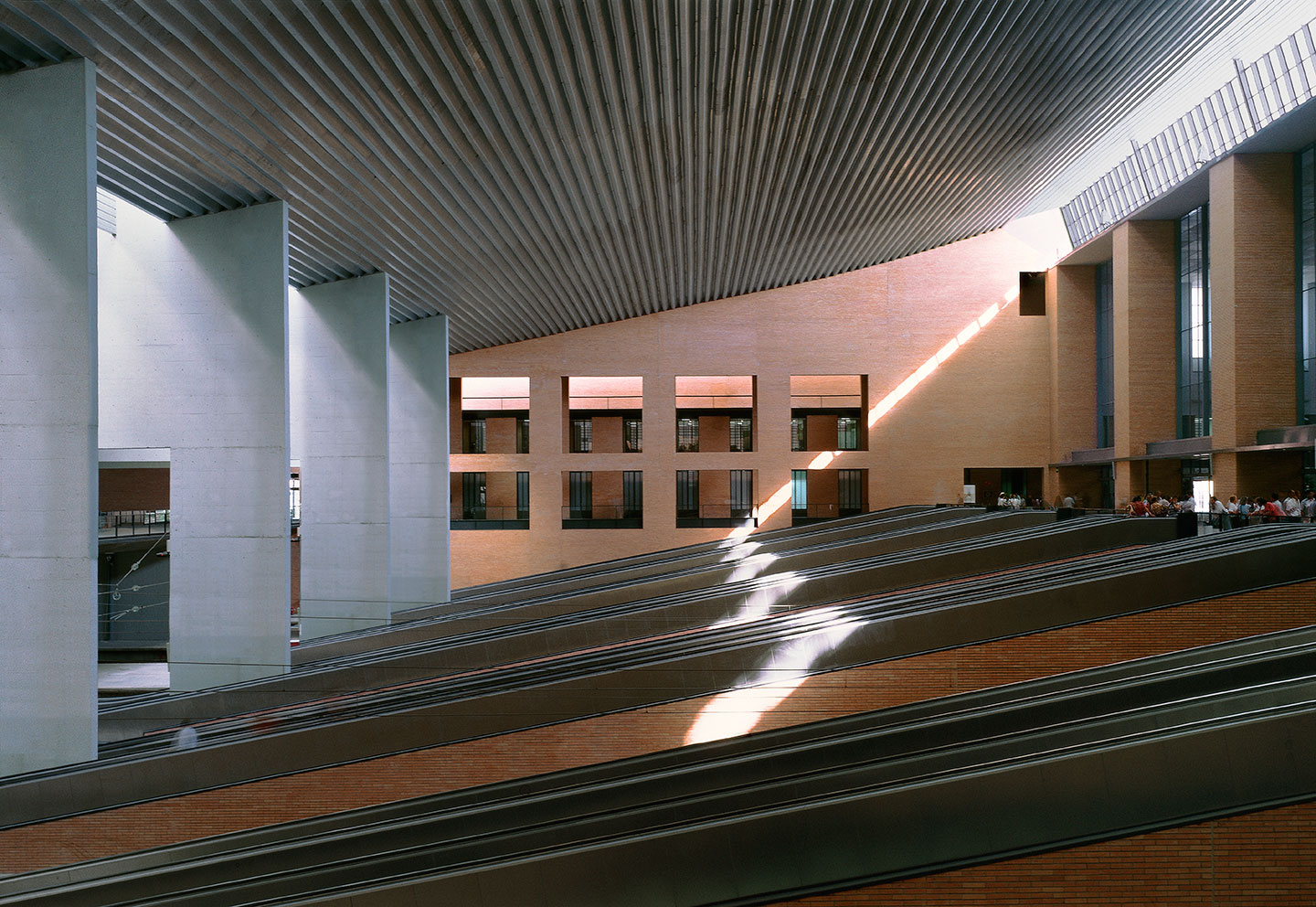
This pursuit of stitching things together rather than imposing solutions continues across projects of very different scales. Santa Justa railway station, inaugurated in Seville in 1991, shortly before Expo '92, marked a turning point in their career and in the urban transformation of the city. The station moves beyond its role as a merely functional infrastructure, transforming movement and waiting into a spatial event that combines railway transport with an architectural image of great clarity. The project received the Spanish National Architecture Prize in 1993, a prelude to the recognition they receive today.
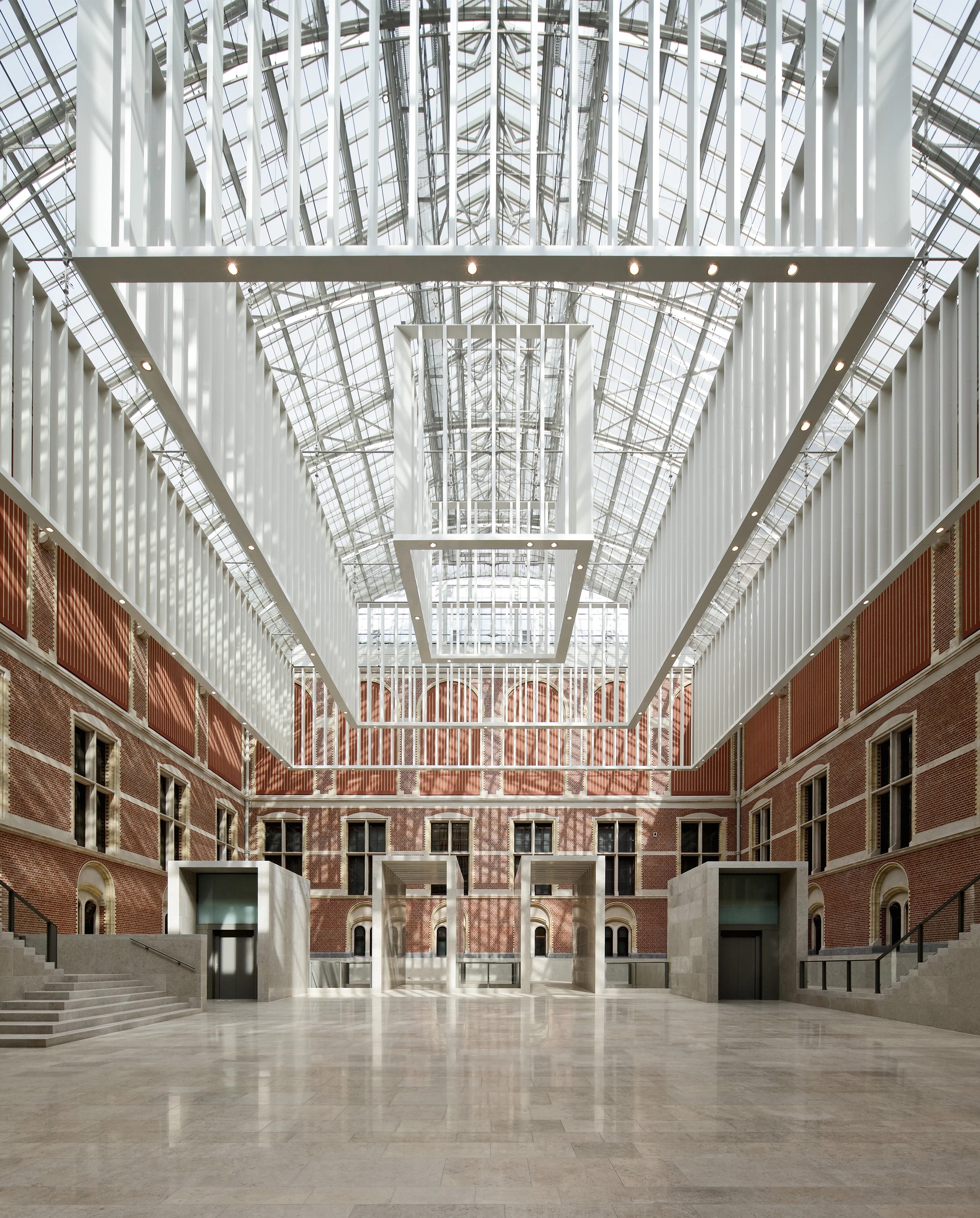
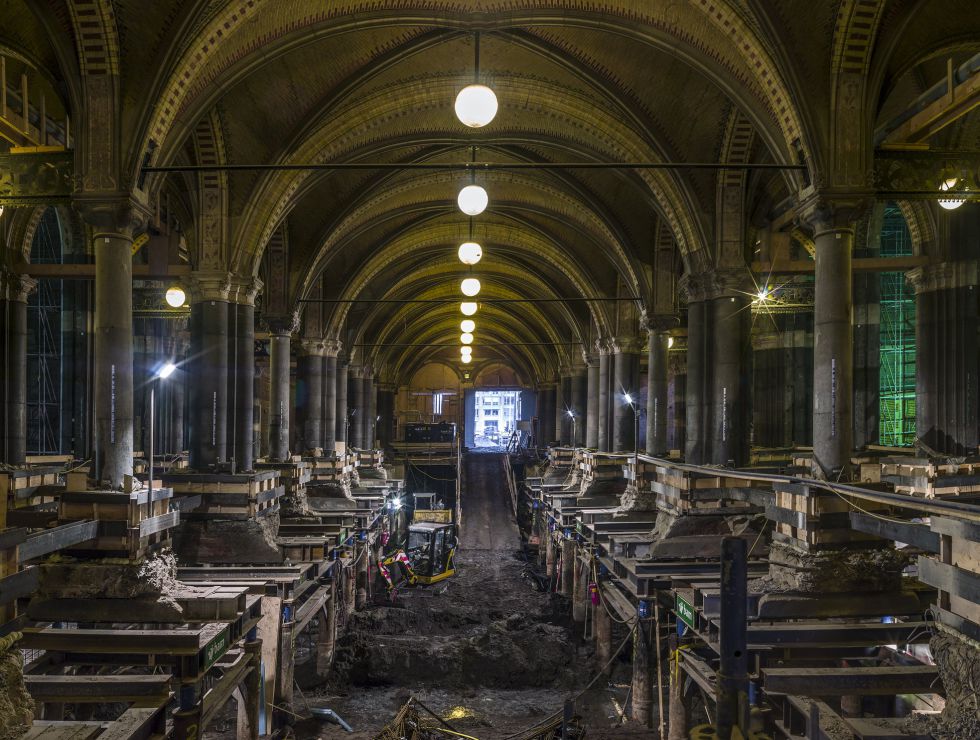
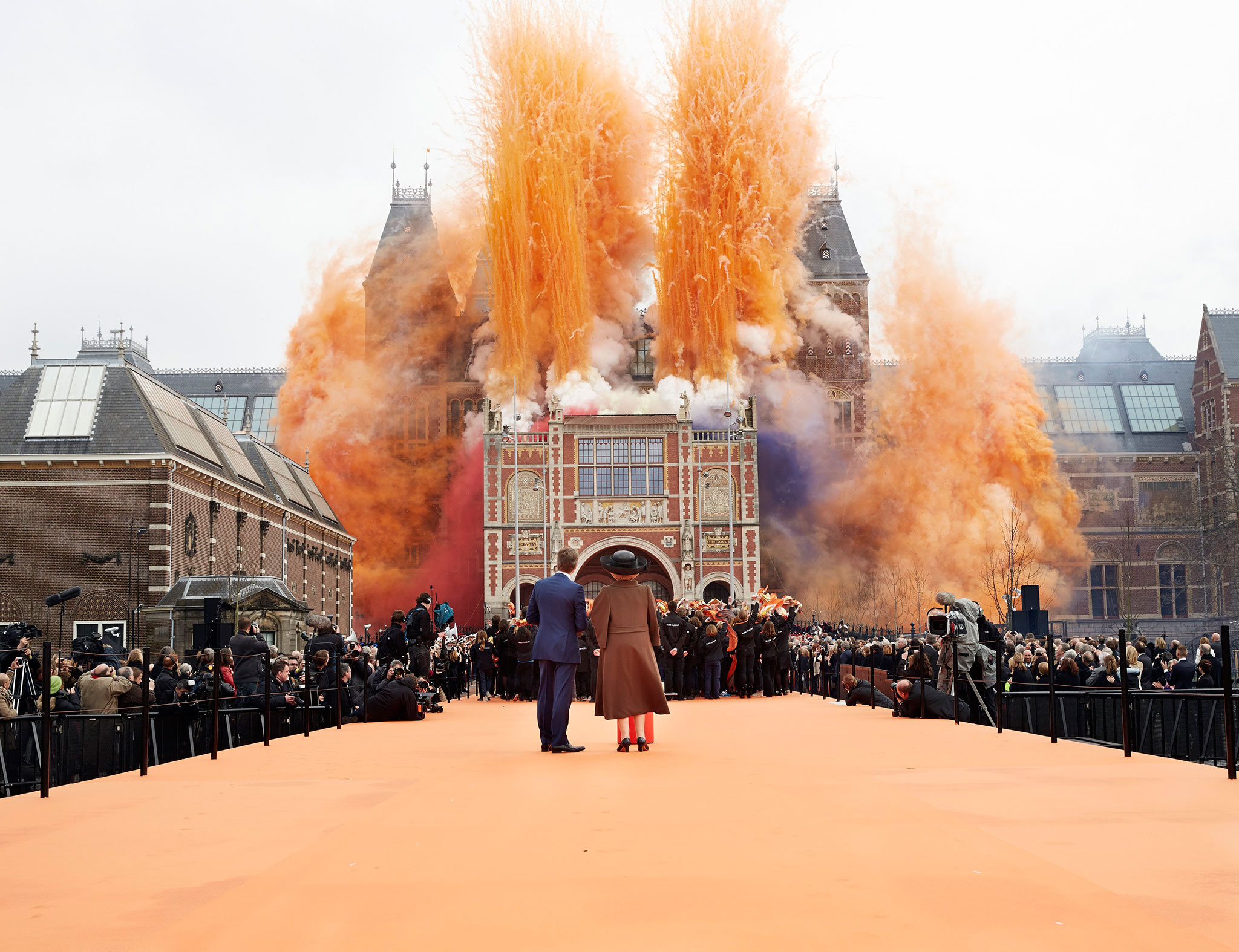
New Rijksmuseum by Cruz y Ortiz architects. Photography courtesy of Abe Bonnema Prijs. Photography by Pedro Pegenaute.

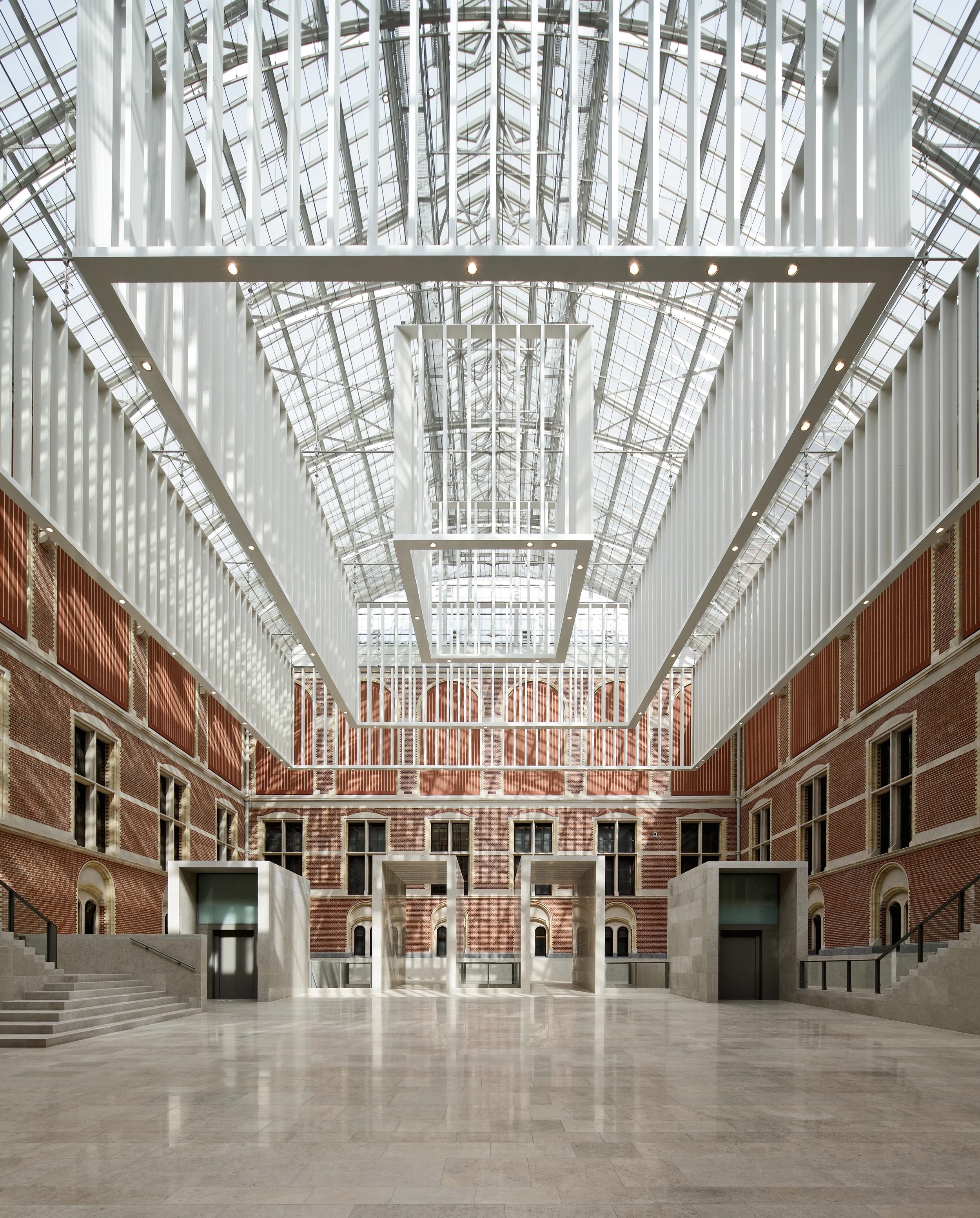
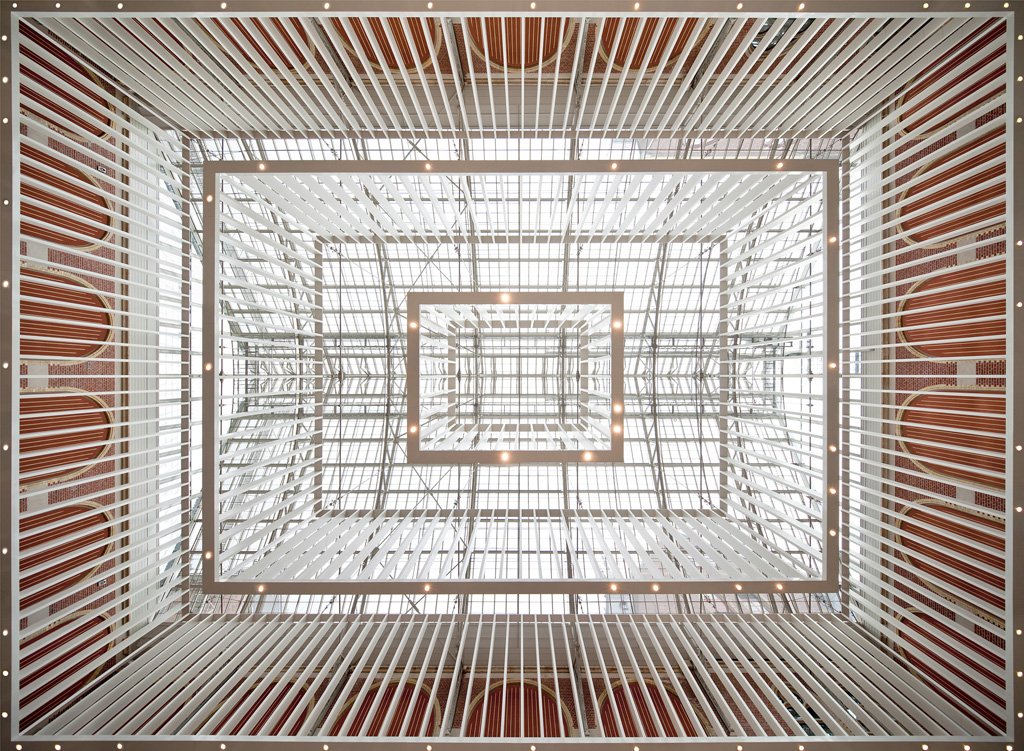
New Rijksmuseum by Cruz y Ortiz Arquitectos. Photography courtesy of Abe Bonnema Prijs. Photography by Pedro Pegenaute.

The restoration of the Rijksmuseum in Amsterdam, which reopened in 2013, is probably one of their best-known and most complex international projects. The transformation of Pierre Cuypers' historic building made it possible to reorganise circulation, connect the interior courtyards and turn the experience of entering the museum into a spatial celebration without losing its relationship with the city. The intervention demonstrated that working with architectural heritage is not simply about preserving its elements, but also about recognising its potential and the virtues of its resilience in responding to new uses.

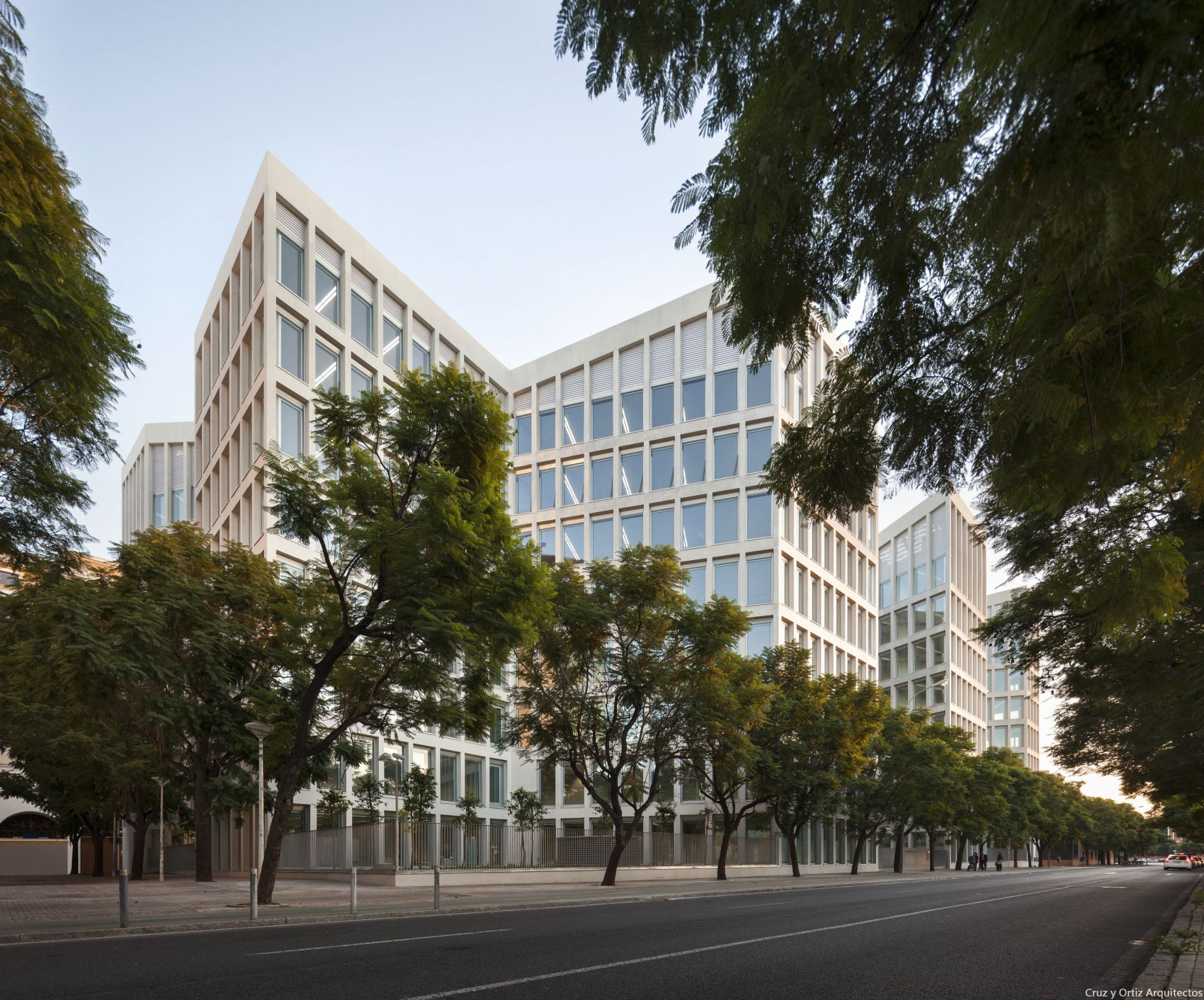
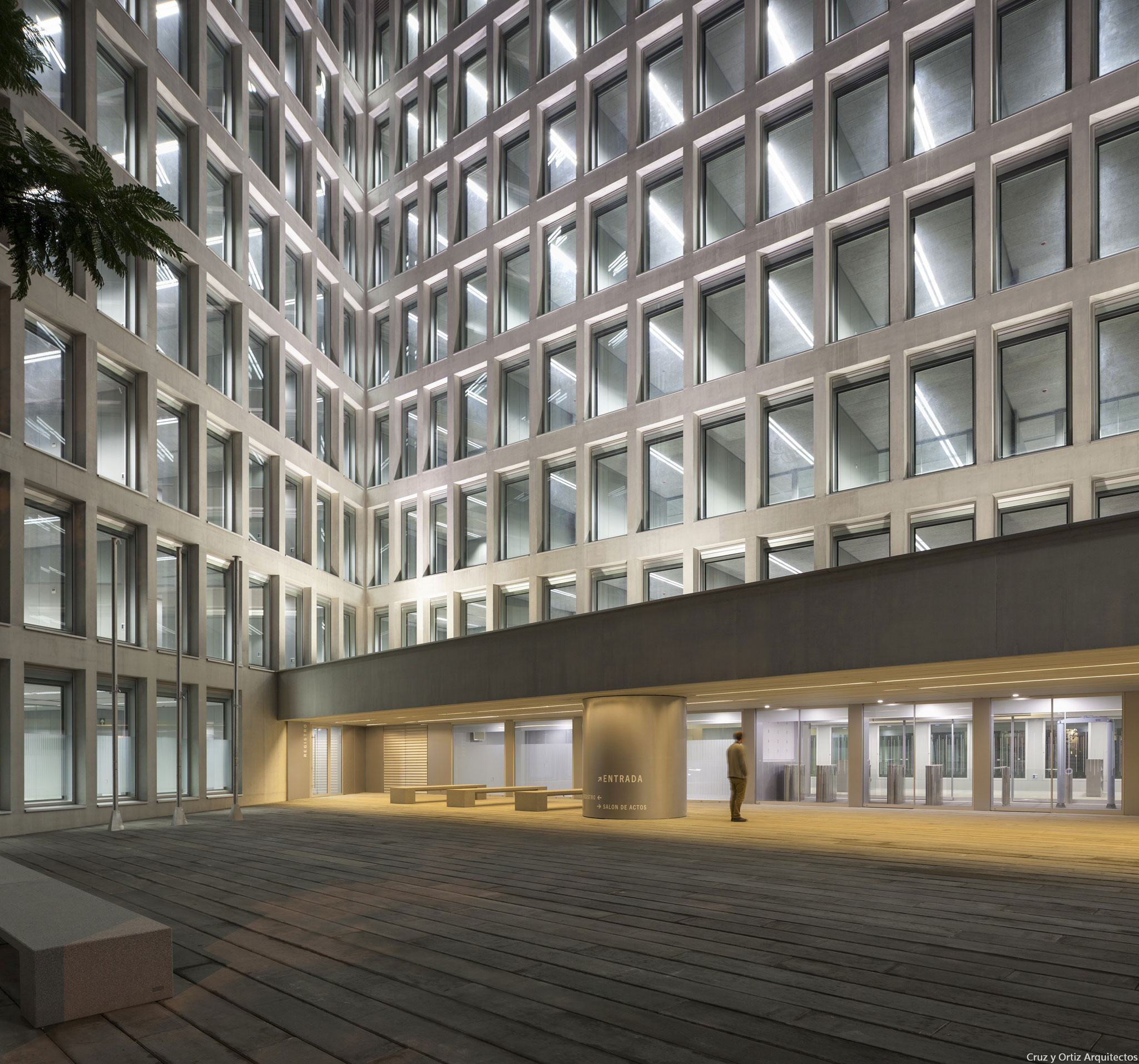
Their impressive body of work encompasses projects such as the Basel railway station, the offices for the Department of Public Works in Seville, the transformation of the former Community of Madrid athletics stadium into the current Metropolitano, the Faculty of Education Sciences in Seville, and various buildings within the Health Sciences Campus in Granada. These projects, despite their differing programmatic requirements, all share a consistent focus on structure, materiality, and urban relationships.

The jury also highlighted the academic dimension of their careers. Antonio Cruz and Antonio Ortiz have undertaken extensive teaching activities at institutions including Harvard, Cornell, Columbia and the polytechnic schools of Zurich, Lausanne and Delft. Their involvement in establishing the Cátedra Blanca in Seville and their appointment as honorary professors at the University of Seville in 2004 reflect a commitment to the transmission of knowledge that extends beyond their professional practice.
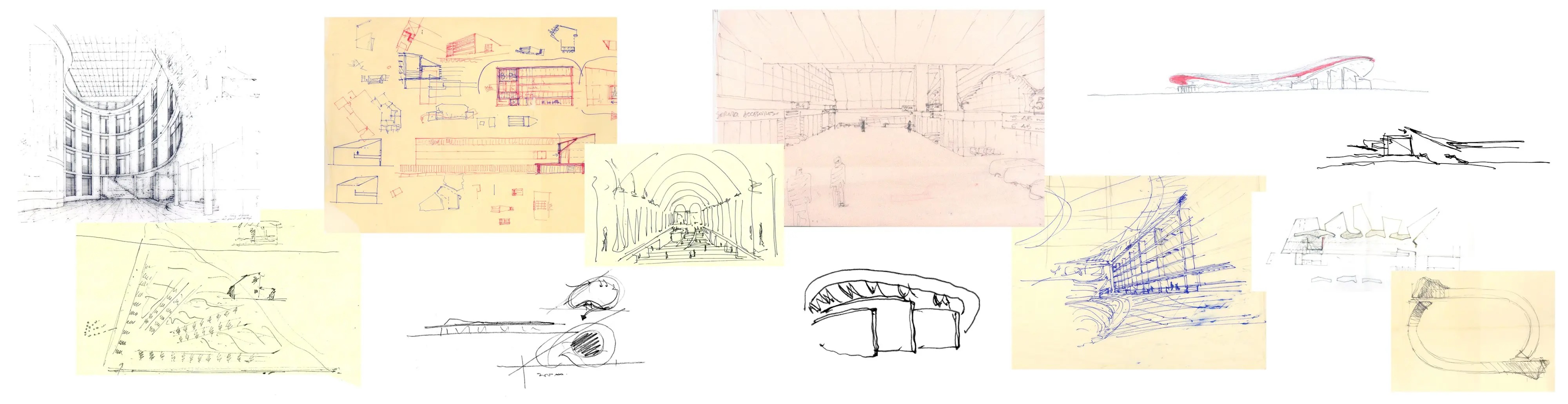
Collage of sketches for projects by Cruz y Ortiz Arquitectos.

Collage of sketches for projects by Cruz y Ortiz Arquitectos.

The nomination was submitted by the Higher Council of the Colleges of Architects of Spain (CSCAE), with the support of the Official College of Architects of the Balearic Islands and the Andalusian Council of Colleges of Architects. The jury particularly emphasised the firm's ability to integrate the different disciplines involved in architectural projects, as well as its contribution to the evolution of contemporary architecture through a rigorous professional practice committed to its context.

The 2025 National Architecture Prize thus recognises a career characterised by coherence and continuity, but also by its capacity for transformation. In contrast to an understanding of architecture as a succession of images or individual gestures, Cruz and Ortiz have defended a practice in which every decision finds its meaning within the whole. An architecture that seeks to overcome complexity through precision, and whose significance lies both in the quality of its buildings and in its contribution to contemporary architectural culture.

More information

Cruz y Ortiz Arquitectos is an architectural practice founded in 1974 by Antonio Cruz Villalón (Seville, 17 March 1948) and Antonio Ortiz García (Seville, 17 September 1947), with its main office in Seville. Since 2002, it has had a permanent office in Amsterdam, and since 2020, an office in Lugano, Switzerland, as well as an associated studio in Madrid.

Antonio Cruz and Antonio Ortiz began their professional careers in 1971, after graduating from the Madrid School of Architecture. After completing their studies, both architects returned to Seville, where they founded Cruz y Ortiz Arquitectos in 1974. From there, they began a career defined by a sober, precise architecture, attentive to the urban dimension of each intervention, which soon established them as one of the most important Spanish practices of their generation.

In 2002, Cruz and Ortiz opened a studio in Amsterdam, from which they have developed a significant part of their Dutch and Central European work. These projects include Java Eiland in Amsterdam (1994), the Patio Sevilla residences in Céramique, Maastricht (2000), the towers in Wilhelminapier, Rotterdam (2002–2003, project), the transformation of the Rijksmuseum in Amsterdam (2001–2013), and the Atelier Building of the Rijksmuseum itself (2007).

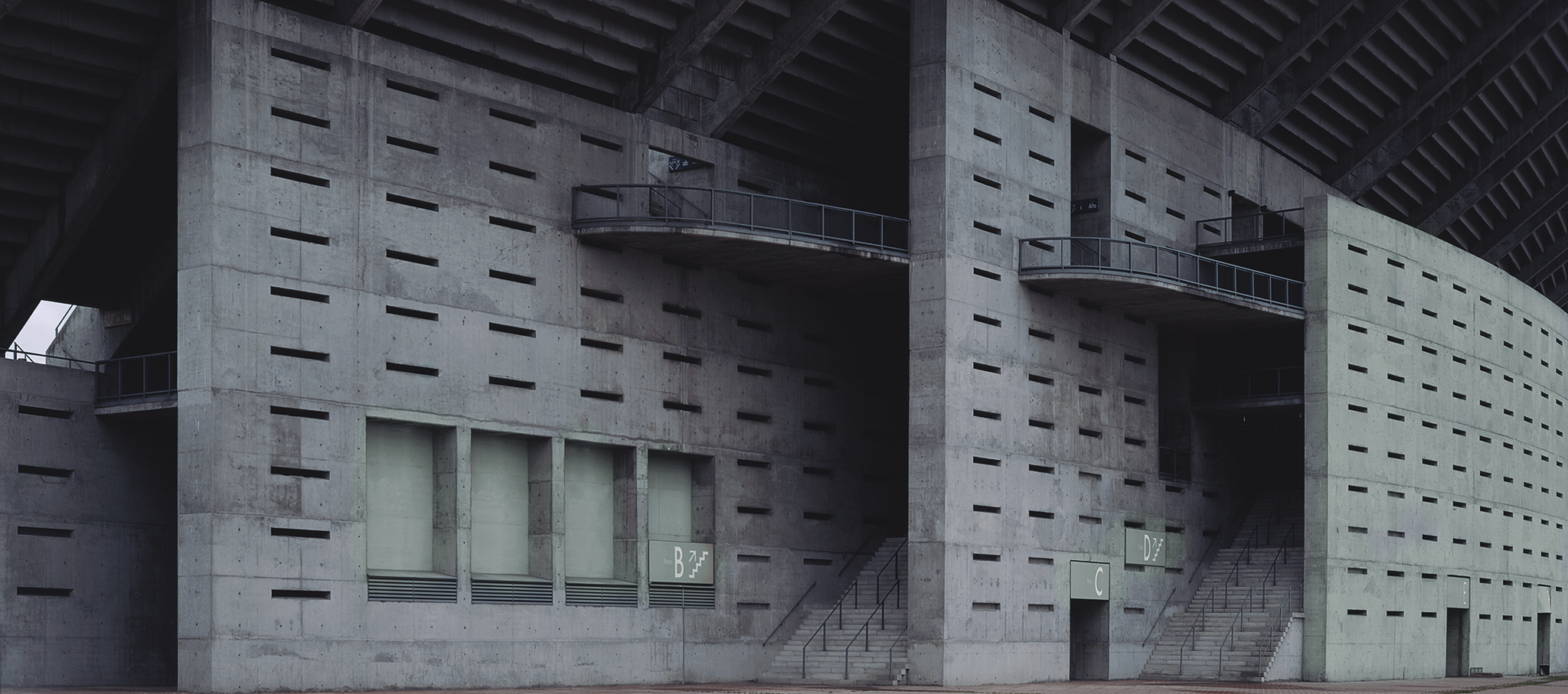
Their best-known projects include a housing project on Calle Doña María Coronel, Seville (1976), the adaptation of the Baluarte de la Candelaria as the Museum of the Sea in Cádiz (1989), the housing blocks in Carabanchel, Madrid (1989), the Andalusian Regional Ministry of Culture in Seville (1989–1992), Santa Justa Station in Seville (1991), the adaptation and extension of Ceuta City Hall (1993), Huelva Bus Station (1994), Seville Public Library (1999), La Cartuja Stadium in Seville (1999), the Spanish Pavilion at Expo 2000 in Hanover, the extension of the SBB railway station in Basel, Switzerland (2003), the housing project in the former Tort Can Planell Factory in Sabadell (2007), the Community of Madrid Stadium (2012), the Central Building of the Health Sciences Campus of the University of Granada (2015), the new Atlético de Madrid stadium, also conceived as an Olympic stadium (2016), the offices for the Andalusian Regional Ministry of Public Works and Housing in Seville (2016), the five-star Mercer Hotel in the Casa Palacio Castelar in Seville (2016), the extension and refurbishment of the Reina Sofía School of Music in Madrid, a competition won in 2024, and the project for the rehabilitation of the GESA building and the transformation of Palma’s seafront, a competition won in 2026.

In 1997, they were awarded the Gold Medal of Andalusia for their contribution to the field of architecture. They later received the National Sports Architecture Award (1998), the Eduardo Torroja Award for the Olympic Stadium in Seville (1999), the Heimatschutz Award for the extension of Basel SBB railway station (2001), the Velux Foundation Daylight Award Special Mention for Basel SBB railway station (2006), and the Andalusian Architecture Award for the extension of Basel railway station (2008). In 2013, they received the CSCAE International Spanish Architecture Award for the Rijksmuseum and the Abe Bonnema Architecture Award for the New Rijksmuseum. In 2014, they received the International FAD Award for the New Rijksmuseum, The Brick Awards / Worldwide Brick Award for the New Rijksmuseum, were appointed Honorary Fellows of the American Institute of Architects, were distinguished as Knights of the Order of the Netherlands Lion, and received the CSCAE Gold Medal for Architecture. In 2015, they received the AD Architects of the Year Award; in 2018, the World Football Summit Best Stadium Award for the Wanda Metropolitano; in 2019, the UEFA Elite Stadium distinction for the Wanda Metropolitano; and in 2026, the Hispalyt “Excellence in Ceramic Architecture” Award. Since 2004, they have been honorary professors at the University of Seville and have held the Cátedra Blanca at its School of Architecture. They have also been visiting professors at the polytechnic schools of Lausanne and Zurich, as well as at Cornell University, Columbia University, and the School of Architecture in Pamplona, and have held the Kenzo Tange Chair at Harvard University’s Graduate School of Design. Among other distinctions, they have received the Spanish National Architecture Award, the City of Seville Award, the City of Madrid Award, the 92nd Brunei International Award, the Construmat Award, and the CEOE Foundation Award. They have twice been finalists for the Mies van der Rohe Award.

Over more than five decades of work, Cruz y Ortiz Arquitectos has built a career marked by continuity, constructive rigour, and the ability to intervene in highly diverse contexts, ranging from housing and public facilities to infrastructure, stadiums, and the rehabilitation of major historic buildings. Their work, developed across Spain and other European countries, combines a precise attention to place with architecture of great formal clarity, positioning the practice among the key references in contemporary Spanish architecture.

Read more
Published on: November 4, 2026
Cite:
metalocus, JOSÉ JUAN BARBA
"Cruz y Ortiz, an Architecture That Stitches Together Rather Than Imposes. National Architecture Prize 2025" METALOCUS. Accessed
<https://www.metalocus.es/en/news/cruz-y-ortiz-architecture-stitches-together-rather-imposes-national-architecture-prize-2025> ISSN 1139-6415
Loading content ...
Loading content ...
Loading content ...
Loading content ...
Loading content ...
Loading content ...
Loading content ...
Loading content ...
Loading content ...
Loading content ...
Loading content ...
Loading content ...
Loading content ...
Loading content ...
Loading content ...
Loading content ...
Loading content ...
Loading content ...
Loading content ...
Loading content ...
Loading content ...
Loading content ...
Loading content ...
Loading content ...
Loading content ...
Loading content ...
Loading content ...
Loading content ...
Loading content ...
Loading content ...
Loading content ...
Loading content ...
Loading content ...
Loading content ...
Loading content ...
Loading content ...
Loading content ...
Loading content ...
Loading content ...
Loading content ...
Loading content ...
Loading content ...
Loading content ...
Loading content ...
Loading content ...
Loading content ...
Loading content ...
Loading content ...
Loading content ...
Loading content ...
Loading content ...
Loading content ...
Loading content ...
Loading content ...